My name is Arjun Jain. I have always been naturally curious.
Ever since I was a child, I was drawn to observing how people move through and shape the spaces around them. Having been fortunate to travel to over thirty-five countries, some of my earliest memories are not solely of famous landmarks, but of standing still in unfamiliar cities. I found myself watching how train stations functioned in places where I did not speak the language, noticing how markets reorganized at dusk, and wondering why certain streets felt alive while others felt empty. I did not have the vocabulary for it then, but I was trying to understand how space shapes behaviour. That instinct to observe eventually evolved into a discipline of making, testing ideas through drawing, fabrication, and full-scale construction.
As the years have passed, that curiosity matured into something more grounded. Over time, the way I move through the world became more thoughtful and deliberate. Two words that now define how I approach my surroundings and my work, in how I detail, how I collaborate, and how I build. This body of work reflects that evolution, shaped by careful observation, disciplined inquiry, and a commitment to building with clarity of purpose.
arjun jain
education
professional experience
I am an architectural science student with leadership experience and strong proficiency in revit, rhino and digital tools. I bring a strong work ethic with attention to detail, and thrive in both collaborative and independent environments, delivering thoughtful, impactful solutions.
bachelor of architectural science co-op student | sep 2023 - present toronto metropolitan university
architectural science research assistant | may 2025 - aug 2025
nserc undergraduate student research assistantship with professor vincent hui
leadership
projects
das outreach ambassador | may 2025 - aug 2025
toronto metropolitan university - department of architectural science
administered an architecture summer camp serving over 100 students
designed adaptive facade modules with terracotta using kuka parametric robot control tested practical application of bioreceptive materials with digital assessment tools engaged underrepresented youth, participants from toronto community housing
das workshop administrator | sep 2024 - may 2025
participated in community-oriented design-build projects
youth basketball head coach | oct 2022 - aug 2024
toronto metropolitan university - department of architectural science jr. nba and canada basketball
mentored and guided students in various digital fabrication techniques coached up to 30 weekly participants in jr. nba’s national youth basketball program
co-director of freedom by design | sep 2025 - present
freedom by design - non-profit organization at toronto metropolitan university american institute of architectural students
proposed an interactive seating unit for st. michael’s hospital pediatric ward
led a winter clothing drive, collecting 250 lbs of donations for the homeless
public relations director | sep 2024 - may 2025
project lead | solair
winner of winter stations 2025 design-build competition
co-led a 30-person team to design and deliver a public winter installation from concept through fabrication and installation within a six-month timeline
developed construction drawings, fabrication details, and material specifications for off-site prefabrication and on-site assembly coordinated material procurement, sponsor communication, and budget management ($12,000) to ensure build feasibility and installation under real site constraints
project lead | solstice
commissioned by toronto botanical gardens for a semi-permanent design-build
co-led a team to design, construct and install a site-specific installation
initiated and negotiated in-kind supplier and trade sponsorship agreements to optimize the design-building process, delivering the project more than 50% under budget
fabrication team | roundtrip (taiwan), strata (bia), parking day (competition)
extensive pre-fabrication and on-site installation for all three projects
publications
global outreach
awards and distinctions
designing for decomposition | tools and tactics for planetary biodesign
ACSA Melbourne | V. Hui, J. Levy, A. Jain, D. Modugula (in process)
reframing materiality | rethinking the implications of materials in architecture
ICERI 2025 Seville | V. Hui, A. Jain, et al. (2025)
bridging futures | integrating architectural education into high school curricula
ICERI 2025 Seville | V. Hui, A. Jain, et al. (2025)
learning from leaving | canadian context as a basis of architecture
ICERI 2024 Seville | V. Hui, R. Kim, A. Jain, et al. (2024)
das connections | a new paradigm for aec industry engagement
ICERI 2024 Seville | V. Hui, M. Jovanovic, A. Jain, et al. (2024)
acsa international conference
melbourne, australia | july 2026 (upcoming)
international conference of education, research and innovation
seville, spain | november 2024 and 2025
eva air x ming chuan university design-build collaboration
taipei and taoyuan, taiwan | october 2025
aias forum conference 2025
austin, texas | january 2025
nserc undergraduate student research award ($10,000)
issued by natural sciences and engineering research council of canada
circular materials innovation award
presented by the city of taoyuan’s city culture foundation, this award recognizes projects that demonstrate creative and practical reuse of materials in pursuit of sustainable design
plant-sense taiwan design award
awarded in recognition of outstanding performance at an international exhibition hosted by the taoyuan city government
das year-end show 2024 - 2026
10+ academic projects selected to be displayed in annual year-end shows
media
skills
featured in archdaily, canadian architect, interior design magazine, and others
project featured | project co-lead of solair winter stations 2025
interviewed by citynews and cbc radio
personal interview | project co-lead of solair winter stations 2025
d5 render enscape render microsoft office rhinoceros 3d
3d printing cnc milling kuka prc laser cutting con docs ai tools
leadership communication critical thinking organization collaboration negotiation
competition work pg. 8-15
academic work pg. 16-21
academic work pg. 28-33
research work pg. 34-37
competition work pg. 22-27
design-build competition pg. 38-45
terrarium
competition work
agricultural hub
designers arjun jain & dhruvan modugula
tools revit, grasshopper, rhino, d5 render, adobe suite
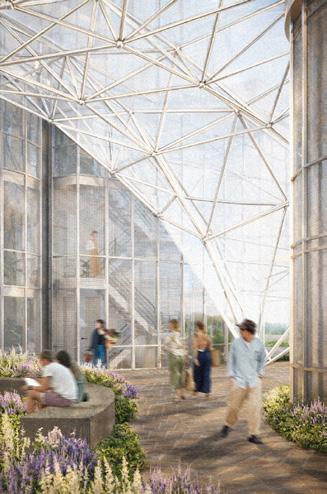
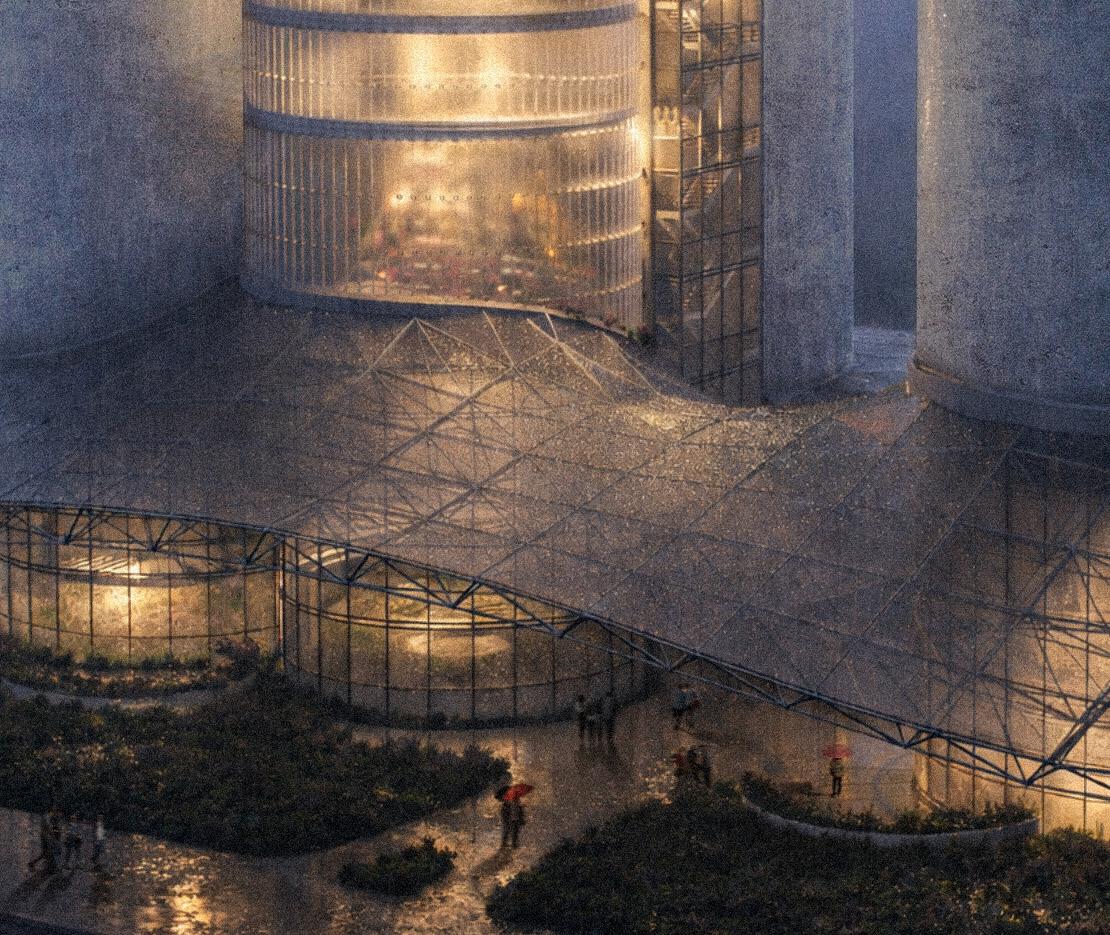
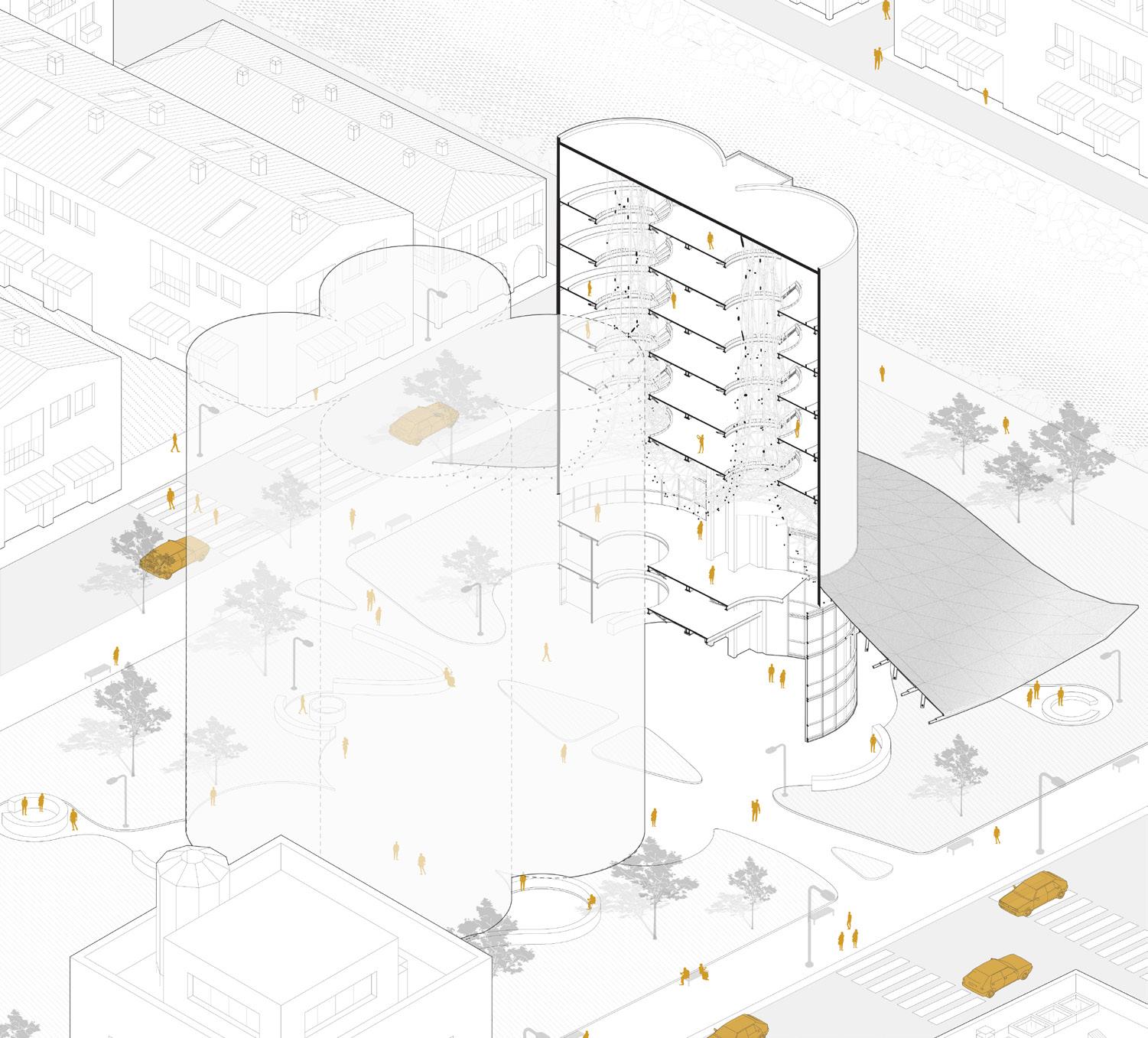
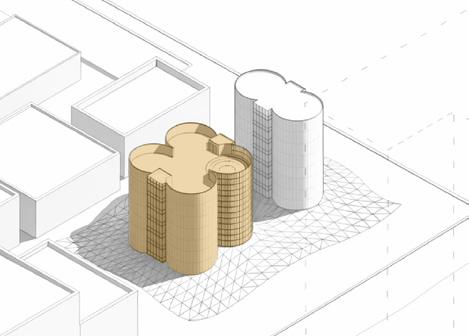
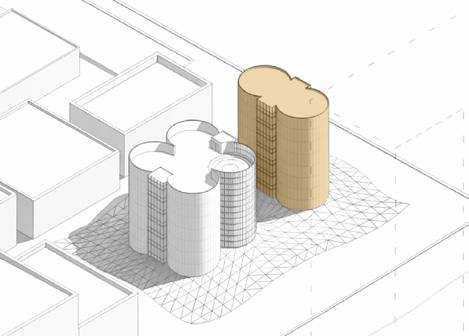
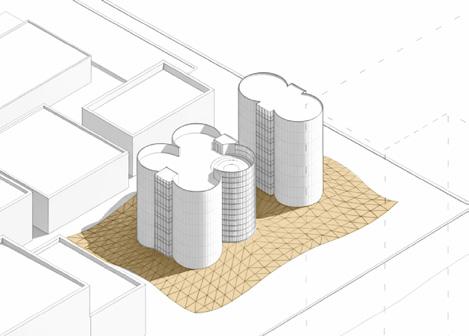
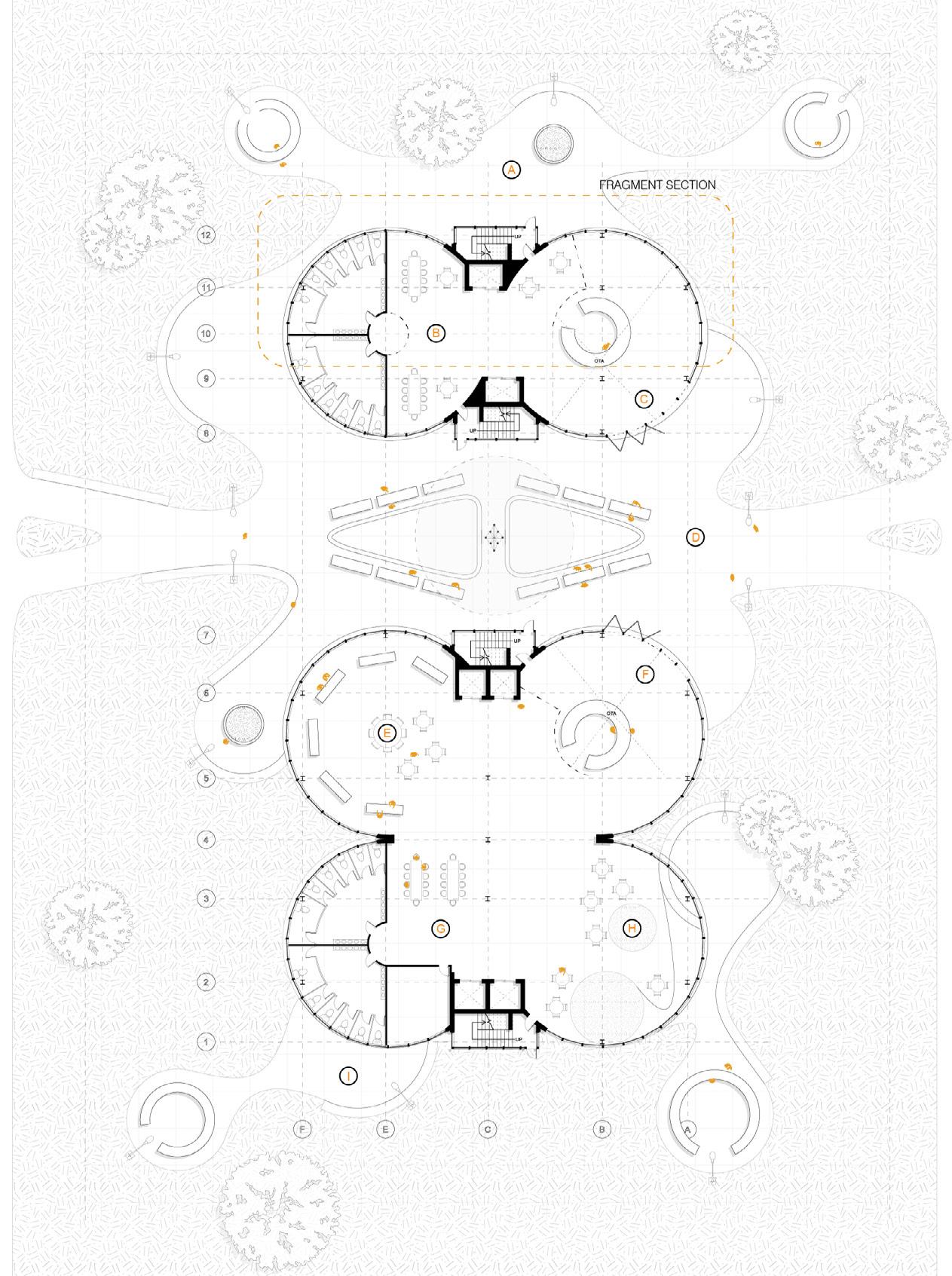
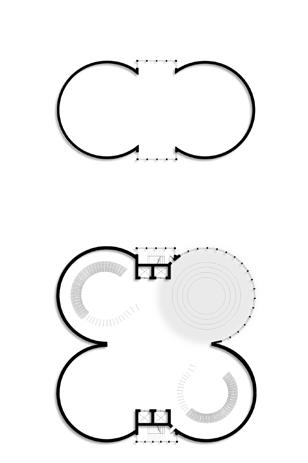
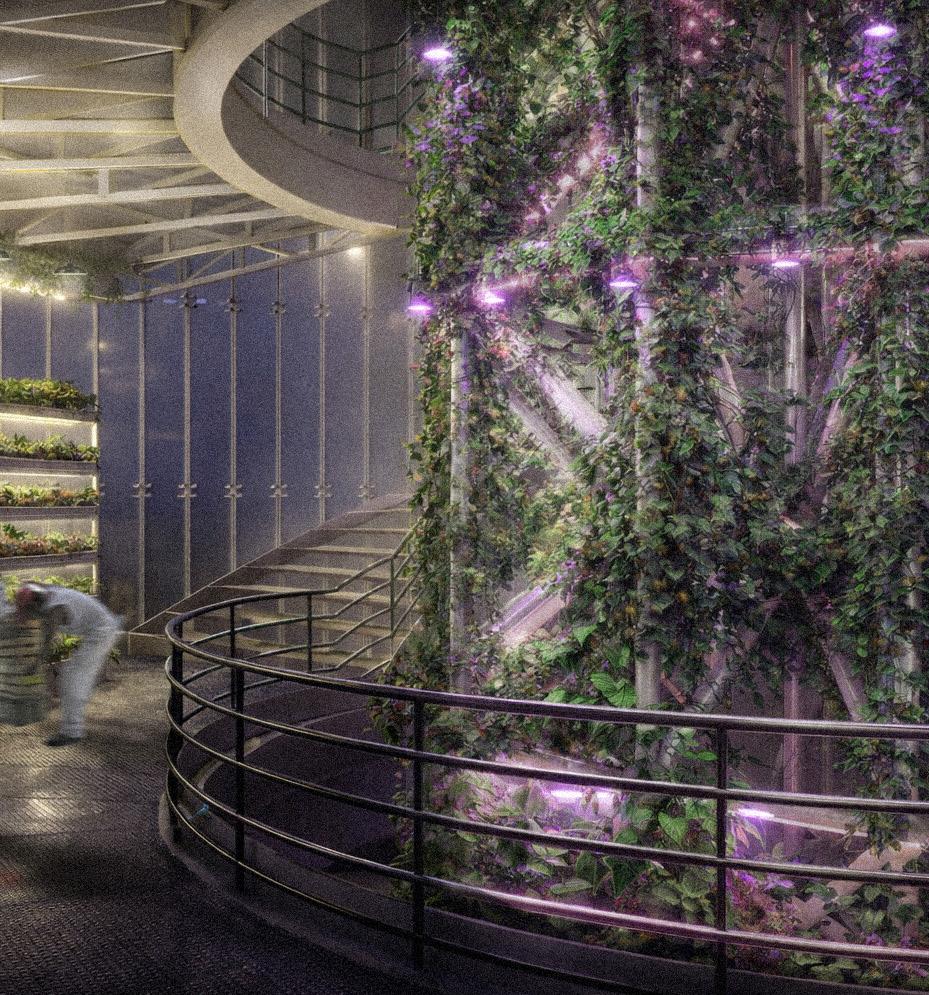
Terrarium transforms a decommissioned grain silo into a vertical farming hub and school of urban agriculture, reimagining industrial infrastructure as a living system of learning, production, and community exchange. Through adaptive reuse, hydroponic and aeroponic growing systems are embedded within the silo’s cylindrical cores. The project integrates classrooms, labs, and hands-on teaching units directly alongside growing environments, allowing students and community members to engage with sustainable food systems through direct observation.
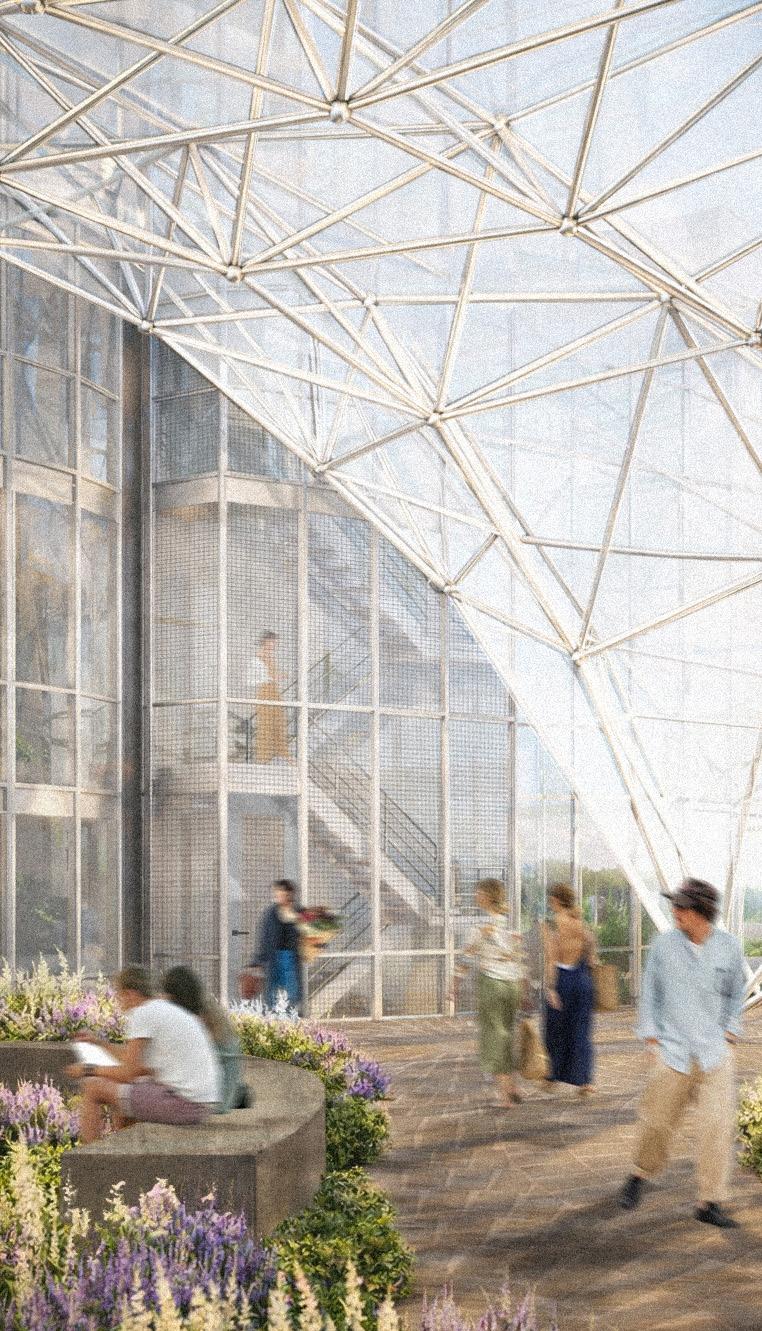
At the base, a publicly accessible farmers market and community forum ground the project within the surrounding neighborhood, linking local production to consumption and exchange. By merging agriculture, education, and public life, terrarium positions vertical farming as both civic infrastructure and a catalyst for urban resilience.
school of agriculture
classrooms, faculty offices and practical teaching spaces allow for flexible learning
private farming
rentable plots of vertical farming within the silos to cultivate in a dense urban setting
metabolic architecture
becomes a source of food production and distribution with growing scarcity
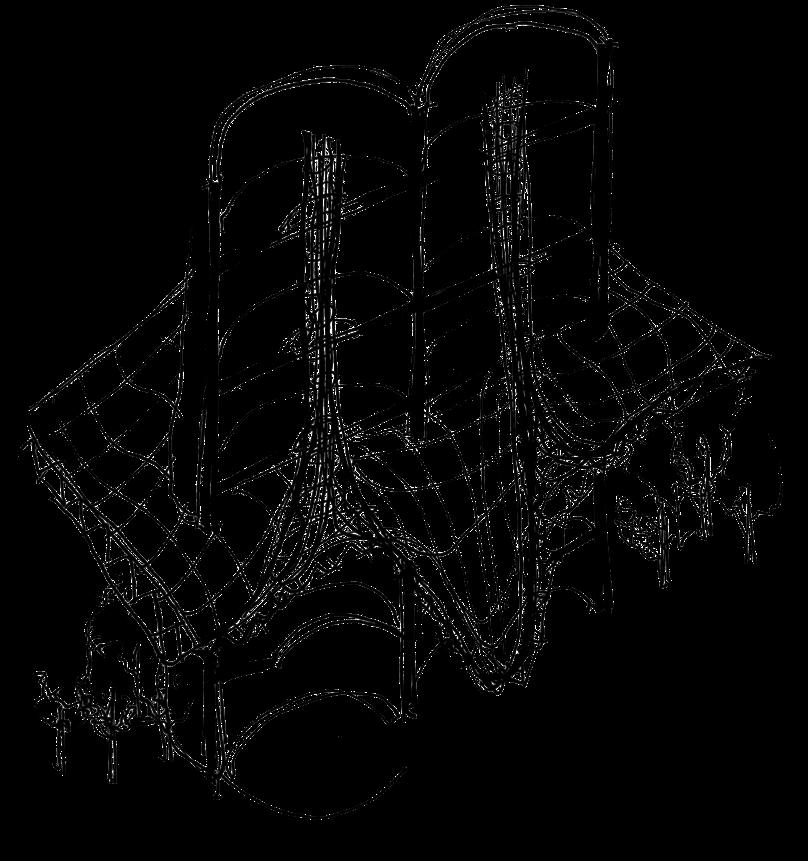
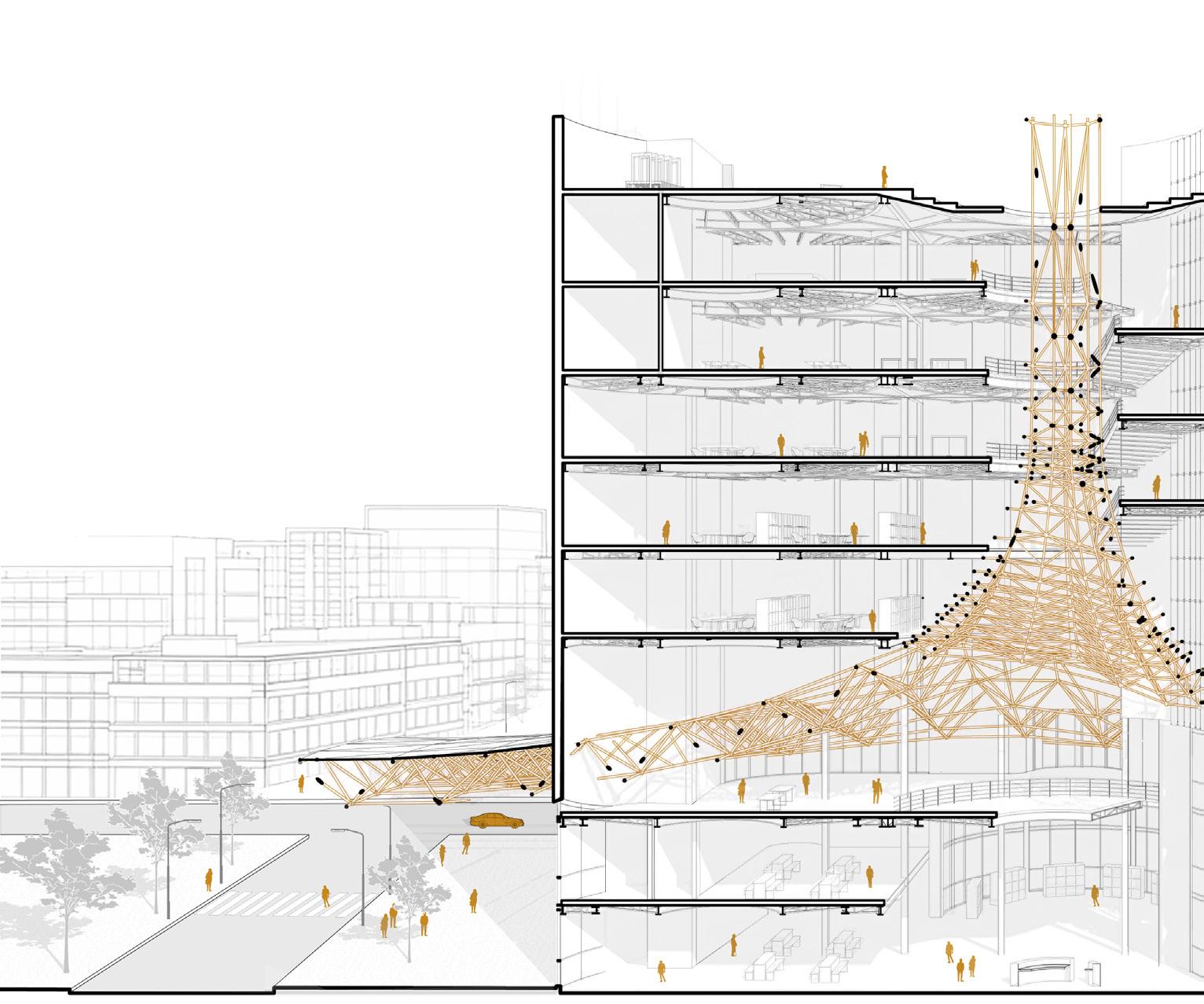
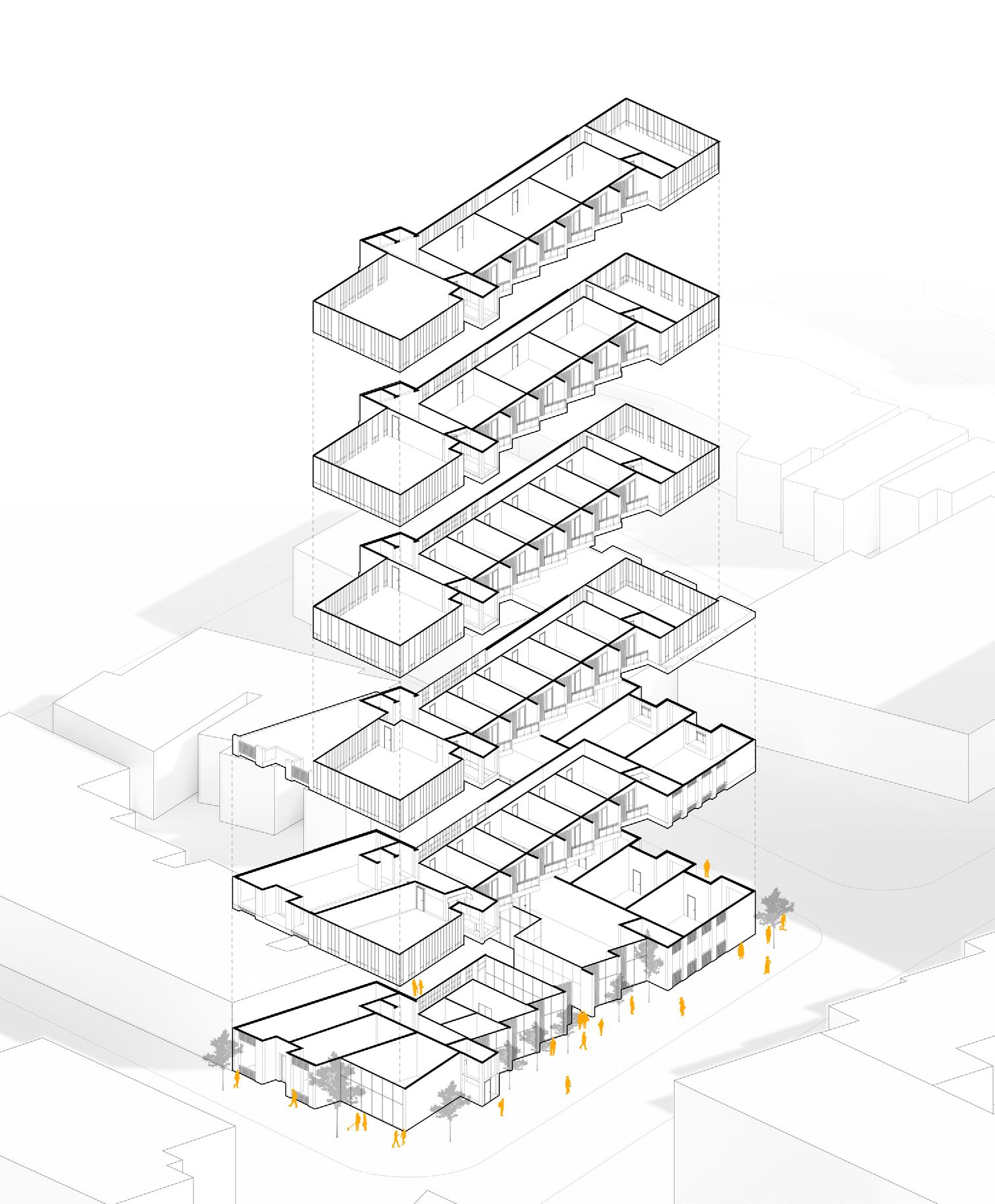
sectional isometric
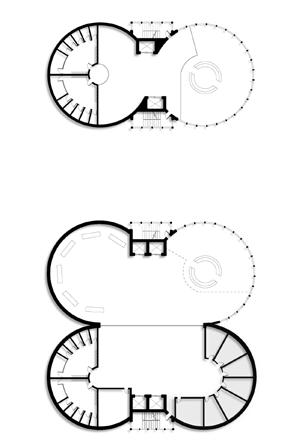
floor 2 | lower mezzanine faculty offices
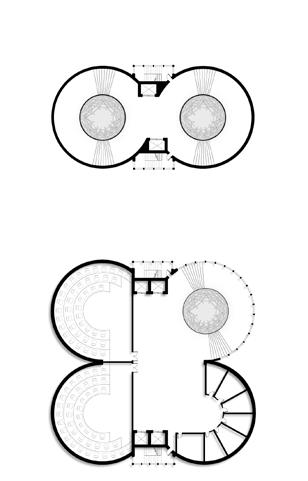
floors 3 - 8 | main program vertical farming units rooftop level
flexible and adaptable teaching spaces
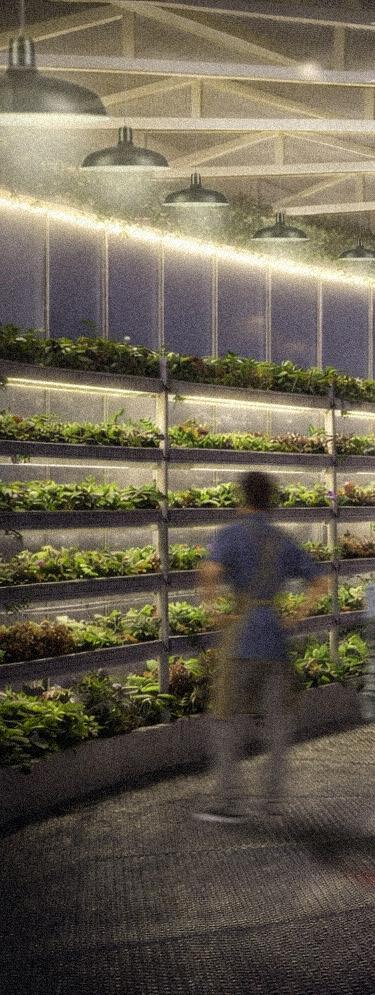
The project embeds classrooms, laboratories, and hands-on teaching units directly within the growing environment, collapsing the boundary between instruction and practice. Learning occurs alongside cultivation, where students and community members engage directly in planting, monitoring, and harvesting as part of the educational process. Circulation cores are conceived as didactic spaces, revealing irrigation networks, nutrient flows, and structural systems to transform movement through the building into an ongoing lesson in sustainable food production and infrastructural systems.
vertical farming practical teaching unit at soa
interior-exterior continuity and thresholds
At the base, a publicly accessible farmers market and community forum ground the project within the surrounding neighborhood, linking local production to consumption and exchange. By merging agriculture, education, and public life, Terrarium positions vertical farming as both civic infrastructure and a catalyst for urban resilience.
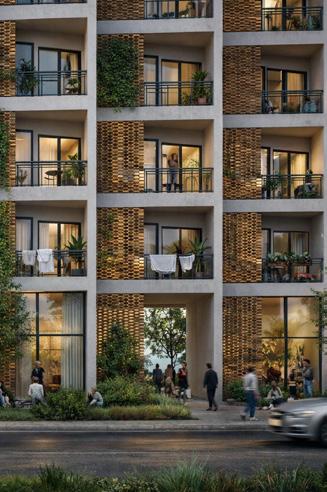
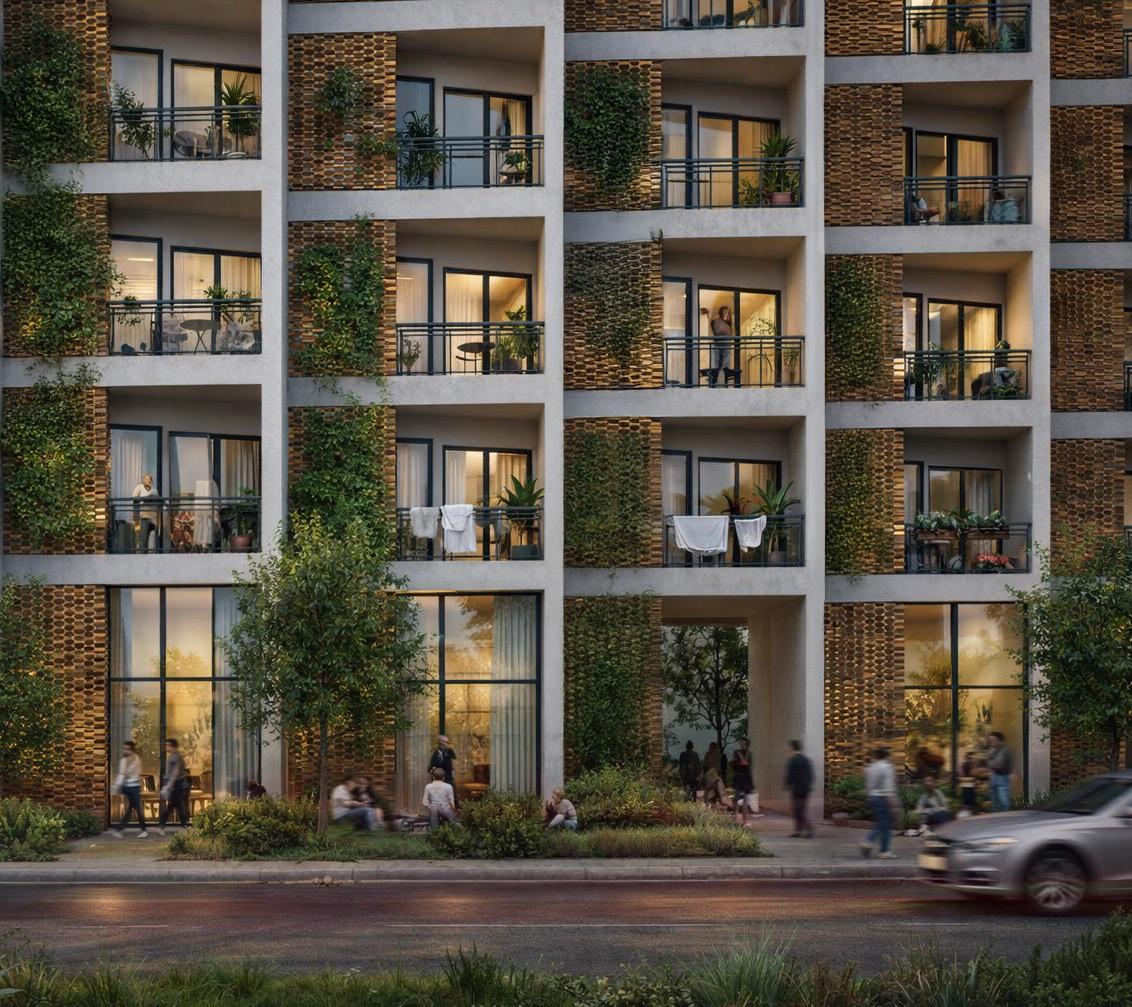
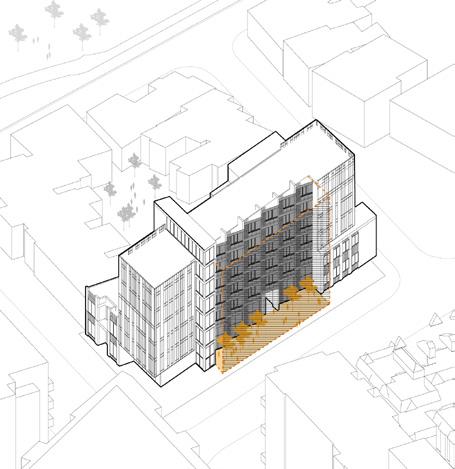
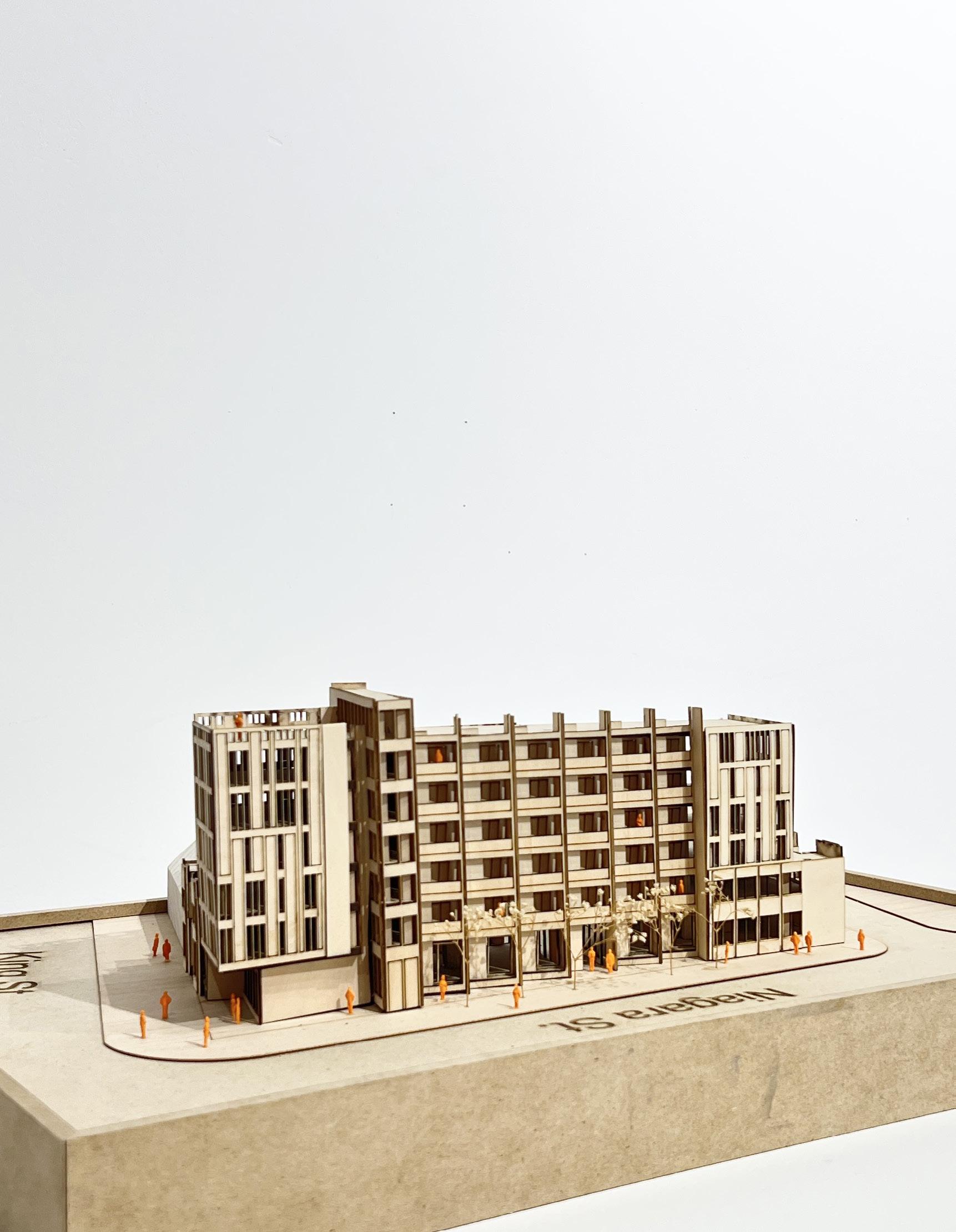
Stanley Grove midrise emerges from toronto’s layered urban fabric, interpreting the site’s tapestry-like context through a contemporary lens. The project acknowledges a neighbourhood stitched together from multiple eras, defined by brick façades and evolving forms of habitation. Situated in a diverse developmental context, the building is informed by the massing of its surroundings and zoning/by-laws.
Conceived as a residential midrise, the building responds to shifting housing demographics by introducing adaptable living models such as shared roommate-style units that balance affordability and community. Brick is reimagined as both structure and surface, mediating between past and present, while integrated pockets of greenery carve out moments of respite within the dense fabric.
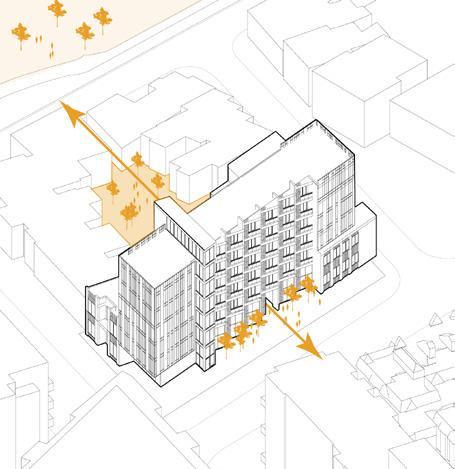
activating street level
recessing the main facade at grade creates opportunity for gathering
facilitating human movement
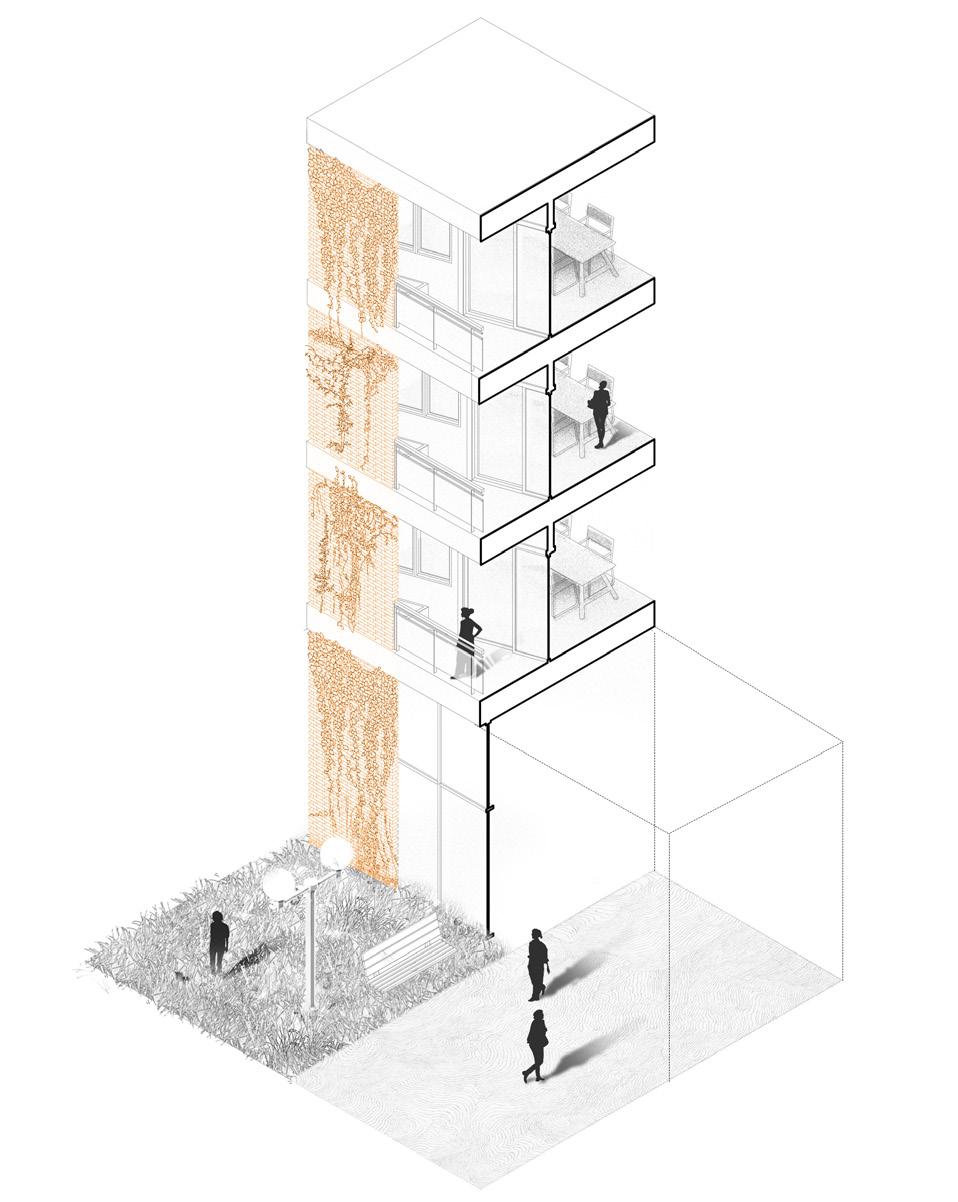
The perforated brick screen is conceived as a tactile, inhabitable surface that supports the growth of vined foliage across the façade. In summer, the dense leaf growth acts as a living shade layer, filtering sunlight and reducing heat gain while softening the façade’s presence along the street. In winter, as the foliage dies back, the screen becomes more porous, allowing increased daylight to penetrate the interiors and maintaining a visual connection between inside and out.
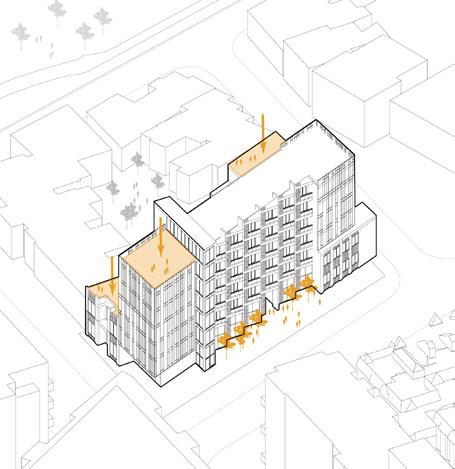
elevated green space a corridor through the building allows for free flow between green spaces
providing residents with access to green space in a dense environment
isometric wall section
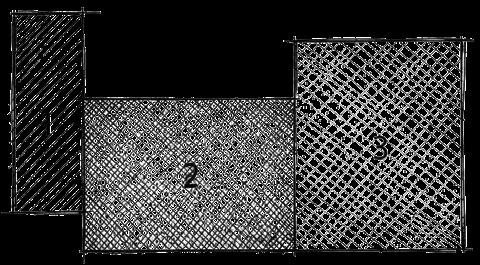
reflecting toronto’s diverse developments across numerous eras of growth, stanley grove’s widest elevation is visually split into three distinct masses, assimilating it within the variegated local context
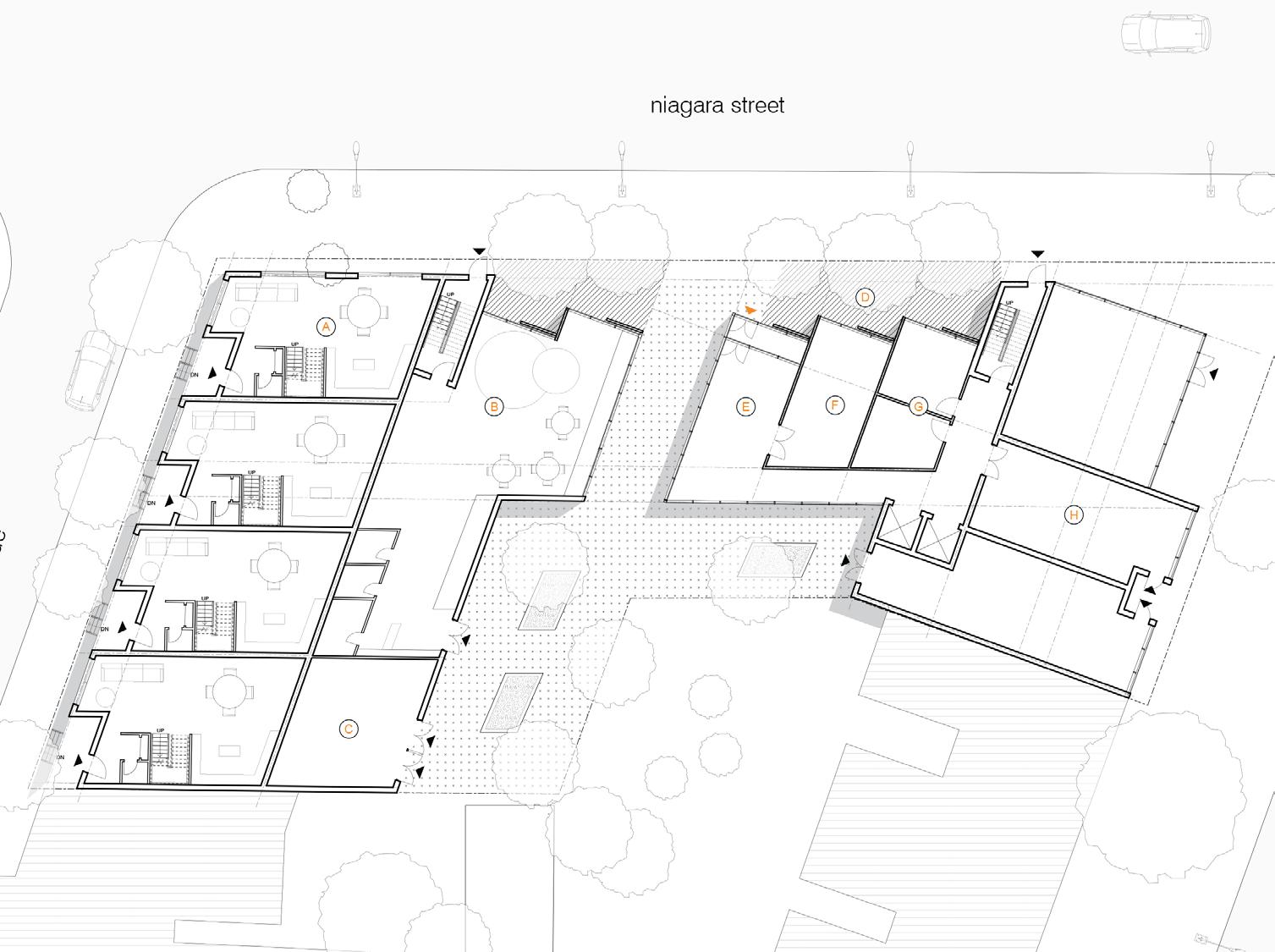
a. townhouses (4)
b. daycare
c. waste disposal
d. street-side park
e. residential foyer
f. lockers/postal
g. bikes + storage
h. commercial units (3)
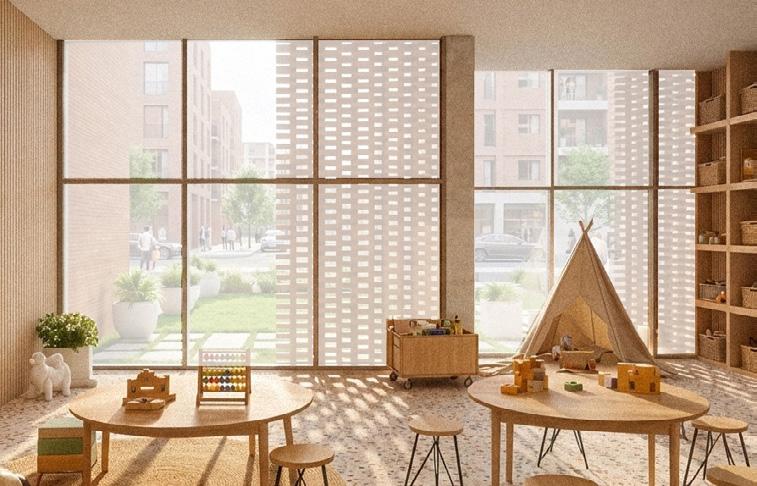
At grade, the perforated brick screen filters daylight and sightlines to provide privacy for the daycare while maintaining a gentle connection to the street. Its porous surface maintains openness and visual permeability at the sidewalk, while it softens glare, limits direct views, and creates a calm, protected environment suited to children’s activities.
ground floor plan
daycare interior perspective
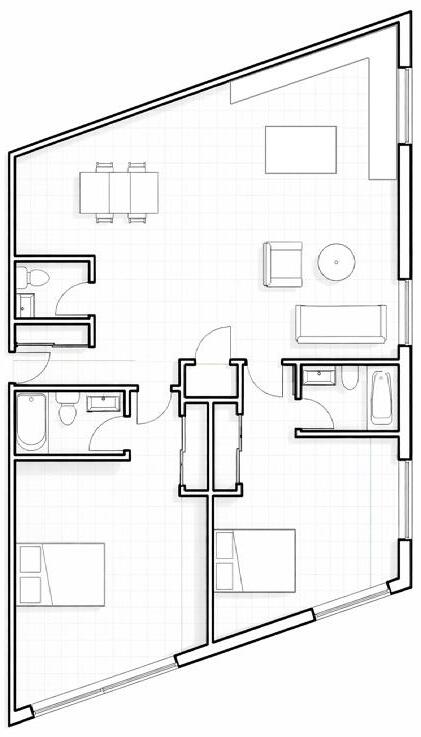
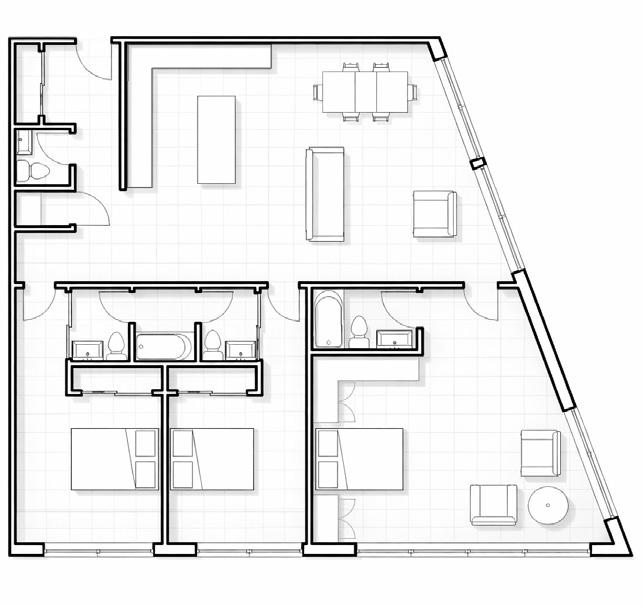
typical two-bedroom unit
designed to address housing unaffordability, this unit is suited toward the increasingly frequent roommate demographic, featuring individual ensuites and private work stations
typical three-bedroom unit
this spacious unit addresses the shortage of familysize suites suitable for even older children. features include a shared washroom for flexibility between secondary bedrooms and additional privacy
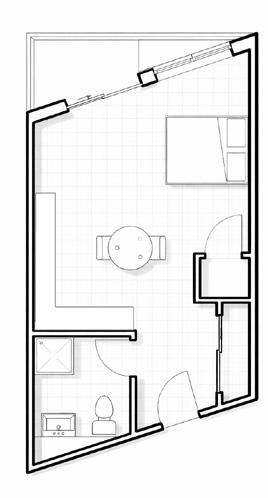
typical studio unit
designed for maximum affordability, and also addressing the demand from increasing return-to-work mandates, this unit still provides a tangible connection to the outdoors
point d’extraction
competition work steel observatory
designers arjun jain & aj singh
tools grasshopper, rhino, enscape, adobe suite
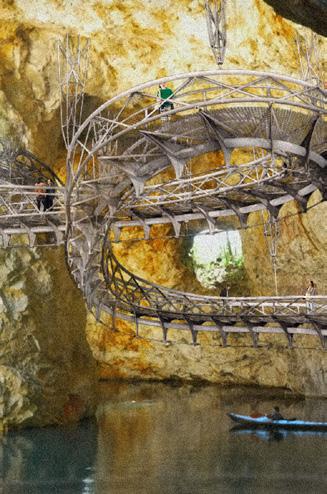
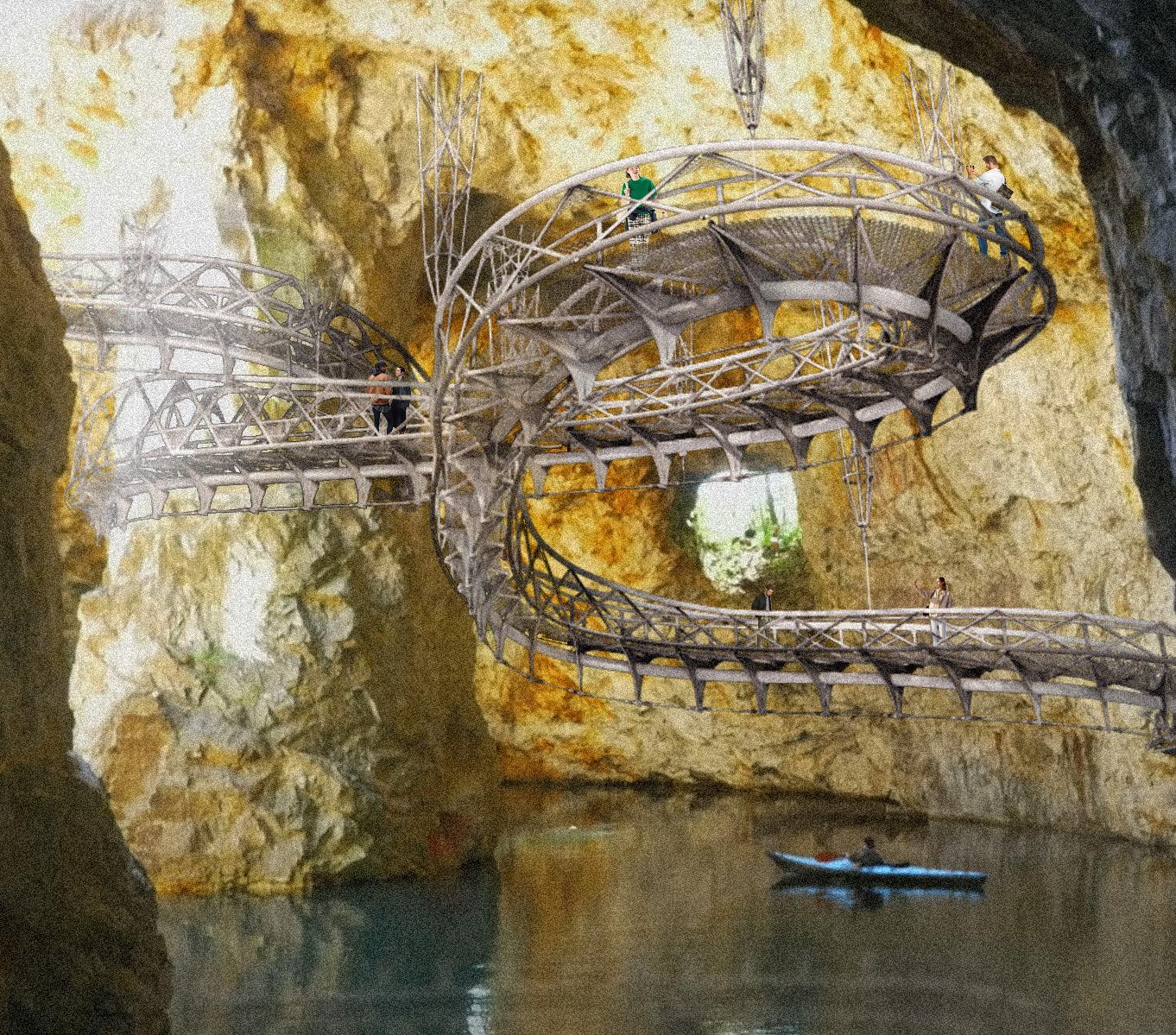
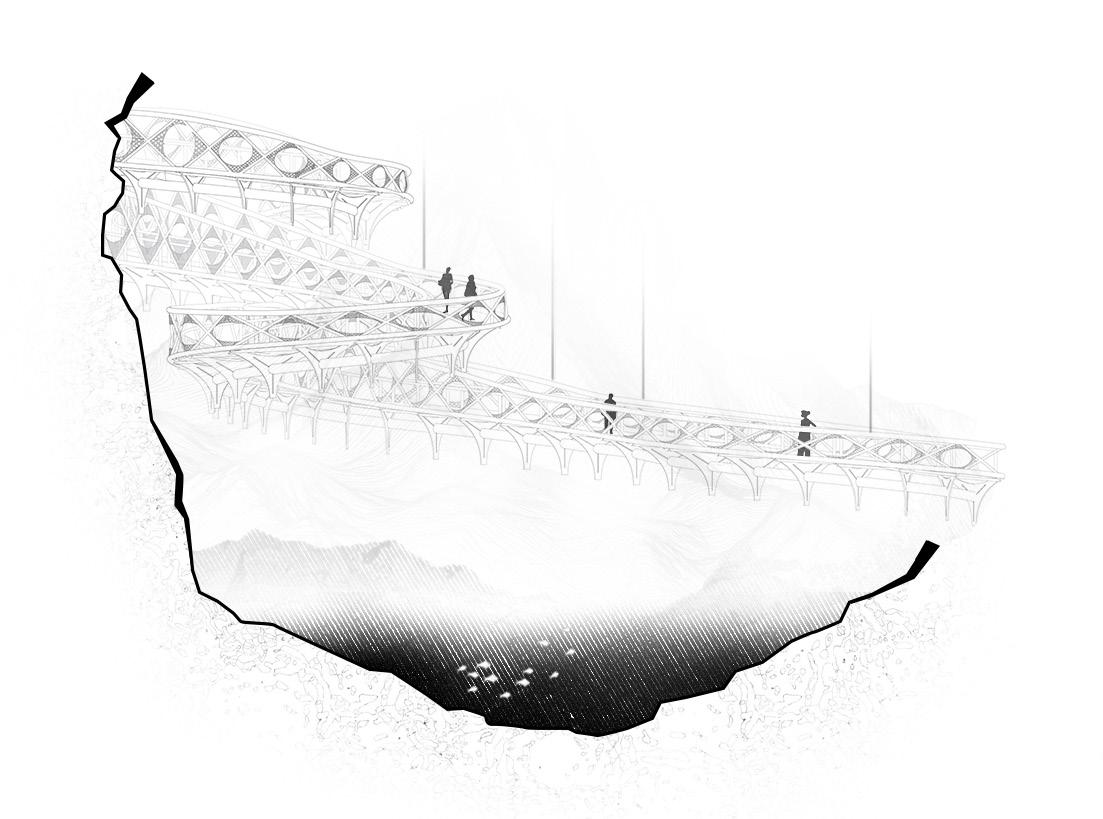
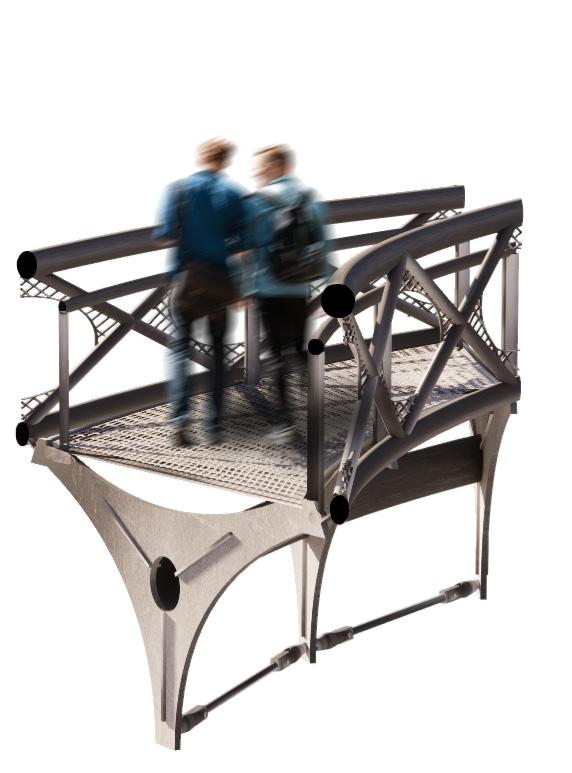
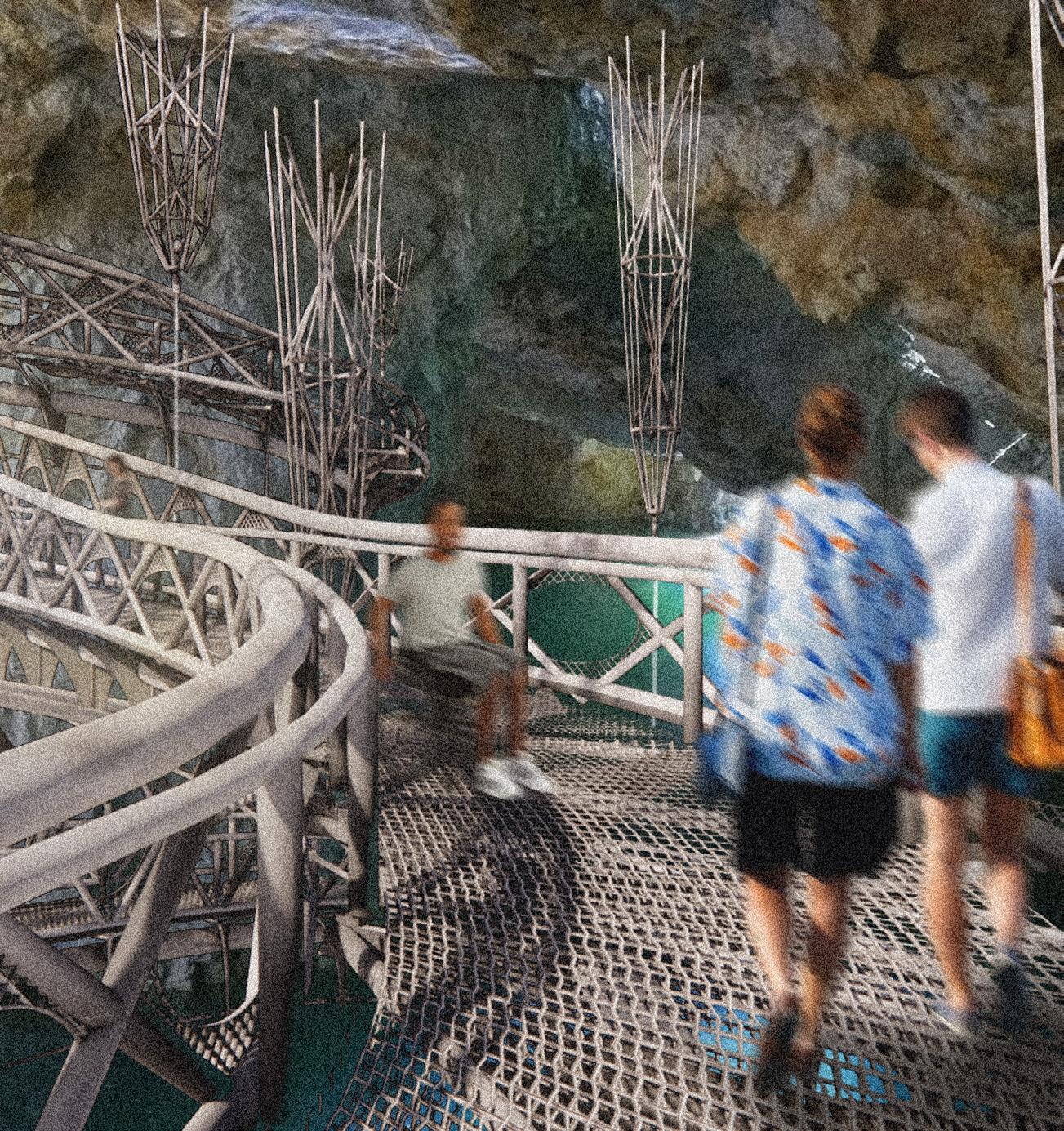
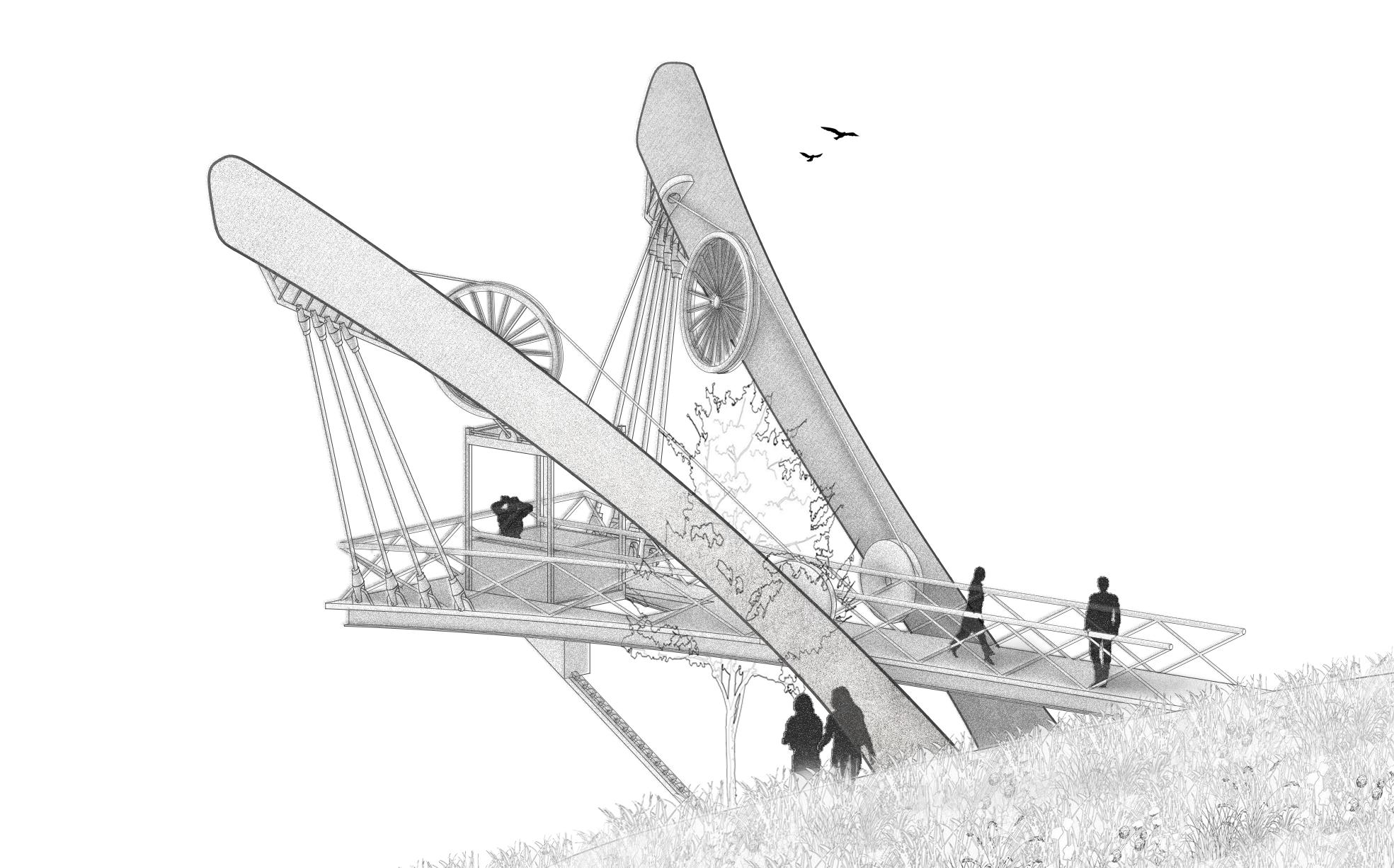
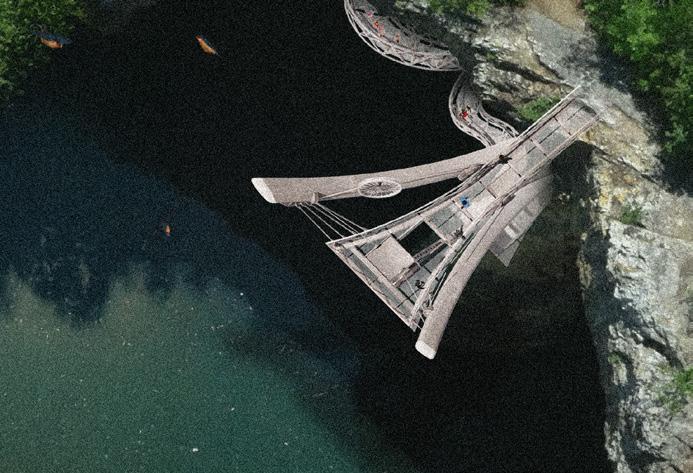
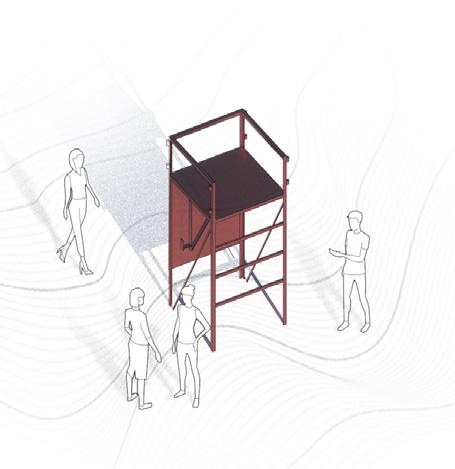
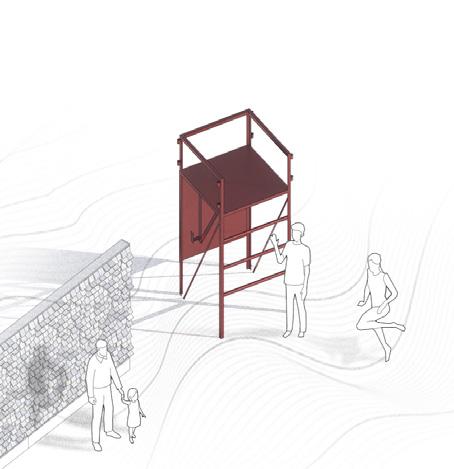
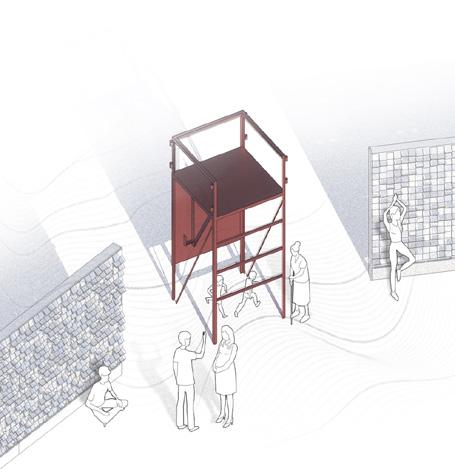
Point D’Extraction is an architectural intervention at the abandoned Wallingford-Back mine in Gatineau, Quebec, conceived to transform a site once defined by industrial extraction and now threatened with implosion. The project introduces a public observation platform that reclaims the mine’s vertical void, reframing it as a place of reflection, education, and collective engagement.
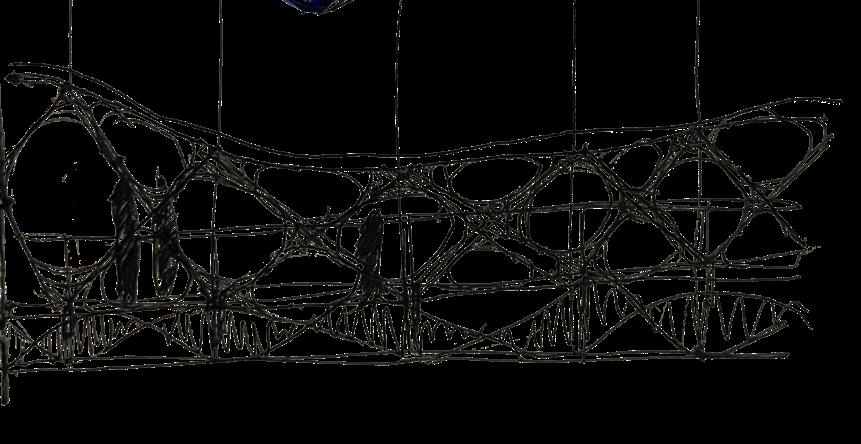
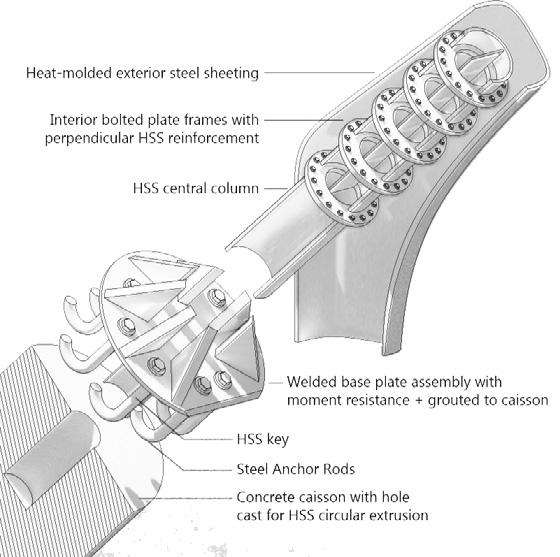
Anchored to the mine’s edge, the platform draws on the site’s industrial heritage: its façade adopts structural rhythms reminiscent of mining wheels, while the geometry echoes the form of a minecart, symbolizing both motion and transformation. Paying homage to the site’s storied past, this intervention uses architecturally exposed structural steel to create a unique human experience reminiscent of its mining origins, while positioning it for long-term preservation.
west elevation
site analysis
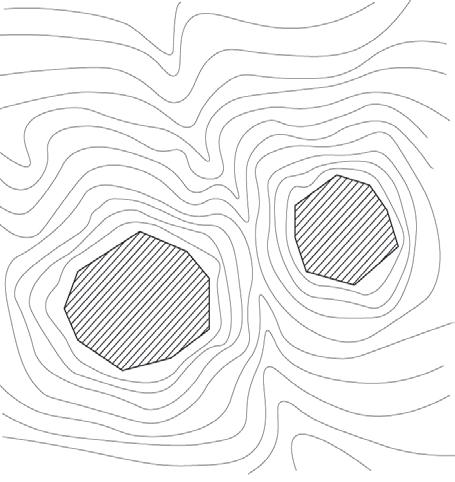
characterised by massive rock pillars and a picturesque lake below
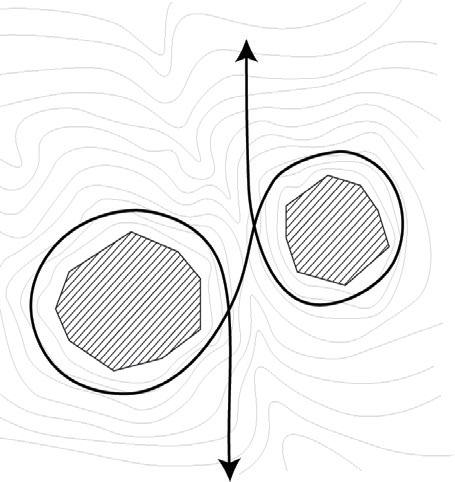
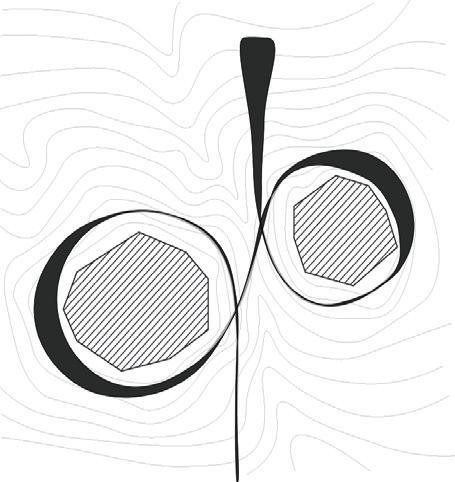
pathway development
iterative growth resembling the atypical route of a minecart, it weaves throughout the mine
occasional rest points, and scenic lookouts at carefully chosen locations
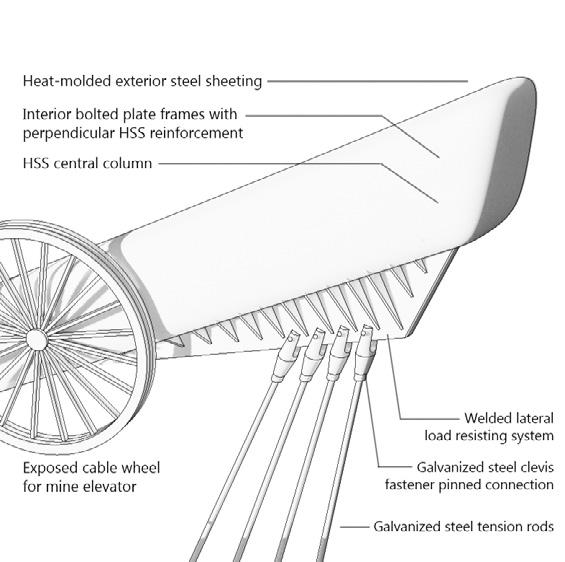
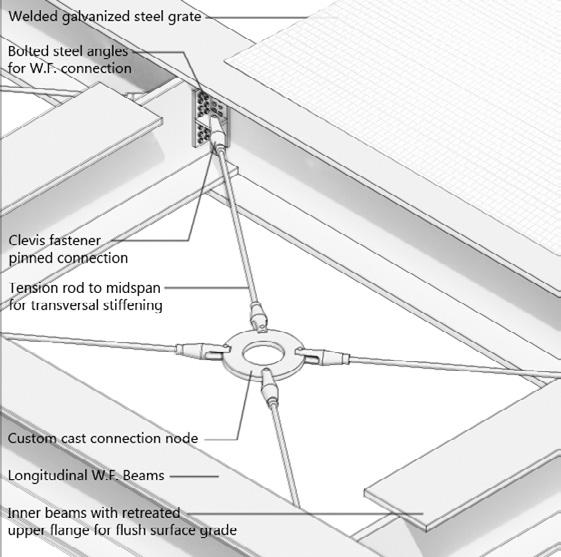
The architectural language draws directly from the form and construction of a minecart, using familiar industrial cues to establish a clear connection to the site’s mining history. The façade incorporates wheel-like elements as a subtle ornamental reference, while exposed structural members and uncoated materials remain visible and legible. Rather than concealing its assembly, the building emphasizes joints, framing, and load-bearing components as part of its architectural expression. This approach links the tourist observation site to the material and tectonic practices of past mining operations, grounding the project in the realities of industrial labor.
rendered platform section
preliminary facade sketch
experiential interior render
2 | column caisson connection
3 |
detail 1
detail 1 | tension rod cluster
detail
detail
i-beam and tension stiffener
detail 2
above grade, the project references historic mine elevators, thus translating industrial vertical circulation into an architectural gesture.
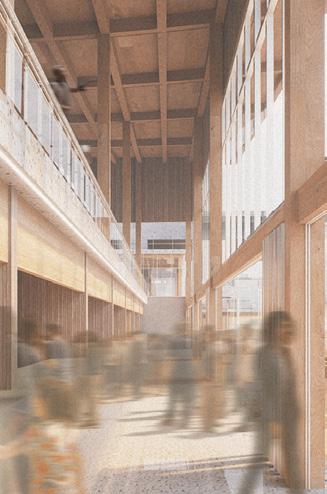
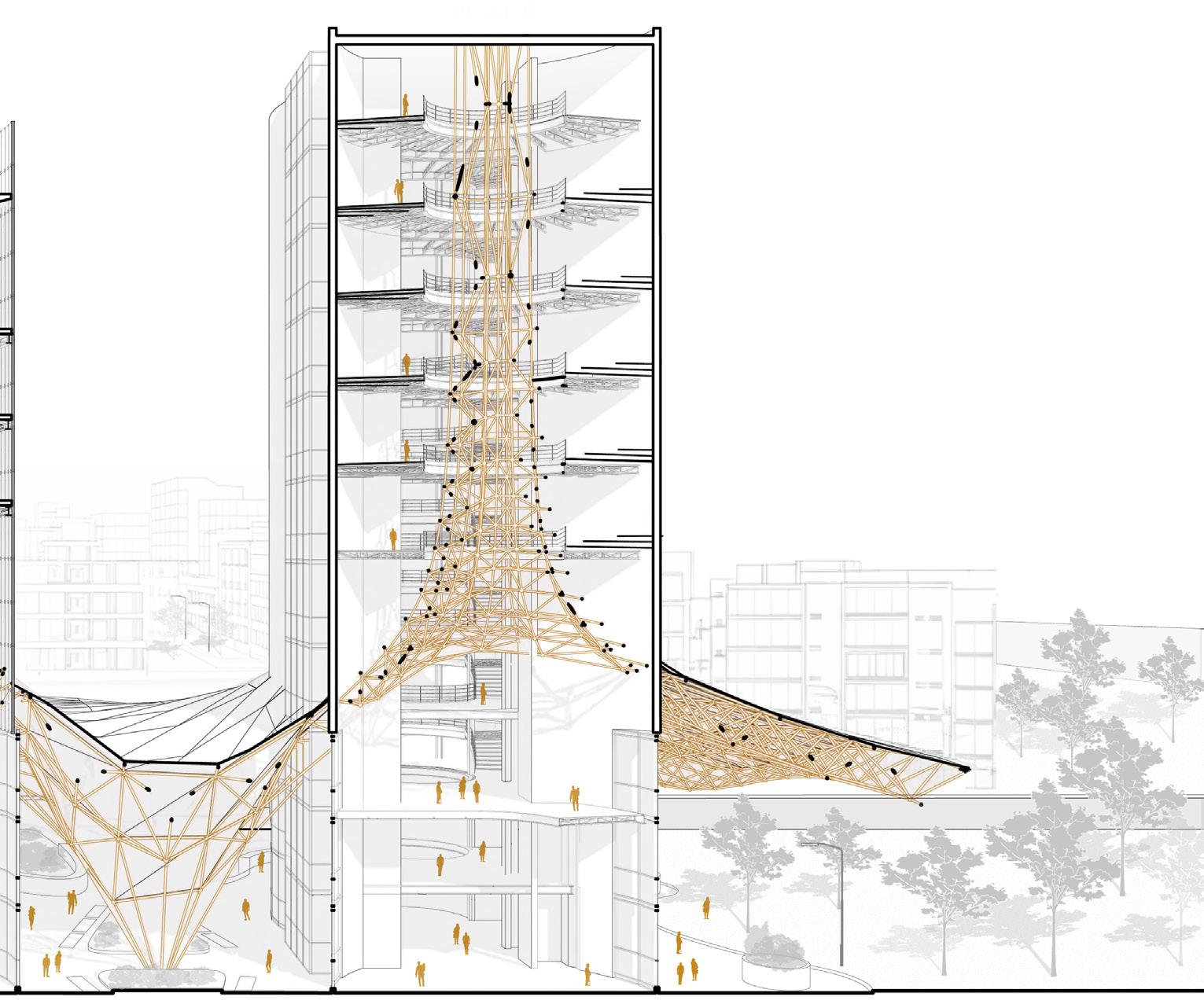
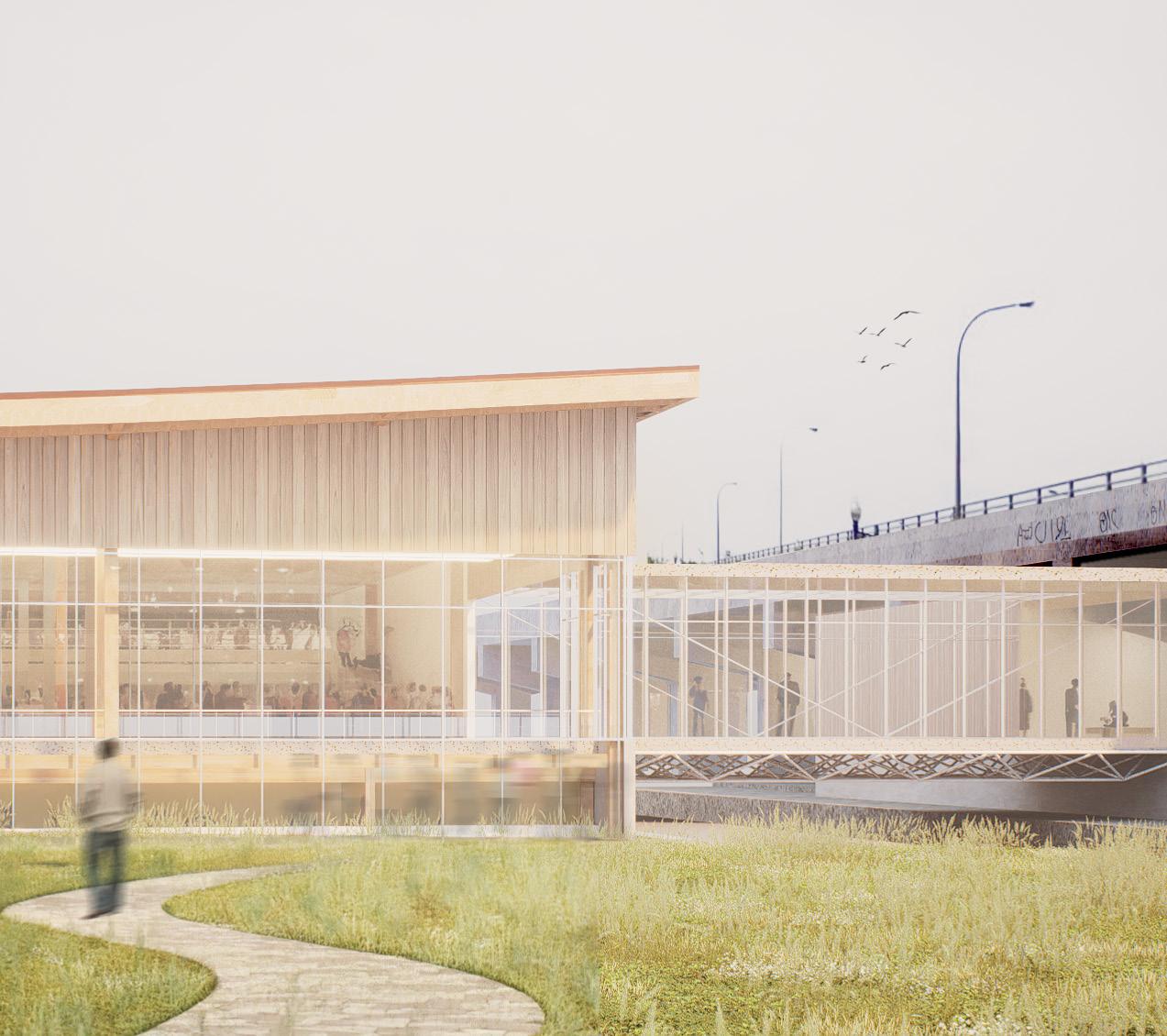
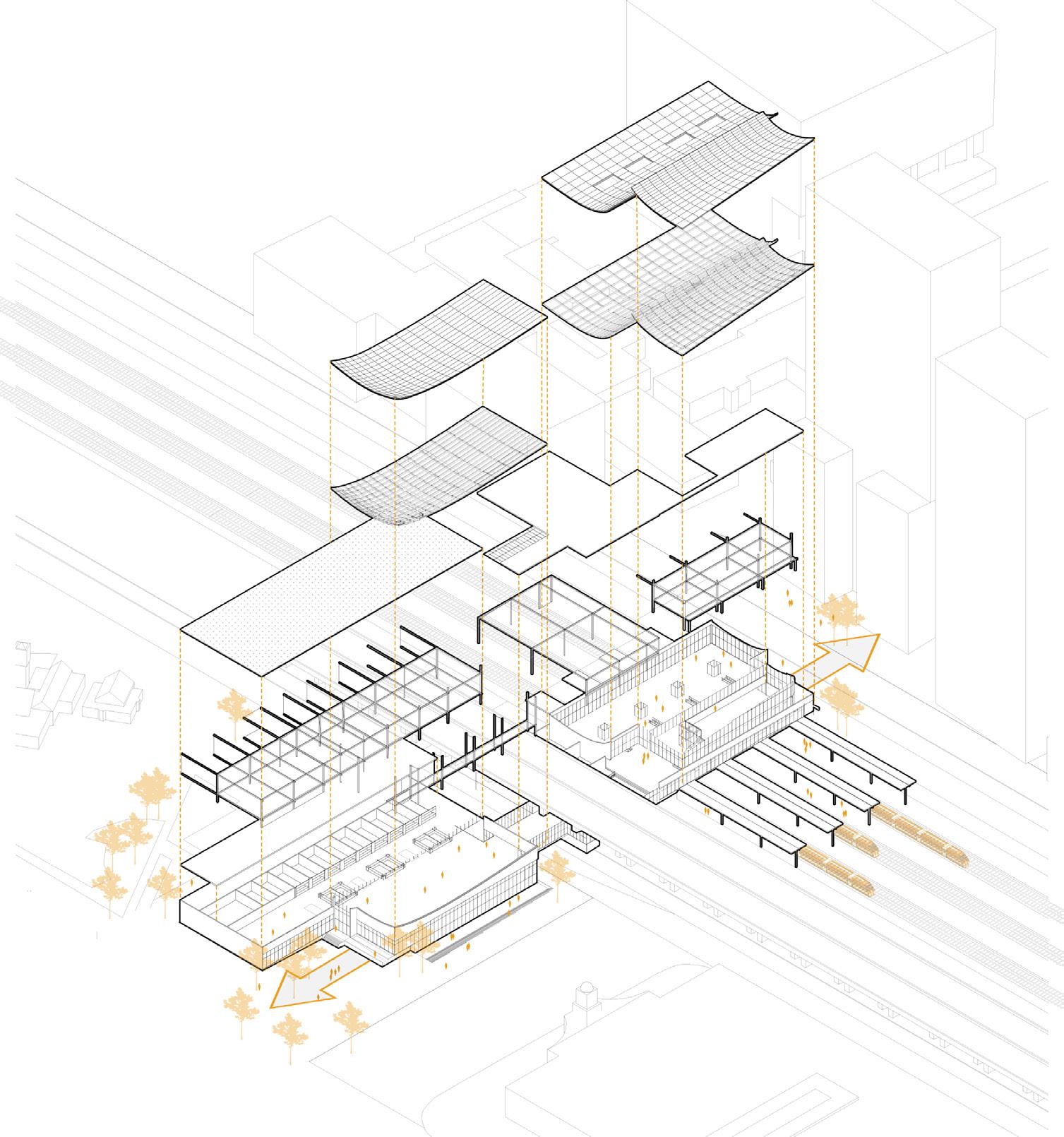
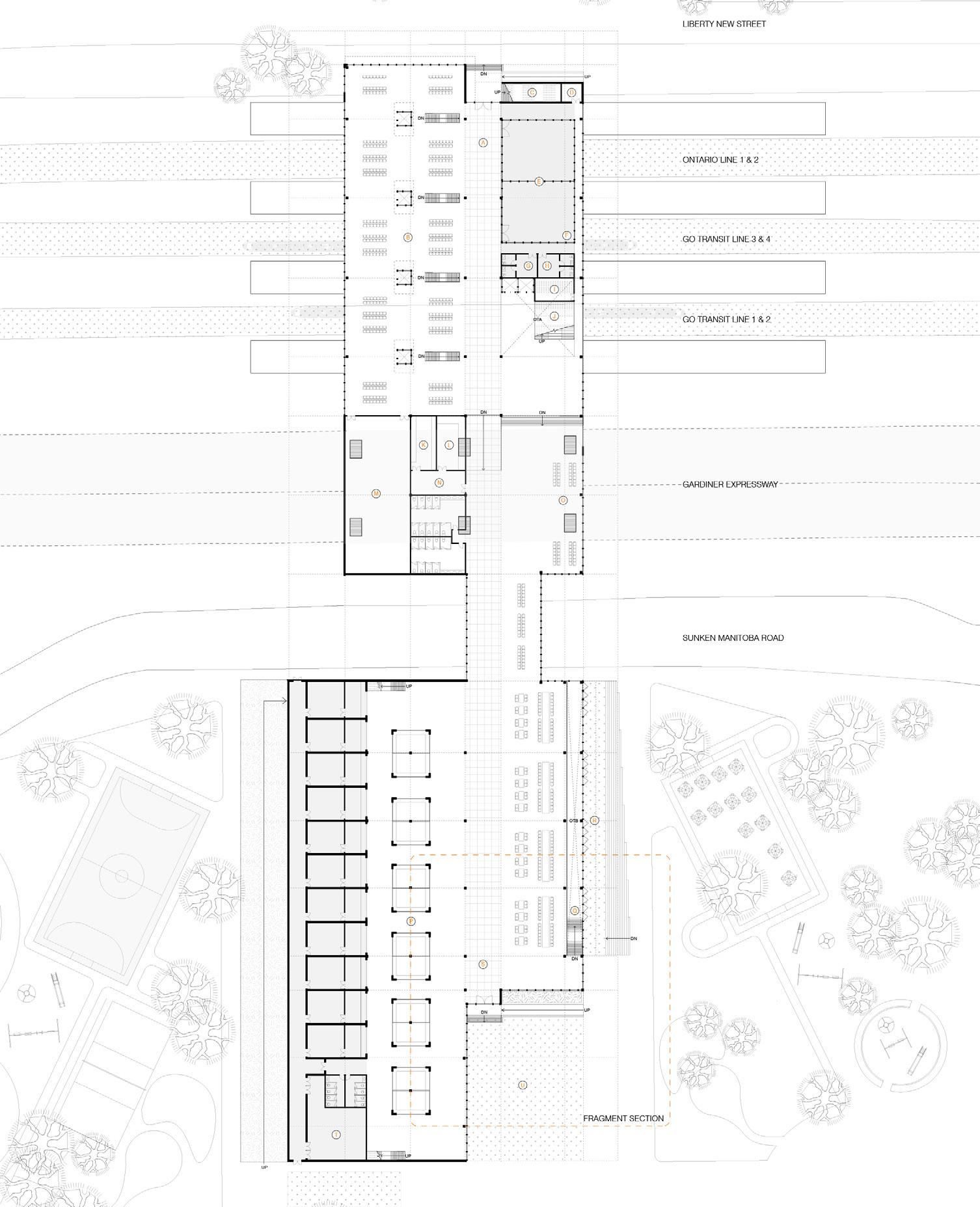
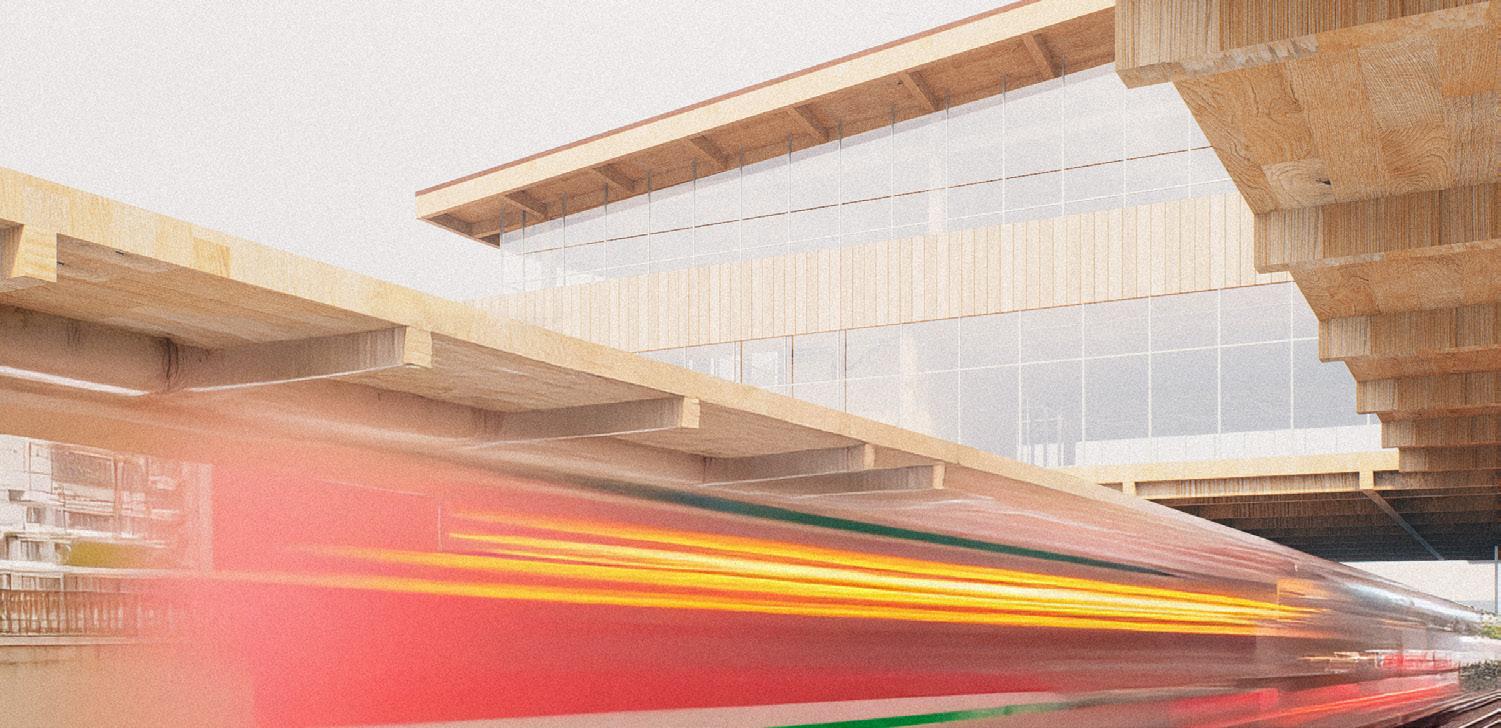
Interstice reconceives the train station as an active urban threshold, occupying the spaces between infrastructure, city, and landscape. The project transforms residual conditions beneath and alongside rail systems into a layered public ground where transit, circulation, and civic life intersect.
Movement and pause are interwoven through a legible structural framework, dissolving the boundary between north and south of the Gardiner Expressway. By exposing infrastructure and emphasizing section, light, and transition, the station prioritizes human experience and promotes natural wayfinding. Interstice reframes the train station as a civic threshold: not a terminal condition, but a connective tissue that stitches fragmented urban conditions into a cohesive urban solution.
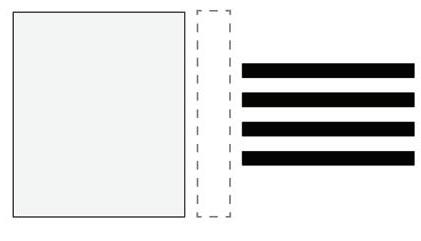
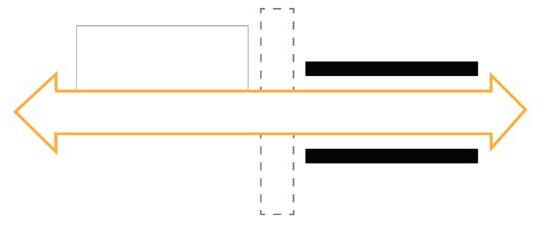
The site is defined by disjointed edges, dead-end streets, and infrastructural barriers that sever pedestrian movement and isolate adjacent neighborhoods. Interstice transforms these fragmented conditions into a continuous urban corridor.
In an adaptive reuse with the cne food building, this proposal preserves parts of the original facade walls, maintaining the historical integrity and embodied memory of this historically significant site.
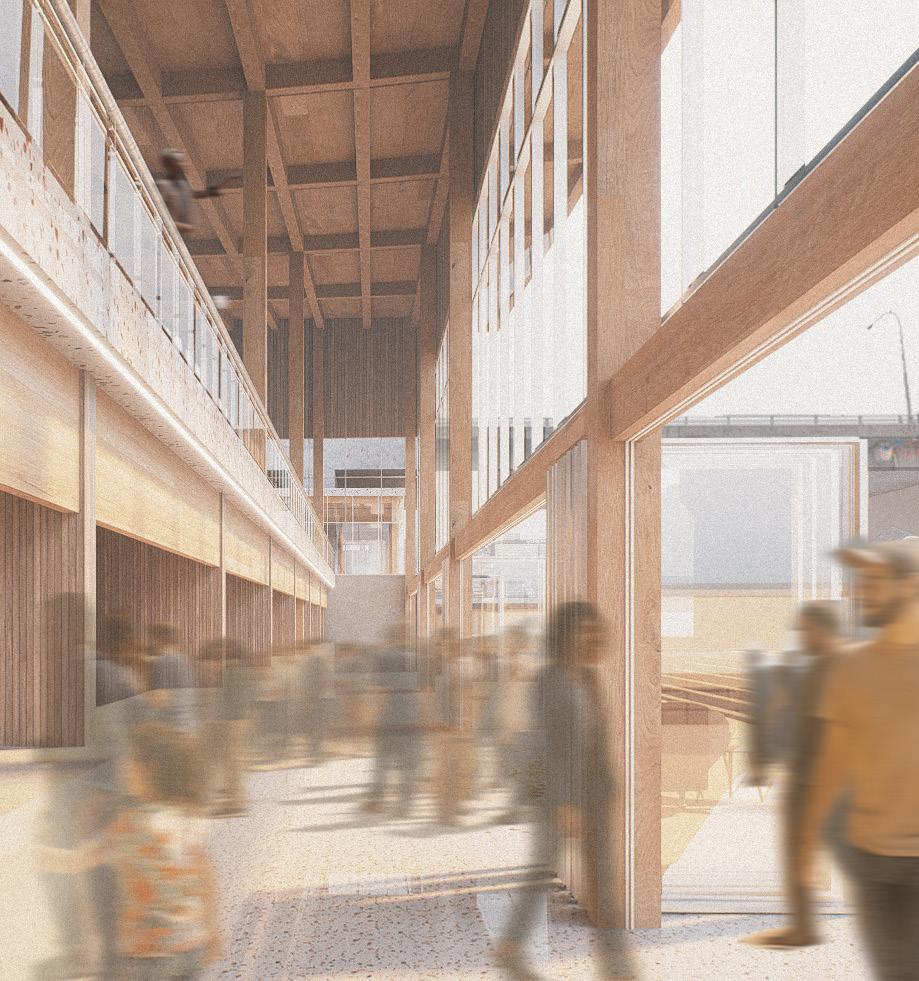
lower food hall perspective
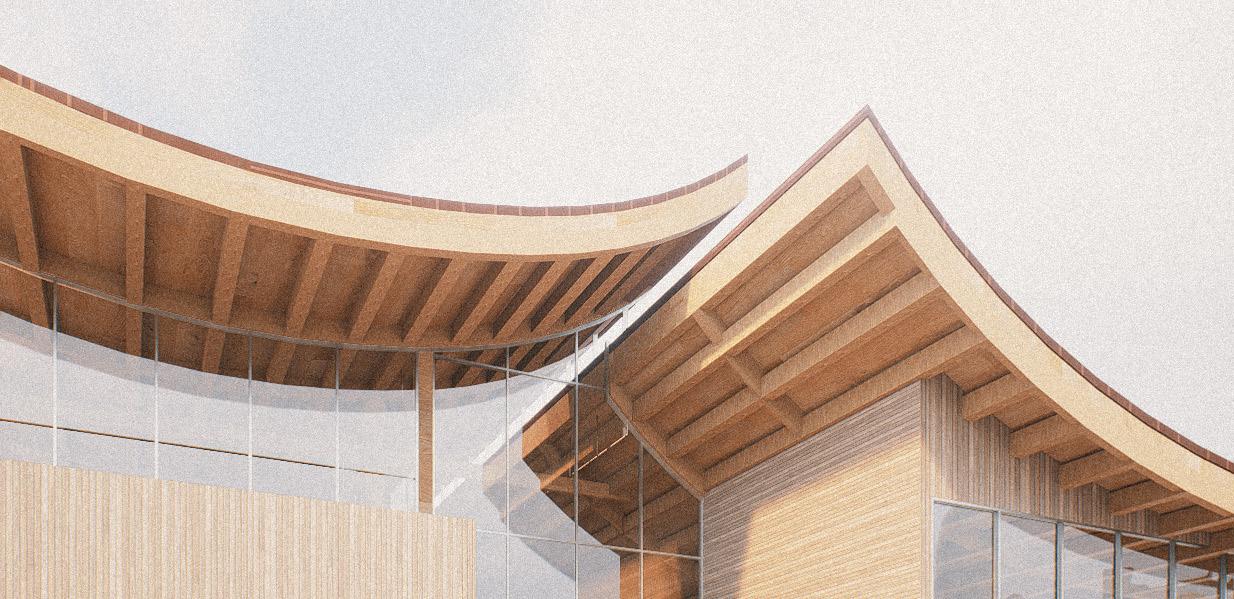
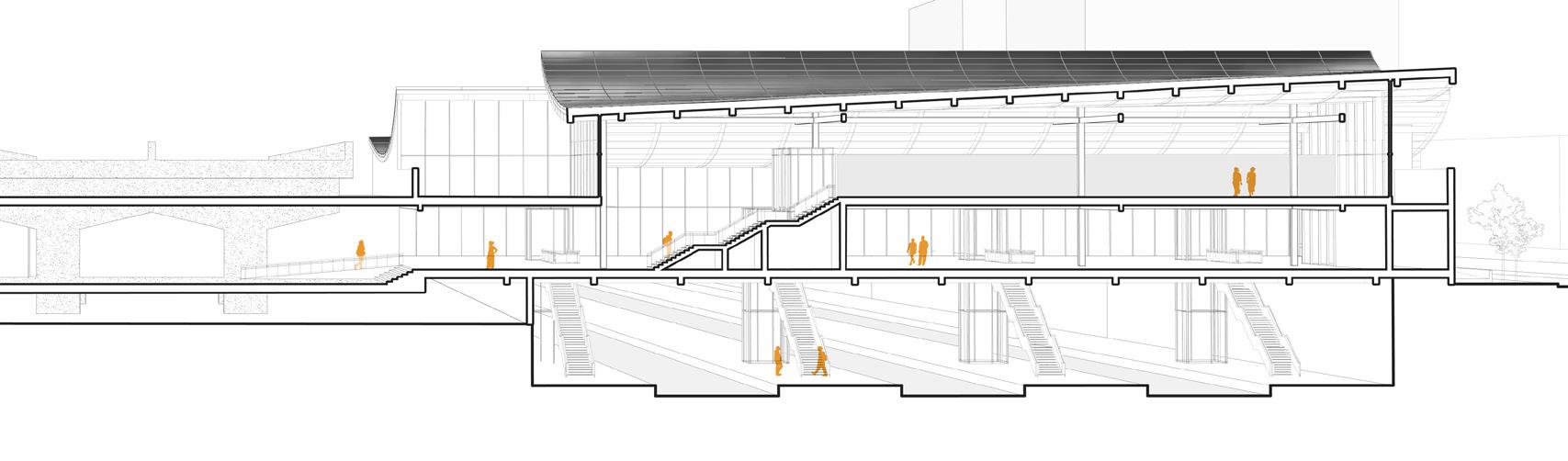
Along the promenade, two sweeping roof forms converge to create a daylight-filled hinge between program elements. A linear skylight marks this junction, illuminating the interior while revealing the structural rhythm of the timber members overhead.
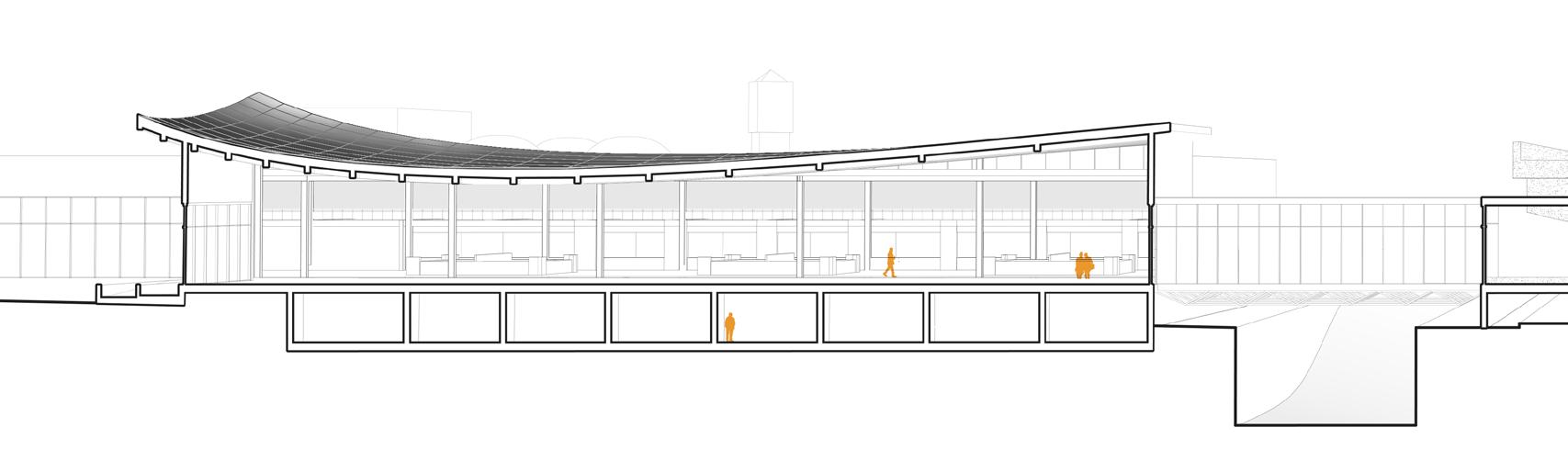
longitudinal sectional perspective
From track level, the extended roof plane establishes a direct dialogue between the moving train and the building. The deep overhang forms a continuous sheltered zone along the platform edge, protecting users from weather while softening noise and wind.
liminal
recipient of $10,000 nserc undergraduate student research award
research project
nserc usra grant
designer arjun jain tools
grasshopper, rhino, kuka prc, 3d printing
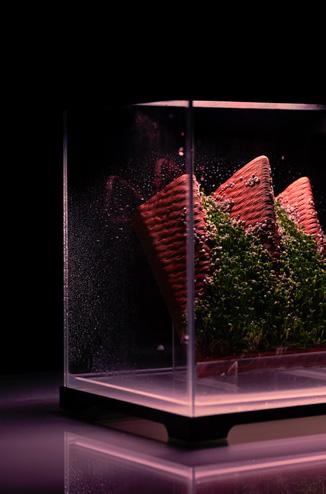
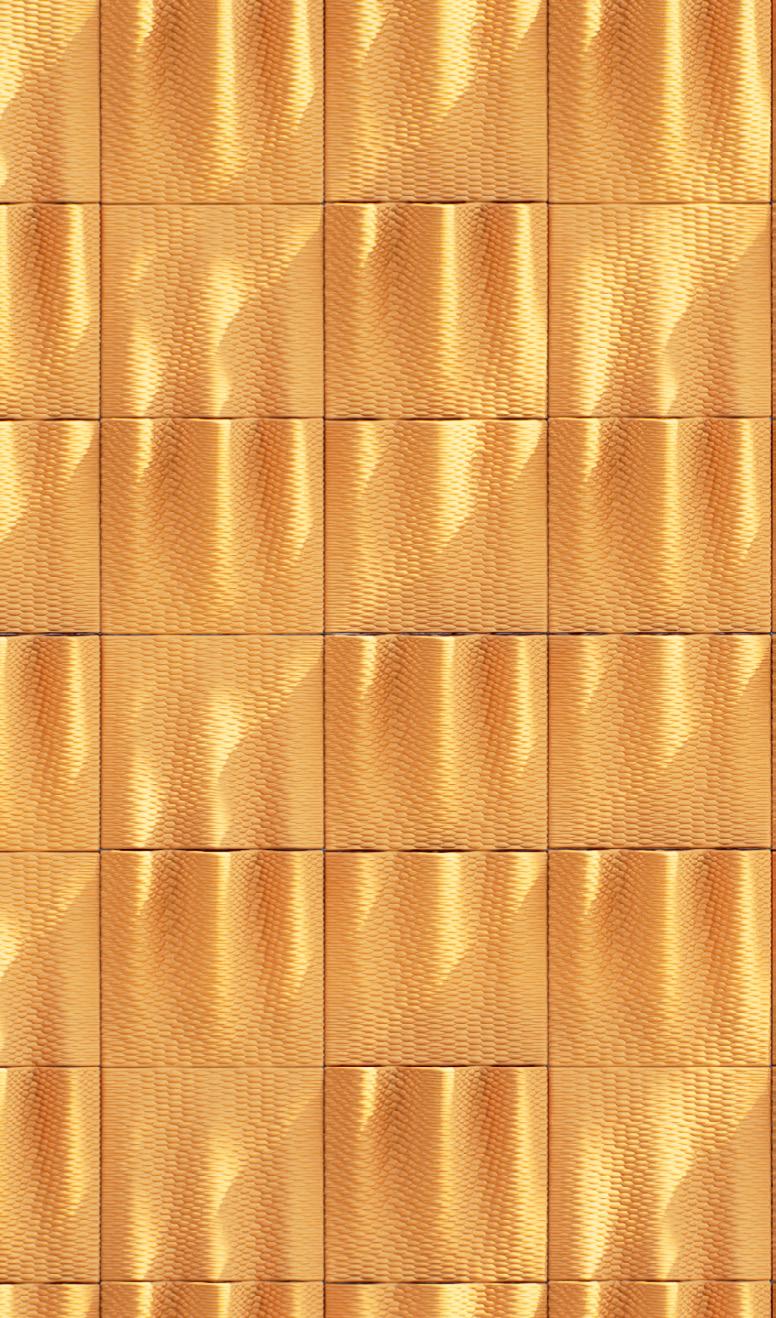
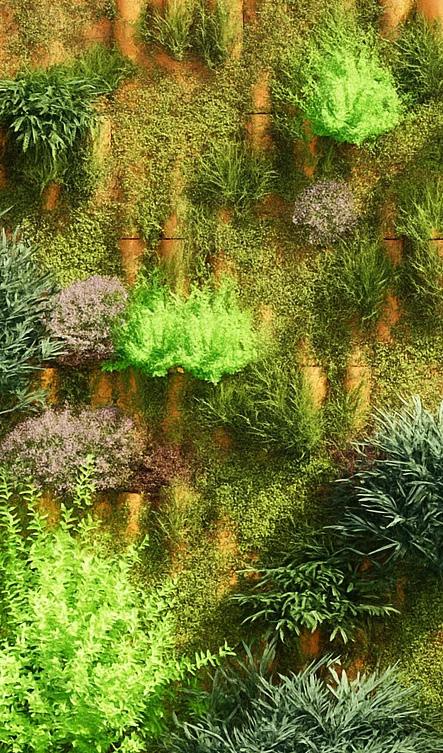
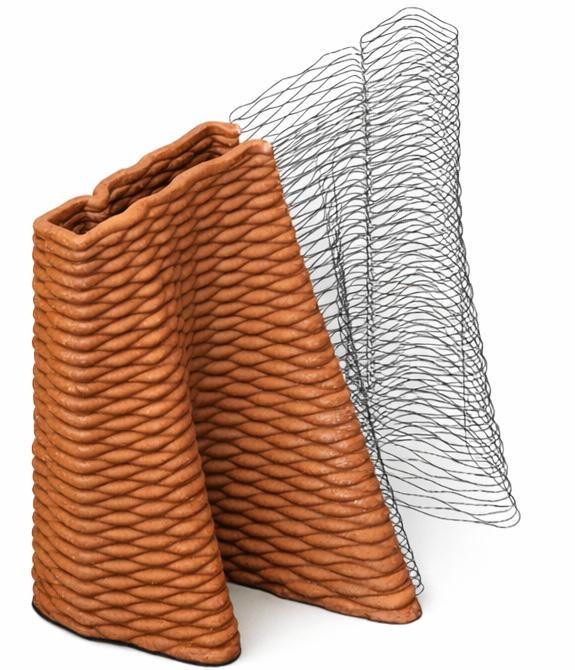
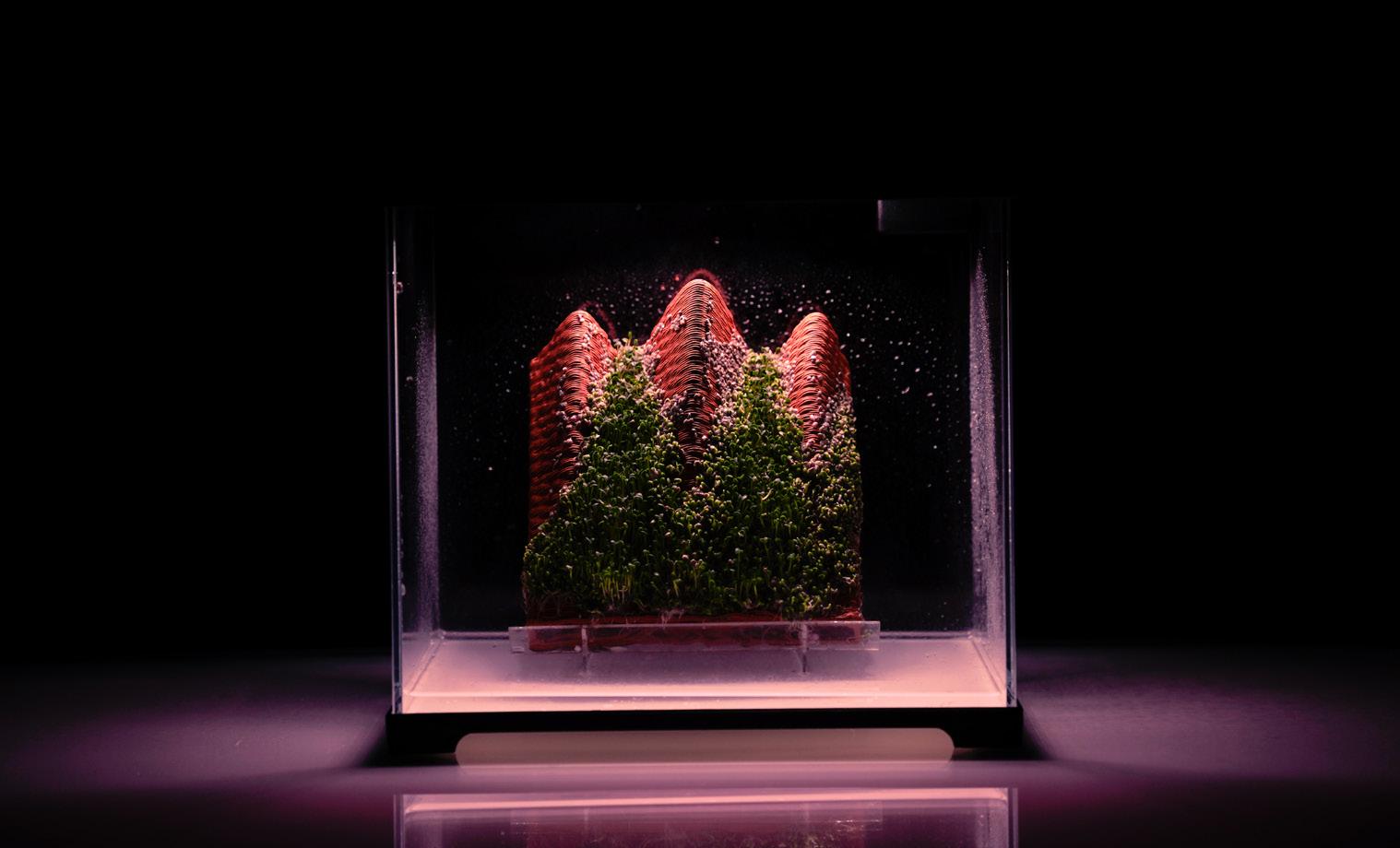
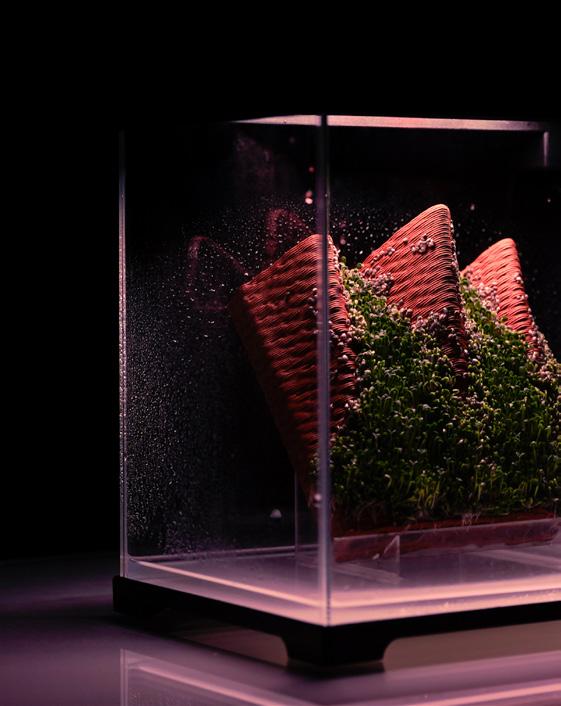
LIMINAL (living materials for infrastructural networks and adaptive landscapes) examines the potential of 3D-printed terracotta façade systems as bioreceptive envelopes for urban retrofit applications. The research reimagines the building skin as a living interface rather than a static barrier — one capable of supporting moss growth, regulating moisture, and mediating thermal performance. The proposed façade modules are designed to guide air, water, and light across their surfaces, enabling ecological processes to take root within architectural form.
Developed within the context of Toronto Community Housing retrofits, the system demonstrates how existing buildings can be transformed into active participants in their surrounding ecosystems.
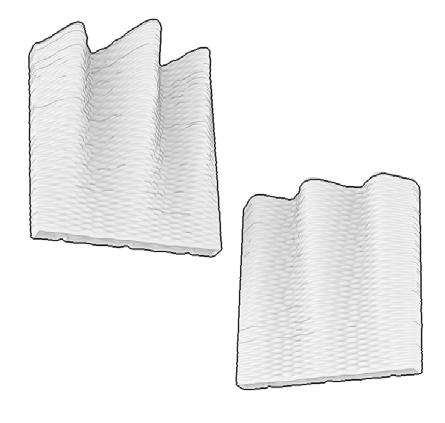
modular efficiency
the facade is derived by two distinct modules complementary in form
self-shading
self-shading to reduce evaporation and retain moisture for moss growth
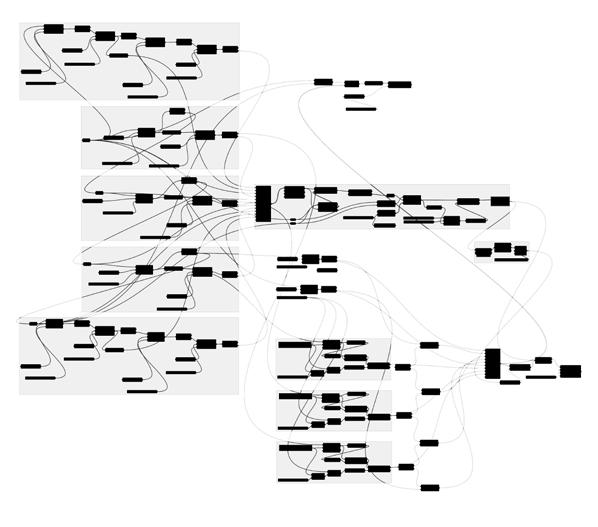
parametric grasshopper toolpath for form generation to maximize moisture retention and self-shading to stimulate moss growth tool path
extruded product
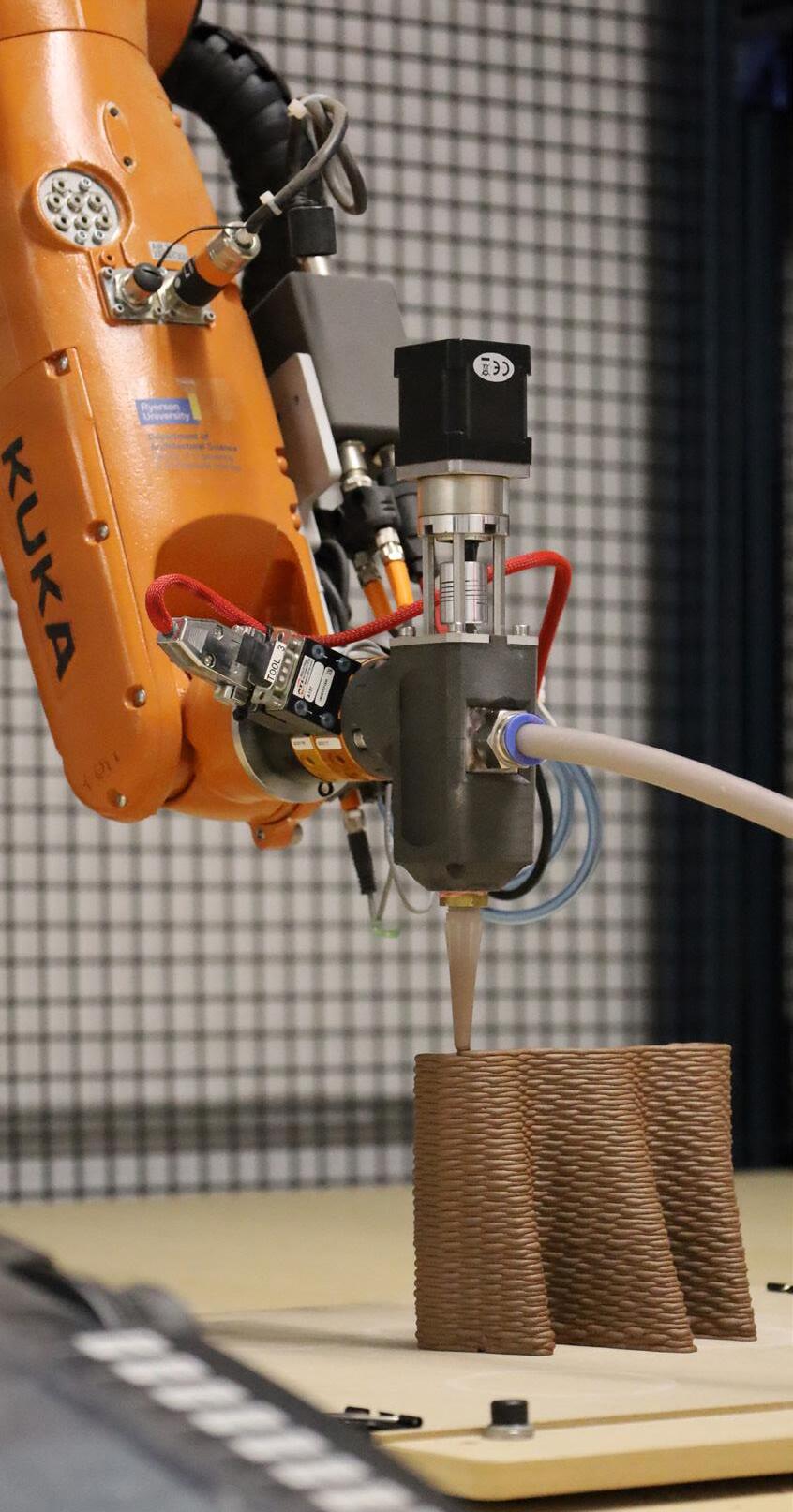
terracotta clay extrusion at 3mm intervals to create 1:2 scale facade module
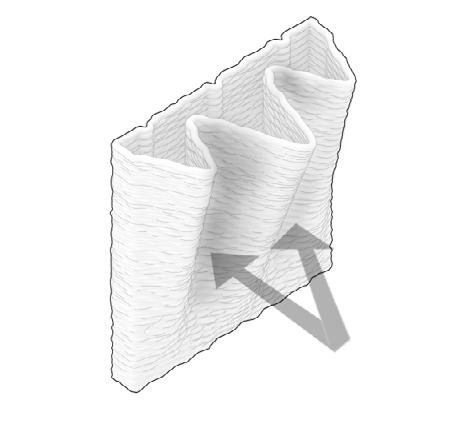
180° orientation
to account for an extensive overhang, the module is extruded upside-down to prevent susceptibility to collapse
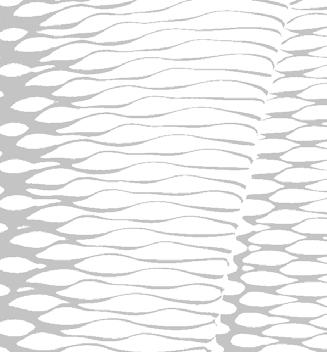
surface modulation
ribbing to induce water cohesion and increase tactility for moss growth
parametric robot control
Using Grasshopper, the terracotta façade panels were developed through parametric control of key geometric variables such as rib depth, surface texture, and pocket spacing to improve moisture retention for moss growth. This approach allowed rapid testing of small-scale details, enabling the system to be tuned to material behavior, environmental exposure, and printability. 1:2 module using
kuka parametric robot control arm extruding terracotta
1:2 physical testing of module susceptibility for moss growth
solair | winter stations
competition work winter stations 2025 project leaders arjun jain & jade wong tools cnc milling, rhino, grasshopper, 3d printing featured in archdaily, canadian architect, citynews, cbc, interior design magazine winner of 2025 winter stations annual design competition
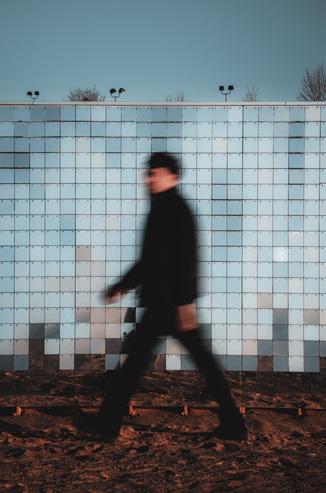
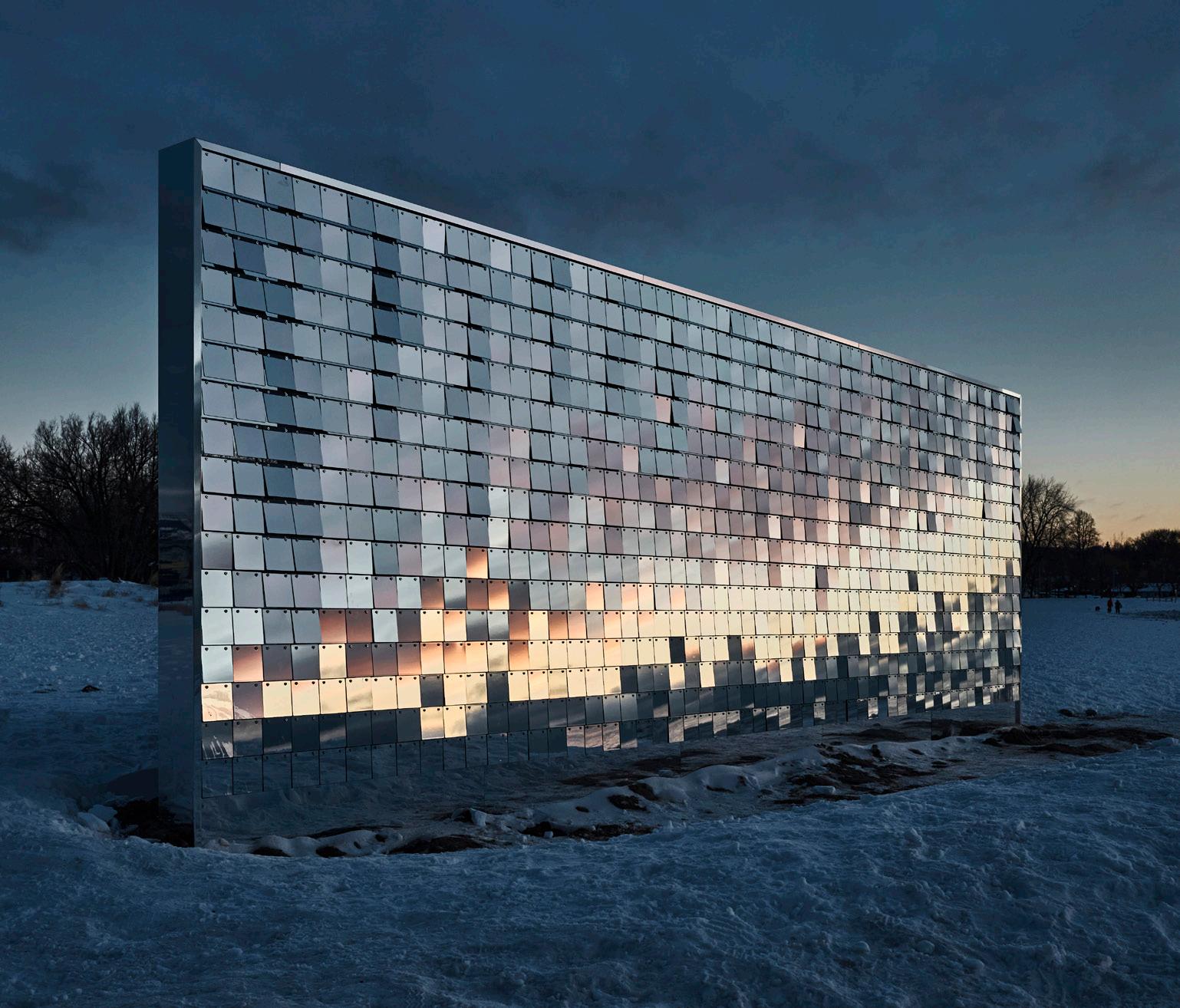
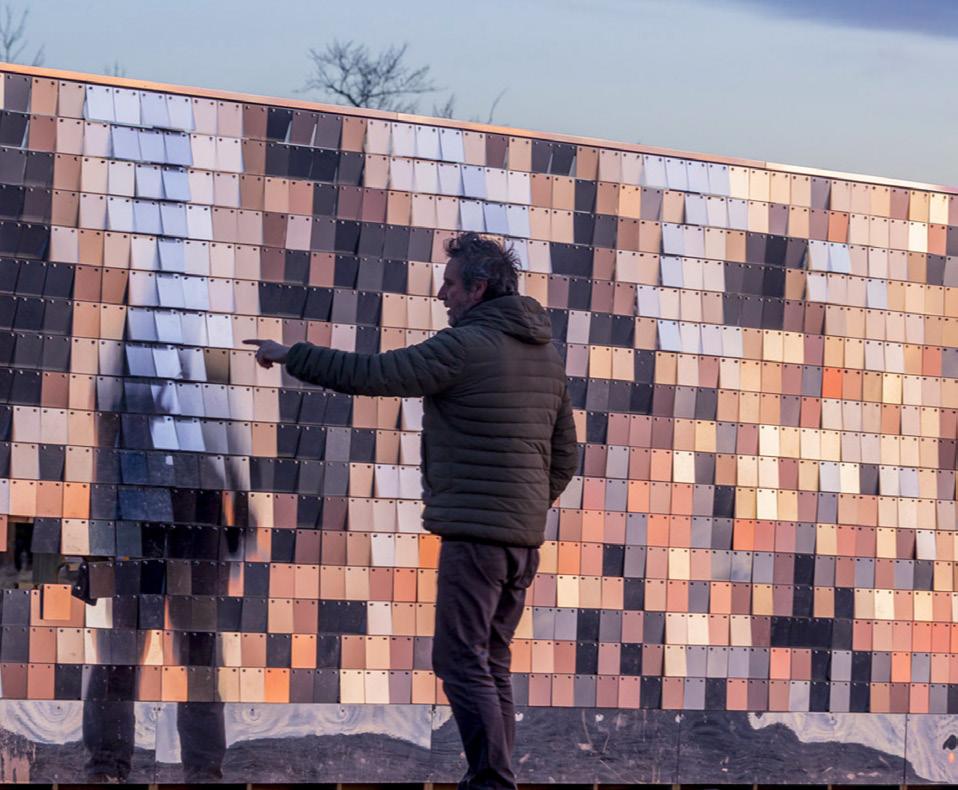
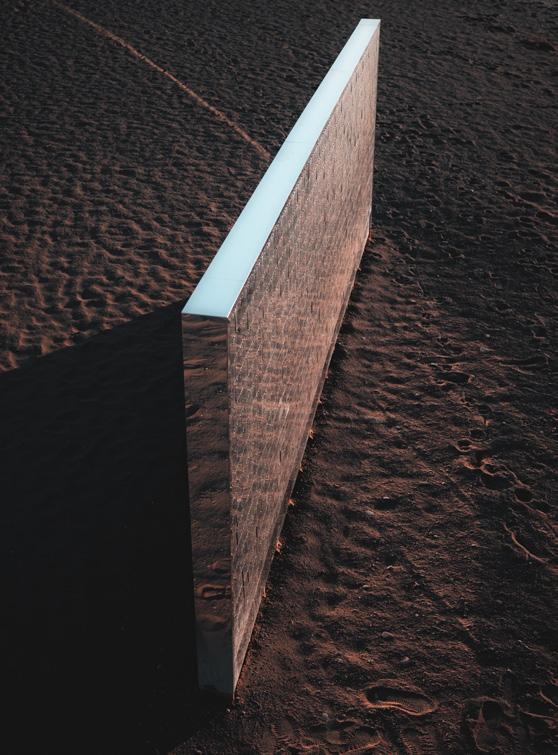
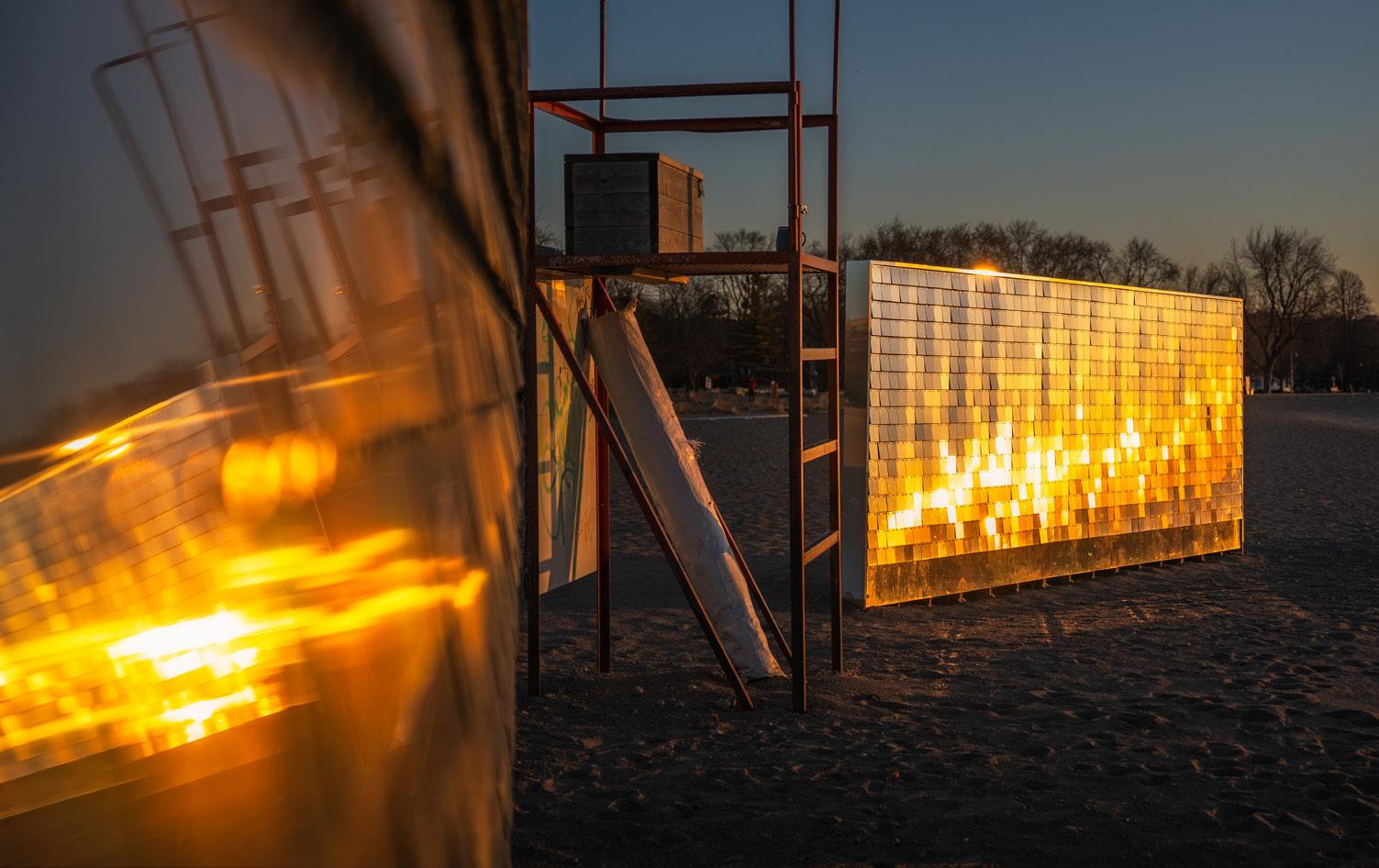
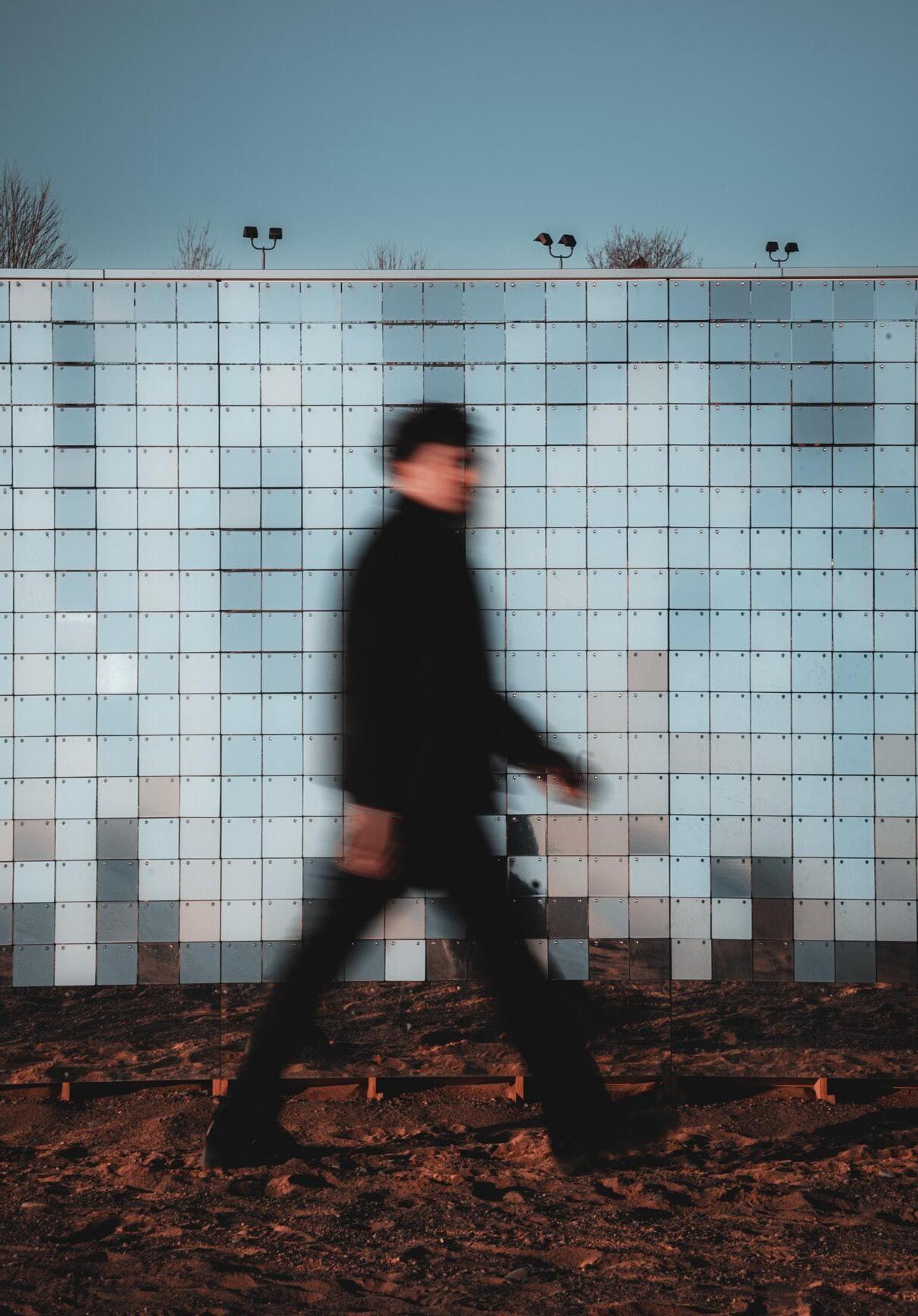
Solair is a sculptural installation that captures the ephemeral beauty of dawn through the interplay of light, wind, and reflection. Inspired by the delicate transition from night to day, Solair amplifies the forces of nature—sunlight and air—transforming them into a dynamic, ever-changing visual and sensory experience. The installation’s dynamic surfaces respond to the movement of wind, creating rippling shadows and flickering patterns of light, echoing the energy of the first rays of morning and the lasting glimpse of sunset. As visitors move around and through the installation, they become active participants in this amplified natural performance, immersed in the harmony of air and light.
woodbine beach
the beach location has harsh winter weather with minimal shelter
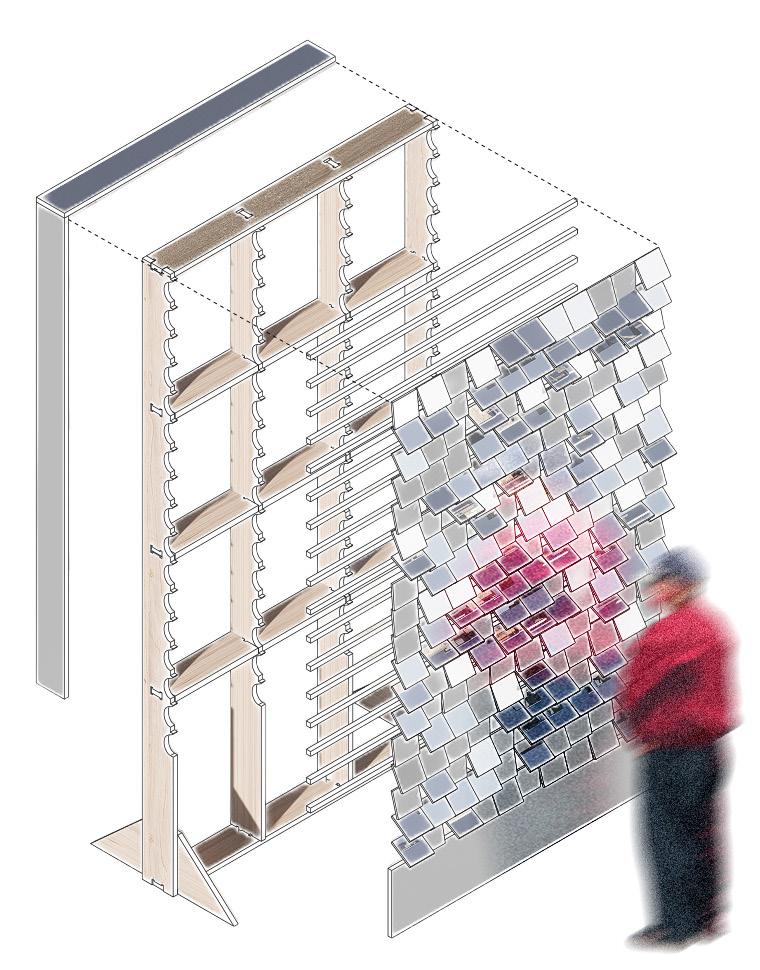
aluminum composite frame
3/4” marine grade plywood
1/8” aluminum composite material
wood joinery structure
3/4” marine grade plywood
1 3/4” wood screws
aluminum composite panels
1/8” aluminum composite
1” galvanized screws
channeling wind embracing sun
the installation uses wind to constantly kinetically flicker and provide shelter
each wall angled to sunrise, and sunset, solair reflects those fleeting moments
01 | schematic design
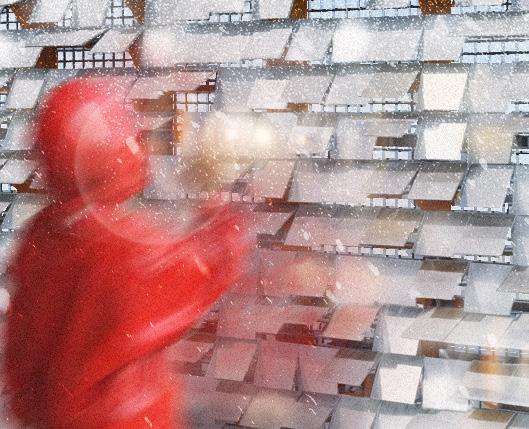
An early digital rendering visualizes how reflective aluminum shingles might respond to shifting daylight and movement. The render experiments with panel density, orientation, and layering effects.
02 | pre-fabrication
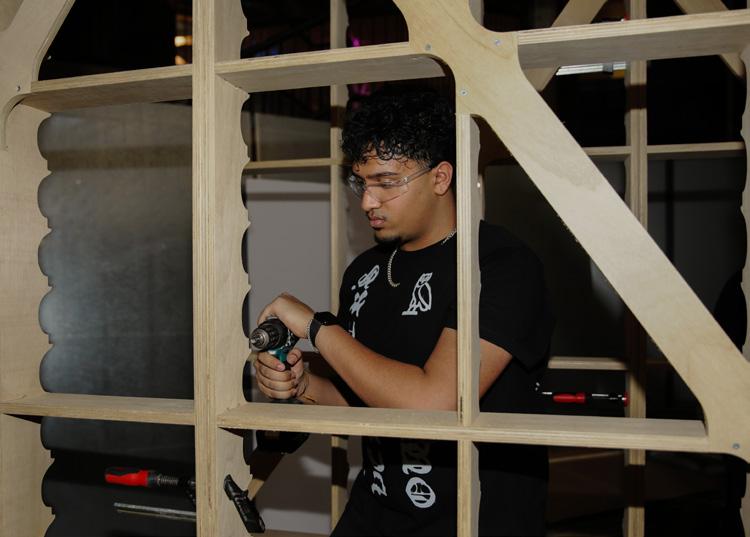
Modular frames were precisely measured, cut, and assembled in-shop, with mirrored shingles attached in tested configurations. This approach ensured that each component could be efficiently installed on site.
03 | installation
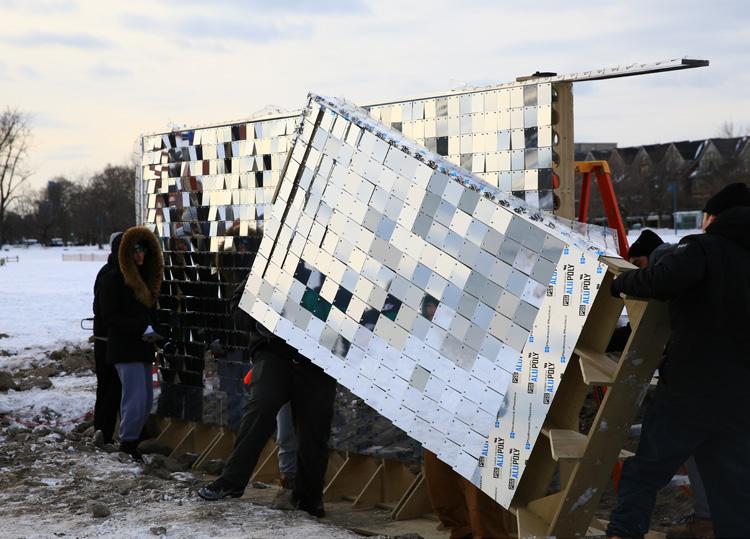
Completed panels are transported to the beach and secured onto the wooden frame using a gridded fastening sequence. The mirrored shingles are carefully aligned to maintain reflectivity and movement continuity.
solstice
commissioned work toronto botanical garden
project leaders
arjun jain & jade wong
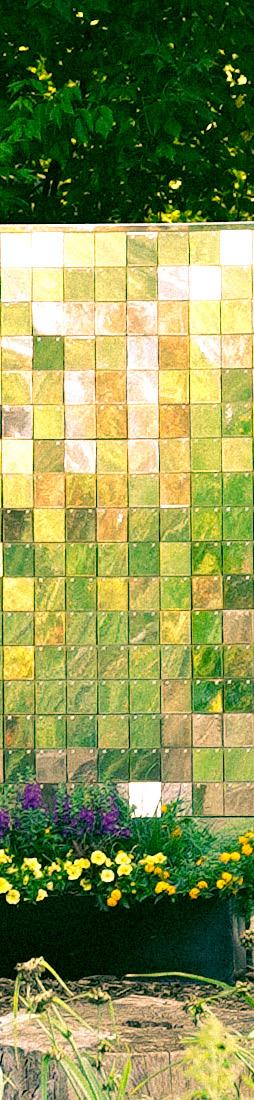
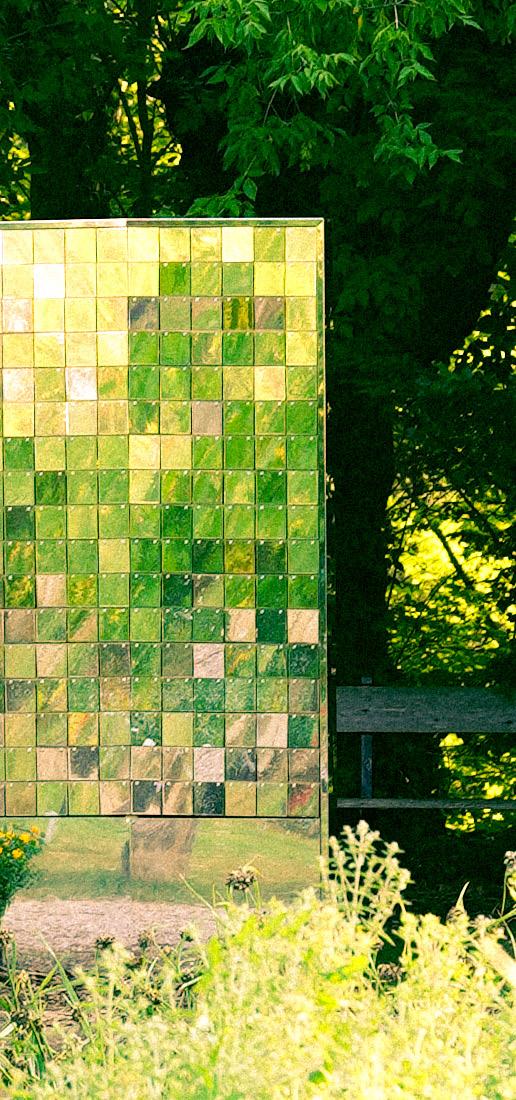
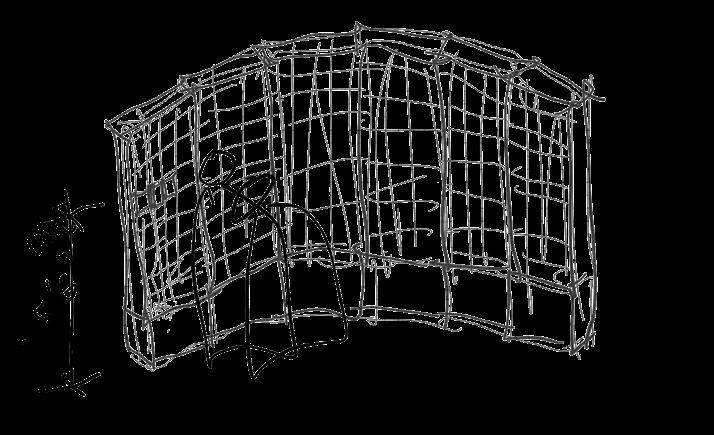
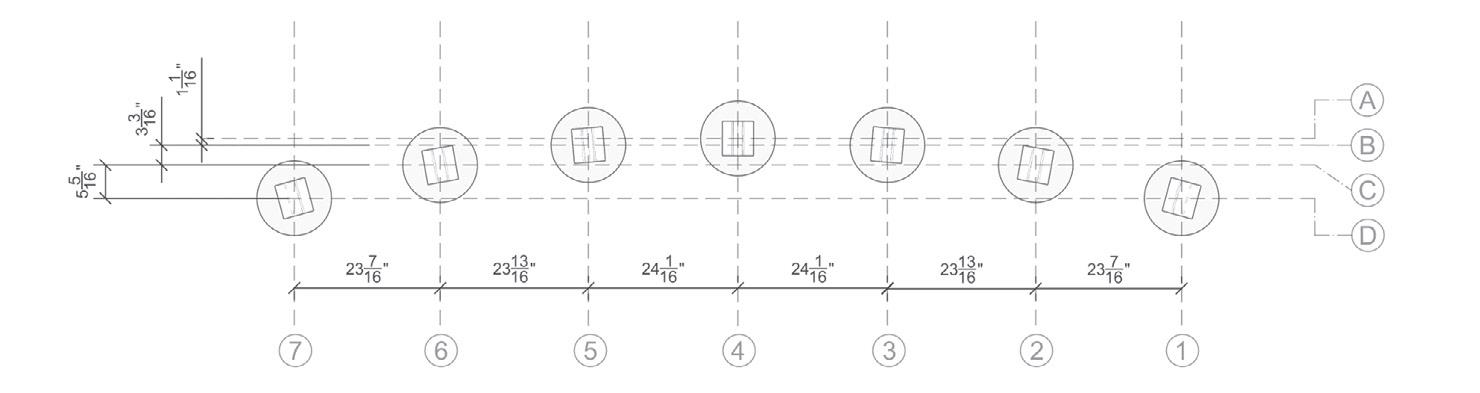
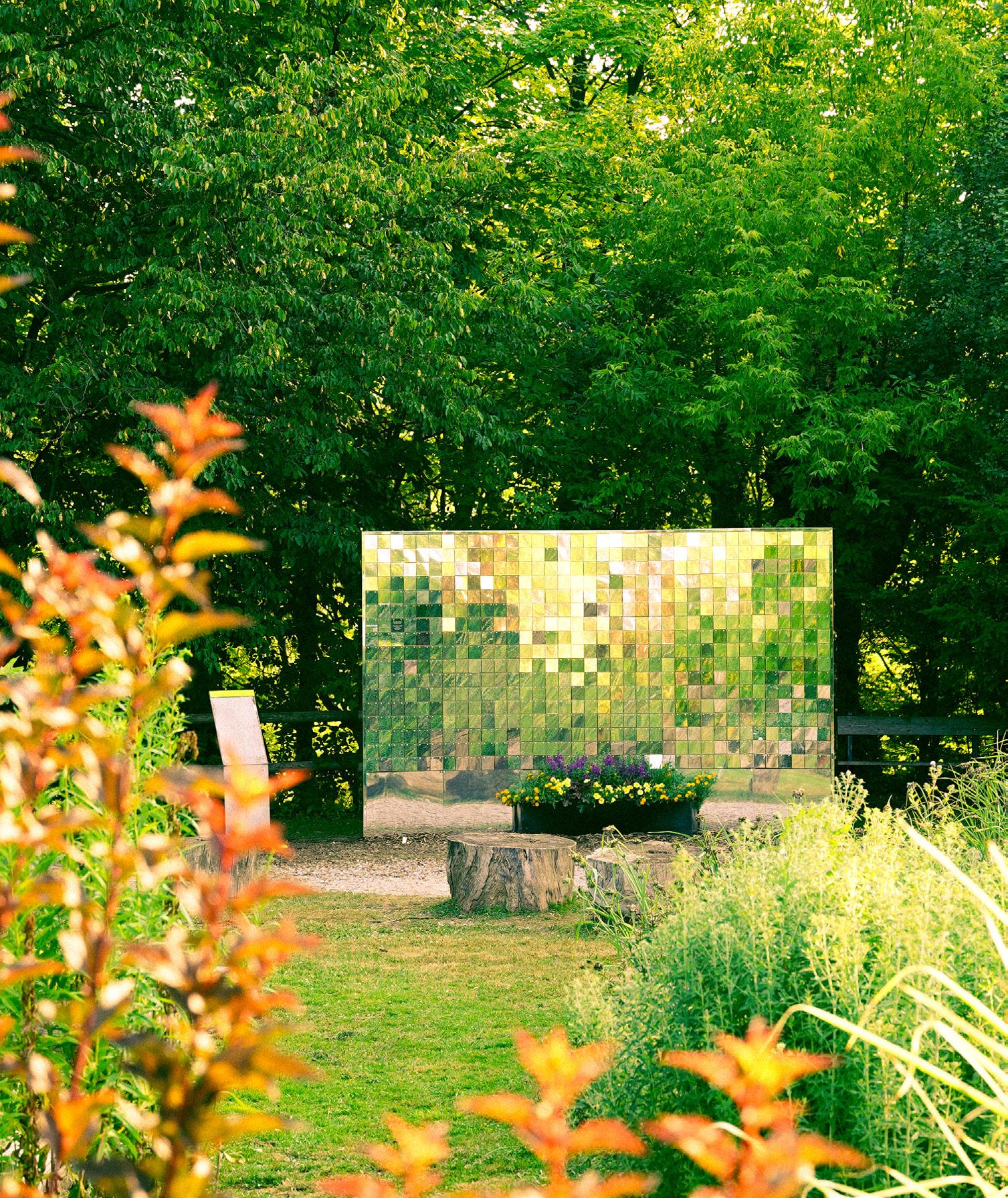
Following the success of Solair at Winter Stations Toronto, Solstice extends the dialogue between light, environment, and spatial storytelling through a shift from planar assembly to a more fluid, curvilinear form. Installed within the Toronto Botanical Garden, the project responds to the site’s freeflowing landscape, allowing its geometry to bend and sweep in alignment with pathways, planting beds, and patterns of movement. Unveiled at the year’s zenith, the summer solstice, when light is most abundant, the installation captures the richness of the season through the choreography of sunlight, shadow, and breeze. Its reflective surfaces shimmer beneath the high sun while subtly channeling wind, creating a living tapestry of rippling shade and flickering light.
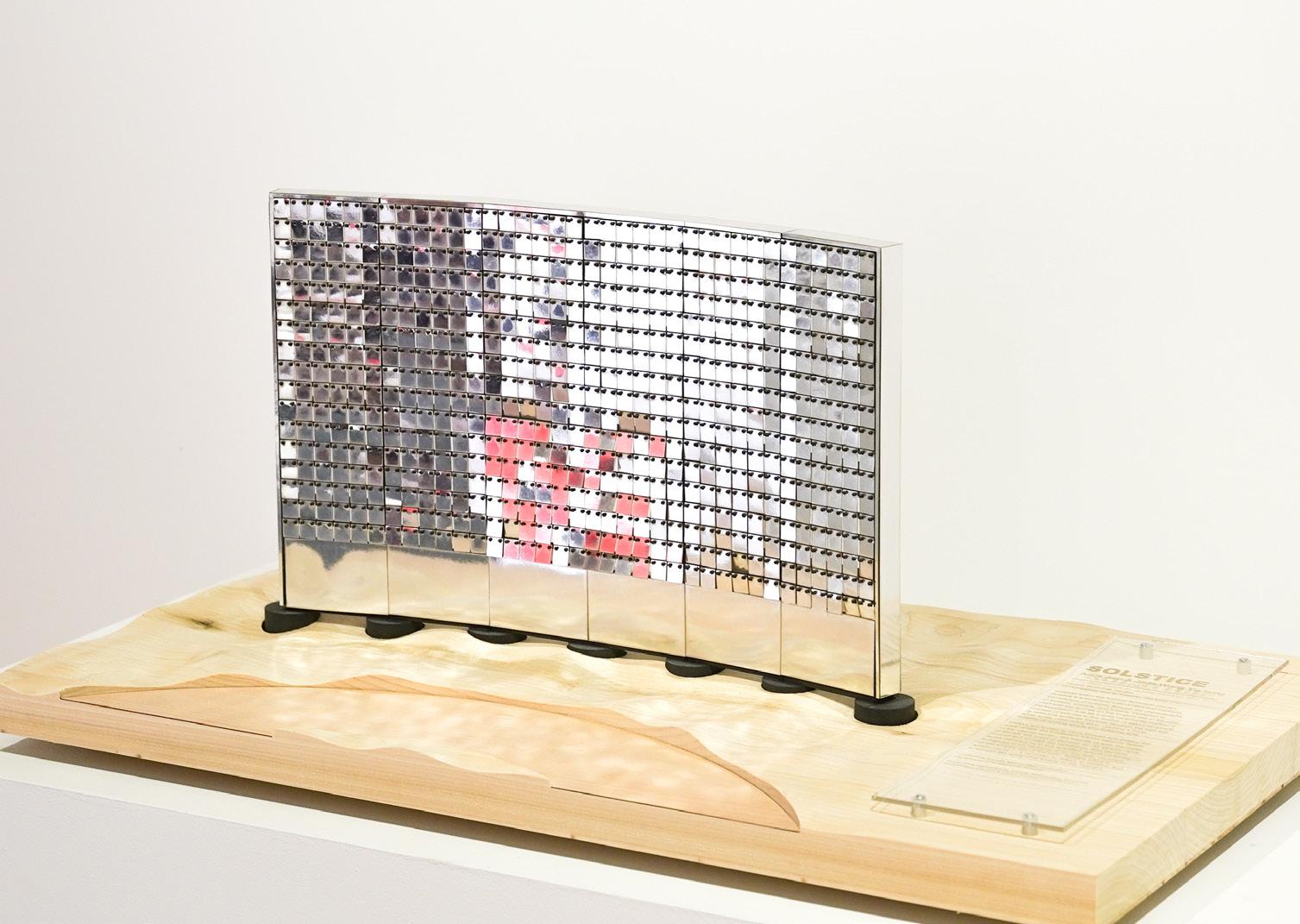
A 1:10 kinetic scale model served as a primary design tool to test curvature and refine the project’s flowing geometry. Iterative fabrication and adjustment allowed the form to be evaluated physically, revealing structural logic and material behavior. The process translated abstract geometry into a buildable system while guiding decisions about rhythm, thickness, and continuity.
Close coordination with contractors and stakeholders required the production of comprehensive working drawings to ensure clarity and precision. Detailed documentation translated the design intent into measurable components, aligning structure, fabrication, and assembly