

About Me
I am a 2nd year Architecture student at Northeastern University, and I’m working towards blurring the physical lines and boundaries of Architecture. What defines a space and its differences with it’s surroundings is an interesting and playful boundary in architecture, and learning to blur, remove or shift that boundary is what I have learned to love about architecture.
R e c o n s t r u c
t i o n s
How to remove and reconstruct the lines of public and private in the library
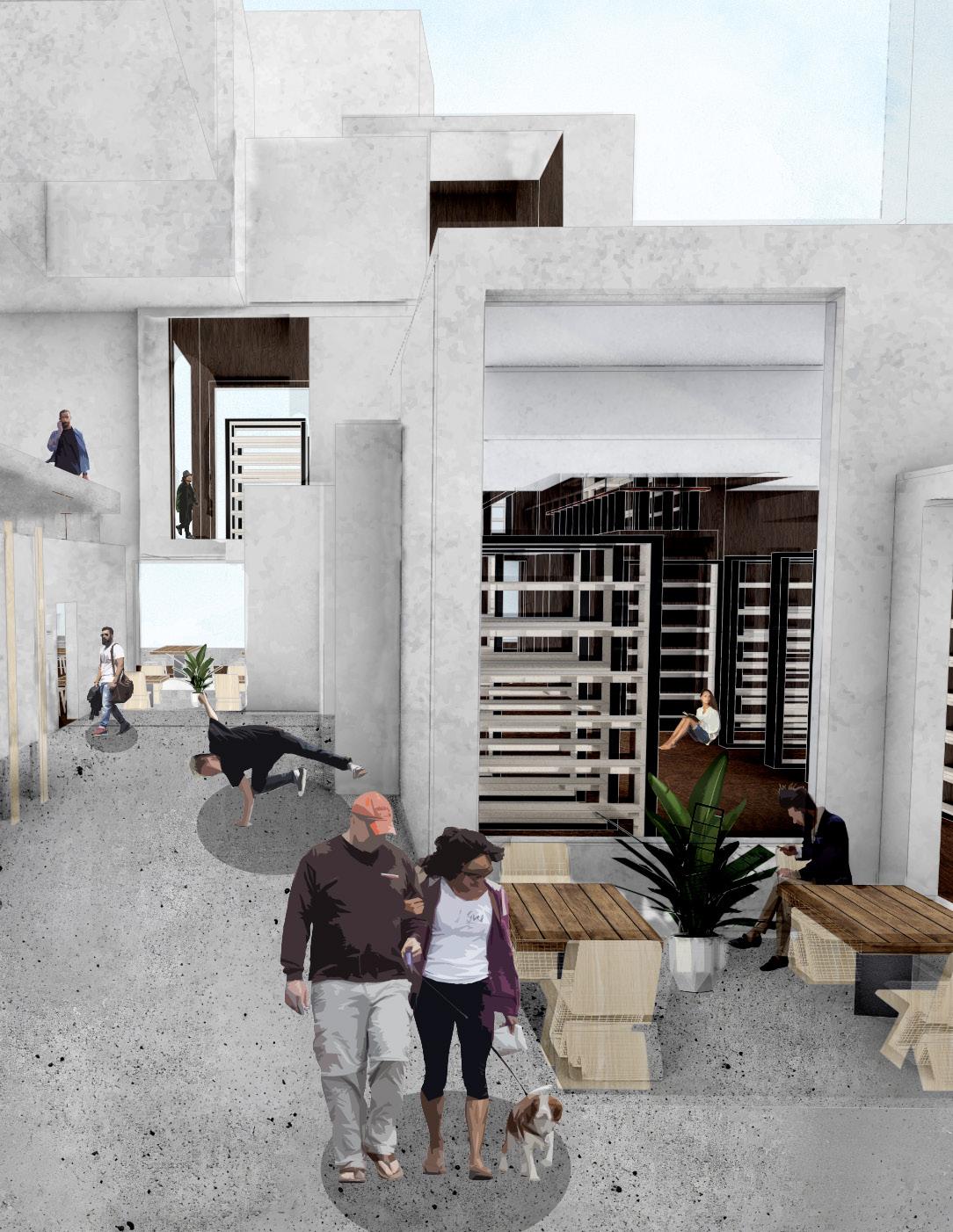
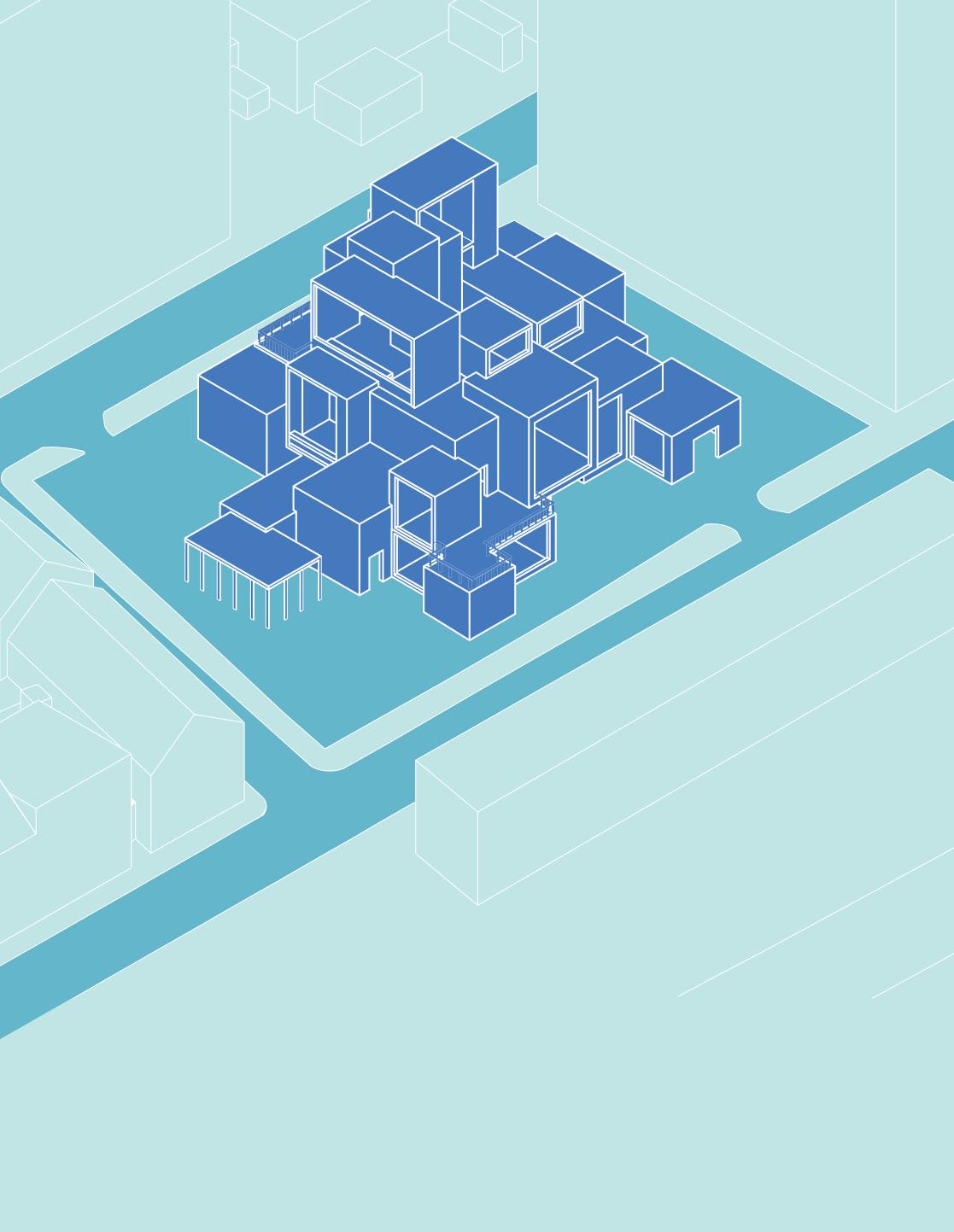
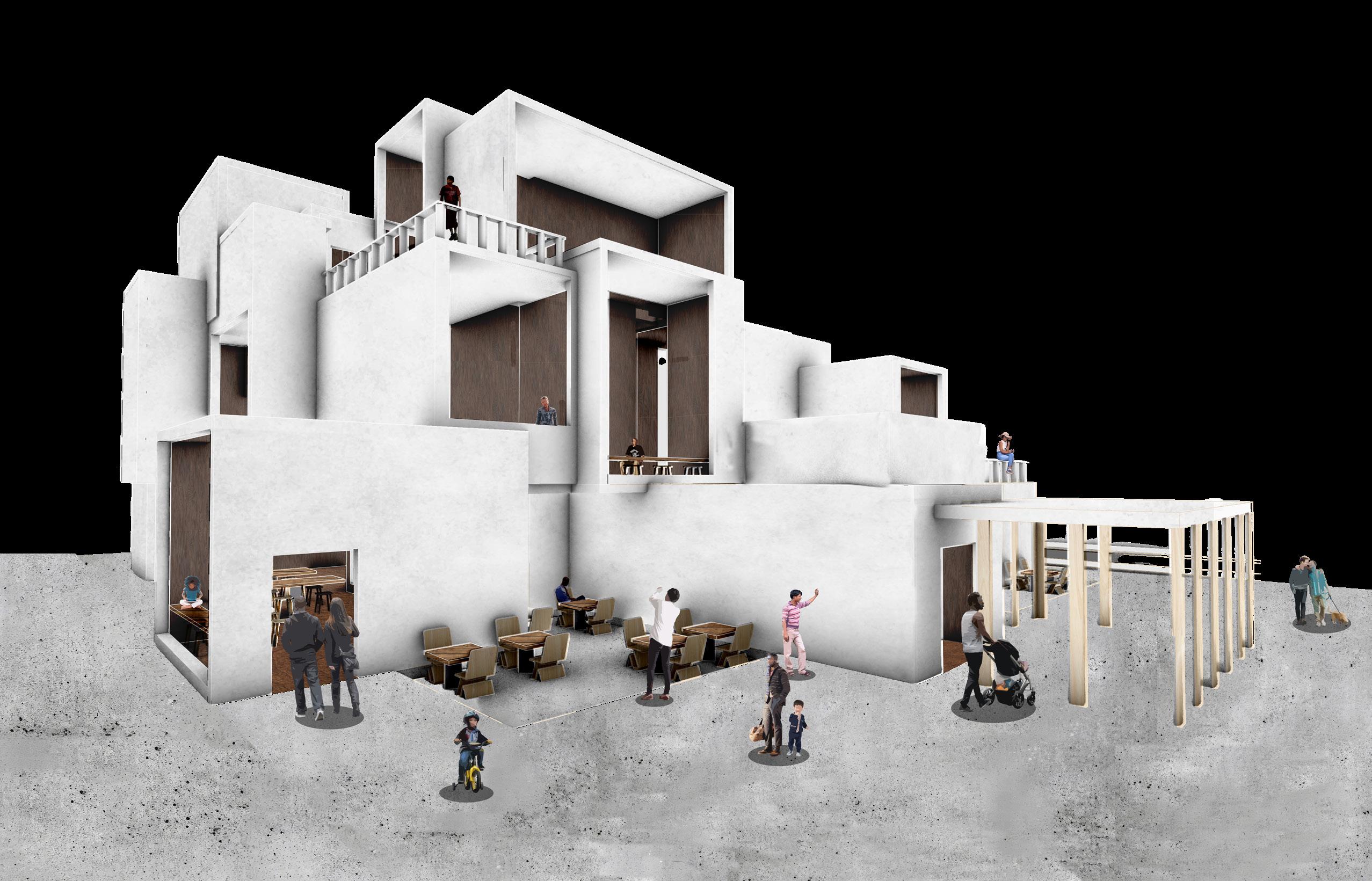
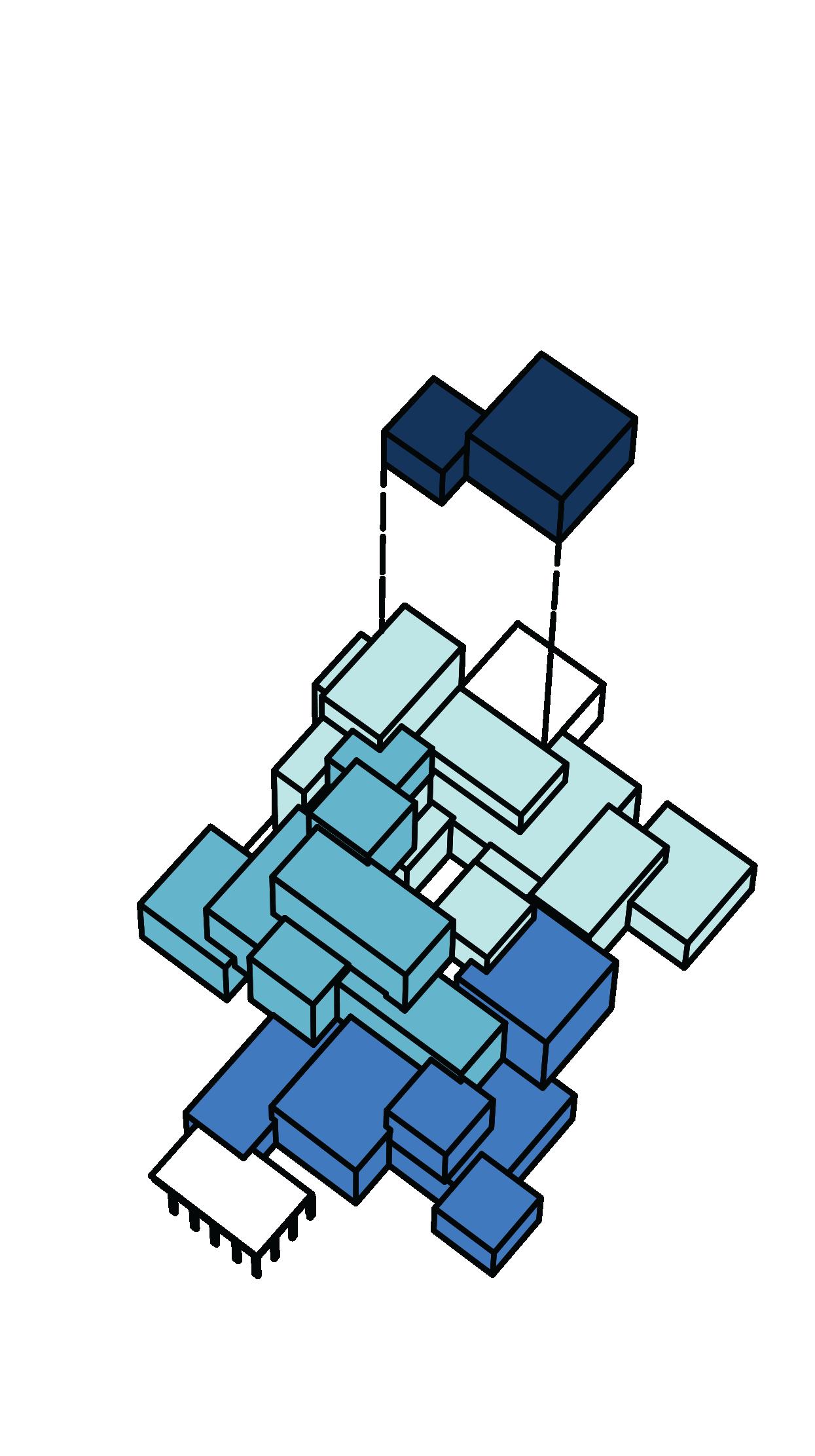
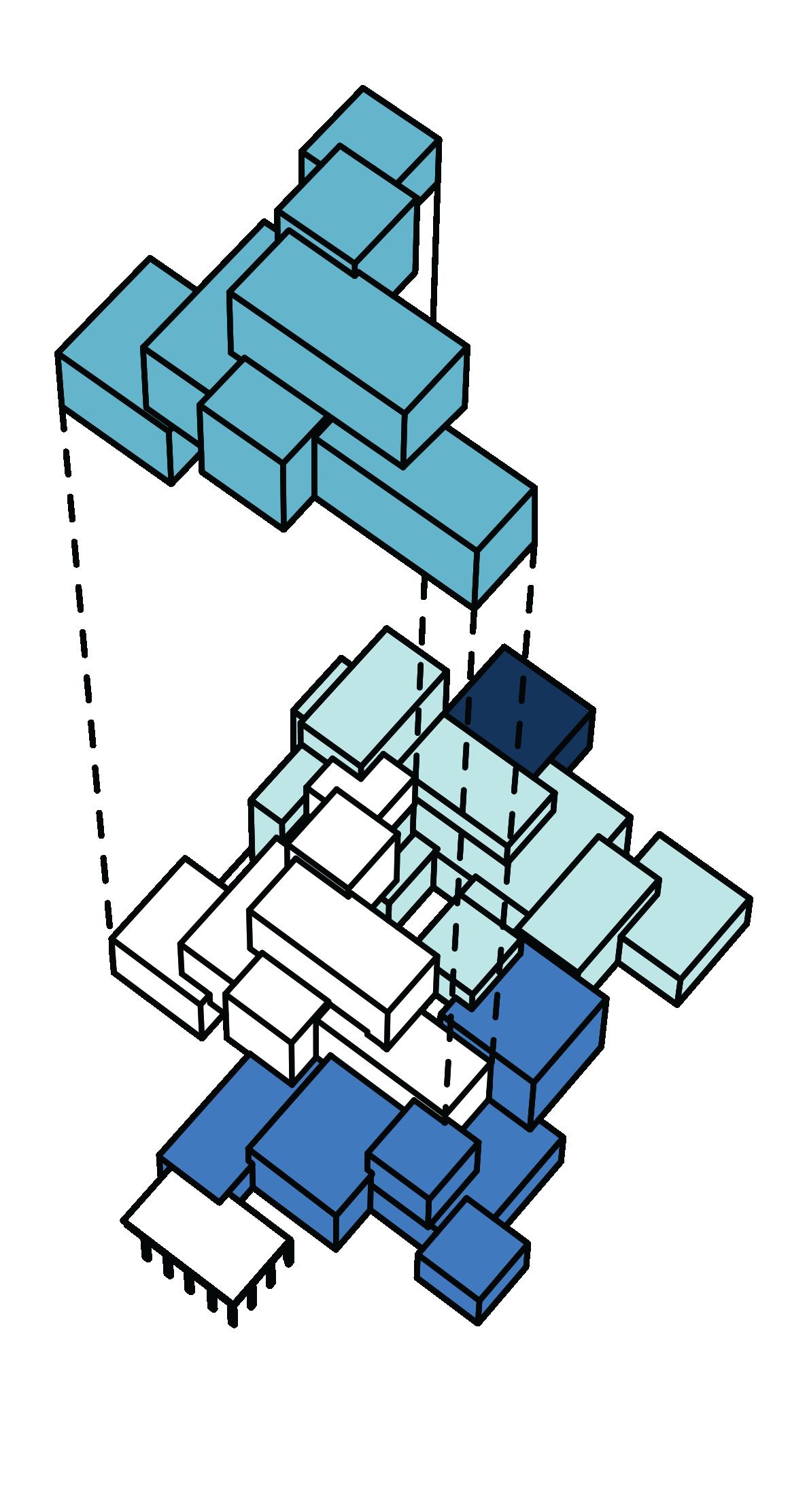
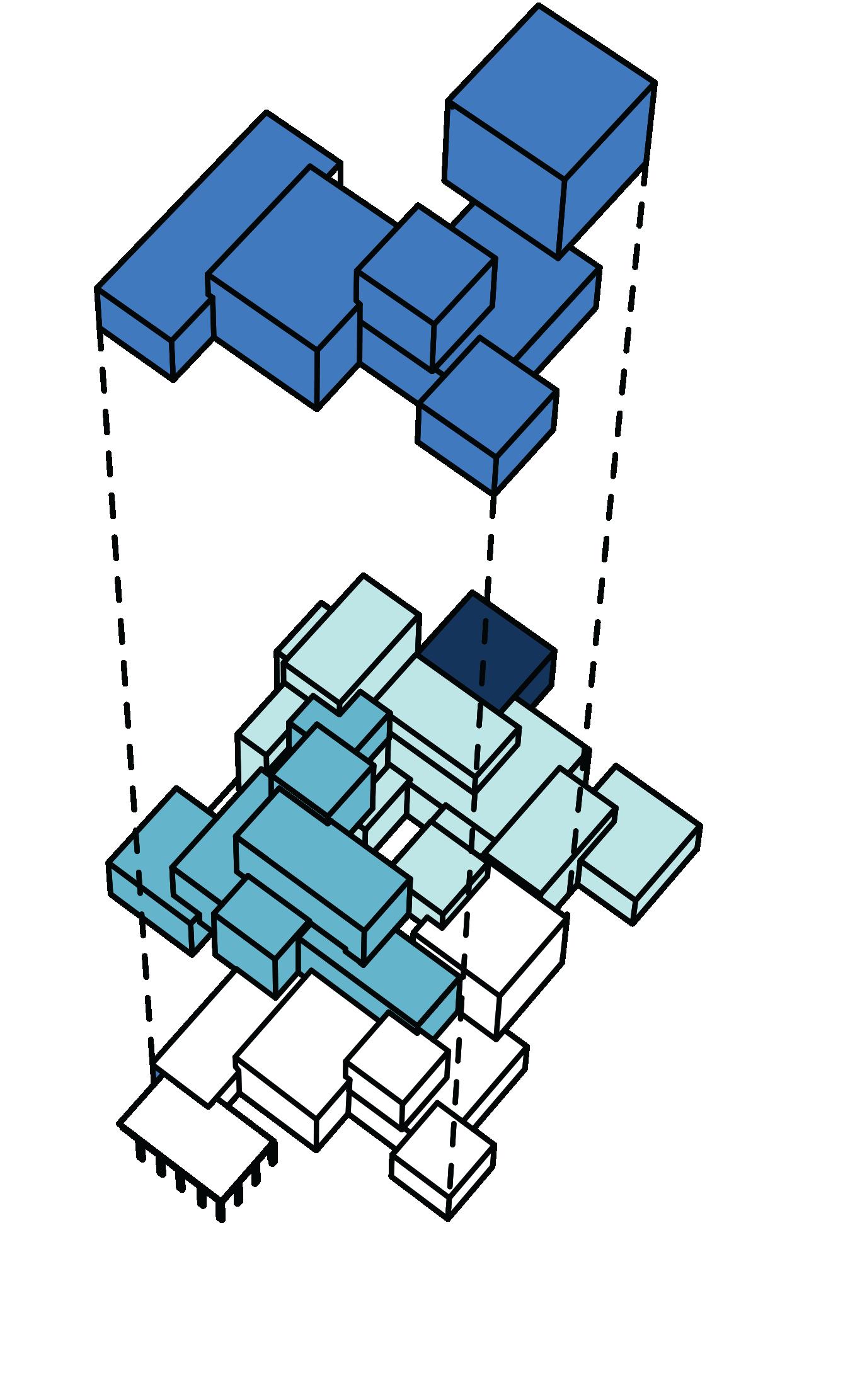
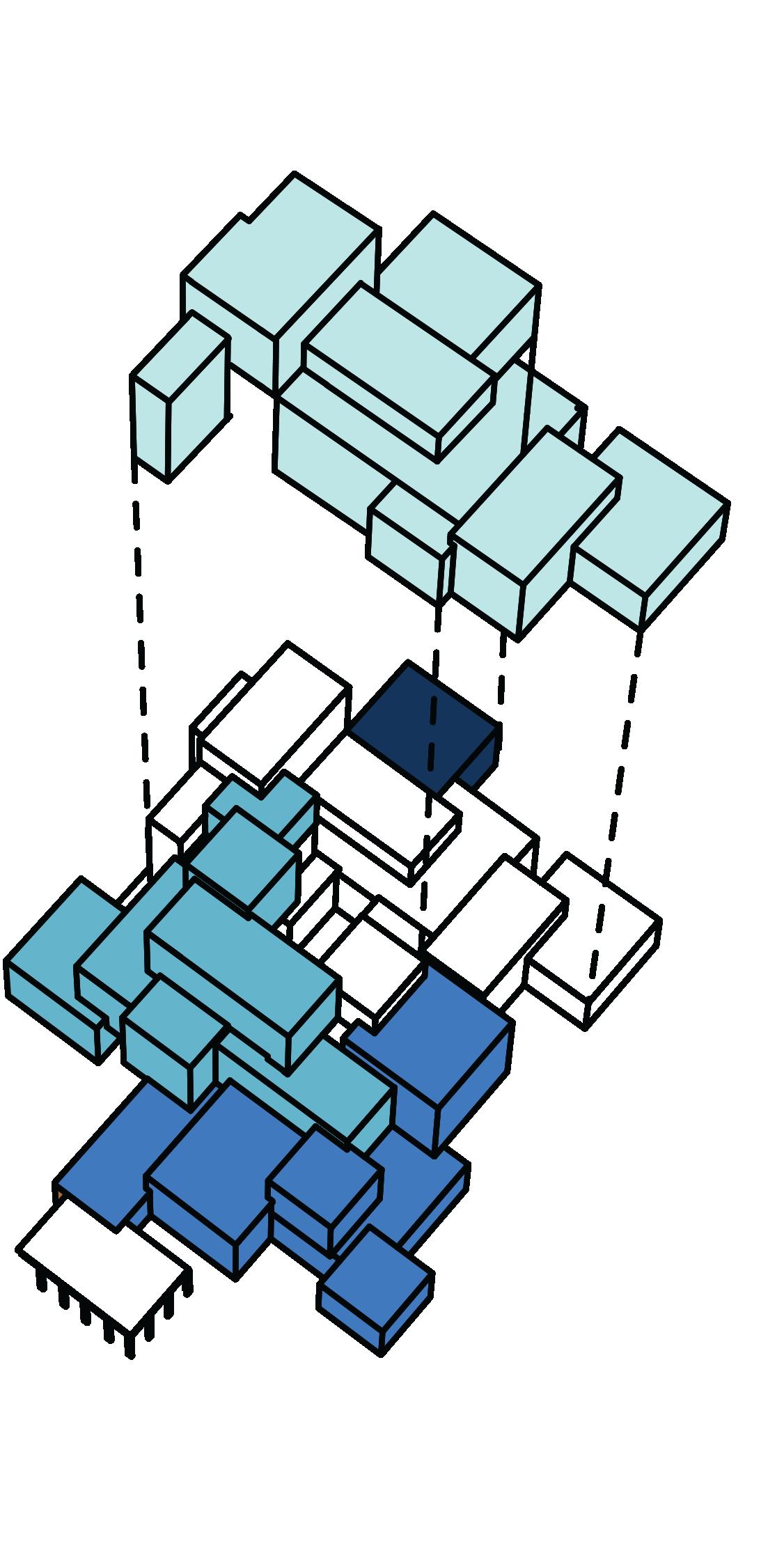




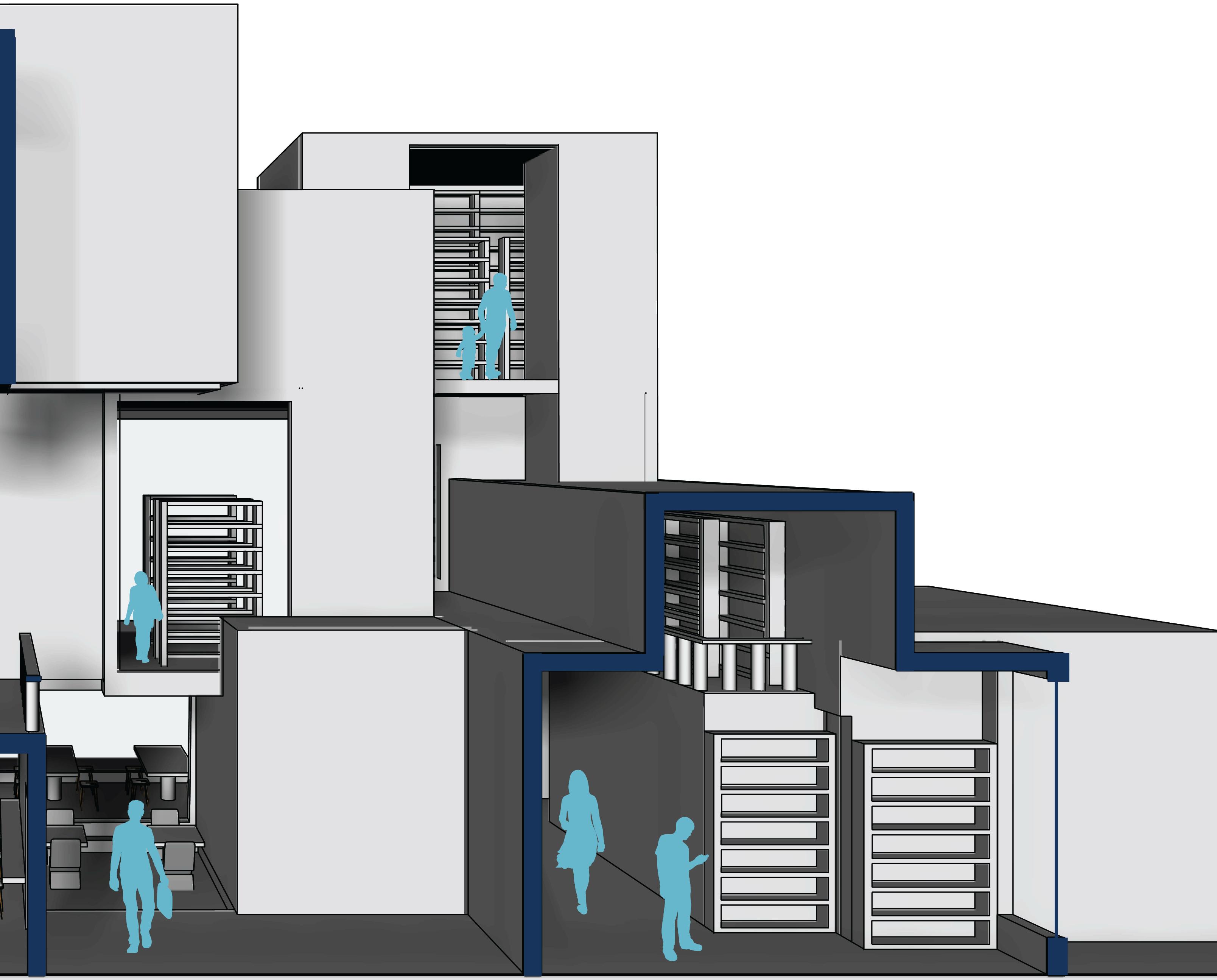
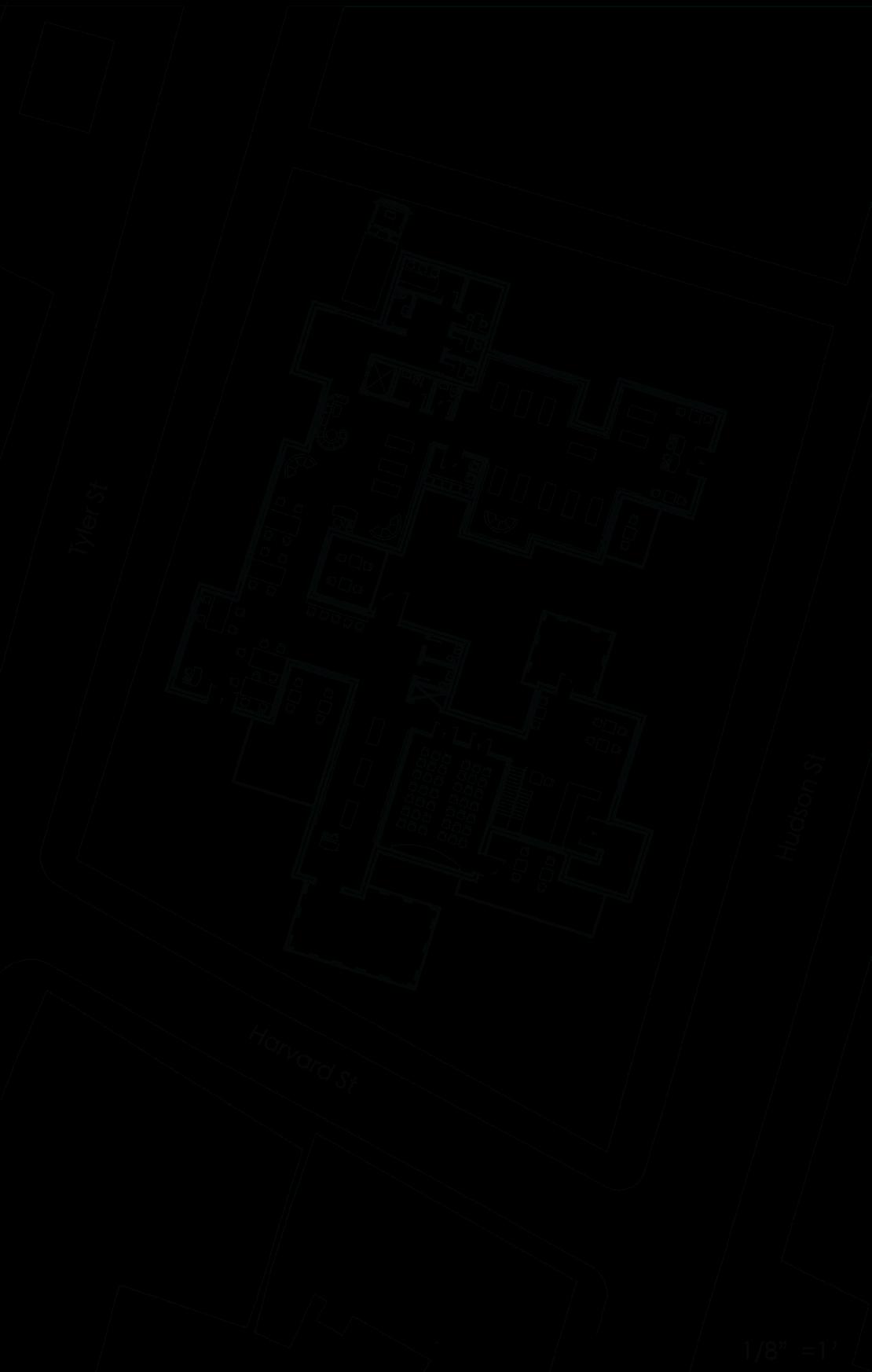
The library is usually seen as a grand, monolithic structure. Floors upon floors of books upon books. Here, the program is completely deconstructed. 1 Program becomes 1 block. A size is assigned to it, then it recieves a role. Community, Collection, Staff or Research. The four jumbles of blocks are then assembled non conventionally, creating pinch points and grand openings to stimulate circulation. They bleed into one another on the X and Y axis, removing the idea of intersection as a plan only
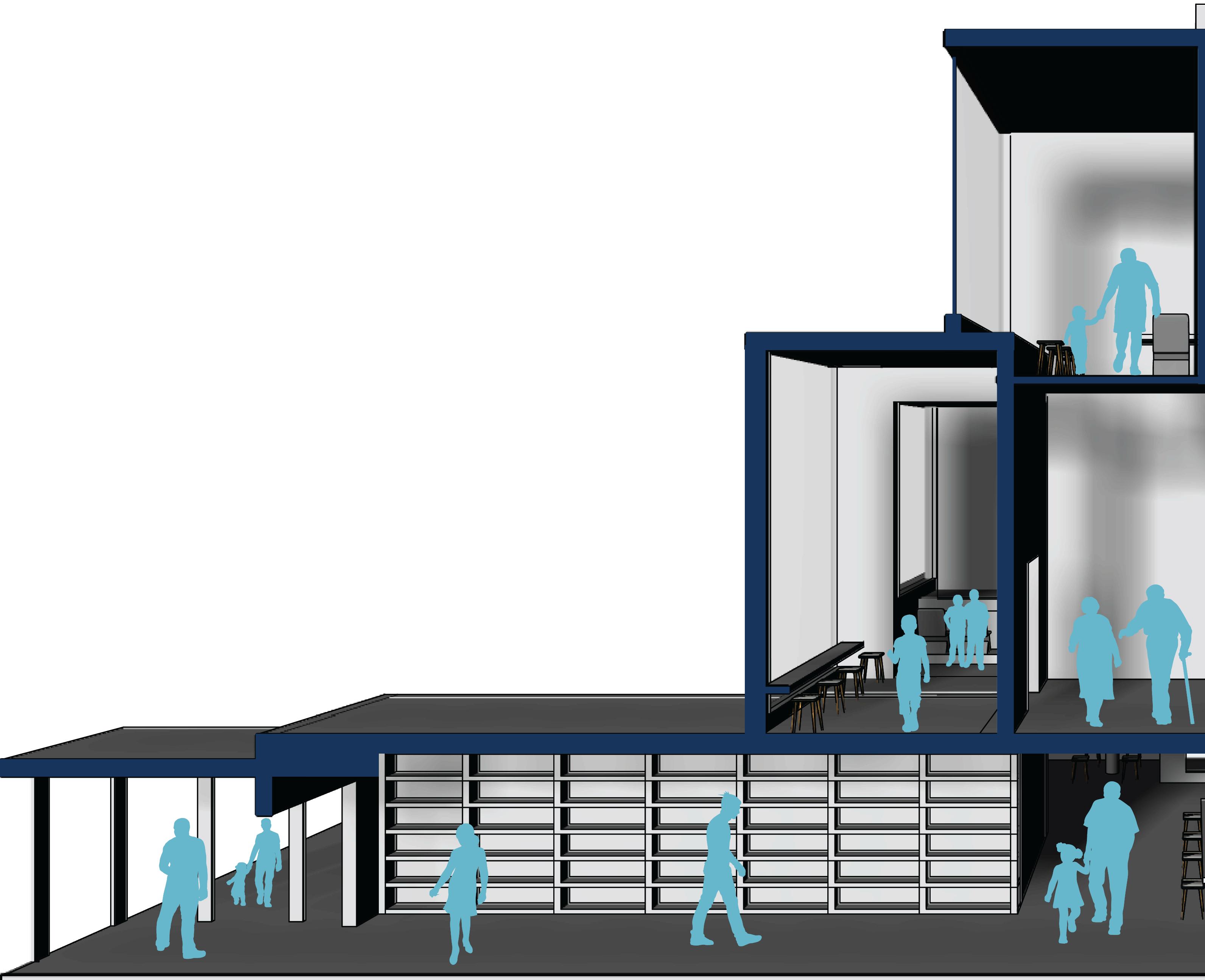

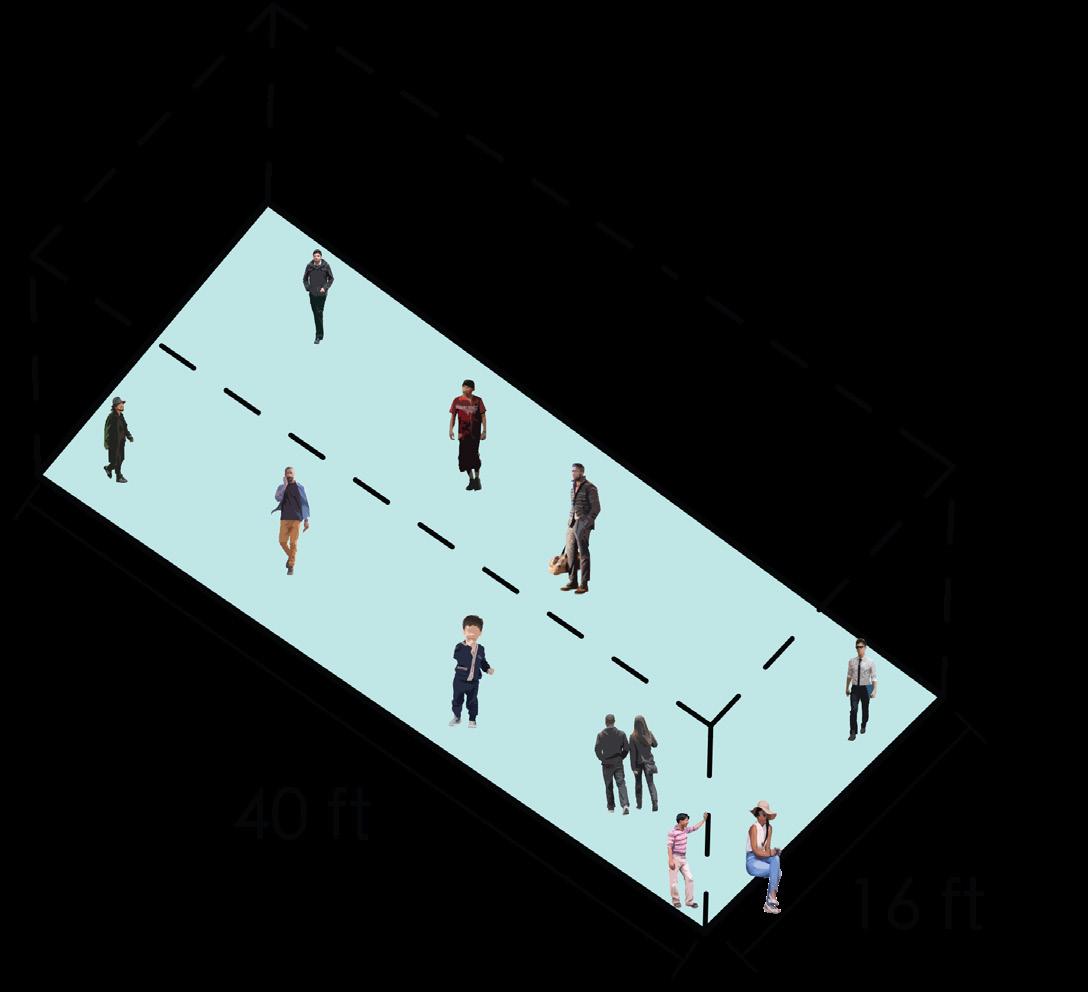
The proportions echo the grand hall of a library
An intermediate space between the two, a building block to bridge public and private
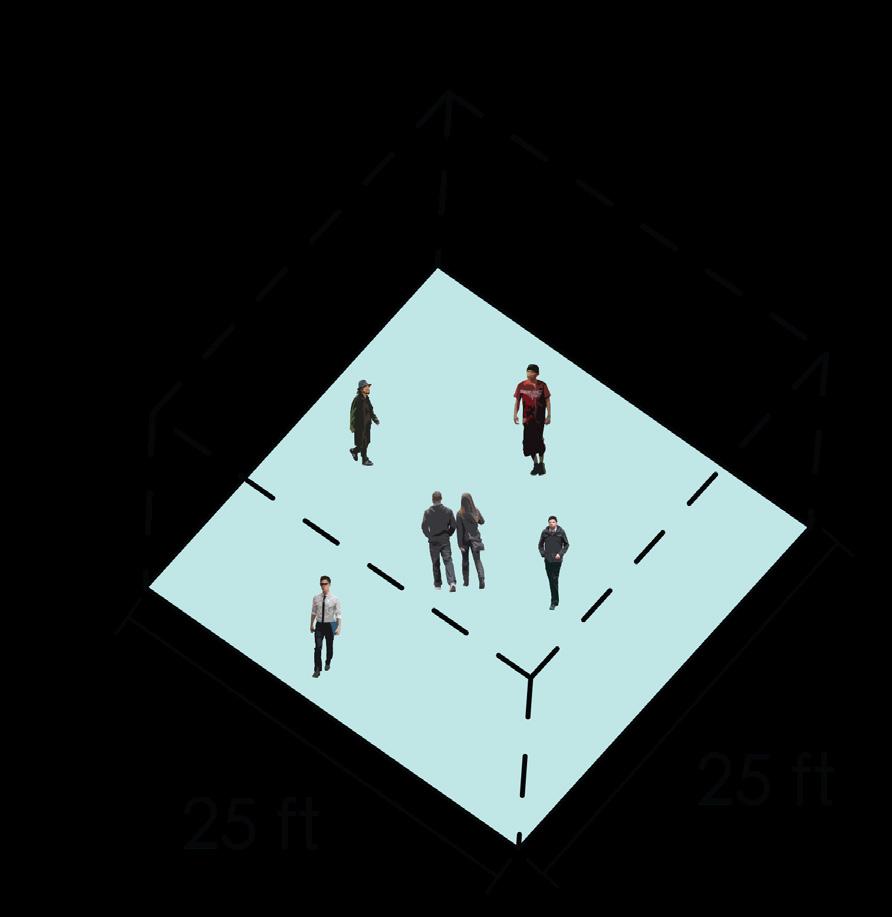
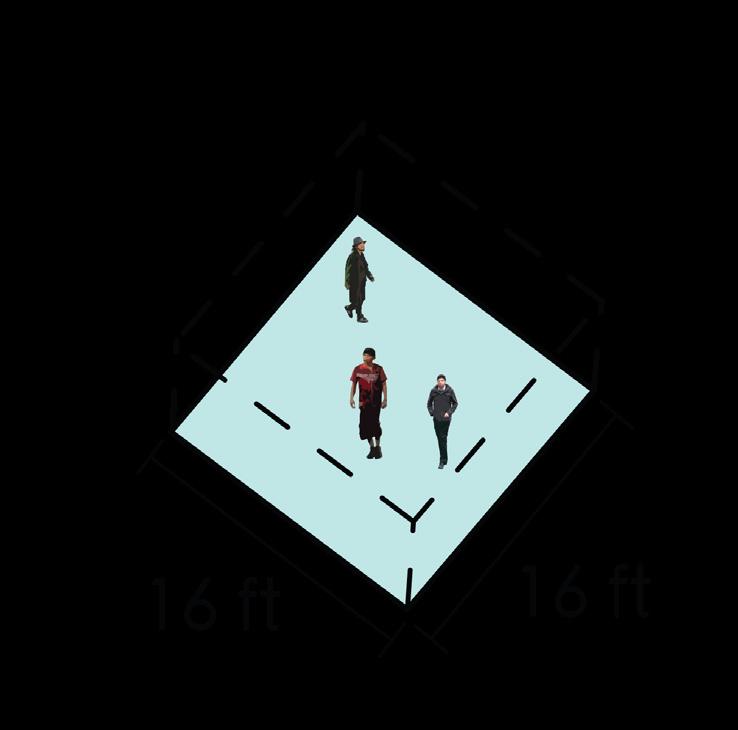
This space is representing a private space, either for sound or visibility
D e c o n s t r u
c
t i o n s
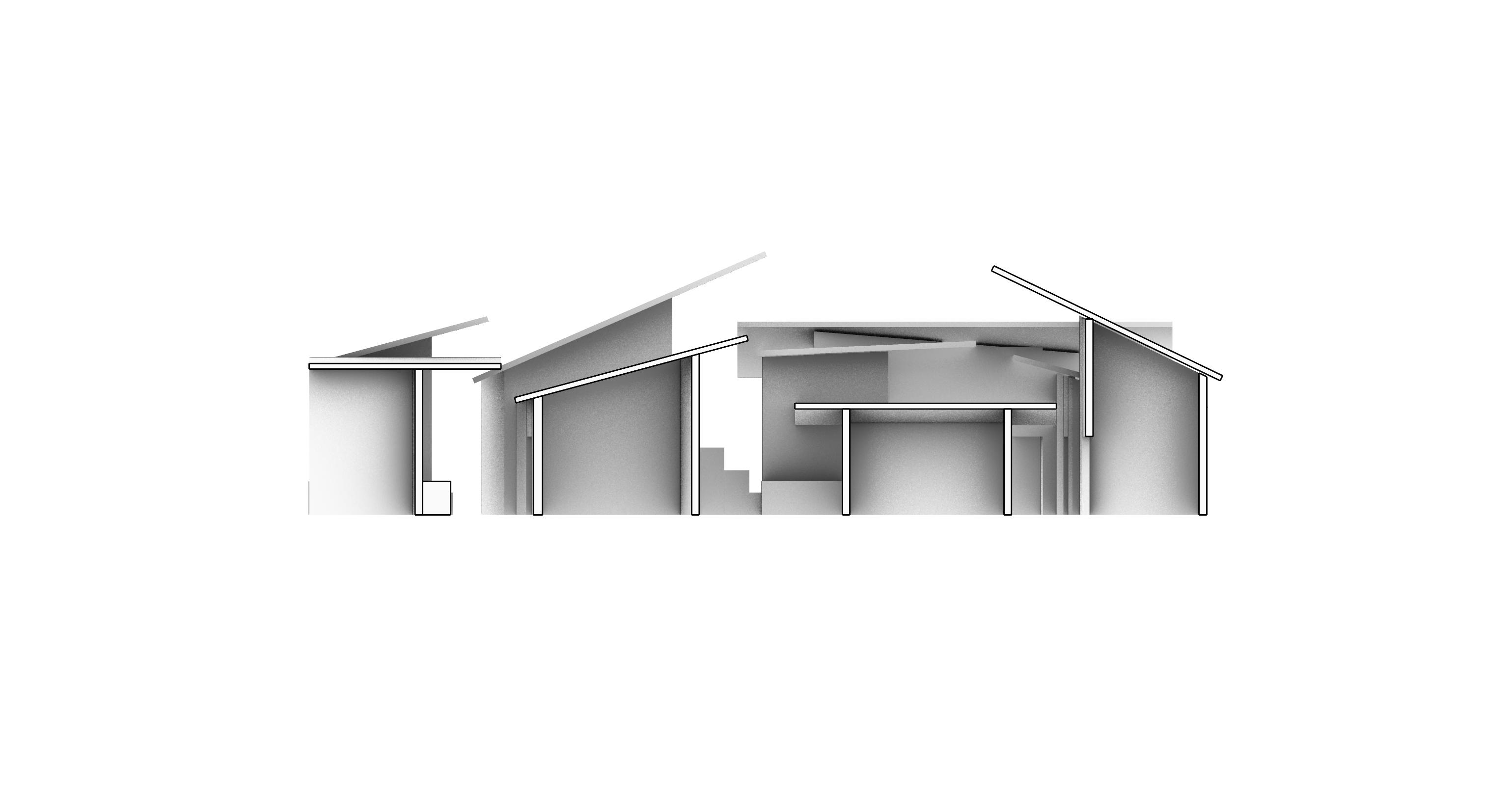
A study in using the deconstruction of a space to create new spaces in the voids of old ones
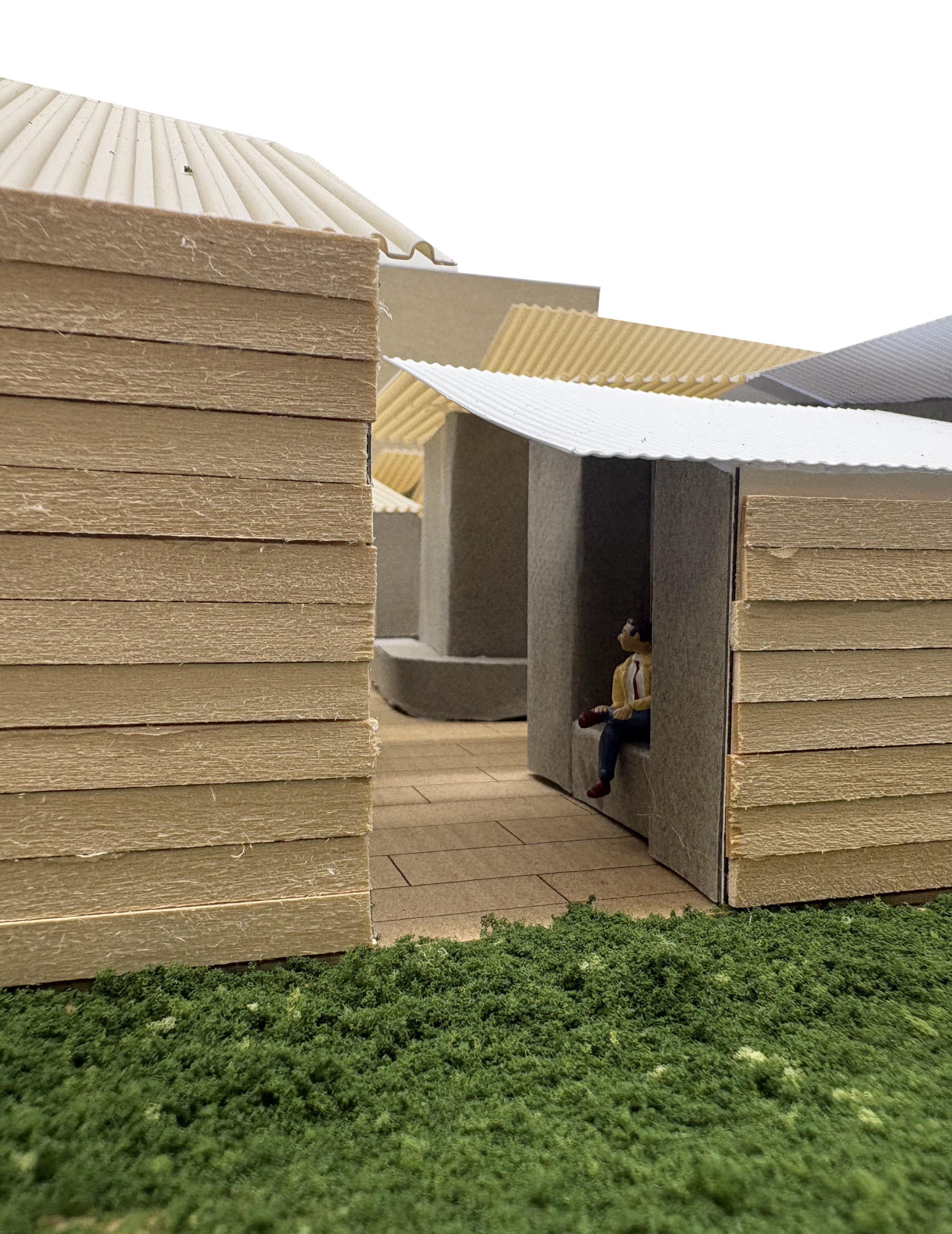
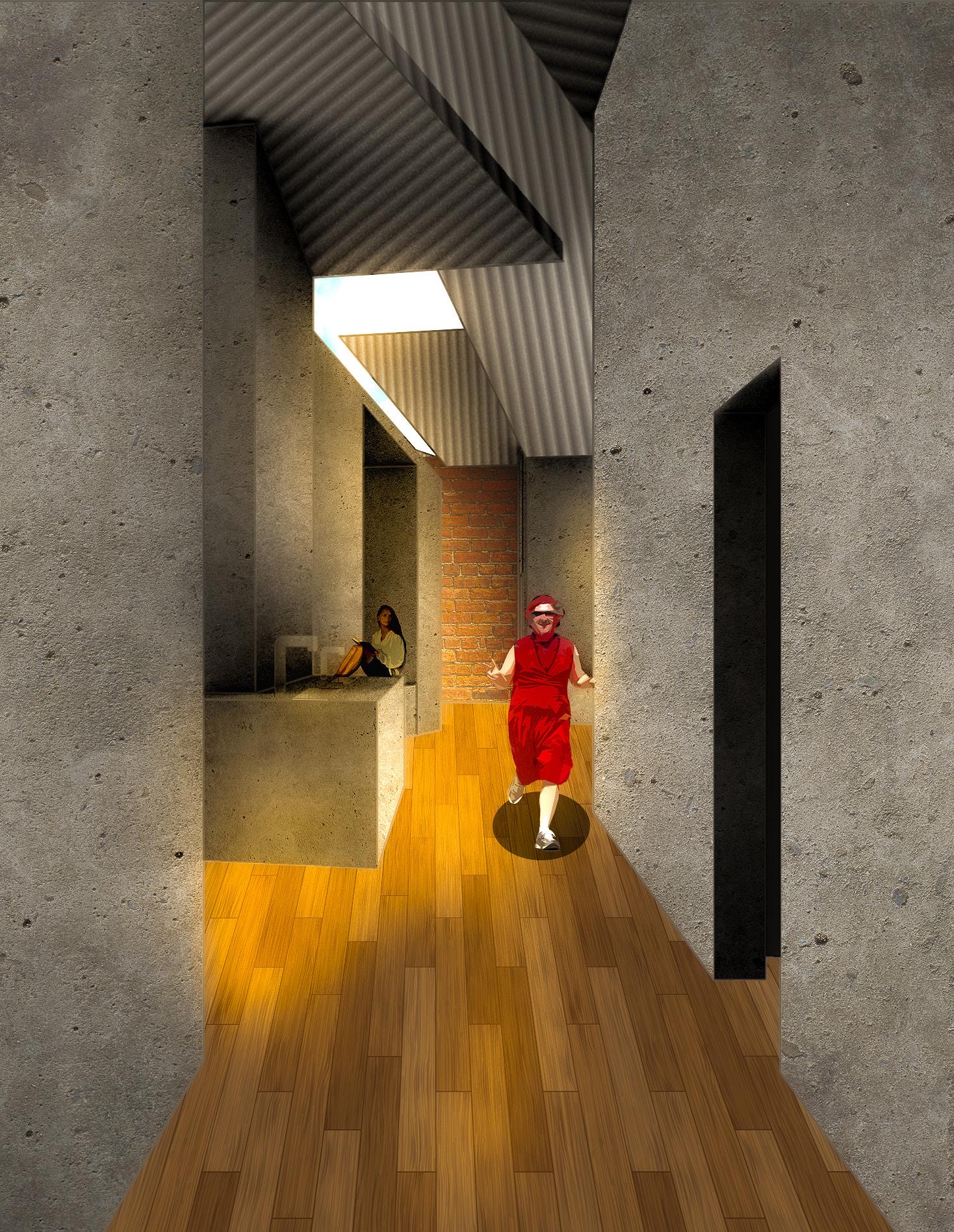
Process
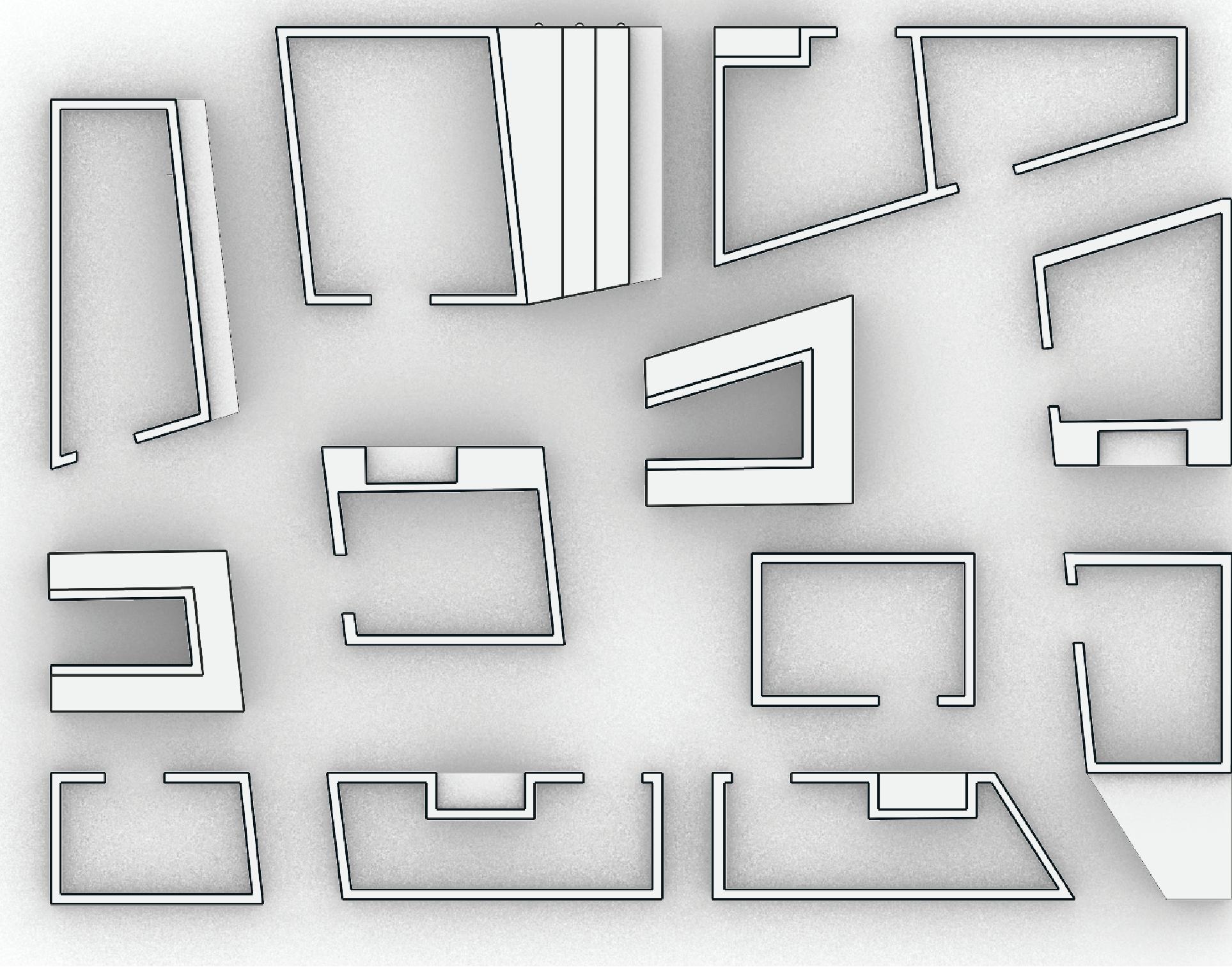
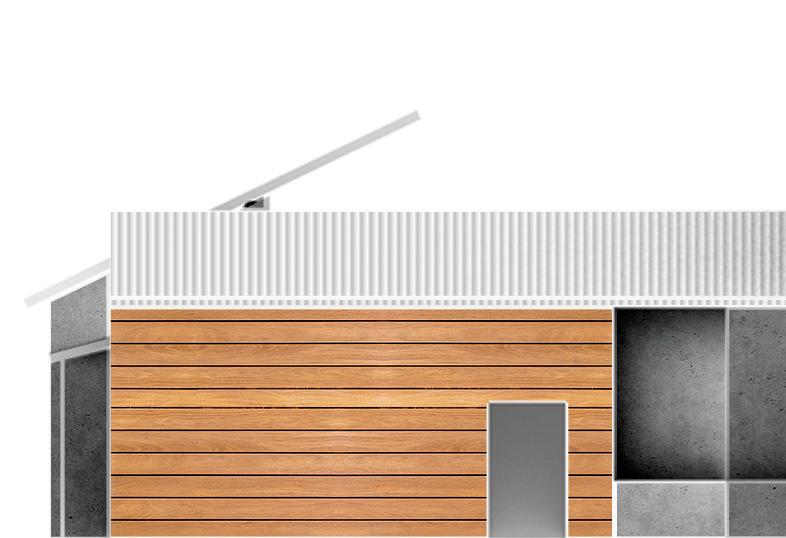
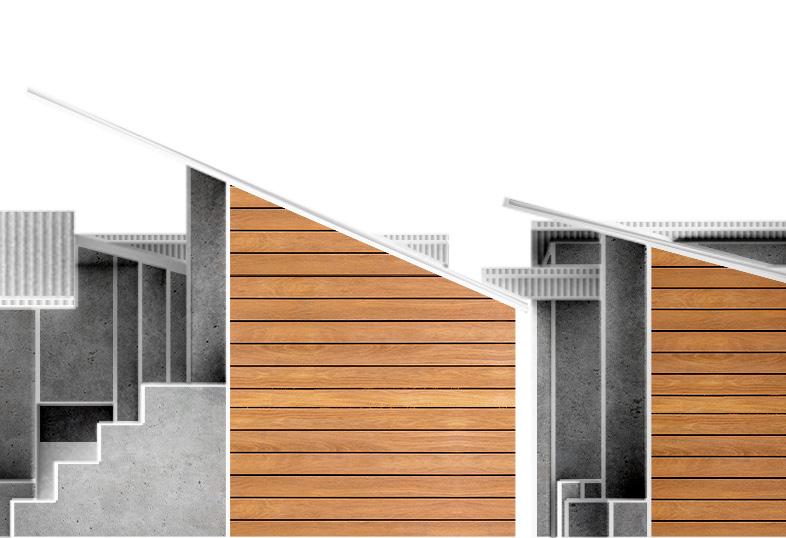
The construction of this space is based around the deconstruction of the space. Taking the rectangular site and drawing new axis based on the surrounding area.
Restaurants, crossings, shops etc. These axis become similar to alleyways in a village. Where they intersect becomes an open common space, a stark difference from the thin walkways. Even though it is fabricated, it gives the impression that the relationship of the voids and solids is natural, developed over time based on the needs of the users.
tidal Steps
Reinventing Boston’s Seaport for the future In collaboration with Ethan Lu.
Low Tide Day to day change
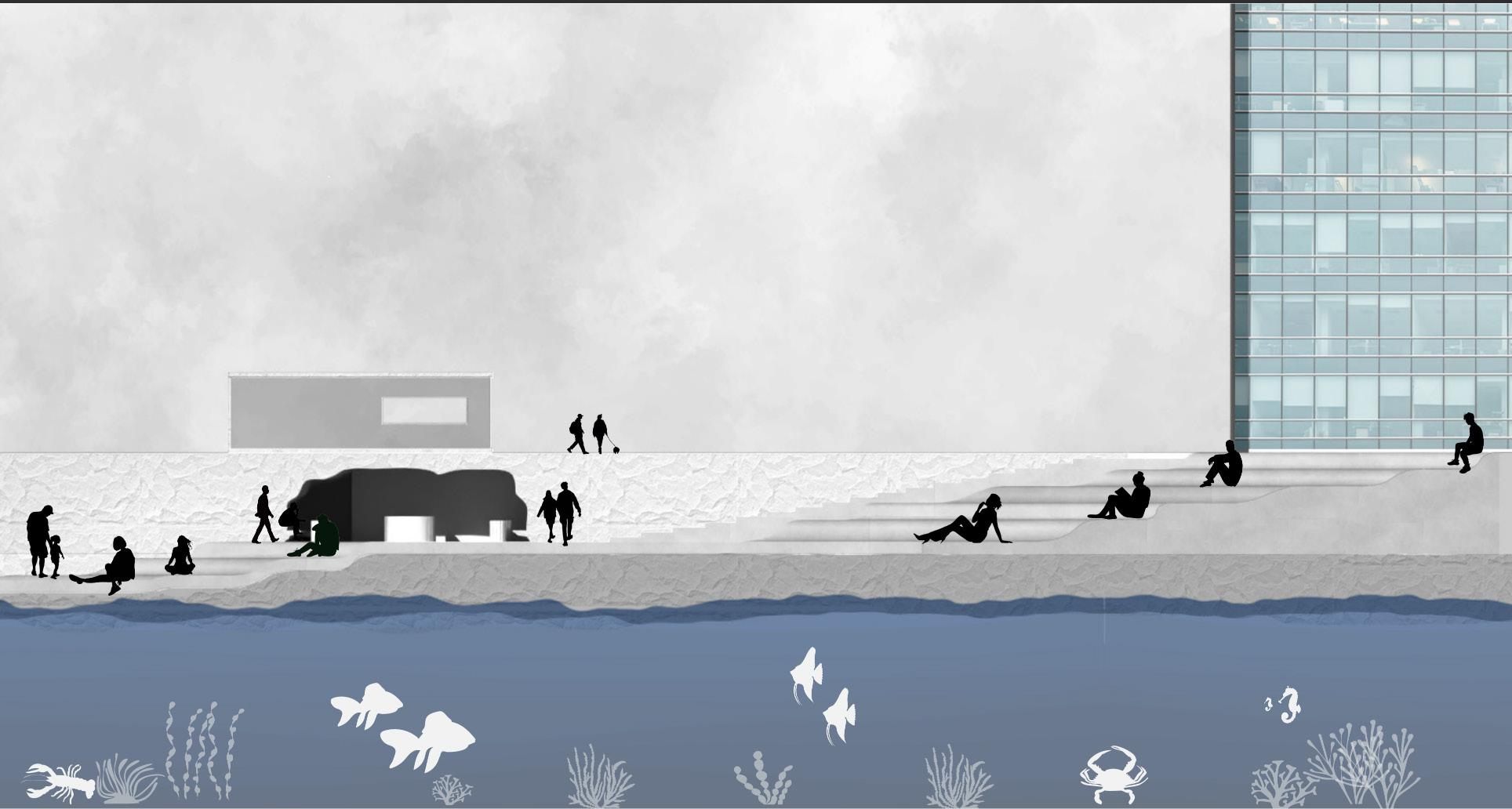

high Tide
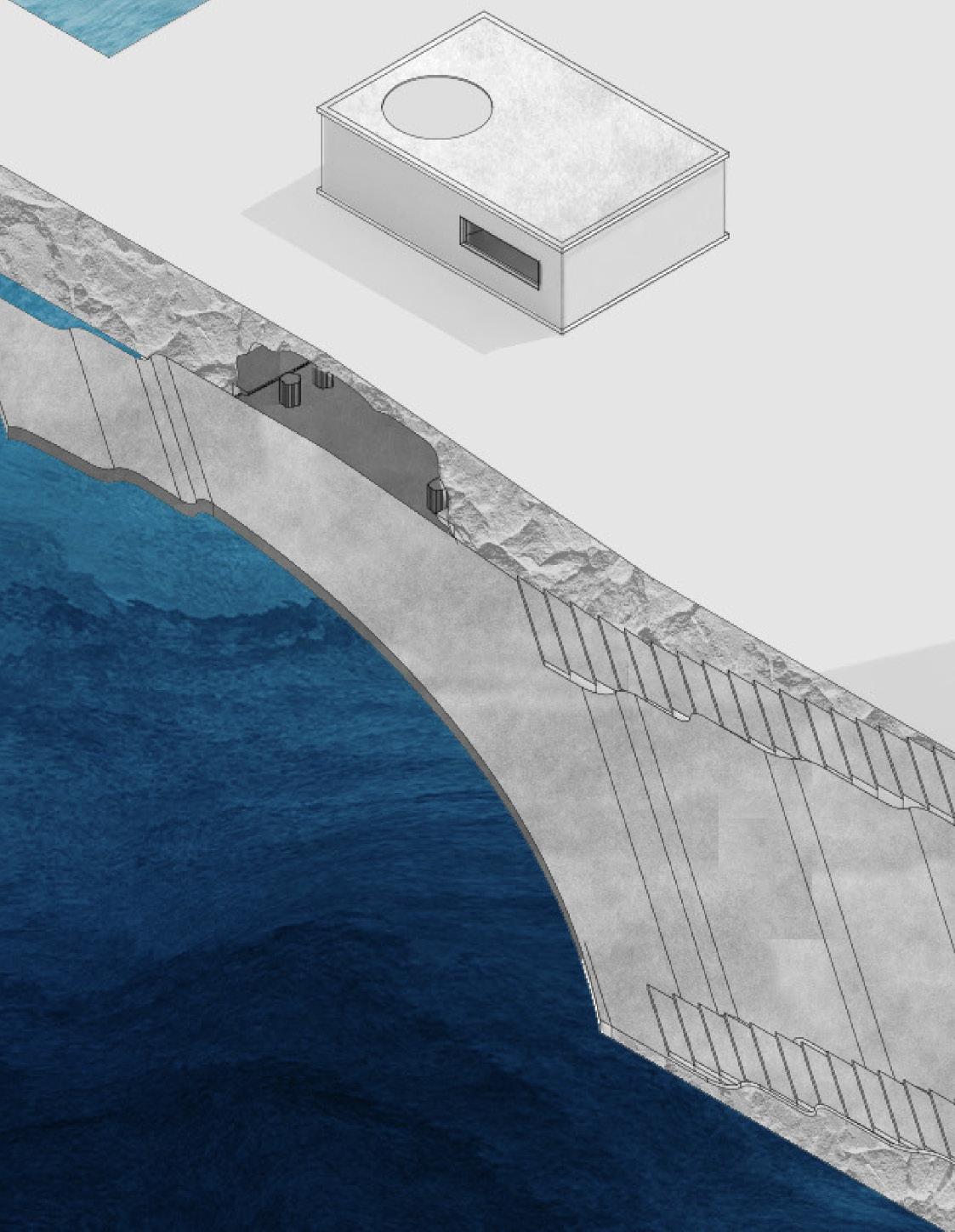
The difference in tide is usually seen as a building restriction. Here, it is reimagined as an oppurtunity to blend marine life with the surface, offering different proportions of users the space as the day progresses.
Future Proofing 2100
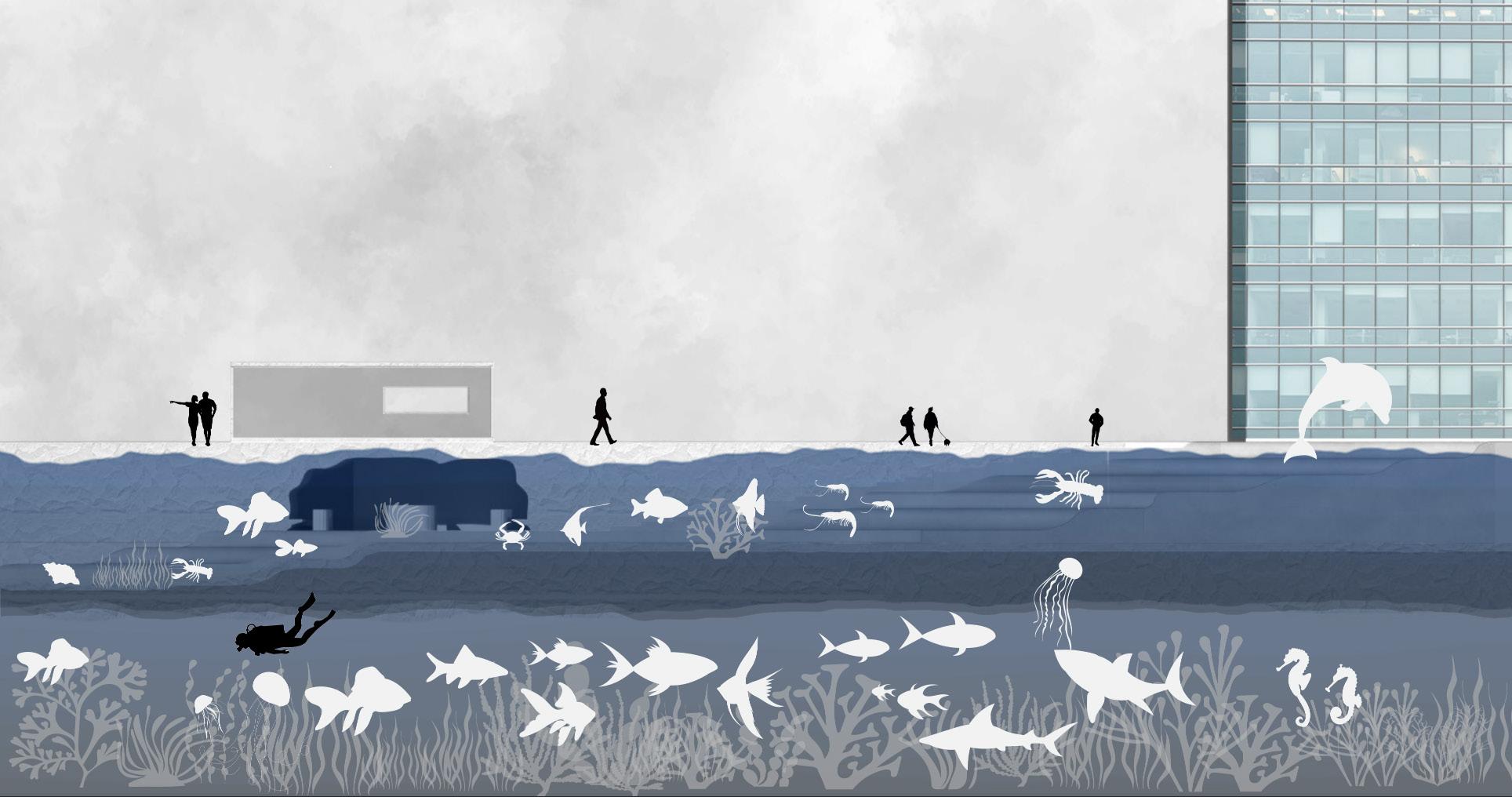
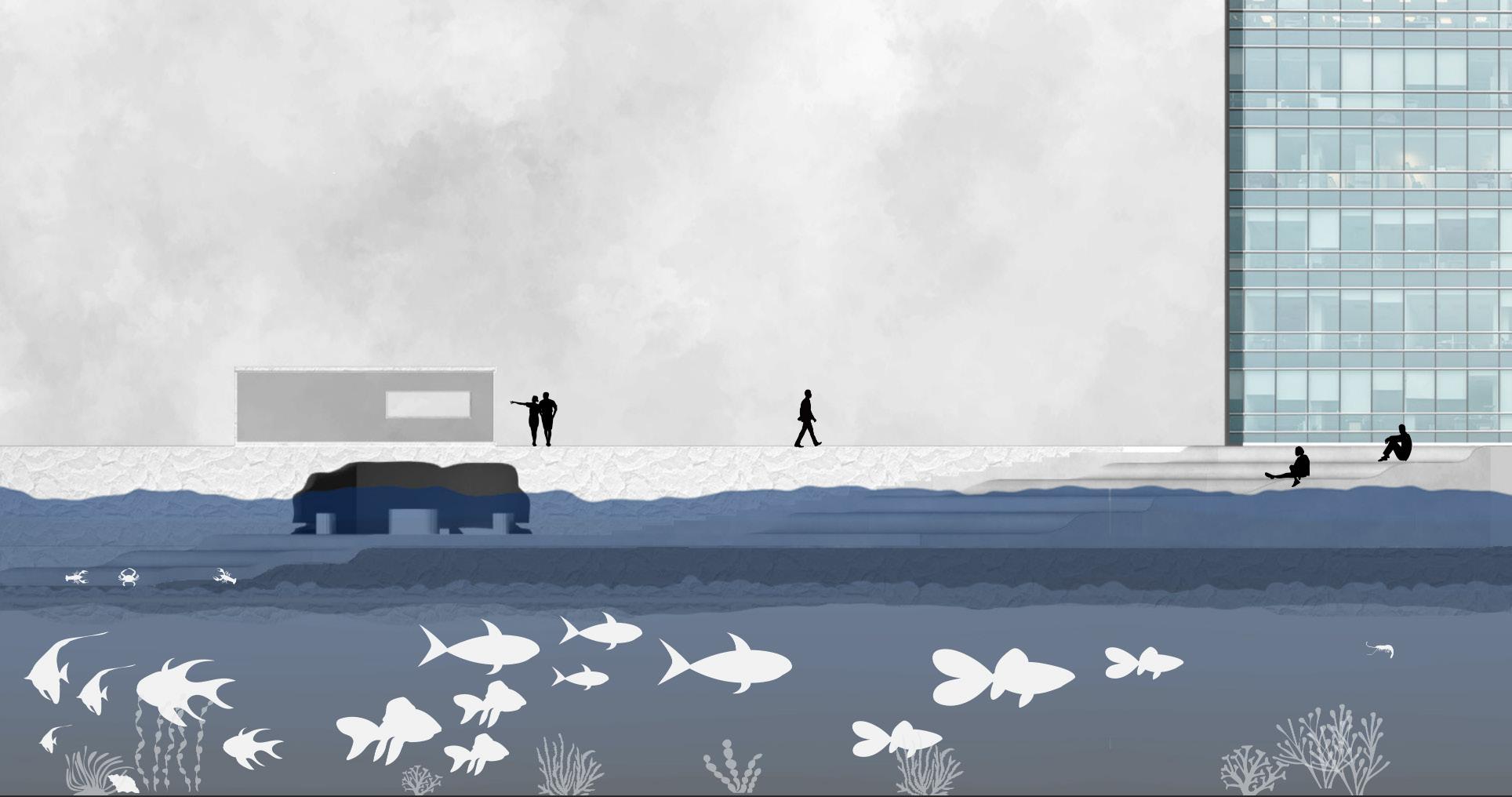
2050
Boston’s Seaport district faces a heavy risk of being flooded over time, and most of the district is expected to be underwater within decades. Instead of abandoning the built environment with time, it faces a new purpose, to harbor marine life in the absence of humans.
The Den
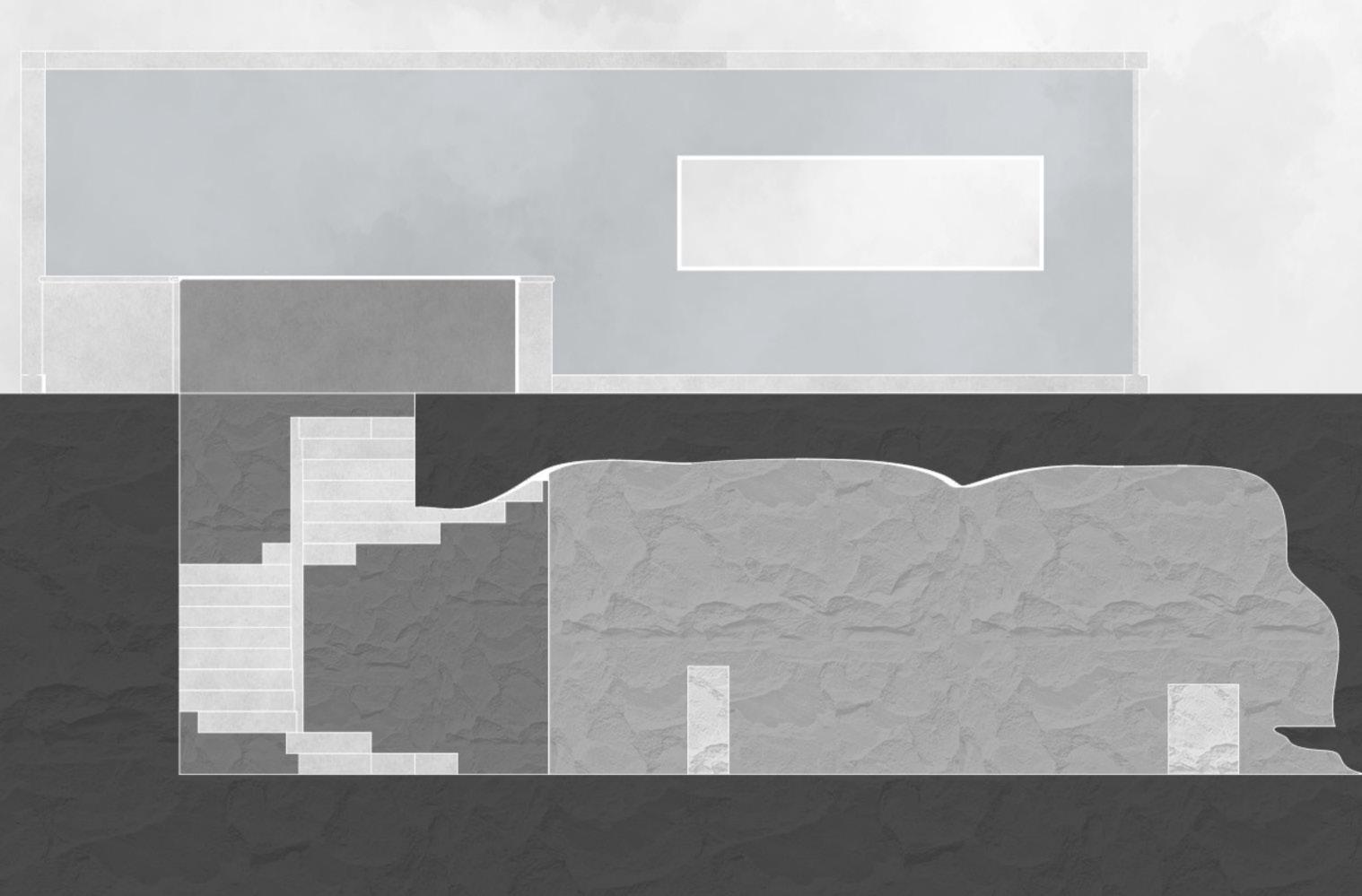
The stark difference between the irregular, mishapen bottom half to the rectolinear, regular top half is meant to remind users of the stages of Seaports flooding. The entrance will echo the current state of Seaport; glass and sqaures. As you descend down to the bottom half, the proportions of the space stay the same, but the aesthetic turns around. It is rough, textured, similar to rocks defined by erosion over time. Users might be comfortable in the expensive glass above, but the erosion will catch up eventually.