project 02 . microlibrary ............................................ 03
project 03 . nest ........................................................... 04
project 04 . personal paintings ............................. 07
[01]continuum site analysis graphic + conceptual development
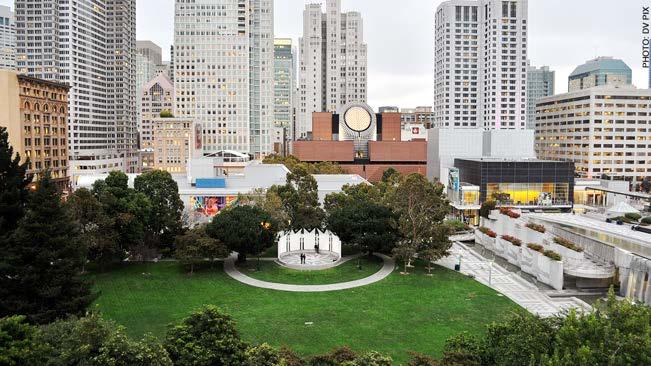
SOMA
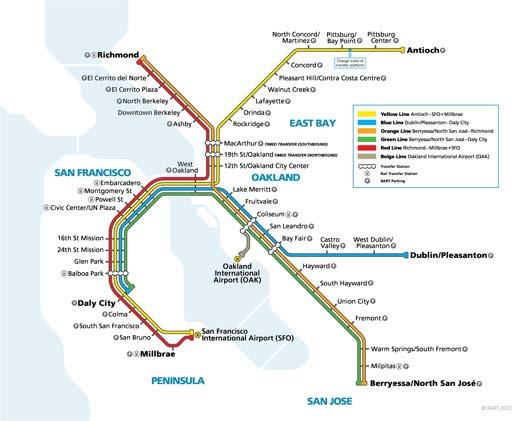
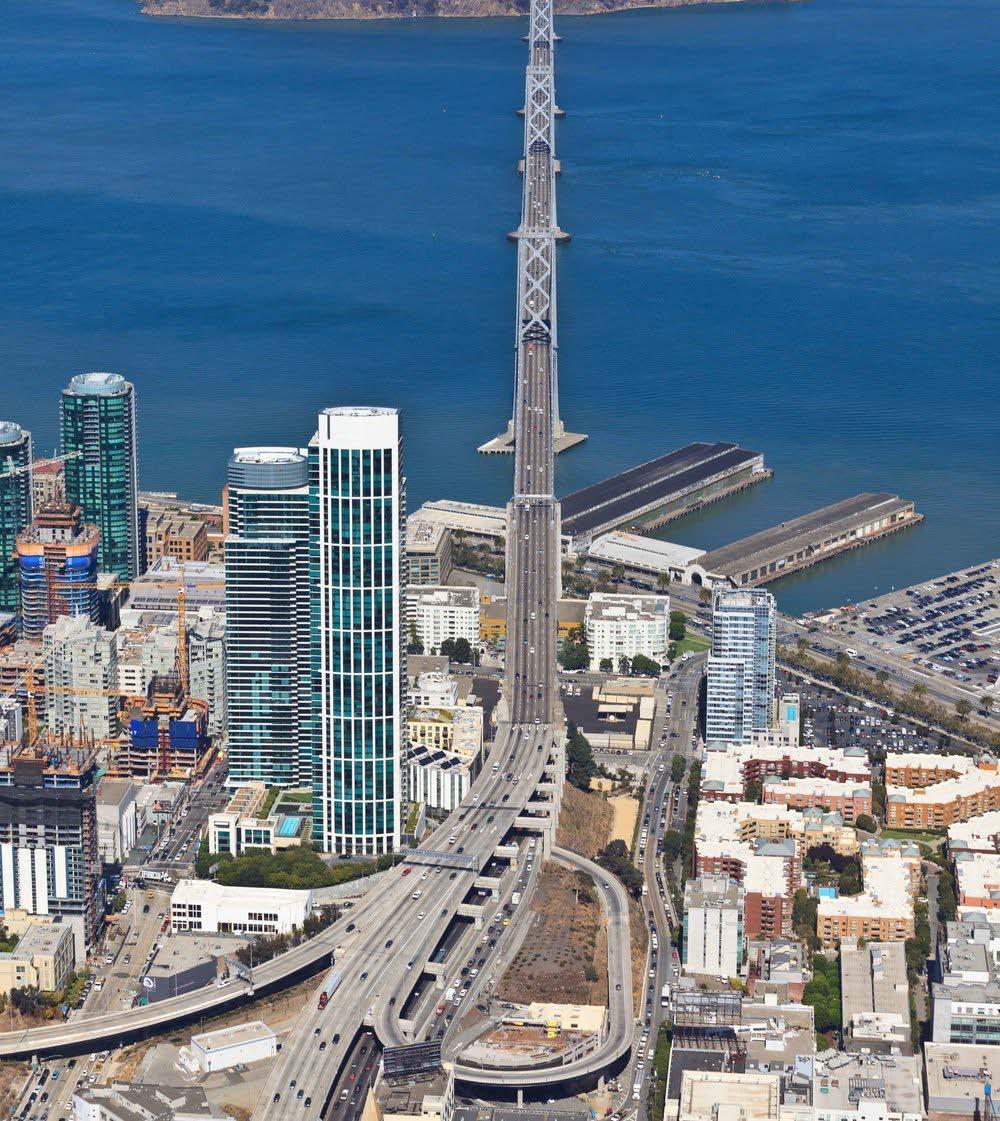
The SOMA district of San Francisco is essentially the ciy’s arts district, filled with museums, shopping centers, and green spaces. Market St is one of San Francisco’s most defining streets, making SOMA both a very populated and accessible neighborhood. The area is somewhat sheltered from prevailing winds and like other parts of the city, is filled in with landfill. After World War II, the black population had increased by almost nine times the amount. Today, SOMA contains the SF MoMA, Museum of African Diaspora, Contemporary Jewish Museum, the Yerba Buena Community Center and Garden, and many other popular areas to spend time in.
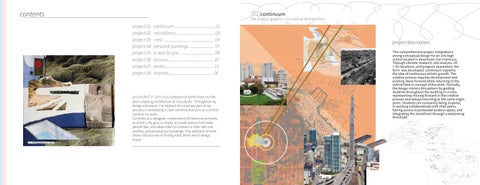
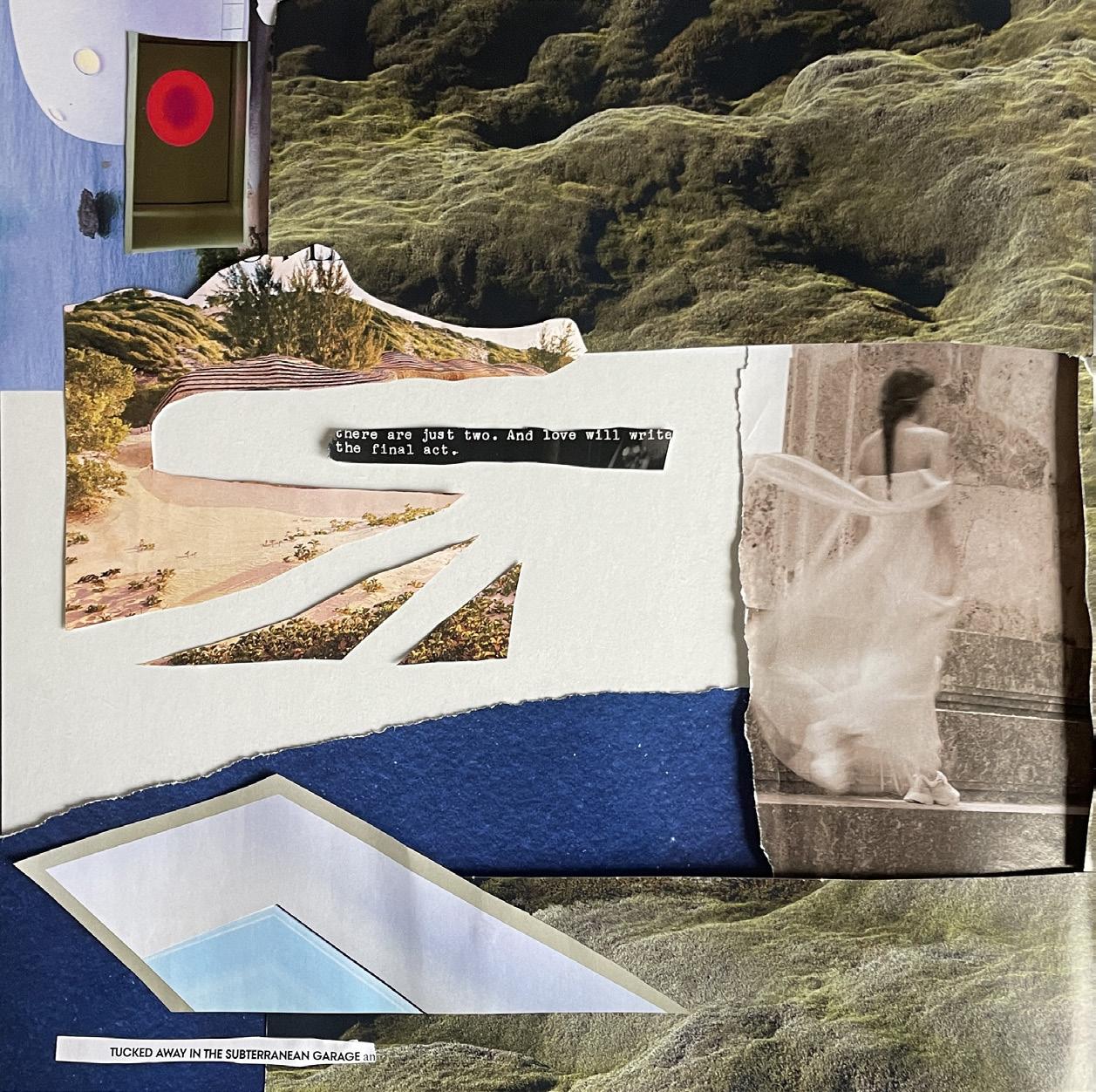
grounded in story is a collection of works from my five years studying architecture at cal poly slo. Throughout my design education, I’ve realized the most key part of my process is developing a clear narrative that acts as a central spine to my work.
Currently as a designer, I understand architecture primarily as artistry. My goal is simple: to create spaces that make people feel, and allow them to connect to their self, one another, and physical surroundings. This selection of work shows this journey in finding what drives me to design. Enjoy!
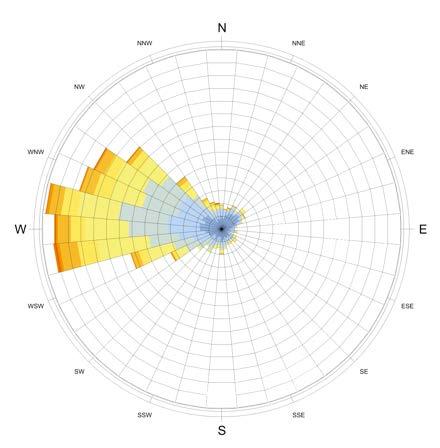
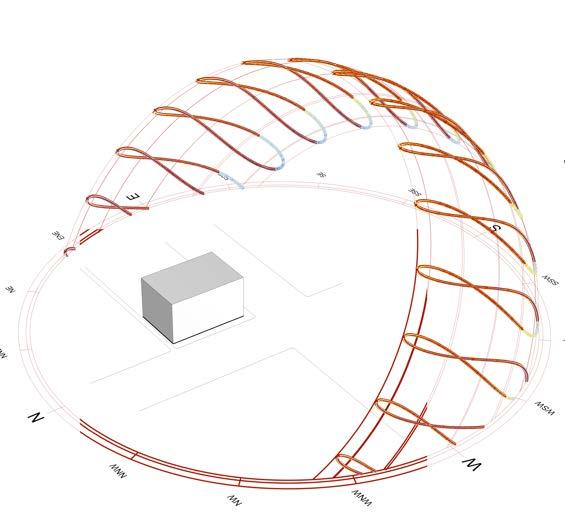
located in San Francisco, CA which has a Mediterrenean climate. This means that the weather typically is dry and warm over summer months and cooler and over winter. The range in temperature is not very large as the weather is not typically very seasonal. Because of surrounding buildings, the site typically only receives direct sunlight in the afternoon and is shaded from most directions. The prevailing wind direction is west, which allows for natural ventilation.
https://www.foundsf.org/index.php?title=Rincon_Hill https://www.foundsf.org/index.php?title=Introduction_to_the_SOMA https://generalplan.sfplanning.org/Rincon_Hill.htm https://www.socialexplorer.com/explore-maps
project description:
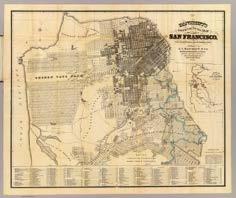
RINCON HILL
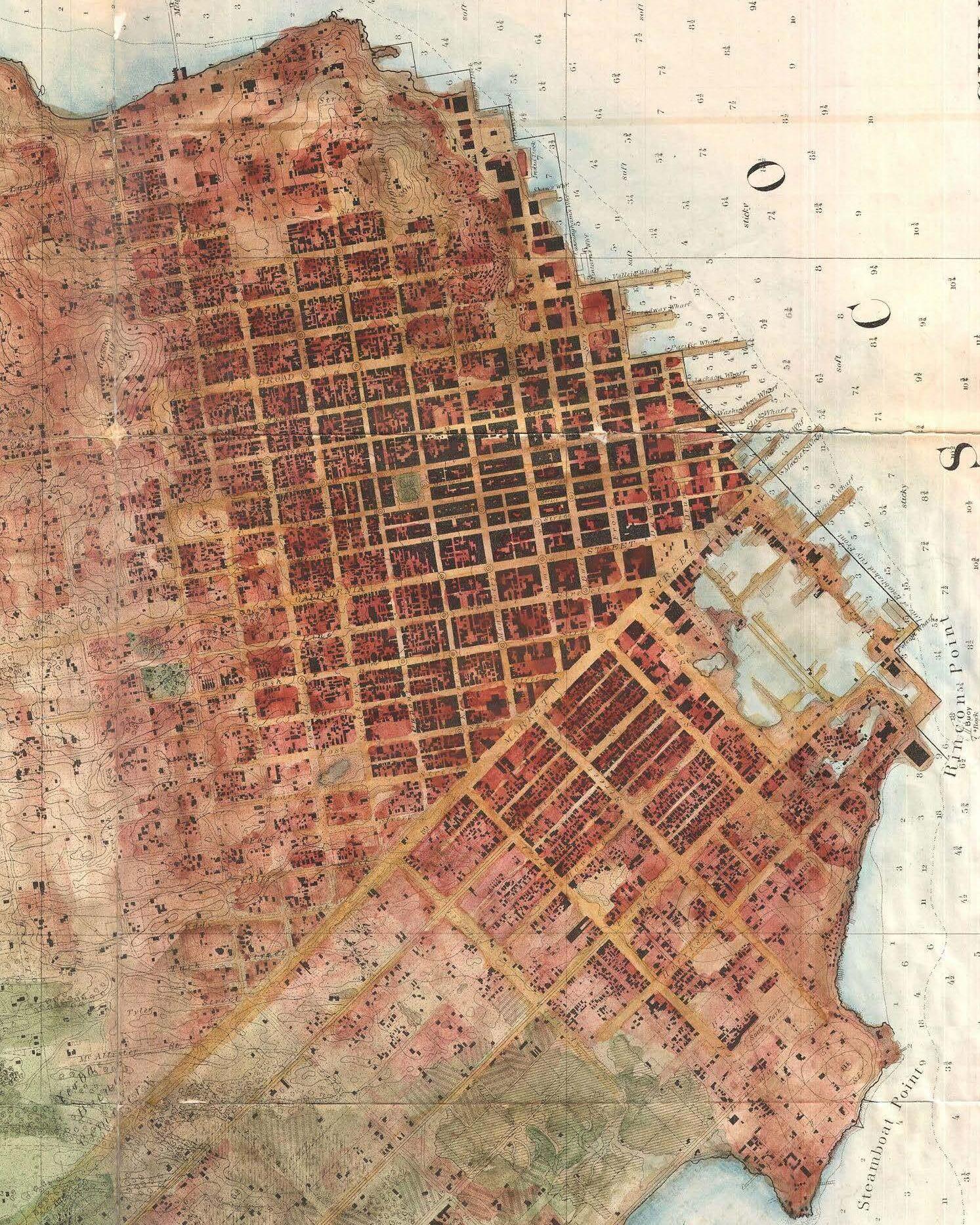
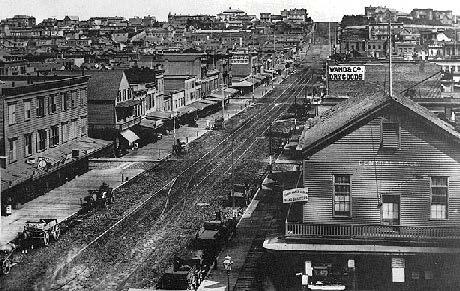
The site at 2nd + Howard St is adjacent to Rincon hill, a historic and small neighborhood in SF. In the early 1850s, Rincon hill was inhabited by wealthy pioneers and also Chinese immigrants who established their small businesses there. Once the city made 2nd St, many wealthy people left the
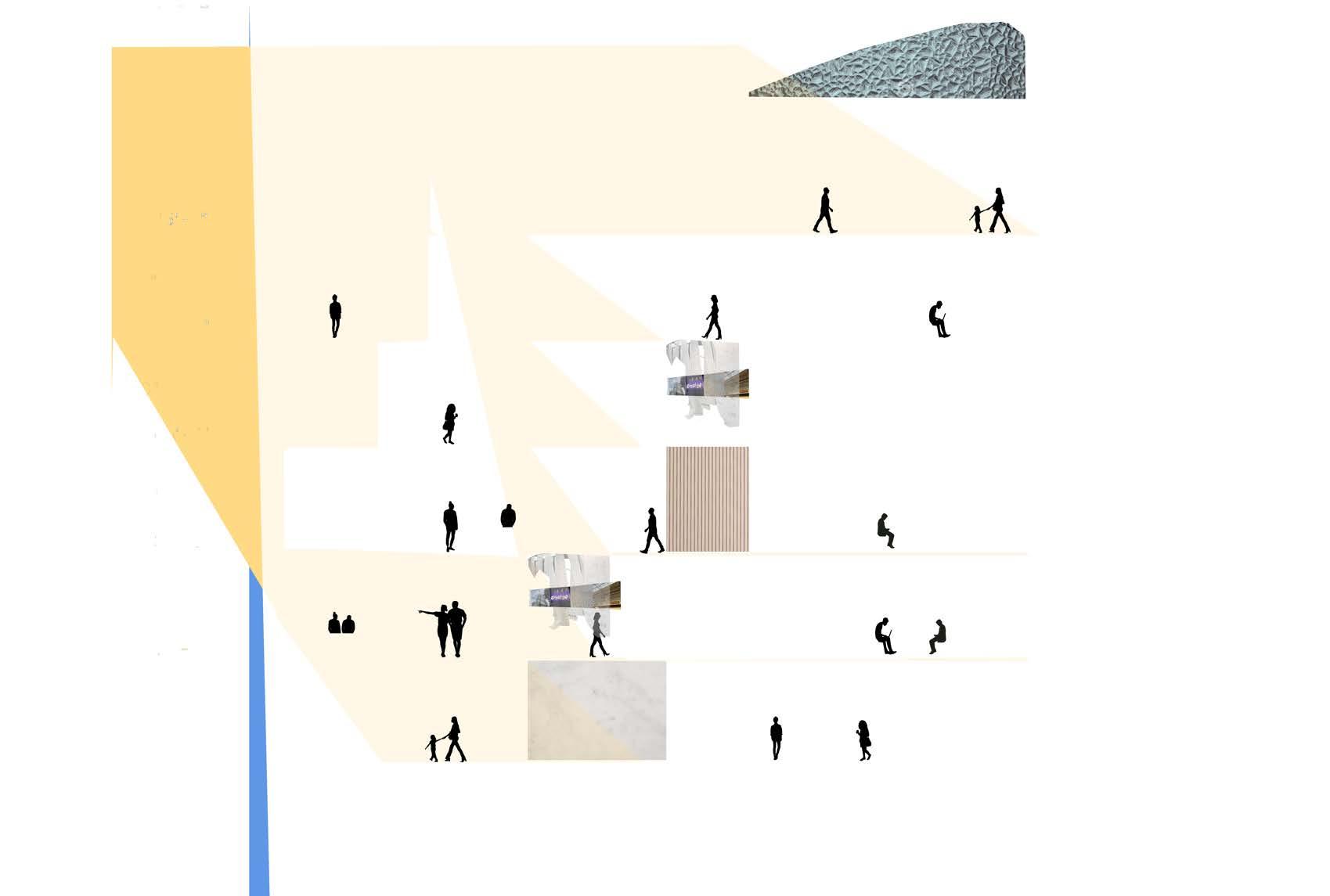
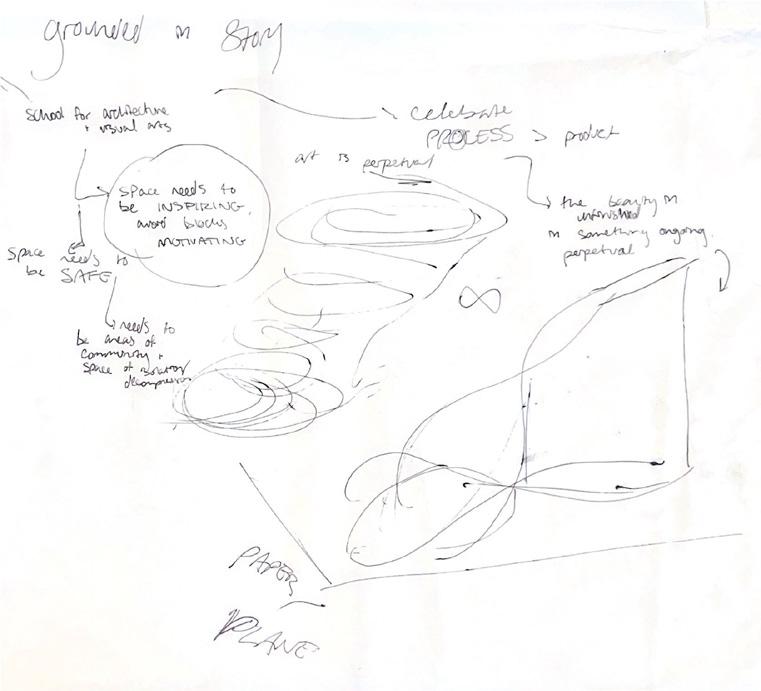
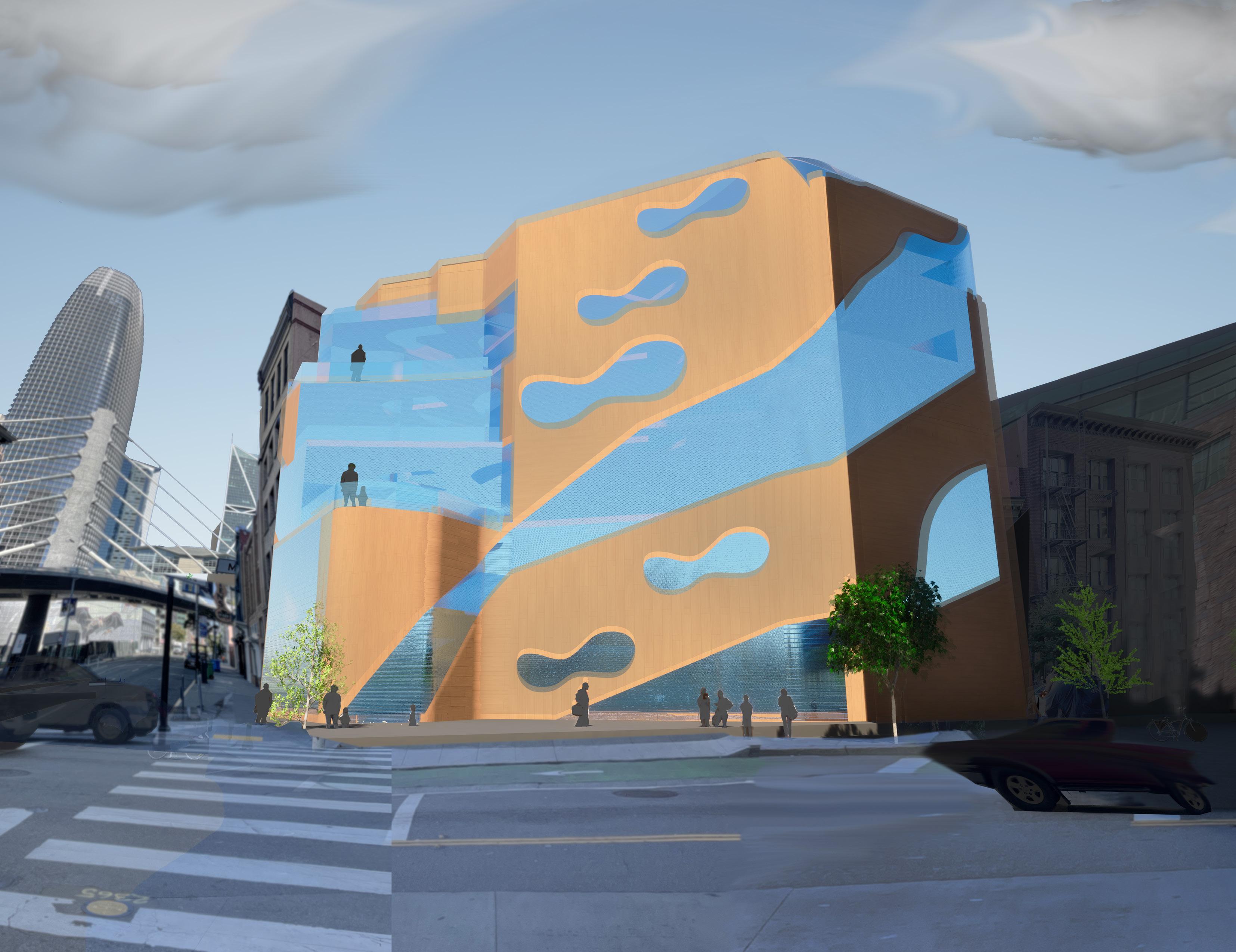
This comprehensive project integrated a strong conceptual design for an arts high school located in downtown San Francisco. Through climatic research, site analysis, 2D +3D iterations, and program placement, the form was developed. continuum explores the idea of continuous artistic growth. The creative process requires development and pushing ideas forward while returning to the central idea or concept of the work. Formally, the design mimics this pattern by guiding students throughout the building in circles, representing moving forward in the creative process and always returning to the same origin point. Students are constantly being inspired, in working collaboratively with their peers, having access to protected outdoor space, and integrating the streetfront through a welcoming threshold.
1/8”
SECTION DRAWING -
SCALE
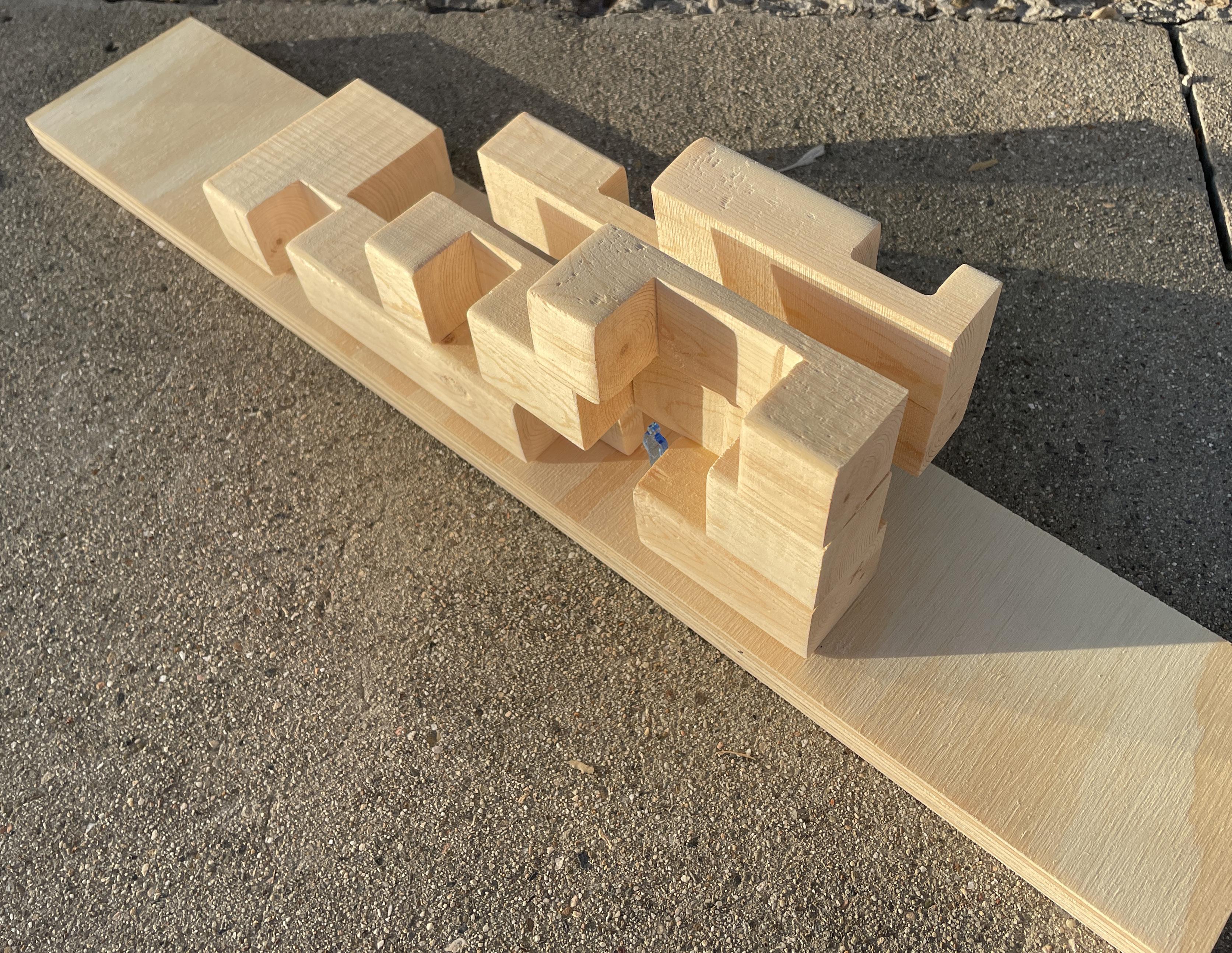
This microlibrary design explores the relationships between public and private space through the relationship between interior and exterior space. Located in Downtown SLO, the two driving factors of the design were on sun path and wind patterns of the site location because these are two very important forces that shape the library experience. When browsing for or reading a book, lighting and wind heavily influence an individual’s experience. To incorporate these site forces into my design process, I morphed them with my two most successful elements from this wood massing model, which explored the relationships between positive and negative space through the use of carving and slope. This physical model was an integral step in my design process, an exploration of the relationship between positive and negative space. It was carved and constructed out of wood, and was a very helpful tool in understanding how light would enter various spaces throughout the project.
microlibrary physical process model
[03]
nest in collaboration with natalia tziouvaras selected floor plans + program diagrams
project description:
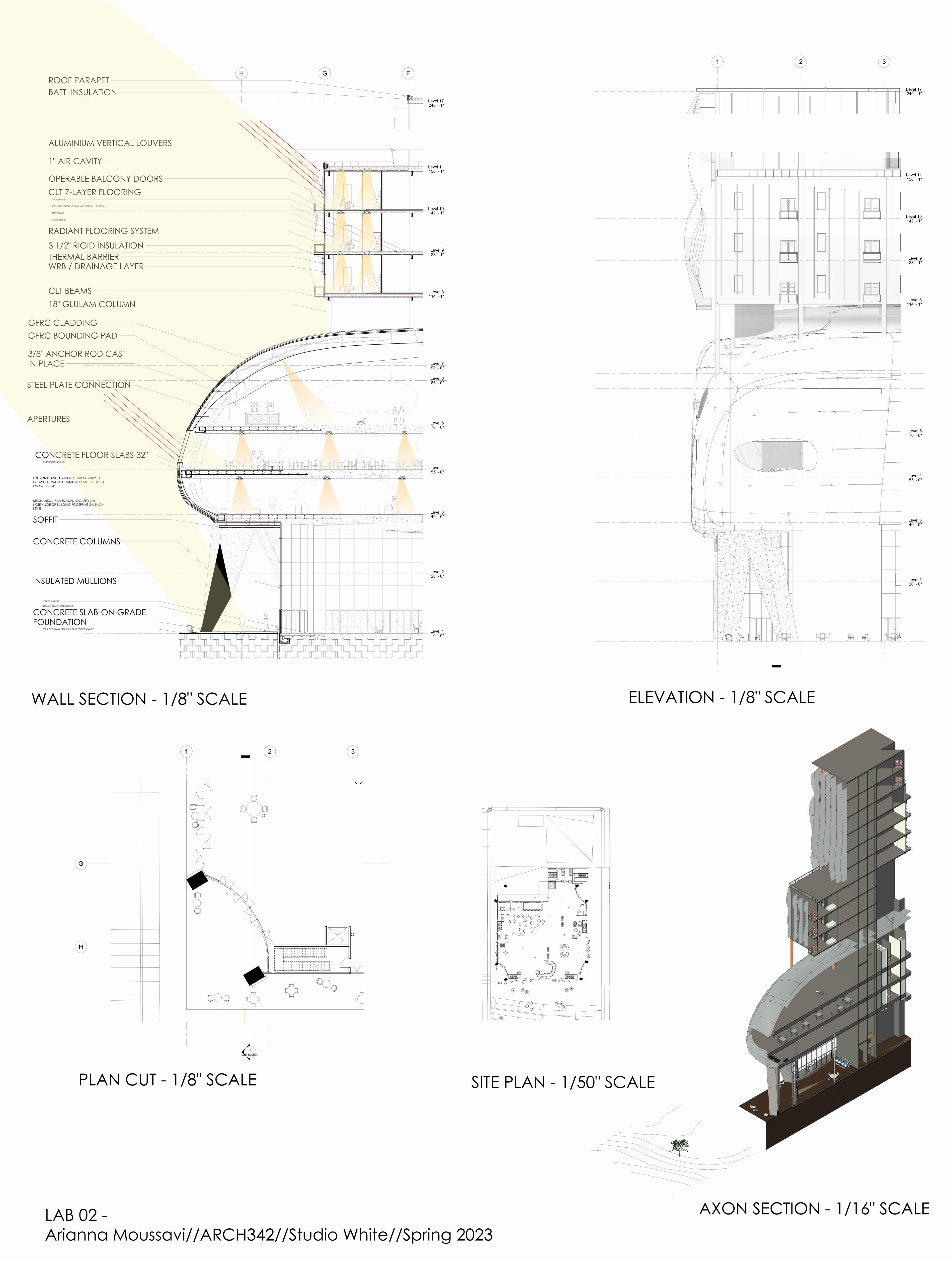
From January to June of 2023, we embarked on a joint venture to complete our two quarter studio. Starting with our own original projects, we joined our ideas and design skills together. Through iterative design processes and using systems thinking, we developed a complex mixed-use project. Located in the Cortez Hill district of Downtown San Diego, California Western School of Law is a small graduate law school that prioritizes its student population. The current campus consists of four parcels and is planning a redesign.
As a studio collective, we developed a Campus Master Plan that would serve our client, Cal Western, and their needs. Each partner project that was developed reflected the assigned programs of a certain parcel on the master plan. Throughout the term, the project went through the schematic design and design development phases, as well as multiple consultations with structural engineers and other professionals within the field. Extensive climate analysis and building code research was done in order to integrate passive design strategies and achieve sustainability goals.
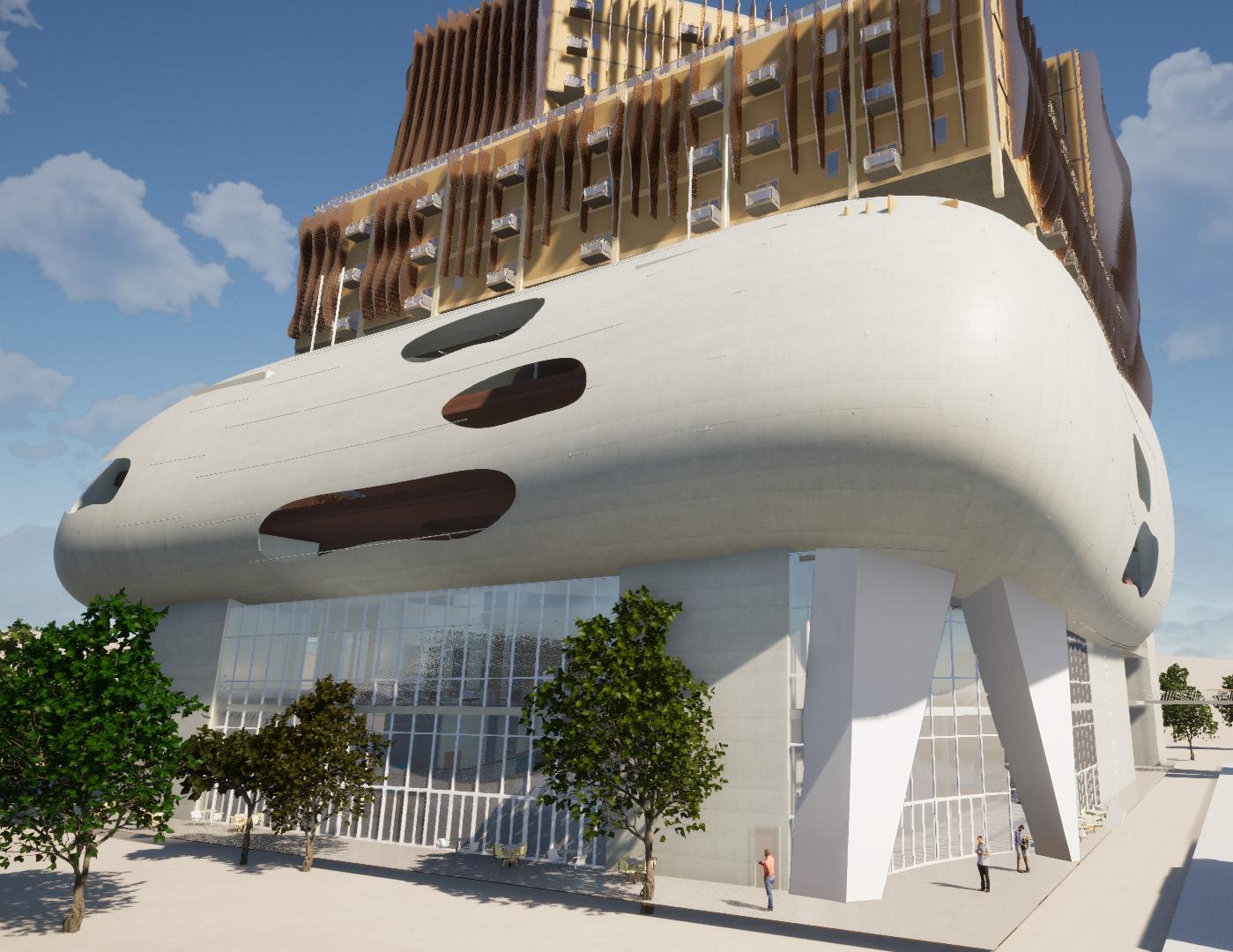
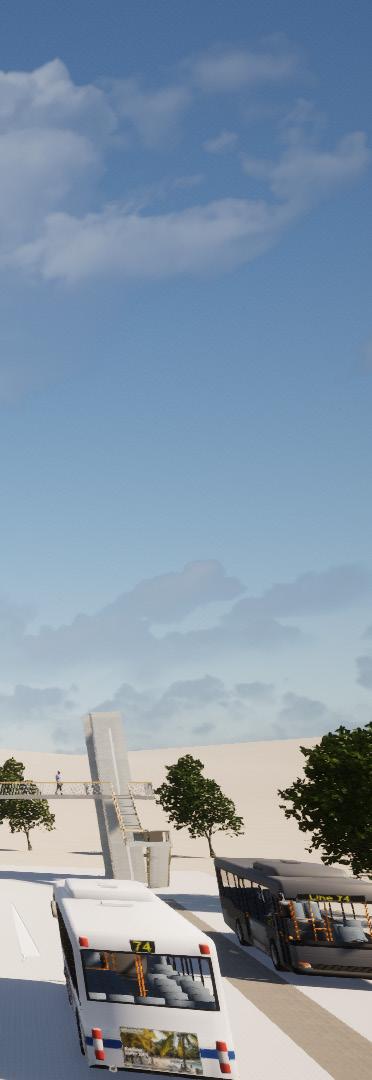
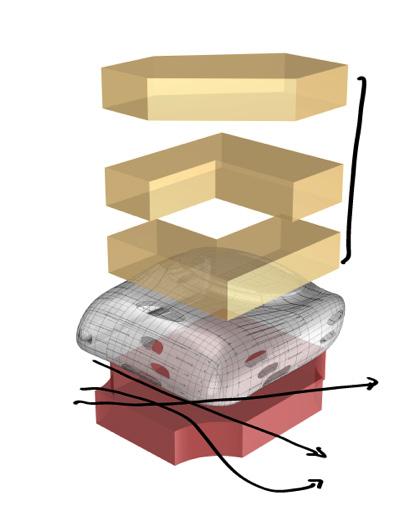
NEST serves the CWSL campus community and the residents of Downtown San Diego. The project is a threshold to the CWSL campus, and provides activity for all members that it serves. The project is sixteen stories and consists of a transit center, retail+amenities, a performing arts theater, and student housing. From the entry and ground floor of the building to the very top, NEST is an active hub that brings people together through the arts, civic engagement, and continuing the public realm throughout the building.
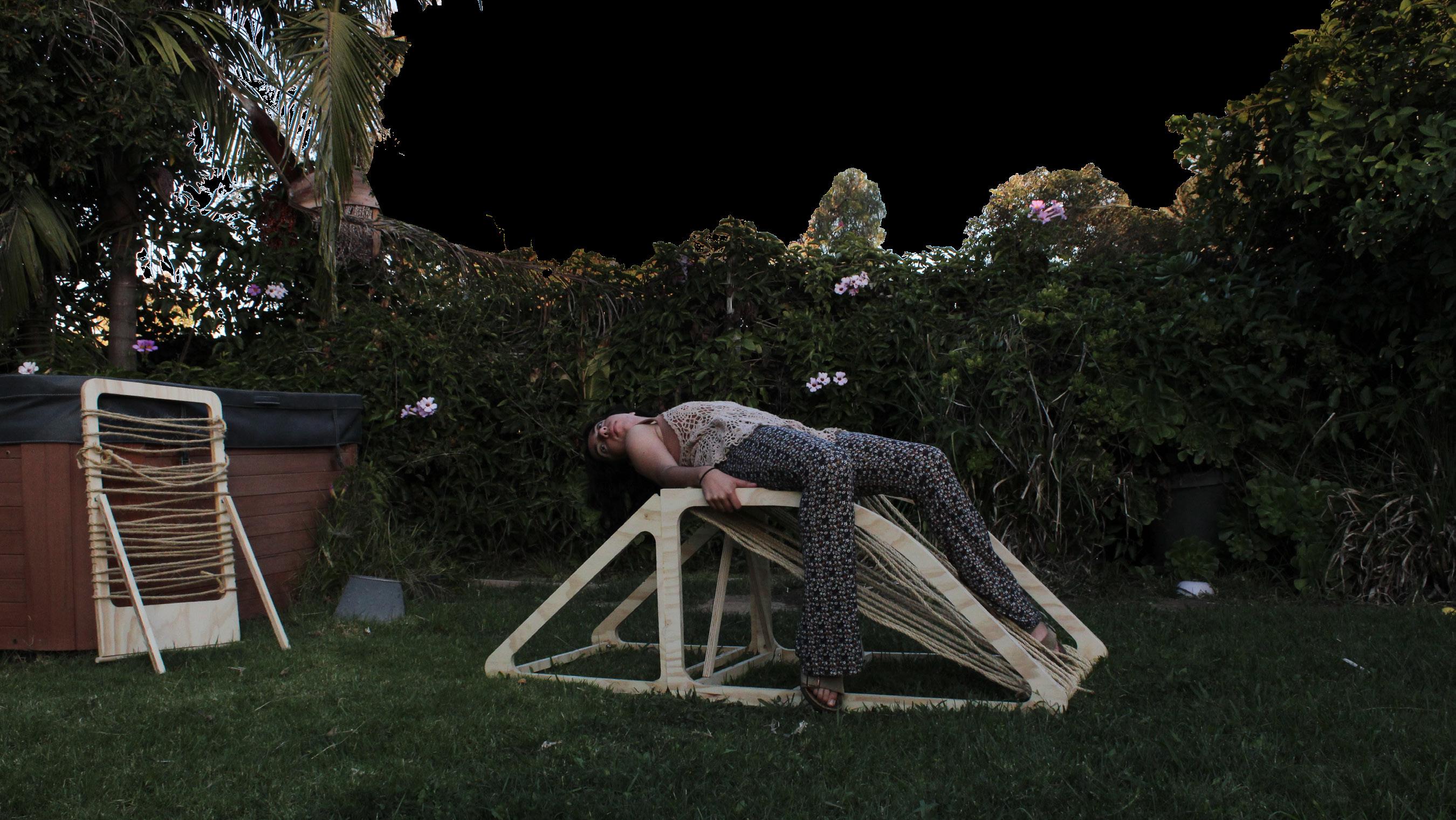
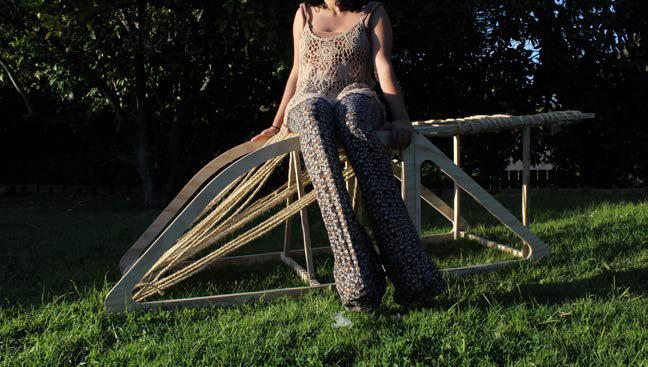
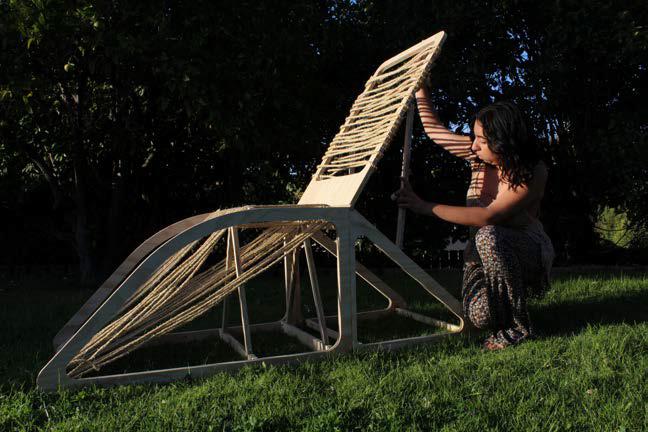
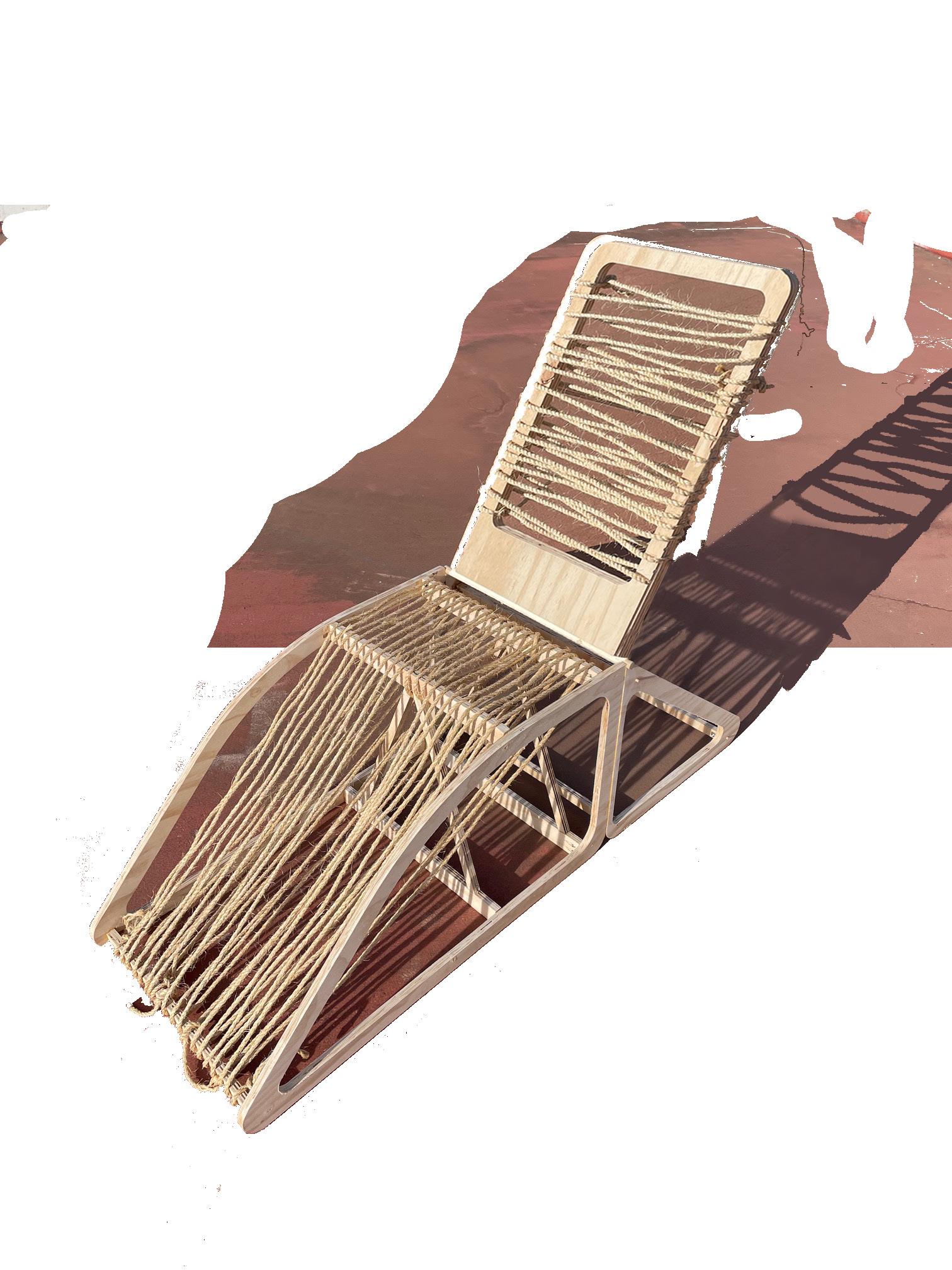
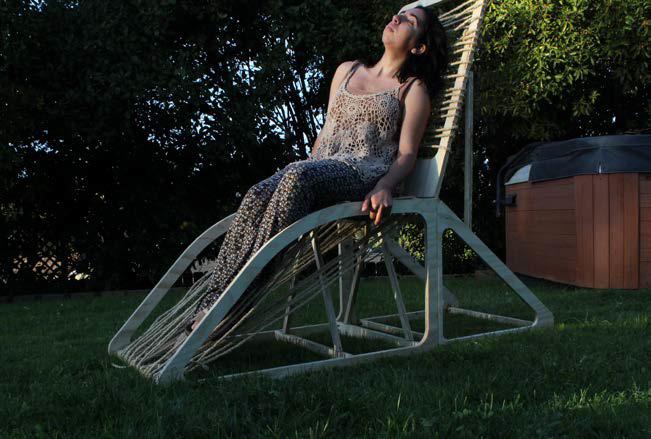
a seat for you vellum furniture design submission project description:
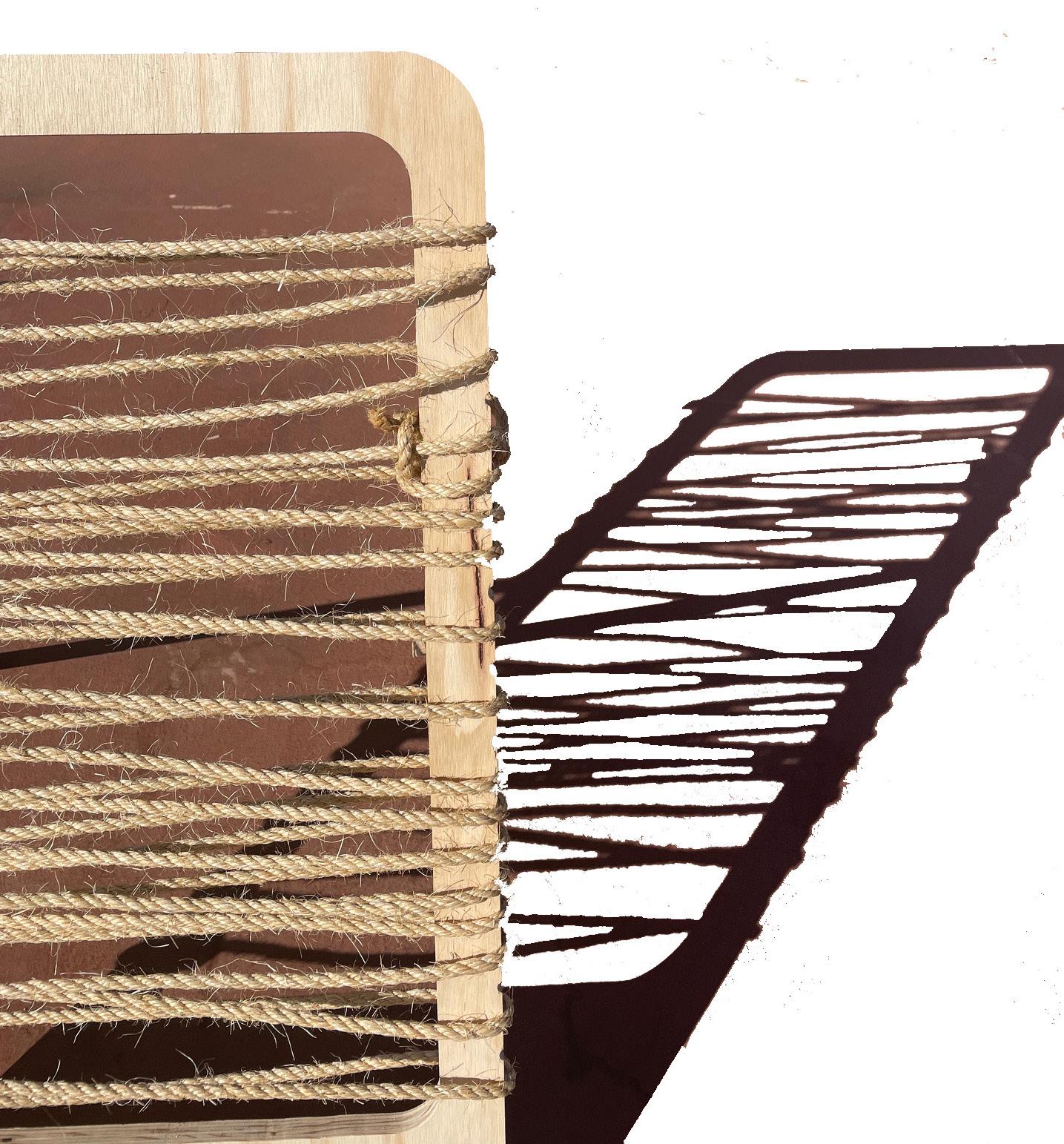
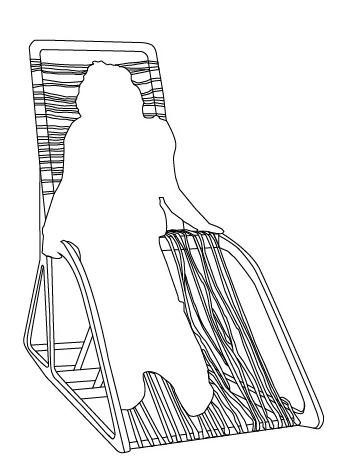
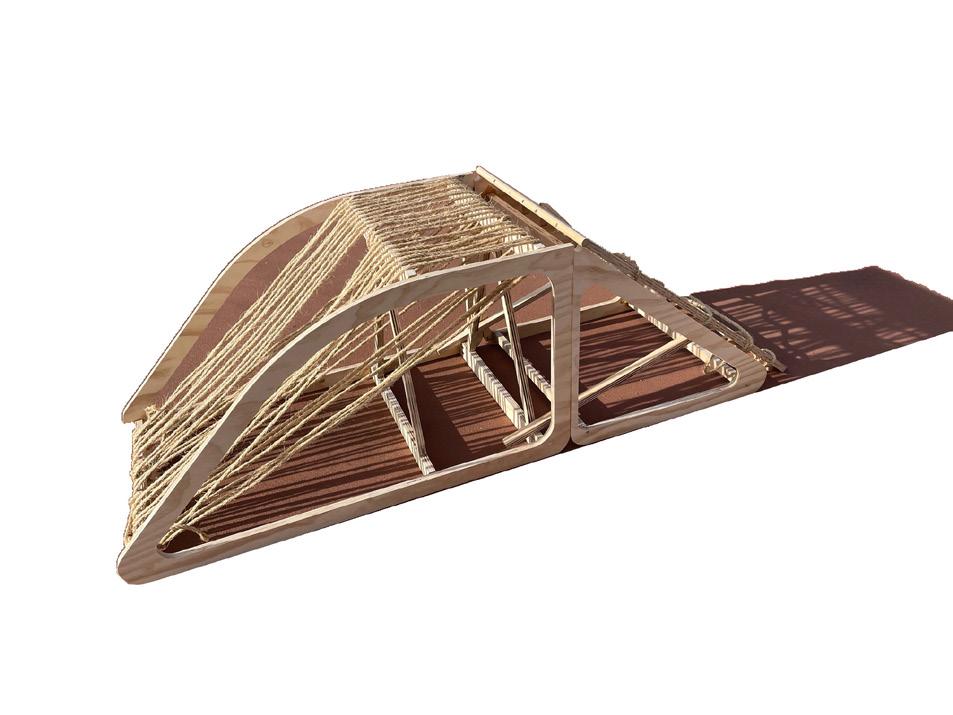
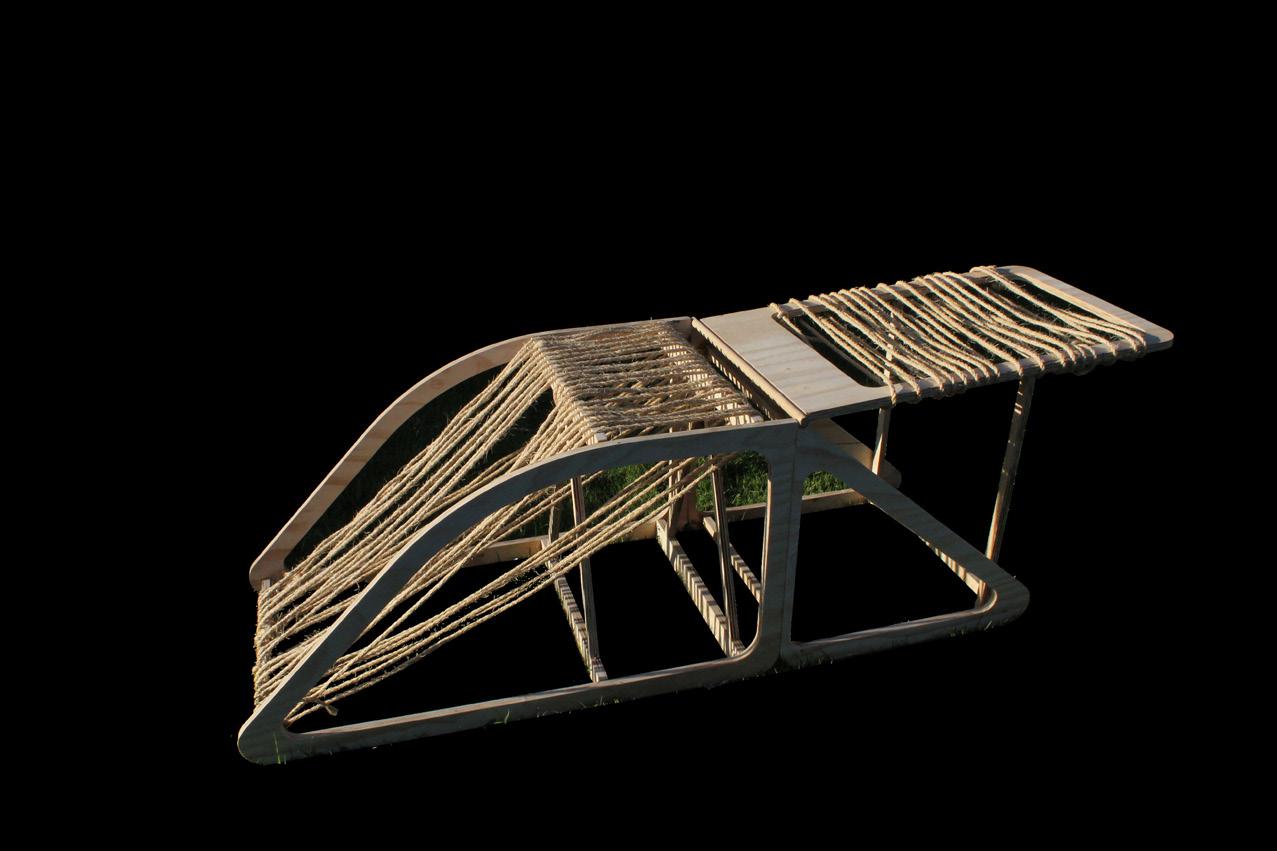
a Seat for You is a lounge chair designed for user autonomy. Built for comfort in any position, the frame is strong and sturdy while the ropes allow for malleability to create a contoured and supportive seat for any body. The back of the chair can be placed in any of three reclining options, as well as having the ability to fully fold onto intself, or be propped up on the ground to create a fully horizontal surface. The variety of options allow for the user to choose how they would like to use the seat, and can be adapted to fit a multitude of different needs. This element of choice and user autonomy allows the user to feel more connected to the seat and provides more control to each individual in a world where most things are automated and done for us.
The seat provides strength, support, and comfort. The ropes are malleable and create contoured forms depending on physical imprints. It can be used and sat on in many different ways. The seat itself adapts to any different body. It is a seat for you.
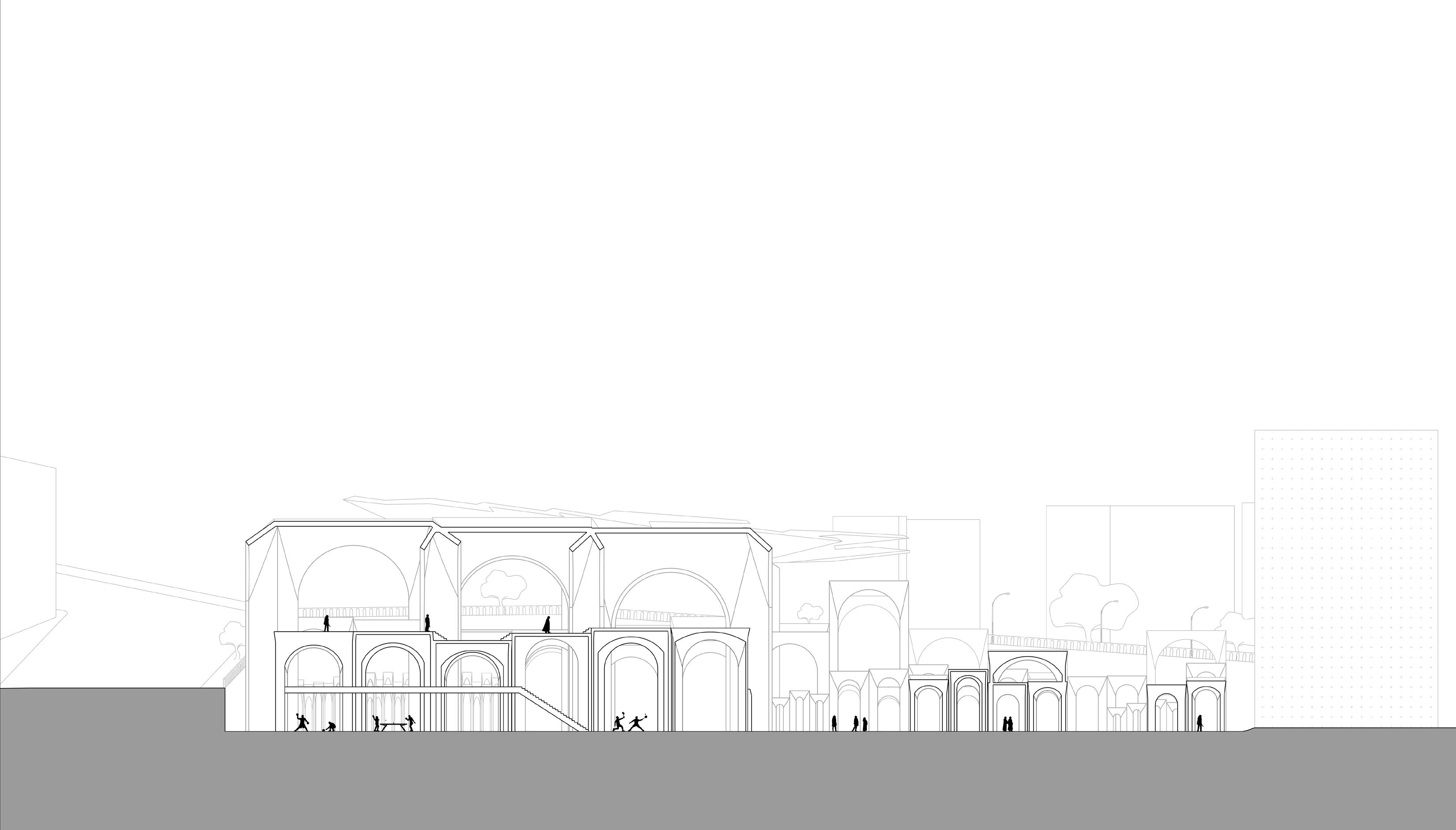
sinuous in collaboration with gabriella vaz de freitas, giovanna trujillo, and johnny saba section drawing, selected render, + design protocol completed at iaac, barcelona
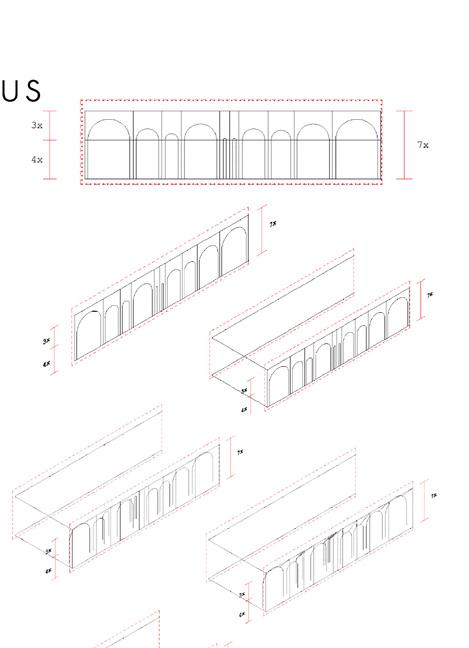
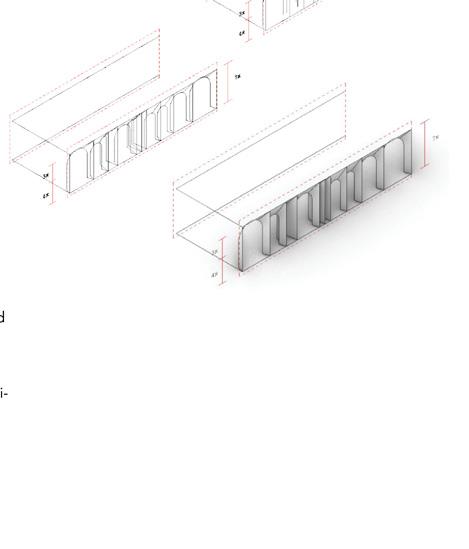
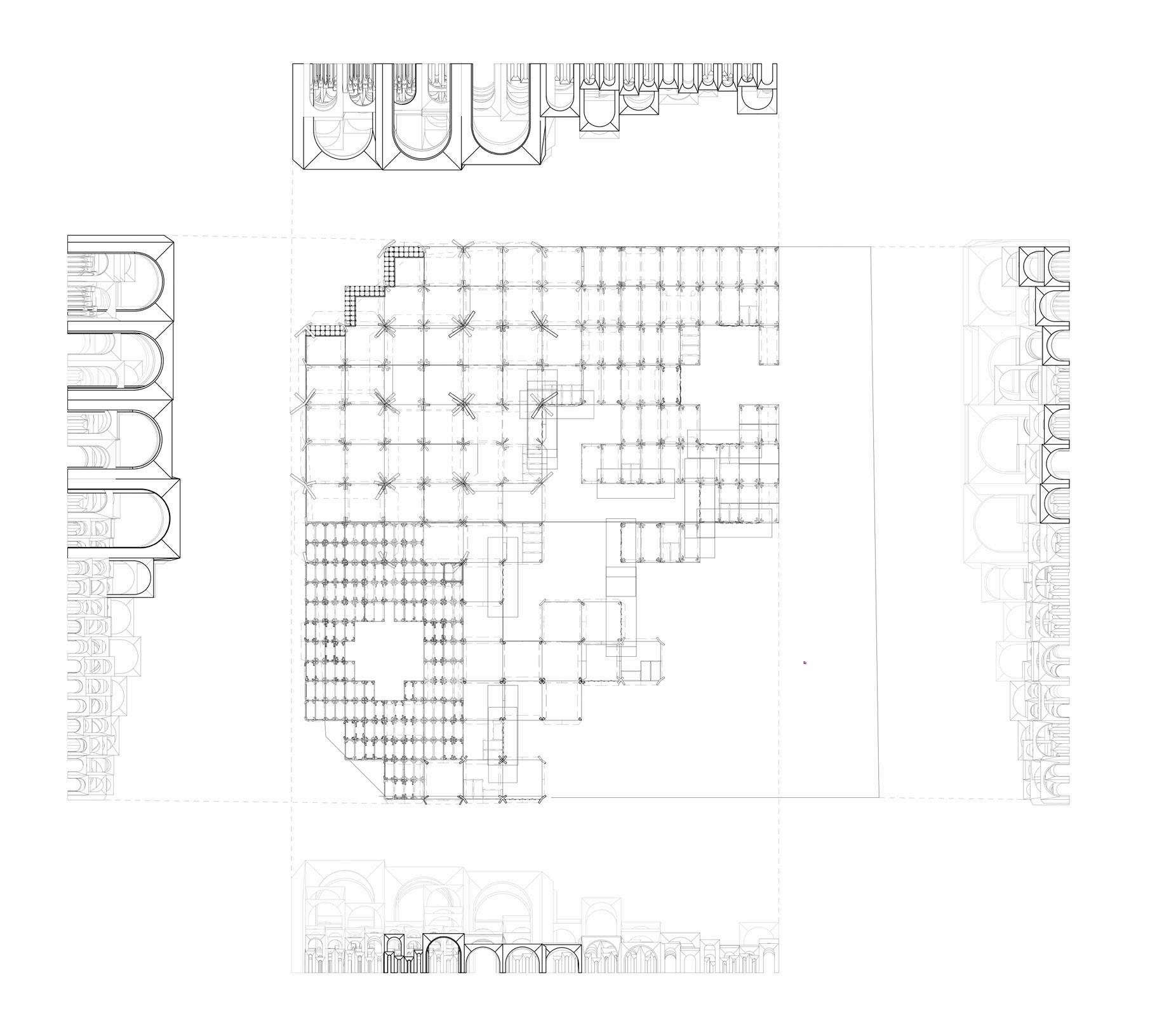
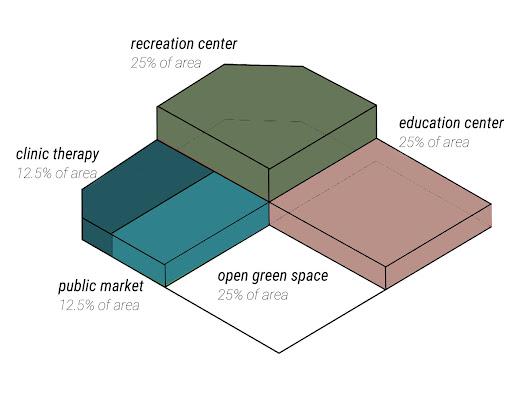
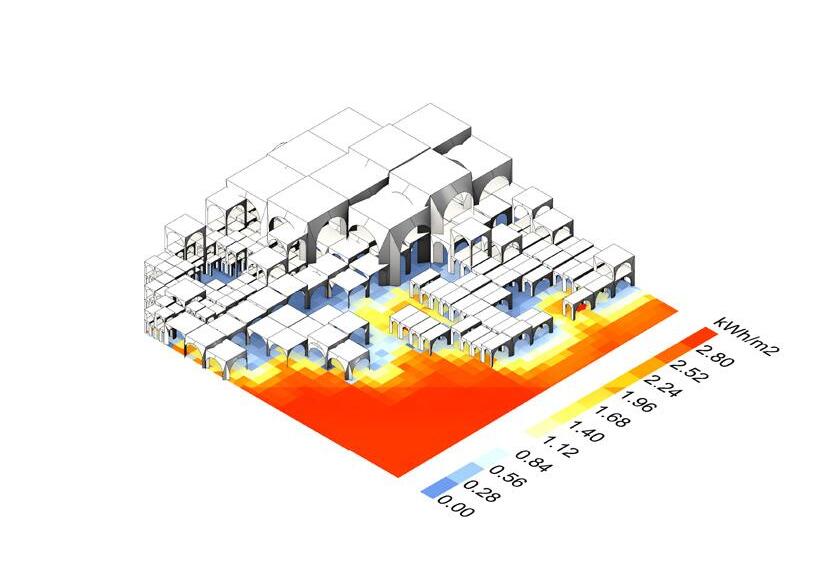
[06] sinuous completed at iaac, barcelona plan and elevation drawings, program + climate diagram
project description:
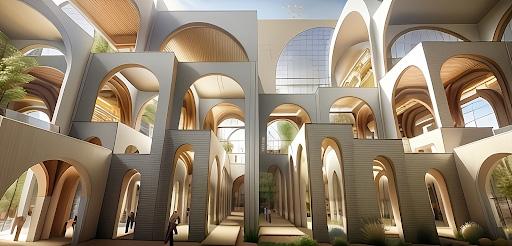
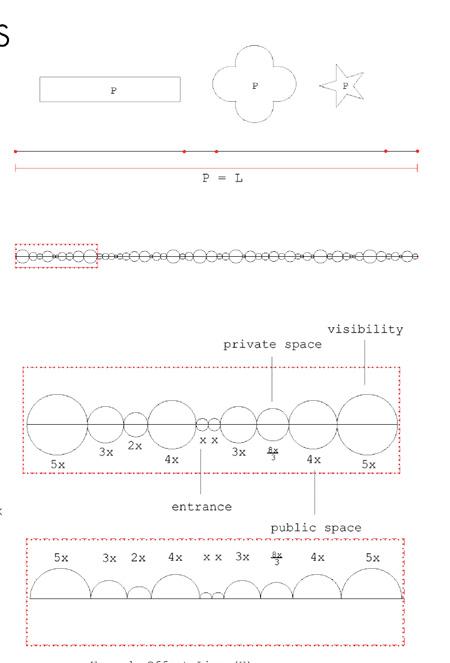
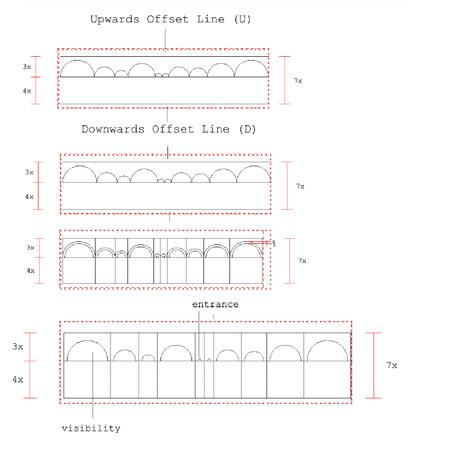
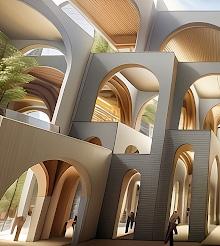
Accomplished through an iterative and collaborative design process, SINUOUS is a rehabilitation and wellness center located in the Poblenou neighborhood of Barcelona, Spain. The project was derived from a precedent, Mondadori Palace designed by Oscar Neimeyer, and was deconstructed and then reconstructed using a definitive protocol based off of numeric and geometric metrics.
First, the precedent was analyzed and important patterns and mathematic formulas were derived from the precedent as a “set of rules”. This set of rules, or protocol, was used to reconstruct the project in order to create the final building. The project was reconstructed using Grasshopper, as we were able to follow the design protocol and manipulate different variables based off of our desired program and site constraints. First, the site was divided into four quadrants, each taking up a different program. Then, each programmed quadrant was further divided into a grid where the sizing, placement, and facing were determined according to the protocol.
After reconstructing the precedent following our design protocol and adapting it into our site context, the final step was placing the project into Galapogos. This allowed us to create a variety of iterations and select the best and “most efficient” design.
section drawing + overview
project description:
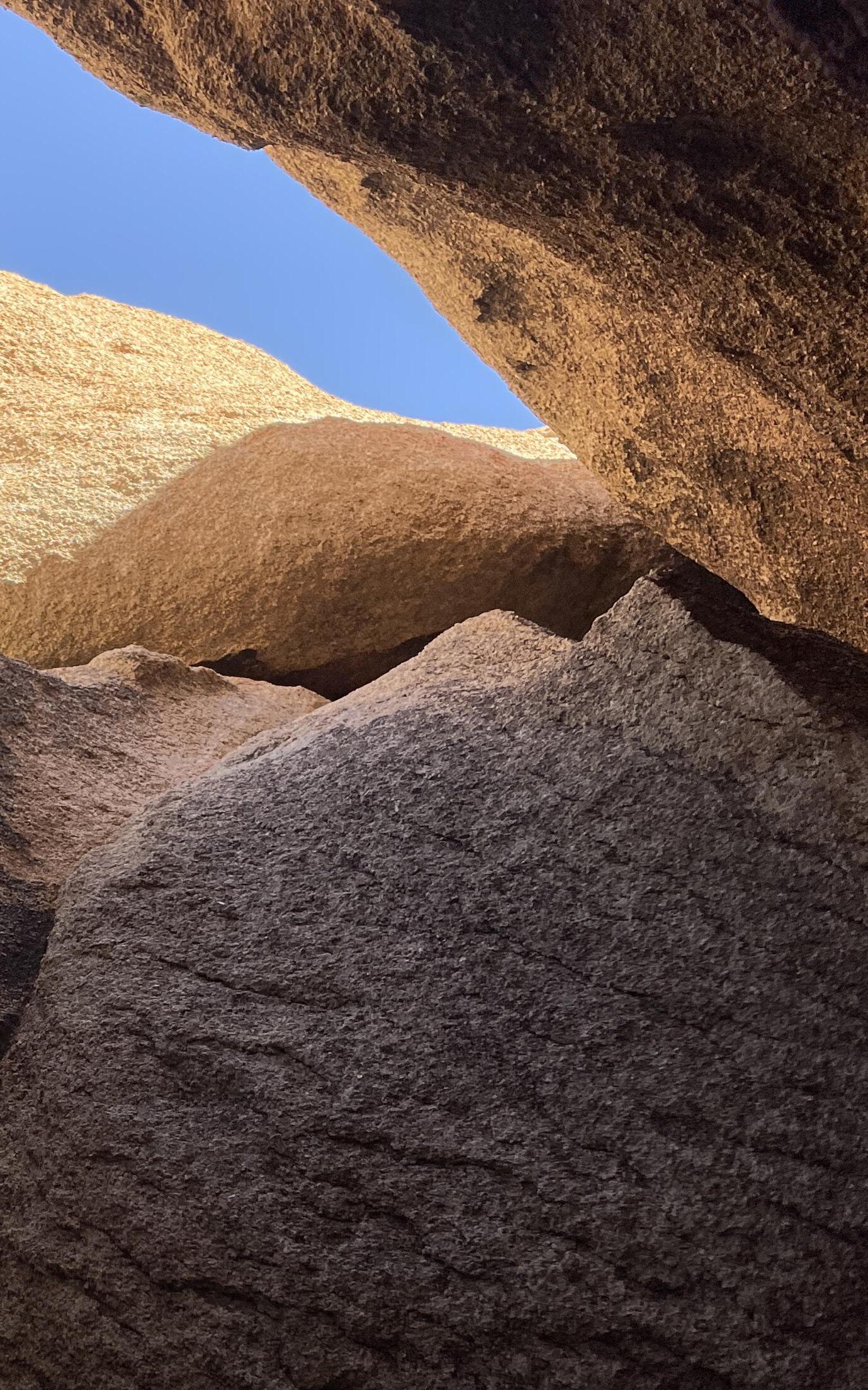
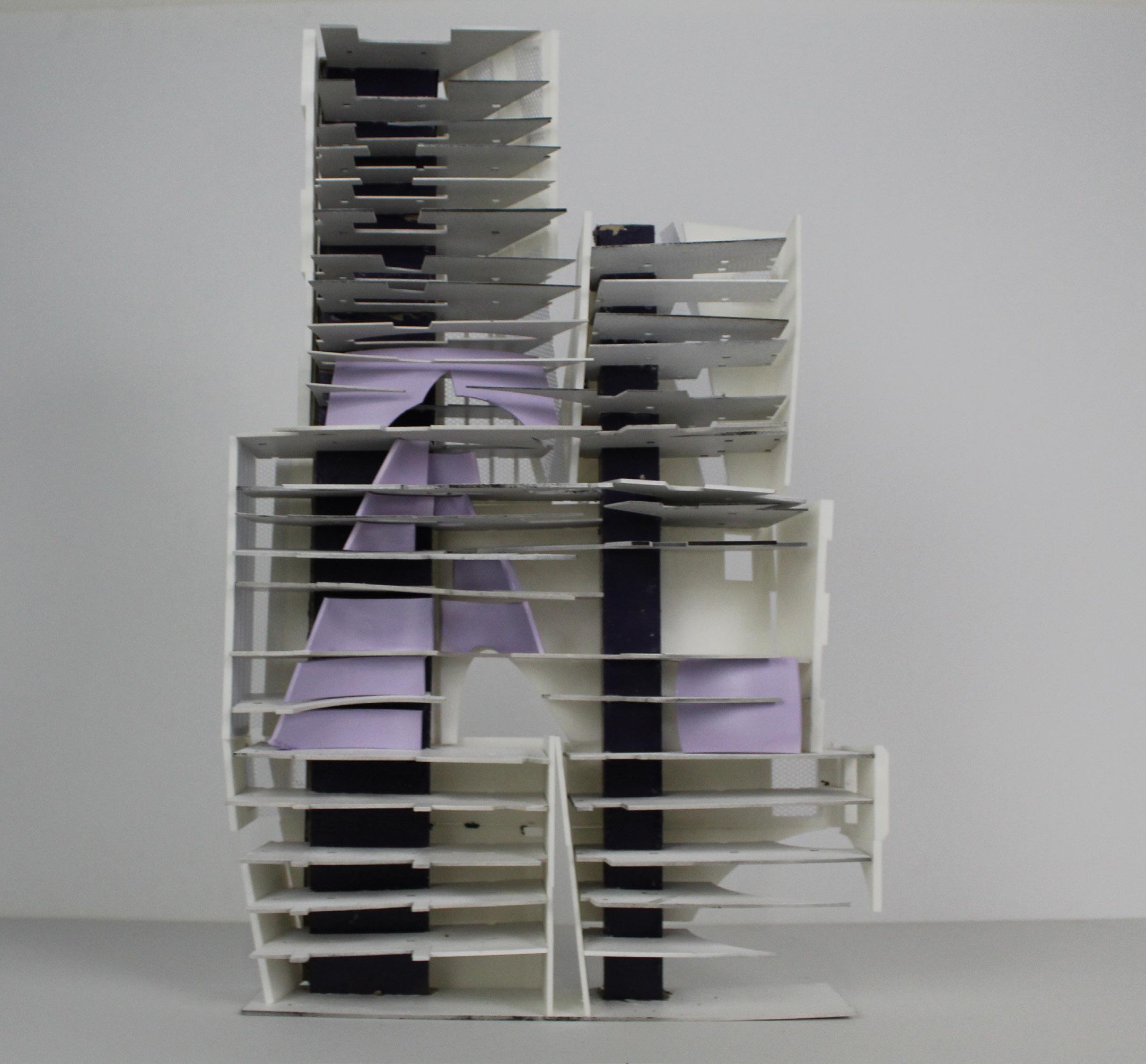
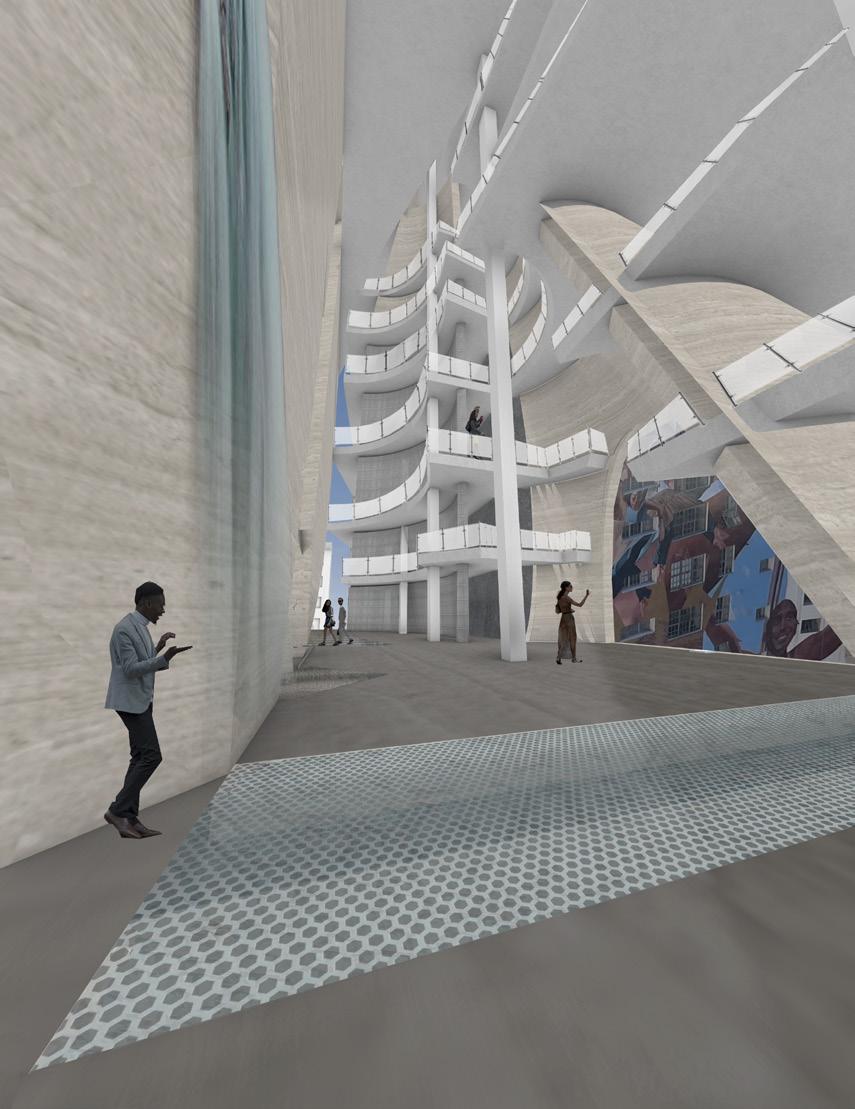
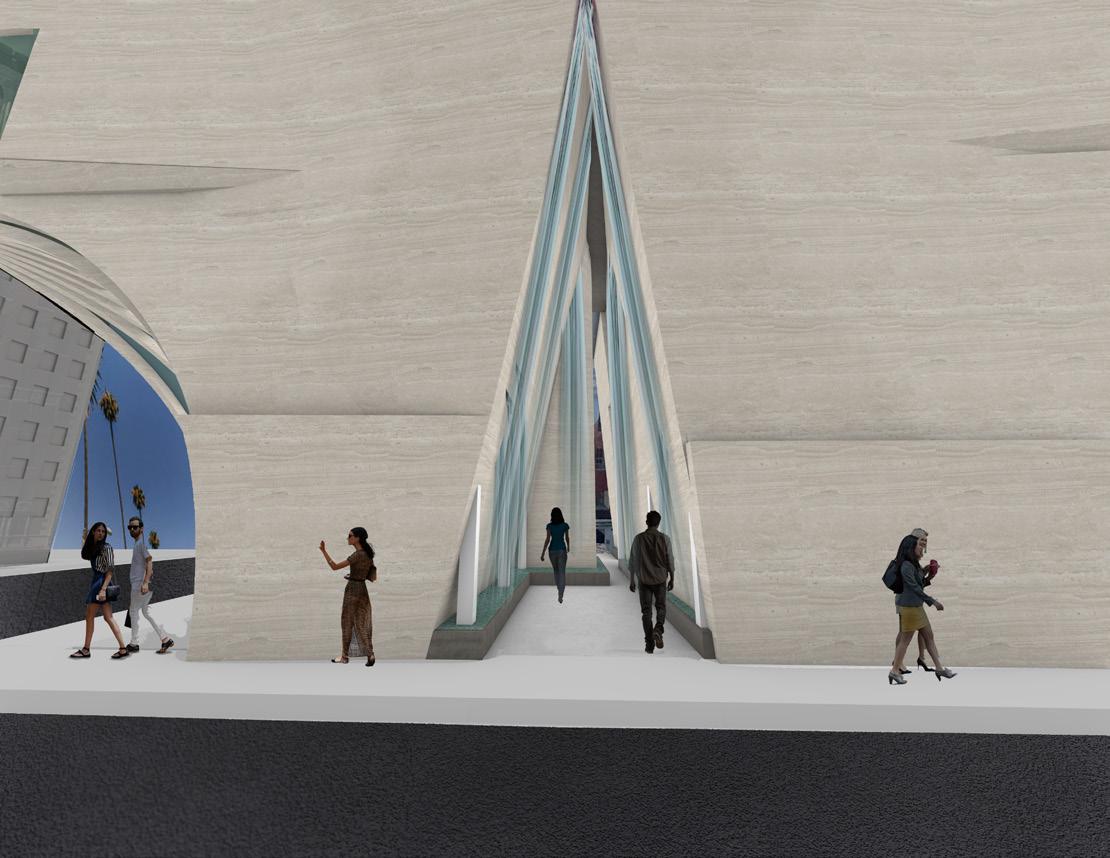
Inspired by geologic natural forms, STRATA is a mixed use housing development project in Downtown Los Angeles, serving a variety of populations including people who are unhoused, families, and the general public.
Through many iterations of formal work and design, the project was developed through an aggregation of distorted and disjointed forms, creating cavernous yet welcoming spaces that address the variety of program in the project. Derived from simple formal moves such as twist and hollow, a formal analysis was conducted on how to unify occupants though such complex program. The form navigates the fine line of creating interactive, accessible spaces wile also creating privacy. The design incorporates key elements such as circulation, light, and perspective to create these moments of convergence.
STRATA is a building that also acts as an artwork, creating space for everyone, regardless of being within the building or observing the exterior.
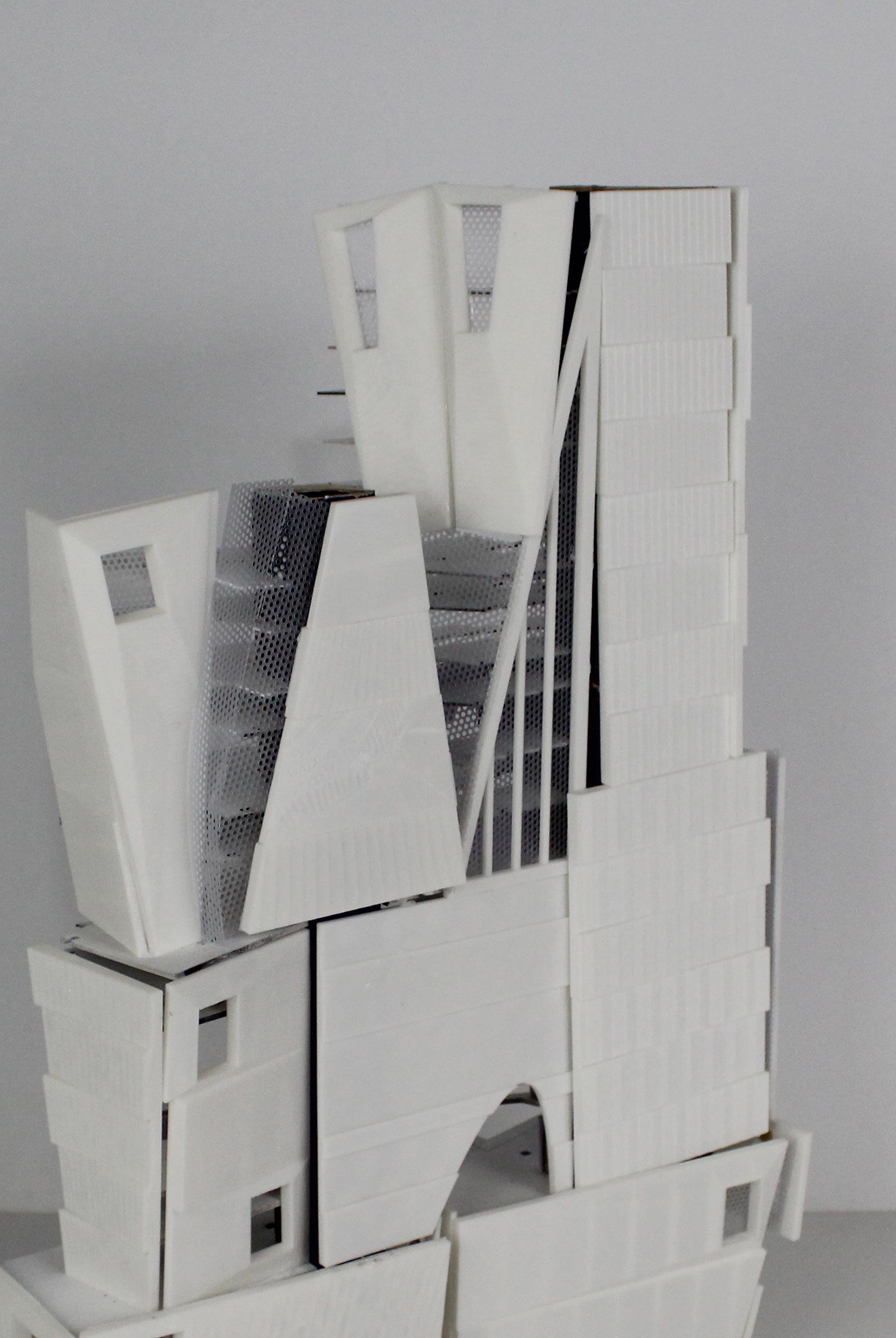
model + selected renders
imprints
physical model + int render
project description:
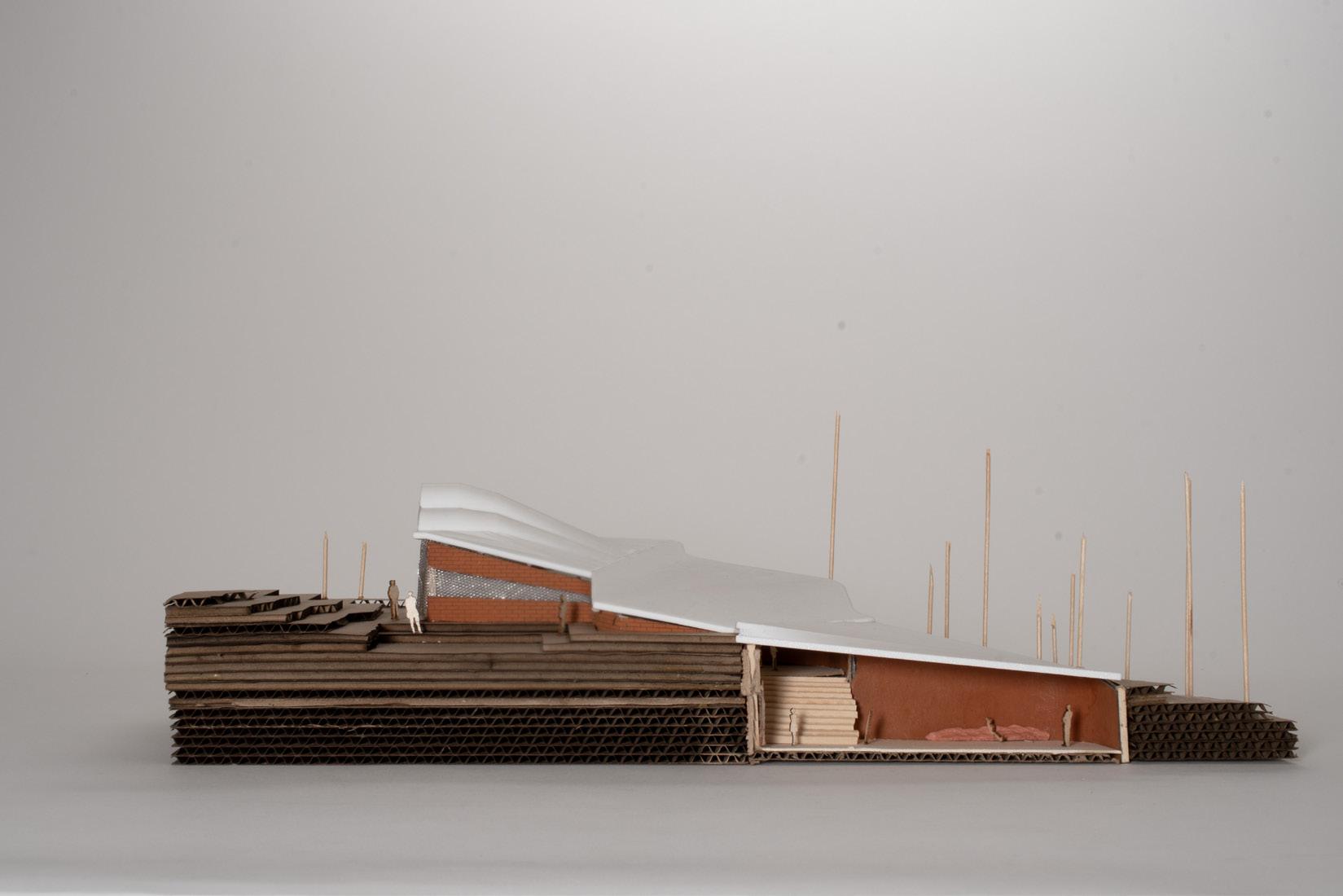
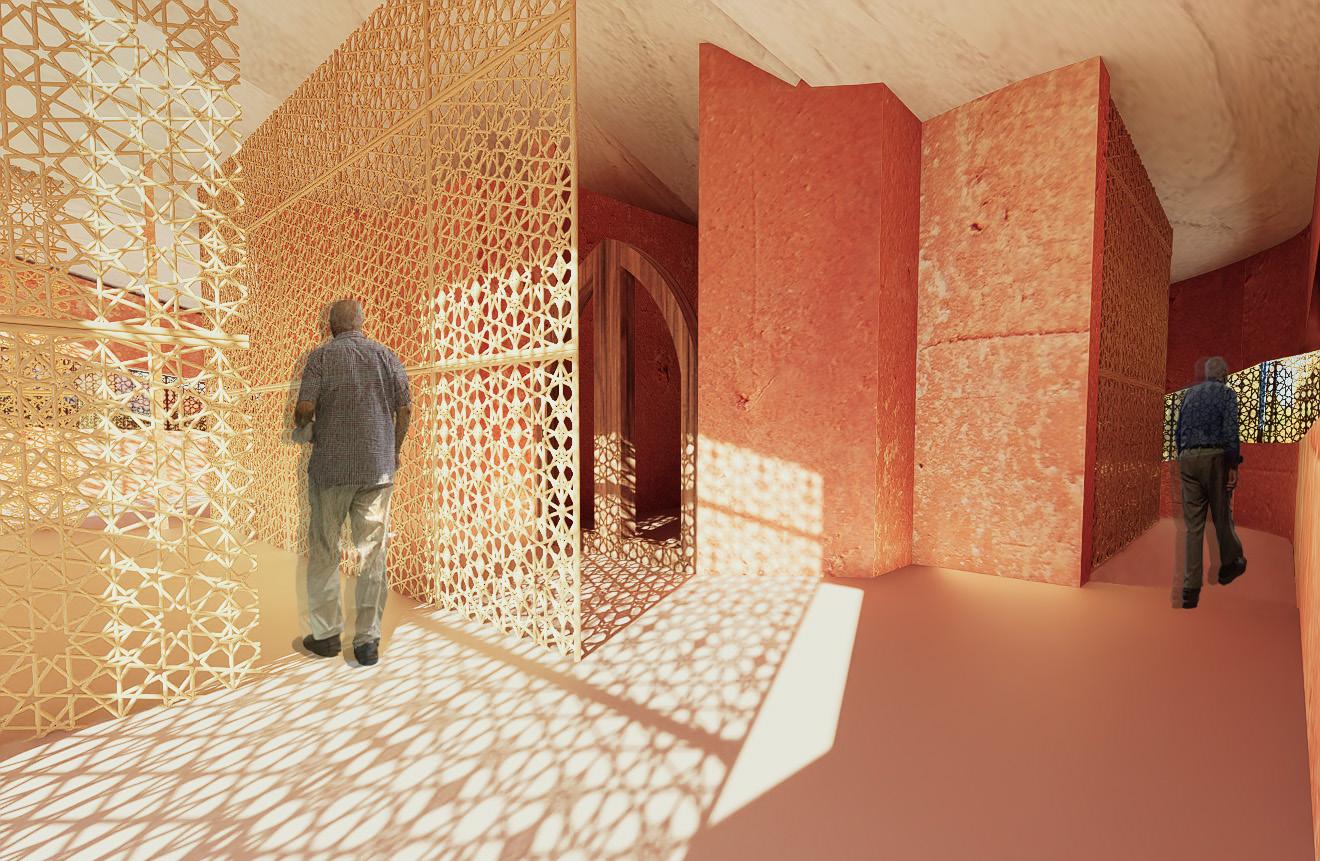
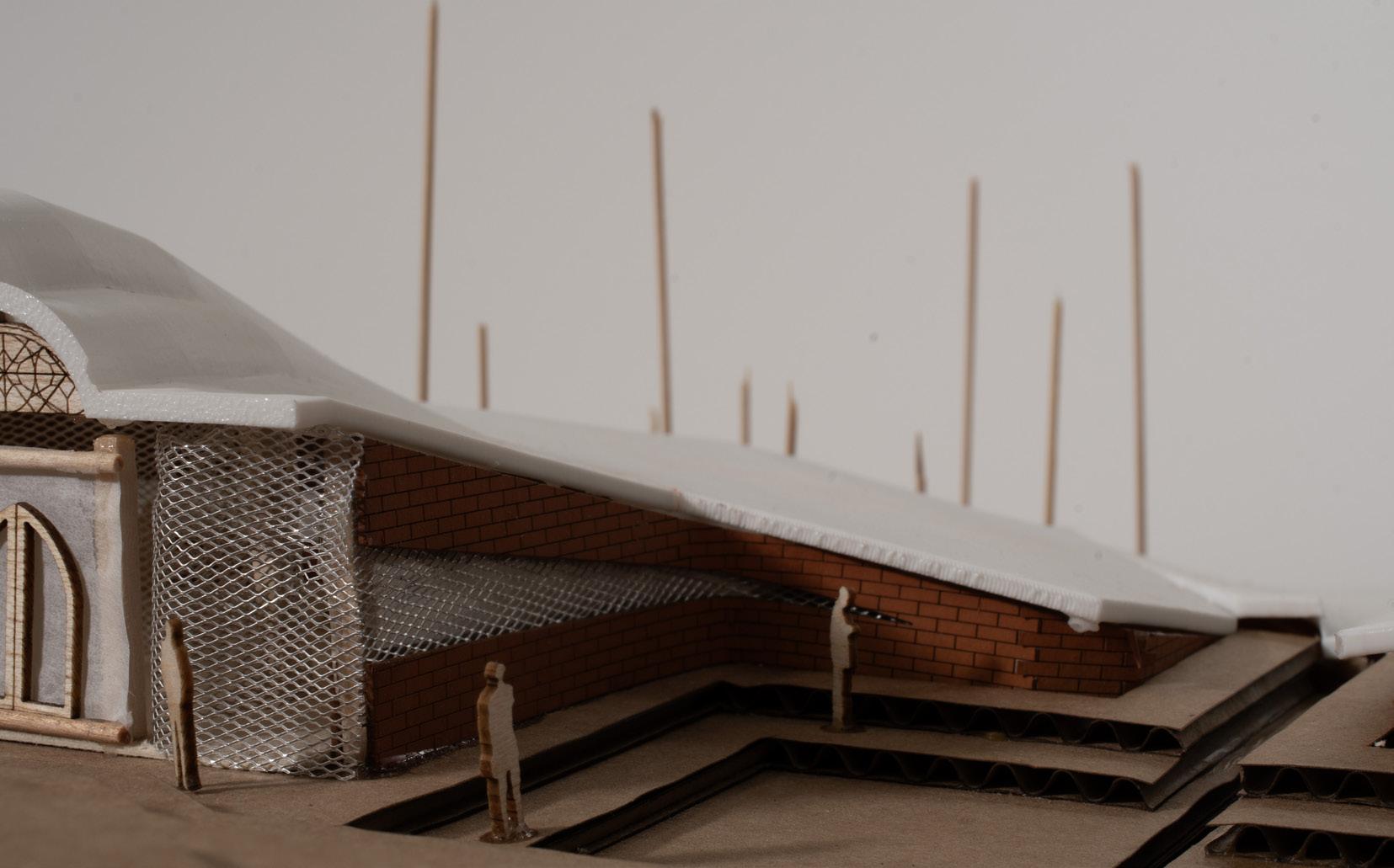
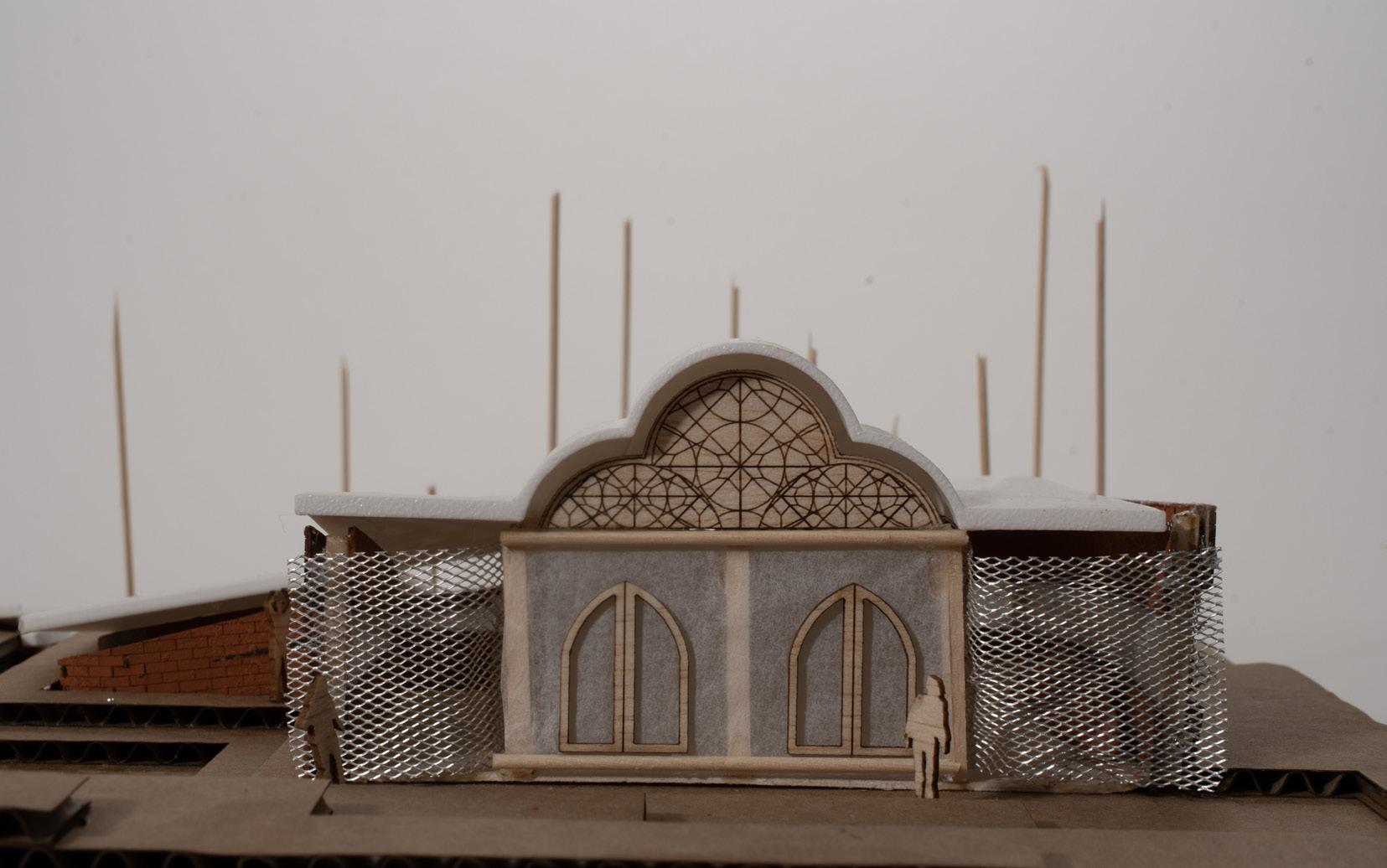
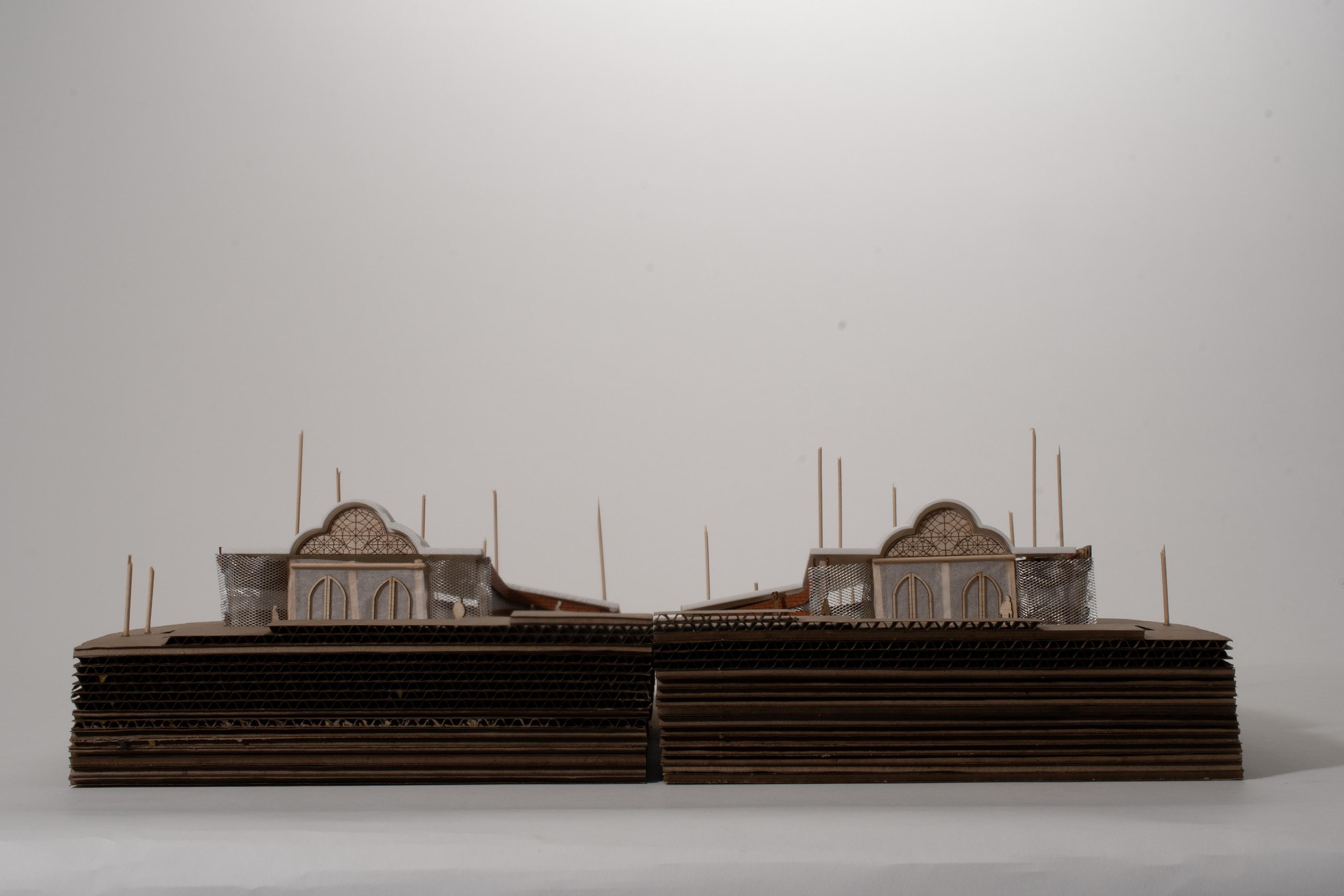
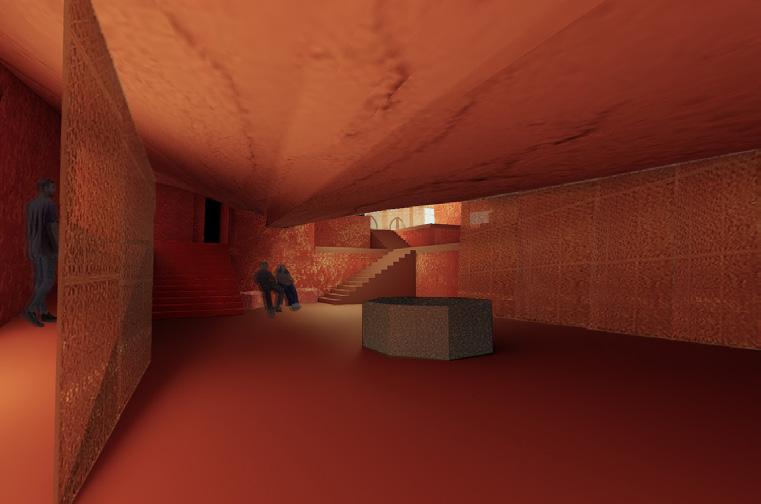
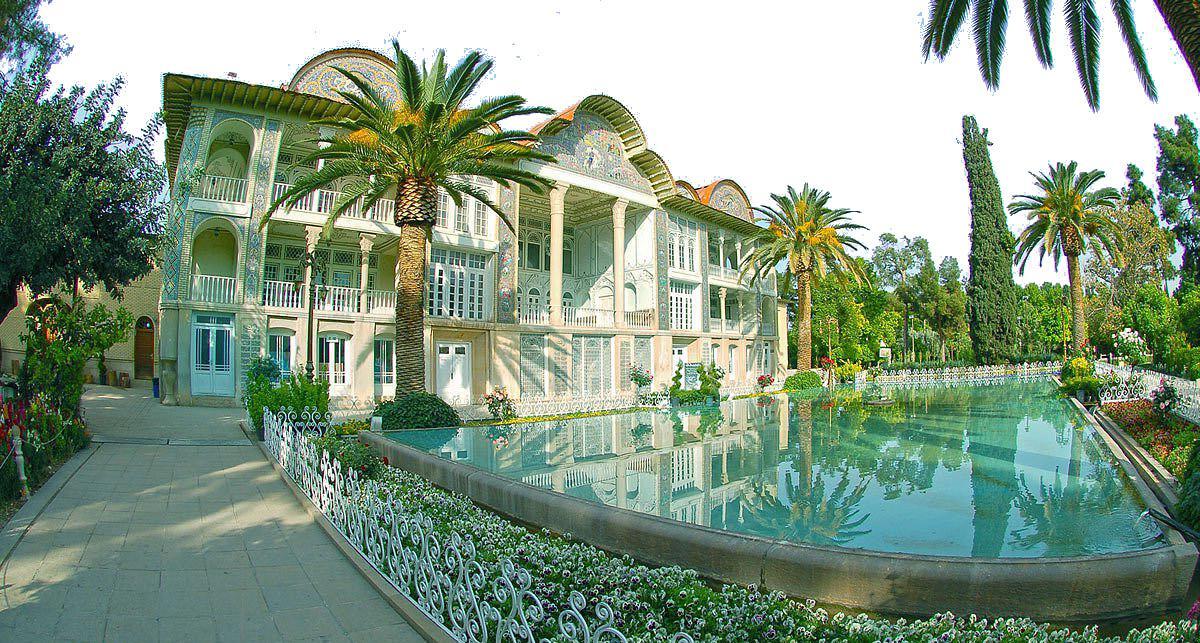
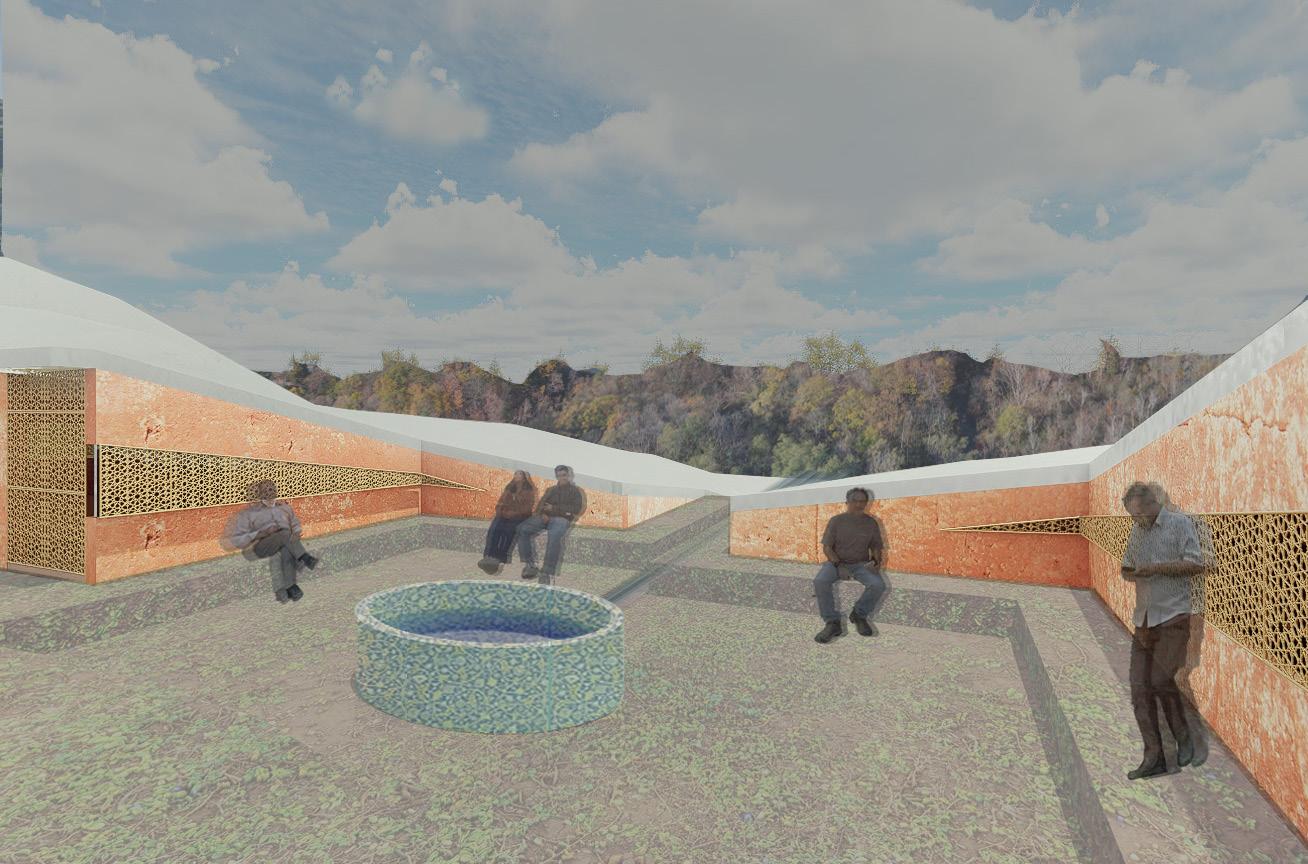
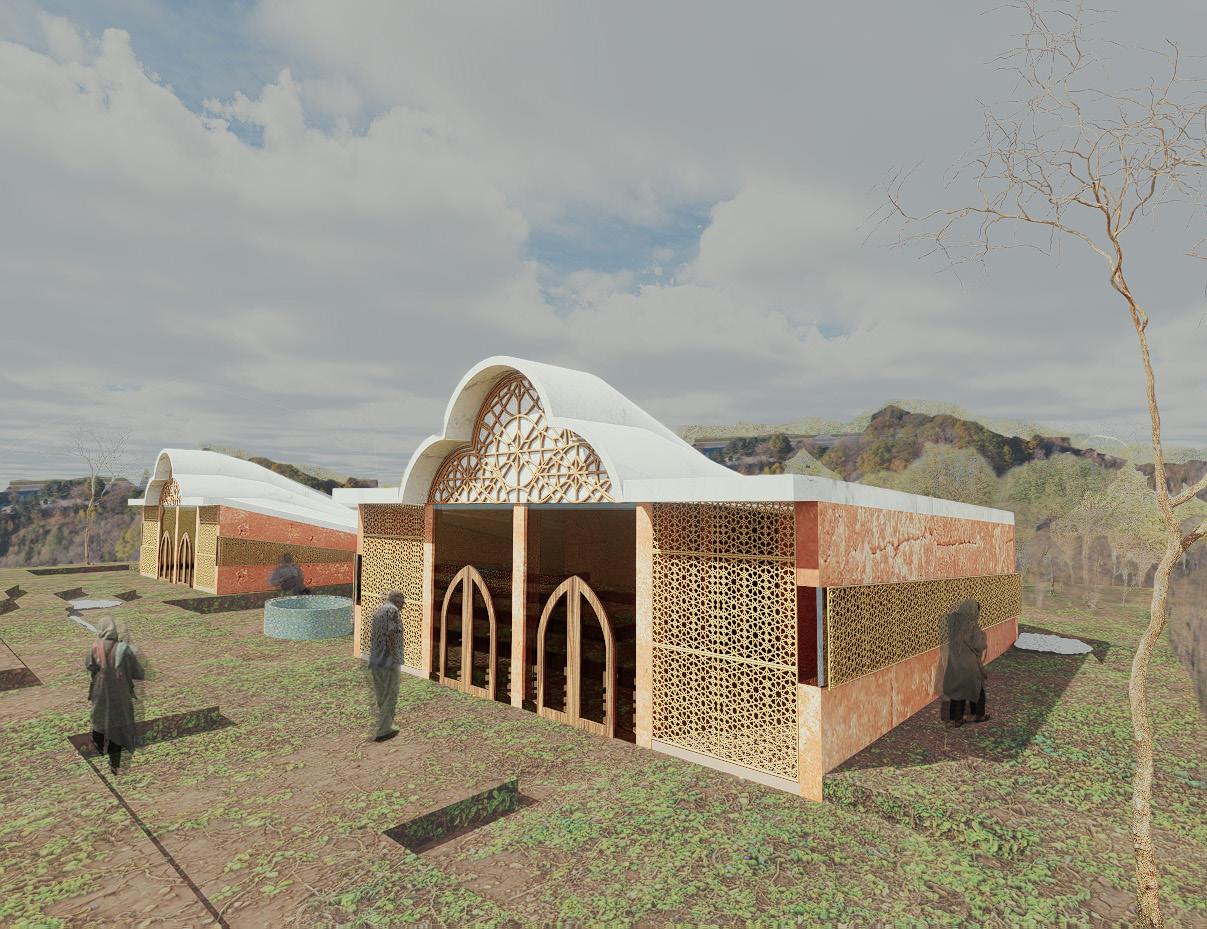
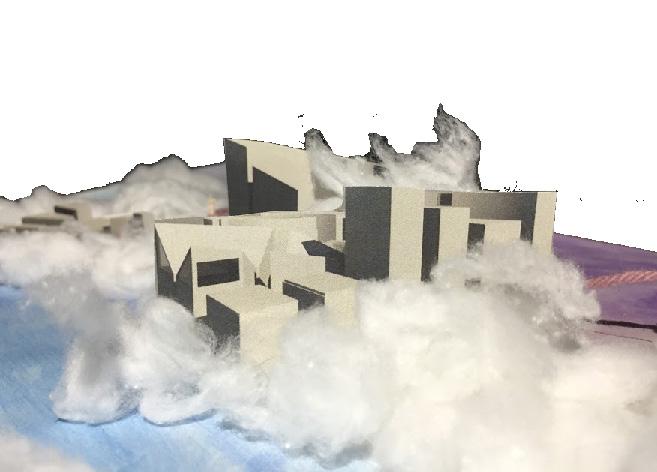
This is a small portion of the thesis work I completed throughout the course of my final year. Through extensive background research and physical explorations, created an architectural manifestation of my thesis: a place to heal and reconnect from a disjointed relationship between the physical and non-physical.
Imprints explores the relationship between the human body, memory, and architecture. It argues for a world in which a physical space can be utilized as a mechanism for healing mental and emotional scars. The project addresses the needs of people struggling with grief, loss, and displacement, with a focus on the Iranian immigrant population in the Western world. It attempts to heal traumas by nourishing an individuals’ non-physical relationship to an inaccessible homeland, through grounding people to their current physical context and triggering memory. Through isolated focus on the five senses and the use of cultural iconography, Imprints provides a space to reflect, remember, and reconnect with respect to cultural traditions.


Thank You!
contact: arianna moussavi cell: (510)-759-3041
email: ariannamoussavi02@gmail.com