



























“I was tricked into doing this; no one explained to me that puberty blockers are essentially sterilization drugs,” said Musk, “I lost my son. They said my son is now ‘deadnamed', so my son Xavier is gone, killed by the woke mind virus."

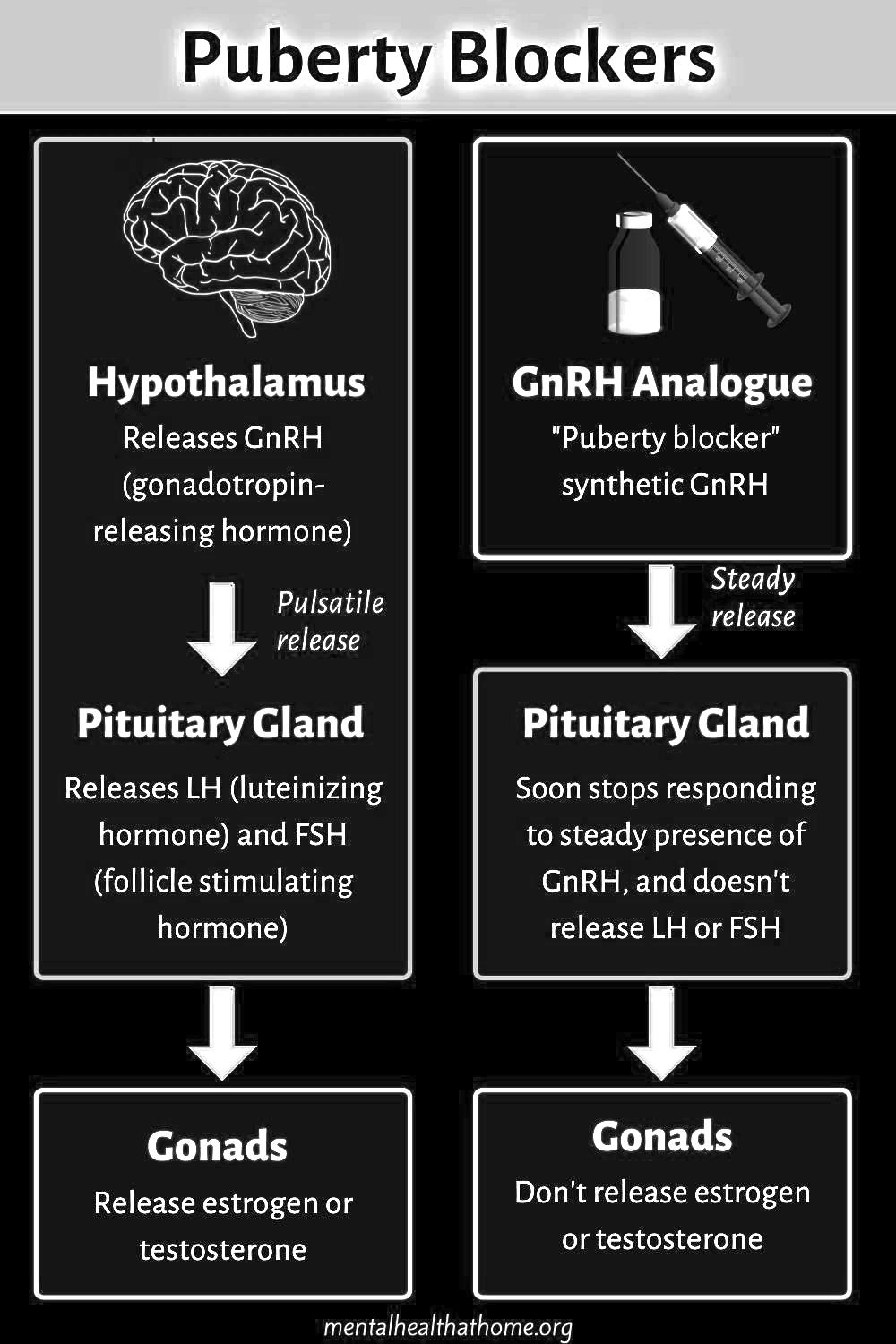
Puberty blockers are medications used to delay puberty in children. The most commonly used puberty blockers are gonadotropin-releasing hormone (GnRH) agonists.


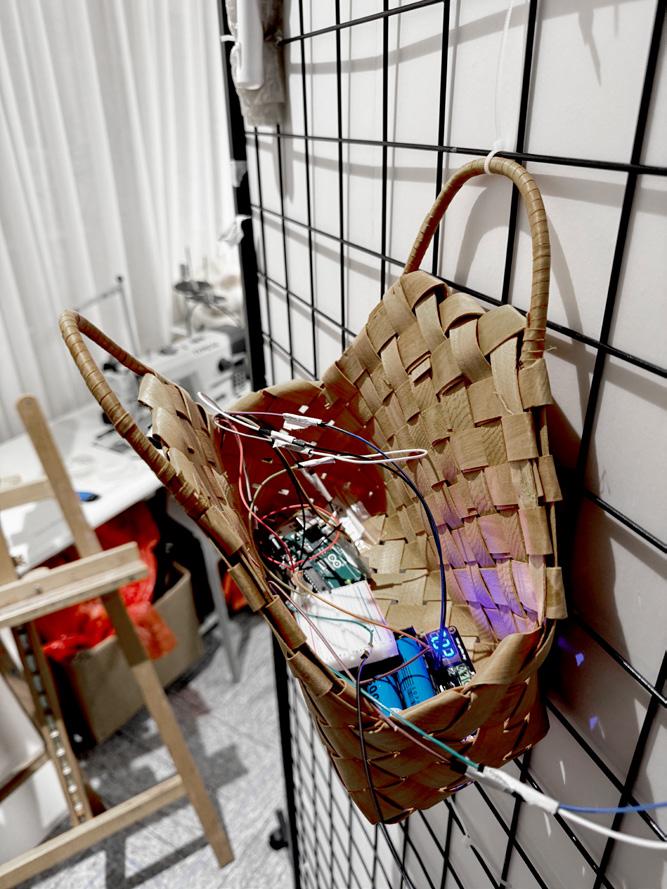
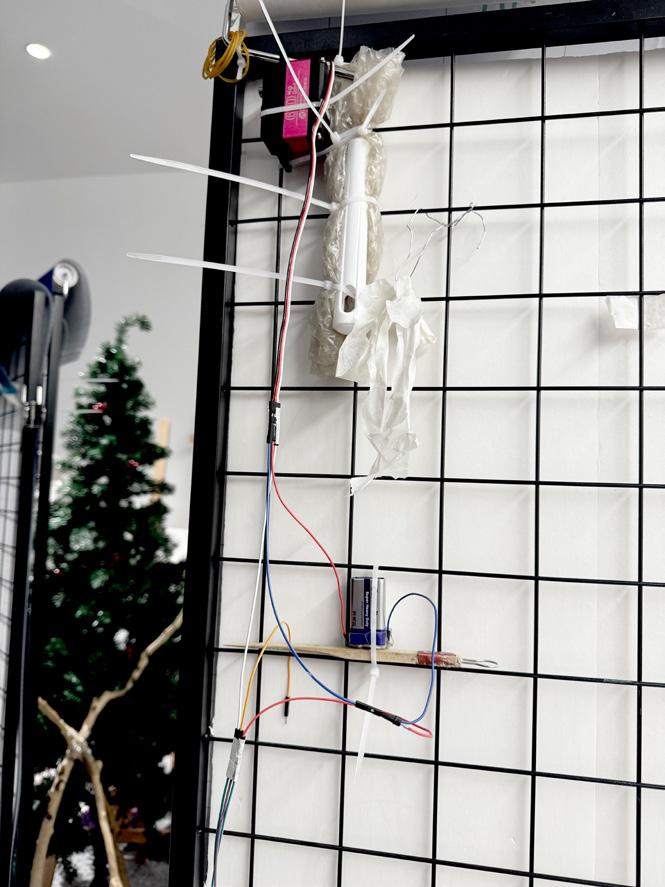
The world is heading towards a low-fertility future. By 2070, human fertility rates will plummet, with a gradual loss of natural oxytocin production and even the desire to reproduce. Will external oxytocin injections become necessary to sustain reproduction? Oxytocin Mandate is a wearable device design that simulates a future where oxytocin injections are required to maintain libido and prevent extinction. It explores the potential risks of human dependence on chemical substances and reflects on contemporary reliance on various medications.


In 2022, Elon Musk's child, Xavier Musk, announced their gender identity as female and changed their name to Vivian Jenna Wilson. Vivian used puberty blockers to delay puberty, aiding in the exploration of their gender identity. This event sparked widespread public debate about gender identity, puberty blockers, and family dynamics. What surprises me is that gender can seemingly be changed solely through medication — a concept that sounds quite absurd.
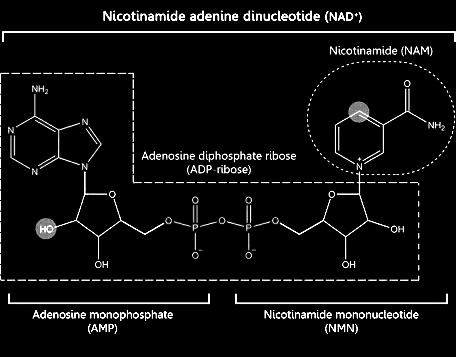
NAD+, or nicotinamide adenine dinucleotide, is a derivative of vitamin B3. It is a natural compound that plays a crucial role in determining cellular aging in the body. Around 2020, members of the Kardashian family shared their experiences of receiving NAD+ injections at beauty clinics on social media. These injections were promoted as an anti-aging and health-boosting therapy, garnering significant attention. However, this phenomenon left me puzzled. While NAD+ injections have sparked increasing discussions in the health field, they are accompanied by considerable controversy, particularly regarding their long-term safety and actual efficacy. What’s even more perplexing is how people flock to this trend, gathering to receive these injections as if they were some kind of health 'elixir.'


Michael Jackson, as one of the most influential music legends in the world, achieved unparalleled success, earning admiration and reverence from countless fans. However, behind the glory lay a heartbreaking truth—his long-term dependence on prescription drugs, particularly sedatives and anesthetics used to treat his chronic insomnia. Over time, this dependence gradually consumed his health and life. Tragically, in 2009, he passed away due to an overdose of the anesthetic propofol. This devastating tragedy serves as a profound warning: drug dependence not only destroys the body and mind but can also claim lives. Such catastrophic consequences are something everyone should remain vigilant against.

Whether it’s enhancing anti-aging health treatments or using medical interventions to influence gender identity and physical development, these phenomena reflect humanity’s growing reliance on external chemical interventions to address physiological and psychological issues. However, does the widespread use of these uncertain and hormone-based drugs go against the natural principles that humans, as biological beings, are meant to follow?













of 9.95% during the forecast period (2024-2032). Asia Pacific Nutraceuticals Market Size, 2019-2032(USD Billion) In China, the proportion of respondents' spending on food and health supplements (RMB/month).
According to the survey, 54.1% of respondents indicated that many young people around them consume health supplements, with 11.5% stating that there are very many. Over 80% of people spend money on health supplements every month.


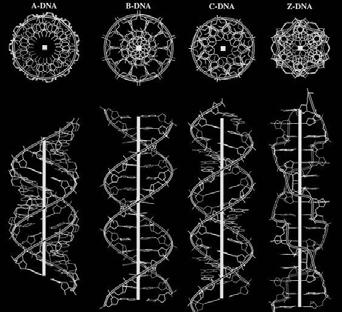

In modern society, an increasing number of people rely on hormone therapy for various health needs or medical conditions. For example, diabetes patients need insulin injections to control blood sugar levels, while individuals with hypothyroidism depend on thyroid hormone replacement therapy to maintain normal metabolism. Women going through menopause often use estrogen and progesterone to alleviate symptoms such as hot flashes and osteoporosis, and patients with adrenal insufficiency require corticosteroid supplementation to maintain hormonal balance in the body.


Over the past century, humans have gradually become accustomed to the integration of supplements, hormones, and other chemical drugs into daily life, while skepticism about such drug dependency has diminished. If this trend continues, will humanity in the future 'devolve' to the point where everyday survival requires constant intervention from various drugs or hormones, even to the extent of relying on medicine and pharmaceuticals to avoid extinction?

Over the past 70 years, the global total fertility rate has declined significantly, leading to a natural decrease in population growth rates in many countries, with some experiencing negative growth. This has been accompanied by an aging population, with a shrinking young workforce and an increasing proportion of elderly people, resulting in profound changes in societal structures.
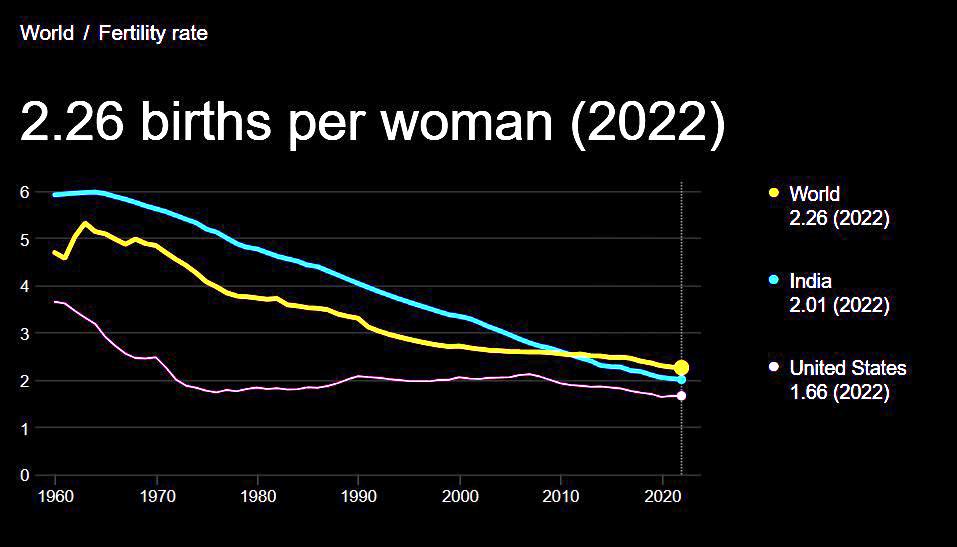
At the same time, the world is moving toward a low-fertility future. By 2050, 76% of countries and regions will have fertility rates insufficient to sustain their populations in the long term, and by 2100, this figure is expected to rise to 97%. The concept of 'reproduction' has evolved into a social expectation.
We are witnessing remarkable social transformations in the 21st century. Some countries are experiencing a 'baby boom,' while others face a 'baby bust.' Over the past 70 years, the global total fertility rate has more than halved, declining from about 5 children per woman in 1950 to 2.2 children per woman in 2021.
South Korea's current total fertility rate has dropped from 1.23 in 2005 to 0.84, the lowest in the world. In terms of total population, South Korea has less than half the population of Japan.
In South Korea, the low fertility rate has become a national emergency. Experts warn that if the fertility rate continues to decline, South Korea's population could shrink by two-thirds by the end of the century. Korean newspapers are filled with reports about the closure of kindergartens, the expansion of baby bonuses, and debates over whether it might be necessary to draft women into the military to meet quotas.
As of 2021, more than half of the world's countries had fertility rates below the population replacement level. In countries like South Korea and Serbia, the average number of children born per woman is less than 1.1. Over the coming decades, global fertility rates are expected to decline further, reaching approximately 1.8 by 2050 and 1.6 by 2100, far below the replacement level.
From the data alone, South Korea's situation is far more critical than Japan's. A demography professor at the University of Oxford predicts that, due to its population crisis, South Korea could become the first country on Earth to disappear.
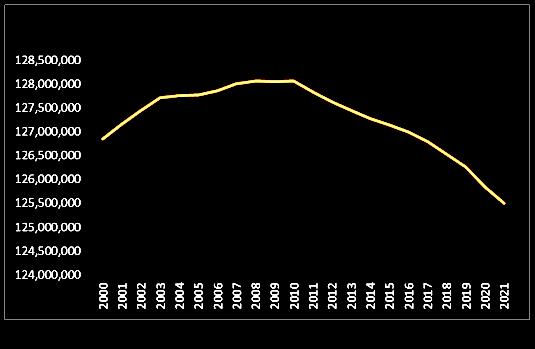
As of September 15, Japan's elderly population stood at 36.25 million, an increase of 200,000 from the previous year, accounting for 29.3% of the total population—a 0.2 percentage point rise. Both figures represent the highest levels since comparable data became available in 1950. This makes Japan once again the most aged country in the world. According to United Nations data, Italy (24.1%) and Finland (23%) rank second and third in terms of aging population.
As of October 1, 2021, Japan's total population was just over 125.5 million, a decrease of 644,000 compared to the same time the previous year. This marks the 11th consecutive year of population decline in Japan and the largest drop since records began in 1950.
The acceleration of global population aging has become a reality. According to the United Nations' World Population Prospects 2024: Summary of Results report, the global average life expectancy in 2024 is projected to reach 73.3 years, an increase of 8.4 years compared to 1995. By the late 2070s, the global population aged 65 and older is expected to surpass the population under 18.
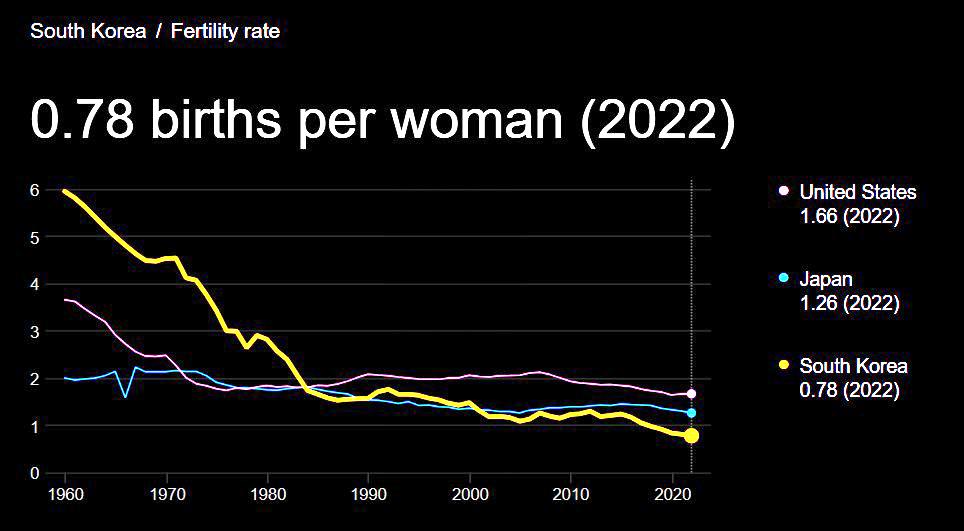
The average number of births per woman in South Korea in 2022 will be 0.78
Germany was the first country since 1950 to experience negative population growth, with a continuous decline starting in 1973. Hungary's population decreased by nearly 10% from 1980 to 2021. Russia began experiencing negative population growth in 1994, saw a brief recovery, but returned to negative growth in 2020. Japan's population has declined by approximately 3% since 2010. South Korea entered negative population growth in 2020, with its total fertility rate dropping to 0.88 in 2021.



By 2070, will people rely on external oxytocin injections to address the issue of human fertility rates?
Oxytocin is a hormone found in mammals, typically produced by the hypothalamus and released by the posterior pituitary gland. It is naturally secreted by neurons in the paraventricular nucleus and supraoptic nucleus of the hypothalamus and transported along the hypothalamic-pituitary pathway to the posterior pituitary for release. Oxytocin plays a crucial role in social bonding, sexual reproduction, childbirth, and postpartum processes.
Oxytocin, also known as the 'love hormone' or 'hug hormone,' helps build trust and maintain emotional bonds. The longing for intimacy between lovers is largely due to the effects of oxytocin. It also aids in overcoming socia shyness and developing social skills.
Research shows that prairie voles release oxytocin during social behaviors such as cuddling and stress response. It is released by the hypothalamus and binds to receptors, triggering intimate behaviors and the formation of social bonds. Neurobehavioral biologist Sue Carter's studies suggest that injecting oxytocin can accelerate the establishment of monogamous relationships, and this effect is also observed in other species. Whether through measuring oxytocin levels in plasma or administering oxytocin via nasal spray, the findings are consistent: oxytocin enhances attachment between parents and offspring as well as between mates.

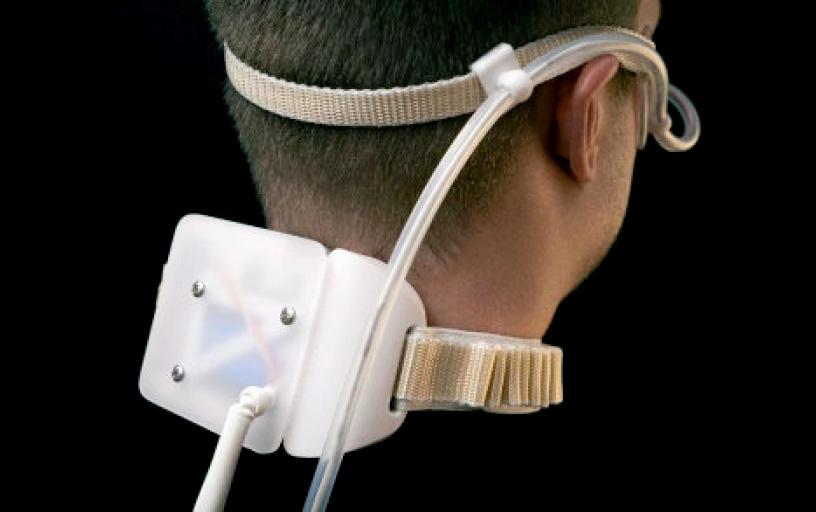
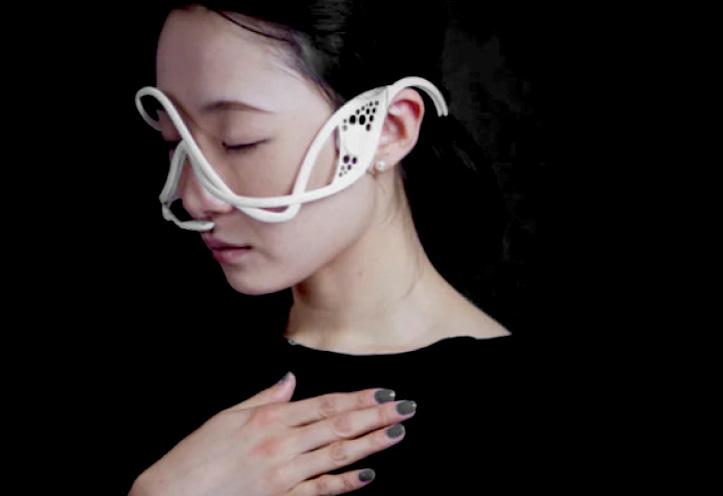
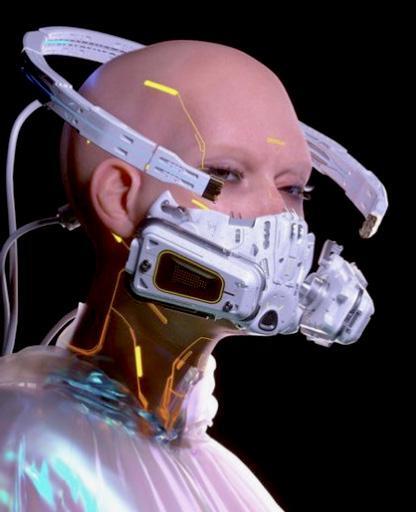
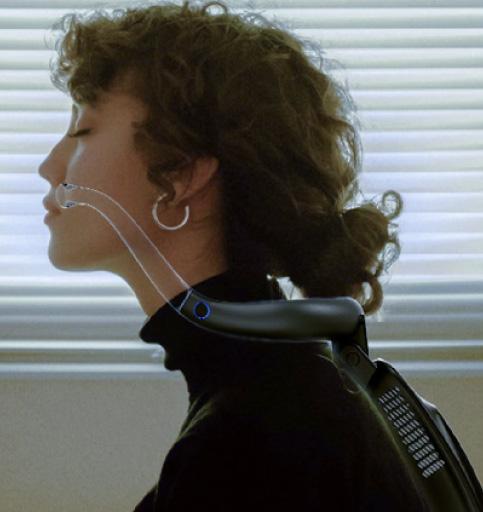

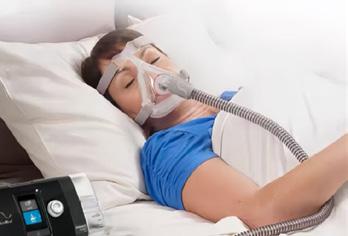
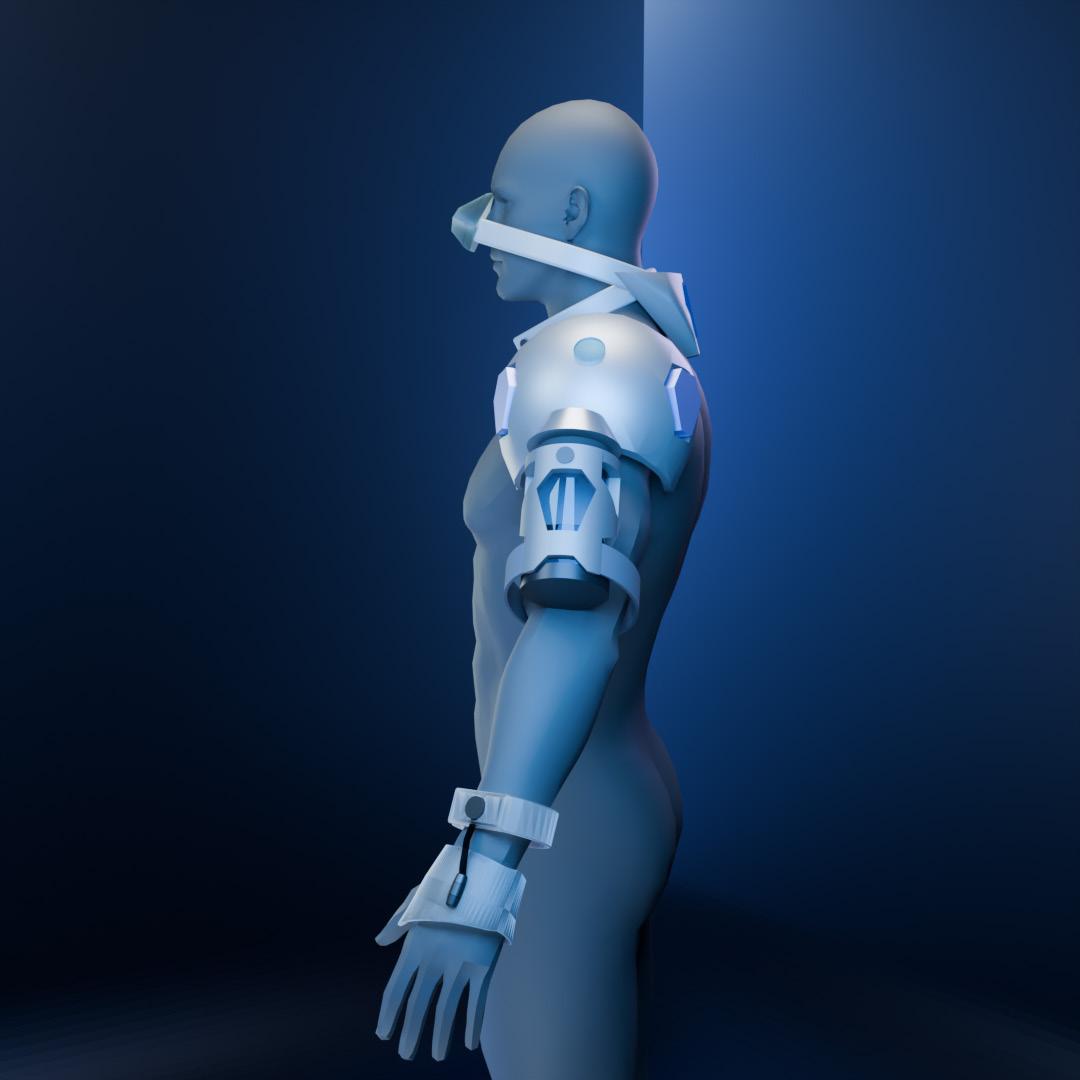
Through my research on various wearable devices, explored different design styles for the aforementioned body parts. Existing wearable devices have made technological advancements in physiological monitoring and drug delivery but commonly face issues such as being heavy, made of complex materials, uncomfortable to wear, and limited in functionality. Therefore, plan to design lightweight, ergonomic wearable devices that optimize drug delivery systems and integrate smart sensing technology, aiming to enhance comfort and provide a personalized experience.
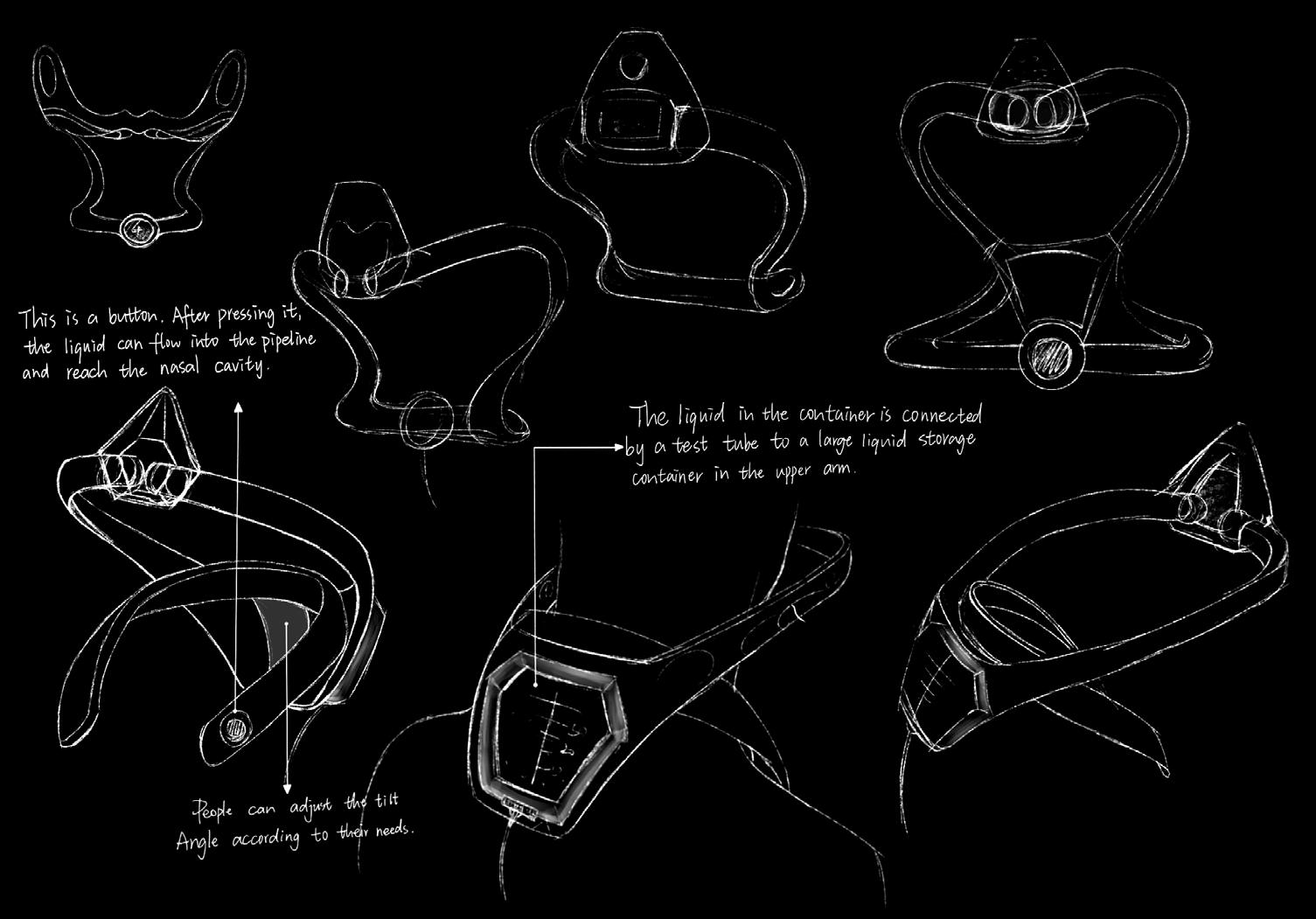
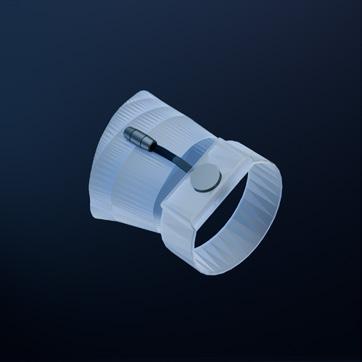
Oxytocin is typically administered through three methods: intravenous injection, intramuscular injection, and nasal spray. Intranasal delivery is rapid and highly specific in its effects. ensure design consistency, all wearable devices feature a diamond-shaped cover design, creating a unified aesthetic style.
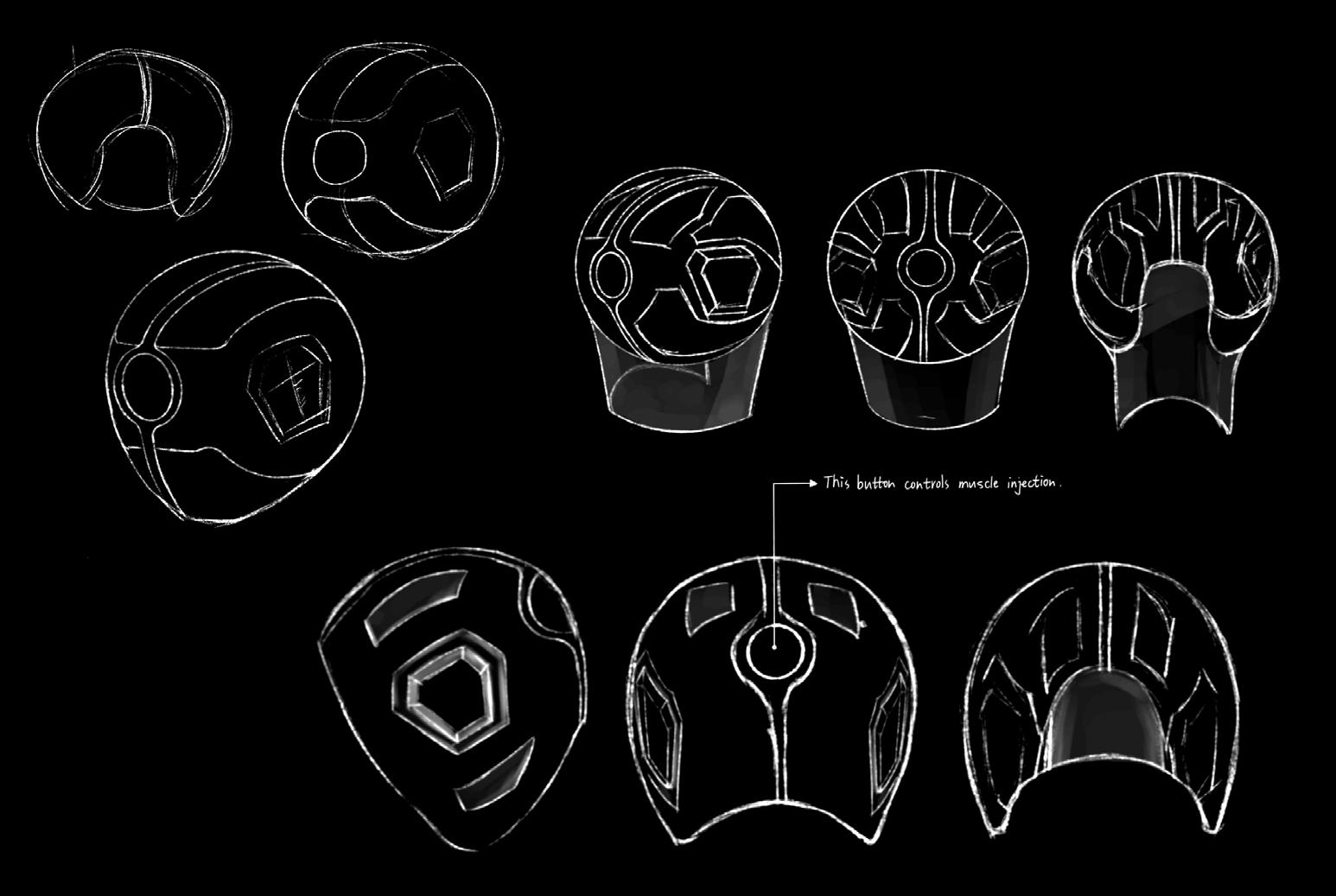
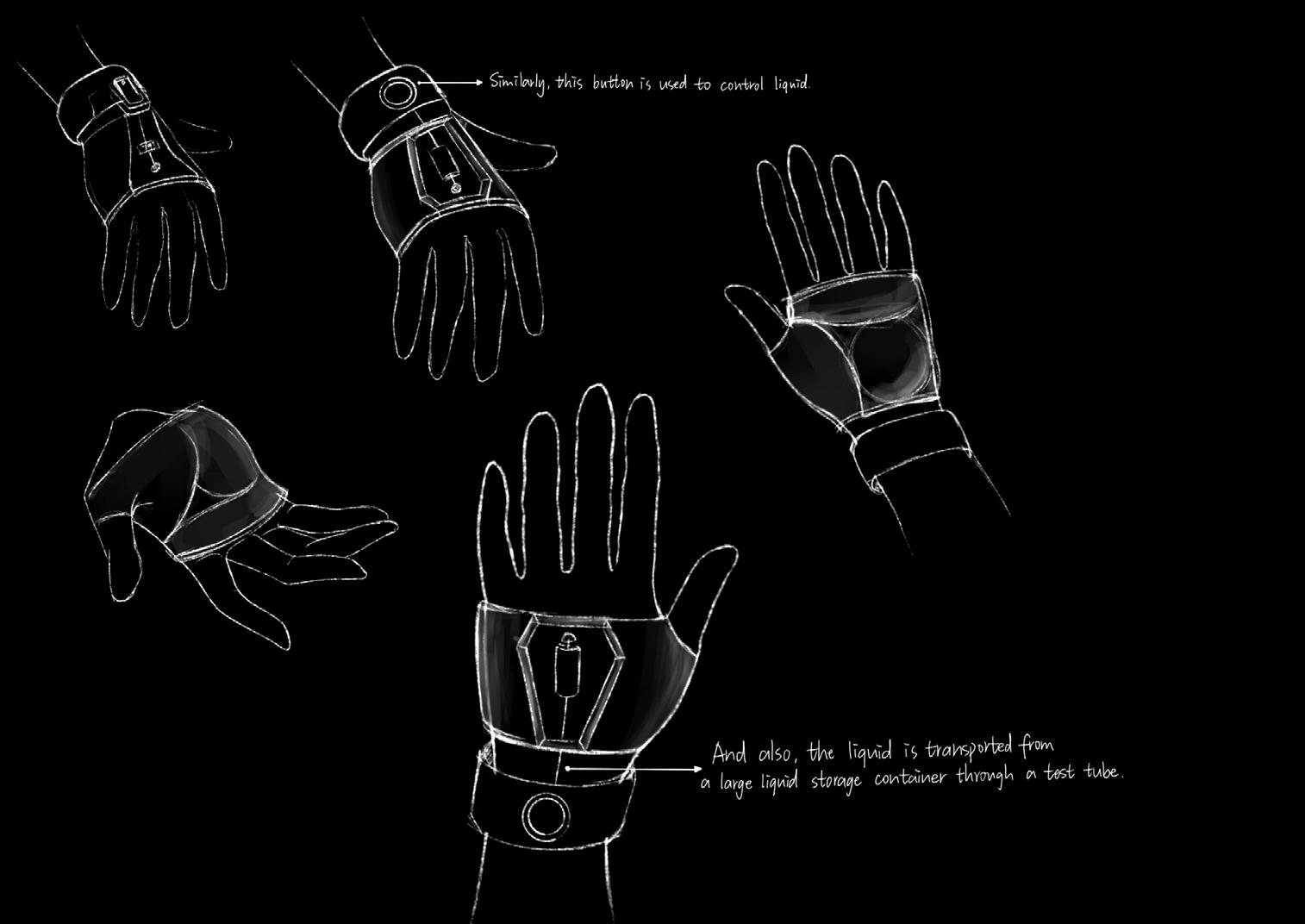
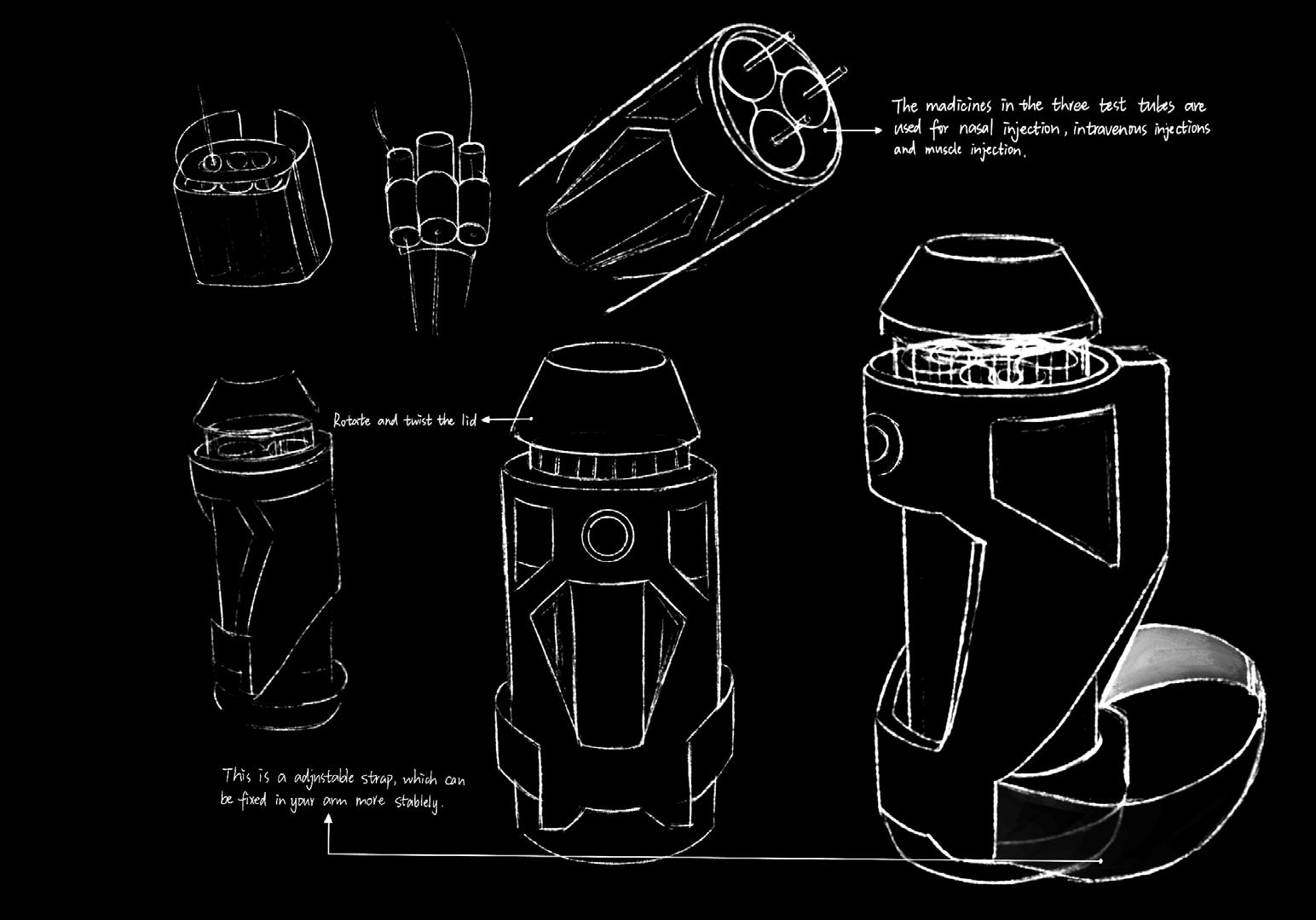






The device adopts a lightweight design, using modern materials such as transparent resin to ensure structural durability while reducing the burden on the wearer. Its appearance is sleek and exudes a futuristic technological aesthetic, reflecting the seamless integration of technology and physiological function. Equipped with smart sensors and a feedback system, the device dynamically adjusts the drug delivery volume based on the user's physiological responses. It not only provides physiological support but also, through interactive design, prompts profound reflection on drug dependency and the oss of natural physiological mechanisms.


This project features a tree adorned with ancient objects, set in a black space �illed with an atmosphere of stillness, aiming to explore the relationship between the fragility of memory and environmental degradation. The items hanging from the tree symbolize past festivities and joy, but over time, they gradually fade into oblivion.
Viewers can brie�ly see the objects on the tree by wiping away the fog on a window, only for the fog to return, simulating the �leeting and shifting nature of memory—from clarity to obscurity. Additionally, the tree is wrapped in plastic waste, symbolizing environmental pollution and humanity's growing neglect of the natural world. By intertwining the decline of memory with environmental issues, the project invites profound re�lection on time, responsibility, and the act of forgetting.

The initial idea came from a conversation with a friend. During our chat, I discovered that he often couldn't recall recent events or even past experiences. This phenomenon sparked my curiosity—how lifestyle changes, such as transitioning from the intense study schedules of high school to the more relaxed pace of university life, seem to make memory decline and attention lapses more common. This led me to explore the phenomenon of memory decline among young people, seeking deeper causes and connecting it to broader societal and environmental issues.
Forgetting is both an inevitable natural phenomenon and a catalyst for action. By re�lecting on forgetting, people not only acknowledge the past but also seek a balance between memory and renewal, preserving the value of emotions and history.

"Coco" mentions that those who are forgotten experience a "second death" in the Land of the Dead, ultimately disappearing completely. This symbolizes the fading of individuals within emotions and history.
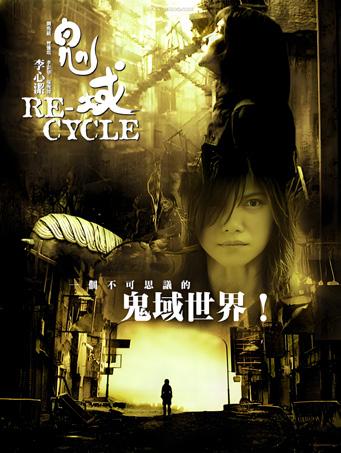
In the �ilm Re-Cycle, the 'realm of the supernatural' is a space of forgotten and abandoned things. The setting is composed of lost objects, un�inished matters, and broken structures, symbolizing the things and emotions humans have forgotten and forsaken.
“Therefore, some studies indicate that video game players and non-gamers differed in several basic cognitive abilities: experts could track objects that moved at greater speeds, better detect changes in objects stored in short-term visual memory, switch more quickly from one task to another and mentally rotated objects more efficiently. In this sense, extensive video game practice points to a substantial improvement in the performance of non-gamers in most cognitive tasks.”
Nuno Cravo Barata, 2024, Influence of Digital Games on the Short-Term Memory of University Students
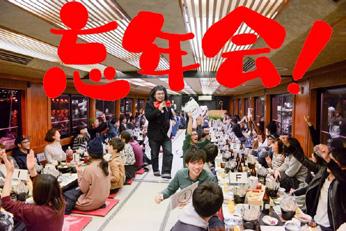
"Bōnenkai" is a traditional year-end gathering in Japan where people drink, dine, and let go of the stress and unpleasantness of the past year. It re�lects a positive mindset for welcoming the new year, strengthens collective emotional bonds, and symbolizes the anticipation of new beginnings and renewal.
“There is no significant decay in the number of digits recalled between the ages 6-33, and this holds the range of digits remembered between 5-13. Data in the post hoc analysis implied age groups 1-12, 13-17, and 18-64 show no significant difference. This offers participants a strong visual STM in these age groups, with the ability to store and recall numbers within seconds. Several studies have shown that as age increases, the brain's processing speed and recognition of objects decrease due to brain-related mechanisms. Consistent with the findings in this study, after the age of 33, the number of digits recalled decreases with no number of digits placed higher than 9, and ages 60 and older showed a significant decrease when compared to other generations.”
Hou De Zhu, 2024, The Impact of Age on Short-term Memory

According to the 2022 National Focus Insights Report, the average attention span of modern individuals has decreased from 12 seconds in 2000 to 8 seconds. This highlights a stark reality in today's society: we are gradually losing our ability to focus. People often get distracted, make careless mistakes, and have their thoughts dominated by fragmented ideas. This decline in focus is accompanied by negative emotions such as anxiety and guilt.
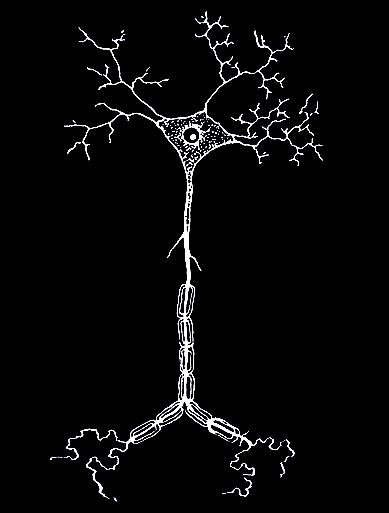
Video game players outperform non-players in several core cognitive abilities, including faster object tracking, improved short-term visual memory, quicker task-switching, and enhanced mental rotation of objects. This indicates that extensive video game practice can signi�icantly boost cognitive performance.
Between the ages of 6-33 and 5-13, there is no signi�icant decline in the number of digits remembered. No notable differences are observed among different age groups (1-12, 13-17, 18-64), suggesting that participants in these age ranges possess strong visual short-term memory (STM). However, as age increases, particularly after 33, the ability to remember digits begins to decline, with those aged 60 and above showing a marked reduction. This aligns with other studies indicating that the brain's processing speed and recognition abilities diminish with age.
Long-term studies have shown that emotional responses (such as the unpleasant feeling when seeing a snake) can in�luence memory. Laboratory research often explores the interaction between emotion and memory through two emotional dimensions: valence (the degree of positive or negative feelings elicited by a stimulus) and arousal (the level of activation or deactivation caused by a stimulus). This research is based on Russell's circumplex model of affect, which posits that emotional states are formed by the orthogonal combination of valence and arousal.
Based on the analysis of 109 survey responses, found that most respondents experienced memory decline. In terms of lifestyle habits, irregular eating patterns, high stress levels, and poor sleep quality signi�icantly impacted memory.


Do you often experience the following memory issues?


"Have you ever tried to improve your sleep or memory issues?"
"When I had serious insomnia in high school, would take some supplements or nutritional medicine to improve my sleep. But I feel like they didn’t really help much. For example, I used to drink a calming brain tonic, but it didn’t seem to have a signi�icant effect."
"Do you often forget past events, or feel like your memory isn't as good as it used to be?"


Have you ever experienced a decline in memory?


What factors might be related to memory issues?
"What factors do you think might be related to your memory decline?"
"I think it’s probably because I spend too much time on electronic devices and use my brain less often, which has caused my memory to weaken a bit."

20 years old University student, Female Sleep duration: Around 7 hours

21 years old University student, Male Sleep duration: Around 6 hours
"What usually disrupts your biological clock?"
"Probably none of those things. It might just be that my body isn’t ready to sleep yet. I can’t really explain it, but even when there’s nothing particularly stressful going on, I still sometimes �ind myself unable to fall asleep."
"What usually disrupts your biological clock?"
"For example, sometimes sleep in during the morning, and it can go as late as 12 or 1 PM. Then at night, I might stay up until 3 or 4 AM, or even later. Occasionally, I stay up so late—until 5 or 6 AM—that it disrupts my schedule for the next day as well."
"Yes, for example, I feel like my memory works more visually. If I see something white �loating by, I’ll always remember that there was a white object here. I might not remember the words associated with it, but I’ll remember its shape and color in a speci�ic location."

24 years old Freelancer, Female Sleep duration: Around 9 hours
"Do you think dreaming affects your sleep quality?"
"Yes, it does. For example, when I have a good dream, I really don’t want to wake up, and if I do wake up, I’ll want to continue the dream in the next one. But if it’s a nightmare, it can be harder to fall back asleep because I need time to adjust, fearing I might dream of something similar again."

In a work exhibited at the Grand Palais in Paris, Christian Boltanski used thousands of second-hand clothes piled together to symbolize human existence. Through the striking imagery of lifeless garments, he conveyed themes of loss and forgetting, illustrating how memories fade as their owners disappear.
The Ice Watch symbolizes global warming and the fading of natural memories through the gradual melting of ice, reminding humanity of the urgency of environmental change and the irreversibility of time.

Mexico's Island of the Dolls, dedicated to collecting dolls in memory of a drowned girl, symbolizes a connection to forgotten souls. It re�lects humanity's complex emotions toward memory, death, and forgetting: a fear

Overall, while forgetting is inevitable, this very fragility highlights the importance of preserving memory. It drives humanity to continually seek ways, through actions and art, to maintain a connection with the past and re�lect on it, while also imbuing the future with meaning.

This is an interactive experience that explores memory and forgetting through bone fragments and oceanic scenes. As participants pick up fragments, purify seawater, and repair the Bone Island, they gradually piece together lost memories. Ultimately, they must decide whether to reconstruct the memory or let it drift into the unknown.
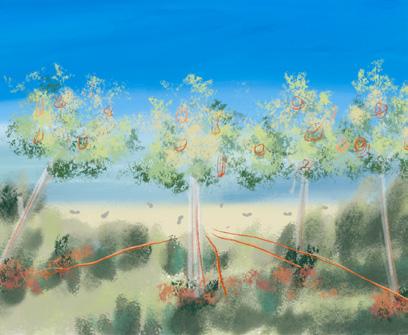
On a desolate coast, participants activate the growth of the 'Tree of Nutrient Fluids' by injecting objects infused with different memories. Positive memories cause the branches to �lourish and glow, while negative memories darken or even decay the tree's sap. Ultimately, the towering tree symbolizes hope and renewal, drawing strength from the barren land and showcasing the transformation and rebirth of memory and emotion.

Participants �loat in a mist-covered ocean, interacting with drifting fragments of memory to gradually restore pieces of the past, while striving to recover more before the seawater grows murky and their vision fades. The scene symbolizes the helplessness of memory loss and the urgency of piecing memories together.

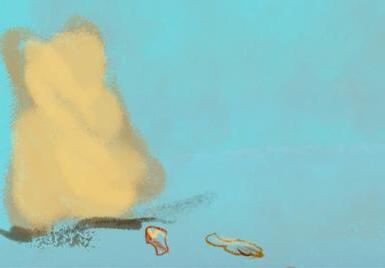
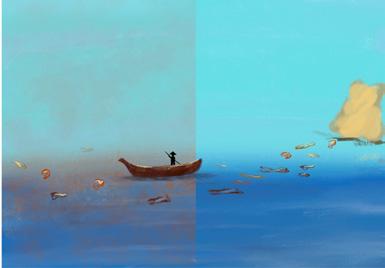
Picking up bone fragments triggers sounds or images, revealing fragments of memory.
The Bone Island symbolizes forgetting and remembrance, while the ocean represents the depths of the subconscious.
Bone fragments turn the murky seawater blue, while trash causes the waves to surge. Participants must choose to either restore the memories or let go of the past, drifting into the unknown.
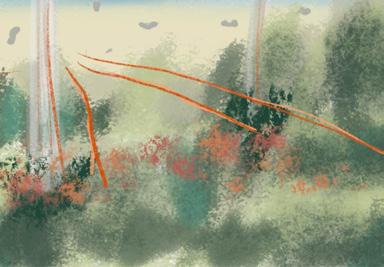
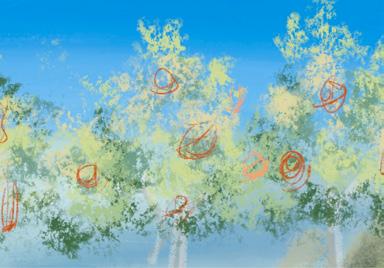
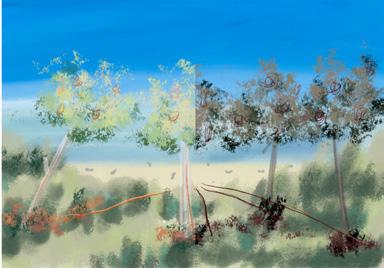
Touching or clicking to inject items into the tree roots or cans activates the tree's growth.
The tree symbolizes memory and renewal, while the desolate coast represents re�lection and hope.
Positive items cause the tree to thrive, while negative items lead to its decay.



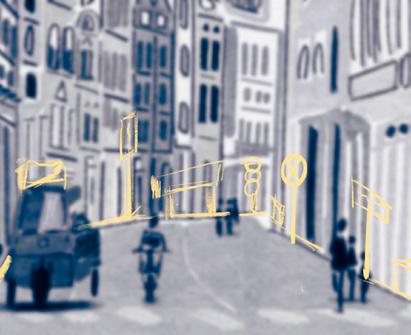
Participants enter a city shrouded in mist, gradually restoring fragments of memory—such as street names or building appearances—by touching blurred markers. However, some areas are lost forever. Ultimately, at the edge of the mist lies oblivion.


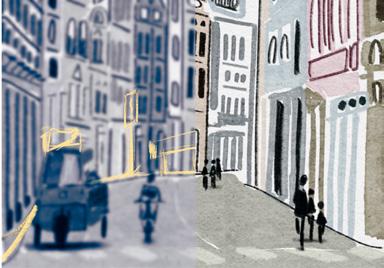
Interact with �loating memory fragments to recover forgotten memories.
The �loating fragments symbolize fragile memories, while the changes in seawater re�lect the impermanence of forgetting.
The more memory fragments collected, the clearer the seawater becomes. Conversely,

with
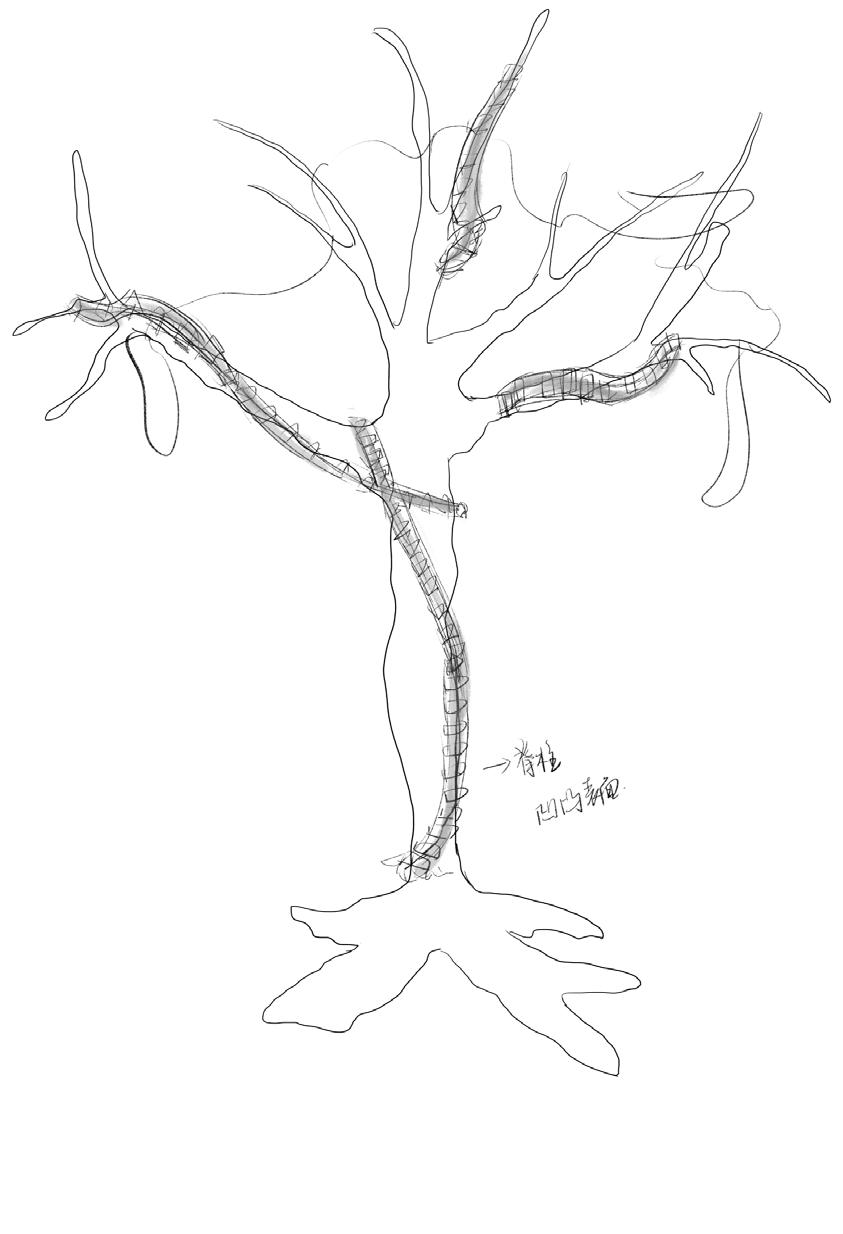
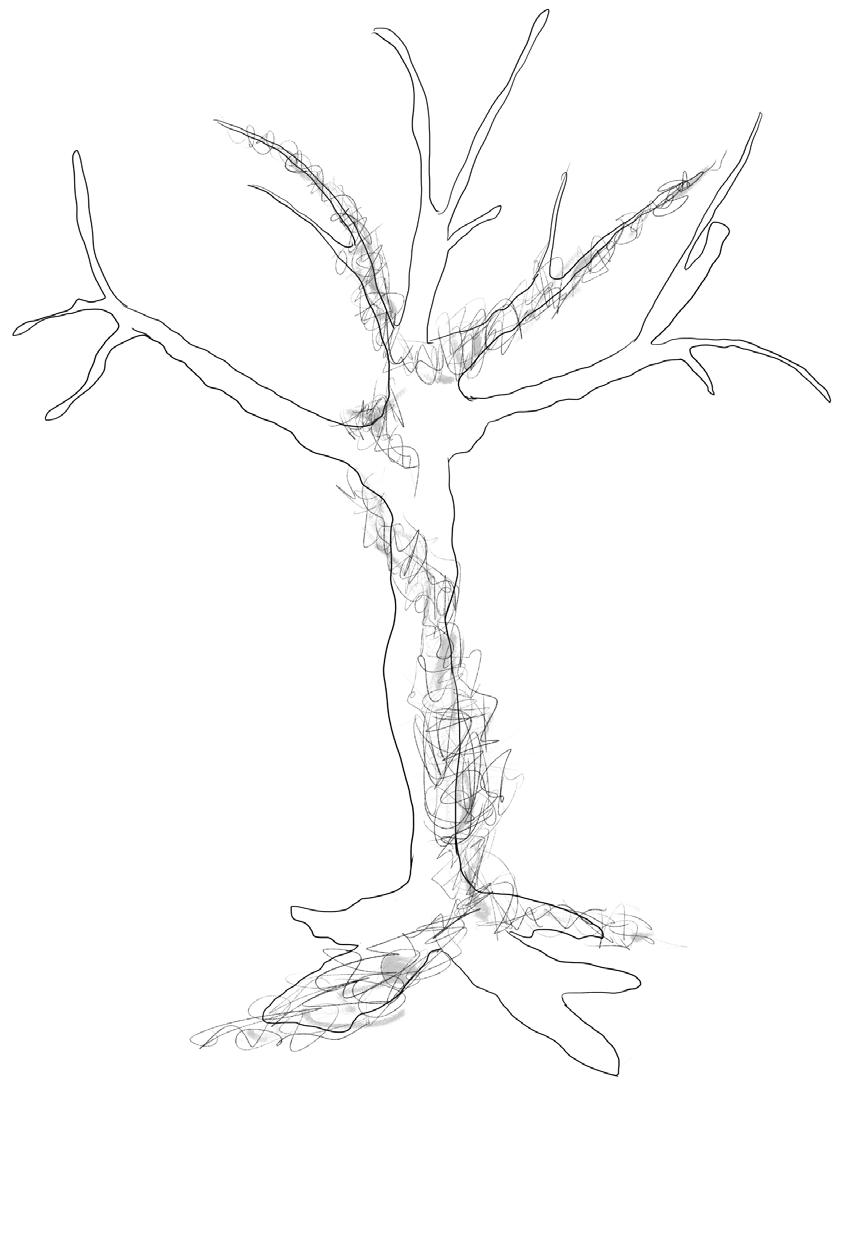
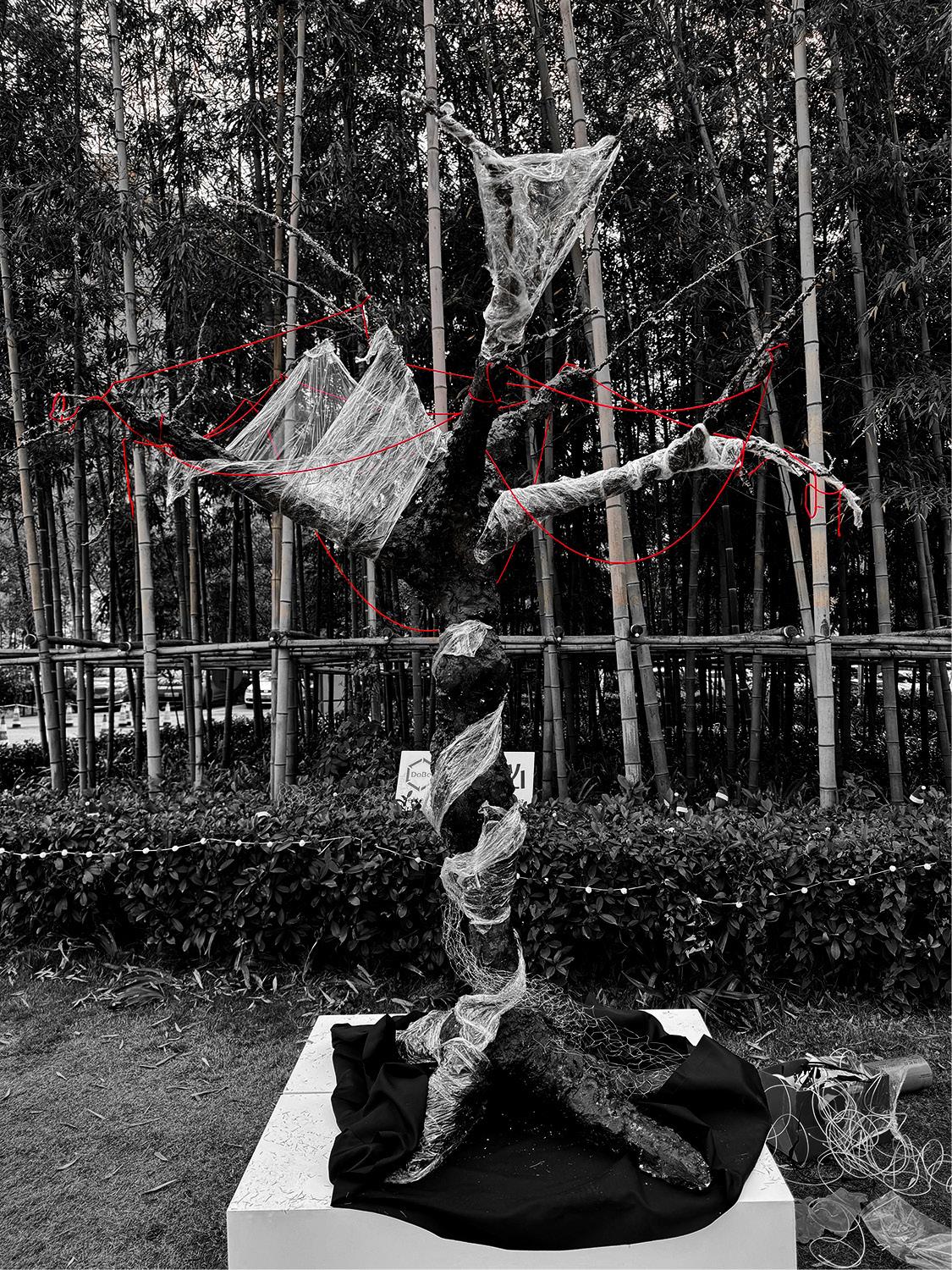
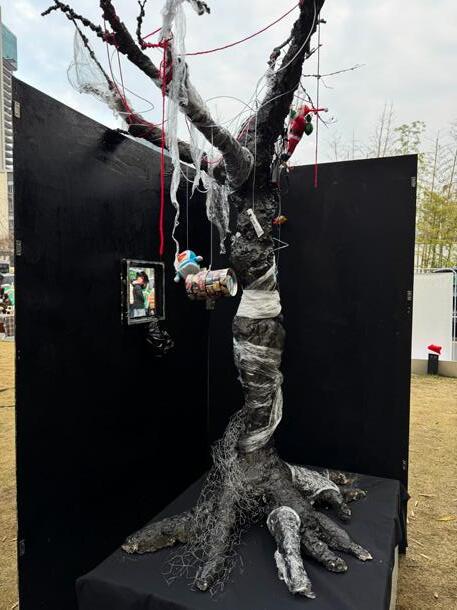
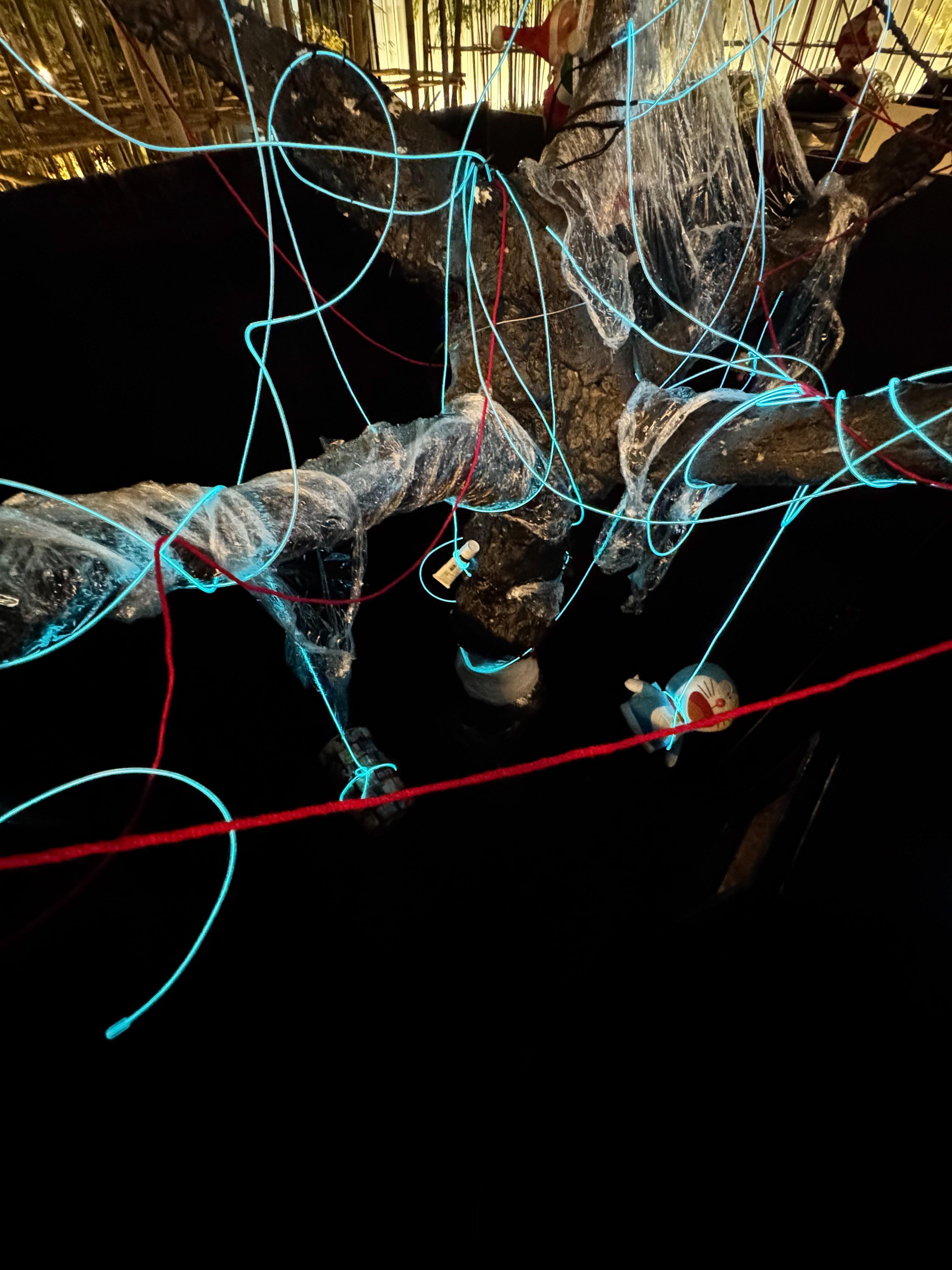
Based on the above design concepts, I decided to create a tree symbolizing 'forgetting.' During the experimental process, I used various materials such as plastic wrap, red thread, wire, and gauze to convey a sense of the tree's history and the traces of environmental pollution it has endured.
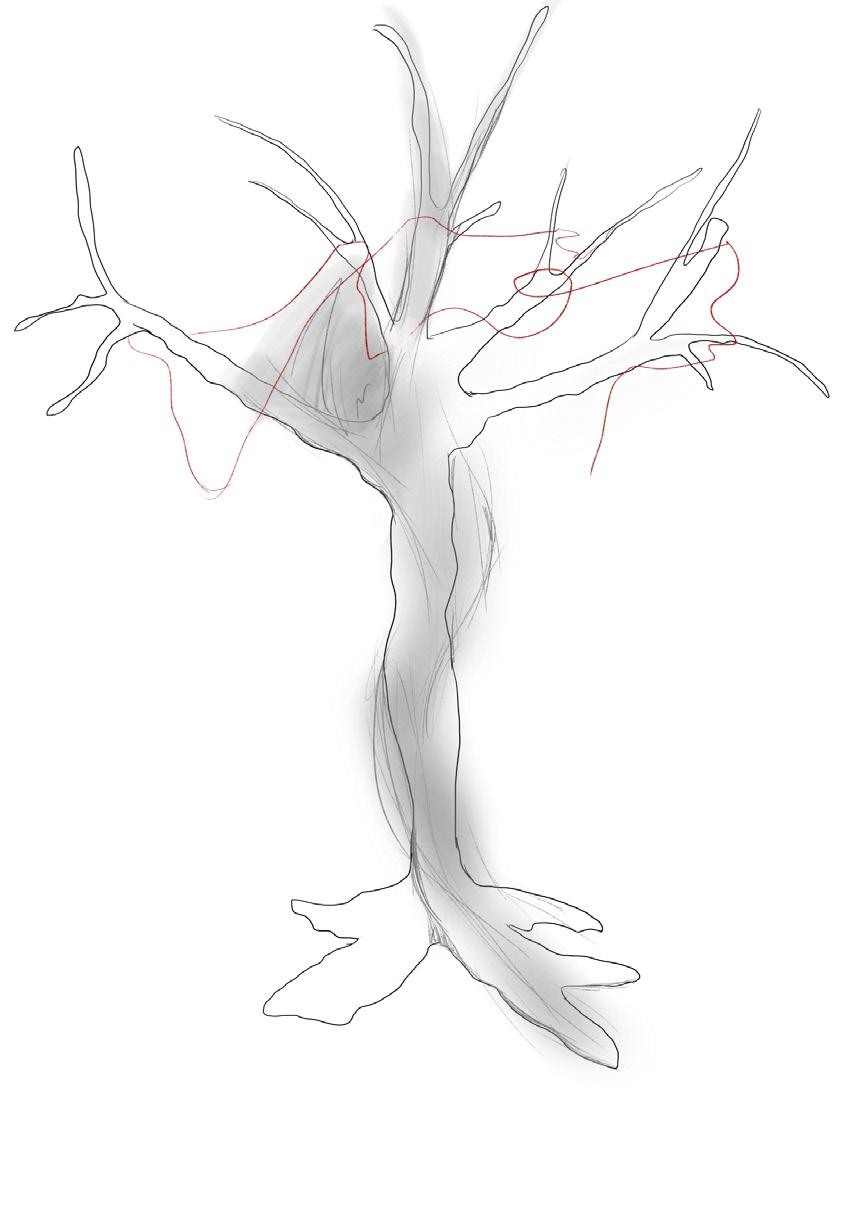
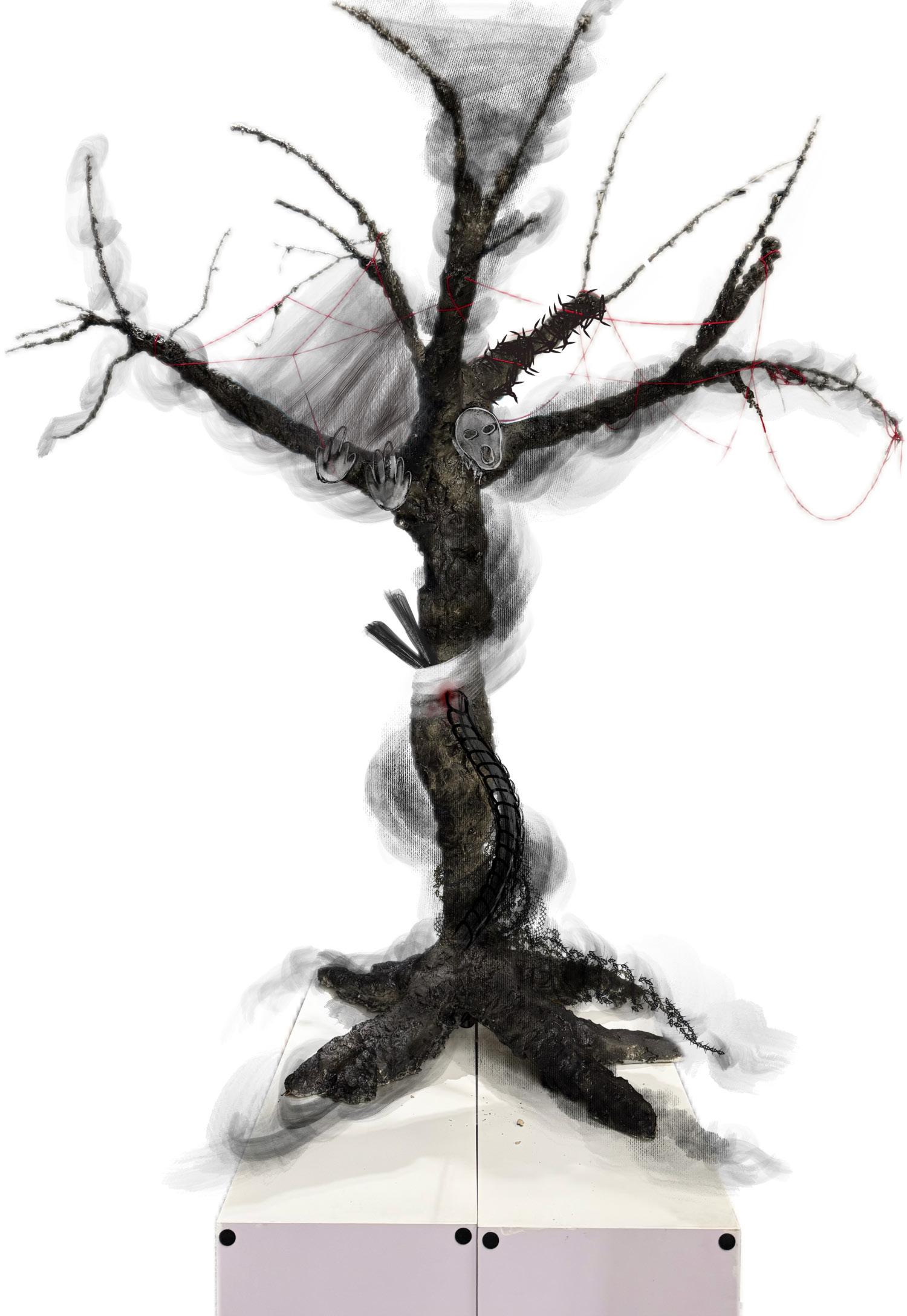
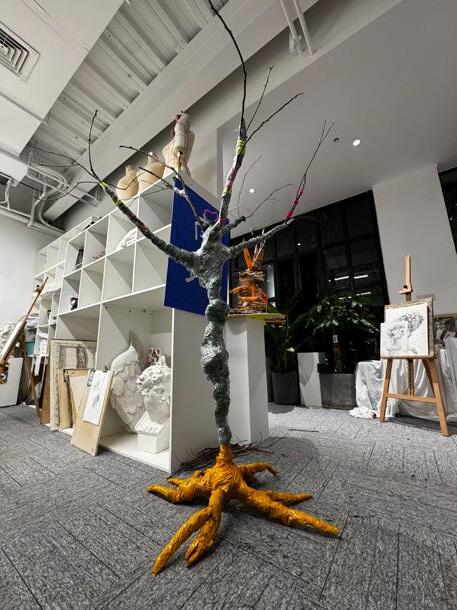



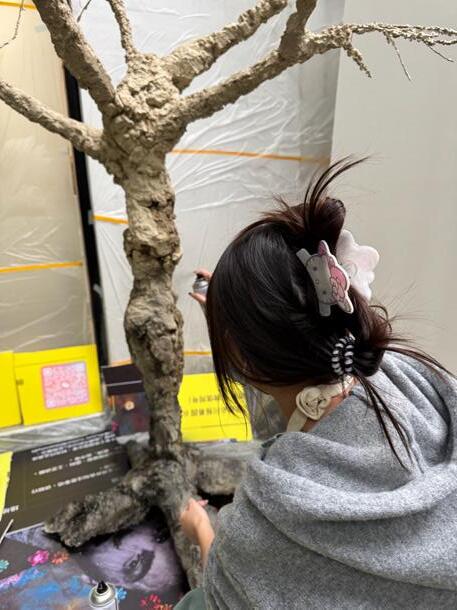
First, construct the tree's framework using wire to ensure the structural support. Then, use foam glue to shape the initial form of the tree. Once it has dried, carve and re�ine the texture and details of the trunk. Next, cover the tree's surface with clay. Finally, apply black spray paint over the entire tree to create a uniform black appearance.

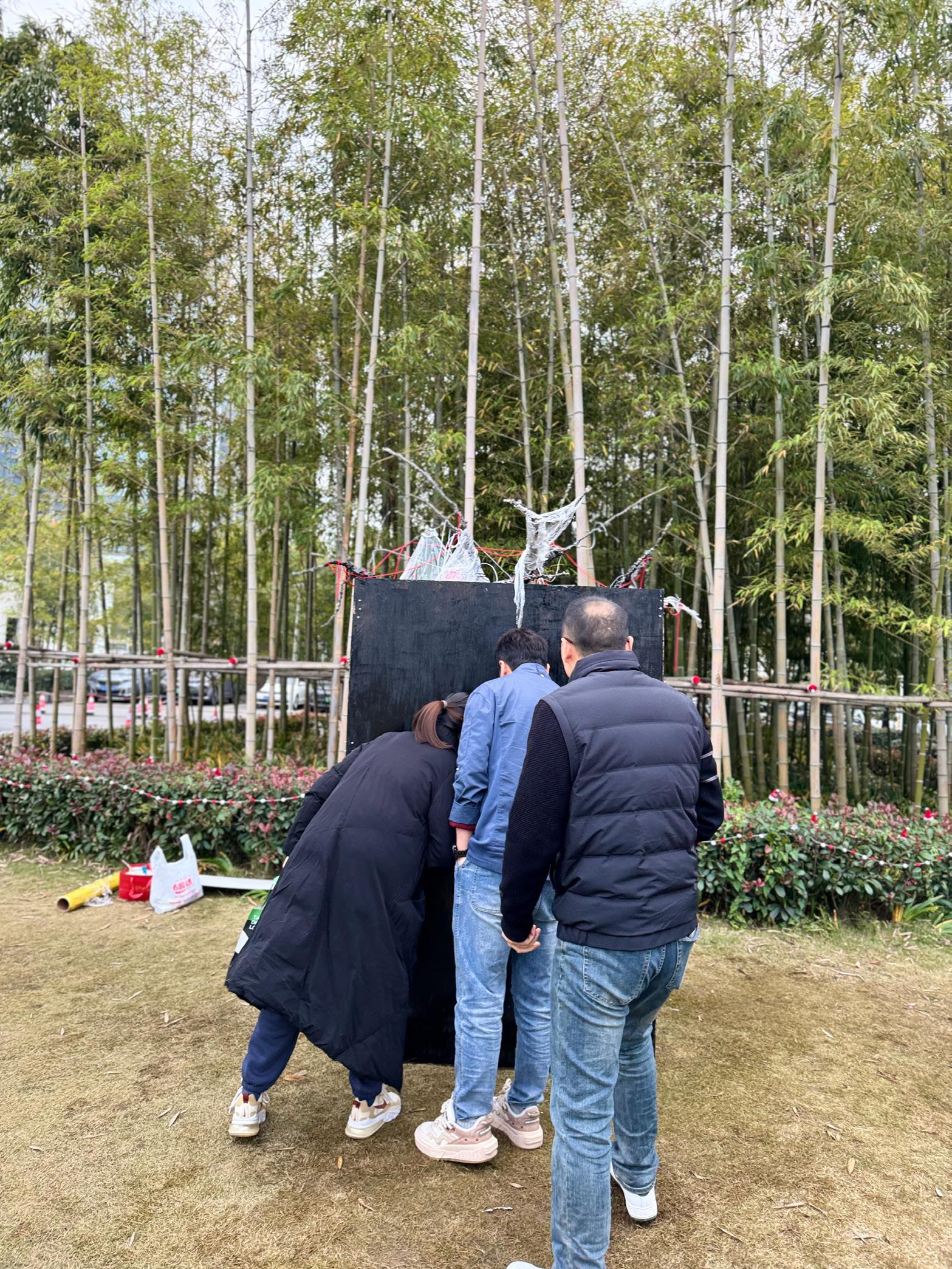
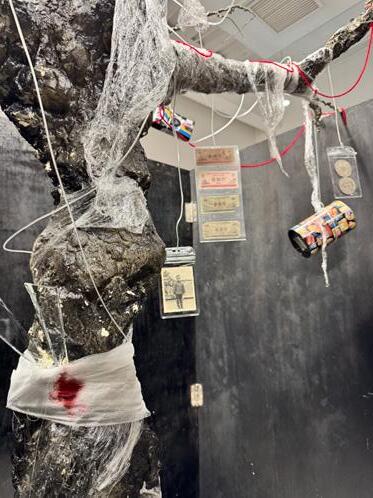
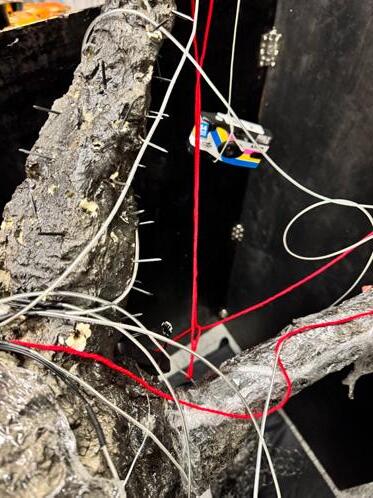
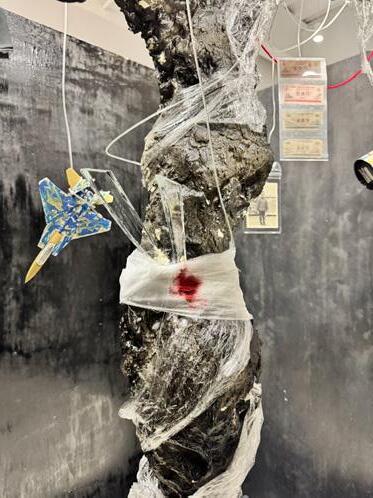
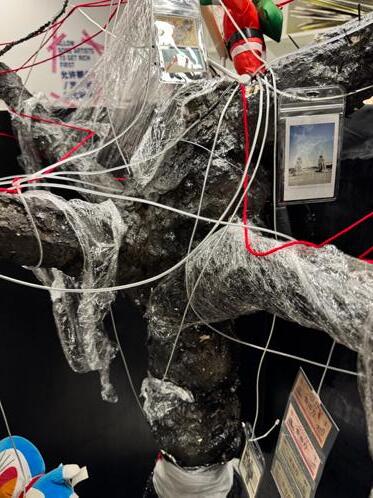
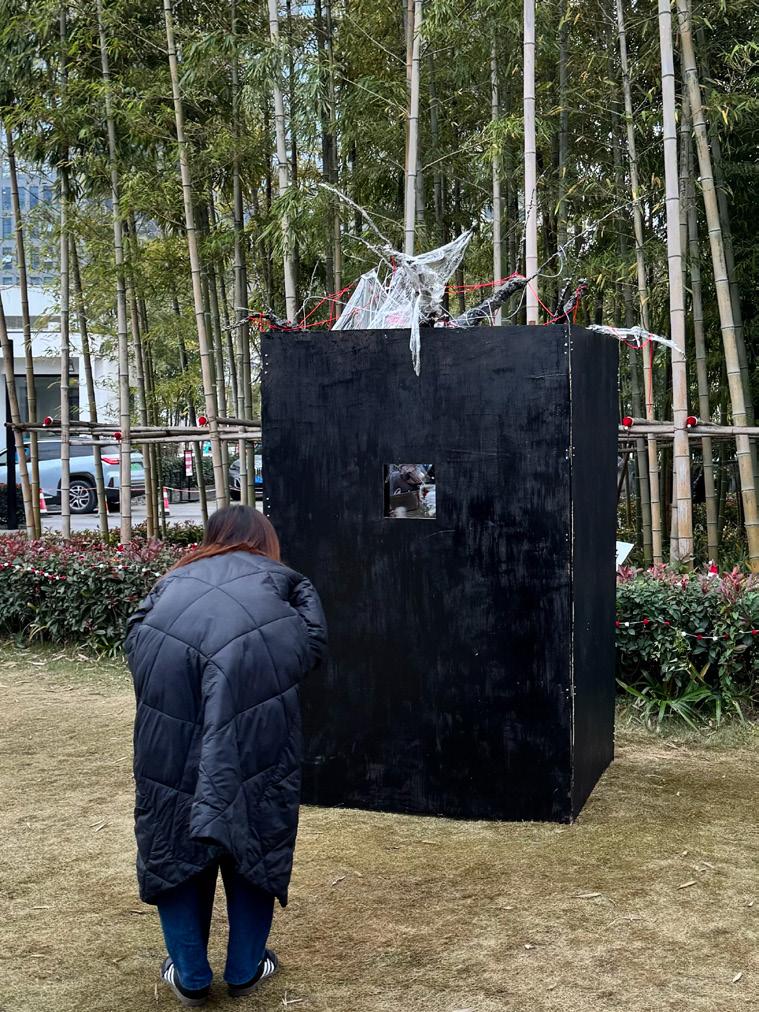
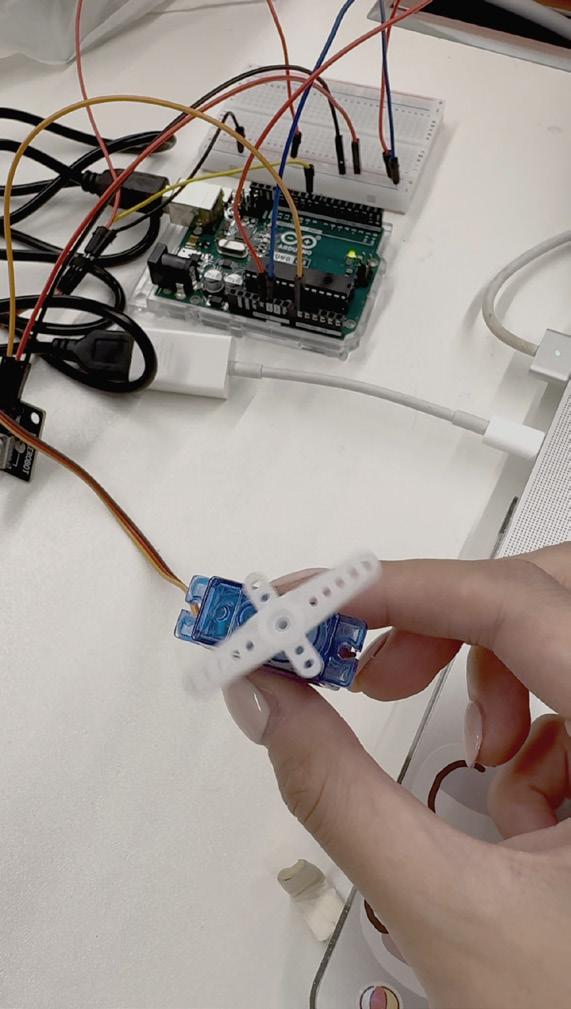
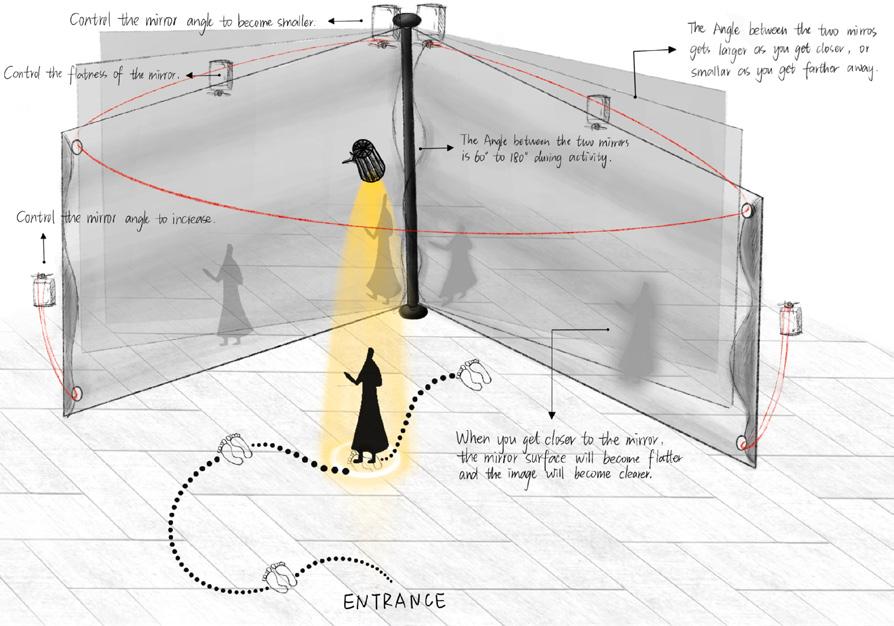
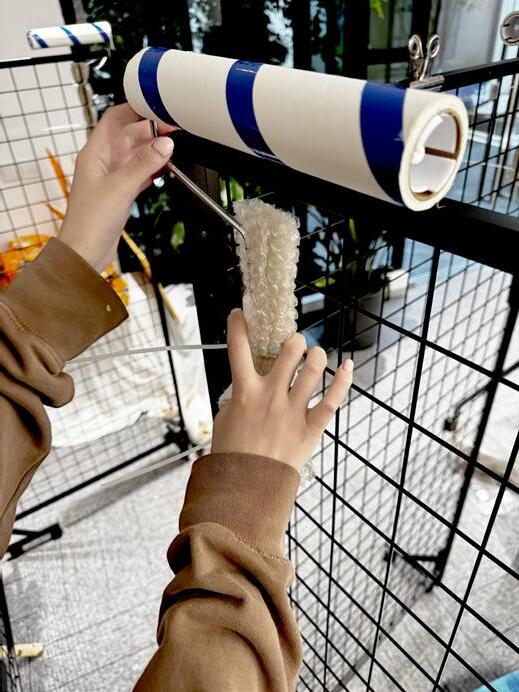
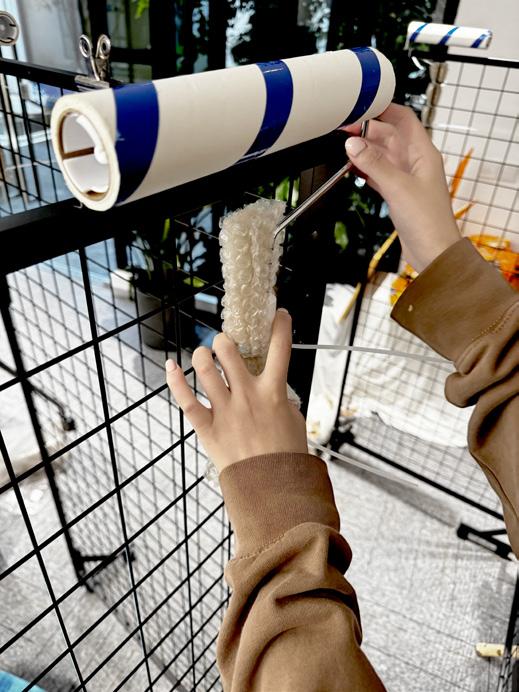
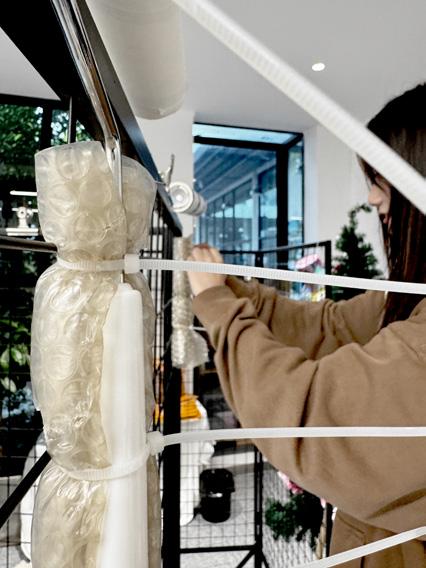
This installation combines Arduino to control servos and ultrasonic sensors, enabling interaction with the audience. When a person approaches, objects hanging from the tree descend. The use of plastic wrap symbolizes the passage of time and the fragility of materials, while the red thread represents the inseparable emotional bond between humans and memory. The structure and texture of wire and gauze further emphasize the aging of the tree and the marks of environmental pollution. Through the integration of these elements, the visual expression of historical depth is enhanced, profoundly re�lecting the dual themes of environmental degradation and memory decline in modern society.




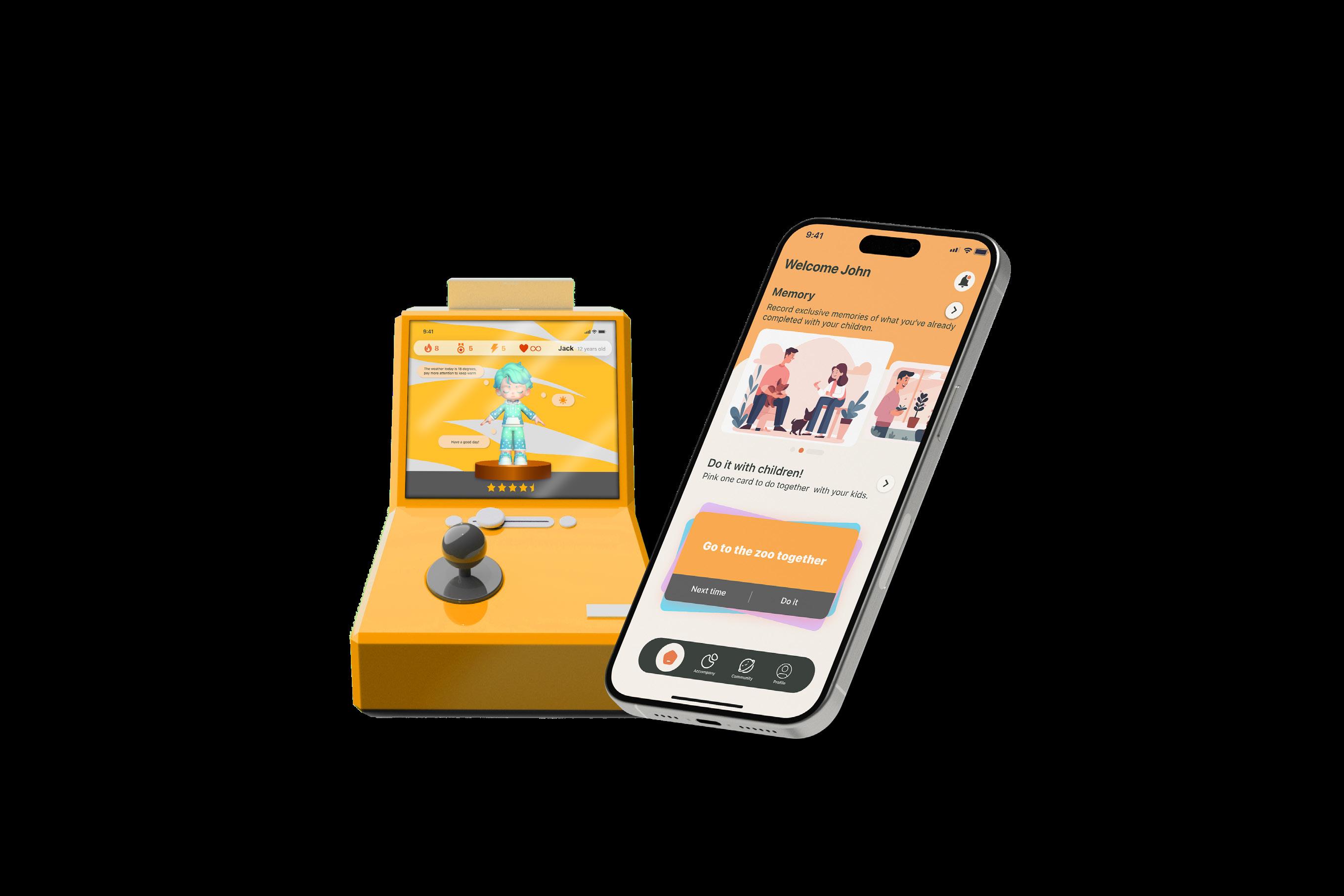
LoveBeacon is an app designed for migrant worker parents and their left-behind children (aged 8-15) in rural China. It connects with a child-end product to enhance remote interaction and emotional bonds. The app incorporates game-based features to engage children, making communication more interactive and enjoyable. By reducing barriers through playful interaction, LoveBeacon fosters

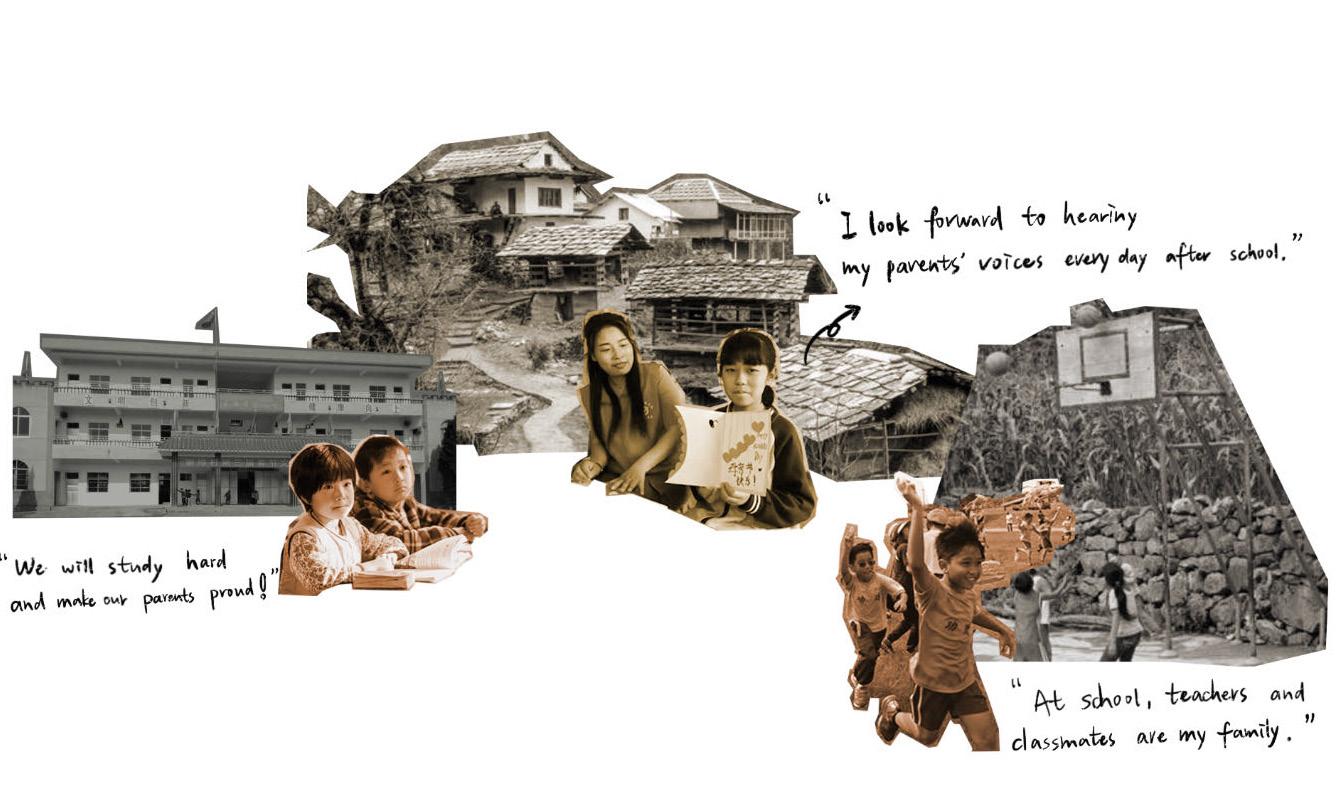
Left-behind children in rural China, especially in provinces like Sichuan, Guangxi, and Hunan (69.5% of the total), face significant challenges despite a recent decline in numbers. Often cared for by grandparents with limited education, these children lack psychological and educational support, leading to poor academic performance, low self-confidence, loneliness, and difficulty in interpersonal relationships. With infrequent or no parental contact for extended periods, their basic rights and personal development are at risk, demanding urgent social attention and solutions.
Based on the above background information, believe that parental companionship is crucial for the growth of left-behind children in rural China. Due to the objective reasons of parents' work, they are often absent for long periods, leading to insufficient care and concern for their children. This results in a lack of emotional support and family education, which in turn affects the children's academic performance and mental health, and even more. Therefore, I want to design a product that can enhance remote communication and interaction between parents and their children in such families, so that left-behind children can have a healthier childhood and a more complete and confident personality.
According to the 2020 Facts and Figures on the Status of China's Child Population, in 2020, boys made up 54.08% and girls 45.92% of rural left-behind children in China. Economically developed provinces like Sichuan, Guangxi, and Hunan account for 69.5% of these children. Despite recent declines, many are still cared for by grandparents with limited education, focusing mainly on material needs while neglecting psychological and educational support. These children often face poor academic performance, loneliness, low self-confidence, and infrequent parental contact, with some going a year without seeing their parents. Their rights and development are hindered, requiring urgent social attention and solutions.
A survey in Sichuan shows that many migrant worker parents fail to provide enough care for their children, leaving grandparents to handle only daily needs and safety. Lacking education, some parents struggle to support their children effectively. Experts suggest parents improve family education awareness, communicate with caregivers, and spend more time with their children during vacations. Using the internet for regular emotional interaction, such as sharing books and activities, can improve left-behind children's well-being and emotional connections.
Non-left-behind students are mostly day students (80.8%), with only 18.4% boarding. In contrast, 67.5% of students left behind by both parents are day students, while over 30% are boarders. Many left-behind children rarely meet their parents—40% see them nine times a year, while 12-13% go a year without seeing either parent. Additionally, 5.5% have no contact with their mother for a year.
In contrast to some parents who do not care much about their children, a survey shows 89.7% of left-behind children wish for their migrant worker parents to be healthy and safe, and 64.3% aim to improve academic performance for future university admission. Other wishes include making many friends (35.8%), parents settling in urban areas (19.5%), more care from teachers (19.3%), parents earning more and returning home earlier (18.9%), more pocket money (1.7%), escaping study troubles to move to big cities (1.4%), and other wishes (0.2%).
This highlights a lack of communication between left-behind children and their parents, who often use ineffective education methods. Most of these children are young, and many are boarding students. aim to design a portable product for school use that attracts children's interest and provides a simple, engaging way for busy parents to interact with their children.
interviewed three parents from left-behind children families, who have different backgrounds and experiences. The interviews mainly covered their basic situations, current issues, and the improvements they hope to see.


Jack - 42 years old Living apart from child for 8 years
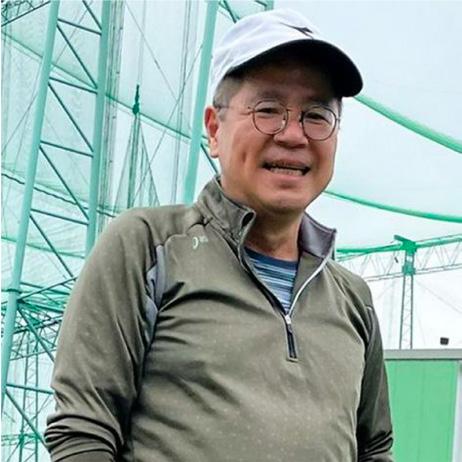
Our child is cared for by grandparents, who help with daily life but lack educational support. We rely on the school for help, like tutoring classes. Being apart for years has created distance—she rarely shares with me, and talks about her studies schedule and her academic pressure, we communicate very little.
Lucy - 40 years old Living apart from child for 6 years
Our child feels lonely, affecting their self-confidence and mental health. We comfort them through calls, express our love, and encourage school and community activities to make friends. During holidays, we take trips to create happy memories, helping them open up and reducing conflicts.

Age: 35
Occupation: Factory Worker
Education: High School
Graduate
Location: Shenzhen
Additionally, interviewed the children of these three parents, asking them about some memorable events and their views on being left-behind children, as well as the improvements they hope to see for the current issues.

Additionally, I interviewed the children of these three parents, asking them about some memorable events and their views on being left-behind children, as well as the improvements they hope to see for
Age: 12
Grade: First Year of Middle School
Location: Ziyang, Sichuan
Guardians: Grandparents
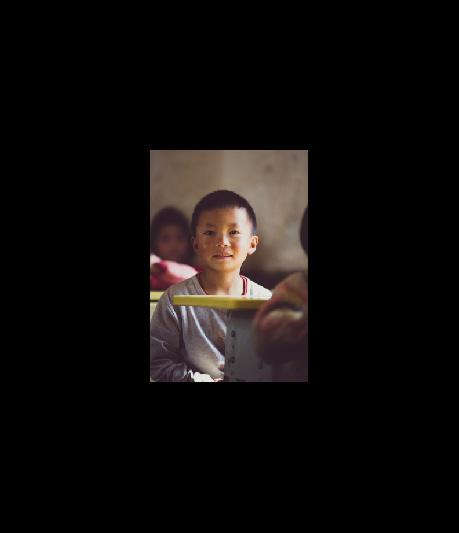
Due to the absence of his parents, he feels lonely and lacks emotional security. He is quite independent, but sometimes feels confused and helpless in his studies and daily life. He longs for his parents' companionship and attention, hoping for more love and support, especially needing more guidance and help with his studies and daily activities.
feel different from classmates because their parents are with them. miss my parents, but understand they work away for me.
Sarah 10 years old
feel lonely seeing kids with their parents. My parents call but are busy and mostly talk about my studies, which gets boring.

Linda 14 years old

My parents visit twice a year. Last time, felt excited but nervous, like they were strangers. hope they can call or visit more often.
Age: 40
Occupation: Construction Worker
Education: High School Graduate
Location: Shanghai
Filled with a sense of responsibility for his family and child, he feels guilty and powerless due to being away for a long time. He often worries about his daughter's growth and well-being. He hopes to be present for his daughter even from a distance. He longs to improve the family's living conditions through his efforts and create more opportunities for his daughter's future.

Age: 10
Grade: Fourth Grade in Primary School
Location: Zigong, Sichuan Guardians: Grandparents
She is relatively introverted and sometimes feels inferior because her parents are not around. She is unwilling to talk about her family situation in front of her classmates. Therefore, she hopes her parents can spend more time with her, bridge the gap between them, and reduce the generation gap. She wishes to travel with her parents during holidays.
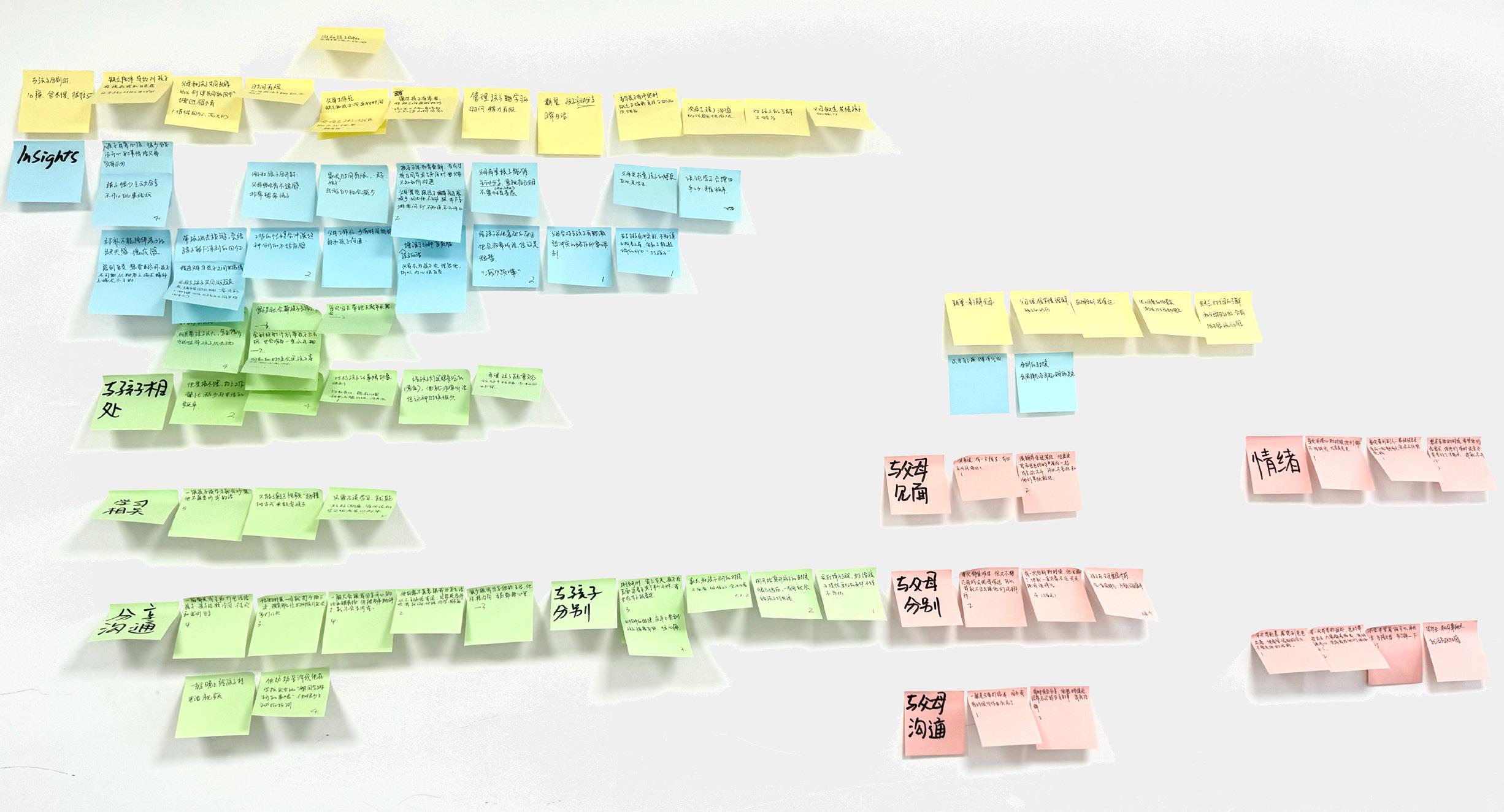
Parents earning money? Companionship? Educating parents on how to communicate effectively with their children?
Based on the above analysis, found that most left-behind children’s families face problems due to long-term separation, which leads to a distant parent-child relationship. As a result, children are unwilling to actively communicate with their parents, further exacerbating the sense of unfamiliarity between them.
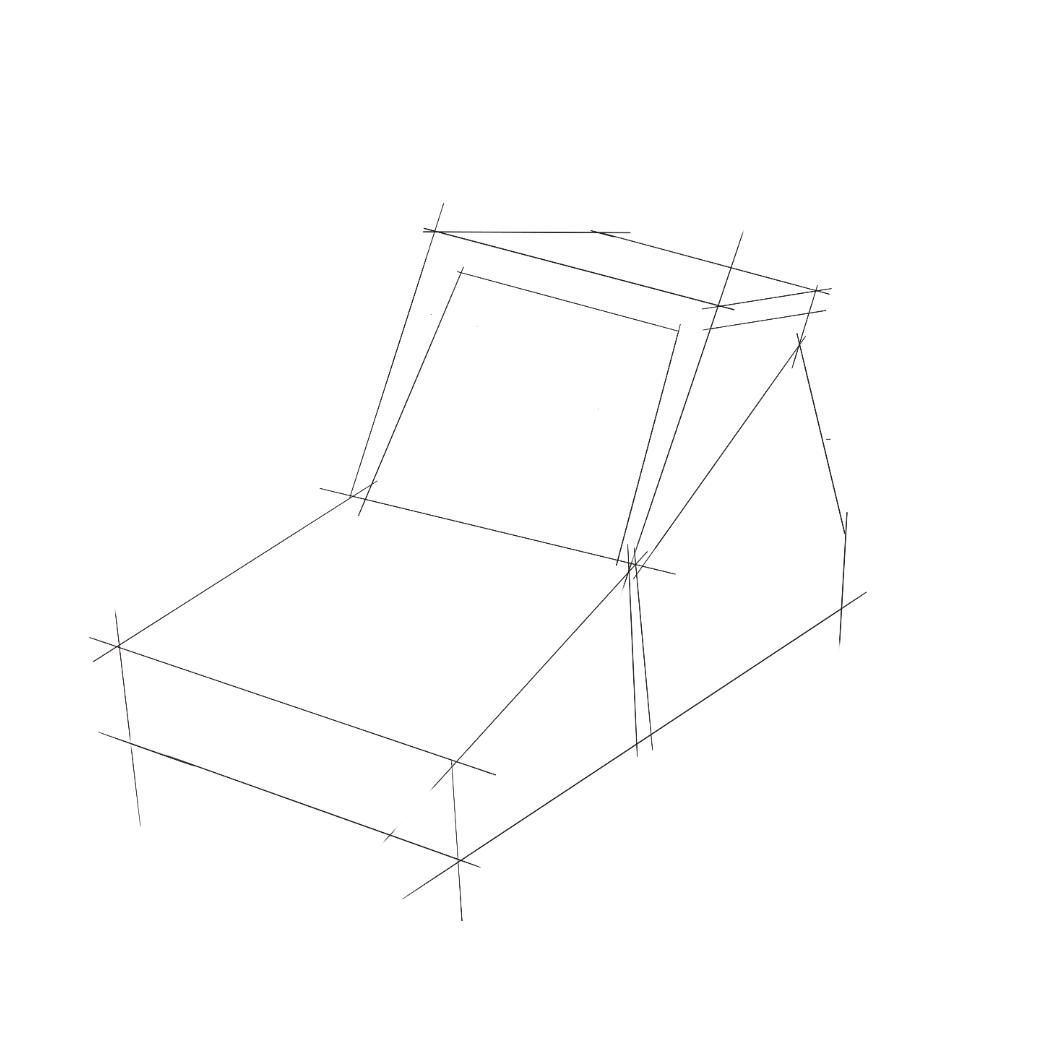
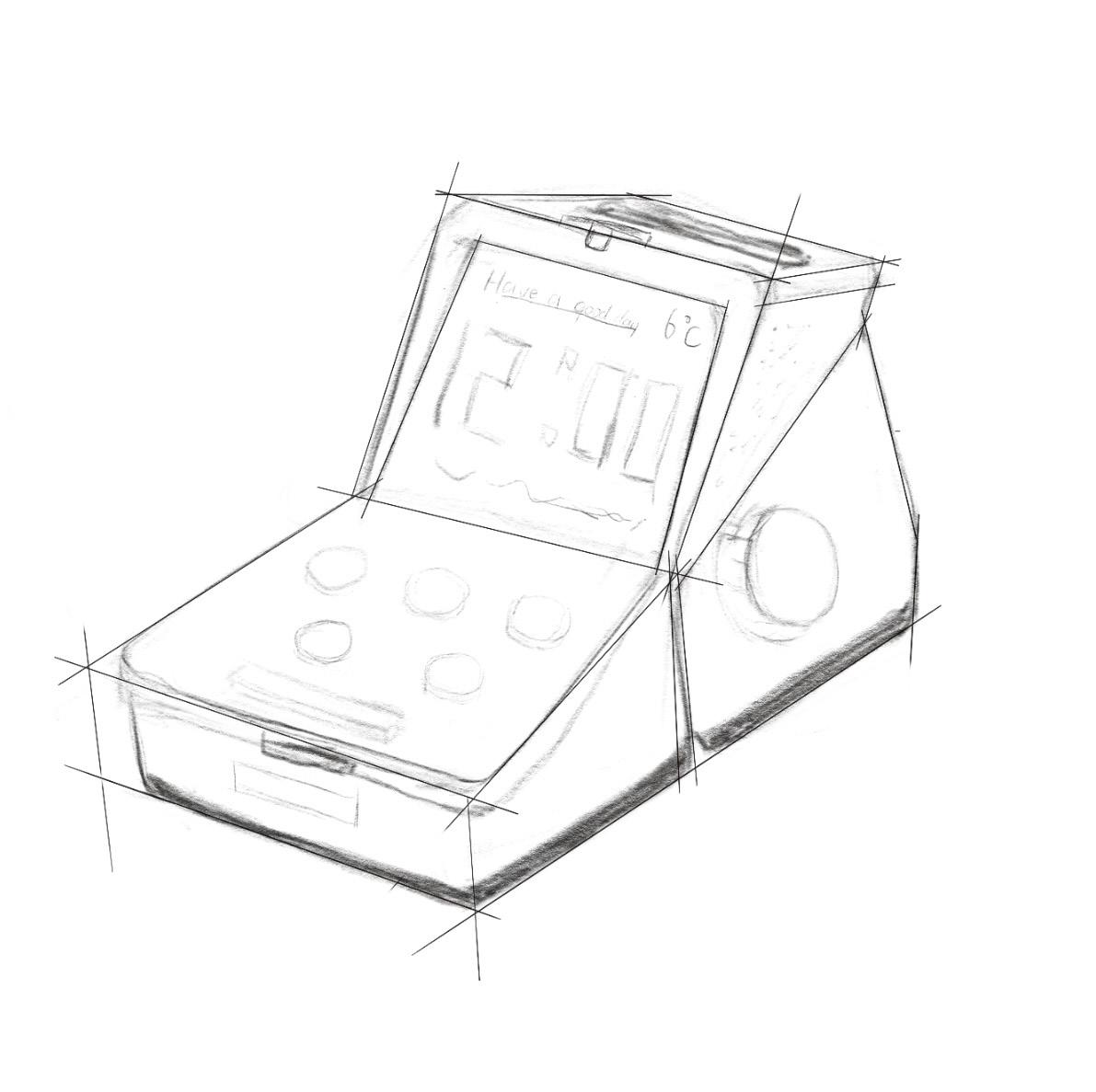
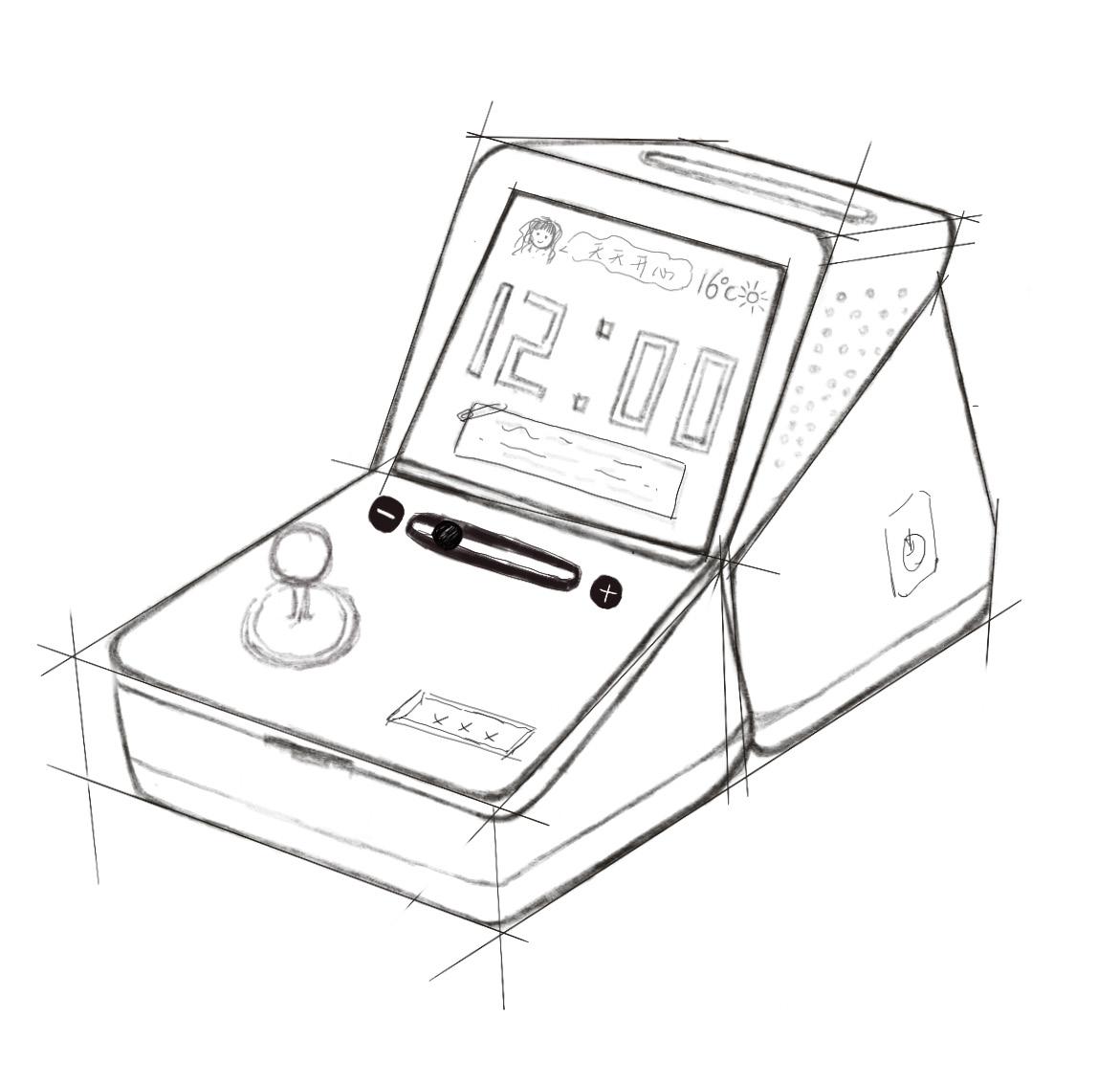
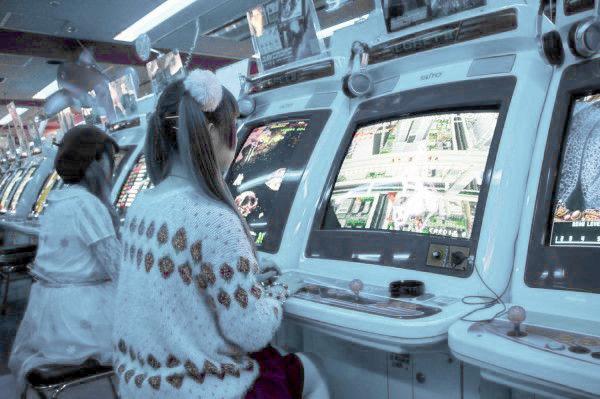
The inspiration for this product comes from arcade games, as teenagers are at an age where they love to play. It not only inherits the fun of traditional arcade games but also includes features for interaction with parents. This way, children are more willing and proactive in communicating with their parents, thereby enhancing their relationship.


The logo uses speech bubbles to resemble a communication app, making the software resemble a chatting and communication app. The bold circle symbolizing the child, highlighting the app's focus on caring for left-behind children.
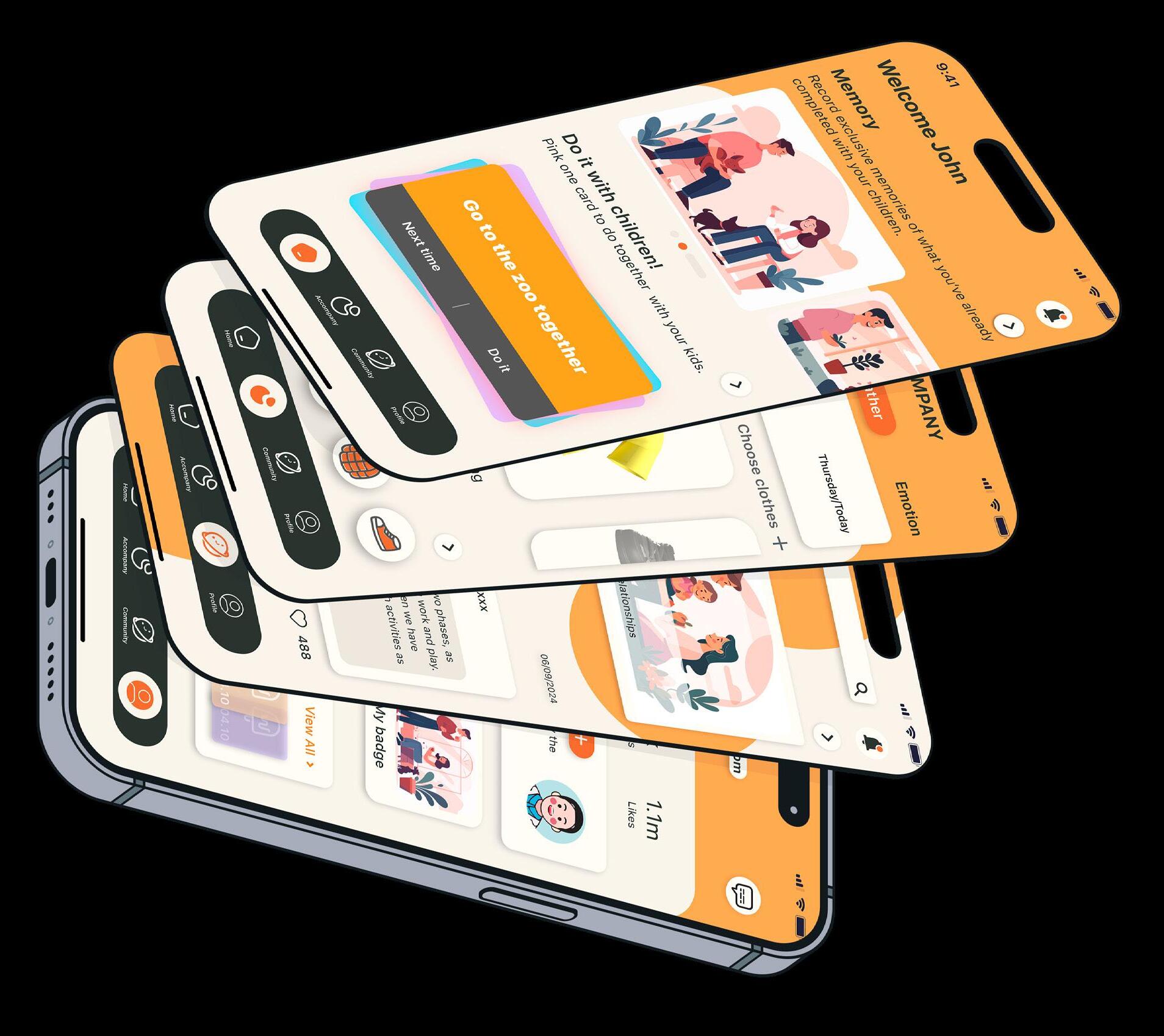
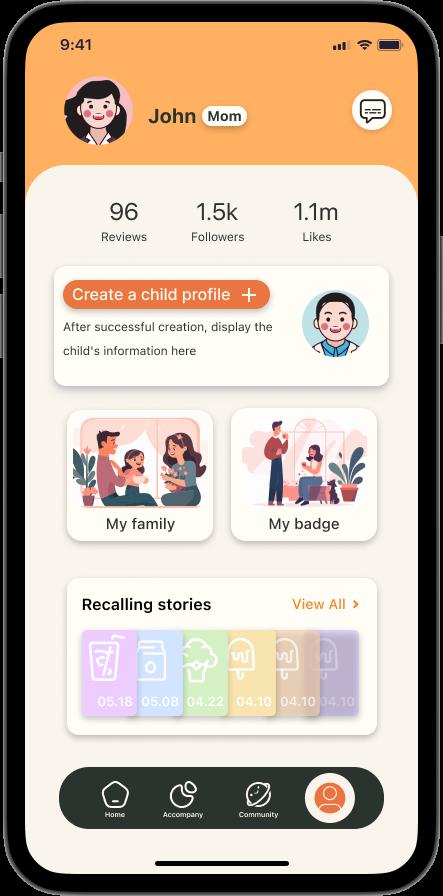
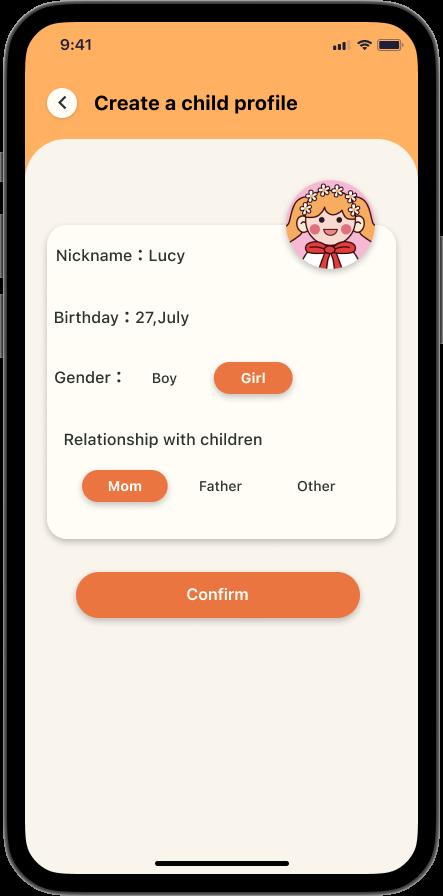
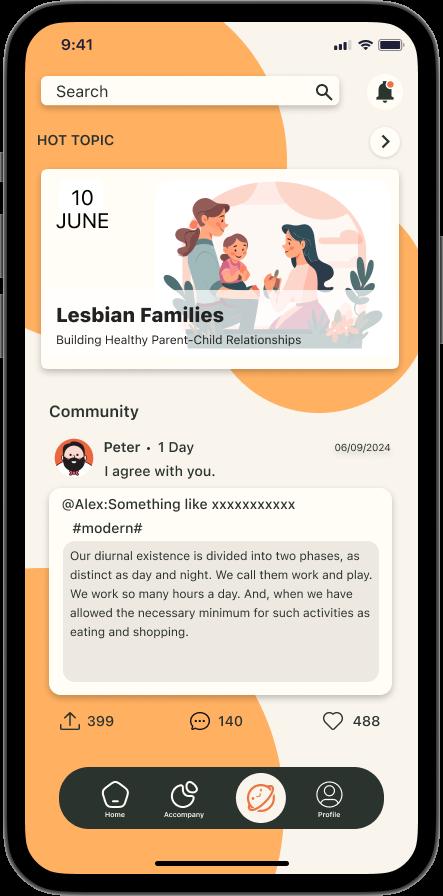
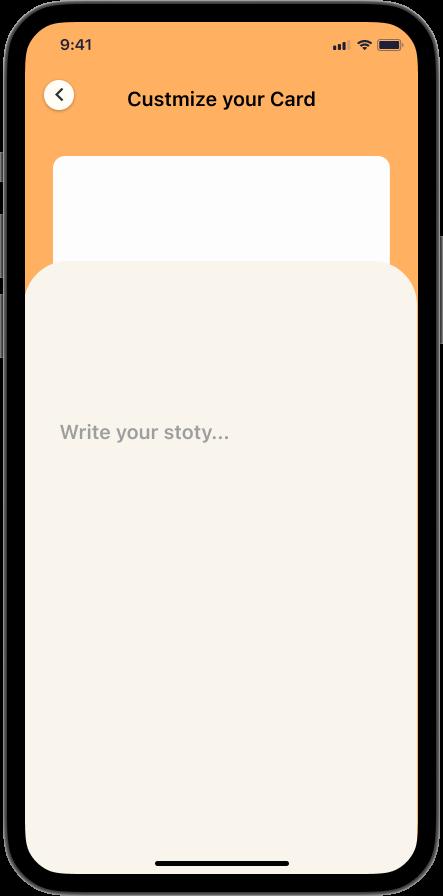
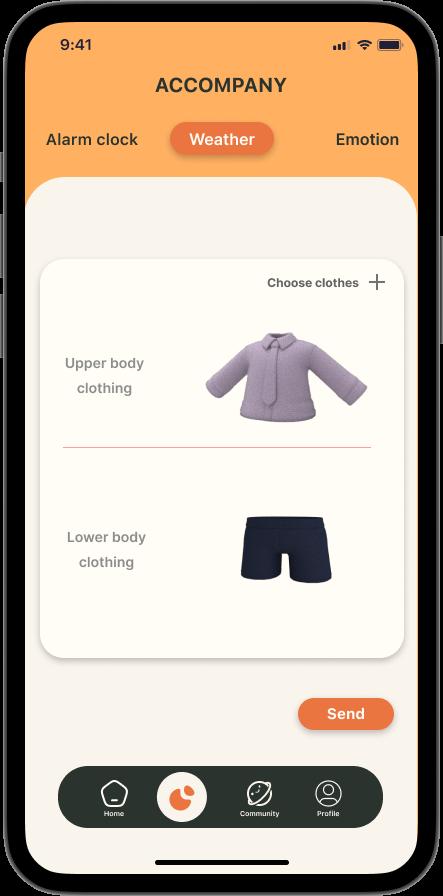
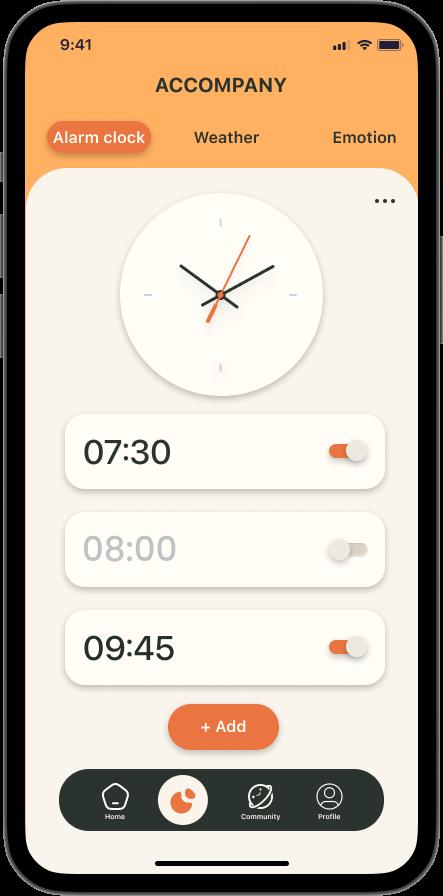
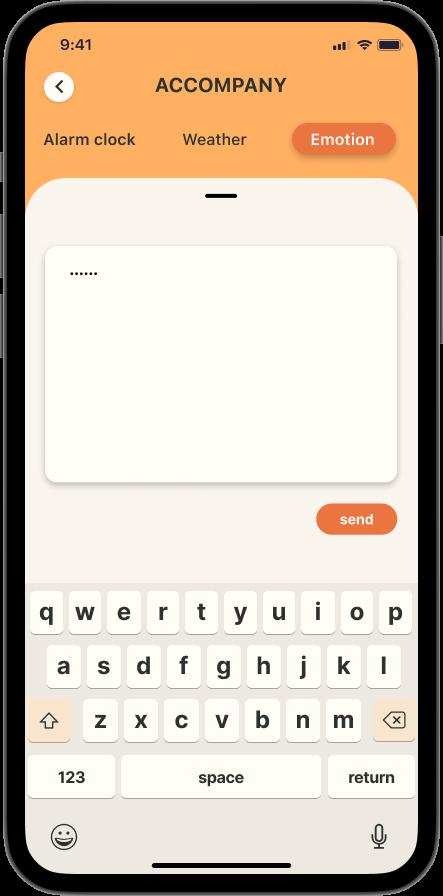
LoveBeacon is an app for parents working away from home. It features Memoirs, Badge Usage, Let's Do Together, and a Message Board. Users can create memoirs, complete interactive tasks, and earn badges. The Message Board shows messages from children, the community, and the system. Additional features include a life alarm clock, weather updates, emotional feedback, discussion topics, educational resources, and community exchanges. Users can manage profiles and showcase achievements through 'My Badges.'
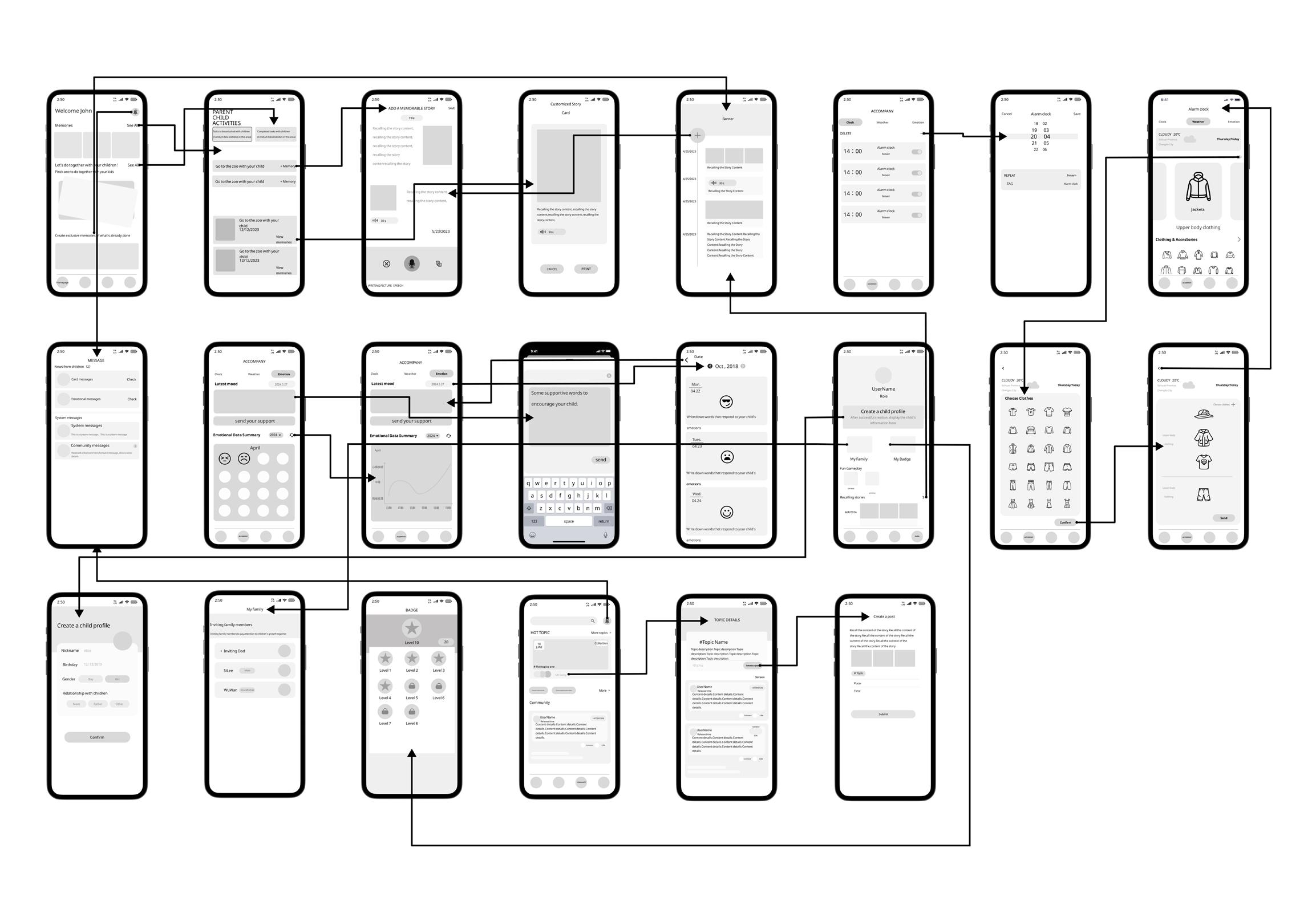
This app creates a multidimensional interactive platform for separated parents and children through tasks, emotional support, and need visualization. It not only eases separation anxiety but also helps parents better understand their children's needs and build closer parent-child relationships.
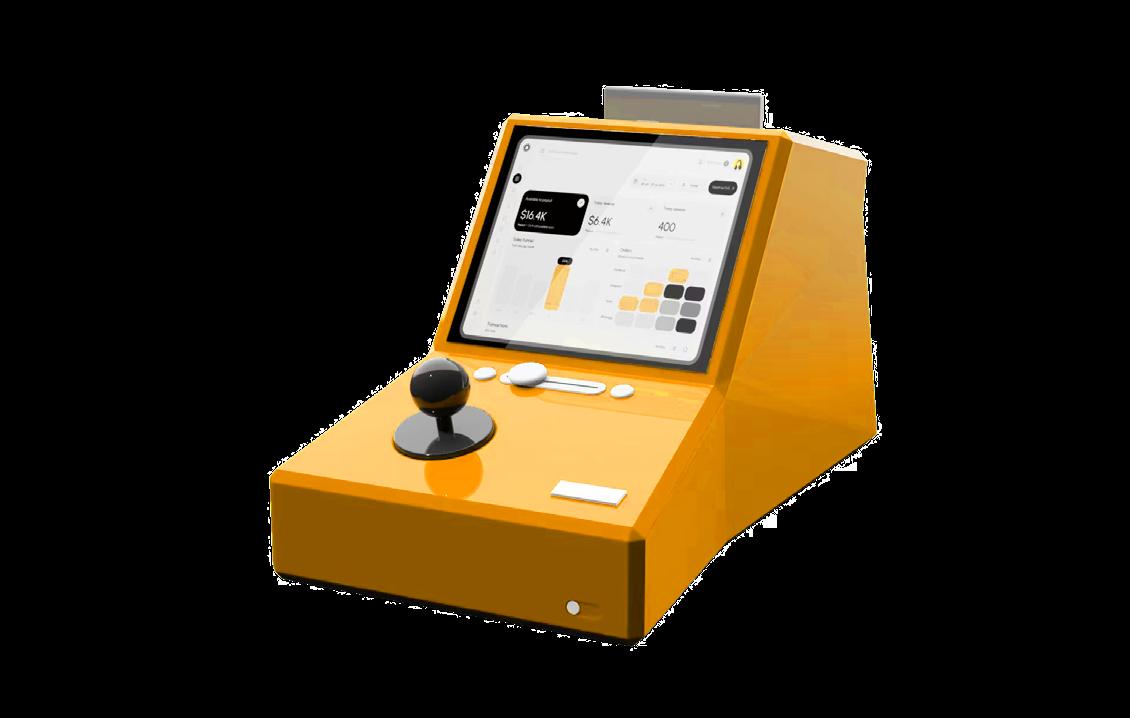
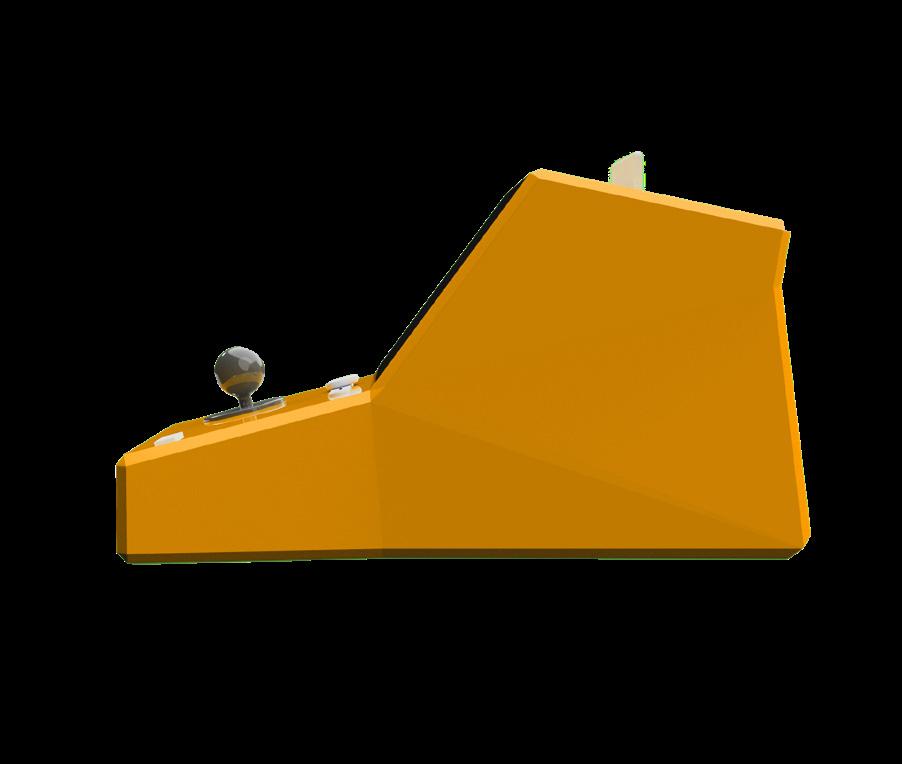
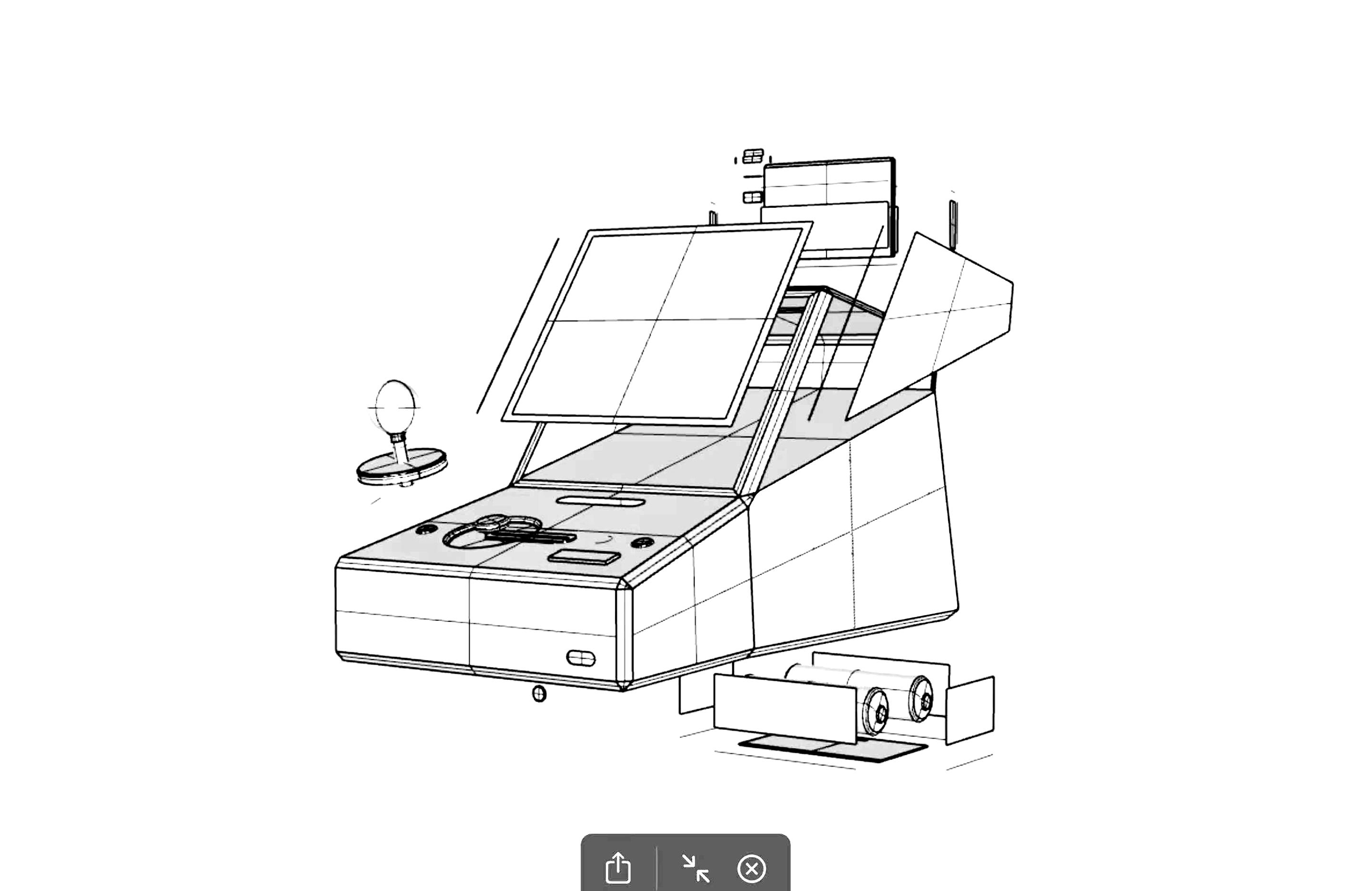
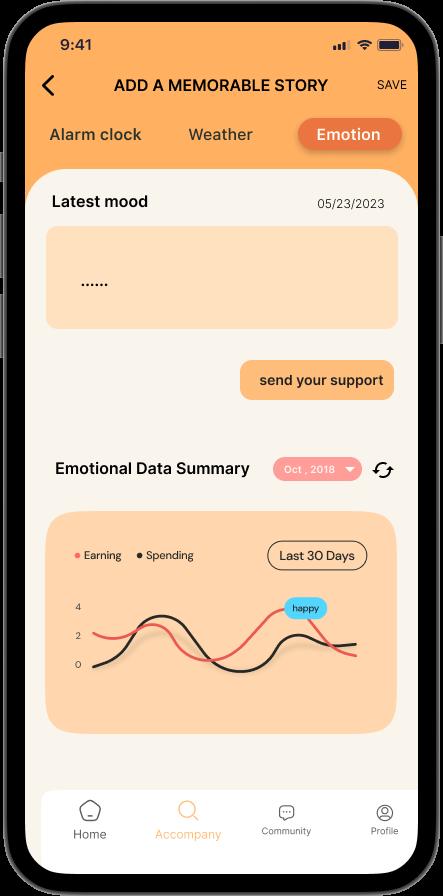

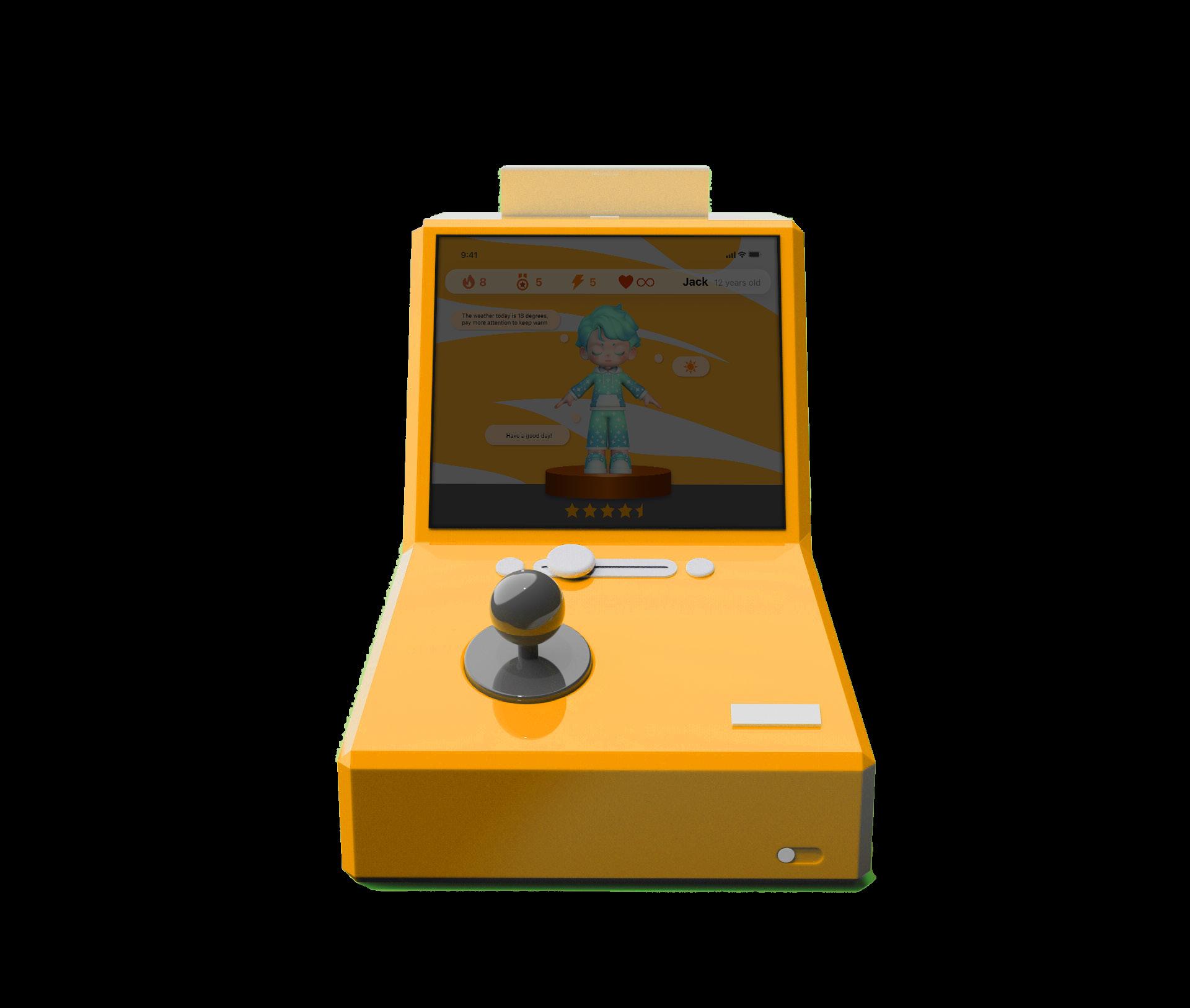
This app is designed to provide emotional support and communication tools for parents and children separated by work or other reasons. It helps them express emotions, understand each other, and build more interactions and memories to face the emotional challenges of separation together. Through gamified interactive designs, the app creates fun opportunities for parent-child interaction while seamlessly integrating emotional exchange into daily life, fostering deeper connections through shared moments and growth. The addition of gamification elements enhances the experience with excitement and incentives, making every interaction filled with anticipation and surprises!