Soybeans DRAFT
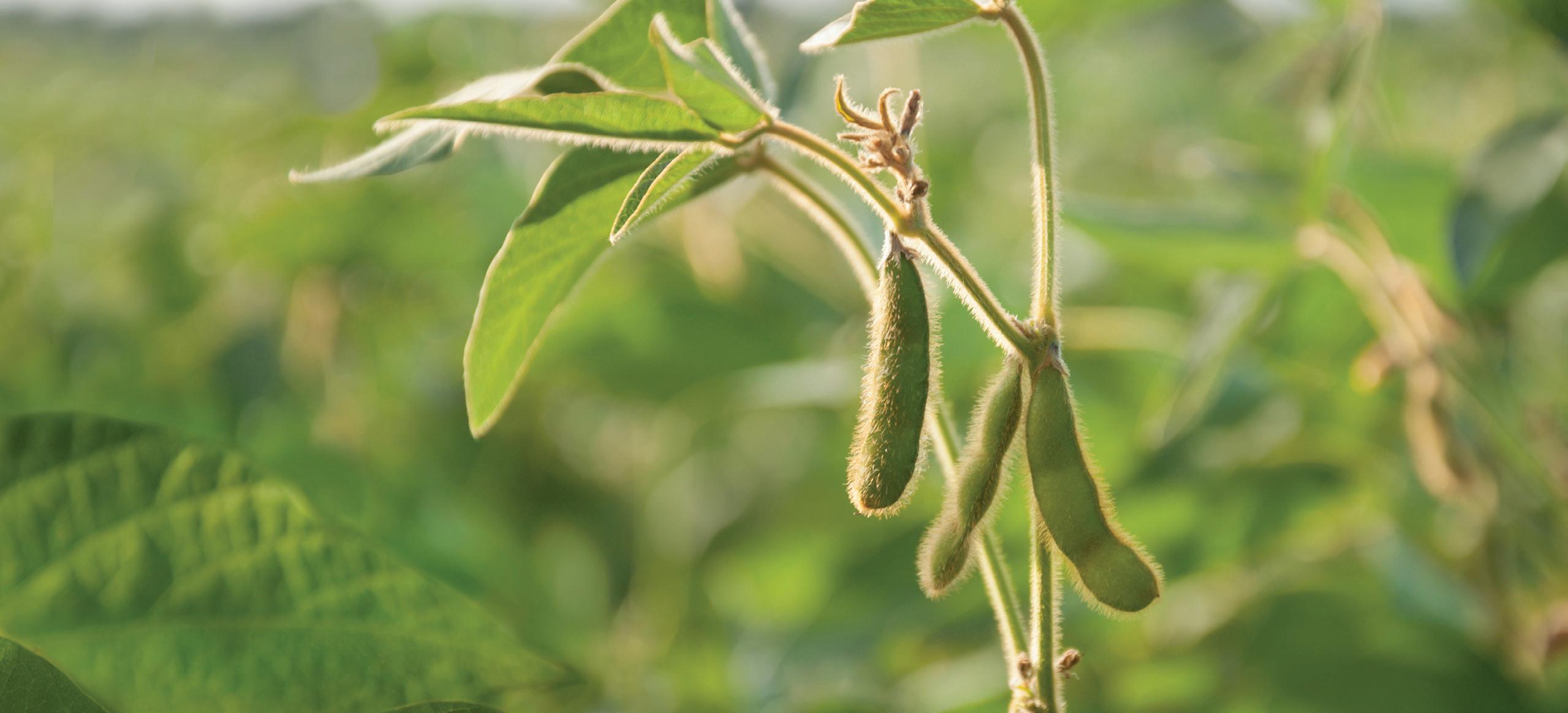
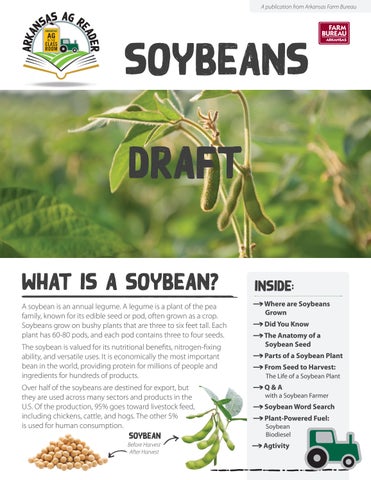
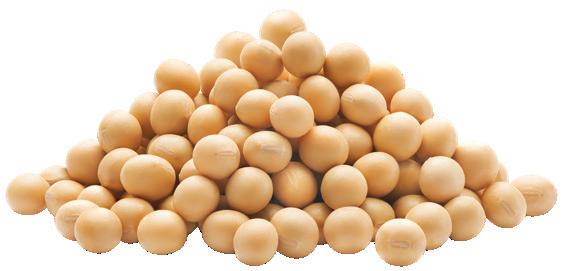
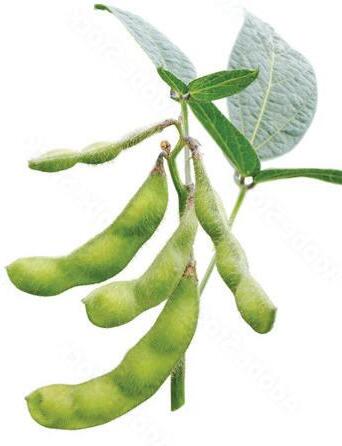
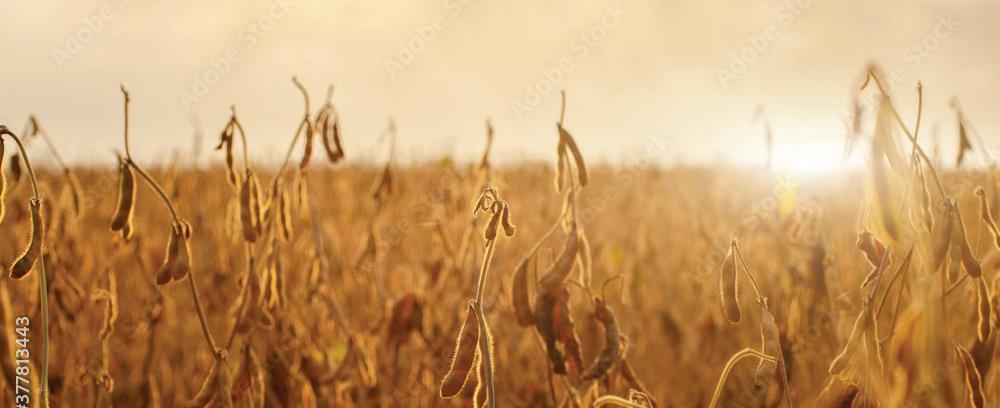
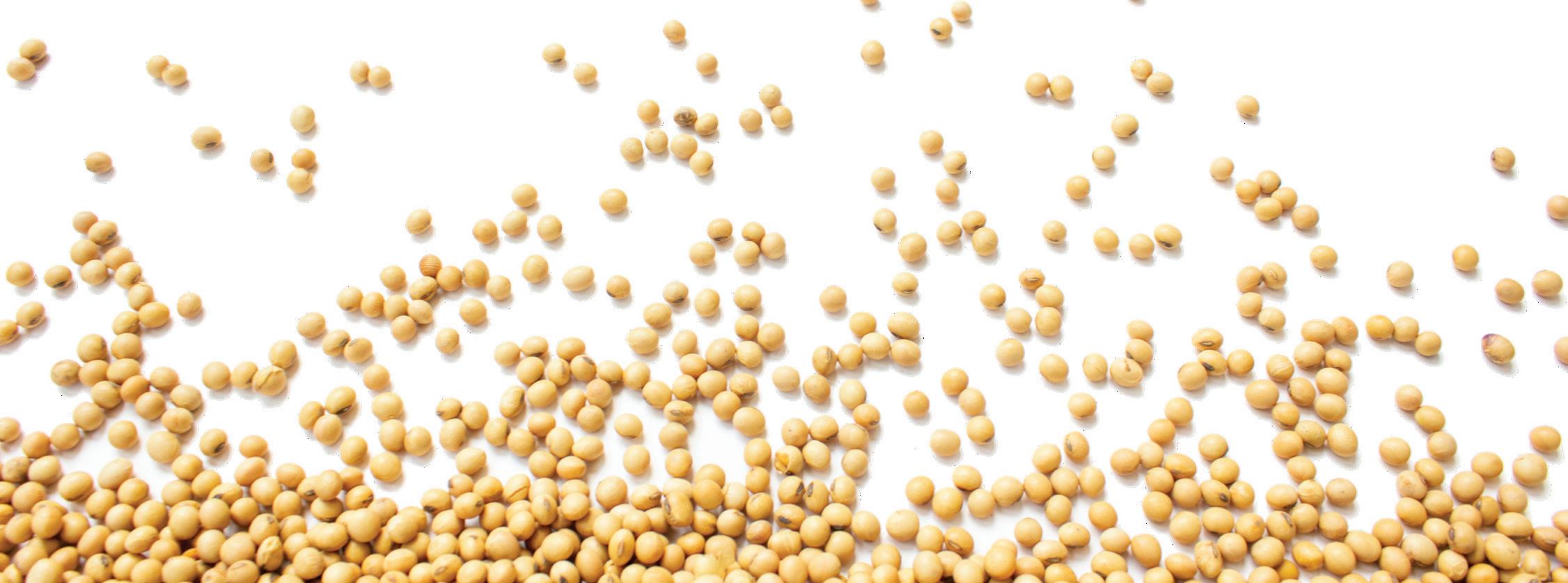
A soybean is an annual legume. A legume is a plant of the pea family, known for its edible seed or pod, often grown as a crop. Soybeans grow on bushy plants that are three to six feet tall. Each plant has 60-80 pods, and each pod contains three to four seeds.
The soybean is valued for its nutritional benefits, nitrogen-fixing ability, and versatile uses. It is economically the most important bean in the world, providing protein for millions of people and ingredients for hundreds of products.
Over half of the soybeans are destined for export, but they are used across many sectors and products in the U.S. Of the production, 95% goes toward livestock feed, including chickens, cattle, and hogs. The other 5% is used for human consumption.
Soybeans can grow throughout the state, but they are most common in the Delta region along the Mississippi River, where loam soil is found. Soybeans can grow in just about any soil, but they prefer this type. This sandy, claylike mixture holds water well and gives its roots plenty of room to grow.






250,000+ acres
200,000 - 250,000 acres
150,000 - 200,000 acres
100,000 - 150,000 acres
50,000 - 100,000 acres
25,000 - 50,000 acres
Less than 25,000 acres
3,140 farms that produce soybeans. on average 3,020,000 acres of soybeans planted each year.
one hundred sixty million bushels of soybeans produced in 2024. an average crop yield of 55 bushels per acre a #10 ranking in the U.S. for soybean production a soybean crop value of more than $1.6 Million
Identify the parts of the plant
WORD BANK:
Roots Stem
Leaves Seed Pod
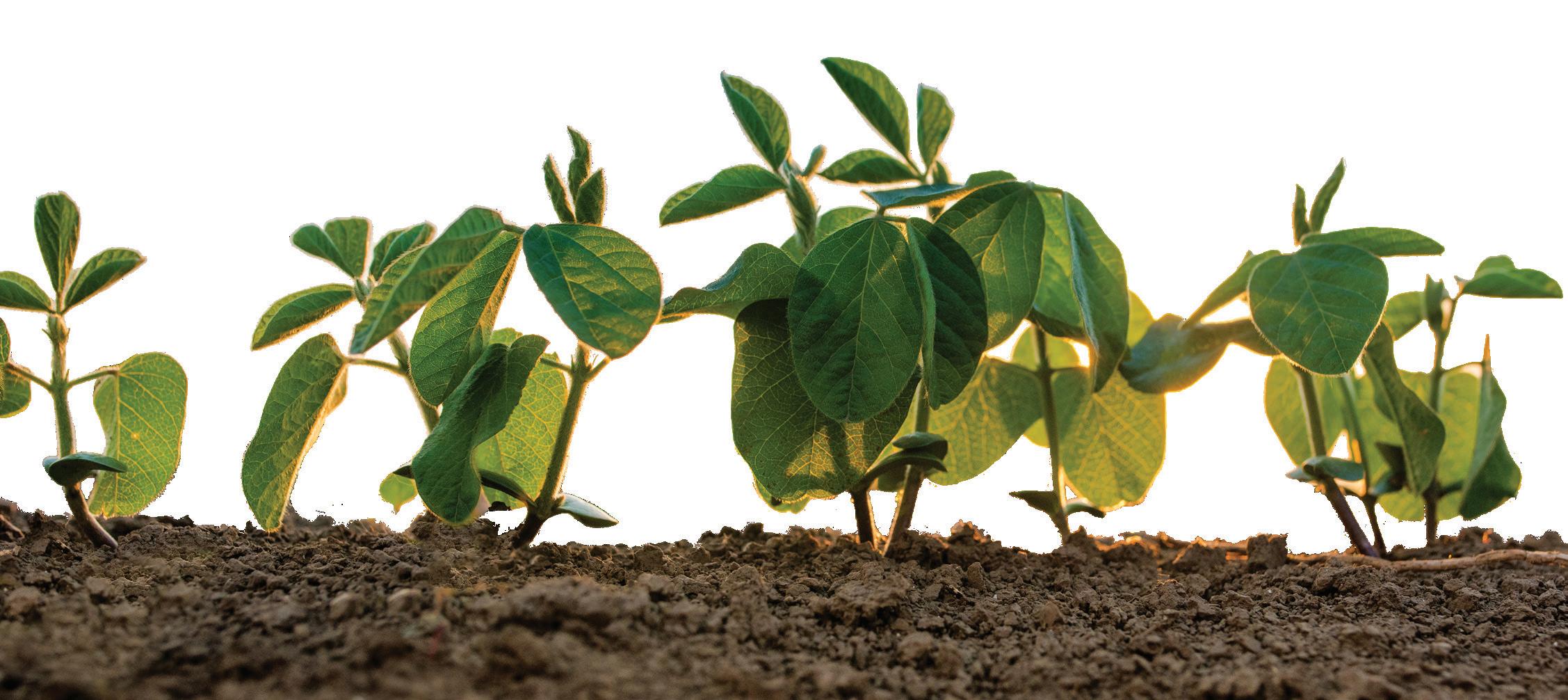
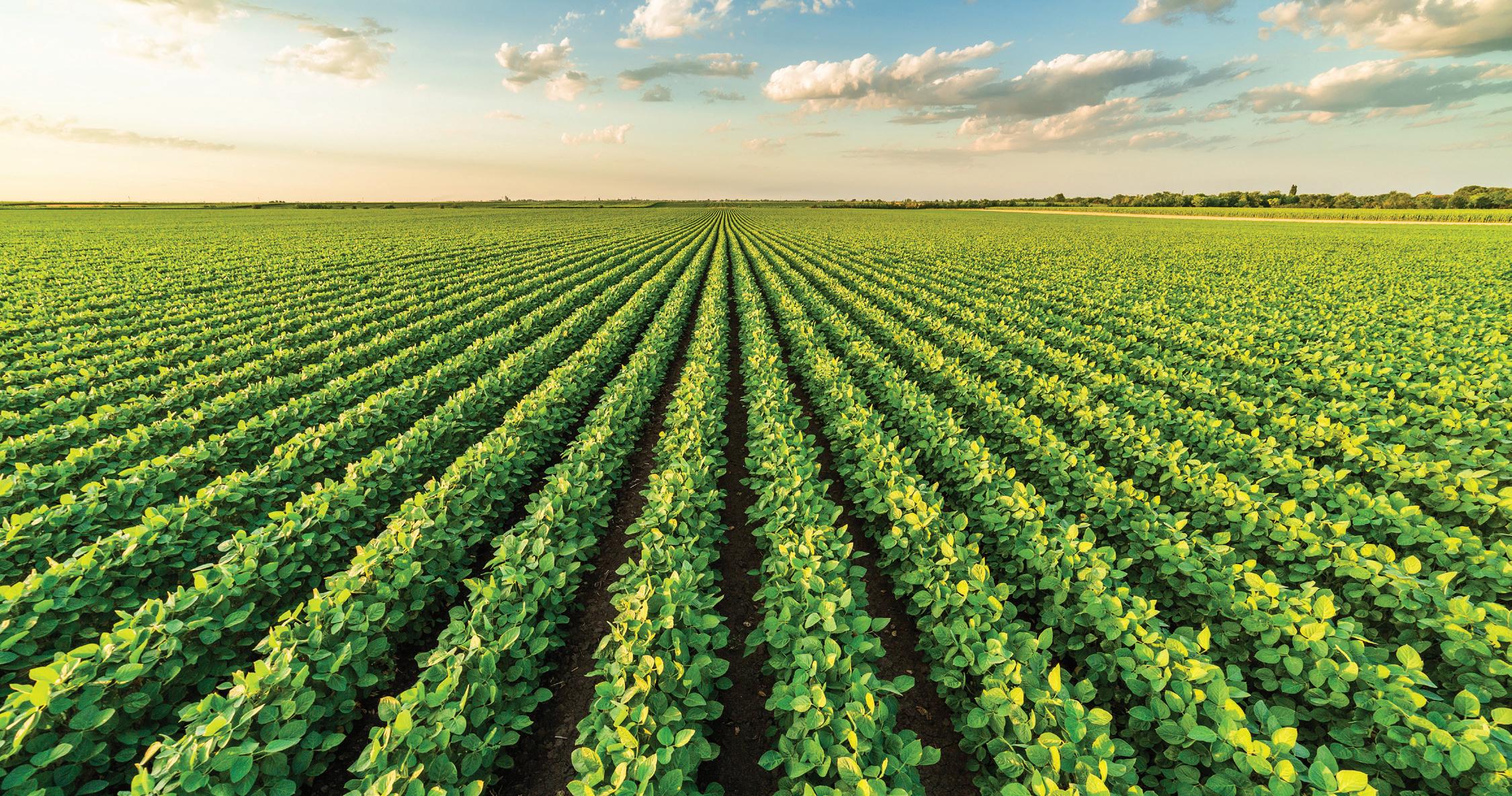
Soybean varieties can grow up to 6.5 feet tall! Typically planted in spring and harvested in late summer or fall, the state has shifted toward earlier planting in March, utilizing specific maturities to optimize yield.
Can you identify the part of the seed?
These are found in sets of three and are called a trifoliate.
WORD BANK:
Cotyledon Embryo
Seed Coat Hilum
This structure holds the seeds or fruit. Each one typically holds 3-4 seeds.
This provides support for the plant by absorbing and transporting water and nutrients to the plant from the roots. These extend from the stem into the ground to absorb water and nutrients from the soil.
1
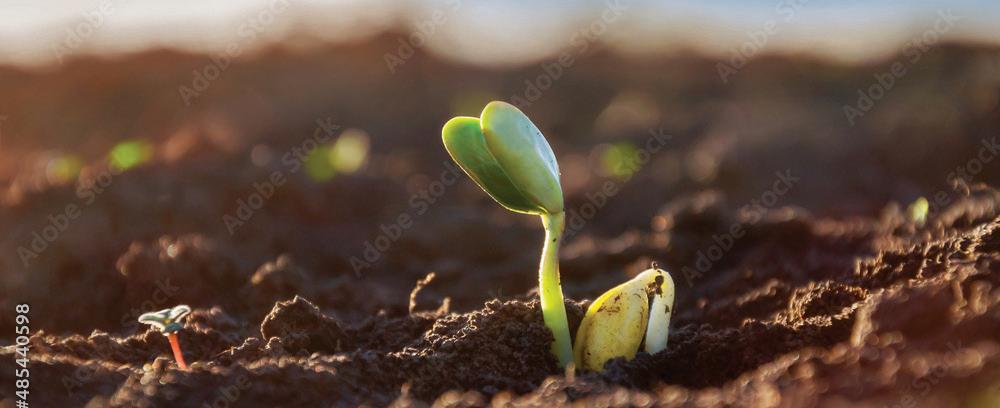
Germination begins when the seed coat softens enough for the primary root, called the radicle, to emerge from the seed into the soil. This can take 5 to 15 days after planting.
2
3
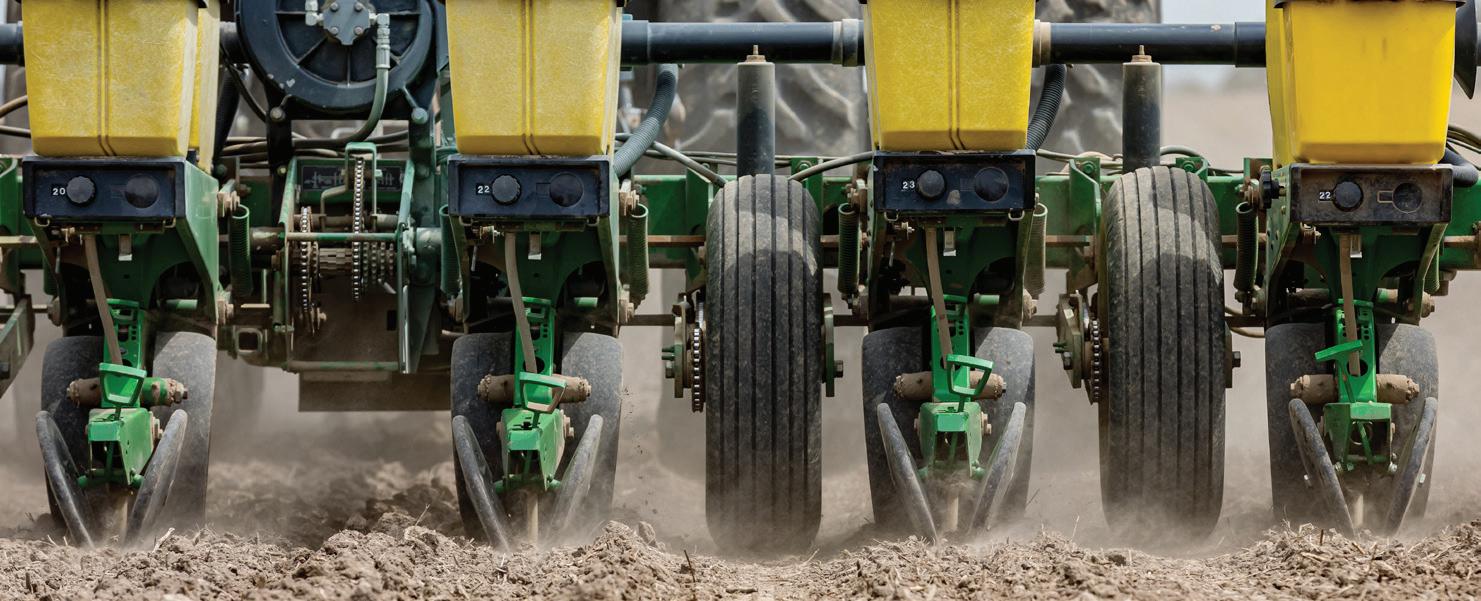
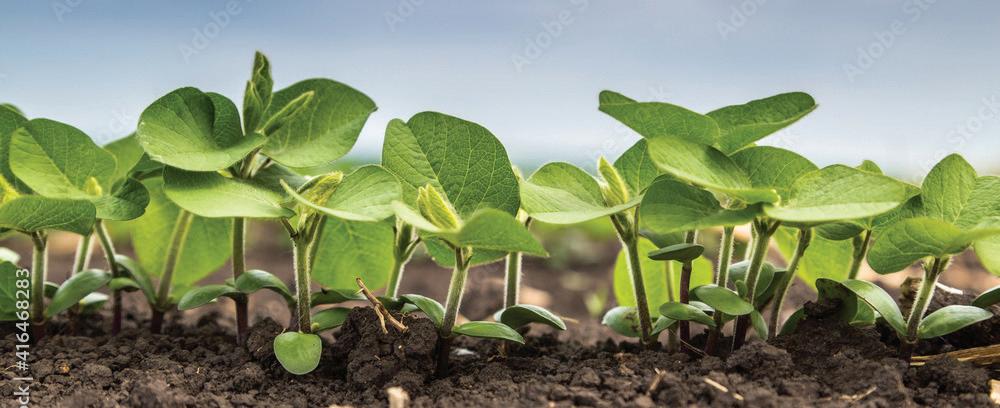
Emergence occurs when the cotyledon is pulled up through the soil like a hook. Once out of the soil, the stem straightens, and the first true leaves, or cotyledons, emerge at the top of the stem. Vegetation consists of leaves that develop along the stem. Leaves occur in sets of three and attach to nodes on the stem.
Reproduction involves flowers blooming and pollination taking place. Fertilization occurs, and seed pods begin to develop.
4
Maturity is reached when all the pods are filled with fully developed seeds. The plant turns brown and dies and is now ready for harvest!
Q
Q
Q
Tell us about yourself. How you started farming. My name is Josh Cureton. My wife Melissa and I have three kids, and I’m a 6th generation Arkansas soybean farmer. I grew up farming soybeans and rice with my dad and grandpa. I started driving equipment when I was young, and even though farming is hard work, I enjoy being outside and doing something different every day.
When do you plant and harvest soybeans?
Do you irrigate?
In Arkansas, soybeans are planted from April through June, depending on the weather. Most summers are dry, so we irrigate using poly pipe or levees to move water across the fields. We harvest rice first, then soybeans, usually in October. With good weather, harvest goes quickly and can wrap up by Halloween.
What machines do you use?

We use tractors and plows in the spring, then a large sprayer with a 90 foot boom to control weeds and pests. A pump system brings water from the river to irrigate beans. At harvest, combines gather the soybeans and unload them into grain buggies and then trucks headed to the mill.
What’s your favorite part of being a soybean farmer?
I enjoy watering the beans and watching them turn green with new growth. I also like running the sprayer. But harvest is my favorite — seeing the grain come in after a year of hard work. It’s the busiest time of year, and all of our crew works together to get the crop in.
What are soybeans used for that kids might know about?
Most soybeans are made into soymeal for animal feed and soy oil for foods like French fries, brownies, and cereal. Soy oil is also used to make things like truck fuel, candles, crayons, and even road materials.

Biodiesel is a clean fuel made from things we already use at home and on farms — like used cooking oil, soybean oil, and even animal fats. It’s easy to use, safe for the environment, and breaks down naturally. It’s also not poisonous and doesn’t have the smelly chemicals that regular diesel has.
Biodiesel is used to power trucks, tractors, and even your school bus! It also powers trains, boats and airplanes. Biodiesel can also heat your home!
Biodiesel is commonly described as “carbon neutral.”
One acre of soybeans produces about 57 gallons of biodiesel.
Now you know how soybeans grow, why not grow your own?
Materials Needed:
• Jewelry-sized resealable bags
• Cotton balls
Directions:
• Hole punch
• Spray bottle of water
• Soybean seeds
• Yarn
1. With your finger, press a little indent into the cotton ball.
2. Spray the indent with water three times.
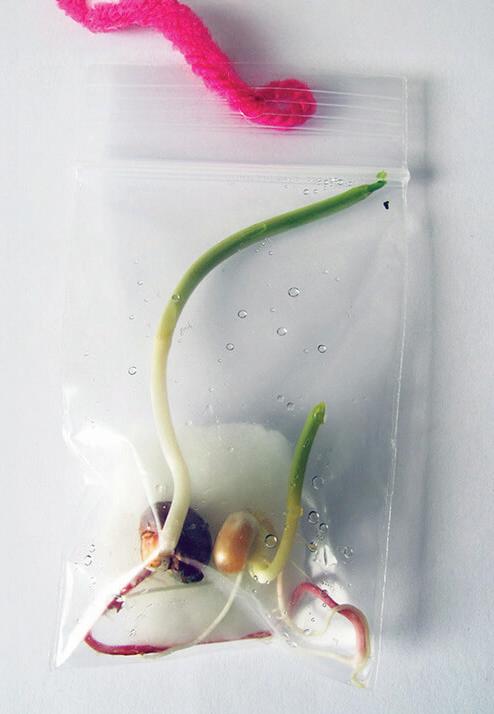
3. Place the seed in the indent. Do not scrunch up the cotton ball.
4. Put the cotton ball inside the plastic bag.
5. Hole punch the corner of the bag and thread the string through.
6. Tie the ends of the string together to make a necklace.
7. Put the necklace on and tuck it under your shirt. Wear it all day. Watch it sprout!

Texas A&M University, Farm Africa, USDA and the University of Florida IFAS Extension
Ag Reader is an agricultural magazine for kids produced by Arkansas Farm Bureau.