What Makes the Best Flipping Pitching Reel for Heavy Cover and Close-Range Accuracy?
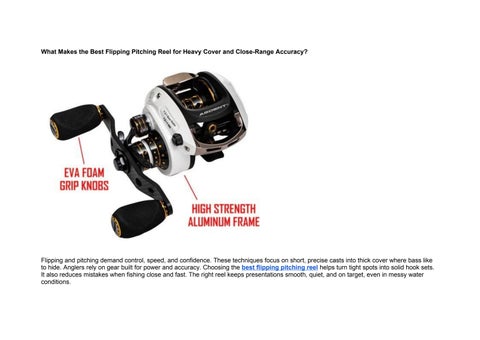
Flipping and pitching demand control, speed, and confidence. These techniques focus on short, precise casts into thick cover where bass like to hide. Anglers rely on gear built for power and accuracy. Choosing the best flipping pitching reel helps turn tight spots into solid hook sets. It also reduces mistakes when fishing close and fast. The right reel keeps presentations smooth, quiet, and on target, even in messy water conditions.
Heavy cover leaves little room for error. Gear must work clean, every time. A solid reel choice plays a big role in success.
Understanding Flipping and Pitching Basics
Flipping and pitching are close-range techniques. Both aim to place a bait gently into cover. Flipping uses a controlled swing of the lure. Pitching involves a short underhand cast.
Accuracy matters more than distance here. Fish spook easily in shallow water. A reel must release line smoothly and stop fast. Any delay leads to backlashes or missed spots. Heavy vegetation, docks, and laydowns add pressure. Gear must handle sudden strikes and hard pulls.
Why Reel Design Matters in Heavy Cover?
Heavy cover fishing puts stress on every reel part. Frames must stay rigid. Flex leads to lost power during hook sets. A strong frame also keeps gears aligned.
Spool design plays a role, too. Shallow, lightweight spools start and stop faster. This helps control short casts. It also lowers fatigue during long sessions. Side plates should fit tightly. Gaps invite dirt and moisture. Over time, grime affects performance.
Gear Ratio and Line Pickup Speed
Fast line pickup helps control the fish right after the strike. High gear ratios allow quick hook sets and fast recovery. For flipping and pitching, a gear ratio between 7.1:1 and 8.1:1 works well. Speed helps pull fish away from cover fast.
Control still matters. Smooth gears prevent jerky retrieves. The balance between speed and smoothness keeps the reel usable all day.
Drag Power and Smoothness
Drag systems matter more than people think. Heavy cover fishing demands a strong yet smooth drag. A sticky drag causes break-offs. A weak drag lets fish bury deeper. Carbon drag systems handle pressure well and stay consistent.
Smooth drag also protects the line. Braided line sees common use here, and smooth pressure keeps knots secure.
Frame Material and Durability
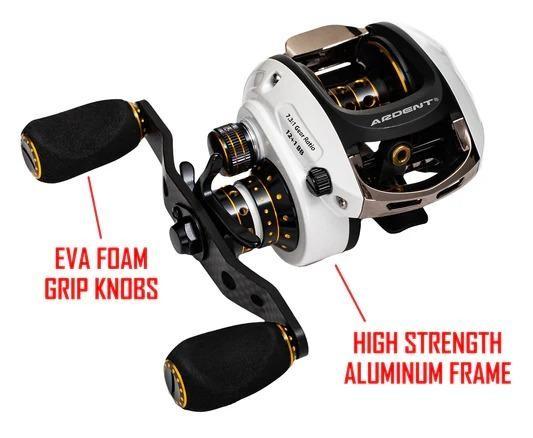
Aluminum frames offer strength and stability. They handle pressure better than graphite options. Durability matters during hook sets and fights. Reels take hits against boat rails and docks. Solid frames last longer and stay aligned. A reel used for flipping often sees rough use. Strong materials protect internal parts and extend lifespan.
Handle and Knob Control
Handle length adds leverage. Longer handles provide better torque during fights. Knobs should feel secure even with wet hands. Soft-touch materials help maintain grip. Control improves comfort and reduces fatigue.
Good handle design keeps hands relaxed. Fatigue leads to mistakes over time.
The Role of a White Fishing Reel
A white fishing reel offers more than looks. Light colors reflect heat better under direct sunlight. Cooler reels keep grease stable during hot days. White finishes also show dirt faster. This helps anglers spot grime early and clean gear before issues start.
Visibility helps during low-light conditions. Finding the reel and controls becomes easier at dawn or dusk. Some anglers also enjoy the clean look. Confidence matters on the water. Gear aesthetics play a small but real role.
Balancing Weight and Comfort
Lightweight reels reduce wrist strain. Long days of short casts add up fast. Balance with the rod matters too. A well-balanced setup improves accuracy and control.
Compact designs feel natural in the hand. Smaller frames fit better for palm control during pitching motions. Comfort keeps focus sharp. Sharp focus leads to better placement and quicker reactions.
Choosing the Best Flipping Pitching Reel for Your Style
No two anglers fish the same way. Some prefer speed. Others value control more. The best flipping pitching reel suits the angler’s rhythm and strength. Testing balance and feel helps narrow choices.
Durability should rank high on the list. Smooth operation matters more than extra features. Anglers seeking style and function may explore a white reel option for added visibility and heat control.
Final Thoughts
Flipping and pitching push gear to its limits. Heavy cover leaves no margin for weak equipment. The right reel supports clean casts, fast hook sets, and strong control.
Choosing the best flipping pitching reel involves more than brand names. Build quality, smooth drag, and comfort all matter. Smart gear choices lead to better focus and more landed fish. In close combat fishing, details decide the outcome.
Website : https://ardentoutdoors.com/collections/spinning-reels
Email : company@ardentoutdoors.com
Address : 420 Lake Street, Macon, Missouri 63552, USA
Phone no : 660-395-9200
Pin code : 63552