
Ardent for Life Spring 2026

Page 1


Ardent content

b e TT er Choi C es Cindy Della Monica

Fer M en T e D Garli C an D h oney

Bioidentical Hormone Replacement Therapy

No doubt you’ve heard a lot about Bio-identical Hormone Replacement Therapy lately. What is it all about? How does it work? Who needs it? Is it something you could benefit from?

Bio-identical Hormone Replacement Therapy, also known as BHRT, is exactly what it sounds like. Your declining hormones are replaced with hormones that are structurally identical to the hormones produced by your own body. Why is this important? Hormones that are not structurally identical to your own (for example, Premarin, which comes from horse urine) do not act the same on your body, may contain hormones that your body does not make and has no receptors for these hormones, so you waste energy by giving incomplete messages to cells which then fail to produce a balanced hormonal response. Also, your body cannot effectively metabolize these foreign hormones, which may have long term unknown, potentially, negative effects on your body.

MYTH: Our hormones levels are declining because we are growing older.

FACT: We are growing older because your hormones are declining.

The goal in BHRT is to turn back the hormonal clock to around age 35, or around 20 years younger than your chronological age. Anti-aging medicine is a personalized, metabolic medicine. We now have the science to individually customize your care and we can look at the cause of the problems, instead of just treating symptoms. If you are basically healthy, we can look at how your body breaks down things to help you be healthier and stay healthy. All the patients in my practice have a totally different treatment regime, there are no protocols. It is a very personalized approach.

So is Bio-identical Hormone Replacement Therapy right for you?

Do you find yourself wondering……?

Why am I so tired?

Why am I gaining weight?

Why do I have mood swings?

Why do I have a low sex drive?

Why am I not able to sleep well?

Why am I having memory lapses?

Why do I have frequent urination and/or incontinence?

Why do I have migraine headaches?

If you answered yes to any of the above questions, bio-identical hormone therapy may be just what would benefit you.

How does the process work?

After obtaining lab testing of saliva, blood or urine, you meet for a consultation with Dr. Dayle A. Imperato, an American Anti-Aging Academy trained physician for evaluation of your unique bio-identical hormonal needs. You are prescribed the specific hormones that your body needs! We use a quality compounding pharmacy and carry a high pharmaceutical grade of supplements for your use.

Your hormones are a symphony of interactions. All of your hormones are designed to work together and if one is altered, or deficient, it will affect the actions of all of the other hormones in your body. It is an interactive balance and as unique to an individual as a fingerprint. One size does not fit all. Treating even “mild” hormonal deficiencies can dramatically improve quality of life. Longevity medicine is aimed at the early detection, prevention, treatment, and reversal of age related decline.

We are not prisoners of our genetic destiny. Chronic inflammation is the cause and the effect of most illnesses and the diseases of aging. Balanced hormone optimization and a balanced life style decreases chronic inflammation. Hormone optimization is the finishing touch of an anti-aging lifestyle of good nutrition, exercise, stress reduction, anti-oxidants and nutraceuticals.

Community Corner Q&A

tLauren Tate

What originally sparked your interest in the culinary program, and what drew you to cooking?

I knew in 9th grade that I wanted to be a chef, so when we went to the presentation and had an opportunity to sign up, I did. I joined the Academy to pursue that field.

Is there a dish or skill you’ve learned that you’re especially proud of?

I really enjoy making filet mignon. I've learned different ways to prepare it and what vegetables or sauces compliment it, it's a really good dish.

Ethan Nguyenu

What has been your favorite part of the culinary class so far?

Getting to practice new techniques and working with different products. This class has been a good way for me to get better at a hobby that I really enjoy.

Can you describe a moment when something finally “clicked” for you in the kitchen or classroom?

I knew so much about the field going into this, but the classes have helped me understand why the order of things might be important in preparing different dishes. I have also come to understand and respect the value of mise en place in cooking. I have a better understanding now of why that is important when you're in a kitchen.

Students at the Cosumnes Oaks Culinary Arts Academy. Find the story on page 32.

What made you want to teach culinary arts?

Community Corner Q&A

Find the story on page 32.

I had a pretty extensive career in the industry before I started teaching high school. When this opportunity came up I felt it was a good way to give a little back to the hospitality industry that I love. It's also a rewarding way to foster a love of cooking in young people so that they continue in the field.

What’s a common misconception students have about culinary careers?

Gordon Ramsey. Many students think that they will be yelled at in the kitchen, or shamed for not knowing how to do something. They think that kind of behavior is common in kitchens, and that has not been my experience. I try to help them see that chefs and cooks are always growing and learning, trying to get better and improve their skills and techniques.

What originally drew you to the culinary world, and what is your background in the food industry?

I grew up cooking in the kitchen with my grandma, it was always a place of acceptance and creativity and love. I went to culinary school after a few years of college and found that pastry and baking was really where I felt like I fit. After several years in the industry I found this position teaching and it was a natural fit for me.

Can you recall a moment when you really saw a student “click” with the craft, and what do you think made that happen?

I don't think there is any one moment that fits this. The nature of this class is that we guide them and teach them as much as we can, but eventually the training wheels come off and students need to stand on their own. This can happen in little ways in an everyday classroom, when a student mise en places their recipe without being reminded, or starts asking the deeper questions about a recipe or ingredient that really shows us they are getting it. It can also happen at events, when something goes wrong in a catering or we've run out of something at an event, and you see a student step up and solve it. No prompting, no guidance, just the confidence that they can handle it themselves.

Contributor’s Corner

Justin Azevedo

Justin has been a Youth Services Librarian for Sacramento Public Library since 2010, and is currently the Youth Materials Selector for the system.

Allie Crump

Event Manager at McConnell Estates

David Hipskind

Owner of The Red Door Antiques, Vintage, and More. Located in Historic Old Town Elk Grove.

Dr. Dayle A. Imperato

A Board Certified physician, she has served the Sacramento community for the past 20 years. Owner of Rejuvenation Wellness & Aesthetic Medicine in Old Town, Elk Grove.

Nan Mahon

Nan is an author and journalist. She is a member of the City of Elk Grove Committee for the Arts and received the Elk Grove 2011 Mayor’s Award for Volunteerism in the Arts.

Cindy Della Monica

Cheesemonger and Owner of Cheese Central in Lodi, Ca.

Carole Morris

Instructional Specialist, Author and Adjunct Professor. She is married to an outstanding, brilliant man and the mother of two grown aweinspiring children, and grammie to three flawless grandchildren.

Anna Osborn

Anna lives in Elk Grove with her husband and school aged twins. She owns Life Unscripted Counseling in Midtown Sacramento.

P.J. Oswald

Owner of Fits & Stops Photography

Elizabeth Pinkerton

Teacher and Administrator for 40 years, she is now a historian and author.

Justin Pinnell

Justin is not just another pretty face in Real Estate. He enjoys long walks on the beach and high mountain sunsets.

Louis Silveira

Newsletter Editor, Webmaster, and Archivist at the Elk Grove Historical Society

Dianna Singh

Owner of Elk Grove Vitamins for the past eight years.

Zachary Wackman

General Manager at McConnell Estates Winery

Kayla Webb

Marketing Manager at McConnell Estates Winery

Brendle Wells

Is a librarian and lifelong reader who has a passion for sharing books with pretty much anyone she meets. She currently works as the Adult Materials Selector for the Sacramento Public Library and asks, “What have you read lately?”

For full bios of our contributors, please visit www.ardentforlife.net.

creative director sara pinnell sara@mrsandmrpublishing.com

In the heart of California’s northern San Joaquin Valley, dedicated volunteers with the Big Valley Beekeepers Guild support honey bees, promote responsible beekeeping, and strengthen local agriculture through education and collaboration. Read their article on page 16, and turn to page 30 for a simple, versatile fermented garlic and honey recipe.

executive editor Carole Morris carole@mrsandmrpublishing.com

art & production info@mrsandmrpublishing.com

View ardent for life online at www.ardentforlife.net

business manager Justin pinnell justin@mrsandmrpublishing.com

sales sales@mrsandmrpublishing.com

Copyright © 2026 Mrs. and Mr. Publishing

Published by Mrs. and Mr. Publishing six times a year

Want to know about great events, open houses, and more? Like us on Facebook at facebook.com/ardentforlifeelkgrove

Ardent For Life is distributed in Elk Grove, Sacramento, Lodi, and every point in between.

Have a great story idea, or know someone that we should feature? Email us with your comments & suggestions at info@mrsandmrpublishing.com

Interested in increasing your business and partnering with Ardent For Life? Check out www.ardentforlife.com.

The information in this publication is for informational purposes only. Mrs. and Mr. Publishing Inc. (DBA Ardent for Life) assumes no liability or responsibility for any inaccurate or incomplete information, nor for any actions taken in reliance thereon. The information contained about each individual, event or organization is not necessarily the views of the magazine.

ArdENT for life

Checking In

Spring, glorious spring… I celebrate it because my plants are renewed–and doesn’t it feel like the world is waking up from a long slumber? Don’t you feel a little more optimistic? A sense that the year is beginning again, fresh, full of possibilities and flourishing.

executive editor Carole Morris

What I’ve learned

We have a great article on relationships by Anna Osborn. In a grounded and healthy relationship, you come together as two equal parts in your wholeness…1 + 1. Coming together equals two whole humans standing in their own uniqueness (and strength) to equal something much stronger than two.

You’ve heard the term “fair weather fan.” It generally refers to a person who supports a team only when they are doing well. The same could be said for people who only like to exercise when the weather is perfect. Scott Meier, MD, sports medicine physician at the Kaiser Permanente Promenade Medical Offices Elk Grove has some simple strategies to stay active, safe, and motivated when the weather isn’t perfect.

As always, we have some delightfully different recipes that will spark your creativity in the kitchen.

Big ValleyBeekeepers Guild

Building The Beekeeping Community, One Hive at a Time

In the heart of California’s northern San Joaquin Valley, a passionate group of volunteers is working together to support honey bees, grow their skills as beekeepers, educate the community, and strengthen local agriculture. The Big Valley Beekeepers Guild (BVBG) is a collaborative, volunteerbased organization dedicated to learning, sharing, and furthering responsible beekeeping.

Beekeepers of all experience levels - ranging from curious beginners to seasoned apiaristsgather from across the region, including Lodi, Stockton, Manteca, Tracy, Galt, Elk Grove, Valley Springs, and the surrounding foothills. What unites them is a shared respect for honey bees and a commitment to raising healthy colonies through education and teamwork.

A Focus on Healthy Bees and Responsible Practices

Big Valley Beekeepers Guild prides itself on promoting responsible beekeeping practices that support long-term hive health. A key focus is proactive management of the Varroa mite, one of the most significant threats to honey bee colonies. Members are encouraged to use Integrated Pest Management (IPM) strategies, including mite washes and appropriate treatments, as essential tools for maintaining strong, resilient hives alongside strong queen breeding.

To support hands-on learning, BVBG maintains an educational apiary, open monthly to members. These open hive days provide invaluable real-world experience, allowing beekeepers to observe, assist, and build confidence while working directly with live colonies.

Monthly Meetings and Educational Programs

The Guild hosts free monthly meetings on the second Thursday of each month, with doors opening at 6:00 p.m. and programs beginning at 6:30 p.m. The meetings take place in Lodi, and topics are announced on the Guild’s Facebook page. When technology allows, meetings are also live-streamed for members.

Each meeting features a different aspect of beekeeping, often led by respected guest speakers from across the country. Past presentations have covered a wide range of fascinating subjects, including:

• Bee stings and sting management

• The benefits of propolis to honey bee colonies

• Medicinal beekeeping

• Honey chemistry and biology

• Feeding strategies and disease prevention

• Swarm management and starting new colonies

Our Mission: The Big Valley Beekeepers Guild (BVBG) is a volunteer-based beekeeping organization dedicated to collaboratively educating and supporting local beekeepers, inspiring the next generation of beekeepers, and serving as a valued community resource. We are committed to promoting responsible beekeeping practices and helping maintain healthy honey bee colonies throughout the “Big Valley” and surrounding areas.

As Volunteers, We Serve

Our members, including new and future beekeepers with apiaries of all sizes

Backyard beekeepers, sideliner beekeepers, and small commercial operations

Youth involved in beekeeping through programs such as Grange, FFA, and 4-H

Ourselves, as active beekeepers who are continually increasing our skills and knowledge

Our community (within a 45-mile radius, including Lodi, Stockton, the northern San Joaquin Valley, Calaveras, the greater foothills, Galt, and the lower Sacramento Valley)

What We Do

Increase awareness of beekeeping as a hobby

Provide value by bringing knowledgeable resources and nationally recognized

Speakers have included nationally recognized experts such as Bob Binnie (Blueridge Honey Company), Randy and Eric Oliver (Golden West Apiaries), Dr. Marla Spivak (University of Minnesota), Hilary Kearney, David R. Tarpy (North Carolina State University), Emily Muller (Mueller Honey Bee), and many others.

Meetings alternate between in-person and Zoom formats throughout the year. Those interested can join the meeting reminder list by emailing bigvalleybeekeepers@gmail.com.

guest speakers to our local beekeeping community

Represent and promote the Guild and the hobby of beekeeping as “Big Valley Bee Ambassadors”

Partner with youth organizations such as AgVenture and Grange in support of future beekeepers

Serve as a community resource for swarm captures and new beekeepers

Build partnerships with area commercial beekeepers, the agricultural community, our County Agricultural Commissioner, the Sheriff’s Office Rural Task Force, and businesses that support the beekeeping industry

Facilitate learning opportunities, including an annual workshop, local beekeeping classes, and field days

How We Do It

Hold monthly educational meetings for

Classes, Workshops, Swarms, and Community Events

In addition to monthly meetings, Big Valley Beekeepers Guild offers a variety of classes and workshops throughout the year as a fundraiser. Popular offerings include “Bee Prepared! Is Beekeeping Your Next Hobby?” and “Beginning Beekeeping,” designed to help newcomers start their beekeeping journey with confidence.

The Guild also hosts engaging community events such as an annual Honey Tasting & Meet The Beekeepers event, a beekeeping equipment swap, hive field days, honey harvest celebrations, and an annual Christmas Social - bringing members together both inside and outside the apiary. Those who join as members can also participate in the Swarm Catchers Team, which links BVBG members with reported swarms in the area. These dedicated beekeepers catch

our 90+ members and the public on the second Thursday of every month

Develop opportunities for new beekeepers to find mentors and maintain an educational apiary for hands-on field days and learning with live bees

Utilize local resources, public relations, and social media to promote our monthly topics and meetings

Participate in countywide events such as the San Joaquin County AgVenture Days (Office of Education), the Lodi Grape Festival and Harvest Fair, and speaking engagements for local service clubs interested in beekeeping

Rescue swarming honey bees as a community service provided by BVBG volunteers at no charge; in 2024, our efforts resulted in more than 70 contacts and the capture of 30+ swarms

Operate under a five-member volunteer Board of Directors that meets quarterly and guides the direction of the Guild

the swarms before they move into buildings and structures - and rehome the bees as a community service.

Membership and Support Opportunities

Membership in BVBG is open to anyone interested in supporting local beekeeping. Annual memberships help fund meetings, educational programs, guest speakers, field days, and the upkeep of the Guild’s educational apiary. Members enjoy benefits such as:

• Participation in the swarm catchers list

• Discounts on classes and field days

• Access to bees through coordinated local vendors

• Monthly open hive days

• Member-only meetings and special events

• Honey tastings, socials, and field trips

The Guild offers three membership types. Full details are available at www.bigvalleybeekeepersguild.org/join.

Consignment Furniture Gallery

Stay Connected

BVBG also welcomes sponsors and donors. Sponsorship opportunities include supporting monthly meetings, Zoom fees, event locations, workshops, or gifting memberships to new beekeepers. Corporate and private sponsorships are gratefully acknowledged through social media and the Guild’s website.

The best way to follow along with Big Valley Beekeepers Guild is through their public informational Facebook page and Instagram, where the Guild shares updates, photos, and educational content. More details can be found at www.bigvalleybeekeepersguild.org.

Estate Liquidators

Whether you’re considering beekeeping as a hobby, already have your own colonies, or simply looking to support pollinators in your community, Big Valley Beekeepers Guild offers a welcoming place to learn, connect, and make a meaningful impact - one hive at a time.

For questions or more information, contact the volunteer BVBG Board at bigvalleybeekeepers@gmail.com.

New & Again Estate Sales provides professional, stress-free onsite estate liquidations, efficiently selling entire households, clearing properties completely, and delivering quick settlements—earning strong word-of-mouth through reliable service and top value for clients.

Dublin Coddle

This recipe is the perfect rainy-day meal that will warm your heart (because it is so Irish). Part of the name Coddle means to cook food in water below boiling (such as a coddled egg). Coddle is a traditional Dublin dish, made with sliced sausages, bacon, onions, and potatoes, slowly simmered in a savory broth until all the flavors blend into a comforting bowl of rich stew.

Ingredients

10 strips thick-cut bacon, (cut into 1-inch pieces)

6 large pork sausage links (sliced into 1-inch pieces)

2 tbsp butter

3 onions (coarsely chopped)

3 cloves garlic (minced)

1 ½ cups chopped green onion (for garnish)

1 C stout beer (dark)

1 ½ tbsp thyme leaves

1/4 cup chopped parsley

2 bay leaves freshly ground black pepper (to taste)

2 tsp salt, (or to taste)

½ tsp cayenne

3 pounds Yukon Gold potatoes, peeled and halved

4 C chicken broth

Directions

1. Cook bacon in a frying pan along with the pork sausage, turning occasionally, until evenly browned (about 10 minutes). Add butter, onions, and salt, and cook until onions are soft and translucent. Add garlic, and green onions, and cook stirring (about 5 minutes).

2. Pour in beer, raise heat to high, and cook, stirring occasionally, until beer has reduced. While beer is reducing, season with thyme, parsley, black pepper, salt, bay leaves and pinch cayenne. Once beer is reduced, add potatoes and put all ingredients in a crock pot or an oven safe pan with a lid.

3. If in a crock pot turn on medium heat and cover.

4. If in oven safe pan…Preheat the oven to 300 degrees. Cover and place pot into the preheated oven.

5. Cook for about 2 hours. Remove the lid, and continue cooking uncovered for approximately 1 more hour.

6. Remove from oven and skim excess fat from top before serving. (garnish with green onions).

Can you explain the Wackman–McConnell family connection?

Thaddeus McConnell II married Etta May Wackman, uniting the two families. They had one son, Thaddeus McConnell III, who tragically passed away at just 18 years old in a motorcycle accident.

Years later, Thaddeus II also passed unexpectedly, and the property was left to Etta May Wackman. The Wackman family has owned the estate ever since, preserving its history while evolving it into what is now McConnell Estates Winery.

What roles do the brothers each play in the winery today?

Howard, the oldest brother, oversees ranch and vineyard management. Mike, our winemaker and middle brother, leads the winemaking while also handling much of the business side of the winery. Alan, the youngest, supports the winery in a variety of ways, from remote HR and quality control to as-

RootedLegacy McConnell Estates Winery

in

Can you tell us about the property’s beginnings as a sheep ranch? How did the land evolve from its ranching roots into a winery?

The house on the property was built in the 1850s, and for over a century the land operated as a working sheep ranch. Sheep roamed the property until the 1970s.

In 1993, Mike Wackman had the vision to plant grapes here. What began as an experiment quickly proved successful and ultimately led to the transformation of the historic home into our Tasting Room. In 2003, the winery officially opened its doors, marking a new chapter for the property while honoring its agricultural roots.

sisting during harvest on the crush pad. Each brother brings a distinct skill set, and together they create a system that keeps the winery thriving.

In what ways do you embody the Farm-to-Fork philosophy?

As an estate-grown winery, we have total control of every step of the process. From cultivating and harvesting the grapes to producing, bottling, and pouring the wine; everything happens here on the property.

You could call our philosophy “farm-toglass” due to the direct connection between the land and the guest experience, which is something we’re incredibly proud of.

How does long-term staff growth shape the guest experience? How has your team evolved the most?

Longevity within our team has allowed the winery to maintain a strong community due to the familiarity and bond between staff

Howard Wackman I and II competing at the Sacramento County Fair.
Howard, Mike, and Alan Wackman

As an estate-grown winery, we have total control of every step of the process. From cultivating and harvesting the grapes to producing, bottling, and pouring the wine; everything happens here on the property.

and customers. Guests often see familiar faces year after year, which builds lasting relationships. Robin, for example, has been with us for 14 years. Our General Manager, Allie, grew into her role after serving as our Events Manager. We’ve also had several team members start as teenagers and grow into Tasting Room positions once they turn 21. Our team is currently the youngest it’s been in over five years and watching that growth and evolution has strengthened both our internal culture and the guest experience.

What are some of your favorite events hosted at the winery?

Some of our staff favorites include Tacos & Tempranillo, our

Summer Concert Series, Trivia Nights, and our member-exclusive pick-up parties.

We love seeing the McConnell Estates community come together, the different energy each event brings, and the excitement that surrounds these events every year.

What started as a practical solution eventually became a signature offering— how did Sangria evolve at McConnell Estates?

Sangria began as a practical solution, we had an excess of Barbera and needed a creative way to utilize it. Our former General Manager, Katelyn, developed the

You could call our philosophy “farm-to-glass” due to the direct connection between the land and the guest experience, which is something we’re incredibly proud of.

original recipe, and it quickly became one of our most popular offerings. Over time, it evolved into a seasonal, hand-crafted beverage with multiple varieties, including white and rosé, and unique flavors like mango habanero, blueberry lavender, and pineapple yuzu (made by our current General Manager), Allie. Its popularity eventually led to the creation of our Sangria Club, where members receive two specialty flavors during their summer pickup. We have now won two Explore Elk Grove Sangria Showdown competitions.

Who is Etta and what’s the history of the tasting room being her former house?

Etta Wackman was the great-great-grandmother of the Wackman brothers. After her husband passed, she became the sole owner of the property.

The Tasting Room today is the very house she lived in. Her former bedroom, located at the front of the home, now serves as our

bridal suite, adding another layer of history to the celebrations that take place here. What kinds of experiences have guests or staff had with the friendly ghost Etta?

Over the years, both staff and guests have shared stories of unusual occurrences. Some have reported seeing a shadowy figure cross ing the lawn, hearing unexplained footsteps, or noticing objects move unexpectedly, in cluding a bookcase near Etta’s photo falling without explanation.

One of the most recent experiences occurred in 2024. Two employees, Aaron and Olivia, were working an evening event. Around 9 PM, Aaron looked up from stocking wine be hind the bar and saw what he believed was Olivia standing at the front of the house. He greeted her, but she didn’t respond. A few minutes later, Olivia entered through the back door and shared she hadn’t been in side the house since 5 PM that evening.

Built in the 1850s, the original house now serves as the tasting room.
Kevin (right) and a fellow McConnell Estates Winery employee Ivan (left)

Better Choices

What’s for dinner tonight? A question asked worldwide in every household for centuries.

When I was a child, the answer to that question would be Mom cranking out one of the ten main dishes she rotated through the week. As an uninspired cook, every Thursday market day meant chicken-fried cube steak with dark brown gravy and baked potatoes with a side of canned spinach--Mom’s “easy” meal. (yucky face inserted here) The rest of the week featured meat loaf, fried fish, fried pork chops, etc,. all accompanied by Rice-a-Roni or potatoes, and canned vegetables or an iceberg lettuce salad, not both. An occasional spaghetti or lasagna meal would banish the boredom.

Dad was the creative one in the kitchen—occasional Friday nights might be pizza, made from an Appian Way box from the grocery. On a wintery Saturday, he’d tackle the project that was stuffed cabbage rolls, in a big pot that would simmer for several hours. THAT was a family favorite, with days of leftovers. Dad’s summertime bbq of London broil or chicken and Mom’s potato salad was a treat. There was no drive-thru except McDonalds or KFC, and certainly no food delivery. Relieving Mom of dinner duty might have been an after-work pick up order of Chinese, or fried fish and chips from H. Salt, Esq. Remember that take out restaurant? A Bay Area classic.

Mom kept all the bacon fat (left over from every Saturday morning’s breakfast) and poured it into a metal peanut can with a plastic lid…Tupperware not yet a household staple. The fat was pulled out of the fridge to fry the cube steaks, make the brown gravy, and make any kind of egg dish during weekdays, including the “bird in the nest” meal we loved so much! I cringe now when I think of all the fried food we consumed, the saturated fats and carbs, and sugars from cereal and Kool-Aid. Daily culinary land mines!

Today’s advanced common knowledge of food is life-changing, IF you make the right choices. “Right” choices? Medical advancements have allowed us to identify so many details about our individual bodies. Where one person at a restaurant table can conceivably consume that 12oz burger, fixings and fries without perceived dietary consequence, the other person at the table may have been recently diagnosed pre-diabetic and should choose the leaner grilled chicken with “seasonal vegetables” and a side salad, sans the complimentary garlic bread. So how can the

home cook prepare meals for the family without making multiple dishes?

Let’s take a look at Mom’s meat loaf night. Instead of Mom’s 80/20 ground beef mixed with white bread crumbs, seasonings and an egg, we now have the choice to use lean ground turkey, whole wheat bread crumbs or rolled oats, and two egg whites to make the same dish. Sneak in grated carrots or zucchini, or both! The nutritional value has changed considerably. Side vegetables to accompany this meal are now a choice of lots of fresh pro duce, possibly organic. Though a good baked potato shouldn’t be scoffed at, you can now Google a “fluffy cauliflower mash,” rivaling buttery mashed potatoes should you choose that route. Or start the change with a mix of mashed potato and the mashed cauliflower.

That iceberg salad Mom always served? Well, your choice of lettuce is up to you. A good wedge salad of iceberg lettuce is completely accept able. But salad dressings of all kinds should be made in your kitchen. Check out the label ingredients on store-bought dressing. A lot of stuff in there. Your favorite dressing is easily made in mere moments in your kitchen, kept in a mason jar or in a re-purposed grocery store dressing bottle (saves on landfill, too) and is just as convenient for mealtime preparation. So, this “smart choices” meal is still Mom’s satisfying comfort food, but nutritionally more sound. Baby steps!

Over the last decade, I have converted the majority of my family meals into more sound choices without sacrificing the enjoyment. It takes time to make these decisions by experimenting with substitutes for the pantry items that you use regularly. Will the family notice at that point? If gradual enough, probably not. Go for it, my lips are sealed!

Better Choices

Banana Bread

Makes 1 loaf

Heat oven to 350*. Grease a 9x4” loaf pan, and set aside.

Ingredients

Over the last decade, I have converted the majority of my family meals into more sound choices without sacrificing the enjoyment. It takes time to make these decisions by experimenting with substitutes for the pantry items that you use regularly. Will the family notice at that point? If gradual enough, probably not. Go for it, my lips are sealed!

Since life-style changes are all the current rage, consider most of them really good ideas that enable us to live longer and enjoy life better. Don’t try to take on too much in the kitchen. Adoption of change is more successful a little at a time, whether in cooking or activity habits. Pick your battles and win the nutritional war!

How to eat an “elephant?” One bite at a time.

In mixer bowl, blend together:

2 large very ripe bananas

1/3 C plain yogurt (I use a single serve vanilla yogurt cup)

2 large eggs

1/3 C melted butter, or alternate neutral oil

1 t vanilla

Directions

In large measuring cup, whisk together:

1/2 C all purpose flour

1 ½ C whole wheat flour

1/4 C granulated sugar

1/2 C Truvia sugar substitute

3/4 t baking soda

1/2 t salt

1 t cinnamon

1 C rough chopped pecans or walnuts, toasted if desired

Stir together dry ingredients into wet ingredients, just until no dry streaks remain. Pour into prepared pan. Bake 50-60 minutes, until tester comes out clean. Cool in pan.

Lemon Feta Spaghetti

The original recipe called this “sunshine on a plate.” I agree! Makes 2-3 servings, and is delicious as a side or bed for fresh fish or shrimp, lamb or chicken.

Ingredients

2 lemons, halved and seeded

2 shallots, or 1 small onion, sliced

1-2 garlic cloves

8 oz feta, as a whole block

2 T grated ParmigianoReggiano

2 T olive oil

1/2 lb. dry spaghetti

3 oz baby spinach, about 2 C, stems removed if desired

Salt and pepper

Crushed red pepper, if desired

Additional shredded cheese and olive oil, for serving

Directions

Heat oven to 350*. In 9x9” baking dish, place first 6 ingredients. Cover baking dish and bake for 20 minutes. Meanwhile, heat pot of salted water for pasta until boiling.

Remove cover from pan, and return dish to oven. Roast 20 minutes longer. When you return the dish to the oven, drop your spaghetti into boiling water, cook until al dente. (If serving with shrimp or fish, this is a good time to put the prepared seafood into the oven next to lemon dish to bake.)

Remove 2 C of the pasta water and set aside, then drain pasta in strainer. Return pasta to empty pot and set aside. Remove dish from oven. With tongs, squeeze lemons very well into the dish, and discard them. Mash the garlic into the mixture. Pour dish contents into the pot of drained spaghetti, toss well, adding enough reserved pasta water to make it “juicy.” Toss in spinach, salt and pepper, and crushed red pepper if desired. Serve with additional shredded parmigiano, topping with baked seafood if desired.

Creamy Vinaigrette Salad Dressing

From my restaurant in the late 1990’s, it stands the test of time. Salads of greens, vegetables or making a tuna sandwich.

Ingredients

2/3 C plain nonfat yogurt

1/3 C apple cider vinegar

2 T olive oil

1 T Dijon mustard

1 T lemon juice

1 t chopped garlic

1 T soy sauce, or Worcestershire sauce

1/2 t dried dill weed, optional

Directions

Combine all in a lidded mason jar, shake well, and serve or store for

Pumpkin Pancakes

High protein and no refined carbs. Makes 8 4” pancakes

Ingredients

In food processor or blender, blend until mostly smooth:

1/3 C pumpkin (freeze remaining pumpkin in snack ziplock bags in freezer)

2 eggs

Directions

1 C rolled oats

1/3 C cottage cheese

2 T maple syrup or honey

1 t cinnamon

1/2 t nutmeg

1/4 t ground cloves, optional

Cook as usual in a hot skillet or on a griddle. Serve warm with additional syrup or honey, butter or nut butter, fresh fruit or preserves.

Fermented Garlic and Honey

There’s something beautifully simple about fermenting garlic in honey. With just two powerful natural ingredients, raw garlic and local honey, you can create a flavorful, healthboosting tonic that has been treasured in kitchens for generations. If you enjoyed the feature on the beekeeper’s guild in this month’s magazine (see page 16), this recipe is the perfect way to put that locally harvested honey to good use.

Why Ferment

Garlic in Honey?

Both honey and garlic have long histories in traditional wellness practices. Garlic contains allicin, a compound known for its antimicrobial and immune-supporting properties. Raw, local honey offers antioxidants, enzymes, and natural antibacterial qualities. When combined and allowed to fer-

ment, they create a sweet, savory, slightly tangy infusion that’s as delicious as it is beneficial.

Many people use

fermented garlic honey to:

Soothe sore throats

Support immune health during cold and flu season

Add depth to salad dressings and marinades

Drizzle over roasted vegetables or pizza

Stir into tea or warm (not hot) water

Ingredients

1 cup raw, peeled garlic cloves (you can slice through each clove once to help the honey penetrate and kickstart fermentation)

1 to 1½ cups raw local honey (enough to fully cover the garlic)

Optional: ½ teaspoon hot chili flakes

Optional add-ons: fresh thyme sprigs, a slice of fresh ginger, whole black peppercorns, or a small strip of lemon zest

Instructions

1.Place the peeled garlic cloves into a clean mason jar (pint-sized works well).

2. If using chili flakes or other add-ons, add them now.

3. Pour the local honey over the garlic, making sure the cloves are completely covered. This is important to prevent spoilage— no garlic should be exposed above the honey.

4. Loosely secure the lid. During the first week, open (“burp”) the jar daily to release fermentation gases and gently turn the jar

upside down to keep everything coated.

5. Store at room temperature out of direct sunlight.

You’ll notice bubbles forming within a few days, this is natural fermentation at work. After about 3–4 weeks, the flavor deepens and mellows. It can be used as soon as fermentation begins (but improves with time).

How Long Does It Last?

When properly prepared and the garlic remains fully submerged, fermented garlic honey can last a year or more at room temperature. Over time, the garlic softens and becomes wonderfully mellow.

Simple, nourishing, and versatile, this ancient remedy is a testament to the power of local ingredients—and a reminder that sometimes the best medicine is already in your pantry.

The Cosumnes Oaks Culinary Arts Academy Giving young food enthusiasts a direct pathway into the culinary world.

Imagine being young and already knowing your dream – becoming a chef, a restaurant owner, or simply someone who loves food and the art behind it. Now imagine having the opportunity to step into a real restaurant environment, work in a professional kitchen, and learn from experienced, passionate mentors who guide you every step of the way.

The vision becomes reality for students in the Cosumnes Oaks Culinary Arts Academy (CAA) through the comprehensive program at Cosumnes Oaks High School. Designed to give Elk Grove’s young food enthusiasts a direct pathway into the culi-

nary world, CAA opens the door to handson learning, real-world experience, and a future filled with possibilities. Beyond preparing students for culinary careers, the program builds practical life skills that serve them well in any profession they choose.

A Curriculum Built for the Real World

Students enrolled in the Cosumnes Oaks Culinary Arts Academy benefit from a three year sequenced curriculum aligned with National Restaurant Association Certification standards. Throughout the program, students explore nutrition science, restaurant management, food chemistry, and professional culinary techniques –preparing them for careers in hospitality, tourism, and recreation.

The journey begins Culinary Arts 1, where students learn foundational skills such as knife techniques, food safety, sanitization, and nutrition basics. After mastering these courses, students advance to Culinary Arts 2, where instruction moves into a fully equipped commercial kitchen designed to operate like a real restaurant and students can explore the variety of food products and cuisines from regions around the world.

By their senior year, students enroll in Culinary III, a course that functions as a practice to working in a real industry environment. Students work collaboratively to create a shelf stable product that they research and develop, market, then sell to the local campus community. As their capstone project students work in teams to

run a full dinner service. Students create the menu, work through different variations of the dishes, and troubleshoot plating and garnish options. In this immersive environment, students experience firsthand what it takes to run a successful food operation– from preparation and service… to teamwork, time management, and leadership.

Finding Their Place in the Culinary World

By exposing students to the full scope of the culinary industry, this program helps them discover where their passions truly lie. Not every student will become a chef or pursue a restaurant career–and that’s okay. The skills gained through CAA are highly transferable, crossing into fields such as business, education, event planning, and beyond.

Perhaps just as importantly, the program gives students a sense of belonging. Being part of something creative, challenging, and meaningful increases engagement and confidence.

Research supports this impact: participation in extracurricular and career-focused programs has been shown to strengthen students’ connection to school and reduce dropout rates (Lamborn et al, 1992; Finn, 1993)

Connecting Classrooms to the Community

A standout feature of the Cosumnes Oaks Culinary Arts Academy is its strong connection to the local community. Students regularly participate in and help host community events within the academy’s restaurant space, gaining invaluable experience while serving the public. The goal of the

Throughout the program, students explore nutrition science, restaurant management, food chemistry, and professional culinary techniques – preparing them for careers in hospitality, tourism, and recreation.
Over two years of focused instruction, students master essential culinary and management skills applicable across the entire foodservice industry.

program is to give students as much exposure to the industry as possible. This means local chefs will come in to demonstrate how to fabricate sub-primal cuts for service, or work alongside the students at catering events. A close relationship to the local community is vital for students to understand what a career in the industry can look like, as well as just how varied the posi tions in the industry can be.

Inside the ProStart ® Curriculum

The Culinary Arts Academy is supported by the ProStart® curriculum, a nation ally recognized program developed by the National Restaurant Association Educational Foundation (NRAEF). With support from industry professionals, educators, and state restaurant associa tions, ProStart reaches more than 95,000 students in 1,900 high schools across 48 states, as well as Guam and U.S. military bases.

Over two years of focused instruction, students master essential culinary and management skills applicable across the entire foodservice industry. Just as valu able are the employability skills they take with them–leadership, accountabil

Vinny Lazzaretto, Chef Instructor
While classroom instruction lays the groundwork, nothing compares to realworld experience.

ity, teamwork, and responsibility–which translate seamlessly into any career path.

Learning by Doing

While classroom instruction lays the groundwork, nothing compares to real-world experience. Through mentored, hands-on learning, students refine critical industry skills such as knife work, coast control, culinary techniques, customer service, and marketing. They also learn professional habits–arriving prepared, working as a team, and taking responsibility for their role.

According to chef instructor Vinny Lazzaretto, “It’s one thing to lecture about working clean and being respectful, it is entirely another to actually practice that in a real

kitchen. Helping students work through the friction of working together, managing emotions and stressors, that’s a really important part of teaching that doesn’t show up on a curricular map, but is vital to surviving in any workforce.”

Turning Inspiration into Reality

From popular cooking shows to social media food trends, today’s generation has embraced culinary culture like never before. And why not? Food brings people together, tells stories, and fuels creativity. The Cosumnes Oaks Culinary Arts Academy gives students the tools, confidence, and experience to turn that inspiration into something real- whether that’s a career in the kitchen or a lifelong passion for excellence.

Cristin Smith, Coordinator

What I’ve Learned About

Routines

As an ancient and seasoned educator, if I were going to give abbreviated advice to a shiny new teacher…I’d say one word “routines”. Similarly, advise I’d give to anyone navigating life, “routines”.

Routines in the classroom are simple organizational tools that impact student learning and classroom efficiency. We all know the human brain operates within limitations regarding the amount of information it can process. Therefore, in the classroom students need predictable patterns for tasks such as transitions (switching from one subject or area to another), material distribution, and how a task is introduced. When students walk into the classroom their mental energy shouldn’t be spent on what to do or how to get something. Mental resources should be used for learning the content and ensuing faster and more efficient implementation.

If students don’t have routines, they enter the classroom with varying expectations. Instructions are unclear, leading to delays, questions, and disruptions which all get in the way of learning.

If students know where to find materials that they need for an assignment (same place, same method) and the teacher signals the start of the transition (same time each day) then students can focus on the tasks they are required to do.

The benefits are improved retention of knowledge which means information is put into their long-term memory. Students’ problem-solving skills are improved with effective engagement that doesn’t have disruptions. Students with special needs don’t become discouraged or overwhelmed, which leads to higher levels of involvement.

Routines also matter as we navigate life, it gives our brain a sense of order during times of doubt. Little things such as the comfort of your morning coffee (or tea), and a consistent sleep schedule help reduce decision fatigue, regulate our mood, and promote a sense of control over our environment.

Research shows that our brains flourish on repetition, it boosts the neural pathways that are associated with that habit. Positive actions such as taking a walk, eating meals at consistent times, cut-off time for screen use, are all routines that support mental health. Start small and make feasible changes that fit naturally into your lifestyle.

This isn’t about rigid schedules or removing spontaneity from life; it’s about creating a steady tempo that supports your mind, body, and emotions. Routines will help reduce stress, give you a balanced day and free up your mind to focus on the important things.

Little things such as the comfort of your morning coffee (or tea), and a consistent sleep schedule help reduce decision fatigue, regulate our mood, and promote a sense of control over our environment.

T HE F EATHER D ETECTIVE : mystery, mayhem, and the magnificent life of Roxie Laybourne

One of the many joys of reading is often learning about hidden stories and lives. In that respect, this book overwhelms with pleasure. Reading it means you will learn about a remarkable woman and her accomplishments, the history and collections of The Smithsonian, feathers, bird air strikes, forensics, whooping cranes, and so much more. At the center of it all is the amazing Roxie Laybourne, a fascinating and somewhat curmudgeonly figure who you’ve never heard of. She singlehandedly revolutionized the study of feathers and made an incredible impact in an amazingly diverse variety of fields despite the relative obscurity of her expertise and the pervasive sexism of the era in which she lived. She worked with the FBI on criminal cases, the FAA and the military on plane crashes, and the US Fish and Wildlife Agency on poaching cases, providing vital scientific evidence and testimony as an expert witness. Her experiences are so amazing, you will find that this engaging biography is one of those books that has you looking for excuses to mention it in conversation. If you enjoy stories about little known figures, remarkable women, science, animals, birds, history, criminal forensics or just a good narrative nonfiction book you should totally check this out. I guarantee you’ll want to share it with a friend.

Avid Reader Press, 2025

A RTIC u LATE : a deaf memoir of voice

Rachel Kolb was born deaf in 1990, the same year the Americans with Disabilities Act was passed. She grew up as part of the first generation for whom accessibility was a legal right. That didn’t mean, however, that everything was easy. Here she traces the path of her life, what growing up in a hearing family meant, and her ever shifting understanding of language and communication as someone who is deaf in a hearing world. Pervasive societal views of disability would have her believe that her deafness is a problem, but she sees it instead as an integral part of who she is. Her consideration of her sense of self as she navigates through life offers even more questions to ponder. She grew up using ASL, lipreading, and speech therapy so she could communicate in a variety of ways. Using her own words was often better than having someone speak for her, but what did it mean to not use ASL? How did that separate her from the Deaf community? Offering the reader a lot to consider about culture, language, disability, accessibility and more, this is a great book for anyone who is interested in the Deaf experience, communication, or anyone who enjoys memoir. Note: the audio edition of the book is introduced by the author and any dialogue that is taken from ASL is accompanied by the sounds of the ASL.

ecco, 2025

T EA IS L OVE

Illustrator: Hanna Cha

Children's Book Reviews By

Tea is an indelible part of households around the world, and the ways in which it is prepared and enjoyed are unique from culture to culture and family to family. Sometimes tea is a ceremony, prepared with ritual and reverence, and enjoyed in quiet contemplation. Sometimes tea is a rainbow, harvested with care, displayed and served in an infinite variety of colors. But tea is always love, given to family, friends, guests, or even oneself, meant to sustain and create connection. The book’s prose is lyrical and spare—the double-page spreads all feature a simple declarative, accompanied by Cha's beautiful, swirling watercolor artwork. each page flows into the next, creating a unified story that explores tea’s many facets and creates a wonderfully sensory experience. Some pages point to tea's importance in various cultures and encompass both traditional and modern environments and traditions when depicting how it is prepared and consumed. The author's note gives a little more context to the proceedings, detailing the origin of tea and its occasionally complicated global history. Taken as a whole, this picture book is a warm celebration of tea for its own sake, for everyone who appreciates or might be intrigued by a cup or two. A gorgeous, warming read for ages 4 to 8.

Dial Books, 2025

And the River Drags Her Down

Author: Jihyun Yun

The women in Soojin Han’s family have always had a strange magic, passed down through the generations: the ability to raise the dead. Despite the enormity of their power, the Hans have followed the example set by their ancestors to never, ever use it on a human, which is said to court disaster. Soojin’s main use of it is her years of bringing back her beloved pet rat. But then Soojin’s mother dies in a car accident, leaving Soojin and her older sister Mirae bereft, and their father emotionally unable to care for them. Seven years later, Mirae mysteriously drowns in the nearby river, and with Soojin’s father away due to seasonal work, Soojin is left utterly alone. Unable to stand the solitude and grief, Soojin gives in and brings her sister back, and it seems like the dire warnings about doing this might be unfounded. The sisters are together again, and Soojin can finally breathe. But Mirae is not the same girl that went into the river. Prominent members of the community start turning up mysteriously drowned as a relentless storm settles overhead. There is a connection between the deaths in the Han family, and Mirae—seeming less human every day—is intent on uncovering and avenging it. This is a tense story with poetic, introspective prose that still effectively ratchets up the unease and propels the reader towards the central mystery’s resolution. While the supernatural element is the centerpiece, the characters themselves are the book’s strongest element—Soojin and Mirae are deeply nuanced individuals, struggling with grief and anger while navigating the convergence of tragedy and exploitation. By turns horrific and contemplative, this is an absorbing horror story that explores the complexities of grief, for ages 14 and up.

WWW.s ACLIBRARY

For details, telephone the sacramento Public Library at (916) 264-2920 or visit www.saclibrary.org.

Behind Willow Tree is Mindy Compton, mama of two, and her little girls are the true inspiration (and fan favorites) behind the brand. Often seen twirling through the shop or modeling the latest arrivals on social media, they bring the boutique’s spirit to life—joyful, imaginative, and full of wonder. Willow Tree isn’t just a place to shop; it’s a space where childhood feels celebrated, memories are made, and a little everyday magic lives right in downtown Lodi.

What inspired you to purchase Willow Tree Children’s Boutique here in Lodi?

My mom and I had recently lost our boss and the company was sold. I had a two-year-old daughter and after many years of struggling to conceive I wanted to put being a mom first, but I also wanted to work. Finding something that let me do both was an incredible blessing and answer to many prayers. Willow Tree had amazing owners and 15 years of history and community, and they were ready to move on…

Willow Tree Children’s Boutique Mindy Compton

Tucked into the heart of downtown Lodi, Willow Tree Children’s Boutique feels like a little pocket of magic waiting to be discovered. Surrounded by charming streets, historic buildings, and that small-town warmth Lodi is known for, the shop is a dreamy stop for families who love thoughtfully chosen children’s pieces. Inside, you’ll find timeless styles, soft fabrics, and playful details—each item picked with care and a whole lot of heart.

and we were more than happy to step in and make it our own.

How do you choose the brands and pieces you carry for children?

I take great pride in the brands we carry. We are very intentional about every piece that comes into our store. We prioritize brands that are known for exceptional quality, comfort and timeless style—items that hold up to a real childhood while still feeling special. We partner with high-end, thoughtfully designed brands that focus on premium fabrics, craftsmanship and ethical production. We only carry things that we would confidently put on our own children—designs that can be worn, loved, and even passed down.

What makes Willow Tree different from other children’s boutiques?

At Willow Tree Children’s Boutique you will find a curated collection that blends elevated styles with everyday practicality—but what truly sets us apart is the heart behind the store.

As a homeschool mom, creating a welcoming community-focused space for families has always been at the center of our vision.

In addition to carrying high quality children’s clothing and gifts, we also offer a unique shopping experience that reflects the many ways our business has grown alongside our family. Inside the boutique, families will find a dedicated play area so little ones can enjoy the space while parents’ shop. We also host local vendors and pop-up events throughout the year, giving the community a place to connect with and support other small businesses.

Willow Tree is also home to Sweet Repeats, our carefully curated resale section that supports sustainability and extends the life of beautiful children’s pieces, as well as Wanderlust Hat Co., our custom trucker hat bar experience that brings a fun, creative element for the shop. Together, these offerings create a boutique that is more than just a retail store—it’s a gathering place designed to serve families at every stage.

There’s nothing quite like curating items that families will hold onto, pass down, or look back on as part of such a meaningful season of life.

Do you have a favorite item in the shop right now—and why is it your favorite?

Honestly, my favorite thing isn’t just one piece. Right now, we are transitioning seasons, clearing our winter inventory while our spring collections have started to arrive. This is always one of my favorite times of year because families can find incredible value on past-season pieces while we also get to fall in love with the fresh styles we have carefully selected.

Each new shipment feels special, knowing these pieces will become part of everyday moments, celebrations, and memories for the families that shop with us.

What age range do you personally love shopping for the most?

Each age range is fun for its own reasons. Our top selling age category is babies, which is the most fun to shop for. It evokes a sentimentality that is unmatched. Just like someone who comes in for a gift, we get excited about finding pieces that feel thoughtful and keepsake worthy. There’s nothing quite like curating items that families will hold onto, pass down, or look back on as part of such a meaningful season of life.

What community events do you look forward to?

We love the Lodi Street Faire the first Sun-

days in May and October. Downtown Lodi gets thousands of visitors and we get to meet so many people that come from other areas.

What’s one thing customers might be surprised to learn about you?

What may surprise some people is how deeply Willow Tree is rooted in my own motherhood journey and an extension of our everyday life. I studied Early Childhood Education in college and I taught preschool for 12 years, but owning a retail store was never something I’d really considered— much like homeschooling, which simply became a part of our path.

Many days you’ll find us homeschooling right in the shop, or volunteering in other areas of our community and church. Willow Tree was never meant to be just a business, but something that reflects the kind of space I wished existed for families. I hope that everyone that visits us feels like it’s not just a retail store and more of a place where families can gather, play, and connect. Creating a community centered environment has always been just as important to me as curating beautiful products.

If Willow Tree had a “vibe,” how would you describe it in three words? Whimsical. Curated. Thoughtful.

What’s the most heart-melting or memorable moment you’ve had with a customer or family in the shop?

As a mom who struggled for years to conceive my two beautiful daughters, some of the most meaningful moments have been meeting the babies of the families that I prayed with and prayed for, wishing that exact blessing for them. Willow Tree has become a place where people share both hope and hard seasons, and it’s incredibly special to later watch those same families walk back in with the little ones they longed for. It’s deeply personal, but it’s also something I have had the privilege of sharing with so many families—a quiet unspoken understanding that we are celebrating something sacred together. What a blessing that Willow Tree has quietly become a place where people feel safe sharing both their struggles and their joy, and being trusted with those stories is something I never take lightly.

209.339.7300

willowtreechildrensboutique.com

A Hidden Gem in Historic Old TownElk Grove

The Red Door in Elk Grove is a charming antique store located right on the Boulevard in Historic Old Town. Open Wednesday through Sunday, it’s a favorite weekend stop for friends who love to browse and discover hidden treasures.

Specializing in vintage home décor —the shop is filled with thoughtfully curated pieces, from antique furniture and repurposed finds to delicate china, silver, books, and vintage jewelry.

You might spot a weathered trunk, a beautifully stenciled armoire, or a one-of-a-kind piece you didn’t even know you needed. Whether you're furnishing a cozy cottage, adding character to a modern space, or just stopping in for a bit of inspiration, The Red Door is all about that warm, lived-in, layered look that makes a house feel like home.

Next time you're shopping for your home, consider these tips

l Skip the big box stores and avoid the status quo. Unique style comes from unexpected places.

l Seek out items that tell a story. A vintage mirror or well-loved book can add far more character than something mass-produced.

l Don’t picture clutter when you think of antiques—think statement pieces that reflect your personal journey and spark conversation.

At The Red Door, decorating becomes less about trends and more about creating a space that feels uniquely you.

The Recipe for Success

Inspired by our article on the culinary program at Cosumnes Oaks High School Culinary Academy (see the story on page 32), I began exploring memoirs by celebrated chefs and restaurateurs. What sparked their passion? What sustained them through setbacks? From humble apprenticeships to industry-defining success, these stories reveal the grit, mentorship, obsession, and resilience that form the true recipe behind a life in food.

Climbing the m ango t rees a memoir of a Childhood in india

Jaffrey evokes a vibrant Delhi childhood shaped by family feasts and seasonal rituals. Moving from India to Britain, she reflects on memory, migration, and the flavors that endure. Lush and transportive, her memoir captures food’s power to preserve a vanished world.

32 Yolks

From my mother's table to Working the line

Ripert traces his path from a turbulent childhood in France and Andorra to the demanding kitchens of Paris— and eventually to America. Tender and reflective, his story reveals how discipline, mentorship, and resilience led him to find both refuge and purpose at the stove.

e at a PeaC h

The Momofuku founder recounts his meteoric rise alongside battles with depression, self-doubt, and the pressures of success. Candid and searching, Chang examines ambition, identity, and the culture of restaurant kitchens while grappling with what it costs to build something new.

Explore more inspiring stories

i r egret almost everything

The legendary New York restaurateur reflects on a life of risk, reinvention, and controversy. From a gritty London childhood to founding era-defining establishments, McNally writes with candor about ambition, failure, illness, and survival in the restaurant world.

r estaurant m an

Bastianich charts his evolution from his parents’ Italian eatery to an international restaurant empire. Blending family history with sharp business insight, he offers a candid look at ambition, partnership, and the high-stakes realities of hospitality.

b lood, b ones & butter

Before opening her celebrated New York restaurant Prune, Hamilton spent years searching for purpose. Her memoir traces that journey.

Passion, Grit, Purpose, Perseverance

k itC hen Con F idential a dventures in the Culinary Underbelly

e xpanded from his explosive New Yorker essay, this breakout memoir pulls back the kitchen curtain with wit and bite. Bourdain recounts his rise through the restaurant ranks, exposing the grit, ego, excess, and dark humor of professional cooking. Frank, fearless, and wildly entertaining, it remains a defining insider’s portrait of culinary life.

mY l i F e in Fran C e

Arriving in postwar France with little culinary knowledge, Julia Child discovered a life-changing passion for food. From markets and cooking school to cookbook rejections and television fame, she recounts her transformation with warmth and exuberance. A love letter to France, marriage, and the joy of mastering the art of French cooking.

h eat

an amateur's adventures as kitchen slave, line Cook, Pasta maker, and apprentice to a dante-Quoting butcher in tuscany

Leaving journalism for the stove at Babbo, Buford plunges into the chaos of professional cooking. His obsession with Italian cuisine leads him from New York to Tuscany, where he studies pasta and butchery. Self-deprecating and immersive, it’s a vivid apprentice story packed with humor and history.

from the world of food…

t he apprentice My Life in the Kitchen

Pépin chronicles his rise from a nervous apprentice in France to one of America’s most beloved culinary teachers.

Fireproof Memoir of a Chef

Duffy recounts his journey from a traumatic childhood to Michelin-starred acclaim. Unflinching and intense, this memoir explores discipline, artistry, and the drive to transcend hardship through food.

tender at the b one Growing Up at the Table

Reichl’s coming-of-age memoir explores how food became her lens on the world. From a chaotic childhood to her early restaurant adventures, she discovers that watching how people eat reveals who they are. Warm and perceptive, it’s a celebration of appetite and storytelling.

FamilySpenkerFarm Spring Events

This spring, experience unforgettable moments at Spenker Family Farm with our highly anticipated baby goat events!

Our signature Goat Yoga pairs a 45-minute guided yoga session with the playful energy of adorable baby goats roaming, snuggling, and keeping you smiling from start to finish. After class, indulge in a curated artisan goat cheese tasting crafted right here on the farm.

by goat milk and cookies to end the night.

For adults 21+, Grown-Up Goodnight Goats offers extended cuddle time in a relaxed, intimate setting, culminating in an elevated wine and goat cheese pairing.

Whether you’re seeking laughter, connection, relaxation, or a fun night out, our baby goat experiences promise memories you’ll treasure long after you leave the farm.

For more information, visit our website at www.spenkerfamilyfarm.com

Maggie Brandon &

Photographed by P.J. Oswald, Fits and Stops Photography

How did you meet?

We met working at Trader Joe’s in Sacramento. We were friends for a few years before we started dating. During the pandemic, we both tested positive for COVID after only dating for about two months. I (Maggie) lived alone, so we decided it would be safest for us to quarantine together since Brandon had roommates at the time. Despite feeling very sick, we had so much fun quarantining together for two weeks, and it allowed us to get to know each other on a deeper level very quickly – the rest is history!

The Proposal?

Brandon planned a long weekend getaway for us in Monterey, CA. We had dinner plans for a rooftop café (or so I thought) but due to a rainstorm, our reservation was “canceled.” Brandon said he had a backup reservation, but we had to kill time shopping at a local plant store. Little did I (Maggie) know, Brandon had coordinated with my best friend and her husband to set up a private, beautiful surprise in the plant store. I, of course, said yes!

What is love?

Maggie: Love is finding a best friend you never want to be apart from. Being able to be your most authentic self when no one else is around, and still being loved, and loving them for the same. It just feels natural and safe. Roughly quoting one of my favorite shows, How I Met Your Mother, “shouldn’t you hold

I knew I was in love when I didn’t have to ask him to hug me. With Brandon, I never had to ask — he just did it. It was second nature to him, and I remember thinking, oh… this is what love feels like.
My favorite thing about Maggie is how she gives her whole heart to those that she cares for. She is the most dependable friend that anyone could ask for.

out for the person that doesn’t just tolerate your little quirks, but actually kind of likes them?” I feel this with Brandon every day. He doesn’t tolerate my quirks, he loves them, and lets me know it.

What is love?

Brandon: Love is a feeling that you get when you finally meet that person that you should spend your life with. It’s feeling butterflies in your stomach when you get a text or call from them in the beginning, and evolves into smiling every morning when you look next to you and see their face. Every morning that I wake up I feel lucky to look next to me and see the love of my life.

What do you love most about him?

His love language is food, if that counts as a love language. He’s the coworker that stays up late baking lemon bars for his coworkers the next day. He remembers his friends and families’ favorite foods and prepares them

when they come over, and always saves me the last bite of anything. He also has the best laugh! I will watch a movie I’ve seen a million times, and listening to him laugh at the punchline makes me laugh like it’s the first time I’m hearing it. (sorry, couldn’t pick one lol)

What do you love most about her?

My favorite thing about Maggie is how she gives her whole heart to those that she cares for. She is the most dependable friend that anyone could ask for and will drop everything to help people with whatever they may need at a moment's notice. She is one of the most selfless people I know.

When did you know you were in love?

Maggie: I knew I was in love when I didn’t have to ask him to hug me. I know this sounds small, but in the past I thought I had to ask to be loved. With Brandon, I nev-

er had to ask, he just did it. It was second nature to him, and I thought to myself, oh! This is what love feels like.

When did you know you were in love?

Brandon: I knew I was in love with Maggie very early on. It was maybe our 2nd or 3rd time hanging out, and we were just eating breakfast burritos at her table, and I thought “uh oh, I think she’s the one.” We continued dating and that feeling grew into a fact to me. I was so excited to ask her to marry me and spend my life with her.

Fun facts

The night of our rehearsal dinner, we couldn’t find the rings. We were all scavenging around the venue with no luck. They were in ring boxes shaped like strawberries, so we decided to look through the trash. Sure enough, someone had thought they were real strawberries and threw them away! Thankfully, we found them safe and sound.

Weare so grateful that we took intentional time to stand from afar, just the two of us, and appreciate the moment, as well as the people that came to show their love and support for us.

What did you enjoy most on your wedding day?

In lieu of a bouquet toss, we did a t-shirt toss! Printed on them were both of our faces and text that said “I caught a t-shirt at Brandon & Maggie’s wedding.” It was SUCH a hit with our guests, and we had so much fun.

Also, our private vows/first look. There are a lot of nerves and excitement getting ready for the day, so it was nice to be able to spend some alone time together. The photographers and videographers were there as well, but they helped us navigate said nerves to enjoy the moment as if it was just the two of us.

Lastly, we took a minute during the reception to scurry away, just the two of us. We stood together and watched our friends and family dance together, and just took the moment in. The married folks, in our lives, told us that the day goes by faster than you can imagine, and that is so true! We are so grateful that we took intentional time to stand from afar, just the two of us, and appreciate the moment, as well as the people that came to show their love and support for us.

Honeymoon

We went to Kauai! Arriving at the hotel, they had upgraded us to a much larger suite than we had booked, as a honeymoon treat. We explored the island, ate incredible food, and were thrilled to watch the turtles sunbathe on the sand every evening. Maggie still talks about the shrimp tacos we had after exploring Waimea Canyon.

Desserts

Photographer p.J. oswald, Fits and stops photography

Videographer inFocus love studios

Venue high hill ranch

Rentals

Celebration! party rentals

Caterer

bella Familia pizza

Wedding Coordinator

Melody Vanderburg (personal friend)

Cake

hannah’s bakery

Hair

Makeup

Tux Rentals studio suits

Bride’s Dress a&be bridal shop

Rings: shane Co

Floof Cotton Candy DJ
bobby Takhar, DynaMik Wedding DJs
natasha Celella @ taschelellaxhair
Julia Hatfield (personal friend)
Florist poppy & pot

Make Winter Workouts Work For You

You’ve heard the term “fair weather fan.” It generally refers to a person who supports a sports team only when they are doing well.

The same could be said for people who only like to exercise when the weather is perfect.

In the winter, even the most avid exercisers may find it easy to stay in bed a little longer and skip the evening workout when it’s cold and dark outside.

We talked to Scott Meier, MD, sports medicine physician at the Kaiser Permanente Promenade Medical Offices in Elk Grove for simple strategies to stay active, safe, and motivated when the temperatures drop.

Q: Why do some people become less motivated for exercise in the winter and how can they change that?

A: There’s less light and more night, as well as colder temperatures. Plus, the post-holiday rush makes us want to stay inside and slow down. But your heart, lungs, arms, legs and brain don’t take a break in the winter. Whatever type of activity you choose, the key is to keep moving and do something you enjoy that is sustainable. Set realistic goals. Don’t try to do too much, too fast. Focus on consistency. Having someone to exercise with can help you stay motivated.

Q: What are the physical or mental health benefits to keeping up your exercise routine, even in the winter?

A: Regular physical activity can help lower your risk of heart disease, strengthen your immune system, improve your sleep, and slow down age-related bone loss. It’s good for your mind, too. If seasonal depression sets in because of colder, darker weather, regular physical activity boosts brain function, improves mood, and can help manage depression. Plus, a consistent routine can

help to limit injuries that may occur after a long break.

Q: Are there any risks people need to know when exercising in the cold?

A: There are some risks including heart strain with sudden exertion, falling on slippery surfaces with rain or ice, dehydration from not drinking enough water, and coldrelated issues, like hypothermia, particularly for those with existing conditions. But these can be mitigated with preparation and precautions. The benefits of exercise generally outweigh the risks for most people.

Q: What are some ways we can prepare to exercise safely?

A: Before you head out into colder weather, do 5 to 10 minutes of dynamic stretches like squats, high kicks, or push-ups to warm up your muscles and prevent injuries. Also consider dynamic stretching of any muscle

Whatever type of activity you choose, the key is to keep moving and do something you enjoy that is sustainable. Set realistic goals. Don’t try to do too much, too fast. Focus on consistency. Having someone to exercise with can help you stay motivated.

you will need for that workout, which will help bring more blood to the area and wake the muscle up to take on the load of the exercise. Layer up for warmth with waterproof clothing but be prepared to remove a jacket or sweatshirt if needed. Runners or cyclists should wear reflective clothing and run or ride with a headlamp. It will help you see what’s in front of you and also make you more visible to others. Since it gets dark much earlier, take care to stay safe. Consider exercising with a friend if you are walking, running or riding at night.

Q: Where are the best places to work out?

A: That all depends on what you prefer. Gyms are climate controlled and can create a sense of community. Plus, they could be a better choice for anyone who doesn’t feel safe exercising outdoors or in the dark. You may also be able to find free or low-cost fitness classes in your community. But if you choose to work out at home, workout videos can be a good option. Cardio exercise like jumping jacks and running in place, added to strength training with hand weights or a band, can be done in about 30 minutes several days a week.

Scott Meier, MD, has been with Kaiser Permanente since 2009. He is board certified in both pediatrics and sports medicine. He treats both competitive and recreational athletes in the sports medicine department at the Kaiser Permanente Promenade Medical Offices in Elk Grove.

1 + 1 = 11

Have you heard of the relationship viewpoint around 1 + 1 = 11?

It’s recently come into my orbit, and I love the simplicity of the message. It’s a concept that I try to convey in my work with couples, but have never quite had the right words to explain it as plain and simple as 1 + 1 = 11.

The idea is that in a grounded and healthy relationship, you come together as two equal parts in your wholeness…1 + 1. Coming together equals two whole humans standing in their own uniqueness (and strength) to equal something much stronger than 2, but instead as 11. The two 1’s standing in alignment together, side by side, are not expected to meld into each other to create 2. But instead to stand in their own wholeness while simultaneously in closeness and support of one another.

It can seem a bit woo woo for some, and I get that. And it may even raise some questions about who’s responsible for doing which part of the work in a relationship. But the most important part that I walk away from, is the relational idea; of just how important it is for us to do our own work in our partnership. That if you come together as ½ + ½, it can be a bit worrisome to see what that actually adds up to.

I had a friend share that they read online the relationship advice of–when you’re hurting, the best healing you can do is in a relationship. Like most things you read online, this isn’t entirely true.

Yes, relationships have great healing powers. And healing with another can be more effective and more efficient than on your own. But the key to making all this true is your own ability to seek support and connection from your partner in the most productive way possible and that occurs because of your own work.

example: You’re worried and overwhelmed, and start stomping around the house, barking at anyone that crosses your path. Your partner sees this and snaps back or starts to avoid you, therefore increasing your own feelings of frustration and distance, not getting your needs met and your worry and sense of being overwhelmed continues to grow. All because you’re struggling to use the right words to ask for the support you actually need. Whether it’s repeating a pattern that was modeled to you in younger years, your own struggle with self-introspection or unchecked reactions, the responsibility of changing this method of getting your needs met rests solely on you. For better or worse, you’re not standing in your wholeness when you act out like this in your relationship, and it becomes less and less within your partner’s ability to support you in this mode.

The value of knowing the wounds you need to heal, not necessarily taking responsibility for how they were created, but in still doing the work to attend to them, is highly important in relationships. And it’s work that each of us must do first, within ourselves, before we can do the next steps in our relationships.

The value of knowing the wounds you need to heal, not necessarily taking responsibility for how they were created, but in still doing the work to attend to them, is highly important in relationships. And it’s work that each of us must do first, within ourselves, before we can do the next steps in our relationships.

Yes, your partnership can (and should) be a safe place to do your own work, but it shouldn’t be the place where you get to hide from your work or try to do each other's work for them. It’s a place that encourages you to dig deeper within.

Your own healing work has a significant impact on your relationship. Don’t leave yourself out of the equation when it comes to showing up whole in your partnership.

And remember, the two of you are stronger as a couple when you are standing in your wholeness together! Take the time to know that your work is just as important to your partnership as it is to you.

You got this!

A AnnaOsborn,LMFT,is a relationship coach and therapist. You can reach out to her by calling 916.955.3200 or visiting her website at www.AnnaOsborn.com.

Fall in Love with Your Skin Perfect Skin Starts from Within

Skin Support System

Clear, Healthy, Beautiful Skin – Naturally!

The skin is the body’s largest organ, and its appearance affects many aspects of our lives. Herpanacine® is a unique blend of powerful vitamins, herbs, and super antioxidants. Promoting overall skin health is extremely important — drawing out toxins, cleansing the skin layers, balancing the nervous system and overall body chemistry, and strengthening the immune system — from the inside out.

Studies show that Herpanacine helps reduce unsightly and painful chronic eruptions — with a focus on prevention. It begins working internally, where it counts, from day one.

Acne, cold sores, eczema, psoriasis, and rosacea are just a few of the reasons doctors recommend Herpanacine.

Common u ses

Acne

Canker sores

Rosacea

Hives

Psoriasis

Cold sores

Eczema

Pustular conditions

Herpes

Immune support

Boils

Blood cleansing

And many other chronic skin conditions

Herpanacine was researched and developed by Dr. Wayne Diamond, a Philadelphia naturopath and psychotherapist. This revolutionary formula was created after extensive research with patients suffering from various chronic viral and bacterial skin conditions.

How Do You Fight Skin

Conditions?

Cleanse the skin, liver, and blood

Balance the body’s chemistry and nervous system

Address inflammation in the skin layers

Help balance the body’s pH levels

Build and balance the immune system, since stress is a major trigger for outbreaks

Dianna Singh, Owner of Elk Grove Vitamins

Healing

the body and restoring the natural health and beauty of your skin is what Herpanacine is all about.

Why Choose Herpanacine Skin Support?

Promotes radiant skin and supports most skin conditions

Immune support and blood cleansing

Trusted by all ages and genders — even pets

Manufactured in a GMP-certified facility

35 years of success and millions of satisfied clients

Award-winning formula because it works

Quality, non-GMO, gluten-free ingredients

Doctor-formulated. Doctor-recommended.

Testimonials

"My daughter developed severe eczema at age three. Her pediatrician recommended a steroid cream, but I said no way! That’s when I started her on Herpanacine. After five weeks, she was clear. She’s now 13, still takes Herpanacine daily, and remains clear with a healthy, balanced immune system."— Debbie J.

"I was getting cold sores every four weeks or so, and my face started breaking out. I began taking Herpanacine — three capsules twice a day. My face cleared up within a month, and I haven’t had another cold sore since."— Myra O.

"It’s a fantastic product! My rosacea is nearly 99% clear when I take it consistently."— Cathleen M.

Ingredients

L-Lysine

Beta-Carotene

L-Tyrosine

Vitamin E

Selenium

Dandelion Root

Sarsaparilla Root

Astragalus Root

Ligustrum Berry

Echinacea

Zinc

Herpanacine is recommended 18 times in the world-renowned reference books Prescription for Nutritional Healing by Drs. James and Phyllis Balch and Healthy Healing by Dr. Linda Page.

The Best Nature Has to Offer

Healing the body and restoring the natural health and beauty of your skin is what Herpanacine is all about.

These statements have not been evaluated by the Food and Drug Administration. This product is not intended to diagnose, treat, cure, or prevent any disease.

Beet Crystals add the goodness of red beets to breakfast, lunch, dinner, even snacks, with naturally sweet tasting and instantly soluble red beet Crystals. Flora red beet Crystals are carefully obtained from the juice of freshly harvested organic beets, pressed within 2-3 hours of harvest. They are a great addition to smoothies, soup, muesli, and more.

Aloe Life

aloe-based Detox supplement, aloe Vera Cleanse, promotes healthier Digestion, Concentrated aloe & herbal Tonic, Gut health Detox for Wellness

HEMA-PLEX iron Tablets deliver high-potency, slow-release iron with essential cofactors and enhanced absorption—formulated to support total blood health without stomach discomfort.

Berberine has been recommended in traditional practice and recognized by modern science to support many aspects of overall well-being, including metabolic health, blood sugar levels, healthy cholesterol, and more.

Himalaya Organic Gymnema Sylvestre –Herbal Glucose Metabolism Support

Gymnema Sylvestre
Red

The Elk Grove Regional Park Part One How it all began

For generations, Elk Grove Regional Park has been more than just open space—it has been a gathering place, a refuge under towering oaks, and a living link to our community’s past. Long before playgrounds, picnic tables, and paved paths, this land drew people together for celebration, connection, and shared memories. In this three-part series, we’ll explore the rich history of Elk Grove Park, beginning with how it all started and the remarkable people who stepped forward to protect what would become one of our community’s greatest treasures.

The Cosumnes Community service District (CCsD) is the governing body for all the Elk Grove parks and recreation as well as the Elk Grove/Galt Fire Department. It is a massive responsibility, but they have done a tremendously wonderful job, and we have one of the most beautiful park systems in the state.

Those beautiful oak trees in the park were responsible, in part, for our name Elk “Grove” and some have been there for hundreds of years when our Miwok people called this their home.

It all started with the preservation of Elk Grove Park by a young girl, and here is the story of the first park in our area.

In the 1800’s, families from all over Northern California came for picnics in the grove

of trees now called the Elk Grove Regional Park. In the very early years, families would travel a few hours by horse and buggy from sacramento to meet their friends in the park for a social gathering and picnic. The Grange organization was famous for holding huge picnics. It was so popular that in 1868 (when the railroad came through Elk Grove) there was talk about having a line run to the park for the many people that were drawn there for the picnics.

“A great entertainment in the Elk Grove area was the famous Grange Picnic that was held in a grove of trees that make up our present-day Elk Grove Park. Picnics were popular ways for people to get together as they are still today. There were grand picnics that attracted large numbers of people and were often the social events of the season.”

Mr. Markofer owned the land in 1902, perhaps the most noted occurrence in the park’s history took place when Jennie McConnell, daughter of Thomas McConnell (who served as the first Grange Master of Elk Grove Grange #86) showed immediate interest in the then-threatened oak trees on the parkland.

By Louis Silveira, Elk Grove Historical Society - Photos courtesy of Elk Grove Historical Society
Colorized photograph of Grange picnickers.
In the very early years, families would travel a few hours by horse and buggy from Sacramento to meet their friends in the park for a social gathering and picnic.

“One day as I was riding my horse past the park, a tree fell into my path,” Jennie said. “The owner of the property had cut it down.” Noticing that about 50 acres had been cut down, she became greatly concerned about the demise of the trees on the property.

Consequently, she asked her father how they could be saved, and he advised her to form a corporation that would sell shares to purchase the property where the grove of trees was located.

Jennie approached Mr. Markofer, who was sympathetic to her concern and her desire to save the trees. He in turn gave her a year’s option on the property for a sum of $1.

A corporation, called The Elk Grove Park Association, was formed on April 27, 1903 with Thomas McConnell, as president and a board consisting of George Foulks, Fred Gage, Jane McConnel and Ernest springstead.

Shares were sold to community members… and Elk Grove Park became a reality owned by the people. The $5 shares brought in enough money to purchase the 35 acres for $4,446 and develop the park. The corporation was named the Elk Grove Park Association. Of the first stock sold, Thomas McConnell held 20 shares; Jennie McConnell 20 shares; E.W. Springstead 10 shares; George W. Foulks 10 shares and Cora Gage one share.

What began as a grove of oak trees and a young girl’s determination, grew into a park owned by the people and cherished by generations. Thanks to the vision of Jennie Mc-

Connell, her father, and a community willing to invest in preserving its natural beauty, Elk Grove Park was saved at a critical moment in its history. In our next issue, we’ll continue the story by exploring how the park evolved in the years that followed and how it became an enduring centerpiece of life in Elk Grove.

Stay tuned as we continue uncovering the roots of a place that means so much to our community.

An aerial view of McConnell Ranch.
Colorized photograph of Grange members enjoying a picnic.

Turn static files into dynamic content formats.
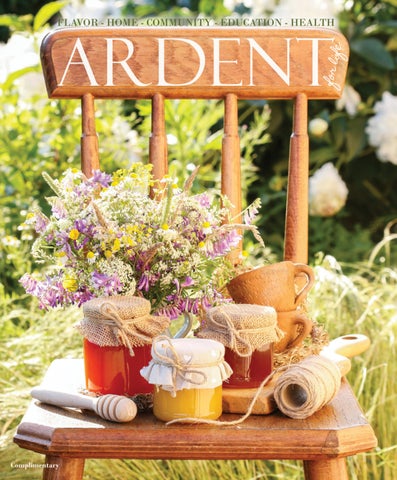
Create a flipbook