The Vermont golf industry generated $397.2 million in direct economic activity, driving a total economic impact of $671.4 million across the state when accounting for indirect and induced effects. As a major driver of jobs and tourism, the industry supports 5,376 jobs, contributes $212.1 million in wages, and returns over $66.8 million in state and local taxesstrengthening Vermont’s economy while sustaining the communities, landscapes, and outdoor spaces that make the state unique.
Economic Impact of the Golf Sector for Vermont
$671.4M TOTAL ECONOMIC OUTPUT
$397.2M TOTAL DIRECT EXPENDITURES
VERMONT ECONOMIC HIGHLIGHTS
Vermont spans 9,616 square miles and is home to about 650,000 residents. Known for its scenic landscapes, small towns, and strong environmental ethic, the state’s economy is shaped by tourism, outdoor recreation, agriculture, and specialty manufacturing. Vermont is nationally recognized for industries such as maple syrup production, craft brewing, and artisan food products, while its mountains, lakes, and forests continue to anchor a tourism economy that draws visitors year-round.
Golf is a major contributor to Vermont’s economy with an estimated total economic output of $671.4 million. The industry exceeds the economic contribution of several of the state’s signature sectors, including Vermont’s maple syrup industry, which generated approximately $444 million total economic impact based on a University of Vermont study (with recent estimates suggesting continued growth), and the state’s craft beer industry, which contributes approximately $460 million annually. Golf represents one of the state’s most significant destination-driven economic engines, supporting year-round tourism for the state, employment, and local communities - underscoring its importance as a distinct economic driver.
The Vermont Golf Market
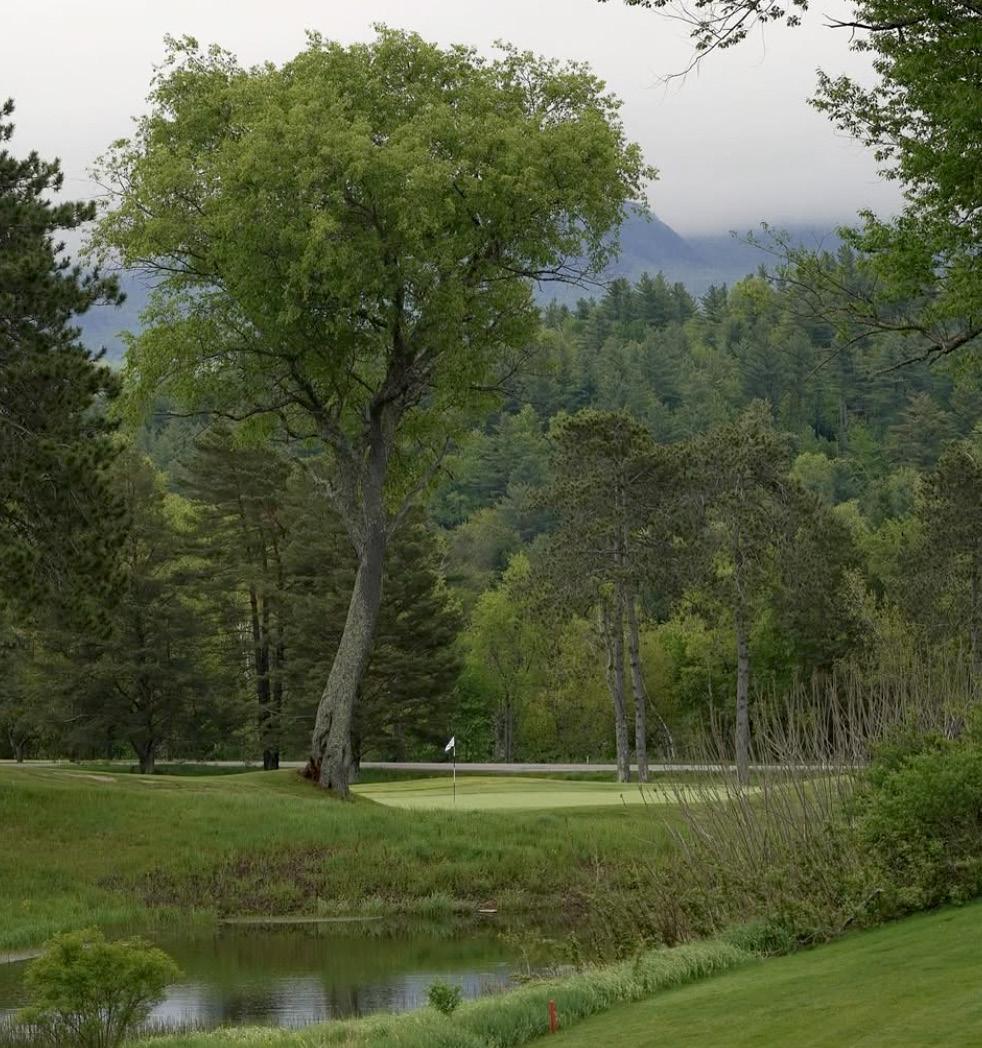
Vermont’s landscape is defined by the Green Mountains, forested valleys, winding rivers, and scenic lakes that shape the state’s natural character. From historic town centers to expansive mountain forests and working agricultural lands, these landscapes provide habitat for wildlife, support year-round outdoor recreation and preserve the rural beauty that defines Vermont. The state’s strong conservation ethic and connection to the outdoors influence how land is used, enjoyed, and stewarded across Vermont’s communities.
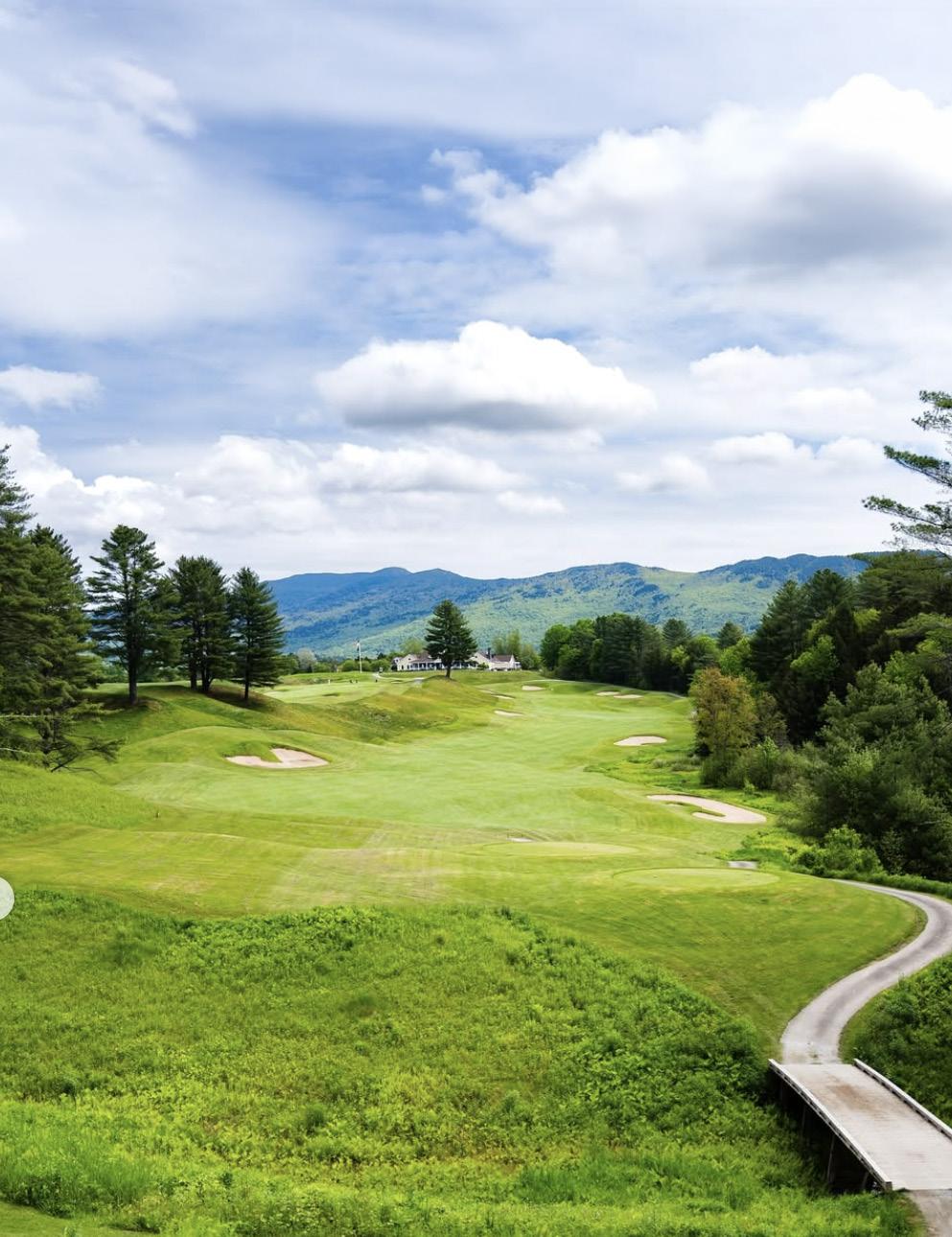
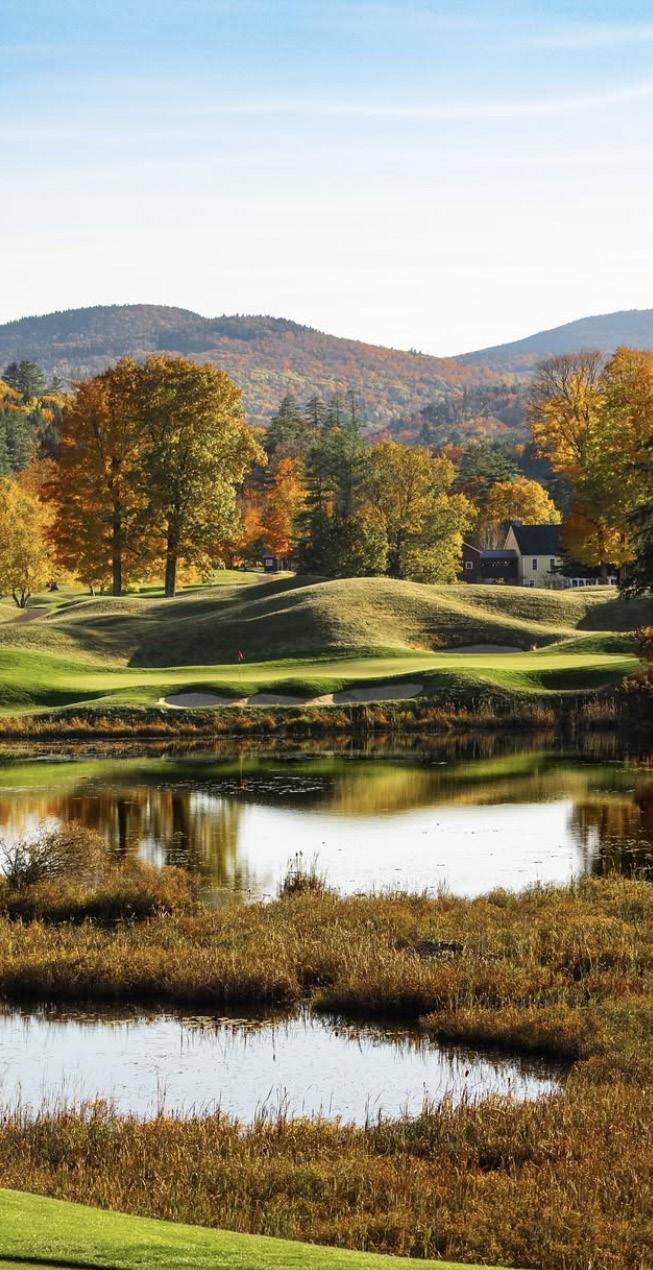
Vermont features 68 golf courses spread across the state’s mountain valleys, lake regions, and resort communities - the golf landscape reflects the same outdoor character that defines its broader tourism economy. Facilities are distributed across small towns and recreation hubs where golf complements hiking, cycling, lake tourism, and winter sports. Courses such as Green Mountain National Golf Course, Jay Peak Resort Golf Club, The Golf Club at Equinox - with roots dating back nearly a century, Stowe Country Club, and Basin Harbor Club Golf Course highlight Vermont’s scenic mountain golf experience.
Several Vermont courses receive consistent recognition in regional and New England golf rankings, particularly for their scenery and mountain layouts. Publications and travel platforms including Golf Digest, GolfPass, and regional golf guides frequently highlight courses such as Green Mountain National, Jay Peak, and The Equinox among the most notable public golf experiences in the state. Vermont’s courses are widely known for dramatic landscapes, walkable designs, and authentic New England character, holding a unique place in American golf history. The Dorset Field Club, founded in 1886, is recognized as the oldest continuously operating golf course in the United States, highlighting the state’s long-standing connection to the game.
Key Vermont Golf Facts
1.1 million rounds in 2024. Rounds grew +6.2% vs PY per NGF tracking.
2 stand-alone driving ranges and 15 resort facilities.
Affordable public golf: 37% of public facilities charge under $40, while 33% range from $40–$79 and 30% exceed $80.
Vermont stands out for its accessibility. Roughly four out of five golf courses in the state are open to the public, one of the highest shares in the Northeast. Scenic public facilities like Green Mountain National and Williston Country Club, a multi-generational family-owned course, along with many locally operated community courses, preserve affordable access while showcasing Vermont’s natural beauty and outdoor recreation culture.
VERMONT GOLF INDUSTRY
SUMMARY OF ECONOMIC IMPACT
GOLF INDUSTRY SEGMENTS
DIRECT IMPACT FROM CORE SEGMENTS
Golf Facility Operations
Total consumer spending at golf facilities for green fees, memberships, golf shop retail sales, driving range fees, lessons, restaurant (F&B) sales, and additional activities totaled $164 million in 2024.
Golf facility operations supported 2,499 total jobs
Vermont golf facilities embed community-minded practices directly into operations - hosting school competitions and youth programs, supporting initiatives such as The First Tee and PGA Junior League, advancing Audubon and conservation efforts, and functioning as year-round community hubs through public recreation access, cultural programming, local partnerships, and events supporting schools and community groups.
Capital Investments
41% of Vermont golf courses launched or continued large-scale capital projects that were not included in regular operating expenses.
Vermont golf facilities invested $37.3 million in capital improvements in 2024 including course renovations (51%), new buildings and structures (14%), and irrigation systems (6%). Capital investments supported 830 total jobs.
Golf-Related Supplies
Vermont golf retail generated $12.3 million in retail margins from $29.1 million in golf apparel, equipment, and shoe sales in 2024. Of this, $17.3 million was driven by off-course retail outlets, while $11.8 million came from on-course golf shops (included in total consumer spending within facility operations).
Twelve golf-related companies were identified in Vermont, spanning golf course design, consulting, management, turf and landscape services, equipment distribution, event management, and marketing support. These organizations represent the broader ecosystem that supports golf operations throughout the state. Golf-related businesses contributed $13.3 million to Vermont’s economy in 2024 and supported approximately 145 jobs.
Organizations that call Vermont home include Champlain Valley Golf Management, providing management services; Green Mountain Golf Supplies, distributing equipment and supplies; Vermont Turf Solutions and SYNLawn Vermont - turf and landscape systems supporting golf and recreation facilities; plus consulting services like ProLine Golf Consulting & Management.
Several organizations support Vermont golf through event services, tourism partnerships, and communications, including resort-based tournament coordination at venues such as Stratton Mountain Resort and destination golf events hosted at facilities like Basin Harbor. Firms such as Redpoint PR contribute to promoting golfrelated tourism and outdoor recreation experiences that bring visitors to Vermont’s golf destinations.
Local Food Systems & Agricultural Partnerships
Vermont golf facilities are active participants in the state’s farm-to-table economy by sourcing meats, produce, dairy, and seafood from nearby farms and regional food distributors. These include Vermont distributor Black River Produce and regional seafood supplier Seafood from Earth and Sea. Clubs source specialty products from Vermont farms such as Maplebrook Farm in Bennington, known for its handcrafted mozzarella and burrata cheeses. Many facilities, including Ekwanok Country Club, Stowe Country Club, and The Quechee Club highlight local sourcing on their menus incorporating meats, vegetables, and seasonal ingredients into clubhouse dining, reinforcing Vermont’s strong agricultural and culinary traditions. Some golf facilities produce food directly on-site. Fox Run Golf Club in Ludlow maintains a one-acre vegetable garden supplying its restaurant with seasonal produce and herbs, along with beehives that support pollination and honey production.
Tournaments & Associations
Golf tournaments and associations play an important role in supporting Vermont’s golf ecosystem by organizing competitions, advancing professional development, and expanding access to the game. These activities generated approximately $2.0 million in economic activity in 2024. There were 15 Vermont-based golf associations, foundations, and charitable organizations identified that account for the majority of activity, producing approximately $1.9 million in annual revenue, while organized tournaments contributed $88,000; demonstrating the strength of Vermont’s grassroots golf infrastructure. The Vermont Golf Association (VGA) administers GHIN handicapping services and conducts statewide amateur championships for men, women, and juniors. The Vermont State Women’s Golf Association (VSWGA) serves women golfers of all ages and abilities. The Vermont Chapter of the New England PGA Section represents more than 70 PGA professionals and hosts professional tournaments, educational programming, and opportunities to support career development. The Vermont Golf Course Superintendents Association provides turf science education and best management practice programs to support agronomic excellence, while Vermont golf course owners are represented at the regional level through the New England Golf Course Owners Association, supporting business operations, advocacy, and industry collaboration. These organizations generate economic activity by coordinating tournaments, championships, clinics, and professional events that bring stakeholders to communities across Vermont, generating spending on lodging, dining, and services in host communities.
Charitable Giving
Community support is at the heart of Vermont golf. Every surveyed golf facility hosted at least one charitable event in 2024, contributing to more than 700 total events held at golf facilities statewide, including 421 golfrelated charitable tournaments and fundraisers, along with 306 non-golf events hosted at facilities providing community gatherings, banquets, and nonprofit fundraisers.
Golf-related events raised an estimated $12.4 million for Vermont nonprofits including local schools, community service organizations, healthcare foundations, youth programs, veterans’ groups, and environmental nonprofits. By serving as venues for charitable events, Vermont’s golf facilities extend economic and social impact for local communities.
DIRECT IMPACT FROM ENABLED SEGMENTS
Golf Tourism
Golf travel is an important part of Vermont’s outdoor recreation and tourism economy, generating $121.9 million in direct economic impact in 2024 and supporting 1,473 jobs including indirect and induced activity such as lodging, transportation, dining, and other visitor spending.
Vermont’s scenic mountain courses and resort destinations attracted more than 190,000 golf-related trips in 2024, including overnight stays and day trips traveling more than 50 miles within the state. Many visitors combine golf with special events such as reunions, weddings, and bachelor parties, in addition to Vermont’s broader recreation offerings - from hiking and cycling to lake activities and foliage tourism - amplifying the industry’s contribution.
Golf Real Estate
Golf courses located within, or adjacent to, residential communities create measurable real estate value and fiscal benefits across Vermont. In 2024, golf-related real estate generated $40.2 million in direct economic and fiscal contributions. This is driven by two key factors:
Golf-related residential construction. Residential development in and around golf communities added value to Vermont’s housing market, generating $28.6 million in direct construction spending. This activity includes new single-family homes and condominium developments supporting 305 jobs through direct, indirect, and induced economic activity.
Net gain to local tax jurisdictions from value premiums. The presence of a golf course provides a quantifiable premium to the value of homes in golf course communities, adding an estimated 20% to their value. This premium generated a fiscal contribution of $11.6 million in local property tax revenue in 2024, helping to support schools, municipal services, transportation infrastructure, and public safety across Vermont communities.
COMMUNITY & ENVIRONMENTAL SUSTAINABILITY IMPACTS
Golf in Vermont promotes health, wellness, and environmental stewardship while strengthening local communities. Walking 18 holes can cover nearly five miles - and riding typically involves two to three miles of movement - supporting cardiovascular health, mood and cognitive function, and encouraging time outdoors. Across the state, golf facilities are expanding youth programs, junior competitions, adaptive golf opportunities, and community access, helping make the game more inclusive while reinforcing Vermont’s tradition of outdoor recreation and stewardship.
A Welcoming Place for All
Youth engagement is strong across Vermont golf, with nearly nine in ten (89%) surveyed facilities supporting at least one youth-development program - including junior golf camps, lessons, leagues, scholastic teams, beginner programs, and partnerships like The First Tee - highlighting commitment to developing young players and fostering life skills.
Vermont courses actively welcome new players, with 43% of surveyed facilities offering beginner programs such as Get Golf Ready and clinics, 7% participating in caddie development initiatives, and nearly 80% offering two or more community or player-development programs, creating multiple entry points to the game.
Facilities support participation across all life stages. About one-third (32%) offer senior programs, while 36% provide opportunities for veterans and military families through initiatives like PGA HOPE and adaptive golf - expanding access to recreation, rehabilitation, and community connection.
Junior golf development is supported through programs and competitions organized by the Vermont Golf Association, which represents more than 60 clubs and thousands of amateur golfers across the state in addition to PGA Junior League. Initiatives such as the Vermont Junior Tour and Vermont Junior Amateur Championship provide young golfers with opportunities to learn the game, compete, and develop sportsmanship and life skills.
Vermont courses participate in Youth on Course, providing affordable access to junior golfers statewide with rounds for $5 or less.
Courses host charity tournaments, school fundraisers, festivals, youth camps, and local gatherings to ensure Vermont’s courses are welcoming community hubs across the state.
Community Partnerships Across Vermont Golf Facilities
More than half of surveyed Vermont facilities (52%) support at least one shared-use, adaptive, or stewardship-oriented initiative, including Nordic skiing, adaptive golf programs, or Audubon Society activities, underscoring golf’s role as a year-round, communityoriented asset.
Vermont golf facilities often serve as gathering spaces for local communities. Fox Run Golf Club hosts an annual community Christmas celebration serving more than 300 residents, while Mount Anthony Country Club hosts a Thanksgiving dinner for international students from nearby colleges, along with community craft nights and cultural programming.
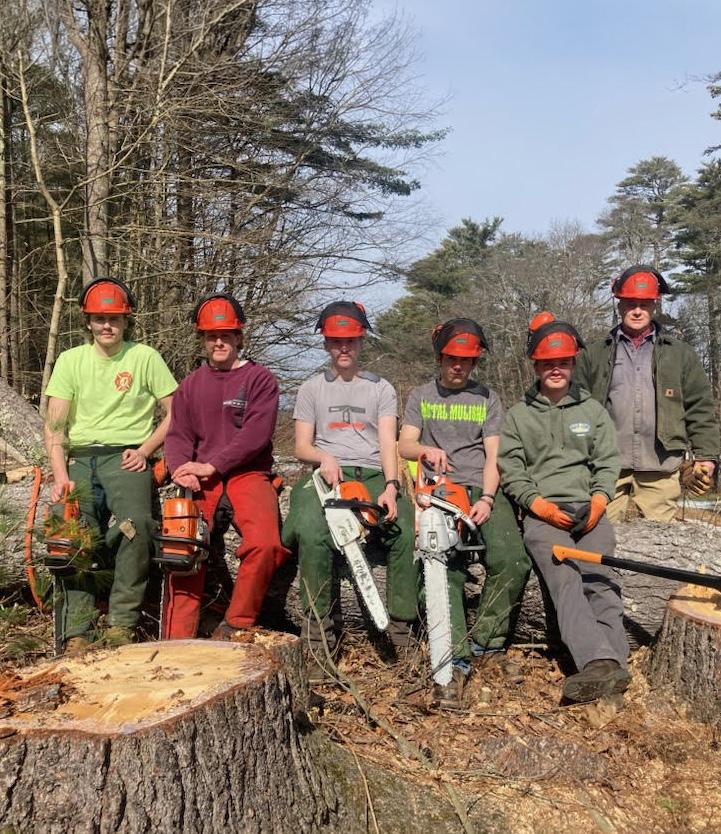
Golf properties support recreation and education throughout the year. Rutland Country Club opens portions of its property for public snowshoeing, crosscountry skiing, and dog walking in the winter, while also hosting local high school golf practices and matches. Environmental stewardship initiatives are common. Burlington Country Club maintains an onsite apiary supporting pollinators, while Woodstock Country Club is transitioning 10 acres of turf into natural grass habitat to support pollinators. The Quechee Club has dedicated land to the local Abenaki tribe for a traditional Abenaki garden and provides complimentary youth skiing on Fridays throughout winter for the local elementary school. Brattleboro Country Club partners with the BUHS Tech Center forestry program, where students manage tree removal and processing. Timber was repurposed into 28 birdhouses built with local students, achieving 100% occupancy for wildlife habitat and supporting handson environmental education.
Environmental Stewardship & Sustainability
Vermont’s 68 golf courses provide 10,880 acres of greenspace across the state supporting wildlife habitat, air quality, water filtration, flood mitigation, and urban cooling. Facilities demonstrate environmental stewardship through widespread adoption of best management practices (BMPs) for water and energy conservation, pollinator and wildlife habitat, waste reduction, integrated pest management (IPM), and nutrient management.
The industry is demonstrating how golf can deliver ecological value while enhancing community well-being, resilience, and green infrastructure across Vermont’s mountain, rural, and village landscapes.
The Vermont Best Management Practices Guide provides facilities with standardized practices to promote water quality and conservation, habitat protection, responsible land use, and sustainable resource management. Vermont golf courses function as valuable green infrastructure through filtering stormwater from surrounding communities through the use of natural turfgrass systems, supporting water quality and reducing demand for public stormwater infrastructure. Trees, waterbodies, and landscaped areas provide biodiversity, filter air pollutants, and contribute to healthier ecosystems and landscape resilience for Vermont’s communities.
Energy Conservation
• 85% of courses surveyed have implemented two or more energy conservation BMPs and 65% four or more, demonstrating broad adoption of energy reduction strategies.
• Energy-efficient lighting and building systems are widely used, with over 80% of facilities utilizing LED lighting and more than 60% installing occupancy sensors, while over half employ scheduled lighting controls and Energy Star–rated equipment.
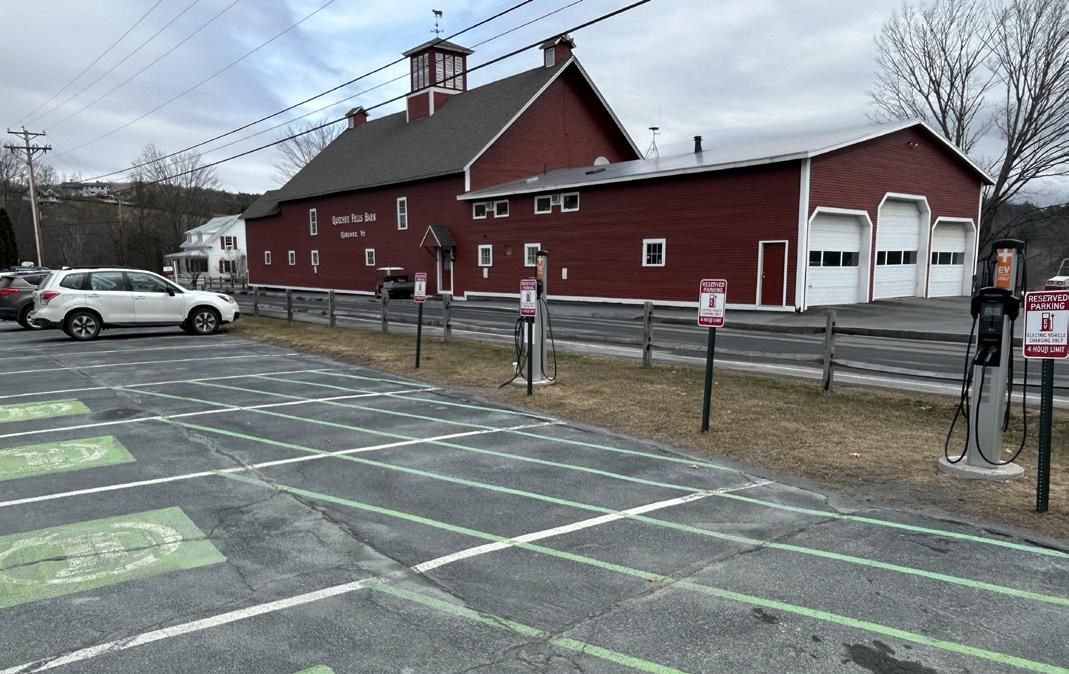
• Infrastructure and equipment upgrades reduce energy demand, including pump station variable frequency drives (54%), lithium battery golf carts (46%), and HVAC scheduling systems (42%), with some facilities incorporating electric equipment, hybrid mowers, and electric vehicle charging stations.
Water Quality
• Over 80% of courses have implemented three or more water quality BMPs, showing widespread adoption of strategies to protect surface and groundwater resources.
• Core pollution-prevention practices are widely used, including removing grass clippings from equipment before washing (81%), sampling water quality (78%), and maintaining 25-foot chemical-free buffer zones around surface waters and wells (78%).
• Natural filtration and stormwater management BMPs include nearly 50% implementing structural systems such as bioswales, berms, and vegetated buffers (48%), and over 40% following stormwater pollution prevention plans (SWPPPs) to improve infiltration and reduce sediment transport.
Water Conservation
• Nearly 90% of courses surveyed have implemented three or more water conservation BMPs, reflecting irrigation efficiency and reduced water demand.
• Daily monitoring and preventative practices are widely used, including visual monitoring and hand watering (89%), mulching to reduce evaporation (78%), and wetting agents (74%).
• Technologies and prescriptive irrigation management support efficient water use, with 63% using irrigation control systems and more than half using soil moisture meters (56%) or incorporating water-harvesting irrigation ponds (56%).
Waste Reduction & Recycling
• Over 80% of courses have implemented three or more waste-reduction BMPs, diverting materials from landfills and promoting responsible facility operations.
• Core waste-management practices: removal of grass clippings from equipment before washing (81%), composting or redistributing collected clippings away from waterbodies (52%), and recycling wash water where possible (22%).
• Operational controls to support pollution prevention and resource efficiency: nearly half implement vegetated buffers or infiltration areas (48%) and over 40% follow SWPPPs to help capture organic debris and reduce runoff.
Pollinator & Wildlife Habitat
• Over 80% of courses have implemented two or more pollinator and wildlife habitat BMPs with two-thirds implementing 3 or more, reflecting widespread support for biodiversity.
• Habitat enhancements to support biodiversity include planting diverse flowering vegetation (63%), retaining or planting native vegetation (48%), and maintaining shoreline buffers or facilitating partnerships with wildlife agencies to protect plant and wildlife habitat.
• Pollinator-safe pest management practices are common, with over 70% of facilities timing applications when pollinators are least active and nearly 60% using targeted spot treatments and drift-reduction technologies.
85% of courses surveyed have implemented two or more energy conservation BMPs
+80% of courses have implemented three or more water quality BMPs
90% of courses surveyed have implemented three or more water conservation BMPs
+80% of courses have implemented three or more waste-reduction BMPs
+80% of courses have implemented two or more pollinator and wildlife habitat BMPs