



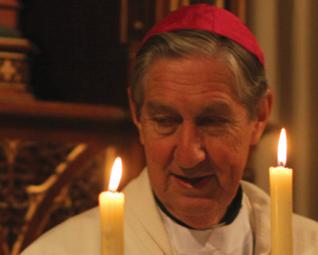
St John of God Clinical Dean sounds warning as WA Parliament considers euthanasia
BY ANTHONY BARICH
ST JOHN of God Hospital
Subiaco’s Clinical Dean Dr David Watson will quit as a medical practitioner if the Voluntary Euthanasia Bill 2009 passes through WA Parliament.
Dr Watson, one of the most respected physicians in WA, said the Bill has serious implications for doctors as it transfers all responsibility onto them, unlike Holland where other medical practitioners are involved in carrying out euthanasia.
Dr Watson, who has served as SJOGH’s Medical Director, set up the hospital’s Medical Unit,
helped establish the Department of Medical Oncology at Royal Perth Hospital and started the first Physician Training scheme in WA.
“Euthanasia strikes at the heart of key aspects of clinical care. You cannot practice in a team if this law passes,” Dr Watson told a Euthanasia and Palliative Care Forum at the University of Notre Dame Australia in Fremantle on 12 August, where he is also a Professor of Medicine.
“We (as doctors) can either treat people or we can kill them - they’re incompatible. The day legislation passes in this state is the day I’ll deregister myself. I cannot practice like that. It is fundamentally impossible.”
Dr Watson, a consultant physician since 1972 who has also been a member of the Board of the Murdoch Community Hospice - the only one of its kind in WAsaid there are practical as well as ethical reasons why the Voluntary Euthanasia Bill 2009 currently before WA Parliament is fraught with peril.
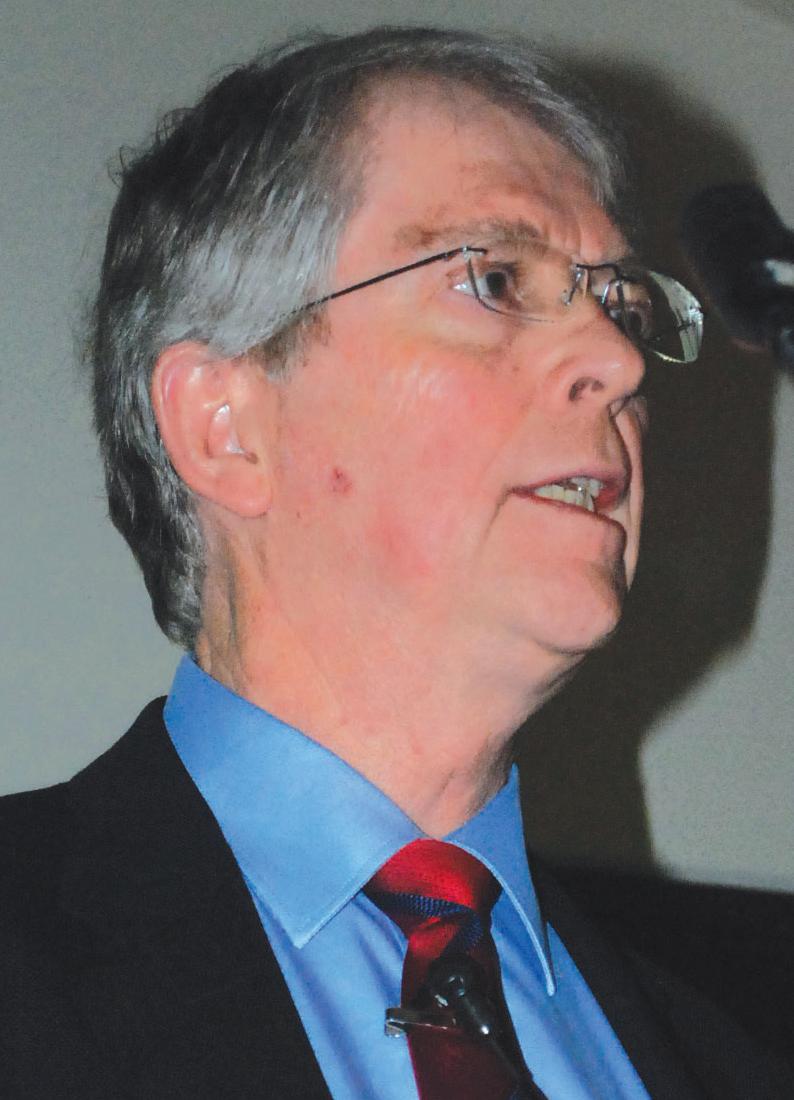
In exploring implications for clinical practitioners, Associate Professor Watson questioned the advisability of allowing doctors to act in a way which is denied to the rest of society and argued for the use of teamwork in improving the care of terminally ill patients

– teamwork which is denied by the Bill.
“Legislating in favour of euthanasia is no substitute for better research, better clinical care, better employment of those tools we currently have and better palliative care,” he said.
Though doctors are those most affected by the Bill, they have not thus far been consulted in the public debate, LJ Goody Bioethics Centre director Rev Dr Joseph Parkinson also told the forum.
Citing how the UK’s House of Lords recently held a wide-ranging public inquiry into euthanasia as part of their debate, paying especially close attention to the evidence of the medical profession, Rev Dr Parkinson said: “Equity demands that those who would be charged with implementing this law, should it be passed, should be consulted early in the piece.
“So far this has not happened in this State. It must happen.”
Barrister Peter Quinlan, who has acted for the Medical Board of WA, hospitals and health profession-
als, also told the forum that while claiming to give individuals the freedom to choose their own fate, it actually does the opposite.
In effect, the Bill seeks to transfer the evaluative responsibility for the decision to the medical professional, he said. “In doing so, the Bill may also paradoxically have the effect of displacing the autonomy of the individual,” Mr Quinlan added.
Most disturbingly, he said, Clause 6 and 10 of the Bill require that the applicant for euthanasia must sign two separate requests which go to their desire (or lack of desire) to continue living. Yet both clauses prohibit that request being made “in the presence of any near relative”, the Bill states.
“What kind of society have we become, and what kind of law are we putting in place, where we have to ensure that at the moment such a profound existential declaration is made, the law requires us to be separated from those closest to us?” Mr Quinlan said.
- For full report, turn to Pages 10-11
THE R ECORD WESTERN AUSTRALIA’S AWARD-WINNING CATHOLIC NEWSPAPER SINCE 1874 Wednesday, THE P ARISH . THE N ATION . 25 August 2010 Archbishop tells Deacons to model themselves on Christ ‘Legalise
euthanasia and I quit’
Dr David Watson
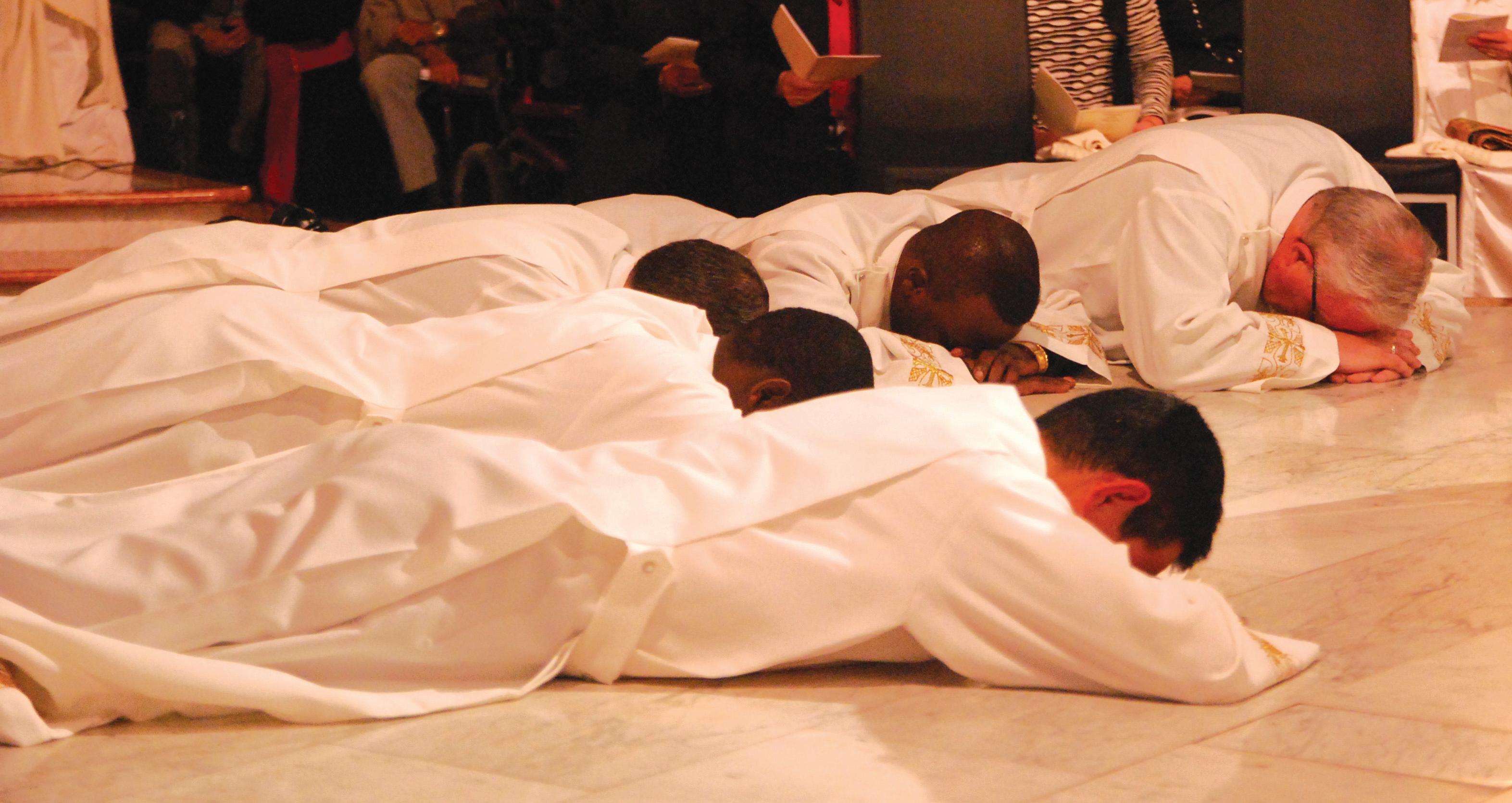
Frank Birrell (Broome Diocese), Emmanuel Valentine Dimobi, Daniel Boyd, Cyprian Shikokoti and Anibal Leite da Cunha (Perth Archdiocese) prostrate
during the special Mass for their ordination
They prostrated themselves while the Litany of Saints was sung, which was followed by the laying on of hands by the Bishops and the Prayer of Consecration, followed by the Investiture with stoll and dalmatic. Their Diaconate duties will last about a year until they are ordained to the priesthood. For full report, profiles, turn to Page 6 PHOTO: BRIDGET SPINKS L I C NE WS PAPE R S I N C E 187 4 TH E W O R L D . T H E R E C O RD CO M A U $2.00 MEDJUGOR JE: RURAL BACKWATER TO COMMERCIAL SUCCESS MEDJUGORJE: BACKWATER A travel writer finds that, irrespective of authenticity, good things are happening at the site whi finds of authenticity, are at the site which was once a ch was once a rural backwater, but is now, thanks to ‘visions’, a thriving village. rural but is now, thanks to a SPECIAL REPORT - PAGE 14 -
Deacons
themselves
to the Diaconate at Mary MacKillop Parish in Ballajura.
AT A GLANCE
Forthcoming events around the Archdiocese
St Anthony’s, Greenmount
Youth Mass - There’s a vibrant youth presence at Greenmount’s 6pm Mass on the first Sunday of every month. More information is now available about the two WYD Madrid pilgrimages that will be led by the Salvatorians. Brochures available on the church porch. If interested in registering, register online at the address in the brochure. Enq: 9294 3504
When: 6pm Youth Mass on 5 September at St Anthony’s, 96 Innamincka Rd, Greenmount.
- pensioners, students or children; $45family of two adults, two children). Enq: 9294 3504 during office hours or 9255 2790 after hours.
When: 7.30pm on 25 September in St Anthony’s parish hall.
St Jerome’s, Munster
Divine Mercy Mass and Healing Service celebrated by Fr Joshi Kochukudiyattil from India and Fr Antony Parankimyalil from Kenya. Includes preaching, praise, worship and Exposition of the Blessed Sacrament. Enq: Connie 9494 1495 or Edita 9418 3728.
When: 4-6.30pm on 4 September at St Jerome’s Church, 36 Troode St, Munster.
St Joseph’s, Bassendean
Catholic Questions and Answers – on the Catechism of the Catholic Church every Thursday from 7-7.30pm. The Fr John Corapi DVD series is shown afterwards from 7.30-9pm.
When: 7-9pm every Thursday at St Joseph’s Parish Centre, 20 Hamilton St, Bassendean.
Rachel’s Vineyard



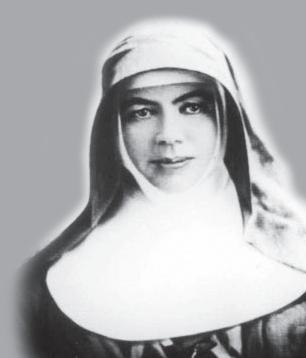
Mary MacKillop




Gala Concert - a musical extravaganza of classical, modern classic and popular show tunes. It will be an evening for music lovers of instrument and voice and will include a bonus glass of wine and supper. Tickets on sale after weekend Masses or from the parish office ($18 - adult; $15
Pilgrimage to Bindoon - To celebrate the Birthday of the Blessed Virgin Mary, Fr Paul Fox will celebrate Mass at Bindoon and guide the day retreat, which will include Exposition and Benediction. Tea provided, BYO lunch.
All welcome. Enq: Connie 9494 1495 or Edita 9418 3728.
When: 8 September and a bus will depart from St Jerome’s Church at 9am.
Post-Abortion Hope, Reconciliation and Healing Retreat - for anyone suffering the spiritual and psychological effects of a past abortion experience. Begins at 5pm. The Archdiocese of Perth sponsors this confidential and beautiful healing ministry. Enq: Jenny 9445 7464.
When: 27-29 August.
Correction:
Mass, feast of St Jeanne Jugan, will be celebrated at 10.30am on 30 August (not 30 May) at 2 Rawlins St, Glendalough.


The Parish. The Nation. The World. Find it in The Record
Global economy and human wellbeing examined
The Edmund Rice Institute for Social Justice (ERISJ) is hosting an event from 10am to 5pm in Fremantle on 4 September that will focus on how the global economy affects mankind’s wellbeing and opportunities for positive change.
The new intensive will be presented by University of Western Australia Business School Associate Professor Rob Lambert.
Editor
Journalists


Bridget Spinks baspinks@therecord.com.au
Mark Reidy mreidy@therecord.com.au
Anthony
Advertising/Production
Accounts
Classifieds/Panoramas/Subscriptions
Bibiana Kwaramba office@therecord.com.au
Record Bookshop
Bibiana Kwaramba bookshop@therecord.com.au
Proofreaders
Christine
Warrier John Heard
Karen and Derek Boylen Anthony Paganoni CS
Christopher West Catherine Parish
Bronia Karniewicz Fr John Flader
Guy Crouchback
The Record PO Box 3075
Adelaide Terrace PERTH WA 6832 21 Victoria Square, Perth 6000
Tel: (08) 9220 5900 Fax: (08) 9325 4580
Website: www.therecord.com.au
The Record is a weekly publication distributed throughout the parishes of the dioceses of Western Australia and by subscription.
The Record is printed by Rural Press Printing
Mandurah and distributed via Australia Post and CTI Couriers.
THE R ECORD New Contacts THE R ECORD
ERISJ Director David Freeman said the Institute decided to run this event because how economic systems are organised are key determinants of human wellbeing.
According to Catholic social teaching, the economy must exist to serve humans and the society not the other way round, Mr Freeman said. Catholic social teaching focuses on the primacy of human wellbeing and dignity.
At the intensive, Prof Lambert will explain some of the consequences for family life of global economic restructuring and focus on how individuals and families can take positive action to improve their wellbeing.
Participants will gain a deeper understanding of what global free markets are doing to individuals, families and societies; the nature of corporate restructuring of work, and its social and psychological impacts on families and communities.
The event will also examine basic analytic techniques of ‘political economy’ necessary for understanding these changes; the values underlying these changes, and how they might be ethically assessed.
Participants will also be shown how to imagine alternative models of work, and the process of realising such change.
Professor Lambert specialises in labour studies and is co-author of award-winning book Grounding Globalisation: Labour in the Age of Insecurity (Oxford, Blackwell, 2008). The book’s highly readable critique of the free market economy identifies destructive impacts for the environment, society, families and individuals.
Prof Lambert is also founder and coordinator of the Southern Initiative on Globalisation and Trade Union Rights. This 20-year-old movement connects democratic trade unions across 15 countries and four continents.
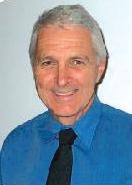
He has a background as a South African activist, was National Secretary of the South African Young Christian Workers and advisor to the Southern African Catholic Bishops Conference before coming to Perth.
The intensive is one of 11 run throughout the year by the ERISJ. While this is the first time the institute has run this subject as part of its social justice programme, it hopes to include the intensive again next year.
Tickets to this event start from $25 for unwaged/student and go up to $150 for government/corporate). To book, phone 9432 2400,
email: admin@erisj.org.au, or register online at www.erisj.org.au.
A message from The Record
Got a story? Send Parish stories to: parishes@therecord.com.au
School stories
schools@therecord.com.au
Parish photos (hi-resolution) parishes@therecord.com.au
School photos (hi-resolution) schools@therecord.com.au
All other stories from parishes parishes@therecord.com.au
All other photos from schools schools@therecord.com.au
If you like, you can
Send your parish bulletin to baspinks@therecord.com.au and
Send your school news to baspinks@therecord.com.au
Official Engagements
AUGUST
22-27 Clergy Retreat –Archbishop Hickey
27-29 Parish Visitation, Fremantle – Bishop Sproxton
28 100th Birthday Anniversary Mass, Mother Theresa of Calcutta, Bentley –Archbishop Hickey
28/29 Confirmation, Kalgoorlie – Fr Greg Carroll Confirmation, Willetton – Mgr Brian O’Loughlin VG
29 Latin Rite Confirmation, Belmont –Archbishop Hickey
29-3 September Clergy Retreat – Bishop Sproxton
SEPTEMBER
3 Confirmation, Bayswater – Bishop Sproxton
5 Confirmation, Bentley – Bishop Sproxton
7 Carnivale – Mgr Michael Keating
8 Mass for Our Lady’s Birthday, Cathedral –Archbishop Hickey
8/9 Bishops’ Commission for Church Ministry, Sydney –Bishop Sproxton
9 Meeting of Diocesan Clergy – Archbishop Hickey
New Contacts
Page 2 25 August 2010, The Record THE PARISH SAINT OF THE WEEK Blessed Teresa of Calcutta 1910-1997 September 5 Born in Macedonia, Mother Teresa helped India’s destitute for more than 50 years and won the Nobel Peace Prize in 1979. In answering a call to serve “the poorest of the poor,” she became known as “the saint of the gutters.” The former Loreto sister founded the Missionaries of Charity, which now has more than 4,500 nuns worldwide, and co-founded the Missionary Brothers of Charity. Since 1952 her Nirmal Hriday (Pure Heart) Home for the Dying has cared for thousands of people abandoned on Calcutta’s streets. She was beatified in 2003. Saints CNS
Peter
Rosengren editor@therecord.com.au
Barich abarich@therecord.com.au
Mat De Sousa
production@therecord.com.au
June Cowley accounts@therecord.com.au
Mattes Contributors Debbie
Jaques Eugen
The Parish. The Nation. The World. Read it in The Record. 200 St. George’s Terrace, Perth WA 6000 Tel: 9322 2914 Fax: 9322 2915 AdivisionofInterworldTravelPtyLtdABN21061625027LicNo.9TA796 sue@flightworld.com.au
Canonisation Planning your next trip to Europe... phone Sue now! on 9322 2914 for brochure and details. Rome 17th October 2010 FW OO1 /6/10 Your W.A. Harvest Pilgrimage Representative.
Prof Rob Lambert
Oblates to depart Our Lady of Lourdes
BY BRIDGET SPINKS
THE Missionary Oblates of Mary Immaculate will withdraw from Our Lady of Lourdes in Lesmurdie towards the end of January next year, Archbishop Barry Hickey announced at the parish at the conclusion of 9.30am Mass on 22 August.
Oblate Provincial Fr Harry Dyer OMI said the Oblates will continue to have a “substantial presence in the Archdiocese”.
They will continue their presence at Mazenod College and to carry out their prison and aged care ministries in Fremantle as well as continue to serve the parish of St Patrick’s Basilica and the Italian Chaplaincy.
Fr Dyer said the congregation was finding it difficult to “find placement” for the various Oblate ministries due to an ageing clergy in the Oblate congregation order and a lack of vocations.
“We’ve had to begin the rationalisation of what we’re doing; we’re trying to keep a focus in each state
and be realistic about what we can do especially with our older men who are happy to do ministry but don’t want the responsibility of running a parish,” Fr Dyer said.
Although there are 47 Oblates in Australia many are retired, sick or over 70.
Fr Dyer spoke to the parishioners after Mass who expressed their disappointment at the announcement, especially as the Oblates have served the parish since 1964.
“It would have been a shock for them,” he said, adding that the parishioners were very understanding of the situation the Oblates find themselves in and expressed their sadness and disappointment.
“We pride ourselves in building what we call an ‘Oblate family’ with the people around us.
“When you build up that type of relationship it is harder to withdraw, because you have built a deep relationship.”
“It is more than a diocesan parish because lots of Oblates even though they may move on, come back and visit and the relationship still continues,” he said.
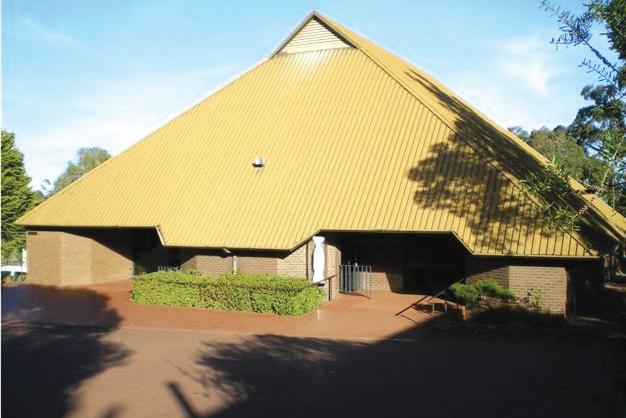
Our Lady of Lourdes Parish Church in Lesmurdie, which the Oblates of Mary Immaculate are leaving.
The Missionary Oblates of Mary Immaculate will continue to serve 11 parishes, to run three colleges and to maintain various specialised ministries around Australia.
Seeking the God who seeks you
Conference to focus on bringing Scripture, prayer into everyday life
“You will seek me and find me when you seek me with all your heart.”
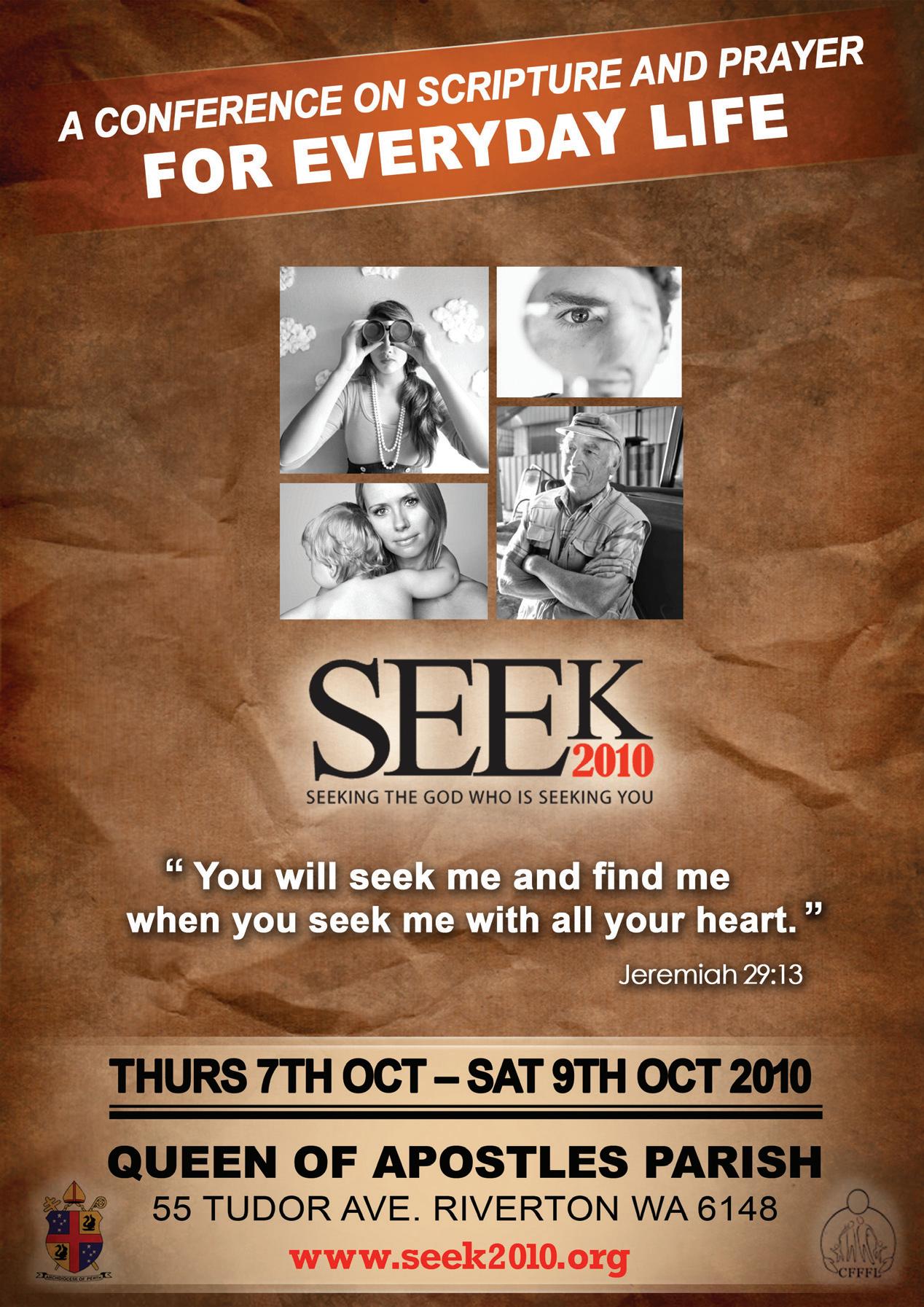
THIS is God’s call to the Faithful in Jeremiah 29:13 - a call which Catholics in Perth will have a unique opportunity to answer during a three-day conference in October.
The Archdiocesan Committee for Family and for Life is hosting a conference entitled SEEK2010 – Seeking the God who is seeking you – at Queen of Apostles Parish, 55 Tudor Avenue, Riverton from 7-9 October.
The conference will focus on Scripture and Prayer, and how Catholics can bring these into their everyday lives.
SEEK 2010 will provide opportu-
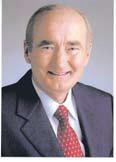
nities for everyone – adults, youth and children – to learn, experience and grow in a warm, supportive and enjoyable environment. Even the little ones are not forgotten as there will be a crèche for the 0-2 year olds. Keynote speakers for the event include Bishop David Walker, from Broken Bay diocese in Sydney, who is committed to promoting a truly Australian spirituality; Fr Nicholas Aazine, a Divine Word Missionary (SVD) who is presently an assistant Parish Priest in Alice Springs and chaplain for the Ghanaian Catholic Community in Parramatta diocese; and Bruce Downes, host of the TV programme, the Catholic Guy.
The wide-ranging topics which will be covered include Experiencing Lectio Divina, Praying with Mary, Importance of Scripture in Life, Prayer in the Family, Worship with Music, Getting online with God and Imaginative Meditation.
In addition, there will be a spe-
cial programme for youth, entitled Connecting with God Daily and displays by many of the organisations and agencies in the Archdiocese of Perth.
Mass will be celebrated on Saturday morning by Bishop Donald Sproxton, Chairman of the Committee For Family and For Life, the conference organisers.
The conference will culminate on Saturday afternoon in an Enthronement Ceremony when families are invited to bring forward their Bibles for a special blessing and to “enthrone” them in a place of honour in their homes.
Brochures containing the full conference programme and registration forms are available from your parish office or on the conference website www.seek2010.org, or call Barbara Harris / Su Goh on 9328 8113. Registration is $20 for individuals and $25 for families and entitles entry to all conference events. Facilities for people with visual, audio or other special needs will be made available if requested in advance on the registration forms.
I’m John Hughes, WA’s most trusted car dealer
Is it true our company philosophy is “We are a friendly and efficient company trading with integrity and determined to give our customers the very best of service?”
Is it true I regularly publish testimonial letters from satisfied customers because of my tremendous reputation for outstanding service?
Is it true that most of my sales are not from direct advertising, but from personal recommendation, repeat business and reputation?.
Is it true I believe that before anyone buys a pre-owned vehicle they should choose their dealer before they choose their car and that dealer should be me?
Is it true that in 2008 I was Australia’s top selling Mitsubishi, Hyundai and Kia dealer?.
Is it true that Park Ford have just been awarded dealer of the year?
Is it true that from January to December 2008 we sold 16,881 vehicles, which was an all-time record?.
On the Move...
New clergy appointsments will take place from 1 October:
● Fr Nelson Po, currently Chaplain at Royal Perth Hospital, will take up the appointment of Parish Priest of Notre Dame Parish, Cloverdale.
● Fr Jeronimo Flamenco Castillo, currently Assistant Priest at St Mary’s Cathedral, will take up the appointment of Chaplain at Royal Perth Hospital.
● Fr George James, currently Assistant Priest in Bateman Parish, will take up the appointment of Assistant Priest at St Mary’s Cathedral.
Archbishop Hickey will appoint two priests for the community there next January.
● Fr Joseph Kum Htoi has been appointed Chaplain at Little Sisters of the Poor Nursing Home, Glendalough from 25 August, replacing Fr Eugene McGrath who has retired from this position.
25 August 2010, The Record Page 3 THE PARISH
Just over the Causeway on Shepperton Road, Victoria Park. Phone 9415 0011 PARK FORD 1089, Albany Hwy, Bentley. Phone 9415 0502 DL 6061
Absolutely! CHOOSE YOUR DEALER BEFORE YOU CHOOSE YOUR CAR JH AB 019 Clinical Pastoral Education for Pastoral Practitioners/Chaplains Applicants are now invited to apply to participate in the following part-time Clinical Pastoral Education Program. 9 February 2011 to 23 June 2011 : 20 weeks - 2 days per week Applications for the program will close on Friday 29th October 2010 Further information and application package can be obtained from: Clinical Pastoral Education Centre St John of God Hospital PO Box 14 Subiaco WA 6008 Telephone : 9382 6200
JohnHughes
JOHN HUGHES
PHOTO: COURTESY FR HARRY DYER OMI
Oblates to depart Our Lady of Lourdes
BY BRIDGET SPINKS
THE Missionary Oblates of Mary Immaculate will withdraw from Our Lady of Lourdes in Lesmurdie towards the end of January next year, Archbishop Barry Hickey announced at the parish at the conclusion of 9.30am Mass on 22 August.
Oblate Provincial Fr Harry Dyer OMI said the Oblates will continue to have a “substantial presence in the Archdiocese”.
They will continue their presence at Mazenod College and to carry out their prison and aged care ministries in Fremantle as well as continue to serve the parish of St Patrick’s Basilica and the Italian Chaplaincy.
Fr Dyer said the congregation was finding it difficult to “find placement” for the various Oblate ministries due to an ageing clergy in the Oblate congregation order and a lack of vocations.
“We’ve had to begin the rationalisation of what we’re doing; we’re trying to keep a focus in each state
and be realistic about what we can do especially with our older men who are happy to do ministry but don’t want the responsibility of running a parish,” Fr Dyer said.
Although there are 47 Oblates in Australia many are retired, sick or over 70.
Fr Dyer spoke to the parishioners after Mass who expressed their disappointment at the announcement, especially as the Oblates have served the parish since 1964.
“It would have been a shock for them,” he said, adding that the parishioners were very understanding of the situation the Oblates find themselves in and expressed their sadness and disappointment.
“We pride ourselves in building what we call an ‘Oblate family’ with the people around us.
“When you build up that type of relationship it is harder to withdraw, because you have built a deep relationship.”
“It is more than a diocesan parish because lots of Oblates even though they may move on, come back and visit and the relationship still continues,” he said.
Our Lady of Lourdes Parish Church in Lesmurdie, which the Oblates of Mary Immaculate are leaving.
The Missionary Oblates of Mary Immaculate will continue to serve 11 parishes, to run three colleges and to maintain various specialised ministries around Australia.
Seeking the God who seeks you
Conference to focus on bringing Scripture, prayer into everyday life
“You will seek me and find me when you seek me with all your heart.”
THIS is God’s call to the Faithful in Jeremiah 29:13 - a call which Catholics in Perth will have a unique opportunity to answer during a three-day conference in October.
The Archdiocesan Committee for Family and for Life is hosting a conference entitled SEEK2010 – Seeking the God who is seeking you – at Queen of Apostles Parish, 55 Tudor Avenue, Riverton from 7-9 October.
The conference will focus on Scripture and Prayer, and how Catholics can bring these into their everyday lives.
SEEK 2010 will provide opportu-
nities for everyone – adults, youth and children – to learn, experience and grow in a warm, supportive and enjoyable environment. Even the little ones are not forgotten as there will be a crèche for the 0-2 year olds. Keynote speakers for the event include Bishop David Walker, from Broken Bay diocese in Sydney, who is committed to promoting a truly Australian spirituality; Fr Nicholas Aazine, a Divine Word Missionary (SVD) who is presently an assistant Parish Priest in Alice Springs and chaplain for the Ghanaian Catholic Community in Parramatta diocese; and Bruce Downes, host of the TV programme, the Catholic Guy.
The wide-ranging topics which will be covered include Experiencing Lectio Divina, Praying with Mary, Importance of Scripture in Life, Prayer in the Family, Worship with Music, Getting online with God and Imaginative Meditation.
In addition, there will be a spe-
cial programme for youth, entitled Connecting with God Daily and displays by many of the organisations and agencies in the Archdiocese of Perth.
Mass will be celebrated on Saturday morning by Bishop Donald Sproxton, Chairman of the Committee For Family and For Life, the conference organisers.
The conference will culminate on Saturday afternoon in an Enthronement Ceremony when families are invited to bring forward their Bibles for a special blessing and to “enthrone” them in a place of honour in their homes.
Brochures containing the full conference programme and registration forms are available from your parish office or on the conference website www.seek2010.org, or call Barbara Harris / Su Goh on 9328 8113. Registration is $20 for individuals and $25 for families and entitles entry to all conference events. Facilities for people with vision, audio or other special needs will be made available if requested in advance on the registration forms.
I’m John Hughes, WA’s most trusted car dealer
Is it true our company philosophy is “We are a friendly and efficient company trading with integrity and determined to give our customers the very best of service?”
Is it true I regularly publish testimonial letters from satisfied customers because of my tremendous reputation for outstanding service?
Is it true that most of my sales are not from direct advertising, but from personal recommendation, repeat business and reputation?.
Is it true I believe that before anyone buys a pre-owned vehicle they should choose their dealer before they choose their car and that dealer should be me?
Is it true that in 2008 I was Australia’s top selling Mitsubishi, Hyundai and Kia dealer?.
Is it true that Park Ford have just been awarded dealer of the year?
Is it true that from January to December 2008 we sold 16,881 vehicles, which was an all-time record?.
On the Move...
New clergy appointsments will take place from 1 October:
● Fr Nelson Po, currently Chaplain at Royal Perth Hospital, will take up the appointment of Parish Priest of Notre Dame Parish, Cloverdale.
● Fr Jeronimo Flamenco Castillo, currently Assistant Priest at St Mary’s Cathedral, will take up the appointment of Chaplain at Royal Perth Hospital.
● Fr George James, currently Assistant Priest in Bateman Parish, will take up the appointment of Assistant Priest at St Mary’s Cathedral.
Archbishop Hickey will appoint two priests for the community there next January.
● Fr Joseph Kum Htoi has been appointed Chaplain at Little Sisters of the Poor Nursing Home, Glendalough from 25 August, replacing Fr Eugene McGrath who has retired from this position.
25 August 2010, The Record Page 3 THE PARISH
Just over the Causeway on Shepperton Road, Victoria Park. Phone 9415 0011 PARK FORD 1089, Albany Hwy, Bentley. Phone 9415 0502 DL 6061
Absolutely! CHOOSE YOUR DEALER BEFORE YOU CHOOSE YOUR CAR JH AB 019 Clinical Pastoral Education for Pastoral Practitioners/Chaplains Applicants are now invited to apply to participate in the following part-time Clinical Pastoral Education Program. 9 February 2011 to 23 June 2011 : 20 weeks - 2 days per week Applications for the program will close on Friday 29th October 2010 Further information and application package can be obtained from: Clinical Pastoral Education Centre St John of God Hospital PO Box 14 Subiaco WA 6008 Telephone : 9382 6200
JohnHughes
JOHN HUGHES
PHOTO: COURTESY FR HARRY DYER OMI
St Vinnies to step into unstable Nepal
BY ANTHONY BARICH
THE Society of St Vincent de Paul will establish itself in politically unstable Nepal, its 146th country, by Christmas.
The Society’s international president general, Singaporean Michael Thio, told The Record during his 1-3 August visit to Perth that up to US$10,000 should be enough to start a conference in Kathmandu, firstly to supply the poor with food and shelter and to help families educate their children at primary and secondary school level. He said that AUS$100 will educate a poor Nepalese child for a year.
While the Society has suffered a reduction in funds during the global financial crisis, Mr Thio said it has managed to avoid the worst of it “through the grace of God” and some surprising donations from wealthy individual backers.
A team from the Society’s International governing body will train up to 15 local Nepalese volunteers in leadership, accounting and Catholic spirituality. Spiritual formation is crucial, he said, because “we’re Catholic, and the centre of our activity is Christ”. The 15 volunteers are expected to assist up to 50 families. Over time, depending on its success, more poor people will be assisted when it attracts more volunteers, and more conferences will be founded within Kathmandu and eventually
throughout Nepal. The country has held three Prime Ministerial elections in less than two years, and failed to elect a new Prime Minister in its 21 July election,
which cast doubts on its peace process. Rebel Maoists paralysed the country earlier this year by organising strikes and blockades to force the resignation of Madhav
Kumar Nepal as prime minister in late June.
Despite the political chaos, Mr Thio said he hopes the country’s leaders - “who are trying very hard
to regain political stability for the country” - will do so soon so they can assess the situation among their poor populace and mobilise assistance for them.
Over 50 per cent of the population lives in poverty, he said, which is highlighted by poor people living along the banks of the Bagmati River which runs through Kathmandu, which is so polluted that people have to wear masks near it. “The living conditions in third world countries need a lot of help, especially in hygiene and in the way they live, and homes are often makeshift,” Mr Thio said. “Nepal is no different, as the government is still trying to be politically stable and has other focuses.”
Nepal represents another stage in the Society’s rapid growth that has seen it establish conferences at an average rate of two countries a year over the past 20 years - a growth rate of 150 per cent which Mr Thio attributes to a restructuring of its global set-up.
While the Consul General previously addressed the globe as one entity, it now has territorial vice presidents in seven regionsNorth America and the Caribbean, South America, Northern Europe, Southern Europe, East Africa, West Africa and Asia/Oceania. Each region looks after about 20 countries, with area coordinators looking after up to three countries each.
Haiti presents Society with its biggest challenge
BY ANTHONY BARICH
THE International Society of St Vincent de Paul is building a team to help Haitian locals establish small self-sustaining businesses to recover from last January’s devastating earthquake.
Singaporean Michael Thioelected as the Society’s President General on 28 May, told The Record during a 1-3 August visit to Perth that Haiti is the international organisation’s biggest project at present.
Following the magnitude 7 earthquake on 12 January, the
Vincentian family is identifying families with small businesses through its Microcredit Financing Project to effect systemic change to help the poor escape the poverty cycle, and “give them the tools to earn their own living”, Mr Thio said.
The system initiates “self-help projects”, helping poor locals grow small businesses in village markets.
He told The Record that the Society started using the system in 2008 for third-world countries as a joint project between organisations within the Vincentian family including Congregation of
the Mission priests, Daughters of Charity, the Society of St Vincent de Paul, the Ladies of Charity lay group and Vincentian international youth.
This has already been successful in other regions the Society has established them in, he said, as small business owners have started employing other poor people, which is subsequently causing systemic change in their lives.
“This system helps the poor earn their own living, thus transforming them into a much happier people and restores the dignity of the human person,” Mr Thio told The Record
tem in collaboration with Fonkoze USA, an American-sponsored company that is Haiti’s “Alternative Bank for the Organised Poor”.
The team will be led by a lay American coordinator to be appointed within weeks who will be based in Haiti by Christmas and will be fluent in the Haitian French language and its local dialect.
Fonkoze was founded in 1994 by a Haitian Catholic priest Fr Joseph Philippe, who started the institution to help the poorest Haitians to participate in the economic development of the country.
whom live and work in the countryside of Haiti, and more than 200,000 “savers”.
When the earthquake hit, the Society was already present in the country, Mr Thio said, and “sprang into action”. It has since helped about 3,000 Haitians, he said.
The Vincentian family – including the US St Vincent de Paul Society and the Daughters of Charity religious congregation –immediately identified the two main priorities for the reconstruction phase, education and healthcare.




“This is God’s right given to everyone, to live in dignity.”
A team is currently being assembled to start by Christmas, which will spend six months in Haiti establishing this microcredit sys-
His target group was women, because, he said, “women are the backbone of the Haitian economy and the doorway into the family unit”, according to the company’s website.
The company serves more than 45,000 women borrowers, most of
The Daughters of Charity, who had existing schools in Haiti, ran the education programmes and healthcare centres, while the Society helped reconstruct houses for those affected by the earthquake and supplied funds for poor students to attend school.
Prestigious journal gives UNDA kudos
THE University of Notre Dame Australia has been awarded five-star ratings for the fourth year in a row in the areas of Teaching Quality, Graduate Satisfaction, Getting a Job, Positive Graduate Outcomes and Generic Skills in the 2011 edition of the Good Universities Guide to Australian Universities and Private Colleges.

UNDA Vice Chancellor Professor Celia Hammond said the ratings received from the highly influential publication were largely due to the University’s “outstanding and committed staff” and evidences the student focus which underpins all University activities.
“For Notre Dame, graduating ‘industry ready’ graduates is paramount. A strong feature of
our undergraduate courses is the extensive practicum and internship experiences offered, so it is very pleasing to have achieved excellent results once again in the areas of Positive Graduate Outcomes and Getting a Job,” Prof Hammond said.
“The consistency of these significant results, in the areas of Teaching Quality, Graduate Satisfaction and Generic Skills, reflects the 100 per cent commitment to pastoral care and the value we place on each individual student.” Pastoral care is at the heart of Notre Dame’s objects, which are: the provision of university education within a context of Catholic faith and values; the provision of an excellent standard of teaching, scholarship and research;
training for the professions and pastoral care for its students.
The Good Universities Guide is the first port-of-call for students and institutions Australia-wide seeking in-depth information on higher education facilities throughout the country.
● A team of commerce students from UNDA’s Fremantle Campus have won first prize in Deloitte Australia’s 2010 Dream Team competition, maintaining their presence in the ‘winners circle’ for the fourth year running. Winning first place and a cash prize of $500 each, students Yhana Duffy, Daniel Kierath, Ben Vella and Joshua Wilkes competed against teams from The University of WA, Curtin University, Murdoch University and Edith Cowan University.
Page 4 25 August 2010, The Record THE PARISH
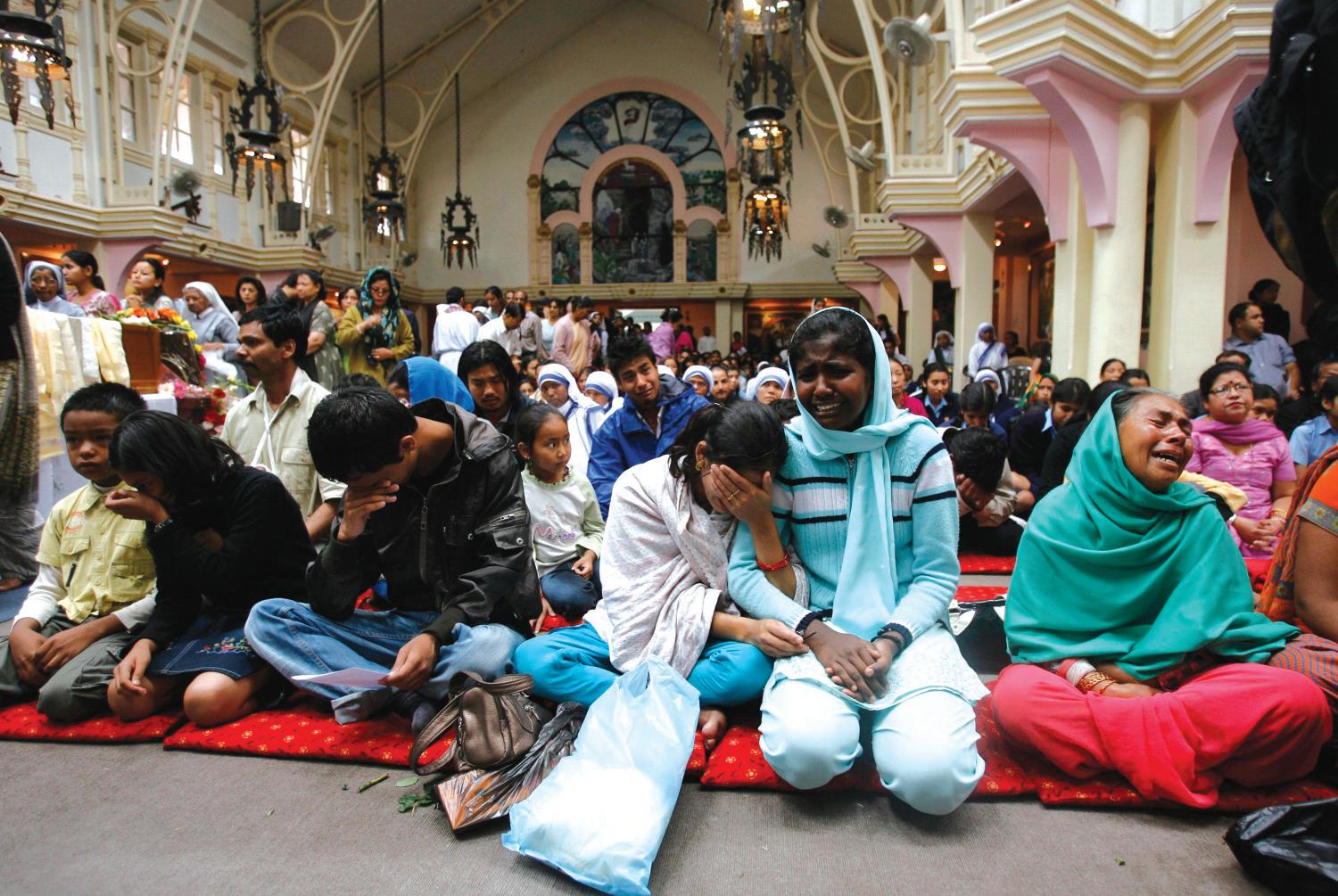
Relatives and friends of bomb blast victims grieve during a funeral service inside the Catholic Church of the Assumption in Katmandu, Nepal on 26 May. Two people were killed and at least a dozen wounded when an explosion ripped through the church on 23 May, police said. The St Vincent de Paul Society will start operations there by Christmas. PHOTO: CNS/GOPAL CHITRAKAR, REUTERS
Gosnells columbarium blessed
Columbarium, a tradition that stems from Roman times, Salvatorian Regional Superior says as Archbishop blesses Gosnells’ new addition
BY BRIDGET SPINKS
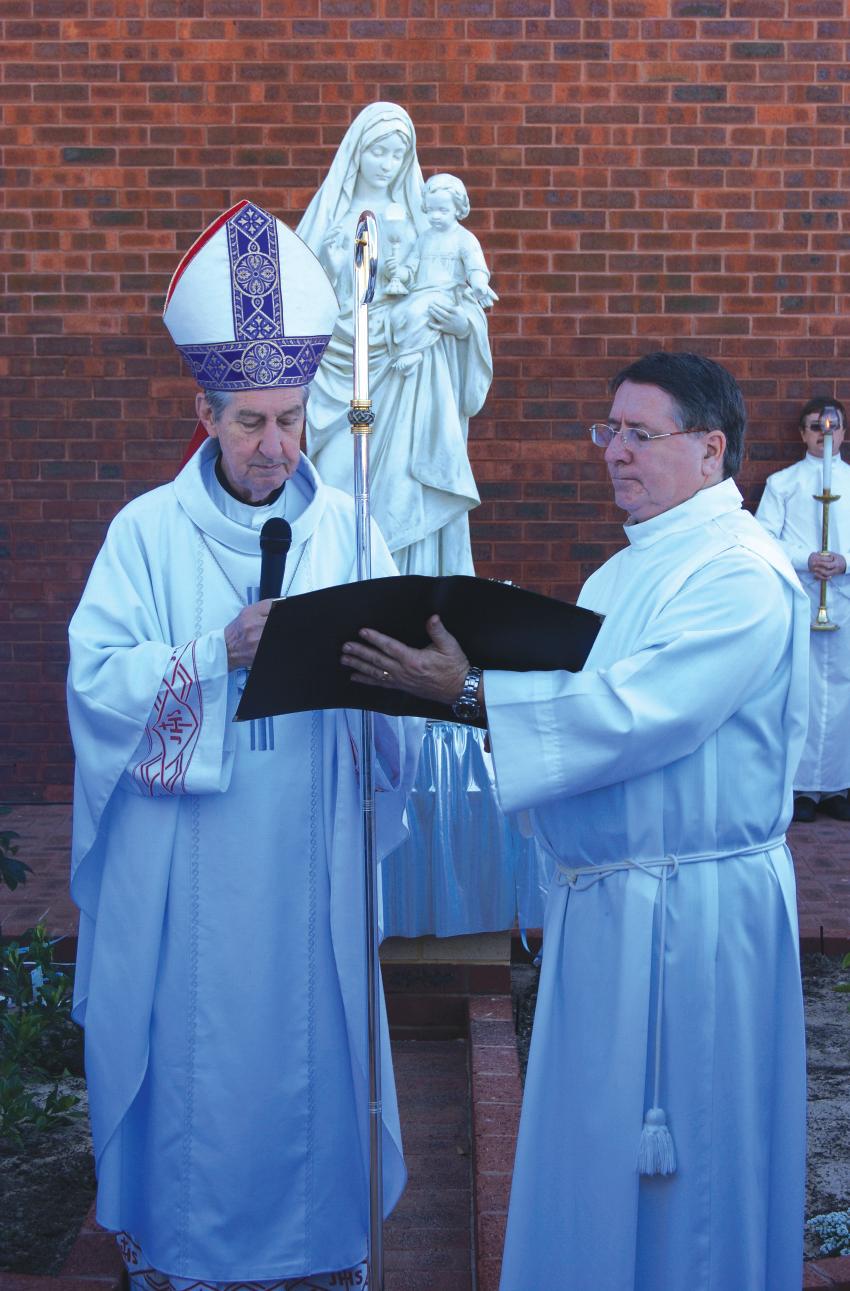
ARCHBISHOP Barry Hickey celebrated Mass at Our Lady of the Most Blessed Sacrament in Gosnells on 6 June, the feast of Corpus Christi, to bless Gosnells parish’s new columbarium.
Regional Superior of the Polish Province of Salvatorian Fathers, Fr Karol Kulczyzki SDS and Gosnells parish priest, Fr Dariusz Basiaga SDS, concelebrated the Mass.
“A columbarium is a place for the respectful and usually public storage of cinerary urns that is, urns holding a deceased’s cremated remains,” Fr Dariusz said.
“In ancient times, Roman columbariums were built underground whereas today’s columbariums can be either free standing units, or part of a mausoleum or another building.”
Mayor of the City of Gosnells, Cr Olwen Searle, Chris Tallentire MLA and representatives from neighbouring parishes were also present.
Before Mass, the congregation assembled in the school grounds to pray and process behind a life-size statue of Our Lady, which forms the centrepiece of the columbarium.
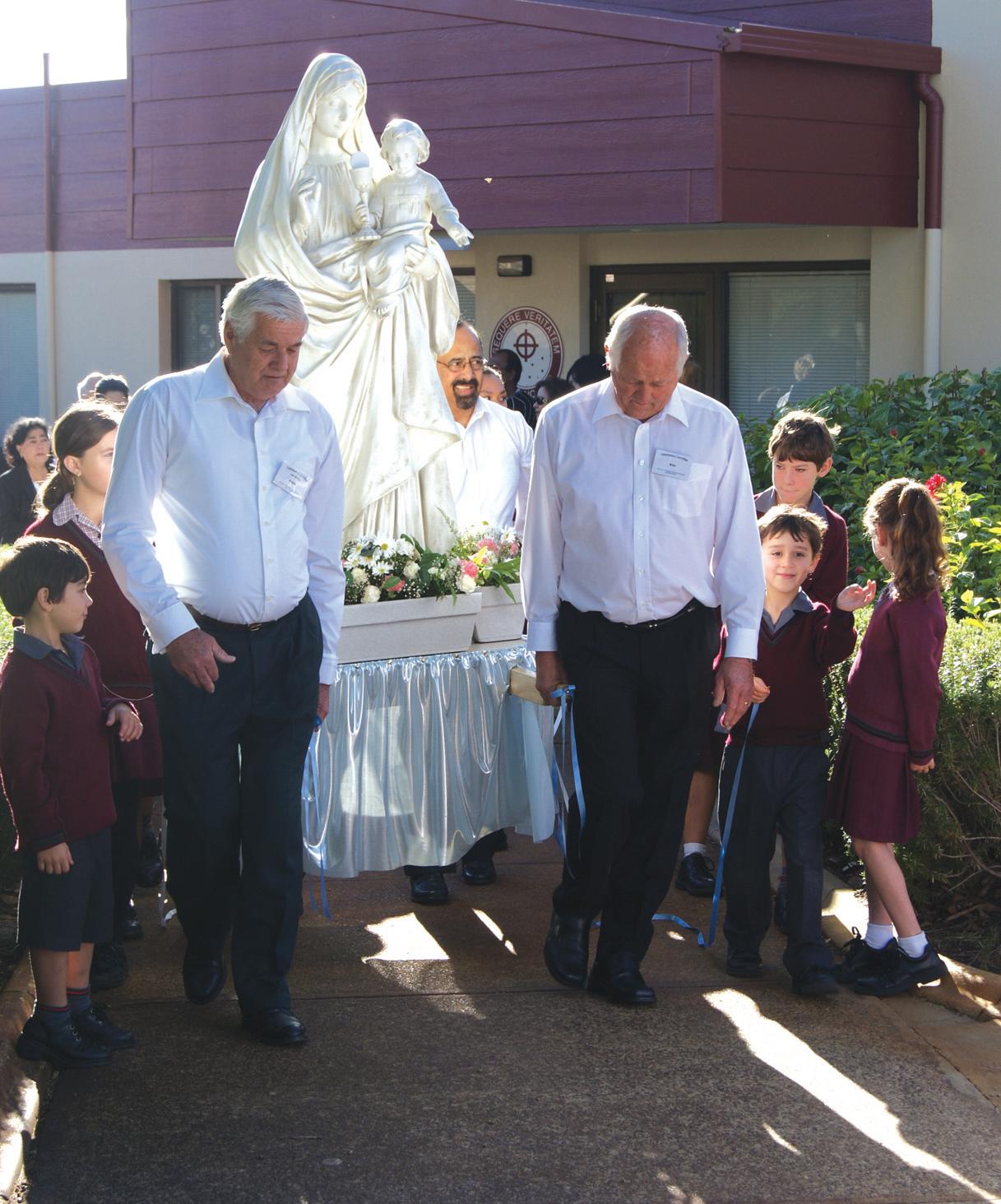
The parishioners sang hymns as members of the Parish Columbarium Committee carried the statue of Our Lady into the church, flanked by a guard of honour of St Munchin’s Primary School students holding blue and white ribbons.
Children from the after-school religious education programme
presented the Gospel and Lumen Christi College students provided a Liturgical Movement as part of the thanksgiving after Communion.
At the conclusion of Mass, Archbishop Hickey blessed the statue of Our Lady, which a parish family had donated.
Archbishop Hickey congratulated the parish on the completion of its new columbarium and presented the official copy of the Constitution of the Columbarium Committee to the Chairperson, Bill Tucker.
After Mass, the congregation walked behind the statue of Our Lady as it was carried to the centre of the new columbarium area behind the church.
Archbishop Hickey then blessed the columbarium wall, and St Munchin’s Primary School students planted a rose in the garden symbolising the unity of the parish and its school.
“The columbarium with its beautiful rose gardens and peaceful ambience will provide the final resting place for many deceased persons who have had an affinity with the parish of Our Lady of the Most Blessed Sacrament in Gosnells,” Fr Dariusz said.
Fr Dariusz said the project was instigated and inspired by Fr Nicholas Nweke, who had the “vision to beautify the grounds surrounding the church”.
It was his idea for the parish to build a columbarium in an unused area behind the sanctuary walls of the church, Fr Dariusz said.
The Parish Columbarium Committee formed at the start of the year worked together for six months with Fr Nweke’s encouragement to bring together the project, which will now “provide a sacred place on the parish property for departed parishioners,” Fr Dariusz said.
Application forms for niche reservations and memorial plaques may be downloaded from the parish website www.gosnellsparish. org.au.
Hilton plans its own
BY BRIDGET SPINKS
OUR Lady of Mount Carmel Hilton parish priest Fr Patrick Lim hopes to build a parish columbarium both to “provide a service to the parish” and finance the building of a parish centre.
“When I came to Hilton in May 2008, people were asking for a hall. We had no facilities for meetings and gatherings. But financially we can’t afford to build anything unless we borrowed lots of money,” Fr Lim said. The plan to build an indoor columbarium would help the parish raise the funds to build a parish centre. This would include the columbarium and a multi-purpose hall, a Sunday morning tea serving area, St Vincent de Paul’s food storage area, meeting rooms, parish offices and a presbytery.
An estimated cost per 50-year single niche reservation is $3000 and $4500 for a double although the conditions of the columbarium have not been finalised. There will be a limited number of family niches available that would fit five urns at an estimated cost of $10,000.
Above: parishioners and local school students carry a statue of Our Lady, into the church. It forms the centrepiece of the new columbarium at Gosnells parish, which Archbishop Barry Hickey blessed on 6 June. The columbarium was the brainchild of former parish priest, Nigerian-born Fr Nicholas Nweke.
Left: Archbishop Barry Hickey reads a blessing during proceedings, in front of the statue of Our Lady. The event was truly a day for the local community, as the special occasion was attended by an MP, the local Mayor and representatives from neighbouring parishes.
PHOTOS: COURTESY GOSNELLS PARISH
State Executive Officer 32 Hours / week
At least 120 expressions of interest are needed to approach Archbishop Barry Hickey with a proposal for his approval. 5000 brochures about the columbarium have been printed to raise awareness of the project among the wider Catholic community, and many Catholic churches in Singapore have columbariums. The columbarium in the proposed parish centre would be located on the grounds where the presbytery and existing building behind the presbytery stand so people would be able to attend Mass and visit the resting place of relatives at the same time.
The Knights of the Southern Cross (WA) Inc
The Knights of the Southern Cross (KSC) is a Catholic fraternal order committed to promoting the Christian way of life throughout Australia. Based in Rivervale a senior opportunity exists for an experienced manager to administer the Order’s activities in WA.
As a Catholic layman’s organisation, the Order seeks to develop, and sustainably grow its membership.
The State Executive Officer (SEO) reports to the elected State Chairman.



The SEO will ensure Compliance and Regulations are maintained within the Order’s activities. The SEO will also be responsible for the Operational Management of the Order and its Public Relations. Providing Pastoral support where appropriate the SEO will also support the State Chairman, the State Council, Branches and Members.
The successful applicant will hold significant experience in business administration and managing finances. This management opportunity will suit a values-driven individual who can demonstrate initiative and posses high standards of integrity.
A remuneration commensurate with this executive role will be negotiated to reward professional and proven performer.
Applicants are invited to view the Position Description on the website www.kscwa.org.au or contact our office (08) 9470 4922 for a copy. Enquiries can also be made to the office, or kscwa.seo@perthcatholic.org.au
6100
25 August 2010, The Record Page 5 THE PARISH
Applications should be addressed
Box 136. BURSWOOD WA
* Now includes all taxes/ levies! from $ 6395 With Fr John Sullivan A 13 day pilgrimage journey Departing 20 Oct 2010 • Paris • Rouen • Lisieux • Chartres • Nevers • Paray Le Monial • Taize • Ars • La Salette • Turin • Optional 9 night Italy or 11 night Portugal / Spain extension 2010 GENUINE FAITH ENCOUNTERS * Costs must remain subject to change without notice, based on currency exchange rates, departure city, airline choice and minimum group size contingency. More information at 1800 447 448 Flightworld Travel, Perth City: (08) 9322 2914 Contact HARVEST PILGRIMAGES to request your FREE 2010-2011 Brochure or visit www.harvestpilgrims.com • harvest@pilgrimage.net.au GRACES OF FRANCE OFFICIAL CANONISATION TOUR OPERATOR Mary MacKillop Canonisation Call Centre: 1300 467 663 www.canonisationtravel.com RESERVE YOUR PLACE IN HISTORY... Official packages from $3590 all inclusive Fully Escorted 4 & 6 night Rome Pilgrimages Variety of airlines and accommodation options Instant Canonisation tickets & ceremony inclusion Pilgrim sightseeing with expert guides Pilgrimage & Tour extensions into Italy, Scotland, France & Holy land Brochure out now ! PILGRIM’S ROAD OF MARY With Fr. David Cartwright A 15 day pilgrimage Departing 2 Oct 2010 Toulouse • Lourdes • Loyola • Santo Domingo De Silos • Burgos • Leon • Astorga • Sarria • Santiago De Compostela • Coimbra • Fatima • Lisbon * Now includes all taxes/ levies! from $ 6495 • Optional extension to Mary MacKillop Canonisation in Rome (contact Harvest for more information) JOURNEY OF CHRIST * Now includes all taxes/ levies! from $ 5895 With Fr Paul Clark A 13 day pilgrimage Departing 19 Oct 2010 featuring Dead Sea • Sea of Galilee • Bethlehem • Jerusalem • Also available as EXODUS JOURNEY • A 20 day pilgrimage featuring Cairo • Mt Sinai • Red Sea • Petra • Dead Sea • Galilee • Jerusalem •Departing: 12 Oct 2010 from $7195 *incl. all Taxes /Levies
to – The State Chairman, PO
THE PARISH
Deacons to model themselves on Jesus
Perth ordinations show flow of future priests is steady
BY BRIDGET SPINKS
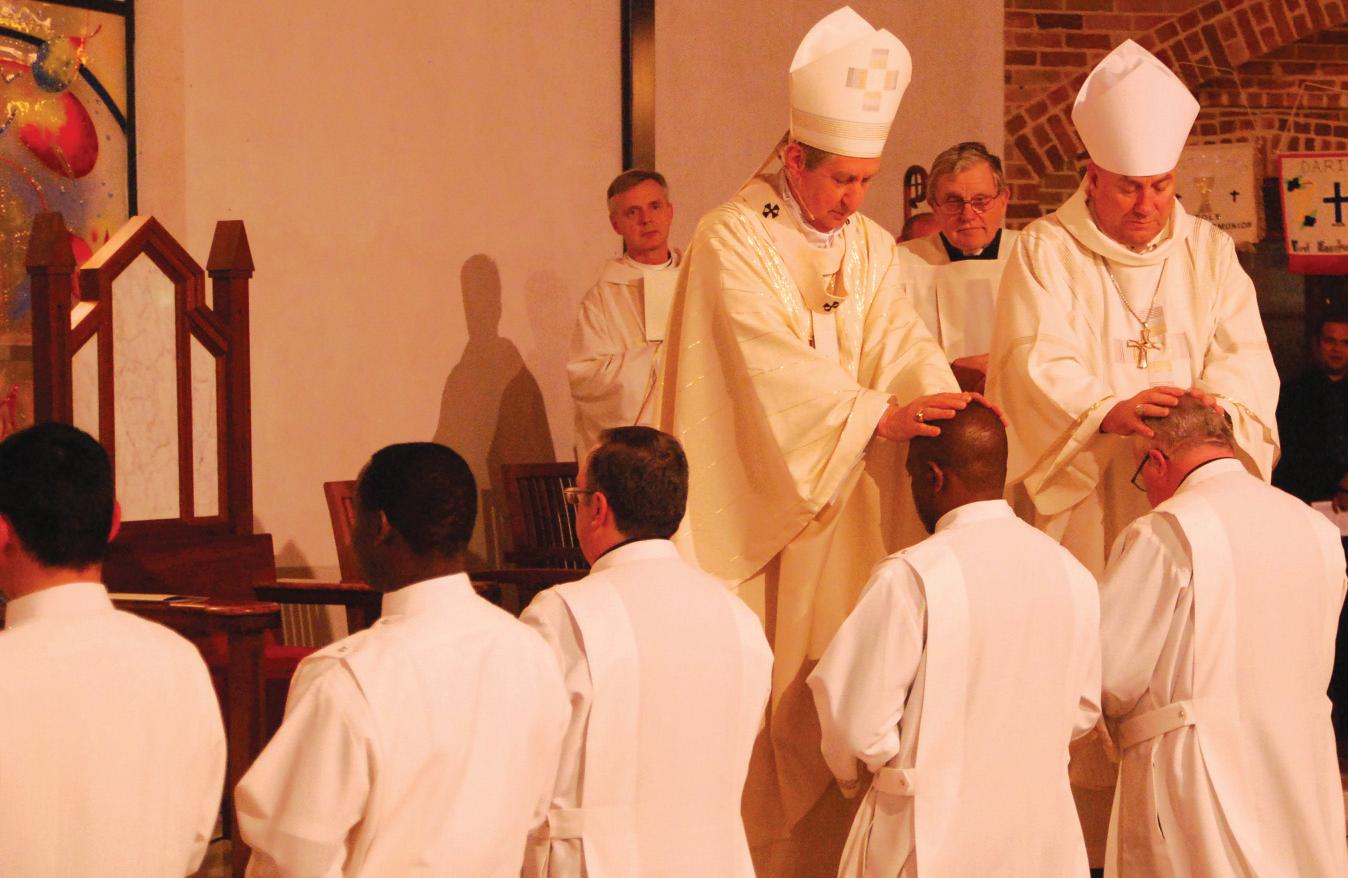
JESUS the servant is the model for the Deacon, Archbishop Barry Hickey said in his homily at the Diaconate Ordinations of five men at Mary MacKillop Parish, Ballajura on 20 August.
Archbishop Hickey ordained four seminarians, Anibal Leite da Cunha, Cyprian Shikokoti, Emmanuel Valentine Dimobi and Daniel Boyd to the Diaconate for the priesthood in the Archdiocese of Perth.
With special permission from Bishop Christopher Saunders of Broome, Archbishop Hickey also ordained Frank Birrell to the Diaconate for the Diocese of Broome.
Bishop Christopher Saunders of Broome Diocese, Perth Vicar General Mgr Brian O’Loughlin, St Charles Seminary Rector Mgr Kevin Long and up to 40 Perth clergy concelebrated the Mass.
Students from both St Charles and Redemptoris Mater seminaries were present in the congregation of up to 800 people.
After the readings the Archbishop called the candidates. Mgr Long testified “they have been found worthy” of ordination to the Diaconate.
Archbishop Hickey gave his consent and accepted the ordi-
THE NEW DEACONS
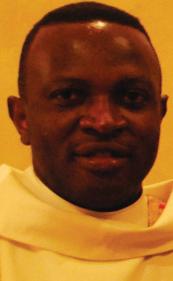
Deacon Emmanuel Valentine Dimobi
... from Nigeria has been the first seminarian to be on placement at Mary MacKillop Ballajura. He said it was a “great honour and privilege” for the ordinations to be held in his parish, in the same year that Mary MacKillop is to be canonised Australia’s first saint in Rome.
Emmanuel said he was looking forward to being a Deacon after “studying all his life” for the priesthood. He is still in the process of completing his Masters in Arts (Philosophy) at the University of Notre Dame, Fremantle. Emmanuel studied philosophy in Nigeria.
Then he went to Rome to undertake a Masters in Communication at the Gregorian University and later a Bachelor of Theology at the Angelicum.
When he came to Australia in August last year, he was assigned to the parish of Ballajura.
He said that putting into practise all the theology in the parish of Ballajura has been a “great experience”.
While on placement, he has been involved with the altar service as an acolyte and would take Holy Communion to the sick in hospitals and different homes every Sunday, as well as teach catechism through the week.
Deacon Emmanuel has been assigned to the parish of Floreat/ Wembley until his priestly ordination.
nands. In his homily, he said that the vocation for these new Deacons, who are “in transit” to the Priesthood, are called to follow Jesus who came to serve, not to be served.
He said, the Deacon is called to serve God in humility and thanksgiving; to serve Jesus who in the Gospel of John called his followers “no longer servants but friends”.
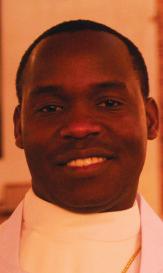
Deacon
Cyprian
Shikokoti
... from Kenya, has been studying for the priesthood for 11 years. He said it was “wonderful” to be coming to the end of his studies for the priesthood.
He entered the minor seminary in Kenya in 1999 and continued his studies at the major seminary with the Mill Hill priests.
When Archbishop Barry Hickey was travelling in Kenya in 2006, he invited Cyprian to continue his studies at St Charles’ seminary and to be ordained for the Perth archdiocese.
Deacon Cyprian said his uncle, Fr Kenneth Asaba, parish priest for Our Lady of Montserrat, Southern Cross, inspired him.
“He’s still inspiring me,” he said. Deacon Cyprian has been assigned to the parish of St Mary’s Star of the Sea, Cottesloe.
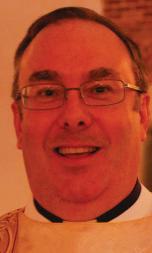
Deacon
Daniel Boyd
...who grew up in Bassendean, said he had thoughts of becoming a priest when he was as young as eight or nine years old. Although he left the Church for a while, he said he always had “that longing and desire,” which got stronger over time
“I believe God calls us when it’s right,” he said. Before entering the seminary, Daniel was working as a chartered accountant but wasn’t finding it fulfilling.
He questioned whether he
The Deacon is also called to serve the Church and the people of the Church in many ways, including the administration of the sacraments and in their special ministry of the Chalice, he said.
Archbishop Hickey added that the vocation to the diaconate is a call to proclaim the Word of God and preach the Gospel to the people in the Church and in the world.
wanted to spend the rest of his life pursuing “money, career and success”. “I came in as a raw person; a piece of unmoulded clay in my 30s,” he said. On the day of his ordination to the deaconate, he said he woke up 100 per cent confident that this is what he wanted to be doing. “I just can’t wait to start work,” he said. As a seminarian, Daniel carried out pastoral work in Bateman and Clarkson. As Deacon, he has been assigned to Our Lady of Lourdes, Rockingham.
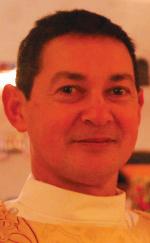
Deacon
Anibal Leite
da Cunha
...spent seven years in the seminary in East Timor before moving to Perth in 2008. While waiting for Archbishop Hickey to formally accept him into the seminary, while living at home he did six months pastoral work at Our Lady of Mount Carmel, Hilton. In the last six months of 2008, he assisted Fr Freddy GeradoHernandez at St Mary Star of the Sea in Cottesloe/Mosman Park and studied theology. Since 2009, Anibal has been in residence at St Charles’ seminary where he is finishing two units of counselling. He will finish seminary studies in November. As an Australian resident and since he has been ordained Deacon for the Archdiocese of Perth he said he “belongs to the Perth Archdiocese”.
He said he has been wanting to be a priest since he was a teenager. “A long time; it’s very exciting that’s for sure,” he said. Deacon Anibal has been assigned to Mary MacKillop Ballajura for the first six weeks as Deacon, before he moves to St Joseph’s Northam.
“Offer them the Word of God that will change their lives by the action of the Holy Spirit,” he said in the homily.
After the homily the five candidates freely committed themselves to lives of celibacy “for the sake of the Kingdom and in lifelong service to God and all people”.
They were then examined on their intention to accept and fulfill the responsibilities of the diaconate. Then the four Perth ordinands knelt one by one before Archbishop Hickey and promised obedience to him.
Frank Birrell also knelt before Archbishop Barry Hickey but promised obedience to his Ordinary, Bishop Saunders.
To symbolise their humble submission before God, the five ordinands prostrated themselves on the sanctuary while the Ballajura parish choir and congregation sang the Litany of the Saints.
At the conclusion of the Litany, Archbishop Barry Hickey laid hands on each candidate and said the Prayer of Consecration.
He emphasised the deacon’s vocation to serve the world, saying they were called to take “the Word out into the world beyond the doors of the Church”.
“I say that specifically tonight because if there was ever a time in the world’s history when the Word of God is needed out there, beyond our borders, it is now,” Archbishop Hickey said on the eve of the federal election.
He said that the Word of God has been needed “in every time” but was especially needed now, in Australia, as “we can see strong currents all around us: in politics, in social policy, in the way people live their lives as if God didn’t exist”.
He encouraged the Deacons to proclaim the Word of God that they “treasure in their hearts” to the media, in the streets and in the market place.
He encouraged them to proclaim the Word on several different occasions: to the people who seek the truth or the knowledge of Jesus Christ and to those who are poor or hungry or lonely.
“The Word of God is needed to transform our society,” he said.
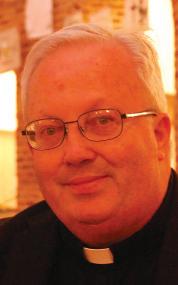
Deacon Frank Birrell (ordained for Broome Diocese)
...spent 14 years in the Kimberley teaching. He has held positions as religious education coordinator and assistant principal at Beagle Bay and Derby. When he decided to give up teaching toward the end of 2008, he approached Bishop Christopher Saunders for direction. At Bishop Saunders’ suggestion, he spent some time assisting clergy as a parish associate in Balgo, Wyndham and Kununurra. He then moved to Perth to study at St Charles Seminary at Bishop Saunders’ suggestion. Deacon Birrell holds a Bachelor degree in Theology from Yarra Theological Union and a Masters in Religious Education from Notre Dame, Fremantle. He will continue to reside at St Charles Seminary to
Fr Philip Perreau, Fr Patrick Lim, Fr Nicholas Nweke and Fr Bonaventure Echeta and members of the Deacons’ families then invested the candidates with Stole and Dalmatic.
After the Mass, the newly ordained celebrated the occasion with their families and friends in the piazza area on the school grounds.
Ballajura parish priest Fr John Jegorow said that up to 120 parishioners had helped behind the scenes for the evening from the parking, catering, to the preparation of food and drinks.
“Paul Cranley, the deputy RE organised the year six’s from the school to help clean the grounds,” Fr Jegerow added.
Fr Jegorow said that he offered his parish to host the occasion since the parish had been hosting student seminarian, Deacon Emmanuel Valentie Dimobi, for the last twelve months.
“We’re his family,” Fr John Jegerow, Ballajura parish priest said, explaining why the ordinations were held in a Perth parish and not at St Mary’s Cathedral.
“It’s significant because it is Mary MacKillop’s canonisation coming up and it’s a special event for this parish church,” he said.
finish his studies where he will practise preaching but he will also visit various parishes for baptisms and to preach.
When Deacon Birrell returns to the Diocese of Broome once ordinated a priest, he will bring the number of Australian ordinations for the Diocese of Broome to a total of six. It will follow the recent ordination to the Priesthood of Fr John Purnell who was ordained by Bishop Christopher Saunders on 23 July this year in Our Lady Queen of Peace Cathedral Broome. “There’s a shortage of priests in the Kimberley,” Deacon Birrell said.
He added that the priests that are “up there are getting older” and that the Bishop has invited some priests from India to come and work in the diocese.
Deacon Birrell said he could only “do this with the Lord’s help and support”.
“There’s a feeling of inadequacy, but that is overridden by the feeling that I’m not alone and that I’ve got great support from the Lord and family and friends and great encouragement from the Bishop,” he said.
Page 6 25 August 2010, The Record
Archbishop Barry Hickey ordains five men to the Diaconate while Broome Bishop Christopher Saunders lays hands on Frank Birrell at a special Mass at Mary MacKillop Parish Church in Ballajura on 20 August. PHOTO: BRIDGET SPINKS
THE PARISH
Fr Chokolich honoured as Wanneroo pioneer
When he first went there, Wanneroo was bush and farms...
BY BRIDGET SPINKS
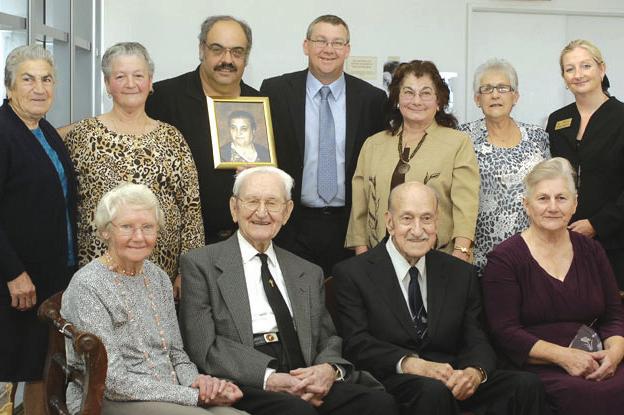
CROATIAN born Fr John Chokolich was one of nine locals to receive recognition for being a Pioneer of the City of Wanneroo at an annual Pioneers luncheon at Wanneroo Library and Cultural Centre on 5 August.
Fr Chokolich grew up in Wanneroo, attended Wanneroo State School and when he was ordained in 1941, he became the first Wanneroo-raised boy to become a Catholic Priest.
Wanneroo Mayor Jon Kelly said there were now 178 people with the title of City of Wanneroo Pioneer.
“The Pioneers Luncheon acknowledges the contributions made by pioneering families and celebrates our rich heritage here in Wanneroo,” Mayor Kelly said.
The title “Pioneer” is awarded to those who have contributed to Wanneroo for 50 years, but since Fr Chokolich has only been in Wanneroo 46 years, he was awarded an “Honorary Pioneer” accolade.
While Fr John has not always resided in Wanneroo since becoming a Priest, Wanneroo has always been “Home” to him and he was recognised for his contri-
bution in the life of the Catholic parishioners in Wanneroo over the years.
In 1924, Fr John Chokolich was seven years old when he came to Wanneroo from Croatia with his Uncle Joe to join his Uncle Steve in Wanneroo, who had arrived in
WA 15 years earlier in 1909.
Fr Chokolich was inspired to become a priest when the Sisters of Mercy from St Brigid’s prepared Wanneroo children for their First Communion and Confirmation.
The Sisters held three classes to
prepare the children; one at the 10 Mile peg along Wanneroo Rd, one at the Chokolich home, and one in Wanneroo. In 1936, he was sent to Rome to study for the Priesthood but was trapped when World War II broke out.
Ordained in 1941, he was commissioned as an RAF Squadron Leader, and served in Algiers for 18 months as a Chaplain and Interpreter.
He returned to Western Australia in 1946 and was appointed Parish Priest to Osborne Park and Wanneroo parishes.
He later served at Midland, Cunderdin, Spearwood, Toodyay, North Beach, Highgate and Kalamunda.
Although he has retired from Parish work due to angina, former parishioners and old friends still often call on him.
“You never retire from being a priest,” he said.
He said the last Mass in the old St Anthony’s Church in Wanneroo on the Friday prior to the opening of the new Church on the Sunday Pioneers will be recognised for their contributions by being named on the Walls of Honour, along with Wanneroo’s early settlers and prominent local Aboriginals.
The City of Wanneroo also recognised Rosina Ioppolo (Sinagra), Nancy Bannister (Wanneroo), Dulcie Duffy (Wanneroo), Nina Bruno (Ashby), Vesa Trandos (Mariginiup), Andja Bosnjak (Butler) and Giuseppina Crisafulli (Wanneroo – deceased) as Pioneers and Phil Renkin OAM (Two Rocks) as an Honorary Pioneer.
Singaporeans join Fr Lim for Silver anniversary celebrations
STORY, PHOTOS BY
EUGEN MATTES
PARISHIONERS and friends from near and far joined to celebrate Fr Patrick Lim’s silver anniversary of ordination to the priesthood in Hilton last Sunday evening 22 August.
Archbishop Barry Hickey presided over the Mass with Auxiliary Bishop Sproxton and a number of priests from the Archdiocese in attendance.
A priest and several visitors from Singapore were also present to join Fr Pat for the occasion.
The choir of Fr Lim’s parish, Our Lady of Mt Carmel, gave its best to make the jubilee a special occasion.
In his sermon, longtime friend Fr John Thornhill SM, talked about the challenges priests have to meet
today and the changes in the priesthood over the last 20 years.
At the end of Mass, Archbishop Hickey thanked Fr Pat for his work as a priest in the Archdiocese and his many talents he has put to good use.
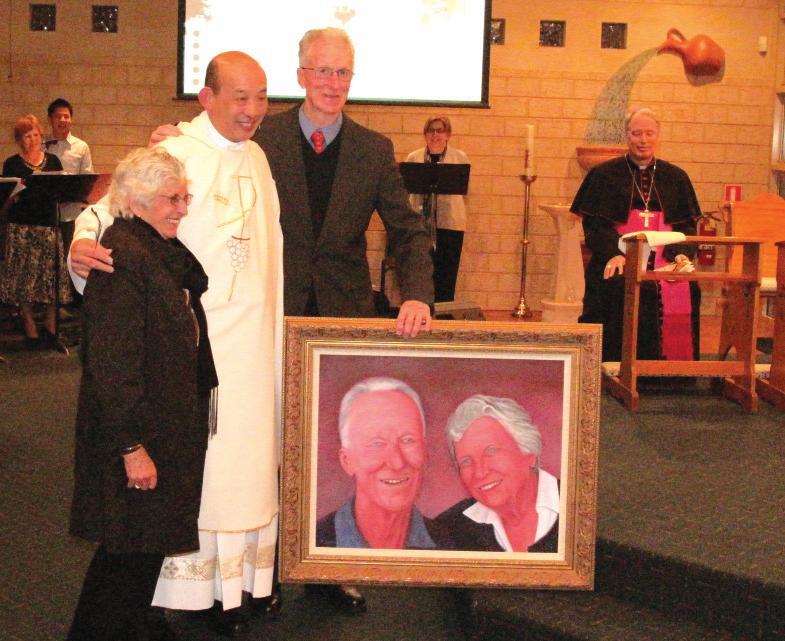
Fr Pat in his turn presented Archbishop Hickey with his painting of Barbara and Des O’Sullivan. Des O’Sullivan worked for many years for the Archdiocese and Barbara is very active in Mt Carmel with the religious education of state school children.
Fr Pat said in his final words that things need to be changed. Christ challenges all of us to shake off the dust. “If the time comes to do things, I’ll do it. My journey is not my own but Christ’s.”
Before the final blessing , the choir from Fr Pat’s old parish,
Thornlie, sang one of his favourite songs for him. The Mass ended with the hymn, The Summons: Will you come and follow me if I but call your name?
After Mass the people assembled in the hall at Seaton College where about 40 tables were set for the 350 guests.
Volunteers filled the plates as people walked past the food containers.
The youth choir and the adult choir from Thornlie gave performances together with a slide show of Fr Pat’s priestly life. Raffle tickets were distributed and Fr Pat drew the lucky winners out of the big bag.
Fr Pat will be on leave for two months, probably to recover from all his efforts of planning this big day.
25 August 2010, The Record Page 7
Wanneroo Honorary Pioneer Fr John Chokolich sits front, second from left. Beside him from L-R: Dulcie Duffy and Phil Renkin OAM, Andja Bosnjak. Behind him are Wanneroo Pioneers for 2010 (L-R), Rosina Ioppolo, Nina Bruno, Sam Crisafulli (son of Giuseppina), Vesa Trandos, Nancy Bannister.
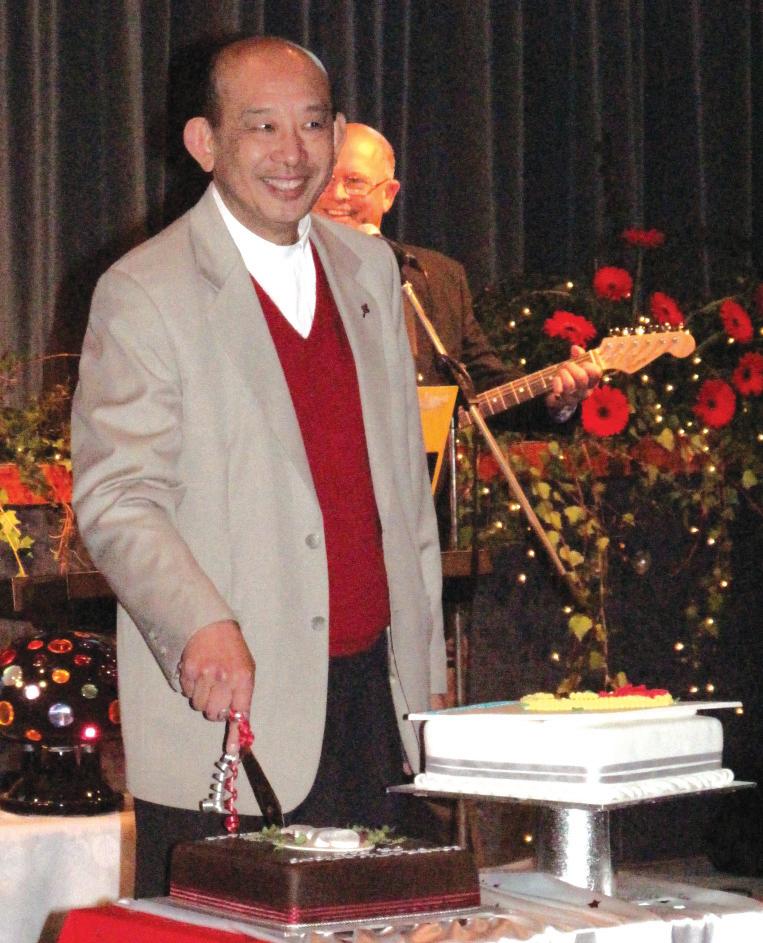
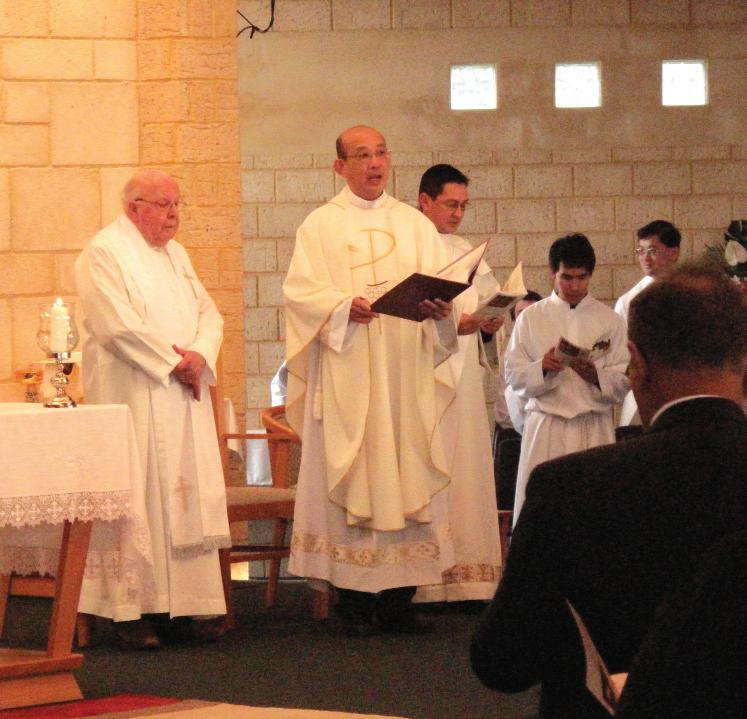
Fr Lim cuts the anniversary cake at the reception after Mass celebrating his silver anniversary of ordination, top left. Des and Barbara O’Sullivan pose with their portrait and its painter, far left. Fr Lim celebrates Mass with friends and parishioners at Our Lady of Mt Carmel Parish in Hilton, left.
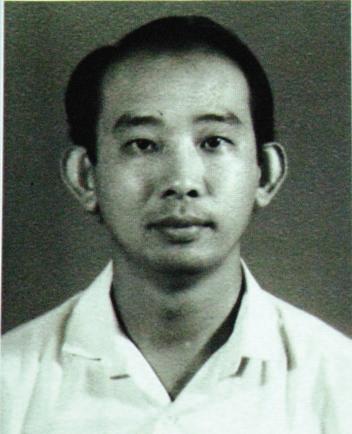
And, top, the young Fr Lim, from a photo revealed last Sunday evening.
Letters reflect old Church factions
The recent letters to your paper from Guido Vogels, John Raynor, P Clune and Neil Smith illustrate, to my mind, the continuing presence in the Church today of the two factions that tangled so tenaciously against each other at Vatican II, factions that John O’Malley SJ portrays so vividly in his recent book What Happened at Vatican II
These factions have been categorised as ‘Progressive’ and ‘Conservative’.
However, ironically, in reality the ‘Progressive’ faction was the more radically conservative as, in their ‘resourcement’, they returned to the Scriptures and the Fathers of the Church for their understanding and theology of eg the liturgy, the Church herself, collegiality, tradition.
The ‘Conservative’ faction, however in their ‘resourcement’ returned only to the middle ages, the Council of Trent and post Trent with the emphasis on scholastic theology (especially Aquinas), the absolute monarchical power of the Pope, the primacy of Tradition over Scripture and the infallibility of the Pope.
A big worry of the conservatives was that, in view of the direction the majority of the Council was going in regard to the primacy of Scripture as the source of Christian truth and the collegiality of the bishops, the two Marian doctrines defined solely by the Popes themselves, The Immaculate Conception and The Assumption, were under threat.
The letters of the abovementioned however concerned themselves with the Eucharist. In regard to the Eucharist, it is an enriching exercise to focus on the Eucharistic prayers themselves bearing in mind the age old adage ‘Lex orandi, lex credendi’ (the rule of praying is the rule of believing). In the Eucharistic Prayers, which are the prayers of the Church we discover truths these prayers imply and embody.
We discover, for example:
1 That the priest in praying them is voicing the prayer of the assembled community (we) and therefore, in the power of the Holy Spirit, is representing that community before Christ and through Christ to the Father. (We come to you Father …. Through Jesus Christ your Son.). Could it not be said that he acts not only ‘In persona Christi capitis’, but also ‘in persona Christi corporis’?
2 That it is the divine power of the Holy Spirit invoked and at work that brings about the real presence of our risen, glorified
Lord in the sacrament, not the saying of the words of institution.
3 That in the context of the Eucharistic Prayer, the words of institution are part of the anamnesis – we remember that Jesus ‘took’ and that he ‘said’.
4 That the presence of Jesus risen and glorified can only be said to be real/complete when the Eucharistic Prayer is complete indicating that the Eucharistic Prayer as a unified whole is consecratory not part of it. The Eucharistic Prayer as a whole being consecratory is indicated by the priest being instructed to ‘elevate’ the Host and chalice and acclaiming or singing the great doxology only after the Eucharistic prayer is complete. (After the words of institution the elements are only ‘shown’ to the congregation not elevated. However, in not a few instances, celebrants tend to give the wrong message. They make a great show of the ‘showing’ after the words of institution but, at the doxology, only make a low key elevation of paten and chalice at, or not much above, waist level. The rubrics do allow for the Host to be shown during the Great Doxology elevation, which to my mind is preferable and the elevation makes much more impact if it is at, or slightly above, head height.)
Worshippers need to be really alive to the content and meaning of the Eucharistic Prayers when praying them to discover their riches. Metaphysics is best left out of it.
Fr John Flynn Riverton
I did not deny abuse in Church
Iam reluctant to waste my time responding to the nonsense in the letter of Guido Vogels. (Record 11 August) But I have an obligation to myself, my family and those who are associated with me.
Saying that my letter to The Record on 2 June was a ‘denial’ of clergy sex abuse and …“has the same ramifications as denial of the Holocaust” is calumny and a serious distortion of what I wrote.
The substance of the latter part of my letter was a criticism of the “organised campaign in the media attacking Pope Benedict XVI over the serious matter of sexual assaults of children by priest.”
I also commended The Record “for having shown that it is a worldwide beat-up, displaying a gross lack of journalistic integrity.”
An intelligent reading of the tirade against Pope Benedict launched in March by the New York Times, and continued by the Washington Post, the London
Telegraph, Der Spiegel and other prominent papers was an organised attack on the Pope and the Mystical Body of Christ.
I said “Sexual molesting of children by priests is a despicable crime. But the number of paedophilic offences committed by priests is miniscule in comparison to [the plague-like number of child sexual molestations in the] rest of society”
I did not deny nor do I condone the grave betrayal of some priests.
Brian A Peachey Woodlands
Catechism proves it
We sure had a raft of letters this week (11 August) and last week, deviating from some Magisterial teachings. I won’t comment on them much, except to quote from The Catechism of The Catholic Church: which has a “Preface” by Pope John Paul II which states in part: “This catechism is given … that it may be a sure and authentic reference text for teaching Catholic doctrine.”
As the Catechism says:
1376: “The Council of Trent summarises the Catholic Faith by declaring: ‘Because Christ our Redeemer said that it was truly his body that he was offering under the species of bread, it has always been the conviction of the Church of God and this holy Council now declares again, that by the consecration of the bread and wine there takes place a change of the whole substance of the bread into the substance of the body of Christ our Lord and of the whole substance of the wine into the substance of His blood. This change the holy Catholic Church has fittingly and properly called transubstantiation’.”
1377: “The Eucharistic Presence of Christ begins at the moment of the consecration and endures as long as the Eucharistic species subsist. Christ is present whole and entire in each of the species and entire in each of their parts, in such a way that breaking of the bread does not divide Christ.”
1378: “Worship of the Eucharist:
The Catholic Church has always offered and still offers to the sacrament of the Eucharist, the cult of adoration, not only during Mass, but also outside of it, reserving the consecrated hosts with the utmost care, exposing them to the solemn veneration of the faithful and carrying them in procession” (Pope Paul VI).
1379 deals with the fact that the tabernacle was first intended for the reservation of the Eucharist outside of Mass, and goes on to state that “as faith in the real presence of Christ deepened, the Church became conscious of the meaning of silent adoration of the Lord present under the Eucharistic species. It is for this reason that the tabernacle should be located in an especially worthy place in the Church.”
There is quite a bit more about the Blessed Eucharist, but readers can refer to their own Catechisms at home. There is a sort of “confusion” nowadays about the word “Eucharist”. It means the consecrated Host (as it was taught to me way back when I a kid).
However, nowadays it is referred to as if it means The Mass also. At least that’s how it seems to me. I know it should be “Eucharistic Celebration” when it means The Mass, but sometimes this is not done.
It does not matter whether a practice done during the Mass started after the Apostles were on earth or not: what matters is whether the Church has sanctioned it. Look at the new practices that started after Vatican II (I mean the sanctioned ones).
As far as valid orders go, with all due respect, the Church has ruled that Protestant ministers do not have valid ordinations to the priesthood and so, sincere as they may be, their “Eucharists” are not the real presence of the Body and Blood of Christ. This can be found in the Catechism in more than one place and I won’t quote from it in order to shorten this letter.
Jerome Gonzalez Willetton
No fisking here
Iwrite in reply to the letter of Neil K Smith who wrote in defence of Mr Guido Vogels. Your heading was Unjust portrayal I have no intention of “fisking” his entire letter but will respond to one or two points which Mr Smith makes. He writes “…the commemoration of the Last Supper is a call and commitment to action in communion with Christ, not a command to fall on our knees in adoration.” My response is to say that the Sacrifice of the Mass is a representation, not just of the Last Supper but the whole of the suffering of Jesus right up to his death on the cross, in expiation for our sins.

Magdalene did when she discovered his resurrection and just as Thomas did when asked to put his fingers into the wounds of Jesus? The words of Thomas were “My Lord and my God”.
Mr Smith goes on to claim that the elevation of the Host and the Chalice only came about in the 13th century.
So what?
Does Mr Smith not believe in the development of liturgical practice as a result of universal belief?
He also claims that there are not two meanings to the word “Eucharist”. I disagree.
Ask anyone you like and you will find that Catholics do mix the two meanings up.
I refer Mr Smith to the Catechism of the Catholic Church. There he will read the word “Eucharist” and he will read “Eucharistic presence” and they clearly refer to the Mass and to the Real Presence.
As to “transubstantiation” not being a teaching of the Church, one need only refer to Article 1376 of the Catechism.
At least, on the basis of that, if not because I have always believed and taught, that transubstantiation is an article of faith, then Mr Smith has some explaining to do as to why the Council of Trent got it wrong.
It may be off the subject a little if I add that the Catholic Church that I grew up in had “May Processions” through the streets of the town where I grew up and it also had “Corpus Christi” processions through the same streets with the Blessed Sacrament exposed and carried by the priest under a canopy carried by four good men holding that canopy up, with a boy incensing the Blessed Sacrament as the procession moved along. In those days, vocations were plentiful and I myself went along and tried out my vocation. I got as far as Minor Orders but I certainly studied St Thomas Aquinas and we had Latin text books, not English ones.
John Rayner Hillarys
Amazing what Catholics believe these days
Ishould like to congratulate Jing-
Ping Wong on his great letter in The Record of 4 August.
I should also like to say that I am astounded by at least two of the letters recently. Amazing that people expressing such views can consider themselves Catholics in good standing.
There are so many statements from Rome in the past several years condemning abortion, homosexual “marriage” etc that it boggles the mind that we still have Catholics who are soft on these sinful things.

That is why it is “The Holy Sacrifice of the Mass”. Given that that is what it is, why would any believing Catholic not fall on his knees in adoration of Jesus, just as Mary
Abortion is considered so utterly abhorrent by the Church that automatic excommunication is the penalty levied on those directly responsible for such a heinous crime. How on earth can a Catholic reconcile his or her conscience with voting for a strongly pro-abortion party: one which is even prepared to legalise partialbirth abortion?
Page 8 25 August 2010, The Record
LETTERS BUSINESS CARD DIRECTORY MICHAEL J. DEERING C.D.MAITT(L) Managing Director 200 St George’s Terrace, Perth WA 6000 Tel +61 (8) 9322 2914 Fax +61 (8) 9322 2915 Mobile: 0400 747 727 email: michael@flightworld.com.au www.flightworld.com.au Letters to the editor Around t he tabl e dnuorA t eh lbat e LETTERS TO THE EDITOR
As for the teaching on the Real Presence of Jesus in the Blessed Sacrament, this is essential for all wanting to call themselves Catholic. Boggle, boggle, boggle.
MJ Gonzalez Willetton
Fine contributions
Please pass on my sincere congratulations to Jing-Ping Wong for his letter of 4 August regarding the election. As Margaret O’Hagan also pointed out “he said it all”. On the community radio 3RPP on the Catholic segment 8am on last Sunday, I read the whole letter. Denise Cameron added some local colour from Victoria as well. Great newspaper! Keep it coming.
Maureen Federico Frankston South VIC
Identify confusion
Your correspondent Guido J. Vogels signs himself as “Vicar Social Apostolate, Catholic Archdiocese of Perth.” Is Mr Vogels a member of the clergy, and is he writing with the approval of Archbishop Hickey? I normally associate the title ‘Vicar’ with a priest. It seems to me some clarification is needed.
Gerald Emslie Leeming
Mass polemics saddening
With a degree of sadness I have followed the polemics about the Tridentine Mass, the new Mass and the Eucharist. By provident coincidence I came across an article titled Creation made flesh, subheaded: Pope John Paul II wrote of the Mass as a cosmic event, with it’s fearful darkness and irresistible brightness. The Eucharist is indeed a reminder that all are God’s body by virtue of creation, a fact revealed in the incarnation. Authored by (Rev Fr) Daniel O’Leary in The Tablet #12, 24 July 2010.
In it the author gave answers to the questions: How can the Mass be understood as a cosmic event?
Will this touch something deep in all of us and transform hearts?
And will the imminent “new translation” help or hinder this vision?
Fr O’Leary’s answer – quote:
“For a start, a truly incarnational theology of liturgy insists that our ritual acts of worship must never be seen as isolated interventions of grace into our “merely” secular lives and world. Rather are they symbolic expressions of the holiness of Creation itself.”
Furthermore – quote: “In receiving Holy Communion, we experience the soul of the earth. The Eucharist encapsulates forever this astonishing song of love at the core of the cosmos.” And more – quote: “This is my Body.”
It is God – become–atom, become-galaxy, become-star, become –universe, become–earth, become-human, speaking these words of wonder to the whole of Creation in our own voices.”
Fr O’Leary then concludes: “The unfolding of the secrets of the phenomena called life, in all it’s personal, earthly and cosmic dimensions, with it’s fearful darkness and irresistible brightness, is the bread and wine of God’s universal becoming. Without the Mass, we would surely forget that our beautiful God is very incarnate indeed!”
Fr O’Leary’s writing has impacted profoundly on me, as it has indeed provided: “wider windows
of wonder to capture my imagination, to strengthen my faith on a Sunday morning.” I recommend as worthy Fr O’Leary’s input to the polemics.
Johan Benny Ijia Willetton
God is not an anarchist
Where
Neil K Smith (Letters, 11 August) claims that Transubstantiation “is not a teaching of the Church,” if he means the Catholic Church founded on St Peter and the Apostles by Christ, then it is not possible for anyone to be more profoundly wrong, to put it mildly.
The Church officially teaches that Jesus literally meant what He said at the Last Supper. By supernatural divine power Jesus miraculously changed the substance of bread into his flesh and of wine into his blood. Only the outward appearances of bread and wine remained unchanged.
This is exactly what happens by at the Consecration during Mass, when the Priest repeats Jesus’ words spoken at the Last Supper, “This is My Body… This is the Cup of My Blood…” Jesus made the Apostles Priests when he then said to them,” Do this in Commemoration of Me.”
Thus Holy Orders is a Sacrament in its own right; the Apostles could confer it on others by “the laying on of hands,” and so on down to this day.
Whilst God is definitely not an oppressive fascist, neither – as is clear from page one of the Bible onwards – is He an anarchist. He knows who are Successors of the Apostles and who are ordained priests, and ratifies that by supernaturally performing the miracle of transubstantiation at Mass.
I am not making up my own speculative pseudo-religion to suit myself as I go along - God created me, not vice versa: truth is truth and facts are facts, whatever they be. Divine Revelation is Divine Revelation.
Logically consequent to the belief in transubstantiation, the Church teaches by divine guarantee and authority, that each of the consecrated Eucharistic species are each in their own right “the entire Jesus Christ”: Body, Blood, created human spiritual Soul, and Divinity.
We don’t receive bread and/or wine when we receive Communion: we receive Jesus himself, personally, literally. Without transubstantiation, Catholicism doesn’t exist.
There is no possible greater selfdeception than to imagine one’s self to be a faithful devout Catholic whilst wilfully denying the Truth of Transubstantiation.
The Apostles did not “rationalistically” judge Jesus’ words, they just believed in Him. That is the essence of Official Catholicism.
Trevor Boardman Maylands
Loving, caring, happier with Greens?
Today, 22 August 2010, accord-
ing to Bob Brown, Australia will start to become more “loving” and “caring”. We will now be “happier”, too.
So, we are going to re-define “marriage”. Anyone can get “married” and everybody will be happier.
Instead of allowing citizens freedom to speak their religious opinions and beliefs and values, within the realms of respectfulness and in the appropriate spheres, a Human
LETTERS
US judge stops federal funding of embryo research
Letters to the editor
Rights Bill will force religious people to keep quiet, for fear of hatespeech litigation.
Instead of Australia addressing genuine environmental concerns, like desertification and salination of rivers, a carbon tax will be imposed, driving high prices up higher, and all to fix something that the sun does to us anyway. Solar activity causes global warming and cooling, not mankind’s carbon emissions.
In this more loving Australia, will the barbaric poisoning and dismembering of children stop? Not at all. More abortions, and later than ever, will be legalised. It’s clearly much more loving to tear a baby apart than to allow him/her to be born.
Will the terminally ill be treated with more, and better, palliative care? No, it’s clearly better to let them kill themselves, or help them to do so.
A more caring, loving and happier society, for some of us, means no abortions, palliative care for the dying, proper care for the sick, homeless and disabled, justice for all, and the right to be respected and to speak freely our considered opinions, even if they are religious.
To those who voted for the Greens, what you have unleashed upon Australia may not be loving, caring, or happy, for all of our citizens, and, least of all, the unborn.
(Mrs) CV Phillips Southern River
Where art thou, Berengarius?
Regarding Paul Clune’s Letter of 11 August, his Anglican cleric friend is obliged to sign his acceptance of the 39 articles of Anglicanism.
Article 31 teaches that the Romish Mass is a blasphemous fable and a dangerous deceit. The prayer book continues at page 646 and discusses the teaching of the Council of Trent on transubstantiation and rejects that councils teaching.
The Church has always taught belief in transubstantiation and the real presence. Berengarius of Tours, speaking in 998 of the change of the bread and wine into the Body and Blood of Christ, said that the change was one of efficacy and not of substance. His errors were condemned by the Council of Tours (1055), among others.
There was no elevation of the consecrated species until the time of Berengarius, when it was introduced as a counter to heresy. The priest celebrating Mass was also required to genuflect in adoration. This compliments Luke 4:8: “Thou shalt adore the Lord thy God”.
Harry Miller Wattle Grove
Editor’s note: All correspondence relating to the debate in recent weeks on the Eucharist is now closed. Please find something else to write about.
Coming Soon
A US district judge granted a preliminary injunction on 23 August to stop federal funding of embryonic stem cell research that he said destroys embryos, ruling it went against the will of Congress.
CNN reported on 24 August that the ruling by Judge Royce Lamberth was a blow to the Obama administration, which last year issued guidelines to allow federal funding for embryonic stem cell research.
Lamberth’s ruling said all embryonic stem cell research involves destroying embryos, which violates the DickeyWicker Amendment included in federal spending bills, CNN reported. “The Dickey-Wicker Amendment unambiguously prohibits the use of federal funds for all research in which a human embryo is destroyed,” said the ruling by Lamberth, who was nominated to the federal bench by then-President Ronald Reagan in 1987.
“It is not limited to prohibit federal funding of only the ‘piece of research’ in which an embryo is destroyed. Thus, if ESC [embryonic stem cell] research is research in which an embryo is destroyed, the guidelines, by funding ESC research, violate the Dickey-Wicker Amendment.”
CNN noted that President Barack Obama signed an executive order in March 2009 that repealed a Bush-era policy limiting federal dollars for human stem cell research. Obama’s act permitted the National Institutes of Health to conduct and fund studies on embryonic stem cells.
The 23 August ruling involved a lawsuit against the National Health Institute filed by researchers opposed to use of embryonic stem cells, a group that seeks
adoptive parents for human embryos created through in vitro fertilization, the non-profit Christian Medical Association and others. The ruling stops the federal funding of embryonic stem cell research while the lawsuit proceeds through the legal system. The government can appeal the injunction, and a Justice Department spokeswoman, Tracy Schmaler, said the decision was being reviewed.
The field of embryonic stem cells has been highly controversial because the research process involves destroying the embryo, typically four or five days old, after removing stem cells. These cells are then blank and can become any cell in the body.
Embryonic stem cell research differs from other kinds of stem cell research, which don’t require embryos.
CNN reported that some scientists believe embryonic stem cells could help treat many diseases and disabilities, due to their potential to develop into many different cell types in the body. While some advocates praised the executive order as a giant step forward for medical research, CNN said that “conservative groups” objected, contending that “the destruction of human embryos ends human life”. Ron Stoddart, executive director of Nightlight Christian Adoptions - one of the groups that filed the lawsuit - said he supported adult stem cell research that doesn’t require destroying embryos.
The Coalition for the Advancement of Medical Research said it was disappointed by the injunction granted “in response to the latest maneuver by an ideologically driven fringe group.”
Maltese Deacon-muso rocks youth ministry
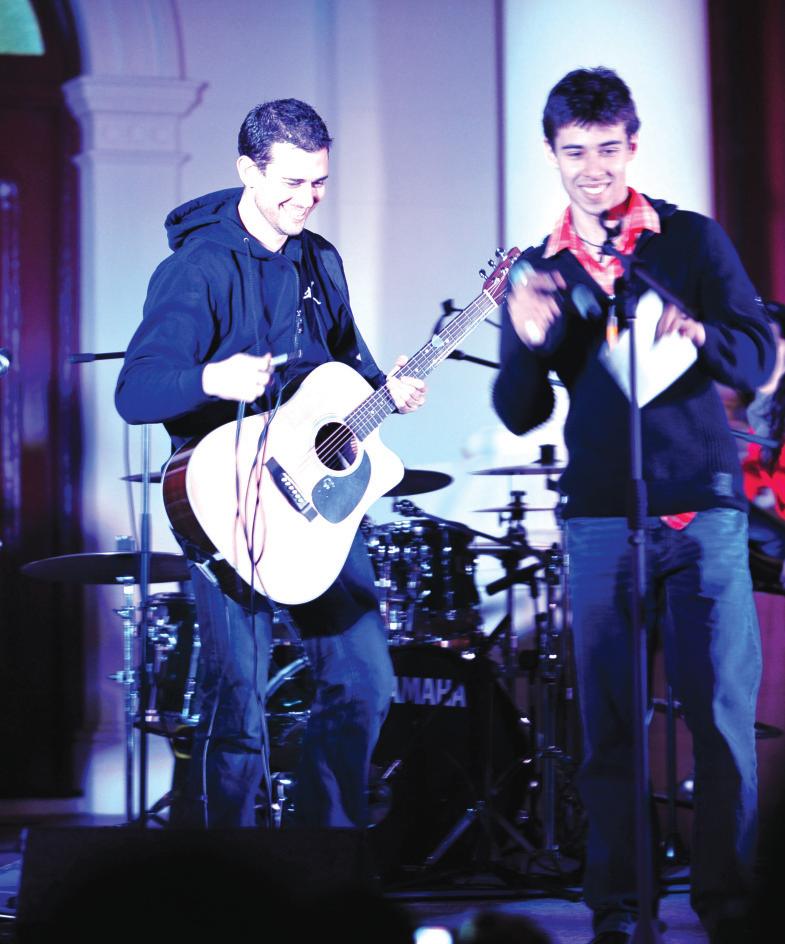
25 August 2010, The Record Page 9
lbat e LETTERS TO THE EDITOR
Around t he tabl e dnuorA t eh
PHOTO: NIGEL CORNELIUS
Deacon Robert Galea, left, pictured above with Catholic Youth Ministry emcee David Busher, headlined this month’s Catholic Youth Ministry Sunday Sesh. Over 600 young people filled St Mary’s Cathedral for Mass. Musicians in the Neocatechumenal Way, Youth Impact Band and Deacon Galea with four local musicians performed for the first time on the Cathedral Palace balcony. Full story on Deacon Galea in next week’s The Record.
Weekly prize for the bestcrafted letter
When is compassio
What does the Church say, and why?
 REV DR JOSEPH PARKINSON, STL PHD LJ Goody Bioethics Centre
● The Catholic Church does not object to withholding futile or burdensome treatment, even when that treatment is required to sustain life, if the patient so chooses. This is the patient’s legal and moral right. If the patient subsequently dies, that death would be the result of their choice not to treat their underlying illness. Death is foreseen but it is not caused by the patient’s or doctor’s action. The cause of death is the illness.
The withdrawal or withholding of unreasonable or overly burdensome treatment is not euthanasia. It is common sense in medical practice.
● The Church supports the use of any and all means necessary to ease severe pain, even if in some extreme cases that treatment also shortens the life of the patient. This has always been accepted as legitimate medical practice. It is intended solely to bring the patient comfort. Death is foreseen but not intended. This is not euthanasia either.
● In both of these cases the Church makes the legitimate and vital distinction between withdrawing unreasonable treatment to allow a person to die naturally, and setting out to kill the person deliberately. The former is acceptable, the latter is not. The first treats with great respect the person in all dimensions of his or her humanity, including respecting the fact of mortality. This is good, ethical medical practice. The latter deliberately causes death. This is unethical in anyone’s language, and will always be so.
● The fundamental stance of the Christian community is for the good of both the individual and the social, corporate whole. For that reason we would counter current moves toward euthanasia with a strong and consistent call for the extension of palliative care and other medical and social services which can and, where they are available, do in fact meet the needs of even the most desperate.
● So if a life-sustaining treatment is withdrawn as futile or too burdensome, the patient must still be provided with all necessary palliative care and medication, and kept comfortable while nature takes its course.
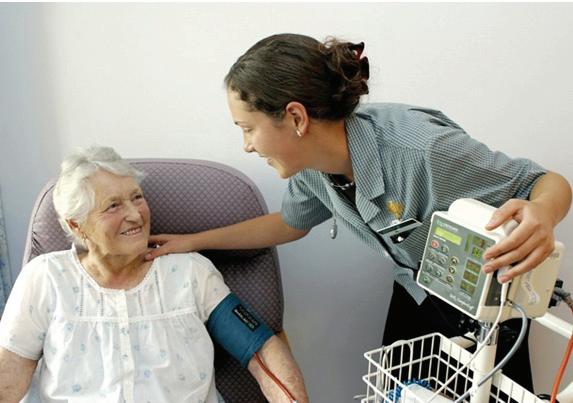
Experts spell out euthanasia’s legal, medical, ethical problems
Are anti-euthanasia advocates the less compassionate ones for not wanting to relieve people suffering unbearable pain?
A 12 August Notre Dame forum sought to restore some logic and clarity to the euthanasia debate.
Anthony Barich reports
Euthanasia strikes at the heart of basic clinical care, changes the whole dynamic of the relationship between doctor and patient and is actually the least compassionate response to suffering.
Yet this is a notion that is simply not heard, or simply scoffed at, and thus the public debate over euthanasia in WA has been conducted with no quality control: misconceptions, errors and blatant deception are published as fact and gain force by virtue simply of being published at all.
But euthanasia is too important an issue to be hijacked by emotivism or mere intuition; it must be informed and consistent, radical, logical and intelligent from start to finish.
When a patient sees a doctor, certain unwritten rules are in place. The proposed euthanasia law will fundamentally alter these norms, from the doctor considering what treatment works to “benefit the life in question” which currently underpins medicine in Australia, to “relief from the life in question” – though this is expressed by euthanasia lobbyists in compassionate terms.
These are the assessments given at a 12 August Euthanasia and Palliative Care forum hosted by the University of Notre Dame Australia’s Centre for Faith, Ethics and Society, given by a medical law expert, a senior WA physician and a bioethicist.
The forum drew over 200 people, from
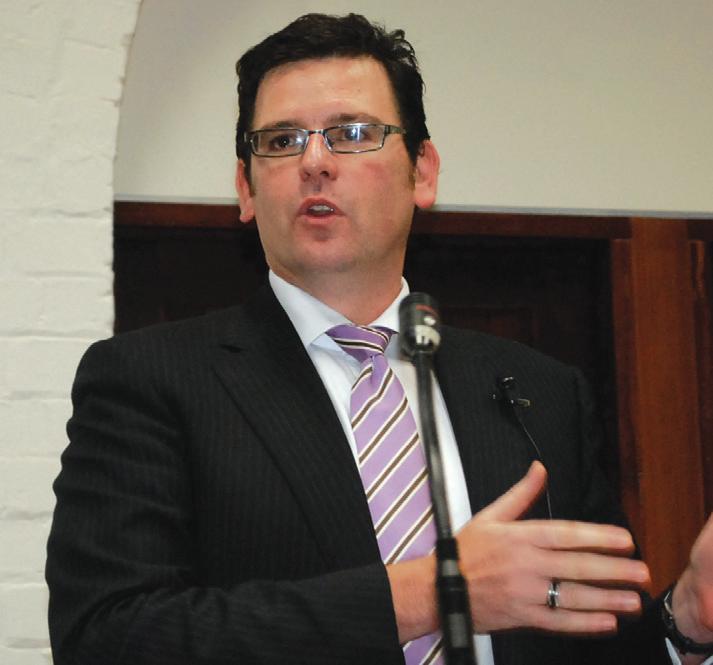
nursing and law students from other universities to pro-euthanasia advocates.
“The question isn’t ‘is the relief of suffering a good thing’. The question is ‘at what point is it recognised that there is a dimension of human life in which there are some things that can’t be done to relieve whatever residual amount there is’,” said Barrister Peter Quinlan from Francis Burt Chambers who has a particular interest in medical law having acted for the Medical Board of WA, hospitals and health professionals.
The forum addressed a fundamental flaw in the euthanasia advocates’ thinking that pain must be relieved at all costs, without looking beyond this to the inescapable fact that suffering will continue unabated even if the Bill is enacted and that suffering is, at times, an unavoidable part of life.
“Unless the Voluntary Euthanasia Bill 2009 and its proponents can stare straight into the abyss and accept the premise that no human life has an intrinsic value (and allow everyone the ‘right to die’), it is unavoidable that the law, if enacted, will have enshrined a policy of “ranking” the value of human lives,” he said.
Euthanasia advocates respond to this, he said, with the “often hostile and offended objection that I must have missed something in the argument, because proponents
of euthanasia - being the compassionate ones in the debate - could not possibly be accused of denying the intrinsic value of human life”.
The conflict between the moral intuition and logic is pragmatically sidestepped by euthanasia advocates, by saying that “all this philosophising is unnecessary, and ‘can’t we just get on with the business of relieving suffering’,” he said.
A view that suffering can be eliminated is ultimately utopian, and all utopias tend to end in disaster, he said, precisely because they misunderstand the human condition.
Quoting John Gray, Professor of European Thought at the London School of Economics – who is “certainly no theist” - he said: “Disasters of this magnitude do not come about as a result of ignorance, error or disinformation … They are consequences of a type of thinking that has lost any sense of reality”.
“Ultimately, we can only do what we have always done (before the option of euthanasia occurred to us), that is: be with them,” Mr Quinlan said.
“It causes us pain to be in the presence of our loved ones and the pain they are experiencing.
“The Romans have given us a word for that too. We get it by combining the Latin for the word ‘with’ (cum) and for the word ‘suffer’ (passus): ‘to suffer with’.”
The pain felt by people with malignant disease is the focus of the euthanasia lobby, but this is deceptive, Dr Watson said, as European experience suggests that there will be other people affected by the Bill other than those with terminal malignancy. In 1992 – nine years before Holland legalised mercy killings and assisted suicide, enabling doctors to end the lives of patients with unbearable, terminal illness – it was already clear that children with severe defects were being put to death in Europe, Dr Mason said.
While there are now guidelines covering that, the frail aged and those with dementia are potentially, “once the chains have been taken off” the safeguards, get caught
up in being consid nasia, he said. This when, around the w of pain is poorly do there are now over compared to just m he said. Neither is managing the side
Added to this, palliative care is “v as the patients are is the issue of med said are “dreadful a and are rarely read as proven by a surv ago at SJOGH.
“Technology is records to further alone our research,”
The only advan keeping over the p pital has been the b to store them in, he
“These are the care that each of us doctors) must atten vidual patients; and all their needs, we’r that it’s done.
“We must prov resources can allow
These basic elem even the use of reco of life care – is end nasia Bill before WA
The key of clini work as a team - kn tory is key to treati
Therefore, “we h tion the wisdom o opportunity of doi fessional lives that else - and that is kill said.
Under the Bill, this regard is not Board – the regist erns them - to en the courts, and D a fundamental pro constraints against “because we do hav straints – there’s no
Mr Quinlan not tions that must be euthanasia under th
1. A medically-d dition, the normal cause death in two
2. Pain, suffering experienced as a re that illness or cond
3. The absence depression or anxie
Even within thes cies, he said.
“On what groun made available to a as a result of an ill their death within t available to a perso result for five years
Another self-def by the Bill, he said right to die be deni never die of their il tion? Or a person w but is simply bored any friends or fam that they wish to ac
These criteria sh the premise that h the sum total of will show that Par is right, and prop regard non-existen human life”, while this life still has va regardless of wheth ing that life, agrees”
In dealing with patients entering th lives, the law curre assess the “value” o to other patients, M It also refuses to even where the tre may have the effe death (see breakou on this matter).
Page 10 25 August 2010, The Record VISTA
A nurse of St John of God Hospital tends to the needs of an elderly patient. The healthcare body’s hospice in Murdoch is the only one of its kind in WA, highlighting the fact that the Catholic Church, which is in the trenches helping the most vulnerable in society, has the right to have a voice in the public debate on issues like euthanasia. That voice is not being heard, which is why Notre Dame hosted a forum with a lawyer, a doctor and a bioethicist discussing some points on the issue which need to be considered in a reasonable, logical way, not with the “emotivism” that dominates the secular media-driven debate currently going on in WA.
Peter Quinlan
on not compassion?
dered worthy of euthasituation is not helped world, the management one despite the fact that r a dozen opioid drugs morphine and pethadine, s the medical industry effects of these drugs. end of life research in very difficult”, he said, so frail. Related to this dical records, which he nd hard to understand”, by doctors and nurses, vey he did several years not used in medical our clinical care, let ” he said. nce in medical record ast 30 years in his hosbuilding of bigger rooms e said. imperatives of clinical s face every day. We (as nd all the needs of indid while we can’t attend re responsible for seeing ide the best care that w.” ments of clinical care –ords for research in end dangered by the euthaWA Parliament, he said. ical care, he said, is to nowing the patients’ hisng them. have to seriously quesof allowing doctors the ing things in their proare not open to anyone ling people,” Dr Watson the doctors’ actions in open to the Medical tration body that govnquire, it’s not open to Dr Watson sees this as oblem, as is removing t the way they work, ve to be bound by cono question about them”. ted three main condimet for a request for he Bill: iagnosed illness or conprogress of which will years; g or debilitation that is esult of the progress of dition; and of a state of clinical ety. se there are inconsistennds is euthanasia to be a person suffering pain lness that will result in two years but not made on whose death will not s?” Mr Quinlan asked. feating question raised d, is: “Why should the ied to a person who will llness or medical condiwho has no illness at all with life, no longer has mily or has achieved all chieve in this life?”
how that the Bill denies humans are not simply their usefulness, and rliament agrees that “it per, and reasonable, to nce as preferable to this saying to others, “No, alue. It is worth living, her you, the person liv”. the treatment needs of he final stages of their ntly in no way seeks to of their lives compared Mr Quinlan said. make such judgments eatment of the patient fect of hastening their ut on Church teaching
We need a society that cares, not kills
A WA quadriplegic who has just published a book on attitudes to euthanasia in the Netherlands and Australia asks whether it should be legalised in a caring society
BY ERIK LEIPOLDT
In Australia and other Western countries, suffering is a subjective and private experience leading to the invocation of individual rights to do away with one’s life should it become unbearable. The life of a person who suffers is of no consequence to others.
When we look closer, however, we see that this private domain is an illusion. Suffering is not an individual, isolated experience. No one is an autonomous entity. Suffering, and its amelioration, is largely a dynamic process involving others.
Here in Australia, as elsewhere, some press for legislation to provide euthanasia to persons of sound mind in response to “pain, suffering or debilitation” that is judged “considerable” in the presence of a terminal illness. Vague and broad as this description is, it invites anyone with a heart to say “yes, of course we should help”.
But what is suffering? And what is the difference between killing the sufferer and attending to the sufferer’s needs?
It is in interactions between people, in injurious events, and in our values and practices that suffering is created and experienced.
Pain is experienced differently by people who have good care and by people who feel abandoned.
Mental anguish can arise from unresolved conflicts in close relationships, even relationships which are
far in the past. Feelings of unbearable dependence or loss of dignity can be provoked by the attitudes of others as well as our own.
Being inherently social, human beings feel best under conditions of positive, caring relationships.
For example, in a study that I conducted involving people with quadriplegia in the Netherlands and Australia, it was only those who lacked supportive relationships who wanted euthanasia for themselves.
This idea of suffering as a social, rather than a purely private, experience can help us decide what we will do about it.
The palliative care journey is to address the person’s suffering by caring for them. The euthanasia option is to do away with the suffering by killing the sufferer.
A bill presented recently in the parliament of Western Australia, where I live, attempts to accommodate both options. It tries to respect “consumer” rights to choose assisted death while acknowledging the value of palliative care.
It attempts to address concerns often raised against state-sanctioned euthanasia by including provisions against profiting from a euthanasia death. It attempts to address concerns about exploitation by ruling out euthanasia for those who feel burdensome and those who are under 21. It attempts to ban euthanasia “tourism”. It involves a multi-tiered application and compliance process.
But experience shows that no safeguards are strong enough to hold out against an inevitable call from the public for a relaxation of the law to cover the “considerable suffering and debilitation” of people in these excluded categories.
In any case, is a doctor really able to assess whether someone wants euthanasia to stop being a burden to others?
In the Netherlands safeguards have not stood in the way of, for example, 12-year-olds applying for euthanasia. People who are not terminally ill have
ended their lives under euthanasia provisions.
At the same time, people fear slow deaths on machines or after exhausting treatment. And anomalies under the present regime do exist where medical staff actively hasten death illegally. Does that mean we should simply make this legal?
We should really ask, is it responsible to hurry to the legal euthanasia option, before, as a society, we have done everything possible to practice all the care and support that we are capable of. Patently, we are a long way off this point.
We do not live in caring societies. We live in societies where social bonds are fraying. Individual autonomy, contractual relations between rational consumers, and consumerism get in the way of us acting as social, caring, human beings.
Legalising euthanasia fails to address the suffering that underlies patients’ requests for it. Often cited are: dependence on others, pain, and loss of dignity.
All of these can be ameliorated through good care. Dependence on others is only undignified in the absence of caring support.
Of course there may always be pain that cannot be treated other than by sedation, but extreme cases make bad law. In the end, there are no perfect solutions.
For some euthanasia is compassionate because it avoids situations where people end their own lives. But this is misreading the nature of compassion, as well as being unrealistic.
Compassion requires personal engagement with the suffering of another - the “cares” of care – in an imperfect world, something which euthanasia practice does not do.
Euthanasia is basically a contractual arrangement between detached individuals, within certain rules, to end a life. It is a technical procedure, not an act of compassion.
An ethics of care pays attention first of all to the need underlying the request. it accepts responsibility for
meeting that need and attends to it competently (Tronto, 1993).
It is a participative two-way relationship with, in this case, a terminally ill patient. This care is not paternalistic and involves being with the suffering person, using thoughtful communication, trust, love, respect, and even humour. These help to preserve meaning and purpose in the end stage of life which is often seen as meaningless in our rationalistic world.
Another response is to encourage both options: palliative care and euthanasia.
But before we consider giving State sanction to euthanasia let us first become a caring society.
We might then find that the question no longer arises.
There is a lot of work to be done. At the present, most of us continue to devalue aged, frail, and highly dependent people who embody those parts of the human condition that we do not like.
In a utilitarian consumer society, state-sanctioned euthanasia carries risks of serious misuse.
Legislatures should reject legalised euthanasia as an inappropriate route to relief of suffering. But they should also ask questions about their own health care policies and practices as potential contributors to requests for euthanasia.
How to treat every life as valuable and deliver excellent care? How to strengthen palliative care?
If we paid attention to human needs at every turn; if we took responsibility for them; if we did so competently and in participation with patients, what would that look like?
The character of a nation is revealed in the way it treats its most vulnerable people. Terminally ill people are highly vulnerable.
Rejecting state-sanctioned euthanasia is not insensitive. On the contrary, it should affirm our determination to work towards a caring society.
Erik Leipoldt acquired quadriplegia in 1978 after a diving accident.
Is there any ‘frightening’ disease palliative care can’t deal with?
Senior physician answers the question on euthanasia advocates’ lips
BY ANTHONY BARICH
MOTOR
Neuron
Disease
(MND),
otherwise known as Lou Gehrig’s disease in the USA, is often more frightening than cancer for those who have it and their loved ones, St John of God Hospital Subiaco Clinical Dean Dr David Watson said. Yet the severity of such diseases were the very reason palliative care was developed in the first place – to develop better research into treating them, Dr Watson said.
MND, a progressive neurological disease, affects approximately 1400 people in Australia and thousands more - their carers, families and friends - live daily with its impact. On average every day in Australia at least one person dies from MND and another is diagnosed.
It is such frightening scenarios that come up when the euthanasia debate heats up, along with terminal malignancy. “There’s no doubt that motor neuron disease, among those who have experienced it, is far more
frightening than cancer, and for those of us who have friends or family with it, it’s a real challenge,” said Dr Watson, Professor of Medicine at the University of Notre Dame Australia in
Fremantle. “This is one of the reasons palliative care came into place in the first place – the need to develop better research into these diseases.”
Medically and pastorally, MDN presents a very special challenge, Dr Watson said, and “none of us would feel confident we’ve got all the answers”. It depends very much, he said, on how to treat the individual. MND also raises issues about tube feeding (do we always offer it, when do we withdraw it)? which the law has had to deal with.
Planning and providing palliative care for these and the whole raft of cases that palliative care deals with is a complex business, not to mention expensive.
When Dame Cicely Saunders - the prominent Anglican nurse, physician and writer famed for her role in the birth of the hospice movement, emphasising the importance of palliative care in modern medicine – visited Perth 30 years ago, she said hospices should be remote from major hospitals. The Cottage Hospice in Shenton Park that the previous WA Labor Government closed down was started under such a premise.
But palliative care has advanced
so much since then that a dedicated hospice should still be a distinct facility but should be close to a full acute hospital. Such a free-standing hospice has been set up just across the carpark from St John of God’s tertiary hospital in Murdoch which provides a full range of medical and surgical services.
“That has advantages as there are all the physicians you need on tap,” said Rev Dr Joseph Parkinson, LJ Goody Bioethics Centre director who is also on the SJOG and Mercy Care ethics committees.
At the same time, staff are able to develop the specific skill set to do palliative care well.
But there can always be improvements. While there are 10 palliative care beds at SJOG Bunbury and 20 at Murdoch, there can arguably be more if the State government is able and willing to fund it.
“There are lots of issues that need to be thought through carefully, so we’re saying to the (State) government that if you can put some of money up we’re prepared to do the work,” he said.
“It is a State responsibility to ensure the State has an adequate number of palliative care beds and an adequate level of palliative care.”
25 August 2010, The Record Page 11 VISTA
Dame Cicely Saunders
Faith helps us cope with life’s sufferings, conundrums
Why I Became Catholic
 with Debbie Warrier
Margaret Linquist
God led me to becoming Catholic. I have always been a Christian. I was three years old when I first attended Sunday school in the Congregational church.
The church was a mission place in Sydney attached to the London Missionary society and was related to the Protestant faith. We would have evangelistic type meetings in big marquees with visiting missionaries from overseas.
Most Congregational churches have now amalgamated with Methodist Presbyterianism.
I have always been involved in a church of some type.
My now ex-husband was atheist. When we married he got a job in New Zealand and my three children, Joel (46) Kazz (42) and Carl (38) were brought up there.
They were all christened Presbyterian but were brought up in the Methodist Church as that church ran the boys’ and girls’ brigade in our suburb. I wanted them to be part of those youth groups.
Whilst a teenager, Carl became very ill with a neurological disease called Myalgic Encephalomyelitis (ME). This is related to Chronic Fatigue Syndrome.
I heard that someone in Australia could treat this illness and as there was no one in NZ who could, I brought my family here.
With treatment Carl got better and despite still having some symptoms went to TAFE. There he met his wife Nevellene who was brought up in the Catholic faith in Calcutta, India, where she was born.
At this time I was attending a non-Catholic church where I had a bad experience and felt very unwelcome. Carl began attending the Catholic Church with Nevellene.
I would sometimes go to Church with them which gave me a good feeling. At other times I would just sit in a Catholic Church by myself and often felt like that was where I was supposed to be.
I decided to convert and told Nevellene.
She took me to see the priest and together we went through the RCIA process.
Nevellene was my sponsor and Godmother.
I was formally welcomed into the Catholic Church three years ago. Carl and Nevellene’s five day old baby Jairus was baptised at the same service. I don’t think my feet have touched the earth yet because the experience was so special.
Reading and talking about the Bible always makes me feel good. Psalm 23 is particularly meaningful to me as it reads, “The Lord is my shepherd; I shall not want. He maketh me to lie down in green pastures: He leadeth me beside the still waters.”
I have no idea how people without faith cope.
My faith is who I am. It is an integral part of me.
Becoming Catholic has given me internal peace.
I have found my spiritual home. I went through a marriage break up, worked three jobs in New Zealand to pay for our move here and more recently have had memory problems.
My road in life has been bumpy. However, life is smoother now since I placed mine in God’s hands.
Why Nevellene, Carl and I moved to Perth so they could meet and I convert, can only be because God has put us on this journey. There’s no other way it can be explained.
It has got to be God’s will. Our lives are richer if we accept God’s will and allow ourselves to be guided by how He wants us to live.
In priests, God shares His power with mortals
That radical call
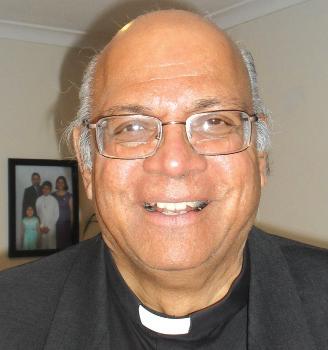 Fr James Valladares
“Without me you cannot, without you I will not.”
Of the many possible ways in ways in which God could have provided for the propagation of the human race, God, in His wisdom, power and love, chose just one.
God ordained that a husband and wife would serve as the transmitters of human life into which He would breathe a spiritual soul and so bring about the birth of a new-born child.
In other words, a father and a mother serve as co-creators with God in begetting new human life. Such is God’s marvellous wisdom, power and love. And therein lies the sanctity of the Sacrament of Marriage and the dignity of parenthood.
It is as though God, in spite of His almighty power, wisdom and love, is saying to the parents: “Without Me you cannot; without you I will not.”
Similarly, of the many possible ways in which God could have provided for the spiritual nurture of people, in His wisdom, power and love, He chose just one.
He decided to share His divine power, mission and authority with mere human beings, who would serve as transmitters of His divine life in and through their priestly and pastoral ministry.
In other words, God just had no alternative but to choose humans to minister to humans. And so, Christ Jesus shared His Divine Priesthood with mere mortal human beings, thereby giving them a share in His priestly, kingly and sanctifying mission.
Therein lies the sanctity of the Sacrament of Holy Orders and the dignity of the sacred priesthood. Truly the priesthood is the love of the heart of Jesus. It is as though God, in spite of His almighty power, wisdom and love, is saying to His priests: “Without Me you cannot; without you I will not.”
The priesthood is indeed a gratuitous and generous gift of God that defies both comprehension and gratitude.
Once again, of the innumerable possible ways in which God could have provided for the spiritual and pastoral care of His family, He deliberately chose one and just one – He didn’t even consider a second.
He decided to share His power and authority with mere mortal humans, His priests, who would serve as a channel of His boundless love, His unfathomable wisdom and His sublime power.
The priest – an ‘extraction from the common’ to be ‘a consignment to the whole’
Through the Sacrament of Holy Orders, a priest is brought into Christ Jesus; he enters into relations with the Father through the Son, and through a deepening of this bond, he therefore becomes capable of revealing the nature of this God to the world: not an enigmatic and terrible God, but “a God with a human face, a God who is love.”
In explaining the term ‘sanctification’ as ‘the giving over of a person to God,” Pope Benedict XVI defines the essence of the priesthood as ‘a
transfer of ownership, a being taken out of the world and given to God.” In a word, a priest is a visible sign of God’s presence.
In virtue of the Sacrament of Holy Orders, a priest is able to enter into contact with the person of Christ Jesus and so speak and act in His name, representing to the world this power of love through which the priesthood of Christ finds expression.
And since he carries out his ministry in persona Christi (in the person of Christ Jesus), the priest continues the saving actions of Christ Jesus, “breaking the Bread of Life and remitting sins,” through which he has been granted the power to reintegrate man into the very heart of God and to offer him the possibility of redemption and forgiveness.
At the conclusion of the International Year for Priests, Pope Benedict XVI officiated at a series of services, at which approximately 15,000 priests from all over the world were present. Addressing the questions of a representative set of priests, the Holy Father said, “Christ Jesus is drawing us into Himself, allowing us to speak for Him. He is at all times the only real priest, yet He is very present to the world today because He draws us into Himself.” Next, he cautioned priests against a ‘theology of arrogance’ that makes God a mere object rather than a subject speaking to us. Instead, the Pope said priests must engage in a ‘theological dialogue’ with love and so come to a better knowledge of the Beloved.
Finally, Pope Benedict urged priests to live out their priesthood ‘in a way that is so persuasive’ that young people may see an example of a vocation lived fully.
Indeed, there is no better advertisement for the priesthood than a happy priest.
Why anoint people at Mass if they’re not dying?
Q&A
 By Fr John Flader
Anointing Masses
Q: In my parish we have a monthly Mass with the anointing of the sick, at which I often see people go up to be anointed who are perhaps in their 60s but seemingly very healthy and sometimes even younger people. I thought the sacrament was for people in danger of death. What is the Church’s teaching on this?
You raise a good question, which I have been asked numerous times. I think that what can easily happen in these Masses is that the distinction between the blessing of the sick and the anointing of the sick becomes blurred.
There are Masses and ceremonies for the blessing of the sick, often around the feast of Our Lady of Lourdes on 11 February, in which all those who are sick in any way can be blessed.
It is not necessary that they be seriously ill, much less in danger of death, in order to be blessed.
Even those with the flu or a cold, or suffering from aches and pains,
mental conditions like depression or anxiety, etc, can present themselves for the blessing.
These ceremonies can be held at any time of the year.
Indeed, it would be appropriate to have a monthly Mass for the Sick, as found in the Missal, with the blessing of the sick after Mass.
Returning to Masses with the anointing of the sick, the Church’s requirements here are very strict.
The Code of Canon Law mentions them in two canons. Canon 998 says that the sacrament commends to the Lord “the faithful who are dangerously ill” and Canon 1004 clarifies that the sacrament can be administered “to any member of the faithful who, having reached the use of reason, begins to be in danger by reason of illness or old age.”
While the last canon does not state explicitly that the person must be “in danger of death”, this is clearly implied.
It should be noted that the mind of the Church following the Second Vatican Council has been to bring forward the conferring of this sacrament to a time when the person, while in danger of death, is not at death’s door, as was often the practice before the Council.
Hence the Catechism of the Catholic Church, quoting the Council’s Constitution on the Sacred Liturgy, says: “The Anointing of the Sick ‘is not a sacrament for those only who are at the point of death.
“Hence, as soon as anyone of the faithful begins to be in danger
of death from sickness or old age, the fitting time for him to receive this sacrament has certainly already arrived.’” (SC 73; CCC 1514)
The phrase “in danger of death” can admit of different interpretations. For example, an otherwise healthy 80 year-old might be considered in danger, as might a person in the early stages of cancer, or a person with a history of heart problems.
In general, when there is doubt about the seriousness of the condition, the doubt can be interpreted in the person’s favour and they may be anointed.
In this regard, the Code of Canon Law says: “If there is doubt as to whether the sick person has reached the use of reason, or is dangerously ill, or is dead, this sacrament is to be administered.” (Can 1005)
Following this criterion, when anointing Masses are celebrated in the parish it is up to each person to decide whether they are in danger of death from their illness or their age, and thus whether to receive the sacrament or not. They can give themselves the benefit of any doubt.
Returning to your question, it would seem that some of the people presenting themselves for anointing in your parish are not really in sufficient danger to be anointed.
It is up to the priest to make clear to the congregation the criterion about who may be anointed so that abuses do not occur.
- Got a question for Fr Flader? Email director@caec.com.au.
Page 12 25 August 2010, The Record PERSPECTIVES
No one is more transparent than Church
Confronting the crisis
Dissecting the issue which has brought the Church to its knees.
 By Anthony Paganoni CS
Proportions and opinions
Writing in First Things (March 29, 2010)
George Weigel, a lay theologian and a very attentive observer of the Church and Vatican affairs, made the point that the sexual abuse story presented by the global media as an almost entirely a Catholic phenomenon appears devoid of foundation.
Yet, the Church is, in some measure, responsible for a crisis of fidelity. And the same author states categorically that no other similarly situated institution has been so transparent about its failures, and none has done as much to clean its house. This is a statement which appears to be founded on solid evidence, both on account of the number of cases reported and investigated, comparatively small, as well as the number of initiatives aimed at minimising the impact on victims and the repetition of such incidents.
A welcome statement, like many others, coming from Catholic sources. But then what should one think about the weak outreach of Catholic media in the homes of the average reader, be it Catholic or not, particularly if compared with the stranglehold exercised on the minds of the average reader by the media, whose pervasive influence cannot be overemphasised enough?
It seems to me that in terms of media influence, it is like comparing long-range artillery to simple pistols. The noise developed by the long-range artillery is far superior to the noise and attention which a simple pistol can produce.
The American Church has been
Our boy escapes Rome sauna to find oasis in Franciscan city
Eternal city ... and beyond
A Perth boy’s journey to the priesthood
prominent, and sadly so, not only in a reported high number of abuse cases over the last two decades, but more notably in studying and researching and documenting the phenomenon:
• The Christian Science Monitor reported on the results of a national survey by Christian Ministry Resources in 2002 and concluded: despite headlines focusing on the priest pedophile problem in the Roman Catholic Church, most American Churches being hit with child sexual abuse allegations are Protestant, and most of the alleged abusers are not clergy or staff, but church volunteers;
● According to Rabbi Arthur Gross Schaefer, professor of law and ethics at Loyola Marymount University, sexual abuses occurring within the Jewish communities approximate that found among Protestant clergy;
● According to Dr Garth A Rattray, 85 per cent of the offenders are family members, babysitters, neighbours, family friends or relatives;
● According to a major 2004 study commissioned by the US department of Education, nearly 10 per cent of US public school students have been targeted with unwanted sexual attention by school employees.
While local Churches and Pope Benedict have been incessantly opening up the “filth” which has also invaded the Church, very little mention has been accorded to its international dimension: the number of misdemeanors involving the young ones.
A notable exception was the recent interview by Fr Federico Lombardi SJ, published in the monthly Jesus (June 2010).
I believe that the dilemma of the Church must be contextualized within the much greater dimension of the problem in civil society.
While applying the principle of zero tolerance and spiritual renewal, Fr Federico invites reporters and readers to look beyond the misdeeds of priests and Religious.
And he is very quick to add: no one is interested in creating an alibi by stating that the problem is not only in the Church, but at the same time it can be rather shortsighted to point the accusing finger only at Church people.
But is this only another alibi?
By Mark Baumgarten
What’s it like to study as a priest abroad? St Charles Seminary student Mark Baumgarten, in Italy to complete his theological studies for Perth, writes exclusively for The Record on his journey of discovery.
Mark Baumgarten here writing on 12 August from beautiful Assisi, where the sun is shining, the birds are singing, and the lingua bella is being spoken at a level or two beyond my comprehension at this point.
I arrived in Rome in mid-July to begin four years worth of theological study that will compliment the study already undertaken in Perth which, God willing, will see me ordained to the priesthood back in Perth some time in late 2014/early 2015.
My home for the next four years will be the Pontifical North American College - “NAC” for short - a large seminary very close to the Vatican (we’re actually technically on Vatican territory).
This year there will be some 220 Americans and about 12 Australians in residence at the NAC while we engage in our studies at one of the various pontifical universities in Rome.
Said studies are generally conducted in Italian, hence the bulk of the 60-or-so fellow “new men” have arrived early to undertake some intensive language study before classes begin in late September/early October.
We were kept fairly busy during the first week in Rome, both to help our bodies get over jet lag and to get us oriented to the city both geographically and spiritually (I must say, the sheer amount of fine churches/relics/ art in Rome is a little overwhelming at first).
Combined with our communal prayer and meals, this also provided an opportunity to begin getting to know my companions for the next four years.
I’ve already had a few good chats with some of them, and I can see that I will no doubt form some quality, potentially lifelong, friendships here.
My knowledge of American sports has served as a good icebreaker with many of them, as is the fact that they are generally amused by all things Australian (the Akubra hat I’ve been wearing outdoors is popular).
After a week in the sauna that is Rome in July, I was able to flee here to Assisi to begin my language study.
For those unfamiliar with it, the Umbrian town of Assisi is about two hours north of Rome, and is most well-known for being the cradle of Saints Francis and Clare (12th-13th century). It has carefully maintained its medieval character (at least in terms of architecture), and the tranquil, spiritual undercurrent and gorgeous vistas help offset the intensity of the study and the inevitable touristy elements.
I was initially put into a class way above my ability, which led to some melodramatic floundering before I managed to convince the coordinators to demote me to a more realistic level.
Our instructor is Giuseppe, a very funny and encouraging man in his late 50s, whose endless energy helps get us through the long hours of study each day.
Attempts at creativity and humour in Italian are greeted with emphatic high-fives (“Dammi cinque!”), and he has taken to announcing the beginning of a period of practicing prepositions (which terrify us) by prompting us with “San Francesco!” “Prega per noi!” “Santa Chiara!” “Prega per noi!” In other words, pray for us Sts Francis and Clare because we struggle with prepositions.
I’m now more than two weeks into the language study and, despite a few ups and downs, on the whole I’m making some decent progress.
Unfortunately my sleep has been rather spotty, which hasn’t helped my recall abilities in class.
However, having several comrades going through the same thing as myself is a consolation, as is the knowledge that last year’s batch of new men were in the same position as us and many can now speak very passable Italian.
I can understand a fair bit if someone is taking care while
speaking to me, and I can even make myself somewhat understood vis-a-vis a limited range of subjects (though my sentences are probably the equivalent of “Me ... like ... this ... good.”).
Speaking of sleep, I’ve often heard that once you start dreaming in a language you’re beginning to make it your own.
Well, I had my first dream in Italian last week, but it consisted of Giuseppe spouting off a bunch of indecipherable phrases at us in class, so I don’t think that counts.
The weekend before last myself and a couple of other guys hired a car and saw a couple of places outside Assisi (La Verna - the mountain a couple of hours north of here where St Francis received the stigmata - and Cascada del Marmore, which is apparently the highest waterfall in Europe).
As we were given a manual car, which neither of the others can drive, it meant I had to do all the driving.
The combination of driving on the opposite side of the road, having to use my right hand to change gears, very narrow streets in the towns, and the unpredictable and sometimes baffling behaviour of Italian motorists (eg overtaking on blind corners on steep mountain-side roads; several cars doing 150 kph in a 90 zone; etc) made for some interesting moments, but I felt like I managed okay, and once my nerves settle down I would be willing to do it again.
The opportunity to attend Mass and other liturgies in the various churches of the city each day is a great blessing, and I’m slowly getting the hang of the Mass in Italian.
Furthermore, yesterday was the feast of St Clare of Assisi, and today is the feast of St Rufino (the town’s first Bishop, martyr and patron), so Assisi has really turned on celebratory mode: church bells ringing throughout the day, processions of relics through the town, banners and lanterns lighting the town at night.
That said, it’s not all smells and bells – I was surprised by a rock concert in the town’s piazza recently, and a Blues Brothers tribute band is scheduled to play there next week. Even the religious celebrations tend to overflow into secular festivities within a day or so – the fireworks we had tonight for St Rufino were unlike anything I’d seen before (fired from an 14th century fort on the north side of the city a couple hundred metres away away, I felt like I was in a Medieval battle).
25 August 2010, The Record Page 13 PERSPECTIVES
Pope Benedict XVI waves from the platform at the top of the stairs before boarding his plane to Portugal at Fiumicino airport in Rome on 11 May. The Pope made some of his strongest remarks to date on the sex abuse cases during an in-flight press conference en route to his four-day visit.
PHOTO: CNSALESSANDRO BIANCHI, REUTERS
Franciscans walk outside the Basilica of St Mary of the Angels in Assisi in April 2009, the year that marked the 800th anniversary of papal approval of the Franciscan rule. Perth seminarian Mark Baumgarten found himself immersed in the Catholic culture of the city during his studies in a break from the hectic life in Rome. PHOTO: CNS/EMANUELA DE MEO
‘VISIONS’ TRANSFORM ‘RURAL BACKWATER’
Travel writer PAUL MAUGHAN paid a visit to Medjugorje, in Bosnia, to satisfy his curiosity about the Marian pilgrimage site
HE’S as thin as a toothpick and, unbelievably, he is looking directly at the sun, even though he has no protection over his eyes. It’s a scorching 330C and the sun’s rays are blinding. Madness.
I’m in Bosnia, hugging the shade of a spindly tree while precariously balancing among the rocks on Apparition Hill, Medjugorje –perhaps the most heatedly disputed Marian site in the world.
Religious zealots come in all shapes and sizes but this skinny, elderly character has three Americans in tow and he is trying to convince them that the sun is spinning erratically. It seems normal to me – but my head is certainly spinning in the searing heat and blinding glare. It’s so hot here on the hill that the only thing moving is the old boy’s lips.
Suddenly he shouts, pointing to a large statue of the Virgin set among the hillside rocks, “Look ... the statue of Mary ... it’s turning gold!”
Really! It doesn’t seem any different to me. After staring at the blinding sun for well over a minute, and without any eye protection, I’m amazed this bloke still has any sight at all. It quickly becomes apparent that his tiny American entourage, and other bystanders like me, see no change in the statue’s appearance either. He prattles on but gradually his group disperse, and I head back down the hill.
While Medjugorje seems to attract zealots, cranks, believers and cynics in equal number, there is no denying that decades of continuous pilgrimage to this spiritual site affirm that some sort of religious manifestation occurs here.
In June 1981 six village children reported seeing visions of the Blessed Virgin around Medjugorje which, apparently, continue up until the present day. Now in adulthood, the six retain their religious convictions and faith in the visions.
There have been many reports of cures, spiritual blessings and remarkable events at this sacred site ensuring millions of pilgrims worldwide make the long and difficult journey to this Eastern
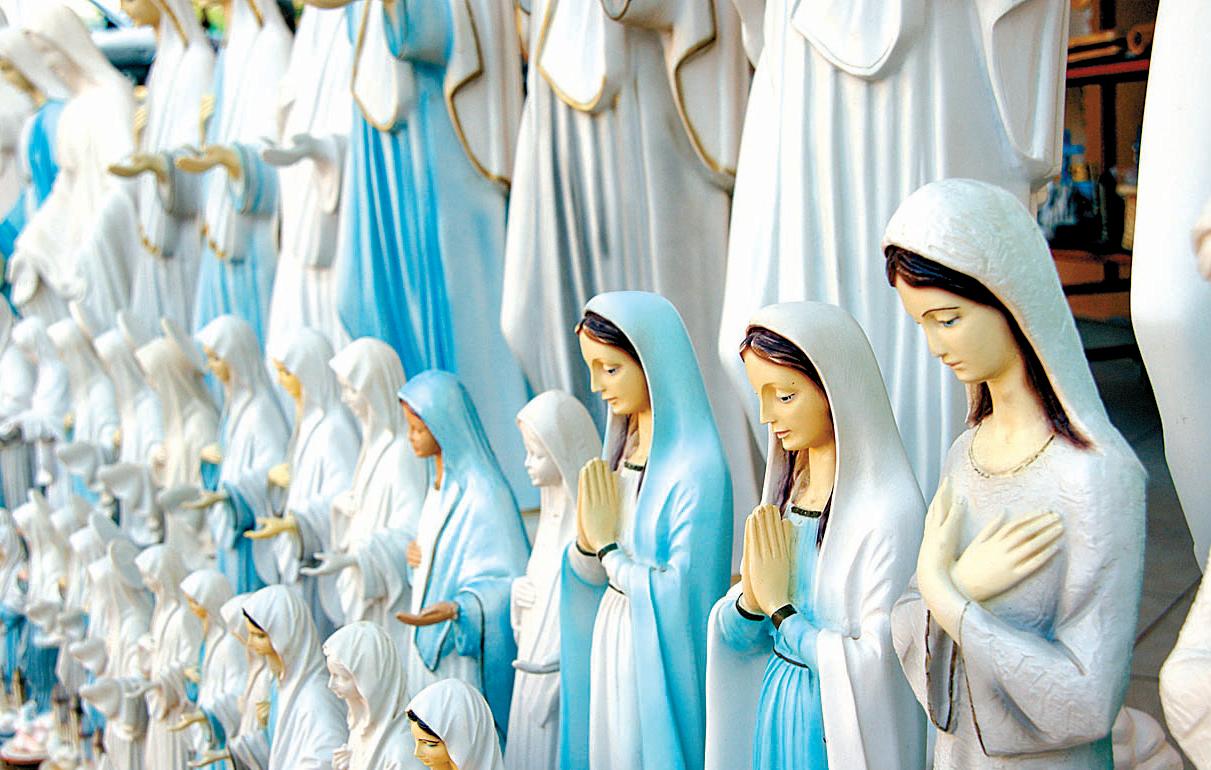

European Mecca of Marian phenomena. Joining them annually are legions of visitors driven by nothing more than idle curiosity.
I have long held a desire to visit this site to satisfy my own inquisitiveness, so at last here I am in Medjugorje too.
Interestingly, Medjugorje is somewhat of an enigma. Even though it is yet to gain papal approval, and is viewed with scepticism among some within the Catholic Church, it does nonetheless rank among the world’s leading religious destinations. So is it the real thing?
Well that depends on your perspective and your experiences here. Personally, I’m still undecided.
Prior to our visit to Bosnia we were in England in a little coastal town east of Brighton. It was a Sunday and we were crowded into a small church where a First Holy Communion celebration was under way. Fascinatingly, the parish priest had just taken leave from a group of pilgrims in Medjugorje to hurriedly return to the United
Kingdom to officiate at this significant event with his parishioners.
In his homily he spoke of his recent experience in Medjugorje and its positive influence on him. He told us how he heard Confessions non-stop for hours on end over three days, with it becoming apparent to him that numerous folk here were undergoing personal epiphanies and rediscovering their faith (often after decades of neglect). From his perspective, irrespective of the authenticity of the site, good things were happening in Medjugorje.
It’s only a tiny place; dusty, desolate, unattractive – though despite this there is a strong sense of arrival at Medjugorje for it is remote, mysterious ... even a little eerie. An uncanny silence fills its unkempt and strangely empty streets despite bus loads of pilgrims from all over the world pouring in continuously.
Perched high in remote rugged mountains in Bosnia it’s not an easy place to reach, and without its Marian drawcard there would be little purpose in ever visiting this
essentially bland and rather desperate area. Once a rural backwater, the village now boasts shops, restaurants and hotels with the large, modern St James’ Church at its centre. Its main street is very “touristy” with wall-to-wall small shops all dispensing the same roster of Rosaries, statues and sunglasses. Like most major pilgrim sites it’s a bit tacky and commercial, yet you can’t escape the feeling that something is happening here.
On the edge of town, up a rocky, steep hillside is the apparition site where a steady flow of devout pilgrims slog resolutely, lost in prayer and devotion. Many discover a divine presence here, while for others the place is nothing more than a whim of emotion.
Certainly, if nothing else, a visit to Medjugorje will cause you to re-evaluate your own faith journey.
Most visitors here arrive as part of an organised pilgrimage, however I rolled in during a 12-hour round trip by hire-car from Dubrovnik, on Croatia’s Dalmatian Coast. My goal was to experience
Medjugorje independently, as well as visit the nearby war-torn town of Mostar.
Only 25km away, Mostar gained notoriety during the 1990s Balkans conflict when its much admired 400-year-old stone arch bridge was deliberately destroyed in a wanton act of ethnic-cleansing vandalism.
Today, despite evidence of the war, Mostar is a delight to visit, attractive, colourful, energetic and infused with a distinct Turkish character that enhances its appeal. The bridge is restored, although now only a replica, and the brave (or is that crazy) bridge-divers are back in business plummeting the seriously scary 25m into the freezing river below ... when cashinduced by tourists to do so.
Bosnia is part of the Balkans area of Eastern Europe and, notwithstanding its recent savage conflicts, today is as safe as houses. The locals are friendly, the area is uncrowded and good value, touring is easy, and English is spoken widely. I enjoyed it here ... so will you if you choose to visit.

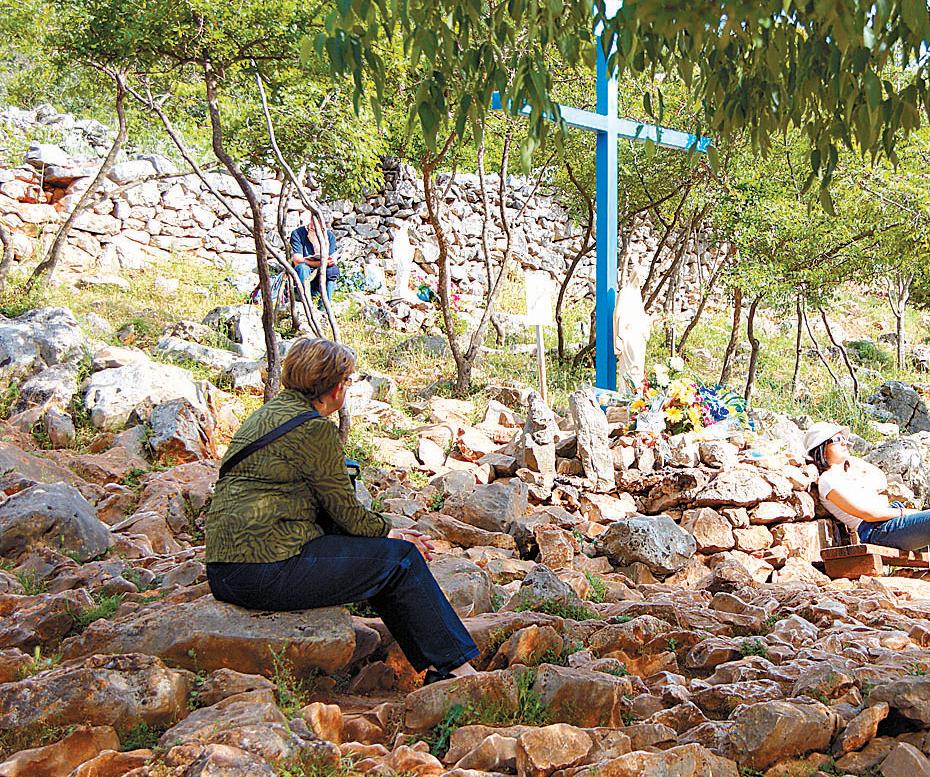

Page 14 25 August 2010, The Record THE WORLD I toured Bosnia with assistance from Beyond Travel, long-established touring specialists in this area of Europe. They can assist with advice on the region as well as connections to Europe through a network of airline partners. For more information phone 1300 363 554 or visit www.beyondtravel.com.au Fact File:
Above: Marian images abound at Medjugorje, where the religious region has been somewhat commercialised. Below: a pilgrim finds some quiet time.
Blood of martyrs inspires vocations
The inspiration of a country’s martyrs has transformed a country into a goldmine for religious vocations. This has important lessons for Australia, says Sydney Seminary Rector
BY MATTHEW HODGSON ANTHONY BARICH
Australia can draw much from Blessed Mary MacKillop’s faith and love to renew the Church in Australia just as Uganda has enjoyed the fruits of ‘grass-roots evangelisation’ based on their martyrs of the 19th century, Sydney Seminary Rector Fr Anthony Percy said.
A pilgrimage to Kampala to witness two of his former seminarians being ordained by the local Cardinal amidst a passionately faithful people taught Fr Percy much about what is required in Australia for the renewal of the Church.
This includes a re-alignment and proper understanding of the true intentions of the Second Vatican Council, he said. It also brought home to him “how much we really need to pray to the Lord of the harvest for vocations” to the priesthood.
In Uganda he noticed a mutual love, affection and support between those in the ministerial priesthood and those who form the common priesthood – that is, between priest and people.
This is a crucial point for Australia where there is confusion in the life of the Church with respect to the vocation and function of both priest and people, he said.
“Both are essential for the good governance and functioning of the Church and for the mission that Christ entrusts to us. It is a true ‘sign of the times’ when both priestly and lay vocation are respected and loved and when the two work together in harmony,” he said.
“One of the retired Archbishops of Australia, Francis Carroll, used to say that the Second Vatican Council tried to move the Church away from being centred upon the Sacrament of Holy Orders to being rooted in the Sacrament of Baptism. This is entirely true.
“However, some people misinterpreted this critical theological shift. They thought that what was intended was a reorientation away from priesthood to the lay state.
“This has been unfortunate, since the Church has desired a renewal of ecclesial life based on the power of Christ’s death and resurrection made present through Baptism. This is true whether one happens to be a Pope, Bishop, priest, Religious or lay person. All are called to the fullness of life in one’s chosen state. All are called to be saints.”
The trip to Uganda saw two former seminarians from the Seminary of the Good Shepherd in Sydney, Deacons John Ssemaganda and Simon Kitimbo, both 29, ordained at Sacred Heart Cathedral in their home diocese of Kampala, by Emmanuel Cardinal Wamala on 4 July. Fr Simon will be assigned a parish within the Archdiocese of Sydney where he will work for the next five years. Fr John will spend
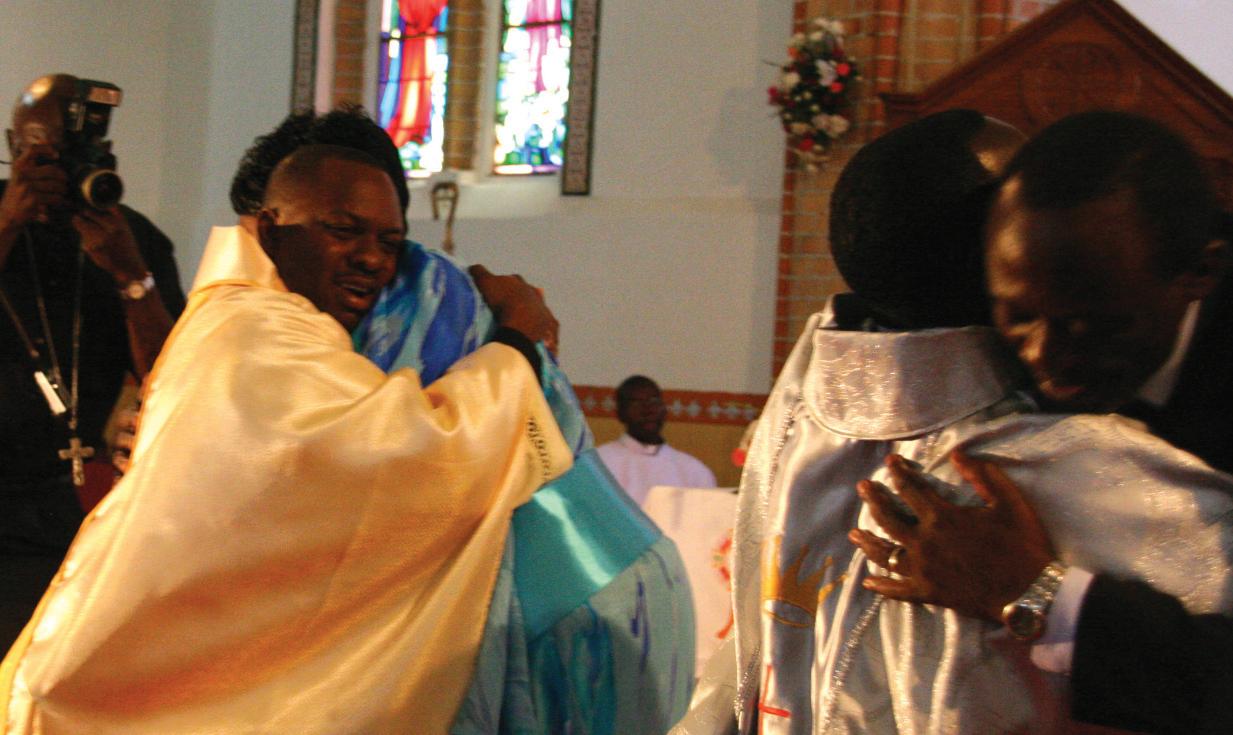
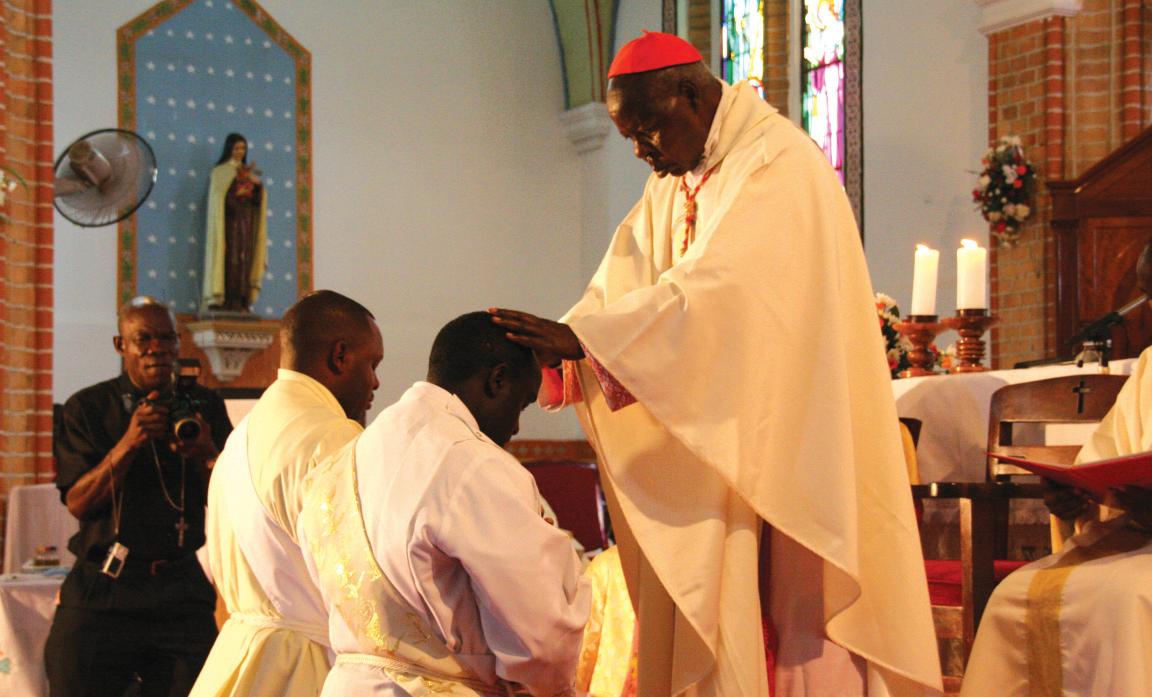
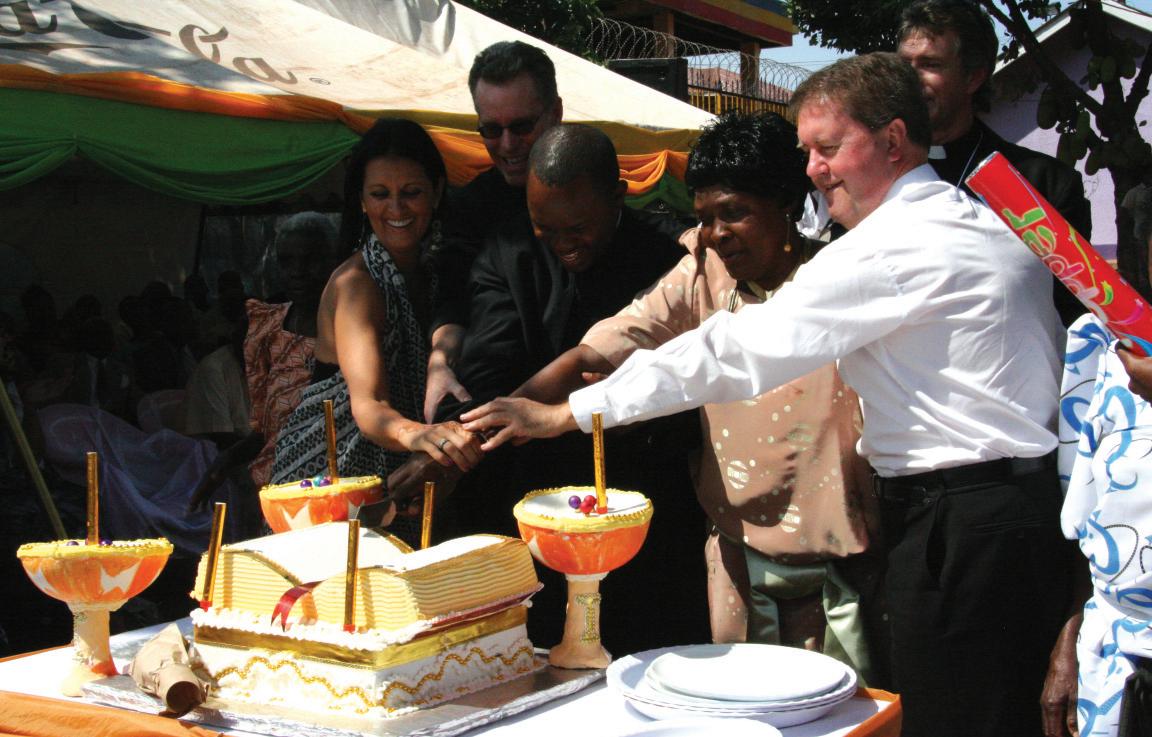
the next three years working in the Harbor City before returning home to take up parish duties in Uganda.
Having spoken to Ugandan priests and Cardinal Wamala, Fr Percy told The Record he believes the country’s abundance of priestly vocations is due to:
● the rise of indigenous clergy early in the 20th Century;
● local and inculturated seminaries;
● strong marriages and families;
● good catechesis in schools and houses of formation;
● Pope John Paul II’s insistence on inculturation of faith;
● the excellent relationship between lay people and the priests;
● the dynamic and powerful influence of the Ugandan martyrs;
● the unity of the Church in Uganda and
● the joy and happiness of the priests.
Ugandans martyrs accomplished in the years 1885-1887.
“The Ugandan Church has taken seriously Tertullian’s counsel, ‘The blood of martyrs is the seed of Christians’.
The Archdiocese of Kampala’s strategic plan takes the Ugandan martyrs as the prototypes for what they call ‘grassroots evangelisation.’ All of the martyrs were lay people and this is what inspires the Church now to face the challenges in the 21st Century, Fr Percy said.
“In Australia we would do well to re-read and re-live the life of Blessed Mary of the Cross, Mackillop, and use her example for ‘grassroots evangelisation.’ Hers was a spirituality deeply rooted in the Tradition – love for Christ present in the poor, especially outback school children, and in the Eucharist.”
The fruits of her work today must be more than just Catholics working for social justice, he said, because, at heart, she was a woman of faith and love, yet was also very grounded – a typical characteristic of Australian Catholicism, Fr Percy said.
Blessed Mary MacKillop will be canonised by Pope Benedict XVI on 17 October in Rome.
The experience of faith in Uganda was made tangible, Fr Percy said, during the sacrifice of the Eucharist, when the Ordination Rite took three and a half hours and applause at the consecration, which he found “extremely moving”, as he did the “outpouring of piety through song, music and movement”.
While celebrating the consecration in such a way seems controversial, locals told him it is their way of welcoming a visitor who appears in their midst.
This concept of ‘divine visitation’ is a theme that is strong in Luke’s Gospel.
“We ring bells at the consecration as God has done something wonderful for us,” he said.
“We look beyond the suffering to the self-giving of God in this act.”
While Uganda’s material poverty contrasts with the affluence of Australia, the former’s civil and ecclesial life is built on the foundation of marriage and family, where as Australia as “suffered enormously” from the break-up of marriage and the break-down of the family.
“We simply don’t have the family life that breeds vocations as it does in Uganda,” he said.
“God is God and we are His people. God is able to use any situation to fulfil His purposes.
“So if we pray in the Spirit for the vocations that we so desperately need, then we are doing what the Lord has instructed us to do; and in praying for vocations, something else happens: we immediately raise awareness in the Church of the need for vocations to priestly and religious life.”
He expects the two new Ugandan priests to build on the already “colossal” good they have brought to Sydney.
“The Ugandans are first rate believers. They possess not just any old faith, but real, supernatural faith in the Trinitarian God who acts permanently and with subtlety in our lives,” said Fr Percy, who was present for the pair’s ordination with a Sydney contingent comprising five priests, one Religious, a seminarian, six lay.
“What is clear to me now is that the Ugandan Church has not forgotten, for one minute, what the
“I would imagine that they will make many young men think seriously about the priestly calling. They are full of faith, have a good sense of humour and a very deep spirit of service. The people entrusted to their care will know they are loved.
“They bring with them the spirit of the Ugandan Church,” he said. “This will be no small gift to the Archdiocese of Sydney and the Church in Australia. I would hope, too, that they would be able to mobilise Africans who now live in Australia.”
25 August 2010, The Record Page 15 THE WORLD
Top: John Ssemaganda and Simon Kitimbo celebrate after being ordained priests; middle: the pair are ordained by Cardinal Emmanuel Wamala at Sacred Heart Cathedral in Kampala. Above: Fr Simon Kitimbo, alongside his mother Maria, cut the cake at his thanksgiving celebrations. Surrounding him are members of the Australian delegation (from left to right): Jo Sykes, Fr Anthony Percy (Rector of the Seminary of the Good Shepherd, Sydney), Fr Kelvin Lovegrove (Fr Simon’s parish priest in Sydney).
PHOTOS: MATTHEW HODGSON
Top Vatican abuse prosecutor recalls Pope Benedict’s anger
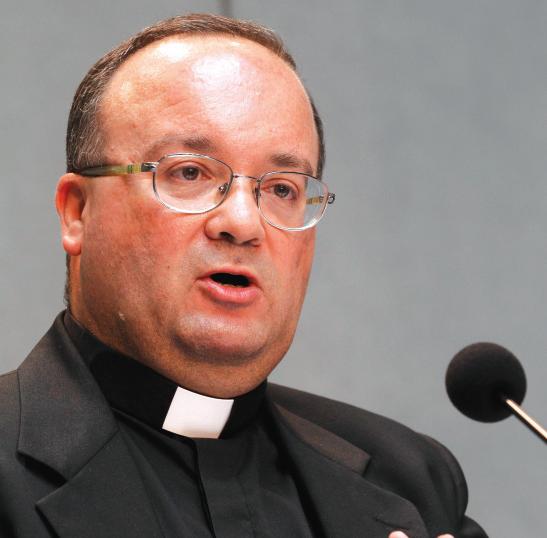
IN an interview with the Fox News TV network, Mgr Charles Scicluna, the Vatican’s top prosecutor for cases involving sexual abuse, recalls that he was “a direct witness to the compassion, the frustration and the anger that these cases instilled in Cardinal Ratzinger, the man.”
Mgr Scicluna, who worked with the future Pontiff on the disciplinary cases that were presented to the Congregation for the Doctrine of the Faith, said that he saw Cardinal Ratazinger’s determination to eliminate the corruption. The sex-abuse scandal, he told Fox, is “an opportunity for the Church to show itself determined in its fight against sin, against crime.”
First volume of Pope’s collected theological works on liturgy
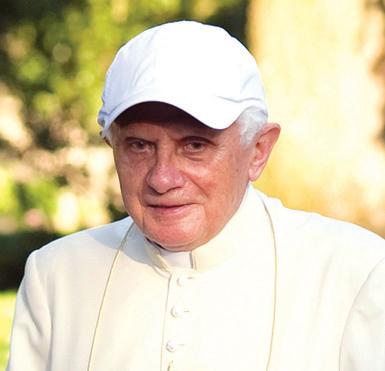
THE first volume of a projected 16-volume collection of the theological works of Cardinal Joseph Ratzinge prior to his election as Pope Benedict XVI, has been released.
The first volume of the Opera Omnia is dedicated to the liturgy. In the preface the Pope affirms that since boyhood he has regarded the liturgy as “the central activity of my life.”
The Opera Omnia of Joseph Ratzinger collect his written works dating back to his doctoral thesis. The series is being produced in German by the Herder published firm, in cooperation with the Vatican publishing house, Libreria Editrice Vaticana, which is producing the works in Italian translation.
Church in Malaysia growing despite presecutions
THE Catholic faith is spreading in Malaysia in spite of social pressure from the country’s Muslim majority, the AsiaNews service reports. Although Malaysia’s constitution guarantees freedom of religion, the Islamic majority exercises considerable control over the country’s society, and Christians are regularly treated as secondclass citizens. Last year the nation’s Catholic newspaper was ordered to stop using the word “Allah,” although that is the word commonly used by Christians in reference to God. The newspaper challenged the government’s order, and won a court decision allowing the use of “Allah” in the Catholic publication.
Just over 60 per cent of Malaysia’s 23 million people are Muslims. Christians - predominantly Catholics - make up nine per cent of the population.
Belgian nuns saved Jewish children
AN upcoming lecture on Long Island draws attention to the scholarship of Suzanne Vromen, who has documented how Belgian nuns saved Jewish children from the Holocaust. “In the terrifying summer of 1942 in Belgium, when the Nazis began the brutal roundup of Jewish families, parents searched desperately for safe haven for their children,” notes Oxford University Press in a blurb for Vromen’s Hidden Children of the Holocaust. “These children found sanctuary with other families and schools - but especially in Roman Catholic convents and orphanages.”
Belgian court backs Bishops on illegal police raid
A BELGIAN court has ruled that the 24 June police raid on the offices of the country’s episcopal conference was illegal, and evidence collected in that raid cannot be used by prosecutors, according to a lawyer representing the Brussels Archdiocese.
The disclosures by Fernand Keuleneer, the attorney representing the Archdiocese, contradicts earlier published reports that a prosecutor had said that investigations based on the police raid could continue. The court apparently ruled that investigations into clerical abuse could continue, using other evidence.
The Belgian bishops had protested the 24 June raid, in which police seized files from the episcopal conference and from an independent commission set up by the bishops to investigate child-abuse charges. Those files will now be returned, Keuleneer indicated.
The actual decision by Judge Wim de Troy has not been made public, and prosecutors in Brussels have refused to comment on the case, adding uncertainty to the ultimate impact of the court’s decision.
A lawyer representing victims of clerical abuse said that his clients would press their own protest to the European Court of Human Rights. The victims charge that by raiding the offices of the investigating commission, the police violated the confidentiality of the commission’s records, and thus the privacy of the victims who lodged complaints after having been assured that they would be kept confidential.
Mother Teresa’s power still strong after 13 years
BY CAROL ZIMMERMANN Catholic News Service
WASHINGTON - Thirteen years after her death, the impact of Blessed Teresa of Calcutta’s work and prayer is still felt around the world.
Mother Teresa would have turned 100 on 26 August, and the Sisters of the Missionaries of Charity, the Order she started 60 years ago, will host a special Mass at Santa Clara, Bentley at 10am on 28 August.
The Sisters continue their outreach to the “poorest of the poor” as Mother Teresa’s spiritual life also continues to gain attention as her sainthood cause progresses.
Many say Mother Teresa’s legacy is the combination of her extreme devotion to the poor and her spirituality since both were so deeply intertwined.
For young people, the nun is a model for how to live out one’s faith.
“What strikes them is that she practiced what she preached,” said Eileen Burke-Sullivan, an associate professor of theology at Jesuit-run Creighton University in Omaha, Nebraska.
She said students connect with Mother Teresa because they grew up seeing her image on television or in the newspaper and they knew she “lived and died working for the poor.”
Stephen Minnis, president of Benedictine College, said school officials searching for a name for their new nursing centre kept talking about Mother Teresa even though she wasn’t a nurse.
“Who is a better caregiver than Mother Teresa,” he said, adding that she is a “wonderful example” for students and hopes they will be inspired by her quote displayed at the building’s entrance: “Give your hands to serve and your heart to love.”
David Gentry-Akins, a theology professor at St Mary’s College of California in Moraga, said for all the accolades about Mother Teresa, she also received a fair amount of criticism.
Although many thought her work was noble, they also wanted her to do more to “change the system” and some in the Church thought she was too traditional.
But as he sees it, the nun’s enduring legacy is her spirituality. “The work she did is phenomenal,” he said, adding that it was more effective because it was “motivated out of deep faith and holiness.”
Gentry-Akins said a telling feature of Mother Teresa’s spirituality is revealed in a prayer she is said to have prayed each day asking God’s light to shine through her so that those she came in contact with would “see no longer me but only Jesus.”
The prayer’s imagery serves as title for a book of her writings published in 2007: Mother Teresa: Come Be My Light. It describes, in her own words, the crises of faith she experienced and how she often felt that God had abandoned her.
After its publication, some said the revelations made Mother Teresa seem less genuine, but Gentry-Atkins said it only made her more inspirational. “The fact that she could go through that and remain faithful makes her sanctity all the greater,” he said.
Margaret Thompson, a history professor at Syracuse University, said: “We are only now beginning to learn how complex she really was, and as historians we’re not
Teresa of Calcutta
Born Agnes Ganxhe Bojaxhiu Aug. 26 in Skopje, Macedonia.
Enters the Sisters of Loretto convent near Dublin, Ireland, takes the name Teresa.
Travels to India to join the Loretto novitiate in Darjeeling.
Makes final profession as Loretto sister.
On Sept. 10, experiences a call from God to serve the poorest of the poor.
The Missionaries of Charity are officially established in the Archdiocese of Calcutta, India.
Opens Nirmal Hriday (Pure Heart) Home for Dying Destitutes in Calcutta.
The Missionaries of Charity are recognized as a religious institute by the Holy See. The order’s first house outside India opens in Venezuela.
About 4,000 sisters are ministering at 610 foundations in 123 countries.
Accepts the Nobel Peace Prize.
Dies Sept. 5 at the Missionaries of Charity motherhouse in Calcutta. She was 87.
The inquiry into her life and holiness opens July 26 in Calcutta, marking the start of the process for sainthood.
She is declared “venerable.” The Vatican accepts the healing of an Indian woman as the miracle needed for beatification.
Pope John Paul II presides at her beatification in St. Peter’s Square Oct. 19.
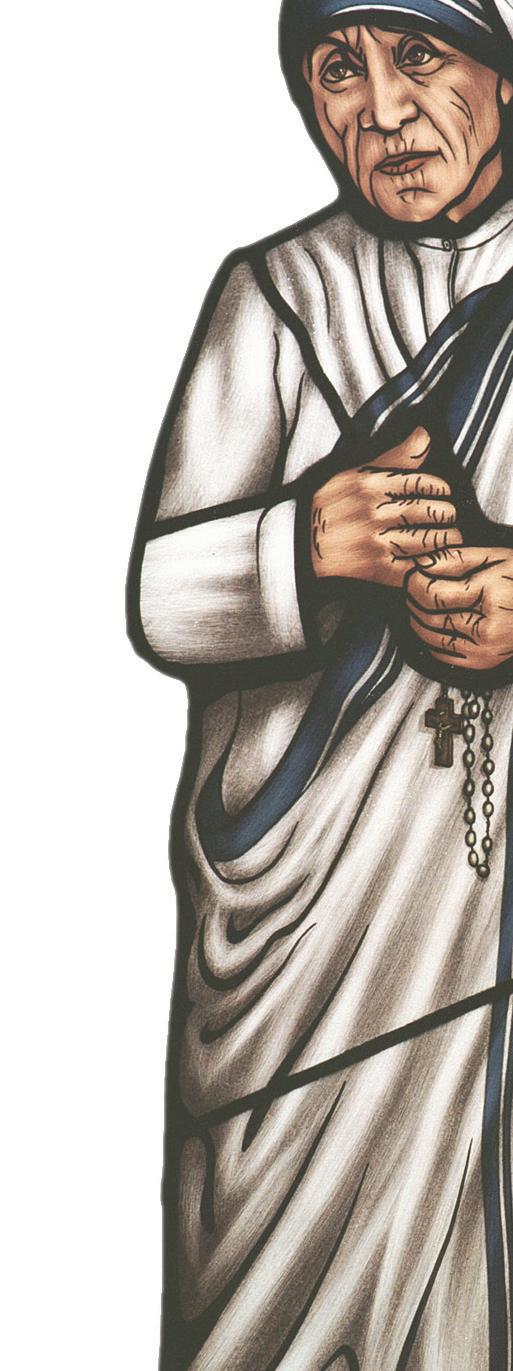
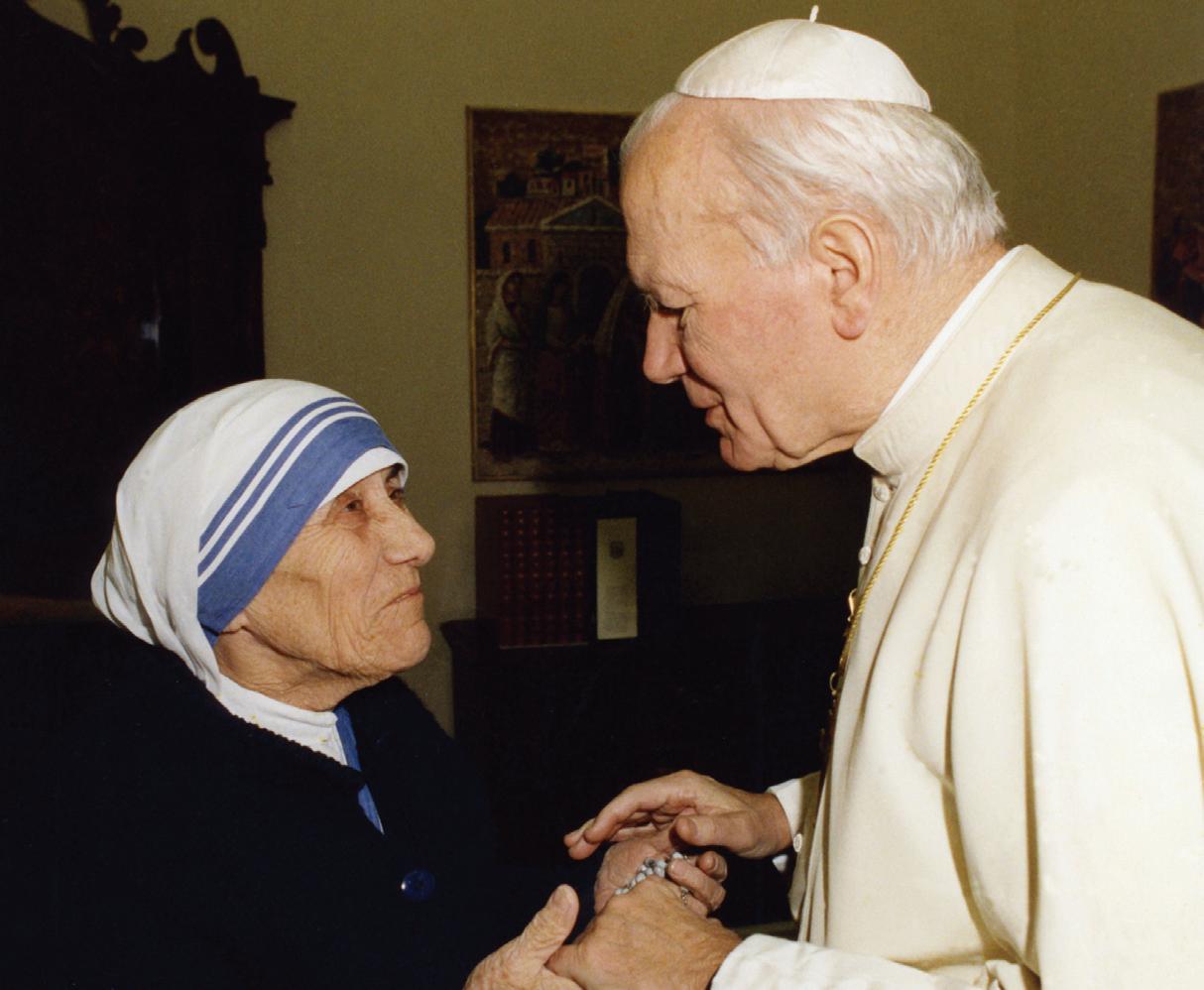
ready to issue final word on her.” Thompson finds irony in those who dismissed Mother Teresa for being too traditional, saying she was initially viewed as controversial when she left her Religious Order to start her own Order and walked through impoverished neighbourhoods in India wearing a sari. She said Mother Teresa’s work was not about making good impressions but meeting the needs of people wherever they were.
And those needs are still carried out by about 5,000 Sisters of her Order in 762 convents in 135 countries.
The Order’s work also has expanded to priests and brothers of the Missionaries of Charity as well as lay Missionaries of Charity who run orphanages, AIDS hospices and centres for refugees and
the disabled. Five years after her death, the Vatican began the process of beatification for the woman often described as a “living saint.”
In 2002, the Vatican recognised one miracle attributed to her intercession.
Her canonisation is currently awaiting proof of a second miracle. A Sister at Queen of Peace, the North American motherhouse for the Missionaries of Charity in the New York City borough of the Bronx, told CNS there is no shortage of miracles attributed to Mother Teresa.
The Sister, who did not want to be identified, said she spent a year in Calcutta working on the nun’s sainthood cause and spent three days simply entering miracles into the computer that people attributed to Mother Teresa’s intercession.
Page 16 25 August 2010, The Record THE WORLD in brief...
Mgr Charles Scicluna
Pope Benedict XVI
©2010 CNS 1910 1928 1929 1937 1946 1950 1952 1965 1977 1979 1997 1999 2002 2003
Pope John Paul II greets Mother Teresa of Calcutta at the Vatican in an undated file photo. Mother Teresa, the founder of the Missionaries of Charity who was beatified by Pope John Paul in 2003, would have celebrated her 100th birthday on 26 August. PHOTO: CNS/ L’OSSERVATORE ROMANO
New Missal connects Mass with life
“And with your spirit” is better than “right back at ya”: US Missal implementation specialist
BY NANCY FRAZIER O’BRIEN Catholic News Service
WASHINGTON – The opening greeting and closing sending off of the newly translated Missal texts help the congregation identify the priest in his proper role and clarify their own mission as the baptised, said priests who have been preparing liturgists for its implementation on the first Sunday of Advent next year.
The US Conference of Catholic Bishops’ announcement on 20 August of the Advent date marked the formal beginning of a more than 15 month period of education and training leading to the first use of the “third typical edition” of the Roman Missal at English-language Masses in the United States on 27 November, 2011.
The Australian Bishops’ National Liturgical Council will prepare for their dioceses parish bulletin insert articles, laminated Mass cards with the new texts, particularly the people’s parts, a PowerPoint presentation of the reworked texts and hymns, homily notes for priests on the new texts and parish commentators’ notes.
These will be downloadable for free on the ACBC website and Bishops’ Commission for Liturgy page.
The Missal, expected to be introduced in Australia at Easter 2011, was announced by Pope John Paul II in 2000 and first published in Latin in 2002.
It has undergone a lengthy and rigorous translation process through the International
Key Events
1963
Second Vatican Council calls for reform of the liturgy
1969
Pope Paul VI issues ‘typical edition’ of Roman Missal
1970
Vatican approves English translation of Mass
1975
Pope Paul VI issues ‘second typical edition’ of missal
2000
Pope John Paul II announces ‘third typical edition’ of missal
2004
Draft translation given to English-speaking bishops
2010 Vatican grants ‘recognitio’ for English translation
2011
New Roman Missal in use at U.S. parishes beginning in late November.
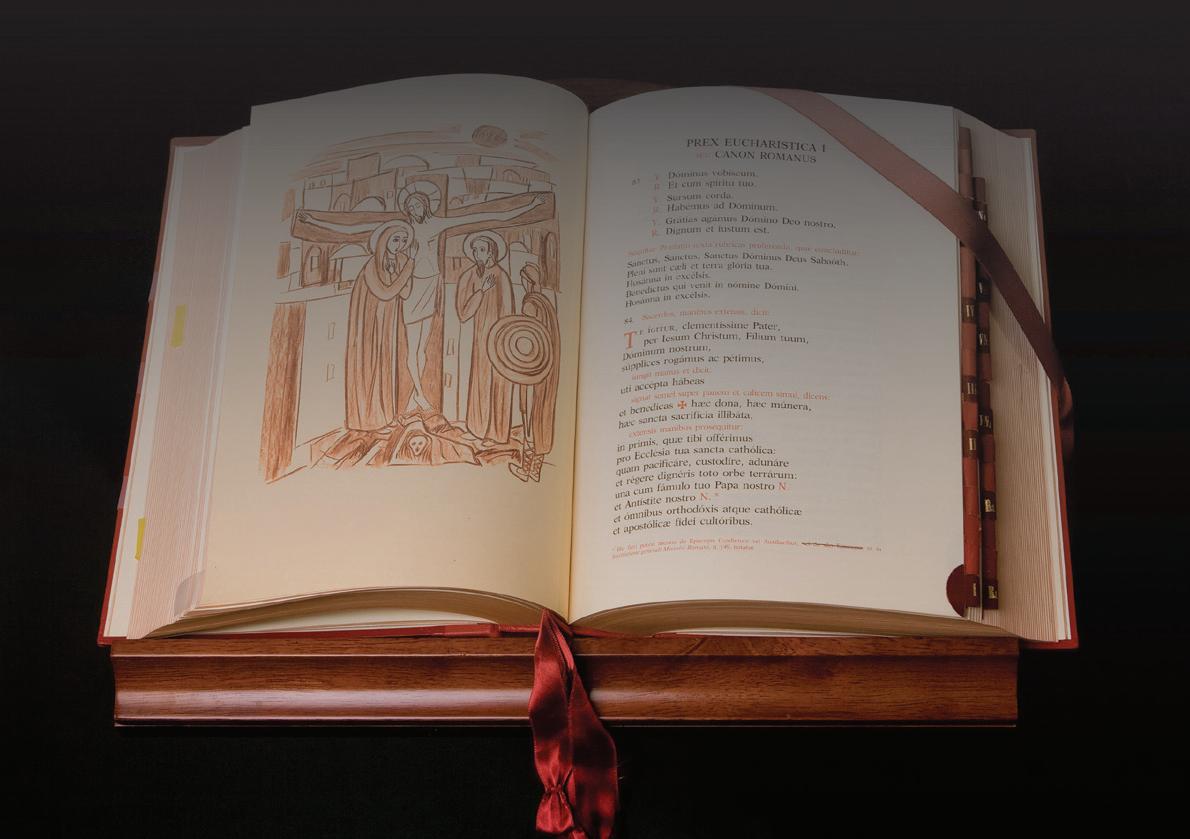
Commission on English in the Liturgy, followed by sometimes heated discussions over particular wording at USCCB and ACBC general assemblies during much of the past decade. The changes to be implemented
in 2011 include new responses by the people in about a dozen sections of the Mass, although changes in the words used by the celebrant are much more extensive.
At several points during the Mass, for example, when the cele-
Parents must be educated for children’s baptisms: prelate
DUBLIN Archbishop Diarmuid
Martin has instructed the pastors of his Dublin archdiocese to offer “appropriate catechesis” for parents who wish for their children to be baptised.
He said that parents should be properly educated about the meaning of Baptism, and should understand that the sacrament is not merely a family celebration but an entry into an active Christian community, Ireland’s Sunday Business Post reported.
Parishes should design appropriate educational offerings to avoid making parents resent the new requirement, Archbishop Martin said: “Programmes should be attractive, rather than simply compulsory.”
In a letter to all priests in the diocese, the Dublin Archbishop said Baptism was ‘‘not a once-off private family celebration’’, but a sacrament of initiation into the Catholic Church.
He said parents and children could be invited to apply formally for all sacraments, with ‘‘appropriate catechesis’’ of parents, and that people might be required to ‘‘opt in’’ for sacraments, rather than opt out.
‘‘Contact with parents should be demanding, but not unrealistic or such as to make them feel
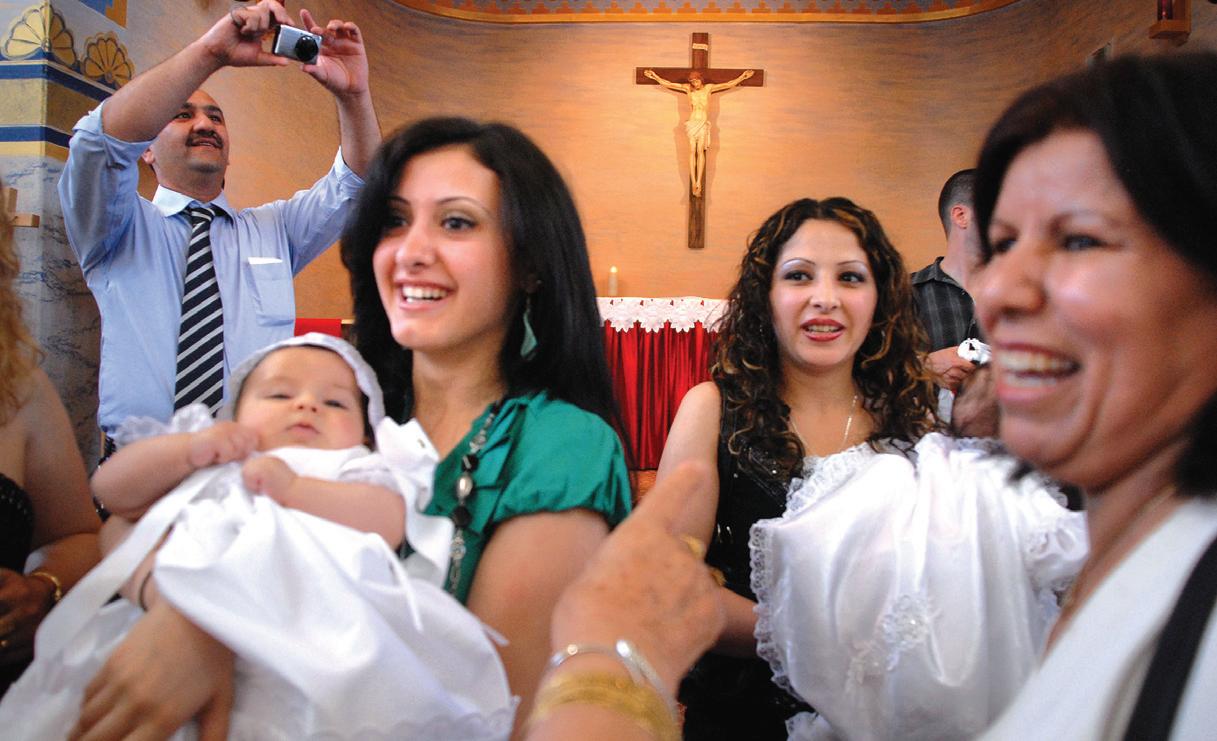
resentful,” he said. The Archbishop also said Canon law stressed that, before a child could be baptised, there had to be ‘‘a realistic hope’’ that the child would be brought up in the Catholic faith.
‘‘In the past, Irish society was imbued with Christian values,” said Martin, but it could ‘‘no longer be presumed that all parents are committed to, or feel able to carry out effectively, their responsibilities for the faith-formation of their children’’. He said the issues about Baptism would ‘‘not be resolved
brant says, “The Lord be with you,” the people will respond, in a more faithful translation of the original Latin, “And with your spirit.” The current response, “And also with you,” was “not meant as ‘you too’ or something like ‘back at you,’” Fr Richard Hilgartner, associate director of the USCCB Secretariat of Divine Worship, told CNS.
Rather, it is “an invocation to the priest as he celebrates the Mass, a reminder that he is not acting on his own, but in the person of Christ” - a distinction that the new language will highlight, he said.
“The order and structure of the Mass will not change at all,” he added, but Catholics will see some new texts for prayers, new observances for saints added to the Church calendar in recent decades and such additions as a Mass in thanksgiving for the gift of human life and an extended vigil for Pentecost, similar to the Easter Vigil.
Since mid-April, Mgr Anthony Sherman, director of the USCCB Divine Worship Secretariat, and Fr Hilgartner have been conducting workshops around the country for priests and diocesan leaders on implementation of the new Missal.
Mgr Sherman said participants often tell him that they had seen introducing the new Missal as “an absolutely impossible task” before the workshop but said afterward, “I think I can actually do this,” especially because of the wealth of resource materials that will be available to them.
The USCCB and the Australian Catholic Bishops Conference have separately prepared parish implementation guides that include for their countries a detailed timeline, bulletin inserts, suggestions for homilies and adult education classes on the liturgy and a wide variety of other resources.
Audio, visual and print resources for priests, liturgical musicians
and laypeople also are available now or in the works.
Sr Janet Baxendale, a Sister of Charity of New York who teaches liturgy at St Joseph Seminary in Dunwoodie, New York and its Institute of Religious Studies and a consultant to the Bishops’ Committee on Divine Worship, said the new translation has been needed for a long time.
When the Second Vatican Council endorsed a new Missal and permitted Catholics around the world to begin celebrating Mass in their local languages, the translation work that followed “was at its best a rush job,” she said.
The Vatican’s translation principles at the time also favoured “a looser construction, with the thought that in this way it could be adapted to various people more readily,” she added.
“As time went on, it became evident that ... in many instances, the richness and power of the Latin text didn’t really come through,” Sister Janet said. “This was true of all the translations, not just the English.” The new translation offers “more poetic texts, more beautiful texts,” she said.
Fr Hilgartner said Pope Benedict XVI has placed his own personal stamp on the liturgical changes by adding two new options for the dismissal prayer at the end of Mass, emphasising the “connection between the Mass and living the Christian life.”
In place of the current “The Mass is ended, go in peace,” celebrants will be able to choose from four options, including the Pope’s suggestions - “Go and announce the Gospel of the Lord” and “Go in peace, glorifying the Lord by your life.”
“There’s a reaction of some awe and enthusiasm for just these two phrases, and I think that’s worth getting excited about,” Fr Hilgartner said.
Vatican to host evangelisation congress for Asia in Korea
Pontifical Council for Laity organises evangelisation congress in Asia
VATICAN CITY - Hundreds of representatives from Catholic organisations in Asia will descend on the capital of South Korea from 31 August to 5 September for a congress to examine evangelisation on their continent.
The Pontifical Council for the Laity (PCL) has announced that the Congress of Asian Catholic Laity will be held in Seoul, South Korea under the theme Proclaiming Jesus Christ in Asia Today
“The decision to focus on Asia expresses a missionary concern for a continent that ... is now emerging as a key player in an age of immense transformation,” the statement from the Holy See’s press office said.
The Council for the Laity noted that the choice to host the congress in Korea “manifests the Church’s pastoral attention for Asian lay Catholics who are called to witness to Jesus Christ in communion with their pastors, and to proclaim the Gospel of Christ as a universal gift of salvation.”
The congress will place a special focus on the history of the Church in Asia as well as current challenges to evangelisation in the region.
overnight’’, but there had to be a change to practice in the diocese.
‘‘Without wanting to be a church only of the perfect, I believe that we should be looking at ways to encourage a commitment from parents to truly help their child to become a member of the faith community,” he wrote. ‘‘We need programmes for the reintroduction of families to the practice of faith after long absence and into the faith communities [of which] they wish their child to become a member.”
The congress will bring 400 hundred people together, including representatives and Bishops from 20 countries from within the Federation of Asian Bishops’ Conferences and delegations from 35 different Asian Catholic lay associations, movements and communities.
According to a statement distributed through the Holy See’s Press Office, the PCL initiative aims to strengthen local Church ties with Rome.
Addresses, panel presentations and extensive discussions will examine many elements from within this framework.
Some of the topics to be covered include the formation of laity, Christian witness in society, religious freedom and the role of women in the Church.
The experiences of movements and communities on the forefront of evangelisation will also be presented during the congress.
- Catholic News Agency
25 August 2010, The Record Page 17 THE WORLD
The Roman Missal contains the prescribed prayers and instructions for the celebration of Mass in the Roman Catholic Church. These are key events in the development of the modern missal.
Source: U.S. Conference of Catholic Bishops ©2010 CNS
CATHOLIC WORLD NEWS
Parishioners pose for photographs after a baptism at St Michael’s Chaldean Catholic Church in El Cajon, California.
PHOTO: CNS/DAVID MAUNG
THURSDAY, 26 AUGUST
Morley Mental Health Support Group
7-8.30pm at Infant Jesus Parish Hall, 47 Wellington St, Morley. Guido Vogels will talk about dealing with conflict and how to identify triggers and defences. The meeting will be conducted as a workshop. Enq: Thelma 9276 5949, Darren 9276 8500 or Barbara 9328 8113.
FRIDAY, 27 AUGUST
St Peregrine - Healing Mass
7pm at Pater Noster Church, Evershed and Marmion Sts, Myaree. Sacrament of Reconciliation with Healing Mass. Sacrament of Anointing and Veneration of the relic of St Peregrine, Patron Saint of those suffering from cancer. Light supper provided. Enq: Father Roy Pereira 0417 936 449.
Medjugorje – Evening of Prayer
7-9pm at Our Lady of the Blessed Sacrament Church, 175 Corfield St, Gosnells. Thanksgiving for Our Blessed Mother’s reported daily apparitions at Medjugorje with Adoration, Rosary, Benediction and Holy Mass. Free inspirational DVD on Fr Donald Calloway’s conversion from drugs and self-destructive lifestyle to the priesthood available on night. Enq: Eileen 9402 2480 or 0407 471 256.
FRIDAY, 27 TO SUNDAY, 29 AUGUST
Post-Abortion Hope, Reconciliation and Healing Weekend Retreat
The Rachel’s Vineyard Retreat is for anyone suffering the spiritual and psychological effects of a past abortion experience. The Retreat starts at 5pm. The Archdiocese of Perth sponsors this confidential and beautiful healing ministry. Enq: Jenny (08) 9445 7464.
SATURDAY, 28 AUGUST
Healing Mass for Voice of the Voiceless
12 noon at St Brigid, 69 Fitzgerald St, Northbridge. Healing Mass. There is plenty of parking available behind the Church. Bring a plate for us all to share after Mass.
SUNDAY, 29 AUGUST
Annual Saint Dominic Commemorative Lecture
3pm at Our Lady of the Rosary Church parish hall, Angelico St, Woodlands. Initiative of the Dominican Laity of Our Lady of the Rosary Chapter, presentation by Sr Maree Riddler on Blessed Mary MacKillop. Enq: Jeff 9446 3655.
SATURDAY, 28 AUGUST AND SUNDAY, 29 AUGUST
Garage Sale – Our Last and Greatest
8am–12 noon Saturday and 10am–12noon Sunday at St Bernadette’s, 49 Jugan Street, Glendalough. Need donations of goods and volunteers to help. Enq: Fr Doug 9444 6131.
MONDAY, 30 AUGUST TO TUESDAY, 8 SEPTEMBER
27th Novena to Our Lady of Good Health, Vailankanni
7pm at Holy Trinity Church, 8 Burnett St, Embleton. Mass, Novena, and procession. Bring a plate. 31 August 7pm, Novena, and children’s blessing. 1 September, 7pm Novena and blessing of sick and elderly. 7pm, 2 September, Novena. 6pm, 3 September, Exposition, 7pm Mass, anointing of the sick and Novena. 6pm, 4 September, Vigil Mass and Novena. Food Fete. 5 September, 6pm, and 6 to 7 Sept 7pm Novena. 8 September, 7pm, Concelebrated Mass and candle light procession. Please bring a plate. Enq: Church Office 9271 5528 or Gordon Davies 9377 4472.
TUESDAY, 31 AUGUST
Memorial Mass for Fr Seán Bredin, MI, Order of St Camillus
6.30pm at St Aloysius Church, 84 Keightley Road, Shenton Park. Fr Seán passed away peacefully on Saturday 14 August. Let us come together and pray for him. All who knew Fr Seán as a Parish Priest and/or as Hospital Chaplain are most welcome to join us.
FRIDAY, 3 SEPTEMBER
PRO-LIFE WITNESS
9.30am at St Brigid’s Church, Midland. Mass followed by Rosary procession and prayer vigil at nearby abortion clinic, led by the Franciscan Friars of the Immaculate. All welcome to come and pray for the conversion of hearts. Enq: Helen 9402 0349.
PANORAMA
The Alliance, Triumph and Reign of the United Hearts of Jesus and Mary.
9 pm at St Bernadette’s Church Glendalough. Commences with the exposition of the Blessed Sacrament. Reflections, Rosary and alternating with healing sessions. Vigil concludes with the Holy Mass at midnight. Come, be healed and be part of the Lord’s Mighty Work for He is “Building a People of Power”. Enq: Fr Doug 9444 6131 or Dorothy 9342 5845.
SATURDAY, 4 SEPTEMBER
WITNESS FOR LIFE
8.30am at St Augustine’s, Gladstone Rd, Rivervale. Mass celebrated by Fr Paul Carey, followed by Rosary procession and prayer vigil at nearby abortion clinic. All welcome to come and pray for the conversion of hearts. Enq: Helen 9402 0349.
Day With Mary
9am – 5pm at St Paul’s Church 104 Rookwood Street, Mt Lawley. Day of prayer and instruction based on the Fatima message. 9am Video, 10.10am Holy Mass, Reconciliation, Procession of the Blessed Sacrament, Eucharistic Adoration, Sermons on Eucharist and Our Lady, Rosaries and Stations of the Cross. BYO lunch. Enq: Franciscan Sisters of the Immaculate 9250 8286.
SUNDAY, 5 SEPTEMBER
Divine Mercy
1.30pm at St Francis Xavier Church, 25 Windsor St, Perth. An afternoon with Jesus and Mary. Main celebrant (to be decided) will give homily on the Birth of Our Lady. Enq: John 9457 7771.
SUNDAY, 5 SEPTEMBER TO TUESDAY, 7 SEPTEMBER
48 Hours Perpetual Rosary Bouquet
Commencing 6pm, Rosary can be said anywhere during the 48 hours. Birthday Gift to our Lady, phone or e-mail your time for saying Rosary, or fill in roster from Record, 4 August. All intentions are for Her. Scroll to be taken up during Mass at St Mary’s Cathedral on 8 September at 12.10pm, Celebrant Archbishop Hickey. Meditative Rosary, 11.30am led by Fr Paul Carey. Enq: Margaret 9341 8082, bowen@iinet.net.au, Legion of Mary 9328 2726, perthcomitium@bigpond.com.au.
MONDAY, 6 SEPTEMBER
Divine Mercy Mass and Healing Service
4pm – 6.30pm at St Jerome’s Church, 36 Troode Street, Munster. Celebrated by Vincentian Priests Fr Joshi Kochukudiyattil VC Director of Tabore Divine Mercy Centre, Mumbai, India and Fr Antony Parankimyalil VC Kenya, includes preaching, praise, worship and Exposition of the Blessed Sacrament. Enq: Connie 9494 1495 or Edita 9418 3728.
WEDNESDAY, 8 SEPTEMBER
The Birthday of the Blessed Virgin Mary –Pilgrimage to Bindoon
9am bus departs at St Jerome’s Church. All Divine Mercy Groups, other Religious groups and everyone invited. Fr Paul Fox will be Mass celebrant and guide the day retreat, Exposition and Benediction. Tea provided, lunch BYO. Enq: Connie 9494 1495 or Edita 9418 3728.
THURSDAY, 9 SEPTEMBER TO SUNDAY, 12 SEPTEMBER
Feast of Our Lady Maria Santissima Del Tindari
7.30pm at Basilica Saint Patrick, Adelaide St, Fremantle. Triduum celebrated by Fr Giovanni Gandini. Sunday at 9.45am concelebrated Mass, principal celebrant, Fr Gaetano Nanni, followed at 2pm with procession through the streets of Fremantle. Enq: Joe 0404 801 138 or 9335 1185.
Kelmscott Mental Health Support Group
12noon at Good Shepherd Parish Hall, 42 Streich Avenue, Kelmscott. Talk on Our Lady of Sorrows. Sandwich lunch provided. Enq: Ann 9291 6670 or Barbara 9328 8113.
SATURDAY, 11 SEPTEMBER
Divine Mercy
2.30pm at St Francis Xavier’s Church, Windsor Street, East Perth. Healing Mass, main celebrant will be Fr Marcellinus Meilak OFM, followed by veneration of First Class Relic of St Faustina Kowalska. Reconciliation in English and Italian will be offered. Refreshments afterwards. Enq: John 9457 7771.
WEDNESDAY, 15 SEPTEMBER
Lesmurdie Mental Health Support Group
6 - 8pm at Our Lady of Lourdes Parish Hall, 207 Lesmurdie Road, Lesmurdie. Guest Speakers from the Christian Meditation Community Inc. will address the topic: “How meditation can help with mental health”. Please bring a plate of finger food to share. Enq: Ann 9291 6670 or Barbara 9328 8113.
FRIDAY, 17 SEPTEMBER TO SUNDAY, 19
SEPTEMBER
Annual Secular Franciscan Retreat - The Spirit of St Francis for Today
6.30pm at the Redemptorist Retreat House, North Perth. All those interested in learning more of Franciscan spirituality are invited. Fr John Spiteri OFM cap will conduct the retreat. Enq: Angela 9275 2066 by 31 August.
SATURDAY, 18 SEPTEMBER
Feast of the Stigmata of St Francis of Assisi 2.30pm at Redemptorist Retreat House, North Perth. All are invited to join the Secular Franciscan Order in celebrating the Feast with the readings of the Stigmata of St Francis. Tea provided. Enq: Angela 9275 2066.
TUESDAY, 12 OCTOBER
Alan Ames Healing Service
7pm at St Joseph’s Church, 19 Hamilton Street, Bassendean. Mass followed by talk and healing service. Enq: George 9275 6608.
FRIDAY, 24 SEPTEMBER TO SUNDAY, 26 SEPTEMBER
Inner Healing Retreat
7.30am at the Redemptorist Retreat House, North Perth. A live in retreat for a closer encounter with Jesus and experience spiritual, physical and emotional healing. Enq: Holy Family Church Maddington 9493 1703.
GENERAL NOTICES
Perpetual Adoration Perpetual Adoration of the Blessed Sacrament is in its seventh year at Christ the King Church, Beaconsfield. Open 24 hours except at Mass times. All welcome. Enq: Joe 9319 1169.
Perpetual Adoration Sacred Heart Church, 64 Mary St, Highgate. All that is needed is for each one of us to be willing to spend one hour a week with Jesus so that all the hours are covered with one person in the Chapel. Available times, Monday 2-3am, 4-5am, Saturday 11am12 noon, Tuesday 11am-12 noon, Sunday 2-3pm, 3-4pm; Thursday 7-8pm. Enq: Helen 9444 7962.
EVERY SUNDAY
Pilgrim Mass - Shrine of the Virgin of the Revelation 2pm at Shrine, 36 Chittering Rd, Bullsbrook. Commencing with Rosary followed by Benediction. Reconciliation is available before every celebration. Anointing of the Sick administered during Mass every second Sunday of the month. Pilgrimage in honour of the Virgin of the Revelation, last Sunday of the month. Side entrance to the church and shrine open daily between 9am-5pm. Enq S 9447 3292.
EVERY SUNDAY AND MONDAY
Extraordinary Form of Latin Holy Mass 11am Sunday and 7.30pm Monday except 3rd Monday of the month, at St Joseph’s Parish, 20 Hamilton St, Bassendean.
EVERY 3RD SUNDAY OF THE MONTH
Oblates of St Benedict
2pm at St Joseph’s Convent, York St, South Perth. Oblates affiliated with the Benedictine Abbey New Norcia welcome all who are interested in studying the rule of St Benedict and its relevance to the everyday life of today for lay people. Vespers and afternoon tea. Enq: Secretary 9457 2758.
EVERY FOURTH SUNDAY OF THE MONTH
Holy Hour for Vocations to the Priesthood, Religious Life
2-3pm at Infant Jesus Parish, Wellington St, Morley. The hour includes Exposition of the Blessed Eucharist, silent prayer, Scripture and prayers of intercession. Come and pray that those discerning vocations to the priesthood or Religious life hear clearly God’s loving call to them.
LAST MONDAY OF EVERY MONTH
Christian Spirituality Presentation
7.30-9.15pm at the Church hall behind St Swithan’s Anglican Church, 195 Lesmurdie Rd, Lesmurdie. Stephanie Woods will present The Desert Period of Christianity, 260 to 600AD. From this time period came the understanding of the monastic lifestyle and contemplative prayer. No cost. Enq Lynne 9293 3848.
EVERY TUESDAY NIGHT
Novena and Benediction to Our Lady of the Miraculous Medal
6pm at the Pater Noster Church, Marmion and Evershed Sts, Myaree. Mass at 5.30pm. Enq: John 0408 952 194.
EVERY WEDNESDAY
Holy Spirit of Freedom Community
7.30pm at The Church of Christ, 111 Stirling St, Perth. We are delighted to welcome everyone to attend our Holy Spirit of Freedom Praise Meeting. Enq 9475 0155 or hsofperth@gmail.com.
EVERY THURSDAY
Catholic Questions and Answers
7-7.30pm at St Joseph’s Parish Centre, 20 Hamilton St, Bassendean. Catechesis learned easily with questions and answers. The Catechism of the Catholic Church. Adult learning and deepening of the Catholic Faith, with Fr John Corapi DVD series, 7.30-9pm.
Divine Mercy
11am at St John and Paul Church, Pine Tree Gully Rd, Willetton. Pray the Rosary and Chaplet of Divine Mercy, and for the consecrated life especially here in John Paul parish, conclude with veneration of the First Class Relic of Saint Faustina. Please do come and join us in prayer. Enq: John 9457 7771.
EVERY FIRST THURSDAY OF THE MONTH
Taize Prayer and Meditation
7.30-8.30pm at Our Lady of Grace Church, 3 Kitchener Street, North Beach. All are warmly invited to prayer and meditation using songs from Taize. In Peace and Candlelight we make our pilgrimage. Enq: Joan 9448 4457.
FIRST FRIDAY OF THE MONTH
Communion of Reparation All Night Vigil
All warmly invited 7pm-1am at Corpus Christi Church, Lochee St, Mosman Park. Mass, Rosary, Confession and Adoration. Enq Vicky 0400 282 357.
Mass for Vocations
7pm at the Sisters of the Poor, 2 Rawlins St, Glendalough. Celebrated by Fr Doug Harris, followed by Holy Hour and Benediction, refreshments will follow.
Healing Mass
7pm at St Peter’s Church, 93 Wood St, Inglewood. Benediction, Praise and Worship followed by Mass with Fr Sam and Fr Joseph Tran as celebrants, later fellowship. Enq: Priscilla 0433 457 352.
EVERY FRIDAY LUNCHTIME
Christian Meditation comes to the City
12.15-12.45pm at The Wesley Uniting Church, William and Hay Sts, Perth. Ecumenical Christian meditation as taught by Fr Laurence Freeman. All welcome. Enq: CMC WA 9444 5810, Anne 9335 8142 or christianmedittion@ iinet.net.au or www.christianmeditationaustralia.org.
Panorama entries must be in by 12pm Monday. Contributions may be emailed to administration@ therecord.com.au, faxed to 9325 4580, or mailed to PO Box 3075, Adelaide Tce, Perth WA 6832.
Page 18 25 August 2010, The Record
HOLIDAY
Ph 08 9076 5083.
GUADALUPE HILL TRIGG www.beachhouseperth.com
Ph 0400 292 100.
HEALTH
PSYCHOLOGY and PSYCHOTHERAPY
www.peterwatt.com.au
Ph 9203 5278,
ACCOUNTING SERVICE
ACLAND ACCOUNTING
SERVICES REGISTERED TAX AGENTS
Tax Returns, Bookkeeping, GST, BAS, etc
NOR, Reasonable Rates. Mob 0411 377 137, 0466 872 587 After Hrs: 64013844.
BOOK BINDING
BOOK REPAIR SERVICE
New book binding, general book repairs, rebinding, new ribbons; old leather bindings restored. Tydewi Bindery 9377 0005.
TRADE SERVICES
BRENDON HANDYMAN
SERVICES Home, building maintenance, repairs and renovations. NOR. Ph 0427 539 588.
BRICK RE-POINTING
Ph Nigel 9242 2952.
PERROTT PAINTING Pty Ltd
of Catholic products specialising in gifts, cards and apparel for Baptism, Communion and Confirmation. Ph 9456 1777. Shop 12, 64-66 Bannister Rd, Canning Vale. Open Mon-Sat.
OTTIMO Convenient city location for books, CDs/DVDs, cards, candles, statues, Bibles, medals and much more. Shop 108, Trinity Arcade (Terrace level), 671 Hay St, Perth. Ph 9322 4520. Mon-Fri 9am-6pm.
RICH HARVEST YOUR CHRISTIAN SHOP Looking for Bibles, CDs, books, cards, gifts, statues, Baptism/Communion apparel, religious vestments, etc? Visit us at 39 Hulme Ct (off McCoy St), Myaree, Ph 9329 9889 (after 10.30am Mon to Sat). We are here to serve.
KINLAR VESTMENTS Quality hand-made and decorated vestments: Albs, Stoles, Chasubles, altar linen, banners etc. 12 Favenc Way, Padbury. By appointment only. Ph Vicki 9402 1318 or 0409 114 093.
GARAGE SALE
OUR LAST AND GREATEST from 8am – 12 noon Saturday and 10am - 12 noon Sunday at St Bernadette’s, 49 – 51 Jugan Street, Glendalough. Need donations of goods and volunteers to help. Enq: Father Doug 9444 6131.
SETTLEMENTS
ARE YOU BUYING OR SELLING real estate or a business?
girls 0 to 6 years. Don’t miss out 20% discount for first 20 customers. Errina: 0401 454 933. Email: peekaboo.corner@gmail.com or visit www.peekaboo-corner.blogspot.com.
ORGAN FOR SALE Old fashioned chamber organ. Wilcox and White. Meridian Gonn USA. Photo and details email:gschaefer@ amnet.net.au or call George on 08 9386 1695.
ART FOR THE CATHEDRAL www.margaretfane.com.au.
CHURCH KNEELERS
Pair of splendid jarrah three metre kneelers. Photo and details email: gschaefer@amnet.net.au or call George on 08 9386 1695.
MAZDA 626 TURBO 1990 229,000km, regularly serviced, $2,400 ono. Hamilton Hill. Tel 9418 7497.
MAZDA 3 Max
63,000 km, manual, gunmetal grey, 6 CD stacker. Drives really well. $14,500. Lady driver. Ph 0400 809 833.
WANTED
“The Woman Shall Conquer” by Don Sharkey. Photograph of Pope John Paul celebrating Mass in WA. Contact: email rodway@iinet.net. au.
URGENT – PIANIST sought to back Jazz singer for function. Please ring Leanne 94721505.
For all your residential, commercial painting requirements. Ph Tom Perrott 9444 1200.
PICASSO PAINTING Top service.
Ph 0419 915 836, fax 9345 0505.
LAWN MOWING
WRR LAWN MOWING & WEED SPRAYING Garden clean ups and rubbish removal. Get rid of bindii, jojo and other unsightly weeds. Based in Tuart Hill. Enq 9443 9243 or 0402 326 637.
RELIGIOUS PRODUCTS
CATHOLICS CORNER Retailer
Why not ask Excel Settlements for a quote for your settlement. We offer reasonable fees, excellent service and no hidden costs. Ring Excel on 9481 4499 for a quote. Check our website on www excelsettlements.com.
SINE FURNITURE REMOVAL
ALL AREAS. Competitive Rates. Mike Murphy Ph 0416 226 434.
FOR SALE
PEEK-A-BOO CORNER
Good quality & affordable branded kids’ clothing. For boys &
The spirit of the Lord
31 Tu 1 Cor 2:10-16 The Spirit from God
Gr Ps 144:8-14 Compassionate Lord
Lk 4:31-37 Deep impression
1 W 1 Cor 3:1-9 Infants in Christ
Gr Ps 32:12-15.20-21 God’s chosen people
RENT
HOLIDAY RENTAL –SCARBOROUGH
Self contained unit. Sleeps 6. Walk to beach. Ph 0402673409
BUSINESS
Lk 4:38-44 Crowds look for Jesus
2 Th 1 Cor 3:18-23 You belong to Christ
Gr Ps 23:1-6 Not worthless things
Lk 5:1-11 Pay out your nets
3 F St Gregory the Great, pope, doctor of the church (M)
Wh 1 Cor 4:1-5 The mysteries of God
Ps 36 Trust the Lord
Lk 5:33-39 Fasting and prayer
4 S 1 Cor 4:6-15 Fools for Christ’s sake
Ps 144:17-21The Lord is just
Lk 6:1-5 Master of the Sabbath
25 August 2010, The Record Page 19 CLASSIFIEDS ACROSS 3 Many are ____, but few are chosen 9 “Blessed are the ____...” (Mt 5) 10 Nordic Saint 11 Bishop with no regional jurisdiction 12 Catholic actor Guinness 14 Altar linen 16 Biblical general 17 John Paul II’s given name 18 Nihil ____ 20 Articles of clothing or bones of saints 22 St. Stephen ___ 24 Reader at Mass 26 Make void a sacrament 27 ____ in terris 30 “...is now, and ____ shall be...” 32 Liturgical ____ 34 Catholic news commentator, Maria ____ 35 God, in Paris 36 “By the sweat of your ____...” 37 St. Theresa, the __ Flower DOWN 1 Biblical measure 2 Leader of the Church 4 Type of grace 5 Language of the Church 6 Mater ____ 7 ___ Christi 8 Major character of Acts 13 Christmas song 15 He traveled with Abraham 17 ____ eleison 19 Possible Easter month 21 ____Works of Mercy 23 First Catholic US Supreme Court Justice 24 Be untruthful 25 Hometown of St. Paul 26 Morally neutral 28 Commandment word 29 ____ of thorns 31 Veronica’s ____ 33 Land of Sts. Brendan and Brigid C R O S S W O R D W O R D S L E U T H LAST WEEK’S SOLUTION Deadline: 11am Monday
CLASSIFIEDS ACCOMMODATION
ACCOMMODATION
3 bedroom
f/furnished.
ESPERANCE
house
OPPORTUNITY
Work from Home - P/T or F/T, 02 8230 0290 or visit www.dreamlife1.com Walking with Him 29 S 22nd SUNDAY IN ORDINARY TIME Gr Sir 3:17-20.28-29 Behave humbly Ps 67:4-7.10-11 Exult and dance Heb 12:18-19.22-24 Heavenly Jerusalem Lk 14:1.7-14 Humble exalted 30 M 1 Cor 2:1-5 The crucified Christ Gr Ps 118:97-102 I ponder your will Lk 4:16-30
OPPORTUNITY
God’s mercy His greatest quality
BOOK REVIEW
His Name is Mercy
By Fr Ken Barker MGL
REVIEWED BY MARK REIDY
In his latest book, Fr Ken Barker, founder of the Missionaries of God’s Love, weaves triumphant and moving demonstrations of people’s capacity to forgive with Scriptural insight, to take the reader on a beautiful journey into the merciful heart of God. Mercy is God’ s greatest quality Fr Ken writes, believing it to be the “master-key which unlocks the mystery of His person”.
In this easy to read 143-page book, the author provides numerous examples of how God inspired individuals to see beyond their own circumstances and human responses and seek forgiveness over revenge. With stories from around the globe, of both saint and everyday citizen, Fr Ken reveals an insight into the supernatural dimension of forgiveness and describes how we can be set free when we choose to co-operate with God’s merciful grace.
Although he often uses extremely traumatic situations to demonstrate the depth of God’s mercy and love, Fr Ken makes it clear that if one chooses not to forgive in any circumstance, then they are contributing at some level to a lethal cycle of violence and are allowing themselves to be governed by hatred and revenge. We can only truly forgive, he says, when we make the decision to “let go of the clenched fist which we are holding up inside ourselves against another”.
While Fr Ken is clear about what forgiveness is, he is also adamant about what it is not and he explores the most common issues that can hinder our ability to forgive.
Forgiveness is not about forgetting what happened or excusing another, he states, but about finding a peace within these memories and experiences.
He also provides an understanding of the Sacrament of Reconciliation, which he describes as, “ a refuge for the wounded soul”.
Balancing his own wisdom and experience with Scriptural references, Fr Ken then plumbs deeper into the heart of God and tackles the more difficult elements of forgiveness such as “praying for your enemy” and forgiving oneself.
The only difference between the Apostles Peter and Judas, the author explains, is that only one of them truly understood the merciful heart of God.
Fr Ken even provides a chapter titled “Forgiving God?” which deals with the misguided perceptions that are triggered when we are hurt.
He also explains how suffering, when interpreted through faith, can be transformed into moments of grace. These can be difficult concepts to comprehend, but Fr Ken is able to succinctly express his ideas with reassuring compassion.
Fr Ken’s gentle approach, which never veers from the Church’s teaching, will appeal to many, as he is able to portray the healing nature of forgiveness both spiritually and practically. He describes it as “spiritual surgery within the soul”.
In his conclusion he echoes the words of Bishop Desmond Tutu who said, “…There is no future without forgiveness”. To which Fr Ken optimistically adds, “… But with forgiveness we have a future, which is full of hope”.
The Our Father
Far from being just another prayer, it prompts us to follow Christ’s example of being a good son
On 25 July, Pope Benedict XVI addressed the faithful gathered at the papal summer residence in Castel Gandolfo on the Our Father - a topic close to the pontiff’s heart, having devoted an entire chapter of his book Jesus of Nazareth to it.
Dear Brothers and Sisters. This Sunday’s Gospel presents us with Jesus recollected in prayer, a bit apart from His disciples. When He finished, one of them said: “Lord, teach us to pray” (Luke 11:1).
Jesus did not object, He did not offer strange or esoteric formulas, but with great simplicity said: “When you pray, say: ‘Father…,’” and taught the Our Father (cf. Luke 11:2-4), drawing from his own prayer, with which He addresses God, his Father.
St Luke hands down the Our Father to us in a briefer form than we find in the Gospel of St Matthew, which has entered into common use.
We are before the first words of sacred Scripture that we have known since childhood. They fix themselves in the memory, they form our lives, they accompany us until our last breaths.
They reveal that “we are in no way already complete as sons of God, but we must more and more become so and be so through our ever deeper communion with Jesus. Being sons becomes equivalent to following Christ” (Benedetto XVI, Gesù di Nazaret, Milano 2007, p 168).
This prayer also incorporates and expresses human material and spiritual needs: “Give us each day our daily bread, and forgive us our sins” (Luke 11:3-4).
It is precisely because of everyday needs and difficulties that Jesus forcefully exhorts: “I say to you: Ask and you shall be given, seek and you shall find, knock and
it shall be opened to you. Because whoever asks receives and whoever seeks finds and for whoever knocks it is opened” (Luke 11:9-10).
It is not an asking to satisfy one’s own wants but rather to keep alive one’s friendship with God, who - the Gospel always says - “shall give the Holy Spirit to those who ask for him!” (Luke 11:13).
It was experienced by the ancient “Desert Fathers” and contemplatives of every age, who through prayer, became friends of God, like Abraham, who implored the Lord to save the few just people from the extermination of the city of Sodom (cf Genesis 18:23-32).
St Teresa of Avila said to her sisters: “We must beg God always to free us from every danger and to take away every evil from us. And however imperfect our desire, we must make an effort to persist in this request. What does it cost us to ask so much, given that we address the
Omnipotent?” (Cammino, 60 (34), 4, in Opere complete, Milano 1998, p. 846).
Every time we recite the Our Father our voice interweaves with the voice of the Church, because no one who prays is ever alone. “Each one of the faithful must try to seek and can find in the truth and wealth of Christian prayer, taught by the Church, his own way, his own style of prayer … he will thus let himself be guided … by the Holy Spirit, who leads him, through Christ, to the Father” (Congregation for the Doctrine of the Faith, Letter on certain aspects of Christian meditation, 15 October 1989, 29: AAS 82 [1990], 378).
Today is the feast of the Apostle James known as “the Greater,” who left his father and his work as a fisherman to follow Jesus and give his life for Him - the first among the Apostles to do so.
May the Virgin Mary help us to rediscover the beauty and the profundity of Christian prayer.
Page 20 25 August 2010, The Record THE LAST WORD
Pope Benedict XVI adjusts his “camauro,” a red velvet cap trimmed with ermine, as he arrives to lead his weekly general audience in St Peter’s Square at the Vatican in December, 2005. CNS
