While extreme weather can wreak havoc fast, recovering from the damage can take years.
After Hurricanes Helene and Milton dealt devastating back-to-back blows to the Southeastern coast in fall 2024, we knew the need for new trees in the region would be immense. Planting partners across the six states impacted by the storms helped us identify the areas most in need, and we got to work.
More than a year and a half later, we’re still planting toward our effort to bring 10 million trees to the communities and forestlands impacted by Hurricanes Helene and Milton. Because we understand that even when the headlines fade and national attention shifts, rebuilding after a disaster never becomes less urgent for those who call these communities home.
As you’ll read in these pages, you’re helping us support incredible partners who have chosen to stand up in a time when it’d be easy to give up. Their resilience is an inspiring reminder that while some of what is lost in disaster is irreplaceable, there’s also an opportunity to grow something new, together.
PLANTING MEMORY AND RESILIENCE IN UKRAINE
In Irpin, Ukraine, trees are doing more than restoring green space — they are honoring lives lost, strengthening a city shaped by war, and helping a community grow forward together.
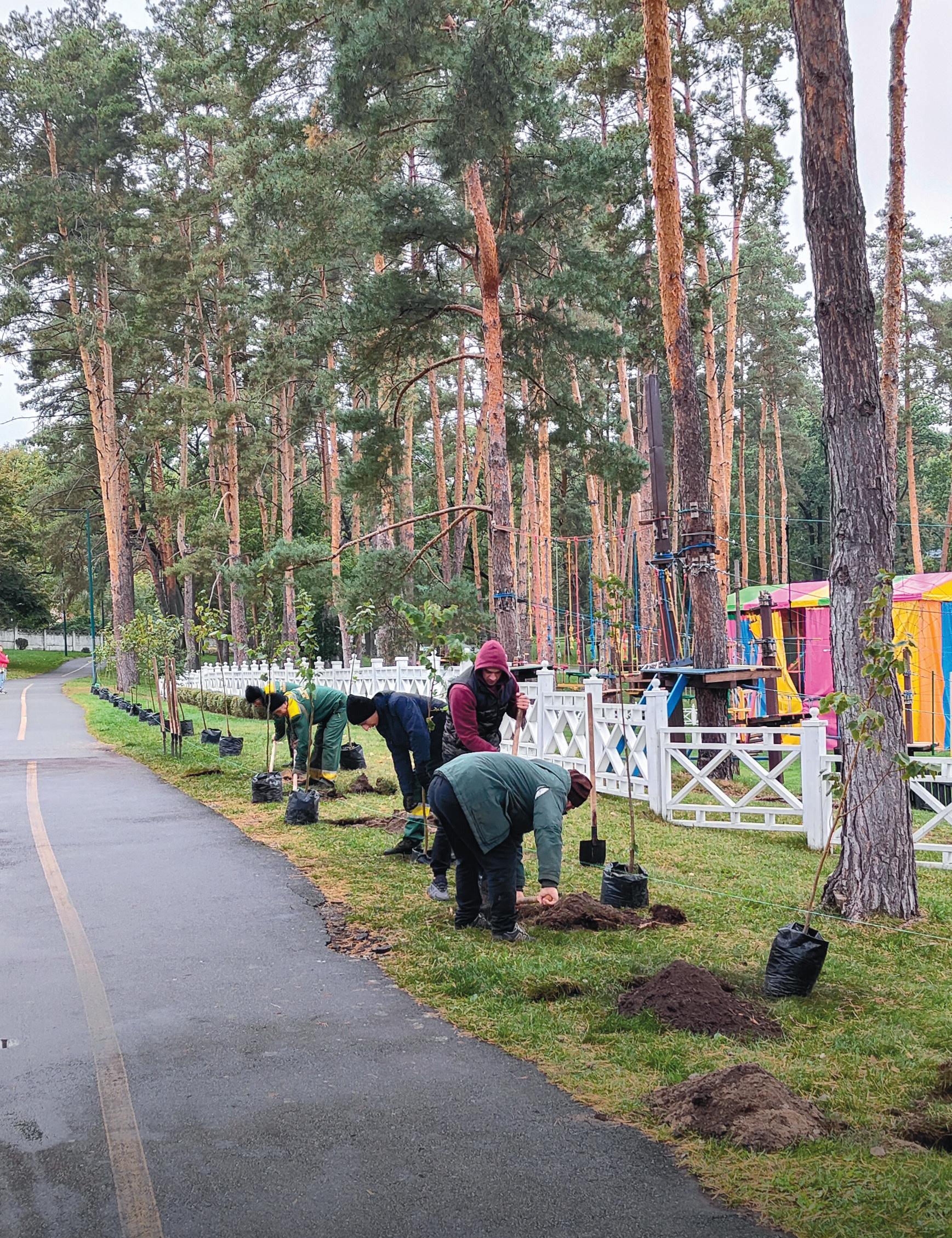
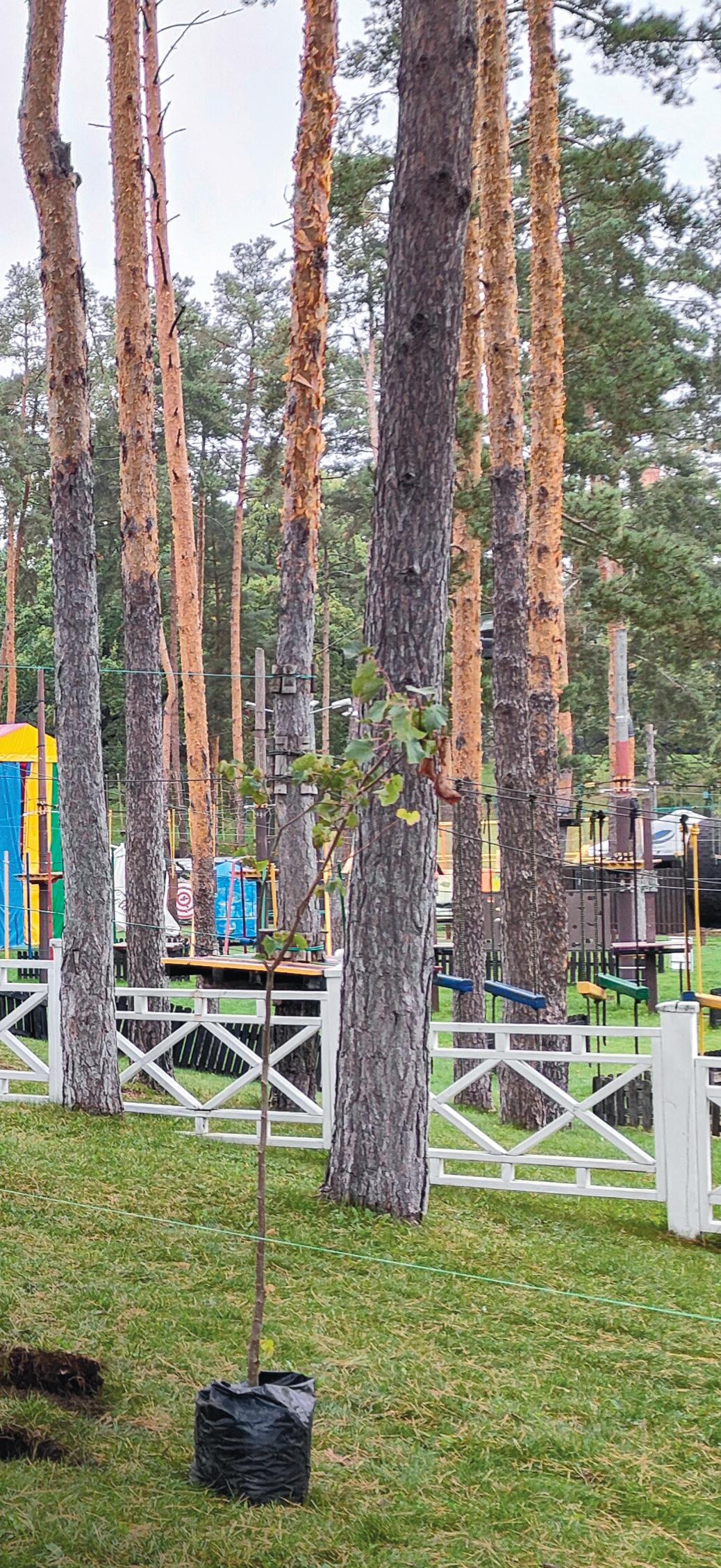
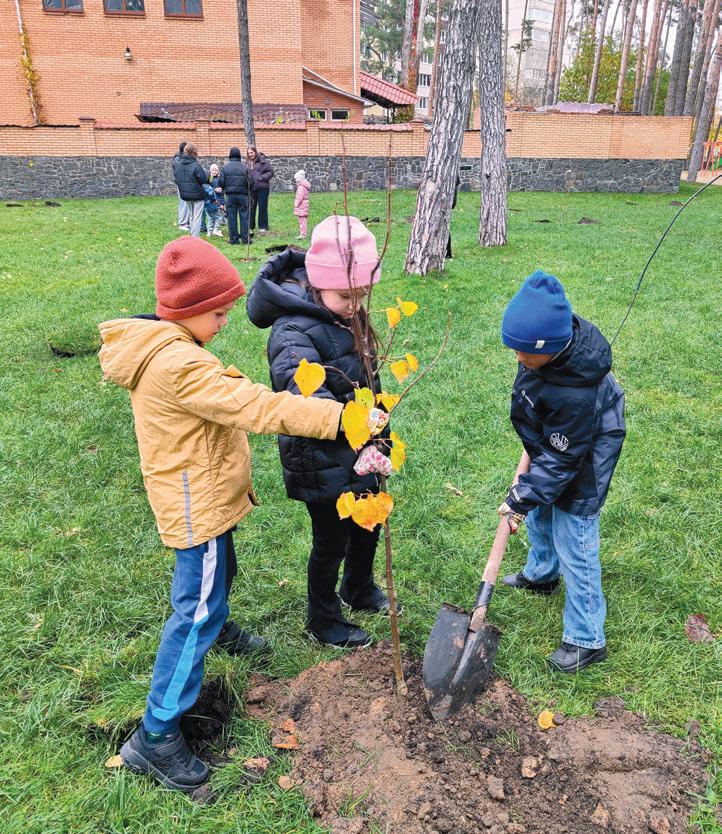
In 2025, residents of Irpin, just northwest of Kyiv, came together with students, educators, and city staff to plant 374 trees across their community. Supported through a partnership between the Arbor Day Foundation and the Ukrainian Ecological Club, Green Wave, the effort reflects a powerful truth: even amid ongoing conflict, communities are investing in their future.
That choice carries special meaning in Irpin. In early 2022, Russian forces reached the city within days of the full-scale invasion. Nearly 70% of Irpin was damaged in less than a month. Homes, schools, hospitals, parks, and forests were hit; hundreds
of residents lost their lives and more than 2,000 trees were destroyed.
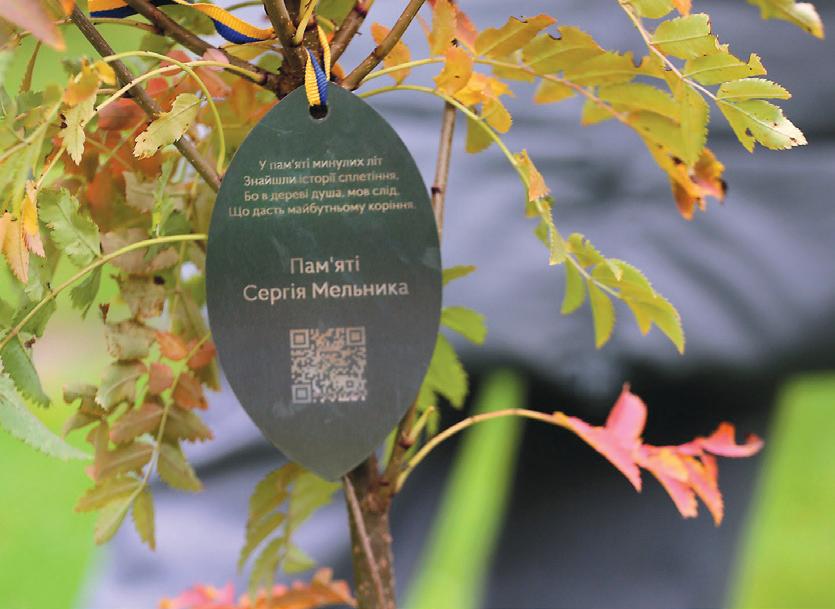
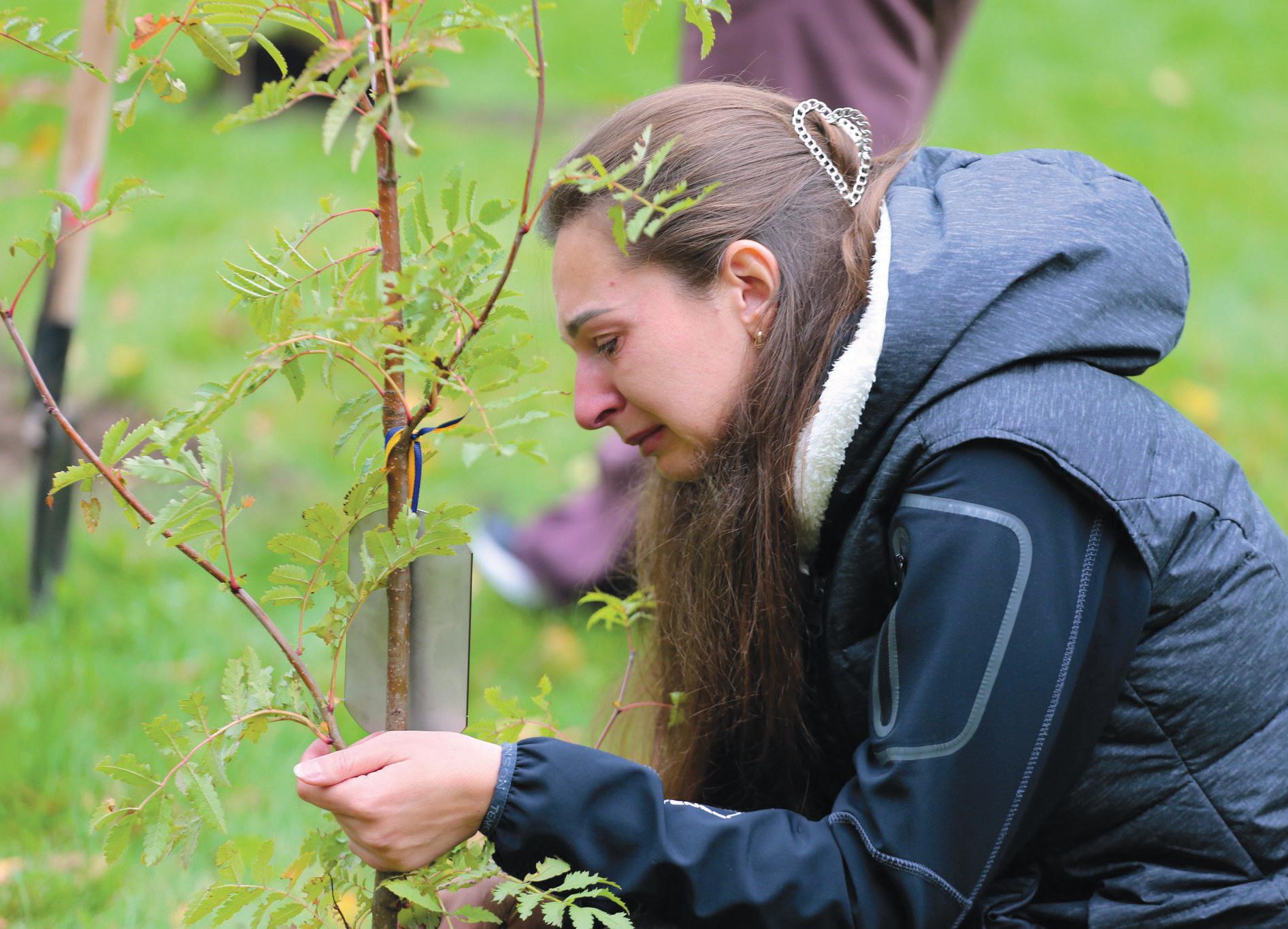
Once known as the “city in the forest,” Irpin is reclaiming that identity through restoration. One of the most meaningful elements of the project was a memorial planting, where residents planted trees in honor of loved ones killed during the occupation and while defending the country. Each tree is marked with a name and a QR code linking to Irpin’s City Memory Book — a living tribute that transforms remembrance into something enduring.
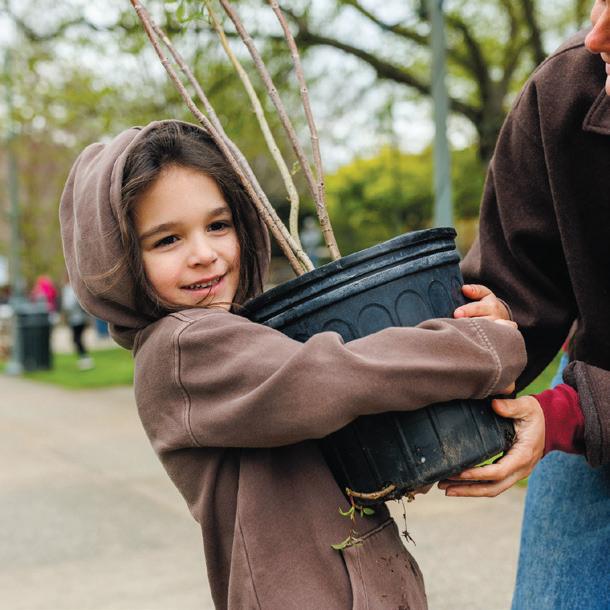
The project also focused on the next generation. Students from three local schools helped plant trees after learning why green spaces matter. First graders were paired with
high school students, symbolizing how both children and trees will grow together over time.
Beyond symbolism, the trees are delivering real benefits, like stabilizing riverbanks along the Irpin River, reducing urban heat, improving air quality, and strengthening the city’s long-term resilience.
In Irpin, trees are helping restore land, memory, and hope. Read the full story at arborday.org/irpin.
Engraved metal tags connect each tree to a community member lost in the war, creating a living memorial linked to Irpin’s City Memory Book.
Photos courtesy of Natalka Poltavka
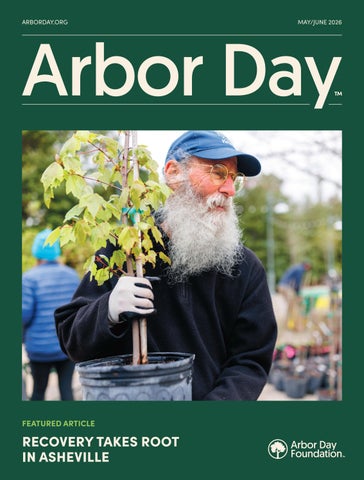
ASHEVILLE’S JOURNEY TO REFOREST AFTER HURRICANE HELENE
The 2024 hurricane season made history in just 13 days. Back-toback storms — Hurricanes Helene and Milton — struck the same regions in rapid succession, leaving a trail of devastation across six southern and mid-Atlantic states.
For Asheville, North Carolina, Hurricane Helene was especially destructive. Though far from the coast, the city’s mountain geography made it vulnerable to extreme rainfall and runoff. Water poured down surrounding slopes, overwhelming rivers like the French Broad and flooding parklands, neighborhoods, and forests.
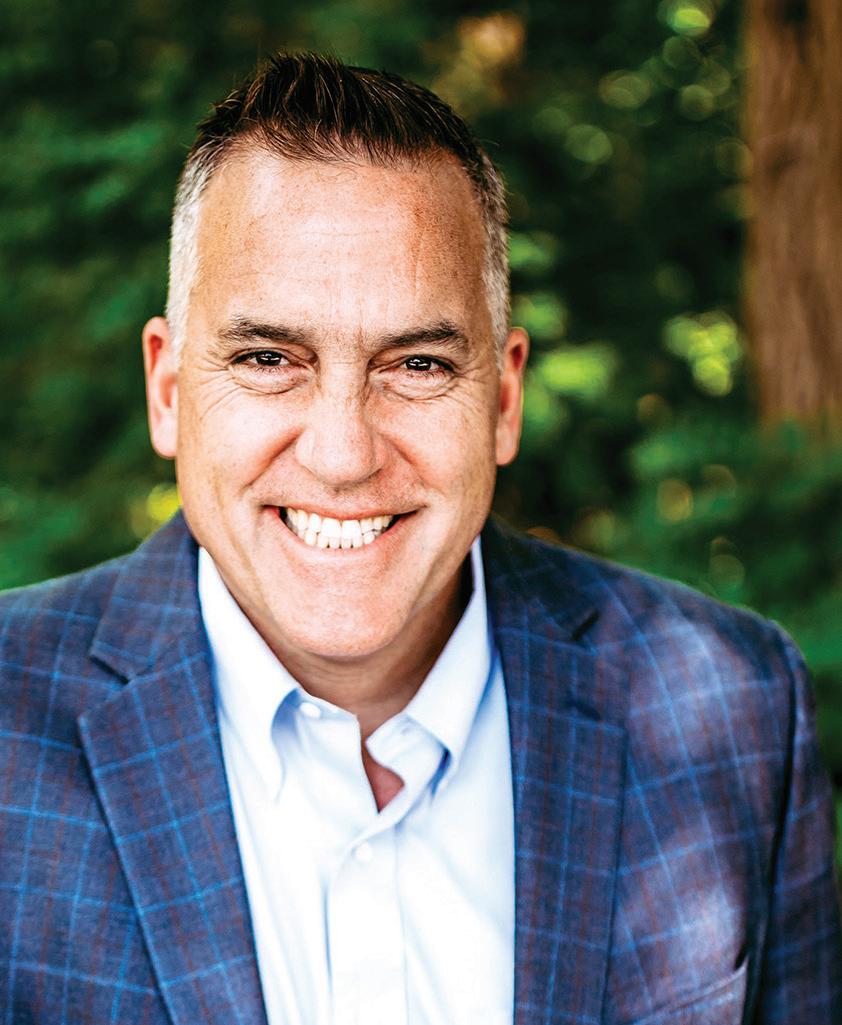
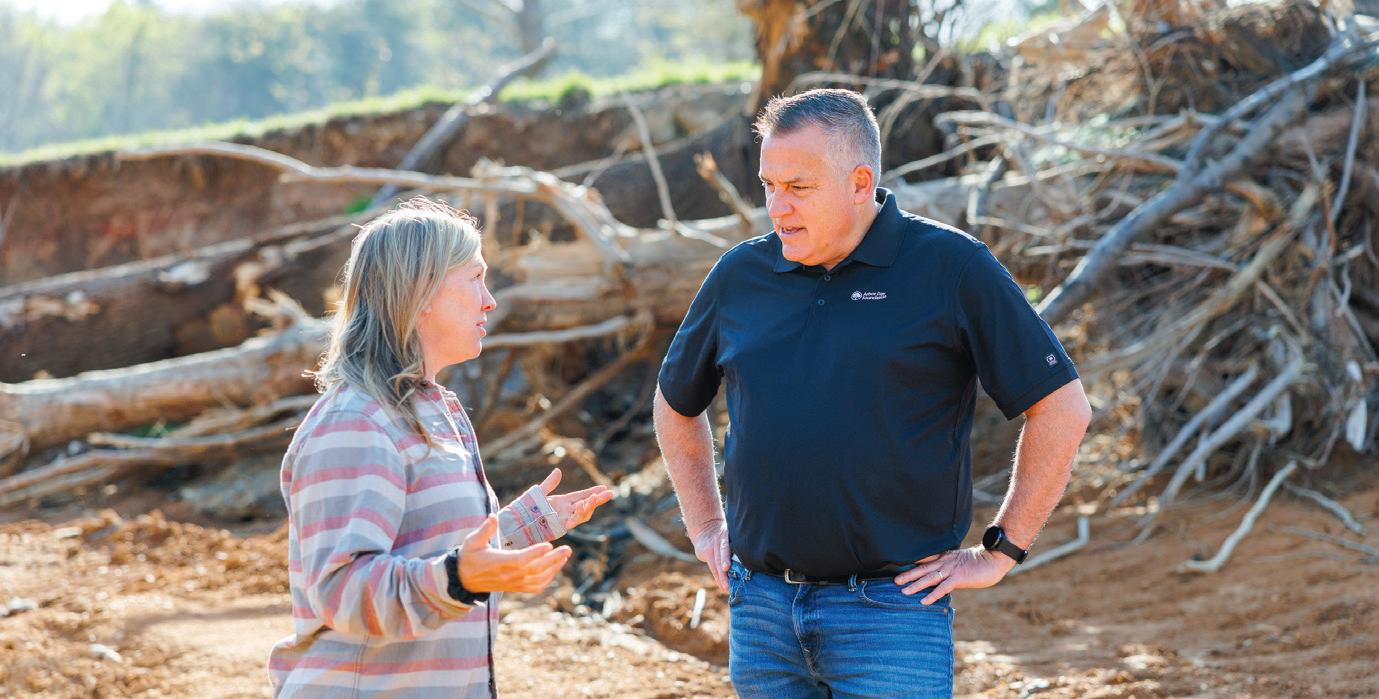
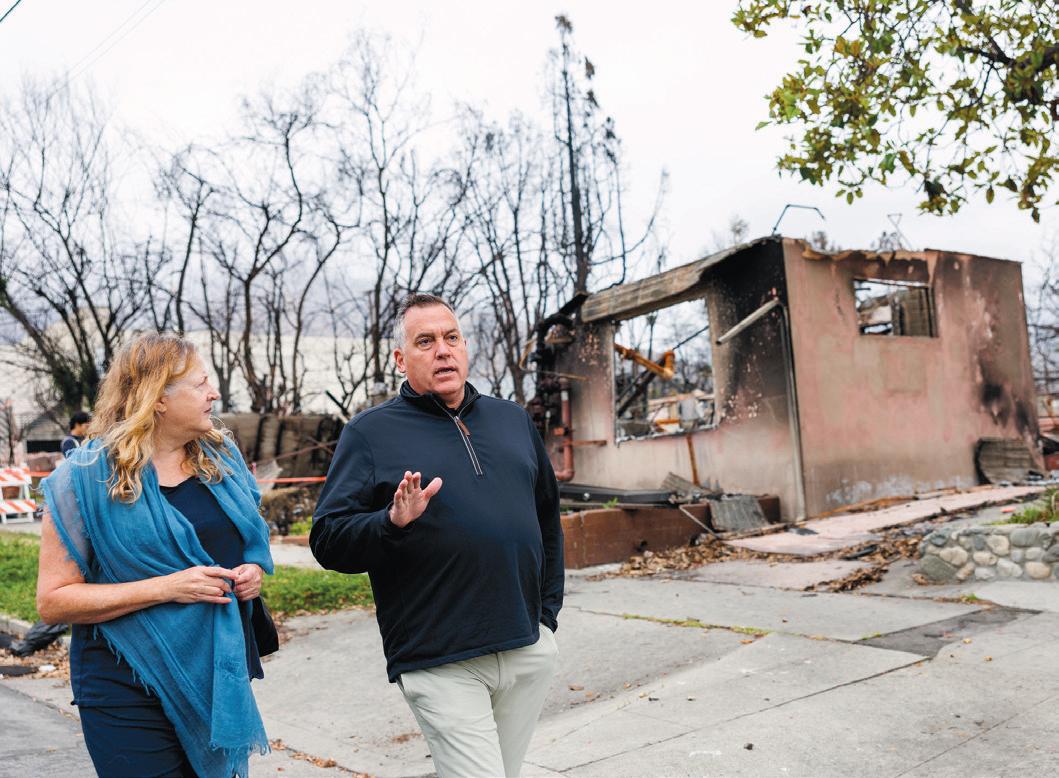
On the ground in Asheville, Arbor Day Foundation chief executive Dan Lambe works alongside community partners to support recovery through trees.
“The damage from Hurricane Helene was catastrophic,” said Sara Millar, director of reforestation initiatives for Asheville GreenWorks. “Close to 40% of our canopy was damaged. We are going to be recovering for decades to come.”
Asheville is a city defined by its connection to the outdoors, with its trails, rivers, and forests woven into everyday life. Helene didn’t just damage infrastructure; it shook that identity.
“Entire sections, acres of forest, were completely blown over,” said Jack Igelman, conservationist and professor at Warren Wilson College. “Absolutely staggering.”
For residents like Philip Blocklyn, the experience was visceral. “The sound of the river was completely disorienting,” he said. “It just sounded wrong. You could hear debris — metal sheds crashing together. It was the sound of destruction.”
“We weren’t sure the community would be ready for trees. But the overwhelming response showed us they were.”
Sara Millar, Asheville GreenWorks
In the storm’s aftermath, the Arbor Day Foundation moved quickly, committing to plant 10 million trees across areas impacted by Hurricanes Helene and Milton. The pledge reflects a long-term investment in recovery, and one that’s already underway. Rooted in action, trees began going back into the ground just six months after the storm.
A strong network of local partners allows the Arbor Day Foundation to respond effectively wherever disasters strike. National resources, local expertise, and community-led action come together to guide what is planted, where it goes, and when it will have the greatest impact.
“Recovery isn’t one-size-fits-all,” said Dan Lambe, chief executive of the Arbor Day Foundation. “Every storm leaves a different footprint, and our role is to listen first.”
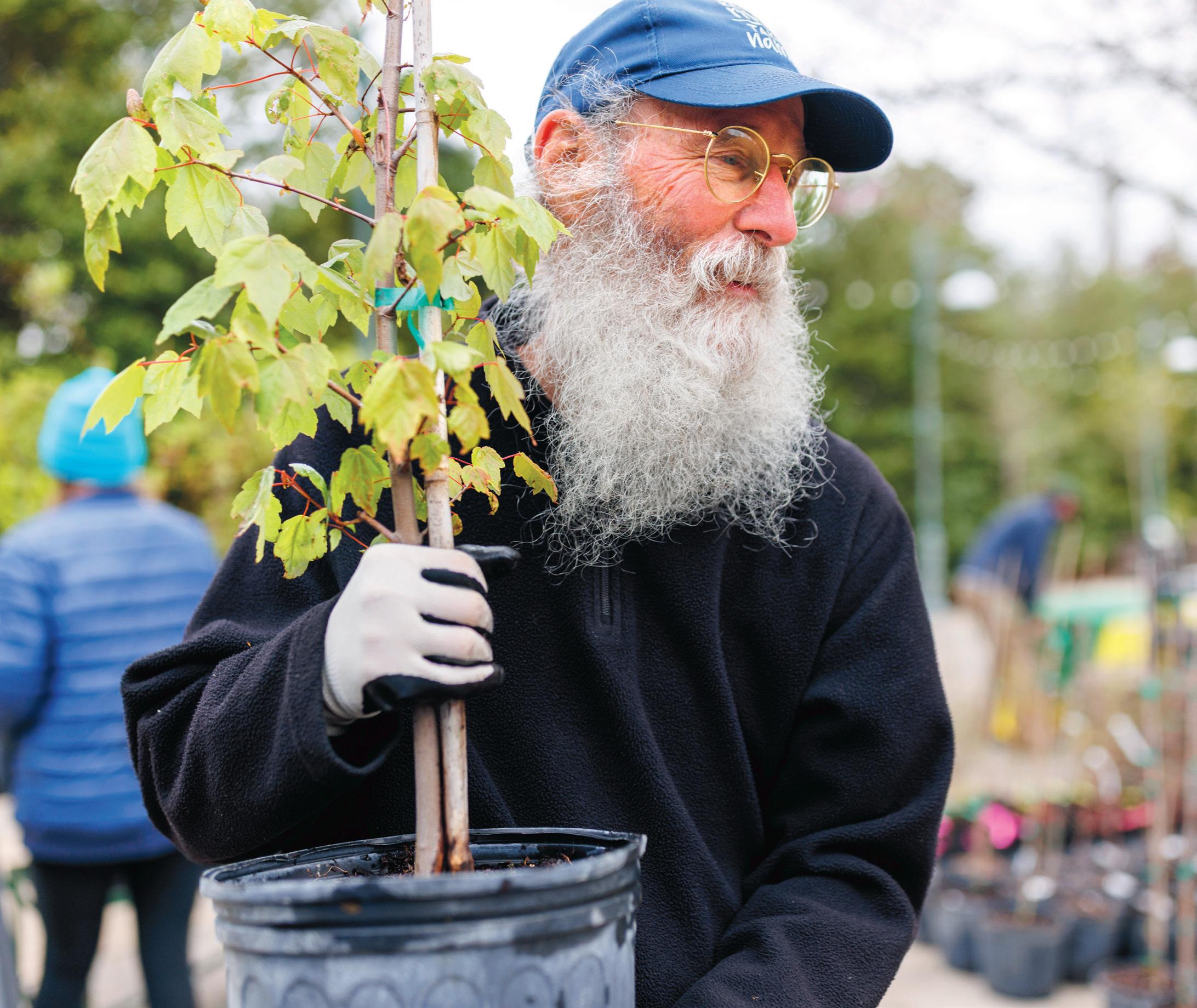
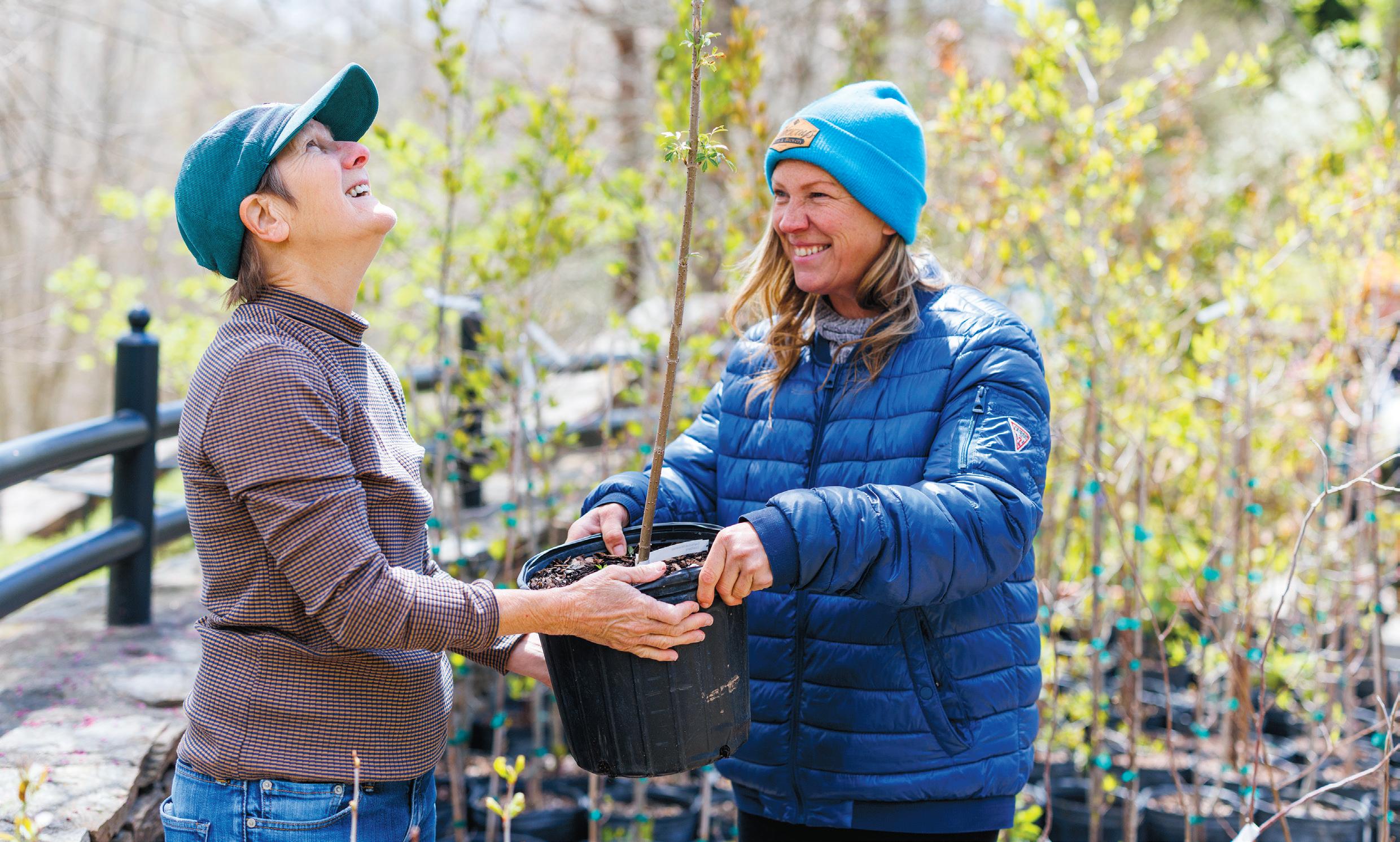
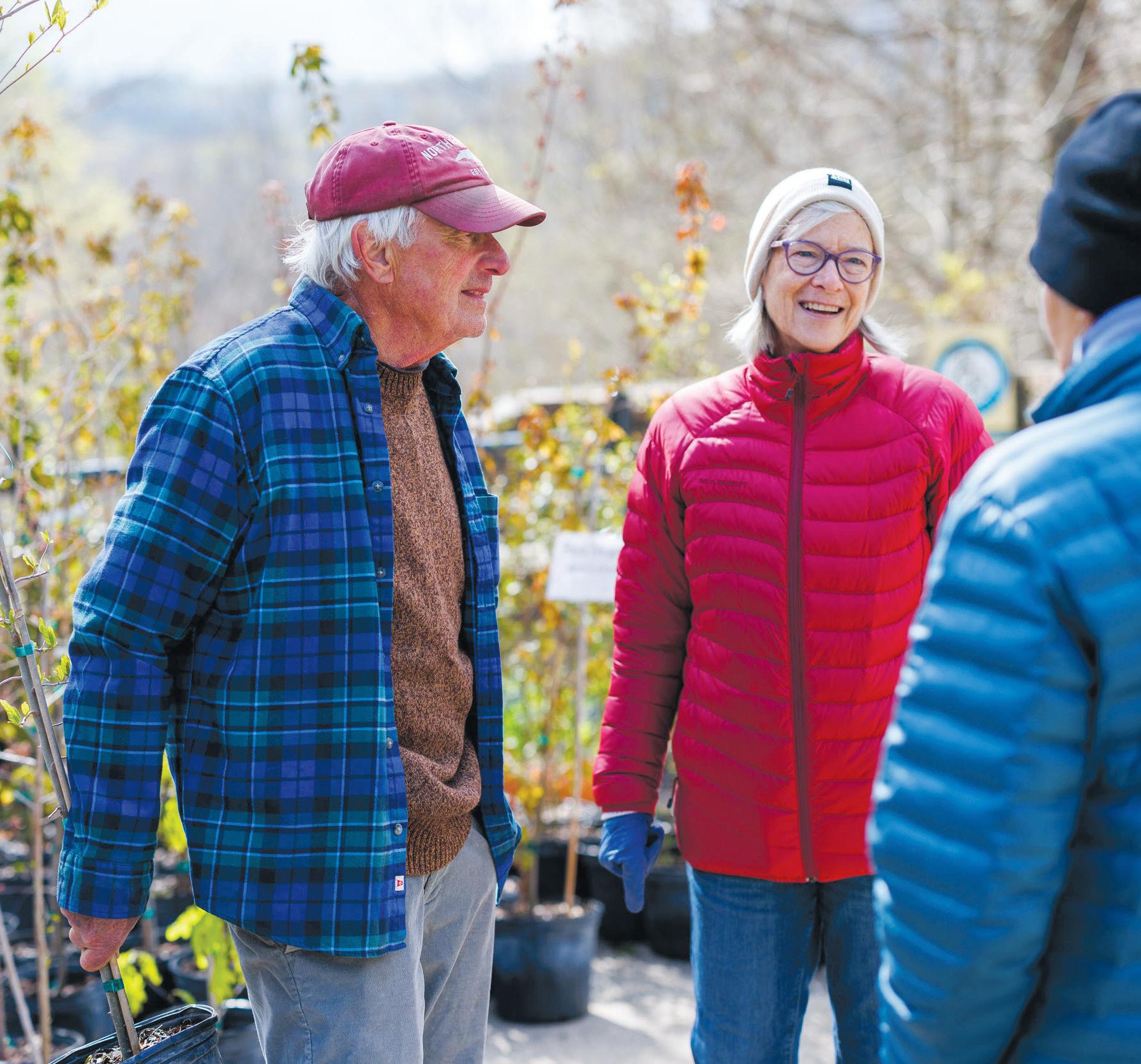
Since the hurricane, Asheville GreenWorks and the Arbor Day Foundation have distributed nearly 6,000 free native
trees to residents, with additional planting events at community spaces like Hominy Creek Greenway.
“When we started this initiative, people were still addressing basic needs,” she said. “We weren’t sure the community would be ready for trees. But the overwhelming response showed us they were.”
Planting trees after a disaster restores ecosystems, but it also restores people. “Trees bring a sense of hope and healing back to the community,” Lambe said. “The need for trees has never been more important than it is today.”
For Millar, the work has been deeply personal. “It’s shown me how strong our community is,” she said. “Being out in nature is healing. It gives people hope.”
See the full story at arborday.org/asheville to see how trees are helping Asheville heal.
NEW GROWTH AT A LOS ANGELES SCHOOL ONE YEAR AFTER WILDFIRES
One year after the Eaton Fire swept through parts of Los Angeles County, signs of recovery are taking root — literally — at Mary W. Jackson STEAM Multilingual Magnet Elementary School. Students, teachers, and families are rebuilding together, planting trees and greenery to help restore both the campus and community spirit.
The Arbor Day Foundation partnered with local nonprofit Amigos de los Rios and community volunteers to plant trees on the school grounds, bringing shade, beauty, and a renewed sense of normalcy for students returning to campus. For a school community that endured extraordinary loss, these plantings represent hope, resilience, and a place where learning and healing can flourish.
When the Eaton Fire broke out on January 7, 2025, it burned more than 14,000 acres across Altadena and Pasadena, displacing thousands of students, families, and educators. Schools like Jackson Elementary became more than classrooms — they became anchors for recovery. Restoring trees and outdoor spaces creates environments that are calming, inspiring, and welcoming — exactly what students and teachers need after a disaster.
Trees also provide critical benefits beyond their beauty: cooling schoolyards, improving air quality, managing stormwater, and supporting emotional well-being. For students at Jackson Elementary, each new tree is a living symbol of growth after loss.
The Arbor Day Foundation has supported communities recovering from wildfires, hurricanes, tornadoes, and floods for nearly two decades, planting the right trees in the right places with trusted local partners to ensure long-term impact.
Read the full story online and learn how trees are helping this community recover at arborday.org/altadena
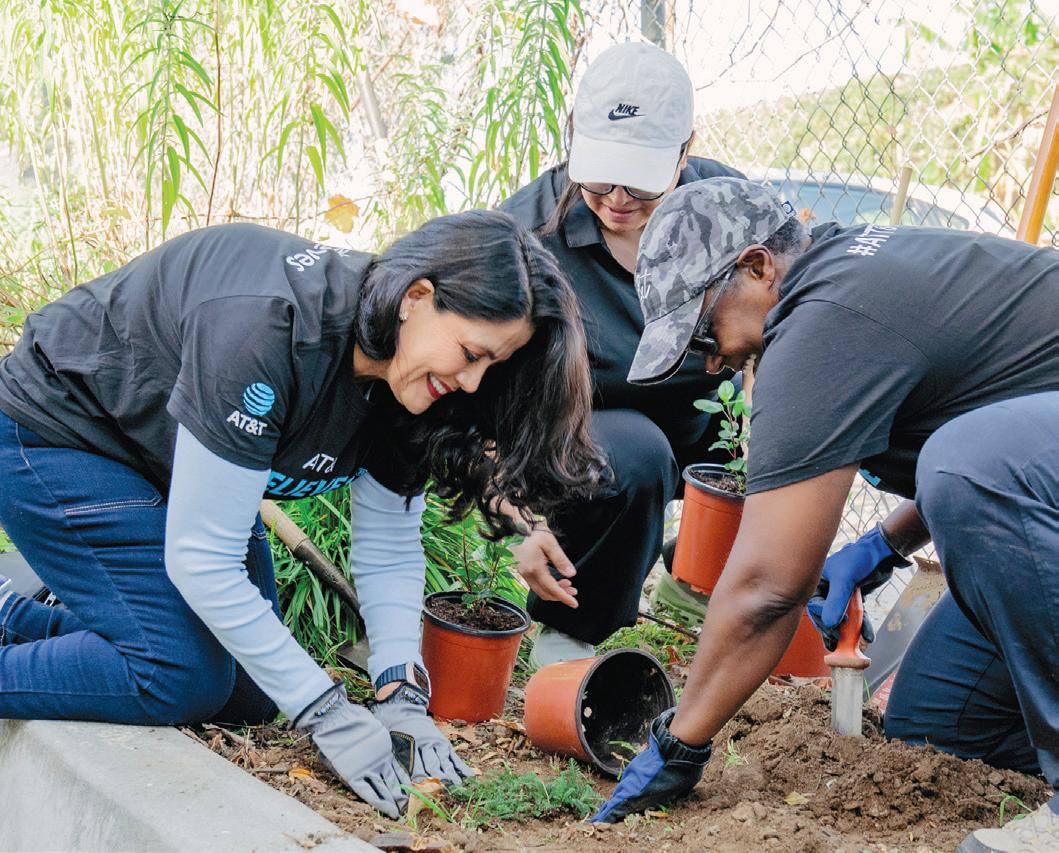
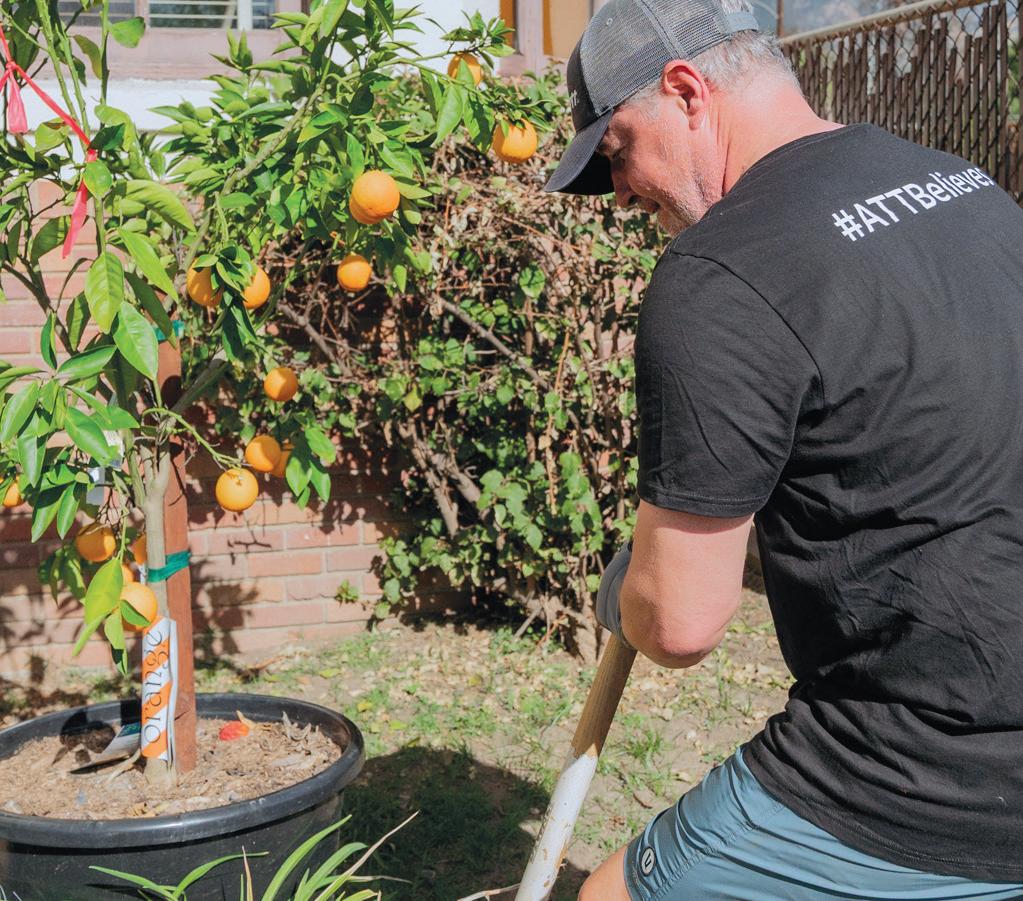
Top: Collaboration with local partners helps the Arbor Day Foundation know when the time is right to replant after wildfires.
Middle: Storm recovery is strongest when communities come together, and when trees are part of the solution.
Bottom: New trees and greenery are helping create a healthier environment for students to learn, play, and heal after the Eaton fire.
5 SIMPLE TIPS FOR TREE SELECTION SUCCESS
Planting a tree is one of the most lasting ways to shape your space. The right choice delivers decades of shade, beauty, and wildlife benefits — but success starts with smart selection.
Use these five tips to choose a tree that will thrive for years to come.
1 Start with your site. Look beyond hardiness zones. Consider sun exposure, soil type, drainage, and weather extremes. The better you understand your conditions, the better your tree will thrive.
2 Plan for mature size. That sapling will grow. Check height and spread at maturity, and allow space away from roofs, utilities, sidewalks, and driveways.
3 Choose with purpose. Decide what you want your tree to do — provide shade, create privacy, support wildlife, or conserve water — and let function guide your choice.
4 Think roots and maintenance. Tree roots need space to grow, and some trees have higher care needs. Pick a species that fits both your space and your schedule.
5 Do your homework and don’t just settle for what’s available. Research native and climate-resilient trees suited to your area. They’re more likely to thrive and support local ecosystems long term.
To learn more visit arborday.org/simple-tips
THE FUTURE IS COUNTING ON YOU
We all have a role to play in shaping a greener future. One with thriving neighborhood tree canopy, vibrant forest ecosystems, and a healthier planet for future generations. This is a future that’s going to take all of us doing everything we can.
Here’s your moment to make an impact that will last well beyond your lifetime. With help from the Arbor Day Foundation, you can leave a legacy through trees.
To learn more about gift planning, go to arborday.org/planning or scan the QR code.
We are here to help: Erin Mousel, Gift Planning Officer 888-448-7337, ext. 9614 emousel@arborday.org
You may also fill out and mail the form below.
I WOULD LIKE MORE INFORMATION ON:
l Including the Arbor Day Foundation in my will
l Charitable gift annuities
l Tax-free IRA distributions
l Gifting stock
l Other gifting options
Name Address
City/State/Zip
Phone Number
Best time to call
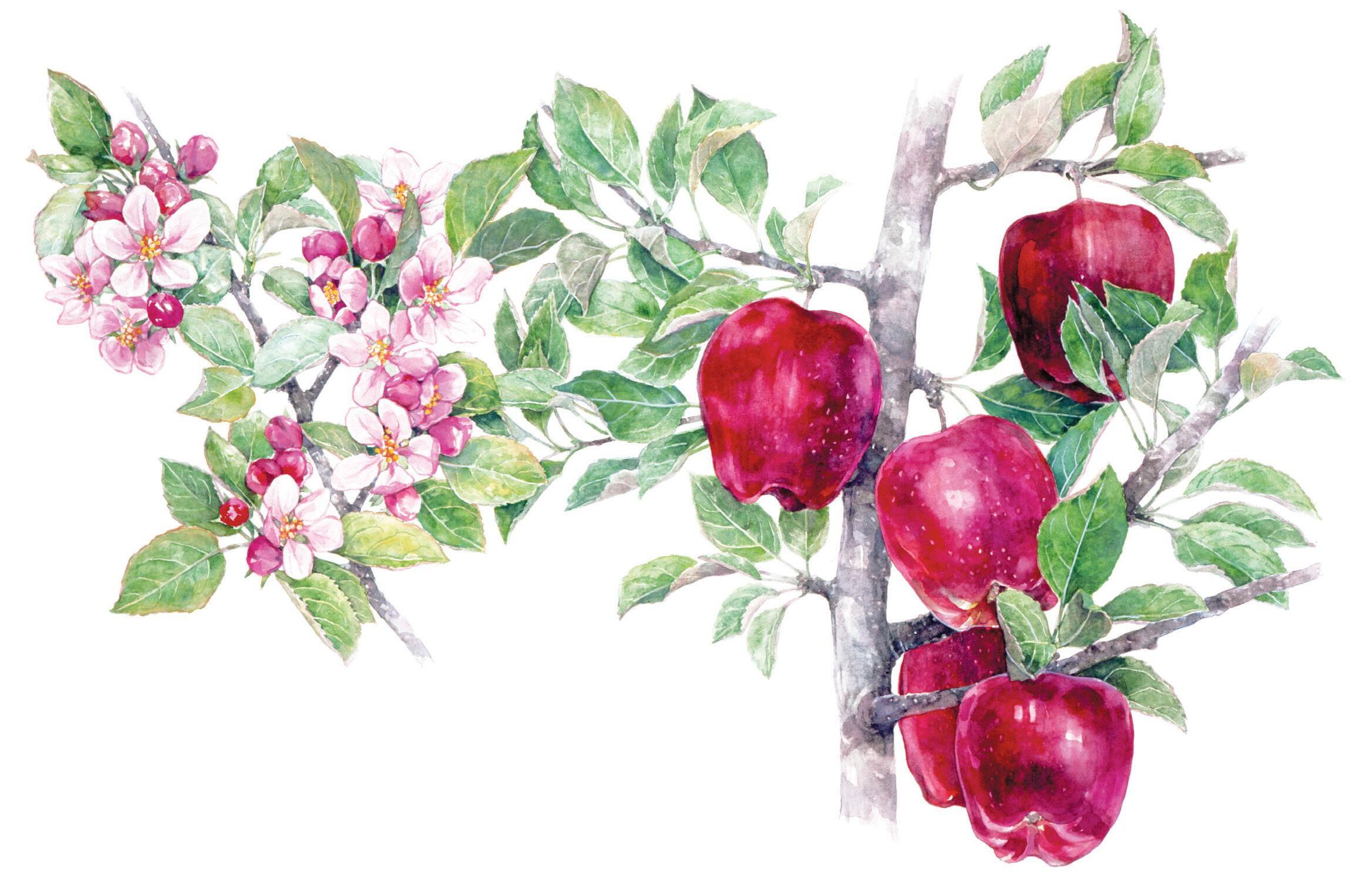
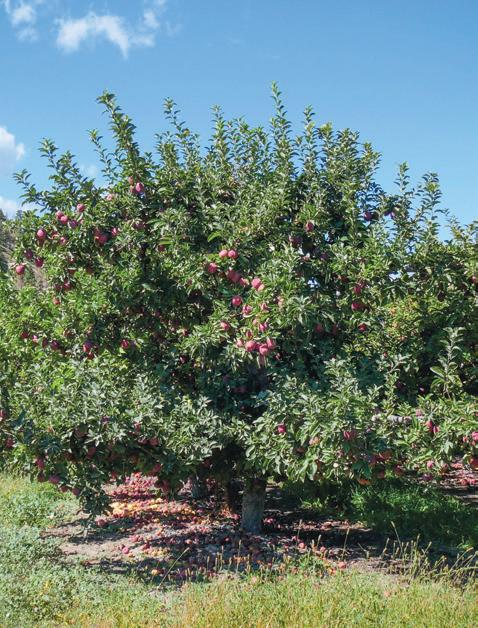
RED DELICIOUS APPLE
Malus domestica
Recognizable and always a crowd favorite, the Red Delicious apple tree has been a staple of American backyards and orchards for generations. Known for its signature red apples and steady harvests, it’s a tree that brings both beauty and tradition to the landscape year after year.
Typically reaching 15–25 feet tall, Red Delicious apple trees feature springtime blossoms in soft shades of white and pink, followed by glossy green leaves and vibrant red fruit in fall. Beyond the harvest, they support pollinators, provide habitat for wildlife, and add charm to gardens and community spaces alike.
Best suited for full sun and welldrained soil, these hardy trees thrive in zones 4–8. With proper care, they offer years of shade, beauty, and crisp apples that are worth the wait.
Learn more about apple trees and other species at arborday.org/red-delicious-apple or scan this QR code.
We guarantee delivery of healthy trees to our members. Please check ordering deadlines and shipping dates at arborday.org/shipping. If you need to contact us about your trees, call 888-448-7337, email us at info@arborday.org, or drop us a note at Member Services, Arbor Day Foundation, 211 N. 12th
Lincoln, NE 68508. We want your tree planting efforts to be successful!