BRINGING SHADE, RELIEF, AND RESILIENCE WHERE IT’S NEEDED MOST FEATURED ARTICLE
LAMBE Chief Executive, Arbor Day Foundation
At the Arbor Day Foundation, we believe progress and positivity go hand in hand. That’s why our new podcast is exploring fresh and hopeful perspectives on the future, as we consider the meaning nature can bring to our lives and to our planet.
In “Unearthing Optimism,” I talk one-onone with a series of influential and trusted voices shaping culture, science, and how we understand our changing world. We’ve already been joined by guests like Bill Nye, actor Rainn Wilson, Executive Director of the Jane Goodall Institute, Anna Rathmann, and The Weather Channel meteorologist Stephanie Abrams.
This podcast isn’t about ignoring environmental challenges. It’s about reminding ourselves that positivity in the face of those challenges isn’t naïve. It’s necessary. While doom and gloom can leave us feeling stuck, talking about solutions and successes can motivate us to keep moving forward.
“Unearthing Optimism” is now streaming on Spotify, Apple Podcasts, or wherever you get your podcasts. We hope you’ll join us on this exciting new journey.
DAN
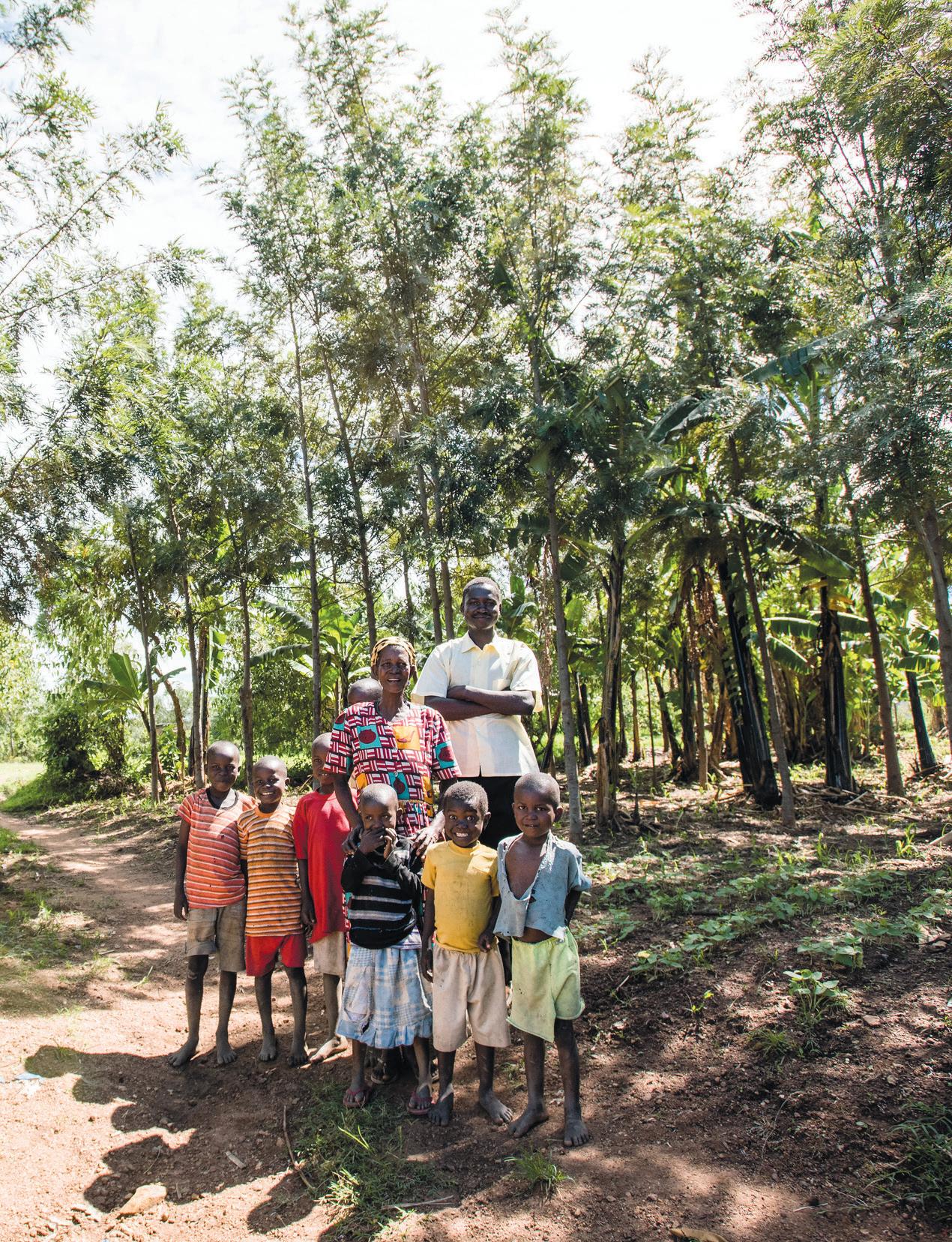
Juliana Wayomba and family, Kenya. Photos are courtesy of One Acre Fund.
KENYAN SMALLHOLDER FARMER PLANTINGS
Planting for People and the Land
Across Kenya, smallholder farmers rely on modest plots of land to feed their families and earn a living, often on less than $1 per day. But drought, flooding, pests, and soil degradation increasingly threaten those livelihoods. Deforestation near important ecosystems, including the slopes of Mt. Kenya, has made matters worse, weakening soil health and reducing biodiversity.
Through a partnership with One Acre Fund, the Arbor Day Foundation is helping farmers restore productivity and resilience by integrating trees directly into their farms.
By planting trees among crops or along field perimeters, farmers can stabilize soil, enhance nutrients, and create natural windbreaks. Trees also reduce erosion, provide shade and cooling, support wildlife movement, and create long-term income opportunities through fruits and nuts. Together, these benefits strengthen farms while easing pressure on nearby forests.
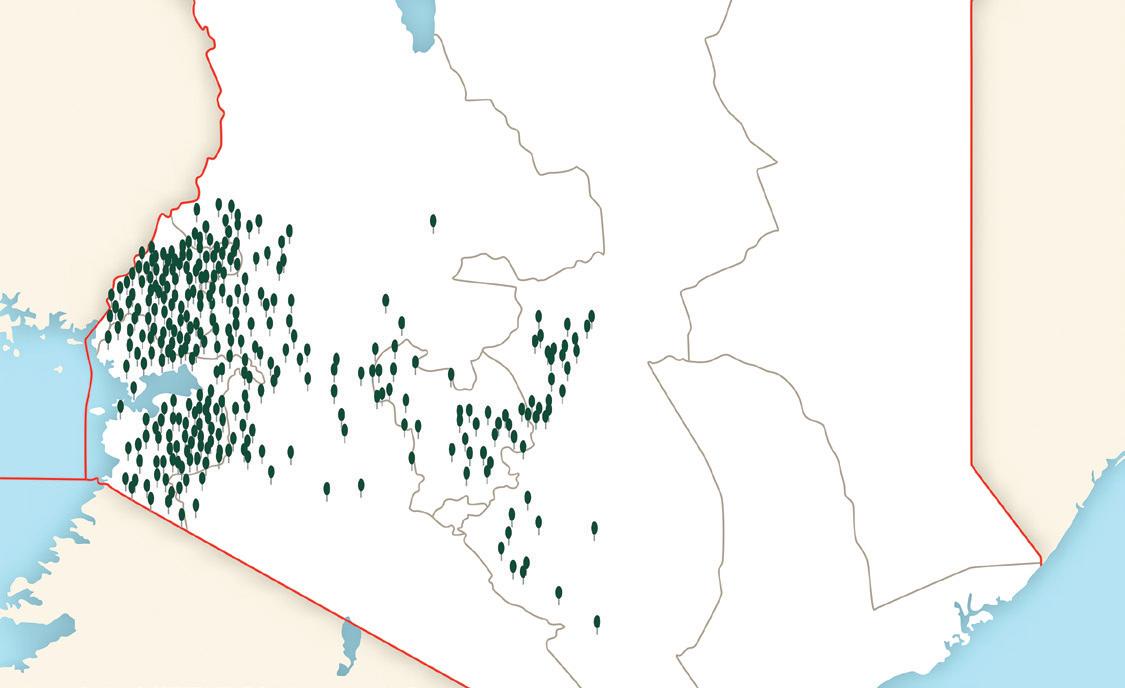
In 2025, support from the Arbor Day Foundation helped plant more than 260,000 trees, serving nearly 3,000 farmers across Kenya.
GUIDED BY SCIENCE
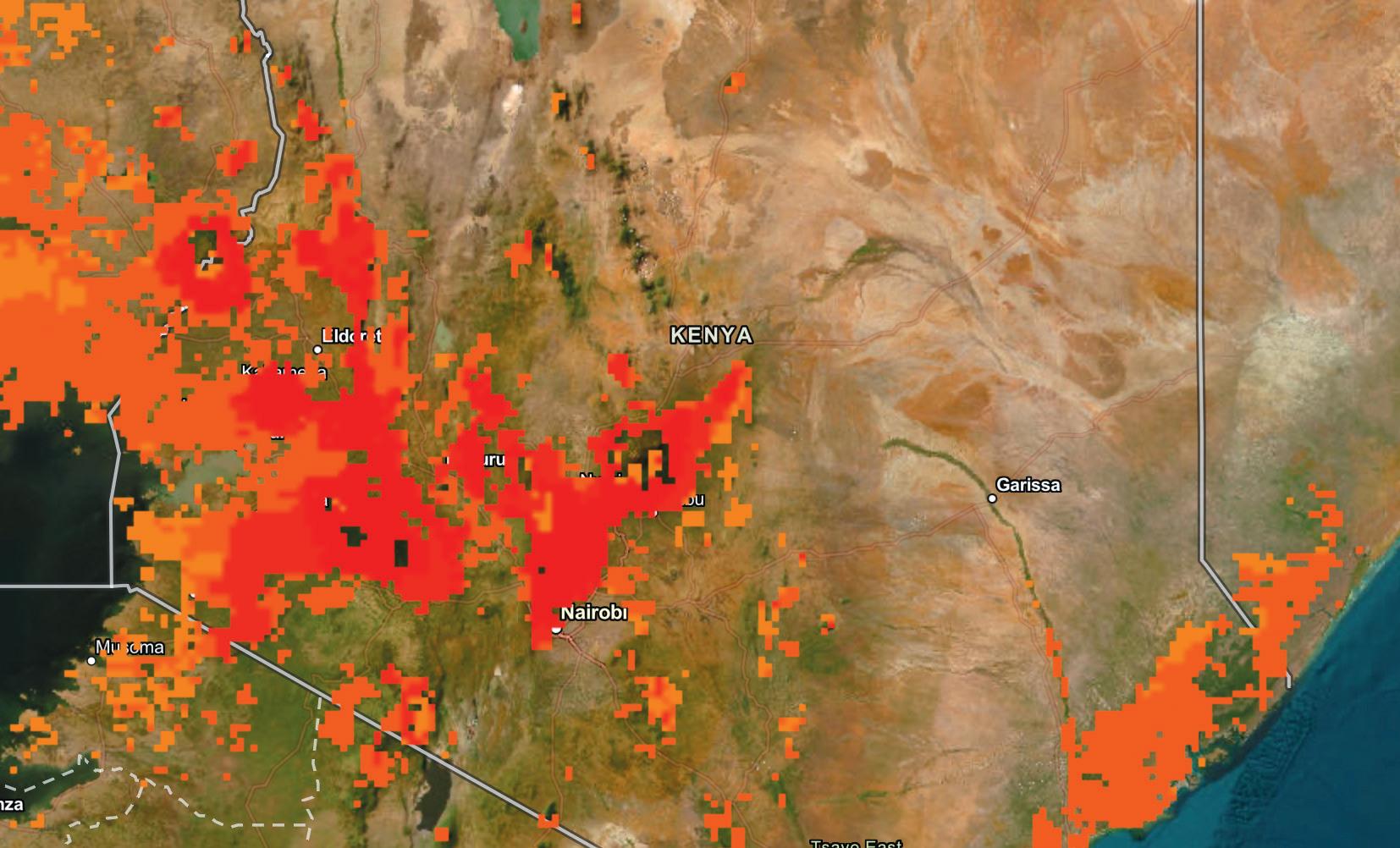
This work takes place in regions identified through the Arbor Day Foundation’s Forest Priority Index, a science-based approach that helps pinpoint where trees can deliver the greatest impact for the climate, ecosystems, wildlife, and surrounding communities.
By prioritizing these areas, the Foundation helps ensure the right trees are planted in the right places for lasting benefit.
GROWING IMPACT
Farmers receive training in planting and caring for seedlings to improve survival rates. At the same time, new technology is strengthening long-term impact. Teams are using upgraded digital surveys, satellite mapping, and geospatial tools to monitor tree survival, track landscape change, and guide restoration planning.
The result: healthier farms, stronger incomes, and landscapes better prepared to withstand a changing climate.
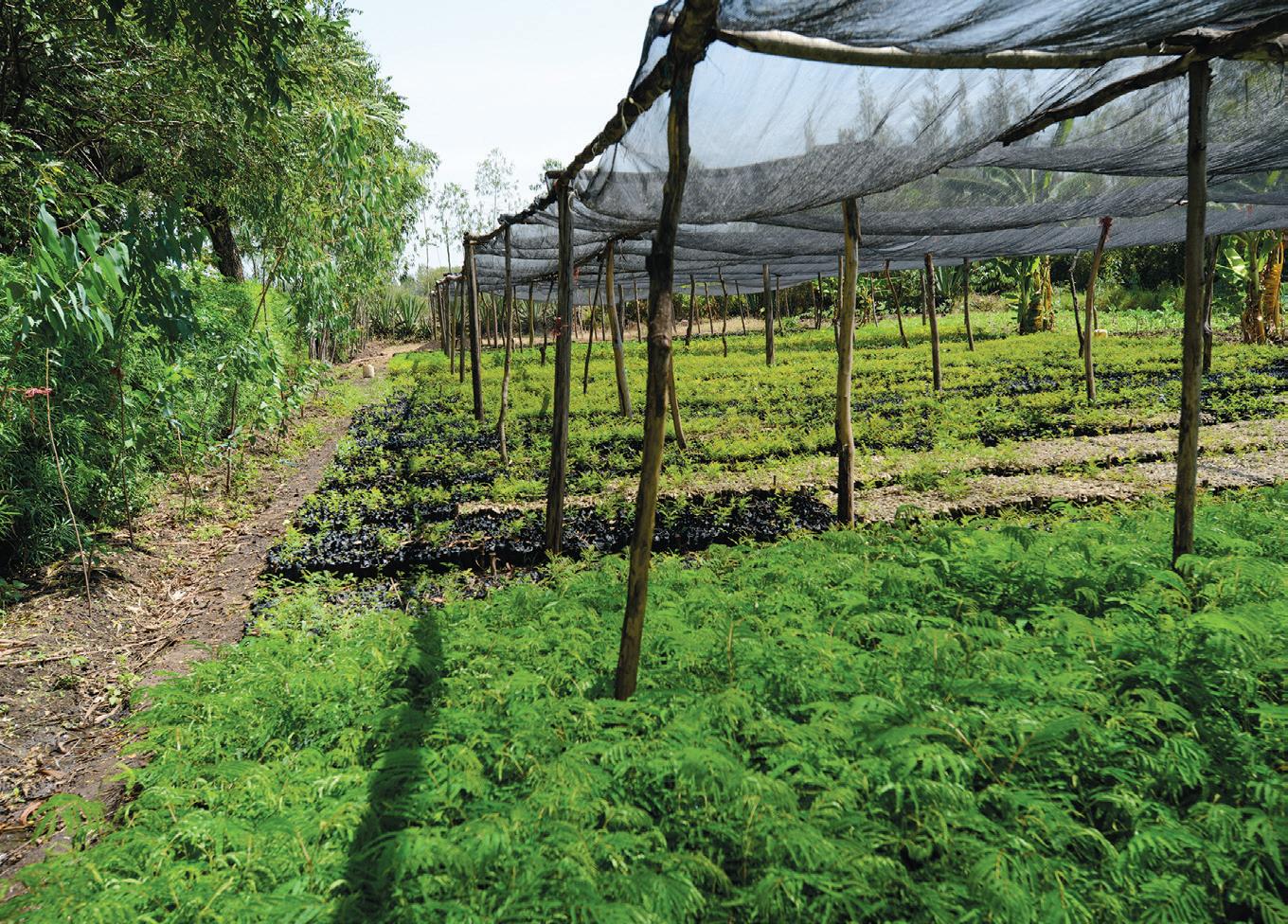
Local nurseries (top graphic) helped source the trees for the region. Mapping from the Arbor Day Foundation’s Forest Priority Index (bottom graphic), helped guide where the work was most in need.
PLANTING A COOLER PLACE TO PLAY
Extreme heat is the deadliest weather-related disaster in the United States, and the last decade has been the hottest on record. In communities like Los Lunas, New Mexico, that reality is felt close to home.
At the Daniel Fernandez Recreation Center, a central hub for youth sports and community life, limited tree canopy has meant fewer places to find relief from the sun. Strategic tree planting is helping restore comfort and access to spaces like these, strengthening health and quality of life while building resilience to a warming climate.
WHERE HEAT MEETS DAILY LIFE
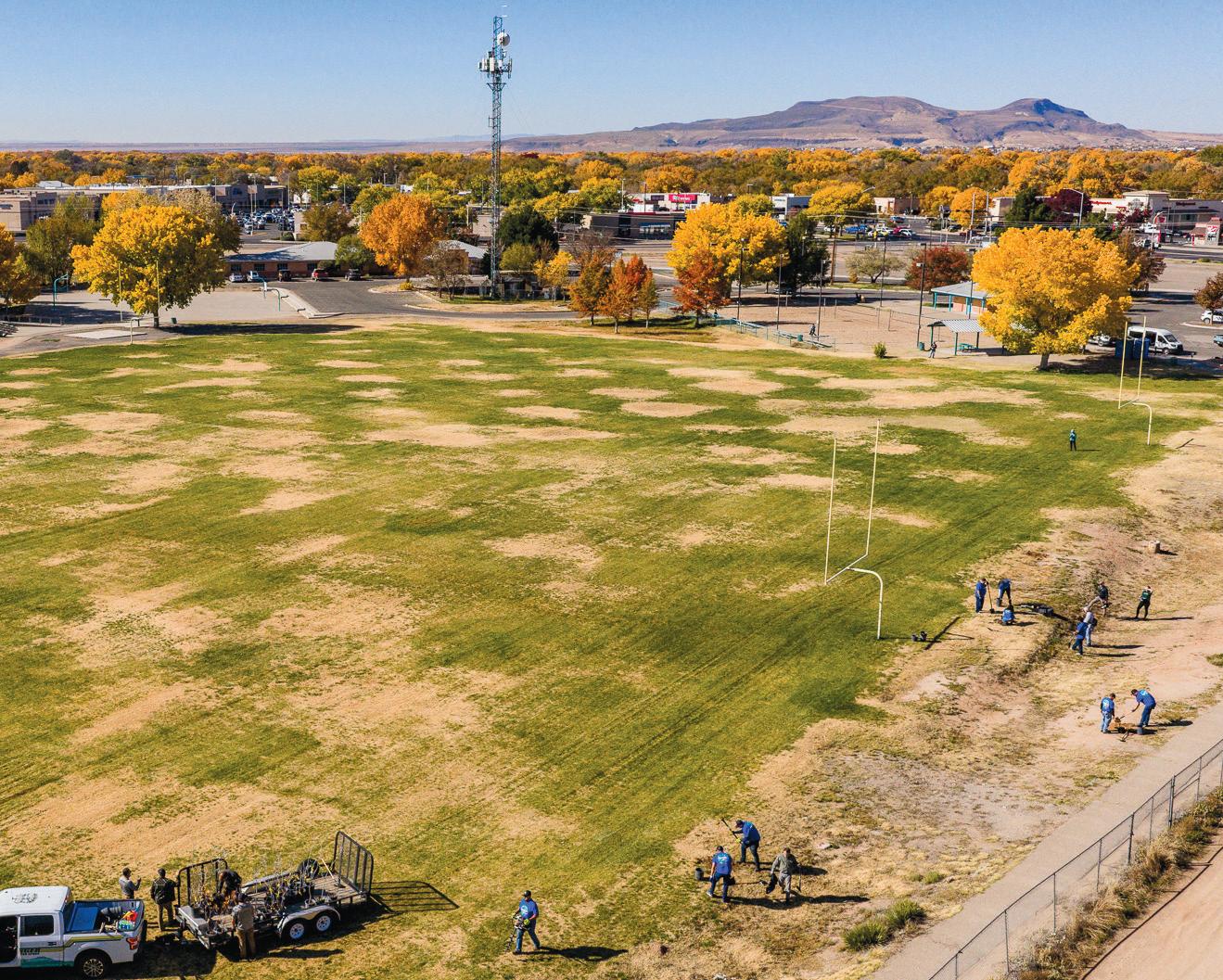
Located in the heart of Los Lunas, the Daniel Fernandez Recreation Center is used daily by local families. Basketball courts, ball fields, playgrounds, and open green space make it an essential gathering place to play, exercise, and spend time together, but the lack of shade can make summer visits difficult.
“These parks mean so much to me and my kids,” community member Alyssa Encinias said. “But every year, it’s getting hotter. We’re hitting around 100° every single day and my kids don’t want to be stuck inside the house — they want to be out and playing.”
RIGHT TREE, RIGHT PLACE
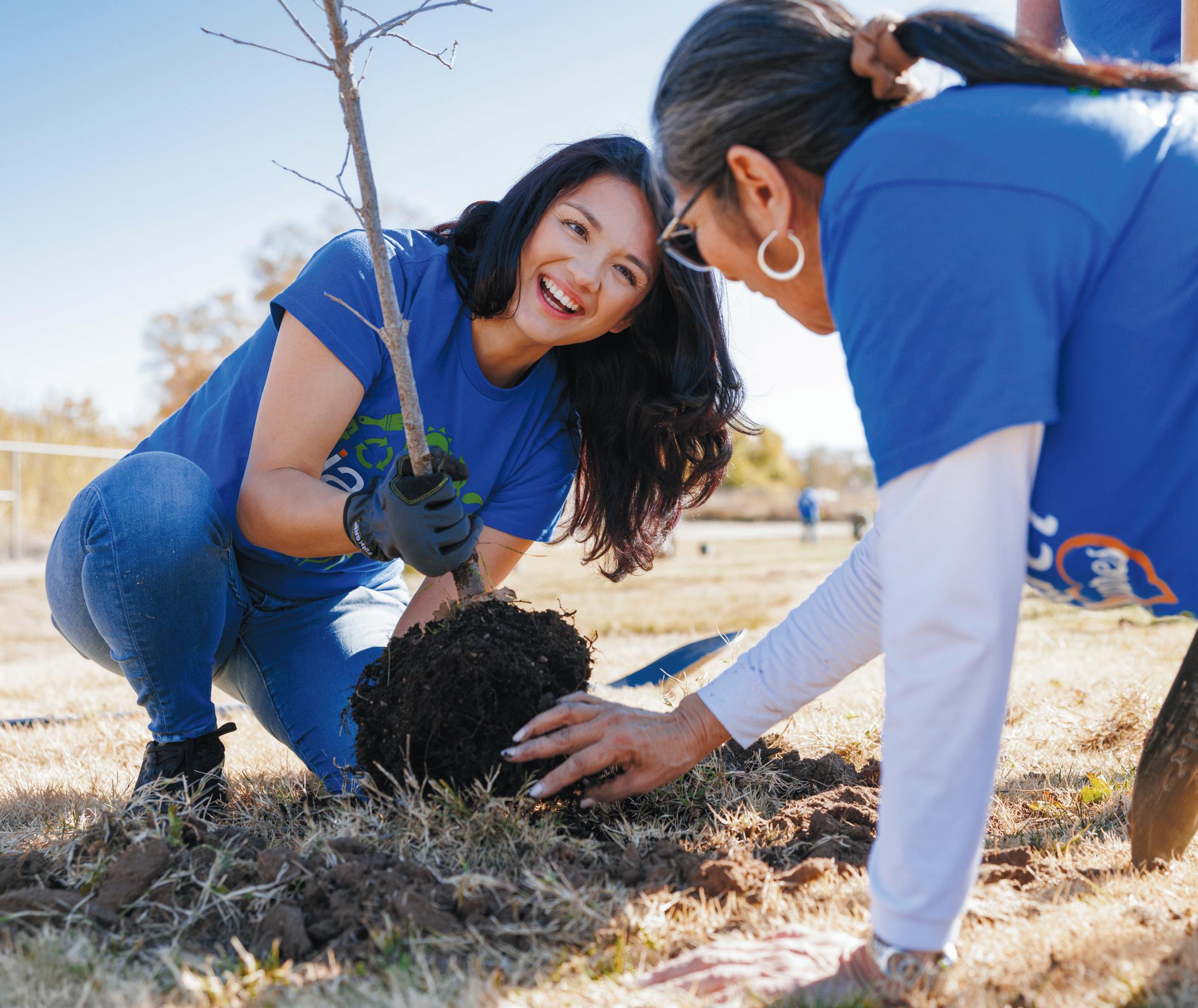
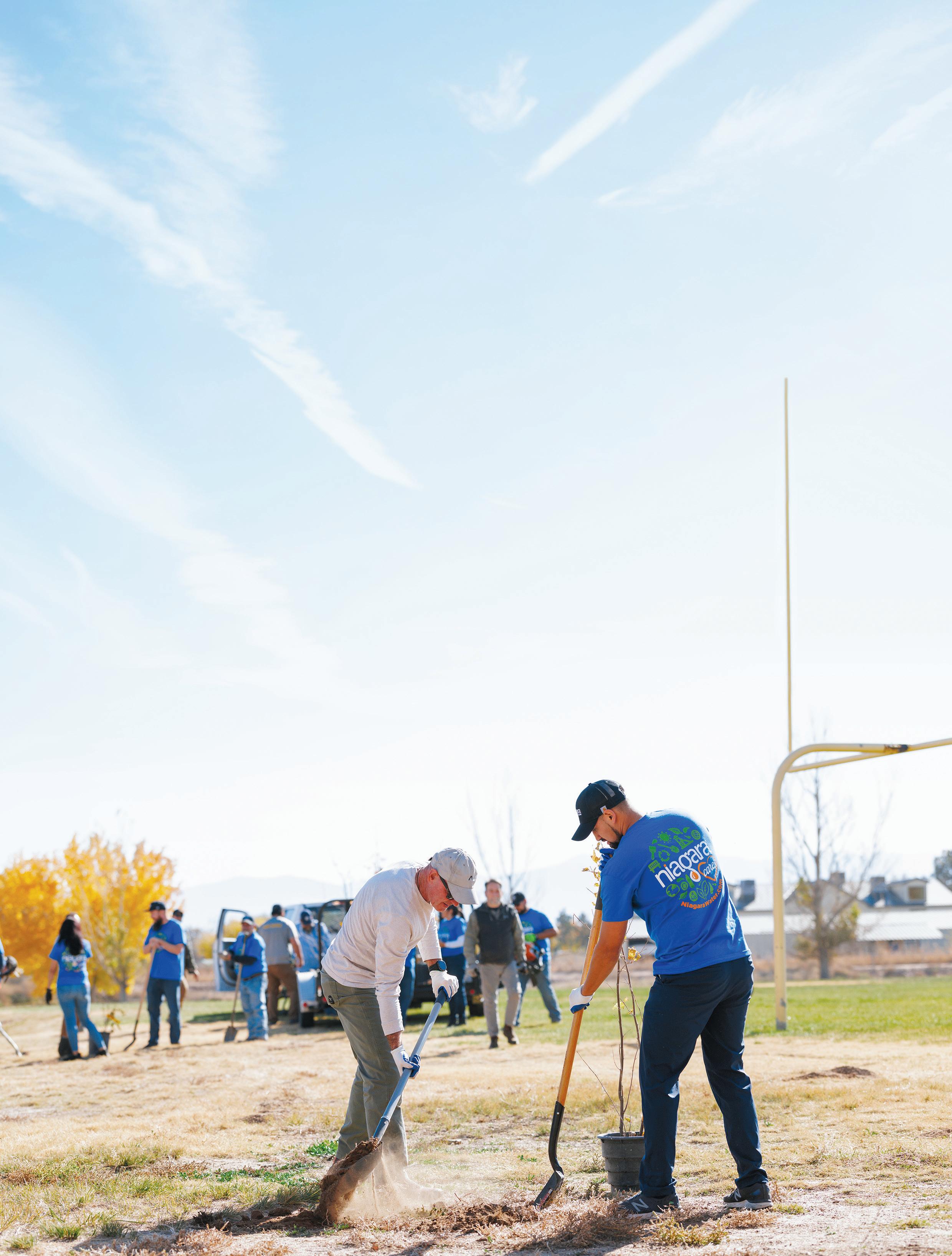
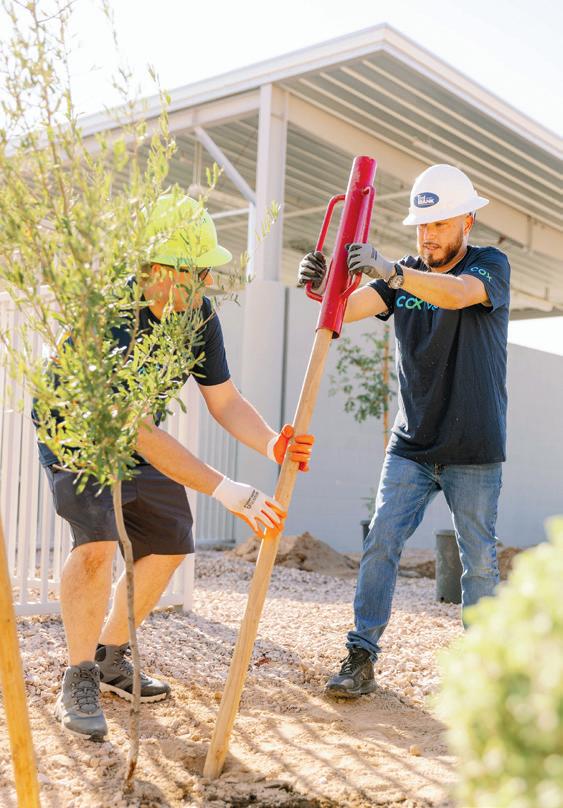
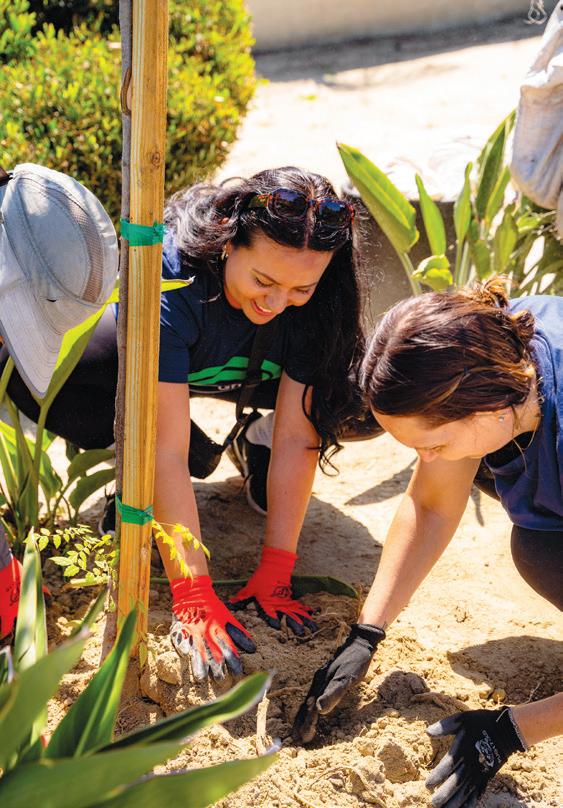
In November 2025, community volunteers and local Niagara Bottling employees planted 50 trees across the recreation center campus, including little leaf walnut, Arizona sycamore, and Gambel oak. The project was supported by the Arbor Day Foundation in collaboration with Niagara Cares and Trout Unlimited.
These trees were selected to thrive in New Mexico’s dry climate while providing long-term benefits.
Encinias, who is also a Niagara Team Member, said, “I think it is very important to plant trees here in New Mexico, where we’re mostly desert, very dry climate. And not only did we plant trees today, but we planted New Mexico native species that are going to thrive here and benefit the community.”
Planting the right tree in the right place makes all the difference.
“Understanding the uniqueness in each location is critically important to selecting the right tree for the right place,” said Amy Lester, certified arborist and project delivery specialist at the Arbor Day Foundation. “By using this network of local partners who know their landscapes and communities best, they’re able to be the guidance for us on the ground of which trees are the right thing to plant.” The species selected are a mix of trees that produce broad canopies providing substantial shade, which also thrive in hot, dry conditions.
The Arbor Day Foundation has engaged tree planters in more than 95% of U.S. neighborhoods since 2022, helping bring trees to communities where shade is needed most.
MORE THAN JUST SHADE
As these trees grow, the recreation center will become a cooler and more comfortable place to gather — not only providing shade but cooling the air up to 10 degrees.
Trees also help strengthen natural systems by filtering stormwater before it reaches nearby waterways.
Over the next 40 years, these 50 trees are expected to help avoid 3,456 gallons of water runoff, remove air
“These parks mean so much … but every year, it’s getting hotter. We’re hitting around 100° every single day and my kids don’t want to be stuck inside the house — they want to be out and playing.”
Alyssa Encinias, Niagara Team Member and Los Lunas resident
pollutants, and store about six metric tons of carbon dioxide — roughly equal to the electricity use of an average U.S. home for a year.
Community-driven efforts like this help ensure that what is planted today will benefit future generations, creating cooler neighborhoods and healthier places to live.
Get the full story at arborday.org/los-lunas
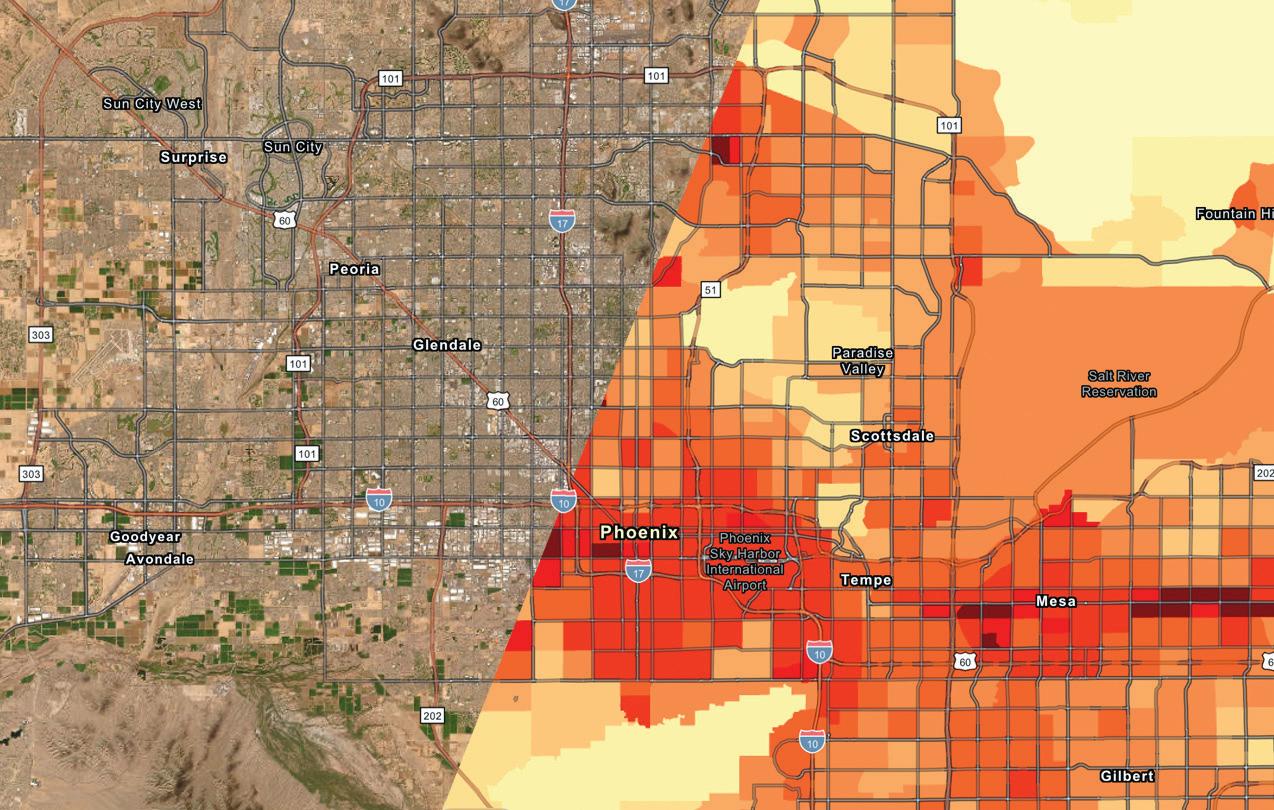
MAPPING HEAT TO GUIDE SMARTER TREE PLANTING
PUTTING STRATEGY INTO ACTION
Buckeye, AZ: At the West-MEC Southwest Campus, tree canopy cover was just 3% and heat disparity reached +4°F. In 2024, 25 shade trees were planted to increase canopy, improve air quality, and provide muchneeded relief from extreme heat. These trees also created a natural green space in a highly urban environment, allowing students to spend more time outdoors and benefit from the mental health advantages of a shaded landscape.
Extreme heat is rising, but so is our ability to fight it with precision and purpose. When planted in the right places, trees cool overheated streets, improve air quality, and help people live healthier lives.
That’s why tree planting today is guided by more than good intentions. The Arbor Day Foundation uses advanced mapping and data tools to identify neighborhoods where tree canopy is lowest and temperatures are highest. These insights help pinpoint “tree deserts,” where new trees can deliver the greatest cooling and community benefits.
Interactive canopy maps and heat data let communities see gaps block by block, guiding decisions about where trees are needed most. By combining science with local knowledge, planting projects are designed for lasting impact — ensuring every tree has the best chance to thrive.
Chula Vista, CA:
As extreme heat has worsened in recent years, it’s intensified the urban heat island effect and disproportionately affected vulnerable communities — particularly neighborhoods west of Interstate 805. In partnership with the City of Chula Vista,
100 native, climate-resilient trees were planted in 2025 to boost shade, air quality, and climate resilience for these key under-canopied areas.
Learn more about our scientific approach to planting at arborday.org/mapping-heat
PRUNING BASICS FOR HEALTHIER TREES
Pruning creates resilient trees that are better able to withstand storms. The goal isn’t simply to remove branches, it’s to guide a tree’s structure so it can thrive for decades to come.
For young trees, pruning is a bit like training a puppy. Early care helps shape good habits. Structural pruning focuses on developing a strong central leader and well-spaced branches. This early guidance encourages a stable form and can prevent costly problems later in the tree’s life.
As trees mature, pruning shifts toward maintenance — removing dead, damaged, crossing, or poorly attached branches to protect the tree’s health and safety. Done properly, pruning improves tree structure and reduces potential risks.
When removing larger branches, arborists recommend the three-cut method, which prevents bark from tearing and allows the tree to seal wounds more effectively. Proper cuts should be made just outside the branch collar — the natural “shoulder” where the branch meets the trunk.
THE THREE-CUT PRUNING METHOD:
2 3
1
1 Cut part way through the branch from beneath.
2 Make a second cut on the top of the branch, several inches out from the first cut. This will allow the limb to fall and be safely removed.
3 Make a final cut next to the trunk, just outside the branch collar, with the lower edge farther away from the trunk than at the top.
Improper pruning, like topping or making flush cuts, can weaken trees, invite decay, and lead to expensive future damage. And if the job requires a chainsaw or getting off the ground, it’s best to call an ISA Certified Arborist® to ensure the work is done safely and correctly.
Learn more about proper tree care and view other tree resources at arborday.org/healthy-trees.
THE FUTURE IS COUNTING ON YOU
We all have a role to play in shaping a greener tomorrow. One with thriving neighborhood tree canopy, vibrant forest ecosystems, and a healthier planet for future generations. This is a future that’s going to take all of us doing everything we can.
Here’s your moment to make an impact that will last well beyond your lifetime. With help from the Arbor Day Foundation, you can leave a legacy through trees.
To learn more about gift planning, go to arborday.org/planning or scan the QR code.
We are here to help: Lisa Kelly, Development Director 414-248-8095 lkelly@arborday.org
You may also fill out and mail the form below.
I WOULD LIKE MORE INFORMATION ON:
l Including the Arbor Day Foundation in my will
l Charitable gift annuities
l Tax-free IRA distributions
l Gifting stock
l Other gifting options
Name Address
City/State/Zip
Phone Number
Best time to call Mail
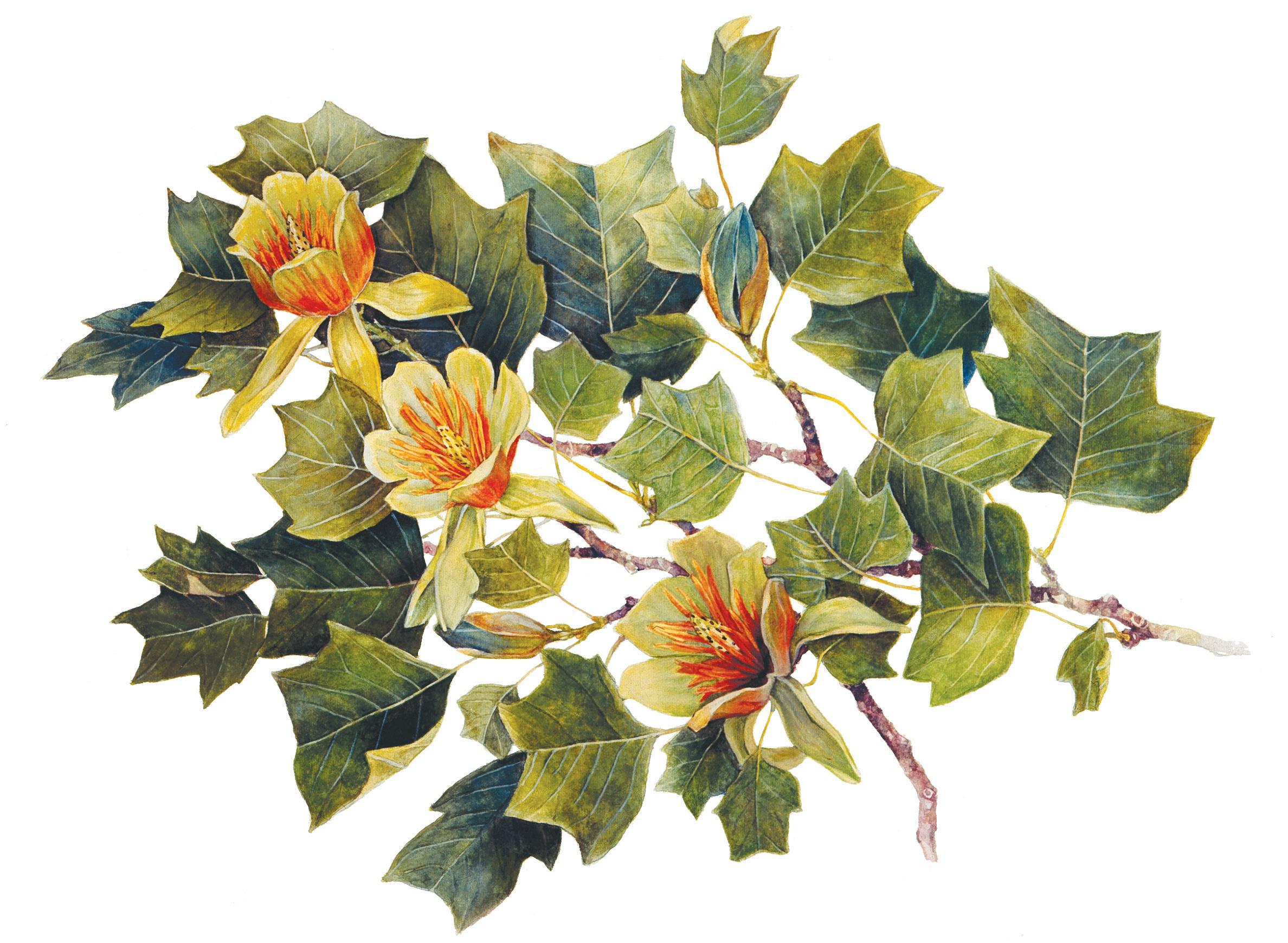
TULIPTREE
Liriodendron tulipifera
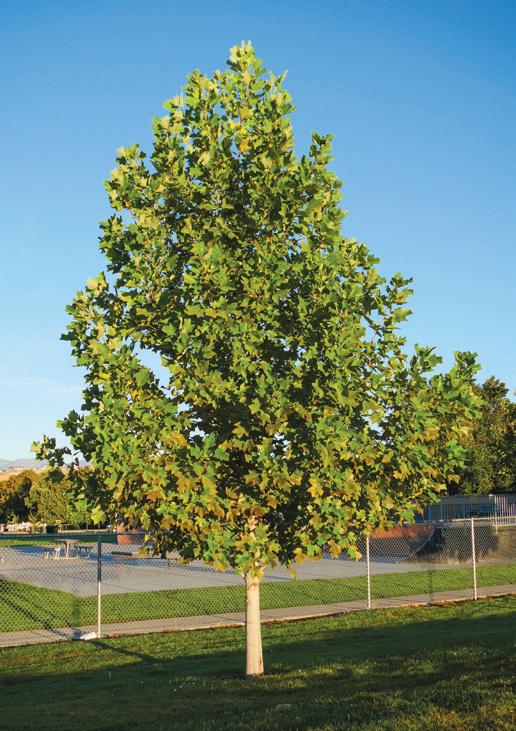
Tall, stately, and impossible to ignore, the tuliptree is one of North America’s most impressive native hardwoods. Named for its tulip-shaped flowers, this fastgrowing beauty brings dramatic height and seasonal color to parks, campuses, and large landscapes.
Tuliptrees can soar 70 to 100 feet tall, with uniquely shaped, four-lobed leaves that turn golden yellow in fall. In late spring, greenish-yellow blooms with orange accents appear high in the canopy — subtle from a distance but striking up close. Beyond its beauty, the tuliptree supports pollinators, provides habitat for birds and wildlife, and contributes valuable shade in urban and suburban spaces.
Best suited for full sun and well-drained soil, tuliptrees thrive in zones 4 through 9 and appreciate room to stretch. Give it space, and it will reward generations with towering beauty.
Learn more about tuliptrees and other species at arborday.org/shop-tuliptree or scan the QR code.