A FAMILY LEGACY REFORESTING THE FUTURE
Nearly a century ago, F.J. Sensenbrenner helped shape Kapuskasing, Ontario, with a forwardlooking belief that healthy forests and healthy communities are inseparable. His leadership helped establish responsible forestry practices that still influence northern Ontario today.
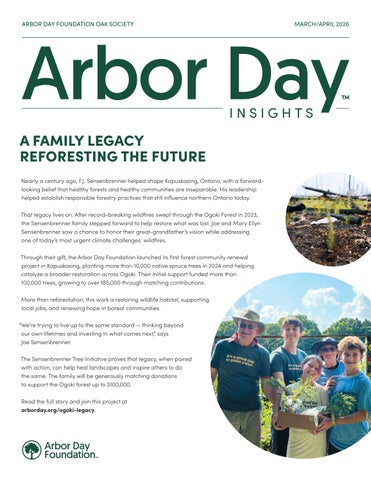
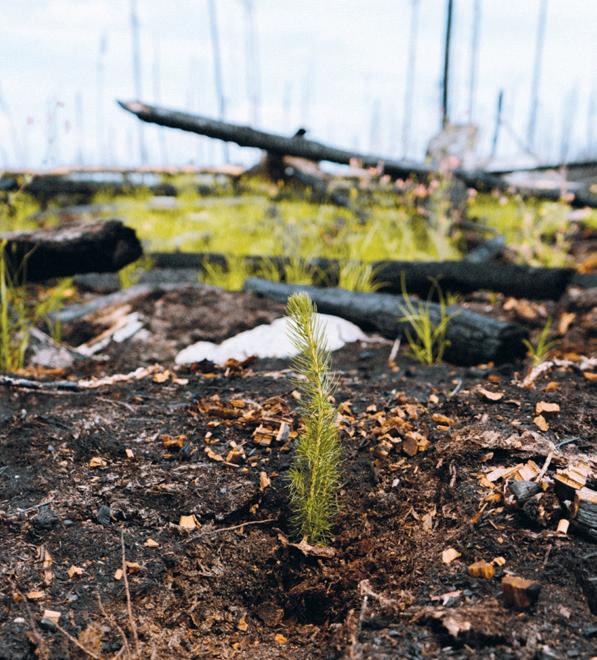
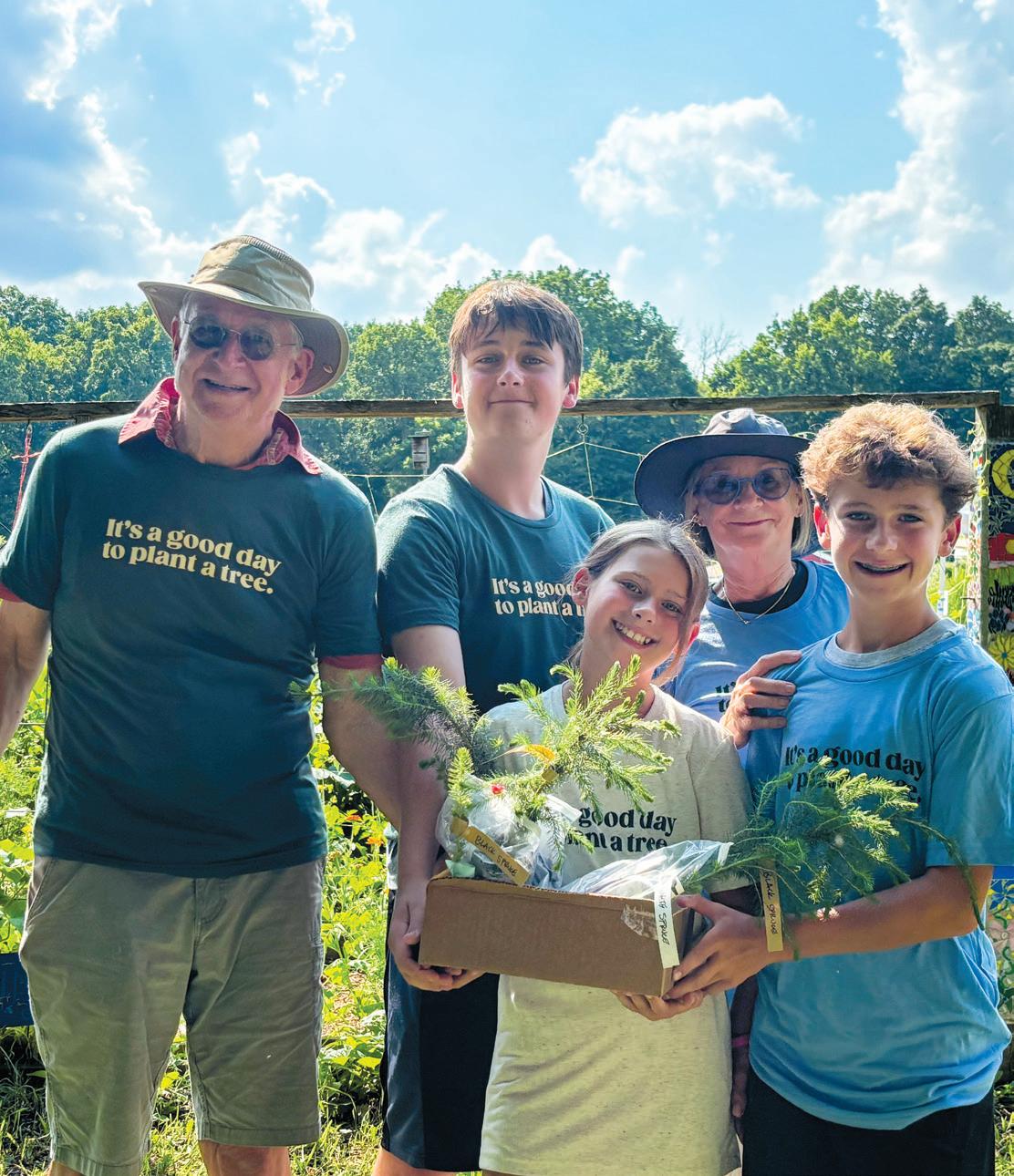
That legacy lives on. After record-breaking wildfires swept through the Ogoki Forest in 2023, the Sensenbrenner family stepped forward to help restore what was lost. Joe and Mary Ellyn Sensenbrenner saw a chance to honor their great-grandfather’s vision while addressing one of today’s most urgent climate challenges: wildfires.
Through their gift, the Arbor Day Foundation launched its first forest community renewal project in Kapuskasing, planting more than 10,000 native spruce trees in 2024 and helping catalyze a broader restoration across Ogoki. Their initial support funded more than 100,000 trees, growing to over 185,000 through matching contributions.
More than reforestation, this work is restoring wildlife habitat, supporting local jobs, and renewing hope in boreal communities.
“We’re trying to live up to the same standard — thinking beyond our own lifetimes and investing in what comes next,” says Joe Sensenbrenner.
The Sensenbrenner Tree Initiative proves that legacy, when paired with action, can help heal landscapes and inspire others to do the same. The family will be generously matching donations to support the Ogoki forest up to $100,000.
Read the full story and join this project at arborday.org/ogoki-legacy
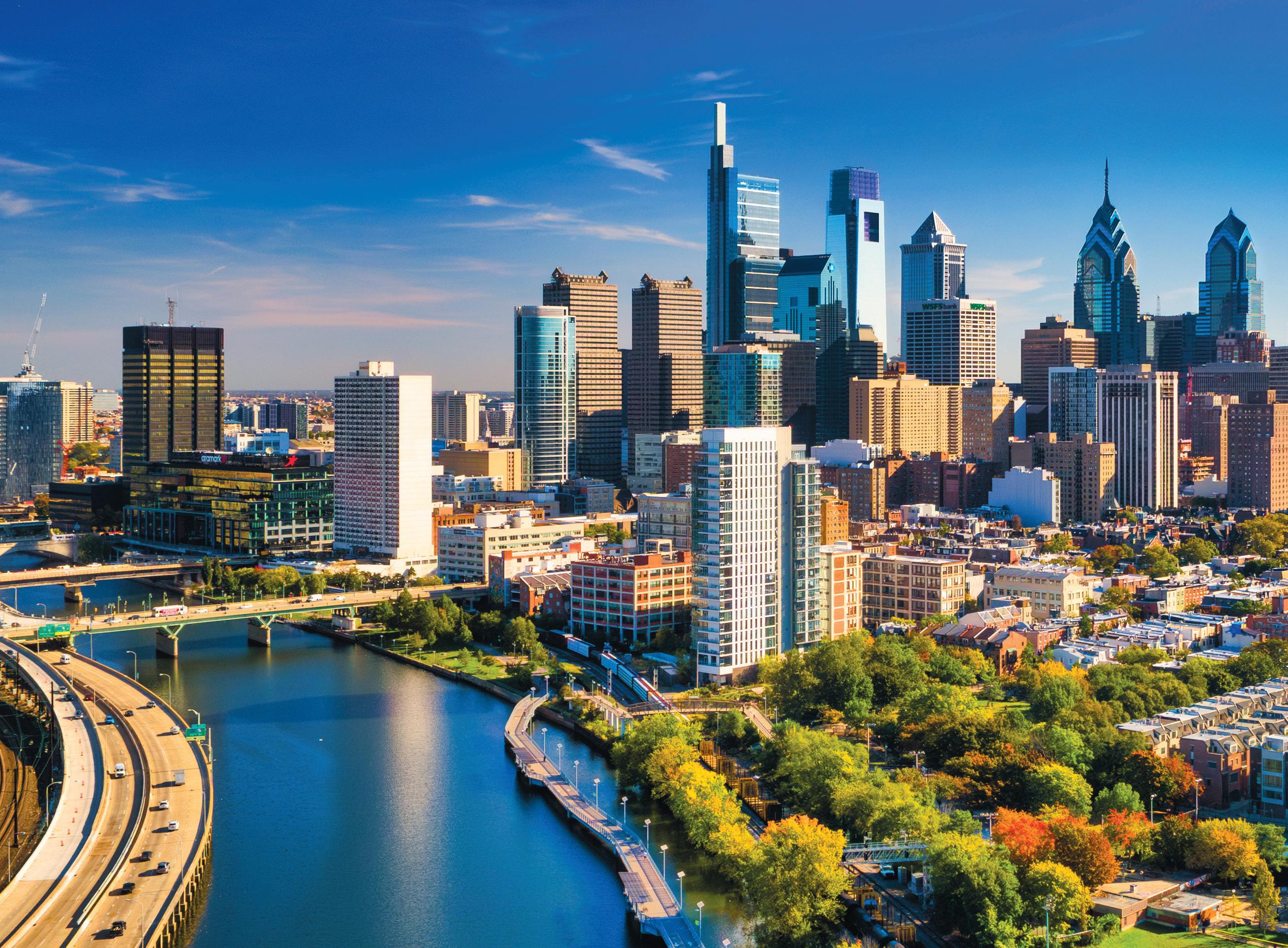
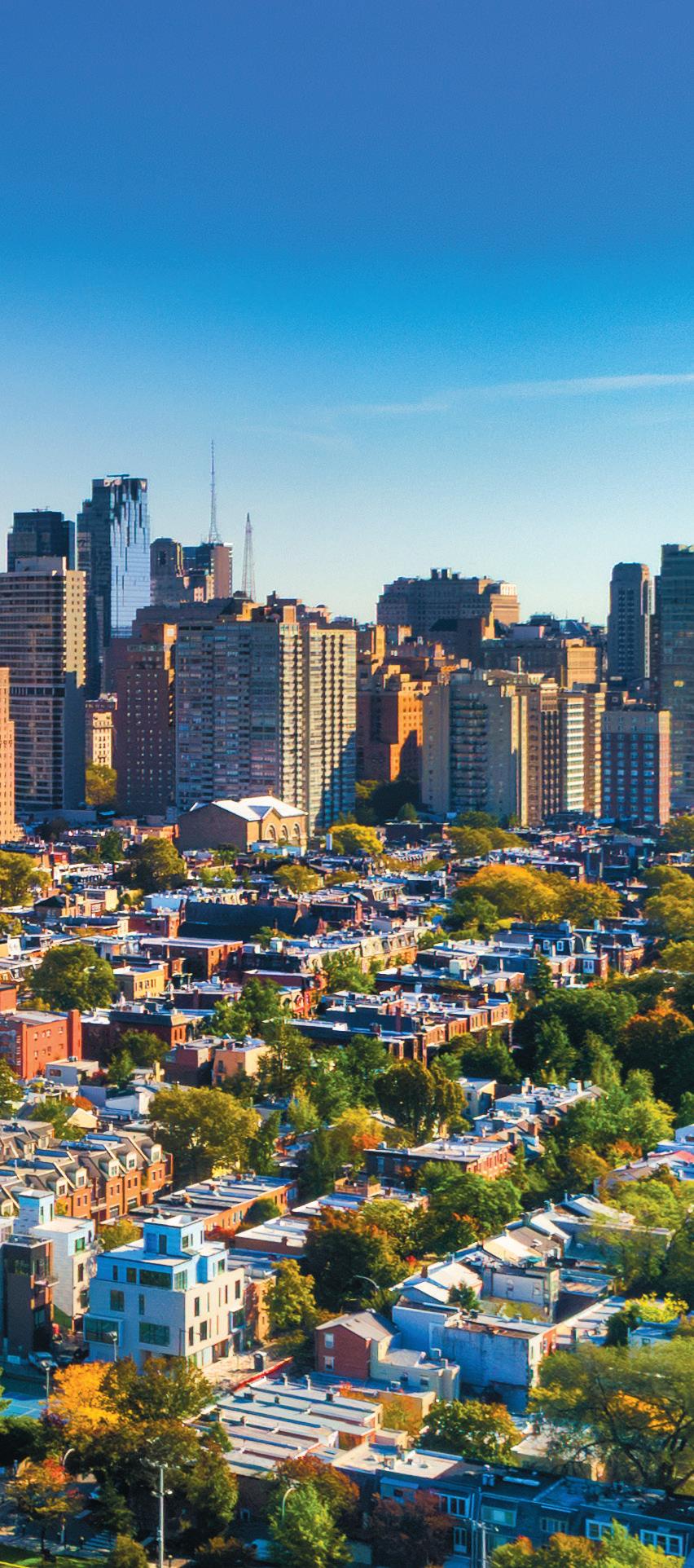
PHILADELPHIA: 50 YEARS OF GROWING A GREENER CITY
In 1976, through the Arbor Day Foundation’s newly launched Tree City USA program, Philadelphia was one of 42 communities to step forward and say: trees matter here. Fifty years later, the city remains a national example of what long-term commitment to urban forestry can look like — not because the work has been easy, but because generations of Philadelphians carried the torch.
For Erica Smith Fichman, Philadelphia’s city forester, that legacy is personal. When she first joined the department 15 years ago, her job included compiling the city’s Tree City USA application. This task afforded her a panoramic view of how the city’s urban forest was funded, staffed, and cared for. Today, she leads the team responsible for all 130,000 street trees and more than 10,000 acres of parkland across the city.
“Trees are crucial to the livability of our city,” she says. “People in Philadelphia don’t need to be convinced that trees have value. What they need is trust that we will help them care for them.”
That trust is central to Philadelphia’s story. While the city’s iconic canopy provides shade, cleaner air, improved water quality, and mental health benefits, the reality is that not all neighborhoods experience those benefits equally. Many of Philadelphia’s hottest areas — especially parts of South Philadelphia — have some of the lowest tree canopy, with temperatures up to 20 degrees hotter than other parts
of the city. Residents notice the disparity. As Erica shared, many community members understand the value of trees, but fear the burden of caring for a large, unpredictable living thing, especially when financial resources are tight.
That’s why Philadelphia’s approach has evolved from simply planting trees to building systems that help people feel supported. Maintenance, Erica says, is a form of trust-building. A well-pruned, well-placed tree becomes an ambassador for future plantings. A neglected one becomes a barrier.
The city’s boldest step toward building that trust is the Philly Tree Plan — a 10-year, equity-focused blueprint shaped by input from more than 9,000 residents, including 60% from neighborhoods with the highest need.
The plan tackles the root causes behind low canopy: funding, workforce gaps, policy challenges, and decades of uneven investment. To move the Philly Tree Plan from vision to action, the city is preparing to launch a new cross-sector Philly Tree Coalition — uniting public agencies, nonprofits, and community partners around shared goals.
This work doesn’t happen in isolation. For decades, Philadelphia has nurtured one of the strongest community forestry networks in the country. The Pennsylvania Horticultural Society’s Tree Tenders program, the Fairmount Park Conservancy, neighborhood volunteers, business corridor ambassadors, and dozens of community-based groups form the backbone of the city’s progress — training residents, maintaining young trees, and bringing thousands of volunteers into the fold each year.
And woven through this entire history is the passion of leaders like Lori Hayes, who served the city for 42 years and championed Tree City USA recognition year after year. Prior to retiring as the director of urban forestry at Philadelphia Parks & Recreation, Lori organized school Arbor Day celebrations, mentored emerging arborists, and proudly tracked the city’s award history.
Trees are crucial to the livability of our city.
ERICA SMITH FICHMAN Philadelphia City Forester
“Awareness and importance,” she says simply, when asked what kept Philadelphia committed for five decades to the Tree City USA program — a belief that trees are not just infrastructure, but a source of joy, identity, and community pride.
Philadelphia’s Tree City USA legacy is more than a milestone. It’s a reminder of what can happen when a city plants with purpose and keeps showing up, year after year, to nurture what it started. As the next 50 years begin, Philadelphia isn’t just maintaining its canopy. It’s growing a healthier, more equitable future for everyone who calls the city home.
Your leadership and support make this work possible. To discuss how to expand your impact, please reach out to development@arborday.org.
WHERE MEMORIES TAKE ROOT
Every tree has a story to tell. They stand quietly through our seasons of love, loss, and renewal — growing alongside us. Across the country, people in the Arbor Day Foundation’s network are sharing how trees have shaped their lives.
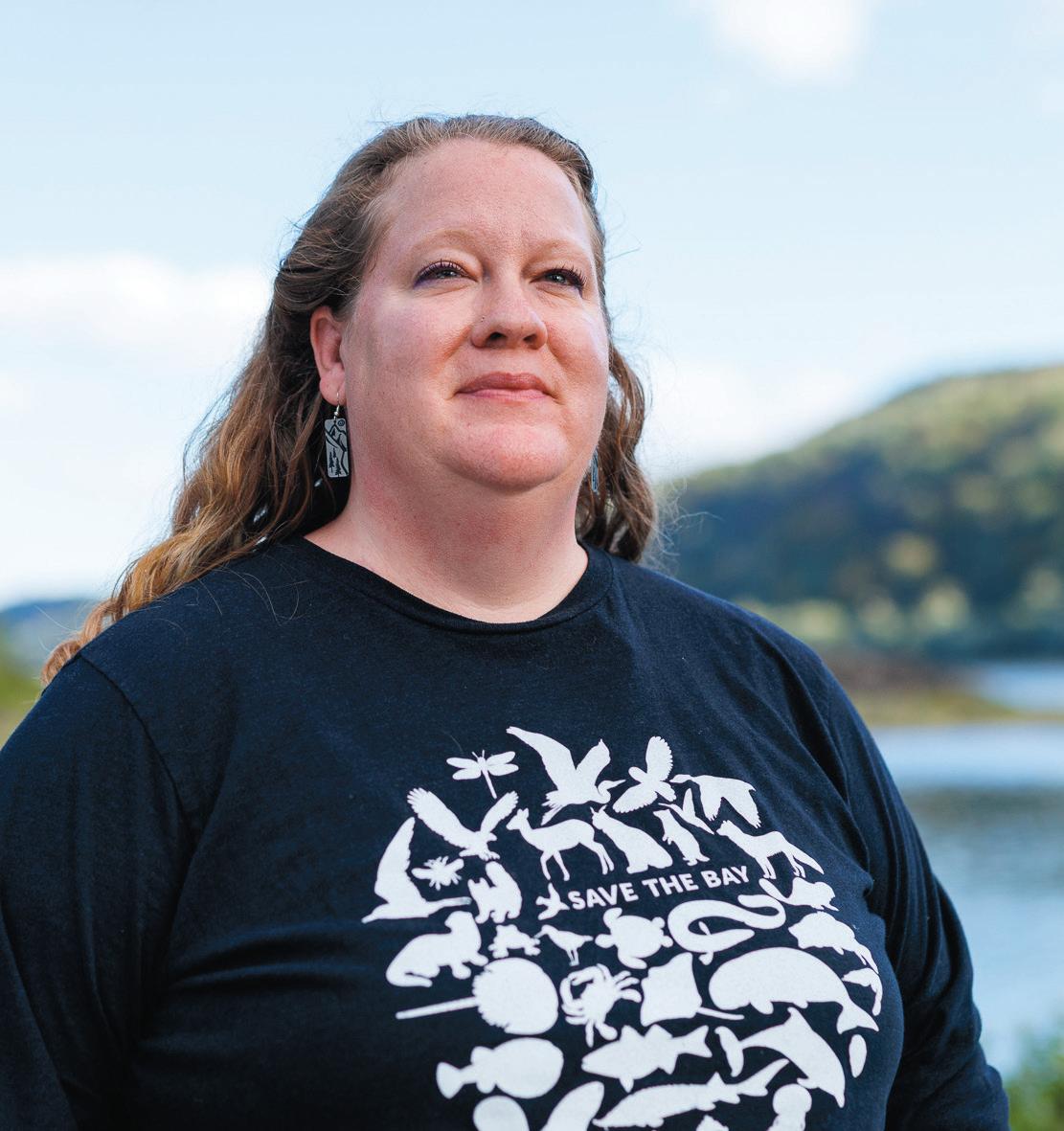
Brenda Sieglitz Director of Major Giving Pennsylvania, Chesapeake Bay Foundation
“Seventeen years ago, I lost my husband to a very rare cancer. It was October, and I found myself walking in the woods. The trees were starting to fall away with their fall leaves, but the ground was still mossy green. It really gave me a new perspective that there are four seasons in a year here in Pennsylvania. The trees were losing their leaves and winter was coming, but spring was ahead. There was new life, and that really instilled in me just this passion for trees and nature. It really helped me move through that grief in so many ways.”
Eric Bradford Director of Operations, Asheville GreenWorks
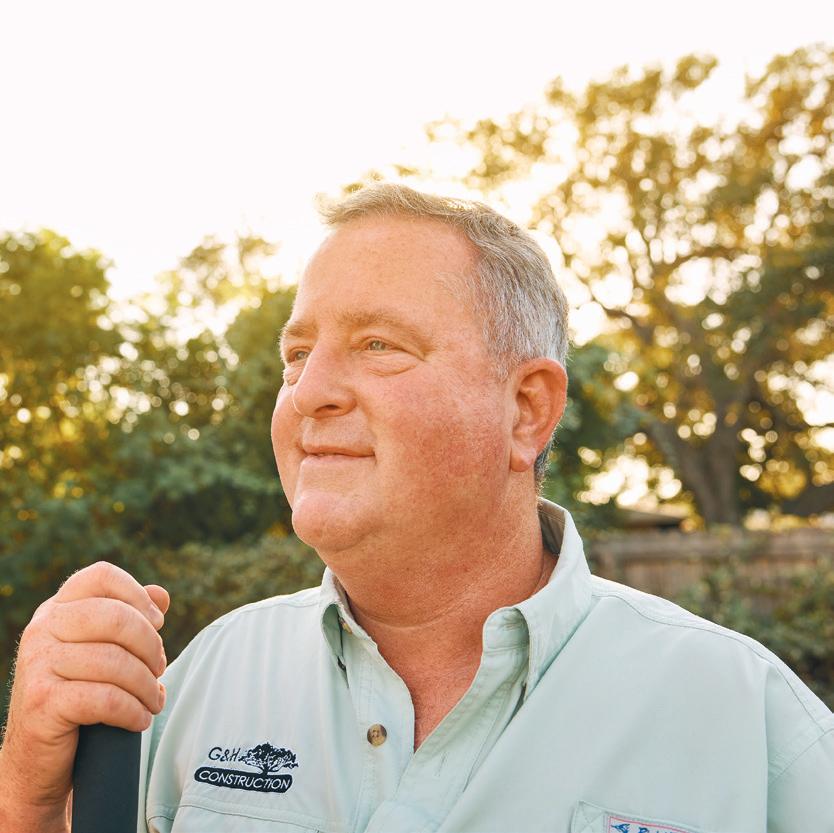
Rocky Gudim Resident of Rockport, Texas
“Reflecting on the hurricane devastation, it really was hard to lose those trees because some of them were big heritage oak trees. I’ve climbed or fallen out of most of them as a kid, so you have memories with them. We think of trees as being good for the environment, but they can be emotional too, especially when you grow up in a community like this.”
“I have planted thousands of trees — and out of the thousands of trees, I planted hundreds of memorial trees for people. I planted a memorial tree on my property for my wife, who passed away in September of 2023, and I think I finally felt the emotions of what everyone else was feeling when I was planting a tree for their loved one. I think it really landed for me because it was more than the tree. It was what the tree is, which is a promise, what it can do, how long it’s going to be here.”