A PATH HOME FOR THE LOUISIANA BLACK BEAR
Along the winding banks of Bayou Teche, the forest is coming back and with it, one of Louisiana’s most beloved residents.
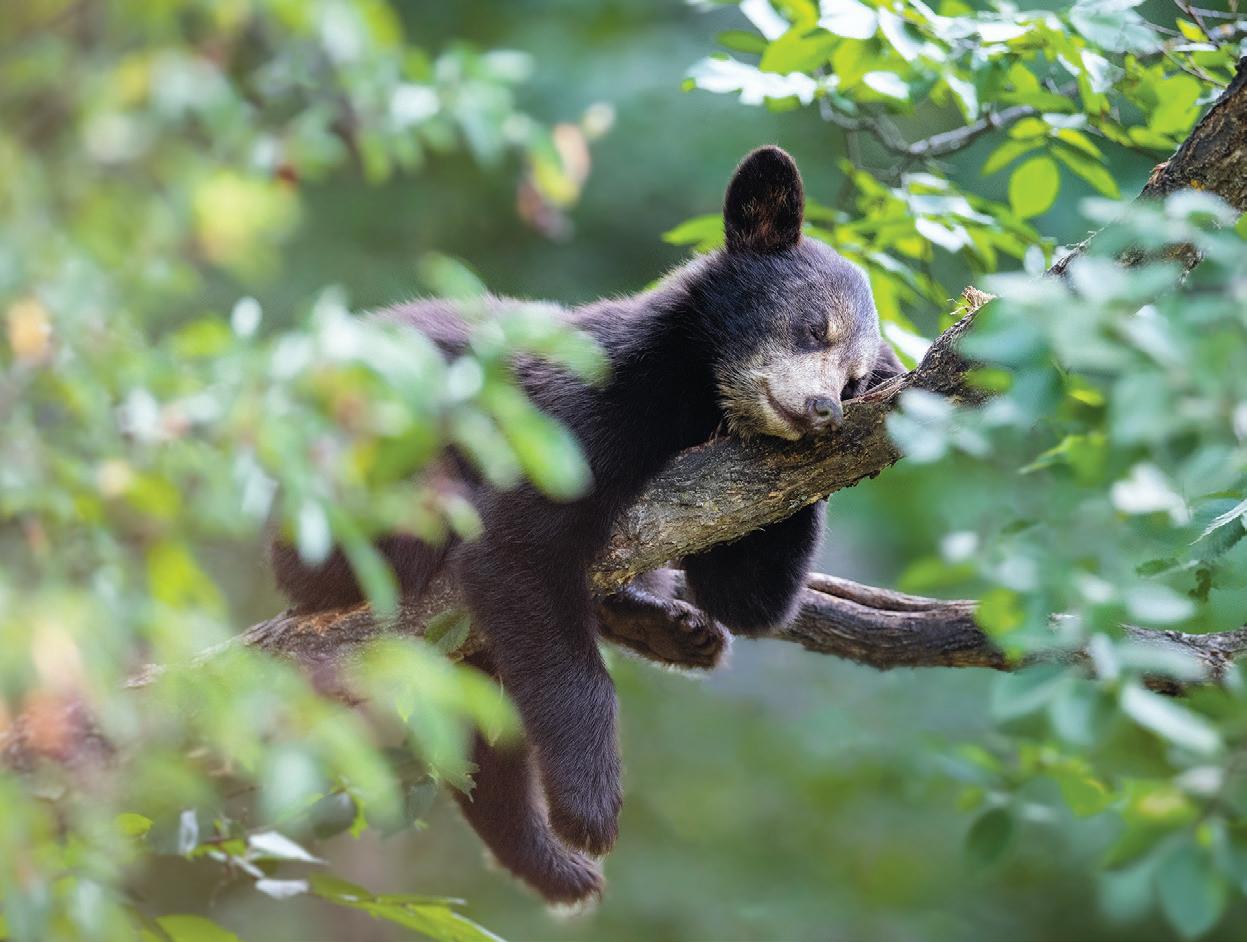
Once common across the bottomland hardwood forests of southern Louisiana, the Louisiana black bear nearly disappeared as wetlands were drained and forests cleared for agriculture and development. By the early 1990s, only about 200 bears remained in the wild. In 1992, the species was listed as threatened under the Endangered Species Act.
Today, reforestation is helping write the next chapter of the bear’s recovery. Along this 125-mile waterway that winds through Cajun Country, the Arbor Day Foundation and local partners are planting 150,000 trees to rebuild critical habitat and reconnect forests that once stretched across the region.
This work is especially important near the Bayou Teche National Wildlife Refuge, home to the southernmost population of Louisiana black bears. Bears can travel dozens of miles in search of food, mates, and suitable habitat, but fragmented forests and busy roadways can make those journeys dangerous. Since 1992, vehicle collisions have been the leading cause of bear deaths in Louisiana.
By restoring native bottomland hardwood forests along the bayou, these plantings create a natural corridor that allows bears and other wildlife to move safely across the landscape. As the forest grows, it also strengthens wetlands, protects waterways, and supports the rich biodiversity that defines this region — from wading birds to crawfish and countless other species.
Thanks to decades of conservation and habitat restoration, the Louisiana black bear was removed from the Endangered Species List in 2016 — a powerful reminder of what’s possible when people come together to restore nature.
But the work isn’t finished. Each tree planted helps rebuild the forests wildlife depend on, giving this iconic species, and the ecosystems it calls home, room to thrive.
Read the full story and learn more about the restoration along Bayou Teche at arborday.org/bayou-teche.
REFORESTING FOR THE RARE: HOW TREES HELPED SAVE THE KIRTLAND’S WARBLER
Every species has a role to play — but some can only thrive in the rarest habitats. The Kirtland’s warbler depends on young jack pine forests and nearly vanished when those trees did. Reforestation gave both the bird and its forest a second chance.
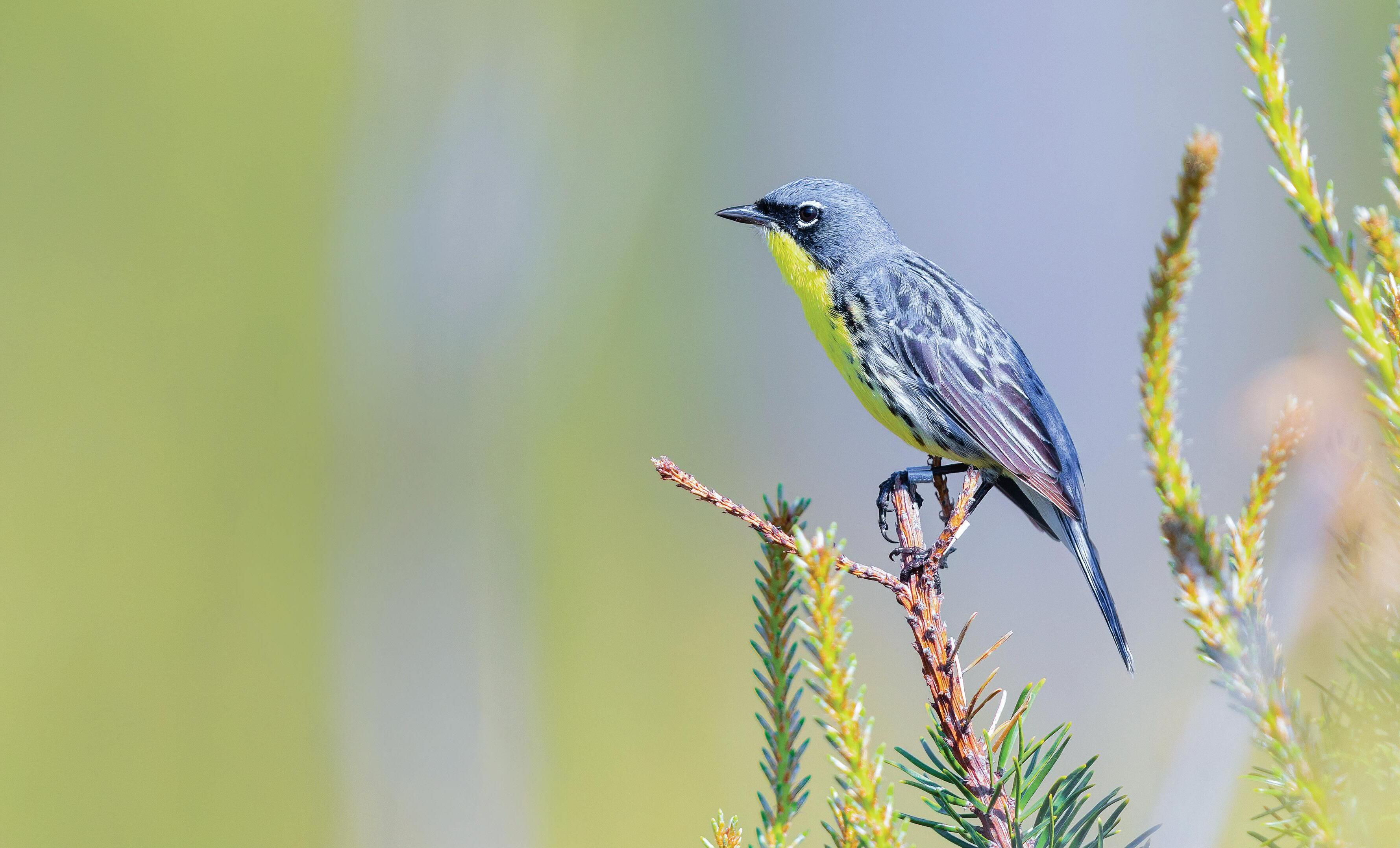
When it comes to biodiversity, every tree tells a story — and some sing, like the comeback of the Kirtland’s warbler, a small gray-and-yellow songbird once teetering on the edge of extinction.
NOWHERE LEFT TO NEST
The Kirtland’s warbler is one of the rarest songbirds in North America, and one of the pickiest. It nests only in young jack pine forests between 5 and 20 years old, mostly in Michigan, with a few breeding grounds extending into Wisconsin and Ontario.
For much of the past century, those habitats became scarce. Fire suppression and timber practices that favored mature trees disrupted the natural regeneration cycle that once sustained these forests. Without young jack pines, the warbler’s nesting grounds all but disappeared — and so did the birds. By the 1970s, fewer than 200 singing males remained, and the bird spent nearly 50 years on the Endangered Species List.
A FOREST REBORN
Saving the Kirtland’s warbler meant recreating the natural rhythm of fire and regrowth that once sustained its habitat. That required an ambitious, long-term reforestation effort — one that continues today.
“Reforestation positively impacts wildlife in a number of ways,” says Jason Hartman, silviculturist with the Michigan Department of Natural Resources. “One of the ways is that it creates different age classes. So you have some jack pine trees that are 10 years old, some that are 20 years old, or 50 or 80. That creates different habitat for a different suite of species.”
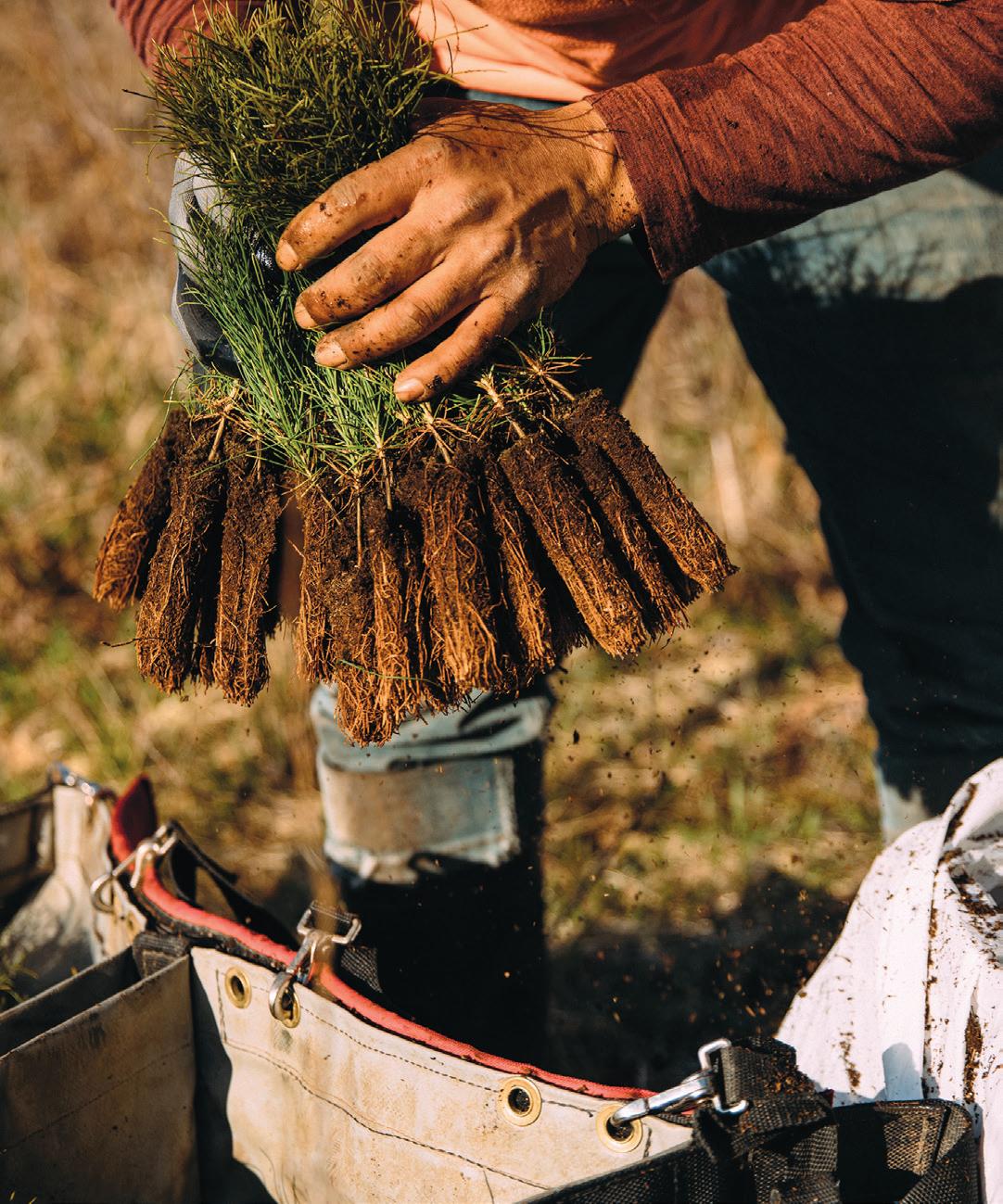
Among those species is the iconic Kirtland’s warbler. “We plant around 1.5 million jack pine every year for the Kirtland’s warbler,” Hartman said. “The partnership with the Arbor Day Foundation is one of the things that helps us achieve this significant volume of seedlings. It’s definitely a success story.”
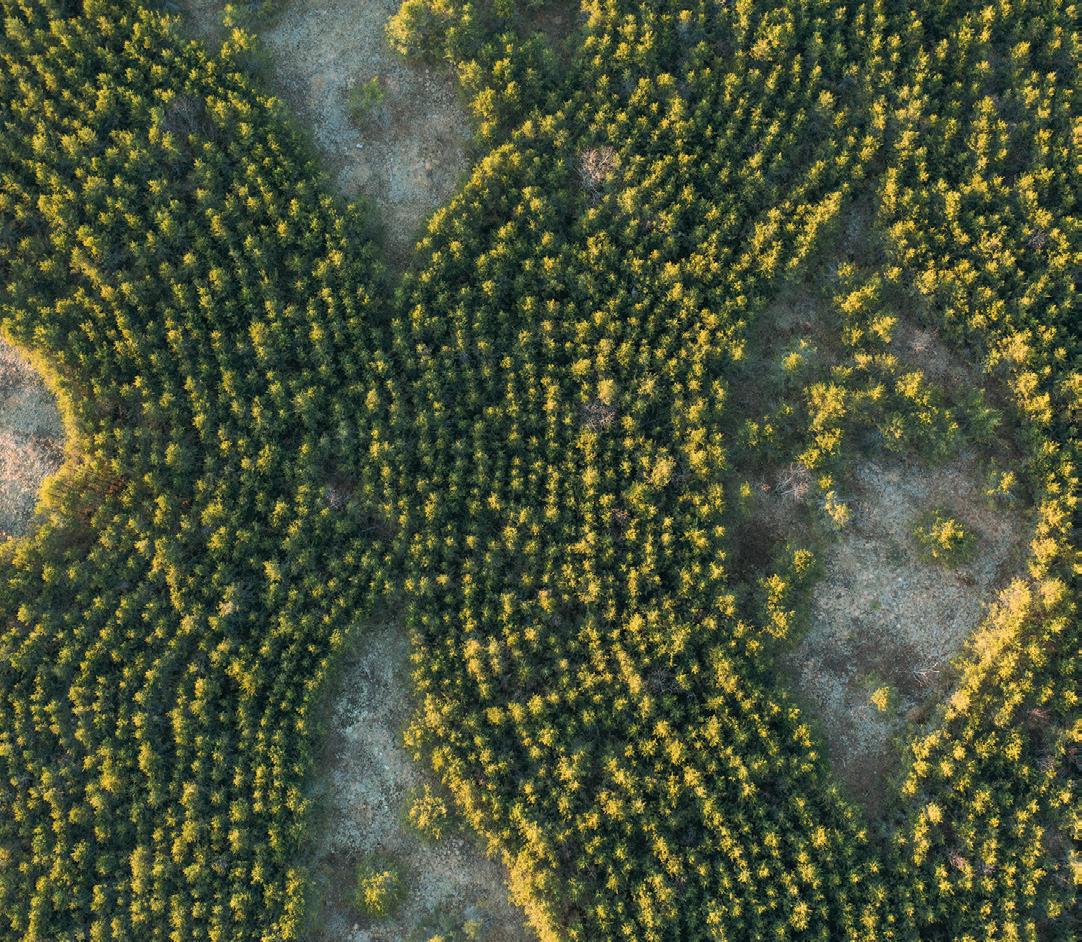
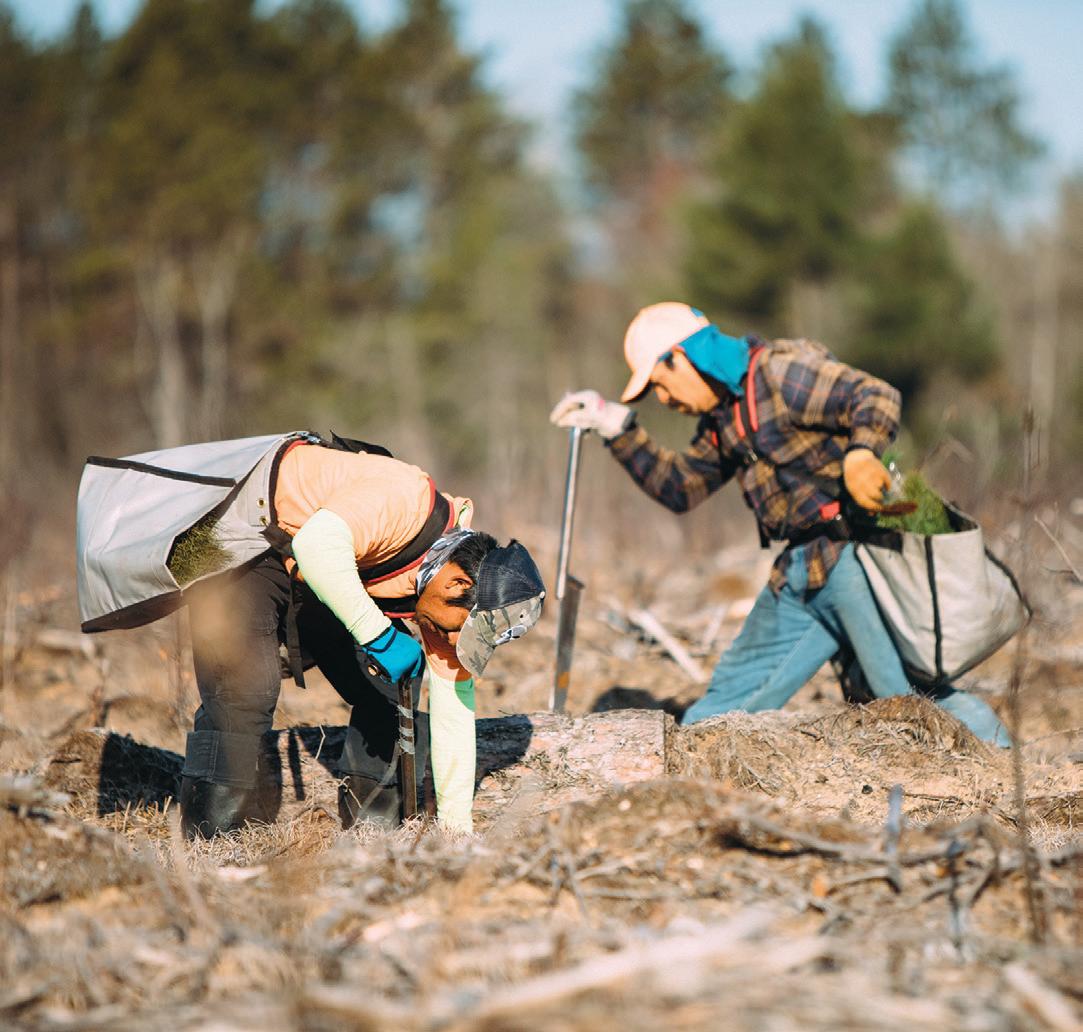
These forests aren’t just replanted — they’re designed to mimic the effects of natural wildfire. “The species really likes large, disturbed areas and homogenous landscapes that replicate past wildfires,” says Hartman. “We trench on an opposing wave pattern, creating openings between thickets of jack pine — exactly the kind of structure the Kirtland’s warbler prefers.”
A SHARED SUCCESS, AND A CONTINUING COMMITMENT
Public, private, and nonprofit partners have come together to replant and manage more than 210,000 acres of jack pine habitat, recreating the forest mosaic this rare bird depends on. Between 2018 and 2025, the Arbor Day Foundation planted more than 33 million trees with the Michigan Department of Natural Resources to restore not only the warbler’s nesting grounds, but the health of the broader ecosystem around them.
Today, the Kirtland’s warbler population exceeds 2,300 breeding pairs — more than double the recovery threshold. And in 2019, the U.S. Fish and Wildlife Service officially removed the species from the Endangered Species List, making it the first songbird ever to be delisted due to successful recovery efforts. Still, conservation is never finished. The warbler’s survival depends on continued habitat management and reforestation to ensure young jack pine forests remain part of Michigan’s landscape for generations to come.
The Kirtland’s warbler’s recovery shows what’s possible when we give nature the tools to heal itself. Reforestation rebuilds ecosystems from the ground up — strengthening biodiversity, restoring balance, and ensuring life continues for generations to come.
Your leadership and support make this work possible. To discuss how to expand your impact, please reach out to development@arborday.org.
EVERY TREE HAS A STORY
Trees connect us — to place, to memory, and to one another. From backyard favorites to neighborhood landmarks, people from across the country are sharing the trees that hold special meaning in their lives. These trees have witnessed childhood adventures, family traditions, and quiet resilience, offering shade, comfort, and a sense of belonging along the way. Celebrating trees, and the stories rooted in them, is what brings our community together and reflects the heart of our mission.
CAROL G. | WELLINGTON, FL
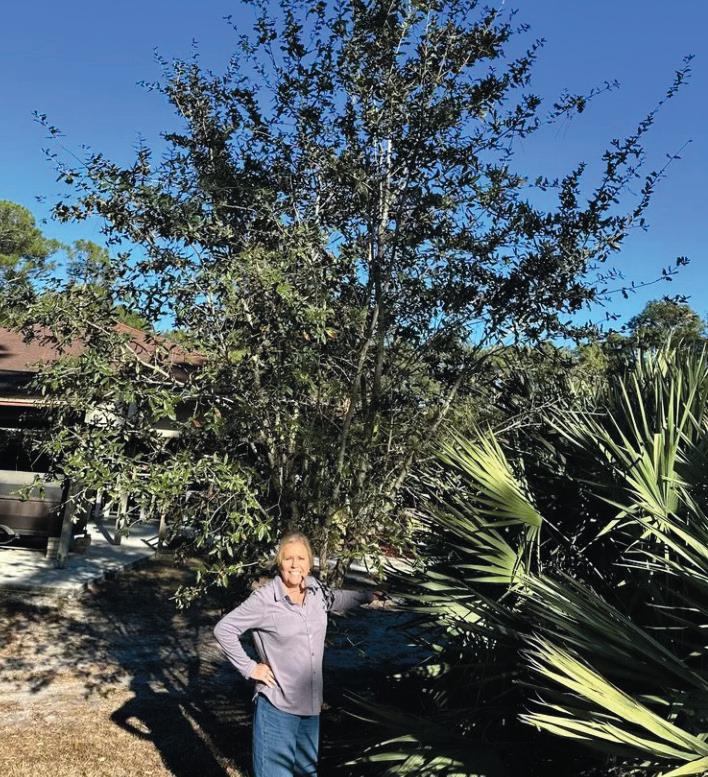
“My dad was a true tree lover. We would go on walks, and he would identify trees along the way and share stories about certain trees that he grew up with on his family farm. When he passed away 11 years ago, my sisters and I bought an oak tree and planted it in a special place. It’s over 22 feet tall now, and we’ve seen many birds in there and bunnies underneath it getting shade. That would make him so happy. On his grave marker, at the veterans national cemetery, we had inscribed ‘as an oak, strong solid loved.’ This tree brings us much joy.”
ELAINE K. | WEST HARTFORD, CT
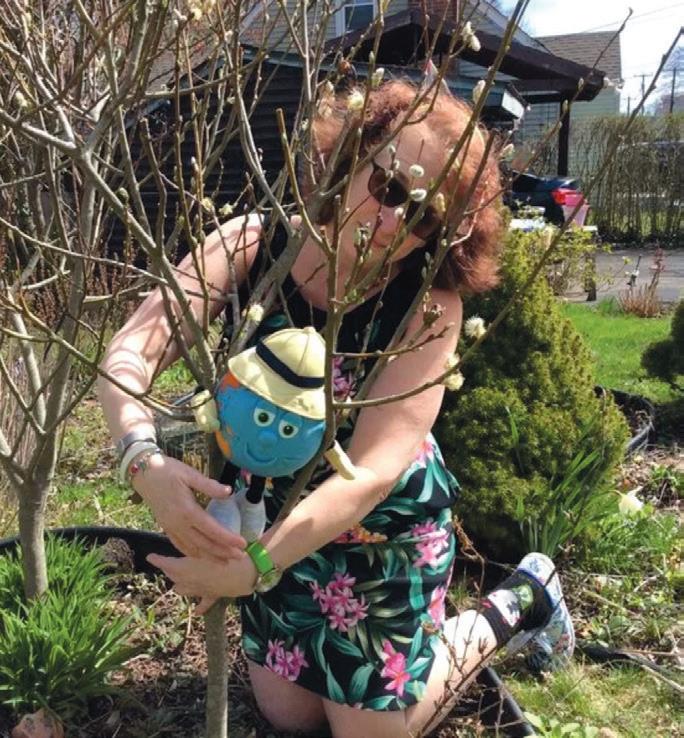
“My favorite tree is the Pussy Willow. I love the furry catkins, and they are one of the first signs of spring in my Connecticut yard. A clipping of a Pussy Willow can easily start a new tree. For Earth Day, I give my students a dried branch with catkins in full bloom, and a clipping in water to grow at home. I teach my students all about planting trees on Earth Day and Arbor Day.”
BRANDON H. | COLUMBIA, TN
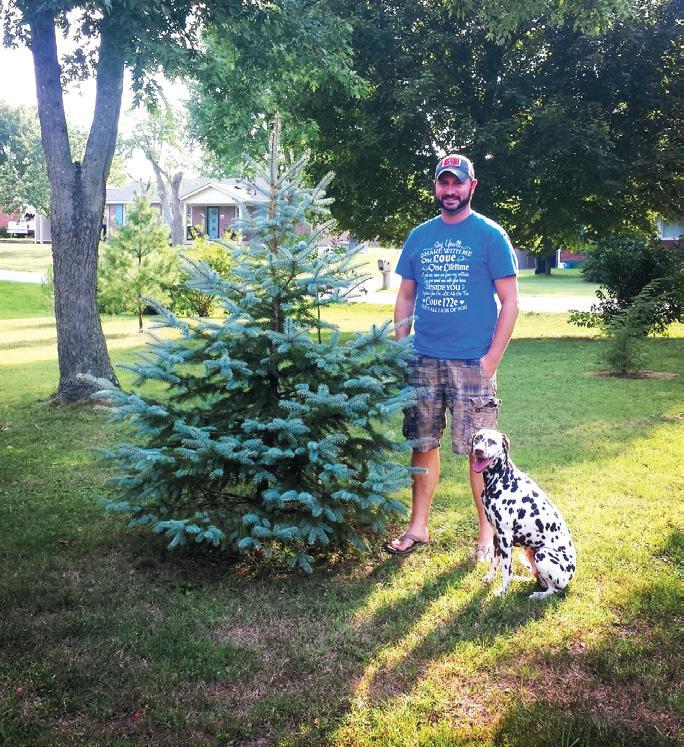
“We planted this Colorado Blue Spruce in 2009 when it was about a foot tall. Now it’s over six feet. And as beautiful as ever.”
Visit arborday.org/ celebrate to tell us about a tree you love.