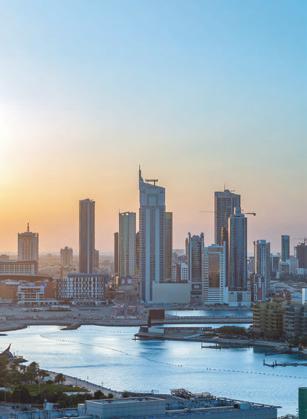
ASK Real Estate’s initiative, RelocateBH, is helping Bahrain’s residents find alternate accommodations during the conflict.
ASK Real Estate has launched a new digital platform that offers free property listings for individuals and families in Bahrain who have been displaced by recent regional events. The initiative, called RelocateBH, aims to help those in urgent need of shelter find housing quickly without the usual costs associated with real estate.
ASK Real Estate
The company has confirmed that the platform will be completely free to use. There are no commissions, administrative fees, or brokerage percentages for anyone involved. Both
Through this initiative, we aim to organise and coordinate available housing options in a manner that ensures responsiveness and professional execution.
tenants looking for a home and property owners offering their units can access the service at no cost. The company stated that this effort is a humanitarian response designed to support the community during difficult times.
A Direct Response to Housing Needs
The RelocateBH platform acts as a centralised hub for different types of rental agreements. Users can look for daily, weekly, monthly, or annual rentals based on their specific needs. By gathering these listings in one place, the company seeks to simplify the process
of finding temporary or long-term housing.
The RelocateBH platform acts as a centralised hub for different types of rental agreements.
ASK Real Estate is using its market knowledge and technical setup to run the platform. The aim is to help families who have had to leave their homes find safe and suitable housing through a well-organised system. The company believes that providing a structured approach is crucial for reducing the logistical and financial stress on affected residents.
The initiative marks a shift from standard business practices. While real estate companies usually operate with commission-based models, this project is treated as a non-commercial service. The company has stressed that the main focus is on social stability and humanitarian aid instead of business growth.
Commitment from Leadership
The leaders at ASK Real Estate have emphasised the importance of private sector involvement in community
support. Chief Executive Officer Mr Karim Yazji pointed out that the company felt a duty to take action when they recognised the difficulties faced by families in the region.
“We believe that corporate social responsibility is demonstrated through practical action. Private sector institutions have a duty to step forward with tangible solutions when circumstances require it. This initiative represents a genuine commitment to the community and a conscious effort to facilitate access to suitable housing for those affected, without financial burden,” Yazji said.
His comments highlight a shift toward more active participation by Bahraini businesses in tackling social issues. By removing the financial barriers to housing searches, the company is trying to offer a direct solution to the rising demand for relocation services.
Call for Industry Cooperation
The success of the platform relies
on the number of available properties. To boost housing options for those in need, the company is asking other professionals in the industry to join the effort.
Supporting National Stability
ASK Real Estate has stated that all cases handled through the platform will be treated with high standards of care and professionalism.
Mr Hussain Hussaini, Head of Sales at ASK Real Estate, pointed out that the project needs a team effort from the entire real estate sector. He encouraged other brokers and landlords to list their available properties on the platform to assist as many people as possible.
“Through this initiative, we aim to organise and coordinate available housing options in a manner that ensures responsiveness and professional execution. We also extend an open invitation to all real estate brokers and property owners across the Kingdom of Bahrain to collaborate and participate in this collective community effort, strengthening sector-wide cooperation in support of affected citizens and residents,” Hussaini stated.
By opening the platform to thirdparty brokers and independent owners, ASK Real Estate hopes to create a comprehensive database of available units across the Kingdom. This cooperation is seen as vital for maximising the positive impact of the initiative.
The company views this move as part of its role as a national institution in Bahrain. During periods of uncertainty, the demand for flexible housing often increases rapidly. Without a dedicated system, many families may struggle to navigate the private rental market or face high costs during an already difficult time.
ASK Real Estate has stated that all cases handled through the platform will be treated with high standards of care and professionalism. They want to ensure that those seeking help are treated with dignity and that their housing needs are met efficiently.
The company reaffirmed its commitment to contributing to national efforts that reinforce solidarity. By providing a practical tool for relocation, they are helping to maintain stability for residents who are facing displacement.
Affected individuals, families, or property owners who wish to participate in the initiative can access the services through the dedicated website. The platform is now live and accepting listings and inquiries.
FORCE MAJEURE EXPLAINED
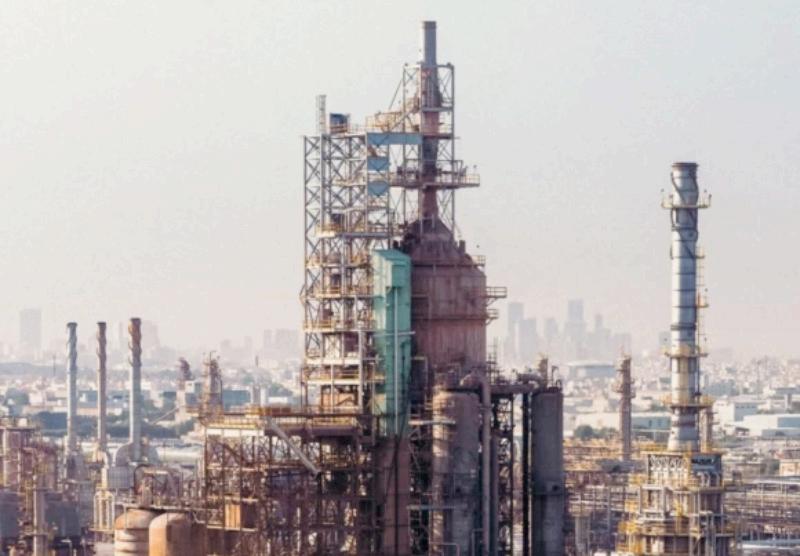
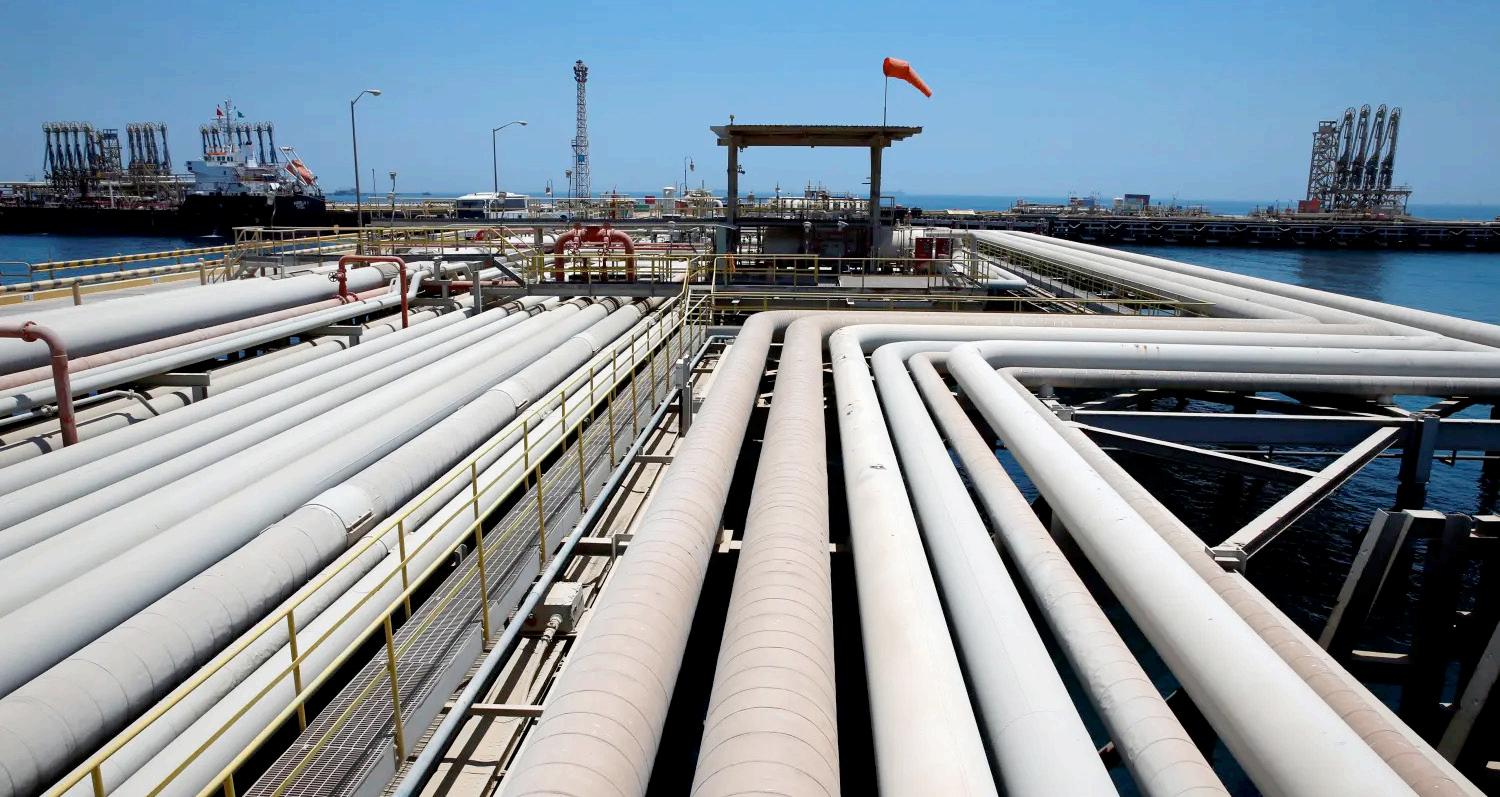
Amid the regional conflict, BAPCO Energies became the latest firm to declare a shutdown of some operations. We’re examining what force majeure actually means and what its implications are on Bahrain and the region’s energy sector.
The Gulf energy landscape is currently experiencing significant volatility. Recent events have prompted major national energy companies in the region to invoke force majeure clauses in their contracts. This legal mechanism, often seen as a standard part of commercial agreements, has now become a critical factor in global energy supply and regional stability. For Bahrain, a country with a long history in oil and gas, the implications are profound. The declaration by Bapco Energies, along with similar actions by Kuwait and Qatar, highlights a shift in
Recent events have prompted major national energy companies in the region to invoke force majeure clauses in their contracts.
the management of risk in this essential energy corridor. This article explains what force majeure means, why it is being activated now, and what it implies for Bahrain and the wider Gulf.
What does force majeure mean in oil and gas contracts?
In commercial law, force majeure is French for superior force. In oil and gas contracts, a clause that releases both parties from liability or obligation when an extraordinary event or circumstance beyond their control occurs. For a situation to qualify as force majeure,
Common examples of force majeure events include natural disasters like earthquakes or floods, as well as human-made events such as war, riots, strikes, or terrorist attacks.
it must meet three key criteria: it must be unforeseeable, it must be external to the parties involved, and it must drastically change or prevent the fulfilment of contractual obligations. It is not simply a clause for when a contract becomes unprofitable; it is for when the contract cannot physically be performed.
Common examples of force majeure events include natural disasters like earthquakes or floods, as well as human-made events such as war, riots, strikes, or terrorist attacks. In the energy sector, it also includes sudden government actions, trade embargoes, or changes in law that block production or export. When a company invokes force majeure, it essentially pauses the contract. They are not breaking it; rather, they are legally excused from fulfilling their duties, such as delivering a specified quantity of oil or gas by a specific date, during the disruptive event.
What has Bapco said about the situation in Bahrain?
Bahrain’s state-owned energy company, Bapco Energies, recently issued a formal notice of force majeure
on certain group operations. The company cited the ongoing regional conflict and the direct impact on its facilities as the main reasons for this move. This follows reports of an attack near Bapco’s major refinery complex, which is crucial for Bahrain’s economy and its most significant energy asset. In its official statement, Bapco Energies emphasised that this declaration is a precaution to protect its legal position with international partners and buyers. Importantly, the company reassured the public that the local market’s needs are fully secured. Bapco stated that proactive contingency plans are in place to ensure that supply to domestic consumers remains unaffected. This suggests that the force majeure primarily pertains to export obligations, as the security situation has compromised the ability to load and ship refined products.
How does force majeure affect supply agreements and buyers?
When an energy company declares force majeure, the impact spreads through the entire supply chain. For international buyers, such as refineries in Asia or European utility companies,
it means a sudden and legally accepted halt to their expected energy shipments. Under a valid force majeure event, the buyer cannot sue the supplier for breach of contract or seek financial compensation for non-delivery. The contracts often include take-or-pay clauses, which are also suspended, meaning the buyer is not penalised for failing to take the product they cannot receive.
However, this creates a significant gap in the buyer’s energy security planning. They must source alternative supplies on the spot market, where energy is traded for immediate delivery. Prices there are much more volatile and currently higher than in long-term contracts. This search for replacements drives up global prices and creates shortages. Industries that rely on a steady supply of specific crude oil grades or refined products may face operational bottlenecks and increased costs, which will ultimately be passed down to consumers.
How Bahrain’s Neighbours Are Navigating Supply Disruptions?
Bahrain is not alone in navigating this crisis. Its neighbours have faced similar challenges and taken the same legal steps. Kuwait Petroleum Corporation (KPC), the state oil company, issued a force majeure notice on its crude oil and refined product exports. This decision was driven by disruptions to shipping
Moreover, future energy contracts will likely include more detailed and heavily negotiated force majeure clauses.
routes in the Gulf, making it impossible for KPC to guarantee safe delivery to its global customers. Kuwait, like Bahrain, said this measure was necessary to manage its legal liabilities while the security situation remained unstable. Additionally, Qatar, the world’s top exporter of liquefied natural gas (LNG), had to declare force majeure on LNG shipments from its massive Ras Laffan complex. A regional security incident directly impacted the operational ability of the production and loading facilities. This declaration caused significant ripples in the global gas market, as Qatar supplies a large portion of the world’s LNG. The simultaneous invocation of these clauses by three major Gulf producers highlights the systemic risk to the region’s energy infrastructure.
Possible long-term implications for Gulf energy markets
The widespread invocation of force majeure clauses in the Gulf could have lasting effects on how business is conducted in the region. Firstly, it will change the risk perception of international buyers. The Gulf’s long-standing reputation as a secure and reliable supplier is being tested. Although buyers currently have few immediate alternatives to Gulf hydrocarbons, they may push to diversify their energy sources more quickly. This could lead to a shift toward suppliers in regions such as North America or Africa and accelerate the transition to renewable energy sources that are less vulnerable to geopolitical risks.
Moreover, future energy contracts will likely include more detailed and heavily negotiated force majeure clauses. Insurance costs for shipping and operating in the Gulf will increase significantly, as insurers account for the risk of infrastructure damage and contractual suspension. For Bahrain, this means that while its long-term assets remain valuable, the cost of bringing them to market will increase. The region’s energy sector will need to invest not only in production capacity but also in security and resilient legal frameworks to maintain its position in the global economy.
INCLUSIVE FINANCIAL FUTURE
Binance has introduced Sharia Earn and Halal Rewards initiatives aimed at bridging Islamic finance and blockchain technology.
As digital assets continue to mature globally, the conversation in the Middle East is shifting. It is no longer just about access to crypto. It is about how that access is structured. In a region where financial systems have long been shaped by strong governance frameworks and clearly defined compliance standards, innovation cannot be disruptive. It must be inclusive by design.
That is where structured, Shariaaligned financial innovation enters the picture, as a framework for clarity,
transparency, and broader participation. This approach is especially significant considering that global Islamic finance assets are projected to reach US$9.7 trillion by 2029, growing at an average annual rate of 10% [LSEG Islamic Finance Development Indicator 2025 / ICD Islamic Finance Report]. This highlights the vast potential for growth within Sharia-compliant financial markets.
Across the region, millions of potential users remain cautious about digital assets, not due to a lack of interest, but because they want greater
clarity on how returns are generated, what mechanisms underpin yield products, how risk is structured, and which governance standards apply. “Financial freedom must be built on trust and clarity,” said Tarik Erk, MENAT Lead & Senior Executive Officer, Abu Dhabi at Binance, “In this region, inclusive growth in digital finance requires products that align with structured financial principles and transparent mechanisms. When innovation is built responsibly, participation expands.”
Introducing Sharia Earn
Financial freedom, in the context of modern digital finance, doesn’t simply mean “more products.”
This is where Sharia-aligned frameworks offer defined contractual structures, clear underlying mechanisms, and governance oversight. Binance’s Sharia Earn product was developed within such a structured framework. It is where two financial systems meet: Islamic finance and blockchain technology. Certified by Amanie Advisors, the product ensures that all deployed funds are channelled into ventures and assets that are halal (permissible) under Islamic law. The product launched with major digital assets, including BNB, ETH, and SOL. Rather than positioning itself as a niche offering, Sharia Earn reflects a broader shift toward formalised, compliancedriven product design in the region.
Bridging Technology and Values
This is also where Binance, as a crypto infrastructure, becomes relevant. Building financial freedom responsibly requires more than access; it requires trusted rails, clear frameworks, and compliant innovation that users can understand. At its core, Sharia Earn sits at the intersection of blockchain technology through decentralisation and programmability, and Islamic finance
through a value-based framework. According to product details, Sharia Earn is built using underlying technology from existing Binance Earn products (including locked products and staking mechanics), with the structure reviewed by Sharia scholars and implemented through a purpose-fit Wakala agreement.
Responsible Financial Innovation
Ramadan is often described as a month of reflection and intentionality, values that naturally translate into how people think about money: purpose, discipline, and responsibility. As part of its Ramadan campaign period, Binance is also spotlighting Sharia Earn. But the bigger story is not the boost, it’s the direction where ethical and compliant product design becomes a catalyst for broader participation.
Financial freedom, in the context of modern digital finance, doesn’t simply mean “more products.” It means more meaningful choices, built with the safeguards, transparency, and structures that diverse communities require. Sharia-compliant innovation is one of the examples of how that can be achieved in the region by bridging technology and values.
HOSPITALITY EXPANSION
Gulf Hotels Group expands into Saudi Arabia amid strong 2025 results
Gulf Hotels Group B.S.C (GHG) has released its financial results for the fourth quarter and the full year ending 31 December 2025. The Group posted a net profit of BD 9.8 million for the year, a 10.4% increase from the BD 8.9 million recorded in 2024.
The Group’s growth over the last two years shows a clear upward trend. Since 2023, net profit has jumped from BD 6.8 million to BD 9.8 million, which is a 44% increase. Management credits this growth to careful operational execution and improved cost management.
Fourth Quarter Financial Performance
In the final three months of 2025, the Group earned a net profit of BD 3.33 million. This marks an 11.6% increase
compared to the BD 2.98 million earned during the same period the year before. Earnings per share for the quarter rose to 15 fils, up from 13 fils in 2024.
Total comprehensive income for the quarter increased significantly to BD 4.4 million, more than double the BD 2.2 million recorded in the fourth quarter of 2024. However, revenue for the quarter stayed flat at BD 10.6 million, reflecting a slight decrease of 0.41% compared to the previous year.
Full Year Results and Dividends
For the full year of 2025, the Gulf Hotels Group’s total revenue reached BD 36.9 million, a small increase of 0.6% over the BD 36.7 million recorded in 2024. Earnings per share for the year stood at 43 fils, compared to 39 fils in the previous year.
The Gulf Hotels Group’s total comprehensive income for the year was
BD 10.5 million, a 53.5% increase from BD 6.8 million in 2024. Based on these results, the Board of Directors has recommended a cash dividend of 25 fils per share, amounting to BD 5.64 million. This recommendation represents 25% of the share’s nominal value and is subject to shareholder approval at the Annual General Meeting on 18 March 2026.
Balance Sheet and Asset Growth
The Gulf Hotels Group’s financial position strengthened throughout 2025. Total equity, excluding minority interests, rose to BD 110.3 million by 31 December 2025, a 4.5% increase from the BD 105.5 million reported at the end of 2024.
Total assets also grew by 3.6%, reaching BD 117 million compared to
BD 112.9 million the previous year. Chairman Fawzi Kanoo noted that these figures show a focus on efficiency and profit improvement, even as the hospitality market faces rising supply and slow overall growth.
Strategic Roadmap and Regional Expansion
The Group’s growth over the last two years shows a clear upward trend. Since 2023, net profit has jumped
from BD 6.8 million to BD 9.8 million,
which is a 44% increase.
The Group is currently implementing its 2026 to 2030 Strategy Roadmap. A major part of this plan involves moving toward an asset-light model. This includes developing a Third-Party Operator (TPO) platform, which allows the Gulf Hotels Group to manage hotels owned by other companies.
A key milestone in this expansion is a partnership with Burhan Hotels. Under this agreement, Gulf Hotels Group will manage three hotels in Makkah, Saudi Arabia, adding about 1,000 rooms to its portfolio. This move marks the Gulf Hotels Group’s first entry into the Saudi Arabian market. The Gulf Hotels Group is also exploring further opportunities in the UAE, East Africa, and the Indian Ocean.
Portfolio Integration and New Ventures
Several properties within the portfolio
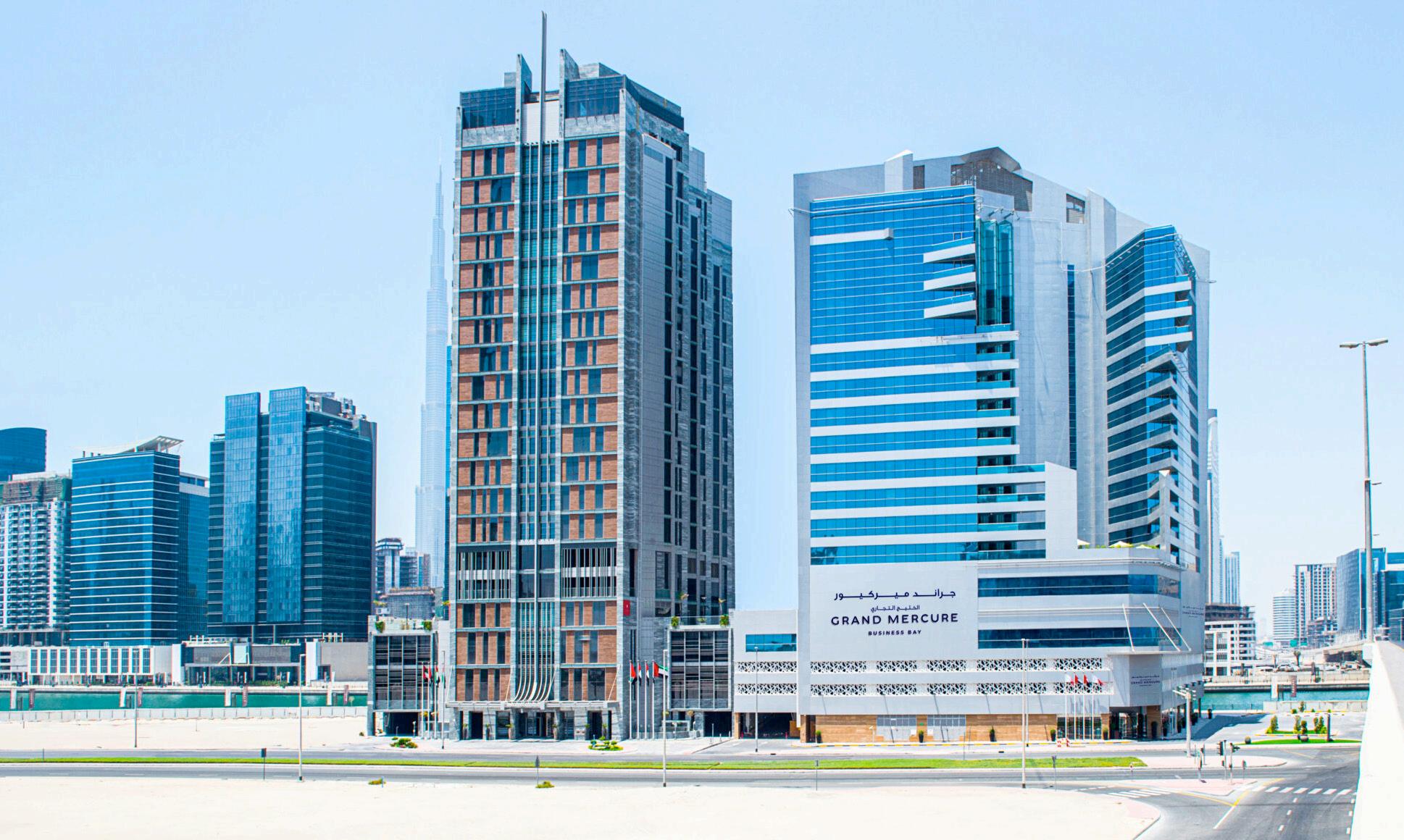
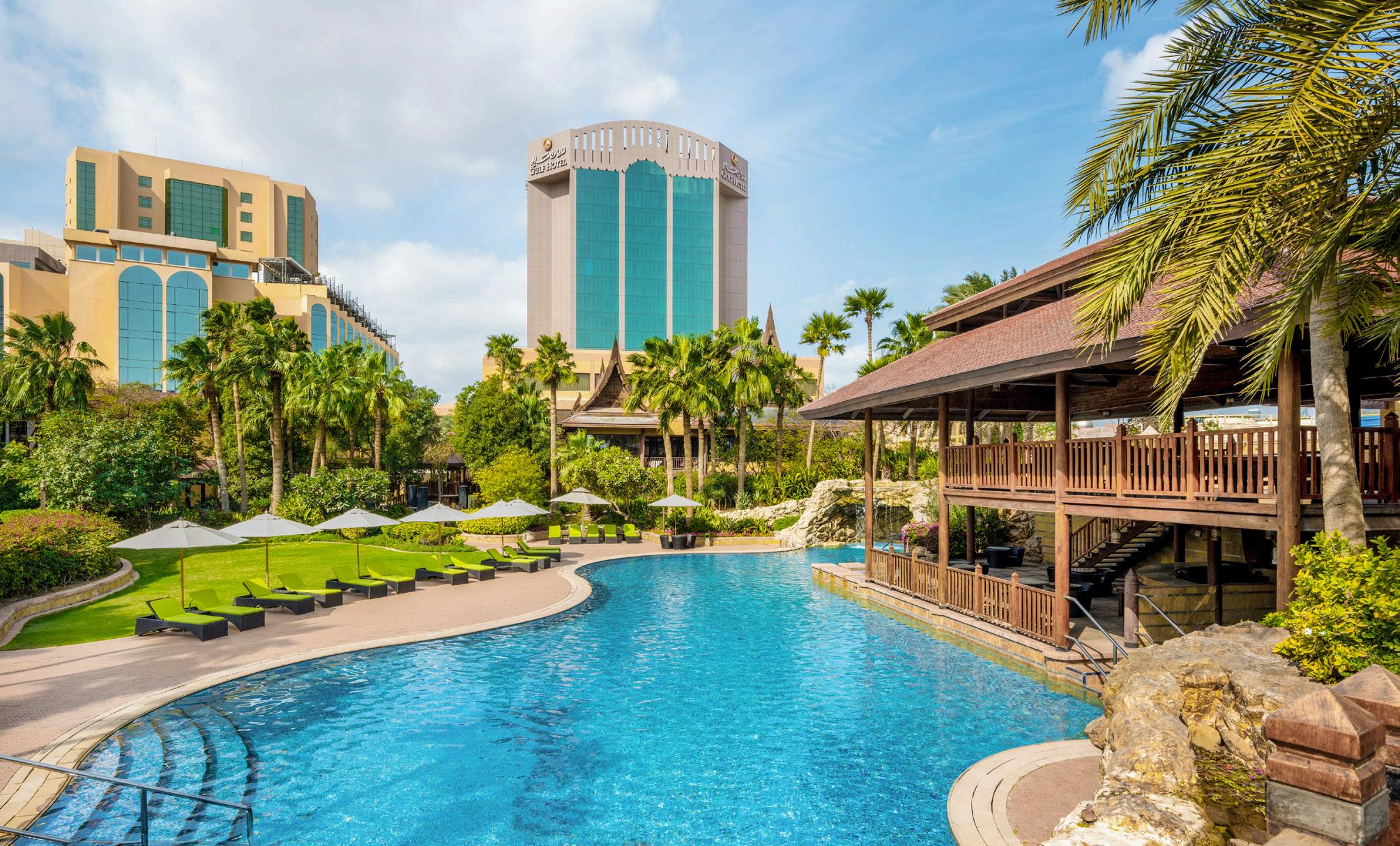
changed in 2025 to enhance their international visibility. The Gulf Hotel Bahrain was integrated into the Marriott Bonvoy loyalty platform and distribution network. Similarly, the Gulf Court Hotel Dubai was rebranded as Grand Mercure Dubai Downtown through a partnership with Accor.
In addition to traditional hotel management, the Group launched two new business units:
Gulf Catering Company: This unit provides institutional catering and largescale food production for the healthcare, education, and corporate sectors.
MFive Services: Established in partnership with Abu Dhabi National Hotels and Metro Global, this company focuses on specialised hospitality support services.
Group CEO Ahmed Janahi stated that these new ventures and partnerships aim to diversify revenue streams. The Group plans to become a more agile and regional hospitality platform in the coming years.
NEW RULES FOR SPECIAL EDUCATION
The UAE Ministry of Education has approved registration procedures for Students of Determination in public schools for the 2026–2027 academic year.
The Ministry said evaluation and diagnosis at Inclusive Education Support Centres will be completed within 15 working days. The process will follow a clear regulatory framework to ensure accurate assessment and appropriate support for each student.
Parents have been urged to fully disclose their child’s condition during registration. The Ministry stressed that if a student is registered without disclosure, it reserves the right to take action in the student’s best interest. This may include accepting the student under set regulations or referring them to a specialised centre.
Registration is available through the “Student Registration and Admission in Public School” service on the Ministry’s official website or via the MOE UAE smart app. Parents must attend the scheduled appointment for diagnosis and assessment. Failure to attend, reschedule, or complete the required procedures will lead to automatic closure of the application.
Evaluation results are final
The Ministry said parents will be formally informed of the outcome once the diagnostic process is complete. The assessment will determine whether the student is eligible to enrol in kindergarten or a public school under the inclusive education system, or whether they are not eligible for inclusion in public schools.
The result is final and remains valid throughout the academic year. Reapplying after a decision has been issued will not be allowed.
Registration is available through the “Student Registration and Admission in Public School” service on the Ministry’s official website or via the MOE UAE smart app.
Required Documents
Parents must submit:
• A recent medical report (issued within the past year) from an accredited UAE medical authority.
• A report detailing the degree and severity of hearing or vision impairment, where applicable.
• An Individualised Education Plan (IEP) for students transferring from private schools.
• Certified academic certificates from government Students of Determination centres, along with a transition plan and details of services provided.
• A Students of Determination Card issued by the Ministry of Community Development (if available).
• A psychological report issued within
the past six months by an accredited specialised centre.
• A signed commitment to comply with school transport terms and conditions.
• The Ministry said these measures aim to strengthen inclusive education and ensure students receive the support they need for their academic and personal development.
11 New Requirements Announced
In early February 2026, the Ministry announced 11 requirements, procedures and regulatory documents governing the registration of Students of Determination in public schools for the 2026–2027 academic year.
The framework is designed to ensure school readiness, protect students’ educational interests and reinforce inclusive education in line with approved diagnostic and educational standards.