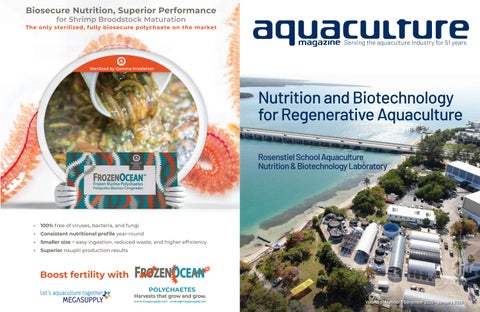
bloq_Aquaculture Magazine Volume 51 Number 6 December 2025-January 2026
Nutrition and Biotechnology for Regenerative Aquaculture
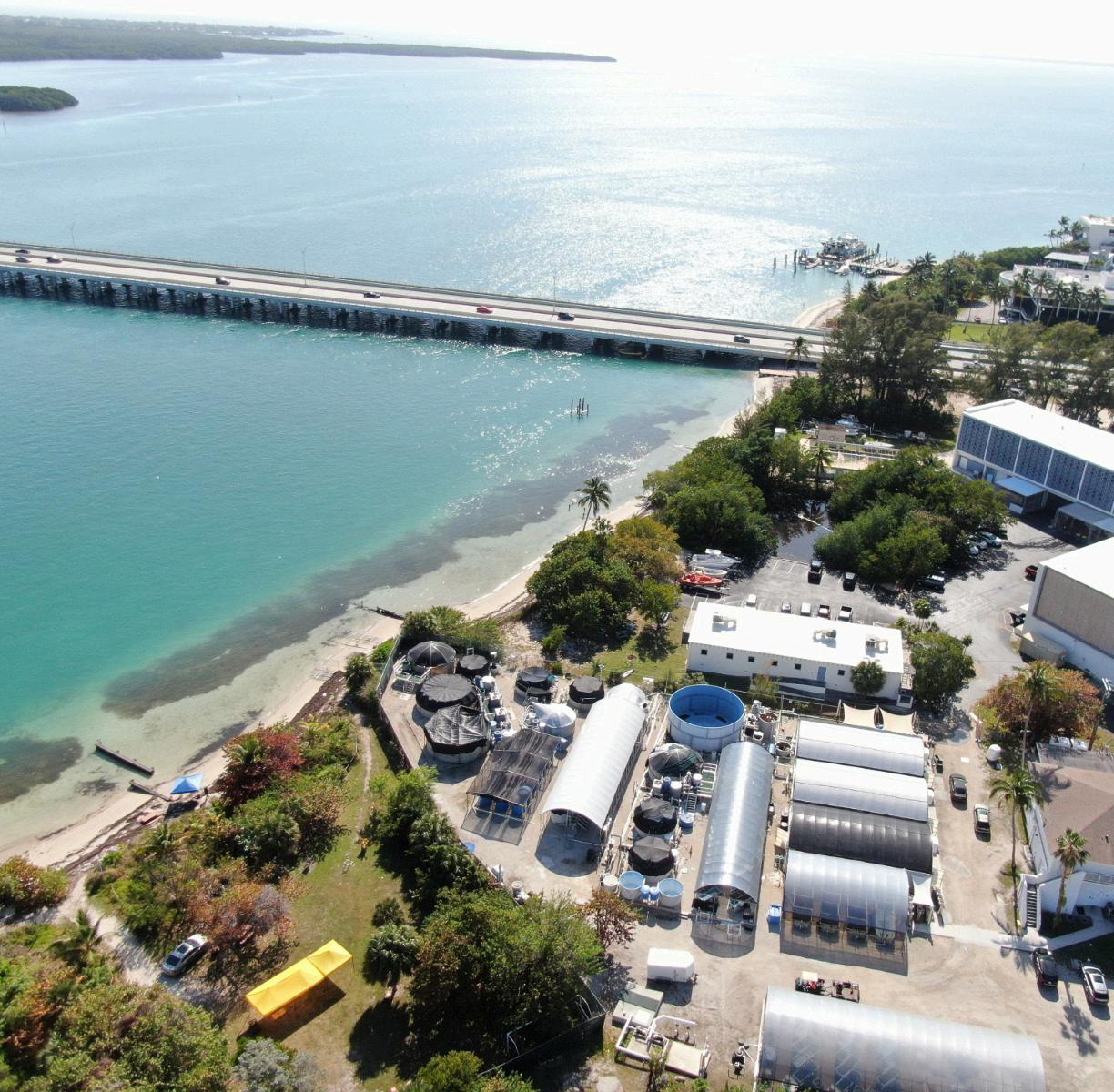
Rosenstiel School Aquaculture
Nutrition & Biotechnology Laboratory
Volume 51 Number 6 December 2025 - January 2026
12
EDITOR’S COMMENTS
Regenerative Aquaculture: An Eco-Efficient Alternative
ARTICLE
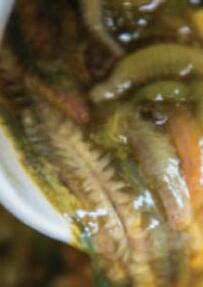
Beyond SPF: The New Era of High-Energy Ionization Sterilization in Polychaetes
18
ARTICLE
Impact of Novel Feed Ingredients on Growth, Digestibility, Enzymes, and Gene Expression in Pacific White Shrimp, Penaeus vannamei
22
ARTICLE
28
ARTICLE
Warming-Driven Migration of Enterotypes Mediates Host Health and Disease Statuses in Ectotherm Litopenaeus vannamei Microplastic Content and Using Food Waste-Fed Insects in Fish Feed Influence Appeal of Farmed Fish
Rosenstiel School Aquaculture Nutrition & Biotechnology Laboratory
Design Publications International Inc. 401 E Sonterra Blvd. Sté. 375 San Antonio, TX. 78258 info@dpintertnatinonalinc.com Office: +210 5043642 Office in Mexico: (+ 52) (33) 8000 0578 - Ext: 8578
Aquaculture Magazine (ISSN 0199-1388) is published bimontly, by Design Publications International Inc. All rights reserved. www.aquaculturemag.com
editor`s comments
* Marco Linné Unzueta Associate Editor
Regenerative Aquaculture: An Eco-Efficient Alternative
The fundamental objective of aquaculture is to use natural and energy resources as efficiently as possible, while minimizing negative environmental impacts such as pollution and waste generation, and maximizing economic and social benefits. This is achieved by pursuing sustainability, reducing operating costs, and optimizing processes through innovation and the responsible management of materials and energy.
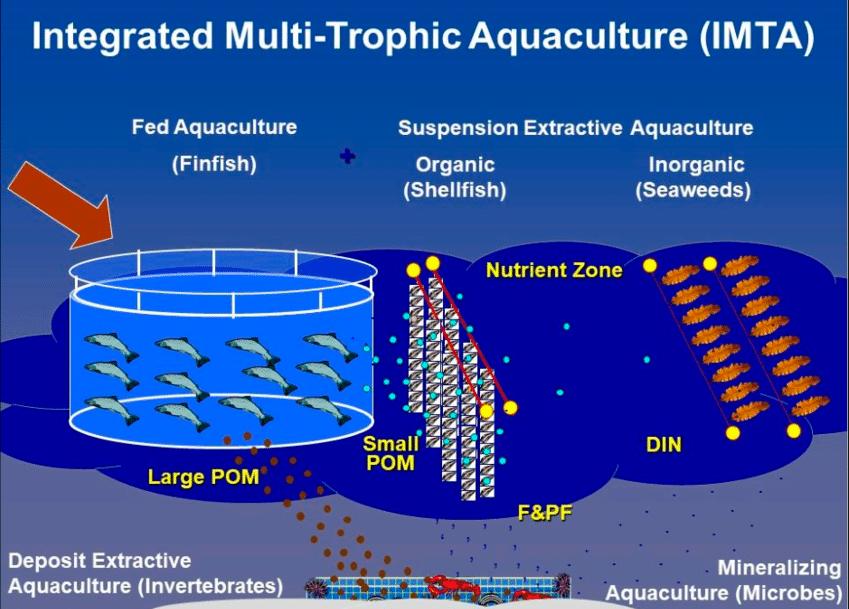
Regenerative aquaculture is an advanced approach to aquaculture production that goes beyond sustainability by designing systems that actively improve and restore marine ecosystems while producing food. This approach prioritizes cultivating filter-feeding species such as mollusks and algae, which play a crucial role in purifying water, mitigating acidification and eutrophication, and building resilience to climate change. Consequently, regenerative aquaculture generates long-term ecological and social benefits that extend beyond mere food production.
The resulting produce is of high nutritional quality, which will contrib-
ute to healthier diets if activities are carried out in accordance with Good Production Practices (GPP) and Good Manufacturing Practices (GMP) standards. This allows for the reduction of the carbon footprint through sustainable practices.
A fundamental aspect of promoting regenerative aquaculture is promoting the recognition and nutritional use of aquatic products. Despite continuous market changes driven by factors such as inflation, a lack of quality inputs and armed conflicts, among others, which result in price increases, crises and volatility, aquaculture products remain available to the average consumer. However, an aggressive strategy is imperative to promote the benefits of consuming these proteins and increase per capita consumption.
However, when it comes to implementing strategies to promote the increased consumption of aquatic proteins, the focus of future diets is predominantly on “green” diets based on plant sources, with the potential of “blue” diets based on aquatic products being neglected. This oversight hinders the growth of aquaculture pro-
duction units, limiting their competitiveness and their ability to integrate into value chains that generate addedvalue products for national and international markets.
To address this, strategies must be established to promote the growth, planning and standardization of aquaculture production without neglecting increased profitability and the sustainable use of resources. These strategies must be reflected in concrete actions that reduce emissions by adopting fuel-efficient technologies and producing fish and shellfish that do not require feed-based nutrition. This can be achieved by using alternative sources to manufacture environmentally friendly foods and working with, rather than against, the natural processes of the ecosystem. It is not just a matter of ‘not harming’, but of nourishing and healing the oceans.
In summary, regenerative aquaculture is an innovative approach that views aquaculture as a means of restoring ocean ecosystems. This approach aims to develop food systems that are inherently beneficial to the environment, going beyond the goal of minimizing negative impact.
Nutrition and Biotechnology for Regenerative Aquaculture
Rosenstiel School Aquaculture Nutrition & Biotechnology Laboratory
* By Jorge Suarez, Julio Camperio and Daniel Benetti
Too often, decisions related to species selection, feed formulation, ingredient adoption, and investment in new technologies are driven by popularity, market trends, compelling narratives, or short-term availability, rather than by objective and comparable performance criteria.
This dynamic has created structural imbalances across the sector. Certain species, ingredients, and production systems receive disproportionate attention and investment, while others, often equally viable from a biological, nutritional, or economic standpoint, remain underdeveloped. Over time, these imbalances increase production risk, slow innovation, and limit the industry’s ability to grow in a resilient and sustainable way. For producers, this often translates into higher costs, inconsistent performance, and greater uncertainty at the farm level.
Addressing this challenge requires moving beyond trend-driven decisions and adopting integrated and balanced evaluation frameworks. These frameworks allow technologies, ingredients, and nutritional strategies to be assessed on equal terms using biologically relevant metrics. Nutrition and biotechnology play a critical role in this transition by providing tools that reduce uncertainty, improve comparability, and support more informed and scalable decision-making.
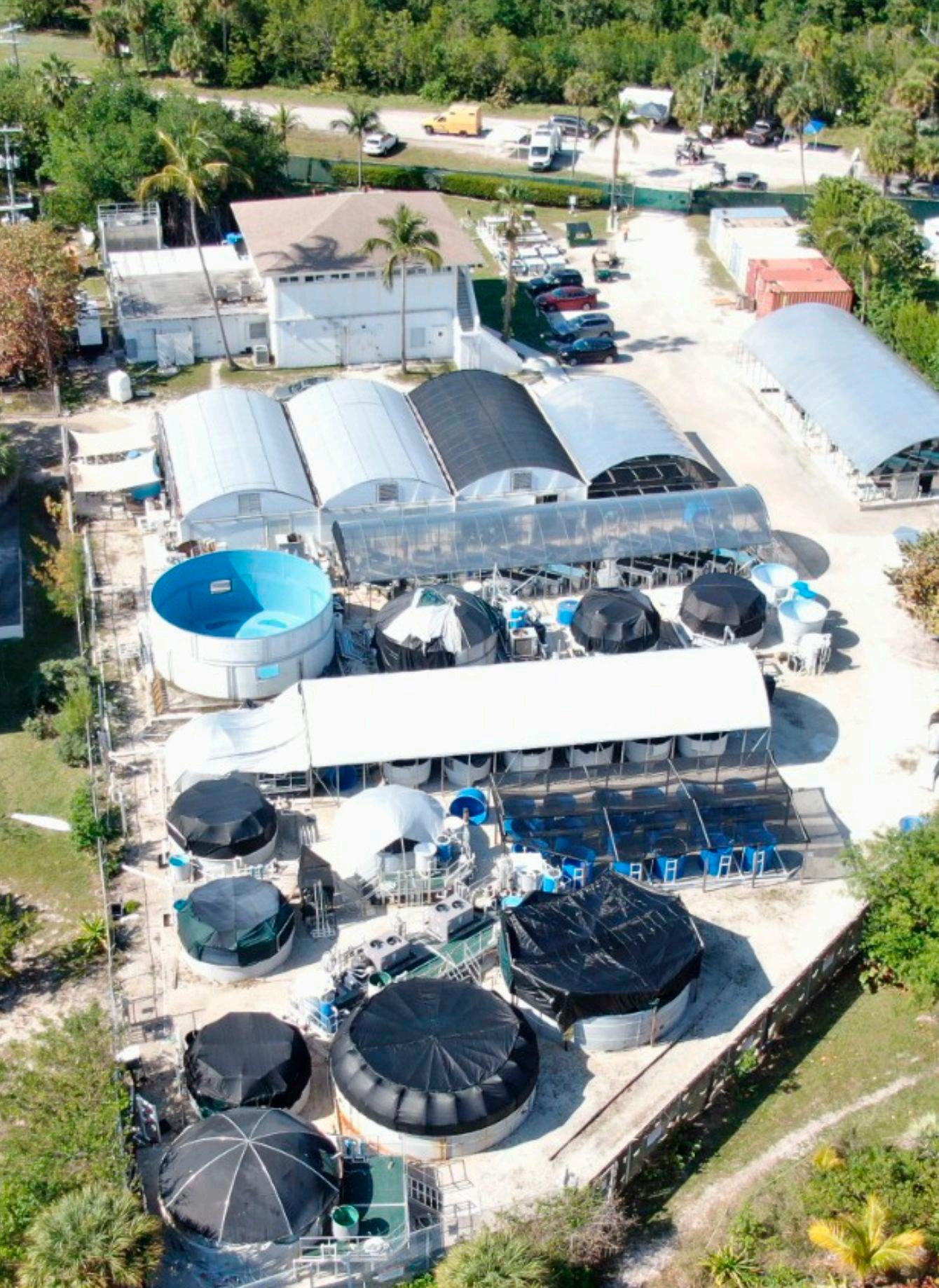
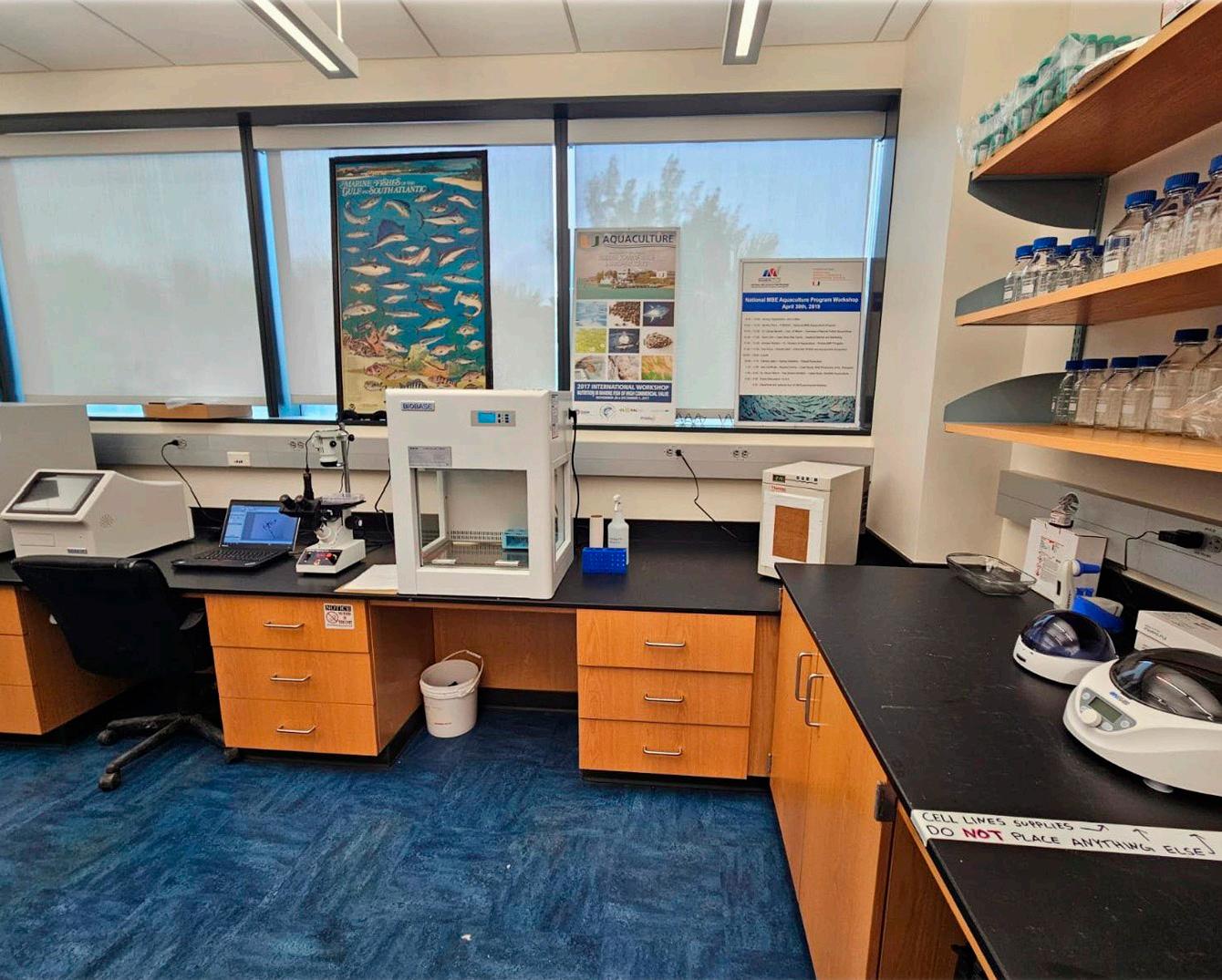
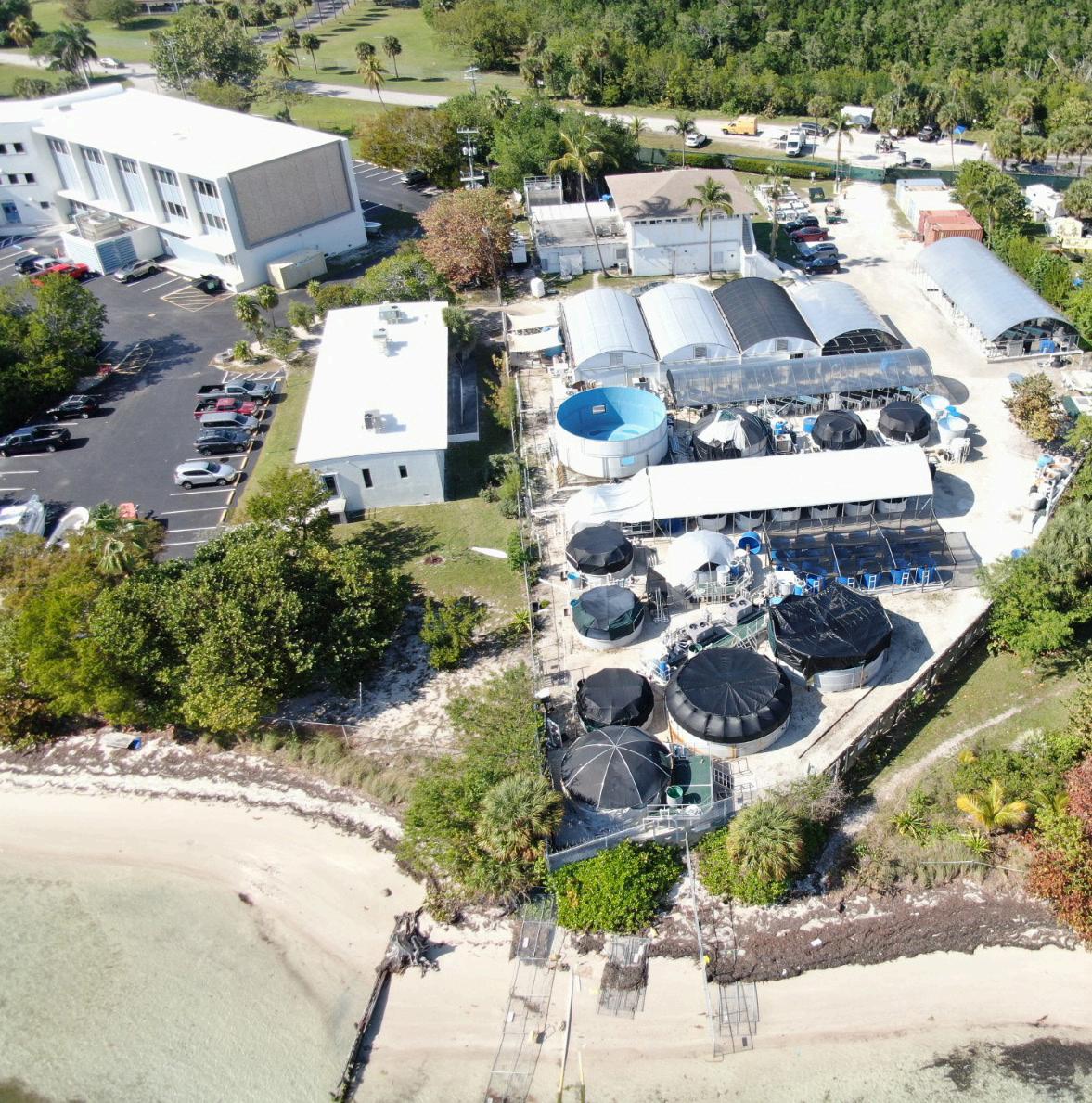
At the Rosenstiel School Aquaculture Nutrition & Biotechnology Laboratory, our work is centered on this objective: shifting aquaculture nutrition away from assumptionbased practices toward objective, integrated, and balanced evaluation. The goal is not to promote trends, but to provide clear criteria that help distinguish what is popular from what truly works under real production conditions.
Aquaculture Nutrition: A Persistent Black Box
Unlike terrestrial livestock industries such as poultry or swine, where production systems are highly standard-
Aquaculture is one of the fastest-growing food production sectors worldwide, driven by rising demand for aquatic protein, technological innovation, and sustainability goals. However, this rapid growth has not always followed balanced or inclusive pathways. into growth and health under real farming conditions.
ized and feed intake can be accurately measured, aquaculture operates under inherently complex and variable conditions. In shrimp farming, animals are reared in turbid waters, interact continuously with sediments and microbial communities, and consume both formulated feeds and naturally available nutrients. In fish culture, whether freshwater or marine, environmental variability, water quality, and animal behavior further complicate intake estimation.
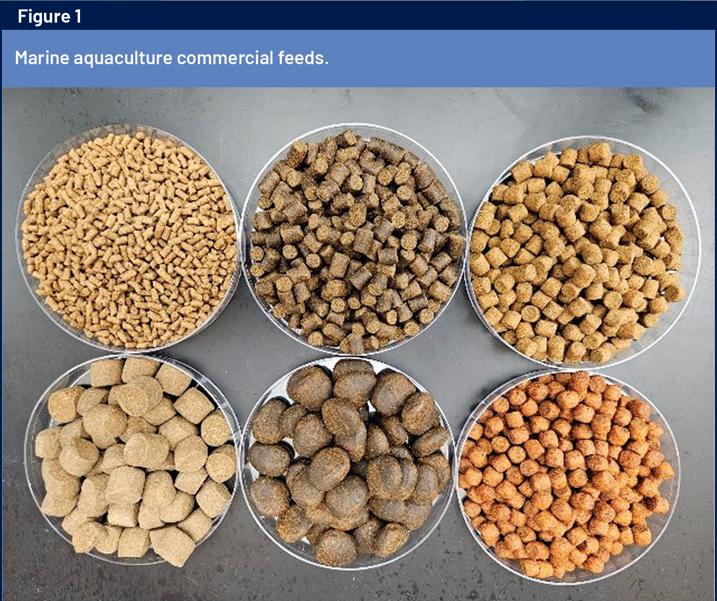
As a result, aquaculture nutrition often functions as a true black box. Feed is delivered, but actual intake and nutrient utilization are rarely measured directly and are instead inferred from models and assumptions. Despite this uncertainty, feed formulation and feeding management continue to rely largely on gross nutrient values, such as crude protein, gross energy, and total amino acids.
From a production perspective, this approach has clear limitations. Gross values provide little insight into what animals actually digest, absorb, and utilize. This makes it difficult to optimize feeding rates, improve feed conversion, reduce feed waste, and objectively compare commercial diets, directly impacting production costs and environmental performance.
From Gross Values to Digestible Performance
An integrated and balanced evaluation approach shifts the focus from how much nutrient is present in a feed to how efficiently that nutrient is digested, absorbed, and converted
Historically, applying this concept in aquaculture has been constrained by methodology. Digestibility assessments often depend on inert markers such as chromic oxide or yttrium, which, while valid under controlled experimental conditions, are impractical for routine evaluation of commercial feeds as they are actually used in the field.
To overcome this limitation, one of the key areas of development has been the use of natural marker–based methodologies. These approaches allow apparent nutrient digestibility to be estimated without altering the feed or adding external markers, making evaluation more practical and scalable.
From an industry standpoint, this represents a meaningful shift:
» Commercial feeds can be compared using equivalent criteria.
» Feeding programs can be adjusted based on digestible nutrients rather than assumptions.
» Nutrient losses, water contamination, and feed waste can be reduced.
» Decision-making becomes more consistent across species and production systems.
More importantly, these tools help standardize nutritional evaluation, enabling different species, production systems, and regions to be assessed using the same objective framework, reducing risk and improving confidence in feeding strategies.
Ingredients, Innovation, and the Cost of Following Trends
Over the past decades, the aquaculture industry has made significant progress in diversifying feed ingredients, particularly through the partial replacement of fishmeal and fish oil. Improved plant ingredients, novel proteins, and alternative sources are now widely available.
However, innovation alone is not enough. The real challenge lies in how ingredients are positioned and used within formulations. In practice, fishmeal and fish oil continue to play strategic roles that must be managed carefully, much like salt and pepper in a recipe, where small inclusions can have a disproportionate impact on performance, palatability, and cost.
When ingredient adoption is driven primarily by popularity rather than by integrated functional evaluation, expectations can quickly outpace reality. This disconnect has led to inflated investments and, in some cases, major commercial failures. For producers, this often results in inconsistent performance and increased economic risk, particularly when new ingredients are adopted without a clear understanding of their functional role.
Black Soldier Fly Larvae: From Promise to Perspective
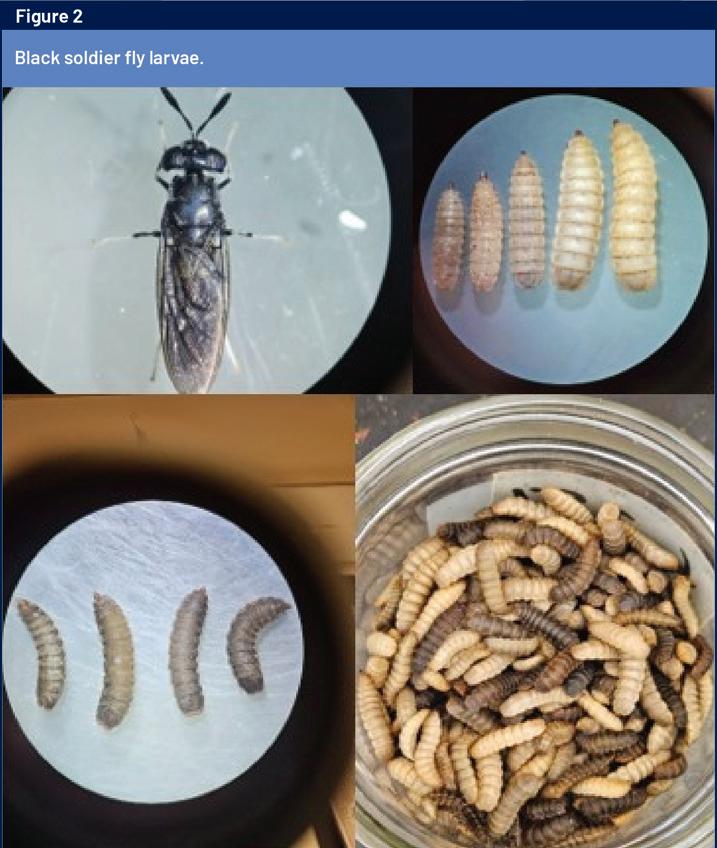
Black Soldier Fly Larvae (BSFL) provide a clear example of the gap between popularity and performance. Initially promoted as a direct replacement for fishmeal, BSFL gained traction through strong sustainability and circular economy narratives.
Closer analysis, however, reveals a different picture. The amino acid profile of BSFL protein more closely resembles that of plant-based proteins than fishmeal, with clear limitations in sulfur amino acids. Combined with relatively high production costs, these factors make direct fishmeal replacement both nutritionally and economically challenging.
This mismatch between expectation and reality has contributed to the
At the Rosenstiel School Aquaculture Nutrition & Biotechnology Laboratory, our work is centered on this objective: shifting aquaculture nutrition away from assumption-based practices toward objective, integrated, and balanced evaluation. The goal is not to promote trends, but to provide clear criteria that help distinguish what is popular from what truly works under real production conditions.
failure of multiple industrial initiatives across different regions, where significant investments were made without comprehensive viability assessment. From an integrated and balanced evaluation perspective, BSFL are better understood not as a replacement ingredient, but as a functional ingredient with specific applications and benefits.
Unlocking Functional Value Through Biotechnology
When evaluated from a functional standpoint, BSFL reveal high-value
attributes. These organisms have evolved over millions of years in environments with high loads of pathogenic microorganisms, developing highly efficient survival mechanisms. These include the production of antimicrobial peptides, antioxidants, antiinflammatory compounds, and other biomolecules capable of modulating the microbiota, reducing bacterial load, and supporting gut health.
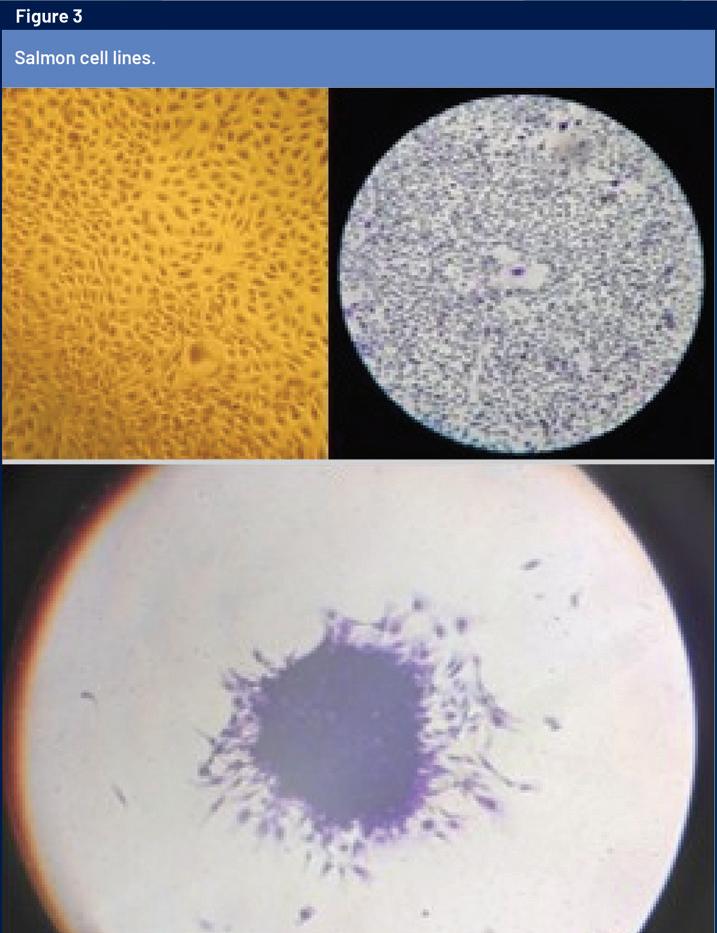
This functional value helps explain the adoption of BSFL in other sectors, such as pet nutrition. The use of cell
line models and biotechnological tools allows for deeper characterization of these effects and their interactions with other feed components, reducing uncertainty and accelerating the transfer of knowledge from the laboratory to commercial applications.
Toward
a More Inclusive and Balanced Aquaculture
Adopting integrated and balanced evaluation frameworks has clear implications for the future of aquaculture. This approach enables the industry
From an integrated and balanced evaluation perspective, BSFL are better understood not as a replacement ingredient, but as a functional ingredient with specific applications and benefits.
to reduce dependence on short-term trends, optimize the use of ingredients and additives, support technology adoption across a wider range of species and regions, and improve production efficiency without compromising sustainability.
Rather than promoting one-sizefits-all solutions, this perspective encourages the industry to rethink how
innovation is evaluated and adopted. In a sector as diverse as aquaculture, balance is not achieved by following trends, but by building shared criteria that allow solutions to be compared, adapted, and implemented effectively.
The future of aquaculture will not be shaped by the loudest trends, but by the most robust evaluation frame-
works. Sustainable growth will depend less on what is popular today and more on what consistently delivers biological, economic, and environmental value over time. Ultimately, sustainable growth in regenerative aquaculture will depend less on what is popular today and more on what consistently delivers biological, economic, and environmental value over time.
When evaluated from a functional standpoint, BSFL reveal high-value attributes. These organisms have evolved over millions of years in environments with high loads of pathogenic microorganisms, developing highly efficient survival mechanisms.
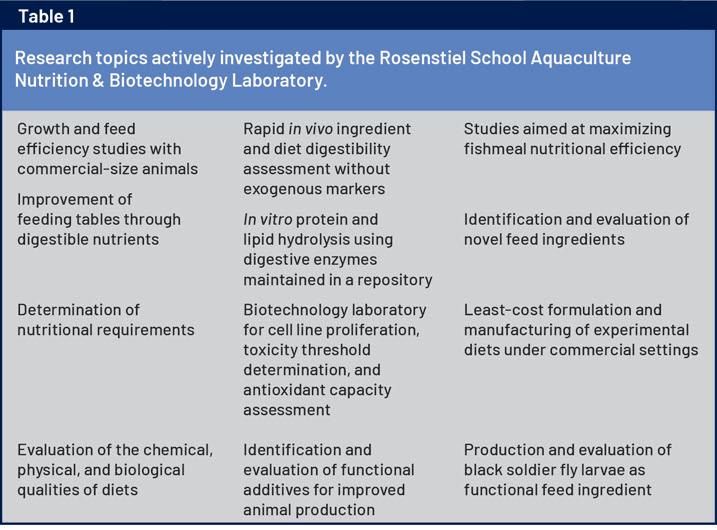
To that end, the University of Miami Rosenstiel School Aquaculture Nutrition & Biotechnology Laboratory has started the year with the right footing, focused on implementing and expanding research topics that are relevant to improving the ecological and economic efficiencies of aquafeeds to ensure that regenerative aquaculture will continue the growing trend of producing sustainable wholesome seafood to meet the demand of the human population in the years to come (Table 1).
*Jorge Suarez, Julio Camperio and Daniel Benetti University of Miami Rosenstiel School Aquaculture Nutrition & Biotechnology Laboratory
Beyond SPF: The New Era of High-Energy Ionization Sterilization in Polychaetes
The global shrimp industry operates under constant pressure to maximize production while facing the ever-present threat of viral and bacterial pathogens. This article presents a technological breakthrough that was developed after years of research and refinement. This breakthrough achieves the clinical sterility of polychaetes without compromising the nutritional profile that is vital for the maturation of breeding stock.
* By Leslie Newmann and Jose I. Curiel
Introduction:
The Gap in Current Biosecurity
The global shrimp industry operates under constant pressure to maximize production while facing the ever-present threat of viral and bacterial pathogens. History has
taught us that a single oversight in the supply chain can be catastrophic, from White spot syndrome virus (WSSV) to emerging threats like Decapod Iridescent Virus 1 (DIV1).
Although polychaetes are the nutritional gold standard for matura-
tion, they are also the “Achilles’ heel” of biosecurity. Although the industry has transitioned to “specific pathogen free” (SPF) organisms, this approach has a critical limitation: SPF is statistical, not absolute. SPF only guarantees the absence of the specif-
Our research focused on identifying the “critical balance point”: the precise amount of ionizing energy required to irreversibly fragment viral DNA while maintaining the integrity of HUFA fatty acids and proteins.
ic pathogens being tested for, leaving the door open to unknown pathogens or recent mutations.
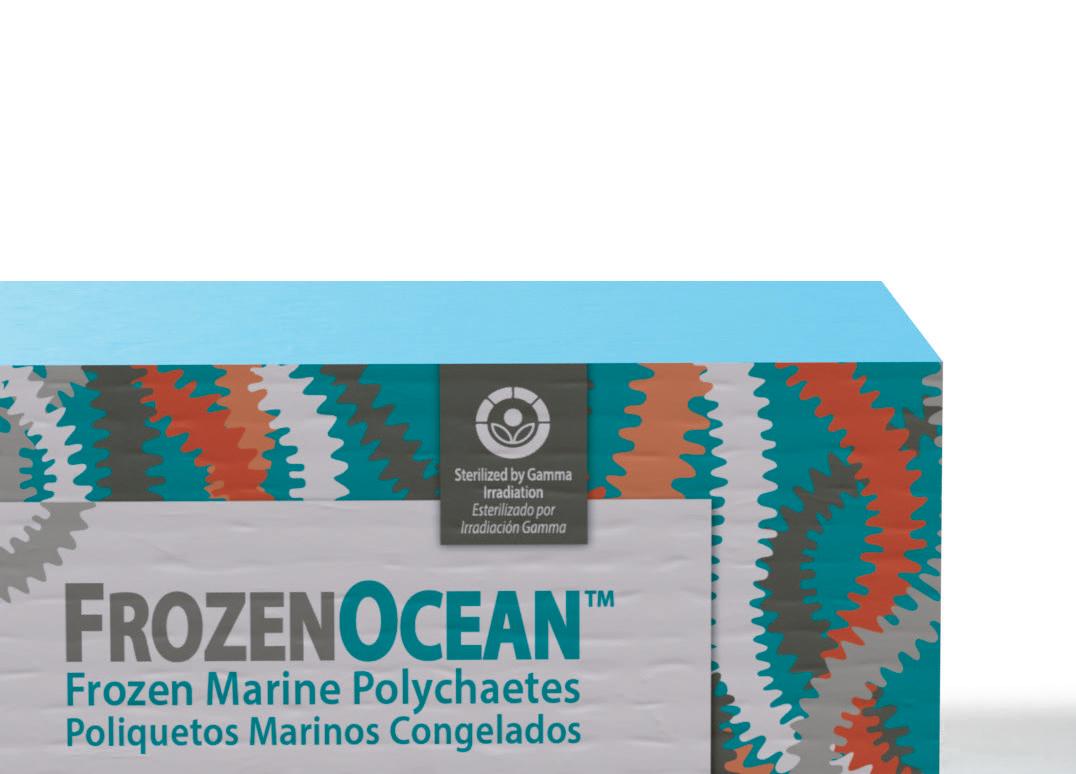
This article presents a technological breakthrough developed after years of research and refinement: Polychaete Sterilization Using Proprietary Gamma Ionization Protocols. We will analyze how this technol-
ogy achieves clinical sterility without compromising the nutritional profile vital for maturation.
The Dilemma: Nutrition vs. Viral Risk
Historically, the challenge has been simple: aggressive methods that kill viruses, like heat, cook the worm and de-
stroy its lipids. Gentler methods, such as freezing, preserve nutrition but also act as preservatives for viruses.
Our research focused on identifying the “critical balance point”: the precise amount of ionizing energy required to irreversibly fragment viral DNA while maintaining the integrity of HUFA fatty acids and proteins.
Gamma rays pass through the product, deposit their energy to break the DNA, and then disappear instantly. They leave no residual particles or radioactive isotopes and do not leave any “stored energy” in the polychaete.
The Science of High-Energy Ionization
Unlike chemical disinfection or UV washing, which only treat the surface, gamma ionization uses highenergy photons to deeply penetrate frozen tissue. This process is physical,
not chemical. This absorbed energy breaks the phosphodiester bonds in DNA and RNA chains.
» The “Overkill” Concept: Our protocol does more than just reduce bacterial load. It applies a validated dose that exceeds the survival
threshold of the most resistant viruses known in aquaculture, ensuring clinical sterility.
» Protection Against the Unknown: This process is effective against all microorganisms (virus, bacteria, and fungus) because it destroys
the basic genetic machinery necessary for life replication. Most importantly, it is effective against pathogens that science has not yet discovered.
Safety and Absence of Radioactivity (Myth vs. Reality)
It is fundamental to understand that irradiating food does NOT make it radioactive.
» The Source: We use Cobalt-60, which emits Gamma Rays (highenergy photons).
» The Light Analogy: The process is similar to turning on a light bulb in a dark room. The light rays (photons) illuminate the room, eliminating the darkness. However, when the light is turned off, the room does not remain “glowing.”
» No Residue: Gamma rays pass through the product, deposit their
energy to break the DNA, and then disappear instantly. They leave no residual particles or radioactive isotopes and do not leave any “stored energy” in the polychaete. The product is safe to handle and feed immediately after processing.
The Industrial Secret: Nutritional Preservation
The great technical obstacle to applying this technology has always been nutritional degradation. If the dose is too low, the virus survives. If the dose is too high or applied improperly, lipids oxidize.
After extensive laboratory testing and feeding trials, we developed a Controlled Cold Chain Irradiation protocol. This method controls the thermodynamics of the process to prevent the product from heating up during ionization.
The result is a polychaete that:
1. Is microbiologically inert (sterile).
2. Maintains attractiveness (palatability) for the broodstock.
3. It preserves the essential fatty acid profiles (ARA, EPA, and DHA) necessary for vitellogenesis.
Cost-Benefit Analysis: The Biological “Insurance Premium”
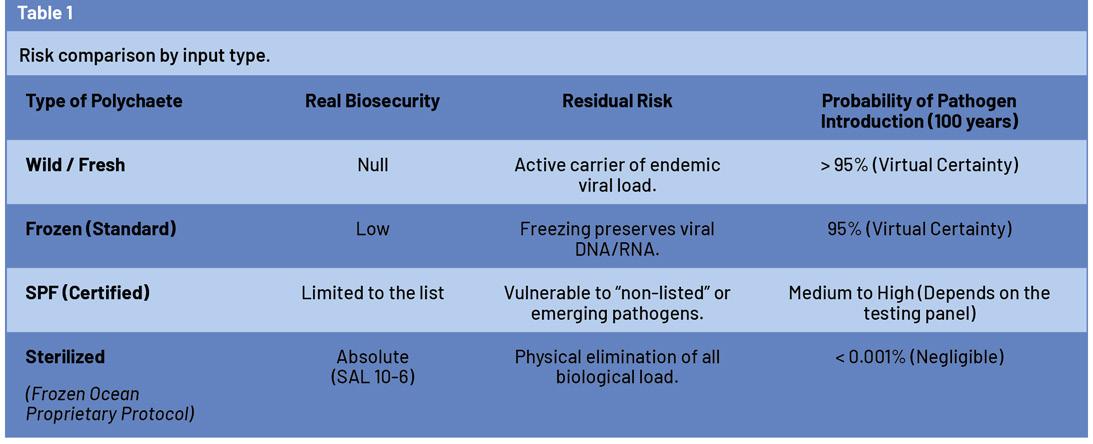
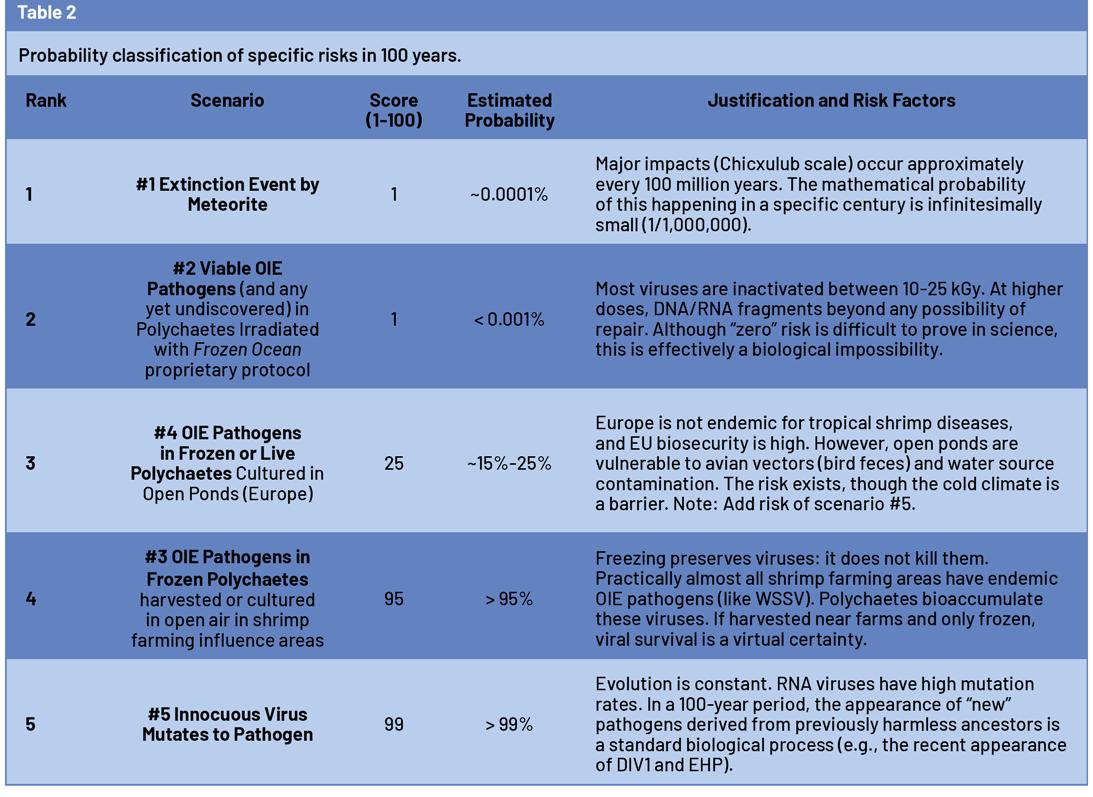
The Table 2 uses a probability scale to rank specific scenarios that could occur within a 100-year span. The scenarios are ranked from lowest (1) to highest (100) risk.
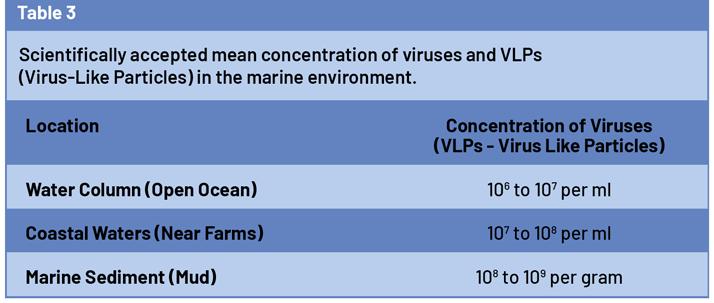
Scenario #5 in the previous table is highly relevant when considering a little-known fact: the concentration of viruses in seawater is astronomical. This compelling scientific fact strongly reinforces the argument for sterilization.
After extensive laboratory testing and feeding trials, we developed a Controlled Cold Chain Irradiation protocol. This method controls the thermodynamics of the process to prevent the product from heating up during ionization.
» In a drop of water: There are hundreds of thousands of viruses.
» In a teaspoon: There are more viruses than humans on planet Earth.
This reinforces the idea that the probability of an innocuous shrimp
virus mutating into a pathogen within 100 years is practically 100%.
A polychaete that is cultured or harvested in the natural environment ingests sediment that contains up to one billion viral particles per gram. Without physical sterilization via ionization, it is impossible to guarantee
that this viral load does not contain emerging pathogens.
Dissociation between Molecular Detection and Viral Viability
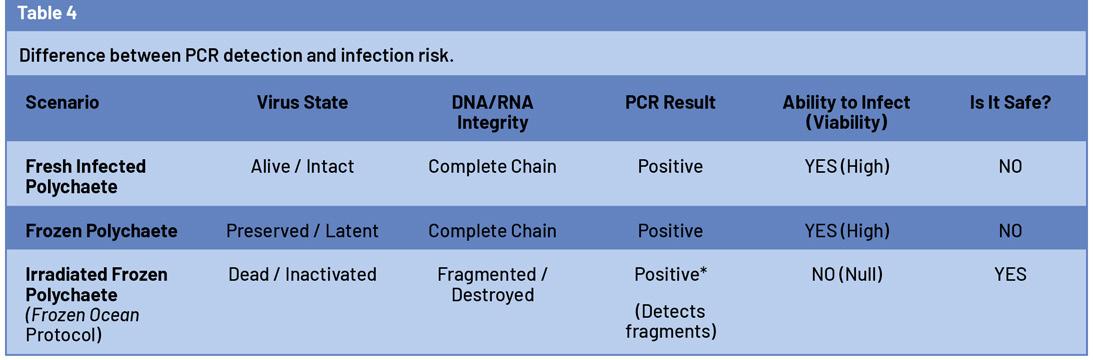
The Mechanism of Confusion: PCR amplifies short segments of DNA or RNA (amplicons). If radiation breaks the viral chain at multiple points, but leaves intact the small segment (100–200 base pairs) that the PCR primers look for, the test will yield a “Positive” result.
However, in order for a virus to be infectious, its complete genome (consisting of thousands of base pairs) must be intact in order for it to hijack the host cell and replicate.
» Virus State: Inactivated / Not Viable.
» Genome State: Fragmented / NonFunctional.
» Diagnosis: PCR Positive (Detection of genetic remnants).
» Real Risk: Null.
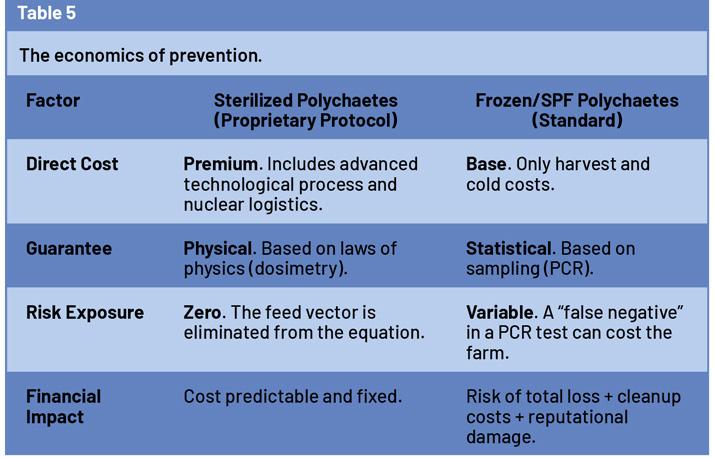
The Economics of Prevention
Polychaetes sterilized under this protocol carry a premium price compared to commodity polychaetes. However, in modern risk management, this should be viewed as an investment in security rather than an input cost.
The Value of Peace of Mind
For a hatchery producing hundreds of millions of post-larvae, the cost of a viral outbreak caused by fresh feed exceeds the annual cost of using sterilized feed by a factor of 100 to 1. It’s like the difference between playing
Russian roulette and having an armored system.
Conclusion
The aquaculture industry is evolving. It is no longer sufficient to rely on health certificates that merely state that an animal “looks healthy.” In a globalized environment with constantly mutating pathogens, the only real security comes from physics, not biology.
Proprietary High-Energy Ionization Protocols applied to polychaetes represent the pinnacle of feed biosecurity, offering the nutritional power of nature with the clinical safety of a laboratory.
Ultimately, it is the most effective insurance policy for a farm’s most valuable asset — its broodstock.
This informative version of the original article is sponsored by: MEGASUPPLY INC.
Leading aquaculture biosecurity through technological innovation.
Leslie Newmann Quality Control Manager, Frozen Ocean Feeds LLC.
Jose I. Curiel CEO, Megasupply Inc.
Impact of Novel Feed Ingredients on Growth, Digestibility, Enzymes, and Gene Expression in Pacific White Shrimp, Penaeus vannamei
* By Aquaculture Magazine Editorial Team
Adiet combining novel, accessible, and sustainable feed ingredients can better meet shrimp nutritional needs while reducing reliance on fish meal (FM). This approach ensures a balanced nutritional profile, supporting sustainable aquaculture. Addressing the rising demand for FM, the industry has embraced alternative ingredient combinations, promoting environmentally friendly and effective feed solutions. This strategy not only sustain shrimp growth but also enhances nutrient utilization.
The present study evaluates the impact of various feed ingredient combinations on the growth performance and nutrient efficiency of
As aquaculture strives for sustainability, replacing fish meal in shrimp diets remains a challenge. This study explores an innovative combination of poultry by-product meal, insect meal, rapeseed meal, peanut meal, singlecell protein, and fish waste. Results show improved growth rates, efficient nutrient utilization, and stable gene expression, proving that alternative protein sources can sustain shrimp health. This breakthrough supports ecofriendly aquaculture without compromising performance.
Penaeus vannamei, aiming to develop sustainable alternatives that support the industry´s long term viability.
Material and Methods
The study was conducted using a 32m3 nursery tank to rear P. vannamei post-larvae (PL12) to juveniles (1 g) under continuous aeration in Koovathur, Tamil Nadu, India. Juveniles were fed a commercial diet (Royal Dragom DT311) four times daily. An 8-week feeding trial at TNJFU used 150-L FRP tanks (one control, four treatments, triplicated). Shrimp (initial weight: ~1.05 ± 0.03 g) were stocked at 35 per tank and fed to satiation. Brackish water (15 ± 1 ppt) was exchanged every three days, and water quality was monitored.
Five distinct protein sources were used to create isonitrogenous (crude protein [CP], 36%) and isolipidic (crude fat [CF], 6%) diets. The various experimental diets were developed in the following ways: Diet 1 (control diet), FM was the primary source of protein; Diet 2, FM was replaced with poultry by-product meal (PBM) and single-cell protein (SCP) (1:1); Diet 3, FM was replaced with insect meal (IM), rapeseed meal (RM) and singlecell protein (SCP) (1:1:1); Diet 4, FM was replaced with fish waste (FW), PM and SCP (1:1:1), and Diet 5, FM was substituted with PBM, SCP, IM, RM, FW and PM (1:1:1:1:1:1). Ingredients were finely ground, homogenized, pelletized (1.6 mm), and dried at 45°C before storage
Prebiotics are a non-digestible food ingredient which when consumed shows beneficial effect on gut microbes. Probiotics are live advantageous bacteria that promote fish health when provided in sufficient amounts by battling with infections, enhancing digestion, and strengthening immunity.
at 4°C. Chromic oxide was added as an inert marker to determine digestibility.
After eight weeks, shrimp were anesthetized and weighed. Growth performance was evaluated. Wholebody proximate composition was analyzed following AOAC (2010) protocols. Amino acid content was determined using UPLC, while fatty acid composition was assessed via gas chromatography. Digestive enzymes (lipase, protease, amylase) were quantified from hepatopancreas and intestine samples. Gene expression of IGF-I and IGF-II was analyzed via real-time PCR, with β-actin as the reference gene.
Fecal samples were collected, dried, and analyzed for digestibility using an inductively coupled plasma spectrometer. Digestibility was calculated based on chromic oxide content. This methodology ensured accurate assessment of dietary impacts on shrimp growth and nutrient utilization.
Addressing the rising demand for fish meal, the industry has embraced alternative ingredient combinations, promoting environmentally friendly and effective feed solutions.
Results
Growth performance and feed utilization
The 60-day growth trial results (Table 1) showed that shrimp fed diet 1, and 3, and diet 5 exhibited significantly higher final weight and average daily growth (ADG). Specific growth rate (SGR) was highest in diet 1 (4.66 ± 0.14) and diet 5 (4.60 ± 0.06), with no significant difference from diet 3 (4.55 ± 0.07). Feed conversion ratio (FCR) was significantly lower in diet 1 (1.26 ± 0.03) and diet 5 (1.24 ± 0.04). Protein efficiency ratio (PER) was also higher in shrimp fed diet 1 and diet 5. No significant differences (p > 0.05) were observed in shrimp survival across all diets.
Whole
body proximate composition
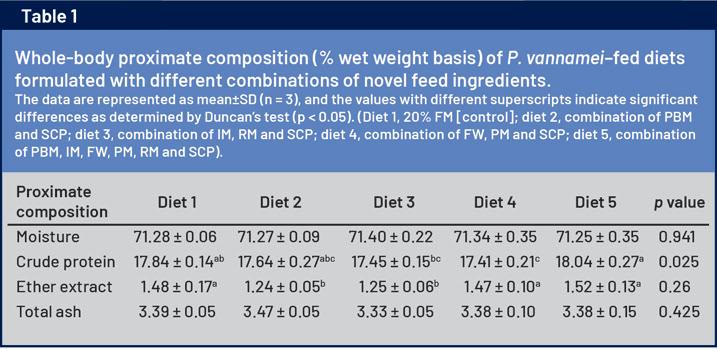
The whole-body composition (Table 1) indicated significantly higher crude protein content in shrimp fed diet 5 (18.04 ± 0.27), similar to diet 1 (17.84 ± 0.14) and diet 2 (17.64 ± 0.27). Lipid content was significantly lower in shrimp fed diet 2 and diet 3. No significant differences were observed in moisture and ash content across all diets.
Apparent
digestibility coefficient
Dry matter digestibility was significantly higher in shrimp fed diet 5 and diet 1. A similar trend was observed in crude protein digestibility. Crude lipid digestibility was highest in shrimp fed diet 1 (76.26 ± 0.53).
Dry matter digestibility was significantly higher in shrimp fed diet 5 and diet 1. A similar trend was observed in crude protein digestibility. Crude lipid digestibility was highest in shrimp fed diet 1 (76.26 ± 0.53).
Digestive enzyme activity
Hepatopancreas enzyme activity showed significantly higher amylase activity in shrimp fed diet 5, similar to diet 3. Protease activity was significantly higher in diet 1 and diet 5. Lipase activity was highest in the control diet.
Intestinal enzyme activity showed increased amylase activity in shrimp
fed diet 1. Diet 3, and diet 5. No significant differences were observed in protease activity. Shrimp fed diet 2 had the lowest lipase activity.
Gene expression activity
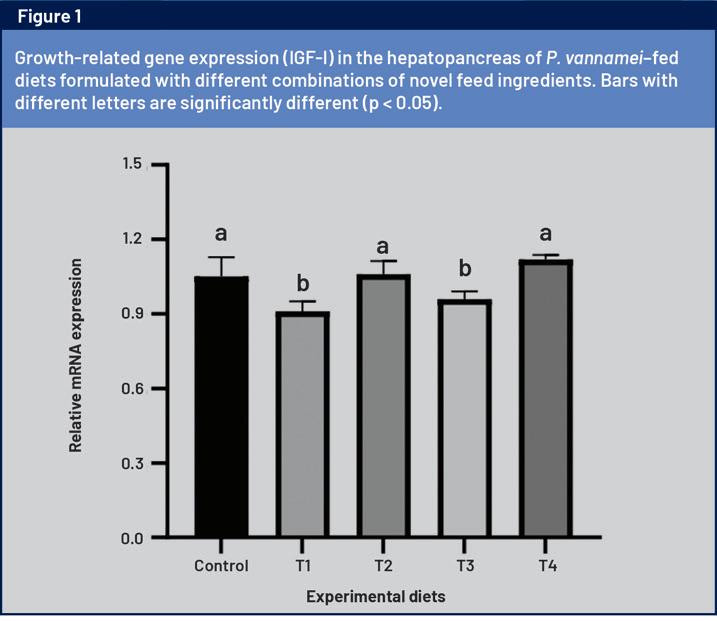
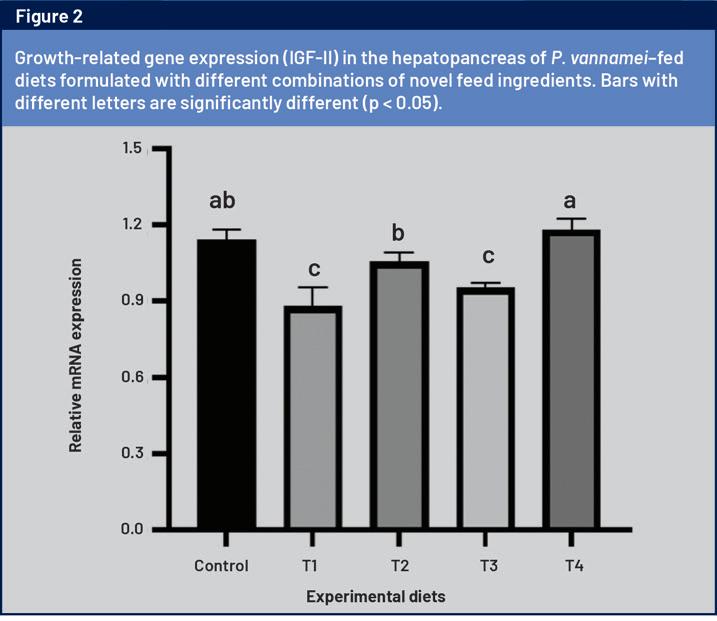
Growth gene expression (IGF-I and IGF-II) data showed significantly increased IGF-I expression (p < 0.05) in shrimp fed specific diets, indicating enhanced growth performance (Figures 1 and 2).
Discussion
Replacing FM with alternative protein sources in shrimp diets, particularly for P. vannamei, has been challenging when attempted at high levels or full replacement. However, some studies suggest that FM can be replaced entirely with terrestrial by-products and plant proteins without affecting shrimp growth or survival. This study evaluated a diet combining various alternative ingredients and found improved SGR and FCR, likely due to a balanced amino acid profile.
Notably, IGF-I and IGF-II gene expression in shrimp fed diet 5 (without FM) vs. similar to that of shrimp on a 20% FM diet, indicating no adverse impact on growth. Therefore, diet 5, composed of PBM, IM, FW, RM, PM, and SCP, can effectively replace FM shrimp diets without compromising growth and nutrient utilization.
Amylase and protease activities in the hepatopancreas and amylase and lipase activities in the midgut were comparable across diets, ensuring efficient digestion and absorption of carbohydrates, proteins, and lipids. This efficiency correlates with apparent digestibility coefficients (ADC), higher digestive enzyme activities, and upregulated growth genes, contributing to improved nutrient utilization.
High digestibility is essential for FM replacement. In this study, crude protein and dry matter digestibility were similar in diets 1 and 5, indicating that alternative protein sources were efficiently utilized. Additionally, IGFI and IGF-II gene expressions were upregulated in diets 1 and 5, demonstrating a strong link between growth performance, digestive enzyme activity, and improved shrimp health and survival.
Conclusion
The finding of this research has revealed that a combination of ingredients containing poultry by-product meal (PBM) + insect meal (IM ) + rapeseed meal (RM) + peanut meal (PM) + single-cell protein (SCP) + fish waste (FW) in (1:1:1:1:1:1) ratio has given the best results as it meets the nutritional requirements of shrimp without compromising growth and nutrient utilization of shrimp. Further, the expression of IGF-I and IGF-II genes and the activity of digestive enzymes confirm that the above combination of diet is best to support the growth performance and nutrient utilization of P. vannamei.
Whole-body composition analysis showed no significant differences in total ash content, moisture, or crude protein among diets 1, 2, and 5. Crude lipid content was also similar in diets 1, 4, and 5, supporting the conclusion that alternative proteins provide adequate nutrition. These results align with growth performance and growthrelated gene expression.
Digestive enzyme activity plays a crucial role in nutrient absorption.
This is a summarized version developed by the editorial team of Aquaculture Magazine based on the review article titled “EFFECTS OF DIETS FORMULATED WITH DIFFERENT COMBINATIONS OF NOVEL FEED INGREDIENTS ON GROWTH PERFORMANCE, APPARENT DIGESTIBILITY, DIGESTIVE ENZYMES AND GENE EXPRESSION ACTIVITIES OF PACIFIC WHITE SHRIMP, PENAEUS VANNAMEI)” developed by: RAJALAKSHMI, K., FELIX, N., RANJAN, A. and SATHISHKUMAR, G. Tamil Nadu Dr. J. Jayalalithaa Fisheries University; ARUMUGAM, U. Dr. MGR Fisheries College and Research Institute and ISHFAQ NAZIR, M ─ Sher-EKashmir University of Agricultural Sciences and Technology. The original article was published, including tables and figures, on DECEMBER, 2024 through AQUACULTURE INTERNATIONAL. The full version can be accessed online through this link: https://doi. org/10.1007/s10499-024-01803-x
Warming-Driven Migration of Enterotypes Mediates Host Health and Disease Statuses in Ectotherm
Litopenaeus vannamei
* By Aquaculture Magazine Editorial Team
With modern industrialization and urbanization, global warming has become a serious threat to ecosystems, especially affecting ectothermic animals (those who body temperature depends on the environment), such as fish and shrimp. Unlike mammals, ectotherms are highly sensitive to temperature changes, which influence their distribution, behavior, physiology, metabolism, and immune function. Among the most affected systems is the intestinal microbiota (IM), a key ecological and health related component of the host. IM is a sensitive indicator of temperature changes and plays a vital role in host metabolism and immunity.
To better understand IM variation, microbial communities are often classified into distinct types known as “enterotypes”, which group microbial compositions into 2 - 4 categories dominated by different keystone genera. Enterotypes offer a simplified landscape of microbial diversity and are linked to host health. In humans, for instance, the Bacteroides/ Prevotella ratio serves as a marker of inflammation and diet. However, most enterotype research focuses on mammals, while ectothermic species like shrimp have more dynamic and less diverse IM due to environmental variability.
Pacific white shrimp (Litopenaeus vannamei) is a major aquaculture species, producing over 5.6 million tons worldwide in 2022. However, it faces major disease threats like acute hepatopancreatic necrosis disease (AHPND), hepatopancreas necrosis syndrome (HPNS), and white feces syndrome (WFS), all linked to IM dysbiosis. Notably, WFS outbreaks increase significantly at high temperature (33 - 34°C) and have expanded to higher latitudes due to climate change.
This study tested two hypotheses: (1) shrimp IM can be stratified into health-related enterotypes; and (2) ambient warming influences microbial structure and disease suscep-
Global warming alters the intestinal microbiota of Pacific white shrimp by reshaping enterotypes, increasing disease risks such as white feces syndrome and hepatopancreas necrosis syndrome. This study identifies temperature as the main driver of microbial structure and proposes enterotypes as key ecological indicators for predicting ectothermic animal health under climate change. The findings highlight the urgent need for adaptive aquaculture strategies in a warming world.
Pacific white shrimp (Litopenaeus vannamei) is a major aquaculture species, producing over 5.6 million tons worldwide in 2022. However, it faces major disease threats like acute hepatopancreatic necrosis disease (AHPND), hepatopancreas necrosis syndrome (HPNS), and white feces syndrome (WFS), all linked to IM dysbiosis.
tibility. Analyzing 1,369 IM samples from nine countries, researches identified three enterotypes closely linked to health. Temperature emerged as the main driver of IM variation, confirmed through multi-omics and antimicrobial peptide gene knockdown experiments, highlighting warmingdriven disease risks in aquaculture.
Methods and Results
To investigate the IM of Pacific white shrimp (L. vannamei) and its response to warming, the study analyzed 1,369 IM samples from 15 cohorts across nine major shrimp-producing countries, covering ~79.8% of global production.
Water parameters temperature, salinity, pH, and dissolve oxygen were recorded for 1.150 of these samples. After performing 16S rRNA gene amplicon sequencing and quality control, a total of 61 million clean reads were obtained, resulting in 13,204 amplicon sequence variants (ASVs). Rarefaction curves confirmed that microbial diver-
sity was well captured. The dominant phyla were Proteobacteria, Tenericutes, and Bacteroides, with top genera including Vibrio (30.8%), Candidatus Bacilloplasma (16.5%), Shewanella (8.6%), and Photobacterium (7.0%).
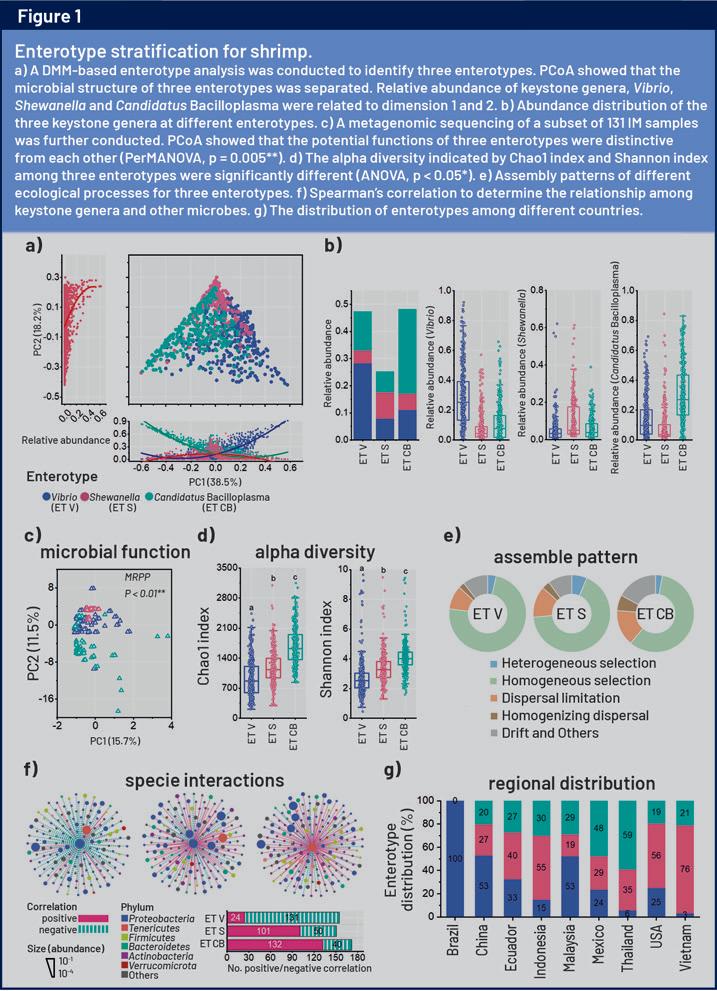
Alpha diversity (Chao 1 and Shannon indices) varied by country, peaking in Thailand and lowest in China. Diversity was highest in low-latitude regions. Nineteen core ASVs were found (present in > 80% of samples, > 0.01% abundance), mainly Proteobacteria, with some linked to WFS and AHPND. Using Dirichelet multinomial mixtures (DMM), shrimp IM was stratified into three enterotypes (Figure 1):
» ET V: Vibrio-dominated (n = 496).
» ET S: Shewanella -dominated (n = 455).
» ET CB: Candidatus Bacilloplasmadominated (n = 418) (Figure 1a-b).
These enterotypes were functionally distinct, based on metagenomic analysis of 131 samples (MRPP, p = 0.001, Figure 1c):
» ET V was enriched in lipid and carbohydrate metabolism.
» ET S in mineral absorption and hydrocarbon degradation.
» ET CB in fatty acid and galactose metabolism.
Alpha diversity significantly differed among enterotypes (Chao1 p = 0.005, Shannon p = 0.001; Figure 1d).
Vibrio correlated negatively with diversity, while Shewanella and Candidatus Bacilloplasma were positively associated. Network analysis showed ET CB had lower microbial connectivity and complexity (Figure 1e-f), and countrywise distribution revealed regional biases (Figure 1g).
To link enterotypes with shrimp health, 165 diseased (98 WFS, 67 HPNS) and 167 healthy shrimp were examined. Diseased shrimp showed distinct enterotype distribution:
» WFS: 64% I ET CB.
» HPNS: 60% in ET V.
» Healthy: Evenly distributed.
A random forest model generated Probability of Disease (POD) scores, showing WFS risk highest in ET CB and HPNS in ET V. Network analysis
In controlled warming experiments (20 - 36°C), higher temperatures reduced survival (AT 36°C) and shifted intestinal microbiota (IM) toward Enterotype Candidatus Bacilloplasma (ET CB).
revealed ET CB´s community was less interactive, and POD was significantly linked to the Vibrio/Candidatus Bacilloplasma radio and Shewanella abundance.
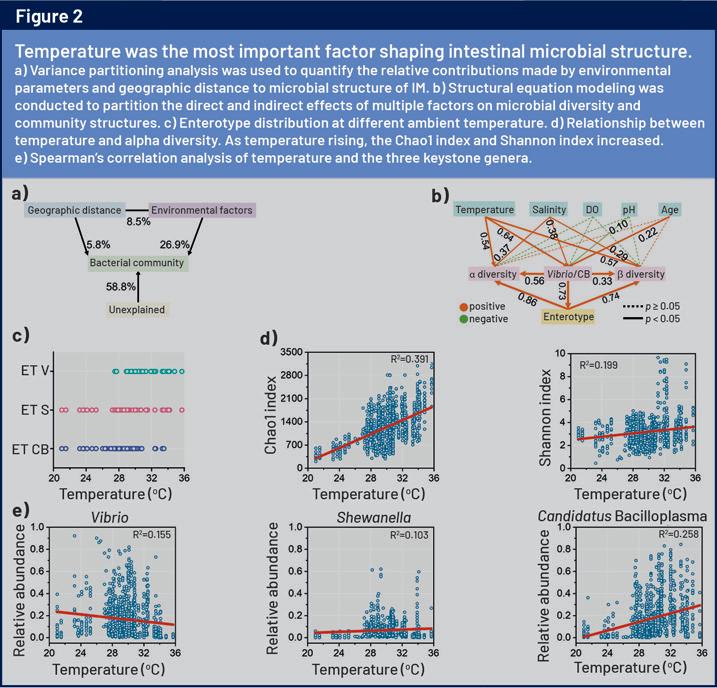
To evaluate the relationship between IM and environmental factors, a variance partitioning analysis (VPA) was performed to quantify the relative contributions made by environmental parameters and geographic distance to the microbial structure of IM. Temperature was the dominant environmental factor shaping IM (VPA: 26.9% EXPLAINED; Mantel r2 = 0.486 (Figure 2a). Temperature strongly influenced microbial structure and enterotype distribution (Figure 2c-d), with Vibrio decreasing and Shewanella and Candidatus Bacilloplasma increasing as temperature rose (Figure 2e).
In controlled warming experiments (20 - 36°C), higher temperatures reduced survival (AT 36°C) and shifted IM toward Enterotype Candidatus Bacilloplasma (ET CB). Alpha diversity rose with temperature, while microbial networks became less
connected. Transcriptome analysis showed 2,276 differentially expressed genes (DEGs) across temperature groups, including antimicrobial peptides (PENs, ALFs) linked to microbial shifts. RNAi knockdowns confirmed Pen4 and Alf4 modulated Vibrio, and Pen3 and Alf2 affected Candidatus Bacilloplasma.
Discussion
This study investigates how global warming affects IM and disease vulnerability in Pacific white shrimp. As ectothermic animals, shrimp are particularly sensitive to temperature changes, which can alter microbial
communities in their intestines, increasing the likelihood of disease outbreaks such as WFS and early mortality syndrome (EMS).
A key finding is that rising temperatures influence the composition of the shrimp gut microbiota by reshaping its enterotypes three distinct microbial community types identified in this study. Each enterotype showed different patterns in species interaction, diversity, and disease association. Enterotype V (ETV), dominated by Vibrio, a known opportunistic pathogen, was closely linked to intestinal dysbiosis and shrimp disease. Vibrio´s high abun-
dance negatively correlated with microbial diversity, suggesting it suppresses other microbes, lowering the ecosystem´s resilience.
In contrast, Enterotype CB (ETCB), dominated by Candidatus Bacilloplasma, showed more positive microbial interactions, though these links may reduce network stability under environmental stress. ETCB also presented lower species interaction complexity, aligning with previously established indicators of dysbiosis in WFS-affected shrimp. The ratio of Vibrio to Candidatus Bacilloplasma emerged as a key ecological indicator strongly associated with enterotype
composition, microbial diversity, and disease presence.
Environmental factors, particularly temperature and salinity, were significant drivers of microbial shifts. Warmer regions like Thailand and China showed greater diversity in enterotype distribution, while Brazil, with fewer samples and narrower temperature and salinity ranges, only exhibited one enterotype (ETV). Salinity was identified as the second most influential factor shaping microbiota after temperature.
Warming increased alpha diversity but decreased the structural complexity of microbial interactions, suggesting that diversity alone is not a reliable indicator of microbial health. Importantly, higher temperatures were associated with increased expression of immune-related genes (e.g., TLR, IMD, Casp3), influencing the microbial community and host resistance to pathogens like Vibrio. As shrimp gut microbiota are more dynamic and less host-controlled than those of terrestrial animals, they are more susceptible to environmental influences.
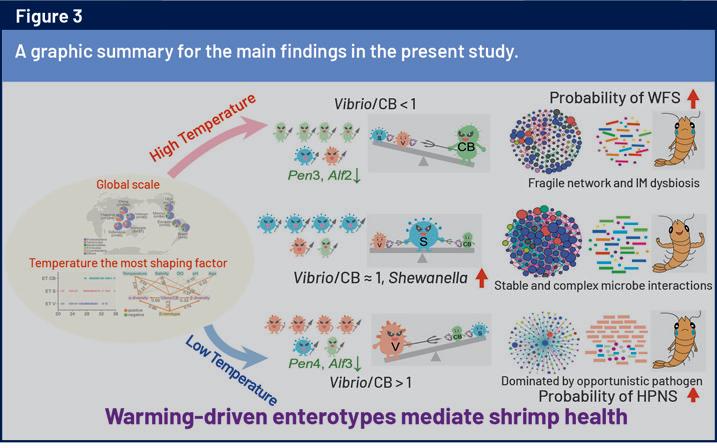
The study proposes a conceptual model linking global warming (Figure 3), IM restructuring, and shrimp health outcomes. It underscores that temperature rise not only shifts enterotype prevalence but also reduces the microbiota´s resilience, poten-
Given the observed spread of white feces syndrome (WFS) to higher latitudes in recent years, the study calls for immediate preventive strategies in aquaculture to mitigate risks posed by climate change.
tially facilitating disease outbreaks. Given the observed spread of WFS to higher latitudes in recent years, the study calls for immediate preventive strategies in aquaculture to mitigate risks posed by climate change. Overall, shrimp enterotypes may serve as valuable ecological indicators of warming impacts in ectothermic animals.
This is a summarized version developed by the editorial team of Aquaculture Magazine based on the review article titled “WARMING-DRIVEN MIGRATION OF ENTEROTYPES MEDIATES HOST HEALTHANDDISEASE STATUSES IN ECTOTHERM LITOPENAEUS VANNAMEI” developed by: ZENG, S. and HUANG, Z. - Sun Yat-sen University and China-ASEAN Belt and Road Joint Laboratory on Mariculture Technology; KRIENGKRAI, S. - Kasetsart University; ZHOU, R. - Sun Yat-sen University and YUAN, D. - Network of Aquaculture Centers in Asia-Pacific. La versión original fue publicada en JANUARY, 2025 through COMMUNICATIONS BIOLOGY. The full version can be accessed online through this link: https://doi.org/10.1038/s42003025-07558-2
Microplastic Content and Using Food Waste-Fed Insects in Fish Feed Influence Appeal of Farmed Fish
This study examines how microplastic levels and insect-based fish feed (including insects reared on pre-and post-consumer food waste) shape consumer appeal for farmed seabass in Singapore. Using a discrete choice experiment with 600 participants, results show preferences strongly favored conventional wild-fish feed, lower microplastics, and local origin, while CO2 footprint was not significant. Education and sex influenced acceptance.
* By Aquaculture Magazine Editorial Team
The global food system is a major contributor to climate change and biodiversity loss, accounting for 21% - 37% of global greenhouse gas emissions. Even as agriculture and food production intensify to meet population growth, hunger remains widespread, highlighting the need for more sustainable food sources that
support the UN Sustainable Development Goals, particularly SDG2 (Zero Hunger) and SDG 12 (Responsible Consumption and Production). With fish consumption steadily increasing, aquaculture has expanded across multiple production systems, including terrestrial freshwater, nearshore, and offshore environmental footprint of food production.
Despite its importance, the rapid intensification of aquaculture has caused serious environmental problems, such as high energy use, eutrophication, salinization, excessive antibiotic use and habitat destruction. One of the most significant concerns is aquaculture´s dependence on wildcaught fish for fishmeal and fish oil. In some years, small pelagic fish used
The global food system is a major contributor to climate change and biodiversity loss, accounting for 21% - 37% of global greenhouse gas emissions. Even as agriculture and food production intensify to meet population growth, hunger remains widespread, highlighting the need for more sustainable food sources
for feed can represent more than 33% of global marine catch, reducing prey availability for largest species, disrupting marine food webs, and diverting nutrients from food-insecure countries to luxury seafood markets. Feed production is also that largest source of aquaculture-related emissions; for example, in Scottish salmon farming, feed production and trans-
port account for about 75% of total emissions.
A promising alternative is the use of insects as fish feed, since insects grow quickly and require less land and water than conventional feed crops. However, the sustainability of insect-based feed depends heavily on the rearing substrate. Recent innovations focus on feeding insects with food waste, improving circularity, reducing waste, and limiting competition with other feed industries. Black soldier fly larvae, in particular, can efficiently break down heterogeneous food waste and provide fish with proteins, lipids, and minerals.
Nevertheless, challenges remain, including regulatory limits on allowable waste inputs, species-specific
This study addresses these gaps by estimating consumers’ willingness to pay for key attributes of insect-fed fish through a discrete choice experiment with 600 participants in Singapore. Examining preferences by feed source. Microplastic content, CO2 emissions, origin, and socioeconomic factors such as education and sex.
conversion constraints, and contamination risks. The nutritional quality of farmed fish is also influenced by feed type, affecting consumer health. Additionally, microplastics are an emerging contaminant in fish and feeds, with high public concern but lacking standardized seafood regulations.
Consumer acceptance research is limited, and factors shaping preferences are not fully understood. This study addresses these gaps by estimating consumers’ willingness to
pay for key attributes of insect-fed fish through a discrete choice experiment with 600 participants in Singapore. Examining preferences by feed source. Microplastic content, CO2 emissions, origin, and socio-economic factors such as education and sex.
Method
This study was conducted in Singapore, a densely populated city-state that imports 90% of its food. Local food production focuses on high-
tech, land-limited farming systems, and recent initiatives allow residents to donate household food waste to rear black soldier fly larvae, whose larvae and frass can be used in vegetable and fish farming. The study selected seabass as the focal product because it is commonly sold in Singapore (either imported wild-caught or locally farmed) and can be reared using insect meal.
Because fish fed with insect meal produced from food-waste-fed insects is not yet commercially avail-
able, researchers used a discrete choice experiment (CE). The CE included five attributes: (1) feed ingredient (wild fishmeal; insects fed with plants; insects fed with pre-consumer food waste; insects fed with postconsumer food waste), (2) microplastic counts in feed (30, 70, 110, 150), (3) CO2 emissions from feed production (0.5, 2.5, 4.5, 6.5 kg), (4) origin (local vs. imported), and (5) price (USD 3.89, USD 11.68, USD 19.46, USD 27.25). Participants complete eight choice sets, choosing between two hypothetical seabass packages plus a no-buy option. The design was generated using Ngene, producing 24 choice tasks divided into three blocks.
Data were collected through an online survey (Rakuten Insight) in January 2024, targeting Singapore citizens/permanent residents aged
21-55. Quotas ensured national representativeness, yielding 600 valid responses. Analysis used mixed logit models (after rejecting IIA), estimating willingness-to-pay and testing interactions for education, sex, and income.
Results
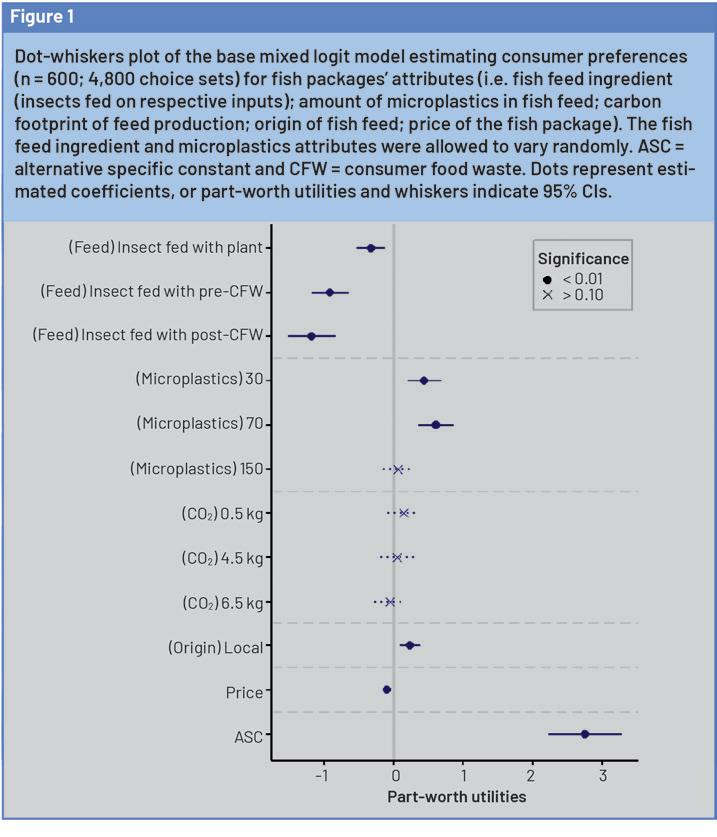
The mixed logit model examining Singapore consumers’ preferences for seabass fish package showed that four out of five attributes were significantly influential (p < 0.01), namely, feed ingredient, amount of microplastics in feed, origin and price (Figure 1). Carbon footprint of feed production was not significant. The positive Alternative-Specific Constant (ASC) suggests that participants tend to make a purchase selection, indicating utility in buying a seabass
fish package. The negative coefficient estimates for feed ingredients indicate that participants preferred the seabass to be fed using the conventional feed ingredient, wild-caught fish. Among the insect feeds, participants least preferred seabass to be fed with insects that were reared on post-consumer food waste, followed by pre-consumer food waste, and finally, plants (Figure 1).
Lesser microplastics in fish feed, compared with the reference level of 110, were preferred while having more microplastics did not influence selections (Figure 1). Participants also preferred the fish feed to be locally produced and were less likely to select packages with higher prices (Figure 1).
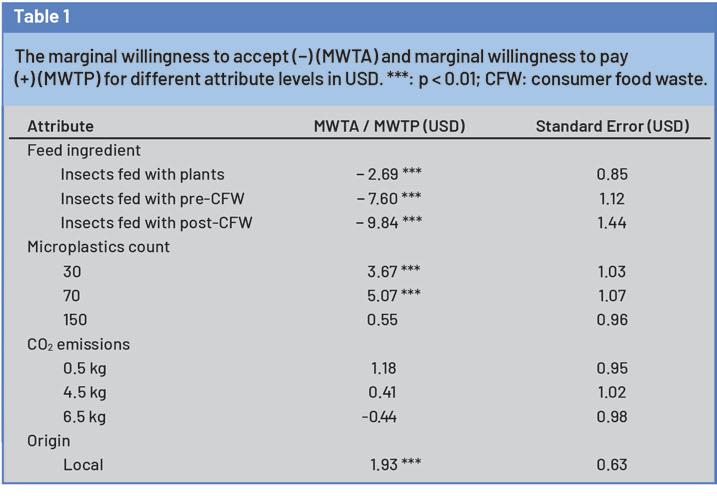
The marginal willingness to pay (MWTP) was highest for lowering microplastics counts to 70 microplastics, at USD 5.07 ± 1.07 (Table 1). In contrast, the marginal willingness to accept (MWTA) was the greatest, indicated by the largest negative MWTP, when the feed ingredient is labelled ‘Insects fed with post-consumer food waste at −USD 9.84 ± 1.44 (Table 1). Relatedly, when the ASC was interacted with household income, the coefficient estimate was positive and significant (p < 0.05) indicating that those in higher income brackets are more likely to choose either Package A or B.
When the attributes were interacted with whether individuals hold at least a university degree, only the interactions with feed ingredient attribute levels and price were statistically significant. In particular, university degree holders chose insect-based fish feeds more often compared with nondegree holders. Notably, the degree holders were readier to purchase seabass that were reared with insects fed with food waste, especially pre-consumer food waste. The degree holders appear to be more price sensitive than their non-holder counterparts.
In the model with sex and attribute interactions, only price was not affected by sex. Results indicate that
more males than females preferred the seabass to be farmed using insects raised with post-consumer food waste. Compared with females, males also had greater preferences for lower microplastics counts in fish feed, a lower carbon footprint and would rather use imported fish feed.
Discussion
The authors find that insect-based fish is generally less appealing to participants, likely due to low awareness and limited understanding of the production supply chain. Previous research shows that familiarity and knowledge strongly influence consumer acceptance of novel foods, such as microalgae, cultured meat, insect-based products, and foods produced though non-conventional methods like genetic modification. When consumers lack information about production processes, ingredient safety, and environmental benefits, they tend to perceive higher risks, which leads to hesitation and reluctance to purchase. This uncertainty increases the required compensation (MWTA) for accepting insect-fed fish, meaning product quality would need to be worth at least USD 2.69 more, and up to USD 9.84 more when postconsumer food waste is involved.
The study also finds stronger preference for insects fed with pre-
consumer food waste compared to post-consumer waste. This is likely because pre-consumer waste (such as trimming and unused ingredients) is perceived as closer to conventional plant-based feed. Definitions matter: pre-consumer waste can be framed as the loss of a valuable resources, improving acceptance, while post-consumer waste suggests leftovers and “unclean” waste, triggering disgust and hygiene concerns. Participants may also worry about contaminants and prefer controlled feed sources, reflecting a hierarchy of trust where plant-fed insects are considered safer. Unclear regulations and limited food safety data for waste upcycling may further increase skepticism.
Regarding other attributes, participants cared more about reduced microplastics and local production than carbon footprint. Media attention has increased concerns about microplastics and their potential health risks, making this an egoistic personal-benefit factor more important than environmental impact.
Interestingly, higher microplastics levels did not strongly reduce acceptance, possibly due to limited knowledge of harmful thresholds or the belief that microplastics are unavoidable. Local origin was also valued, consistent with studies in Spain, the UK, and Germany, likely linked to trust, support for local producers, and perceived quality. Education influenced acceptance: degree holders were more favorable toward insectbased feed, including waste-fed insects, likely due to better understanding of circular economy benefits. Gender differences also appeared: males were accepting of post-consumer waste-fed insects, aligning with findings that females tend to be more hygiene-sensitive, more riskaverse, and less accepting of innovative technologies without additional information.
Conclusion
This study, to our knowledge, is the first to examine consumer preferences for packaged fish reared with different feed types, including conventional wild fish, insects and insects fed on pre- or postconsumer food waste. We also investigated which feed attributes (e.g. microplastic counts, CO2 emissions, origin and feed source) influenced consumer choices and whether education level and sex played a role in shaping these preferences. While using food waste to produce insect-based feed represents a promising step towards closing the waste loop, consumers’ purchase intention presents a significant barrier. Our study suggests that consumers are not necessarily ready to embrace insect-fed fish and especially insects that were raised on food waste. Given that participants with higher education levels were more receptive to insect-based feeds, public awareness campaigns and educational initiatives could help bridge the knowledge gap and foster greater acceptance of sustainable aquaculture practices. Providing clear, sciencebacked information on food safety, sustainability benefits and regulatory
oversight will be crucial in shaping public perceptions and encouraging more widespread adoption of innovative fish feed sources. We have further identified sex-associated differences in fish feed preferences, where male participants may harbor fewer reservations about farming fish with insects fed on post-consumer food waste, possibly making them earlier adopters. Finally, we highlight the utility of reducing microplastic counts and promoting locally produced feed to improve the outlook of innovative fish feed sources.
This is a summarized version developed by the editorial team of Aquaculture Magazine based on the review article titled “MICROPLASTIC CONTENT AND USING FOOD WASTE-FED INSECTS IN FISH FEED INFLUENCE APPEAL OF FARMED FISH” developed by: TAN, C.Y.Y. and YAN, Y. National University of Singapore and Campus for Research Excellence and Technological Enterprise; PUNIAMOORTHY, N. ─ National University of Singapore, CARRASCO, L.R. National University of Singapore and Research Excellence and Technological Enterprise and JAUNG, W. ─ Chungnam National University. The original article, including tables and figures, was published on NOVEMBER, 2025, through ROYAL SOCIETY OPEN SCIENCE. The full version can be accessed online through this link: https://doi.org/10.1098/rsos.251567
Urban Aquaculture and Recirculation Systems: Could Urban Aquaculture Be the Next Food Revolution?
* By Antonio Garza de Yta, Ph.D.
The idea of producing fish within cities using recirculating aquaculture systems (RAS) is appealing: total control, minimal water use, biosecurity, traceability, and proximity to the con-
sumer. But, as I have insisted on other occasions, not every proposal being promoted today is viable. The problem is not usually the technology itself, but rather the economics of the operation: projects with impeccable narratives
that, when it comes to numbers, cannot sustain the cost per kilo that the market can consistently pay.
Anyone considering RAS must start from an uncomfortable truth: the cost per kilo is king. If the total
The idea of producing fish within cities using recirculating aquaculture systems (RAS) is appealing: total control, minimal water use, biosecurity, traceability, and proximity to the consumer. But, as I have insisted on other occasions, not every proposal being promoted today is viable.
cost of production exceeds the market price (after logistics, marketing, and losses), the model is not sustainable. Therefore, talking about RAS requires in-depth financial analysis, not a promotional flyer. Any serious exercise includes:
» Realistic OPEX: Energy (the big item), oxygen, feed (formulation and achievable feed conversion ratio [FCR]), 24/7 skilled labor, biosecurity, parts replacement, insurance, waste, and effluent treatment.
» Financing and depreciation: Rates, terms, initial ramp-up period, contingencies, and cash reserves.
» Production factors: Safe densities, expected mortality, growth rate, days to market, size uniformity, and plant performance.
» Market factors: Net price, contracts, quality penalties, certifications, and demand volatility.
When these elements are modeled prudently, many of the projects that are currently being “sold” as revolutionary do not exceed the red line of cost per kilo... And it is better to discover this in Excel than after cutting the ribbon at the inauguration.
There are, however, segments where urban (or peri-urban) RAS is not only viable but inevitable. Salmon
is the clearest example: structurally higher demand than supply, historically attractive prices, and traditional farming areas increasingly limited by environmental, health, and social issues. In this context, land-based systems (including urban ones) are becoming the next stage in an industry that already understands that growing at sea is becoming increasingly difficult.
Urban aquaculture must be promoted with achievable goals: reducing energy per kilo, improving FCR, increasing survival rates, and maintaining consistent quality. On this front, it is worth recognizing companies that work with realistic goals and an obsession with costs, such as Blue Aqua, which has promoted intensive production models with a focus on efficiency in both Singapore and the Middle East. Its virtue is not selling dreams, but executing and adjusting: adapting biofiltration to available water, designing flows that save pumping, optimizing densities, using practical sensorization (not just “gadgets”), and linking production to markets that pay for quality and consistency. It is exactly the kind of “surgical operation” that turns a RAS into a food plant, not a futuristic model.
If we filter with financial rigor, there is indeed a food revolution underway: RAS for high-demand, high-value species, in cities or urban perimeters, directly connected to processing and distribution. It is not about filling rooftops with tanks, but
rather professional aquaculture protein plants integrated into the city’s food network. The benefits are tangible: less transportation, uniform quality, traceability, resilience, and specialized employment.
Optimism without numbers is propaganda; numbers without vision are accounting. Urban aquaculture and RAS require both: vision to imagine cities that produce clean protein and seriousness so that the cost per kilo supports that vision. With salmon, the door has already opened. With other species, we have to keep refining until the economy says “yes.”
Because the future is not sold: it is designed, modeled, and operated. And when the cost per kilo becomes competitive, the revolution ceases to be discourse and becomes food.
* Antonio Garza de Yta is COO of Blue Aqua International-Gulf, Vice President of the International Center for Strategic Studies in Aquaculture (CIDEEA), President of Aquaculture Without Frontiers (AwF), Past President of the World Aquaculture Society (WAS), Former Secretary of Fisheries and Aquaculture of Tamaulipas, Mexico, and Creator of the Certification for Aquaculture Professionals (CAP) Program with Auburn University.
Owned, Paid, and Earned Media for Effective Marketing
This article outlines an effective omni-channel marketing strategy by integrating owned, paid, and earned media. Owned media serves as the foundation for building customer trust, while paid media strategically amplifies messages, and earned media provides essential third-party credibility. Successful integration of these types fosters brand loyalty, strengthens engagement, and maximizes overall marketing impact.
* By Sarah Cornelisse
Astrong marketing strategy is crucial for reaching customers and establishing and maintaining trust and loyalty. Many marketing channel options exist (TV, radio, social media, newsletters, websites, email, etc.), and as a business owner and marketer, you must determine the most effective mix of channels to reach your target audience and achieve your business and marketing goals.
A key point often emphasized is the necessity for a business to provide and maintain a consistent presence and experience across its chosen channels, a concept known as omni-channel marketing. Consistency builds and strengthens loyalty among customers, which in turn translates to increased engagement and sales (Gardner, 2025).
Effective omni-channel marketing requires considering the differ-
ent types of marketing media: owned, paid, and earned. Each plays a crucial role in the marketing strategy, and it is important to understand how each can be leveraged.
Media Types
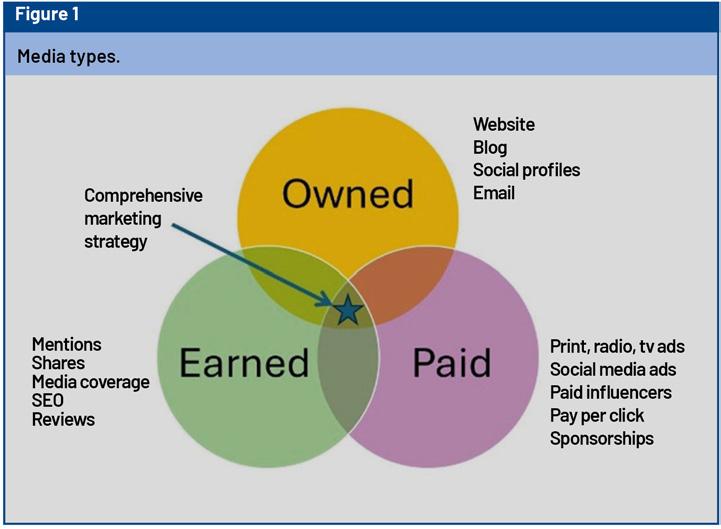
Owned media are the channels and content your business controls. Examples include your business website, social media accounts (e.g., Facebook pages, YouTube channels), and
Paid media is content that you promote through advertising. Paid advertisements in newspapers or magazines, boosted Facebook posts, event sponsorships, and ads on social media or search engines are all examples of paid media.
newsletter. Social media accounts are sometimes referred to as partiallyowned media, since while your business does not own the social media platform(s) you use, you do control the content shared from those accounts.
Paid media is content that you promote through advertising. Paid advertisements in newspapers or magazines, boosted Facebook posts, event sponsorships, and ads on social media or search engines are all examples of paid media. Because marketing budgets are often limited, especially for small businesses, consider paid media as a way to strategically amplify your messages.
Earned media is publicity gained through others’ media and is arguably the most valuable form of media, as individuals are known to
place greater credibility on “word-ofmouth” recommendations. For example, a feature story published by your local newspaper, mentions and post shares from social media influencers (who are not paid by you), or invitations from community organizations to partner with them.
Each media type has its own advantages and disadvantages. Owned and paid media allow you to craft and manage the content, message, and timing, whereas, by definition, earned media requires that you rely on others to share your messages and promote your brand. Owned media content must be relevant, requiring commitment and investment in creating, updating, and maintaining quality content. However, owned content is typically evergreen and can aid customers wherever they may be on
their customer journey. Additionally, the effort expended to develop owned media can pay off with your ability to reuse content in the future for various purposes and in different formats. It is through owned media that you provide value to your audience, building trusting relationships with current and potential customers.
Paid media can effectively increase awareness, convey value, and encourage engagement and sales. Ideally, you use paid media to direct your audience to owned media. Building strong and trusting relationships with customers, the community, industry members, and partners is key to generating strong and positive earned media. Earned media further enhances trust while also developing credibility and a positive reputation for you and your business.
Earned media is publicity gained through others’ media and is arguably the most valuable form of media, as individuals are known to place greater credibility on “word-of-mouth” recommendations.
Intentional Integration
To achieve maximum impact from your marketing, consider how these three media types can work together rather than approaching them individually. This demands intention and planning, starting with clearly defined marketing objectives and selecting media channels that your target audience uses or visits, before tackling content development. Con-
sider owned media your foundation. Without robust owned media content, there is little to leverage or amplify with paid or earned media. The following example illustrates how owned, earned, and paid media can work together in a cohesive manner. Assume that you publish a blog discussing your business’s sustainable production practices. The blog is owned media since the blog lives on a website that you control and manage. Your blog content showcases your experience, expertise, and brand values. Audience members for whom the content resonates may decide to share your post(s) on social media. Their posts are earned media, extending your reach and positioning you as a thought leader. You can also create social media ads for your blog, paying to strategically target new audiences and further amplify your message with the goal of generating new business customers.
A final key for maximizing the impact of owned, earned, and paid media is to measure your actions and the overall impact. Specific metrics that can be used include social media engagement rates, referrals, and sales conversions. It can be challenging, however, to accurately attribute sales to specific marketing activities. For
instance, if a customer receives and opens your email newsletter (owned content) and also clicks your boosted Facebook post (paid media) before making a purchase, which should be credited?
A successful and comprehensive marketing strategy will integrate owned, paid, and earned media together in a complementary manner. By building a robust collection of owned media, you will be wellpositioned to leverage paid media to strategically boost your messages while also generating and supporting earned media. Through all media types, remember to maintain a focus on building connections, trust, and loyalty with your audience by providing short- and long-term value.
References and sources consulted by the author on the elaboration of this article are available under previous request to our editorial staff.
* Sarah Cornelisse is a Senior Extension Associate of agricultural entrepreneurship and business management at Penn State University in the Department of Agricultural Economics, Sociology and Education. Sarah has expertise in direct marketing, value-added dairy entrepreneurship and marketing, the use of digital and social media for agricultural farm and food business marketing, and business and marketing planning and decision making. Originally from New York State, she has a B.A in Mathematics from the State University of New York at Geneseo, and M.S. degrees in Agricultural Economics and Animal Science, both from Penn State University. Correspondence email: sar243@psu.edu
Critical Control Points (CCPs) in Biosecurity
A common theme that we see more or less consistently is that survivals in shrimp hatcheries are poor. There are many reasons for this, and I want to lay out what many of these are and what might be done by focusing on critical control points.
* By Stephen Newman, Ph.D.
Shrimp are highly evolved invertebrates in the sense that they have had hundreds of millions of years (based on the fossil record) to adapt to the many environments that they occupy. As human populations have soared in the last century so has the demand for the nutrients that are present in shrimp and in seafood in general. It
is estimated that in 2025, approximately 3.3 million MTs of shrimp and prawns will have been fished. This contrasts with the more than 6 million MTs produced via aquaculture. This industry continues to grow year after year and will likely do so for the foreseeable future.
There is no one specific production paradigm that is used consistent-
ly everywhere. There are a number of generalities that are applicable. Note as in prior articles this is an overview. Specifics are available on the internet, although I will caution once again, let the buyer beware. Moreover, biological processes, by their nature, have inherent variability that can make it challenging to use one consistent paradigm. My approach is
The term Specific Pathogen Free (SPF) is used to describe the absence of specific pathogens from a group of animals. This status, when genuine, is based on shrimp (or fish) being cultured under conditions that ensure that a given pathogen is not present.
to define points during the process, much as is done with Hazard Analysis Critical Control Points (HAACP) programs, that are critical control points (CCPs). Failure to address the specific aspects of a CCP can greatly increase the chances of a crop failure.
Critical control point: Broodstock can carry a variety of pathogens even when they have been screened for
them. This is a major point of entry. If you cannot trust your supplier don’t buy from them. Check their histories. If their clients consistently have certain types of problems recognize that there are risks that may not be in your best interest.
Broodstock are used to produce the eggs that form the basis of the crop. Genetic improvement in these animals is a fluid process and incremental increases in growth rates, the ability to utilize alternative protein sources, tolerance and resistance to pathogens and the stressors that are an inherent part of many production systems are the subject of many ongoing efforts. The term Specific Pathogen Free (SPF) is used to describe the absence of specific pathogens from a
PCR is the tool of choice for establishing the presence or absence of DNA that is pathogen specific. Ideally it is directed against toxin genes (for bacterial pathogens) as there are many instances where a generic approach would react with strains that are not overt pathogens.
of DNA that is pathogen specific. Ideally it is directed against toxin genes (for bacterial pathogens) as there are many instances where a generic approach would react with strains that are not overt pathogens.
group of animals. This status, when genuine, is based on shrimp (or fish) being cultured under conditions that ensure that a given pathogen is not present and that the animals are not carrying these pathogens from the onset. It does not mean that the animal is free of all pathogens, nor does it mean that the animals cannot be infected by the specific pathogens that they are free of. SPF animals should be produced and held under highly controlled conditions to ensure that the population remains free of a given pathogen. If animals are held under non exacting conditions, they may no longer be considered to be SPF.
Critical control point: Polymerase chain reaction (PCR) increases the levels of specific DNA sequences and tests for them using targeted complementary sequences that react with the DNA when screening animals, usually on a population basis. qPCR is quantitative in that it tells us what the levels are of the DNA which can be correlated with pathogen loads and changes with time. This is the tool of choice for establishing the presence or absence
Screening of individual broodstock for a range of pathogens used to be too costly. Recent innovations have reduced the overall costs and individuals can be tested for the presence of a range of specific pathogens cost effectively. However, there are limitations. PCR can only detect DNA when it is present. If a pathogen targets specific tissues these tissues should be tested. As well when pathogens having specific properties that impact their ability to grow, testing for them without taking this into account can result in false negatives. White spot syndrome virus (WSSV) is one such virus. It can be present in animals at low levels in hiding essentially. This is why broodstock need to be tested for its presence by being held at lower water temperatures than ideal and stressed. Obviously, one can only see what one can look for. There are many viruses and potential bacterial pathogens that PCR does not exist for.
Many animals that are sold as SPF start out that way but are not kept in an environment that ensures this. A nucleus breeding center (NBC), a high biosecurity facility, that is closed (inputs are tightly controlled) is an integral component that ensures animals maintain their SPF status. Wild broodstock, even if screened individually, may carry biosecurity risks as do pond reared animals. The use of NBCs ensures that the traits and health status of the broodstock are consistent.
Ideally, animals are held in a biosecure maturation facility with the light controlled with stable water quality parameters, including temperature and salinities. Male to female ratios are roughly 2 females for every male. Their environment is conducive to maximizing copulation. Animals are fed a blend of fresh, usually frozen and typically sterilized high quality feed, although this
is not an absolute as some feeds are produced under conditions that ensure that there is no possibility of contaminating pathogens. They are fed a variety of feeds including, polychaetes, squid, mussels, krill and/or Artemia biomass plus standardized formulated diets that ensure that the animals have the range of nutrients needed to produce high quality eggs and nauplii. If these fresh feeds are not properly prepared, they can readily contaminate broodstock and set off a cascade of events that ultimately negatively impacts not just fecundity but the overall health of the animals in production ponds.
Critical control point: Broodstock are best fed high-quality diets that have been appropriately treated to ensure that they are not a source of pathogens. Eye stalk ablation protocols that leave the animal with open to the environment wounds can get infected. Ablation is being phased out due to concerns about it being done in a manner that is harmful (painful?) to the animal.
Since the eye stalk contains cells that produce gonad-inhibiting hormone (GIH) that regulate oogenesis a widely used practice, historically, has been to interfere with this by damaging the eye stalk. This deregulates the process and allows animals to spawn many times in a relatively short period of time. There are some advantages to this in terms of rapidity of spawning although it can deplete the female and hasten her demise and the latter spawns can have reduced fitness. A number of different approaches are employed ranging from the crude which can severely stress the animals to the sophisticated that does not leave the animals stressed. This is a potential site where infectious agents can enter broodstock much as with improperly sterilized fresh feeds.
Critical control point: Many potential pathogens can attach to the surface of eggs and nauplii. Even if the broodstock are “clean”, appropriate disinfection protocols using mild disinfectants, such as iodophors, and washing with clean, sterile water is a
The first feeding after animals is no longer using the nutrients in the yolk is often a problem. The use of axenic algae is essential as is ensuring that the water the animals are in is clean and free of potential pathogens.
wise practice. Larval forms should be handled with care as they are easily damaged.
The number of eggs produced by females depends on several variables. The genus, the size of the female, the quality and quantity of diets, strain variability, the number of successive induced spawns, and the environment are all important factors. In Penaeus vannamei the female’s mate after they molt. The males transfer a packet of sperm, the spermatophore, to the females thelycum, a structure that stores the sperm. Females can spawn multiple times from this single mating. This usually takes place at night with the female extruding the eggs ensuring that they are fertilized.
Several approaches are employed. Mated females are moved to spawning tanks and returned to the maturation tanks post spawning. Eggs are sampled to determine relative counts and nauplii hatch within 12-to-16-hours post fertilization. Eggs should be surface disinfected with mild disinfectants and sterile water and moved to containers that contain clean water. Once they hatch into nauplii, which should also be surface disinfected, this nonfeeding stage goes through a series of molts while digesting the egg nutrients. This is a fragile life stage and frequently standard operating procedure (SOPs) do not take this into account. They damage easily and this
increases the likelihood of them being infected with bacterial pathogens. Gentle handling should be an SOP although this is not always the case. This can lead to early problems in survival due to damage and the presence of opportunistic bacteria.
Critical Control Point: The first feeding after animals is no longer using the nutrients in the yolk is often a problem. The use of axenic algae is essential as is ensuring that the water the animals are in is clean and free of potential pathogens. Vibrios are all too common, even at low levels, as contaminants on algae and Artemia and the first-time larval shrimp eat they are highly susceptible to negative impacts.
The first feeding stage, zoeae, as with the nauplii, is also a less than hardy life stage. This is the first stage at which they consume feed. Algae that are contaminated can cause total population wipe outs and weaken the survivors. It is imperative that what they are fed is axenic, i.e. uncontaminated. Frequently this ignored in smaller hatcheries. Many large hatcheries use great care to make sure that there is no contamination. Commercial suppliers of algae do as well. The zoeae syndrome is a result of vibrios that are ingested with their first meals combined with hatchery practices that have allowed organic matter to accumulate to levels that nourish vibrios and foul the aquatic environment. Inadequate disinfection, creating an environment that vibrios thrive in and contaminated feed are components of the infectious process that can be controlled.
Critical control point: Post larval shrimp are easily infected. Handling of them for counting, moving between tanks, etc. can damage and stress them weakening them and opening the door for problems. The lower the accumulated organic loads in the environment, the better. Organic matter accumulates constantly as a result of feeding as well as due to animals frequently molting and defecating.
The zoeae molt into mysis. In P. vannamei, there are three zoeae stages and three mysis stages. After the final molt of the mysis they become post larval shrimp (PLs). Each of the larval stages must be handled carefully so as to minimize stress and held under conditions that ensure that the possibility of disease is minimal. Creating an environment that vibrios cannot thrive in requires diligence.
Critical control point: Inadequate disinfection of early life stages and production in environments that are not stress free and that contain accumulated nutrients that encourage the growth of pathogenic bacteria leads to animal health issues. Viruses need host cells to replicate and adequate disinfection and quarantine processes will ensure that those viruses that we
are aware of are not present at problematic levels. There are no immortal cell lines available for shrimp. Primary cell lines that may live for a few passages are the only tools that we have to screen for the presence of viruses in genera a well as PCR for known viruses.
Critical control point: Once the PLs are stocked in tanks there are still significant risks even if everything else has been done “correctly”. Vibrios can be air borne and even small amounts of accumulated organic matter will ensure that they have what they need to grow to levels that can cause problems.
Vibrios are part of a group of bacteria known as copiotrophs. They thrive in nutrient rich environments typical of aquatic production systems where organic matter accumulates. They grow rapidly and can readily utilize a wide variety of nutrient sources including simple substrates such as amino acids, sugars and organic acids. Although the genus is ubiquitous in marine environments most species are benign and play an import role in nutrient recycling in aquatic ecosystems.
The distinction between the ability to use sucrose forms the basis of the differentiation of the species into green and yellow colonies on the moderately selective media, TCBS. There is no correlation between this and pathogenicity. Strains of Vibrio parahaemolyticus cannot degrade sucrose. This has no relationship to the presence of toxins. Strain of V. alginolyticus degrade sucrose which is also not related to the presence of toxins. Elimination of all of the vibrios is a fool’s errand as there are many other bacteria that will occupy the same niches and many of the problems with bacterial infections in shrimp are secondary. Those that are primary are typically a result of the presence of toxins in specific strains of specific species. Reduction in the overall levels of those strains that are virulent can be achieved by managing the overall levels of organic matter, i.e. reducing the available food, and maintaining natural microbial diversity.
Many companies will use multiple microbial products in tanks in an effort to ensure this. This can be a bad idea as some bacteria may interfere with the activity of others. Bacteria can inhibit each other and even allow undesirable bacteria to dominate. A single high quality microbial probiotic is all that is usually needed. The key is to use it in the right way. Many are sold as if they are formulaic, i.e. use this much every time. The dosages in terms of frequency and quantities should be adjusted as the amount of organic matter increases during the production cycle.
Susceptibility to pathogens is complex. Aside from the pathogen having a mechanism to produce disease, it must attach to the animal (when they enter through the external surface), enter the animal (when this is how they produce disease), and reproduce rapidly enough to avoid or overwhelm the hosts immune defense mechanisms. Genetics and environment impact the host factors that allow infection. Different species and even within a species, strains can display varying susceptibility to obligate pathogens. These are pathogens that by their mere presence can cause disease. There are very few of these relatives to the numbers of opportunistic pathogens that take advantage of weakened hosts. So even if one were able to totally eliminate a given pathogen, this does not mean that your animals cannot get sick.
In summary, each step of the production process carries risks. If appropriate steps and controls are in place, the odds of the process of producing animals for stocking will not result in pathogens being introduced. The risk then is once they have been stocked. Pathogens can be introduced in many ways. This includes but it is not limited to the introduction of vectors that carry the pathogens, inadequate disinfection of ponds between cycles, failure to control organic matter accumulation during the cycle, high numbers of birds that feed on weakened and ill shrimp and move them between ponds, etc. Even being downwind from farms with acute
Elimination of all of the vibrios is a fool’s errand as there are many other bacteria that will occupy the same niches and many of the problems with bacterial infections in shrimp are secondary. Those that are primary are typically a result of toxins.
outbreaks can result in airborne movement of viruses and bacteria into naive ponds.
Stress negatively impacts the homeostatic mechanisms in the shrimp (and fish). Stress reduction requires an understanding of what causes stress. It is in one’s best interest to minimize stressors and if this is not done, it greatly increases the chances of problems. Weak animals can spread pathogens through a population. The literature has many examples of stressors. Observations that animals can be exposed to high levels of stress and not get ill does mean that this is a good idea. You are gambling when you do this. Somethings
that can help are the use of aeration to ensure that dissolved oxygen levels remain above certain thresholds, the use of automatic feeders, the manufacture of feeds that have been developed for the specific animals being farmed, not stocking at excessively high densities (understanding the concept of carrying capacity), avoiding unnecessary handling (partial harvests can easily set off a disease outbreak), the use of bioremediation/ probiotics (such as PRO4000X and the AquaPro line) to improve water quality, reduce the nutrients available for potential pathogens and increase the ability of animals to tolerate exposure and many others.
* Stephen G. Newman has a bachelor’s degree from the University of Maryland in Conservation and Resource Management (ecology) and a Ph.D. from the University of Miami, in Marine Microbiology. He has over 40 years of experience working within a range of topics and approaches on aquaculture such as water quality, animal health, biosecurity with special focus on shrimp and salmonids. He founded Aquaintech in 1996 and continues to be CEO of this company to the present day. It is heavily focused on providing consulting services around the world on microbial technologies and biosecurity issues. Aquaintech Inc. has clients for its range of microbial products in many countries. Our products are used in shrimp and fishponds, RAS, broodstock, hatcheries and farms of all descriptions.
or millennia coastal communities have harvested seaweed. In East Asia, notably China, Korea and Japan, seaweeds like kombu, wakame and nori have been a staple for at least two thousand years, used for broths, wraps and pickles. In Europe, Atlantic coasts long harvested dulse, carrageen (Irish moss) and kelp for food, animal feed, and soda ash. Pacific Islanders and Indigenous peoples in Australia and elsewhere have also
used local seaweeds for food, medicine, and tools. Only in the industrial era, with drying and global shipping, did seaweed become widely traded and adopted as a culinary ingredient beyond its native regions.
When the FishProf thinks of seaweed three things come to mind:
» Professor Thierry Chopin (sadly departed from this world too early) at the Monaco Blue Initiative 2017 when he had everyone off their seats singing along to the
YMCA song but instead had introduced IMTA (Integrated Multi Trophic Aquaculture) into the lyrics. Great way to sell the concept!
» Dr. Pia Winberg, whose passion for seaweed and seaweed products saw her experiment on herself when she had an awful accident. The results have been turned into health and food products.
» Japan, where hardly a meal of Japanese cuisine escapes the inclusion of seaweed and the incredible
For millennia coastal communities have harvested seaweed. Quite clearly seaweed is making inroads nowadays into western areas – be that food, beauty products, or medicine. The advent of new important activities and documents on seaweed has determined that FishProf will give you an update.
variety of seaweed products you can buy in supermarkets.
Quite clearly seaweed is making inroads nowadays into western areas – be that food, beauty products, or medicine. The advent of new important activities and documents on seaweed has determined that FishProf will give you an update.
The key international and Australian guides on aquatic plant and seaweed safety, naming, and standards — namely the FRDC’s Aquatic Plant Names Standard AS 5301, the UN FAO’s seaweed food guides, and the NY Sea Grant’s Seafood Seaweed Food Safety Guidance — collectively offer an emerging, world-class framework for ensuring responsible, safe, and honest seaweed aquaculture and consumption. Each of these documents provides practical tools for managing benefits and risks at every step of the supply chain, from definition and transparent labelling to practical food safety, facilitating a sector poised for significant growth — and one facing unique challenges from contaminants to regulatory confusion.
International and National Standards at a Glance
The rapidly expanding commercial aquatic plant sector, encompassing seaweed and other species, is cur-
rently governed by a mix of national best-practice guides and international technical frameworks, highlighting the need for harmonized safety protocols as the industry grows. Nationally, Australia has introduced a robust, industry-led framework: the Australian Standard for Aquatic Plant Names (AS 5301-2025), managed by the Fisheries Research and Development Corporation (FRDC). This voluntary standard provides a clear naming protocol for all commercial aquatic plants sold within Australia, primarily focusing on standard terminology, traceability, and food safety across the entire supply chain, and is subject to regular external audits to maintain integrity. Globally, the United Nations Food and Agriculture Organization (UN FAO) issues technical reports that detail the value, risks, and major foodborne hazards associated with seaweed, emphasizing the urgency for international safety harmonization. A notable challenge is the absence of a dedicated Codex Alimentarius standard for seaweed, which currently intensifies the responsibility of national authorities to develop and enforce robust safety frameworks. In the United States, the NY Sea Grant’s 2025 Seafood Seaweed Food Safety Guidance aims to fill this gap by interpreting and tailoring existing US regulations, specifically clarifying requirements for
processors regarding HACCP (Hazard Analysis and Critical Control Points), preventive controls, and the oftencomplex legal definition of seaweed as a “raw agricultural commodity.”
Benefits of Standardized Seaweed Naming and Safety Practices:
» Industry and Consumer Confidence: Standard naming, as implemented in Australia’s AS 5301, eliminates misleading or conflicting terminology, which reduces opportunities for consumer deception and improves market ef-
You’ve probably eaten seaweed today without knowing it. It’s hidden in Ice cream/Chocolate milk/Toothpaste/ Beer and Wine/Softserve/Some breads/ Cosmetics/Pet food (Carrageenan, alginate, and agar-agar).
Thierry Chopin.
ficiency. With seaweed’s rapid adoption as a health food, food ingredient, and feed additive, clarity is vital — particularly since some species can be toxic, allergenic, or nutritionally inappropriate if mislabeled.
» Public Health Enhancement: Having robust food safety protocols for seaweed is increasingly important as seaweed can harbor pathogens (e.g., Vibrio, Clostridium), heavy metals (lead, mercury, cadmium), or marine toxins if grown in polluted waters. Additionally, proper hazard controls and preventive measures — record keeping, temperature management, validated processing, documentation — limit contamination risks and allow for fast, targeted recalls in public health events.
» Market Access and Traceability: Transparent, harmonized label-
ling — delivered through protocols like AS 5301 — enables traceability from farm to fork, easing export barriers and harmonizing compliance for global trade. It aligns with FAO and US recommendations, preparing operators for potential future standards and supporting legitimate operators against fraud.
The Risks: Gaps and Hazards in Seaweed Aquaculture
Despite its recognized status as a nutrient-rich food, seaweed aquaculture presents several unique and evolving hazards related to food safety, regulatory complexity, and emerging market practices.
Food safety risks
Seaweed, especially when consumed raw or lightly processed, carries several food safety risks. Microbial contamination is a concern, as aquatic
plants can act as reservoirs for various foodborne bacteria. More critically, due to their biological nature, algae are prone to chemical hazards through bioaccumulation. This includes heavy metals, persistent or-
Seaweed farming is one of the most gender-inclusive aquaculture industries. In many countries — especially India, Indonesia, and East Africa — seaweed farming is led by women.
Dr. Pia Winberg.
ganic pollutants (POPs), pesticides, and, in rare circumstances following events like nuclear incidents, radionuclides. The levels of these contaminants are highly dependent on the farming location, the specific species, and the environmental history of the harvest site. Furthermore, certain seaweeds can accumulate harmful marine toxins derived from cyanobacteria and dinoflagellates; this risk is magnified by the current lack of a global Codex standard specifying safe exposure levels for most marine toxins within seaweed products. Finally, physical and allergenic hazards must be managed through careful processing. These include the potential presence of pebbles, shell fragments, or microplastics. Furthermore, some species, particularly certain red algae, are known to provoke
severe allergic reactions, underscoring the necessity of transparent species labelling and meticulous processing controls.
Regulatory complexity and gaps
The global regulatory landscape for seaweed is characterized by a challenging patchwork of rules and standards, creating confusion for both businesses and consumers. In jurisdictions like the United States, for example, unprocessed seaweeds are frequently governed as raw agricultural commodities rather than standard seafood, and the regulatory oversight can shift dramatically based on how the product is processed, where it is sold, and the specific species involved. This segmentation makes compliance burdensome and difficult to track. Even in nations
with proactive standards, regulatory gaps remain; for instance, Australia’s voluntary aquatic plant naming standard (AS 5301), while cited as industry
Seaweed was once worth more than gold (literally). In 17thcentury Ireland and Scotland, burned kelp ash was a major source of industrial alkali, making it extremely valuable.
Exploiting recycling benefits through IMTA at sea (Courtesy: T. Chopin from Chopin, 2017).
small-scale or Indigenous harvesters who may be dealing with underdocumented plants. Establishing and enforcing codified protocols for new or changed names, which includes rigorous species verification and transparent stakeholder engagement, remains essential for robust governance and the maintenance of consumer safety in a dynamic and expanding global market.
Key Features of the New Standards and Guidance Documents
Australian
Aquatic Plant Names Standard (AS 5301)
» Covers “vascular plants, aquatic protists, and photosynthetic prokaryotes” used commercially.
» Assigns one official Standard Name per species or group, referencing only formally published scientific nomenclature.
» Includes a transparent application and revision process: new names require peer-reviewed identification, broad support, and public consultation. Committee membership ensures national, sectoral representation.
» Database and review cycle: Up-todate Standard Names are accessible online, regularly updated, and subject to periodic public and industry review.
Seaweed can
replace plastic. Startups in the UK, USA, and Indonesia are turning seaweed into edible packaging, biodegradable films, and water pods.
best practice, is not yet legally mandated. This necessitates constant vigilance and strong industry buy-in to ensure compliance and keep the standard relevant.
Once again, the FishProf highlights how Food Standards Australia New Zealand (FZANZ) are letting the Australian public and the industry down by not making AS5301 mandatory.
Emerging and unregulated species
The rapid global expansion in seaweed production is continuously introducing new species and products to the market. This introduces a governance challenge, particularly for
» Benefits: Superior public health risk management, greater marketability, improved traceability and product recall capacity, and enhanced industry profitability through consumer trust.
FAO Seaweed Guide Highlights
» Details both nutritional benefits and food safety risks, pointing to microbial, chemical, and physical food hazards.
» Recommends holistic “One Health” approaches and national frameworks, with caution against introducing non-native species and encouragement to use the precautionary principle in farm siting, species selection, and process control.
Ottogi Cut seaweed for soups, casseroles, etc.
» Underscores global regulatory gaps and the pressing need for international harmonization as trade in edible algae accelerates.
NY Sea Grant’s Seaweed Food Safety Guidance
» Clarifies how seaweed products are regulated under current US food law by state and federal agencies, helping producers, importers, and retailers achieve compliance.
» Offers a hazard-based guide to safe processing and handling: controls for pathogens, temperature, allergens, as well as supply chain management practices.
» Serves as a model for other states (and potentially countries) grappling with rapid seaweed sector growth but inconsistent regulatory coverage.
Conclusion: Towards a Safer, More Transparent Seaweed Supply
The FishProf is convince that combining standards for naming, traceability, and food safety, utilizing these three leading guides position seaweed aquaculture and consumption as an exciting, sustainable food innovation — with clear rules to manage its risks. Transparent naming
Seaweed can reduce cow methane by up to 90%. The Australian red seaweed Asparagopsis is leading global research on climatefriendly livestock feed.
and harmonized best practices can empower both established companies and new entrants. They ensure food safety, help recall and manage any public health incidents, and build consumer trust that is essential for market growth.
At the same time, only continual vigilance, transparent revision processes, and international collaboration will close regulatory gaps and keep pace with industry innovation. For policymakers, industry leaders, and consumers, these frameworks should serve not as barriers, but as common ground for expanding a safe, resilient, and trusted aquatic food sector, one with benefits that extend far beyond our plates.