What a Police Report in a Claim Really Means
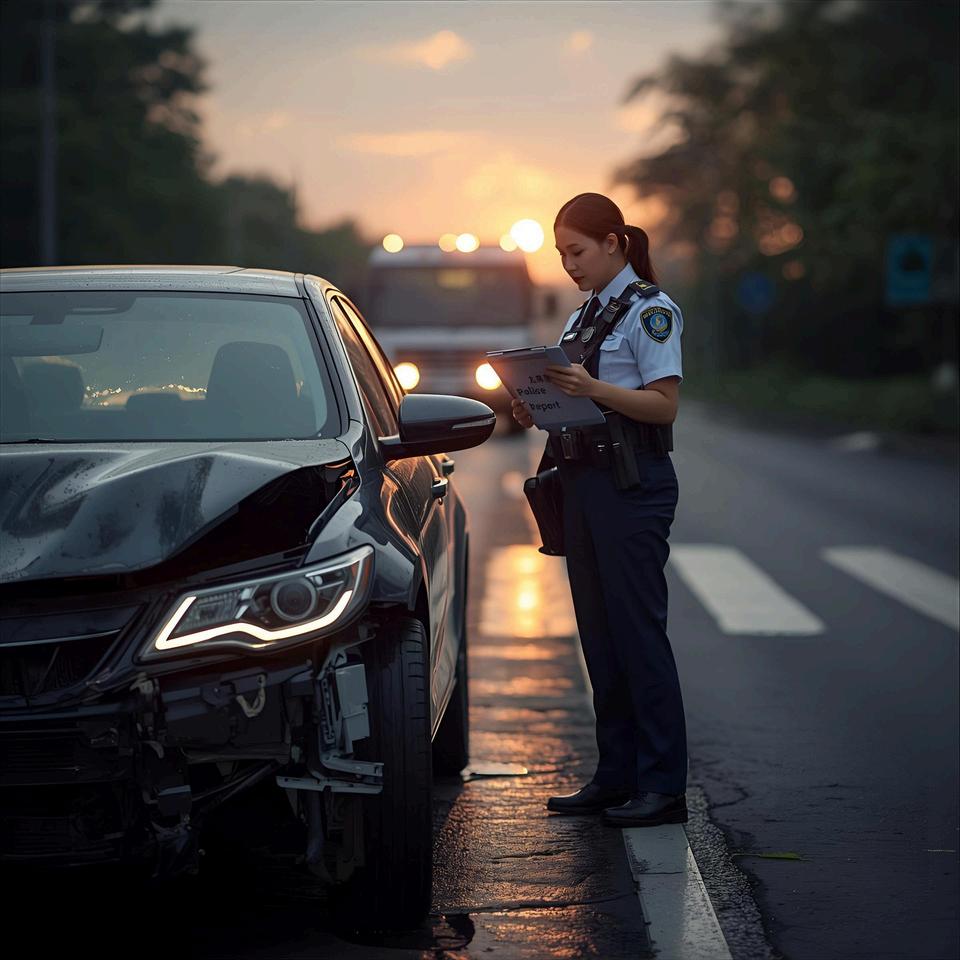
A police report is an official crash record created by the responding officer. Typically, it includes:
Date, time, and location
Drivers and vehicles involved
Road, weather, and visibility conditions
A scene diagram or photos (if captured)
Witness statements
Officer notes, including possible fault
Why it matters: Because it’s neutral, it’s harder to attack than your statements or a repair invoice. As a result, it anchors your claim and reduces room for dispute.
How a Police Report Strengthens a Diminished Value Claim
First, it proves severity that buyers and insurers respect. Notes like airbag deployment, frame damage, or not drivable signal permanent value loss and justify DV.
Second, it aligns evidence. When the independent appraisal matches the report, you present a consistent, credible record—therefore lowballing is tougher.
Finally, it affects resale data. Accidents tied to police reports often surface in Carfax or AutoCheck. Consequently, buyers lower offers and insurers know it, so the report becomes real leverage.
How a Police Report Impacts a Total Loss Settlement
First, it helps establish fault, which stops blame-shifting and ensures the correct insurer pays.
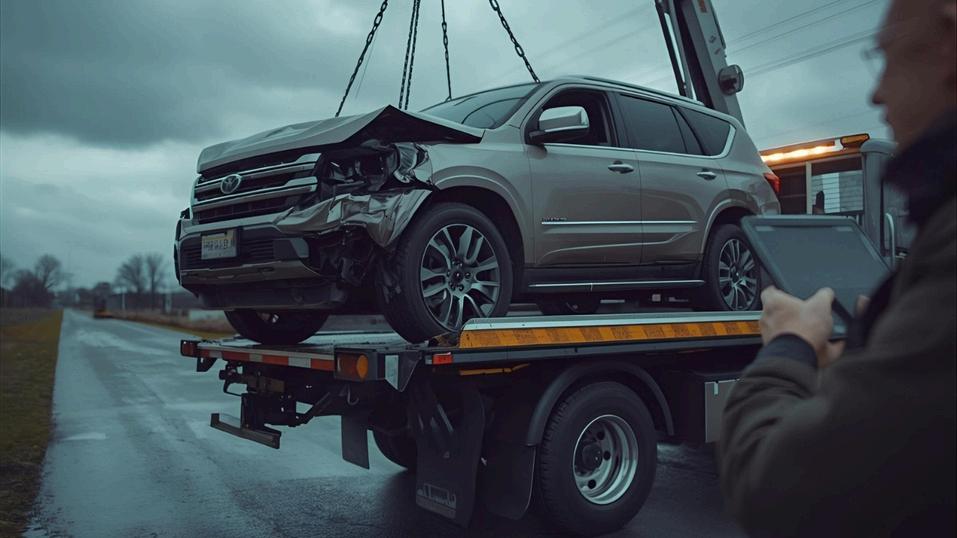
Second, it distinguishes “total” from “repairable”: notes such as “severe front-end damage” or “not drivable” show repairs exceed ACV, so attempts to force uneconomic fixes fall flat.
Finally, a solid report undercuts low ACV offers; when no report exists, insurers can minimize the crash, whereas a documented report makes downplaying severity—and your payout—much harder.
With vs. Without a Police Report: Results at a Glance
Report on file:
Fault documented and hard to dispute
Severity confirmed by a neutral source
Appraisals and Carfax entries gain credibility
Net effect: faster path to a fair offer
No report on file:
Fault remains arguable; delays multiply
Damage is easier to minimize; offers shrink
Heavier reliance on photos, invoices, and testimony
No Police Report? Smart Alternatives That Still Win
1) File a delayed report (if allowed). It’s weaker than on-scene, but it still creates an official record.
2) Build a tight evidence pack:
Scene and damage photos (wide and close-ups)
Diagnostics, repair estimates, and invoices
Witness statements with contact info
Dashcam or traffic-camera footage
3) Get an independent DV/ACV appraisal. When combined with strong documentation, it can beat weak insurer valuations.
4) If police responded, request the report number and a copy as soon as possible.
State Rules: When a Police Report in Claim Is Mandatory
Many states require reports for injuries, fatalities, or property damage above a set amount. Missing a report doesn’t automatically kill a valid claim; however, it adds risk and delay. Therefore, check your state’s reporting rules and deadlines with local law enforcement or your DMV.
If an insurer drags a claim only because a report is missing, consumerprotection or bad-faith rules may apply.
Case Studies (Illustrative)
DV claim with report. Airbags deployed; the report confirmed a severe impact. Initial offer: $1,200. After adding the report and an independent appraisal, settlement rose to $5,000.
Total loss without report. Insurer valued an SUV at $15,000, well below comps. Later, the driver filed a delayed report and submitted market data. As a result, the final payout reached $18,500.
Quick Checklist to Protect Your Claim
Call police even for “minor” crashes
Get the report number on scene and request a copy ASAP
Photograph damage, scene, road conditions, and VIN
Save diagnostics, estimates, and invoices
Secure witness names and contacts
Obtain an independent DV/ACV appraisal
If no report: file a delayed report, gather footage, and send a documented demand
Conclusion
A police report for insurance claim is more than paperwork—it’s proof. Because it validates severity, supports your appraisal, and keeps insurers honest, it strengthens both DV and total loss outcomes.
Even if you don’t have one, you can still win by building a strong evidence file and pairing it with an independent appraisal.
Why Drivers Trust Us
✅ Patent-pending methodology for precise, efficient appraisals
✅ Specialists in diminished value and total loss claims
✅ Flexible options: in-person or desk appraisals
✅ Free Estimate to help maximize your payout
Every settlement decision is final — and costly if you choose wrong. Don’t let a rushed, lowball offer decide your future. Protect your payout, protect your peace of mind, and demand the fair value your vehicle truly deserves.
Request a free vehicle estimate today or look into the "Claim Settlement Offer: How to Spot Lowball Payouts"