
A better way to heal

How robotic surgery is transforming gynecologic care
Brought to you by – Dr. Nathan Mordel, Wellstar robotic gynecologic surgeon
Surgery can feel overwhelming—especially when you’re thinking about recovery. Many people worry about pain after surgery and how long it will take to get back to their normal routine. Fortunately, advances in gynecologic surgery have changed that.
For more than 200 years, gynecologic procedures such as hysterectomies—surgery to remove the uterus—have been performed using large abdominal inci-
sions. These surgeries, called laparotomies, involve cutting through multiple layers of tissue. Recovery can be lengthy and often comes with significant discomfort and a higher risk of long-term complications.
About 40 years ago, a better approach emerged: minimally invasive gynecologic surgery (MIGS). Today, hysterectomies can be performed laparoscopically, using small incisions—about a third of an inch—and a camera to guide the surgeon. Compared to open surgery, this method reduces pain, shortens recovery time and lowers the risk of complications.
Technology has taken MIGS even further with robotically assisted techniques. Using a computer-controlled system equipped with a high-powered camera, surgeons guide robotic arms that hold surgical
tools. This provides enhanced dexterity and 3D visualization, helping surgeons perform complex procedures more precisely and efficiently.
Even with these advancements, about half of hysterectomies in the U.S. are still performed using open surgery—but most don’t require it. The majority of major gynecological procedures can be performed with MIGS to treat conditions such as endometriosis, fibroids, vaginal prolapse and ovarian tumors.
At Wellstar North Fulton Medical Center, about 500 major gynecological surgeries are performed each year—and all use robotically assisted MIGS. Ninety-five percent of patients go home the same day, which means less time in the hospital and a quicker return to daily life.
Robotic techniques also allow surgeons
to treat the most complex cases. Advanced gynecologic conditions such as stage 4 endometriosis may involve nearby organs, including the colon, rectum, bladder and ureters. These cases require the highest level of surgical expertise and coordinated care. At Wellstar North Fulton, robotic gynecologic, colorectal and urologic specialists collaborate to evaluate each patient and perform surgery at the same time. As technology continues to evolve, so does MIGS. Robotically assisted MIGS represents the most advanced form of gynecologic surgery available today—and the benefits for patients are clear. This approach means less pain, smaller incisions and a faster recovery. Most importantly, it helps people get back to their lives sooner.
wellstar.org/womenshealth

Compassionate women’s healthcare means more support for all phases of life.
When life gets challenging, you need a healthcare partner you can trust. That’s why we’re here. Our world-class women’s health team provides expert, comprehensive care for every aspect of your well-being. From preventative care and puberty to support during pregnancy, menopause and beyond, we’re always by your side. Wellstar’s minimally invasive gynecological surgery specialists deliver advanced care for gynecologic conditions including fibroids, irregular or heavy menstrual periods, pelvic pain, endometriosis and ovarian cysts. wellstar.org/womenshealth
The overlooked link between oral health and longevity
When people think about living longer, healthier lives, they often focus on diet, exercise, and regular medical checkups. Yet one critical factor is frequently overlooked: oral health. Mounting evidence suggests that routine preventive dental care plays a meaningful role not only in preserving smiles, but also in extending life expectancy and improving overall health.
The mouth is often described as a window to the body. Oral health conditions, like gum disease, are closely linked to systemic health issues such as heart disease, diabetes, respiratory infections, and even certain cancers. Chronic inflammation in the gums can allow harmful bacteria to enter the bloodstream, contributing to inflammation elsewhere in the body. Over time, this can exacerbate existing conditions or increase the risk of developing new chronic conditions.
Preventive dental care is designed to stop problems before they start—or catch them early when they are easier and less costly to treat. Routine dental visits typically include professional cleanings, examinations, and diagnostic imaging. These appointments remove plaque and tartar buildup that cannot be eliminated through brushing and flossing alone. More importantly, they allow dental professionals to identify early signs of decay, gum disease, oral cancer, and other issues that may otherwise go unnoticed.
One of the most significant benefits of preventive care is the management of gum disease, also known as periodontal disease. In its early stage, gingivitis is reversible with proper care. However, if left untreated,

it can progress to periodontitis, a more severe condition that can lead to tooth loss and has been associated with increased risk of cardiovascular disease. Studies have shown that individuals with poor oral health are more likely to suffer from heart attacks and strokes, underscoring the importance of maintaining healthy gums.
Preventive dental care supports longevity by enabling better nutrition. Healthy teeth and gums make it
easier to chew a wide variety of foods, including fruits, vegetables, and lean proteins that are essential for overall health. In contrast, dental pain or missing teeth can lead individuals to avoid nutritious foods in favor of softer, often less healthy options, potentially contributing to malnutrition and chronic disease.
Beyond the physical benefits, oral health also impacts quality of life. A healthy smile can boost confidence, support social interactions, and contribute to mental well-being—all factors that are increasingly recognized as important components of longevity.
In an era where healthcare costs continue to rise, preventive dental care represents a practical and effective investment in long-term health. Brushing and flossing daily, combined with routine dental checkups, can significantly reduce the risk of serious health complications.
Longevity is not determined by a single factor, but by a combination of habits and choices made over time. Incorporating preventive dental care into that equation is a simple yet powerful step toward a longer, healthier life.
“Preventive Dentistry can add 10 years to human life." -
Dr. Charles
Mayo of the Mayo Clinic
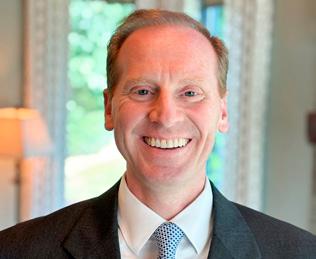
Dr. Bradley Hepler and the experienced team at the Atlanta Center for Dental Health provide the most modern advances in dentistry. Experience immediate results with procedures to greatly enhance your smile and your health. If you would like a complimentary consultation to discover the best options for you, please call us at 770-992-2236.

PROVIDED
Ancient India, syphilis, war and cancer – The journey to rebuild a nose
increased interest in both reconstruction and prosthetic solutions.

For as long as humans have had noses, we’ve had reasons to repair them. The nose sits at the center of the face, essential not just for breathing, but for identity. The history of nasal reconstruction is therefore not just a surgical story—it is deeply human, shaped by conflict, disease, and ingenuity.
One of the earliest chapters begins in ancient India, around 600 BCE. In some regions, nasal amputation was used as punishment for theft or adultery. This harsh practice drove innovation. Surgeons developed a method to rebuild the nose using a pedicled facial flap—the “Indian method” of nasal reconstruction. This technique is attributed to Sushruta, often considered one of the fathers of surgery. In these descriptions, a facial flap of tissue is measured, raised while maintaining a living attachment for blood supply, and transferred to reconstruct the nose, with small tubes used to preserve the airway during healing.
Over time, this tradition evolved into what is most closely associated with the modern forehead flap. Today, a segment of forehead skin is elevated on a preserved arterial supply, left attached at its base, and rotated down to reconstruct the nasal tip. In modern Mohs and reconstructive surgery, it remains a cornerstone technique after skin cancer removal and one of the most reliable methods for complex nasal defects.
From ancient India, the narrative jumps forward two millennia. But what about Greece? What about Rome?! Didn’t Rome invent everything?
There is little evidence of formal nasal reconstruction in classical antiquity. Aulus Cornelius Celsus described facial wound care and basic repair but not structured reconstructive nasal surgery. When nasal reconstruction re-emerges in Europe centuries later, it is better understood as rediscovery rather than continuous tradition.
So, indeed, we fast forward 2000 years from ancient India. In the Renaissance and early modern period, nasal deformities became more common due to trauma and disease. Syphilis was especially destructive, eroding nasal structures and leaving profound disfigurement. This
Artificial noses—made from leather, metal, or wax—allowed patients to return to society with some degree of normalcy and laid the groundwork for modern facial prosthetics.
In the 1500s, Gaspare Tagliacozzi developed the “Italian method” of nasal reconstruction, transferring skin from the arm to the nose in a staged fashion. Though innovative, his work was later abandoned for centuries due to technical limitations such as a lack of modern anesthesia and antisepsis and also due to social and religious objections.
The next major leap came from war. World War I produced devastating facial injuries, forcing rapid innovation. Harold Gillies refined skin flaps, introduced staged reconstruction, and emphasized both function and appearance—principles that remain central today. World War II further advanced reconstruction through improved anesthesia, antibiotics, and surgical planning.
In the 20th century, the ancient forehead flap evolved into the modern paramedian forehead flap. A segment of forehead skin is elevated on a preserved arterial supply just lateral to the midline, kept attached at its base, and rotated to reconstruct the nasal tip. In modern Mohs and reconstructive surgery, it remains a foundational technique after skin cancer removal.
In recent decades, nasal repair has entered a more precise era. In dermatologic surgery, particularly Mohs surgery, cancer can be removed with microscopic accuracy while preserving healthy tissue. Reconstruction then restores contour and function using techniques such as the paramedian forehead flap, skin grafts and an assortment of elegant and innovative flaps. However, Mohs surgery often allows for so much tissue preservation that many wounds can close in a much simpler linear fashion further enhancing postoperative results.
From ancient punishment to modern cancer care, nasal reconstruction reflects restoration—of form, function, and confidence. It is also a story of trust. Patients facing facial cancer entrust their health and their identity to their surgeon. Modern techniques now allow us to restore not only structure and function but also the sense of wholeness that comes from having one’s identity preserved.
Insist on the BEST
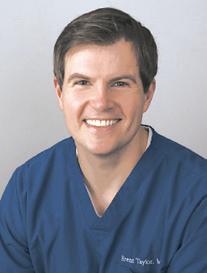
Dr. Brent Taylor is a Board-Certified Dermatologist, a Fellowship-Trained Mohs Surgeon, and is certified by the Board of Venous and Lymphatic Medicine in the field of Vein Care.
He is an expert in skin cancer and melanoma treatment, endovenous laser ablation, minimally invasive vein procedures and cosmetics procedures such as Botox and injectables.
Kathryn is a certified physician assistant with over 23 years experience as a Dermatology PA and cosmetic dermatology.
Her specialties include general dermatology such as acne, eczema, rashes, hair loss, full body skin exams, abnormal growths etc. Kathryn also specializes in cosmetic dermatology including lasers, injectables, micro-needling, PRP, facial peels, sclerotherapy for spider veins and at home skin care.
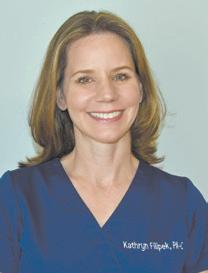
Kathryn Filipek, PA-C
Brought to you by – Premier Dermatology

The new concern with GLP-1 weight loss: Are some patients losing more than fat?
GLP-1 medications like semaglutide and tirzepatide have changed the conversation around weight loss. For many patients, the results can be dramatic. But as these medications become more common, some providers are beginning to ask a new question: what exactly is being lost?
While the focus is often on pounds, rapid weight loss can sometimes include loss of lean muscle mass along with fat. That matters because muscle plays a major role in metabolism, energy, strength, balance, and long-term health, especially as we age.
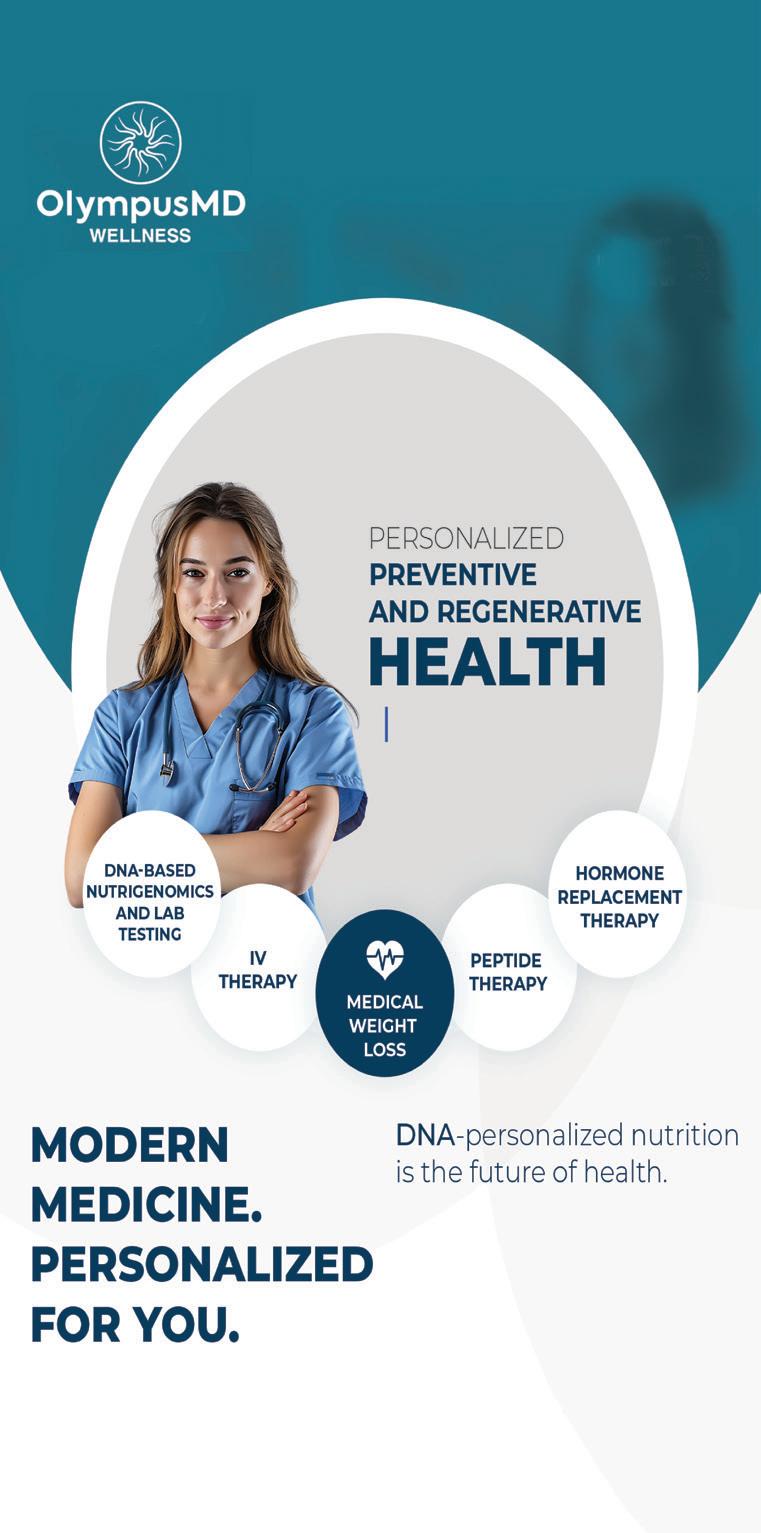
This has led to a growing shift in how many modern wellness and functional medicine clinics approach medical weight loss. Increasingly, providers are paying closer attention to body composition, nutritional support, resistance training, recovery, hormone balance, and overall metabolic health rather than simply watching the number on a scale.
Some clinics are also exploring supportive therapies designed to help patients maintain strength, energy, and function during weight loss programs. These approaches may include advanced recovery protocols, metabolic support strategies, and physician-guided peptide therapies tailored to the individual patient.
The goal is not simply to help someone become smaller. The goal is to help them become healthier, stronger, and more functional long term.
Experts say this is especially important for former athletes, adults over 40, and patients who may already be dealing with fatigue, hormone changes, slower recovery, or decreased muscle mass before beginning a weight loss program. As the science around GLP-1 medications continues to evolve, many providers believe the future of weight loss will focus less on rapid reduction alone and more on preserving overall health and performance along the way.
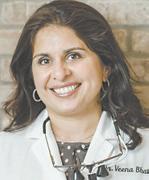


Roswell Dental Care now offers genetic testing
At Roswell Dental Care, we are excited to offer genetic and saliva-based testing as part of our commitment to more personalized, proactive dental care. You may wonder why your dentist wants genetic information. The answer is simple: it helps us better understand your unique risk for cavities, gum disease, inflammation, and long-term oral health concerns.
Dentistry is moving toward a more personalized approach, often called precision medicine. This means looking at a person’s genetics, environment, lifestyle, and health history to better predict disease and select the most effective treatment. With this added layer of information, we can better answer important questions such as: Why is one patient more prone to severe gum disease than another? How likely is a patient to respond well to treatment? And how can we reduce the risk of relapse after therapy?
One of the tools we use is saliva testing through OralDNA® Labs. Saliva is far more than just moisture in the mouth. It is a complex fluid produced by the salivary glands and contains proteins, enzymes, electrolytes, bacteria, and other markers that can reveal valuable information about your health. Because of this, saliva has become an important diagnostic tool in modern healthcare.
Our testing can identify the type and concentration of 11 harmful bacteria associated with periodontal disease. It can also evaluate your interleukin-6 (IL-6) genotype, which plays an important role in the body’s inflammatory response. Together, this information helps us more accurately assess your risk, guide treatment decisions, and create a plan tailored specifically to your needs.
When harmful oral bacteria are present
at high levels, especially in combination with a heightened inflammatory response, they can contribute to bad breath, bleeding gums, bone loss, and eventually tooth loss. But the effects do not always stop there. Research continues to show strong connections between oral bacteria and whole-body health.
For example, periodontal bacteria have been linked to cardiovascular disease and may contribute to the progression of stroke and peripheral vascular disease. The plaque in your mouth is the same as the plaque in your heart and brain! Elevated oral bacteria are also associated with metabolic problems, including difficulty controlling blood sugar, which is especially important for patients with diabetes.
Pregnancy is another important time to monitor oral health closely. Changes in the oral microbiome during pregnancy can increase the presence of periodontal pathogens, which may be associated with complications such as preterm birth and low birth weight.
There is also growing research exploring links between periodontal disease and cancer, rheumatoid arthritis, and brain health. Chronic oral inflammation and harmful bacteria may play a role in disease progression in ways we are still working to fully understand. What we do know is that oral health is deeply connected to overall health, and early detection matters.
Dr. Destinee Hood and the team at Roswell Dental Care are proud to provide this advanced service in a caring, judgment-free environment. Our goal is to educate and empower our patients with knowledge that can lead to healthier smiles and healthier lives. We take the time to listen, understand your concerns, and guide you toward the best care for your individual needs.
Knowledge is power. To learn more or schedule an appointment, call 770-9986736 or visit RoswellDentalCare.com

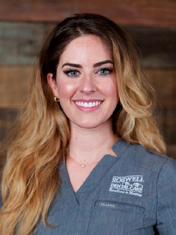


Dr. Destinee Hood
Brought to you by – Roswell Dental Care, Dr. Destinee Hood


At Home Helpers, our focus every day is matching the right caregiver with each of our clients. We guarantee a good match. Finding the right caregiver is much more than just seeking a professional with great skills. It’s about finding a caregiver with the heart and spirit to make a difference in someone’s life.
Older Americans Month
Preserving independence through personalized care
Every May we celebrate Older Americans Month, honoring a generation that is bringing about an unprecedented transformation. The population of Americans aged 65 and older is expected to grow from 58 million in 2022 to 82 million by 2050 – a 47% increase. By 2035, older adults are projected to outnumber children under 18 for the first time in U.S. history. The number of adults aged 85 is the fastest growing portion of seniors, and has nearly quadrupled in the last 25 years.

As we live longer, it’s important to understand that proactive wellness is an important part of daily life that goes beyond “crisis” care. In-home care is not just for those facing physical challenges. It is a launchpad for a healthier, more active life. Personalized care has emerged as a linchpin that allows your older loved one to remain in the warmth and comfort of home, scaled to what they actually need to help them navigate aging at their own pace.
A well matched, skilled Home Helpers caregiver can help with “lifestyle pillars” that build a strong foundation for your older loved one long before serious health issues develop. Healthy habits like encouraging a consistent sleep schedule to taking vitamins and medications reinforce daily choices that lead to longer term vitality. A caregiver can also notice “small things” and subtle changes before they become problems.
Independence doesn’t mean doing everything alone, it’s about having the support to live in a familiar environment. A heart centered caregiver can encourage movement by building it into daily routines with safe exercise support and functional mobility, like walking or gardening. Nutritional support helps avoid the pitfalls of processed foods. In home care can ensure that eating well remains a priority with food preparation and maintaining a balanced diet that meets specific needs – such as low sodium or heart healthy choices. Regular hydration helps prevent dehydration, a frequent trigger for hospitalizations. Caregivers also help combat a growing epidemic of loneliness, helping your loved one stay involved with family, friends and their community by providing a vital social link.
As health needs expand, your personalized care plan can adapt - from assisting with all personal care needs, helping around the house, providing support to safely speed up recovery from surgery, assist after a return home from a rehabilitation stay or a stroke. We can also provide the specialized care needed for a loved one with Alzheimer’s, Dementia or Parkinson’s. As an added support system for families, we have now added Nursing services.
From four hours a day, several days a week to 24/7 care, we’re here to help. We can also provide live-in care alternatives that may be a more economical choice. For a free consultation please call Home Helpers of Alpharetta and North Atlanta at (770) 681-0323.
Brought to you by - Home Helpers of Alpharetta and North Atlanta Suburbs


Brought to you by – Jonathan Stegall, MD
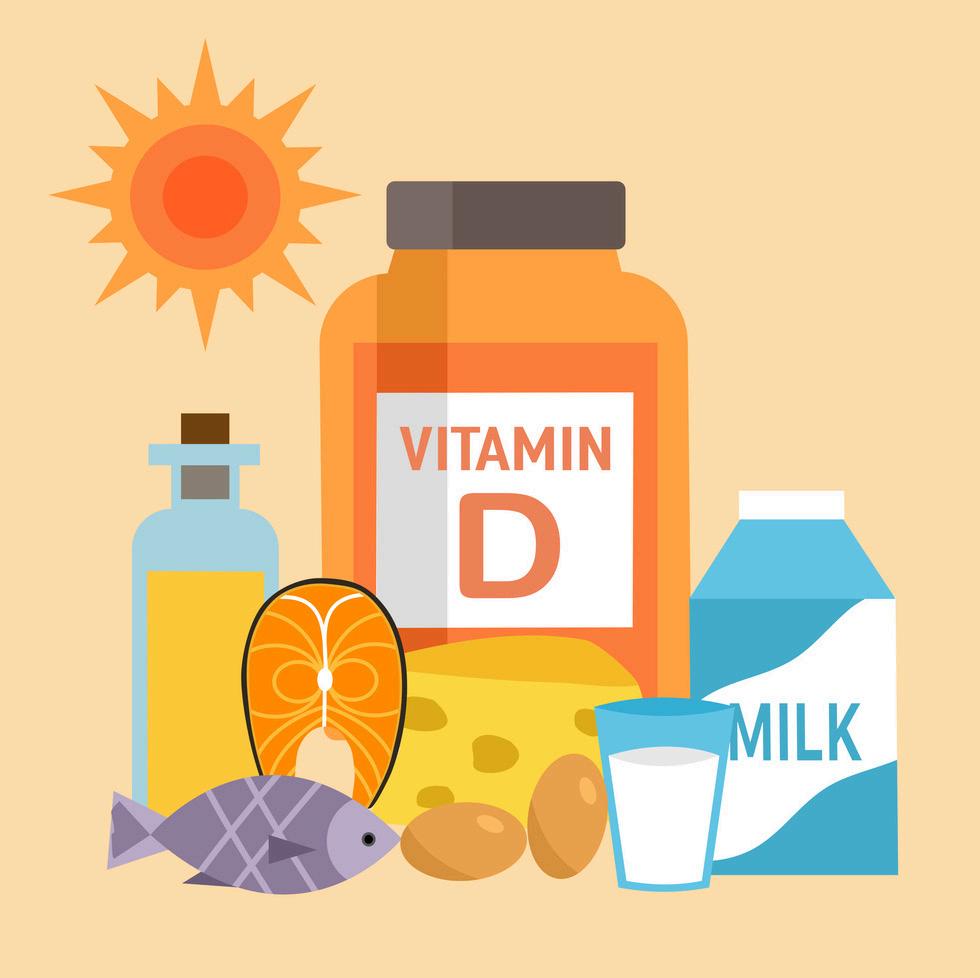
I receive a lot of questions from my patients about nutritional supplements. Part of my job is to prioritize the right supplements for them. This is especially important when it comes to cancer. If I had to choose just one supplement to recommend, it would be vitamin D. We know that vitamin D is important for supporting several key aspects of health, including the immune system, the musculoskeletal system, and even the brain and heart. Research has shown that it has an anticancer effect as well.
Although we obtain some vitamin
D from the sun, as well as from food, I have found that virtually all patients who are not supplementing with vitamin D have a suboptimal level.
I encourage you to ask your doctor to check your vitamin D 25-OH level the next time you have blood drawn. A level between 60-80 ng/mL in the blood is considered optimal. For most people, a daily dose between 5,000-10,000 international units of vitamin D3 is required to achieve this optimal level. It is also recommended to have vitamin K2 (often included within the same capsule) to enhance absorption.
As always, please discuss any potential new supplement with your doctor to make sure it is right for you.
Find relief with North Fulton Rheumatology Expert care in Roswell, GA
Brought to you by - North Fulton Rheumatology
Are joint pain, stiffness, or fatigue holding you back? At North Fulton Rheumatology, we specialize in diagnosing and treating autoimmune and musculoskeletal conditions like arthritis, lupus, gout, and fibromyalgia. Our board-certified rheumatologists provide personalized care designed to reduce pain, restore function, and help you live your best life.
Conveniently located in Roswell, Georgia, we offer the latest treatments and advanced medications. For established patients, we also provide telemedicine visits, allowing you to connect with your doctor from the comfort of your home. At North Fulton Rheumatology, we

focus on compassionate, patient-centered care tailored to your unique needs. Don’t let joint discomfort slow you down—take the first step toward feeling better today. Call 770-619-0004 | Visit www. northfultonrheumatology.com

North Fulton Rheumatology – Where Your Mobility Matters


North Fulton Rheumatology diagnoses and treats patients suffering from various types of arthritis and other autoimmune or connective tissue disorders. We are committed to providing comprehensive and compassionate care, and we use the highest, most progressive medical standards.
North Fulton Rheumatology diagnoses and treats patients suffering from various types of arthritis and other autoimmune or connective tissue disorders. We are committed to providing comprehensive and compassionate care, and we use the highest, most progressive medical standards.
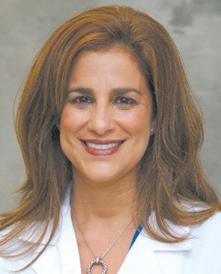
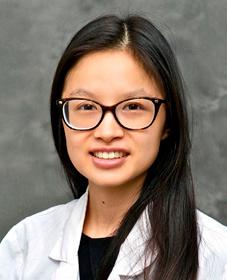
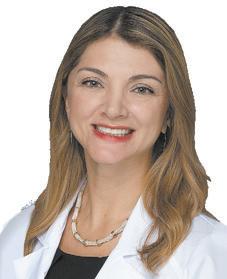
Our board-certified physician, Dr. Ciela Lopez-Armstrong, and board certified nurse practitioner, Maria Betancur, AG-ACNP are qualified to manage all autoimmune and connective tissue diseases, including:
Our board-certified physician, Dr. Ciela Lopez-Armstrong, and certified family nurse practitioner, Heather Grafton, DNP, FNP-C, are qualified to manage all autoimmune and connective tissue diseases, including:
• Rheumatoid arthritis
• Rheumatoid arthritis
• Osteoarthritis
• Osteoarthritis

mike@appenmedia.com
• Systematic Lupus
• Systematic Lupus
• Scleroderma
• Scleroderma
• Vasculitis
• Vasculitis
• Gout
• Gout
• Sjogrens
• Sjogrens
• Psoriatic Arthritis
• Psoriatic Arthritis
• Ankylosing Spondylitis
• Ankylosing Spondylitis
• Fibromyalgia
• Fibromyalgia
• Osteoporosis
• Osteoporosis
• Osteopenia
• Osteopenia
11685 Alpharetta Hwy, Suite 170, Roswell, GA 30076 Monday - Thursday, 9 a.m. - 5 p.m., Closed on Fridays P: 770-619-0004 | F: 770-619-0252 northfultonrheumatology.com
Suite A, Roswell, GA 30076 Monday - Thursday, 9 a.m. - 5 p.m., Closed on Fridays P: 770-619-0004 | F: 770-619-0252 northfultonrheumatology.com



Heather Grafton, DNP, FNP-C
Ceila Lopez-Armstrong, MD
Celia Lopez-Armstrong, MD
Maria Betancur, AG-ACNP
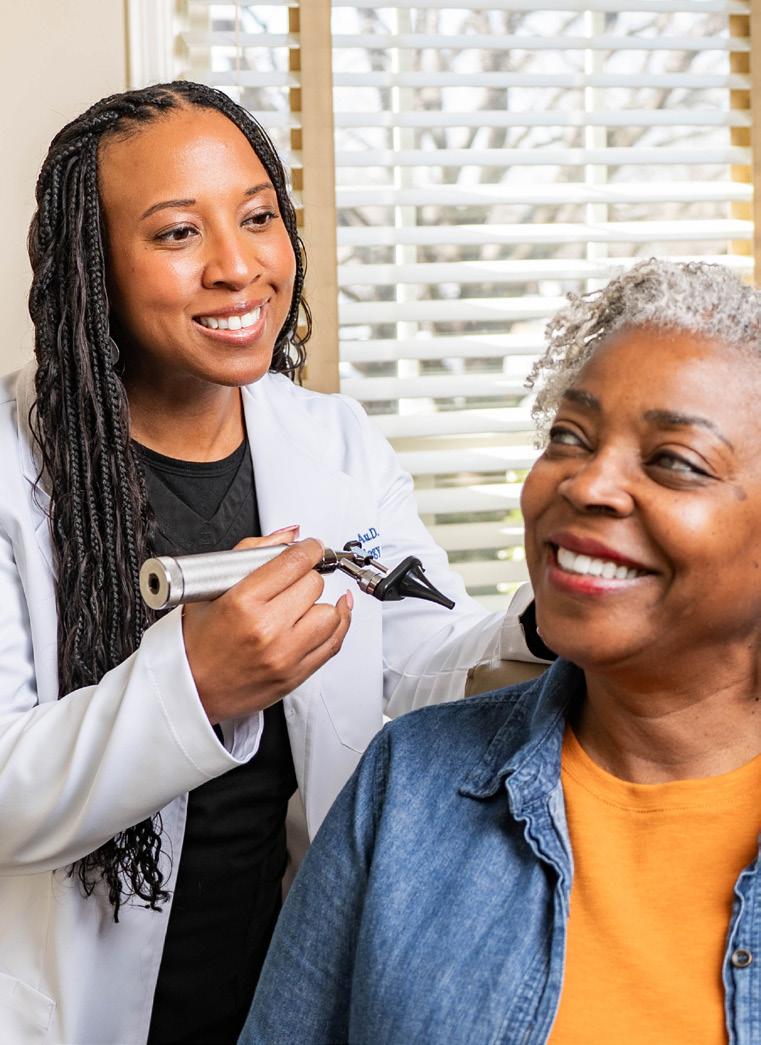
Better hearing is a better life
Atlanta Hearing Associates is dedicated
Atlanta Hearing Associates is a large audiology practice that encompasses 5 different locations throughout Georgia. Our offices provide comprehensive hearing tests, tinnitus assessments, ear cleaning, and hearing devices for all ages. Every doctor you will meet is focused on your needs as a patient and works with every manufacturer to provide a
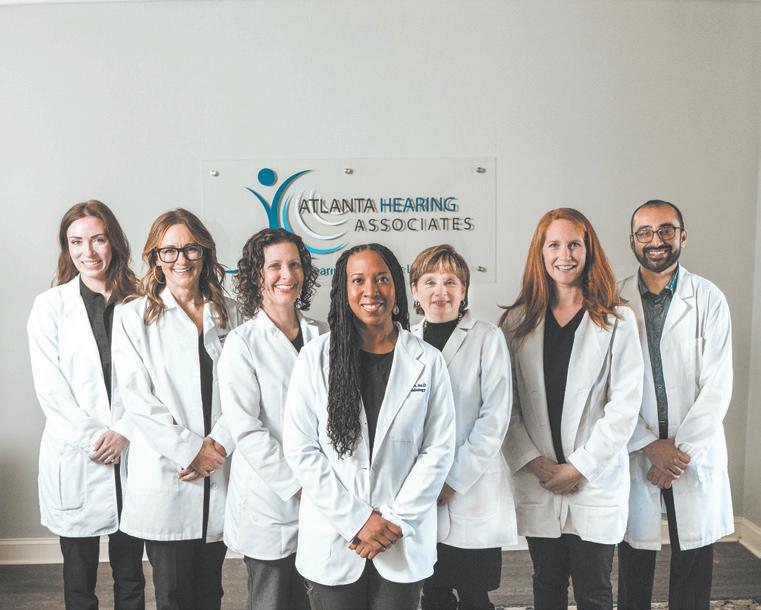
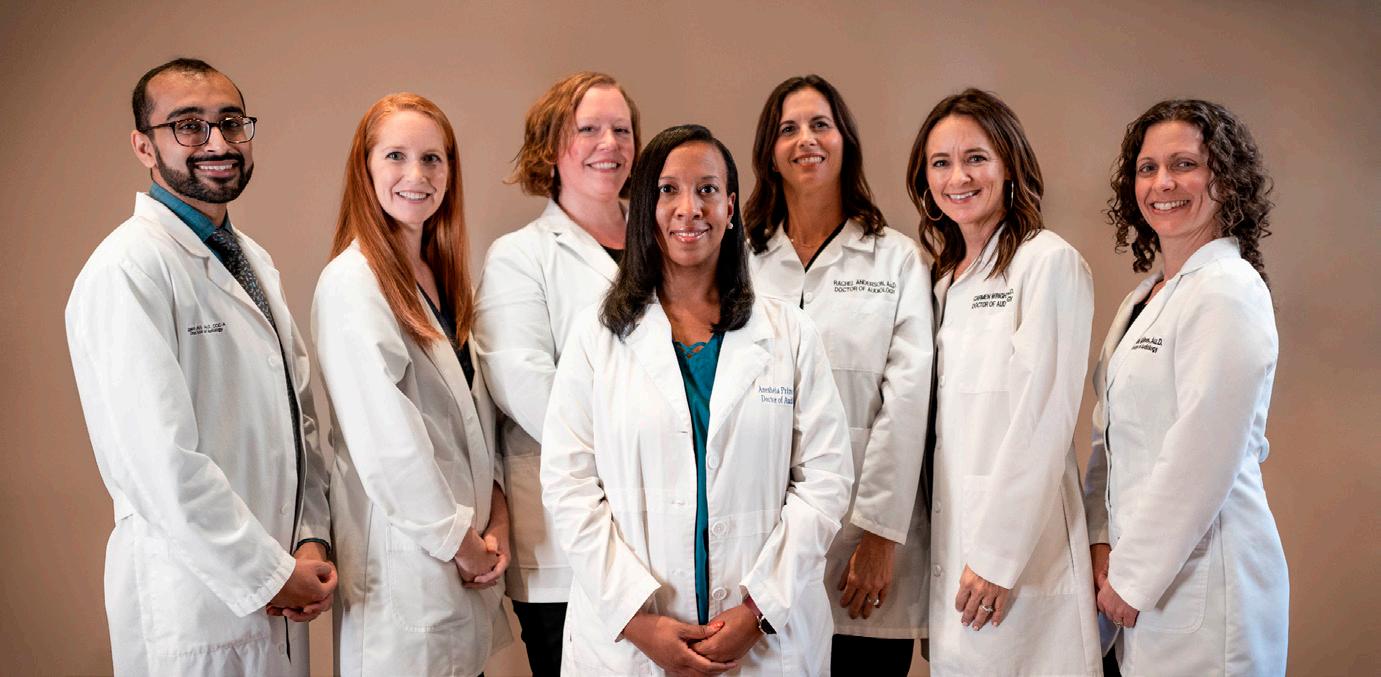


We also partner with different agencies to provide audiological care to veterans, ATF officers, reservists, police departments, Cochlear implants recipients, and community wellness groups.
We accept all major insurances for patients who have a hearing healthcare benefit that they are eligible to use.
Our offices are located in Atlanta, Decatur, Dunwoody, Lake Oconee, and Milledgeville.






Homecare Hi-Lo Vs. adjustable beds: What’s the difference?
If your doctor has ordered a change to your sleep surface, how do you know which one to choose for your home? Here are some pro-tips so that you will soundly sleep as you recover!
Hi-Lo or Adjustable Base? A Hi-Lo bed raises and lowers to aid in getting out of and into your bed. They can go as low as 3.5” from the ground to the bottom of the bed frame (or deck as it is often called) and as high as 34” from the ground to the top of the mattress. Think of the bed acting as a lift recliner! This feature also significantly reduces the strain on the caregiver. Hi-Lo beds also have head and foot adjustments, and many have the Trendelenburg and Reverse Trendelenburg positions which can increase circulation, lymphatic drainage and can aid in improving bed mobility.
When renting or purchasing a bed, choose one that is appropriate for the user's height and weight! If the user is 5’0,” a bed that only lowers to 15” may not be low enough for them. A bed that lowers to 3.5” is a better choice, and limits fall risk. Additionally, two Hi-Lo Twins can be put together to form one Dual King bed.
A “90 degree turn” bed can also be a
great option for easing caregiver strain. These beds pivot and turn either to the right or to the left to provide easy entering and exiting.
What about Aesthetics? Just because you or your loved one needs a Hi-Lo fully electric bed at home doesn’t mean that you have to sacrifice great design! There are many models now that provide clinical features without a clinical look. Mobility Plus Alpharetta has a wide selection of beds from which to choose and services everything they sell.
Are There Mattress Choices? Yes! There are mattresses for all preferences and therapeutic needs! Air-circulating surfaces can reduce pressure points and skin breakdown if a sacral wound is present. Standard foam, gel, and memory foam combinations, waterproof vinyl covers and breathable bamboo, and wool blends are additional materials that provide breathability and promote skin health.
Mobility Plus Alpharetta is here to help! We sell and rent Hi-Lo beds, and are authorized dealers for Invacare, Joerns, Med-Mizer, Sondercare, Golden and more. Call us at 470-545-1827 or visit our showroom M-F 10-5pm or Sat. 9-1pm. We’d love to help you find the best solution for your needs!