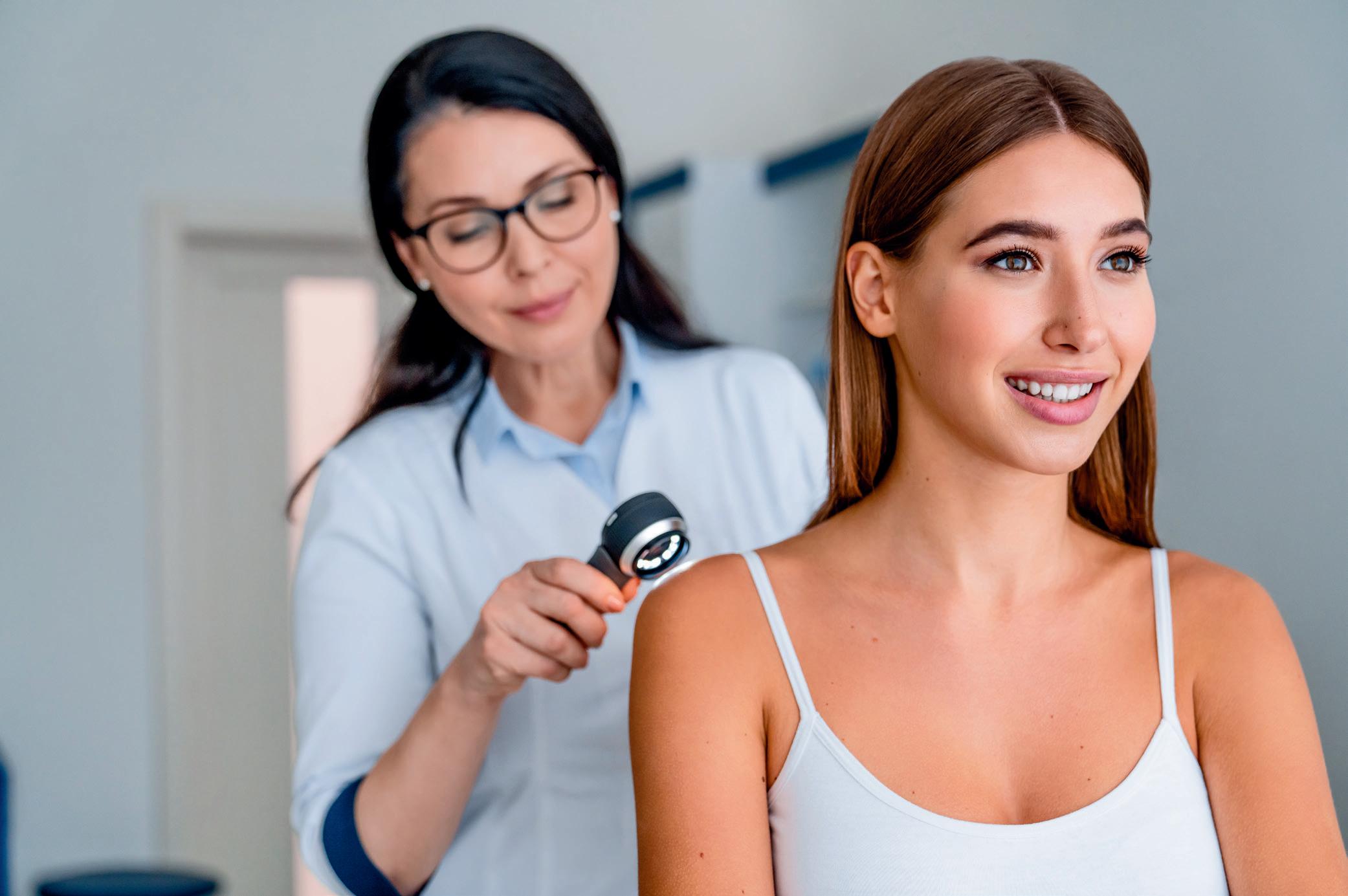

Find comprehensive breast care with Wellstar in North Fulton
Brought
to you by
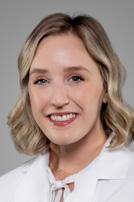
- Dr. Jessica Bilz, Wellstar breast surgeon
Breast health is an important part of every woman’s overall wellness.
Routine breast cancer screening and timely evaluation of breast concerns can lead to earlier detection, more treatment options and improved outcomes. At Wellstar, we are committed to helping women feel informed and empowered throughout every stage of their breast health journey.
Catch cancer early
Regular screening mammograms remain one of the most effective tools for detecting breast cancer early, often before symptoms develop. If you’re at average risk of developing breast cancer, you should start annual mammograms at age 40. However, if you have a family history of breast cancer or other risk factors, your care team may recommend starting earlier and will help you create a screening plan.
In addition to annual screening, our team helps women understand their individual breast cancer risk and personal screening recommendations. Whether you are coming in for a routine screening, evaluation of a breast symptom or guidance regarding elevated cancer risk, our goal is to provide compassionate, expert care.
Care for benign conditions and cancer
Our breast health specialists provide evaluation and treatment for a range of breast conditions, from common benign concerns to newly diagnosed breast cancer. We understand that any breast abnormality can create anxiety, and we work closely with you to provide clear communication and individualized care plans.
We treat many benign breast conditions, including:
• Breast cysts
• Fibroadenomas
• Breast pain
• Dense breasts
• Nipple discharge
• Breast infections and abscesses
• High-risk and atypical breast lesions
If you’ve been diagnosed with breast cancer, we provide comprehensive, multidisciplinary care and guide you through each step of diagnosis,

treatment and beyond. We also care for women who are considered high-risk for breast cancer, including those with significant family histories, prior highrisk breast lesions or inherited genetic mutations such as BRCA and other hereditary cancer syndromes. Our team works closely with you to develop personalized surveillance and riskreduction strategies tailored to your individual needs.
Advanced breast surgical care
At Wellstar, women have access to advanced breast surgical care delivered with a focus on precision, safety and cosmetic outcomes whenever possible. We offer procedures to diagnose and treat breast conditions using evidencebased surgical techniques. Our surgical services include:
• In-office ultrasound-guided breast
biopsies
• Excisional breast biopsies
• Duct excisions
• Partial mastectomies (lumpectomies)
• Sentinel lymph node biopsies and targeted axillary dissections
• Mastectomies with flat aesthetic closures
• Skin-sparing and nipple-sparing mastectomies
• Breast reconstruction in collaboration with plastic surgery specialists
We aim to streamline care and reduce delays in diagnosis and treatment. If you require breast cancer surgery, our surgeons utilize best-inclass techniques designed to achieve excellent oncologic outcomes while also preserving appearance and quality of life.
Patient-centered approach to breast care
We believe exceptional breast care goes beyond medical treatment alone. Everyone deserves compassionate, personalized care in a supportive environment where questions are encouraged and concerns are heard. From the first consultation through follow-up care, our team is dedicated to helping you feel comfortable, informed and confident in your care plan. We recognize that navigating breast concerns or a cancer diagnosis can feel overwhelming. We strive to make the process as seamless as possible through coordinated care, patient education and ongoing support.
Call (470) 956-4270 to schedule an appointment with a breast surgeon in Roswell.
DR. JESSICA BILZ PROVIDED

Are our jaws getting smaller?


• Spa-Like Relaxing Atmosphere
• Free Nitrous Oxide and Oral Conscious Sedation
• Cone Beam 3D Radiography
Digital Scanner – No More Gooey Impressions
• Botox and Dermal Filler
Master Injector
• Platinum Invisalign Provider

Have you ever heard someone say, “There just isn’t enough room for all these teeth”? As dentists, we see this every day. Crowded teeth, impacted wisdom teeth, narrow arches, mouth breathing, orthodontic relapse, and bite problems are all signs that the jaw and the teeth are not always developing in harmony.
Interestingly, this is not just a modern dental inconvenience. Over time, human jaws have gradually become smaller. Our ancestors had larger, wider jaws and more space for their teeth. Their diets were much tougher and required significantly more chewing. They ate foods that were fibrous, coarse, and unprocessed, which placed more natural stress on the jawbones during growth and development. That chewing force helped stimulate wider jaw development.
Today, our diets are much softer. Many foods are processed, cooked, blended, or easy to chew. While that may be convenient, it also means children’s jaws may not receive the same developmental stimulation as they did generations ago. When the jaw does not develop to its full size, the teeth may not have enough room to come in properly.
This is one reason wisdom teeth are so commonly impacted or removed. The teeth themselves did not suddenly become “wrong.” In many cases, the jaw simply does not have enough space to accommodate them. Some people are also born missing certain permanent teeth, such as wisdom teeth or smaller premolars, which may reflect longterm evolutionary changes in our dentition.
But jaw size is not only about food. Breathing patterns, tongue posture, oral habits, and facial muscle function can all influence jaw growth. A child who chronically mouthbreathes, has a low tongue posture, or struggles with airway issues may develop a narrower palate or altered facial growth pattern. Thumb sucking, prolonged pacifier use, and tongue thrusting can also affect the way the jaws and teeth develop.
So, what does this mean for dental health?
When the jaws are smaller, teeth may become crowded, rotated, or difficult to clean. Crowding can increase the risk of plaque buildup, cavities, gum inflammation, and bite problems. A narrow upper jaw may also be associated with airway

concerns, snoring, or sleep-disordered breathing in some patients.
The good news is that early evaluation can make a big difference . Children should be monitored not only for cavities, but also for jaw growth, airway signs, tongue position, spacing, bite development, and oral habits. Sometimes early orthodontic guidance, expansion, myofunctional therapy, or airway evaluation can help support healthier growth.
For adults, crowding or bite changes can still be addressed with options such as Invisalign orthodontics, restorative dentistry, and periodontal care. Even if jaw growth is complete, improving tooth alignment can make teeth easier to clean, improve function, and support long-term oral health.
Our jaws may be getting smaller over time, but our understanding of growth, function, airway, and prevention is getting better. Dentistry is no longer just about fixing teeth after problems occur. It is about understanding the whole system — teeth, jaws, muscles, breathing, and health — so we can help every patient build a stronger foundation for a healthier smile.
Here at Roswell Dental Care, Dr. Hood and her team of elite healthcare providers evaluate each patient to gain a complete picture of your overall health. We will help you understand what the root cause is and customize each treatment plan. We assure you will feel confident in the solution you choose before beginning any treatment. For enhanced comfort, we offer FREE nitrous oxide. You can rest assured that your experience will be positive, relaxing, and rewarding on many levels. Give our office a call at 770.998.6736, or visit us at www. roswelldentalcare.com, to begin your journey to happy and pain-free oral healthcare!
Dr. Destinee Hood
PROVIDED

PROVIDED
Efudex exhibitionism
Recently, patients have brought to my attention that people are posting startlingly graphic videos on social media of their experiences using creams like Efudex® to treat precancerous sun damage. Efudex® is a prescription-only cream that can help treat certain skin cancers and precancerous lesions. These “influencers” often discuss how many times they have gone through Efudex® treatments and continue to apply medicine long after their skin has become severely irritated. I fear that these individuals are causing themselves suffering and likely damage for dramatic effect, “clicks,” or “likes.” Because social media platforms can financially reward high view counts, there is an incentive for self-treatment to be intentionally extreme.
I do not know whether these individuals are misguided themselves, but what is certain is that they are misleading their viewers. Many of these creators highlight their severe skin reactions, holding themselves up as models for how treatment should be carried out. They report performing multiple rounds of treatment back to back, continuing treatments for weeks after skin is severely inflamed and are likely crafting their own regimens, presumably against medical advice. Contrary to what the influencers imply, “no pain, no gain” doesn’t mean the higher the pain, the higher the gain.
To understand the proper way to use Efudex® (also known as 5-fluorouracil), it helps to understand its mechanism of action. Cells use building blocks called nucleotides to replicate DNA and RNA. Think of these blocks like individual cars in a model train set. Efudex® acts as a counterfeit part that gums up the assembly of the train and then often causes the completed train to break into pieces. Unable to function, the damaged cell is essentially sent to a cellular scrap yard.
Dosing is key. Precancerous cells divide and manufacture proteins much faster than healthy, resting skin cells. But even healthy “resting” skin cells exhibit some degree of growth and division. The strategy
with Efudex® is to exploit cancerous cells’ hyperactive metabolism—targeting the abnormal cells while sparing the healthy ones.
Achieving this balance requires aiming for a "Goldilocks zone." In general, the goal is to apply just enough cream to cause severely sun-damaged areas to become inflamed, pink, and mildly scabby, but not enough to turn the entire application area into a raw field of broken skin. If the skin seems barely pink or completely unaffected, then the patient is likely under-dosing the medicine, and precancers are not being eliminated. If the entire skin surface is painful and severely inflamed, then both the precancers and the healthy skin are likely being damaged. Very rarely, a patient’s burden of disease may be so severe that a “harsh” result is advised by their dermatologist, but this is generally the exception to the rule.
Severe Efudex® reactions can lead skin to breakdown to such an extent that skin infections and scarring can occur. Many times, the whole point of using a cream like Efudex® is to try to eliminate precancerous lesions and avoid surgery. If the cream itself is overdosed and leads to scarring, then the entire enterprise of using a cream can prove counterproductive, and influencers’ digital martyrdom ultimately hurts our common cause.
Undergoing this treatment under the guidance of a caring and competent dermatologist is vital. A spot of concern might actually be a skin cancer requiring a biopsy rather than a cream. Other spots might be purely cosmetic, requiring entirely different therapies tailored to aesthetic sun damage. Before starting Efudex®, risks, benefits, and alternatives all need to be discussed.
If you have concerns about sun damage, a non-healing spot, or any other skin condition, a consultation with a qualified dermatology provider can help determine the most appropriate treatment options. If you are in the Atlanta area, we would be honored to help.
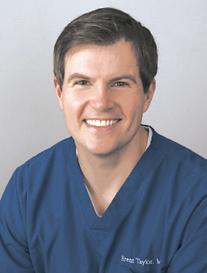
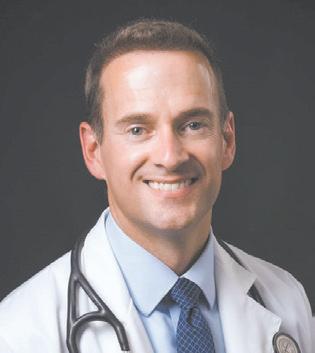
At Premier Dermatology and Mohs Surgery of Atlanta, Dr. Brent Taylor, Kathryn Filipek, PA-C, and our staff are privileged to care for patients and families throughout our community.

Insist on the BEST
Dr. Brent Taylor is a Board-Certified Dermatologist, a Fellowship-Trained Mohs Surgeon, and is certified by the Board of Venous and Lymphatic Medicine in the field of Vein Care.
He is an expert in skin cancer and melanoma treatment, endovenous laser ablation, minimally invasive vein procedures and cosmetics procedures such as Botox and injectables.
Kathryn is a certified physician assistant with over 23 years experience as a Dermatology PA and cosmetic dermatology.
Her specialties include general dermatology such as acne, eczema, rashes, hair loss, full body skin exams, abnormal growths etc. Kathryn also specializes in cosmetic dermatology including lasers, injectables, micro-needling, PRP, facial peels, sclerotherapy for spider veins and at home skin care.
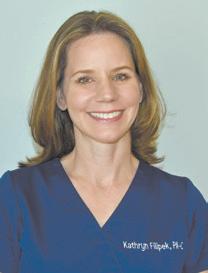
Kathryn Filipek, PA-C
Brought to you by – Premier Dermatology
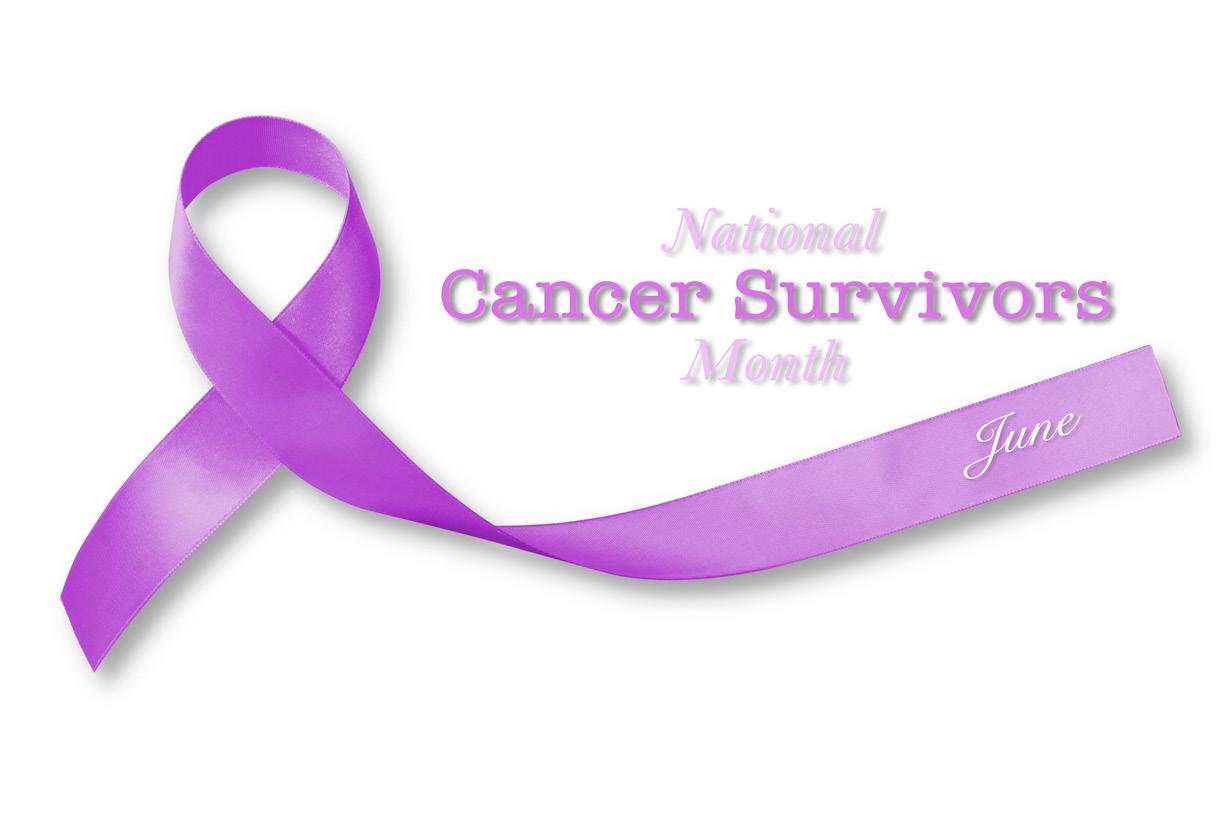
June is National Cancer Survivor Month
Brought to you by – Jonathan Stegall, MD
This month, we celebrate cancer survivors as part of National Cancer Survivor Month. For those of you who are reading this who are cancer survivors, congratulations! Surviving a cancer diagnosis is a significant accomplishment. Despite the media attention given to the number of people diagnosed with cancer, as well as those who die from
cancer, I believe we should also focus on cancer survivorship. It is estimated that there are roughly 17 million cancer survivors in the United States. Due to significant advances in research and education, many people who are diagnosed with cancer are beating the disease.
I am very proud of the fact that I have many cancer survivors in my oncology practice. I can attest to the significant amount of hard work on the part of patients and their families, as well as
medical personnel. It truly takes a team of dedicated people to achieve that level of success, and my staff and I are honored to join our patients in their cancer journeys.
If you are a cancer survivor, keep up the good work! Stay motivated in your quest to keep cancer at bay. For cutting edge cancer information, please check out cancersecrets.com to learn more about my bestselling book, awardwinning podcast, and online cancer course.
Why are my teeth so sensitive?
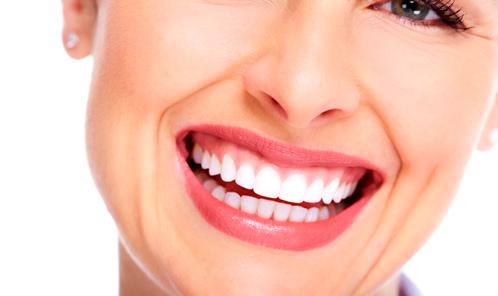
Why are my teeth sensitive? What can I do about it? To understand why your teeth are sensitive, we must find the underlying causes and factors contributing to this discomfort. Tooth sensitivity is a common dental problem that affects millions of people. It is often experienced as sudden, sharp pain when teeth are exposed to cold, hot, sweet, or acidic foods and drinks. Some people also notice sensitivity while brushing or flossing. The sensation can range from mild to severe and can significantly impact your quality of life, if left untreated.
The most common cause of tooth sensitivity is exposed dentin. Dentin is the layer beneath the enamel and contains tiny channels that connect to the nerve inside the tooth. When enamel wears away, these channels become exposed, allowing temperature changes and other stimuli to reach the nerve and cause pain.
Gum recession is another frequent cause of sensitivity. As gums pull away from the teeth, the root surfaces become exposed. Unlike the crown of the tooth, the root is not protected by the hard white enamel, making it much more vulnerable to sensitivity.
Tooth decay, cracked teeth, and worn or leaking fillings can also lead to discomfort. These conditions create pathways that allow heat, cold, or pressure to reach the tooth's nerve. In some cases, sensitivity may be a warning sign of a cavity or fracture that requires dental treatment.
Teeth grinding and clenching, known as brux-
ism, can wear down enamel over time and create tiny cracks in the teeth. Both can increase sensitivity and may lead to more serious dental problems if left untreated.
Diet can also play a role. Frequent consumption of acidic foods and beverages such as soft drinks, citrus fruits, sports drinks, energy drinks, and wine can gradually erode enamel. Medical conditions such as acid reflux, bulimia, or gastroesophageal reflux disease (GERD) can have a similar effect by exposing teeth to stomach acids.
Certain dental procedures, including professional cleanings, whitening treatments, fillings, and crowns, may cause temporary sensitivity. Fortunately, this type of sensitivity usually resolves within a few days or weeks.

The best way to treat sensitive teeth is to identify and address the underlying cause. Desensitizing toothpaste, fluoride treatments, proper brushing techniques, and wearing a nightguard for grinding can often provide relief. Regular dental examinations are important because they allow problems such as decay, gum disease, and cracked teeth to be detected and treated early. If you are experiencing tooth sensitivity, consult your dentist. With an accurate diagnosis and appropriate treatment, most cases of sensitivity can be successfully managed, allowing you to eat, drink, and smile comfortably again.
“Preventive Dentistry can add 10 years to human life.” - Dr. Charles Mayo of the Mayo Clinic
Dr. Bradley Hepler and the experienced team at the Atlanta Center for Dental Health provide all the modern advances for healthy and attractive smiles. You will realize immediate results with non-invasive and often inexpensive procedures to enhance your smile and your health. If you would like a complementary consultation to discover your smile restoring options, please call the Atlanta Center for Dental Health at 770-992-2236. Dr. Bradley Hepler has spent many hours dedicated to perfecting and updating the latest and best techniques in dentistry. It is with this breadth of knowledge that we provide each patient with the perfect solution to their situation, their life, and their goals. It is our pleasure to serve this community and help as many people as possible.

Knowing the signs of trauma in children
Brought
to you by
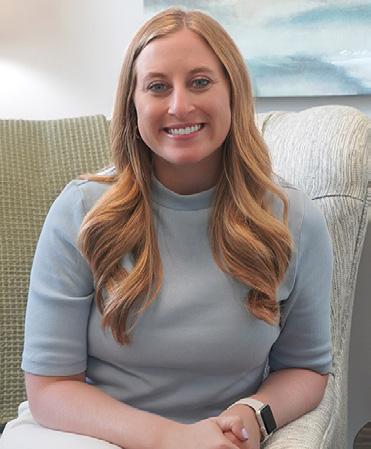
– Maddie McGarrah, M.Ed., Summit Counseling
Recognizing signs of trauma in children is an important but challenging task for parents, caregivers, and educators. Traumatic experiences can deeply affect a child’s emotional, mental, and physical well-being. Since children often lack the language or coping skills to express their feelings, trauma may manifest in both subtle and obvious ways. In some cases, trauma can even lead to Post-Traumatic Stress Disorder (PTSD).
Understanding these signs is crucial for providing appropriate support and creating a safe environment for healing.
The DSM-5-TR defines trauma as exposure to actual or threatened death, serious injury, or sexual violence. This can occur through direct experience, witnessing, or learning about an event involving a close family member or friend. Trauma can also result from repeated or extreme exposure to disturbing details of such events. Signs that a child may be struggling with trauma include:
• Increased or obsessive thoughts about death or safety. Sometimes a hyper-focus on mortality.
• Sleep or eating disturbances, such as too little or too much sleep, or changes in appetite.
• Increased times of unexplained irritability or anger outbursts.
• Difficulty concentrating and staying focused during tasks or conversations, which may resemble ADHD but is a response to the trauma.
• Hypervigilance such as being easily startled or reacting strongly to stimuli.
• Symptoms resembling an anxiety disorder, like excessive worry or difficulty separating from parents.
• Symptoms resembling a depressive disorder such as difficulty experiencing positive emotions, like happiness, satisfaction, or love.
Maddie McGarrah, M.Ed.
• Intrusive symptoms, such as nightmares, flashbacks, or unexpected memories of the traumatic event.
• Increased symptoms triggered by reminders of the event, such as anniversaries, visual or auditory cues, and even smells.
• Negative beliefs about oneself, others, or the world.
• Lastly, stress and trauma can manifest differently in girls and boys. Although this can vary, boys often react more quickly and with more irritation and anger, while girls can have delayed reactions that are more internal.
Recognizing these signs early is essential for providing timely support and helping children begin the healing process. If you have observed your child experiencing some of these after a potentially, seeking therapy can provide children with the tools and support they need to heal and navigate their trauma in a safe and constructive way.










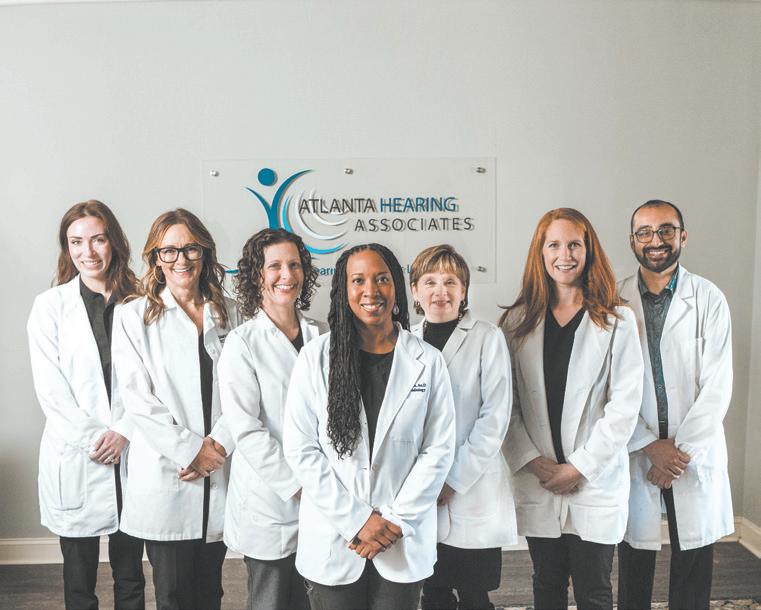
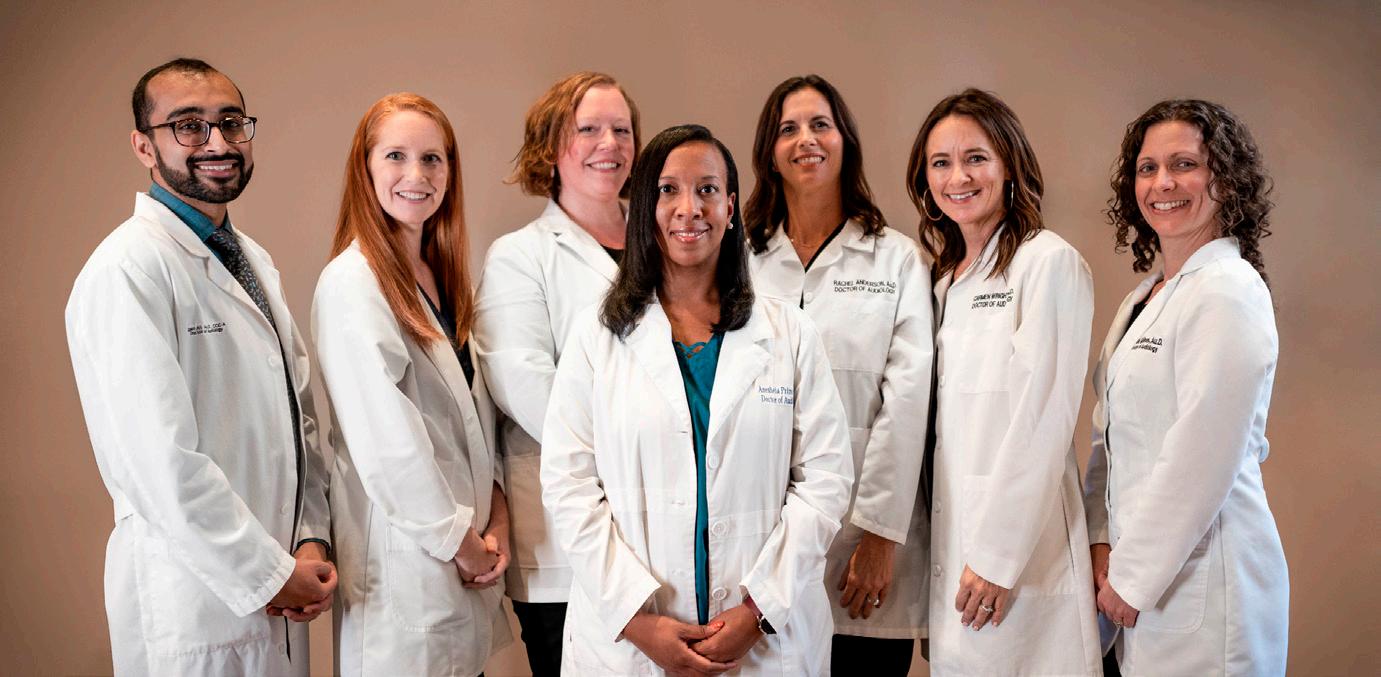


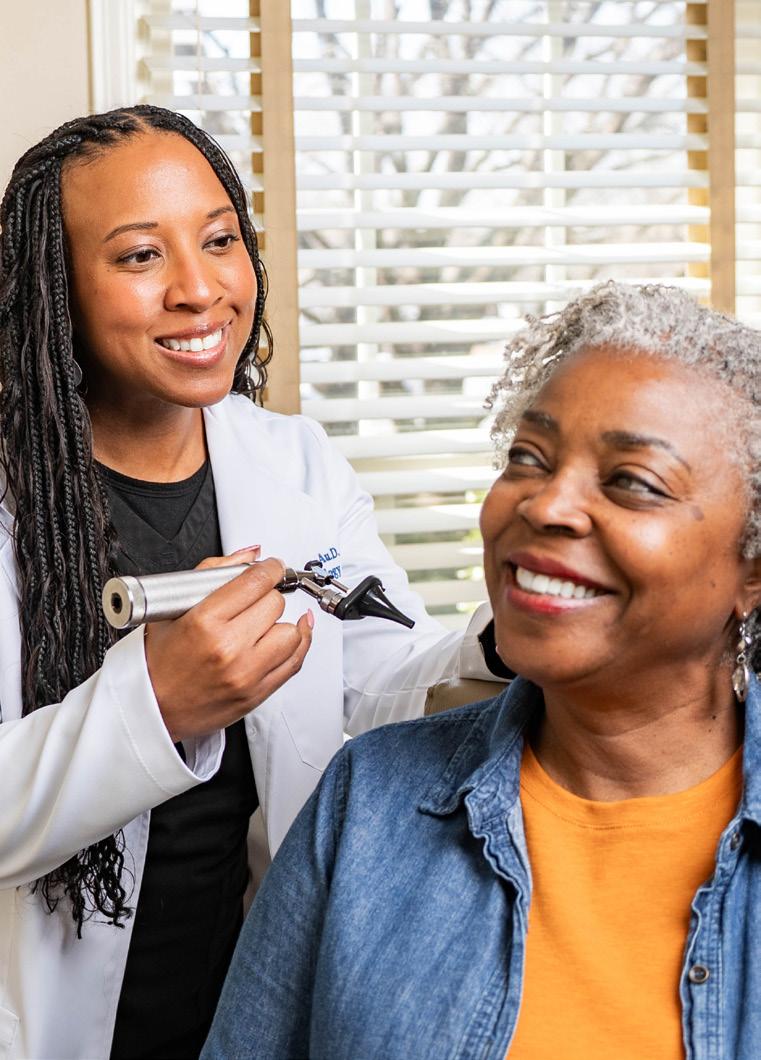
Better
a
We also partner with different agencies to provide audiological care to veterans, ATF officers, reservists, police departments, Cochlear implants recipients, and community wellness groups.
We accept all major insurances for patients who have a hearing healthcare benefit that they are eligible to use.
are
The wellness shift
A new approach to personalized health
Brought to
you by
– OlympusMD Milton
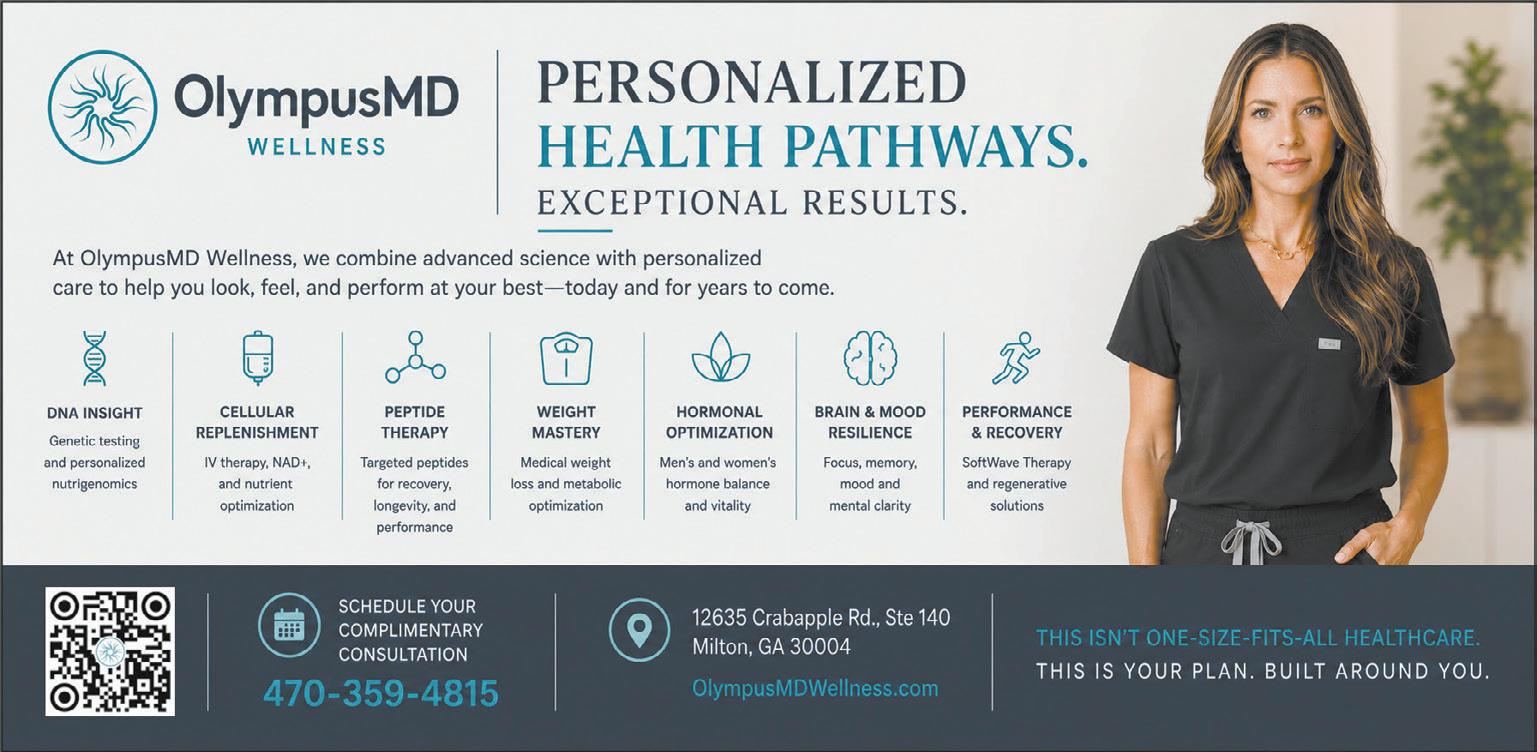
For years, healthcare has focused on treating illness after symptoms appear. Today, a growing number of people are taking a different approach—one that focuses on optimizing health before problems develop.
This movement toward personalized wellness is changing how people think about aging, energy, weight management, recovery, and long-term health.
Rather than relying on a one-sizefits-all solution, modern wellness programs are increasingly built around an individual’s unique needs, goals, and lifestyle. Factors such as nutrition, activity levels, sleep quality, stress, body composition, lab results, and even genetics can all play a role in how a person feels and functions.
As a result, many people are seeking personalized health pathways that provide a clearer roadmap toward bet -
ter health. These pathways may focus on areas such as metabolic health, weight management, recovery, hormone balance, cognitive performance, or healthy aging.
The goal is not simply to add years to life, but to improve the quality of those years.
This shift is especially appealing to adults who want to stay active, maintain independence, improve energy levels, or address concerns before they become larger health challenges.
Experts believe preventive and personalized wellness will continue to play an increasing role in healthcare as technology and scientific understanding advance. From genetic insights to targeted wellness strategies, individuals now have more tools than ever to take a proactive role in their health.
The future of wellness may not be about finding a single solution. It may be about finding the pathway that is right for you. To find out more visit OlympusMDWellness.com.








Travel smart with mobility devices: tips from the pros!
T:\ADS_2025\Appen Media Group\Filler Ads\ Shop, Eat, Read Local Brought to you by – Mobility Plus Alpharetta




Think traveling with a mobility device will slow you down? Think again! Read on to find out how to travel safer and smarter:
Accommodations – There are so many accessible destinations in the world! Make sure that your accommodations have doorways that are at least 24” wide, and an access ramp that is 30”-34” wide if you will be riding a mobility scooter or powerchair into your rental unit. Check the specs of your hotel entrances, exits, and bathroom doorways! Older hotels abroad may not be as easy to navigate so research carefully before you book. A blog like this one, dedicated to accessible travel can save you time online: www.wheeltheworld.com
Renting vs. purchasing – Our customers love zipping through the airport with their own devices, skipping to the front of security, and checking their scooters and powerchairs at the gate of the plane. Purchasing a device can save money in the long run, make keeping up with extended family at home much easier, and can allow for more independence from the very start of the trip to the finish. Consider how you will manage long treks through airports, cruise ports or train stations if you choose to rent your mobility device at your destination instead of taking
it with you. Not sure you are ready to invest in a mobility device just yet? Rent lightweight, folding scooters and powerchairs from us to take on your trip! This allows you to “try before you buy” and have the device with you from the moment you leave the house.
Travel features - Travel-ready mobility devices often fold flat, weigh 27-45 lbs. And have FAA and cruising approved lithium batteries. The max weight capacity on travel equipment is usually 250-300lbs. Additionally, they can travel 7 to 18 miles on one charge. Choosing to purchase from a local mobility equipment dealer at home will ensure that you get a proper fit, and the features that matter most to you. Buying a high-quality, namebrand product with a global network of authorized dealers will ensure peace of mind should you have a service and repair need abroad. Your local dealer can often provide you with a referral to an authorized service provider near your travel destination, so you are prepared in advance! Additionally, they can prep and laminate wheelchair forms in advance with an easy-to-read format for baggage handlers. This can significantly reduce risk of device damage!
Ready to start exploring? Visit Mobility Plus Alpharetta Monday-Friday 10am-5pm or Saturdays 9am-1pm. We look forward to helping you “go where you want to go!”
PROVIDED
Prioritizing skin health during Men’s Health Month
Brought to you by –
Dr. Tiffany Clay-Ramsey, Epiphany Dermatology
June is Men’s Health Month—a time to focus on preventive care and long-term wellness. While many men prioritize their overall health, skin health is often overlooked. As a dermatologist, I encourage men of all backgrounds and skin tones to take a proactive approach to caring for their skin.
Skin cancer remains one of the most important concerns. While it is often perceived as less common in men with darker skin tones, it is frequently diagnosed at later stages—making awareness and early detection critical. In addition, conditions such as acne, folliculitis (especially related to shaving), eczema, and psoriasis are common in men. For those with skin of color, concerns like hyperpigmentation or razor bumps can be particularly persistent and require specialized care.
One of the simplest yet most effective steps you can take is wearing sunscreen daily. A broad-spectrum SPF 30 or higher helps protect against harmful UV rays, which contribute not only to skin cancer but also to uneven skin tone and premature aging. Sunscreen is essential for every skin type and tone.
Equally important is establishing care with a boardcertified dermatologist. Annual skin screenings allow for early detection of skin cancer and provide an opportunity to address concerns involving your skin, hair, and nails with a personalized approach.
This Men’s Health Month, take charge of your skin health. Prevention, protection, and expert care can make all the difference. Call our office at (470) 903-8886 to set up an appointment!