

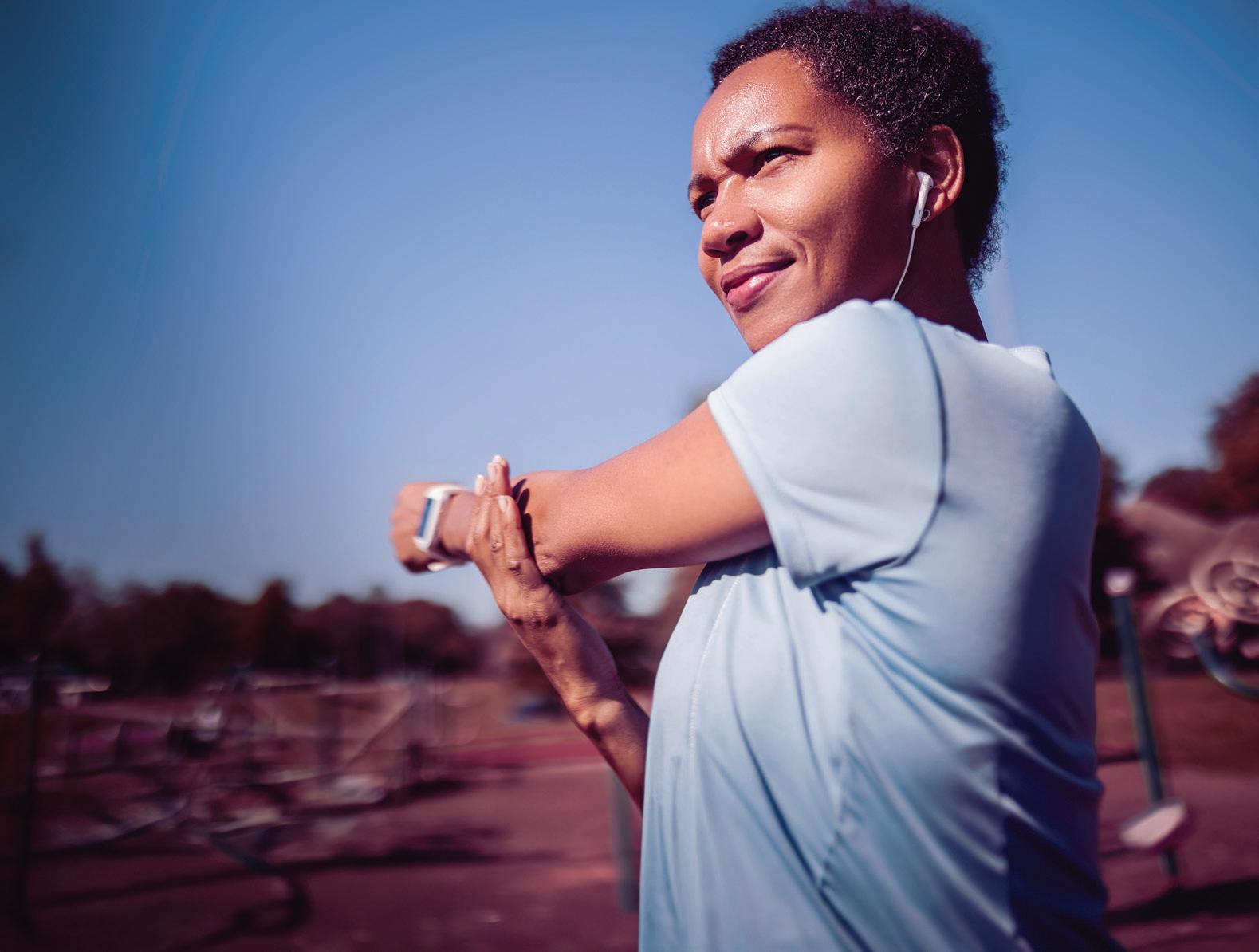
Fellowship-trained experts. Advanced imaging. Physical therapy. Comprehensive orthopedic care—all under one roof.
Brought to you by –
Wellstar Avalon
Whether you’re training for a marathon, recovering from an injury, managing arthritis or simply hoping to stay active with your family, orthopedic care matters. Now, residents of North Fulton have access to a comprehensive team of fellowship-trained orthopedic specialists right in their own community at Wellstar Avalon Health Park.
The orthopedic team at Wellstar Avalon brings together trained experts who focus exclusively on their areas of specialization. The practice includes shoulder specialist Dr. Joseph Burns, hand and upper extremity specialist Dr. William Stults, foot and ankle specialist Dr. Roshmi Bhattacharya, hip and knee replacement
specialist Dr. Eric Kiskaddon, and sports medicine and knee arthroscopy specialist Dr. Jennifer Blanda.
Unlike many orthopedic practices that offer broad general care, every orthopedic physician at Wellstar Avalon has completed advanced fellowship training and utilizes the latest evidence-based, minimally invasive surgical and non-surgical treatments designed to help people recover faster and return to the activities they enjoy.
Wellstar Avalon is a state-of-the-art facility and was designed around the patient experience. Advanced imaging services, including MRI and CT scanning, are available on-site, allowing patients to receive comprehensive evaluations without traveling to multiple locations. Wellstar Urgent Care, physical therapy and hand therapy offices are also conveniently located within the facility, so our team can support patients at every step of the diagnostic and treatment process.
Because Wellstar Avalon is part of the larger Wellstar system, patients benefit from access to one of Georgia’s largest and most advanced healthcare networks while receiving personalized care in their neighborhood. The orthopedic specialists at Wellstar Avalon work collaboratively to ensure patients are connected with the right expert for their specific condition, whether that involves sports injuries, joint replacement, hand conditions, foot and ankle disorders, or complex shoulder problems.
The goal is simple: provide exceptional orthopedic care that helps people move better, feel better and get back to the life they love.
For North Fulton families seeking expert orthopedic care, Wellstar Avalon offers a destination where nationally-recognized expertise, advanced technology and patient-centered care come together under one roof. Call (470) 95-ORTHO or go to wellstar.org/ortho to schedule an appointment.
Brought to you by – Emory Healthcare and Winship Cancer Institute of Emory University
Colorectal cancer is one of the most common cancers diagnosed in the United States. While advances in screening and treatment have improved outcomes, it remains a significant health concern for adults as they age.
Colorectal cancer begins in the colon or rectum, which are part of the digestive tract. While advances in screening and treatment have improved outcomes, experts say one of the biggest challenges remains recognizing symptoms early and seeking medical attention when something doesn’t seem right.
Symptoms can include:
• Blood in the stool or rectal bleeding
• Persistent abdominal pain or cramping
• Changes in bowel habits, including new constipation or diarrhea
• Iron-deficiency anemia
• Unexplained weight loss
Many people dismiss these symptoms as hemorrhoids, stress, dietary changes or a temporary stomach issue. But
experts caution that persistent symptoms should never be ignored.
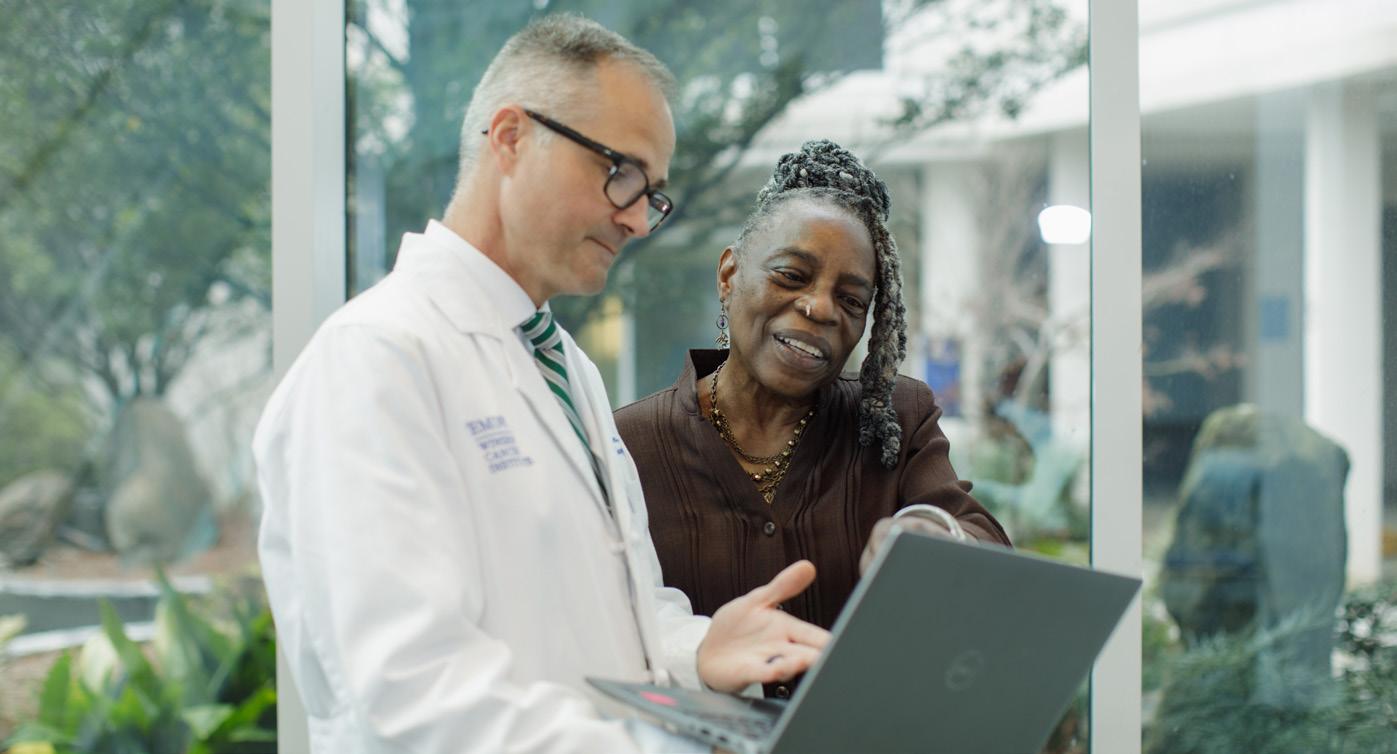
“Bleeding is never normal until proven otherwise,” says Patrick Sullivan, MD, colorectal surgeon at Winship Cancer Institute. “If something changes and doesn’t return to normal, it’s important to get evaluated.”
Researchers believe colorectal cancer develops through a combination of factors, including genetics, lifestyle and environmental influences. Family history remains one of the strongest risk factors, and experts encourage people to know their family’s cancer history across multiple generations. Obesity, smoking, heavy alcohol use, physical inactivity and diets high in processed foods and red meat have also been linked to increased risk.
For those diagnosed with colorectal cancer, early detection can make a significant difference. When cancer is found at an earlier stage, treatment may be less extensive and outcomes are often substantially better than when the disease has spread.
Just as important as early diagnosis is where patients receive their care.
At Winship Cancer Institute of Emory University, Georgia’s only National Cancer Institute-designated Comprehensive Cancer Center, every patient benefits from a
multidisciplinary team of specialists focused specifically on gastrointestinal cancers. Medical oncologists, colorectal surgeons, radiation oncologists, pathologists, genetic counselors and other experts work together to develop a personalized treatment plan based on each patient’s unique diagnosis.
Winship also has a dedicated team focused exclusively on rectal cancer, providing highly specialized expertise for patients facing complex treatment decisions.
Every colorectal cancer is different. That’s why Winship uses advanced imaging, molecular profiling and precision medicine approaches to better understand the biology of each patient’s cancer. This allows physicians to tailor treatment strategies to the individual rather than relying on a one-size-fits-all approach.
Patients also have access to more cancer clinical trials than any other cancer center in Georgia, providing opportunities to receive promising new therapies and treatment approaches that may not be widely available elsewhere.
If you or a loved one has been diagnosed with colorectal cancer, specialized care matters.
To learn more or schedule an appointment with a Winship colorectal cancer specialist, call 678-995-5998 or visit winshipcancer.emory.edu/colorectal-care.


Dr. Brent Taylor is a Board-Certified Dermatologist, a Fellowship-Trained Mohs Surgeon, and is certified by the Board of Venous and Lymphatic Medicine in the field of Vein Care.
He is an expert in skin cancer and melanoma treatment, endovenous laser ablation, minimally invasive vein procedures and cosmetics procedures such as Botox and injectables.
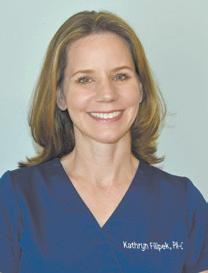
Kathryn is a certified physician assistant with over 23 years experience as a Dermatology PA and cosmetic dermatology.
Her specialties include general dermatology such as acne, eczema, rashes, hair loss, full body skin exams, abnormal growths etc. Kathryn also specializes in cosmetic dermatology including lasers, injectables, micro-needling, PRP, facial peels, sclerotherapy for spider veins and at home skin care.
A tale of two sunscreens: How the FDA helped us finish first by finishing last
For more than thirty years, the US and Europe have followed different sunscreen paths. In Europe, twelve new sunscreen filters have been approved since 1996. In the US, as of August 2026, the FDA approved bemotrizinol (BEMT) as a safe and effective over-the-counter sunscreen ingredient— the first new sunscreen filter approved here in twenty years. Europe approved BEMT in 1999, and the US approved BEMT in 2026. But who really won: the turtle or the hare?
The Bullet We Dodged
Patients often ask why the United States has taken so long to approve newer sunscreen filters available in Europe for years. The answer lies in a fundamental regulatory difference. Europe generally regulates sunscreens as cosmetics, while the United States classifies them as overthe-counter drugs and is very concerned with how much sunscreens are absorbed through the skin. That higher standard requires manufacturers to demonstrate multiple indicators of safety before products reach consumers in the US.
The contrast became especially clear with 4-methylbenzylidene camphor (4-MBC). This UV filter was approved fifty years ago in Europe and was widely used for decades but never gained FDA approval because it failed to satisfy the agency's safety requirements. Subsequent research confirmed that 4-MBC acts as an endocrine disruptor with estrogen-like activity, alters thyroid hormone levels, may be genotoxic, and causes significant environmental toxicity, including developmental abnormalities in some vertebrates.
The European Union ultimately banned retail sales of products containing 4-MBC beginning May 1, 2026, after fifty years of use. It was never allowed to be sold in the United States.
Meanwhile, twenty-seven years after its European approval, bemotrizinol has finally gained FDA approval.
Bemotrizinol's story is an unexpected one. In the early 1990s, Swiss chemists developed it as an industrial plastic stabilizer to protect outdoor materials from UV damage before realizing it absorbed ultraviolet light remarkably well while remaining exceptionally stable. Most importantly, its stability, negligible skin absorption, and reassuring toxicity data make it an ideal sunscreen ingredient.
Its unusually large molecular structure limits penetration into the bloodstream while providing excellent protection against both UVA rays, which accelerate skin aging, and UVB rays, which cause sunburn.
Its broad-spectrum protection rivals zinc oxide without leaving the heavy white residue many people dislike. Bemotrizinol also stabilizes older ingredients such as avobenzone, helping some sunscreen formulations remain effective longer.
Mineral sunscreens have long been promoted as the only "reef-safe" option. However, growing research suggests that zinc oxide and titanium dioxide nanoparticles may stress some marine organisms and contribute to coral damage under certain conditions.
Bemotrizinol appears environmentally promising. It is highly stable, does not readily dissolve into seawater, and produces few reactive breakdown products. Although long-term studies are still underway, early evidence suggests it may prove less disruptive to marine ecosystems than some mineral formulations.
DSM-Firmenich first applied for FDA approval in 2005, but the application stalled for years under the previous review process. The 2020 CARES Act modernized that system, allowing the FDA to evaluate sunscreen ingredients more efficiently.
As an incentive for the company's extensive safety testing, Congress granted DSM an 18-month exclusivity period through February 2028. The parent company of Neutrogena and Aveeno has already announced plans to incorporate bemotrizinol into selected sunscreens under the trade name “Parsol Shield.”
Premium formulations containing bemotrizinol are expected to reach U.S. store shelves around September 2026, followed by generic versions in 2028. The FDA's streamlined approval process and exclusivity incentive may also pave the way for several additional modern sunscreen filters including Tinosorb M to come to the US.
The FDA's review process may sometimes seem frustratingly slow. We waited a long time for BEMT, but we also avoided toxic 4-MBC while it was used for fifty years in Europe. When protecting both our skin and long-term health, caution can be one of medicine's greatest strengths. In this case, the tortoise beat the hare.
If you have concerns about sun damage, a non-healing spot, or any other skin condition, a consultation with a qualified dermatology provider can help determine the most appropriate treatment options. If you are in the Atlanta area, we would be honored to help.
At Premier Dermatology and Mohs Surgery of Atlanta, Dr. Brent Taylor, Kathryn Filipek, PA-C, and our staff are privileged to care for patients and families throughout our community.
For many adults and teenagers, the thought of straightening their teeth brings back memories of metal braces, brackets, and wires that stayed in place for two years or longer. While traditional braces remain an excellent treatment option for many patients, advances in dental technology have made it possible for many people to achieve a straighter smile in a much more comfortable and discreet way.
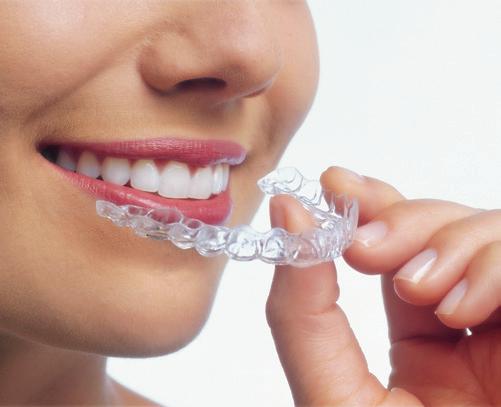
One of the biggest advances in orthodontics is Invisalign®, a system of clear, custom-made aligners that gradually move teeth into their ideal position. Instead of metal brackets and wires, patients wear a series of nearly invisible aligners that are changed every one to two weeks as treatment progresses.
Because the aligners are removable, patients can continue enjoying their favorite foods without many of the restrictions associated with traditional braces. They can also brush and floss normally, making it easier to maintain excellent oral hygiene throughout treatment.
While many people think of straightening teeth as a cosmetic procedure, properly aligned teeth can also provide important health benefits. Crowded or crooked teeth are often more difficult to clean, allowing plaque and bacteria to accumulate in hard-to-reach areas. Over time, this can increase the risk of cavities and gum disease.
Correcting bite problems can also improve the way teeth come together during chewing. An uneven bite may contribute to excessive wear on certain teeth, jaw
discomfort, or difficulty chewing. By improving tooth alignment, orthodontic treatment can help distribute biting forces more evenly and support the long-term health of the teeth and gums.
Another benefit of Invisalign is comfort. The smooth plastic aligners eliminate the brackets and wires that can sometimes irritate the cheeks and lips. Since the aligners are custom-designed for each patient, they fit comfortably while gently guiding the teeth into position.
Treatment times vary depending on the complexity of each case, but many patients complete treatment in
considerably less time than they expect. In addition, digital imaging technology allows dentists to create a personalized treatment plan and often provide patients with a preview of how their smile may look before treatment even begins.
Many adults who assumed they had missed their opportunity to straighten their teeth are surprised to learn that they are excellent candidates for clear aligner therapy. Invisalign can successfully treat a wide variety of orthodontic concerns, including crowding, spacing, overbites, underbites, crossbites, and many other alignment issues.
If you've been thinking about improving your smile, there has never been a better time to explore your options. Modern orthodontic treatment offers a comfortable, convenient, and nearly invisible way to achieve a healthier bite and a more confident smile.
The doctors and team at Atlanta Center for Dental Health are happy to answer questions, explain treatment options, and provide a complimentary Invisalign consultation with a digital smile simulation to help patients see what may be possible before beginning treatment.
Dr. Bradley Hepler and the experienced team at the Atlanta Center for Dental Health are dedicated to your health and longevity. They provide all the modern advances that contemporary aesthetic dentistry offers. You will realize immediate results with non-invasive and often inexpensive procedures to enhance your smile. If you would like a complementary consultation to discover your smile restoring options, please call the Atlanta Center for Dental Health at 770-992-2236


different, they often begin with the same question:
"Where should I start?"
Not long ago, wellness meant eating a little healthier, taking a multivitamin, and hoping for the best.
Today, the conversation has changed.
People are becoming more interested in understanding how their bodies function—not just when something goes wrong, but while they're feeling well. They're looking for ways to support energy, improve recovery, optimize sleep, maintain strength, promote healthy aging, and stay active through every stage of life.
That's because wellness isn't just about one goal anymore.
It's about creating a lifestyle that helps you continue doing the things you love.
At OlympusMD, we've watched this evolution happen firsthand.
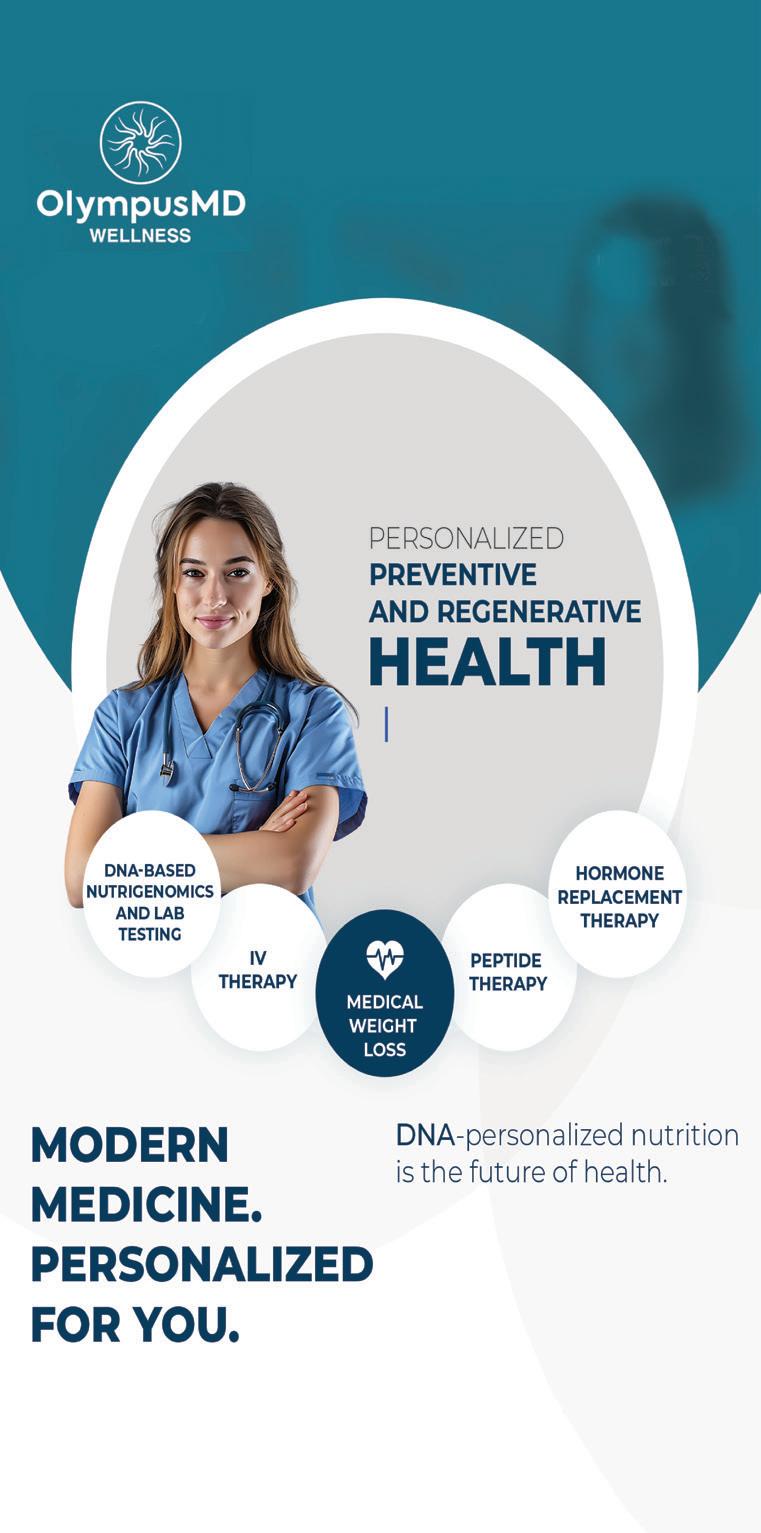
Some patients come to us wanting to support a healthy metabolism. Others are focused on athletic recovery, improving vitality, optimizing hormones, enhancing sexual wellness, or simply maintaining an active lifestyle as they age. Many are interested in understanding how genetics, nutrition, and lifestyle work together to influence their overall health.
While those goals may seem very
The answer is rarely a single treatment or one-size-fits-all solution.
True wellness begins with understanding the individual.
That's why our team focuses on physician-supervised wellness programs that may include comprehensive health evaluations, advanced laboratory testing, DNA insights, lifestyle guidance, nutritional support, hormone optimization when clinically appropriate, IV nutrient therapy, recovery technologies, and other evidence-informed wellness services designed around each person's unique goals.
Behind the scenes, we're also preparing to introduce something we've been building for months—an entirely new way to organize personalized wellness into simple, goal-oriented pathways that make navigating your health journey easier than ever.
We believe the future of healthcare won't be defined by the next wellness trend.
It will be defined by personalization.
Because when your healthcare is built around you, every decision becomes more meaningful.
The next chapter is coming soon.

As our country celebrates the 250th anniversary of independence, it’s fun to look back at the people who helped shape American history and even more fun, at least for a dentist, to look at their teeth.
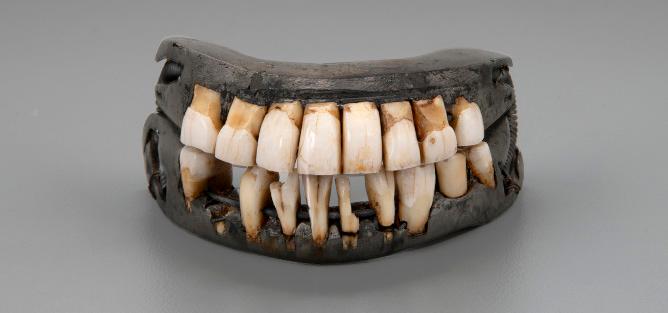
The most famous dental story from the founding era belongs to George Washington. Many of us grew up hearing that Washington had wooden teeth, but that is one of America’s stickiest myths. His dentures were not wood. They were made from materials such as ivory, metal, and human and animal teeth. Washington struggled with dental pain and tooth loss for much of his adult life, and by the time he became president, he had only one natural tooth left. His dentures were bulky, uncomfortable, and difficult to wear, which may explain why he often looks tight-lipped in portraits.
Paul Revere also has a surprising connection to dentistry. Before the Revolution, he worked as a silversmith and advertised dental services. Revere made dental prosthetics, including a bridge for Dr. Joseph Warren, a patriot physician who was killed at the Battle of Bunker Hill. After Warren’s body was recovered from a mass grave, Revere reportedly helped identify him by recognizing the dental work he had made. It is considered one of the earliest examples of forensic dentistry in America.
Thomas Jefferson had a much luckier dental story. Records from Monticello suggest that dental care was part of his routine, and unlike Washington, Jefferson never needed false teeth. At age 81, he wrote that he had lost only one adult tooth and that the rest remained sound. For the 1700s, when dentistry was far less advanced and preventive care was not what it is today, that was remarkable.
John Adams, on the other hand, shows us how much oral health can affect daily
life. Historical accounts describe Adams as having poor dental health, and he reportedly refused to wear dentures. Tooth loss can change speech, chewing, facial support, and confidence—problems we still see today when missing teeth go untreated.
The dental care available to these early Americans was nothing like what we have now. There were no digital x-rays, modern anesthetics, fluoride treatments, dental implants, or comfortable custom dentures. Many people waited until pain was severe before seeking care, and treatment often meant extraction. Prevention was limited, and replacement teeth were often uncomfortable, expensive, and made from materials that would be unthinkable today.
Thankfully, dentistry has come a long way in 250 years. Today, we can prevent many problems before they become painful, restore teeth with beautiful materials, replace missing teeth more comfortably, and help patients keep healthy smiles for life.
So, this Independence Day, while we celebrate freedom, fireworks, and the fascinating people who shaped our country, we can also be thankful for one more thing: modern dental care. George Washington would have loved a good dental checkup.
At Roswell Dental Care, we utilize state-of-the-art technology along with the most up-to-date techniques and materials to transform your smile while keeping you comfortable. Dr. Destinee Hood gives your comfort and trust top priority. We assure feel confident in any dental solution before beginning treatment after a thorough and comprehensive examination. For enhanced comfort, we offer FREE conscious sedation, including nitrous oxide. Rest assured that your experience will be positive, relaxing, and rewarding. Take the first step in feeling great about your oral health. Schedule your oral health screening and give us a call at (770) 998-6736 or visit www.RoswellDentalCare.com.




Atlanta
Every
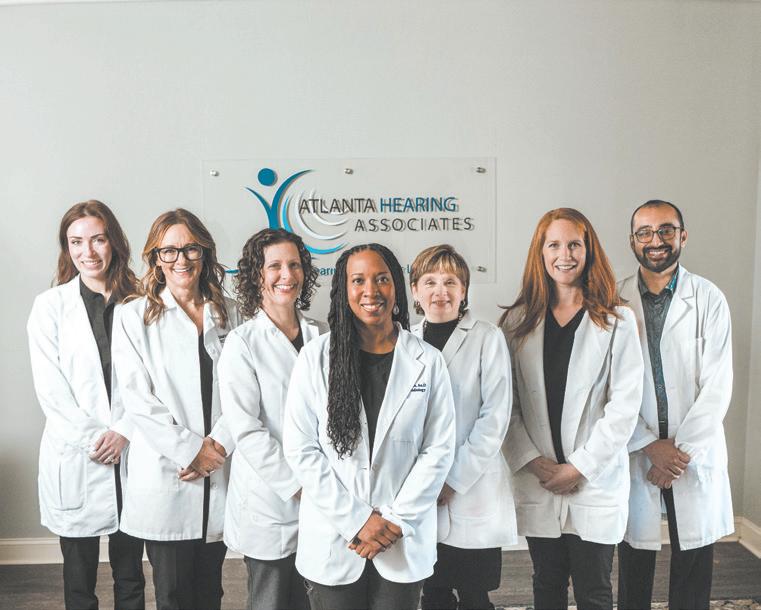
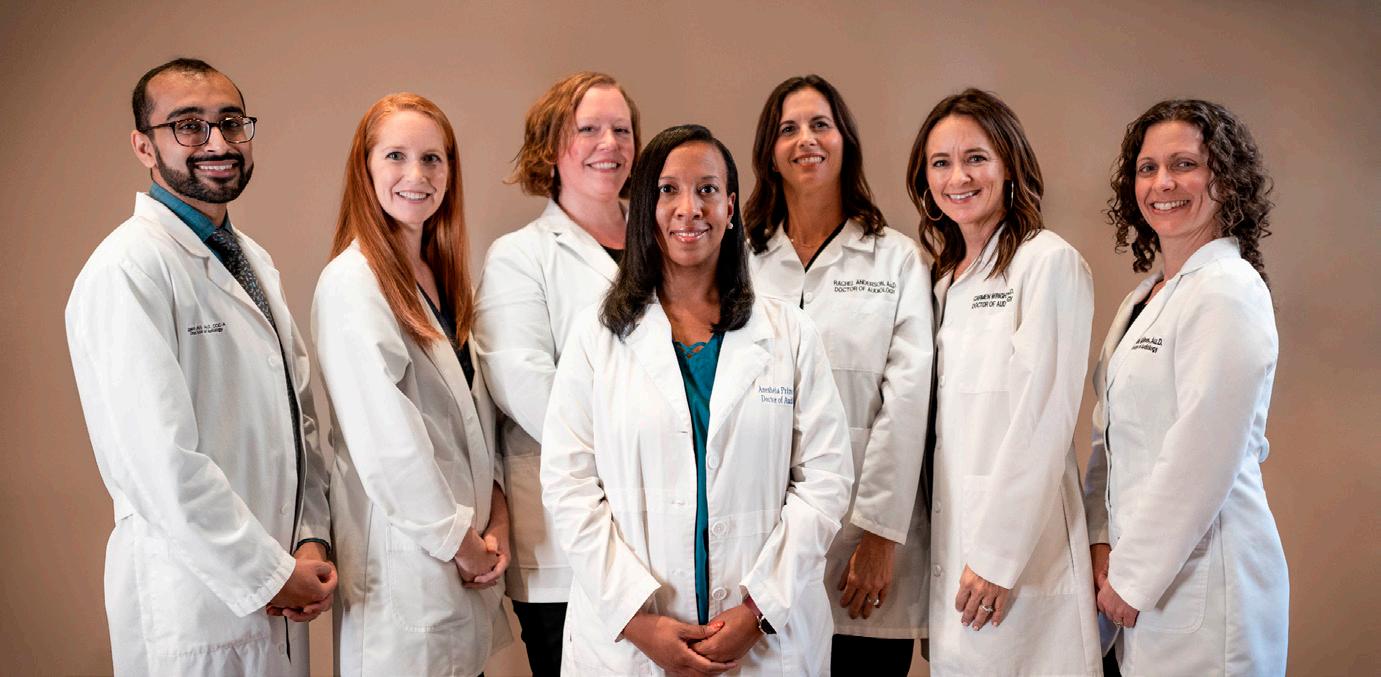
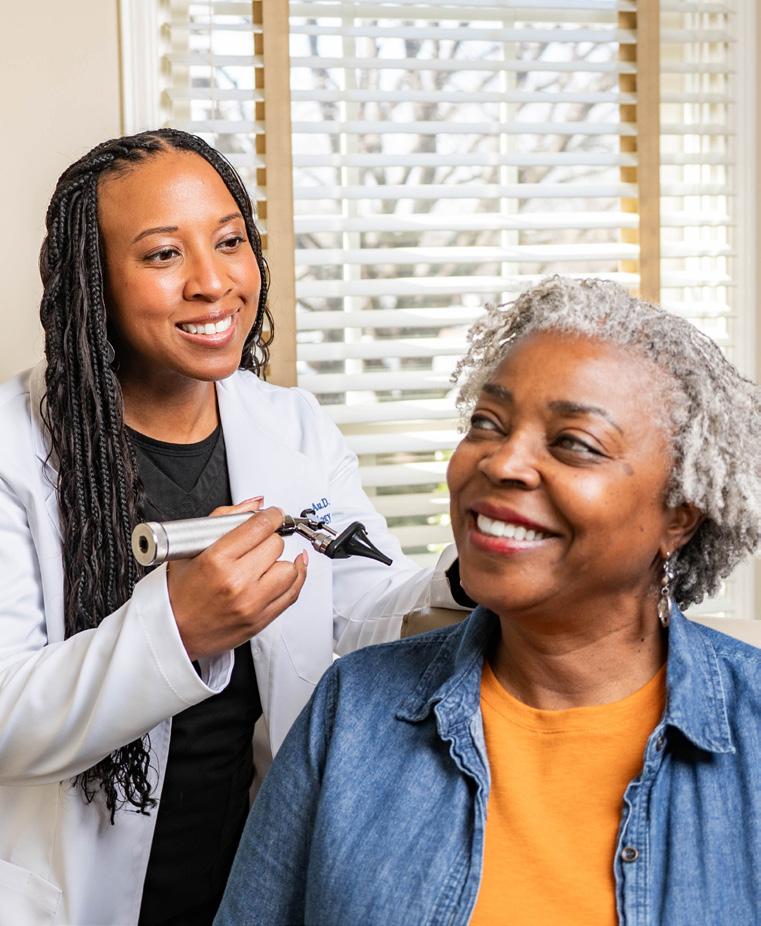
a personalized fitting. Each location utilizes state of the art technology and family-oriented care to help guide our patients to the best hearing devices and information on hearing healthcare.
We also partner with different agencies to provide audiological care to veterans, ATF officers, reservists, police departments, Cochlear implants recipients, and community wellness groups.
We accept all major insurances for patients who have a hearing healthcare benefit that they are eligible to use.
Our offices are located in Atlanta, Decatur, Dunwoody, Lake Oconee, and Milledgeville.
Brought
Dr. Kehinde Olumesi of Epiphany Dermatology - Brookhaven
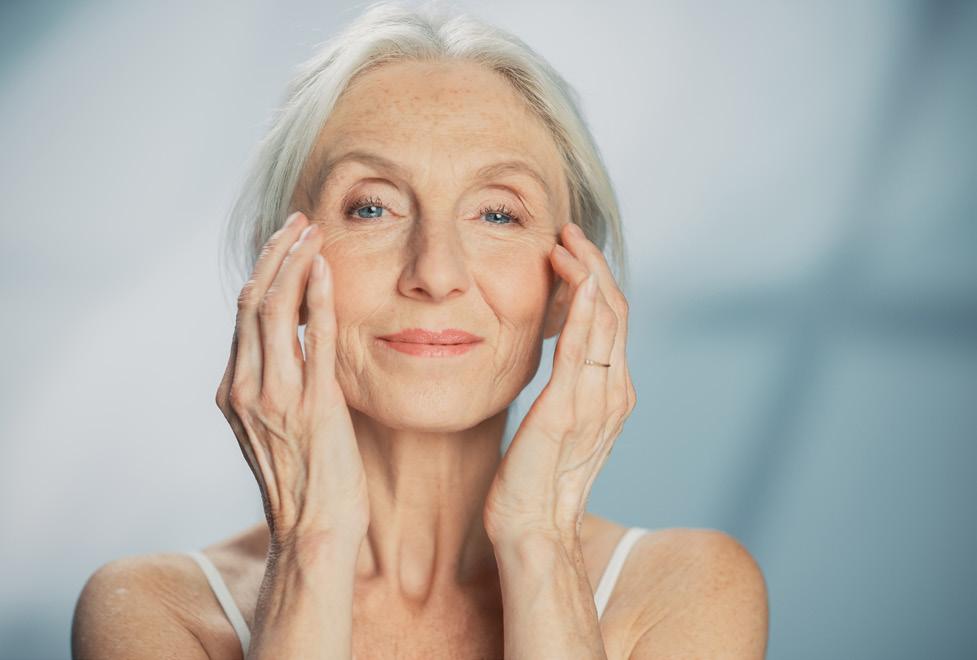
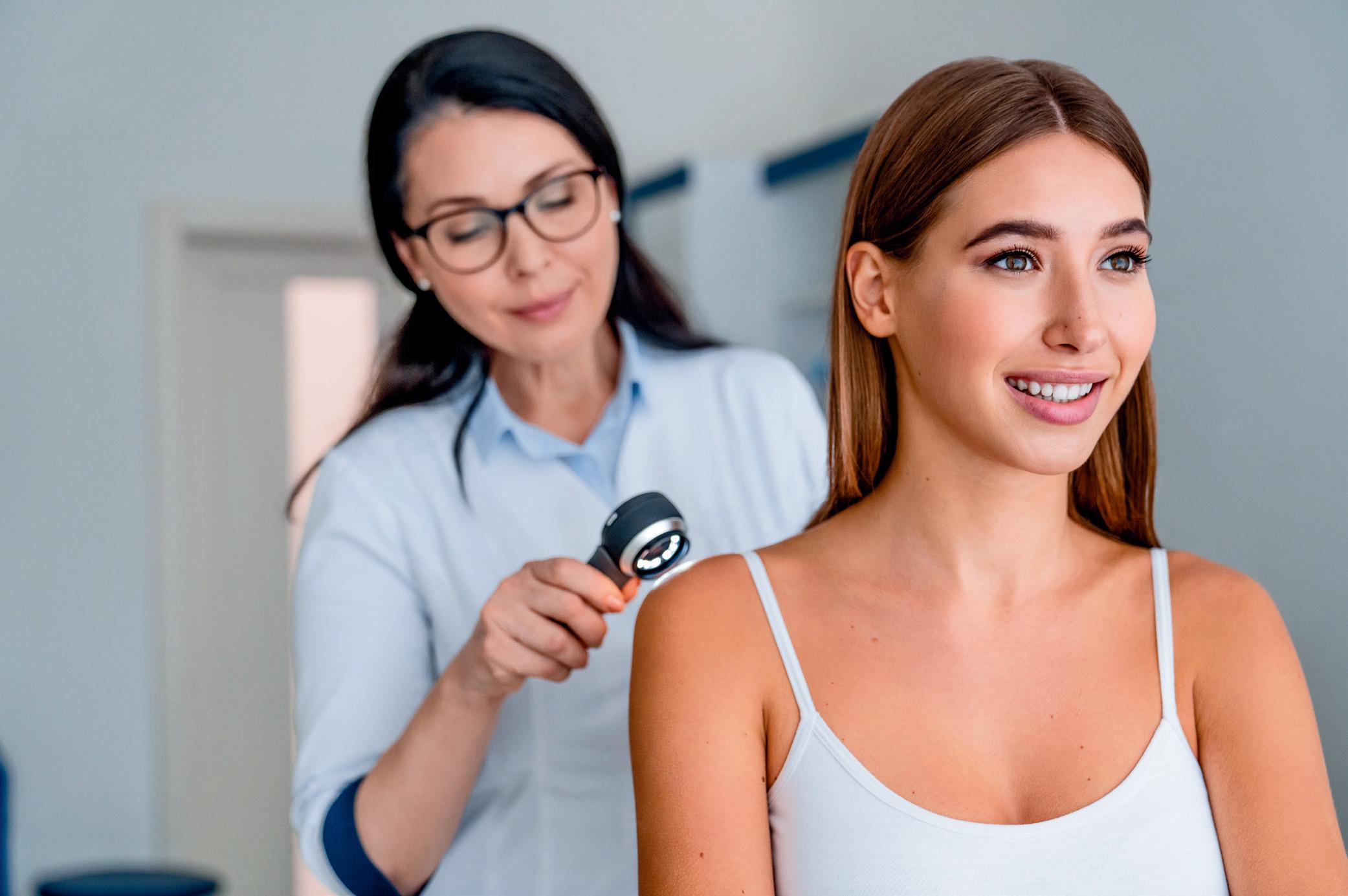
As skin matures, it undergoes various changes that necessitate regular skin checks to ensure overall skin health. Differentiating between age spots, healthy moles and potential skin cancers is crucial. Age spots, often appearing as flat, brown, or black spots on sun-exposed areas, are generally harmless but can be mistaken for more serious conditions. Early detection of skin cancer, including melanoma, basal cell carcinoma and squamous cell carcinoma, significantly increases the chances of successful treatment. Therefore, routine skin examinations are essential for mature skin to maintain health and catch any issues early.
Addressing skin conditions and rejuvenation procedures
Dermatologists can assist with a variety of skin conditions and rejuvenation procedures for mature skin. Common issues such as dryness, age-related pigmentation and conditions like rosacea, psoriasis and eczema, which can persist or develop with age, are also addressed with specialized care plans. In addition to treating conditions, dermatologists offer rejuvenating procedures to enhance the appearance and health of mature skin. Treatments such as chemical peels, laser rejuvenation and injectable treatments like BOTOX® Cosmetic and dermal fillers can reduce the appearance of wrinkles, improve skin texture and promote collagen production. These procedures not only rejuvenate the skin but also boost confidence and overall well-being. Establishing a relationship with a dermatologist ensures that your skin receives comprehensive care tailored to its evolving needs, promoting long-term skin health and vitality.



Has your oncologist ever talked to you about personalizing your cancer treatment? In other words, has he or she looked at unique aspects of your case, and tailored your treatments accordingly?
Of the various medical specialties, oncology is arguably the least personalized of all. Patients with a certain type of cancer typically receive the same first-line treatment. If that doesn’t work, they will receive the next best – or second line – treatment.
Following treatment flow charts this way has been referred to by some critics as “cookbook medicine.” Sadly, there is some truth to that criticism.
As an integrative oncologist, I believe that treatment should be as personalized as possible. This means that we must first peel back the various layers of each patient’s diagnosis before making treatment decisions. The type of cancer is certainly important, but that is only part of what makes each patient’s cancer unique.
For example, we must also consider each patient’s medical history, family history, work history, relationships, emotional health, and stressors as well. These details, coupled with advanced testing on the tumor tissue itself, are all important when crafting the optimal treatment protocol for each patient. This is what personalized cancer treatment is all about!
If you would like more information about my innovative cancer clinic, please visit my website at tcfam.com.
















A common misconception about vehicle lifts is that they are universal, and all that is needed on the car is a hitch. Read on to learn more about what to consider when purchasing a vehicle lift.
Tongue weight– A car must have appropriate tongue weight to support a vehicle lift. Many electric vehicles, small SUVs and economy sedans lack the tongue weight to support the downward pressure of a vehicle lift. Vehicle model year also influences tongue weight.
Compatibility guidelines – Your local dealer will need to know the exact make and model of your mobility device and the make, model and model year of your vehicle to determine which vehicle lift is appropriate for your application.
Lift types – There are three main types of vehicle lifts: Hoist lifts, hitchmounted exterior lifts, and interior lifts. Hoist lifts are most often mounted in a truck bed, and interior lifts transfer the mobility device into the trunk of an SUV so that it is stored completely within
the car. There are also hybrid lifts that combine features of both exterior and interior lifts, and lifts made explicitly for mini vans.
Additional considerations – It is always best to work with a local dealer when purchasing a vehicle lift. They will consult on the type of hitch needed (Either a Class II or Class III hitch), and what accessories might be beneficial or required by state law. For example, license plate risers are required accessories in several states, but optional in others like Georgia. Back-up cameras are now available on several vehicle lift models to improve rear visibility for hitch-mounted exterior lifts. Your local mobility consultant and lift installation expert will be able to leverage their expertise in helping you determine the best lift for your needs!
Interested in reducing the strain of transporting your mobility device? Call us to discuss your vehicle lift options! Visit us Monday-Friday 10am-5pm or Saturdays 9am-1pm or call us at (470) 545-1827. We look forward to helping you “go where you want to go!”