A spotlight on farm machinery maintenance, winter prep, ag tech, and pasture management
A spotlight on farm machinery maintenance, winter prep, ag tech, and pasture management

Kem Ormond
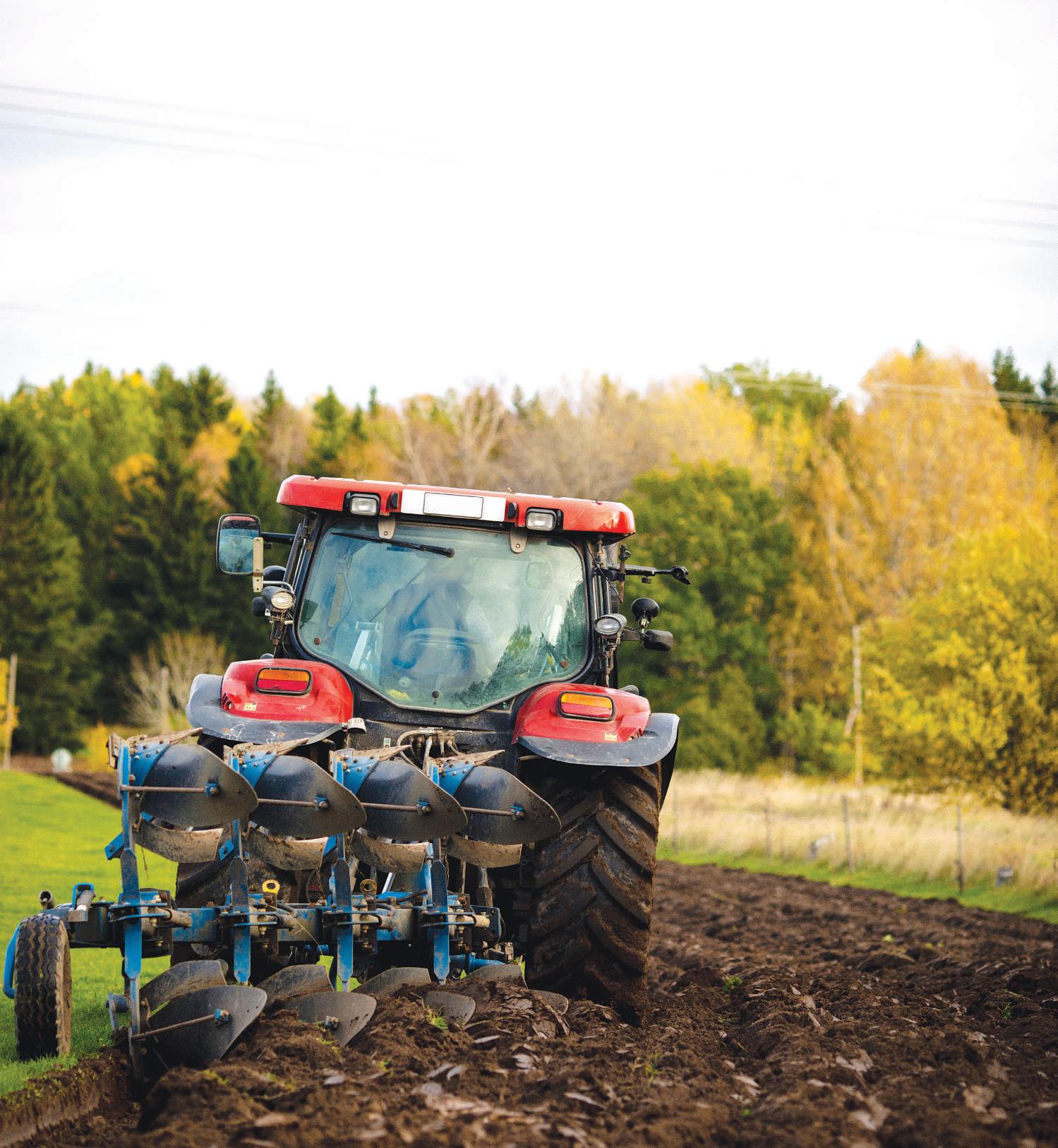
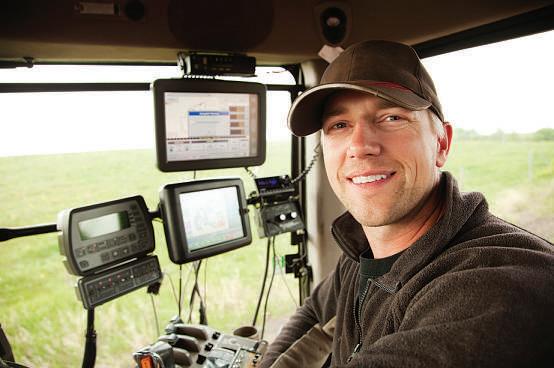
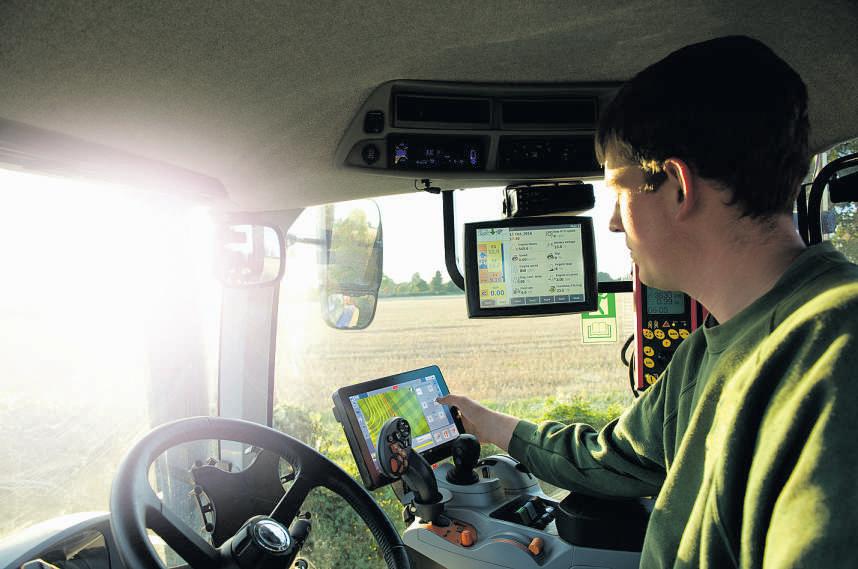
Looking into the cab of a tractor today is almost like looking at the control panel of a plane. Gone are yesterday’s tract where we thought a cab and a radio were comfort. Now, some tractors can drive themselves and be controlled by a mobile phone! Now that is serious technology.
When it comes to advanced technologies in tractors it seems their technology is further advanced than anything seen in other vehicles like cars or trucks!
Modern tractors have integrated a variety of advanced technologies to enhance efficiency, productivity, and precision in agricultural operations Here are some key technological features commonly found in today’s tractors
More Precision in Agriculture
GPS Guidance Systems allow for precise field mapping and accurate planting, reducing overlap and minimising input waste and teamed with auto steering, operators can maintain straight rows, improve efficiency and reduce operator fatigue
Comfort, Ergonomics and improve working conditions
What a difference ergonomically des cabs with adjustable seating, climate and advanced soundproofing make operator’s comfort, and now with tou displays, it is just like having your lap hand for controlling various function accessing information
Engine Technology has come a long way When it comes to fuel efficiency, modern engines are designed to be more fuel-efficient and compliant with environmental regulations Advanced emissions control technologies reduce pollutants while maintaining performance Some tractors are even designed to run on biodiesel or other renewable energy sources
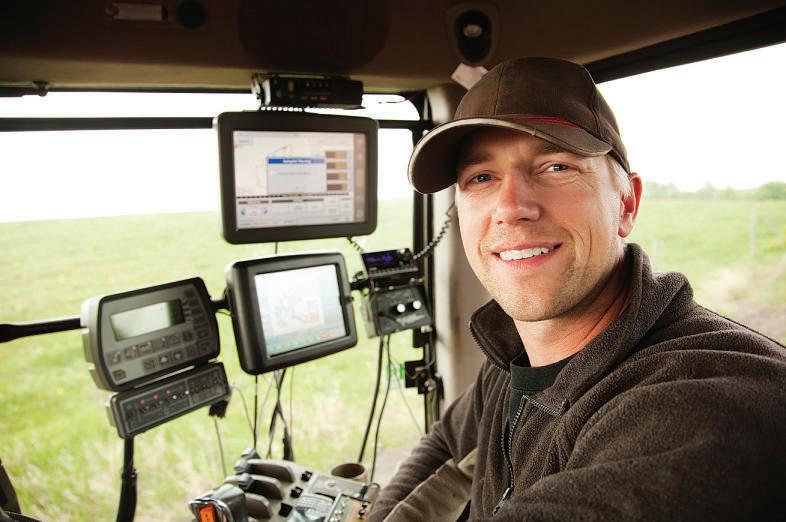
Integration with other equipment Tractors can connect with other equipment and systems on the farm for coordinated operations and data sharing Integration with cloud-based platforms allows farmers to manage their operations remotely and access real-time data
Information at the tap of a button Remote Monitoring enables farmers to monitor tractor performance, fuel usage, and maintenance needs from a distance. These technological advancements in tractors not only improve productivity and efficiency but also promote sustainable farming practices, helping farmers adapt to the challenges of modern agriculture
Safety Features
Safety while operating tractors has improved greatly with the introduction of cameras and sensors providing 360-degree visibility and are able to detect obstacles This also includes Stability Control Systems, which helps to maintain balance on uneven terrain, reducing the risk of rollovers Sensors can analyse soil conditions and moisture levels, allowing for more sustainable farming practices
Tractors and implements
I dont think we ever imagined that tractors would eventually have the capability to talk to the implements that they were towing, but now with ISOBUS Technology, which
standardises communication between the tractor and various implements, it allows for easier management and operation Variable Rate Technology (VRT) adjusts the application rates of seeds, fertilisers, and pesticides based on field variability, making it far more efficient and cost-effective to sow large areas into crops
Telematics
Collects and analyses data to optimise field operations and inform decision-making, and remote monitoring enables farmers to monitor tractor performance, fuel usage, and maintenance needs from a distance Sensors can analyse soil conditions and moisture levels, allowing for more sustainable farming practices So, with more data and more information right at their fingertips, farmers and contractors are going to get better performance from their tractors and machinery
Where to for the future
Autonomous tractors are going to be the future of the tractor world with some manufacturers developing fully autonomous tractors capable of performing tasks without human intervention Already, drones and aerial imaging are being used in conjunction with tractors for crop monitoring and field analysis We can expect this to become more refined in the years to come


Kem Ormond
While many of us aren’t quite ready to say goodbye to a wonderful summer, you do need to be proactive and look ahead to winter.
You need to focus on preparation, protection and planning ahead.
upplementary Feed
Hopefully, you have organised adequate feed reserves over the summer months, such as hay, silage, or baleage Calculate stock requirements carefully and allow a buffer for unexpected harsh weather Also, make sure you store it in a dry, secure area to protect it from the weather and interested stock!
Water Leaks
Starting with water troughs and lines, make sure there are no leakages or broken pipes and replace parts if necessary Excess water around troughs will cause the ground to get badly pugged Reliable access to clean water is essential
Condition and Health of Stock
It is important to check body condition scores, particularly for young, pregnant, or older animals who find winter a little harsher Animals in good condition cope far better with cold stress Plan any necessary drenching, vaccinations, or mineral supplementation well in advance of winter
Shelter and Infrastructure
Repair any fences or gates that are used regularly Nothing is worse than getting out in a howling gale and having to drag a gate that won’t swing
Stock needs protection from wind and rain, so a natural or constructed shelter is important With shelter belts, clean up broken limbs or branches so it will make it easy for stock to shelter
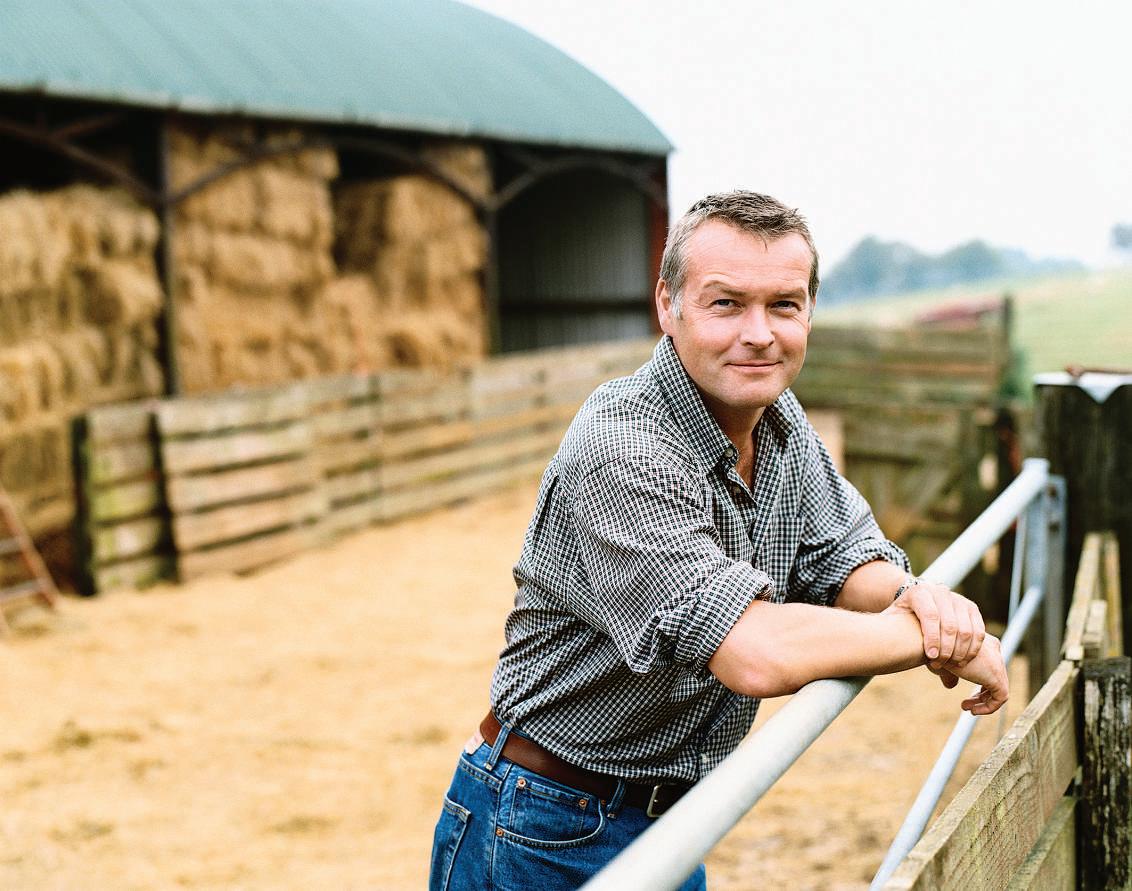
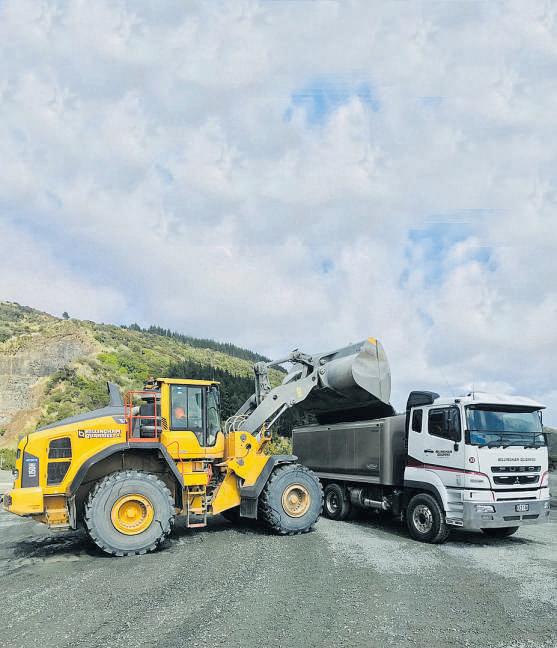
Check your tracks, races, and drainage systems Good access reduces stress on both stock and machinery and helps prevent paddock damage during wet conditions A good idea is to maybe bring in some metal and apply it to tracks that get hammered in the winter
Service machinery and equipment
Service tractors, feeders, and other essential equipment Breakdowns in winter are inconvenient and often more difficult to fix in poor weather Who wants to have to walk home from the back of the farm!

Events
Have a plan for prolonged wet weather, unexpected weather events, or feed shortages This may include reducing your stock numbers, sourcing additional feed early, or adjusting grazing strategies
Health and Safety for Yourself and Your Workers
Winter conditions increase risks for falls and slips, machinery accidents, and fatigue Make sure lighting, protective gear, and emergency plans are in place Make sure you have checked and restocked your first aid kit
that your staff have good wet weather gear, including footwear Focusing on being organised and prepared in advance of winter can make winter far more manageable and help protect both your stock and your land

Kem Ormond
Having recently traversed a paddock that has, over time, been significantly pugged by cattle, it provided a timely reminder of the importance of effective pasture management.
Prevention
For both contractors working to establish crops and farmers managing grazing systems, mitigating pasture damage during extended periods of wet weather remains a considerable challenge Once conditions improve, attention must then shift to the restoration and rehabilitation of affected areas
While a degree of pasture damage is often unavoidable during the winter months, the implementation of sound management practices can substantially minimise its impact A comprehensive understanding of
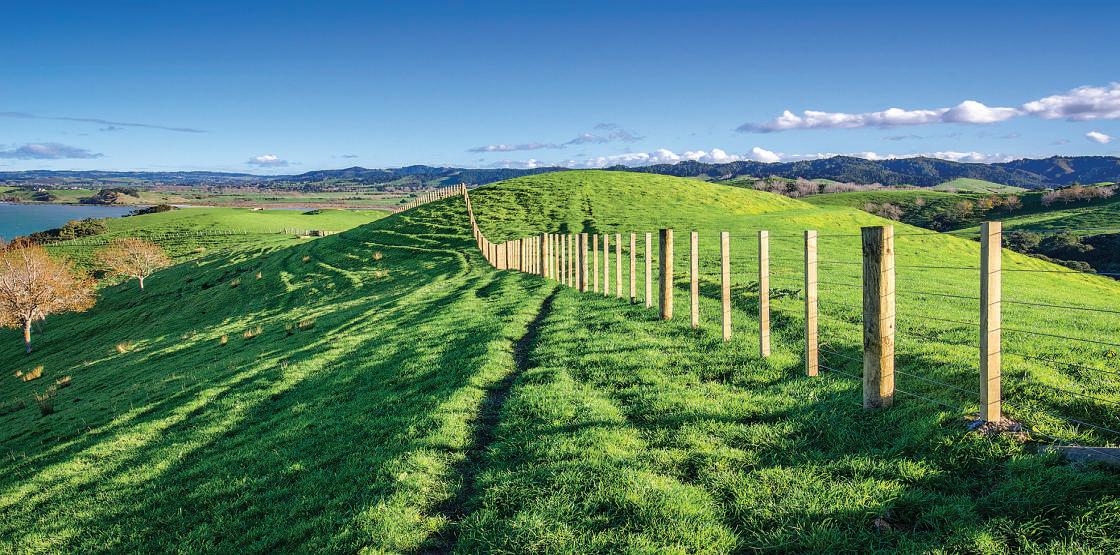
soil structure across the farm is fundamental, as is the development of a well-considered contingency plan for periods of prolonged rainfall In addition, careful selection of pasture species at establishment is crucial, as certain varieties demonstrate greater tolerance to wet conditions
More frequent stock movement during wet weather is an effective strategy to reduce excessive pasture damage and limit soil pugging Maintaining a dense and resilient sward is equally important, as it enhances pasture integrity and provides greater

protection to the underlying soil structure
Management approaches will naturally vary between farming operations Some farmers opt for higher stocking densities within designated sacrifice areas that can later be renovated, while others prefer to distribute stock across larger grazing areas Regardless of the system employed, regular stock movement is a key factor in reducing pasture degradation
Monitoring
Irrespective of the strategy adopted, ongoing monitoring of both pasture condition and
livestock welfare is essential to ensure optimal outcomes Environmental conditions can change rapidly, making it necessary to regularly review and adjust management practices accordingly
Staff welfare
In addition to livestock care, the well-being of farm staff must remain a priority Providing appropriate clothing and equipment to ensure they remain warm, dry, and safe during cold and wet conditions is essential to maintaining both safety and productivity






Kem Ormond
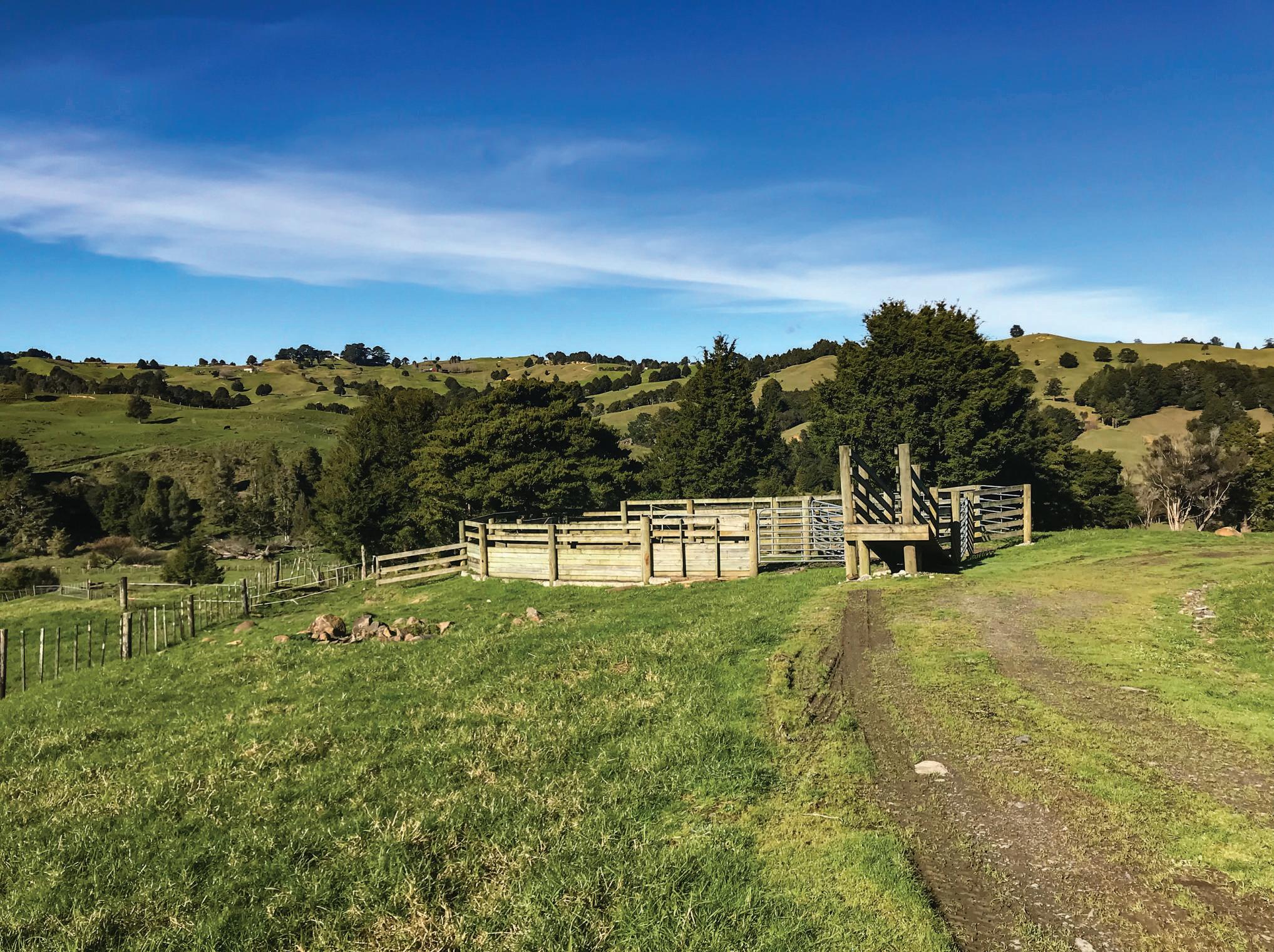
Yards that are fit for purpose are a pleasure to work in they reduce injury to both humans and animals and take the stress out of what is already a difficult job. Plus, the drivers who are loading or unloading your stock will really appreciate working with sound and safe yards.
Every year, cattle hurt people, more often than not when cattle kick or crush them
Some get seriously hurt, with broken bones, and sometimes it is fatal
Some quick repairs to rectify some of the problems you may have will help make your yard work safer, easier, and more comfortable
If renovation or replacing yards is on your agenda, then you should consider looking around at a few different yards, different designs and asking the farmers how they work for them and if they would change anything
I have seen what bulls can do to steel yards, so if you have wooden yards, they probably need repairs done quite frequently


You need to check for Loose or broken rails or catwalk plan maybe if you don’t have a catwalk, yo have one built
Gates that are hard to open or broken need replacing or repairing; there is nothing worse than a dragging gate
How is your race working? If you are finding that the smaller cattle are trying to do a 380, then your race is too wide and needs altering
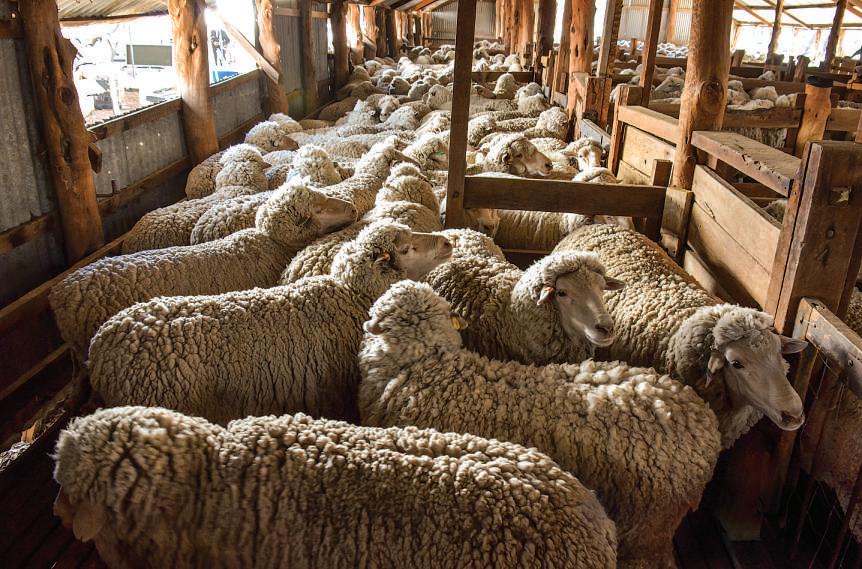
Whether you are a cattle or sheep farmer, if you do not have a head bail, maybe it is time to consider purchasing one
Some of the worst accidents to both humans and animals come from nails and screws

now used for rectal scanning, dehorning and pregnancy testing, just to name a few other procedures
You need to have a safe environment when dealing with larger animals and having the right design and equipment is money well spent
Training
New staff? This is when you need to put aside time and train any inexperienced staff on the importance of safety in the yards and how to use the equipment Make sure you always have an escape plan This may sound strange, but I know many a person who wouldnt be here today if they had never stopped to think
nimble farmhands carry some of the load As we age, we don’t seem to be as quick as we used to be! Do not work alone; always make sure you have an off-sider collaborating with you at all times, even if it is someone who can’t work in the yards but can be there in case something happens Wear safe footwear and clothing when dealing with animals in yards; they are unpredictable, and getting pushed against wooden rails when you have bare arms is not a pleasant experience
Safer handling equipment makes for a safer environment We need to take responsibility for our own safety and that of our workers
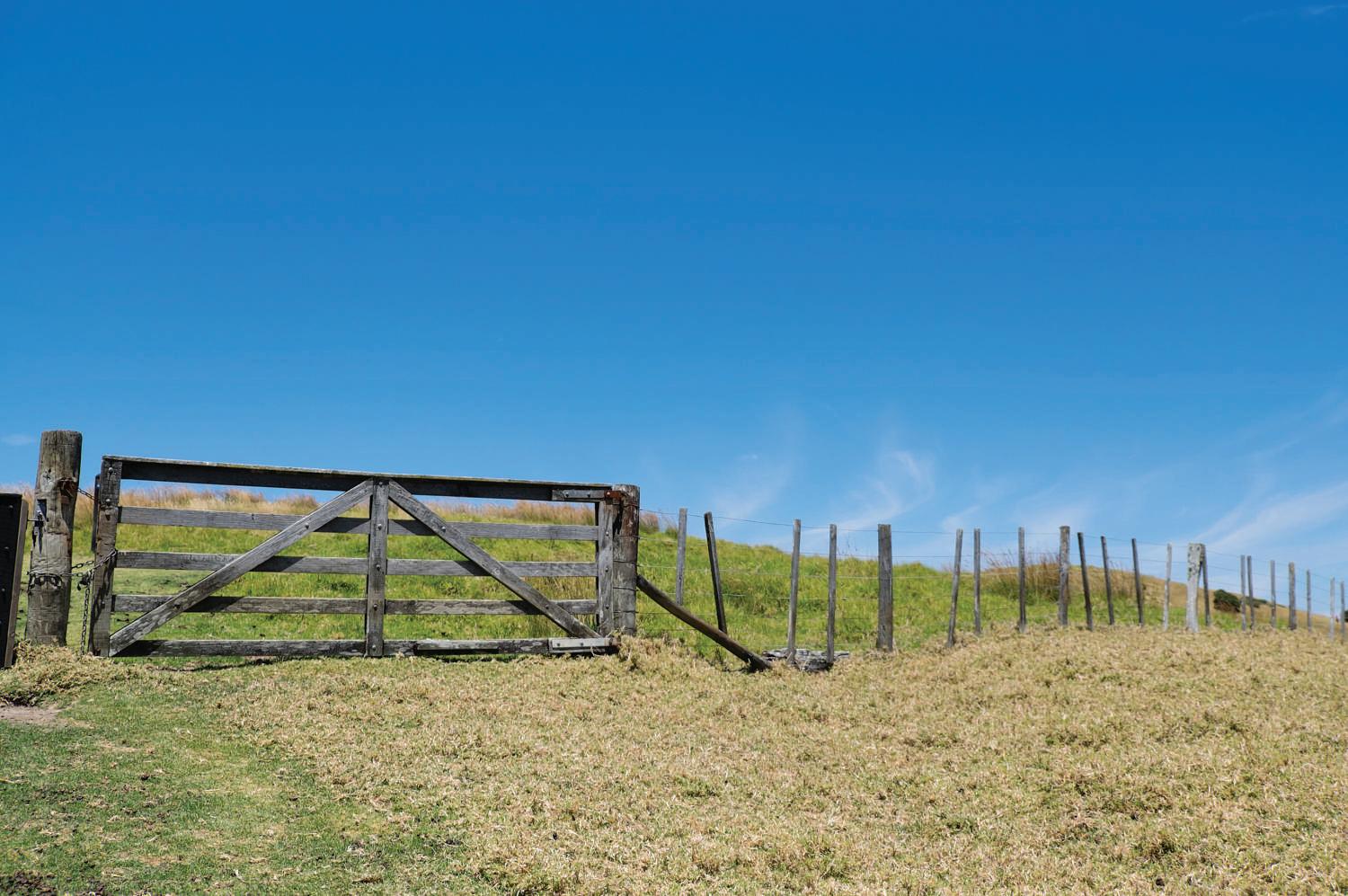
bigger jobs actually run.
A gate that’s slightly off its hinges, a slow leak in a trough, or a rut forming in a track might not seem urgent today But leave it a few weeksespecially in Northland’s wet conditions - and those small issues can quickly turn into timeconsuming, expensive problems
g y means they’re constantly under pressure Regular checks and quick fixes help avoid bigger breakdowns later
It’s often the in-between moments - shifting stock, checking paddocks, or heading out on
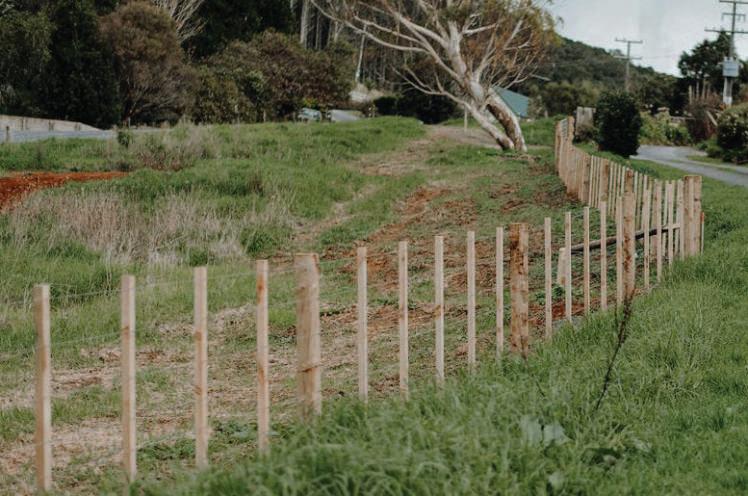


the bike - that present the perfect opportunity to notice what needs attention Tightening a wire, rehanging a gate, or replacing a broken batten on the spot can save a lot of hassle down the track
Tracks and access: fix it before it fails
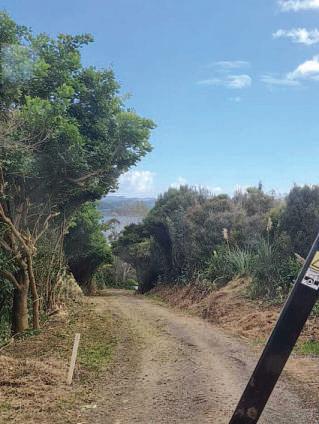
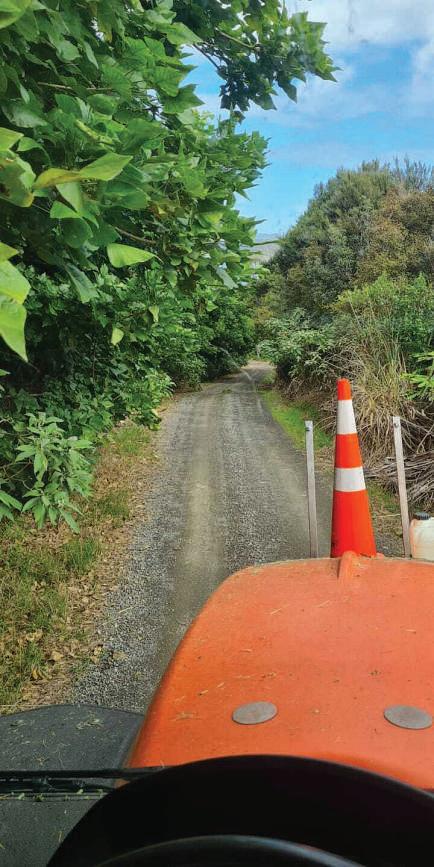
Tracks rarely fail overnight - they gradually deteriorate A soft patch here, a blocked drain there Before long, access becomes difficult, particularly during wet periods
Using quieter periods to top up metal, clear drains, or reshape worn areas can make a huge difference Good access isn’t just about convenience - it reduces stress on stock, protects pasture and keeps machinery moving when it matters most
Water and gas systems: don’t wait for failure
Water issues are often easy to ignore until they become unavoidable A dripping valve or a small leak may not seem urgent, but over time it can create muddy areas, waste water, and damage surrounding ground
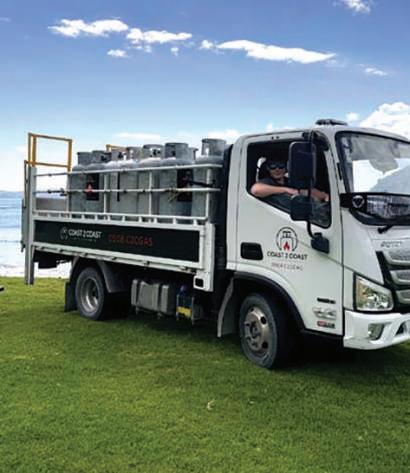
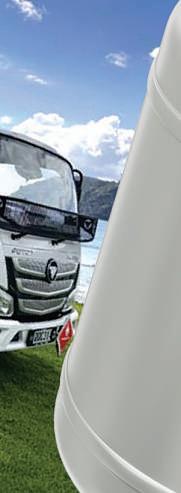
Gas systems deserve the same level of attention Regularly checking hoses, regulators, and bottle levels ensures everything runs safely and efficiently Reliable supply from providers like Coast 2 Coast Gas Northland means one less thing to worry about during busy periods
Quick, routine checks while moving around the farm can catch issues early Fixing them straight away is far simpler than dealing with a full breakdown later
Machinery: ready when you need it
There’s rarely time for maintenance when machinery is urgently needed Thats why the quieter gaps between major jobs are the best time to stay on top of servicing
Simple checks - oil, tyres, hydraulics - can be done quickly but make a big difference to reliability Keeping equipment in good working order reduces the risk of breakdowns when timing is critical
Buildings and storage: small upkeep, big protection
Sheds and storage areas are easy to overlook when they’re not in immediate use But a small roof leak or damaged wall can quickly lead to bigger issues, especially when storing feed or equipment
Taking the time to inspect and repair these areas during quieter periods helps protect valuable resources and avoids unnecessary waste
Safety: part of everyday maintenance
Maintenance isnt just about infrastructure - its also about keeping people safe Fixing uneven surfaces, improving lighting, and maintaining equipment all reduce the risk of accidents
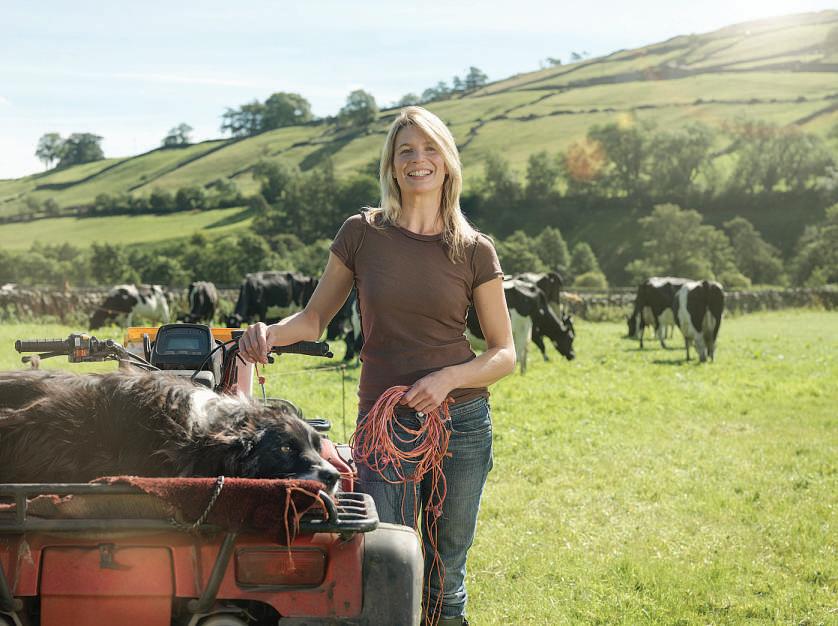
These are often quick jobs that can be done in between other tasks, but they make a significant difference to day-to-day safety on the farm
Making the most of the gaps
Farming rarely slows down completely but there are always small windows between the big jobs. Using that time productively - even for just one or two maintenance tasks - helps spread the workload and prevents issues from building up
In Northland’s conditions, where weather can quickly turn and put pressure on both land and infrastructure, staying ahead with maintenance is one of the best ways to keep a farm running efficiently
It’s not always the big jobs that make the biggest impact - often, it’s the small, consistent efforts in between that keep everything on track






















Herbal leys aren’t yet as widespread in NZ as traditional ryegrass-clover pastures, especially in conventional dairy and sheep systems Their use tends to be more common on organic, regenerative, and experimental farms, or in research and demonstration trials
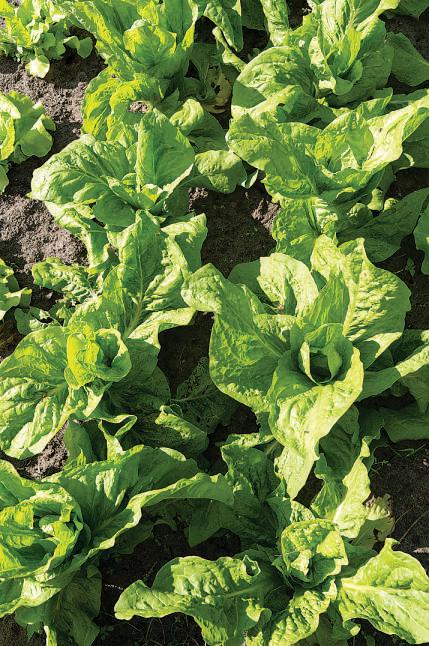
Just as most of us would soon tire of only eating lettuce as the sole green on our plates, grazing animals (and poultry) have a keen sense of foraging for a selection of different plants when they’re made available
Not only are herbal leys great for animals, their root systems help improve the soil as these penetrate the soils This allows easier movement of beneficial microbial life and the good soil creatures like worms while also improving drainage and increasing soil humus
Deep rooting herbs like Chicory mine the soil for important nutrients and minerals making them available to the grazing animals above Chicory, Burnet, Sorrel, Plantain, Fodder Beet, Brome, Cocksfoot, Parsley, Fescue, Arugula, Kale, Minutina, Perpetual Spinach with just a hint of
Lucerne and Clover (to avoid bloat) all offer a range of essential vitamins, minerals, amino acids and dietary fibre to keep your stock healthy and looking forward to that next break feed or paddock rotation. After a thorough rinse and with a nice vinaigrette, you could probably create a tasty salad from the fresh leaves for yourself
A herbal ley (or multi-species sward) is a diverse grassland mix of grasses, legumes (like clover), and forage herbs (like chicory, plantain) grown for sustainable farming, providing highquality animal feed, improving soil health
(structure, fertility, carbon capture), boosting biodiversity for pollinators, and reducing reliance on synthetic fertilizers
These deep-rooted systems create resilient pastures that enhance soil structure, retain water, and offer rich minerals for livestock, fitting well into crop rotations as temporary grasslands
The best seasons to sow a herbal Ley are spring, early summer and then again in autumn avoiding the cold soils of winter and the dry heat of summer, both of which can limit a successful strike rate
Herbal leys are sown pastures made up of a mix of grasses, herbs and legumes. Together they deliver soil fertility, biology and structure, boost livestock health, encourage biodiversity and are productive with low rainfall.
Team Vegetation now provides complete plantation and revegetation services – we come to you and take care of the entire planting process Trees, plants, whatever your land needs, we’ll get it done.
From roadside spraying and mowing to pest plant management, and now full-scale revegetation, Team Vegetation manages every stage from start to finish.
Residential, commercial, or rural –we service all of Northland.


Sowing into loose soil with a fine tilth is the ideal to aim for, as it allows the herbal ley to establish as the dominant species While at the other end of the scale, over sowing into ground covered with kikuyu will achieve limited results It’s all about competition in the plant world
Allow the ley to establish and develop a decent height of at least 20 cm or more before allowing stock to graze it
Break feeding or rotating them on and off on a regular basis allows the ley to recover and regenerate while also allowing some of the annuals to self seed.
Grazing it too hard or letting it get trampled will certainly limit its life span, while leaving it fallow over some of the winter and summer is a good management option
Consider resowing or over sowing after the first year to repair and maintain any areas that haven’t done so well
One of the key benefits of herbal leys lies below the surface The varied and often deep root systems of the plant mix help to open up the soil as they grow and penetrate compacted layers
This improved soil structure allows better movement of air and water and creates a more favourable environment for beneficial soil organisms, including microbes and earthworms
Herbal leys a valuable consideration when planning sustainable pasture renewal.