While we are often reminded of the sacrifices made by our brave soldiers in WWI and WWII, we must also think of the many others whose contributions are sometimes overlooked The animals that played vital roles on the front lines, the families who carried on at home despite fear and uncertainty, and the Vietnam veterans who faced a completely different kind of war We must remember the nurses, doctors, and orderlies who tended to the wounded under unimaginable pressure. And we need to take time out to remember the Māori Battalion, those men renowned not only for their courage but also for their beautiful singing voices, who were so often assigned to dig trenches and build roads, yet proved themselves exceptional soldiers in their own right.
The Māori Battalion (WW1 & WW11)
WW1
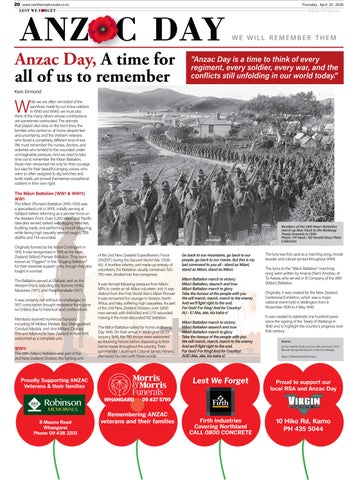
The Māori (Pioneer) Battalion (1915–1919) was a specialised unit in WWI, initially serving at Gallipoli before reforming as a pioneer force on the Western Front. Over 2,200 Māori and Pacific Islanders served, tasked with digging trenches, building roads, and performing crucial labouring, while facing high casualty rates of roughly 336 deaths and 734 wounded.
Originally formed as the Māori Contingent in 1915, it was reorganised in 1916 as the New Zealand (Māori) Pioneer Battalion. They were known as “Diggers” or the “Digging Battalion” for their essential support roles, though they also fought in combat.
The Battalion served at Gallipoli, and on the Western Front, including the Somme (1916), Messines (1917), and Passchendaele (1917)
It was certainly not without its challenges: In 1917, conscription brought resistance from some iwi (tribes) due to historical land confiscations.
Members received numerous honours, including 38 Military Medals, four Distinguished Conduct Medals, and nine Military Crosses
The unit returned to New Zealand in April 1919, welcomed as a complete unit
WW11
The 28th (Māori) Battalion was part of the 2nd New Zealand Division, the fighting arm
Anzac Day, A time for all of us to remember
“Anzac Day is a time to think of every regiment, every soldier, every war, and the conflicts still unfolding in our world today.”
of the 2nd New Zealand Expeditionary Force (2NZEF) during the Second World War (193945) A frontline infantry unit made up entirely of volunteers, the Battalion usually contained 700750 men, divided into five companies
It was formed following pressure from Māori MPs to create an all-Māori volunteer unit; it was distinct from the First World War’s Māori Pioneer It was renowned for courage in Greece, North Africa, and Italy, suffering high casualties As part of the 2nd New Zealand Division, over 3,600 men served, with 649 killed and 1,712 wounded, making it the most-decorated NZ battalion.
The Māori Battalion sailed for home on Boxing Day 1945. On their arrival in Wellington on 23 January 1946, the 780 troops were welcomed as returning heroes before dispersing to their home marae throughout the country. Their commander, Lieutenant-Colonel James Hēnare, dismissed his men with these words:
Go back to our mountains, go back to our people, go back to our marae But this is my last command to you all - stand as Māori, stand as Māori, stand as Māori
Māori Battalion march to victory
Māori Battalion, staunch and true
Māori Battalion march to glory
Take the honour of the people with you
We will march, march, march to the enemy
And we’ll fight right to the end
For God! For King! And for Country!
AU - E! Ake, ake, kia kaha e!
Māori Battalion march to victory
Māori Battalion staunch and true
Māori Battalion march to glory
Take the honour of the people with you
We will march, march, march to the enemy
And we’ll fight right to the end
For God! For King! And for Country!
AUE! Ake, ake, kia kaha e!
The tune was first used as a marching song, morale booster, and cultural symbol throughout WWII
The lyrics to the “Māori Battalion” marching song were written by Anania (Nan) Amohau of Te Arawa, who served in B Company of the 28th (Māori) Battalion
Originally, it was created for the New Zealand Centennial Exhibition, which was a major national event held in Wellington from 8 November 1939 to 4 May 1940
It was created to celebrate one hundred years since the signing of the Treaty of Waitangi in 1840 and to highlight the countrys progress over that century
Remembering ANZAC veterans and their families
Kem Ormond
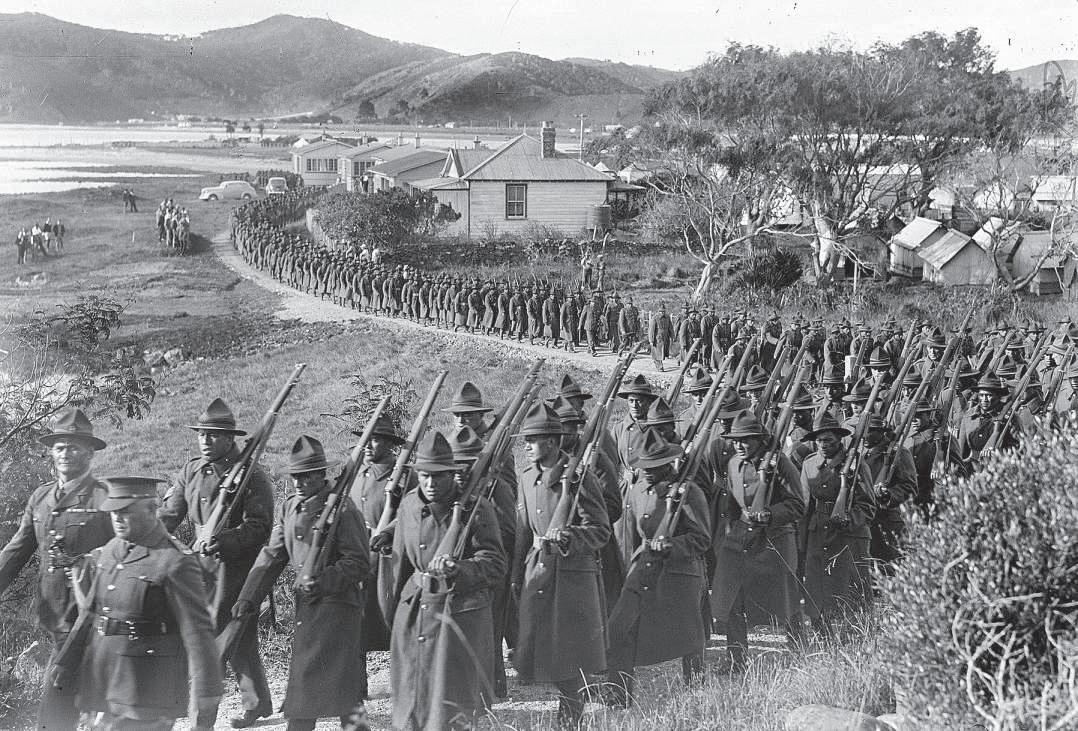
Ihave often written about the war horses and the huge part they played in WW1; what I didnt know until recently was that in Egypt, some of the New Zealand soldiers used bullocks to pull wagons that carried supplies
One such soldier was Cecil Gordon Lee, affectionately known as “Togo Lee,” and he was consigned to the Auckland Mounted Rifles Regiment This regiment was established with 26 officers, 523 other ranks and 528 riding horses,74 draught horses and 6 pack horses As mounted infantry, the regiment rode into battle on their horses but were expected to dismount and fight on foot
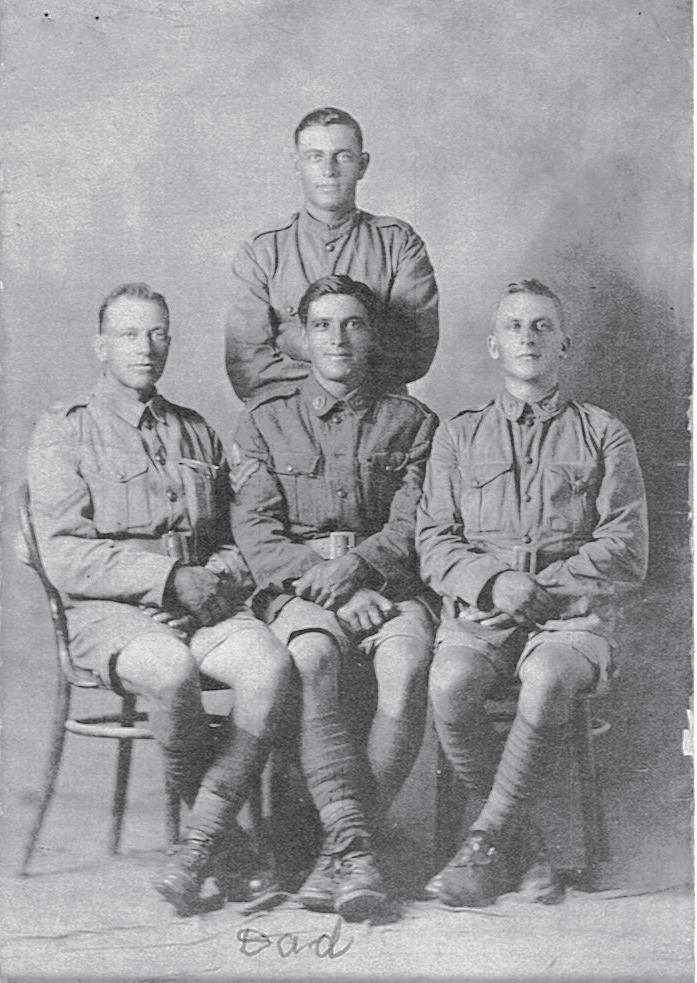
Lee served from 1914 to 1918 along with his brother Lenard, and on his return, he filed his photos away and never really talked about the war, which was often the case
Lee left the shores of New Zealand at approx 17 or 18 years of age, a fine-looking young man who had a real love of the land, horses, and his family. Auckland was where he grew up, and at an early age was an apprentice blacksmith. This was a thriving business back then, as mostly draught horses were used in the carrying trade, and they all needed to be shod
Once in Egypt, Lee quickly learned how to deal with minor horse ailments, learned to suture their wounds, file their teeth, and took on the role of Shoeing Smith, as they called it back then
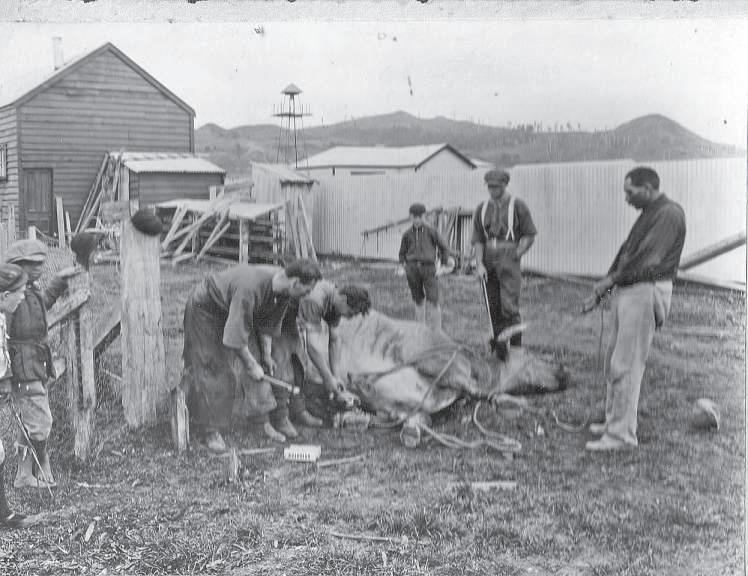
Two photos that may have never been seen before, apart from family members, are of the bullocks the regiment used in Egypt One is of a rider on the back of a bullock, and the other of a bullock being shod Like the horses, they were often working on rough terrain, and they needed shoes made to protect their hooves Not an easy job when it comes to a bullock with split hoofs; their shoes had to be made in two pieces With no bails, nothing in fact to secure the bullock while being shod, it all came down to ropes, energy and good old grit and determination We are talking animals that hadnt really had a lot of human handling, so this was not an easy job, but something Lee relished in He obviously was the man for the job!
With horses being needed for the front, bullocks were the next best thing to move supplies. Lee also had his own horse to look after, named Skipper. A rather stocky horse with not much
Ever wondered how they shod a bullock in WW1
of a tail, but strong and powerful Like most horses from the war, Skipper did not return to New Zealand
On his return from the war, Lee took over the farrier business from his former employer, and he trained trotters in his spare time Lee married his wife Lillian, had a son (Gordon) and three daughters (Eileen, Beryl, and Loma) His daughter Beryl became the first woman to be granted an open professional trainer’s licence
Purchasing a 10-and-a-half-acre property in Cambridge, saw a move to that area and established his trotting stables, which regularly turned out winners Auto Prince was the best horse Lee owned He won five races on end before breaking down, after which he enjoyed some success as a sire Lee was often seen lifting the silver at the trots, and his trusty weather-beaten hat was never far from his side; it was his trademark.
Not long after he settled into Cambridge, he purchased a blacksmith’s business from McMillan Bros in Kirkwood Street, which he operated until it was taken over by his son Gordon in 1953
Lee became “the” blacksmith in the area He was highly regarded when it came to shoeing, and it was nothing for him to shoe four draughts every morning before breakfast, so that a team would not be held up to do their days work He made all his own horseshoes and was affectionately known as a man who shod horses because he loved them
Eventually, a new blacksmith’s shop was built in 1953 at the Cambridge trotting track and the blacksmiths were Gordon Lee and his son Ross, who started working for his father in 1974 Ross eventually left his farriering behind to become a paramedic
Lee was a man with high principles, hard work was just second nature to him, he loved his family, his horses were his life, and he was a very humble man Among those old photos that had been filed away was a card sent from the war office, one of the lines read, I have it in command from the King to record his Majestys high appreciation of the services rendered for your gallant and distinguished services in the field, signed Winston Churchill. ………………… That says it all.
Writes Kem Ormond
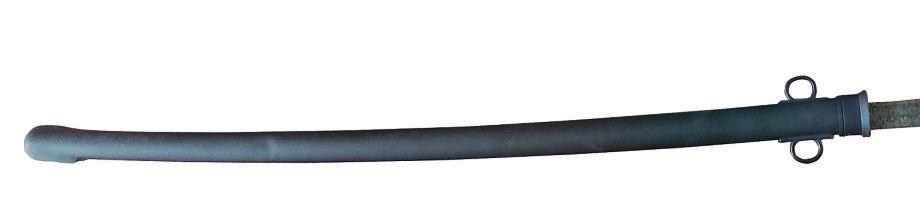
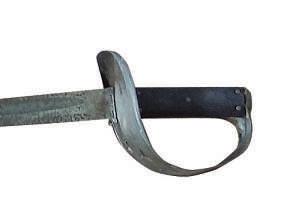
It was quite unexpected that an article I wrote several years ago on hedge cutters and boxthorn, where I briefly mentioned a farmer from Taranaki who had used a sabre to trim his hedge around his house, would eventually lead to that very individual reaching out to me.
TRIBUTE:
Elmslie
A sterling tribute has been paid by the ex-service comrades of the late Major J Elmslie to the memory of this gallant soldier who made the supreme sacrifice in the Great War
“On Wednesday last, Messrs. W. A. Hurley and T. Wilson, of Waitotara, waited on Lieut.-Col. Foley, M.C., who is in charge of the Mounted Rifles camp at Waverly, and asked him to accept on behalf of the regiment a fine silver cup to be competed for annually by the machine gun section, comprising a corporal and two other ranks, who are each to receive miniature cups suitably inscribed, one to be found annually by the regiment and the remainder by Messrs Hurley and Wilson The cup, which is an exceptionally fine specimen of the silversmith’s art, is inscribed as follows: “The Major Elmslie Memorial Challenge Cup, presented by exservice men 2nd Squadron, Waitotara District, for best light automatic gun section, 1929”
The late Major Elmslie, who had a fine record as a soldier and a man, was beloved by the men who served under him, and who have taken steps to see that his name is kept alive in the regiment A keen soldier, the late Major Elmslie was one of the first in this country to volunteer for active service when the South African War broke out, proceeding to the front as a private with the 2nd Contingent After serving through the war, he returned to New Zealand with the rank of sergeant and rejoined his old troop,
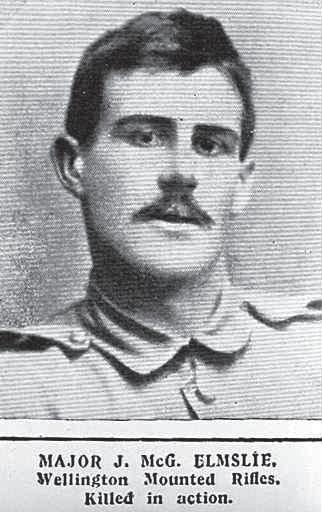
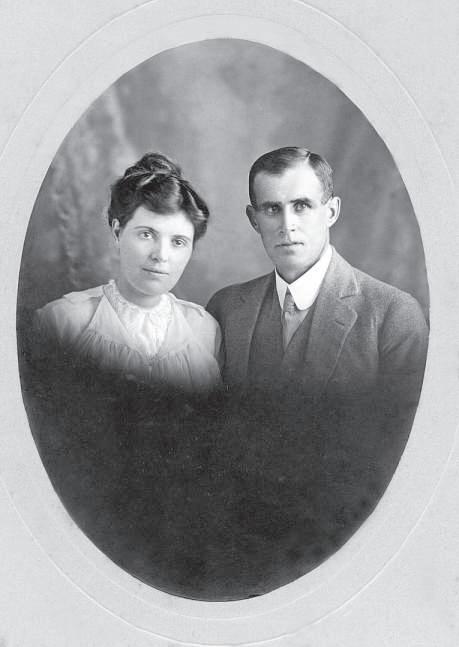
Roger Honeyfield was the farmer, and the sabre had originally been his great uncles WW1 cavalry sabre His name was Major James McGregor Elmslie (Honeyfield’s maternal grandfather’s brother)
World War I sabre that became
Honeyfield says, Sadly, it snapped in half, which was a pity as it was a family heirloom. I had it welded, but it was never the same again”
Major James McGregor Elmslie was born on 21 August 1876 in Waverley, South Taranaki, and was commanding officer of 2nd Squadron, Wellington Mounted Rifles He served in the Boer War, also known as the South African War, 1899-1902 and then went on to serve in WW1 in Gallipoli, during 1914-1918, where he was killed on Chunuk Bair at 38 years of age
They buried him beside his good friend and fellow combatant, Major Selwyn Chambers from Havelock North
the Wairoa Mounted Rifles, remaining with it until it was merged into the Queen Alexandra’s Mounted Rifles under the new Territorial scheme Later on, he took command of B Squadron, a position which he held until some 10 months before the outbreak of the Great War Immediately, war was declared Major Elmslie, who had been on the reserve list, volunteered
Peter Elmslie of “Hillside,” Waverley, and husband of Martha Jean Elmslie
During the Boer War, he rescued an Australian soldier under fire At Gallipoli, he was respected as a great leader and was recommended for the Victoria Cross but was unlucky not to be awarded it because General Godley did not approve of awarding the VC to any commissioned officer
James Elmslie and his men were instrumental in taking ‘Table Top’ , the commanding position below Chunuk Bair, on 6/7 August 1915. They held this post
for active service and left with the main body as officer in command of the 2nd squadron Wellington -M.R. during the time the squadron was in Egypt.
Major Elmslie, with his wonderful knowledge of men and horses, brought his squadron to a high state of efficiency, and no finer body of men than those under him landed on the Gallipoli shores On the peninsula, he rapidly made a name for himself as a leader of men, his work whilst in command of his squadron in the memorable action on “Old No 3 post” being particularly good
Always quiet and unassuming, the late Major Elmslie was implicitly trusted by his men, and it was largely through his outstanding personality that his squadron performed so well; it is only fitting that his memory should be perpetuated as long as the regiment lasts
Sources:
ern off r’s ord Theywere erusedincomb onlyforc emon asions
o p Chunuk Bair the following day
upwards to
Elmslie and his men moved up to the fierce fighting on Chunuk Bair on the night of 8 August to reinforce the great losses of Colonel Malone’s infantry James was shot through the neck and shoulder on the morning of 9 August as he was running forward to occupy a vacant trench
Picking himself up, he dived into the trench, his men following him His last words were: “I can’t help you much more, boys, but go on, you are doing splendidly”
To celebrate the opening of the new clinic, Carter Hearing is offering a FREE 30-minute Hearing Health Check for locals aged 50+ Your appointment includes:
• Hearing screening
• Wax check
• Hearing aid clean and adjustment
• Expert, no-obligation advice
Patea Mai , Vo ume L 22 May 1929 Page
Honeyfie
Photo: Suppl ed Andrew Honeyfield
In the Patea Mail dated 1929, there appeared a tribute to the Late Major James
“Sadly,
He was the son of Anne Elmslie and the late as Colonel Malone led his men
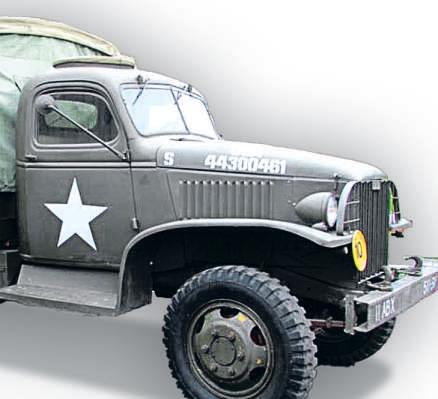
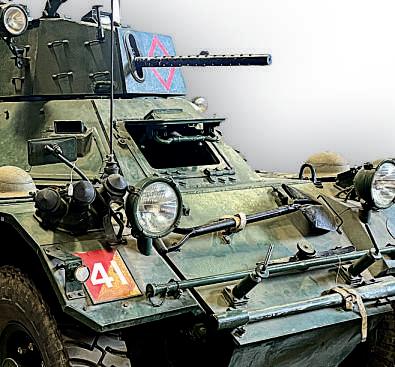
ANZAC Day at the Packard Motor Museum
On Saturday April 25th, the Packard Motor Museum remembers ANZAC day We think of the soldiers, and the courage and endurance of the young men sent out from NZ and Australia to face war
The New Zealand ANZACs, part of the Australian and New Zealand Army Corps, hold a significant place in the nation’s history. Formed during the First World War in 1915, the ANZAC forces were made up of soldiers from New Zealand and Australia who fought together in several major campaigns, most fa Gallipoli in modern-day Türkiye
ht famously at
The Gallipoli campaign was intended to secure a sea route to Russia and weaken the Ottoman Empire, an ally of Germany However, the mission quickly turned into a difficult and costly effort New Zealand troops, alongside their Australian counterparts, faced harsh terrain, limited supplies, and strong resistance from Ottoman forces Despite these challenges, the ANZAC soldiers became known for their courage, resilience, and strong sense of comradeship.
Although the Gallipoli campaign ultimately ended in withdrawal after eight months, it had a lasting impact on New Zealand The bravery and sacrifice of the ANZACs helped shape a growing sense of national identity For many New Zealanders, this was one of the first times the country asserted itself on the world stage, separate from Britain
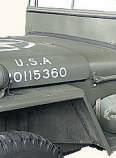
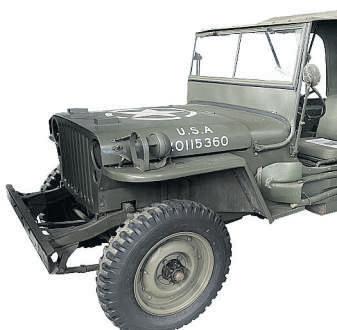
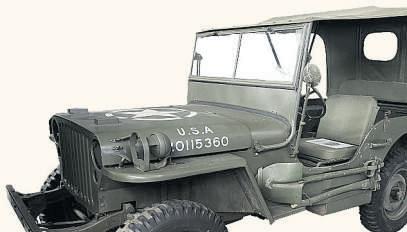
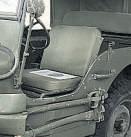
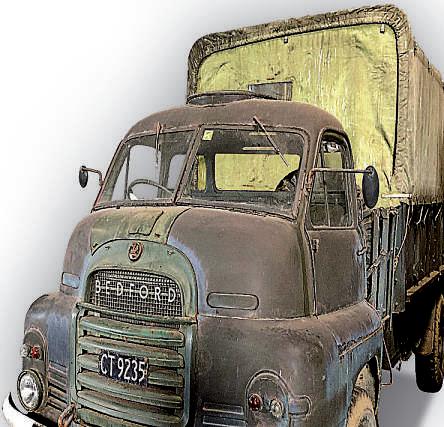
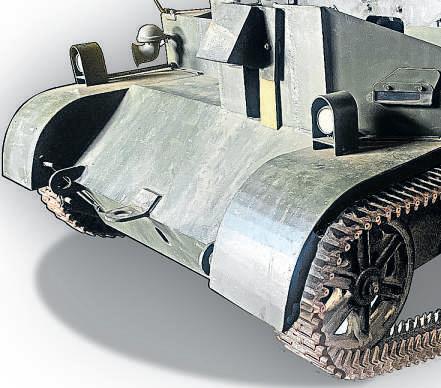
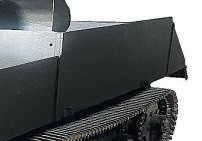
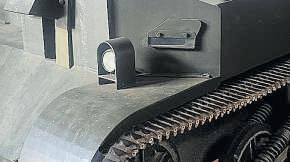
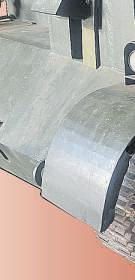
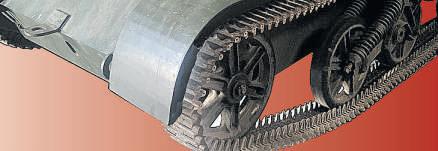
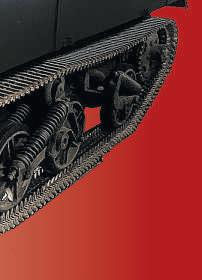
At the museum, we honour all New Zealanders who have served and died in wars, conflicts, and peacekeeping missions We celebrate ANZAC ging out several of our military cluding the Willy’s Jeep, our Bren Gun Dodge Troop carrier
peacekeepi day by bring vehicles, incl carrier, and
Today, the spirit of the ANZAC remains an important part of New Zealand’s cultural heritage It serves as a reminder of the cost of war and the enduring values that emerged from one of the nation’s most challenging chapters