
“To bring to Light”




Edition 33 Friday, June 26, 2026


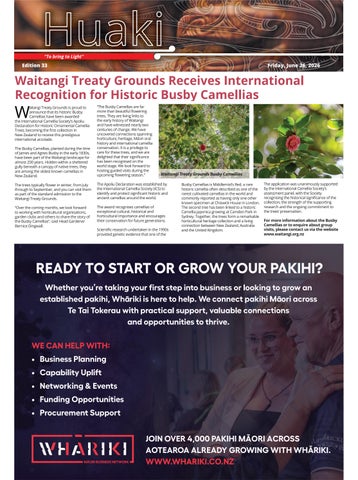
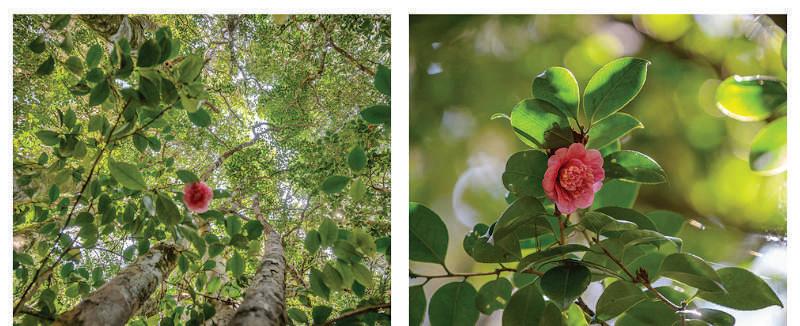
Waitangi Treaty Grounds is proud to announce that its historic Busby Camellias have been awarded the International Camellia Society’s Apoliu Declaration for Historic Ornamental Camellia Trees, becoming the first collection in New Zealand to receive this prestigious international accolade
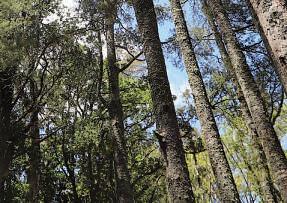
The Busby Camellias, planted during the time of James and Agnes Busby in the early 1830s, have been part of the Waitangi landscape for almost 200 years Hidden within a sheltered gully beneath a canopy of native trees, they are among the oldest known camellias in New Zealand
The trees typically flower in winter, from July through to September, and you can visit them as part of the standard admission to the Waitangi Treaty Grounds
“Over the coming months, we look forward to working with horticultural organisations, garden clubs and others to share the story of the Busby Camellias”, said Head Gardener Bernice Dingwall
“The Busby Camellias are far more than beautiful flowering trees They are living links to the early history of Waitangi and have witnessed nearly two centuries of change We have uncovered connections spanning horticulture, heritage, Māori oral history and international camellia conservation It is a privilege to care for these trees, and we are delighted that their significance has been recognised on the world stage We look forward to hosting guided visits during the upcoming flowering season ”
The Apoliu Declaration was established by the International Camellia Society (ICS) to identify and protect significant historic and ancient camellias around the world
The award recognises camellias of exceptional cultural, historical and horticultural importance and encourages their conservation for future generations
Scientific research undertaken in the 1990s provided genetic evidence that one of the
Busby Camellias is Middlemist’s Red, a rare historic camellia often described as one of the rarest cultivated camellias in the world and commonly reported as having only one other known specimen at Chiswick House in London
The second tree has been linked to a historic Camellia japonica growing at Camden Park in Sydney Together the trees form a remarkable horticultural heritage collection and a living connection between New Zealand Australia and the United Kingdom
The application was unanimously supported by the International Camellia Society’s assessment panel, with the Society recognising the historical significance of the collection, the strength of the supporting research and the ongoing commitment to the trees preservation
For more information about the Busby Camellias or to enquire about group visits, please contact us via the website www waitangi org nz




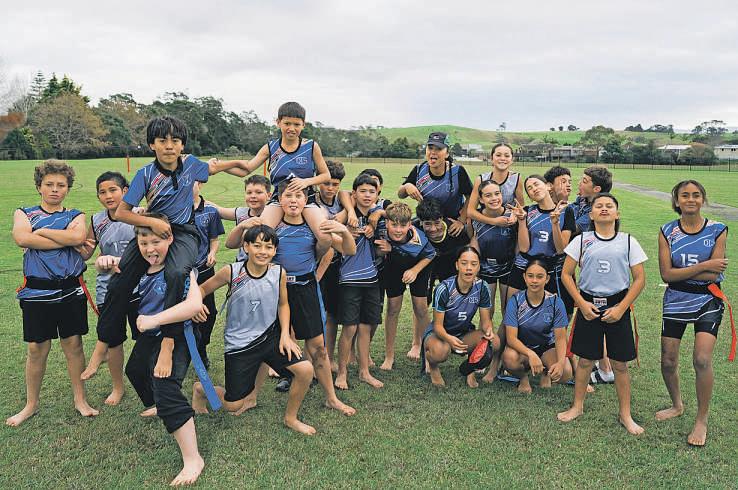
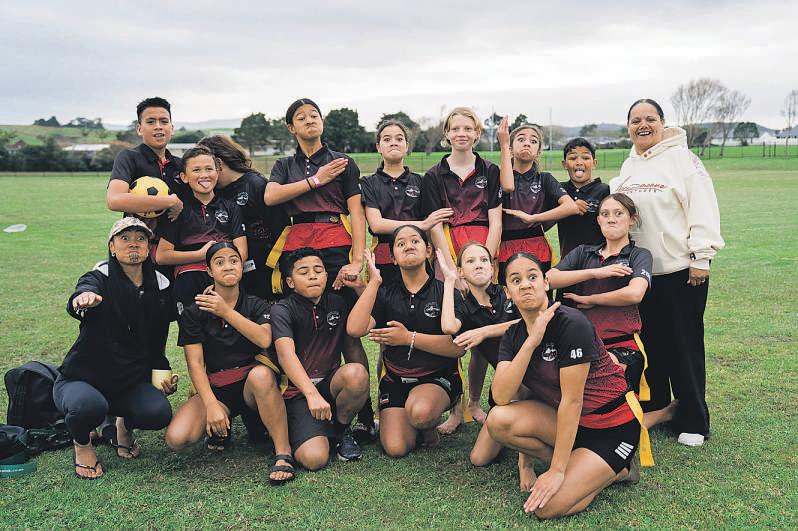
Once played by only a handful of schools, Kii-o-Rahi is rapidly gaining momentum across Te Tai Tokerau, with more tamariki embracing the traditional Māori game and the blend of speed, skill and tikanga it offers.
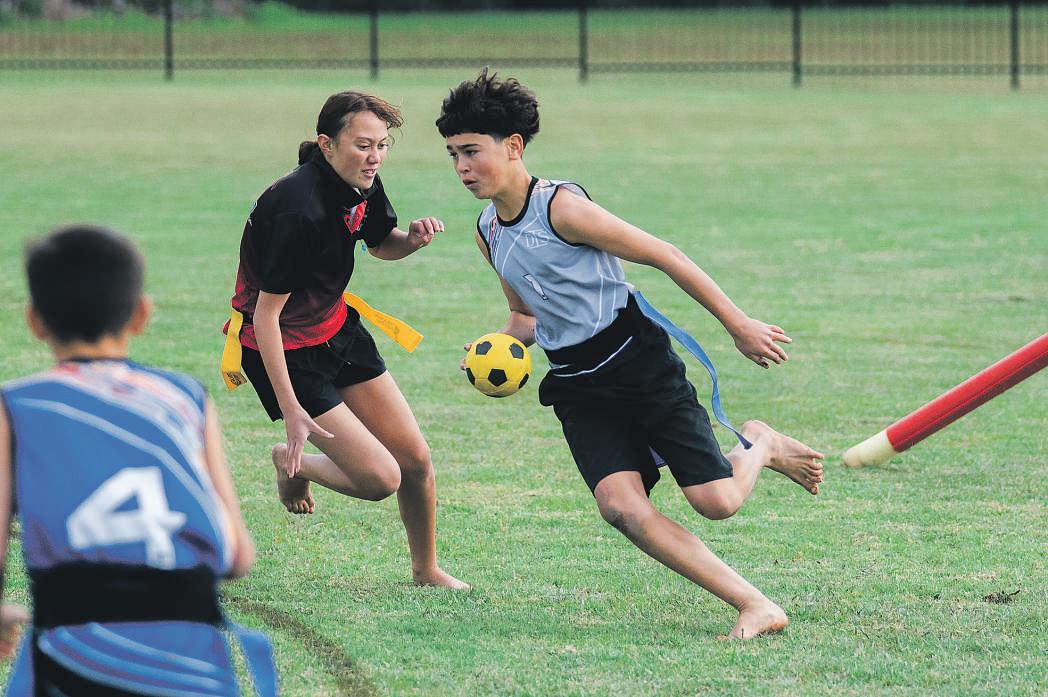
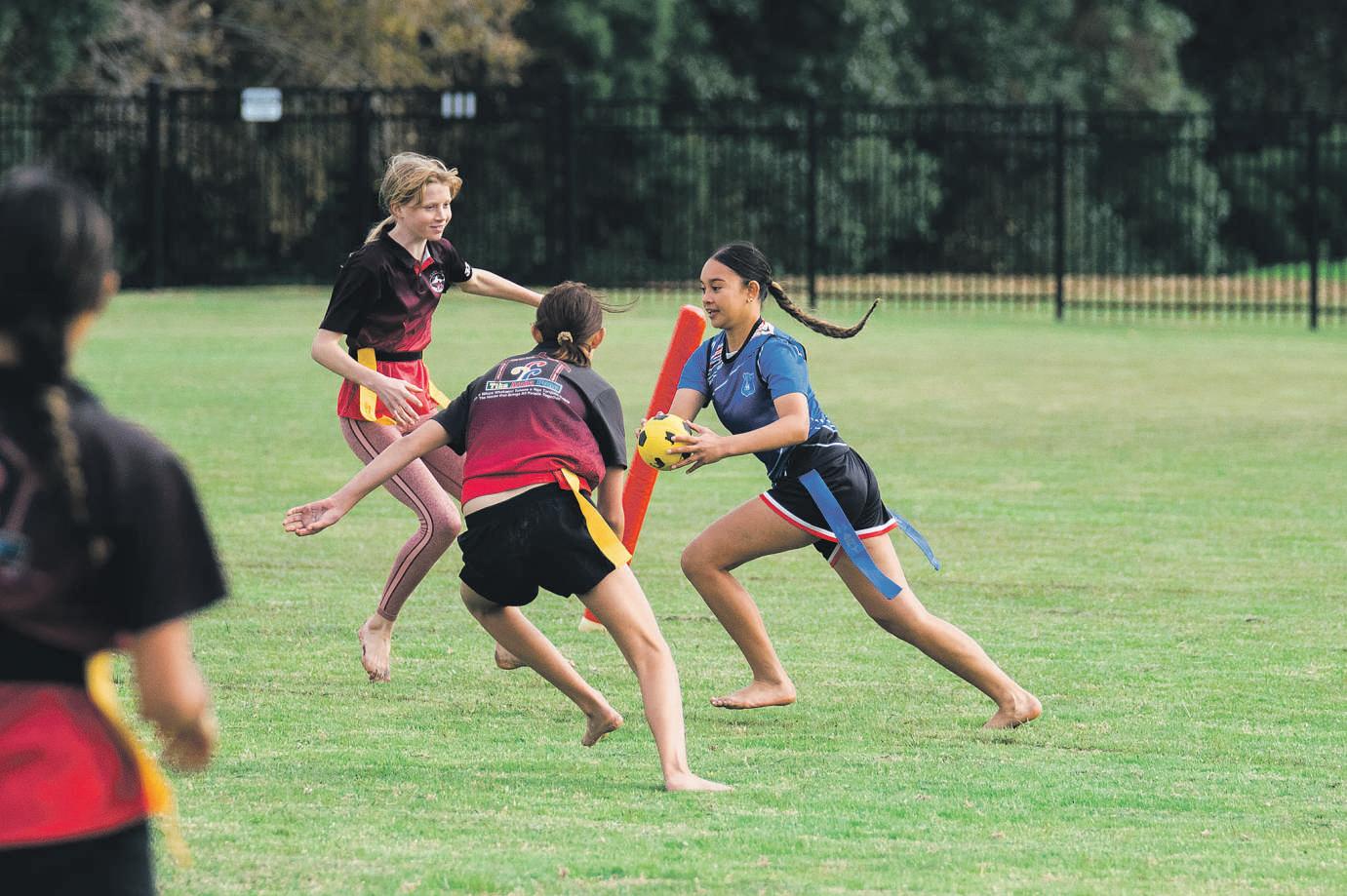
That growth was on show at Dargaville Intermediate, which recently hosted Te Kōperu Kura for a friendly Ki o Rahi tournament
The event marked a first for the kura and provided tauira with valuable experience ahead of larger competitions, while strengthening connections between schools committed to growing the game
For many rangatahi, the appeal of Ki o Rahi lies in its dynamic nature He horo, pūkenga rau, tikanga hoki. A game defined by pace, agility, diverse skills and strong cultural foundations. Those elements are drawing increasing numbers of young players across the region
Hosting Te Kōperu was about more than competition for Dargaville Intermediate. It was an opportunity to build capability among tauira, helping them develop both technical skills and a deeper understanding of the mātauranga and tikanga that underpin the game The friendly match up
reflected a shared goal between the kura to strengthen Ki o Rahi for future generations
Across Te Tai Tokerau, that goal is steadily becoming reality More schools are establishing teams and hosting local tournaments, catering to a range of age groups. What was once considered a niche sport is now becoming a recognised part of school life
As a taonga tuku iho, Ki o Rahi teaches agility, teamwork and respect for tikanga Māori It provides a space where culture and sport intersect, giving rangatahi both a physical outlet and a stronger connection to their heritage
With traditional Māori games returning to communities, Ki o Rahi is leading the resu to contin preparin in Kaikoh highlight come
The Waitangi National Trust is pleased to announce the appointment of Dame Jenny Shipley DNZM as the new Chair of the Board. Dame Jenny takes over as Chair from the departing Chairperson Tania Simpson.
Dame Jenny brings extensive governance, leadership and public service experience to the role, having served as New Zealands Prime Minister and subsequently holding a range of governance positions across the public, private and not-forprofit sectors, both in New Zealand and internationally, including as Co-Chairing the culturally significant Tuia 250 events in 2019, the Northland Tourism Destination Management Plan Leadership Group and Chair for Global Women New Zealand and Champions for Change
The appointment comes at an important time as the Waitangi National Trust Board and New Zealand make plans for the nation’s bicentennial celebrations The Trust continues its stewardship of the Waitangi Treaty Grounds – New Zealand’s most significant historic and cultural site and the Waitangi National Estate gifted by Lord and Lady Bledisloe in 1932, reminding us that at this place a commitment was made to live and build a nation together Dame Jenny said she was honoured to accept the appointment “Waitangi is a place for
everyone It has the beautiful Treaty Grounds with its carved meeting house and Treaty House, two outstanding museums that tell the story of our nation, one of the best golf courses in New Zealand, magnificent mountain bike park, great bush walks, beautiful beaches, a hotel and many other attributes ” It is my hope that every New Zealander and international visitor alike will come and visit this beautiful place, nestled in the heart of the Bay of Islands, to experience our rich cultural history and everything this special area has to offer ”
“Waitangi holds a unique place in the story of Aotearoa New Zealand It is where our nation’s founding document was first signed and remains a place of reflection, understanding and connection I am privileged to have the opportunity to contribute to the stewardship of this special place and to work alongside Trustees, mana whenua and the wider Waitangi community to support its future ”
The Waitangi National Trust Board acknowledged Dame Jenny’s proven leadership and strategic expertise, noting her
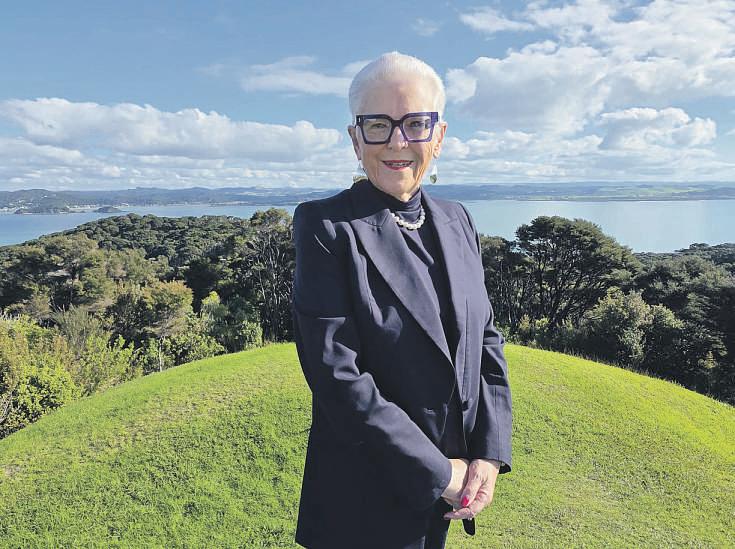
DameJennyShipley,incomingChairoftheWaitangiNationalTrustBoard
deep understanding of New Zealand’s history, identity, and future aspirations
“Dame Jenny’s appointment reflects the Trust’s commitment to strong nation-level governance and leadership as we continue to honour and protect the legacy of Waitangi while ensuring the Treaty Grounds remain a place where all New Zealanders and international visitors can connect with the stories that have shaped our nation,” said Ben Dalton, Chief Executive
The Waitangi Treaty Grounds welcomes hundreds of thousands of visitors each year and hosts the nation’s annual Waitangi Day commemorations Through its museums, educational experiences and cultural programmes, the Trust plays a vital role in sharing the history and ongoing significance
of Te Tiriti o Waitangi with present and future generations
The Waitangi National Trust Board also acknowledged the significant contribution of outgoing Chair Tania Simpson, thanking her for her dedicated leadership and service to the Trust during her tenure
About the Waitangi National Trust
The Waitangi National Trust is the guardian of the Waitangi National Estate which includes the Treaty Grounds at Waitangi the birthplace of Aotearoa New Zealand’s founding document Te Tiriti o Waitangi The Trust works to uphold the principles of partnership, protection and participation in all aspects of its governance and public engagement
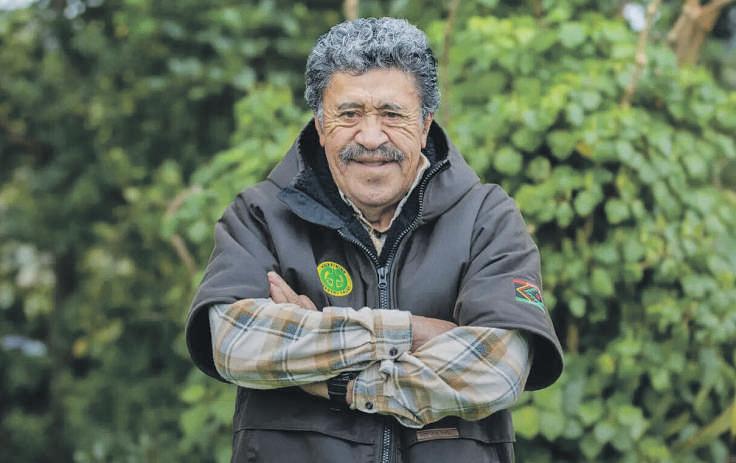
While many knew Len Bristowe as a fearless champion of Maoritanga, to his five children he was a jokester who practised what he preached
"He was the Dad that came home from work in the evenings and played the guitar and sang just while we're waiting for dinner," his only daughter Ramari said
She was outnumbered by her brothers Mita, Conan, Tom and Hughie, and when her dad took in foster children "they were all sons as well"
Two weeks have passed since Bristowe's death, and his legacy is still being spoken of across all walks of life
"Obviously a lot of people didn't realise he was battling cancer," Ramari said
"He kept that very private because he didn't want it to take attention away from the job at hand "
High-profile figures and everyday locals have described the Ngati Hine kaumatua and respected broadcaster as a driving force for te reo and the wellbeing of Maori
He tirelessly championed Maori culture and language through governance, community leadership, Ngati Hine FM and television
"All our lives, he's always been heavily involved in our Maori communities," Ramari said
When Bristowe was out carving better paths for his people, his wife Luana held the fort at home
But Ramari said they never missed out on their dad
Ramari's childhood memories of her dad included him diving for seafood to deliver to elderly people in Pipiwai, Motatau, Matawaia and beyond
"I remember dropping kaimoana off to all the nannies in really remote areas," she said
As Ramari grew older, the pair became closer
"I was a bit of a sounding board for my dad and a bit of a confidante "
The two shared similar values and understood how they could use their fortunes to help their communities

"He was such a big part of our everyday life "
The whanau shared many phone calls, visits and meet-ups at Otahuhu's Vietnam Cafe, where Bristowe enjoyed Vietnamese chicken noodle soup
"Before we went to Auckland to live, he would look at you sideways if you tried to serve him rice or noodles or anything like that, but it's a favourite food of his "
As kids, Bristowe would take his children on trips he called "everyday explorations" rather than holidays, Ramari said
One trip was to Kerikeri, with the kids unaware of where they were going or why They arrived at an orchard where Bristowe started picking fruit
HanuiLawrence
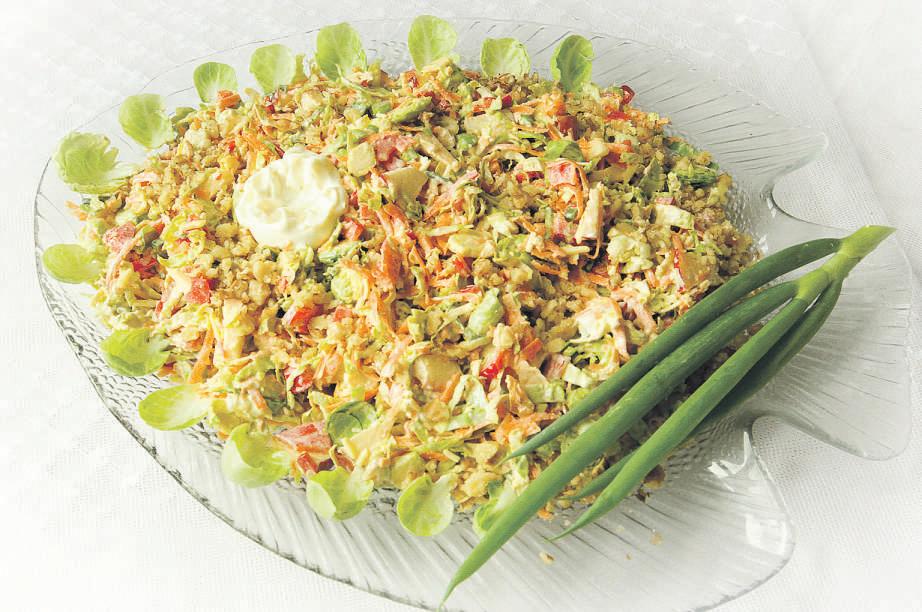
8-10 brussel sprouts (finely sliced)
1 red capsicum (diced)
1medium sweet apple (sliced)
2 carrots (grated)
1 spring onion (chopped)
1 small tin of pineapple pieces
(use 12 tin)
Ahandful of nuts (your choice)
Salt and pepper to taste
Juice of 1 orange (squeezed over)
Toss all ingredients in a bowl and add a dressing of your choice
It’s delicious!
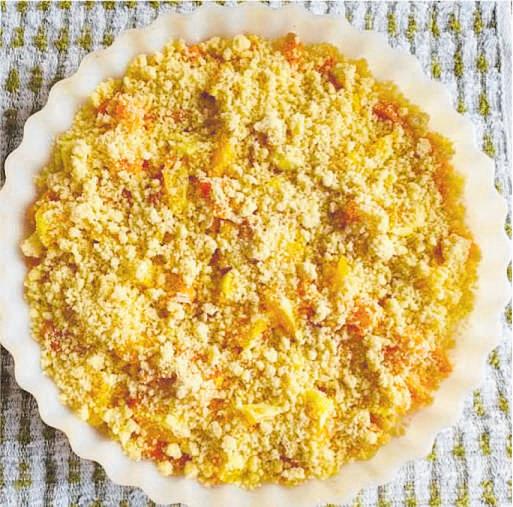
RIGHT:Aunty’s healthy brussel sprouts salad
PHOTO/WARREN BUCKLAND
LEFT:Aunty’s delicious Persimmon Crumble
"Because we were young we used to think 'oh Dad, you're not allowed to eat that, you're stealing'," Ramari said.
She and her brother would fret that he'd get caught as he indulged in the fruit and the puha growing at the base of the trees
"He's munching away on them without a care in the world "
Through laughter, Bristowe would ask his mortified children if they wanted some of the peaches or oranges
"Later on obviously we realised that he was friends with these orchard owners He knew them and so he would just have us on he's a real joker "
Ramari runs a transport business with her husband, hiring many Maori school leavers to help them enter the workforce
At the time of Bristowe's death, he was proud of a project reintegrating Ngawha Prison inmates into the community
"I'm very much like my Dad in that I have the same understanding that people are people regardless of the titles that you carry and how much money you have in the bank," Ramari said.
She believed people would be surprised that Bristowe chose to live simply, despite being financially secure
"Our father lived like a peasant, anything of money value he shared with those who needed it "
When asked what Bristowe would want his legacy to be, Ramari said he would want Maori to work together, not against each other "I can't imagine life without him," she said
Recipe
• 6 persimmons
• 3-5 mandarin or tangelos or both mixed
• 1 lime
• 250g butter
• 1 1⁄2 to 2 cups of selfraising flour
• Pinch of salt
Method
Slice and peel persimmons, bring to the boil (not too long) and put aside
Break tangelos and mandarins into segments
Make the crumble by rubbing butter and flour together (to your liking)
No sugar needed Spread the cooked persimmons into a shallow baking dish
Spread the raw segments of fruit over the top
Squeeze the lime over the top
Sprinkle the crumble over the top (not too thick)
Cook at 180C for about 20 minutes until nicely browned
Note: Do not add any sugar
The tangelos and mandarins and lime juice are enough to complement the natural sweetness of the persimmons
This is yummy with a dash of whipped cream and ice cream
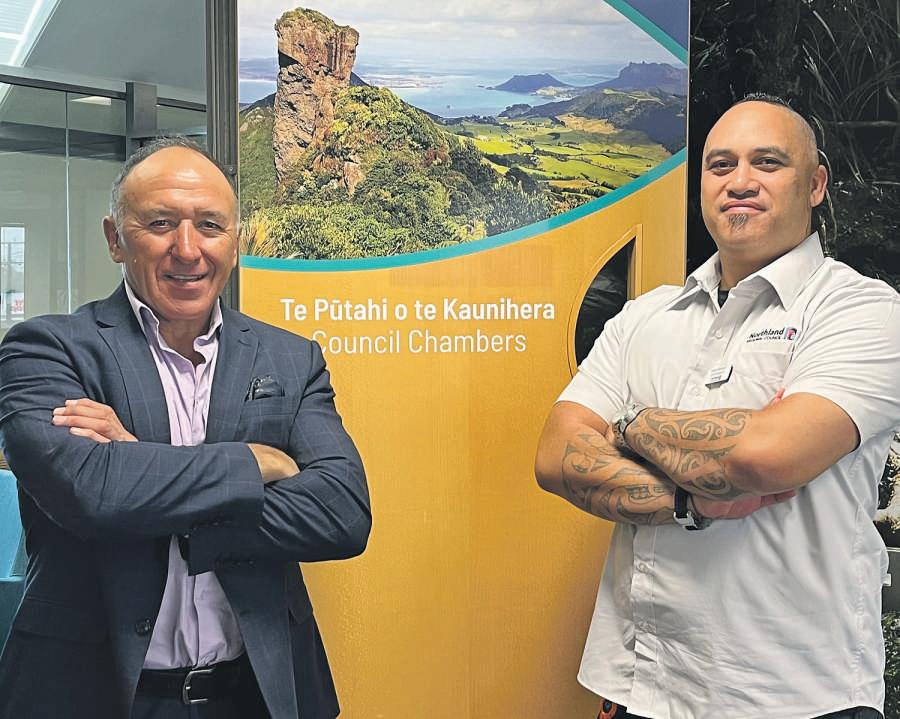
Morunga - NRC’s Te Raki Māori constituency councillors.
It has been a busy and rewarding eight months since we were first voted in to represent Te Raki Māori constituency on Northland Regional Council
Our focus has been on listening and advocating for the aspirations of our whānau, hapū, iwi and communities across Taitokerau We have prioritised being present – on marae at local events and alongside those responding to challenges on the ground –because meaningful representation starts with connection We have seen firsthand the strength, resilience and generosity of our communities, and how they show up when it matters most, especially during the storms early in the year
Since joining council we have focused on working with our fellow councillors to build a unity of purpose, be future focused and bring about effectiveness and efficiencies While we serve all Northlanders, we continue to bring the perspectives of our Te Raki Māori communities to the fore
The recent Wānanga Waiora highlighted the importance of strengthening relationships, sharing mātauranga, and reinforcing the
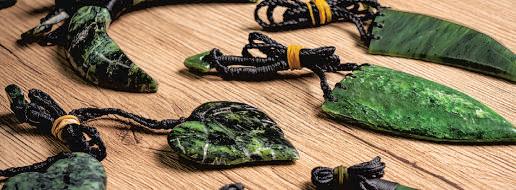
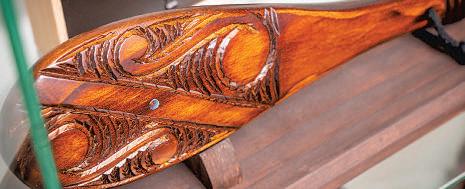
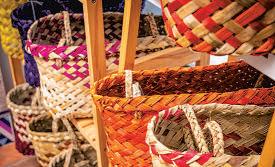
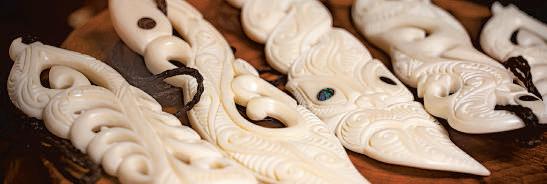
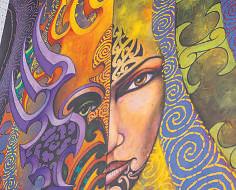
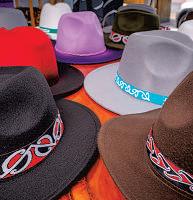
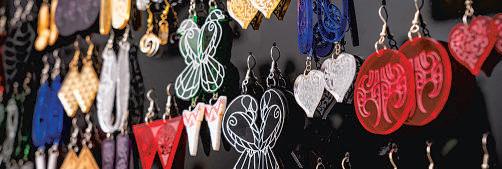

role of iwi and hapū as kaitiaki At its heart, this kaupapa is about caring for our taiao and ensuring a strong foundation for future generations
As we mark this Matariki period, it is a time to reflect on what has been and to prepare for what lies ahead
Looking forward, there are major reforms to local government upon us
We are focused on ensuring the voices of Taitokerau are reflected in what comes next, and we encourage our communities to share your whakaaro throughout this journey
He mahi nui tēnei, engari mā te mahi tahi ka tutuki
E awhiowhio ana te rangi, e awhiowhio ana hoki te ao, engari me mahia ngā mahi –tutuki noa













Thursday 9 July, 4 - 8pm






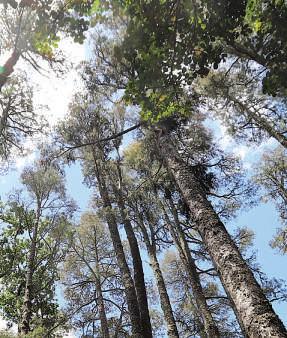
Come along for a fun evening of activities, a campfire, walks and hot kai.
Puketi Forest Campsite, 1715 Waiare Road, Puketi F a k P






o s o es a f r families in Puketi F rest












































































Matt Pryor
Through art, kaupapa and community, Wairau Māori Art Gallery is building something bigger than exhibitions, creating space for Māori creativity, rangatahi development and a stronger future for Te Tai Tokerau.
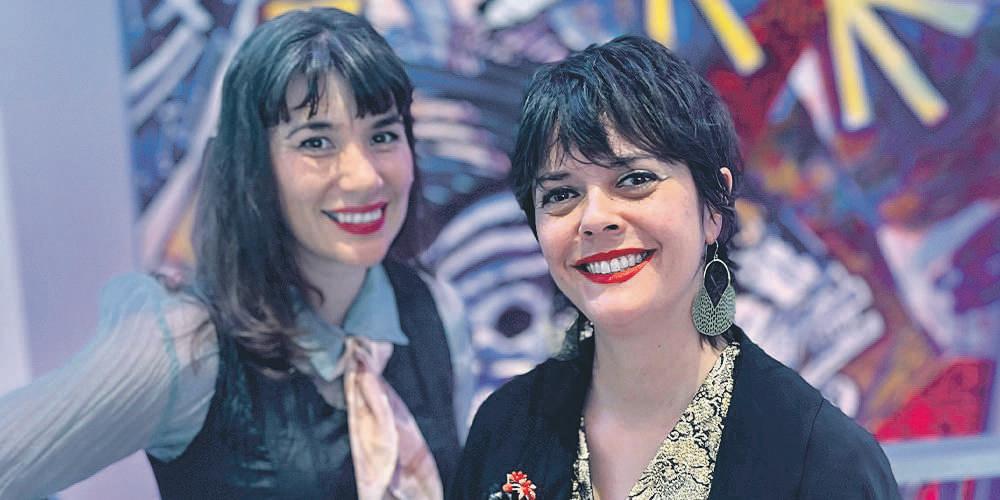
Situated within the Hundertwasser Art Centre in Whangārei, Wairau Māori Art Gallery operates independently under Māori leadership, with mana motuhake at the centre of everything it does The gallery ensures Māori art and Māori voices have a permanent, dedicated space within one of Te Tai Tokerau’s most significant cultural developments
For Te Ringa Hautu Toi/Director Larissa McMillan, the mahi is about much more than exhibitions on walls It is about creating pathways for rangatahi, supporting Māori artists, and ensuring tamariki can see
themselves reflected in spaces of creativity and excellence
“One of the things were most proud of is our outreach to kura and rangatahi across the region,” says Larissa “Engaging young people with professional artists helps them see that a career in the arts is possible, because you can’t be what you can’t see ”
Like many arts and kaupapa Māori organisations; sustainable funding remains a challenge in an ever changing landscape of support for the arts in Aotearoa Staying grounded in kaupapa Māori values and
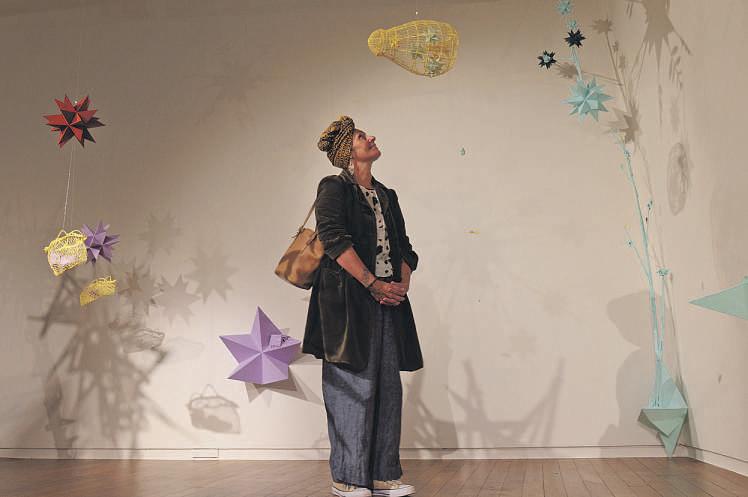
community aspirations is key to the vision
But Wairau Māori Art Gallery’s story is also a reminder that pakihi Māori do not need to fit traditional business moulds to create impact Success can look like strengthening identity, nurturing creativity, building representation, and creating opportunities for others to follow
The gallery’s commitment to whakawhanaungatanga, manaakitanga and kaitiakitanga shapes everything from governance through to artist relationships and community engagement It is a model based not just in economic outcomes, but in cultural
responsibility and intergenerational thinking
For Māori considering stepping into business, there is a powerful lesson in Wairau Māori Art Gallery’s journey: start with your values and let them guide your direction A strong kaupapa builds resilience, attracts the right people, and creates deeper impact within communities
As Larissa reflects, the future vision is steady but ambitious, continuing to grow outreach opportunities, strengthen connections with kura and rangatahi, and expand opportunities for Māori artists both within Te Tai Tokerau and beyond













Ngāti Hine











ARE



au , haer m
gāti ine He lth T us now a doctor
Wa n tr et i Wha

r ’ s clinic (G ngārei ai!

ic (GP services) at i


lled patients en y afford amariki aged 6 to1 - ea

I ou d li t join ur cl nic book a vis A
T mar f m 4 to 17-yea
āk ke / Adults: 19 for a n

CC v s ts ar sup o te to , no tamariki and red ced

dable fees: ars: Free rs: From $1 ā dard GP co with lo o o fees for ad
Yo f s p intme nc udes a f l n ollowed by a onsultation with our G


om $12 cons lt o or or a ults

i nurse healt e P, Dr Amy e sit, simply


e th c ck Walpole. mply giv us ca :


Wa to Street, W 0 00 62



Whangār


ng r i