College of Social Science and Public Policy Professor, Department of Urban & Regional Planning
Florida State University
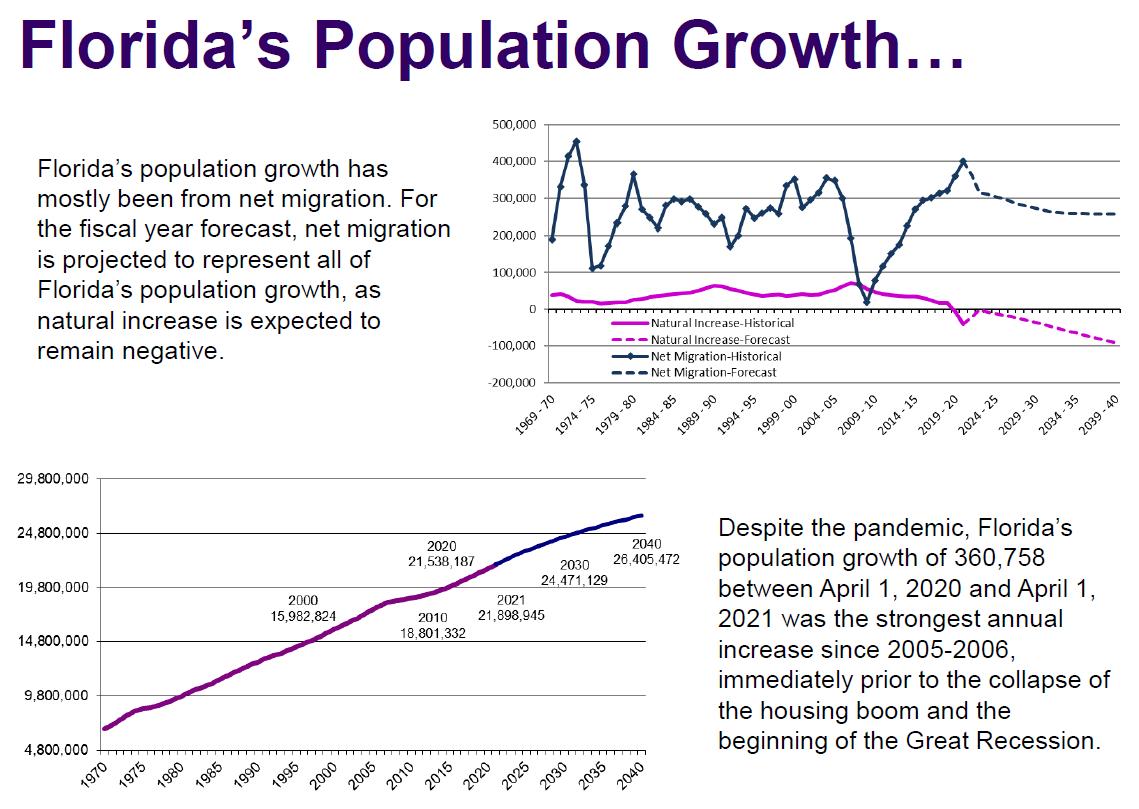
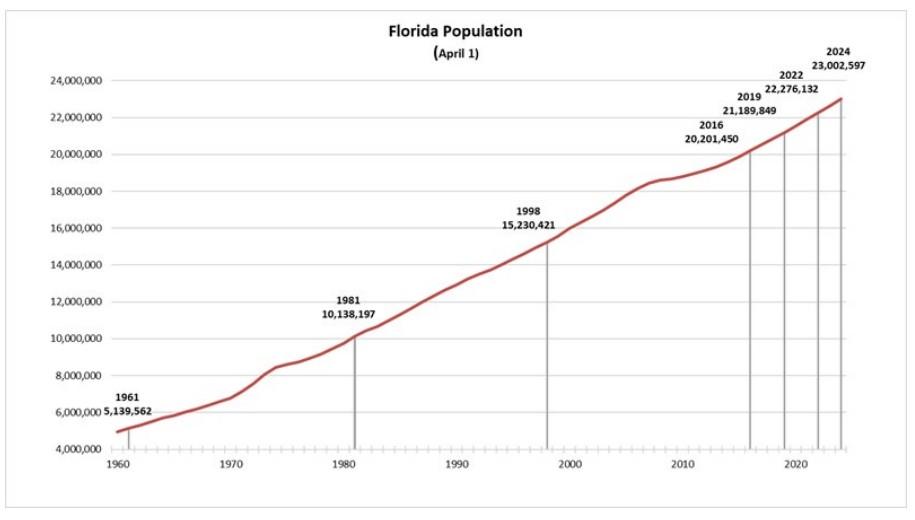
Florida has generally added ~3 million net new residents each decade since 1960 and the 2020s appear on pace to reach that again. Looking ahead, there is growing confidence that this historic net decadal change will end in the 2030s, mainly due to massive changes in family formation and fertility rates.
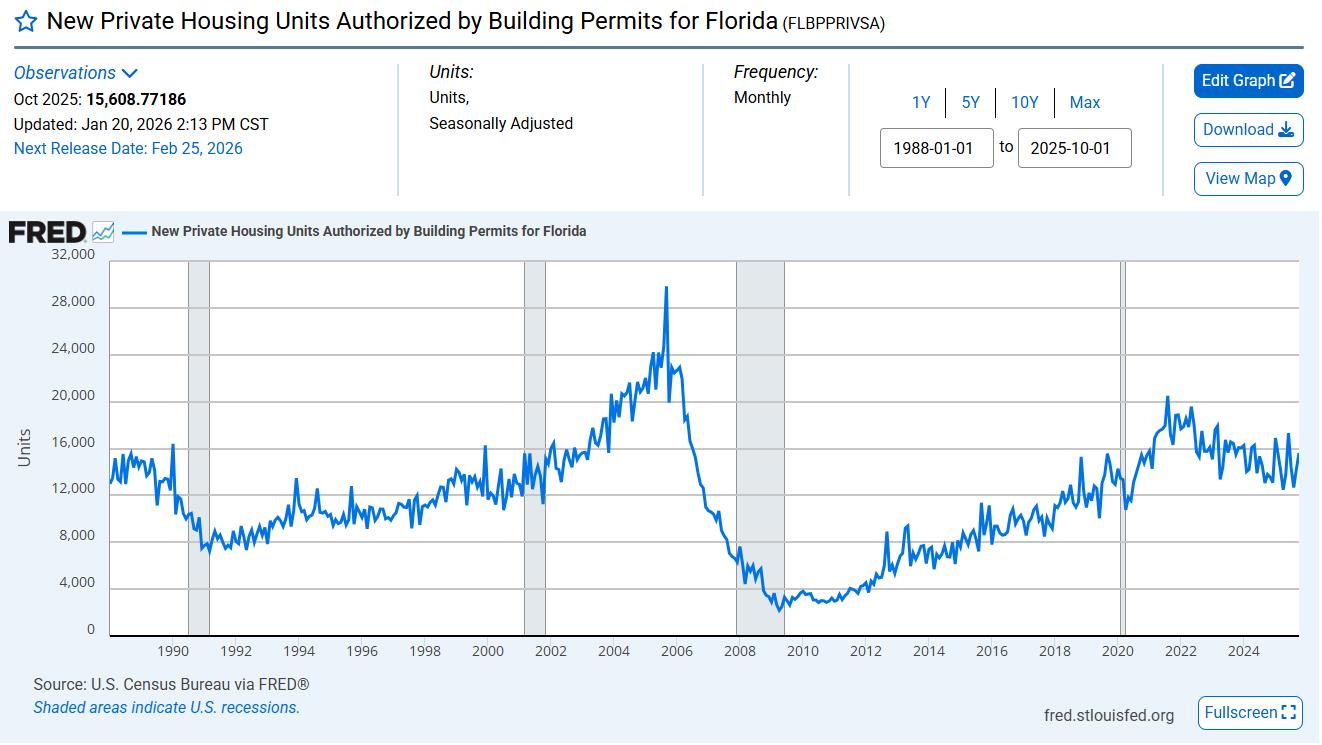
Housing Permits Lagged Post-Great Recession, But Have Rebounded Some
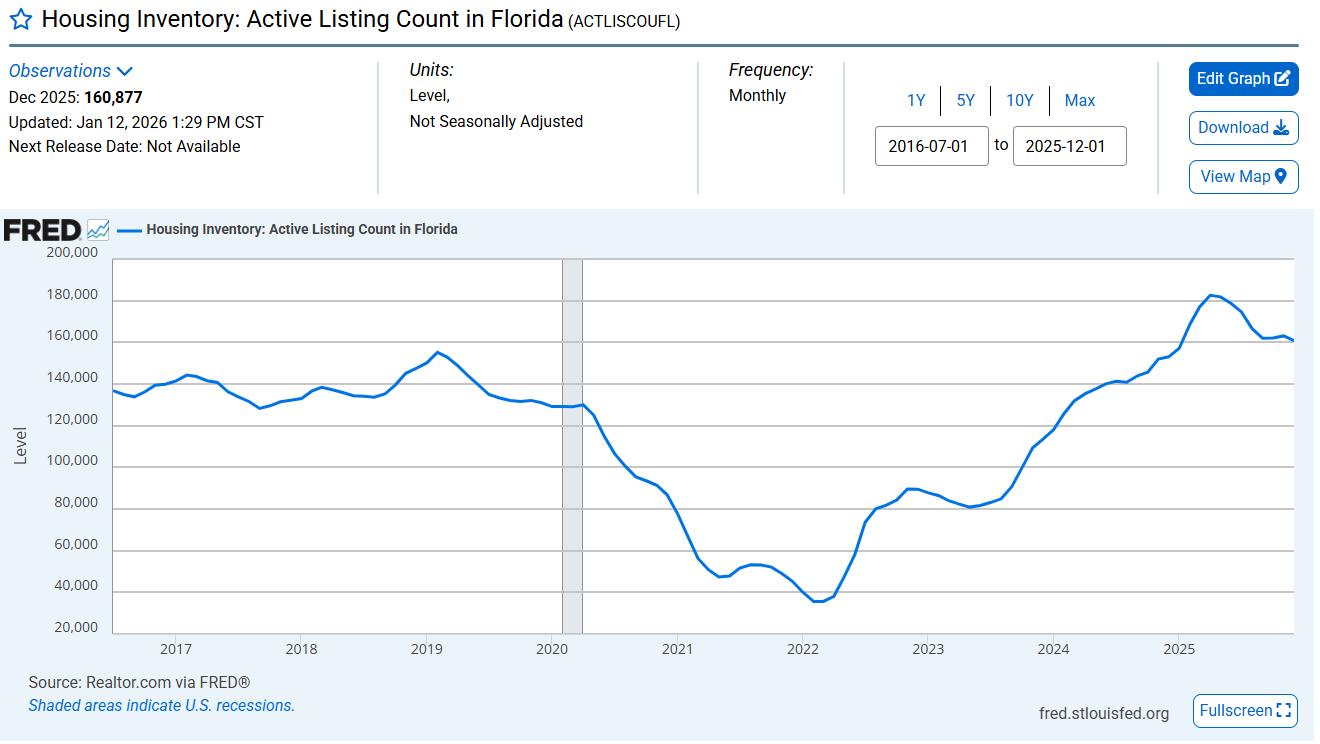
…Which Has Tightened Inventory…
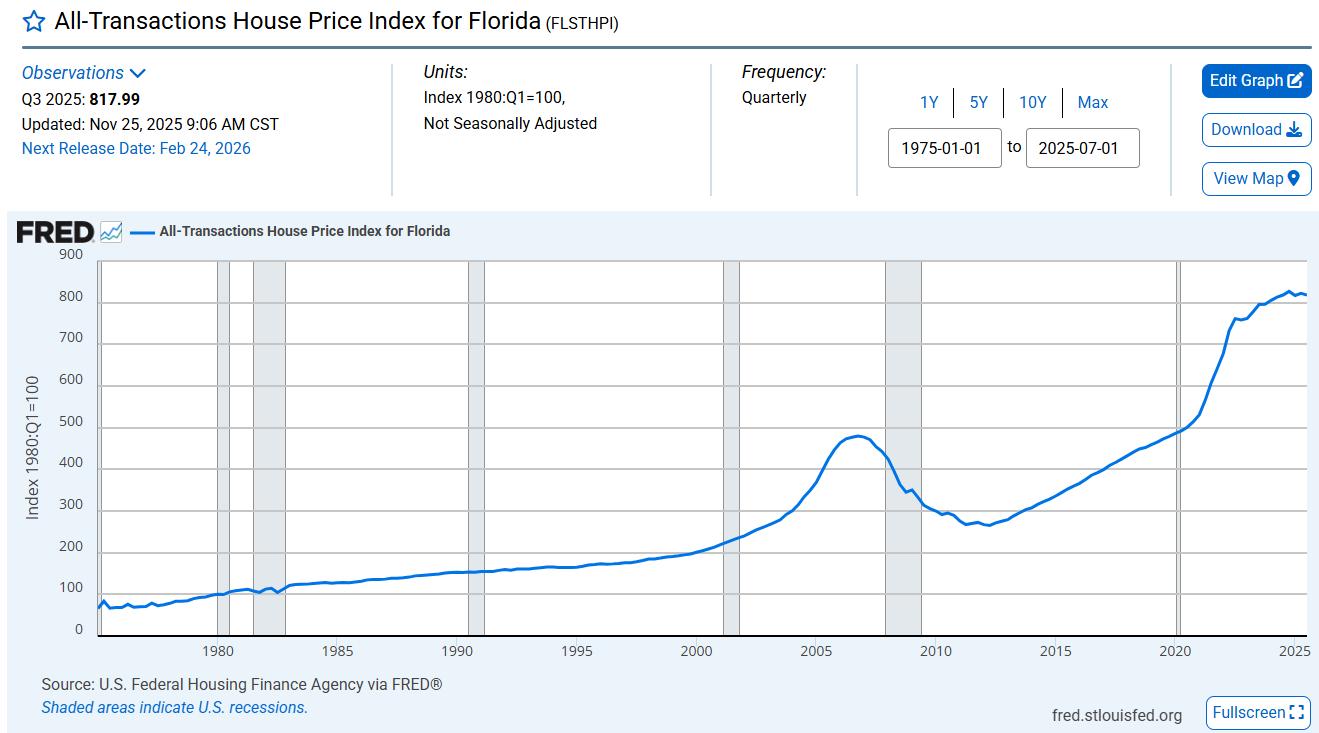
…And Contributed to All-Time High Prices
Florida’s Property Value Trends
• Statewide Total Taxable Property Value
• 2000: $727.58 Billion
• 2020: $2.12 Trillion (191% growth 2000-2020)
• 2025: $3.48 Trillion (64% growth 2020-2025)
• Example Counties
• Leon: 233% in 25 years, 47% in last 5 years
• Miami-Dade: 437% in 25 years, 61% in last 5 years
• Walton: 1072% in 25 years, 107% in last 5 years
• Sumter: 1888% in 25 years, 74% in last 5 years
• County Average Growth in Taxable Value
• 365% over 25 years
• 67% over last five years
Community Redevelopm ent Agencies and Tax Increment Financing
What is a Community Redevelopment Agency?
• CRAs are a five- to ninemember board created by the local government (city or county) to direct redevelopment projects and related activities within Community Redevelopment Area(s). The Board can be comprised of local government officials and/or other individuals appointed by the local government.
What is a Community Redevelopment Area or District?
• Under Florida law (Chapter 163, Part III), Counties or Municipalities designate areas as Community Redevelopment Areas when certain conditions exist. Since all the monies used in financing CRA activities are locally generated (property taxes), CRAs are not directly overseen by the State, though they must comply with Florida law.
• Examples of conditions that can support the establishment of a Community Redevelopment Area include, but are not limited to:
• presence of substandard or inadequate structures
• shortage of affordable housing
• inadequate infrastructure
• insufficient roadways
• inadequate parking
What is a Community Redevelopment Area or District?
• To document that the conditions required under Florida law exist, the County or Municipality seeking to establish the Community Redevelopment Area must conduct an assessment of the proposed Community Redevelopment Area by preparing a Finding of Necessity Study.
• If the Finding of Necessity Study determines that the required conditions exist, the County or Municipality may establish a Community Redevelopment Area to provide the tools needed to foster and support redevelopment projects and related activities within the Community Redevelopment Area.
What is a Redevelopment Plan?
• The CRA is responsible for developing and implementing a Redevelopment Plan that addresses the unique needs of the Community Redevelopment Area. The Redevelopment Plan includes the overall goals for the Community Redevelopment Area, as well as identifying the redevelopment projects and related activities for the Community Redevelopment Area.
• Examples of traditional redevelopment projects include:
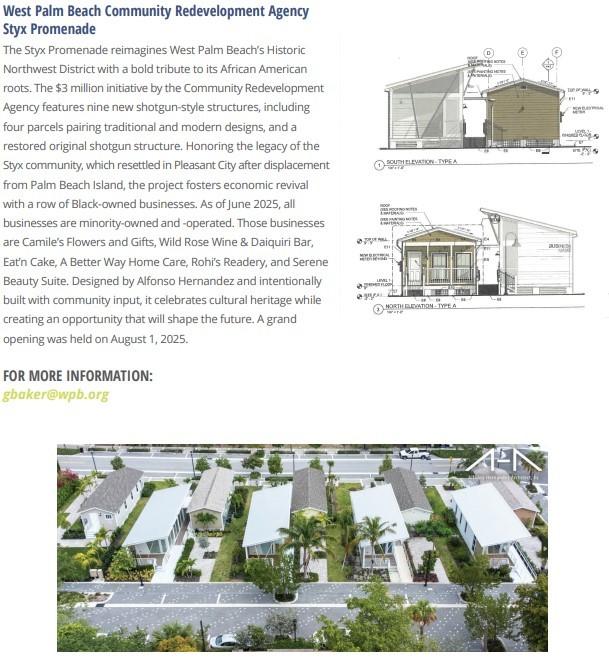
• streetscapes and roadway improvements
• building renovations
• new building construction
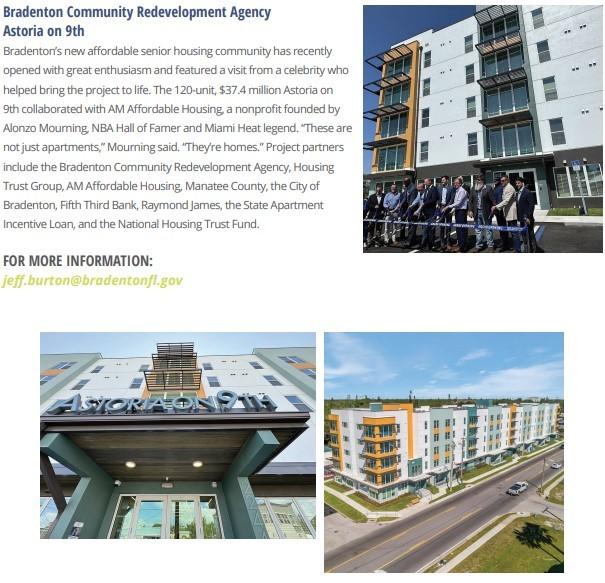
• affordable housing
• flood control initiatives
• water and sewer improvements
• parking lots and garages
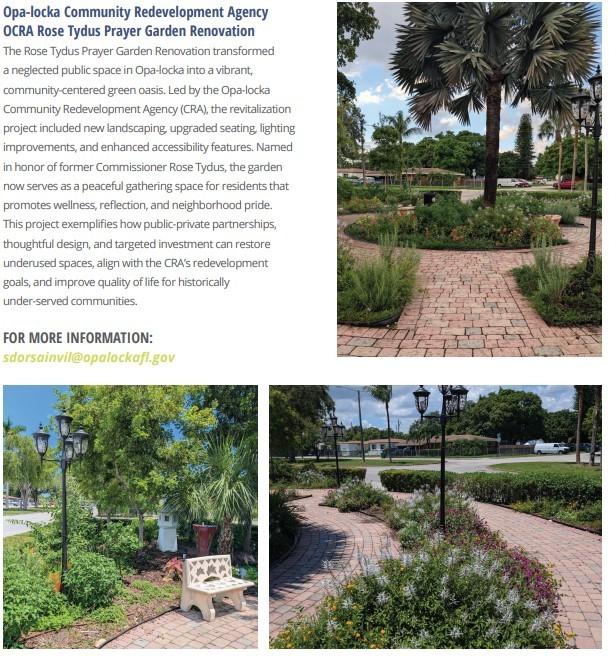
• neighborhood parks
• sidewalks and street tree plantings
What is a Redevelopme nt Plan?
• The Redevelopment Plan can also include redevelopment incentives and grants such as façade improvements, infrastructure improvements, fire prevention system upgrades, signage, and structural improvements.
• The Redevelopment Plan is a living document that can be updated to meet the changing needs within the Community Redevelopment Area; however, the boundaries of the Community Redevelopment Area cannot be changed without conducting a new Finding of Necessity Study.
• After approval of a community redevelopment plan, there may be established a redevelopment trust fund. Funds allocated to and deposited into this fund shall be used by the agency to finance or refinance any community redevelopment it undertakes pursuant to the approved community redevelopment plan.
What is Tax Increment Financing (TIF)?
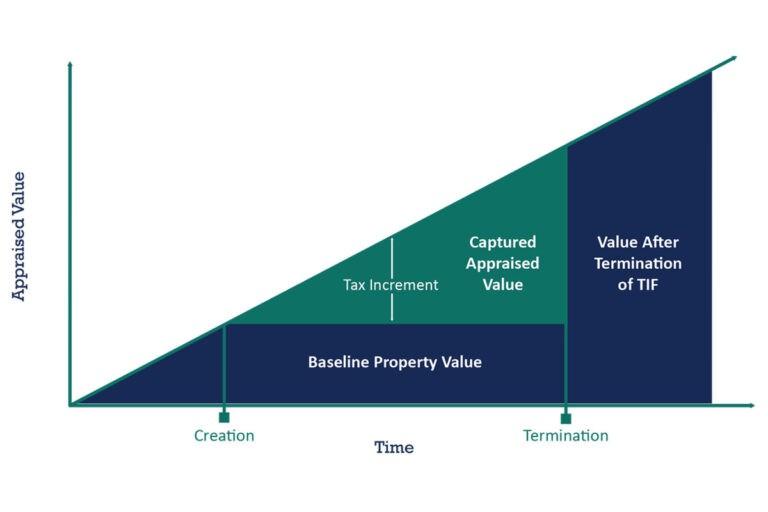
Tax Increment Financing (TIF) is a financing tool that allows municipalities to use future property tax revenue increases to pay for current improvements that will create those gains.
The basic principle of TIF is to designate a specific geographic area as a TIF district, where property values are "frozen" at a base level.
As development occurs and property values rise, the resulting increase in property tax revenue—known as the "tax increment"—is used to fund public improvements, such as infrastructure upgrades, parks, and other community projects.
How is TIF used in Florida?
• F.S. Ch.163 codifies redevelopment measures in the Community Redevelopment Act which provides for the establishment of a community redevelopment agency (CRA) and tax increment financing (TIF).
• These tools represent a traditional “invest and grow” approach that local governments can use to generate growth within blighted areas.
• The act allows a CRA to annually capture and spend a portion of the incremental increase in ad valorem tax revenues resulting from redevelopment.
• The tax increment — the increase in real property taxes from the difference between the taxes generated before and after the investment in real property — is used by CRAs to fund a portion of the costs for improvements.
Pros of TIF:
• Even though TIF initially benefits a special district, the entire community can benefit. Economic development can happen steadily and naturally in the entire community. The result can include a more solid economy, an increase in employment, and greater appeal to residents, businesses, and developers.
• Promoting economic opportunity: TIF can stimulate private investment by encouraging the private and public sectors to form a solid partnership as they collaborate and work together.
• TIF has few financial risks over a long period of time. TIF supports redevelopment projects without increasing taxes, and TIF can be used without impacting a city’s debt limit or financial stability.
• TIF uses loans to finance capital assets and infrastructure in a district. These loans are repaid over the duration of the CRA with the use of incremental revenue from ad valorem taxes collected from a district.
• TIF is one method to finance economic development and is not mutually exclusive to other methods. There are other funding sources available (bank CDCs, CDBG, BIDs, HUD, SHIP, HOME, and US EPA).
• Once established, TIF can provide a consistent funding source for redevelopment activities in the district. This helps local governments implement long range and large scale projects with a steady stream of revenue.