ARCHITECTURE PORTFOLIO
Antonia Ordonez Suarez | 2025
S
W E E T G R A S S
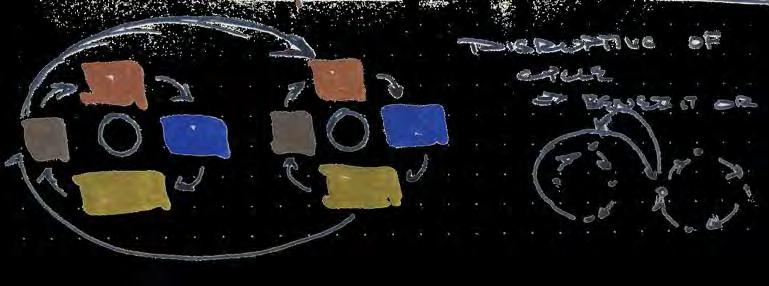
Based on the model popularized by Jean Piaget, Sweetgrass is modeled after 4 stages: concrete experiences, observations and reflections, abstract conceptualization, and testing. These 4 stages allow for independent agency and autonomy for those on the cycle.
Sweetgrass sees knowledge as a holistic discipline that embodies both classical and indigenous forms of learning. This approach aims to weave together ways of seeing, understanding and learning. Using one to fill the gaps in the other.
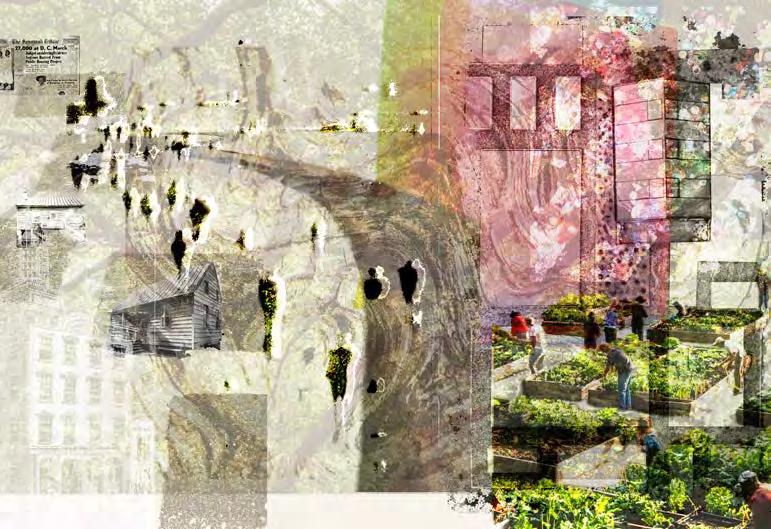
Honoring the history not just of the built environment, but also of the presence that exists and lives within the site. Formed to tell stories, peeling back the layers of history one by one.
Spring Quarter 2025
SBLD 225: Spatial Relationships and Human Response
This course focused on the perceptual and experiential orders of physical space. Examining how space impacts all the senses. Moving beyond the optic, rooted in artifacts and the task of architecture in addressing them.
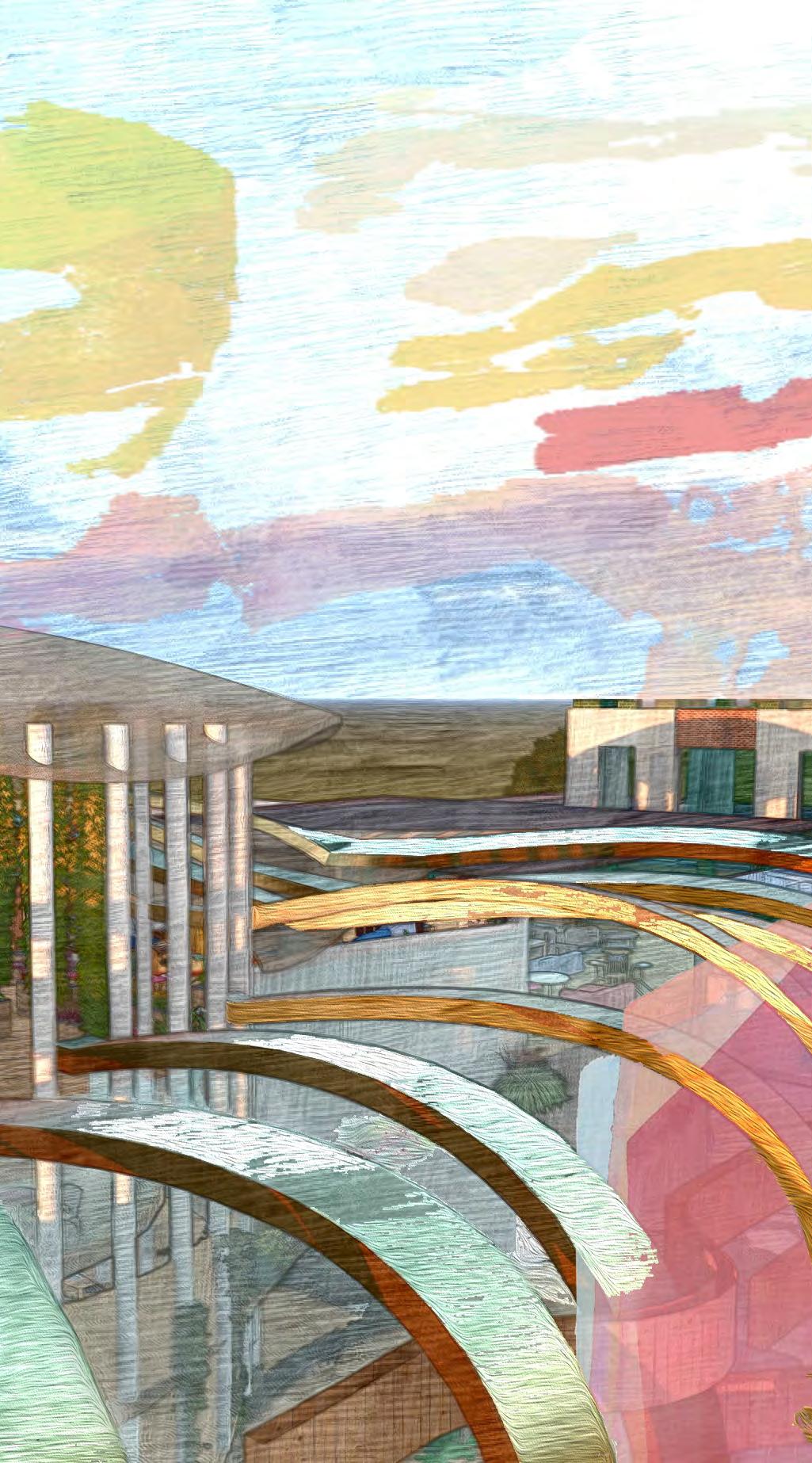
Softwares Used: Rhino | Revit | Lumion Photoshop | Illustrator
Addressing Artifacts:
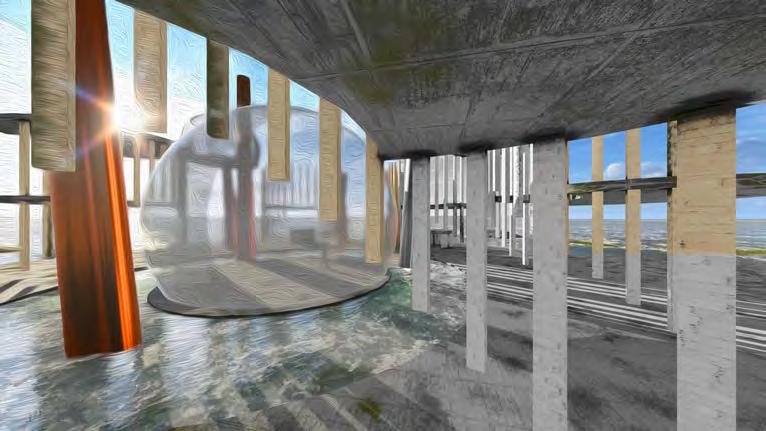
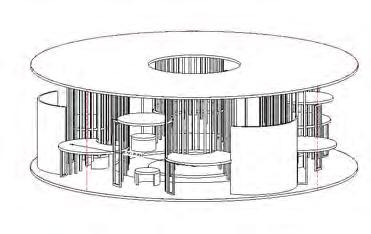
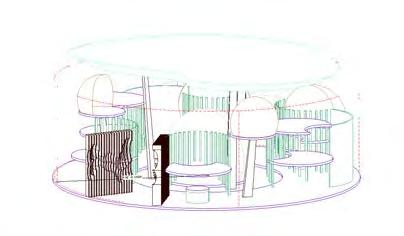
This exercise, composed of interchanged revit and rhino models was undertaken prior to the design process. It presented the challenge of interpreting and reexamining the existing tangible and intangible context of a site.
Concept Development:
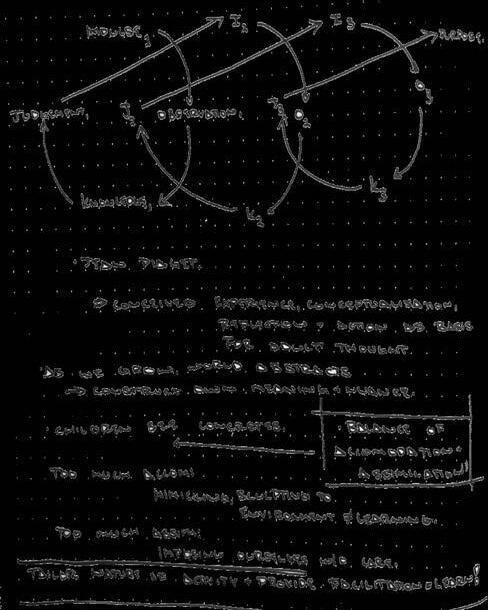
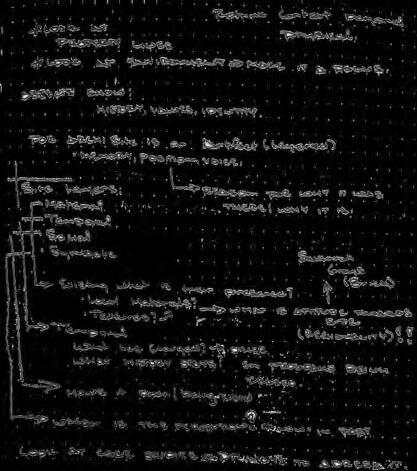
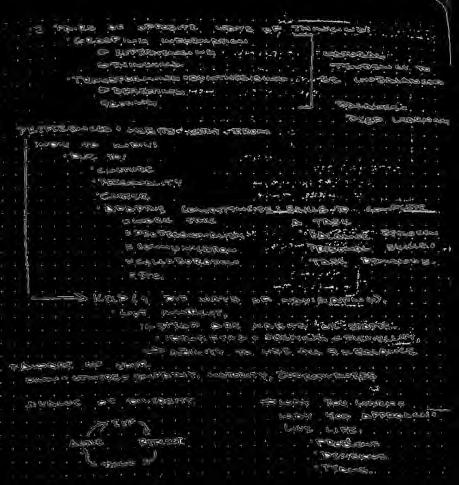
Learning Model Research:
Text on degrees of site interaction and preservation
Original Revit Model
Rhino Modifications
Final renderings of received model, representation of the layers of history and transformation.
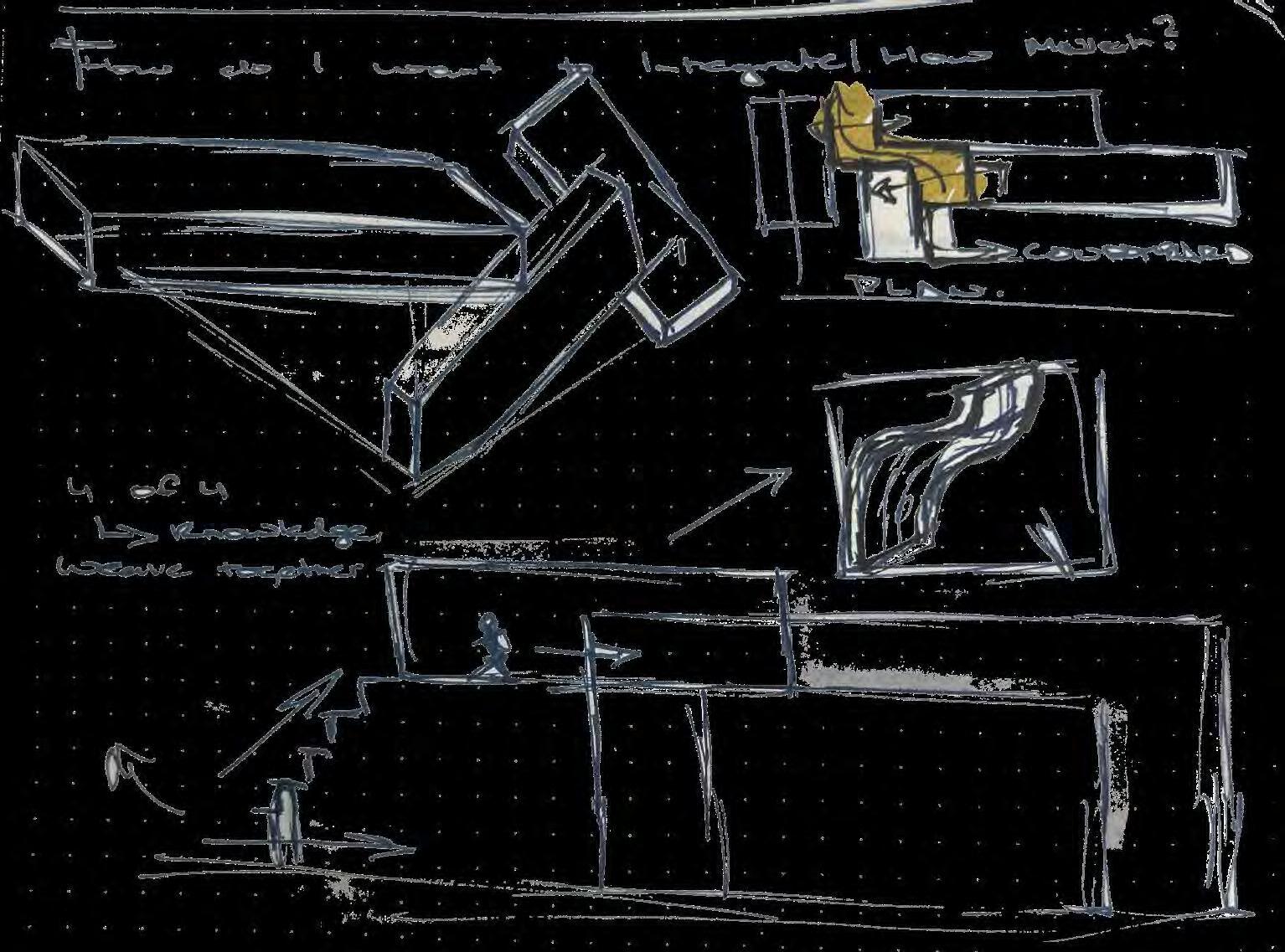
Initial Integration Ideation
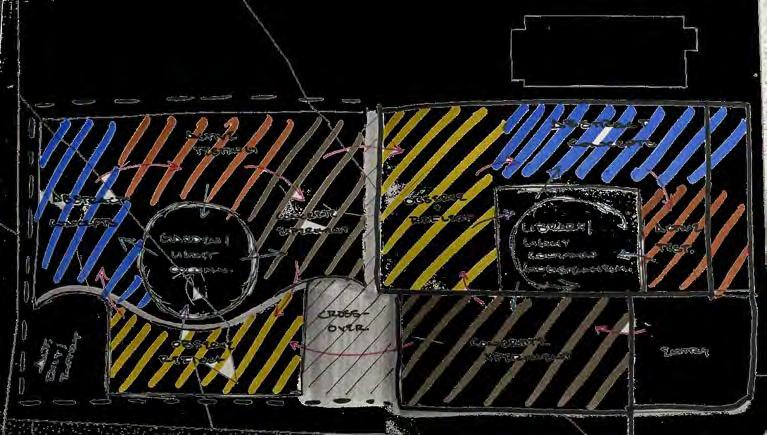
Parti Diagram of Learning Model
Experiential Renders:
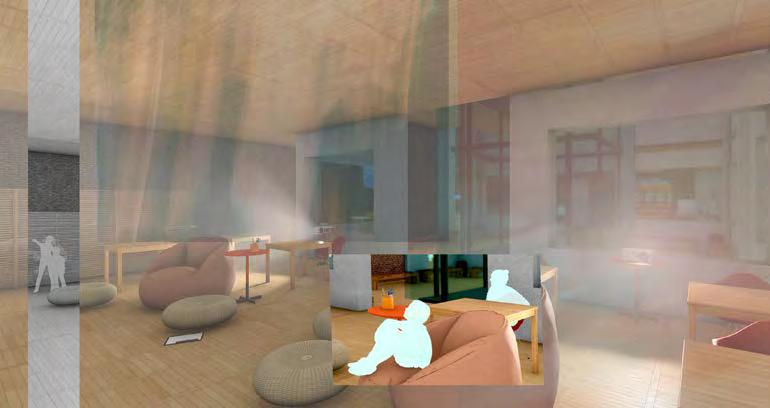
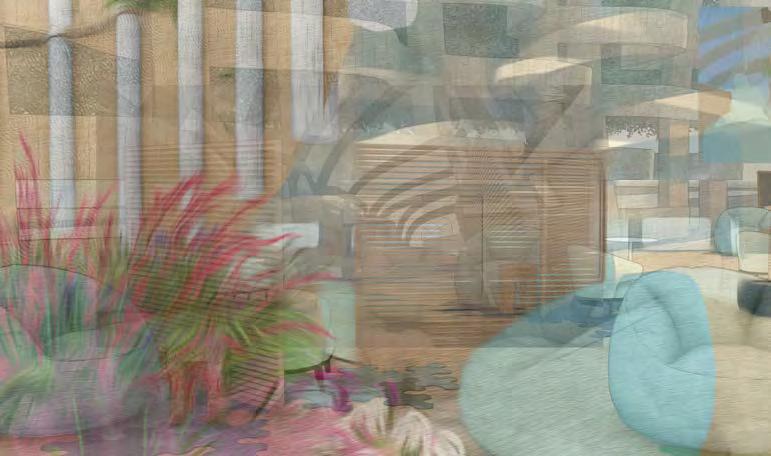
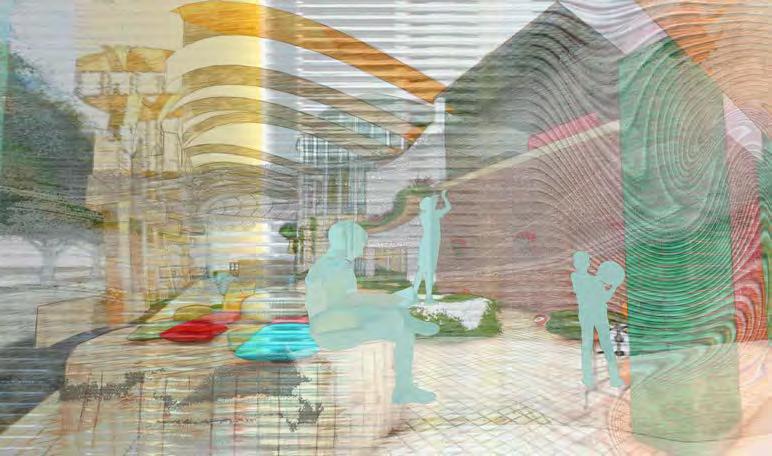
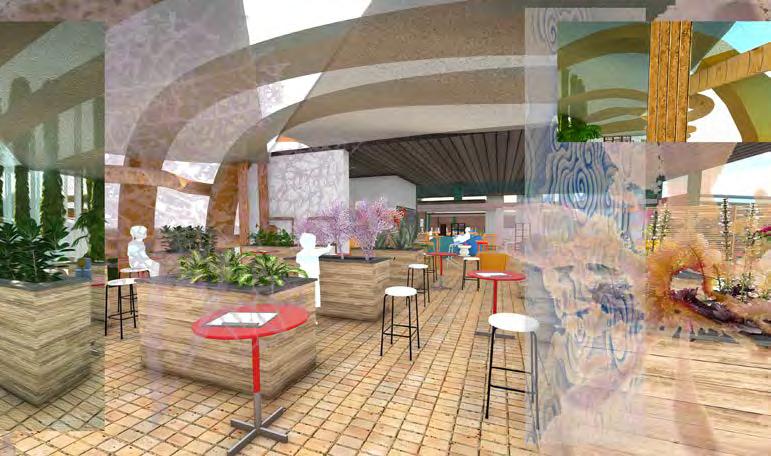
Piaget’s learning model identifies 4 stages of learning that each have an inherent purpose and motivation behind them.
These experiential renders represent the spaces that create these stages, demonstrating how they are created to support each specific phase in the cycle.
Floor Plans:
RO | Reflective Observation
AC | Abstract Conceptualization
Conceptual Renders:
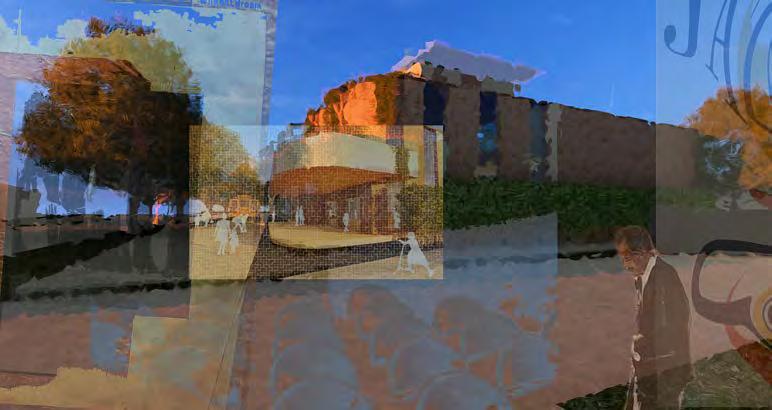
Housed in a historic African American cinema, the new learning center maintains the existing facade and marquee to pay homage to the past history of the site.
Acting as the main entrance, it is placed at the forefront of the user’s consciousness creating a daily dialogue with history and time.
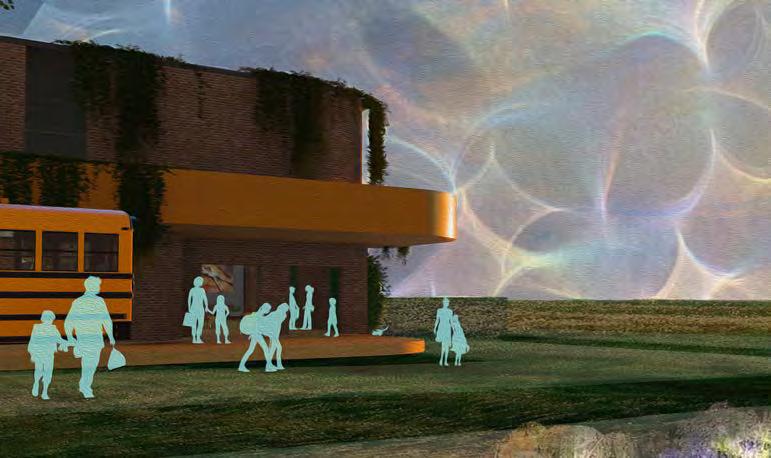
The other side of Sweetgrass comes from its connection with the natural world and it’s teachings. One side of the cycle can’t be complete without the other.
These indigenous teachings weave together with more classsical approaches, creating a holistic view of the world and our place in it.
This connection is intangible; nonetheless, it is prevalent.
Building Sections:
Relationship between the classical, existing form and modified indigenous progression.
Hierarchy of floor to floor organization in relation to central elevator shafts.
Spatial experience within transition zones that combine classical and indigenous teachings.

The form for the building honors the context. The new addition represents a mirroring of the old to create the new.
The indigenous side is then modified to intrinsically represent the more natural form of knowledge.
Organic forms are added, as well as materials such as glass and rammed earth that intensify the student’s connection to the exterior.
Section
Approaching History
Connection with Nature
KARRA
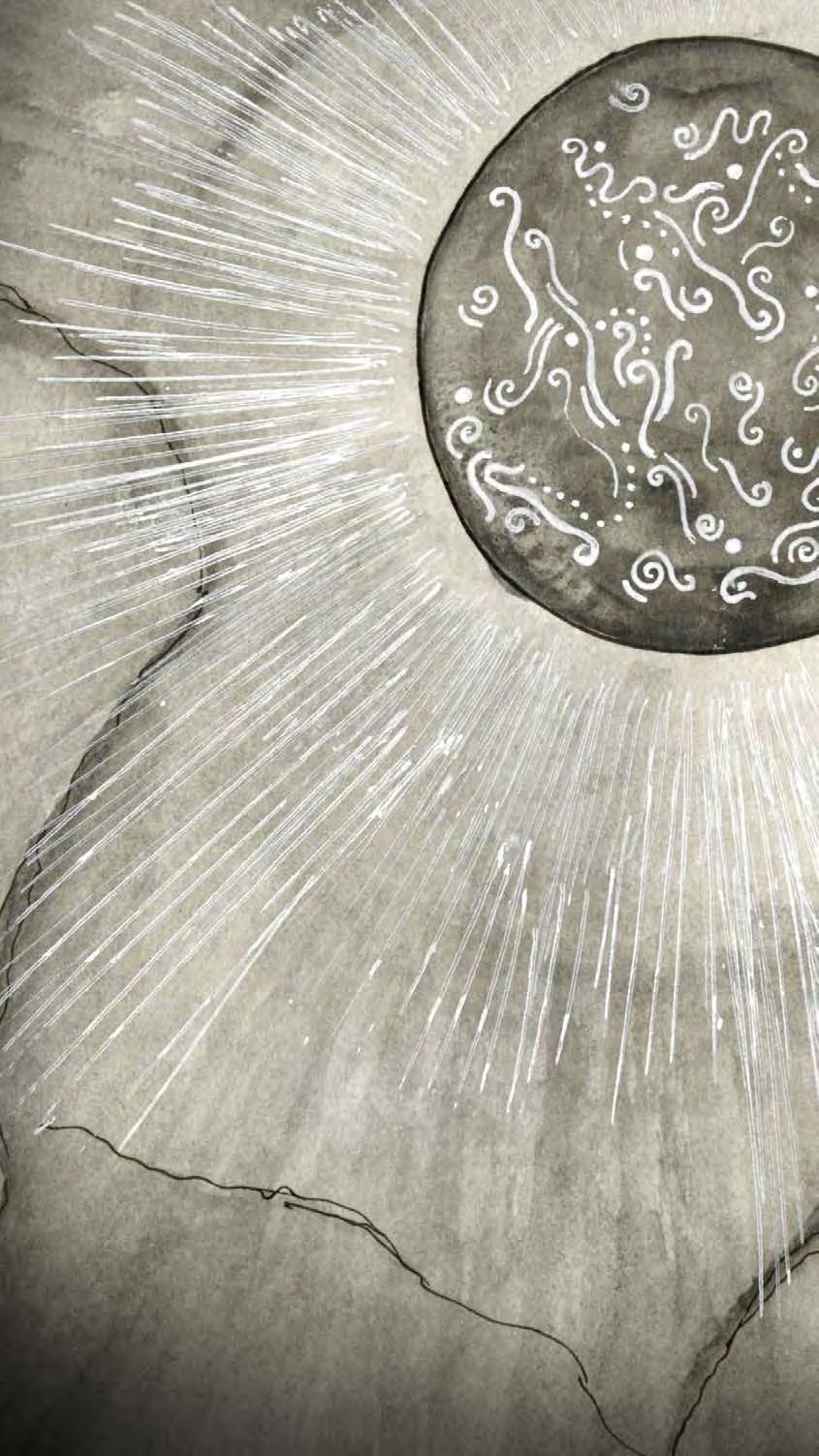
Karra is a confrontation. One that places the user in a direct relationship with their surroundings. This relationship creates an encounter with the past as well as the future, inviting a new appreciation of their everyday experiences. Reconnecting people to each other and their environment.
Karra focuses on connection across cultures, memory, and time. Through a sensory journey, deep similarities are examined and highlighted as opposed to surface level shifts. This examination lays bare the connection across the ephemeral, showing how every action has a deep impact, inviting care and intentionality.
SCAD
Fall Quarter 2025
ARCH 310: Human Experience in the Built Environment Architecture Studio 1 that focused on the sensory experience of a space and how it connected with its users. Making use of phenomenolgy, and sensorial landscapes this studio taught how to create an experience that inspired cross cultural connection.
Softwares Used: Illustrator | Photoshop InDesign | Revit
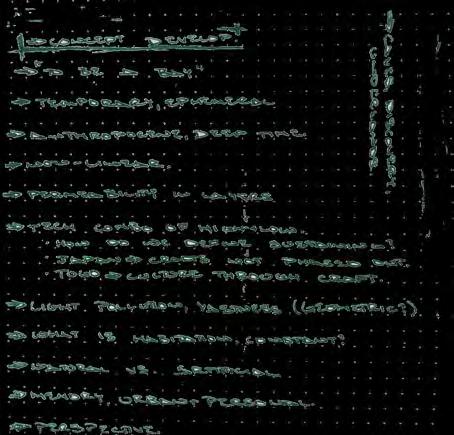
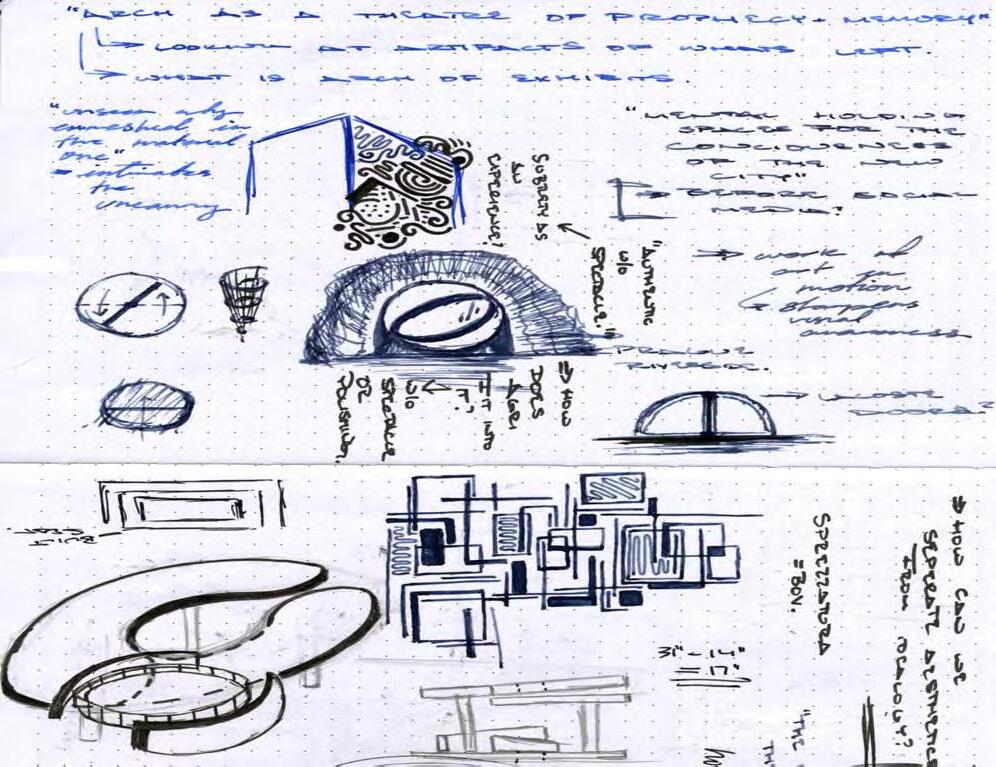
Initial Concept Development and Ideation:
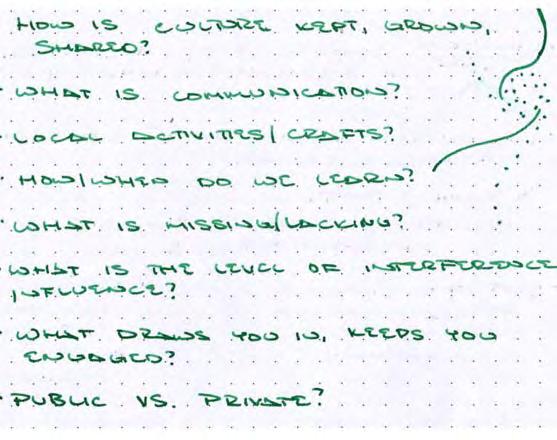
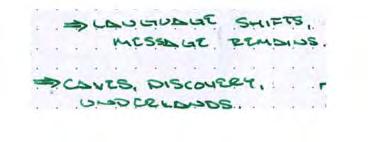
Before starting concept development, I started with guiding questions that would inform the rest of the design decisions. These questions centered around inter community connection as well as addressing the greater issues facing the world today. Namely, our isolation from the world.
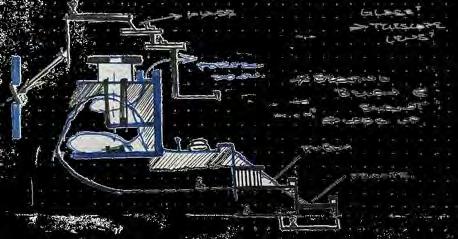
Initial Massing and Rough Circulation
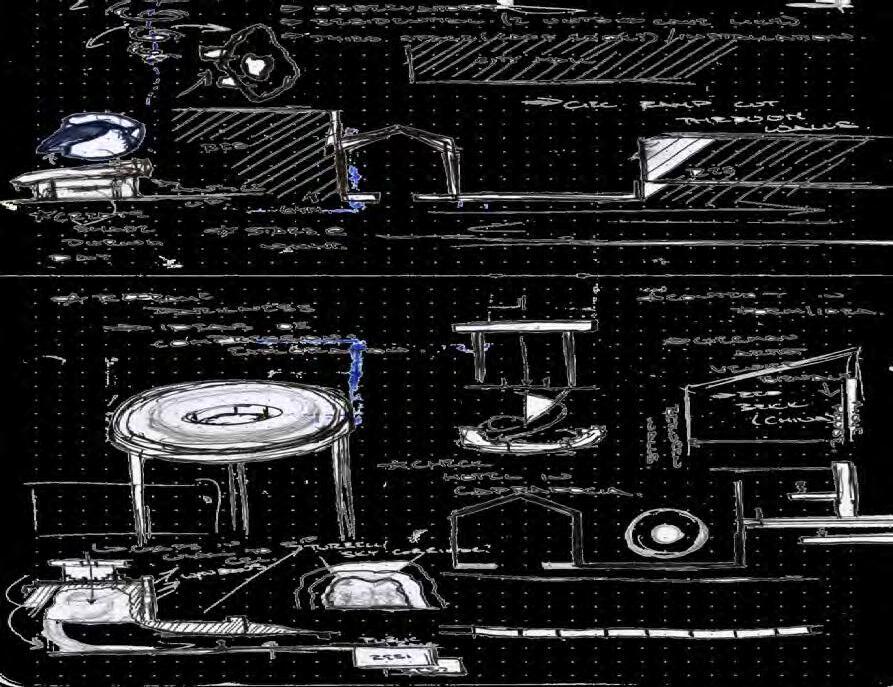
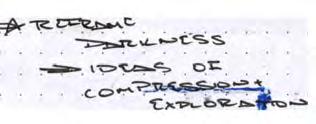
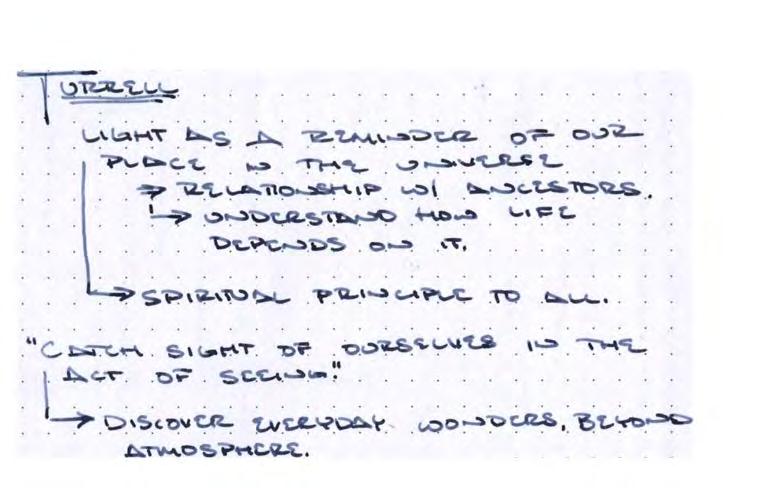
Focus on Moments and Experiences within
Preliminary Vertical Circulation
Guiding Conceptual Ideas
Journey through Sensory Experience:
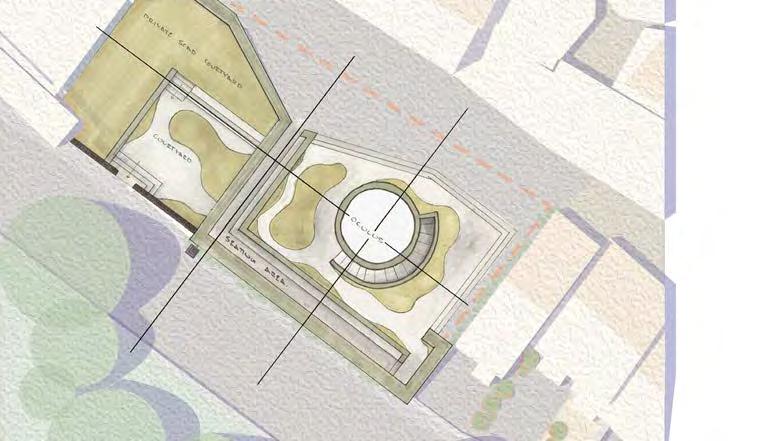
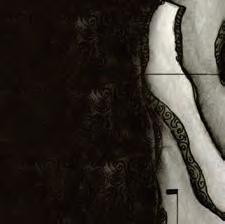
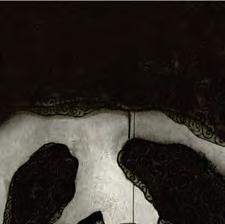
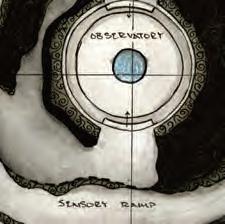
Karra is anchored by the circulatory ramp that provides the connection between the platform at ground level and the observatory that lies below, deep underground. This ramp operates as a portal, tapping into different experiences and moments of compression and expansion to provide a meditative confrontation with the concept of deep time.
The deeper the ramp moves, the darker and heavier the environment becomes. As the user continues to circulate down, they slowly lose connection with their senses, leaving them with the rock around them and the history it contains.
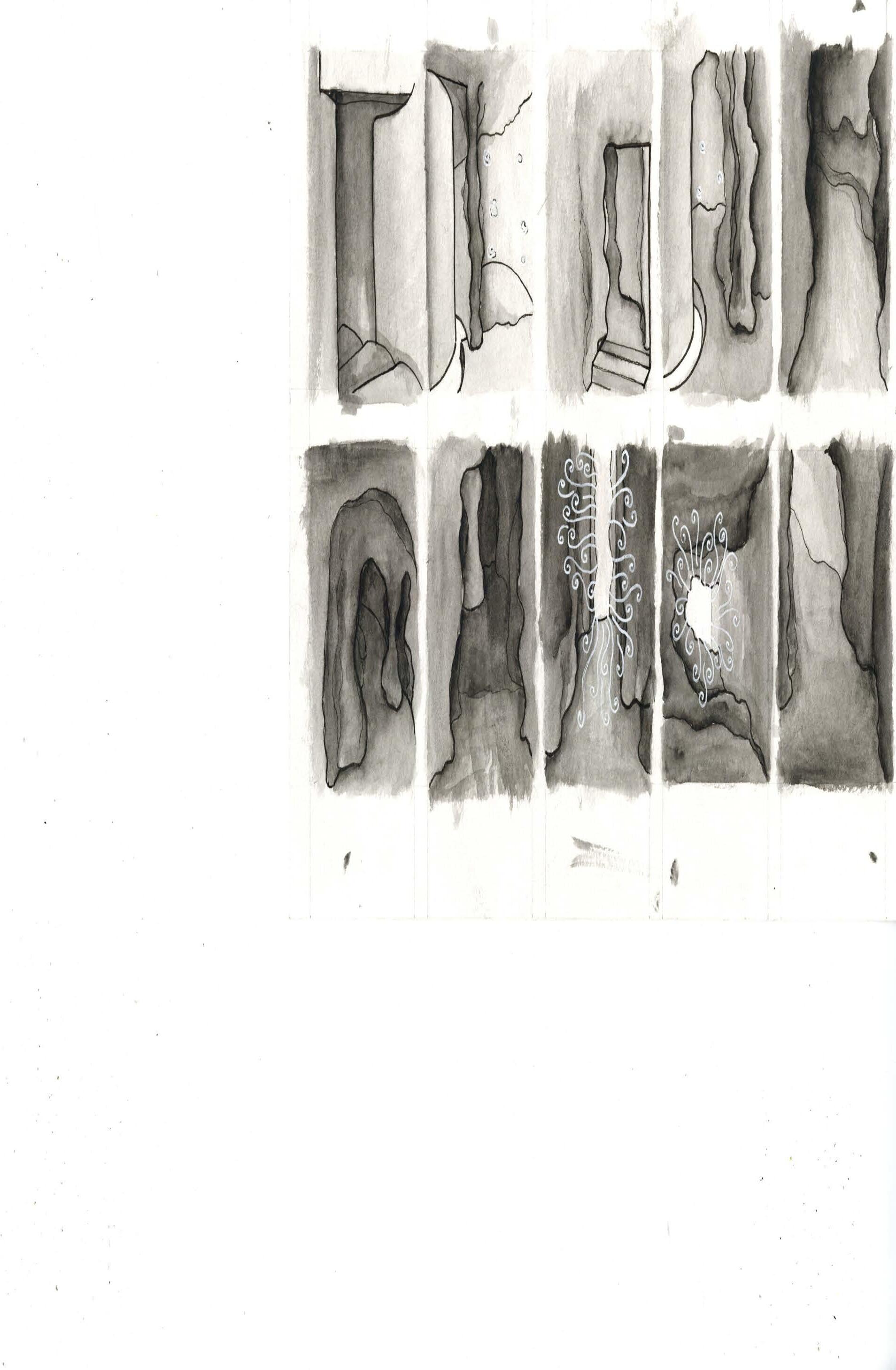
01-Discovery and Initial Descent
02-Pause for Reflection and preparation
03-Connection to lower street and SCAD community
04-Initial Descent, light connection to outside maintained
05-Expansion, allows for exploration and reprieve
06-Texture, a direct connection to sense of touch and hearing
07-Compression, direct confrontation with the weight of the surrounding rock
08-Groundingfull darkness and auditory expansion
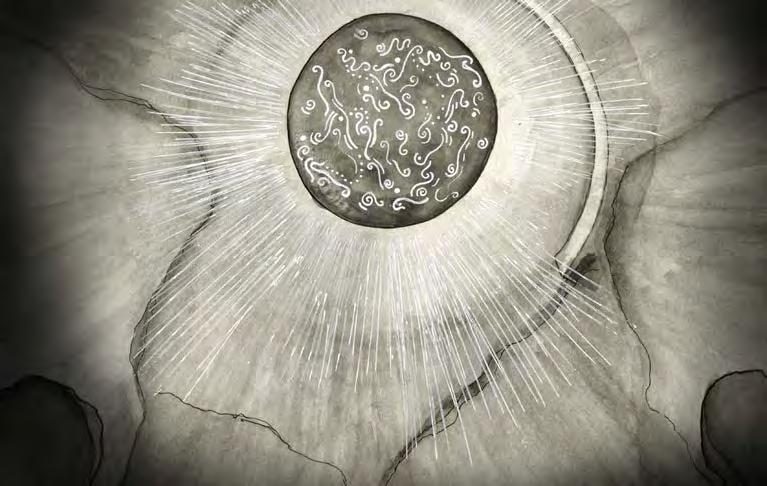
09-Discovery, light guides the way, an invitation to enter
Discovery,
observatory highlighting the stars as a visible representation of deep time. The act of star gazing acts as a connection from below through to above.

01-Ground Level introduction to connection
02-Half Level pause for reflection
03-Observatory confrontation with time
04-Museum Passageway exposure to expression
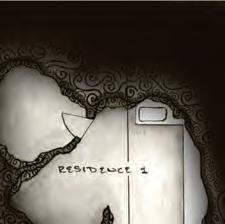
05-Residence 1 reflection and rest


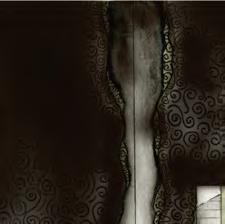
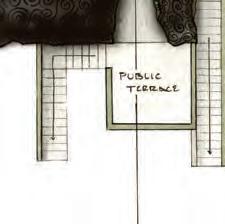


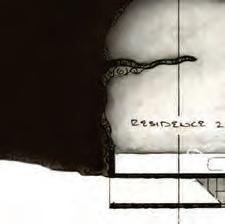
06-Residence 2 reflection and rest
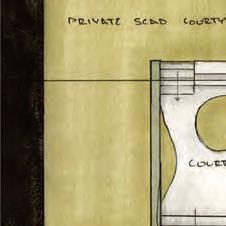
The path is a simple circle, allowing the user to focus on the meditative thoughts that arise. This combination allows for deep time to be felt, creating awareness of our connection and impact on the environment around us.
01 02 03 04 05 06
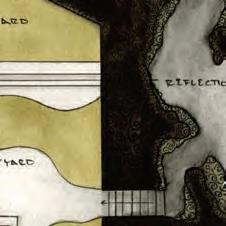
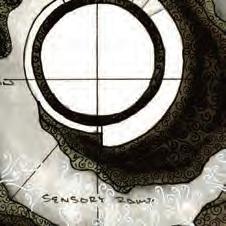


Rather than just aiming to unite the SCAD and Lacoste communities, Karra seeks to connect them through a deeper understanding and appreciation of the environment housing them. Moving past arbitrary boundaries and instead honing in on time, ephemerability, and permanence.








Journey into Deep Time:
After the user has circulated throughout the observatory, and confronted the history of the site, they are presented with a gallery displaying art that has been created in Provence across the ages. A common link of creation across deep time.
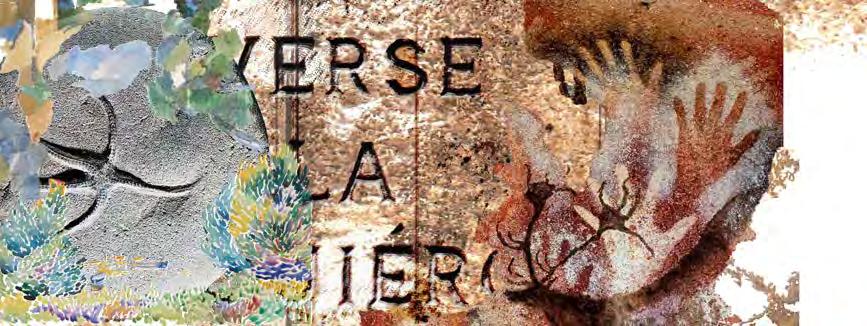
Historical art in the region of Provence
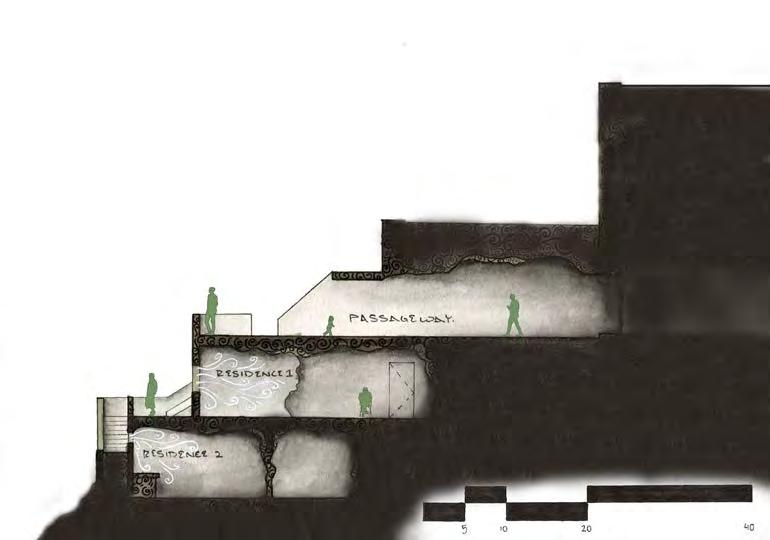
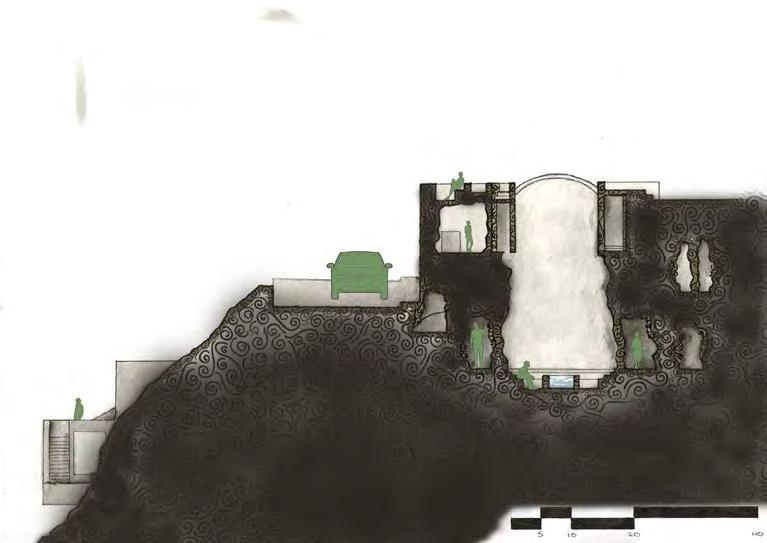
Building Sections:
Section 01
Sensory ramp circulation from ground level to dug out observatory. mass vs. void
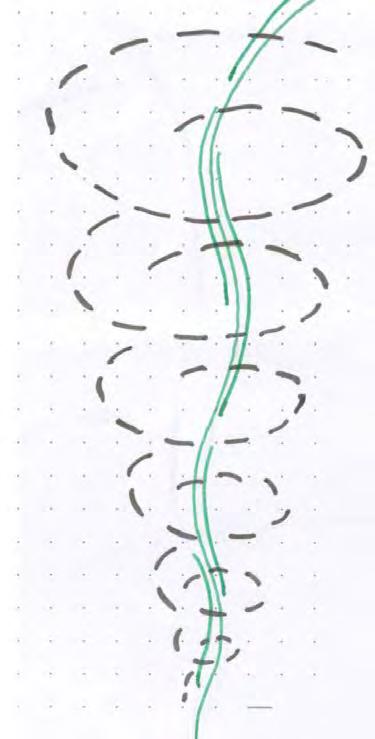
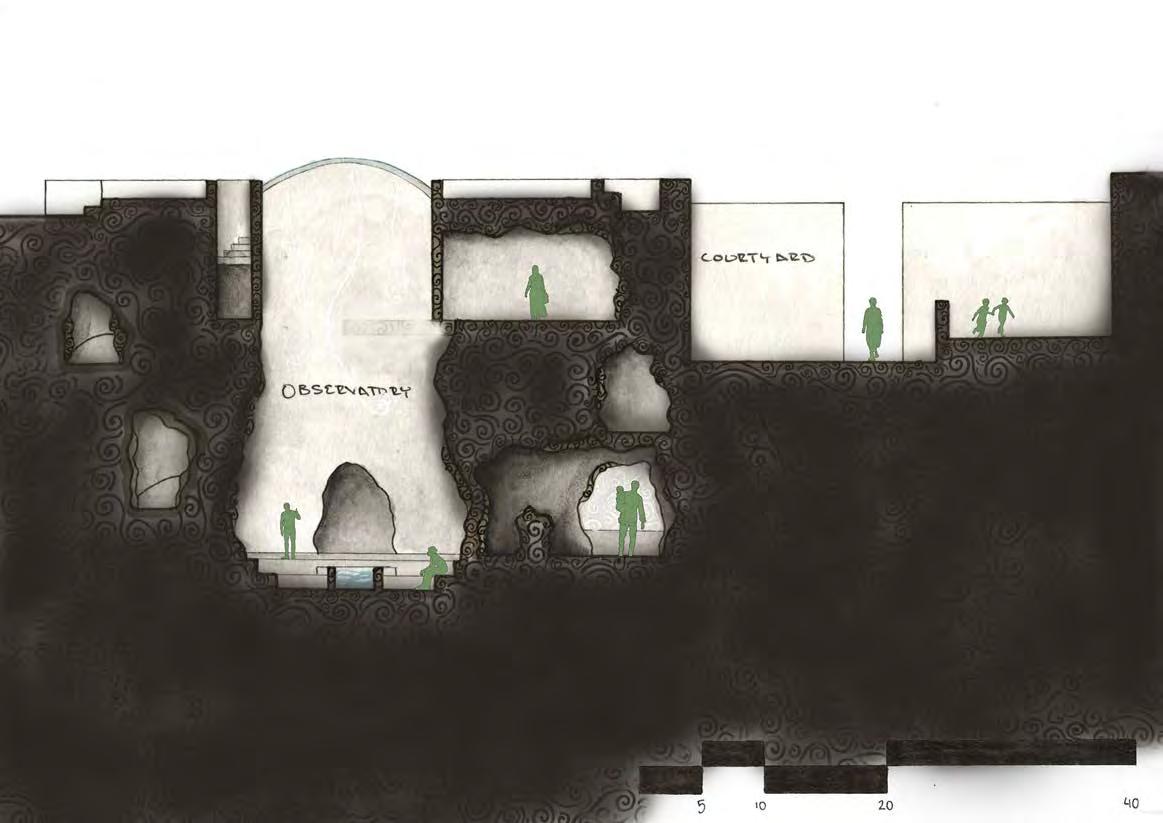
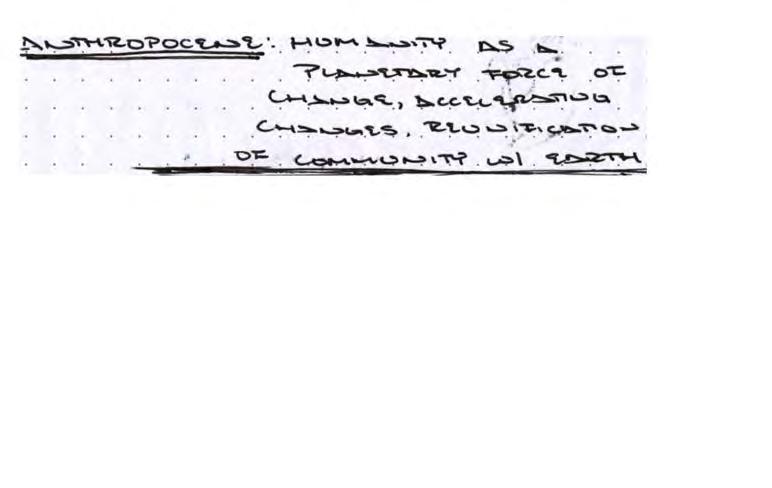
Focus on rock formations and their ability to hold memories
Section 02
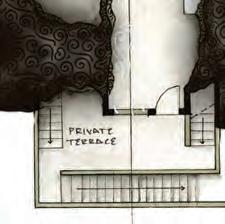
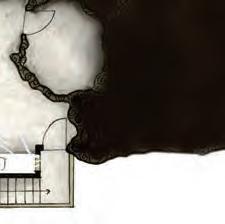
Circulation and spaces to and inside of residential complex.
Section 03
The relationship between the central observatory and carved out residential.
Concept Diagram
(281) 630-1312 | antoniaordonez04@gmail.com
www.linkedin.com/in/antonia-ordonez-suarez
https://issuu.com/aos_portfolio/docs/antonia_ordonez_suarez_architecture_portfolio_issu