
XINPING JIANG
Architecture & Interior Design PORTFOLIO
2018-2026
T h is portfolio contains selected works from design projects of various scales of intervention and development. The research direction is primarily about mental issues, psychological healing and well-being.
Since my sensitiveness to the external environment drove me to the world of spatial design, the inspiration is always beyond architecture but finally revealed in architecture which I considered is an influential company.
Later became more interested in small-scale spaces and interior about detail, material and subtle perception
t h rough five senses, so developed myself further in Interior Architecture about Adaptive Reuse in
Architecture and I, it is time we both serve the
by capturing each other’s moments.

PROFESSIONAL
DiLeonardo International Designer Project Site: Boston, USA
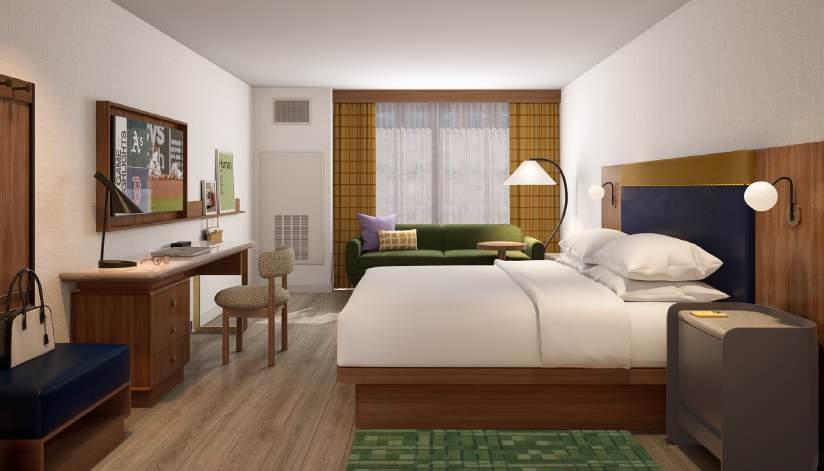
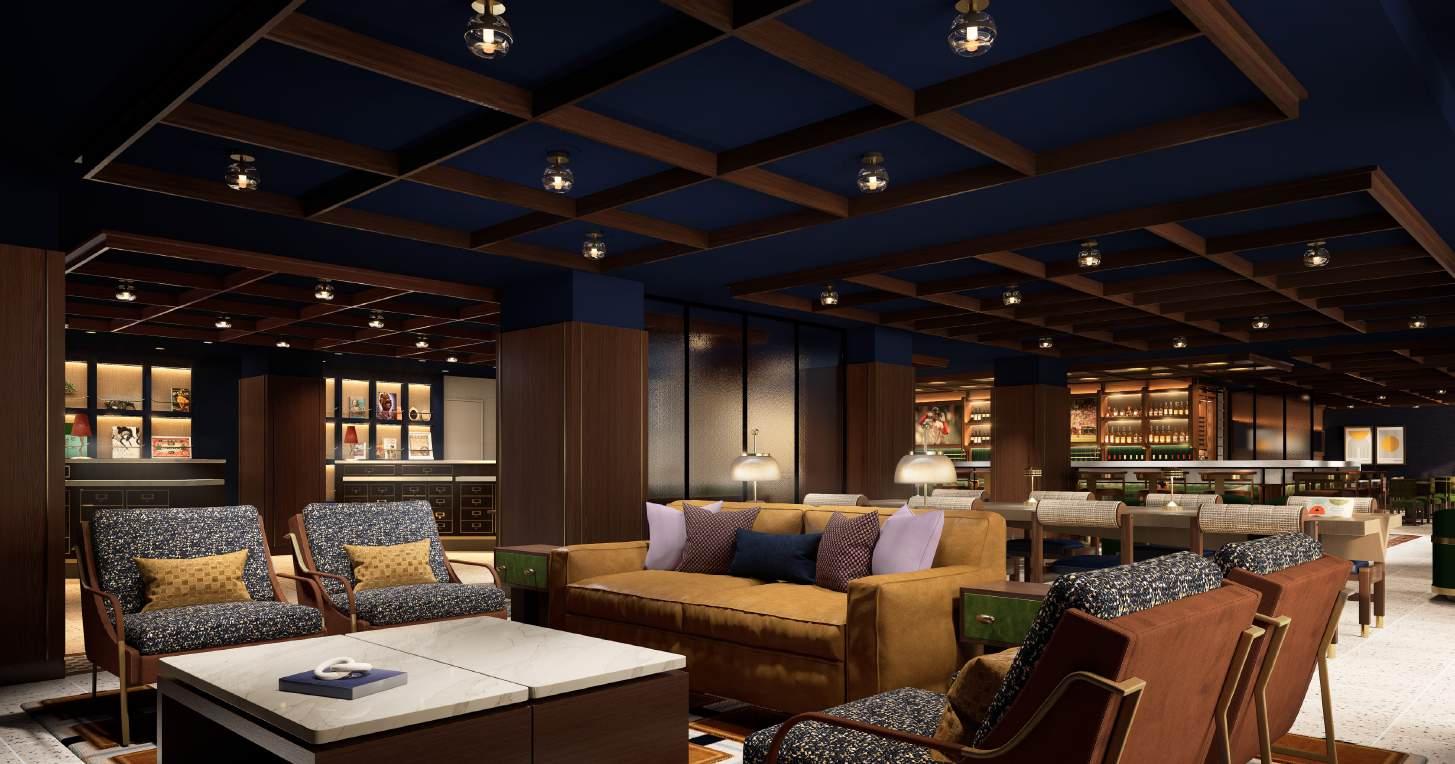
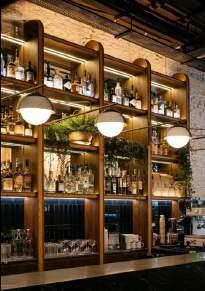
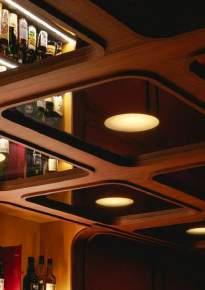
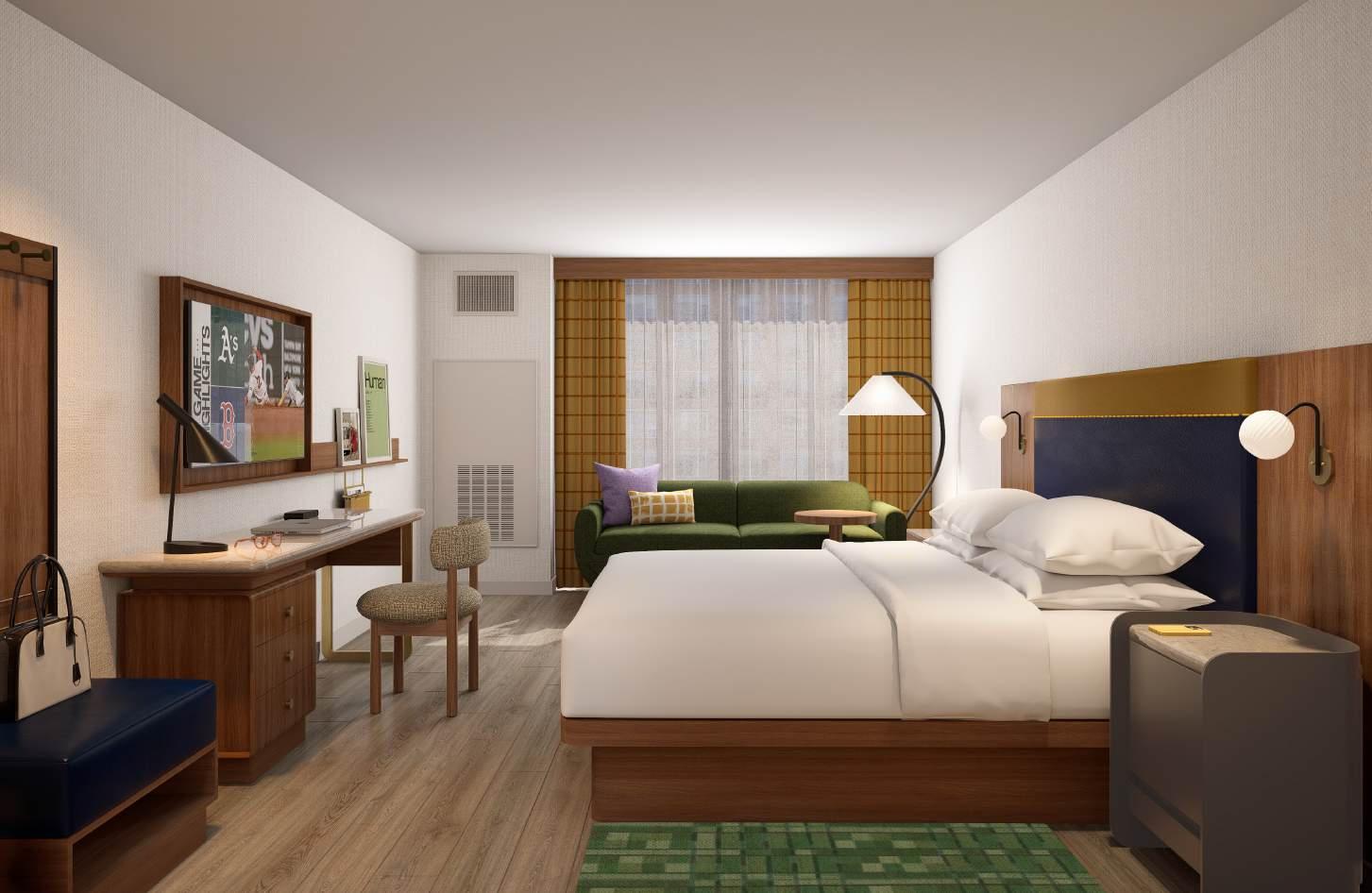
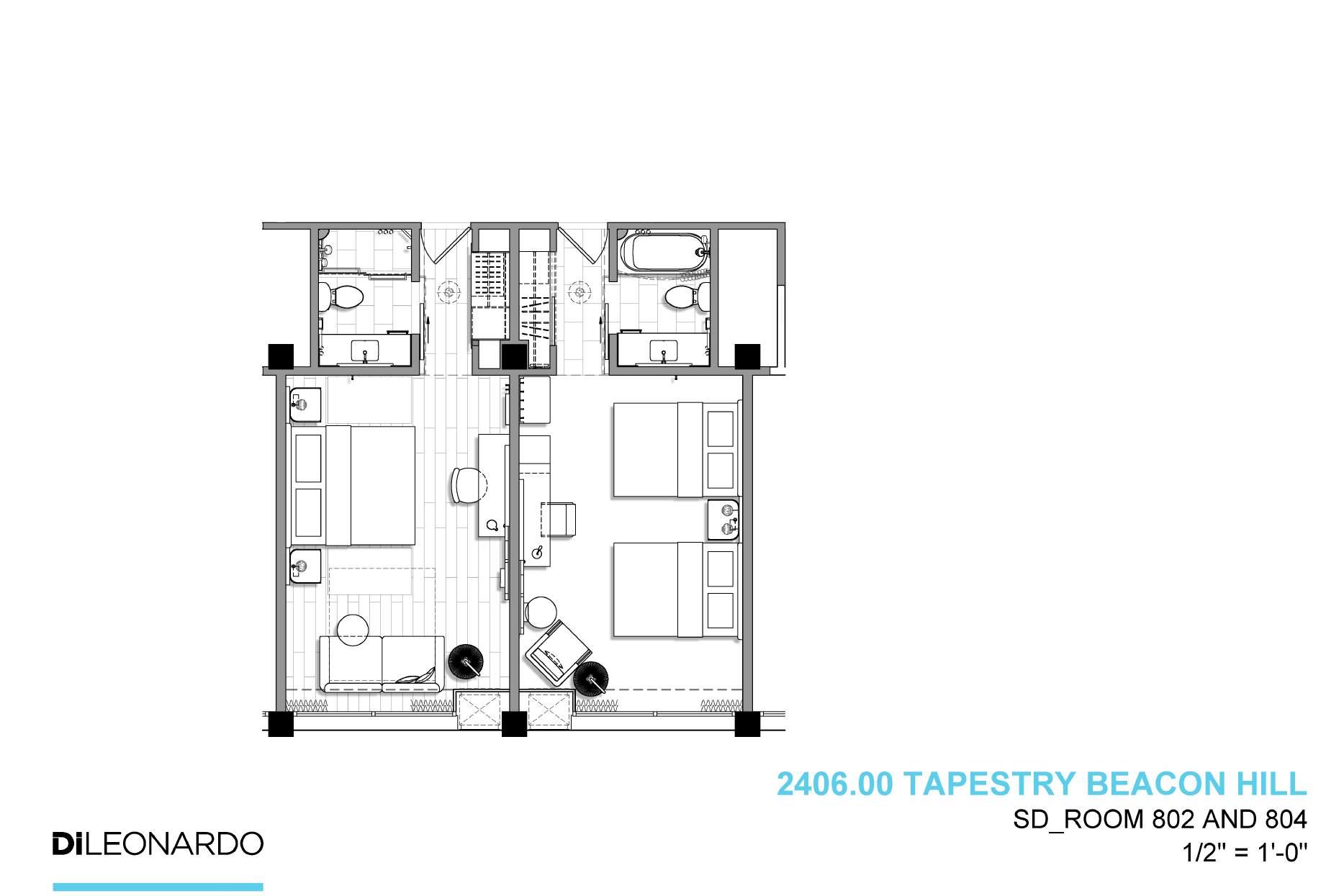
As an adaptive reuse renovation transitioning into a Tapestry by Hilton, the project reimagines the site as contemporary “lexicon”—a collection of stories, symbols, and encounters. Inspired by intersecting paths and forms of communication, the design creates a social hub for connection, pause, and exchange. Subtle references to language, mapping, and texture shape a layered, forward-thinking hospitality experience that feels both intellectual and inviting, resonating with Boston’s culturally engaged traveler.
Existing Conditions
Rooted in the layered history of Beacon Hill, this project draws from the rich urban narrative of Cambridge Street and its surrounding fabric.
From the early 19th-century development of residential and institutional landmarks to the evolution shaped by medical innovation and midcentury urban renewal, the site reflects a continuous dialogue between heritage and transformation. Notable moments—including the founding of Massachusetts General Hospital, the emergence of iconic architectural elements such as the Ether Dome, and the preservation efforts led by the Beacon Hill community—inform a design approach that is both respectful and forward-looking. Today, as new developments continue to reshape the area, the project positions itself within this ongoing timeline, translating historical character into a contemporary hospitality experience that feels grounded, contextual, and enduring.
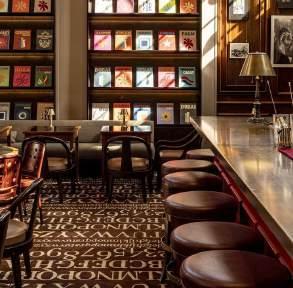
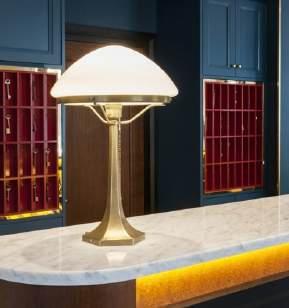
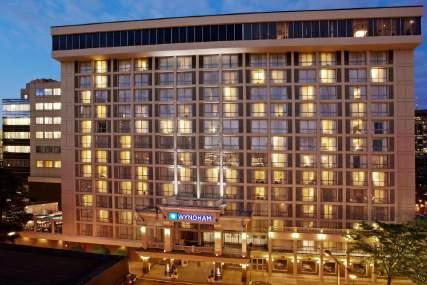
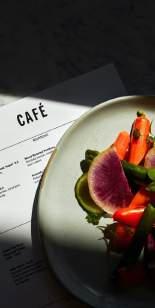
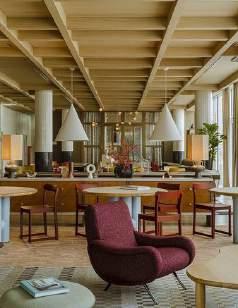
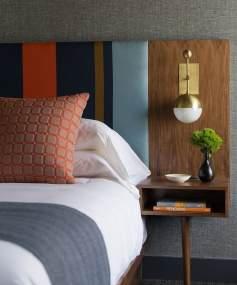
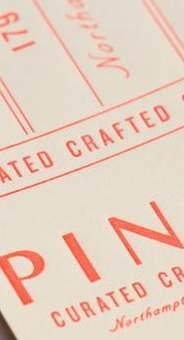
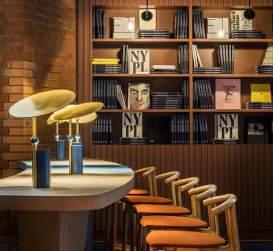
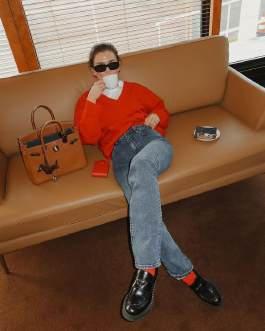
Envisioned as a renovation and adaptive reuse project, the design reinterprets the site through the lens of a contemporary “lexicon”—a collection of stories, symbols, and encounters that shape the experience of place. Inspired by intersecting paths and layered forms of communication, the hotel is conceived as a social hub where guests and locals alike can gather, exchange, and pause. Textures, patterns, and moments throughout the space subtly reference language, writing, and mapping, creating an environment that feels both intellectual and inviting. As the property transitions into a Tapestry by Hilton, the design aligns with the brand’s emphasis on individuality and local storytelling, offering a thoughtfully curated, forwardthinking hospitality experience that resonates with Boston’s culturally engaged traveler while remaining rooted in the site’s evolving narrative.
Design Narrative
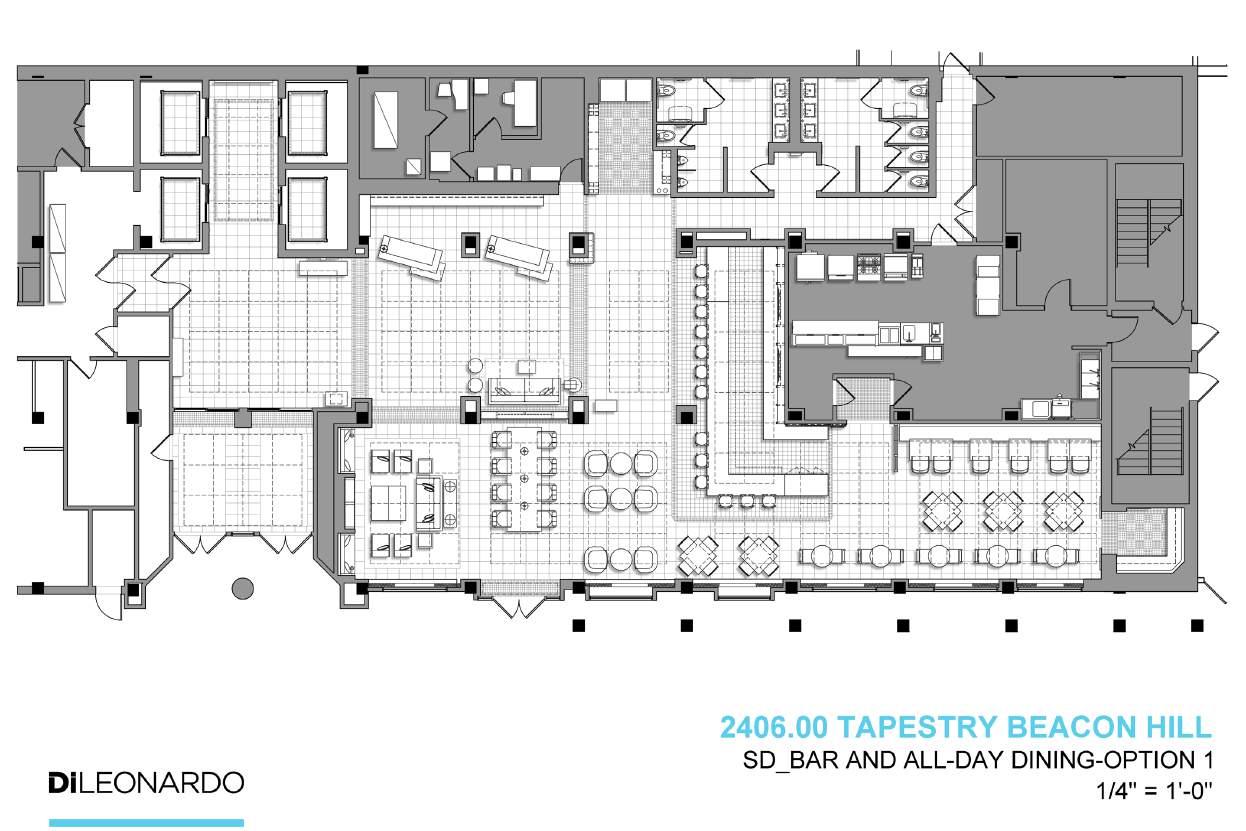
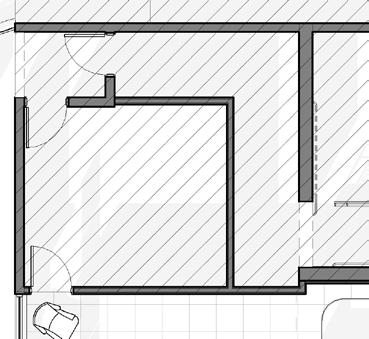
ADMINISTRATION
KITCHEN
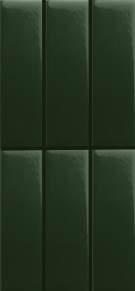
ACADEMIC GREEN
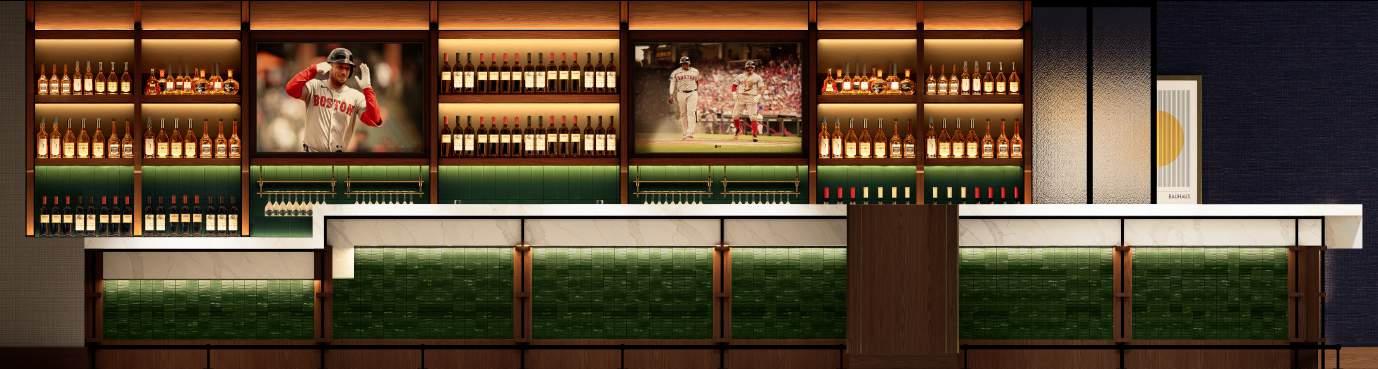
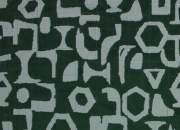
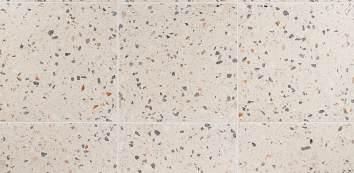
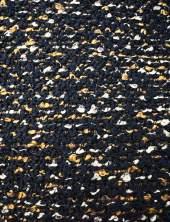
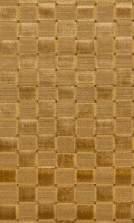
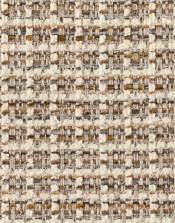
A deep dignified Green reminiscent of ivy-walled institutions of learning.
SCHOLARLY BLUE
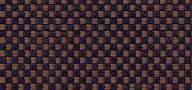
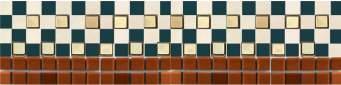
A rich, Cerulean–Navy Blue, reflecting intellectual depth and timeless decor.
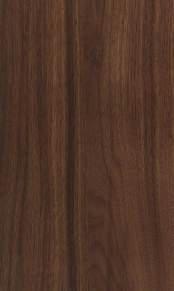
COGNAC LEATHER
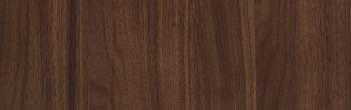
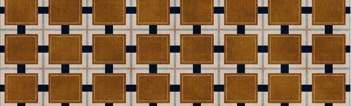
Warm Whisky/Cognac, reminiscent of aged leather chairs and scholar’s lounges.
MANGANESE LILAC
A soft, Weathered Purple, inspired by the sun-kissed Beacon Hill windowpanes.
UNIVERSITY YELLOW
Inspired by the colors of higher education & graduation robes. To be used sparingly.
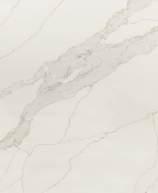
PARCHMENT CREAM
A neutral, aged-paper tone to soften and balance the richness of the core palette.
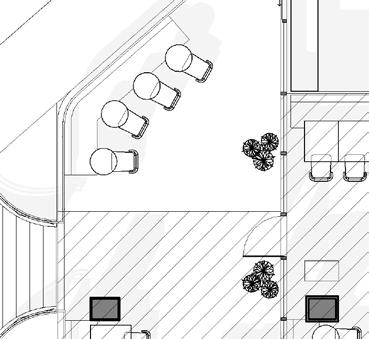
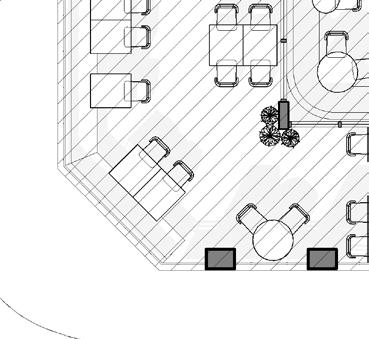
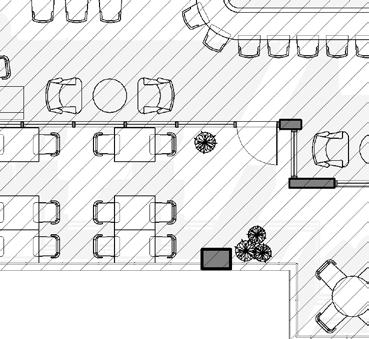
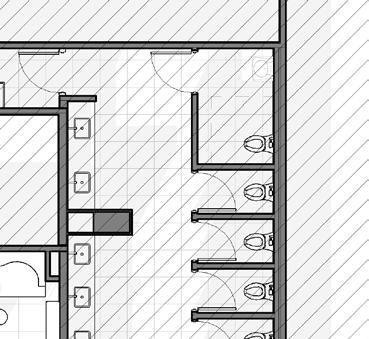
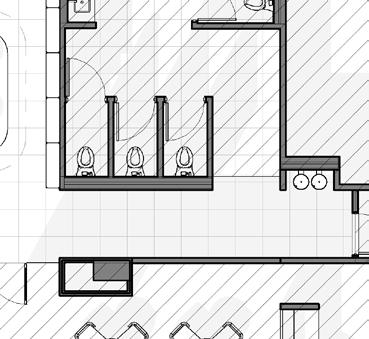
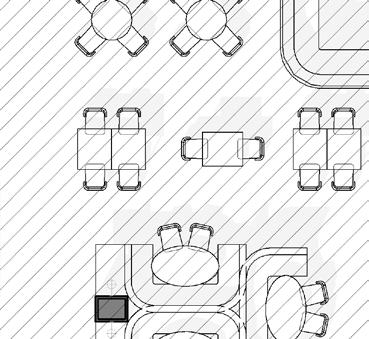
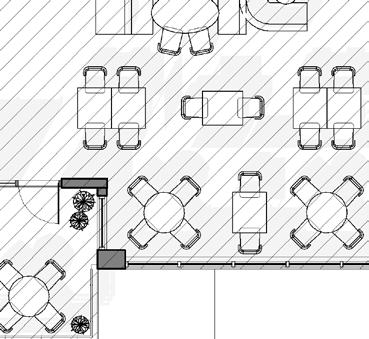
EXISTING SEAT COUNT: 90
PROPOSED SEAT COUNT: 77
LOBBY LOUNGE: 8
LOUNGE: 6
COMMUNAL TABLE: 8
BAR: 13
DINING: 42




















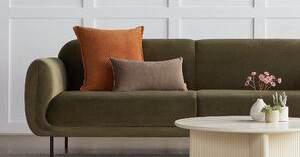
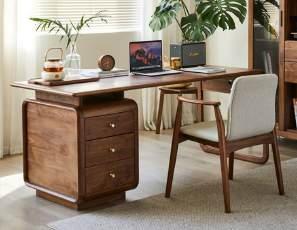
Existing Conditions
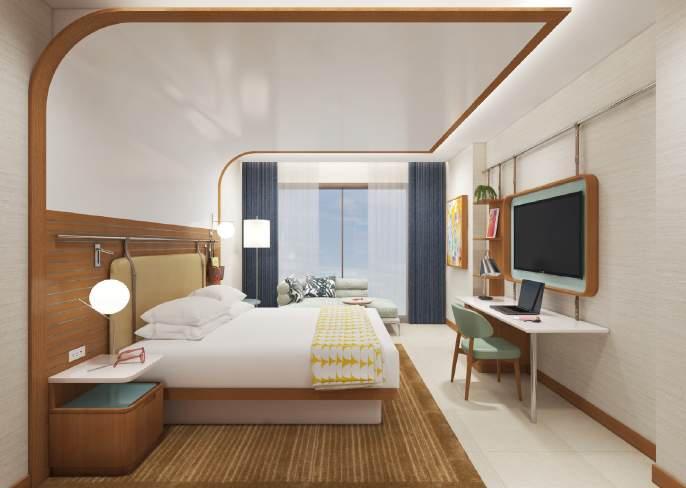
Shaped by the fluid identity of Fort Lauderdale, the project draws from a landscape where waterways, urban life, and coastal culture seamlessly intersect. The city’s distinct rhythm—defined by its canals, tropical ecology, and evolving social scene—creates a setting that is both relaxed and energetic. Within Beverly Heights, this balance becomes more intimate, offering a neighborhood scale that blends residential calm with growing vibrancy. The design responds by embracing this duality, translating the ease of coastal living into a more refined, contemporary expression. Rather than referencing history directly, the project channels the city’s atmosphere—its light, materiality, and movement—into a hospitality experience that feels immersive, elevated, and inherently local.
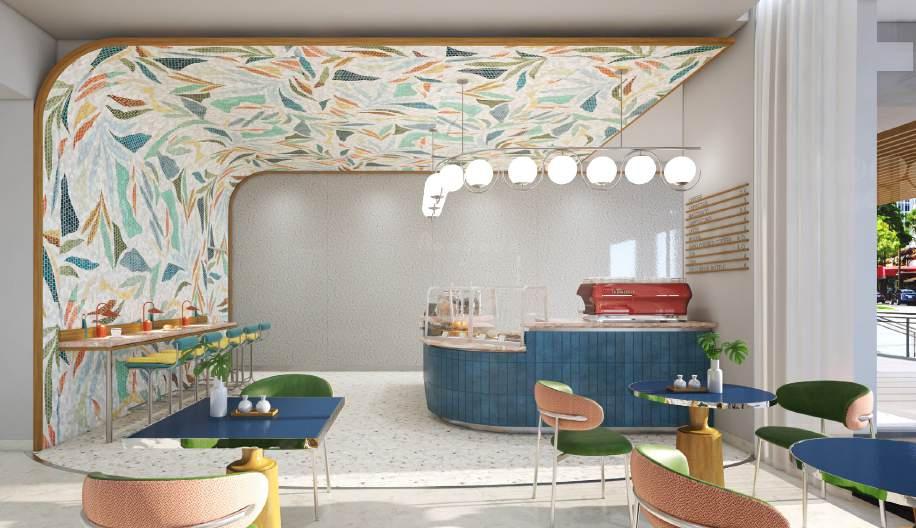
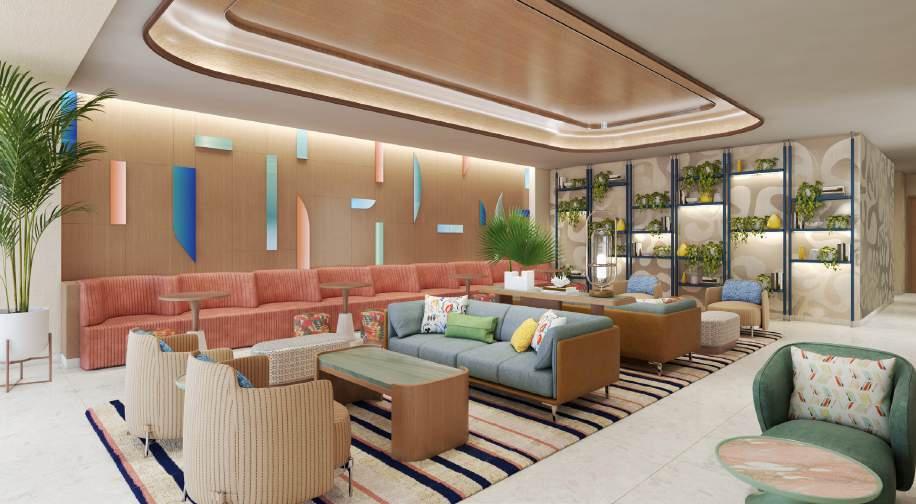
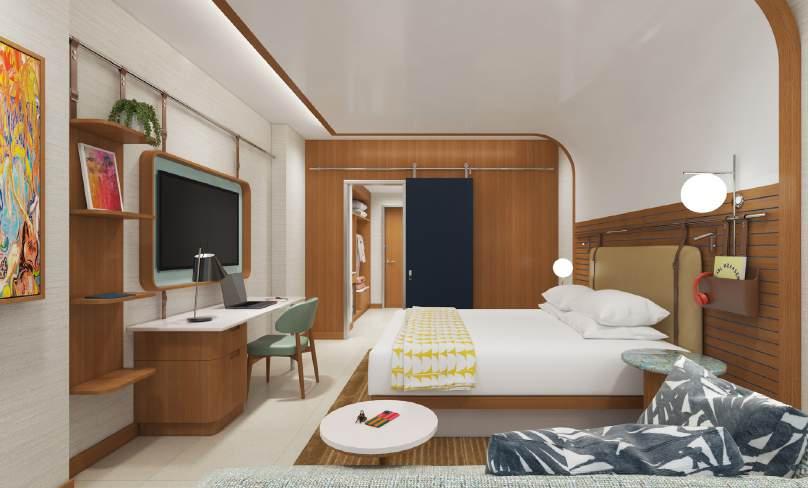
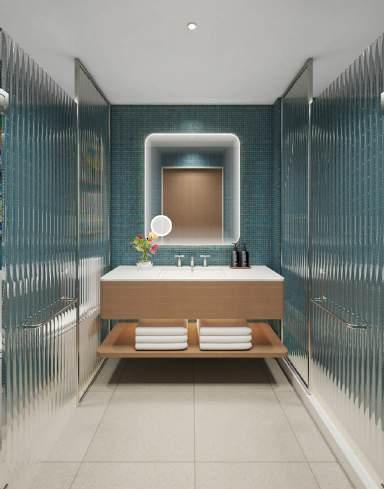
As a new-build Canopy by Hilton, the project translates Fort Lauderdale’s coastal energy into a refined, community-driven hospitality experience. Inspired by the layered character of Beverly Heights—where waterways, urban life, and lush landscape converge—the design establishes a vibrant yet calming retreat. Soft, warm materiality and locally resonant textures create a relaxed elegance, balancing sophistication with approachability. Rooted in its neighborhood while forward in expression, the hotel becomes both a destination and a social anchor for guests and the local community.
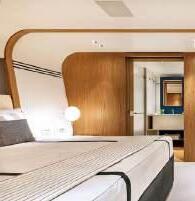
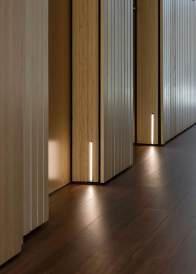
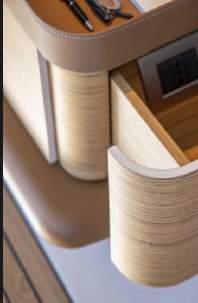

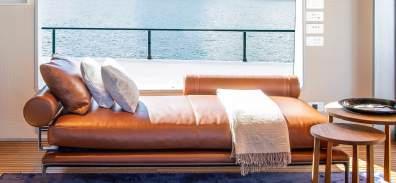
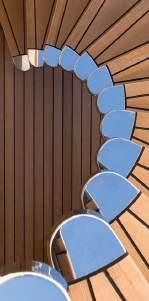
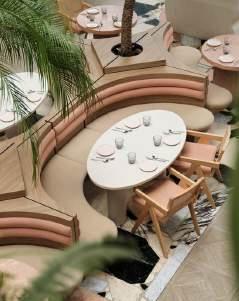
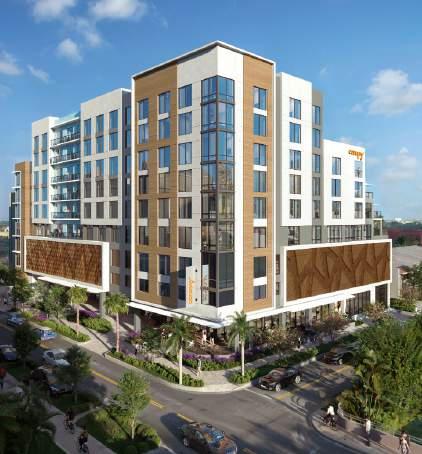
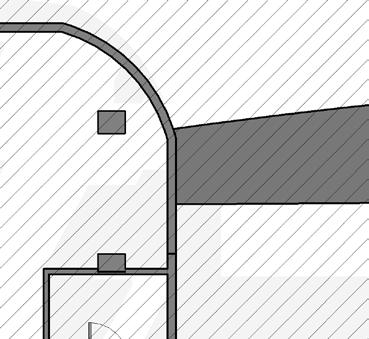
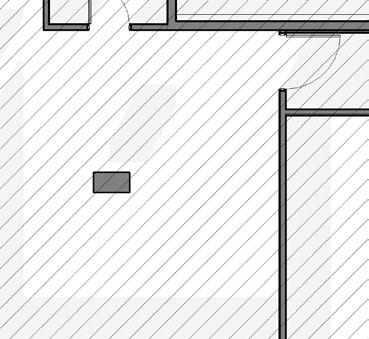
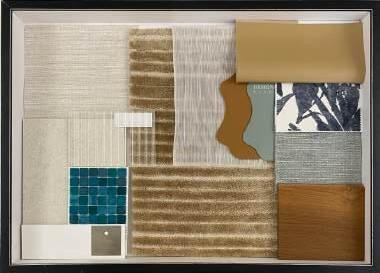
The interiors draw inspiration from the dynamic juxtaposition of urban life, the nearby waterways, and the vibrant flora and fauna of the region, with each space thoughtfully curated to reflect the relaxed elegance of Fort Lauderdale. The design incorporates a warm, neutral color palette. While remaining distinctly local in flavor and hue, grounded in soft wood tones and complemented throughout by bespoke finishes with pops of color. The materials create a sense of refined luxury that remains approachable and welcoming to guests. The hotel will not only serve as a place to stay but as an integral part of the community, creating an atmosphere of warmth, connection, and local pride.
Design Narrative



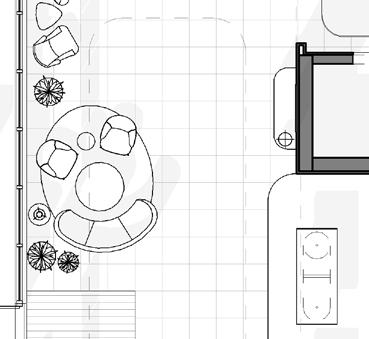
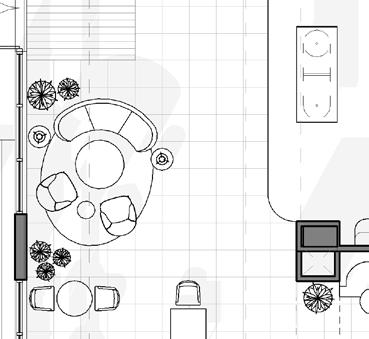
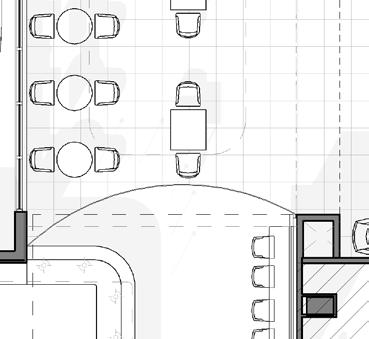
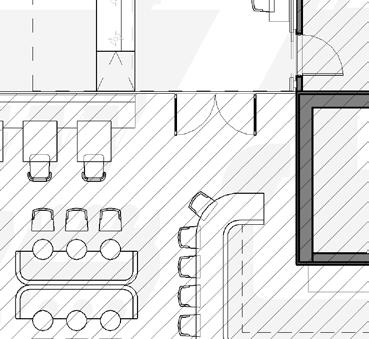

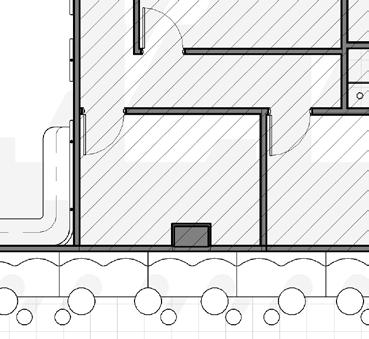
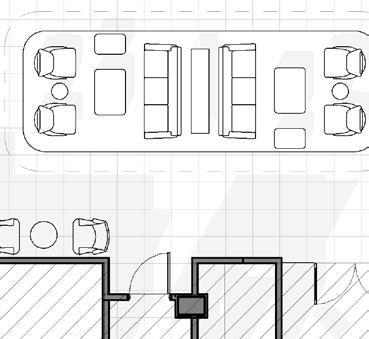
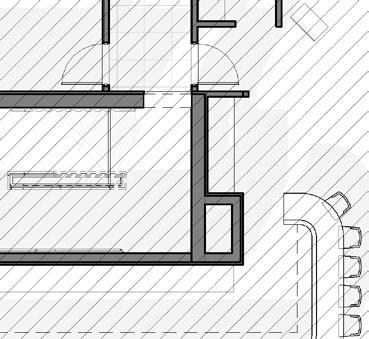
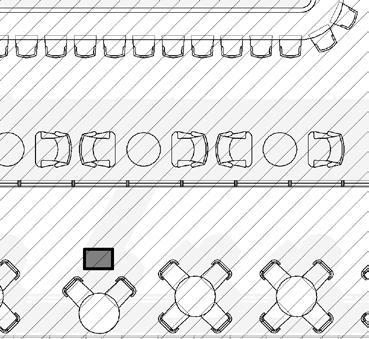

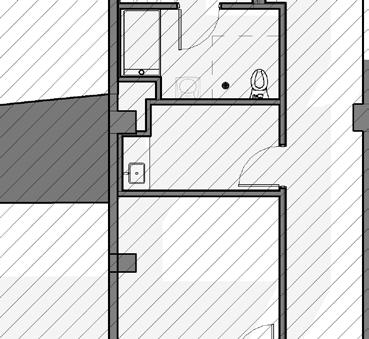
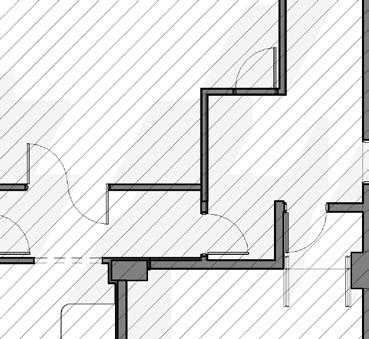
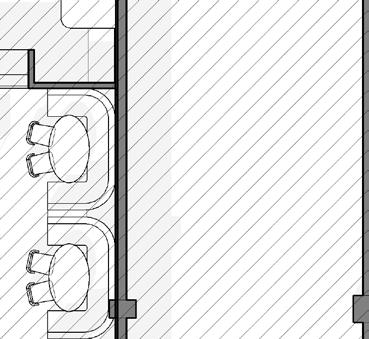
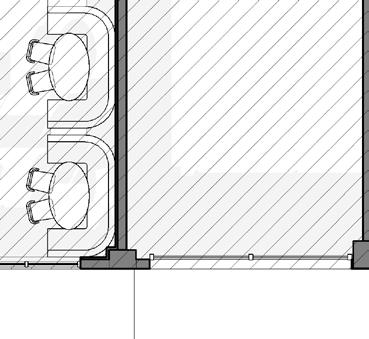



RECEPTION
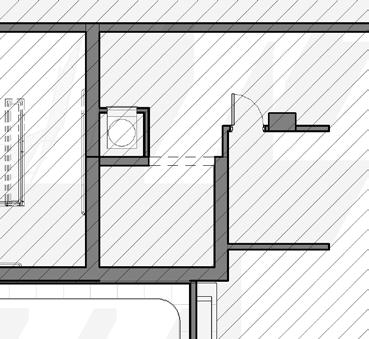
ELEVATOR
COFFEE
LOBBY
COCKTAIL
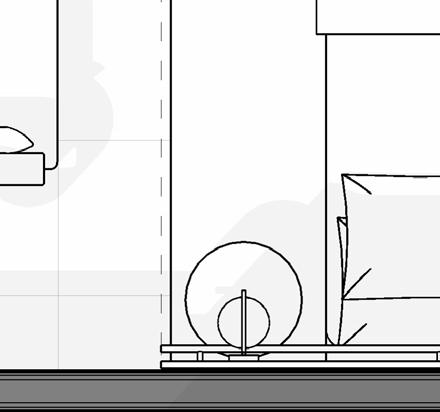
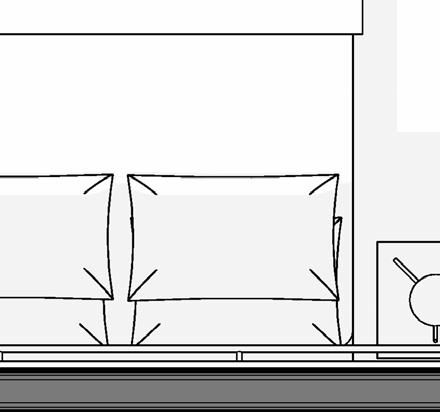
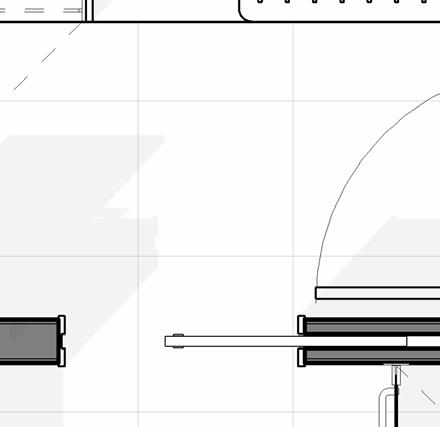
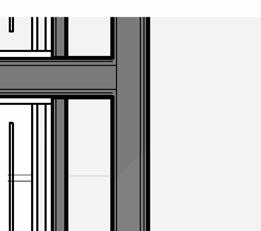
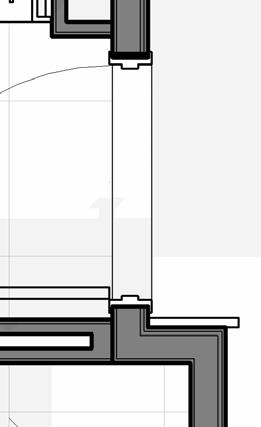
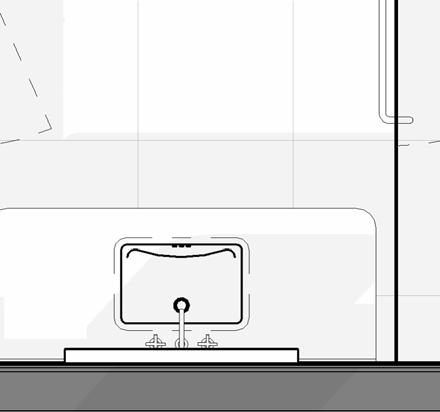
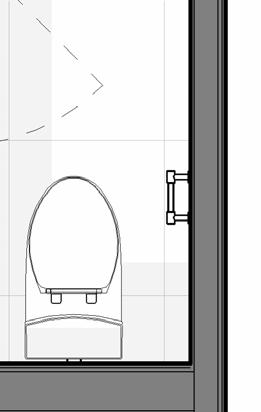
West Elevation Strategy
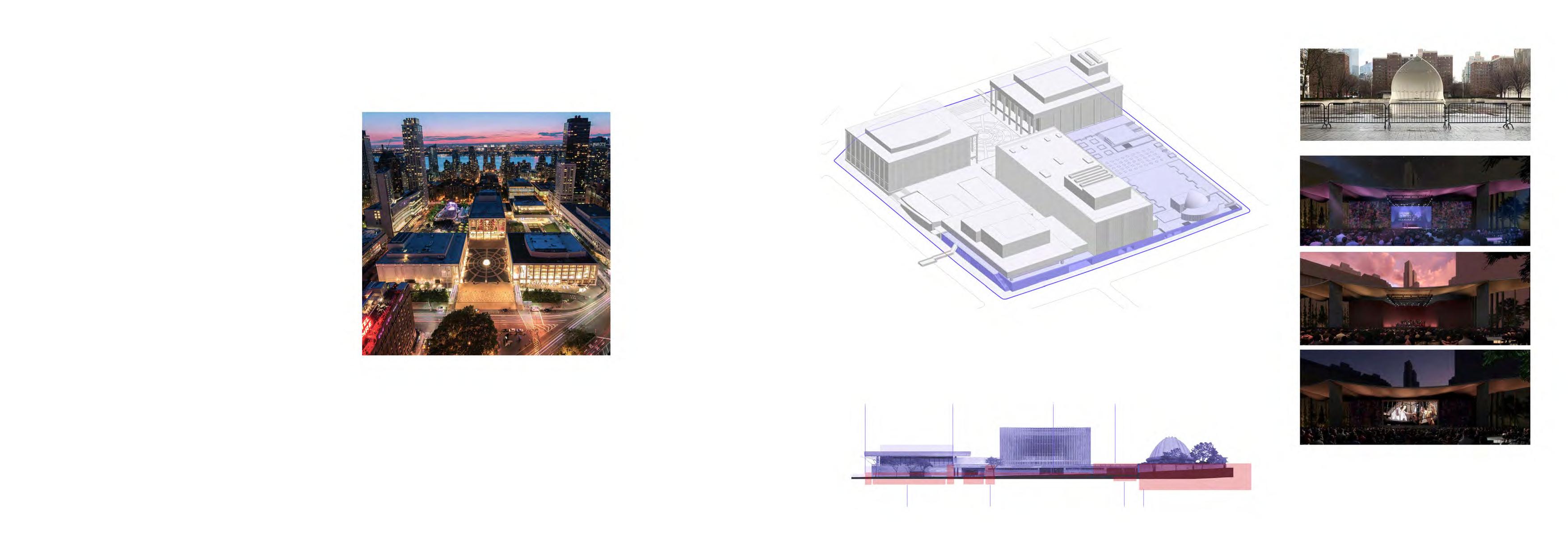
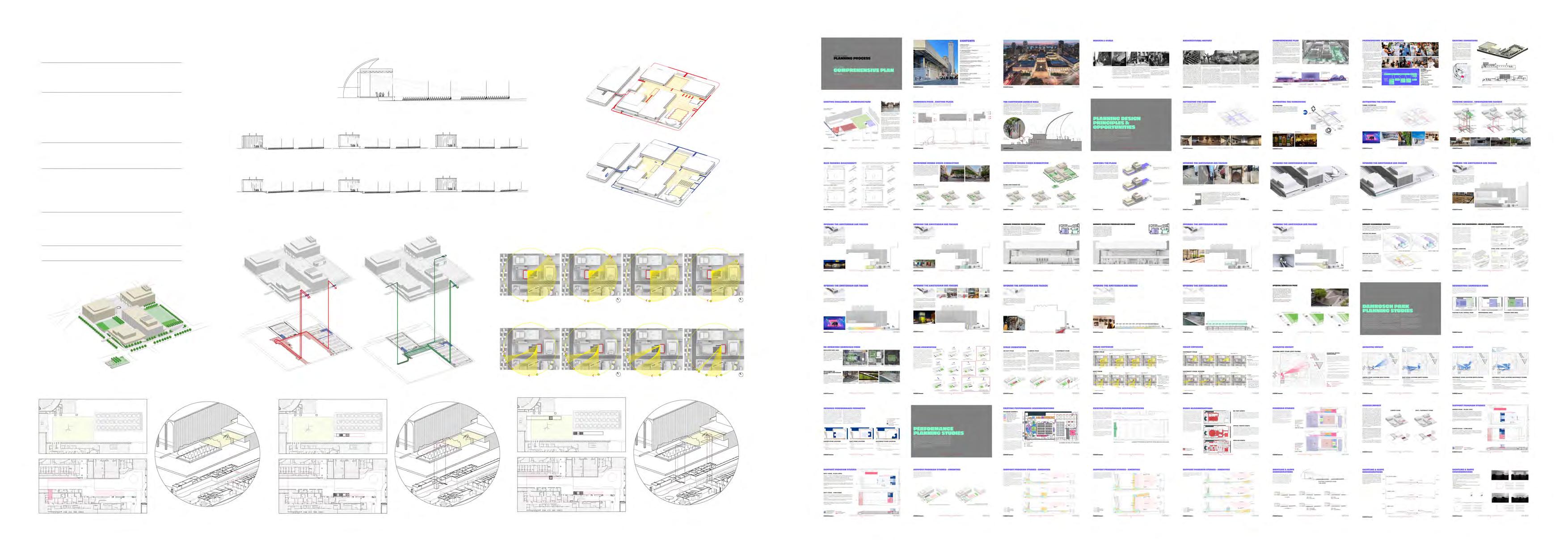
The whole planning study is finally presented as a booklet report. My contribution is 90% of the diagrams and drafting the layout. Below are some of the diagrammatic analysis included in the Comprehensive Plan Booklet.
1,956
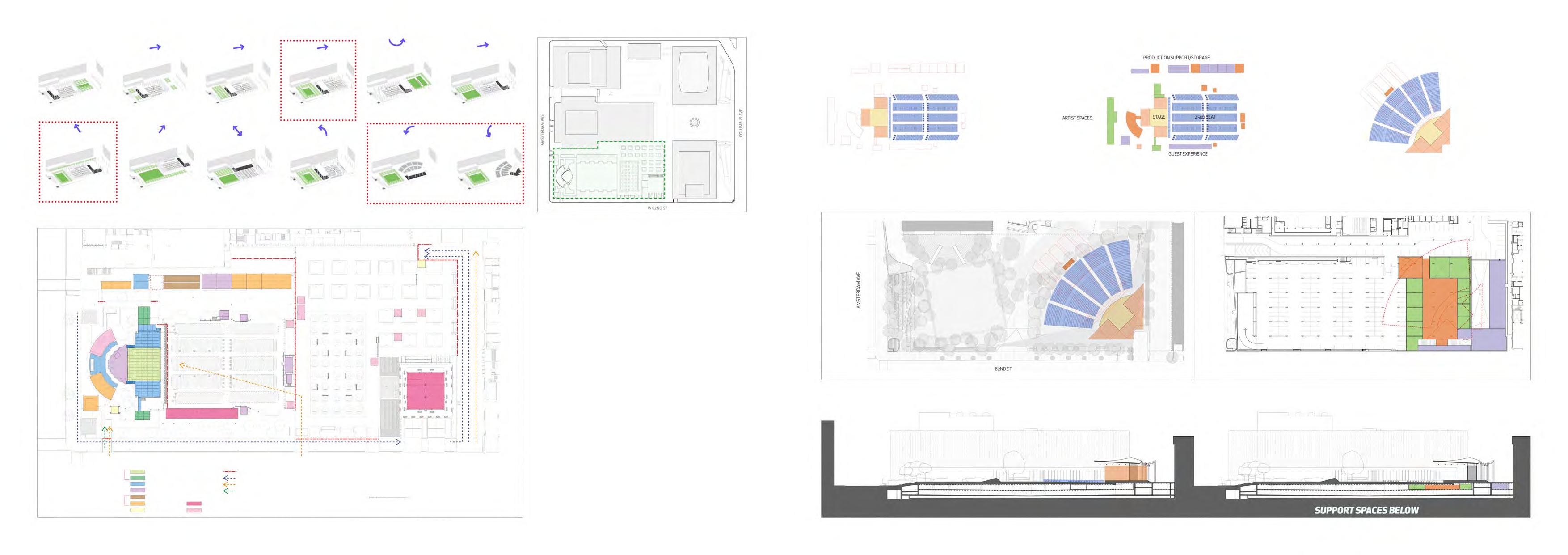
The planning team Initially studied multiple orientations and locations for the performance area to test for the most optimal and desireable versions, The stage and audience areas are able to adapt to many configurations each with relative challenges and opportunities. The general capacity of the audience was retained though we tested the proportions of the audience where required by the site. Though the overall site is still considered as a public park, we sought to gain as much consolidated passive park area as possible. Among the multiple orientations reviewed and evaluated with Lincoln Center’s Programming and Production teams, three general schemes were selected for further testing and development. All the pursued options retain the passive public park area on the west side.
The needs of performances are mostly brought in each time. As a park, it is under-utilized and not flexible. The performance and audience areas are usually closed off when not used due to slippery conditions and security concerns. Both the public and the performers are underserved by a space that is underutilized.
As Lincoln Center looks to reconfigure the park to meet actual production needs and also incorporate the felt needs of the community, the existing constraints of the site will weigh in heavily on critical decisions and also examined for any opportunities which may be provided.
Site Plan with Event Setting
Sections with Underground Parking & Event Support
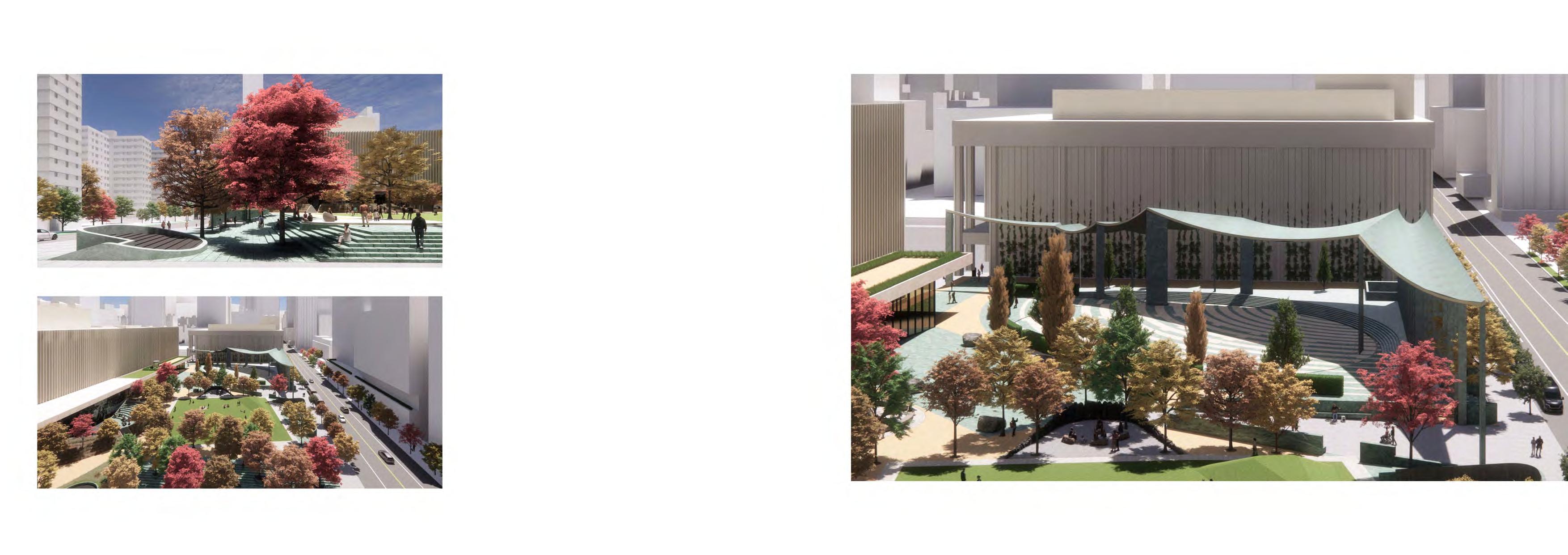
The proposal places the stage in the southeast corner facing north and can be rotated counter-clockwise (as shown below) based on audience distribution and other factors. This may require fan-shaped audience area for a more effective distribution given the northsouth depth limitations of the site. This option also consolidates the massing to the east, but pushes further south to create more open park area and consequently define the southeast bounds of the park. The required performance infrastructure is still able to be developed without compromise.
This placement into one corner of the park moves away from the more formal “pavilion in the park” to creating a less formal edge condition. The open spaces of the park become the primary focus with the audience area adding to that public realm when performances are not in session. The connection from Damrosch to Josie Robertson Plaza is a critical consideration which this scheme opens up more naturally.
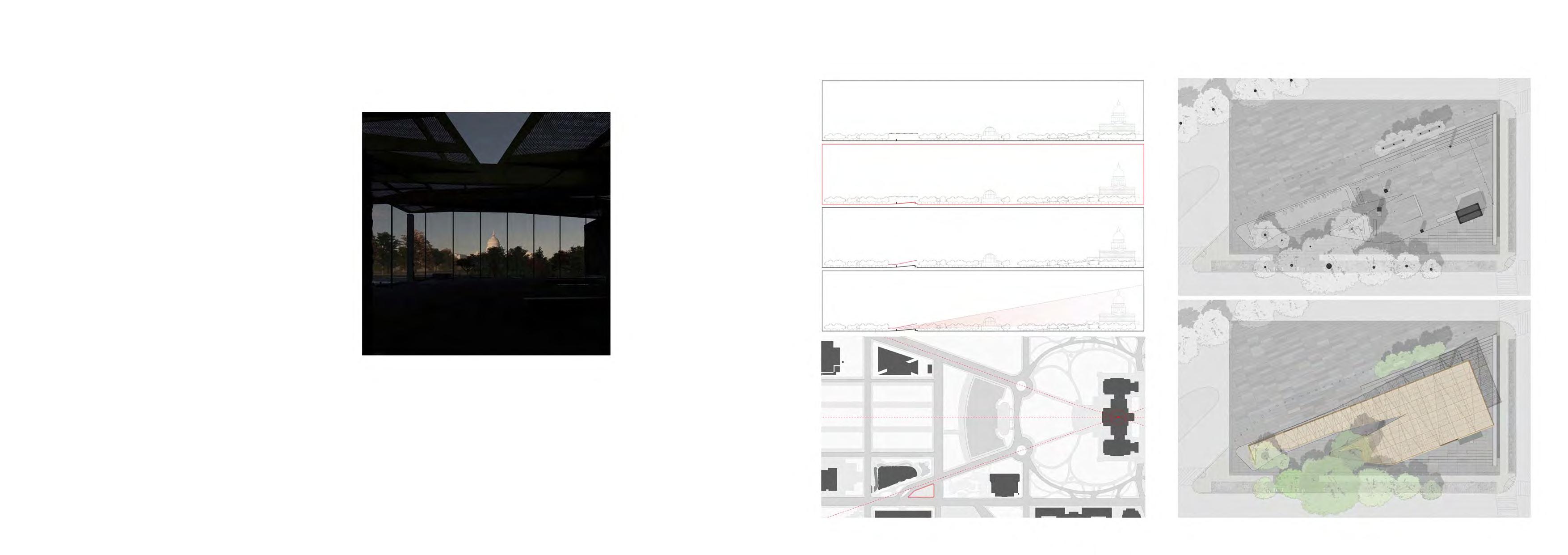
In Washington, D.C. the Fallen Journalists Memorial Foundation (FJMF) announced the names of four shortlisted teams to design the country’s first monument dedicated to press freedom and journalists who died in the field.
The concept of a memorial for fallen journalists serves a dual purpose: it honors those who have lost their lives while also symbolizing the importance of a free press. This design looks both backward, paying tribute to the past, and forward, emphasizing the ongoing need for press freedom amidst modern challenges. The project may speculate on how the word may become the very building block of an architecture, and in turn how an architectural strategy may become a platform for the word itself, as protagonist. The figure and text not as false oppositions, but rather as mutually dependent characters speaking on the civic stage of the DC Mall.
Site Approach
Adjacent to the U.S. Capitol grounds and with a direct, axial, and reciprocal view of the Capitol Dome, the site has a strong visual connection to the seat of the legislative branch of the U.S. federal government. This view underscores the relationship between the government and the press.
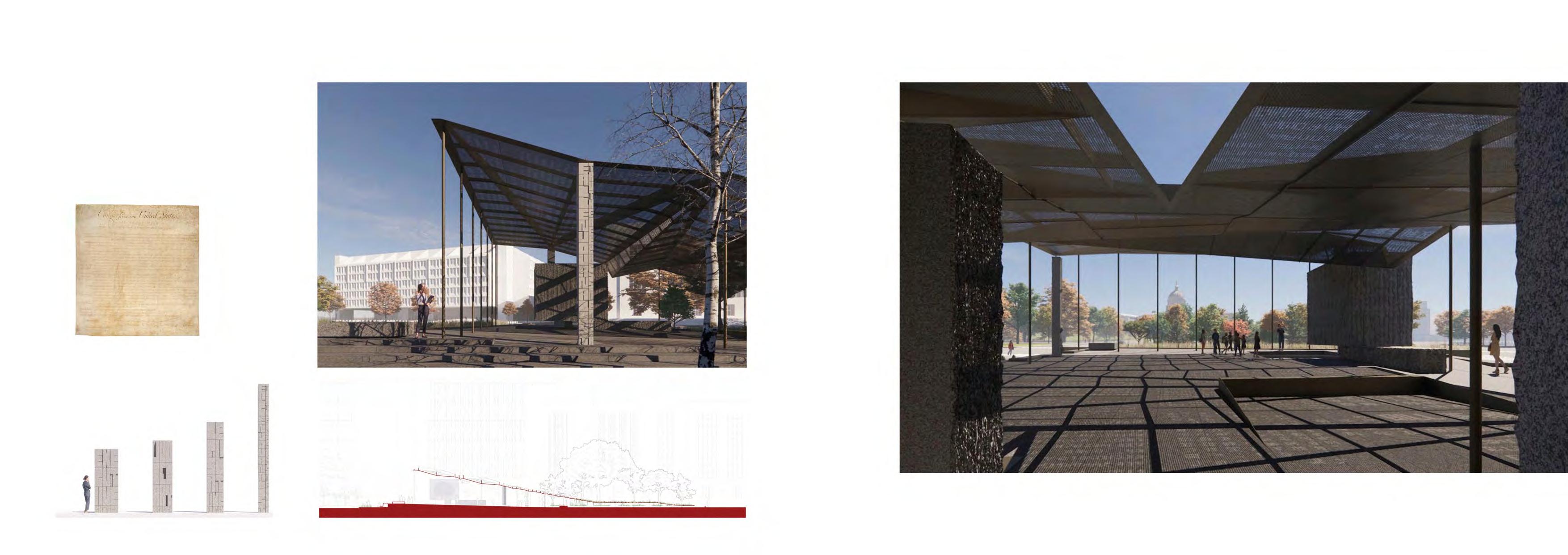
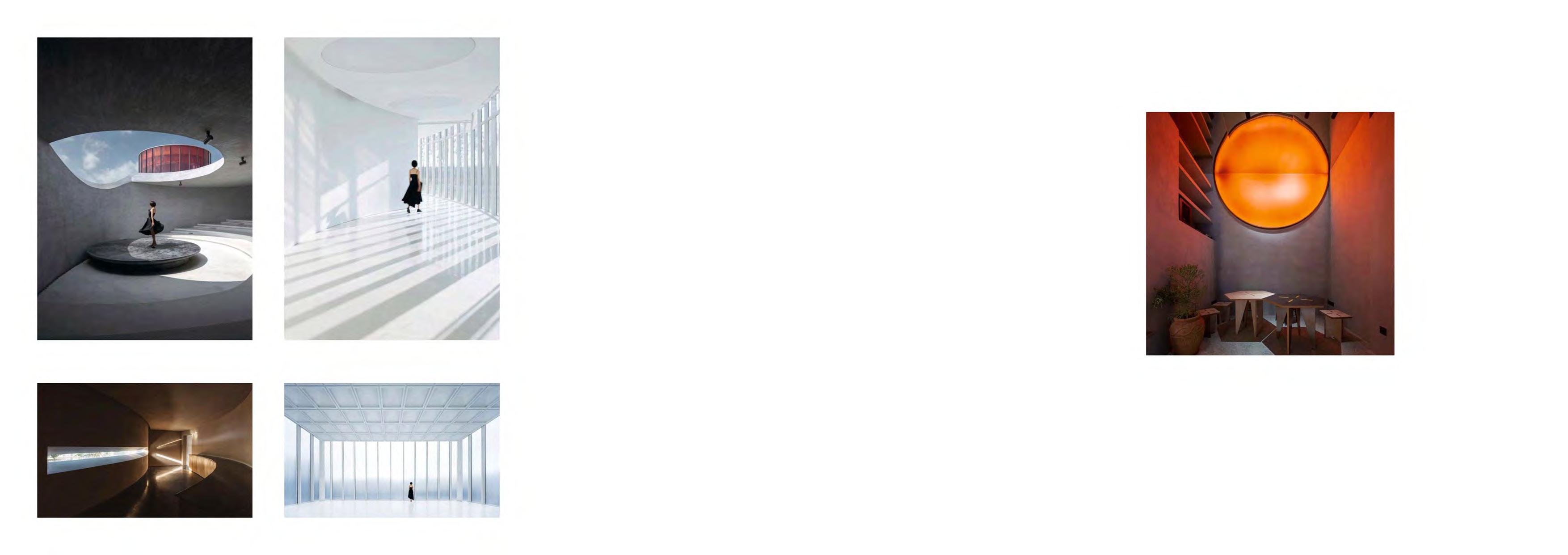
Monologue Art Museum is a multi-function space. The plan is complex and irregular, and the structural design is not conducive to earthquake resistance. However, when the museum is divided, except for the art gallery, the rectangular dance studio, the circular yoga studio and the oval theater are all symmetrical and regular with excellent seismic performance. In this regard, three seismic joints were set up to divide the building into four independent structural units. The expansion and deformation of the extra-long structure was released, reducing the heat stress, and avoiding structural cracks caused by temperature changes. Besides, the nodes were carefully designed to conceal their presence on the roof, façade, and interior to ensure that my painting is visually continuous.
During my internship assisted the project architect through the whole process. From the discussion of the concept, then made the documentation to the government.
We communicated with both the clients and the construction team at the same time to achieve more efficiency, trying to make sure the design could be realized as much as possible. Then did the most part of the modeling and the first version of renderings. After a few adjustments on the model, assisted with the material selection and boards. The whole process participation helped me to get a holistic view of how an architectural project is designed from concept to a real space.
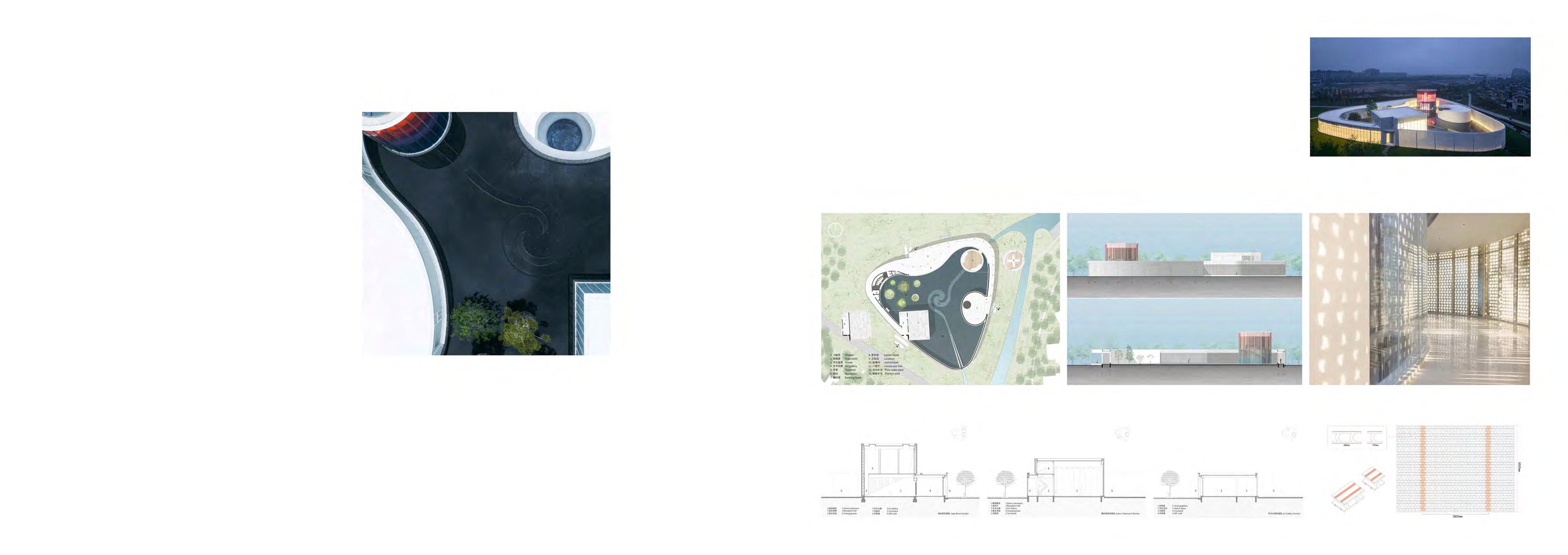
Wutopia Lab has been commissioned by Sino-Ocean Group to create a monologue art museum on the park green of SEATOPIA desort in Hebei Province, Qinhuangdao, dedicated to an infinite minority of people who want to be free from the worldly distractions. The project is sited in an open green space at the intersection of three residential clusters. Occupied around 3600 square meters, the whole project was inspired by the Carthage created by Queen Dido, cutting a cow skin and circling a piece of land. Combining natural elements like water and green, and the reflection of sky, the museum is like a slowly unfolding hand scroll.
The table bar inside the first floor of the building somehow enhanced the social, and seating is randomly arranged around. When the folding doors open, the coffee space and the white garden merge into one, turning it into a party venue with a capacity of 180 people. Special operations can be held in this venue based on different brand collaborations/pop-ups to experiment with multiple businesses and operations.
The second floor is an orange cube floating above the white garden, which is the main form of the building, symbolizing ifanr’s slogan “A good product is a candy,” and the project is an orange fruit candy in TIT Creative Park. The daily operation on the second floor is the Air Show gallery (exhibition space), which can be transformed into a live house, sharing space, performance space and party space by special operations. On
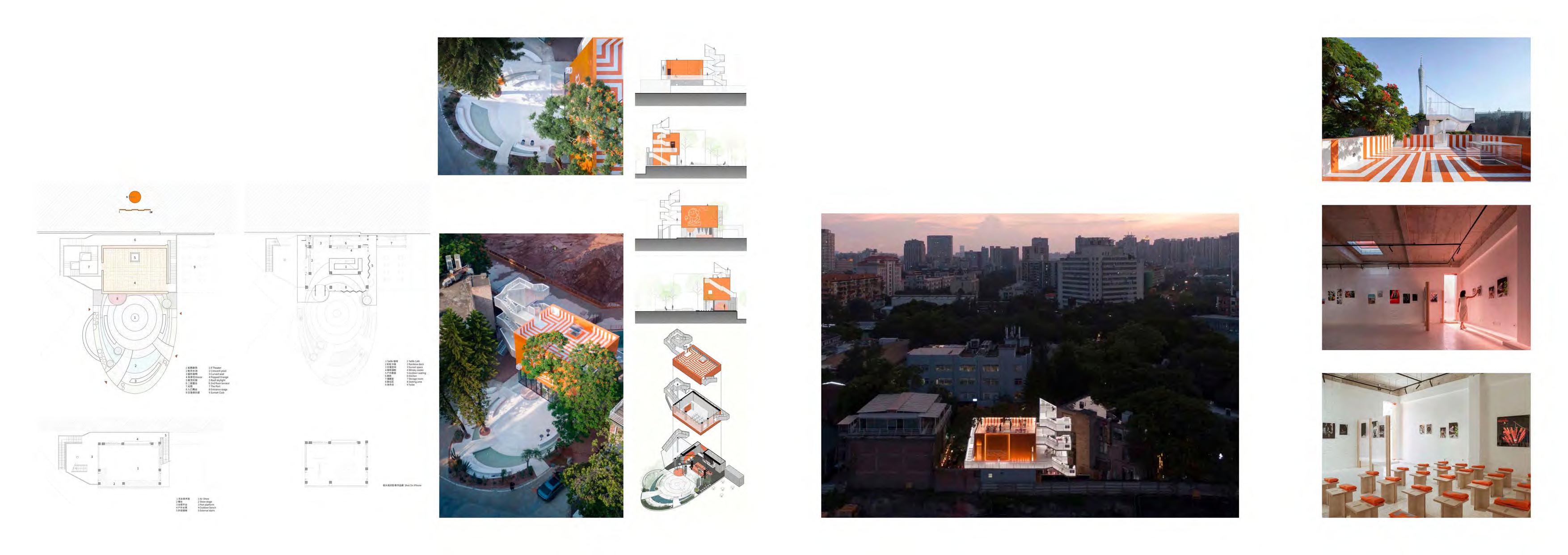
Photography by Siming Wu

ACADEMIC
The project is new multiple-function building in Chenjiagou, Henan Province, where is the hometown of Tachi Culture, attracting thousands of visitors around the world come to learn Tachi. Based on the strong Tachi culture in Chenjiagou Village, the project is aimed at providing a space especially for playing Tachi for local residents, including some relevant activities such as Tachi teaching and Tachi show. Meanwhile, the space would also serve the health-preserving habits through some self-planting space for local people, where they could also have a cup of herb tea and enjoy their healthy life.
Chenjiagou, the birthplace of Taiji Henan province,China
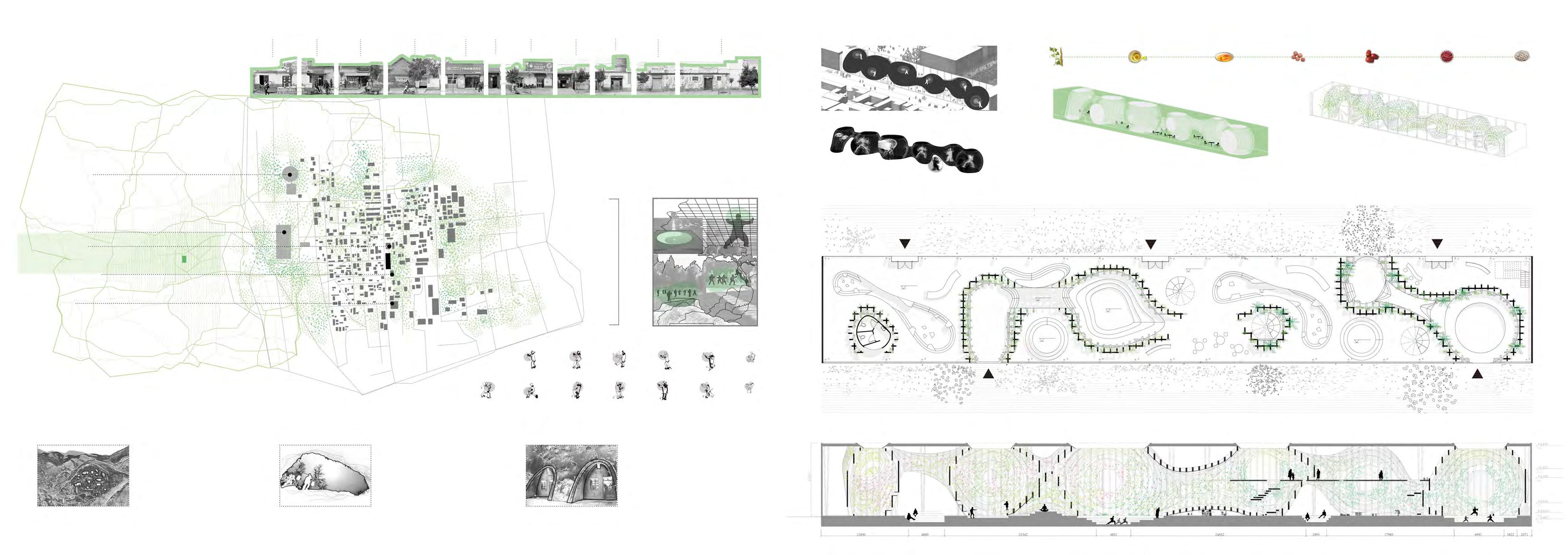
The inspiration originates from the special dwelling in Henan Province——cave dwelling in the mountain, which is one of earliest housing type Naturally used by the local. Tachi is about an idea of the original status of the universe, which transform to heaven and earth (yin and yang) later.
originally refers to
generalnameofallgases.TheConceptofChinesephilosophy
The birthplace of Taiji
The repreaentaion of Qi Fluent & Smooth
Ground Floor Plan
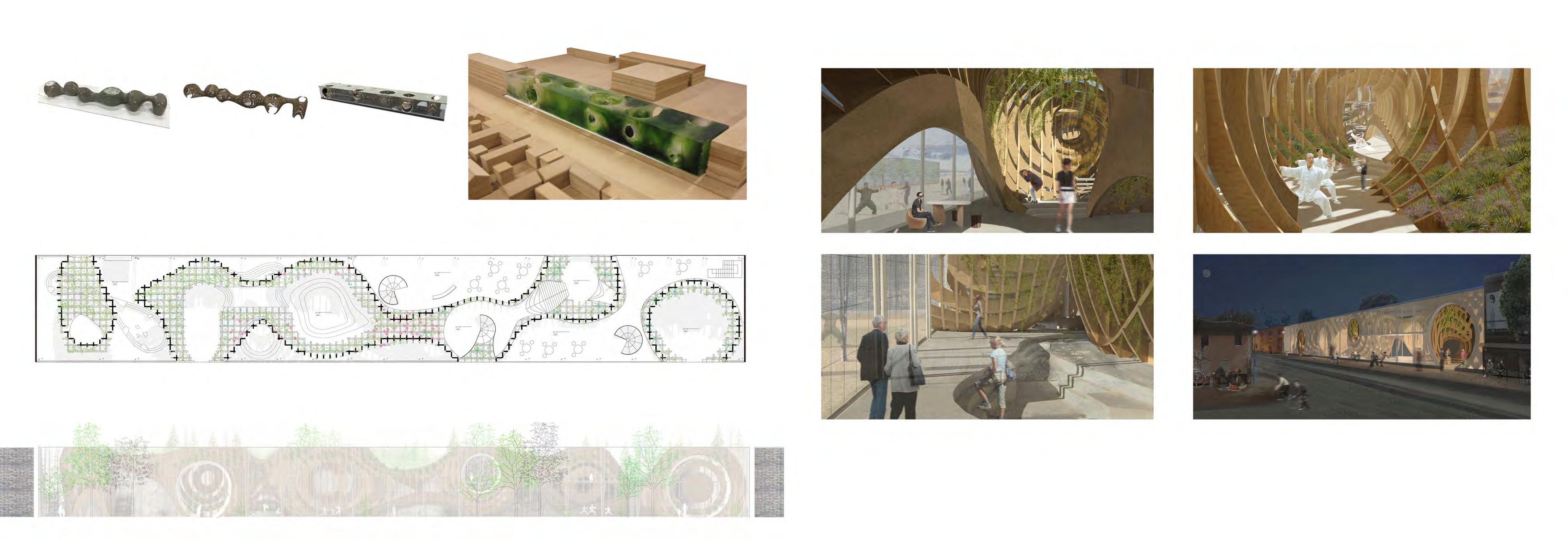
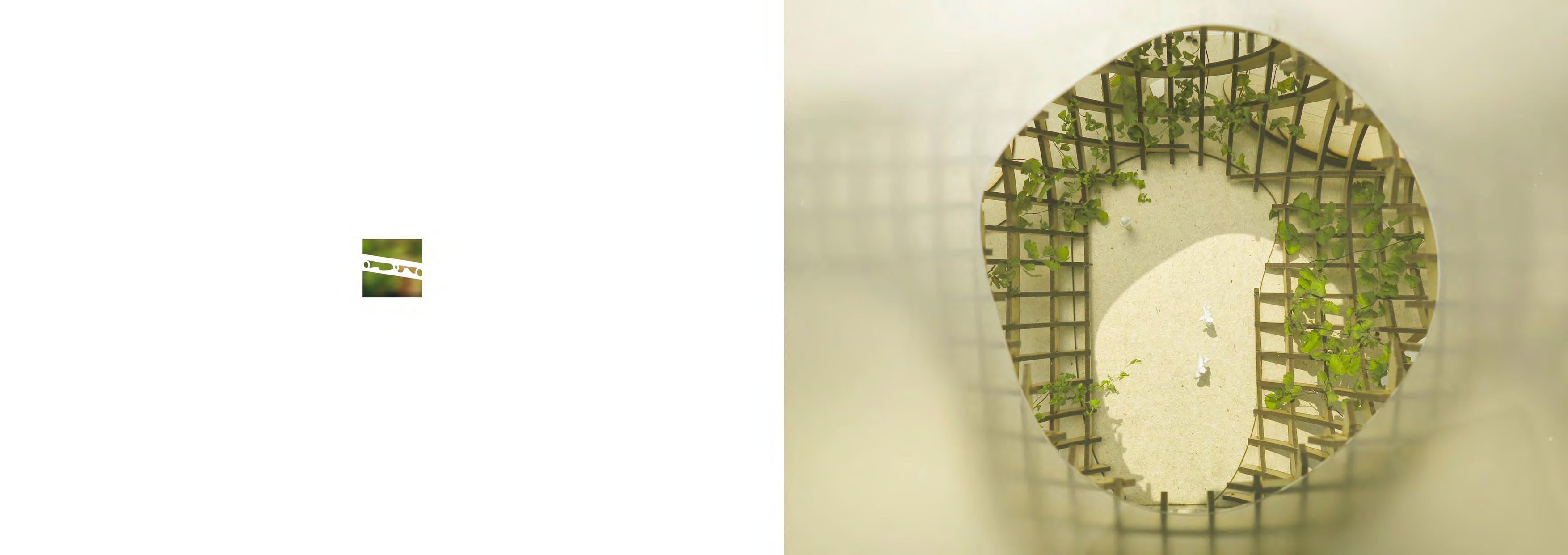
The conceptual model is made of resin, for creating an context that feels like surrounded by nature.
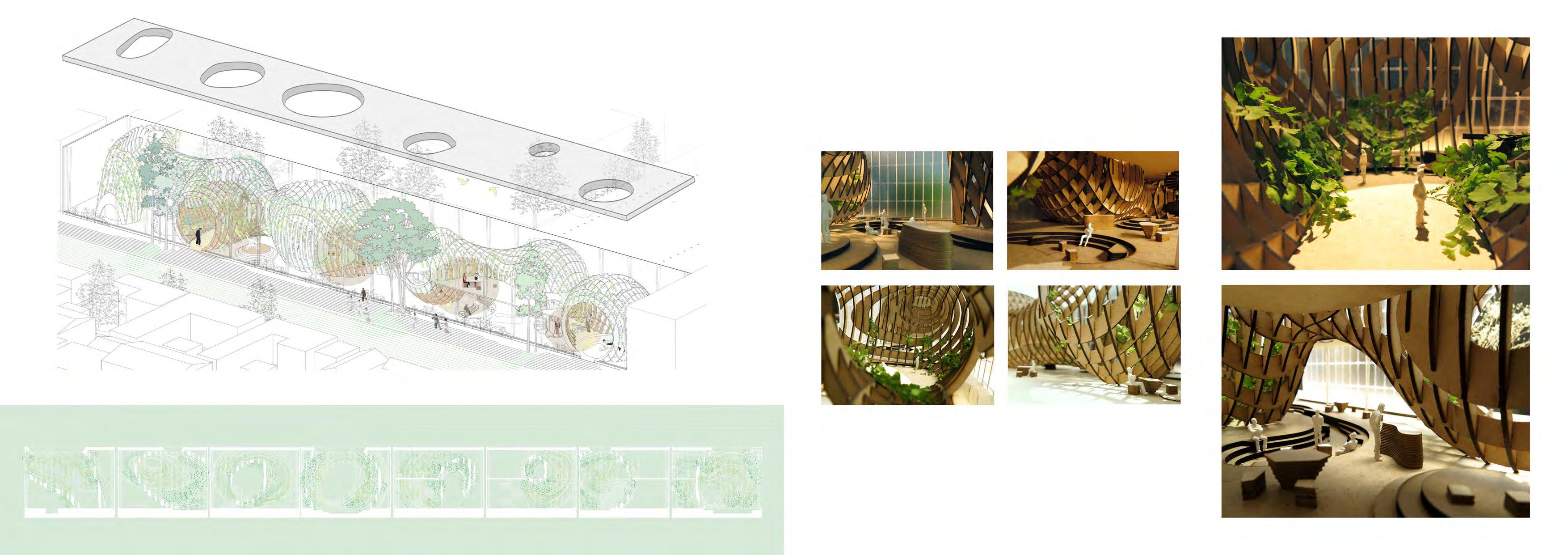
People could realize their lifestyle focusing on keeping in health, learn and play Tachi, walk around and communicate with others. Some of the space would serve the health-preserving habits through some self-planting space for local people, using grids structure to form organic space for planting and translucent division, where they could also have a cup of herb tea and enjoy their healthy life.
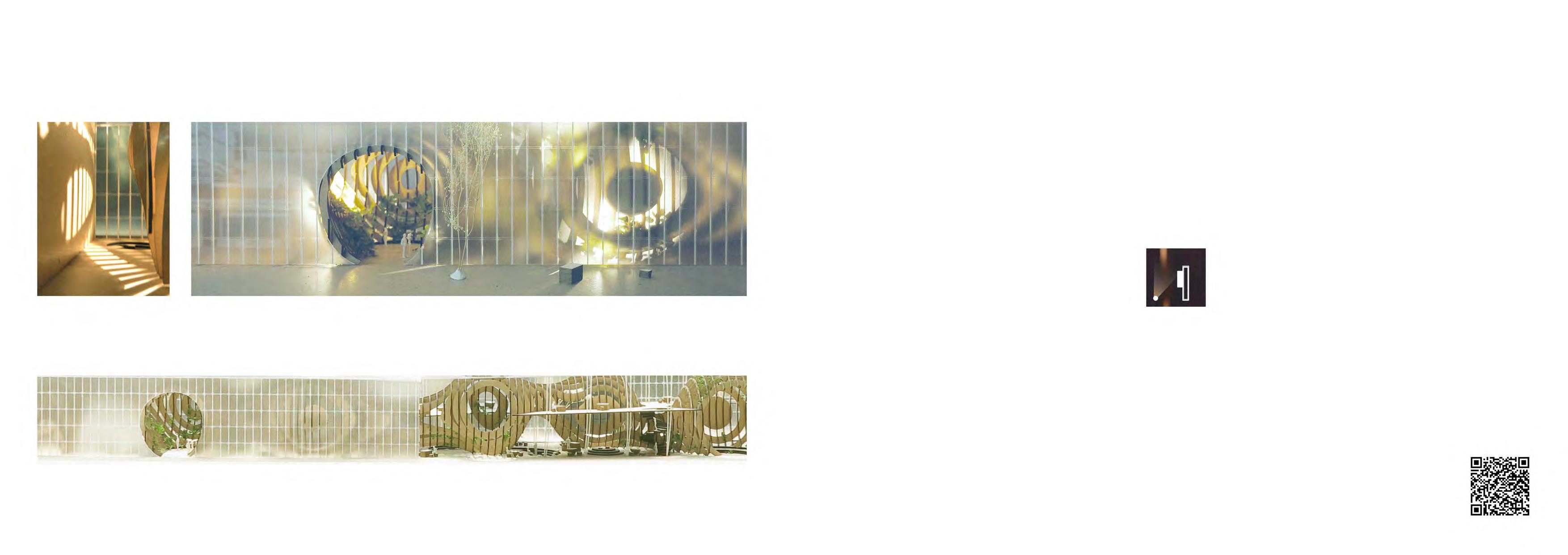
The project is envisioned as a place to be a remedy for the seasonal depression caused by the local climate, delighting people’s minds and protecting their body from extreme weather. The local climate in Copenhagen is always changing with unpredictable precipitation, and also people have to experience a long time of short daylight especially in winter. It is indicated that there is a specific mental depression in winter season especially in Nordic countries, and they have special Light Rooms where people can receive more naturally scattered Light as the therapy. Therefore, the project is aiming at curing the winter blues for the locals through the immersive experience and some social spaces related to light.
Studiestræde 52, 1554 København, Denmark
N, 12.5683° E
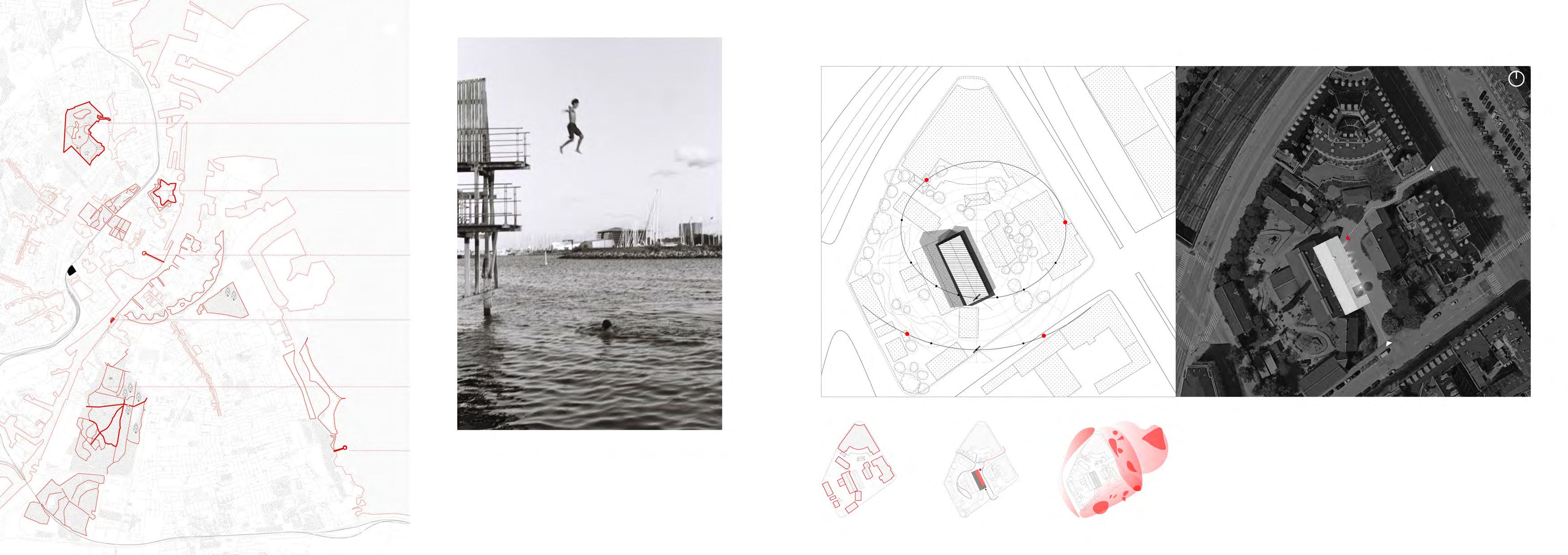
Based on the urban context, the project located in an area which is important for cultural history and transportation, and now it becomes a complex area shared by different functions. Two daycare centers, a concert bar and two official buildings. The site itself is relatively out of order and used seperately.
The building chosen for the intervention located in the middle of the site, which has the potential to reactivate the inner area. A new circulation could be created with an opening on the east side, where people could get another access to the building. The old entrance on the south would be kept for the original concert part.
The surroundings are about somer comercial area busier on the east side, and a railway on the west which would bring the public attention. Since surrounding includes lots of commercial and public facilities, even people passing by the site could be the target users in the rainy days.
Havnebadet Islands Brygge
Søbad
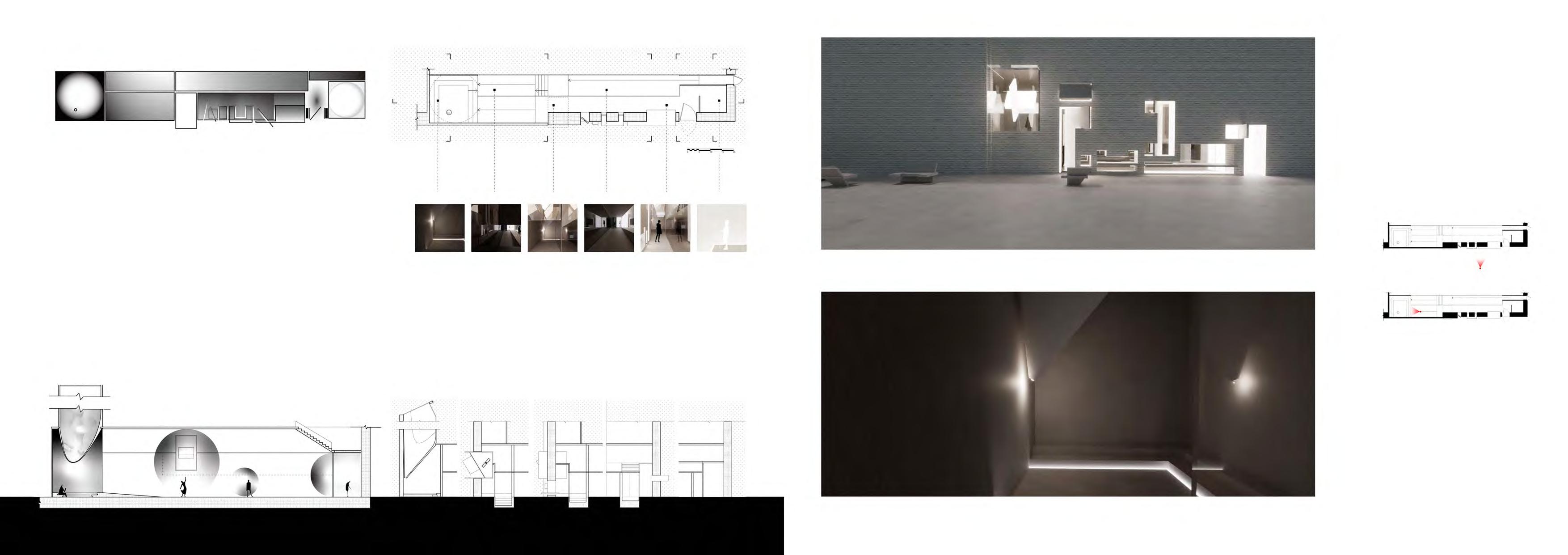
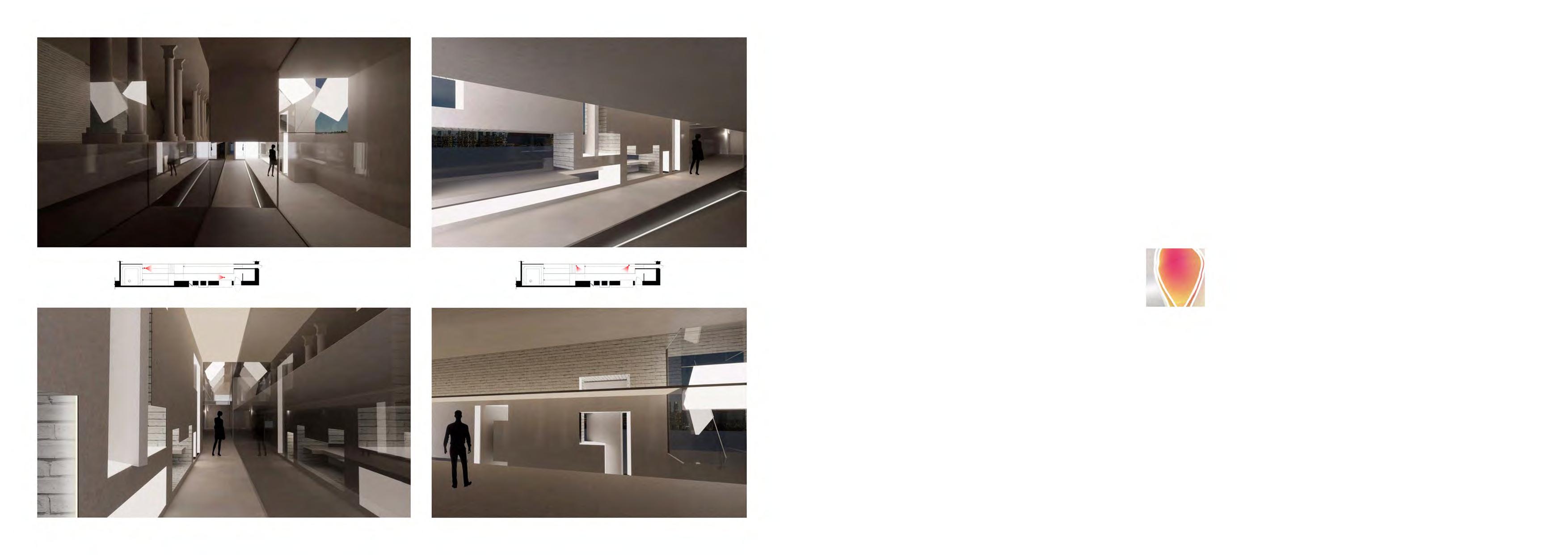
The intervention is envisioned in the east side of the concert hall building, providing another northeast entrance besides the original one from the south. The directional journey starts with a lighting cube with constant illumination, giving a perception of losing the sense of time changing. Then people will explore a glass corridor with the renovated rotating opening on the façade, going underneath a lighting sculpture which they are unable to touch, and then to a meditation room. Here would be a light spot originating from the reflection from the inner mirror surface of the geometry, since there is a skylight renovated on top of the roof, providing a natural light source for the changing light reflection and more daylight reaches the upper floor. The lighting in this room might change from a spot to an area due to the daytime changing, where people could stay, rest, and perceive. The way towards the exit would be a little lower than the coming corridor, providing an opportunity to explore the space in a different way. Near the exit, people could see through to the light cube and realize where they came from.
Facade
Meditation Room
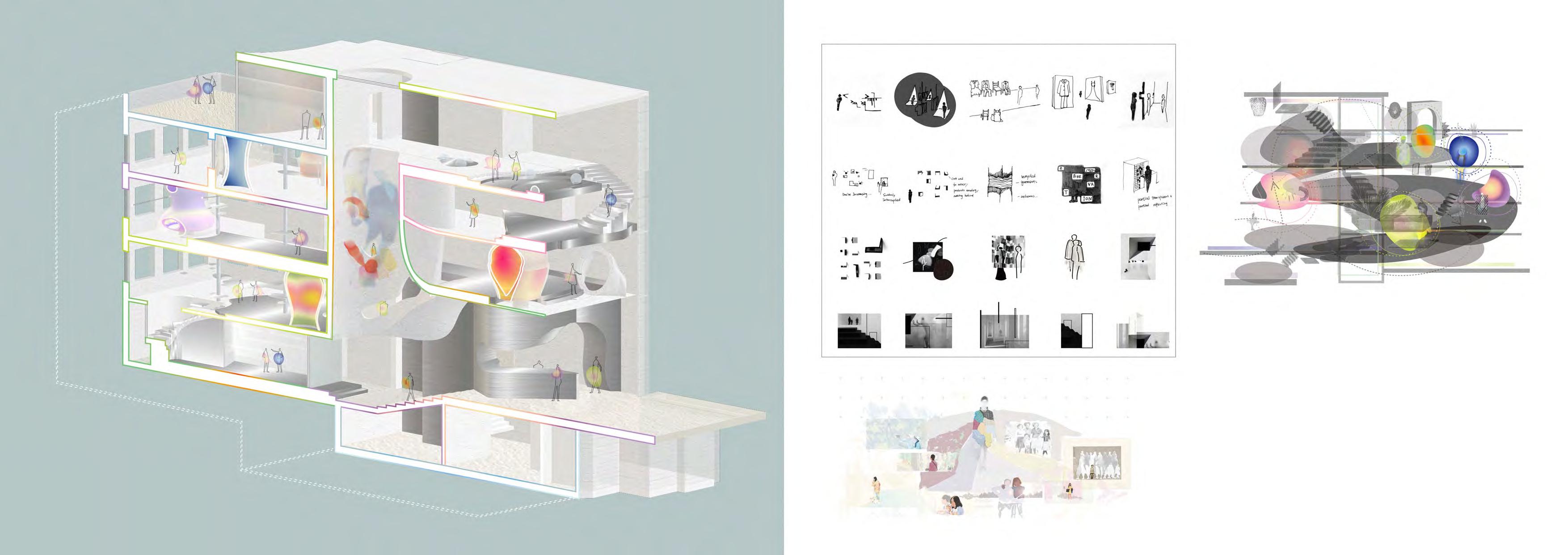
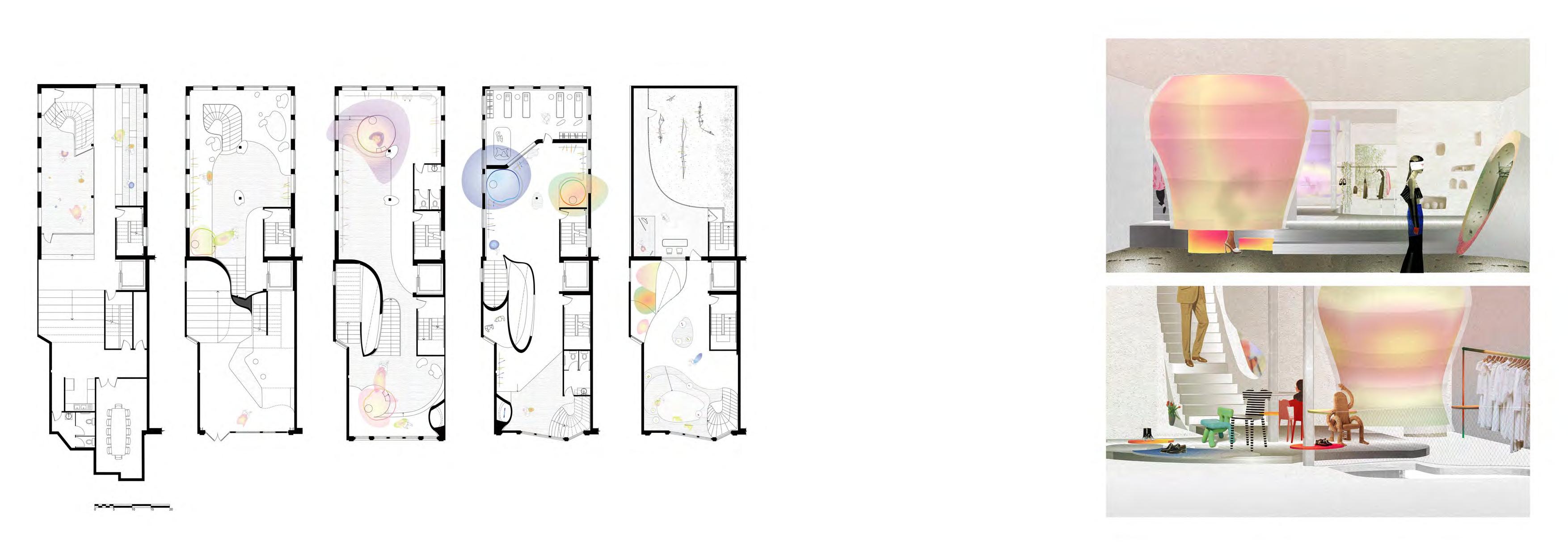
narrative would be about to start with passing by the reception and then going to the top floor to begin the journey. The reason to reverse the regular journey starting from lower level and to design the whole experience as walking through a stage is to provide the customer a sense of being observed by the public when they coming down at the end, which might arouse them to think and compare the purchasing behavior consciously beyond their natural desire. So the top floor would be about retail where the stage begins, and the extension part also included as indoor space would be the exhibition of recycle and repair, with natural ventilation and sunlight for repair the old clothes in the courtyard, where the customers could have a look at them. Then coming down to the 3rd floor, the stage continued and passing by the window for enticement. At the other side of the floor there would be a fixing room for the old garments. The 3rd and the 2nd floor would both mainly about retail also as the main part of the stage, everyone has to walking on the stage as soon as they step out of the dressing room, try to walk to the end to see the mirror, during which they have to be exposed in public sights with their new outfits, since there will be no mirror in the dressing room.
So the end is not only about the end of the journey(stage), but also the end of desire where they could see themselves. Besides the stage(walking platform), when it comes to the display part of retail, some of the products with specific stories would be provided an QR Code for customer to read the story behind, then they might get to know them better and choose to exchange or not. Before getting to the destination of the stage, the previous “audience” could be the mannequins, or strangers passing by. However, there would be real “audience” at the end of the journey, observing people seeing themselves in the mirror. Here would be a small café at the back part of B1 continued with the front part of the 1st floor, and people who sit at the side as well as walking by the window would both play the part of audience for the customers. The big two-way mirror erected at the end, so for others at the other sides of the mirror, they could also have the opportunity to observe customers adjusting themselves by see through it. Finally, after stepping on the last few staircases back to the reception, it’s time to make the choice whether to choose the other stories or keep your old one. You are free to decide to exchange 1 piece, or certain pieces, or all your outfit. It might be attractive to get new story rather than only a new garment, because things recycled, as well as memories.
(The Crossing Fate)
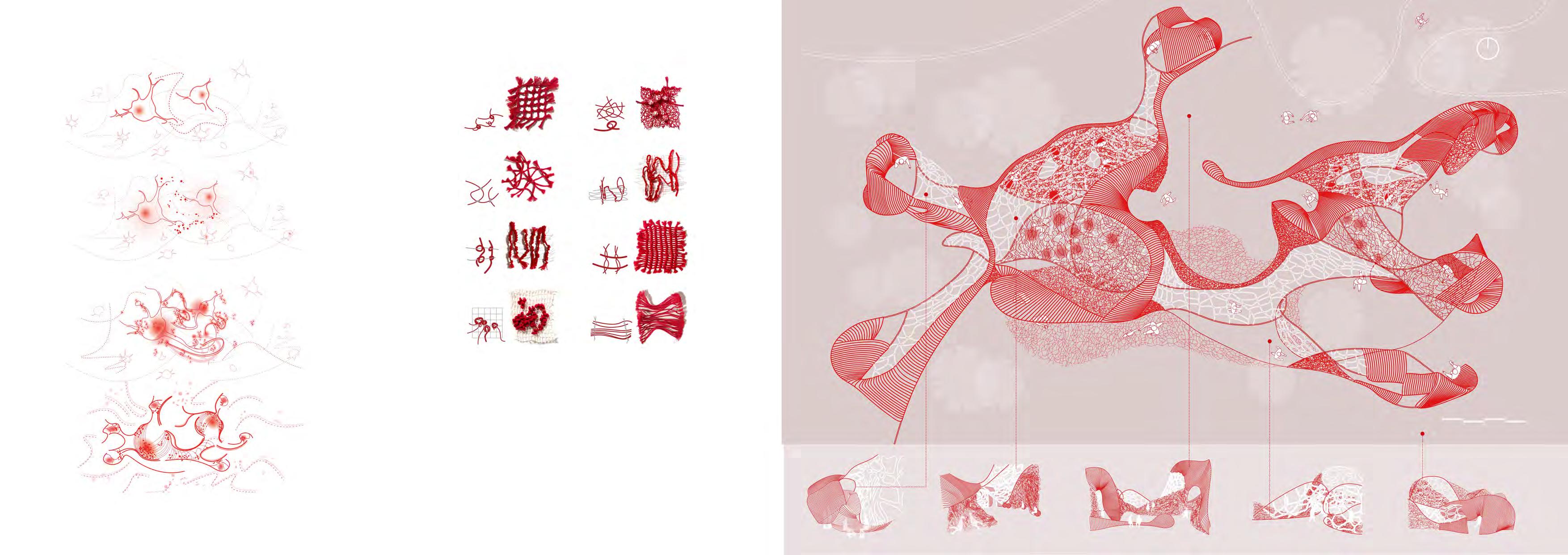
individuals meet in the system
3rd Period
Love appears with nerve impulses
Chemical factors triggered to develop relationship (e.g. simmilar interests .etc)
2nd Period Extended more to the other in passionate period
Both blend into each other's relationship system at the emotional maturity stage
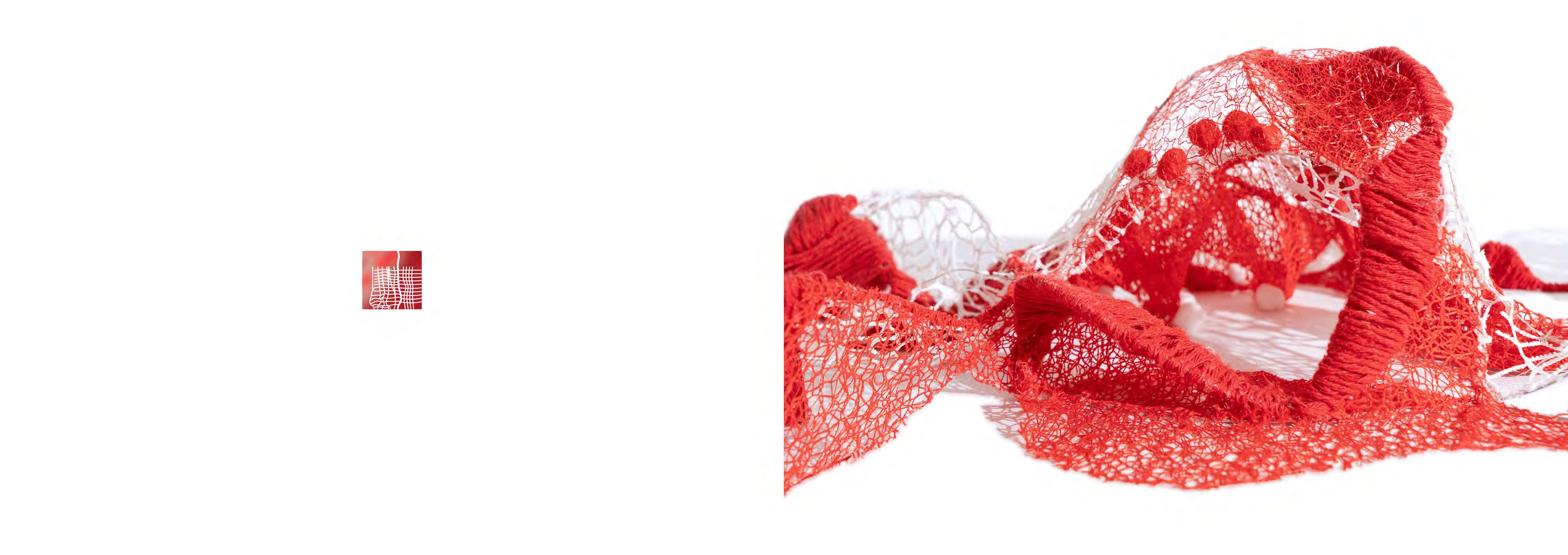
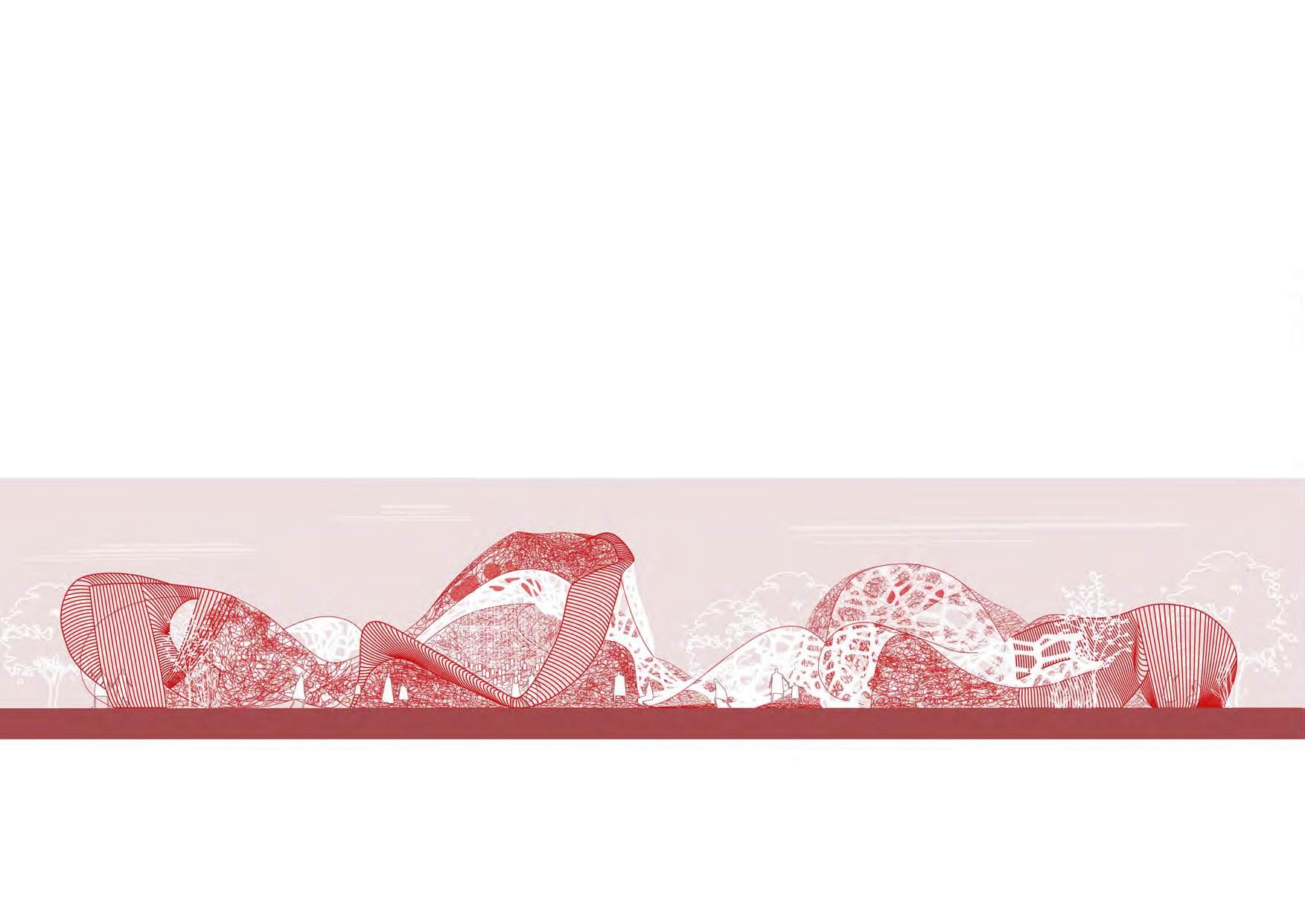
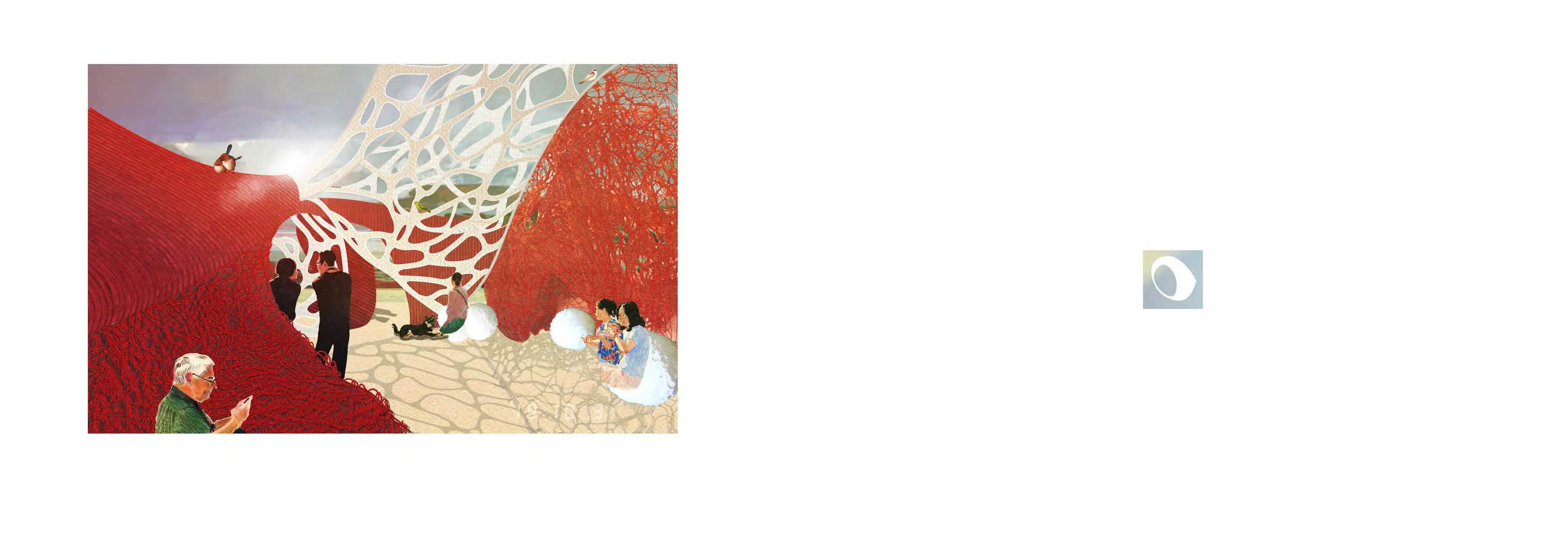
The red line is a magic weapon used by Yuelao, the ancient god of marriage, to guide people in their way of finding love.When two different people hold the two ends of the red line, it means they will be connected by fate and fall in love.The whole space formed by the red line also provides different functions based on the threads, with different weaving ways to adapt to different needs: sitting, leaning, lying down, hanging the information, etc. At the same time, the different weaving densities of the fabric also provide hierarchical public and private areas, which visually divides the transparency of the space and adds interest to the whole site.
Young people aremore likely to take indoor dating, such as in restaurants or private coffee shops, but communications are usually limited to the exchange of information between each other. The design breaks the inherent dating experience and restores the information-based love into the love guiding by the fates. The red lines in different winding ways imply the estrangement and intimacy between lovers. Space contains the public for communication and the private corners for dating, and the long transition part is designed for people to think and wait while meandering.
Love stands between to do or not to do.
Love is romance, hatred, joy, parting, and what breaks apart, even with the smallest twist.
Love begins alike, but ends unlike.
Love is every so often, doubtful, lonesome and bitter.
But am ready to drown myself in it. That is, love.
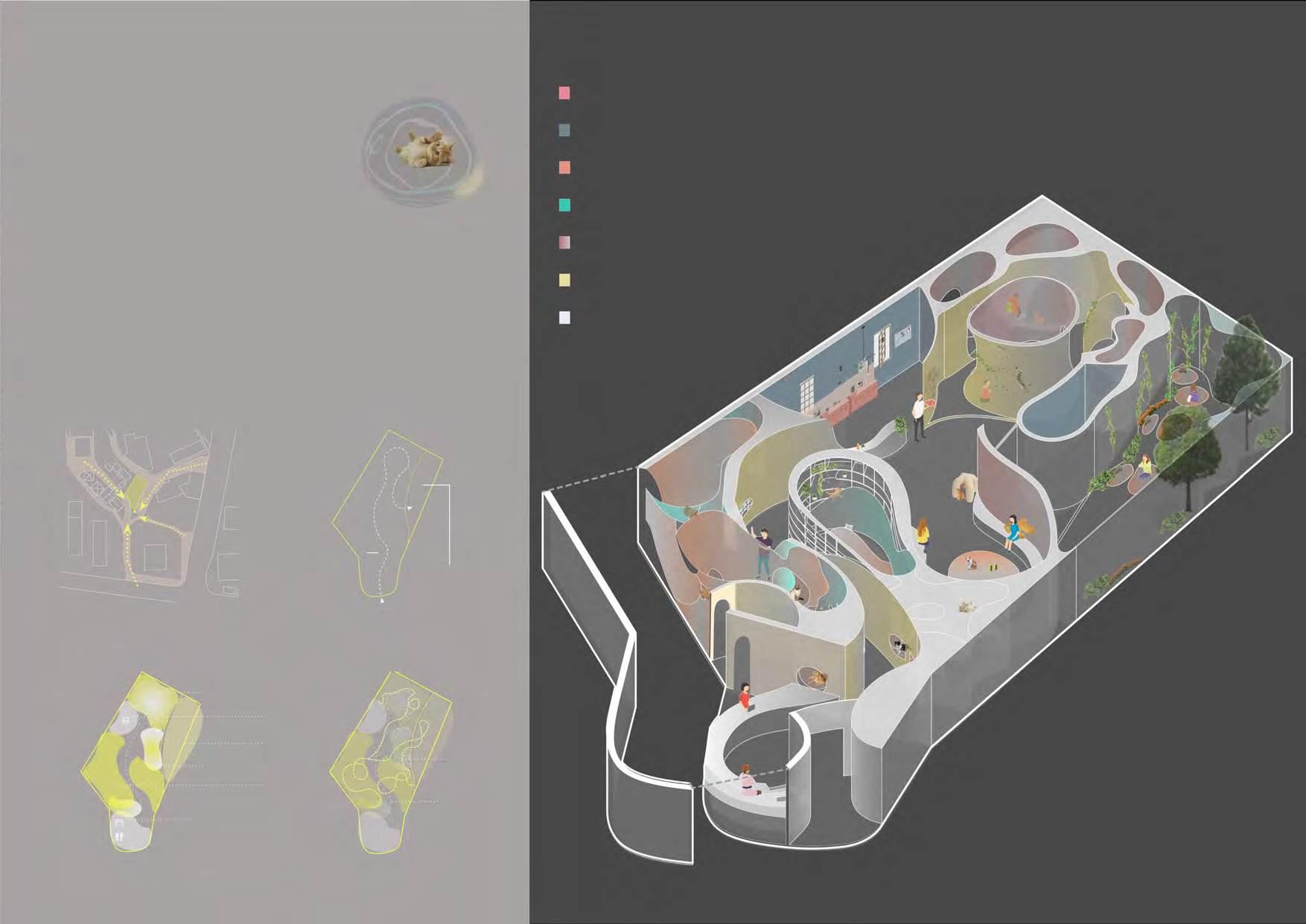
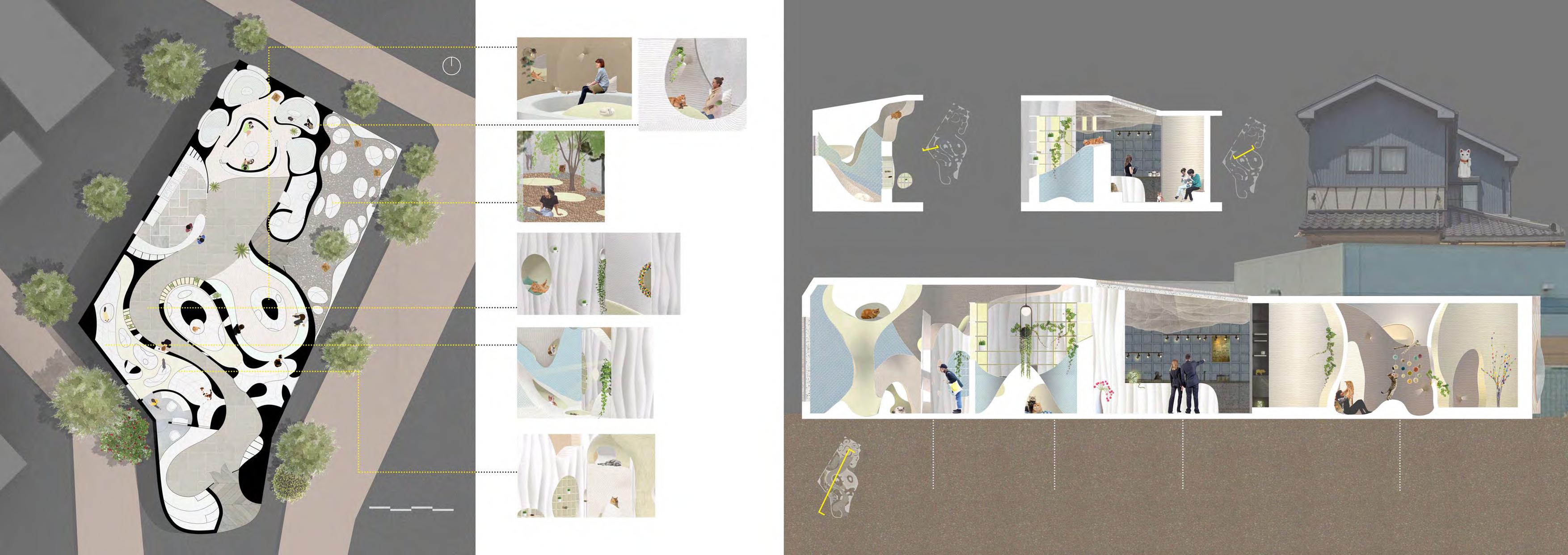
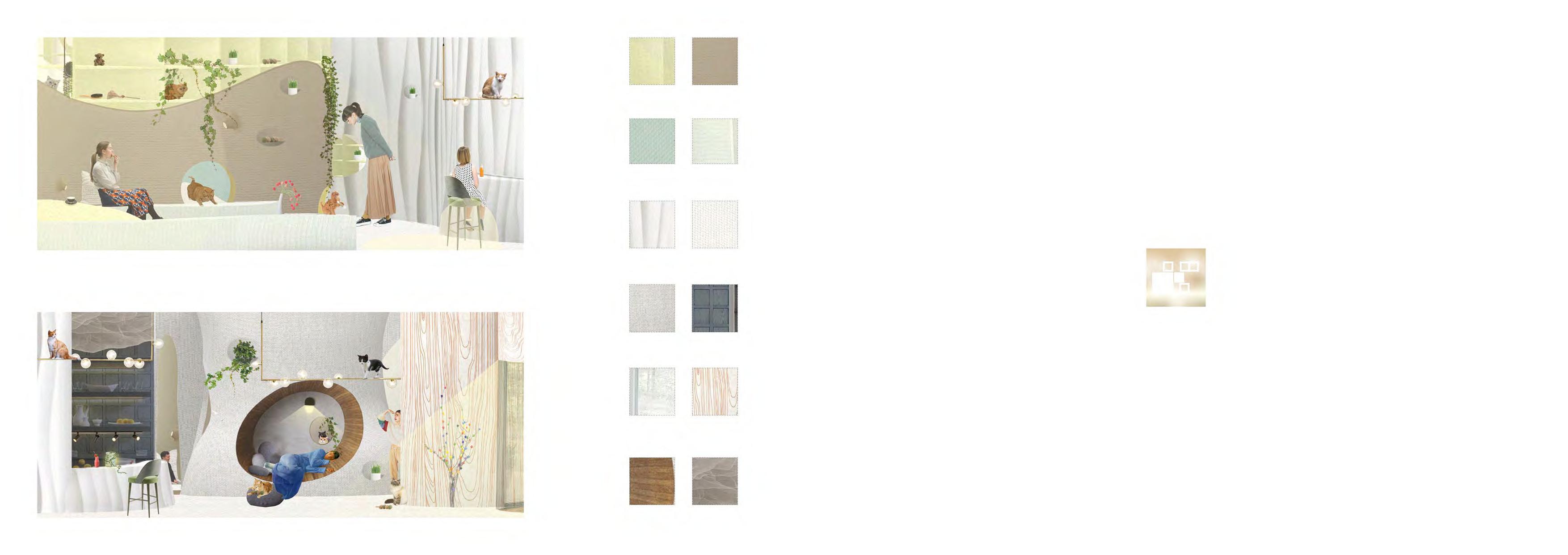
The Meow Wonderland
Matsuyama, Ehime Prefecture,Japan
INSPIRATION
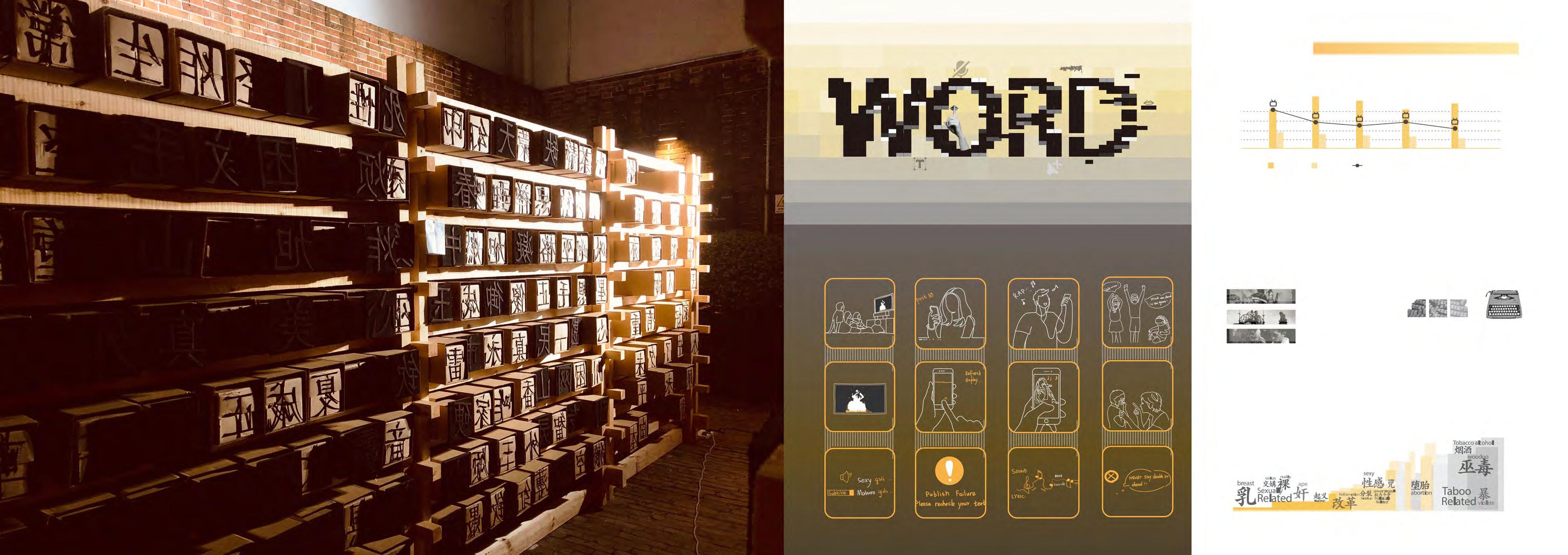
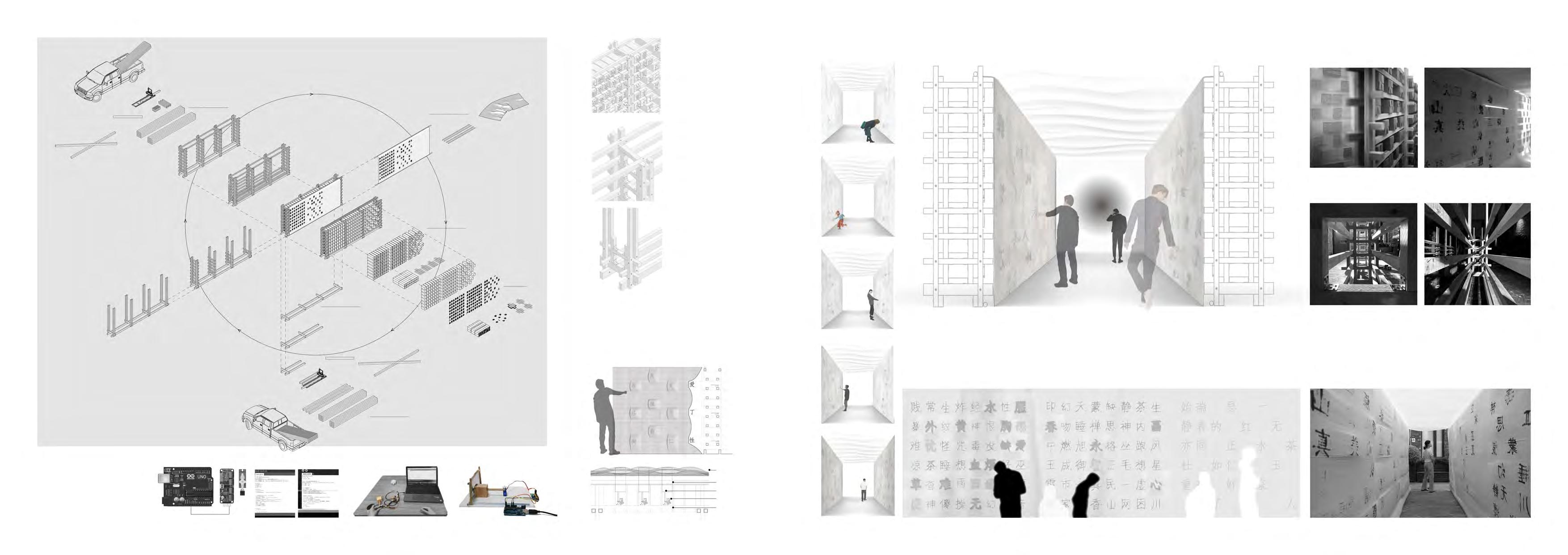
The movable-type printing was invented for the spread and popularization of words, which provided lots of potential for people communication. However, it was negatively affected by the word banning. Therefore, with the similar thesis, the space would be designed focusing on the
TYPOGRAPHY
Printing is one of the four great inventions of China, movable type printing was one of the most widely used in it, which promoted the spread of culture, printing books, spread knowledge, it created the conditions for the regional communication, since the printing was introduced to Japan, central Asia, west Asia and Europe. The movabletype printing encouraged the cultural exchange and communication, making the culture more diversified.
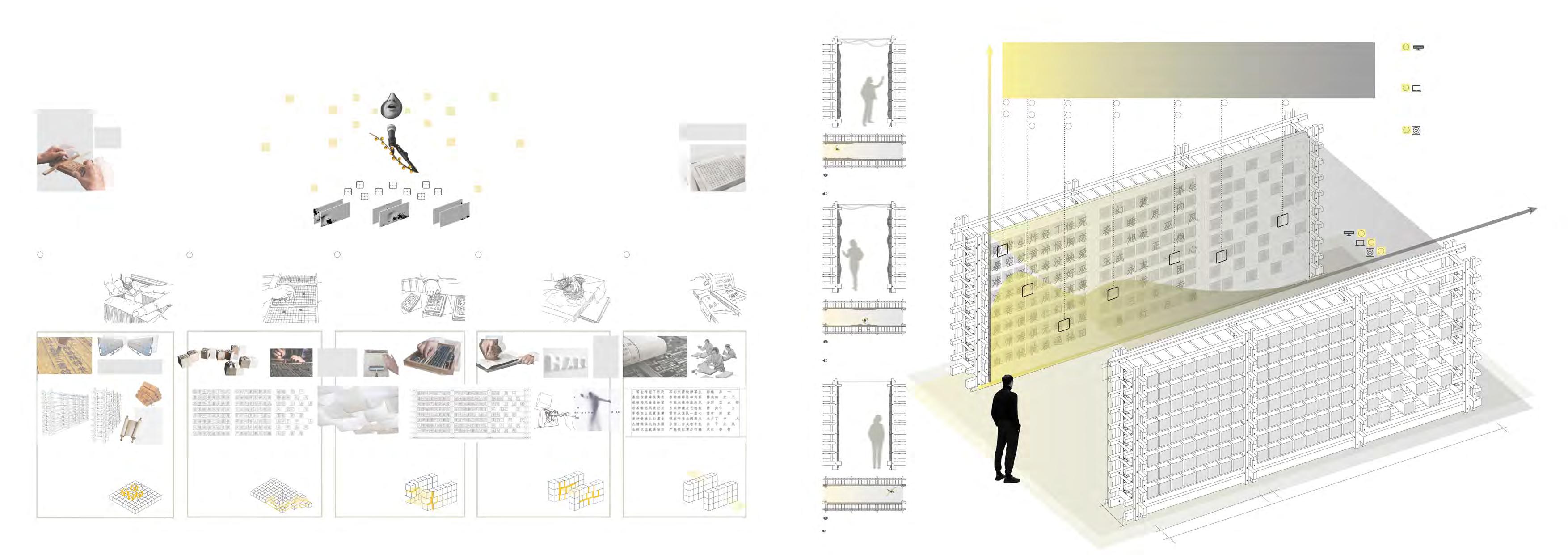
Carving: Reverse Lettering
With the right hand holding a sharp carving knife, the left hand leaned on the end of the handle, using the knife carving into the wood along the edge of the Chinese character, repeating 2-3 times for each word.
Typesetting: Find The Words According To The Formula
Put the movable type in the wood grid according to the sound, paste note to indicate the typesetting, with a framed iron plate as the bottom support. On the top of the wax, mix the paper ash with medicine, and then collect the dried modules into box.
Ink On: Balanced Force
Dip in ink with a short brushpen and brush repeatedly on the stereotype.
CONCEPT
Nowadays, with the development of the society, the way of information dissemination become more diverse, instead of the spread of culture with more limitations. The design concept started with transforming movable-type printing into an interactive space, because it found way of text dissemination with less limitation, representing the loud speak to the restrict word environment, arising the awareness of finding and talking the truth and nature of words, rather than give stereotype expression for safe in censorship.
Rubbing: Press Again
When the ink is filled, covered a piece of red paper with another bristle brush and gently sweep the paper back and forth until the ink is slightly permeated through the back of the paper. Then gently lift the rice paper.
5 At The Beginning Of The Finished Product Into
The printed paper is binded into a book, and then finished product is ready.
The project is based on the urban green system and relationship between local health and the context of the RI state house, developing the idea of Rhode Island's Health Equity Zone (HEZ), introducing medical plantation (both local and Chinese herbs) as the main intervention proposal, which could be shared and enjoyed by the public later. Meanwhile, it might provide the opportunity of engaging public into the current isolated and ‘serious-looking’ context of the statehouse, and breaking down some inner part of the building also might benefit the staff working inside.
The project would be basically based on a greenhouse system with medical planting area and a botanical garden, a café (teahouse), the educational area as well as a market selling medical products and seeds, and also a museum for the extension of visiting and educating urpose, to provide a chance for getting closer to the local planting history and the healthy knowledge related to herbs. They would achieve fresh and pleasant journey by rediscovering the healthy lifestyle and a new inspiring experience at the core of the state.
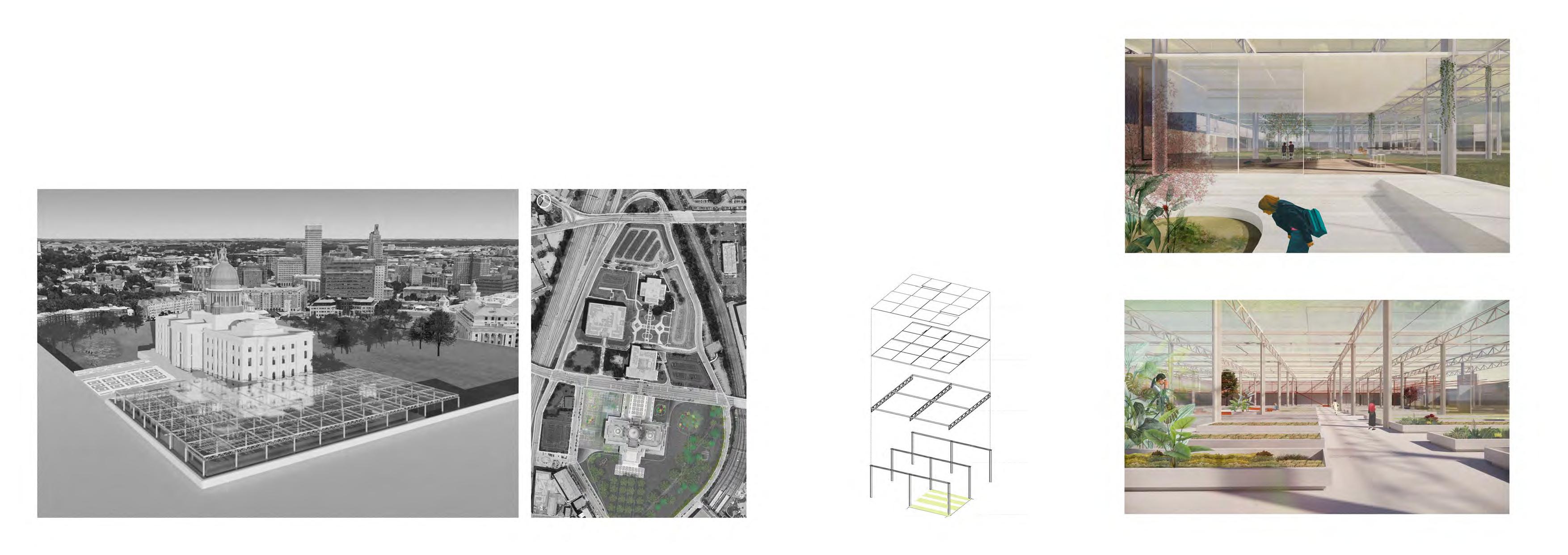
Focusing on the spatial configuration with specific programs, the large sheet of glass would cover almost all the experience, providing protection and a holistic perception for the context when keeping the transparency at the same time. The main circulation would start from the southwest entrance, coming down to the statehouse area through the new welcoming topology which is also friendly for the disabled. Another entrance would erect on the existing stair system of the statehouse and extend to the roof area. People would experience different extents of green as soon as they get close to the site: the clear green by seeing through the glass façade, and translucent green when looking into the café, also the overlapping green when seeing the courtyard inside the greenhouse. There is an indoor courtyard as a part of the café to get the views from the downtown, and also an outdoor courtyard as a gathering space for the greenhouse seasonal exhibitions. People would also have the opportunity to get onto the 2nd floor panel and walking around to get a whole view of the planting area, coming down or continuing the journey to the educational area on the northeast part of the 1st floor, which is connected with the medical producing area. The farming vehicle would come from the northeast entrance and go through the tunnel and finally to the planting area. In addition, the sub level museum is a deeper exploration of the knowledge and education for the local health context, the axis on the south corridor forms the main journey inside, also people would have a chance passing by the chamber as the lecture hall. The centered room is considered as a seed vault, keeping the most precious seeds to achieve life continued in case anything happened.
Planting Module
Master Plan
Pespective

(+1) 929-988-1287
xjiang9791@gmail.com