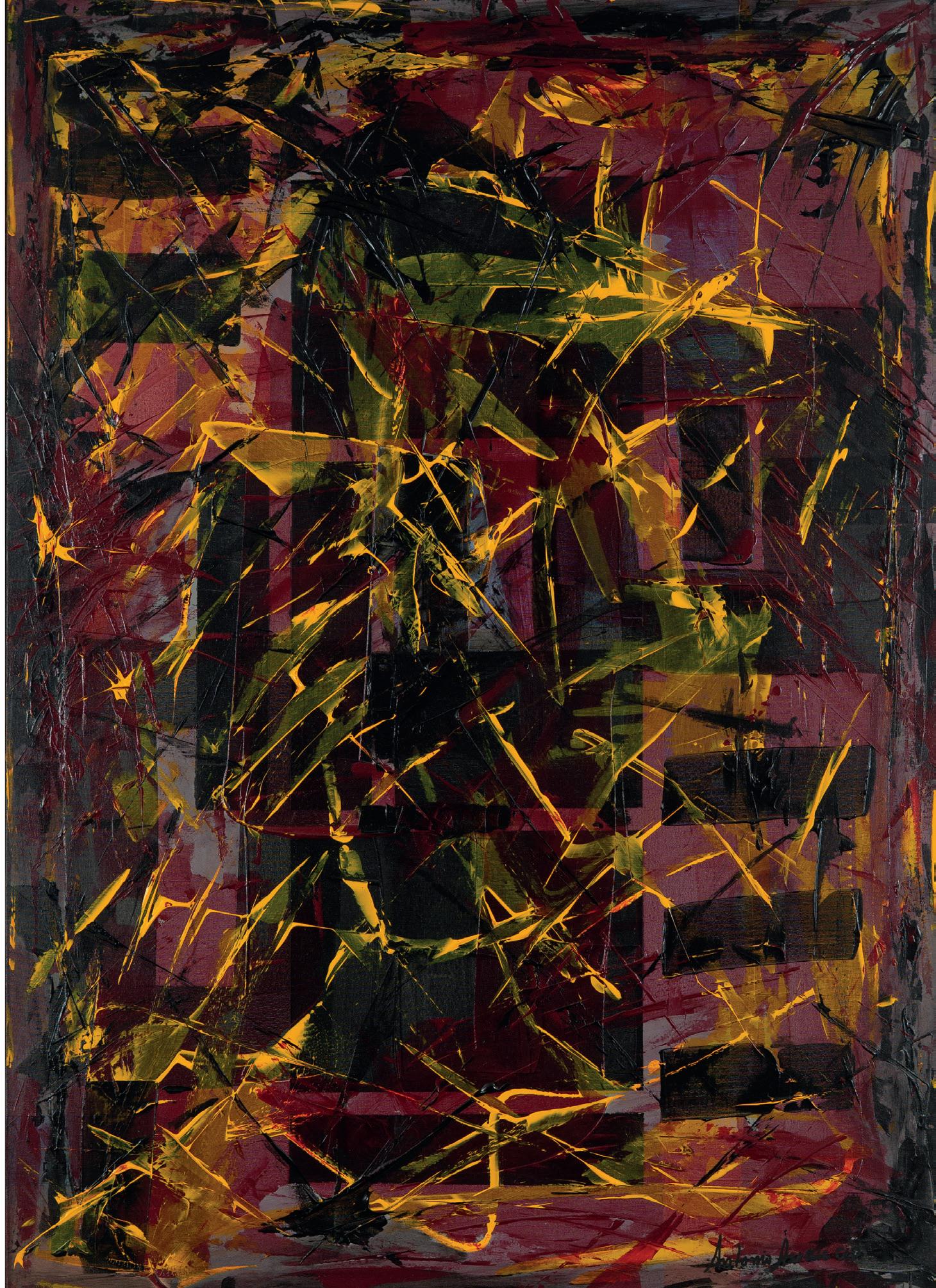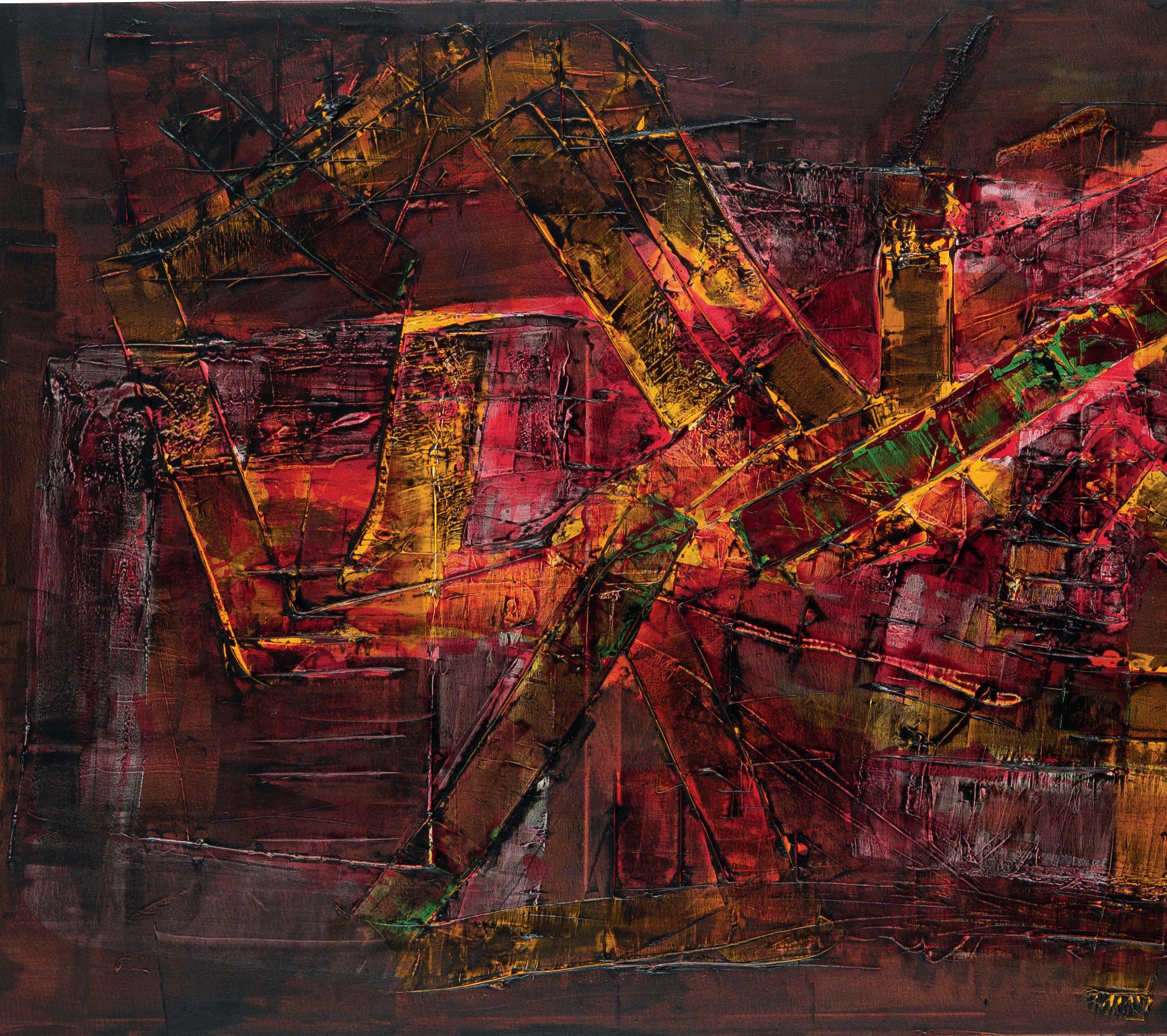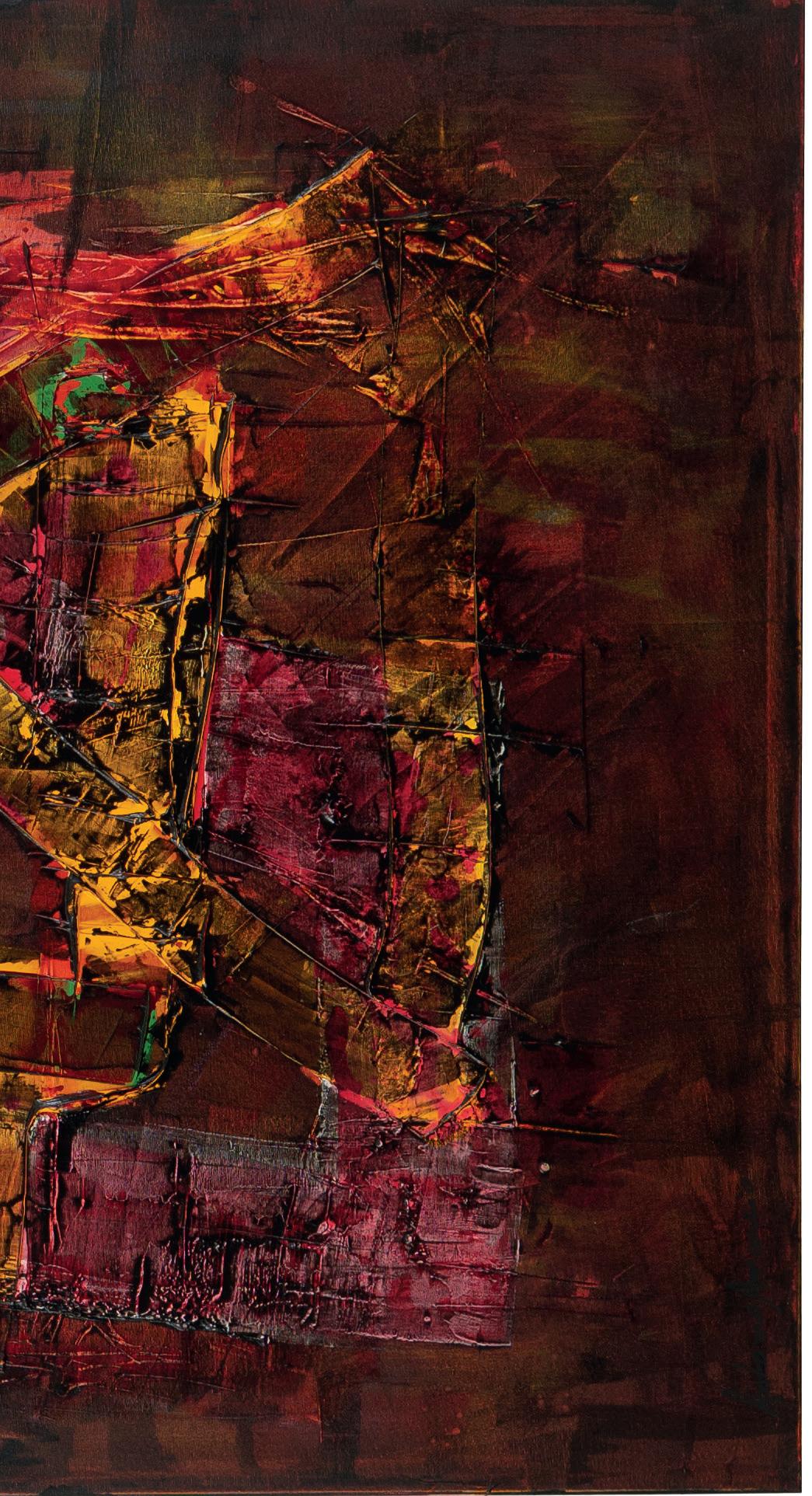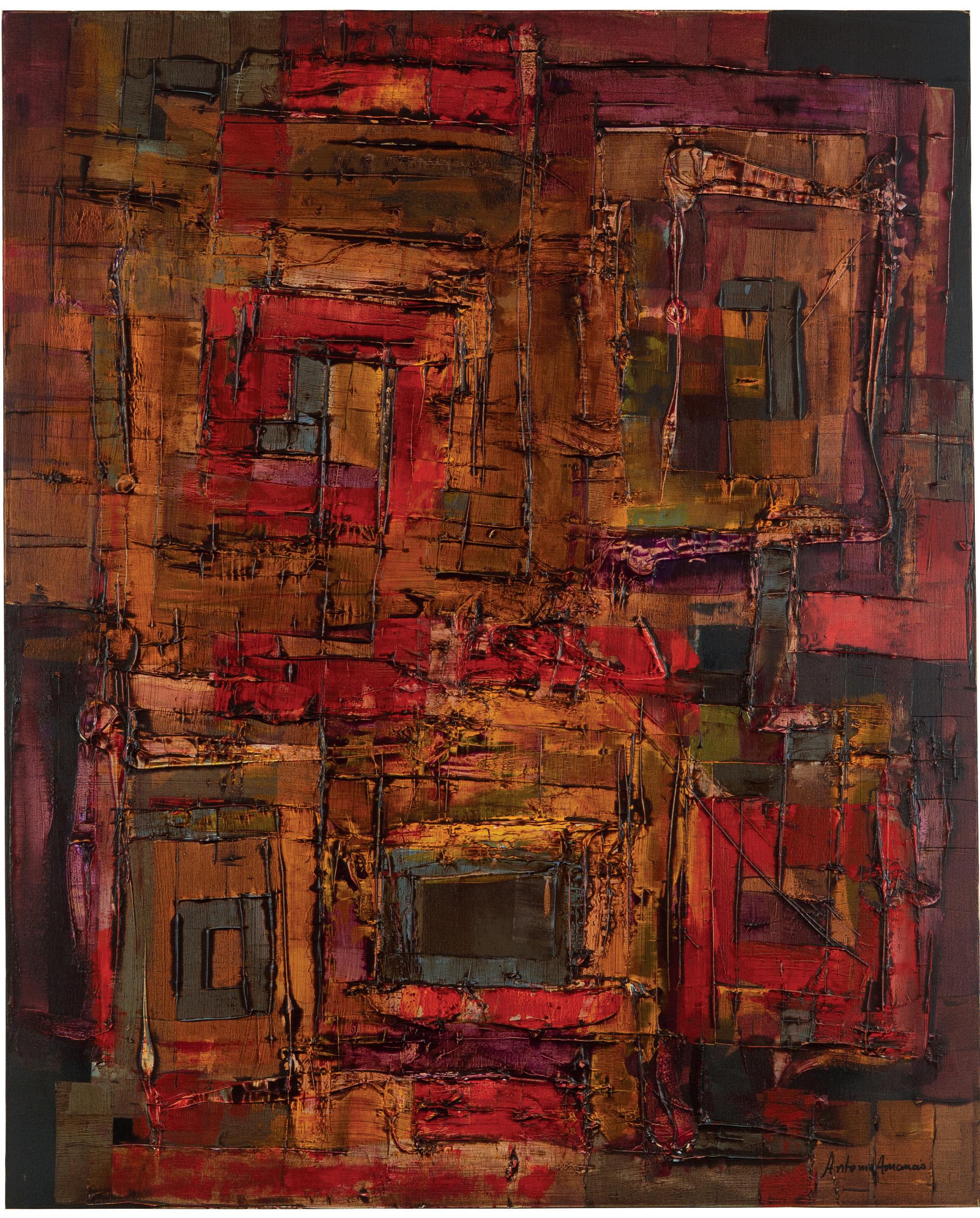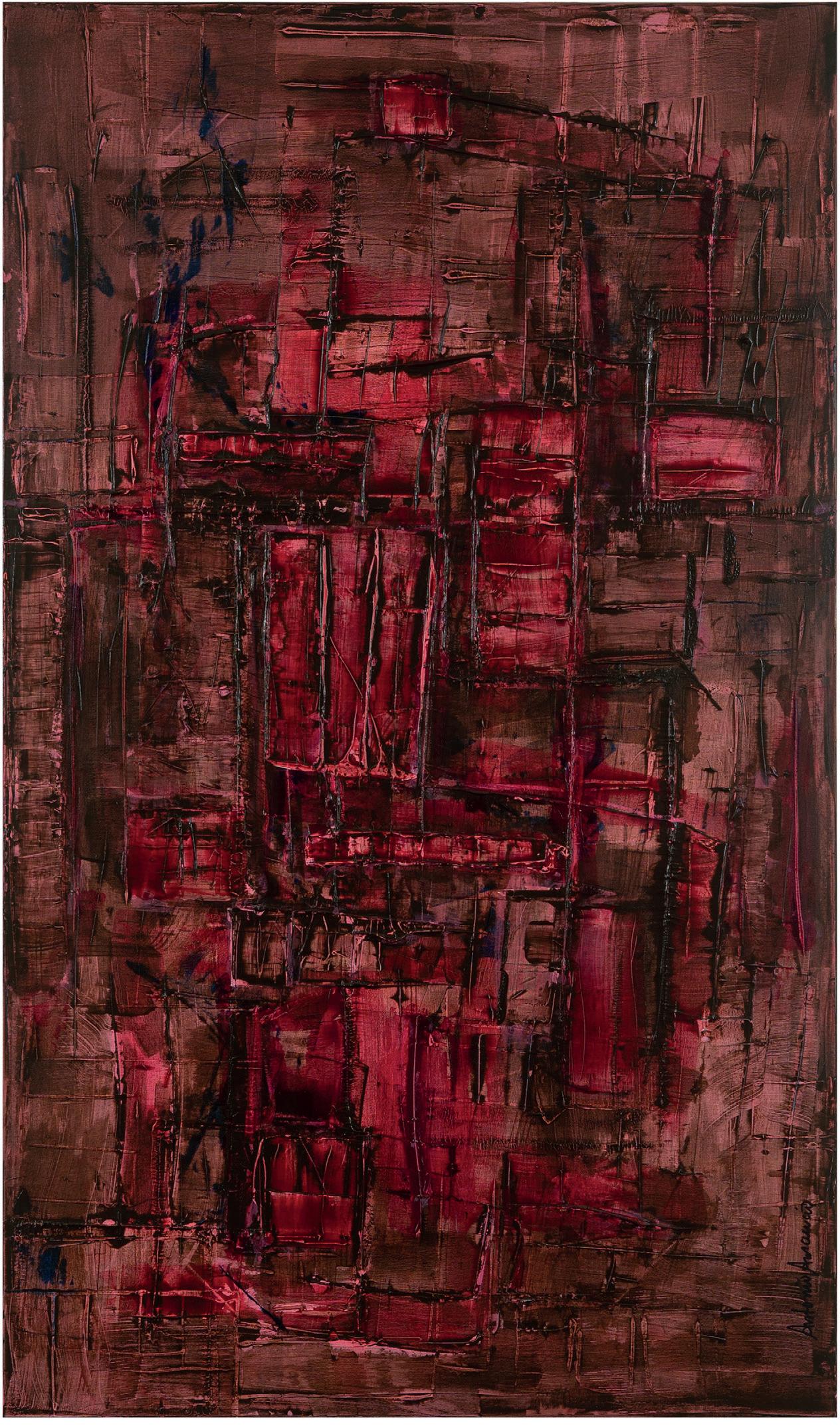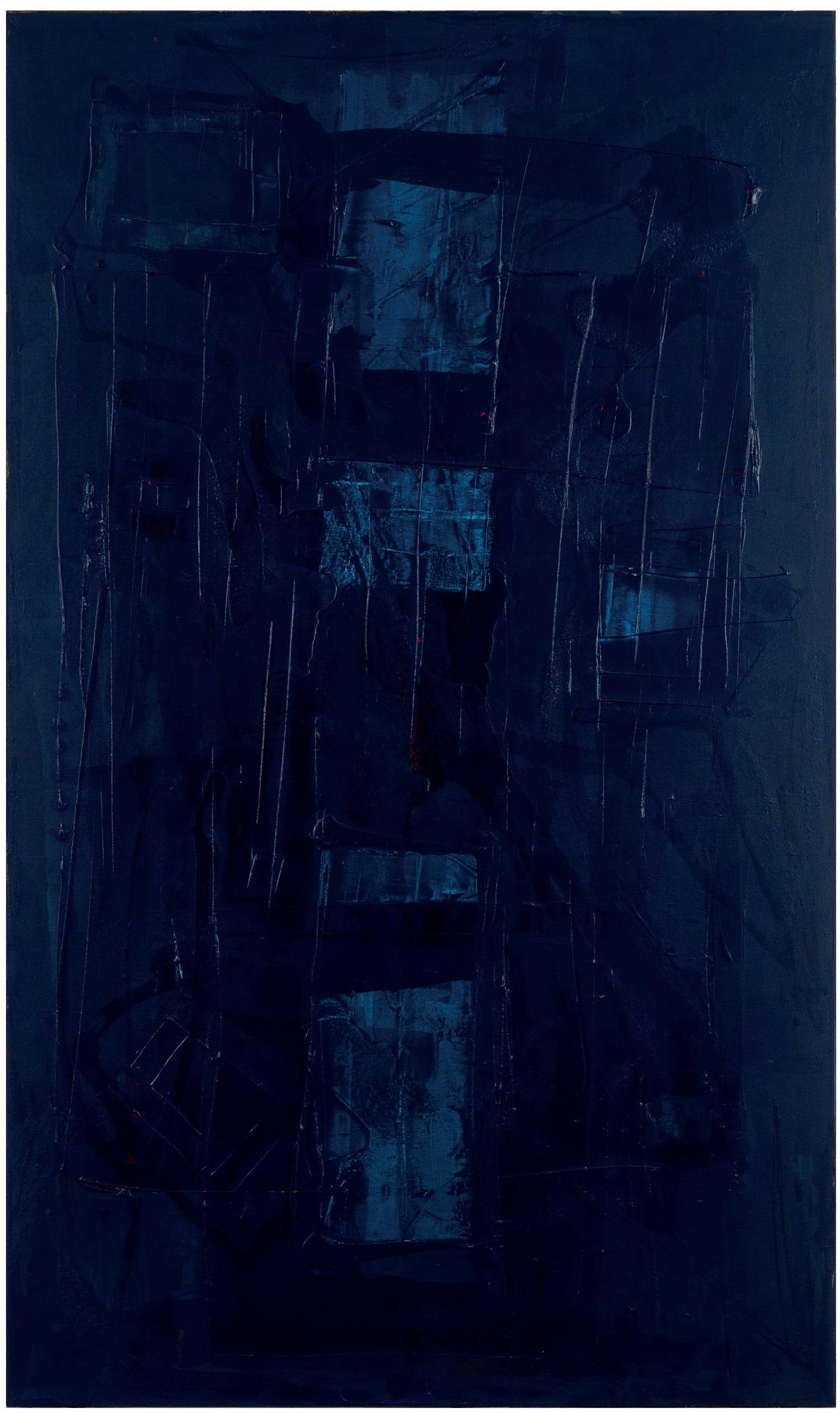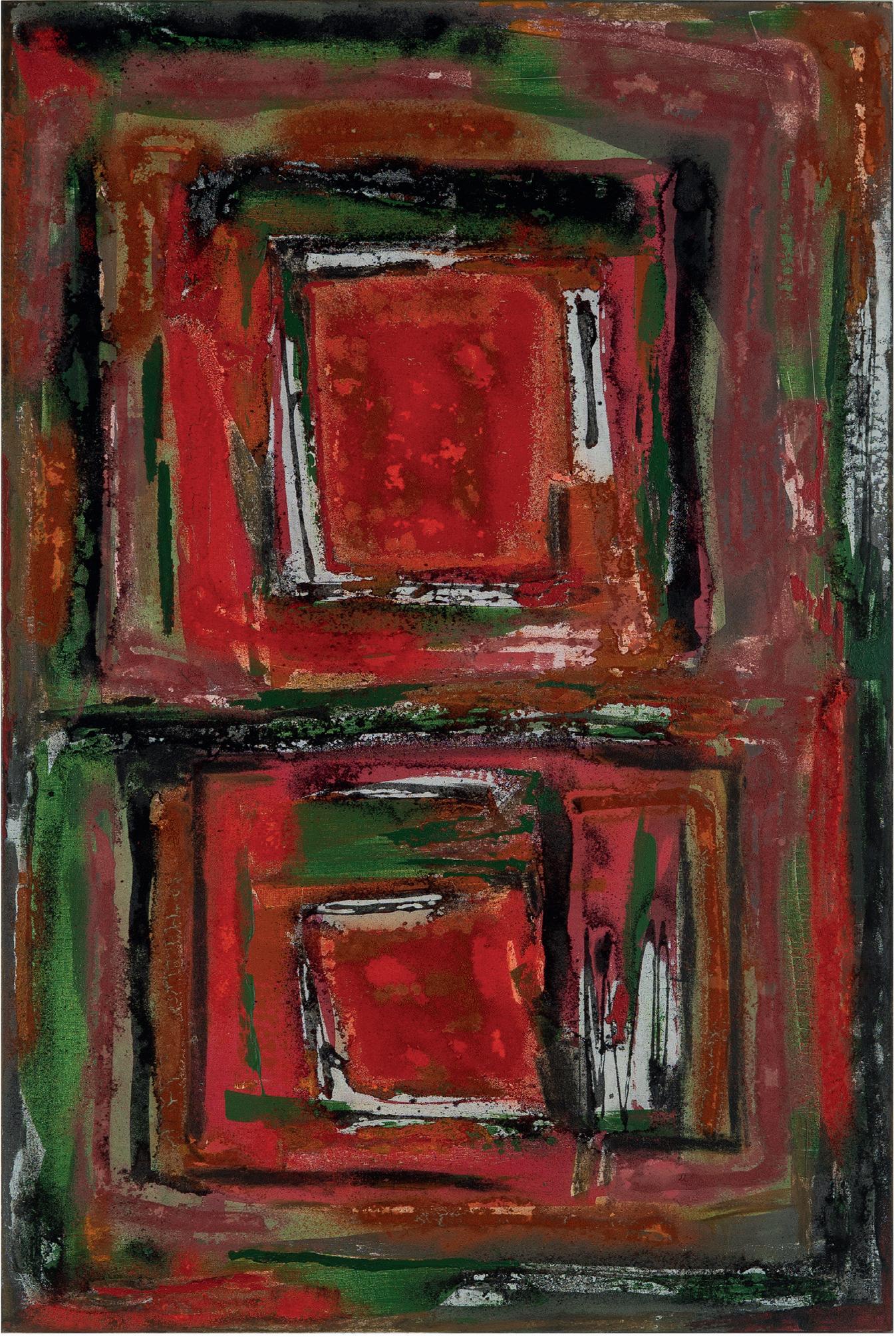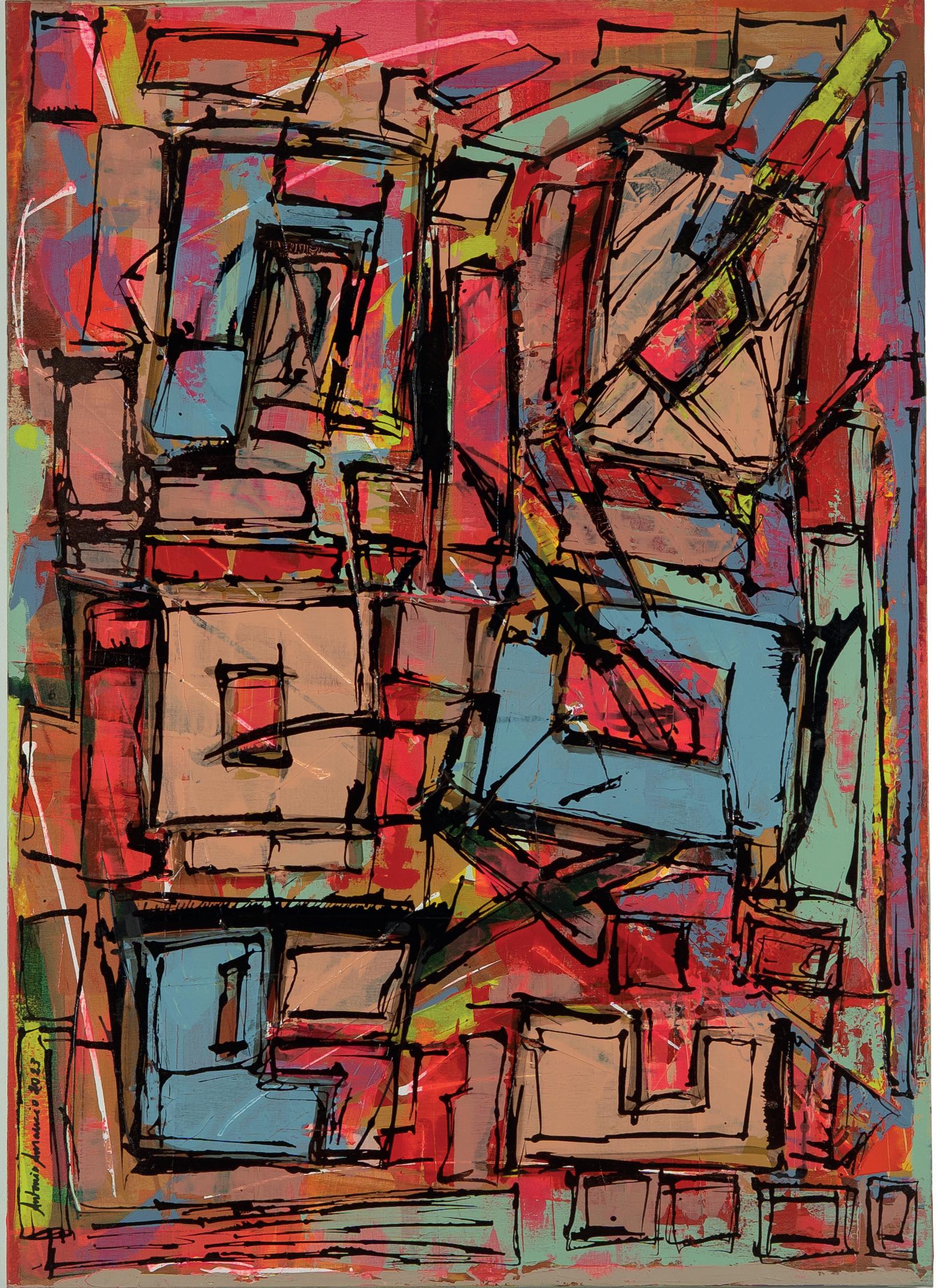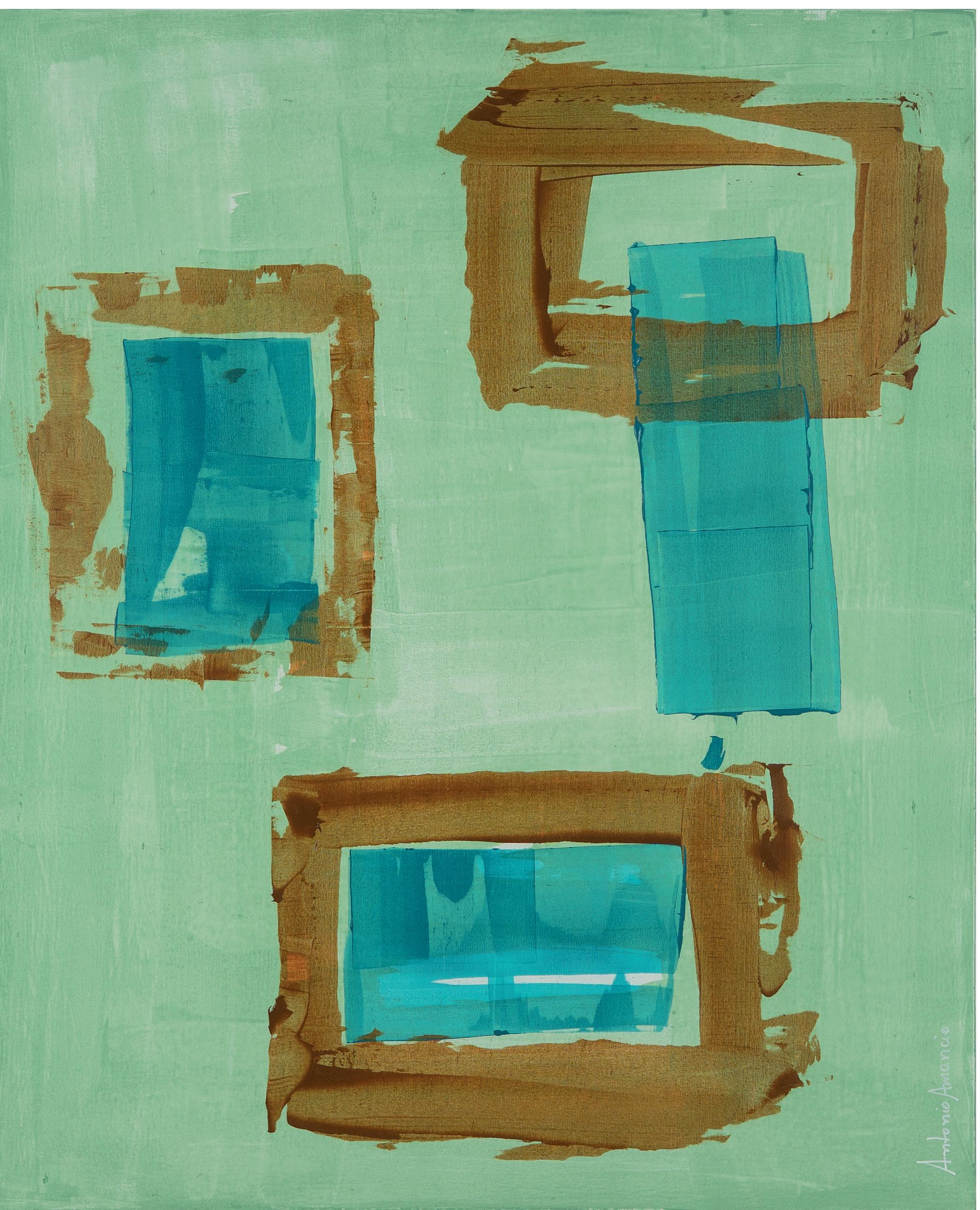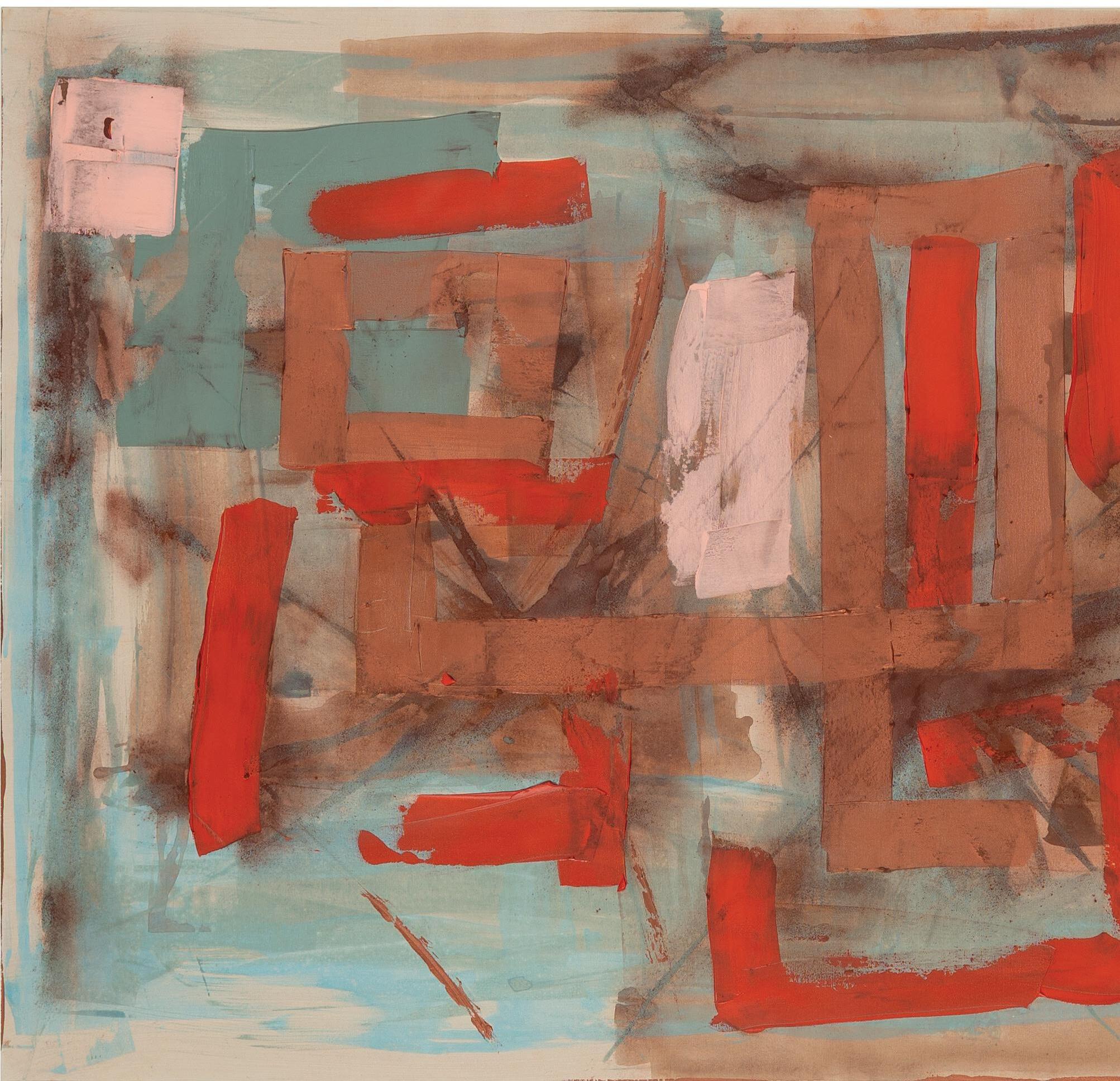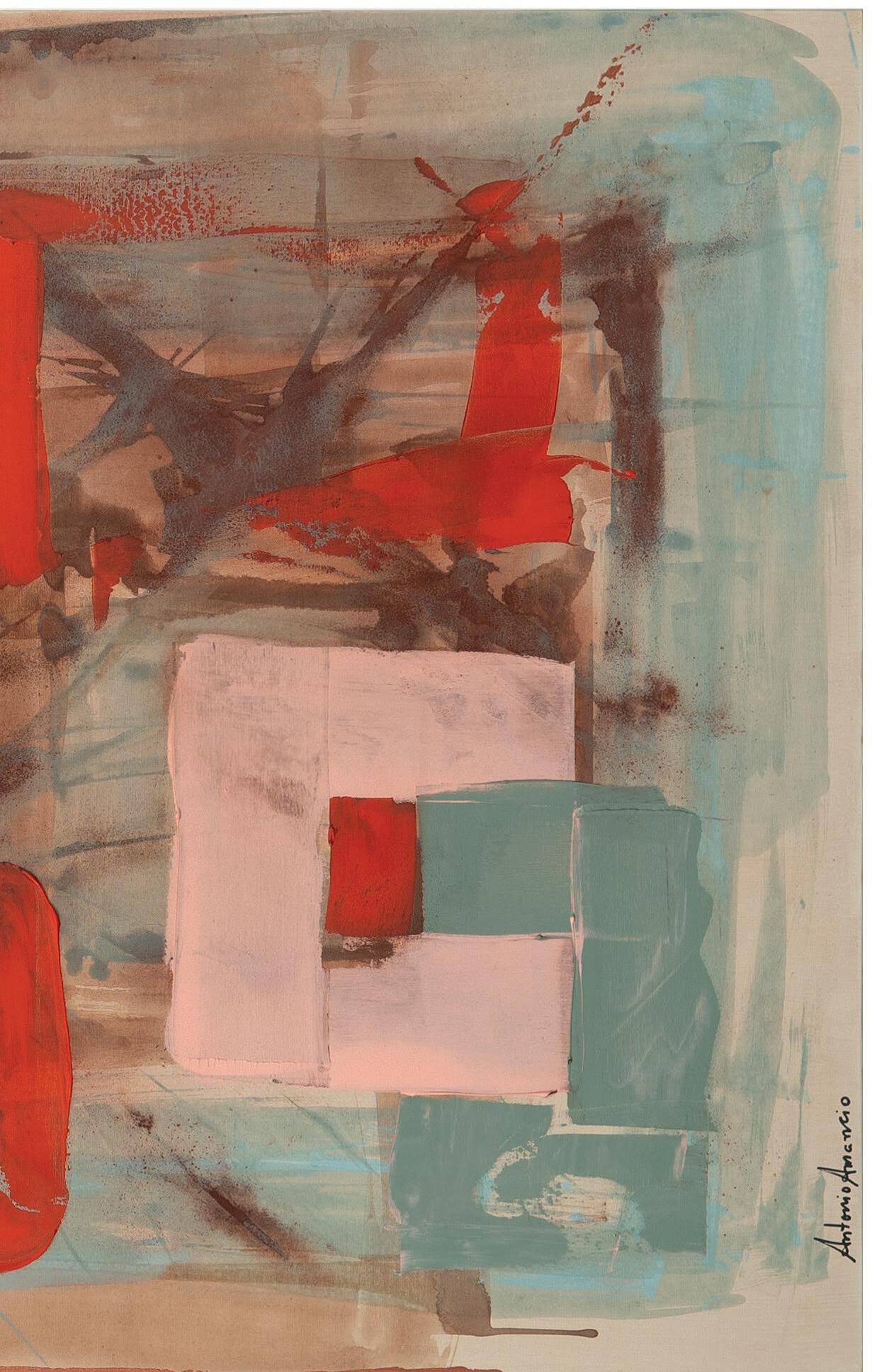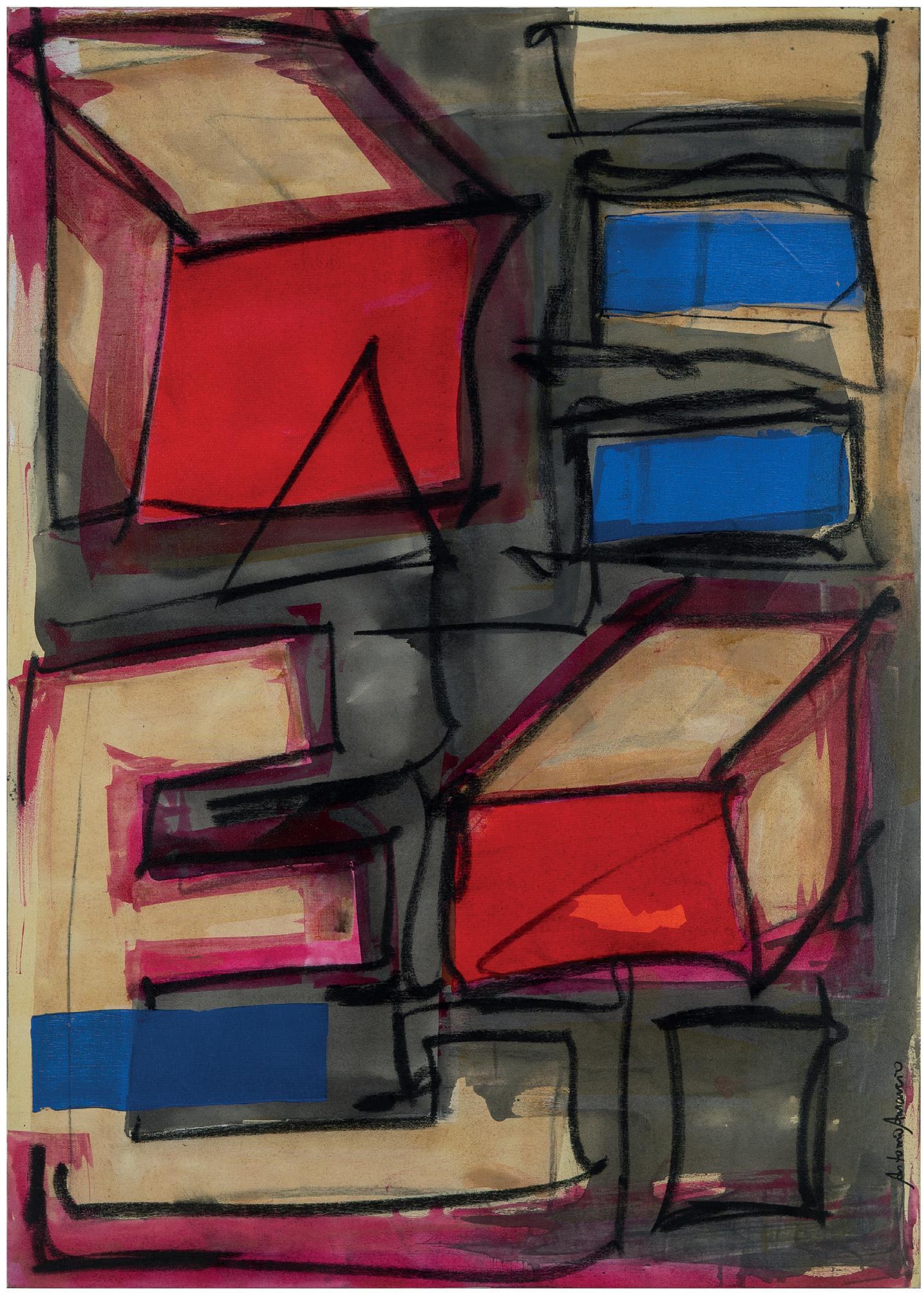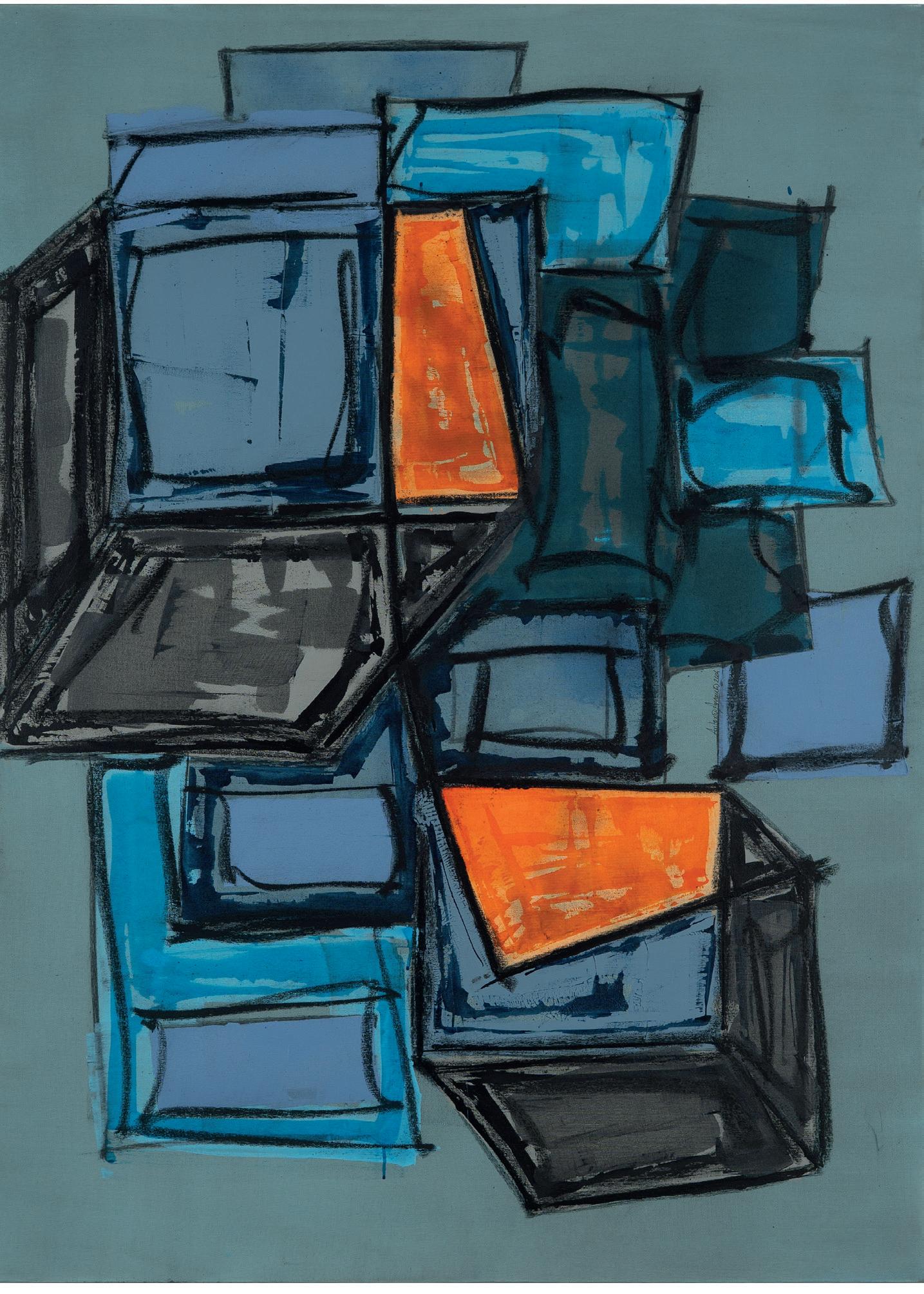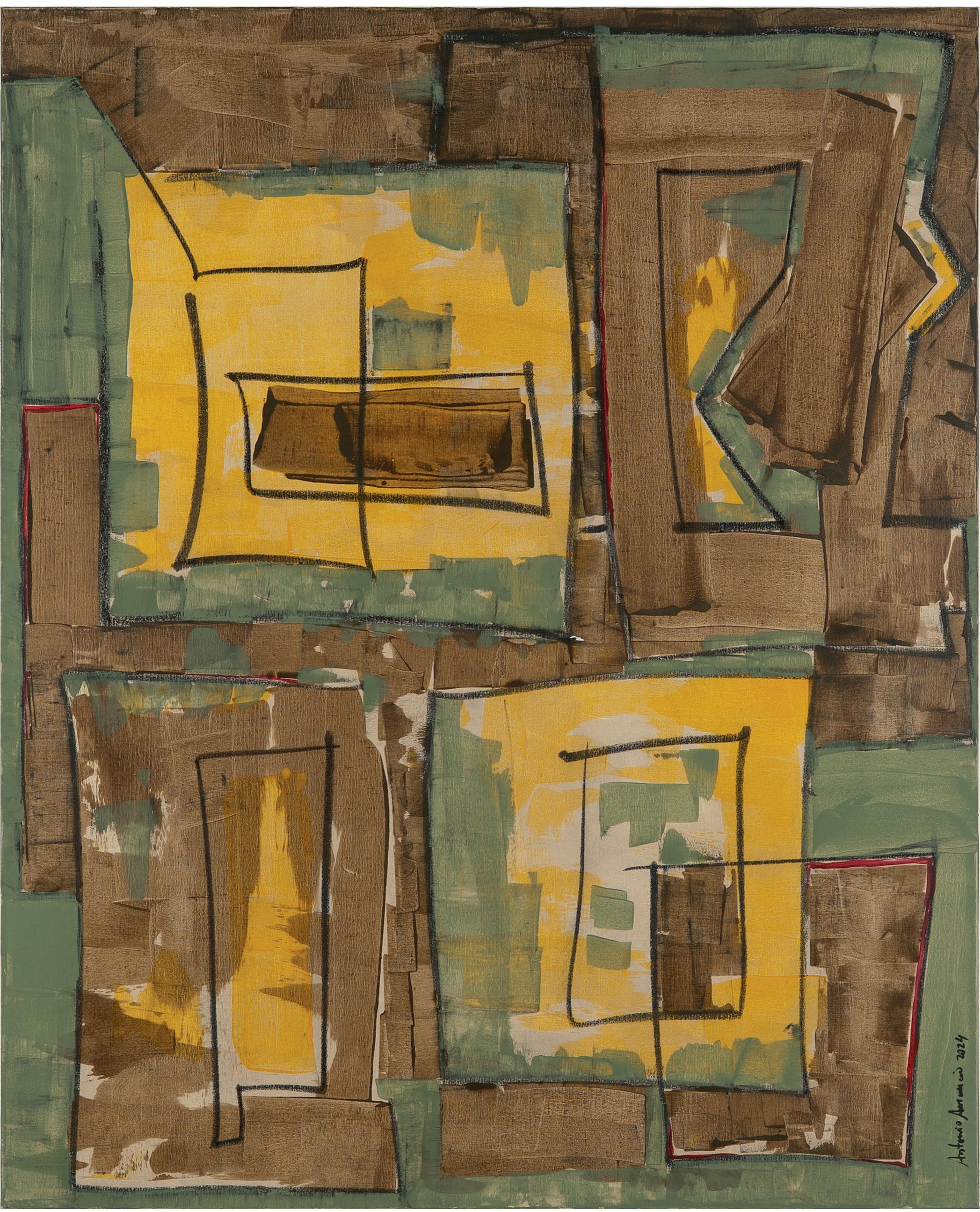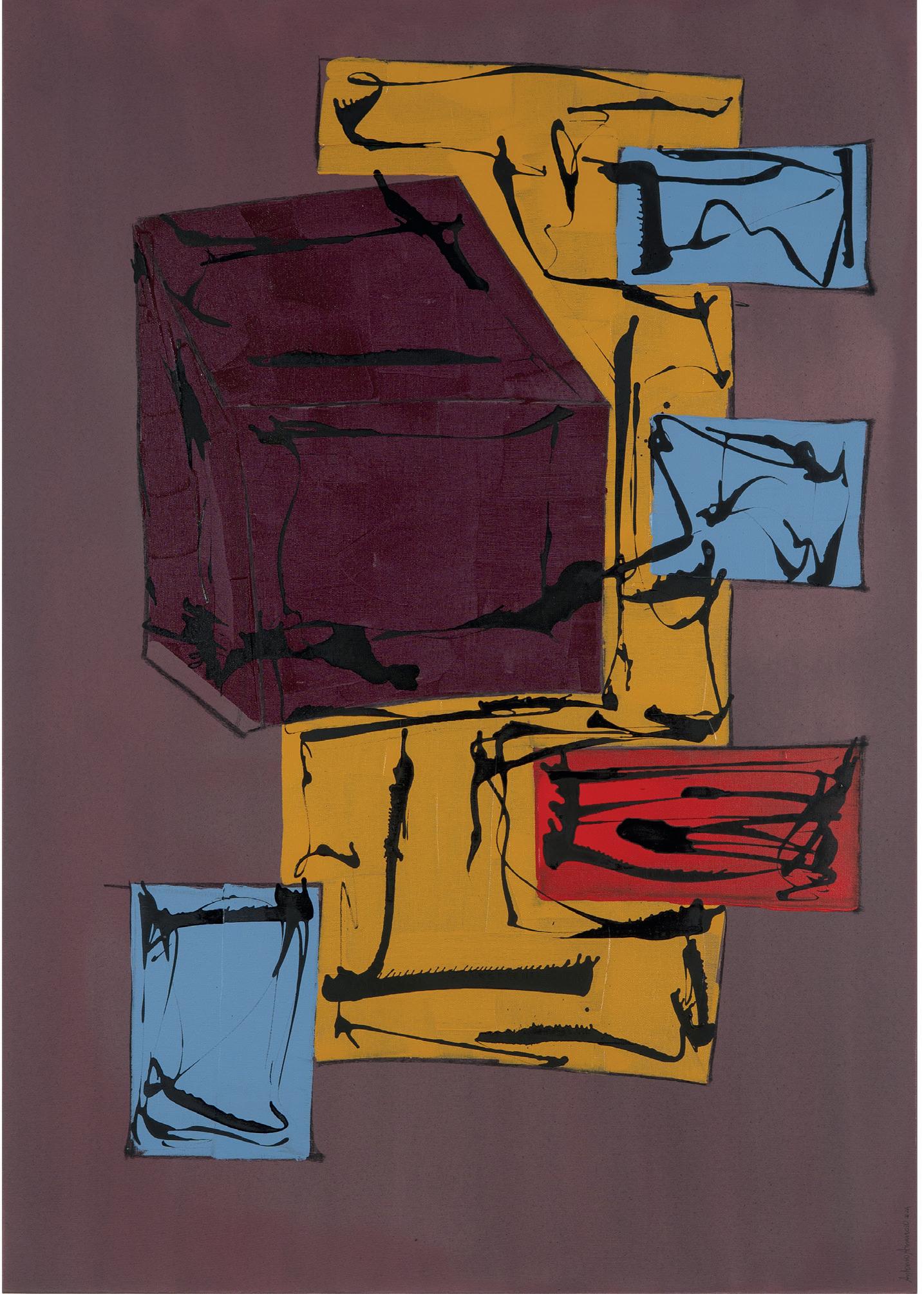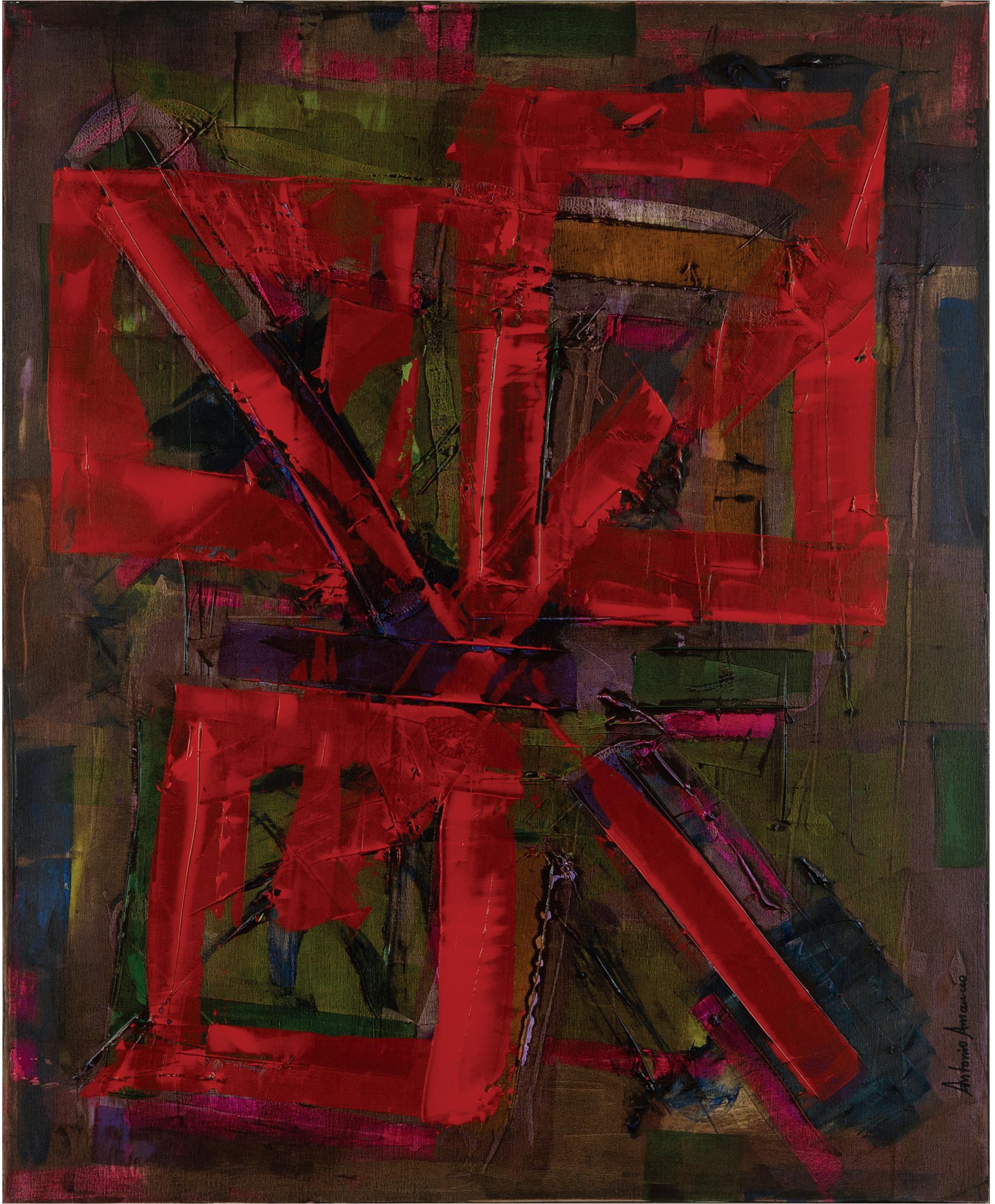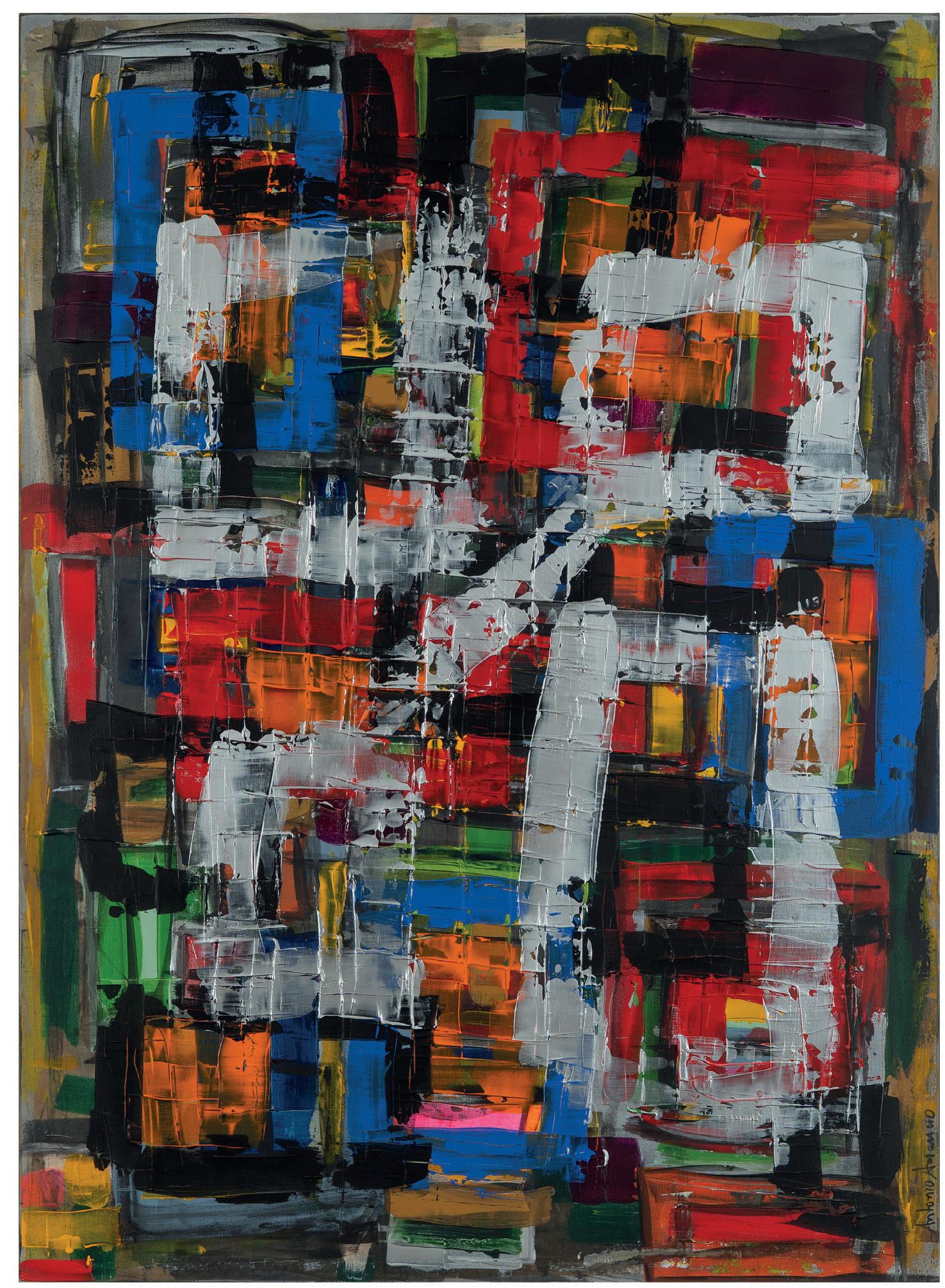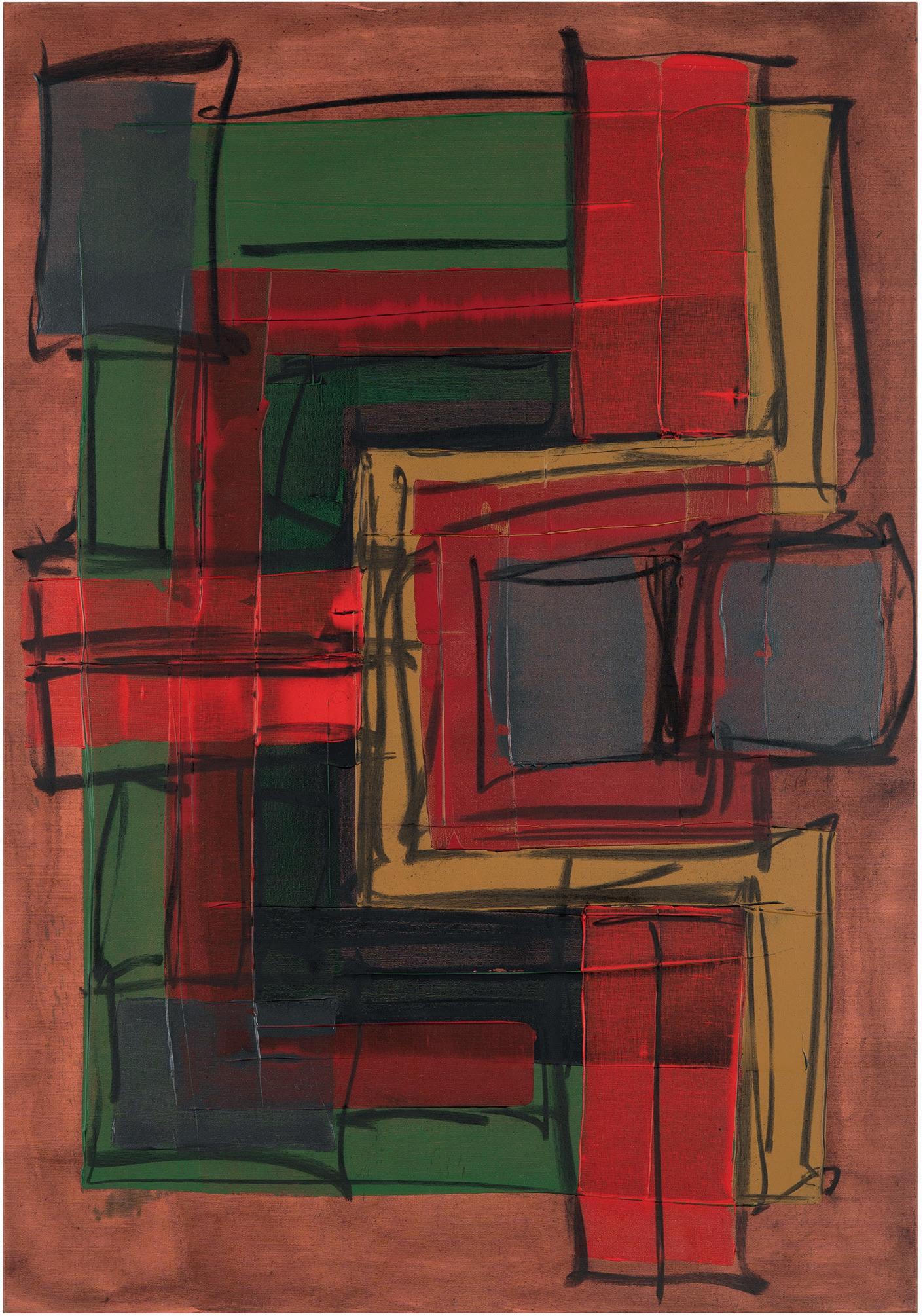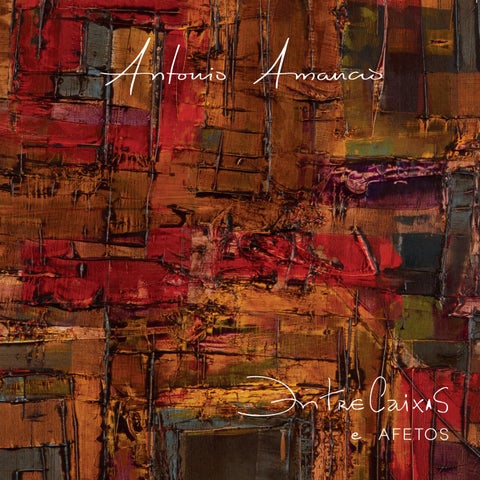



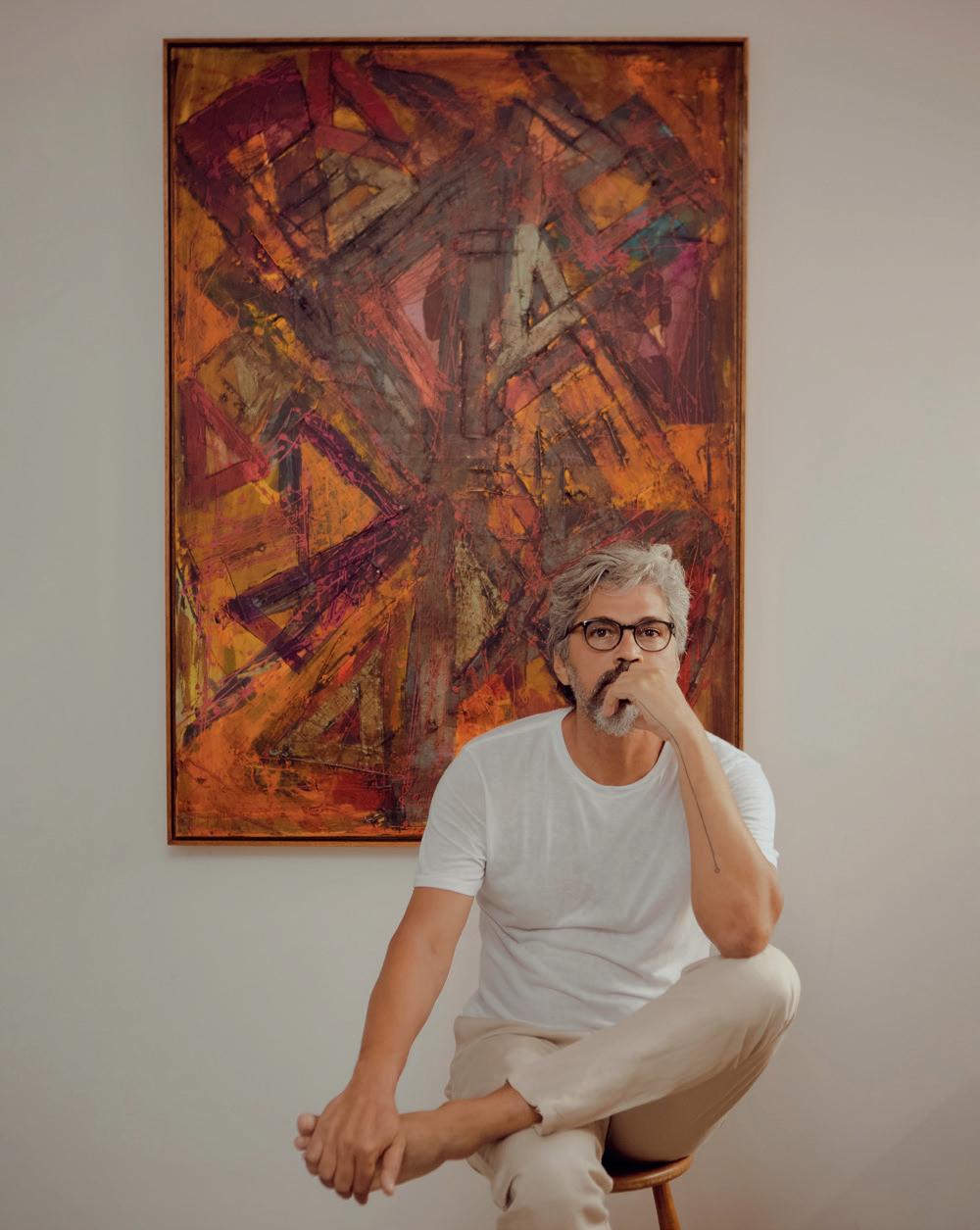
Antonio Amancio se aproxima da pintura como quem busca um lugar de permanência em meio ao ruído. Seu trabalho nasce da escuta do próprio tempo interno, onde pensamento, emoção e gesto se encontram sem hierarquia. A tela não é campo de demonstração, mas de negociação, no qual avançar demais pode significar perder a verdade do que sente, ou uma mentira que o surpreenda.
Entre rigor e intuição, sua prática pictórica transforma a geometria em abrigo sensível. As cores e volumes carregam estados de humor e ironia mediadas pela brutalidade do gesto; as formas contêm, sem sufocar. Há em sua obra um desejo de confrontar o caos sem domesticá-lo.
Alexei Waichenberg
Antonio Amancio approaches painting like someone seeking a place of permanence amid the noise. His work is born from listening to his own internal time, where thought, emotion, and gesture meet without hierarchy. The canvas is not a field for demonstration, but one of negotiation, where advancing too far can mean losing the truth of what he feels—or a lie that surprises him.
Between rigor and intuition, his pictorial practice transforms geometry into a sensitive shelter. Colors and volumes carry moods and irony mediated by the brutality of the gesture; the forms contain without suffocating. There is in his work a desire to confront chaos without domesticating it.
Alexei Waichenberg


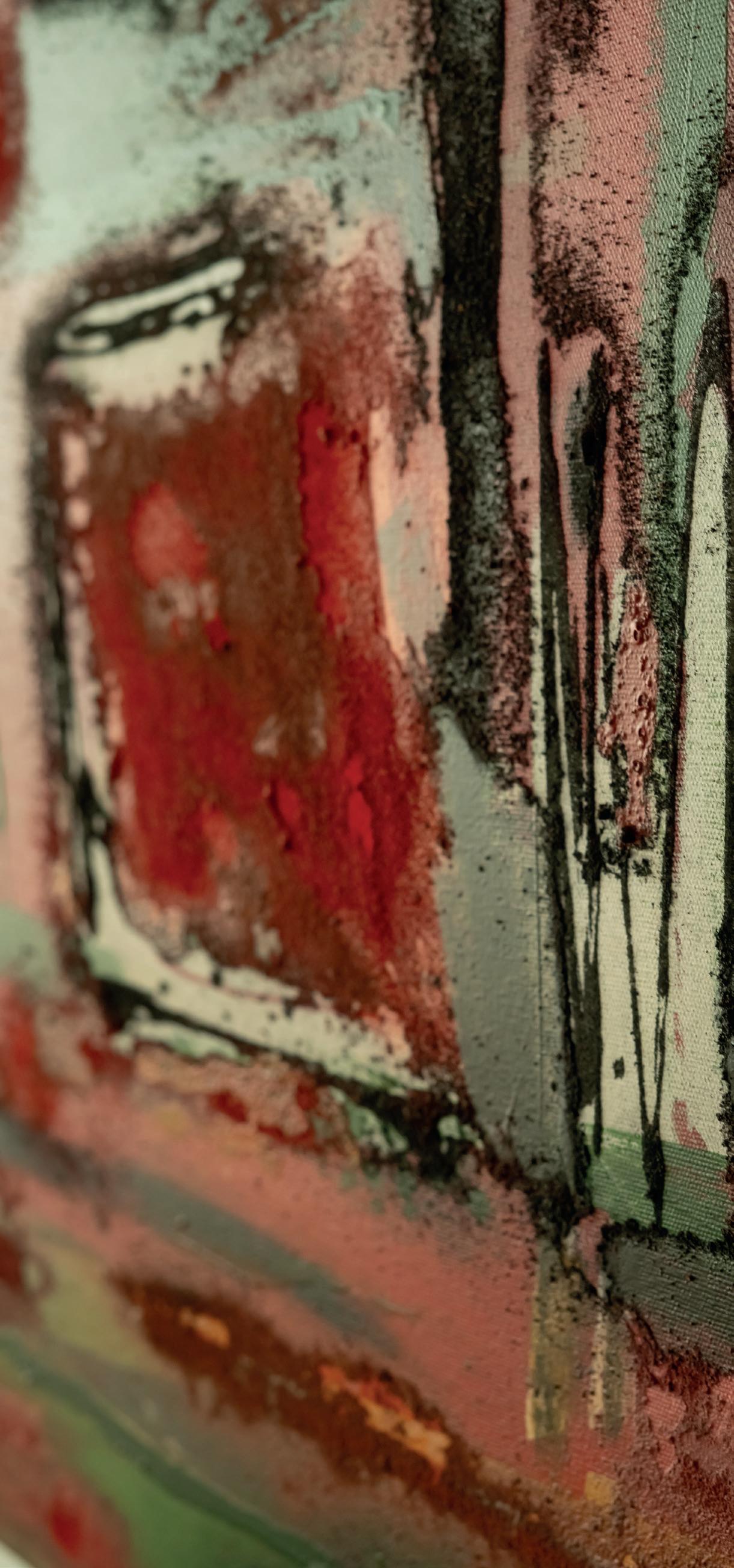
Antonio Amancio constrói sua pintura em um processo, no qual forma e cor funcionam como traduções de estados psíquicos, relações, memórias e afetos. Pintar é transpor limites: avançar, errar, recuar, ressignificar, até que um ponto de corte — um gesto decisivo — interrompa o processo. É aí que a obra se afirma.
A geometria, longe de qualquer ideal de objetividade surge como um campo sensível. Blocos de cor se organizam e se desequilibram, instaurando um diálogo contínuo entre controle e concessão. A tela deixa de ser suporte passivo e passa a responder, impondo suas próprias exigências. Forma e subjetividade se enredam.
Em Entre Caixas e Afetos, a obra de Antonio Amancio revela a pintura como uma prática de elaboração emocional: um lugar onde o rigor geométrico abriga paradoxos e pulsões. Cada composição é um mosaico afetivo que transforma experiência em presença.
Alexei
Waichenberg
Curador
Antonio Amancio constructs his painting through a process in which form and color function as translations of psychic states, relationships, memories, and affects. To paint is to cross limits: to advance, err, retreat, re-signify, until a point of rupture—a decisive gesture— interrupts the process. It is at this moment that the work asserts itself.
Geometry, far from establishing a standard of objectivity, emerges as a malleable field. Blocks of color organize and destabilize themselves, establishing an ongoing dialogue between control and concession. The canvas ceases to be a passive support and begins to respond, imposing its own demands. Form and subjectivity become intertwined.
In Between Boxes and Affects, Antonio Amancio’s work reveals painting as a practice of emotional elaboration: a space in which geometric rigor shelters paradoxes and drives. Each composition is an affective mosaic that transforms experience into presence.
Alexei Waichenberg
Curator
A obra de Antonio Amancio flerta, sem compromisso, com a linhagem do abstracionismo geométrico e seus desdobramentos ao longo do século XX. Se o Concretismo defendeu a forma como estrutura racional e objetiva, a passagem para o Neoconcretismo introduziu uma inflexão decisiva, a reabilitação do caráter subjetivo das explorações geométricas, reconhecidas como veículos da imaginação. Esse é um dos caminhos que inspira o artista em sua obra.
As linhas de Amancio surgem a partir de gestos contundentes, firmes, hesitantes e lúdicos, que expressam diferentes matizes da alma do artista no momento da criação.
As cores distribuídas em volumes, que variam da densidade à fluidez, dão à matéria ares ora de arquitetura, ora de corpo: casas, prédios, mapas, cidades, cabeças, olhos, pele, carne fundem uma arquitetura-corpo que desestabiliza, inquieta e também diverte.
Seus quadrados e retângulos não aspiram à pureza matemática, mas ao estatuto significativo de caixas e gavetas que acolhem, cultivam e guardam afetos, amores e memórias. E guardam sem trancar ou esconder, mas, como lapidou o poeta Antonio Cícero, guardam ao
ofertar ao olhar, ao deixar mirar e admirar, ao iluminar e se permitir ser, na experiência visual, iluminado por elas.
Os títulos das obras, por sua vez, operam como chaves que abrem novas dimensões de significados, muitas vezes insuspeitas ao primeiro contato com as imagens, remetendo a cenários poéticos ou mesmo revelando o caráter enigmático de certos jogos de palavra e imagem. Do conjunto, depreendemos as investigações do artista sobre os temas da identidade, pertencimento, intimidade e afeto.
A pintura do artista se constrói em muitas camadas de linhas, cores e tempos. Ela incorpora a imprecisão, a revisão, o limite, mantendo a forma aberta para o fluxo de interação.
Paola Lins de Oliveira
Pesquisadora e antropóloga
Antonio Amancio’s work engages—without commitment—with the lineage of geometric abstraction and its developments throughout the twentieth century. If Concretism upheld form as a rational and objective structure, the transition to Neoconcretism introduced a decisive inflection: the rehabilitation of the subjective character of geometric explorations, recognized as vehicles of imagination. This is one of the paths that inspires the artist’s work.
Amancio’s lines arise from forceful, firm, hesitant, and playful gestures that express different shades of the artist’s inner life at the moment of creation.
Colors distributed in volumes—ranging from density to fluidity—lend the material at times the air of architecture, at others of the body: houses, buildings, maps, cities, heads, eyes, skin, flesh merge into an architecture-body that destabilizes, unsettles, and also amuses.
His squares and rectangles do not aspire to mathematical purity, but to the meaningful status of boxes and drawers that receive, cultivate, and safeguard affects, loves, and memories. And they safeguard not by locking away or concealing, but—as the poet Antonio Cícero so finely put it—by allowing themselves
to be seen and admired, by illuminating and allowing themselves, in the visual experience, to be illuminated by them.
The titles of the works, in turn, function as keys that open new dimensions of meaning, often unsuspected at first encounter with the images, evoking poetic scenarios or even revealing the enigmatic nature of certain wordand-image games. From the body of work, we discern the artist’s investigations into themes of identity, belonging, intimacy, and affect.
The artist’s painting is built in many layers of lines, colors, and times. It embraces imprecision, revision, and limitation, keeping form open to the flow of interaction.
Paola Lins de Oliveira Researcher and Anthropologist
“Antonio Amancio pode ser situado após os grandes debates brasileiros entre o Concretismo e o Neoconcretismo, herdando suas tensões mais do que seus dogmas. Figuras centrais do século XX, como Iberê Camargo e Antonio Bandeira, permeiam o vocabulário visual de Amancio.”
“Antonio Amancio can be situated after the great Brazilian debates between Concretism and Neo-Concretism, inheriting their tensions rather than their dogmas. Central 20th century figures like Iberê Camargo and Antonio Bandeira infuse Amancio’s visual vocabulary.”
Luis R. Cancel
Former Director
[Former Director]
The Bronx Museum of the Arts
“Na pintura de Antonio Amancio, a forma não precede o gesto: ela se constrói a partir dele, em um processo que confere à obra uma materialidade singular, onde estrutura e espontaneidade coexistem.”
“In Antonio Amancio’s painting, form does not precede gesture; it is built from it, in a process that gives the work a singular materiality in which structure and spontaneity coexist.”
Gustavo Perino
Perito em arte
[Expert in Art]
“Em Entre Caixas e Afetos, Antonio Amancio articula uma investigação rigorosa sobre memória, contenção e permanência. As caixas operam como estruturas conceituais: não guardam apenas objetos, mas condensam tempos, afetos e decisões. Trata-se de uma obra que se constrói na tensão entre o que é preservado e o que é silenciado, revelando uma poética madura e consciente de seus próprios limites.”
“In Between Boxes and Affects, Antonio Amancio articulates a rigorous investigation into memory, containment, and permanence. The boxes function as conceptual structures: they do not merely hold objects, but condense time, affects, and decisions. The work is built on the tension between what is preserved and what is silenced, revealing a mature poetics that is conscious of its own limits.”
Clara Choveaux
Perita e Mestre em Artes Visuais
[Expert and Master’s Degree in Visual Arts]