By Justin W. Thomas
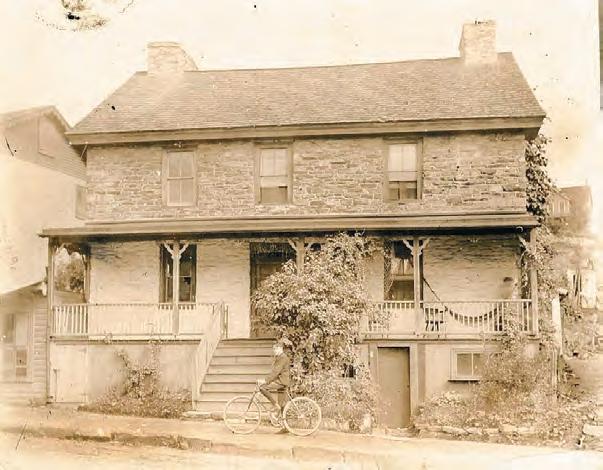
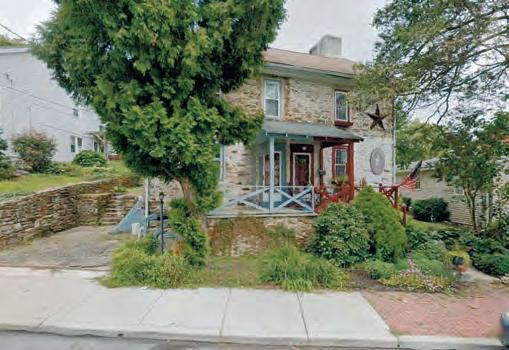
Located a little over 40 miles west of Philadelphia in Parkesburg, a borough in Chester County, Pa., is the Fountain Inn, a tavern built in about 1734. Located along Strasburg Road, it served as a stopover for those traveling between Philadelphia and Lancaster and at the time was the country’s largest inland road. Today, the building stands at 131/133 Main Street. The inn ceased operation as a tavern around 1836 and became Parkesburg’s first post office.
The area was originally settled by migrants predominantly of Scottish-Irish descent, some of whom were Quakers, in search of an agrarian lifestyle or a community whose economy was based on producing and maintaining crops and farmland. The town was also named after John G. Parke (1761-1837), a prominent politician and landholder in the area. He had hoped his land and surrounding area would develop into an industrial town similar to those in Europe.
According to the book “Genealogy of the Parke Family: Nine Generations From Arthur and Mary Parke 1720-1920,” by John P. Wallace (b. 1837) in 1920, “John G. Parke was a member of the state’s General Assembly in 1818, a justice of the peace for many years; he was elected a ruling elder of Upper Octoraro Church, and was a prominent man in the community
in which he lived. He was the owner of 200 acres of land through which the Pennsylvania Railroad was, in 1830, being constructed. He devoted all his energy to building up a town on his estate, with what success is evidenced today by the borough of Parkesburg with its three thousand inhabitants.”
Growth really got started in 1831, when the tracks of the Philadelphia and Columbia Railroad were laid through Parkesburg. However, despite all of the travel that went through Parkesburg in the 1800s, there does not appear to be any documented household pottery production. This is likely partially a result of the amount of wares that were produced in the surrounding communities and counties during this period. But with that said, an object of particular interest was rediscovered in Canada that may shed some light on a possible forgotten potter of red earthenware production connected to Parkesburg in the 1800s.
A Red Earthenware Object Inscribed “Parkesburg”
The object was in the collection of longtime Canadiana and pottery collector John Wine, a retired psychologist in Ontario, Canada. Much of his pottery collection was sold a few years ago through Miller & Miller Auctions in New Hamburg, Ontario, although this piece was not included in any of the auctions and was sold privately in 2020. It is
By Karl Pass
Dave Allen of A&M Auctions is holding a series of online-only sales on behalf of the estate of Brigadier General Chester (Chet) deGavre and Teresa Cameron deGavre. Four are slated at various onsite locations, and three based at 8000 Esham Road in Parsonsburg, Md. One of the bigger sales among them took place March 15 and had some good prices realized for several pieces of early furniture. It was conducted at www.AMauctions.com through
A “Magic: The Gathering” artist proof Black Lotus signed by its artist, Christopher Rush, sold March 24 at Heritage Auctions for $615,000. That card, graded Near Mint/Mint+ 8.5 by Certified Guarantee Company, is now the most valuable “Magic: The Gathering” card ever sold at auction.
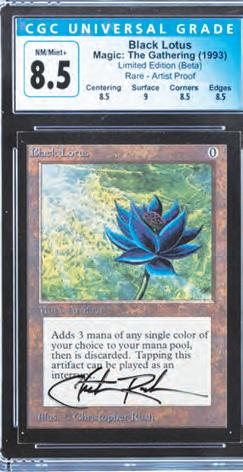
The card is part of the collection of Rush’s friend and former agent, Jeff Ferreira, who offered some of his assemblage over two days in Heritage Auctions’ The
Jeff Ferreira Collection Featuring Christopher Rush Collectibles Trading Card Games Signature Auction, which took place March 24 and 25.
This special card was being offered at auction for the first time. The Black Lotus is the most powerful card in the game. The card’s population is exceedingly small, and copies, especially signed copies, rarely become available.
“The Black Lotus remains the
most desired ‘Magic: The Gathering’ card in the world,” says Jesus Garcia, Heritage’s trading card games consignment director. “And it’s certainly no surprise this spectacular copy is now the auction record-holder, given that it’s signed by the artist who created it. We’re proud to have been a part of the remarkable result achieved for this— dare I say it?— magical offering.”
For more information, visit www.HA.com.
Signed “Magic: The Gathering” Black Lotus Card Sells For Record $615,000
Signed
Christopher Rush
Artist Proof
By Artist
FEATURE RESULTS: Locati LLC March Online Auction - Page 6 In This Issue SHOPS,SHOWS & MARKETS . . . . . . . . . starting on page 3 SHOPS DIRECTORY . . . . . . . . . on page 7 EVENT & AUCTION CALENDAR . on page 8 AUCTION SALE BILLS . . starting on page 9 AUCTIONEER DIRECTORY . . . . on page 9 CLASSIFIEDS . . . . . . . . . . . . .on page 15 ANTIQUES NEWS, P.O.BOX 500 MOUNT JOY, 17552 ADDRESS SERVICE REQUESTED PRSRT STD U.S.POSTAGE PAID ENGLE PUBLISHING CO. Series Of Auctions For Estate On Virginia’s Eastern Shore Kicks
In Style 18th-Century Raised Panel Heart Pine Two-Door Cupboard/Clothes Press Brings $14,732 A Rare Example Of 19th-Century Red Earthenware From Parkesburg, Chester County, Pa. Folk Art Redware Desk Caddy Found In Canada antiquesandauctionnews.net Continued on page 2 Continued on page 8
FRIDAY APRIL 14,2023 • VOL.53,NO.15
Off
Here is an early photograph of the Fountain Inn, regarded by many as Parksburg, Pa.’s, oldest structure, ca. 1734.
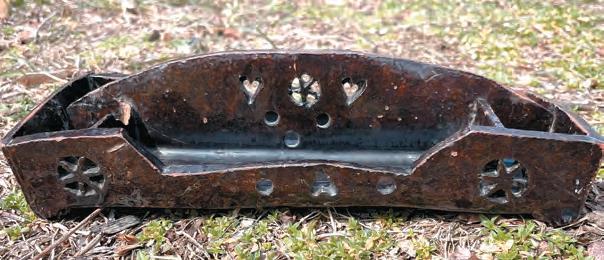
A 19th-century red earthenware footed object that appears to be a desk caddy, which was found decades ago by John Wine in Ontario, Canada, its purpose likely related to inkstands made throughout the midAtlantic and elsewhere in America in the 18th and 19th century.
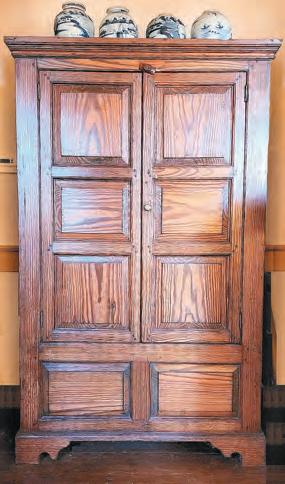
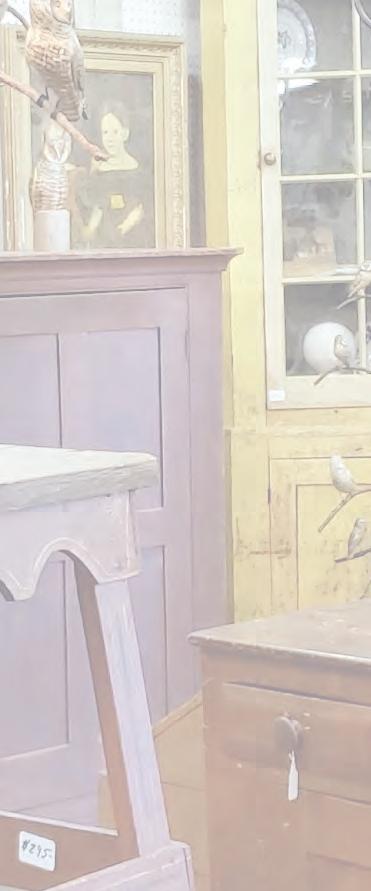
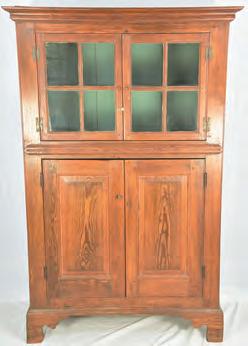
An Eastern Shore of Virginia raised panel heart pine two-door cupboard/clothes press, ca. 1760, sold for $14,732.
Redware
believed to have been found in Ontario and is an example of something that migrated north from Pennsylvania.
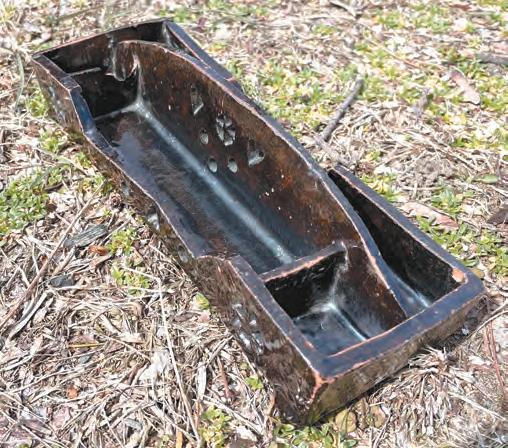
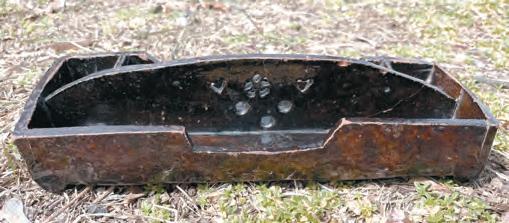
The utilitarian shape is unusual and can be described as a hand-formed 19th century footed red earthenware desk caddy for keeping inkwells, pens, and quills. The piece is adorned with a dark brown glaze and decorated with reticulated cutouts of hearts, fylfots and other designs. Wares related to this type of decorative piece can be found in the Philadelphia Museum of Art, the Metropolitan Museum of Art, Winterthur, and the National Museum of American History at the Smithsonian Institute.
In form and design it relates to red earthenware and stoneware inkstands made in Pennsylvania, which were constructed with a removable inkwell and sander.
Many of the surviving inkstands today made by American potters were inspired by similar objects produced in Continental Europe.
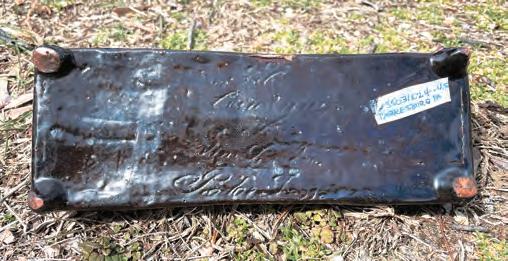
The base is what is most important on this piece, since it bears what appears to be one or possibly two inscribed names, which are illegible with the inscription partially infilled with glaze, but the location is legible, reading “Parkesburg.”
Interestingly, while Nathan Frame was serving as the postmaster in 1836, it is documented that the postmark was
“Parkesburgh,” and the “h” was dropped from the postmark to the present “Parkesburg” in July 1894. But even though this red earthenware object is spelled without the “h,” it likely dates from the early to mid-1800s.
Nonetheless, I am curious to determine if this piece has any history with John G. Parke or his family, considering the major role he played in developing the town on the land he owned before his death in 1837. Later in the 1800s, Parkesburg also saw involvement with the tobacco industry, the area’s largest department store opened in 1857, and the Parkesburg Iron Company also emerged, which operated from 1872 to 1926, manufacturing as many as 1 million charcoal iron tubes annually.
It should also be noted that John’s son, Joseph G. Parke, is the one who wrote
“Parkesburg” on a 19th century map submitted to the state agency that had taken over the function of the Philadelphia and Columbia Railway System.
This red earthenware desk caddy is an interesting piece of regional history likely made in Chester County that, through migration waves, ended up in Ontario.
Sources
Mowday, Bruce Edward and Parkesburg Free Library. “Parkesburg.” Arcadia Publishing, 2009.
Mullen, Marris W. “Parkesburg – Our Town History 1681-1972.” Burough of Parkesburg, Pa.
Thomas, Justin W. “A 19thCentury Inkstand from Etna, Ohio: An Examination Of The Work Attributed To Swiss Potter Jacob Rudolph (1822-63), Working In Ohio.” Antiques & Auction News, March 12, 2021.
Wallace, John P. “Genealogy of the Parke Family.” N.P.
P.O. Box 500, Mount Joy, PA 17552 800-800-1833 717-653-1833 717-653-6165 fax
e-mail: antiquesnews@engleonline.com
Editor - Karl Pass, 717-278-1404
e-mail: kpass@antiquesandauctionnews.net
Advertising Sales
Tim Moore, 717-492-2534
Circulation - Tara Herr, 717-892-6022
Circulation - Linda Deshler, Ext. 2541

Classifieds
1-800-428-4211 Fax 717-492-2566
1-800-800-1833, Ext. 6022 717-892-6022
Doing
Our Part
Sample copy $2.50
1 YEAR, third class $28.00
1 YEAR, first class $80.00
6 MONTHS, first class $48.00
All checks must be in U.S. funds. Checks must be drawn on U.S. bank OR add $7.00 to subscription price. Antiques & Auction News is distributed at shops, shows, markets and auctions throughout the Northeastern United States.
Advertising Deadlines
order that the editor may notify author of receipt of material. Address to Editor’s attention.
We reserve the right to edit material submitted for publication to conform to the editorial style of Antiques & Auction News. Reproduction of artwork, editorial or advertising copy is strictly prohibited without the written consent of the publisher. Joel Sater Publications reserves the right to revise or reject at their discretion any advertisement they deem objectionable, whether in subject matter, wording, or make-up.
Minimum depth R.O.P. - as many inches deep as columns wide. Antiques & Auction News and its advertisers are not liable for composition errors or misprints; nor is it responsible for errors in ads taken by phone. Advertisers submitting artwork and images for use in advertisements assume all liability in regards to trademark and copyright infringements.
C-04/14
Milestone Auctions Knocks Down
$2.5
Million At Its Premier Collectible Firearms Sale
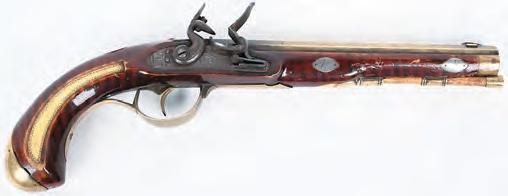
Ca. 1820 P&D Moll, Allentown, Pa., Brass-Barreled Flintlock Pistol Realizes $45,630
Sometimes lightning does strike twice in the same place. As the days grew closer to Milestone’s March 11 and 12 Premier Collectible Firearms Auction, company co-owner Miles King felt increasingly certain that the sale’s top entries might achieve the same sort of estimate-defying prices as those paid at the March 2022 edition of their Premier sale. His hunch was right on the money. The highpowered lineup of antique,
military, sporting and civilian arms with a timeline spanning the Civil War through Vietnam era attracted a gung-ho field of bidders and closed the books at a hefty $2.5 million, exactly what Milestone’s March Premier sale had grossed one year ago. All prices quoted in this report
German silver-escutcheoned flintlock pistol manufactured around 1820. With the manufacturer’s name marked on the barrel and the lock marked “C. BIRD & Co PHILAD, WARRANTED,” the .42-caliber antique smoothbore pistol had a captivating look and a desirable pedigree from an
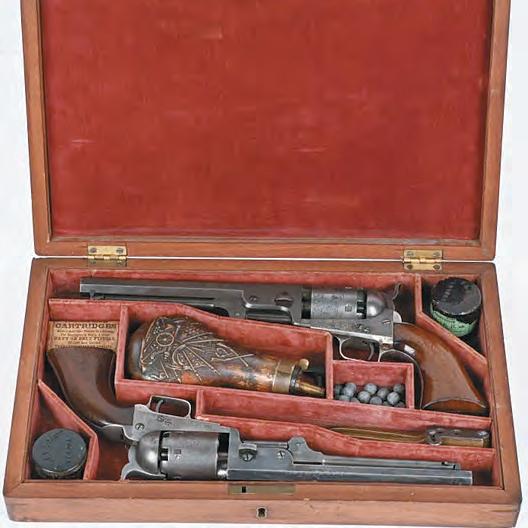
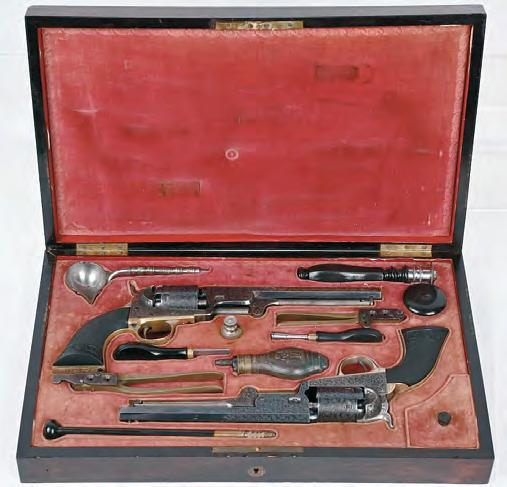
ca. 1860 Belgian Brevete Colt Navy Revolvers. The .36-caliber black powder pistols were of a type known to have been offered to the South during the U.S. Civil War. Presented in a French velvet-lined fitted case with a full complement of accessories, they sold within estimate for $43,050. Another coveted duo was the pair of 1851 Colt square-guard Navy Revolvers, both .36 caliber black-powder models. Marked with an early Colt N.Y. address on the barrel and engraved with an Ormsby’s Naval Engagement scene on the cylinders, the revolvers were offered in their correct redvelvet-lined factory case, with accessories, and sold near the high estimate for $30,750.
include the buyer’s premium.
“The auction went amazingly well,” said King, who also presided over the sale as principal auctioneer. “There were some extremely rare and choice firearms in every category, and they produced a lot of surprises. The antique guns, especially the matched and cased flintlock pistols and those manufactured during the Civil War era, were very strong. Nothing slipped through the cracks.”
The star of the big two-day event turned out to be a P & D Moll Allentown (Pa.) brassbarreled, brass-mounted,
esteemed family in the Lehigh Valley firearms trade. Estimated at $4,000-$6,500, it flew past expectations to settle at $45,630. Many motivated bidders went after a matched pair of
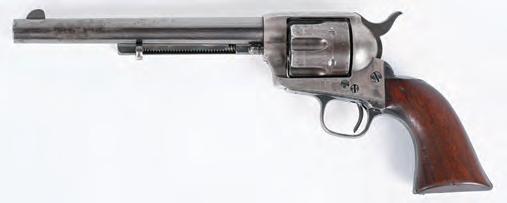
Made in 1874, a very fine, documented Colt .45-caliber SAA (Single Action Army) revolver bore the number “4672,” meaning it fell within the serial-number range (4500-5504) for guns issued to George A. Custer’s U.S. 7th
Continued on page 3
This rare Winchester Model 70 rifle, caliber 284 unique to Winchester, was manufactured in 1963. According to Winchester researchers, the obscure chambering is believed to have been created for in-factory, experimental, or special-order purposes. Only the second example of its type to have been discovered, it sold above high estimate for $16,380.

antiquesandauctionnews.net 2- - Antiques & Auction News — April 14, 2023
Continued from page 1
This is the ca. 1734 inn/tavern as it stands today in Parkesburg, Pa.
Here is another view of the object and the reticulated cutouts.
This is the back.
The inscribed based includes “Parkesburg.”
F027604
Published weekly on Friday
Publications Contents Copyright
by Joel Sater
2023
Thursday at
Issues Are Mailed One Week Prior To Publication Date News articles, press releases, and feature articles about antiques, antiquing, collectors, collections, museums, shows, shops, auction results, historical sites, auctioneers,
are considered for publication. Photographs which enhance the articles are welcome. Manuscripts
be
Every
Noon
etc.,
must
accompanied by a self-addressed stamped postcard in
fax antiquesandauctionnews.net SUBSCRIBE TODAY! 4 EASY WAYS TO SUBSCRIBE! ANTIQUES & AUCTION NEWSTM P.O. BOX 500, MOUNT JOY, PA 17552 Call: 1-800-800-1833, ext. 6022 Fax this form: 717-892-6016 Mail this form to address shown www.antiquesandauctionnews.net and receive 10% DISCOUNT Have your credit card number and expiration date ready when you call! 1 Year, 3rd Class $28.00 6 Months, 1st Class $48.00 1 Year, 1st Class $80.00 Each issue contains important, dated material. For timely delivery, subscribe by 1st Class. NOTE TO 3RD CLASS SUBSCRIBERS: No refunds available for late delivery. NAME _____________________________________________ ADDRESS __________________________________________ CITY _________________________STATE ______ZIP _______ PHONE: ( _______) ___________________________________ DATE ______________________________________________ Where did you pick up this copy of ANTIQUES & AUCTION NEWSTM? COLLECTOR DEALER AUCTIONEER SHOW MGR. OTHERS PAYMENT ENCLOSED All checks must be in U.S. funds. Checks must be drawn on U.S. bank add $7.00 to sub. price outside of U.S. CHARGE TO: #____________________________ EXP. DATE _________ Receive Our Email Newsletter: Email Address _________________________________ C-04/14 F027603
The P & D Moll Allentown (Pa.) brass-barreled and brassmounted flintlock pistol with manufacturer’s name marked on barrel, .42 caliber smoothbore, manufactured ca. 1820, sold for $45,630 against an estimate of $4,000-$6,500.
Collector Chats With Peter S. Seibert
This Week: Jewelry: A Market That Baffles Me
one that has prompted a lot of impulse buys.
When I say that the jewelry market baffles me, it’s not that I don’t get it. For me there are three factors to how it works.
1)Antique jewelry is generally meant to be worn (the exception being perhaps mourning jewelry that while worn is not in fashion right now). So, to buy it is to want something that you will be see and wear all the time.
By Peter Seibert
So, I will confess that my wife is a jewelry addict. Or to put it mildly, she never met a piece of jewelry (in her favorite stones or styles) that she did not have to own. There are serious addictions in the world that are both illegal and dangerous, and this surely ain’t one of them, yet, I have to say that it is still an expensive
Milestone









Continued from page 2
Cavalry regiment. The “A” stamped on barrel indicated the gun had been inspected by Orville W. Ainsworth, who examined and put his mark on Colt SAA revolvers for the government only in 1873-74. With matching serial numbers on frame, barrel, trigger guard, back strap, ejector housing and cylinder, the historical Colt sold near its high estimate for $27,000.
The magical Colt name attracted aggressive bidding throughout the sale. A Colt .45-caliber Single-Action Revolver inlaid in 24-carat gold, fine silver and pure copper was engraved in 1997 by Colt master engraver Ken Hurst. It was autographed by Hurst in gold on the back strap together with the word “Colt.” Excellent provenance accompanied the gun in the
2)Antique jewelry is a real hedge against the inflation of the modern jewelry market. People will spend a fortune at a mall jewelry store to purchase a stone that in fact is a re-cut older stone that could be easily acquired for less in the antique jewelry market.
3)Style matters. My sense has been that if you like Art Deco jewelry that you will buy just Art Deco. It is rare, in






form of a three-page letter from Jim Alaimo, former superintendent of the Colt Custom Shop, who wrote in detail about the work that had been performed on the handsome firearm. It sold for $17,220 against an estimate of $6,000-$8,500. A Colt 1911 transitional 45 ACP pistol was one of only 10,000 of its type ever produced, all in 1924. The gun bears 1911 U.S. ARMY markings but has a short checkered 1911-A1 trigger, distinguishing it as a transitional model. It sold above high estimate for $10,200, A rare Winchester Model 70 rifle in caliber 284, which is unique to Winchester, was manufactured in 1963, and, according to Winchester researchers, the obscure chambering is believed to have been created for in-factory, experimental, or special-order purposes. A genuine rarity and only the second example of its
my opinion, to find the collector who runs across the centuries unless they collect a certain stone.
Where I get baffled is in the metal end of it all. Yes, we live in tough economic times when gold and silver are seen as a hedge against inflation. I get that. But I don’t get a gold tie tack or a silver sheath for a cigarette lighter being marked up to crazy pricing because they are 14-carat or sterling. Before the bullion folks jump in and tell me why, please note that I am not dishing on their passion. Rather I wonder who is going to buy a 14-carat gold tie tack for $95? Who wears tie tacks, and the amount of gold in that teeny tiny tie tack is so small who will waste time melting it down? It just seems as though gold and silver fever has bitten people hard, and they don’t know how to respond to it.
type to have been discovered, it sold for $16,380.
To learn more, call Milestone Auctions at 440-527-

In the antiques world, the mantra is always buy it because you like it. Why? Well, first of all because antiques, whether in the home or worn as jewelry on the arm, are a visible manifestation of who you are. Second, to be blunt, if you buy it and like it, then maybe you won’t get so mad when the price goes down in the future.
Thus, buying the silver sheath for a cigarette lighter because it is sterling makes no sense unless you are going to put a lighter in it. If you don’t smoke, then it becomes a lump of silver sitting in your drawer that may go up or, more likely, will go down in value.


It’s a mystery market to me.
“Born to collect” should be the motto of Peter Seibert’s family. Raised in Central Pennsylvania, Seibert has



8060 or email info@ milestoneauctions.com. All images courtesy of Milestone Auctions.
been collecting and writing about antiques for more than three decades. By day, he is a museum director and has worked in Pennsylvania, Wyoming, Virginia and New Mexico. In addition, he advises and consults with auction houses throughout the MidAtlantic region, particularly about American furniture and decorative arts. Seibert’s writings include books on photography,Americanfraternalsocieties and paintings. He and his familyarerestoringa1905arts and crafts house filled with years’ worth of antique treasures found in shops, co-ops and at auctions.
A














antiquesandauctionnews.net Antiques & Auction News — April 14, 2023 - - 3
, PA R087469 Mon., Tues., Thurs., Fri., Sat. 10-6 Sun. 11-5 • Wed. Closed HOURS: Haddon Heights Antiques Center 80 Dealer Co-Op Clements Bridge Rd. & E. Atlantic Ave. Haddon Heights, New Jersey www.haddonheightsantiques.com (856) 546-0555 OPEN 7 DAYS - 10 AM TO 5 PM R094752 Grist Mill Antiques Center PEMBERTON, NJ 08068 Limited Space Available Route 616, 127 Hanover Street Head east on Rt. 38; turn left at light after Rt. 206 intersection www.gristmillantiques.com (609) 726-1588 OPEN 7 DAYS - 10 AM TO 5 PM Spring! R059727 DAYS of OLDE ANTIQUES & COLLECTIBLES 609-652-7011 | www.daysofoldeantiques.com The Jersey Shore’s Largest Co-Op • Open 7 Days a Week • 10am-6pm Visit our NEW 21,000 Sq. Ft. Facility BIGGER & BETTER! New Dealers Welcome! Check it Out! 150 S. New York Rd. (Rte. 9), Galloway, NJ Less than a 1/2 mile south of our old location NOW OPEN! R033445 red bank antique center Daily 11 a.m.-5 p.m. Sundays 12 noon-5 p.m. 100 DEALERS - ALL SPECIALTIES RED BANK, NEW JERSEY 07701 Exit 109 - Garden State Parkway www.redbankantique.com 226 W. FRONT ST. (732) 842-4336 195 W. FRONT ST. (732) 842-3393 BEAVER CREEK ANTIQUES MARKET 20202 National Pike Hagerstown, MD 301-739-8075 “BIG CITY Antiques at Country Prices” (Buying & Selling) OVER 150 DEALERS WITH QUALITY ANTIQUES www.beavercreekantiques.com R091585 ANTIQUE CROSSROADS 20150 National Pike, Hagerstown, MD 21740 I-70 To Exit 32A Route 40 E. 1.5 Miles 250 Antique Dealers Open 7 Days 9-5. 301-739-0858 Handicap Accessible R087443 THE PEOPLE’S STORE Quality Antiques, Fine Art, Furniture, Estate Jewelry, Mid Century Modern & Industrial OPEN EVERY DAY 10 AM to 6 PM 4 Floors (Including 2 Artist Galleries) 28 North Union Street Lambertville, NJ 08530 (609) 397-9808 www.peoplesstore.net R079236 R079650 Established 1990 Open 7 Days We Buy & Sell Two Floors of Quality Antiques 2 Minutes From Short Hills Mall 511 Morris Avenue, Summit, NJ 07901 908-273-9373 thesummitantiquescenter.com For updates, follow us on Facebook and Instagram @thesummitantiquecenter
fine, documented U.S. 7th Cavalry Custer serial-range Colt .45-caliber SAA (Single Action Army) revolver, made in early 1874, marked “4672,” within Custer range of 4500-5504, sold near high estimate for $27,000.
The pair of 1851 Colt square-guard Navy Revolvers, both .36 caliber black powder, early Colt N.Y. barrel address, roll engraved with Ormsby’s Naval Engagement scene on cylinders, sold for $30,750.
A stellar matched pair of Belgian Brevete Colt Navy Revolvers, .36 caliber black powder, manufactured ca. 1860 and known to be of a type offered to the South during the U.S. Civil War, sold within estimate for $43,050.
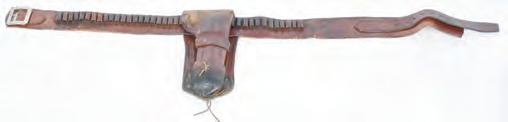
This C.E. Coggshall (Miles City, Mont.) Colt holster/cartridge money belt designed for .41 caliber bullets, crafted from high-quality saddle leather with Coggshall stamp, realized $8,100. Belt is stamped “MADE BY H. HARDY,” a Denver leather goods firm founded in 1910.
MVPs In Multiple Pop Culture Categories Drove In A $2.57 Million Total At Hake’s Premier Auction










“Star Wars” Figures, “Transformers” And Iconic Hendrix Poster Among Record Setters



Hake’s served up a pop culture feast at their March 21 and 22 Premier Auction, with one exciting rarity after another eliciting pre-sale comments like, “I’ve never seen one of those in the marketplace before,” or “I never even knew that piece existed.” Closing at $2,570,000 inclusive of buyer’s premium, the two-day event was led by heavy hitters from the baseball, political memorabilia, “Star Wars,” comic art and vintage toy categories. Many items powered past their high estimates, and some set new world auction records along the way. All prices quoted in this report are inclusive of buyer’s premium as stated in Hake’s Terms and Conditions (www.hakes.com).


1916 World Series Champion Boston Red Sox with a youthful Babe Ruth ($62,980, 09/23/2020).
“We thought the Cox/Roosevelt jugate in this sale had a good shot at challenging the high estimate, but we did not see it doubling that number, an incredible result,” said Alex Winter, president of Hake’s Auctions. “It is a clear indication of how strong the political memorabilia market is and how many collectors are willing to pay above-estimate prices for genuinely rare items.”

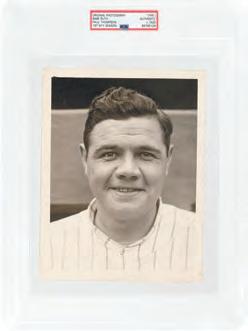
The immortal Bambino, Babe Ruth, came out swinging on day one of the auction in the form of an authentic ca. 1920 Type I original photograph taken during his first
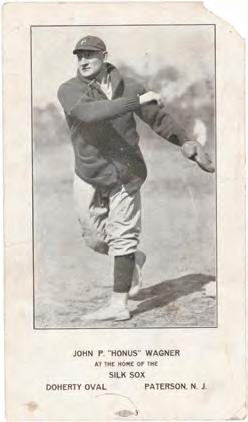


Estimated at $5,000-$10,000, the Silk Sox Wagner card rose to $14,422, more than twice the price paid previously for the other known example, which, at the time of its sale, was thought to be a unique survivor.








Ever since introducing the Russell Branton collection in 2017, Hake’s has become known as the home of rare “Star Wars” action figures. The piece de resistance in this “Star Wars” lineup originated in the Land Down Under. The 1980 TOLTOYS “Star Wars: The Empire Strikes Back” Jawa action figure on an Empire 41 Back-E card displayed a vinyl cape in a rare hue and was graded AFA 50 VG. One of only five AFA-graded examples, the Aussie figure made its auction debut at Hake’s and closed just shy of its high estimate, at $49,324.

Two fully painted first-shot prototype action figures from Kenner’s “Star Wars: Ewoks” (1985) Series 2, Chief Chirpa and Paploo, also found favor with bidders. Each was packaged with a mismatched B-Wing Pilot aluminum Collectors Coin that Kenner intentionally included to show how the final product might look. Series 2 never saw production despite being shown in the 1986 Kenner Toy Fair catalog, making these prototypes extremely rare and
desirable. Each was graded AFA 70 Y-EX+, came with a CIB LOA, and carried an individual estimate of $10,000-$20,000. They achieved identical money, each selling for $18,821.



The toy market was turned on its head yet again with world-record-setting prices for two Hasbro “Transformer” toys. Both had been AFA graded at Hake’s request prior to their sale, and each earned a stellar rating of AFA 85 NM+. A





1984 Series 1 Optimus Prime in its original window box packed a punch at $34,462, while a 1985 Series 2 Devastator gift set followed
confidently to achieve $25,370. Each had been estimated at $10,000-$20,000. Also worthy of note, a 1986


























Continued on page 15


The James M. Cox and Franklin Delano Roosevelt 1920 jugate button, 1-inch diameter, believed to have been a salesman’s sample, and one of only six of its type known to exist, was the crown jewel of the legendary John Hilhouse collection. It sold for $100,300 against an estimate of $35,000-$50,000.
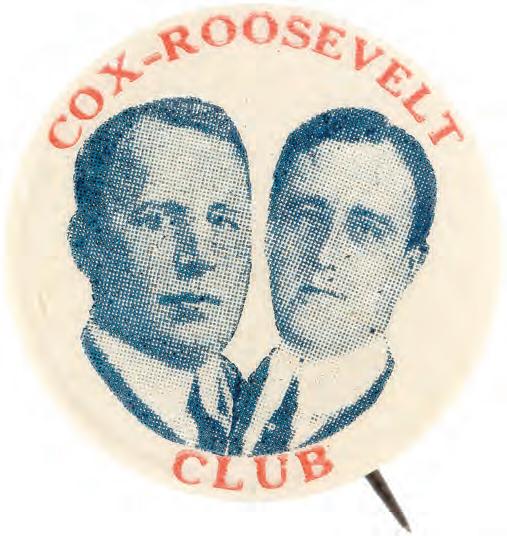
Leading the list of top 10 prices realized was a 1-inch version of the elusive 1920 Cox/Roosevelt jugate button. One of only six of its type known to exist, and likely a salesman’s sample, it was the most highly prized piece in the legendary John Hilhouse collection. Hake’s cataloged it with a $35,000-$50,000 estimate, but collectors had their say and pushed it to a final price of $100,300. Hake’s now holds the world record for selling the top three pinback buttons at auction, including a 1.25-inch Cox/Roosevelt jugate ($185,850, 03/15/2022) and an oversize “Drink Alpen Brau” pictorial button depicting the

season with the New York Yankees. Credited to Paul Thompson, one of the premier baseball photographers of the early 20th century, the photo was PSA/DNA authenticated and encapsulated. Against an estimate of $20,000-$35,000, it shot to the rafters with a winning bid of $78,529.
The appetite for early baseball treasures was also evident with the sale of a Honus Wagner Doherty Silk Sox (Paterson, N.J.) pictorial advertising card produced for Honus Wagner Day on Aug. 26, 1917. Only two such cards are known to exist, making them rarer than even the T206 Honus Wagner baseball card.
This authentic ca. 1920 Type I original photograph of Babe Ruth from his first New York Yankees season, credited to Paul Thompson, one of the premier baseball photographers of the early 20th century, PSA/DNA authenticated and encapsulated, sold for $78,529 against an estimate of $20,000-$35,000.
A Honus Wagner (HOF) Doherty Silk Sox (Paterson, N.J.) advertising card produced for Honus Wagner Day, Aug. 26, 1917, an event honoring the local hero in the final year of his playing career, and one of only two of its type known to exist, sold for $14,422 against an estimate of $5,000-$10,000.
antiquesandauctionnews.net 4- - Antiques & Auction News — April 14, 2023 Antique, Modern, Collectible 2023 Show & Sales Show Times 9:00 A.M.-2:00 P.M. Lancaster Farm & Home Center 1383 Arcadia Road, Lancaster, PA 17601 Sunday, April 23, 2023 LANCASTER DOLL, TOY, TEDDY BEAR Admission $6.00 With Ad $5.00 At 10:00 A.M. Early Bird Admission 9:00 A.M. $10.00 R094538 Show Times 9:00 A.M.-2:00 P.M. SHOW LOCATION: Take Service Rd. off Rt. 72 South (Manheim Pike) Off Rt. 30 & Rt. 283. Early Bird 9:00 A.M. $10.00 - Children Free Info: Ron Funk, 3045 W. Meadowview Drive, Gordonville, PA 17529 (717) 371-0395 R093530 Antiques, Collectibles, Vintage Jewelry & Fashion, Toys, Artwork, Vinyl and So Much More! Free Parking & Free Admission! Market: 484-320-8019 Office: 215-625-FLEA (3532) n, @PhilaFleaMarkets www.PhilaFleaMarkets.org Berwyn Indoor/Outdoor Vintage Flea Market Every Saturday & Sunday 9am-4pm 270 West Swedesford Road, Berwyn, PA Now Open Year Round! APRIL 29 & 30, 2023 Saturday 9-5, Sunday 9-3 Agricultural Hall, 1929 Chew St., Allentown Fairgrounds ALLENTOWN SPRING Antique Advertising, Book, Paper Photography & Postcard Show For info Contact Sean Klutinoty Allentown Paper Show, LLC P.O. Box 156, Center Valley, PA 18034 610-573-4969 ALLENTOWN, PA BIG TWO-DAY SHOW! Admission $10.00 with this ad Only $9.00 Allentown Paper Show Join our friendly community! www.allentownpapershow.com allentownpapershow@gmail.com R094404 R094788 4 94 788 717-479-5524 www.rebelsroostantiques.com 2885 York Road, Gettysburg, PA 17325 2022 Antique & Vintage Outdoor Market Store & Warehouse Sale Outdoor Market Hours: 8am-2pm • Store & Warehouse Sale Hours: 9am-5pm Saturday, April 22 May 20 • June 24 • July 22 • August 26 September 23 • October 21 Like us on See ‘ya at the Roost! Outdoor Market held at The Outlet Shoppes at Gettysburg Shoppes
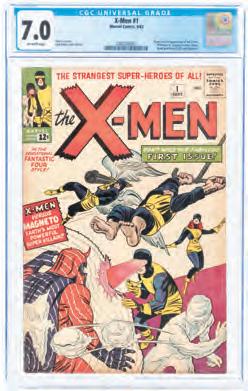
The Marvel “The X-Men” #1 comic book, September 1963, CGC 7.0 Fine/VF, the origin and first appearance of The X-Men and Magneto, Stan Lee story/Jack Kirby cover and art, sold within estimate for $27,418.
April 28–30, 2023
April 27 Preview Party
A La Vieille Russie
Arader Galleries
Avery Galleries
Diana H. Bittel Antiques
Jeff R. Bridgman
American Antiques
Marcy Burns
American Indian Arts, LLC


Ralph M. Chait Galleries, Inc.
HL Chalfant Fine Art and Antiques
Clarke Gallery
Dixon-Hall Fine Art
Dolan/Maxwell
Gemini Antiques, Ltd.
Barbara Israel Garden Antiques
Kentshire
Kelly Kinzle Antiques
Betty Krulik Fine Art
Glen Leroux
Levy Galleries
Nathan Liverant and Son, LLC

M. Hanks Gallery
Moderne Gallery
Lillian Nassau, LLC
The Old Print Shop, Inc.
Olde Hope
Peter Pap Rugs
Janice Paull
Francis J. Purcell
James Robinson, Inc.
Schmidt/Dean
Schwarz Gallery
S. J. Shrubsole
Elle Shushan
Silver Art by D & R
Somerville Manning
Spencer Marks, Ltd.
Susan Teller Gallery
Thistlethwaite Americana


Thomas Colville Fine Art
Jayne Thompson Antiques
Jeffrey Tillou Antiques
Trinity House Painting
Earle D. Vandekar of Knightsbridge, Inc.
East Terrace of the Philadelphia Museum of Art For further information on programming: thephiladelphiashow.com
antiquesandauctionnews.net Antiques & Auction News — April 14, 2023 - - 5
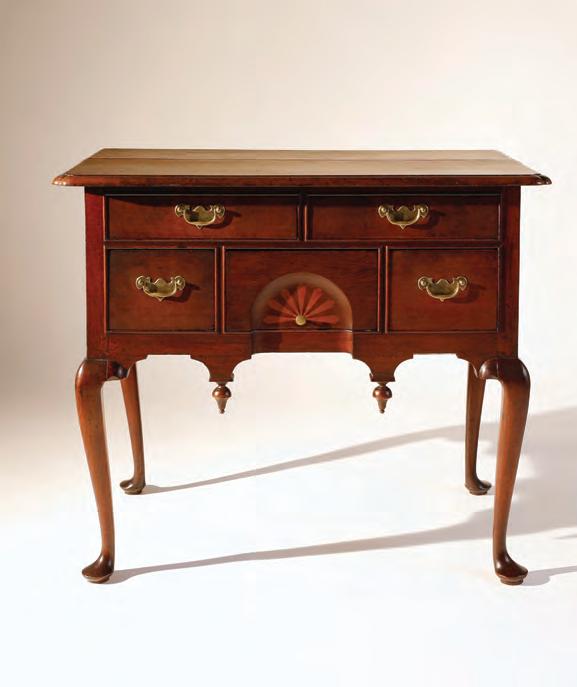
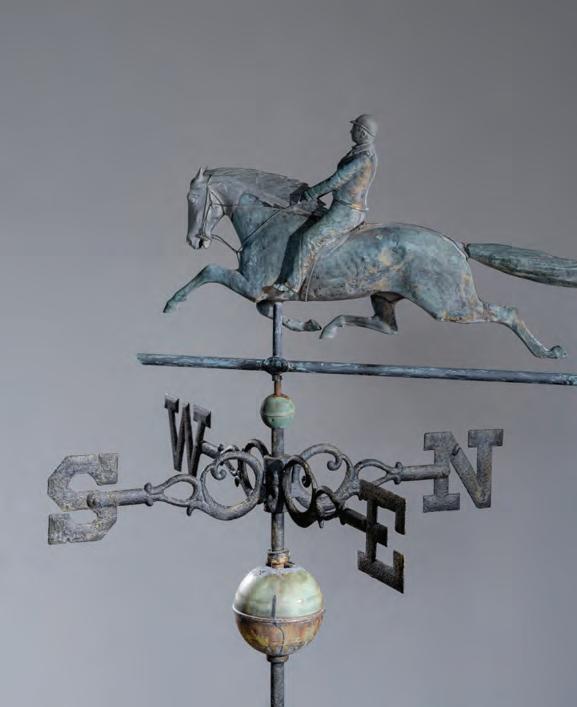
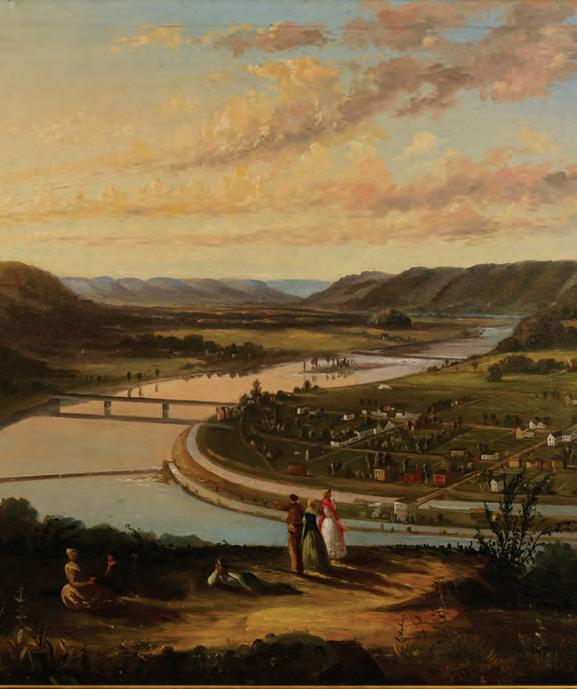
Dealer List as of March 2023. Images, top to bottom: Dexter and Jockey Horse Weathervane, Labelled “Cushing & White, Waltham, Mass.”, c. 1870, Courtesy Olde Hope; J. O. Osborne, View of New Brighton, Pennsylvania (detail), 1850, Oil on canvas, 32 x 46 inches, Courtesy Kelly Kinzle; Queen Anne Lowboy, Walnut with inlaid fan, Coastal Massachusetts, 1745–1770, Courtesy Nathan Liverant and Son
PRESENTING SPONSORS PREMIER SPONSORS R094164
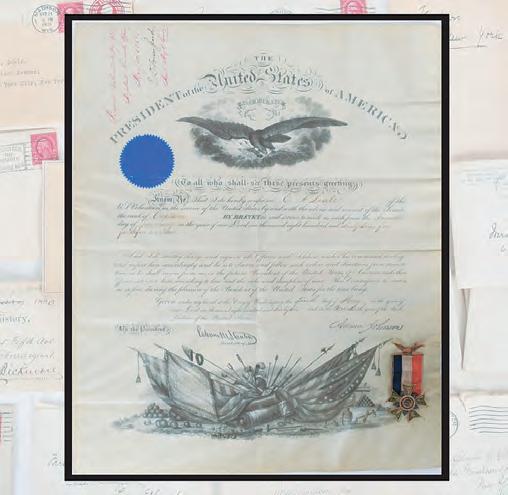
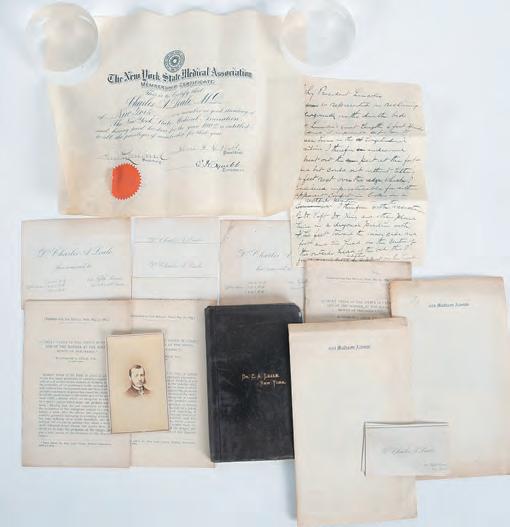
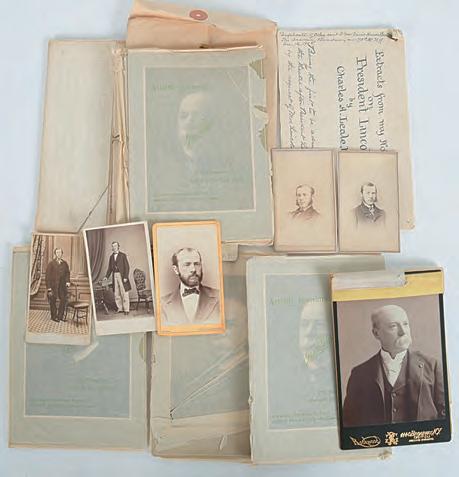
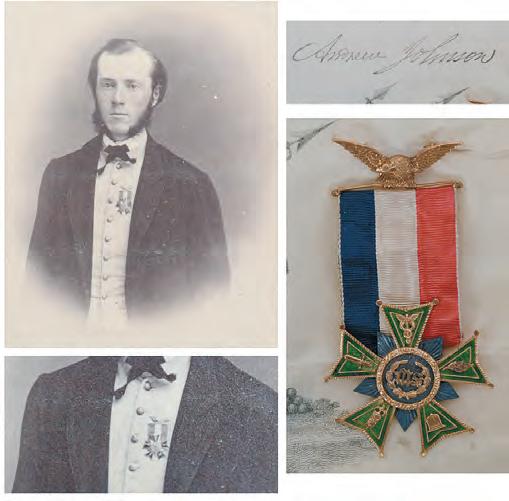
Locati Sells Leale Family Archive Totaling $20,900
Locati LLC, located in the heart of Bucks County, Pa., presented its March auction that ended on the 19th. Nearly 500 lots were offered spanning a wide range of periods and categories. Of particular note were various lots of rare ephemera and other articles related to Dr. Charles A. Leale’s account of Friday, April 14, 1865.
All lots at Locati LLC start at the reserve price. The March auction had a 90 percent sell-through rate. Locati also welcomed more than 100 new bidders this past sale and encourages all bidders to preview if interested.
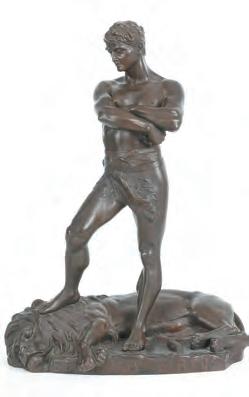
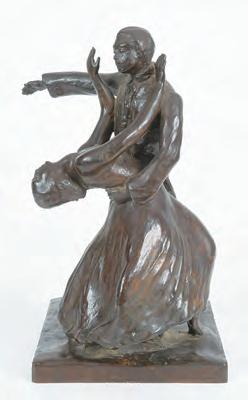
Prices do not include buyer’s premium. Multiple Leale family lots sold for a total of $20,900. Two bronze figures brought $5,400. A
740 Noble St Kutztown, PA F-S 610-683-6848 or M-th 570-385-0104


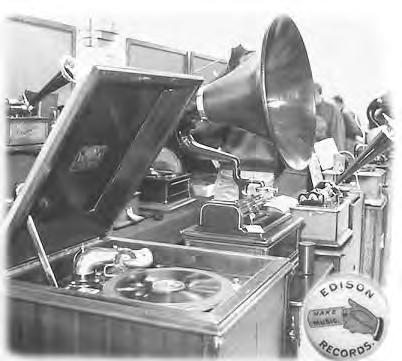
MECHANICAL MUSIC EXTRAVAGANZA
Sunday April 30, 2023 — 9:30am to 3:30pm (early buyer 8am) Wayne Police Athletic League, 1 Pal Drive, Wayne, NJ 07470
April
Open Every Saturday 8:00 to 4.
More
April
Wind-up phonographs

Cylinder records
78 rpm records
Memorabilia
Music boxes Accessories
Parts Info: 973-655-9730
Admission: general $7.00, early buyer $15.00 R094758
phonoshow.com
antiquesandauctionnews.net 6- - Antiques & Auction News — April 14, 2023
Every Sunday 7:30 to 4.
Open
vendor
their
a variety of vintage and antique merchandise.
the new social trend, Shop in person. ADAMSTOWN, PA ANTIQUESMARKET 2500 N. Reading Rd. Denver, PA 717-336-2177 www.renningers.net Website Facebook Instagram scan codes to see more KUTZTOWN, PA ANTIQUESMARKET
More than 300
booths manned by
owners with
Join
www.renningers.net
than 200 vendor booths manned by their owners with a variety of vintage and antique merchandise.
Instagram Antique & Collectors EXTRAVAGANZA
32 booths also open Fridays 10 to 6 with the Farmers Market . Join the new social trend, Shop in person. Facebook
Antique & Collectors Special Sundays
28, 29 - June 23, 24 Sept. 29, 30
30
- June 25 - Oct. 1 EXTRAVAGANZA
Sundays R094851 R092954
Special
the
Two bronze figures sold for a hammer price of $5,400.
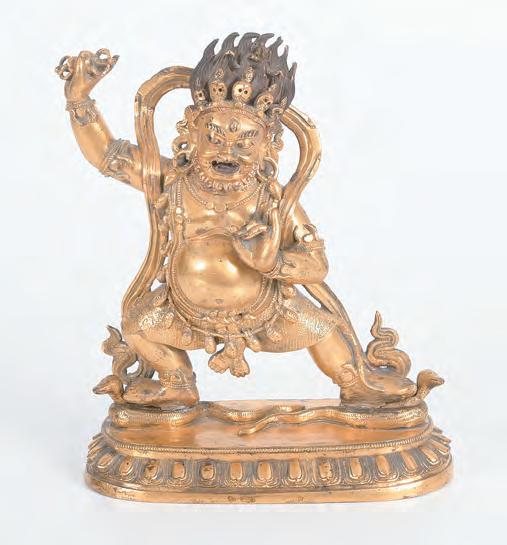
A gilt bronze figure of Vajrapani sold for $2,300.
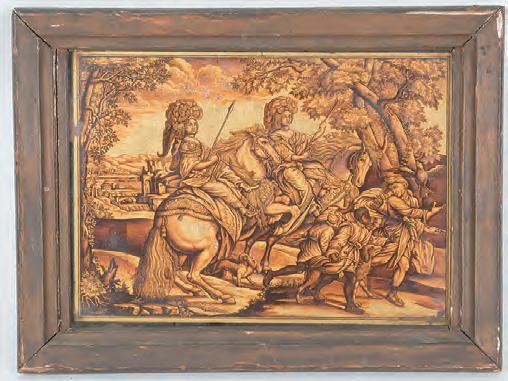
This 17th-century Continental School painting on glass realized $4,100.
Continental School 17th century painting on glass went for $4,100, and a gilt bronze Continued on page 7
Locati




Continued from page 6
figure of Vajrapani hammered for $2,300.
Locati’s April online-only auction will run from April 2 to 16. Bidding is open on LiveAuctioneers, Invaluable,



Bidsquare, and Bidspirit. Bidders may visit the company’s Pineville, Pa., auction facility from April 10 to 16 from 10 a.m. to 3 p.m. to preview.
For further information, call 215-619-2873 or visit www.locatillc.com.
19711 Newark 302-454-8007 AUNT MARGARET’S ANTIQUE MALL, 294 E. Main St. Mon- Sat. 10-5, Sun 12-5. 2 floors. Antiques, collectibles, vintage, primitives, much more! www.auntmargaretsantiquemall.com
19711 Newark 302-733-7677 MAIN STREET ANTIQUES, 23 Possum Park Mall. Hrs.: Mon.-Sat. 10-8, Sun. 11:30-5:30. Over 45 Showcase/Room Dealers selling quality antiques & collectibles. mainstreetantiques.com
21901 North East410-287-8318 5 & 10 ANTIQUE MARKET, 115 S. Main St. Daily 10am-6pm. Cecil County’s largest! Approx. 65 dealers, variety & nostalgia. Buying/ selling antiques & collectibles. Local honey available.
08005 Barnegat609-698-3020
BAY AVENUE ANTIQUES, 349 S. Main.
Open Wed.- Sun., Noon - 6 PM. Book Seller, Pottery, Glass, Furniture, Holiday, Decoys, Antiques & UniquesPLUS Chalkpaint & Iron Orchid Design.

08016 Burlington609-747-8333 HISTORIC BURLINGTON ANTIQUES & ART EMPORIUM, 424 High Street. Open 6 Days: T, W, F, Sat., Sun: 11A-5P & Th.11A- 7P. www.antiquesnj.com
08037 Hammonton609-561-1110 BERNIE’S ANTIQUES & ARTIFACTS, 18 Central Ave Tues.-Sat. 11-6 & Sun. 11-5. Trains, Pottery, Lenox, Breweriana, Fenton, Petroliana, Van Briggle, Albums + Neon Signs. Qty.Dlrs. Invited.
08062 Mullica Hill 856-478-9810



17062 Millerstown717-589-7810
STITCH IN TIME ANTIQUE & GIFT MALL, 43 N. Market St. Antiques, Collectibles, Furniture, Quality Handmade
Crafts & Gifts. Open 7 days 10-5, Fri. til 8. Millerstown exit off RT 322.
17307 Biglerville717-503-4264
THIELEMANN’S ANTIQUES, 1 N. Main St. Wholesale & Retail. 4,500 sq. ft.
furn. & smalls. See our Thielemann’s Antqs. Facebook page for photos & info. Open Sat. 10-4 & Sun. 12-4.
17350 NewOxford717-624-3800





18460 SouthSterling570-594-7316 SWANANTIQUES 424 So. Sterling Rd on Rte.191.American, Oriental, French and English furniture, objects and art. Mon.-Fri. 10am-5pm (Lunch 12-1); Sat./Sun. 12-5pm. Many shops in area.
18962 Silverdale215-453-1414




THE FACTORY ANTIQUES AND COLLECTIBLES, 130 West Main Street, Rt 113, Bucks County. Featuring 45 Dealers. Open Wednesday thru Saturday 10 -5, Sundays 11-4
19543 Morgantown610-913-1953













MORGANTOWN MARKET, 2940 Main St.. Hours 10-5 daily. Berks Co. Largest Antique Boutique. Antiques,Collectibles, Vintage Home & Garden Decor.
To


place your classified ad Call 1-800-428-4211





07052 West Orange973-323-1711 VALLEY VINTAGE, 168 South Valley Rd. Open Mon-Sat. 11-6, Sun. 12-5. 2100 sq.ft., 25+ dealers. Antiques, vintage, collectibles, furniture, decor, kitchenware, jewelry, books, LPs, ephemera.
07901 Summit 908-273-9373 SUMMIT ANTIQUES CENTER, 511 Morris Ave. 2 floors, 50+ dealers. Antiques, collectibles. Smalls to furniture. Open 7 days 11-5. Free Parking. www.thesummitantiquescenter.com
OLD MILL ANTIQUE MALL, 1 S. Main Street. Open Daily, 11-5; Sat. 10-5. Antiques, glassware, records, coins, stamps, military items, collectible toys, trains, linens, books & ephemera.
08081 Sicklerville856-545-3187


CARNIVAL OF COLLECTABLES, 368 Cross Keys Rd. Open Wed.- Sat. 10am6pm, Sun. 10am-5pm. 12,000 sq.ft Antique & Arts Mall, over 100 dlrs. www.carnivalofcollectables.com

08525 Hopewell609-466-9833 TOMATO FACTORY ANTIQUE & DESIGN CENTER, 2 Somerset St. We Have It All! Open Mon. thru Sat. 10-5, Sun. 11-5. We have 38 Dealers. www.tomatofactoryantiques.com
16801 State College814-238-2980 APPLE HILL ANTIQUES, Rt. 26N to 169 Gerald Street. Distinctive antiques in a gallery setting. Over 60 dealers. Open daily 10 to 6. Wide variety.
ZELMA’S EMPORIUM (Formerly Golden Lane) 11 N. Water Street. Antiques, Americana, Art, Asian, Primitives, etc. Closed Mon., Tues.-Sat. 10-5, Sun. 12-5 or by appt. ZelmasAntiques.com
17361 Shrewsbury717-235-6637
SHREWSBURY ANTIQUE CENTER 65 N. Highland Dr. “A True Antique Mall” over 10,000 sq.ft. with over 55 dealers. Open 7 days, 10-5. Ample parking. Close to other shops in historic village.
18229 Jim Thorpe610-850-5660
ANTIQUES ON BROADWAY, 52 Broadway. Primitives, militaria, art, glass, autographs, pottery, guns, artifacts, coins and vintage collectibles. Open Wednesday through Sunday 10-5.
18944 Perkasie215-257-3564






TREASURE TROVE, 6 S. 7th Street. Estate jewelry, furniture, linens, vintage clothing, glass, china, books, toys, kitchenware, advertising, postcards. Primitives to Deco. Dealers Welcome. Mon.-Sat. 10-5. In business 42 years.
antiquesandauctionnews.net Antiques & Auction News — April 14, 2023 - - 7 F063434 ATTENTION Shouldn’t Your SHOP Be Listed In This Directory? CALL 1-800-800-1833, ext. 6022 or 717-892-6022 Monday-Friday 8:00am-4:30pm E-MAIL Submit your ad to us at therr@engleonline.com Deadline: Thursday at Noon for Friday’s edition ALL ADS IN GUIDE ARE LISTED IN ZIP CODE SEQUENCE WITHIN EACH STATE. SHOP DIRECTORY OPEN THURS.-MON. 10 A.M.-5:30 P.M. CLOSED TUES. & WED. Located At The “Crossroads” Of Rts. 743 And 322 825 COCOA AVE., HERSHEY, PA 17033 CROSSROADS ANTIQUE MALL Two-Floor Multi-Dealer Mall Featuring A Variety Of Antiques And Collectibles With Reasonable Prices 717-520-1600 www.crossroadsantiques.com R090843 F059658 THE SLATINGTON MARKETPLACE Antiques & Collectibles 8281 Rt. 873, Slatington, PA 18080 Wed. & Thurs. 9-5; Fri. & Sat. 9-6; Sun. 10-5 135+ DEALERS • 200+ SPACES www.theslatingtonmarketplace.com 610-766-7495 (Follow Us On Facebook) 135 Bridge Street, Columbia, PA 17512 717-684-0009 Located Inside Bootleg Antiques Graduate Gemologist, GIA owned and operated Jeweler on premises Antique & Estate Jewelry Closed Mon. and Tues. • Wed. & Thurs. 10-5 • Fri. 10-8 • Sat. 10-5 • Sun. 1- 5 717-405-2161 R094838 Buy-Sell-Trade Featuring Quality Antiques & Collectibles, COINS, CLOCKS, JEWELRY, FURNITURE, CHINA, LINENS, MEMORABILIA, VINTAGE CLOTHING, TOYS, DOLLS, POSTCARDS & RETRO. 610-791-7910 www.weilantiquecenter.com 2200 31st St. SW, ALLENTOWN, PA Monday Thru Friday 10-6, Saturday 10-5, Sunday 11-5 WEIL R094743 &Collectibles aturing Qua ty & ea Antiq g Q b u u C t Ant t o ollec e e llectible i u l aturin F s s ectible a r Fe i i FeaturingiQ alit Antiques&Collectibles ANTIQUE CENTER Over 150 Dealers R090844 139 South Hanover Street, Hummelstown, PA (Just West Of Hershey) (717) 566-5685 Open Daily Mon.-Sat. 9-5, Sun. 12-5 www.oldefactory.com Olde Factory Antiques & Crafts You’ll Say “I’ll Be Back” ANTIQUES, CRAFTS, BOOKS, CANDLES, PRIMITIVES, GLASSWARE, FURNITURE, OLD TOYS, COLLECTIBLES, JEWELRY, COKE MEMORABILIA And Much More! 3 Floors, 24,000 Sq. Ft. • Elevator A group of Leale family archive lots sold for a total hammer price of $20,900.
04/23/23, MORGANTON, SUNDAYAT6:30 PM, Online
Only Auction featuring the estate of Joseph Simasek. Includes large collection of antiques, vintage & newer items - household goods, collectibles, Ethan Allen & Amish shaker furniture, framed prints, woodworking tools and more., Online Only: https//redsuitrealty.hibid.com, Red Suit Realty & Auction
04/13/23, WESTMORELAND, MON. AT6PM, Antq. English ceramics incl. Staffordshire, blue & wht. historical transferware, pearlware, etc. Other ceramics, porcelain, silver, sewing items, clocks, Black Forest trophy antlers, Herend figures, artwork, Vict. marble-top table, art glass, lighting & more!, Online Only: flying-pigauctions.liveauctioneers.com, Flying Pig Auctions
04/24-29/23, KEENE, SAT., AT
12:00 NOON, Spring Country
Americana Auction - Online Only!
Includes 350+ lots of 18th & 19th Century Country Furnishings & Accessories, art, stoneware, clocks, and more. Previews April 24-28, 10 am - 5 pm and day of sale 9-11 am. online bidding at www.liveauctioneers.com and www.invaluable.com., online only, Keene Auctions
04/13/23, MONMOUTH
JUNCTION, THURS., Estate
Single-Owner Lifetime Collec.: The History of the Industrial Age. Adv., slot mach., pogo sticks, telephones, fans, typewriters, wagons/ toys & more!, Online Only: www.bodnarsauction.com, Bodnar's Auction
Sales
04/22/23, OWEGO, SATURDAY
AT11 AM, Public Auction for First United Methodist Church of Endicott. Once in a lifetime auction for churches, schools, daycare, home school! Includes furniture, religious items, antiques, commercial kitchen items, childcare items and institutional equipment. Preview & registration at 10 am day of sale. , 43-45 Lake St, Mead & Sons Auctioneers
04/24/23, DUNDEE, MON.: SES.1
AT9AM; SES.2 AT5PM, Sess.1: Country Store items, ptd. furn., Coleman lantern collec., 50+ quilts, sugar buckets, pantry boxes, coffee grinders, cast iron collec., etc. Sess.
2: Lester Byler sign collec. from Middlefield, OH + case toy collec., 5 gas pumps, etc., Live & Online: 17020 Dover Rd.; AuctionZip, LiveAuctioneers & BidSpirit.com, Atlee Raber Auctions
04/13/23, KINZERS, THURS. AT 10AM, Fine books, ephemera, magazines, photographs, & Boy Scout collec., inc. uniforms, hand-made items, etc. Qty. books from 16th cen.-20th, Bibles, antq. German lang. books, early mystic, Free Masonry, historical, military, warfare, Easton Press & Folio Soc., Edgar Allen Poe, & much more!, Live & Online: 5336 Mine Rd.; embassyauctionsinternational.com; liveauctioneers & invaluable.com, Embassy Auctions International
04/13/23, QUARRYVILLE, THURS. AT9AM, Antiques, Sterling, Watches, Redware, Glassware & China, Noritake Collec, 100+ pcs. Azalea Pattern., Solanco Fairgrounds, Hoffman Community Bldg., 172 S. Lime St., Jessica Shaub Meyer, Auctioneer
04/14-15/23, EPHRATA, FRI. AT
2PM & SAT. AT9AM, Cataloged Antique Auction., Live & Online: 50 Durlach Rd.; horstauction.com, Horst Auctioneers
AUCTIONS SHOW & FLEA MARKET CALENDAR
04/15/23, BERNEVILLE, SATURDAYAT9 AM, Public Auction featuring guns, antiques, collectables, and furniture. Many items from the Derr family. Pottery, stoneware, cast iron, advertising, bottles, clocks, records, toys and more. More info and thorough listing at www.heisyauctions.com, 169 Tulpehocken St., L& H Auctions
04/15/23, COOPERSBURG, SATURDAYAT10 AM, Coin Auction (2 of 3) includes 200+ lots of coins - silver eagle rolls, Indian cents, Lincoln Cents, Mercury & Barber Dimes and more. Preview at 9 am day of sale., 1601 Limeport Pike, Somers Auctioneering Inc
04/15/23, HARRISBURG, SAT.
AT10AM, Consignment & Estate Auction, featuring the estate of Lois Lehrman Grass. Includes 2006 National RVmotor home, antique & modern furniture, paintings and prints, sculptures, glass, decoys, books, and more. Online bidding available. Preview & pick up by appointment., 1500 Paxton St., Cordier Auctions & Appraisals
04/15/23, LEBANON, SAT. AT 9AM, Antqs., collec., glassware, china, furn., repo cast iron, Hershey items, adv. items, 5 shelf display cabinets, oak side by side, 2 blanket chests, stack bookcases, kitchen cabinet sifter, china cabinets, tables w/metal legs, old farm-rel. items, kettles & more!, Lebanon Area Fairgrounds-West Hall, 80 Rocherty Rd., Harry H. Bachman Auctioneer
04/15/23, QUARRYVILLE, SAT.
AT9AM, Antq. Furniture, Vty. of Antiques, Redware Collection, 100+ pcs. Shofield, etc., Solanco Fairgrounds, Hoffman Community Bldg., 172 S. Lime St., Jessica Shaub Meyer, Auctioneer
04/16/23, LINDEN, SUNDAYAT
7 PM ONLINE, Quality Online
Auction in Henry's BBQ Parking
Lot includes high end estate jewelry, silver coins, 2012 Jeep Compass, 2018 Subaru Forester. Preview by appointment with Scott Younkin (570-323-9011)., Online, 5693 US Route 220N Hwy, Scott Younkin & Associates
04/16/23, PINEVILLE, SUNDAY AT12 NOON, April auction features property from several estates and collections. Includes a Yamaha grand piano, a Tiffany Studios hanging fixture, Chinese porcelain and bronzes, fine jewelry and much more. Preview April 10-15 from 103 pm. Online bidding available., 761 Durham Rd, Locati LLC
04/16/23, QUARRYVILLE, SUN. AT1PM, Country decor items, Longaberger baskets, Eldreth pottery, depression glassware, holiday decor., Solanco Fairgrounds, Hoffman Community Bldg., 172 S. Lime St., Jessica Shaub Meyer, Auctioneer
04/17/23, WILLIAMSPORT, MONDAYAT7 PM, Preitz Estate
Online Auction #1 to include quality furnishings, antiques, collectibles, housewares, foreign money, jewelry, tools, and more. A retired antiques dealer's collection! Preview April 11, 2-5 pm. Removal April 20, 1-5 pm., Online, 2352 Roosevelt Ave, Scott Younkin & Associates
04/21/23, LEBANON, FRI. AT 9AM, 180+ Horse Coaches, Carriages, Sleighs, Wagons, & Trailers! Approx. 1,500 lots harness & equip., Eng./West. saddles, tack (new/ used), lamps, engine items, carriage appointments, qty. antqs. & primitives., Live: Lebanon Fairgr. Expo Ctr., 80 Rocherty Rd.; Ltd. Online: martinauctioneers.com, Martin Auctioneers
04/22/23, ALLENTOWN, LIVE: SAT. AT8AM (ONLINE ABSENTEE CLOSES FRI. AT6PM), Firefighting Memorabilia Auction., Allentown Fairgrounds Agriplex, 302 N. 17th St.; eastmerefireman.hibid.com, Brian Enterline, Auctioneer
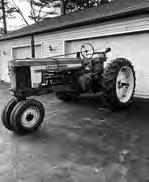
04/22/23, BERNVILLE, SATURDAYAT2:00 PM, Public Auction Classic & Antique Car Collection. Includes Model A's, '48 Indian MC, Show cars, model. H Formal tractor, and more. Rare opportunity to purchase cars directly from one-owner collection of Lloyd & Ruth Barnett. Preview April 15 from 1-3 pm and April 22 from 12-2 pm., 100 North Main St., Martin & Rutt Auctioneers
04/22/23, BLAIN, SAT. AT9AM, Lg. Tool & Antq. Auction: log splitter, tractor, 8 guns/ ammo., woodwk. machinery, antq. tools, early 1900's Blain Post Ofc. misc., metal signs, tins, 100's hand tools- all kinds, lawn mower parts, hh goods, early lanterns, early calendars, coins, etc., 50 Gainer Ln., White Horse Auction Svc.
04/22/23, EPHRATA, SAT. AT
9AM, Antq./vtg. furn., repro. furn., artwork, folk art, baseball & trolley memorabilia, trains & toys, clocks, lamps, china, glassware, woodenware, metalware, pottery, books/ ephem., jewelry, linens, mus. instruments, hh goods, tools, 2008 Polaris 500 HD 4-wheeler, 1970 12' Duocraft alum. rowboat on trailer, 2011 GMC Acadia Denali 4-dr. sedan & more!, Horst Auction Ctr., 50 Durlach Rd., Horst Auctioneers
04/22/23, MANHEIM, SAT. AT
9AM, Collector Car, Tractor & Rec vehicle auction. Includes Model-T, parts corvette, several 70s vehicles, Farmall tractors, John Deere mowers, ATVs, trucks & trailers. See website for more info., Live & Online: 1667 Cider Press Rd.; hessauctiongroup.com, Hess Auction Group
04/22/23, MANHEIM, SAT. AT 9AM, Semi-Annual Vehicle Auction! Collector car, tractors, rec. vehicles, trucks & trailers. Model T, parts: Corvette/ '70's Dodge Challenger, '70 Chevy C10 2wd, '77 Monte Carlo, etc. Farmall 350 & 400, Farmall Super-H, Super M, etc., Live & Online: 1667 Cider Press Rd.; hessauctiongroup.com, Hess Auction Group
04/22/23, MT. WOLF, SATURDAYAT9 AM, Public Toy Auction, online & in person including 30 restored vintage pedal cars, trucks & airplane, 100 toy trucks, CATconstruction toys, model airplanes, Hot Wheels, and more. Preview April 21, 12-4 pm., 4522 N. Sherman St. Ext, Rentzels Auction Service Inc.
04/23/23, WILLIAMSPORT, SUNDAYAT7 PM, Preitz Estate Online Auction #2 to include furniture, antiques, collectibles (small), h tools, and more. Aretired antiques dealer's collection! Preview April 17, 1-5 pm. Removal April 25, 15:30 pm., Online, 2352 Roosevelt Ave, Scott Younkin & Associates
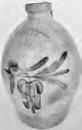
04/24/23, HELLAM, MON. AT 5PM, Antq. horse weathervane, cast iron Bradley & Hubbard rabbit/ dogs/ pigs/ frog/ bear/ etc., H.B. Pfaltzgraff dec. 2 gal jug, lg. tramp art chest & jewelry box, vtg. ice cream scoops, Wrightsville Hardware coffee mill adv. sign, machinist tool box, Quaker City oil tin, 1800's portrait oil on canvas, dry sink, & much more!, 163 E. Market St., Gilbert & Gilbert Auctioneers, Inc.
04/26/23, PHOENIXVILLE, WEDNESDAYAT9:00 AM, Spring Auction for a Wilmington estate, a Chester County collection, a Delaware Gentleman & others. Featuring an Andrew Clemens sand bottle, extensive art doll collection, silver, Asian porcelains, furniture, paintings, clock and much more. Live & online with Bidsquare and Live Auctioneers. Preview April 2425 10 am - 5 pm., 1041 West Bridge St, #20, Wiederseim Associated
05/11/23, REINHOLDS, THURS. AT6PM, Historical Bechtel's Mill Res. Property. Sandstone 2 1/2 story mill on Harnish Creek., 1700 Texter mt. Rd., Witman Auctioneers, Inc.
GEORGIA
05/11-14/23, ATLANTA, THURS.-SUN., Antique Market, 3650 Jonesboro Rd. SE, Atlanta Expo Center, North Bldg.
MASSACHUSETTS
05/09-14/23, BRIMFIELD, TUES.-SUN., Brimfield Antique & Collectibles Show & Flea Market, Show Fields - Rte. 20 betw. Exits 8 & 9 off the Mass Pike (Rte.90), Brimfield, MA
04/30/23, WAYNE, 9:30 AM3:30 PM, EARLYBUYER AT 8:00 AM, Mechanical Music Extravganza, 1 PALDrive, Wayne Police Athletic League
04/15-16/23, BINGHAMTON, SAT. 10-5 & SUN. 10-4, Antique Show, 907 Upper Front St., SUNY Broome Ice Center
04/29-30/23, STORMVILLE, SAT.-SUN., 8AM-4PM, Antique Show & Flea Market, 428 Rte. 216, Stormville Airport, NY
05/27-28/23, STORMVILLE, SAT.-SUN., 8AM-4PM, Antique Show & Flea Market, 428 Rte. 216, Stormville Airport, NY
A&M Auctions
Continued from page 1
www.HiBid.com. The property is located in Onancock, Va., on Virginia’s Eastern Shore and referred to as Deep Creek Plantation.
Among the over 660 lots that were sold were 18th- and 19th-century Eastern Shore raised panel furniture; fine art; decoys and sporting art; books; firearms; silver; and tools, to name a few categories. The furniture was a strength. An important 18thcentury Eastern Shore of Virginia pine raised panel two-door cupboard/clothes press, ca. 1760, Accomack
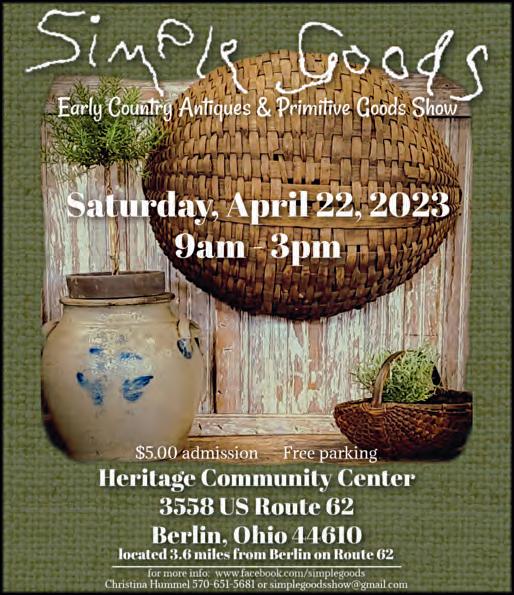
04/22/23, BERLIN, SAT. 9AM3PM, Early Country Antiques & Primitive Goods Show, 3558 US Route 62, Heritage Community Center

PENNSYLVANIA
04/08/23 TO 12/31/23, BERWYN, EVERYSAT. & SUN, 9-4, Indoor/Outdoor Vintage Flea Market, 270 W. Swedesford Rd, Berwyn
04/19-23/23, CARLISLE, WED.-
SUN. AT7AM, Spring Carlisle Collector Car Flea Market, Corral & Auction, 1000 Bryn Mawr Rd., Carlisle Fairgrounds
04/22/23, LANCASTER, SAT. 9AM-1PM, 62nd Lancaster Hunting & Fishing Show & Sale, 1383 Arcadia Rd., Lancaster Farm & Home Center
04/23/23, LANCASTER, SUN. 9-
2, Lancaster Doll, Toy & Teddy Bear Show, 1383 Arcadia Rd., Lancaster Farm & Home Center
04/28-30/23, PHILADELPHIA, FRI.-SUN. AT11AM, The Philadelphia Show, 2600 Benjamin Franklin Parkway, Philadelphia Museum of Art
County, Va., featured in several publications, sold for $14,732. All prices reported include a 22-percent buyer’s premium.
An early 19th-century Eastern Shore of Virginia pine raised panel four-door wall cupboard with original bracket feet, also featured in several antique publications, sold for $10,160. There was a variety of 18th-century English and French furniture and more period American furniture.
For further information on this or future sales, call Dave Allen at either 410-835-0384 or 302-545-1903.
04/28/23, KUTZTOWN, FRI.SAT. 9-4, Antiques & Collector Extravaganza, 740 Noble St., Renningers Kutztown
04/29-30/23, ALLENTOWN, SAT. 9-5 & SUN. 9-3, Antq. Advertising, Book, Paper, Photo & Postcard Show, 1929 Chew St., Allentown Fairgrounds Ag. Hall
04/30/23, DENVER, SUN. 5AM4PM, Antiques & Collectors Special Sunday, 2500 N. Reading Rd., Renningers Adamstown
05/13/23, FAIRFIELD, SAT. 9-3, Gathering on THE FARM: Country & Primitive Antq. Event, 1042 Bullfrog Rd., Gettysburg, PA
05/29/23, LANDISVILLE, MON. AT7AM, Hempfield Community Flea Market, 1700 Nissley Rd., Amos Herr Park
VIRGINIA
05/19-20/23, FISHERSVILLE, FRI. 9-5 & SAT. 9-4, 70th Antiques Expo, 277 Expo Rd., Augusta Expo Center
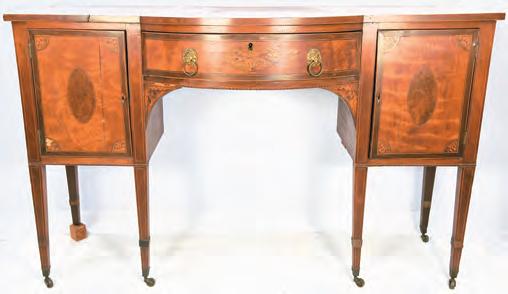
This English Hepplewhite period mahogany and satinwood one-drawer two-door sideboard with tapered legs, ca. 1800, sold for $4,191.
This Eastern Shore of Virginia heart pine raised panel fourdoor wall cupboard with two four-light upper doors over raised panel lower doors and original bracket feet, ca. 1810, realized $10,160.
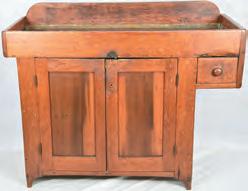
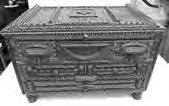
A late 19th-century Pennsylvania poplar and pine dry sink with applied copper liner, ca. 1830, realized $4,445.
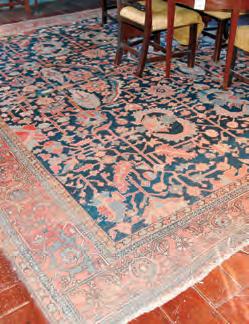
A late 19th century 12-by-9 foot wool pile hand-knotted Serapi area rug, ca. 1890, sold for $4,476.
antiquesandauctionnews.net 8- - Antiques & Auction News — April 14, 2023 CALENDARS R066446 Pocono Peddlers Village Voted #1 in Northeast PA Over 100 Vendors Open 7 Days A Week Call For Holiday Hours 10am-5pm A Hidden Treasure Awaits 570-629-6366 GPS 246 Stadden Rd., Tannersville, PA 18372 Rt. 80 To Bartonsville Exit 302, Turn Left Onto Rt. 611, 2.2 Miles On Left www.pocono-antiquemall.com R088201 Final Thursday! The Last Thursday Evening of each month, featuring wine, snacks & discounts! Open every day! 10am-6pm, Thurs. 10am-8pm, Sun. 11am-5pm 610-390-0403 www.sseemantiques.com 100 S. Chestnut St. (Rt. 248) • Bath, PA 18014 Multi-Dealer Co-op • 5 other shops on block Co-op with 25+ dealers Quality Antiques in 1840’s Brick Store ANTIQUE CENTER 517 St. Mary’s Street, Lewisburg, PA 17837 OPEN 7 DAYS 10-5 570-524-5733 www.rollermills.com R079635 400 ANTIQUE DEALERS
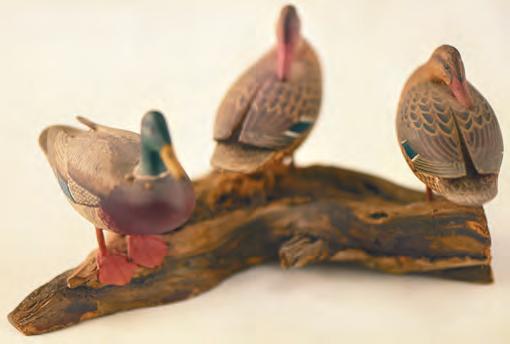
This 1947 General “Chet” DeGavre miniature carved mallard display on driftwood sold for $7,620.
NORTH CAROLINA NEW HAMPSHIRE NEW JERSEY NEW YORK OHIO PENNSYLVANIA
NEW JERSEY NEW YORK OHIO
Exhibition At The Met Cloisters Explores Intersection Of Art And Class In Early Tudor England
For the emerging middle class in early Tudor England, the home served as both an assertion of social position and a form of self-expression.
Recently opening at The Met Cloisters, “Rich Man, Poor Man: Art, Class, and Commerce in a Late Medieval Town” explores this idea by looking at the house and tastes of one merchant in 16th-century Exeter. Featuring more than 50 works, textiles, prints, furnishings, and decorative arts objects, all from The Met collection, this exhibition offers a focused study of the intersection of art and class in an English city at its most prosperous moment. The exhibition is made possible by the Michel David-Weill Fund.
Henry Hamlyn, a two-time mayor and wealthy cloth merchant, was one of Exeter’s most prominent citizens. The home he commissioned in the early 16th century was a
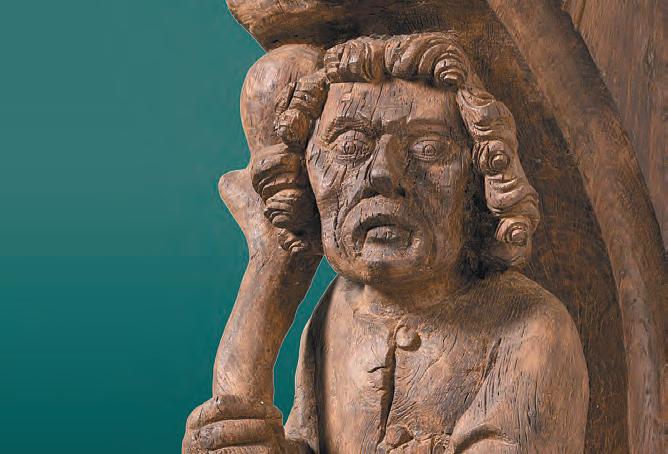
colorful anomaly amid the town’s traditional buildings. A surprising element of Hamlyn’s house consisted of largescale sculptures depicting characters drawn from popular prints and wild tales: a jester, a quarreling couple, peasants, and musicians.
for more than a decade. Though they were purchased by The Met in the 1970s, it was only recently that their original patron and location were discovered.
department of Medieval Art and The Cloisters at The Met. Related Programs
Deliberately rustic in both style and subject matter, the sculptures prompt questions about Hamlyn’s motivations: Why would he, one of Exeter’s most powerful residents, decorate the exterior of his home with images of the city’s least powerful? Did he intend a celebration of urban life, or was he making a statement about his place in the city?
The Hamlyn house was a striking monument in the center of Exeter and even became a wellknown tavern early in its history before its demolition in the mid-19th century.
This exhibition provides an expanded understanding of where and how these works originally functioned and the impact they had on passersby.
The exhibition will be accompanied by a variety of education programs at The Met Cloisters. Programs include Drop-in Drawing for all ages, Saturday Sketching for teens, a Family Afternoon, and a How Did They Do That? event, as well as lectures, gallery talks, and art-making workshops. Education programs are made possible by The Helen Clay Frick Foundation.
The exhibition showcases
new scholarship and conservation work on the sculptures, which have been in storage
The exhibition is organized by Melanie Holcomb, curator and manager of collection strategy,
Beginning in April 2023, the Trie Café at The Met Cloisters will offer a special menu of beers and dishes inspired by medieval taverns. The Met Cloisters is located at 99 Margaret Corbin Drive, Fort Tryon Park in the Washington Heights neighborhood of upper Manhattan, N.Y. To learn more, visit www.metmuseum.org.
Travel To Carlisle In May And Enjoy Two Great Days Of International Automotive Fun
Annual Carlisle Import And Performance Nationals
Guests will get the best of the automotive world at the Carlisle Import and Performance Nationals reving its engines Friday and
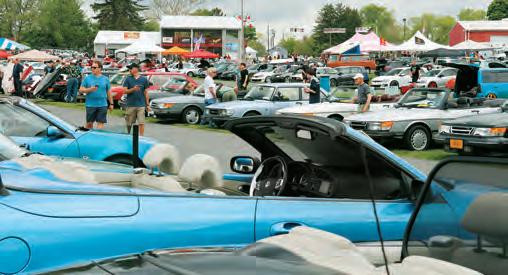
Saturday, May 12 and 13, in Carlisle, Pa. The showfield gets parked by country of origin for the 82-acre around-the-world adventure. From seminars to
parts shopping and more, Import and Performance weekend isn’t just about classic cars, it’s about classy cars and the people who love them.
Imagine it now if you can, a showfield that includes automotive excellence from at least eight different countries.
HAAR’S AUCTION SCHEDULE
MONDAY, APRIL 17, 2023 @ 6:00 P.M.
FURNITURE - ANTIQUES COLLECTIBLES – TOOLS – ETC.

Located @ 185 Logan Rd. (Rt. 15), Dillsburg, PA 17019
Restaurant & AUCTION DOORS open @ 5:00 p.m. Sale starts at approximately 6:00 p.m. with 2 auctioneers on porches, weather permitted (1 tools/box lots, 1 FURNITURE); Stage auction begins @ 6:30 p.m. Consignment sale; bedroom suite; book shelves; stands; real nice table w/chairs; sofas; chest of drawers; dishes; collectibles; décor; primitives; decorative items; box lots; tools; plus, much more, still setting up; Terms: Cash, good PA Check, credit card w/processing fee, ATM on-site. Office number 717-432-8246 leave a message. Check www.haars.com for updates.

ON-SITE TOOL AUCTION
SATURDAY, MAY 20, 8:30 A.M.
321 N. York Rd., Mechanicsburg, PA
Cars and trucks representing Korea, Japan, the United States, Germany, the U.K., France, Sweden, and Italy all make up this event. Best of all, these cars aren’t just trailered in and parked; many of them not only drive to the show, but they show the 20,000-plus guests in attendance what their whip can actually do via on-site competitions. These activities include autocross, rolling burnouts and donuts, drifting, drift limbo, low car limbo, and a rolling exhaust competition.
Cars featuring fresh styles of today and yesterday perfectly complement the special features planned for the two-day show. Those features include a spotlight on Audis of all eras, a dedicated Rolls Royce display,
50 Years of the Honda Civic, race-prepared vehicles, French vehicles in Building R, and, of course, a general showfield that offers the rare, unique, and exotic too.
Awards are also available in many different categories. While there is a non-judged showfield option, others may pick the judged showfield. For this, judging is done
drive-through style and managed by professional judges from eJudged.com. In addition, there are club awards for the largest and coolest club,
Continued on page 11
ANTIQUE AUCTION
MONDAY, APRIL 24, 2023 at 5 P.M.
163 E. MARKET STREET HALLAM, PA – HELLAM FIRE CO. SOCIAL HALL

To be sold from a local estate & others – Antique horse weathervane, cast iron Bradley & Hubbard rabbit, cast iron dogs, pigs, frogs, bear, rabbit, cast iron elephant bank, asst. candy containers, H.B. Pfaltzgraff decorated 2 gal. jug, large tramp art chest, tramp art jewelry box, vintage ice cream scoops, rare Pfaltzgraff tea pot, Lg. Pfaltzgraff batter bowl, antique toys, cars, bottle openers, cast iron WWI toy soldiers & WWI gas train, brass oil drum stencil, baby buggy, spool cabinet, Wrightsville Hardware coffee mill Adv. Sign, machinist tool box, asst. colors & sizes insulators, lighting rod insulators, Foust horn of plenty bottle & pistol bottle, framed Indian arrows, asst. jars old marbles, cast iron cowboy & Indians, vintage Christmas items Germany & Japan, Steiff Gucki – Pucki - Lucki, Teddy Snow Crop, wind up toys, Pontiac promo car, Snap-Crackle-Pop puppets, miniature kero lamps & perfume bottles, toy tractor, wooden utensil caddy, 1800’s portrait oil on canvas, cigar advertising, old dolls, Lg. Pinocchio doll, 2 antique clocks, smokey the bear, cold cast bronze bicentennial eagle, old drying rack, blanket chest, dry sink, blind door cabinet, Empire chest of drawers, tilt top stand, hanging cabinet, child’s decorated rocker, handmade toy canoe, Mr. Peanut bank, Terracotta yard frog, asst. antique glassware, Teaberry gum stand, Quaker City oil tin, plastic & celluloid toys, & much more. Preview 1 hour prior to auction – Good Parking – All auction announcements supersede all printed material. 10% Buyers Premium – Terms: Cash or Check with Auctioneers Approval – Credit Cards Accepted 3% Premium.

GILBERT & GILBERT AUCTIONEERS INC. AY002086
Brian Gilbert AU002256L 717-891-0537
www.gilbertauctions.com
P A
S . A 22 • 9 L O
1667 Cider Press Rd. Manheim, PA 17545
New items added daily, check our website for lis ng updates! Accep ng cars, tractors, mowers, ATVs & other recrea onal vehicles & so much more! CALL NOW TO CONSIGN!
Currently Consigned:
R093576
Vehicles: Model-T, Parts Corve e, Parts 1970s Dodge Challenger, 1970 Chevy C10 2wd, no motor, hood needs replaced. Has tle. Vin: CE140T132808; 1972 Chevy C10 Custom4wd, has motor, body
& pto., Ferris IS 500 Z w/ 52 inch deck, Ferris 1000 Z, Grasshopper 1822 zero-turn, 6 3-pt blade
AY000253L See hessauc ongroup.com for more details.
717-664-5238
• 877-599-8894

antiquesandauctionnews.net Antiques & Auction News — April 14, 2023 - - 9
R094876
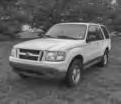
is rusted. Has tle. Vin: CKE142B128798; 1977 Monte Carlo, 1998 Chevrolet Suburban 2002 Ford Ex-plorer Sport 150,895 mi; 2004 Volvo S60 37,965 mi; 2013 Mazda 6 28,705 mi; Harley-Davidson Ultra Classic Trike Tractors: Farmall 350, Farmall 400, Farmall Super H, Farmall H w/ Model 31 Bucket Loader, Ford 8N, Farmall Super M Mowers: John Deere 855 60” deck, John Deere 955 72” deck 3 pt. hitch
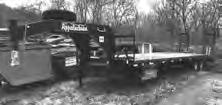
ATVs & Recrea onal Vehicles: 2020 Polaris Razor Trucks & Trailers: Appalachian 30’ Gooseneck Trailer, 1990 Ford F700 Dump Truck 8 cyl. 6.1L automa c. New brakes, runs & works. R030375 Richard L. Dotta Auction Co. Route 512 (11 miles North of Route 22) NAZARETH, PA 18064 www.dottaauction.com 610-759-7389 KLEINFELTER’S AUCTION 492 E. Lincoln Ave. MYERSTOWN, PA 17067 Online Only Auctions Every Thursday 1PM For Information Phone (717) 272-7078 R075957
HARDY’S AUCTION SERVICE AH000010L 717-432-8246
F094923
AUCTIONEER DIRECTORY
or 717-432-3779
This architectural support with a peasant holding a club dates to 1524–49, made in Exeter (by French woodworkers), England, is made of oak, and is courtesy of The Metropolitan Museum of Art, New York, The Cloisters Collection, 1974 (1974.295.3).
The
Spotlights
Best On May 12 And 13
Rare Asa Ames Portrait Acquired By The Colonial Williamsburg Foundation
Carved And Painted Head Bust Now On View
When the young sculptor Asa Ames (1823-51) died shortly after his 27th birthday, he left behind nearly a dozen carved portraits, many of which are signed. Most of his sculptures portray family and friends, including a wooden
bust of the artist’s nephew, Millard Fillmore Dewey (18451916), at the age of 2. This likeness descended from the subject through his son and was recently given by bequest to The Colonial Williamsburg Foundation. The bust of
Millard Dewey is the third Ames portrait to join the foundation’s esteemed American folk art collection.
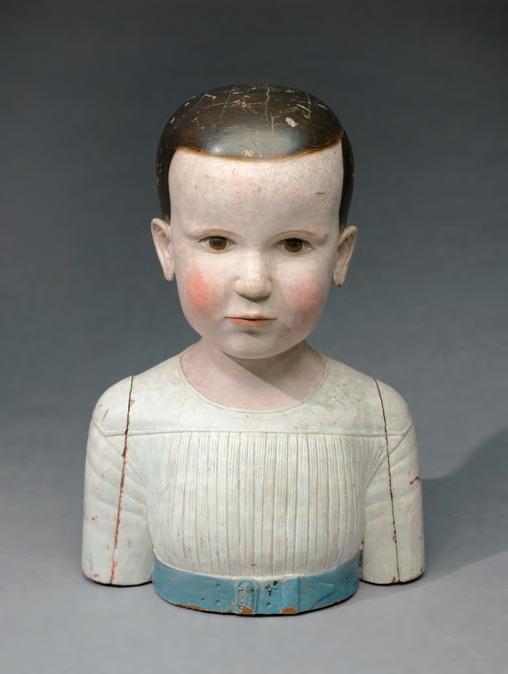
“This documented and well-preserved example of Ames’ work is a particularly welcome addition to Colonial Williamsburg’s outstanding collection of American folk art,” said Ronald L. Hurst, the foundation’s Carlisle Humelsine chief curator and senior vice president for education and historic resources.
“In addition to its obvious aesthetic appeal, the sculpture provides an important opportunity to better understand the artist’s carving, painting, and construction techniques.”
Ames’s carvings are among the most celebrated in American folk sculpture, despite the artist’s desire to align his work with fine art. Use of the word “sculpturing” to describe his occupation on the 1850 Federal Census suggests Ames considered himself more akin to a sculptor working in marble or stone. His familiarity with academic principles and formal artistic conventions can be seen in several of his figures. Ames’s carved portraits are life-like in their simplicity and serve as poignant portrayals of the artist’s subjects, residentsof his Evans, N.Y., community. Examples of Ames’s work include carved
Rawlinsville
our Facebook Page for Updates
full-length, half-length, and bust-length portraits of his extended family, the children
of his physicians, and a few yet-unidentified subjects. Sadly, his death just four years
“HORST AUCTION CENTER”
into his budding career did not allow him time for further
Continued on page 11
PUBLIC SALE
T. GLENN HORST ESTATE ANTIQUES, COLLECTIBLES, ARTWORK, BASEBALL MEMORABILIA, TOY TRAINS, MUSICAL INSTRUMENTS, HOUSEHOLD GOODS, CAR SATURDAY, APRIL 22, 2023 AT 9:00 A.M.
Preview Times - Friday, April 21 from 1:00 P.M. thru 5:00 P.M. and Saturday, April 22 from 7:00 A.M.
*The following is a highlight list of this collection. Preliminary photos can be found on our website, www.horstauction.com, with a full set of photos available on April 21, 2023.
Sale to be held at Horst Auction Center, 50 Durlach Road, EPHRATA, PA 17522

ANTIQUE & VINTAGE FURNITURE - GEORGE HOFF LANCASTER WALNUT GRANDFATHER’S CLOCK; HUGE OAK “S” ROLLTOP DESK; Barrister’s Bookcase; OAK SPOOL CABINET; Victor Tape Top Victrola; Mountain Springs Washstand; REPRODUCTION FURNITURE - FINE PAIR OF ARLINGTON HACKMAN MAHOGANY CORNER CUPBOARDS; TITUS S. HORST WALNUT GRANDFATHER’S CLOCK; Walnut Corner Cupboard; Tilt Top Table; MODERN FURNITURE - Summer Queen Bedroom Sets; Henkel Harris Dining Room Suite; Leather Recliners; Electric Lift Chair; ARTWORK - (3) HATTIE BRUNNER ORIGINAL WATERCOLOR PAINTINGS; (5) JAMES KELLER ORIGINAL OIL PAINTINGS; JAMES KELLER ARTIST’S EASEL; JAY MCVEY ORIGINAL PAINTINGS & PRINTS; MILTON DENLINGER EPHRATA CLOISTER PAINTING; “Ponky” Stauffer Watercolors; LARGE FRAMED 1903 LANCASTER COUNTY FAIR POSTER; FOLK ART - LEHN MASTER SALT; BUCHER SAFFRON CUP; LUKE GOTTSHALL HORSE & STONE WAGON; Carved Duck Decoys; PAIR OF SMALL SANDSTONE CHICK WATER TROUGHS; BASEBALL MEMORABILIA - 1930S PHILADELPHIA
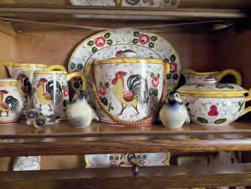
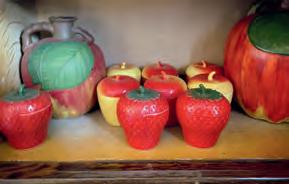
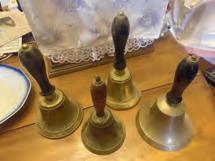
A’S AUTOGRAPHED BASEBALL; 1930 A’S AUTOGRAPHED TEAM PHOTO; 1930 SHIBES PARK WORLD SERIES TICKET; Many Other Philadelphia A’s Collectibles; LARGE COLLECTION OF VINTAGE BASEBALL BATS; TROLLEY MEMORABILIA - DISPLAY OF EPHRATA/LEBANON TROLLEY BUTTONS, TOKENS & TAGS; Coin Drop Box; Brake & Throttle Handles; Counter; Head Lamps; Conductors Hats; Conestoga Traction Tickets; Trolley Bell; Conestoga Traction Seats; (2) RR Signal Lanterns; LARGE BRASS TRAIN BELL; Several Scrapbooks (with Trolley Photos, Ephemera, Booklets, Etc.); Trolley & Train Related Reference Books; TRAINS & TOYS - LGB TRAINS & ACCESSORIES; Toy Tractors & Trucks; Ives Metal Train Set; Sheet Metal Trolley Cars; MANY LARGE SCALE TRAINYARD BUILDINGS & ACCESSORIES; CLOCKS & LAMPS - Schoolhouse Clock; Piano Lamp; 1950’S ERA EPHRATA NEON SIGN/CLOCK; DECO MENTZER’S SON EPHRATA SIGN/THERMOMETER; CHINA & GLASSWARE - Green Wheat Ironstone; #2 Blue Edge Ironstone; #20 Ironstone; Transfer Decorated & White Ironstone; Historical Blue; Stick Spatter; Snowflake Teapot; Flow Blue Touraine; Local Store & Calendar Plates; Child’s ABC Plates; Copper Lustre; Moose & Buffalo Creamers; German Tea Set; Sets of China Dinnerware; Nippon Set; German China; Cut, Pressed & Pattern Glassware; Planters Peanut Jar; WOODENWARE - Red Painted Wheelbarrow; Child’s Wheelbarrow; Titus Horst Saffron Cups; Shaking Fork; Snowshoes; Sensenich Propeller; Carved Bear; METALWARE - SILVER, CAST-IRON, AGATEWARE, COPPER/BRASS; POTTERYAntique Redware; Salt Glazed Stoneware; Rockingham; Foltz Redware; L. Breininger Redware; Repro Decorated Stoneware; Chalk Indian Bust; BOOKS & PAPER - 1819 LANCASTER BIBLE (with Good 1849 Christian & Eliza Horst Fraktur Bookplate); 1797 GERMAN BUCKWALTER FAMILY BIBLE; Lancaster County Atlas; Annals of Lancaster Co.; Many Church Histories; Science Press Keepsake Books; Bound 1864 Harper’s Weekly; Bound 1940s Ephrata Ensign; LARGE ASSORTMENT OF LOCAL PAPER EPHEMERA & ADVERTISING; Large Assortment of Sheet Music & Songbooks; JEWELRY; LINENS - Quilts; Comforters; Early Homespun; MUSICAL INSTRUMENTS - MARTIN D-18 ACOUSTIC GUITAR; OBRO RESONATOR GUITAR; Autoharps; SWISS INLAID ROSEWOOD 12 TUNE MUSIC BOX; SMALL MAHOGANY 9” DISC MUSIC BOX; HOUSEHOLD GOODS; TOOLS; 2008 POLARIS 500 HD 4-WHEELER (With Title, to be Sold Outside at 10 A.M.); 1970 12’ DUOCRAFT ALUMINUM ROWBOAT ON 1998 LOADRITE BOAT TRAILER (With Title, to be Sold as a Package Outside at 10 A.M.); 2011 GMC ACADIA DENALI 4 DOOR SEDAN; Car to be Sold in the Main Hall at 12 P.M.; Many Other Items To Be Sold!
Accepted Payments: Cash or PA check. Visa, MasterCard & debit card with 3% fee. No out-of-state checks without prior approval.
R094168
158245A; Winchester Mod 70 270 Cal. G1118515; Winchester Mod. 70 7mm Rem. Magnum, G1129306; Marlin Mod 80-DL 22 cal; Remington Score Master Mod 511, 22cal; Marlin Mod 80, 22 cal; Stevens Marksman W/Raised Rear Sight, 22 cal; Stevens Little Scout 22 cal; Remington Mod 1100 12 ga. Shotgun, 2 3/4" Semi-automatic W/Ventelated Rib, M116482; Ithica Mod 37 Featherlight, 12 ga. 395550; Stevens Mod. 94 Series N 410 3", P808797; Wm. Parkhurst 12 ga Double Barrel Shotgun; Winchester Mod 67 22 Cal.; Winchester Model 67 22 Short; Colt D.A. 38 US Army Model 1903 Handgun, No. 204 726; Misc. Clips & Ammo; Several Pellet Air Pistols. Note Guns Are Offsite Until Sale Day.
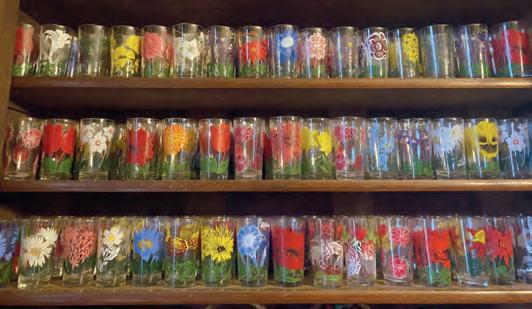
FURNITURE ~ ANTIQUES ~ COLLECTABLES: Large 16 Pane Cherry Corner Cabinet; Walnut Break Down Bookcase; 6 Painted Half Spinnal Plank Bottom Chairs; Rocker; 2 Lg. Painted & Stenciled Rockers; Grain Bin W/ Storage; Wood Flax Cutter; Pedestal Table; Metal Shelving; 20 Drawer Filing Cabinet; Modern Trestle table; Mod. Hanging Corner Cabinet; 100 Plus Pcs Of Wattware; Pottery Jardinières; J.H. Dibble (Lewistown) Stoneware Crock; Over 160 Peanut Butter Glasses; 25 Pcs. Roseville Pottery; Excellent Agateware; Metal Craft “Spirit Of St. Louis” & Zepplin Metal Plane Model Construction Kits; Ginger Bread Mantle Clocks; Very Large Collection Of 33 1/3 RPM Records (Thousands!); Unusual Butter Churns; Victorian Metal Lighting; Pepsi Adv. Sign; Pepsi Metal Carriers (2); Griswold #10, #5, #3 Frying Pans, #8 Dutch Oven, # 8 Waffle Iron & Base & Other rMisc. Griswold & Other Cast Iron Cooking Items; Lionel Engines #1120 & #628; Lionel Side Cars; Lionel 1955 Chevy 3100 Pickup; “Fountain Of Youth” Motion Lamp; Early Glass Bottles; Artillery Ammo Box; Many Peach Baskets; Excellent Glassware; Grain Cradle; Anthony's & Other Local Milk Bottles; Tin Pepsi Toy Truck ; Silver Mountain Tin Train; Bucking Bronco Wind Up Tin Toy; Large Amount Of Fiesta ware; Many Advertising Tins; Wooden ADVERTISING Crates; 2 John Deere Straw Hats; Country Band Photos & Advertising; “Welcome Back Kotter” Record Case; Mustang Peddle Car; Roseville Donatello Jardinare & Pedestals (2); Wooden Duck & Goose Decoy Collection; Many Advertising Tins; Note This Property Was Built For Peter Derrs Daughter And Was In The Family Until Tom Bought It From Them With The Contents. Many Derr Family Photos Including Cabinet Card Of Peter Derr, Tin Types & Marked Photos From The Family & Other Prominent Local Citizens & Local Emporia; Sev. Other Interesting Items From The Derr Family.
Located: 169 Tulpehocken Street Bernville PA 19506 R094670
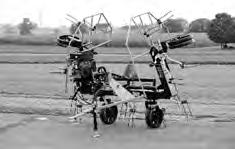
antiquesandauctionnews.net 10- - Antiques & Auction News — April 14, 2023 9:45 AM: BUILDING MATERIALS 10:00 AM: TRUCKLOAD OF GROCERIES 10:00 AM: LAWN FURNITURE Good selection of vinyl lawn furniture 10:00 AM: HAY & STRAW, FIREWOOD, 10:30 AM: NEW & USED FARM EQUIPMENT: Lancaster Spreader 25 Bu. w/ rubber tires, John Deere 3 Pt 3 Bottom Plow Brand New EHE 2118 Hay Tedder W/16H Vanguard Engine, 5’Mower 3 Pt Hitch, Box scraper 3 Pt Hitch, York Rake, Restored 2N Ford Tractor, Cedar Hill Fore Cart W/ Brakes and Torsion axles, Standard Auto Turn Cart, 520 John Deere Tractor, 10:30 AM: CARRIAGES: New EZ Entry Lapp’s Pleasure Cart Torsion Axle Steel Wheels Disc Brakes, Rebuilt Carriage W/ New Dark Walnut Dash & Trooper Speedometer, Good Used Carriage W/ poly Windows, Good Carriage W/ Poly Windows Wood Wheels W/ Rubber, 10:30 AM: CONSTRUCTION EQUIPMENT: 1000 Gallon Fuel Tank W / New Fillrite Electric Pump 12:00 AM: STORAGE BARNS: Good selection of sheds 12 x 16 Chalet W/ 8 x 7 Garage Door, 10 x 30 Cottage W/ 8 x7 Garage Door, 4 x 6 Chicken Coop, 10 x 12 Cottage, 10 x 12 A Frame R094573 SALE TIMES ARE SUBJECT TO CHANGE! Check us out on Facebook for pictures. Many more items too numerous to mention! Lots of delicious homemade food, including Chicken BBQ, and Ice Cream!! Consignments Accepted Until 4:00 PM day before sale. Terms by Rawlinsville Sale Committee, Accepting: Cash, Visa, MasterCard, Or Honorable Pa. Check Only No Out of State Checks-Not Responsible for Accidents, Fire Damage or Theft All Announcements Made Sale Day Take Precedence Over All Advertising For More Info Call: 717-284-3943 Bring the Family and spend the day with us! Forklifts supplied by Gap Power, Countryside Tractor, and Buck Rentals 8:30 AM CRAFTS Large selection of handmade crafts made locally. To be sold inside tent with seating. Amazing Selection! 8:30 AM: FLOWERS & SHRUBS Nice selection of hanging baskets, potted annuals & perennials, shrubs, & trees by Sauder’s Nursery, and Guy Mueller and other local nurseries 8:30 AM: NEW & USED TOOLS Large amounts of good used tools. Including Milwaukee and DeWalt 9:00 AM: SPORTING GOODS: lots of new & used crossbows, compound bows, tree stands. Ammunition, Kayaks 9:00 AM: DAIRY SUPPLIES: 9:00 AM: NEW & USED FURNITURE New and used furniture sold inside tent always a great selection. 9:00 AM: ANTIQUES & COLLECTIBLES Country primitives and many pieces from old farmhouses and private individuals. lots of pieces to be added week of sale, Check out
Fire Company
Annual
FRIDAY EVENING AUCTION 5:00 pm – 8:00 pm Friday, April 14th 2023 Selling Crafts, Flowers, Tools ALL DAY AUCTION ~ 8:30 AM Saturday, April 15th 2023 Directions: Travel South of Lancaster on Route 272. Turn Right onto Truce Rd. At First Stop Sign Go Straight Through, Onto Martic Heights Drive. Rawlinsville Fire House Is Located on The Right. CONSIGNMENTS WANTED Receiving Days: April 11th ~ 5:00 PM - 8:00 PM, April 12th & 13th ~ 8:00 am - 8:00 pm April 14th ~ 8:00 am - 4:00 pm at 33 Martic Heights Dr., Holtwood, PA 17532 All Consignments brought in after 4:00 PM on Friday will be rejected! No Household Box Lots, Electronics, Tires or Appliances. Farm Equipment Tires Subject to Approval Rawlinsville Fire Company has the right to reject nonsaleable Items 9:00 AM: QUILT RELATED CRAFTS Quillows, wall hangers and much more. 9:30 AM: QUILTS Expect nice selection of hand stitched quilts. For Quilt consignments call 717-283-6775 Drop off location for Quilts is: 117 Martic Heights Dr., Holtwood, PA 17532 Please Do Not Deliver Quilts to The Fire House
APRIL 15th
9AM GUNS ~ ANTIQUES ~ COLLECTABLES ~ FURNITURE SALE For Tom Zimmerman Terms Cash PA Check Or Credit Card With 3% GUNS: 2-Savage Model 99 300 Savage, Ser. # 352137 & 367057; Winchester Mod. 88 308 Cal.
53rd
Consignment
SAT
2023
The painted sculpture of Millard Fillmore Dewey (18451916), by Asa Ames (1823-1851), Evans, N.Y., was done in 1847, paint on tulip poplar (est), and was a bequest of Vivian F. Greene (2022.701.1).
Colonial Williamsburg
artistic output. Millard Fillmore Dewey (1845-1916), painted on what appears to be tulip poplar, shows the toddler with short brown hair, brown eyes and rosy cheeks, wearing a white shirt with blue belt. It stands 14.5 inches tall, 14-5/16 inches wide and is 6-11/16 inches deep. Inscribed into the base of the sculpture is “A. Ames” and “Jan. 1847.” At least two other sculptures of Millard’s siblings were carved by the children’s uncle at this same time, suggesting the artist was living with the family when they were created.
“In part because Millard’s ownership extended to only two generations, the bust survived in a remarkable untouched condition, requiring only a minor cleaning to remove age-old dirt and grime,” commented Laura Pass Barry, Colonial Williamsburg’s Juli Grainger curator of paintings, drawings, and sculpture.
Millard Fillmore Dewey (1845-1916) is currently on view in “We the People: American Folk Portraits in the Gladys and Franklin Clark Foundation Gallery” at the Abby Aldrich Rockefeller Folk Art Museum, one of the Art Museums of Colonial Williamsburg, where it is a focal point of the exhibition. A full-length carved portrayal of three-year-old Amanda Armstrong, also by Ames and owned by the foundation, can be seen in the Art Museum’s Wilson Family Gallery. Additional information about the Art Museums and Colonial Williamsburg as well as tickets are available online at www.colonialwilliamsburg.org.
Lancaster Hunting And Fishing Show Set
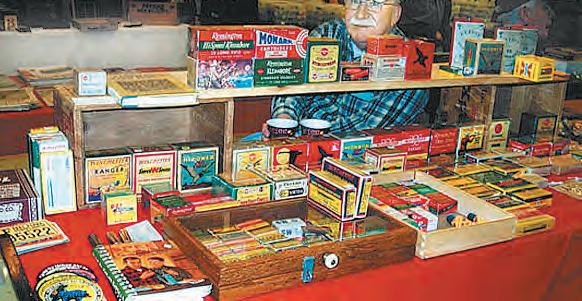


April 22 Event Will Feature 100 Dealers







The 62nd Lancaster Hunting and Fishing Show and Sale will take place at the Lancaster Farm & Home Center on Saturday, April 22. The facility is located at 1383 Arcadia Road in Lancaster, Pa.

For directions, take Service Road off Route 72 South (Manheim Pike) and turn between Jones Honda

and Car Lots on Service Road. Signs will be posted. Show hours will be from 9 a.m. to 1 p.m. Admission will be $5. Children under the age of 12 will be admitted free of charge when accompanied by an adult. Door prizes will be given away, and breakfast and lunch will be available for
Continued on page 13
April
Continued from page 9
plus Carlisle Elite, whose winners are selected by Carlisle Events’ staff based on what is deemed “cool.” The selection process takes place on day one, encouraging showgoers to make it a true two-day experience.
In addition to the international vehicles on display, the food court offers a nice mix of food, including select stands offering dishes representative of the automotive world. In all,


the Carlisle Import and Performance Nationals is the kind of car show that is just as educational as it is entertaining. Discounted spectator tickets are on sale now, while the event itself is actively taking showfield registrations. Kids 12 and under are admitted free of charge.
For complete details on discounted spectator admission tickets, gift cards, registering to show, becoming a vendor, and more, visit www.CarlisleEvents.com or call 717-243-7855.
Lester Byler Sign Collection (from Middlefield, OH) and the Case Toy Collection




LARGE PUBLIC TOOL & ANTIQUE AUCTION
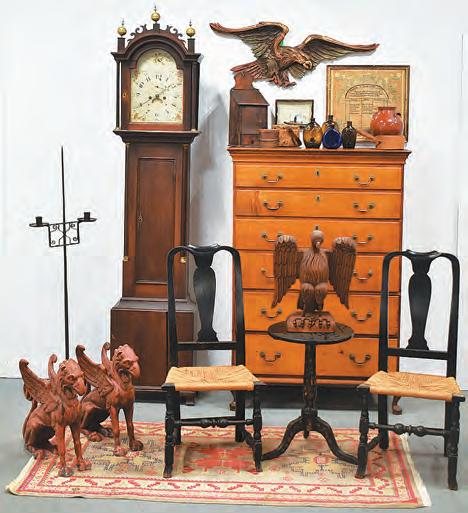
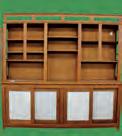






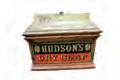


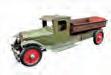


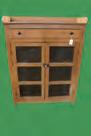


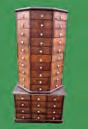
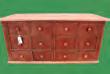
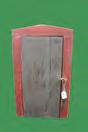
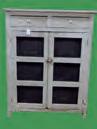
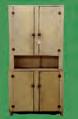






ONE TIME ANNOUNCEMENT H BLAIN/PERRY COUNTY H SATURDAY, APRIL 22 • 9 A.M. SHARP





Location: 50 Gainer Ln., Blain, PA 17006 (Perry Co.) DIRECTIONS: From Blain take 274 W. 3 mi. to Center Square Rd., turn left, go 1 mi. to Gainer Rd. right. AUCTIONEER’S NOTE: Wow! What a Large Collection of Hand Tools with 100s of Wrenches, and So Many Shop Tools. Take Advantage of These Clean Tools. A Nice Clean Line Up of Guns. Guns Will Not Be On Site Until Day of Sale. Come Early and Spend the Day With Us, and Bring Your Chair.

Continued from page 10 Sellers: Vicki Gainer Bud (Deceased) 717-860-5716 Food On Site


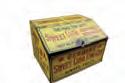








ALLIS CHALMERS WD TRACTOR ★ LOG SPLITTER 8 GUNS ★ AMMUNITION ★ WOODWORKING MACHINERY ANTIQUE TOOLS ★ EARLY 1900’S BLAIN POST OFFICE MISC. METAL SIGNS ★ TINS ★ 100’S OF HAND TOOLS OF ALL KINDS LAWN MOWER PARTS ★ HOUSEHOLD GOODS EARLY LANTERNS ★ EARLY CALENDARS ★ COINS For Full Listing to go Auctionzip.com #25310


R094260





antiquesandauctionnews.net Antiques & Auction News — April 14, 2023 - - 11
Either at the subject’s death in 1916 or during his lifetime, Millard’s carved likeness descended to his son, George Mosher Dewey (d. 1917), and daughter-in-law, Nellie Greene Dewey (d. 1919). After the couple died, their niece, Vivian F. Green (daughter of Nellie’s stepbrother, Daniel B. Greene), found the bust in the attic of the Deweys’ home. The Colonial Williamsburg Foundation received the object as a bequest of Mrs. Greene. Auctioneers: Daniel F. Stoltzfus, Lic. #AU005680 John Riehl, Lic. #AA019294 Amos Stoltzfus Jr., Lic. #AA019567 717-442- 9493 Announcements Day Of Sale Take Precedence Over Any Printed Material. TERMS OF SALE: Major Credit Cards Accepted. 5% Fee Waived If Paid In Cash or PA Check.
Special Sale
24, 2023 17020 Dover Rd. Dundee Session 1 - 9 AM Selling lots of country store items, painted furniture, Coleman lantern collection, 50+ quilts, sugar buckets, pantry boxes, cubby cabinets, country store cabinets, spool cabinets, coffee grinders, butter boals, sleigh bells, large hardware cubby, advertising boxes, showcases, Hoosier cabinets, large cast iron collection (including Griswold), Wapak, Indian Heads, 2 Griswold #2 plus many more rare pieces. This is just a partial list with much more coming in.
2 - 5 PM Country Store Primitives, Antiques, Collectibles
gas
Wayne
Note: This sale has shaped up to be an awesome one from country store to signs, toys and lots more! Hope to see you at the sale! Terms: cash/ check/cc 10% Buyers Premium on all sales Bidin-personoronline! AuctionZip.com, Liveauctioneers.comorBidspirit.com R094641 , OH R094802 Thursday, April 13 at 9am ANTIQUES & VINTAGE Nice variety of smalls! REDWARE 86 pieces glazed and unglazed many Schofield pieces STERLING - WATCHES GLASSWARE & CHINA NORITAKE COLLECTION 100+ pcs Azalea - others Saturday, April 15 at 9am ANTIQUE FURNITURE SPINNING WHEELS ANTIQUES & VINTAGE Wonderful variety of smalls! REDWARE 145 pieces glazed and unglazed many Schofield pieces Photos and Details at auctionzip.com Auctioneer ID#1643 AUCTIONEER AU3414L Jessica Shaub Meyer PHONE 717-464-3541 SELLER Mary E. Brooks and the late Jere Brooks ESTATE AUCTIONS Hoffman Community Building at the Solanco Fairgrounds 172 S. Lime Street, Quarryville, Lancaster County, PA 17566 ADVANCED NOTICE SPRING COUNTRY AMERICANA AUCTION 96 DUNBAR STREET, KEENE, NH 03431 R094746 John S. Pappas - Auctioneer VT License #2416 NH License #4006 MA License #2734 SATURDAY, APRIL 29TH AT NOON Online Live Auction – Only! Open Previews: Mon., April 24th – Fri., April 28th 10am – 5pm Day Of Sale Sat., April 29th 9am – 11am Fine Collection Of 350+ Lots Of 18th & 19th Cent Country Furnishings & Accessories A Select Offering Gathered From Several NH, VT & MA Homes & Estates Along With Items From A Local Historical Society – To Include 18th & 19th Cent Formal & Country Furniture, Nice Collection Of Early Bottles & Glass, 19th & 20th Cent Paintings & Prints, Oriental & Hooked Rugs, Folk Art, Early Primitive ( Many In Old Paint), Collection Of 70+ Cast Iron Doorstops, Orientalia, Salesman Sample Stoves, Early Lighting, Collection Of Canes, English Ceramics & Pottery, Decorated Stoneware, Clocks & Many Other Appropriate Accessories Of The Period. * Sale Runs Live Online, Only. No Live In House Bidding – No Attendance Day Of Sale Phone & Left Bidding Also Available! Full Catalog Available Online 2 Weeks Prior To Sale For More Information Please Call Us At 1-800-352-5251 Terms – Cash, Check Or Credit Card 20% Buyers Premium (Online See Bidding Terms) – Keene Auctions And Its Employee’s Are Not Responsible For Errors Or Omissions – All Lots Sold As Is & With All Faults – All Sales Subject To Charge & Terms At Time Of Sale Apply! Bidding Only Available Online, Left & Phones No In Person Bidding Or Attendance Online Bidding Available At www.liveacutionneers.com, www.invaulable.com & www.auction.com (ID2286)
Featuring the
Spring
Session
5
pumps, 1928
615 Visible, Tokheim 1941 Op clock face, Tokheim 98L lubar oil can rack. Signs: Large Camplin, Esso, Case, Good Year, Skelly, Massy Harris, Penzoil, Gulf,
Lee Tired, Kendall, Atlantic , Veedol, Coca-Cola coolers, farm signs, soda signs, oil can collection, railroad lights plus so much more.
Carlisle
Mead & Sons Auctioneers

Public Auction
FOR First United Methodist Church of Endicott
Saturday, April 22 -11:00am
Preview & Registration 10:00am 43-45 Lake St., Owego, NY
Once-in-a-Lifetime Auction for Churches, Schools, Day Care, Home School!
Furniture: Wide selection of oak church furniture, Mid-Century Modern chairs and tables, lecterns, altars and historic oak pews.
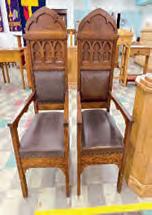
Religious Items: 17 stained-glass windows; brass candlesticks and crosses; floor candelabras; bread and wine serving trays; goblets and chalices; brass offering trays; church candles; large nativity sets; religious artwork; antique costumes; pastors’ stoles; hand-made felt banners.
Antiques: Framed photos & documents; Link Aviation softball jacket, McCoy dog cookie jar; 2 IBM wall clocks; new-in-box
ALCOA aluminum Christmas tree; 19th century bibles; enamel bowls; vintage flags and cast iron stands.
Commercial Kitchen: Curtis commercial coffee maker; electric roasters; stainless soup pots & strainers; large aluminum kettles; stainless serving tubs; Corning Decor dinner service; cast iron griddle.
Childcare: 3 large Community brand wooden shelves with block sets; Community brand wooden child’s carts and toys; boxes of vintage Fisher Price toys; 4 wooden child’s kitchen sets; large quantity of child’s school chairs.
Institutional Equipment: 6-and 8- foot plastic folding tables; card tables; 3 racks of metal folding chairs with cushioned seats; metal coat racks; 8 rolling carts (many stainless); 2 seven foot pedestal floor fans; Freidrich air conditioner; Stakmore wooden folding chairs.
Visit us on Facebook or AuctionZip (#52476) for complete pictures!

15% Buyer’s Premium cash or check, 18% Credit Card. Professional sales team and load-out staff on site Call Jim at 607-725-6833 or Luke at 607-239-8009. Absentee bids gladly accepted!
21st Century Antiques Presents MID-CENTURY MADNESS ON SITE AUCTION SALE PART 2!
SATURDAY
APRIL 15, 2023
PREVIEW 8:00 A.M. • AUC TION 10:00 A.M.
2 Tindall Rd., ROBBINSVILLE, NJ 08691
Join us for a second sale as we work our way through this large, overfilled house! Glass & Pottery: 100s pieces Lenox & giftware inc animals, unicorns, sea life, butterflies, Flowers, birds, Disney +. Vases & giftware w OBs. Restaurant egg cups, collector’s plates, Teacup collection, Metlox Poppytrail, Fenton art glass, Carnival, Lead Crystal, MCM cocktail items, Ruby/Cobalt cut-toclear, ruby flash, milkglass, hobnail, snowcrest, blown paperweights. Furniture: Grandfather clock, MCM Brutalist block bureaus, MCM Industrial furniture, stool, grate and wire end tables, curve front display cabinets, marble stick and ball hall-tree, MCM bedroom & dining room, more. Holiday: Animated Halloween & Christmas OBs, vintage life-size diecut Halloween skeletons MIP, Witches, pumpkins, jack-o-lantern diecuts, Life-size Christmas Santas, Snowmen MIP& loose, mercury, Disney, Hallmark ornaments. Toys & Dolls: Legends of Batman car OB, action figs, micro-machines, Roly-polys, Pink box Barbies, vintage tagged doll clothes, Lionel Train Sets, S, O & HO gauge train sets, trains, Plasticville & platform access. Vintage Sega Genesis GamesSonic, Aladdin, Clayfighter, Castle of Illusions, Street-Fighter +, Hotwheels-Real Riders Dream Van (scarce green) MOC, loose hot wheels inc redlines, Early Matchbox, Ertl, misc. +. Items of Interest: Sterling flatware 75+ pc set, sterling compotes, S&Ps, other silver, 30’s celluloid baby’s station, Chocolate molds, 30+ cartoon character baking molds, stained glass suncatchers, McCall’s 60’s-70’s era patterns/sewing notions, LPs- Children’s, Sinatra, Classic Rock, humor, vintage clothing-60’s leather: gogo skirts, fringe coats, 50’s semi formal, Victorian pet pelt, Kids-ET, CA Raisins T-shirts, vintage Phillies Shirts, Jacket, Adolpho 6pc luggage set MIB. 200+ Ceramic mold/figure collection. Generous box-lots. Much more unlisted! Directions: Rt 130 to Meadowbrook. 2nd left on Tindall. Parking on Donna Rd. Terms: 10% Buyer’s Premium. Cash, check or credit card with ID. 3% service charge for CC transactions. Comfort station on site. Bring a chair.
CONSIGNMENT & ESTATE AUCTION
FEATURING THE ESTATE OF LOIS LEHRMAN GRASS ONLINE BIDDING - PREVIEW BY APPOINTMENT

SATURDAY, APRIL 15 AT 10 A.M.
Motor Home · Furniture · Art · Collectibles · House & Home


2006 National RV Dolphin Series: Model Number 5367. VIN 5B4MP67G863418113. 28,188 Miles. Sleeps 5. Equipped with Atwood LP Gas Range and Slide in Cook Top, Norcold Refrigerator Toshiba TV and More! Also includes Car Hauler.
FURNITURE: Antique and Modern. Brown Jordan Outdoor Furniture; Hekman Arm Chairs; Vanguard Sofa; Wingback Chairs; Marble Top Tables; Hirsh File Cabinets; Thomasville Dining Suite; Pennsylvania House Windsor Chairs; Wash Stand; Desk; Occasional Tables; Wine Racks; Credenza; Mid Century Cabinets and Night Stands; Cub Chairs; Lucite; Blanket Chest; Office Chairs; Jelly Cupboard; Drop Leaf Tables.
ART: Paintings and Prints. Graciela Bianglino; Mola; Asian Paintings on Silk; Smader A Levine; Pam King; Ken Hull; Lloyd Garrison; Shraga Weil; Moshe Gat; T.Z. Shiota; Caldin; Andrew Wyeth; Exhibition Prints; Donald F. Hilderbrandt; Barabra Lehrman; Morris Kallem; Natalie Nadler; Charles Li Hidley; Peter Max; Robert Clay; Janet Hough; Sculptures: Glen Ellen, Lou Rankin, Guilloume Perez.
COLLECTIBLES: Quilts; Cowden & Wilcox Stoneware; Glass: Art Glass, Stuben, Simon Pearce, Edinburgh
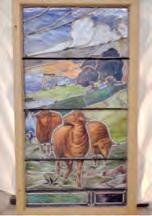
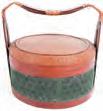

Etched Thistle Stemware, Paperweights; Ceramiche d; arte Ravello; Gustausburg Vase; Lladro’s; Royal Doulton; Lighters; Sasha Brastoff Plates; Coca Cola; Decoys: Robert Madison Mitchell, Alder Allen, Rod D. Schwarm ; Cloisonne; Dresser Boxes; Ethnographic Masks; Books: Art, Travel, History, Reference; Studio
Pottery; Native American Pottery; Records; Chinese: Boxes, Hats, Baskets, Ceramics.
HOUSE & HOME: All-Clad Cookware; Descoware; Bose Wave Radio II; Cast Iron Skillets; Stereo Equipment; Dirt Devil Vacuum; Kitchen Appliances: KitchenAid Mixer, Cuisinart Food Processor, Electric Griddles, Blender and More! Wrought Iron Fence; Sun Dial; Snap On Vac; Planters.
PUBLIC TOY AUCTION
Online & In-Person 4522 N Sherman St., Ext. Mt. Wolf, York Co., PA
SATURDAY, APRIL 22 9:00 A.M.
Preview: Fri., April 21, 12-4 P.M.
30 Restored Vintage Pedal Cars, Trucks & Airplane
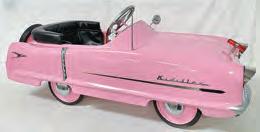
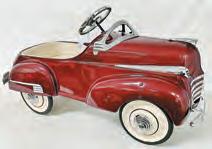
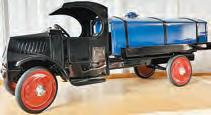
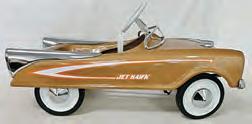

RENTZELS AUCTION
15% Buyers Premium for onsite bidders
Auctioneer: Dave Conley AU-003269L 717-577-1886 www.rentzelsauctionservice.com

QUALITY ONLINE AUCTION
Preview: By Appointment Only with Scott Younkin, 570-323-9011

Auction Ends: Sunday, April 16, 2023, soft closing at 7 PM
Removal: Wednesday, April 19, 2023, 2:00 to 6:00 PM Only

Location: Henry’s BBQ Parking Lot, 5693 US Route 220N Highway, Linden, PA 17744 Enjoy Henry’s Famous BBQs!
Please do not call Henry’s for auction information, call Scott Younkin at 570-323-9011

HIGH END ESTATE JEWELRY, SOME FROM PETROS & RICK MAHONSKI JEWELERS, SILVER COINS

2012 JEEP COMPASS LATITUDE, INSPECTED, LESS THAN 65K MILES, TO BE SOLD AT $5,000 OR MORE
2018 SUBARU FORESTER AWD, FRESH INSPECTION, LESS THAN 50K MILES, TO BE SOLD AT $18,000 OR MORE.
PREITZ ESTATE ONLINE AUCTION #1
Preview: Tuesday, April 11, 2023, 2 PM to 5 PM
Auction Ends: Monday, April 17, 2023, soft closing at 7 PM
Removal: Thursday, April 20, 2023, 1:00 to 5:00 PM Only
Location: 2352 Roosevelt Avenue, Williamsport, PA 17701
Bring any necessary tools and equipment for removal.
QUALITY FURNISHINGS • ANTIQUES • COLLECTIBLES
KITCHEN/HOUSE WARES • FOREIGN MONEY • JEWELRY • ROCKS/MINERALS TOOLS

SNOWTHROWER • RIDING LAWN TRACTOR
The late Mr. Preitz, being a retired antiques dealer whose interests spanned a broad spectrum in the antiques business.
PREITZ ESTATE ONLINE AUCTION #2
Preview: Monday, April 17, 2023, 1 PM to 5 PM
Auction Ends: Sunday, April 23, 2023, soft closing at 7 PM
Removal: Tuesday, April 25, 2023, 1:00 to 5:30 PM Only
Location: 2352 Roosevelt Avenue, Williamsport, PA 17701
Bring any necessary tools and equipment for removal.
ANTIQUES • COLLECTIBLES (SMALL) • TOOLS • FURNITURE

The late Mr. Preitz, being a retired antiques dealer whose interests spanned a broad spectrum in the antiques business.
VISIT https://weaversauctionservice.hibid.com/ to view catalog, photos and to bid
Please direct all questions to Scott Younkin 570-323-9011 for information
SERVICE INC.
R094845
100 Toy Trucks: Smith Miller, Tonka, Buddy-L & More. Retro 123: McHenry Trucks & Race Car w/ Trailer; Franklin & Danbury Mint Model Cars & Trucks, 1/50 scale CAT construction Toys, Model Airplanes; Large Selection of KATO N Scale Trains, Many High Detail Large Scale Model Boats, Vintage Toys, Cars, Trucks, Hot Wheels & More. R094789
antiquesandauctionnews.net 12- - Antiques & Auction News — April 14, 2023 Applicable Buyer’s Premium. Pick Up BY APPOINTMENT. 1500 Paxton St, Harrisburg, PA R094853
Check auctionzip.com ID#1049 for pictures and details. CHRIS DOERNER, AUCTIONEER R094882
Scott Younkin –
Phone: 570-323-9011 AU-001666L Michael Weaver – Auctioneer AU-002180-L David Weaver – Auctioneer AU-00606-L
Auctioneer
AND R094865
Conducted jointly by
Mid-Century Modern Special Sales Display For Month Of April
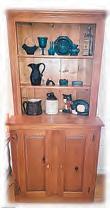
Mention Mid-Century Modern (MCM), and most will immediately envision something architectural or decorative, such as Frank Lloyd Wright’s iconic design for the Guggenheim Museum in New York City or an Eames lounge chair.
Space is limited for the April special sales display at the Haddon Heights Antiques Center, yet lots of vintage MCM items will be available. If the clean, simple lines of the 1940s, ’50s, and ’60s appeal, then a trip to this popular shop is in order.
Shopgoers will find glass and ceramic objects from famous names such as Hull, Royal Haeger, and Pyrex. There will be decorative pots, planters and vases from various MCM potteries from California. There will be colorful stretch glass vases and sleek barware. Look for dishware with atomic design elements or classic colors like pink and turquoise.
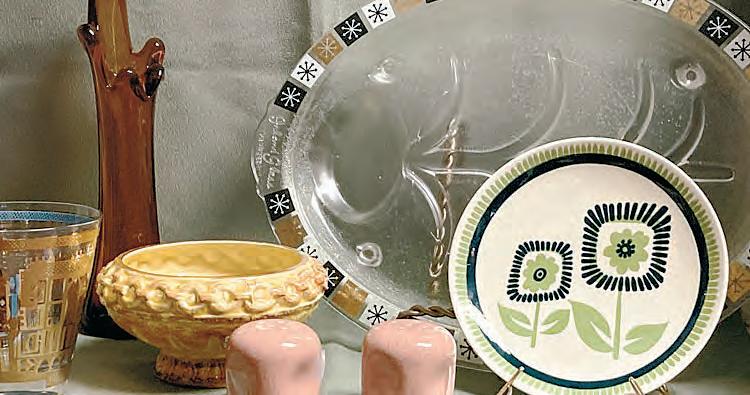
Of course, mid-century objects like head vases or French spaghetti poodle figurines and more can be
found throughout the shop as well. With over 50 different active dealers on multiple levels, there is always something new and different to see.
The Haddon Heights Antiques Center is located at 531 Clements Bridge Road, Barrington, N.J., and is open daily from 10 a.m. to 5 p.m., with extended hours on Fridays.

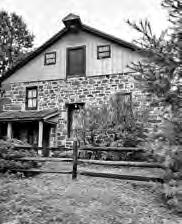
For directions or additional information, call 856-546-0555.
Hunting And Fishing Show
Continued from page 11 hunting and fishing related items found at this show is extensive.
purchase. An early buyer’s preview will be held at 8 a.m. with a $10 admission.
There will be approximately 100 exhibiting dealers and collectors displaying for sale antique hunting and fishing licenses, shell boxes, old lures, decoys, fishing rods, reels, posters, books, knives, guns, traps, and patches. The diverse array of
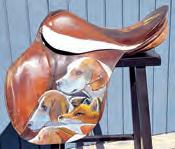
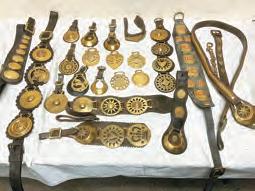

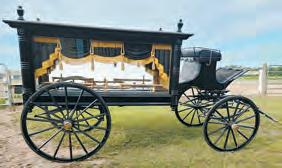
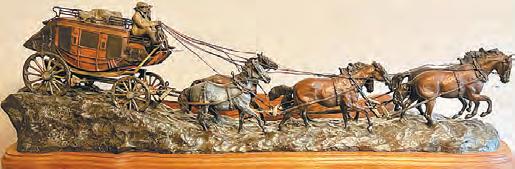
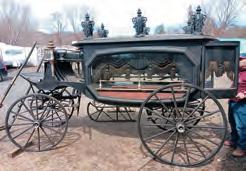
This show is often referred to simply as the Lancaster Show within the hunting and fishing antique and collectible community. The next show will be held on Saturday, Aug. 12.
To learn more, call Ron Funk at 717-371-0395 (evenings).
52nd Annual Spring Auction


Auction Bidding: LIVE Bidding: Live Bidding starts at 9AM (in person at auction site) and Limited Consignments to be sold via ONLINE webcast (www.martinauctioneers.hibid.com)

ABSENTEE & PHONE BIDS (accepted qualified buyers).

Thousands of lots to be sold day of auction without prior advertising or photographs. There will be several auctioneers selling in multiple rings at the same time!
Note: Many of our Good Consignments are consigned too late for proper advertising and show-up week of auction.
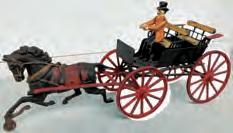
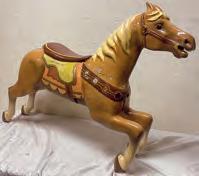
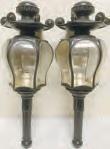
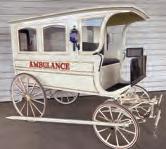
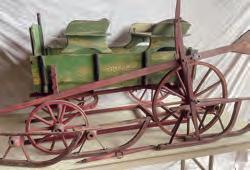
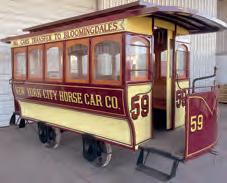
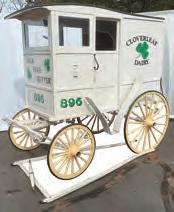
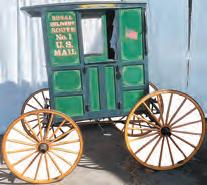
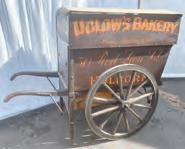
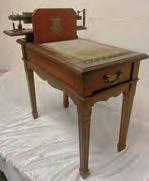
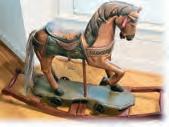
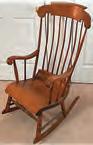
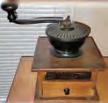


For more information, updates and large photo gallery, terms & conditions, view our website: www.martinauctioneers.com and AuctionZip – ID#1891
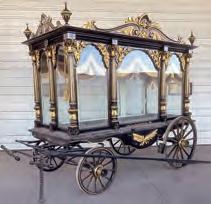
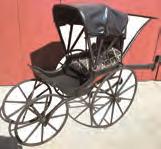
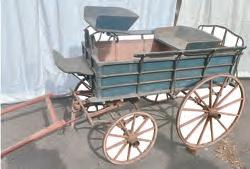
NOTICE: To better serve our clientele, we have begun sending brochures by EMAIL. Please be sure to update your email address with our office to ensure you don’t miss any of our upcoming auctions. Brochures and flyers will only be sent out by EMAIL.
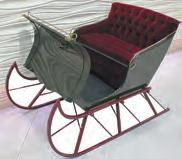
antiquesandauctionnews.net Antiques & Auction News — April 14, 2023 - - 13 COIN AUCTION (2 OF 3) SAT., APRIL 15 AT 10:00 A.M. (Preview at 9:00 A.M.) Location: 1601 Limeport Pike, COOPERSBURG, PA 18036 200+ Lots of Coins- Part & Mint Sets, Silver Eagle Rolls, Certified, Proof Gold & More! Also, Indian Cents, Lincoln Cents & Nickels, Mercury & Barber Dimes, Barber, Walker & Franklin Halves, & More! Coins sorted, graded & listed by Richard Brinckman Terms and Conditions: 13% B.P. (3% disc. with cash or check) Visa, MasterCard, Discover; Cash or Check (w/ valid ID), 6% PA Sales Tax. www.somersauctioneering.com Auctioneer: Greg P. Somers - AU003981L R094817 1915 R094873 Estate of Joseph Simasek (Living). Large collection of antiques, vintage and newer items. Household goods, appliances, collectibles, Ethan Allen and Amish shaker style furniture, framed prints, craft supplies, woodworking tools & more. Internet Online Only Ends Sunday, April 23, 2023 104 Constitution Dr. Morganton, NC 28655 See online catalog for full terms and conditions Ends: Sunday, April 23 @ 6:30 pm EST SOFT CLOSE Buyers Premium 15% Auction Pickup BY APPOINTMENT: Tues., April 25, Thurs., April 27 and Fri., April 28 https://redsuitrealty.hibid.com Call or text (704) 775-9319 John F. Palinkas III NCAL #8664 NCAFL#10496 REGISTER TODAY! The Witman Auctioneers Team Is Currently Booking Auctions Now & In The Future For The 2023 Auction Season. Call Us Now For Competitive Rates. Auction by: Witman Auctioneers, Inc. Luke R. & Clarke N. Witman www.witmanauctioneers.com 717-665-5735 • 717-665-1300 • AY-000155-L R094162 ON-SITE PUBLIC REAL ESTATE AUCTION THURSDAY, MAY 11 • 6:00 P.M. LOCATION: 1700 Texter Mountain Road, Reinholds, PA 17569 West Cocalico Twp., Lancaster County HISTORICAL BECHTEL’S MILL RESIDENTIAL PROPERTY SANDSTONE 2½ STORY MILL ON HARNISH CREEK (Blainsport/Texter Mountain Area). This Residential/Mill Has A Tremendous Amount Of Historical Importance! Many Of The Grist Operational Parts Seem To Still Be In Place & Intact. CERTAINLY DO NOT MISS THIS IMPORTANT PROPERTY! Open House Dates: Sat., April 22 & 29, 12:00 Noon-2:00 P.M. For Financing, Photos, Full Listing, Terms See Website: www.witmanauctioneers.com Auction For: C. Ned Foltz
R094881 FRIDAY, APRIL 21 • 9:00 A.M. DOORS OPEN
A.M. AUC TION DAY
Large One Day Auction Held Indoors Lebanon Fairgrounds Expo Center,
Preview – Thursday, April 20th 1PM to 6PM Doors Open 8AM Auction Day, April 21st Auction Will Last Late into the Evening Hours 180+ Horse Coaches, Carriages, Sleighs, Wagons & Trailers! Approximately 1500+ lots of Harness & Equipment, English & Western Saddles, Tack (new and used condition), Lamps, Equine Items, Carriage Appointments, Good Quality Antiques and Primitives
Z. Martin, Jr. 12 N. Railroad Avenue • P.O. Box 99 • New Holland, PA 17557 Phone: (717) 354-6671 • Fax: (717) 354-8248 www.martinsauctioneers.com • email: info@martinauctioneers.comPA-AY0014-4L
Driving
National PA Auctioneers
MARTIN’S
8:00
Very
Lebanon, PA 17402
Paul
Members of: Carriage Association of America, American
Society, USEF, Concord Coach Society,
Associations
Announcements made at time of auction shall take precedence over printed and oral information. ALL SALES ARE FINAL! Buyers Premium is due at buy. We are unable to guarantee correspondence via Facebook messenger or text. All correspondence should be submitted email and we will respond as soon as possible. Small Milk Wagon Restored Hearse Restored Mail Wagon Restored Streetcar Trolley Restored 1890’s Hearse Miniature Original Hitch Wagon Restored Ambulance Cast Iron Stable Horse Legs 1 Pr of a Large Collection of Lamps Hand Painted English Saddle Wooden Carousel Horse Horse Harness Brasses Original Rolls Royce Catalog Dan Stewart Original Bronze of Stagecoach & 6 Horses #16 of 25 44L x 12.5H x 9W Rocking Horse Antique Backpad Bell With Horse Hair Plume Original W&T Avery Birmingham England Jockey Scales English Bakers Vendor Car Original Hearse w/Sleigh Runnes Child’s Studebaker Junior Wagon Yamaha gas run Golf Cart Restored Sleigh Restored Baby Carriage Salesman Sample Western Saddle Cast Iron Toy Carriage & Horse Miniature Wagon
Spring Sale!
Wednesday, April
-
April 24-25 10:00am–5:00pm

LOCATION: 1041 West Bridge St., #20, Phoenixville, PA 19460
SPRING AUCTION FOR: A Wilmington Estate, a Chester County Collection, a Delaware Gentleman and others.
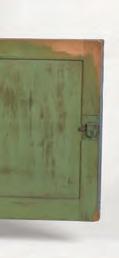
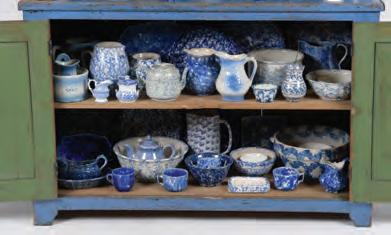
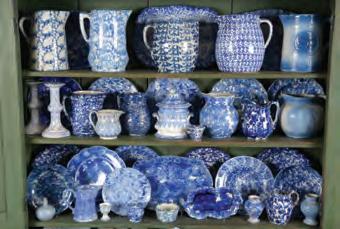
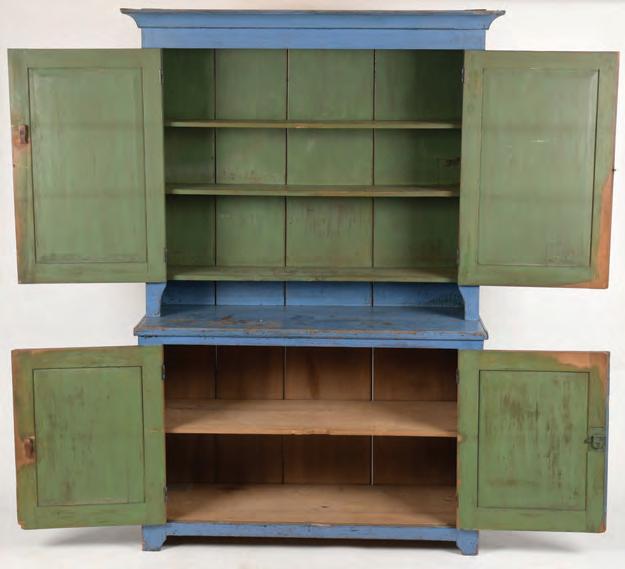
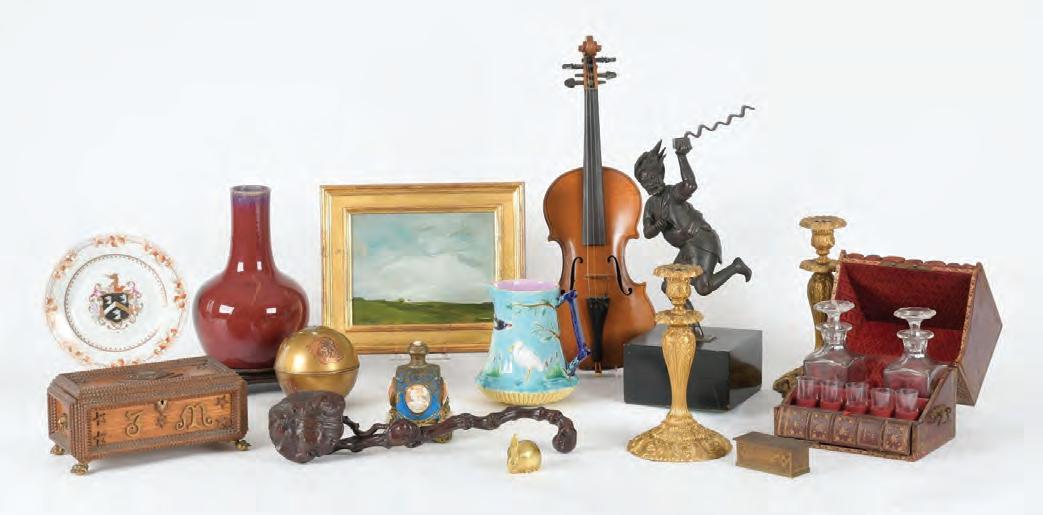
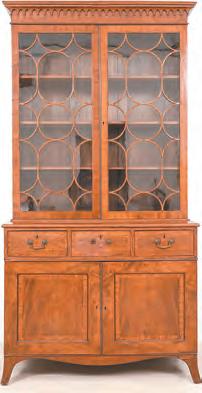
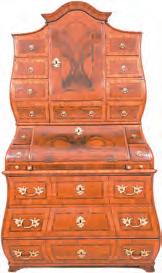
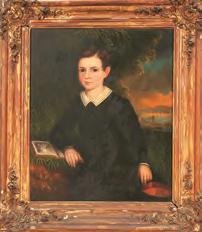
FEATURING An ANDREW CLEMENS SAND BOTTLE, an important and extensive art doll collection including Lynne & Michael Roche, Hildegard Gunzel, Brigitte Deval, Regina Sandreuter and others. Also selling sterling silver, Asian porcelains, period high-style and country furniture, paintings, a significant clock and clock movements collection, a large oyster plate collection and much more – over 600 lots!
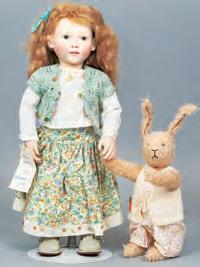
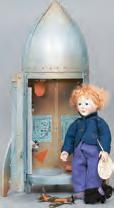
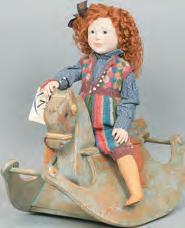

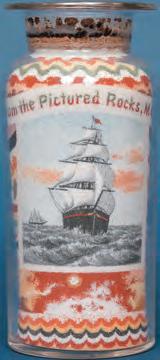
PREVIEW: APRIL 10TH-15TH FROM 10AM TO 3PM
Online bidding currently on LiveAuctioneers, Invaluable, Bidsquare, Bidspirit




Locati's April auction features property from Bucks County, Philadelphia, New Jersey and Chester County estates and collections. Highlights include a Yamaha grand piano, a Tiffany Studios hanging fixture, some good Chinese porcelain and bronzes, an American stepback cupboard in old blue paint, fine jewelry, a Rolex watch and much more. For more info go to www.locatillc.com or call us at (215) 619-2873

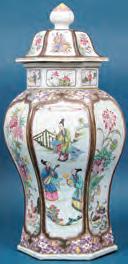
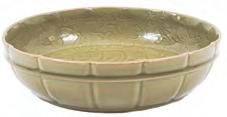

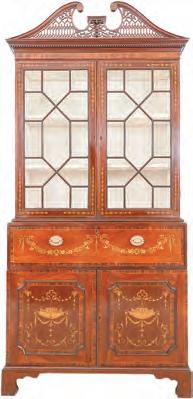
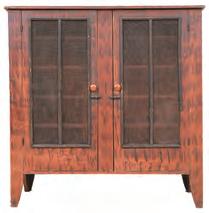
antiquesandauctionnews.net 14- - Antiques & Auction News — April 14, 2023 R094745 Go to www.wiederseim.com OR call (610) 827-1910 for more information! LIVE at our Gallery and Online thru Bidsquare & LiveAuctioneers
26, 2023
9:00am LIVE at our Gallery and ONLINE with Bidsquare and LiveAuctioneers
PREVIEW:
Robert Street
Andrew Clemens
Lynne & Michael Roche
Chinese
Art Nouveau Bronze
Chinese
Hildegard Gunzel Artist Doll
Chinese Porcelain Pie safe
Roche - part of a large collection
Lynne & Michael Roche
Theodore E. Wiederseim, Auctioneer #AU003361L
Butler’s Secretary
German Baroque
Charles II Coffer
Lynne & Michael Roche
SUNDAY, APRIL 16TH AT NOON
AY002425
761 DURHAM RD, PINEVILLE, PA R094869
Hake’s
Masters of the Universe
Eternia Series 5 playset with towers, vehicles, a monorail and a bevy of other accessories settled at $13,369 against expectations of $2,000-$5,000.
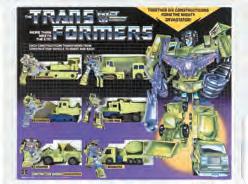
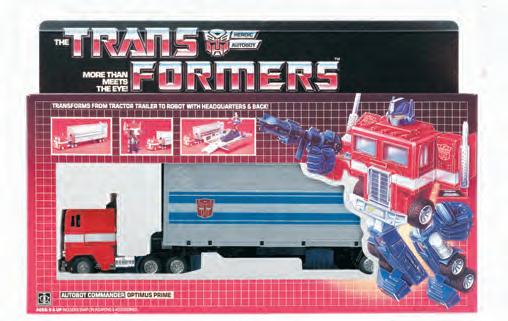
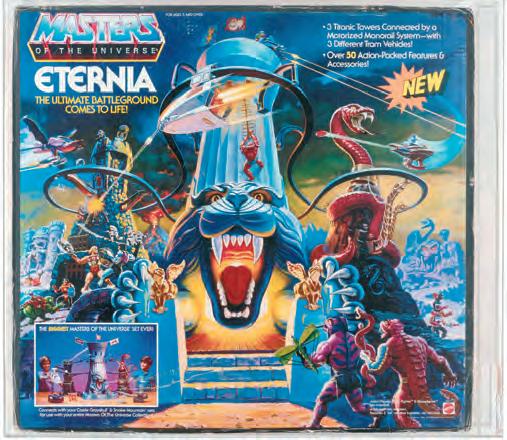
There was no shortage of interest in the array of comic books and original comic art, including a Marvel The X-Men #1 comic book cover-dated September 1963. CGC-graded 7.0 Fine/VF and containing the origin and first appearance of both The X-Men and Magneto, it sold within estimate for $27,418. The original art for the cover of DC Comics’ Brave and the Bold #179, published in October 1981, was drawn by Ross Andru and inked by Dick Giordano. Its action-packed scene shows Batman swinging in to assist members of the Legion of
FINE ART WANTED ROGALLERY.COM
BUY. SELL. CONSIGN ONLINE ART AUCTIONS OVER 5000 ARTISTS




800.888.1063

COINS/CURRENCY
SMALL COLLECTOR PAYS FOR COINS & COLLECTIONS: ALLTYPES. Will travel to you. Call Gary: 301-809-0291

Original art for cover of DC Comics’ “Brave and the Bold” #179, October 1981, drawn by Ross Andru and inked by Dick Giordano, sold for $14,162 against an estimate of $5,000-$10,000.
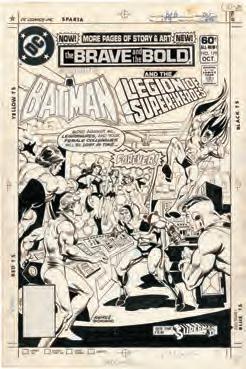
Super-Heroes as they attempt to rescue teammates. The artwork sold for $14,162 against an estimate of $5,000-$10,000.
An extraordinary rarity, a 1939 Superman Christmas card issued by McClure Newspaper Syndicate, the earliest of any known holiday cards with an image of the Man of Steel, was accompanied by a letter on McClure letterhead and addressed to McClure cartoonist Wilhelm Timyn (known professionally as “Tim”). Deemed the only known example of its type, the card was bid to an astonishing $12,234 against a pre-sale estimate of $2,000-$5,000.

A visually compelling music poster that rocked the auction was a 1969 production featuring Gunther Kieser’s interpretation of Jimi Hendrix with psychedelic tubes plugged into his head. Extremely rare and not to be mistaken for merchandising posters printed for use during the Jimi Hendrix Experience’s
1969 U.S. tour, the auction entry had been discovered inside an LP by a GI who spent time in Germany during the period of the poster’s production. Assigned a $5,000-$10,000 estimate, it resonated with collectors of ’60s ephemera, who chased it to $18,561.
To learn more, call 866-404-9800 (toll-free) or 717-434-1600 or visit Hake’s at www.hakes.com.
All images courtesy of Hake’s Auctions.
WANTED: PRESIDENTIAL & Other Historic Autograph Material. Pages of History, PO Box 2840, Binghamton, NY 13902. 607-724-4983
OLDTOYTRAINS Private collector seeking wellkept Lionel, Flyer, Marklin, etc., trains & access. Top dollar. Call: Dr. Bob, 215-520-6803
STAMPS
BRIEF
LISTING: All the cars run and are in excellent condition, most are show worthy. 2-toned blue 1948 Indian motorcycle w/3-speed hand shift; White 1958 Chevy Impala 2-door convertible (white top), original body & newer paint, V-8, auto trans, power steering, white wall tires, 33,814 miles, pristine; Black 1951
Oldsmobile sedan “Rocket”; Green/White 2-toned 1951 Mercury 4-door sedan; Green 1954 Ford Custom-line 2-door coupe; Tan/Brown 2-toned 1932
Chevy 2-door roadster; Maroon/Black 1931 Ford model-A sedan; Green 1929 Ford model-A coach; Black 1930 Chevy sedan Imperial; Red 1992 Oldsmobile Cutlass-Supreme convertible; Maroon 1985 Oldsmobile 98-Regency 2-door sedan; Farmall model “H” tractor; Columbia 2-seater pedal bike; Motobecane mo-ped motorcycle w/ 50-v engine, runs. AUCTIONEER'S NOTE: After a few decades of enjoying antique cars and car shows, Mr. & Mrs. Barnett are selling their entire car collection at auction. All cars are in excellent condition and you can purchase and drive them directly to your next car show. A rare opportunity to purchase directly from the collector. Please be prompt, no small items. Total auction time under 1-hour. OPEN HOUSE: Saturday, April 15 from 1-3 P.M. & 2 hours prior to auction time. Call/Text Auctioneer 717-587-8906. Please visit our website for abundant photos www.martinandrutt.com.
INTERNET BIDDING WILL BE AVAILABLE
To place your classified ad Call 1-800-428-4211 Highest Prices Paid. Lobby Cards, 1-Sheets, Window Glass Slides Displays Dwight Cleveland, ph. 773-525-9152 POB 10922, Chicago, IL 60610 posterboss@aol.com
CHINESE STAMP BUYER PAYS TOP $ www.chinesetampbuyer.com jon@chinesestampbuyer.com
MOVIE POSTERS
OCEAN LINER MEMORABILIA china, glassware, silver, paper, souvenirs, posters or models. Cunard, French Line, White Star Line, Italian Line, etc. 607-768-8740
ANTIQUE LAMP& METALS RESTORATION
Antique Oxidized Patina Finishes, Polishing & more in Abbottstown, PA. Ask for John: 717-797-9194
SHEET MUSIC WANTED, any era. Sandy Marrone, 113 Oakwood Drive, Cinnaminson, NJ 08077, 856-829-6104 E-mail smusandy@aol.com


antiquesandauctionnews.net Antiques & Auction News — April 14, 2023 - - 15 R068587 call 1-800-800-1833, Ext. 6022 or place your ad online antiquesandauctionnews.net F063435 ATTENTION! Get the Word Out! Advertise Your SERVICE OR SUPPLIES in the Classifieds! Call 1-800-800-1833, x6022 or www.antiquesandauctionnews.net VISIT OUR WEBSITE OR CALL TO FIND A DEALER IN YOUR AREA If you are interested in selling Howard Products call 800-266-9545 for resale information. FOLLOW US! • Conditions with a coating of beeswax and Brazilian carnauba wax • Protects outdoor wooden projects from harsh UV Rays • Helps maintain the natural beauty and depth of grain • Polishes outdoor furniture to a soft luster • Helps prevent drying and deterioration • Easy to apply with a gel-like consistency BEFOREAFTER R094905 PLACE YOUR CLASSIFIED AT ANTIQUESANDAUCTIONNEWS.NET OR 1-800-428-4211 CLASSIFIEDS SEEKERS/SELLERS R094241 AUCTION FOR: LLOYD & RUTH BARNETT AUCTION BY: Martin & Rutt Auctioneers, LLC Ephrata & New Holland, PA AY-2189-L John J. Rutt II, 717-587-8906 Michael J. Martin, 717-371-3333 (Bernville & Berks Co. Area)
CLASSIC & ANTIQUE CAR COLLECTION * MODEL-A’s 1-OWNER COLLECTION * SHOW CARS * 1948 INDIAN MC. SAT., APRIL 22 @ 2:00 P.M. LOCATED AT: 100 N. Main St., Bernville, PA 19506 DIRECTIONS: From Rt. 183 & Rt. 222 intersection North of Reading, travel North on Rt. 183 for 8 miles to the town of Bernville, watch for signs.
PUBLIC AUCTION
art@rogallery.com 47-15 36th ST., LIC, NY 11101 OLD PAINTINGSWANTED American Impressionists, New Hope School artists, PAFA artists, European paintings. 40 years experience. Immediate payment. Call 215-348-2500.
Continued from page 4
A 1939 Superman Christmas card issued by McClure Newspaper Syndicate, earliest of any known holiday cards featuring the image of the Man of Steel and the only known example of its type, sold for $12,234 against an estimate of $2,000-$5,000.
This 1986 Masters of the Universe Eternia Series 5 playset with towers, vehicles, monorail and full complement of accessories sold for $13,369 against a pre-sale estimate of $2,000-$5,000.
The Hasbro 1984 “Transformers” Series 1 Optimus Prime in window box, AFA 85M+ with Trademark logo, which is much rarer than the version with a registered logo, in original factory state, estimated at $10,000-$20,000, sold for $34,462. It’s the highest price ever paid at auction for a “Transformers” toy.
This 1985 Series 2 Devastator gift set containing six individual Constructicon robots that can be merged to form one Devastator robot, estimated at $10,000-$20,000 sold for $25,370, the second-highest price ever paid at auction for a “Transformers” toy.
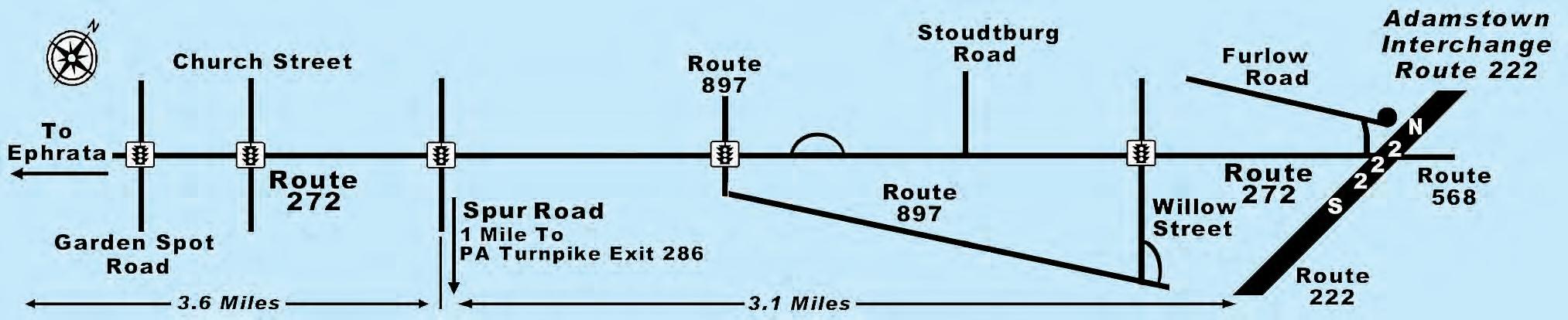


antiquesandauctionnews.net 16- - Antiques & Auction News — April 14, 2023 R094597 Best Year-Round Antique Shopping Anywhere in the U.S.A Special Event Featuring More Dealers, More Stuff, Extended Hours to Shop! Take PA Turnpike to exit 286, Continue 1 mile straight to Rt. 272, Turn N. or S. for markets in both directions. 17 16 14 9 12 13 8 7 4 5 3 1 2,000+ Dealers & Dozens of Antique Markets Along 7 Miles of Rt. 272 DON’T MISS EXTRAVAGANZA WEEKS! JUNE 21-25 • SEPTEMBER 27-OCTOBER 1 Mother Tucker's Antiques 566 N. Reading Road Route 272 Thurs. Thru Mon. 9-5 Extrav Hours Wed. 9-5, Thurs.-Sat. 9-8, Sun. & Mon. 9-5 mothertuckersantiques.com 717.738.1297 17 Uncle Funky's Thrift Shop Vintage Clothes & Jewelry 2350 N. Reading Road Denver, PA 17517 Thursday, Friday, Saturday 11-6 484-432-9770 13 1 Lancaster County Antique Center, LLC 2255 N. Reading Rd., Rt. 272, Denver, PA 17517 Regular Hours: Mon. & Thurs. 9-5; Fri., Sat. & Sun. 9-7:30 Extended Hours & Open Wed. For Extrav. 717.336.2701 14 Heritage Antique Center 2750 N. Reading Rd., Rt. 272, Reinholds Reg. Hours: OPEN DAILY 10-5 Extrav Hours: Thurs., Fri., Sat. 9-7, Sun. 9-6 10%-30% Discounts 717.484.4646 7 Renningers Antiques/Collectibles Market 2500 N. Reading Road, Route 272, Denver, PA 17517 The Early Market With 300+ Booths To Shop ! Fresh Merch Every Sunday Every Vendor ! Outdoors Open Sunday 4am-2pm Indoors Open Sunday Only 7:30am-4pm www.renningers.net 717.336.2177 9 2664 N. Reading Road, Rt. 272 at 897, Reinholds Mon.-Thurs. 10-5, Fri. & Sat. 10-6, Sun. 9-5 Extended Hours for Extravaganza Thurs., Fri. Sat. 15%-20% Discounts 717.484.1514 8 272 Antiques & Collectibles Marketplace 1300 N. Reading Rd., Rt. 272, Stevens Open Everyday Mon.-Thurs. 10-5; Fri.-Sun. 10-6; Open ‘til 8 Wed.-Sat. During Extrav 10%-33% Discounts 717.336.0888 16 4 3 ADAMSTOWN, PA APRIL EXTRAVAGANZA APRIL 26-30 717.208.2380 300+ HIGH QUALITY Antique Vendor Booths 50,000+ Square Feet Under Roof Sat. & Sun. 7:30am to 4pm Pavilions Open 4:30am 2800 N. Reading Road | Route 272 @AngusAntiques 5 For More Info. on Lodging, Bed & Breakfasts, Restaurants & Specialty Shops Visit antiquescapital.com 12 U.S. A. Antiques Capital ntiques ntique All Week Adamstown Antique Mall 3014 N. Reading Road, Route 272, Adamstown MOST DEALERS 15-20% OFF Extrav Hours: Mon. 10-5; Closed Tues., Wed. 10-8; Thurs.-Sat. 9-8; Sun. 9-5 717.484.0464 Mad Hatter Antique Mall Corner of Rt. 272 & Willow Street MOST DEALERS 15-20% OFF Extrav Hours: Mon. 10-5; Closed Tues. Wed. 10-8; Thurs.-Sat. 9-8; Sun. 9-5 717.484.4159 Pine Hills Antique Mall MOST DEALERS 15-20% OFF Extrav Hours: Mon. 10-5; Closed Tues. Wed. 10-8; Thurs.-Sat. 9-8; Sun. 9-5 717.484.6313 Buying & Selling Gold & Silver ! Home Decor !
