The landmark exhibition “Hear Me Now: The Black Potters of Old Edgefield, South Carolina” recently opened at The Metropolitan Museum of Art. Focusing on the work of African American potters in the19th-century American South, in dialogue with contemporary artistic responses, the exhibition presents approximately 50 ceramic objects from Old Edgefield District, South Carolina, a center of stoneware production in the decades before the Civil War. It will include monumental storage jars by enslaved potter and poet David Drake, alongside rare examples of the region’s utilitarian wares, as well as enigmatic face vessels whose makers were unrecorded. Considered through the lens of current scholarship in the fields of history, literature, anthropology, material culture, diaspora, and African American studies, these vessels testify to the lived experiences, artistic agency, and material knowledge of the enslaved peoples of this area.
The exhibition is made possible by Kathryn Ploss Salmanowitz, The Met’s Fund for Diverse Art Histories, the Terra Foundation for American Art, Anthony W. and Lulu C. Wang, The Peter Jay Sharp Foundation, and the Henry Luce Foundation. It is organized by The Metropolitan Museum of Art and the Museum of Fine Arts, Boston.
“As the first exhibition from The Met’s American Wing to highlight the work of enslaved makers, this project marks a pivotal moment in the museum’s efforts to tell a more inclusive and expansive story of
artistic expression, both past and present. These remarkable vessels help tell untold histories, while also raising complex questions regarding the collecting, display, and interpretation of objects made by enslaved individuals,” said Max Hollein, Marina Kellen French Director of The Met. “Displayed alongside the 19th-century works are contemporary works that reflect the spirit of, or were directly inspired by, Edgefield traditions. Taken together, along with the scholarly publication, audio guide, and upcoming public programs, this exhibition celebrates the creative practices of all artists on display as enduring tools of communication and activism.”
Potters
population and was inextricably linked to the demands of a lucrative plantation economy.
“Hear Me Now” sheds light on the many contributions and lived experiences of the hundreds of men, women, and children who labored within slavery’s system of oppression by presenting a fuller picture of the region’s
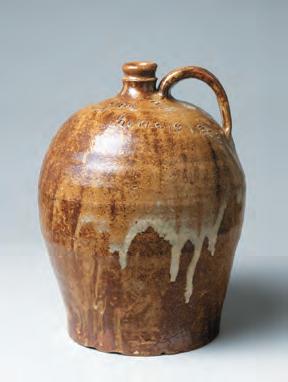
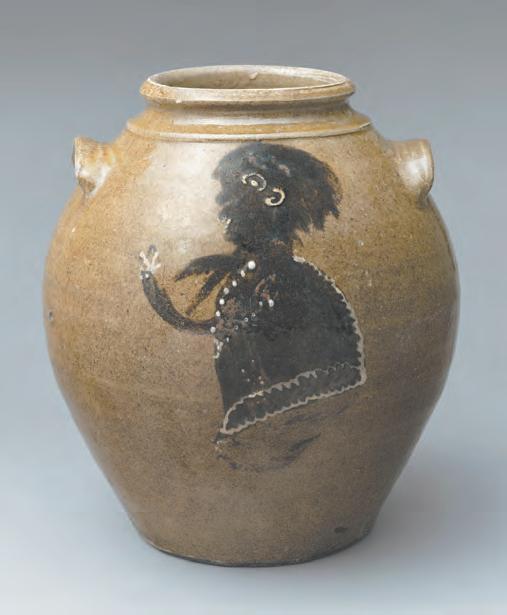
This work by Dave (later recorded as David Drake, ca. 1801–1870s), Stony Bluff Manufactory (ca. 1848–67), Old Edgefield District, South Carolina jug, 1853, alkalineglazed stoneware, H. 14. in. (37.5 cm)is inscripted “Lm / June 10 1853,” courtesy of collection of Glenn Ligon.

The work of an unrecorded potter, Old Edgefield District, South Carolina, face jug, ca. 1850–70, alkaline-glazed stoneware with kaolin, H. 4 1/2 in. (11.4 cm), courtesy of The Chipstone Foundation (2012.3), photo by Gavin Ashworth.
Exhibition Overview
In the decades before the Civil War, a successful alkaline-glazed stoneware industry developed in Old Edgefield District, a clay-rich area in the western most part of South Carolina. From the beginning, enslaved African Americans were involved with all aspects of this labor-intensive industry. The stoneware they made, durable, impervious, utilitarian vessels of varying sizes and forms essential for food preparation and storage, supported the area’s expanding
The work of an unrecorded potter, probably Thomas M.Chandler Jr. (1810-1854), Phoenix Stone Ware Factory (ca. 1840), Old Edgefield District, South Carolina watercooler, ca. 1840, alkaline-glazed stoneware with iron and kaolin slip, H. 31 1/4 in (79.4 cm), is in the collection of the High Museum of Art (1996.132), photo by Michael McKelvey/courtesy of the High Museum of Art in Atlanta, Ga.
stoneware production.
The exhibition opens with a display of 12 monumental masterpiecesby Edgefield’s bestknown artist, David Drake, known as Dave, who signed, dated, and incised verses on many of his jars, even though literacy among enslaved people was criminalized at the time. The verses bear witness to the joys, traumas, and lived experience of enslavement, echoing the prose of abolitionists such as Frederick Douglass and Harriet Jacobs.
Among the highlights is a selection of 19 regional face vessels, ceramic vessels embellished with hand-modeled facial features in high relief. Also referred to as face jugs, the emergence of these vessels coincides roughly with the 1858 arrival of a slave ship illegally
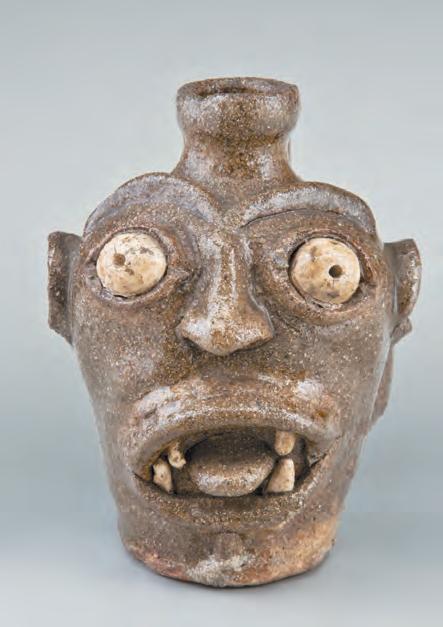
transporting more than 400 captive Africans, some 50 years after the transatlantic slave trade had been outlawed in the United States. More than 100 of these individuals were sent to Edgefield, where many were put to work in the potteries. Growing evidence suggests that this late arrival of captive Africans served as a catalyst in the re-emergence of African-inspired art, religion, and culture in the region. Face vessels bear a close resemblance to minkisi, or ritual objects, which were important in West-Central African religious practices where ritual experts used kaolin as a sacred substance to facilitate communication between the living and the dead. Kaolin inserts are found in Edgefield face vessels, suggesting similar spiritual meanings.
Speaking to Edgefield’s continued resonance, and offering connections to an otherwise fragmented past, the contemporary pieces in “Hear Me Now” include works by Black artists who have responded to or whose practice resonates with the Edgefield story, such as Simone
Haddon Heights To Celebrate Halloween
Attention all lovers of Halloween! The time has come to visit the Haddon Heights Antiques Center to check out the October special sales display featuring vintage Halloween and assorted spooky delights.
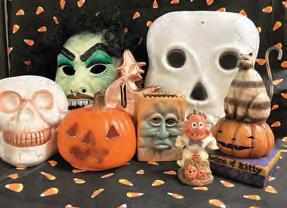
Rivaling only Christmas with the number of dedicated collectors, Halloween is a holiday that blends nostalgia for childhood memories of dressing in costume to collect candy and a certain fascination for all things creepy and scary. Shoppers will find a little of both in the sales display.
From happy jack o’lanterns and not-so-scary ghosts to menacing witches and werewolves, there will
The Simple Goods Early Country and Primitive Goods Show is scheduled for Saturday, Nov. 5, from 9 a.m. to 3 p.m. at the Heritage Community Center located at 3558 U.S. Route 62 in Berlin, Ohio. The show consists of over 50 booths. All
FRIDAY OCTOBER 14,2022 • VOL.52,NO.41 FEATURE RESULTS: Horst Auctioneers September 17 Sale - Page 2 In This Issue SHOPS,SHOWS & MARKETS . . . . . . . . . starting on page 3 SHOPS DIRECTORY . . . . . . . . . on page 4 EVENT & AUCTION CALENDAR . on page 6 AUCTIONEER DIRECTORY . . . . on page 6 AUCTION SALE BILLS . . starting on page 7 CLASSIFIEDS . . . . . . . . . . . . .on page 11 ANTIQUES NEWS, P.O.BOX 500 MOUNT JOY, 17552 ADDRESS SERVICE REQUESTED PRSRT STD U.S.POSTAGE PAID ENGLE PUBLISHING CO. Simple Goods Early Country Antiques And Primitive Goods Show Set For Nov. 5 Country Show Takes Place In Berlin, Ohio “Hear Me Now: The Black
Of Old Edgefield, South Carolina” Now Open At The Met Important Exhibition Adds Great Insight To Ceramics Field antiquesandauctionnews.net Continued on page 4 Continued on page 6 Continued on page 11
The Herr Sale Delivers Bucher Boxes Excel
By Karl Pass
Horst Auctioneers of Ephrata, Pa., held a quality 247-lot sale on behalf of the late Dr. Donald Herr and Dr. Trish Herr on Sept. 17. Don passed away Dec. 12, 2021, at the age of 83. Trish is currently in an assisted living facility.
Pook & Pook held a large two-day sale of their material on June 9 and 10 and will sell more of Don’s pewter collection in 2023.

The selection Horst handled were excellent, clean (good condition) country offerings. The sale included many examples of signed and
decorated wrought-iron utensils, a large variety of baskets, unusual cookie cutters, lehnware, rugs, pottery, and textiles, among other items. The total gross was $181,315. Horst does not charge a buyer’s premium for in-house bidding. A 10-percent premium was charged for online and absentee bidding. No phone bidding is done. A number of the things the Herrs bought over their collecting career came through Horst, and several people in the salesroom said how pleased they were that some of their collection was being sold there.
“You don’t see old round
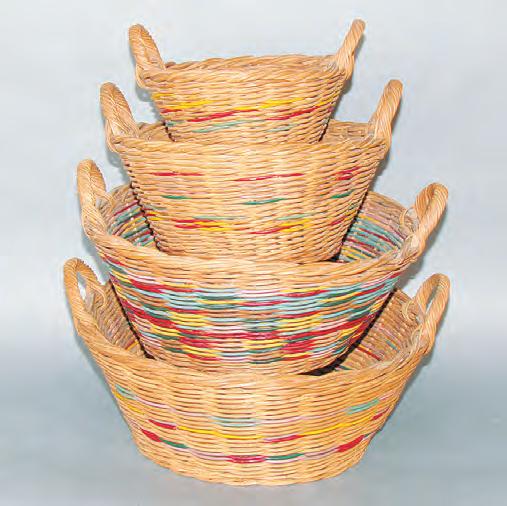
rod oak baskets come up anymore,” mentioned a sale goer. The Herrs had cornered the market over the decades. This sale had more than have come out at public sale for quite a few years. A local maker, Jacob Mentzer (active in the first quarter of the 20th century), was known to work with round rod oak and often painted some of the rods worked in Schoeneck, northern Lancaster County (near Horst Auction Center). The area used to be known as both Mentzertown and Pole Cat Hill. Baskets attributed to Mentzer sold on average for around $300. An unusual graduated set of four attributed to Mentzer, excellent condition, illustrated in the April 1984 “Magazine Antiques” article “Pennsylvania-German RoundRod Oak Baskets,” by
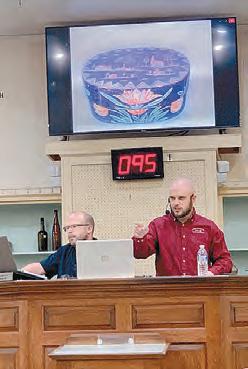
A large size oval lidded “Bucher” box with excellent paint decoration, ex. Philip Bradley, sold for $20,500.
Jeannette Lasansky, sold to a collector for $600. A wroughtiron basket maker’s draw plate used to produce the rods sold for $450. It was an uncommon 19th-century tool used by basket maker Ed Latshaw, also from the Schoeneck area. Rod baskets can also be made of willow. A miniature arched handle oak
Continued on page 5
Advertising Sales
Tim Moore, 717-492-2534
- Tara Herr, 717-892-6022
1-800-800-1833, Ext. 6022 717-892-6022
YEAR,
MONTHS, first class $48.00
be
Advertising
U.S. funds.
A rare graduated set of round oak rod baskets by Jacob Mentzer, Schoeneck, Pa., ca. 1920-30, excellent condition, illustrated in the April 1984 Magazine Antiques article “Pennsylvania-German Round-Rod Oak Baskets” by Jeannette Lasansky, sold to a collector for $600.
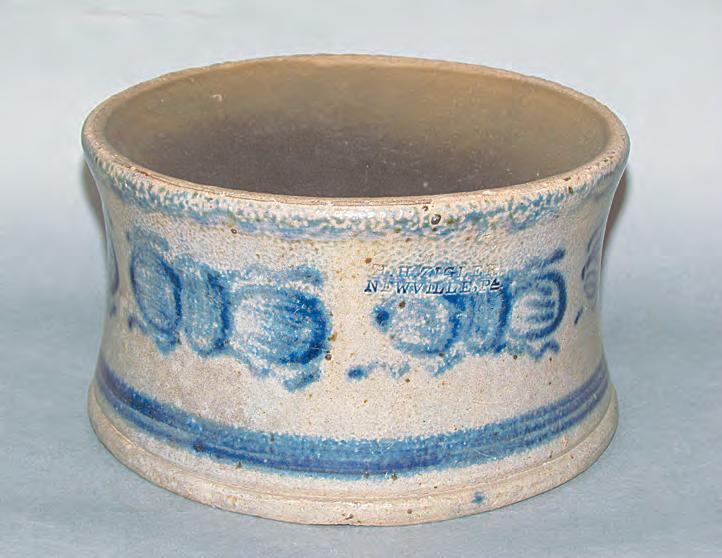
The unusual Henry Zigler, Newville, Pa., decorated stoneware spittoon sold to the trade for $3,500.
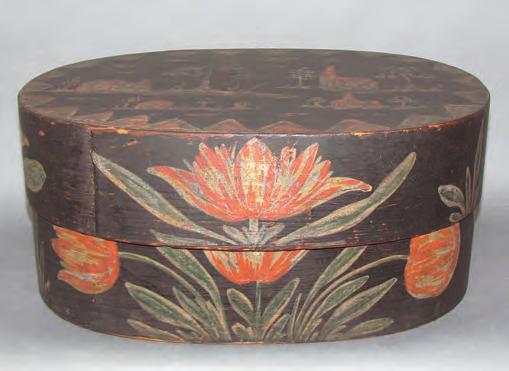
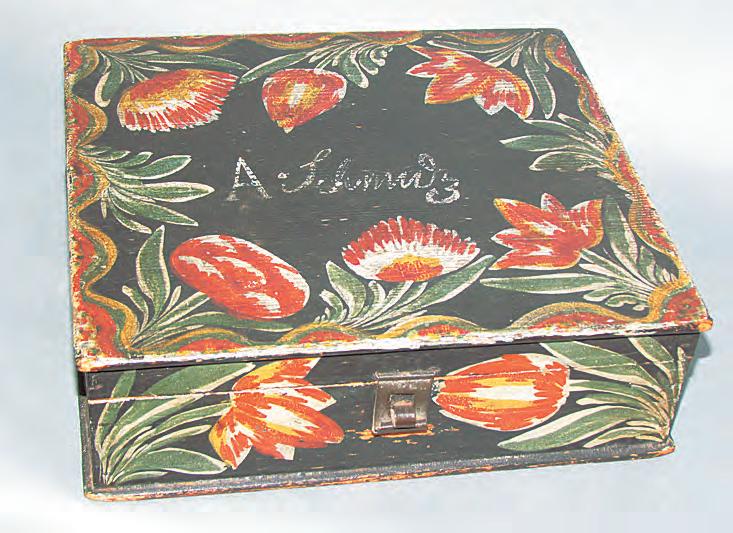
This paint-decorated wooden lidded box, attributed to Heinrich Bucher in excellent state of preservation, realized $7,260 to an online buyer.
nor is it responsible for errors in ads taken by phone. Advertisers submitting artwork and images for use in advertisements assume all liability in regards to trademark and copyright infringements.
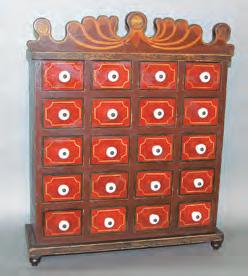
A rare 20-drawer Joseph Lehn seed chest sold for $39,000. Don Herr bought it for $63,250 on Nov. 17, 2001, at Conestoga Auction Co.
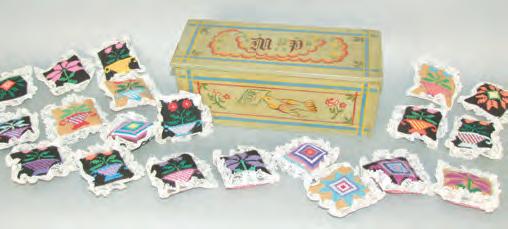
An Amish paint-decorated sewing box by Mary Lapp for Mary Petersheim, ca. 1930, with 20 small square crewelwork pin cushions with lace bindings, attributed to Petersheim, sold for $1,700.
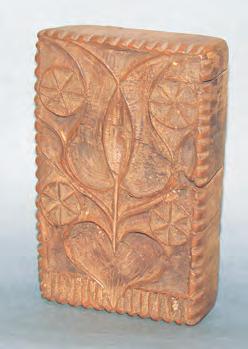
A wooden carved butter print (4-by-6 inches) of a tulip and heart realized $5,200, the highest price realized for a butter print in the sale.
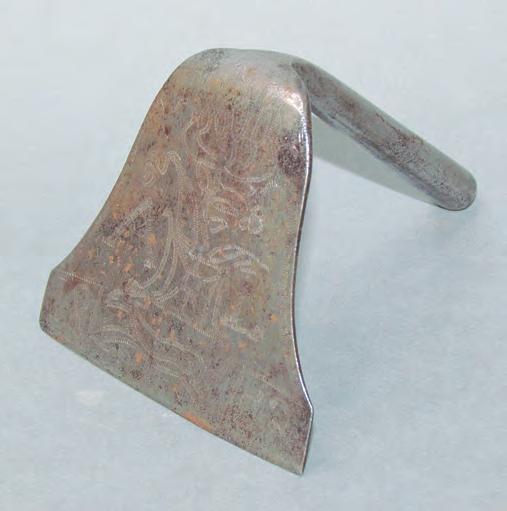
Wrigglework is a type of extremely fine decorative technique on iron. It is uncommon and can be seen embellishing utensils. This iron dough scraper has extensive wrigglework decoration, initials “A.L” and “1853” among tulips, urn, dog. It sold at Conestoga Auction Company at a J. Harlan Miller sale on Oct. 23, 2000, for $1,760 and sold here for $2,000 to dealer Greg Kramer.
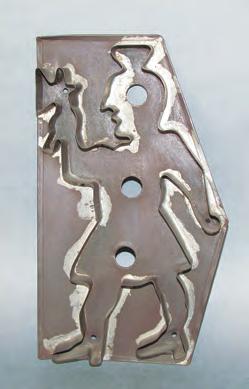
This large tin (sheet metal) cookie cutter of an Indian with tomahawk, illustrated in Lasansky’s “To Cut, Piece, & Solder,” sold for $2,200 to dealer Greg Kramer.
antiquesandauctionnews.net2- - Antiques & Auction News — October 14, 2022 antiquesandauctionnews.net SUBSCRIBE TODAY! 4 EASY WAYS TO SUBSCRIBE! ANTIQUES & AUCTION NEWSTM P.O. BOX 500, MOUNT JOY, PA 17552 Call: 1-800-800-1833, ext. 6022 Fax this form: 717-892-6016 Mail this form to address shown www.antiquesandauctionnews.net and receive 10% DISCOUNT Have your credit card number and expiration date ready when you call! 1 Year, 3rd Class $28.00 6 Months, 1st Class $48.00 1 Year, 1st Class $80.00 Each issue contains important, dated material. For timely delivery, subscribe by 1st Class. NOTE TO 3RD CLASS SUBSCRIBERS: No refunds available for late delivery. NAME _____________________________________________ ADDRESS __________________________________________ CITY _________________________STATE ______ZIP _______ PHONE: ( _______) ___________________________________ DATE ______________________________________________ Where did you pick up this copy of ANTIQUES & AUCTION NEWSTM? COLLECTOR DEALER AUCTIONEER SHOW MGR. OTHERS PAYMENT ENCLOSED All checks must be in U.S. funds. Checks must be drawn on U.S. bank add $7.00 to subscription price. CHARGE TO: #____________________________ EXP. DATE _________ Receive Our Email Newsletter: Email Address _________________________________ C-10/14 F027603 e-mail: antiquesnews@engleonline.com Editor - Karl Pass, 717-278-1404 e-mail: kpass@antiquesandauctionnews.net Circulation - Linda Deshler, Ext. 2541 Classifieds 1-800-428-4211 Fax 717-492-2566 Sample copy $2.50 1 YEAR, third class $28.00 1
first class $80.00 6
All checks must
in
Checks must be drawn on U.S. bank OR add $7.00 to subscription price. Antiques & Auction News is distributed at shops, shows, markets and auctions throughout the Northeastern United States. Doing Our Part P.O. Box 500, Mount Joy, PA 17552 800-800-1833 717-653-1833 717-653-6165 fax F027604
Circulation
Published weekly on Friday by Joel Sater Publications Contents Copyright 2022
Deadlines Every Thursday at Noon Issues Are Mailed One Week Prior To Publication Date News articles, press releases, and feature articles about antiques, antiquing, collectors, collections, museums, shows, shops, auction results, historical sites, auctioneers, etc., are considered for publication. Photographs which enhance the articles are welcome. Manuscripts must be accompanied by a self-addressed stamped postcard in order that the editor may notify author of receipt of material. Address to Editor’s attention. We reserve the right to edit material submitted for publication to conform to the editorial style of Antiques & Auction News. Reproduction of artwork, editorial or advertising copy is strictly prohibited without the written consent of the publisher. Joel Sater Publications reserves the right to revise or reject at their discretion any advertisement they deem objectionable, whether in subject matter, wording, or make-up. Minimum depth R.O.P. - as many inches deep as columns wide. Antiques & Auction News and its advertisers are not liable for composition errors or misprints;
C-10/14 fax
Collector Chats With Peter S. Seibert
This Week: A Secret Passion

collectors, but we know we are!
By Peter Seibert
My wife has a secret passion for ice cream. For that matter, so do both my daughters. Stories about collecting are a passion of mine. I have long found the saga of how people come to be collectors as fascinating as the items that they collect. Some of us come to it from nature; our parents and grandparents collected. Some of us come to it from nurture; we came to know objects because we were exposed to them by others. And some of us just don’t have a clue how we became
I just finished reading a book, “In Pursuit of History,” on the Dietrich American Foundation’s collections. It was a fascinating read insofar as the guest authors traced how H. Richard Dietrich built a premier collection of Americana. Such tales are fascinating windows for collectors into different points in time when the market was strong and also when it was in its infancy. In the 1960s and 1970s, the market was still small and the prices reasonable, and then the explosive market of the 1990s saw seven figures paid for American furniture.
As collectors, we share a passion for the hunt. We love looking for those treasures, and, arguably, we would do it over almost any other activities in life. I recall the story of musician Andy Williams, who purchased an antique mantle early in his musical career because he had to have it. He


paid it off over time and kept it throughout his life. All of us have done that. We have stretched to acquire items and then held onto them as part of our core collection.
Most of us also have the stories of the treasures that were found in the least expected of spots or at the auction when it was purchased for a real bargain. Again, part of that joy of collecting is to find that needle in a haystack when everyone else missed it. I have a lovely painting by Robert Henri that came to me at a sale when there was a pause, and it was hammered down before I think anyone realized what it was.
A dear friend tells me that he has three tours of his art collection. The first is the once over lightly, usually reserved for those who come
in, see the paintings and then wonder how one can live with so much art. The second tour is reserved for those who know art and thus can hear about specific works and artists in a broader art history context. The third and rarest of the tours of the collection focuses upon how each item was acquired. The latter is not a bragging tour but rather a chance to understand the hunt. A fourth tour that only happens in the collector’s brain is about those items that one missed or failed to acquire. That tour is the most painful because a good collector will remember, with excruciating detail, the ones that got away.
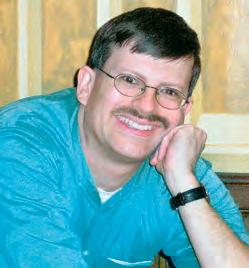
“Born to collect” should be the motto of Peter Seibert’s family. Raised in Central Pennsylvania, Seibert



Kutztown Farmhouse Country Show Set For Oct. 22
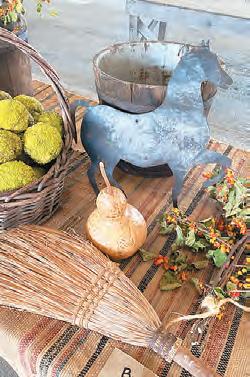









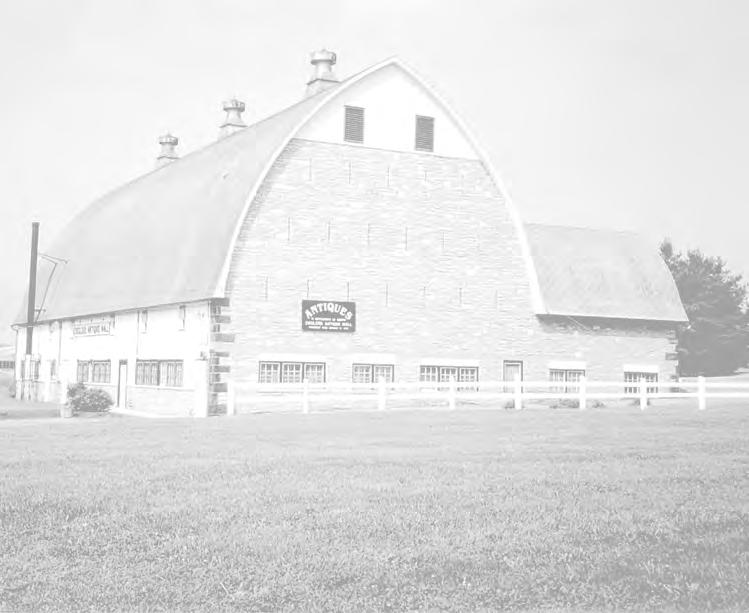
The Kutztown Farmhouse Country Antiques Show will take place on Saturday, Oct 22, from 10 a.m. to 3 p.m. under the pavilion at Renningers Fairgrounds at 740 Noble St. in Kutztown, Pa. This is the fifth show promotor Cecilia Taylor has held at Renningers in Kutztown.
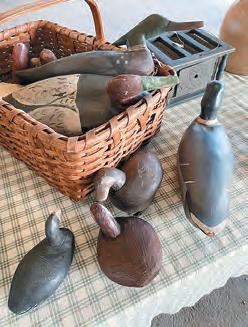
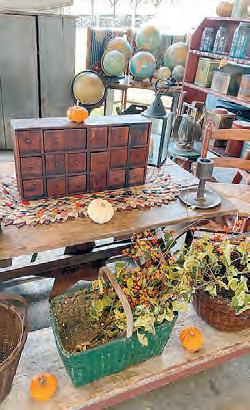

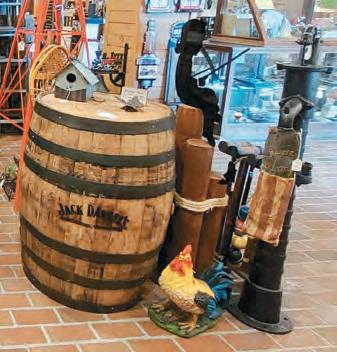


The promoter said she especially loves this fall installation of the show. “My diversified group of hardworking dealers always bring fresh, fun finds to the show. They hunt all over and save up just for this unique event. This area is such a great setting for a show
such as this. Fall in the countryside here is such a treat to behold. The area is rich in history and great items. I am blessed to have the best dealers from near and far who are dedicated to doing my shows,” said Taylor.
There will be all manner of wooden primitives, benches, bowls and baskets, pottery, all the way to unusual primitivies. “We have something for anyone who loves good quality country. Come out and support our small grassroots operation and have a great time shopping the show and afterwards Renningers farm market. It really makes a fun day to explore all the markets have to offer,” continued Taylor.
To learn more, email Cecilia Taylor at henhouse primitives31@gmail.com.

has been collecting and writing about antiques for more than three decades. By day, he is a museum director and has worked in Pennsylvania, Wyoming, Virginia and New Mexico. In addition, he advises and consults with auction houses throughout the MidAtlantic region, particularly about American furniture and decorative arts. Seibert’s writings include books on photography, American fraternal societies and paintings. He and his family are restoring a 1905 arts and crafts house filled with years’ worth antique treasures found in shops, co-ops and at auctions.
THE























antiquesandauctionnews.net Antiques & Auction News — October 14, 2022 - - 3 R033445 red bank antique center Daily 11 a.m.-5 p.m. Sundays 12 noon-5 p.m. 100 DEALERS - ALL SPECIALTIES RED BANK, NEW JERSEY 07701 Exit 109 - Garden State Parkway www.redbankantique.com 226 W. FRONT ST. (732) 842-4336 195 W. FRONT ST. (732) 842-3393 ANTIQUE CROSSROADS 20150 National Pike, Hagerstown, MD 21740 I-70 To Exit 32A Route 40 E. 1.5 Miles 250 Antique Dealers Open 7 Days 9-5. 301-739-0858 Handicap Accessible R087443 Featuring Quality Antiques & Collectibles, COINS, CLOCKS, JEWELRY, FURNITURE, CHINA, LINENS, MEMORABILIA, VINTAGE CLOTHING, TOYS, DOLLS, POSTCARDS & RETRO. 610-791-7910 www.weilantiquecenter.com 2200 31st St. SW, ALLENTOWN, PA Monday Thru Friday 10-6, Saturday 10-5, Sunday 11-5 WEIL R089093 Over 150 Dealers ngQualityAntiquees &Collectiblesng An iqu & Collectibles &Collectible s ANTIQUE CENTER Located At The “Crossroads” Of Rts. 743 And 322 825 COCOA AVE., HERSHEY, PA 17033 CROSSROADS ANTIQUE MALL Two-Floor Multi-Dealer Mall Featuring A Variety Of Antiques And Collectibles With REASONABLE PRICES 717-520-1600 www.crossroadsantiques.com R089098 HOLIDAY OPEN HOUSE December 2ND, 3RD, & 4TH R059727 DAYS of OLDE ANTIQUES & COLLECTIBLES 609-652-7011 | www.daysofoldeantiques.com The Jersey Shore’s Largest Co-Op • Open 7 Days a Week • 10am-6pm Visit our NEW 21,000 Sq. Ft. Facility BIGGER & BETTER! New Dealers Welcome! Check it Out! 150 S. New York Rd. (Rte. 9), Galloway, NJ Less than a 1/2 mile south of our old location NOW OPEN! Haddon Heights Antiques Center 80 Dealer Co-Op Clements Bridge Rd. & E. Atlantic Ave. Haddon Heights, New Jersey www.haddonheightsantiques.com (856) 546-0555 OPEN 7 DAYS - 10 AM TO 5 PM Grist Mill Antiques Center PEMBERTON, NJ 08068 Limited Space Available Route 616, 127 Hanover Street Head east on Rt. 38; turn left at light after Rt. 206 intersection www.gristmillantiques.com (609) 726-1588 OPEN 7 DAYS - 10 AM TO 5 PM R088857 Grist Mill Flea Market Sunday, Oct. 23 • 8am-5pm R079650 Established 1990 Open 7 Days We Buy & Sell Two Floors of Quality Antiques 2 Minutes From Short Hills Mall 511 Morris Avenue, Summit, NJ 07901 908-273-9373 thesummitantiquescenter.com For updates, follow us on Facebook and Instagram @thesummitantiquecenter
PEOPLE’S STORE Quality Antiques, Fine Art, Furniture, Estate Jewelry, Mid Century Modern & Industrial OPEN EVERY DAY 10 AM to 6 PM 4 Floors (Including 2 Artist Galleries) 28 North Union Street Lambertville, NJ 08530 (609) 397-9808 www.peoplesstore.net R079236 Open Tues., Wed., Sat., Sun. 11 A.M. until 5 P.M. Thurs. & Fri. 11 A.M. - 7 P.M. Closed Mondays visit www.antiquesnj.com for details R088458 Outdoor Antique & Garden Show Sunday, October 30 • 10am-2pm Burlington City ~ 424 High Street 609-747-8333 NEW HOURS R089092 717-479-5524 www.rebelsroostantiques.com 2885 York Road, Gettysburg, PA 17325 2022Antique &Vintage Outdoor Market Outdoor Market Hours: 8am-2pm • Store & Warehouse Sale Hours: 9am-5pm Saturday, October 22 Store & Warehouse Sale Like us on See ‘ya at the Roost! Outdoor Market held at The Outlet Shoppes at Gettysburgheld
SHOP
19711 Newark 302-454-8007
AUNT MARGARET’S ANTIQUE MALL, 294 E. Main St. Mon- Sat. 10-5, Sun 12-5. 2 floors. Antiques, collectibles, vintage, primitives, much more! www.auntmargaretsantiquemall.com
19711 Newark 302-733-7677
MAIN STREET ANTIQUES, 23 Possum Park Mall. Hrs.: Mon.-Sat. 10-8, Sun. 11:30-5:30. Over 45 Showcase/Room Dealers selling quality antiques & collectibles. mainstreetantiques.com
21901 North East410-287-8318
5 & 10 ANTIQUE MARKET, 115 S. Main St. Daily 10am-6pm. Cecil County’s largest! Approx. 65 dealers, variety & nostalgia. Buying/ selling antiques & collectibles. Local honey available.
07052 West Orange973-323-1711
VALLEY VINTAGE, 168 South Valley Rd.
Open Mon-Sat. 11-6, Sun. 12-5. 2100 sq.ft., 25+ dealers. Antiques, vintage, collectibles, furniture, decor, kitchenware, jewelry, books, LPs, ephemera.
07901 Summit 908-273-9373








SUMMIT ANTIQUES CENTER, 511 Morris Ave. 2 floors, 50+ dealers. Antiques, collectibles. Smalls to furniture. Open 7 days 11-5. Free Parking. www.thesummitantiquescenter.com
08005 Barnegat609-698-3020
BAY AVENUE ANTIQUES, 349 S. Main. Open Wed.- Sun., Noon - 6 PM. Book Seller, Pottery, Glass, Furniture, Holiday, Decoys, Antiques & UniquesPLUS Chalkpaint & Iron Orchid Design.
Potters
Continued from page 1
Leigh, Adebunmi Gbadebo, Woody De Othello, Theaster Gates, and Robert Pruitt.
The exhibition also steps back centuries prior to European and American incursions on what is now the southeastern United States when Indigenous peoples had developed tools and techniques to take advantage of the area’s rich clay deposits. Within the galleries is an example of an earthenware bowl dating to around 1500 by an unidentified Woodland artist, on view alongside a contemporary vessel by Earl Robbins, a Catawba Indian Nation potter.
08016 Burlington609-747-8333
HISTORIC BURLINGTON ANTIQUES & ART EMPORIUM, 424 High Street. Open 6 Days Tues.- Sun. 11A - 5P & Fri. Open until 7P. www.antiquesnj.com
08062 Mullica Hill 856-478-9810
OLD MILL ANTIQUE MALL, 1 S. Main Street. Open Daily, 11-5; Sat. 10-5. Antiques, glassware, records, coins, stamps, military items, collectible toys, trains, linens, books & ephemera.
08081 Sicklerville856-545-3187
CARNIVAL OF COLLECTABLES, 368 Cross Keys Rd. Open Wed.- Sat. 10am6pm, Sun. 10am-5pm. 12,000 sq.ft Antique & Arts Mall, over 100 dlrs. www.carnivalofcollectables.com
08525 Hopewell609-466-9833
TOMATO FACTORY ANTIQUE & DESIGN CENTER, 2 Somerset St. We
Have It All! Open Mon. thru Sat. 10-5, Sun. 11-5. We have 38 Dealers. www.tomatofactoryantiques.com
08753 Toms River732-349-5764
MAIN STREET ANTIQUE CENTER 251
Main St. Open Mon.-Fri. 10am-3:30pm, Sat. 10am-4:30pm, Sun. 12-4:30pm.
16686 Tyrone 814-684-5088
I-99 ANTIQUES, conveniently located off the Tyrone Exit of Interstate 99, 1222 Pennsylvania Ave. Quality antiques & collectibles. 40 Dlrs. Open Th., Fri., & Sat., 10:30am - 4:30pm, Dlrs. welcome.
17062 Millerstown717-589-7810 STITCH IN TIME ANTIQUE & GIFT

MALL, 43 N. Market St. Antiques, Collectibles, Furniture, Quality Handmade Crafts & Gifts. Open 7 days 10-5, Fri. til 8. Millerstown exit off RT322.
16801 State College814-238-2980
APPLE HILL ANTIQUES, Rt. 26N to 169
Gerald Street. Distinctive antiques in a gallery setting. Over 60 dealers. Open daily 10 to 6. Wide variety.
17331 Hanover717-637-1612
YESTERYEAR ANTIQUE CENTER, 441
PineSt Open Daily 10-5. 26,000 sq.ft., 130+ Dealers. Antiques, collectibles, vintage, etc.! Something for Everyone!
17350 NewOxford717-624-3800
ZELMA’S EMPORIUM (Formerly Golden Lane) 11 N. Water Street. Antiques, Americana, Art, Asian, Primitives, etc. Closed Mon., Tues.-Sat. 10-5, Sun. 12-5 or by appt. ZelmasAntiques.com
17361 Shrewsbury717-235-6637
SHREWSBURY ANTIQUE CENTER 65 N. Highland Dr. “A True Antique Mall” over 10,000 sq.ft. with over 55 dealers. Open 7 days, 10-5. Ample parking. Close to other shops in historic village.
17844 Mifflinburg540-331-1743


ALL ERAS ANTIQUES, 8335 SR 304. Where deals are made. Priced to sell. Antiques & Collectibles from all eras, furniture - smalls. Easy to reach in central PA. allerasantiques.com allerasantiques@gmail.com
18229 Jim Thorpe610-850-5660
ANTIQUES ON BROADWAY, 52 Broadway. Primitives, militaria, art, glass, autographs, pottery, guns, artifacts, coins and vintage collectibles. Open Wednesday through Sunday 10-5.
18944 Perkasie215-257-3564
TREASURE TROVE, 6 S. 7th Street.
Estate jewelry, furniture, linens, vintage clothing, glass, china, books, toys, kitchenware, advertising, postcards. Primitives to Deco. Dealers Welcome. Mon.-Sat. 10-5. In business 42 years.
18962 Silverdale215-453-1414

THE FACTORY ANTIQUES AND COLLECTIBLES, 130 West Main Street, Rt 113, Bucks County. Featuring 45
Open Wednesday thru Saturday 10 -5, Sundays 11-4
19464 PottstownInfo: 610-326-1911
MEMORIES N’ MORE, 204 High St.
Old paper, ephemera, magazines, books, records, postcards + sundry other goods. Tues.-Sat., 11am-4pm.
19543 Morgantown610-913-1953
MORGANTOWN MARKET, 2940 Main St.. Hours 10-5 daily. Berks Co. Largest Antique Boutique. Antiques,Collectibles, Vintage Home & Garden Decor.
Augmented by a scholarly publication, robust audio content, and an upcoming program of educational offerings and a symposium, “Hear Me Now” represents a critical contribution to the field of American art.



Following the exhibition’s debut at The Met, it will travel to the Museum of Fine Arts, Boston (March 6–July 9, 2023), the University of Michigan Museum of Art, Ann Arbor (Aug. 26, 2023–Jan. 7, 2024), and the High Museum of Art, Atlanta (Feb. 16–May 12, 2024).


The exhibition will be The Met Fifth Avenue, Gallery 955, Robert Lehman Wing, until Feb. 5, 2023.
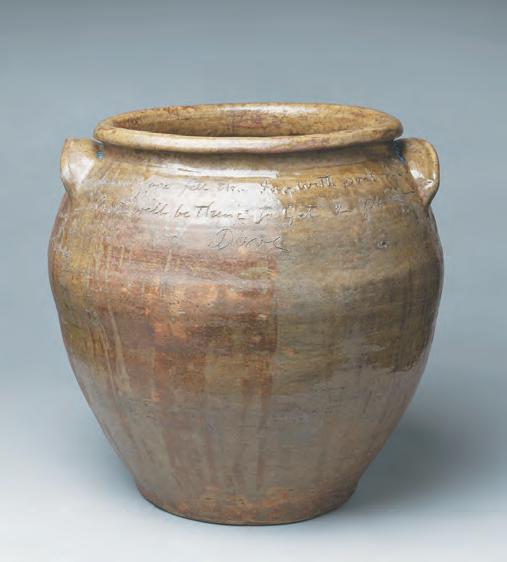
This work by Dave (later recorded as David Drake, ca. 1801–1870s), Stony Bluff Manufactory (ca. 1848–67), Old Edgefield District, South Carolina storage jar, 1858, alkalineglazed stoneware, H. 22 5/8 in. (57.5 cm) is inscripted “this Jar is to Mr Segler who keeps the bar in orangeburg / For Mr Edwards a Gentle man — who formly kept / Mr thos bacons horses / April 21 1858 / when you fill this Jar with pork or beef / Scot will be there; to Get a peace, — / Dave.” It is courtesy of The Metropolitan Museum of Art, New York, purchase, Ronald S. Kane Bequest, in memory of Berry B. Tracy, 2020 (2020.7).
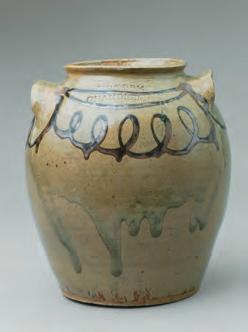
The work of an unrecorded potter, possibly Phoenix Stone Ware Factory (ca. 1840) or Collin Rhodes Factory (ca. 1846–53), Old Edgefield District, South Carolina, storage jar, ca. 1840–53, alkaline-glazed stoneware with kaolin and iron slip, H. 14 in. (35.6 cm), is courtesy of Mr. and Mrs. John LaFoy, Greenville, S.C.
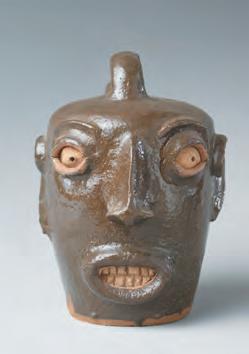
The work of an unrecorded potter, attributed to Miles Mill Pottery (1867–85), Old Edgefield District, South Carolina, face jug, 1867–85, alkaline-glazed stoneware with kaolin, H. 8 in. (20.3 cm), courtesy of the Hudgins Family Collection.
The work of an unrecorded potter, Trapp & Chandler Pottery (1843-ca. 1850), Old Edgefield District, South Carolina, storage jar, ca. 1845, alkaline-glazed stoneware with iron slip, H: 11 1/2 in. (29.2 cm), courtesy of the collection of C. Philip and Corbett Toussaint.
antiquesandauctionnews.net4- - Antiques & Auction News — October 14, 2022 F063434 ATTENTION Shouldn’t Your SHOP Be Listed In This Directory? CALL 1-800-800-1833, ext. 6022 or 717-892-6022 Monday-Friday 8:00am-4:30pm E-MAIL Submit your ad to us at therr@engleonline.com Deadline: Thursday at Noon for Friday’s edition R088201 Final Thursday! The Last Thursday Evening of each month, featuring wine, snacks & discounts! Open every day! 10am-6pm, Thurs. 10am-8pm, Sun. 11am-5pm 610-390-0403 www.sseemantiques.com 100 S. Chestnut St. (Rt. 248) • Bath, PA 18014 Multi-Dealer Co-op • 5 other shops on block Co-op with 25+ dealers Quality Antiques in 1840’s Brick Store R066446 Pocono Peddlers Village Voted #1 in Northeast PA Over 100 Vendors Open 7 Days A Week Call For Holiday Hours 10am-5pm A Hidden Treasure Awaits 570-629-6366 GPS 246 Stadden Rd., Tannersville, PA 18372 Rt. 80 To Bartonsville Exit 302, Turn Left Onto Rt. 611, 2.2 Miles On Left www.pocono-antiquemall.com , PA R087469Mon., Tues., Thurs., Fri., Sat. 10-6 Sun. 11-5 • Wed. ClosedHOURS: F059658 THE SLATINGTON MARKETPLACE Antiques & Collectibles 8281 Rt. 873, Slatington, PA 18080 Wed. & Thurs. 9-5; Fri. & Sat. 9-6; Sun. 10-5 135+ DEALERS • 200+ SPACES www.theslatingtonmarketplace.com 610-766-7495 (Follow Us On Facebook) R083058 139 South Hanover Street, Hummelstown, PA (Just West Of Hershey) (717) 566-5685 Open Daily Mon.-Sat. 9-5, Sun. 12-5 www.oldefactory.com Olde Factory Antiques & Crafts You’ll Say “I’ll Be Back” ANTIQUES, CRAFTS, BOOKS, CANDLES, PRIMITIVES, GLASSWARE, FURNITURE, OLD TOYS, COLLECTIBLES, JEWELRY, COKE MEMORABILIA And Much More! 3 Floors, 24,000 Sq. Ft. • Elevator R033444 717-834-9333 Wed.-Sun. 10-5 722 N. Market Street, Duncannon, PA 17020 Over 125 antique and craft dealers plus a: Sled museum Penny Arcade 1950’s Soda Fountain ANTIQUE CENTER 517 St. Mary’s Street, Lewisburg, PA 17837 OPEN 7 DAYS 10-5 570-524-5733 www.rollermills.com R079635 400 ANTIQUE DEALERS ALL ADS IN GUIDE ARE LISTED IN ZIP CODE SEQUENCE WITHIN EACH STATE.
DIRECTORY
Dealers.
The Herr Sale
rod basket attributed to Mentzer sold for $450. Another miniature attributed to Mentzer with two wrapped handles brought $350.
Jeannette Lasansky was a research associate at Bucknell University in Lewisburg, Pa., and the director of the Union County Oral Traditions Projects. The book series that came from the Oral Traditions Project remains a valuable resource today to anyone interested in Pennsylvania decorative arts.
A very rare wooden bag stamp reading “Snowhill Society,” which was a later sister community of the Ephrata

Cloister, sold to local collectors for $3,500. The Herrs bought it at the Horst sale on Sept. 11, 1997, for $6,700, which was a monumental sale of items dispersed from the Snow Hill Society in Franklin County. Another nice stamp, “Jacob Farmer” with the date “1852” and decorative carved bird, sold to collectors for $2,050.
A paint-decorated wooden lidded box roughly 9-by-8 inches attributed to Heinrich Bucher sold to an online bidder for $7,260. A larger oval example went for $20,500 to Robesonia, Pa., dealer Greg Kramer. Kramer was a major buyer at the sale; the majority of the iron utensils went to him. A tasting spoon with
wrigglework (an extremely fine decorative engraving technique) sold to Kramer for $400, as did most of the cookie cutters toward the end of the sale. He bought a large man on horseback tin
cookie cutter for $2,300 and one depicting an Indian wielding a tomahawk for $2,200.
Among the stars of the day was a 4-by-6-inch deeply carved wooden butter print of
a tulip above a heart selling for $5,200. It is possibly a record for an example. Popular in Pennsylvania German communities, these decorative prints would be
used to make impressions into homemade butter.
The photos and captions tell more of the story.
To contact Horst Auction Center, call 717-738-3080.
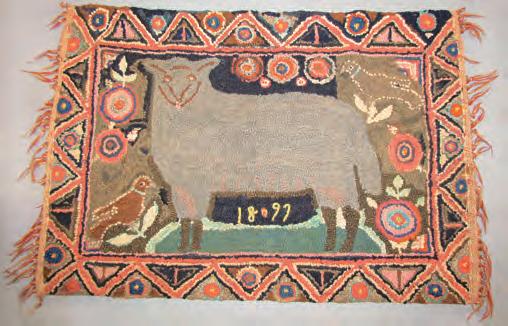
The Lancaster County, Pa., ca. 1897, hooked rug with lamb, pictured in Trish Herr’s “Rags to Rugs,” sold for $1,300.
Local collectors bought this wooden bag stamp reading “Snowhill Society,” a later sister community of the Ephrata Cloister, for $3,500. The Herrs bought it at the Horst sale on Sept. 11, 1997, for $6,700, which was a major sale of items dispersed from the Snow Hill Society.
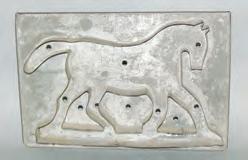
The late 19th-century large horse tin (sheet metal) cookie cutter signed “Thomas Mills & Bros, Phila,” 12 inches long, (Mills & Bros was a baking and confectionary operation in Philadephia) brought $1,265 to an online bidder.
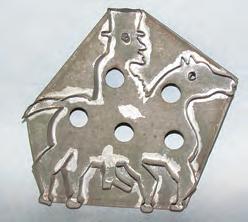
An unusual and large man with top hat on horseback tin (sheet metal) cookie cutter sold to dealer Greg Kramer for $2,300.
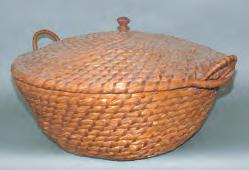
This round lidded rye straw basket with coiled rye straw handles, wooden finial on lid, 16 inches diameter, sold to a collector for $1,100. The Herrs bought it on April 3, 2004, at Conestoga Auction Company’s sale for Eugene and Dorothy Elgin for $3,410.
Ron Stayer Lowman, NY
Tom Keady, Blairstown, NJ
Larry Strickler, York, PA
Wilhide’s Antiques, Shippensburg, PA
Karl H. Pass, Mechanicsburg, PA
Ray Roberts, New Cumberland, PA
David Little, Hanover, PA
Mark Teller, Wallingford, PA
Bob Lewis, Frederick, MD
Chris Evans, Waynesboro, VA
Wayne Fisher, Brandywine, MD
Newson/Berdan, Thomasville, PA

Jeannie Kauffman, Flint Hill, VA
Brian Hart, Fleetwood, PA
Kevin Kruger, Grantville, PA
Barry Shenk, Marietta, PA
William Thomas, Abingdon, MD
Lisa Breish, Fort Washington, PA
Don & Pat Clegg, E. Berlin, PA
Jim & Diane Farr, Boalsburg, PA
Dan Freeburg, Wilcox, PA
Jean Herlihy, Frederick, MD
John Stroup, Belleville, PA
Johnston Hammer, New Oxford, PA
Scott Buchanan, Pottstown, PA
Kris Johnson, Adamstown, PA
Gene Bertolet, Oley, PA
Charlie Kirchner, Selinsgrove, PA
Keith Fryling, Green Lane, PA
Ron & Mary Minges, Mifflin, PA
Roselawn Antiques, Bel Air, MD
Greg Kramer, Robesonia, PA
John Kohler, Lancaster, PA
antiquesandauctionnews.net Antiques & Auction News — October 14, 2022 - - 5 Antique Dealers Association of Berks County presents 8th Annual Kempton Antique Show & Sale Admission: $7 $6 with ad or card Saturday October 15th 9am - 4pm Kempton Community Recreation Center 83 Community Center Dr. Kempton, PA 19529 Show Information: 610-678-7669 or 610-944-3203 Email: antiquedealersofberks@verizon.net R088032 R088446 SUN., OCT. 16TH, 2022 9 A.M. TO 3 P.M. LEESPORT FARMERS MARKET 312 GERNANTS CHURCH ROAD JUST OFF RT. 61 LEESPORT, PA 19533 APPROX. 8 MILES SOUTH OF CABELAS/I-78 ON RT. 61 BUY - SELL - TRADE 45+ TABLES OF DEALERS/DISPLAYS FREE EVALUATION OF ARTIFACTS/RELICS BROUGHT IN OPEN TO MEMBERS NOT SETTING UP 8 A.M. OPEN TO PUBLIC 9 A.M. JOIN CLUB & GET IN EARLY ADMISSION $4.00 PP … UNDER 12 FREE FOOD/DRINKS AVAILABLE FOR PURCHASE INFO. ROY AT 215-416-7438 rknieriemjr@gmail.com INDIAN RELIC SHOW 7 TH ANNUAL BERKS COUNTY I.A.C.A.N.E. Continued Improvements = New Booth Spaces Now Available • Reputable, One-of-a-Kind Antiques • 300+ Antique Vendor Booths • 50,000+ Square Feet Under-Roof 2800 N. Reading Road Route 272 (Previously Stoudts Black Angus) @AngusAntiques Open Sundays 7:30am-4pm Contact Us Today! 717.208.2380 R086059 F088619 Kutztown Farmhouse Antique Show Sat., October 22nd Join us for a great country and primitive antique show...30 dealers under cover from 10 til 3 $5 admission per person 740 Noble St. Kutztown, PA 35 DEALERS SELLING QUALITY ANTIQUES SUNDAY, OCT. 16TH, 2022 10 a.m.-4 p.m. 200 W. Golden Lane, NEW OXFORD, PA (One block off Rt. 30 West in Social Club Pavilion) (Heated Building) R089131 NEW OXFORD, PA ONE DAY ANTIQUE SHOW Admission $5.00 Each ($1 Discount w/This Ad) Pre Show 8-10 A.M., Early Buyers $12 Each During Setup Food Service Restrooms • Parking Bob Conrad, Manager Cell 717-250-6899
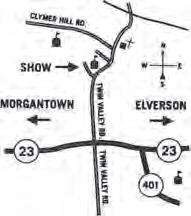
R087972 Elverson Antique Show & Sale October 29th & 30th, 2022 Twin Valley High School Saturday, 10am-4 pm • Sunday, 10am-3pm Admission per person: $9.00 $8.00 with this ad Mailing Address: 178 Kauffman Rd. Oley, PA 19547 GENE - 707-310-4488 ALIE - 717-629-2349 WAYNE - 717-226-0926 On Facebook • Elverson Antique Show & Sale Website: www.elversonantiqueshow.com Twin Valley High School 4897 Twin Valley Rd., Elverson, PA 19520 Off Rt. 23 - 10.5 Mi. West of Rt. 100 or 1.9 Mi. East of MorgantownExit 298 of the PA Turnpike.
Continued from page 2
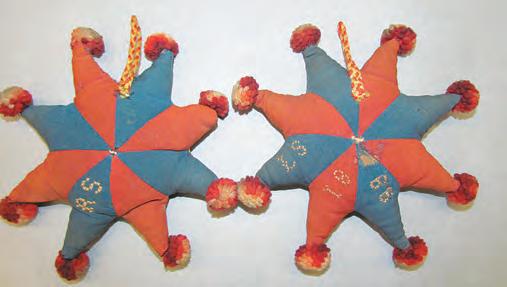
A matched pair of eight-point star pin cushions, red and blue dyed muslin fabric, one dated “1899” with some wear, sold to collectors for $210.
10/15/22, DOVER, SAT. AT 9:30AM; REALESTATE AT 1PM, Historic House on 5+/- acres, outbldgs., & all contents! Primitives, DE books, advertising, antq. furniture, early extensive Boy Scout collec., lg. lot military books, clocks, precious gems, powder flasks incl. DuPont, Flexible Flyer sled, early quilts/ brooms/ gas pumps, wdn. wash tub, gath. baskets, very early DE polit. buttons, etc., 8984 Bayside Dr., Emmert Auction Associates
10/22/22, MIDDLETOWN, SAT. AT9AM, Furn./dec. arts, horsedrawn sleigh w/stencil wdn. panels, Chippendale-style furn., planters/ gdn., 2 antq. wine presses, sleigh bed, Stanley BR set, mahog. drfront desk w/bkcase top, candlestick sets, silver dishes, Tiffany glassware, books, artwork, C. Phillip Wycoff collec., 50+ vtg. Jim Beam bottle collec., baskets, adv., & much more!, 1442 Bohemia Mill Rd., Delaware Estate Sales
10/19-22/22, SHIPSHEWANA, WED.-SAT., Toys incl. 30+ pedal tractors, Vindex Case combine, 2 Caterpillar pedal dozers, pedal cars, steel trucks, many RARE Marx/ other wind-ups, cast-iron & Corgi toys, tool collection, salesman samples, rare Zippo lighters & display cases, 3 box wagons, horse-drawn antqs., lightning rods, weathervanes, country store cab., & much more!, Live & Online: 890 S. Van Buren St.; liveauctioneers & auctionzip.com, Chupp Auction & Real Estate
10/22/22, FREDERICK, SATURDAYAT9 AM, Mod. & antq. furn., early chest of drawers, blanket chest, early farm hse. desk & upper bookcase, primitives, fine china, Waterford crystal items, 300+ collec. movie cameras/ lenses in mint cond., mirrors, lamps, slag glass table lamp, books, sci-fi comic books, box lots, & much more!, Frederick Fairgrounds, 797 East Patrick St, Bldg.#12, Howard Parzow
10/15/22, BEVERLY, SAT. AT 9:30AM, Coins, glass, pottery, adv., instruments, lighters, candy scale, books, tools, radios, silk screen supplies, Spode china, sterling jewelry, watches, & ephemera. Vtg. accordions, harmonicas, TEAC 4 track reel to reel, 80's Sony rack system, wood sleds, drafting & artist tools, vtg. vinyl records, 1960's concert/ tie-dye clothes, 1970's lava lamps, etc., 463 Cooper St., Chris Doerner Auctioneer
10/15/22, DUNDEE, SAT. AT 9:30AM, 700+ lots, oil can collec. incl. Freedom oil, Texaco, Archer, Gulf, Pennzoil, SOHIO, Sterling, Falcon-Fleetwing, etc., gas globes/ pumps, Harley Davidson items/ adv., model motorcycles, tobacco & cigar collec., Live & Online: 17020 Dover Rd.; AuctionZip.com #13128; LiveAuctioneers.com, Atlee Raber Auctions, LLC.
10/11-25/22, MANHEIM, CLOSING TUES. AT6PM, Militaria & Firearm-Related Online Auction., Online Only: www.hessauctiongroup.com, Hess Auction Group
10/13/22, LEBANON, THURS. AT3PM, Antiques, collec., glassware, china, furniture, hh, chicken collec. Side curio cabinets, oak kitchen cabinet w/sifter, marble top tables, oak bow side china closet, Seth Thomas wall clock, antq./war books, Austria chocolate pot set, bridal baskets, reverse painted lamp, 5 pc.bowl/ pitcher set, china sets, Prestige flatware, Royal sewing mach. & more!, Lebanon Area Fairgrounds - West Hall, 80 Rocherty Rd., Harry Bachman Auctioneer
10/14/22, NEWMANSTOWN, FRI. 4PM, Pedal tractor collection, antqs./collec., cast Aunt Jemima, oil cans, Texaco thermometer, Dell comic books, farm & Texaco toys, antq. & mod. furn., Hoosier cabinet, washstand, blanket chests, boat, golf cart, tractor- Oliver 60 row crop completely restored., 208 Mountain Trail Rd., Heisey Auctions
10/14/22, PHOENIXVILLE, FRIDAYAT9 AM, Live & Online Fall Auction featuring a large equine collection, furniture, pistol collection, dolls, paintings, clocks and much more., 1041 W. Bridge St., #20, Wiederseim Auction
10/15/22, COATESVILLE, SAT. 9AM; REALEST. ATNOON, Antqs./collec., furniture, tools, horse-drawn sleigh, 2 butcher benches w/mortise legs, Agway riding mower, 2003 Buick Park Ave. vehicle. Brick & siding 1,064 sq.ft. ranch home w/shingle roof, vinyl replac. windows, on .34 +/- acre lot. 1 car Cent. A/C, oil fired hot water heat. Attached 1 car garage & detached lg. 2 car garage w/elec., 100 Highland Dr., Griest's Auction Service
10/15/22, GLEN ROCK, SAT. AT 8:30AM; REALEST. ATNOON, Katie A. Fisher Estate Farm Auction: 157 acres! Stone House w/8 BRs, Bank Barn, Summer/ Carriage/ Smoke House, Other Sheds. Well water, on-lot septic. Antqs., machinery, farm items, antq. hh items/ furn., Estey pump organ & stool, farm toys, Griswold waffle iron, crocks, butcher benches/ kettles, Amber Foust 3-line flask, etc., 4067 Snyder Rd, Wehrly's Auction Service
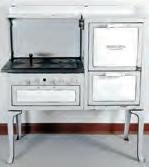
10/15/22, HARRISBURG, SAT. AT10AM, Danish Modern, Antiques, Collectibles. Furn.: primitive, antq., mod., mid-cen. Crawford BR set, Danish mod., ladder back chairs set, drop-leaf table, curio cabinets, dining set, gate leg table, maple dressing table, antq. kitchen stove, art paintings/ prints, mandolin, shore bird carvings, record albums, Fiesta dishware, Flow Blue, hh/ mower, etc., Online Only: www.CordierAuction.com, Cordier Auctions & Appraisals
10/15/22, LANCASTER, SAT. AT 9AM, Guy Eshelman Estate & Pers. Prop.- PA19th cen. glazed redware, antq. wdn. & metalwares, 18th cen. stove plates, punched tin candle lantern & cheese molds, 19th cen. wr-iron hearth toaster, graniteware, spatter & stoneware, antq. furniture, oriental rug, guns, Mason & Hamlin mahog. baby grand piano, needlework samp., quilt, etc., Live & Online: 289 Donerville Rd.; hessauctiongroup.com, Hess Auction Group
10/15/22, LEBANON, SAT. AT 9AM, Approx.100 pc. cast iron (repo), kitchen tools, beer & farm related items, Mountville hay cutter, dairy related incl. glass butter churn, crates, adv. calendars, milk stool, Christmas items, lg. amt. china/ glassware, figurines, valentines, adv. cards, yardsticks, jewelry, antqs. & collectibles!, Lebanon Area Fairgrounds-West Hall, 80 Rocherty Rd., Harry Bachman Auctioneer
10/15/22, LITITZ, SAT. AT9AM, Antqs., furn., 6' angel stained-glass window, cabin moose/ bear motif adir. chairs & table, red painted blanket chest, pine blanket chest, ladder back high chair, lg. prim. flip top bench table, oil lamps, N. Amer. pine needle baskets/ bowl, Sherwin Williams wood adv. box, Inuit Eskimo artifacts, child's Peter Rabbit rock. chair, much more!, 20 Copperfield Circle, Timeless Treasures Auctions
10/15/22, MT. WOLF, SAT. AT 9AM, 750+ Cataloged Lots incl. 100's of toys, 10K+ postcards, 20+ pcs. Griswold, advertising, antq. furniture. Splitdorff spark plug cabinet, auto. collec., 2 oak spinning bookcases, sm. wdn. workbench, pedal cars/ tractors, ephemera, beer adv., much more!, Live & Online: 4522 N. Sherman St.; rentzelsauctionservice.com, Rentzels Auction Service
10/15/22, NEWHOLLAND, SAT. AT10AM, Tools, vehicles, appliances, plumbing/ bldg. materials, car parts. 1930 Chev. Coupe- 6 cyl., runs; 2015 travel trailer- very good cond.; 2002 BMW7451 Sedan- 4 dr., 139K mi.; Toro Zero Turn mower; BendPak full-rise schissor lift- 7K lb. capacity. Woodwk. tools & lathe w/scroll saw & attach., elec. pwr. tools, vtg. wood stove fireplc. insert, & more!, 141 Cindalyn Dr., Patrick Morgan Auctions
10/16/22, PINEVILLE, SUN. AT NOON, 1970 Salvador Dali color litho. on paper, Abastenia St. Leger Eberle (1878-1942) bronze, Cesare Occhi table/ chair set, Omega Speedmaster & many other watches, Lotton art glass lamp, Joseph Barrett oil on canvas, Amer. engraved powder horn, estate jewelry, furniture & dec. arts, estate silver, Blenko glass, collec. slide rules/ scien. objects, etc., Live & Online: 761 Durham Rd.; LiveAuctioneers, Invaluable, & Bidsquare.com, Locati Auctions
10/17/22, DILLSBURG, MON. ATAPPROX. 6PM, 2 Auctioneers1 tools/box lots, 1 furniture. Antiques, hh, dishes, smalls, collec., tools, primitives & box lots., 185 Logan Rd., Rte. 15, Hardy's Auction Service
10/18/22, PHILADELPHIA, TUES. AT10AM, Qty. jewelry, gold/ silver/ gemstones, Pandora bracelets/ charms, Nantucket basket jewelry, Biblical & portrait paintings, graphics, illustration art, antq. furn., Victorian vanity & chairs, gdn. furn., Modernist table & floor lamps, lead glass & crystal chandeliers, textiles, 35+ antq. quilts, 19th cen. samplers oriental rugs, signed art pottery, etc., Online Only: www.bssauction.com; liveauctioneers & invaluable.com, Barry S. Slosberg Auctioneers & Appraisers
10/21/22, MANHEIM, FRI. AT 4PM, Premier Fall Firearms Auction. Antq., mod., tactical. Henry Dreppard KYlong rifle, Browning rifles, Weatherbys, Winchesters, M1 Garand, AR 15's, AK 47's, Colt & Smith & Wesson handguns, Sam Codi engraved Winchester shotgun, & more!, Live & Online: 768 Graystone Rd; hessauctiongroup.com, Hess Auction Group
10/22/22, DAUPHIN, SAT. AT 9AM, Antiques, collec. from foyer/ kitchen/ dining & living rm./ BR/ laundry/ garage & outdoors: Chicago wall phone, gal. handled stoneware jar, qt. handled crock, cow bells, hooked rug wall hanging, rolling pins, 1903 Presidential Cookbook, 1912 Lowney's Cookbook, 1924 The Carbondale Cookbook, early furniture, wdn. marble game, etc., 1731 Mountain Rd., Bryan D. Imes, Auctioneer
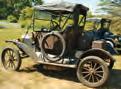
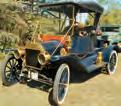
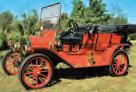
10/22/22, OTTSVILLE, SAT. AT 9AM, Antique Auto Auction! 1911 Model TTouring- red, fully restored; two 1912 Model T Torpedo Roadsters- 1 all orig., 1 blue, restored; other antq. autos. Trailers, tools, many Model T& A parts incl. starters, generators, radiators, wheels, 1926 pickup bed, steer. column. Brass lamps, 1911 PAlic. plate, pocket watch collec., helicop./ collec. cars., 7667 Rte. 611, Gary Fluck Auctions
10/22/22, TYRONE, SATURDAY
AT10 AM, On-site estate collection of the late Chester & Jessica Geist including 15+ vehicles, gas pumps, auto & garage signs, antique tractors, sleighs, coach, wagons and more. Second session in November with furnishings and real estate., Live Onsite & Online, Roan Inc. Auctioneers
10/23/22, CARLISLE, ENDING SUN. AT5PM, 1959 Fender precision base buitar, 60's Gibson TV yellow guitar, early Stainer violin, life-sz. bronze red tail hawk by Mike Fields, mid-cen. artwork/ glass, early 90's punk rock concert posters, toys, adv., salesman sample farm implements, 17th/18th cen. books, currency, ephemera, rare pocket watches, Mary Hoyer dolls, & more!, Online Only: www.rowesauctionservice.com; hibid.com, Rowe's Auction Service
10/23/22, COGAN STATION, ENDING SUN., 239 Catalogued Lots from Hesser Ruhl Estate. Antq./ vtg. radios, lg. qty. tubes, phonographs, related books/ catalogs, components & more!, Online Only: invaluable.com & auctionzip.com, Roan Inc. Auctioneers
10/23/22, SPRINGTOWN, BUCKS CO.,, SUN. AT9:30AM, Country antqs., collec., vtg. quilts, Victorian music box, Keystone press steel toy locomotive, cast iron doorstops, collec. Byer's Choice figures incl. unusual Nativity grouping, holiday decor, etc., Springtown Vol. Fire Co. Banq. Hall, 3010 Rte. 212, Robert H. Clinton & Co., Inc.
10/24/22, DILLSBURG, MON. ATAPPROX. 6PM, 2 Auctioneers: 1 tools/box lots, 1 furniture. Smalls/ collec., nice 2018 VWTiguan w/18,850 mi., dishes, primitives, hh items., 185 Logan Rd., Rte. 15, Hardy's Auction Service
10/28/22, DILLSBURG, FRI. AT 6 PM, Nice 500+ Longaberger collection from private collector: Collector Club baskets, miniatures, patriotic, anniversary, welcome home, Tradition Collection Family, membership, booking, Christmas/ holiday, odds & ends, market baskets, & other collectibles, etc., 185 Logan Rd, Hardy's Auction Service
10/29/22, COGAN STATION, SAT. AT9AM, Catalogued Firearms & Civil War Auction.
Mod. & collectible firearms, ammo & related, C.War weapons & items from Daris M. Beck estate, Bedford, PAalong w/ others., Live & Online: 3530 Lycoming Creek Rd.; invaluable & auctionzip.com, Roan Inc. Auctioneers
11/10-13/22, ATLANTA, THURS.-SUN., Antique Market, 3650 Jonesboro Rd. SE, Atlanta Expo Center, North Bldg.
MARYLAND
11/06/22, ELKTON, SUN. 9AM2PM, 49th Annual Antique Bottle & Collectibles Show & Sale, Routes 279 & 213 (I-95, exit 109A), Singerly Firehall
NEW JERSEY
01/06/22 TO 12/18/22, COLUMBUS, THURS.-SUN., Indoor/Outdoor Flea Market, Rt. 206 South, Delaware Valley, Columbus, NJ
NEW YORK
11/05/22, STORMVILLE, SAT. 8AM-4PM, Antique Show & Flea Market, 428 Rte. 216, Stormville Airport, NY
OHIO
11/05/22, BERLIN, SATURDAY, 9-3, Simple Goods Antiques & Primitive Goods Show, 3558 US Route 62, Heritage Community Center
11/26-27/22, COLUMBUS, SAT.SUN., Antiques & Designer Items Market, 717 E. 17th Ave., Ohio Expo Center
PENNSYLVANIA
10/15/22, FISHTOWN, PHILADELPHIA, SATURDAY, 8 AM - 5 PM, Flea Market, 2161 E. York St, Fishtown, Hackett Elementary School
10/15/22, KEMPTON, 9 A.M.-4 P.M., 8TH ANNUALKEMPTON
ANTIQUE SHOW& SALE, 83 Community Center Dr., KEMPTON COMMUNITYREC CENTER
10/15/22, QUAKERTOWN, SAT. 11AM-5PM, Celebrate Autumn Alive Old-Fashioned Street Fest, 132 E. Broad St., Quakertown, PA
10/16/22, LEESPORT, SUNDAY 9-3, 7th Annual Berks County IACANE Indian Relic Show, 312 Gernants Church Rd, Leesport Farmers Market
10/16/22, NEWOXFORD, SUN. 10AM-4PM, One Day Antique Show - 35 dealers, 200 W. Golden Ln., New Oxford, Social Club Heated Pavilion
10/19/22, PALMYRA, WED. 10AM-3PM, Maker & Vintage Market, 1976 Laudermilch Rd./ Rte.743, The Nest
10/22/22, GETTYSBURG, SAT. 9AM-5PM; OUTDOOR MKT.: 8AM-2PM, 2022 Antq. & Vtg. Outdoor Mkt. Store & Warehse. Sale, 2885 York Rd., Gettysburg Outlet Shoppes
10/22/22, KUTZTOWN, SAT. 10AM-3PM, Kutztown Farmhouse Antique Show, 740 Noble St., Kutztown, PA
10/22/22, MACUNGIE, SAT. 9AM-2PM, 48th Annual Antique Bottle Show & Sale, 50 Poplar St., Macungie Park Hall
10/29-30/22, ELVERSON, SAT. 10-4 & SUN. 10-3, Elverson Antique Show & Sale, 4897 North Twin Valley Rd., Twin Valley High School
11/06/22, LANCASTER, SUN., 9AM - 2PM, Lancaster Doll, Toy & Teddy Bear Show & Sale, 1383 Arcadia Road, Lancaster Farm & Home Center
11/12-13/22, BLOOMSBURG, SAT. 10-5 & SUN. 11-4, Bloomsburg 40th Annual Antique Show, Route 11, West Main St., Bloomsburg Fairgrounds, Gate 2, Indus. Arts Bldg.
11/12-13/22, JAMISON, SATURDAY10-5 AND SUNDAY 11-4, The 2022 Annual Antiques Show, 1410 Almshouse Rd, St. Cyril of Jersualem Church
11/25-26/22, LANCASTER, FRI. 10-5, SAT. 10-3, Lancaster Fall Postcard Show, 1383 Arcadia Rd., Lancaster Farm & Home Center
VIRGINIA
10/14-15/22, FISHERSVILLE, FRI. & SAT., 9AM-5PM, 69th Antiques Expo, 277 Expo Rd., Expoland
11/05-06/22, CHANTILLY, SAT. 9-6 & SUN. 11-5, The DC BIG FLEAAntiques Market, 4320 Chantilly Shopping Center, Dulles Expo Center
Legendary J. Doyle DeWitt Collection Returns To Heritage Americana And Political Auction
Among Highlights Will Be Flags, Campaign Banners And Political Ribbons From Abraham Lincoln, John Adams, And Ulysses Grant
Barely over a half a year removed from the inaugural J. Doyle Dewitt Collection Americana and Political Signature Auction that reached nearly $1.9 million, nearly 700 more lots from the extraordinary collection will be made available in Heritage Auctions’ J. Doyle Dewitt Collection Part II Americana and Political Signature Auction on Saturday and Sunday, Oct. 15 and 16.
“J. Doyle DeWitt was a giant in the insurance industry,” stated Curtis Lindner of Heritage Auctions. “But within the collecting world, he is
Haddon Heights
be something for every taste and budget.
One thing customers at the Haddon Heights Antiques Center can count on are treats, not tricks. In addition to two floors of antique and vintage collectibles offered by dozens of active dealers, this shop is famous for its straightforward, year-round generous discount on all purchases $6 and up.
The Haddon Heights Antiques Center is located close to major highways like I295, the New Jersey Turnpike, and both the White Horse and Black Horse pikes. For GPS purposes, use 531 Clements Bridge Road, Barrington, N.J. The shop is open seven days a week from 10 a.m. to 5 p.m., with extended hours on Friday evenings.
For directions or further information, call 856-546-0555.
known as a student of history who compiled one of the finest collections of American presidential material ever assembled. His collection is as impressive in quality as it is in quantity, and many of those rare presidential items will find new homes through this auction.”
Among the highlights is an Abraham Lincoln Belfast, Maine, “Wide Awake” parade banner, which is widely accepted as one of the top five items in the DeWitt collection. Measuring 41-by-35 inches, the handpainted, multicolored, double-sided, shield-shaped textile proudly proclaims, “Victory is Ours/ Belfast Wide Awake Club.” The reverse is inscribed with the legend, “Lincoln/ 1860.” It is pictured on page 154 in Herbert Ridgeway Collins’ “Threads of History.” The “Wide Awakes” were a youth organization and later a paramilitary
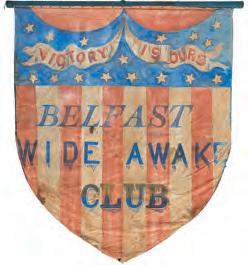
This Abraham Lincoln Belfast, Maine, “Wide Awake” parade banner, measuring 41-by-35 inches, is a handpainted, multicolored, double-sided, shield-shaped textile.
organization cultivated by the Republican party during the 1860 presidential election.
A James Buchanan yellow “Rally! No Popery!” satiric broadside is considered among the greatest political
Continued on page 9
AUCTIONEER DIRECTORY
antiquesandauctionnews.net6- - Antiques & Auction News — October 14, 2022 Spence’s Auction & Flea Market Auction Every Tues. & Fri. - 12:30 P.M. Flea Market Every Tues., Fri. & Sat. 7:30 A.M. 550 S. New Street, Dover, DE 19901 (302) 734-3441 Estates Welcome - Over 150 Flea Market Vendors, Indoors & Outdoors R030369 R030375 Richard L. Dotta Auction Co. Route 512 (11 miles North of Route 22) NAZARETH, PA 18064 www.dottaauction.com 610-759-7389 KLEINFELTER’S AUCTION 492 E. Lincoln Ave. MYERSTOWN, PA 17067 Online Only Auctions Every Thursday 1PM For Information Phone (717) 272-7078 R075957 DELAWARE PENNSYLVANIA CALENDARS AUCTIONS SHOW & FLEA MARKET CALENDAR
Continued from page 1
DELAWARE INDIANA MARYLAND NEW JERSEY OHIO PENNSYLVANIA
GEORGIA
The Artistry Of Basketmaker John Long: A Rare Talent, Gone Too Soon
By Karl Pass
John G. Long of Slatington, Lehigh County, Pa., was a skilled basketmaker specializing in split-oak baskets in the Pennsylvania German tradition. Family, friends, collectors, and folklorists lost this premier talent when Long took his own life 17 years ago at the age of 59.
Thanks to historian and author Richard Shaner, Long’s work has not gone unrecognized in print. Shaner wrote a retrospective honoring Long in the “Historical Review of Berks County,” Summer 2003 issue, Vol. 68, No. 3.
John Long learned the
traditional craft and art of basket-making from his grandmother’s brother, Henry Smith, a farmer near Emerald in the Lehigh Valley (north of Bethlehem). During the winters, in order to supplement off-season income outside the
growing season, Smith made split oak baskets from local white oak he cut down. At a young age, Long studied under Smith to learn the craft. In the beginning, he made large melon-shaped utilitarian potato baskets. The region has a long agricultural history of growing potatoes.
Long had a successful business in this revival art. Most of his work bears his signature written in ink under the rim handle. Both Long and Smith used an “X” style weaving technique at the handle base. Upon securing the circular rim to the handle hoop, an “X” design outside the handle on each side was framed with a
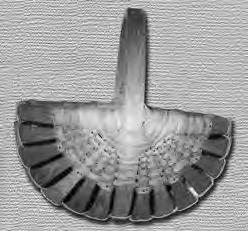
crisscross. Extra ribs reinforced the handle juncture.
Like many craftspeople working in traditional methods, Long was a fan of the famous “Foxfire” book series founded by Eliot Wigginton. More than a series of books,

“Foxfire” was an outgrowth of the back-to-the-land movement, and the series is still considered sacred to anyone interested in Appalachian studies, folklife, and experiential education.
Long demonstrated his
ANTIQUE AUTO
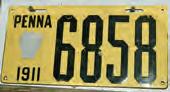
bed (1926), steering column & more. Brass lamps, 4’ metal brake, Porta Power Press, 3’ “Frederick Shearer Armature lathe, bubble balancer, paint can shaker, glass belt machine, MIG welder, chain hoist, tool boxes, hand tools, go jacks, compressor, spray guns, drills, Tap & Die set, micrometers, Telephone booth, pay phones, 1911 PA license plate, Hance thermo, Interstate battery clock, 1936 Auburn catalogue, Vintage Stewart Warner advertising, 1949 Phila Auto show, pocket watch collection, brass
revivialist craft at the Kutztown Folk Festivals and at fairs held at the Jacob Keim Homestead, among other places. He was fluent in the Pennsylvania German dialect and typically brought his
wood sleds, wood signs, stamps & first day covers. Coins: Large coin collection including Buffalo, Barber, Franklin, Morgan, Mercury, Liberty halves, wheat & Indian pennies, foreign, mint sets, proof sets, coin folders, about 70 error coins, key dates, World’s Fair commemoratives, rolled coins, etc. Vintage Electronics-TEAC 4 track reel to reel, 80’s Sony rack system, KORG electric keyboard workstation w case, microphones, audio editing equipment, opaque overhead projector, radios, more. Instruments: numerous vintage accordions, harmonicas, 1957 B-3 Hammond professional organ w/ Leslie speakers, hammered dulcimer kits, violin bow, repair tools and parts +. Boxlots of tools and hardware, more unlisted, Terms: Cash, Check or Credit Cards accepted. 3% processing fee for CC transactions. 10% Buyer’s Premium. Directions: Rt 130 N or S to Cooper St to sale. Signs posted. Bring a chair. Comfort station on site. Sale held rain or shine. Auction company not responsible for accidents.
OUTSTANDING DAUPHIN COUNTY ANTIQUE AUCTION



dishes; Japan hand-painted China including 2 cup measure, juicer, syrup jug, desserts, pitcher, plates, berry set and more; green depression glassware; set of 12 salt dips; stoneware bottles including Clayton’s ginger Beer, Wakefield & District Mineral Water, J. Dourne & Son and others; stoneware 1 qt wire-handled jar w/lid; stoneware 1 pint ‘As You Like It’ horseradish jar w/lid & wire handle; 1 qt lidded jar w/wire handle; wooden butter bowl; half-pint redware crock; gallon handled stoneware jar; quart handled crock; 2- salt crocks; stoneware ink bottle; early clay pipe; sheep bell; 2- cow bells; Royal Denmark decorated Christmas wall plates; 2- rug whips; early bonnet; metal framed fruit print; hooked rug wall hanging; 1934 M&M Florist, Harrisburg calendar; 1958 C E Hoover & Son, Linglestown calendar; syrup can w/hinged handles & lid; kettle forks & ladles; early bone-handled forks & knives; other early utensils; old Esso Speece’s Dairy, Dauphin fly swatter; hickory plant stand; gray agate lunch tins; cast iron American Bull Dog boot jack; braided rugs; Pomeroy’s Cookbook; Lowney’s Cookbook (1912); 1903 Presidential Cookbook; 1924 The Carbondale Cookbook. KITCHEN: Early oak ice chest; WagnerWare #13 skillet; WagnerWare #1050 skillet; Griswold #8 skillet; Erie #8 skillet; griddle; other skillets; blue decorated crocks including E&LP Norton 1 gal, 4 gal, several 3 gal, 1½ gal; 1 gal redware crock; salt crock; bucket bench; wooden butter bowl; rolling pins; wooden paddles & spoons; wooden measure w/lid; New Britain, Connecticut coffee grinder; other coffee grinders; many wooden boxes; old wooden egg carrier; wooden Coca-Cola bottle carrier; heart cut-out slaw board; Kurly Kate Special Bronze Sponge Box; Showalter’s Buttermilk cardboard bottle w/lid; other quart and ? pint cardboard bottles w/lids; Garretts Virginia dark wine bottles; many tins including Queen Quality Salted Nuts, Golden Brown Salted Nuts, Pure Lard and more; early 4½ oz ice cream containers; old skeleton keys; child’s tea sets; Buffalo China plates; nest of blue spongeware bowls; meat platters; several glass measuring cups; Gingerbread mantle clock; tin candle mold; green Ovenware set of dishes; old tin cookie cutters; Ryder’s Dairy, Lemoyne cream can; miscellaneous baskets. DINING ROOM: Early 2-drawer desk; 4- bentwood spindled side chairs; wall corner cabinet; F.H. Cowden 5 gal jug; Cowden 2 gal jug; 1 gal blue decorated wine jug; 5¢ store bottle w/lid; Hoosier spice jars; Shawnee salt & peppers; Erdman & Sons 1 qt baby bottle w/lid; green depression juicer; refrigerator dishes; and more. LIVING ROOM: Chippendale high chest; tapered leg lamp stand; 2 drawers over 2 doors high chest; drop front desk; step-back cupboard; cane-seat spindled side chair; spinning wheel; upholstered sofa & Queen Anne chair; blanket chest; drop leaf table; wooden dovetailed boxes; wooden oblong bread bowl; marble game w/wooden marbles; wooden lamp w/tin punched tin shade; O.G. wall clock; spongeware bowl w/wire handle; salt-glazed crock w/lid & handle; brass bucket; various jade pieces; 2- blue oil lamps; braided rugs; school bell; quilt; old T. Swinburne framed painting; 1842 history of the United States; Webster dictionary, other old books; framed cross-stitch spinning wheel; old photo album; felt hand-stitched table runner. BEDROOM ONE: Oak serpentine front dresser w/mirror and matching high chest; iron double bed; half-spindle plank-bottom side chair; wall book shelf; braided rug; Johnson Brothers complete wash set; old doilies; Adkinson Fox painting; ornate frame; various linens; old framed local map; foundry frog door stop; vintage clothing & shoes; 1909 ‘Goose Girl’; 1897 ‘Little Minister’; 1909 ‘The Game and the Candle’ and many more old books. BEDROOM TWO: Oak dresser w/mirror; upholstered bedroom chair; iron single bed; early cloth body doll; Little Gilbert alarm clock; quilt; spindled nursing rocker; 2- window air conditioners; braided rugs; vintage clothing. SECOND STORY: Empire high chest; rocking chair; single bed; iron double bed; several trunks and blanket chests; caned seat nursing rocker; piano stool; cradle; children’s furniture including roll top desk & chair, drop-leaf table & chairs, rocking chair, bentwood chair, desk, book shelf; wooden ironing board; early doll house w/furniture; several old dolls; doll furniture including chair, iron bed, cradle, toy piano; old toys & games; wooden Pollyanna Parchesi board; old marble game w/old marbles; Raggedy Ann & Andy dolls; old sock monkey; quilted duck; old Pyrex baby bottle; vintage baby clothes; Graduate nursing bottle; Vapo-Cresolene vaporizer for whooping cough; oil lamp; many, many quilts; old aprons; and more old books. BASEMENT: Yellow-painted dry sink w/ back drawers
wardrobe; 4-poster rope bed; 8’ 3-plank farm table; 5’ 2-door
shelf; wooden dough box; 12-drawer cabinet;
chairs;
case clock w/Ridgeway works; upholstered wing chair;
dresser;
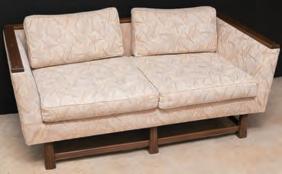
camel-back love seat;
center; Panasonic flat-screen


antiquesandauctionnews.net Antiques & Auction News — October 14, 2022 - - 7 NO BUYER’S PREMIUM. FOOD TERMS: CASH, SECURED FUNDS must be cleared before title work is completed & vehicles leave the premise. No tax except on vehicles at title transfer. GARY FLUCK AUCTIONS | AU003541L |215.855.4154
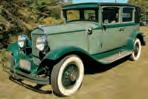
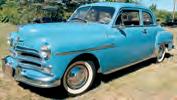
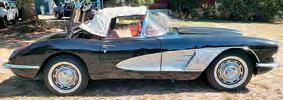
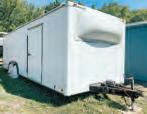
AUCTION SATURDAY, OCTOBER 22 AT 9:00 A.M. ANTIQUE AUTOS, MODEL T & A PARTS, TOOLS, TRAILERS 7667 RT 611, OTTSVILLE, BUCKS CO., PA 18942 Selling for Elmer Fox, Collector & Restorer, 1911 Model T Touring: Red fully restored; 1912 Model T Torpedo Roadster: all original; 1912 Model T Torpedo Roadster: Blue restored, 1921 & 1922 Model T Center Dr: Black, restored; 1929 Chrysler Brougham Sedan: Green, restored; 1950 Plymouth 2 Dr Special Deluxe: Blue, 1959 Corvette 283, 4 spd, Black & silver; “Wells Cargo” 20” by 7’ 6” Enclosed trailer; 24’ by 8’ enclosed trailer; 16’ by 6’ “Southeast” flat heavy duty trailer w/ extra tires; 1927 Model T engine complete; many Model T & A parts including starters, generators, radiators, wheels, pickup
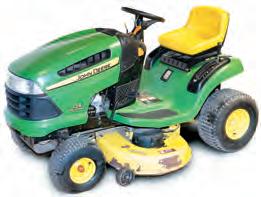
helicopter, collector cars, more. Applicable Buyer’s Premium. Pick Up BY APPOINTMENT. 1500 Paxton St, Harrisburg, PA R089162 CONSIGNMENT & ESTATES AUCTION ONLINE BIDDING · PREVIEW BY APPOINTMENT SATURDAY, OCTOBER 15 AT 10 A.M. Danish Modern • Antiques • Collectibles FURNITURE: Primitive, An que and Modern. Mid-Century Crawford Bedroom Set; Danish Modern; Set Ladder Back Chairs; Drop Leaf Table; Curio Cabinets; Dining Sets; Gate Leg Table; Maple Dressing Table; Antique Kitchen Stove: Detroit Jewel; Jelly Cupboard; Zinc Lined Dry Sink; Patio Furniture; Stained Glass Windows; Oak Ice Box. ART: Paintings and Prints. Hunt Painting Signed S. Stark; P. Buckley Moss; Wanda Macomber. COLLECTIBLES: British Monarchy Commemoratives; Mandolin; John Juzek Cello; Shore Bird Carvings; Books; Record Albums; Fiesta Dishware; Flow Blue; Delft; Art Glass. HOUSE & HOME: John Deere 125 Automatic 42” Riding Mower; Cookware; Cutco Knives; Flat Screen TVs; Baskets; Singer Featherweight; Infinity Sound System; Denon Turntable. R089099
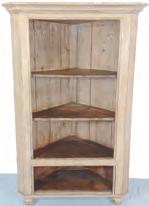
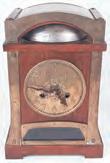
SHIRLEY NEIDIG LIVING ESTATE SATURDAY, OCTOBER 22 – 9:00 A.M. 1731 Mountain Rd., DAUPHIN, PA 17018 Just off the Mountain Road Exit of Route 22-322 between Clarks Ferry and Dauphin ANTIQUES, COLLECTIBLES FROM THE FOYER: 6’6” early 2-piece painted-over corner cupboard w/triple pane glass beaded doors, crown molding and blind door base with drawer; large cedar cylinder churn; Kellogg, Chicago wall phone; ornate bracket lamp, complete; Ingram 8-day pillared mantle clock; half-peck wooden measure; full- and half-peck wooden measure; 6- early Dutch painted boot jack plank bottom chairs; Hall’s Superior kitchenware, complete set of dishes with extras; eggshell China set of
&
5’
cupboard; wash stand; 6- spindled plank-bottom
29 day tall
small 4-drawer
upholstered
entertainment
TV; spinning wheel; stone sharpening wheel, complete; Waterbury Clock Co mantle clock; large baby basket; floor mirror; huge wooden bowl; Holmes & Goutts wooden Biscuit box; several oil lamps; 12” deep skillet w/legs; foot warmer; miniature Hoosier cupboard; kettle ladles; 4- coffee grinders; majolica bowl; copper wash boiler; brown spongeware bowls; stoneware bowls, pitchers & jugs; flow blue platter; Shirley Temple pitcher; 6- blue decorated highball glasses w/glass stirrers; 2- milk glass hen on nest; meat platters; crocks; chalkware bull dog; Occupied Japan plates; lots of old books; folk art painted pieces; salt dips; salt & peppers; water glasses; desserts; compotes; cherry pattern biscuit jar; pink depression; carnival glass pitcher and bowls; Snow Crest bear bank; hobnail cruet; jelly glasses; Gold Metal beer ashtray; lots of early kitchen utensils; Civil War books; sleigh bells. LAUNDRY ROOM: Heinz Baked Beans wooden box; Hires Root Beer box; other wooden boxes; Wizard of Oz peanut butter tin; Holdfast Bottle Caps box (full); old egg box; jar of marbles; lots of old bottles including McCormick & Co Chemist bottle, pint registered bottle; Milks Emulsion brown bottle, KR McCord registered bottle, Fireking heat-proof bottle, Wykoff & Co bluing bottle and more; many blue canning jars w/galvanized lids; Atlas jar w/glass lid; lots of tins including Economy Pretzels, Snyder’s Potato Chips and more; wooden cigar press; large granite coffee pot; tin lunch boxes; wooden ironing board; old steam iron; wash boards; fruit baskets; early paper mâché pumpkin; runner sled; wall drying rack; runner sled. GARAGE AND OUTDOORS: Yard Machine 17.5 HP riding lawn mower; Craftsman 20” push mower; Scott’s Turf Builder Edgeguard spreader; wheelbarrow Troy-Bilt blower; Black & Decker trimmer; weed eater; air compressor; gas cans; extension ladder; 5’ & 6’ stepladders; patio table & chairs w/umbrella; porch rocker; outdoor furniture; iron wagon wheel; butcher kettle used as planter; 7- crocks; shoe lasts; hand tools; gas cans; insulators; Griffin Shine Master shoe shine kit; wooden glassdoor wall shelf; oak spindled side chairs; wooden high chair; caned seat side chairs; slat seat ladder back chair; wire dish rack; fruit baskets; ice & roller skates; baby shoes; 2- Little John records; early children’s blocks & toys; early Halloween masks; early board games including Park and Shop, Parcheesi, Steeplechase and more; old children’s books including Uncle Wiggley’s Painting Play, Baby Brother & Sister, Henny Penny; wooden fruit carrier; wooden plate shelf; lots of wooden boxes; coal bucket; barrel; keg; church pew; more wooden boxes; lard cans; Sony stereo system; GE Model No. 7-4135A AM-FM radio; World Book Encyclopedias; oil lamp; ceramic Christmas tree; tubs of early Christmas decorations; lots of fruit baskets; old trophies; leather bound Red Letter Art Edition of the Bible; old milk cartons including Harrisburg Dairies, Seddon Farm, Levengood’s, Irwin’s Chocolate Milk; boxes of Country Living magazines; much more. Cash or Check – Tent Provided – Lunch Stand Open House to View These Antiques will be on Saturday, October 15 from 9 AM- 2 PM and Sunday, October 16 from 1 PM – 3 PM – Come see these outstanding antiques on display! BRYAN D. IMES, AUCTIONEER 522 Center Rd., Port Royal, PA 17082 AU-001656-L 717-363-0077 AuctionZip ID 1244Check auctionzip.com ID#1049 for more details and pictures. CHRIS DOERNER, AUCTIONEER R089158 21ST CENTURY ANTIQUES ON-SITE ESTATE AUCTION SATURDAY, OCTOBER 15 TH PREVIEW 8:00 A.M. • AUC TION 9:30 A.M. 463 Cooper St,. BEVERLY, NJ 08010 On Site auction for the estate of John A Sabol (Jukebox Johnny). Coins, glass, pottery, advertising, instruments, lighters, candy scale, books, tools, radios, silk screen supplies, Spode china, jewelry (sterling) & watches, ephemera. Items of Interest: Early cash register from Beverly Bakery, 1920s Pace 5 cent antique slot machine, great candy scale, drafting & artist tools, Vintage vinyl records, funky 1960s concert and tie-dye shirts & dress, 60’s leather jacket, Black Americana, local advertising, comic postcards, print blocks, pinback buttons, early bottles, lighters, instrument parts and repair tools, art books, 1970s lava lamps. Crocks, sheet music,
Continued on page 8
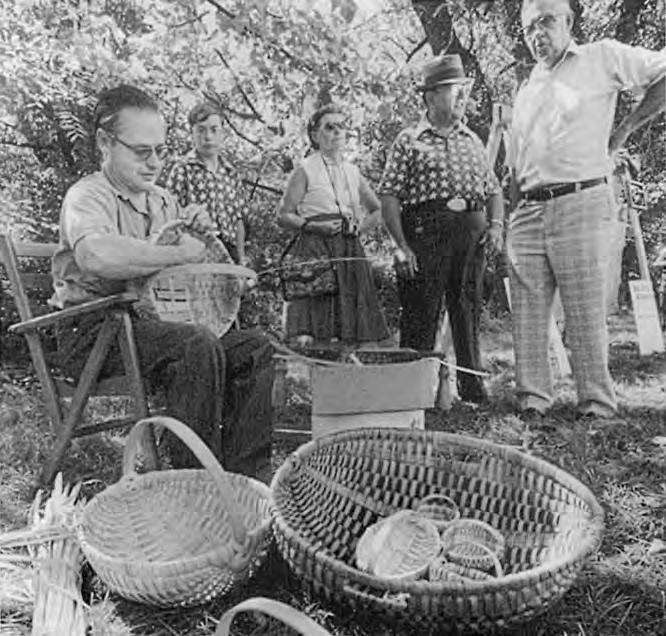
Here is a potato basket made by John Long.
John Long




Continued from page 7



shaving bench to craft fairs to work and demonstrate. His woven handled miniature buttocks baskets, some the size to hold an acorn, are of a mastercraftmanship caliber.
It was in the fall of 2002 when Long passed away. A bachelor, his estate was settled at a two-day auction held at the Emmaus Fire Company Hall.












Well-attended by collectors, about 250 of his baskets were sold. Some brought around
$300, the majority around $100 each.




In a future article, the author will discuss Strauss baskets made by the Strauss brothers of the Upper Tulpehocken Township, Berks County, Pa., town of Strausstown.






The author is always interested in seeing different John Long baskets. He can be reached by emailing kpass@ antiquesandauctionnews.net.
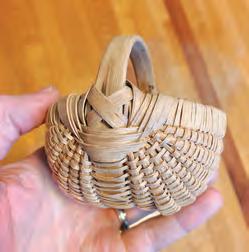
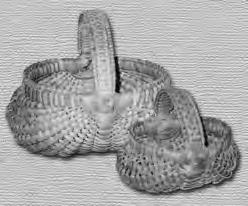
These two small split oak buttocks baskets by Long have woven handles and rims.
This is a miniature buttocks style split oak basket signed by John Long from the author’s collection.
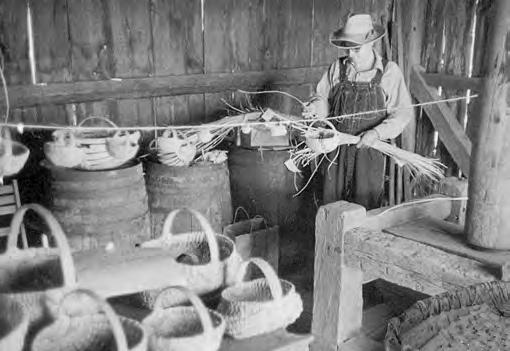
This is John Long’s spot in the cider press building on the Jacob Keim farmstead. The 18th-century Hartman family cider press building was moved to the site in 1975. The Historic Preservation Trust of Berks County owns the Keim property in Pike Township. In the 1970s, festivals were held on the grounds. Photo courtesy of Robert Walch.
antiquesandauctionnews.net8- - Antiques & Auction News — October 14, 2022 P A F , O 21 ~ 4PM L O 768 Graystone Rd. Manheim, PA 17545 717-664-5238 877-599-8894 ANTIQUE~MODERN~TACTICAL Highlights include Henry Dreppard Kentucky Long Rifle, Browning Rifles, Weatherbys, Winchesters, M1 Garand, AR 15’s, AK 47’s, Colt and Smith and Wesson Handguns, Sam Codi Engraved Winchester Shotgun, Bere a and Benelli Shotguns, Ar llery Luger, Contract Muskets, Military Firearms, Pepperboxes, M1 Carbine, large variety of Handguns, and more. Preview: Friday, Oct. 21 from 11am –4pm. AY000253L See hessauc ongroup.com for more details. 15% Buyer’s Premium ONLINE ONLY MILITARIA & FIREARM-RELATED AUCTION October 11 Thru October 25 • 6pm Closing R089142 IS PLEASED TO ANNOUNCE... “ANOTHER LARGE ESTATE AUCTION” “MANY ITEMS FROM A HOME ON THE CHESAPEAKE BAY OF MARYLAND” AUCTION LOCATION: THE FREDERICK FAIRGROUNDS (INDOORS - HEATED BUILDING #12), 797 EAST PATRICK STREET HISTORIC FREDERICK, MARYLAND 21701 AUCTION TO BE HELD ON: SATURDAY, OCTOBER 22ND, 2022 STARTING AT 9:00AM. (DOORS OPEN AT 8:00AM.) FEATURING MODERN AND ANTIQUE FURNITURE INCLUDING EARLY CHEST OF DRAWERS, BLANKET CHEST, EARLY FARM HOUSE DESK AND UPPER BOOKCASE - PRIMITIVES - FINE CHINA - WATERFORD CRYSTAL ITEMS - ROSE MEDALLIONLENOX - LLADRO - SWAROVSKI - NUMEROUS SCI - FI COMIC BOOKS - OVER 300 NUMEROUS COLLECTIBLE MOVIE CAMERAS AND LENSES ALL IN MINT CONDITION - MIRRORS - LAMPS - SLAG GLASS TABLE LAMP - MANY, MANY SMALLS OF ALL DESCRIPTIONS - MANY BOX LOTS - BOOKS - MANY ITEMS COMING IN TO THIS AUCTION NOT LISTED. THIS AUCTION WILL BE VERY LARGE! MORE PHOTOS COMING AS WE ARE SETTING UP THE AUCTION, SO CHECK OUR WEB SITE FOR UPDATED PHOTOS BETWEEN OCTOBER 17TH,18TH AND 20TH. FOR MORE INFORMATION ABOUT THIS AUCTION OR CONSIGNING PLEASE CONTACT: HOWARD B. PARZOW, AUCTIONEER 301-351-6544 E-MAIL: HPARZOW@AOL.COM WWW.PARZOWAUCTIONS.COM TERMS OF AUCTION: 12% BUYER’S PREMIUM ADDED TO THE HAMMER PRICE. WE DO NOT ACCEPT CREDIT CARDS. CHECKS ACCEPTED FROM OUT OF STATE BUYERS WITH A BANK LETTER STATING THAT YOUR CHECKING AS A NO BOUNCE CHECK HISTORY DATED 5 DAYS PRIOR TO THIS AUCTION DATE OF OCTOBER 22ND. CHECKS ACCEPTED FROM MARYLAND RESIDENTS WITH PROPER ID. ALL ITEMS SOLD WHERE IS AND AS IS. ALL ANNOUNCEMENTS MADE ON AUCTION DAY SHALL TAKE PRECEDENCE OVER PREVIOUSLY DISTRIBUTED INFORMATION. ENTER THIS PROPERTY AT YOUR OWN RISK. MARYLAND SALES TAX WILL BE COLLECTED UNLESS YOU HAVE A MARYLAND SALES AND USE TAX CERTIFICATE. PLEASE ALSO GO TO AUCTIONZIP.COM (AUCTIONEERS ID#2894) OR WWW.PARZOWAUCTIONS.COM TO VIEW MORE PHOTOS. HISTORIC HOUSE ON 5+/- ACRES OUTBUILDINGS AND ALL CONTENTS ON SITE AUCTION! R089018 SATURDAY, OCTOBER 15TH 9:30AM REAL ESTATE SOLD AT 1PM SHARP Rain or Shine!8984 Bayside Dr., Dover, DE One of the best rural parcels ever offered in Kent County at Public Auction! 5+/- Acres w/home and outbuildings OPEN HOUSE Wednesday, October 12 3PM-5PM Primitives • Imp. DE Books & Art Advertising • Ant. Furniture & Scout Collectibles FURNITURE Lg. pine dry sink, PA blanket pine chest, painted bucket benches, pine benches, early toolboxes, Hoosier cabinet w/double flower bin, sewing table, early painted cupboard, Parsons bench, fine and rare pie cabinet, drop-leaf tables, mission book shelf, stools, rockers, pine cottage chest, tiger oak Barrister book case, serpentine oak stand, Victorian settee, Empire sideboard, oak antique carved bed, pine 5 drawer bureau PRINTS & ORIGINAL ART “Little Creek” by Jack Lewis, “The DE Scene” by Jack Lewis, sketches of early DE by Nancy Churchman Sawin, original watercolor “Nego Shanty” Cowgills Corner, Delaware, “Delaware Destiny” by Randy Holland COLLECTIBLES, CLOCKS, AGED BOOKS & MORE Precious gems & 14kt gold jewelry, 4x8 single axle utility trailer, Norman Rockwell Boy Scout figurines, puzzles, first aid kits, early and extensive collection of Boy Scouts of America memorabilia incl., slides, neckerchiefs, books, patch awards, posters, mess kits, Philmont collectibles, ribbons, framed awards, uniforms, belt & buckles, early scout handbooks, Boy Scout toys in original boxes, Boy Scout awards and prizes, Boy Scout projector, Noritake china, DE maps, very early Delaware political buttons, early DE cookbooks, (4) volume set of DE trees, DE collections “History of Georgetown, DE” Governors’ of DE, Slavery & Freedom in DE, biography of DE by Reed, DE history books, butter churn, early telephone, pie safe, early wooden barrels, huge lot of primitives, early mixing bowls, milk cans, tackle, iron pry bars, early gas pumps, wooden wash tub & gathering baskets, coffee grinders, glazed stoneware, school house clock, early ceiling fixtures, antique hobby horse, Capital Mineral Works, Dover, DE, wooden advertising cases, early toy train sets and oak post office boxes, cobbler’s bench, flax wheel, cracker displays, lg. lot military books, early advertising rulers & yardsticks, ladies silk gloves, linens & laces, early quilts, early brooms, dough board, early foot stools much much more! TERMS: Real Estate: A 10% deposit in cash or personal check with 2 ID’s on day of sale with the balance due and payable in 30 days when good unencumbered marketable title will be delivered. A 3% Buyer’s Premium to be added to the final hammer price and collected at closing. Property sold “as is, where is”. Contents: Cash, personal check or credit card with 2 ID’s on day of sale. A 13% Buyer’s Premium will be added to all purchases, w/a 3% discount for payment by cash or check. All items sold “as is” with removal day of sale. Auctioneer’s Note: A landmark property on Rt. 9 North of Cowgill’s Corner. The home is on the National Historic Register, but in need of renovation. Great contents incl. primitives, furniture, stoneware, great DE art, important DE and MD books, ironware, maps & paper. A great sale and one not to miss so come early and bring a friend! CALL BUTCH OR WILL FOR MORE INFORMATION HARDY’S AUCTION SERVICE AH000010L 717-432-8246 or 717-432-3779 R089161 LONGABERGER® AUCTION @ HAAR’S COMPLEX Located at 185 Logan Rd., (Rt. 15), DILLSBURG, PA 17019 FRIDAY EVE., OCT. 28 • 6 P.M. REAL NICE LONGABERGER® COLLECTION (500+) FROM A PRIVATE COLLECTOR Restaurant & AUCTION DOORS open @ 5:00 P.M. Sale starts at approximately 6:00 P.M. Join us for this large collection of popular Longaberger® Baskets! There are Collector Club Baskets, Miniature Baskets, Patriotic Baskets, Anniversary Baskets, Welcome Home Baskets, Tradition Collection Family Baskets, Membership Baskets, Booking Baskets, Christmas & Holiday Baskets, Odds and Ends baskets, Market Baskets, and other collectibles plus more! Terms: Cash or good PA Check. Office number 717-4328246 leave a message. Check www.haars.com for updates.
John Long took part in many craft shows and festivals. Photo courtesy of Richard Shaner.
Heritage
broadside in the hobby. It measures 12-by-19 inches and is printed on yellow paper.
Unlike conventional broadsides, this magnificent piece does not announce a mass meeting or political rally at a real, specified location.
Instead, using “negative campaigning,” it ridicules the opposition, in this case, “Republican John Frémont, know-nothing Millard Fillmore and abolitionist William Lloyd Garrison.” It mixes legitimate slogans (“Freedom National! Slavery Sectional!” and “Put None but Americans on Guard to-night.”) with cynical, sarcastic versions (“All North! No South!” and “Fremont, Free Love Free Fight!”). Its true origins and intent are evident in the concluding paragraph,
which states: “All those who are opposed to the Election of James Buchanan to the Presidency, and are willing to ‘Let the Union Slide’... are requested to meet at the Powder Mill, now known as the ‘Fremont Hut’ on Thursday, Aug. 7th, at 8 o’clock, P.M.” It is thought quite possible that the meeting place existed only in the mind of a Buchanan partisan, the author of this graphic piece of campaign demagoguery.
An Abraham Lincoln “Wide Awake” marcher wooden parade ax includes a contoured handle, one side of which has black stenciled lettering that reads: “Lincoln & Hamlin. 1861.” The date presumably refers to the presumptive election of the Republican ticket and the year in which Lincoln and Hannibal
This is a rare John Adams and James Madison 6.25-inchhigh ceramic tea caddy.
Hamlin, his candidate for vice president, would assume office.
A muslin fabric Ulysses S. Grant large graphic 1868 campaign flag is unlisted in Collins’ “Threads of History” but has several features that generate considerable appeal. The graphic and unusual flowing font is large and interesting, taking up most of the flag’s field. The imposing size, 22.5-by-33.5 inches, is a feature that immediately attracts attention. Also important is the appealing 36-star arrangement in the canton, a very unusual pattern resembling an arrangement found in a similar but much smaller flag in the Ralph E. Becker collection at the Smithsonian.
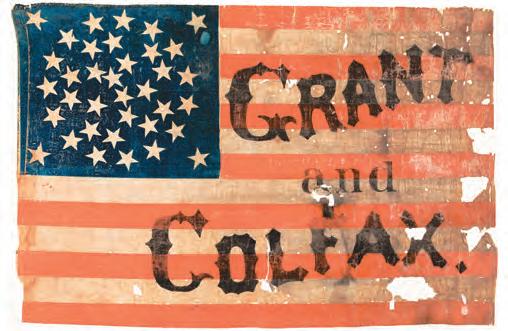
Heritage Auctions experts believe a John
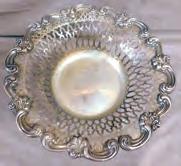
SATURDAY,
Here is an Andrew Jackson pewter rim medallion.
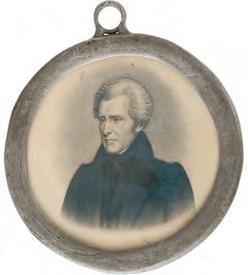
Adams and James Madison important founding fathers tea caddy is the last surviving example. Measuring 6.25 inches high, the powder blue tea caddy features portraits of Adams and Madison, one on each side, and the
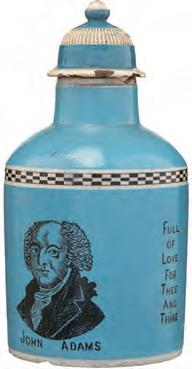
sentiment, “Kindly Take This Gift of Mine/ Full of Love For Thee and Thine.” It likely was issued ca. 1796-1800, if not earlier.
Those who collect political campaign ribbons will be drawn to a Lincoln & Hamlin jugate ribbon that is considered the ultimate in Lincoln and Hamlin jugate ribbons. The 7-inch silk ribbon boasts “rustic” portraits of the 1860 Republicans superimposed on a panoply of draped flags, inscribed “Lincoln, Hamlin, and Liberty. Protection to American Industry.”
Images and additional information can be found by visiting www.HA.com/6266.
Photos courtesy Heritage Auctions.
UNIQUE ESTATE AUCTION
B&C high back piano stool, “Decoy wooden box” signed by William Veasey, Hand painted wall cabinet w/panel doors, QA style wooden silver chest, walnut roll top desk, Wooden advertising boxes, brass lionhead umbrella stand, music cabinet, collection of oriental & other rugs, Victorian lionhead pier mirror w/marble stand, Victorian slant desk, Burl walnut dresser w/mirror, Carved oak high back bed, oak Hoosier cabinet, 2 antique wine presses, Sleigh bed, Stanley BR set, tall mahogany drop front desk w bookcase top, other sofas & loveseats, pine 3 drawer chest, bed steps, blue pine step back cupboard, Windsor style chairs, numerous mirrors, blue upholstered bench seat, Poker table, Eastlake chair & rocker, Brass spiral staircase, crystal banquet lamps, LLadro Nativity set & other figural items, CD, DVD & other tapes, Brass & iron andirons, Fancy brass fireplace screen & fender, Cannon Ball andirons, Brass coal scuttle, brass bed, 6 Bar stools, 3 iron patio sets, 6 lounge chairs and other patio furniture, vintage old white post & hanging lights, brass carriage lights, 11pc white wicker porch set, wicker dressing mirror, mahogany dresser w/mirror, gold gilt mirror, blanket chest, hand painted card tables, Austin metal horsehead, Dolls, Ivory horse, SILVERPLATE: Several sets of candlesticks, Assorted chafing dishes, tea set, punch bowl, Silver oval bowls, 3 Trivets, napkin stand, shell dishes, scallop bowls, silver tea box w/lid, lidded crumb holder w/handle, small salt shakers, silver trays, Glass fruit platter w/silver base, silver wine bottle holders; nesting baskets, crystal banquet lamps, theatre seats, 2 Victorian Child’s toy wooden horses on wheels, Sessions & other mantle clocks, oil lamps, jewelry, student lamp, brass & crystal table lamps; GLASSWARE: Cut, pressed & Tiffany, Fenton, Spode, Collection of Lenox plates & other Lenox items, Limoges, cloisonne bowl, Vintantonio ceramic Italian china, red flash glass, china dark moss green vase, Bernardaud Limoges; Christmas decorations, figural Santa’s & dishes, Teapot Collection, teacups w saucers, Fitz & Floyd Deer console deer set, linens, brass horse horn table lamp, Vintage 4pc Ventura luggage set, ARTWORK: Exceptional Collection of C. Phillip Wycoff signed prints, “North Market Street Bridge” by K O’Brian Simms, “St. Michaels” by Ann Charlton, Several - CA Salane “Seascapes”, Watercolor - “Wilmington Flower Market” by K Koch, “Pirates Trail” on board by Hoskins, reverse painting, “The Huntsman’s courtship” by S.E. Waller, “Wizards World” by Alice Villanueva Scott 1988, Southwestern Artwork, Numerous other pictures, print & watercolors, BOOKS: poetry, business, novels, mechanics & other books, “Men of Iron” by Howard Pyle, “The English of the Delaware” by C.A. Weslager and other books; brass Spanish pitcher, dark moss vase, 50+ Vintage - (Some Full) Jim Beam bottle collection, vintage whiskey & other bottles, oriental items, camera & electronic equipment, Cram’s Imperial world globe, lite beer advertising sign, Brass items, 100’s of Baskets, advertising items, Vintage style GE AM-FM Radio, brass rug tie backs, Iron horse planter, Large metal bird feeders, figural water sprinkler, wooden doors; Household, Appliances & Kitchen Cabinets; & much more too numerous to mention.
TERMS: Cash, Pre-Approved Checks, MC & VISA Credit Cards. All Sales Are Final! Auctioneer Note: There will be “No Food Service” at this auction.
MONDAY, OCTOBER
Mark your calendars for an ONSCREEN CONCERT at HAAR’S DRIVE IN on Saturday, October 22 and Longaberger® Auction Friday, October 28 at 6:00 p.m.
MONDAY, OCTOBER 24, 2022

Restaurant & AUCTION DOORS open at 5:00 p.m.
engraved copper top; Stickley cherry wall unit & BR set; Dakota Jackson Modernist inlaid DR table & chairs; MCM: Lucite dinette set, Eileen Gray side table, Noguchi style coffee table; Designer: Chaise lounge, arm chairs, ottomans, server; Modernist table & floor lamps; Deco, lead glass & crystal chandeliers. More!
Textiles: 35+ antique quilts, jacquard coverlet, paisley shawls, Battenberg lace table covers, pillows, Chinese &other Oriental rugs; 19th C. Samplers.
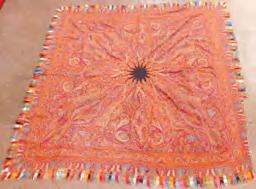
Sale starts at approximately 6:00 p.m.
2 auctioneers on porches if weather permits (1 tools/box lots,




furniture); Stage auction begins @ 6:30 p.m. (smalls/collectibles). Consignment sale of local estates to include furniture; Antiques; HOUSEHOLD; dishes; collectibles; tools; primitives; box lots; REAL NICE 2018 VOLKSWAGEN TIGUAN w/18850 miles, current inspection from a local estate; Terms: Cash or good PA Check. Office number 717-432-8246 leave a message. Check www.haars.com for updates.
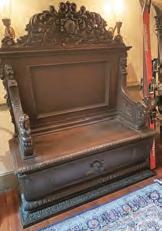
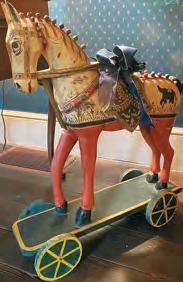
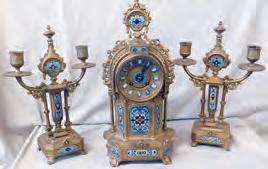
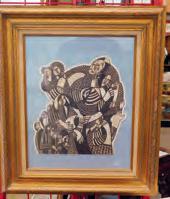
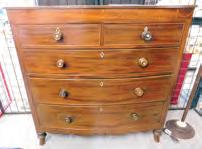
antiquesandauctionnews.net Antiques & Auction News — October 14, 2022 - - 9 QUALITY AUCTION ONLINE ONLY VIA LIVE AUCTIONEERS OR INVALUABLE TUESDAY, OCTOBER 18 AT 10 A.M. 3455 Edgemont Street, PHILADELPHIA, PA 19134 R089079 Jewelry: Platinum, diamond & sapphire band, 7 Pandora bracelets & charms, Gold, silver, diamond & gemstone jewelry, rings, necklaces, parures, bracelets. Coral, pearls, turquoise, cameos. Nantucket basket jewelry, more! Ptgs & Graphics : 19th C. dog, Biblical & portrait paintings. Illustration Art; works by Emmett Wigglesworth, Andrew Turner, Richard Watson, Clayton Redwood, Clayton Pond, Louis Icart, Tarkay, Red Grooms, Don Lord, Julius Bloch, Freda Reiter, Philip Pearlstein, George Shaw, Seymour Reminick, Marko Spalatin, Ira Kahn, Laura Wheeler Waring, Eliz. Osborne, M. Rozenvain. More! Furniture: Antique inlaid Hepplewhite chest & Pembroke table, blanket chest; Bench made: Adams style vanity, Chippendale style highboy & partner’s desk; Chinese japanned secretary; inlaid dessert stand & game table; Victorian vanity & chairs; garden furniture, figural cast iron table with
Miscellaneous: Illuminated abstract glass floor sculpture; signed art pottery; Lalique, Steuben, Legras, Moser, Kosta Boda, Murano, Orrefors, Waterford & other fine crystal & art glass; Portmeirion, Wedgwood, Lenox & other fine porcelain; Lladro & Cybis figures; Oriental porcelain; vintage African masks & carvings, bronze figures, antique cast iron door stops, mantel clocks, Judaica, geodes, knives, magnifying glasses; scales; boxes; Staub & Le Creuset enameled cast iron cookware Calphalon pots. More! Sterling Silver: 60+large lots of sterling silver flatware sets & pieces & assorted tableware by Tiffany, Gorham, etc. Terms: 22% Buyer’s Premium. See posted terms on Live Auctioneers & Invaluable. Inspection: Encouraged – Call for Appointment during business hours. www.bssauction.com AU-1487-L 215-425-7030 AUCTIONEERS/APPRAISERS 3455 Edgemont Street, Philadelphia, PA 19134 WEHRLY’S AUCTION SERVICE, INC. 717-235-4146 Lic. #AY002060 R088995 PUBLIC REAL ESTATE FARM AUCTION PICTURES AND LISTING AT WEHRLYSAUCTION.COM 4067 SNYDER ROAD, GLEN ROCK, PA 17327 KATIE A. FISHER ESTATE !!!157 ACRES!!! WITH STONE HOUSE, BARN, BUILDINGS, ANTIQUES AND MACHINERY! SATURDAY, OCTOBER 15, 2022 AT 8:30 A.M. - REAL ESTATE AT 12 NOON! 5655 STELTZ ROAD (RT. 851), NEW FREEDOM, PA 17349 WELCOME TO FARM LIFE ON THE MASON DIXON LINE! LITERALLY THE STONE MARKER IS IN THE LAWN. THIS GREAT STONE HOUSE OFFERS 8 BEDROOMS & MORE!! LARGE 40FT X 80FT BANK BARN, SUMMER HOUSE, CARRIAGE HOUSE, SMOKE HOUSE & OTHER SHEDS. WELL WATER & ON-LOT SEPTIC. FARM MACHINERY & FARM ITEMS; JUST ADDED -3 LARGE PILES OF FIELD STONE! ANTIQUE & HOUSEHOLD ITEMS: KITCHEN CHINA CABINET, 2 OAK SIDE BOARDS, OAK BED, ROPE BED, IRON BED, WATERFALL BLANKET CHEST, OAK STAND, OAK CHAIRS, 3 OAK DRESSERS, OAK BASE CABINET, SINGER TREADLE MACHINE, ESTEY PUMP ORGAN & STOOL, 1910 BARHEIM PLATE, JS STICH PLATE, LANTERNS, OIL LAMPS, MARBLES, BUTTONS, IRON KETTLE, STEREO VIEWER & CARDS, GAMES, FARM TOYS, GRISWOLD WAFFLE IRON, CANNING JARS, CROCKS, BUTCHER BENCHES & KETTLES, AMBER FOUST 3-LINE FLASK! LOTS MORE! KATIE M. FISCHER EXECUTOR PHONE 717-235-4146 FOR MORE INFO. R089171 DELAWARE ESTATE SALES 1323 Newport Gap Pike, Wilmington, DE 19804 302-327-9017 or 302-668-7309 www.estatesalesofdelaware.com
OCTOBER 22ND @ 9:00 A.M. PREVIEW: 8:00 A.M. 1442 Bohemia Mill Road, MIDDLETOWN, DE Bohemia Hall Check out our website at: www.estatesalesofdelaware.com for full listing and pictures
Selling the contents of a ca1751 Home in Middletown, Delaware Antiques, Collectibles, Artwork, Grandfather Clock, Horse Sleigh, Rugs & New Home Furnishings Furniture & Decorative Arts: Carved Victorian bench seat, horse drawn sleigh w/stencil wooden panels, collection of cement statuary, planters & garden items, Pelican paddle boat, chiminea, crystal hanging chandelier, Collection of silver-plated items; Chippendale-style furniture: incl. 12pc Chippendale-style dining room set, highboy, MT coffee table, lamp tables w/drawers, sofa & loveseat;
Next Auction: Vintage Christmas & Antiques Saturday, Nov. 5th @ 5pm Preview: 4pm
HARDY’S AUCTION SERVICE AH000010L 717-432-8246 or 717-432-3779 HAAR’S AUCTION Located @ 185 Logan Rd. (Rt. 15), DILLSBURG, PA 17019 ANTIQUES – FURNITURE – COLLECTIBLES - TOOLS – ETC.
17, 2022 Restaurant & AUCTION DOORS open at 5:00 p.m. Sale starts at approximately 6:00 p.m. with 2 auctioneers on porches if weather permits (1 tools/box lots, 1 furniture); Stage auction begins at 6:30 p.m. (smalls/collectibles). Consignment sale of local estates to include furniture; Antiques; HOUSEHOLD: dishes; collectibles; tools; primitives; box lots; Terms: Cash or good PA Check. Office number 717-432-8246 leave a message. Check www.haars.com for updates. R089128 REAL NICE VEHICLE - ANTIQUES – FURNITURE –COLLECTIBLES - TOOLS – ETC.
with
1
Continued from page 6
Here is a muslin fabric Ulysses S. Grant 1868 campaign flag.
“The Rise Of Print: Rembrandt And Company” Now On View

The Muskegon Museum of Art presents “The Rise of Print: Rembrandt and Company.” The exhibition features works by the masters of 14th-17th century printmaking, such as Lucas Cranach, Albrecht Dürer, Hans Holbein, and Rembrandt Harmensz. van Rijn.





During the 14th to 17th centuries, Northern and Italian Renaissances in Europe saw a new birth in learning, politics, and culture. One of











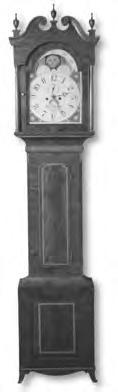
the most notable outcomes was the rise of print as a form of art due to the invention of the printing press by Johannes Gutenberg around 1440. Artists and craftsmen of the time quickly adapted the new technology to create lasting masterpieces.
“The Rise of Print: Rembrandt and Company” explores a visual record of the growing complexity in skill and concept in Renaissance printmaking. On display will be works by notable artists of the time, including Lucas Cranach, Albrecht Dürer, Hans Holbein, and Rembrandt Harmensz. van Rijn. All works featured in the exhibition belong to the permanent collection at the Muskegon Museum of Art.
“The Rise of Print: Rembrandt and Company” will be on display at the Muskegon Museum of Art, located in Muskegon, Mich., through March 19, 2023.
The exhibition is underwritten by Shape Corp.
































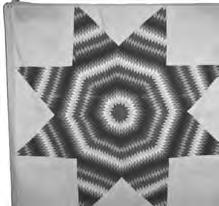

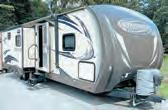
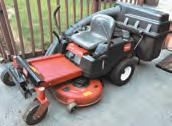
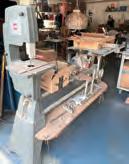
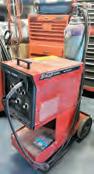
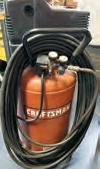
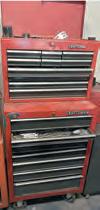
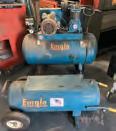



For more information, visit www.muskegonart museum.org.
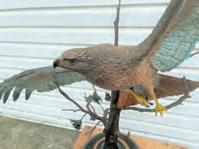
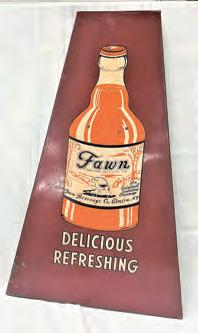
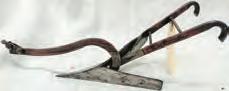




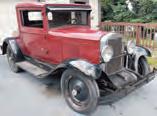

PUBLIC


Bucks Co.,
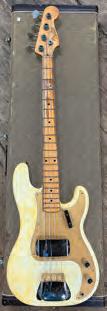
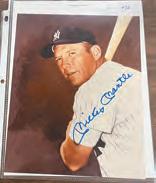



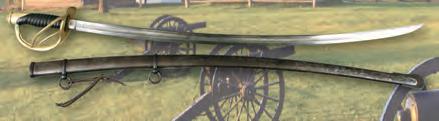
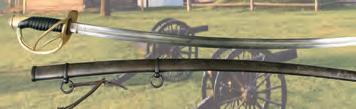









Purple Transfer Ironstone China, Spa erware & Leeds So Paste China, Stoneware, Red Wing Union Stoneware Co. Crocks, PA 19th Cent. Glazed Redware, Victorian Art Glass, An que Woodenwares incl. Wood Models Handcra ed By J.R. Houser, Lanc. Co., PA, An que Metalwares incl. 18th Cent. Stove Plates, Punched Tin Candle Lantern & Cheese Molds, 19th Cent. Wrought Iron Hearth Toaster, Graniteware, An que Belgian Model 1857 Breech Loading Zulu Shotgun, Swiss H. Rychner Model 1869/71 An que Rifle, Needlework Samplers, Lanc.
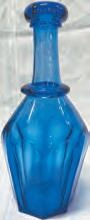

antiquesandauctionnews.net10- - Antiques & Auction News — October 14, 2022 ROBERT H. CLINTON & COMPANY, INC. Auctioneers & Appraisers P.O. Box 29 * Ottsville, PA 18942 610-847-5432 * AY-000093-L Email: rhclintonauction@hotmail.com R089167 PUBLIC AUCTION Sunday, October 23, 2022 AT 9:30 A.M. Springtown Volunteer Fire Company Banquet Hall 3010 Route 212 Springtown,
PA 18081 Country Antiques, Collectibles, Vintage Quilts, Victorian Music Box, Keystone Press Steel Toy Locomotive, Cast-Iron Doorstops, Collection of Byer’s Choice Figures incl. an unusual Nativity Grouping, Other Holiday Decorations, Etc. Terms: 13% Buyer’s Premuim. 3% Discount w/Cash or Approved Check. Watch for Additional Info at www.auctionzip.com auctioneer #1888 R089116
AUCTION 2015 FOREST RIVER CAMPER - 1930 CHEVY COUPE 2002 BMW 745I - TORO ZERO TURN MOWER MECHANIC’S BOXES AND TOOLS - GARAGE ITEMS SATURDAY, OCT. 15 AT 10:00 A.M. This is a LIVE Auction on sight at 141 Cindalyn Drive, NEW HOLLAND, PA 17557 2015 Forest River Salem Hemisphere Lite 272RLIS Travel Trailer (Very Good Condition), VIN #4X4TSBC20FU076006, Sleeps 6, 2 Slide outs, Aluminum Frame. 2002 BMW 745I Sedan, VIN # WBAGL63432DP60200 4 Door Hard Top Sedan, 4.4 L Engine, 328HP, 139K Miles. 1930 Chevrolet Coupe, Chevy 194 Inline 6 Cyl. Engine, Runs/Drives. TORO Zero Turn Mower, SS 4225, 42” Deck, Kohler 7000 Series Engine, Dbl Bagger. BendPak Full-Rise Scissor Lift 7000-Lb. Capacity, Model# SP7X; Shop Smith Mark V Woodworking Lathe with Scroll Saw and attachments; Woodworking Lathe Knives; EMGLO Air Compressor and Compressor Tank, MATCO and CRAFTSMAN Mechanic’s Tool Chests, 100’s of Mechanic’s Tools including SNAP ON, Craftsman, and other Wrenches, Sockets, and more; Craftsman 5.5 HP Air Compressor with 125 Gallon tank; SNAP ON and more Air Tools; SNAP ON Tool Cart; SNAP ON Mig Welder 140 Amp; Electric Power Tools; Tool Cart Work Bench; MTD Snow Blower; Classic Car Parts: ‘57 Chevy Seat, Hood, Inner Fenders, ‘58 Chevy Back Window; Topside Mechanic’s Creeper; Engine Hoist and Stands; NOS 1000 Watt Generator; PTO Driven Wheel Barrow; 2 Retractable Hose Reels and Air Hose; Torpedo Heater; Air Tank; Battery Charger; New in Box Plumbing Items; Hardware Cabinet and Hardware; Vintage Wood Stove Fireplace Insert; NEW IN BOX ITEMS include: 3 Way Lantern post, EMERSON Quiet Cool Air Conditioner, Red Neck Hot Tub, Bathroom Vent Kit, and more; Traffic Lights; RAZOR Battery Operated Scooter; Camp Table; Bag Chairs; & more. LARGE PHOTO GALLERY @ WWW.PMORGANAUCTIONS.COM TERMS: Camper and Autos: Cash or Cashier’s Check (Made payable to Patrick Morgan Auction Services, LLC). A $1000 cash or personal/business check deposit will be required the day of sale until full payment is made with Cash or Cashier’s Check. Titled Vehicles/Autos will not be released until full payment is made and funds are cleared. Contact 717-278-9202 for specifics. All other items to be paid with cash or good PA check. ALL Items must be paid in full before removal on day of sale. P A S , O 15 ~ 9AM L O 289 Donerville Rd. Lancaster, PA 17603 717 664 5238877 599 8894
Co., PA Lone Star Patchwork Quilt, Oriental Rugs, An que Furniture Incl. M&P Shreiner, Lanc., No. 39 Hepplewhite Tall Case Clock, Southeastern PA Federal Walnut 2 Part Corner Cupboard, Lanc. Co., PA Sheraton So wood Splay Leg Stand, Lanc. Co., PA Painted Blanket Chests, PA Chippendale Walnut Slant Lid Desk, James Smithgall Windsor Style Comb Back Armchair & Se ee, Mason & Hamlin Mahogany Baby Grand Piano, Herman Miller (George Nelson Design) Mid Cent. Modern Rosewood 7 Pc BRM Suite, ’37 Buick Lasalle Touring Sedan, & Much More! See hessauc ongroup.com for more details. Preview: Friday, Oct. 14th from 12:pm 4:pm 10% BP for Onsite Bidders 15% BP for Online Bidders P w V J P T g L M F S S M D S ongroupcomforAY000253L R088897 #418 #417 #421 #428 #437 #458 #408 #407 located5milesnorthofWilliamsportPAattheHepburnvilleExitoffRoute15 located 5 miles north of Williamsport PA at the Hepburnville Exit off Route 15 T To b be h held @ Our Gallery y at 3530 Lyc y oming g Creek Roadd, Coggan Station, PA 17728@ Saturday, October 29 , 2022 @ 9:00 AM Exxhibit: Friday, October 28 h efrom 9:00 AM to 5:00 PM and sale day 7:00 AM until sale tim Sess Featturinng g Ci C viil l Wa War r weeap a ons & items from the Da D riis s M. M Bec e k Es Estaate t , Be Bedf d ord, PA A along with selected others othe ion n #2 # @ 11::30AM: LIVE and ONLINE E w with items #3000-481 S CALL ROAN AUCTIONEERS AT 570-494-0170 COMPLETE CATALOG LISTING AND PHOTOS AVAILABLE ONLINE @ WWW.ROANINC COM ONLINE BIDDING TO BE OFFERED AT INVALUABLE.COM AND AUCTIONZIP.COMONLI OM #365 65 11 30 M nd ONL t 8 Sellinng g moddern & c l olllectible fi firearms, ammo and related Session #1 @ 9AM: LIVE auction with items #1 200Session#1@9AM:LIVEauctionwithitems#1 Session #1 @ 9AM: LIVE auction with items #1200 R089089 1959 Fender Precision Base Guitar, 60’s Gibson TV Yellow Guitar, Early Stainer Violin, Fine life size bronze red tail hawk by Mike Fields, Mid Century period Artwork incl. Kathe’ Kruse, Mid Century glass, early 90’s Punk Rock concert posters, toys & advertising, Salesman sample farm implements, 17th/18th C books, other books & currency, early Sandwich glass, 30’s – 70’s car brochures, early transit, Sports autographed photos & cards, 2 rare Mechanicsburg, PA pocket watches, 20th C suit of armor, Mary Hoyer dolls, etc. Online Auction only on HiBid.com. Terms: Cash or PA check, major credit cards w/3% surcharge. 10% Buyers Premium. Note: Online Auction Only on HiBid.com. Auction begins ending @ 5:00 with lot #1 with subsequent lots every 20 seconds. Preview by appointment. www.rowesauctionservice.com ROWE’S AUCTION SERVICE (AU002295L) 717-574-1008 215-1044 249-1978 R089090 ONLINE AUCTION ONLY ANTIQUES & COLLECTIBLES ENDING SUNDAY, OCT. 23 • 5:00 P.M. Location: Rowe’s Auction Barn, 2505 Ritner Hwy., CARLISLE, PA Between exits 44 (Allen Rd) & 37 (Newville) off Int. 81.
Exhibit Showcases The Masters Of 14th-17th Century Printmaking
Simple Goods
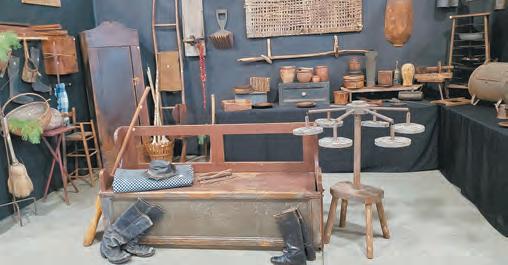
to attend. The Ohio Amish countryside is beautiful, and the town of Berlin is worth seeing and exploring. Come and spend the day. While at the show, sign up in the lobby for a door prize and get on the mailing list for future show information. The Simple Goods cafe, run by Exclusively Yours Catering, will be open during the show.
For additional information, check out the show’s Facebook page at www.face book.com/simplegoods, including the dealer list and the floor plan. There will also be fun giveaways for admission tickets and “Simple Goods Dollars.”
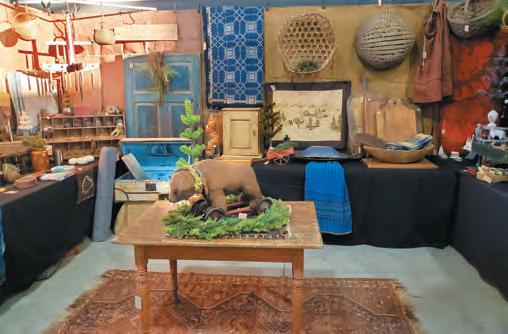
For more information, call Christina Hummel at 570-651-5681 or email simplegoodsshow@gmail.com.
CLASSIFIEDS SEEKERS/SELLERS
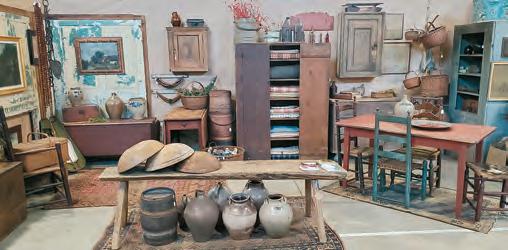
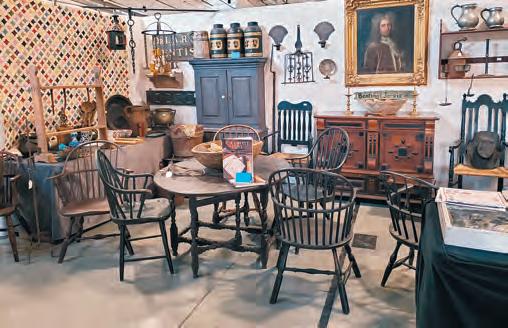





MOVIE POSTERS
Highest Prices


FINE ART WANTED
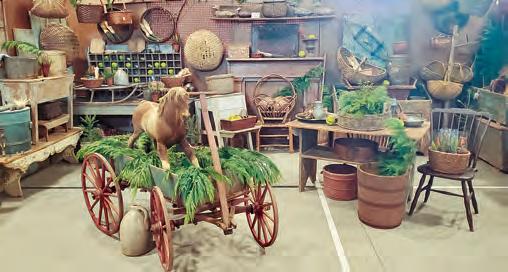




SELL. CONSIGN





AUCTIONS
PENNSYLVANIABOYSCOUT
SPORTS MEMORABILIA
ANTIQUE LAMP& METALS RESTORATION
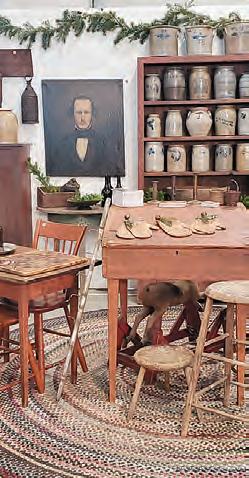
Finishes,
COINS/CURRENCY
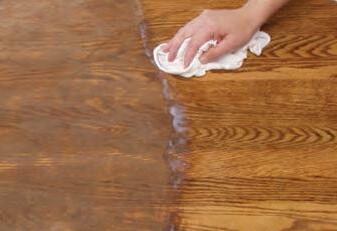
antiquesandauctionnews.net Antiques & Auction News — October 14, 2022 - - 11 R068587 call 1-800-800-1833, Ext. 6022 or place your ad online antiquesandauctionnews.net F063435 ATTENTION! Get the Word Out! Advertise Your SERVICE OR SUPPLIES in the Classifieds! Call 1-800-800-1833, x6022 or www.antiquesandauctionnews.net VISIT OUR WEBSITE OR CALL TO FIND A DEALER IN YOUR AREA If you are interested in selling Howard Products call 800-266-9545 for resale information. FOLLOW US! Clean-A-Finish BEFOREAFTER • Unique soap-based formula with a clean fresh scent • Cleans wood finishes before polishing, waxing, or restoring • Breaks down grease and grime on kitchen cabinets, dining tables, and other hard-to-clean surfaces • Easily removes wax build-up on furniture and antiques • Does not contain ammonia or bleach SCAN FOR MORE INFO R089165 www.asheford.com A N T I Q U E C O U R S E Would You Like To Be An Antiques Dealer? Name Address City State Zip Code ASK HOW … HERE! PROFESSIONAL-LEVEL HOME STUDY Since 1966, The Asheford Institute of Antiques has been offering a Profit and Pleasure Home Study Course that has tremendous financial and personal rewards. You Can: • Start your own business from your home. • Choose the hours you wish to work. • Become a Competent Appraiser. • Simply make your home more beautiful. • Learn to sell on the Internet. • Complete a serious course with diploma. For a FREE booklet mail coupon to: ASHEFORD INSTITUTE OF ANTIQUES 981 Harbor Blvd. Ste. 3 Dept. #275A 217 Destin, FL 32541 R089072 PLACE YOUR CLASSIFIED AT ANTIQUESANDAUCTIONNEWS.NET OR 1-800-428-4211
TELEPHONES:1892-1982, over 85 different & associated. Free Catalogue. Wish to sell entire business. 608-582-4124 www.phonecoinc.com
100 yr old collection & sports cards, mostly baseball. Call Bill 215-808-0291 lv. msg.
Antique Oxidized Patina
Polishing & more in Abbottstown, PA. Ask for John: 717-797-9194
Paid. Lobby Cards, 1-Sheets, Window Glass Slides Displays Dwight Cleveland, ph. 773-525-9152 POB 10922, Chicago, IL 60610 posterboss@aol.com
SHEET MUSIC WANTED, any era. Sandy Marrone, 113 Oakwood Drive, Cinnaminson, NJ 08077, 856-829-6104 E-mail smusandy@aol.com
Camp Patches, especially felt patches, other camp patches, & PAScout items prior to 1960. Nelson Clements 108 Vermont Lane Levittown, PA19054-1029 215-946-4511 ajapeu@verizon.net 53 OLD CARS AND PARTS, $1,000-$5,000 or less, too sick for hobby, Central PA. Call 570-538-3464 LEAVING TOWN, HELLO FLORIDA. SELLING BARN FULL OF ANTIQUES. Located in Gladstone, NJ. Call 908-234-0367 or 908-715-9659.
ROGALLERY.COM BUY.
ONLINE ART
OVER 5000 ARTISTS 800.888.1063 art@rogallery.com 47-15 36th ST., LIC, NY 11101 OLD PAINTINGSWANTED American Impressionists, New Hope School artists, PAFA artists, European paintings. 40 years experience. Immediate payment. Call 215-348-2500.
SMALL COLLECTOR PAYS FOR COINS & COLLECTIONS: ALLTYPES. Will travel to you. Call Gary: 301-809-0291 To place your classified ad Call 1-800-428-4211 WANTED: PRESIDENTIAL & Other Historic Autograph Material. Pages of History, PO Box 2840, Binghamton, NY 13902. 607-724-4983 of the favorite Simple Goods dealers will return to the show accompanied by well-known and early country antiques dealers and primitive goods artisans. The Simple Goods show is worth the trip, with folks traveling from near and far Continued from page 1
Lisa
Fox
(Blessed Raven Antiques) is from Somonauk,
Ill.
Al Benting and Jane Jarvis Benting are from Barrington,
N.H.
Kris Haley-Paul (American Vernacular) is from Manheim, Pa.
Connie Gleed (Hands of Time Antiques) is from Palmyra, Pa.
Kris Casucci (Walker Homestead) is from Brookfield, Mass.
Jamie Brunt (Cornfield Primitives) is from Millbury, Ohio.

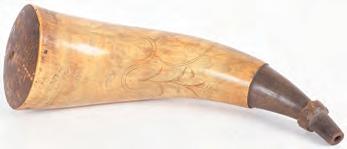
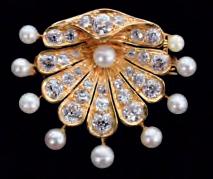
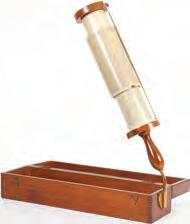
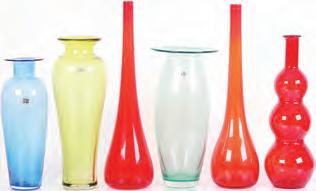
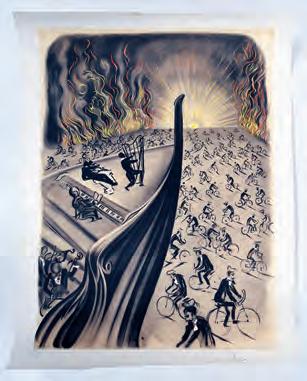
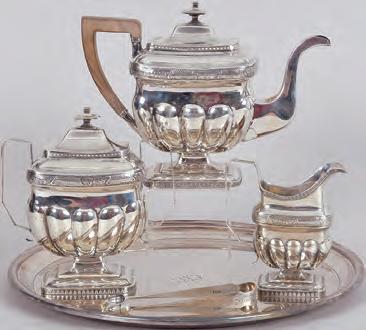
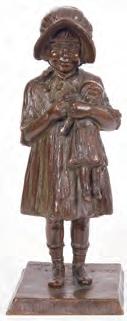
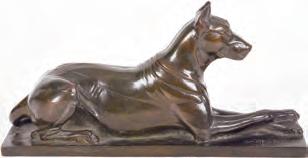

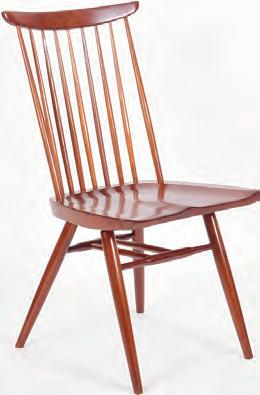


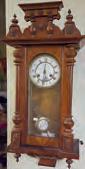
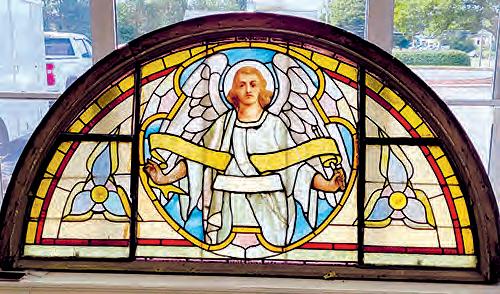
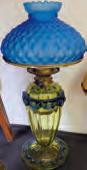
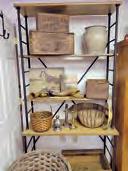
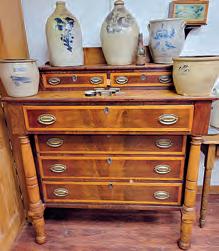
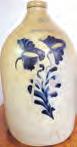
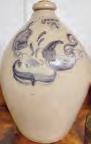
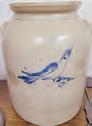
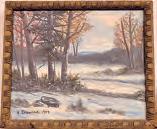
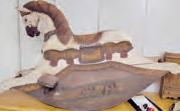
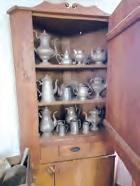
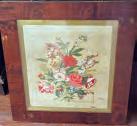
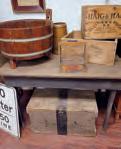
antiquesandauctionnews.net12- - Antiques & Auction News — October 14, 2022 R089118 11: Salvador Dali, Color Lithograph on paper, 1970 12: Abastenia St Leger Eberle (1878 - 1942) Bronze 13: A Table and Set of Chairs by Cesare Occhi 14: Omega Speedmaster and Many Other Watches 15: A Lotton Art Glass Lamp 16: Joseph Barrett (Born 1936) Oil on Canvas 17: An American Engraved Powder Horn 18: Estate Jewelry 19: Furniture and Decorative Arts 10: Edward Sanford (1886 - 1951) Bronze, Great Dane 11: Estate Silver 12: Blenko Glass 13: A Collection of Slide Rules, Scientific Objects October 2022 Sale Online bidding currently on LiveAuctioneers, Invaluable, Bidsquare Sunday, October 16 at 12 Noon Preview: October 10 to 15 from 10am to 3pm 761 Durham Rd., Pineville, PA | AY002425 For more info go to www.locatillc.com or call us at (215) 619-2873 1: 2: 3: 4: 5: 6: 7: 8: 9: 10: 11: 12: 13: R089075 timeless treasure auctions, llc 20 COPPERFIELD CIRCLE, LITITZ, PA Jeff Sensenig AU005944 Timeless Treasure Auctions LLC AY002405 13 percent buyer’s premium for credit discounted to 10 percent buyer’s premium for cash or check. Much more still coming in. This is a large auction be prepared to spend some time with us! 13 percent buyer’s premium discounted to 10 percent for cash or check. www.timelesstreasureauctions.net 717.875.9187 ANTIQUE AUCTION SATURDAY, OCTOBER 15TH AT 9 A.M. Preview: Friday 9 A.M. to 4 P.M. Doors Open 8 A.M. Saturday • One Owner Antique Auction Wonderful 6ft Angel Stained glass window, adirondack cabin moose and bear motif matching chairs and table, large primitive flip top bench table. ladder back high chair, empire walnut slant front desk, red painted blanket chest, pine blanket chest, green 3 tier plant stand,yellow and red painted 3 drawer of 2 door jelly cupboard, scrub top farm table with original dark blue legs, 4 drawer walnut sheraton chest, large tin golden rio fancy santos coffee bin, walnut 1 drawer stand, 2 piece walnut and pine 6ft corner cabinet with rat tail hinges, slaw board table, brown blanket chest, early flame grain painted blanket chest, primitive lift lid bin, early red painted butcher block table, 2 piece pine blind door corner cabinet, walnut 4 drawer Sheraton chest, primitive red and mustard painted game wheel, pine copper lined dry sink, white painted bucket bench, early shipping box with stencil on top quarryville pa. 2 piece pine french stepback cupboard, windsor high chair, Stroehman sunbeam bread store window, 10 cent coca-cola machine, Coca-Cola slim 60 machine works, grain decorated split wood box, yellow grain decorated split lid wood box. french hand painted rocking horse with cow scenes, asian blue painted dovetailed
box with koi fish, child’s tricycle, windsor high chair, Pennsylvania dower chest consisting of 2 drawers with large strap hinges and moravian lock, oak cubby cabinet, primitive wall shelf, 1 drawer pine table, Superb 18th c, 2 over 4 flame mahogany and tiger maple sheraton chest, oak 2 door cupboard, pine splay leg table plus much more Lighting: Aladdin hanging oil lamp with shade and bracket, 2 bullseye oil lamps, Aladdin lincoln drape oil lamp with aladdin shade, vaseline glass oil lamp with applied blue art glass and powder blue milk glass shade,brass oil lamp with yellow cased shade, Aladdin oil lamp with nickel and cast base and frosted shade, rayo oil lamp with yellow milk glass shade, brass rayo lamp with shade, oil lamp with hand painted base, Antiques: Native american pine needle baskets, Italian compote with seashell motif, redd and white painted sweet cider barrel. shredded what advertising box, Gravelys golden charm advertising box, Staleys baking powder box, splint oak basket, native american bowl, native american baskets, green painted large basket, sherwin williams wood advertising box, large wooden mallet, pewter oil lamp. pewter fat lamp, brass push bottom candlestick, wooden carrying crate stamped joshua forsythe, 3 gallon sipe and sons Williamsport ovoid crock, oil on board painting stream scene, oil on board painting of springer spaniel , Inuit eskimo artifacts carved horn with carvings of seal or walrus, 2 arrow hunting tools. l shaped sharpening tool and several powder horns, Steiff horse riding toy, steiff poodle riding toy with growler mechanism, approx
65
vintage and antique baseball gloves, blue decorated
sipe and sons crock, 2 gallon blue decorated whites utica flower jug, 2 gallon blue decorated jordan roses jug, 2 gallon ovoid blue decorated 2 handled crock, 1½ gallon blue decorated crock, ultimo typewriter tins, snuff tin, allied typewriter tin, george washington plymouth banjo clock, pewter whale oil
lamp,
blue decorated 4 gallon Fulper bird 2
handled
crock,
approx.
15 tin quilt stencils, child’s peter rabbit rocking chair, Victor Shearer 1947 oil on canvas painting of winter scene, Seth Thomas octagon wall clock, miners lamp, 3 diminutive pincushions, graduated set of 3 yellow ware mixing bowls, calumet tin, antique trencher bowl, dough choppers, tin fruit food mold. lemon squeezing tool. 2 brass candlesticks, 1 pewter adjustable candlestick, brass hollow dome tool, yoyo runner, fairybow flour apron, framed quilt patch, child’s armoire murphy bed chest, early pressed steel windup car, early pie eyed Mickey Mouse marionette, stoneware jug with unusual form spout and handle unusual 2 tone, toleware tins, toleware trays, angel pen and ink signed drawing dated 1909 crazy patch quilt, RE Helfrick stoneware butter crock, Cowden and Wilcox Harrisburg blue decorated tulip jug, cast-iron tudor mail box, Chinese Wood tea carrier, red painted farriers box, cardboard Giants despair hill climb posters Wilkes Barre, PA, mahogany childs doll sized shaving mirror, walnut turned wood pin cushion, walnut 1 drawer pin cushion, easton pa tin type, tin fish horn, red painted tin teapot, unusual form tin teapot, pewter whale oil lamp ,early tin barn lantern, approx 25 pieces of antique pewter to include teapots, coffeepots, creamers, sugars plates, steins and mugs all early 19th late 18th-c pewter, wooden bowl, early blue painted carry all box, large copper kettle, 2 tin grain scoops , early 19th-c Floral theorem in bird’s-eye maple frame, 19th- c. sampler, Frank Sidalls soap box, Barkers horse cattle powder box, 1831 embroidered floral arrangement in flame mahogany frame, Inauguration of washington Lithograph, Battle of Waterloo currier and ives, 3 large wooden banded buckets, salesman sample wooden bucket, tin lunch box, collection of fine antique redware to include pumpkin glaze storage jar with lid, ovoid pumpkin glaze crock, dark glazed redware jug, unusual ovoid redware jug, dark red glaze apple butter crock, manganese glazed flower pot, ovoid green glazed redware handled crock, large ovoid redware jar, redware jar with coggled designs, damaged redware handled crock with heavy manganese glaze, walnut slide lid box, skittles pin, wooden barbell, shoe form, tin cheese mold, punched tin foot warmer, 2 Maiers bread aprons, Haig and Haig advertising box, wooden pepsi carrier, wooden bucket on legs, kendall and whitney maine egg carrier box, Stanley tools Sweetheart box, ovoid wooden dry measure, wooden no litter sign, 5 various Currier and Ives Prints, Newark Patterson Catholic Forensic League trophy, Torbena radio active water stoneware jug,wood utenisl carrier, early cast iron cuckoo clock workers tool stand, oil on board painting of lake, rare gordons chips tin, blue granite ware medical funnel Little falls ny miniature rye straw basket, 2 very fine rye straw baskets, early stampomat stamp dispenser, snow drift coconut tin, jiggs smoking stand, Philadelphia Dental rooms Pottsville Pa advertising lithograph, leather strap sleigh bells, series of 7 Currier and Ives wedding lithographs, group of 8 antique steins German gruss aus, German regimental steins with lithophane, stoneware stein with hand-painted top. glass 1700’s steins, Seth Thomas wall clocks, German wall clock, junghans wall clock, fancy oak figure 8 Seth Thomas wall clock, 2 german imprint books with hand-drawn book plate and frakturs plus much more.
