SUSTAINABILIT Y AND ESG DATA DISCLOSURE REPORT








“ At ANSA McAL, sustainability is not an initiative, it is a strategic imperative embedded in how we lead, operate, invest, and create long-term value.
”
ANTHONY N. SABGA III GROUP CHIEF EXECUTIVE OFFICER

As we continue advancing our 2X ambition, our Purpose, Inspiring Better Choices for a Better World, remains the foundation that guides our decisions, investments, and long-term vision.
For 145 years, ANSA McAL has not only adapted to change, we have helped define it. Built on vision, discipline, and a willingness to be first movers in our markets, our history reflects a culture of brave leadership and long-term thinking that has allowed us to endure and evolve across generations. That same mindset continues to shape our sustainability agenda today. Strengthening resilience across our businesses, deepening accountability, and ensuring we build an organisation designed not only for performance, but for enduring impact.
As we continue advancing our 2X ambition, sustainability remains fully integrated into how we operate, invest, and grow. Sustainability is not a parallel initiative, at ANSA McAL it is embedded into our long-term strategy.
Although not yet mandatory within the Caribbean, the strategic adoption of the IFRS S1 Sustainability Disclosure Standard has accelerated the integration of sustainability into decision-making across the Group. Building on the progress made in 2024, we refined our ESG Data reporting frameworks in 2025 to strengthen how we measure, manage, and disclose performance across our most material sectors. This work is critical, not only in improving transparency and accountability, but in ensuring sustainability-related risks and opportunities are actively considered alongside financial performance and operational execution.
Stronger ESG data enables better decisions. It allows us to more effectively identify and manage our impacts, improve resource efficiency and strengthen operational resilience. At the same time, it provides stakeholders with greater visibility into how sustainability performance influences business outcomes and how we are positioning the Group for the future. As we continue strengthening the connection between ESG performance and financial decision-making across the organisation,
transparency and accountability remain critical to that progress.
It is within this context that I am particularly proud to share our first-ever IFRS S1 Sustainability Disclosure Standard Compliance Progress Report, alongside our second ESG Data Disclosure Report 2025. By publishing our sustainability and financial performance together within our Annual Report, we are reinforcing the principle that sustainability is not separate from business performance, it is fundamental to it.
These commitments reflect a broader shift taking place across ANSA McAL, one where sustainability is no longer viewed in isolation but fully embedded into our strategy. From renewable energy investments and operational efficiencies to digital transformation and strengthened governance frameworks, sustainability is increasingly being translated into measurable action across the Group.
This is evident in the practical steps taken by our teams on the ground. In 2025, CARIB Grenada commissioned 540 solar panels, reducing both environmental impact and operational costs, while the introduction of AI across our Human Resources ecosystem enhanced efficiency, strengthened talent management, and improved the overall employee experience across the Group.
These are just a few examples. Across this report, you will see the tangible evidence of sustainability in action, across Environmental, Social, and Governance priorities, demonstrating how our businesses are not only responding to global expectations, but actively shaping them.
This is what it means to lead: to move early, act decisively, and embed sustainability into how we build businesses that don’t just withstand change, but shape what comes next.

Anthony N. Sabga III Group CEO
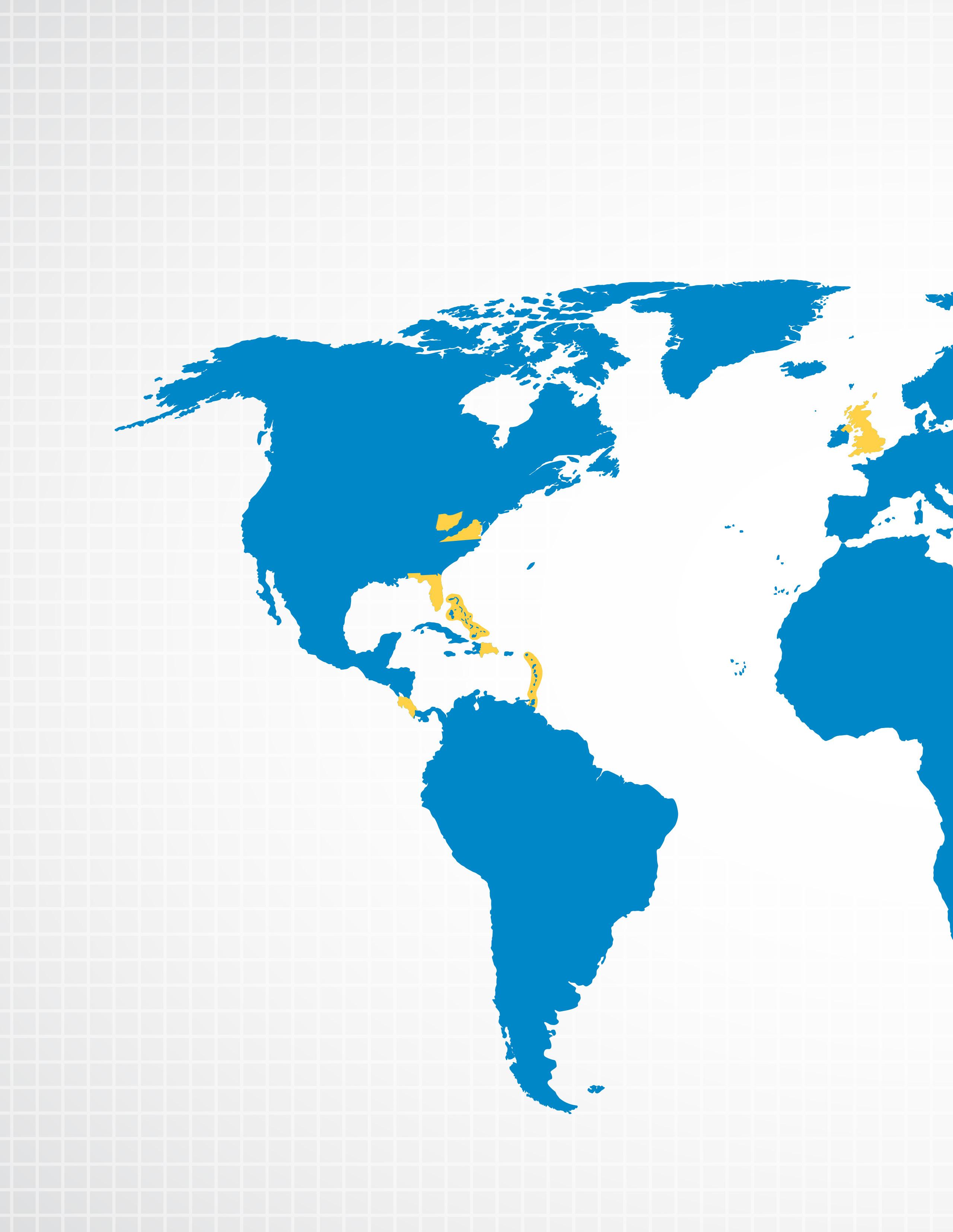
30+ Markets Served
145 Years in Business 5000+ Employees
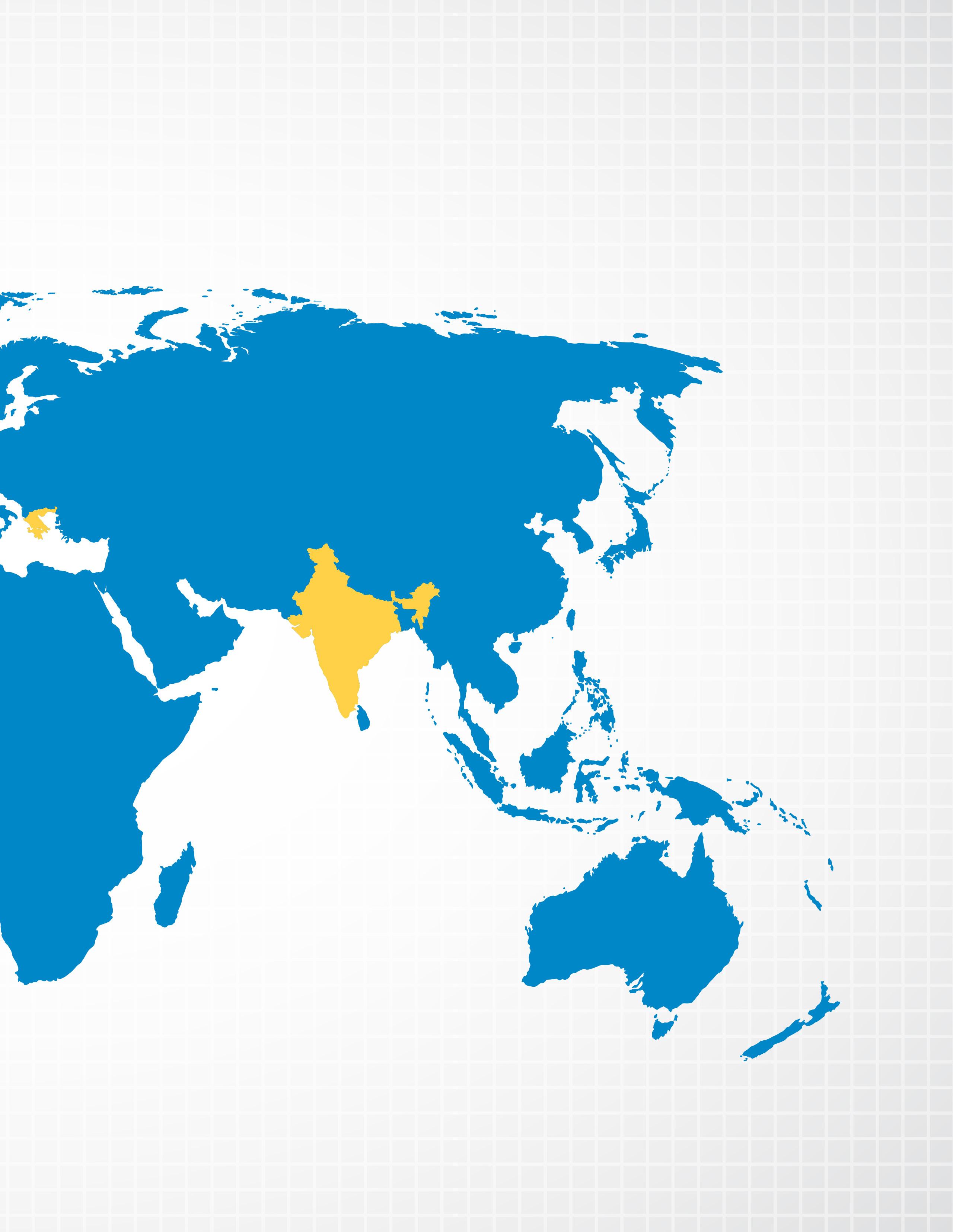
Across 10 sectors and 30+ countries, our Group continues to grow, strengthen markets, and create opportunity at scale. With thousands of committed people powering our businesses every day, we are not only building strong companies. We are shaping economies, supporting communities, driving innovation, and delivering real value across the region and beyond.
STRONG INTERNAL FILL RATE (POSITIONS FILLED INTERNALLY VS. EXTERNALLY)
NUMBER OF EMPLOYEES IN 2025 5263
HIGH PERFORMER RETENTION
66
Outstanding Caribbean innovators awarded $1 million each through the Anthony N. Sabga Awards to date (through 2025).
32 36 MILLION MILLION
Awarded to laureates for excellence in arts and letters, entrepreneurship, public and civic contributions, and science and technology.
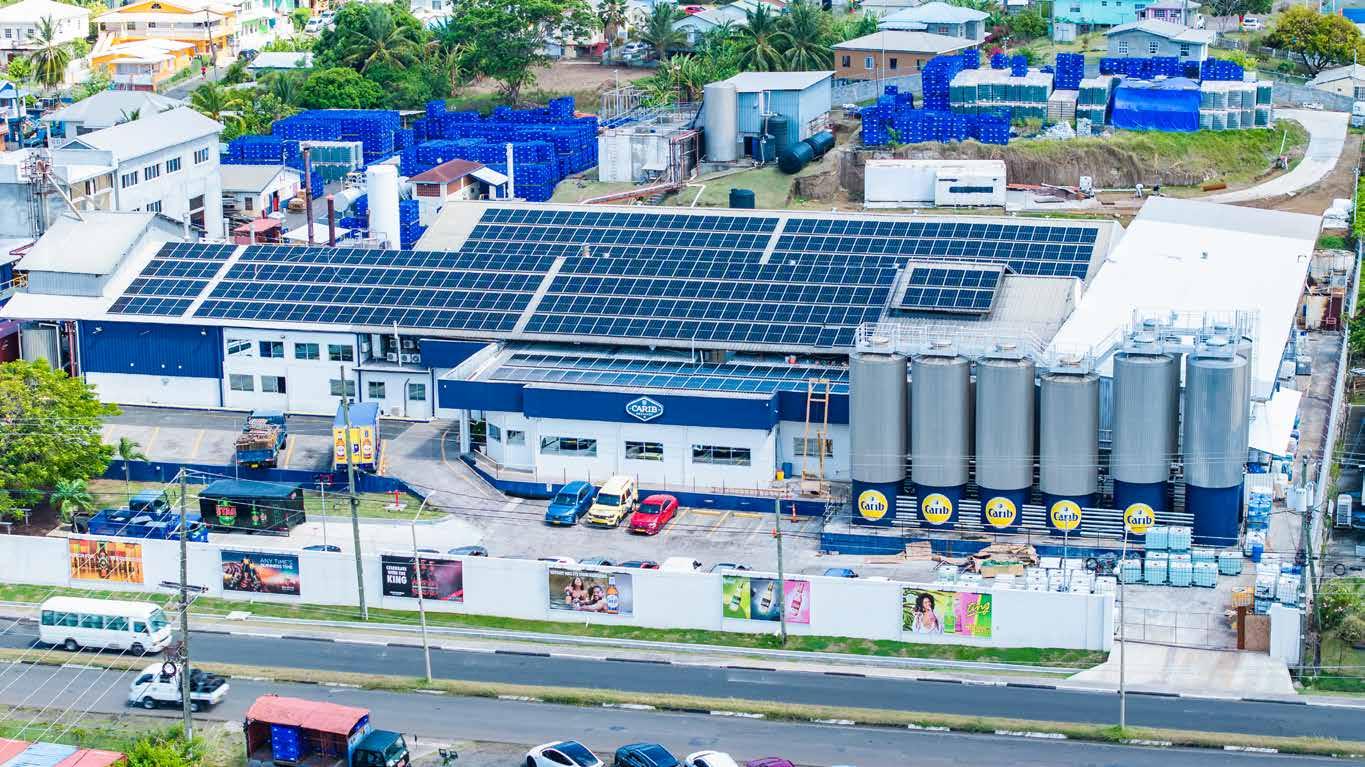
Solar photovoltaic panels installed at CARIB Brewery Grenada, now supplying approximately 20% of the brewery’s electricity needs.
540 95,283 MWH
Solar power generated through our Monte Plata Park investment in the Dominican Republic.
71,427 MWH
Wind energy produced via the Tilawind South America Wind Farm in Costa Rica.
Funded through the ANSA McAL Foundation to support regional development initiatives.
2,498 MT
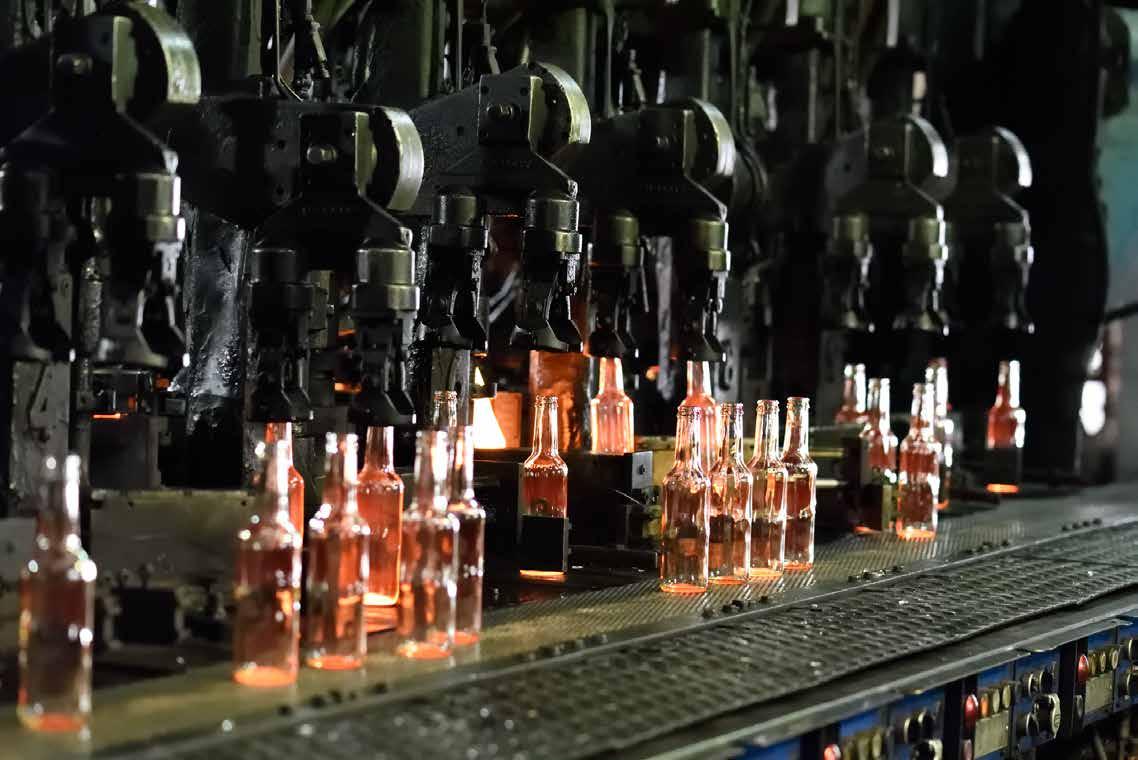
Glass collected locally for recycling through ANSA Packaging’s Carib Glassworks, representing a 49% increase over 2024.

ANSA McAL Champions Programme Alumni
The Champions Programme equips young professionals with the exposure, responsibility and mindset needed to contribute meaningfully to 2X growth, and if you are willing to step up and “champion” own your development, it will be a defining experience in your journey.

ANSA McAL Foundation Recipient, Co-founder of St Ann’s/Cascade Servol Junior Life Centre
The ANSA McAL Foundation is now paying two nearly full-time psychologists, three days a week. Whether there’s a problem on the compound or not, they are here, so we try to nip any problems in the bud. The children know from the time they’re working here; they’re cared for. They belong. They don’t have to look for a gang to belong to.

Group HRIS Analytics & Data Integration Manager Key member on the AI in HR project
By pioneering AI within its HR ecosystem, ANSA McAL has established a new benchmark for enterprise transformation in the region—demonstrating that Caribbeanbased organisations can lead on the global stage in advancing intelligent, peoplecentred technology.

With inherent Caribbean creativity and resilience, we unleash a future of infinite and sustainable possibilities for people everywhere. OUR PURPOSE OUR VISION
Inspiring Better Choices for a Better World

With Stewardship: We lead with purpose, protecting what we’ve built while boldly shaping what comes next.
Our Core Values
The standards we hold ourselves to, in every market and every moment.
Through our VISION, PURPOSE and SUSTAINABILITY BUSINESS PRIORITIES, we create hope for the future and generate value for all our stakeholders.
Here we highlight some of the ANSA McAL Group’s accomplishments of 2025 in progressing our sustainability agenda. Also highlighted are the United Nations Sustainable Development Goals that these are in direct support of.
CARIB Brewery Grenada installed 540 solar photovoltaic (PV) panels that will provide approximately 20% of their electricity needs with 300 kilowatts of solar power.
ANSA Motors extended their partnership with Eco Wash in Trinidad to ANSA Motors Guyana. Their water-saving car wash solution utilises only two litres of water to wash each car, saving significant volumes of water at both locations.
ANSA Packaging continues to make concerted efforts to increase the volume of glass collected locally for recycling. The number of bars participating in their glass collection programme was increased by more than 100 and the volume of glass collected locally increased by 49% between 2024 and 2025.
The Banking Sector, in partnership with the Cropper Foundation, published their second Natural Capital Report in 2025, continuing a pioneering initiative in the English-speaking Caribbean.
The ANSA McAL Group became the first large-scale enterprise based in the English-speaking Caribbean to launch AI across its Human Resources ecosystem, with the aim of making HRrelated tasks easier for both employees and HR teams.
ANSA Polymer of ANSA Packaging obtained Food Safety System Certification FSSC 22000 for the first time in 2025. CARIB Trinidad and Tobago also renewed their FSSC 22000, for the first time against the new version 6 which includes new elements of food safety and environmental monitoring controls.
The Group has committed to compliance with the IFRS S1 Sustainability Disclosure Standard. In 2025, through a series of workshops, progress was made with the four most material Sectors: Beverage, Construction, Financial Services (Banking and Insurance) and Manufacturing (Packaging and Utilities). We are proud to share our first-ever IFRS S1 Compliance Progress Report 2025.
For the second consecutive year, the ANSA McAL Group was awarded Sustainability Champion 2025, large company category, by EUROCHAMTT in partnership with the UN Trinidad and Tobago at the Sustainability Champions Awards 2025.
The Group is pleased to share our second ESG Data Disclosure Report 2025, contained in the Annual Report for the first time, for maximum benefit of stakeholders seeking to understand the impacts of sustainability on financial performance.






ANSA McAL recognises that the expectations of stakeholders continue to evolve, with current and prospective employees, customers, investors, shareholders and community members becoming increasingly interested in companies that are responsible and sustainable. It is through this lens that we continue to view sustainability at the core of our business practices with an emphasis on measuring our shared impact. A key aspect of making this a reality is our voluntary commitment to pursuing compliance with the IFRS S1 Sustainability Disclosure Standard. Although this standard is not
yet mandatory in the Caribbean region, ANSA McAL acknowledges and supports the Institute of Chartered Accountants of Trinidad and Tobago's (ICATT)’s commitment to “actively work toward adoption of the IFRS S1 and S2 standards in a way that is practical, context-sensitive, and aligned with the country and region’s development goals”. We have already started to see the benefits of pursuing compliance, with enhanced collaboration across key functions and the continuously enhanced integration of sustainability into the way we do business.
IN THIS REPORT WE ARE PROUD TO PRESENT THE FOLLOWING: • Sustainability Report: E, S and G updates across the
IFRS S1 Sustainability Disclosure Standard Compliance Progress Report
ESG Data Disclosure Report 2025
As we continue to pursue our 2X ambition, anchored by our Purpose: Inspiring Better Choices for a Better World, we are acutely aware that the decisions we make today shape what our tomorrow will look like. Our efforts are all closely aligned with our Sustainability Business Priorities.
These reports underscore our efforts to disclose transparently in alignment with our Sustainability Business Priority:
Accountability as well as the United Nations Sustainable Development Goal 12 –Responsible consumption and production, Target 12.6 to encourage companies, especially large and transnational companies, to adopt sustainable practices and to integrate sustainability information into their reporting cycle.

This is the fourth Sustainability Report for the ANSA McAL Group, which provides information on the Group’s environmental, social and governance performance for the period January 1st to December 31st, 2025.
Consistent with the IFRS S1 Sustainability Disclosure Standard, we have aligned this report to the general principles of the relevant Industry-Based, Sustainability Accounting Standards Board (SASB) standards (see Industry-based Standards Index below). Incorporating the double materiality approach, this report has also been prepared with reference to the Global Reporting Initiative (GRI) standards (see Summary GRI Standards Index below and GRI content indices on pages 181, 193, 204, 221, 230, 240).
The four Sectors: Construction, Manufacturing (Utilities and Packaging), Beverage, and Financial Services (Banking and Insurance) worked to compile Sectorspecific ESG data in the updated 2025 ESG Data reporting templates. These data metrics were reviewed to determine readiness for disclosure according to data availability, accuracy and reliability, and a subset of this data has been disclosed in the ESG Data Disclosure Report 2025 on page 162. This report, the second issue of its kind, together with our first ever IFRS S1 Sustainability Disclosure Standard Compliance Progress Report (page 122) demonstrate our commitment to our Sustainability Business Priorities: Impact Stewardship and Accountability.
Select metrics from the following industry-based SASB® Standards have been reported.
ANSA McAL Sector/ Sub-Sector
Extractive & Minerals Processing
Construction
Resource Transformation Chemicals
Manufacturing – Utilities Resource Transformation Chemicals
Manufacturing - Packaging
- ANSA McAL Enterprises Limited
- Bestcrete Aggregates Limited
- ANSA Building Solutions Guyana
- ANSA Coatings Limited
- ANSA Coatings Grenada Limited
- Berger Paints Barbados Limited
- Berger Paints Jamaica Limited
- ANSA McAL Chemicals Limited
- ANSA Chemicals Jamaica Limited Containers & Packaging
Resource Transformation Containers & Packaging
Extractives & Minerals Processing
Resource Transformation Chemicals
Resource Transformation Chemicals
Asset Management & Custody Activities FN-AC
- ANSA Polymer
- Carib Glass Limited
Financial ServicesBanking Financials
- Caribbean Development Company/Carib Brewery Limited
- Carib Brewery Grenada Limited
- Carib Brewery St. Kitts & Nevis Limited
- Carib Brewery USA Guyana Breweries Inc.
- ANSA Bank Limited
- ANSA Merchant Bank Limited
- ANSA Wealth Management Limited Commercial Banks
Investment Banking & Brokerage
- ANSA Merchant Bank (Barbados) Limited
- Trinidad and Tobago Insurance Limited
- Tatil Life Assurance Limited
- Colonial Fire & General Insurance Limited Commercial
Select metrics from the following GRI Standards have been reported. ANSA McAL
201 – Economic Performance
Financial implications and other risks and opportunities due to climate change 403 –Occupational Health and Safety
Hazard identification, risk assessment, and incident investigation
Workers covered by an occupational health and safety management system
- ANSA McAL Enterprises Limited
- Bestcrete Aggregates Limited
- ANSA Building Solutions Guyana
- ANSA Coatings Limited
- ANSA Coatings Grenada Limited
- Berger Paints Barbados Limited
- Berger Paints Jamaica Limited
404 - Training and Education
Average hours of training per year per employee
-
McAL Chemicals Limited
- ANSA Chemicals Jamaica Limited 403 –Occupational Health and Safety
identification, risk assessment, and incident investigation
Workers covered by an occupational health and safety management system
404 - Training and Education
405 - Diversity and Equal Opportunity
416 – Customer Health and Safety
417 – Marketing and Labelling
Percentage of employees receiving regular performance and career development reviews
Diversity of governance bodies and employees
2 Incidents of non-compliance concerning the health and safety impacts of products and services
Incidents of non-compliance concerning product and service information and labelling
2 - General Disclosures
GRI 403 –Occupational Health and Safety
Manufacturing (Packaging)
2-9
403-2
403-8
GRI 404 - Training and Education 404-3
405 - Diversity and Equal Opportunity 405-1
2 - General Disclosures
303 – Water and Effluents 2018
2-9
303-2
Governance Structure and Composition - ANSA Polymer Limited - Carib Glassworks Limited
Hazard identification, risk assessment, and incident investigation
Workers covered by an occupational health and safety management system
Percentage of employees receiving regular performance and career development reviews
Diversity of governance bodies and employees
Governance Structure and Composition - Caribbean Development Company/Carib Brewery Limited
Management of water discharge-related impacts
Hazard identification, risk assessment, and incident investigation 403-5
- Carib Brewery Grenada Limited
Beverage
403 –Occupational Health and Safety 403-2
Worker training on occupational health and safety
403-6
Promotion of worker health 403-7
Prevention and mitigation of occupational health and safety impacts directly linked by business relationships
- Carib Brewery St. Kitts & Nevis Limited - Carib Brewery USA
- Guyana Breweries Inc.
404 - Training and Education 404-3
405 - Diversity and Equal Opportunity 405-1
417 – Marketing and Labelling 417-1
Percentage of employees receiving regular performance and career development reviews
Diversity of governance bodies and employees
Requirements for product and service information and labelling
- ANSA Bank Limited
- ANSA Merchant Bank Limited
- ANSA Merchant Bank (Barbados) Limited
- ANSA Wealth Management Limited
- Trinidad and Tobago Insurance Limited (TATIL)
- Tatil Life Assurance Limited
- Colonial Fire & General Insurance Limited
For the second consecutive year, ANSA McAL was recognised as the Overall Sustainability Champion 2025, Large Companies, at EUROCHAMTT’s Annual Sustainability Champion Awards. The Group stood out because of our commitment to, and progress made towards, compliance with the IFRS S1 Sustainability Disclosure Standard, among several other ongoing efforts to enhance sustainability across the Group. Frances Bain-Cumberbatch, Chief Legal and External Affairs Officer, was joined by Natalie Bibby, Corporate Sustainability Specialist, and Sarah Inglefield, Head of Marketing and External Communication, and a team of female sustainability professionals from across the Sectors to accept the accolade on behalf of the Group at the awards ceremony in May 2025.
We are proud to have been recognised for the third year in a row by EUROCHAMTT for our sustainability efforts. This award further demonstrates the importance of Responsible Governance as we continue to chart the way towards a more sustainable future for all.

In 2025, ANSA McAL Limited was the official sponsor of the Women in Leadership (WIL) 2025 Networking and Cocktail Reception, hosted by the University of the West Indies – Arthur Lok Jack Global School of Business (UWI-ALJGSB).


This sponsorship aligns with the Group’s broader commitment to advancing inclusive leadership and reflects a key pillar of ANSA McAL’s People Strategy – creating equitable pathways to leadership for all, as well as our Sustainability Business Priority – Equality. Speaking at the event, Amy Lazzari, Chief People and Culture Officer at ANSA McAL Limited, said, “This partnership with UWI-ALJGSB aligns with our People Strategy, focused on building a culture where leadership potential is recognised and nurtured across all levels. Therefore, supporting this networking reception was an intentional investment from ANSA McAL in supporting people, driving performance and influencing culture.”
This initiative was one of several actions within ANSA McAL’s Culture Strategy, which prioritises equal opportunity, promotes diverse perspectives, and embeds inclusive leadership at decision-making tables.
An embodiment of the prioritisation of Equality, was the appointment of Ms. Leesa Murally as Managing Director CARIB Brewery Limited in November 2025. She is the first female to be appointed to this role in the history of the Brewery and we celebrate this milestone. Known for her people-centred leadership style, Leesa is recognised for driving continuous
improvement initiatives, fostering datadriven decision-making, and reinforcing governance and cybersecurity across the organisation.
As the Group continues to chart its course towards 2X, a keen focus on People and Communities is critical to our success.
The Group’s HR team spearheaded many stewardship and talent development initiatives. Recognising that good leadership is key, our business leaders were assessed against core leadership competencies and each provided with a personalised development roadmap. To enhance the talent development goals of the Group, the Hay Method of job evaluation was deployed in the Banking Sector as a pilot project. The Sector has already reported experiencing the benefits of strengthened decisionmaking, increased equity and improved clarity around roles and responsibilities.
The ANSA McAL Group took a bold step with Purposeful Investing in 2025 in shaping the future of work, becoming the first large-scale enterprise based in the English-speaking Caribbean to launch AI across its Human Resources ecosystem. This includes an AI-powered digital assistant/ chatbot as well as Generative AI within our current Human Capital Management (HCM) platform. The Chatbot serves to provide

quick, on-demand support for HR-related questions. The Generative AI streamlines HR processes, making tasks faster and easier for both our HR teams and employees.
Another significant investment with purpose in 2025 was the launch of ANSA Bank’s award-winning Mobile App, marking a major step in its mission to deliver faster, simpler, and more customer-focused banking. With features like 15-minute account sign-ups, quick transfers, and the ability to apply for loans directly from a phone, the app puts convenience and control into the hands of customers, making banking easier and more accessible. “Our ambition was never to simply join the industry, but to reshape it,” said Savon Persad, Managing Director of ANSA Bank. “This app reflects a commitment to putting customers first and reimagining the way they are served.”
The ANSA McAL Group continues to integrate sustainability into the way we do business. Our goal is to have the two so seamlessly integrated that it evolves
into simply being the way we work. We are proud to share our fourth annual Sustainability Report and second annual ESG Data Disclosure Report which highlight the progress we have made in 2025 across the Group in the diverse industries in which we operate.
We invite you to learn more about our sustainability initiatives across the Sectors in the following Environmental, Social and Governance sections. As we progress the sustainability agenda and work towards IFRS S1 compliance, we will be evolving our Sector-specific ESG Aspirations to ESG Targets starting with four of our Sectors: Beverage, Construction, Financial Services (Banking and Insurance) and Manufacturing (Utilities and Packaging). Learn also about how we are progressing towards IFRS S1 compliance in our first-ever IFRS S1 Sustainability Disclosure Standard Compliance Progress Report and about our measured impact in our second ESG Data Disclosure Report.
As part of our ongoing commitment to our stakeholders and to continuous improvement, we welcome your feedback on our fourth consecutive Sustainability Report. Please email us at: sustainability@ansamcal.com.

Our environmental commitments are in support of the following seven United Nations Sustainable Development Goals.
INVESTING
SOLAR MONTE PLATA PARK, DOMINICAN REPUBLIC WIND
45,445 2023
62,844 2024
95,283 2025
75,833 2023
58,502
71,428 2025
RENEWABLE ELECTRICITY GENERATED (MWH)
CARIBBEAN SOLAR PARK AND WIND FARM
The increase in solar power in 2025 as compared to 2024 was due to the commissioning of Phase II of the Monte Plata Park in July 2024. The increase in wind power is attributed to an increase in wind speeds as compared to 2024.
These investments are in direct support of United Nations Sustainable Development Goal 7 – Affordable and Clean Energy, Target 7.2 – to increase the share of renewable energy in the global energy mix.
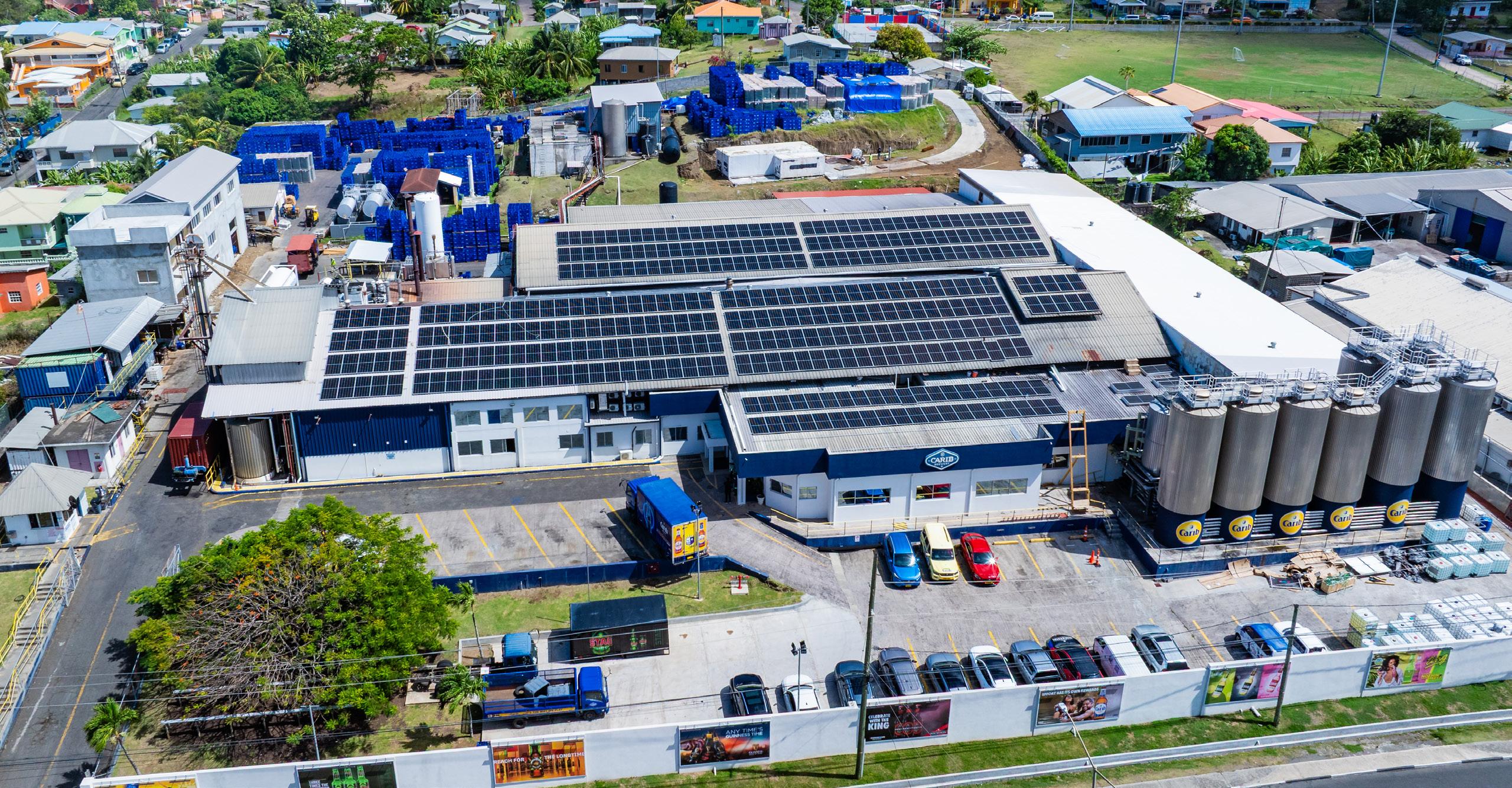
In 2025, CARIB Brewery Grenada installed 540 solar photovoltaic (PV) panels on the rooftop of the Brewery’s main office facility. Commissioned in November 2025, the panels will power the main offices and production facilities, providing approximately 20% of the Brewery’s electricity needs. The solar PV system is designed to improve energy efficiency and

reduce operating costs while meaningfully lowering carbon emissions associated with electricity consumption. By generating clean, renewable energy on-site, CARIB Brewery strengthens its resilience and contributes to a more sustainable future for Grenada. In 2025, the solar panels generated 60,915 KWH of power.

In 2024, the panels were not operating at maximum capacity due to minor damage that has since been repaired.
There are 10 solar-powered LED light fixtures at the warehouse, the power of which is not specifically measured.
In 2025 our Banks continued to deepen their sustainability work with the “ANSA Bank & ANSA Merchant Bank Green Finance for the Agriculture Sector in Trinidad and Tobago” project. The three-year project, started in 2024, is funded by the Inter-American Development Bank (IDB) under their EcoMicro scheme. The aim of the project is to advance the Banks’ understanding of their Natural Capital risks, and to assist in the development of sustainable financing options – especially in the agriculture sector.
In 2025, with technical support provided through the IDB, the Banks progressed the project in two areas:
• Development of a financing framework to
support sustainable agricultural practices among small and medium-sized farmers in Trinidad and Tobago.
• Completion of a baseline quantification of the Natural Capital impacts and risks associated with the Banks’ Trinidad and Tobago-based financial portfolios (lending and investment). This information was utilised to prepare a Natural Capital Risk Assessment framework and draft a Natural Capital strategy to support the design of sustainable financial products.
CARIB Breweries in St. Kitts and Nevis and in Trinidad and Tobago recapture the carbon dioxide (CO2) generated during the fermentation process for
reuse. This reduces the volume of purchased CO2 at both breweries, which lowers production costs and reduces emissions.
The Beverage Sector continues to progress plans for replacement of the CO2 recovery system at CARIB Brewery Trinidad and Tobago. The volume of CO2 captured in 2025 was higher than the previous year due to downtime of the recovery unit in 2024. Repairs were completed in February 2025 which allowed the system to function at a higher capacity. In 2025, the tendering process was completed and a provider selected. Defining the specifications of the engineering design commenced in 2025
BEVERAGE ESG ASPIRATION:
Increase the volume of CO2 recovered annually
and work is expected to start in 2026, with commissioning in 2027.
This ESG aspiration is in direct alignment with United Nations Sustainable Development Goal 9 – Industry, Innovation and Infrastructure, Target 9.4 –upgrade infrastructure and retrofit industries to make them sustainable, with increased resource-use efficiency and greater adoption of clean and environmentally sound technologies and industrial processes.
In 2025, ANSA Motors converted 255 vehicles to CNG fuel. CNG is a cheaper, greener, and more efficient alternative to the traditional petrol and diesel fuels for vehicles. ANSA Motors installs conversion kits for vehicles to run on a dual fuel system – CNG and either petrol or diesel, allowing customers to save money and protect the environment, but with flexibility for when
circumstances do not permit a visit to a CNG refuelling station. ANSA Motors also sells vehicles that come outfitted with dual CNGdiesel systems. The trend suggests that there is less interest in the CNG fuel option as the popularity of hybrid and electric vehicles increases.
In support of this trend, the Government of Trinidad and Tobago also implemented
AUTOMOTIVE ESG ASPIRATION:
Conversion of additional commercial delivery units to CNG fuel
a waiver of Customs Duty, Value Added Tax (VAT) and Online Purchase Tax on Electric Vehicle (EV) chargers and accessories, effective January 1st, 2025.
TWO SECTOR COMPANIES IN TRINIDAD AND TOBAGO HAVE CNG-FUELLED VEHICLES:

ANSA Motors and ANSA Mobility both offer hybrid and electric vehicles in their sales and rentals portfolios. In addition to the hybrid-electric in the portfolio (Honda HR-V and City Hybrid; Proton X90 ANSA Motors ANSA Mobility Sales 2025 Fleet 2025 Hybrid & Hybrid Electric Vehicles
and Land Rover Discovery Sport and Range Rover) in 2025, ANSA Motors Trinidad launched the Proton eMAS 7, their first fully electric SUV, and unveiled their EV showroom at the City of Grand Bazaar.
As part of an ongoing drive to enhance energy efficiency, ANSA McAL Chemicals (Trinidad) completed a plant upgrade in October 2025. The upgrade was done to increase the capacity of the plant and reduce the energy used per unit in production. The power factor efficiency will be reviewed in 2026.
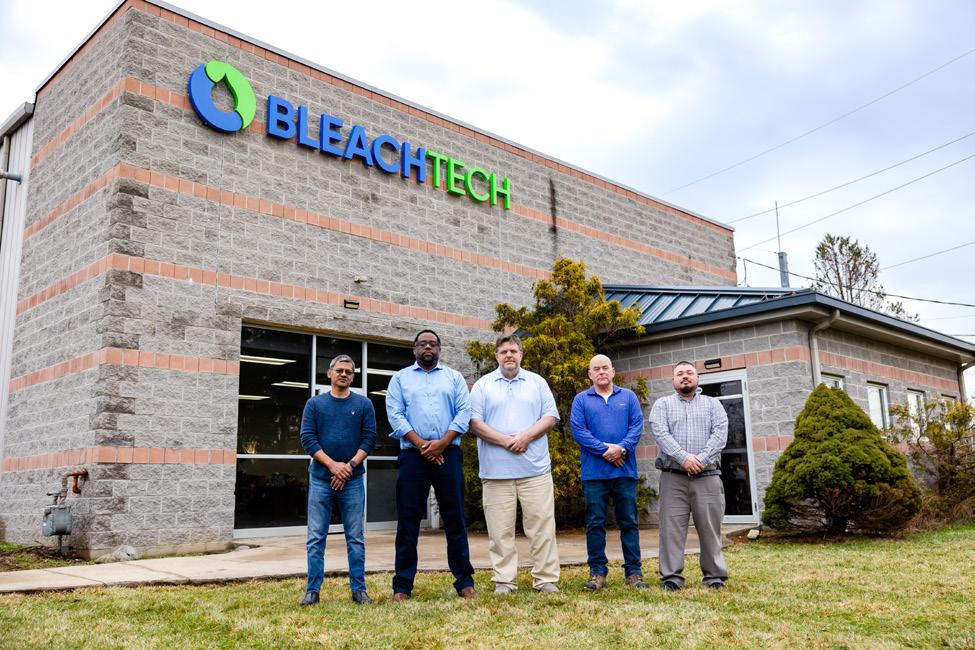
The BLEACHTECH plants in the United States completed an LED lighting project to update and replace all existing fixtures.
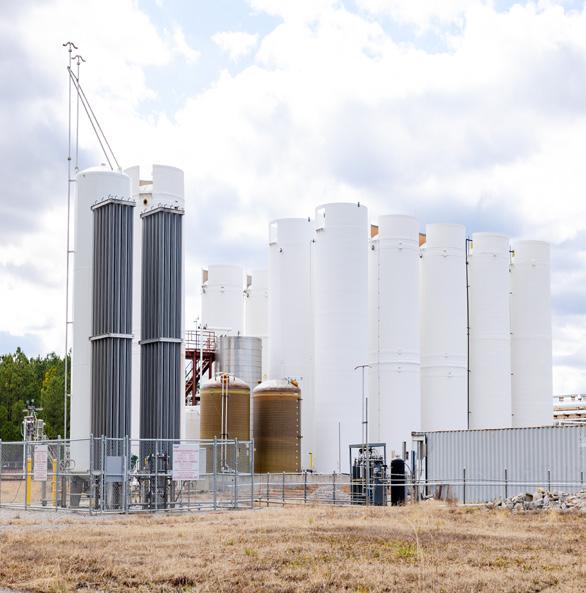
ANSA Chemicals also continued their efforts to define a hydrogen capture project that can utilise the 650Kg of hydrogen that is vented from the plant daily. A feasibility study was completed in 2025 in partnership with the National Energy Corporation of Trinidad and Tobago, and discussions are ongoing
to advance the potential project options identified.
At the BLEACHTECH plant in Virginia, hydrogen is captured and sold to an adjacent third party that purifies it to meet fuel-cell grade specifications and compresses it to make it suitable for energy use.
Following on from the energy audit conducted in 2024 at COLFIRE’s head office in Port of Spain, initiatives implemented to reduce energy usage resulted in a 28% reduction in energy usage between 2024 and 2025.
CHEMICALS
ESG ASPIRATION:
ANSA McAL Chemicals Limited (Trinidad) aims to increase plant energy efficiency by:
• Running the plant at a higher capacity setting (lower energy per unit)
• Reviewing the power factor efficiency
In 2025, ANSA Motors Trinidad completed the conversion of all showroom lighting to LED for power savings.
The Real Estate Sector installed LED light fixtures in the following locations: TATIL Building 10th & 11th Floors for ANSA McAL Head Office, Ground Floor ANSA Centre POS for ANSA Bank Limited Head Office, and 20 St. Vincent St. POS for ANSA Motors.
Carib Glassworks has attained the SBTi Abatement Roadmap Badge, marking a significant milestone in their climate action journey. This badge signifies the successful development of an abatement strategy that outlines defined Scope 1 and Scope 2 emissions reduction measures aligned to their approved science-based target.
The roadmap demonstrates ANSA Packaging’s commitment to translating ambition into action. This achievement was made possible through collaboration with their suppliers under the
Supplier Leadership on Climate Transition – SLOCT Supplier Collaborative programme, reinforcing the critical role of supplier engagement in addressing value-chain emissions and working toward collective decarbonisation. As part of the programme, ANSA Packaging’s Lead Engineer and Sustainability Officer completed the SLOCT Abatement course to enable them to lead the ANSA Packaging team in developing their abatement roadmap. This phase completes step 4 of the 5-step process defined by SLOCT, the final step of which is disclosure.
The Real Estate Sector has now completed the conversion of all air conditioning (AC) units to R410 gas (from R22) with the change-out of 2 AC units at the Honda Building in Port of Spain for ANSA Motors, thus completing this aspect of the aspiration. This was in accordance with the national efforts to eliminate hydrofluorocarbons (HFCs)
which are harmful to the ozone layer as per the Montreal Protocol to which Trinidad and Tobago is a committed party.
No 5T HVAC units required replacing in 2025, hence there was no activity for this ESG aspiration in 2025, but the Real Estate Sector continues to target this on an as-needs basis.
PACKAGING
ESG ASPIRATION:
• Establish long-term reduction targets.
REAL ESTATE
ESG ASPIRATION:
• Convert all AC units to R410 gas to reduce CFC emissions.
• Replace HVAC (heating, ventilation, and air) to units with controls as required for improved energy efficiency – units <5T that are at end of their useful life and all new units purchased.
BEVERAGE ESG ASPIRATION:
• Reduction in water consumption.
With water as a key ingredient, CARIB Brewery Trinidad and Tobago continued working towards improved water management.
This aspiration is in direct alignment with United Nations Sustainable Development Goal 6 – Clean water and sanitation, Target 6.4, which aims to increase water use efficiency and ensure sustainable water use.
A key aspect of the strategy is the development and installation of a Water Reclamation Facility to improve water use efficiency and wastewater quality. The following actions were taken in 2025:
• Phase 1: Engagement of a consultant to assess compound effluent and recommend a wastewater treatment solution.
• Phase 2: Definition of scope of work for a design-build contract, including design, procurement, supply, construction, function testing, training and handover of the Water Reclamation Facility. The tender was launched in 2025, with a March 2026 deadline.
Bestcrete in Trinidad continued to maintain its rainwater harvesting system. The filtered rainwater was used for roadway dust suppression and flushing toilets, reducing the reliance on the utility freshwater supply for these activities. At Berger Paints Barbados, a rainwater harvesting system was also maintained, with the collected water used for flushing toilets.
In 2025, ANSA Motors Trinidad has seen the benefits of the rainwater harvesting systems installed at their Chaguanas and San Fernando locations in 2024. The
ANSA Motors Trinidad (Ford, Port of Spain location) continued their partnership with Eco Wash, a company that provides a watersaving vehicle wash solution utilising only two litres of water to wash each automobile. This partnership was extended to ANSA
installation at the Chaguanas branch has mitigated the effect of flooding by reducing run-off. The collected rainwater was stored and used to wash vehicles, which resulted in reduced potable water usage. The San Fernando branch, which often experienced water shortages, was less reliant on water deliveries, with the rainwater collected being used to wash vehicles.
The company also installed a tank level monitoring system that allows for better water management.
Motors Guyana in 2025. At both locations, the vehicles from the Mobility Fleet, rentals and the service department are washed by Eco Wash, saving a significant amount of water with each cleaning.
There were no new construction works undertaken in 2025. However, there were renovations done to existing buildings which incorporated ESG best practices into its design and build out.
The Real Estate Sector installed 46 water-efficient sanitary fixtures across three Group locations in 2025:
REAL ESTATE ESG ASPIRATION:
Installation of water-efficient sanitary fixtures – new buildings and as required in existing buildings.
Sustainability remains a priority for the Real Estate Sector, for new projects to ensure sustainable development.
Since 2024, the Utilities Sector has been operating three Chlor-Alkali plants: ANSA Chemicals in Trinidad (the sole producer in the English-speaking Caribbean) and BLEACHTECH LLC which comprises two plants – one in Seville, Ohio and the other in Petersburg, Virginia.
These plants provide products in direct support of the United Nations Sustainable Development Goal 6 — Clean Water and Sanitation, in the Caribbean.
The Caribbean market expanded to include The Bahamas in 2025. ANSA Chemicals also maintained its position as the key supplier of liquid chlorine to the Water and Sewerage Authority of Trinidad and Tobago (WASA), and is the sole supplier of chlorine requirements to the National Water Commission (NWC) of Jamaica via ANSA Chemicals Jamaica.
USA: Seville, Ohio and the other in Petersburg, Virginia and markets served:
Seville, Ohio markets:
• Indiana
• Michigan
• New York
• Ohio
• Pennsylvania
Petersburg, Virginia markets:
• Alabama
• Maryland
• Missouri
• North Carolina
• South Carolina
• Texas
• Virginia
• West Virginia


Caribbean market:
• Antigua and Barbuda
• Aruba
• Bahamas
• Barbados
• Dominica
• Grenada


• Guyana
• Jamaica
• Montserrat
• Puerto Rico
• Suriname
• St. Vincent and the Grenadines
• St. Lucia
• St. Kitts and Nevis
• Trinidad and Tobago
CARIB Brewery runs a returnable packaging system with three types of packaging that are reusable: glass bottles, plastic crates, and cardboard crates. The packaging is collected and reused at three of the four breweries: Trinidad and Tobago, Grenada and St. Kitts and Nevis.
In 2025, at CARIB Brewery Trinidad and Tobago, a bottle return campaign was developed to incentivise bottle returns while raising awareness of the benefits of reducing, reusing and recycling waste. The campaign was promoted across both traditional and digital media. Over a period of five years (20202025) the Brewery has successfully increased the amount of packaging that is returned. The percentage of bottles returned has increased incrementally from 75% in 2020 to 83% in 2025. In 2025, crate returns stood at 95%.
returnable packaging model. The technical adjustments to the line were completed and the line commissioned in September 2025.

In Grenada, the return rate was 87% for bottles and plastic crates. For CARIB St. Kitts and Nevis, the return rate for 2025 was 68% for bottles and 41% for plastic crates. The Breweries in Trinidad and Tobago, St. Kitts and Nevis and Grenada also have draft beer available in reusable kegs typically used by restaurants and bars across the islands. Across the three breweries there are more than 2,700 reusable kegs in rotation, adding to the breweries’ sustainable packaging offerings.
CARIB Trinidad and Tobago also successfully transitioned the local Smirnoff ICE from one-way to a
The Beverage Sector’s returnable packaging business model is in direct alignment with United Nations Sustainable Development Goal 12 – Responsible consumption and production, Target 12.5, – to substantially reduce waste generation through prevention, reduction, recycling and reuse.
ANSA Packaging is a key player in the well-established circular economy at the Beverage Sector. They produce and recycle CARIB Brewery’s glass bottles at Carib Glassworks and their plastic crates at ANSA
Recycled glass used in manufacturing new glass
Polymer. Carib Glassworks, the only glass recycling plant in the English-speaking Caribbean, also produces glass bottles and containers for a wide variety of local and international customers.
MORE RECYCLED CONTENT USED IN THE MANUFACTURING PROCESS MEANS:
• Less energy required in production
• Less raw materials extraction
• Less waste reaching the nation’s landfills
Carib Glassworks of ANSA Packaging continued their drive to increase the amount of glass collected locally, which further enhances the benefits of using recycled glass (cullet) to manufacture new glass by reducing the amount of foreign exchange required to import cullet.
They succeeded with a significant increase of 49% between 2024 and 2025. Efforts were focused on the
key theme of partnership. These ongoing efforts are in direct alignment with United Nations Sustainable Development Goal 12 – Responsible consumption and production, Target 12.5 –to substantially reduce waste generation through prevention, reduction, recycling and reuse.
PACKAGING ESG ASPIRATION:
Increase the volume of cullet collected through local recycling efforts for use in the manufacturing process.
Through a continued partnership with Trinidad and Tobago Solid Waste Management Company (SWMCOL), ANSA Packaging visited Fatima
College to raise awareness and promote environmental sustainability through meaningful discussion. The open lecture session included the environmental
clubs and senior students and teachers who are interested in learning more about circular economies.
In 2025, ANSA Packaging increased the number of bars participating in their glass collection programme by 104. The partnership with the distributor Brydens and their supplier Diageo, established in 2023, continued to be fruitful, with 41MT of glass being collected from bars such as Tipsy Ibis, Fitt Street and Wing It, to name a few. This, together with Carib Glassworks’ continued presence in Carnival parties and the system for collection from Carnival bands such as Yuma, Tribe, Ronnie & Caro and Spirit Mas, as well as collection from other events throughout the year, resulted in the recovery of 27MT of glass for recycling, which would have otherwise been sent to our local landfills. In 2024, the annual total collected from Carnival and events was 4MT, so this is a significant increase that
highlights the success of the efforts made in 2025.
Carib Glassworks also has glass recycling bins at most ANSA McAL locations as part of the Group’s Reduce, Reuse, Recycle Initiative. The best performing recycle bin is the one stationed at TATIL Building, with employees and building occupants from across the compound – which includes two neighbouring buildings –regularly bringing in glass for recycling.
ANSA Polymer collects CARIB crates that are no longer suitable for use and grinds them for reuse. Crates from the CARIB Breweries in both Trinidad and Tobago and St. Kitts and Nevis are used in the process. In 2025, crates were manufactured using 29% regrind on average.
In 2025, ANSA Chemicals was the Subsidiary that performed best in the Group’s Reduce, Reuse, Recycle initiative in the collection of plastic crates and glass bottles for return to CARIB Brewery Trinidad and Tobago.
AMCO recycled 78 pallets of cardboard cases with a local recycling service provider in 2025. This new initiative directed a significant volume of waste away from the nation’s landfills and turned what would be waste into a valuable resource.
The Group also conducted a tendering exercise in 2025 and selected a vendor to provide recycling services at Head Office and some of the Subsidiaries that did not already have recycling in place. Bins and signage were distributed, and site visits conducted in preparation for commencement of the service in 2026. This includes recycling of plastic and paper.
At ANSA Polymer, all efforts are made to reduce waste from the plastic production process. Excess material produced with each product, called flash, as well as rejected bottles, together called scrap material, is ground and reused as a raw material.
Flash used to manufacture new 2024 2025 bottles and buckets (MT) 244* 145
*Note that the 2024 figure has been corrected to exclude the regrind used to manufacture crates which is now reported separately
At the Construction Sector’s concrete and clay block plants, nonconforming blocks are recycled. At Bestcrete, broken concrete blocks are crushed and utilised in the manufacture of new blocks. At the clay plant, waste cuts from the process are included in the preparation of raw materials for manufacture of new blocks. Both plants use broken blocks for ground fill internally and for sales to external customers.
2,553 MT of concrete waste material was reused.

Comparably, in 2024, 4,551MT of concrete material was reused in the process. The significant decrease in the volume of waste used for recycling is due to a major reduction in the total waste produced, thanks to efforts to improve the quality of production through enhanced maintenance and efficiency of the plant.

6,918 MT of clay waste cuts were recycled in 2025
In 2025, the Construction Sector started measuring the volume of waste clay cuts in March. Efforts to recycle resulted in 74% of the clay waste cuts being reintroduced into the production process. The clay cuts must be dried to remove moisture to be suitable for use as a raw material.
A portion of the spent malt grains from CARIB Breweries in Grenada, St. Kitts and Nevis and Trinidad and Tobago is diverted
from local landfills and sold or distributed to farmers as a low-cost additive to supplement animal feed.
CARIB Brewery Spent malt grains sold/donated to farmers (kg)

Kitts and Nevis
The reduction in malt grains sent to farmers in Trinidad and Tobago is due to the need to replace the drying equipment which was not functional since October 2025. Due to the impact that the production equipment cleaning process has on the water effluent quality, CARIB Brewery Trinidad and Tobago began looking into alternative options to reuse the spent grains. Head, External and Legal Affairs, Mr. Sean Griffith, and the Master Brewer himself, Mr. Atiba Rique, had the privilege of meeting with Prof. Pathmanathan Umaharan, Director of the UWI Cocoa Research Centre, and Prof. John J. Forrer, Director of the Institute for
Corporate Responsibility at the George Washington University School of Business.
The discussion focused on innovative ways to maximise the value of the Brewery’s spent grain by converting it into biochar, a remarkable solution that not only improves soil health and fertility for farmers by enhancing nutrient retention and waterholding capacity, but can also reduce the Brewery’s carbon footprint. Even more, biochar plays a critical role in carbon sequestration, helping to mitigate climate change by locking away carbon that would otherwise be released into the atmosphere.
To reduce the output of production waste, ANSA Coatings runs a solvent recovery plant. The system filters spent solvent and produces clean solvent which can be used again as a raw material. The plant processed 2,860 gallons (52 drums) of clean solvent in 2025. With a 50% recovery rate, resulting in 1,435 gallons (26 drums) of clean solvent being attained. The
reduced volume of solvent recovered as compared to 2024 (2,475 gallons) was due to maintenance challenges with the unit with respect to the quality of internal parts and difficulties in spare parts sourcing. The waste sludge removed from the plant is sent to an approved and responsible waste management service provider for safe handling and disposal.
At BLEACHTECH, empty Intermediate Bulk Containers (IBC), drums and other industrial containers are returned by customers and either reused internally on site or sent to third-party companies that reuse them. They also send old pumps, motors and piping to a scrap metal company to recycle the waste metal. In some cases, piping and other parts are used to make storage stands for small items on site.

In the Automotive and Construction Sectors, used oil was collected and returned to the original provider or sent to a service provider that consolidates and exports it to an international refinery.
ANSA Motors returned over 15,000 gallons of used oil in 2025.
In 2025, ANSA McAL Head Office continued to encourage employees to use reusable glassware and bottles and limited the purchase of singleuse plastic bottles. As part of the renovation of the Head Office space, new water coolers were installed that count the number of plastic bottles saved, encouraging employees to keep up the good habit.

ANSA Packaging led a group of more than 100 volunteers to Pool 2 at the Caura River in September 2025 to remove trash so that visitors could enjoy the natural environment as it should be enjoyed. Volunteers from across the Group’s Sectors and Head Office showed up to work together and do their part.
Six-hundred and eighty-seven pounds of waste (5,948 individual items) were removed
from the site. Waste was segregated during collection and the glass, plastic and aluminium collected were sent to be recycled.
CARIB Brewery USA also continued with their monthly beach clean-ups, volunteering one hour of their time on a Saturday every month. They recovered 82kg of trash from Florida’s Cocoa Beach in 2025.

The Banking Sector, together with the Cropper Foundation, produced their second Natural Capital Report - for the year 2024in November 2025.
Building on the first report, the publication deepens the analysis of how the Banking Sector’s lending and investment portfolios interact with and depend on natural capital, helping to identify biodiversity and ecosystem-related risks and opportunities within financial decisionmaking. As the first private-sector-led natural capital reporting initiative of its kind in the region, the report advances the integration of naturerelated considerations into banking strategy and contributes to developing a regional knowledge base on how financial institutions can measure, value and manage their impacts and dependencies on nature. The insights generated through this work have directly informed the Banking Sector’s Sustainability Strategy for 2026 and beyond, strengthening the integration of nature-related risk, opportunity and impact considerations into the Group’s long-term business and financing decisions.
The report, titled Nature in Balance, marks a significant milestone in the Caribbean Natural Capital Hub journey, as it dives deeper into the impacts of the Banks’ portfolios on natural capital, with some key data presented:
• Relative Natural Capital impacts of the Banks’ portfolios by Sector (as a percentage)
• Relative intensity of environmental impacts by Sector (as a percentage)





• Financed emissions for T&T-based Banks and each Bank’s relative contribution based on portfolios
• Natural Capital risks associated with the Banks’ financing (Trinidad and Tobago portfolios)
• Selected environmental performance metrics for the Banks
• A regional perspective on Natural Capital reporting – companies’ rating of their knowledge of natural capital impacts and sustainability terms and concepts
In November 2025, the Banks took a meaningful step forward on their sustainability journey with the launch of their second Natural Capital Report at the Hyatt during AMCHAM T&T’s HSSE Conference. For the team at the ANSA Merchant Bank Limited Banking Group, this report goes beyond just numbers and frameworks, by weaving the Natural Capital approach into how they make business decisions every day. It’s how they live their values and make choices that protect what matters most, our environment and our communities.
The event began with Managing Director, Stephen Grell, explaining why sustainability is central to their vision for the future. Natalie Bibby, Corporate Sustainability Specialist at ANSA McAL Group, spoke passionately about how strong ESG reporting and IFRS S1 compliance help businesses manage risk responsibly. Keisha Garcia, the Banks’ former ESG Natural Capital Lead, walked the audience through the key findings of the report and reminded them that understanding environmental risks through a Natural Capital lens is essential to building resilience for generations to come.
The presentations were followed by a panel discussion: “Future-proofing Business: ESG and Environmental Risk.” Sarita Parsad, Head of Legal and Compliance at TATIL, and Jeremy Haynes, Head of Origination for ANSA Merchant Bank, shared insights into the importance of considering environmental risks in the Financial Services Sector –Insurance and Banking respectively.

We invite you to read the Natural Capital Report 2024 and join us in creating a future where progress and preservation go hand in hand: https://tt.ansamerchantbank.com/wpcontent/uploads/2025/11/ANS03-RM-AMBLNatural-Capital-Report-2024.pdf
BANKING ESG ASPIRATION:
Full integration of the Natural Capital Risk Assessment Framework into AMBL’s and ANSA Bank’s operations.
In 2025, using the results of the baseline quantification of Natural Capital impacts and risks associated with the Banks’ financial portfolios, the Banks’ prepared a preliminary Natural Capital Risk Assessment Framework. The framework is designed to support the Banks’ sustainable lending efforts in the commercial and corporate spaces.
The ANSA McAL Group operates three licensed quarries in Trinidad for sourcing raw materials locally for use in the manufacturing of glass bottles, concrete and clay blocks in the Packaging and Construction Sectors respectively. Both Sectors are committed to responsible operations, including land rehabilitation and biodiversity conservation at the quarries they manage. This approach is in direct alignment with United Nations Sustainable Development Goal 15 – Life on Land, Target 15.2 –promote the implementation of sustainable management of all types of forests, halt
deforestation, restore degraded forests and substantially increase afforestation and reforestation globally.
ANSA Packaging hosted a rehabilitation exercise at the sand quarry in Matura in Trinidad in October 2025. Eight-two volunteers from across five Sectors of the Group and Head Office, accompanied by some NGO representatives, successfully planted 300 trees indigenous to Matura. This included efforts to replant some of the areas that were planted in 2024 but did not thrive as expected. This is why the new acreage replanted in 2025 is less than 2024 (7 acres).
Raw Materials & Clay for clay block Sand and gravel Sand for products: manufacturing for concrete block glass manufacturing manufacturing

Our social commitments are in support of the following six United Nations Sustainable Development Goals:

2025 marked a pivotal step in the evolution of the Human Resources function at ANSA McAL. Guided by Stewardship, People and Impact, we strengthened:
Accountability, responsibility, and long-term value creation through strong leadership ownership.
Building leadership capability and strengthening accountability across the Group.
Directly linking people initiatives and HR investments to enterprise outcomes and performance.
Targeted talent development and organisational learning to support sustained growth.
Organisational development, digital innovation, and design to prepare the Group for what’s next.
Central to this progress was the reimagining of the Corporate Head Office HR function into Centres of Excellence, enabling clearer accountability, stronger analytics and closer alignment across Talent, Rewards and HR Operations. Anchored in Stewardship, this
model elevated HR from functional delivery to strategic impact, strengthening execution across the Group and ensuring people strategy directly supported ANSA McAL’s growth agenda.
In 2025, ANSA McAL became the first largescale enterprise in the English-speaking Caribbean to launch Artificial Intelligence across its Human Resources ecosystem, marking a defining milestone in the Group’s digital and cultural transformation. Embedded within its Human Capital Management platform, an AI-powered digital assistant and advanced Generative AI capabilities are reshaping how employees and leaders engage with work. Team members can now access real-time HR support, personalised learning pathways, and career insights through intuitive, conversational tools, while leaders leverage AI-driven analytics to enhance recruitment, performance management, and succession planning.

By automating routine processes and accelerating decision-making, the initiative increases agility, strengthens talent alignment, and enables HR teams to focus on strategic priorities. Delivered in collaboration with HRIZONS, a leading SAP SuccessFactors partner, this launch reflects more than technological advancement.
It signals ANSA McAL’s commitment to leading the future of work in the region and advancing its 2X Growth ambition through people and performance.
In 2025, Talent Acquisition focused on long-term workforce stability, guided by Stewardship. The priority was building a sustainable talent ecosystem that supports business continuity, growth and resilience. This included strengthening the Employer Value Proposition through the #WeAreTheANSA campaign, which was worked on in 2025, for a 2026 launch and improving onboarding and orientation to drive early engagement, cultural alignment and retention.
Operational capability was strengthened through the rollout of SAP SuccessFactors Recruitment, Onboarding and Offboarding modules, enabling more consistent, datadriven hiring across the Group. Talent
pipelines were reinforced through Cohort 8 of the Champions Programme and expanded partnerships with regional and international institutions, positioning the Group to compete effectively in an evolving labour market.
In support of long-term workforce sustainability, external partnerships were expanded to widen access to regional and international talent. Formal engagements with The University of the West Indies, Arthur Lok Jack Global School of Business, The University of Guyana, and the Guyana Ministry of Foreign Affairs’ Diaspora Unit position the Group to attract emerging, specialised and returning talent aligned to evolving business needs.
In 2025, the Group strengthened its approach to people investment through a clear shift to a Total Rewards philosophy, integrating compensation, benefits, well-being and development to support performance, equity and long-term value.
A key priority for 2025 was the rollout of the Hay Profile Methodology of Job Evaluation across the Group, providing a consistent, data-driven framework for role design, workforce planning, succession and career development. The Banking Sector led the pilot and has already realised clearer role definition, stronger decision-making and improved equity. Implementation is progressing across the Chemicals and Beverage Sectors, with Corporate Head Office and Insurance scheduled for 2026,
establishing the foundation for fair pay and scalable organisational growth.
The link between performance and reward was reinforced through a comprehensive review of the Executive Incentive Plan, conducted with global experts. This work strengthens alignment between executive reward, business performance, risk management and long-term value creation, reinforcing accountability at the highest levels.
Enterprise policies were also reviewed to maintain alignment with leading practices and evolving organisational needs, including updates to the Global Mobility Policy to support the Group’s expanding operating model.
In 2025, leadership development was advanced as a strategic lever for performance and accountability, grounded in Stewardship, Performance and measurable business impact. The focus shifted from development activity to capability that directly supports enterprise outcomes.
A key milestone was the partnership with TalentPRO to assess leaders against core stewardship principles and competencies, providing a Group-wide, data-driven view of leadership effectiveness, succession and readiness. Leaders received targeted development roadmaps, enabling more deliberate deployment of leadership capability across critical roles.
Leadership development was further institutionalised through the launch of ANSA L.E.A.D., (Lead, Empower, Advance, Develop) beginning with supervisors.

Two cohorts completed the inaugural programme, strengthening frontline leadership capability and establishing a scalable leadership pathway for broader rollout in 2026. Targeted learning partnerships, including ExecOnline which will offer access to international best-in-class learning opportunities, further addresses priority capability gaps aligned to workforce planning and business needs.
Employee engagement remained a priority in 2025, supported by regular pulse surveys to measure progress and guide action. Overall engagement increased modestly, indicating positive momentum while highlighting the need for continued focus.
A key improvement was recorded in performance feedback, with a 14-percentage-point increase in employees reporting effective manager feedback. This reflects stronger leadership behaviour and reinforces the link between people management and engagement.
Through disciplined measurement and follow-up, HR continues to convert employee insight into targeted action—strengthening connection, accountability and workforce resilience.


In 2025, our SAP based Human Resources Information System (HRIS) emerged as a core driver of efficiency, governance and insight. Investment focused on building a scalable digital foundation to improve accuracy, accountability and decisionmaking across the Group.
Technology adoption increased from 38% to 86%, delivering faster workflows, improved self-service and stronger system reliability.
Targeted optimisation delivered TT$0.5M in realised savings, with an additional TT$1.8M in projected efficiencies identified.
Innovation accelerated through AI-powered chatbots, Generative AI pilots and real-time Power BI dashboards. With 90% of key HR processes now automated, HR operates with greater speed, visibility and precision— positioning the function to support both current operations and future growth.
INTERNAL PIPELINE FILL RATE
REDUCTION IN VOLUNTARY TURNOVER
Voluntary turnover declined slightly from 11.6% to 11.0%, reflecting our continued focus on strengthening the employee experience and workforce stability. This result is a reflection of the Group’s continued focus on fostering a positive employee experience, aimed at enhancing workforce stability.
63% NET BENCH STRENGTH
Strong cross-sector collaboration and aligned, ambitious targets drove steady progress in workforce capability. Net Bench Strength increased from 44% to 63%, reflecting significantly improved leadership readiness and talent depth to support future growth
HIGH POTENTIAL RETENTION RATE 93%
Talent reflects the strength of our leadership pipeline and the effectiveness of our targeted development and engagement strategies. Retaining this critical segment protects institutional knowledge, reduces succession risk, and ensures sustained leadership continuity to drive long-term business performance.
Our strong commitment to developing and advancing talent from within is reflected in an internal fill rate of 48%—a clear demonstration of the depth and readiness of our people. Nearly half of all roles were filled through internal promotions and movements, reinforcing our focus on building capability, rewarding performance, and creating meaningful career pathways across the organisation. This achievement not only strengthens engagement and retention, but also ensures continuity, accelerates time to productivity, and delivers measurable value by leveraging institutional knowledge. It is a powerful indicator that our investment in talent development is translating into sustained organisational strength and future-ready leadership.
Employee engagement remains a priority, with Groupwide Pulse Survey participation increasing from 70% to 76% in 2025 and upward movement in our engagement scores. This increased participation reflects growing trust and provides stronger insights to guide targeted engagement and workplace improvements.
We continue to build our bench strength of females, with our female Senior Management team being represented with a 42% rate, presenting a solid pipeline for our Executive leadership group growth. Further, the gender pay gap analysis shows the Company remains pay equitable across job levels, with most roles operating at or near full parity – in some cases with Female averages surpassing that of Males. Variations
observed across certain grades reflect a combination of workforce composition, market conditions, and role-specific factors rather than systemic imbalance. Overall, year-on-year movements highlight that pay outcomes are responsive to organisational and market dynamics and are reviewed regularly to support fair and equitable reward practices.
ADMINISTRATIVE/ TECHNICAL SUPPORT
-7.39%
MALES ABOVE FEMALES
PROFESSIONALS/ TEAM LEADS
-9.07%
MALES ABOVE FEMALES
MANAGERS AND SENIOR PROFESSIONALS
0.59%
MALES ABOVE FEMALES
SENIOR MANAGERS
1.15%
MALES ABOVE FEMALES
HEAD OFFICE EXECUTIVES, SECTOR HEADS, MDS/GMS & SUBSIDIARIES’ DIRECTORS
4.33%
MALES ABOVE FEMALES
Data reflects non-unionised employees and does not include employees covered by a collective agreement
The foundations built in 2025 position HR to continue enabling disciplined growth, stronger leadership accountability and Safe Working Equal Opportunity
Employee, Customer and Consumer Well-Being
Responsible Marketing and Innovation
Education
As we prepare for the next phase of HR evolution, our focus remains on embedding stewardship into leadership practice, deepening talent readiness and leveraging technology to drive performance at scale.
sustainable organisational capability. Through deliberate design and measurable execution, HR delivered results that matter— strengthening leadership, stabilising the workforce and translating people investment into business performance across the Group.
Safety at work remains a top priority across the ANSA McAL Group. Our objective of continuous improvement drives the enhancement of existing and the addition of new measures and approaches to protecting the well-being of our employees at work. This approach shares the same objective as United Nations Sustainable Development Goal 8 – Decent work and economic growth, Target 8.8, which aims to protect labour rights and promote safe and
secure work environments for all workers, to prevent the occurrence of injury on the job.
ANSA McAL makes continuous efforts to reduce accidents on the job through Health, Safety, Security and Environment (HSSE) training, including the ongoing Safe Systems of Work training programme and the Group HSSE Safety Management System training.
ANSA McAL considers even one accident too many. The two Lost Time Injuries in 2025 had significant impacts on the persons, teams and businesses involved. The injuries occurring in the Utilities and Beverage Sectors, resulted in emphasis placed on leadership responsibility and ownership, procedural compliance, enforcement of frontline safety, SSOW and Hazard Awareness.
The Safety Management System (SMS) and Life-Saving Rules launched in 2024 were the basis of the HSSE audits conducted in 2025. Internal audits were conducted by the HSSE representatives in each Subsidiary across the Group, in conjunction with their respective management teams. The audits covered all 14 standards of the SMS. The target compliance for this new system was over 30% and the overall results were promising, with an average compliance above 40%. Each Subsidiary is intensely focused on closing gaps identified, with the overall objective of elevated collective accountability for HSSE on the job, enhanced safety culture and reduced accidents.
In 2025, the Group HSSE team launched online SMS training in two phases, with each phase covering seven of the 14 standards. The training was launched through the HR engagement platform Employee Central.
BLEACHTECH celebrated the achievement of two years without a Lost Time Incident (LTI) at both of its plants in 2025 – October for Ohio and December for Virginia. This is in part due to the implementation of the Group HSSE Safe System of Work training which started in 2024 and continued into 2025 and now forms part of the orientation programme for new hires. In 2025 at ANSA Chemicals, all operations staff were retrained in the Group HSSE Safe System of Work to reinforce safe working practices. A forklift safety training video was also developed internally by the HSSE and IT teams.
Phase 1 ran from June to July 2025 and Phase 2 from September to October 2025. The short courses were engaging, with videos and quizzes to assess employees’ understanding. Completion rate across the Group was 72%.
Subsidiaries such as Beverage, Construction, Packaging and Utilities that have an inherent presence of safety hazards have a Behaviour Based Safety (BBS) Observation programme in place to encourage and empower employees to report hazards on the job so they can be promptly addressed and reduce the likelihood of accidents occurring.
Additionally, at the Construction manufacturing facilities, a 6S system is in place, where focus of 5S (sort, set in order, shine, standardise, and sustain) coupled with HSE leading indicators (training, BBS, regulatory requirements etc) supports a proactive safety culture.
In alignment with the Group’s commitment to workplace safety, team members from Berger Paints Jamaica, including members of the security team, completed an Industrial Firefighter Training Course at the Caribbean Maritime University.
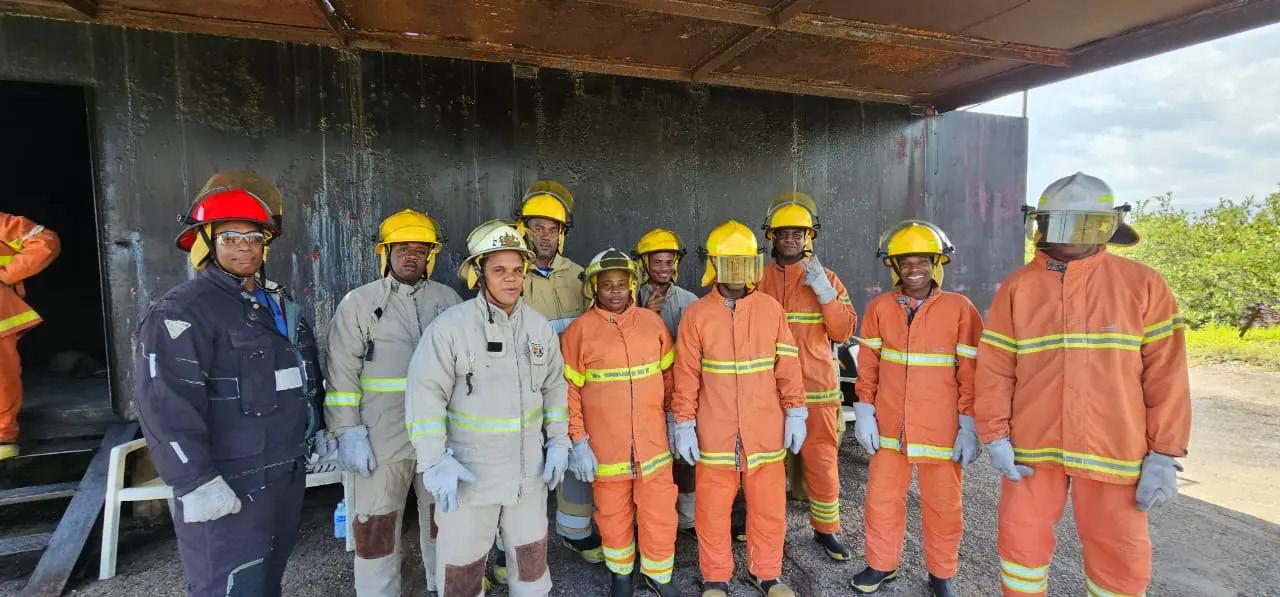
The hands-on programme equipped participants with essential knowledge and practical skills to respond effectively to industrial fire emergencies. Training covered fire prevention strategies, the safe use of firefighting equipment, emergency response coordination, and personal protective equipment best practices. This investment strengthens Berger Jamaica’s fire prevention and response capabilities and enhances overall operational resilience.
CARIB Trinidad and Tobago successfully reduced accidents on the job by 64% and forklift accidents stood at zero, as compared to 13 in 2024, thanks to efforts to improve warehouse safety.
In 2025, there were five accidents in the Packaging Sector, one less than in
2024. Various initiatives to continue to reduce accidents on the job are in place. The behaviour-based safety observation rate was well over the target of 20, at 45 per month on average. Closeoff of high-risk observations within 24-72 hours remained at 100%, consistent with the trends in 2024.
HSSE is a core operational priority that is implemented through procedures and initiatives focused on strengthening safety awareness, emergency preparedness and employee well-being.
CARIB Brewery St. Kitts and Nevis observed Health and Safety Week with a
comprehensive programme centred on workplace safety, health awareness and preparedness. Activities included evacuation procedure training, eye screenings, yoga and wellness sessions, financial health discussions, hurricane preparedness workshops and general health check-ups, alongside conversations on nutrition and mental health.
ESG ASPIRATION:
Manufacturing Sector: Packaging
Develop safety first culture with goal of zero accidents
ANSA Packaging hosted HSSE Week activities at Carib Glassworks and ANSA Polymer, where more than 180 employees participated. The programme combined practical safety exercises, including hazard identification challenges, ergonomic assessments and speak-up scenarios, with health and well-being activities such as guided stretching and breathing techniques. Each day concluded with a safety pledge wall, encouraging employees to commit to specific actions to improve safety in their work environment and reinforcing shared accountability.
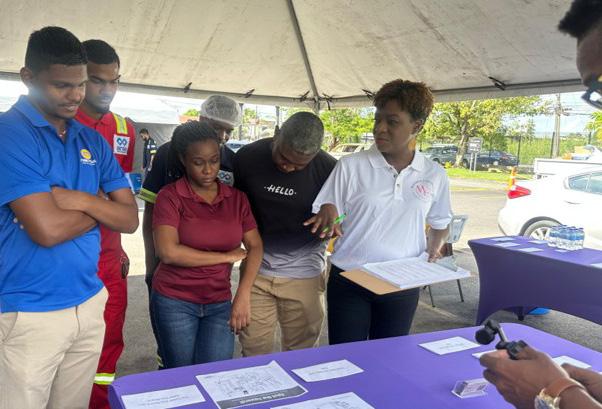
Safety engagement was similarly reinforced at ANSA Motors Trinidad. HSSE Days were hosted across Port of Spain, Chaguanas and San Fernando, offering employees hands-on learning through CPR and basic first-aid training, fire-response drills, crash simulations and an impaired driving exercise using specialised goggles. These activities were supported by interactive engagements designed to reinforce safe decision-making in real-world scenarios.
To further embed a safety-first culture, a rewards and recognition programme was introduced within the Mobility department, to incentivise safe driving behaviour which is monitored through software installed in each vehicle. High-performing drivers were recognised, while those requiring improvement received targeted coaching to support safer practices across the fleet.


ANSA McAL Distribution dedicated a week in July to encouraging staff to make healthier lifestyle choices. From health talks to friendly department challenges, the week was filled with engaging and educational activities coordinated by HSSEQ Coordinator Reana Anderson, and included expert advice from Courts Optical and a registered nutritionist.
Awareness training also extended to operational safety. In Guyana, ANSA McAL Distribution hosted a road safety training session in August 2025, reinforcing the importance of responsible driving practices. The session covered defensive driving techniques and legal awareness, supporting the Group’s ongoing focus on employee safety and risk reduction.
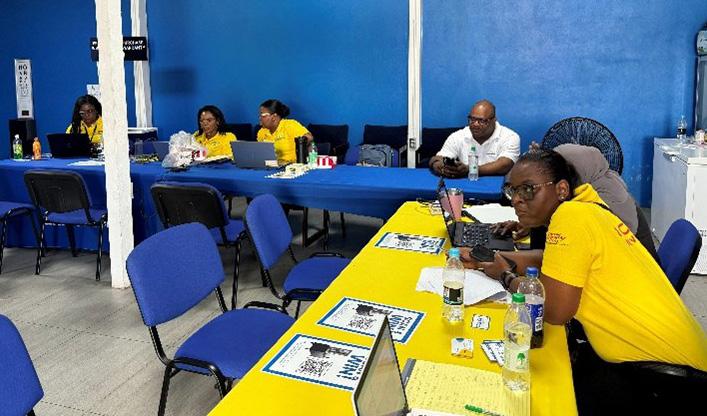

Guardian Media Limited dedicated the month of October to HSSE awareness, with a strong focus on holistic well-being and personal safety. Employees participated in health screenings, fitness challenges and educational sessions, including a perimenopause seminar that created
space for open discussion and awareness. The month culminated in an HSSE Expo, bringing together vendors across key health and safety areas such as eye care, sleep health, dental care, nutrition and fire safety, providing employees with direct access to resources and information.
TATIL also advanced its employee well-being agenda through a comprehensive Health and Wellness Week hosted across its Head Office and COLFIRE locations. The initiative engaged approximately 250 employees in a range of wellness activities including basic eye and health screenings, cholesterol
testing, fitness sessions and wellness popups. The programme was supported by key partners including the Diabetes Association of Trinidad & Tobago, the North West Regional Health Authority, Optometrists Today, AMCO and DuroBody Fitness.
The Group continued to advance its commitment to equal opportunity and inclusion through initiatives that promoted awareness, recognition and meaningful employee engagement.
In observance of Neurodiversity Celebration Week 2025, employees at CARIB Brewery Trinidad and Tobago participated in an awareness session on neurodiversity in the workplace, highlighting the wide range of natural neurological differences and how they influence the way individuals think, learn and process information. The session reinforced the importance of fostering inclusive environments where diverse perspectives and working styles are understood and supported.
In addition, the team at CARIB actively embraced World Down Syndrome Day 2025 under the theme Improve Our Support Systems. Employees demonstrated their support for the Down Syndrome Family Network (DSFN) through the purchase of awareness socks and participation in the global “Lots of Socks” initiative, wearing colourful and mismatched socks to raise awareness and promote inclusion.

Gender-focused engagement was also prioritised across the Group. The iRadio team commemorated International Women’s Day with a luncheon and empowerment lecture led by Beverley Harper, creating space for reflection, connection and motivation.
Guyana Breweries Inc. similarly observed International Men’s Day with a luncheon recognising the contributions of men in the workplace and highlighting the positive impact they make across the business.
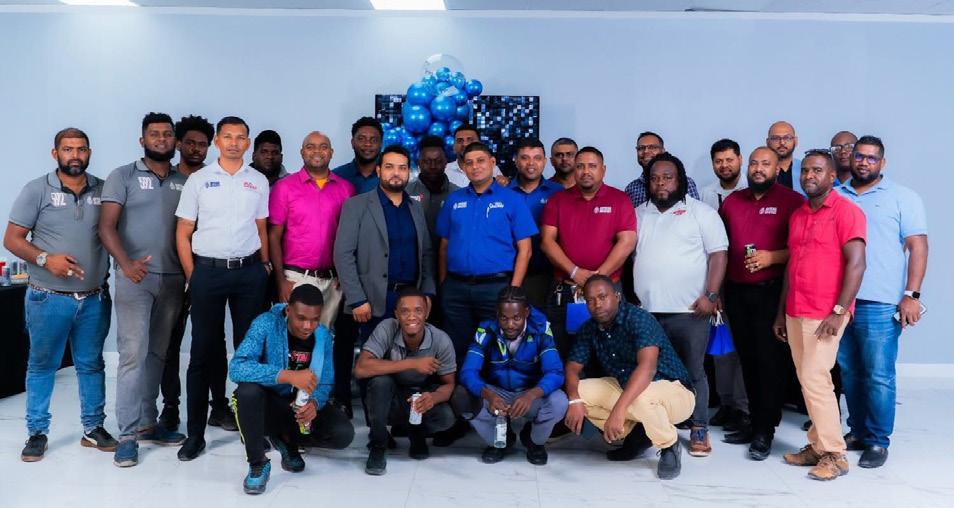
On Tuesday 17th June 2025, Guardian Media hosted a Men’s Health Workshop featuring Counsellor/Behaviour Change Specialist Yohance Ayodike. This session was designed to empower their male team members with the knowledge, tools, and encouragement they need to prioritise their well-being. The session focused on building healthy habits – those small, consistent choices that quietly shape stronger bodies, sharper minds, and more balanced lives.
During 2025, the Group continued to advance its Stewardship agenda, strengthening leadership capability, organisational alignment and employee growth across key Sectors. At the core of this approach are the ANSA McAL Business Stewardship Principles—Brave, Agile, Responsible, Inclusive and Visionary—which define how leaders make decisions, lead teams and deliver sustainable, long-term value.
In the fourth quarter of 2025, the Banking Sector’s Human Resources team led the rollout of these principles across a series of highly interactive activation sessions for Executives and Senior Managers. Led by the Talent & Organisational Development function, the sessions focused on embedding stewardship behaviours into day-to-day leadership practices, creating a shared understanding and establishing a clear foundation for action. More than 70 Executives and Senior Managers participated.
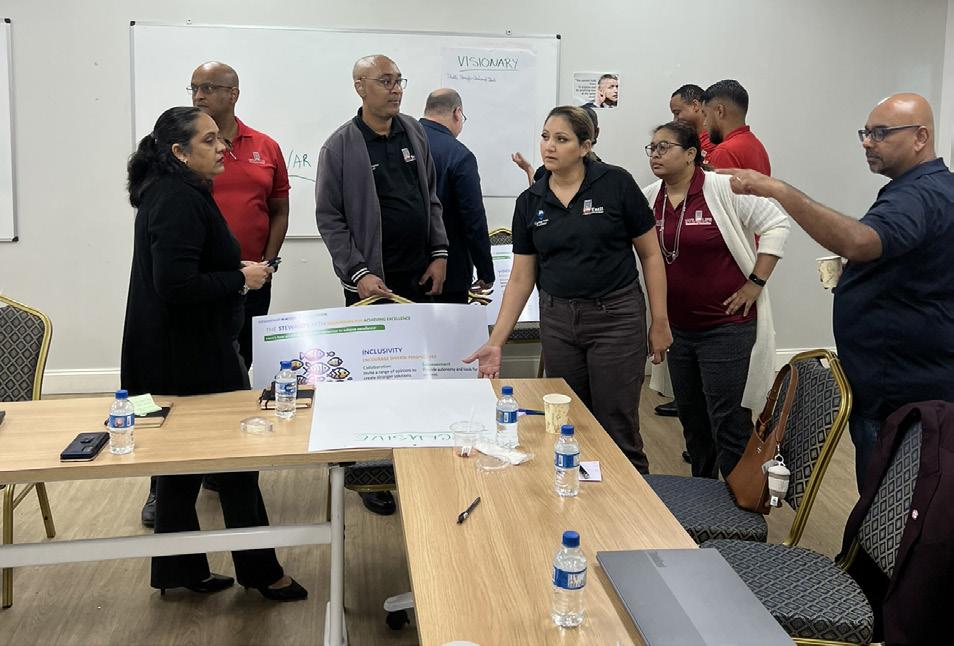
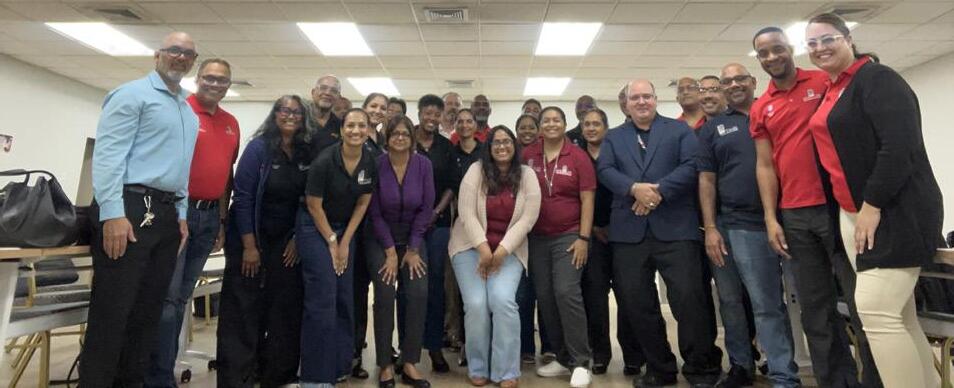
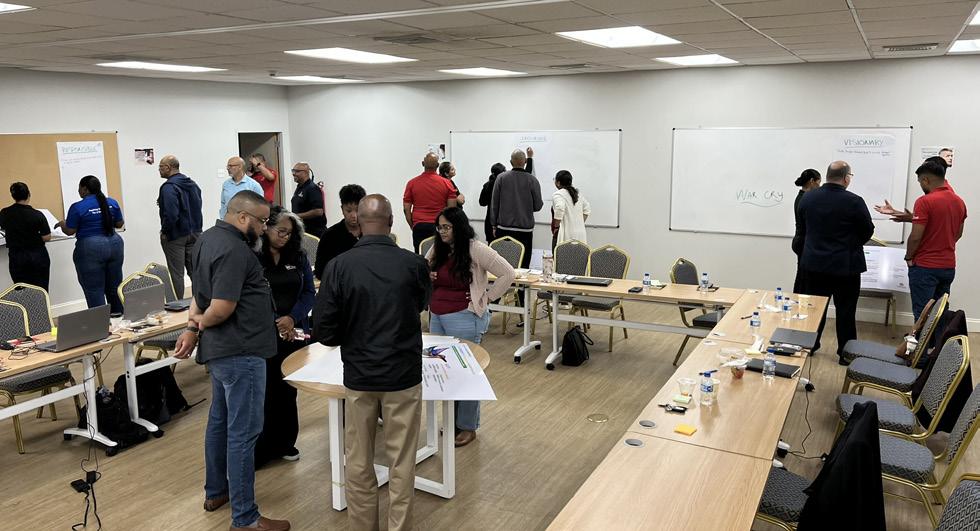
This leadership focus was complemented by a Banking Sector townhall roadshow, undertaken during Q4 2025, to strengthen communication and engagement across all ANSA Merchant Bank and ANSA Bank locations. Senior Leadership engaged directly with employees, encouraging open dialogue and providing opportunities for team members to raise questions and share feedback. The roadshow also served as a platform to formally introduce the Business Stewardship Principles to the wider employee population.
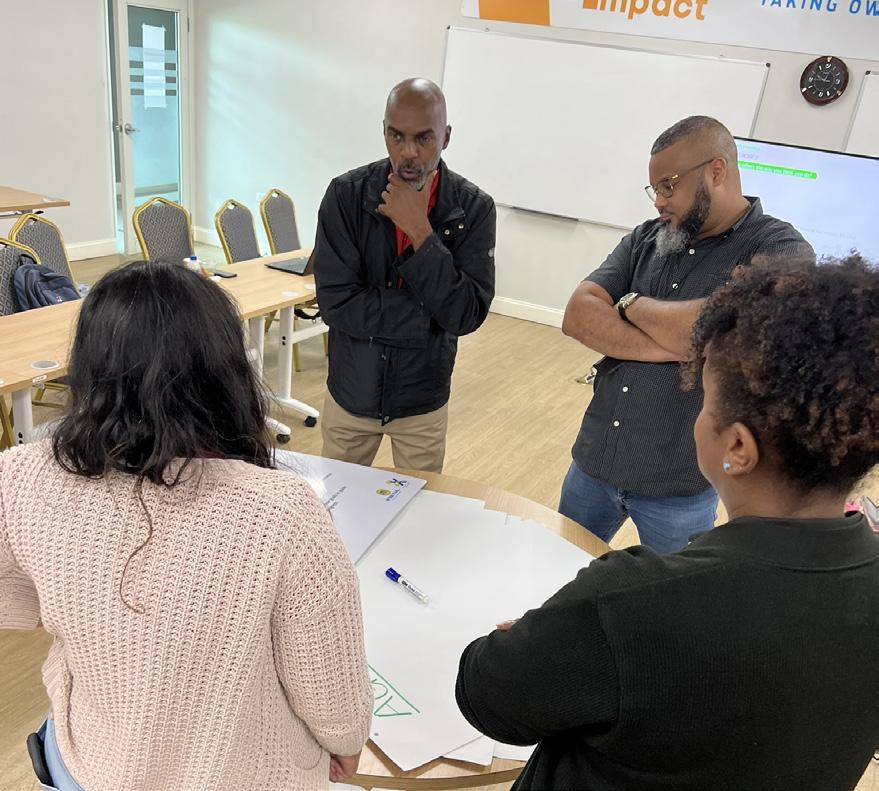
Capability development was further advanced within ANSA Chemicals, where structured career paths were developed and implemented across all departments. To support these pathways, dedicated funding was allocated and the Group’s Education Support Policy was actively promoted, enabling employees to pursue education and training aligned with their career
progression. As at 31st December 2025, four applications were approved, representing a total investment of TT$174,867.56. In parallel, individual learning and development plans were created for all operators to strengthen current role capabilities and prepare employees for future advancement, with 100% of planned training for 2025 successfully completed by year end.
The Group continued to prioritise employee well-being through initiatives focused on mental health, psychological safety, physical health and inclusive workplace practices across each sector.
Guardian Media partnered with the Group’s Employee Assistance Programme provider, Families in Action, to deliver a management-focused seminar on creating safe and inclusive workspaces. The session reinforced the importance of respect, open communication and psychological safety, equipping managers with practical tools and scenarios to support healthy boundaries, effective communication and inclusive team environments.
Employee well-being was further enhanced at ANSA Motors through a range of mental and physical health initiatives. These included lunch-and-learn sessions focused on mental health awareness, the “Wellness Wednesday” programme promoting healthier eating habits, and on-site medical testing for employees. Through partnerships with the North West and South West Regional Health Authorities, staff benefited from convenient on-site health screenings at the Port of Spain and San Fernando locations, complemented by preventive dental care services provided across all branches.





At CARIB Trinidad and Tobago, workplace inclusion and awareness were reinforced through two interactive sensitisation sessions on HIV and AIDS in the workplace, delivered in January 2025, by the Ministry of Labour’s HIV Workplace Advocacy Unit. The sessions promoted understanding, reduced stigma and reinforced the importance of maintaining a safe, productive and inclusive environment for all employees.
Leadership well-being and capability were also addressed through targeted development programmes. Emotional Intelligence training for Abel Building Solutions leadership was delivered over two days in response to feedback from the 2024 Pulse Survey, with strong participation
across the leadership team. Building on this foundation, a follow-up workshop on Navigating Difficult Conversations was conducted in November 2025, strengthening leaders’ ability to manage challenging discussions with confidence, empathy and composure.
The Group continued to promote employee well-being and active lifestyles through the support of community-based 5K events that encouraged physical
activity, inclusivity and social connection. In 2025, these initiatives also increasingly integrated sustainability and public health awareness into their design and delivery.
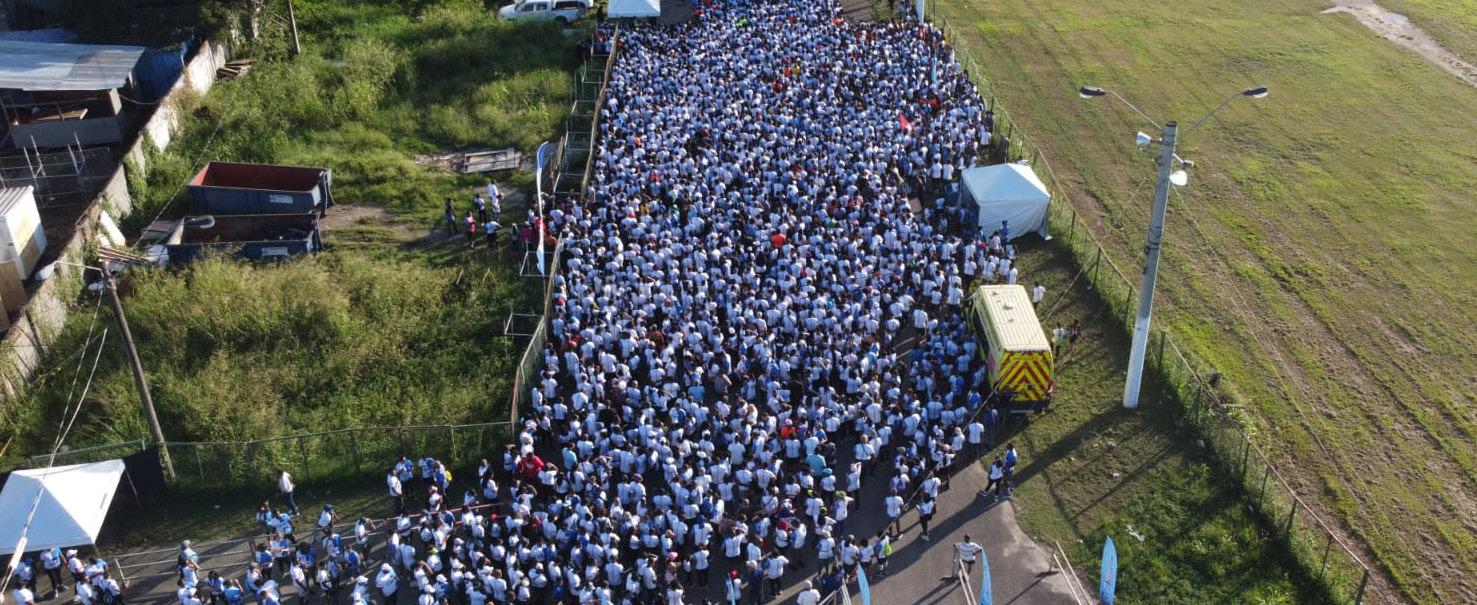
TATIL further supported employee wellbeing and public health awareness through participation in the Run DATT 5K Diabetes Run/Walk, held on 22nd November 2025 at the Queen’s Park Savannah. The event attracted approximately 3,100 registered participants, including over 200 employees from TATIL, COLFIRE and TATIL Life. The initiative reinforced the importance of lifestyle choices, early detection and community engagement, with participation from national stakeholders, including the Minister of Health. The event also received strong national support with participation from key stakeholders, including the Minister

of Health, reinforcing TATIL's commitment to public health advocacy and employee wellness.
In St. Kitts and Nevis, CARIB employees participated in a Health Walk and Beach Bash organised by the Sports and Social Club, combining physical activity with social interaction and wellness.
The ANSA Motors 5K 2025, held under the theme Glow Green, brought together approximately 1,500 participants in a high-energy event that combined fitness, community engagement and environmental responsibility. The event featured a Race Village, live entertainment and glow-inthe-dark medals, while also strengthening sustainability practices through targeted waste management initiatives. In partnership with local upcycling company Glastic Designs, 84lbs of plastic waste were collected from the Queen’s Park Savannah and Race Village. Select plastics were upcycled into functional products, while PET bottles were channelled through Every Bottle Back TT’s national recovery system, ensuring responsible recycling and minimal landfill impact. A custom coffee table created from the collected materials will be displayed at the ANSA Motors office as a lasting reminder of shared environmental responsibility.


Similarly, AMCO held the Brunswick Colour Dash 5K, now in its second year. More than 2,500 runners and walkers participated in the event around the Queen’s Park Savannah, which combined fitness with family-friendly activities, cultural elements and charitable outreach. The event featured live entertainment, children’s activities and custom-designed medals, creating an inclusive environment that encouraged participation from seasoned runners and first-time participants alike.

Throughout the year, the Group continued to invest in awareness initiatives designed to strengthen collaboration, leadership

In the Construction Sector, the Winning Together leadership series was launched to enhance collaboration, communication and professional conduct. The series focused on building high-performing teams, managing conflict constructively and reinforcing ethical and respectful workplace interactions. Sessions were held by leaders from the Group, including Head
capability, technical expertise and responsible workplace behaviours across sectors.

of Legal, Head of Strategy and a Head of Change Management and Transformation. Topics covered included personal branding and team identity, the value of effective team participation, and practical conflict management and collaboration skills, providing leaders with tools to support team cohesion and shared accountability.
At ANSA Packaging, Pension and Benefits information sessions were conducted between May and June 2025, providing employees with the opportunity to gain greater clarity on retirement planning and pension benefits within the Group. Fortyone employees participated in the sessions, which encouraged informed decisionmaking and open dialogue around long-term financial well-being.
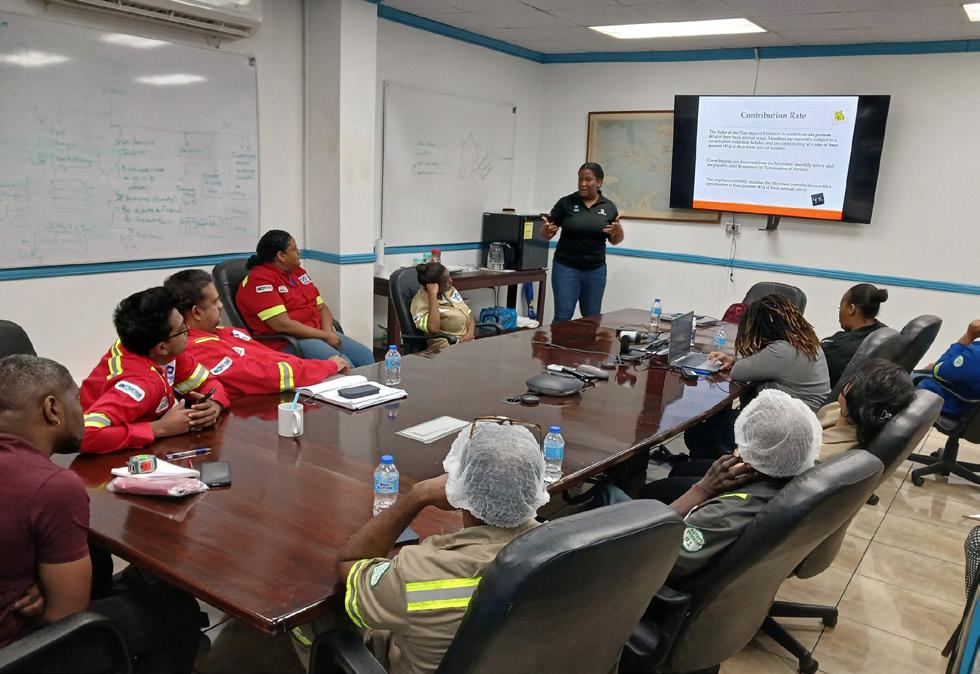
Employee recognition remains a key pillar of the Group’s people strategy, complementing long-standing milestone celebrations with initiatives that recognise performance, values-driven behaviour and meaningful contributions across the organisation. Throughout the year, sectors continued to introduce innovative approaches to honour employees and reinforce a culture of appreciation, engagement and shared success.
Within Caribbean Development Company and CARIB Brewery Limited, the CARIB Trailblazer Employee
Recognition Programme celebrated outstanding contributions to operational excellence and food safety.
In August 2025, employees were recognised for improving the mechanical integrity of Line 6, contributing to greater operational stability, as well as for demonstrating sustained commitment as integral members of the Food Safety Committee through consistent auditing and support of the Management of Change process.
AMCO continued to spotlight employee growth and achievement through its Careers in Motion series, which celebrates the professional journeys of team members while highlighting opportunities for
development within the organisation. To date, six employees have been featured on LinkedIn, with weekly posts designed to recognise internal talent and support employer recruitment.
In the Construction Sector, the Winner’s Circle Rewards and Recognition Programme was launched to formally acknowledge both values-based behaviours and business performance excellence. Rolled out to approximately 500 employees, the programme reinforces the sector’s core values while motivating high performance. A total of 81 Spirit Awards were submitted, reflecting strong engagement with the initiative.
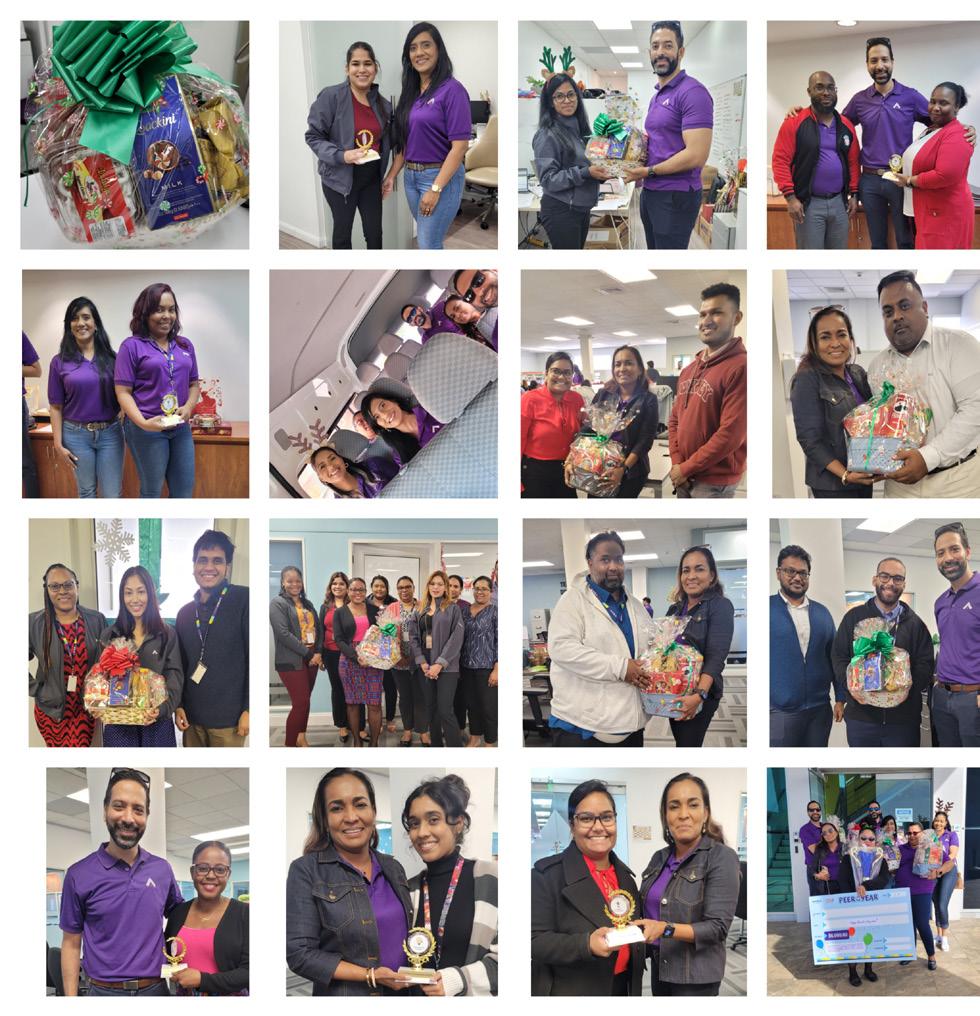
Recognition remained a key priority across the Banking Sector. In June 2025, ten exemplary employees from ANSA Merchant Bank and ANSA Bank were honoured at the Banks' Annual Milestone Awards Ceremony. These individuals celebrated 40, 25, 15 and 5 years of dedicated service. Their achievements reflected not only their personal commitment but also the value they continue to bring to the continued growth and success of the Banking Sector.
A Customer Experience (CX) Roadshow was conducted during the Christmas period. Members of the ANSA Bank and ANSA Merchant Bank executive teams, alongside the CX team, visited branch and operational
CARIB Brewery USA further reinforced its recognition culture through its Employee of the Quarter programme, which recognised outstanding performance of 38 employees between Q1 and Q3, alongside it’s You Got
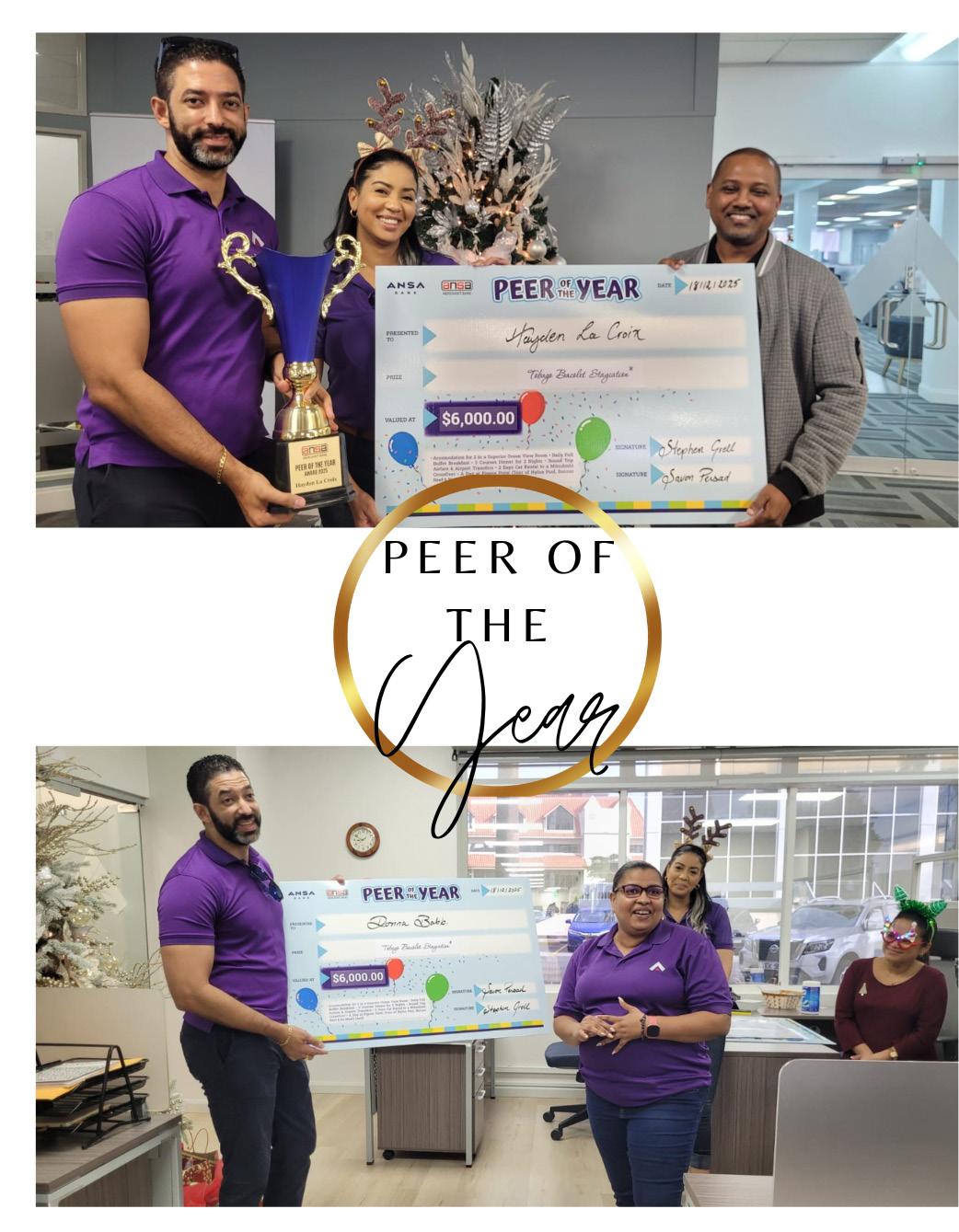
locations to personally thank employees for their contributions throughout the year. The visits included the distribution of departmental hampers and the presentation of awards to third-quarter winners of Cheers for Peers, the Bank’s peer-to-peer recognition programme. The roadshow concluded with the announcement of Peer of the Year award recipients for both Banks, recognising individuals who consistently exemplified the Group’s core values and commitment to excellence.
Served Employee Appreciation and Safety Champion programme, supporting teambuilding, safety awareness and individual development.
A strong sense of connection and community was reinforced throughout the year through employee engagement initiatives that encouraged collaboration,

Guardian Media Limited hosted a Game Day and Karaoke event in July 2025, bringing teams together through interactive board games, video games and a lively karaoke competition. This was complemented by
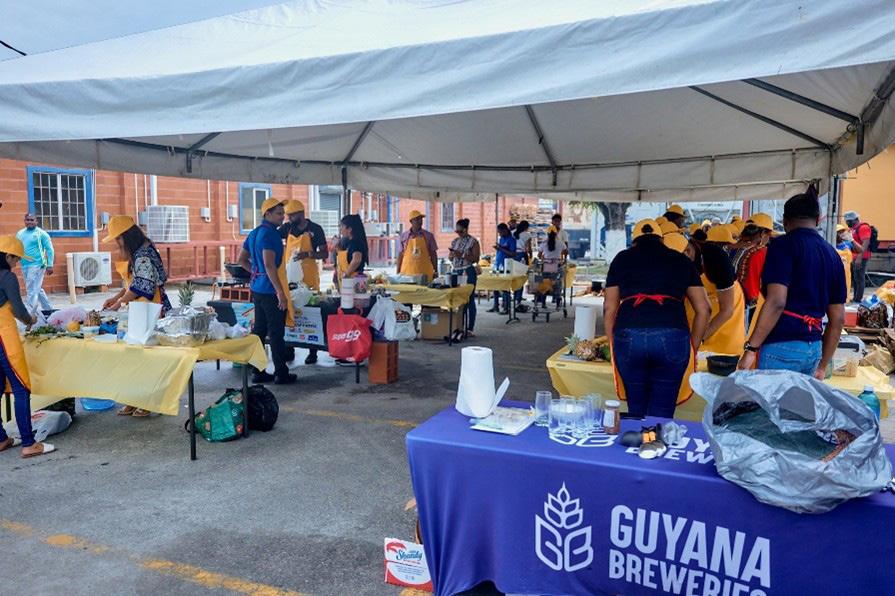
Cultural and social engagement was further supported through events across territories. In Guyana, an Inter-Department Cook-Up Competition brought together teams from Guyana Breweries, ANSA Building Solutions and ANSA McAL Distribution, fostering camaraderie through friendly culinary competition.
work-life balance and shared experiences. Social and recreational events played a central role in building engagement.

sporting initiatives, including a cricket competition held in August and September 2025, which saw strong participation and highlighted teamwork, inclusion and friendly competition.


TATIL strengthened employee engagement and company culture through several largescale staff events at TATIL, including Chow & Soca and a Games Night and Karaoke, that brought together employees from TATIL, TATIL Life, COLFIRE, the Banking Sector and ANSA McAL Head Office. These events blended entertainment with friendly competition, fostering deeper relationships across entities, enhancing team spirit, and boosting overall employee morale.
Family-focused initiatives complemented these efforts, reinforcing the Group’s commitment to supporting employees beyond the workplace. In Guyana, Bring Your Kids to Work Day at ANSA McAL
The high-level of participation demonstrated the positive impact of these initiatives on building a more collaborative and unified culture across the Group. Engagement was also encouraged within the Packaging Sector through an annual cricket tournament and All Fours event, promoting camaraderie between the Carib Glassworks and ANSA Polymer teams.
Distribution provided children with exposure to different careers and brands through interactive tours and engagement with team members.
In Jamaica, ANSA Chemicals further supported employees and their families through the introduction of a Student Milestones Policy, recognising academic achievement with book vouchers for children who successfully completed national secondary school entrance examinations.


The Real Estate Sector hosted two townhalls in 2025, the second of which involved hosting four employees based in Guyana in person to allow for their full participation.
Across the Banking Sector, Mother’s Day was recognised through the distribution of spa gift vouchers to employees who are mothers, acknowledging their contributions both in the workplace and at home, and reinforcing the Group’s commitment to work-life balance.
The team also took the opportunity to hold their team-building activity in conjunction with this townhall during which they got the chance to relax, unwind and bond while bowling.

At ANSA Motors Trinidad and Tobago, Mother’s Day was marked by the distribution of chrysanthemums to mothers across all locations, celebrating their invaluable contributions and fostering a warm, inclusive atmosphere where employees felt seen and appreciated. Father’s Day was similarly commemorated with the distribution of beer mugs and branded key chains to fathers across the company, providing a meaningful opportunity to recognise and celebrate fatherhood.




Milestone celebrations further strengthened shared values and organisational culture across businesses. In the United States, BLEACHTECH marked its first anniversary as part of the ANSA McAL Group with employee celebrations in Ohio and Virginia, featuring games, awards, and recognition

aligned with core values. AMCO similarly celebrated its people through its annual Carpark Jam, bringing employees together through music, food, and entertainment to recognise contributions and reinforce a “Work Hard, Play Hard” culture.
In the manufacturing of all our products across the Sectors, customer well-being is a top priority. One way to ensure that quality standards are consistently met is by implementing systems and measures in alignment with both local and international certifications.
In June 2025, CARIB Trinidad and Tobago marked the global World Food Safety Day, themed Science in Action, with a celebration of the successful and significant achievement of the attainment of Food Safety System Certification FSSC 22000 Version 6. This was the first time that CARIB
Trinidad and Tobago was assessed against the new version 6, released in 2023, which includes new elements that mirror Critical Control Points (CCP) in food safety, a mandatory food safety and quality culture plan, and enhanced allergen management and environmental monitoring controls.
ANSA Polymer of ANSA Packaging also successfully obtained FSSC 22000 certification for the first time in 2025. This milestone opens potential opportunities to expand its customer base both locally and internationally.
ISO 9001: FSSC ISO TTBS Star-K NSF 2015 22000 22000 Certification ANS/ CAN60
Beverage CDC/CARIB Brewery
Trinidad and Tobago
CARIB Brewery Grenada
CARIB Brewery
St. Kitts and Nevis
Packaging
ANSA Polymer
Carib Glassworks
Construction ANSA Coatings n/a
Sissons Paints Grenada n/a
Berger Paints Barbados n/a
Berger Paints Jamaica n/a
ANSA McAL Enterprises n/a
Limited (Bestcrete, Abel Clay Plant and Construction Head Office)
Utilities ANSA McAL Chemicals (Trinidad and Tobago) n/a BleachTech n/a
PACKAGING ESG ASPIRATION:
Continuous reduction of complaints year on year with the goal of zero consumer and customer complaints
At ANSA Packaging, quality control is critical to ensuring product, customer and consumer safety. As such, they have robust procedures and detection software in place to prevent even the smallest of deformities from creating an impact. At ANSA Polymer, there were four significant customer complaints. Corrective actions were taken to reduce likelihood of reoccurrence; all machine attendants were retrained
in defect identification and additional quality and process control checks by production personnel.
In 2025, Carib Glassworks implemented a new integrated quality and production monitoring system to enhance existing quality control processes and equipment. There were zero consumer and customer complaints for Carib Glassworks.
CARIB Brewery Trinidad and Tobago marked World Food Safety Day on 13th June 2025 under the theme Science in Action, reinforcing the role of science, systems and continuous improvement in ensuring food safety. The observance coincided with a significant milestone for the business: the successful attainment of FSSC 22000 Version 6 certification, a globally recognised and GFSI-benchmarked food safety standard. This achievement reflects CARIB’s ongoing investment in robust food safety management systems and its commitment to meeting international quality standards.
CARIB Brewery St. Kitts also observed Food Safety Day through activities aimed at promoting awareness and best practices
across its operations. The event incorporated food safety messaging alongside employee engagement activities.
Creativity, collaboration and customer insight continued to drive standout marketing and innovation initiatives across the Group, delivering strong brand engagement, industry recognition and measurable commercial impact.
The promotion of responsible drinking is part of the core messaging of CARIB Brewery. Their @EASE symbol on each product serves as a consistent reminder
BEVERAGE ESG ASPIRATION:
Adult LNA/alcohol-free portfolio (25% business volume)
to consumers to drink responsibly. Their commitment is also demonstrated by their continued membership in the Trinidad and Tobago Beverage Alcohol Alliance, a nonprofit association whose mission is to reduce alcohol-related harm through combating the misuse and abuse of beverage alcohol products and promoting only their responsible use. Sean Griffith, Sector General Counsel and Head of External Affairs, is a member of the Board.
CARIB Brewery continues to evolve its portfolio to meet evolving market trends that show the increasing interest of consumers in low and no alcohol (LNA) beverages. In 2025, the LNA portfolio stood at 17% of the total portfolio.
At ANSA Polymer, innovation continues to drive circular solutions within their operations. In 2025, the team designed and tested a new product- plastic pallets, developed primarily from recycled crate regrind.
These pallets offer a longer service life compared to traditional wooden pallets, helping to reduce material waste
Although there were many initiatives underway in 2025, due to some delays the launch of new LNA products was pushed to 2026. This remains a key strategy of the Beverage Sector and stakeholders can expect more to come.
through extended durability and reuse. Approximately 95% of each pallet is manufactured from recycled material, and the pallets themselves can be recycled at end-of-life, supporting ANSA Packaging’s commitment to circular manufacturing and responsible resource management.
Education-driven marketing also played a key role in strengthening customer relationships within the Construction Sector. The second instalment of the Abel Clay Blocks & Breakfast series, hosted in Tobago, reinforced the Group’s commitment to customer education. Contractors, small builders and industry professionals participated in hands-on learning focused on the benefits of Abel Clay Blocks, including the Hercules and Colossus vertical core structural blocks. The session combined expert presentations on performance, cost efficiency and bestpractice construction techniques with live demonstrations showcasing the structural advantages of reinforced clay blocks. Strong
participation and engagement from the Tobago construction community highlighted the value of immersive, knowledge-sharing initiatives in driving innovation and informed decision-making.
These efforts form part of a broader Contractor’s Academy framework, designed to empower construction professionals through specialised knowledge, practical experience and access to innovative tools and techniques. The Academy aims to inspire innovation, promote sustainable building practices and foster long-term partnerships that strengthen industry capability and community.
Innovation in media and broadcasting was recognised at the national level, with Guardian Media Limited receiving four prestigious awards at the Telecommunications and Broadcasting Industry (TBI) Awards hosted by the Telecommunications Authority of Trinidad and Tobago. These honours reflected a continued focus on technological advancement, content innovation and meaningful audience engagement.
Recognition as Innovative Broadcaster highlighted Freedom 106.5 FM’s ability to seamlessly integrate traditional radio with digital platforms, delivering flexible, highquality coverage of over 150 events in two years while amplifying environmental, social and governance initiatives. The Innovative Service Offering – Free to Air award acknowledged “For the Love of Country”,
a solutions-focused initiative that brought together experts, community leaders and activists to address crime through accessible, multi-platform dialogue. The Radio for Our People award recognised long-form programming that amplifies local stories, culture and innovation, while the Technological Disruptor – Free to Air award reflected significant investments in digital broadcasting, mobile technology and live streaming, expanding reach, improving sound quality and enabling cost-effective, nationwide coverage.
Together, these initiatives demonstrate how marketing innovation across the Group continues to drive relevance, deepen customer and community connections, and position brands for sustainable growth in an evolving marketplace.
Education remained a critical pillar of people development, industry advancement and community impact across the Group, with initiatives designed to build academic capability, practical skills, professional confidence and futureready talent.
As part of the drive to build a fully trained and future-ready workforce, ANSA Packaging’s uPack training initiative continued throughout the year, supporting the goal of achieving a 100% trained and fully equipped employee base through modular, skills-focused learning. This ESG aspiration is in direct alignment with United Nations
PACKAGING ESG ASPIRATION:
Aim to have a 100% trained and fully equipped workforce by establishing “uPack”
Sustainable Development Goal 4 – Quality Education, Target 4.4 – to substantially increase the number of youths and adults who have relevant skills, including technical and vocational skills, for employment, decent jobs and entrepreneurship.
In 2025, the programme delivered strong completion and participation results across multiple technical courses.
Education and early-career development were further supported through structured internship and student engagement programmes. CARIB Trinidad and Tobago invested in early talent development by hosting participants from the iLEAD Internship Programme and students enrolled in the National Engineering Technician Diploma (NETD) at the University of Trinidad and Tobago (UTT). These internships provided hands-on exposure to operational environments, bridging academic learning with practical industry experience.
They also hosted 11 final-year UTT engineering students for an immersive five-week internship, where participants actively contributed to projects across Brewing, Packaging, Utilities, and
Engineering. The programme emphasised real problem-solving, operational learning, and professional readiness rather than observation alone.
Building on the success of this initiative, CARIB Brewery and UTT signed a Memorandum of Understanding (MOU). This agreement established a framework for expanded internship opportunities, collaborative research, and ongoing knowledge-sharing, creating a sustainable pipeline of skilled, work-ready engineering talent. Through this partnership, CARIB continues to reinforce its role not only as a leader in beverage manufacturing, but as an active contributor to national workforce development and the future of industrial innovation in Trinidad and Tobago.
CARIB Trinidad and Tobago also advanced finance capability through the launch of its Finance Leadership Council in August 2025. This 12-month programme is designed to strengthen strategic thinking and
business leadership skills among finance professionals, supporting the development of future-ready leaders who can contribute beyond traditional finance functions.
Capability building within Distribution was also prioritised through targeted development programmes. At ANSA McAL Distribution (Guyana), the Brand Management Trainee Programme was as an eight-week initiative designed to equip new brand managers with core skills across strategy development, execution and performance analysis, while also strengthening the capabilities of experienced team members. Trainees worked closely with cross-functional teams to ensure brand consistency across all touchpoints and contribute to active campaigns and projects.
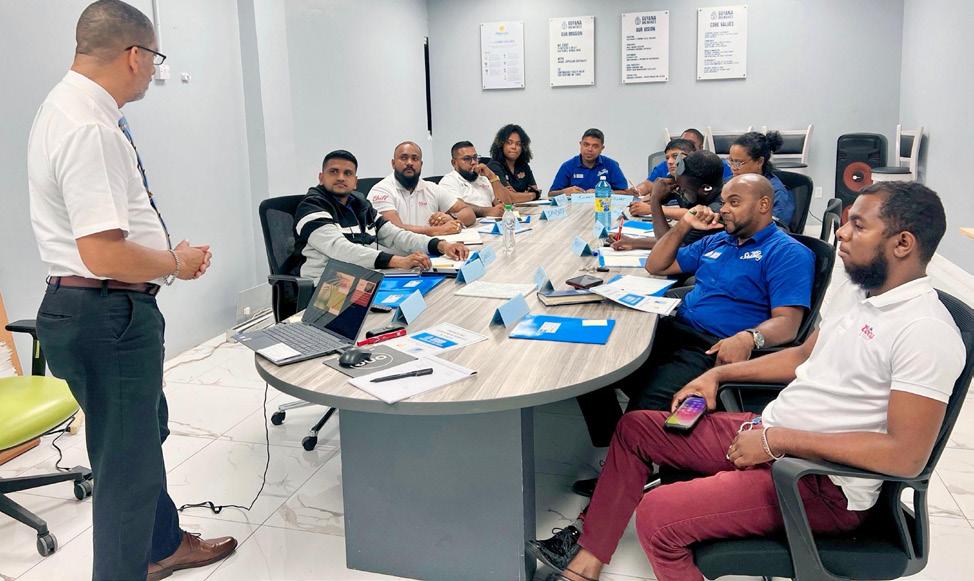
AMCO further strengthened leadership and sales capability through a structured sales training programme for middle-to-upperlevel managers across all divisions.
These sessions were facilitated by Andrea Davis (Strategic Business Leader) and Lyndon Brathwaite (Customer Relationship Management Strategist). A total number
of 84 employees across all departments attended these sessions.
The training focused on strategic planning, performance measurement and the development of essential leadership and soft skills, while also promoting cross-functional alignment and effective team motivation.
In the Insurance Sector, as part of its commitment to developing future leaders, TATIL continued its rollout of the Insurance Management Training Academy, relaunched in May 2024 as a strategic initiative supporting internal succession planning. A cohort of nine management trainees across the Group’s insurance companies is currently progressing through structured
rotational assignments, gaining exposure to key business functions, enhanced technical and managerial capability, and deepened institutional knowledge. The programme is scheduled to conclude in 2026, at which point trainees will be placed in roles aligned with their strengths, performance outcomes and academic interests.
In Guyana, access to formal education was expanded through the Accelerate Programme by ANSA McAL Distribution (Guyana), an employee-focused initiative that blends academic support with practical training at no cost to participants. Beginning with CSEC Mathematics and set to expand to additional CSEC subjects, the programme also offers scholarships for diplomas and degrees, alongside hands-on certifications such as forklift operation and driving.
Participants benefit from targeted tutoring, flexible on-site schedules, exam preparation resources and a supportive learning environment that builds confidence and discipline, ultimately enabling employees to achieve CSEC passes in Mathematics and English and unlock new career pathways.
The programme’s impact is reflected in the experience of Oneca Benjamin, Trade Marketing Co-ordinator at ANSA McAL Distribution, who describes Accelerate as an opportunity worth every effort. She says:

“It gives you the opportunity to meet your educational goals at no cost to you, and also a chance to move up in the company.” She encourages colleagues to take the leap, noting that growth begins with the decision to start and that time should never be a barrier to self-improvement.
COLFIRE maintained a strong emphasis on safety, technical competency, and continuous upskilling through structured training programmes. A major highlight was the defensive driving initiative that saw 851 participants complete certification in 2025, earning recognition under the Driver Safety Training Award. This initiative directly supports United Nations Sustainable
Development Goal 3 - Good Health and Well-being, Target 3.6 which aims to reduce the number of global deaths and injuries from road traffic accidents. By advancing employee awareness and customer capability in road safety, COLFIRE continues to champion both workplace safety and wider public health objectives.
Industry education within the Construction Sector remained a key priority, with a series of high-impact learning engagements delivered through seminars, workshops and the Contractor’s Academy framework.
The Contractor’s Academy continued to expand its reach, hosting specialised sessions focused on painters, structural blocks, pavers and retaining wall systems. These programmes combined classroom learning with live demonstrations, equipping participants with best-practice techniques, safety standards, product knowledge and job-costing skills. Feedback consistently reflected the value of the hands-on approach, with participants highlighting immediate improvements in capability and confidence. Across editions, the Academy reinforced its purpose: empowering professionals with the tools, knowledge and experience needed to drive innovation, sustainability and excellence within the construction industry.
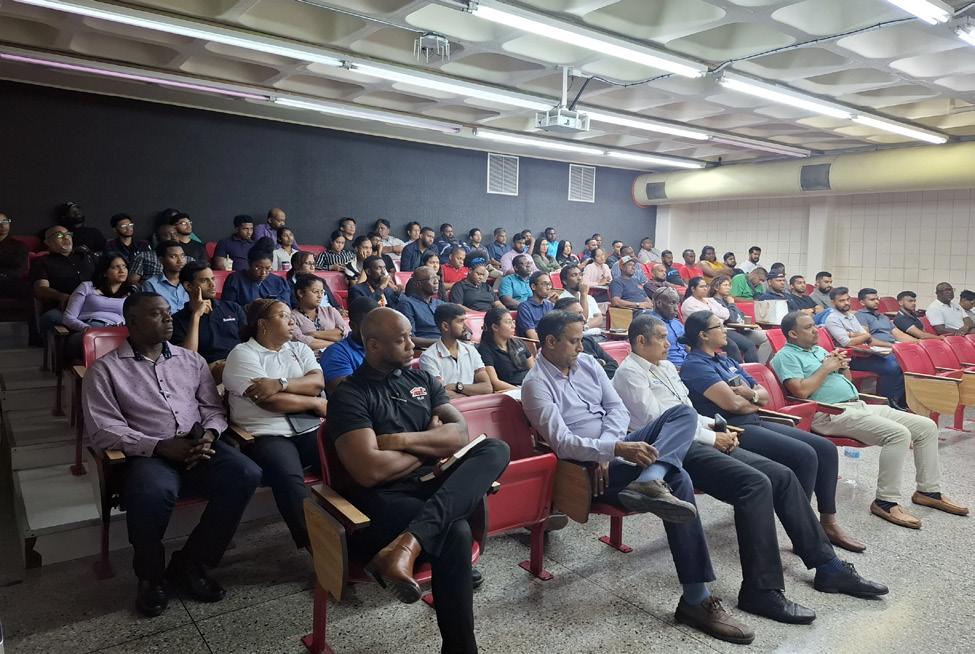
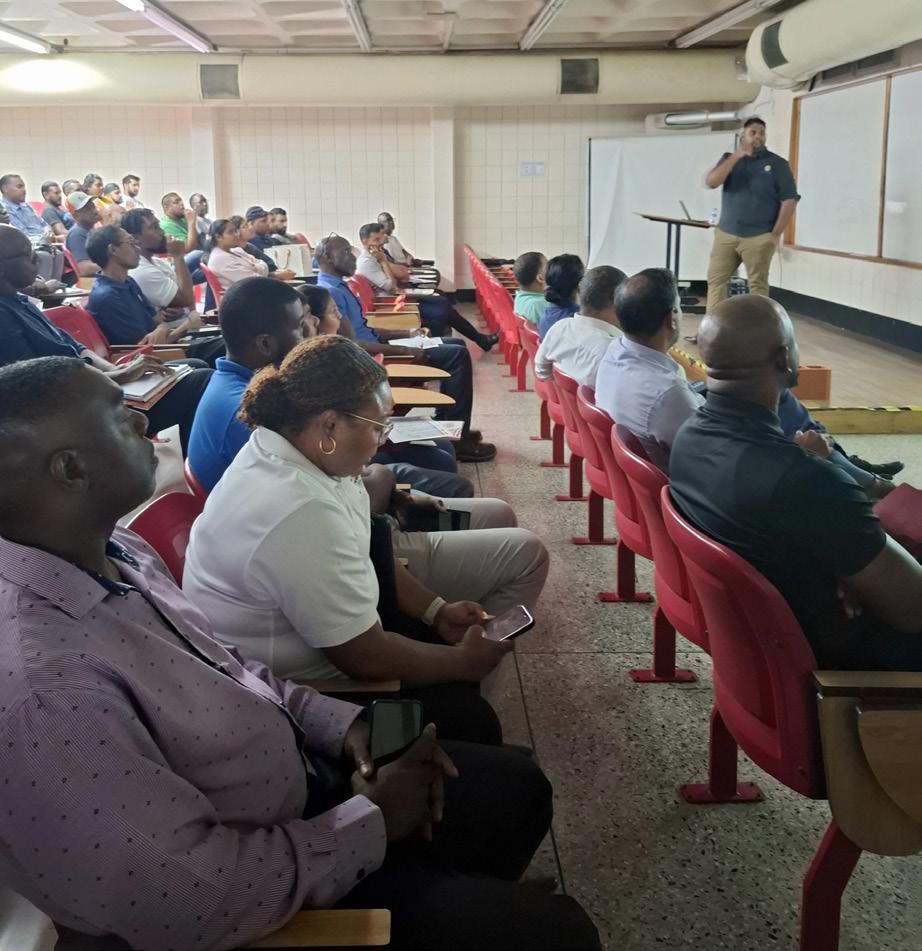
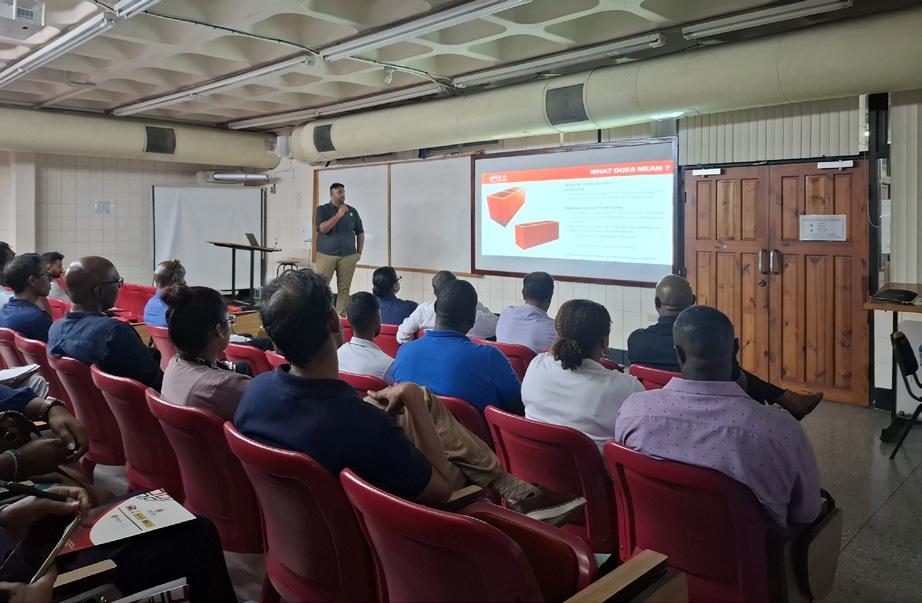
A key segment of their industry education programme included The Block Systems for Structural Design seminar at the University of the West Indies, in collaboration with Beston Consulting. The seminar brought together over 100 professionals from civil engineering, architecture and construction for an in-depth exploration of clay block systems, bridging academic knowledge with practical application. Strong engagement and technical dialogue highlighted growing interest in vertical core structural solutions for foundations and infrastructure.
Similarly, the Construction Sector advanced automotive refinishing skills through Deltron NXT training at the PPG Training Centre, where participants engaged in hands-on modules focused on surface preparation, application efficiency, durability and real-world troubleshooting to improve productivity and reduce rework.
Beyond internal development, education through media and public engagement played a powerful role in shaping national dialogue. Guardian Media’s Make Your Point secondary school debate series continued to build leadership, critical thinking and respectful discourse among young people, with sustainability goals embedded into debate topics. Guardian Media’s 2025 Spelling Bee Competition was taken outdoors to various malls. Through key stakeholder partnerships, they activated an SDG Bee Hive game hub combining SDG education and spelling. Hundreds of persons attended. Spellbound 2025 created a national impact through the television series, digital clips and outdoor engagement.
ANSA McAL proudly sponsored journalist Ryan Bachoo’s attendance at COP29 in Baku, Azerbaijan, ensuring Caribbean voices were represented on the global stage. Ryan’s reporting highlighted the human impact of climate change in the region, including Hurricane Beryl and devastating floods in Trinidad, Grenada, and Belize, translating complex international discussions into stories that resonate locally. Through this support, Guardian Media connected climate science to real-world consequences, demonstrating the urgent need for sustainable solutions while amplifying regional perspectives at a global forum.


Similarly, Freedom 106.5 facilitated over 150 discussions on regional food security and sustainability through its Agri-Business Innovation series, hosted by Jody White. Weekly sessions included emerging entrepreneurs, while monthly episodes focused on education in the agri-sector. The station also provided exclusive live coverage of the Korea-Caribbean Agricultural Research Innovation Platform (KoCARIP) launch, showcasing collaborative efforts to build a resilient, technology-driven agricultural ecosystem. These initiatives strengthened public knowledge, encouraged innovation, and supported sustainable food practices across the Caribbean.
In the field of medical education and professional development, AMCO advanced healthcare education through targeted sessions with pharmacists and doctors. In collaboration with Laboratorios Sanfer, AMCO hosted a Pharmacy Week breakfast with the Ophthalmological Society of the West Indies (OSWI), offering practical insights on key ophthalmic conditions and treatments. Complementing this, AMCO's Health and Wellness, in partnership with MSN, conducted four educational meetings on emerging treatments for
epileptic seizures. These sessions fostered professional dialogue, peer learning, and collaborative networks, empowering healthcare professionals to provide improved, patient-centred care.
Collectively, these initiatives reflect a comprehensive education strategy, one that builds skills, unlocks opportunity, strengthens industries and empowers communities, while reinforcing the Group’s commitment to lifelong learning and sustainable development.

stream under the Group External Affairs Unit to strengthen the Group’s preparedness and credibility during challenging times. We conducted a series of crisis communications and media training workshops for regional leaders, equipping them with the skills to respond with transparency, confidence, and consistency in high-stakes situations. Over 80 ANSA McAL leaders were trained
objective was to embed resilience into our leadership culture, ensuring that our executives can act as trusted stewards of the ANSA McAL brand when it matters most. This investment not only reinforced stakeholder confidence in our ability to navigate challenges but also elevated the Group’s reputation resilience as a cornerstone of sustainable growth and trust.
Our governance commitments are in support of the following three United Nations Sustainable Development Goals:


GOVERNANCE NOMINATING AND REMUNERATION COMMITTEE
AUDIT AND RISK COMMITTEE
The Board of Directors of ANSA McAL Limited oversees the management of the Company, ensuring its long-term success and value creation for its shareholders. In the performance of its duties, the Board secures the interests of shareholders by balancing the interests of its stakeholders as well as interested parties. In addition to its legal requirements, the Board is governed by its Charter which has been developed and is updated from time to time in accordance with international best
practice. The Charter is publicly available on the Group’s website: Board Charter - ANSA McAL.
The sub-committees of the Board, namely the Audit & Risk Committee (ARC) and the Governance, Nominating and Remuneration Committee (GNRC), have been established in accordance with the Board Charter. These committees are governed by respective Committee Charters and comprise solely independent/non-executive directors.
The Board has a composition of Directors reflective of its commitment to independence and diversity. This commitment also firmly aligns with the Core
Values of the ANSA McAL Group. In 2025, Board Independence increased to 58% (54% in 2024) and Gender Diversity decreased to 25% (31% in 2024).
The Board also believes that age diversity enhances decision-making through innovation and varied generational insights.
In 2025, the Board held five regular meetings and three special meetings. The Board also held a two-day retreat in
November to discuss and align on the strategic agenda of the Group. Director attendance at Board meetings in 2025 was 90%.
5 REGULAR, 3
Mr. A. Norman Sabga (Chairman)
Mr. David B. Sabga (Deputy Chairman)
Mr. Andrew Sabga (Deputy Chairman)
Mr. Anthony N. Sabga III (Group CEO)
Mr. Ray A. Sumairsingh
Ms. Teresa White (Resigned on 08.08.25)
Mr. Mark Morgan
Mr. Larry Howai (Resigned on 23.06.25)
Mr. Winston Singh
Ms. Krysta De Lima
Mr. Norman Christie
Ms. Vicki-Ann Assevero
Dr. Tonya Villafana (Resigned on 29.05.25)
Dr. Marlene Attz (Appointed on 01.11.25)
Mr. Joel M.C. Pemberton (Appointed on 01.11.25)
The ARC is the Board’s sub-committee with responsibility for overseeing the financial reporting process, the audit process and all related systems of control. The ARC also oversees the Enterprise Risk Management (ERM) framework of the Group. In 2025, the Group continued its progression toward increased risk maturity, implementing new systems and procedures for the recording, monitoring and mitigation of risk across its multiple sectors of operation.
ARC MEETING ATTENDANCE FOR 2025: 4 MEETINGS
DIRECTORS
Mr. Norman Christie
Mr. Mark Morgan
The ARC also provided support and oversight to Group Internal Audit (GIA) in the updating of the Group’s Internal Audit Charter which governs audit procedures to ensure the independence of the audit function. The ARC comprises two independent Directors and one nonexecutive Director. Attendance at meetings in 2025 was 92%.
Mr. Larry Howai (Resigned on 23/06/25) X
Mr. Ray A. Sumairsingh
The GNRC is the sub-committee of the Board with oversight for the Company’s Corporate Governance and Sustainability Frameworks. The GNRC comprises three independent Directors who together bring
over 90 years of combined experience in the areas of corporate governance, law and sustainability. Attendance at meetings in 2025 was 100%.
GNRC MEETING ATTENDANCE FOR 2025: 5 MEETINGS
DIRECTORS
Mr. Mark Morgan (Chairman)
Ms. Krysta De Lima
Ms. Vicki-Ann Assevero
Dr. Marlene Attzs
Mr. Joel M. C. Pemberton
Mar 6, 2025 Jun 3, 2025 (Joint with ARC)
July 11, 2025
Sept 3, 2025 Oct 24, 2025
In 2025, the GNRC set an agenda that prioritised oversight of sustainability initiatives across the Group. This mandate aligned closely with the Group’s purpose, values and long-term strategy direction, further reinforcing the foundation of our sustainability agenda.
As ANSA McAL Limited advanced toward its 2X goal, the GNRC played a pivotal role in supporting management through several key initiatives, including the following:
- Consideration of the Group’s approach to executive compensation and ensuring that it reflected the principles set out in the Group’s philosophy.
- Consideration and recommendation of suitable candidates to fill vacancies on ANSA McAL’s Board in the capacity of independent Directors.
- Reviewing of the Group’s Talent Strategy.
- Approval of the Diversity, Equity, Inclusion and Belonging Framework which will be rolled out to the Group in 2026.
The GNRC continued its work overseeing the evolution of the culture of ANSA McAL, a key social initiative which has shown significant benefit in terms of employee relations across the Group. This committee also maintains responsibility for the Board’s succession planning and for assessing the compensation of the Group Chief Executive Officer and Executive Chairman.
The GNRC holds delegated authority for ensuring that the Board is operating effectively and for making recommendations for improvement in Board processes and composition. To support this, the GNRC coordinates internal and third-party evaluations on an annual and tri-annual
basis respectively. The next scheduled internal evaluation and skills assessment of the Board is set for Q4 2026. Following the appointment of two new Directors in November 2025, the GNRC intends to conduct a third-party Board evaluation in 2027.

In keeping with our commitment to training and development, there is an ongoing Director’s Training and Development Programme in place, and a Director’s Orientation Programme.
The two new Directors appointed in November 2025 each underwent this comprehensive orientation programme to support their effective integration. Both Directors were briefed on the Group’s governance framework, strategic priorities, operational structure, and key regulatory obligations. This induction process provided the newly appointed Directors with insight required to contribute meaningfully to Board deliberations from the outset.
The training agenda set by the Board in 2025 placed a strong emphasis on strengthening Directors’ understanding of Enterprise Risk Management (ERM). This focus reflected the Board’s commitment to enhancing risk governance across the Group. As part of this agenda, Directors were taken through a targeted ERM training session designed to deepen their awareness of emerging risks, reinforce their oversight responsibilities, and ensure alignment with the Group’s strategic risk management framework. This training equipped the Board with the insight needed to more effectively guide management in navigating evolving risks in an increasingly complex operating environment.
The International Ethics Standards Board for Accountants (IESBA) Code requires communication of fee-related information for both audit and other services to assist those charged with governance in their assessment of independence. The fees billed
by and payable to the independent external auditors, Ernst & Young (EY), in respect of professional services to the Group for the fiscal years ended 31 December 2025 and 31 December 2024 are set out below.
Notes:
1) For the audit of ANSA McAL Limited’s annual consolidated financial statements and the audit of certain of its subsidiaries, as well as other services normally provided by the principal auditor in connection with the audit together with other assurance and related services that are reasonably related to the performance of the audit or review of ANSA McAL Limited’s financial statements, including audits of pension funds and employee benefit plans, accounting consultation, various agreed upon procedures and fulfilling other regulatory and statutory filings and requirements.
2) For tax compliance and advisory services
3) For other non-audit services.
The Sustainability Committee is chaired by Frances Bain-Cumberbatch, Chief Legal and External Affairs Officer, and is comprised of Head Office and Sector representatives. In 2025, its third year of operation, the committee met on three occasions. At
each meeting both Group and Sectorled sustainability initiative updates were showcased, achievements highlighted, and events and milestones of the Sectors’ sustainability journeys shared Committee Chairperson Chief Legal & External Affairs Officer
The executive management in each Sector is responsible for overseeing the sustainabilityrelated activities in their Sector.
In 2025, the Group’s Sustainability Policy, which was previously approved by the GNRC and Parent Board in 2024, was updated in alignment with the IFRS S1 Sustainability
Sustainability initiatives are included in the Annual Operating Plans linked to Balanced Business Score Cards which are directly tied to executive remuneration.
Disclosure Standard. Approval and rollout of the policy across the Group is planned for 2026.
As part of the ESG Data Disclosure 2024 exercise, Group Internal Audit (GIA) was engaged to conduct an audit prior to disclosure. Findings were shared with the Sector teams to ensure that the data disclosed was verifiable and accurate. A recommendation was also made to the Head Office team for the establishment of a formal ESG Data Governance Framework and reporting process, integrated with existing systems and supported by targeted training.
This Group ESG Data Governance Framework and Manual was developed in 2025 and shared with the GIA team
for review and input. Preliminary training was conducted with the Sector teams responsible for data entry to ensure they were aware of both how to use the ESG data templates and that they were aware of the data governance principles: comparability, completeness, consistency, timeliness and verifiability. One aspect of the ESG Data Governance Framework, a data validation process, was implemented within the ESG Data templates 2025 to ensure that there is accountability within the Sectors, from the person responsible for data entry, right up to the Sector head to ensure that the data reported is accurate.
We are pleased to share our first-ever IFRS S1 Compliance Progress Report. Based on the gap analysis conducted by KPMG in 2024, we got a kick-start towards compliance in 2025 with a series of internal materiality assessment
workshops and refinement of the ESG Data Reporting templates. Read more about our methodology and results in the IFRS S1 Compliance Progress Report 2025 on pages 122-161.
In 2025, the ESG Data templates were updated to be in alignment with the Sectorspecific material topics identified in the IFRS S1 workshops and rolled out to the Sector teams (Beverage, Construction, Financial Services – Banking and Insurance, and Manufacturing – Utilities and Packaging). Read more about the approach we took in the IFRS S1 Sustainability Disclosure Standard Compliance Progress Report on pages 122-161.
Based on reviews to determine readiness for disclosure according to data availability, accuracy and reliability, a subset of this data has been disclosed in the ESG Data Disclosure Report 2025 on pages 162-240.
In 2026, the Group will be working to formalise the process of using this data for informed decision-making.

The ANSA McAL Group is proud to report that for the fifth consecutive year we were recognised and awarded for Sustainability in Business. For the second year in a row, the Group was named the Overall Sustainability Champion 2025 in the Large Companies category presented by EUROCHAMTT, in partnership with UN Trinidad and Tobago, at the Sustainability Champion Awards 2025. The purpose of the awards is to recognise and celebrate those in businesses that have put in place the policies, structures and systems to measure, assess and disclose impact in terms of ESG and sustainability.
Accepting the award at the ceremony, Frances Bain-Cumberbatch, our Chief Legal and External Affairs Officer, was joined by Natalie Bibby, Corporate Sustainability Specialist, Sarah Inglefield, Head of Marketing and External Communication, and a team of female sustainability representatives from Sectors across the Group. Collectively receiving the award allowed us to acknowledge the behindthe-scenes teamwork responsible for our celebrated success, and to embody our Core Values: Owning Our Mission, Playing Hard and Winning Together.
2021
“Best Corporate Governance Conglomerate in the Caribbean” Ethical Boardroom in the UK
2022
“Company of the Year for Excellence in Enterprise Risk Management” Caribbean Risk Management Academy
2023
“Excellence in Governance” at the inaugural Sustainability Champion Awards 2023
From EUROCHAMTT, in partnership with UN Trinidad and Tobago
2024
Overall Sustainability Champion 2024 - Large Business category
EUROCHAMTT, in partnership with UN Trinidad and Tobago
2025
Overall Sustainability Champion 2025 - Large Business category
EUROCHAMTT, in partnership with UN Trinidad and Tobago
The Group remains steadfast in its commitment to maintaining robust regulatory compliance and upholding the highest standards of ethical business conduct across all operations. Against an increasingly complex and evolving global regulatory landscape, 2025 required heightened vigilance, agility, and a proactive approach to compliance management.
During the year, the Group focused on strengthening our compliance framework and deepening the monitoring of regulatory and legislative developments across all jurisdictions in which it operates. This ensures timely identification, assessment, and mitigation of emerging risks, while reinforcing alignment with applicable legal and regulatory requirements. The enhancement will safeguard the integrity of the organisation by driving effective risk management, ensuring regulatory adherence, and fostering a culture of accountability and ethical decision-making at all levels of the business.
Looking ahead to 2026, the Group will prioritise:
• Enhancing regulatory compliance through strengthened controls, monitoring, and improved reporting capabilities
• Leveraging technology and automation to modernise compliance processes and enable more effective risk detection and management
• Embedding a stronger culture of compliance and ethical conduct, supported by leadership accountability and tone at the top
• Expanding and modernising compliance training through targeted, role-specific, and risk-based learning modules
• Monitoring and responding to emerging global trends, including increased enforcement activity, digital transformation risks, ESG-related regulatory developments, and crossborder compliance obligations
Enterprise Risk Management continues to be a strategic enabler of ANSA McAL’s growth agenda, driving value creation and portfolio optimisation across the Group.
In Q3 2025, the Chief Shared Services Officer (CSSO) expanded their strategic remit to include Risk, HSE, and Security – reinforcing integrated leadership across critical governance domains.
As of Q4 2025, ANSA McAL achieved Enterprise Risk Maturity Level 1, with a clear trajectory toward Level 2 by year-end 2026. Building on 2024 outcomes, the Group’s primary focus for 2025 was continuous risk reduction and operational excellence, evidenced through performance –
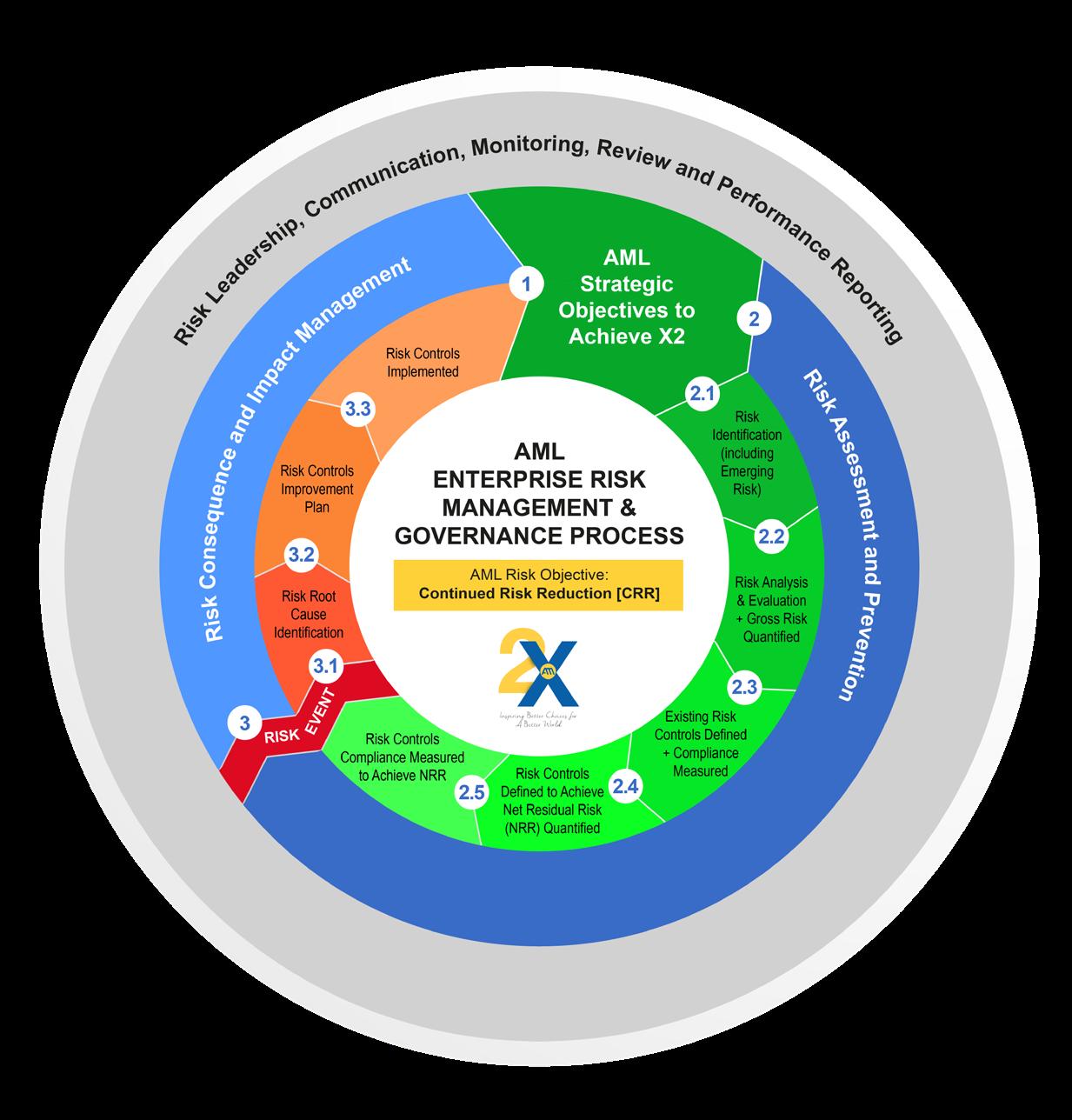
a key component being increased capability of our Human Capital across all three lines of defence. The realities of 2025 delivered commitment and an expansion of scope under lens.
ANSA McAL advanced its human capital strategy through targeted capability development, underpinned by technology as a transformative lever. Key initiatives:
• Group HSE, Security and Risk Unit completed a two-day TapRooT® Root Cause Analysis training course [Q2 2025]
• Group HSE launched its online training module on the 14 safety standards of the Group’s Safety Management System (SMS) in two phases, across Q2 and Q3 2025.
• Group Risk deployed ANSA McAL’s Enterprise Risk Framework at BleachTech in Q4 2025, ensuring holistic oversight is maintained at the Group level.
Group HSE and Security completed audits of the SMS (all 14 safety standards) in Q1 and Q3 2025. The assessed overall compliance score was 60%. Comprehensive corrective action plans were formulated, with clear ownership and timelines to ensure accountability and timely remediation.
To strengthen alignment with the first and second lines of defence, Group Internal Audit (GIA) enhanced its communication protocols to proactively share insights that will help prevent, detect, and mitigate emerging risks. The function continued
The Group prioritised resilience planning for national-level disruptions, including civil unrest, through enhanced threat modelling and scenario testing, driven by synergies across Risk, HSE, Security and IT.
ANSA McAL’s ongoing efforts are centred on:
1. Broadening its scope of threat factors with clear escalation triggers defined
to champion ethical conduct, anti-corruption efforts, and whistleblower mechanisms, reinforcing a culture of transparency and accountability. A renewed focus on documenting root causes to reduce the recurrence of risk events, while the application of Affinity Group standard timelines ensured timely closure of audit recommendations by management.
Additionally, increased investment in training and development equipped management with access to best-in-class auditors capable of delivering impactful, value-added recommendations.
2. Conducting Group-wide Business Impact Assessments (BIAs) and
3. Assessing overall operational readiness through scenario and stress-testing of its Business Continuity Plans (BCPs).
A sustained emphasis on top risk assessment and control environment health continues to inform strategic oversight at both Subsidiary and Group levels.

OUTLOOK
In 2026, Group Risk, HSE & Security will harness LogicGate’s RiskCloud platform –enhanced by Spark AI – to drive intelligent risk identification and integrated control management across all Sectors. Strong risk leadership across a more robust control environment fosters safe and highperforming operations.
Group Internal Audit (GIA) will deepen its commitment to governance excellence and risk resilience through a strategic audit plan aligned with the ANSA McAL Group’s priorities. Key initiatives include the rollout of revised governance scorecards, and enhanced reports to elevate transparency and accountability while adding helpful insights. Ethical practices will be reinforced
through a refreshed whistleblowing portal safeguarding stakeholder trust.
To build future-ready capabilities, GIA plans to implement a comprehensive competency framework, targeted training for finance and risk teams, and updated policies and procedures. Progress will be tracked through departmental KPIs and validated by an External Quality Assessment (EQA) to ensure global internal audit standards are met. Engagement efforts such as Internal Audit Awareness Month 2026 and Fraud Week 2026 will foster a culture of risk awareness and compliance, embedding governance excellence at the core of the Group’s sustainability journey.
The ANSA McAL Group of Companies continued to advance its cybersecurity posture in 2025, building on the multi-year Information Security Strategic Programme. This year, the Group placed particular emphasis on strengthening resilience, enhancing data protection, and maturing
cyber risk management processes. These efforts were supported by the transition to a locally operated Security Operations Centre (SOC), which unified monitoring and incident response capabilities across all business units.

In 2025, ANSA McAL’s strategic efforts collectively elevated its cybersecurity maturity. Key achievements included integration of advanced technologies and unified security operations, implementation of robust incident response frameworks, and promotion of cybersecurity awareness and culture across all levels of the organisation.
These initiatives have positioned ANSA McAL as a leader in navigating the dynamic cybersecurity landscape. As the Information Security Strategic Programme progresses, the Group remains steadfast in safeguarding its digital ecosystem, ensuring resilience, and maintaining stakeholder trust.
Cyber risk management matured further in 2025, with the Group conducting extensive cyber risk assessments aligned with the Enterprise Risk Management (ERM) function. These assessments enabled consistent evaluation of risks across all companies and
informed the prioritisation of mitigation strategies. The locally operated SOC provided improved visibility and response capabilities, ensuring swift identification and management of emerging threats.
In 2025, the Group further refined its resilience framework, incorporating advanced Business Continuity and Disaster Recovery (BCDR) planning. Enhanced Business Impact Analysis (BIA) methodologies enabled more precise
identification of critical information assets and business priorities. These improvements ensured that tailored protections were applied to vital systems, supporting operational continuity and minimising disruption in the event of incidents.
Data protection remained a central focus, with ongoing efforts to identify and classify information assets across the Group. Enhanced data loss prevention controls were identified and tested and improved monitoring capabilities were introduced, reducing the risk of data leakage and supporting compliance with regulatory standards. The Group’s commitment to safeguarding sensitive information was reinforced through reviews and updates to data protection frameworks.

The Group continued to deploy advanced vulnerability management systems, including continuous scanning, and prioritised remediation based on severity and business
impact. Patch management processes were standardised and automated, reducing exposure windows and improving overall security posture.
Network resilience was strengthened through detailed mapping of infrastructure and the introduction of modern access controls. The Group enhanced its firewall
Incident response capabilities were bolstered by multiple tabletop exercises, which tested and refined the Group’s readiness to handle real-world scenarios.
infrastructure and adopted improved endpoint management practices, ensuring robust protection against a wide spectrum of cyber threats.
Lessons learned from these activities informed updates to incident response plans and procedures.
In 2025, the Group significantly expanded its cybersecurity awareness and training initiatives to foster a security-conscious culture at every level. Key activities included:
• Regular Webinars: Ongoing live sessions covering emerging threats, best practices, and policy updates.
• Gamification Through Quizzes: Interactive quizzes and competitions to reinforce learning and engagement.
• Frequent Training Content: Continuous delivery of cyber-related modules and bite-sized learning content.
• Simulations: Realistic phishing simulations and scenario-based exercises to test and improve employee responses.
Recognising the importance of supply chain security, the Group maintained its thirdparty risk management processes. Rigorous assessments of suppliers and partners were

conducted to identify and mitigate potential cybersecurity risks, ensuring the integrity of the Group’s extended ecosystem.
The ANSA McAL Group remains committed to enforcing our Code of Ethics to maintain the highest levels of transparency, probity and accountability. In support of the Group’s Whistleblower Policy and AntiBribery and Anti-Corruption Policy, the ANSA McAL Group maintains a call centre and website for reporting any breaches of
TOTAL REPORTS RECEIVED IN 2025: 13
these policies and, by extension, our Code of Ethics. This system is in direct alignment with United Nations Sustainable Development Goal 16 – Peace, justice and strong institutions, target 16.5 – to substantially reduce corruption and bribery in all their forms.
All reports received in 2024 were investigated and closed.
The ANSA McAL Group recognises that stakeholder engagement and partnerships are critical to a cohesive approach to the sustainable development of the Caribbean region. As such, we continued to foster new and existing key relationships with stakeholders from across the region.
Our relationship with our investors is critical to growth, not just as a Group, but as a regional community that believes in the power of purpose-driven progress. That’s why we reimagined the investor’s meetings, creating more open lines of communication with both the media and our investor community.
The revised format gave us the opportunity to share deeper insights into our 2X agenda. More importantly, we were able to showcase the tangible progress we’ve already made and the clear plans we have to keep pushing forward.
It wasn’t just about us talking – it was a valuable two-way exchange. We heard their perspectives, their questions, their confidence. And we responded with transparency, vision, and a reaffirmed commitment to the journey ahead. Meetings like these remind us that growth is not a solo pursuit. It’s built through trust, collaboration, and shared ambition.
As the digital transformation of our world continues, it is important to us that we remain connected to our stakeholders. The world of social media presents an opportunity to remain connected in a meaningful and transparent way, beyond the traditional in-person engagements. In 2025, we continued to give our stakeholders a glimpse into what it’s like to manage such a diverse Group of companies through the profiles of our Executive Leadership,
including Group CEO, Anthony N. Sabga III, Frances Bain-Cumberbatch, Chief Legal and External Affairs Officer, Sarah Inglefield, Head of Marketing and External Communication, and most recently Andre Jeffers, Chief Strategy Officer, who joined the team in 2025. Through their personal perspectives, stakeholders learned a little more about the ongoing activities and achievements across the Group.
Faheem Mohammed, Chief Shared Services Officer, and Sean Bowlah, Group HRIS Analytics & Data Integration Manager, were interviewed on live television, on TTT’s Morning Show and CNC3’s Morning Show, to discuss utilising AI in the HR ecosystem. Faheem shared that “the initiative is in
alignment with the Group’s 2X ambition, where we are doubling scale and impact. Efficiency is a key aspect of making this happen, and this AI in HR implementation is going to enhance our HR centre efficiency by 80%, from the attract-a-hire to the retirement stage of the HR process”.
Frances Bain-Cumberbatch, Chief Legal and External Affairs Officer, continued her series in 2025, showcasing leaders from across the ANSA McAL Group. In each interview Frances got her guest to open up about their personal journeys and perspectives, and to impart knowledge on their various areas of expertise.
• Andre Jeffers, Chief Strategy Officer, ANSA McAL, shared ideas that move industries forward! The interview was packed with game-changing perspectives on strategy and growth.
• Antron Forte, Head of Brand Marketing at CARIB Brewery Trinidad and Tobago, explained what it takes to build a sustainable brand. From the importance of authenticity to the power
of storytelling, Antron shared invaluable insights that every marketer and brand enthusiast needs to hear.
• Dwaine Williams, General Manager, Berger Paints Jamaica, shared about the journey of one of the Caribbean region’s most trusted brands. The conversation was focused on what it means to lead with purpose and integrity, driving transformation even during the toughest of times.
• Tova Satnarine, Head of Commercial Content & Marketing, Guardian Media, gave an eye-opening look into what truly drives one of the region’s largest media houses. Tova shared how she links personal leadership to professional success in the world of media.

In 2025, ANSA McAL made significant strides in stakeholder engagement across North America, Guyana, and Trinidad and Tobago.
In North America, we embarked on an extensive stakeholder mapping exercise across Ohio, Virginia, and Florida to support the acquisition of BLEACHTECH. This effort included over 60 external stakeholder meetings with state officials, environmental regulators, business associations, key customers, and local community representatives. In total, more than 400 highranking and influential stakeholders were engaged in 2025. Each left with a positive understanding of who ANSA McAL is and our plans to positively impact people and communities in these states.
Virginia State Senator Lashrecse D. Aird (District 13) reflected this sentiment, stating: “I am incredibly optimistic about ANSA McAL’s expansion into Virginia and proud to welcome them to the City of Petersburg. This landmark acquisition reflects the company’s
long-term commitment to sustainable growth and its confidence in our region’s potential. As a family-owned business, ANSA McAL brings not only industry expertise but a deep appreciation for community investment. I look forward to seeing their continued success and the positive impact they will have on our local economy and workforce.”
In Guyana, our outreach initiatives reinforced ANSA McAL’s role as a trusted partner in national development, strengthening ties with government, industry, and community leaders. A major accomplishment for the year was the successful re-engagement and active participation in all major privatesector bodies, namely the Private Sector Commission, Georgetown Chamber of Commerce and Industry, and the Guyana Manufacturing and Services Association. Importantly, our participation has gone beyond nominal membership. We now hold functional roles on multiple committees, ensuring our perspectives are consistently
represented and that we are involved early in policy discussions rather than reacting after decisions are made.
In 2025, ANSA McAL significantly deepened its stakeholder engagement in Trinidad and Tobago, starting with an extensive Groupwide Stakeholder Mapping exercise. We then re-imagined our media and investor community engagements, in-person and virtually, doubled down on our core social investments – focused on youth and societal well-being, and implemented an open feedback channel for key external stakeholders.
Across the region, we are shaping local content and regional policy:
• Illicit trade was identified as a core advocacy pillar at the start of the year. Throughout 2025, we re-engaged this issue across private-sector forums, positioning it as both a revenue-loss concern for the state and a competitiveness issue for legitimate distributors and manufacturers. While enforcement outcomes remain gradual, the issue is now firmly reestablished on the national agenda.
• Removal of VAT on Clay Blocks continues to be a major advocacy objective, given its impact on housing affordability and local manufacturing competitiveness.
While VAT removal has not yet been achieved, a key milestone was reached in 2025 – the matter is now formally placed on the agenda for the national budget consultations currently underway, ensuring it receives policy-level consideration rather than remaining a peripheral issue. This represents meaningful progress compared to prior years when the issue lacked formal traction.
• Significant progress was achieved on local content certification (Guyana). A draft legislative framework was prepared and formally submitted to the Attorney General’s Chambers, and to the new Local Content Director, ensuring continuity and visibility within the implementing agency. While legislation is still under review, this places ANSA McAL in a first-mover position, shaping the framework rather than responding to it after enactment.
• Sector-Specific Support & Cross-Business Advocacy: External Affairs continues to provide targeted support across multiple business units, for example, Foreign Exchange Advocacy (Cross-Sectoral), and advocacy work relating to the Common External Tariff (CET) which impacts our Chemicals Sector, among other key issues affecting our businesses.
Collectively, these efforts advanced advocacy for ANSA McAL’s vision, amplified our reputation as a purpose-driven Group, and created platforms for dialogue that will sustain long-term trust and alignment across diverse markets.
In 2025, ANSA McAL undertook a comprehensive corporate brand audit to evaluate the strength and resonance of our identity, and reputation, across the Caribbean and beyond. The audit delivered clarity in brand architecture, significantly strengthened our stakeholder relationships, and identified opportunities to evolve the brand narrative to reflect our leading

The Construction Sector hosted a series of inspirational talks for their staff centred on the theme of “Winning Together”, one of our Core Values. Members of the C-Suite were invited to speak and impart their knowledge and insights.
• Chief Legal and External Affairs Officer, Frances Bain-Cumberbatch, focused on a critical aspect of our “Winning Together” principle: transforming conflict from a disruptive force into a catalyst for growth and stronger teamwork.
• Chief Strategy Officer, Andre Jeffers, spoke about the realisation process of showing up as your best self every day, asking yourself questions like, “What is my
position in the areas of sustainability, innovation, and digital transformation. It also deepened internal alignment, ensuring our people remain proud stewards of the ANSA McAL brand. These outcomes reinforced our reputation as a resilient, purpose-driven enterprise and provided actionable insights to guide our next chapter of growth and impact.

personal brand?” and “What do people say when I leave the room?” He shared that it’s when we understand our unique role and align our strengths with the team’s mission, that’s when collective success begins.
• Head of Change and Transformation, Jodi Mahon emphasised the “Team Player Advantage”, highlighting what it really means to be a team player and how collaboration drives results. Key takeaways from her session included balancing individual goals with team objectives, practical ways to support teammates and build synergy, and testimonies of successful team efforts and what made them work.
Organisation
AMCHAM
Position/Participation
Date
AMCHAMTT Board Member: Frances Bain-Cumberbatch, May 2025 Trinidad and Tobago Chief Legal and External Affairs Officer.
The Sustainability Journey – Intention to Impact Series
Part 1: ESG Leadership - Driving Economic Growth
• “CEO’s Conversation” panel discussion. Frances Bain-Cumberbatch, Chief Legal and External Affairs Officer, spoke about the importance and benefits of incorporating sustainability into business strategy.
• Access to Green Investment” panel discussion: Nigel Sabga, Executive Director, ANSA Merchant Bank, discussed the transformative role of sustainable finance in driving impactful ESG strategies and the importance of clear frameworks to classify environmentally sustainable activities.
• “Reflections from Companies Maturing on Their Journeys: The Challenges Faced and How They Were Overcome”. The panel discussion was moderated by Keisha Garcia, former ESG Natural Capital Lead, ANSA Merchant Bank.
Part 2: People, Purpose & Progress –Activating the “S” in ESG
• “The ANSA McAL Journey towards IFRS S1 Compliance.” The presentation by Natalie Bibby, Corporate Sustainability Specialist, provided practical insights into the Group’s journey towards IFRS S1 compliance, with a highlight on social components featured in our first-ever ESG Data Disclosure Report 2024.
AMCHAM TT Women in Leadership Conference
• “Risks to Rewards” panel. Frances Bain-Cumberbatch, Chief Legal and External Affairs Officer, shared her insights on the panel that focused on fostering environments where risk-taking is recognised and rewarded equitably.
AMCHAM TT Linkage Magazine
• Rachel Welch-Phillips, Head of Legal and Corporate Secretary, ANSA Merchant Bank, authored an article entitled “Climate Financing: The Caribbean at a Unique Crossroads – A Multi-stakeholder Approach to Sovereign Refinancing for Climate Impact”. LinkageQ2-2025/Climate Financing | AMCHAM T&T
Mar 2025
Q2 2025
Association of
Insurance Conference 2025:
Oct 2025 Trinidad and Tobago
“The New Risk Equation: Innovation, Regulation and Resilience” Insurance Companies
• Global Shifts, Local Impact: How Global Economic (ATTIC) Trends and Geopolitical Conflicts are Reshaping Caribbean Insurance” and “Climate Reality Check: How Climate Change is Redefining Risk & Resilience”, moderated by Musa Ibrahim, Managing Director TATIL and Tatil Life.
• “Future Forward: Digitisation in Insurance Part 1 –What’s Next?” and “Future Forward: Digitisation in Insurance Part 2 – What’s Next?” moderated by Uthra Ramnarine-Hill, General Manager, TATIL.
• “Beyond Profits: ESG in Insurance” –Our panellist was Rachel Welch-Phillips, Head of Legal and Corporate Secretary, ANSA Merchant Bank.
Organisation
Position/Participation
Date
Energy Chamber of T&T Energy Conference 2025: “Investing for the future” Feb 2025 Trinidad and Tobago
ANSA Coatings’ booth focused on its industrial line, with the launch of the Berger Industrial, Protective and Marine Coatings line. During the conference, Claire Johnson – Sector Coatings Auto and Industrial Manager, and Emmerson French – Senior Industrial and Marine Sales Lead, were interviewed live by CNC3. They highlighted the superior quality of the new product line.
Caribbean Sustainable Energy Conference 2025: June 2025 “Adapting and Recalibrating” ANSA McAL: Platinum Sponsor
• Anthony N. Sabga III, Group CEO, was a panellist on the Platinum Sponsor’s panel. He emphasised that collaboration is the cornerstone for sustainable progress. As we continue to strengthen our position as the Caribbean’s most diversified conglomerate, we remain deeply committed to supporting regional resilience, responsible innovation, and the kind of partnerships that move entire industries and communities forward.
• Frances Bain-Cumberbatch, Chief Legal and External Affairs Officer, spoke about ANSA McAL’s evolving sustainability journey, highlighting initiatives and milestones across the Beverage, Packaging and Utilities Sectors.
The Institute of 16th Annual International Finance and Accounting Nov 2025 Chartered Accountants Conference (AIFAC 2025): “Future Ready: Innovation, of Trinidad and Tobago Transformation & Resilience” (ICATT)
“Reimagining Resilience: Turning Disruption into Opportunity” –
• Fireside chat interview with Anthony N. Sabga III, Group Chief Executive Officer, ANSA McAL.
The session offered a reflective and personal exploration of leadership evolution, key lessons, legacy, and the values that have shaped Mr. Sabga’s tenure.
• “The Future of Growth: Agility & Value Creation” panellist Andre Jeffers, Chief Strategy Officer, ANSA McAL, joined the discussions that explored how organisations can sustain growth by embedding agility, innovation, and data-driven decision-making into their strategic frameworks
Trinidad and Tobago
Employment Labour Relations Committee member: Marlene Gervais, Chamber of Industry Beverage Sector Employee & Industrial Relations Manager and Commerce
Food Distributors Executive Board Member: Glen Rogers, General Association Trade National Sales Manager at AMCO.
Georgetown Chamber Active Members: of Commerce
• Padmawattie De Lima, ANSA McAL Distribution’s Divisional Head for Food and Consumer Goods
• Ganesh Hirryman, ANSA McAL Distribution’s Chief Financial Officer
Organisation Position/Participation
Guyana Manufacturing Active Member: Services Organisation ANSA McAL Distribution’s Managing Director, Troy Cadogan
Greater Tunapuna The Beverage Sector is a proud member of this organisation which aims Chamber of Industry to foster an environment of sustained economic and Commerce growth and social development.
The Private Sector Active Member: Commission of Guyana ANSA McAL Distribution’s Managing Director, Troy Cadogan
Trinidad and Tobago
Member of Board of Directors: Sean Griffith, General Counsel and Beverage Alcohol Head of External Affairs, Beverage Sector Alliance
The Beverage Sector is a proud member of this organisation which aims to promote the responsible distribution, sale and consumption of alcoholic beverages.
Emergency Management Authority
American Fuel & Petrochemical Manufacturers
Greater Medina Chamber of Commerce
Medina Safety Council Meetings
Virginia Manufacturers Association Environment, Health, Safety, & Security (EHS&S) Sub-Committee and Air Regulation Sub-Committee
Ohio Manufacturers’ Association
Prince George Chamber of Commerce
Southern Virginia Regional Chamber
Greater Medina Chamber of Commerce
Virginia Manufacturing Association
BLEACHTECH is a member of several organisations in North America.
Active Members:
• BLEACHTECH, Ohio – HSSE Manager Mickell Rattan
• BLEACHTECH, Virginia – HSE Manager Clarence Ramkhelawan
• BLEACHTECH, Ohio & Virginia, Chief HSE Manager, Nixon Gangoo
For BLEACHTECH, stakeholder engagement is key to sustainable operations. Over 60 stakeholder meetings were held with state, regulatory, businesses and the local community in 2025.
Organisation
Citizens Bank
Position/Participation
Citizens Bank Global M&A Outlook Webinar
• Andre Jeffers, Chief Strategy Officer, was a panellist.
The discussion covered several themes: the macro M&A environment, renewed market strength, valuation expectations, and the global forces shaping today’s deal flow — from international interest to a more balanced buyer/seller dynamic.
Date
Jan 2025
GuyExpo
UWI Arthur Lok
Jack Global School
Guyana Energy Conference and Supply Chain Expo 2025:
Feb 2025 “Transformation through entrepreneurship and innovation”
• ANSA McAL Distribution Inc (AMDI), Guyana, was a sponsor and official partner for the expo and also received a GuyExpo 30th Anniversary Award. They were recognised for their longstanding contribution to Guyana’s commercial landscape, commitment to delivering high-quality products to consumers, and continued investment in national growth and development.
Over the years, AMDI has demonstrated excellence in distribution, innovation in market engagement, and unwavering support for local economic advancement—values that align strongly with GuyExpo’s mission. This award celebrates AMDI’s impact, consistency, and leadership within the business community.
• ANSA Coatings’ booth focused on its newly launched line –Berger Industrial, Protective and Marine Coatings, further underscoring its superior quality and critical applications in the energy sector.
Exploring partnership opportunities with
UWI Arthur Lok Jack Global School of Business of Business
David Welch, former Managing Director at CARIB Brewery Trinidad and Tobago, and Sarah Arneaud, Sector Talent Manager, met with Mariano Browne, CEO of the UWI Arthur Lok Jack Global School of Business and his team. The purpose of the meeting was to engage a neighbour in the fenceline community and identify potential areas of future collaboration specifically around talent development and provision of short courses.
Mar 2025
NGC Green
Sustainability Breakfast Series
Mar 2025 Company Limited
Frances Bain-Cumberbatch, Chief Legal and External Affairs Officer, attended the first breakfast meeting in this series, where participants signed a Women in Leadership Sustainability pledge. The event was designed to bring together a diverse group of seasoned and emerging C-suite female leaders from across Trinidad and Tobago to discuss the critical intersection of women’s leadership and sustainability.
Media Insite
“Understanding Consumer Sentiment: The Key to Caribbean Mar 2025 Market Success” webinar
Sarah Inglefield, Head of Marketing and External Communication, shared insights into how staying closely connected to the voices of our customers is what matters most.
Organisation
Position/Participation
Jamaica Manufacturers Expo Jamaica
Date
Apr 2025 and Exporters
Berger Paints Jamaica’s booth focused on their products, Association (JMEA) highlighting their decorative, textured, and marine and industrial lines. Representatives were on hand to offer solutions to paint problems, recommendations for paint usage and care, as well as live demonstrations of Trowel-On.
Rotary District Rotary District 7030 Conference
Apr 2025 7030 Conference
• Andre Jeffers, Chief Strategy Officer, delivered the keynote speech, “From Boardroom to Road March”. It was a stirring call to lead with passion, honour our culture, and serve with courage.
Organisation of Eastern OECS Third Caribbean NDC Investment Forum & Marketplace
Apr 2025 Caribbean States
• Rachel Welch-Phillips, Head of Legal and Corporate Secretary, ANSA Merchant Bank Limited, made a presentation at the “Sustainable and Green Finance for Sovereigns” workshop.
Caribbean Renewable
Caribbean Renewable Energy Forum (CREF), Miami
May 2025 Energy Forum
Rachel Welch-Phillips, Head of Legal and Corporate Secretary, ANSA Merchant Bank:
• Panel discussion moderator: “A multi-faceted approach to financing the hydrogen industry in the Caribbean.”
• Participant at the Banking Roundtable at the World Bank workshop on the Caribbean Resilient Renewable Energy Infrastructure Investment Facility (RREIIF) to enhance renewable energy adoption in the Caribbean region.
Manufacture 360° Conference: “Shaping the Future of Jamaican
May 2025 Manufacturing from All Angles”
• Dwaine Williams, General Manager, Berger Paints, Jamaica, was a panellist for the “Skills Development for the Future of Manufacturing” feature. Dwaine shared that understanding where your people are in their capacity journey and mapping this to the current and futures needs of the business will deliver a structured roadmap to capacity-building, ensuring investment in upgrade technology and machinery delivers the outcomes expected.
OECS Global Investment Summit 2025
• Ian N. Chin, General Manager, Corporate & Investment Banking ANSA Merchant Bank Limited contributed to a panel titled "Loan Syndication and the Future of Collaborative Financing"
May 2025
UNICOM
UNICOM visit to Abel Building Solutions
ABS hosted key members of UNICOM, including their lead architect and project manager, to the ABEL Clay Factory in Longdenville. As one of Trinidad and Tobago’s prominent contracting companies, UNICOM plays a vital role in shaping the construction environment. Their visit signals a growing interest in sustainable and structurally sound building materials like our Hercules and Colossus Vertical Core Clay Blocks, engineered for long-term performance, fire resistance, and cost efficiency. We look forward to deepening this relationship and supporting UNICOM on future developments with the strength, precision, and reliability of Abel Clay Blocks.
May 2025
Organisation
Natural Capital Hub
Position/Participation
Keisha Garcia, former ESG Natural Capital Lead at ANSA Merchant Bank, spoke at various forums hosted by the Natural Capital Hub – a partnership between ANSA Merchant Bank, ANSA Bank and the Cropper Foundation
• Waterloo University, Canada. Virtual presentation
Date
Amplify 2025
Bocas Lit Fest
May 2025 to second year students on ANSA Merchant Bank’s experience in implementing Natural Capital Accounting as a tool to support sustainability decision-making.
• CTS College students doing the Responsible Leadership
Jun 2025 and Sustainable Management Course. Virtual presentation, “Integrating a Natural Capital Approach into Corporate Financial Decision-making”.
• Caribbean Natural Capital Hub-hosted
Sept 2025 webinar series, “A Guide to Natural Capital”. Two panel discussions: “The Link Between Biodiversity and Business” and “Understanding Nature’s Value”.
• SAEDI and 2X Global’s webinar panel discussion
Oct 2025 on “Keeping Score: Standardised frameworks for measuring gender performance and impact in climate action”.
ContractPodAi Global Kickoff Conference 2025
Frances Bain-Cumberbatch, Chief Legal and External Affairs Officer, spoke at the conference in Dubai where she joined brilliant minds from PwC, Integreon, and ContractPodAi to shape the future of GenAI and contracts.
Bocas Youth Debate
Sarah Inglefield, Head of Marketing and External Communication, served as a judge for the youth debate.
Conversations over Leadership Breakfast
Coffee with
Frances Bain-Cumberbatch, Chief Legal and External Affairs Officer, Charlene Pedro spoke at the event that dealt with recognising the human side of making decisions and leading with both strength and empathy.
Women in Business
Women in Business Law Awards 2025
May 2025
May 2025
Jun 2025
Jun 2025 Law Awards
Rachel Welch-Phillips, Head of Legal and Corporate Secretary, ANSA Merchant Bank, was recognised as the In-House Rising Star at the Women in Business Law Awards 2025 in New York. As the only awardee from the Caribbean, Rachel carried not only the ANSA McAL Group banner but also that of Trinidad and Tobago and the wider region. This was a proud moment for her and for all of us at ANSA McAL.
Mutual Fund Association
MFATT Board Member, Treasurer: Natalie Mansoor, General Manager, Jul 2025 of Trinidad and Tobago ANSA Wealth Management, appointed July 2025
Organisation
UWI Arthur Lok Jack
Position/Participation
Women in Leadership Conference 2025
Date
Jul 2025 Global School
• ANSA McAL was a proud sponsor of the conference networking of Business session. Present at the event was Amy Lazzari, Chief People and Culture Officer, who shared that “this partnership is an intentional investment in people, performance and culture”.
Caribbean Infrastructure 9th CARIF Forum 2025 Forum
Ian N. Chin, General Manager, Corporate & Investment Banking,
Sep 2025 ANSA Merchant Bank Limited, contributed to a panel titled, “Is Investor Appetite for Caribbean Assets on the Rise?
MELO
Annual Recognition Awards
AMCO earned a MELO recognition award in 2025. MELO is a Panamanian company that supplies frozen chicken products that AMCO has been distributing locally for over 20 years.
Caribbean Association Member of the Board of Directors:
Sep 2025
Oct 2025 of Banks Reaaz Shah, Head of Treasury & FX, ANSA Merchant Bank
Guyana Dental Guyana Dental Convention 2025
Oct 2025 Association ANSA McAL Distribution (Guyana) participated with Sensodyne to present on their oral care products, led by Brand Manager Raoul Mohamed.
International Business International Business Conference, Guyana
Oct 2025 Conference, Guyana Amy Lazzari, Chief People and Culture Officer for ANSA McAL Limited, presented on “Bridging Businesses for Regional Prosperity”.
Trinidad and Tobago
TTSE Capital Market Conference 2025
Oct 2025 Stock Exchange
Andre Jeffers, Chief Strategy Officer, was the feature speaker. His talk titled, “Future Proofing Generational Businesses via Capital Markets in an Era of Transition”, offered a perspective on how legacy businesses can use the capital markets to manage succession and stay strong for the long term.
Natalie Mansoor, General Manager, ANSA Wealth Management, contributed to a panel at the TTSE Capital Markets & Investor Conference 2025 titled, “Capital Markets & Trends Outlook 2026”.'
HARCON Harrington
National Youth Sustainability and Environmental,
Oct 2025 Consulting Limited Social and Governance (ESG) Programme (NYSESG)
This initiative was officially launched on October 9, 2025. ANSA McAL was proud to sponsor HARCON Consulting’s national rollout of the NYSESG, in partnership with the Ministry of Education. Frances Bain-Cumberbatch, our Chief Legal and External Affairs Officer, was present to give her remarks: “Our commitment as Premier Sponsor is not symbolic. It reflects our belief that the future of Trinidad and Tobago, and indeed our region, depends on preparing our young people to lead with purpose, responsibility and vision.”
Organisation
Position/Participation
Date
Supermarket Association Supermarket Association of Trinidad and Tobago’s Nov 2025 of Trinidad and Tobago 31st Industry Awards & Christmas Gala 2025.
AMCO, the Diamond Sponsor of the event, won Distributor of the Year 2025 award. Criteria for nomination included: delivery of goods, damage policy, merchandising, sales promotion and payment policy, quality and reliability of products offered, innovation through the demonstration of initiatives that are forward-thinking within the industry, and efforts toward sustainable practices.
St. Mary’s College
St. Mary’s College’s annual Post-Budget Panel Discussion Nov 2025 The event brought classroom learning to life for Form 6 Economics students. This took place shortly after the reading of the 2026 TT National Budget.
This year’s theme, “Navigating the Nation’s Priorities: Insights on the 2025 National Budget,” set the stage for a meaningful conversation, and we were proud to have our Group CEO, Anthony N. Sabga III, as well as newly appointed Board Member Joel Pemberton joining as panellists. By sharing his experiences and insights, the GCEO, a past pupil of St. Mary’s College, helped students connect classroom concepts to the real decisions that shape our nation, sparking thoughtful reflection on the role they themselves can play in the future.
Brunswick Annual Distributor Awards Nov 2025
AMCO was recognised as Brunswick’s No. 2 distributor in the world. AMCO distributes Brunswick’s canned seafood and meats from their Canadian business operations.


As part of our commitment to compliance with the International Financial Reporting Standards (IFRS) S1 Standard, we established an IFRS Compliance Roadmap in 2025 and commenced work on the top four Sectors with the most potential to create impact financially, environmentally and socially: Beverage, Construction, Financial Services (Banking and Insurance) and Manufacturing (Utilities and Packaging). For the purposes of alignment with the financial report, the Sectors have been divided into the following segments:
1. Construction
2. Manufacturing (Utilities and Packaging)
3. Beverage
4. Financial Services (Banking and Insurance)
This roadmap provides an overview of the work undertaken in 2025 and our plans for moving towards IFRS S1 compliance.




Establishing Targets






Linking to Financial Performance





Redefining Metrics




Identification of Sustainability Risks & Opportunities (SR&Os) and Impacts













Further embedding Sustainability into Management










Double Materiality Assessment










Consistent with the ANSA McAL Group Sustainability Policy, our approach to materiality is based on double materiality, that is, identifying both the impact of people and planet on the business (financial materiality) and the impact of the business on people and the planet (impact materiality).
In 2025, we conducted an Internal Double Materiality Assessment to identify the most critical Sector-specific issues for monitoring, data collection and reporting. This assessment involved a series of Sector surveys, workshops and discussions to arrive at Sector-specific material topics.
The Group also recognises the importance of engaging external stakeholders in assessing materiality and shaping our sustainability strategy. Our last external stakeholder materiality assessment was conducted in 2022, with the next assessment scheduled for 2027. Our Sustainability Policy requires an external stakeholder assessment to be conducted every three to five years.
IFRS S1 Section 17: Materiality
Appendix B Application guidance – Identifying material information
The identification of impacts from a financial and impact materiality perspective considered both resources and relationships in each Sector, as highlighted in the diagram below.
The result of our internal materiality assessment was the identification of the material topics for each Sector. The Sectorspecific material topics identified are
outlined below and classified according to financial materiality and/or impact materiality.
Climate Change Impacts on Business
Energy Consumption and Management
Biodiversity Impacts
Waste and Wastewater Management
Energy Consumption and Management
Water and Wastewater Management
Supply Chain Management
Packaging and Waste
UTILITIES MATERIAL TOPICS
Energy Consumption and Management
Water Consumption and Management
BANKING MATERIAL TOPICS
Environmental and Physical Risks
PACKAGING MATERIAL TOPICS
Energy Consumption and Management
Biodiversity Impacts
Product Lifecycle Management
INSURANCE MATERIAL TOPICS
Climate Change Impacts on Business
CONSTRUCTION MATERIAL TOPICS
Talent Management and Development
Health and Safety
UTILITIES MATERIAL TOPICS
Product Safety
Health and Safety
PACKAGING MATERIAL TOPICS
Talent Management and Development
Health and Safety
Product Safety
UTILITIES MATERIAL TOPICS
Legal/Regulatory Compliance and Business Ethics
BANKING MATERIAL TOPICS
Legal/Regulatory Compliance and Business Ethics
Data Privacy and Security
(F)
BEVERAGE MATERIAL TOPICS
Health and Safety
Community Impact and Engagement
BANKING MATERIAL TOPICS
Talent Management and Development
(I)
INSURANCE MATERIAL TOPICS
Human Health Risk
Customer Experience and Satisfaction
BEVERAGE MATERIAL TOPICS
Responsible Consumption and Marketing
INSURANCE MATERIAL TOPICS
Legal/Regulatory Compliance and Business Ethics
Data Privacy and Security
IFRS S1 Section 30: Sustainability-related risks and opportunities (a) describe sustainability-related risks and opportunities that could reasonably be expected to affect the entity’s prospects
SR&Os refer to the Sector-specific sustainability-related risks and opportunities that could reasonably be expected to affect the entity’s prospects — its cash flows, its access to finance or cost of capital, and might change over time.
Understanding and managing sustainabilityrelated risks, opportunities, and impacts requires a structured and methodical approach. For each Sector, the SR&Os were developed based on the context of the Sector and the country or countries in which it has operations (e.g., understanding of risks products and operations in the Sector and value chain impact). Additionally, SR&Os from comparator reports were used in drafting Sector-specific SR&Os and impacts.
The potential SR&Os were listed in a survey for the Sectors to review and determine the materiality of each depending on the magnitude of the impact and the likelihood of the SR&Os to occur and cause a material impact on finances.
The tables below show the categories of the sustainability-related risks and opportunities, as well as impacts (positive and negative) identified for each Sector, and how they manage these. The tables also note the metrics that have been selected to monitor the sustainability-related risks and opportunities, data collection for some of which will commence in 2026, while the others commenced in 2025. The key below shows how the risk (R)/opportunity (O)/ impact (I) categories are classified.
Construction
Physical risk (R)
Climate Change Impacts on Business
Supply chain disruptions (R)
Water supply disruptions (R)
Operating in the Caribbean, the Construction Sector has operations in Small Island Developing States (SIDS) that are vulnerable to tropical storms and hurricanes. This includes Grenada, where production was temporarily halted at ANSA Coatings Grenada after Hurricane Beryl in 2024, and at Berger Jamaica after Hurricane Melissa in 2025. While damage to the sites was minimal, country-wide impacts resulted in restart challenges.
SASB EM-CM-140.a1
Climate- resilient products (O)
The Construction Sector also has an established Business Continuity Plan (BCP) that addresses potential disruption scenarios, including hurricanes. The BCP outlines how critical operations are maintained or rapidly restored during and after disruptive events and is proactively activated ahead of anticipated storm impacts to minimise the risk of employee injury and property damage. Early activation also facilitates a swift and effective post-storm response, including damage assessment and repair activities. Notably, prior to Hurricane Melissa impacting Jamaica, BPJL activated its BCP in advance, resulting in no loss of life among employees and significantly mitigated damage to the factory.
Each subsidiary maintains a minimum holding inventory, particularly for fast-moving products, to mitigate against the risk of supply chain disruptions associated with changing weather patterns attributable to climate change.
To steady the water supply for operations, each subsidiary has water storage tanks on site.
To ensure durability in the Caribbean weather, products are formulated to withstand water, fruit acids and most household chemicals.
(1) Total water withdrawn (2) Total water consumed; percentage of each in regions with high or extremely high baseline water stress
GRI 201-2 Financial implications and other risks and opportunities due to climate change
ANSA-Specific Metric Material Resource Plan (MRP) inventory accuracy
ANSA-Specific Metric adapted from RT-IG-440a.1
Description of the management of risks associated with the use of essential materials
Construction Sector
Material topic Risk/ Opportunity/ Impact Category
Energy
Energy efficiency (O)
The Sector is continuously exploring energy efficient and renewable energy opportunities. In 2023, solar lighting was installed at ANSA Coatings Grenada and most office lighting has been converted to LED options. A review of solar photovoltaic systems deemed them to be cost prohibitive but that option will be re-examined over time as markets evolve.
SASB EM-CM-130a.1 (amended to include natural gas as an energy source)
(1) total energy consumed, (2)
Percentage grid electricity (3)
Percentage alternative (4)
Percentage renewable (5) Percentage natural gas
Waste and wastewater management
Legal compliance (O)
Reputational risk (R)
Waste management (I)
ABEL Clay and Bestcrete ensure all waste generated from the blockmaking process is recycled back into the process or recycled offsite through a third party waste management services provider. ANSA Coatings incorporates a solvent recovery machine within their process which recycles dirty solvent. Berger Jamaica is in the process of obtaining approvals to construct an Effluent Treatment Plant (ETP) to further enhance their wastewater management process.
GRI 303-2
Management of water discharge-related Impacts
GRI 306-2
Management of significant waste-related impacts
Reduce, Reuse, Recycle strategies (O)
All subsidiaries contract a third-party waste management services provider to ensure legal compliance and environmental impacts are minimised.
Construction Sector Material
Habitat loss (I)
Biodiversity impacts
Land rehabilitation (I)
The Sector operates two quarries in Trinidad. Both the clay quarry and sand quarry sites have been approved by the Ministry of Energy via the granting of a mining licence in accordance with the Minerals Act. These licences stipulate the area to be mined and any mining outside of the approved area is in direct breach of the licence. There are restrictions on the depth to which an area can be mined so as not to disrupt the water table, and as part of the process of obtaining the Certificate Environmental Clearance for each site, the rehabilitation of mined areas is mandatory.
SASB EM-CM-160a.1. Description of environmental management policies and practices for active sites
SASB EM-CM-160a.2. Terrestrial acreage disturbed, percentage of impacted area restored
Construction
Reputational risk (R)
Health & safety of employees (I)
Health and Safety
Employee well-being (I)
Workplace safety in the Sector is a top priority. Emphasis is placed on prevention of accidents through consistent in-depth HSE training, particularly for front-line workers. HSE policies are strictly enforced, with a zero-tolerance policy for noncompliance. The “Five S” System (sort, set in order, shine, standardise, sustain) with a sixth “S” for safety, is in place at all subsidiaries. Workplace-related incidents are very closely tracked, investigated and monitored.
SASB EM-CM-320a.1. supplemented by RT-CH--320a.2.
(1) Total recordable incident rate (TRIR)
(2) Near Miss Frequency Rate (NMFR) and
(3) Fatality rate for (a) direct employees and (b) contract employees
GRI 403-2
Hazard identification, risk assessment, and incident investigation
GRI 403-8
Workers covered by an occupational health and safety management system (OHSMS)
Staff turnover (R)
Talent development
Training and career development (O)
The Sector continuously invests in employee training and education to keep them actively engaged in their own career development. Feedback from annual surveys is used to design initiatives geared towards increasing employee satisfaction.
Each subsidiary has a structured training programme led by the Sector HR Capability Development Team. There is also an internal Learning Management System that provides product knowledge and soft skills training. Cost of external certifications and qualifications is also covered by the respective subsidiaries.
GRI 404-1
Average hours of training per year per employee
GRI 404-3
Percentage of employees receiving regular performance and career development reviews
Manufacturing Sector - Utilities
Material topic Risk/ Opportunity/ Impact Category Management approach ESG Topics
At ANSA Chemicals electricity is a key input for the electrolysis process to manufacture chlorine, and as such any volatility in electricity rates presents a material risk to the operation.
Energy Increase in energy rates (R)
ANSA Chemicals in Trinidad has been working to enhance energy efficiency since 2023 with the installation of more energy efficient equipment and will be reviewing the power factor efficiency of the plant in 2026. They will also be exploring alternative sources of energy.
SASB RT-CH-130a.1
(1) Total energy consumed (2) Percentage grid electricity (3) Percentage renewable and (4) Total self-generated energy
ANSA Specific Metric % change in energy intensity year on year
Water consumption Water supply disruption (R)
Most of the water that ANSA Chemicals uses is supplied by the desalination plant on the industrial estate where they are also located, with the secondary source being the municipal supply. For redundancy there is a set of large storage tanks on site. Water consumption is continuously tracked versus the budget target. The recently launched trial of recycling brine in the dilution of bleach products has resulted in a reduced amount of fresh water used in the process.
SASB EM-CH-140.a1
(1) Total water withdrawn (2) total water consumed; percentage of each in regions with high or extremely high baseline water stress
Manufacturing Sector - Utilities
Material topic Risk/ Opportunity/ Impact Category Management approach ESG Topics
Customer well-being impacts (R)
Product safety
Reputation management (O) Compliance with standards, trusted brand (O & I)
ANSA Chemicals enforces a culture of “getting it right the first time”. Customer complaints are addressed promptly, and closure rates are actively monitored against targets.
Customers are engaged to provide feedback through surveys. Net Promoter Score (NPS) is tracked and linked to the subsidiary’s Business Score Card which is attached to executive remuneration.
ANSA Chemicals maintains several local and international certifications including ISO 9001, ISO 140001, TTBS under standard TTCS 21:2023, STOW, National Sanitation Foundation (NSF) and Star-K Kosher.
SASB RT-CP-250a.1
(1) Number of recalls issued (2) Total units recalled
SASB RT-CH-410b.1
(1) Percentage of products that contain Globally Harmonised System of Classification and Labelling of Chemicals
(GHS) Category 1 and 2 Health and Environmental Hazardous Substances (2) Percentage of such products that have undergone a hazard assessment
Manufacturing Sector - Utilities
Material
Health and Safety
Workplace Injuries (R)
Safety Culture & employee well-being (I)
Customer well-being (R)
ANSA Chemicals maintains the health and safety of its employees and operations as a top priority. All operations staff are required to be retrained annually in the safety orientation, the Group Safety Management System and the Safe System of Work. Permit to Work and Lock out – Tag out systems are strictly enforced. Risk assessment of all operations is conducted annually, in accordance with the Occupational Safety and Health Act of Trinidad and Tobago. Incidents are reported and investigated using the root cause analysis method. Leadership regularly walks the plant, conducting safety walks and toolbox talks to promote a culture of “Stop work authority” –empowering employees to stop a job without repercussion when they notice something unsafe.
SASB RT-CH-320a.1 supplemented by EM-CM320a.1
(1) Total recordable incident rate (TRIR) and (2) Fatality rate
(3) Near Miss Frequency Rate (NMFR) for (a) direct employees and (b) contract employees
SASB RT-CH-320a.2
Description of efforts to assess, monitor, and reduce exposure of employees and contract workers to longterm (chronic) health risks.
SASB RT-CH-540a.1
Process Safety Incidents
Count (PSIC), Process Safety Total Incident Rate (PSTIR), and
Process safety incidents (I)
Labelling of products is done in compliance with the local regulation requirements in the production markets – Trinidad and Tobago and Jamaica – and in export markets.
ANSA Chemicals conducts training with regional authority customers on chlorine awareness and emergency response.
Regular emergency drills are conducted on site as well as in conjunction with neighbouring plants to ensure readiness to respond effectively to emergencies that have the potential to impact the nearby community on the industrial plant.
Process Safety Incident Severity Rate (PSISR)
GRI 403-2
Hazard identification, risk assessment, and incident investigation
GRI 403-8
Workers covered by an occupational health and safety management system
RT-CH-140a.2
Discussion of engagement processes to manage risks and opportunities associated with community interests
Manufacturing Sector - Utilities
Material topic Risk/ Opportunity/ Impact Category Management approach ESG Topics
SASB RT-CH-140a.2
Legal and Regulatory environment
Compliance with regulations (R)
Legal compliance in both Trinidad and Tobago and Jamaica is managed through the offices of the HSE Manager and the Quality Manager at ANSA Chemicals. Legal support is provided by Head Office at ANSA McAL.
Number of incidents of non-compliance associated with water quality permits, standards and regulations
SASB RT-CH-530a.1.
Discussion of corporate positions related to government regulations or policy proposals that address environmental and social factors affecting the industry
Changing regulations (R)
Reputation management (I)
Compliance is managed through a legal register used for ISO and STOW certification that is overseen by the HSE and Quality Managers.
GRI 416-2
Incidents of noncompliance concerning the health and safety impacts of products and services
GRI 417-2
Incidents of noncompliance concerning product and service information and labelling
Manufacturing Sector - Packaging
Material topic Risk/ Opportunity/ Impact Category
Compliance with standards (R)
Product Lifecycle Management
Recycling locally collected materials (O)
Management approach ESG Topics
ANSA Packaging has been consistently advancing its pursuit of achieving 50% local cullet recovery within its manufacturing process. This effort directly supports cost reduction by increasing the use of recycled raw materials while lowering dependence on more expensive virgin inputs. In parallel, as standards upgrade to include sustainability and culture adaptation, specifically, with FSSC 22000, they continue to ensure Sector compliance and maintain their position as the premier supplier of packaging and sustainable packaging to customers nationally and regionally.
SASB RT-CP-410a.1.
Percentage of raw materials from: (1) Recycled content (2) Renewable resources and (3) Renewable and recycled content
Increased energy rates (R)
Energy Consumption
Energy efficiency (O)
Given this risk, ANSA Packaging is considering opportunities for energy-efficient initiatives to mitigate rising operational costs and strengthen long-term cost resilience.
SASB RT-CP-130a.1 amended to include percentage of energy from natural gas (1) Total energy consumed (2) Percentage grid electricity (3) Percentage renewable and (4) Total self-generated energy (5) percentage natural gas
GRI 302-4
Reduction of energy consumption
Manufacturing Sector - Packaging
Material topic Risk/ Opportunity/ Impact Category
Management approach ESG Topics
Product Safety Customer well-being impacts (R) The Sector upholds the highest quality and food-safety standards, including FSSC and ISO certifications, and places the safety of their customers at the forefront of the operations. They continue to manage this risk by maintaining strict compliance with these standards, strengthening quality assurance systems, and continually enhancing the reliability and safety of their products.
SASB RT-CP-250a.1 (1) Number of recall issued (2) Total units recalled
ANSA-Specific metric First Pass Yield Reputation for superior product safety (O)
Biodiversity Impacts Loss of natural habitat (I)
The Sector has made a deliberate commitment to environmental stewardship and the responsible management of natural resources. As part of this commitment, they continue to strengthen land rehabilitation initiatives that support reforestation, habitat restoration, and responsible mining practices. These efforts help to mitigate the potential negative biodiversity impacts that may arise from their operations.
SASB EM-CM-160a.1. Description of environmental management policies and practices for active sites
SASB EM-CM-160a.2. Terrestrial acreage disturbed, percentage of impacted area restored Land rehabilitation (I)
Manufacturing Sector - Packaging
Material topic Risk/ Opportunity/ Impact Category
Injuries at work (R & I)
Employee well-being (I)
Management approach ESG Topics
SASB RT-CH-320a.1 adapted to include EM-CM-320a.1
Health and Safety
Community impact (I)
Through their Behaviour-based Safety Observation programme and a suite of other safety initiatives, ANSA Packaging remains committed to maintaining a safe and well-controlled work environment for all employees and stakeholders.
Their efforts focus on reducing the likelihood of recurrence of serious injuries by ensuring robust health and safety guidelines, continuous hazard identification, and comprehensive employee training. These measures strengthen their overall safety culture and safeguard both our workforce and the surrounding community.
(1) Total recordable incident rate (TRIR) and (2) Fatality rate and (3) Near Miss Frequency Rate (NMFR) for (a) direct employees (b) contract employees
SASB RT-CH-320a.2
Description of efforts to assess, monitor, and reduce exposure of employees and contract workers to long-term (chronic) health risks.
GRI 403-2
Hazard identification, risk assessment, and incident investigation
GRI 403-8
Workers covered by an occupational health and safety management system
Staff turnover (R)
Talent Development
Training and skill enhancement (O)
ANSA Packaging has invested significantly in the continuous development of their specialised workforce through the creation and expansion of programmes offered under our uPACK “University of PACK” initiative. These programmes strengthen technical capability, improve operational efficiency, and ensure that both existing and new employees are equipped with the skills required in this highly specialised industry.
GRI 404-1
Average hours of training per year per employee
GRI 404-3
Percentage of employees receiving regular performance and career development reviews
Material topic
Risk/ Opportunity/ Impact Category
Water & Wastewater management
Water shortages (R)
The Sector has a strategic plan in place to enhance water efficiency which is in progress and has a number of upcoming planned initiatives. This is particularly a priority area for the Trinidad and Tobago Brewery which adopts a multidimensional approach based on performance and needs.
SASB FB-AB-140a.1
(1) Total water withdrawn (2) Total water consumed; percentage of each in regions with high or extremely high baseline water stress
SASB FB-AB-140a.2
Wastewater management (R&I)
Water use efficiency (O)
Water scarcity & ingredient sourcing (R)
Water efficiency and conservation (O)
• Improved water efficiency across the operations - replacement of leaking pipelines, optimising cleaning in-place systems to reduce volumes, installation of flow meters to manage water real time etc.
• Installation of new equipment that is water efficient: Commissioning of Line 7 which is more water efficient by design
• Wastewater management, with a Water Reclamation Facility plant which is in the planning phase.
Description of water management risks and discussion of strategies and practices to mitigate those risks
GRI 303-2
Management of water discharge-related impacts
*SASB FB-AB-440a.1
Percentage of beverage ingredients sourced from regions with high or extremely high baseline water stress
Energy Consumption Energy consumption rate increase (R)
Energy efficiency (O)
Renewable energy (O & I)
The Beverage Sector has been working to increase energy efficiency of their operations through the installation of energy-efficient machinery and equipment and exploration of solar photovoltaics system on the rooftops of designated buildings. In 2025, CARIB Grenada installed 540 solar PV panels that will provide approximately 20% of their electricity needs with 300 kilowatts of solar power. The completion of SMETA audits throughout the Sector helps to identify areas for improvement.
SASB FB-AB-130a.1. amended to include percentage of energy from natural gas (1) Total energy consumed (2) Percentage grid electricity and (3) Percentage renewable (4) Percentage from purchased natural gas
Beverage Sector
Material topic
Risk/ Opportunity/ Impact Category
Packaging and waste
Packaging reuse and recycling (O)
Reduced waste (I)
CARIB Breweries in Trinidad and Tobago, Grenada and St. Kitts and Nevis run returnable packaging circular economy systems. The Breweries aim at a 90% recovery rate for bottles. Bottles that cannot be used at CARIB Brewery Trinidad and Tobago are recycled at Carib Glassworks. CARIB crates are also recovered from CARIB Brewery Trinidad and Tobago and CARIB Brewery St. Kitts and Nevis and recycled with ANSA Packaging’s ANSA Polymer.
Waste reduction initiatives include the installation of beer filtration systems (Trinidad and Tobago and Grenada) that don’t require powders for the filtration process and hence reduce waste produced in the process by 51%.
SASB FB-AB-410a.2
Discussion of strategies to reduce the environmental impact of packaging throughout its lifecycle
Waste to landfill (I) Waste management (R)
CARIB Breweries Trinidad and Tobago, Grenada and St. Kitts and Nevis sell and donate spent grains to local farmers as a low-cost additive to supplement animal feed. CARIB is exploring two initiatives to further reduce the amount of waste sent to landfills in Trinidad and Tobago:
• Wet waste yeast to be passed on to a contractor for productive use
• UWI-led research into the possibility of converting spent grain into biochar that can improve soil fertility for farmers, as well as sequester carbon
GRI 301-3
Reclaimed products and their packaging materials
Beverage Sector
Material topic Risk/ Opportunity/ Impact Category
Health & Safety
Injuries at work (R & I)
Safety culture and operational efficiency (O)
Community impact from major site incidents (I)
CARIB Breweries works towards continuous improvement in health and safety performance in four key areas:
• Strengthening governance, and full compliance with public policies
• Strengthening controls and hazard reporting systems to eliminate unsafe conditions and behaviours, with early detection and root-cause investigation processes
• Enhancing fire safety and emergency response preparedness
• Safety Management System implementation and enforcement
SASB FB-AG-320a.1
(1) Total recordable incident rate (TRIR) (2) Fatality rate and (3) Near miss frequency rate (NMFR) for (a) direct employees and (b) seasonal & migrant employees
SASB RT-CH-320a.2
Description of efforts to assess, monitor, and reduce exposure of employees and contract workers to long-term (chronic) health risks
GRI 403-2
Hazard identification, risk assessment, and incident investigation
GRI 403-5
Worker training on occupational health and safety
GRI 403-6
Safety culture and employee satisfaction (I)
Promotion of worker health
Beverage Sector
Brand ambassador safety (I)
Community Impact and Engagement
Employment and learning (I)
CARIB Breweries has always been well integrated into community life through sponsorship of cultural and sporting events. Starting in 2026, the Breweries will be working to formalise these engagements by building a framework or transparent and continuous communications with business and community groups in their fenceline communities.
Apart from their engagement with communities, in their business relationships there are two primary groups who they manage carefully to ensure prevention and mitigation of occupational health and safety impacts; their brand promoters and their thirdparty transport drivers.
Brand promoters are managed through a third party, the contract for which includes code of conduct requirements. Moving forward, new contracts will contain more rigorous clauses to reduce the vulnerability and increase the protection of brand promoters, particularly women.
Third-party transport drivers are contracted through reputable transport companies with various prerequisites for engagement and best applicable health and safety standards in place, such as mandatory defensive driving as an example.
GRI 403-7 Prevention and mitigation of occupational health and safety impacts directly linked by business relationships
Beverage Sector
Material topic Risk/ Opportunity/ Impact Category
Responsible Consumption and Marketing
Product labelling requirements (R & I)
Consumer health awareness (O & I)
Management approach
The compliance team keeps abreast of local labelling laws and regulations across the territories to ensure full compliance is maintained. Clear nutritional and ingredient information, relevant health warnings and responsible consumption messaging accompanied by the @EASE symbol adorn all products.
CARIB Brewery is working to increase its low to no alcohol (LNA) product portfolio, in support of the growing consumer aspiration to living a healthier lifestyle.
ESG Metrics
SASB FB-AB-270a.2
Number of incidents of non-compliance with industry or regulatory labelling or marketing codes
SASB FB-AB-270a.4
Description of efforts to promote responsible consumption of alcohol
GRI-417-1
Requirements for product and service information and labelling
Supply chain disruption for raw materials (R)
Supply Chain Management (CO2)
Recovery of CO2 (O)
CARIB Breweries recovers CO2 from the brewing process in Trinidad and Tobago and St. Kitts and Nevis, reducing the reliance on a third-party supplier to those Breweries.
CARIB Breweries recovers CO2 from the brewing process in Trinidad and Tobago and St.Kitts & Nevis, to manage the operational risk due to sporadic supplier shortages. In Trinidad and Tobago, the Brewery is in the process of replacing its CO2 recovery equipment to enhance efficiency and reliability. The shutdown of operations by Nutrien Ltd. in Trinidad and Tobago in 2025 exposed a supply risk, as the Brewery was heavily reliant on this supplier for CO2. In response, storage capacity was increased to extend on-site supply in the event of shortages. A new CO2 recovery plant is scheduled for commissioning by 2028, which will further strengthen supply resilience and reduce reliance on external third-party suppliers.
ANSA-Specific
Volume of CO2 recovered
Financial Services Sector - Banking
Material topic Risk/ Opportunity/ Impact Category Management approach ESG Metrics
Climate change impacts on business (R)
Environmental and Physical Risks
Enhanced risk management strategies (O) Natural Capital (O & I)
The Banks have started to analyse their financial portfolios for nature and climaterelated impacts and risks, using a suite of appropriate tools and methods. This data helps us to understand:
• Sectors which have the highest nature and climate-related impacts
• Nature and climate-related risks to their lending and investment portfolios
• The situation relating to mortgage properties most at risk from flooding opportunities for offering sustainable finance solutions to customers
Using this information, the Banks have been developing a financing policy and strategy to help address both impacts and risks.
SASB FN-CB-410a.2
Description of approach to incorporation of environmental, social and governance (ESG) factors in credit analysis.
SASB FN-IB-410a.3
Description of approach to incorporation of environmental, social and governance (ESG) factors in investment banking and brokerage activities.
Financial Services Sector - Banking
Material topic Risk/ Opportunity/ Impact Category
Cyber Security (R, O & I)
Customer data privacy (R & I)
The Banks’ defence strategies follow the NIST Cybersecurity Framework, supported by real-time vulnerability management and 24/7 incident monitoring through a thirdparty partner. Technical controls include Principle of Least Privilege and full data encryption in transit and at rest. Their core vendors comply with SOC 2 and ISO 27001 cybersecurity standards.
Data Privacy & Security
Digitisation (O)
Remote digital onboarding enables customers to join without visiting branches, reducing operational costs and improving acquisition efficiency. Automated scanning and patching increase efficiency.
The Banks build trust and competitive advantage by showcasing robust security measures, like biometrics, Multi-factor Authentication (MFA), Secure Sockets Layer (SSL) encryption, and maintaining transparent privacy policies across digital channels.
Public communication during incidents is managed via the Group Crisis Management Framework, combined with real-time response to minimise disruption and reputational risk.
SASB FN-CF-230a.1
(1) Number of data breaches
Percentage that are personal data breaches (2) Number of account holders affected
SASB FN-CB-230a.2
Description of approach to identifying and addressing data security risks
Talent Development Turnover, recruitment and training (R)
The Sector is currently revamping its talent development strategy to formally introduce Sector-wide career development and career laddering, utilising the newly implemented grading structure.
GRI 401-1
New employee hires and employee turnover
GRI 404-1
Average hours of training per year per employee
Financial Services Sector - Banking
Material topic Risk/ Opportunity/ Impact Category
AMBL is a highly regulated entity with compliance oversight from the following:
• Central Bank of T&T
• The T&T Securities and Exchange Commission
• Financial Intelligence Unit of T&T
• The T&T Stock Exchange
• Board of Inland Revenue
• Companies Registry
Regulatory Compliance
Regulatory penalties (R)
The Banks utilise a comprehensive Compliance Grid to track all of their regulatory obligations to ensure compliance with the various regulations and laws which call for the submission of financial information and reports, completion of mandatory audits and deadlines for the settlement of payments of taxes and other mandatory payments (Stock Exchange fees, CBTT contribution, annual registration fees, Deposit Insurance contribution).
The Compliance Grid is prepared monthly from information provided from various departments and serves as a monthly dashboard to indicate the nature of the compliance requirement, the date in which the compliance requirement is due, and when it was submitted. The Compliance Grid is included in the AMBL Board Pack bi-monthly which serves as oversight by the AMBL Board.
Regulatory compliance is supported by a suite of policies and procedures which are reviewed periodically to ensure that they remain relevant.
SASB FN-CB-510a.1
Total amount of monetary losses as a result of legal proceedings associated with fraud, insider trading, anti-trust, anti-competitive behaviour, market manipulation, malpractice, or other related financial industry laws or regulations
Compliance with regulations and laws (O)
Regulatory compliance with all of the authorities will avoid the risk of monetary penalties, suspension of operations and reputational risk to the Bank. Companies that have demonstrated consistency in meeting their regulatory requirements are held in a higher level of esteem than others who are frequently late or are subject to periodic notifications of breaches and are more likely to receive a more sympathetic response from regulators for any infraction committed in error.
SASB FN-CB-510a.2
Description of whistleblower policies and procedures
ANSA Specific Metric Communication and training about AntiMoney Laundering, Counter Terrorism Financing & Counter Proliferation Financing (AML/CFT/CPF)
Financial Services Sector - Insurance
Material topic Risk/ Opportunity/ Impact Category
Climate change impacts on the Business
Physical risk (R)
Climate resilience (O)
To date, the potential physical risk to the Sector from extreme weather events has not materialised in terms of increased claims or reinsurance rates; however, the Sector understands and appreciates the increasing risks associated with climate change and its impacts on business and has included this risk in its Quarterly Management Risk Reporting.
Risk is managed through careful review and monitoring of Probable Maximum Loss (PML) calculations by location and type of weather risk for risk assessment, premium-setting and determining reinsurance needs.
The Sector also recognises the opportunity to develop new products that align with increasing climate-related risks and is currently exploring new products in this area.
SASB FN-IN-450a.1.
Probable Maximum Loss (PML) of insured products from weather-related natural catastrophes
GRI 201-2
Financial implications and other risks and opportunities due to climate change.
Financial Services Sector - Insurance
Material topic Risk/ Opportunity/ Impact Category
Customer experience and satisfaction
Enhanced customer experience (O)
The Sector understands the importance of customer experience and satisfaction and the opportunity it presents to maintain and grow market share and retain customers.
Across the Sector there are robust Voice of the Customer (VoC) programmes, utilising multiple feedback mechanisms to obtain qualitative and quantitative feedback from our customers.
Best practice industry metrics are monitored, with monthly reporting to management, including:
- Customer Satisfaction (CSAT)
- Net Promoter Score (NPS)
- Customer Effort Score (CES)
- Overall Resolution Rate
ANSA Specific Metric Customer Renewal Retention Ratio
ANSA-Specific Metric Net Promoter Score (NPS)
ANSA-Specific Metric Customer Satisfaction Score (CSAT)
Human health risks Health issues e.g. NCIDs (R)
Health and wellness (O)
The Sector acknowledges the prevalence of non-communicable diseases (NCDs) in the region and their risk in terms of increased claims. It also understands the opportunity to work with customers to support health and wellness.
There is active and ongoing customer education in support of healthy lifestyles and support for the inclusion and maintenance of preventative care benefits within the health plans offered. The Sector also actively participates in external initiatives, including health fairs that promote healthy lifestyle behaviours.
SASB HC-MC-260a.4 Discussion of initiatives and programmes to maintain and improve enrollee health
Data privacy and security
Cyber security and customer data privacy (R)
Digitisation (O)
Data privacy and security are critical to the Insurance Sector, and the management of this risk is two-fold: first, through external regulatory requirements and second, through robust internal controls, IT Infrastructure and audits.
The Central Bank of Trinidad and Tobago's regulatory requirements mandate robust compliance reporting reporting for data privacy and security systems.
The Sector also maintains strong infrastructure and cybersecurity systems that are examined annually by external auditors.
IT and cybersecurity training is also included in Annual Development Plans for all employees, and regular simulation exercises are undertaken to test systems and responses.
SASB HC-MC-230a.1
Description of policies and practices to secure customers’ personal health data records and other personal data
SASB HC-MC-230a.2. (1) Number of data breaches (2) Percentage involving (a) personal data only and (b) personal health data, (3) Number of customers affected in each category (a) personal data only and (b) personal health data
SASB HC-MC-230a.3.
Cyber-security (I)
Total amount of monetary losses as a result of legal proceedings associated with data security and privacy
Employee upskilling (I)
-
topic Risk/ Opportunity/ Impact Category
Compliance with laws and regulations (R)
The Insurance Sector is heavily regulated, with high risk of penalties and reputational damage for non-compliance.
To manage this risk the Sector maintains and adheres strictly to a Statutory Obligations Calendar and Compliance Tracker which is updated monthly and monitored by the compliance departments of the respective companies.
SASB FN-IN-270a.1
Total amount of monetary losses as a result of legal proceedings associated with marketing and communication of insurance productrelated information to new and returning customers
SASB FN-CB-510a.1
Regulatory compliance including Business ethics
Governance structure (R)
Ethical business practices (O)
Established compliance procedures are in place to identify, track and report all statutory deadlines and obligations and annual training is conducted with Directors, Management and Staff to ensure everyone is aware of their obligations.
Business ethics and compliance are critical to the Sector and are managed through strong internal control and compliance systems that are subject to regular risk-based internal audit review.
Policies and procedures are developed and reviewed regularly to ensure they are updated and appropriate to meet the evolving needs of the Sector and aligned with regulatory requirements. Policies in place across the sector include:
- Corporate Governance Policy - Code of Conduct - Whistleblower Policy - Conflict of Interest Policy
Total amount of monetary losses as a result of legal proceedings associated with fraud, insider trading, anti-trust, anticompetitive behaviour, market manipulation, malpractice, or other related financial industry laws or regulations
SASB FN-CB-510a.2
Description of whistleblower policies and procedures
ANSA Specific Metric Communication and training about AntiMoney Laundering, Counter Terrorism Financing & Counter Proliferation Financing (AML/CFT/CPF)
IFRS S1 reporting requirements includes disclosures across four content areas: Governance; Strategy; Risk Management; and Metrics and Targets.
Information that enables investors to understand the governance processes, control and procedures a company uses to monitor, manage and oversee sustainability-related risks and opportunities.
Information that enables investors to understand a company's strategy for managing sustainability-related risks and opportunities.
RISK MANAGEMENT
Information that enables investors to understand a company's processes to identify, assess, prioritise and monitor sustainability-related risks and opportunities.
METRICS AND TARGETS
Information that enables investors to understand a company's performance in relation to its sustainability-related risks and opportunities, including progress towards any targets the company has set, or any targets it is required to meet by law or regulation.
The objective of sustainability-related financial disclosures on governance is to enable users of general-purpose financial reports to understand the governance
IFRS S1 Section 27: Governance
a) the governance body(s) (which can include a board, committee or equivalent body charged with governance) or individual(s) responsible for oversight of sustainability-related risks and opportunities.
b) management’s role in the governance processes, controls and procedures used to monitor, manage and oversee sustainability-related risks and opportunities
At ANSA McAL, sustainability is embedded in the way we do business and is incorporated into the governance structure. The Governance, Nomination and Remuneration Committee (GRNC) is the sub-committee of the Group’s Parent Board with oversight for the Company’s Corporate Governance and Sustainability Frameworks. The GNRC is governed by a charter which outlines the GNRC members’ roles and responsibilities. The Parent Board Charter, which is publicly available Board Charter - ANSA McAL, outlines the main responsibilities of the Board, four of which are:
• Reviewing, monitoring and approving significant financial and business strategies and major corporate policies;
• Reviewing and approving the overall Corporate Strategy of the Company;
• Assessing major risks facing the Company and reviewing mitigation strategies;
• Ensuring that processes are in place for maintaining the sustainability and integrity of the Company, its financial statements and compliance with all laws and ethical standards of business
processes, controls and procedures an entity uses to monitor, manage and oversee sustainability-related risks and opportunities (IFRS S1 Section 26: Governance)
In 2025, the Group updated its Sustainability Policy to align with its intention to comply with IFRS Sustainability Standards. This policy was shared with the Governance, Nomination and Remuneration Committee (GRNC) for review prior to being presented to the Parent Board in 2026 for review and approval. Once approved, this new policy will be rolled out across the Group in 2026.
In each of the Sectors:
1. Construction
2. Manufacturing (Utilities and Packaging)
3. Beverage
4. Financial Services (Banking and Insurance) the governance structure and composition, in alignment with GRI 2-9, has been outlined in the ESG Data Disclosure Report 2025 (pages 177, 190, 201, 217, 228, 237).
The Group Sustainability Committee is chaired by the Chief Legal and External Affairs Officer and consists of representatives from Head Office and all Sectors of the Group. Details can be found in the Governance Section of the Sustainability Report, page 98. Reference Governance Section Page 89
IFRS S1 Section 27: Governance
(a) specifically, the entity shall identify that body(s) or individual(s) and disclose information about: (v) how the body(s) or individual(s) oversees the setting of targets related to sustainability-related risks and opportunities, and monitor progress towards those targets (paragraph 51), including whether and how related performance metrics are included in remuneration policies
In 2022, ANSA McAL engaged its Sectors to set ESG key performance indicators (KPIs), based on the material sustainability matters in each of their subsidiaries. These KPIs were then reviewed and approved by Sector management and subsequently the GNRC and Parent Board. Progress reports are shared with executive management and reported and disclosed annually in the Group’s Sustainability Report contained in the Annual Report. Progress in relation to the ESG KPIs is tracked via the Sector Annual
The objective of sustainability-related financial disclosures on strategy is to enable users of general-purpose financial reports to understand an entity’s strategy for managing sustainability-related risks and opportunities (IFRS S1 Section 28: Strategy)
In 2025, preliminary meetings were held with the Chief Strategy Officer, Chief
Operating Plans, and Business Score Cards, which are linked to executive remuneration.
In 2025, based on the materiality assessment in accordance with IFRS S1, the Sectors commenced the process of setting targets in alignment with the metrics set. This was done using the ESG KPIs established back in 2022, where they fit suitably into the requirements of the IFRS S1 Standard with refinement as required. Refer to the Metrics and Targets page 157 to read more.
Operating Officer and Group Risk Manager to determine the most appropriate approach to developing reporting structures for information on SR&Os, impacts and metrics, together with financial impacts to be reported through appropriate governance channels to inform decision-making. These discussions informed the development of the Annual Operating Plan for 2026.
IFRS S1 Section 15: Fair presentation (b) to disclose additional information if compliance with the specifically applicable requirements in IFRS Sustainability Disclosure Standards is insufficient to enable users of general-purpose financial reports to understand the effects of sustainability-related risks and opportunities on the entity’s cash flows, its access to finance and cost of capital over the short, medium and long term.
An important aspect of this strategy is the identification of financial impacts of sustainability-related risks and opportunities. A qualitative assessment was completed in 2025 for each of the four Sectors (Beverage, Construction, Financial Services (Banking and Insurance) and Manufacturing (Utilities and Packaging). Preliminary discussions were also held with the Group Financial Controller to determine the best approach to start quantifying financial impacts of sustainability-related risks and opportunities. This work will commence in 2026 with each of the four Sectors.
The objective of sustainability-related financial disclosures on risk management is to enable users of general-purpose financial reports:
a) to understand an entity’s processes to identify, assess, prioritise and monitor sustainability-related risks and opportunities, including whether and how those processes are integrated into and inform the entity’s overall risk management process; and b) to assess the entity’s overall risk profile and its overall risk management process. (IFRS S1 Section 43: Risk Management) Reference Risk Section Page 102
Integral to the delivery of our vision is robust Enterprise Risk Management (ERM) managed through the LogicGate ERM Solution, which provides a consolidated platform for Group-wide risk management. In 2023, an ESG component was included in LogicGate to allow for the identification of risks that are sustainability-related and the filtering of these according to the Environment, Social and Governance Pillars as defined in the Group’s Sustainability Business Priorities (page 17).
In 2025, preliminary discussions were held with the sustainability team to support the integration of IFRS S1-aligned sustainability-
related risks and opportunities (SR&Os) defined in the 2025 workshops with KPMG, into LogicGate, which will allow for the incorporation of these into the Group’s overall risk management process.
The full rollout of this for Sectors 1-4 (Beverage, Construction, Financial Services – Banking and Insurance and Manufacturing – Utilities and Packaging) is scheduled for 2026 and will allow for the continuous identification, assessment, prioritisation and monitoring of sustainability-related risks and opportunities.
The objective of sustainability-related financial disclosures on metrics and targets is to enable users of general-purpose financial reports to understand an entity’s performance in relation to its sustainabilityrelated risks and opportunities, including progress towards any targets the entity has set, and any targets it is required to meet
IFRS S1 Section 46: Metrics and Targets
by law or regulation (IFRS S1 Metrics and Targets – Section 45).
The year 2024 saw the publication of our first-ever ESG Data Disclosure Report for the Group, demonstrating our commitment to transparency and accountability in the way we do business.
An entity shall disclose, for each sustainability-related risk and opportunity that could reasonably be expected to affect the entity’s prospects:
(a) metrics required by an applicable IFRS Sustainability Disclosure Standard; and
In 2025, with the identification of Sectorspecific material topics, the ESG metrics were refined to align with these topics. This process allowed for the streamlining of data collection in alignment with the sustainability-related risks and opportunities that are most material to the Sector, allowing for better monitoring and reporting, and will also enable enhanced integration into
the Group’s decision-making. The metrics selected to monitor the sustainability-related risks and opportunities for Sectors 1-4 are shown in the tables in the identification of sustainability-related risks and opportunities (pages 129-152). A subset of the data collected in accordance with these metrics can be found in the ESG Data Disclosure Report 2025 (pages 162-240).
IFRS S1 Section 47: Metrics and Targets
In the absence of an IFRS Sustainability Disclosure Standard that specifically applies to a sustainabilityrelated risk or opportunity, an entity shall apply paragraphs 57–58 to identify applicable metrics.
The metrics were selected primarily from the industry-specific Sustainability Accounting Standards Board (SASB) standards, with supplemental metrics selected from the Global Reporting Institute as outlined in IFRS S1 Appendix C Sources of guidance – C2. As the exception, in the absence of suitable SASB and GRI metrics, ANSA-specific metrics were defined. In these cases, how the metric is defined, whether it is an absolute measure or a qualitative measure, whether it is validated by a third party and the method used to calculate, the metric and inputs to
the calculation, have been outlined in the ESG Data Disclosure Report 2025 where relevant, as per IFRS S1 50 a – d.
Sector-specific targets are also being set to align with these material topics and tracking of progress will begin in 2026. In some cases, prerequisites must be completed prior to target- setting, all of which will form part of the Sector-specific plans.
Also in 2025, with a view to enhancing the integrity of the ESG Data collection, and on
the recommendation of Group Internal Audit (GIA), an ESG Data Governance Framework and Manual was developed, designed to govern all ESG data for the ANSA McAL Group.
This ESG Data Governance Framework and Manual was developed to provide a holistic approach to the collection and use (including public disclosure) of ESG data, with a view to ensuring quality to enhance the usefulness for decision-making for both internal and external stakeholders.
The highlights below are of sections of the IFRS S1 standard that ANSA McAL (Head Office) and Sectors 1 -4 are in compliance with. Note that this is a subset of the Group and does not represent full compliance with the standard.
IFRS S1 section ANSA McAL compliance
Fair presentation 15 (a) To disclose information that is comparable, verifiable, timely and understandable;
Reporting entity 20 An entity’s sustainabilityrelated financial disclosures shall be for the same reporting entity as the related financial statements.
Information disclosed in the Sustainability Report is generally comparable and understandable in nature. Where relevant, data from previous years is included. Information disclosure occurs on a timely basis, given that the Annual Report included sustainability information and the ESG Data Disclosure Report 2024 was released within ~120 days of year-end.
Group Internal Audit was engaged to verify the quantifiable data that was released in the ESG Data Disclosure Report 2024.
Both sustainability-related financial disclosures and related financial statements are for the same entity.
The highlights below are of sections of the IFRS S1 standard that ANSA McAL (Head Office) and Sectors 1-4 are in compliance with. Note that this is a subset of the Group and we are not claiming full compliance.
Sources of Guidance
54 In identifying sustainability-related risks and opportunities that could reasonably be expected to affect an entity’s prospects, an entity shall apply IFRS Sustainability Disclosure Standards.
In 2025, with the support of KPMG, workshops were conducted with Sectors 1-4, to identify sustainability-related risks and opportunities that could reasonably be expected to affect an entity’s prospects. The IFRS Sustainability Disclosure Standard was applied in the methodology – see page 125.
Disclosure of information about sources of guidance
55 In addition to IFRS Sustainability Disclosure Standards:
(a) an entity shall refer to and consider the applicability of the disclosure topics in the SASB Standards. An entity might conclude that the disclosure topics in the SASB Standards are not applicable in the entity’s circumstances.
59 (a) An entity shall identify: the specific standards, pronouncements, industry practice and other sources of guidance that the entity has applied in preparing its sustainability-related financial disclosures, including, if applicable, identifying the disclosure topics in the SASB Standards;
For Sectors 1-4 (Beverage, Construction, Financial Services – Banking and Insurance and Manufacturing – Utilities and Packaging), ANSA McAL has been collecting data in accordance with the Sector-specific SASB standards and GRI standards since 2023.
A subset of this data was disclosed for the first time in our first-ever ESG Data Disclosure Report 2024 and subsequently in our ESG Data Disclosure Report 2025 – see page 162. SASB indices and GRI indices have been included in both reports.
59 (b) The industry(s) specified in the relevant IFRS Sustainability Disclosure Standards, the SASB Standards or other sources of guidance relating to a particular industry(s) that the entity has applied in preparing its sustainability-related financial disclosures, including in identifying applicable metrics.
Location of disclosures
Appendix B Application guidance Information included by crossreference (paragraph 63)
60 An entity is required to provide disclosures required by IFRS Sustainability Disclosure Standards as part of its general-purpose financial reporting.
Appendix E Effective date and transition Effective date
61 Subject to any regulation or other requirements that apply to an entity, there are various possible locations in its general-purpose financial reports in which to disclose sustainabilityrelated financial information.
Sustainability-related financial disclosures could be included in an entity’s management commentary or a similar report when it forms part of an entity’s general purpose financial reports. Management commentary or a similar report is a required report in many jurisdictions. It might be known by or included in reports with various names, such as ‘management report’, ‘management’s discussion and analysis’, ‘operating and financial review’, ‘integrated report’ or ‘strategic report’.
B46 Information included by crossreference becomes part of the complete set of sustainabilityrelated financial disclosures and shall comply with the requirements of IFRS Sustainability Disclosure Standards. For example, it needs to be relevant, representationally faithful, comparable, verifiable, timely and understandable. The body(s) or individual(s) that authorises the general purpose financial reports takes the same responsibility for the information included by cross-reference as it does for the information included directly.
E1 An entity shall apply this Standard for annual reporting periods beginning on or after 1 January 2024. Earlier application is permitted. If an entity applies this Standard earlier, it shall disclose that fact and apply IFRS S2 Climate-related Disclosures at the same time.
Since 2023, ANSA McAL’s Annual Reports contain a Sustainability Report.
In 2024, a subsequent report – Sustainability & ESG Data Disclosure Report 2024 – was released in accordance with IFRS S1.
In 2025, the ESG Data Disclosure Report is now contained in the Annual Report to ensure the simultaneous availability of financial and sustainability information for maximum usefulness and facilitating decision-making by stakeholders.
This report includes the SR&Os for the segments: 1. Construction, Manufacturing (Utilities and Packaging) and Beverage, and 2. Banking and Insurance, as well as the metrics selected from SASB and GRI to track performance, supplemented by ANSAspecific metrics.
The governing bodies at ANSA McAL that authorise general purpose financial statements also take responsibility for crossreferenced information (i.e., the Sustainability Report).
Although the IFRS S1 standard is not yet mandatory in the Caribbean region, ANSA McAL has started applying it from annual reporting periods beginning on and after 1 January 2024. Although IFRS S2 climaterelated disclosures have not yet been made, the Group will be working towards this in the future.
The ANSA McAL Group remains steadfast in its commitment to voluntary compliance with IFRS Sustainability Standards and specific steps towards compliance have been outlined in the Annual Operating Plans at both Head Office and Sectors 1 – 4 (Beverage, Construction, Financial Services
– Banking and Insurance and Manufacturing – Utilities and Packaging) for 2026 and 2027. The strategic plan for sustainability also includes objectives of working towards compliance with IFRS S1 in the remaining Sectors of the Group, as we progress the roadmap (page 124).
Ongoing collaborations with the strategy, risk and finance and audit teams will continue to work toward the integration of sustainability at both a strategy and operational level.
The year 2025 saw the start of the development of the ANSA Group Sustainability Training Series, which includes a number of Group-wide and Sector-specific training components to upskill employees on sustainability and related themes. This training series, together with an internal sustainability communication plan, will be rolled out in 2026.
Targets for Sectors 1-4 (Beverage, Construction, Financial Services (Banking and Insurance) and Manufacturing (Utilities and Packaging) will be finalised and tracking of performance will commence in 2026. This testing period will allow the
Sectors to understand the feasibility of the targets set, identify any challenges, and adjust to be more ambitious should they be more easily realised than anticipated. Targets may be refined at the end of 2026 and disclosed thereafter.


COUNTRY PRESENCE
Trinidad and Tobago • Barbados • Grenada • Guyana • Jamaica
The reporting entities in the Construction Sector include:
• ANSA McAL Enterprises Limited
• Bestcrete Aggregates Limited
• ANSA Building Solutions Guyana Inc.
• ANSA Coatings Limited
• ANSA Coatings Grenada Limited
• Berger Paints Barbados Limited
• Berger Paints Jamaica Limited
In the 2024 ESG Data Disclosure Report, the Construction Sector was reported in two divisions: Blocks and Coatings, based on each division reporting on some different material topics and associated metrics. In 2025, a Sector-wide materiality assessment was conducted and as such, the material topics for the Sector were identified and the data is reflected here in the Sector specific report.
Activity Metrics “quantify the scale of specific activities or operations by a company. Activity metrics are intended for use in conjunction with the metrics to normalise data and facilitate comparison, which are important for the analysis of related disclosures.”
Reporting Entity: ANSA McAL Enterprises Limited Bestcrete Aggregates Limited
Building Solutions Guyana Inc.
Coatings Limited
Coatings Grenada Limited
Paints Barbados Limited Berger Paints Jamaica Limited
2024 Not reported, however there were no changes between 2024 and 2025 to the number of production facilities by category.2
ANSA Specific Metric details
a) This metric is a simple count of the number of production facilities by category
b) This metric is an absolute measure and not expressed in relation to another metric
c) This metric has not been validated by a third party.
d) The method used to calculate the metric: a simple count of the number of production facilities by category
1 ANSA Building Solutions Guyana Inc. is not a manufacturing facility; it is a distribution centre for construction materials.
2 Formerly, EM-CM-000.A – Production by major product line and RT-CH-000.A – Production by reportable segment were disclosed, however a decision was taken not to disclose this data for 2025 and moving forward due to commercial sensitivity.
CODE Metric
EM-CM-130a.1 Energy Management (amended to include natural gas as an energy source)3 (1) Total energy consumed, (2) Percentage grid electricity, (3) Percentage alternative, (4) Percentage renewable, (5) Percentage natural gas
Clay Block Operations: Clay quarry:
222,222 GJ (2) 0.1%
0%
0%
99.9% N/A6
Concrete Block Operations: Sand quarry: (1) 5,264 GJ (2) 98.6%7 (3) 0% (4) 0% (5) 0% Not reported8
Block Operations:
270,944 GJ
11%
0%
0% (5) Not reported3 N/A6
Concrete Block Operations: Sand quarry:
(1) 5,877 GJ
(2) 82%
(3) 0%
(4) 0%
(5) Not reported3 Not reported8
3 EM-CM-130a.1 has been amended, effective 2025 to include natural gas as an energy source. As such this information was not reported for 2024.
4 ANSA Building Solutions Guyana Inc. is not a manufacturing facility; it is a distribution centre for construction materials. The energy reported is for the office and retail operations.
5 Energy reported is for the manufacturing facility only, and does not include energy and water used at retail outlets
6 The clay quarry does not require an electrical supply for the operations.
7 A small portion of the energy is derived from a diesel generator on site
8 The sand quarry operations are managed by a third-party contractor, energy and water usage is not captured.
9 Correction: The 2024 figure was 100% and not 0% as previously reported
10 Energy reported did not include diesel fuel usage for the standby generator for 2024, but this information has been included in the 2025 figure.
11 Most of the energy was derived from natural gas
Reporting Entity: ANSA McAL Enterprises Limited
Bestcrete Aggregates Limited
ANSA Building Solutions Guyana Inc.
ANSA Coatings Limited
ANSA Coatings Grenada Limited
Berger Paints Barbados Limited
Berger Paints Jamaica Limited
CODE Metric EM-CM-140.a1 Water Management (1) Total water withdrawn (2) total water consumed12; (3) Percentage of each in regions with High or Extremely High Baseline Water Stress13
(1) 7,653 m3
(2) 7,653 m3
(3) 0% (1) 0 m3 17 (2) 0% (3) 0%
2025
Concrete Block Operations: Sand quarry:
Clay Block Operations: Clay quarry: Not available14 (1) Not available15 (2) Not available (3) 0%
(1) 7,980 m3
(2) 7,980 m3 (3) 0% Not reported18
(1) 8,692 m3
(2) % recycled: 0%19
(3) 0% (1) 0m3 17 (2) % recycled: 0%19 (3) 0%
2024
0%
Clay Block Operations: Clay quarry: Not available14 (1) Not available15 (2) Not available (3) 0% (1) 1,621m3 (2) 1,621m3 (3) 0% (1) 1,733 m3 16
Concrete Block Operations: Sand quarry:
(1) 8,460 m3
(2) % recycled: 0%19 (3) 0% Not reported18
(3) 0%
12 Total water consumed is assumed to be equal to total water withdrawn in the absence of measurement of water usage on site.
13 Water stress was determined using Aqueduct Water Risk Atlas. www.wri.org/applications/aqueduct/water-risk-atlas
14 ANSA Building Solutions Guyana Inc. facilities is on a leased property; this information is not disaggregated.
15 Water supplied is for ANSA McAL Industrial Park which includes ANSA Coatings Limited and ANSA Polymer Limited (Manufacturing Sector: Packaging) the information is not disaggregated.
16 Berger Barbados collects rainwater on site for use; however this is not measured and has not been included
17No water abstracted from ponds for use in 2024 or 2025
18 The sand quarry operations are managed by a third-party contractor, water usage information is not captured
19 In the 2024 report, the 2018 edition of EM-CM-140.a1 was applied to the Blocks subsidiaries, this data differs from the requirements of the 2023 edition, with % recycled water reported as item 2 instead of total water consumed.
201-2 Financial implications and other risks and opportunities due to climate change
a. Risks and opportunities posed by climate change that have the potential to generate substantive changes in operations, revenue, or expenditure, including:
i. a description of the risk or opportunity and its classification as either physical, regulatory, or other;
ii. a description of the impact associated with the risk or opportunity;
iii. the financial implications of the risk or opportunity before action is taken;
iv. the methods used to manage the risk or opportunity;
v. the costs of actions taken to manage the risk or opportunity.
2025 (this metric was not previously reported)
i. Physical Risk: Tropical storms and hurricanes: intense rainfall and flooding, high winds
ii. Potential threat from hurricanes and tropical storm systems, which are becoming more intense and frequent due to climate change. High winds, heavy rainfall, and flooding associated with these events can cause:
• Physical damage to plant infrastructure such as kiln structures, roofs, and electrical systems.
• Flooding of clay mine and raw material and finished goods storage areas, resulting in reduced raw material availability and spoilage of clay stockpiles and production loss.
• Disruption of electricity and transportation networks, halting production and delaying deliveries to customers.
• Occupational safety risks for workers during and after the event due to unstable structures, power outages, and debris.
• Damage to Property/Equipment- kiln systems, buildings, and machinery from high winds or debris.
iii.
iv.
• Production downtime- Temporary shutdown during and after hurricane for repairs, cleanup, or power restoration.
• Customer Impact- Delivery delays or cancelled orders impacting customer confidence.
• Improve site drainage
• Emergency Response Plan which is reviewed and updated periodically
• Elevate stockpiles if possible
v. The costs associated with hurricane preparedness and mitigation are considered moderate but necessary for operational resilience. These include expenditures on preventative maintenance, structural reinforcement, training and annual emergency drills, and protective barriers to aid in flooding.
i. Physical Risk: Supply Chain Disruption
The Clay and Concrete Manufacturing Plants rely on the timely delivery of raw material such as clay and sand. Climate change driven events such as extreme rainfall, flooding, hurricanes, prolonged droughts, or road network disruptions can delay or interrupt the supply of these critical inputs. The impacts include:
ii.
iii.
• Delayed production schedules due to unavailability of raw materials or fuel
• Increased costs from emergency procurement or alternative suppliers
• Customer delivery delays, potentially affecting contracts and market reputation.
• Production Delays Interruption of manufacturing due to lack of raw materials.
• Increased Procurement Costs - need to source materials from alternative or distant suppliers
iv. Increase raw material storage capacity
v. Moderate costs related to additional storage capacity, higher procurement expenses for secondary suppliers.
Reporting Entity:
i. Physical Risk: Water shortages
Prolonged dry seasons, reduced rainfall, or disruptions to water utility distribution network can lead to water scarcity. This could directly affect production efficiency, product quality, and equipment maintenance, and may even cause temporary plant shutdowns if water reserves are depleted.
ii.
iii.
iv.
Water scarcity at the clay and sand mining sites can significantly affect extraction and material preparation activities. During extended dry periods reduced water availability can hinder dust suppression, soil conditioning, and moisture control all of which are essential for safe and efficient clay excavation. Insufficient moisture content in the clay and sand can lead to material handling difficulties, increased equipment wear, and reduced quality of extracted material. Additionally, reliance on trucked water for dust control and processing can raise operational costs and disrupt production schedules
Water shortages can lead to moderate to high financial impacts, depending on severity and duration:
• Lost production time leading to reduced revenue.
• Increased operational costs from purchasing truck-borne water or installing emergency water storage systems. Higher maintenance costs if equipment overheats or if dust accumulation increases wear.
• Increased storage of additional water tanks and maintenance of pumps and water filtration systems.
• Implement water conservation initiatives by reusing the pond water at the Clay factory within the production process and establishing rainwater collection and storage systems at Bestcrete.
v. Moderate upfront costs associated with installing additional water storage tanks, ongoing maintenance costs for pumps, tanks, and filtration systems.
Reporting Entity:
i. Physical Risk: Heavy rainfall resulting in flooding and impacting supply chain to customers
ii.
iii.
iv.
Guyana experiences its primary rainy season from mid-May to mid-August, during which heavy and prolonged rainfall often leads to flooding, particularly in low-lying and coastal regions. As a result, there is damage to roads, bridges, and drainage systems, disrupting transportation and logistics. Interruption of utilities (electricity, water supply, and telecommunications). Damage to public and private property, including buildings, warehouses, and equipment. Increased maintenance and repair costs for facilities and machinery exposed to water damage. Delays in imports, exports, and local distribution due to impassable roads or port disruptions.
• Revenue losses due to downtime or damaged products.
• Reputational damage if customers or partners view the business as unprepared or unreliable due to the unavailability of Products.
Our mitigation strategy will include both avoidance and reduction measures. Flooding typically results from prolonged and continuous rainfall, rather than sudden events. Under such conditions, our clay and concrete products are not expected to be significantly impacted due to their inherent durability. For paint products, which are more susceptible to water damage, the following measures will be implemented:
• Paint stored on pallets will be relocated to existing racking systems and covered securely. Additional pallets may be used to elevate paint products further, preventing contact with any potential floodwater.
• As the warehouse is rented space, the Landlord will be responsible for structural integrity and repairs, including the securing or replacement of roof sheets in the event of flooding or high winds that cause roof damage
v. Managing flooding risk is expected to be moderate and mostly operational. Paint products require labour, pallets, and coverings, while clay and concrete products incur negligible costs. Structural repairs are the landlord’s responsibility. Overall, the mitigation measures are low-cost and cost-effective relative to potential flood losses.
Reporting Entity:
i. Physical Risk: Tropical storms and hurricanes: intense rainfall and flooding, high winds
Potential threat from hurricanes and tropical storm systems, which are becoming more intense and frequent due to climate change. High winds, heavy rainfall, and flooding associated with these events can cause:
• Physical damage to plant infrastructure such as plants and machinery, roofs, waste treatment plant, and electrical systems.
ii.
iii.
• Flooding of raw material and finished goods storage areas, resulting in damages to materials and production loss.
• Disruption of electricity and transportation networks, halting production and delaying deliveries to customers.
• Occupational safety risks for workers during and after the event due to unstable structures, power outages, and debris.
• Chemical spills resulting in environmental impact and legal non-compliance
• Potential HSE impact of compromised waste treatment plant, possible contamination of raw materials
Hurricanes and tropical storm events may result in major unplanned costs due to physical damage to infrastructure and critical equipment (roofing, electrical systems, machinery, wastewater treatment plant), inventory writeoffs and disposal costs from flooded raw material and finished goods storage, production downtime leading to lost contribution margin, continued fixed overheads, and recovery premiums (overtime/expedited freight), logistics disruption causing delivery delays, customer dissatisfaction, and lost sales, and health and safety and environmental liabilities including injury-related costs, cleanup/remediation, and increased insurance deductibles/ premiums.
• Improve site drainage
iv.
• Emergency Response Plan which is reviewed and updated periodically
• Elevate stockpiles if possible
v. The costs associated with hurricane preparedness and mitigation are considered moderate but necessary for operational resilience. These include expenditures on preventative maintenance, structural reinforcement, training and annual emergency drills, and protective barriers to aid in flooding
i. Physical Risk: Supply Chain Disruption
Production at the ACL factory is heavily dependent on the timely delivery of raw materials, most of which are imported. Climate change driven events such as extreme rainfall, flooding, hurricanes, prolonged droughts, or road network disruptions can delay or interrupt the supply of these critical inputs. The impacts include:
ii.
iii.
• Delayed production schedules,
• Increased costs from emergency procurement or alternative suppliers,
• Customer delivery delays, potentially affecting contracts and market reputation
• Production downtime and increased associated costs.
Financial impacts may include higher COGS (cost of goods sold) from emergency procurement and premium freight, demurrage and logistics surcharges, production downtime resulting in lost contribution margin and fixedcost under-absorption, and recovery costs (overtime, rentals, expedited inbound freight). Downstream effects include customer delivery delays that can lead to order cancellations, contractual penalties, price concessions, and reputational damage, alongside increased working capital requirements and cash-flow pressure from higher safety stock and early supplier payments.
iv. Increase raw material storage capacity (taking into consideration provisions policy)
v. Moderate costs related to additional storage capacity and higher procurement expenses for secondary suppliers
Reporting Entity:
Reporting Entity:
i. Physical Risk: Water shortages
ii. Prolonged dry seasons, reduced rainfall, or disruptions to water utility company’s distribution network can lead to water scarcity. This could directly affect production efficiency, product quality, and equipment maintenance, and may even cause temporary plant shutdowns if water reserves are depleted.
iii. Financial impacts may include production slowdown or temporary plant shutdowns leading to lost contribution margin and under-absorption of fixed costs, increased operating expenses from emergency water sourcing and recovery overtime, higher waste and rework costs due to product quality variability, and elevated maintenance or capital costs from equipment stress. Downstream effects may include delayed customer deliveries, potential revenue loss, contractual penalties, and increased working capital requirements to manage inventory and operational buffers.
iv.
• Installing additional water storage tanks.
• Implementation of rainwater harvesting for domestic use.
v. Moderate: The costs include installation of additional water storage tanks, and maintenance of onsite water storage tanks, implementation of rainwater harvesting
i. Physical Opportunity: Climate Resilient Products
ii. The majority of ACL’s products are locally manufactured, and in-depth research goes into the formulation and specific composition to increase their durability properties including algal and fungal resistance, resistance to water, fruit acids, and the majority of household chemicals, as well as resistance to weathering in a tropical climate. This presents an opportunity for even further research and development for climate-resilient coatings in the Caribbean.
iii.
Financial implications include potential revenue growth and margin enhancement through premium product offerings, improved market share, and regional export opportunities. These benefits must be balanced against upfront R&D and potential capital investment costs for formulation development, testing, and certification. Over the medium to long term, successful innovation may also reduce warranty claims and protect brand reputation, delivering sustained financial upside.
iv. Research and development into more climate resilient products.
v. Upfront costs of research and development, testing, prototypes
Reporting Entity:
CODE
Metric
Bestcrete Aggregates Limited (Clay quarry and sand quarry)
EM-CM-160a.1
Description of environmental management policies and practices for active sites
2025 (consistent with previous year unless otherwise specified)
Bestcrete Aggregates Limited has an established Environmental Management Policy (EMP) that outlines the commitments of the Subsidiary company including remediation of mined areas, ensuring that environmental protection is an equal priority with other business values. The EMP reflects the Health, Safety and Environment (HSE) Value and Policy Statement and demonstrates the company’s commitment to ensuring that all activities are conducted without compromising the well-being of employees, surrounding communities, or the natural environment. The EMP applies across the full project lifecycle and defines clear mitigation, monitoring, and reporting requirements. The EMP, protects ecology and biodiversity through phased quarrying and post-closure rehabilitation. Environmental management is considered in the planning of all activities, and risks to the environment are effectively managed to ensure that operations are in compliance with all local legal requirements. This Policy is supplemented by the Environmental and Waste Control Policy which outlines the processes for spill prevention, noise monitoring, control of air emissions, management of chemicals, waste management and ensuring compliance with all local legal requirements.
Both quarries (Clay and Sand) are governed by the terms and conditions outlined in the respective mining licenses, while ensuring compliance with the requirements of the CEC’s (Certificate of Environmental Clearance) issued by the Environmental Management Authority (EMA) of Trinidad and Tobago which include environmental monitoring such as ambient air quality monitoring for both the clay quarry and the sand quarry, as well as water quality monitoring for the sand quarry. Ambient air quality monitoring results are submitted to the EMA quarterly, and water quality monitoring results are submitted bi-annually to the EMA for the sand quarry. There is an established rehabilitation plan for each of the quarries that was developed internally by the Quarry Manager. Replanting of disturbed areas is managed on an annual basis. Indigenous species of trees are planted to support the local biodiversity. The Group Safety Management System is implemented at both quarry sites to ensure the operations are managed as per all relevant procedures, and local legal requirements.
The Certificate of Environmental Compliance requires a Rehabilitation plan. Rehabilitation is the process of restoring a disturbed area, following mining, with appropriate vegetative cover to achieve a stable, safe, and ecologically functional condition. The objective is to return the land to a suitable and sustainable post-mining use, as close as possible to its former use.
Rehabilitation is conducted in stages;
i. Backfilling the area
ii. Preparation of soil
iii.Planting of seedlings (vegetation)
iv. Maintaining and monitoring the area rehabilitated.
20 There was no additional clearing of vegetation in 2025, quarrying continued in areas previously cleared.
21 The reported unit for 2024 acres, this has been updated to hectares in accordance with the reporting standard.
Reporting Entity:
CODE Metric
2025
EM-CM-320a.1. Workforce Health & Safety Supplemented by RT-CH-320a.222 (1) Total recordable incident rate (TRIR), (2) Near Miss Frequency Rate (NMFR) and (3) Fatality rate for (a) direct employees and (b) contract employees
Clay Block Operations: Clay quarry:
(1) (a) 1.50 (b) 0.00
(2) (a) 1.50 (b) 0.00
(3) (a) 0.00 (b) 0.00 Not applicable25
Concrete Block Operations: Sand quarry:
(1) (a) 1.50 (b) n/a26
(2) (a) 1.50 (b) n/a26
(3) (a) 0.00
(1) (a) 0.00 (b) 0.00
(2) (a) 0.00 (b) 0.00
(3) (a) 0.00
(b) 0.00
(1) (a) 1.99 (b) 0.00
(2) (a) 2.00 (b) 0.00
(3) (a) 0.00 (b) 0.00
(1) (a) 0.00 (b) n/a23
(2) (a) 0.00 (b) n/a23
(3) (a) 0.00 (b) n/a23 (1) (a) 3.20 (b) Not reported24
(2) (a) 11.2 (b) Not reported24 (3) (a) 0.00 (b) Not reported24
(1) (a) 0.00 (b) Not reported24
(2) (a) 1.60 (b) Not reported24
(3) (a) 0.00 (b) Not reported24
Clay Block Operations: Clay quarry:
(1) (a) 0.06 (b) 0.00
(2) (a) 0.94 (b) 0.00
(3) Not reported Not applicable25
(b) n/a26 Not Applicable27 202428
Concrete Block Operations: Sand quarry:
(1) (a) 0.00 (b) n/a30
(2) (a) 0.00 (b) n/a26
(3) Not reported Not applicable27
(1) (a) 0.0029 (b) 0.00
(2) (a) 0.00 (b) 0.00
(3) Not reported (1) 0.0029 (2) Not reported22 (3) (a) 0.00 (b) 0.00 (1) 0.0029
(2) Not reported22
(3) (a) 0.00 (b) n/a23 (1) 0.0029 (2) Not reported22 (3) (a) 0.00 (b) 0.00 (1) 0.0029
(2) Not reported22
(3) (a) 0.00 (b) 0.00
22 This metric was amended in 2025 to include fatality rate for blocks subsidiaries and near miss rate for coatings subsidiaries for 2025; therefore, this was not reported for 2024
23 ANSA Coatings Grenada Limited does not employ individual contract employees
24 Man hours worked data was not tracked for contractors in 2025, however there were no recordable injuries, near misses, or fatalities involving contract workers in 2025.
25 The employees assigned to work at the Bestcrete Aggregates Limited quarries are employed by AMEL. Correction has been made for the 2024 data.
26 ANSA McAL Enterprises Limited (Concrete Block operations) does not employ individual contract employees
27 The Bestcrete Aggregates sand quarry is managed by a third-party contractor
28 For 2024 RT-CH-320a.1 was applied to the Coatings subsidiaries and EM-CM-320a.1. for the Blocks subsidiaries
29 For 2024 the employee and contractor rates were reported collectively
30 Correction: this figure was previously reported as zero, should have been n/a as per note 26.
Reporting
CODE Metric
Coatings Limited
Coatings Grenada Limited Berger Paints Barbados Limited Berger Paints Jamaica Limited
403-2: Hazard identification, risk assessment, and incident investigation
(a) A description of the processes used to identify work-related hazards and assess risks on a routine and non-routine basis, and to apply the hierarchy of controls to eliminate hazards and minimize risks, including:
i. how the organization ensures the quality of these processes, including the competency of persons who carry them out;
ii. how the results of these processes are used to evaluate and continually improve the occupational health and safety management system.
(b) A description of the processes for workers to report work-related hazards and hazardous situations, and an explanation of how workers are protected against reprisals.
(c) A description of the policies and processes for workers to remove themselves from work situations that they believe could cause injury or ill health, and an explanation of how workers are protected against reprisals.
(d) A description of the processes used to investigate work-related incidents, including the processes to identify hazards and assess risks relating to the incidents, to determine corrective actions using the hierarchy of controls, and to determine improvements needed in the occupational health and safety management system.
The ANSA McAL Group has a Group HSE Policy Manual that is applied across all Group companies as a guide. This has been supplemented with the Safety Management System (SMS) which simplifies the procedures in the Group HSE Policy Manual for ease of implementation. These are supplemented by processes and procedures in the subsidiaries (ANSA McAL Enterprises Limited, Bestcrete Aggregates Limited,ANSA Building Solutions Guyana Inc., ANSA Coatings Limited, ANSA Coatings Grenada Limited, Berger Paints Barbados Limited, and Berger Paints Jamaica Limited) for effective application and enforcement of the Group HSE Policy Manual as required. The description below explains the relevant processes as defined at the Group HSE Policy Manual level, with specific notes on additional steps taken at the Subsidiary level with the Subsidiaries and Operations specified where relevant.
a. Annual Risk Assessments are required in each Subsidiary. Additionally, Task Based Risk Assessments are required for some activities based on levels of risk associated with the job. Job Safety Analysis is conducted for nonroutine work to ensure risks are assessed and the hierarchy of controls applied. Regular inspections are carried out, and regular reviews and updates of the risk assessments are completed, including post incidents. The applicable sections of the Group HSE Policy Manual Section 6. Risk Assessment Procedure and Section 7: Inspections.
i. Regular training of staff and is completed to ensure that persons are competent to carry out these processes to quality. The processes are also regularly audited by HSE employees. This is as per Group HSE Policy Manual Section 6: Risk Assessment Procedure and Section 10: HSE Audits
ii. Corrective action logs are maintained based on the results of inspections, audits, and Management reviews for follow up action to ensure improvements are made continuously. Retraining is done as required. Within each Subsidiary, reviews are conducted with the HSE employees and respective subject matter experts (SME)s including Plant Managers, Engineers etc.
b. There are behaviour-based safety programmes with reporting systems in place for workers to report work-related hazards and hazardous situations. Workers (direct and contract as applicable) are encouraged to use these programs for reporting and are also encouraged to raise concerns at Departmental meetings, toolbox meetings, HSE Committee meetings, and with their supervisors. There is a Refusal to Work policy in place which protects workers from reprisals. Relevant sections of the Group HSE Policy Manual include Section 2: The HSE Committee and Section 46: Refusal to Work.
Reporting Entity:
c. There is a Refusal to Work Policy in place. If an employee believes the work can be in any way harmful to themselves or others, they have the right to refuse the work. The relevant section of the Group HSE Policy Manual - Section 46: Refusal to Work. The Refusal to Work Policy is based on the legal requirements of the Occupational Health and Safety Act of Trinidad and Tobago 2004, Amended 2006. Employees have the right to refuse unsafe work, after which, certain processes for verification and rectification are then followed.
d. The Group HSE Policy Manual Section 9: Accident and Injury Reporting guides the process for incident reporting and investigation. Incidents must be reported in a timely manner, and once the site is made safe and any applicable emergency response procedures activated to address immediate needs, the site is secured for assessment. Evidence is collected and statements of witnesses taken for the purpose of conducting a thorough investigation. Interviews with relevant persons are carried out as required. Upon completion of the investigation, the findings, risk, and the recommended corrective actions, inclusive of dates for closure, and identification of persons responsible for each action,are shared and implemented. This includes a review against the relevant Policy for any relevant updates that are required to be made.
2024 The methodologies used for hazard identification, risk assessment, and incident investigation were consistent with the 2025 description above.
CODE Metric 403-8 Workers covered by an occupational health and safety management system % workers covered by occupational health and safety management system
2025
100% of employees and contract workers (where applicable) on the sites are covered by the Group’s HSE Policy Manual. No workers are excluded. Internal HSE Audits are conducted periodically on the implementation of the Group HSE Policy Manual on site. Berger Barbados Limited and Berger Jamaica Limited are ISO 14001 certified, and as such 100% of the workers in those Subsidiaries are covered by an externally audited occupational health and safety management system.
2024 The approach to workers covered by an occupational health and safety management system was consistent with the 2025 description above.
At a Group level Governance and DEI are deemed to be Material Topics. Metrics have been collected and disclosed for all ESG reporting entities even where this topic was not identified as a Sector-specific Material Topic.
The organisation shall:
a) describe its governance structure, including committees of the highest governance body b) list the committees of the highest governance body that are responsible for decisionmaking on and overseeing the management of the organisation’s impacts on the economy, environment, and people.
The reporting entities in the Construction (Blocks) sub-sector include:
i. ANSA McAL Enterprises Limited
ii. Bestcrete Aggregates Limited
iii. ANSA Building Solutions Guyana Inc.
iv. ANSA Coatings Limited
v. ANSA Coatings Grenada Limited
vi. Berger Paints Barbados Limited
vii. Berger Paints Jamaica Limited
Each of these three entities has a separate Board of Directors which is the highest governance body in the respective organisations responsible for decision-making on and overseeing the management of the organization’s impacts of the economy, environment and people.
The Construction Sector (Blocks and Coatings) also has a Sector Advisory Council consisting of both executive and non-executive members, with 50% independence. This Council is governed by a Terms of Reference and supports the subsidiary statutory boards and management in the sector by providing counsel to the Group CEO in respect of strategic direction and risk oversight.
The Construction Sector (Blocks and Coatings) also has an Assets and Liabilities Committee (formerly Sector Audit and Risk Committee) established by a Terms of Reference, approved by the Head of Internal Audit, Head of Group Legal and the Group Chief Executive Officer.
The purpose of the Assets and Liabilities Committee is to provide a structured, systematic oversight of the Sector’s governance, risk management, and internal control practices. The Committee assists the Sector Advisory Council by providing advice to the Group CEO on the adequacy of the Sector’s initiatives for:
• Values and ethics
• Governance structure
• Risk management including business continuity (risk resilience and crisis readiness)
• Internal control framework
• Oversight of internal and external audit activities
• Financial statements reporting
The Construction Sector established an Operations and Technical Committee in Q2 2025 as a sub-committee of the Sector Advisory Council. The committee met on a quarterly basis and was chaired by an independent Sector Advisory Council member. The areas of focus of the committee were plant utilisation and efficiency including waste reduction and recycling, plant maintenance, product innovation and safety.
There is also a Construction Sector (Blocks and Coatings) Sustainability Committee, however this is not a committee of the Board. The committee is responsible for management of sustainability projects undertaken in the sector. The primary roles of the Committee are:
• Provide project management support through all phases
• Review project performance versus targets
• Manage and audit annual ESG data collection process
• Report on ongoing projects and project pipeline at all levels
2024 The Governance structure and composition in 2024 were consistent with the 2025 description above with the exception of the addition of the Operations and Technical Committee which was added in 2025.
CODE Metric
GRI General Disclosures GRI 2-9 Governance Structure and Composition c) describe the composition of the highest governance body and its committees by: i. executive and non-executive members; ii independence; and iv. gender (see GRI 405-1 above) (other categories not reported)
31 Employees assigned to work at the Bestcrete Aggregates Limited sand and clay quarries are employees of ANSA McAL Enterprises Limited and are captured under the data included for AMEL Clay and Concrete operations. Although this was the case also for 2024, the data for those employees was reported under Bestcrete Aggregates Limited.
32 Employees assigned to work at the Bestcrete Aggregates Limited sand and clay quarries are employees of ANSA McAL Enterprises Limited and are captured under the data included for AMEL Clay and Concrete operations. This was the case also for 2024.
Statement of Use
ANSA McAL Enterprises Limited, Bestcrete Aggregates Limited, ANSA Building Solutions Guyana Inc., ANSA Coatings Limited, ANSA Coatings Grenada Limited, Berger Paints Barbados Limited, and Berger Paints Jamaica Limited have reported the information cited in this GRI content index for the period 1 January 2025-31 December 2025 with reference to the GRI Standards
GRI 2: General Disclosures 2021 2-9 Governance Structure and Composition
GRI 201: Economic Performance 201-2 Financial implications and other risks and opportunities due to climate change.
GRI 403 Occupational Health and Safety 2018 403-2 Hazard identification, risk assessment, and incident investigation
Workers covered by an occupational health and safety management system
GRI 404: Training and Education 2016
GRI 405: Diversity and Equal Opportunity 2016
– Diversity of Governance Bodies and Employees
175
COUNTRY PRESENCE
• Trinidad and Tobago • Jamaica
The reporting entities in the Manufacturing: Utilities Sector include:
• ANSA McAL Chemicals Limited
• ANSA Chemicals Jamaica Limited
ANSA McAL Chemicals Limited is a chlor-alkali plant that produces chlorine and associated products including bleach and caustic soda. ANSA Chemicals Jamaica Limited is a transfilling hub that receives chlorine and caustic soda from ANSA McAL Chemicals Limited for local distribution and for manufacturing of bleach.
Activity Metrics “quantify the scale of specific activities or operations by a company. Activity metrics are intended for use in conjunction with the metrics to normalise data and facilitate comparison, which are important for the analysis of related disclosures.”
Reporting Entity:
CODE Activity Metric
McAL Chemicals Limited
ANSA Specific Metric Number of production facilities by category
• Chlor-alkali plant • Bleach factory
2024
• Bleach factory
Not reported, however there were no changes between 2024 and 2025 to the number of production facilities by category.1
ANSA Specific Metric details
a) This metric is a simple count of the number of production facilities by category
b) This metric is an absolute measure and not expressed in relation to another metric
c) This metric has not been validated by a third party.
d) The method used to calculate the metric: a simple count of the number of production facilities by category
1 Formerly, RT-CH-000.A – Production by reportable segment was disclosed, however a decision was taken not to disclose this data for 2025 and moving forward due to commercial sensitivity.
MANUFACTURING SECTOR : UTILITIES
Reporting Entity: ANSA McAL Chemicals Limited ANSA Chemicals Jamaica Limited
RT-CH-130a.1. Energy Management
CODE Metric
2025
(1) Total energy consumed, (2) percentage grid electricity, (3) percentage renewable (4) total self-generated energy
Note to RT-CH-130a.1 - 1 The entity shall discuss its efforts to reduce energy consumption or improve energy efficiency throughout the manufacturing and production processes.
(1) 75,620 GJ
(2) 99.9%2
(3) 0%
(4) 85.2 GJ
As part of an ongoing drive to enhance energy efficiency, ANSA McAL Chemicals (Trinidad) completed a plant upgrade in October 2025. The upgrade was done to increase the capacity of the plant and reduce the energy used per unit in production. In 2025, ANSA McAL Chemicals Limited started tracking energy intensity monthly with the intention of working towards improving energy efficiency. The company also replaced the lighting in the warehouse with LED lights and motion sensor solar panel lighting was installed along the compound perimeter in 2025.
(1) 68,211 GJ
(2) 99.9%2
(3) 0%
2024
(4) 41.7 GJ3
Note 1 not previously reported
CODE Metric
(1) 302 GJ
(2) 100%
(3) 0%
(4) 0 GJ
There were no specific efforts to improve energy efficiency in 2025.
(1) 427 GJ
(2) 100%
(3) 0%
(4) 0 GJ3
Note 1 not previously reported
EM-CH-140.a1 Water Management (1) Total water withdrawn, (2) total water consumed4; percentage of each in regions with High or Extremely High Baseline Water Stress
2025 (1) 21,957 m3 (2) 21,957 m3, 0%
2024 (1) 19,822 m3 (2) 19,822 m3, 0%
(1) 1,275 m3 (2) 1,275 m3, 0%
(1) 1,293 m3 (2) 1,293 m3, 0%
2 A small portion of the energy is derived from a diesel generator on site
3 In the 2024 report, the 2018 edition of EM-CM-140.a1 was referenced which did not include total self-generated energy, now included.
4 Total water consumed is assumed to be equal to total water withdrawn in the absence of measurement of water usage on site
Reporting Entity: ANSA McAL Chemicals Limited
CODE Metric
RT-CP-250a.1. Product Safety
Number of recalls issued, total units recalled
MANUFACTURING SECTOR : UTILITIES
ANSA Chemicals Jamaica Limited
2025 There were no product recalls in 2025 There were no product recalls in 2025
2024 Not previously reported
RT-CH-410b.1 Safety & Environmental Stewardship of Chemicals
CODE Metric
(1) Percentage of products that contain Globally Harmonised System of Classification and Labelling of Chemicals (GHS) Category 1 and 2 Health and Environmental Hazardous Substances (2) percentage of such products that have undergone a hazard assessment
2025 (1) 100% (2) 100%
2024 (1) 100% (2) 100%
CODE Metric
2025
(1) 100% (2) 100%
(1) 100% (2) 100%
RT-CH-410b.1 Safety & Environmental Stewardship of Chemicals
The entity shall disclose the methodologies used to conduct the hazard assessments of its products
Hazards associated with the products are assessed in an annual risk assessment. All products of ANSA McAL Chemicals Limited and ANSA Chemicals Jamaica Limited conform to the Globally Harmonised System of Classification and Labelling of Chemicals (GHS) requirement for Safety Data Sheets and labelling. SDSs are reviewed every 5 years. The risk assessment and communication of hazards associated with the products is also in compliance with ISO 45001 for which ANSA McAL Chemicals Limited is certified.
Each of the SDSs include the following information on hazard management: Chemical product and company identification, hazard identification, information in ingredients, first aid measures, fire-fighting measures, accidental release measures, handling and storage instructions, exposure controls/personal protection, physical and chemical properties, stability and reactivity, toxicological information, ecological information, disposal considerations, transport information and regulatory information.
Labels for bleach products include instructions for safe use including diagrams and a list of precautions to be taken including not mixing with other products containing ammonia, acids or other household products, the recommended use of gloves while handling, safe storage out of direct sunlight and instructions in the event of contact with skin or ingestion.
The products are also in compliance with the following standards from the Trinidad and Tobago Bureau of Standards:
• Trinidad and Tobago Compulsory Standard for Sodium Hypochlorite Solution (TTCS 1:2018)
• Compulsory Standard (TTS 76: Part 15: 2005) for General Automotive and Household Cleaning Chemicals.
2024 The methodologies used to conduct the hazard assessment of products were consistent with the 2025 description above.
MANUFACTURING SECTOR : UTILITIES
Reporting Entity:
CODE Metric
2025
2024
CODE Metric
2025
RT-CH-320a.1. Workforce Health and Safety Supplemented by RT-CM-320a.15 (1) Total recordable incident rate (TRIR), (2) Fatality rate, and (3) Near Miss Frequency Rate (NMFR) for (a) direct employees and (b) contract employees
(1) (a) 0.83 (b) 0.00 (2) (a) 0.00 (b) 0.00 (3) (a) 6.60 (b) not reported6
(1) (a) 0.00 (b) not reported7 (2) (a) 0.00 (b) not reported8 (3) (a) not reported5 (b) not reported5
(1) (a) 0.00 (b) n/a (2) (a) 0.00 (b) n/a (3) (a) 57.19 (b) n/a
(1) (a) 17.2 (b) not reported9 (2) (a) 0.00 (b) not reported10 (3) (a) not reported5 (b) not reported5
RT-CH-320a.2 Workforce Health and Safety
Description of efforts to assess, monitor, and reduce exposure of employees and contract workers to long-term (chronic) health risks
Chlorine, caustic soda and bleach are highly corrosive and present significant respiratory system hazards. The handling of these substances is done in accordance with company procedures and associated risk assessments which outline the competencies, training, hazard controls and monitoring required for safe operations. This includes the use of personal protective equipment (PPE) including respirators during operations that present higher levels of risk. There is also a safe room at ANSA McAL Chemicals Limited and ANSA Chemicals Jamaica Limited for staff, contractor and visitors to shelter in the event of a significant chlorine gas release.
ANSA McAL Chemicals Limited and ANSA Chemicals Jamaica Limited conduct medicals for all operational staff annually and for all non-operational staff once every two years. The results are made available confidentially to each employee and discussed with a Medical Doctor for further advice where needed. These Medicals include Complete Blood Count, Vision Screening and Spirometry testing.
2024 Not previously reported
RT-CH-540a.1 Operational Safety, Emergency Preparedness & Response (1) Process Safety Incidents Count (PSIC), (2) Process Safety Total Incident Rate (PSTIR), and (3) Process Safety Incident Severity Rate (PSISR)
The entity shall describe incidents with a severity rating of 1 or 2, including root causes, outcomes and corrective actions implemented in response.
Root Causes, Outcomes and corrective actions implemented Not applicable – no incidents
2024 Not previously reported
An investigation was promptly conducted into the one Tier 2 process safety event, and it was determined that there was non-compliance with the transfilling procedure and to reduce the likelihood of reoccurrence all operators were retrained in the procedure.
5This metric was amended in 2025 to include near miss incident reports; therefore, this was not reported for 2024.
6This metric is not reported because ANSA McAL Chemicals only implemented a system for tracking contractor man hours in March 2025 and as such the full year of data is not available to calculate the NMFR. In 2025 there were three near miss incidents that involved contract employees.
7ANSA McAL Chemicals Limited did not track contract worker hours in 2024. However, there were zero recordable incidents involving contract workers in 2024.
8ANSA McAL Chemicals Limited did not track contract worker hours in 2024. However, there were zero fatalities involving contract workers in 2024. 9ANSA Chemicals Jamaica Limited did not track contract worker hours in 2024. However, there were zero recordable incidents involving contract workers in 2024.
10ANSA Chemicals Jamaica Limited did not track contract worker hours in 2024. However, there were zero fatalities involving contract workers in 2024
Reporting Entity: ANSA McAL Chemicals Limited
CODE Metric
2025
MANUFACTURING SECTOR : UTILITIES
ANSA Chemicals Jamaica Limited
403-2: Hazard identification, risk assessment, and incident investigation
(a) A description of the processes used to identify work-related hazards and assess risks on a routine and non-routine basis, and to apply the hierarchy of controls in order to eliminate hazards and minimise risks, including:
i. how the organisation ensures the quality of these processes, including the competency of persons who carry them out;
ii. how the results of these processes are used to evaluate and continually improve the occupational health and safety management system.
(b) A description of the processes for workers to report work-related hazards and hazardous situations, and an explanation of how workers are protected against reprisals.
(c) A description of the policies and processes for workers to remove themselves from work situations that they believe could cause injury or ill health, and an explanation of how workers are protected against reprisals.(d) A description of the processes used to investigate work-related incidents, including the processes to identify hazards and assess risks relating to the incidents, to determine corrective actions using the hierarchy of controls, and to determine improvements needed in the occupational health and safety management system.
The ANSA McAL Group has a Group HSE Policy Manual that is applied across all Group companies as a guide. This has been supplemented with the Safety Management System (SMS) which simplifies the procedures in the Group HSE Policy Manual for ease of implementation. These are supplemented by processes and procedures in the subsidiaries for effective application and enforcement of the Group HSE Policy Manual as required. The description below explains the relevant processes as defined at the Group HSE Policy Manual level, with specific notes on additional steps taken at the Subsidiary level with the Subsidiaries and Operations specified where relevant.
a. Annual Risk Assessments are required in each Subsidiary. Additionally, Task-Based Risk Assessments are required for some activities based on levels of risk associated with the job. Job Safety Analysis is conducted for non-routine work to ensure risks are assessed and the hierarchy of controls applied. Regular inspections are carried out, and regular reviews and updates of the risk assessments are completed, including post incidents. The applicable sections of the Group HSE Policy Manual are Section 6. Risk Assessment Procedure and Section 7: Inspections.
i. Regular training of staff is completed to ensure that persons are competent to carry out these processes to quality. The processes are also regularly audited by HSE employees. This is as per Group HSE Policy Manual Section 6: Risk Assessment Procedure and Section 10: HSE Audits. At ANSA McAL Chemicals Limited and ANSA Chemicals Jamaica Limited, the risk assessment process is overseen by the respective HSE Managers who are suitably qualified, and in 2025 employees involved in risk assessments were trained by an external training provider on Root Cause Analysis
ii. Corrective action logs are maintained based on the results of inspections, audits and Management reviews for follow-up action to ensure improvements are made continuously. Retraining is done as required. Within each Subsidiary, reviews are conducted with the HSE employees and respective subject matter experts (SME)s including Plant Managers, Engineers, Operations Managers etc.
b. There are behaviour-based safety programmes, with reporting systems in place for workers to report work-related hazards and hazardous situations. Workers (direct and contract as applicable) are encouraged to use these programmes for reporting and are also encouraged to raise concerns at Departmental meetings, toolbox meetings, HSE Committee meetings, and with their supervisors. There is a Refusal to Work policy in place which protects workers from reprisals. Relevant sections of the Group HSE Policy Manual include Section 2: The HSE Committee and Section 46: Refusal to Work. At ANSA McAL Chemicals Limited the behaviour-based safety system is in an online reporting format that allows for anonymous reporting if preferred. ANSA McAL Chemicals Limited features updates on the hazards raised by employees and what was done to bring the hazards under control by featuring this information in monthly HSSE committee meetings. This is to demonstrate transparency and effectiveness of the system, aimed to encourage workers to continue to report hazards at work. Both ANSA McAL Chemicals Limited and ANSA Chemicals Jamaica Limited also promote the ANSA McAL Whistleblower programme to report any additional concerns they may have.
MANUFACTURING SECTOR : UTILITIES
c. There is a Refusal to Work Policy in place. If an employee believes the work can be in any way harmful to themselves or others, they have the right to refuse the work. Relevant section of the Group HSEMS - Section 46: Refusal to Work. The Manufacturing (Utilities) Sector has also implemented its own specific Refusal to Work Policy for ANSA McAL Chemicals Limited and ANSA Chemicals Jamaica Limited. Both the Group and Manufacturing (Utilities) refusal to work policies are based on the legal requirements of the Occupational Health and Safety Act of Trinidad and Tobago 2004, Amended 2006. Employees have the right to refuse unsafe work, after which, certain processes for verification and rectification are then followed.The Chemicals Sector Refusal to Work Policy allows for the inclusion of the Subsidiary HSSE Committee and Trade Union representation for all reports.
d. The Group HSE Policy Manual Section 9: Accident and Injury Reporting guides the process for incident reporting and investigation. Incidents must be reported in a timely manner, and once the site is made safe and any applicable emergency response procedures activated to address immediate needs, the site is secured for assessment. Evidence is collected and statements of witnesses taken for the purpose of conducting a thorough investigation. Interviews with relevant persons are carried out as required. Upon completion of the investigation, the findings, risks and the recommended corrective actions, inclusive of dates for closure, and identification of persons responsible for each action, are shared and implemented. This includes a review against the relevant Policy for any relevant updates that are required to be made. At ANSA McAL Chemicals Limited, the team is trained in root cause analysis for HSE investigations.
2024 The methodologies used for hazard identification, risk assessment, and incident investigation were consistent with the 2025 description above. Reporting Entity:
MANUFACTURING SECTOR : UTILITIES
Reporting Entity:
CODE Metric
403-8 % Workers covered by an occupational health and safety management system 2025
100% of employees and contract workers on the ANSA McAL Chemicals Limited and ANSA Chemicals Jamaica Limited sites are covered by the Group’s HSE Policy Manual, supplemented by the Manufacturing (Utilities) Sector specific HSE procedures and processes in place on site. No workers are excluded. Internal HSE Audits are conducted periodically on the implementation of the Group HSE Policy Manual on site. ANSA McAL Chemicals Limited is ISO 14001: Environmental Management and ISO 45001/OHSAS 18001: Safety Management, as well as STOW: Health, Safety and Environmental certified, and as such their occupational health and safety management system is also externally audited.
2024 The approach to workers covered by an occupational health and safety management system was consistent with the 2025 description above.
CODE
2025
RT-CH-140a.2 Community Engagement
Discussion of engagement processes to manage risks and opportunities associated with community interests
ANSA McAL Chemicals Limited is located in Point Lisas Industrial Estate and is a member of Trinidad and Tobago Emergency Mutual Air Scheme (TTEMAS), an NGO, not for profit organisation which is an industrial-based emergency response mutual aid organisation in the energy sector in cases of major and critical incidents.
ANSA McAL Chemicals Limited maintains TTEMAS and neighbouring Phoenix Park Gas Processors Limited (PPGPL) radios for the prompt notification of any health and safety, security or environmental incidents in or around the industrial estate, and for any associated emergency response coordination required. A WhatsApp group is also maintained with stakeholders in the Point Lisas estate for the purpose of continuous communications on emergency response related topics such as upcoming drills etc.
2024 Not previously reported
ANSA Chemicals Jamaica Limited shares a compound with Berger Paints Jamaica Limited in Kingston, Jamaica. They have established emergency response procedures and communication protocols such that employees from both companies are promptly notified to report to the safe room in the event of a chorine release.
In 2025, there was an opportunity for ANSA Chemicals Jamaica Limited to support the recovery efforts after the passage of Hurricane Melissa which caused widespread physical damage in Jamaica. Together with ANSA McAL Chemicals Limited, 60,000 litres of bleach was donated to the Office of the Prime Minister (OPM) and The Office of Disaster Preparedness and Emergency (ODPEM).
MANUFACTURING SECTOR : UTILITIES
Reporting Entity: ANSA McAL Chemicals Limited
RT-CH-140a.2. Water Management
CODE Metric
Chemicals Jamaica Limited
Number of incidents of non-compliance associated with water quality permits, standards and regulations
2025 Exceedance of Water Pollution Permit WP02/2020 in accordance with the Water Pollution Rules 2019 of the Environmental Management Act, Chapter 35:05 of Trinidad and Tobago for two parameters: Total Suspended Solids and Chlorides.
As per the conditions of the Water Pollution Permit, ANSA McAL Chemicals Limited was required to pay a fine to the Environmental Management Authority in the amount of TT $25,841.42.
AMCL proactively addressed water quality nonconformances identified in 2025 through the development of a comprehensive environmental action plan. This plan focused on (1) Identifying the root causes of elevated total suspended solids (TSS) and chloride levels in effluent streams, (2) Including capital investments allocation for 2026 to repair cracked and leaking drainage systems that were contributing to cross-contamination between process effluent and stormwater drains, and (3) Initiating a feasibility study to assess the addition of an effluent treatment system specifically targeting chloride removal. These actions demonstrate our commitment to strengthening environmental compliance, improving water management practices, and reducing our impact on surrounding water bodies.
2024 Not previously reported
CODE
2025
There is a permit 2019-02017-EP00167 for water effluent issued by the National Environment and Planning Agency (NEPA). The permit was renewed in 2025 and is valid until 2030. There were no instances of non-compliance associated with water quality permits, standards and regulations in 2025.
416-2 Incidents of non-compliance concerning the health and safety impacts of products and services
There were no incidents of non-compliance concerning the health and safety impacts of products and services of ANSA McAL Chemicals Limited and ANSA Chemicals Jamaica Limited. This includes incidents of non-compliance with regulations resulting in a fine or penalty or a warning, and incidents with non-compliance with voluntary codes, of which there were none.
2024 Not previously reported
CODE
2025
417-2 Incidents of non-compliance concerning product and service information and labelling
There were no incidents of non-compliance concerning product and service information and labelling at ANSA McAL Chemicals Limited and ANSA Chemicals Jamaica Limited. This includes incidents of non-compliance with regulations resulting in a fine or penalty or a warning, and incidents with non-compliance with voluntary codes, of which there were none.
2024 Not previously reported
MANUFACTURING SECTOR : UTILITIES
*At a Group level Governance and DEI are deemed to be Material Topics. Metrics have been collected and disclosed for all ESG reporting entities even where this topic was not identified as a Sector-specific Material Topic.
The organisation shall:
a) describe its governance structure, including committees of the highest governance body
b) list the committees of the highest governance body that are responsible for decision-making on and overseeing the management of the organisation’s impacts on the economy, environment, and people.
The reporting companies in the Manufacturing (Utilities) sub-sector include:
1. ANSA McAL Chemicals Limited
2. ANSA Chemicals Jamaica Limited.
Each of these two entities has a separate Board of Directors which is the highest governance body in the respective organisations responsible for decision-making on and overseeing the management of the organisation’s impacts of the economy, environment and people.
The Manufacturing Sector (Utilities) also has a Utilities Sector Advisory Council consisting of both executive and non-executive members, with 44% independence. This Council is governed by a Terms of Reference and supports the subsidiary statutory boards and management in the Sector by providing counsel to the Group CEO in respect of strategic direction and risk oversight. In 2025, there were changes made to the members of the Advisory Council with four members departing and five new members joining, one of whom is independent.
A Technical Committee exists as a subcommittee to the Utilities Sector Advisory Council with the purpose of assisting the council in fulfilling its oversight responsibilities with respect to ANSA McAL Chemicals Limited and ANSA Chemicals Jamaica Limited, particularly as it relates to technical matters.
The Manufacturing Sector (Utilities) also has an Assets and Liabilities Committee (formerly Sector Audit and Risk Committee) established by a Terms of Reference approved by the Head of Internal Audit, Head of Group Legal and the Group Chief Executive Officer. The purpose of this Sector's Assets and Liabilities Committee is to provide a structured, systematic oversight of the Sector’s governance, risk management, and internal control practices. The Committee assists the Sector Advisory Council by providing advice to the Group CEO on the adequacy of the Sector’s initiatives for:
• Values and ethics
• Governance structure
• Risk management including business continuity (risk resilience and crisis readiness)
• Internal control framework
• Oversight of internal and external audit activities
• Financial statements reporting
There is an informal Sustainability Committee with representatives from various departments who are responsible for collection and collation of ESG data.
2024 The Governance structure and composition in 2024 were consistent with the 2025 description above.
2-9 Governance Structure and Composition c) describe the composition of the highest governance body and its committees by: i. executive and non-executive members; ii. independence; and iv. gender (see GRI 405-1 above) (other categories not reported)
405-1 Diversity of governance bodies (Boards of Directors) Percentage of Individuals within the organisation’s governance bodies in each of the following diversity categories:
404-3 Percentage of employees receiving regular performance and career development reviews Percentage of total employees11 by gender and by employee category (not reported) who received a
The HR Manual for the ANSA McAL Group provides that performance reviews are to be conducted for general staff by November 30th each year, and for Senior Managers and Executives by April 30th of the following year.
11 Data reported here is for permanent employees only.
Statement of Use
ANSA McAL Chemicals Limited and ANSA Chemicals Jamaica Limited have reported the information cited in this GRI content index for the period 1 January 2025-31 December 2025 with reference to the GRI Standards
GRI 1 used GRI 1: Foundation 2021
GRI 2: General Disclosures 2021
2-9 Governance Structure and Composition Page 190
GRI 403: Occupational Health a nd Safety 2018
403-2 Hazard identification, risk assessment, and incident investigation Page 186
403-8 Workers covered by an occupational health and safety management system Page 188
GRI 404: Training and Education 2016 404-3 – Percentage of employees receiving regular performance and career development reviews Page 192
GRI 405: Diversity and Equal Opportunity 2016
405-1 – Diversity of Governance Bodies and Employees Page 191-192
GRI 416: Customer Health and Safety 2016 416-2 Incidents of non-compliance concerning the health and safety impacts of products and services Page 189
GRI 417: Marketing and Labelling 2016 417-2 Incidents of non-compliance concerning product and service information and labelling Page 189
COUNTRY PRESENCE
• Trinidad and Tobago
The reporting entities in the Manufacturing: Packaging Sector include:
• Carib Glassworks Limited (inclusive of glass production and sand quarry)
• ANSA Polymer
Quantify the scale of specific activities or operations by a company. Activity metrics are intended for use in conjunction with the metrics to normalise data and facilitate comparison, which are important for the analysis of related disclosures
Reporting Entity:
CODE Activity Metric
CARIB Glassworks Limited
Glass production Sand quarry ANSA Polymer
ANSA Specific Metric Number of production facilities by category
2024 Not reported, however there were no changes between 2024 and 2025 to the number of production facilities by category.
a) This metric is a simple count of the number of production facilities by category
b) This metric is an absolute measure and not expressed in relation to another metric
ANSA Specific Metric details
c) This metric has not been validated by a third party.
d) The method used to calculate the metric: a simple count of the number of production facilities by category
CODE Activity Metric RT-CP-000.B Percentage of production as: (1) paper/wood, (2) glass, (3) metal, and (4) plastic
(1) 0% (2) 100% (3) 0% (4) 0%
0% (2) 100% (3) 0% (4) 0%
CODE Activity Metric
(1) 0% (2) 0% (3) 0% (4) 100%
0% (2) 100% (3) 0% (4) 0
1 Formerly, RT-CP-000.A – Production by major product line and EM-CM-000.A – Production by major product line were disclosed, however a decision was taken not to disclose this data for 2025 and moving forward due to commercial sensitivity.
2The Carib Glassworks sand quarry is managed by a third party; there are no direct or contract employees at the site, only subcontractors.
MANUFACTURING SECTOR : PACKAGING
Reporting Entity: CARIB Glassworks Limited
Glass production Sand quarry ANSA Polymer
RT-CP-130a.1. Energy Management amended to include percentage of energy from natural gas
CODE
2025
2024
(1) Total energy consumed (2) percentage grid electricity, (3) percentage renewable, (4) total self-generated energy (5) percentage natural gas
(1) 1,223,104 G (2) 11%
(3) 0%
(4) 632 GJ (5) 89%
(1) 1,185,456 GJ
(2) 11%3
(3) 0%
(4) 2,333 GJ (5) Not reported
(1) 844 GJ
(2) 100%
(3) 0%
(4) 0 GJ (5) 0%
(1) 778 GJ
(2) 100% (3) 0%
(4) 0 GJ
(5) Not reported
(1) 29,711 GJ
(2) 100% (3) 0%
(4) 0 GJ (5) 0%
(1) 26,231 GJ (2) 100% (3) 0%
(4) 0 GJ (5) Not reported
Reporting Entity: CARIB Glassworks Limited
Glass production Sand quarry ANSA Polymer
RT-CP-140a.1. Product Lifecycle Management
CODE Metric
Percentage of raw materials from: (1) recycled content, (2) renewable resources, and (3) renewable and recycled content
3 Most of the energy for glass production was derived from a natural gas supply. The metric was amended in 2025 to reflect this information.
Reporting Entity:
CODE Metric
MANUFACTURING SECTOR : PACKAGING
CARIB Glassworks Limited (Sand quarry)
EM-CM-160a.1 Biodiversity Impacts
Description of environmental management policies and practices for active sites
2025 (Consistent with prior year unless otherwise specified)
The sand quarry, located in Matura Trinidad and Tobago, operated by Carib Glassworks Limited (CGL), is governed by the terms and conditions in the 30-year mining lease issued by the Government of Trinidad and Tobago. This includes conditions for natural resource consumption, land use and land rehabilitation. Total acreage of land leased is 20.9518 hectares. The rehabilitation plan was developed by a third-party environmental consultant in 2016. The ongoing rehabilitation is in accordance with this plan.
The site is regulated by a Certificate of Environmental Clearance and by a Water Pollution Permit, both of which aim to minimise ecological and biodiversity impacts to the environment and to the Matura Community. There is minimal impact from the operations as it relates to emissions, noise and hazardous chemical usage. The greatest potential for impact is due to discharges to water and natural resource consumption (silica sand). Measurements for water effluent parameters include flow (daily), Total Suspended Solids and pH (monthly) and are done both internally and by a third party who provides a monthly and annual report to Carib Glassworks and subsequently, to the Environmental Management Authority as per the terms of the Quality Assurance Project Plan. Additionally, the operations at the sand quarry adhere to Carib Glassworks’ Safety Management System, in particular the Environmental Policy. The Group Safety Management System, supplemented by Carib Glassworks’ HSE Procedures, is implemented at the quarry to ensure the operations are managed as per all relevant procedures, and local legal requirements.
Land rehabilitation is planned on an annual basis. 3.9 acres of land were rehabilitated in 2025 which included replanting of a portion of the area rehabilitated in 2024 due to challenges, those planted trees not thriving as expected. The characteristics of the geology and soils of this excavation site, combined with the high slope gradient, rendered the area prone to soil erosion and land slippage. The fragility of the soil structure and removal of vegetative cover for the extraction of the layers of sands located deep under the soil surface make earth movements more likely when very heavy rainfall occurs. Carib Glassworks has applied techniques to reduce the likelihood of this from reoccurring including: installing thick rows of Vetiver grass (grass with deep stabilising roots) along the brows of the terraces to control sheet erosion, benching earlier and allowing soil to settle, erecting a series of live check dams across the drainage channels to control gully erosion, spreading of organic matter as a mulch on the soil surface to improve water infiltration and reduce erosion, and enriching the nutrient-poor soils by applying pen manure to the roots of the plantings. These techniques were implemented since 2022 and some of these techniques were applied in 2025 with the exception of planting new Vetiver grass.
EM-CM-160a.2
CODE
Metric
Terrestrial acreage disturbed in hectares (cumulative)
% of impacted acreage restored (in the calendar year)
Definition of restoration and accompanying practices
Restoration of vegetative cover which may be altered by the mining; more specifically, to attempt to restore the project site to its former use, forestry.
Rehabilitation is conducted as a phased activity in stages of rehabilitation as follows:
• Preparation of Slopes;
• Preparation of Soil;
• Planting of Striplings; and
• Maintenance and Monitoring.
2024 12 hectares5 13% Not disclosed previously
4 There was no additional clearing of vegetation in 2025, quarrying continued in areas previously cleared
5 Correction: the cumulative area of disturbed land in 2024 was 12 hectares
MANUFACTURING SECTOR : PACKAGING
Reporting Entity:
Glass production Sand quarry
CODE Metric RT-CP-250a.1. Product Safety Number of recalls issued, total units recalled
2025 There were no product recalls in 2025 N/A
2024 There were no product recalls in 2024 N/A
CODE Metric
ANSA Specific Metric First Pass Yield
2025 96% N/A
2024 Not previously reported
ANSA Specific-Metric details
There were no product recalls in 2025
There were no product recalls in 2024
Not reported6
a) This metric is a standard metric in the manufacturing industry for tracking production efficiency and product quality. It is defined as the percentage of products that meet quality standards without requiring reworking.
b) This metric is an absolute measure and not expressed in relation to another metric.
c) This metric has been validated by a third party.
d) The method used to calculate the metric and the inputs to the calculation, are outlined below and there are no specific limitations of the method used and the significant assumptions made: [(No. products manufactured – No. products reworked) / No. products manufactured] x 100
6 This metric was not tracked in 2025 for ANSA Polymer and will be reviewed for 2026.
MANUFACTURING SECTOR : PACKAGING
Reporting Entity:
CODE Metric
2025
EM-CM-320a.1. Workforce Health and Safety Supplemented by RT-CH-320a.2 (1) Total recordable incident rate (TRIR), (2) Near Miss Frequency Rate (NMFR) and (3) Fatality rate for (a) direct employees and (b) contract employees
(1) (a) 1.25 (b) 0.00 (2) (a) 4.57 (b) 1.57 (3) (a) 0.00 (b) 0.00
2024 Not previously reported
RT-CH-320a.2
2025
CODE Metric
(1) (a) 0.53 (b) 27.75 (2) (a) 1.59 (b) 0.00 (3) (a) 0.00 (b) 0.00
Description of efforts to assess, monitor, and reduce exposure of employees and contract workers to long term (chronic) health risks.
The risks associated the potential for long-term (chronic) occupational health risks—such as exposure to carcinogenic, agents— are managed through a structured Occupational Health Management System that includes comprehensive risk assessments, exposure and biological monitoring, and targeted health surveillance. At ANSA Polymer, this includes testing for benzene from the inks and solvents storage area and the blow moulding machines. Tests are repeated every two years unless there is a significant change to the operations. Based on historical testing last conducted in 2024, the levels of benzene are typically found to be within tolerable limits in accordance with the threshold and time weighted average limits prescribed by ACGIH. At Carib Glassworks Limited, there is exposure to silica in the form of crushed glass known as cullet, which can primarily impact the respiratory system. Lung function testing is included in the medical surveillance for employees working in areas with a higher likelihood of exposure as well as maintenance personnel, every two years. These groups of employees wear respirators as part of their required personal protective equipment (PPE) to reduce exposure. Additionally, cleaning crews regularly remove fallen cullet from high traffic areas such as roadways. Additionally, the aforementioned high traffic areas are also routinely wet with water, several times a day in an attempt to control the migration of dust.
Emerging health risks are communicated early, and medical evaluations are overseen by qualified professionals to identify and mitigate chronic exposures. Controls such as PPE, training on workplace hazards and hygiene, and coordination with contractors and suppliers help reduce harmful exposure, while ongoing audits, record-keeping, and well-being initiatives support continuous improvement.
Clear roles across management, HSE staff, medical personnel, and employees ensure accountability in preventing occupational illnesses and protecting long-term employee health.
Gas monitors are purchased to ensure the atmosphere is safe by detecting low oxygen levels, flammable vapours from solvents or resins, and toxic gases that may accumulate during extrusion, moulding, or maintenance work. It is essential for checking confined spaces such as silos, or enclosed machine areas before entry, and for continuously monitoring air quality during hot work, chemical handling, or equipment cleaning. This device helps protect workers, prevent fires or explosions, and ensure compliance with safety standards within the factory.
The implementation of the new ANSA McAL Group 14 Safety Management System Standards was rolled out by the HSSEF Department in 2025. Quarterly assessments against these SMS Standards were completed in 2025.
2024 Not previously reported
CODE
Metric
MANUFACTURING SECTOR : PACKAGING
403-2: Hazard identification, risk assessment, and incident investigation
(a) A description of the processes used to identify work-related hazards and assess risks on a routine and non-routine basis, and to apply the hierarchy of controls in order to eliminate hazards and minimise risks, including:
i. how the organisation ensures the quality of these processes, including the competency of persons who carry them out;
ii. how the results of these processes are used to evaluate and continually improve the occupational health and safety management system.
(b) A description of the processes for workers to report work-related hazards and hazardous situations, and an explanation of how workers are protected against reprisals.
(c) A description of the policies and processes for workers to remove themselves from work situations that they believe could cause injury or ill health, and an explanation of how workers are protected against reprisals.
(d) A description of the processes used to investigate work-related incidents, including the processes to identify hazards and assess risks relating to the incidents, to determine corrective actions using the hierarchy of controls, and to determine improvements needed in the occupational health and safety management system.
The ANSA McAL Group has a Group HSE Policy Manual that is applied across all Group companies as a guide. This has been supplemented with the Safety Management System (SMS) which simplifies the procedures in the Group HSE Policy Manual for ease of implementation. These are supplemented by processes and procedures in the subsidiaries (Carib Glassworks Limited, including the sand quarry, and ANSA Polymer Limited) for effective application and enforcement of the Group HSE Policy Manual as required. The description below explains the relevant processes as defined at the Group HSE Policy Manual level, with specific notes on additional steps taken at the Subsidiary level with the Subsidiaries and Operations specified where relevant.
Annual Risk Assessments are required in each Subsidiary. Additionally, Task-Based Risk Assessments are required for some activities based on levels of risk associated with the job. Job Safety Analysis is conducted for non-routine work to ensure risks are assessed and the hierarchy of controls applied. Regular inspections are carried out, and regular reviews and updates of the risk assessments are completed, including post incident. The applicable sections of the Group HSE Policy Manual are Section 6. Risk Assessment Procedure and Section 7: Inspections.
i. Regular training of staff and is completed to ensure that persons are competent to carry out these processes to quality. The processes are also regularly audited by HSE employees. This is as per Group HSE Policy Manual Section 6: Risk Assessment Procedure and Section 10: HSE Audits
ii. Corrective action logs are maintained based on the results of inspections, audits and Management reviews for follow-up action to ensure improvements are made continuously. Retraining is done as required. Within each Subsidiary, reviews are conducted with the HSE employees and respective subject matter experts (SME)s including Plant Managers, Engineers etc.
There are behaviour-based safety programmes with reporting systems in place for workers to report work-related hazards and hazardous situations. Workers (direct and contract as applicable) are encouraged to use these programs for reporting and are also encouraged to raise concerns at Departmental meetings, toolbox meetings, HSE Committee meetings, and with their supervisors. There is a Refusal to Work policy in place which protects workers from reprisals. Relevant sections of the Group HSE Policy Manual include Section 2: The HSE Committee and Section 46: Refusal to Work.
At Carib Glassworks Limited and ANSA Polymer, the behaviour-based safety observation reporting programme is via an online application that allows employees to report any observed non-conformances directly to the HSE Manager. The associated corrective actions are tracked to completion. Supervisors are also tasked with conducting HSE inspections at agreed times and submitting records of observations to the HSE Department so that these can also be tracked to completion.
i. There is a Refusal to Work Policy in place. If an employee believes the work can be in any way harmful to themselves or others, they have the right to refuse the work. Relevant section of the Group HSEMS - Section 46: Refusal to Work. The Refusal to Work Policy is based on the legal requirements of the Occupational Health and Safety Act of Trinidad and Tobago 2004, Amended 2006. Employees have the right to refuse unsafe work, after which, certain processes for verification and rectification are then followed.
The Group HSE Policy Manual Section 9: Accident and Injury Reporting guides the process for incident reporting and investigation. Incidents must be reported in a timely manner, and once the site is made safe and any applicable emergency response procedures activated to address immediate needs, the site is secured for assessment. Evidence is collected and statements of witnesses taken for the purpose of conducting a thorough investigation. Interviews with relevant persons are carried out as required. Upon completion of the investigation, the findings, risk and the recommended corrective actions, inclusive of dates for closure, and identification of persons responsible for each action, are shared and implemented. This includes a review against the relevant Policy for any relevant updates that are required to be made.
2024 The methodologies used for hazard identification, risk assessment, and incident investigation were consistent with the 2025 description above.
MANUFACTURING SECTOR : PACKAGING
CODE Metric 403-8
Workers covered by an occupational health and safety management system
100% of employees and contract workers (where applicable) on the sites are covered by the Group’s HSE Policy Manual. No workers are excluded. Internal HSE Audits are conducted periodically on the implementation of the Group HSE Policy Manual on site.
2024 The approach to workers covered by an occupational health and safety management system was consistent with the 2025 description above.
MANUFACTURING SECTOR : PACKAGING
*At a group level Governance and DEI are deemed to be Material Topics. Metrics have been collected and disclosed for all ESG reporting entities even where this topic was not identified as a Sector-specific Material Topic.
Governance Structure and Composition
CODE
Metric
The organisation shall:
a) describe its governance structure, including committees of the highest governance body
b) list the committees of the highest governance body that are responsible for decision-making on and overseeing the management of the organization’s impacts on the economy, environment, and people.
2025 (Consistent with prior year unless otherwise specified)
Reporting entities
The reporting companies in the Manufacturing (Packaging) sub-sector include:
1. Carib Glassworks Limited (inclusive of glass production and sand quarry)
2. ANSA Polymer Limited.
Governance Structure: Highest Governance Body responsible for decision-making
Each of these two entities has a separate Board of Directors which is the highest governance body in the respective organisations responsible for decision-making on and overseeing the management of the organisation’s impacts of the economy, environment and people.
The Manufacturing Sector (Packaging) also has a Sector Advisory Council consisting of both executive and non-executive members, most of whom are independent. This Council is governed by a Terms of Reference and supports the subsidiary statutory boards and management in the sector by providing counsel to the Group CEO in respect of strategic direction and risk oversight.
A Technical Committee exists as a subcommittee to the Manufacturing Sector Advisory Council with the purpose of assisting the Council in fulfilling its oversight responsibilities with respect to the Sector particularly as it relates to technical matters.
The Manufacturing Sector (Packaging) also has an Assets and Liabilities Committee (formerly Sector Audit and Risk Committee) established by a Terms of Reference approved by the Head of Internal Audit, Head of Group Legal and the Group Chief Executive Officer. The purpose of the Assets and Liabilities Committee is to provide a structured, systematic oversight of the Sector’s governance, risk management, and internal control practices. The Committee assists the Sector Advisory Council by providing advice to the Group CEO on the adequacy of the Sector’s initiatives for:
- Values and ethics
- Governance structure
- Risk management including business continuity (risk resilience and crisis readiness)
- Internal control framework
- Oversight of internal and external audit activities
- Financial statements reporting
The Manufacturing Sector (Packaging) has a Sustainability Council. This Council is not a Board Committee but has a Charter, with the primary objectives as follows:
- ensure that a safe and healthy working environment is a primary objective and is fundamental to the Company’s business operations
- implement a strategy to achieve the Sector’s sustainability initiatives and drives
- promote sound community development and engagement practices to facilitate socio-economic development in the Company’s host communities
- oversee the monitoring, reporting, and verification of the Sustainability KPIs of the Sector and their implementation through the Group Sustainable Futures Roadmap
- emphasise and facilitate the adoption of a mindset & culture adaption in favour of sustainability throughout the Sector.
2-9 Governance Structure and Composition
c) describe the composition of the highest governance body and its committees by:
i. executive and non-executive members; ii. independence; and iv. gender (see GRI 405-1 above) (other categories not reported)
The HR Manual for the ANSA McAL Group provides that performance reviews are to be conducted for general staff by November 30th each year, and for Senior Managers and Executives by April 30th of the following year.
Statement of Use
Carib Glassworks Limited and ANSA Polymer have reported the information cited in this GRI content index for the period 1 January 2025-31 December 2025 with reference to the GRI Standards GRI 1 used GRI 1: Foundation 2021
GRI 2: General Disclosures 2021 2-9 Governance Structure and Composition
MATERIAL TOPICS
GRI 403 Occupational Health and Safety 2018
403-2 Hazard identification, risk assessment, and incident investigation Page 199 403-8 Workers covered by an occupational health and safety management system Page 200
GRI 404: Training and Education 2016 404-3 – Percentage of employees receiving regular performance and career development reviews Page 203
GRI 405: Diversity and Equal Opportunity 2016 405-1 – Diversity of Governance Bodies and Employees Page 202-203
COUNTRY PRESENCE
• Grenada • Guyana • St. Kitts and Nevis • Trinidad and Tobago • USA
The reporting entities in the brewing sector include:
• Caribbean Development Company Limited (CDC)
• CARIB Brewery Limited (CBL)
• CARIB Brewery (Grenada) Limited
• CARIB Brewery (St. Kitts & Nevis) Limited
• Guyana Breweries Inc.
• Indian River Beverage Corporation Dba Carib Brewery USA
Note: Caribbean Development Company Limited (CDC) is the entity that manufacturers beverage products in Trinidad and Tobago. Following manufacture, products are transferred to CARIB Brewery Limited (CBL) for marketing, sales and distribution to the market. Data below is presented for the total operation as CDC/CBL; however, board composition is disclosed for each company.
Note: Activity Metrics “quantify the scale of specific activities or operations by a company. Activity Metrics are intended for use in conjunction with the metrics to normalise data and facilitate comparison, which are important for the analysis of related disclosures”
1 Each country operation with production facilities produces both alcoholic and non-alcoholic products from a single production facility.
2 CARIB Brewery USA does not produce non-alcoholic beverages.
3 Guyana Breweries is solely a distribution facility with no production.
2024 Not previously reported
Reporting Entity: CBL/CDC
CODE Metric
2025
FB-AB-140a.1 (1) Total water withdrawn, (2) total water consumed; percentage of each in regions with High or Extremely High Baseline Water Stress
Not reported4
No regions with high or Extremely High Baseline Water Stress
2024 Not previously reported
CODE Metric
FB-AB-140a.2 Description of water management risks and discussion of strategies and practices to mitigate those risks
2025
CBL/CDC identifies a potential compliance risk as it relates to wastewater activities. The facility operates under the Environmental Management Authority’s (EMAs) permit WPR05/2020, which classifies its discharge destination as surface water. Non-compliance with this permit may result in financial penalties or enforcement actions, and reputational impacts due to failure to meet regulatory effluent quality and reporting requirements. To manage the significant environmental and regulatory risks inherent to this pathway, we have implemented a robust management system. This system is built on a combination of monthly compliance testing, collaborative monthly effluent taskforce meetings, transparent reporting to the EMA, and proactive planning through submitted annual pollution control plans to the authority. The wastewater management strategy is defined by a clear short-term goal to maintain permit compliance, achieved through monthly effluent testing and reporting to the authority. Our long-term goal is to commission a new Water Reclamation Facility (WRF) to ensure more efficient water management
CARIB Brewery Grenada recognises the risk of seasonal drought and other disruptions which may cause interruptions to the municipal water supply, which is the only source of potable water on the island. Water to the compound is received from two different water supply lines, somewhat reducing the risk to supply. Additionally, the compound has on-plant storage capabilities which further ensure continuous water supply to the Brewery. We are currently in the process of assessing our water wells for rehabilitation.
CARIB Brewery St. Kitts and Nevis identifies the water management risk as reliance on a single source from municipal water supply. Relying on this single municipal water supply increases risk due to potential supply disruptions, and changes in water quality. There is an on-plant storage facility, and an additional tank is being installed to increase storage capacity, which will assist in mitigating the risk of supply disruptions.
CARIB Brewery USA is potentially exposed to a risk of fines and reputational damage if effluent fails to meet regulatory specifications (pH, temperature, phosphorus, nitrogen). Therefore, there is a need to maintain adequate pretreatment capacity to avoid non-compliance. Our wastewater is treated and discharged into the municipal sewer. There is a continuous supply of water to the Brewhouse as there is a cold-water tank that facilitates on-going operations. With a view to strengthening capacity, there are plans to implement water efficiency programmes across brewing and packaging operations, upgrade pretreatment systems to enable reuse/recycling of process water and evaluate installation of reception tanks for hurricane contingency and continuous operation.
2024 Not previously reported
4
operates from a leased facility where water consumption is metered at the building level and shared among multiple tenants.
Reporting Entity: CBL/CDC CARIB Brewery Grenada CARIB Brewery St. Kitts & Nevis
GRI 303-2 Management of water discharge-related impacts
a) A description of any minimum standards set for the quality of effluent discharge, and how these minimum standards were determined, including:
i. how standards for facilities operating in locations with no local discharge requirements were determined;
ii. any internally developed water quality standards or guidelines
ii. any sector-specific standards considered;
iv. whether the profile of the receiving waterbody was considered
CBL/CDC operates under the EMA's Water Pollution Rules, 2019 and specific discharge standards are stipulated in the water pollution permit WPR05/2020, issued in accordance with these rules. The sector-specific standard applied by the EMA in the permit is for ‘Manufacturing Facilities’ discharging to In-land Surface Water.
CARIB Brewery Grenada is guided by the Waste Management Act (Cap. 334A), which governs water quality matters and focuses on the protecting the quality of water intended for human consumption. It provides the statutory basis for water quality management and compliance monitoring. Additionally, the National Water and Sewerage Authority is the statutory body responsible for potable water supply and sewerage services. The Water Resources Management and Regulation Act (2025) created the Water Resources Management Unit responsible for sustainable water management, including testing and monitoring water and effluent levels. The brewery ensures its water use and effluent management practices comply with regulatory requirements.
CARIB Brewery SKN in the absence of specific legislation governing discharge of water and wastewater for industrial plants, the Brewery has taken the initiative to evaluate its water management practices and is actively exploring options to minimise environmental impact and align with international best practices in sustainability and water management.
CARIB Brewery USA operates in full compliance with the legal requirements established by the Environmental Protection Agency (EPA) as well as applicable municipal regulations. All waste-water is pretreated on-site to meet regulatory standards before entering the municipal sewer system, reflecting the Brewery’s commitment to responsible water stewardship and adherence to both federal and local environmental regulations.
2024 Not previously reported
5 There is no effluent discharge in Guyana as it is not a production facility.
Reporting Entity: CBL/CDC
CODE Metric
301-3 Reclaimed products and their packaging material6
a) Percentage of reclaimed products and their packaging materials for each product category. b) How the data for this disclosure have been collected. 2025
Approach to data collection
Empty bottles in crates are received at various warehouses and depots, supported by documentation such as Daily Warehouse Transfer Notes, Daily Sorting Records, and Invoices. Data from these documents is used to capture the number of reclaimed products in each category.
6 Both Carib USA and Guyana Breweries do not undertake any reclamation activities.
applicable Not applicable
Reporting Entity: CBL/CDC
2025
CODE Metric
FB-AB-410a.2
Discussion of strategies to reduce the environmental impact of packaging throughout its lifecycle
At all our regional production facilities, including Trinidad and Tobago, Grenada and St. Kitts and Nevis, all packaging materials are sourced from both third-party local suppliers and overseas suppliers. All incoming packaging materials are subjected to quality checks and verifications to ensure weight, volume and other characteristics conform to the certificate of acceptance. The glass bottles used for beverages in the local market are returnable and reusable. These bottles are washed, sanitised and reused during the process with defective bottles recycled to make new bottles. Aluminium cans are also recyclable. Both bottles and cans include the recycle logo for customer awareness. Bottles are supplied by Carib Glassworks Limited (CGL) in Trinidad and Tobago, while cans are sourced from both local and overseas suppliers.
The company also utilises recyclable materials, such as defective plastic crates, which are sent to ANSA Packaging to be recycled into new crates. Defective glass bottles are sent to CGL to be recycled into new bottles and defective aluminium cans are sent to external contractors for recycling. Labels use water-based, low-Volatile Organic Compounds (VOC) inks to reduce hazardous substances.
CARIB Brewery USA continuously reviews packaging specifications to minimise weight and volume without compromising product integrity, which includes lighter glass bottles and optimised cardboard cases to reduce material use and transportation emissions. Outer cardboard packs contain 70% post-consumer recycled fibre, reducing virgin material use and supporting circularity. Aluminium cans introduced in 2025 are recyclable and include recycling symbols and QR codes linking to local recycling programmes. Labels use water-based, low-Volatile Organic Compounds (VOC) inks to reduce hazardous substances. Packaging choices align with growing consumer demand for sustainable options. QR codes on cans provide recycling guidance, enhancing consumer engagement and reinforcing brand reputation for sustainability. Management has implemented strategies to ensure packaging is recyclable and meets durability and regulatory requirements. Aluminium cans introduced in 2025 are 100% recyclable and include recycling symbols and QR codes linking to local recycling programmes. Outer cardboard packs contain 70% post-consumer recycled fibre, supporting circularity and reducing virgin material use. Packaging complies with U.S. regulatory requirements for labelling and environmental safety. QR codes on cans have been voluntarily implemented to direct consumers to local recycling programmes and demonstrate the organisation’s commitment to responsible environmental stewardship. We support the collection, reprocessing and reintroduction to the economic system. Our aluminium cans and cardboard packs are designed for waste-free recycling, instead of being discarded to the landfill.
CARIB Brewery USA has implemented international standards and industry protocols to reduce the environmental impact of packaging across its lifecycle. This includes alignment with ISO 18602 (Packaging and the Environment), which promotes the minimisation of packaging weight and volume without compromising product integrity. Key initiatives include the use of lighter glass bottles, optimised cardboard cases, and increased use of aluminium packaging. The organisation aims to reduce its packaging footprint by minimising material usage and optimising design. Improvements in packaging quality have resulted in a 15% reduction in material consumption and waste, as well as a 6% reduction in packaging weight per unit through material innovation and design optimisation. Additionally, increasing recycled content in packaging to 70% and the use of aluminium cans have contributed to reduced weight and lower transportation emissions.
Guyana Breweries manages all packaging waste through a third-party contractor and disposal is in accordance with applicable local laws. Given that all products are purchased from CDC, the strategies for reducing environmental impact in terms the type and sourcing of the packaging apply.
2024 Not previously reported
Reporting Entity: CBL/CDC CARIB Brewery Grenada CARIB Brewery St. Kitts & Nevis
CARIB Brewery USA Guyana Breweries7 BEVERAGE SECTOR
GRI 403-2 Hazard identification, risk assessment, and incident investigation
a) A description of the processes used to identify work-related hazards and assess risks on a routine and non-routine basis, and to apply the hierarchy of controls in order to eliminate hazards and minimise risks, including i. how the organisation ensures the quality of these processes, including the competency of persons who carry them out; ii. how the results of these processes are used to evaluate and continually improve the occupational health and safety management system.
2025
CODE Metric
b) A description of the processes for workers to report work-related hazards and hazardous situations, and an explanation of how workers are protected against reprisals.
c) A description of the policies and processes for workers to remove themselves from work situations that they believe could cause injury or ill health, and an explanation of how workers are protected against reprisals.
d) A description of the processes used to investigate work-related incidents, including the processes to identify hazards and assess risks relating to the incidents, to determine corrective actions using the hierarchy of controls, and to determine improvements needed in the occupational health and safety management system.
The ANSA McAL Group has a Group HSE Policy Manual that is applied across all Group companies as a guide. This has been supplemented with the Safety Management System (SMS) which simplifies the procedures in the Group HSE Policy Manual for ease of implementation. These are supplemented by processes and procedures in the subsidiaries for effective application and enforcement of the Group HSE Policy Manual as required. The description below explains the relevant processes as defined at the Group HSE Policy Manual level, with specific notes on additional steps taken at the Subsidiary level with the Subsidiaries and Operations specified where relevant.
(a) Annual Risk Assessments are required in each Subsidiary. Additionally, Task-Based Risk Assessments are required for some activities based on levels of risk associated with the job. Job Safety Analysis is conducted for non-routine work to ensure risks are assessed and the hierarchy of controls applied. Regular inspections are carried out, and regular reviews and updates of the risk assessments are completed, including post incidents. The applicable sections of the Group HSE Policy Manual are Section 6. Risk Assessment Procedure and Section 7: Inspections.
i. Regular training of staff and is completed to ensure that persons are competent to carry out these processes to quality. The processes are also regularly audited by HSE employees. This is as per Group HSE Policy Manual Section 6: Risk Assessment Procedure and Section 10: HSE Audits
ii. Corrective action logs are maintained based on the results of inspections, audits and Management reviews for follow up action to ensure improvements are made continuously. Retraining is done as required. Within each Subsidiary, reviews are conducted with the HSE employees and respective subject matter experts (SME)s including Plant Managers, Engineers, Operations Managers. In each of the Breweries, there is also auditing of the implementation of the approved risk controls. Changes are made to the approach taken to execution of future non-routine jobs and/or updates are made to the relevant operating procedures.
(b) There are behaviour-based safety programmes with reporting systems in place for workers to report workrelated hazards and hazardous situations This is referred to as the UC-UB8 Safety Observation Programme Health & Environment Safety Application used for reporting unsafe conditions and unsafe behaviour. Workers (direct and contract as applicable) are encouraged to use these programmes for reporting and are also encouraged to raise concerns at Departmental meetings, toolbox meetings, HSE Committee meetings, and with their supervisors. There is a Refusal to Work policy in place which protects workers from reprisals. Relevant sections of the Group HSE Policy Manual include Section 2: The HSE Committee and Section 46: Refusal to Work.
7 There is no effluent discharge in Guyana as it is not a production facility
8 Unsafe Conditions - Unsafe Behaviours
Reporting Entity: CBL/CDC
(c) There is a Refusal to Work Policy in place. If an employee believes the work can be in any way harmful to themselves or others, they have the right to refuse the work. Relevant section of the Group HSE Policy Manual – Section 46: Refusal to Work which is based on the legal requirements of the Occupational Health and Safety Act of Trinidad and Tobago 2004, Amended 2006. Employees have the right to refuse unsafe work, after which, certain processes for verification and rectification are then followed
The Group HSE Policy Manual Section 9: Accident and Injury Reporting guides the process for incident reporting and investigation. Incidents must be reported in a timely manner, and once the site is made safe and any applicable emergency response procedures activated to address immediate needs, the site is secured for assessment. Evidence is collected and statements of witnesses taken for the purpose of conducting a thorough investigation. Interviews with relevant persons are carried out as required. Upon completion of the investigation, the findings, risks and the recommended corrective actions, inclusive of dates for closure, and identification of persons responsible for each action, are shared and implemented. This includes a review against the relevant Policy for any relevant updates that are required to be made.
2024 The Hazard identification, risk assessment, and incident investigation is consistent with the 2025 description above.
Reporting Entity: CBL/CDC CARIB Brewery Grenada
CODE
CARIB Brewery St. Kitts & Nevis
CARIB Brewery USA
GRI 403-5 Worker training on occupational health and safety
Guyana Breweries
A description of any occupational health and safety training provided to workers, including generic training as well as training on specific work-related hazards, hazardous activities, or hazardous situations
CBL/CDC conducts in-person and virtual training by the HSE department and accredited external providers to comply with the provisions of The Occupational Safety and Health Act (OSHA) of Trinidad and Tobago and the Group's Safety Management System (SMS) Standards. Training programmes includes Permit to Work, Lockout/Tagout, Fire Warden, Defensive Driver and Forklift Operator Certification. Annual and variable-dated programmes are developed based on training needs, legal requirements and changes to laws, policies and enterprise risks.
CARIB Brewery Grenada conducts safety training focused on Safe Control of Work procedures, including Lockout/ Tagout, accident and incident reporting and investigation, and the use of permits and task-based risk assessments to manage workplace hazards. Training is delivered through Employee Central and in-house sessions to support employee awareness and compliance with safety requirements.
CARIB Brewery St. Kitts provides safety training which includes induction for new employees, as well as instruction on accident reporting, unsafe condition and unsafe behaviour (UC/UB) reporting, fire safety, evacuation procedures, and Safe Control of Work practices. Induction training is conducted during the onboarding of new staff, while other safety training sessions are delivered in person throughout the year as required
CARIB Brewery USA conducts safety training including OSHA-related programmes and video-based learning modules designed to reinforce workplace health and safety practices. Training is conducted in accordance with the training requirements established by the Department of Health. These are delivered on an annual or bi-annual basis to ensure employees remain aware of safety procedures and regulatory obligations.
Guyana Breweries provides safety training which covers Basic First Aid, Fire Warden, and Defensive Driving courses, equipping employees to respond to emergencies, manage fire safety, and operate vehicles safely.
2024 Not previously reported
9 There is no effluent discharge in Guyana as it is not a production facility.
Reporting Entity: CBL/CDC CARIB Brewery
GRI 403-6 Promotion of worker health
CODE Metric
a) An explanation of how the organisation facilitates workers’ access to non-occupational medical and healthcare services, and the scope of access provided.
b) A description of any voluntary health promotion services and programmes offered to workers to address major non-work-related health risks, including the specific health risks addressed, and how the organisation facilitates workers’ access to these services and programmes.
CBL/CDC offers participation in ANSA McAL’s Employee Assistance Programme (EAP) and a contributory Health Insurance programme. Management’s Health and Wellness Programme educates employees on non-work-related medical concerns and their treatment, supported by a contracted medical provider who reviews all work-related and any other medical issues that arise while on-site.
CARIB Brewery Grenada provides a contributory Group Health Plan for all approved permanent employees. In addition, employees have access to an EAP, participate in Health Fairs, and undergo annual medical examinations, for specific departments.
CARIB Brewery St. Kitts & Nevis provides employees with a Health Insurance Programme, access to local medical facilities, and the opportunity to participate in voluntary health checks during the annual Health and Safety Week, which includes fitness activities during work hours to promote well-being.
CARIB Brewery USA offers vision, dental, and life insurance to regular full-time employees upon completion of their probation period, with group health benefits shared between the Company and employees. The Employee Assistance Programme (EAP) provides confidential counselling services to support personal concerns that may impact job performance. Participation is voluntary and does not affect employment or advancement opportunities.
Guyana Breweries provides EAP Services that are available to all employees. Health insurance is offered to full-time employees on a voluntary subscription basis. Basic first aid kits are provided at the office and warehouse locations, supported by trained first aid officers.
2024 Not previously reported
Reporting Entity: CBL/CDC CARIB Brewery Grenada CARIB Brewery St. Kitts & Nevis CARIB Brewery USA Guyana Breweries
CODE Metric
FB-AB-270a.2
Number of incidents of non-compliance with industry or regulatory labelling or marketing codes
2025 None 1 (labelling)10 None 3 (labelling)11 None
2024 1 (labelling) None
CODE Metric FB-AB-270a.3 No fines were imposed and no regulatory action was taken. 2025
CODE Metric
2025
FB-AB-270a.4 Description of efforts to promote responsible consumption of alcohol
Further to the efforts disclosed in 2024 (see below), in 2025 the existing labelling and symbols, @EASE12, highlight our commitment to inspiring everyone to enjoy CARIB beverage products responsibly. This was expanded across new product innovations introduced in the USA including Caribe Peach, Shandy Tamarind, Carib Malta, 0% ABV, Citra-Cane, and on the reintroduced Florida-brewed SKUs in cans.
2024 All Alcoholic beverages sold across local and international markets contain labelling with symbols and/or text that promotes responsible drinking including “age”, “don’t drink and drive” and “not suitable for pregnant women”.
Product marketing also promotes responsible drinking with specific product lines aligned with responsible drinking initiatives.
GRI 417-1 Requirements for product and service information and labeling
Whether each of the following types of information is required by the organisation’s procedures for product and service information and labelling:
CODE Metric
a) The sourcing of components of the product or service;
b) Content, particularly with regard to substances that might produce an environmental or social impact;
c) Safe use of the product or service;
d) Disposal of the product and environmental or social impacts.
2025 Across all subsidiaries, the organisation’s procedure for product and service labelling complies with all requirements (a) through (d).
2025 Not previously reported
10 In January 2025 grammatical errors were identified on the label for Pink Ting beverage. A non-conformance report was prepared and amended labels were developed with implementation of new labels rolled out in November 2025. The Procedure for Label Processing was also reviewed to ensure similar errors would not be repeated.
11 In April 2025 during a routine distributor partner compliance review it was identified that three (3) Shandy bottle labels did not contain the required US State deposit law details. All affected inventory was quarantined submitted for legal approval in September 2025.
12 @EASE - Eat, Alternate, Stay within limits, Ensure a safe ride home.
Reporting Entity: CBL/CDC
CODE
Metric
2025
GRI 403-7 Prevention and mitigation of occupational health and safety impacts directly linked by business relationships
A description of the organization’s approach to preventing or mitigating significant negative occupational health and safety impacts that are directly linked to its operations, products, or services by its business relationships, and the related hazards and risks.
Potential impacts have been identified in two specific business relationships within the sector: brand ambassadors and third-party transport drivers.
Brand ambassadors are engaged through well-established promotional agencies or are in-house brand ambassadors with Brewery experience and Human Resources-verified training. Controls include supervisor presence at events, clear escalation pathways, safe-transport arrangements, and conduct/incident-reporting training. Annual governance reviews ensure ongoing compliance.
Third-party transport drivers are contracted through reputable transport companies with various safety standards in place including, holding valid driver’s licences, undergoing defensive driving, periodic fitness assessments.
2024 Not previously reported
*At a Group level Governance and DEI are deemed to be Material Topics. Metrics have been collected and disclosed for all ESG reporting entities even where this topic was not identified as a Sector-specific Material Topic.
Reporting Entity: CBL/CDC CARIB Brewery Grenada CARIB Brewery St. Kitts & Nevis CARIB Brewery USA Guyana Breweries
a) describe its governance structure, including committees of the highest governance body b) list the committees of the highest governance body that are responsible for decisionmaking on and overseeing the management of the organisation’s impacts on the economy, environment, and people.
2025
Reporting entities
The reporting entities in the beverage sector include:
1. Caribbean Development Company Limited (CDC)
2. CARIB Brewery Limited (CBL)
3. CARIB Brewery (Grenada) Limited
4. CARIB Brewery (St. Kitts & Nevis) Limited
5. Guyana Breweries Inc.
6. Indian River Beverage Corporation Dba CARIB Brewery USA
Governance Structure: Highest Governance Body responsible for decision-making
Each of these entities has a separate Board of Directors which is the highest governance body in the respective organisation responsible for decision-making on and overseeing the management of the organisation’s impacts on the economy, environment and people.
Board Committees
The Beverage Sector also has an Assets and Liabilities Committee (formerly Sector Audit and Risk Committee) established by a Terms of Reference approved by the Head of Internal Audit, Head of Group Legal and the Group Chief Executive Officer. The purpose of the Sector Assets and Liabilities Committee is to provide a structured, systematic oversight of the Sector’s governance, risk management, and internal control practices. The Committee assists the Sector Advisory Council by providing advice to the Group CEO on the adequacy of the Sector’s initiatives for:
- Values and ethics
- Governance structure
- Risk management including business continuity (risk resilience and crisis readiness)
- Internal control framework
- Oversight of internal and external audit activities
The Beverage Sector also has a Sector Advisory Council comprising executive, non-executive and independent members. This Council is governed by a Terms of Reference and supports the subsidiary’s statutory boards and management by providing counsel to the Group CEO in respect of strategic direction and risk oversight. There are two subcommittees to the Beverage Sector Advisory Council established with defined charters:
1. Commercial Committee – The purpose is to assist the Council in fulfilling its oversight responsibilities with respect to Beverage Sector strategic commercial themes.
2. Supply Chain Committee – The purpose is to assist the Council in fulfilling its oversight responsibilities with respect to supply chain management.
2024 The Governance structure and composition in 2024 were consistent with 2025 description above.
GRI General Disclosures GRI 2-9
c) describe the composition of the highest governance body and its committees by: i. executive and non-executive members; ii independence; and iv. gender (see GRI 405-1 below) (other categories not reported)
The HR Manual for the Group provides that performance reviews are to be conducted for general staff by November 30th each year, and for Senior Managers and Executives by April 30th of the following year.
Caribbean Development Company Limited (CDC)
CARIB Brewery Limited (CBL)
CARIB Brewery (Grenada) Limited
CARIB Brewery (St. Kitts & Nevis) Limited
Guyana Breweries Inc.
Indian River Beverage Corporation Dba Carib Brewery USA have reported the information cited in this GRI content index for the period 1 January 2025-31 December 2025 with reference to the GRI Standards.
COUNTRY PRESENCE
• Trinidad and Tobago • Barbados
The reporting entities in the Banking Sector include:
• ANSA Bank Limited
• ANSA Merchant Bank Limited
• ANSA Merchant Bank (Barbados)
• ANSA Wealth Management Limited1
1 ANSA Wealth Management was established in 2025
CODE Metric
2025
FN-CB-410a.2 Description of approach to incorporation of environmental, social and governance (ESG) factors in credit analysis.
In 2025, our credit risk assessment process began integrating selected Environmental, Social, and Governance (ESG) considerations to identify opportunities for improving the Banks’ sustainability performance and portfolio resilience. This has included assessing the exposure of proposed activities to material climate and nature-related risks. Beginning in 2025, new commercial and corporate loans have started undergoing review for opportunities to work with clients with a sustainable focus. This is especially applicable to high-risk sectors such as energy, tourism, and agriculture. Our mortgage portfolio is also a priority. Where opportunities are identified, clients are engaged to determine their interest in/appetite for mitigating measures and associated financing. As a matter of due diligence, our Banks also ensure that all entities are screened for compliance with local ESG-related laws and regulations. There are currently no formal policies in place at the Banks that detail the approach to the incorporation of ESG factors.
2024 Not previously reported
FN-CF-230a.1 (1) Number of data breaches (2) percentage that are personal data breaches (3) number of account holders affected
Not reported
FN-CF-230a.3 Description of approach to identifying and addressing data security risks.
2025
Data breach disclosures are centralised and governed by the Group Incident Response Policy. The Group Crisis Management Team assesses the situation to determine the necessity and timing of external notifications in compliance with regulatory requirements.
Our data security policies are strictly aligned with the Central Bank of Trinidad and Tobago (CBTT) guidelines for Information Technology and Security Risk Management, as well as internal standards adopted for regulatory compliance. Our security framework is primarily aligned with the NIST Cybersecurity Framework (CSF) for managing critical infrastructure. We also reference ISO/IEC 27001 standards to guide our information security management controls and procedures.
Risks are managed through a multi-layered approach comprising routine internal audits, established incident management playbooks, and continuous monitoring via a third-party 24/7 SOC. We also conduct regular security awareness training to mitigate human error.
We utilise automated, industry-standard vulnerability management tools to scan internal and external assets daily. Risk is quantified using a cyber exposure score to prioritise remediation efforts effectively.
Historical data on specific attack trends is currently being aggregated. We rely on global threat intelligence to anticipate industry-wide shifts in attack vectors.
Total amount of monetary losses as a result of legal proceedings associated with fraud, insider trading, anti-trust, anti-competitive behaviour, market manipulation, malpractice, or other related financial industry laws or regulations.
Description of whistleblower policies and procedures.
2025
ANSA McAL Whistleblower Policy which guides employees and other stakeholders of the ANSA McAL Group of Companies on the use of Whistleblower channels to raise concerns internally at a high level and disclose information the individual believes shows malpractice or impropriety.
2024 The Whistleblower Policy in 2024 was consistent with the 2025 description above.
ANSA Specific Metric Communication and training about Anti-Money Laundering, Counter Terrorism Financing & Counter Proliferation Financing (AML/CFT/CPF)
a. Total number and percentage of governance body members that are aware of their obligations under the organisation’s AML/CFT/CPF policies and procedures.
CODE
b. Total number and percentage of employees that are aware of their obligations under the organisation’s AML/CFT/CPF policies and procedures.
c. Total number and percentage of governance body members that have received training on AML/CFT/ CPF.
d. Total number and percentage of employees that have received training on AML/CFT/CPF.
2024 Not previously reported
ANSA-Specific Metric Details
a) These metrics have been developed by amending the GRI Metric 205-2 – Communication and training about anticorruption policies to reflect more Sector-specific AML/CFT/CPF communication and training rather than general anti-corruption policies.
b) All metrics are absolute measure and not expressed in relation to another metric.
c) These metrics have not been validated by a third party
d) The method used to calculate the metric and the inputs to the calculation, are outlined below and there are no specific limitations of the method used and the significant assumptions made:
a. Numerator: Number of board members aware of their obligations under AML/CFT/CPF policies and procedures.
Denominator: Total number of board members
Formula: (Number of Board members aware of obligations under AML/CFT/CPF ÷ Total number of Board members) × 100
b. Numerator: Total employees that are aware of their obligations under the organisation’s AML/CFT/CPF policies and procedures.
Denominator: Total number of employees.
Formula: (Number of employees that are aware of their obligations under the organisation’s AML/CFT/CPF policies and procedures. ÷ Total employees) × 100
c. Numerator: Number of Board members who completed the required AML/CFT/CPF training.
Denominator: Total number of Board members.
Formula: (Number of Board members trained ÷ Total Board members) × 100
d. Numerator: Number of employees who completed the required AML/CFT/CPF training.
Denominator: Total number of employees.
Formula: (Number of employees trained ÷ Total employees) × 100
CODE Metric
404-3 Employees receiving performance and career development reviews Percentage of employees by gender who received a regular performance and career development review during the reporting period.2
The HR Manual for the Group provides that performance reviews are to be conducted for general staff by November 30th each year, and for Senior Managers and Executives by April 30th of the following year
Percentage of employees per employee category in each of the following diversity categories:
*At a Group level Governance and DEI are deemed to be Material Topics. Metrics have been collected and disclosed for all ESG reporting entities even where this topic was not identified as a Sector-specific Material Topic.
CODE Metric
2025
Reporting Entities:
GRI General Disclosures GRI 2-9 Governance Structure and Composition a) describe its governance structure, including committees of the highest governance body b) list the committees of the highest governance body that are responsible for decision-making on and overseeing the management of the organisation’s impacts on the economy, environment, and people.
The reporting companies in the Banking sub-sector include:
1. ANSA Bank which opened to the public in April 2021 through the acquisition of 100% shares on the Bank of Baroda (Trinidad and Tobago) Limited by ANSA Merchant Bank Limited.
2. ANSA Merchant Bank, a Commercial and Investment Bank publicly quoted on the Trinidad and Tobago Stock Exchange.
3. ANSA Merchant Bank (Barbados) Limited, formerly Consolidated Finance Co Limited, acquired by ANSA McAL in March 2013 and rebranded as ANSA Merchant Bank (Barbados) Limited in December 2021.
4. ANSA Wealth Management Limited
Effective March 1, 2025, ANSA Merchant Bank Limited (“AMBL”) completed the hive-off of its investment services and wealth management business into a newly incorporated wholly owned subsidiary, ANSA Wealth Management Limited. This restructuring reflects AMBL’s transition from providing wealth management services internally to operating these activities through a dedicated entity. The change supports a clearer separation of business lines, aligns with revised statutory guidelines, and positions ANSA Wealth Management Limited to focus exclusively on investment advisory, wealth management and related services, while AMBL continues to concentrate on its core banking and financing operations.
Each of these three entities has a separate Board of Directors which is the highest governance body in the respective organisations responsible for decision-making on and overseeing the management of the organisation’s impacts of the economy, environment and people.
The Board of Directors of ANSA Merchant Bank Limited (AMBL) has two sub-committees which are (i) an Audit and Risk Committee; and (ii) a Governance Nominating and Remuneration Committee operating under their own respective Terms of Reference and/or Charter. These Committees are composed of a majority of independent directors. There is also a Board-appointed management committee for the monitoring and approval of credits, namely the Credit Committee, operating within the parameters of Board-approved delegation of authority limits.
The Board of Directors of ANSA Bank Limited Board has one sub-committee, namely the Audit and Risk Committee governed by a separate charter. There is also a Board-appointed management committee for the monitoring and approval of credits, namely the Credit Committee, operating within the parameters of Board-approved delegation of authority limits.
The Board of Directors of ANSA Merchant Bank (Barbados) Limited has one sub-committee, namely the Audit and Risk Committee, that is composed of a majority of independent directors and is governed by its own Terms of Reference.
The Board of Directors of ANSA Wealth Management Limited has one sub-committee, the Audit Risk & Investment Compliance Committee, that is composed of a majority of independent directors and is governed by its own Terms of Reference.
2024 The Governance structure and composition in 2024 were consistent with 2025 description above save for ANSA Wealth Management Limited noted above.
GRI General Disclosures GRI 2-9
c) describe the composition of the highest governance body and its committees by: i. executive and non-executive members; ii. independence; and iv. gender (see GRI 405-1 below) (other categories not reported)
ANSA Bank
ANSA Merchant Bank Limited
Statement of Use
ANSA Wealth Management Limited, and
ANSA Merchant Bank (Barbados) Limited have reported the information cited in this GRI content index for the period 1 January 2025-31 December 2025 with reference to the GRI Standards
Trinidad and Tobago • Barbados
The reporting entities in the Banking Sector include:
1. Colonial Fire and General Insurance Company Limited (COLFIRE)
2. Trinidad and Tobago Insurance Limited (TATIL)
3. Tatil Life Assurance Limited (Tatil Life)
Activity Metrics “quantify the scale of specific activities or operations by a company. Activity metrics are intended for use in conjunction with the metrics to normalise data and facilitate comparison, which are important for the analysis of related disclosures.”
1 Formerly, FN-IN-000.A Number of policies in force, by segment was disclosed, however a decision was taken not to disclose this data for 2025 and moving forward due to commercial sensitivity.
Reporting Entity:
2024 Not previously reported Not applicable
Financial implications and other risks and opportunities due to climate change.
CODE Metric
a. Risks and opportunities posed by climate change that have the potential to generate substantive changes in operations, revenue, or expenditure, including:
i. a description of the risk or opportunity and its classification as either physical, regulatory, or other;
ii. a description of the impact associated with the risk or opportunity;
iii. the financial implications of the risk or opportunity before action is taken;
iv. the methods used to manage the risk or opportunity;
v. the costs of actions taken to manage the risk or opportunity.
i Risks and opportunities posed by climate change that have the potential to generate substantive changes in operations, revenue, or expenditure include Physical Risk - Disruption to Operations, Financial RiskHigher Claims Cost, Lower Profitability.
ii Climate change may contribute to an increase in the frequency and severity of extreme weather events, including hurricanes, flooding and other weather-related catastrophes. For insurers, this may result in higher claims frequency and severity, particularly within property insurance portfolios exposed to weather-related risks.
iii Increased catastrophe activity may result in higher claims costs, increased volatility in underwriting results and potential upward pressure on reinsurance costs. These impacts may influence underwriting profitability and capital management requirements across the Group’s insurance operations.
iv The Group manages climate-related risks through its Enterprise Risk Management framework, which includes catastrophe exposure monitoring, underwriting guidelines, geographic risk diversification and the maintenance of a comprehensive reinsurance programme designed to mitigate exposure to large catastrophe losses.
v Climate-related risks are monitored through the Group’s Enterprise Risk Management and Risk Register processes. Management conducts periodic reviews of catastrophe modelling outputs, monitors claims trends and assesses exposure concentrations across geographic regions. These processes support underwriting decisions and reinsurance programme design to ensure that catastrophe risk exposures remain within the Group’s defined risk appetite.
2024 Not previously reported
CODE Metric
*ANSA-Specific Metric Customer Experience and Satisfaction Customer Renewal Retention Ratio
2025 84.4%
2024 Not previously reported
*ANSA-Specific Metric
Not applicable for life insurance
a) This metric has been developed by amending the SASB Metric FN-IN-270a.3 – Customer Retention Rate to a similar Customer Renewal Retention Ratio used as a key metric in the sub sector.
b) This metric is an absolute measure and not expressed in relation to another metric.
c) This metric has been validated by a third party.
d) The method used to calculate the metric and the inputs to the calculation, are outlined below and there are no specific limitations of the method used and the significant assumptions made: Renewal Policies / Prior Year Total Policies = Renewal Retention Ratio.
Note: A distinct count is used to generate values, so New + Renewal may not equal Total (To cater for unique characteristic of a 6-month policy)
CODE Metric
2025
HC-MC-230a.1 Description of policies and practices to secure customers’ personal health data records and other personal data.
Across the Sector the companies are committed to security of their systems and client data and comply with the Information Security Governance Framework which outlines seventeen (17) policies and practices to secure customers’ information. These include Data Loss Prevention Policy, Data Management Policy, Information Security Policy for End Users and Cyber Security Awareness Training and Testing Policy.
There is a Data Protection, Retention, Disposal and Destruction Policy which serves to:
• Protect the critical and important data and documents of the Company.
• Retain important documents for reference and future use.
• Delete documents that are no longer necessary for the proper functioning of the company.
• Organise documents for efficient retrieval.
• Ensure that employees are properly educated on what documents to retain, the length of their retention, means of storage and when/how they are to be destroyed.
In order to detect breaches of company policy and maintain the security levels required by the business, the company reserves the right to monitor the content of any electronic communications that passes through or within the company’s proprietary information systems. Non-Compliance Violations of Policies will be treated like other allegations of wrongdoing at ANSA McAL. Allegations of misconduct will be adjudicated according to established procedures. Sanctions for non-compliance may include, but are not limited to, one or more of the following:
1. Disciplinary action according to applicable ANSA McAL policies;
2. Termination of employment; and/or
3. Legal action according to applicable laws and contractual agreements.
The 17 policies noted above address the safeguarding of company information along with the Business Continuity Plan, Cloud Security Policy and periodic vulnerability testing. Data provided through formal requests must only be used for the stated purpose, and any new purpose requires a separate formal request. Non-standard access or exceptions to data policies must be requested in writing, specifying the data and intended use, and decisions must be documented. Disclosure of unpublished corporate data or using it for personal gain is strictly prohibited, and users must respect confidentiality, comply with laws, and formally acknowledge their responsibilities. Users are accountable for accurate data representation, compliance and protection standards, and reporting errors or outdated information.
2024 Not previously reported
CODE Metric
HC-MC-230a.2 (1) Number of data breaches, (2) percentage involving (a) personal data only and (b) personal health data, (3) number of customers affected in each category, (a) personal data only and (b) personal health data
2024 Not previously reported CODE Metric
HC-MC-230a.3 Total amount of monetary losses as a result of legal proceedings associated with data security and privacy.
0
2024 Not previously reported
Reporting Entity:
CODE Metric
FN-IN-270a.1 Total amount of monetary losses as a result of legal proceedings associated with marketing and communication of insurance product-related information to new and returning customers.
CODE Metric
2025
FN-CB-510a.1 Total amount of monetary losses as a result of legal proceedings associated with fraud, insider trading, anti-trust, anti-competitive behaviour, market manipulation, malpractice, or other related financial industry laws or regulations.
2024 Not reported
CODE Metric FN-CB-510a.2 Description of whistleblower policies and procedures.
2025
ANSA McAL has a Whistleblower Policy which guides employees and other stakeholders of the ANSA McAL Group of Companies on the use of Whistleblower channels for raising concerns internally at a high level and in disclosing information which the individual believes shows malpractice or impropriety. Complaints can be submitted via email, via ANSA McAL Limited’s online Ethix360 platform or lodging a verbal report via ANSA McAL Limited’s whistleblowing hotline at (868) 224-5898 or (844) 540-2345[1]
2024 Not previously reported
ANSA-Specific Metric Communication and training about Anti-Money Laundering, Counter Terrorism Financing & Counter Proliferation Financing (AML/CFT/CPF)
a. Total number and percentage of governance body members that are aware of their obligations under the organisation’s AML/CFT/CPF policies and procedures.
CODE Metric
a. Total number and percentage of employees that are aware of their obligations under the organisation’s AML/CFT/CPF policies and procedures.
b. Total number and percentage of salespersons that are aware of their obligations under the organisation’s AML/CFT/CPF policies and procedures.
c. Total number and percentage of governance body members that have received training on AML/CFT/ CPF.
d. Total number and percentage of employees that have received training on AML/CFT/CPF.
e. Total number and percentage of salespersons that have received training on AML/CFT/CPF.
2024 Not previously reported
Reporting Entity:
*ANSA Specific Metric
e) These metrics have been developed by amending the GRI Metric 205-2 – Communication and training about anticorruption policies to reflect more Sector-specific AML/CFT/CPF communication and training rather than general anti-corruption policies.
f) All metrics are absolute measure and not expressed in relation to another metric.
g) These metrics have not been validated by a third party
h) The method used to calculate the metrics and the inputs to the calculation, are outlined below and there are no specific limitations of the method used and the significant assumptions made:
a. Numerator: Number of board members aware of their obligations under AML/CFT/CPF policies and procedures.
Denominator: Total number of board members
Formula: (Number of Board members aware of obligations under AML/CFT/CPF ÷ Total number of Board members) × 100
b. Numerator: Total employees that are aware of their obligations under the organisation’s AML/CFT/CPF policies and procedures.
Denominator: Total number of employees.
Formula: (Number of employees that are aware of their obligations under the organisation’s AML/CFT/CPF policies and procedures. ÷ Total employees) × 100
c. Numerator: Salespersons that are aware of their obligations under the organisation’s AML/CFT/CPF policies and procedures. Denominator: Total registered salespersons.
Formula: (Number of salespersons that are aware of their obligations under the organisation’s AML/CFT/CPF policies and procedures. ÷ Total salespersons) × 100
d. Numerator: Number of Board members who completed the required AML/CFT/CPF training.
Denominator: Total number of Board members.
Formula: (Number of Board members trained ÷ Total Board members) × 100
e. Numerator: Number of employees who completed the required AML/CFT/CPF training.
Denominator: Total number of employees.
Formula: (Number of employees trained ÷ Total employees) × 100
f. Numerator: Number of salespersons who completed the required AML/CFT/CPF training.
Denominator: Total number of salespersons.
Formula: (Number of salespersons trained ÷ Total salespersons) × 100
2024 Not reported
*At a Group level Governance and DEI are deemed to be Material Topics. Metrics have been collected and disclosed for all ESG reporting entities even where this topic was not identified as a Sector-specific Material Topic.
Reporting Entity:
GRI General Disclosures GRI 2-9 Governance Structure and Composition a) describe its governance structure, including committees of the highest governance body b) list the committees of the highest governance body that are responsible for decision-making on and overseeing the management of the organisation’s impacts on the economy, environment, and people.
2025
Reporting Entities:
The reporting entities in the Insurance sub-sector include:
1. Colonial Fire and General Insurance Company Limited (COLFIRE) which was acquired by Trinidad and Tobago Insurance Limited (TATIL) in April 2023.
2. TATIL, a wholly owned subsidiary of ANSA Merchant Bank Ltd. (AMBL).
3. Tatil Life Assurance Limited, a subsidiary of TATIL.
Note: TATIL acquired Trident Insurance Company Limited located in Barbados in 2021, and its operations were merged with Brydens Insurance (the Barbados branch operations of TATIL) under the Trident name. All data reported for TATIL includes data for branch operations located in Barbados trading under Trident Insurance.
Governance Structure Highest Governance Body responsible for decision making
Each of these three entities has a separate Board of Directors which is the highest governance body in the respective organisations responsible for decision-making on and overseeing the management of the organization’s impacts of the economy, environment and people.
COLFIRE, has an Audit Committee, and an Investment Committee, both appointed by the Board of Directors and governed by separate charters. A Sustainability Committee was re-established in 2024; however, this is not a committee of the Board and is focused on employee engagement and awareness around sustainability issues.
TATIL and Tatil Life each have Audit and Risk Committees, as well as an Investment Committee. Both are Sub-Committees of the Board of Directors and governed by separate charters. In December 2023, these charters were amended to include a focus on Sustainability, effectively tasking the Risk Committee with the responsibility for “articulating and developing the sustainability strategy and providing oversight of sustainability initiatives across the Company”. The Risk & Sustainability management committees are chaired by the Managing Director and comprise members of senior management across various technical roles in the organisation.
2024 The Governance structure and composition in 2024 were consistent with 2025 description above.
GRI General Disclosures GRI 2-9 c) describe the composition of the highest governance body and its committees by: i. executive and non-executive members; ii. independence; and iv. gender (see GRI 405-1 below) (other categories not reported)
The HR Manual for the Group provides that performance reviews are to be conducted for general staff by November 30th each year, and for Senior Managers and Executives by April 30th of the following year
Colonial Fire and General Insurance Company Limited (COLFIRE)
Statement of Use
Trinidad and Tobago Insurance Limited (TATIL), and Tatil Life Assurance Limited (TATIL Life) have reported the information cited in this GRI content index for the period 1 January 2025-31 December 2025 with reference to the GRI Standards
GRI 1 used GRI 1: Foundation 2021
General Disclosures
GRI 2: General Disclosures 2021 2-9 Governance Structure and Composition Page 237
Material Topics
GRI 201: Economic Performance 2016 201-2 – Financial implications and other risks and opportunities due to climate change. Page 232
GRI 404: Training and Education 2016 404-3 – Percentage of employees receiving regular performance and career development reviews Page 238
GRI 405: Diversity and Equal Opportunity 2016 405-1 – Diversity of Governance Bodies and Employees Page 239