GAV MGMT opens new experience centre in downtown Toronto
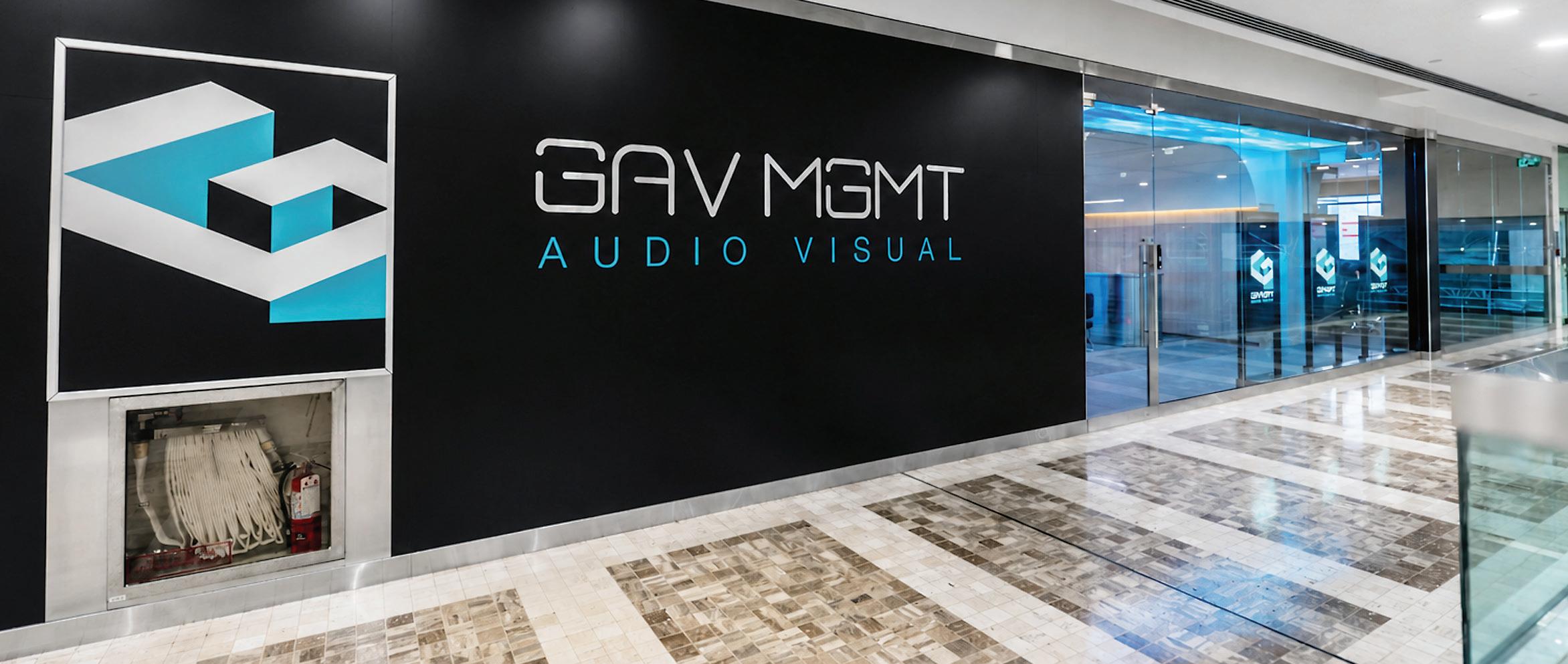
GAV MGMT, an integration firm specializing in enterprise A/V, digital signage and physical security solutions, recently celebrated the opening of its new office and demonstration space in downtown Toronto.
Located in First Canadian Place, the GAV MGMT Experience Centre is “a hands-on destination where clients, consultants, architects, designers, developers, and industry partners can experience integrated technology in a real-world environment,” according to the company.
“The Experience Centre is a physical expression of how we believe technology should be experienced,” said Maurice Gaudio, CEO of GAV MGMT, in a statement. “It is not about showing individual products in
isolation. It is about demonstrating how integrated systems work together to create spaces that communicate better, collaborate better and perform better.”
The location is designed to showcase solutions for markets including enterprise, commercial real estate, hospitality, retail and education.
Some of the technology featured includes a large LED display wall supported by integrated audio, networked AV distribution, intelligent video conferencing with AI- enabled camera tracking, ceiling microphone technology, and AI-enabled security, analytics and access control.
In addition to the new Toronto office, the company also has locations in Mississauga, Ont., and Montreal.
ASSA ABLOY acquires Sentinel Dock & Door
ASSA ABLOY recently announced it has acquired Sentinel Dock & Door, an Ontario-based commercial dock and door service company.
“I am very pleased to welcome Sentinel to ASSA ABLOY. This acquisition delivers on our strategy to strengthen our position in mature markets through adding complementary products and solutions to our core business,” said Nico Delvaux, president and CEO, ASSA ABLOY, in a statement.
“The acquisition of Sentinel significantly strengthens our direct channel presence, including service, and broadens our footprint across Canada. With their strong, service-oriented business and well-established operational platform, we are well-positioned to accelerate growth in the market,” added Massimo Grassi, executive vice-president of ASSA ABLOY and head of the Entrance Systems Division.
Sentinel was founded in 1983 and has approximately 375 employees. The company is headquartered in Ontario with coverage across Canada.
August 12, 2026
CANASA Eastern Ontario Regional Council Golf Tournament Ashton, Ont. www.canasa.org
September 10, 2026
CANASA Golden Horseshoe Regional Council Golf Tournament Troy, Ont. www.canasa.org
September 14-16, 2026
GSX Atlanta, Ga. www.gsx.org
September 15, 2026
ADI Expo Vancouver, B.C. www.adiglobaldistribution.ca
September 17, 2026
CANASA Quebec Regional Council Golf Tournament Notre-Dame-de-l’Île-Perrot, Que. www.canasa.org
October 20, 2026
National Monitoring Station Symposium Toronto, Ont. www.canasa.org
October 20-21, 2026
Securing New Ground New York, N.Y. sng.securityindustry.org
October 21-22, 2026
Security Canada Central Toronto, Ont. www.securitycanada.com
October 24, 2026
Career Expo West Calgary, Alta. www.emergencyservicesexpo.ca
November 3-5, 2026
ISC East New York, N.Y. www.isceast.com
November 12, 2026
ADI Expo Montreal, Que. www.adiglobaldistribution.ca
(Image: GAV MGMT)

The Monitoring Association (TMA) has named Chris Mahoney as its director of certification, a newly created role at the association.
According to TMA, Mahoney will lead the growth of TMA’s certification portfolio, including the Five Diamond, FirstNet, and IQ programs, while developing new credentialing opportunities for the professional monitoring and response industry. Most recently, Mahoney served as senior manager of program development for the National Apartment Association.
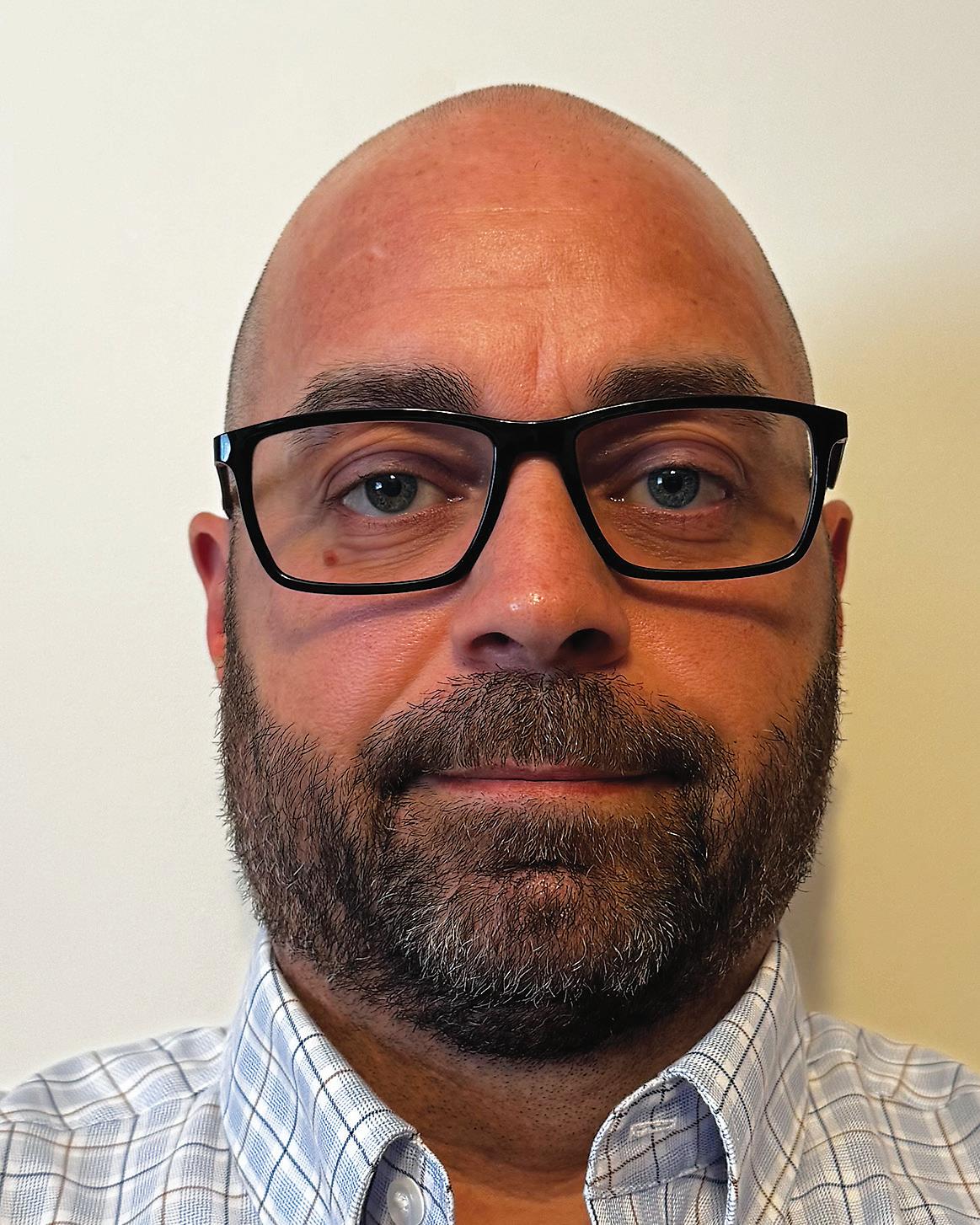
The Canadian Security Association (CANASA) recently announced the appointment of Dan Baynton as education manager. According to the association, Baynton will lead CANASA’s education initiatives “helping to strengthen training opportunities, industry standards, and career development programs across Canada.”
applications
Reed Security installs security system for YWCA Saskatoon Saskatoon-based security services provider Reed Security recently installed a security system for a YWCA location.

The YWCA facility in Saskatoon, which includes a new 90-space childcare centre, was selected as the inaugural recipient for Reed’s Community Cameras grant program. “We wanted to ensure their new space was as safe and secure as possible,” stated Reed Security in a recent website post.
To undertake the project, Reed shut down its own offices for the day. Reed’s technicians served as team leads while other staff, including sales, administration and support, helped out by pulling wire and mounting cameras. “It was a phenomenal day of hands-on learning, cross-training and team building,” said the company.

IQSIGHT, formerly Bosch Video Systems, announced that Ted Wilkinson, has joined its executive team as vice-president of sales for North America. In his new role, Wilkinson will be responsible for accelerating sales growth, executing regional go-to-market strategy, and deepening engagement with IQSIGHT’s channel partners and customers, according to the company.
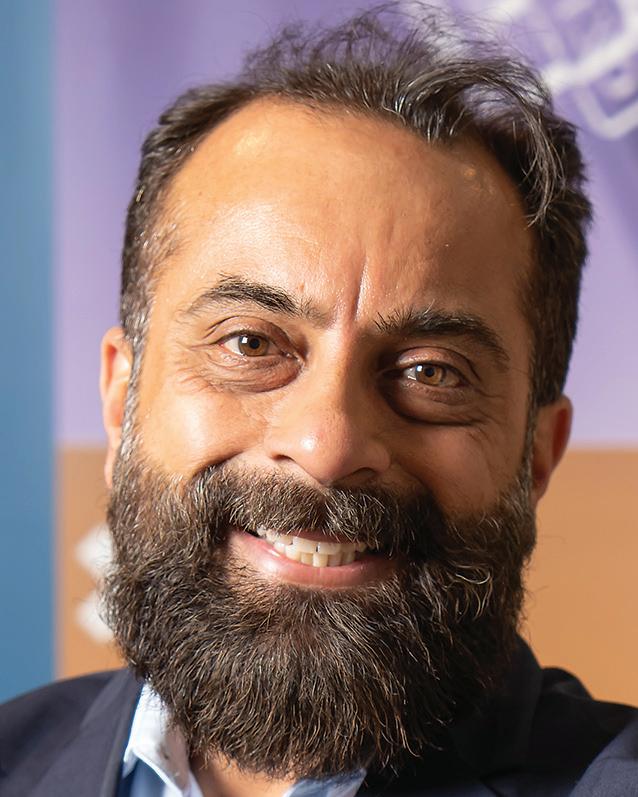
Imran Hasan has joined 21 Electronic Warfare Regiment as Honorary LieutenantColonel. The regiment (21 EW Regt) is an integrated reserve and regular force unit of the Canadian Combat Support Brigade (CCSB). Hasan also is the president of Transglobal Systems of Canada (TSOC) based in Mississauga, Ont. In addition, he serves as the chair of Peel Regional Crime Stoppers and as a director with the Canadian Forces Liaison Council.

Barox Communication Corp., the U.S. subsidiary of barox Kommunikation AG, based in Baden, Switzerland, has announced the appointment of Andy Acquarulo as director of business development for North America. According to the company, it has developed a set of networking products and technologies geared to the requirements of video security networking in critical infrastructure environments.
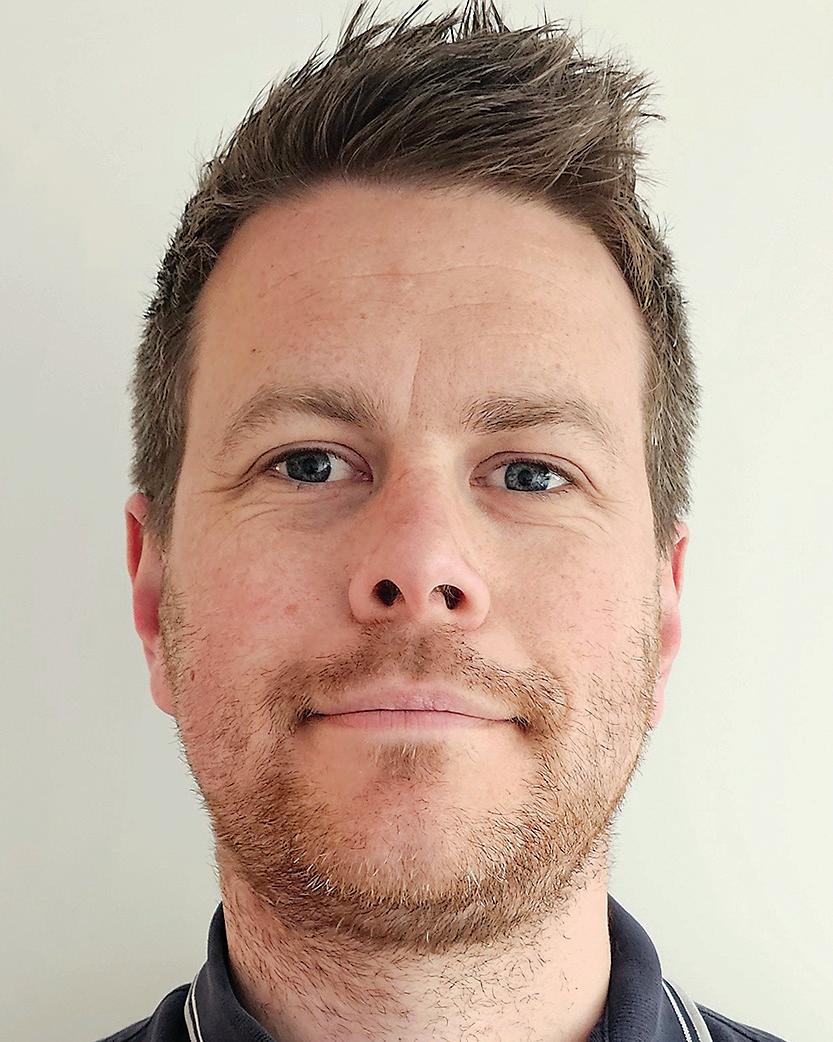
Secure Logiq has appointed Miles Davies as technical programs manager. Davies has more than 20 years of experience in IP-based CCTV and video management systems. In his new role, Davies will work closely with Secure Logiq’s engineering, technical and customer-facing teams, helping to shape technical programs, and support partners and customers. Davies most recently served as director of global support services at ORBNET Systems.
London
borough updates video infrastructure
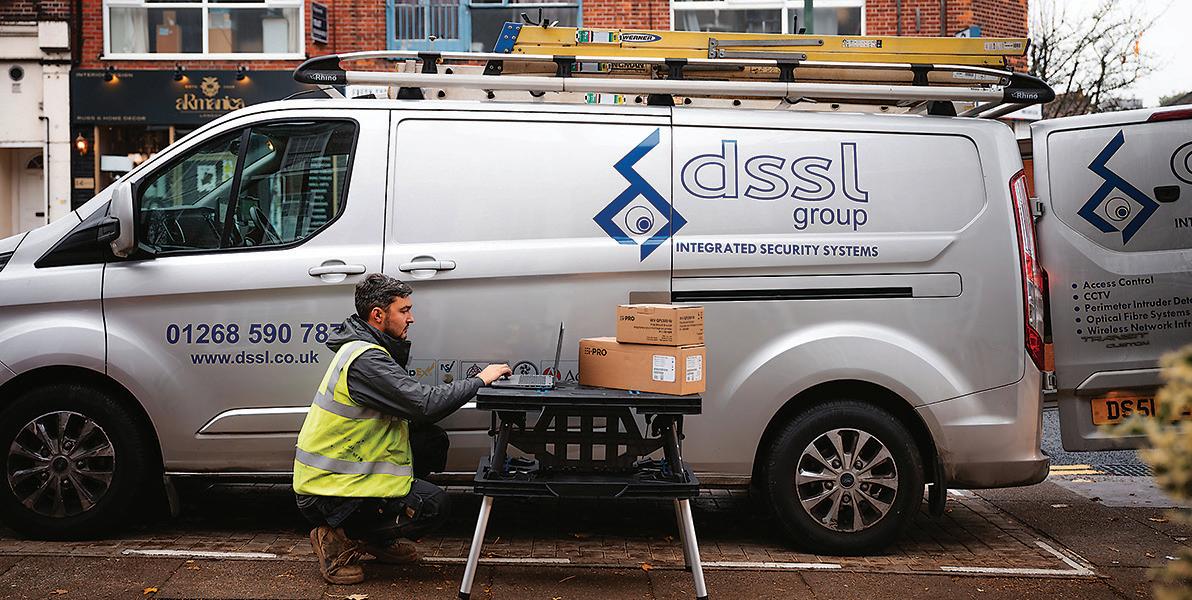
Barnet London Borough Council in the U.K. opted for a phased video infrastructure upgrade using the i-PRO X-series AI Processing Relay Application.
The application adds AI-powered analytics to existing legacy cameras, including those from other manufacturers. The project also integrated new i-PRO cameras with an upgraded control room and a Genetec VMS.
“With an initial £1 million investment, the council has maximized existing infrastructure to expand its data capabilities without significant additional spending,” stated Aaron Stephens, managing director at installer DSSL Systems.
Body cams deployed for police academy training

The North Central Texas Council of Governments (NCTCOG) Regional Police Academy has deployed body cameras from Motorola Solutions for training purposes.
The NCTCOG Regional Police Academy began integrating the V700 body cameras into training earlier this year. Video captured during simulated public interactions and emergency response exercises is designed to help the next generation of officers review performance and identify improvement opportunities.
“The footage translates to better insights, better feedback and better teaching,” said Christy Martinez, the director of the NCTCOG Regional Police Academy, in a statement.
The academy trains approximately 250 recruits annually.
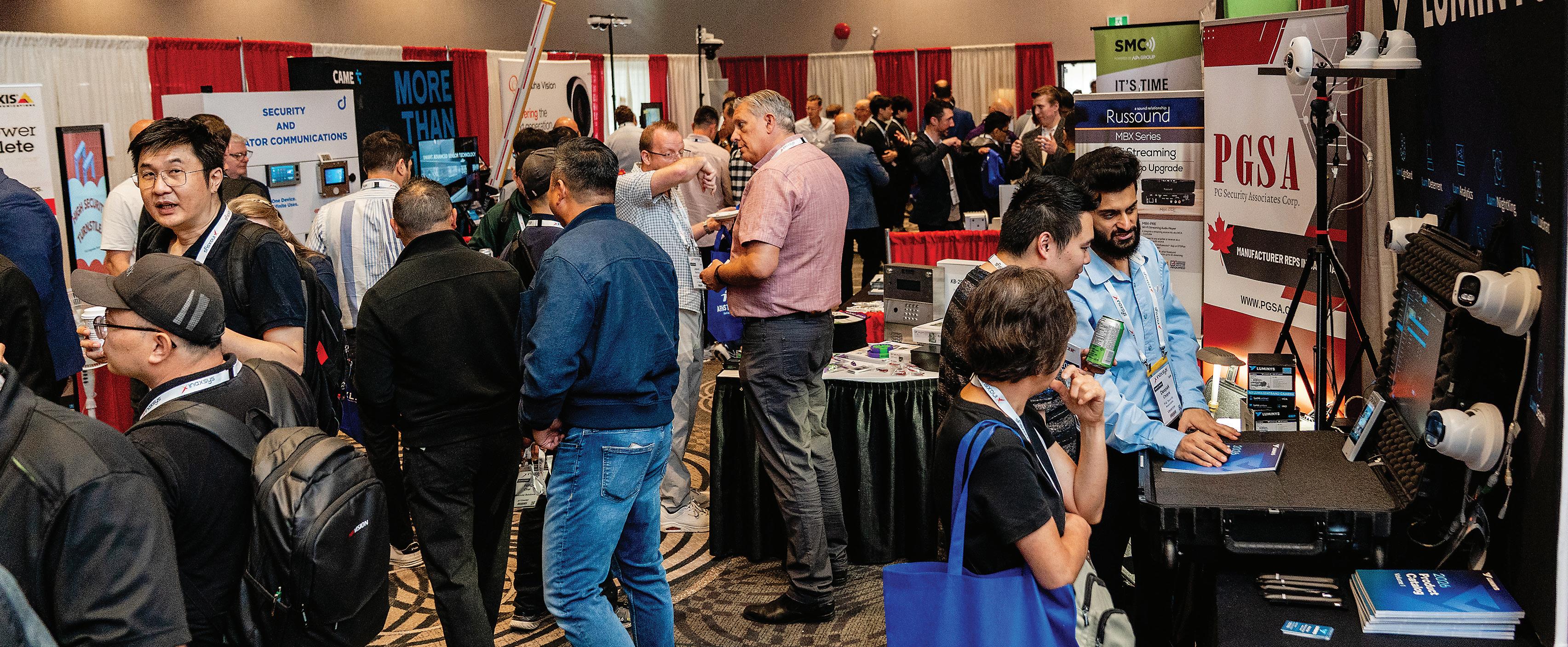
Security Canada West draws almost 600 attendees
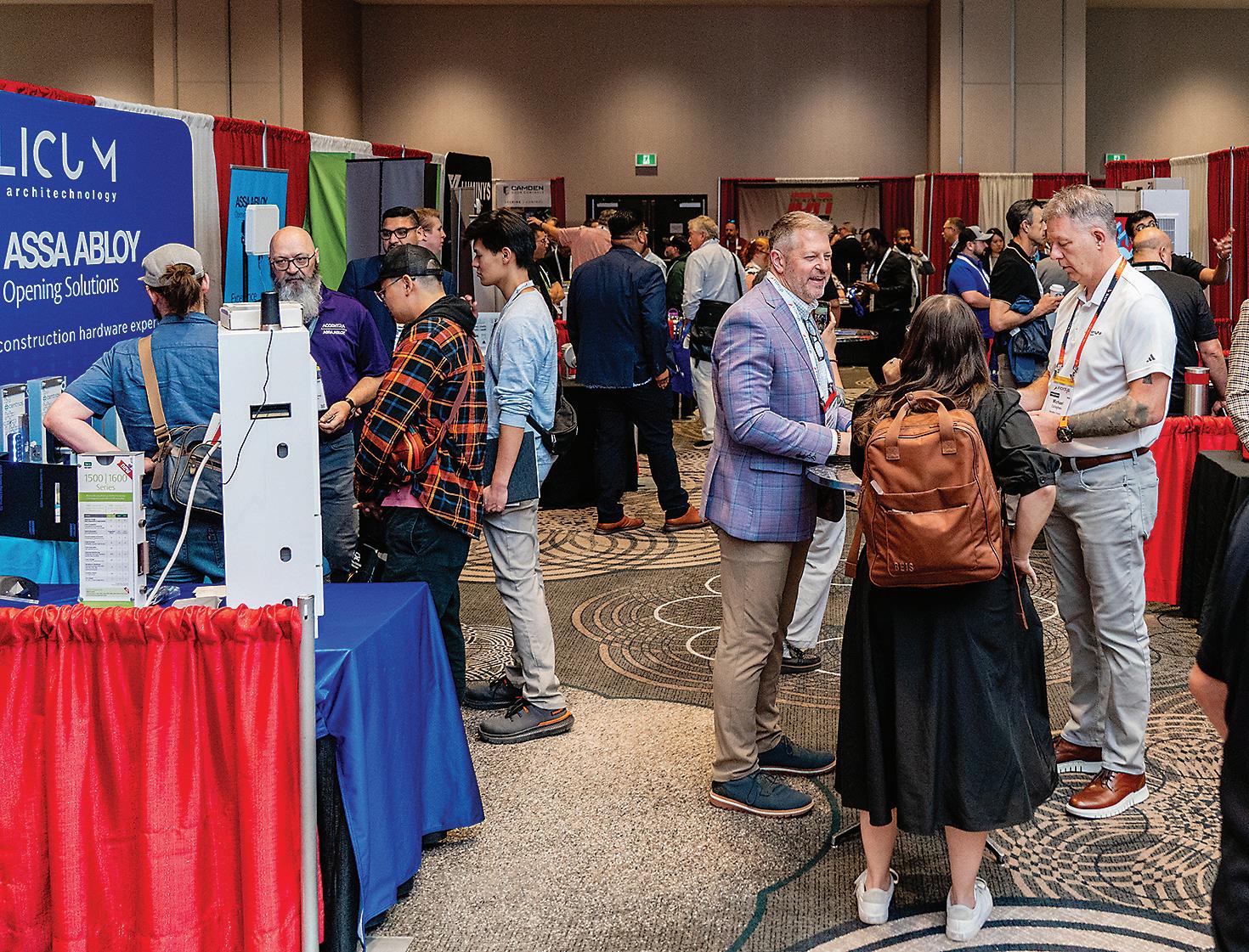
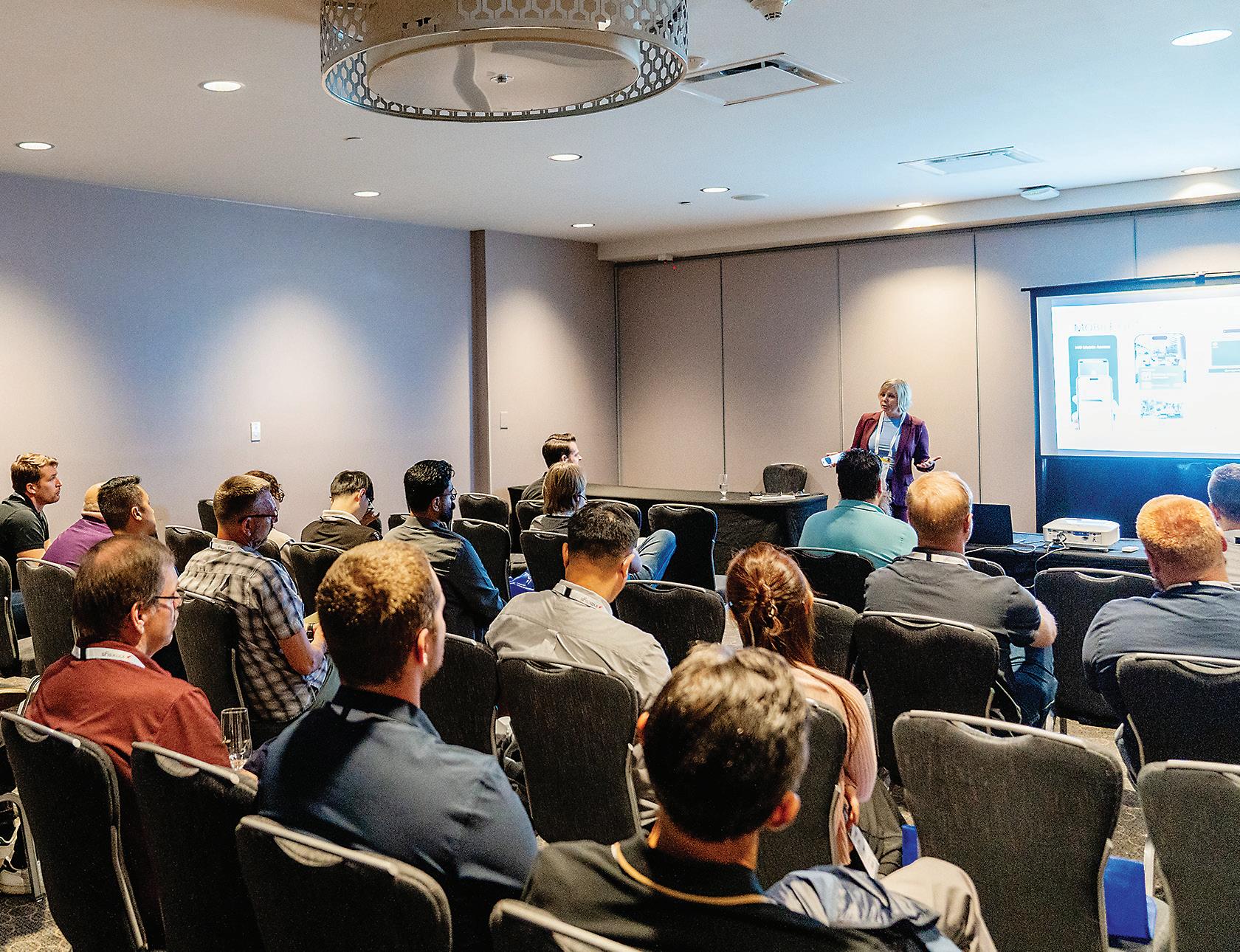
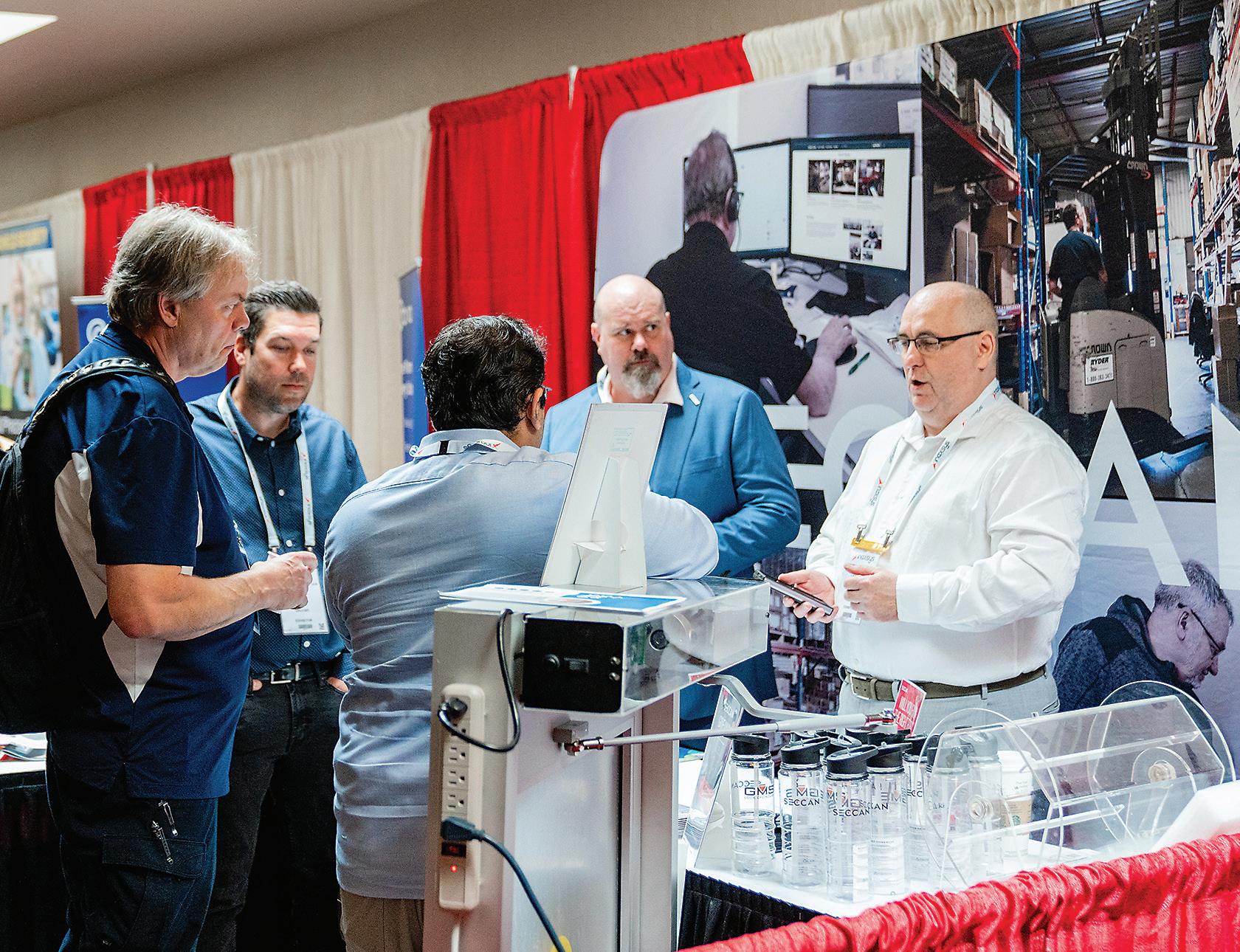
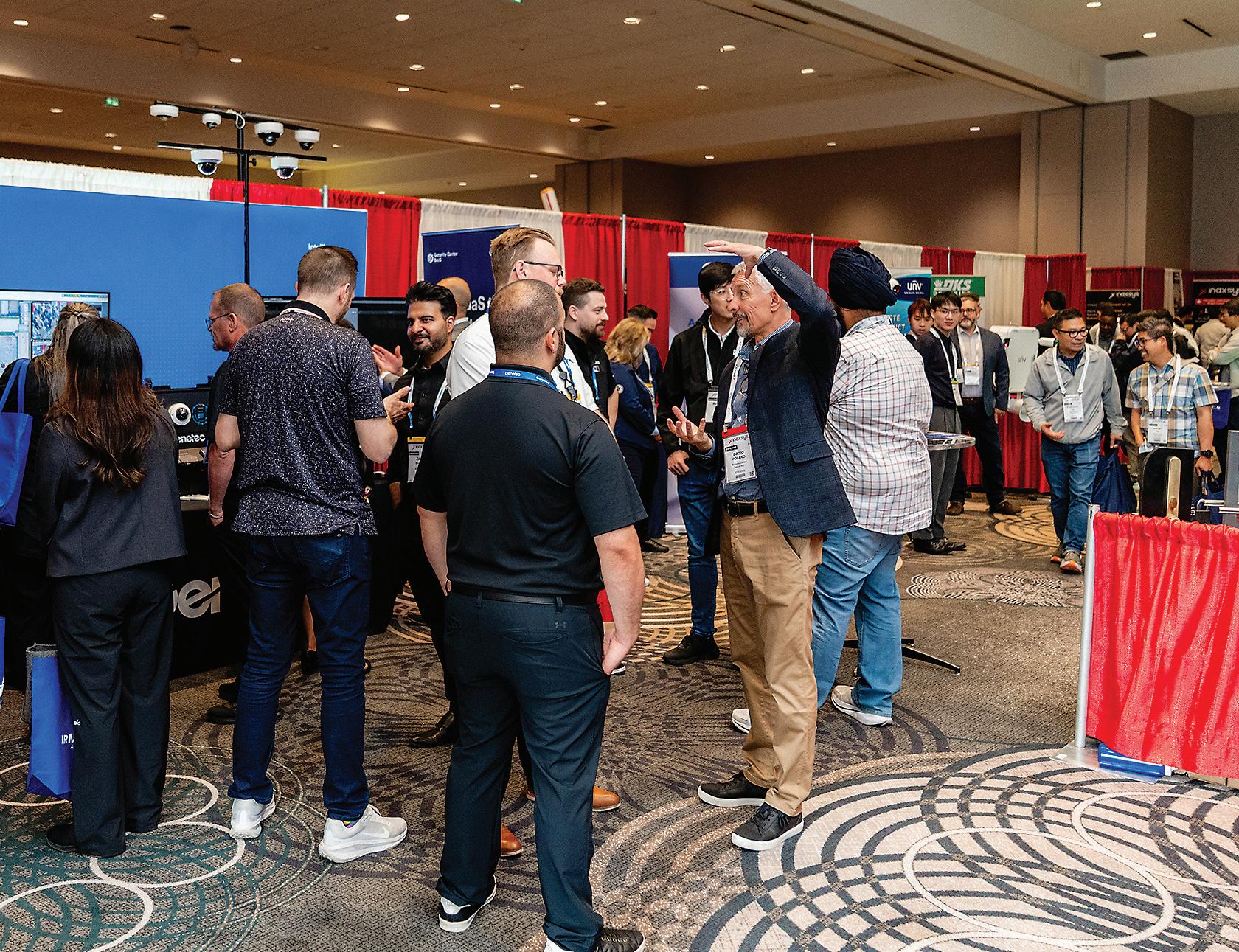
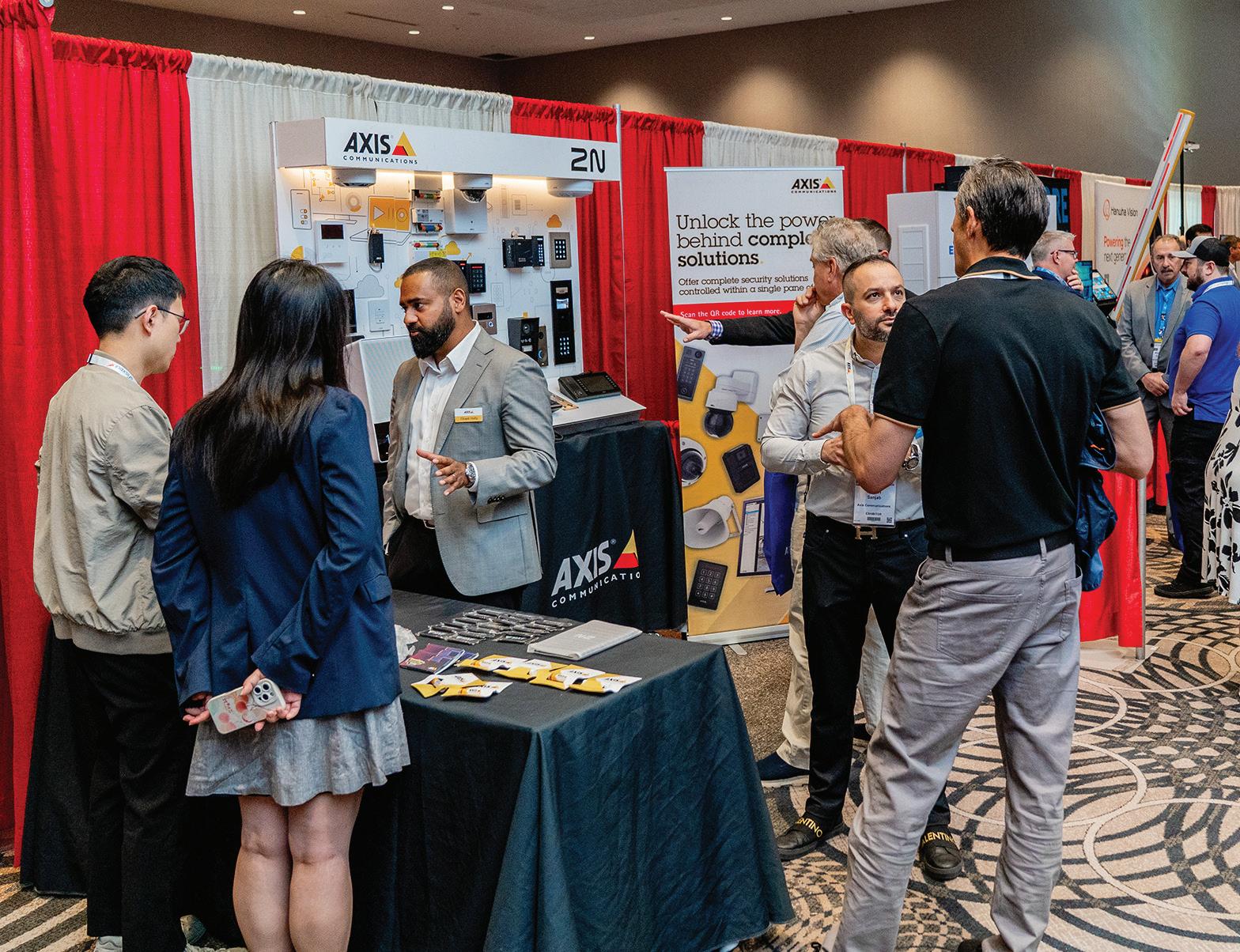
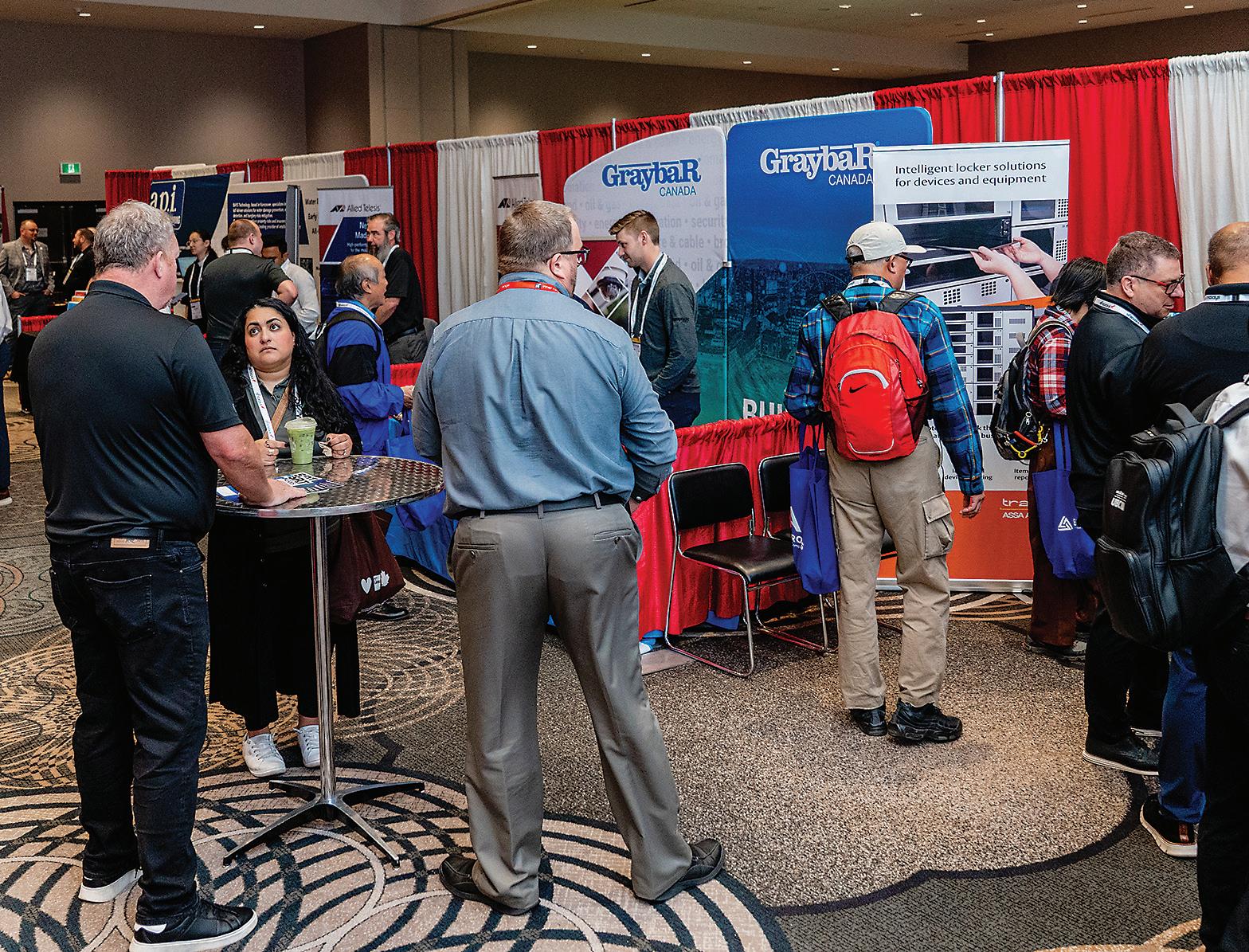
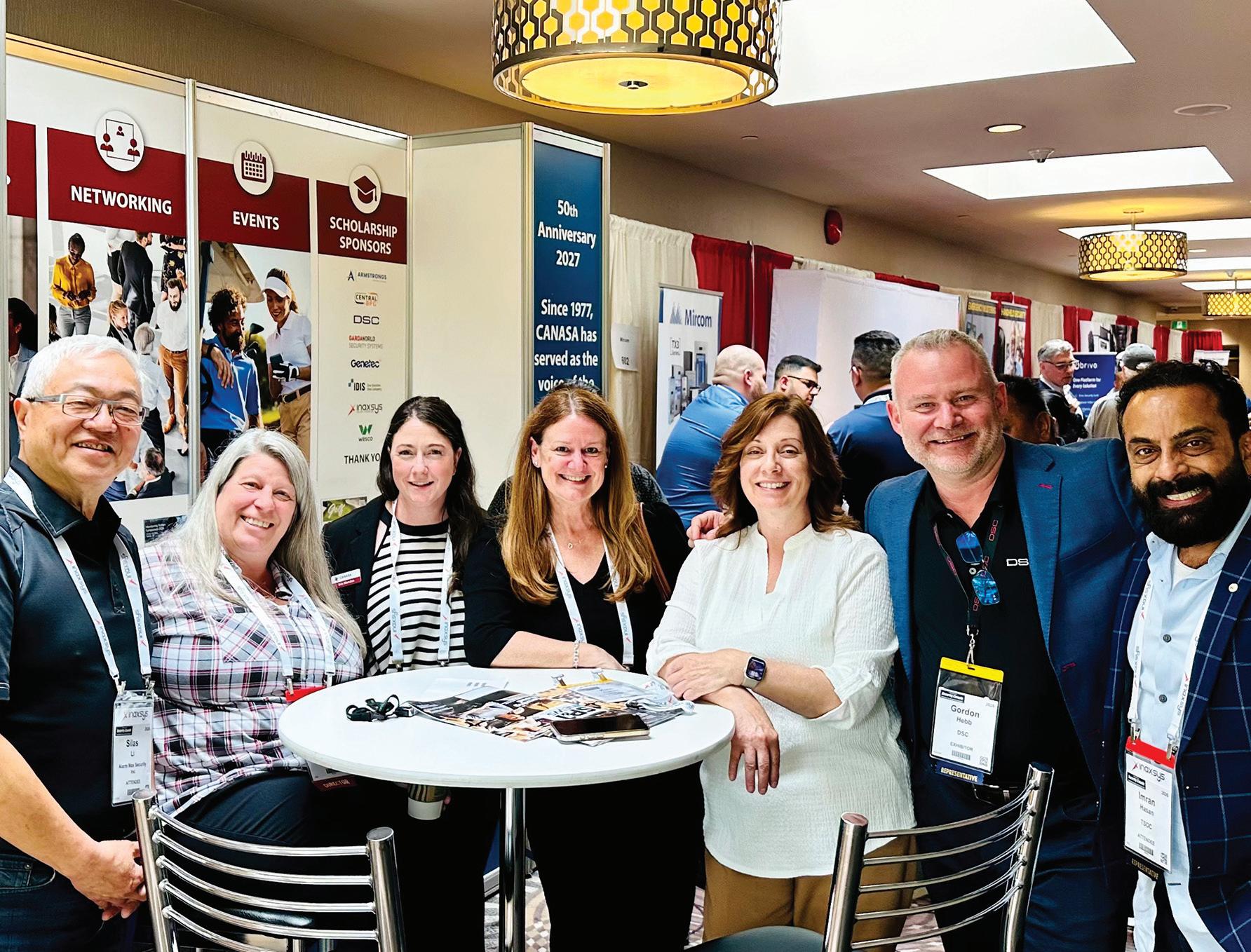
The Canadian Security Association (CANASA) held its annual Security Canada West showcase in Richmond, B.C., on June 3, drawing 65 exhibiting companies and a record 590 attendees to the event.
CANASA will host its final showcase of the year, Security Canada Central, on Oct. 21-22. The bi-annual National Monitoring Station Symposium will be held the day prior on Oct. 20.
For further Security Canada details, visit www.securitycanada.com. For all other CANASA-related events, including the monitoring symposium and upcoming golf tournaments, visit www.canasa.org.

Kim Caron
CANASA to partner with ASIS Toronto for WIS event
TWe are actively exploring opportunities to enhance the attendee experience.
his year at Security Canada Central, we are excited to partner with ASIS Toronto to host a WIS+E (Women in Security + Everyone) Breakfast Leadership Mixer.
This meet-and-greet event will take place on Oct. 22 at the Toronto Congress Centre. Our keynote speaker is Christine Sampaio, lead of security operations and resilience at Google Canada. More details can be found on the Events section of our website (www.canasa.org).
A nother key highlight is our National Monitoring Station Symposium on Oct. 20. Under the leadership of Shelley McQuigge, our committee has secured an exceptional line-up of speakers.
We are also proud to share that Steve Basnett has expanded the
exhibitor show floor by adding 11 additional booths, making this the largest Security Canada show to date.
With our waitlist continuing to grow, we are actively exploring opportunities to further expand the show floor and enhance the attendee experience. At Security Canada East, we introduced a tented space to accommodate the lunch crowd, improving flow and movement across the show floor, representing an approach we will continue to build on moving forward.
Our Gala Event was a tremendous success. A sincere thank-you to the local council, our sponsors and Kathryn MacDuff for their efforts. We are thrilled to say that we were completely sold out.
Erin Marsden continues to work
tirelessly with our councils across Canada to ensure our golf tournaments are a success. We are happy to announce that many are sold out or close to capacity. A huge thank-you to our sponsors and the many golfers who join us.
As we have been reporting over the past months on CANASA’s role in educational development, we are pleased to welcome Dan Baynton as CANASA’s new education manager. Dan brings extensive industry experience and a strong passion for education. We look forward to the relaunch of the ATC and the continued development of our accredited program.

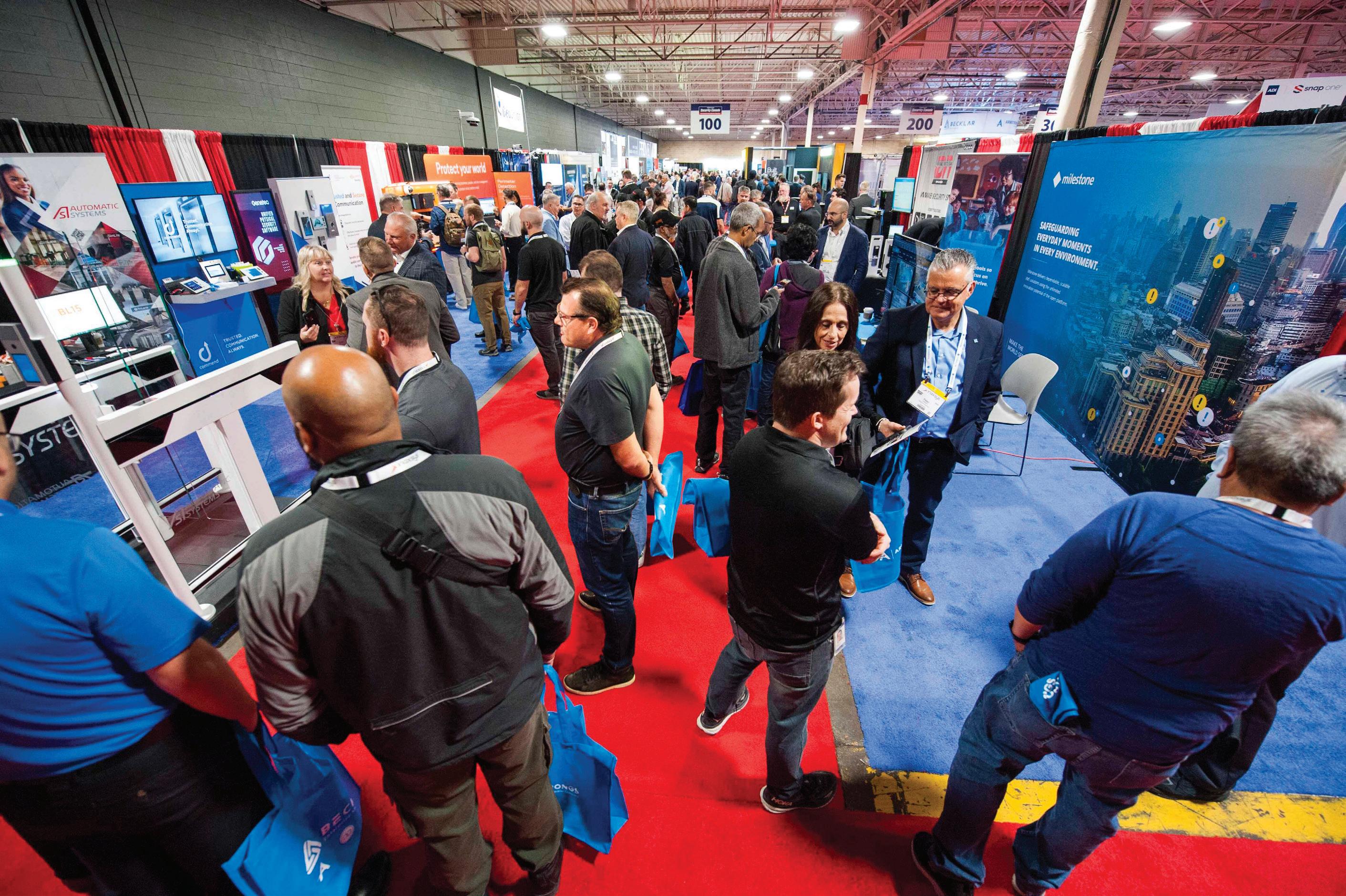
Largest Security Shows





Kim Caron is the executive director of the Canadian Security Association (www.canasa.org).

Victor Harding
The spreadsheet all monitored account sellers have to fill out
All sellers of monitored accounts have to complete an Excel spreadsheet on their accounts before they complete a deal.
It doesn’t matter if the seller is doing an asset or share deal or if the account base is big or small — the dreaded spreadsheet has to be filled out. Sellers need to know how to fill out this spreadsheet in advance of selling because a typical version requires lot of different information and usually takes quite a long time to complete.
Start early on this spreadsheet and doublecheck your work.
So why is this so important? First, it lists the accounts that are being sold in the deal and as the accounts are often the greatest source of value, both the buyer and seller need to have a list of what is being sold. A shortened version of this spreadsheet with just the account name is often attached to the asset purchase or share purchase agreement in the closing documents.
Secondly, there are columns on the spreadsheet that calculate the “deferred or unearned revenue” on the accounts as at the planned closing date. Deferred revenue is that revenue billed by the seller on each account beyond the closing date. Most, but not all, alarm account buyers today deduct the deferred or unearned revenue from the gross purchase before coming up with a net purchase price. Most spreadsheets will calculate this automatically.
Finally, the buyer will likely use the details on the spreadsheet to do the post-closing billing on the accounts. The spreadsheet tells the buyer on each account what the monthly billing rate is, how often the accounts are billed (monthly PAP, quarterly or annually), what the next billing date is and where the invoice should be sent if the billing address is different from the installation address.
It is very important that the buyer get exactly the right information to

bill the accounts after closing. Nothing will frustrate customers more than if they get a series of incorrect invoices immediately after receiving a letter from the buyer telling them how much they care about looking after the customer.
Let’s go over the major columns in a typical spreadsheet to explain what they mean:
• The first column refers to the number in the account list being sold
• Account # refers to the # that the existing monitoring station has assigned to that account
• Installation A ddress refers to name of the customer and exactly where the system is installed including the telephone number
• Monthly M onitoring refers to all the monitoring services the account receives but in each case, we want the rate (not the cost) that is charged and the service has to be Recurring Monthly Revenue (RMR).
• Billing Frequency and Deferred R evenue. This section of the spreadsheet tells the buyer how the accounts are billed (monthly PAP, quarterly or annually), when the last and next billing date is and
finally it calculates the deferred revenue
• Billing Information and Address. These columns tell the buyer if the billing address is different than the installation address
• Other I nformation: More and more buyers want these columns filled in as well. For example, is there a signed contract? Is the account residential or commercial? What type of panel is installed?
Some tips from having seen sellers struggle with this spreadsheet:
• Someone with Excel spreadsheet skills will have a much easier time
• In some cases, information from the seller’s billing system can be “cut and pasted” into this spreadsheet
• If Deferred Revenue shows as negative, something has been done incorrectly on the billing end
• The N ext Billing Date and Deferred Revenue columns will change with the Closing Date
• If you are a seller, start early on this spreadsheet and double-check all your work. It can affect your purchase price.

seeing,” Lowry says. “We’re entering into the real awareness stage, where people are thinking about it, they’re starting to research, they’re starting to get calls from insurance, but I think probably starting next summer, we’re going to start to see more of this stuff pre-planned.”
The value of consultation
While more and more event organizers are starting to understand the need for these types of systems, most still require additional consultation with product experts to ensure they rent or purchase the right types of bollards and barriers for their applications.
“We’re giving advice on making sure that you’re looking at the right crash rating; you have the right amount of stopping power for the run-in distance the vehicle can get approach speed to; and the right standoff distance to make sure that once it’s hit that the pedestrians are not going to be impacted in any way,” Bobrosky says.
Only a few data points are typically needed, which makes these consultations fairly simple to perform.
“We fly out to a lot of facilities and proactively do site walks with the security professionals to give them
those tips and tricks, and in just a few hours, it makes it really easy to set up,” Bobrosky says.
Ontario government funding assistance
When it comes to getting barriers and bollards in place for crowd protection, there hasn’t always been government funding available for commercial applications. Many potential commercial customers are unaware of physical security mandates, if they exist at all.
One sector where that is changing rapidly is within daycare facilities across Ontario.
In September 2025, a vehicle drove through the front window of a childcare centre in Richmond Hill, Ont. A toddler, Liam Riazati, was killed and several other children and adults were injured.
“ We’ve got hundreds of calls since then, and that has raised an unbelievable amount of awareness and government legislation being put into place. But that should have been put into place a long time ago. It’s unfortunately just happening now, because something happened,” Lowry says.
Following the tragic accident, in
December 2025, the Government of Ontario invested $20 million to launch the Liam Riazati Memorial Fund to assist childcare centres with installing concrete barriers. Childcare centres were able to apply for the funding from early 2026 to June 2026.
Since the announcement of the funding for the concrete barriers, interest in other types of barriers and bollards has increased in the Greater Toronto Area (GTA).
“We’re seeing a lot of people still trying to discover what solutions are really the best solution,” says Achoy Ladrick, co-founder of Bollard Boys. “After that grant they implemented for concrete barriers, we’re seeing an influx of inquiries in different daycares asking for specified bollards instead of just concrete barriers.”
When anyone is looking to purchase and install bollards or barriers for an event or a business, Ladrick urges them to do their research first.
“Also, just make a call. I mean, nine times out of 10, you could get a gist of if it’s a contractor looking to make a quick dollar or someone with an actual business that is going to give you a certified product,” he says.
TB100
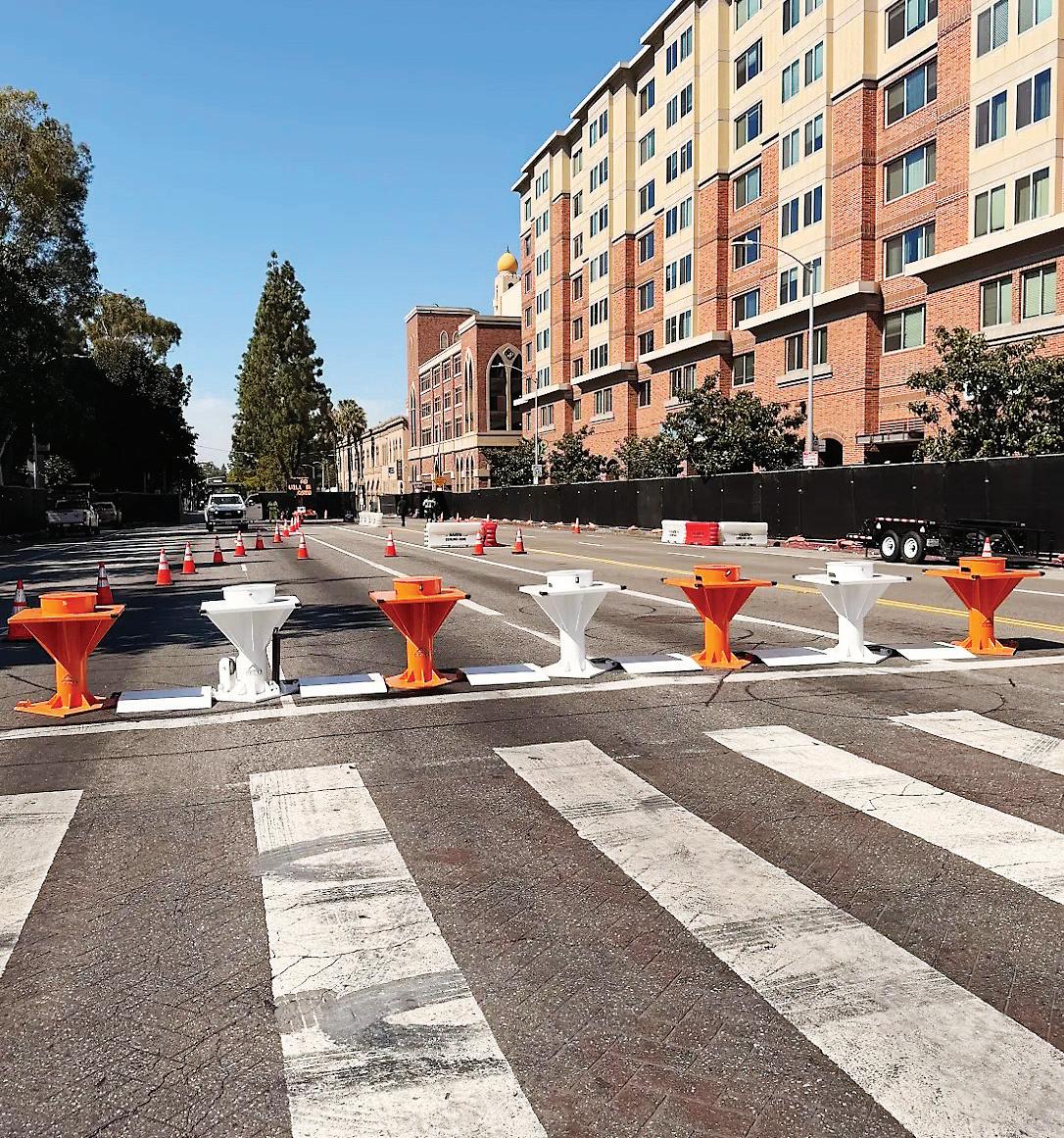
High Security Bollards closing off the street at the Actor Awards (SAG Awards) in L.A. (image courtesy Delta Scientific)
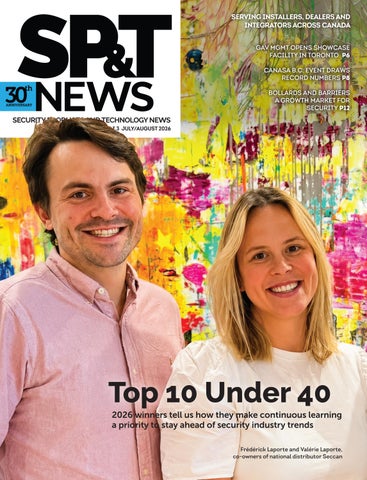
TOP 10 UNDER 40
The SP&T News Top 10 Under 40 recipients for 2026 share perspectives on career growth, opportunities to learn, and the skills essential for continued development
The annual SP&T News Top 10 Under 40 is designed to showcase talent, enthusiasm and professionalism from young leaders across the security industry. This year’s winners focus the conversation on what it takes to stay on top of new technology, business practices and skills development. Please join us in congratulating all 10 of our winners. You can read more about them on www.sptnews.ca.
AMANDA LOCKHART
Founder & CEO, Canada Security Collective, 38
Years in the industry: 15 Years
What are the key moments or decisions that have most shaped your career so far?
One of the most defining decisions in my career was choosing to become someone people could trust, not just in my work, but in how I show up for others. That commitment opened doors I never expected: conversations about the future of the industry, invitations to contribute to new initiatives, and opportunities to connect people who might not otherwise meet. Trust became the foundation of my relationships, and the reason people were willing to share their challenges and ideas with me.
Another pivotal moment was starting Canada Security Collective. I knew there were gaps in how people entered and navigated the industry, but I didn’t realize how large and diverse the ecosystem truly was. Launching CSC revealed how many individuals were quietly looking for guidance, community and clarity in their next steps. It reshaped my understanding of security in Canada; not as a single profession, but as a network of people and pathways that all depend on each other. Building something
that helps people move forward has been one of the most transformative experiences of my career.
What do you enjoy most about your current role?
What I enjoy most is the ability to work at the intersection of people, purpose and progress. Through CSC, I get to support the industry in ways that feel deeply meaningful — helping individuals build confidence, helping organizations strengthen their teams, and helping the broader ecosystem become more connected and future ready. I love creating spaces where people feel encouraged, supported and capable of more than they thought possible. Seeing someone find direction or feel a sense of belonging in this industry is one of the most rewarding parts of my work.
How do you stay current with industry trends and continuously learn?
I stay current by staying curious. I read industry articles, participate in webinars and follow conversations across LinkedIn to understand what practitioners and leaders are experiencing in real time. But the most valuable learning comes from conversations with frontline staff, executives, educators, newcomers and community partners. Those discussions reveal the real trends: where people are struggling, what skills are emerging and where the industry is heading. Continuous learning for me is rooted in staying connected to people as much as information.
What skills will be the most critical for the next generation of security leaders?
The next generation of security leaders will need strong conversational and people-centred skills: the ability to listen, communicate clearly, build trust and navigate complex human dynamics. Curiosity will also be essential as the industry evolves. Leaders who ask good questions, seek diverse perspectives and remain open to learning will be the ones who can bridge disciplines and drive meaningful change.
MICHAEL D’ANGELO Chief Revenue Officer,
The Automated Group, 38 Years in the industry: 17 Years

What are the key moments or decisions that have most shaped your career so far?
One of the most important decisions I’ve made has been to stay curious and remain open to where technology is taking our industry. Early in my career, I realized that security was becoming part of a much larger ecosystem, where software, automation, communications and data all work together to create smarter, more connected buildings and communities.
That mindset led our team to explore opportunities beyond traditional security integration, including the development of CybersuiteX. Working alongside colleagues, customers and technology partners on that journey has reinforced that some of the best innovations come from listening, asking questions and being willing to challenge conventional thinking. More than anything, I’ve learned that meaningful success is always a team effort. I’ve been fortunate to work with talented

people who continue to teach me something new every day, and I’m grateful to be part of a company that has continued to evolve over its 45-year history by embracing change while staying committed to its customers.
What do you enjoy most about your current role?
What I enjoy most is working with people to solve meaningful challenges. Every client has different needs, whether it’s a residential community, health-care facility, commercial building or public institution, and it’s rewarding to help develop solutions that make those environments safer, smarter and easier to manage.
I also enjoy seeing our team grow. Watching employees take on new opportunities, develop into leaders and build lasting relationships with our customers is incredibly rewarding. While technology continues to evolve, it’s the people behind it who make the biggest difference.
How do you stay current with industry trends and continuously learn?
Our industry is changing rapidly, so I’ve learned that staying current requires curiosity as much as technical knowledge. I regularly attend industry conferences, participate in manufacturer training, and follow developments in cybersecurity, artificial intelligence and smart building technologies. Some of my best learning, however, comes through conversations with customers, consultants, manufacturer partners and our own team. Every project presents a new challenge, and those discussions often provide insights that no textbook or conference can.


What skills will be the most critical for the next generation of security leaders?
Technical expertise will always be important, but I believe the next generation of security leaders will need to combine that knowledge with strong communication, adaptability and business acumen. As physical security continues to converge with IT, cybersecurity, cloud platforms and AI, leaders will need to connect people and technologies that have traditionally operated separately.
Just as importantly, they’ll need to lead with integrity and humility. Technology will continue to evolve, but trust remains the foundation of our industry. The leaders who succeed will be those who keep learning, build strong relationships and never lose sight of the people they’re ultimately serving.
IZAAK LEE
Associate, Senior Design Engineer, Fibre Infrastructure Lead, PBX Engineering, 35 Years in the industry: 15 Years
What are the key moments or decisions that have most shaped your career so far?
Early on in my career, I was directly involved in a multi-year project that required troubleshooting, commissioning and activation of a site-wide vehicle access control system. The most memorable moment came when the system was finally ready to go live. There is a unique feeling during those final moments of



commissioning after months of planning, design, installation and testing. You hold your breath and wait to see if the system performs as expected. When the system was successfully brought online and operated as designed, the team had an overwhelming sense of relief, accomplishment and pride.
As I progressed through my career, I began to understand the true responsibility that comes with professional engineering. As I gained experience and took on greater responsibility, I learned that being a professional engineer is not defined solely by the ability to provide answers alone, but by ensuring that the answers are thoughtful, accountable and in the public interest. Our designs have real world impacts on public safety, operational reliability and the longterm success of a project. This mindset continues to guide how I approach projects and leadership opportunities today.
What do you enjoy most about your current role?
One of the most rewarding aspects of the security and technology sector is that it never stands still. New technologies, threats and systems are constantly emerging, often at a pace that outstrips traditional learning methods. There is a great sense of satisfaction in taking lessons learned from previous deployments and immediately applying them to deliver better, more effective solutions.
Another aspect I truly value is the relationships that are built throughout the journey. Over the course of my career, I have had the opportunity to work with a wide range of colleagues, clients, contractors, vendors and industry partners, each bringing their own experiences and perspectives. These relationships often extend beyond individual projects and evolve into lasting professional connections and friendships.
How do you stay current with industry trends and continuously learn?
What I enjoy most is the opportunity to work directly with both end users and installers throughout the lifecycle of a project. These interactions provide invaluable insights into how systems perform in real-world environments and how they are ultimately used by the people who rely on them every day. Whether it’s identifying challenges, highlighting opportunities for improvement or sharing successes, this
“Great technology is a lot like magic, and my role is to tell the story of why it’s magical.”
— Erin Grippo, Brivo
practical knowledge helps me continuously refine my approach and designs for future projects.
What skills will be the most critical for the next generation of security leaders?
A critical skill for the next generation of security leaders is curiosity. Curiosity drives innovation, problem-solving and adaptability. It encourages leaders to ask questions, challenge assumptions and explore new technologies.
Curiosity drives us to explore emerging trends and how they can be applied to bridge the gap between technical possibilities and practical solutions that serve the public effectively. As practitioner s in the technology field, we need to be lifelong learners who embrace change rather than resist it. Those who remain curious will be best positioned to navigate evolving risks, leverage new technologies responsibly, and make informed decisions that deliver lasting value to their organizations and communities.
ERIN GRIPPO
Director, Product Marketing, Brivo, 32 Years in the industry: 10 Years

What are the key moments or decisions that have most shaped your career so far?
About five and a half years into my marketing career, I made a deliberate pivot into product and business operations. I knew marketing and communication were my long-term strengths, but I wanted a fuller picture of how our industry actually operates.
A series of wonderfully varied roles, capped by my first two years at Brivo in product operations, gave me exactly that. Those years were like a living MBA, genuinely transformative.
What do you enjoy most about your current role?
I love how collaborative it is. Product marketing sits in such a privileged spot at Brivo — shaping brand awareness and market perception takes real cross-functional collaboration, so we partner with nearly every department to bring our solutions to life for customers.
Great technology is a lot like magic, and my role is to tell the story of why it’s magical. It sounds cliche, but taking complex technical developments and translating their value to the market is genuinely fun. My operations background informs that work, too. Those roles taught me what it takes to commercialize a product and bring it to market successfully, not just tell its story.
How do you stay current with industry trends and continuously learn?
I stay current by staying close to the conversation: security publications, LinkedIn threads, the Access Control Collective, and industry events whenever I can. But I learn the most from people.
My work with SIA RISE and the Foundation for Advancing Security Talent connected me with professionals who have become teachers, mentors, sponsors and friends. There is no better or faster way to understand where the industry is heading than learning directly from the people shaping it.
What skills will be the most critical for the next generation of security leaders?
Curiosity, work ethic and trust. The best leaders are relentlessly curious — not just asking what’s next, but going deep enough to master the material. Real competence builds genuine confidence, and deep command of a subject, skill or strength becomes one of your most impactful assets. Work ethic turns that knowledge into progress, and trust is the foundation for all of it. It has to be earned from your community, customers and colleagues, and extended generously in return.
VALÉRIE LAPORTE
Co-owner, Seccan, 36 Years in the industry: 6 Years
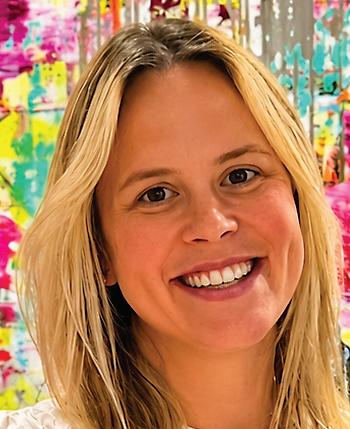
What are the key moments or decisions that have most shaped your career so far?
One of the most defining moments in my career was joining Seccan as both a shareholder and leader after my father acquired the company. It was a leap of faith that gave me the opportunity to help shape the future of a family business while working alongside my father and brother. From day one, I knew I wanted to help build something that would last, not just grow the business, but strengthen the culture behind it.
Over the years, I have had the opportunity to lead initiatives that have modernized the company, including the implementation of a new ERP system,
the launch of our e-commerce platform, and the development of long-term growth strategies. While I am proud of those accomplishments, what I value most is helping create a workplace built on collaboration, trust and mutual respect.
Those experiences have taught me that leadership is not about having all the answers. It is about listening, empowering others and creating an environment where people feel confident to contribute their ideas and grow together. That has become my definition of success.
What do you enjoy most about your current role?
Without question, it’s the people. I genuinely enjoy working with our team and appreciate the trust they place in me every day.
I love taking the spark of an idea, bringing people together to brainstorm, and turning that idea into reality. Whether we’re improving a process, launching a new initiative, or finding a better way to serve our customers, the most rewarding
part is seeing what can be accomplished when talented people collaborate toward a common goal.
Watching those ideas become real and seeing the positive impact they have on our employees, customers and partners, is what motivates me every day.
How do you stay current with industry trends and continuously learn?
I believe curiosity is one of the most important qualities a leader can have. The moment you think you’ve learned everything is the moment you stop growing.
I make a point of learning from every part of our business by spending time with customers, listening to our vendors, collaborating with our teams across Canada and staying connected to new technologies and market trends.
I also believe in getting hands-on with the products we sell because understanding our customers’ challenges firsthand leads to better decisions.
For me, continuous learning isn’t something I schedule, it’s part of how I lead.

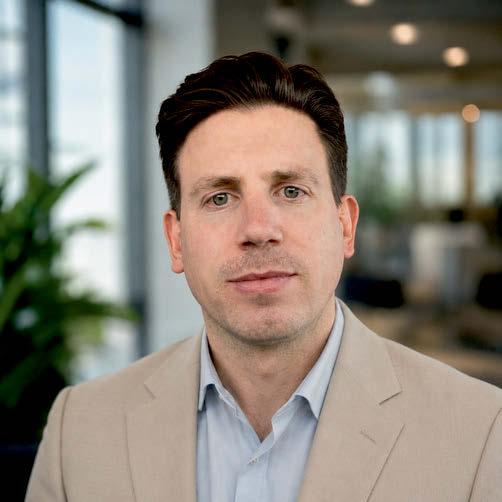
Every conversation is an opportunity to learn something new.
What skills will be the most critical for the next generation of security leaders?
The next generation of security leaders will need to balance strong people skills with a willingness to embrace change. Technology is evolving rapidly, but leadership will always be about building trust, communicating openly and empowering people to succeed.
Curiosity and adaptability will also be essential. Our industry is changing through advances in AI, connected technologies, automation and evolving customer expectations. Leaders must be willing to continuously learn, challenge traditional ways of thinking and help their teams navigate change with confidence.
Above all, future leaders must never lose sight of the customer. The ability to listen, understand real-world challenges and build lasting relationships will remain just as important as adopting new technologies. The leaders who combine emotional intelligence, strategic thinking and innovation will be the ones who shape the future of our industry.
PETER ROSSANO
CEO, L’Aquila Electronic Security, 39 Years in the industry: 16 Years

What are the key moments or decisions that have most shaped your career so far?
One of the biggest influences on my career was my father, Joseph Rossano, who was highly respected in the security industry and known for helping others. Watching the trust he earned taught me the importance of integrity, reliability and strong customer relationships. Those values have guided me throughout my 16 years in the family business and continue to shape how I serve our clients today.
What do you enjoy most about your current role?
What I enjoy most about my role is helping people feel safe and secure. I take a lot of
“There’s always something new to pick up on a project.”
— Hans Study, Bosch
pride in earning my customers’ trust and building long-term relationships with them. Every day is different and I enjoy finding the right solutions for each client’s needs while continuing the values of integrity, reliability, and service that I learned from my father.
How do you stay current with industry trends and continuously learn?
The security industry is constantly evolving, so it’s important to stay up to date with new technology and industry developments. I do that by working closely with manufacturers, attending training sessions, networking with other professionals, and staying informed on emerging trends. After 16 years in the industry, I’ve learned that continuous learning is essential to providing the best solutions for our clients.
What skills will be the most critical for the next generation of security leaders?
The next generation of security leaders will need to adapt as technology in alarm and security systems continues to evolve. Strong knowledge of modern systems, installation and service will be essential, along with problem-solving and attention to detail. Just as important are trust, integrity and strong customer service, which will always be at the core of the industry.
HANS STUDY
Senior Project Manager, Bosch Building Technologies, 33 Years in the industry: 15 Years
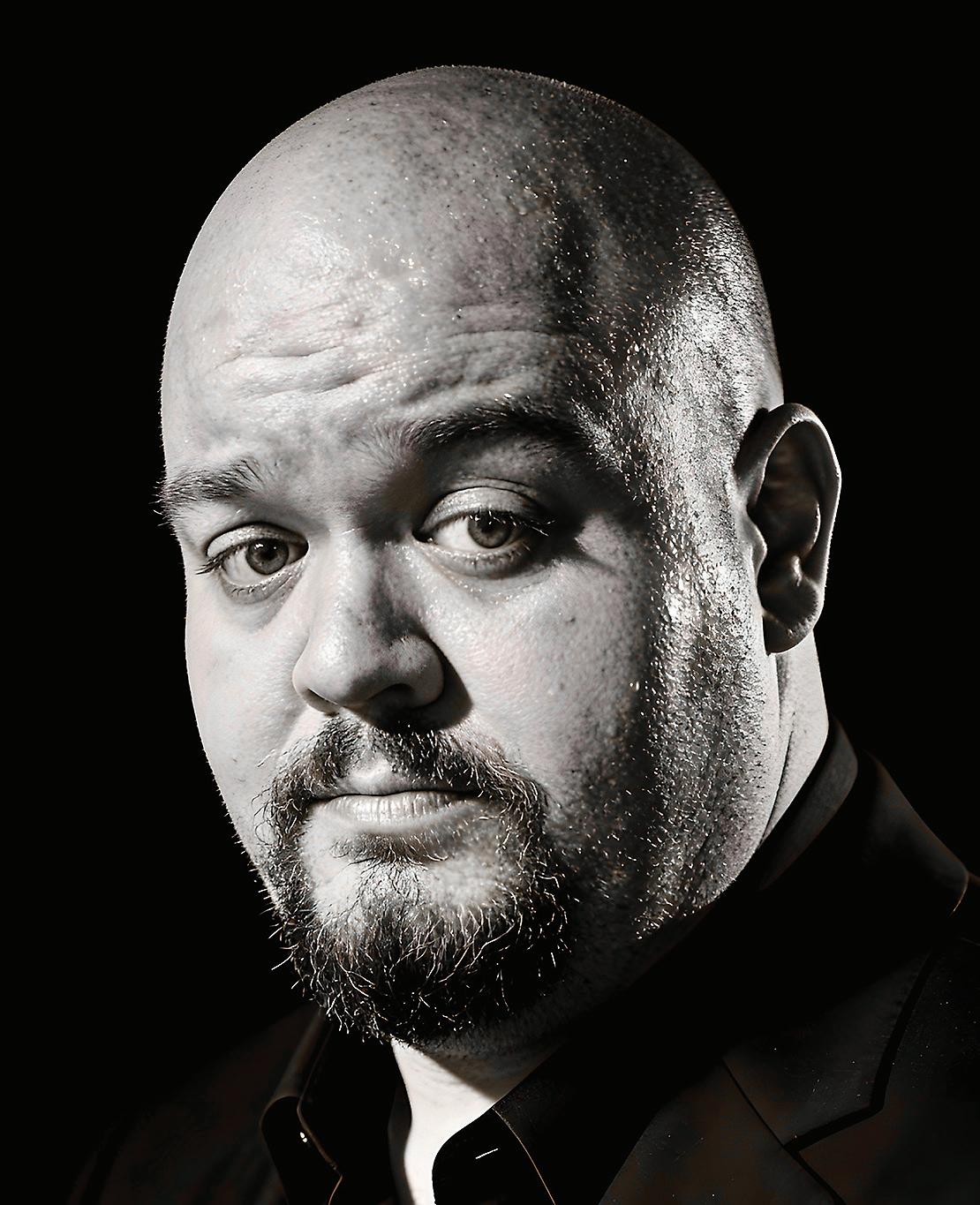
What are the key moments or decisions that have most shaped your career so far?
The first was taking ownership of the CCTV and access control systems while I was a network architecture specialist in the federal space. Before that I’d only done a bit of side work with cameras and access control, plus
Building Technologies
locksport (also known as “sport-picking”) for fun. Saying yes dropped me straight into enterprise systems and modernizing the security infrastructure at a major international crossing. The hobby became the job.
The second was teaching. When an associate professor role came up at Lambton College I almost said no, because getting in front of people has never come easy to me. I said yes anyway. It pulled me out of my shell, changed how I deal with people, and showed me how much I enjoy sharing knowledge.
What
do you enjoy most about your current role?
The people, mostly, and the problem solving. I like working with the clients, the vendors and the other trades, and there’s always something new to pick up on a project.
The day job doesn’t let me be as handson as I’d like, but I still get a lot out of taking a spec and turning it into a system that works, then tuning it to run the way the client operates. Also, there’s a real sense of accomplishment at the end of it, standing back on a finished build and knowing my name is on something solid and the client is happy.
How do you stay current with industry trends and continuously learn?
I’m always buried in something new. I thrive on it, especially anything security, network or systems related. Days are for managing projects. Nights and weekends go to consulting and the home lab, running security hardware, network gear and servers galore — a place where I can let my curiosity take over and I’m either researching something or taking it apart to see how it breaks and how I can put it back together.
What skills will be the most critical for the next generation of security leaders?
Networking is the one nobody can skip anymore. CCTV and access control stopped being offline years ago. Every camera, panel and reader sits on the network as an end-
point, and it has to be secured like one. You need to understand the network your systems ride on, the standards around it, and the codes the inspector is going to hold you to. The other is communication: the ability to take something technical and explain it to a client, an IT team and the trades, then get all of them moving the same direction.
FRÉDÉRICK LAPORTE
Co-owner, Seccan, 33 Years in the industry: 5 Years
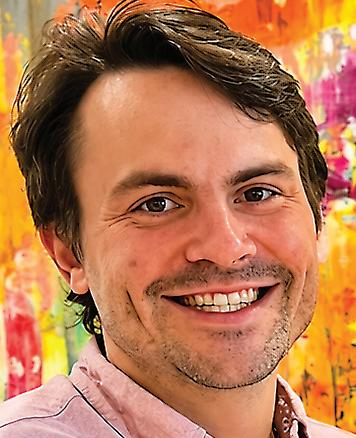
What are the key moments or decisions that have most shaped your career so far?
One of the most defining moments in my career was helping lead the evolution of our family business from regional distributors into a national organization.
That journey required much more than expanding our footprint, it meant rethinking our operations, strengthening our culture, developing our people, and finding better ways to serve customers and manufacturing partners across Canada.
As we’ve grown, one of my biggest priorities has been helping our teams grow alongside the business. Coaching our sales force, supporting our branch leaders, and creating consistency across our operations has shown me that sustainable success is built through people. Strong businesses aren’t created by one individual; they’re built by teams that share a common vision and are empowered to make decisions.
Another lesson that has shaped my career is realizing that our role extends far beyond supplying products. Our greatest value comes from understanding our customers’ businesses, helping solve complex challenges, and creating partnerships that deliver long-term success for everyone involved.
What do you enjoy most about your current role?
What I enjoy most is connecting people, ideas and opportunities. Every day is different. One moment I’m working with locksmiths, end users or architects to solve a complex security challenge, and the next I’m collaborating with manufacturers on new products or strategies for the Canadian market.
I also enjoy developing our team and helping create an environment where people have the tools and confidence to succeed. Seeing both our employees and our partners grow together is one of the most rewarding parts of my role.
How do you stay current with industry trends and continuously learn?
I believe the best learning comes from staying close to the people
“The future belongs to leaders who can connect technology with people and business strategy.”
— Frédérick Laporte, Seccan
driving the industry. I spend a great deal of time visiting customers, distributors, manufacturers and industry partners to understand the challenges they face and where the market is heading.
I’m naturally curious, so I also make a point of reading industry publications, attending trade shows, participating in association committees, and learning from professionals outside our own sector. Technology, customer expectations and distribution continue to evolve, and I believe continuous learning is part of the job.
What skills will be the most critical for the next generation of security leaders?
Technical knowledge will always matter, but I believe the future belongs to leaders who can connect technology with people and business strategy. The security industry is becoming more integrated, data-driven and customer-focused.
Future leaders will need strong communication skills, adaptability, curiosity and the ability to build meaningful partnerships across the industry. Those who continue learning, embrace change and focus on creating long-term value — not simply selling products — will be the ones who move our industry forward.
The future of our industry won’t be shaped by the companies with the biggest product portfolios. It will be shaped by leaders who develop great people and create meaningful partnerships built on trust. Technology will continue to evolve, but relationships will always remain at the heart of our business

• M&A advisory services? • Selling or buying a security business? • Valuing a security business? • Alarm, integration, fire or guard companies