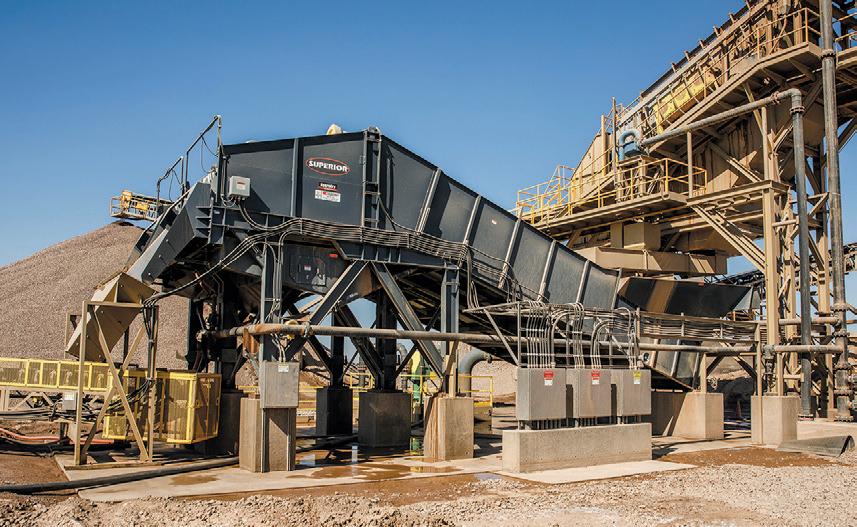
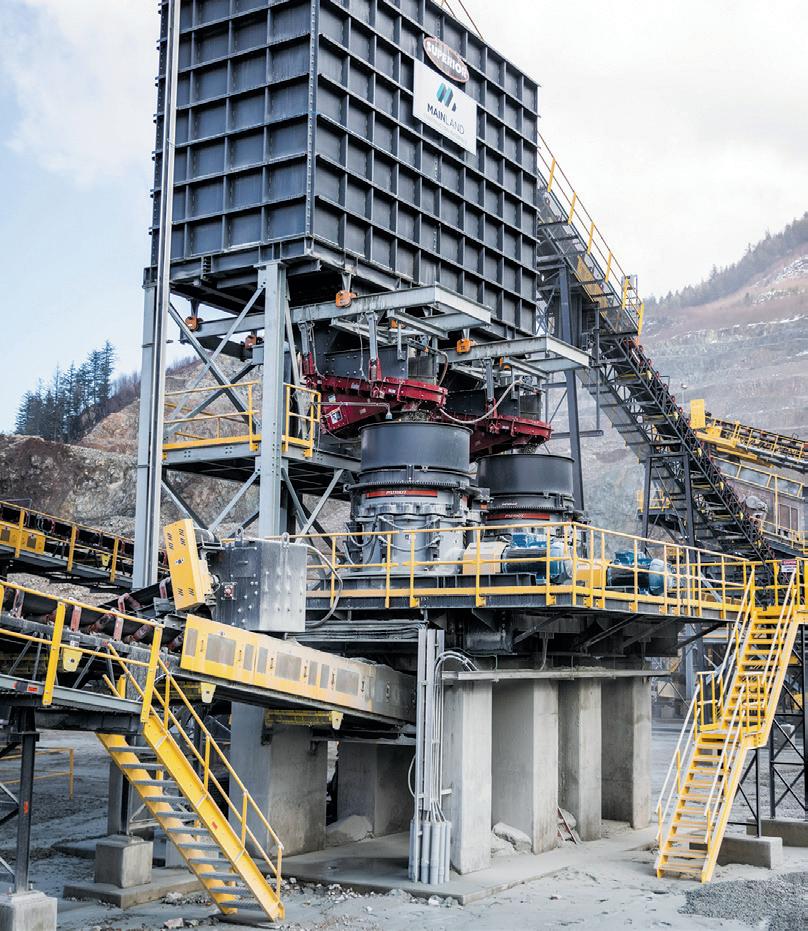
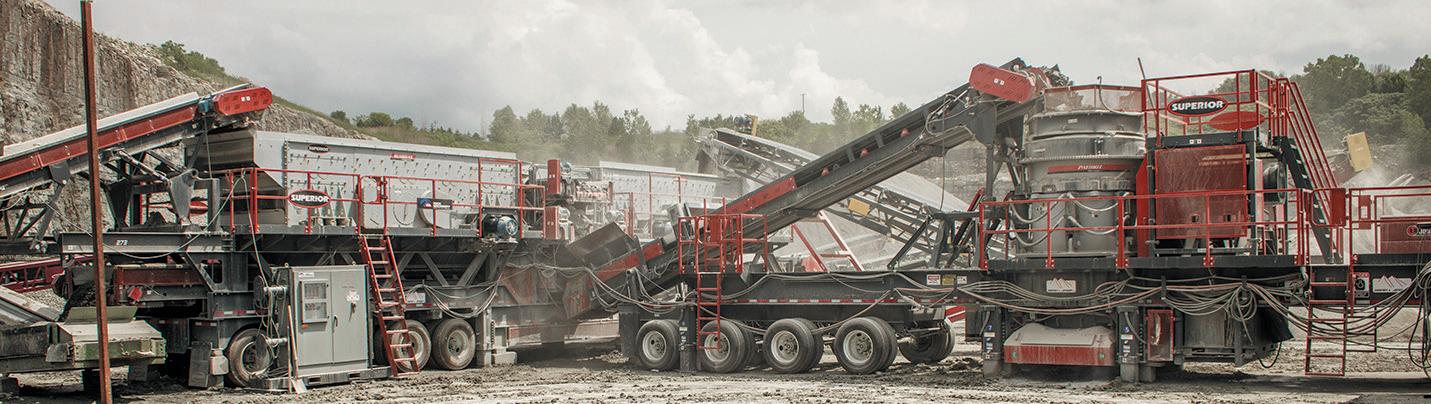

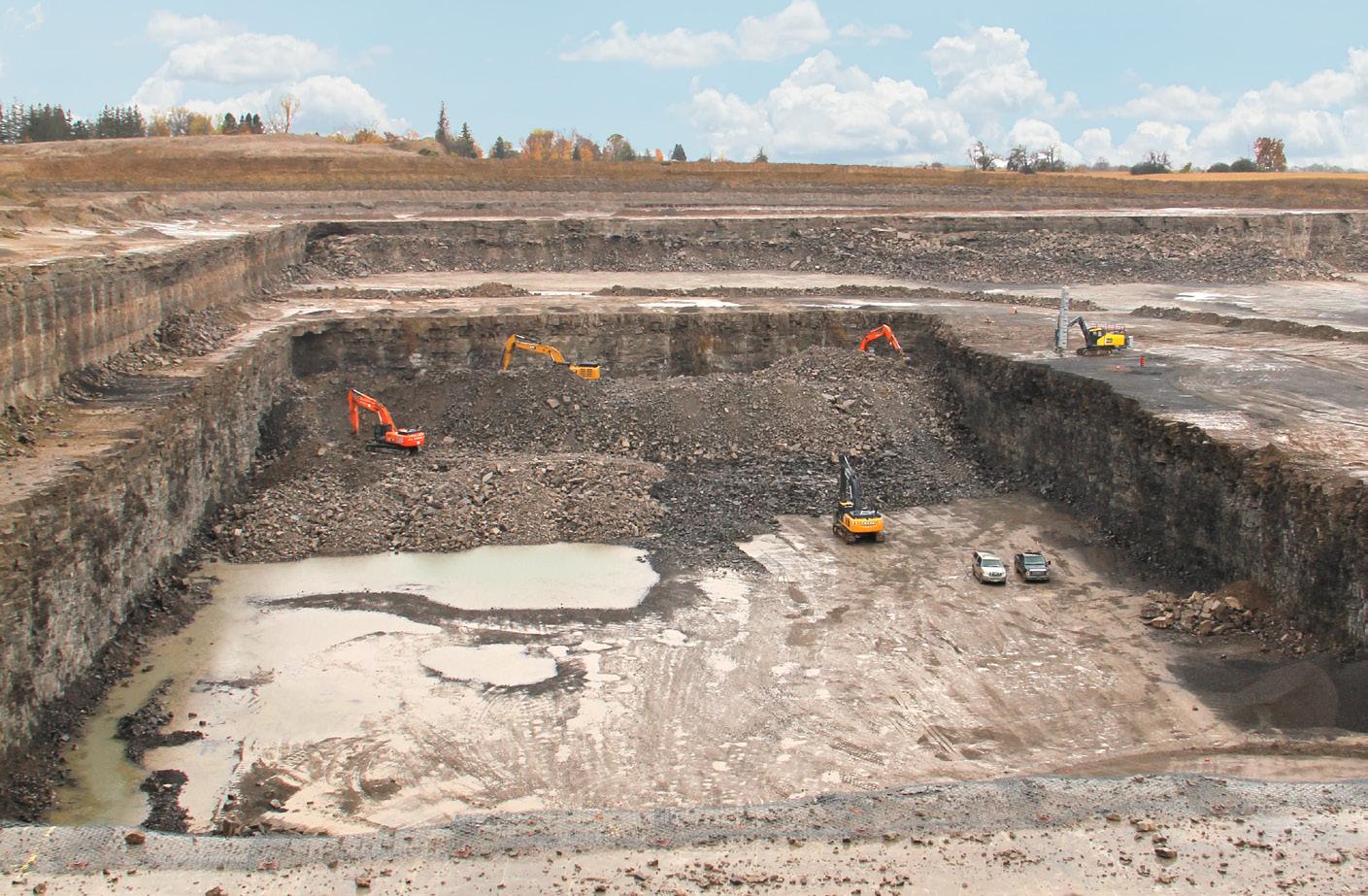
An inside look at the operation feeding 5 million tonnes of high-quality limestone a year
8
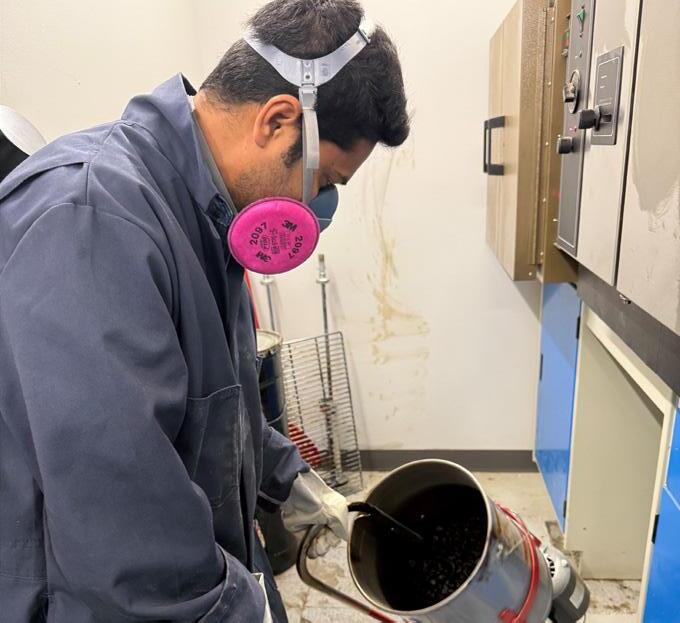
Climate-related road research underway at Carleton University’s Advanced Road and Transportation Engineering Lab.
16
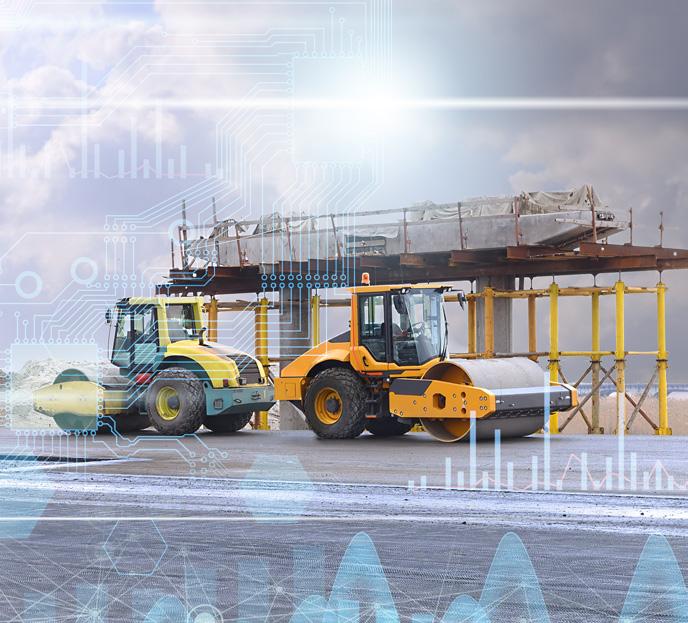
Technology is rapidly reshaping the world. Asphalt 4.0 proposes roadbuilding as the next frontier for modernization.
22
Digital tools are reshaping crushing and screening operations.
24
We turn our spotlight on the newest jaw crushers on the market.
Leila Hashemian and Mohamed Saleh write about how to build a more durable asphalt for Canada’s roads.

The Canadian government's plan to speed up approval of infrastructure projects is a welcome relief.
We have, unfortunately, created a climate where it takes too long to build things and, as a result, our time-consuming regulatory environment scares off investment.
And it isn’t clear that the regulatory hurdles we have created are necessary to provide the intended protection for people and the environment.
There must be a simple, quicker way to handle this. So, I welcomed news the Canadian government is tackling this problem.
The list of proposed changes was released in two white papers in early May. The federal government will spend a year consulting with Canadians before putting forward specific legislation. But the proposals are ambitious and have been met with both praise and criticism.
Here is what the government is proposing:
• Ensuring federal reviews and decision-making timelines take no more than one year, once all information from the project proponent has been received.
• Strengthening Crown consultation on project reviews and co-ordinate one Indigenous consultation process, per community, per project.
• Creating a regulatory system where a single comprehensive federal decision is made on permits and approvals for major projects.
• Assigning responsibility and authority for certain projects to the federal regulatory organization with the most expertise;
• Creating federal economic zones through regional impact assessments, in consultation with Indigenous peoples.
• Modernizing Canada’s National Transportation Policy to emphasize the importance of supply chain efficiency through the designation of National Trade Corridors.
• Modernizing Canada’s port governance framework to better reflect the realities of modern trade and the role of marine infrastructure in supporting Canada’s non-US trade diversification goals.
• Adopting a “tell-us-once” approach to information sharing between departments and agencies and streamlining redundancies and inefficiencies in transportation regulations.
The concerns with the proposal are understandable. Some worry that to set a timeline will not allow a thorough evaluation of the project and its impacts. Others note that allowing just one agency approval removes the expertise found in specific government agencies currently involved in the process.
Another argument is if this plan is adopted as is, it could have the opposite effect and open projects up to litigation. One area they point to is the duty to consult with Indigenous communities. In theory, creating “economic zones” may speed up approvals, but does it meet the duty to consult requirements? That will likely be tested in court.
This is the same argument made over the construction of an oil and gas pipeline to the northwest coast. Yes, the Canadian government has the authority to approve such a pipeline, even against the wishes of the British Columbia government and Indigenous people impacted. But doing so would surely result in lawsuits and such a pipeline project would sit in purgatory for years.
I see the government’s decision to spend the next year in consultation on these changes as a prudent move. It allows for a fulsome debate and ways to improve any future legislation.
The ultimate goal should be getting big projects built as quickly as possible without hurting people and the environment. As long as everyone keeps that goal in mind, the country will be in better shape.
mlacey@annexbusinessmedia.com


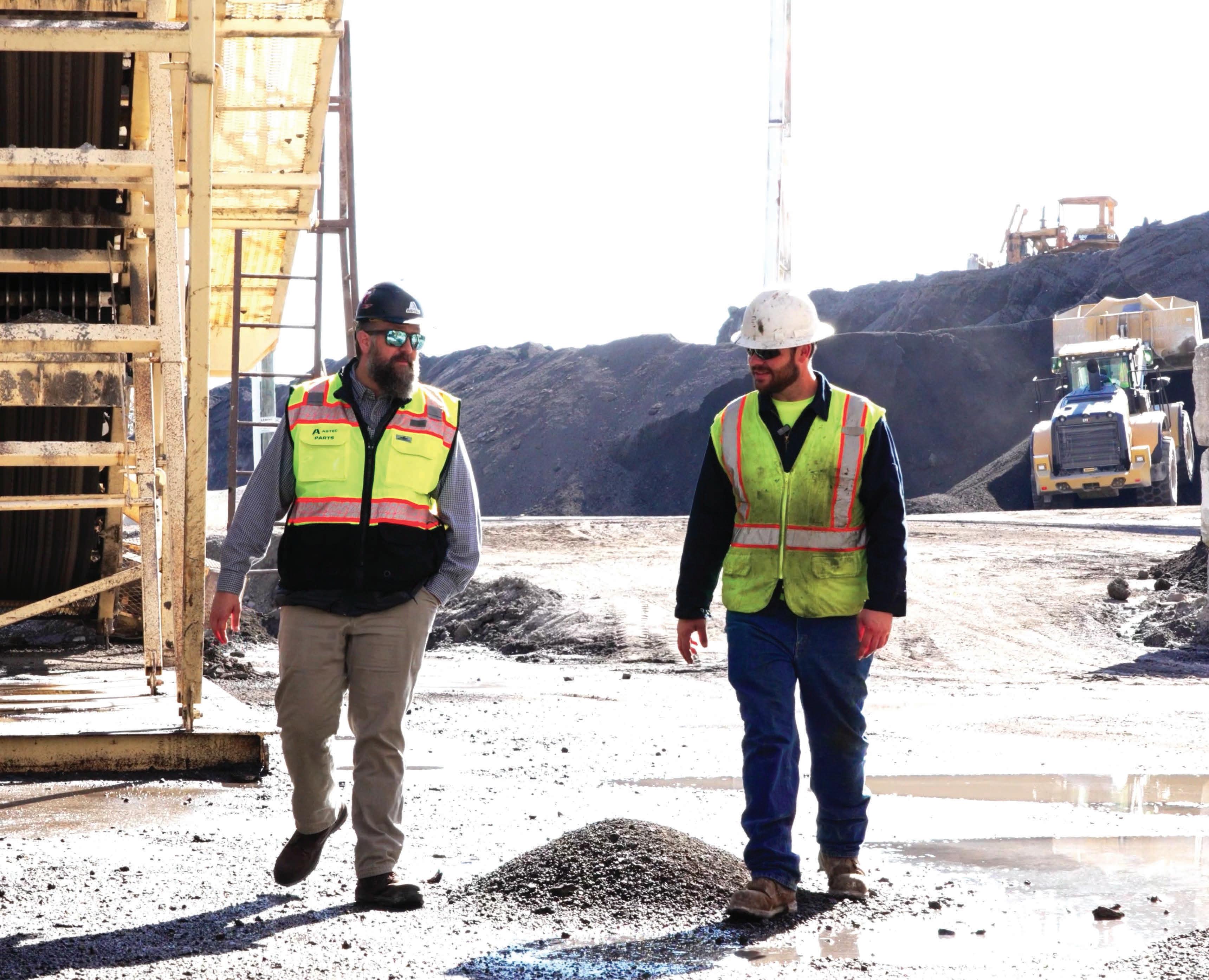
Astec’s partnership doesn’t start when the order is placed or end when the equipment is delivered. From system design and training to service, parts, and optimization, we stay involved through the life of your operation.
Because asphalt plant operators don’t just need machines—they need a partner who’s there when performance matters most.
The Canadian Construction Association (CCA) says its economic report for spring 2026 shows the industry in good shape, but notes uncertainty from rising fuel costs and geopolitical uncertainty.
The spring edition of Construction Quarterly Economic Insights notes domestic demand held up among a softened economy in Q4. Construction GDP fell by 0.6 per cent quarter-over-quarter, the first drop after six consecutive quarters of growth. Despite this, the sector still posted a 1.8 per cent year-over-year increase.
The CCA says the quarterly pullback was driven mainly by engineering and other construction activities after strong growth in Q3.
Steel-heavy divisions saw the largest building cost pressures, with metal fabrications, structural steel framing, concrete and plumbing leading a 4.1 per cent year-
over-year rise in the Building Construction Price Index (BCPI) in Q4.
CCA notes one of the major considerations for the industry moving forward is rising fuel prices. It says if the disruption in the Strait of Hormuz continues, petrochemical materials such as asphalt, piping, insulation and membranes will
have their prices driven up.
The report also noted an estimated shortfall of 108,300 workers by 2034, per BuildForce Canada, driven largely by retirements and aging demographics. The CCA also said the Canadian labour force could see almost no growth over the next few years.
Heidelberg Materials is scaling the use of autonomous heavy mobile equipment across its global operations. Working closely with established technology partners, the company is advancing from a lighthouse project to a broader rollout across six sites and two vehicle types in North America, Australia and Europe.
Heidelberg Materials plans to deploy around 30 autonomous vehicles as part of the expansion phase in 2026. The rampup builds on the deployment of an autonomous haulage system (AHS) at its Lake


Bridgeport quarry in Texas.
In North America, Heidelberg Materials is extending its AHS program to sites in Indiana and Texas. In Australia, the company is launching its first AHS projects at quarries in New South Wales and Western Australia. In Europe, Heidelberg Materials is premiering an autonomous wheel loader trial at a sand and gravel pit in Northern Germany.
The technology is designed to be integrated into existing fleets. The company says it provides a scalable and cost- efficient way to accelerate the modernization of heavy mobile equipment.
The systems leverage advanced sensors, cameras and artificial intelligence to autonomously operate haul trucks and other mobile equipment in complex, dynamic environments.
Heidelberg Materials says the current rollout is part of a broader initiative to introduce more than 100 autonomous vehicles by the end of 2028.

British Columbia’s Vision Zero Grant Program, aimed at enhancing road and pedestrian safety measures, is marking its five-year anniversary.
The program launched in 2021 and has supported more than 200 projects, including 93 Indigenous-led initiatives, with more than $3.8 million in total funding committed to improving road safety.
Almost $570,000 is being invested in more than 30 communityled projects in 2026.
The program provides funding to local governments, Indigenous communities and organizations, school districts and non-profit organizations to deliver practical solutions tailored to local needs.
Work supported through the program includes crosswalks, lighting and traffic-calming measures, as well as education, planning and innovative approaches. Funding in 2026 will support:
• New crosswalks and multi-use paths.
• Traffic-calming features
• Improved lighting and visibility for road users.
• Education and awareness to promote safer travel.
• This year, 20 Indigenous communities are designing and delivering solutions that meet their unique needs, from safer roads and public spaces to driver education and training.
Grant funding this year includes $400,000 from the Ministry of Health and $150,000 from the Ministry of Transportation and Transit, and is administered by the BC Injury Research and Prevention Unit.
The program is delivered through regional health authorities with local expertise guiding project selection.
The federal government outlined more financial support for new skilled workers in its Spring Economic Update 2026.
The section of the update titled “Team Canada Strong” lays out a plan to add more skilled workers by providing streamlined training and more funding.
The government says it plans to recruit, train and hire 80,000 to 100,000 new Red Seal trades workers aligned to Canada’s housing, infrastructure, resource development and defence needs by 2030-31.
The government says its goal is to cut the path to certification by 50 per cent, and that it is ready to invest up to $6 billion over five years in the Team Canada Strong program.
The investment would include $3.4 billion over five years, starting in 2026-27, and $468 million ongoing to address the challenges that can stop apprentices from completing their training and moving into permanent jobs.
Plans include providing apprentices with a weekly income top up
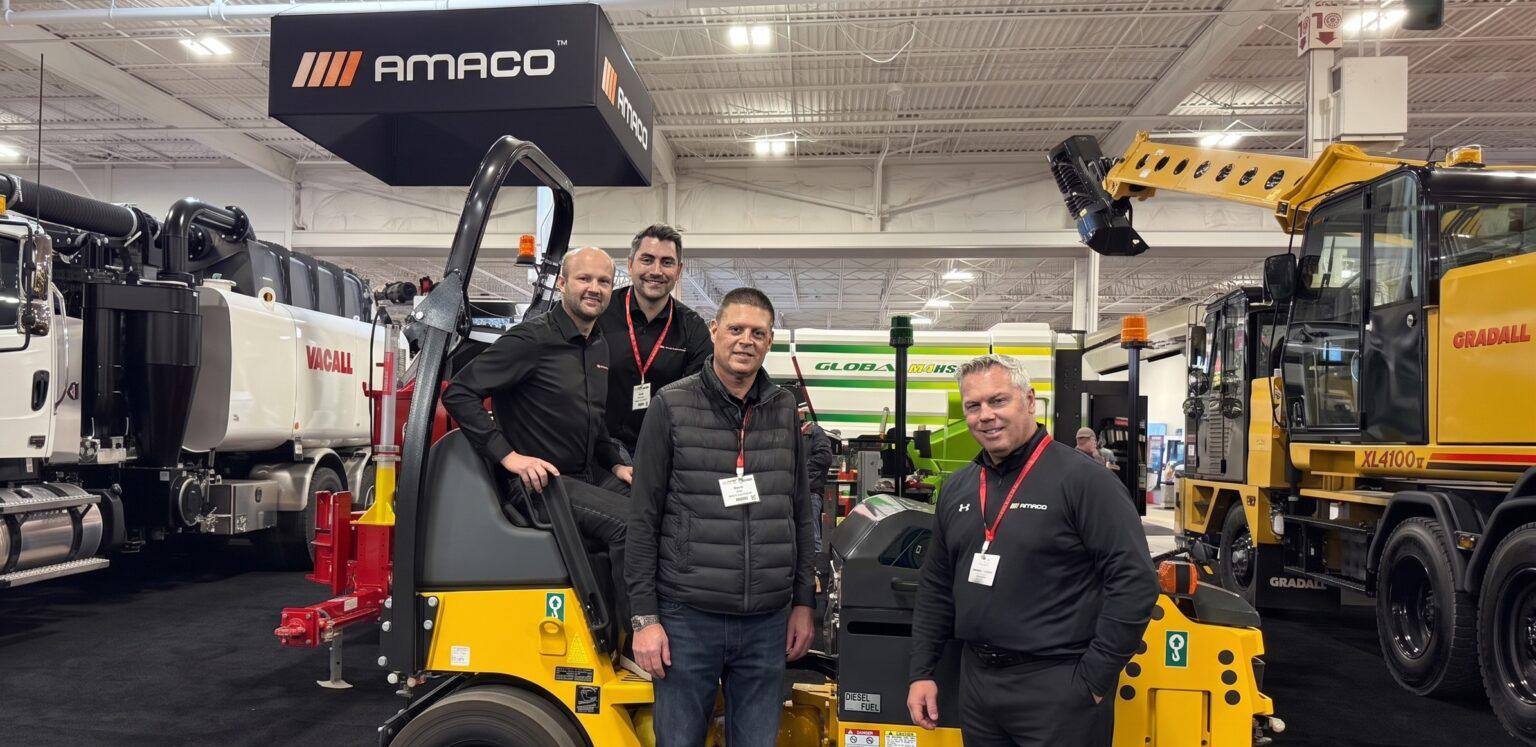
SAKAI America, Inc. has announced the appointment of Amaco Construction Equipment Inc. as its new exclusive authorized dealer for Ontario.
The appointment establishes SAKAI’s first dedicated distribution and support presence in the Ontario market.
Amaco is a heavy equipment provider headquartered in Mississauga, Ont. It serves the municipal, roadbuilding and aggregate sectors. The company was founded in 1983.
SAKAI says the collaboration with Amaco allows it to better serve the Canadian construction, roadbuilding and municipal sectors by providing local access to its line of vibratory soil compactors and asphalt rollers.
Amaco will offer the full range of SAKAI products including single drum soil compactors of all sizes and a complete line of asphalt rollers designed for high-production paving. Amaco’s facility will serve as the primary hub for SAKAI sales, rentals and factory-trained service throughout the province.

of $400 per week while they are attending mandatory in class technical training and providing a one-time $5,000 bonus to apprentices obtaining certification in a Red Seal trade.
Employers can also receive wage subsidies of up to $10,000 for an apprentice’s first-year salary.
The Canadian Apprenticeship Forum said it welcomes the Government of Canada’s renewed focus on skilled trades and apprenticeship.
“The focus on supporting apprentices through to completion is an important step forward,” said France Daviault, CEO of CAF-FCA. “Now the focus must turn to implementation and ensuring that these investments translate into a system that is more accessible, efficient, and responsive to the needs of both apprentices and employers.”
BY MATT Jones
Measuring creep compliance; i.e. road materials’ strain response to constant stress.
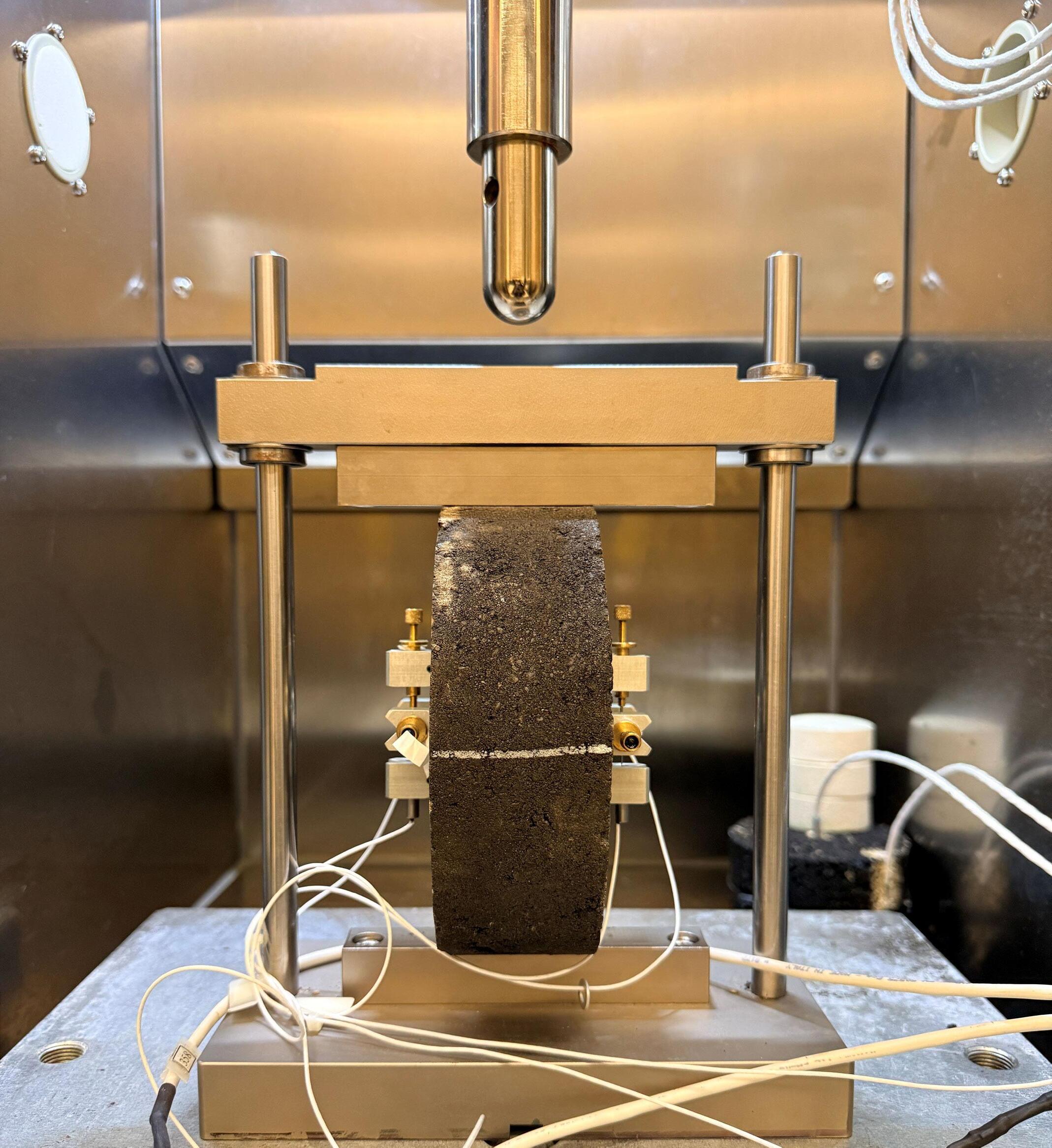
> The changing climate is a topic that touches on virtually every industry – there are scant businesses that can escape the possible impacts of fluctuating temperatures or more intense weather patterns. The road building sector is no exception, and researchers at a variety of educational institutions are undertaking efforts to study these impacts and determine how best to navigate them.
The Advanced Road and Transportation Engineering Lab (ARTEL) at Carleton University is one such site of road-related
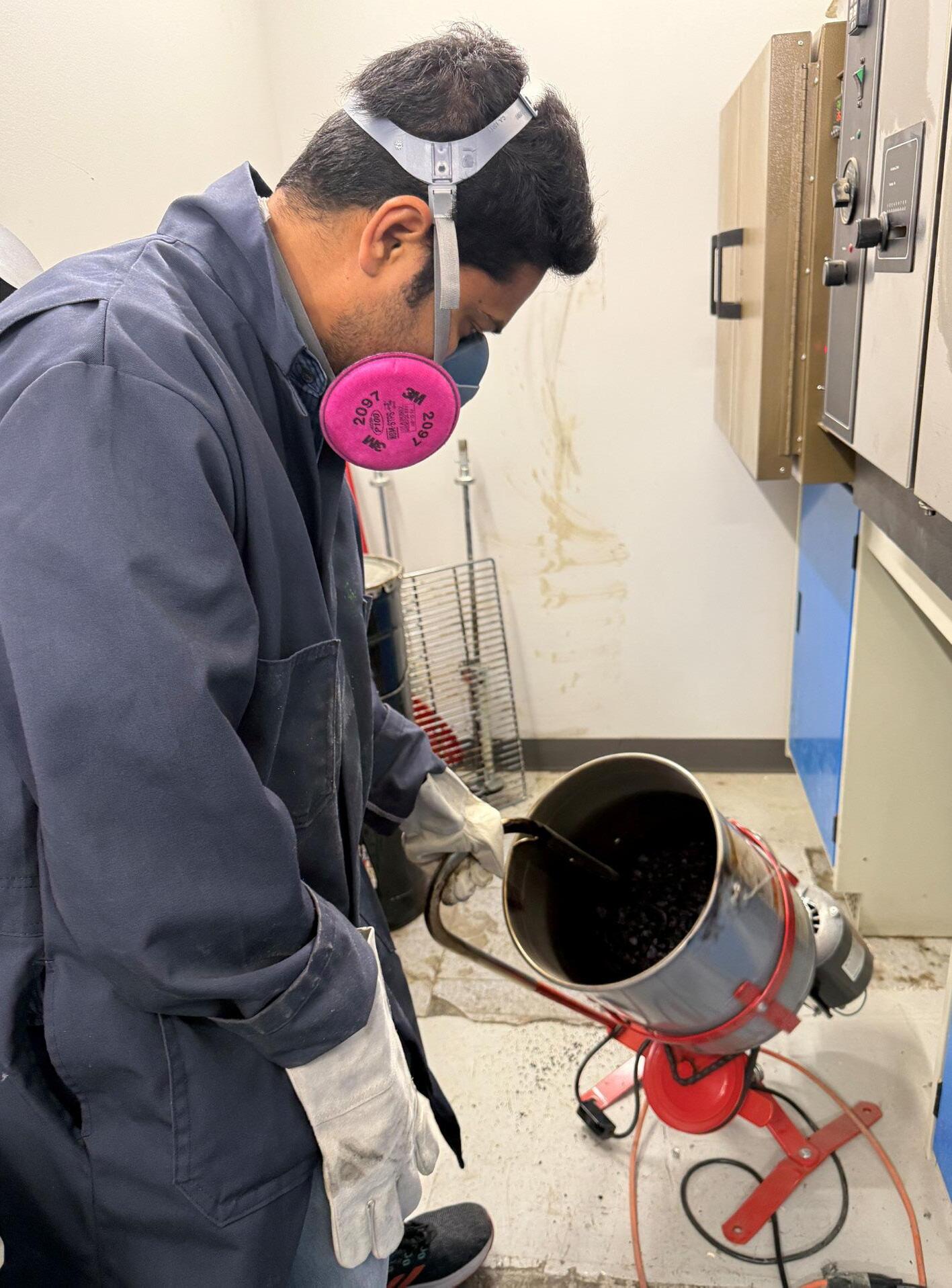
research. Under the leadership of Dr. Kamal Hossain, PhD students at the lab are conducting a variety of research projects to better our understanding of how the impacts of climate change on roadways will affect our transportation networks in the future and how we should adapt our process in response.
Two of Dr. Hossain’s current PhD students shared with Rock to Road the details of their ongoing research projects.
In collaboration with the National Research Council of Canada, student Sajib Khan is undertaking a project to further assess climate scenarios on Canadian roads and the local calibration of road design software. Previous climate impact scenarios were based around Representative Concentration Pathways (RCP), which is used to evaluate climate impacts at varying levels of greenhouse gas concentration.
“Recently, the IPCC (Intergovernmental Panel on Climate Change) published a new report with a new scenario that is called a Shared Socioeconomic Pathway (SSP), and that’s also been studied with different emission levels,” says Khan. “The difference is in some of the factors when they developed the RCP scenarios, they ignored because of the socioeconomic behaviour, but in the latest scenario, they include those factors
and that actually leads to a higher emission level than the RCP scenarios. So, we have covered both scenarios to see which has the most diversity impact on the Canadian roads and which climatic-like parameters we should consider for our roads and pavement design in Canada.”
Considering pavement design life as 25 years, they separated the current century into quarters – 2000-2025, 2025-2050, 2050-2075 and 2075-2100. With the first period as historical data, they did analysis in different periods to understand which design period is the most critical and what should be considered to rehabilitate the pavement to withstand climate conditions.
“The outcome we have seen is that Canadian flexible pavements tend to be very vulnerable for mid-century to end of century if the design standards have not been improved or updated, if we do not consider the projected climate in our pavement design models, and also, if we do not consider the proper binder grade and mixes for that projected climate and traffic condition to actually mitigate the pavement distress,” says Khan. “It will be very devastating for the pavement.”
The other key aspect of the project is in the calibration of PMED software. That software has generally been developed with US data which is sometimes not fully applicable to the Canadian context as environmental, traffic and material behaviour is not the same.
“In this study, we’re modifying the coefficients that help for predicting the kind of pavement distresses aligning with the Canadian context,” says Khan. “So, by this year we kind of understood how to modify the distress coefficient efficiently to properly simulate the distresses in terms of Canadian context.”
This is the final year of the project. Once it is completed, Khan will begin writing his thesis on his findings.
Fourth year PhD student Jalal Barzegaran is in the early stages of a three-to-fouryear project in collaboration with the municipality of Niagara to examine the impacts of climate change on pavement performance in both the short and longterm. Barzegaran’s project developed probabilistic models based on data provided by the Ontario Ministry of Transportation and the municipality itself.
Barzegaran’s research found that within higher emission models pavement on


provincial roads look to become 2.5 per cent more deteriorated than under normal climate scenarios. The specifics of that phase of the research will be presented at the 2026 Canadian Network of Asset Managers Conference in St. John’s, Newfoundland.
“So, in the next step, we’re going to work in the urban area and inside the Niagara region’s road networks,” says Barzegaran. “We want to find out what’s going to happen inside the urban area, and we want to compare it with the provincial roads around the region. We’re going to work on the optimization models and how we can minimize and optimize the maintenance costs in the long run, as we expect more frequent maintenance and rehabilitation of the roads over time due to the climate change impacts.”
Barzegaran says that the ARTEL approached the municipality about the project, first to examine the effects of climate change on pavement performance, and then on the effects of pavement performance on fuel consumption.
“These are multiple steps of work with the Niagara Region and, in the end, we will give them the optimization model based on the best scenario, how we can maintain assets in the long run, and what would be the best investment scenario for the Niagara Region,” says Barzegaran.
Barzagaran notes that the municipality is working under deterioration models, so they want to understand how they can make their models more accurate and how they can calibrate their models in the long run.
“Now they are working on very fixed models throughout the year,” notes Barzegaran. “We’ve actually proposed something that can be dynamically changed as we’re going forward. So,
every time they get data from their own, they can calibrate this model and they can find the impact of climate change on their roads based on the collected data. That was their intention and they wanted to also see the extreme events like floods, heat waves and how these phenomena can really impact their road networks.”
Some of the current ongoing research is building upon previous research that was conducted at the ARTEL. One former PhD student, Dr. Surya Swarna, completed a four-year project in 2022 which studied how the impacts of warmer days and heavier precipitation days will affect road performance in about a dozen major cities across Canada.
“We found from our study that this increase in warmer days and rainy days will affect the rutting resistance of our pavement, so rutting will increase and IRI (International Roughness Index) will increase and cracking will increase across the board,” says Hossain. “He also found a different design strategy and material adaptation strategy. He basically proposed and found that if you change the asphalt specification, there are some suitable specifications that Canadian road agencies need to follow to mitigate climate change.”
Swarna’s research found that adding vitamin or lime to the base or sub-base layer could increase climate performance, particularly on the western side of the country. These efforts would increase initial costs of road building but would be more economical and sustainable over time. Another recent project was a master’s thesis by a student named Elissa Bernier who studied the impacts of a 2021 heatwave and found that the heatwave increased the roughness of the road.
BY MIKE lacey
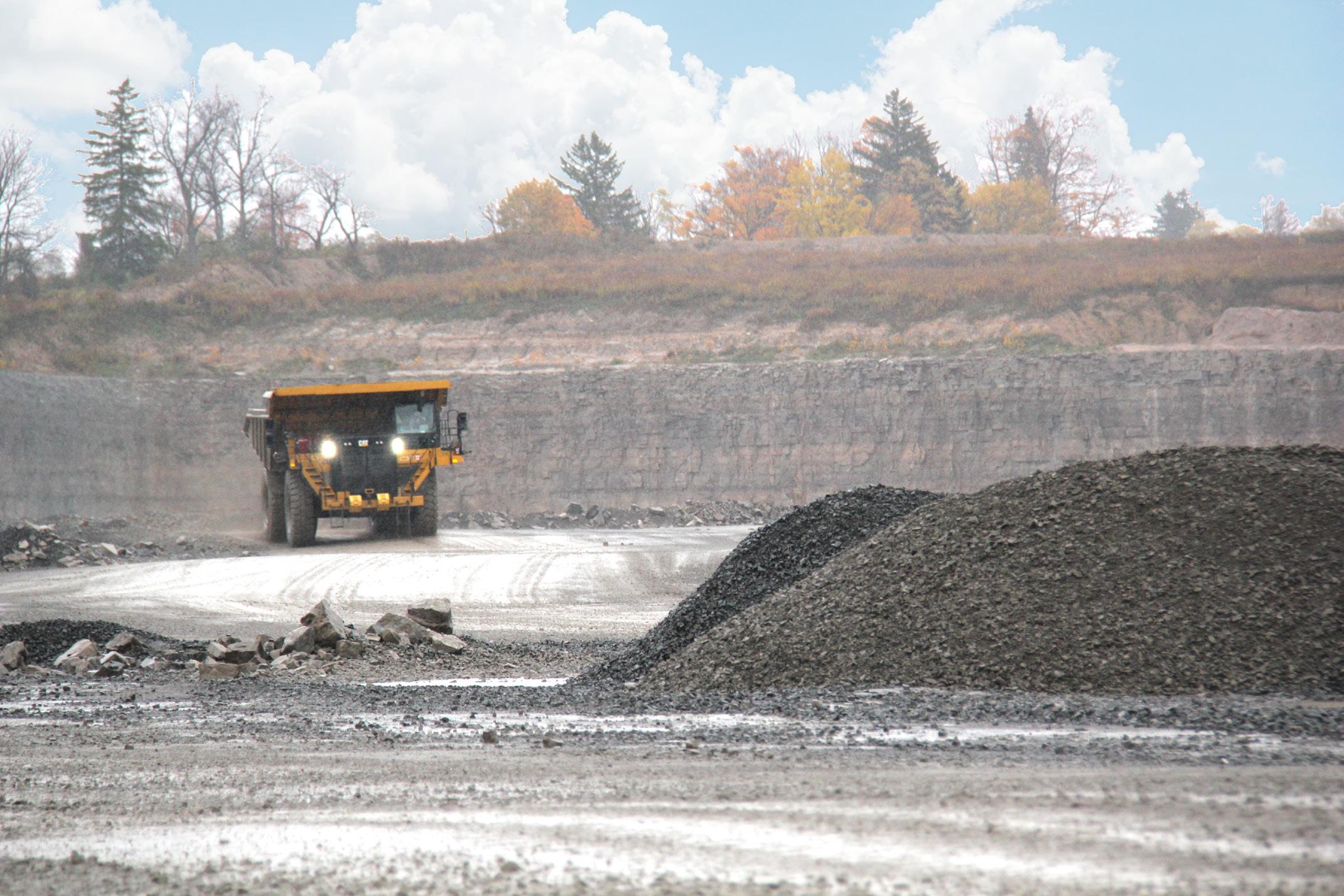
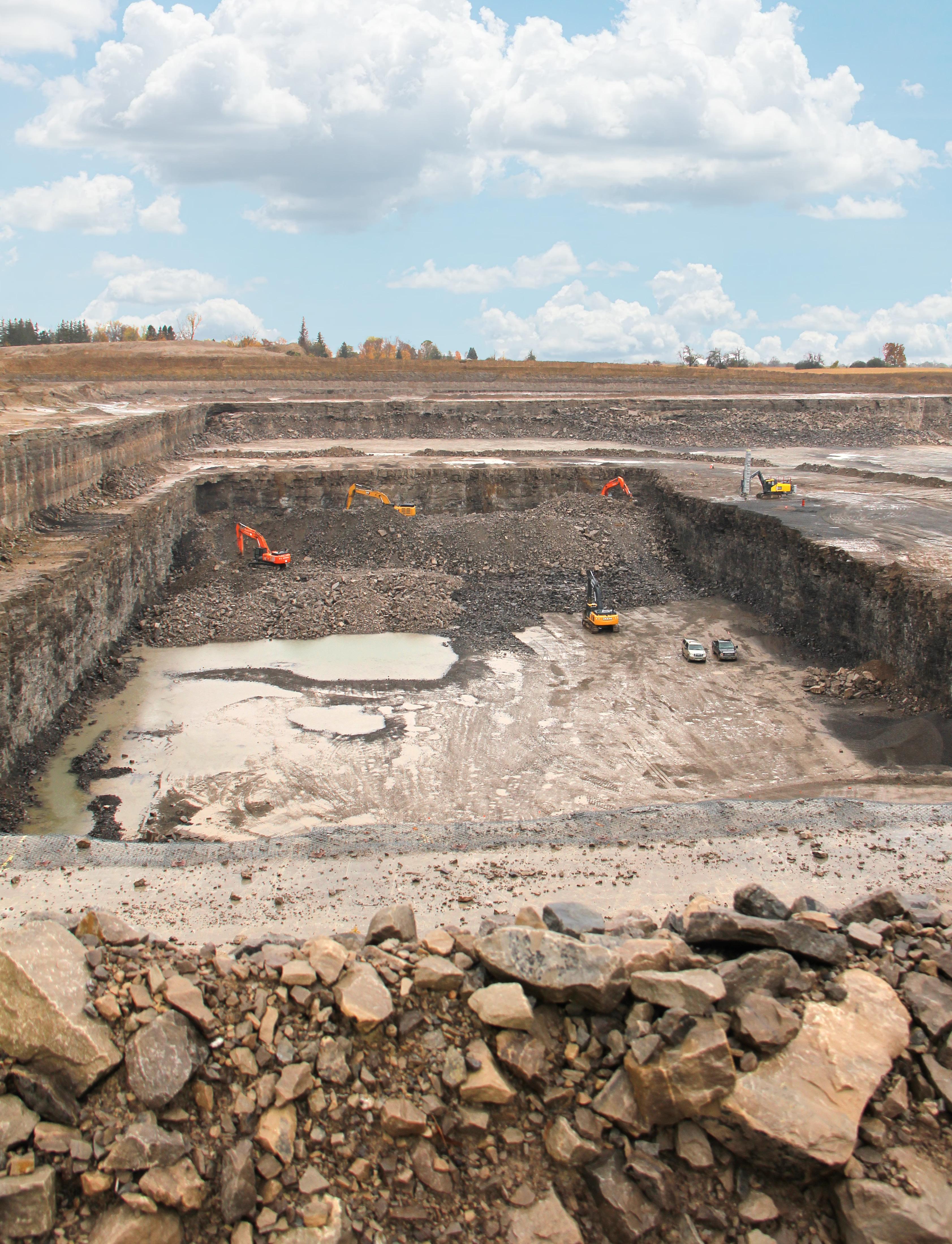
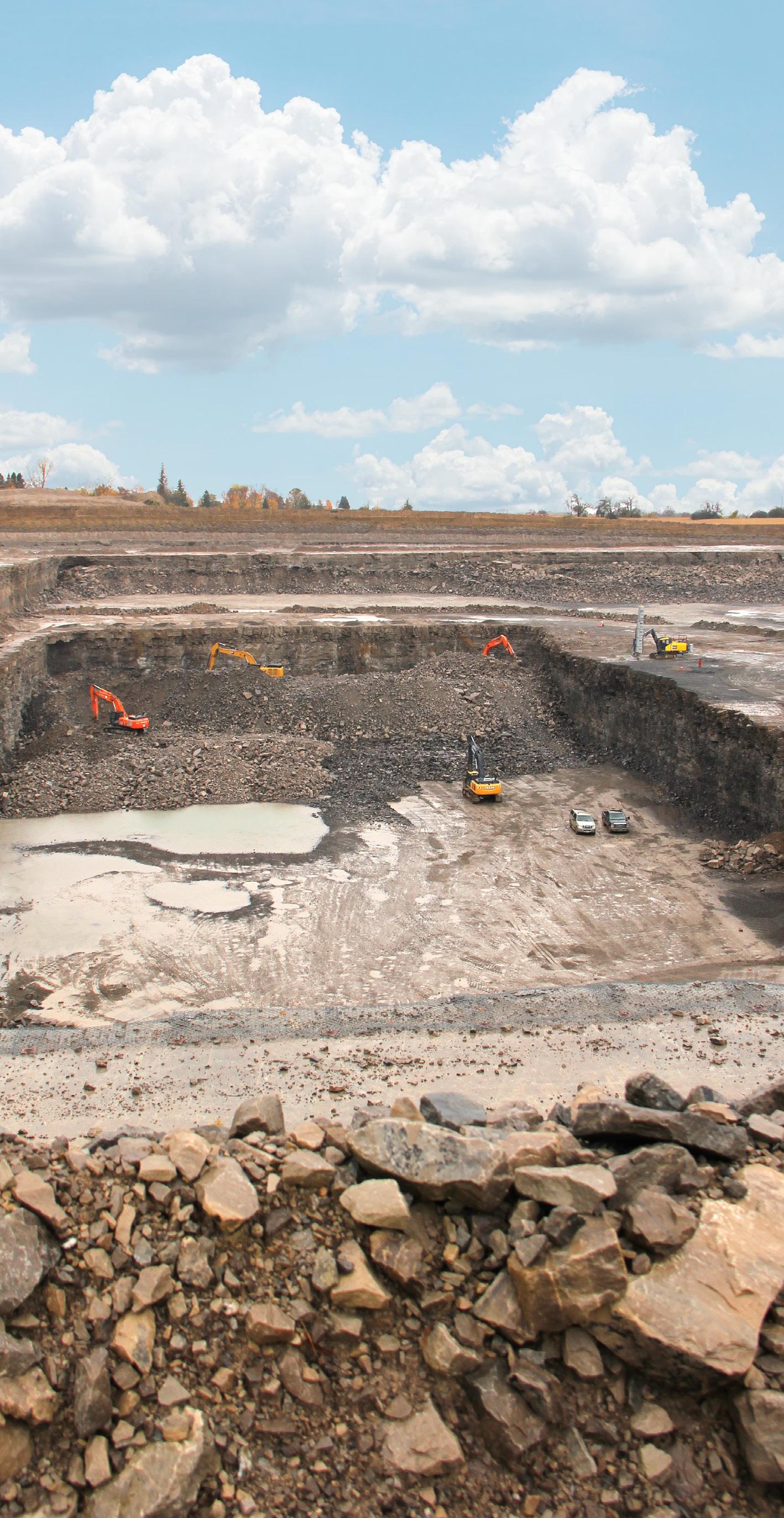
A look inside the Amrize Dundas Quarry operation and how it feeds 5 million tonnes of high-quality limestone a year
> Amrize operates more than 200 aggregates sites across Canada, including an extensive network of pits and quarries.
But few rival its operation in Dundas, Ontario.
“Dundas is our crown jewel. The site ranks in the top three of all North American aggregates sites,” explains Matthew Ruggieri, General Manager – Central Canada Aggregates with Amrize Building Materials.
Each year, the operation produces more than five million tonnes of high-quality dolomitic limestone. This material has unique properties suited for concrete, asphalt and lime applications, Ruggieri explains. That aggregate supports critical infrastructure and development across southern Ontario, supplying the asphalt, concrete and steel industries that underpin the region’s growth.
And all that material is shipped by truck, notes Aggregates Operations Manager Peter Calder.
“Our team ships everything by truck. There are no vessels we’re loading,” he explains.
With a leading footprint across aggregates, cement, concrete, asphalt, precast and pipe, Amrize has operated in Canada for more than a century. The company brings deep technical expertise and long-standing industry leadership to sites like Dundas as it ensure consistent quality, reliability and performance across its materials.
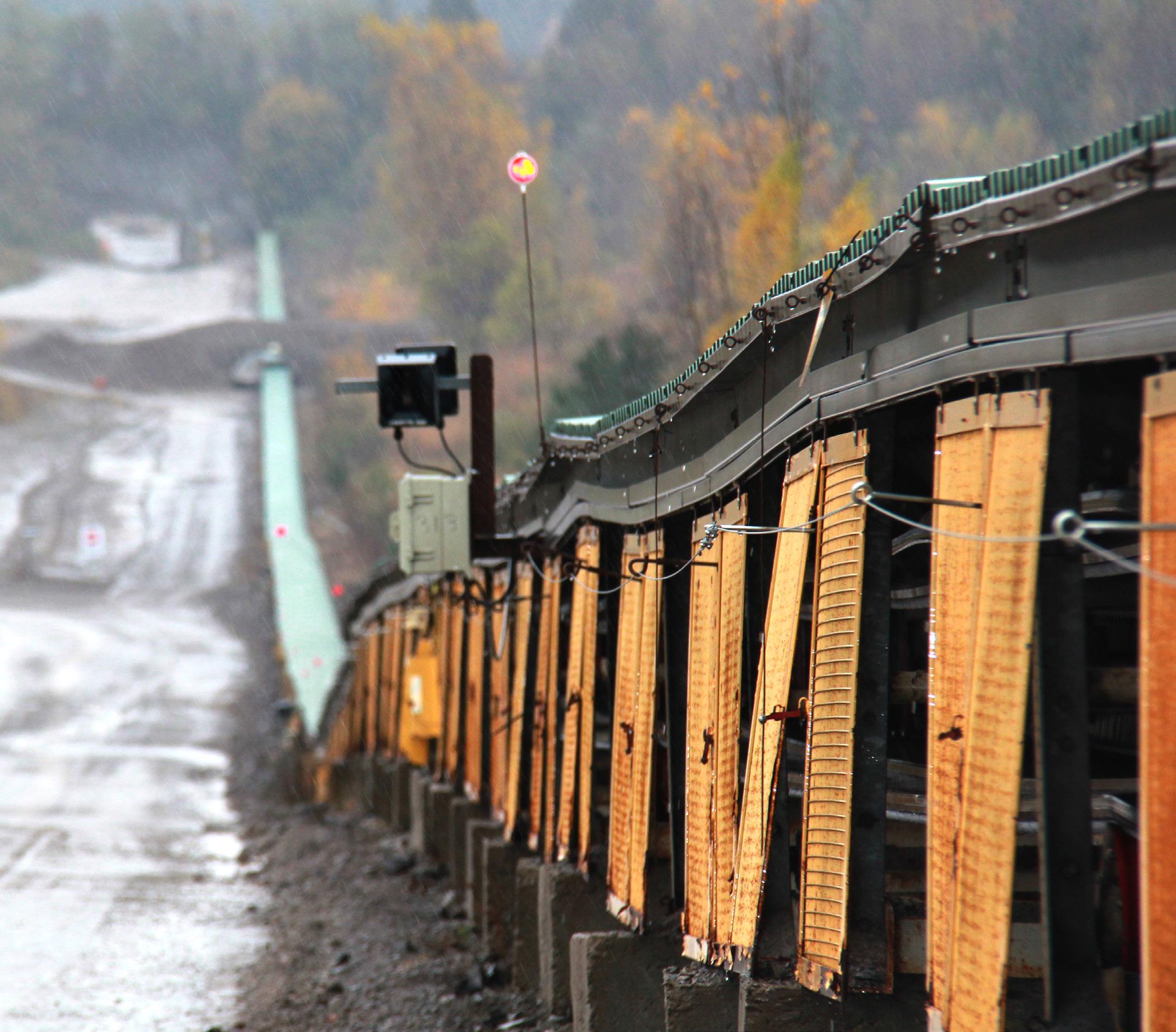
A defining feature of the Dundas operation is its conveyor system, which transports primary surge material from the quarry to the processing plant. The system spans 3.5 kilometres and runs on wire rope, like a ski lift, Calder explains.
“All that tension is taken up in the cables as opposed to being held in the conveyor belt itself,” he says. “So, it’s unique, definitely within our Canadian operations.”
While innovative, the system does present some challenges for maintenance as it requires specialized parts and expertise from suppliers based in Australia and the United Kingdom. Even so, the design enables efficient, continuous movement of material across the site, supporting the quarry’s high production capacity.
The Dundas quarry began operations in 1912, originally supplying dolomite to nearby lime and steel plants, industries that helped shape the region’s industrial foundation.
Amrize acquired the quarry in 1998 and has continued to invest in its long-term development and operational efficiency. Today, the site includes four aggregate licenses spanning from Highway 5 to 5th Concession in the Flamborough area of Hamilton, Ontario, with strong reserves to support customers for the foreseeable future.
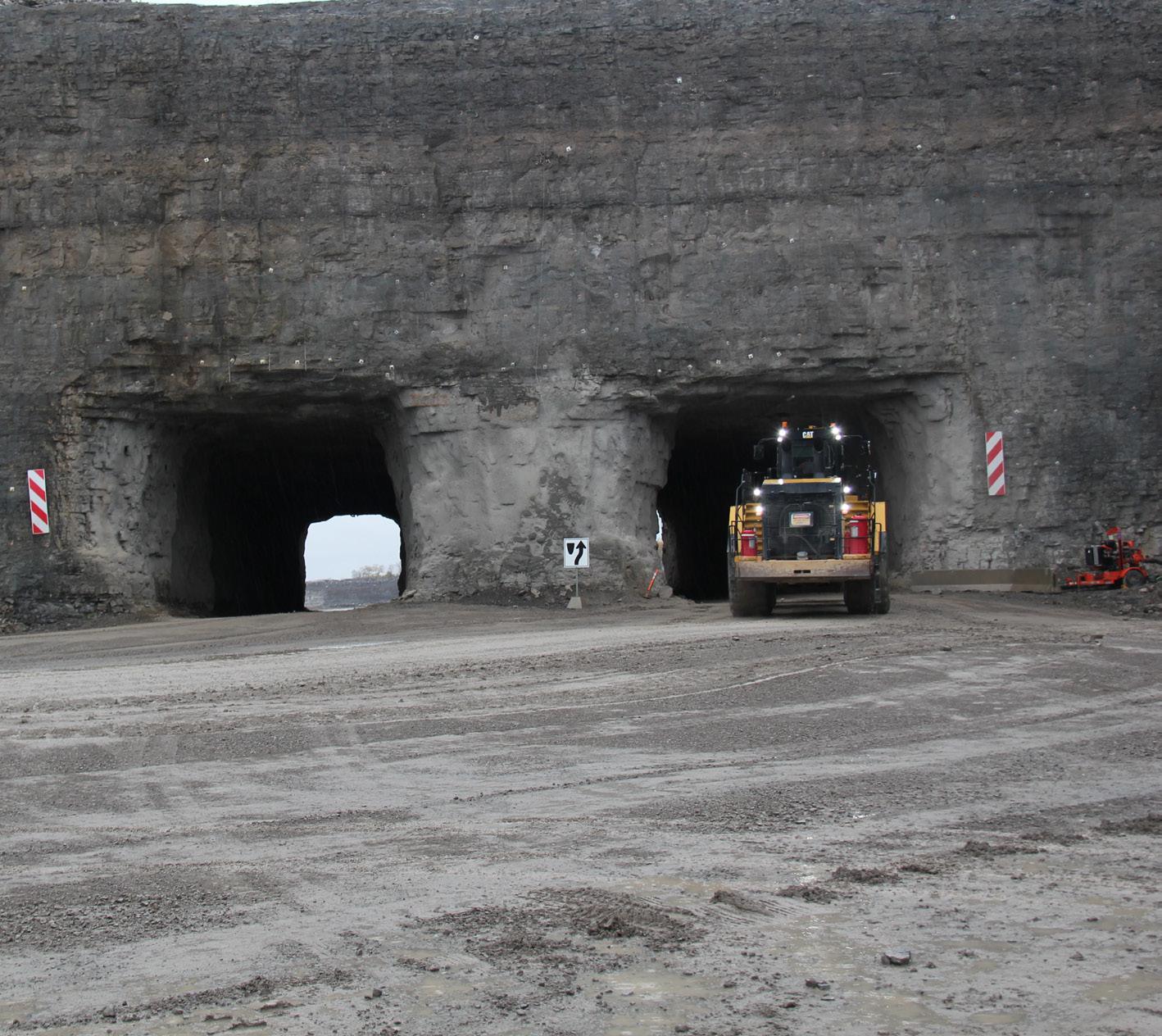
The newest licence area required significant infrastructure investment. To access the deposit located across a municipal road, Amrize built two 80-metre tunnels, allowing heavy equipment to safely pass under the roadway. As a long-standing community member in the Dundas area, Amrize maintains a strong focus on responsible operations, environmental stewardship and ongoing community engagement. The company continues to work closely with local
stakeholders to ensure its activities align with community expectations while supporting regional economic growth.
"Safety is not only embedded in how we operate, it’s how our teams want to operate," Aggregates Operations Manager Peter Calder.
The Dundas site employs around 100 people and operates 24 hours a day, seven days a week, 365 days a year. Despite the scale and intensity of operations, the site has achieved an impressive safety milestone of more than a decade without a losttime injury.
“So, not only is it 10 years, but since it’s at one of our largest sites it is equivalent to more than two million working hours,” Calder says. “That is an elite record and keeping it is a testament to the people themselves. We have strong, long-standing safety leaders on the front lines, and safety is not only embedded in how we operate, it’s how our teams want to operate.”
Ruggieri adds that strong safety performance depends on shared commitment across the organization.
“It’s kind of that perfect harmony that they’ve kept up for well over 10 years now,” he says. “It’s embedded in the culture of the site.”
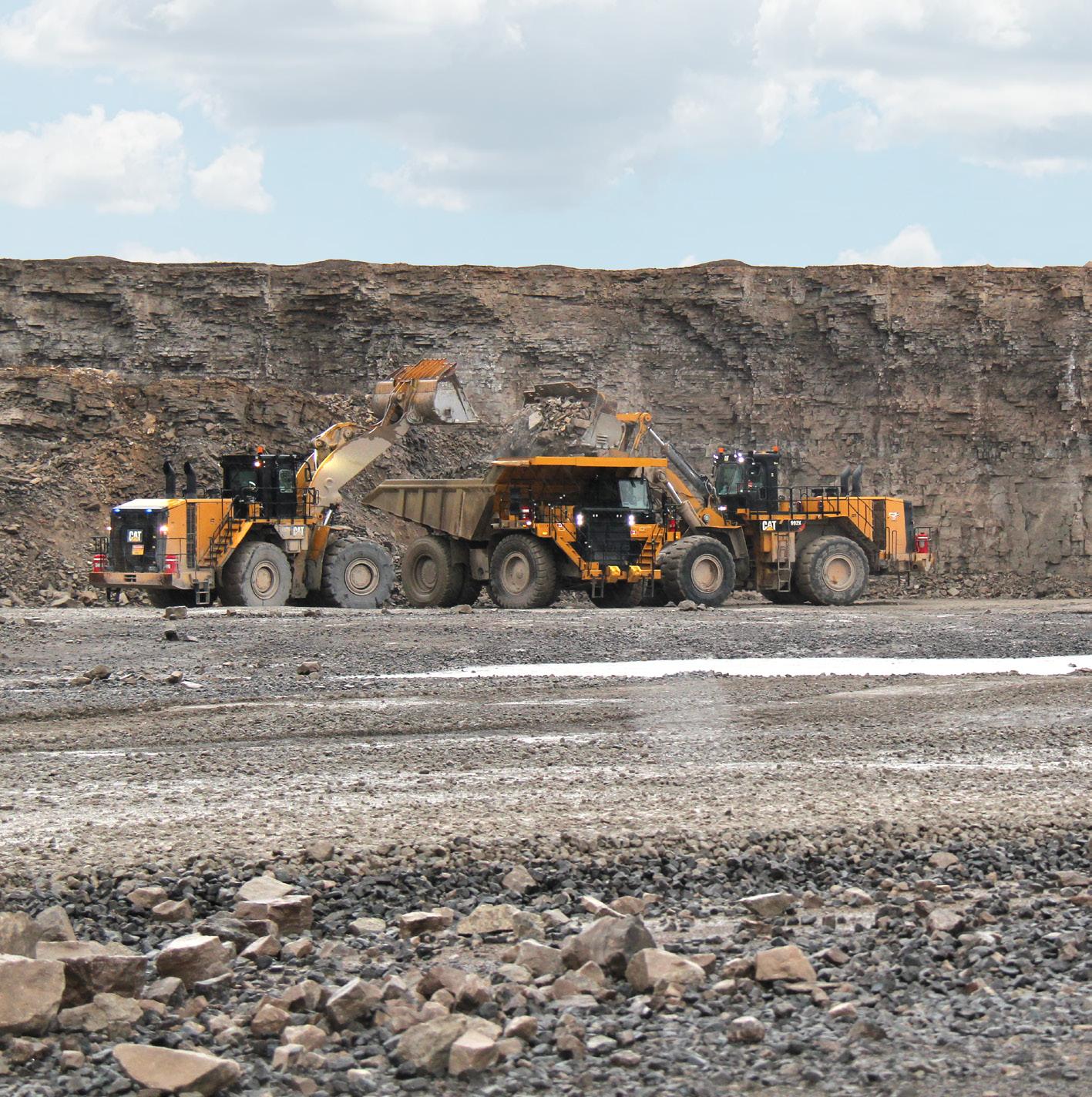
Operations begin at the quarry face, where controlled blasting is conducted regularly to extract material. Once cleared, two wheel loaders fill four haul trucks, each carrying approximately 100 tonnes of rock. The material is transported through the site’s tunnels and delivered to a gyratory crusher capable of processing 2,000 tonnes an hour.
From there, the material travels along the 3.5-kilometre cable belt system to the processing plant.
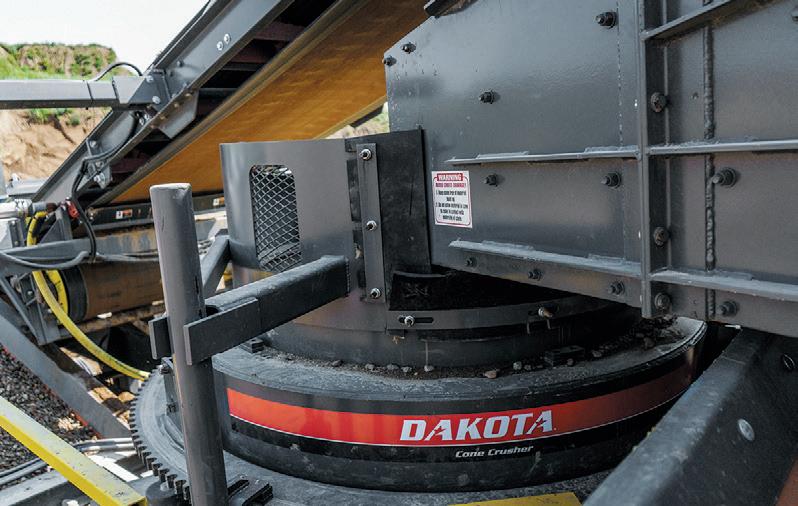
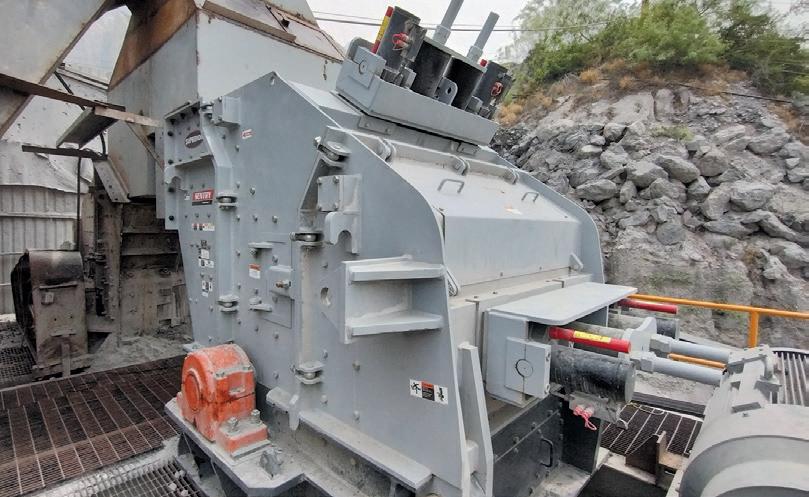
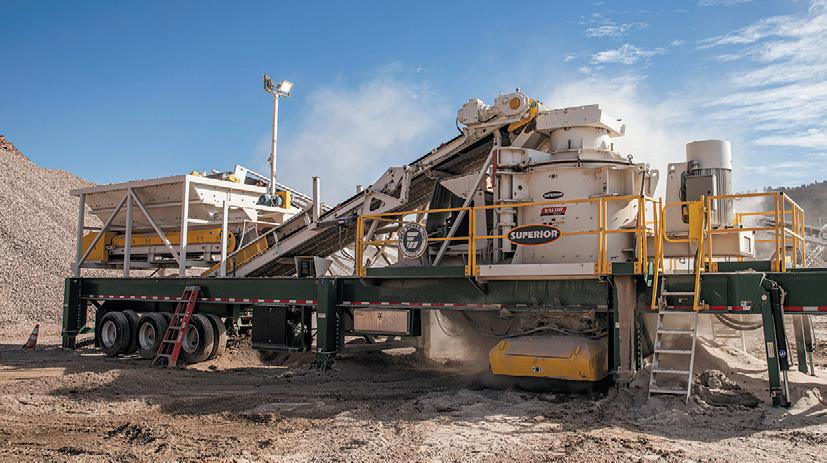
The limestone then undergoes a threestage crushing process using compression and impact crushing technologies. It is first reduced using a cone crusher, followed by a second cone crusher and then shaped using vertical shaft impact crushers. The material is then screened and sorted into final products using multiple eight-foot by 20-foot tripledeck aggregate screens.
Water used during processing is pumped to settling ponds, where it is treated and recycled back into the system. About 95 to 97 per cent of the water is reused, with minimal loss primarily contained within the final product, an approach that supports both operational efficiency and environmental responsibility.
Finished materials are loaded onto customer trucks by a fleet of six wheel loaders, with the quarry shipping up to 35,000 tonnes a day.
While the aggregates industry is often perceived as traditional, the Dundas site reflects a more forward-looking approach.
“Dundas is probably more on the cutting edge of some of the digital technologies that we have,” Ruggieri says.
At Dundas, the “crown jewel” is not just the scale of the operation, Ruggieri explains, it is the combination of history, innovation and community connection that defines its ongoing contribution to the region.
The relationship between the two companies was announced last year with the launch of Komatsu Smart Quarry Autonomous, powered by Pronto. As explained in last year’s announcement, the system integrates Pronto’s autonomy technologies into quarry-sized haul trucks and ties into Komatsu’s Smart Quarry solutions.
This partnership allows existing Komatsu vehicles to be retrofitted with the Pronto AI.
BY COLIN leGGe TT
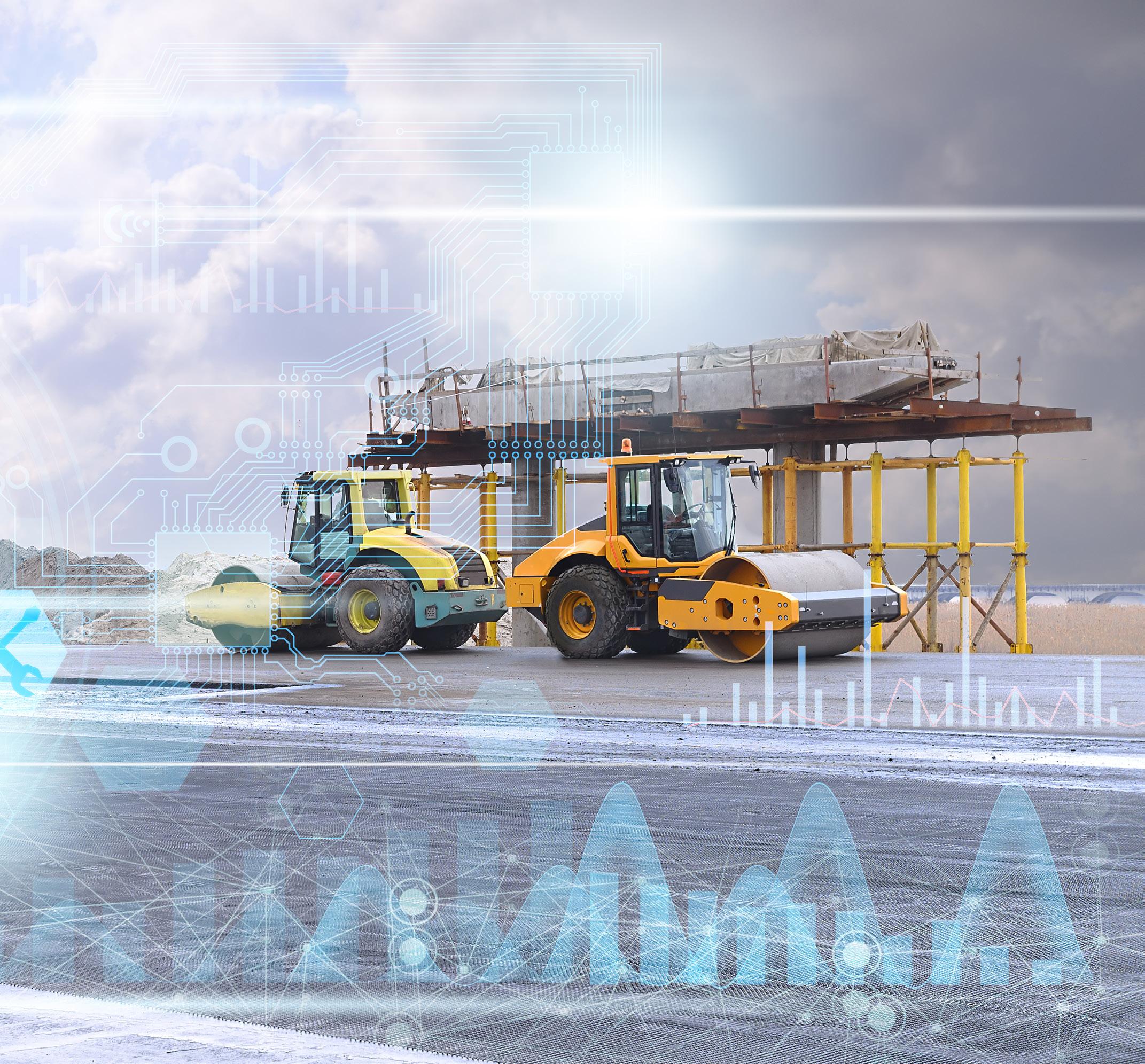
> Depictions of the future often promise flying cars, but reality is far more grounded.
As technology advances and innovations in every field continue to roll out, the truth is roadbuilding is still necessary. However, something like asphalt can be just as technologically advanced and augmented as the future vehicles driving on it. This is where Asphalt 4.0 comes in.
THE FOUNDATIONS OF ASPHALT 4.0
Asphalt 4.0 is a concept pioneered by the European Asphalt Pavement Association (EAPA). It is an extension of Industry 4.0, which describes the application of advanced technologies including Artificial Intelligence, blockchain and machine learning to multiple business sectors. With Asphalt 4.0, these technologies are applied to the paving process.
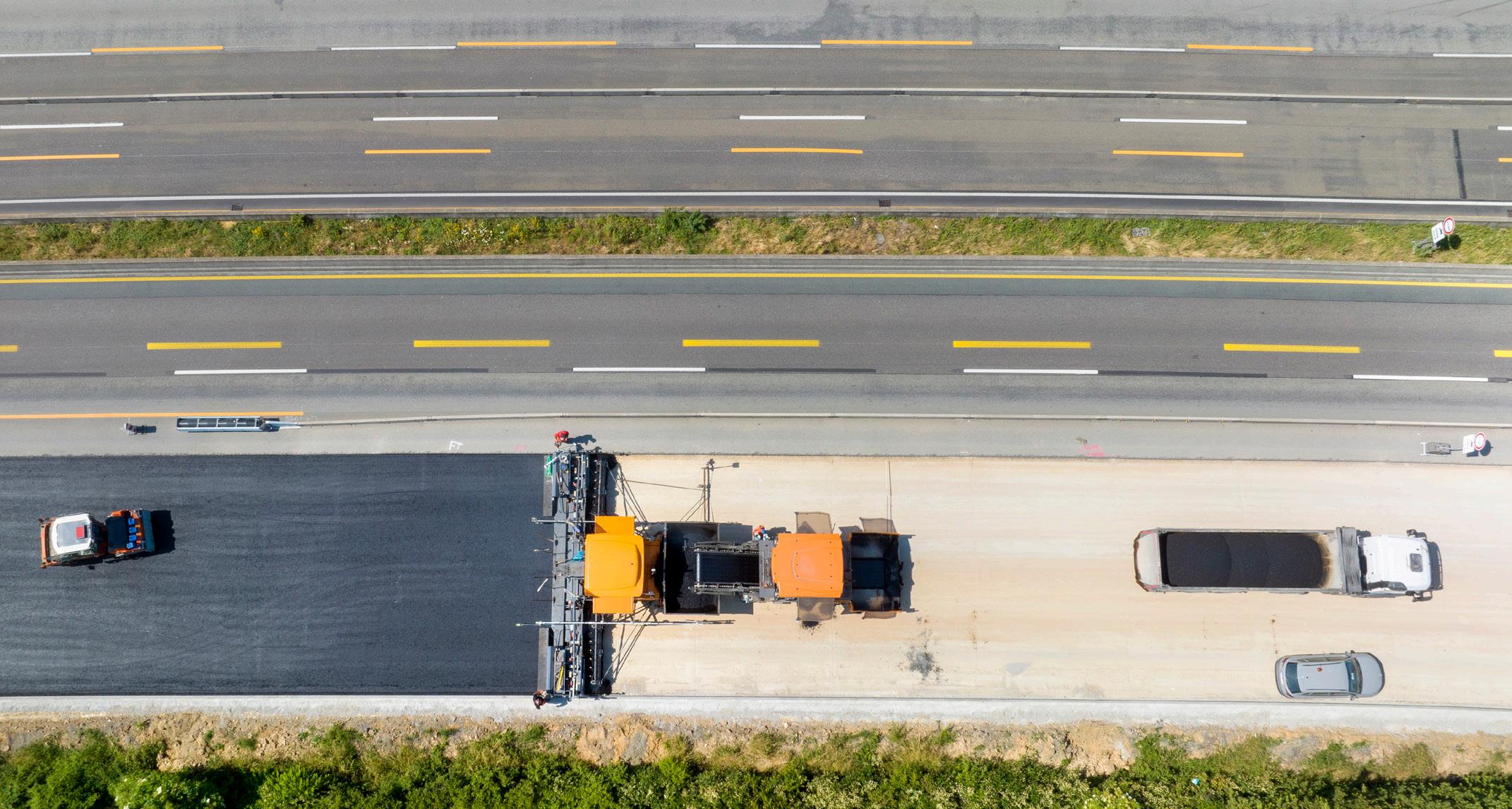
Asphalt 4.0 is supported by three pillars:
• Digital technologies and tools used for data management, including generation, storage and transmission.
• Smart management systems for processing data and identifying patterns for better decisionmaking in a timeframe faster than what humans can do.
• Customer experience, meaning the monitoring, management and maintenance of roads beyond their construction based on collected information
What this all looks like when applied to the paving process is technologies like embedded sensors in asphalt to monitor a road’s condition, machineto-machine communications systems, autonomous construction equipment and intelligent asphalt plants.
These technological solutions, most of which are not far off from being implemented in the real world, are supported by management systems like digital supply chain management, smart logistic tools, digital road condition assessment and optimized operational quality.
Combining the technologies and management systems then provides digital maintenance prediction in real time as well as connected and hands-off construction and maintenance, according to the EAPA.
One of the more innovative ideas behind Asphalt 4.0 is the integration of sensors to provide continuous realtime data on the condition of a road.
“But this is just the first step. The next step should be that you really throw in sensors and they are just there in the middle of the asphalt,” said Carsten Karcher, Secretary General for EAPA. “And then they send the signals, whatever signal you want: stress, strain, temperature, et cetera.
“But they also can give you this information if the material starts to move, starts to develop cracks. You have information throughout the service life of the pavement: what happens inside the pavement and not only on the surface.”
Ultimately, the end goal of Asphalt 4.0 is to increase quality and productivity alongside sustainability. This means building roads more efficiently and ensuring they last longer.
One of the cornerstones of achieving these goals is smart paving technology. Companies like Vogele, BOMAG and Hamm are already applying many of these technologies to their pavers and compactors. These technologies provide more accountability in quality control and increase efficiency in numerous ways including helping workers to avoid unnecessary passes with a roller.
Intelligent Compaction Systems, or ICS, improve efficiency and sustainability for paved roads by measuring the stiffness of a road using an accelerometer rather than traditional methods which measure density.
Adjustable compaction systems like BOMAG’s asphalt manager also play a role in efficiency by automatically adjusting the force and amplitude of a roller to meet the current criteria for compaction. Frank Reinartz, product manager - heavy tandem rollers for BOMAG, discussed this system at CONEXPO-CON/AGG 2026.
“If you have a soft asphalt layer behind the paver, then it’s hitting the layer with a big amplitude to get the compaction,” said Reinartz. “But after some passes, if the stiffness gets higher, the amplitude will be reduced to avoid overcompaction. So, the machine does it by itself.”
Working in conjunction with smart paving technology is the integration of jobsite logistics. These digital tools allow for better co-ordination throughout the entire paving process, from asphalt plants to transportation to pavers and compactors. Better communication throughout the process can help to maximize efficiency by
avoiding the need to fix defects, says the EAPA.
Smart fleet management, optimal machine operation, and cross-process collaboration are examples given by EAPA of jobsite logistics. They allow for interconnectivity between asphalt plants, transportation, machines and other devices being used during construction.
An example EAPA gives is an integrated asphalt plant allowing for trucks to make deliveries at exactly the right time while monitoring the temperature of the asphalt using onboard sensors. Pavers at the jobsite can also have their speed and throughput adjusted based on the temperature of the product when it arrives.
“I see all of this information that we gather in this digital technology or with these digital technologies are, at the end, cost-saving,” Karcher said. “I think that each technology has the purpose to reduce the cost.
“And if we need less manpower and we have a lack of manpower, we don’t have to train the staff because an automation is doing it or a digital tool is doing it. We save cost in that sense.”
Automation and Artificial Intelligence remain hot-button issues, even as they are integrated more and more throughout the construction industry. Like any other sector, there may be concerns among workers about losing jobs to intelligent machines.
Karcher, however, does not see this as a major concern for the future of roadbuilding. Speaking in terms of Europe’s workforce, he said half of the workforce will retire in the next 10 years.
“Who is going to replace these skilled people? Driving a paver, driving a roller,
knowing the technologies, knowing how many roller passes are necessary before the road is paved in a good way, people at the asphalt mixing plant, people also with a shovel in their hand, people adjusting heights at pavers. We will not have them anymore,” said Karcher. “So why can’t we have an automated roller?”
Karcher said the engineering side of roadbuilding may face some job losses, but more new technologies being introduced to the process will in turn create more.
“We will bring others to this industry: software developers, sensor guys, all these new technologies that are going alongside Artificial Intelligence and with all this software,” said Karcher. “We get more people linked to other industries; more modern, more dynamic, more future-orientated industries. And that can also change our image, and then we attract more people again if we have more jobs.”

Asphalt 4.0’s focus on sustainability is just as important as its focus on technology. Roads built to last longer with a minimum of environmental impact are ultimately the end goal. A large part of this is the use of warm mix asphalt, of which Karcher has been an advocate.
“In principle, the advantages of temperature-reduced asphalts are the energy savings that you have,” Karcher said. “Secondly, reduced fumes and aerosols, so the working conditions, the working environment for the workers is much better with reduced fumes and emissions.
“If you don’t heat the binder as much as you have to with hot mix asphalt, you also reduce aging, so the durability will be increased.”
Like any big idea, Asphalt 4.0 has not been without criticisms.
“There are some, of course. And one is, ‘we always did it like this, so why should we change?’ This is the paradigm, unfortunately, of the very conservative construction industry,” said Karcher.
“And one of the reasons why we need asphalt 4.0 is when you look at the productivity of sectors, you see the construction sector going down while all other sectors are going up. So why
is that? That’s because we don’t apply the new technologies.”
Karcher maintains an optimistic outlook for the future of roadbuilding, even imagining a fully autonomous paving operation in remote communities.
“I’m exaggerating a bit, but maybe I’m sitting in the office in Toronto and I have a contract with the asphalt mixing plant that’s 300 kilometres away and the job site is 250 kilometres away from Toronto,” Karcher says.
“They buy the asphalt, and the asphalt is delivered in boxes. The boxes are put in equal distances on the road, and the paver just comes, picks the box up, takes the asphalt out, leaves the box behind it, because everything is done in one machine: the picking up of the material, paving of the material, the compaction of the material, and then it’s done.”
While Asphalt 4.0 may present some lofty ambitions like the type of operation Karcher describes, the capabilities for more efficient, cost-effective and sustainable paving exist. If the technologies and solutions companies are exploring are any indicator, then Asphalt 4.0 may soon become a reality.
“I like this idea of the job site of the future,” says Karcher. “It sounds a bit like science fiction, but the technologies are there.”
BY MIKE lacey
> At the end of the day, the fundamentals of crushing and screening rock haven’t fundamentally changed.
Machines smash big pieces of rock into smaller pieces, and the process repeats until the pieces are the correct size.
However, what does evolve is the speed with which this happens. Improvements in equipment, in power, in maintenance and safety all play a role.
At CONEXPO-CON/AGG 2026, OEMs had their latest crushing technologies on display.
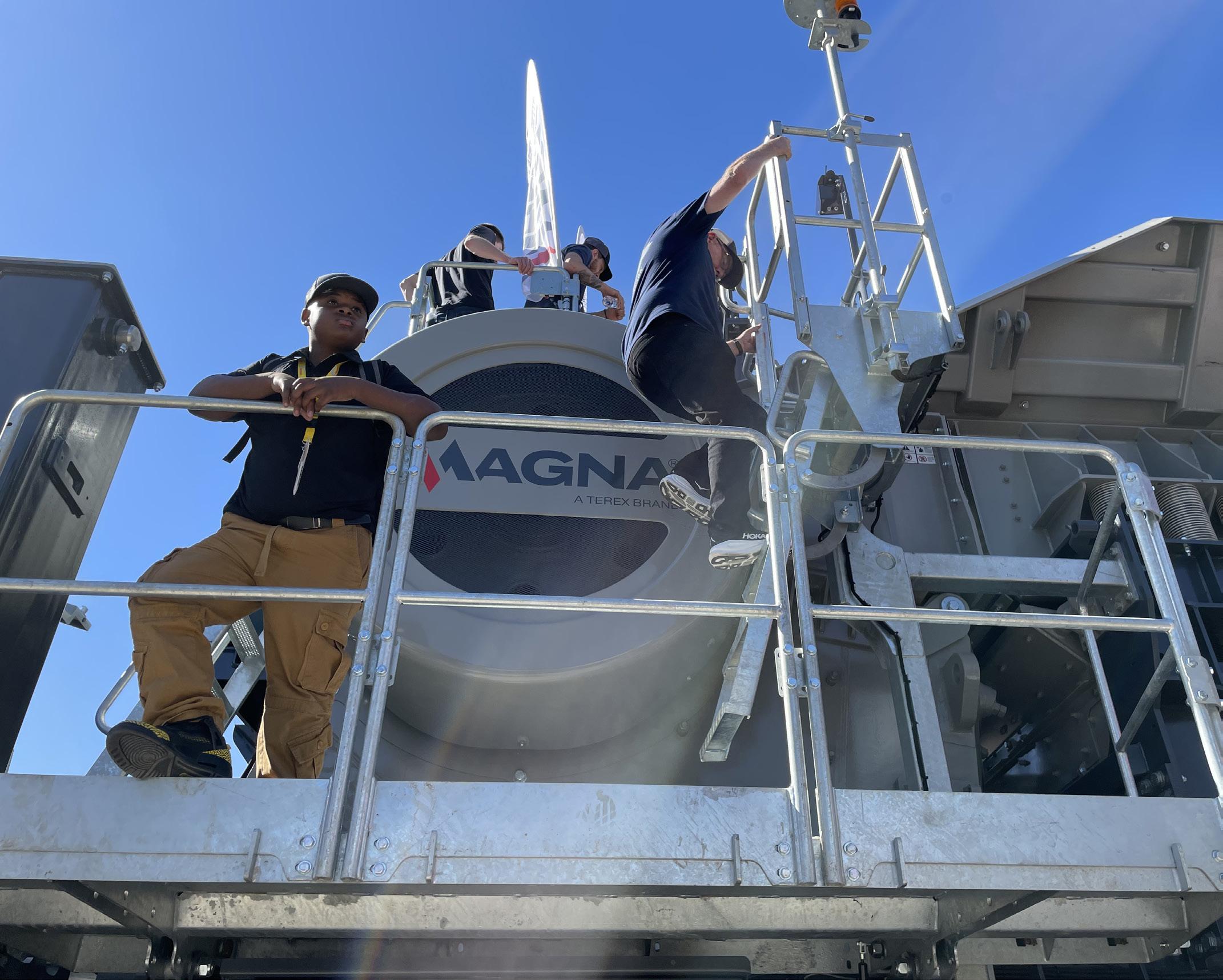
At the Terex booth, the company’s subsidiary Magna showcased its newest tracked jaw crusher, the MT130J.
Weighing in at 126,200 kilograms, the machine is the largest tracked jaw crusher in the
company’s lineup and can easily handle 1,000 tons an hour.
The MT130J has been engineered for highoutput quarry and mining applications. It can operate as a standalone primary crusher or as part of a mobile or static crushing and screening plant.
For ease of transport between sites, the plant can be split down and reassembled without the need for heavy crane assistance.
“It’s very quick set up. Half a day to set it up on site,” says Terex’s Niall Duffy.
Terex Corporation vice president Pat Brian sees condition monitoring as the main trend across the industry.
“We want to make sure that [this equipment] can provide data and information that is of value to customers. We see that as the next frontier,” he says.
The goal for Terex is to provide quarry operations with real-time information so that decision can be made on the fly to optimize output.
“Our typical cycle to build a machine is about four years. You can’t take that long with your digital tools.”
Terex has teams work collaboratively across its global footprint to speed up the development of digital tools.
“What is fresh and new and in the field today, in two years is probably going to be redundant,” he says.
While the hottest trend in construction equipment is electric power, that is likely not the case for the world of crushing, Brian says.
“I don’t see that as the next big wave that maybe six years ago some of us would have predicted,” he says. “There’s a cost penalty in terms of the machines compared to diesel hydraulics.”
He notes that doesn’t mean electric crushing and screening equipment won’t be used. The costs to run an electric machine are lower and some countries, especially in Europe, require the use of electric equipment for certain projects.
But it’s the digital world where advancements are happening far more quickly.
New digital tools were also the focus of Wirtgen at CONEXPO-CON/AGG 2026.
Craig Lamarque, V.P. Head of Digital Products at Wirtgen America, says WPT Crushing is the company’s approach to digital tracking.
WPT Crushing allows operations to simplify planning, allow real-time monitoring of projects and improve productivity, he explains.
While the machine operator can already access data at the machine, equipment fitted with WPT Crushing takes that a step further and provides this information to the plant operator while in their office.
“All of that information is communi-

cated from the crusher up to the cloud and through to the John Deere Operations Centre. So, you could be sitting in the office and all of that information is now available to you,” he says.
This allows managers to monitor sites remotely and set targets.
“If you’re running behind schedule, you may say ‘hey, I better get another crusher out there’ or ‘I need to speak to my customer and tell them I’m not going to be able to deliver the tonnage.’ So, that allows true asset management in a way that allows someone to be much more effective.”
To gather this information, the system requires the installation of components on the crusher, such as the belt scale with belt speed control and a weighing cell for the conveyor belt. Wirtgen notes the conveyor belt scale measures the belt load on a defined section of the belt, while the speed sensor records the speed of the moving conveyor belt. A GPS and mobile radio aerial installed at the plant guarantees data transmission. As well, there is the MTG (telematics unit), which acts as a communication and processing device and is standard on all supported Kleemann plants.
Crushers already in operation with a Wirtgen Group telematics unit (TCU) of the previous generation can be retrofitted at any time with WPT Crushing.
Astec Industries continues to build on its legacy of proven aggregate equipment, expanding its lineup with new equipment and digital innovations focused on today’s producers, explains Michael Norris, Astec Group President, Materials Solutions.
The company’s approach is grounded in close collaboration with customers and dealers, helping ensure new developments address real operational needs in the field.
Norris says the company has invested heavily in digital tools like integrated telematics and that work is only growing with the rapid advancement of AI.
“We have a team just focused on (digital),” he says.
But, he explains, Astec’s product development always begins with its customer and dealer advocacy groups.
“We will go out to our end users and customers, not only of our equipment but our competitors’ equipment, and find out what they like, what they don’t like. We’re really trying to listen to what they say -what are their pain points and how can we make their operation more profitable and more efficient.”
Stephen Whyte, VP Product Management, says the company will bring in, at a minimum, five customers and five dealers.
“Over the course of a few days, we run
a customer co-design process to gain direct feedback on early engineering concepts with a feature prioritization exercise, letting our customers shape which features they would prefer included.”
Some of the customers work with Astec through the entire design process.
“We’ll do design reviews with them and then some of them have actually ended up testing the product for us,” he says.
It was that research that helped Astec develop its new A-series jaw crusher line.
Whyte says making it easier to conduct maintenance on the crusher was a key focus when the company redesigned its jaw crusher lineup.
The company leveraged the strengths of three proven legacy crusher lines – Pioneer, Telsmith and Osborn – into the new A-Series line.
“We’ve taken all the best features from those legacy units and we’ve added a lot of new features around safety and a big focus on lowering the cost of time for our customers,” he says.
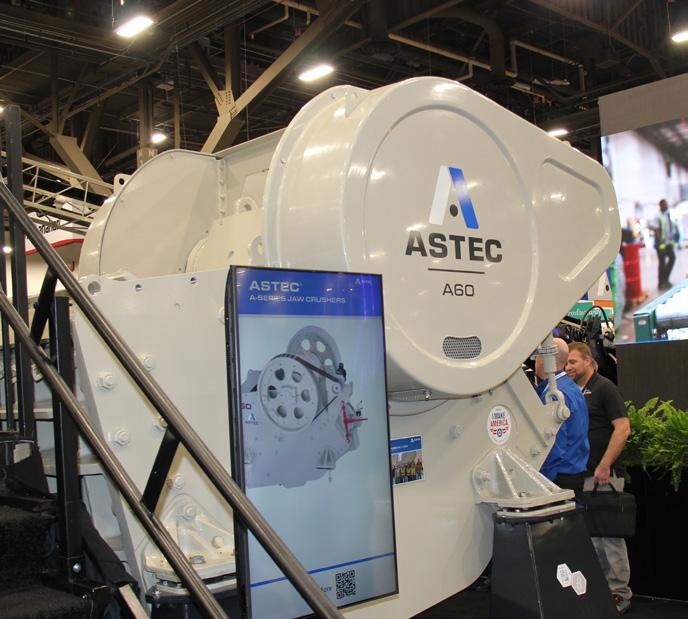
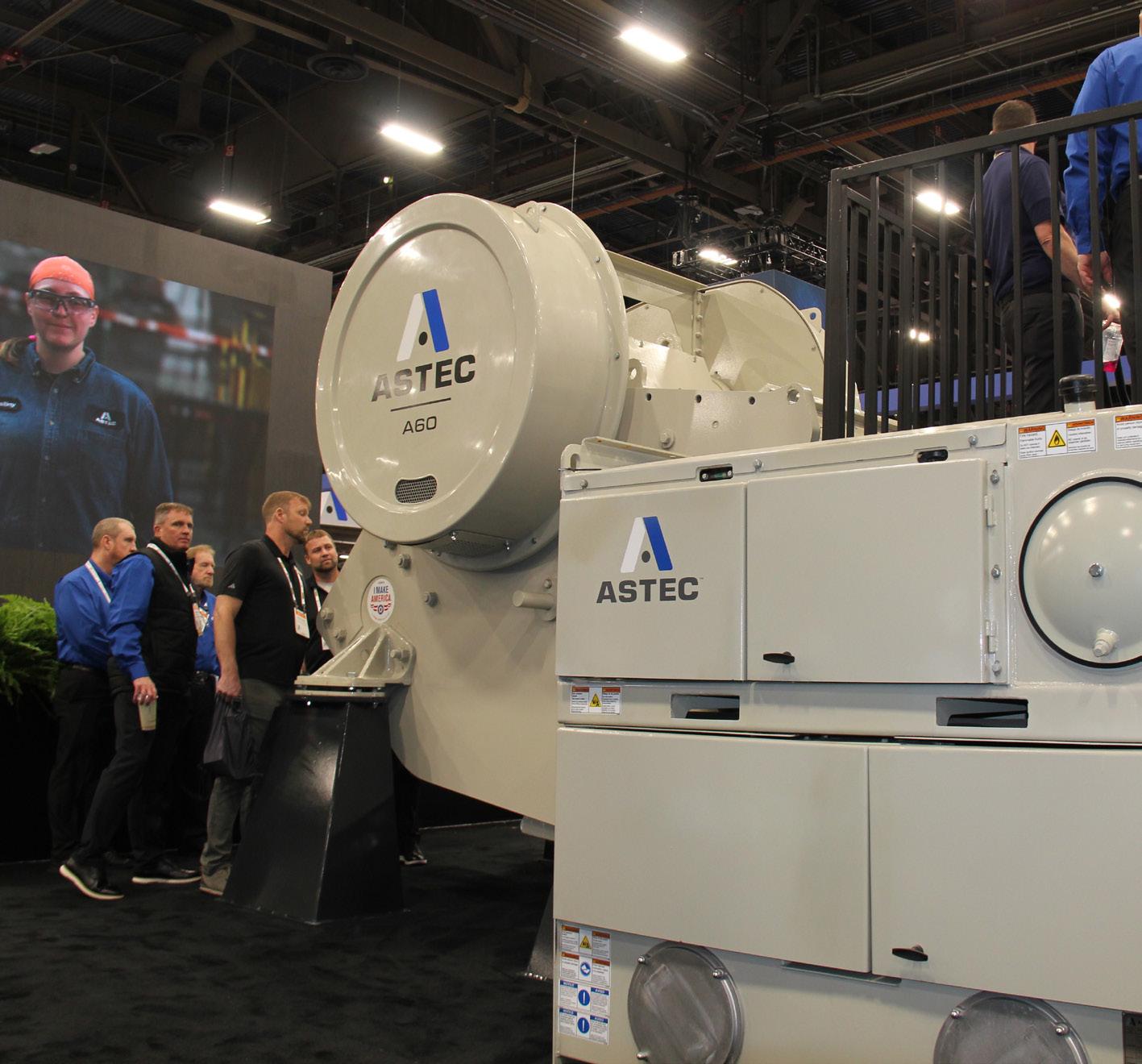
At this year’s CONEXPO-CON/AGG, the company unveiled the newest machine in the line – the A60 jaw crusher.
The A-Series crushers now have keyed and bolted frames and cast swing jaws.
Whyte says the company focused specifically on “the speed of maintenance and making those daily tasks a lot safer.”
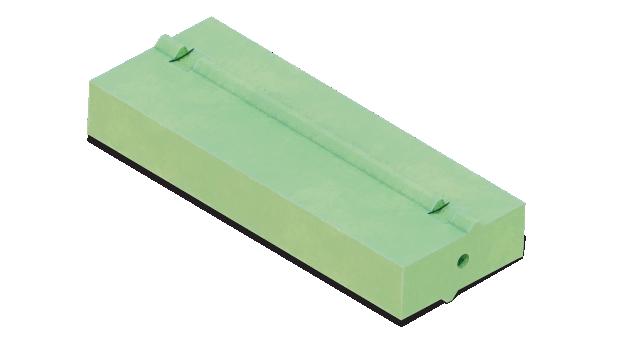
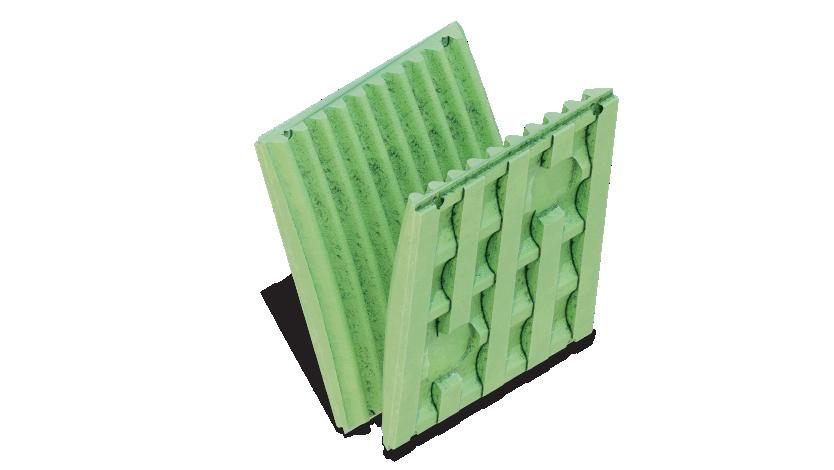
As an example, the A-line jaw crushers’ patented cheek plate design makes it easy for one service worker to change the cheek plates from the outside.
Another feature of the crusher is Astec’s patented interchangeable toggle assemblies. Whyte explains both hydraulic and mechanical options eliminate heavy wedges and side plate cutouts, allowing for fast, safe adjustments and quick resets after an un-crushable event.
“Basically, how that works is if a piece of metal goes into the chamber, it will automatically relieve and when the metal passes through, it will automatically come back,” he says. “It’s done through a pressure relief system. But the nice thing about it is if that piece of metal goes through, the unit automatically resets, and you can keep on crushing. You don’t have to shut down all the machines in a crushing and screening train to reset the jaw, it’s all automatic.”
To improve the longevity on wear parts, the A-series features longer liners with improve nip angle and interchangeable fixed and swing liners.
Ultimately, Astec’s approach to innovation reflects a consistent focus on listening to the people who use its equipment every day, Norris says. He adds by combining decades of engineering expertise with direct customer input and evolving digital capabilities, the company continues to deliver solutions that improve uptime, safety and overall productivity across the operation.
A unique digital feature is Haze Optics, from HAZEMAG. It’s an AI-based visualization system where cameras monitor a belt to determine the gradation of material on the belt.
“We were able to tie that into the automation system of our crushers,” explains HAZEMAG’s John Benham. “So, if the system is seeing a lot of oversize, it can actually adjust the crusher automatically to get that material back in spec.”
He notes the company is focusing on using digital tools to improve maintenance and safety.
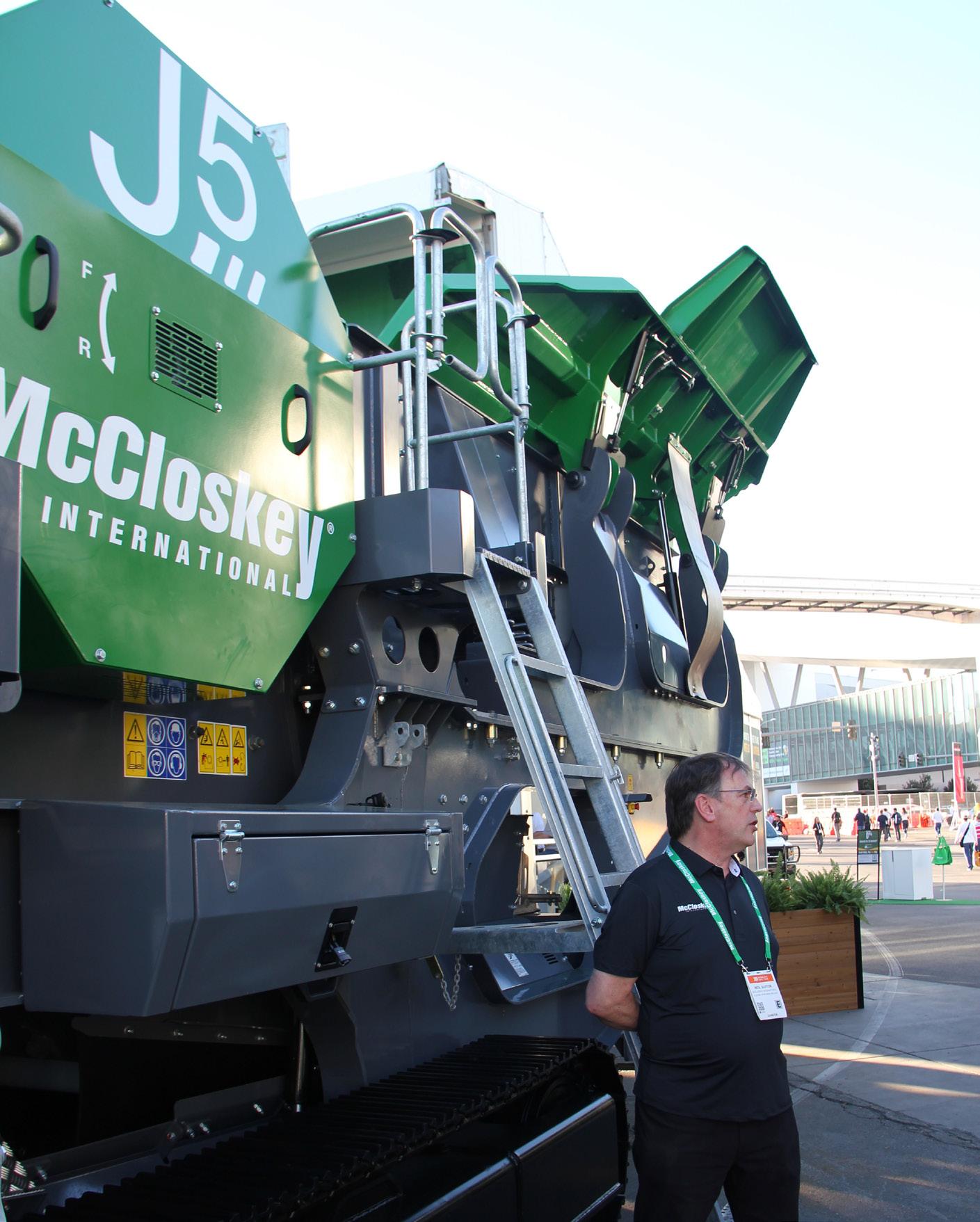
Canadian company McCloskey International’s J5 jaw crusher was on display at CONEXPO. This is the third in the company’s J series and is aimed for a customer seeking a heavy machine that can work long hours and handle high tonnage, says McCloskey’s Neil Suitor.
“This machine is heavy for what it is; it’s around 63 metric tons. One of its best features, of course, is the jaw crusher itself. It is probably the most important feature, made for us by our parent company, Metso. It’s a Metso C116, a very well-known and popular chamber,” he says.
Suitor says the machine is simple to operate and has basic controls.
“We don’t get carried away with a load of sensors or electronics. It has a very high spec conveyor—longer and with wider belts—and a heavier spec. This is really a very, very top-end, heavy-duty machine. It is certainly very much more aimed, I would say, at hard rock. It doesn’t have limitations on rock PSI. But it does recycle as well. You can run the crusher backwards to recycle asphalt. It literally will crush almost anything.”
Suitor explains the company focused on the customer when designing the J series. Along with a simple operation, they also wanted to ensure maintenance was easy and safety was paramount.
Some companies don’t focus on ways to mitigate having to do maintenance in the first place,” he says. “I was talking to a customer today who owns a J50 [the predecessor of the J5] and he said it is almost impossible to stall a McCloskey crusher because of the hydraulic drive. If you stall a crusher that’s driven by a clutch with a rock in it, there’s no way of starting it. You either have to use a rock hammer which is a very expensive option, or lift the rock out, which is a dangerous task.”
Another maintenance plus is the machine’s open chassis design.
“The open chassis design is really quite an important thing for us. Some of our competitors, you can’t see the conveyor at all. If something goes wrong, you need to be able to work on it. Here, you can get in and see the side of the conveyor because there’s no side in the chassis at this point,” he says.
The machine can also be jacked up, the mounting block removed and the conveyor let down until it’s under the tracks.
“If you need to replace the drum, bearings or belts, we can take the drum out under the tracks,” Suitor says. “That’s actually quite unique. It has a position where it can go significantly lower, which is really revolutionary.”
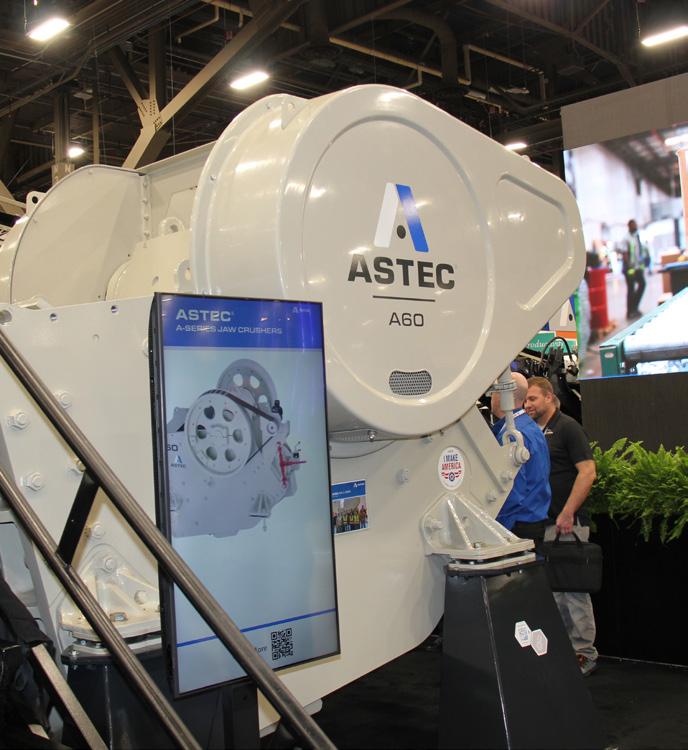
Astec Industries introduced the newest in its A-Series jaw crusher line on display, the A60, at CONEXPO-CON/AGG 2026. Astec states the A-Series line is engineered to incorporate the greatest strengths of legacy Astec crushers and provide a heavy-duty, keyed and bolted frame for improved crushing action and increased efficiency.
Features of the A-series include:
• Keyed and Bolted Frame: Eliminates high-stress welded joints for enhanced structural integrity and longterm durability.
• Solid Side Plates: Removed weak points and cutouts in mainframe side plates, boosting reliability and adding strength where required.
• Cast Swing Jaw with Angled Wear Plate: Prevents material bridging and strengthens high-stress zones for superior performance under heavy loads.
• Longer Liners with Improved Nip Angle: Maximizes material grip, reduces wear, and increases crushing efficiency.
• Interchangeable Fixed and Swing Liners: Extends wear part life, simplifies maintenance, and lowers operating costs.
• Patented Interchangeable Toggle Assemblies: Hydraulic and mechanical options eliminate heavy wedges and side plate cutouts for fast, safe adjustments and quick resets after an uncrushable event. astecindustries.com/product/a-seriesjaw-crushers/
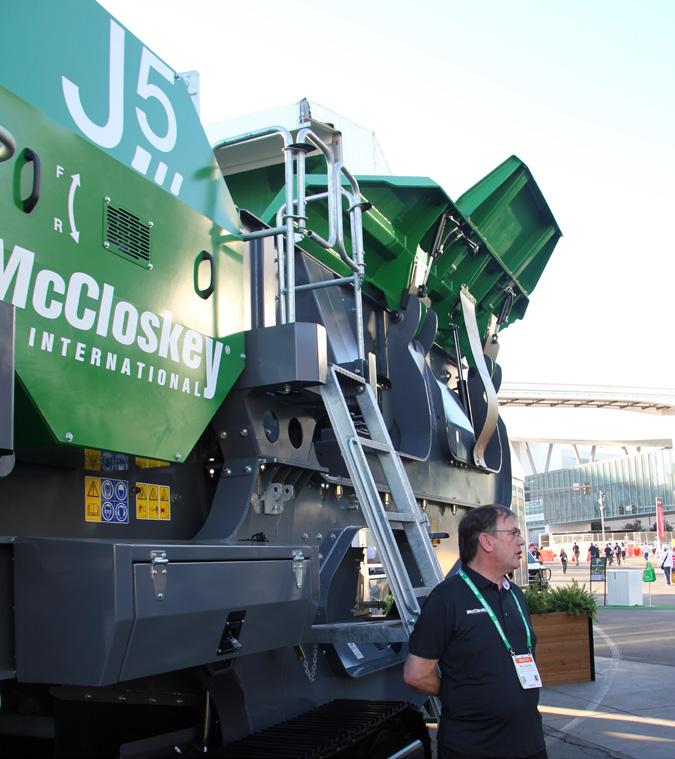
The latest edition to the company’s J series, the J5 is designed for operations looking for a machine that can work long hours and handle high tonnage.
The J5 has a 1,150 mm x 760 mm (45” x 30”) single toggle jaw, while the machine is powered by either CAT or Volvo Tier 4/ Stage V compliant engine.
The machine’s user-friendly controls make it simple to operate while its open chassis design allows for easy maintenance.
A feature of the J5 is its hydrostatic drive, which allows the crusher to run in reverse to clear blockages or process asphalt.
It has an integrated hydraulic folding hopper and stockpiling conveyors, HD crawler tracks and quick release jaw for transport. mccloskeyinternational.com/
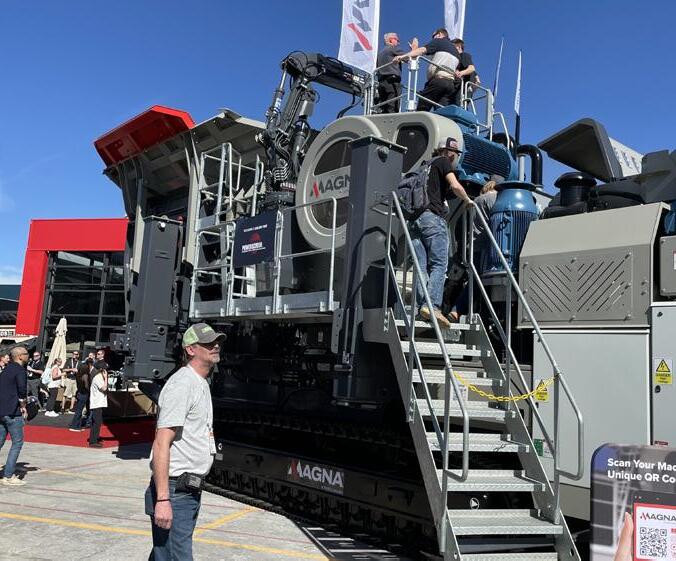
Magna MT130
Terex’s Magna brand brought its newest tracked jaw crusher, the MT130J to this year’s CONEXPO-CON/AGG 2026 and the
impressive machine did not disappoint.
Weighing in at 126,200 kilograms, the MT130J is the largest tracked jaw crusher in the company’s lineup. The machine was built for high-output quarry and mining applications. It can operate as a standalone primary crusher or as part of a mobile or static crushing and screening plant.
For ease of transport between sites, the plant can be split down and reassembled without the need for heavy crane assistance. Magna boasts it can be set up within a half day.
The MT130J has a throughput capacity of up to 1,000 MTPH, while the large 1,300-millimetre by 1,000-millimetre opening allows the crusher to handle oversized material, minimizing pre-processing requirements.
Automatic variable speed VGF provides continuous choke-feeding for optimal performance and the high-powered electric drive provides precise chamber controls and reverse functionality for clearing blockages as well as helping with demolition, asphalt and recycling applications. terex.com/magna/
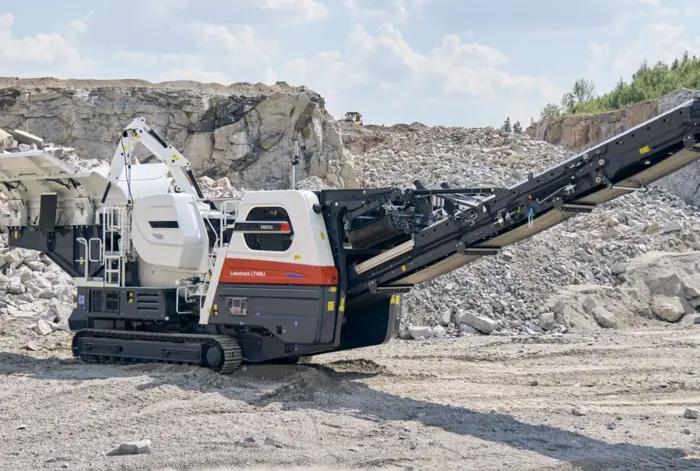
Metso’s mobile diesel-electric LT400J is the first jaw crusher in the company’s Lokotrack EC range.
The 68,000 kg machine has a feed opening of 1,200 x 870 mm.
Safety features include a remotecontrol setup for either operation or travel. Maintenance points were placed at ground level or wide service platforms for easy access.
The LT400J is equipped with the wellknown C120 jaw crusher. The jaw crusher has a throughput capacity of 230 to 770 MTPH, depending on application. metso.com
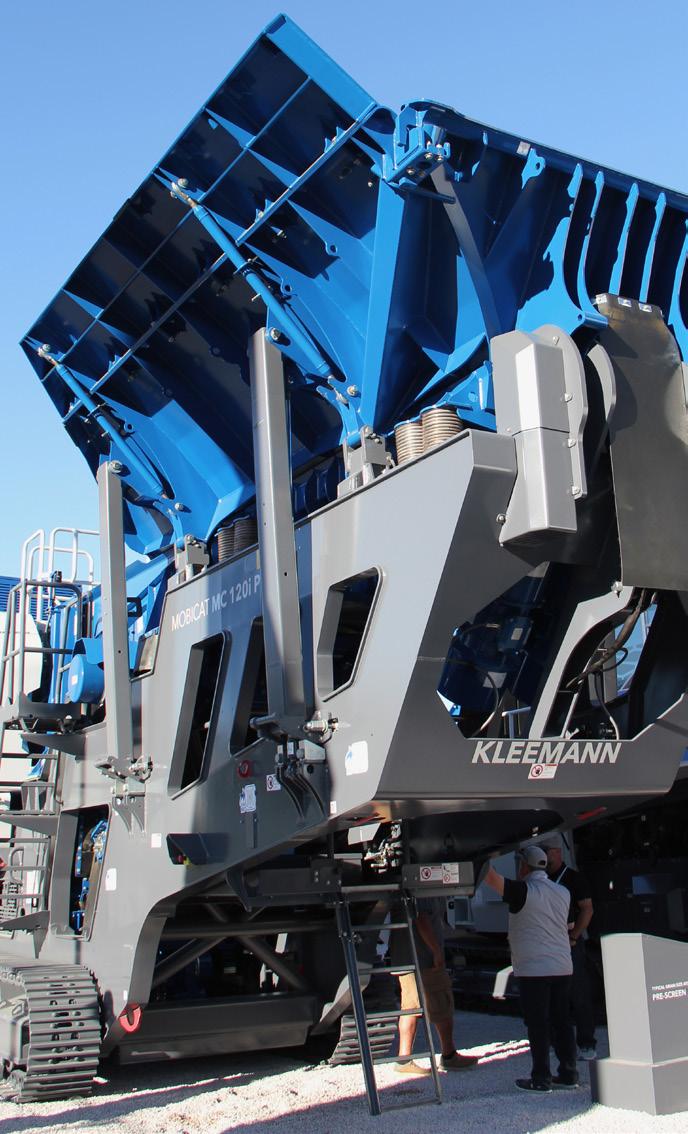
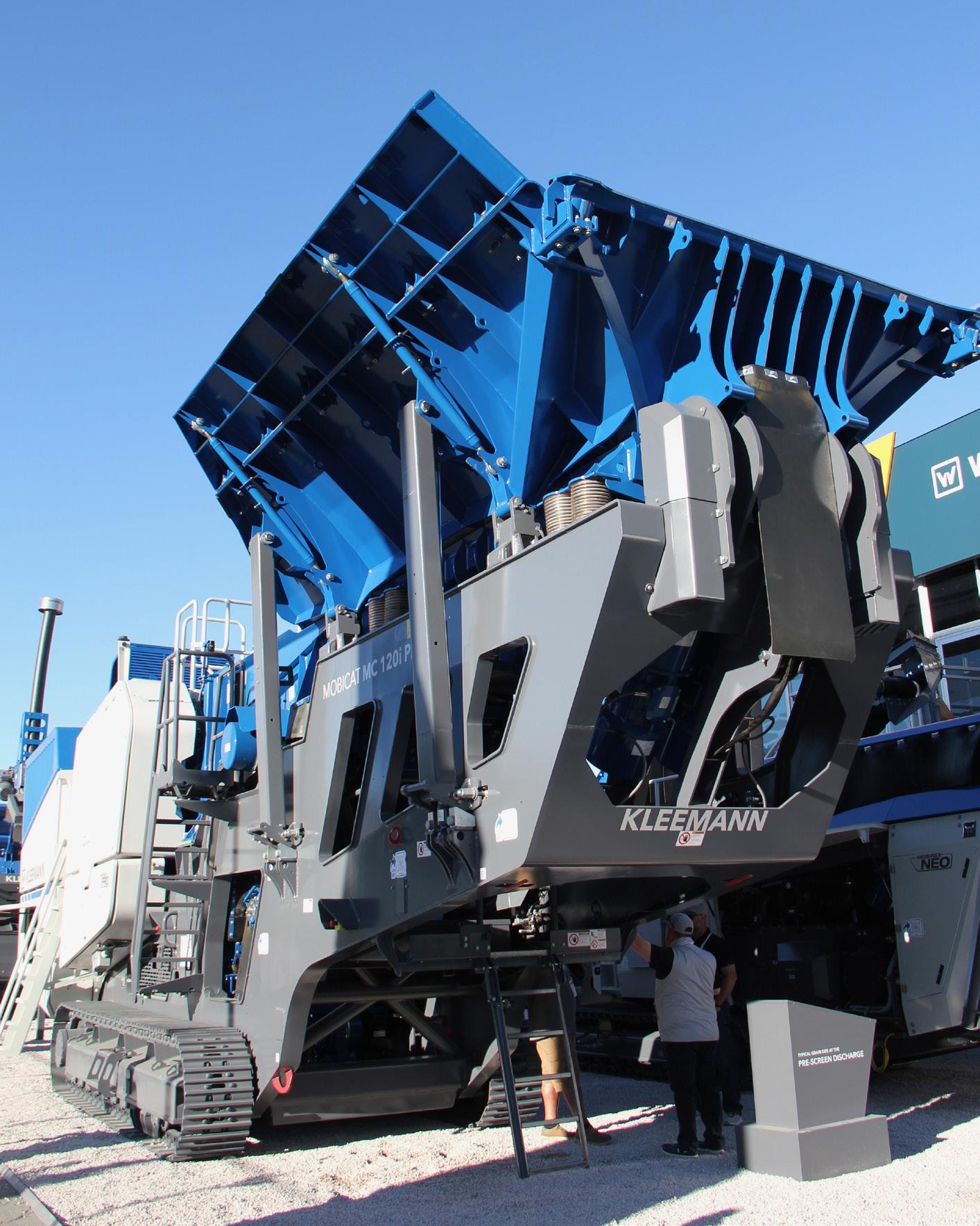
Kleemann MOBICAT MC 120 PRO Kleemann’s MOBICAT MC 120 PRO is one of the first jaw crushers in the company’s PRO range.
The mobile unit is powered by Kleemann’s E-Drive diesel-electric system that has an output of 368 kW. It’s designed to turn large rocks into manageable rocks.
The MOBICAT MC 120 PRO’s feed unit has a feed capacity of up to 650 MTPH. The hopper is 2.85 metres wide and 4.1 metres long in standard configuration. With an extension, those dimensions change to approximately 3.9m by 3.91 m, which allows loading from the side and rear.
The machine has a doubledeck vibrating prescreen with adjustable bypass flaps that allow for lateral discharge of smaller fines away from the crusher. This saves time and fuel.
The continuous feed system allows for consistent throughput by automatically regulating material flow based on how much material is in the crusher.
The single-toggle jaw crusher has throughput capacity ranging from 250 to 400 MTPH.
It has a transport weight ranging from 72,500 to 86,500 kg, depending on the configuration. Its transport dimensions are: height is 4.1m, width is 3m and length is approximately 19.35m. wirtgen-group.com
The UJ313 wheeled jaw crusher is built for the quarrying and recycling industries.
The machine has a feed opening of 1100 by 700 mm, a max feed size of 630 mm and a throughput capacity of up to 310 MTPH.
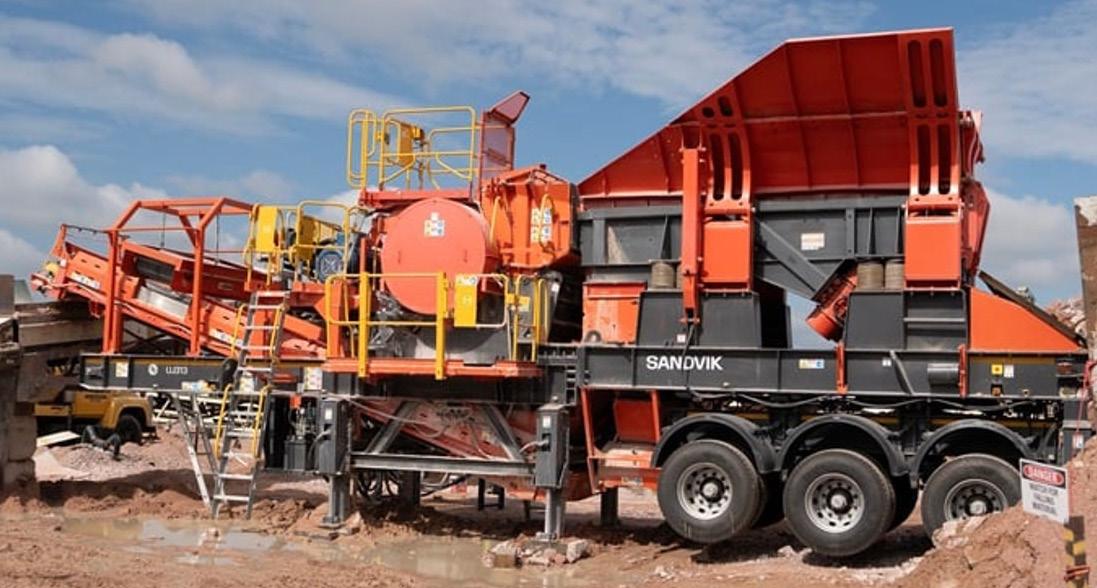
The 42,350 kg unit is electric powered and mounted on a single trailer frame with a triple axle bogie.
Other features include:
• Feed hopper’s hydraulic self-locking mechanism provides quick and easy set up.
• A three-way diverter chute, before grizzly feeder bars, offers flexibility to reroute and separate material.
• According to Sandvik, motorized pulleys on the main and natural fines conveyors extend oil changes to 50,000 hours.
• The CSS hydraulic adjust system allows for quick production changes and reduces downtime.
• Level sensors at the jaw, main conveyor and fines conveyor ensure the feeder control is based on actual stockpiling and jaw level.
• Service platforms on both sides of the crusher allow for safer maintenance access. rockprocessing.sandvik/
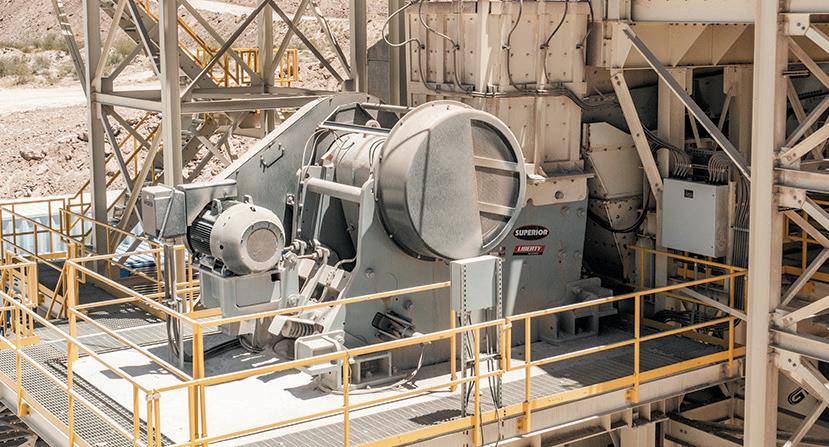
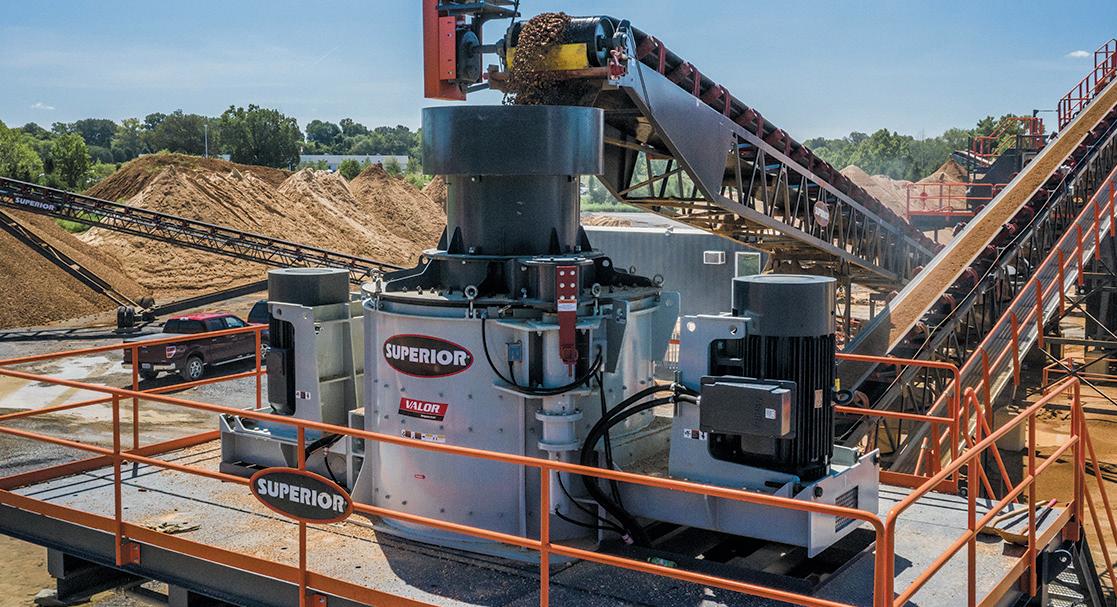
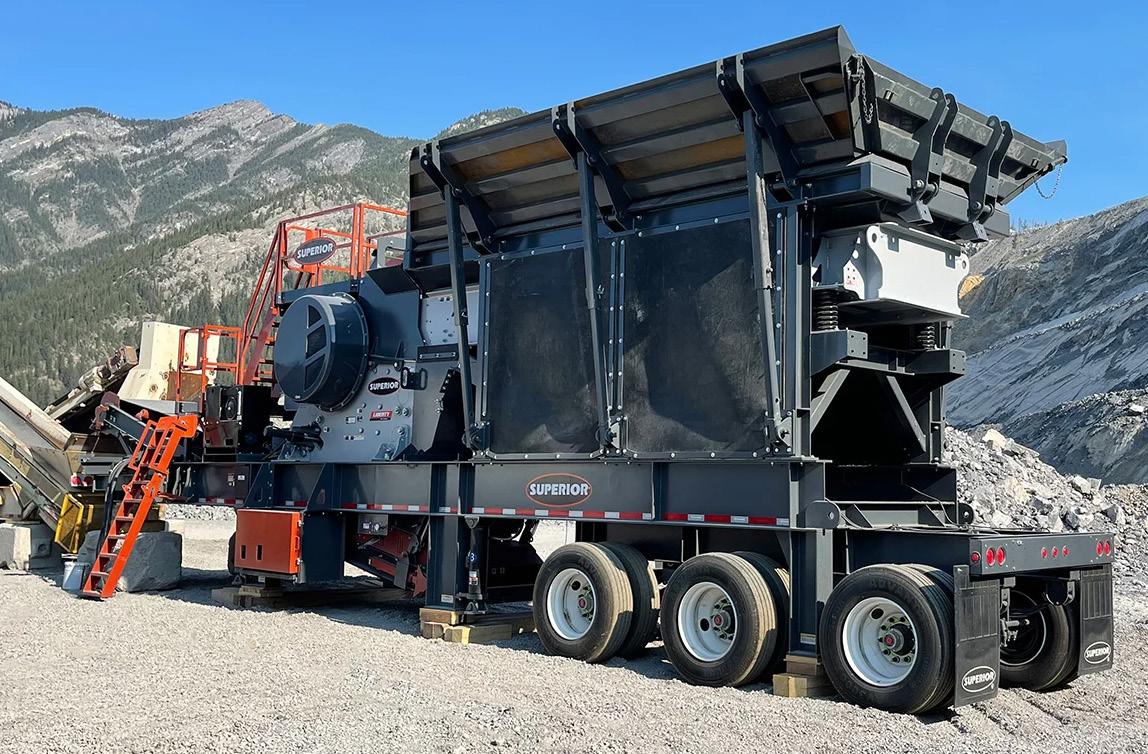
Superior Industries Liberty Jaw Crusher line can handle everything from ore to stone to
gravel to recycled concrete.
The line features 11 models with a capacity ranging from 90 MTPH to 1,450 MTPH, depending on the model, the application and other factors.
The frame is bolted and the hydraulic wedge adjustment allows for push button control of closed side settings.
An aggressive nip angle allows the jaw to process material and maintain strong capacity through the liner life.
The crusher’s hydraulic toggle plate relieves pressure and helps protect the crusher when uncrushable material enters the chamber.
The unit has the following liner configurations: flat tooth, corrugated, sharp tooth, bellied and anti-slab.
Other features of the machine include:
• Replaceable barrel liner, designed to protect the bearings and pitman housing.
• High strength solid casting of structural components, including end frames and a fixed jaw frame.
• One-piece cast pitmen. superior-ind.com
BY LEILA HasHemian and MOHAMED saleH
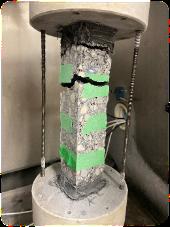
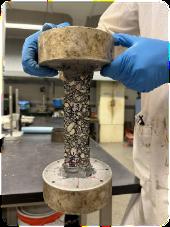
Comparison of low-temperature fracture behaviour from Thermal Stress
Restrained Specimen Test (TSRST): (a) unmodified specimen showing complete fracture; (b) fibre-modified HPAC specimen exhibiting a limited crack, maintaining structural integrity and able to support its own weight after cracking when suspended.
> Across Canada, roads are being expected to meet higher performance expectations. Heavier traffic loads, intensified freeze–thaw cycles and a warming climate are placing unprecedented stresses on pavement structures. At the same time, highway agencies face increasing pressure to reduce environmental impacts, extend service life and control long-term costs. These challenges have converged into a single, pressing question: how can we build asphalt pavements that are both more durable and more sustainable?
High-performance asphalt concrete (HPAC) has emerged as one of the most promising answers. Unlike conventional hot-mix asphalt, HPAC is engineered to deliver superior resistance to rutting, cracking and long-term aging. Recent Canadian research is now demonstrating that HPAC can be achieved not only through expensive polymermodified binders, but also by repurposing waste and low-value materials already available in abundance. By intelligently combining by-product asphaltenes from oil sands processing with recycled polyethylene terephthalate (PET) fibres, researchers are
redefining what resilient, climate-ready pavements can look like.
Asphalt mix performance depends on the interactions among aggregates, asphalt binder and the mixture structure, with the binder playing an important role in temperature sensitivity and durability. In cold regions such as Canada, asphalt binders must strike a delicate balance: stiff enough at high temperatures to resist rutting, yet flexible enough at low temperatures to avoid cracking. Traditional polymer-modified binders can achieve this balance, but they come at a high cost and may suffer from storage stability and phase separation issues.
An alternative approach gaining attention is the use of asphaltenes, highmolecular-weight fractions recovered as a by-product during oil sands bitumen upgrading and refining that currently has limited commercial value. However, when blended into conventional asphalt binders, asphaltenes significantly increases binder stiffness and high-temperature performance.
Laboratory studies conducted at the University of Alberta in Canada have shown that adding approximately 12 per cent asphaltenes by binder weight can elevate a typical performance grade (PG) 70 binder to a much stiffer grade suitable for high-modulus and high-performance applications, i.e. PG 82. This stiffness gain translates directly into improved rutting resistance and structural capacity, critical attributes for heavily trafficked corridors.
Yet stiffness alone is not enough. Increasing binder stiffness often comes at the expense of cracking resistance, particularly at low and intermediate temperatures. Without mitigation, asphaltenes-modified binders may become more brittle, increasing the risk of thermal and fatigue cracking. Addressing this trade-off has been a central focus of recent HPAC research.
Fibre reinforcement is not new to pavement engineering, but its role has evolved. Historically, fibres were used primarily to control drain down in stone mastic asphalt. Today, fibres are increasingly recognized as mechanical reinforcements that can bridge cracks, redistribute stresses and enhance energy dissipation within asphalt mixtures.
Among the many fibre types explored, glass, basalt, aramid and cellulose, polyethylene terephthalate (PET) fibres stand out for both performance and sustainability. Derived from recycled plastic bottles, PET fibres offer high tensile strength, excellent thermal stability and strong resistance to chemical degradation in the context of pavement engineering. Just as importantly, they provide a practical recycling pathway for one of the world’s most prevalent plastic waste streams.
In asphalt mixtures, PET fibres act as microscopic reinforcements. When cracks initiate, fibres resist crack opening and promote pull-out mechanisms rather than brittle fracture. This process absorbs energy and delays crack propagation, particularly under repeated traffic loading and temperature cycling.
While fibre dosage has been widely studied, fibre length has received far less attention, yet it plays a critical role in performance. Fibres that are too short may not effectively bridge cracks, while excessively long fibres can clump during mixing, leading to poor dispersion and construction challenges.
Recent research at the University of Alberta has systematically examined PET fibre lengths ranging from 6 to 18 mm in HPAC mixtures containing asphaltenes-modified binders. The results are compelling. Among the tested lengths, 12-mm PET fibres consistently delivered the best balance of performance.
At intermediate temperatures, mixtures reinforced with 12-mm fibres showed the highest cracking tolerance index and fracture energy, indicating superior resistance to crack initiation and growth. At low temperatures, the same fibre length provided significant gains in fracture energy and tensile strength, even when tested well below freezing. Shorter fibres improved performance compared to unreinforced mixtures, but not to the same extent. Longer fibres offered no additional benefit and, in some cases, introduced dispersion challenges.
These findings highlight a crucial lesson for practitioners: fibre reinforcement is not a one-size-fits-all solution. Optimizing fibre length is essential to unlocking the full performance potential of HPAC.



Innovation. Results.
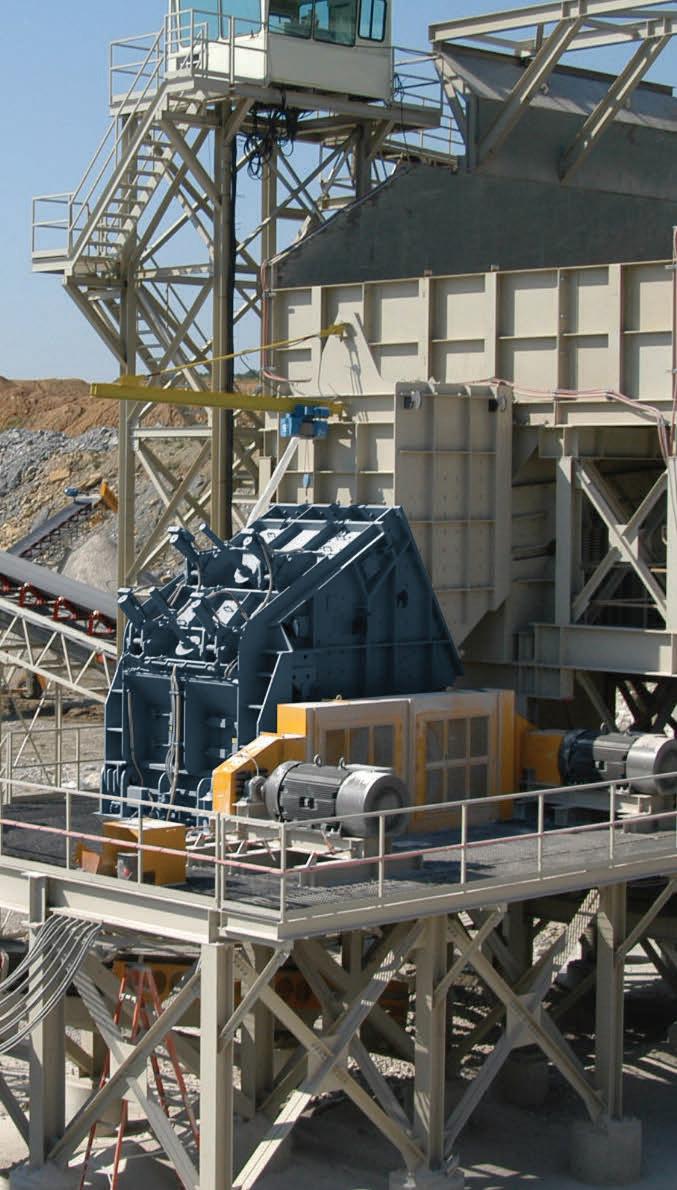
In 1946, Dr. Erhard Andreas invented the “Andreas Impact Crusher System,” a design that HAZEMAG has built upon to create a global legacy. HAZEMAG continues to set the standard,with over 100,000 units in operation worldwide.
HAZEMAG’s commitment to innovation is reflected through our range of Primary Impactors, designed for your specific needs. Featuring options like the HAZtronic System and customizable Rotor Selection.
Phone: 724.439.3512
Fax: 724.439.3514 E-mail: info@hazemag.com
Fax: 905.857.3025 E-mail: info@hazemag.ca


One of the most important developments accompanying HPAC innovation is the shift toward balanced mix design (BMD). Traditional volumetric-based mix design methods focus heavily on properties such as air voids and voids in the mineral aggregate, but they do not directly measure resistance to critical distresses such as rutting and cracking.
BMD changes this paradigm by incorporating performance tests directly into the design and verification process. Rutting resistance is commonly evaluated using the Hamburg wheel-track test (AASHTO T 324), while cracking resistance is assessed through tests such as the indirect tensile asphalt cracking test (IDEAL-CT) (ASTM D8225) or disk-shaped compact tension (DCT) testing (ASTM D7313).
When asphaltenes-modified binders and PET fibres are evaluated through a BMD framework, the benefits of the combined approach become clear. Asphaltenes significantly improves rutting resistance, pushing mixtures well into the “stiff” zone for high-temperature performance. PET fibres, particularly at optimized lengths, offset the stiffness-induced brittleness by restoring and even enhancing cracking resistance.
Performance space diagrams derived from BMD testing show that fibre-reinforced HPAC mixtures can simultaneously meet or exceed thresholds for both rutting and cracking, shifting the mixture response toward the ‘super mix’ zone. In practical terms, this means agencies no longer need to trade cracking resistance for rutting performance or vice versa.
For Canadian pavements, low-temperature performance is not optional, it is fundamental. Thermal cracking remains one of the most common and costly forms of distress in cold climates, allowing moisture infiltration that accelerates structural damage.
Low-temperature fracture testing has demonstrated that HPAC mixtures incorporating PET fibres can dramatically improve fracture energy, even when stiff asphaltenesmodified binders are used. In some cases, fibre-reinforced HPAC mixtures exhibited nearly double the fracture energy of comparable unreinforced mixes. Importantly, these gains were achieved without significantly changing the failure temperature, indicating that fibres enhance toughness and energy dissipation rather than merely shifting brittle behaviour.
The implication is powerful: fibre reinforcement can neutralize the cracking risks traditionally associated with high-stiffness binders, enabling the use of structurally efficient, long-life asphalt layers in cold-region pavements.
The environmental case for fibre-reinforced HPAC is as strong as the mechanical one. Asphaltenes is a by-product and PET fibre is a waste-derived material with limited competing uses. Incorporating them into asphalt pavements diverts waste from landfills, reduces reliance on virgin polymers and supports circular economy principles.
From a life-cycle perspective, longerlasting pavements also mean fewer rehabilitation cycles, reduced material consumption and lower greenhouse gas emissions over time. When durability and sustainability are considered together, HPAC represents not an added cost, but a long-term investment.
The convergence of by-product and recycled materials, fibre reinforcement and performance-driven mix design is reshaping how we think about asphalt pavements. Research conducted at the University of Alberta is demonstrating that high-performance asphalt does not have to rely solely on costly polymers or proprietary technologies. Instead, it can be engineered using locally available, lowvalue materials when applied intelligently and rigorously evaluated.
For practitioners, the message is clear. Optimized PET fibre reinforcement, combined with asphaltenes-modified binders and validated through balanced mix design, offers a practical pathway to building more resilient, climate-ready roads. For agencies, it provides an opportunity to improve performance while advancing sustainability goals. And for the industry as a whole, it signals a shift toward innovation rooted in both science and stewardship.
As Canada’s transportation infrastructure faces an uncertain climatic future, one thing is certain: the roads that perform best tomorrow will be those designed with performance, balance and sustainability in mind today.
This article was authored by Mohamed Saleh, PhD Candidate, and Leila Hashemian, professor at the University of Alberta, Department of Civil and Environmental Engineering. The work forms part of Mohamed Saleh’s PhD research, funded by Alberta Innovates through the Bitumen Beyond Combustion (BBC) program.

> JUNE 25
Saskatchewan
Heavy Construction Association Southern Golf Tournament
Deere Valley, Sask. saskheavy.ca/event-info/southern-golftournament/
> JULY 9
Ontario Stone, Sand and Gravel Association annual golf tournament. King, Ont. ossga.com/events/event/ossga_golf_ tournament/
> JULY 9
Annual Ron Legere Memorial Golf Tournament
Truro, Nova Scotia nsrba.ca
> AUG. 12
MANItoba Heavy Construction Association’s Golf Classic
Steinbach, MB mhca.mb.ca/events/mhca-golf-classic/
> AUG. 27
ORBA Annual Members’ Golf Tournament
King, Ont. orba.org/events/golftournament




Pollinator conservation is becoming an increasingly relevant component of environmental management for quarries as well as sand and gravel pits.
While these sites are inherently associated with land disturbance, they also present unique opportunities to support biodiversity through well-planned pollinator habitat projects integrated into both daily operational and final closure plans.
Pollinators such as bees, butterflies and other insects are essential to ecosystem function and agricultural productivity. It is estimated a third of all the food we consume is dependent on pollinators. Foods richest in vitamins, minerals and antioxidants such as fruits, vegetables, nuts and oilseeds are especially dependent on pollination. In Canada, more than 1,000 pollinator species contribute to plant reproduction, yet many are in decline due to habitat loss, land-use change and climate pressures. For aggregate operators, this creates an opportunity to align site management practices with broader environmental and sustainability objectives.
Progressive rehabilitation presents an effective opportunity for pollinator initiatives. As extraction advances across a site, previously worked areas can be restored with pollinator-friendly vegetation rather than conventional grass cover. Experience from reclaimed pits and quarries shows that diverse native plantings can attract pollinators early in the restoration process, long before full site closure. This supports both interim land use and long-term ecological value, while also minimizing the overall disturbed footprint.
From an operational perspective, successful pollinator projects rely on a few key principles. First, seed mixes should be designed to provide continuous bloom throughout the growing season, ensuring consistent nectar and pollen availability. This can also be achieved by providing varying species that bloom at different times during the growing season. Native species adapted to local soil and climate conditions are typically more resilient and require less maintenance over time.
Second, habitat design should go beyond surface vegetation. Incorporating features such as undisturbed ground for nesting bees, varied topography, and vegetative structure improves habitat functionality without interfering with active operations. These elements can often be integrated into berms, buffer zones and inactive areas of the site.
Connectivity is also an important consideration. Linking rehabilitated areas with adjacent natural fea-
tures such as woodlots, wetlands or rights-of-ways can enhance habitat effectiveness. Even within active sites, establishing multiple habitat patches can support pollinator movement and increase overall biodiversity value.
In addition to back-of-site rehabilitation, pollinator plantings at site entrances offer a practical and highly visible enhancement. Entrance roads, scale house surroundings and office areas can be landscaped with native wildflowers and shrubs that provide habitat while improving site presentation. These areas are often the first point of interaction for inspectors, customers and community members, making them a strategic location to demonstrate environmental stewardship. Wellexecuted entrance plantings can significantly improve the visual character of an operation, replacing bare ground with diverse, seasonally dynamic vegetation. Paired with signage, these plantings can communicate the purpose of the initiative and highlight the operator’s commitment to responsible land management. This can be particularly valuable in supporting permitting processes and maintaining positive community relations.
From a maintenance standpoint, native pollinator plantings are generally cost-effective once established. They typically require less mowing, irrigation and fertilizer than traditional landscaping, reducing longterm operational inputs. Entrance areas can also serve as small-scale pilot projects, allowing operators to evaluate seed mixes and management approaches before applying them more broadly across the site.
Collaboration with conservation organizations and industry programs can further strengthen outcomes. These partnerships can provide technical guidance, seed mix development and monitoring frameworks to ensure projects deliver measurable results and align with evolving best practices and rapport with the surrounding community.
Incorporating pollinator habitat into aggregate operations is a practical, scalable approach to enhancing environmental performance. By integrating these projects into rehabilitation planning and highly visible site areas, operators can support biodiversity, optimize land use and reinforce their commitment to sustainable resource development.
William (Bill) Gowdy is a geologist with 35 years of experience in the aggregate, geology, mining, reclamation and exploration fields throughout Canada and overseas (USA, Indonesia, South Africa, Mexico, Panama).