
PAVING THE WAY FORWARD:
Rapid Set
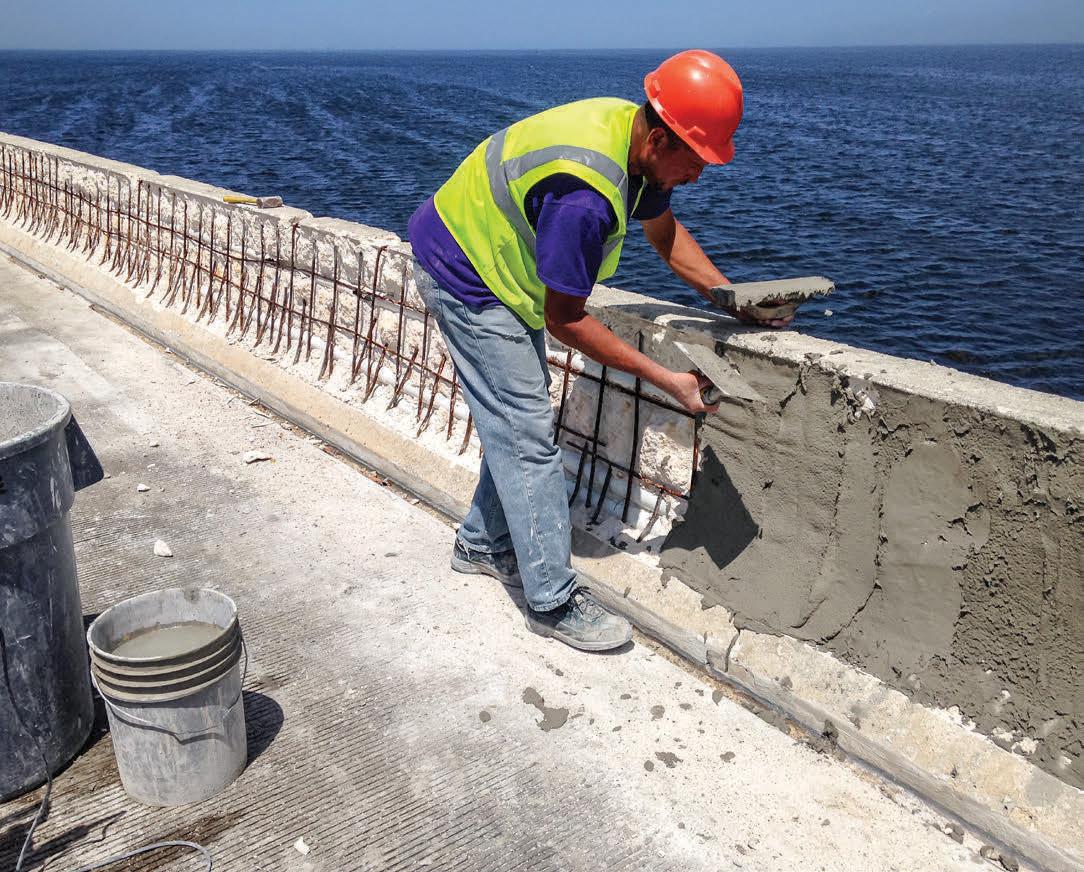
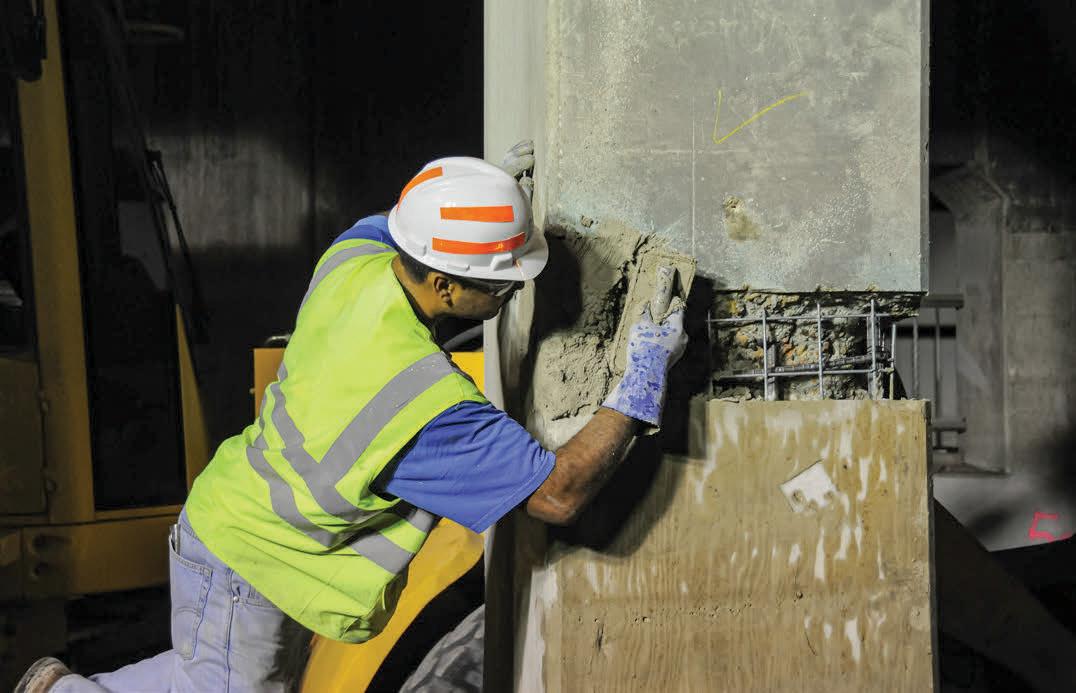
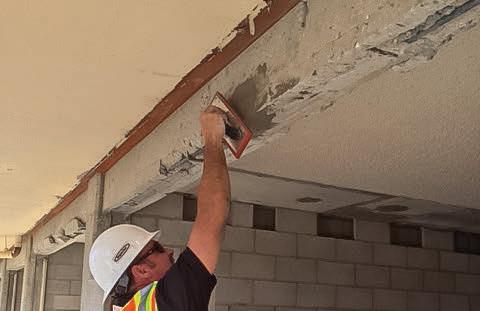
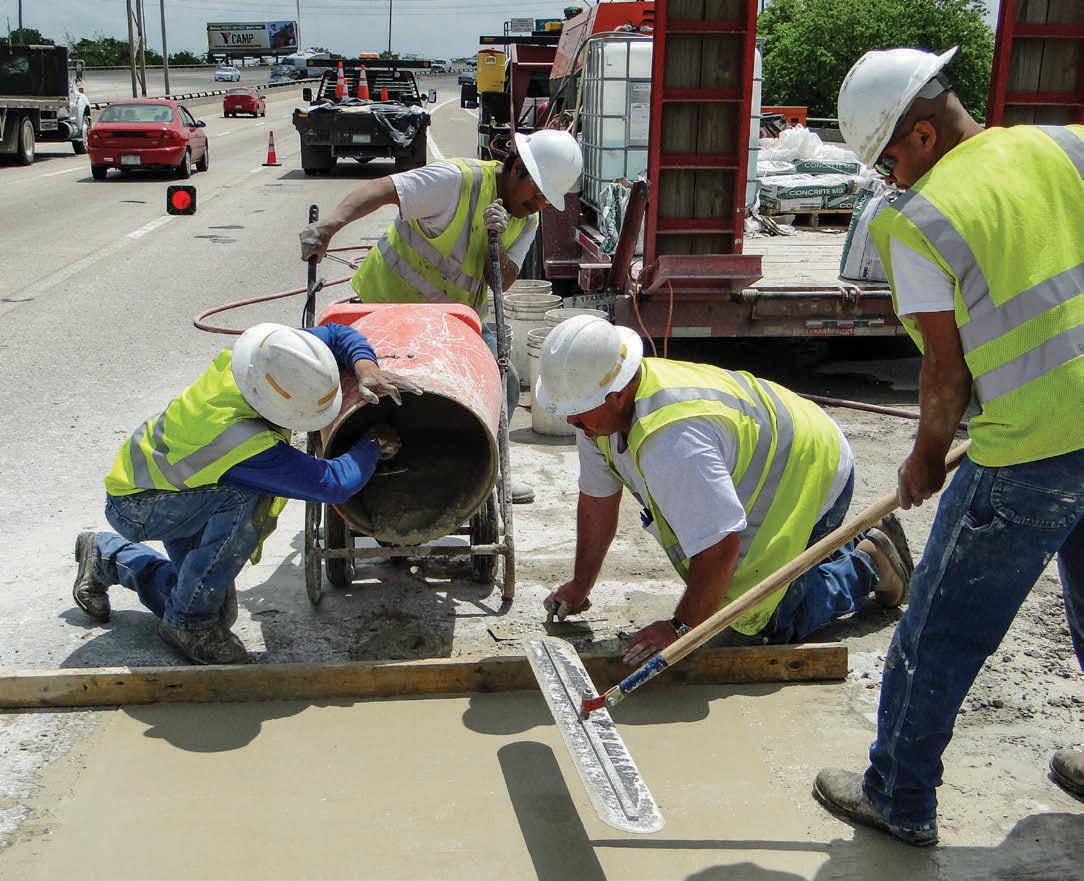
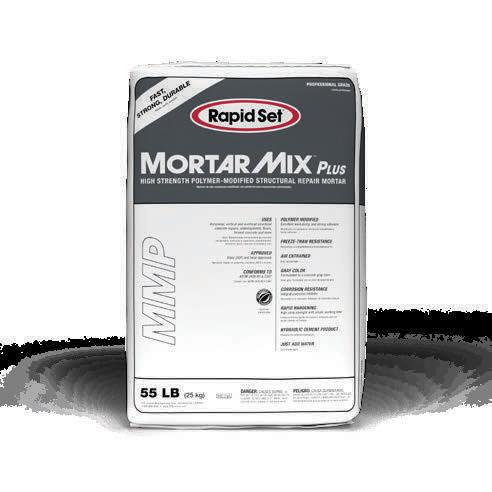
® structural repair materials help contractors restore concrete faster and more reliably across bridges, buildings and infrastructure.
Why contractors choose Rapid Set:
• Repair faster to keep projects moving
• Get structures back in service sooner
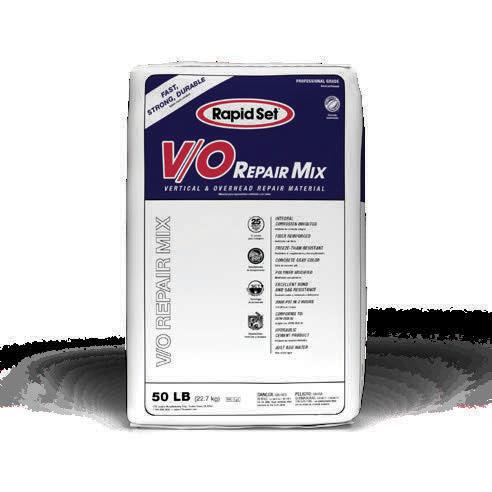
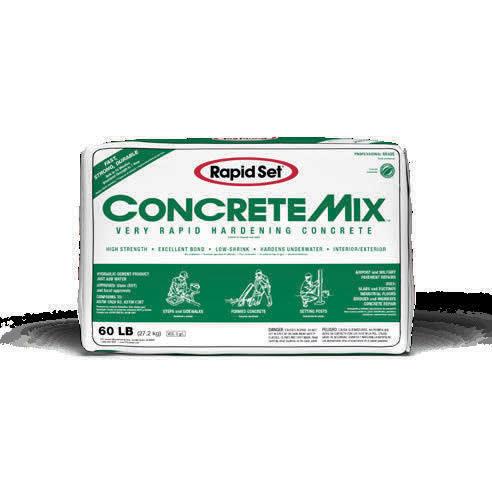

• Gains strength quickly
• Durable structural repairs
• Reduces callbacks
See how contractors repair structural concrete faster.
STRONGER AND LASTING LONGER
From ultra-high-strength mixes and digital monitoring to low-carbon innovation, high-performance concrete is transforming how Canadian contractors build faster, more resilient and longer-lasting infrastructure in some of the world’s toughest conditions.
BY SEAN TARRY
As infrastructure projects continue to roll out, break ground and progress across Canada, expectations around quality, efficiency and cost have never been greater. As a result, the materials used on projects today have got to meet stringent strength and durability requirements while at the same perform with greater predictability under pressure.
As a means to respond to the rising expectations around projects, a number of contractors and firms across the country have started to explore the use of high-performance concrete (HPC) and ultra-high-performance concrete (UHPC) and what it might mean for their overall operations.
Once considered a niche material that was reserved only for use on the most complex and specilized jobs, many advanced concrete mixes have quickly become critical components in the development of infrastructure mega-pojects. In fact, as Hamid Nefoussi, Engineering and Architecture Technical Representative at MAPEI Canada explains, HPC and UHPC are actually helping to solve some of the more persistent challenges that have traditionally hindered progress made by contractors operating across Canada, namely extreme weather, tight timelines, labour constraints and rising expectations around sustainability.
“Advanced concrete technologies are playing a critical role in addressing the unique challenges of Canadian infrastructure,” he says. “Their low permeability and dense microstructure significantly reduce deterioration caused by chlorides and moisture, which are major concerns in Canadian conditions.”
ENGINEERING FOR CANADA’S HARSHEST CONDITIONS
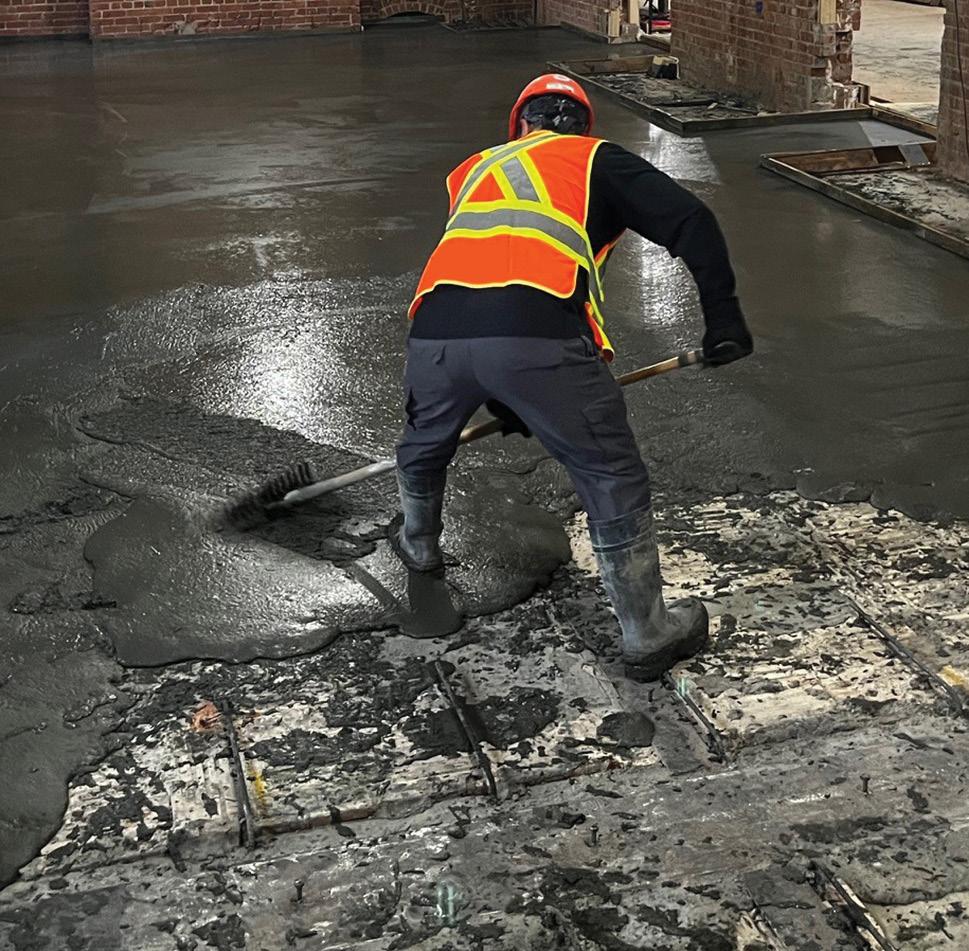
Indeed, as a result of the extreme temerpatures and weather conditions that regions across Canada experience, from intense heat to bone-chilling cold, and everything in between, materials that are used on construction jobs are subjected to a greater degree of stress and therefore are more likely to deteriorate over time if they aren’t properly designed and manufactured.
Advanced concrete technologies are playing a critical role in addressing the unique challenges of Canadian infrastructure.
CONCRETE
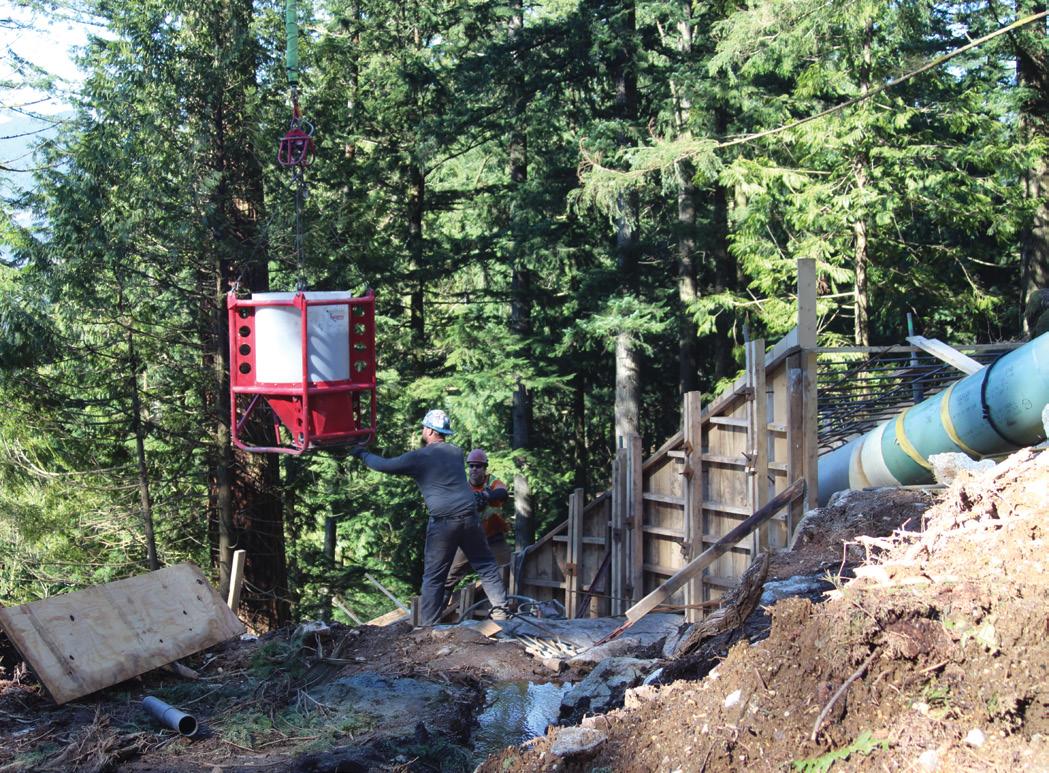
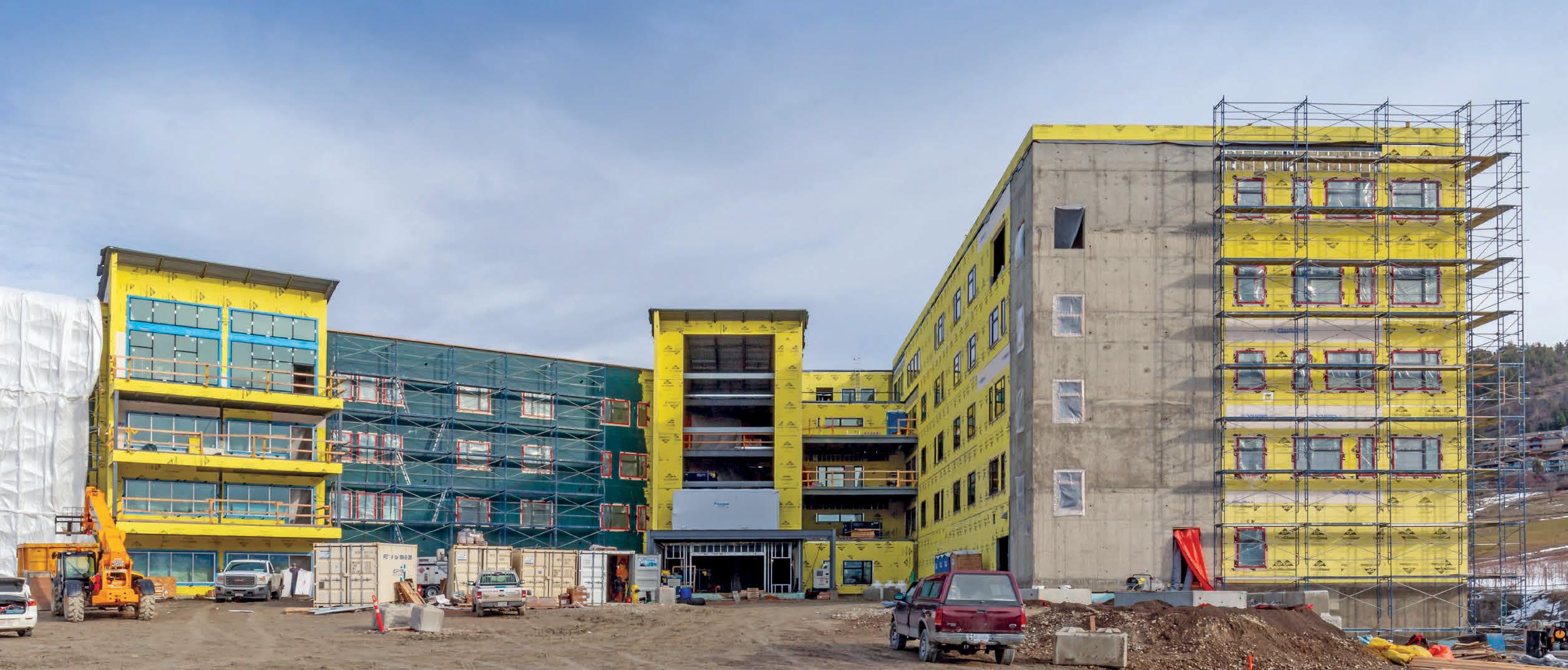
Fibre-reinforced concrete being used in thrust blocks installed along a steep mountainside pipeline near Hope, British Columbia.
Fortunately for Canadian contractors, a range of admixture systems and mix designs have been created with the specific intention of addressing the challenges posed by Canada’s extreme weather.
“We focus on performance, constructability and longevity under extreme conditions,” says Bill Corradetti, Divisional Sales Manager at Euclid Canada. “Our technologies are designed to produce dense, durable concrete with superior mechanical properties that can withstand freeze-thaw cycles, chlorides and prolonged moisture exposure.”
Other innovations in admixtures are currently being developed to, for instance, advance the protection of concrete even further from internal pressure during freezing and to limit the ingress of water and chlorides. These breakthroughs continue to advance the quality and durability of materials available to contractors. And, as Shane Mulligan, Sustainability Market Manager at Heidelberg Materials points out, they’re also breakthroughs that translate directly into longer-lasting infrastructure.
“Modern concrete designs leverage advanced admixtures and supplementary cementitious materials to create a much denser, more chemically stable microstructure,” he explains. “This significantly improves resistance to chloride penetration, sulfate attack and other durability challenges.”
STRENGTH MEETS EFFICIENCY
Beyond durability, one of the most significant advantages available to contractors that use HPC and UHPC is in the strength of the mixes, and what that strength enables.
Ultra-high-performance concrete, for example, which boasts impressive strength and durability, allows engineers to design thinner, lighter structural elements without sacrificing performance. It’s an advantage that’s recognized by Mulligan who also sees gains in efficiency.
“UHPC offers a counterintuitive opportunity,” Mulligan says. “While it can be more carbon-intensive per cubic metre, it allows for less overall material use because you can achieve the same structural performance in a smaller section.”
IMAGE COURTESY OF EUCLID CHEMICALS.
This efficiency posed by the advanced material serves to be particularly useful in a number of different settings and scenarios. Nefoussi points to bridge deck overlays and repair applications as some of the best examples of its use.
“UHPC’s high mechanical strength and fibre reinforcement allow for thinner sections and improved crack control,” he says. “This is critical for extending service life and improving structural reliability.”
SMARTER PLACEMENT, FASTER BUILDS
Although performance seems to be a central pillar to the advantages of using advanced materials in construction, they must also offer the flexibility to meet the demands of today’s fast-paced projects and jobsites. Coradetti suggests that current concrete technologies are hitting that mark, often surpassing the expectations of contractors.
“We’ve seen major improvements in constructability through the use of high-range water reducers and viscosity-modifying admixtures,” he explains. “These allow for highly flowable concrete that can be placed easily in heavily reinforced sections without segregation.”
Because of these qualities, HPC and UHPC can serve to be particularly useful for bridge piers, shear walls, reinforced foundations, or any other jobs where it might be a challenge to place traditional mixes. It’s an advantage that Coradetti highlights in a real-world application involving work done as part of a hydroelectric project near Hope, British Columbia, where fibre-reinforced concrete was used in thrust blocks that were installed along a steep mountainside pipeline where accessibility was limited.
“The use of macro-synthetic fibres simplified placement and improved crack control,” Corradetti notes. “It also contributed to cost savings and streamlined construction, particularly given the logistical challenges of helicopter placement.”
DIGITAL TOOLS DRIVING PRECISION
In addition to the science that’s being leveraged to develop these advanced admixtures, digital technology is also playing a role. Maturity monitoring systems, as an example, provide real-time data capture on concrete strength and temperature, providing invaluable information to crews on the jobsite.
“These sensors create a feedback loop for contractors and engineers,” Mulligan explains. “They allow teams to adjust curing conditions or accelerate stripping schedules based on actual performance, not assumptions.”
There are also a range of other technologies, including real-time truck telemetry and in-truck monitoring systems, that are serving to enhance quality and heighten control, allowing teams to track slump, temperature and drum rotation during delivery, enabling significant improvements in consistency.
DURABILITY THAT PAYS OFF
Constructability is of obvious concern to general contractors throughout the industry. However, one of the most compelling benefits of HPC and UHPC seems to lie in the ability of the advanced material to extend the life of infrastructure, often by decades.

CONCRETE
“The dense microstructure and optimized hydration significantly reduce porosity and permeability,” Nefoussi explains. “This limits the penetration of aggressive agents and delays deterioration mechanisms.”
The fibre reinforcement of these materials also plays a significant role in their strength and durability, as well as their ability to improve crack resistance and post-cracking behaviour. In fact, many of the shrinkage-reducing admixtures and fibre systems being developed today help to dramatically reduce the formation of cracks that can ultimately compromise duarbility.
“Infrastructure built with these technologies can perform reliably for much longer periods,” Mulligan says. “That’s a major advantage in a country like Canada, where environmental exposure is so demanding.”
SUSTAINABILITY THROUGH PERFORMANCE
As the construction industry faces increasing pressure to reduce embodied carbon in its materials, HPC and UHPC are starting to play a more important role. Beyond being understood as high-performance materials, they’re now also being seen as enablers of more sustainable construction.
“Our admixture technologies enable higher replacement levels of Portland cement while maintaining performance,” Corradetti says.
Portland limestone cement (Type IL) is a form of lower-carbon cement that’s gaining traction throughout the industry as a result of its strength and durability combined with the fact that a significantly smaller amount of it is required to ensure workability, consistency and strength. This results in improved quality, a lower carbon footprint and reduced costs.
Using less concrete to achieve the same or greater performance while also extending the life of infrastructure represents an incredible gain for contractors. However, what’s more is the fact that as a result of its durability and a reduced need for repairs or replacement, HPC serves to support a more resource-efficient approach to infrastructure development.
“In rehabilitation projects, UHPC allows us to preserve and upgrade existing structures rather than demolish and rebuild,” says Nefoussi. “That’s a key aspect of the circular economy.”
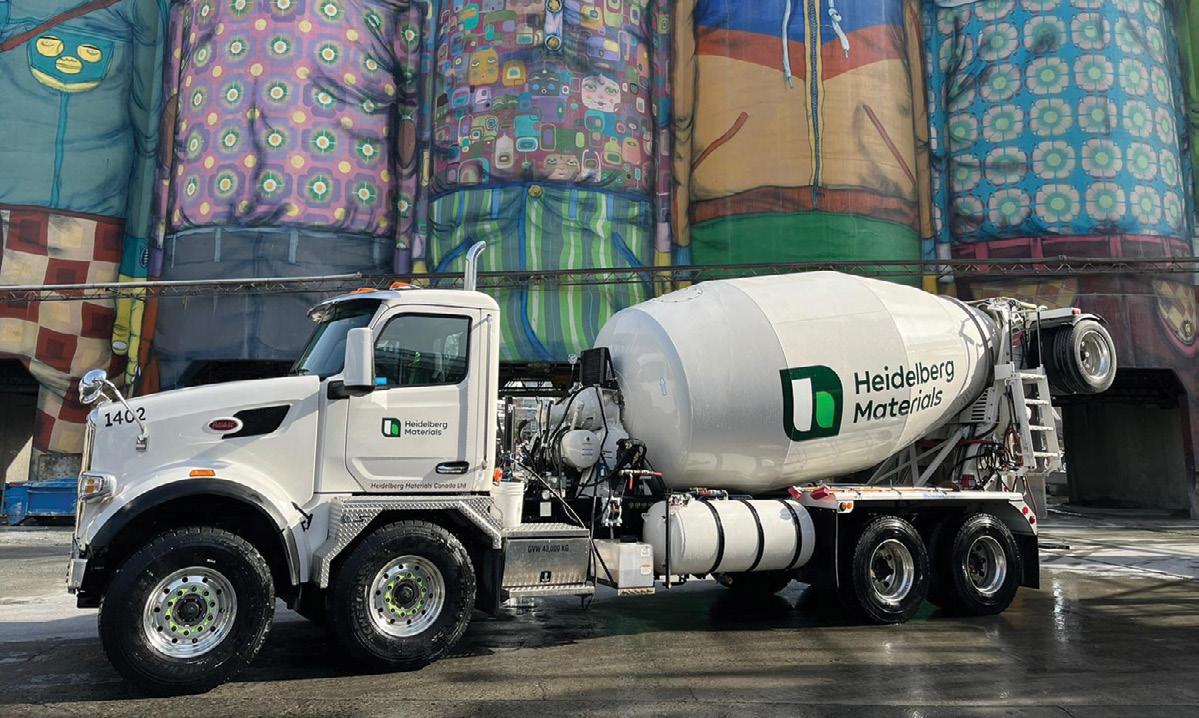
Heidelberg Materials innovating to improve performance, streamline communications and deliver greater value on jobsites.
COLLABORATION AT THE CORE
In addition to the development and adoption of these advanced concrete technologies, all three sources believe that collaboration between project stakeholders is critical in order to leverage and manage them most effectively.
“The successful implementation of advanced concrete solutions relies heavily on close collaboration between contractors, engineers and material suppliers,” Nefoussi says.
He goes on to explain that engagement early on in a project’s design phase allows teams to hone mix designs that will suit the job at hand.
Coradetti agrees with the collaborative approach, noting that Euclid works closely with project teams from lab testing through to field trials and on-site support.
“Each project has unique requirements,” he says. “Whether it’s pumpability for a high-rise core, thermal control for a mass pour or durability for a marine structure, and our team tailors solutions accordingly”
WHAT’S NEXT FOR HIGH-PERFORMANCE CONCRETE
With respect to the trends that are set to shape the future of advanced concrete technology and the use of HPC and UHPC in the development of Canadian infrastructure, the group identifies a range that may serve to be significant drivers, including an increased use of prefabrication and accelerated construction methods, more complex designs requiring highly flowable, self-consolidating concrete, a heightened focus on lifecycle cost analysis and resilience, and more.
“These trends are pushing innovation in admixture chemistry and mix design optimization,” says Coradetti. “At Euclid Chemical, we’re continuing to invest in technologies that not only meet today’s challenges but anticipate the future needs of infrastructure across Canada.”
Nefoussi adds that, beyond Coradetti’s list, many of the realities and practicalities of today’s jobsite environment are driving much of the need that’s arising.
“Challenges such as labour shortages and increasingly complex project conditions are driving the need for solutions that are not only high-performing but also easier and faster to implement on-site,” he says.
And from a digital perspective, Mulligan emphasizes the benefits that can be gained by marrying advanced concrete technology with tools that capture and synthesize data to inform decision-making for contractors and their teams.
“We’re exploring innovations such as material passports, which would create digital, traceable records of material properties and environmental attributes across a structure’s lifecycle. Together, these efforts are helping us improve performance, streamline communication and deliver greater value and clarity across the entire construction value chain.
The Worldwide Leader in Concrete Paving Technology
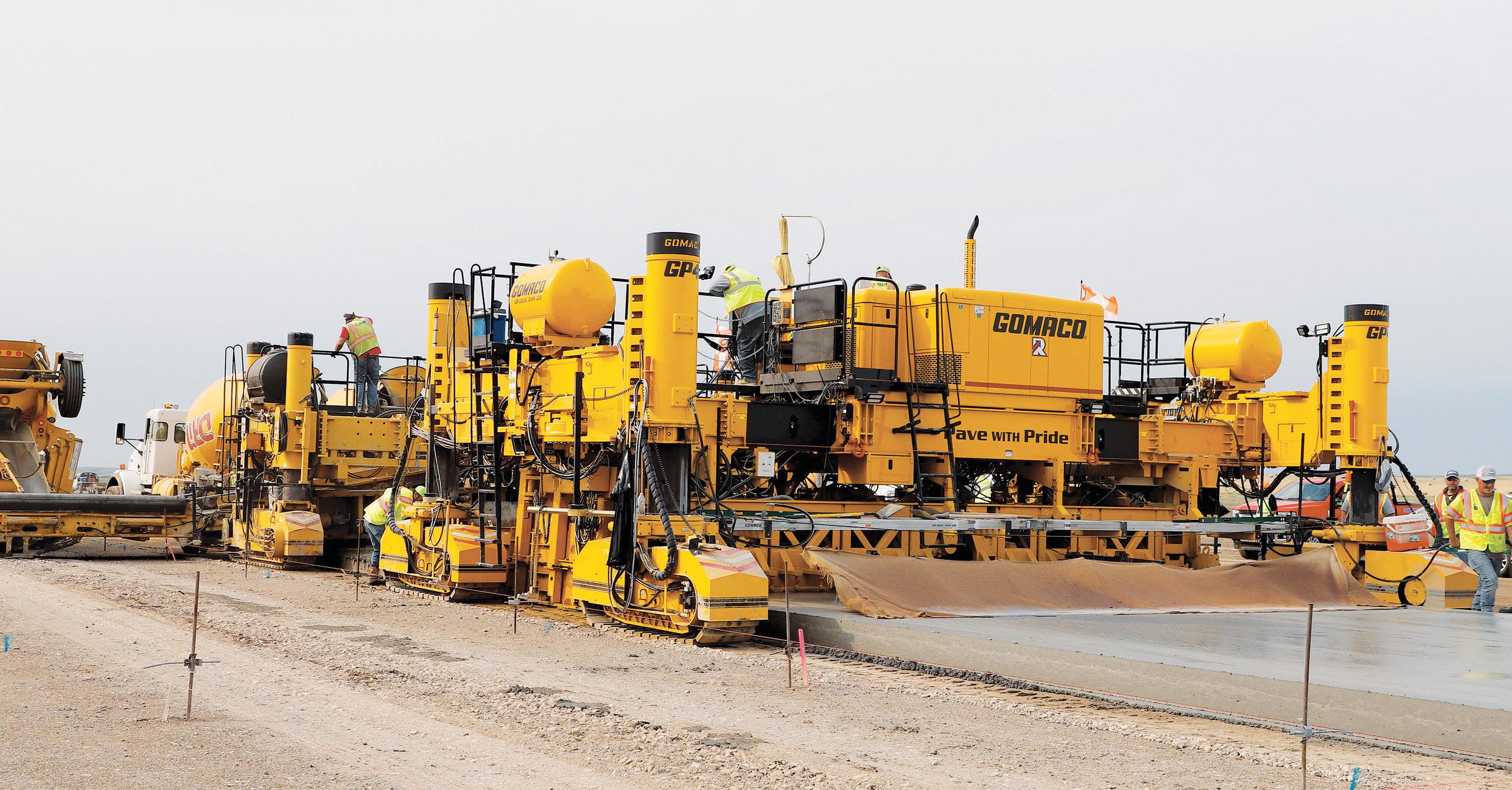
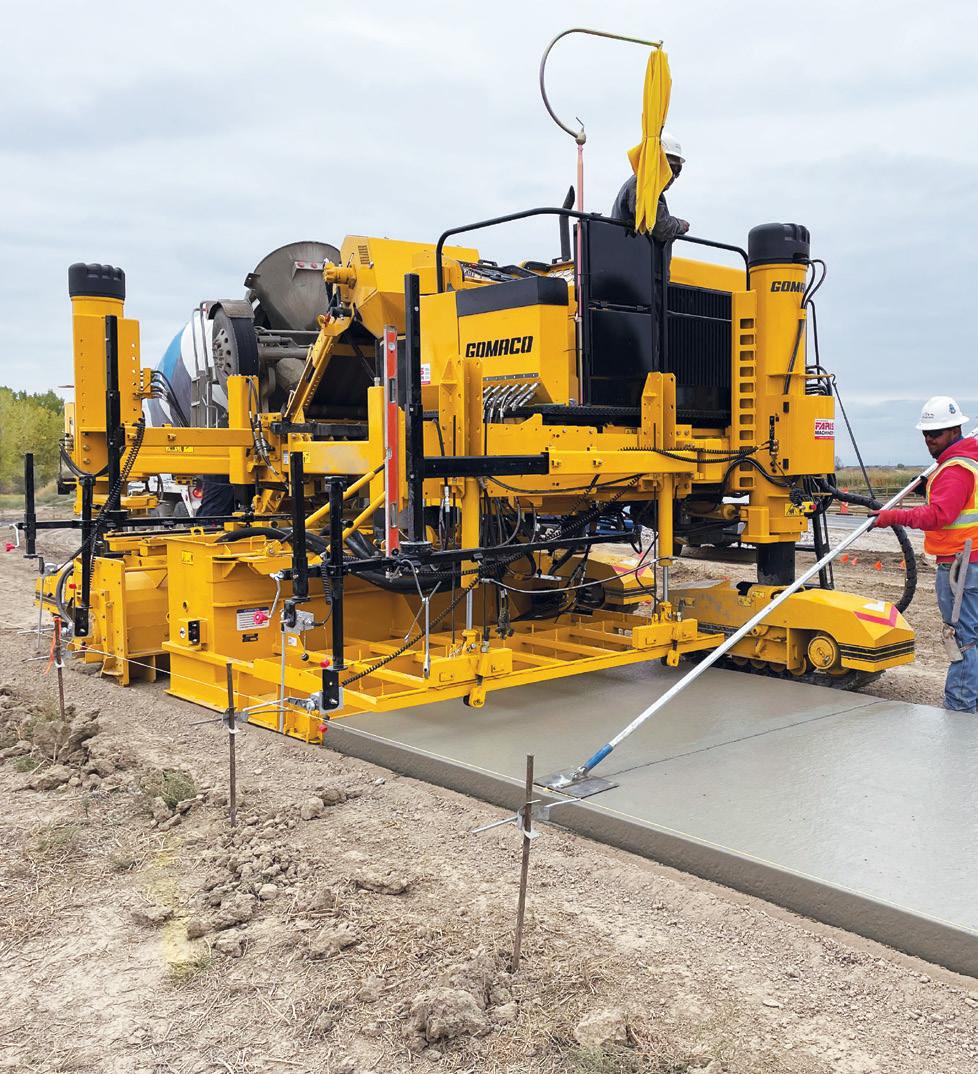
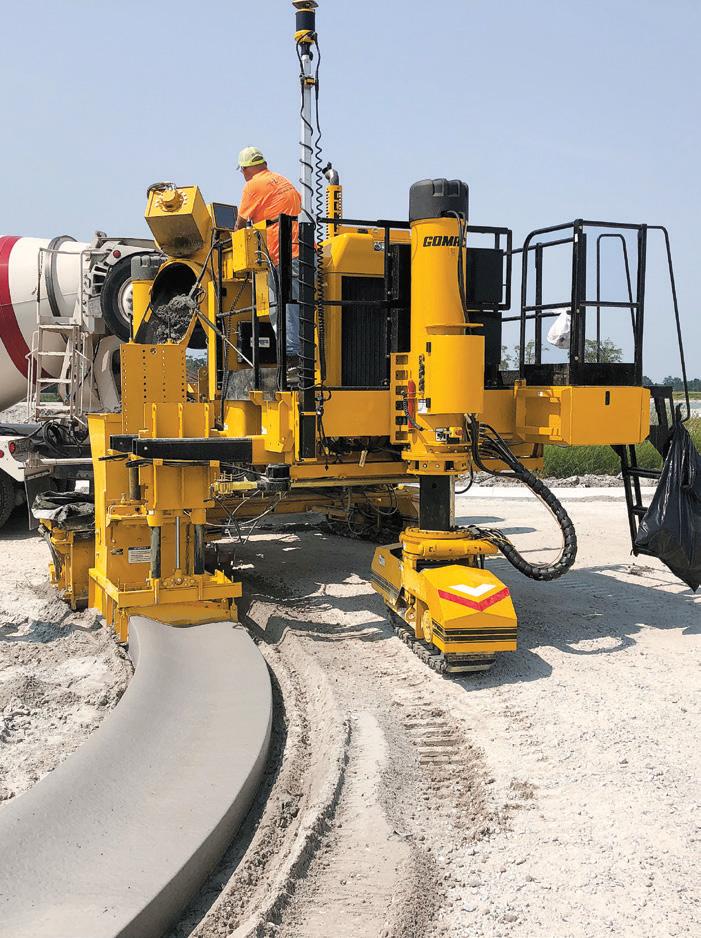
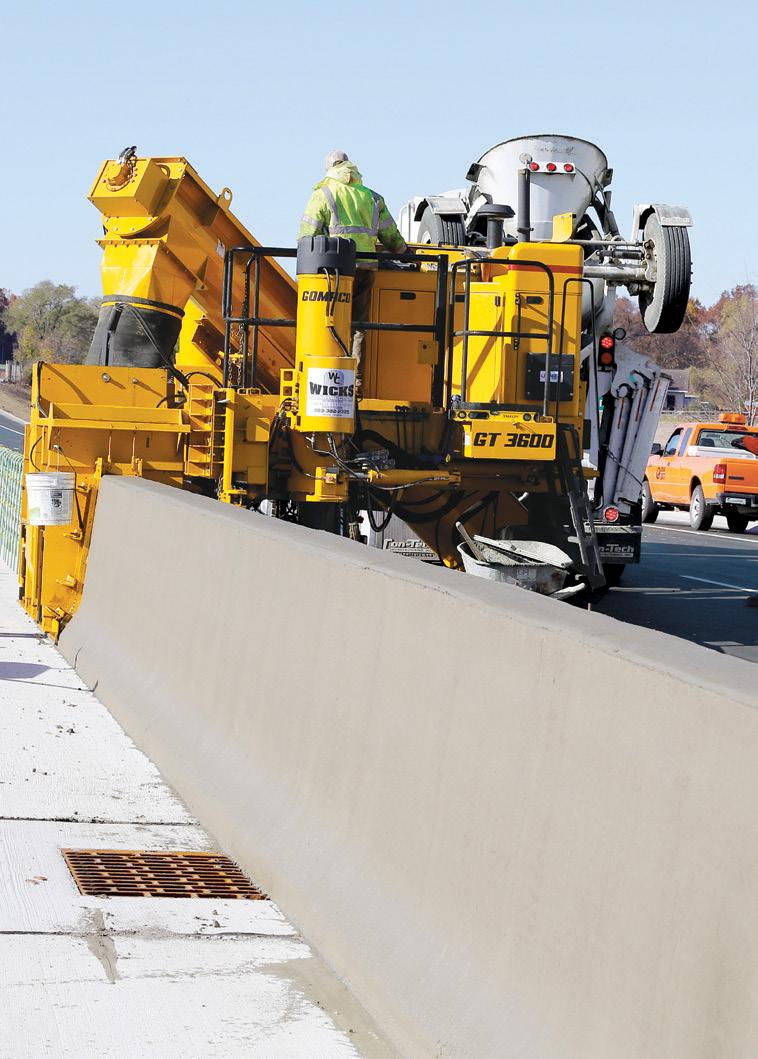
GOMACO offers the full range of concrete slipform pavers, curb and gutter machines, trimmers, placer/spreaders, texture/ cure machines and bridge/canal finishing equipment. GOMACO equipment features our exclusive and proprietary G+® control system, created in-house by our software engineers from the wants and needs of contractors paving in the field. At the heart of GOMACO equipment is our passion for concrete and our commitment to our customers. We look forward to visiting with you about your upcoming paving projects and your concrete paving equipment needs. Our worldwide distributor network and our corporate team always stand ready to serve and assist you.

DECARBONIZING CONCRETE
As pressure mounts within the industry to reduce embodied carbon, fragmented standards, inconsistent approvals and misaligned procurement remain barriers to adoption on active projects.
BY SEAN TARRY
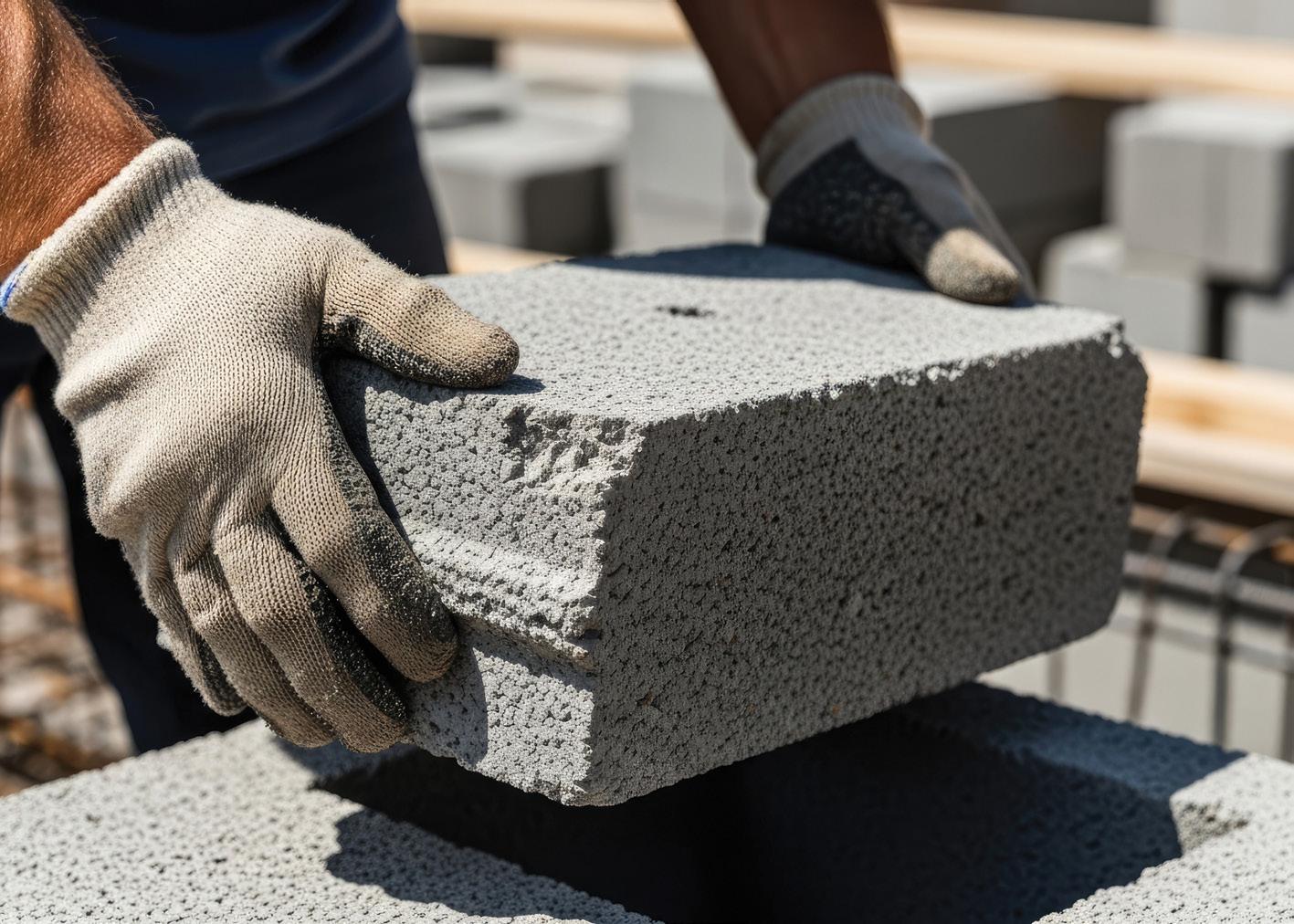
The global construction sector has been facing increasing scrutiny over recent years concerning the environmental impact posed by the products it uses, with a particular emphasis on concrete. As a result, standards are currently being developed across the country and the world in order to address the issue of embodied carbon in concrete. It’s showing up increasingly in specifications, procurement documents and bid evaluations, too, particularly on public and institutional builds.
According to data gathered by the World Economic Forum, it’s estimated that
Efforts to harmonize codes could result in more consistent procurement and streamlined approvals for contractors.
concrete is responsible for roughly seven to eight per cent of global human-made CO2 emissions. In response to calls to reduce the emissions related to concrete production, lower-carbon concrete technologies, from supplementary cementitious materials to Portland-limestone cement, have been developed and made accessible to general contractors throughout Canada.
However, adoption of these technologies has been slow. But why? As Kari Hyde, Director of Customer Energy Solutions at Pembina Institue points out, the barrier isn’t the innovation. It’s navigation.
“Fragmented and prescriptive codes
make it harder for contractors to do the right thing,” she says, “even when lower-carbon options are available.”
For contractors, suggests Helen Ma, Corporate Communications Advisor at Ledcor Group of Companies, the issue is less about willingness and more about execution.
“Contractors are ready to build with lower-carbon materials,” she says. “But consistency is what enables adoption at scale. Without that, every project becomes a one-off exercise in approvals and coordination.”
WHEN CODES BECOME A BARRIER TO INNOVATION
The prescriptive codes that Hyde refers to are encountered frequently by contractors, dictating specific mix designs, material limits or approval pathways. While they’re grounded in safety and durability, they vary across regions and juridictions, making it challenging for contractors, often limiting flexibility.
“Different jurisdictions specify different mix designs or approval processes, which means contractors can’t reliably use the same lower-carbon products from project to project,” Hyde explains. “That creates uncertainty, delays approvals and increases administrative costs.”
It’s inconsistency that, Ma explains, results in a distinct lack of predictability, impacting the entire scope of a project, particularly larger ones.
“On large-scale projects, consistency
in materials and approvals allows teams to plan effectively,” she says. “If that predictability isn’t there, teams often revert to conventional approaches simply to maintain schedule and manage risk.”
THE CASE FOR PERFORMANCE-BASED STANDARDS
As a means to alleviate some of these pressures from contractors while also continuing to strive to make environmental improvements, most across the industry point to performance-based standards as the most viable way forward.
Instead of prescribing how concrete should be made, performance-based standards attempt to define desired outcomes like strength, durability and safety.
“Performance-based standards give engineers and contractors flexibility to meet requirements while sourcing lower-carbon materials,” Hyde says.
Ma agrees, emphasizing that performance-based approaches often align more closely with how projects are actually delivered.
“They allow teams to innovate within a defined framework,” she says. “You’re still meeting the same structural and safety requirements, but you have the flexibility to optimize materials and reduce carbon.”
PROCUREMENT AS A CATALYST FOR CHANGE
Standards may set the precedent for a project, defining the parameters and requirements for general contractors and their crews. But effective procurement, stresses Ma, may prove to be the most powerful enabler of change when it comes to the adoption of lower-carbon materials on jobsites.
“When expectations are clear and consistent, teams can plan, price and procure more effectively,” she says. “It reduces uncertainty at the bidding stage and helps avoid delays once construction begins.”
She goes on to suggest that consistency and transparency throughout the project also goes a long way toward supporting a healthy supply chain. If standards can be harmonized across jurisdictions and demand from the market is stable, suppliers
of lower-carbon materials can scale their production accordingly and, over time, improve availability and reduce costs while helping to improve the industry’s impact on the environment.
WHAT CONTRACTORS AND CREWS ACTUALLY NEED
Although there’s a common misconception that exists around the need for specialized expertise in order to use lower-carbon materials on jobsites, Hyde says that it couldn’t be farther from the truth.
“This is a highly skilled industry,” she asserts. “Contractors already manage complex specifications every day.”
She continues, explaining that because of the skills and understanding that already exists on crews across every jobsite in the country, simple guidance concerning the way lower-carbon mixes behave during placement and curing, changes in sequencing and how quality control can be best maintained is all that’s required.
Ma echoes Hyde’s sentiment that the capabilities of today’s construction workforce is not at all a limiting factor when it comes to the use of lower-carbon materials, emphasizing once again the need for consistency and clarity.
“The expertise is already there,” she says. “What crews need is consistency in specifications and clear expectations so they can apply that expertise efficiently.”
COMPETITIVENESS IN CANADA’S LARGEST MARKETS
The positive environmental impact that a uniform shift toward the use of lower-carbon materials on construction projects could have is undeniable and is no doubt becoming more of a focus for firms operating across the country. But when it comes to attracting the interest of general contractors and gaining wider adoption across the industry, few enticements will offer a stronger pull than that of reduced project costs.
It’s a reality that’s understood by Hyde who concedes that the use of lower-carbon materials in construction is not yet widespread. However, she believes that the industry is approaching a tipping point.
“In the short term, impacts vary by
project,” she says. “But as adoption scales, costs will stabilize and decline.”
And although that tipping point has not yet been reached, she continues by suggesting that now may be as good a time as any for contractors across the country to explore, begin or expand their use of lower-carbon materials, especially for those operating in regions and provinces where the industry’s environmental requirements are more intense.
“For Alberta and Ontario contractors, early adoption strengthens competitiveness, especially as ‘buy Canadian’ and embodied-carbon requirements expand,” she asserts. “Contractors who adapt early will be better positioned to win public and private projects as expectations shift.”
THE POWER OF SHARED TOOLS AND PEER LEARNING
Beyond the standardization of codes and requirerments, in order to facilitate the adoption and use of lower-carbon materials, Hyde suggests the creation of a lower-carbon toolkit for contractors and their teams.
“The challenge today isn’t necessarily a lack of information,” she says. “It’s that guidance specs and tools are scattered across jurisdictions, projects and organizations. A lower-carbon concrete toolkit creates a single source of truth, bringing together clear specifications, approved pathways, LCA guidance, case studies and lessons learned in one place.”
She goes on to explain that a resource of that nature would serve to reduce the time contractors spend searching for information, lower administrative burden and create efficiencies across projects.
A LOWER-CARBON FUTURE
Although there’s still work to be done, Hyde remains confident that leaders within the Canadian construction industry will continue developing innovations and embracing advanced technologies that drive the industry forward.
And through a combination of standardized codes and requirements, effective and consistent procurement and the development of industry tools and resources, a lower-carbon future isn’t too far off.