


By Brandi Cowen
In the waning hours of 2025, I curled up on the couch (no wild New Year’s Eve bashes for this girl), reflected on the year, and tried to compose a social media update to share with friends and family. As I looked back on the past 12 months, I realized something important: for the first time, I had accomplished every goal I’d set.
What was different about 2025?
My mindset.
In previous years, I would have set goals like “run a personal best in a marathon” or “become conversant in a new language.” Through this lens, every goal has a very narrow definition of success. The result? I’d typically end each year with a list of accomplishments that felt like failures because the final outcome wasn’t just so.
The work of Dr. Kyra Bobinet, author of Unstoppable Brain: The New Neuroscience That Frees Us From Failure, Eases Our Stress and Creates Lasting Change , validates my experience. She notes that narrow definitions of success created by systems such as SMART (specific, measurable, achievable, relevant and timebound) goal-setting can often
lead people to feel defeated and demoralized. She attributes this to an area of the brain known as the habenula that acts as a so-called “motivation kill switch.” When we experience failure – like running a race over our goal time or picking up a new language more slowly than we’d hoped – the habenula is activated by our feelings of disappointment and curbs our motivation to try again.
…Failure is part of
learning, and, as one of my running buddies likes to remind me, the comeback is always greater than the setback.
Instead of chasing rigid goals, Bobinet advocates an “iterative mindset” that embraces failure as a natural part of learning and sees setbacks as opportunities for growth.
I embraced this approach in 2025, even before discovering Bobinet’s work.
I committed to running the London Marathon, and I did. My training was sidelined a few times by injury and illness, but I bounced back. The race itself was hard and I ran slowly, but the goal was never to win; it was to cross the finish line. Check.
I also committed to learning
Paula Campkin: chief safety officer, Energy Safety Canada
Marty Dol: president and founder, HASCO Health & Safety Canada
Cindy Moser: director of communications, Institute of Work & Health
Natalie Oree: prevention consultant, SAFE Work Manitoba
David Powers: EHS director (Atlantic), Sysco Canada
Spanish, and I did – sort of. I usually practice three times a week, but I lapsed a few times when life was especially busy and while on vacation. Today, my skills are a work in progress, but aiming to learn the language, rather than achieve fluency, allowed me to check this box, too. I’m continuing to learn this year.
Embracing this approach to goal-setting meant I started 2026 feeling proud of what I’d accomplished and energized to tackle new challenges.
So, why all this talk about goals in this issue, which lands in your mailbox in February?
Surveys show most of you will have given up on your New Year’s resolutions by now (most people do by the second Friday in January). However, there’s nothing stopping you from setting a new goal today and I want to help you set yourself up for success. Whatever you try to achieve in the coming months, don’t let your habenula sabotage you: failure is part of learning, and, as one of my running buddies likes to remind me, the comeback is always greater than the setback.
Whatever goals you set for yourself, your team or your organization this year, I wish you success!
Richard Quenneville: senior director of corporate services, T. Harris Environmental Management
Maureen Shaw: lecturer and presenter
Dylan Short: managing director, The Redlands Group
READER SERVICE
Print and digital subscription inquiries or changes, please contact
Angelita Potal Tel: 416-510-5113
Fax: 416-510-6875
email: apotal@annexbusinessmedia.com
Mail: 111 Gordon Baker Rd., Suite 400, Toronto, ON M2H 3R1
EDITOR Brandi Cowen 437-770-4370 bcowen@annexbusinessmedia.com
MEDIA DESIGNER Emily Sun
ACCOUNT CO-ORDINATOR
Cheryl Fisher 416-510-5194 cfisher@annexbusinessmedia.com
AUDIENCE DEVELOPMENT MANAGER Barbara Adelt 416-510-5184 badelt@annexbusinessmedia.com
BRAND SALES MANAGER Silvana Maiolo smaiolo@annexbusinessmedia.com
GROUP PUBLISHER Anne Beswick abeswick@annexbusinessmedia.com
CEO Scott Jamieson sjamieson@annexbusinessmedia.com
Printed in Canada ISSN 0827-4576 (Print) ISSN 1923-4279 (Digital)
PUBLICATION MAIL AGREEMENT #40065710
SUBSCRIPTION RATES
Published three times per year –Winter, Spring/Summer, Fall Canada $72.80/yr plus tax USA $101.92/yr CDN Foreign $168.48/yr CDN Single copy $19 CDN
Occasionally, OHS Canada will mail information on behalf of industry related groups whose products and services we believe may be of interest to you. If you prefer not to receive this information, please contact our circulation department in any of the four ways listed above.
Annex Business Media Privacy Office privacy@annexbusinessmedia.com Tel: 800-668-2374
No part of the editorial content of this publication may be reprinted without the publisher’s written permission © 2026 Annex Business Media All rights reserved. Opinions expressed in this magazine are not necessarily those of the editor or the publisher. No liability is assumed for errors or omissions.
All advertising is subject to the publisher’s approval. Such approval does not imply any endorsement of the products or services advertised. Publisher reserves the right to refuse advertising that does not meet the standards of the publication.


Nominations are now open for the 2026 OHS Canada Honours, recognizing the individuals, organizations, and initiatives making a meaningful impact on occupational health and safety across Canada.
The annual awards program, presented by OHS Canada, celebrates excellence, leadership, innovation, and dedication to protecting workers and strengthening workplace safety culture. Employers, teams and safety professionals from across the country are encouraged to submit nominations and help shine a light on outstanding contributions to occupational health and safety.
“Now in its fifth year, the OHS Canada Honours program is a celebration of the incredible work being done to ensure every worker goes home safely at the end of their shift,” said Brandi Cowen, editor of OHS Canada. “It’s a privilege and a pleasure to be able to celebrate everyone helping to move the needle on workplace safety across the country.”
The fiercely contested OHS Culture, Best Safety Communications
Program, Best Use of Safety Technology, Best Hand Protection Program, Best Ergonomics Program, Contractor Safety Management, Psychologically Safe Workplace, Holistic Employee Health, and OHS Team of the Year awards are up for grabs again in 2026.
Meanwhile, individual awards will recognize the OHS Professional of the Year, Community Leader, OHS Rising Star, OHS Lawyer of the Year, OHS Educator of the Year, and CEO of the Year.
Also returning for 2026 are the OHS Canada Hall of Fame, which will see up to three new inductees, and the Top 25 Under 40, celebrating the young professionals making their marks through their dedication to health and safety and strong work ethics.
For more information, or to complete a nomination, visit ohscanada.com/ohs-canada-honours.
OHS Canada is also looking to expand its volunteer judging panel in 2026. If you’re interested in serving as a judge, please contact Brandi Cowen at bcowen@ annexbusinessmedia.com.

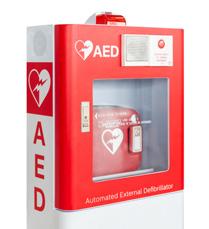
Businesses in the province can now receive up to $2,500 from Ontario’s Workplace Safety and Insurance Board (WSIB) when they purchase an automated external defibrillator (AED) for qualifying construction projects.
per cent by which survival rates can improve when an AED is used together with CPR in the first few minutes after a cardiac arrest.
WSIB’s new AED rebate program makes it easier for construction companies to put life-saving equipment within easy reach for crews across the province, helping them respond to cardiac emergencies quickly and confidently.
The rebate program is designed to improve the chances of people surviving a cardiac event and help make Ontario one of the safest places to work. AEDs are electronic devices used to restore normal rhythm to a person’s heart if they are in cardiac arrest. When used with CPR in the first few minutes after a cardiac arrest, AEDs can improve cardiac arrest survival rates by more than 50 per cent.
“Seconds matter in a cardiac emergency and having a defibrillator on a construction site can save a life,” said David Piccini, Minister of Labour, Immigration, Training and Skills Development. “This program puts proven, lifesaving safety tools directly on job sites and is another practical step we are taking to keep construction workers safe.”
The rebate program comes after the Ontario government passed regulations to mandate AEDs on construction projects that are expected to last longer than three months and have 20 or more workers on site.
AEDs purchased between July 1, 2025, and June 30, 2027, are eligible for rebates through the program. More information, including detailed eligibility criteria and how to apply for a rebate, can be found at wsib.ca/aed.
In December, the Canadian Institute for Safety, Wellness and Performance (CISWP) hosted David Piccini, Minister of Labour, Immigration, Training and Skills Development, and Jeff Lang, president and CEO of the Workplace Safety and Insurance Board (WSIB), to showcase new state-of-the-art mobile research labs that focus on workplace safety improvements.
The three WSIB-funded mobile research labs are equipped with cutting-edge technologies, such as wearable sensors and eye-tracking devices that study a person’s attention and focus. The labs allow CISWP to visit worksites to collect accurate, objective and comprehensive data from Ontario businesses and their employees in real-world settings to help prevent workplace injuries.
Data collected by the mobile labs will expand CISWP’s database of occupational-specific exposure (DOSE) and multivariate occupation-specific anthropometric database (MOSAIC)— the only comprehensive databases of their kind for Canadian jobs. The data will help Ontario businesses identify ways to reduce risks, support decision-making in injury compensation and adjudication processes, and lead to the creation of gender-inclusive and appropriately-fitting personal protective equipment.
“Our mobile labs allow us to collect data that is both accurate and inclusive,” said CISWP’s executive director, Amin Yazdani. “The DOSE and MOSAIC mobile labs have already visited 24 organizations across Ontario, collecting data from more than 550 people, over 2,500 hours. They’ll help us drive the development of better protective equipment and safer workplaces for all.”
The WSIB committed $11 million over four years to support CISWP’s groundbreaking research.

The Canadian Centre for Occupational Health and Safety (CCOHS) and the Indigenous Centre for Occupational Health and Public Safety (ICOHPS) have signed a memorandum of understanding to work together to enrich health and safety in Indigenous communities in Canada.
new mobile research labs allow CISWP to visit worksites to collect comprehensive data in real-world settings to help prevent workplace injuries
Both organizations share the belief that every worker in Canada deserves a healthy and safe work environment, free from illness and injury. The agreement outlines commitments to advance workplace safety, and may (or could) include:
• Developing partnerships with government and industry leaders
• Creating a safety management system or similar product
• Updating safety programs
• Hosting a national conference focused on Indigenous occupational health and safety
• Holding ongoing discussions to highlight occupational health and safety practices for Indigenous communities
This partnership connects two leading organizations in Canada
that focus on occupational health and safety and reinforces a shared passion to improve well-being for everyone.
“Partnering with the Indigenous Centre for Occupational Health and Public Safety is key to advancing workplace health and safety for Indigenous communities and their workers,” said Anne Tennier, president and chief executive officer of CCOHS. “By combining our expertise and resources, we can share knowledge, align resources, and develop culturally relevant programs that address the unique needs of Indigenous communities across Canada.”
“We look forward to working with CCOHS to strengthen health and safety in ways that truly respect the experiences, strengths, and priorities of Indigenous communities,” added Toby Desnomie, founder, president and chief executive officer of ICOHPS. “Together, we can build practical, culturally grounded solutions that support the well-being of our workers and communities through our Indigenous laws of the people.”
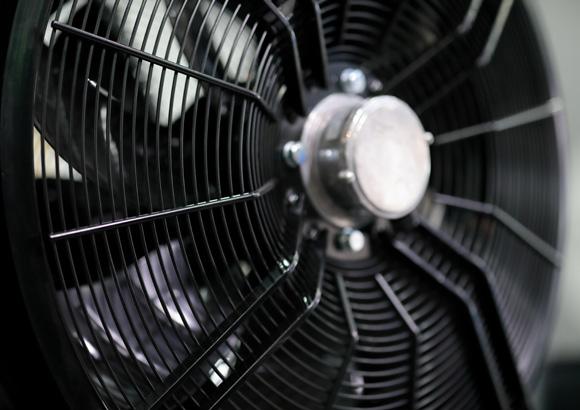
Lafarge fined over $674,000 after worker fatally injured
Lafarge Canada Inc. has been fined $674,445.93 after a worker was fatally injured at a cement processing site in Richmond, B.C.
In November 2020, the worker was near the front of a large induction fan that was running. An impeller (rotor) in the fan broke apart, and the debris from the fan, including its blades and other components, was propelled through the fan housing and across the yard.
The worker was struck by the debris and fatally injured.
A WorkSafeBC investigation determined that the fan’s impeller had been repaired and refurbished about five months prior to the incident, however, the firm failed to ensure the installation, inspection, testing, and repair of its equipment was done as specified by the manufacturer or a professional engineer.
The worker was struck by the debris and fatally injured.
WorkSafeBC also found Lafarge failed to: ensure that, if equipment was dismantled and subsequently reassembled, it was checked by a qualified person and determined to be safe before operation; ensure the health and safety of all workers at its workplace, and; provide workers with the information, instruction, training, and supervision necessary to ensure their health and safety.
These were all high-risk violations.
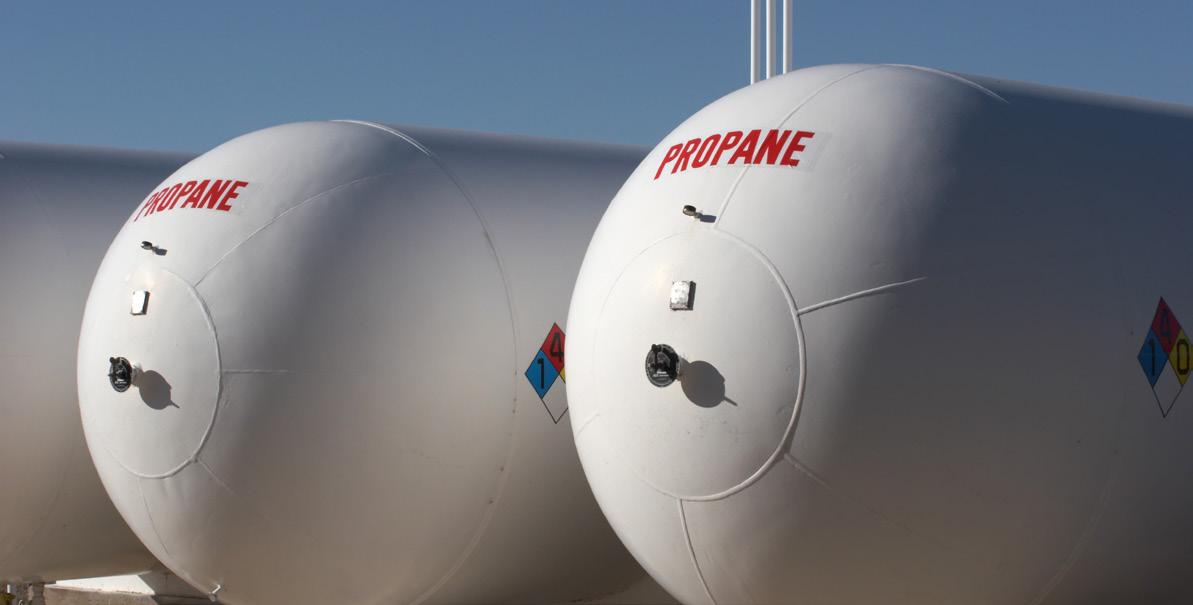
Fatality results in $375,000 fine for Toronto company
Superior General Partner Inc., operating as Superior Propane, was fined $375,000 after a worker was fatally injured at a Toronto site.
25%
The victim fine surcharge required by Ontario’s Provincial Offences Act
On Nov. 17, 2023, a worker was replacing a 1,000-gallon steel propane tank at a commercial property using an articulating boom crane mounted on a flatbed. The worker was using a wireless remote to control the crane. Due to limited space, the worker attempted to attach a tagline to the crane to help move the tank. The worker was positioned between a brick utility building and the propane tank.
While the worker was setting up
the tagline, the crane moved unexpectedly, causing the tank to swing from the flatbed and into the brick wall, fatally injuring the worker.
A Ministry of Labour, Immigration, Training and Skills Development investigation found the crane controls had not been disengaged and the stop button on the wireless remote was not pressed while the worker was attaching the tagline.
The company failed to ensure the measures and procedures prescribed by section 76 of Ontario Regulation 851 were carried out, contrary to section 25(1)(c) of the Occupational Health and Safety Act.
Manufacturer fined $150,000 after workplace fatality
Pigments Services Canada Inc., operating as Monteith, has been fined $150,000 after a worker was fatally injured while operating a paint mixing machine.
On April 29, 2024, a worker was creating a batch of paint at the company’s Mississauga, Ont., facility. The paint mixing process involved lowering a paddle into a vat driven by an exposed rotating shaft. While working alone, the worker’s clothing became entangled in the unguarded shaft, resulting in a fatal injury.
An investigation by the Ministry of
Labour, Immigration, Training and Skills Development found the mixer and similar machines were not properly guarded to protect workers. As a result, Pigments Services Canada Inc. failed to ensure that the measures and procedures prescribed by section 24 of Ontario Regulation 851 were carried out at the workplace, contrary to sections 25(1) (c) and 66(1) of the Occupational Health and Safety Act.
Following the incident, the company installed protective covers and mesh guards.
CSA Group
CSA Group is a global organization dedicated to safety, social good and sustainability. It is a leader in standards development and testing, inspection, and certification around the world, including in Canada, the U.S., Europe and Asia. CSA Group’s mandate is to hold the future to a higher standard.
Industrial hygienists play a vital role in protecting worker health, and standards are key to supporting their critical work.
To explore this connection, we spoke with Mary Lou Sinclair (MLS), vice-president, health and wellness, safety and the environment at BGIS Global Integrated Solutions and chair of the CSA Group occupational health and safety (OHS) strategic steering committee (SSC) and Candace Sellar (CS), strategic initiatives manager, health and safety sector at CSA Group. Together, they share insights on how standards can help industrial hygienists, what trends are shaping the profession, and where CSA Group is focusing its efforts.
How do standards support the work of industrial hygienists?
MLS: The role of the industrial hygienist is to anticipate, recognize, evaluate, and control workplace hazards that could lead to worker illness or impaired health. These hazards range from dusts and chemicals to noise, vibration, and indoor air quality concerns. Whether working as consultants or within organizations, industrial hygienists aim to eliminate or reduce worker exposure to hazards through appropriate controls. Often those controls require significant investment, whether engineered or administrative. Referencing standards can help to maximize that investment by defining a clear and consistent approach to risk reduction. Standards can help increase industrial hygienists’ confidence that their recommendations align with leading practice and assist in meeting regulatory expectations.
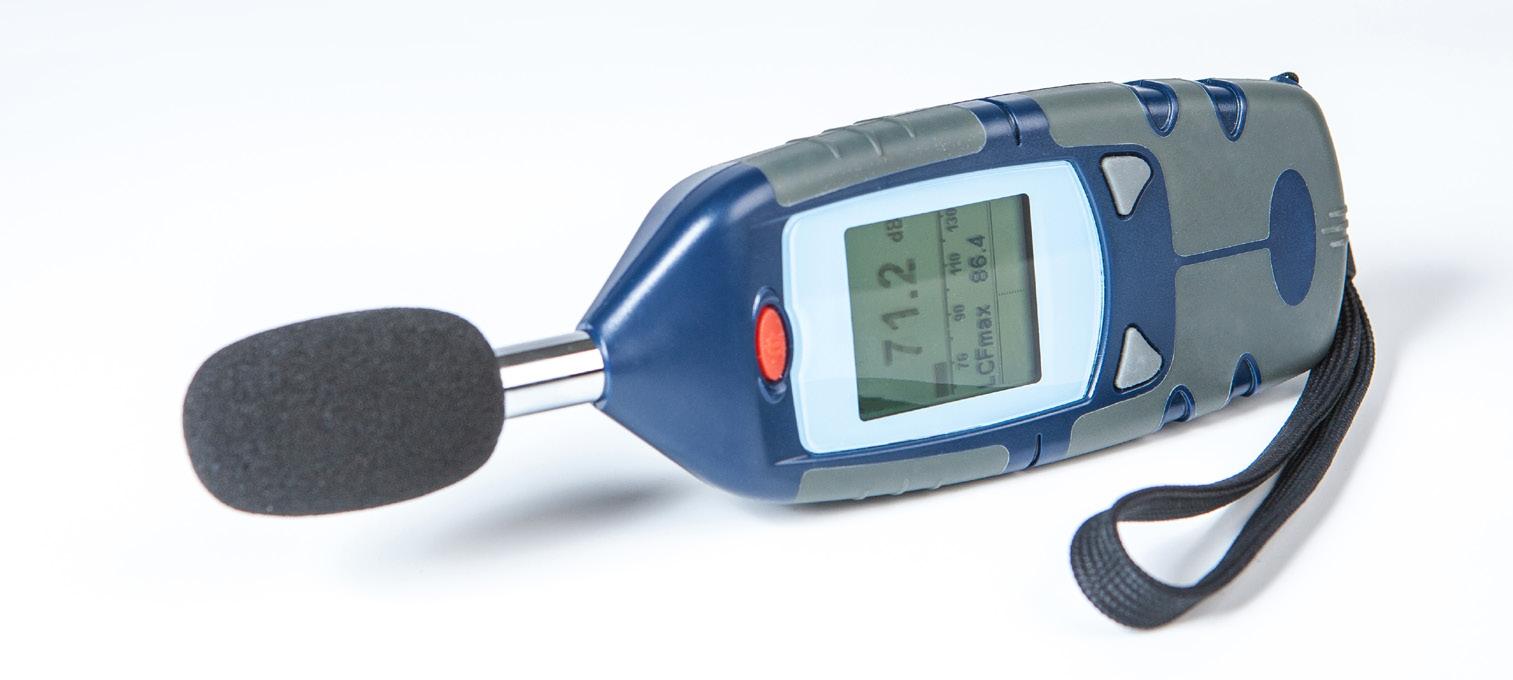
Industrial hygienists aim to eliminate or reduce worker exposure to hazards through appropriate controls.
Which CSA Group standards are most relevant to industrial hygienists?
CS: Industrial hygienists are deeply involved in overall OHS management. A good starting point for many is CSA Z45001:19 (R2023), Occupational health and safety management systems – Requirements with guidance for use. It sets a framework that helps to systematically manage hazards and protect worker health.
Building on that is CSA Z1002:12 (R2022), Occupational health and safety – Hazard identification and elimination and risk assessment and control, a foundation of any program. From there, the standards you use depend on what your hazard identification and risk assessment (HIRA) identifies. For chemical hazards, you might refer to CSA Z94.3:20, Eye and face protectors and CAN/ CSA-Z94.4-18 (R2023), Selection, use and care of respirators. Physical hazards call for standards on hearing protection (e.g., CSA Z94.2-14 (R2024), Hearing protection devices - Performance, selection, care, and use ), vibration protection (CAN/ CSA-ISO 5349-1:16, Mechanical vibration — Measurement and evaluation of human exposure to
hand-transmitted vibration — Part 1: General requirements (Adopted ISO 5349:1:2001, first edition, 2001-0501), and temperature-related stress (e.g., CSA Z1010:18 (R2023), Management of work in extreme conditions). Biological risks in healthcare environments also require special infection control and HVAC standards (e.g., CSA Z317.13:22, Infection control during construction, renovation, and maintenance of health care facilities).
Industrial hygienists often branch into ergonomics and even electrical or mechanical safety, so CSA Z1004:24, Workplace ergonomics – A management and implementation standard, CSA Z412:24, Office ergonomics — An application standard for workplace ergonomics , and CSA Z462:24, Workplace electrical safety are excellent references. Together, these standards can be used as a practical toolkit for helping to tailor controls within a consistent and auditable framework.
What trends or emerging issues are industrial hygienists facing today, and how is CSA adapting?
MLS: Technology is changing the game. Real-time monitoring and
smart sensors now track air quality, chemical exposure, and noise continuously, giving industrial hygienists faster access to data. Paired with predictive analytics, this shifts programs from reactive to preventive.
Indoor air quality is another big focus. Worker awareness of and expectations for safer air has been amplified since the COVID-19 pandemic and since wildfire smoke is increasingly impacting workplaces. Additionally, hybrid work arrangements have resulted in industrial hygienists being asked to help assess remote work setups. Worker well-being, including psychological health and safety, are also a bigger part of the safety conversation, alongside the more traditional hazards. Ergonomics remains critical, and climate resilience, especially managing extreme and prolonged heat exposure of workers, is emerging as a major concern.
CS: CSA Group is fortunate to have many experienced, knowledgeable, and passionate volunteer members – a number of whom are industrial hygienists like Mary Lou – who help us to monitor and track trends and emerging issues, propose updates to existing OHS standards, as well as identify needs for new standards. We are currently exploring the diverse needs of PPE users in Canada, the implications of climate change on the workplace, and how advancing technologies (e.g., artificial intelligence (AI), advanced robotics, autonomous vehicles, equipment and machinery) are shaping the worker experience. We are investigating health and safety considerations for workers tied to federal investments within impacted sectors such as expansion into northern environments and remote camp operations. Not a day goes by that we are not having conversations about where the world of work is headed and how
standards can contribute to protecting workers and workplaces.
Can you share a real-world example of how an industrial hygiene standard has been applied?
MLS: Consider a large office where employees report headaches, fatigue, and anxiety about air quality. There might even be a daycare in the building. The industrial hygienist begins by establishing governance and communication using CSA Z45001 to engage leadership and safety committees. Monitoring then begins with sensors deployed for carbon dioxide, volatile organic compounds (VOCs), and particulates. Solutions might include boosting ventilation and upgrading filters. To address psychosocial impacts, CAN/CSA-Z1003-13/BNQ 9700-803/2013 (R2022), Psychological health and safety in the workplace - Prevention, promotion, and guidance to staged implementation can also be referenced to help shape transparent reporting and wellness strategies. The result? Better air quality and a program that addresses both environmental and mental health concerns.
What advice would you offer to industrial hygienists or other safety professionals looking to integrate CSA Group standards?
MLS: Start by understanding your organization’s risks. Review past incidents, reported hazards, near misses, and injury data to build a risk profile that covers chemical, physical, and biological hazards. As mentioned earlier, CSA Z1002:12 (R2022), Occupational health and safety – Hazard identification and elimination and risk assessment and control is a great reference for guiding this process.
Next, compare your safety program to CSA Z45001:19 (R2023),
Occupational health and safety management systems – Requirements with guidance for use to see if the Plan-Do-Check-Act cycle is in place for elements like procurement controls and contractor programs. Then, look at operational controls. This may include a gap analysis against leading practices in applicable CSA Group standards. Begin with high-risk hazards such as respiratory, noise, and indoor air quality, then expand to mental health and ergonomics for a more complete program.
CS: CSA Group committees and members have been hard at work over the last couple of years – a few developments in 2026 that industrial hygienists might find of interest include:
• Publication of a new edition of CSA/ASC-Z1003:25, Psychological health and safety in the workplace – Prevention, promotion, and guidance;
• Publication of a new edition of CSA Z94.2, Hearing protection devices – Performance, selection, care, and use;
• Publication of a new edition of CSA Z94.3, Eye and face protectors ;
• Publication of a new edition of CSA Z94.4, Selection, use, and care of respirators; and
• Development of a new CSA Group research report on the management of an occupational hygiene program in an organizational setting.
In addition, we are increasing focus on addressing the needs of women in OHS standards (e.g., personal protective equipment needs), as well as exploring the growing climate adaptation needs of workers (e.g., wildland fire smoke impacts).
Real-time monitoring and smart sensors now track air quality, chemical exposure, and noise continuously, giving industrial hygienists faster access to data. Paired with predictive analytics, this shifts programs from reactive to preventive.

By Norman A. Keith
Canadian occupational health and safety (OHS) law protects workers from employer reprisals when they raise health and safety concerns. We have recently seen a rise in the number of these complaints against employers across Canada. This protection for workers against unlawful retaliation is found in every Canadian OHS law. Some of the core legal protections include: the right to report unsafe conditions, the right to refuse unsafe work, and the right to be free from disciplinary reprisals. If employers discharge workers, they may seek reinstatement, back pay, and other monetary penalties against employers.
This article provides guidance to OHS professionals and other workplace stakeholders regarding the anti-reprisal OHS laws, why there is an increase in these claims, and how OHS professionals can work to reduce the underlying causes.
Canadian OHS laws engage workers in many respects under the internal responsibility system (IRS). Prohibited reprisals under OHS laws include, but are not limited to, dismissal, suspension, layoff, demotion, reduction of wages, transfer, harassment, intimidation, coercion, or any adverse employment action.
Once a worker has merely alleged a prima facie reprisal, employers have a reverse onus to prove that disciplinary action was without any safety intention or animus. The available remedies for workers may include reinstatement, back pay, lost benefits, ceaseand-desist orders, and administrative monetary penalties against employers.
There has been a recent rise in reprisal complaints across Canada. This may stem from lack of understanding of OHS legal rights of workers by supervisors and employers. It may also stem from workers’ job insecurity or misunderstanding of OHS law.
However, workers may also file reprisal complaints to try to gain an advantage in unrelated disputes with their employer. This, of course, is not an appropriate use of the antireprisals protection under OHS law.
The legal test for whether there has been a violation of the anti-reprisal provisions of OHS law can be clarified by reference to the Ontario Occupational Health and Safety Act (OHSA). To establish a contravention of section 50(1) of the OHSA, the following must exist: (a) there was an act of OHSA compliance, attempt to enforce the OHSA, or testimony in a proceeding under the OHSA; and (b) an alleged disciplinary action has
OHS professionals should actively support worker engagement in health and safety, indirectly through joint health and safety committees, and directly with worker OHS rights and responsibilities training.
occurred; and (c) There is some evidentiary nexus between a) and b).¹
However, it is not whether there is an underlying OHS contravention but rather if the discipline meted out for reason that the employer reasonably believed they were acting in accordance with the OHS law. In one case, the Ontario Labour Relations Board said: “… in an application under section 50 there is no jurisdiction vested in the board to consider the underlying safety issues or whether there has been a breach of the act …”²
The limited scope of a reprisal complaint under OHS laws is sometimes misunderstood, misconceived, or misused. This may result in unrealistic expectations and unnecessary litigation costs for workers, unions, and employers. There may be other means by which workplace health and safety issues can, and should, be dealt with rather than through a reprisal lawsuit.
How OHS professionals may reduce reprisal complaints
I have long advocated that an essential
part of an OHS professional’s skill set is a good understanding of Canadian OHS law. No area of OHS law is more important than that of protecting workers who voice their concern about OHS law compliance without fear of reprisal. I have three recommendations for OHS professionals to consider in reducing the risk of an anti-reprisal legal proceeding.
First, OHS professionals may wish to give OHS law compliance training to everyone, especially managers and supervisors who have direct reporting responsibilities. This training should include roles and responsibilities, worker engagement through the IRS, and the legal duties and liability for employers regarding OHS-motivated reprisals.
Second, OHS professionals should actively support worker engagement in health and safety, indirectly through
Once a worker has merely alleged a prima facie reprisal, employers have a reverse onus to prove that disciplinary action was without any safety intention or animus.
joint health and safety committees, and directly with worker OHS rights and responsibilities training. This provides access to important information to workers on their role in IRS and improves personal availability and access to answer workers’ safety questions. If workers feel supported by the OHS professionals in your organization, that will increase trust in you and reduce risk of escalation to the point of anti-reprisal legal proceedings.
Third, OHS professionals should be included in consultations with human resources (HR) professionals before any type of discipline is approved and carried out by senior management. The unique insight, OHS legal knowledge, and moral commitment of OHS professionals to listening to and advocating for workers’ concerns will ensure that HR
professionals do not start down the disciplinary road with a worker if there is a real or perceived health and safety issue.
In my experience, more and better OHS legal compliance training, greater respect for workers’ OHS concerns, and greater collaboration with HR professionals will not only enhance the role of the OHS professional but also reduce the legal risk of OHS reprisal complaints and litigation.
1 See Camille Pouli v. Ministry of Community Safety and Correctional Services, 2016 CanLII 48460 (ON LRB), Jennifer Umlauf v. Scarborough Rouge Hospital, 2017 CanLII 51539 (ON LRB), and/or Chris Bennett v. Millwright Regional Council of Ontario, 2023 CanLII 111685 (ON LRB).
2 Dhanoa v. Alectra Utilities Corporation, 2021 CanLII 112478 (ON LRB), at para 111.
Canadian Centre for Occupational Health and Safety (CCOHS)
The Canadian Centre for Occupational Health and Safety (CCOHS) promotes the total well-being — physical, psychosocial, and mental health — of workers in Canada by providing information, advice, education, and management systems and solutions that support the prevention of injury and illness. Visit www.ccohs.ca for more safety tips.
With the start of a new year, workplaces have an opportunity to renew focus on what matters most: protecting people. Committing to safety means taking a closer look at what is working well, what needs attention, and how workers can be better supported every day. Legislation may have changed, new processes might have been introduced, or new hazards may have emerged. Safety expectations have evolved, especially around psychological health.
While any time is a great time to review, reflect, refocus on the fundamentals and make improvements, these tips can help set a strong direction for the year and beyond.
A great place to start is to review information collected over the years. Lagging indicators, such as incident reports, injury statistics, and workers’ compensation claims, can highlight where harm has occurred and where improvements are needed. These records reveal patterns such as recurring hazards, common tasks involved in injuries, or areas where controls may not be as effective as expected. If several slips and trips were reported last
‘Newness’ and injury risk
Research from the Institute for Work and Health found workers on the job for less than a month had four times as many claims as those who held their current job for more than a year.
quarter, for example, it may be time to check flooring, lighting, and housekeeping practices.
However, numbers may only show part of the story. If workers do not feel comfortable reporting concerns or if near misses aren’t recorded, then risks may remain hidden. A low number of reported injuries does not necessarily mean a safe workplace – sometimes it means a silent one.
That is where leading indicators offer a fuller view. Tracking activities such as the number of inspections completed, how many workers are trained, how long corrective actions take to close, and how often concerns are raised can show how the safety systems are functioning day to day. Ask your health and safety committee or workers about their work. When workers speak up and take part in safety activities, it suggests a stronger safety culture. When they do not, it may signal obstacles or a lack of trust.
Using leading and lagging data together can help you make informed decisions before harm occurs. It can help demonstrate due diligence, align resources where they are needed most, and measure whether changes are making a difference.
A low number of reported injuries does not necessarily mean a safe workplace – sometimes it means a silent one.
Training is not something that only happens on a worker’s first day. As workplaces evolve, so must the knowledge and skills needed to work safely. New equipment, new tasks, and new expectations require clear instruction and continued support. Training should also reflect changes in legislation or best practices, especially around high-risk work. Supervisors need the confidence to guide and coach workers, recognize hazards, and reinforce safe practices. They should also understand their legal responsibilities, including the duty to correct unsafe behaviour and conditions. When supervisors are well-equipped, they help create an overall culture of safety that spans across shifts and teams.
For new workers, thorough orientation and onboarding is essential. This gives them the information and training they need to learn about hazards, emergency procedures, protective equipment, and who to ask for help. Breaking training into smaller steps, demonstrating tasks, and allowing workers to practice builds competence and confidence. Look for additional opportunities to strengthen worker participation in training. Encourage questions, invite workers to share insights on job-specific hazards, and use real scenarios to help training feel relevant and memorable.
Training is most effective when it is regular, interactive, and supported by supervisors on the floor. Ongoing check-ins help make sure the information is understood and used on the job.

When information is confusing, too technical, or buried in long documents, workers may misunderstand what they need to do. Plain (or clear) language focuses on the reader’s needs. It uses familiar words, short sentences, and a logical order. It also explains what action the worker should take and why it matters.
Keep language plain right from the start. Workers who are new to a job may already be anxious – a big glossary of terms to learn can add a lot of stress. They may feel pressure to pretend they understand something they don’t, potentially risking their safety and the safety of their co-workers. Train new workers so they understand any unfamiliar terms and know how to do their jobs safely. Let them know that it’s important – and helpful to others – to ask questions about information they don’t understand. Completely eliminating jargon and acronyms from your workplace might not be possible, but you can help by being aware of their use and explaining the terms. English or French may be your workers’ second or third language, so consider adding relevant pictures or graphics to your materials to improve understanding. Don’t assume that everyone knows what acronyms stand for, even if they’re commonly used outside of a work context (“ASAP” instead of “as
soon as possible,” for example). You may be surprised how often acronyms sneak into your everyday communications, such as emails and notices. Spell them out whenever you are using them. Incorporate and encourage the use of plain language guidelines in all documents, including health and safety policies and safe work procedures.
Safety is not only about preventing physical harm. The way work is organized, and the way people are treated, also matter. Workload pressure, unclear expectations, a lack of support, or unfair treatment can increase stress and affect workers’ mental and physical health. When stress builds, the risks of incidents, illness, and fatigue can rise.
A comprehensive approach to safety recognizes the connection between the psychosocial environment and overall well-being. Workers are more likely to take shortcuts or make mistakes when they are rushed, overwhelmed, or unsure about their roles. When expectations are clear and support is available, workers stay more focused and engaged.
Promoting respect, fairness, trust, and open communication can help strengthen psychological health and safety at work. Conduct regular checkins, recognize accomplishments,
be transparent about changes, and offer supports for work-life balance. Responding promptly to concerns about harassment, bullying, or interpersonal conflict is equally important. These issues can escalate quickly if ignored.
Worker involvement is not just a legal requirement (such as through health and safety committees or a representative) – it is a major factor in whether a health and safety program succeeds.
When workers are active in helping to develop procedures, identify hazards, and recommend improvements, safety solutions can be more practical and effective. Joint health and safety committees or worker representatives can help ensure their ideas and concerns are heard. There are many ways to involve workers. Invite them to join inspection teams, review controls, or test out new equipment before purchase. These opportunities create a sense of ownership, encourage open dialogue, and build trust. When people know their input leads to action, they are more likely to report hazards and suggest improvements. A strong internal responsibility system depends on collaboration, respect, and a shared belief that health and safety is everyone’s responsibility.
It’s never too late to strengthen your health and safety program and refocus on what truly matters. Clear priorities supported by strong data, updated training and meaningful worker involvement contribute to programs that prevent harm and support overall well-being. When you lead with care, consult workers often, and commit to continuous improvement, everyone can benefit.
By Treena Hein
By now, many of us are familiar with per- and polyfluoroalkyl substances (PFAS), but occupational health and safety professionals and business leaders may not be aware of their responsibilities to protect their workforce, document their exposure mitigation activities and phase out PFAS from their supply chains. Health Canada defines PFAS as a group of more than 9,000 related synthetic compounds with high chemical and thermal stability that can repel both water and oils, giving them strong persistence in the environment and the ability to accumulate in organisms over time. These substances are ubiquitous, found in a wide range of consumer and industrial products, from surfactants to lubricants to repellents, and also widely used in industrial processes. They therefore present an occupational health and safety issue that must be addressed.
“Businesses cannot ignore the increased regulation, phase out and
prohibition of PFAS,” says Sharon Singh, a Vancouver-based partner at McMillan law firm and co-head of the firm’s environment and Indigenous portfolio. “They need to think about the impacts on their businesses and find alternatives where possible.”
According to CAREX Canada (CARcinogen Exposure Canada, a multi-institution scientific team based at the University of British Columbia), inhalation is the main route of PFAS exposure for occupationally-exposed populations. Second and third to inhalation are dermal absorption and ingestion of PFAS-containing dust.
CAREX Canada notes occupational groups at particular risk of elevated PFAS exposure include workers in fluorochemical manufacturing, firefighters and professional ski waxers. However, it notes, “exposure may also occur across many other industries and occupations.”
9,000+
the number of related synthetic compounds defined as PFAS by Health Canada.
This year, facilities in manufacturing and other sectors must begin reporting the use of PFAS to the National Pollutant Release Inventory.
The Occupational Cancer Research Centre (OCRC) in Ontario is running a study to determine cancer outcomes that may be related to PFAS, particularly breast, prostate, testicular, kidney and colorectal cancer. The team is using data from biological samples and a survey including occupational, lifestyle, reproductive and medical information.
Study leader Dr. Nathan DeBono reports that his team has completed the analysis to identify adults in hundreds of occupational and industry groups across Canada with elevated levels of PFAS chemicals in their blood, including workers in health care, manufacturing, construction and agriculture. Now, the team is working on associations between exposure and cancer risk. “We are currently focusing on breast and prostate cancer, which are more common than other types,” DeBono says. “We expect these findings to be finalized in 2026.”
Environment and Climate Change Canada has also surveyed available information, which indicates PFAS exposure has the potential to affect multiple systems and organs. In a report published in 2024, the agency noted (among many other points) that in laboratory animals, exposure to high doses of certain PFAS affects the liver, kidneys, white blood cells and reproductive organs, reduces body weight and results in malformation of offspring, reproductive organs and more.
The American Industrial Hygiene Association (AIHA) notes that the majority of PFAS exposure assessments have used blood (specifically, serum) to assess PFAS exposure.
However, “previous occupational studies have contributed valuable information on concentrations in workplace air and dust, including quantification of PFAS in both particle and vapour phases. Methods for collecting these samples generally include wipe and vacuum methods for dust and active sampling with sorbent and filter media for air.”
In March 2025, the federal government announced plans to add PFAS (excluding fluoropolymers) to Part 2 of Schedule 1 to the Canadian Environmental Protection Act , part of a step-by-step approach to protect health and the environment while considering factors such as the availability of alternatives. Phase 1, which started in 2025, addresses PFAS in firefighting foams.
This year, facilities in manufacturing and other sectors must begin reporting the use of PFAS to the National Pollutant Release Inventory. “This data,” states Health Canada, “will improve understanding of how PFAS are used in Canada, help evaluate possible industrial PFAS contamination, and support efforts to reduce environmental and human risks.”
A Health Canada spokesperson explains that the federal government published a document outlining Phase 1 on Sept. 26, 2025, for a 60-day comment period. Proposed regulations are expected to be published by spring 2027. Phase 2, which will also be rolled out that spring, will focus on “limiting exposure to PFAS in products that are not needed for the protection of human health, safety or the
environment,” such as cosmetics, food packaging materials and textiles. As with Phase 1, there will be a consultation process for Phase 2 to gather feedback from stakeholders and the general public.
“In the longer term, the Government of Canada is proposing to address uses requiring further evaluation of the role of PFAS for which there may not be feasible alternatives (Phase 3),” explains the spokesperson.
When asked about anything else relating to PFAS regulations that business owners and OHS personnel should know at this point, the spokesperson notes that the Government of Canada is already notified prior to new PFAS being imported into or manufactured in Canada. “New PFAS continue to be assessed for potential risks to human health and the environment and would be subject to actions that address PFAS as a class. Businesses and safety officers should also follow up with their relevant health and safety departments for any specific provincial or territorial requirements.
Each industry and company is now beginning to look into where PFAS are present in their products and/or facilities and to identify alternate products and processes. For some industries and individual businesses, this will be easy; for others, it will be much more challenging.
As Singh at McMillan law firm notes, “Businesses should also be thinking about potential liability arising from their past and current use of PFAS in
their products and at their facilities.”
Singh recently published a report entitled “ Bracing for PFAS: Implications for Businesses In the Face of Increased Regulation” with colleagues Talia Gordner, Ralph Cuervo-Lorens, Claire Lingley and Alison McGarry. In the report, they note that as PFAS substances are added to the chemicals identified at federal and provincial contaminated sites and also recognized in drinking water standards, municipalities will similarly move to update their by-laws and systems. “Businesses should therefore monitor changes to sewer standards…to ensure they are prepared to implement additional sampling parameters and upgrades to treatment systems to meet these requirements,” says Singh.
If businesses themselves own PFAS-contaminated sites, Singh explains that generally, the same practices as one would undertake for other contaminants already regulated under the various contaminated sites regimes can be deployed.
However, specific PFAS removal technologies are already on the market. A Swiss company called Oxyle, for example, offers a reactor that completely mineralizes PFAS in water with no heat required. U.S.-based Aquagga treats concentrated PFAS streams in a continuous flow treatment protocol using common chemicals such as lye.
In terms of how much support exists for businesses to detect the presence of PFAS in products or supply chains and to find PFAS-free alternatives, Singh first notes the overarching conundrum: the presence
of PFAS is extensive, and while there is information on which products may contain PFAS, in many circumstances, this information has limitations.
“The quality of information available is variable and supplier-specific,” she explains. “Apart from undertaking testing and diligence, we are not aware of extensive third-party support that is publicly available for businesses to help them detect the presence of PFAS in their products and supply chains or explore PFAS-free alternatives.”
There is good news, however, in that many academics, industry groups and private companies are working to help industries make the transition to being PFAS-free, investigating substances that can replace these chemicals and, where necessary, replace entire processes in manufacturing and other sectors. In short, when there is strong demand for something in the marketplace (especially if the demand is gargantuan, as it is for PFAS-free products), that demand will be filled. Already, there is the “ZeroF” project in Europe developing coating alternatives to replace PFAS in food packaging and textiles, IBM and others designing replacements for PFAS in microchip photolithography, and the Fraunhofer Institute for Silicate Research, where scientists are developing new textile polymers, among many other examples.
But the best advice is to act now, in collaboration with supply chain and materials experts and recognize that innovations to replace PFAS can lead companies in exciting new directions.”
By Anthony Incognito
Many jobs require workers to spend long hours on their feet, such as nurses moving from patient to patient, retail staff fixed at service counters, hairdressers standing through back-to-back appointments, or machine operators tethered to production lines. Commonly reported at the end of these shifts are neck stiffness, back pain, and foot soreness, which are well recognized in occupational health fields. Less visible are the hidden consequences unfolding higher up.
Prolonged work in an upright position can tax the circulatory system, which in some instances can affect the brain and it’s blood supply. The most striking examples make headlines. For instance, Royal Guard soldiers fainting at Buckingham Palace after standing motionless in thick uniforms under the summer sun. Similar collapses occur during military parade drills (“parade syncope”), among choir members standing under hot stage lights, and even during graduation ceremonies. The same mechanisms that cause fainting spells (or syncope) in ceremonial settings operate continuously, yet more subtly, in many workplaces.
When a person moves into an upright posture, gravity pulls roughly 500800 mL of blood downward into highly compliant veins of the legs and the splanchnic (abdominal) region. This redistribution reduces the amount of blood returning to the heart and lungs, which forces the body into a state of compensation. Notably, heart rate rises, breathing deepens, and blood vessels tighten to prevent blood pressure and oxygen delivery from falling. Typically, the magnitude of these responses track with the degree of circulatory stress imposed by the upright posture. Even when these compensatory responses succeed in maintaining blood pressure and oxygen levels within normal ranges, brain blood flow can decline. Doppler ultrasound studies in healthy adults show that during sustained upright postures, total brain blood flow can fall by approximately six per cent within 30 minutes. On its own, this change appears modest, but its effects can escalate rapidly when layered onto real-world stressors such as high cognitive demand, psychological stress, or insufficient sleep. Heat and dehydration further magnify the problem. Heat dilates blood vessels in the skin, while dehydration reduces total circulating blood volume, together siphoning blood away from the central circulation that supplies the brain. Laboratory models that exaggerate blood pooling, such as lower-body negative pressure or prolonged heat exposure, or in patient cohorts with orthostatic intolerance, typically demonstrate a clear pattern, such that
as circulatory strain intensifies, cognitive performance declines. Oftentimes, these changes are paralleled with reductions in brain blood flow and oxygenation. It is important to acknowledge that workplace conditions can reproduce this same circulatory stress pathway as seen in controlled lab tests.
In safety-critical work, “small” cognitive changes are not small. A modest posture related reduction in brain blood flow and/or oxygenation can tip attention, working memory, and executive function in the wrong direction at exactly the wrong moment. This is especially relevant during continuous monitoring tasks, equipment operation, driving, patient care, or any role where micro delays can accumulate into error.
While most workers are not subjected to postural stress extremes that lead to fainting, they still fall on a circulatory stress continuum. Instead, more common outcomes include mounting fatigue, brain fog, slowed reaction time, and impaired decision-making, all of which can cascade into workplace errors that are completely preventable. Recognizing the importance of circulatory stress risk during prolonged upright work frames a need to protect workers’ brains with monitoring, prevention, and corrective strategies in relevant workplaces.
Monitoring does not need to be
complex to be useful, but it does need to be valid. Understanding typical and atypical physiological responses to posture-related circulatory stress can help organizations design monitoring programs that meaningfully reflect risk. Although measuring brain blood flow directly would provide the most specific insight, the tools to do so, such as transcranial Doppler ultrasound, are not yet practical for routine workplace use. Instead, circulatory stress can be monitored through related and accessible metrics, like blood pressure and heart rate.
One of the most informative approaches is the active stand test. After five minutes of seated or supine rest, blood pressure and heart rate are measured with an automated upper arm cuff, then repeated at one and three minutes after standing. A drop of over 15-20 mmHg systolic (top number) or 7-10 mmHg diastolic (bottom number) indicates orthostatic hypotension, reflecting a taxed circulatory system and reduced ability to maintain adequate blood supply to the brain. Conversely, blood pressure may remain stable, but heart rate can rise sharply. Typically, a rise in heart rate of more than 27-30 beats per minute suggests a compensatory but strained cardiovascular response. Symptoms such as dizziness, lightheadeness or visual dimming may accompany these responses, but because symptom reporting is subjective and often under-recognized or under-reported, objective markers are valuable. Integrating brief cognitive tests (e.g., n-back, Stroop) into the active stand can reveal decreases in attention and executive function that may be
emerging during postural stress. There have been numerous studies showing that cognitive testing can differentiate healthy individuals from those with postural/orthostatic intolerance. While universal performance cutoffs have not yet been established, quantifying individualized baseline responses under optimal conditions (e.g., rested, well hydrated, in a temperate environment) allows relative changes to be tracked meaningfully over time.
A common criticism of the active stand test is the time requirement. A proper assessment requires a full five minutes of rest and three minutes of standing. Moving towards more continuous monitoring strategies may be more feasible for day-to-day use. Ambulatory blood pressure monitors, which automatically record measurements from the upper arm every 15-30 minutes, offer valuable trend data, but require workers to keep the arm still for 30-60 seconds during each inflation cycle. This interruptive pattern may be impractical for many job types, and the arm cuffs can become uncomfortable over a full shift. As such, ambulatory monitoring is more suitable for episodic assessments than for daily routine use. A valuable alternative lies in heart rate wearables, like smart watches and rings, which are small, unobtrusive, and better tolerated for continuous monitoring. They are well-suited for identifying trends, such as upward drift in heart rate across a work shift or differences across tasks or environmental conditions. While accuracy varies by device and movement level, technological advances and motion-gated sampling (e.g.,
using built-in accelerometers to take readings only when limb movement is minimal) have substantially improved data integrity. Most devices require only very brief motionless periods to capture reliable snapshots throughout the day.
Regardless of the tools used, it is essential to remain focused on the core objective, which is to monitor fatigue and cognitive performance declines. However, monitoring these metrics alone will not explain the source of the impairments. Pairing circulatory metrics with fatigue and cognitive performance indicators helps determine whether changes may be circulatory in origin. If not, there may be reason to assess other contributors, such as poor sleep, circadian disruption, emotional stress, workplace distractions, nutritional deficits, or mental health challenges. Understanding the physiological underpinnings of fatigue and cognitive performance declines is what enables organizations to choose the most appropriate preventative and corrective strategies and ensures that interventions target the right mechanism underlying the symptom.
The most effective interventions are those that interrupt prolonged upright postures before fatigue, cognitive performance declines, or presyncopal symptoms occur. In practice, that means treating prolonged upright posture as an exposure that should be engineered out of the workday as much as possible. The foun-
dation is avoiding long periods of upright postures by designing posture variety into the task. This can involve alternating between standing, walking, and sitting, and scheduling frequent recovery opportunities. The evidence base supporting “micro-break” approaches is strongest when breaks are frequent and include at least some light movement. For posture-related circulatory stress, brief movement that recruits the leg and hip musculature can improve venous return through the muscle pump, helping to restore central blood volume.
A complementary, low-cost strategy is training workers to use the muscle pump intentionally throughout the day. Physical counterpressure maneuvers, such as leg crossing with strong buttock/thigh muscle tensing and repeated calf raises, can quickly improve venous return and support circulation. These maneuvers are especially useful because they are deployable in real-time without tools or supervision, and can be practiced until they become automatic safety behaviours. Where the job permits, allowing short recumbent or semireclined recovery postures is a powerful way to restore central blood volume when upright tolerance becomes exceeded. For many workplaces, this can be as simple as ensuring there is a nearby space where workers can safely sit back or recline, free from stigma or disciplinary pressures.
Anthony Incognito is an assistant professor in the division of biomedical sciences at Memorial University of Newfoundland s faculty of medicine.
99 Crompton Dr. Barrie ON L4M 6P1
Tel: 647-699-7702
Web: www.aed.ca
AED.ca is Canada’s AED Company. We are automated external defibrillator (AED) specialists. We sell and service AEDs and offer AED inspections and training. Do you have questions on which AED is best for your location? We offer expert advise and can help create an AED program for your location(s). We truly care and are here to help you protect the people at your location. AED.ca
6700 Century Ave Suite 100 Mississauga ON L5N 6A4
Tel: 905-567-7198
Web: www.bcrsp.ca
The Board of Canadian Registered Safety Professionals (BCRSP) acts in the public interest in granting certification and upholding it as a recognized standard of excellence for competent and ethical safety practitioners. A federally incorporated not-for-profit organization, BCRSP establishes and enforces education, examination, experience, and ethics requirements for CRSP and CRST certified professionals.

710 COCHRANE DRIVE
MARKHAM ON L3R 5N7
Tel: 416-433-9786
Web: www.BradyCanada.ca
Brady is a manufacturer of complete solutions that identify and protect people, products and places. Brady’s products help customers increase safety, security, productivity and performance and include highperformance labels, signs, safety devices, printing systems and software!
170 Attwell Dr #650
Etobicoke ON M9W 6A9
Tel: 888-959-4040
Web: canadasds.com/
CanadaSDS — Canada’s Leading SDS Management System - is a cloud-based chemical compliance and Safety Data Sheet (SDS) management platform built for Canadian WHMIS and international standards. It simplifies SDS storage, access, and distribution while supporting chemical inventory, labeling, and compliance tracking. Access 24/7 via laptop or mobile with Single Sign-On (SSO). The mobilefirst app enables offline SDS viewing, training, and equipment instructions. Search your library instantly, organize by department or lab, and use QR codes for quick access or third-party sharing. Highlight restricted products, trigger alerts for hazardous materials, and track safety training. Real-time inventory management helps monitor chemical and equipment levels. Ideal for schools, universities, healthcare, municipalities, and manufacturing, CanadaSDS ensures safety and compliance across every location— keeping your team informed, compliant, and protected.

715 5 Ave SW #320
Calgary AB T2P 2X6
Tel: 403-720-6737
Web: chemscape.com
Chemscape Safety Technologies is a Canadian-owned company specializing in chemical safety and compliance solutions. Founded in 2003 by an industrial hygienist, Chemscape developed its first product, sdsBinders, to address Safety Data Sheet Management with added tools to help users understand the hazards of working with chemicals. CHAMP (Chemical Hazard Assessment and Management Program) is Chemscape’s comprehensive solution for proactive chemical management. It centralizes Safety Data Sheet (SDS) information, automates chemical approvals, and provides powerful tools to identify
hazards, assess risk, recommend controls, and communicate control measures across your workplace. By integrating chemical approvals, risk assessments, and industrial hygiene support, CHAMP provides a comprehensive solution for chemical safety management.
6800 Cintas Blvd
Mason OH 45040
Tel: 877-935-8384
Web: cintas.ca
Cintas is a single source provider for your first aid and safety needs. With Cintas, you can focus on what you are good at and let our trained service professionals help you keep your employees safe, productive and on the job. Partner with Cintas to build a better workday.
DRAEGER SAFETY CANADA LTD.
2425 Skymark Ave, Unit 1
Mississauga ON L4W 4Y6
Tel: 905-212-6600
Fax: 905-212-6602
Web: www.draeger.com
At Dräger, we manufacture industrial safety products that protect, support, and save people’s lives. For more than 130 years, Dräger has offered some of the most technologically advanced industrial safety equipment in the world. We offer a wide range of portable and fixed solutions for gas detection, flame detection systems, respiratory protection, personal protection equipment, fire safety and training equipment, escape and rescue equipment, and more. Draeger is a symbol of safety technology at its highest level.

1831 North Park Avenue
Burlington NC 27217
Tel: 336-227-6211
Web: glenguard.com
GlenGuard is the ultimate inherent fabric for arc-rated, flame-resistant workwear – delivering the perfect blend of comfort, durability, and versatility. GlenGuard is lightweight and breathable to keep workers comfortable, and its protective properties are engineered to overcome even the harshest conditions. With the industry’s best weight-to-protection ratio, GlenGuard helps workers reach their peak performance and stay in compliance. Specify GlenGuard and enable your workers to be more compliant with their AR/FR work wear. For more information, visit www. glenguard.com.

SUITE #2 – 604 SIGNAL ROAD
Fort McMurray AB T9H 4Z4
Tel: 780-598-3516
Fax: 587-537-7701
Web: hineshealth.ca
Hines Health Services (HHS) delivers comprehensive occupational health, emergency medical services, and professional medical staffing for industrial, government, and remote environments—ensuring safety, compliance, and reliable 24/7 support. HHS is recognized for its ability to adapt to client needs and deliver under pressure, in high risk, remote, and regulated sectors.

10665 Jasper Avenue NW 14th Floor Edmonton AB T5J 3S9
Tel: 866-337-4734
Web: www.hseigroup.com
HSE International can provide a diverse range of practical, custom-tailored services and solutions to help you address your most pressing health and safety risks and challenges, and help meet your due diligence and compliance needs and goals. We provide a diverse range of complementary services including audit and assurance, management consulting, risk advisory and training to our clients throughout Canada and abroad. Our consultants and advisors are recognised as leading practitioners in occupational health, safety, environmental, contractor management, and personnel learning
and development strategies. Our approach is geared for sustainability – both financial and cultural. We are passionate about keeping people safe at work and we help organizations to improve and change the way safety is perceived and handled across their business. We are a certified educational institution, a certified diverse supplier, and have a better business bureau (BBB) A+ rating.
2872 Bristol Circle
Oakville ON L6H 5T5
Tel: 905-829-3299
Web: levitt-safety.com
We are a 100% safety-focused company. We don’t just sell safety supplies or service equipment. We find the best solutions from manufacturers who’ve been in the business for decades. We train our technicians to service the equipment to keep your business running. We can also train your team on equipment or concepts like confined space or working at heights, so they are confident in every job they do. So what does all of this mean? It doesn’t matter what you do or where you work, your job puts you at risk. We have the equipment, technical skills and know-how to keep you safe so you can live life to the fullest. Take a look through our website, it’s divided into shoppable products, specialty products, services and training, and if you have a question contact us – we’re here to help. We partner with our customers to solve their fire, safety and environmental challenges. Our motivated, knowledgeable people deliver value through high-quality solutions, products and services.
110-205 Quarry Park Blvd SE
Calgary AB T2C 3E7
Tel: 855-592-7444
Web: www.markscommercial.com
We’re the head-to-toe workwear
supplier for thousands of Canadian workforces. The business-to-business division of Mark’s, we are one of Canada’s largest suppliers of wholesale industrial workwear and footwear, as well as PPE, safety gear and uniforms. It is our mission to work with forward-thinking organizations to keep Canadian workers warmer, drier, safer and more confident. We do so through the use of leading-edge technology and innovation, that will contribute to an incident-free future and the ultimate goal of bringing workers home safe … every single day.
264 Wildcat Road NORTH YORK ON M3J 2N5
Tel: 416-667-1788
Web: www.noskidding.com
No Skidding Products is a Canadianowned and operated manufacturer specializing in slip and fall prevention solutions for facilities across Canada since 1995. We design and manufacture a comprehensive range of anti-slip tapes, coatings, floor treatments, stair covers, walkway panels, and custom safety solutions for industrial, commercial, and public environments. Our products are engineered to improve traction, support health and safety compliance, and reduce slip-and-fall incidents in high-risk areas such as production floors, stairways, ramps, entrances, washrooms, and outdoor walkways. With solutions for both permanent installations and temporary conditions, No Skidding Products helps OHS professionals proactively manage risk, protect workers, and reduce liability.
protected, productive, and confident on the job. That belief starts at the top. As a Canadian manufacturer of head protection, we take real pride in building innovative helmets and hard hats that meet the highest standards. From sourcing quality raw materials in Alberta to investing in advanced robotic manufacturing in Québec, we keep production close to home so we can control quality and move fast when customers need us. The result? A full lineup of CSA certified PPE designed for workers across every industry. Mining, residential construction, industrial sites, there are more than 4000 styles to choose from, plus integrated accessories and quick turnaround on custom logos. Want to see the difference for yourself? Visit our website or reach out to request a free sample!
SAFETY
70 Planchet Rd.
Concord ON L4L 6E1
Tel: 905-660-6700
Fax: 905-660-6903
Web: www.roncosafety.com
SC JOHNSON PROFESSIONAL CA INC.
1 Webster Street
Brantford ON N3T 5R1
Tel: 519-756-7900
Web: www.scjp.com
PIP CANADA LTD.
2477 Michelin St.
Laval QC H7L 5B9
Tel: 514-409-2859
Web: www.pipcanada.ca
We’re here to make safety simpler, smarter, and more comfortable, from head to toe. Everything we do is focused on helping workers stay
RONCO Safety is a world-class manufacturer of Personal Protective Equipment (PPE) for head, hand, and body protection. Our trusted distribution network delivers products to endusers striving to comply with safety standards for both their employees and work processes. Committed to social and environmental sustainability, RONCO leads initiatives such as RONCO Recycle - Mixed PPE Recycling Program, Eco-Calculator, and the RONCO Earth line of environmentally friendly products. RONCO also offers innovative programs including VendPack™ vending-ready PPE solutions, RetailPack™ shelf-ready packaging, and RSA Services to support workplace safety optimization. Headquartered in the Toronto area, RONCO operates across Canada and internationally in Romania, Vietnam, Bangladesh, and China. Our first domestic PPE manufacturing plant in Ontario became operational in 2021. RONCO fosters a culture of growth and innovation to meet the evolving needs of customers and their industries.
SC Johnson Professional® is part of SC Johnson, a family company and one of the world’s leading manufacturers of household cleaning products and products for home storage, air care, pest control, as well as professional products. The company has a long history in the professional market, in which it started operating in the 1930s. SC Johnson Professional® provides expert skin care, cleaning & hygiene solutions for industrial, institutional and healthcare users. This incorporates our range of specialist occupational skin care products along with well-known SC Johnson brands and innovative professional cleaning & hygiene products. Our purpose is to bring innovative, quality products and services to professional markets that rethink how people and organizations experience skin care, cleaning and hygiene. We enable customers to gain real benefits in terms of cleaner, healthier and safer workplaces and public environments.
2507 Macpherson
Magog QC J1X E06
Tel: 819-843-2121
Web: www.showagroup.com
SHOWA stands for the highest degree of hand protection and innovation. Our technology has forever changed our industry, the safety of manual labour and the impact we make on the environment. We pioneer the quality, performance and protection to give ordinary hands extraordinary abilities. As a fully owned, 100% integrated manufacturer, we create all our own machinery, yarns, coatings, polymers, designs and hand formers. We control every step of our process, each step of the way for 100% quality control at every level. With 9 production facilities across the globe, 5,500 employees worldwide and over 100+ researchers, we innovate globally and locally. We are SHOWA.
36 Vimy Street Acton ON L7J 1S1
Tel: 519-853-1920
Fax: 519-853-4469
Web: www.superiorglove.com
Superior Glove is a leading innovator in the design and manufacture of safety gloves, sleeves, and complementary PPE. Since 1910, Superior Glove has been protecting workers across the globe with specialized hand and arm protection for every major industry. Superior Glove’s products are engineered at their headquarters in Ontario, Canada, with teams and production facilities across Canada, the United States, Mexico, and Central America.
3280 Bloor Street West Centre Tower, Suite 802
Toronto ON M8X 2X3
Tel: 888-922-2732
Web: telushealth.com/carecentres
TELUS Health Care Centres is helping drive healthier outcomes for Canadians through preventive and occupational health solutions offered in our 14 clinics and on work sites nationally. As part of the TELUS Health family, we’re committed to innovation, collaboration and excellence. We’re investing in cutting-edge technology to support more effective preventive screening for employees and individuals. Our clinical team is composed of renowned and passionate health professionals delivering best-in-class, people-centric care. We’re on a mission to be the most trusted wellbeing company in the world. Discover our services: telushealth.com/OccupationalHealth
TELUS
600 de Maisonneuve Blvd West 21st Floor
Montreal QC H3A 3J2
Tel: 888-922-2732
Web: telushealth.com/carecentres
TELUS Health Care Centres is helping drive healthier outcomes for Canadians through preventive and occupational health solutions offered in our 14 clinics and on work sites nationally. As part of the TELUS Health family, we’re committed to innovation, collaboration and excellence. We’re investing in cutting-edge technology to support more effective preventive screening for employees and individuals. Our clinical team is composed of renowned and passionate health professionals delivering best-in-class, people-centric care. We’re on a mission to be the most trusted wellbeing company in the world. Discover our services: telushealth.com/OccupationalHealth
TELUS HEALTH CARE CENTRES
808 Nelson Street
Vancouver BC V6Z 2H2
Tel: 888-922-2732
Web: telushealth.com/carecentres
TELUS Health Care Centres is helping drive healthier outcomes for Canadians through preventive and occupational health solutions offered in our 14 clinics and on work sites nationally. As part of the TELUS Health family, we’re committed to innovation, collaboration and excellence. We’re investing in cutting-edge technology to support more effective preventive screening for employees and individuals. Our clinical team is composed of renowned and passionate health professionals delivering best-in-class, people-centric care. We’re on a mission to be the most trusted wellbeing company in the world. Discover our services: telushealth.com/OccupationalHealth

100 Galcat Dr., Vaughan ON L4L 0B9
Tel: 905-265-4994
Web: whitecapsupply.com
White Cap is a full-line supplier of construction, industrial, and safety equipment coast-to-coast. We proudly serve a wide range of end markets across construction, architecture and building materials, roofing, manufacturing, repair, maintenance, and more. We also offer trusted value-added services including On-Site Solutions, safety training and inspections, a newly launched website, and more. Under the White Cap enterprise, we work hard at understanding what it takes across different industries and end-markets for customers and strive to offer the best service, knowledge, and products. Our Canadian team is comprised of over 1,000 + associates that proudly support customers with a seamless experience. With our deep roots in the Canadian market, our mission remains unchanged – to become the trusted industry partner that our customers can rely on for all their construction and industrial needs. With over 65 locations nationwide, we look forward to building trust on every job.
675 Cochrane Dr. Suite 710, East Tower
Markham ON L3R 0B8
Tel: 888-869-7950
Web: whsc.on.ca
Workers Health & Safety Centre (WHSC) is Ontario’s only governmentdesignated occupational health and safety (OHS) training centre, offering 200+ courses covering priority concerns in a variety of sectors and including the most comprehensive instructor-led French language catalogue available. With 40 years’ experience, WHSC provides the most effective training for workers, their representatives, supervisors, and employers in every workplace. WHSC’s highly engaging, hazard-based training provides the knowledge and skills to proactively identify, assess, control, and when possible, eliminate work hazards.
Our OHS courses help meet and exceed legal requirements and include training for JHSC Certification, health and safety reps in smaller workplaces, Federal committees and reps, WHMIS, first aid, working at heights, workplace violence, mental health and more. Delivery options include publicly scheduled, in-house and custom sessions, in instructor-led, virtual, or in-person classrooms.
5110 Creekbank Road
Mississauga ON L4W 0A1
Tel: 905-614-1400
Fax: 905-614-1414
Web: www.wsps.ca
Workplace Safety & Prevention Services™ (WSPS) is a not-for-profit organization committed to protecting Ontario’s workers and businesses. It serves more than 174,000 member firms and 4.2 million workers across the agricultural, manufacturing and service sectors. WSPS provides health and safety training, consulting and informational resources for businesses across Ontario.
Ottawa ON Tel: 613-688-2845
Web: www.yowcanada.com
An award winning safety training provider, YOW Canada develops online training course to help Canadians with occupational health and safety compliance. With over 20 years of industry experience, we proudly offer fully trackable, user-friendly training courses and outstanding customer support. Customer input is valued and has helped us streamline our training and administration tools. A great deal of time and effort goes into the products we develop and we’re proud of what we offer. Our courses are easy to use, dynamic and effective. YOW Canada Inc. - Safety Compliance Made Easy!
Air Quality
Levitt-Safety Associations
Board of Canadian Registered Safety Professionals
Levitt-Safety
Workplace Safety & Prevention Services™ (WSPS)
Confined Space
Draeger Safety Canada Ltd.
Levitt-Safety
PIP Canada Ltd.
White Cap
Emergency Equipment
AED.ca
Draeger Safety Canada Ltd.
Levitt-Safety
Emergency Management
AED.ca
HINES HEALTH SERVICES
HSE International
Levitt-Safety
No Skidding Products Inc.
Environmental Services
Levitt-Safety
Ergonomics
Levitt-Safety
Workplace Safety & Prevention Services™ (WSPS)
Eye Protection
Cintas Corporation
Draeger Safety Canada Ltd.
Levitt-Safety
Mark’s Commercial
PIP Canada Ltd.
RONCO Safety
White Cap
Face Protection
Cintas Corporation
Draeger Safety Canada Ltd.
Levitt-Safety
PIP Canada Ltd.
RONCO Safety
White Cap
Fall Protection
Levitt-Safety
No Skidding Products Inc.
PIP Canada Ltd.
White Cap
Fire Protection
Draeger Safety Canada Ltd.
Levitt-Safety
RONCO Safety
White Cap
First Aid
AED.ca
Cintas Corporation
Levitt-Safety
PIP Canada Ltd.
White Cap
Flame Resistant Clothing
GlenGuard
Levitt-Safety
Mark’s Commercial
RONCO Safety
White Cap
Foot Protection
Levitt-Safety
Mark’s Commercial
PIP Canada Ltd.
RONCO Safety
White Cap
Gas Detection
Draeger Safety Canada Ltd.
Levitt-Safety
White Cap
Hand Protection
Cintas Corporation
Levitt-Safety
Mark’s Commercial
PIP Canada Ltd.
RONCO Safety
Showa
Superior Glove
White Cap
Head Protection
Cintas Corporation
Draeger Safety Canada Ltd.
Levitt-Safety
Mark’s Commercial
PIP Canada Ltd.
RONCO Safety
White Cap
Health & Safety Services
HSE International
No Skidding Products Inc.
TELUS Health Care Centres
Health & Safety Software
Canada SDS
Chemscape Safety Technologies
Draeger Safety Canada Ltd.
HSE International
Levitt-Safety
Hearing Protection
Cintas Corporation
Levitt-Safety
Mark’s Commercial PIP Canada Ltd.
RONCO Safety
TELUS Health Care Centres
White Cap
Identification Products
BRADY CANADA
Levitt-Safety No Skidding Products Inc.
Industrial Hygiene
Levitt-Safety
RONCO Safety
SC Johnson Professional CA Inc.
Workplace Safety & Prevention
Services™ (WSPS)
Instrumentation
Levitt-Safety
Lone / Remote Worker
Levitt-Safety
TELUS Health Care Centres
Machine & Tool Safety
Levitt-Safety
No Skidding Products Inc.
RONCO Safety
Workplace Safety & Prevention Services™ (WSPS)
Material Handling
Levitt-Safety
RONCO Safety
White Cap
Workplace Safety & Prevention Services™ (WSPS)
Medical Services
HINES HEALTH SERVICES
TELUS Health Care Centres
Noise Control & Monitoring
Levitt-Safety
RONCO Safety
Pandemic Planning
Levitt-Safety
RONCO Safety
Workplace Safety & Prevention Services™ (WSPS)
Personal Protective Equipment
Cintas Corporation
Draeger Safety Canada Ltd.
Levitt-Safety
Mark’s Commercial
PIP Canada Ltd.
RONCO Safety
White Cap
PPE for Women
Levitt-Safety
Mark’s Commercial
PIP Canada Ltd.
RONCO Safety
Superior Glove
White Cap
Respiratory Protection
Cintas Corporation
Draeger Safety Canada Ltd.
Levitt-Safety
PIP Canada Ltd.
RONCO Safety
White Cap
Safety Manuals & Posters
HSE International
Levitt-Safety
Workplace Safety & Prevention Services™ (WSPS)
Safety Products, Agriculture
AED.ca
Draeger Safety Canada Ltd.
Levitt-Safety
Mark’s Commercial
No Skidding Products Inc.
PIP Canada Ltd.
RONCO Safety
Safety Products, Manufacturing
AED.ca
BRADY CANADA
Draeger Safety Canada Ltd.
Levitt-Safety
Mark’s Commercial
No Skidding Products Inc.
PIP Canada Ltd.
RONCO Safety
Superior Glove
Safety Products, Traffic AED.ca
Levitt-Safety
Mark’s Commercial No Skidding Products Inc.
PIP Canada Ltd.
RONCO Safety
White Cap
Safety Products, Utility
AED.ca
Draeger Safety Canada Ltd.
Levitt-Safety
Mark’s Commercial
No Skidding Products Inc.
PIP Canada Ltd.
RONCO Safety
Superior Glove
Safety Supplies & Equipment
AED.ca
Cintas Corporation
Draeger Safety Canada Ltd.
Levitt-Safety
No Skidding Products Inc.
RONCO Safety
Superior Glove
White Cap
Showers
Levitt-Safety
No Skidding Products Inc.
Signs and Labels
BRADY CANADA
Levitt-Safety
White Cap
Slips & Falls
BRADY CANADA
Levitt-Safety
Mark’s Commercial No Skidding Products Inc.
Workplace Safety & Prevention Services™ (WSPS)
Thermal Detection
Draeger Safety Canada Ltd.
Levitt-Safety
Training & Education
Cintas Corporation
HSE International
Levitt-Safety
Workers Health & Safety Centre
Workplace Safety & Prevention Services™ (WSPS)
YOW Canada Inc.

By Carrie Taylor, M.Sc., CCPE, CPE, R.Kin,
Carrie Taylor is the founder and principal ergonomist for Taylor’d Ergonomics Incorporated, a consulting company that celebrated its 30th anniversary in 2025. Her team provides regular ongoing support to a variety of clients, from automotive to food, and long-term care to oil and gas.
AI-based ergonomics tools promise fast risk assessments using nothing more than a short smartphone video. For many ergonomists, that promise raises concern. Can a tool that never sets foot in the workplace truly assess injury risk? To explore this, I compared AI-generated assessments with traditional biomechanical analyses using video of real tasks in an industrial bakery – an environment where we already had accurate measurements for hand position and force.
The results raised important questions.
Video analysis can only assess what the camera sees. If a worker is filmed from one side, the system either guesses what the hidden side of the body is doing or ignores it altogether. Further, most tools cannot assess sideways motion, such as sideways reaching, twisting, or lateral bending – postures that are known to increase arm and spinal loading. In our testing, a task involving sideways pushing was rated low risk by AI tools, while biomechanical analysis exceeded accepted risk thresholds.
AI tools struggle with hand and wrist assessment. Gloves, sleeves, forearm rotation, and object shape make wrist posture

and grip force difficult to interpret even in person, let alone from two-dimensional video. In a task requiring sustained squeezing of a piping bag, AI rated the task as low to moderate risk, while biomechanical analysis showed extremely high risk.
Force is arguably the strongest predictor of musculoskeletal injury, yet it cannot be measured from video. Most AI tools allow users to estimate force roughly or ignore it entirely. Research presented at the 2025 Association of Canadian Ergonomists conference showed that AI scores did not correlate with incident data at all, while measured force and duty cycle did. In our bakery examples, tasks involving high gripping, pulling and pushing forces were consistently underrated by AI tools.
Most AI ergonomics platforms rely on rapid upper limb assess-
ment (RULA) and rapid entire body assessment (REBA) – tools developed in the 1990s for rapid screening, not decision-making. Automating these methods with AI adds speed, but not accuracy. In some cases, AI-estimated hand heights were visibly incorrect, leading to questionable results in lifting analyses. If organizations are deciding whether to invest thousands of dollars in engineering controls, assessments based on measured inputs remain far more defensible.
Evidence suggests they do not. Reviews show that RULA and REBA predict injury risk less than half the time, and field studies show no meaningful correlation between AIgenerated scores and injury data. Colleagues also report that video-based AI assessments can take longer than manual screening, while still lacking the ability to evaluate cumulative loading, alternative worker sizes, or
“what if” scenarios. And they are not inexpensive to purchase.
For AI to be trustworthy in ergonomics, three things are required: reliable three-dimensional video data, practical force-measurement technology suitable for real workplaces, and integration of biomechanical and physiological models capable of evaluating cumulative demands across tasks.
AI ergonomics tools are impressive and evolving, but they remain immature. Using tools we do not fully trust risks misdirecting resources and overlooking real hazards. For now, when organizations are serious about reducing injury risk, professional assessments that measure real forces, account for all tasks, and evaluate the impact of change remain essential.
Accurate AI technology will come in time – but it is not here yet.
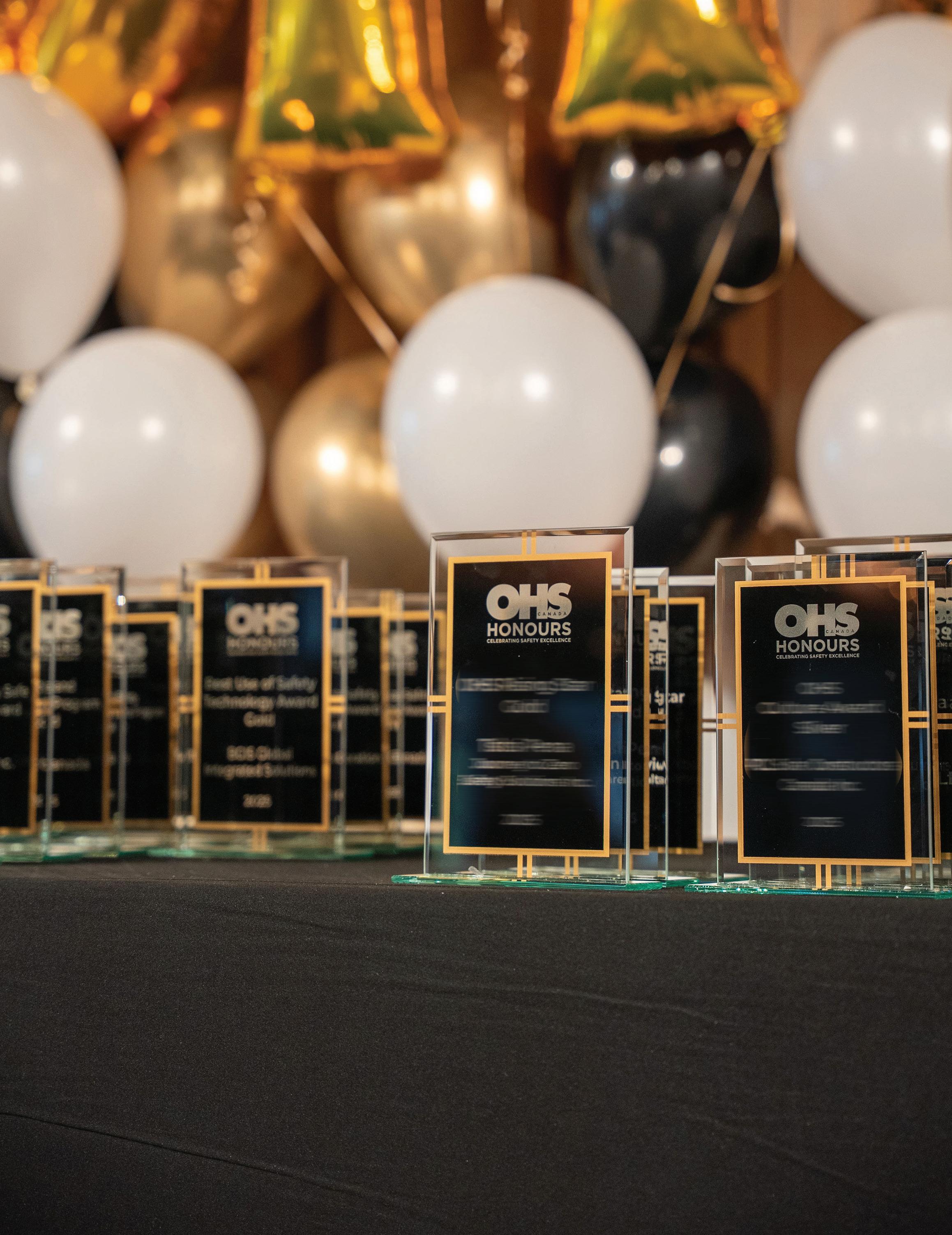
MARCH 11, 2026 | 1:00 - 4:00 P.M. EASTERN

Be part of today’s crucial conversations about personal protective equipment for women. The annual ProtectHer Women’s Safety Leadership & PPE Symposium will address vital issues in women’s workplace safety and pave the way for a more inclusive, diverse future for workers across Canada.
Scanheretosaveyourseat!