FOCUS ON: CMMS and sustainability
ALSO: The unique maintenance challenges of coconut processing
Condition monitoring: how much tech is enough?


FOCUS ON: CMMS and sustainability
ALSO: The unique maintenance challenges of coconut processing
Condition monitoring: how much tech is enough?
How to secure support for scheduled downtime



4 FROM THE EDITOR Are we AI-obsessed?
7 RELIABILITY MATTERS – NEW COLUMN! Condition monitoring: how much is enough?
22 THE LAST WORD
Jeff Smith makes the case for short interval control
17 19
COVER STORY: SELLING THE STOP
How lubrication practices, reliability challenges and new design thinking are shaping the future of wind turbine maintenance. 10 14
Getting leadership to say yes to downtime isn't easy. Industry voices offer practical strategies for making the case.
THE WELL-OILED MACHINE
An inside look at the unique maintenance challenges at Klassic Coconut's Simcoe, Ontario facility.
WHEN CMMS MEETS SUSTAINABILITY
As sustainability becomes central to business strategy, CMMS has evolved from a maintenance tool into a driver of greener, more efficient operations.
TROUBLESHOOTING AND MAINTENANCE OF WIND TURBINE SYSTEMS

As an elder millennial (or Xennial, if you prefer), the dot-com boom is a core memory. When the internet took off in the ’90s, everyone scrambled to get a piece of it — rushing to build websites, pouring billions into domains and basically losing our collective minds. Then the bubble burst.
Of course, the internet did eventually transform our lives and has now infiltrated virtually every facet of them. But for a while, the hype was way ahead of our understanding.
I can’t help but think about that era when I look at the conversations happening around AI right now, especially in manufacturing. Everyone wants in. Everyone’s afraid of being left behind. As MRO advisory board member Patrick Chan put it: it’s what the kids call FOMO.
He said this back in January, when I sat down with our advisory board for the first time. I’d come prepared to talk trends in 2026, but the group reframed the conversation. They’re not really trend people, they told me. They’re fundamentals people. And somehow, as conversations always seem to do these days, we ended up on AI.
Danaka Porter, who has worked with AI for more than a decade and has been speaking widely on automation and AI in warehousing, put it bluntly:
“Everyone wants to shove AI into everything,” she said, “and it doesn’t belong everywhere.” She explained that companies that don’t fully understand what AI can and can’t do risk wasting money on implementation, and that those who think AI will simply sort out their messy data are in for a rude awakening. As Danaka put it, it’s like building a skyscraper on a bad foundation.
Patricia Jaworski went further: “Let’s get the foundation right first, because you can never layer trends onto a muddy bottom; it will never take root.”
The point I took away from our chat wasn’t that AI has no place in manufacturing — it obviously does,
with MRO magazine
and that place is growing. The point is that the order of operations matters. Clean data, solid processes and a clear understanding of the problem you’re trying to solve should come first. Technology works best when it has something real to work with.
That idea runs through this issue in more ways than one, like in our brand new column, Reliability Matters . Columnist, Georges Ouellette, reliability strategy lead at Honda of Canada Mfg., writes about condition monitoring with the same grounded clarity.
“A lot of plants jump straight to the solution before they even define the problem,” he writes. “It’s like walking into a doctor’s office and ordering an MRI before the doctor asks where it hurts.” (To find out what else he has to say, turn to page 7.)
As for AI, that conversation isn’t going away, and I’m not saying it should. The technology and the potential are very real, and we'll contiue to cover it. But if the experts I’ve spoken to are telling us anything, it’s this: start with the foundation. Know your data and define the problem before you order the MRI.
On that note, you’ll notice a lot of new voices contributing to this issue, and there's more to come throughout the year. MRO ’s tagline is “Canada’s maintenance voice,” but that voice is a collective one: tradespeople, consultants, managers, executives, associations, even government. The advisory board is just one expression of that. Georges Ouellette is another.
And when it comes to that collective voice, I’d like it to include yours. If something in these pages sparks a reaction (whether it’s agreement, pushback or a story you think we should be telling) I want to hear it. Reach out.
KIRSTYN BROWN Editor kbrown@annexbusinessmedia.com
ESTABLISHED 1985
SPRING 2026 Volume 42, Number 1
READER SERVICE
Print and digital subscription inquiries or changes, please contact Customer Service
Angelita Potal, Customer Service Administrator Tel: 416-510-5113 email: apotal@annexbusinessmedia.com
Mail: 111 Gordon Baker Rd., Suite 400 Toronto, ON M2H 3R1
EDITOR Kirstyn Brown 226-931-4194 kbrown@annexbusinessmedia.com
BRAND SALES MANAGER Pat Lorusso 416-518-5509 plorusso@annexbusinessmedia.com
AUDIENCE DEVELOPMENT MANAGER Beata Olechnowicz bolechnowicz@annexbusinessmedia.com 416-510-5182
MEDIA DESIGNER Graham Jeffrey ACCOUNT CO-ORDINATOR Debbie Smith 416-510-5107 dsmith@annexbusinessmedia.com
GROUP PUBLISHER Paul Grossinger 416-510-5240
pgrossinger@annexbusinessmedia.com
CEO Scott Jamieson sjamieson@annexbusinessmedia.com
MRO is published by Annex Business Media, 111 Gordon Baker Rd., Suite 400, Toronto ON M2H 3R1; Tel. 416-442-5600, Fax 416-510-5140. Toll-free: 1-800-268-7742 in Canada, 1-800-387-0273 in the USA.
Printed in Canada ISSN 0831-8603 (print); ISSN 1923-3698 (digital) PUBLICATION MAIL AGREEMENT #40065710
Subscription rates. Canada: 1 year $68.95, 2 years $109.26. United States: 1 year $151.69. Elsewhere: 1 year $173.97. Add applicable taxes to all rates.
On occasion, our subscription list is made available to organizations whose products or services may be of interest to our readers. If you would prefer not to receive such information, please contact our circulation department in any of the four ways listed above.
Annex Privacy Officer Privacy@annexbusinessmedia.com 1-800-668-2374
No part of the editorial content of this publication may be reprinted without the publisher’s written permission © 2026 Annex Business Media. All rights reserved. Opinions expressed in this magazine are not necessarily those of the editor or the publisher. No liability is assumed for errors or omissions.

@mro_maintenance @MROMagazine /company/mro-magazine @mromagazine info@mromagazine.com mromagazine.com @mrocanada


MRO is thrilled to announce the formation of its first official editorial advisory board. Comprised of leading experts in asset management, reliability and operational excellence, hand-selected by the editor, the board will help inform and guide the brand's editorial direction, helping to deliver the most relevant and actionable insights to its readership.
Members of the advisory board will provide ongoing input on MRO’s editorial coverage, contributing articles and commentary throughout the year. Their contributions will focus on key topics such as maintenance best practices, emerging technologies, Lean transformation and more — offering practical information and solutions to the challenges faced by readers.
Patrick Chan is a maintenance and reliability professional with more than 25 years of experience supporting mining and oil sands operations. As a partner at Janus Reliability Solutions, he works with asset-intensive organizations to improve asset performance, maintenance effectiveness and enterprise reliability programs. His background spans handson plant roles and senior technical advisory positions, offering a practical, data-driven perspective grounded in real-world operating environments.

Holly Blair is the founder of Lean Possibilities, a consulting and training firm that helps small and mid-size Canadian manufacturers improve performance through practical Lean transformation. A chemical engineer and Lean Six Sigma Master Black Belt, she focuses on reducing costs, improving flow and translating strategy into execution in maintenance, operations and manufacturing environments. She is the author of Lean Transformation for Small and Mid-Size Manufacturing Companies


Danaka Porter brings more than 13 years of experience across industry and consulting, with work spanning defence, mining, food and beverage, and government. She specializes in translating complex operational and strategic challenges into measurable improvements, with a focus on process standardization, cycle-time reduction and cross-functional execution. Porter holds a PhD from the University of Calgary, an M.Eng. in supply chain management from MIT, and Lean and PMP credentials. She is also a long-time instructor at the University of Lethbridge’s Dhillon School of Business and the author of two widely used textbooks on supply chain and project management.
James Reyes-Picknell is a recognized authority in reliability, maintenance and asset management, with more than 48 years of professional experience. A mechanical engineer and professional engineer in Ontario, his career spans naval service, petrochemicals, aerospace, utilities, manufacturing and natural resource industries. He is the author of several books, including Uptime –Strategies for Excellence in Maintenance Management and Uptime for Executives, and was awarded the Serio Guy Award in 2016 for outstanding contributions to the profession.

Patricia Jaworski is an asset management professional with formal engineering training and more than 20 years of boots-on-the-ground experience. She applies her expertise across a range of engagements and supports the advancement of the profession through volunteer roles with PEMAC, GFMAM and WPiAM.

A lifelong competitive athlete, Patricia has represented Canada in multiple sports and is committed to supporting youth and equity in sport. She volunteers with organizations including KidSport and Girls Forward Foundation, bringing the same passion for performance and development to her community work as she does to her professional practice.
The advisory board plans to meet quarterly to discuss industry news and trends. These discussions will help inform MRO’s coverage as the magazine tackles complex and evolving issues in maintenance and operations.
Have a question or suggestion for the board? Readers are invited to submit topics or questions they would like the advisory board to explore in future coverage. Send inquiries to the editor, Kirstyn Brown at kbrown@annexbusinessmedia.com.
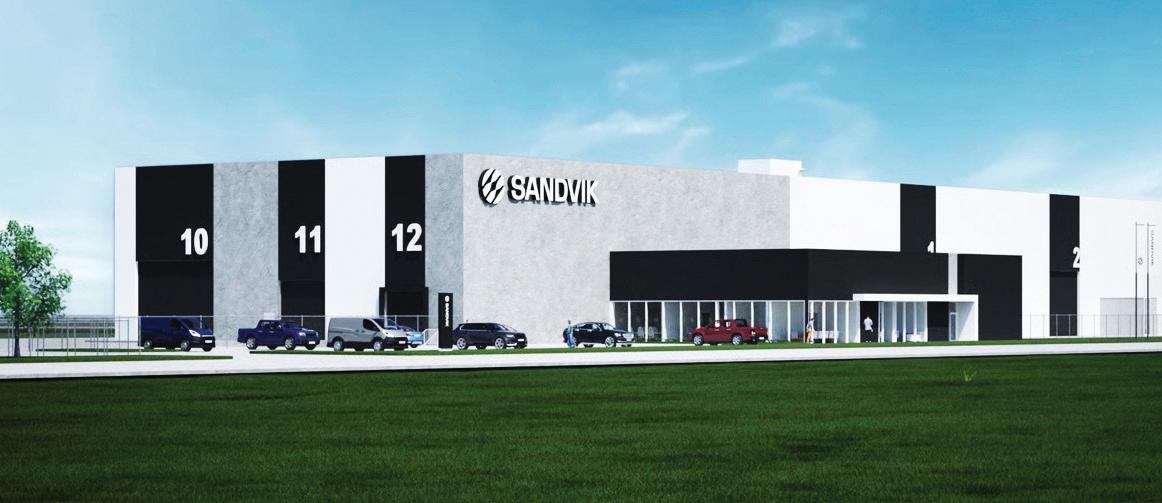
Sandvik has announced plans to develop a new, mechanical cutting and parts and services facility in Saskatoon, Sask.
Representing an investment of approximately $51 million, the 51,000-square-foot facility will aim to bring mechanical cutting, parts and services and aftermarket support together to help drive efficiency and collaboration, the company said in a press release.
Groundbreaking was scheduled for Feb. 2026, with operations expected to begin in Q4 2026, supporting long-term growth across Saskatchewan’s potash and uranium sectors as well as hard-rock mining in gold and copper.
“The Saskatoon facility will strengthen our local presence in a key mining region and ensure we have the capacity, infrastructure and expertise to support our customers well into the future,” said Peter Corcoran, vice president of sales area Canada at Sandvik Mining.
Sandvik says the facility will include “workflow-optimized workshop bays equipped with dedicated space for equipment maintenance and component repairs, wash bay and staging areas and robust cranage and clearance to support next-generation mechanical cutting equipment.” Additionally, an integrated warehouse will try to enhance parts inventory management and aftermarket support to customers across Central and Western Canada.
Calgary-based PowerWood Canada Corp. says it has acquired 175 acres of land from Mackenzie County in northern Alberta to build a rail spur supporting two planned biofuel pellet plants near High Level.
The company said the purchase was completed in late December 2025 and will allow construction of a rail connection to the county’s main freight rail system. PowerWood said it plans to break ground on its Peace River plant east of La Crete in late spring 2026, with a second facility planned south of High Level in 2027.
According to the company, the plants will produce steam-treated black pellets intended for use as a coal substitute. Once fully operational, the facilities are expected to support more than 500 jobs across the supply chain.
Hydro Québec says it has begun regulatory procedures to convert the TC Energy cogeneration power plant in Bécancour to operate during peak demand periods.
The initiative is part of Hydro Québec’s Action Plan 2035 and aims to provide additional power during winter cold snaps. The plant will be supplied with renewable natural gas and could deliver up to 350 megawatts, the equivalent of the electricity needed to supply about 70,000 households, according to the release.
Hydro Québec said the facility would operate occasionally to support grid stability and reliability. The project is one of several measures intended to manage growing winter peaks, which have reached new historic highs in recent years.
Historic winter peaks recorded in Feb. 2023 and Dec. 2025 highlight the need for additional resources, the utility said.
Next steps include TC Energy initiating authorization procedures in winter 2026. Subject to approvals, conversion work would take place from 2026 to 2028, with commissioning expected in 2028–2029.
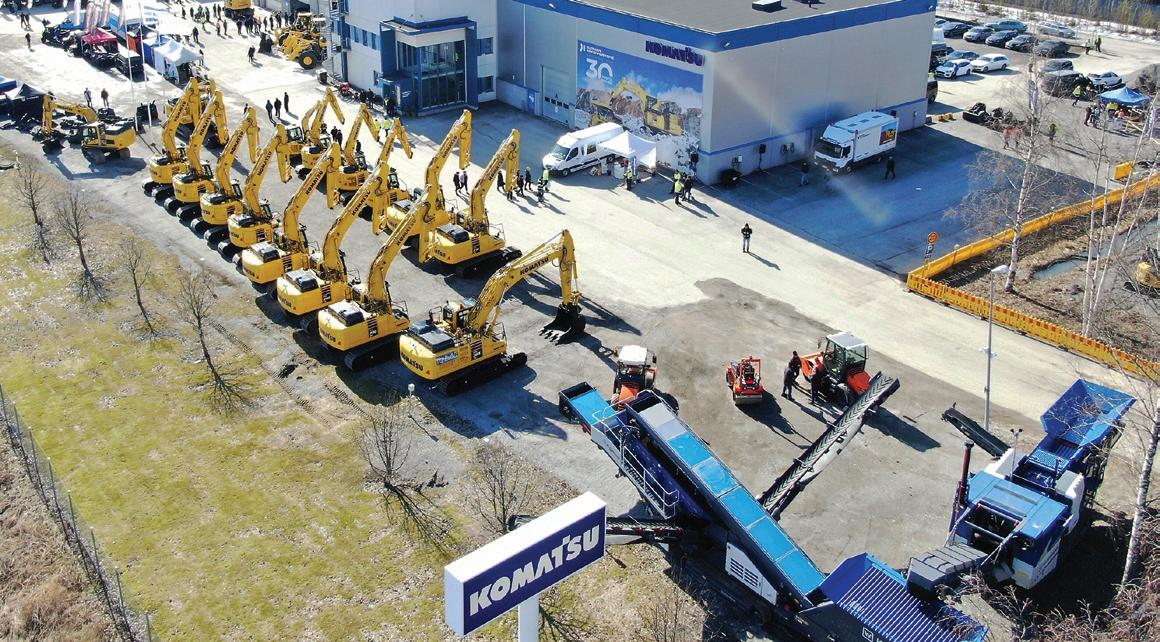
Canadian heavy equipment dealer SMS Equipment says it has expanded into Europe with the acquisition of Suomen Rakennuskone Oy, a distributor of construction and mining equipment in Finland.
According to the company, Suomen Rakennuskone Oy provides equipment sales, maintenance, parts and technical support and is the exclusive Finnish dealer for Komatsu mining and construction equipment.
SMS Equipment, headquartered in Acheson, Alta., operates more than 45 locations across Canada, Alaska, Mongolia and Finland, serving mining, construction, roadbuilding and forestry markets.
Massilly North America is investing $85 million to build a new manufacturing facility in Brantford, Ont. that will produce metal food cans, expanding domestic packaging capacity for Canada’s food processing sector.
According to the Ontario government, the project will add coil cutting operations and new three-piece can production lines, strengthening local access to food-grade steel packaging amid ongoing supply chain pressures. The investment is expected to create 50 new jobs and maintain 228 existing positions across the company’s Ontario operations.
The province is supporting the expansion with $5 million through the Ontario Together Trade Fund, which supports projects aimed at reshoring production and strengthening domestic supply chains. The Ministry of Economic Development said the funding will help reduce reliance on imported steel packaging.
Massilly North America president Garnet Lasby said the investment reflects confidence in long term demand for Canadian made food packaging.
The new Brantford facility is expected to provide food processors with a more reliable domestic source of metal cans, supporting production planning and reducing lead time risks, according to the government.

BY GEORGES OUELLETTE
Preventive maintenance has long been the backbone of equipment care, but in today’s competitive environment, it’s no longer enough. The question isn’t “Should we adopt predictive maintenance?” … that’s already settled. The real question is:
“How much technology do we need, and how do we apply it effectively?”
Anyone who’s spent real time in a plant knows machines have their own personalities. Some are steady and predictable, others are moody and prone to drama. And if you listen long enough, they’ll tell you exactly what’s going on. Condition monitoring is really just a more disciplined way of listening, but somewhere along the line, that simple idea got tangled up in the hype of trying to keep up with the Joneses.
These days, it feels like every conversation starts with technology: sensors, dashboards, AI, cloud integration — whatever the buzzword is of the week. And don’t get me wrong, I like good tech. But a lot of plants jump straight to the “solution” before they even define the problem. It’s like walking into a doctor’s office and ordering an MRI before the doctor asks where it hurts.
That’s how companies end up with more data than decisions and more gadgets than insights.
The truth is, condition monitoring works best when it’s grounded in practicality. That means having a balanced approach and recognizing that not every asset deserves the same level of attention. You've got your high-criticality machines, the ones that take the whole operation down if you look at them the wrong way. Those machines absolutely deserve continuous monitoring, no argument there. But then you’ve got machines in the middle layer: important, yes,
A lot of plants jump straight to the “solution” before they even define the problem. It’s like walking into a doctor’s office and ordering an MRI before the doctor asks where it hurts.

but they can’t cost more to monitor and maintain than the benefit they provide to the overall bottom line. For those, a solid route-based program supplemented by portable tools tells you pretty much everything you need to know. And the lower tier? The ones that cost more to overthink than replace? A sensible PM with a quick look from time to time is perfectly fine.
What makes a condition monitoring program successful isn’t how fancy it is; it’s how intentionally it’s built. The best programs I’ve seen start small, usually with a tight group of critical machines. They take the time to understand the data, the signals, the quirks. They learn what “normal” looks like, and they learn how to separate meaningful early warnings from noise. The team builds confidence, one alert at a time. And that confidence is what keeps the program alive long-term.
As this foundation takes root, the plant floor recognizes the impact and starts to ask what caused the positive change.You start hearing less noise or stress in the background; maintenance isn’t always in battle mode; planners aren’t constantly rewriting schedules. And those dreaded downtime calls start to fade just a little. It’s not magic, just the result of catching problems early enough that you can actually plan around them.
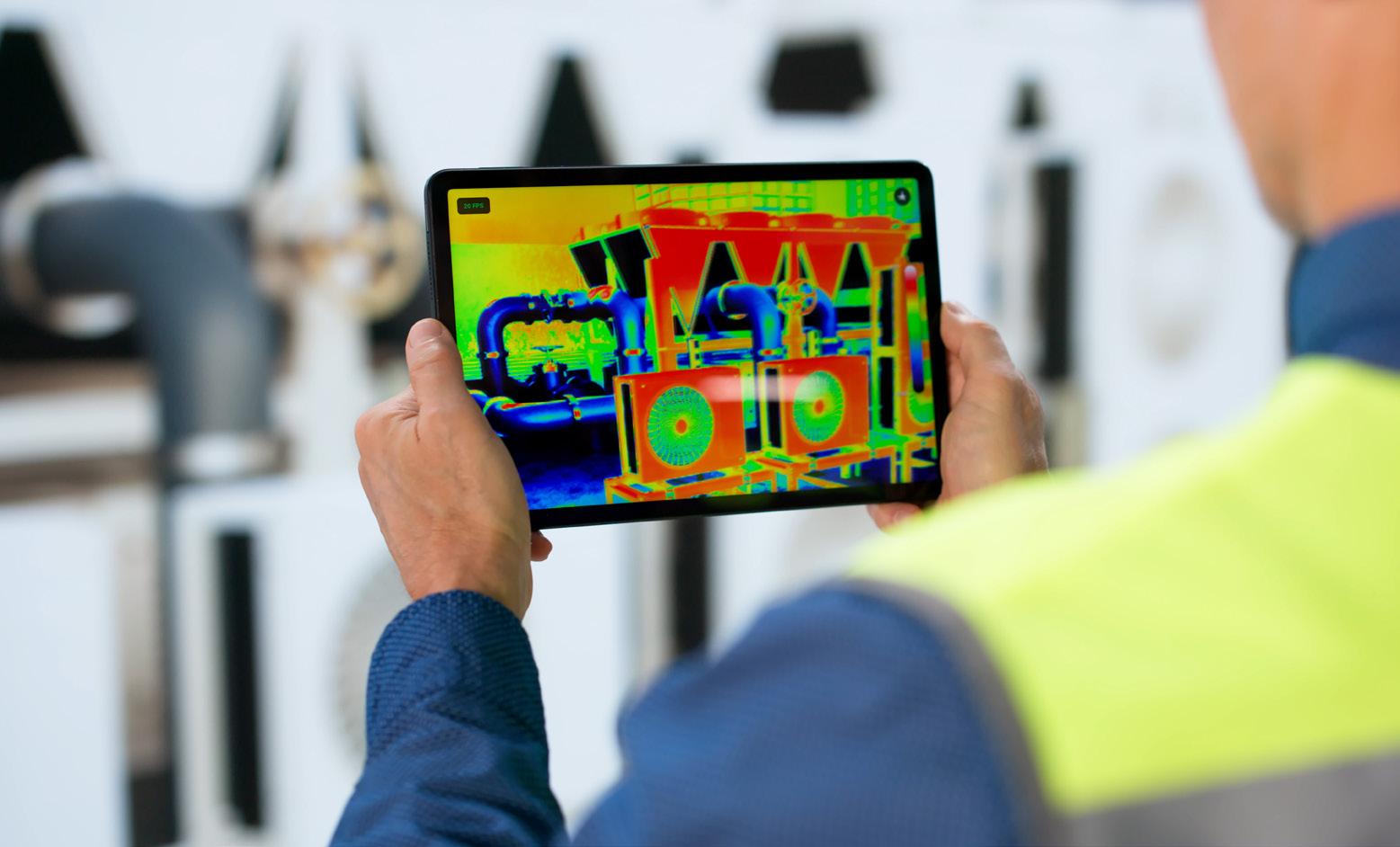
And here’s something most people won’t say out loud: the tools themselves matter less than how they’re used. The ultrasound gun? Telling you where friction is hiding. The thermal camera? Another set of eyes tuned to
heat instead of light. The vibration analyzer? A truth detector, it doesn’t care about opinions. But none of them mean much if they’re just gathering dust or being used without context. Permanent sensors add another layer, monitoring your equipment constantly with no complaints. They catch the subtle shifts in behavior that no one else sees. But again, the value isn’t in the sensor; it’s in the action that follows. A million data points won’t stop a failure unless someone closes the loop.
What ties all of this together — the tools, the routes, the sensors — is a mindset and a strong system. A willingness to be practical and selective. To say, “This asset gets continuous monitoring, this one gets monthly checks and this one gets a decent PM and that’s enough.” Reliability isn’t about throwing tech at every machine; it’s about knowing where the effort pays off.
In the end, the story of condition monitoring is pretty simple. Plants that succeed treat it as a long-term discipline, not a shopping spree. They think before they buy, pilot before they scale and teach their people to interpret and react to what the machines are saying. That’s how you build a reliability program that actually sticks.
Georges Ouellette, CMRP, CRL, CET is the Reliability Strategy Lead for Honda of Canada Mfg. in Canada. He brings a systems based, practitioner perspective to reliability, focusing on embedding asset reliability and cultural change into day to day manufacturing operations.
BY CANADIAN CENTRE FOR OCCUPATIONAL HEALTH AND SAFETY (CCOHS)
Maintenance professionals are often on their feet for most of the day. Whether they’re inspecting equipment, completing repairs, or moving through the facility to deal with issues as they come up, standing for long periods of time is a normal part of the job. But when workers don’t get a chance to sit, stretch or change positions, the body often pays a price.
Standing might seem harmless — after all, it’s a natural posture. But doing it for hours at a time without relief can lead to discomfort and injury. Sore feet, swollen legs, neck and shoulder stiffness, back pain and general fatigue are common symptoms. Over time, the strain on tendons and ligaments can develop into more serious chronic issues that affect a worker’s health and their ability to do their job safely and comfortably.
Where workers spend most of the day upright, simple adjustments can make the work easier on the body. Many changes can be built into daily routines or included in broader work design and job planning.
The human body is built to move. When workers stand in one spot and don’t shift positions, their muscles stay engaged in the same way for long periods. Blood doesn’t circulate as efficiently, the body tires faster and even small movements such as leaning or twisting can add extra strain. Maintenance responsibilities often require focus, precision and detailed technical tasks, which can cause workers to stay rooted in place even longer.
The lingering impacts of prolonged standing can sneak up on workers. They might finish their shift with sore feet or stiff muscles and assume it’s just part of the job. But when fatigue or discomfort becomes part of the routine,

it can lead to muscle strain, reduced focus, a higher risk of injury and other health problems that eventually make work harder than it needs to be.
Redesigning workstations and tasks can go a long way in reducing strain and discomfort from prolonged standing. The most effective changes involve eliminating or reducing prolonged standing. Look at the tasks and spaces associated with maintenance work and identify where workers need to stand for long periods. Get feedback from workers and ask how easily they are able to move, sit or shift their weight during tasks.
In industrial settings, providing seats so workers can rest or complete part of the work in a sitting position may not be possible for every task, but the option can make a difference when repairs or inspections take longer than expected. Adjustable workstations that accommodate different workers and tasks, and more appropriate tools or processes, can also reduce strain and allow better body positioning.
Build variety into the job. Maintenance work naturally involves
multiple tasks, tools and environments, which is an advantage. Job rotation can spread the physical load by switching workers between tasks that use different muscles and positions. Teamwork can do the same by shortening or breaking up standing tasks and keeping workers moving. Rest breaks matter, too. Even brief pauses give workers a chance to stretch, move around and reset their posture. The body needs time to recover before discomfort turns into injury.
Not every improvement requires a major redesign. In many cases, small changes can help workers naturally shift their weight and avoid standing in one fixed position. Built-in foot rails or portable footrests let workers alternate between legs, which reduces pressure on the lower back and feet. A worker who can lean, prop or change stance is less likely to feel strained at the end of a long shift.
Workers also benefit from education and training on how and when to change positions.
Explain what fatigue looks like, how to spot early signs of strain and why reporting discomfort helps improve the
work environment for everyone. When workers feel aches and pains, they shouldn’t just push through it. Early reporting can make it easier to correct the issue before it becomes part of the job.
Footwear plays a quiet but important role in how the body handles standing work. Feet are designed for movement, so holding the same upright stance for hours can be very tiring. Choosing the right footwear can reduce strain and improve comfort.
If safety footwear is required on your site, make sure it meets the proper requirements and fits well. Footwear should provide support in the heel and arch, offer cushioning and allow toes enough room to move. Hard floors are common in industrial settings, so shock-absorbing insoles can make a noticeable difference over a long shift. If
practical, installing more flexible flooring (rubber, cork, wood or carpet) and using anti-fatigue mats can also reduce strain when standing. Poorly fitting footwear, especially shoes that are too tight or worn out, contributes heavily to foot discomfort. Remind workers that feet swell throughout the day and to measure both feet when buying new boots, so they fit the larger foot.
Standing work is necessary in industrial maintenance, but discomfort shouldn’t be. By designing workstations and jobs that allow balanced working positions, varying and optimizing tasks, providing opportunities to rest, training workers and choosing appropriate footwear, you can help make the work healthier and more sustainable for your crew. These changes help workers stay focused, productive, and comfortable while preventing injuries.
Standing may be unavoidable in maintenance work, but small changes can reduce discomfort over a long shift:
Change positions often. Shift weight, alternate feet or take a few steps whenever the task allows.
Use supports. Footrests, rails or anti-fatigue mats help reduce pressure on the lower back and legs.
• Build in short breaks. Even brief pauses to stretch or sit can help the body recover.
• Adjust the work environment. Where possible, use adjustable work surfaces or tools that allow better posture.
• Wear the right footwear. Well-fitted safety boots with proper support and cushioning make a noticeable difference over time.
Small adjustments like these can help workers stay comfortable, focused and safe throughout the day.
The Canadian Centre for Occupational Health and Safety (CCOHS) promotes the total well-being — physical, psychosocial, and mental health — of workers in Canada by providing information, advice, education, and management systems and solutions that support the prevention of injury and illness. Visit www.ccohs.ca for more safety tips.
26_000597_MRO_Spring_CN Mod: January 15, 2026 2:01 PM Print: 02/06/26 page 1 v2.5 ORDER BY 6 PM FOR


When it comes to scheduling downtime, maintenance teams still face resistance. Here, industry voices offer practical advice for approaching leadership buy-in.
BY TREENA HEIN
For maintenance professionals, the quest to achieve buy-in for scheduled downtime can be daunting. The case for this type of preventive maintenance is solid, but will company leaders agree?
Fortunately, with today’s data and the right approach, the chances of success are far stronger than they once were. It’s a sales pitch that needs to be carefully prepared and delivered effectively, centered on detailed ROI framing and other data-driven insights.
“At its core, scheduled downtime isn’t a maintenance issue — it’s an operational resilience issue,” notes Scott McNeil-Smith, VP of manufacturing sector performance at the Excellence in Manufacturing Consortium (EMC), based in Ontario. “When framed that
way, buy-in becomes much easier.
The conversation has to move away from ‘lost production time’ and toward the real cost of unplanned downtime. When a critical asset goes down unexpectedly, the impacts ripple across the operation lost production, missed shipments, overtime, quality issues, safety risks. Planned downtime is almost always cheaper, more controllable and far less disruptive.”
According to Michael Dunn, Lean Trainer for Canadian Manufacturers & Exporters (CME), the pressure to maintain production levels, to deliver products ‘just in time,’ is one of the main reasons there has long been resistance to scheduled downtime.
Mike Forster, director of Made Safe Manitoba, has similar thoughts, putting business risk ahead of all other factors. That is, leaders worry that scheduled downtime could not only impact revenue, says Forster, but reduce the ability to support customers and negatively impact customer relations.
Rohit Prakash, CEO of Coast, maker of CMMS software, echoes these thoughts. While the cost of downtime is viewed as paramount, he explains that “what often gets missed is the hidden cost of not scheduling downtime: emergency labour, expedited parts, safety incidents and reputational damage when assets fail at the worst possible time.”
However, Dunn notes that a shift has occurred, making it easier to help

company leaders see the value of planned downtime. In short, the arrival of plant digitization and sensor use has led to unprecedented data collection, enabling trends identification, solid proof of ROI and the development of RCM (Reliability-Centered Maintenance) and PdM (Predictive Maintenance). Dunn explains that over recent years, “many hours were dedicated, with the help of experts outside and inside of the industry, in proving these concepts were sound.”
In making your case for planned downtime, McNeilSmith advises a direct approach: translating everything into dollars and risk.
“Show what an unplanned failure actually costs lost production, overtime, quality issues, missed deliveries, even safety risk,” he says. “Use data, even if it’s simple. You don’t need perfect systems. Start with historical maintenance logs, downtime hours and production losses. That baseline alone often makes the case. AI and other data management can be leveraged later on.”
For his part, Prakash advises layering data. “Preventive maintenance shows historic patterns: recurring failures, assets that consume disproportionate labour or PMs that are skipped before breakdowns,” he says. “Predictive inputs like vibration trends or runtime thresholds add another layer by showing when risk is rising, not just that it exists.”
Prakash adds that RCM helps frame this strategically. “Instead of asking for more downtime, teams can prove that an asset is critical, has a known failure mode and that the lowest-cost intervention involves planned downtime every X cycles,” he says. “That data-backed statement makes it a much easier sell.”
Rob Reimer, a Lean Facilitator at CME in Manitoba, suggests that analogies can be a useful introduction to the concept of downtime proposals and he’s used the same one many times.
“If you’re a woodworker who is cutting wood and your saw becomes dull, do you think it best to continue trying to saw faster or harder, or does it make sense to stop and sharpen the saw?” he asks.
Prakash suggests translating proposals into business language, and using specific examples that show tangible results. For example, with ROI, he suggests a statement like “This four-hour PM prevents a failure that historically causes 12 to16 hours of downtime and $50K in lost throughput.”
To frame risk reduction, Prakash suggests, “This inspection addresses a known failure mode that could trigger a safety incident or regulatory exposure.” To explain the benefits of planned downtime to operational efficiency, use a statement like “Planned downtime lets us bundle tasks, reduce changeovers and avoid emergency call-outs.”
Starting small can make the case more tangible. Dunn strongly supports the use of pilot projects to demonstrate the value of planned downtime.
“Yes, 100 per cent," says Dunn. "Find the equipment

For some leaders, a quiet plant still feels like lost production, even when downtime is the right call.
or line that breaks down the most and start monitoring levels to show trends.”
Reimer also favours this approach. “Many times, proposing a pilot can help to propel the conversation forward,” he says. “If it’s possible to show the results on a smaller scale with less impact on the business as a whole, this can make the concept more palatable to upper management. Many times, a pilot project will essentially write the business case for itself by demonstrating the benefits.”
McNeil-Smith also strongly supports a pilot project involving a critical asset. “When leadership sees fewer breakdowns and smoother operations, the conversation shifts quickly,” he says.
While approaches vary, experts agree that winning buyin is only the first step; sustaining that buy-in requires consistency, communication and alignment with broader business goals.
Shawn Stratton Jr., manager of Global Precision Installations based in Courtice, Ont., says lasting buy-in often depends on whether maintenance is involved early enough to influence decisions. He points to a conveyor installation where his team warned that the requested placement would make it difficult to access the drive motor for maintenance.
“We pointed out this issue, but they needed it to be that way for production,” Stratton says. “Their maintenance department was not involved in the conversation, and a couple years later when they needed to change that motor, they did not have the capabilities and needed to call us in with our specialized equipment. This turned a simple four to five-hour job into a two-day job and probably tripled their maintenance costs. Examples like this are very common for us.”
“If PdM and RCM are effectively and fully implemented, the data and reliability of equipment will speak for itself. This is not a one-time project with a defined end date. It has to be instilled as a culture.”
- Michael Dunn, Lean Trainer, Canadian Manufacturers & Exporters
For Dunn, sustaining support for scheduled downtime requires setting realistic expectations and reinforcing the partnership between production and maintenance. He cautions against promising overnight success and emphasizes the importance of ongoing data visibility.
“If PdM and RCM are effectively and fully implemented, the data and reliability of equipment will speak for itself,” he says. “This is not a one time project with a defined end date. It has to be instilled as a culture.”
That long term perspective is critical, McNeil-Smith adds, particularly in how preventive maintenance is positioned internally.
“Frame it as protecting throughput, stabilizing schedules and reducing firefighting,” he says. He also advises aligning maintenance requests with broader business priorities. “Tie the request directly to KPIs management already cares about,” he says, “For example,
OEE, on time delivery, customer commitments, energy efficiency and safety.”
Consistency and communication are equally important, according to Prakash, who urges teams to make downtime predictable and outcomes visible. “First, make downtime predictable,” he says. “When maintenance is scheduled, documented and repeatable, it stops feeling like a surprise, which executives tend to hate even more than downtime. Second, report outcomes, not activity. Don’t just say PMs were completed. Show what didn’t happen: fewer breakdowns, lower overtime and improved safety metrics.”
Over time, he says, this helps normalize maintenance as part of operations, rather than an interruption to them. There are limits, however, to what scheduled downtime can achieve. “Scheduled maintenance downtime does not fully eliminate the chance of an unpredictable catastrophic failure of equipment,” Forster says. “This needs to be understood. The long term goal of preventive maintenance/scheduled downtime is to limit the risk to business in a controlled fashion. It is to support a safety culture and therefore support the overall operational excellence of the business.”
Prakash agrees. “Maintenance culture sticks when leadership sees that planned downtime isn’t maintenance departments asking for permission, it’s them protecting the business.”


In a factory that smells as good as it runs, a small maintenance team keeps one of Canada’s largest coconut processors humming.
BY KIRSTYN BROWN
On certain days in Simcoe, Ontario, you don't need a map to find Klassic Coconut's factory — you just follow your nose. When the factory is toasting, the thick scent of coconut can be smelled for miles.
Phil Genery, one of the plant’s twoperson maintenance team, laughs about it.
“My fiancé’s grandma, she lives all the way on the other end of town,” he says. “She can even smell the toasting line over there.”
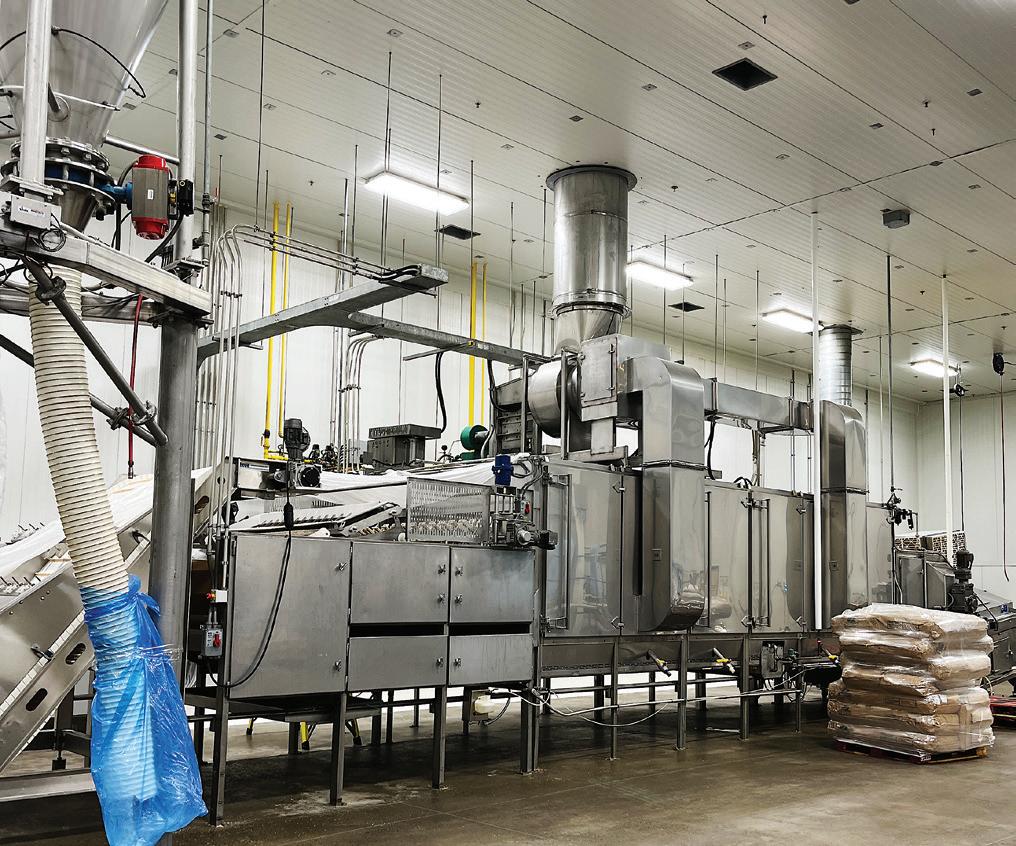
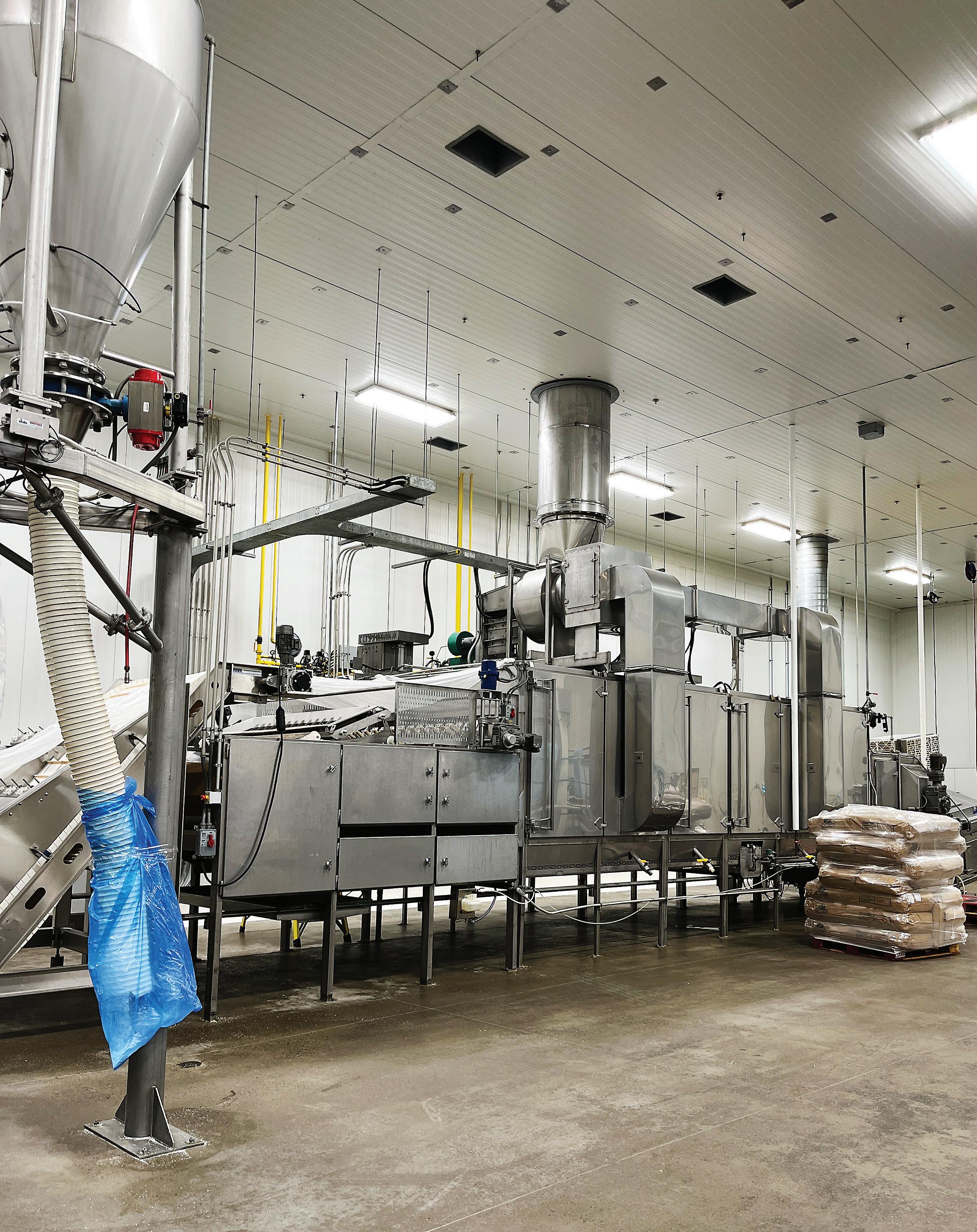
That toasting line—a customengineered, gas-fired, two-stage band oven capable of processing 4,000 to 5,000 pounds of coconut per hour— is both the crown jewel and one of the more high-maintenance pieces of equipment at Klassic Coconut’s 50,000-square-foot facility.
It’s also a lesson in how different maintenance looks when your raw material is coconut.
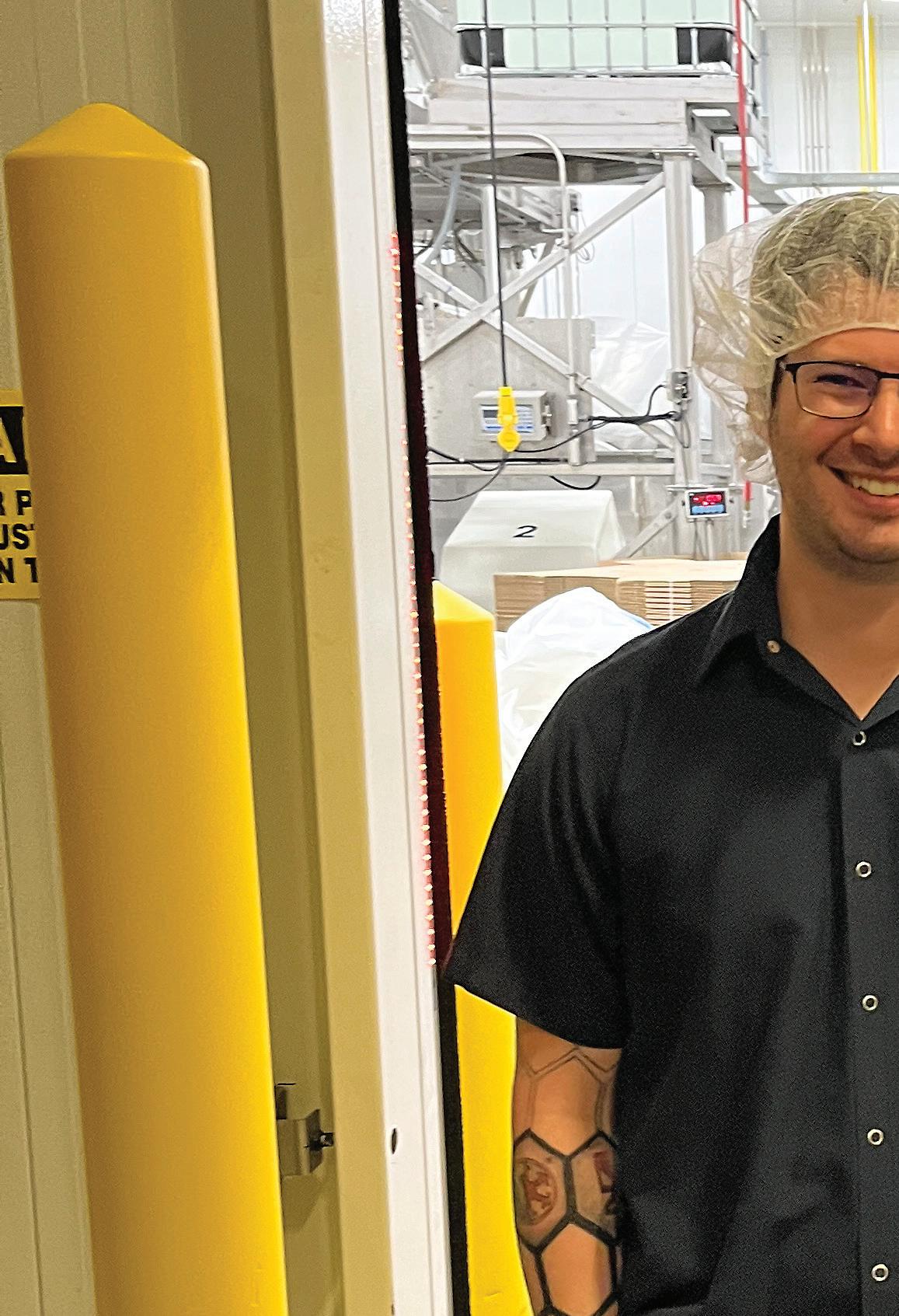
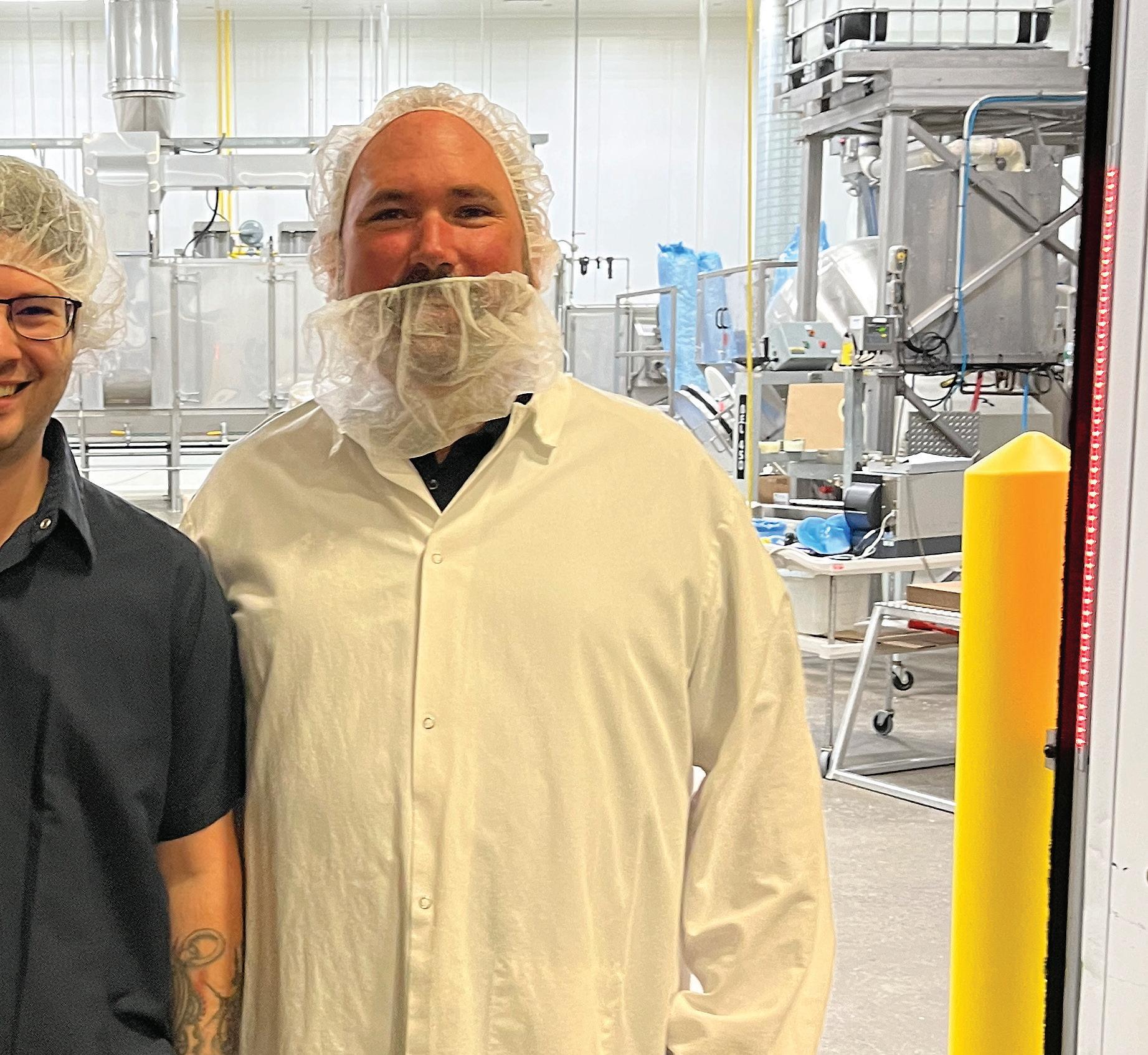
During a recent visit by MRO, Duncan Stewart, who oversees operations at Klassic Coconut, and Genery walked through the plant and the maintenance program that keeps it running with minimal downtime.
<sh>A lean dream team</sh>
Founded in 1986 by Henk Van Amerongen Sr. under the name Van Amerongen & Son Inc., Klassic Coconut is a family-owned and operated business and one of the largest importers of desiccated coconut in Canada. It manufactures sweetened and toasted coconut products for customers across North America, with some product moving to the Middle East, Brazil, and Ecuador.
The current Simcoe facility was essentially a shell when the company acquired it. It was a gut job that kept
only the steel structure with a new roof, floors, walls and a production layout designed by the team in-house. The company is now planning an additional 52,000 square feet on the same site.
Running maintenance across all of it: Tim Zandstra, the facility’s lead maintenance technician with 11 years on the job, and Genery, who has been with the company for seven years across multiple roles before landing in maintenance about four or five years ago. It’s a lean team, but it works.
“It’s a pretty robust preventive maintenance program that’s run very well,” says Stewart.
The plant runs Monday through Thursday, with the Friday-toSunday window reserved for Zandstra and Genery to work through a structured schedule of daily, weekly, monthly, quarterly, semi-annual and annual tasks.
Every production day starts with morning checks: sanitizer and soap dispenser concentrations measured at each numbered sink, belt tracking verified on every running conveyor, forklift inspections covering hydraulics, brakes, horns and warning systems.
Weekly tasks include roof checks of all AMUs and HVAC filters, battery top-ups on the three lead-acid forklift batteries and a check of the sugar silo magnet, which screens for any metal fragments that may have come loose
from the grinder.
Once a month, the team conducts a full glass and plastic audit of the entire facility, checking every light bulb, switch cover and transparent guard for cracks.
The approach is deliberately manual and low-tech. The team briefly tried a software program for tracking, but Stewart says it was less intuitive and more cumbersome than their binder system.
“Our downtime is incredibly minimal,” says Stewart. “There are situations that are unforeseen that you can't plan for, but since we moved to this facility, our downtime for maintenance-related issues is negligible. Properly documenting and scheduling maintenance has paid dividends.”
The unique challenge of oil Desiccated coconut is 65 per cent fat. When containers arrive cold from Vancouver in winter, that fat
“Our downtime is incredibly minimal. There are situations that are unforeseen that you can't plan for, but since we moved to this facility, our downtime for maintenance-related issues is negligible. Properly documenting and scheduling maintenance has paid dividends.”
– Duncan Stewart
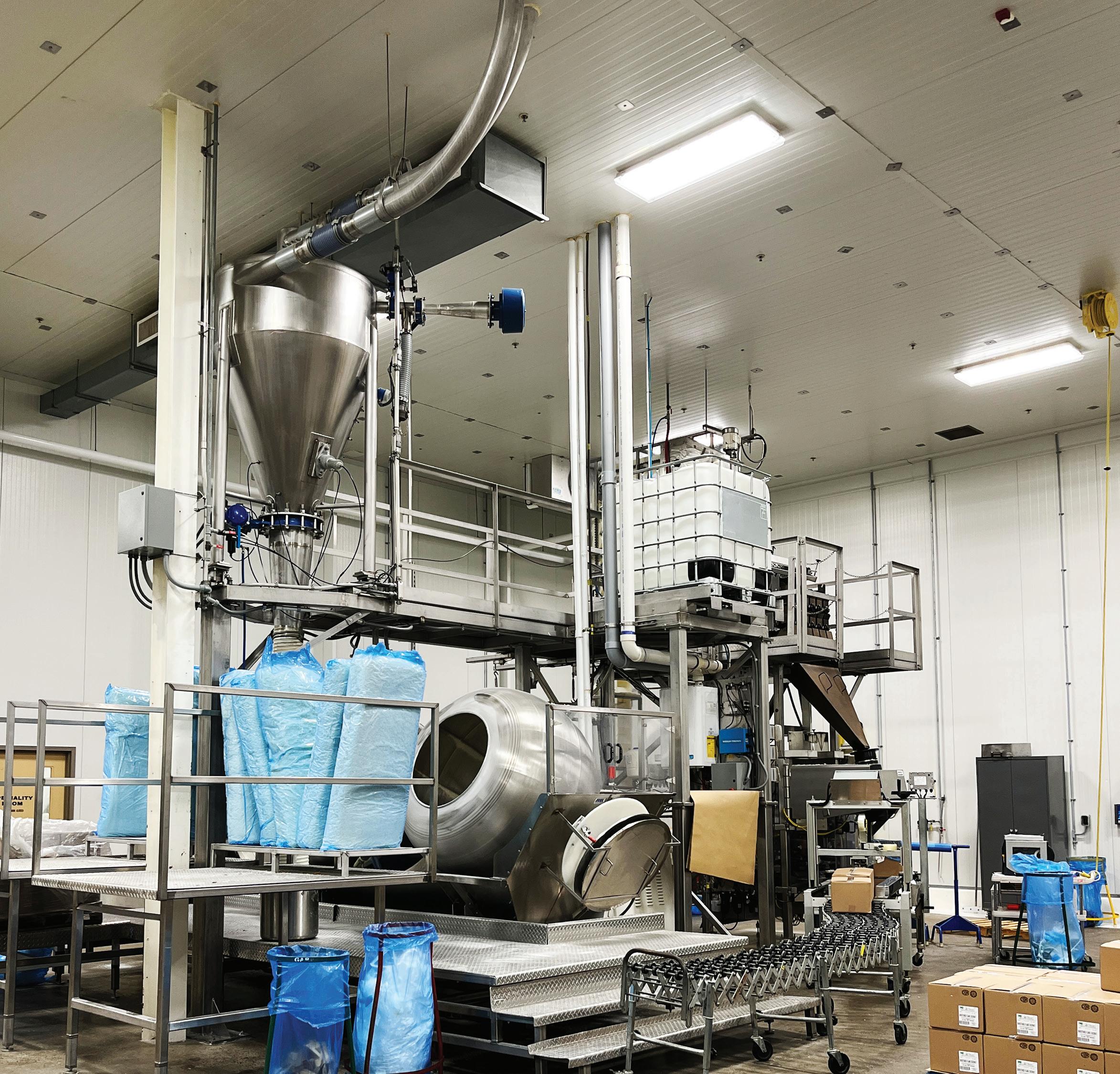
has solidified, causing the product to clump and become difficult to process. Before production can begin, incoming shipments have to be moved into tempering rooms and brought up to 28 to 29 C (82 to 85 F) to bring the product back to a workable state.
The oil creates a separate challenge at the other end of the process. During production and cleanup, coconut oil makes its way into the facility's drainage system. The plant was designed with production drains on a separate system, feeding through an oil interceptor to keep coconut oil out of the municipal sewer. In warm months, that works seamlessly. In winter, the oil pooling in the interceptor can solidify entirely.
"We've had a couple of times when Tim and I have been called in in the morning," Genery says. "We go in there and there's a giant hunk of solid coconut oil in the separator tank."
Monitoring that interceptor through the colder months is now a standing maintenance item.
Oil also requires careful management when it comes to lubricants. Because this is a food plant, every lubricant used on equipment must be food-grade; not something that can be sourced locally in a pinch. The team tracks chemical inventory monthly, monitoring usage closely to make sure they’re never caught short before a PM.
“If we don’t have certain oils, then next thing you know, you’ve drained something out and now you can’t use it for a month because it’s on backorder,” Genery says.
Despite these challenges, oil isn’t Klassic Coconut’s most unique maintenance issue: it’s sugar. Klassic Coconut mills granulated sugar on site and grinds it into icing sugar, which behaves less like a food ingredient and more like a fine-grit abrasive.
“It’s like a micro-sanding to everything,” Genery says. Belts, pins, plastic components all wear faster than they would in a typical manufacturing environment.
“Powdered sugar is very abrasive. It likes to wear on plastic,” says Zandstra, who explains that some belts in the facility have lasted 11 years, while others needed replacement after three or four. One machine runs with a Teflon coating on its upper surface
to maintain slip and that coating must be stripped and reapplied every two years because the sugar contact wears it away.
Sugar also has a humidity problem. If moisture gets into the sugar system, the product clumps and stops flowing. So the plant runs a dehumidifier and the team checks humidity levels weekly, a non-negotiable on the maintenance schedule.
Of all the equipment in the facility, Stewart says the toasting line (or “oven dryer”) demands the most care. The line uses a custom-engineered band oven, designed on the same principle
Klassic Coconut's custom-engineered toasting line can process up to 5,000 pounds of coconut per hour.
as equipment used in the Philippines to produce desiccated coconut, but specifically built for Klassic Coconut’s toasting process. It runs at 193 C (380 F) and requires a licensed gas fitter to inspect the entire gas system annually.
The line also has a ventilation requirement. The toasting process generates exhaust that, without proper ventilation, can deplete the oxygen in the production room and create a negative atmosphere. To prevent that, the oven is interlocked with a makeup air unit (AMU)—the oven will not run unless the AMU is confirmed to be operating. Genery checks the AMU and all HVAC
systems weekly, year-round, roof access in January included.
“That’s why we check them on a weekly basis,” Genery says of the ventilation systems. “If anything happens, that toasting line instantly shuts down, we check it and figure it out.”
The rest of the toasting line PM is belt- and bearing-heavy: checking gear mesh, inspecting for tears or wear, monitoring gearbox fluid levels through drain-plug checks and keeping track of chains and motors in the tumbler system.
“For the most part, it comes down to making sure that all the bearings are greased up and that all the belts aren't going to, you know, explode on us,” says Genery.
The coconut butter line presents its own maintenance discipline. To make coconut butter, desiccated or toasted coconut is fed into a high-speed grinder that pulverizes it into a liquid, a process that takes roughly 30 to 45 seconds for a 20-litre pail.The grinder runs at 14,000 RPM and is belt-driven, with four interlocks preventing operation unless all guards are in place.
“There's oil that needs to be running in that consistently, and it has to be running half an hour before we actually start it up because of how fast it runs. It can't run dry at all,” explains Genery.
All of those challenges exist on top of the baseline demands facing any food and beverage processing facility: stringent food safety standards, food-grade lubricant requirements and a full glass and plastic walkthrough every four weeks to account for anything cracked or broken anywhere in the building. Then there's the issue of supply chain. "Coconut itself is pretty volatile," Stewart says, noting that coconut is grown in the Philippines and Indonesia, regions prone to typhoons, volcanic activity, and weather cycles that can make supply scarce.
But walking through the spotless facility, you'd never know there’s so much potential for things to go wrong. For a small team maintaining a toasting line, a sugar milling system, a coconut butter line, tumblers, forklifts and HVAC, the operation runs with quiet precision. And when the scent of coconut wafts across the town of Simcoe, it's proof that everything is running as it should.
How CMMS is moving beyond uptime to support energy efficiency, waste reduction and long term operational sustainability.
BY DONAL BOURKE
For decades, Computerized Maintenance Management Systems (CMMS) were viewed as strictly operational tools: central repositories for asset information designed to decrease downtime, control inventory and keep maintenance teams organized. But as organizations across every sector shift toward greener, more resource-conscious operations, the purpose of CMMS has quietly but fundamentally changed.
Now, with sustainability playing a larger role in many companies’ overarching business strategy, CMMS is no longer just a tool for efficiency. Rather, it has become a strategic driver of sustainability, helping companies shrink their environmental footprint while improving overall performance.
In fact, today’s most progressive organizations are weaving sustainability directly into their maintenance strategies, using CMMS not just to keep equipment running, but to support responsible resource use, smarter energy consumption and more transparent reporting.
A modern CMMS gives organizations the ability to operate more sustainably in ways that weren’t possible even a decade ago. At its core, sustainability in maintenance is about avoiding waste, regardless of whether that waste comes from excess energy use, unnecessary parts replacement, or carbon-heavy emergency repair work. By giving teams real-time insight into asset performance and resource utilization, a CMMS helps create a maintenance culture built around optimization rather than reaction.
One of the biggest sustainability gains comes from improved energy efficiency. A CMMS that tracks equipment performance over time, especially when integrated with external systems, can reveal which machines are drawing more power than they should, whether due to age, wear, or improper

configuration. That makes it easier to plan repairs or upgrades, replace inefficient components with greener alternatives and schedule maintenance when it will have the greatest impact. Predictive maintenance (now extremely common thanks to more affordable IoT sensors and AI-driven analytics) plays a major role as well; by detecting anomalies before they lead to breakdowns, companies avoid the energy spikes and resource waste associated with reactive fixes.
Waste reduction is another area where CMMS has rapidly matured. Instead of relying on guesswork or outdated spreadsheets, maintenance teams can now see exactly what parts they have, what they need and what is nearing end-of-life. This prevents excess inventory from piling up, reduces spoilage and supports a “repair first” mindset.
Because CMMS tracks asset
Scheduling maintenance at peak impact and sourcing greener replacement parts helps shrink a facility's carbon footprint.
lifecycles, it also helps organizations identify equipment that can be refurbished, repurposed, or recycled, driving more circular processes across the operation. Monitoring disposal practices also creates visibility into environmental compliance, which is increasingly important as regulations tighten.
A more efficient operation naturally results in a smaller carbon footprint. Preventive and predictive maintenance lower energy consumption by keeping equipment running within optimal parameters. Better planning reduces the need for emergency callouts, which are typically more carbon-intensive due to rush orders, expedited shipping, and extra labor. And the ability to analyze asset performance data provides insights to help fine-tune energy usage, reducing emissions over time rather than waiting for major capital upgrades.
How CMMS systems are designed for sustainability
While nearly any CMMS can support greener operations, a sustainability-focused solution includes capabilities designed specifically for long-term environmental performance.Two key areas stand out:
1. Advanced analytics and IoT integration
CMMS platforms that integrate with IoT sensors and use advanced analytics provide the real-time visibility required to reduce waste and energy consumption. Sensors stream live data about temperature, vibration, load, energy draw and other variables directly into the platform. AI-enabled analytics then use this data to predict failures, optimize maintenance schedules and guide technicians toward the most resource-efficient interventions. The result is a shift from reactive repairs (which are expensive and carbon-heavy) to proactive strategies that extend equipment lifespan and minimize downtime.
2. Mobile and remote capabilities
Remote access has become essential in the modern maintenance environment. Technicians can diagnose issues without traveling to a site, reducing vehicle emissions and speeding response times. Real-time mobile access to manuals, histories and asset data ensures issues are addressed correctly the first time, preventing repeat work and further resource waste. In industries where assets are spread across large geographic areas, the carbon savings from reduced travel alone can be substantial.
As more companies adopt environmental, social and governance (ESG) frameworks, CMMS is becoming an important tool for transparent sustainability reporting. The ability to automatically generate data on energy consumption, waste output, maintenance efficiency and carbon emissions gives organizations a credible way to track progress and demonstrate compliance. These insights also

help leadership set realistic sustainability targets and monitor key performance indicators in real time, transforming sustainability from a vague corporate aspiration into an operational discipline. Why is all of this important? Because sustainability is no longer just a marketing message or a compliance requirement. For many organizations, it is a critical part of operational excellence. A modern CMMS sits at the center of this shift, helping businesses make smarter decisions, use fewer resources and extend the life of their assets. As IoT, AI and data analytics continue to advance, the potential for CMMS to drive greener, more efficient operations will only expand, making it one of the most valuable tools for companies looking to build a sustainable future.
To effectively implement a sustainable CMMS, companies should consider the following best practices:
Set clear sustainability goals
• SMART Goals: Establish specific, measurable, achievable, relevant and time-bound sustainability goals.
• Alignment with business strategy: Integrate sustainability
objectives into your overall business strategy to ensure long-term commitment and resource allocation.
Train your team
• Sustainability training: Provide comprehensive training to maintenance staff on sustainable maintenance practices, energy efficiency, waste reduction, and environmental regulations.
• Employee engagement: Foster a culture of sustainability by encouraging employee participation in green initiatives and formally recognizing their contributions.
Continuous improvement
• Regular review: Regularly review and update sustainability practices to adapt to changing technologies and regulations.
• Process optimization: Continuously seek opportunities to improve maintenance processes, reduce waste, and improve energy efficiency.
• Data-driven decision making: Employ CMMS data to identify areas for improvement and make informed decisions to
reduce the environmental impact of maintenance operations.
Implement preventive maintenance strategies
• Enhance preventive maintenance: Leverage CMMS software to implement effective preventive maintenance strategies, helping to reduce energy consumption and waste generation.
• Optimize maintenance schedules: Utilize CMMS data analysis to identify opportunities for optimizing maintenance schedules, reducing energy consumption and lessen environmental impact.
What ultimately makes a CMMS sustainable isn’t just the technology; it’s the mindset it supports. By giving teams the visibility and confidence to act proactively, organizations can foster a culture where sustainability becomes second nature. This cultural shift is what drives long-term progress: empowered teams making consistently better decisions that add up to measurable environmental and operational gains.
Donal Bourke is Managing Director of Elecosoft Asset Management, part of Elecosoft PLC, and advises organizations across manufacturing and regulated industries on CMMS strategy, compliance and operational sustainability. Follow him on LinkedIn at https://www.linkedin.com/in/donnybourke/.
A technical overview of lubrication requirements, reliability challenges and emerging design shifts in modern wind turbine systems.
BY L. “TEX”
LEUGNER
Wind turbines can be found on land and at sea around the world, where they require unique lubricants and pose distinct maintenance challenges. Depending on design, wind turbines can reach heights of 100 metres or more from the ground to the centre of the rotor. Some offshore turbines stand as high as 500 feet (150 metres) and typically have three blades ranging from 72 feet (22 metres) to 295 feet (90 metres) in length. In the newest large scale turbines, particularly offshore designs, blade lengths can now reach up to 460 feet (140 metres) or more.
These blades rotate at relatively slow speeds, depending on wind speed and force. They are connected through a gear drive system to a high speed output generator. High gear ratios, often up to 50:1, are used to convert the low speed, high torque rota tion of the rotor into the low torque, high speed requirements of the generator.
Longer blades provide greater torque generation, but this re quires higher gear ratios, which can create gear contact forces of up to four million newton metres. A 4 MW turbine, for example, exerts mechanical torque equivalent to lifting approximately 408,000 kilograms through one metre per second. These extreme gear ratios are necessary to generate electricity efficiently from wind power.
Gear and bearing lubrication has long posed reliability challenges for wind turbine operators. In addition, hydraulic oil is required to operate blade pitch systems and rotor brakes, while greases are used for generator bearings.
Historically, gearbox reliability has been the most significant challenge facing wind turbine operators. In recent years, howev er, improvements in gear tooth finishing, lubricant technology, oil cleanliness requirements, seal effectiveness and compati bility, contamination control, and the reduction of sludge and varnish formation have made wind turbine gearboxes significantly more reliable.
meet these requirements, and synthetic lubricants formulated with polyalphaolefins (PAOs) or polyalkylene glycols (PAGs) are often recommended.
Where wind turbine gearboxes incorporate cooling systems, large diameter flexible hoses are typically required. These hoses must be pre cleaned before installation to prevent rubber debris from contaminating the gear oil or impairing filter performance.
Bearing manufacturers such as FAG and SKF have also developed lubricant performance standards to reduce premature bearing failures caused by insufficient lubrication, excessive loads or contamination from dirt, water or wear metals. Their specifications commonly

Turbine manufacturers, including Hansen Transmission, Bosch Rexroth, Winergy, Vestas, Nordex, Siemens and Eickhoff, have developed high performance lubricant requirements for their gearboxes. These standards typically specify gear lubricants with an ISO viscosity grade of 320, extremely high load carrying capacity, strong wear and corrosion protection, and viscosity indices above 150.
Hydraulic oils must generally have viscosity indices of at least 140 and pour points of −30 C. Greases, where used, must be capable of operating across a wide temperature range, from −55 C to 140 C or higher. Mineral based lubricants do not always

include requirements for oil service life of up to five years, resistance to sludge and varnish formation, corrosion protection, filterability, oxidation stability, and resistance to wear, scuffing and micropitting.
Wind turbine maintenance recommendations
Contamination from water, airborne dust and wear metals is a persistent concern in wind turbine operation. It is recommended that gear oils in turbine service should not exceed contamination levels of 18/16/13 under ISO 4406. Oils used for gearbox refills or top ups should meet stricter cleanliness levels of 16/14/11 and should be pre filtered to three microns absolute before installation.
Only oil filters and seals recommended by the gearbox manufacturer — or those meeting equivalent specifications — should be used. Gearbox breathers should incorporate three micron filtration and water absorbing desiccants to prevent the ingress of dust, dirt and moisture, including salt water in offshore installations.
Lubricant analysis programs should include spectroscopy to monitor wear
rates and ferrography to identify the source and type of wear. Contamination should be tracked through particle counts, while oil condition monitoring should include viscosity testing, total acid number (TAN) analysis and Karl Fischer testing for water content. These tests should be conducted on a regular, scheduled basis. Used oil filter elements should also be cut open and inspected for wear particles and contaminants.
Operators may also refer to AGMA/ AWEA Standard 6006, which provides industry guidelines for the operation and maintenance of wind turbine gearboxes.
In newly designed wind turbines, traditional gearboxes are increasingly being replaced with direct drive systems. These include permanent magnet generators (PMGs) that use rare earth metals such as neodymium, dysprosium or samarium cobalt, as well as electrically excited synchronous generators (EESGs) driven directly by the rotor. Neodymium based systems can be susceptible to corrosion and high temperature failures, while samarium cobalt systems may be prone to chipping.
Common wind turbine issues include gear varnishing, oil oxidation, chipped or cracked magnets in magnetic drive systems, and bearing or gear failures.
Ongoing challenges remain in wind turbine technology, including the costs associated with energy efficiency improvements, increasing turbine size, power transmission demands, blade stability and the growing issue of recycling decommissioned turbine blades. Where grid scale energy storage relies on lithium ion batteries, limitations such as thermal runaway, off gassing and stranded energy must also be considered.
L. (Tex) Leugner is author of Practical handbook of Machinery Lubrication, is a 15-year veteran of the Royal Canadian Electrical Mechanical Engineers, where he served as a technical specialist. He was the founder and operations manager of Maintenance Technology International Inc. for 30 years. Tex holds an STLE lubricant specialist certification and is a millwright and heavyduty mechanic. Ask him your questions at lloydleugner@gmail.com.
500 ft
WIRELESS E-STOP PRO
FORT Robotics has launched the Wireless E Stop Pro, a handheld emergency stop device designed to give operators remote, fail safe control over mobile and autonomous machines.
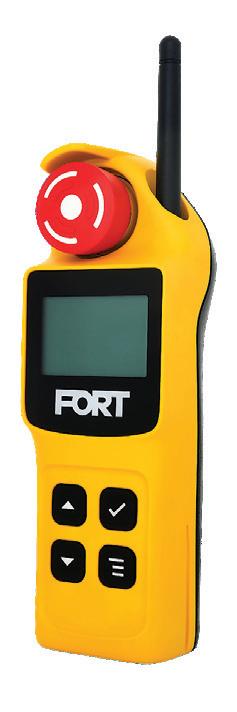
The safety certified unit can send a stop command from up to 200 metres away, addressing the limitations of fixed emergency stop buttons as robots and automated equipment become more common in warehouses, manufacturing facilities and construction sites.
According to FORT, the E Stop Pro uses long range Bluetooth communications designed for dense radio environments, allowing multiple systems to operate simultaneously with reduced risk of signal interference.The E Stop Pro is compatible with FORT’s Endpoint Controller receiver and can be used alongside the company’s Safe Remote Control Pro and FORT Manager cloud platform for device configuration and management. fortrobotics.com
TRANSPORTABLE INDUSTRIAL DESKTOP LABEL PRINTER
The new i4311 transportable Industrial Desktop Label Printer from Brady is a 4" wide industrial label printer designed for portability and flexible deployment in industrial environments.
• Label range: Prints labels from 0.25" to 4" wide, suitable for wire markers, server racks, pipe markers, arc flash labels, and other industrial labeling needs.
• Battery operation: Swappable, fast-charging battery supports up to 5,000 labels per charge, allowing extended use without connection to a wall outlet.
• Material handling: LabelSense™ technology automatically detects and calibrates media, reducing setup time and minimizing material waste.
Connectivity: Supports printing from phones, tablets, or laptops via Wi-Fi, Bluetooth, or Ethernet.
• Templates: Pre-saved templates

can be filled out and printed directly from the printer.
• Durability: Designed for the demands of industrial environments, including regular transport and workplace wear.
The i4311 provides a flexible, mobile labeling solution for operations where labels are needed in multiple locations, helping to streamline maintenance, asset trackin, and compliance tasks. bradycanada.ca
Limble has released three new AI enabled tools as part of its Winter Release, designed to support maintenance teams with asset data entry, workload planning and system integration.
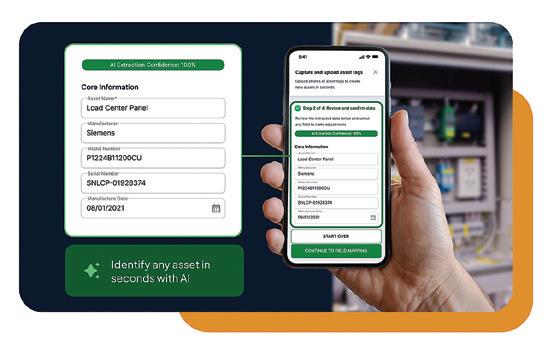
Asset Snap uses image and text recognition to create asset records from equipment photos. The tool can extract details such as manufacturer, model and serial number, helping reduce manual entry and improve data accuracy.
Resource Planning provides a consolidated scheduling view of upcoming and active work. The feature includes AI generated recommendations to help maintenance leaders balance workloads, prioritize urgent tasks and assess capacity.
Model Context Protocol (MCP) is designed to link Limble’s CMMS/ EAM platform with enterprise systems and AI tools. MCP enables secure access to maintenance data for use in other applications, including coding assistants and analysis tools focused on asset
performance, cost tracking and technician workload.
Winter Release features are available to Limble customers in the U.S. immediately, with a global rollout planned for completion in summer 2026. limblecmms.com
Vention has rolled out its thirdgeneration Rapid Series Palletizer, adding palletizing to a growing end-of-line automation lineup that already includes case erecting, conveying, case packing and sealing.
Built on the company’s modular, plug-and-play architecture, the updated palletizer integrates natively with Vention’s digital automation platform and is powered by MachineMotion AI (MMAI). It supports conveyor deployment with up to 20 motors in a daisy-chain configuration and features LTE connectivity for
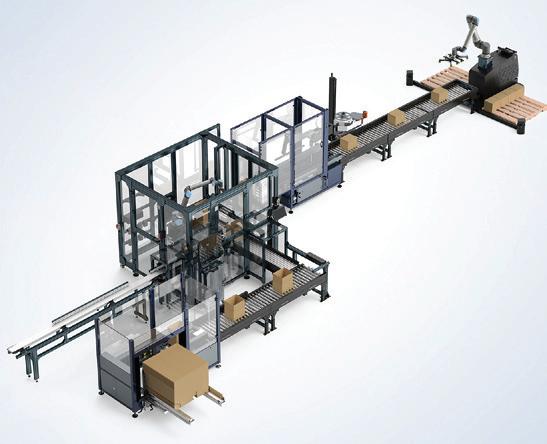
remote monitoring and access.
On the user side, the system includes code-free interfaces for creating pallet patterns, managing SKUs and making production adjustments. A common touchscreen interface spans collaborative and industrial palletizers, as well as upstream equipment, helping standardize training across lines or facilities. Remote support, performance monitoring and built-in analytics tools round out the package, giving operations teams added visibility to boost uptime and streamline troubleshooting. vention.com



BY JEFF SMITH CRL-BB
Well, it’s a go! Leadership has bought in and provided the shutdown window you requested (at a reduced budget and timeline, of course) but hey, you can work with it. You’re reviewing the plan, looking over the critical path, categorizing the work, confirming the resources.
Last shutdown, there were some issues, delays and rework — which leadership pointed out several times in the approval meeting — but this time you have a great plan!
But wait, didn’t you have a good plan last shutdown? And what exactly were the issues? You had a debriefing after you started up; did anyone take notes? Were there any action items, or just some complaints?
Well, let’s hope you don’t have those issues again.
In most industrial facilities, the objective is to run — we don’t build plants just to maintain them. So, any interruption to operational objectives is considered bad. Don’t get me wrong, maintenance is necessary; but considering it “good” doesn’t drive the urgency required to manage the downtime efficiently and effectively. We need to conduct the required work correctly and within the planned window. The plan being executed must have a high level of both detail and quality, but to quote Mike Tyson, “Everyone has a plan until they get punched in the face.”
Assuming both the plan and schedule are realistic and attainable, the flow of work during a shutdown will likely have a multitude of small issues. These issues are normally handled by frontline supervision — running for parts or information, chasing lockouts, deploying contractors, permits, etc. Ideally, you have great people that “find a way,” but this is a people dependency.
In a perfect world, all frontline supervision has to do is mentor and validate, not damage control. So how can we get to that sunshine path? This is the purpose of short interval control.
With a short interval control
process, we capture and track the small events. This identifies the magnitude of issues and allows us to prioritize the ones that impact our objectives. Organizations can tailor their own approach, but the base concept is a whiteboard (or electronic display) with all work orders listed on a vertical axis and delay categories on the horizontal axis. This should be placed in a convenient location, near deployment areas. As jobs progress, any delays are tracked by category, enabling a continuous improvement loop to be created and the time impact to be captured.
Sample categories:
• Waiting for lockout
• Cleaning or contractor delay
• Parts or tool issues
• Safety concern resolution
• Scheduling issue
This just needs to be a simple note; the detail should be captured on the work order and be subject to normal planning and continuous improvement loops.
In many cases, the supervisor will be managing multiple tasks being conducted in several areas. This approach provides one spot to validate all ongoing or upcoming issues. Frontline supervision should have short interval control meetings—pre-lunch, pre-shift change and post-shift change.
Tracking issues ensures the impact is understood and that improvement efforts are focused where needed. This should be an agenda item at daily shutdown meetings. For example, if waiting for lockouts is the primary issue and you can establish a delay value, it becomes easier to justify overtime or operational shift changes to accommodate the work. (If you are just starting with short interval control, lockouts will be your primary issue… just saying.)
To establish a short interval control program, do the following:
1. Establish a short interval control display board to track
issues. This can be done multiple ways, from whiteboards to handheld computer data entry, depending on organizational maturity. Just understand it must be visual and deployed—you never know who may have a resolution to an issue.
2. Establish an optimal control frequency. Having something captured that others only see at shift end doesn’t add much value. It is also important to note that parallel reporting is fine. If a supervisor needs immediate notification, radio them, but the information must still be tracked. This isn’t just about solving the immediate issue; it’s about preventing recurrence of similar issues in the future.
3. Pareto the delay bad actors. What issues are causing the most impact to the plan and schedule? Establish delay value. What has this issue caused: longer downtime, more resources? Focus on the top drivers. If it’s staging delays, for example, fix the process.
4. Structure review meetings. Ideally, you have a management control reporting system in place, and the short interval control information can be discussed and resolutions assigned as action items. This is not about the individual delay, but the systemic issues identified through short interval control.
The issues that derailed your last shutdown didn't come out of nowhere — they were there, untracked and unresolved. Short interval control gives you the visibility to catch them early, fix them fast and make sure next time really is different.
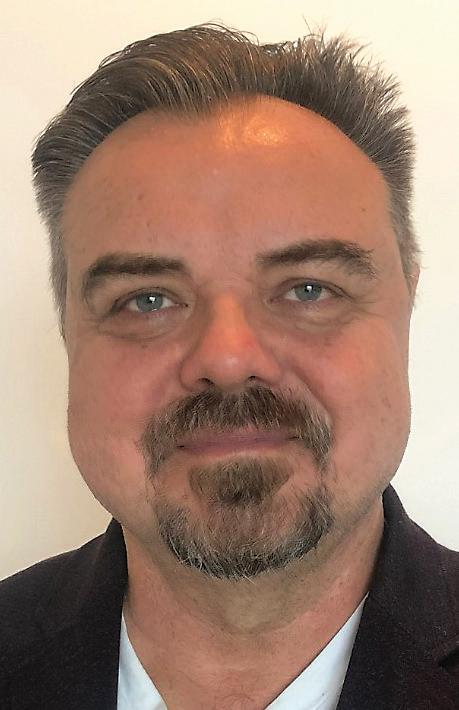
Jeff Smith is a reliability professional and change leader with more than 35 years of experience developing maintenance and reliability programs across a wide range of industries. He is the author of several reliability books and white papers, a frequent conference speaker, and former technical editor of Uptime Magazine.


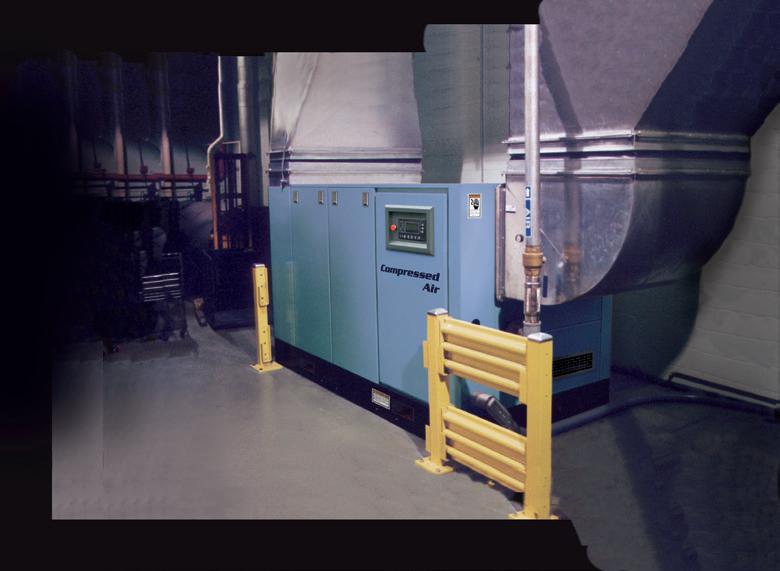



Lubriplate’s ultra-high-performance, 100% synthetic lubricants have been engineered to provide unsurpassed performance in the most demanding plant environments. They provide a wide range of benefits designed to make your plant run better. Benefits include: extended lubrication intervals, lubrication consolidation through multiple application capability, reduced friction, extended machinery life and reduced downtime. Products include...
HIGH-PERFORMANCE SYNTHETIC GEAR OILS
SYNTHETIC AIR COMPRESSOR FLUIDS
SYNTHETIC HYDRAULIC FLUIDS
HIGH-PERFORMANCE SYNTHETIC GREASES
NSF H1 REGISTERED FOOD GRADE LUBRICANTS
ECO-FRIENDLY SYNTHETIC LUBRICANTS
SPRAY & SPECIALTY LUBRICANTS
Scan the QR Code for More Information About Lubriplate’s Products and Services.