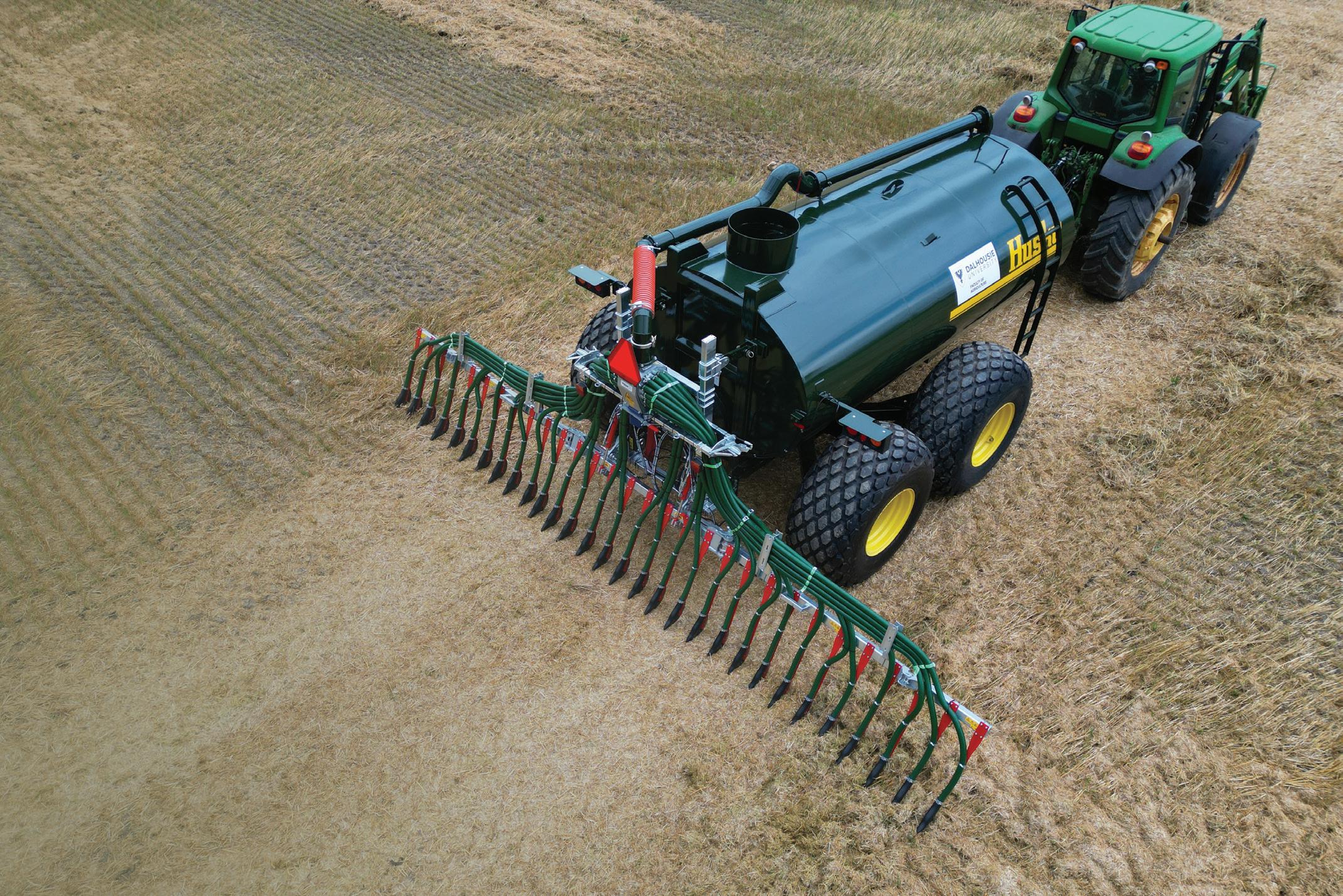
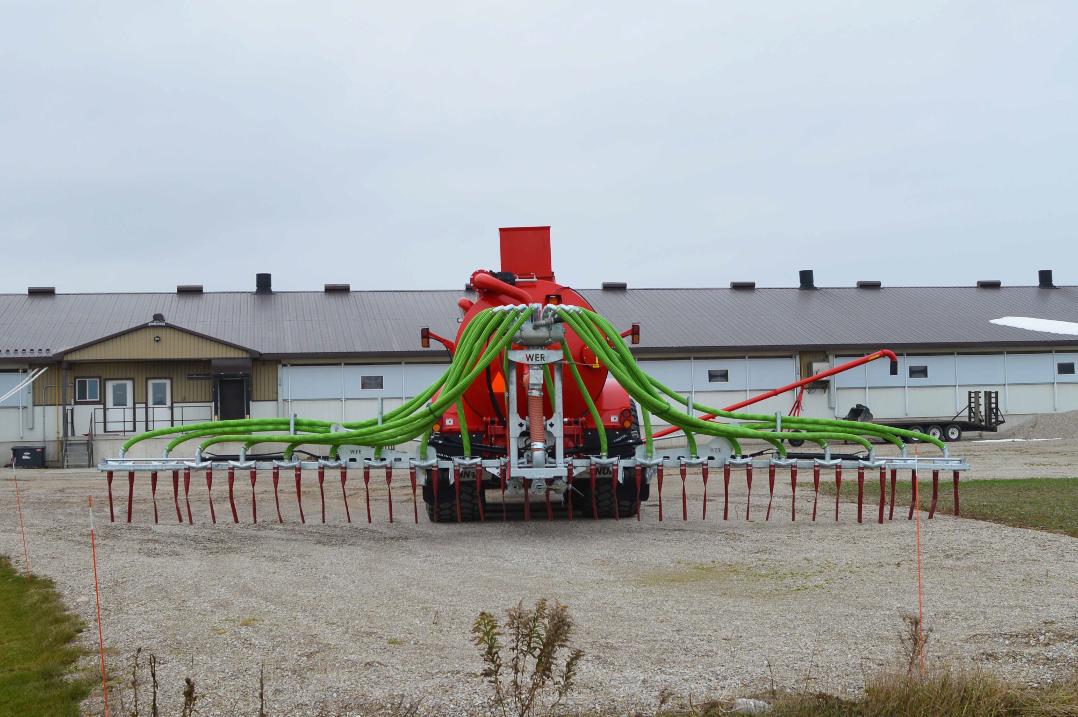
• Covering Blades adjusted using impact only for maximum coverage or minimum disturbance
• 24” – 30” spacing
• Best Warranty
• Best actual injection/coverage of wide gallonage ranges
• Best Durability
• Best options for various requirements
• Rugged Design
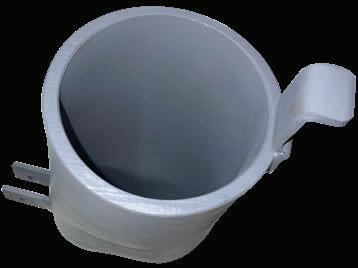
• 4.2” DOM Slurry Tube for heavy wall injection hose
• Highest GPA actually injected/covered in the industry
• Non-grease hubs on all models for maintenance free operation
• Swivel coulters reduce side loads
DIETRICH
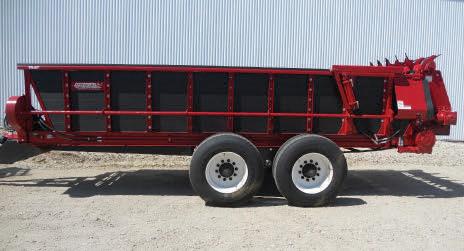
Rotary Injector
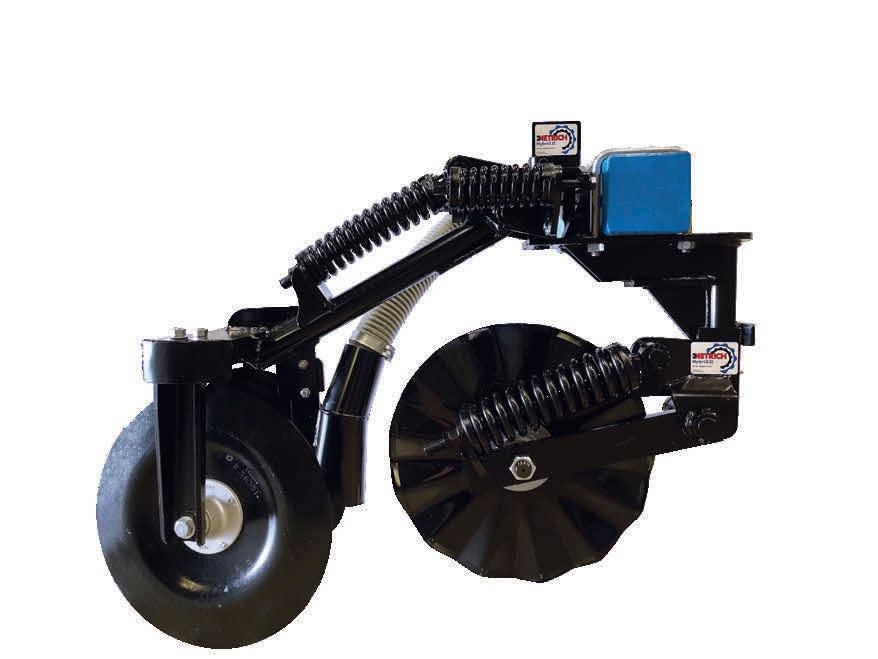
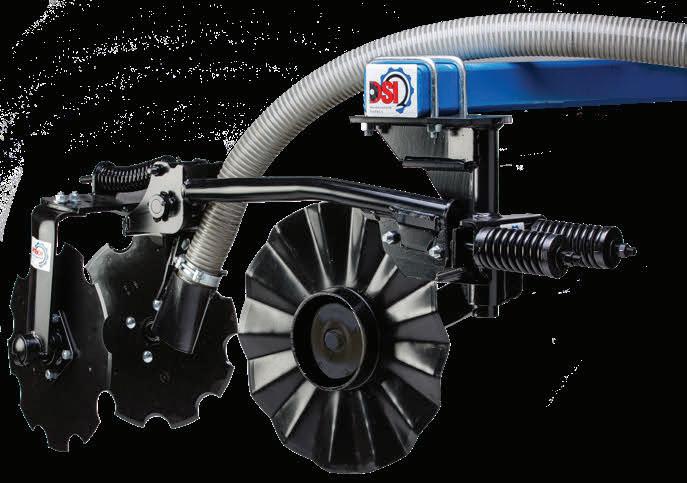
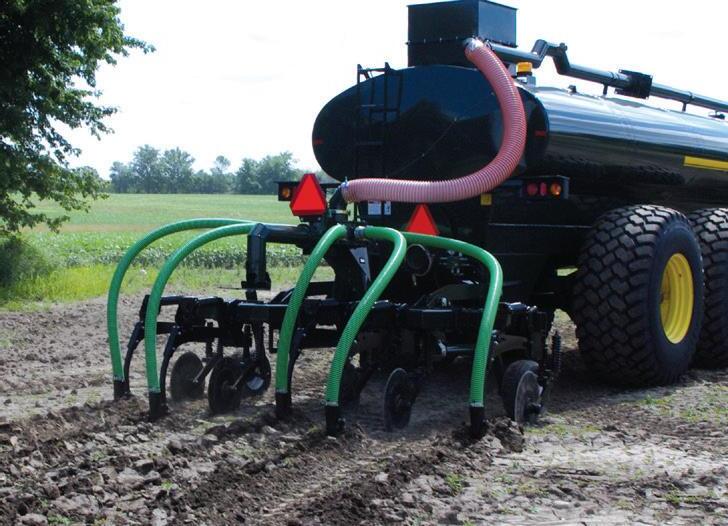
• 18” – 30” spacing
• Patented Conical blade creates a wider furrow for higher GPA than conventional coulter/vertical till injectors
Series
• 18” spacing, 8 wave Conical blade, & 2 Clozr blades on dragline result in higher GPA injected/ covered than a single closer blade design
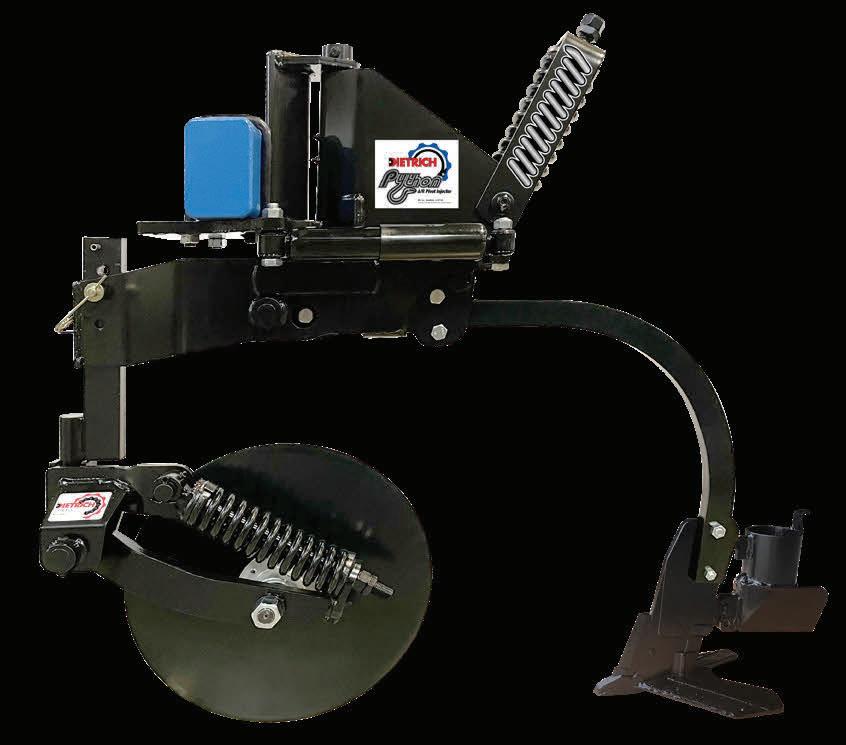
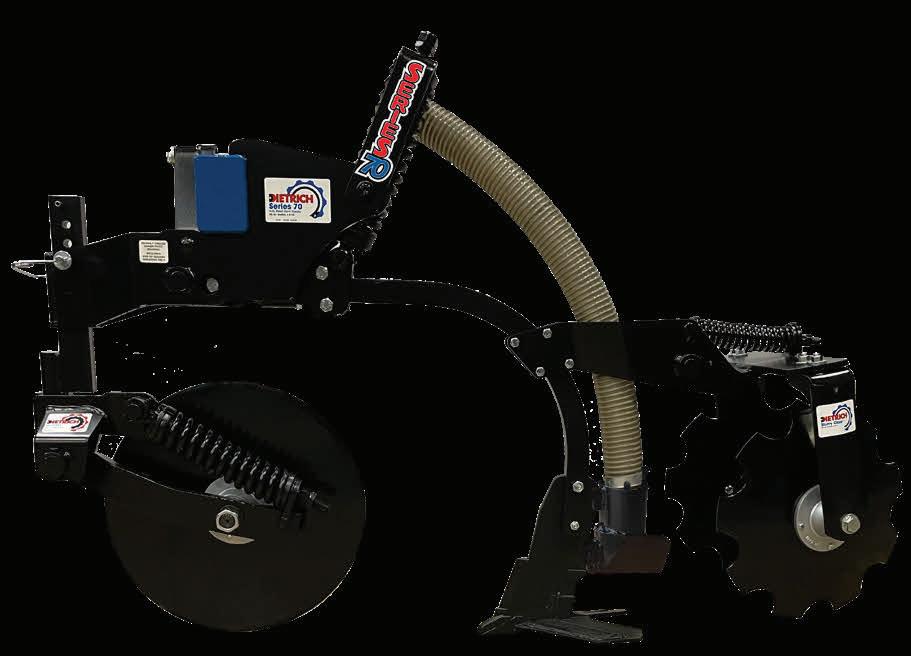
A/R Sweep Injector
• DSI’s signature injector
• High performance Coulter down pressure design
• 4 Sweep options for lower rates to 20,000+ GPA
• 5 Tube options, including plug-free wing drop
• Liquid stays where injected, properly placed for full utilization by crop
• Clozr option for different operation requirements
MAY/JUNE 2026 Vol.24, Issue 2
On the move
Moving manure is complex, but if achieved, it could improve yields all over – and have added social benefits, say scientists. By Bree Rody
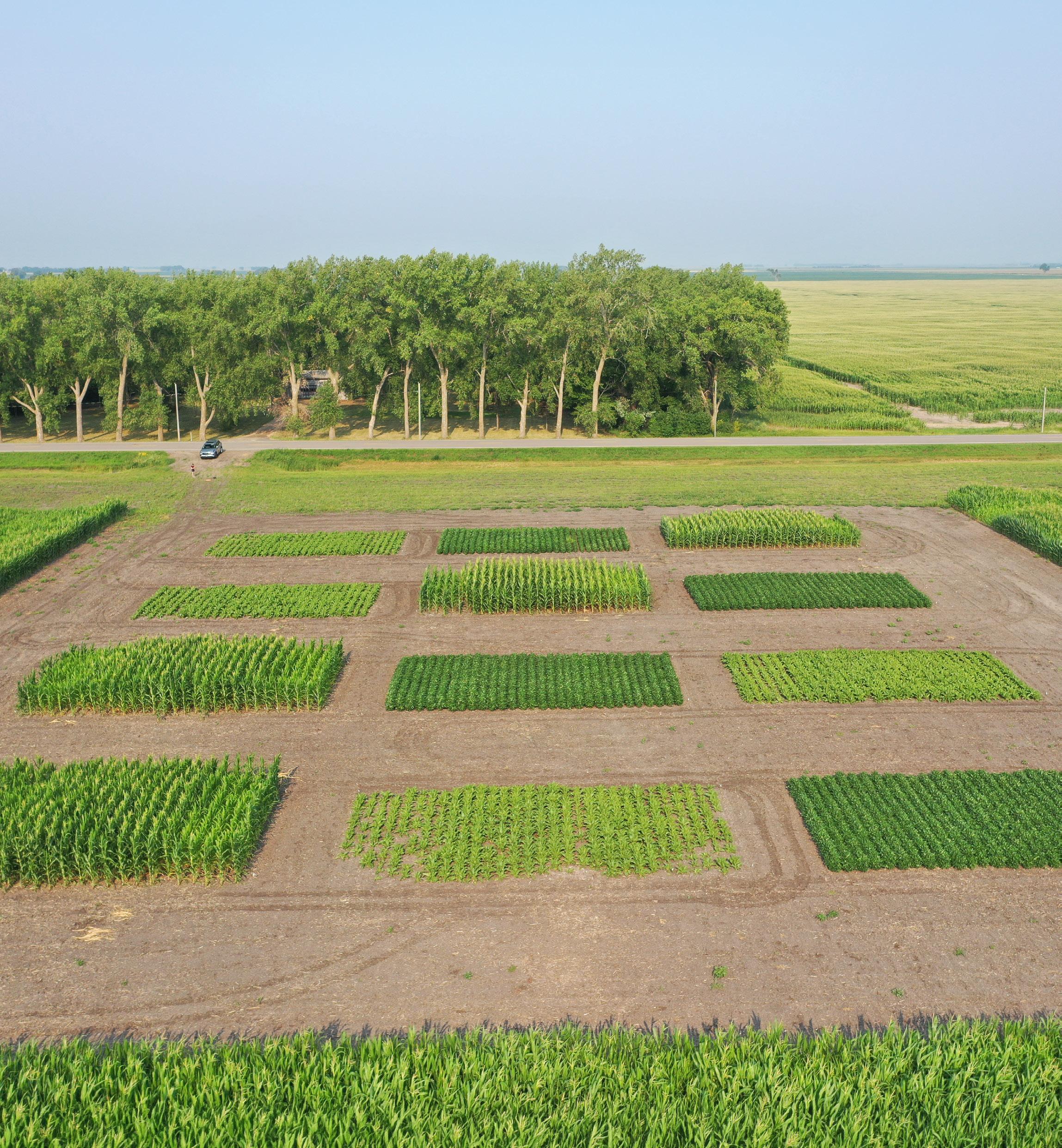
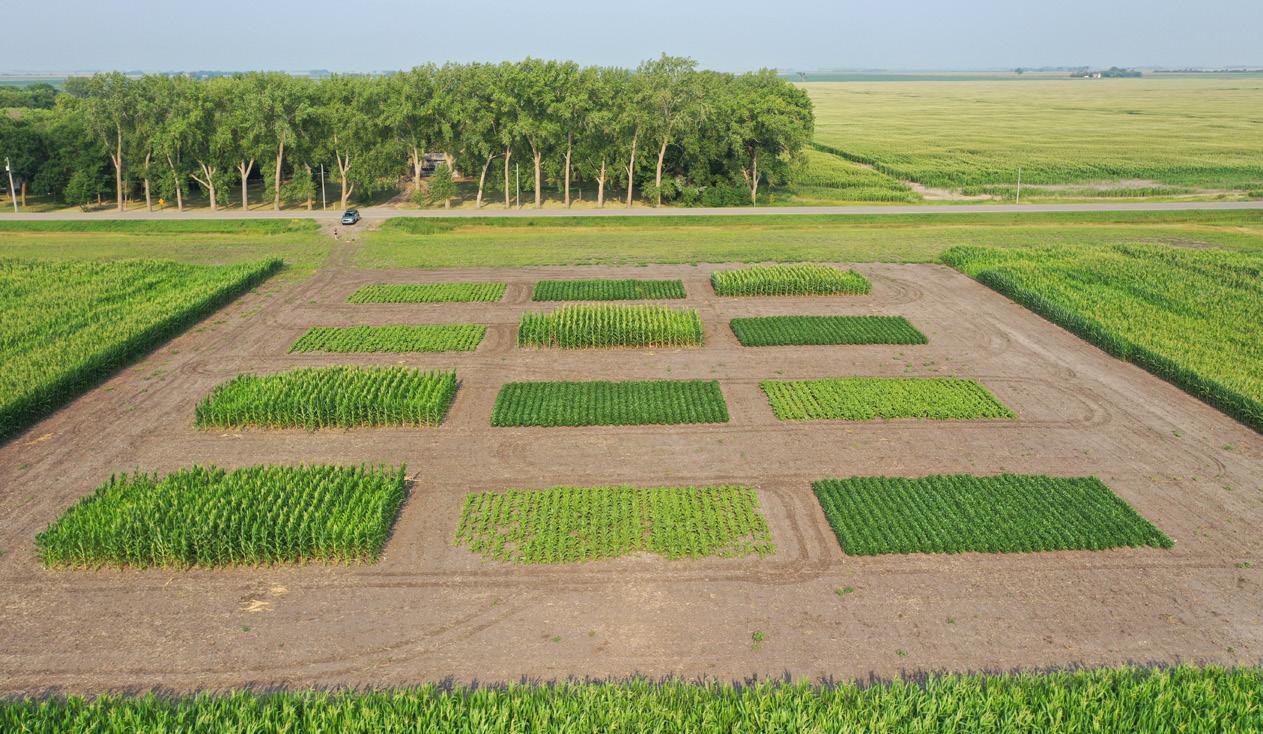
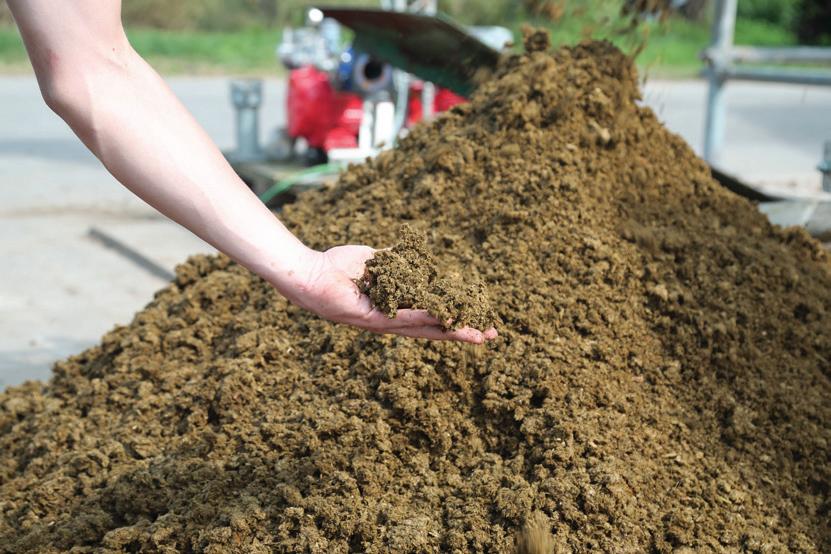
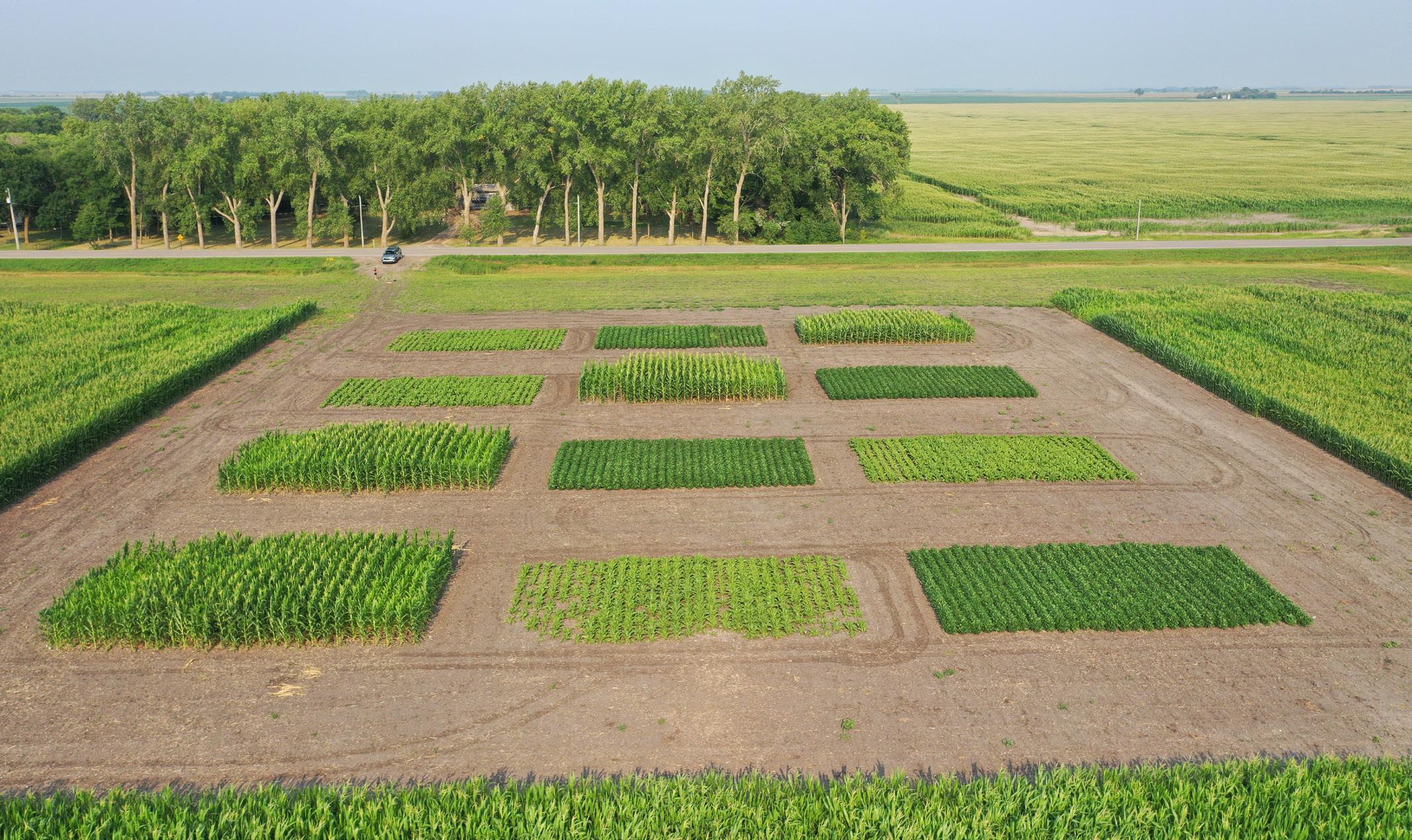
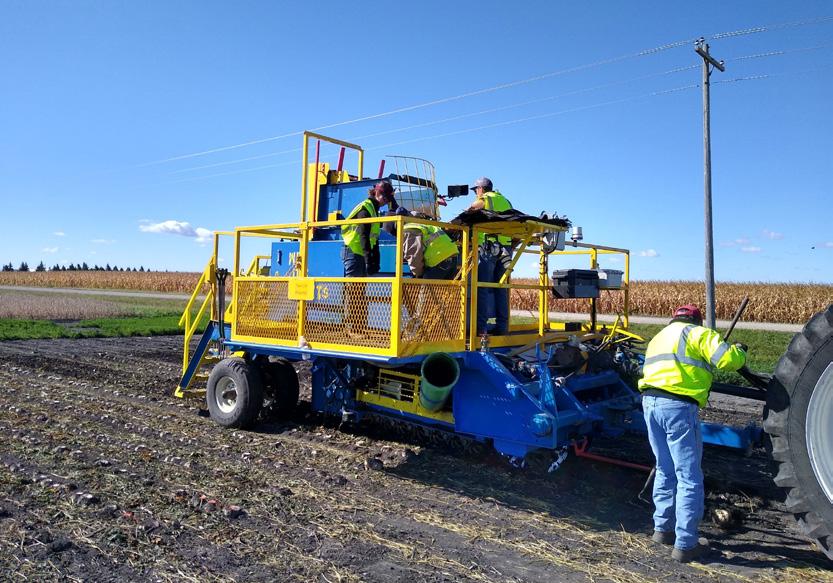
Manure is applied to sugarbeet plots in a test to see if purity is affected. See Page 20.
Tracing the journey How different manure types interact with various fertilizer types.
BY JACK KAZMIERSKI
On the move
Making the most of manure’s plant power is “not a resource problem,” but a coordination problem. BY
BREE RODY
Manure’s piece of the puzzle
How manure management changes (from subtle to major) can impact emissions from swine farmers. BY
TREENA HEIN
Embracing your inner Picasso
Good morning, sunshine!
It feels like we were simply sitting around waiting for spring to start for so long. Now that it is officially here – both on the calendar and in the air – I think some of us would prefer to go back to the days of sitting and waiting. Between scrambling to get nutrients on the field between periods of rainfall, extensive field prep and getting planting done with labor that can still be a touch limited this time of year, well, it’s no wonder “spring” and “sprint” are only one letter apart.
But we all know that fortune does not favour those who sit and wait –just like fortune does not favor the uninformed.
A theme has emerged in our issues over the last year – thanks in large part to OMAFA’s Christine Brown’s new Manure Mastery column – that you cannot evaluate what you cannot measure. That’s why we’re always keen to share information that helps producers and applicators know their manure inside and out, whether that’s the basics on manure and soil sam-
“Fortune does not favor the uninformed.”
pling, knowing your manure nutrient value depending on the source or quantifying yield results.
Manure hauling and farming are pretty different from the corporate cubicle life – maybe that’s why so many people prefer it – but that doesn’t mean that performance reviews aren’t also part of the former. Maybe it’s a bit more informal: you start taking notes on how much one employee gets done versus another; you notice who’s driving operations forward; you take
note of who has the best and most innovative ideas. You probably also evaluate yourself regularly: what are you doing to push the envelope? How do you make sure you don’t run into the same problems over and over?
This month, our features include: research on how changing storage, application or processing strategies can affect one’s manure footprint; a conversation about the “coordination” problem of moving manure; how synthetic nitrogen interacts with different kinds of manure, and more.
With an extra focus on solid manure this month, we also have included columns on stockpiling (and stockpiling manners!), calculating manure nutrient value and more.
This crucial information is only made possible through accurate record-keeping and keen observation. As we all know, objective information is a science... but applying it is an art.
That’s probably not the first – or last – time you’ve heard that applying something is an art. In fact, one of the winning entries from last year’s
Manure Expo slogan contest stated, “If applying manure is an art, just call me ‘Poo-caso.’” It’s a great joke and a great line, but it’s also true that there is an art to manure application and other aspects of farming.
As it happens, Pablo picasso was a notoriously fast-paced and productive painter, occasionally completing paintings in one sitting. This fits with the occasionally frenetic feel of spring. In the fall, we may have a chance to embrace our inner Da Vinci.
#867172652RT0001
Manure Manager will mail information on behalf of industry-related groups whose products and services we believe may be of interest to you. If you prefer not to receive this information, please contact our circulation department in any of the four ways listed above. Annex Privacy Officer privacy@annexbusinessmedia.com Tel: 800-668-2374
All advertising is subject to the publisher’s approval. Such approval does not imply any endorsement of the products or services advertisted. Publisher reserves the right to refuse advertising that does not meet the standards of the publication.
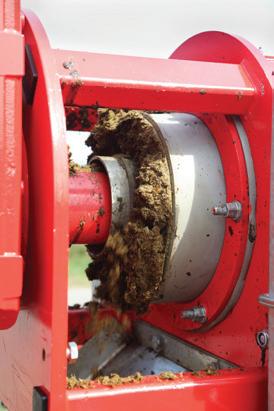
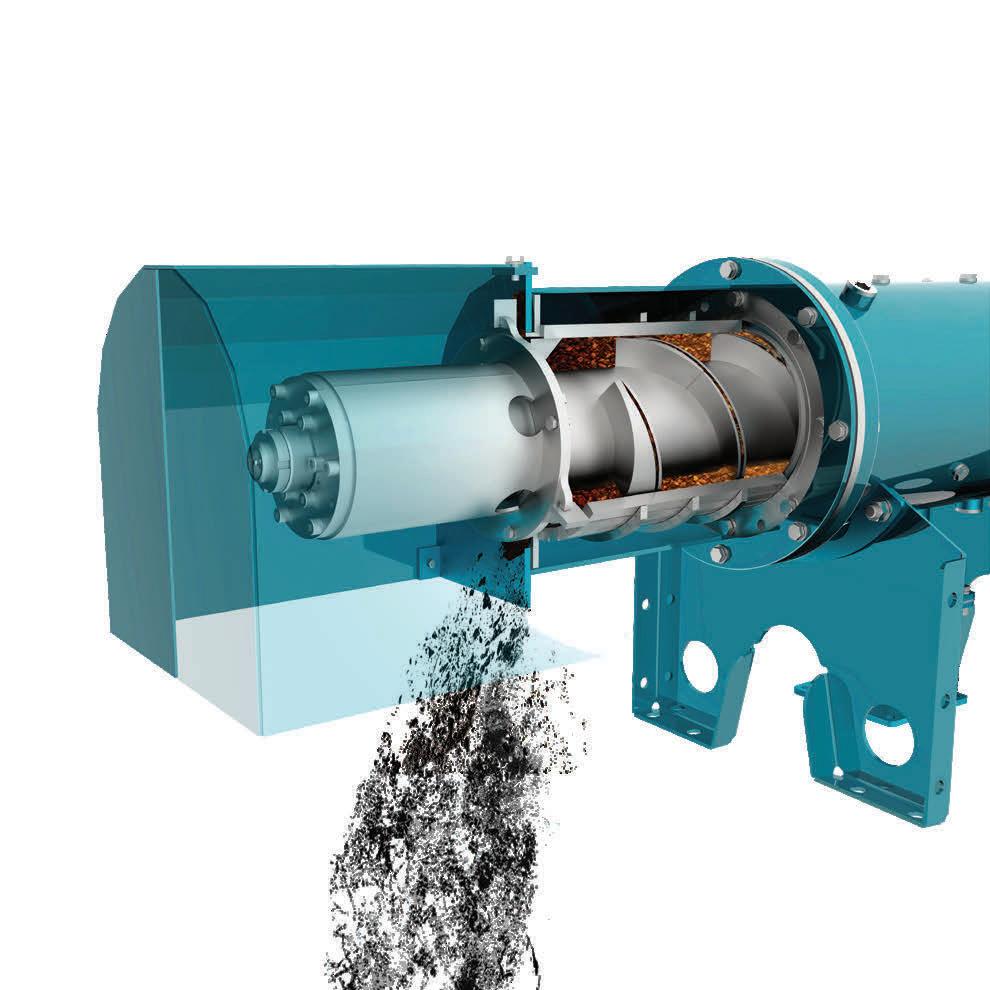
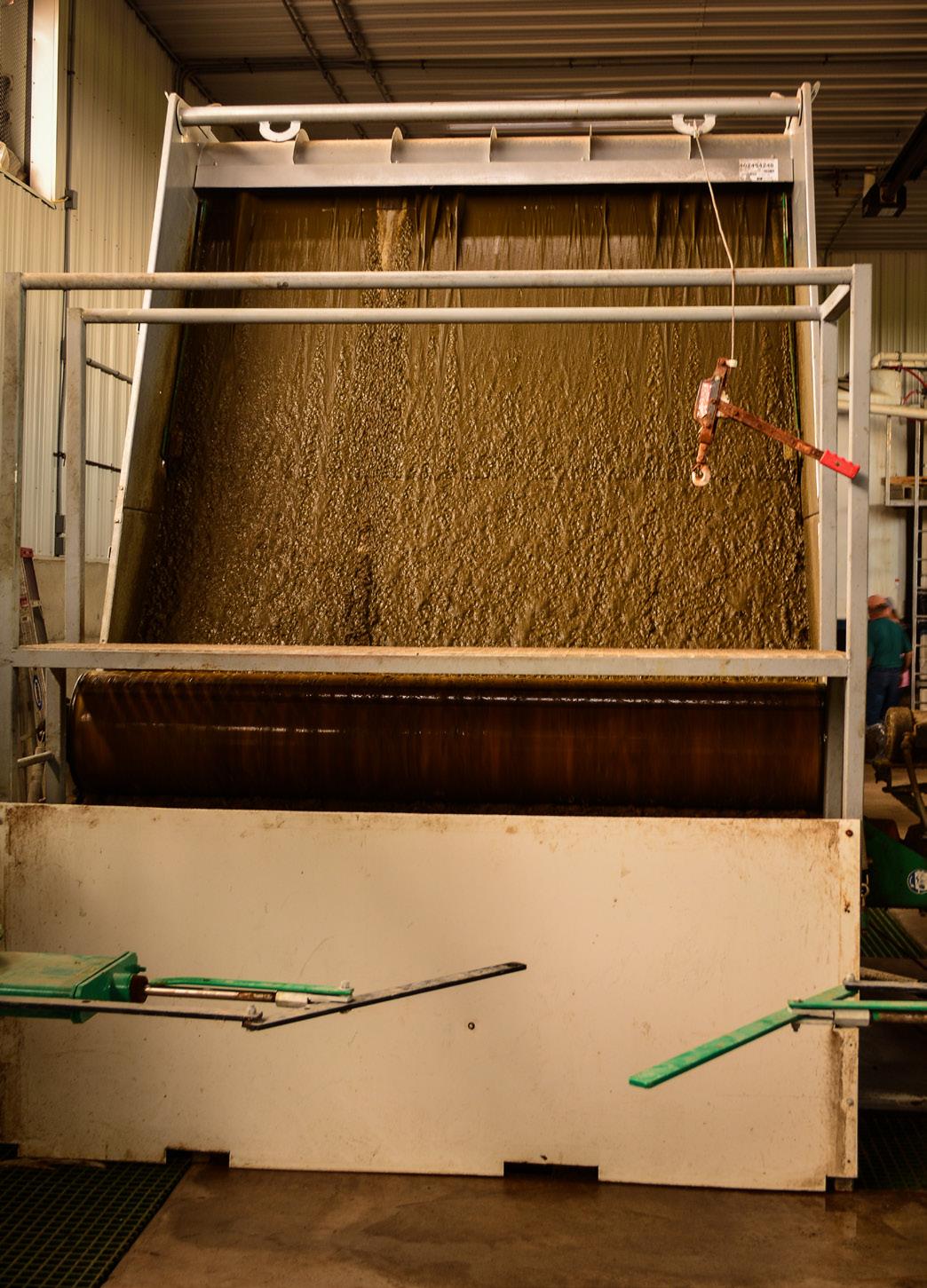
The vertical separator is designed to dewater liquid-solid mixtures in which the ratio of liquid to solids fluctuates dramatically. This machine design includes two vertical screws manufactured from SINT® engineered polymer. The unique design ensures there is no clogging or loss of the plug during operation.
Separation is performed by a combination of gravity and mechanical compression. This flexibility allows the machine to separate the liquid phase from the solid phase of a wide range of materials where the percentage of the liquid inside the solids may be constantly changing.
APPLICATIONS
• Animal Manure (Cows, Hogs, Chickens,…)
• Low Fiber Waste
• Digestate from Biogas Plants • Food Compost • Rubber
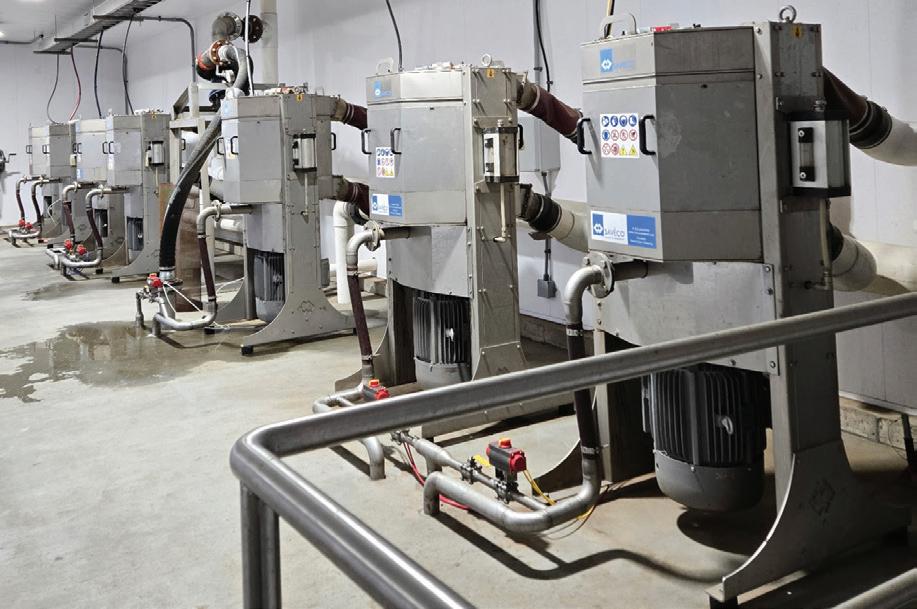
The SEPCOM Micro-filter MFT is a machine for the micro-filtration of raw or digestate animal slurry (Pigs, Cows, Chickens). In some cases, it can be used as an alternative to the centrifuge for a fraction of the installation cost and operating cost. The micro-filtered liquid can be used for fertigation, or in systems that reuse the liquid, or stored in manure lagoons for easy removal.
BENEFITS
• Motor
•
• Hopper for
New cattle dashboard launches
In April, the USDA’s Agricultural Marketing Service launched its National Feeder & Stocker Cattle dashboard, part of the marketing service’s efforts to make market news information more user-friendly through dashboards and other accessible user tools. The dashboard allows farmers and ranchers to access
MANURE POWERS PAPER
dynamic, visualized data, with price movements, volume changes and market comparisons, instantly. Users can create customizable filters to refine their views by date, sale type, region, class and weight. It replaces text and PDF reports currently posted on the AMS Market News website.
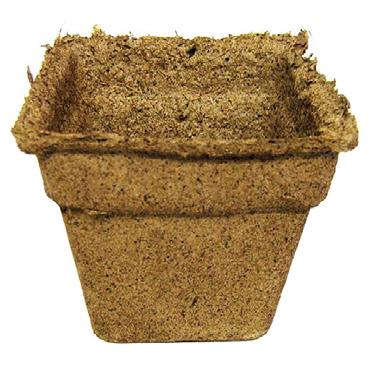
Connecticut-based CowPots, a small venture run by fatherdaughter team Amanda and Matthew Freund of Canaan View Dairy, has been operating for more than 20 years, but its recent success on CBS’s Shark Tank in April 2025 has led the
New water quality dashboard goes live
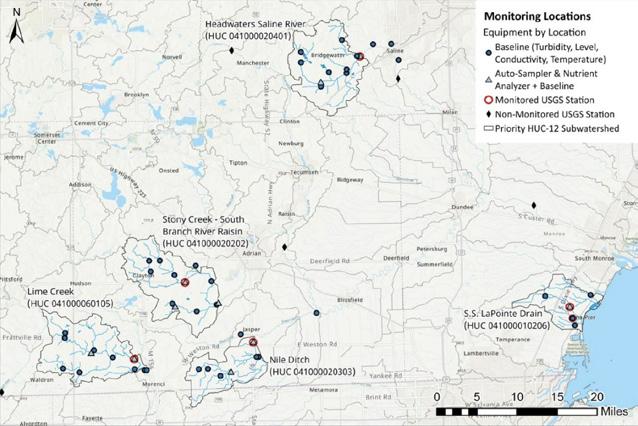
A new public dashboard system will provide near realtime water quality data in the western basin of Lake Erie. The new online tool was created by the Alliance for the Great Lakes, in partnership with LimnoTech and MSU, with support from the Michigan Department of Agriculture and Rural Development and the Erb Family Foundation. Since 2024, water quality monitoring equipment has been installed across five priority subwater sheds – Lime Creek, Stony Creek and Saline River headwaters, Nile Ditch and S.S. LaPointe Drain. Within those watersheds, more than 50 locations are studied, including streams and subsurface drains. The new dashboard presents the centralized data, which will provide upstream water quality data and making it easier to track sources of nutrient pollution or direct conservation efforts and funding.
duo to expand its cowto-consumer business, with help from the Connecticut Department of Agriculture. The business, which converts separated solids from its dairy manure into biodegradable plant pots, earned a $200,000 deal from the
Sharks, and recently were awarded a grant from the CDA to expand its business by finding more ways to use its excess manure. Having recently collaborated with SUNY Syracuse to turn its manure into four-foot rolls of biodegradable paper
mulch, CowPots is now using its $23,225 grand to research commercial paper-making techniques, which could potentially provide more commercial opportunities for Canaan View’s 300 dairy cows.
MSU SHOWCASES NEW CATTLE CENTER
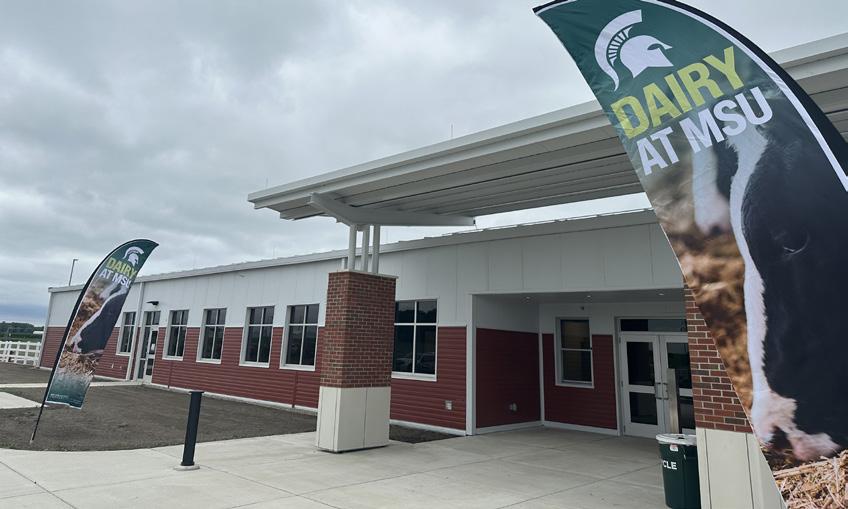
Officials from the U.S. Department of Agriculture (USDA) visited the Michigan State University campus April 6 to tour the new Dairy Cattle Teaching and Research Center, as well as meet with students from the Institute of Agricultural Technology (IAT). Leading the delegation was Richard Fordyce, USDA undersecretary for farm production and conservation. Also on the tour were USDA Michigan state directors Joel Johnson and Dom Restuccia. The $75 million Dairy Cattle Teaching and Research Center began operations in 2025 and houses research, teaching and outreach opportunities to advance the dairy industry, Michigan’s largest agricultural commodity at more than $15.7 billion in economic impact annually. The center supports a significant expansion of the MSU dairy herd to nearly 700 cattle, which allows for more research addressing the industry’s needs, from improved nutritional strategies to mitigating diseases.
INFLUENTIAL WOMEN IN CANADIAN AGRICULTURE NAMED
The seven honourees for the 2026 Influential Women in Canadian Agriculture have been named. The full list of honourees is: Margaret Hudson, Burnbrae Farms; Jennifer Woike, B.C. Ag Council; Wen Chen, Agriculture and Agri-Food Canada; Coreen Franke, Nutrien; Tori Waugh, Ontario Soil Network; Susan Ainsworth, Keystone Potato Producers Association; and Andria Jones, University of Guelph.
Since 2020, nearly 50 women have been named to the IWCA’s annual cohorts, with nearly 300 nominations amassed over the years. Honourees have included prolific producers, innovated researchers, professional ag communicators and organizers, and more. Woike, Chen, Hudson, Franke, Ainsworth, Waugh and Jones join the ranks of past IWCA honourees including OMAFA field crop specialist and Manure Manager columnist Christine Brown, cattle farmer Cheryle Workentine and more.
This year’s IWCA program will be the first to feature a virtual roundtable, in which the seven honourees gather with editors from Annex’s agriculture publications for an extended, unstructured and intimate discussion of their own career trajectories, the uniqueness of their respective industries, invisible barriers and more.
U.K.
management tool for manure
The U.K. Department for Environment, Food and Rural Affairs has made an update to its Nutrient Management Planning Tool, which it launched last month to help farmers plan and manage nutrient inputs, from both commercial and manure sources. The goal of the tool is to help farmers keep accurate records and reduce long-term costs, and is an expansion of the earlier PLANET and MANNER-NPK systems.
With more than 400 accounts established on the tool and 2,000 plans created, the team has introduced a new function: “existing manure storage capacity.”
This includes a calculation of existing manure storage capacity, giving users a clearer picture of the storage they already have in place – which is especially helpful during periods where application is not appropriate, such as in winter months or prolonged periods of heavy rain.
SAFETY MATTERS
JASON
Know before you enter
ABOVE
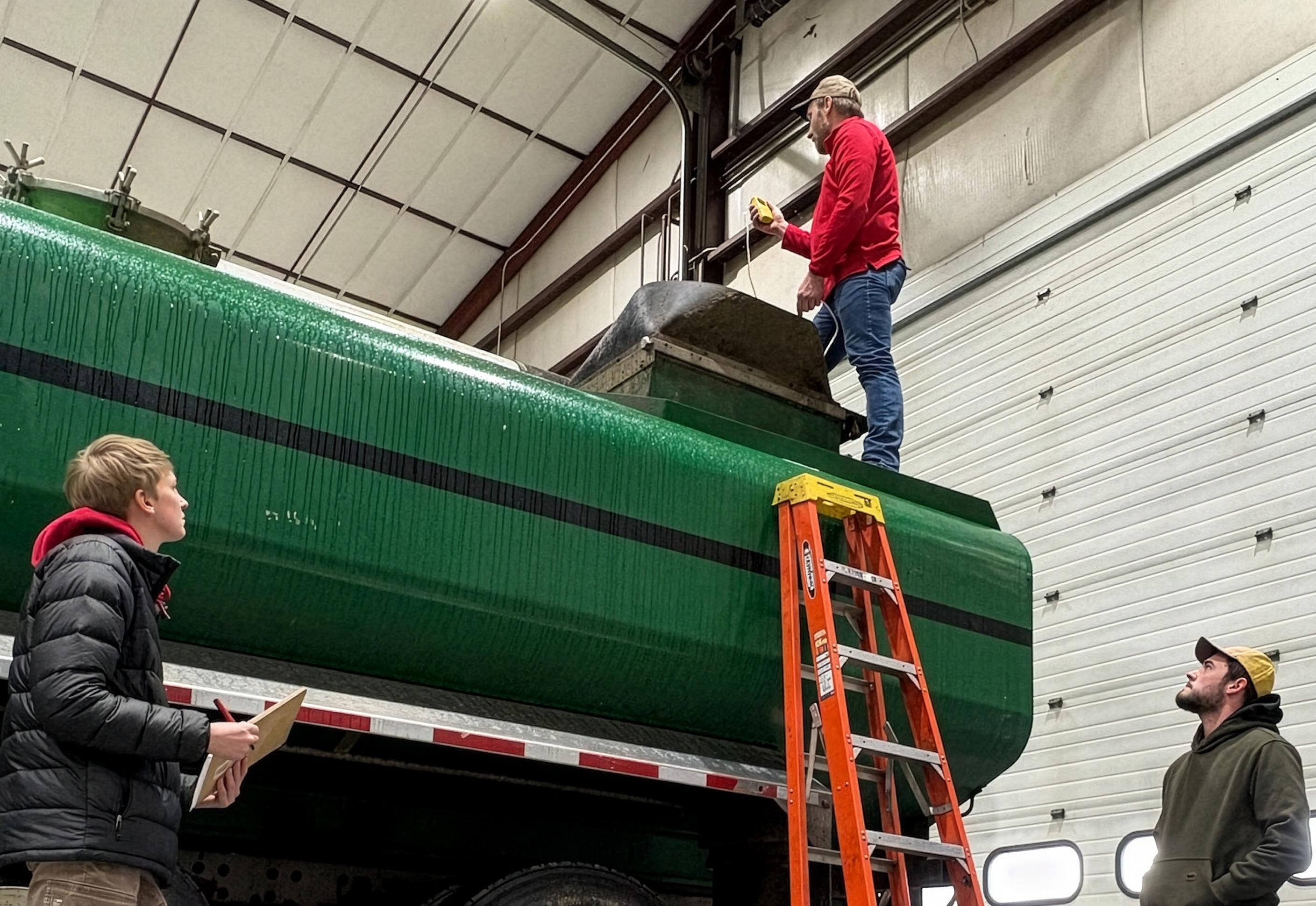
Educators demonstrate the process of manure tanker entry.
An agricultural confined space can be a very dangerous space that may contain hazardous and explosive gases, low oxygen and other physical hazards. You should identify confined spaces at your business, make sure all employees understands their dangers, and implement protocols to ensure entry into these spaces, if required, is done safely every time.
A confined space is any space that (1) is large enough to enter and perform work, (2) has restricted means for entry or exit, and (3) is not designed for continuous worker occupancy.
Common farm examples include tanks, silos, bins, pits, manholes, and culverts.
If these spaces also have the potential for a hazardous atmosphere (like manure gas), could engulf a person (like grain in a silo), have sloped downward floors (like a manure drop or grain bin), or
other serious safety risk, they are actually a permit required confined space
Agricultural business owners should label these spaces with warning signs stating they are dangerous and should not be entered.
Owners should also develop standard operating procedures and train employees to safely enter and work in these spaces if they have to.
A pre-entry checklist should be part of a confined space entry protocol. It should include:
DESCRIPTION
A general description of the confined space and of what work will be performed.
NAMES AND INFO
Names of the people involved in the work, their competency and training. This includes both
the name(s) of those entering the space (entrants) and the name(s) of the those who will stay outside the space to support those working within (attendants).
A PLAN
A plan for how the entrants and attendants will stay in contact with one another. This could be verbal if the space is small and work activities are not noisy, but radio headsets may be required if this is not the case.
HAZARDS AND POTENTIAL HAZARDS
The potential hazards, including atmospheric (hydrogen sulfide in manure gases), mechanical, electrical, thermal, fire and explosion, entrapment etc.
MORE PLANNING
How these hazards will be evaluated and controlled, including worker personal protective equipment.
Remember, if a space contains or has contained manure, hydrogen sulfide risk is always present! The only way to safely evaluate the presence of this gas, other hazardous or explosive gases, and to ensure safe oxygen levels, is with a calibrated gas meter.
Four-gas meters are equipped with pumps so the atmosphere of the confined space can be safely tested from outside. In pits and tanks the air should be sampled at different heights as gases can sit in layers.
While the air may be safe at the top entrance, it may not be further down in. Air monitoring should be done before workers enter but must continue during the work as conditions can change, sometimes quickly. For example, as manure solids in a tank are being walked in or shoveled, manure gases can be released.
RECOMMENDATIONS AND RESCUE PLANS
Any additional safety recommendations and an emergency rescue plan should also be part of the pre-entry checklist.
Workers may need to wear harnesses with a tagline so they can be pulled out of a confined space without others attempting to enter the space.
Local emergency services may not have the training and resources for confined space rescue.
It is also important to discuss these capabilities with your local first responders before performing work in a confined space.
Remember, it starts with prevention: the best way to ensure confined space safety is to change the way we operate so workers do not need to enter confined spaces in the first place.
Adding manholes to manure tankers between every baffle allows the tank to be flush with a firehose, meaning workers should never have to enter the thank.
It also allows a tank to be better ventilated if a worker absolutely must enter to remove a foreign object or make a repair.
For below-barn storage, manure aer-
ation systems can be installed into these areas, to keep manure mixed, preventing accumulation of solids and the need to enter the storage to remove them – once again removing the need to enter the hazardous zones in the first place.
Like farming, safety is a team sport. We must work together to encourage and demonstrate safety and challenge each other to accomplish our work safely, every time.
For questions about manure handling safety, contact Jason Oliver, Cornell PRODAIRY.
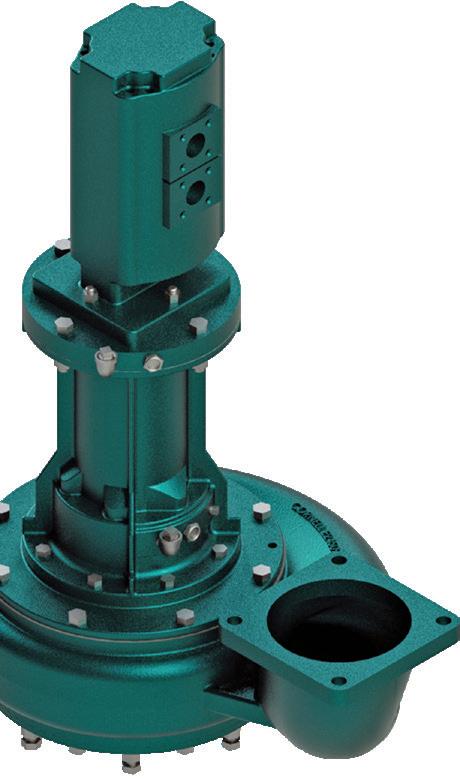
When the going gets tough, turn to the toughest pumps, mixers, and recirculators in the field. Vaughan has unique pump configurations specially designed for agricultural applications, including:
Barn Finish Pits
And More!
MANURE MASTERY
CHRISTINE BROWN, OMAFA
Cost and benefit
Livestock farmers have always recognized the value of manure in building soil fertility and supporting crop production. Historically, crop producers without access to this resource have looked on with envy. Today, a wide range of organic amendments – many sourced from outside agriculture – are available. However, not all amendments are created equal. Each product has unique characteristics, and the best choice depends on the specific needs of the field, logistics of application, and, of course, cost.
GUARANTEED ANALYSIS
Many products currently available in Ontario are registered under the Canadian Food Inspection Agency (CFIA) and carry a label guaranteeing minimum nutrient content. In practice, materials often contain more nutrients than listed, so sampling during application is essential for accurate credits and planning. Although CFIA-registered materials are classified as fertilizers, they are organic amendments and should be managed using the same 4R nutrient stewardship principles as manure. Application of any material containing nutrients should never occur on frozen or snow-covered soils.
EVALUATING AND COMPARING OPTIONS
In the current economic environment, where fertilizer prices are high, a producer may explore organic
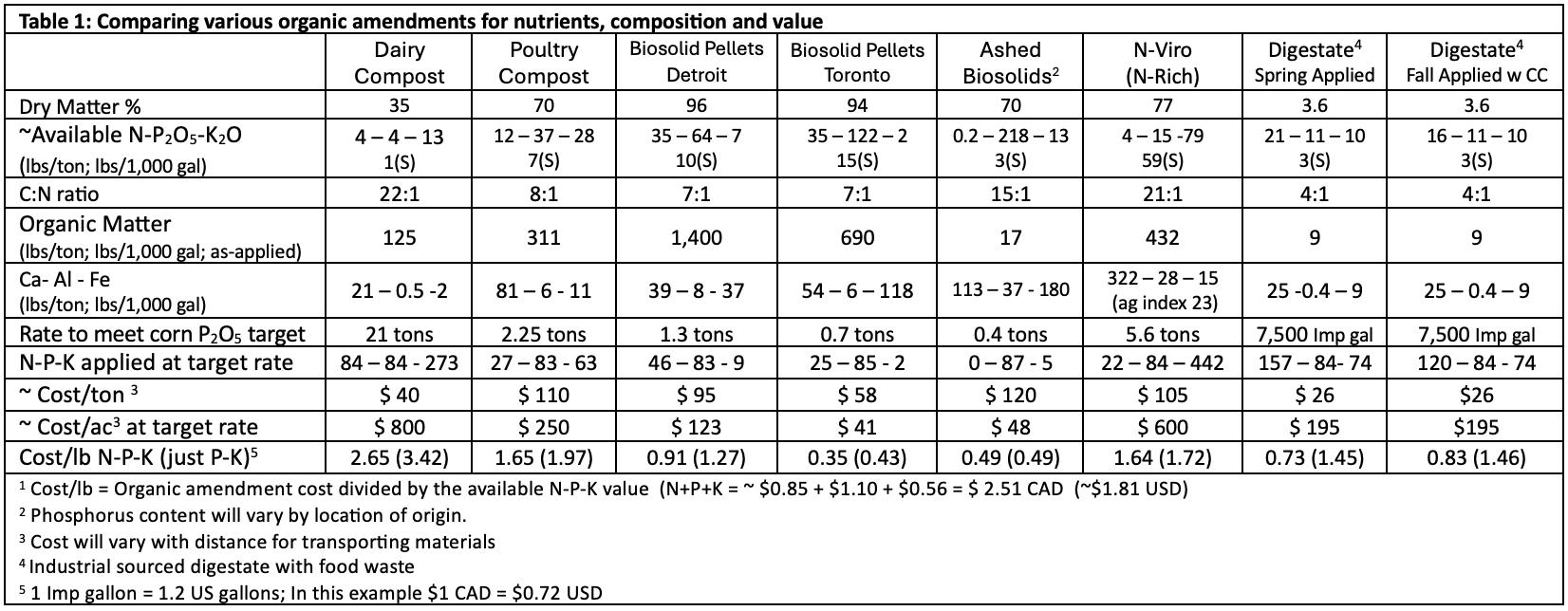
amendments to supplement fertilizer. Examples of current options include livestock or municipal compost, pelleted, ashed or pH-enhancing biosolids (i.e., N-Viro/N-Rich), and anaerobic digestate. Table 1: Comparing various organic amendments for nutrients, composition and value, compares various products available to non-livestock farms. The comparison is meant to provide an example of how products can be compared to assess the best fit for a particular farm. Excluding the compost products, each of the compared products are CFIA registered fertilizers. The target, in this example, is to fulfill P needs for a planned corn crop while enhancing overall nutrient balance and soil organic matter.
The cost/lb of estimated available N, P and K provides a comparison for fertility value, based on 2026 fertilizer prices. Although fertilizer value of organic amendments may increase, so likely will the fuel prices that transport the amendments. The micronutrient value of these amendments has not been included since not every field requires micronutrients. Similarly, organic matter provides greater value to fields with poor soil health than ones with regular application.
Each of these products can supply the phosphorus needs for the corn crop, but their differences matter. How important in the N component and how will application timing affect the value? Con-
sider other goals based on soil test levels – extra organic matter to build soil, or a product that adds micronutrients or helps raise pH.
Observe nutrient balance too. Biosolids often have very little potassium, potentially requiring supplementing with commercial fertilizer. Some biosolids also contain high levels of calcium, aluminum, or iron, which can tie up phosphorus and make it less available, especially in low
or high soil pH conditions. As a rule of thumb with biosolids containing high iron and/or aluminum, assume only about 20 percent of the phosphorus is available in the first year, and use a starter fertilizer to make sure the crop gets what it needs. Over time, the rest will become available, however, this can take months or even years depending on soil characteristics. Cost and logistics can also influence product choice. The dairy compost in this
example can’t economically meet P needs, but reducing application to five ton/ac would provide similar soil health benefits, and can be complemented with fertilizer to match crop nutrient needs. Ashed biosolids would economically build P, but with limited benefit for overall soil health. With so many choices, focus on farm needs, what each product adds (or lacks), and the cost and logistics. The best option will provide the best returns.
+ Low Life-Cycle Costs
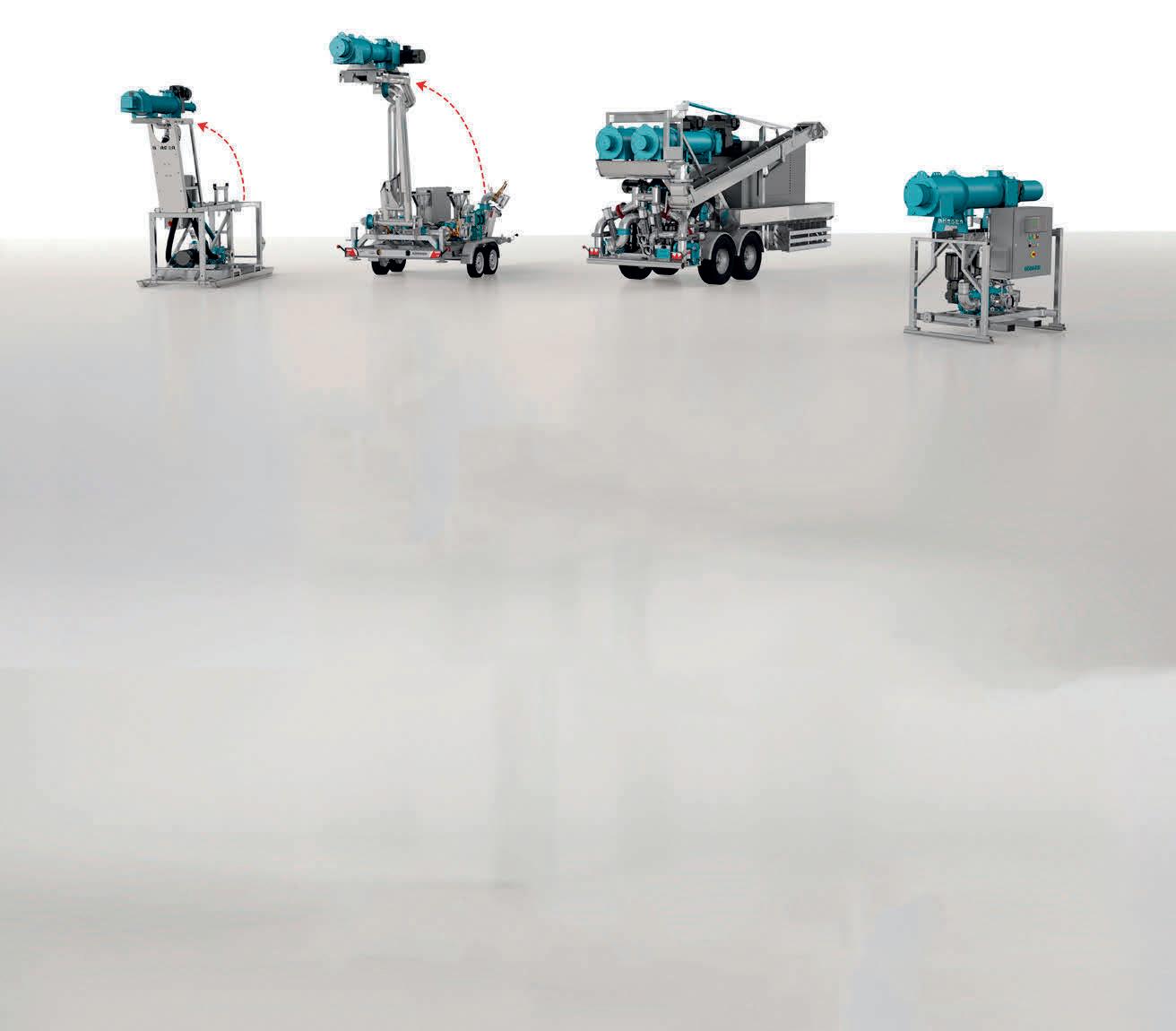
+ Turnkey from a Single Source: Separator Pump(s)
Control Unit
Stationary or Mobile Skids
+ Patented Profile Auger with Counter Bearing for No Auger Screen Contact
+ Continuously Variable Dry Matter Content
+ Large Capacities
844-647-7867 www.boerger.com
Thinking ahead to cold weather application?
Manure is an excellent source of nutrients – but applying it at the wrong time, especially when tile drainage is more active, can greatly increase phosphorus loss and pose risks to water quality.
For some states, winter application bans stretch through to mid- or even late March – and with spring application being an inherently short window, odds are, producers are already thinking toward their next application period. A six-year Michigan study (2019-2024) points to earlier application being more ideal, and found manure applied in December to January lost 0.68 lbs/ac of total phosphorus – compared to only 0.072 lb/ac when applied in October to November. Dissolved phosphorus losses were 0.468 lb/ac in winter versus 0.064 lb/ac in fall.
WHY THE DIFFERENCE?
More tile flow in winter: After dry fall months, winter precipitation restores flow, bypasses dormant vegetation and carries phosphorus into drains.
Freeze-thaw cycles: The southeast Michigan field experienced seven to 10 freeze-thaw cycles per season, often combined with rain-on-snow
events (historically only three to five cycles). When manure was applied in winter, it quickly froze in place. During subsequent thawing, snowmelt and rain created tile flow that flushed phosphorus previously locked in frozen soil.
Example: 44 days after a manure application on Jan. 5, 2022, two snowmelt events on Feb. 17 and 22 contributed about 20 percent of the year’s total phosphorus load. Watch this event and other freeze-thaw cycles in the following time-lapse photography.
Higher winter application rates: Winter applications averaged 124 lbs/ac of phosphorus, compared to 45 lbs/ac in fall. With only 2.7 times more manure applied, winter losses were seven to nine times higher than those in fall because increased drainage flow is the dominant driver of phosphorus loss.
APPLY MANURE AFTER HARVEST, BEFORE WINTER
Spreading manure soon after harvest, when soils are dry, gives phosphorus time to bond with the soil and reduces the risk of leaching.
RIGHT
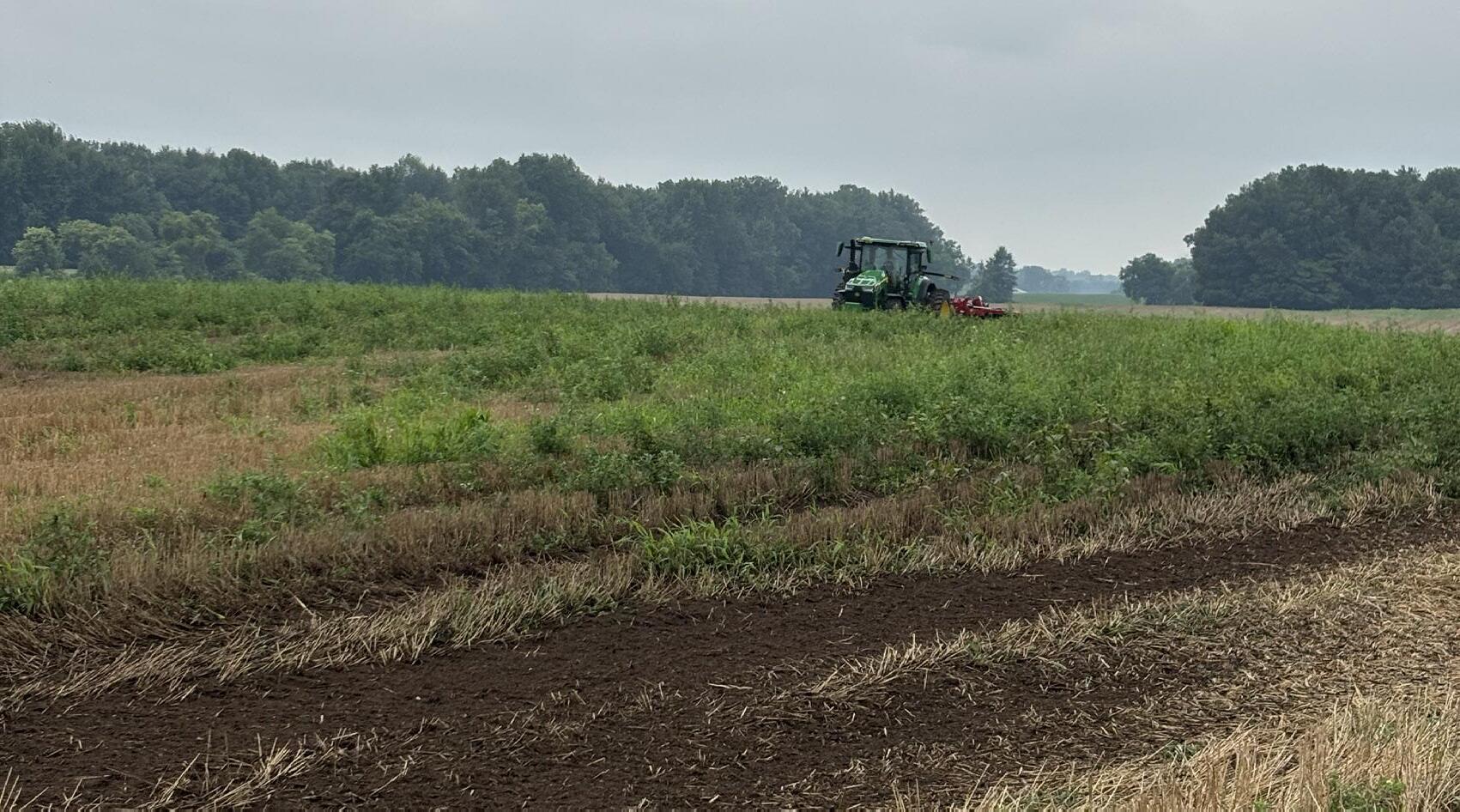
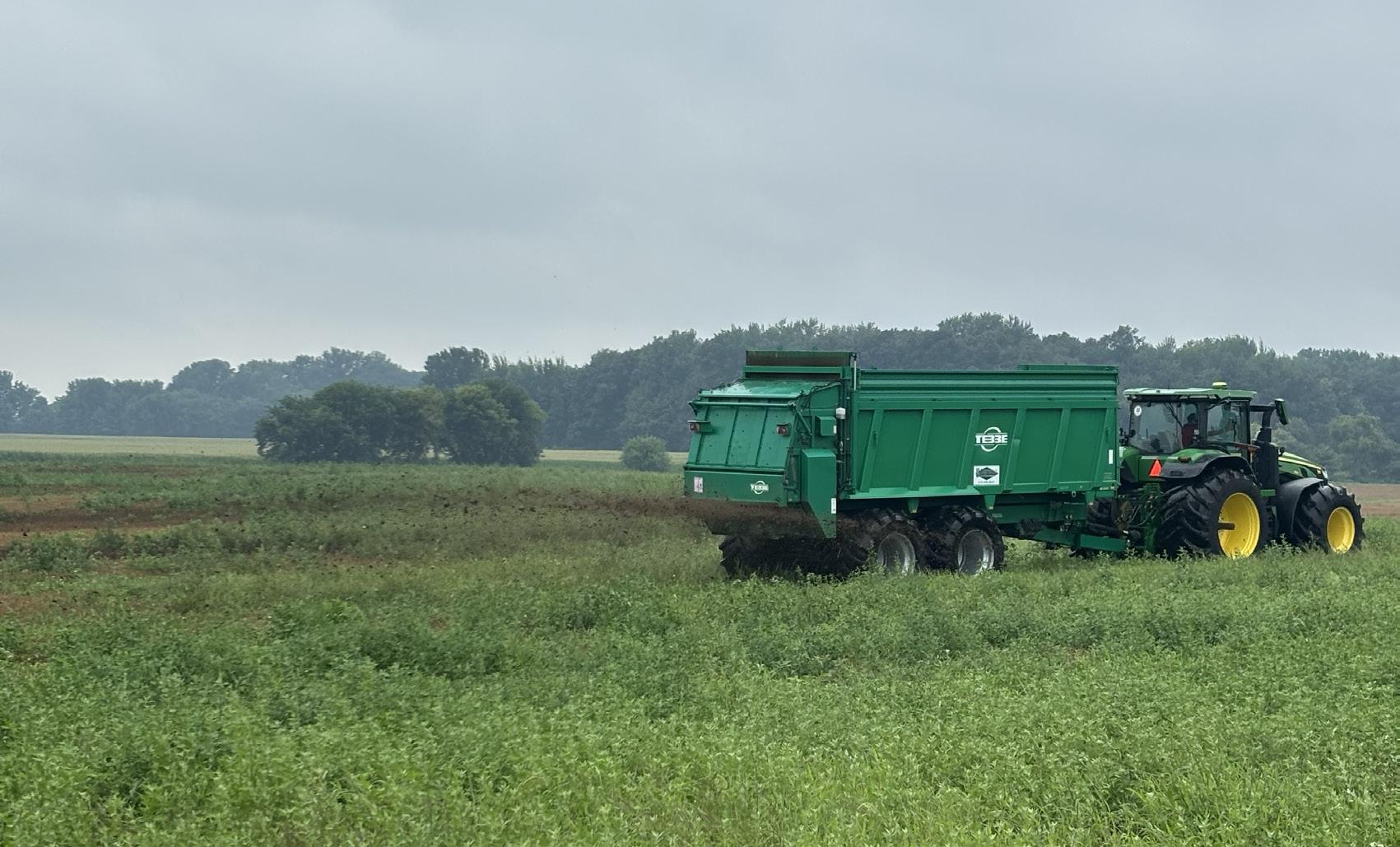
Solid manure applied to a field on an overcast day.
IMAGE
CONTROLLED DRAINAGE HELPS
Installing controlled drainage (structures with weirs or gates) slows down tile flow after manure application, reducing phosphorus loss during the first big flow event. Michigan research shows this practice is more effective at reducing phosphorus loss than conventional free drainage.
BENEFITS OF INCORPORATION OR INJECTION
If injection isn’t available, incorporate manure with low-disturbance tillage after surface broadcasting. This mixes manure into the soil, increasing contact with soil and reducing phosphorus loss, as described by Kleinman et al. (2022).
PLAN AHEAD FOR STORAGE
Manure storage gives farmers the flexibility to apply manure at the right time for crop growth rather than when weather or field conditions are unfavorable. Without adequate storage, farmers may be forced to apply manure during high-risk periods, such as rain or snowmelt, increasing environmental loss. Proper storage improves timing and placement, helping
protect water quality. Planning ahead can prevent these risks. Keep in mind that winter weather can affect the integrity of storage structures.
RECOMMENDATIONS
All Michigan livestock producers should follow the Michigan Right to Farm Generally Accepted Agricultural and Management Practices (GAAMPs) for manure management and utilization. In the GAAMPs section “Manure Application to Land,” key winter application practices are provided:
• Avoid spreading manure on frozen or snow-covered soils whenever possible. If necessary:
Solid manure: Apply only on fields with slopes less than or equal to six percent.
Liquid manure: Apply only on fields with slopes less than or equal to three percent.
• Use controlled drainage to reduce phosphorus loss.
• Incorporate manure whenever possible
• Use conservation practices (e.g., vegetative buffer strips) to reduce runoff and erosion.
Smart Performance YOU CAN COUNT ON!
• Maintain a 150-foot buffer from surface water inlets and concentrated flow areas.
• Assess fields using the Manure Application Risk Index, which rates sites based on 12 factors (e.g., slope, soil type, phosphorus levels, setbacks, buffer width, application method). Fields rated very low (less than 19) or low (19–37) are best for winter spreading.
Large farms classified as concentrated animal feeding operations, or CAFOs, must comply with National Pollutant Discharge Elimination System permit rules, including having storage for six months of manure, which generally allows farms to avoid winter spreading.
For assistance, contact your local Michigan Agriculture Environmental Assurance Program technician, Natural Resources Conservation Service technician or soil and water conservation district for local rules.
This research was funded by the Michigan Department of Agricultural and Rural Development (grant No. 791N7700580). The peer-reviewed journal article can be found at: Journal of Environmental Quality. DOI: 10.1002/jeq2.70145
Wayne Nebraska
THE PREMIER EVENT IN NUTRIENT MANAGEMENT
DAY ONE – JULY 28 TOURS ONLY
• Research, technology and regenerative farming
• Composting, renewable energy and modern cattle care
• Poultry production and manufacturing
• Innovation in livestock and manure equipment
• Family fun: Agriculture, wildlife and Nebraska history
Limited space on tours | Pre-registration required!
Purchase expo & tour tickets online before June 30 to save!
TRACING nitrogen’s journey
How manure can improve fertilizer efficiency
BY JACK KAZMIERSKI
As the world grapples with the environmental impacts of modern agriculture, researchers are exploring innovative ways to enhance the sustainability of farming practices. One such effort, led by a team at the University of Wisconsin-Madison, has uncovered a promising solution: harnessing the power of manure to improve the efficiency of synthetic fertilizers.
At the heart of this study is the complex issue of nitrogen management. Nitrogen is a critical nutrient for crop growth, but its application as a synthetic fertilizer often leads to unintended consequences, such as water pollution and greenhouse gas emissions.
“The core issue we were trying to address is the fact that not all the nitrogen we apply as fertilizer ends up being used by the plants,” explains Josh Mirabella, the PhD student with the University of Wisconsin-Madison who spearheaded this research. “A lot of it can be lost through runoff, leaching, or gaseous emissions, which is not only a financial cost to farmers, but also has significant environmental consequences.”
The big-picture goal of this research was to find ways to increase how much nitrogen could be retained by soil, Mirabella adds. “A number of new technologies for processing liquid dairy manure have hit the market in the last decade, and a lot of them haven’t really been tested in a field setting,” he says. “So our goal was to see how the use of a couple of these processed manure solids interacted with chemical fertilizer applications. And our goal was to see if any of them are better than others for helping soil hold on to fertilizer.”
SEARCHING FOR ANSWERS
To better understand this challenge, researchers designed a study that mimicked a corn silage system where combinations of different rates of chemical nitrogen fertilizer were applied in the form of ammonium sulphate in combination with several different manure products.
Mirabella explains that this study employed dairy manure, and he stresses the fact that results could be different had this research been conducted using other forms of manure, including swine or poultry manure.
The team’s experimental design focused on testing how dairy manure might impact the fate of synthetic fertilizer. “We looked at two different types of processed manure solids - one that was chemically separated and one that was physically separated from the liquid fraction,” he says. “We also included a typical liquid dairy manure treatment and a control treatment with no manure at all.”
ABOVE
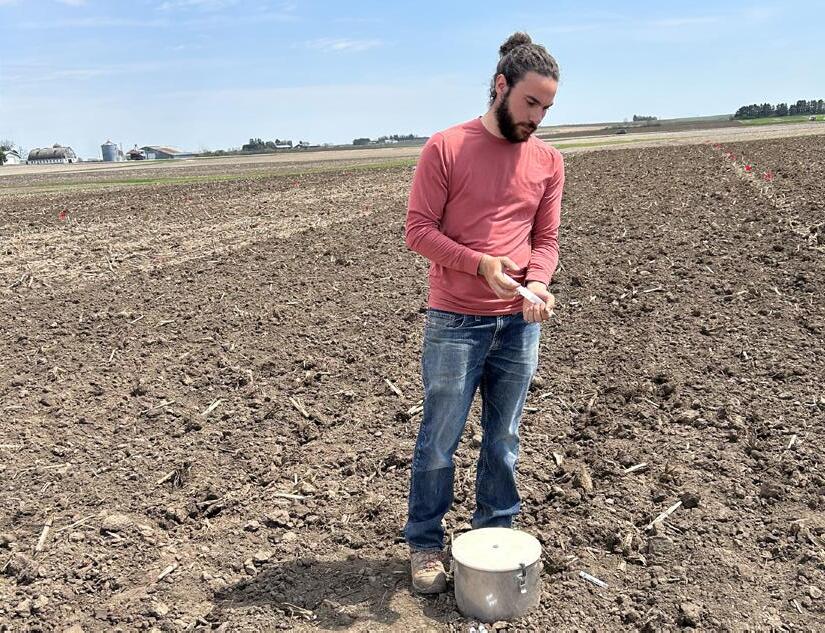
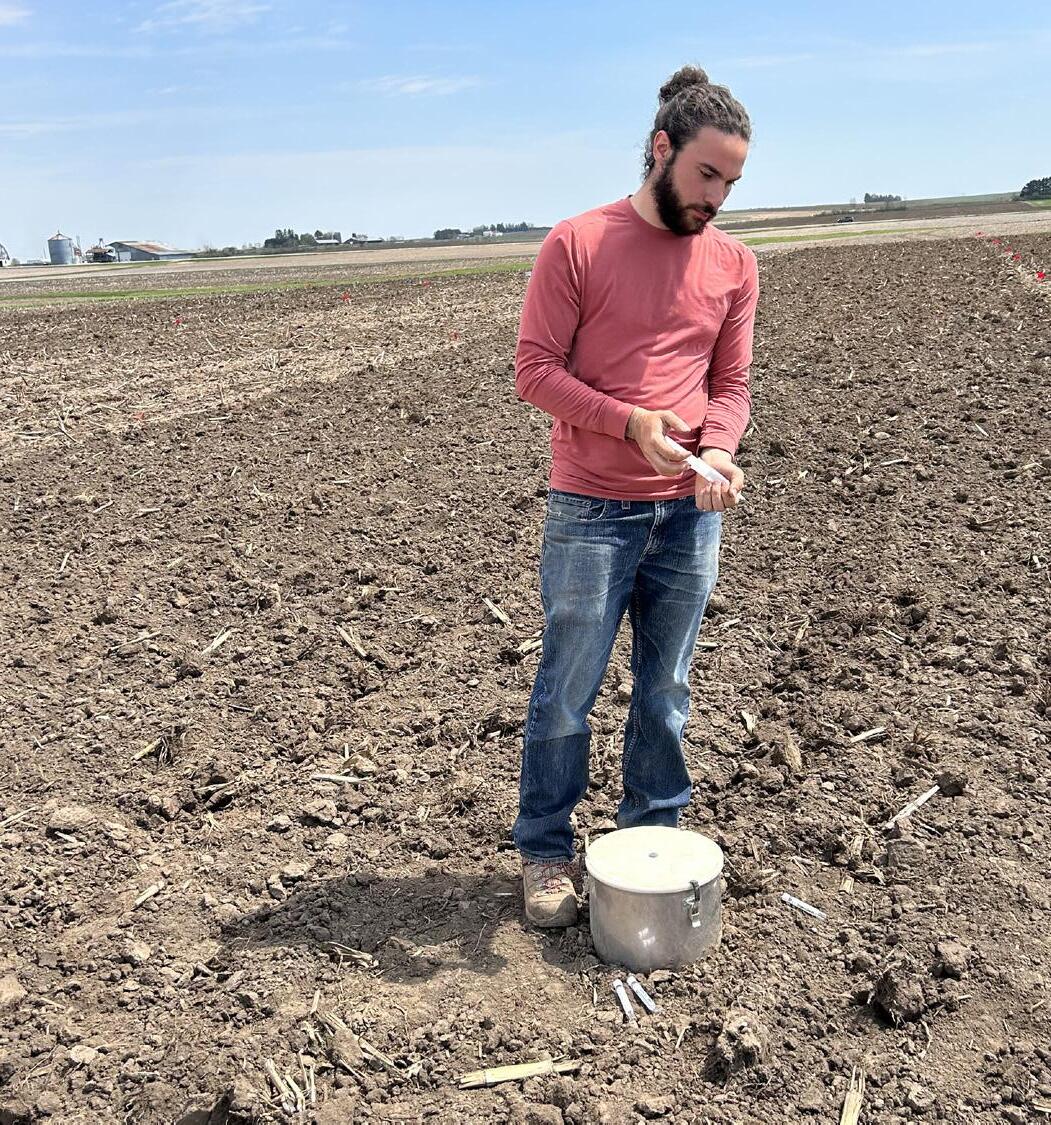
Joshua Mirabella takes soil and gas samples in-field.
Mirabella notes that the liquid dairy manure and solid manure products differed in many ways. “Two of the most important include dry matter and the form of nitrogen,” he says. “While the liquid manure was less than 3% dry matter and had the majority of its nitrogen in the form of simple inorganic ammonium, the manure solids were about 90% dry matter and had most of their nitrogen as less-available organic nitrogen.”
Each type of manure was combined with different rates of chemical fertilizer, and researchers devised an ingenious way to track the journey of the applied nitrogen. “We used a special technique where we applied the nitrogen fertilizer as an isotope,” say Mirabella. “This allowed us to physically track where the different molecules of that fertilizer nitrogen ended up - in the plants, in the soil, or leaving the system entirely as nitrous oxide or something else.”
By applying these different manure treatments in combination with varying rates of synthetic nitrogen fertilizer, the researchers
could observe how the manure influenced the nitrogen’s behavior.
SURPRISING INSIGHTS
The results of the study, published in the journal Biology and Fertility of Soils, revealed some unexpected insights. “The biggest difference we saw was that both the chemically- and physically separated manure solids actually increased the amount of fertilizer nitrogen that we were able to find in the soil one year after we applied the fertilizer,” say Mirabella.
In contrast, the liquid dairy manure treatment did not have the same effect. “When we came back a year later and measured the soil, we found significantly more of the applied fertilizer nitrogen in the topsoil where the manure solids had been used, compared to the liquid manure and the control with no manure,” he says.
This suggests that the processed manure solids may have a unique ability to help the soil “hold on” to the applied synthetic nitrogen, reducing the potential for losses.
However, more isn’t always better as Mirabella explains that there’s a limit to how much nitrogen plants can take up.
“I think the most surprising thing to me personally was that there wasn’t a big crop response to the different manure treatments,” he says. “For example, if you compare how much nitrogen the crops took up with the liquid manure compared to the different manure solids, it took up the same amount of nitrogen, essentially, regardless of what kind of manure we applied. And that was even true, to some extent, with the no-manure area, because we did apply chemical nitrogen fertilizer.”
That said, researchers found that the manure solids had a positive impact on nitrous oxide emissions. “We measured the nitrous oxide emissions throughout the growing season, and we found that the manure solids treatments had significantly lower emissions compared to the liquid manure plots,” says Mirabella.
Nitrous oxide is a potent greenhouse gas, and reducing its release from agricultural soils is a crucial step in mitigating the environmental impact of farming.
IMPLICATIONS FOR FARMERS
The findings of this study have important implications for farmers looking to optimize their nitrogen management practices. “The key takeaway is that the form of the manure you apply can make a big difference in how effectively the synthetic fertilizer nitrogen is retained by your soils and kept available for your crops,” says Mirabella.
Traditionally, many farmers have relied on applying liquid dairy manure directly to their fields, often in combination with synthetic fertilizers. However, this research indicates that investing in manure processing technologies to extract the solid fraction may be a more effective strategy.
“The solid manure fractions, whether they’re chemically or physically separated, seem to be better at helping the soil retain applied nitrogen fertilizer,” says Mirabella. “This could translate to reduced losses through runoff, leaching, or gaseous emissions, ultimately improving your nitrogen use efficiency and saving you money on fertilizer inputs.”
Of course, the specific benefits will depend on the individual farm’s circumstances, such as soil type, climate, and existing manure management practices.
“It’s important to remember that this study was focused on dairy manure, so the results may not directly translate to other
livestock operations,” Mirabella says. “But the general principle of considering how manure is processed and applied is likely to be relevant across different farming systems.”
For farmers interested in exploring the potential of manure-processed solids, Mirabella recommends starting by evaluating your current manure management practices and considering whether investing in processing technologies could be a worthwhile investment.
“Talk to your local extension agent about the manure processing options available in your area,” says Mirabella. “They can help you assess the costs and benefits, and determine if it might be a good fit for your operation.”
Additionally, Mirabella encourages farmers to stay up to date on the latest research in this area. “As new technologies and management strategies emerge, it’s important to keep an open mind and be willing to try new approaches,” he says. “The more we can learn about how to effectively harness the power of manure to improve fertilizer efficiency, the better we’ll be able to enhance the sustainability and profitability of our farms.”
The challenge of managing nitrogen in agricultural systems is a complex one, but this research offers a promising solution. By exploring the influence of different manure products on the fate of synthetic fertilizers, researchers have uncovered a path forward for improving nitrogen use efficiency and reducing the environmental impact of our farming practices.
By embracing the power of manure, farmers can unlock new opportunities to enhance the productivity and resilience of their operations, all while protecting the natural resources we all depend on.
ON THE MOVE
Manure could solve a lot of the ag industry’s problems. So what’s stopping it?
BY BREE RODY BELOW
The team at Cornell looked at manure distribution from a perspective of “nutrient sovereignty.”
Those in the custom manure hauling and application business know to never refer to manure as a “waste” product. As a valuable and natural source of plant nutrients, manure advocates know the product is anything but a waste.
The problem is, most of the world is not in the custom manure hauling and application business.
New analysis out of Cornell University, published April 15 in Nature Sustainability, reiterates what many manure proponents have been saying for years: animal manure, as well as human waste, could easily meet most of the U.S.’s fertilizer needs (102 percent of its nitrogen and 50 percent of its phosphorus needs) and save the industry an estimated $5.7 billion annually – in theory.
However, while proponents have often identified geographic mismatch and the difficulty moving manure as the main hurdle – along with public acceptance – the Cornell analysis found there may be some welcome nuances within that conversation.
“We did key analysis, spatially… when you consider some of the realities, the challenges, the logistics, a substantial amount [of manure] can feasibly be used as fertilizer for crops,” explains Chuan Liao, assistant professor in the Cornell CALS Ashley School in the College of Agriculture and Life Sciences. In his conversation with Manure Manager, Liao said despite the perception of frequent mismatches between the location of the manure – often in areas densely populated with people or livestock – and agricultural regions with the highest nutrient needs, mapping and analysis, mostly from publicly available data, revealed that large percentages of
recoverable nutrients – 37 percent of nitrogen and 46 percent of phosphorus – could be used locally, and more than half of the surplus nutrients could theoretically be redistributed to nearby regions with low economic and environmental costs.
It’s been well-known for years that despite all the studies that show that manure usually lives up to – or exceeds – its potential in terms of the yields it helps achieve, it’s still being underutilized by farmers. A 2022 study from the USDA’s Economic Research Service found for the year 2021, manure was applied to only about eight percent of the 240.9 million acres of U.S. cropland that hosts the seven major field crops in the U.S. – leaving potential for much more activity, especially considering the rising demand for organic food in the U.S.
Liao and the research team looked at data from existing sources such as the USDA, Food and Agricultural Innovation and other sources, mostly to compare supply and demand. Areas considered to be “demand” zones were those where the 15 major crops in the continental U.S. were located. In aligning them with areas where high sources of manure could be supplied, Liao said “very substantial amounts” could be easily transported. One of the “low-hanging fruits” is identifying operations with the essential infrastructure to process manure on-farm, before transporting.
Transporting manure is complicated – it can only move so far. Liao explains it usually comes down to the weight of unprocessed manure. “Because it is so heavy, the nutrient density is not as high as synthetic fertilizer – in fact, it’s far, far under that.” Indeed, liquid manure can consist of up to – or over, according to some sources – 95 percent water. Solid manure also contains high moisture, meaning transport and fuel costs, now even more precarious, simply don’t align with the value of the nutrients. There are also concerns about safety and regulations. “Some people worry about pathogens and potential pollutants,” Liao added. But with the right infrastructure, that problem can become a minor concern at best – the problem is not a “resource problem,” but simply a “coordination problem.”
KEY PROCESSES
Liao has studied the issue more from a social science perspective, but through his CALS colleagues, has learned about processing such as pyrolysis and anaerobic digestion, which can separate solids or condense nutrients into lighter, purer forms that are transported and applied more easily.
“I would say it’s usually a combination of different technologies to make and process [the nutrient products]. What we want to do is minimize the transportation costs, building on-site facilities,” Liao explains. For example, while it might not be feasible to distribute human waste from New York City to the cornbelt in Iowa, says Liao, one could identify “hotspot” areas such as pig farms in Iowa that are in close geographic relation to the state’s large corn farms, which are more likely to have – or invest in –the infrastructure needed to process the manure.
That processing could do double duty, also allowing producers to diversify revenue streams. According to the 2022 study, 371 U.S. counties have been identified as having more manure-supplied nutrients than their crop needs, which can lower the value of manure. As such, every repurposing of manure and its byproducts – and every extra mile it’s transported – is crucial.
MANURE AND JUSTICE
The team found nutrient inequality mirrored social inequality in
some senses. For example, areas of very high or low nutrient supply often overlapped with poorer areas – where people are more vulnerable to either food insecurity or worse health outcomes (or both). In surplus regions, more waste also washes into bodies of water, and in areas of low supply, farmers rely more on synthetic fertilizer, which also have negative environmental effects.
Addressing the inequality could potentially bring a sense of environmental justice, says Liao. That’s where the idea of a “decentralized system,” like the theoretical Iowa pig farm redistributing its nutrients to the nearby corn farms, comes in.
NEXT STEP: ACCEPTANCE
The research is not complete yet – the team wants to look at multiple sources of waste, such as tree biomass, and also look at redistribution on a more global scale.
“Countries in Africa cannot afford to buy commercial fertilizers,” says Liao. “[Conflicts in] Russia and Ukraine, Iran, that adds more factors to affordability. Those kinds of decentralized systems could help these countries reclaim their nutrient sovereignty.”
Another hurdle the team will look at for the next phase is public acceptance – an issue in which Liao, with his social science perspective, is particularly interested.
“A small minority of people just don’t want that,” he says. “There are people who are inherently resistant to the idea, no matter what kind of sound, scientific evidence you present – they just don’t like it. They want it to be hauled away to a landfill that’s over 500 miles away.”
Helping them understand the nutrient sovereignty concept might be the key, he says.
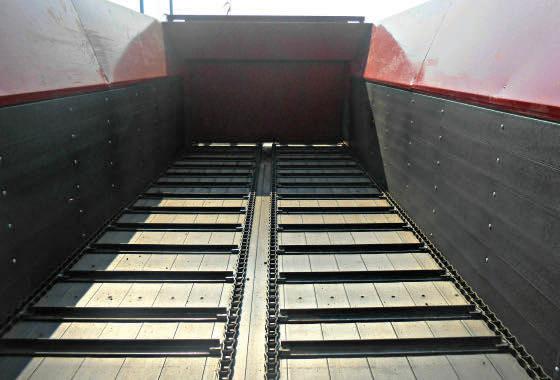
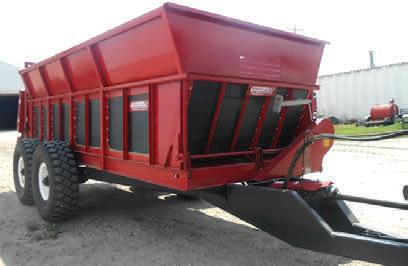
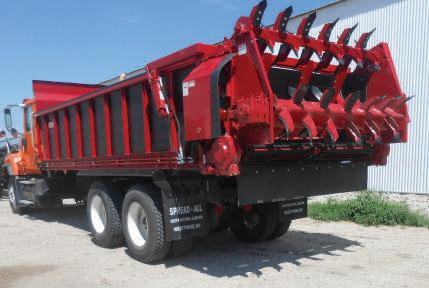
-Twisted Concave Shovels -Easy Removal of Distributor -Easy Controlls -Reversible Clevis Hitch Features and Benefits
in 16, 20, 22 or 34 Ton Pull-Types & 20, 22, 26, 34 Ton or Bigger - Truck Models
Manure? Sweet
What does manure do to the purity of beet-derived sugar?
BY Richard Kamchen
Turning manure into sugar? It’s not the alchemy-sounding experiment the uninitiated might envision.
Traditional thinking has told even the savviest of growers that manure is no boon for growing sugarbeets. It tends to release nitrogen (N) throughout a growing season, but sugarbeets need high soil nitrogen content early in the growing season, but low soil nitrogen later on to improve sugar quality.
But Melissa Wilson is challenging conventions. The University of Minnesota’s Department of Soil, Water, and Climate Extension Specialist has been running trials to determine the efficacy of liquid-separated dairy manure in a three-year crop rotation with sugarbeets.
It’s important work: with greater liquid-separated manure availability thanks to the rise of large-scale dairy operations in Minnesota and North Dakota, sugarbeet producers could conceivably
reduce their input costs without cutting yields or sugar purity.
The Red River Valley region of western Minnesota and eastern North Dakota is a sugarbeet producing powerhouse, with approximately 60 per cent of U.S. sugarbeet output being grown along that corridor, covering about 500,000 acres. That accounts for the greatest output in the nation, where 50 percent of the sugar consumed derives from sugarbeets.
TRIALS
Identical experiments were run at two separate research sites – one in west central Minnesota, south of Murdock, and the other near Nashua, Minnesota, near the border of North Dakota – with each site
MAIN The Minnesota plots that tested the efficiency of separated dairy manure in a three-year crop rotation with sugarbeets
RIGHT The U of M team is one of the first to do research with sugarbeets on land with a manure history.
having corn, soybean, and sugarbeet plots every year.
Treatments in the first year included a high manure rate of around 14,000 gallons per acre, a low manure rate – about 9,500 gallons per acre – and no manure (fertilizer only). Commercial fertilizers were then used to balance N, Phosphorus (P), and Potassium (K) needs of each specific crop for each treatment, if needed.
“So, in the first round of this research, we applied manure in the fall prior to corn or soybean or sugarbeet and compared it to a similar N rate of commercial fertilizer, applied in spring,” says Wilson. “Then, for the next two seasons, we just rotated the crops and only used fertilizers in all plots. We didn›t apply manure again.”
At the first site, manure was applied in fall 2019, followed by fertilizer in spring 2020. In 2021, only fertilizer was applied, but manure N credits were subtracted from total N rates. Exclusively fertilizer applications went down for the 2022 growing season. The same pattern occurred at the second site, but it was offset by one year.
After completing the first three years of the corn-sugarbeet-soybean rotation, the experiment was repeated.
“Very little research has been done with sugarbeets on land with a manure history, so that’s why we decided to run the experiment again on the same fields,” says Wilson. “We only have one more growing season left of this second round.”
In the second round of this research, Wilson’s research team applied manure again to the same manured plots as before, and compared it to a similar rate of commercial fertilizer. Then, they rotated each crop for the next two years.
The second round of experiments at the first site began in 2023 growing season. The 2026 trials (the last year at the second site) are still pending.
CO M M I T T E D TO Q UA L I T Y YO U C A N D E P E N D O N
For more info visit huskyfarm.ca or call 1-800-349-1122
Trailing shoe booms from 6m to 30m in width. BlackBird trailing shoe booms in stock Summer 2024. Various incorporation options available. Contact us for more info on tank sizing options.
LESSONS LEARNED
Wilson’s research found that liquid separated dairy manure can be applied anywhere in rotation and not affect sugarbeet yield.
“We thought that sugar yield would decrease if manure was used in the rotation, and it did not,” Wilson says. “So, farmers can feel confident adding liquid separated dairy manure into the rotation.”
Sugar purity, however, may be slightly lower the first year after manure is applied in a field without a manure history, she says.
“We did not see that when manure was applied a second time,” Wilson says.
When sugarbeets were topped and harvested during the first round, they yielded from 32.7 to 35.8 tons per acre in the first year. Extractable sugar ranged from 9,710 to 10,380 pounds per acre.
Sugar purity differences were negligible: Using fertilizer only yielded 91.2 per cent purity, while the low and high rates of manure application produced 90.8 per cent purity. Beet tonnage was higher in the manured plots, though, offsetting the slight decline in purity.
OTHER LESSONS LEARNED
• Liquid separated dairy manure tended to increase corn yields, even in years where manure wasn’t applied.
• At one site, applying manure the fall before soybean was not a good idea, says Wilson. “The site had high pH soils, so we think the manure affected incidence of iron deficiency chlorosis. After that year, we applied a product to help reduce that issue and it seemed to help. The other site did not have this issue.”
The manure PIECE OF THE PUZZLE
The manure management changes to lower swine farmers’ environmental impact
BY TREENA HEIN
In 2024, the National Pork Board (NPB) initiated an unprecedented effort to better understand the efficiency of nutrient utilization in swine. Understanding how nutrients flow, from feed, through the pig’s body to manure to crops and back again, provides accurate Life Cycle Assessments (LCAs) and carbon footprint calculations – as well as insights into how these footprints can be reduced through changes to farming practices. And while feed is where there’s the most opportunity for pig farmers to reduce their footprint (it represents 70-80 percent of the production footprint for monogastric animals like pigs and chickens), manure practices also makes a difference.
NPB wants to encourage their members to complete a voluntary LCA, and to make that easy, NPB created the ‘Nutrient Flow Consortium’ of experts from five institutions, across soil science, agronomy, economics, animal science, systems modeling and agricultural engineering. The Consortium is partnered with Institute for Feed Education & Research (iFEEDER), established in 2009 by the American Feed Industry Association and its associates to support research and education towards a more sustainable feed and pet food supply chain.
LCA FRAMEWORK
Completion of an LCA involves a lot of data, including calculations of the carbon involved in the transport of feed ingredients, whether they are grown on farm (using pig manure or not using pig or other manure, and how), how crops are grown, where crops are processed and so on. Data from research into the flow of specific nutrients is needed in an LCA, flowing from grain and other raw feed ingredients to the growth of pigs to their manure and what happens to these nutrients in the field (e.g. emissions) when that manure is applied. This research is ongoing.
In addition, feed and additive manufacturers continue to help farmers reduce their farm footprints (through higher feed efficiency) through innovations in processing and product development, and farmers can also tweak their feeding strategies. For example, farmers who grow corn for their own pigs will have a lower LCA than if they sell it for ethanol production and the distillers grains co-product is then transported back to their farm for pig feed.
In the area of manure management, pig farmers can shrink their footprints by changing manure storage, processing or field application strategies. “What you can economically pick and what makes the most difference vary by region and the manure systems you are currently using,” explains Daniel Andersen, a
ABOVE
A screw press separator is one of the solid-liquid separation methods recommended for a transportation strategy that takes full advantage of nutrients.
Consortium member and associate professor of Manure Management and Water Quality at Iowa State University. Farmers must obviously also follow their state’s regulations on manure application, and soil nutrient level restrictions. There are also state differences in on-farm funding schemes, differences among farmers in their capacity to invest in their farms, and so on.
Overall, Andersen stresses that “with manure systems, it really
comes down to what we can do to limit methane and ammonia emissions from collection and storage, and how we can improve nutrient recovery and use in the field. Thinking of it as a system that needs to minimize losses and maximize the fertilizer value of the manure will continue to drive us forward.”
FOOTPRINT IMPACT
Obviously, farmers want to spread their pig manure on their own farms or nearby fields. But both Andersen and Mahmoud Sharara, Consortium member and director of the Animal & Poultry Waste Management Center at North Carolina State University, stress farmers need to capitalize on all nutrients in the manure. “The opportunities to lower the farm LCA through manure management vary with farm context but always point to full valuation of manure components, macro and micronutrients (N, P, K, Mg, Ca, S, B, etc.) as well as carbon,” says Sharara. Andersen notes, “while we’ve often made decisions based on N needs, we have to keep N, P and K in balance to maximize the value of the manure, and thereby achieve the greatest replacement value for the emissions saved by not producing commercial fertilizers.”
In areas with insufficient acreage for manure application, Sharara and Andersen note the priority becomes implementing technologies to conserve and transform nutrients into transportable form. Sharara points to solid-liquid separation for transportation of the nutrient-rich stream as a recommended strategy. He also reminds farmers that reducing emissions during storage and treatment should be a priority, so consider installing covers for lagoons and slurry storages to limit ammonia loss, or adding acids to reduce methane/ammonia emissions. Digestion as a key practice to reduce methane emissions, which could take the form of heated, mixed anaerobic digestion tanks. “The choice for any particular operation will depend on farm size, project costs and potential economic returns,” says Andersen, “from the generated methane or electricity.”
Controlled aeration of manure storages is another opportunity to reduce methane and odorous emissions without increasing ammonia losses. In this area, Andersen calls for more research into the potential of low-rate aeration to reduce electricity costs during treatment, and to help find the best places for implementation. On that note, Andersen says that for opera-
EXTRACTION OF NUTRIENTS FROM SWINE MANURE: NEW RESEARCH
Consortium members Dr. Priscila Cruz, Sailesh Menon and Dr. Charles Rice at Kansas State University just published a new brand new review of how manure management and cropping practices can reduce swine farm environmental impact. In the area of making nutrients transportable and easier to use within today’s more-precise fertilizer programs, they mention “advanced manure treatment technologies” such as struvite precipitation (SP). Struvite is a stable mineral composed of magnesium ammonium phosphate.
A few years ago, a group in Korea used SP to remove N, P, copper and zinc from swine manure (digester effluent). At an optimum pH, mixing intensity and mixing duration, they achieved removal rates of NH4-N and PO4-P of 74% and 83%, and for copper and zinc, 74% and 79%.
In 2025, a team in Thailand recovered over 85% of P in swine wastewater using SP, and a cumulative phosphate release from struvite of 51% by day 30. In their economic assessment for four struvite production scenarios, they pegged the cost of struvite production at $6.56 USD/kg of P.
Also in 2025, a team in Vietnam used a novel fluidized-bed homogeneous crystallization (FBHC) process with SP for single-step co-recovery of PO43− and NH4+ from swine manure. Under optimal conditions (pH 9, reaction time of 24 minutes, etc.) removal efficiencies reached 97% and 87% respectively, with recovered struvite achieving 94% purity. This prompted the team to conclude that their strategy is effective “for simultaneous nutrient removal and production of a value-added fertilizer.” Companies in Spain are also evaluating FBHC-SP through Spain’s Cartif Research Center, with funding from the European Union’s Nutriman Network
tions using in-barn manure treatment and where constructing a digester and a new manure storage may not be cost-effective, aeration and acidification may be the best methane mitigation options.
More frequent emptying of storages also holds potential to minimize emission of methane. “But we need to make sure we aren’t just getting the manure out of the storage and getting rid of it. We have to be using the manure to support crop production and replace commercial fertilizer.”
NEXT STEPS
Andersen, Sharara and Erin Cortus University of Minnesota have, in a new paper, identified gaps in knowledge in mass and energy balances in four manure processing technologies (anaerobic digestion, aeration, solid-liquid separation and acidification), with these balances serving as the basis for LCAs and the holistic evaluation of various manure management scenarios. “Through this effort, we synthesized the literature into estimates of the fate and form of manure nutrients resulting from each technology,” says Andersen. “We also provide recommendations for adopting these technologies across different swine manure storage systems as well as opportunities to stack technologies to realize
additional benefits.”
This work will help farmers and crop consultants understand how changes in one part of a farm system ripple through the rest of the operation, Andersen explains. An impermeable manure storage cover will influence the manure’s fertilizer value, or changes in pig diet might alter the number of acres that can be sustainably supplied with nutrients. “To support these decisions, we’re developing data and tools that allow farmers to evaluate ‘whatif’ scenarios and see how management changes affect whole-farm outcomes,” says Andersen. “These tools are designed to make trade-offs more visible, capturing impacts on nutrient use efficiency, emissions and overall system performance.”
Looking forward, the team aims to help farmers and advisors better understand and apply these tools in real-world decision-making. “Second, we are working to integrate this science into existing greenhouse gas accounting and LCA frameworks,” says Andersen, “so farmers can receive appropriate credit for the manure management decisions they make, whether that’s reducing methane and ammonia emissions through treatment technologies or more fully capturing the fertilizer value of manure nutrients.”
ON TRACK
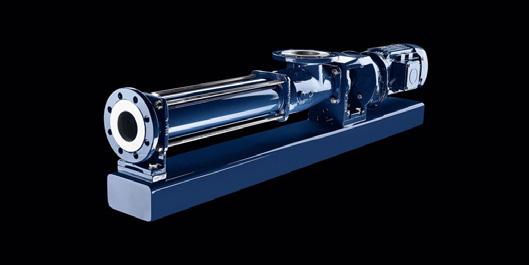
Seepex adds new sizes
Seepex has introduced new sizes in its BN and BTEX product lines, targeted at U.S. RNG facilities and boasting high flow rates, optimized substrate handling and maintenance-friendly technology.
The brand now offers flow capacities of 20-90 (gallons per hour, at 60 to 120 PSI), 40-180, 80-360 and a new, high-capacity model of 180-700, for both the BN and BTEX pump lines.
The aim of the pumps is to provide stable, high-capacity transfer during busy times, such as seasonal peaks or intensive feed cycles. They are primarily targeted at large-scale dairy digesters, food-waste co-digestion projects and municipal sludge operations with fluctuating feedstock volumes. The design and optimized premixing of the pumps allows operators to ensure flexibility for their digester systems, industrial co-digestion plants and municipal waste-to-energy facilities, particularly when combining solid and liquid substrates, such as dry matter and manure.
The BTEX hopper and inlet design blends dry, fibrous or high-solid materials with liquids before pumping, which can minimize sedimentation and agglomerate formation and promote consistent microbial activity and faster fermentation, while shortening retention times and reducing energy usage.
Seepex also incorporates its Easy Maintenance solutions system to reduce downtime and extend component live, and its Smart Conveying Technology features a patented two-piece stator and rotor design, which allows for maintenance without removing pipework. Seepex claims this reduces downtime by up to 85 percent.
Seepex has introduced the expanded line following years of growth in RNG infrastructure and initiatives, with key policy framework such as the Inflation Reduction Act providing opportunities such as tax credits and financial incentives for RNG production across ag and municipal sectors.
Kuhn launches four new products
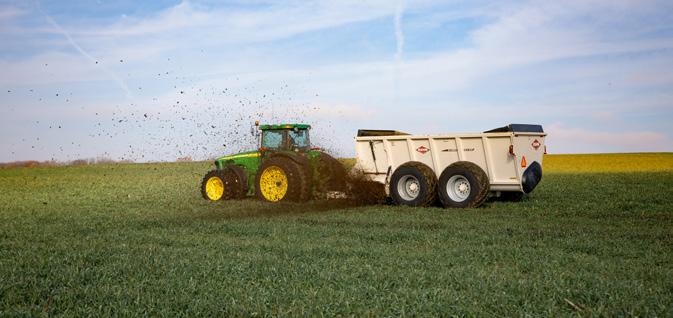
Kuhn North America has launched new products aimed at crop and livestock producers, including a new manure spreader.
The Wisconsin-headquartered company has introduced the Knight SLC 200 Series ProTwin Slinger commercial manure spreader. The spreader is engineered to handle heavy and sandladen manure and a wide variety of materials. It is available in both truck-mount and trailer configurations, with capacities from 3,200 to 5,000 gallons.
The SLC 200 series is now available at authorized Kuhn dealers across North America.
Also available are the new Advance .1 Series precision fertilizer spreaders, which are designed specifically for row crop operations; the 9600 folding grain drill; and the Knight RC 300 Series mixer, which is targeted toward dairies, feedlots and other industrial feeding environments and available in trailer and truck models, as well as stationary models.
MANURE MINUTE
CHRYSEID MODDERMAN | University of Minnesota Extension
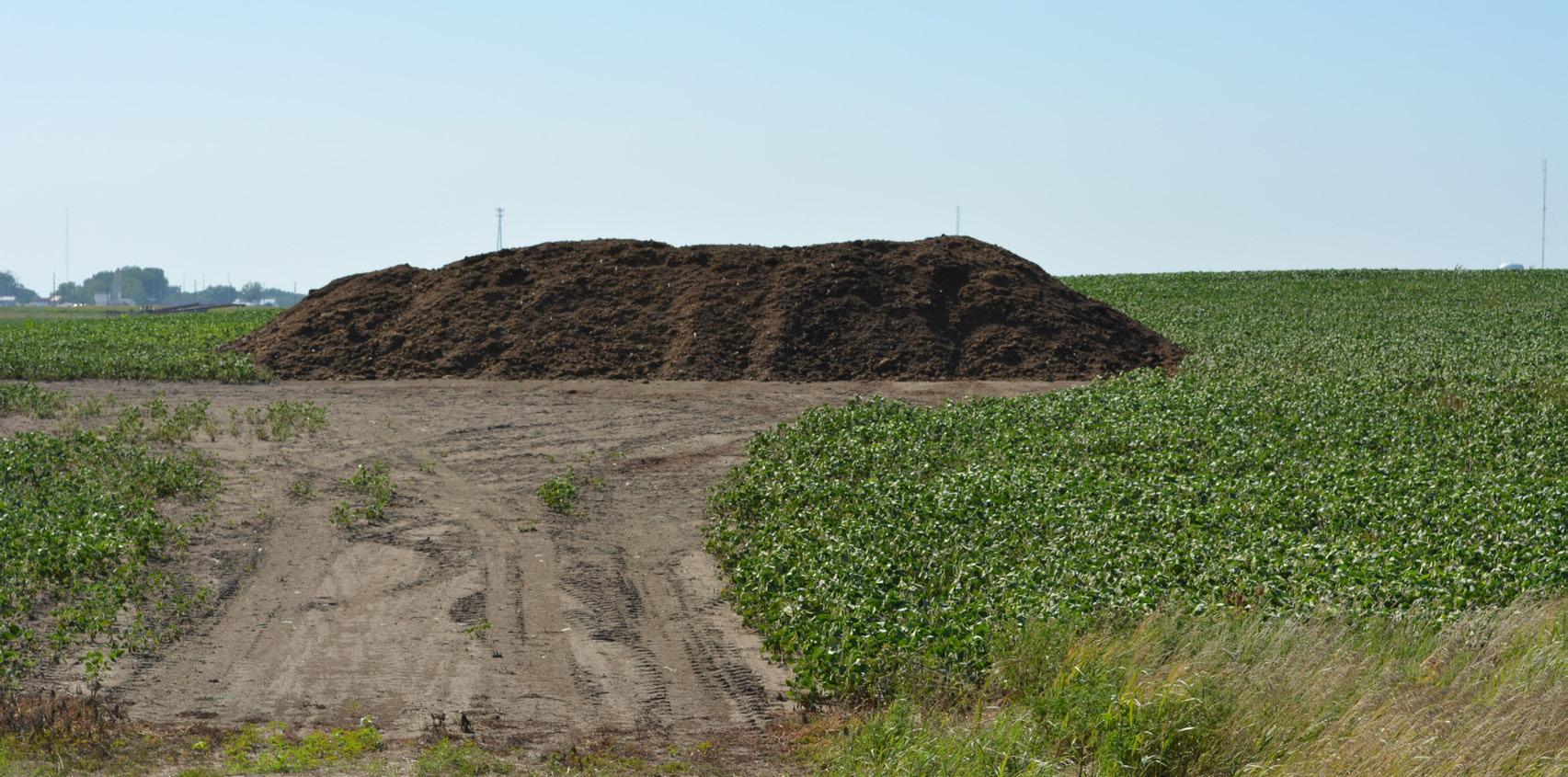
Manure stockpiling tips
Optimal site selection is key to sensitive stockpiling decisions.
On-farm manure stockpiling doesn’t need to be complicated, but there are a few important things to keep in mind.
STOCKPILE SITE SELECTION
As in real estate, it’s all about location, location, location. The ideal stockpile location is out of the way, can be accessed with hauling equipment, and will not lead to runoff into sensitive features. A flat area, outside of areas that flood, with a non-permeable base to avoid leaching is best. Also, try to be considerate of your down-wind neighbors; a colleague recently told me his neighbor is building a “Mt. Vesuvius of Crap” too close to his house.
Clean water from rain, roofs, or uphill areas should not be allowed to pool around or run through a manure stockpile because any water that comes in contact with the manure will carry away pollutants. Soil berms may be built to divert rain and uphill water, and gutters and downspouts can be added to barns and buildings to divert water.
STORAGE SIZING
Once you have the perfect location picked out, it’s time to think about what the storage area will look like. First, to determine how much space is needed, ask yourself the following questions:
• How many animals will contribute to the manure stockpile?
• How much, and what kind of bedding will be in the manure?
• How long will the stockpile remain before being hauled away?
Let’s say you’re a horse owner. With manure and bedding, a 1000 lb. horse can produce 60 to 70 lbs. of waste per day, occupying around 2.4 cubic feet. Say you have 5 horses that each weigh exactly 1,100 pounds. That’s 5,500 pounds total (5 x 1,100). And you haul away your manure twice per year, once in the spring and again in the fall.
You know that an average of 2.4 cubic feet of manure is produced each day per 1000-pound horse. So how much space will you need for manure storage?
2.4 cubic ft x (5500 lb / 1000 lb) x 365 days = 4,818 cubic ft per year
But, you haul manure twice per year, so you really only need storage for half of a year (182.5 days).
2.4 cubic ft x (5500 lb / 1000 lb) x 182.5 days = 2,409 cubic ft needed
So does that mean you should build a storage pad that is exactly 2,409 cubic feet? No.
These calculations were based on averages to give you an idea of the size needed. Actual space allotted for storage should be larger than the calculated value to account for variability. For one, you will likely not haul the manure away at exactly 182.5 days, and you need to ensure that you’ll have enough storage if it is a long winter. And the actual manure and soiled bedding might vary based on the horse or bedding type. It’s always best to err on the side of having too much space for manure, rather than cutting it close. That way, if you change bedding or add animals, you won’t need to expand your storage size. RIGHT
DID YOU MISS SEPARATOR WEEK?
View the five-part webinar series that focused on manure separation research, innovation, equipment and practical on-farm insights.
Watch the recordings
Watch the on-demand recordings and explore content from the week Here.
PRESENTED BY THANK YOU TO OUR PRESENTING SPONSORS
GEA
XPress
and Vertical Extract
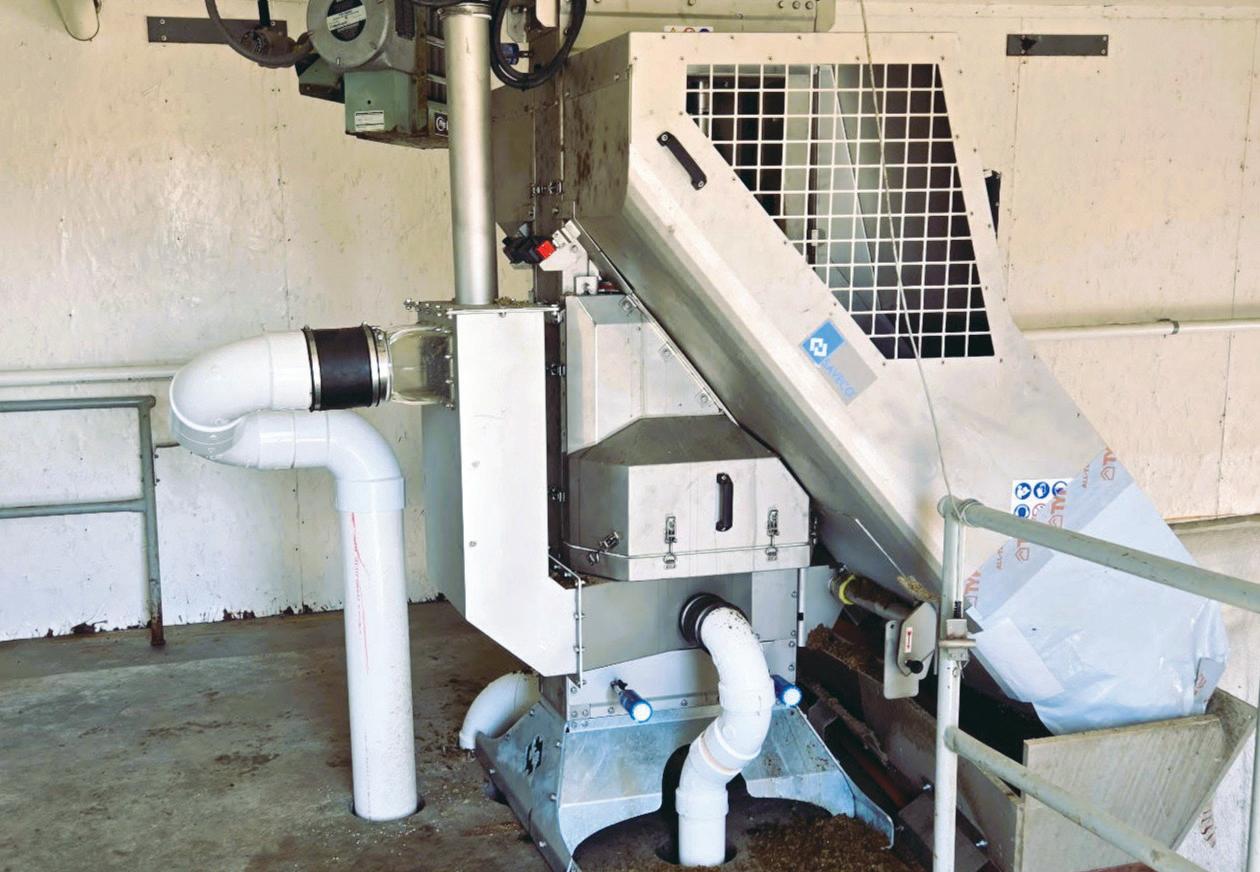
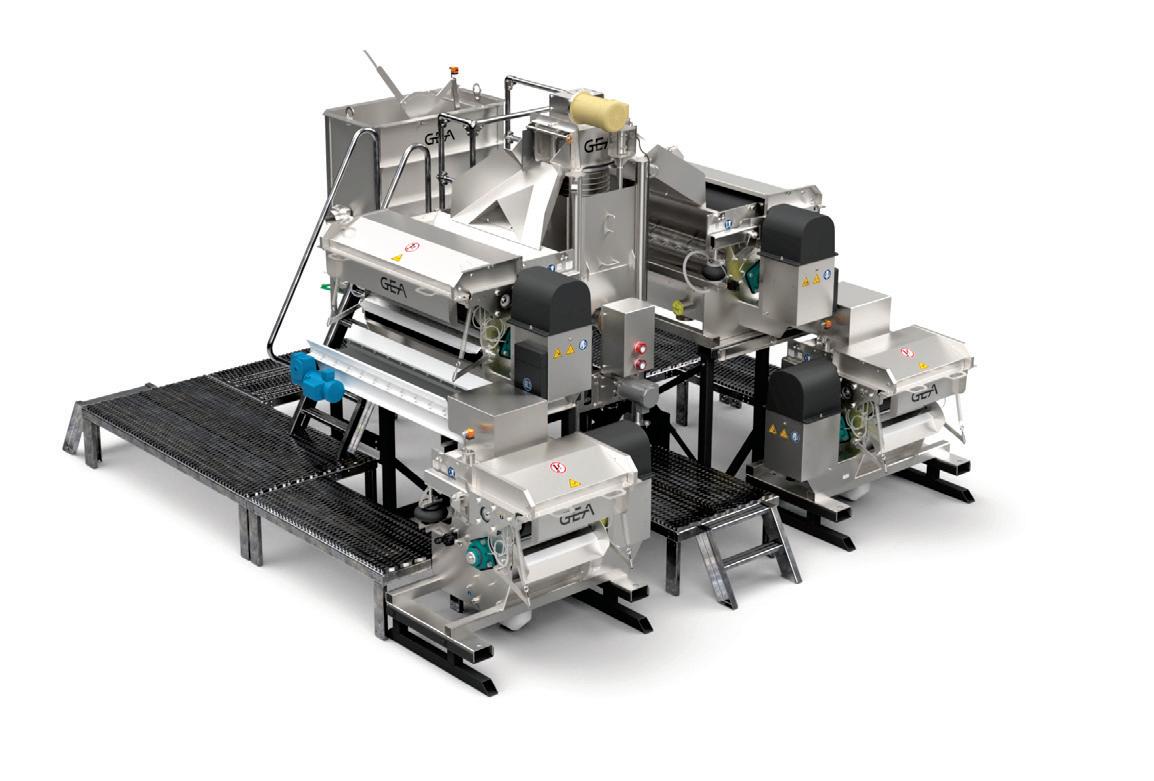
Vertical Extract’s single or double outlet configurations allows seamless integration with XPress units on either side.
When the work is tough, your equipment should be tougher.
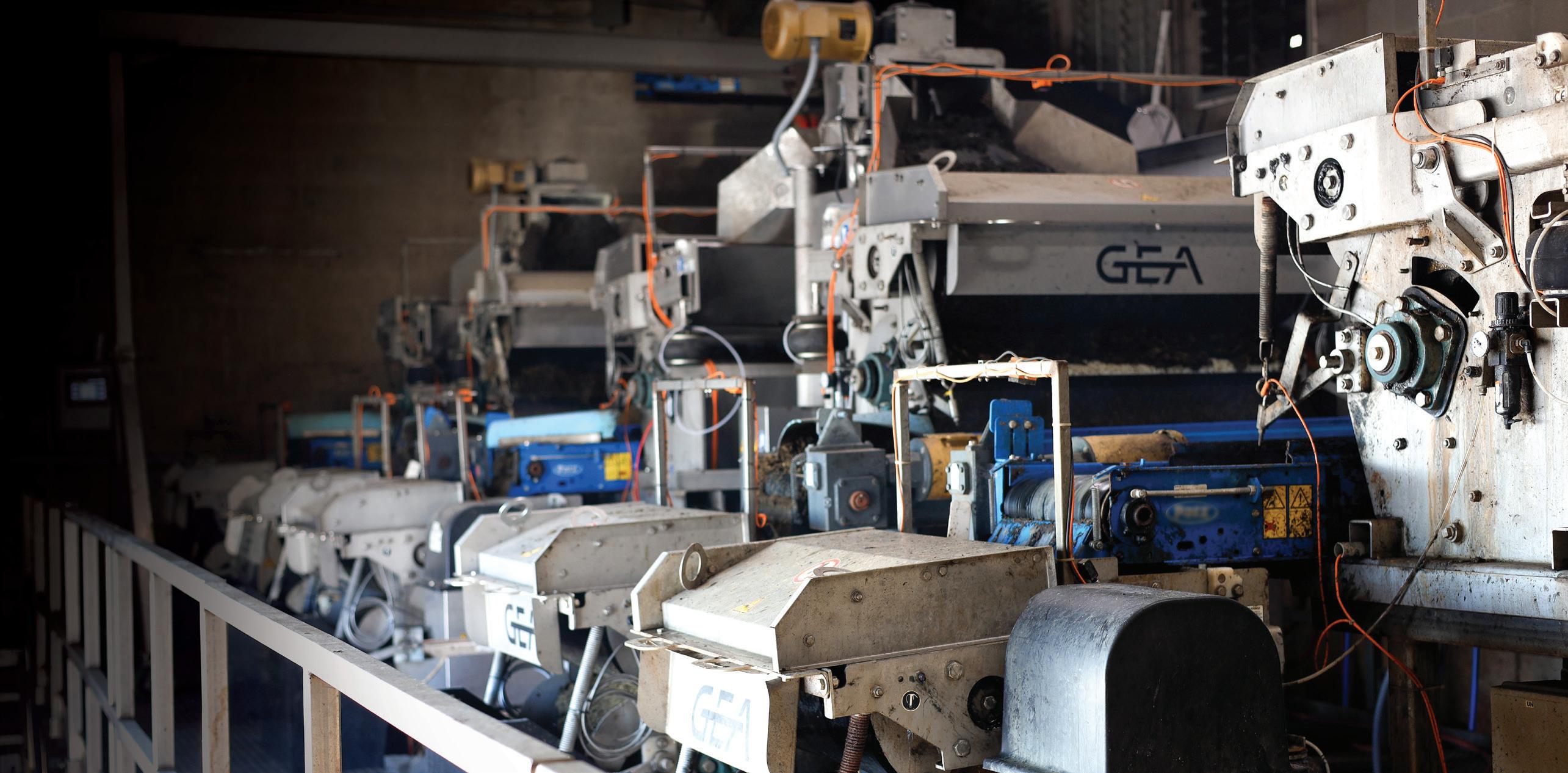
Built to last and designed for nonstop operation, the GEA XPress Manure Separator and Vertical Extract deliver unmatched efficiency and ease of maintenance.
Stainless Steel 304 Construction — The XPress, Vertical Extract and regulator tank are corrosionresistant for long service life in harsh environments.
Improved Dewatering process with the new vertical Extract.
Top-Mounted Auger Drive — Powered by a 3 HP electric motor for improved reliability and accessibility.
Single Pulsator System — Driven by a ¾ HP motor, eliminating pulleys and belts for fewer components, easier maintenance, and lower energy consumption.
Grease-Free Design — Auto-lubers and grease-free bushings eliminate messy lubrication points, making maintenance quick and clean.