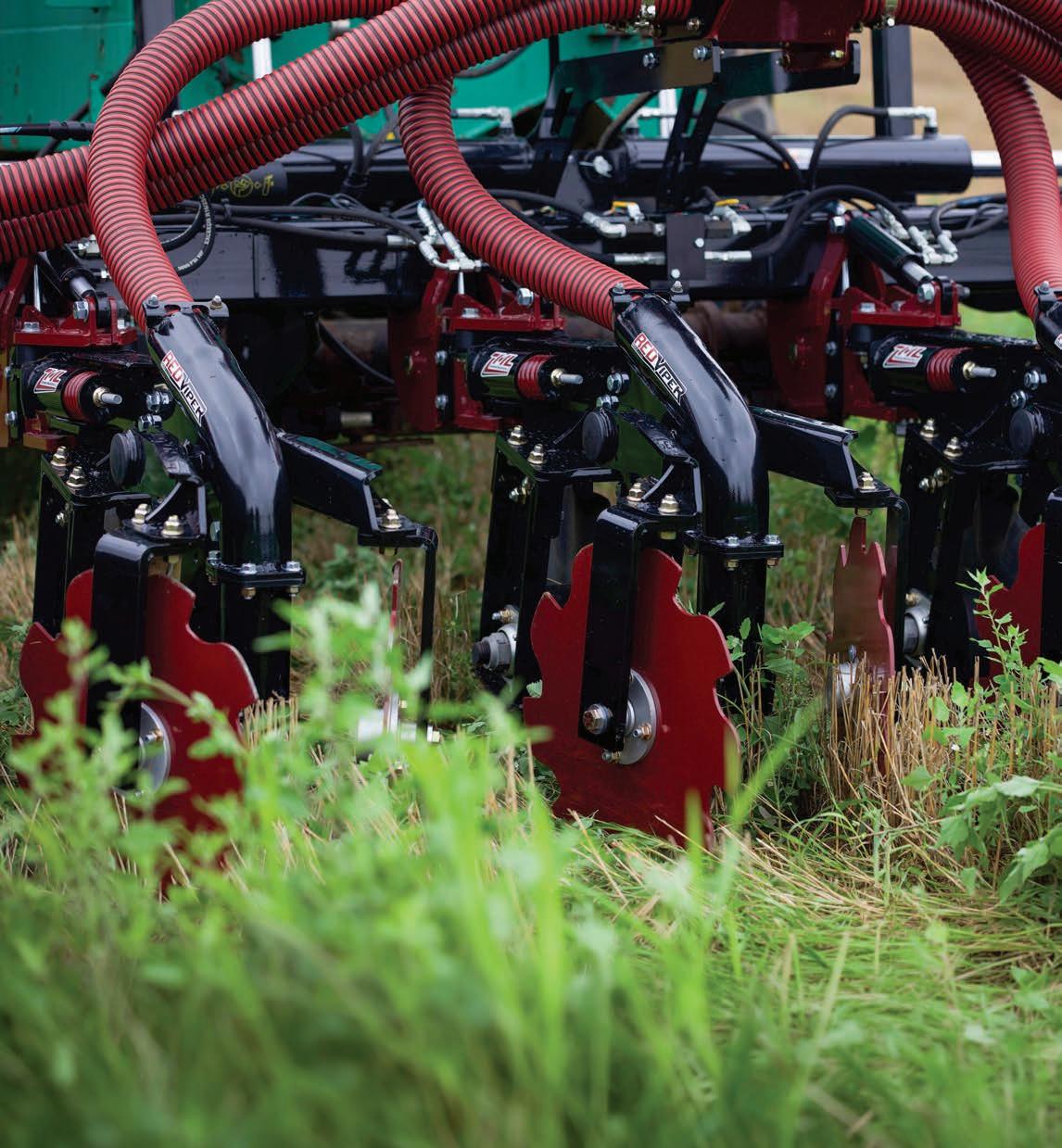
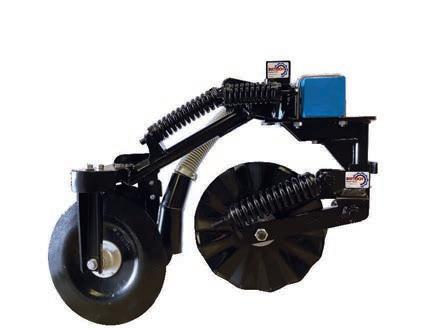
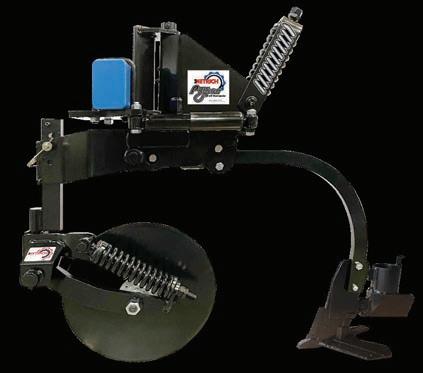
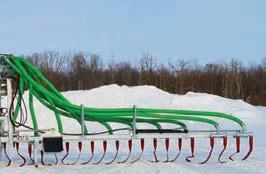
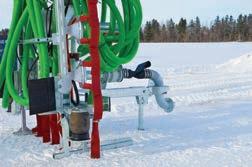
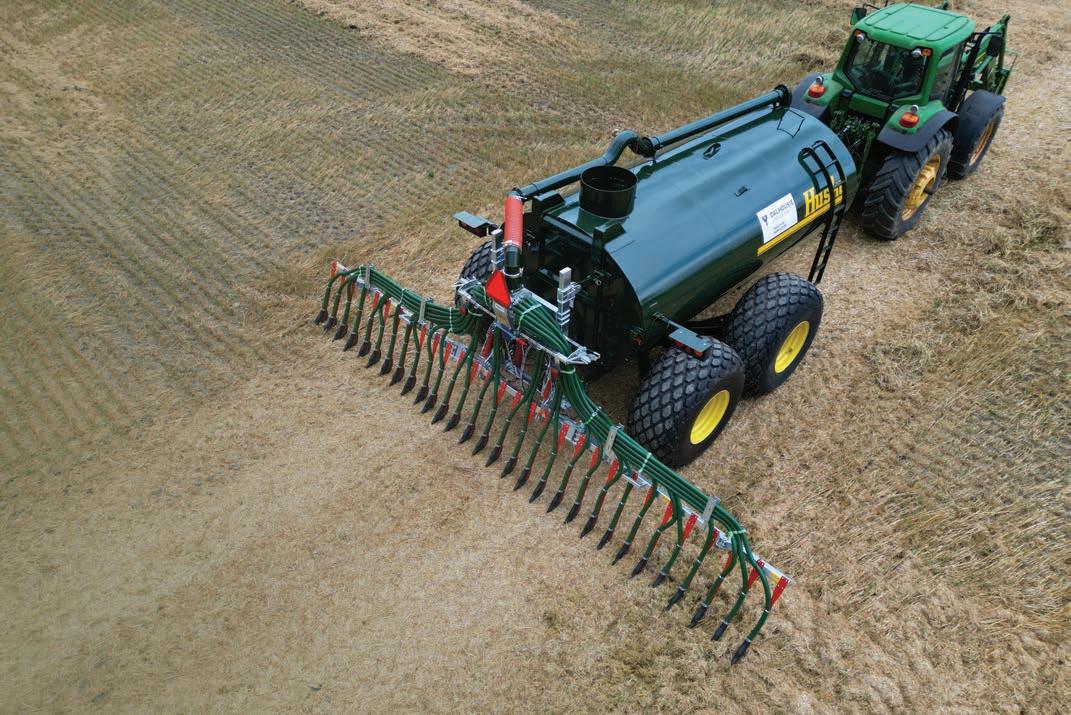
• Best actual injection/coverage of wide gallonage ranges
• Best Durability
• Best options for various requirements
• Rugged Design
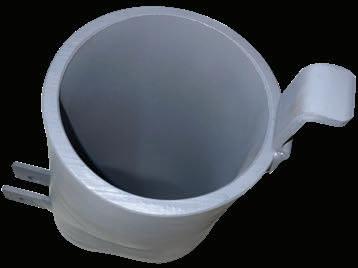
• 4.2” DOM Slurry Tube for heavy wall injection hose & longer life
• Highest GPA actually injected/covered in the industry
• Non-grease hubs on all models for maintenance free operation
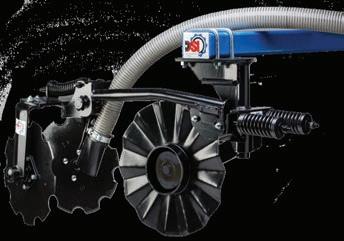
• Swivel coulters reduce side loads
DIETRICH
Rotary Injector
• 18” – 30” spacing
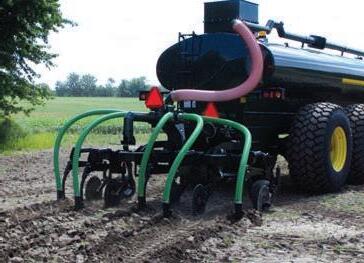
• Patented Conical blade creates a wider furrow for higher GPA than conventional coulter/vertical till injectors
Series
• 18” spacing, 8 wave Conical blade, & 2 Clozr blades on dragline result in higher GPA injected/ covered than a single closer blade design
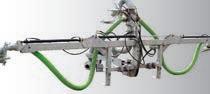
A/R Sweep Injector
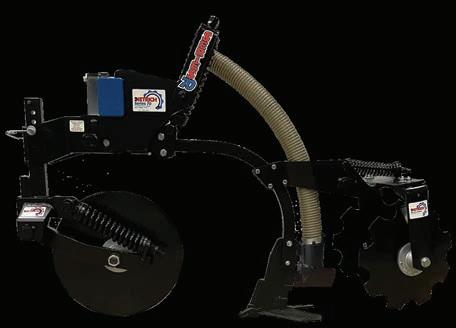
• DSI’s signature injector
• High performance Coulter down pressure design
• 4 Sweep options for lower rates to 20,000+ GPA
• 5 Tube options, including plug-free wing drop
• Liquid stays where injected, properly placed for full utilization by crop
• Clozr option for different operation requirements
July/August 2026 Vol.24, Issue 3
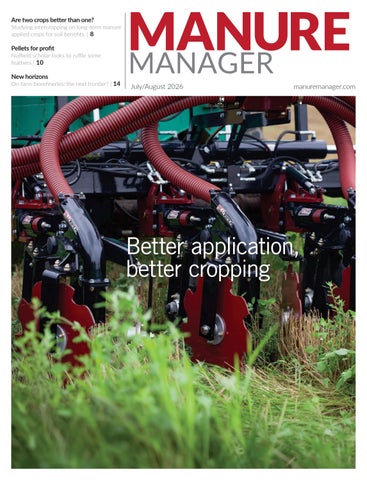
Better application, better cropping
Everyone loves "habit stacking", but what about practice stacking? On top of better application practices, better cropping practices can net a win.
Injection is one recommended practice for water quality. Photo by Kat Kuhn-Book.
81014
Are two crops better than one?
Studying interseeding on long-term manure applied plots for soil benefits.
BY RONDA PAYNE
Pellets for profit
A Canadian scholar sees opportunity in poultry manure –and beyond – for better distribution of nutrients.
BY MATT JONES
New horizons European project ManuREfinery aims to create on-farm biorefineries for a "circular" manure economy. BY
TREENA HEIN
Getting pumped up for manure
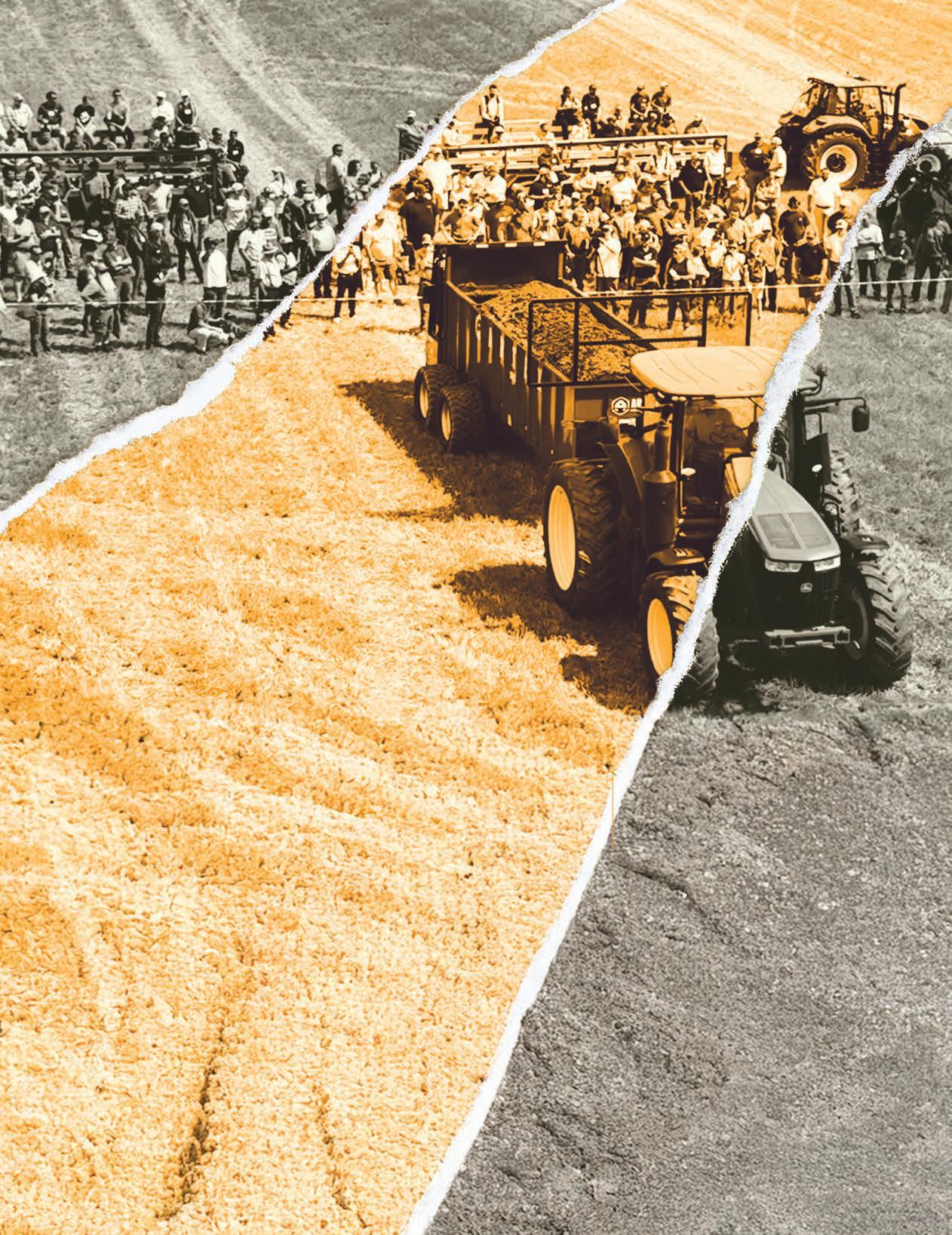
If you’re reading this, there’s at least a slim chance that you’re doing so on the grounds of the 2026 North American Manure Expo. That’s because we always print bonus copies of the July/August print issue for distribution at the Expo. Although this magazine is not an official companion to the show – there’s a stunning Show Guide for that – we know there’s something about the Expo that puts people in the mood for manure.
No, seriously! Manure has tremendous potential in agriculture as a nutrient source to grow healthy crops with strong yields, and help improve the physical geography of the fields to which it is applied.
Manure application is tried, tested and true, but as research advances, we understand only how to do it better – how to help it do more, how to apply it with more precision, how to manage our manure better on the farm to ensure it can not only do great things for our field, but also make it to someone else’s field and make a difference there.
When the right feature, educational session, webinar or conversation opens your mind to something you never knew manure could do, or helps you find the solution to a problem that’s dogged you for years, you leave with a sense of excitement all throughout your mind and body. That’s true professional development – the knowledge that there’s always something new to learn, and the joy of learning it.
In this issue – which, coincidentally, became quite the international issue – we look at a Canadian scholar whose research could help poultry farmers turn pellets into profit. We also turn our
“There's always something new to learn – and joy in learning it.”
Now, I realize that when I say this, I’m preaching to the converted – whether you are a regular reader of Manure Manager or an attendee of the North American Manure Expo (or, ideally, both!) you already know that manure is anything but a “waste.” In fact, it is I who is the wasteful one –I’ve already wasted some 160 words explaining that manure rocks (it does) to people who already read this magazine because... they think manure rocks.
And yet, there’s still something about a good manure magazine – or a manure demonstration, or a manure show full of manure demonstrations –that gets us all excited. Why is that?
Well, because when you’re passionate about something, you are always curious about how to improve, how to optimize, how to push the envelope.
heads toward Europe to see how the continent is innovating with on-farm manure processing. We also feature an Idaho study on interseeding, understanding how it works in longterm manure-applied plots.
Not every idea works for everyone, just like not every spreader, hose or pump works for everyone. But to bring ideas together in one place, whether it’s fairgrounds or the pages of a magazine, is a goal to which we should all aspire.
There will be no new loan guarantees for biodigesters in 2026.
An unnumbered letter from the USDA issued April 2 – less than a fortnight before the initial 90-day pause was scheduled to expire – formally extended the pause through to Dec. 31, 2026. The extension is necessary, the according to the USDA, “to reduce the speed at which these projects are entering the portfolio, complete the comprehensive portfolio performance review as projects under construction come online, assess lender underwriting capability and strengthen program safeguards before considering future applications involving these technologies, all of which will help protect [Rural Business Cooperative’s interests and provide oversight by identifying common risk factors and strengthening our approach to guaranteeing loans in the future.
The USDA’s official numbers, as of April, point to a 28 percent delinquency rate for biodigesters, on top of realized losses. “Continuing to guarantee high risk projects – particularly those underwritten by lenders’ lacking expertise – threatens the long-term stability of the program and its capacity to fulfill its mission,” the USDA wrote.
The letter, whose words are attributed to J.R. Claeys, administrator with the USDA’s Rural Business–Cooperative Service (RBCS), provides further background and detail. Claeys’ letter states that during the initial, 90-day review period, RBCS identified “several persistent and escalating concerns” including rapid expansion of biodigester projects, insufficient lender underwriting expertise (including the finding that one-third of biodigester and controlled environment agriculture
projects involve lenders currently paused or undergoing audits by the agency), substantial construction, commissioning and operational ramp-up risk, projects drawing on loss payment reserves “demonstrating deteriorating cash flow and financial instability” and other concerns.
The pause will be used to develop sector-specific underwriting guidance, assess lender eligibility, expertise and oversight requirements, strengthen collateral evaluation and loss mitigation expectations and ensure future approvals reflect “a sustainable and fiscally responsible approach.”
In mid-January, a directive from the USDA’s RBCS, also attributed to Claeys and addressed to all national office and field office staff, provided a notice of the initial pause “to allow the Agency to conduct a comprehensive review of the existing portfolio of such projects, including an assessment of delinquency rates, project performance, operational sustainability and underwriting guidelines to ensure prudent stewardship of federal resources.” The letter came only days after a coalition of 34 environmental groups filed a rule-making
petition, urging the RBCS to make digesters located at industrial livestock operations, or that use livestock manure, ineligible for grants and loans under the Rural Energy America Program (REAP).
Despite the timing, a representative from RBCS told Manure Manager that the directive was not related to the groups’ petition, and that the letter was drafted before the agency became aware of the petition.
While the RBCS’s pause is motivated by fiscal sensibility and concerns that the program is growing too big too quickly, the groups oppose digesters largely based on what they’ve deemed to be overblown environmental claims. Patience Burke, national campaign manager at Waterkeeper Alliance for the Pure Farms, Pure Waters campaign, write that the use of digesters “exacerbates the already heavy burden imposed by factory farming communities and the environment,” and that “factory farm biogas is not a clean source of energy.” The petition alleged that in five years, new manure digesters received an average loan guarantee of $18.7M, almost three times more than the average loan guarantee for solar projects. Parties on the petition include watershed groups such as Buffalo River Watershed Alliance, animal rights organizations such as Animal Legal Defence Fund and producer groups such as the Northeast Organic Dairy Producers Alliance.
But per the USDA, the primary reason cited for the initial pause was always delinquency. For anaerobic biodigesters, the letter alleged that 21 loans, which make up $386.4 million, are seeing a delinquency rate of 27 percent, or $102.6 million. Digester concentration is highest in California.
USDA RESEARCHERS LARGELY AGAINST RELOCATION
D.C.-based news outlets have reported that the USDA is once again looking to move DC-based employees at the department’s Economic Research Service (ERS), as well as the National Institute of Food and Agriculture (NIFA) to Kansas City. The USDA last proposed the move in 2019, relocating hundreds of positions to Kansas City, but about 85 percent of impacted employees quit their jobs or retired, according to Federal News Network.
Now, the union representing USDA researchers (American Federation of Government Employees Local 3403) says an internal survey indicates similar results could occur if the move were implemented. The survey found that 76 percent of members are not planning to relocate, and the union warned that if the job relocations were to take place as scheduled – at the end of the summer – it would cause a “brain drain” in the department.
Poultry manure storage facility engulfed in flames STUDY FINDS CATTLE CAN BREAK DOWN SEAWEED
A Maryland farm endured significant damage – but, fortunately, no one – human or livestock – was hurt in the fire.
The Maryland State Fire Marshal’s Office attributed the May 30 fire, which claimed a storage building on a poultry farm in Caroline County, to the spontaneous combustion of manure.
Approximately 31 firefighters controlled the fire within one hour after responding to reports of fire around 7:30 a.m.
The 100 x 50’, wood-framed outbuilding was engulfed in flames when it was discovered by a family member.
The fire spreading also caused damage to the farm's equipment, which caused an estimated $100,000 in damage.
A new study shows cattle can successfully break down and suggest seaweed, which could prove to be a sustainability win in livestock and dairy farming.
Agriculture and Agri-Food Canada (AAFC) researcher Wade Abbott, based in Lethbridge, AB, launched a feasability study through Canadian Light Source crystallography imaging at University of Saskatchewan to examine how cows digest seaweed.
The researchers observed a “bloom” or proliferation of bacteria they believe was involved in digestion, which suggested the cattle were successfully breaking down and digesting the marine material.
As part of the process, beneficial microbe digesters persist at very low levels in the gut, essentially waiting, ready to rapidly multiply when the right dietary signal arrives.
While seaweed cannot replace hay or traditional feeds entirely due to its price, the health benefits could be significant, says Abbott.
The research is important, because separate studies have also asserted that supplementing traditional feed with seaweed can mitigate greenhouse gas emissions from cattle. Other studies, including a 2023 study from the Woodwell Climate Research Center, have found that those positive impacts extend to the cow's manure.
Are two crops better than one?
Interseeding study looks at multiple environmental and productivity factors in Idaho lots.
BY RONDA PAYNE
Efficiency is the name of the game in agriculture. Knowing how to get more out of the land is one thing, but understanding what the impacts are to soil, water and inputs is another.
A group of nine researchers is exploring how interseeding may net better yields, environmental outcomes and nutrient uptake when put to work in long-term manure-applied plots in Idaho. Outcomes will inform farmers of ways to be more efficient with corn and alfalfa – but the research team also wants to know the impacts of various growing practices on water, emissions and more.
Pramod Acharya is an assistant professor and extension specialist in forage agronomy with the University of Idaho. He is part of the Emissions and Forage Quality team for the study.
“This is a comprehensive project,” he says.
“I am interested in understanding the different mechanisms underlying various production systems; particularly, the differences between interseeding and single seeding. As a forage specialist, I am eager to evaluate how these approaches influence forage productivity, nutritional composition and overall performance. I’m also looking forward to this
ABOVE
collaborative effort.” The project is funded for three years beginning in 2026.
“At the end of this project we will have produced findings that answer the research questions from multiple dimensions," says Acharya. Gilbert Miito, assistant professor and extension specialist in air quality in dairy sustainability with the University of Idaho is another member of the Emissions and Forage Quality team. He explains that in the late fall of 2025, he and Acharya came together with five others from the University of Idaho, USDA Agriculture Research Service (ARS) and Utah State University (USU) to work on soil and water research. These original team members were joined by the twomember Modelling and Simulation team.
Miito says anticipated study outcomes include, “Addressing concerns in the dairy industry around nitrogen use efficiency, water use efficiency [and] how to promote better use of manure in the industry without impacting the environment.”
THE INTERSEEDING APPROACH
Acharya’s involvement will be on the cropping side of the study. He explains that the overall goal is to
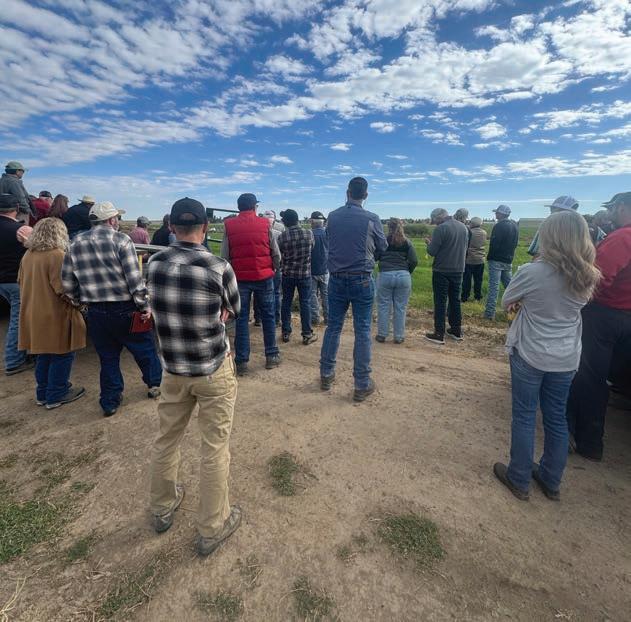
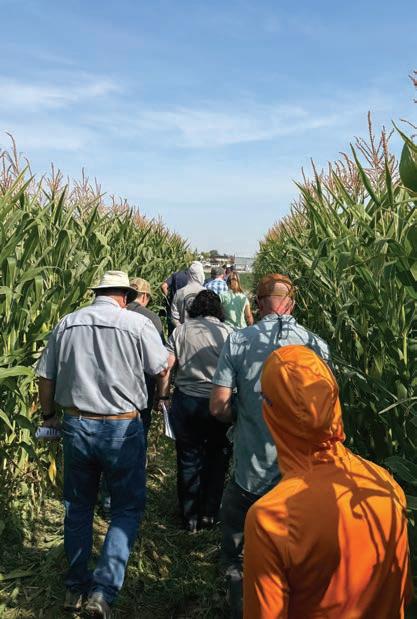
The University of Idaho Emissions and Forage Quality team at one of its outreach days, showcasing the status of its interseeding study.
determine whether interseeding alfalfa into corn yields the forage performance and other benefits the team anticipates.
For this study, interseeding is the planting of a corn variety common to the south-central Idaho region planted in standard rows. Once the corn starts to sprout, alfalfa (also a variety common to the region) is planted in the rows between the corn rows.
“Typically, the dairy farmers know how to grow corn. They know how to grow alfalfa. What we would like them to take up is the corn alfalfa interseeding,” says Miito.
The interest in this approach is multifaceted. With two crops growing at the same time, there is the potential of greater forage yields from the same plot of land. There may also be a more efficient use of soil nutrients, with two crops growing and drawing from the land. For those who have an abundance of manure, or potentially over-applied plots, the crops could help reduce the risks of leaching.
Additionally, because alfalfa can be a slow crop, starting with corn ensures forage production as the alfalfa gets going.
“Alfalfa is challenging,” says Miito. “In the first year, the yields are lower. It’s called the establishment year. You get better yields in the second year.”
In the first year of interseeding, the alfalfa is harvested with the corn, ensuring the benefit of a corn harvest while the alfalfa takes hold. In the second year, the field would be an alfalfa-only harvest.
“You’re getting more yield,” he says.
YEARS IN THE MAKING
There are 64 plots at the USDA ARS Kimberly, Idaho site that had been under various manure treatments from 2012 to 2020. The applications were zero, 18, 36 and 52 tons per acre with crop rotations typical for the area. From 2021 to 2025, manure applications ended and the process of a tracked drawdown of nutrients began.
“What happens if you stop applying manure and you just keep the rotation going to see how fast you can use it up?” Miito explains of how the drawdown works.
Following the drawdown, the soil was seen as “nutrient sufficient” and typical for land that had been regularly amended with manure over a number of years.
“After the drawdown, that’s when we came in and decided to start a new rotation,” he says of the corn and alfalfa interseeding trial. “This is more of a dairy-specific
rotation. It’s a new rotation that could be a better option for dairy-centric agronomy.”
The 60’ x 40’ replicated plots in the 400’ x 500’ study area are divided into a north field and a south field. The various manure application rates of the 2012 to 2020 study will potentially cause variability in the interseeding study, which led to the need for a significant number of trial plots for comparison purposes.
If, at soil testing stages, nutrients are not sufficient, manure will be applied.
This year will see corn planted in the north field and alfalfa in the south field. Corn and alfalfa will be interseeded in the north field in 2027 and corn only will be planted in the south field (with alfalfa removed). For 2028, alfalfa only will be planted in the north field and corn will be interseeded with alfalfa in the south field. These various approaches will ensure a range of information about crop volumes, nutrient uptake and environmental impacts.
“This year, we are starting off with corn and alfalfa,” says Miito. “Those are going to be our baselines.”
Acharya says the study aligns with work he had done previously. “While previous studies have often examined these components separately, this research integrates multiple disciplines within a single framework.”
THE HYPOTHESIS
He says other, similar interseeding studies show promising results.
“That’s why we want to test here in the western United States,” he says. “What we are assuming, alfalfa, since it will be in its establishment phase in the first year, it will probably use some nutrients, specifically, phosphorus and potassium. It might impact a little on the corn yield.”
But, he adds that as a legume, alfalfa has many benefits including its deepreaching roots and ability to build nitrogen in the soil over time. “My interest would be to look at the forage productivity [and] nutrient composition,” he says. “Besides that, we are still looking at nitrogen and water use efficiencies for different cropping systems and management.”
Miito expects nutrient uptake will be higher with two crops, thus less opportunity for leaching, and better water use. “You use the water better, you use the nutrients better and you get more yield,” he says. “You have better root structure because the alfalfa is holding the soil together. You don’t have run-off. We’re just
building the problem and the hypothetical solution. Now we have to prove that’s what’s going to happen.”
The expectation is an up to 25 percent reduction of nitrous oxide, improved forage yield and quality and improved water use.
MEASUREMENT MATTERS
Plots will be monitored for water balance and nutrient movement with neutron probes and surface TDR sensors. Crop productivity will be assessed through dry matter yield and forage nutritional composition. “We are going to measure all the nutrients, the pre-plant and the postplant and everything about the soil,” says Miito. “We’re also going to monitor how much water we’re going to apply. And we’re also going to measure emissions –mostly nitrous oxide emissions.”
While the fields are irrigated, there is a theory that less water may be needed for the interseeded plots than the single crop plots. Plus, the impacts irrigation has on emissions will be monitored. He notes that USU is uniquely positioned to evaluate irrigation rate impacts on productivity because the school is doing similar work to this study in Idaho, but with a significant focus on deficit irrigation and overall water use optimization.
“We’re tying it all together,” he says. “In the plots we have the ability to adjust how much water we apply to see how that changes things around. We’re going to have an over-watered application and then a water deficient, just to see what happens.”
The Ruminant Farm Systems model will simulate farm-scale results of the practices trialled. Additional modelling will be conducted using that data along with long-term experimental datasets. These models will provide 20- to 30-year environmental and productivity views.
Through measurement and modelling a robust picture will develop showing how interseeding compares to single crops.
“If you interseed, this is how it compares to corn alone, this is how it compares to alfalfa alone, this is how much nutrients it’s using, this is how much water it’s using and this is the environmental impact,” says Miito of how he sees this study providing farmers with an interseeding how-to guide once results are available.
Field days, to share the information with farmers, are built into the study. Plus, in year three, the modelling will ramp up to show how the results from the trial site can be applied to an operational dairy. •
Pellets for profit
Canadian Nuffield Scholarship recipient reflects on learnings.
BY MATT JONES
A Canadian Nuffield Scholar is attempting to find new ways to turn manure in to profit for poultry farmers. Georgia Lewis, OFCAF (On-Farm Climate Action Fund) Technical Lead of Agricultural Services for Perennia Food and Agriculture in Nova Scotia is in the midst of ongoing research into valorization of poultry manure, which she hopes will lead to new ways for producers and communities to take advantage of the by-product of these operations.
“I grew up in town in Kingston, in the [Annapolis] Valley, and was always drawn to food,” says Lewis. “And more or less growing up in an agricultural region and needed money, so I was always working on farms and just ended up loving the community around agriculture.”
Lewis attended the Nova Scotia Agricultural College for environmental sciences, where she touched on waste management but mostly worked in agronomy. She then spent time in Alberta
LEFT
working with large agricultural firms such as Cargill.
“My background with agriculture is more agronomic, plant production, nutrient management and so on, but I came back to Nova Scotia wanting to do my Master’s and was quite open to what that looked like. I was just happy to work with a certain supervisor, Andrew Hammermeister, at the now-Dalhousie Agricultural Campus, and we were going to look at pelletized poultry manure from an agronomic standpoint, and look at the nitrogen use efficiency within crop productions and try to understand the nitrogen release rate of pelletized poultry manure and see if we could align that with cereal production.”
The plan was to look at a complete agronomic standpoint and get into sustainable resource management through that to try to use local amendments specifically.
“But then we took a stand back and said,
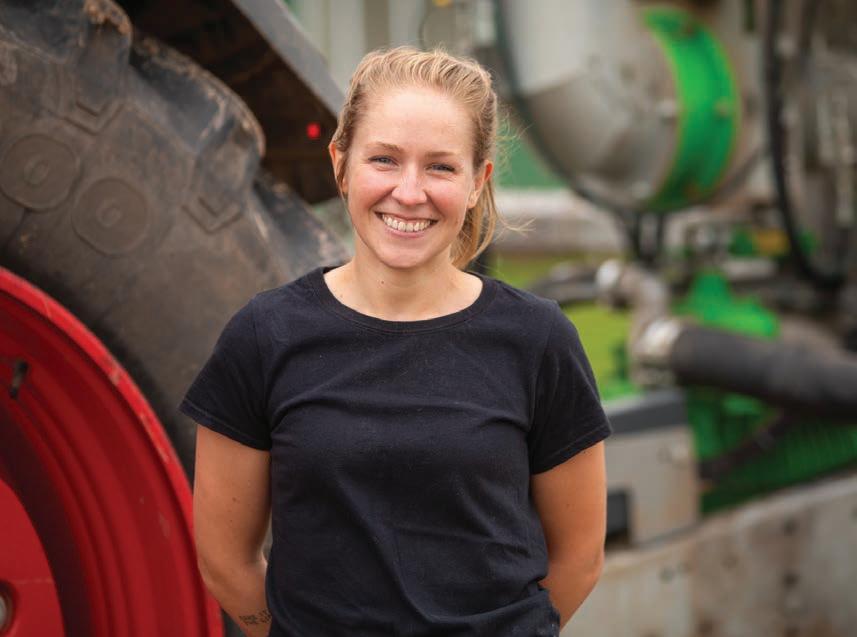
Georgia Lewis has travelled the world learning about poultry manure, and its applications.
RIGHT
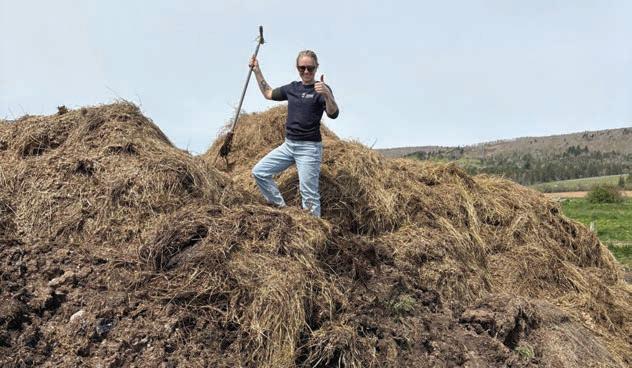
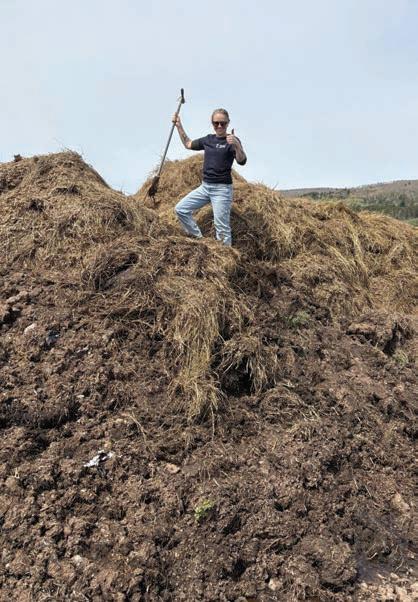
You can fairly judge a manure researcher by their ability to smile and give a thumbs up while standing on a gigantic pile of manure.
‘actually, we’re not really sure where this product is coming from, how it’s being made, where the manure is being sourced from, and what kind of environmental impacts are associated with the actual production of pelletized poultry manure.’ So we were curious too! So if we were going to promote the use of the product through research, it would first be beneficial to go back down the supply chain and say ‘hey, let’s look at the environmental impacts associated with producing it.’”
Lewis carried out a life cycle assessment on two different manufacturers: one that sourced their manure from boiler production and another that sourced from layer production. This effort, started in the early 2020s, allowed her to look at the processing, manufacturing and utilization of manure from a different angle. She could now see direct connections to her past interest in nutrient management which led her to questions about how much synthetic fertilizer is being used.
“And that can be applied to all livestock industries and manure processing and then also industries outside of agriculture too. We have
seafood waste that can be interesting, human wastes that could play into it. We have so much poo – it’s a co-product and a resource that we have available to us.”
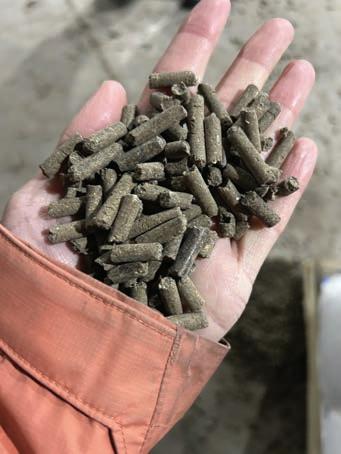
A key focus of Lewis’ research is into pelletizing – creating pellets out of dried and grinded manure so that they can be employed conveniently on farms as a fertilizer. The process is quite popular internationally – she cites the example of a large Japanese egg producer, who have begun pelletizing their manure in the last decade and now have multiple pelletizers set up so they can sell it to rice producers and other international buyers. Closer to home, a turkey operation in Minnesota made pelletizing manure a key facet of their business and takes in manure from other farm in the area.
“[It’s] very high value for organic producers,” Lewis says. “It’s a high nitrogen fertilizer or amendment for organic producers and is in high demand down there.”
Pelletized poultry manure generally has a nutrient profile that falls between three to four percent nitrogen, two to three percent phosphorus and one to two percent potassium, and contains more
Smart Performance YOU CAN COUNT ON!
organic and microbial matter, which makes it a slow release form of nitrogen.
“It depends on soil tests and nutrient management plans, but some people might want to amend with pelletized poultry manure. They’re usually applying about a ton per acre, depending on the crop, so you will get about 50% of the nitrogen available to the plant in the first year and then you would get a bit more throughout the next growing seasons, depending on climate and environmental things going on, soil types and such.”
That impact of the manure on soil and organic matter varies depending on types of bedding used as well. Layer manure tends to be higher in nutrients and nitrogen content than that of boilers, owing to the types of bedding used.
The pelletized manure is dehydrated, which is very useful, particularly as it relates to layer poultry which at about 80 percent moisture content is significantly more wet than boiler manure. Both types can be dehydrated down to under 10 percent moisture content, thus avoiding additional shipping costs due to water weight. It can also serve to make the product more consistent. The dehydration
process itself carries a significant energy cost but that could be balanced out in the end.
“You’re having to either use electricity or you’re burning something to then dehydrate the manure. But, on the other end, if that’s substituting synthetic fertilizer use, maybe it’s a good trade off. I think that’s something where more research can come into play.”
Asked about whether there is a local environmental context to her work, Lewis states that ‘all poo is created differently’ and notes that the reasons for processing manure differ from region to region. Concentrations will differ regionally and those concentrations can lead to environmental impacts to water and air, as well as socially. In Japan, for example, because the land mass is so small, farms are often neighbouring residential areas (there are 25 dairy farms within the Tokyo prefecture), so odor control becomes a larger issue.
Regulatory environments play a heavy factor as well. Lewis observed that there are strict regulations around on-farm nitrogen in the European Union (EU), which has led to manure processing
becoming much more prevalent there.
Lewis sees Canada as having an opportunity to take nutrients from concentrated livestock areas and move them over to commodity crops, in order to use less synthetic fertilizers, urea and synthetic nitrogen sources. And her dream is that the agricultural sector of Canada’s Martime provinces could become a
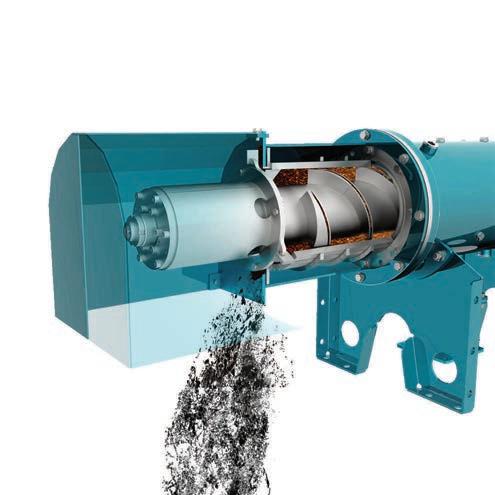
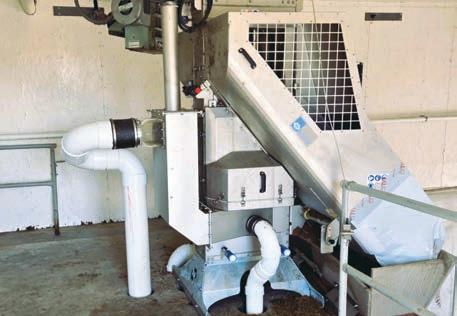
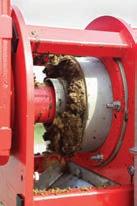
The vertical separator is designed to dewater liquid-solid mixtures in which the ratio of liquid to solids fluctuates dramatically. This machine design includes two vertical screws manufactured from SINT® engineered polymer. The unique design ensures there is no clogging or loss of the plug during operation.
Separation is performed by a combination of gravity and mechanical compression. This flexibility allows the machine to separate the liquid phase from the solid phase of a wide range of materials where the percentage of the liquid inside the solids may be constantly changing.
APPLICATIONS
• Animal Manure (Cows, Hogs, Chickens,…)
• Low Fiber Waste
• Digestate from Biogas Plants
DESIGN DATA
• Flow Capacity: Up to 130 gpm
• Motor HP: 7.5
• Dry Matter: Up to 28%
• Hopper for stable feeding
• Food Compost
• Rubber Recycling
• Industrial Waste
• Dual Vertical Screws
• Self-Adjusting counterpressure system
• Never loses the solids plug.
LEFT
Much of Lewis’ research has focused on pelletized manure, which is easier to transport and apply on farms than its raw form.
sustainable nutrient industry.
“I really want to explore what the opportunities are for our producers, specifically with our poultry folks and our feathered friends to see how we can utilize their manure. So I would love [to do] a research project that can dive into more of a collaborative approach with our producers here. I would love for it to be all-hands-on-deck, having a board, having the producers involved with some of the decision making and having that cooperative model and actually utilize our manure efficiently and be able to make some money from it.”
Lewis is cognizant about stricter environmental regulations that could come into effect in smaller agricultural regions that have a lot of water such as Atlantic Canada – she stresses ‘cognizant’ as opposed to ‘concerned’ as she does understand the purpose of such regulations. But she has seen such regulations come into effect in the
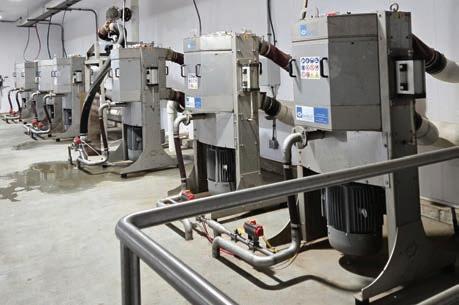
The SEPCOM Micro-filter MFT is a machine for the micro-filtration of raw or digestate animal slurry (Pigs, Cows, Chickens). In some cases, it can be used as an alternative to the centrifuge for a fraction of the installation cost and operating cost. The micro-filtered liquid can be used for fertigation, or in systems that reuse the liquid, or stored in manure lagoons for easy removal.
BENEFITS
• High filtration efficiency
• Quick installation
SAVECO North America 7809 100th Street Pleasant Prairie, WI 53158
Jeff.moeggenberg@savecowaterna.com 224-441-4204
• Easy maintenance
• Low operating costs
SEPCOM® V2-200
SEPCOM MICRO-FILTER MFT-500
UK and the EU.
“If we’re to get on top of this now and be able to make a little bit of money with it, I think we might not even make it to that point then, because they might be like ‘nope, we’re not seeing major runoff, leaching ammonia, gas emissions, all these things associated with livestock production and manure,’ and they can hopefully leave producers alone and then they won’t have another pressure coming down on them. So I would really like to get involved in the community here.”
Asked about whether the benefits of manure pelletization and valorization would be more pronounced for larger or smaller farms, Lewis notes that in other provinces organic producers of any size that are limited on nitrogen are using pelletized poultry manure. For the maritime provinces, however, she says that it could support soil health, nitrogen and phosphorus needs for larger conventional producers and smaller organic producers, as well as market gardeners and hobby farmers.
“They can buy a couple of little bags and apply it to their gardens and away they go. So hopefully [it would work] with all levels. We’re seeing such pressures from the fertilizer market in terms of quantity and costs. If we’re able to utilize a little bit of what’s happening here, hopefully it would help all producers at all levels of production here.”
Recently, Lewis’ research has taken her to the UK, the EU and Zimbabwe to learn more about manure processing systems. She says unfortunately, she was mostly able to visit dairy, beef and swine farms, not poultry farms. But that doesn’t mean that poultry manure wasn’t a hot topic.
“It seems no matter what country you go to, poultry manure is the manure that a lot of people are looking for if they are limited on manure, just because of the high nutrient content and different characteristics. And it’s probably easier to transport, especially with the boiler being a bit drier. [Zimbabwe] was the place where there is no essential regulations, there’s no policies associated with manure. But there’s on-farm motivation to utilize manure wisely, because that can offset the use of other inputs coming in on farm. So there’s general responsible farm management that way, but in terms of the government being involved, that’s not happening.”
One of the key takeaways that Lewis emphasizes from her research is that we
do have the technology to redistribute and utilize manure – it’s not that we don’t have the science or require innovations. All of that exists globally. But it requires the will.
“I think its more of a collaboration problem, or opportunity, when it comes to manure management and utilizing it efficiently and a distribution and logistics opportunity. There’s a social aspect to it that I think is really interesting. I think when there’s people that are driving it really well and there’s a really great community around it and a drive within
a farming group, then there’s a lot more opportunity than just ‘hey, we’re going to throw in a pelletizer and someone’s going to try to get someone’s manure.’ The basics can be met easily. I think it’s the social aspect.”
Lewis’ Nuffield Scholarhship research is sponsored by the Atlantic Poultry Research Institute and Ontario’s Burnbrae Farms, which is the largest egg producer in Canada. She is due to deliver a report and a presentation on her findings in in Guelph in January 2027. •
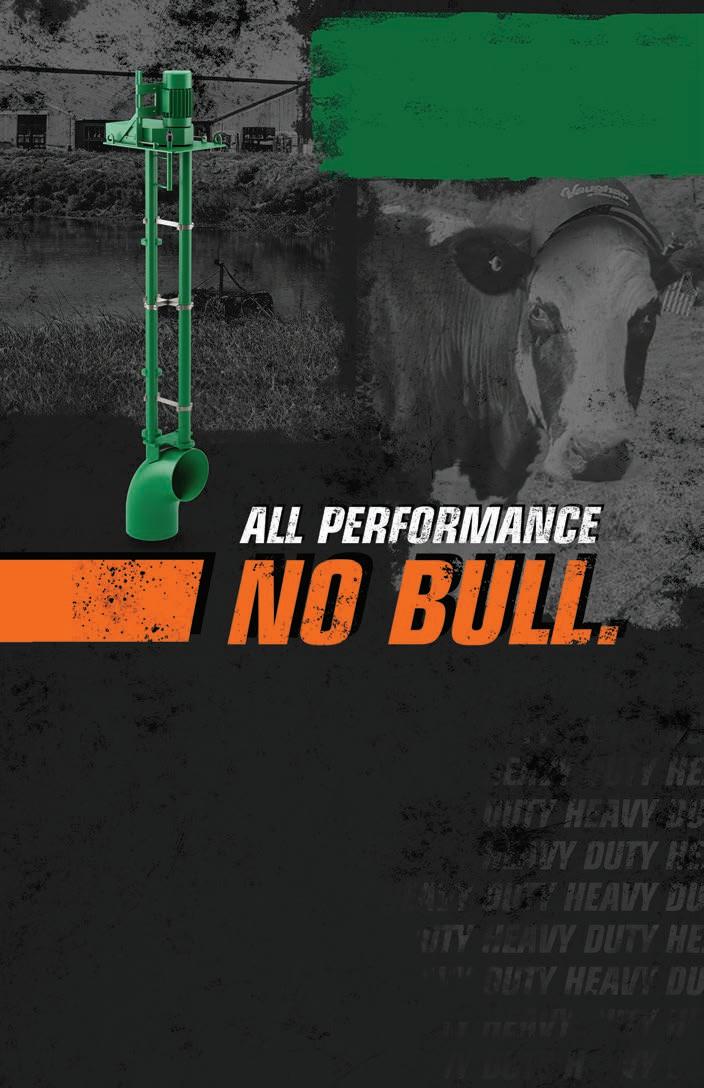
When the going gets tough, turn to the toughest pumps, mixers, and recirculators in the field. Vaughan has unique pump configurations specially designed for agricultural applications, including:
New horizons
Checking in at the halfway mark of the EU’s groundbreaking project.
BY TREENA HEIN
Ten European countries, 24 academic institutions and private companies, millions of Euros' worth of investment, countless hours of hard work from hundreds of experts and all the intangible contributions made: these are the main ingredients of the ground-breaking ManuREfinery initiative, which reaches its halfway mark this summer.
Started in September 2024 and projected to end in August 2028, the ManuREfinery project is being led by technology development consortium based in Spain.
It’s supported by the EU government through funding from the ‘Circular Bio-based Europe Joint Undertaking and its members (Grant Agreement No. 101157679) under Horizon Europe, a program
that aims to accelerate zero-waste circular solutions for rural areas
The aim of the project, as explained by one of the consortium leaders Denis de Wilde, CEO at Belgium-based DETRICON, is to “valorize nutrients from wastewater streams into high-value, reusable end-products, contributing to a circular and sustainable nutrient economy.”
Specifically, ManuREfinery consortium members are developing cutting-edge, on-farm technology: modular, mobile small-scale biorefineries that can be used on farms to convert manure into bio-based goods – think feed, fertilizer and more.
This will relieve management pressures on European farmers, with many of their respective
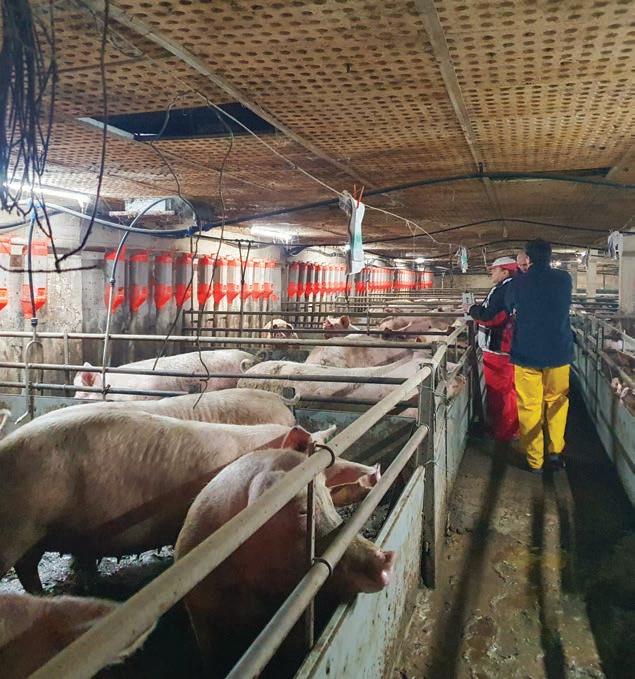
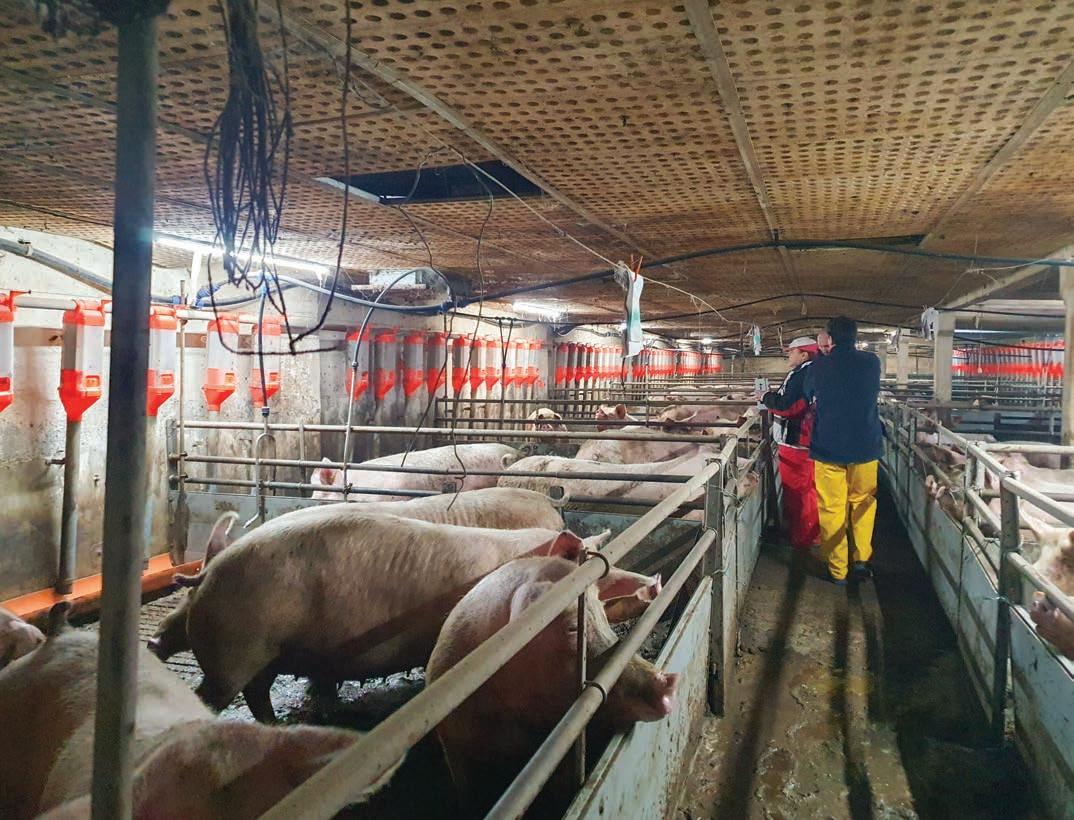
ABOVE At the ManuREfinery pilot pig farm in Spain, biogas is being generated and nutrients recovered from liquid pig manure.
countries' manure regulations being much stricter than those in North America.
Use of these biorefineries will also reduce logistics costs associated with manure handling and the environment will benefit from the added circularity of nutrients on farms.
In addition, farmers will gain a new, ongoing revenue stream, helping diversify their incomes and boost their financial stability. Indeed, the technologies in this project will create seven new value chains in the livestock sector, with the aim of producing seven bioingredients from any type of manure. This will contribute “generational renewal in rural areas,” states the ManuREfinery summary, “with the potential for a multiplier effect when replicated across the EU.” Rural areas will see new skilled job opportunities and investments in the bio-based manufacturing sector, “particularly in regions with underdeveloped capacities.”
Outside of technology development and new products from manure, the ManuREfinery initiative will also include the creation of an associated assessment framework for measuring economic, social, environmental sustainability and circularity benefits. Lastly, consortium project leaders are also working on strategies to boost interest in the project’s outcomes among farmers and rural community members.
COORDINATION AMONG PARTNERS
Speaking of building public support, the project has been dedicated to strongly connecting applied psychology and engineering from the start. The first ManuREfinery consortium
meeting in early 2025 highlighted the role of social acceptance and human behavior in attaining sustainable development, and in June 2025 at the second meeting, discussion of the social and technological aspects of the project continued. This second gathering had a global focus, with participants from across Europe, Africa, Asia and North America.
In late 2025 at the third gathering, there were discussions on the project structure and progress attained so far in technology testing and other fronts. Participants continued to reinforce the importance of integrating environmental, social and psychological dimensions to ensure project success.
The fourth ManuREfinery Consortium meeting was just held, in May 2026. All 24 project partners shared technical updates from the four pilot farm sites. “Over the past months, the project has successfully completed the detailed engineering and design of its main technologies across the three valorisation lines: solid, liquid and gas,” says spokesperson Mary Tsinou, who is also a project manager at consortium member Bioeast Hub in Czechia. “This includes systems to convert manure into bio-based products such as fertilisers, bioenergy and sustainable protein ingredients. Key equipment, including digesters, gasification systems, fermenters and nutrient recovery units, has been constructed and is being installed or prepared for commissioning.”
PROGRESS UPDATES: MAY 2026
One of two ManuREfinery pilot pig farm sites is located in Romania. Here the focus is on recovering ammonia from pig
manure emissions and turning it into fertiliser. At the May meeting, pertinent consortium members shared updates on their analysis of designs and testing protocols.
At the pilot pig farm in Spain, biogas is being generated and nutrients recovered from liquid pig manure. Detailed updates were provided from these activities, covering active testing protocols for anaerobic digestors, biogas fermentation units and specialized stripping systems for the capture of nitrogen and phosphorus.
Those systems involve the use of specialized ammonia ‘mining units’ being refined by ManuREfinery member DETRICON.
These units “recover ammonia from the liquid fraction of manure,” says de Wilde, “And will produce an ammonium hydroxide (25 percent) or an ammonium bicarbonate solid without the need for chemicals.”
That is, DETRICON’s standard, EU-patented ammonia mining units use an acid such as sulfuric acid to bind the ammonia in the stripping and scrubbing process.
While de Wilde explains that “this works very well, the next-generation [mining units for the ManuREfinery project]
we believe will operate without the need of any acid, as we will demonstrate by the end of this year in Spain.”
The biggest challenges ahead for DETRICON are translating lab-scale results into reliable and robust pilot-scale performance, while maintaining efficiency and process stability.
“Also, maximizing nutrient recovery (nitrogen and phosphorus) will be a challenge,” says de Wilde, “while ensuring energy efficiency and consistent output quality.”
At the third pilot site, a dairy farm in Slovenia, solid manure residues are being converted into energy.
At the May 2026 meeting, teams reviewed progress with materials handling, sensor-integrated dryers, gasification mechanics and the biological conversion of syngas into microbial proteins.
“Installation of the drying and gasification system is nearly complete,” says Tsinou, “and commissioning is expected shortly.”
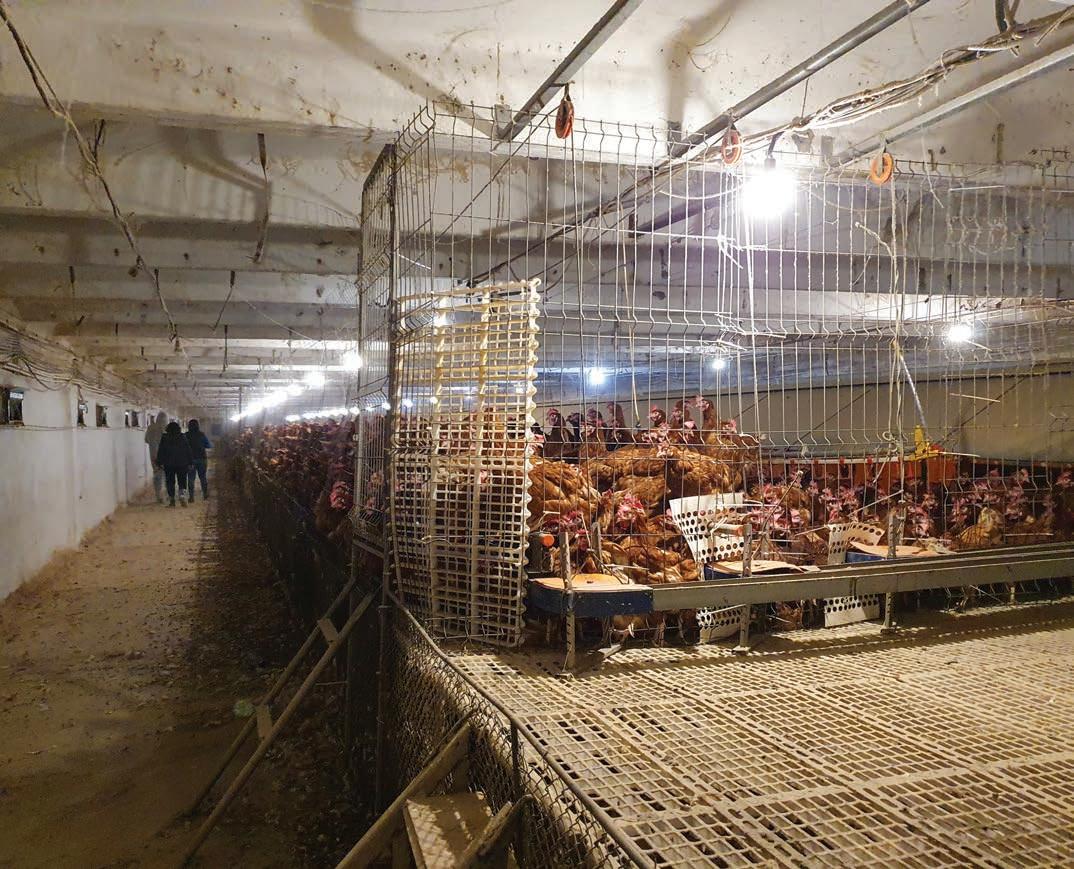
At the fourth pilot site, a poultry farm in Romania, technologies are being trialed to reduce emissions from poultry manure through gas-based nutrient recovery.
At the fourth pilot site, a poultry farm in Romania, technologies are being trialed to reduce emissions from poultry manure through gas-based nutrient recovery.
SEPTEMBER 21-25, 2026
PITS, PONDS & PUMPS WEEK
Storing manure – and what you do with it while it’s being stored – is one of the most important investments for on-farm manure management. This educational theme week will bring you high-quality content on how to optimize all aspects of your storage, including transfers, agitation or aeration. Content includes the latest research, innovation highlights and more.
STRENGTHENING COLLABORATIVE FRAMEWORKS
As stated by the consortium in May, “as the ManuREfinery project enters a more mature stage, operations are shifting from early design to field execution.”
Beyond sharing technology milestones at this meeting, consortium members therefore worked together on synchronization of data models and deployment roadmaps for upcoming field implementations.
These collaborations ensure that the technology at the pilot sites can seamlessly scale while meeting the notoriously stringent European safety standards.
Let’s look at an example of moving to field implementation –one that uses nutrients from manure in a more unexpected way than one might traditionally think up:
“The idea centers around grass as one of the key streams in farms,” explains Pieter Naert, general manager at Hydrohm in Belgium.
Just as manure can be separated into solids and liquids to reap the most benefits, so too can the grass. Naert goes on to explain: “The ammonia recovered from manure is used as fertilizer for grassland. The grass is separated into solids for protein production towards feed, and the grass juice is fermented in a two-step process to caproic acid, a feed additive.”
Hydrohm is working on the design and construction of the pilot system for the extraction and purification of this acid.
“We use a three-step approach with three consecutive extractions to end up with a purified caproic acid oil above 900 g/L, while starting from a very dilute fermentation effluent (up to 3 g/L),” says Naert.
“We have worked closely with Ghent University to develop the process at lab scale and to determine the parameters to design the pilot system. We are currently finalizing the design and plan to test it over summer, to install it in September.”
So far, there has been very limited lab testing on fermented juice because it has not been available in sufficient quantity and quality.
“Hence,” says Naert, “the most exciting and most challenging thing will be to run the pilot for a longer period of time on the real fermentor stream, and seeing the acid being produced.”
OVERCOMING CHALLENGES
As with any ground-breaking and large demonstration project, not everything has been smooth sailing so far – and there will still be some challenges on the horizon.
Specifically, much work still lies ahead to be able to transition ManuREfinery systems from design and prototype to real-world conditions.
“Challenges include delays in the delivery of some critical components (e.g. reactor materials and centrifuges), affecting installation timelines,” Tsinou reports.
“There have also been challenges relating to the complexity of integrating multiple technologies (biological, thermochemical and digital) into a single, fully operational system.”
Issues have also cropped up related to adapting some processes to real-world operating conditions. For example, optimising feedstocks or redesigning process steps to ensure feasibility at pilot scale.
SEPARATE BETTER
However, Tsinou says “despite these challenges, mitigation measures have been implemented, and no major impact on the overall project objectives is expected.”
LOOKING FORWARD
By the end of year, the project aims to:
• Complete the installation and commissioning of all pilot plants across the demonstration sites.
• Continue a joint video campaign with sister project Rural BioReFarmeries.
• Create a training lab for several stakeholders such as farmers and industry.
• Begin integrated operation of the valorisation lines under real farm conditions.
• Start generating experimental data to validate the technologies and the digital twin.
• Demonstrate the production of key outputs, including recovered nutrients, bio-based fertilisers, and protein-rich bioingredients.
Look for an update on ManuREfinery in a future issue of Manure Manager in 2027.
Disclaimer: While ManuREfinery is funded by the European Union, views and opinions expressed in this article do not necessarily reflect those of the European Union or Circular Bio-based Europe Joint Undertaking (CBE JU). Neither the European Union nor the CBE JU can be held responsible for them. •
MANUREFINERY TECHNOLOGY PARTNERS
SPAIN: The Institute of Technology of Aragon (project leader), Guascor Energy R&D, Agrovallfarm, Fertinagro Biotech, Universidad De Valladolid, Universidad De Zaragoza, Compras Agropecuarias, Syspro Automation
FRANCE: Union Europeenne Du Commerce Du Betail Et De La Viande
ITALY: Enco, University of Florence
GREECE: Technologies Vio - Energeias Idiotiki
NETHERLANDS: Colsen, Adviesburo Voor Milieutechniek
CZECHIA: Bioeast Hub
ROMANIA: Institutul National De Cercetari Economice, Denver Com, Interprod Invest
IRELAND: Celignis
SLOVENIA: Agricultural Institute of Slovenia
SAFETY MATTERS
WALTER GROSS
What you can’t see
I was on a large factory tour on a sunny afternoon. A group of us were strolling along the aisle we came upon sunlight beaming through a window. The light was filled with small dust particles. Most of us walked through the light and the dust but one person walked completely around the light so she would not breathe in the dust particles. She could not see the dust in the air where there was no light and so presumably, assumed it was not there. Hydrogen sulfide (H2S) manure gas is like that; you can’t see it, but it could be there.
I am not going to write about the science of H2S. Loyal readers of this magazine know it is colorless, heavier than air, and odorless around 100 PPM because it deadens your sense of smell (at .3 PPM it smells like rotten eggs).
Instead, let’s talk about how not to get into these situations. If you enter a confined space (i.e. manure spreader, partially closed areas not designed for human occupancy, areas with restricted entry or exits, etc.) and die of H2S poisoning, then that could be considered an accident.
But, if you did not follow proper procedure, then your death was preventable. If you are working for someone on a farm or as part of a business, you are likely covered by a workers’ compensation program.
Most of these programs state that proper confined space entry procedure which often includes filling out six pages of information and testing the environment before you can enter. Proper procedure would also dictate
SEE YOU TONIGHT
How many times do you hear or say “see you tonight” or “have a good day, see you at supper” to a family member or loved one on their way out the door in the morning without giving it a second thought? It's a nice thing to say, but for most of us, we think their return is a given.
For the families of the six farm workers who lost their lives in a confined space in Colorado in the summer of 2025, that was not the case.
Those six workers, including one teenager, did not make it home for supper.
The most common place for these (H 2S) manure gas accidents to occur is a small 10’ x 10’ x 10’ reception pit below ground. This is where all the pipes are to distribute the manure from the barn to the pits. These pipes are joined with rubber hoses, clamps and fittings. While it seems like a large open space, with nothing to worry about, as soon as you disconnect a fitting to do the repair. The heavier-than-air H 2S will fill the small area and kill all those inside almost instantly.
Simply trying to move the air through this space might not be helpful either. You need to wear a fresh air supply and be attached to a lifeline.
It’s also good to know that testing for oxygen in this situation may also not be as helpful as you might think. Even when the H2S levels are very high, oxygen can still register at a safe 20.9.
While most common, confined spaces aren’t the only concern for H2S.
"While most common, confined spaces aren't the only concern."
that you have a helper attached to a lifeline in case something goes wrong and that you wear a positive-pressure, self-contained breathing apparatus (SCBA).
These rules not only help the person entering the tank but also the person who inevitably goes in to save that person should an issue arise.
We often find multiple fatalities when H2S “accidents” occur. It seems we just can’t stop ourselves from saving someone in trouble and a lifeline in hand or a fresh air supply line can mean the difference between celebrating a living hero and mourning a fallen one.
For example, a farmer walking past a manure pit in Wisconsin was killed by H2S while the agitator was mixing the tank. This farmer never made it home for supper.
It is important to note here that more H2S is created when you bed with calcium sulfate dihydrate (gypsum) which was the case in this farm. Regardless, never mix manure on a lowpressure day in a slatted floor barn as the H2S will stay close to the floor in higher concentrations.
Instead, mix on a high-pressure day when the wind is up and can incorporate more fresh air.
I had a customer for years doing pig chores every day, pulling the plugs in the barn to drain the manure from the pit.
Then one day, the wind was wrong. He pulled
the plug, and the H2S was over 500 PPM – he died instantly. His son never saw his father that night.
TRAIN AND RETRAIN – OR MAKE THE PHONE CALL
As an employer, you don’t want to make that phone call. You don't want to tell a spouse or a parent that their loved one won’t be home for supper.
It's better – it's mandatory – to be proactive rather than reactive. That's why you need to train all your employees, you need to remind them at safety meetings, and you need to retrain regularly – and record it. You can write the best procedure manual on confined space entry, and you can have all the equipment to test before entry, but if you don’t tell the employees about all the potential dangers and actually train them and record it, then what have you done.
More than anything, reminding everyone regularly is the best way to make sure everyone understands the safety procedures. As an employee it is your job to follow the procedures and wear your PPE and fresh air supply when entering a confined space with potential for toxic gases.
You are paid to follow the procedures. If there are no procedures to follow then ask for some, it is your right.
You do not want your boss to call your spouse to say you won’t be home.
FORTY-FOUR YEARS AND EIGHT DAYS
I remember being woken up with a phone call at 6:00 AM on a Wednesday morning.
It was the wife of one of my best employees. She stated with tears in her voice that her husband died last night of a massive brain embolism and he would not be into work today.
He had come home from work the evening before. He was sitting at the kitchen table saying he was not feeling well. When she turned around to bring him the cup of tea she had made, he had already passed away.
Forty-four years and eight days, I’d worked with him. He was irreplaceable.
The next part was harder yet. When I got to work, it was my job to call all 35 shop and office employees together to share about his sudden passing.
We have never had to do this in 65 years in business. I explained as well as I could what happened. We were all in shock – he was just there at 5:00 PM the night before. Thankfully, he passed quickly and painlessly.
But the feeling of losing someone close really hurts.
Death by manure gas H2S may instant and painless – one breath and you are gone – but it is never quick and it is especially never painless for your loved ones.
You are loved and you are needed; you are irreplaceable. We don’t want to make that phone call, it really hurts.
Have procedures, train and retrain, record it and follow them
We want you home for supper.
Walter Gross is the retired owner of Husky Farm Equipment Limited, secretary for Wellington County Farm Safety, and an active proponent for farm safety.
North American Manure Expo 28/29/30 July, Booth #215
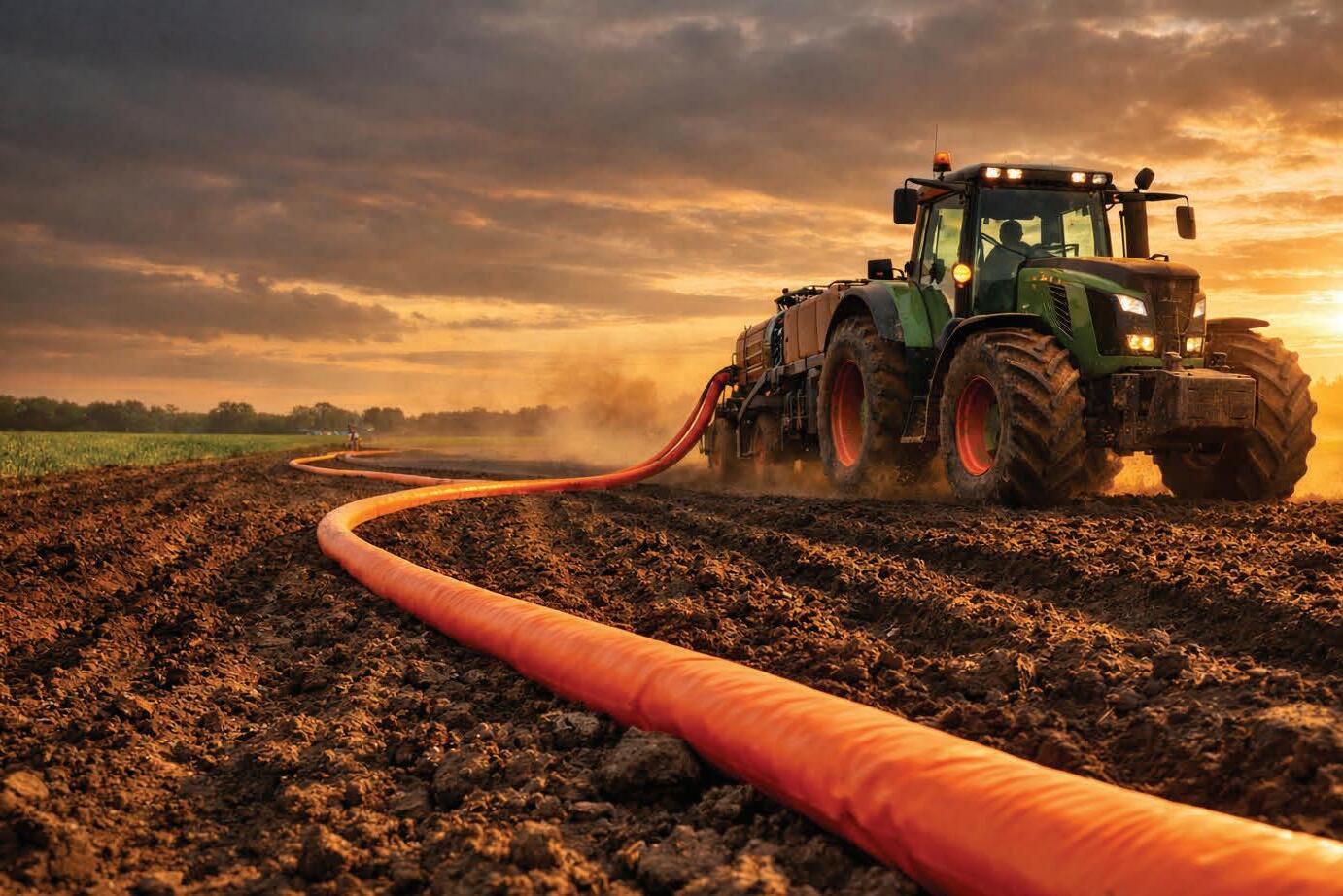
20 X 6” Hose Capacity. Lead & trailed units can be operated in unison or independently.
TPH COILER
• Available in 30’ and 40’
• Full galvanized frame
• WER Distributer
• Rear hitch (max towing 5000 lbs)
• Available in 30’/40’/60’
• Full galvanized frame
• WER Distributer
• C/W ball blow-out
• Rear hitch (max towing 5000 lbs)
Use as a stand alone unit, or as an addition to a developing drag line system. (3 models
20 HOSE COILER SYSTEM
HOSE MOVER
The telescopic hyd width adjustment provides a large surface radius when moving hose.
INLINE CHOPPER
Improve productivity by reducing blockages in the drag line system and reduce pump repairs.
DISTRIBUTOR
The high grade chopping system, and auto-reverse function, ensure an obstruction free distribution.
SPREAD BOOM
Maximize Efficiency with better spread. Heavy duty construction & galvanized frame.
Christine Brown | OMAFA
More than NPK
“A radical new way of thinking about soil has partially solved the mystery of why adding manure improves crop yields and gives flood and drought resilience.” – Dr Andy Neal, Rothamsted Research
Why do forests thrive without fertilizer? Why do roadside ditches grow lush vegetation without a single pound of applied nitrogen?
For decades farmers and agronomists have focused on macronutrients—nitrogen, phosphorus, potassium – as primary drivers of crop productivity. Increasingly, research suggests the answer to soil health may lie in something less obvious, yet far more foundational: carbon – and how soil microbes use it.
CARBON’S INFLUENCE
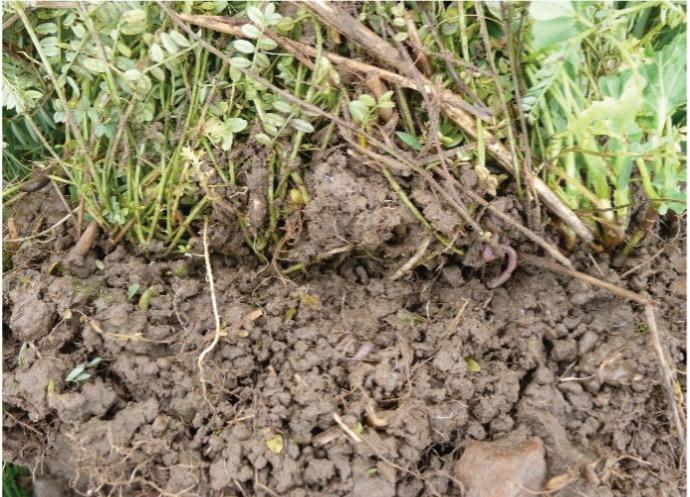
Recent X-ray imaging research that integrate soil chemistry, physics, and microbiology revealed a more porous and interconnected structure in carbon-rich soils that improved the movement of water, air, and nutrients. These characteristics were more evident in long-term grassland soils compared to cropped soils.
The carbon-to-nitrogen (C:N) ratio reflects how soil microbes use nitrogen to decompose carbon. In “healthy” soils with abundant carbon, relatively low nitrogen availability can limit carbon breakdown. Instead, microbes transform carbon and release part of it as sticky extracellular polymeric substances (EPS). These compounds act as a “biological glue”, binding soil particles into stable aggregates. Over time, this process creates the interconnected pore networks that define healthy soil structure.
Conversely, in cropping systems with abundant nitrogen, microbes tend to consume more carbon for energy rather than converting it into stable
byproducts like EPS. This reduces the formation of biological “glue,” gradually depleting soil carbon and weakening soil structure. As soils become denser and less aerated, microbial processes shift, increasing reliance on nitrogen and sulphur for energy and raising the risk of nutrient losses and greenhouse gas emissions. Long-term, soils receiving only inorganic fertilizers develop fundamentally different microbial processes compared to soils that regularly receive carbon-rich organic inputs like manure.
WHY MANURE MATTERS
Livestock-based farms with diverse forage rotations and regular manure applications tend to demonstrate improved soil resilience for drought, better water infiltration, and more active, and robust soil biology. Manure is a source of nutrients, but also an important source of carbon.
The quantity and quality of carbon in manure varies depending on manure type, animal diet, bedding, storage, and treatment. Liquid manures generally contain less total carbon and a higher proportion of readily degradable (labile) carbon, while solid manures or those containing bedding contribute more total and stable carbon. These differences influence how effectively manure contributes to soil organic matter and structure.
LIQUID MANURE VS. DIGESTATE
Liquid dairy manure (raw slurry), for example, can provide a more functional carbon source than the same manure after anaerobic digestion. Raw slurry contains a higher proportion of biologically active carbon, including partially digested plant fibres (cellulose, hemicellulose etc.). These materials stimulate microbial activity and promote
RIGHT
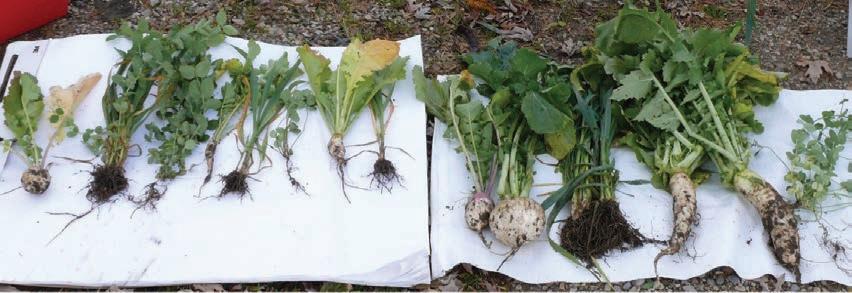
Cover crop biomass with (right) and without digestate.
A well-structured soil rich in carbon will cycle air, water, and nutrients effectively.
the production of EPS—the “biological glue” critical for soil aggregation.
In contrast, anaerobic digestate has already undergone microbial processing. The most energy-rich carbon has been converted into biogas, leaving behind a more processed material. This remaining carbon behaves more like spent fuel, contributing less to microbial activity and producing less “biological glue”, resulting in a reduced impact on soil structure formation.
MANURE SYNERGY
While not all manures contribute equally to soil structure, their benefits become evident when paired with living plants. With application of diluted manures or digestate, the supplied nitrogen can stimulate cover crop growth, increasing biomass production (see lead image). That biomass—both above and below ground—returns carbon to the soil, supporting microbial activity, aggregate formation, and long-term soil health. In this way, manure becomes an indirect driver of soil carbon accumulation, even when its own carbon contribution is limited.
While not every farm can integrate livestock or perennial forages, the underlying principles still apply: improving soil structure and function is a gradual process that depends on consistent carbon inputs combined with thoughtful management.
Options for non-livestock systems include:
• Diversifying crop rotations to include cover crops and continuous living cover
• Minimizing soil disturbance and retaining crop residues
• Avoiding traffic on wet soils to limit compaction
• Using alternative organic amendments where livestock manure is not available
There is no quick fix for rebuilding soil structure. Meaningful change takes years, but the direction is clear. At the heart of soil health is carbon… and the biology that it supports. •
For more info visit huskyfarm.ca or call 1-800-349-1122 Trailing shoe booms from 6m to 30m in width. BlackBird trailing shoe booms in stock Summer 2024. Various incorporation options available. Contact us for more info on tank sizing options.
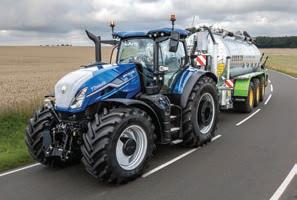
T7 XD showcases top power
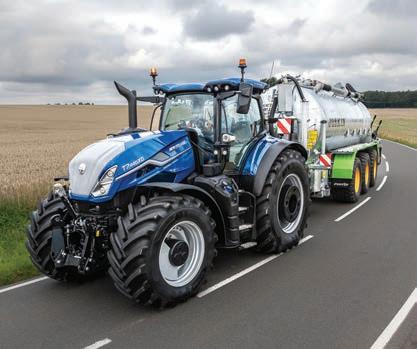
The T7 XD will officially become New Holland’s most powerful T7 Series tractor yet.
With up to 435 horsepower, the T7 XD is available in the T7.360 XD, T7.390 XD and T7.440 XD. Horsepower, hydraulic capacity and PTO performance are designed to handle a wide range of task including high payload haulage and silage work. It is driven by an 8.7-liter, six-cylinder FPT Cursor 9 engine, which delivers maximum power across a broad RPM range, with peak torque arriving at 1,400 PM.
It also features an upgraded Auto Command 4X2 CTV transmission for smooth and responsive power, electronically managing engine speed to reduce fuel consumption. At idle, the engine drops to 650 RPM for enhanced fuel efficiency.
The tractor model also features a newly engineered rear three-point linkage for increased lifting capacity.
The model still contains compact dimension, along with a new Terraglide independent front axle suspension.
BouMatic introduces new platform, major Gemini upgrade
Dairy automation specialist BouMatic has unveiled its new Apollo farm management platform, as well as a major upgrade to its Gemini milking robot.
Developed from sister company Hokofarm, Apollo addresses common industry challenges such as unreliable communication, complex wiring and limited data access, with an aim at boosting efficiency, reducing labor and supporting sustainable operations. It’s compatible with the latest Microsoft OS and its database runs on a dedicated Apollo controller, which eliminates the stress of disconnected or outdated parlor software. A mobile compatible dashboard, delivers alerts, statistics and system-wide overviews wherever dairy producers are.
Its milking control tools incorporate BouMatic’s established SmartControl milk metering system, and its SmartLite operator button for instant visual feedback via integrated multicolor LEDs. It’s also made a major upgrade to its Gemini UP Milking Robot including automated detection of metabolic disorders and advanced data analysis for indications of mastitis.
MANURE MINUTE
CHRYSEIS MODDERMAN | University of Minnesota Extension
Understanding your nutrient analysis report
You did the work of taking a good, representative manure sample, sent it off to a reputable nutrient testing lab, and the lab sent you a results report. Great! But how do you interpret the results and use them for accurate manure application? Let’s first walk through the common tests, and then look at how to use them for application.
Moisture and dry matter are pretty selfexplanatory. It’s just the measure of how wet or dry the manure is. It’s reported as percent and the two values (percent moisture and percent dry matter) should add up to 100 percent.
Nitrogen usually takes up a hefty portion of the report because there are many forms that are relevant for plant growth. Total nitrogen is all of the nitrogen forms combined. Ammonium nitrogen is the fraction of nitrogen that is immediately plant available; and organic nitrogen, which is sometimes called “slow release N”, is the fraction that will need to be mineralized before a plant can use it.
Phosphorus might be reported as P2O5 or simply P. Even though P2O5 is not a P form used by plants, it is the preferred form for calculating application rates since it is what’s used in fertilizer recommendations. If your lab reported phosphorus as just “P”, you’ll need to multiply by 2.29 to convert P to P2O5
Potassium may be reported as K2O or K. Similar
in an area with sodic (high sodium) soils, adding manure with high sodium can make the problem worse.
Soluble salts is reported as EC, which stands for electrical conductivity. Much like sodium, manure with high salts can damage crops and make saline soils worse.
pH is the measure of how acidic or alkaline the manure is. The scale ranges from 0 to 14 with 7 as neutral. Over 7 is alkaline, and below 7 is acidic.
USING YOUR MANURE TEST
The most obvious use of your manure test is to calculate application rates. Of course, to do this, you also need to have a recent soil test to know what nutrients already exist in your soil. If your manure test shows a high P content and your soil is already at a high P level, consider applying at a rate that meets the P needs of the crop. This will likely under-apply N, but it will avoid P buildup which can lead to runoff and pollution.
"It's recommended to test manure for moisture, total N, P and K."
to phosphorus, though plants don’t use K2O, it is the preferred form for reporting since it lines up with fertilizer recommendations. If potassium is reported as just “K”, convert to K2O by multiplying by 1.2.
While N, P, and K usually get all the attention, other nutrients may be important to test for if you are concerned that your soil has a nutrient deficiency for the planned crop.
Sodium, while not an essential nutrient for plant growth, may be a good test to include as very high sodium levels can damage plants. If you live
Besides application rates, there are other nuances that your manure test results can help with. For example, potatoes tend to be fond of slightly acidic soil. If you’re applying a very alkaline manure to alkaline soil, it might not be the best growth environment for your potatoes. Similarly, sodic and saline conditions are not conducive for the growth of many plants. So, if you have a saline soil, and your manure also has a high EC, you might want to choose to plant a crop with high salt tolerance such as barley.
There are many tests out there for manure, and what’s available may vary based on your location. Which tests you choose to order and how you use them are up to you; and in the end, it comes down to what is important for your situation. If you’re trying to save some money, you certainly don’t have to order all the tests described here. It’s generally recommended that manure, at a minimum, be tested for moisture, total nitrogen, phosphorus, and potassium. •
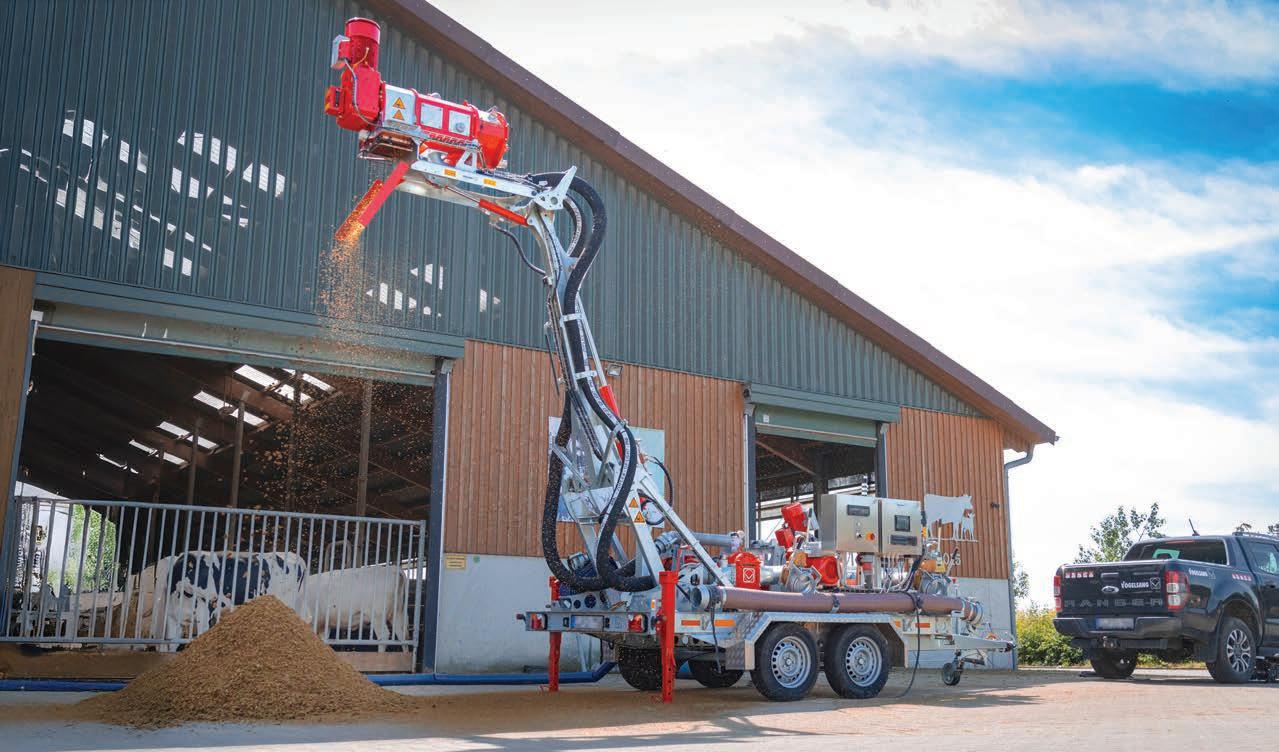
Turn Manure into Value with GEA XPressTM.
A simple, low-energy solution that converts manure into consistent bedding, helping improve cow comfort, maintain herd health, and optimize operating costs.
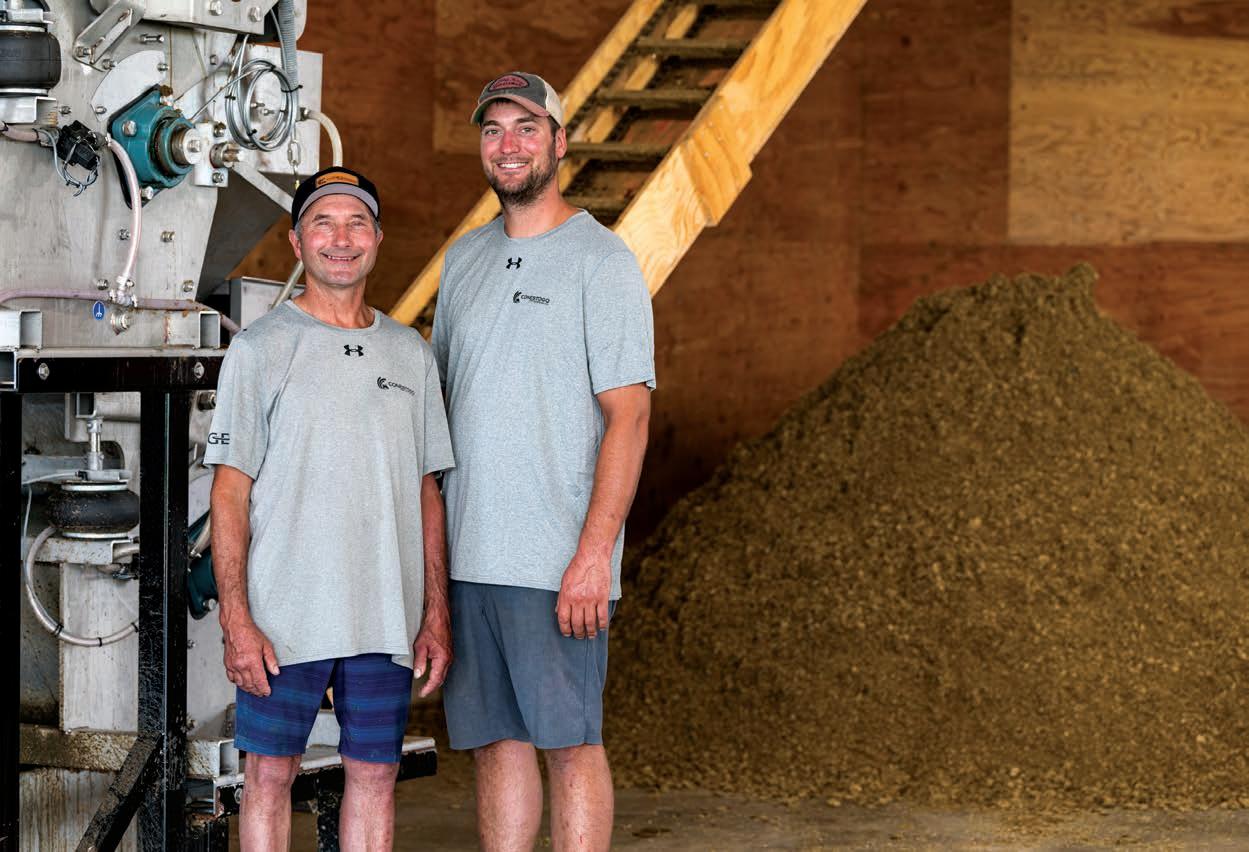
‘‘Now that we run the manure fiber press system, we’re maybe spending 25–30 dollars a week on hydro to make our own bedding. Our cows are healthier, cleaner — and we haven’t treated any for mastitis this summer.’’