
Aquafeed recipe book











Ruby Gonzalez
Vladislav Vorotnikov
Treena Hein

From the Editor
From the Editor
BY JEAN KO DIN
BY JEAN KO DIN
Exploring new fields
According to the United Nations’ Food and Agriculture Organisation, there are more than 700 aquatic species that are being farmed and cultured all aroudn the world. About 360 are finfish, about 110 are molluscs, about 63 are crustaceans, more than 30 are algae and aquatic plants, and there are some small numbers of frogs, aquatic turtles, and marine invertebrates.
Needless to say, there are so many unexplored areas that these pages and this media publication has yet to explore. Now, I’m not saying that we’ll ever venture into the world of frogs and turtles. We’ll definitely start with the big species groups first. But, this is to say that perhaps exploration into these different pockets of the fisheries and aquaculture sectors might be a good idea.
an entire virtual event program, you ask? Well, it turns out, that the zebrafish culture community are discussing a lot of topics and technologies that our Hatchery International community is already well-versed at. There are a lot of synergies that I think our wider hatchery community can share in!
We’ve identified three exploratory areas to start this conversation for this upcoming virtual event:
VOLUME 27, ISSUE 5 | SEPTEMBER/OCTOBER 2026
Reader Service
Print and digital subscription inquiries or changes, please contact customer service
Angelita Potal
Tel: (416) 510-5113
Fax: (416) 510-6875
Email: apotal@annexbusinessmedia.com
Mail: 111 Gordon Baker Rd., Suite 400, Toronto, ON M2H 3R1
Editor Jean Ko Din jkodin@annexbusinessmedia.com
Associate Editor Seyitan Moritiwon smoritiwon@annexbusinessmedia.com
Contributors Kayla Fairfield, Ruby Gonzalez, Treena Hein, Nicole Kirchhoff, Magida Tabbara-Corby, Vladislav Vorotnikov
Associate Publisher Jeremy Thain jthain@annexbusinessmedia.com +1-250-474-3982
Did you know zebrafish share almost 70 per cent
its
of
genes with
humans? This makes it a “supermodel” animal for medical research.
Hatchery International, along with its sister publications Aquaculture North America and RAStech Magazine, have occassionally spotlighted different species groups through our email newsletters and in our webinars. Just this year, we’ve given special features to shrimp, crusteaceans, shellfish, seaweed and kelp, tilapia, and now, zebrafish, too!
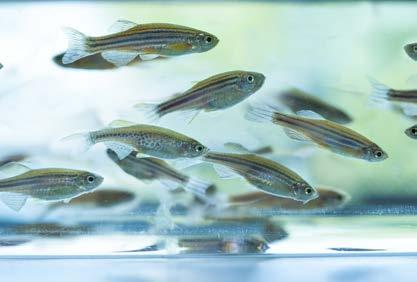
Did you know that zebrafish shares almost 70 per cent of its genes with humans? The common genes we share with this fish species are closely associated with human diseases and makes this “supermodel” animal a highly accurate biological stand-in for testing new drugs and gene therapies. Introducing our Zebrafish Husbandry Summit on Oct. 15. This virtual event is a unique project that our team has taken on this year that is a little more outside our usual scope. Because of this, we’ve enlisted the help of our friends at the Zebrafish Husbandry Association to explore what culturists of this fish species are curious about. Why did we pick this species to dedicate
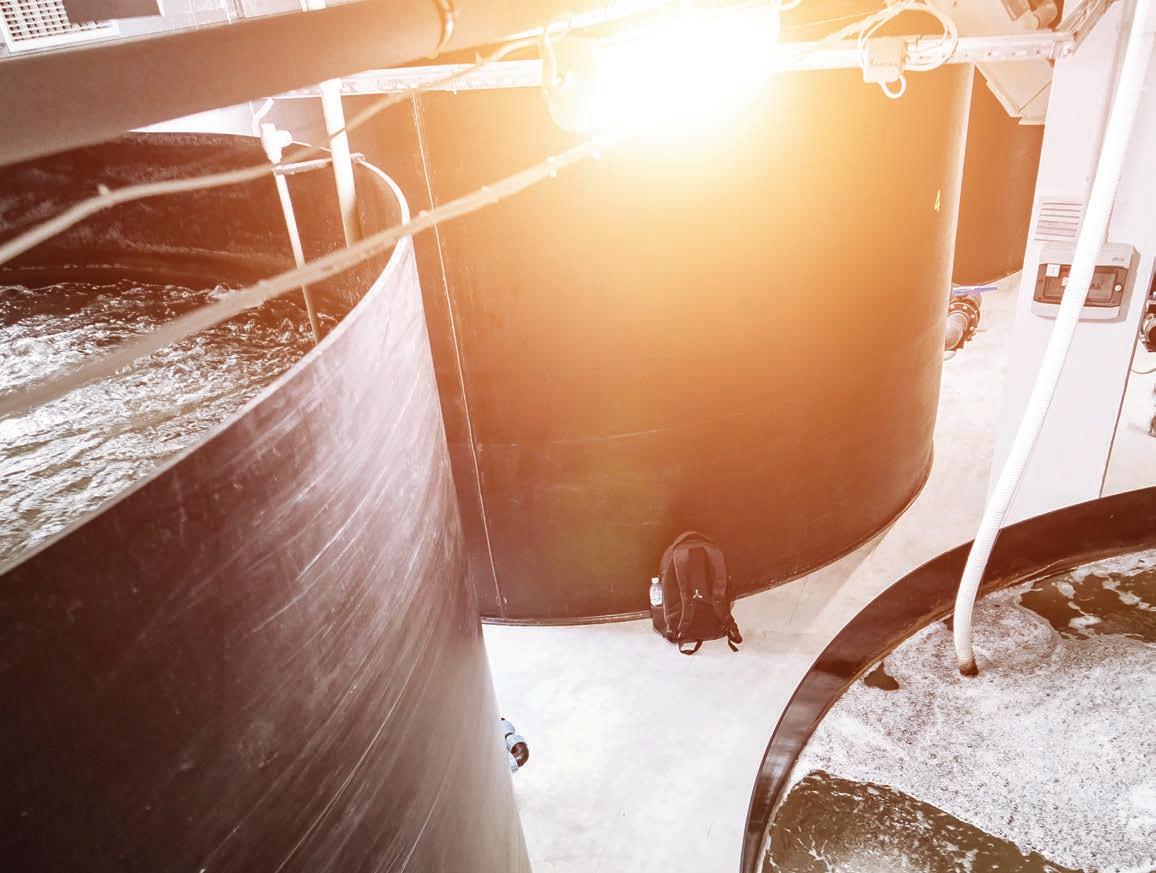
The first session explores recirculating aquaculture systems (RAS) technology and how labs are using it to grow zebrafish. These animals require a clean water environment that maintains a steady 28.5 C for optimal growth, embryonic staging, and breeding. It also likes to keep a strict 14-hour light and 10-hour dark cycle using automated timers. Like many of the fish and aquatic species we cover in these pages, the careful control of the RAS environment ensures optimal fish health.
The second session explores feed and nutrition. This will sound familiar to our community, as well. It may not come as a surprise to many of you but zebrafish feed is not widely manufactured and so, culturists often have to customize aquafeed made for other fish species and supplement the diet to fit the animal’s own nutritional needs.
Then, there is our sector’s ongoing discussions about artificial intelligence. The third session will look to zebrafish experts on what they think are promising applications to track gene banking databases, monitoring systems and other opportunities.
As you can see, there are lots that we can learn from each other. Even if you are not growing zebrafish in your own facilities, I think it’s worth your consideration. With 700 aquatic species out there, we must focus on what we can share and what unites us.
Send me your thoughts at jkodin@annexbusinessmedia.com. | HI
Hatchery International’s Editorial Advisory Board: Laura Bailey | Ryan Couture | Maria Smedley
Sales Manager Patrick Villanueva pvillanueva@annexbusinessmedia.com +1-416-606-6964
Account Coordinator Barb Vowles bvowles@annexbusinessmedia.com
Media Designer Curtis Martin cmartin@annexbusinessmedia.com
Audience Development Manager Urszula Grzyb ugrzyb@annexbusinessmedia.com +1-416-510-5180
Group Publisher Anne Beswick abeswick@annexbusinessmedia.com +1-416-410-5248
CEO Scott Jamieson sjamieson@annexbusinessmedia.com
PUBLISHED BY ANNEX BUSINESS MEDIA 105 Donly Drive South, Simcoe, ON N3Y 4N5
Hatchery International is published five times a year by Annex Business Media. The authority for statements and claims made in Hatchery International is the responsibility of the contributors. Reference to named products or technologies does not imply endorsement by the publisher.
Subscription rates (five issues) Canada: 1 year $39.25+Tax; 2 years $67.36+Tax US: $50.92 CAD Foreign: $65.77 CAD
To subscribe visit our website at hatcheryinternational.com Printed in Canada ISSN 1922-4117
Publications Mail Agreement #PM40065710
RETURN UNDELIVERABLE CANADIAN ADDRESSES TO 111 Gordon Baker Rd., Suite 400, Toronto, ON M2H 3R1
Annex Privacy Officer
Privacy@annexbusinessmedia.com Tel: 1-800-668-2374
The contents of Hatchery International are copyright ©2026 by Annex Business Media and may not be reproduced in whole or part without written consent. Annex Business Media disclaims any warranty as to the accuracy, completeness, or currency of the contents of this publication and disclaims all liability in respect of the results of any action taken or not taken in reliance upon information in this publication.
Next Ad Deadline
The advertising deadline for the January/February issue is Nov 13. Don’t miss the opportunity to be part of this exciting aquaculture publication. For more information, or to reserve space in the next issue, call our advertising department at +1.250.474.3982 jthain@annexbusinessmedia.com.
Next Editorial Deadline
The editorial deadline for the January/February issue is Nov 18. Contact Jean Ko Din at jkodin@annexbusinessmedia.com for details. Material should be submitted electronically with prior arrangement with the editor.

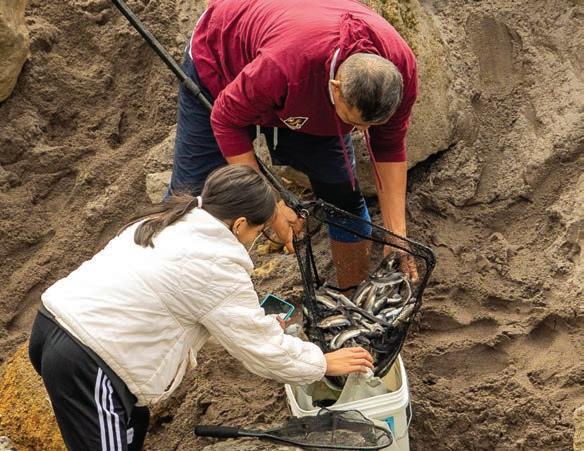
BPA cuts $2.4M from Columbia River enhancement program
The Bonneville Power Administration (BPA) is terminating its share of funding for the Select Area Fisheries Enhancement (SAFE) Program in the lower Columbia River.
BPA, a division of the U.S. Department of Energy, said it is providing a three-month notice that will create an estimated US$2.4 million gap for its SAFE program partners: Oregon Department of Fish and Wildlife (ODFW), Washington Department of Fish and Wildlife and Clatsop County.
“This decision by BPA caught us by surprise,” said ODFW director Debbir Colbert. “It puts decades of fishery reform work at risk and goes against the recommendation of the regional fish and wildlife
managers and the Northwest Power and Conservation Council to fund this work.”
State Rep. Cyrus Javadi, D-Tillamook, told Oregon Public Broadcast that pulling this funding could deepen the strain on the fishing industry at a time when many are hampered by extensive regulations, high fuel costs and more. He said the industry’s struggles could have ripple effects, increasing costs on families and businesses alike.
According to ODFW, the sudden loss of funding will significantly impact Oregon state’s commercial and recreational fisheries, including:
• Major disruptions for SAFE hatchery fish releases to provide predictable, sustainable harvest;
• Immediate operational and financial strain on state and
GO FROM MONITORING TO SMART CONTROL
Connecting sensors, systems and software for better decisions
county partners who have no viable short-term replacement for the withdrawn BPA funds;
• Risk to ongoing reforms designed to shift commercial harvest away from the mainstem and protect weak and ESA-listed stocks.
“SAFE is a cornerstone program that provides terminal, ocean, and mainstem harvest opportunities, supports living-wage jobs in coastal communities, provides forage for critically endangered southern resident killer whales, and reduces pressure on vulnerable Columbia River stocks. Pulling funding with almost no notice undermines stability for both fishery managers and commercial and recreational fishers,” said Tucker Jones, ODFW’s Ocean Salmon & Columbia River program manager.
ODFW, WDFW, and Clatsop County are jointly assessing the potential impacts.
The agencies will also be briefing state leadership, affected communities, and fishery stakeholders in the coming days. ODFW will share more information as the agency learns more.
Australian university prototypes real-time AI fish counting system
Prof. Niusha Shafiabady was the lead researcher at the Australian Catholic Universtiy conducting a project that is building a practical artificial intelligence (AI) tool that monitors fish stock, even in murky
water or changing light quality. Field trials in real fishponds showed that the system can reliably count fish and generate early alerts, giving farmers a practical tool for monitoring stock health and feeding behaviour.
The study was published on Applied Intelligence, titled “Proposed dynamic fish counting method in a multivariate environment based on YOLO model and ONNX format.”
“Aquaculture is expanding rapidly, and farmers need affordable, automated monitoring tools to reduce labour, improve welfare, and prevent losses,” said Shafiabady. “This system is designed for real-world use, not just lab performance.”
The research team tested two leading detection models (YOLO11 and YOLOv8) on 6,500 real aquaculture images and achieved extremely high accuracy, with both models reaching above 0.99 mean average precision.
By exporting the chosen model to ONNX, the team also made the system run about 25 per cent faster, while keeping accuracy almost identical, enabling deployment on low-cost edge devices used on farms.
“At scale, tools like this help stabilise food supply chains, protect livelihoods, and make high-quality protein more accessible during a time of rising global demand,” said Shafiabady.

Hatchery salmon raised in noisy environments are less likely to return: WSU study
Hatchery-raised salmon that started life in noisy environments are less likely to return for spawning, according to a new study published by Washington State University Vancouver.
The study, which was published in the North American Journal of Fisheries Management, looked at Tule Fall Chinook salmon raised at the Spring Creek National Fish Hatchery on the Lower Columbia River. The hatchery is near a train track and a state highway that researchers identified with a relatively high amount of ambient noise.
Before first feeding, juveniles were reared in two different rearing habitats (Heath trays and Redd Boxes). After feeding began, fry were transferred to enclosures with one of three noise conditions: quiet (noise was dampened with padding and other methods), ambient hatchery noise, and continuous white noise treatment (150 dB [referenced to 1 μPa]).
Each month (February to April), researchers analyzed growth metrics, brain-to-bodyweight ratios, lateral line neuromast number,

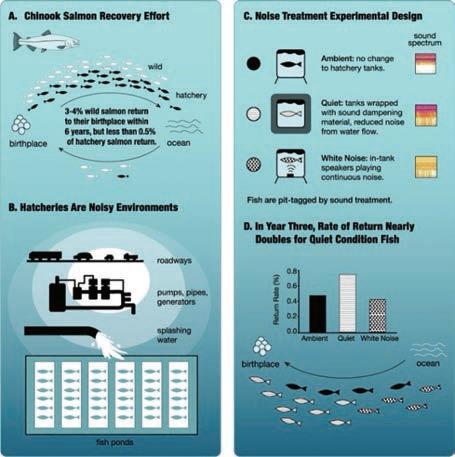
and inner ear cell counts. In April (pre-release), they also analyzed swimming performance and then tagged and released fish to quantify adult return rates.
To their surprise, noise levels were not associated with significant differences in sensory development or swimming behaviour, though
there were moderate differences in fish size. However, when they began tracking the return of adult salmon, they saw significant differences. Over the course of two years, fish raised in the quiet environment were slightly more likely to return than those raised in ambient noise, and nearly twice as likely as those reared with continuous white noise.
“That surprised me the most — when they started coming back, we saw differences in the return rates when we had seen very few differences as they were heading out to sea,” said one of the researchers, Allison Coffin.
Researchers said that more study is needed to pinpoint what causes that difference. Though the findings seem to suggest that noise-dampening techniques could improve return rates, there is a great variety among hatcheries and any such solutions would depend on each individual facility.
EU report touts algae as sustainable fish oil alternative
The European Commission’s Maritime Affairs and Fisheries recently published a report that outlines a roadmap to replacing fishmeal and fish oil with algae-based aquaculture feed.
As aquaculture production continues to expand, the report highlights the “urgent priority” or reducing the industry’s reliance on fishmeal and fish oil. The report was published as part of the EU Blue Economy Observatory initiative.
“Algal oil represents one of the most promising alternatives,” the report summarized.
“Compared to fish oil, it offers higher and more stable levels of EPA and DHA, lower contamination risks, and more predictable pricing due to controlled production systems.”
The report points to large-scale producers, like Veramaris and Corbion, who are implementing algae-based feed regimens for its operations, as well as aquafeed manufacturers, like Cargill and Biomar, that are incorporating more algal oil formulations.
The report also defines barriers to industry-wide adoption. Algal oil is still a more expensive ingredient than fish oil and supply volumes are not sufficient in meeting largescale demand.
“Targeted financial instruments can help reduce production costs through economies of scale and technological improvements, while regulatory measures, such as stricter contaminant limits in fish products, can further stimulate market uptake,” the report recommended.
New study says social interaction in fish can lead to greater trait variation
Researchers have found new evidence to show how social behaviour can affect genetic selection in farmed fish.
The study, titled “Modeling breeding programs considering social behavior in large groups of farmed fish,” was published in the Genetics Society journal, Heredity
Lead author, Gabriel Rovere, conducted the study at the Centre of Quantitative Genetics and Genomics at Aarhus University in Denmark. Rovere et al. wrote that in scenarios where animals are raised in large groups, the increased social interaction led to greater phenotypic variability in the trait of interest.
Researchers used simulated data to assess the effect of different selection methods under different social environments: competitive, neutral, or collaborative. The breeding scheme was based on a simulated a fish breeding program with 2,000 selection candidates from 1,000 families formed by a partial mating design of 100 males and 100 females.
The results showed under mass selection,
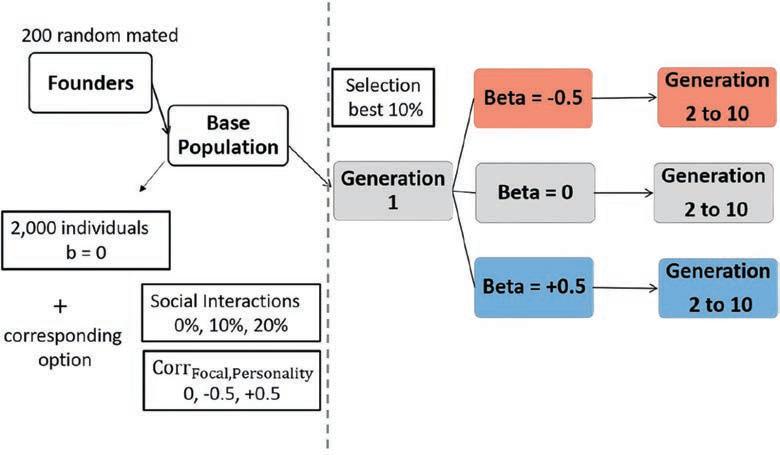
the genetic means of personality traits change, and these changes depend on the strength and direction of genetic correlations between the focal and personality traits. Group selection, by contrast, will not increase phenotypic variability, the study said, though it yields lower genetic gains for the focal trait than mass selection.
To achieve similar genetic gain under group

selection, many groups with few families are needed. Phenotypic variability of the target trait and genetic means of the personality traits remain constant under group selection. However, researchers acknowledged this strategy increases the rate of inbreeding per generation, but in a similar amount across the different group designs. | HI
Fortifying fish immunity
The search for new fish feed ingredients continues in the research space.
By Ruby Gonzalez
Strong immunity is the first line of defense against stress and diseases. Research studies cite that this may be developed in fish through diet, biotics, fish oil replacement and inactivated vaccines.
Bridging the gap
Research advancements on probiotics, prebiotics and synbiotics have been guiding fish farmers toward responsible aquaculture. And there may never be enough of these for them.
A review article cited research gaps in the biotics and understanding the role of synbiotics.
“This review highlights the gap between the knowledge of synbiotics and their practical application in aquaculture,” said author, Muyassar H. Abualreesh, in “Effects of probiotics, prebiotics, and synbiotics on immune function, disease resistance, digestive health, and stress management in fish culture”, published on Frontiers in Marine Science
Abualreesh, a professor at the King Abdulaziz University, Jeddah in Saudi Arabia, underscored the impact of synbiotics: it reduces environmental stress and promotes fish production in aquaculture.
“The use of synbiotics may reduce the application of antibiotics, thus reducing the accumulation of antibiotics or residues in fish muscle and preventing the development of drug-resistant microorganisms.
“In this context, this review would be useful for farmers to include synbiotics via feed or water to improve fish growth and minimize the environmental impact of aquaculture,” he said.
The study focused on current research advancements on the effects of probiotics, prebiotics, and synbiotics on antioxidant molecules, digestive enzymes, and stress mitigation effects in fish, shrimps and oysters.
Sending the right signals
Taurine influences innate immune responses and digestive function, and mTOR may play a role in regulating intestinal health in coho salmon.
This is the conclusion of a study in China which investigated the impact of dietary Tau on the interplay between digestive function, innate immune responses, and mTOR signaling in the small intestine of coho salmon (Oncorhynchus kisutch).
The study, “Effect of Dietary Taurine on the Innate Immune Responses, Digestive Function, and mTOR Signaling in Coho Salmon (Oncorhynchus kisutch),” was published on Aquaculture Nutrition
mTOR has a crucial role in maintaining cellular health and function under oxidative stress conditions. In layman’s terms, it is “a protein inside the cells that acts as a central command switch for growth”.
Experimental diets were formulated to evaluate the effects of graded taurine level on the animal. Taurine (Tau) at 98 per cent purity was added to the basal diet at 0, 0.2, 0.4 and 0.6 g/kg to produce four experimental diets for coho salmon, each weighing about 5.4 g.
Fish in the control group were fed twice daily with 0.6 g/kg taurine diet to apparent satiation. Fish in mTOR inhibitor treatment group were fed with mTor inhibitor diet, which contains 20 mg/kg rapamycin, and 0.6g/kg taurine.
The fish were sampled two weeks later.
All experimental diets significantly increased the activity of catalase (CAT), superoxide dismutase (SOD) and glutathione peroxidase (GSH-PX), which are three major anti-oxidant enzymes in animals.
“Among these, the diet containing 0.4 g/kg Tau resulted in the highest expression levels of CAT and GSH-PX,” they said. Additionally, diets with 0.2, 0.4, and 0.6 g/kg Tau significantly increased (p < 0.05) the expression of IL-1 gene.
“Similarly, all three Tau-supplemented diets markedly enhanced (p < 0.05) the expression of IL-6 gene. Furthermore, diets containing
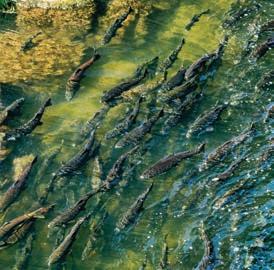
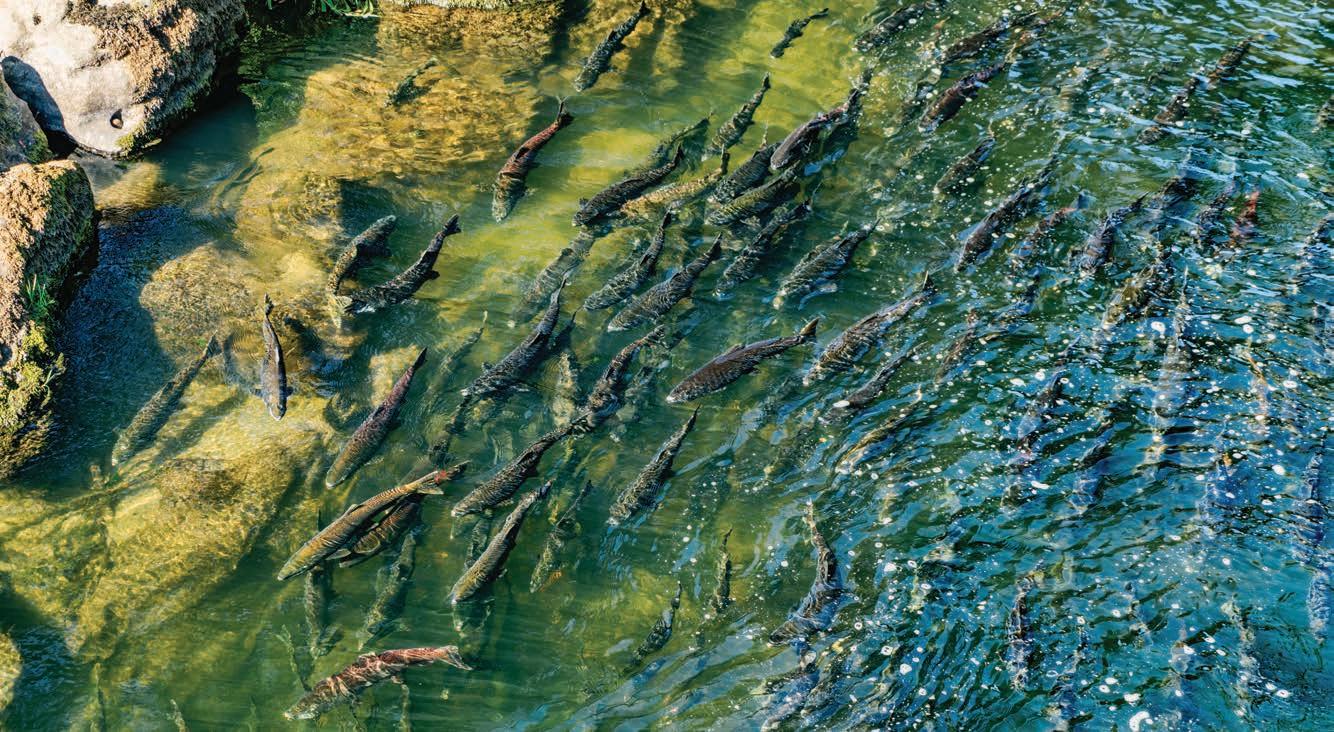
Chinook salmon return home in the Chinook River in Washington State
0.2, 0.4, and 0.6 g/kg Tau significantly induced (p < 0.05) the expression of TNFα gene. These findings suggest that Tau exerts a broad stimulatory effect on the expression of cytokines involved in inflammatory responses,” said authors, Linxuan Bian et al.
IL-1β is a potent pro-inflammatory cytokine that plays a central role in innate immunity and inflammatory disease.
IL6 encodes a pro-inflammatory cytokine that integrates immune regulation, acute phase response, and metabolic homeostasis.
Tumor necrosis factor alpha (TNF-α) plays important roles in processes such as immunomodulation, fever, inflammatory response, inhibition of tumor formation, and inhibition of viral replication.
These findings suggest that the mTOR inhibitor exerts a suppressive effect on the expression of both antioxidant enzymes and immune cytokines involved in inflammatory responses, they said.
Fish oil replacement
Higher levels of argan oil replacement for fish oil have been found to have more benefits in juvenile rainbow trout.
The study in Turkey, “Dietary argan oil for juvenile rainbow trout: growth performance, fatty acid profile, and antioxidant defense,” assessed the replacement of dietary fish oil with argan oil at inclusion levels in juvenile rainbow trout (Oncorhynchus mykiss) over an eightweek feeding period.
Control diet was at zero per cent. Experimental were at 33, 67, and 100 per cent dietary replacement of fish oil.
All dietary treatments had no significant impact on the growth parameters, feed efficiency and proximate composition in the animal.
It was observed, however, that increasing argan oil inclusion resulted in a gradual reduction of long-chain n-3 polyunsaturated fatty acids in fish.
“The overall results suggest that argan oil can totally replace fish oil in the rainbow trout diet without compromising growth and feed utilization. It is noteworthy that the sustained growth and feed utilization at total replacement may be attributed to residual dietary n-3 LC-PUFAs provided by fishmeal and the relatively limited trial period.
“Therefore, to ensure sustainability over long-term feeding practices, partial replacement at 67 per cent is suggested, as this level enables fish to maintain comparable n-3 LC-PUFAs retention, optimal growth and feed utilization, and enhanced oxidative defense,” said authors, Chamae Said et al.
Virgin argan oil contains a higher total antioxidant capacity in comparison to other vegetable oils.
The study, published on Aquaculture International, focused on the potential of argan oil as partial fish oil substitute not only for its medicinal value but also for sustainability and environmental factors. The highly resilient plant can be grown in arid and semi-arid conditions and has been used in efforts against desertification.
Per the authors, the study is a first on evaluating in juvenile rainbow trout the effects of dietary argan oil on hepatic oxidative stress responses.
Fight against TiLV
Inactivated whole-virus vaccine is capable of stimulating coordinated humoral and cellular responses against TiLV, based on the results of a study in India.
It assessed the protective efficacy of a cell culture-derived, formalin-inactivated whole virus vaccine for the Nile tilapia (Oreochromis niloticus) administered via injection or immersion.
In the study, titled “Evaluation of systemic and mucosal immune responses in Nile tilapia following intraperitoneal and immersion vaccination with inactivated tilapia lake virus (TiLV) vaccine,” mortality data was collected up to 28 days post-challenge (dpc).
Forty-nine out of 60 fish died in the control group. The highest mortality was observed at 10 dpc.
No mortality was observed in the vaccinated group. Noted though were mild symptoms such as reduced feed intake, lethargy and redness in 17 of the 60 vaccinated fish, accounting for 28 per cent.
“The Kaplan–Meier analysis was performed and the survival curves were prepared for both the injection and immersion groups. The relative percent survival (RPS) was 100 per cent following injection vaccination and 83.88 per cemt after immersion vaccination, demonstrating that both routes conferred substantial protective efficacy post-virus challenge,” said authors, Swatiprava Padhiary et al. TiLV continues to be a major threat in the global tilapia industry. It could lead to as much as 90 per cent mortality rate, affecting fry, juvenile and adult. Disease prevention protocols include biosecurity, water quality management and early disease detection.
“However, these measures alone are not sufficient to control viral diseases. In this scenario, vaccination is widely recognized as a reliable and sustainable approach for long-term disease management in aquaculture. Inactivated vaccinations constitute the majority of commercially available viral vaccines in aquaculture,” the authors emphasized.
Inactivated vaccines, they said, are generally preferred for their stability, safety, ease of preparation and commercial viability.
The study was published on Nature | HI




Recirc in Action
BY KAYLA FAIRFIELD, FRESHWATER INSTITUTE
Breathing room
Kayla Fairfield is a member of the Fish Production team at the Freshwater Institute, where she supports industry-driven aquaculture research. Kayla has over 12 years of experience working with finfish and shellfish, specializing in restoration, research, and food production. (kfairfield@conservationfund.org)
Understanding dissolved oxygen requirements for coho salmon in partial reuse
Although market interest in coho salmon ( Oncorhynchus kisutch ) is growing, production in recirculating aquaculture systems (RAS) remains limited. Optimizing the culture of any species requires an in-depth understanding of species-specific biological parameters, including oxygen consumption and metabolism.
These parameters are vital for water reuse systems, where precise oxygen mass balances inform aeration and gas exchange system design, to ensure fish welfare and optimal growth. This study aims to address this knowledge gap by investigating the dissolved oxygen dynamics of coho salmon under feeding and fasting conditions in a partial reuse system.
Methods
The study was conducted in a partial reuse system featuring an 18 m³ dual-drain tank. Water recirculated through a side drain pump to a gas-management tower containing a CO2 stripping column over a low head oxygenator (LHO). The system flushing rate was 85 lpm (22.5 gpm), set by a control valve on the make-up water line, which provided fresh spring water to the system to replace losses and maintain water quality. Spring water was oxygenated in a separate LHO prior to addition to the partial reuse system.
Makeup water flow was measured using an ultrasonic flowmeter on the makeup water line, as shown in Figure 1. Measurements were collected for 90 minutes immediately before the start of the test. After the makeup water flow data was collected, the flowmeter was placed on the line from the water reuse pump to the top of the gas management tower for continuous measurements during the test.
The dissolved oxygen (DO) concentration for the incoming water was monitored by two DO probes placed inside the tank inlet manifold immediately after the LHO and in a 0.5 m³ tank, which received water from the make-up water line. The two probes for monitoring the outgoing water concentrations were placed in the tank side box and inside
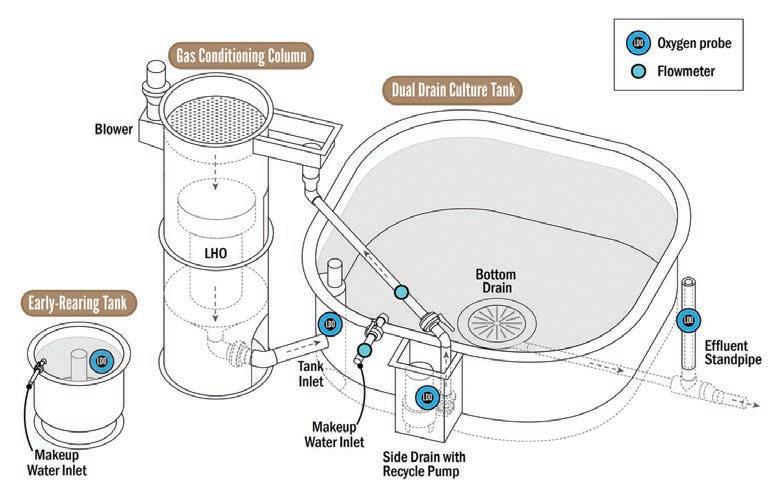
of the external standpipe from the center drain where water left the system. Dissolved oxygen measurements from each probe were recorded every 60 seconds by a water quality monitoring system.
Coho salmon were fed every 30 minutes for the first 24-hour period by an automatic feeder. Feed was weighed before being added to the feeder and weighed again at the end of the period to determine total feed added to the system. During the second 24-hour period, the coho salmon were not fed. The 24-hour tests were conducted on consecutive days, with an hour gap between the collection periods to prepare for the next test.
After the final sampling period, weight and length data were collected to calculate the total biomass.
Results and discussion
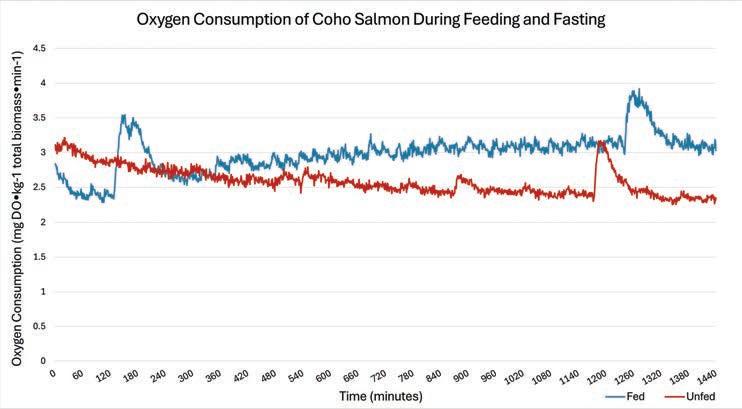
The coho salmon were 1.1 kg, on average, resulting in a total biomass of 942 kg, and a feed rate of 0.77% body weight per day. The oxygen consumption rate during the feeding period was calculated to be 178.8 mg DO kg-1 of biomass hour-1. The fed treatment also
resulted in 0.557 kg DO consumed kg -1 of feed delivered.
This oxygen demand reflects the metabolic activity of feed capture, digestion, and normal behavioral activity. In contrast, the DO consumption during the fasting period was 155.3 mg DO kg-1 of biomass hour-1, indicating the oxygen demand to maintain an active postprandial metabolic rate, where the fish is actively swimming and digesting food. The difference in oxygen consumption between the fed and unfed trials demonstrates the effect of feeding on oxygen demand within the system.
Previous research on salmonids provides useful context for interpreting the oxygen consumption values observed in this study. Oxygen consumption varies with temperature, swimming activity, and time since feeding, but the coho salmon in this study showed oxygen demand slightly above other cited values for salmonids, suggesting that coho may exhibit comparatively higher oxygen demand under the tested conditions and that these values provide a conservative benchmark for partial reuse system design. Continuous DO monitoring at the two
Figure 1. Dissolved oxygen probe and flowmeter placement on partial reuse system.
water flow inputs and two water flow outputs confirmed that even under the activity and metabolic demand of the feeding trial, the dissolved oxygen in the system remained greater than 80% oxygen saturation. The difference between the feeding and fasting trials highlights the impact of feeding behavior and metabolism on oxygen consumption.
Figure 2 illustrates greater fluctuations in the fed trial’s DO consumption throughout the 24-hour period compared to the unfed trial. The relatively short period of 1 hour between fed and unfed testing, may have played a role in oxygen consumption rate at the beginning of the unfed trial. Three peaks in DO consumption can be observed in Figure 2, which
could be due to external, unobserved stressors.
As the aquaculture industry continues to adopt partial reuse and RAS technologies to meet production demand, understanding coho salmon oxygen consumption during feeding allows for optimal system design and real-time management of water quality.
In this study, coho salmon showed oxygen demand slightly higher than cited values for other salmonids, emphasizing the importance of accounting for species-specific oxygen requirements.
Precise sizing and operation of oxygenation equipment and the ability to adjust oxygenation to align with biomass and feeding rates contribute to the welfare and growth of the fish and the production efficiency of the farm. As system conditions vary, producers should remember that variables such as water temperature, swimming speed, metabolism, and feeding rate will affect oxygen demand. Ultimately, integrating these foundational benchmarks with adaptive management strategies will support the continued growth of sustainable, land-based coho salmon aquaculture. | HI

Precision Trace Elements Nutrition for fish and shrimp!
TEA closes the nutrient gap between farm conditions and nature - bringing dependable performance to your fish and shrimp!

Faster growth - more consistant performance
Robust fish and shrimp - better prepared for daily stress
Lower FCR - better return on feed

Figure 2. Oxygen consumption of coho salmon during fed and unfed 24-hour trials in a partial reuse aquaculture system.
Warmer tides ahead
Mediterranean hatcheries face new climate reality
By Vladislav Vorotnikov
The summer of 2026 brought Europe one of the worst heatwaves in its history.
Temperatures climbed above 40 C across parts of Western and Central Europe, shattering records, fuelling wildfires and posing a threat to public health. Beyond its immediate consequences, the heatwave is also highlighting a significant challenge unfolding beneath the surface of Europe’s seas.
For Mediterranean aquaculture, climate change is no longer a distant threat. Rising sea temperatures, more frequent marine heatwaves and shifting environmental conditions are already taking a toll on operations. As scientists warn that such extreme weather events are becoming the new normal in a warming climate, businesses are being forced to rethink how they breed, rear and manage fish. Hatcheries are increasingly on the frontline of this transformation.
Climate change is already a present reality for European fish farmers, commented Javier Ojeda, secretary general of the Federation of European Aquaculture Producers (FEAP).
“In marine systems, Mediterranean
producers are already observing seabass and seabream struggling when temperatures exceed 28 C, with severe consequences for growth and survival,” Ojeda said, adding that the impact is also being felt in the freshwater segment, where trout farmers are facing prolonged summer heatwaves resulting in lower feed intake and increased mortality.
Beyond warming waters
However, Ojeda said, the impact of climate change extends far beyond rising water temperatures.
“Marine farms face devastation from storms like the 2020 Gloria storm in Spain, which caused ninety percent biomass loss on two farms,” Ojeda said.
Such storms have become more frequent and more severe in recent years, including in the Mediterranean region, posing a growing challenge to aquaculture.
“Finally, deteriorating water quality and oxygen availability affect both [marine and freshwater] environments, as warmer water holds less oxygen and disrupts fish metabolism, creating a complex web of challenges for welfare and production,” Ojeda said.
Hatcheries are on the frontline of dealing with climate change.
Mediterranean aquaculture is increasingly bearing the brunt of climate change, commented Wasseem Emam, founder and executive director of Ethical Seafood Research.
“Warmer water holds less dissolved oxygen at exactly the moment fish need more of it, so you get more nights where stock is sitting at the edge of their comfort zone, slower growth, reduced appetite and weaker immune response,” Emam said.
The challenge is particularly acute for sea bass and sea bream, Emam said, explaining that temperature stress and disease are closely linked. Warmer and more variable conditions widen the window for pathogens and parasites, while farms are reporting disease events outside the seasons when they would traditionally expect them.
“So even where you can’t draw a straight line from one hot summer to one outbreak, the background risk is clearly shifting upward,” Emam said.
Hatcheries feel the impact
For hatcheries, the effects of climate change emerge earlier in the production cycle, as the larval and juvenile stages are particularly sensitive to temperature fluctuations and the knock-on effects on water quality, Emam said.
Hatcheries are especially vulnerable, with research showing that larval
survival in seabass depends on temperature and genetic origin, meaning careful management is needed to produce juveniles suited to a warming future, FEAP’s Ojeda said.
Freshwater hatcheries face similar issues, with temperature shifts affecting hatching success and early growth in trout and charr, forcing producers to adjust spawning times and invest in chilled water systems, Ojeda added.
Climate change is already having a tangible impact on the economics, biological performance and investment decisions of hatcheries producing European sea bass and gilthead sea bream, commented Nandini Roy Choudhury, senior analyst with Future Market Insights.
Hatcheries operate within narrow environmental thresholds, making them among the most climate-sensitive segments of the aquaculture value chain.
According to Choudhury, rising seawater temperatures are shortening periods of optimal larval development while increasing metabolic stress, leading to lower survival rates during sensitive early life stages. Hatcheries are also reporting greater variability in spawning cycles, forcing producers to invest in more controlled breeding environments to maintain year-round fry availability.
“From a commercial perspective, these biological impacts translate into higher operating costs through greater energy consumption for water cooling and oxygenation, increased biosecurity expenditure, higher hatchery mortality, and less predictable production planning,” Choudhury said.
However, the impact of climate change varies across the region. Producers in southern Mediterranean countries are generally experiencing greater climatic stress than facilities located further north, where water temperatures remain relatively more stable, Choudhury said.
Adapting to a changing climate
Businesses are responding to the challenge through selective breeding for heat and disease resistance, developing climate-smart feeds to improve efficiency, and expanding vaccination programmes, Ojeda said.
“One seabream farm reduced antimicrobial use by 87 per cent through vaccination, and similar progress is being made in freshwater trout farming,” Ojeda disclosed.
According to Ojeda, infrastructure investments are also underway, with marine farms improving moorings and deploying oxygenation systems, while freshwater producers are increasingly turning to recirculating aquaculture systems that offer greater control over temperature and water quality.
Ojeda added that operational adjustments, such as changing stocking times and modifying water management practices, are becoming routine, while participation in research projects such as ActFast is helping develop AI-powered early warning systems for storms and disease outbreaks.
“However, I must stress a critical barrier. All these adaptation efforts are being seriously hampered by slow, complex and unpredictable licensing procedures that delay investments in new technologies and infrastructure,” Ojeda said. “Rigid regulations prevent the agility needed to relocate or modify operations in response to environmental changes, and fragmented authorisation for veterinary medicines limits access to essential health treatments.”
Ethical Seafood Research’s Emam also pointed to the geographical implications of climate change for Mediterranean aquaculture. He
explained that the viable farming window in some Mediterranean locations is narrowing, while sites further north or in deeper, cooler waters are becoming relatively more attractive.
“There’s a real chance we see a slow geographic reshuffle of where it makes sense to grow these species,” Emam said.
Climate as a competitive factor
Economic analysts also emphasise that climate change is increasingly becoming a stress test for aquaculture producers and hatcheries across the Mediterranean, and is likely to reshape the region’s competitive landscape.
“Climate-related risks are expected to become one of the defining factors shaping Mediterranean aquaculture competitiveness over the next decade,” Choudhury said.
Over time, higher temperature variability and declining water quality could reduce fry output consistency, increasing juvenile prices and creating supply bottlenecks for grow-out farms.
Across the wider value chain, Choudhury said, feed manufacturers are also likely to face greater volatility due to changing availability of marine raw materials and agricultural ingredients affected by climate events.
“Overall, climate resilience will increasingly determine competitive advantage,” Choudhury said. “Companies that invest early in genetics, digital monitoring, water recirculation technologies and climate-adaptive hatchery design are expected to achieve higher productivity and more stable supply than producers relying on traditional openwater systems.” | HI
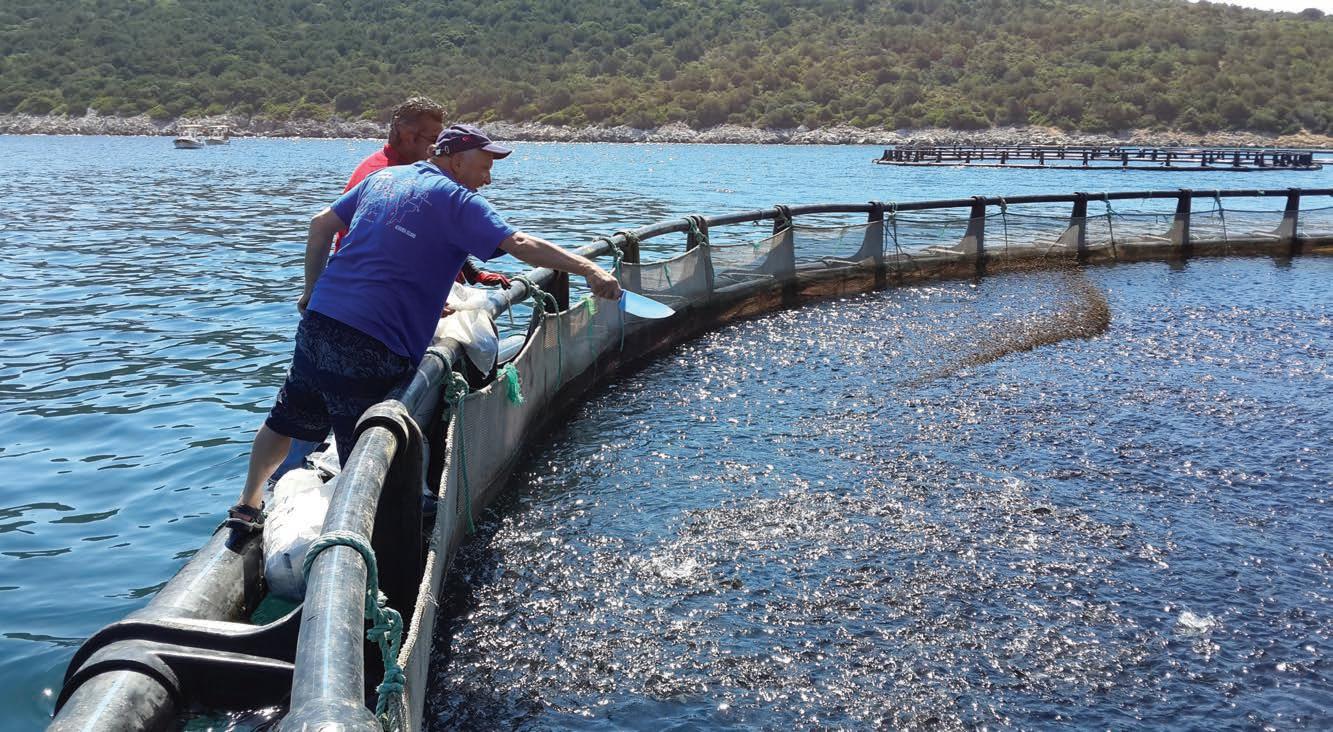
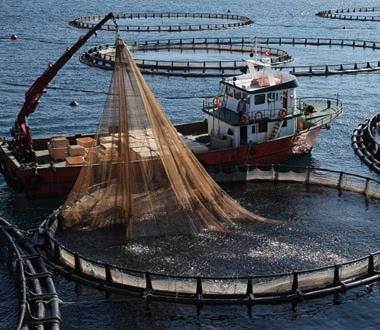
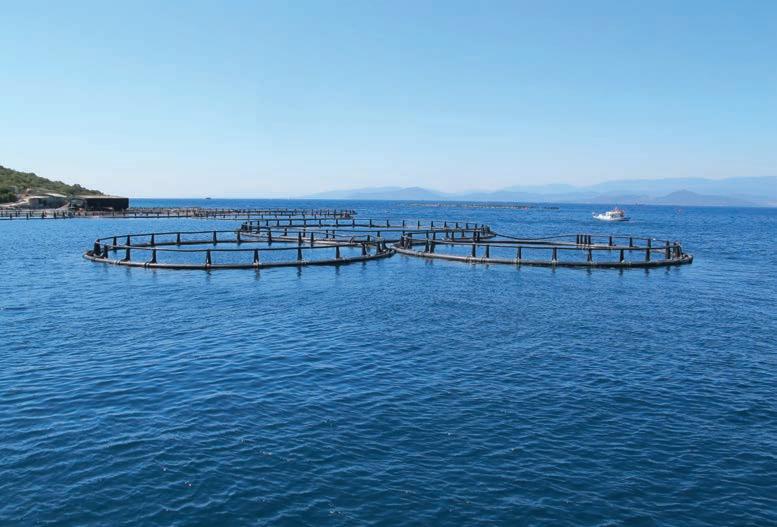
Warming waters can push business to shift their operations northwards.
Seabass and seabream production is affected by climate change.
Aquafeed recipe book
Inside the International Aquaculture Feed formulation Database By Treena Hein
Best database for formulation.” “Very informative.”
“An impressive service to those involved with aquafeed formulation.”
These are just some of the ways the International Aquaculture Feed formulation Database (IAFFD) is described by its users. Over the last 12 months, over 15,800 unique visitors logged in to the database.
The IAFFD is a free resource that sets out guidelines for the nutritional needs of 26 different fish species at six different life stages, assisting aquafeed manufacturers throughout the world to achieve nutrient-based formulation at the least cost. It was developed through a recognition of two tough realities, one being the global aquafeed sector landscape: feed manufacturers
of various sizes and very different scientific and technical capabilities, logistical and financial resources.
The other reality recognized by the IAFFD creators is that aquafeed formulation is inherently challenging due to the large number of commercial species farmed (and often in varying production systems) and the large number of feed ingredients options available (about 400).
But besides formulators, researchers also use the IAFFD, according to IAFFD founder, Lukas Manomaitis, who is the owner and managing director at Seafood Consulting Associates in Thailand. In addition, several educational institutions around the world with aquaculture programs include its use within aquafeed courses. Information in the IAFFD is easily
exported as .csv documents, viewable through Microsoft Excel or imported into feed formulation software.
The database was developed by a consortium comprised Manomaitis and his colleagues at Seafood Consulting Associates and a team at University of Guelph’s Fish Nutrition Research Laboratory in Ontario, headed by Dr. Dominique Bureau. The development was supported by the U.S. Soybean Export Council (USSEC); MITACS (a Canadian nonprofit research organization); and the USAID Maximizing Agricultural Revenue through Knowledge, Enterprise Development and Trade’ Project.
“Numerous interactions and visits with aquaculture feed manufacturers around the world have indicated that the IAFFD is extremely influential,” says Bureau. “We informally estimated that 70 per cent of all aquaculture feed manufacturers are using the database in one way or another. The
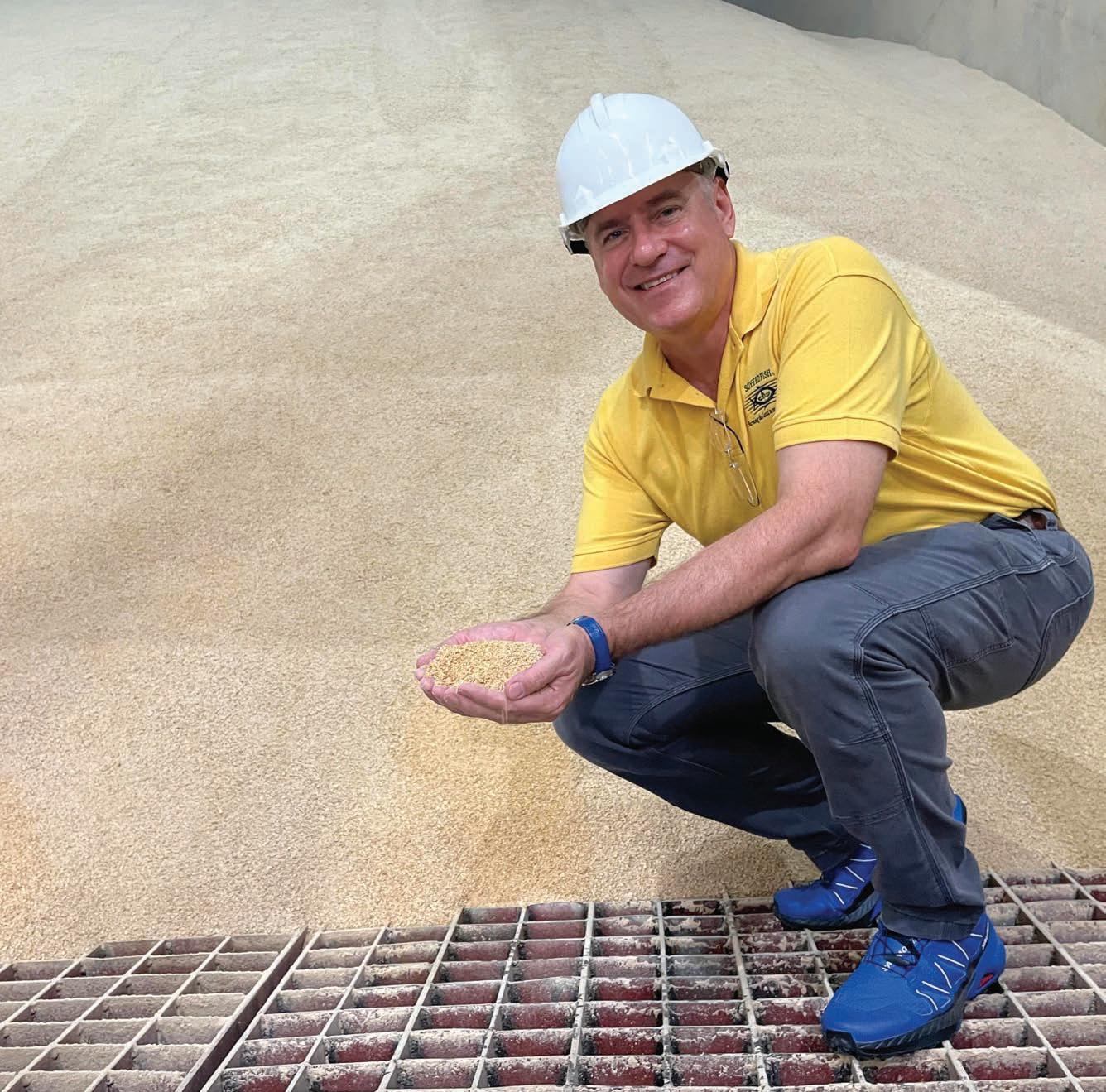
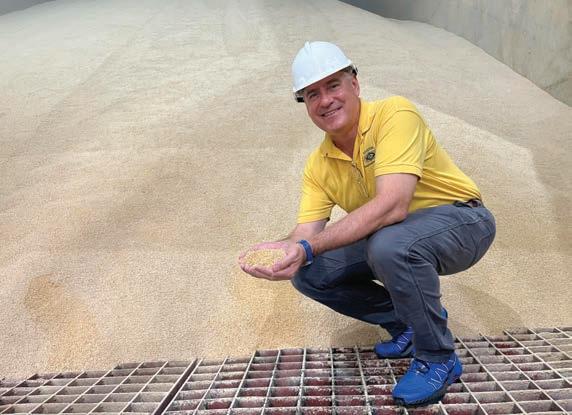
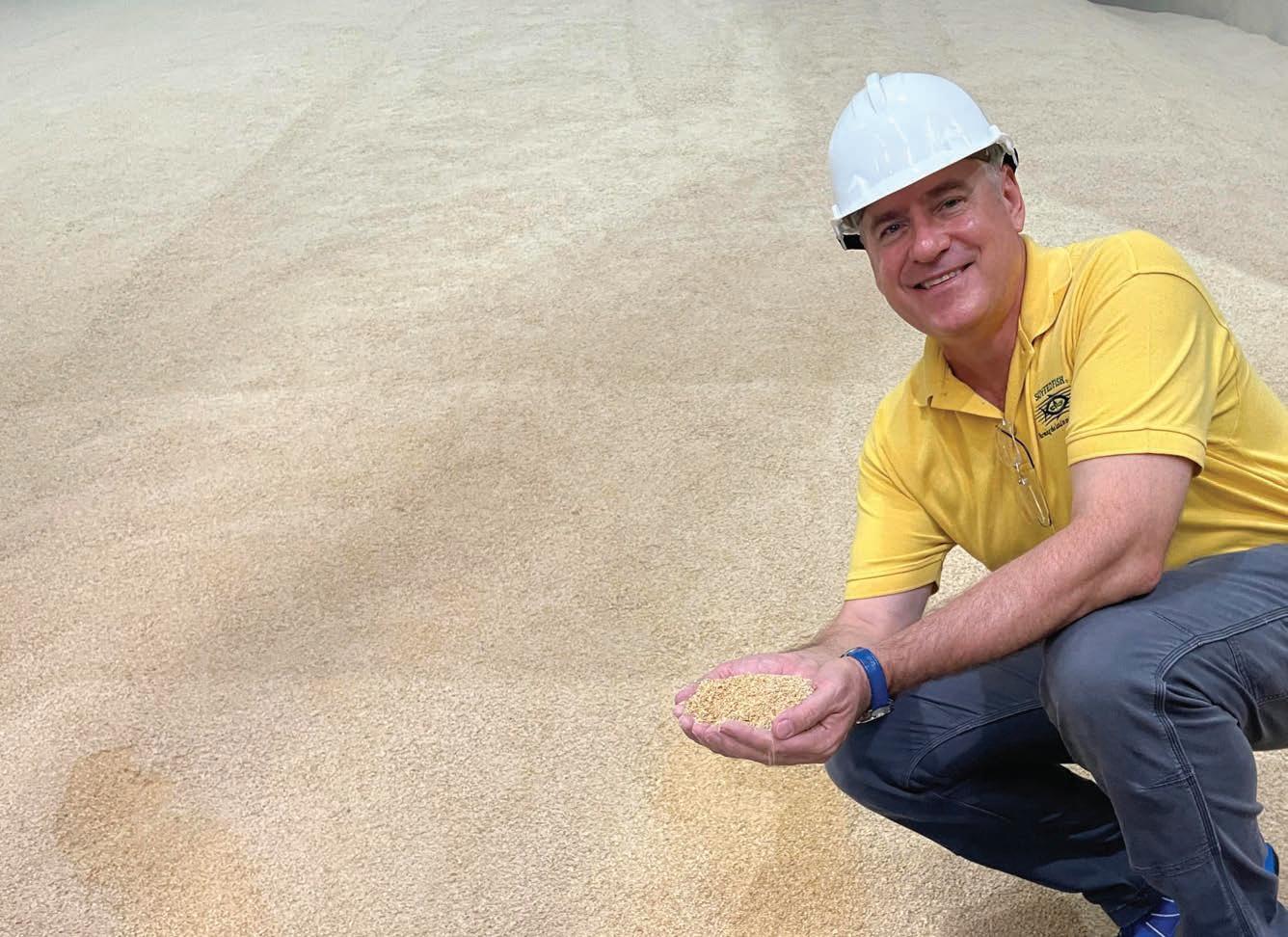
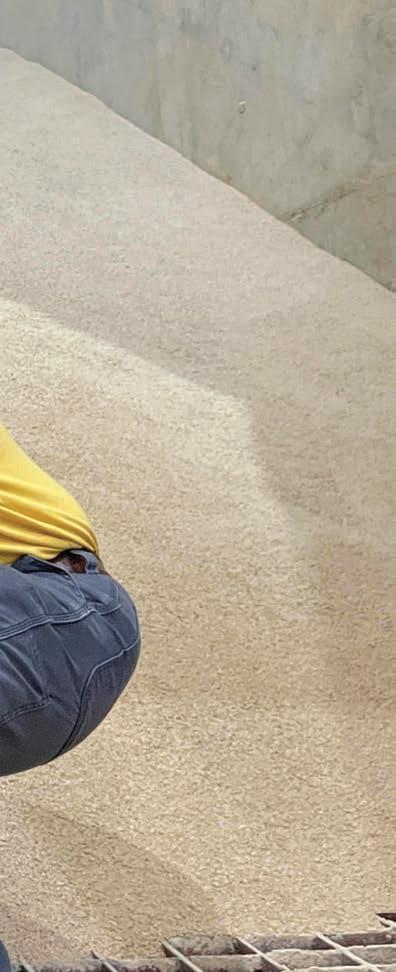
Lukas Manomaitis visited an ingredient trader and feedmill in Vietnam in late 2025 with the USSEC Team.
influence of the IAFFD can be seen in the feed ingredient composition database and the nutritional specifications of many feed companies.”
He adds that the parameters, structure and values from the IAFFD have been integrated within the system/ databases of different companies.
Stephen Gunther, CEO of IAFFD partner/supporter Wittaya Aqua International, adds that the database is also gaining traction within the feed ingredient supply chain, where it’s seen as a “go-to” reference for comparing the nutritional profile of their ingredients to others and improving their understanding of the sector.
“They also use the IAFFD to make sure that other stakeholders have access to the information,” Gunthur says, “for formulating feeds with their ingredients.”
Origin story
Manomaitis (who is also the U.S. Soybean Export Council Aquaculture
Program’s technical contractor, former president of the Asian Pacific Chapter of the World Aquaculture Society and holds other titles) explains that the idea for the database came about as a possible PhD thesis at Kasetsart University in Thailand.
“It was based on the idea that there was a lot of aquaculture nutrition information in various places, but no central database pulling that data together that was publicly available,” he recalls. “But for me, going back to school when already a successful consultant didn’t seem attractive, and at that time I didn’t get a lot of interest from Kasetsart on the idea.”
In 2014, Manomaitis was fortuitously approached by Tim Moore and Cory Peet at USAID. “They informed me that they had some funds available for aquaculture projects,” Manomaitis says. “I pitched them the idea and they agreed to support it.”
Manomaitis and Bureau decided to focus first on Asia because that region is the world’s hotbed for aquaculture and that’s where Manomaitis was and is based. It could be used by anyone in the world, but had some focus on feed used in Asian countries.
“We were very specific to get both Western and Eastern, particularly Chinese, data input, to the extent that we had a Chinese researcher included in the development,” Manomaitis recalls. “We also used China as a source of information to further develop and refine the data and models.”
Later, in 2015 (after the ‘proof of concept’ had been presented in
That year, Manomaitis asked attendees of the International Symposium on Fish Nutrition and Feeding in Australia for proposals. Bureau’s proposal was the best, but the budget required was larger than the USAID funds would cover. Again fortuitously, USSEC’s Timothy Loh stepped in with money from an initiative that had just been cancelled. The project was on.
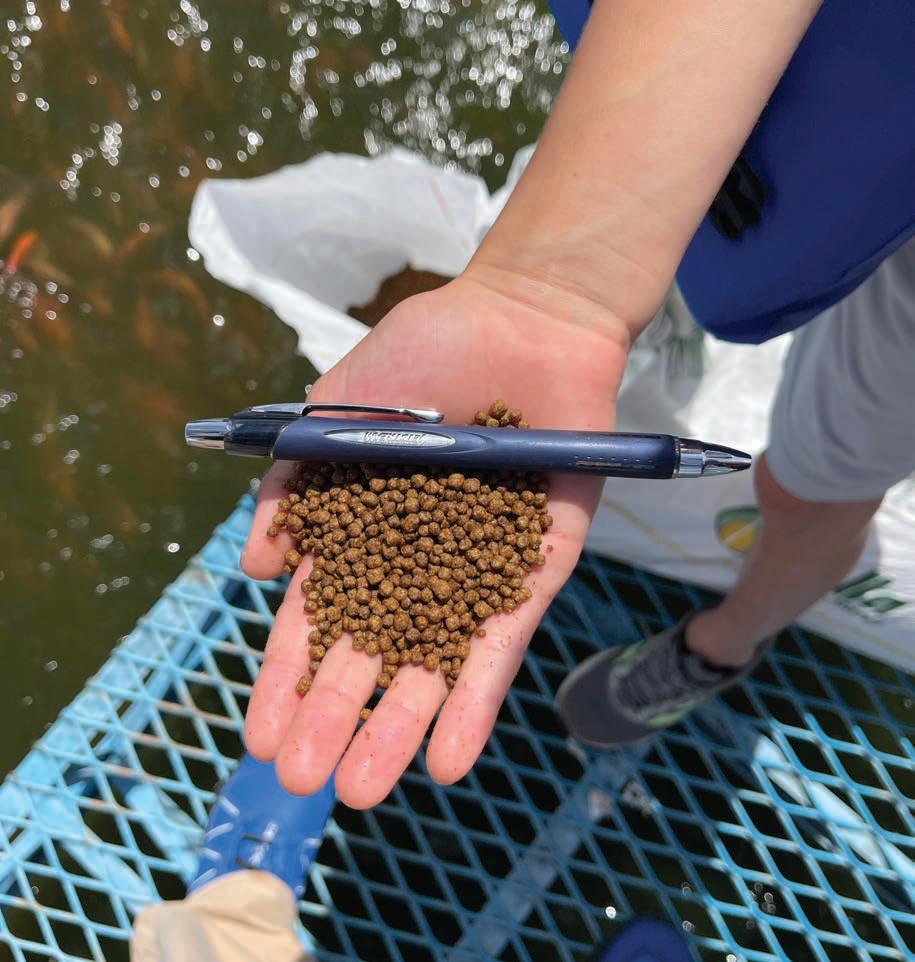
Feed for tilapia containing U.S. soybean meal at a pond raceway tilapia farm in Colombia, South America
workshops and subjected to several rounds of outside assessment), the database was expanded and renamed the IAFFD.
“The initial target of USSEC was for us to be able to conduct group formulation exercises that would simulate a commercial feed mill formulator’s experience,” says Manomaitis. “Since we (USSEC) are almost never in the room for formulation creation in a commercial feed mill, this was deemed the next best thing. It allowed us to see how commercial formulators actually formulate – and give key constructive comments on how they could improve formulation and better assess ingredients.”
Over time, individuals with other public/ private partnerships have added and refined the database. The models used for adjusting the standard ingredients to real-world ingredient qualities and the refinement of species specifications have gone through multiple improvements. Better information about anti-nutritional factors and contaminants was added – and recently, carbon

footprint information has been added as well. Manomaitis adds that while core funding for updates continues to come from USSEC, other organizations have also provided funds and in-kind support. He wants to particularly recognize Bestmix (formerly Adifo) and especially one of its staff members, Arpad Zsok.
Manomaitis explains that Bestmix supported the database in part because they wanted to support their customers, “but Arpad in particular took a special interest in the project and moved what initially he said looked like an ‘academic’ formulation database to a fully commercial one.” Bestmix has also supported some of the many international IAFFD workshops.
In Spring 2026, the USSEC IAFFD Aquaculture Feed Formulation Workshop for the USSEC Americas region was held, and workshops for USSEC Bangladesh, USSEC Southeast Asia and USSEC (Greater) China will occur in August. Workshops in sub-Saharan Africa are in the works.
Constant evolution
At this point, Manomaitis and the other IAFFD team members feel the databased is “a good benchmark” for commercial formulators for their own aquaculture formulation databases.
“Iften formulators have seen very few good examples of databases and therefore having a high-quality public one to compare to is valuable,” he explains. “It also allows a company to train incoming staff on a database that is not considered private.”
He notes that a question that often comes up about the IAFFD is whether, due to USSEC’s support, the database is biased towards U.S. soy products. In response to that concern, he first notes that a biased database would be counterproductive to the goal of simulating a commercial environment.









Manomaitis also explains that if U.S. soy products do enter a formulation, they should do so on their nutrient merits. He adds, “at the USSEC workshops, we often find that U.S. soy products do come into formulations based on cost and quality parameters, but not always. While this can cause questions from USSEC’s primary client, the U.S. Soy Farmers and industry, we point out that when this happens it generally generates more trust, as we are comfortable with getting a ‘real’ outcome, rather than a manufactured one.”
In addition, Manomaitis notes that as with all other types of feed, formulation of aquafeed is always evolving as better information is generated.
Looking forward, he says that it’s probably likely a few more species will be added, “but the focus will continue to be to add better ingredient information, particularly digestibility information, and to further refine species- and system-specific nutrient profiles. The intent was always to focus on key commercial aquaculture species and those that we felt might have a commercial future. With over 350 fed aquaculture species, there is no way to create nutrient specifications for each, and each permutation of those age classes and systems.”
Reflecting on his realized dream, Manomaitis likens the IAFFD to a unicorn, one that is very much worth protecting and nurturing. “It’s very unusual that such a tool is available publicly, under a Creative Commons license, for the good of industry,” he says. “I hope that it will continue to be supported and maintained moving into the future.” | HI
TEA aquafeed concept outlines new aquaculture standard
The focus on optimised farm performance and better animal health has increased dramatically in the aquaculture industry in recent years. More is now known about metabolism, digestion, growth, and health in a wide range of fish and shrimp species, and this allows responsible feed producers to develop and deliver far better products.
Danish aquafeed pioneer Aller Aqua has done so and taken another step up the innovation ladder. With its brand-new TEA™ concept, the feed provider now rolls out a series of recipes, carefully balancing dosages of ‘trace elements’ in ways not seen before.
“Studies have long made it clear that trace elements play a pivotal role in a wide range of biological functions in fish as well as in shrimp,” says Robert Tillner, Group Product Manager, who has led the concept development.
“These elements ensure enzyme activation and metabolic function, and they help maintain the immune system. We have studied this carefully and developed a viable concept that includes a wide range of these vital elements.”
The core of TEA™ (Trace Elements Adjusted) revolves around a broader range of elements and deeper insights into each element’s pivotal function.
Danish aquafeed provider Aller Aqua has once again refined nutritional standards for high-end feed products. By releasing the ‘TEA concept’, the feed pioneer presents a significant feed formulation update, containing far more essential trace elements than ever before. FOR MORE INFORMATION
Innovation benefits both farmers and animal welfare
Although the new feed recipes will act as an immediate boost to animal health, Tillner says the TEA concept will also be very welcome news to farmers.
“From our preliminary work, we already know that TEA will improve several essential metabolic functions



in both fish and shrimp. This means better growth, less faeces to clean, and an altogether healthier stock, giving farmers ways to up farm performance.”
Tillner points out that many farmers already enjoy the benefits of species-adjusted feed. Now these farmers can expect even better results with TEA.
Stine Ekkenberg Østerby, Group Commercial Development Manager. (+45) 60 16 56 6 seo@aller-aqua.com
Continuously improving through testing
At the Aller Aqua R&D centre, the recent recipe work adds to the industry’s search for ways to improve profitability and present more sustainable production methods, both cornerstones in the feed provider’s DNA.
“I think it is safe to say that ‘normal’ is no longer enough,” says R&D Director Jesper Clausen, who is responsible for the overall development strategy at Aller Aqua. To him, TEA is just the first step in what will become the new standard in aquaculture feed.
“With TEA we have taken a big step forward and established a new baseline. But there is still a lot of work ahead of us. Real innovation takes time, and only through collaboration across the industry can we achieve all the mentioned things.”
Clausen and his team are already busy verifying data from the initial trials, while at the same time initiating several new in close collaboration with farmers and research partners. This work will commence in 2026.
TOP TO BOTTOM: Dr Robert Tillner, Aller Aqua, Group Product Manager, Jesper Clausen, Aller Aqua, Group Research and Development Director

Feed for Thought
BY MAGIDA TABBARA-CORBY
Magida Tabbara-Corby is a PhD in Aquaculture at Auburn University with an emphasis on aquatic animal nutrition. She has five years of experience in aquatic nutrition, feed formulations, and feed manufacture, in addition to experience in scientific writing and journalism. (magidaht@gmail.com)
Fish appetite in hot weather
Are warmer temperatures an effect of ingredients or physiology?
Hot weather plays a big role in influencing living organisms’ appetites.
In endotherms or warm-blooded animals, the hot weather drives their appetite down. That is mainly done to prevent overheating, an effort from the brain to redirect blood away from the stomach and decreasing hunger hormones.
Fish are ectotherms, meaning they rely on the external environment to regulate their internal temperatures. During hot weathers, fish metabolisms speed up, increasing their appetite and feed consumption. However, as with everything in life, there’s an upper threshold for how much heat the fish can tolerate.
Alabama, the U.S. powerhouse of catfish production, is no exception. Over the years, the “Heart of the Dixie” as the locals like to call it, has done a good job avoiding long-term warming in comparison to other U.S. states. However, at this point, global warming is inevitable. Over the past two decades, higher and higher temperatures have been recorded in Alabama, and the catfish are really feeling it.
When the temperature shifts
Channel catfish grow extremely well in temperatures ranging from 27 to 29 C, which is very achievable in the southern states of the U.S. However, over the previous years, catfish farmers have been struggling to maintain economically profitable farms.
Not only do they have to pay a lot of money for feed, which accounts for close to 70 per cent of their production expenditures, the farmers also face high feed conversion ratios (FCR) and fish not eating during the summer.
In other words, the increasing temperatures are increasing the struggles
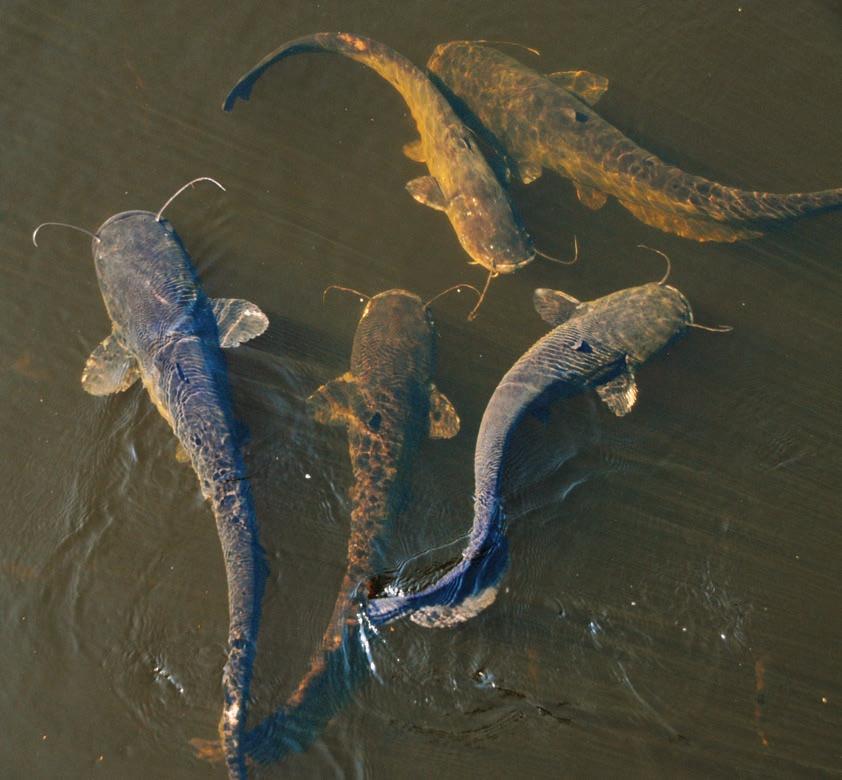
of the farmers. Investigations by researchers and extension agents in West Alabama discovered that the fish were overall healthy: no pathogenic infections were detected. However, they discovered that the fish had big quantities of undigested feed sitting in their stomachs when the water temperatures reached 32 C or higher. At this point, the quality of feed was suspected, assuming that the ingredients used to formulate cost-effective feed caused digestibility problems for the fish.
Feed ingredients or fish physiology?
Research was performed to evaluate whether the farmers’ doubts were in
place. Four of the main animal-based protein sources that are considered alternative ingredients used in cost-effective catfish feed formulations were tested out under controlled experimental conditions that compared the excessive water temperatures with the optimal conditions.
Interestingly, the fish raised in either condition grew similarly, but their FCR increased with the increase in temperature, similarly to what the farmers were observing. However, plasma cortisol levels, which are primary stress indicators, were increased in response to the increase in temperature, regardless of the ingredient choice.
Researchers explore the thresholds of higher water temperatures and how it affects fish metabolism.
Increased temperatures severely impact the catfish’s bodies. From a metabolic perspective, high temperatures increase the metabolic demands. One would expect an increase in feed consumption to meet the energy needs associated with increased metabolic activity.
Reality is feed consumption does not immediately stop but definitely gets severely impacted. At first, the fish keep on eating to try and meet their demands. In the early morning hours, temperatures are usually a bit lower, which encourages the fish to eat. Soon after, the temperatures go up.
The fish’s appetite starts fluctuating, between the need for food for energy, and the uncomfortable heat stress condition they’re in. At the same time, metabolic oxygen demands increase dramatically: the fast metabolism induced by the heat increases their need for oxygen. That encourages the redirection of blood flow to assist in gas exchange in essential organs such as the gills, the heart, and the brain. Therefore, there’s less gastrointestinal

perfusion, which further hinders proper digestion.
Normal digestion relies on digestive enzymes breaking down the feed so the stomach can be emptied and the digesta moved to the intestines. Heat reduces the efficiency of the enzymes and slows down the movement of that digesta. Additionally, high temperatures, as mentioned before, stress out the fish, which in turn increases cortisol levels in their blood.
Consequently, that alters gastrointestinal functions and negatively impacts nutrient utilization. Taking all of the changes happening in the fish’s body as response to heat stress, we can realize that the fish’s biology is not going to help them digest normally no matter how carefully formulated the diet is and regardless of the ingredient choice.
Feed for thought
Proper fish growth and survival relies on understanding the interactions between physiology, nutrition, health, and the environmental conditions.




No matter how much of a nutritious and expensive feed you buy your fish, unless you understand when to feed, how to feed, and how to accommodate your fish in response to environmental stressors, your profits will keep on thinning. The problems observed with catfish farmers in West Alabama form a small sample of numerous issues facing fish and shrimp farmers all around the world.
Global warming is severely hitting our planet, and we need to be ready to manage and persevere. Always remember, feed management is as important as providing the fish with high-quality, nutritious feed. Feeding fish at appropriate times, in appropriate quantities, will push your FCR down and keep your animals happy.
Suggested readings
Padeniya, U., Davis, D.A., Bruce, T.J., Kelly, A., and Roy, L. (December 4, 2024). Understanding the Effect of Elevated Water Temperature on Growth and Health of Channel Catfish. Fish Farming News, 2024(1), 7-8. | HI



Showcase
Aquaculture Stewardship Council welcomes two board members


Aquaculture Stewardship Council (ASC) has appointed Stefanie Rog and Steve Philips to its Board of Trustees.
Rog officially joined the Board on July 1, six months after Philips’ appointment in January.
Rog has more than 15 years of international conservation experience and holds a PhD in Conservation Biology.
Philips brings more than two decades of experience in retail merchandising, sourcing and seafood supply-chain leadership. He serves as vice-chair of the Supervisory Board of the Global Dialogue on Seafood Traceability (GDST), working to advance traceability stan-
dards across the seafood sector.
“ASC is fortunate to welcome two outstanding leaders to our Board of Trustees. Stefanie’s deep expertise in conservation, restoration and landscape-scale environmental management, combined with Steve’s extensive experience in seafood sourcing, retail leadership and traceability, further strengthens the breadth of knowledge guiding our organisation,” said Chris Ninnes, CEO of ASC.
“My work has taken me, among others, to Cambodia’s coral reefs, Ethiopia’s lakes, and Australia’s mangrove forests. Now based in Saudi Arabia, I lead coordination across six protected areas, strengthening restoration, research, rewilding and community engagement. With a deep personal affinity for coastal ecosystems, especially mangroves, I am delighted to join ASC as a trustee,” said Rog.
Britford Trout upgrades operations with Ace Aquatec’s humane stunner
Britford Trout Farm has upgraded its harvesting operations to include Ace Aquatec’s stunning technology.

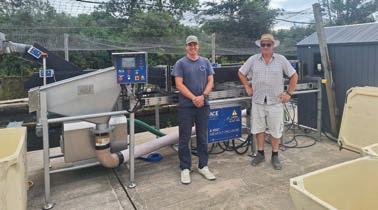
Ace Aquatec’s Humane Stunner Universal (A-HSU®), specifically designed for trout, has the ability to process up to 15 tonnes per hour.
According to a press release from Ace Aquatec, Britford has seen an improvement of five to six per cent in fillet yield, as well as in product quality. The farm is now planning to scale tonnage from 200 to 350 tonnes annually.
“We’ve been in the trout business for a long time, but our own methods of stunning were not sufficient for future demand so we needed a harvesting solution that reflected the high standards we set for our business and our customers,” said Jack Heaven, business partner at Britford Trout Farm. “With Ace Aquatec on board and their humane stunning device in place, our family business has greater confidence in our
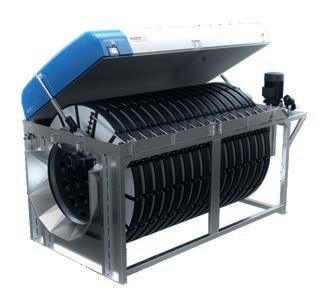
Hydrotech Disc Filter - Hybrid series
Veolia’s Hydrotech Hybrid Filter helps aquaculture safely maintain consistent water treatment.
� Smarter: combination of two proven technologies: high hydraulic flow capacity (HDF) and large filtration area (HSF)
� Lighter: individual panel removal using only two bolts (Alphadisc™ patent)
� Cleaner: particle filtration sizes down to 10 μm and patented high-pressure cleaner
operation and the product we bring to market.”
“Britford’s story is one of a successful family business operating on a global scale. Our award winning humane stunning technology has already delivered significant improvements in the volumes and quality of trout fillet supplied by the farm and will help Mark and Jack to continue to grow and supply some of the UK’s largest supermarkets while meeting strict welfare and traceability requirements,” said Tara McGregor-Woodhams, chief sales and marketing officer at Ace Aquatec.
Benchmark Genetics develops high-density SNP array for clam species
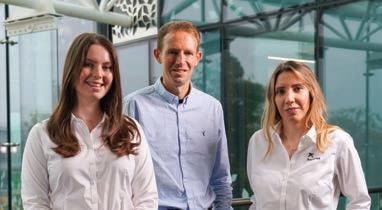
Researchers from Benchmark Genetics have developed the first high-density SNP array for the Manila clam (Ruditapes philippinarum) and the grooved carpet shell clam (Ruditapes decussatus), providing a new genomic resource to accelerate selective breeding and support the long-term sustainability of shellfish aquaculture.
Benchmark Genetics scientists played a key role in developing and validating the dual-species 63K SNP array, which contains 49,392 markers for Manila clam and 14,193 markers for grooved carpet shell clam. The platform is now available to researchers, breeding programmes and industry partners seeking to improve productivity, resilience and population management through advanced genomics.
The project was developed together with the University of Padova, the University of Santiago de Compostela, CIIMAR, The Roslin Institute at the University of Edinburgh, the Technical University Institute of Brest-Morlaix and Thermo Fisher Scientific. The partners worked to address a longstanding gap in genomic resources for commercially important clam species.
“This SNP array provides researchers and breeding programmes with a genomic resource that simply didn’t exist for these species before. It opens new opportunities to accelerate genetic improvement while supporting the long-term conservation of valuable clam populations,” said Carolina Peñaloza, head of genotyping at Benchmark Genetics.
The research has been published in the journal Aquaculture.

> Premium quality, disease-free eyed eggs available all year round > Rainbow trout all female (diploid or triploid) and other salmonids



Manufactured for performance,


Hatchery Hack
BY NICOLE KIRCHHOFF
Leading through lean times
For many of us, the last few years have been anything but easy.
Inflation, unpredictable markets, tariffs, rising fuel and freight costs, escalating labor expenses, and shrinking hatchery customer demand have created challenges across the aquaculture industry. Layer on top of that a seemingly endless cycle of hurricanes, freezes, disease outbreaks, and other natural disasters, and it is no surprise that many operations are feeling stretched.
During times like these, leaders naturally focus on finances, production targets, and operational efficiency. Yet one of the most important factors determining whether an organization survives difficult periods is often overlooked – its people.
The following ten lessons are arranged in the order they matter most.
Stabilize your people
1. Communicate more, not less Employees usually know when company performance or profitability is under pressure. They see changes in purchasing, production volumes and schedules, staffing, and customer demand, and they are living through the same economic uncertainty as everyone else. Regular, honest communication reduces uncertainty, builds trust, and keeps everyone focused on the path forward.
2. Reconnect to the mission
When resources are tight, people naturally focus on the workload. Leaders need to remind them of the purpose. Share customer success stories, stocking accomplishments, conservation impacts, or research milestones. Mission gives meaning to routine tasks and reminds people why their work matters.
3. Get back in the tank
There is no substitute for visible leadership. During difficult periods, spend less time behind a desk and more time alongside your team. Pull screens, move fish, clean tanks, or help load shipments. Leadership is never more powerful than when people see you sharing the work.
Protect your culture
Once people feel informed and supported, your next job is protecting the culture that keeps the team together.
4. Celebrate progress, not success
Lean years rarely produce headline victories, but they are full of small wins worth recognizing. A successful spawn, excellent survival, a difficult shipment that arrives safely, or simply making it through another demanding week deserves acknowledgement. Momentum is built one small victory at a time.
5. Energy is contagious – so is indifference
Every leader sets the emotional tone of the workplace. The energy you bring into the hatchery spreads to everyone around you. Optimism, calm, and respect are just as contagious as frustration, negativity, or indifference. During uncertain times, people borrow confidence from their leaders.
During good times, hatchery leaders manage fish. During lean times, they lead people.
6. One person can break a team
One person cannot build a great team alone, but one person can slowly erode one. Gossip, negativity, refusing accountability, slacking on their responsibilities or believing the rules do not apply equally damages trust over time.
Leadership means protecting the culture by addressing these issues early, fairly, and respectfully. If we fail to confront behaviors that undermine the team, we ask everyone else to carry the burden.
7. Focus on what you can control Markets, tariffs, weather, and regulations are outside our control. Fish health, biosecurity, customer service, teamwork, and operational discipline are not. Successful teams spend less time worrying about circumstances and more time improving the things they can influence every day.
Prepare for recovery
Every downturn eventually ends. The
organizations that recover fastest are usually the ones that prepared while times were difficult.
8. Build flexibility before you need it
The best preparation for lean times happens during prosperous ones. Build financial reserves when possible. Cross-train employees so critical knowledge is never held by one person. Consider compensation structures that reward exceptional years while maintaining flexibility when business slows.
Resilience is rarely built during a crisis – it is built beforehand.
9. Sometimes leaders go last
One advantage often found in family-owned and owner-operated hatcheries is the willingness of leaders to shoulder additional sacrifice before asking employees to do the same. Many owners have delayed compensation, worked longer hours, or taken on additional responsibilities to preserve jobs and protect the business. Employees notice when leaders share in the sacrifice, and that example builds lasting loyalty.
10. Protect trust above everything
If there is one lesson that ties all the others together, it is trust. People may eventually forget the details of a difficult year, but they will remember whether they felt respected, informed, and valued. Trust is built through honest communication, consistent actions, fairness, and shared purpose. Once lost, it is difficult to recover.
Lean times test every hatchery. They reveal weaknesses in systems, finances, and operations. More importantly, they reveal the strength of leadership.
During good times, hatchery leaders manage fish. During lean times, they lead people.
When conditions improve – and they eventually will – the hatcheries that recover fastest will not necessarily be those with the newest equipment or the biggest budgets. They will be the ones that protected their culture, kept their teams together, and never lost sight of the people who made their success possible. | HI
STA R T ST R ONG. STAY
ST R ONG.
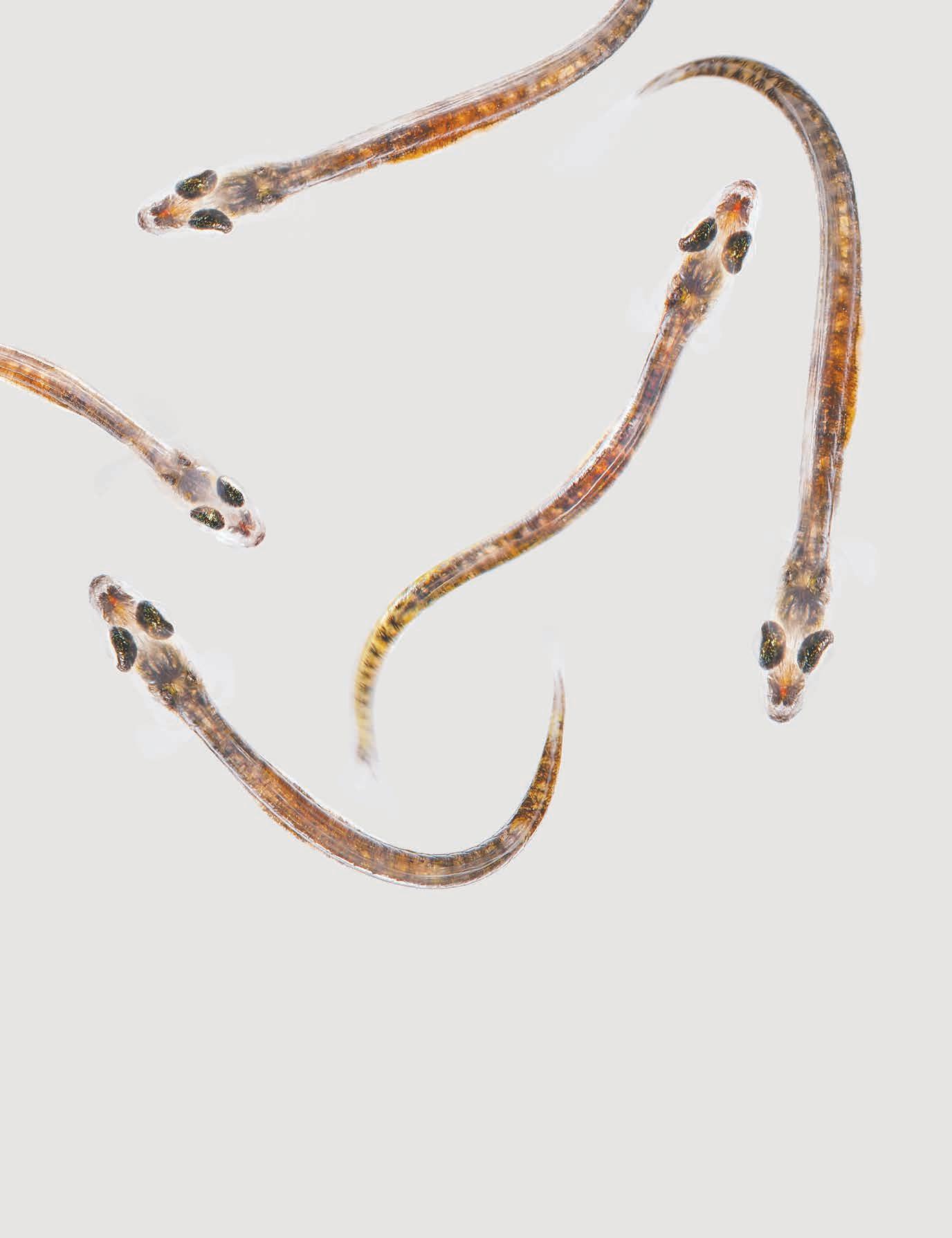
LARVIVA is a complete range of hatchery feeds. It is specially developed to maximize the success of the hatchery operations by giving your larvae a strong start ensuring high quality, robust and performing fry ready for the grow out stages. www.larviva.com