Acts of vandalism spark security discussion
The importance of adopting security measures and protecting your investment
BY MATT JONES
The last several months have seen a variety of vandalism incidents at hatcheries around the world that led to the loss of fish and related capital. While it varies from case to case whether these incidents appear to have been politically motivated, specifically targeted or are merely random acts of vandalism, they do have some hatchery operators talking about their security measures and what is required to prevent such incidents from occurring in the future.
LOCATION
MATTERS
One of the most important things to consider regarding level of security is the location of the facility. In many cases, hatcheries are found in areas where their very location acts as a form of deterrence. Chris Matteo, owner of North Carolina’s Chadwick Creek Oysters, says his facility is within the area closed off by a private 7,000-acre duck-hunting club, making it an ideally remote location.
continued on page 8
New shellfish hatchery in Western Australia produces first batch of rock oyster spat
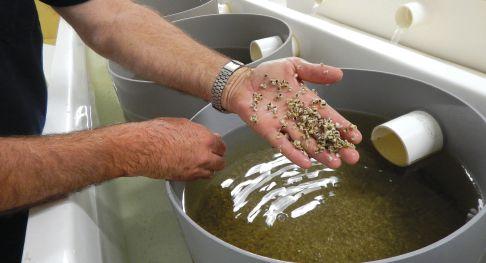
Aquaculture trials in the Pilbara, Kimberley, Abrolhos Islands and Cockburn Sound will be the beneficiaries of the first consignment of about 500,000 rock oyster (Saccostrea glomerata) spat, grown at the State Government’s new Albany Shellfish Hatchery.
The new state-of-the-art hatchery is supporting the growth and development of commercial shellfish farming in Western Australia, as well as creating and supporting WA jobs, a statement from the Government of Western Australia stated.
Hatchery succeeds in first spawning of ballan wrasse
BY LIZA MAYER
Efforts to culture ballan wrasse (Labrus bergylta) have reached a major milestone with the first spawning of the farmed fish in captivity.
The achievement brings the Machrihanish wrasse hatchery – a joint venture between Marine Harvest and Scottish Sea Farms – closer to its goal of supplying enough of the sea-lice-eating fish to service the companies’ salmon farms in Scotland.
“The wrasse we produce here from our broodstock farms will go to their farms. Hopefully any surplus can be sold to third parties,” hatchery manager Paul Featherstone tells Hatchery International
The larger aquaculture industry could potentially benefit from the research, says Featherstone. “The research we have done here is for everybody. We have close links with Norway and other hatcheries in Scotland and the information can be disseminated all around the industry. It is a joint industry project and we welcome the opportunity, if need be, to supply larvae to hatcheries.”
Wild ballan wrasse has been used in salmon farms in Scotland for years as a non-chemical way of controlling sea lice infestations. “Obviously, that is not sustainable in the long run. I don’t think it can meet the needs of the expanding salmon industry, that’s why Marine Harvest decided to look at the possibility of farming the ballan wrasse,” says Featherstone.
continued on page 11
Publications Mail Agreement #PM40065710
RETURN UNDELIVERABLE CANADIAN ADDRESSES TO 111 Gordon Baker Road, Suite 400, Toronto, ON M2H 3R1
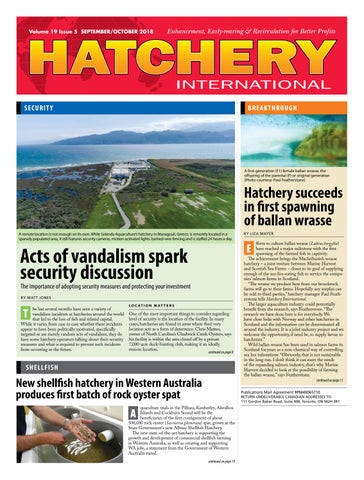
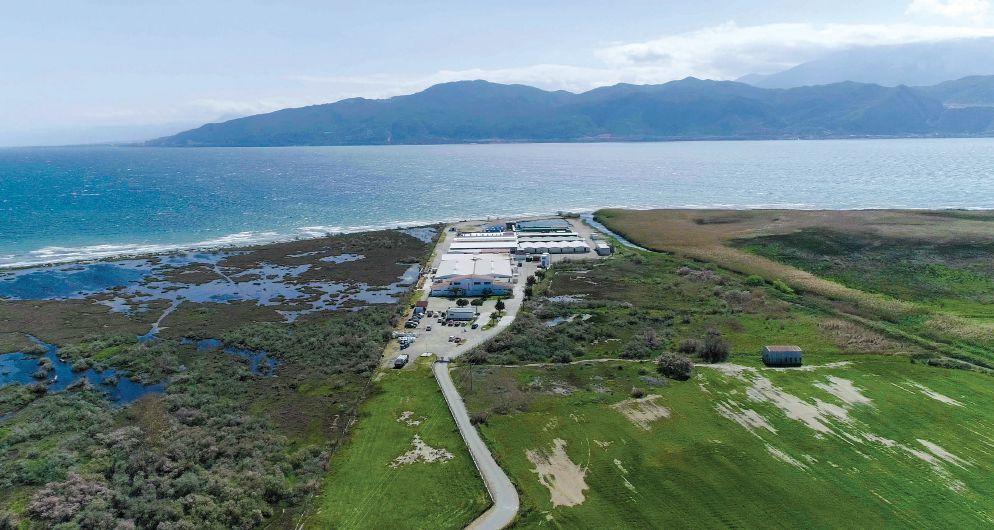
A remote location is not enough on its own. While Selonda Aquaculture’s hatchery in Managouli, Greece, is remotely located in a sparsely populated area, it still features security cameras, motion-activated lights, barbed-wire fencing and is staffed 24 hours a day.
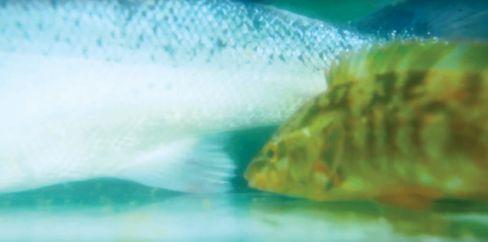
A first-generation (F1) female ballan wrasse, the offspring of the parental (P) or original generation (Photo courtesy: Paul Featherstone)


Disease and poor health are some of the main constraints for sustainable aquaculture.
MSD Animal Health develops environmentally responsible products to maximize fish survival, growth and production efficiency for the major farmed fish species: salmon, tilapia, trout and other marine species.

Every day, in every corner of the world, progressive fish farmers turn to MSD Animal


Health. They ask about our full range of products for managing the most serious diseases in aquaculture. Even more, they come to us for integrated health solutions to help them become more profitable, competitive and sustainable.
For more details please contact your local MSD Animal Health representative or contact us at aqua@merck.com or visit us at www.aqua.merck-animal-health.com.



VOLUME 19, ISSUE 5 | SEPTEMBER/OCTOBER 2018
Editor Mari-Len De Guzman, mdeguzman@annexbusinessmedia.com
Science Editor David Scarratt, scarratt@ns.sympatico.ca
Contributors Matt Jones, Ruby Gonzalez, Liza Mayer, Bonnie Waycott, Ben Normand, Tom Walker, Christian Perez Mallea, Eric Ignatz, Vladislav Vorotnikov, Ron Hill, Tiago Horris, Eric Hendrickson
Advertising Manager Jeremy Thain, jthain@annexbusinessmedia.com
Tel. +1-250-474-3982, Toll-Free (North America) 1-877-936-2266
Circulation Manager Barbara Adelt badelt@annexbusinessmedia.com, Tel: 416-442-5600 ext. 3546
Art Director Svetlana Avrutin, savrutin@annexbusinessmedia.com
Group Publisher Scott Jamieson, sjamieson@annexbusinessmedia.com
President & CEO – Mike Fredericks
PUBLISHED BY ANNEX BUSINESS MEDIA 105 Donly Drive South, Simcoe, ON N3Y 4N5
Hatchery International is published six times a year by Annex Business Media. The authority for statements and claims made in Hatchery International is the responsibility of the contributors. Reference to named products or technologies does not imply endorsement by the publisher.
A subscription to Hatchery International (six issues) is $36.00 within Canada, $36.00US within North America and $46.50US outside North America. To subscribe visit our website at www.hatcheryinternational.com
Subscriptions Angie Potal, apotal@annexbusinessmedia.com
Tel: 416-410-5113 • Fax: 416-510-6875 or 416-442-2191
Printed in Canada. Publications Mail Agreement #PM40065710
RETURN UNDELIVERABLE CANADIAN ADDRESSES TO:
Hatchery International. CIRCULATION DEPT.
111 Gordon Baker Rd., Suite 400, Toronto, ON M2H 3R1
Annex Privacy Officer Privacy@annexbusinessmedia.com Tel: 800-668-2374
ISSN 1922-4117
NEXT AD DEADLINE
The advertising deadline for the Nov/Dec issue is Sept 10th Don’t miss the opportunity to be part of this exciting aquaculture publication. For more information, or to reserve space in the next issue, call our Advertising Department at +1.250.474.3982 jthain@annexweb.com
NEXT EDITORIAL DEADLINE
The editorial deadline for the Nov/Dec issue is Sept 10th. Contact the Editor, Mari-Len De Guzman at 1-289-259-1408 for details. E-mail story ideas to mdeguzman@annexbusinessmedia.com. Material should be submitted electronically after prior arrangement with the editor.
NEWS BRIEFS
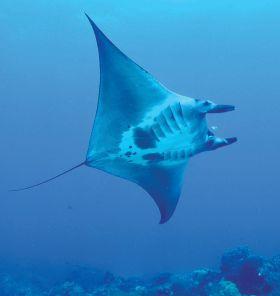
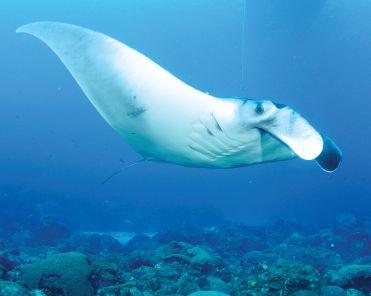
The discovery of the world’s first confirmed manta ray nursery has researchers on the path to discovering a natural hatchery and other secrets of a still-mysterious species.
Researchers
we may be able to determine where the hatchery is. It’s likely to be fairly close since we have the number and size of animals that are very young in the sanctuary.”
The discovery was made by marine scientist Joshua Stewart, who recognized baby mantas at the FGB due to the small size of their claspers (reproductive organs). They soon realized the FGB met the three criteria for a nursery – there are more juveniles than other areas, they remain in that area for extended periods of time and it is used by juveniles repeatedly.
ray hatchery
trail of world’s first confirmed natural manta
Recent research at the Flower Garden Banks (FGB) National Marine Sanctuary in Galveston, TX, has led to the site being designated as the world’s first confirmed manta ray (Mobula birostris) nursery. The discovery could be the first step toward a better understanding of a species
that still holds many mysteries regarding their lifespan and habits.
“In the region there is likely an area where they are giving birth,” says research coordinator Emma Hickerson.
“Once we start tagging the animals, the adults and the juveniles, we can learn more about their movement and
Hatchery International, Virginia Tech to host RAS conference
RAStech 2019, a conference and trade show focused on recirculating aquaculture systems, will be jointly hosted by Hatchery International and Virginia Tech.
Formerly the ICRA conference hosted by Virginia Tech, RAStech 2019 will feature keynote presentations and concurrent sessions discussing case studies, developments and advances in RAS and its future in the aquaculture industry.
“We are happy to partner with Virginia Tech on this great initiative. The advancements we're seeing in RAS technologies make this event a significant gathering of great minds and leaders in the aquaculture industry,” says Scott Jamieson, group publisher at Annex Business Media, which owns Hatchery International. “Sustainability is the way forward for aquaculture and RAStech will be a venue for sharing ideas and best practices for RAS applications.”
Hickerson hopes the discovery of the nursery, and the imminent discovery of a hatchery, can shed some light on the remaining mysteries of the species.
“We don’t know how long they live, we don’t know where they’re mating and reproducing, we don’t know where they’re giving birth to their babies,” says Hickerson.
Stewart hypothesizes that the juvenile mantas are attracted by the krill found in the significant coral reef in the area.
- Matt Jones
Virginia Tech has been hosting the ICRA conference in Roanoke, Va., for over a decade with great success. Partnering with Hatchery International, backed by Annex Business Media’s event management expertise, ensures the continued success and growth of this event.
“RAStech 2019 will continue the ICRA’s vision of providing aquaculture professionals a resource for learning and sharing knowledge about RAS,” says David Kuhn, associate professor in the aquaculture research and extension programs, department of food science and technology at Virginia Tech. “Hatchery International is an ideal partner for us to accomplish this goal.”
RAStech will be held on May 13 – 14 at Capital Hilton in Washington, D.C. For registration information visit www.ras-tec.com.
Photos: NOAA/Schmahl
•
Nova Scotia sets groundwork for cultured rainbow trout industry
The Aquaculture Association of Nova Scotia (AANS) plans to develop a long-term broodstock program to fortify its cultured rainbow trout industry.
During the presentation at the Aquaculture Canada Conference 2018 in May in Quebec, AANS R&D coordinator Isabelle Tremblay said the association has put out a call for proposal to determine who can “bring that strategy forward and develop a strategy for Nova Scotia.”
“We realize this a long-term plan. But if we want to continue to grow... we realize that we have to be self-sufficient with the eggs and not just depend all the time on outside egg supplier.
Currently, the Canadian province has only one egg source and it is located in the U.S. Growing the species in the surrounding cold sea waters poses another challenge. An option for the farmers is a maturing rainbow trout strain that is well-adapted to cold salt-water conditions.


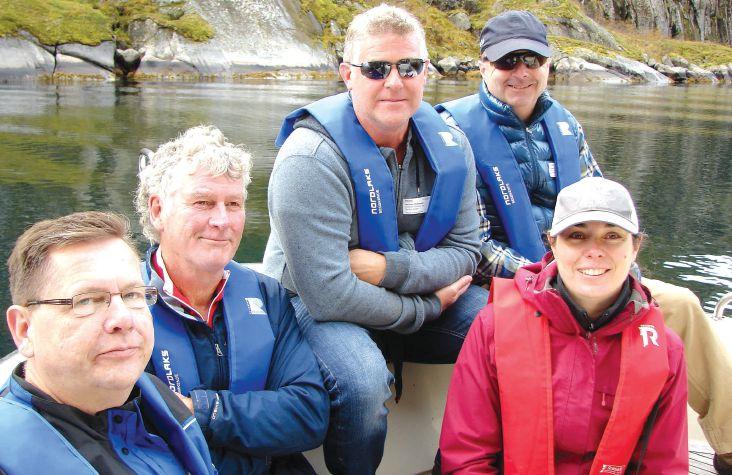
These were the considerations factored in when a delegation of five, Tremblay included, went on a mission to Norway and Denmark in September 2017, funded by the Nova Scotia Department of Fisheries and Aquaculture.
“It was important to visit places where breeding program could produce rainbow trout eggs that would produce fish that will perform in Nova Scotia conditions,” she told Hatchery International
In Norway, they went to the hatchery facilities of AquaGen, Skretting, and Nordlaks, a trout farm. Two more egg suppliers awaited them in Denmark – Troutex and AquaSearch ova.
Some farmers are currently looking at the possibility of importing rainbow trout eggs from some of the egg suppliers visited, but no confirmation has been made, she said.
Vikings Label bares plan to build land-based salmon farm in UAE
Dubai’s Vikings Label plans to build a large, land-based salmon farm, and has tapped Gråkjær to be its contractor.
This latest development highlights the growing interest to develop the aquaculture industry in the Middle East. The region has an ambitious plan to be self-sufficient in its fish supply within 10 to 15 years. There is growing demand for fish and shellfish in the region, which is currently being met by imports from Norway.
Vikings Label currently imports salmon into Dubai, but intends to enter the aquaculture market with the construction of a land-based fish farm in the city's North Ras Al Khaimah.
“We see a huge growth potential for salmon in Dubai, and that growth will result from a combination of marine farming in Norway and land-based fish farming near the Dubai market,” said Tore Havn, CEO of Vikings Label.
Terje Lukas Havn, CCO of Vikings Label, added, “The region has an innovative way of thinking and is increasingly seeking sustainable and environmentally friendly
- Ruby Gonzalez
On a Mission in Norway and Denmark. From right: Isabelle Tremblay, AANS R&D coordinator; Roland Cusack, Nova Scotia Provincial Fish Health Veterinarian; Sherman D’Entremont, Ocean Trout Farm Operation Manager; Waycobah First Nation Trout Farm’s Robin Stuart, Operation Manager, and Donald Davis, Director of Corporate Services (Photo credit: Isabelle Tremblay)
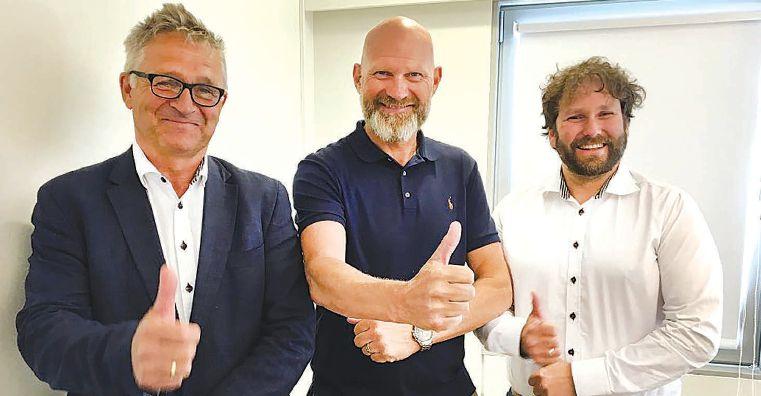
sales director, Roger Marøy. (Photo courtesy: Gråkjær)
production methods. In many ways, building a land-based fish farm in the middle of the hot, dry desert is untraditional and exciting.”
He said the company plans to take advantage of the sun’s resources by using solar energy, and incorporating eco-friendly solutions into its fish farm.
Gråkjær will supply the design, plan the project and take charge of the construction of Vikings Label’s future land-based fish farms. The facility will contain a hatchery, first feeding, fry, a pre-smolt unit, a smolt and post-smolt unit, and a delivery tank. The site will have the capacity to produce 2,500 tons of salmon a year, the company said.
The project is expected to be completed by 2020.
Russian energy giants help restore whitefish population in Arctic
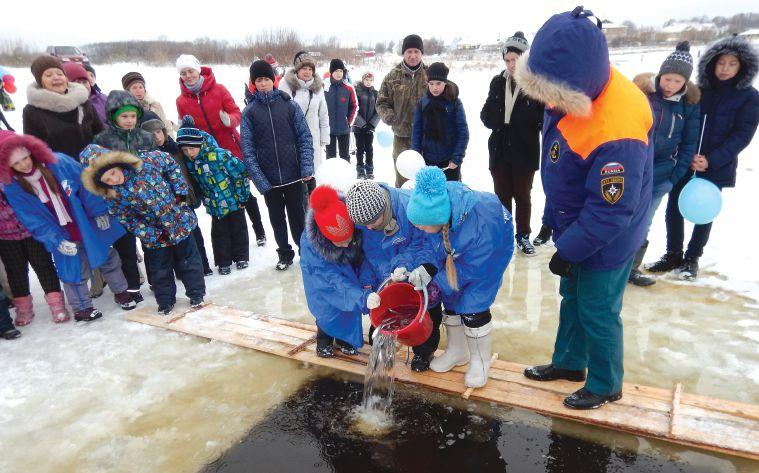
Russia’s biggest natural gas and oil-extracting companies Gazprom and Novatek have allocated funds to Soba Hatchery under its project to restore whitefish population in Arctic rivers.
Located in Yamalo-Nenets Autonomous District, Soba Hatchery focuses on restoring the population of the endangered species, primarily the muksun (Coregonus muksun), commented Danil Eltekov, the general director of Soba Hatchery. This year the facility plans to release 40 million fingerlings of whitefish, including seven million muksun fingerlings to the local rivers, Eltekov added. That project is funded by the Russian energy companies.
“There is no secret that muksun is on the edge of extinction. We are very happy that the companies of the fuel and energy complex realize the need to breed muksun, and not the other fish species at the moment,” Eltekov stressed.
The energy companies invested into the project to fulfill the demands of the ecological legislation adopted in Russia in 2015 that required the biggest industrial companies to make investments into environmental protection initiatives in the regions where they are operating. Under that legislation, the energy companies are free to choose the projects to participate in. Gazprom and Novatek opted to invest money into restoring the population of the endangered fish species.
Starting this year, Soba Hatchery also plans to begin collecting stocking material and sell it to fish farms in Russia. The hatchery wants to catch fish and collect caviar by using the most advanced technological methods, without hurting the fish, and releasing them back in the rivers afterward. It is believed the lack of stocking material is one of the main reasons for the lack of commercial fish farms producing muksun in Russia.
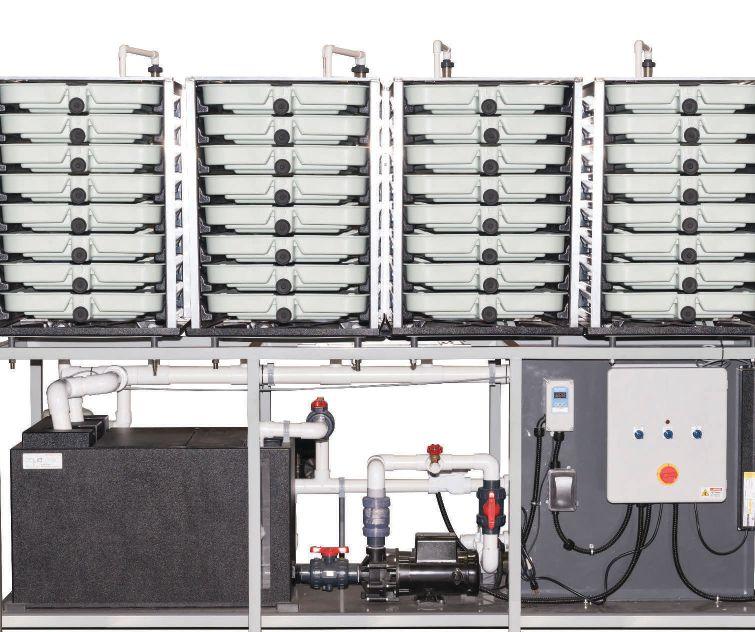
Increased Survival Rate with Significantly Reduced Water Consumption
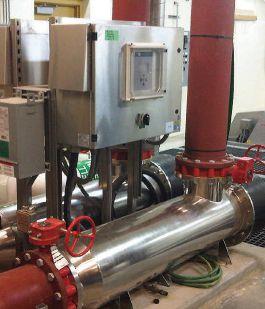
The all-new HydroHatch Incubation System from MariSource gives hatcheries increased efficiency. With recirculation, germicidal UV filter and a titanium heat exchanger, the HydroHatch delivers increased survival rate and significantly reduces water consumption.
Features and Benefits:
65 gallon sediment and recirculation tank
Requires only 150 gallons to completely fill the unit and reservoir
High-quality, long-life quartz germicidal UV filter
Complete isolation of eggs
Easily able to increase the dissolved oxygen content of the water
230 volt 30 amp control panel
Insulated titanium heat exchanger
Precise temperature control
Comes standard with four 8-stack incubators
Additional four 8-stack incubator option available
The new HydroHatch Incubation System is ideal for Salmon, Trout, Steelhead, Perch, Channel Cat Fish, Walleye, Eels, Shrimp and Muscles.
(L-R) Gråkjær’s sales and development manager, Bjarte Landro, Vikings Label’s CEO, Tore Havn, and Gråkjær’s regional
Remote possibilities
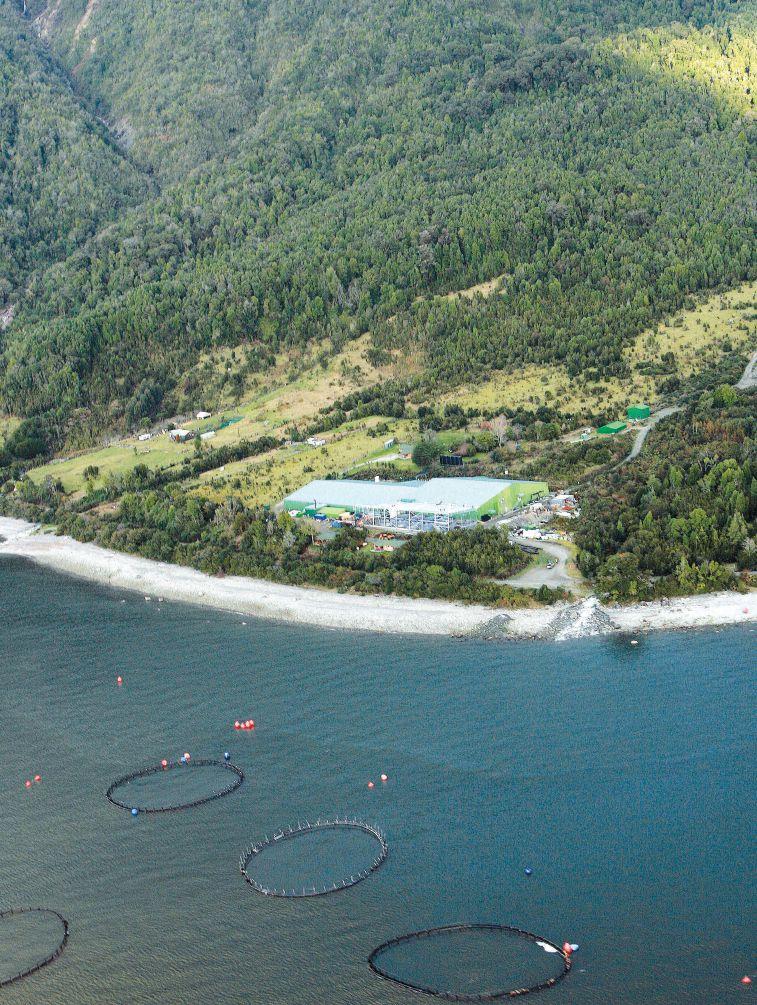
AquaGen’s breeding facility in the far corner of Comau in Chile is not just a business operation; it is also an important resource for the local community.
BY CHRISTIAN PÉREZ-MALLEA
40-minute trip in a light aircraft – or a five-hour ferry ride – separates the north side of the Comau Peninsula and Puerto Montt in Chile. Bumpy dirt roads, artisanal fishing vessels, as well as national and private parks dominate part of the landscape nearby. It is also where egg producer AquaGen had set up its breeding facility.
AIsolated from the national electric grid, AquaGen equipped its broodstock facility with hydroelectric energy in 2012, which now supplies up to 80 per cent of the power requirements in its recirculating aquaculture system (RAS). That same remoteness has led to plenty of community and social initiatives supported by the company – and zero fish diseases in the past two years.
Some sociologists believe that simple geographic isolation sparks the creation of tribelike relationships (remember Gilligan’s Island?). Perhaps that explains part of the strong tie between the company and its neighbors.
OUTPUT CAPACITY
The Comau Breeding and Genetics Centre (BGC) was opened in November 2009 and consists of four epidemiological units: incubation, families, fry and breeders. These units are certified by the Chilean sanitary authority Sernapesca, which means biosecurity measures and engineering in place prevent diseases from spreading between rooms.
There is a 2,200 m3 water capacity in this broodstock facility and a biomass average density of 40kg/m3. Every season, 20,000 smolts of 120g are reared in this hatchery. Eventually, some 3,500 to 4,000 of them make their way to become breeders and produce about 40 to 50 million eyed-eggs per year.
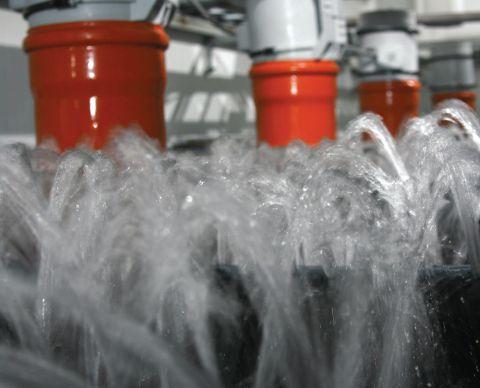
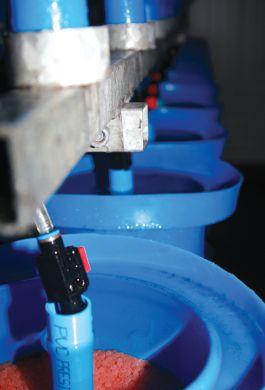
In the incubation area there are 4,200 zoug jars (buckets) able to hold ova from 4,200 different females at a time, totaling up to 80 million eggs per batch. “The responsibility of AquaGen by having so many eggs for our customers, leads us to spread our operation in seven farms and maintain incubation in three of them,” said Joaquín Garcia, production
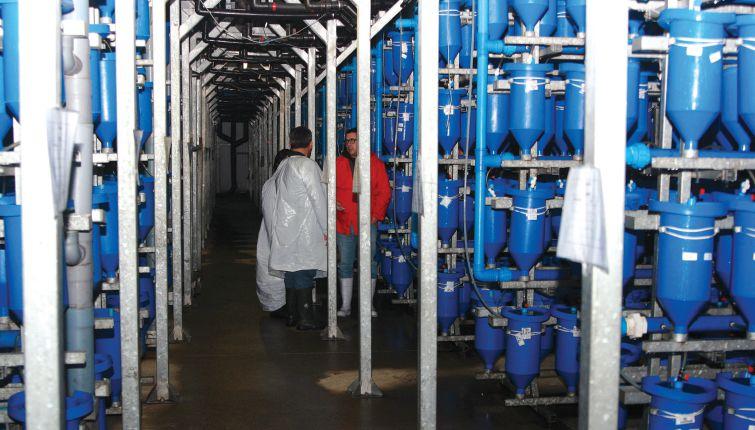
manager at AquaGen Chile. This facility represents 100 per cent of the company’s offseason production in Chile (see sidebar: Roe Supply).
The families room consists of 156 individual tanks, with 1,000 families comprising the base of the genetic program. “With the existing advances in genomics, now it is not necessary to implant pit tags in 10g fry. We map the parents. There is no need for 1,000 tanks to have them separated. Just one or two, to have a duplicate. That immediately reduces your needs for individual tanks. Then, when fish is at the sea, tissue samples and DNA tests from both groups (hatchery and sea) are compared regarding that information one looks for,” he said (see sidebar: Genomic Selection).
Meanwhile, the fry room has 360m3 in eight tanks. There is an ongoing construction these months which will supply that room with a RAS system, the only one with open flow technologies. The fry room has 360 m3 in eight tanks and is the only one with a flow-through system. Construction is currently ongoing to convert the room into RAS.
PRODUCTION GOAL
Comau BGC aims to produce off-season Atlantic salmon eyed-eggs, as well as rear breeders and transfer them to other farms. “With our installed capacity, we have supplied between 40 and 50 million eggs during the past two years, in a batch that lasts from June to December/January. Eggs are ready for the market from the end of July and until February,” García explained.
These last two years have been remarkable for the site. “We spawn 3,300 females with about 60 to 70 males and found absolutely no disease. That has been a milestone, since in previous production cycles we faced BKD or IPN virus.” This achievement has been witnessed by the 26 people working here, 14 of which are original from the Comau Peninsula.
THE ‘MACHINE’
Seeing isolation from the national electric grid and its energy-intensive RAS systems, in 2012 the company decided to install a 600kW water turbine in the neighbouring river ‘La Máquina’ (the machine, in Spanish). Meanwhile, the internal consumption ranges from 250kW to 500kW. “In the last six months, the turbine has contributed about 80 per cent of our energy demand, although it is very variable. For example, after three days with no rain we need to turn on an oil generator,” García said.
The company tried to develop a project intended to contribute electric power to its closest neighbours. “Unfortunately, we did not move forward because supplying the national electric grid requires a constant energy flow that we cannot guarantee, given the seasonality of rainfall and our internal requirements,” he added.
Despite this, AquaGen in Comau has found other ways to support its local community.
Aerial photo of Comau GBC
In the incubation area, there are 4,200 zoug jars (buckets) able to hold ova from 4,200 different females at a time, reaching a maximum of up to 60-80 million eggs per batch.
Detail photo of the aireation process in the RAS system of the breeders’ production unit
Genomic tools are being applied in the off-season salmon eggs produced in this facility.
EDUCATION AS PRIORITY
Total overall population in the Comau peninsula stands at 1,500. According to Rocío Espinoza, social worker in the high school of Ayacara (nearest town), most parents have not finished their secondary education, nor even primary school.
“This is more notorious in Buill, a nearby village where most parents only reached 6th grade, while others are still illiterate. Until not long ago, some kids drop out of school, and their parents used to say that their children needed to start working. Artisanal fishing, firewood and seaweed collection, for example, became sporadic jobs for them due to lack of income,” she explained.
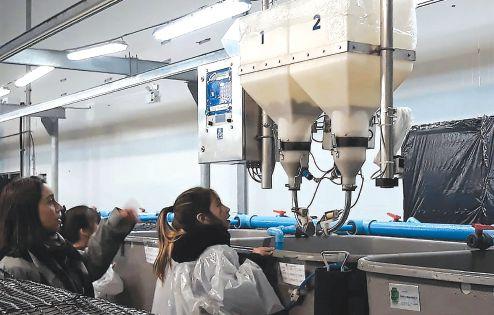
Comau BGC has implemented an open-door policy for local schools, organizing student tours throughout the facility. The company also provides scholarships for those kids with the highest academic achievements. “We reward the first, second and third top grades from the 7th year of primary school up to the end of secondary education with a monetary contribution,” García said.
Rocío Espinoza revealed that these scholarships help 18 of their 176 students, a benefit that is expected to extend to another school in Buill. “Both schools have joined guided visits to the site and learned about the different production processes. Besides, in Buill the company helped with the construction of ramps for a disabled student. That has been the most significant aid for us, since it had the greatest social impact for the benefit of just one student,” she added.
Aware of this whole situation, the company has also encouraged completion of schooling among its workers in cooperation with the local high school. In fact, several of those employees have continued studies and are currently in technical institutes.
FASTER RESPONSE
Rocío is thankful for all the help. She says that a broken window in the school might take several months to be replaced if public funds are used.
Bureaucracy can be challenging, said Roberto Ortíz too, technical manager at the local health-care facility. He said the process for getting medical oxygen tanks from the city office is very slow. “We recently asked for five tanks, which took about five months to arrive. By contrast, when we received tanks from AquaGen, it took them about 20 days to help us. And for free! This makes our work a lot easier given that medical oxygen is a basic input for us but very scarce in this peninsula,” he said. In addition, the company provides free fuel once a month.
“These contributions allow us to attend medical emergencies or aeromedical evacuations where medicinal oxygen is required. They take us out of trouble,” he added.
AquaGen’s maintenance department has always been ready to help with equipment repairs around the community. “We have also painted some classrooms and fixed problems in their power generators,” said the company’s head of maintenance, William Lagos.
“If we quantify all this aid in terms of money, those are lots of resources we are saving and using in further social assistance for our neighbors,” Ortíz said.
ROE SUPPLY
While other hatcheries of AquaGen Chile supply other foreign countries with trout eggs, Comau BGC only provides Atlantic salmon ova for the domestic market, and although it is just one country, not all clients want the same.
With the relatively recent expansion of the Chilean salmon industry to the southernmost region of Magallanes, some market requirements have started depending on geographical location.
“Last year, we started delivering here our product ‘Age,’ which is based on studies carried out in Norway. This work identified a gene related to maturity in fish and drastically reduced the possibility of early matures while, at the same time, maintained growth characteristics. The first eggs of that production are already smolts. We expect some results next year, because growth is our main attribute, but now associated with late maturity,” said the production manager at AquaGen Chile, Joaquín García.
Allegedly, production cycles in the region of Magallanes vary between 20 to 22 months due to low temperatures and latitude (53° South) compared to about 15 months in the region of Los Lagos (41° South).
GENOMIC SELECTION
While the most important traits at the sea are growth and robustness (higher resistance to sea lice and Piscirickettsia salmonis as well as low mortality rate), genomic selection has allowed AquaGen to choose the best fish at individual level. Given the high costs implied, genetic gain is obtained by the males while the females continue under the criterion of phenotypic selection, according to production manager Joaquin Garcia.
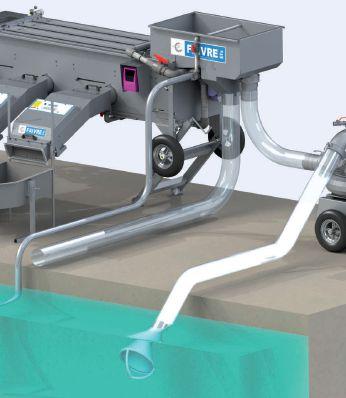
Since 1958, Faivre has been developing and manufacturing high quality equipments for the aquaculture industry













Students visiting the fry room is part of the frequent interaction between the company and its closest community (Photo courtesy: Rocío Espinoza).
COVER
Acts of vandalism spark security discussion
“We have 110 acres on the water,” says Matteo. “We’re surrounded by dense forest and there’s a gated entrance about a mile from the actual hatchery that requires a gate code and has a moat on either side. Our creek, there’s just one way in, one way out. We’re in a very rural place, so it’s pretty secluded and the town maybe has 50 to 60 residents.”
On the other hand, if your hatchery is closer to an urban center, security can be even more important. Bill Gass, production manager for Alaska’s Southern Southeast Regional Aquaculture Association, says while most of the seven facilities under his management are in similarly rural settings and have been largely incident-free, the one hatchery in a town did suffer a burglary that caused the organization to rethink some of its security measures.
“We had a couple of minor burglaries over the years that prompted us to put in some security cameras,” says Gass. “They didn’t touch any of the fish systems or life-support, they were trying to grab a little cash and took a couple of things. But we have gates and signs and outside residences, and all our water systems are alarmed, so it’s something we’re starting to consider a little more.”
ON-SITE PERSONNEL
Antonio Coli, head of group hatcheries for Greece’s Selonda Aquaculture SA, says while they do have some of the obvious security measures, such as fencing and security cameras, a key security effort is much more low-tech: ensuring that the hatcheries are staffed 24 hours a day. Having staff onsite enhances both physical security and biosecurity, Coli says.
“Around 4:00 PM, we put the alert out that the late shift guys have arrived to the farm,” says Coli. “A hatchery may have 25 people in the morning, and then another three in the late shift. These guys are working until around 10:00 PM. And a while before they go, night shift is coming. That normally is another two to three people that will have to work until morning. Their task, apart from preparing some fish for the next morning and some basic tasks, is guarding the farm.”
HIGHER-TECH
Depending on a hatchery’s location and the potential challenges it faces, higher tech solutions should be considered. While security cameras and motion-activated lights hardly seem cutting edge in 2018, web-based cameras provide a modern twist. In many cases, the important thing is to alert a potential trespasser that they are being watched.
“Nowadays, especially with cellular technology and WiFi and all the rest of it, it’s pretty easy to monitor stuff,” says Matteo whose cameras are clearly visible to act as a deterrent. “Even in remote areas, I think it’s a worthwhile investment to get cameras up and running, especially if you don’t have back-up systems in place, though I would encourage those too. If vandals have cost hatcheries a lot of money by doing something silly, it just makes sense to have cameras.”
Matteo says a neighbor once spotted a trespasser on his property and flew a drone overhead to let them know they were being watched. While not a part of the security measures utilized by any of the operators who spoke to HI,


drone technology could be another very effective technique for monitoring a site, and perhaps more importantly, for informing potential intruders that they are being watched.
FENCING AND NON-HUMAN VANDALS
The most obvious security solution to be utilized at a hatchery is fencing and gates with a lock that can only be


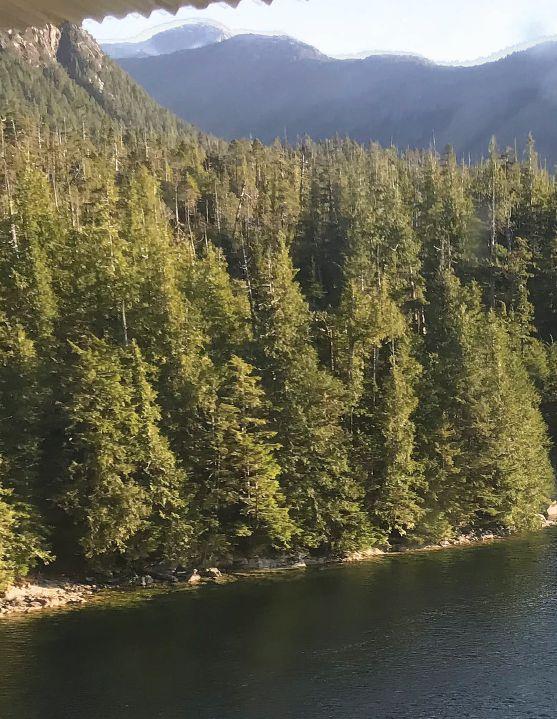
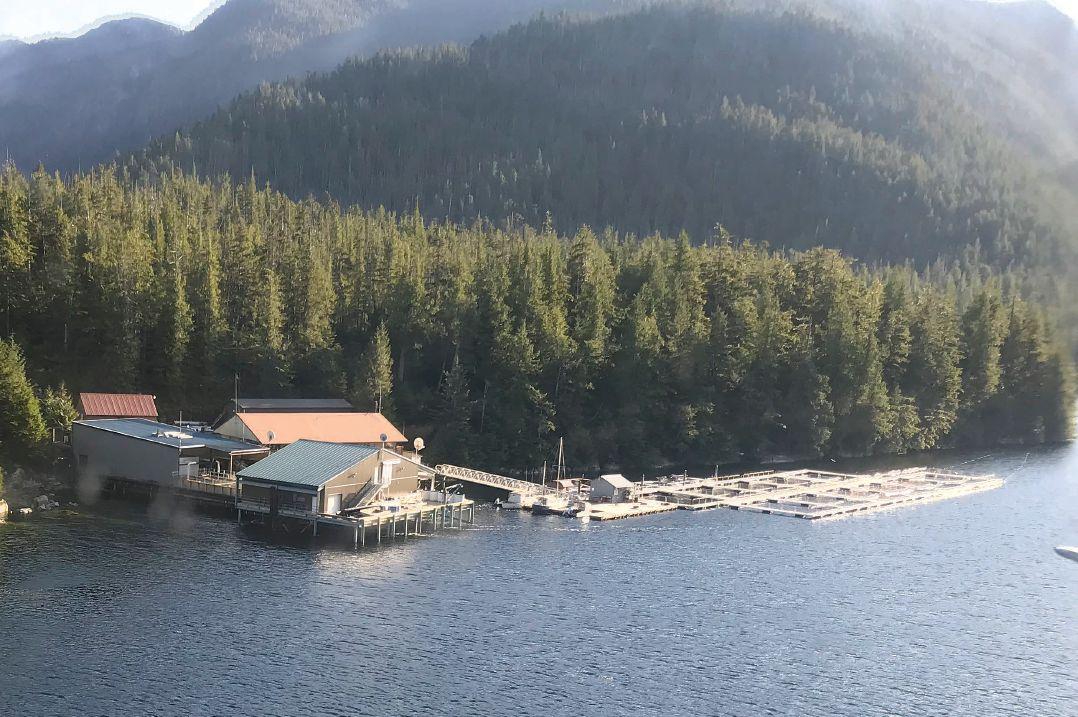
On Etolin Island in Alaska, the Burnett Inlett Hatchery’s remote setting is in itself a security feature. “The nearest human is 20 miles away by plane and the on-site staff is four persons,” says production manager Bill Gass.
opened by authorized personnel. They are also crucial for preventing intrusion by a different type of potential vandal – bears and other wildlife. Many hatcheries are in remote settings away from large human populations, and they can often be found in the heart of bear country.
“I would say that the security that we’ve put in place was more about keeping bears out and making sure that if a life support system for livestock failed that we have
a short enough response time that we can mitigate any risk of loss,” says Scott Peterson, freshwater production manager for Grieg Seafood’s Gold River Hatchery in BC. “That’s definitely been our biggest challenge. We have chain link fence, and then on that fence there’s two strands of electrical wire to keep the bears from coming in. If they don’t find an easy way in, they’ll move on to easier food sources.”
VANDALISM AT HATCHERIES IN 2018
JANUARY 19 – Dunedin Community Salmon Trust hatchery in New Zealand is broken into. Aerators turned off causing the loss of 200 salmon broodstock valued at $30,000. See Hatchery International May/June issue for more.
MAY 11 – Sitka Sound Science Center in Alaska loses 1,000 coho smolt days before they were set to be released into the ocean after an intruder turned off a fresh water valve.
MAY 12 – Dunedin Community Salmon Trust is again broken into and aerator shut-off kills another $20,000 worth of salmon. See Hatchery International July/August issue for more.
JUNE 4 – The main water line to Georgia’s Chattahoochee Forest National Fish Hatchery is severed, leading to the deaths of 52,000 trout valued at over $60,000.
JUNE 11 – A compressor which regulates oxygen levels at the Glen Wyllin trout farm on the Isle of Man is deliberately turned off, killing 4,372 brood stock valued at around $265,000.

Reduces deformities in larvae and fry
LARVIVA ProStart™ is the only early weaning diet with Bactocell®, an unique probiotic developed by Lallemand and approved by the European Commission for its documented effect in reducing the occurrence of vertebral deformities in fish larvae and fry.

We build the highest quality rearing troughs available to hatcheries:
• Smooth inner gelcoat, USDA approved and fish friendly
• Strong, deflection resistant trough design
• Drawings available for all trough sizes
• Custom built rearing troughs available at any size
View our gallery of completed rearing troughs for customers at www.reiffman.com
Eliminate waste Visit us at www.aquanetix.co.uk Contact us: info@aquanetix.co.uk
Call us today with your trough specs! Toll Free 1-800-835-1081 or 509-525-1081
Jim Brennan at jim@reiffman.com


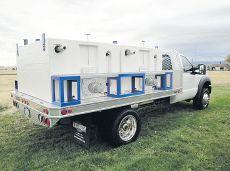
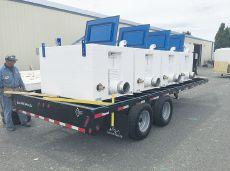
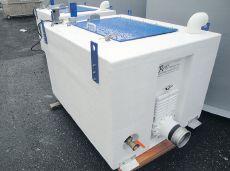
TRANSPORT TANK RENTALS
Short and Long Term – Rent to Own Options
We build the highest quality Fish Transports available:
• Smooth inner gelcoat, USDA approved and fish friendly
• Strong, 3/16" aluminum interior and 3/16" fiberglass exterior.
• Removable bulkhead fittings; threaded or bolt-on available
• Large hatch openings for easy access
• All SS hardware for long life, including SS toggle clamps
View our gallery of completed fish transport tanks at www.reiffman.com

Call us today with your requirements! Toll Free 1-800-835-1081 or 509-525-1081
Jim Brennan at jim@reiffman.com
Alternating oil-based diet enhances growth in sea bream, sea bass: study
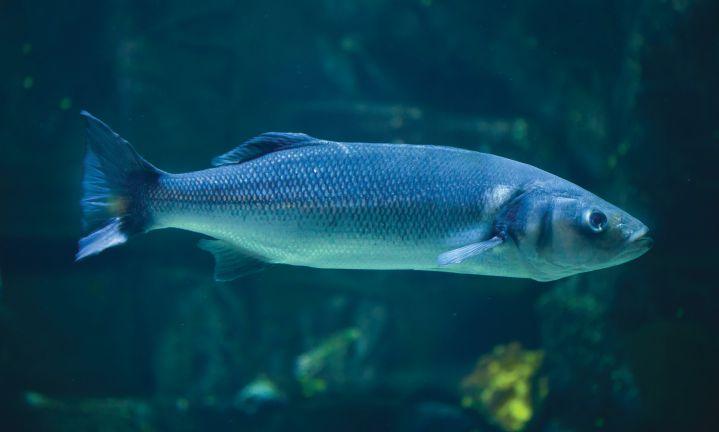
Mixed feeding schedules, based on ad hoc circadian patterns, may be instrumental to optimize fish oil use in aquafeeds, maintain the targeted omega-3 (n-3) fatty acids in fish tissues and ultimately support the further growth of an environmentally sustainable and economically viable aquaculture industry.
This was the conclusion in the study of Tufan Eroldoğan et al, which looked into circadian feeding schedules in juvenile gilthead sea bream (Sparus aurata) and European sea bass (Dicentrarchus labrax), and improving dietary fish oil utilization and n-3 long-chain polyunsaturated fatty acids (LC-PUFA) metabolism.
The fish are among the commercially important marine species in the aquaculture industry in the Mediterranean, where the study was conducted.
“This study showed that the daily alternation of fish oil- and canola oil-based diets in comparison to the continuous feeding with either fish oil- or canola oil- based diets can enhance growth performance and feed intake and can promote EPA and DHA content in the fatty acid profile of gilthead sea bream,” the authors said.
Four test diets, divided into experimental and control, were fed to the fish twice a day for 60 days. Extruded diets used had the same formulation and only differed in the added dietary lipid sources of either 100 per cent fish oil (FO-D) or 100 per cent canola oil (CO-D).
Under experimental, the first diet had CO-D in the first meal and, for the second meal, FO-D (COam). The second diet fed FO-D in first meal and CO-D in the second (COpm).
Under positive control treatment, fish were fed FO-D in both meals (posCT). In the negative control treatment, fish were given CO-D in both meals (negCT).
“The COpm diet worked while the COam diet tended to work equally well as the fish oil diet (posCT) in terms of fish performances and feed efficiency in gilthead sea bream,” they said. “But the posCT diet tended to outperform both COam and COpm diets in European sea bass.”
Both fish fed with the negCT diets exhibited the poorest performance.

Fish Transport Tanks - Eighth Page Ad
Troughs - Eighth Page Ad Hatchery International Magazine 2017
Ruby Gonzalez
Hatchery succeeds in first spawning of ballan wrasse
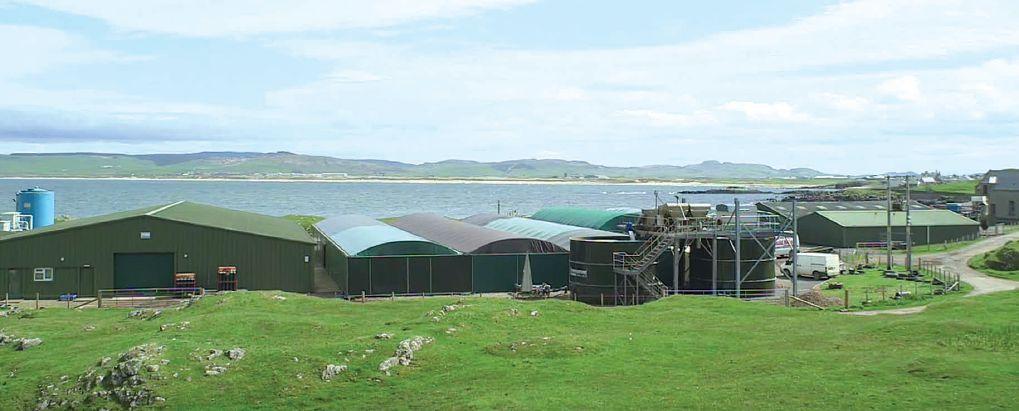
It took eight years from the launch for the project to achieve the breakthrough. During the first two years, Featherstone and his team were learning the behavior and ecology of wild ballan wrasse that’s necessary for them to spawn naturally in tanks.
Marine Harvest Scotland detailed the challenges on its Facebook page: “As a coastal species that inhabits a reef environment, the behavioural requirements of ballan wrasse are quite significant. As in the sea cages where kelp is required to provide refuge, similar hides and refuges are required in
tank sites, where if they are absent, the fish don’t thrive and suffer chronic stress.
“The spawning behavior requires the tank to be set up with a ‘reef’ of kelps and hides, and a spawning ‘sea bed’ area of mats. A harem of females, with fewer males in attendance (similar to red deer), is established. However, in wrasse there is a possible female dominance hierarchy as even though they are all capable, not all females spawn. Also if there are not enough males a female, in time, can change into a male. Wrasse have a rhythmic spawning pattern where they can
“As a coastal species that inhabits a reef environment, the behavioural requirements of ballan wrasse are quite significant.”
spawn for four days and not spawn for 10 days, and it is attractive to think that this might be associated with tidal cycles. The very fragile larvae hatch in seven days.”
“Those fish, which have grown into broodstock, are now spawning for us,” says Featherstone. “So we’ve now completed the whole cycle. Hopefully that would mean that we’d get far better survival and better growth rate and start producing the numbers of farmed wrasse the salmon industry in Scotland requires.”
Featherstone acknowledges more work needs to be done. “We do have our very first farmed ballan wrasse spawning but it is very early days yet and I don’t anticipate a great many larvae this year. However, they have started spawning, the eggs have been fertilised and we have a few of them hatching – this can only improve over the next few years as the fish grow in size and more of them start spawning.”
There are plans to expand the existing facility over the next few years. If all goes according to plan, Featherstone anticipates the hatchery to have capacity to produce 1.5 to 2 million wrasse annually. “I don’t think we can achieve this from the progeny of the wild broodfish we have but I am confident we can with these selected farmed broodstock – and that is the breakthrough.”
The Machrihanish wrasse hatchery could have the capacity to produce 1.5 to 2 million wrasse annually if expansion plans pan out.
(Photo courtesy: Paul Featherstone)
Oklahoma hatchery part of cutting edge urban fisheries management program
BY MATT JONES
The H.B. Parson Fish Hatchery in Oklahoma is the centrepiece of a remarkable fisheries management program. The only municipal fish hatchery in the state, it is involved in a wide variety of programs and activities designed to promote fishing in the city. As fisheries biologist Bob Martin tells Hatchery International, the program is a state-level agency program, but funded by a city.
“We do fish management, we do our fish culture work, we do aquatic education and we do outreach,” says Martin. “We do just about anything you can think of that would involve fisheries work.”
The hatchery has a long history in the northwestern end of Oklahoma City, having been established after the creation of Hefner Lake in 1947. Over the years the hatchery fell into disuse and had been long out of operation by the time Martin arrived in 1982.
“At the time we had 10 different size culture ponds and my job was to get the
hatchery back into operation and renovate it and we did that from ’82 to ’83,” says Martin. “We now have a modern fish hatchery that has six one-acre ponds with a modern water supply system; we have internal basins for our fish harvest and it’s just a much easier place to work.”
Since 1983 the hatchery has been producing fish to stock waterways in and around Oklahoma City. It raises walleye, striped bass hybrids, channel catfish and hybrid sunfish.
Through collaboration with the Oklahoma Department of Wildlife Conservation, it helps run the “Close to Home” waters program, where small bodies of water are managed with the help of a cooperator. There are three city lakes and eight Close-to-Home fishable waters available to residents in the area. But that is only the beginning of the work that the hatchery is involved in, says Martin.
“We’ve been cooperators on a couple of research projects through the Department
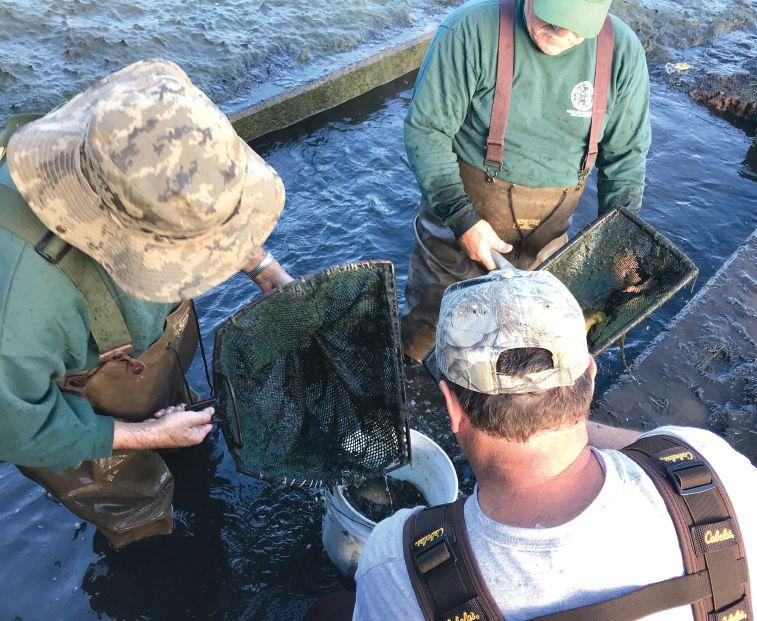

Workers from the H.B. Parson Fish Hatchery waist-deep in their work
of Wildlife Conservation’s Fisheries Research Lab in Norman, Oklahoma. We do traditional fish management work. We do our surveys, electrofishing, gillnets, trap nets, hoop nets for catfish. We do water quality and support surveys. We also do fish kill investigations. We place artificial fish habitat in our Close-to-Home and city lakes. We review our city fishing regulations annually. We also do a lot of promoting of fishing opportunities in Oklahoma City.”
Among other key efforts are marketing and promotion, including literature such as an annual pamphlet on fishing regulations and maps showing fish habitats and fishing opportunities in the city. They also have a noteworthy program to deliver fishing lessons (See Sidebar).
“Oklahoma City is really on the cutting edge of urban fisheries management with our program,” says Martin. “When I got here the hatchery had been closed down, but they had pieces – they had fishing classes in place. We have a number of covered fishing docks on our city lakes that were here, but we consolidated everything and put a good strong fish management program with it.”
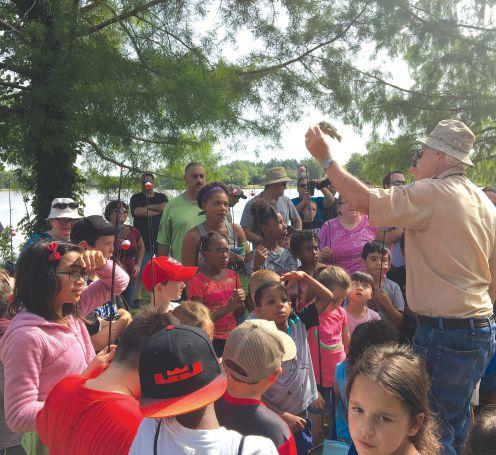
HATCHERY GIVES FISHING LESSONS
Fishing classes were offered in Oklahoma City prior to Bob Martin’s 1982 mandate to renovate and revitalize the hatchery. However, since that time, the fishing classes have been enhanced and have become a key outreach program. The primary focus is on teaching children from ages 5-15 over nine scheduled fishing classes, ultimately serving a total of roughly 600 children, accompanied by 400 adults.
“We teach basic fishing; how to fish with a worm, drop shot and a bobbler,” says Martin. “We use spin cast rods and reels. It’s a one-time class.”
Since 1990, the hatchery has also partnered with the Oklahoma City Police Department Athletic League for a program called Hooked on FishingNot on Drugs, which provides rods and reels for the classes, as well as literature and tackle.
For adults, the hatchery also holds a trout clinic which teaches anglers how to fish for trout.
“We go over equipment, casting, knot tying, fish cleaning, ethics and safety,” says Martin. “We have about 100-200 people go to that clinic.”
The trout clinic is part of a Sport Fish Restoration project where catchable trout are purchased and stocked in one of the Close-to-Home waters, resulting in a three-month long trout season. The project is funded through donations by groups such as the Dolese Bros cement company and the 89er Chapter of Trout Unlimited, matched by the Department of Wildlife Conservation.

The hatchery offers nine fishing classes annually.
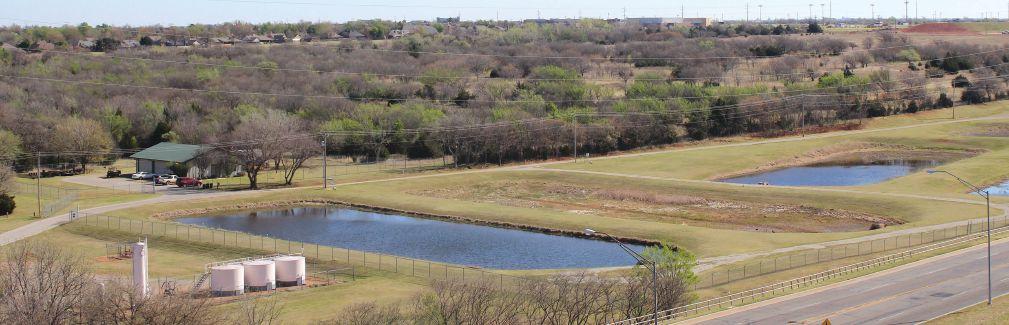
Photo taken from Hefner dam shows the hatchery grounds at a distance.
From booze to buzz
TimberFish Technlogies in New York is drumming up interest with innovative tech that turns beer waste to fish feed
BY TOM WALKER
“One man’s trash is another man’s treasure.” That’s the basic principle behind TimberFish Technologies, an American company that has built an aquaculture system that cleans a waste product, and in the process provides clean water for fish to grow and microbes to culture food to feed those fish.
The initial TimberFish facility is located right next to the 5&20 Spirits and Brewery in western New York state. The bi-products of brewing alcohol are considered waste and would have to be disposed of at a cost to the brewery.
“We take the discharge from the brewery and use it to grow microbes and invertebrates that we feed to our fish,” explains Jere Northrop, TimberFish co-founder and managing member.
It took more than 45 years of working with waste treatment technology to develop this process. Northrop has a PhD in biophysics and decades of experience designing systems to manage agricultural waste for the dairy and hog industries, as well as working with water treatment systems for food processing and municipal wastewater. “I’ve wanted to do fish for a long time,” says Northrop.
PROCESSING SYSTEM
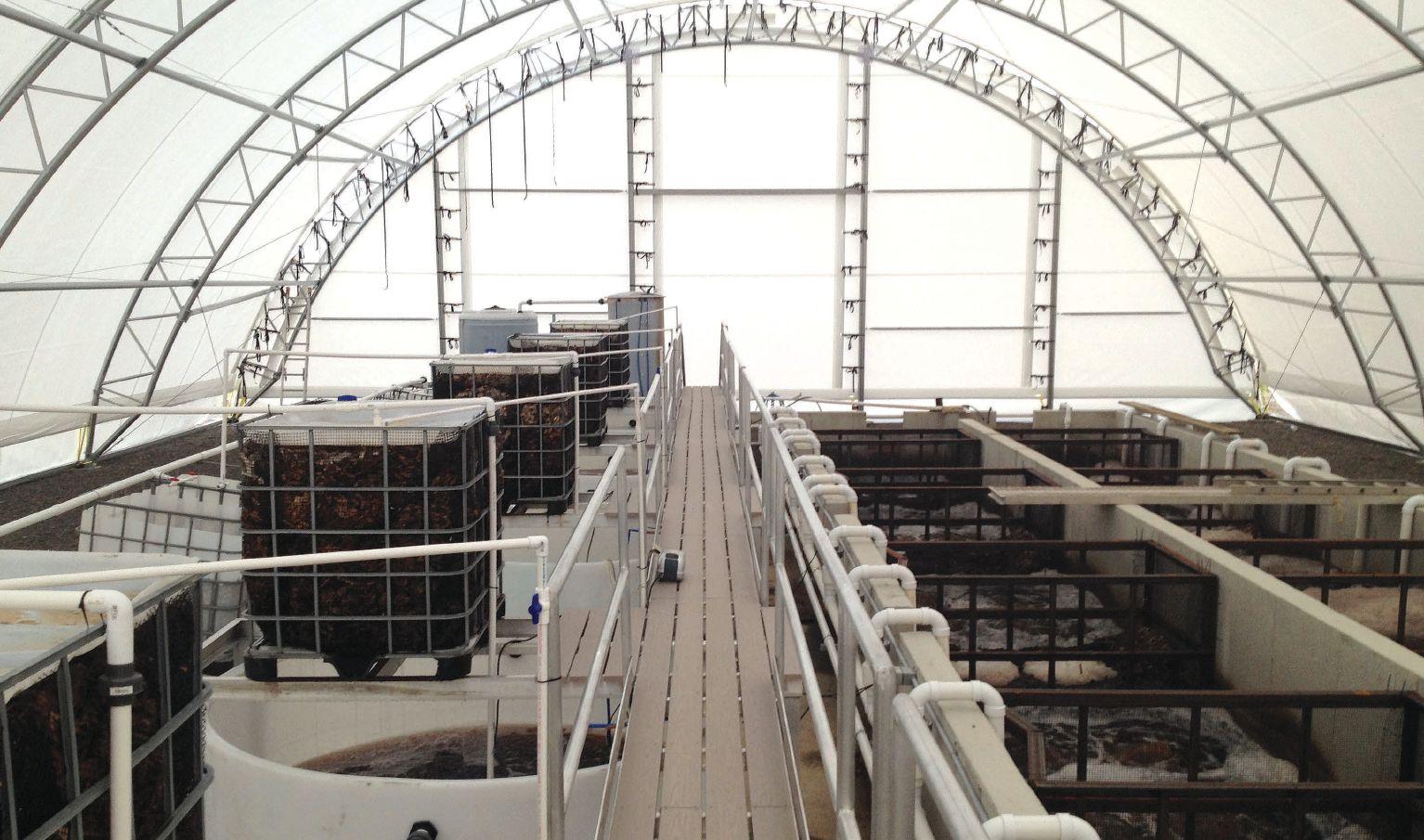
The company has built a demonstration project utilizing an in-ground concrete tank 70 feet long, 20 feet wide and eight feet deep, with a concrete wall that divides the tank in half. In all, the system runs about 45,000 gallons.
“We consider the interest rate, cost of labour, cost of electricity, what our material costs (are) and how much is capital versus operating expenses, what type of inputs we can get and the sale price of various species of fish.”
“We feed it 500 to 700 gallons a day depending on how much waste we get from the alcohol-making process,” explains Northrop. Using sustainably harvested wood chips, the water gets sufficiently cleaned to be used to raise fish, and the remaining biomass becomes fish food.
On one side of the concrete tank, the waste runs through a series of zones – first a water zone and then a wood chip zone. Each zone is between five and eight feet wide and constantly aerated.
“That train along the first side of the tank is designed to treat the waste water solids and to grow microbial biomass,” explains Northrop. “From that first train it goes into a second parallel train and we harvest some of the microbial biomass out of the first train and use it as a feed source for invertebrates.”
Northrop says the second train provides additional polishing for the water which is then pumped through a chip basket suspended above one of five 1,000-gallon plastic fish rearing tanks, that sit on a concrete pad outside the treatment system.
“We do some final polishing in the chip baskets above the fish tanks with the water dripping down into the tanks,” he says. “The chip basket above the tanks takes out the dissolved waste, nitrogen and phosphorus that is left.”
Each fish tank has a pump that circulates the water in the tank and up to irrigate the chip basket. A second pump draws off fish solids to send them back through the water treatment system.
The fish are fed either with invertebrates harvested from the system, or that fall into the grow tanks from the chip baskets above.
“Daily discharge from the system is equal to their daily influent,” says Northrop. “That is clean water under a strict SPDES permit from the NYS Department of Environmental Conservation.”
“The waste from the brewery is a great food source,” notes Northrop. ”Because it is food grade, it has no contaminants.” However, it is a difficult waste stream to treat he adds.
“It has very high BOD (biochemical oxygen demand) and suspended solids, high nitrogen and high phosphorus levels, so we really need to have that second side of the tank to assimilate most of it into a microbial bio mass.”
That’s the reason the fish tanks are on the outside, Northrop says. “We could run a system with a different influent stream with fish in the second treatment side, but this one is a little tough.”
FISH SPECIES
The project was initially stocked with warm water species – catfish, bass and perch –that will tolerate the warmer temperatures in the outside growing tanks. TimberFish has experimented with trout and has eyes on charr and salmon. A larger installation with grow tanks in ground would be easier to cool for trout.
“We did a proof of concept with the Fresh Water Institute and we used their expertise for the fish raising part of the design,” Northrop says. “We can basically provide 100 per cent of a trout diet from the invertebrates and the microbial floc that we produce.”
The natural feed produces a trout of full color that does not need purging. It has a slightly lower fat content that is high in Omega 3. “But it’s interesting, the cost of producing the invertebrates is slightly higher than the cost of a relatively low quality grade based feed pellet.”
“We have set up the system to do both and it remains to be seen how it is going to tip as to whether we feed all invertebrates and bio mass produced within the system and whether we supplement it or not,” Northrop notes.
There is a side story to the wood chips. The waste treatment system removes much of the cellulose and carbohydrates, and the high-energy residue left behind is mostly lignin. “It’s half the weight of the raw wood chips, but we can sell it for more than we paid for the original chips to be turned into pellets for wood stoves, or we could use it to produce our own electricity.”
INCOME POTENTIAL
Northrop describes the waste disposal process as a “significant charge” to the brewery operation. “They pay a trucking charge to move it and pay per gallon at the waste water treatment plant,” he says. The company could apply for a land application permit, but would be restricted to five months of the year and would need to maintain a tractor and spreader tanks and pay for an operator.
“We can create an alternative income stream by turning that waste into a salable product,” says Northrop. The 5&20 Spirits and Brewery are stakeholders in the project. The company has an economic model that considers the impact a fluctuation in variables will have on the end cost.
“We consider the interest rate, cost of labour, cost of electricity, what our material costs (are) and how much is capital versus operating expenses, what type of inputs we can get and the sale price of various species of fish,” says Northrop.
“This system is very environmentally friendly and benign,” Northrop points out. “It promotes reforestation, produces clean water, has a low carbon footprint, and grows local fish. All of those are good things, but it still has to make money in today’s market.”


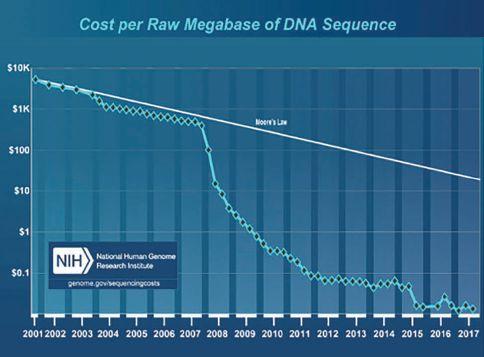
FIGURE 1. Cost per Raw Megabase of DNA Sequence (Wetterstrand KA. DNA Sequencing Costs: Data from the NHGRI Genome Sequencing Program (GSP) Available at: www.genome.gov/sequencingcostsdata. Accessed July 08-2018)
breeders are evaluated for presence or absence of a trait, and the selection program assumes that the performance of a family member is predictive of that of another member. This approach has reduced accuracy because every family has its outliers. In other words, even if one family is observed to demonstrate higher performance relative to the general population, not all the members of the family will perform equally. The use of genomic selection allows an accurate identification of family members that are more likely to perform as well as those that are recognized as having the most desirable traits when tested.
Lastly, controlling inbreeding is also a key element of successful genetic improvement programs. It prevents strong selection pressure from reducing genetic diversity leading to production of animals that are not equipped to succeed when faced with new challenges or environments. Genomic selection allows for control of inbreeding at the genome level (Sonesson et al., 2012) by considering the actual similarity of the genome of family members rather than the expected similarity based on a pedigree.
ROADBLOCKS
Genomic selection can help producers running established selective breeding programs accelerate genetic gains and become more sustainable and more productive. There are two main technical roadblocks preventing the wide use of genomic selection in aquaculture: lack of genomic resources and cost. Potential solutions for both issues lie, in part, in the technological advances in sequencing and genotyping technologies.
Sequencing genomes, and consequently developing genome-wide catalogs of SNPs, is less expensive than it used to be when the effort to sequence the Atlantic salmon (Salmo salar) genome began (Figure 1). The decreasing costs, together with the advent of long read technologies such as PacBio and 10X genomics, have allowed many new genomes from aquatic species to be sequenced; e.g. yellowtail, amberjack, coho salmon, American oyster and Pacific white-legged shrimp among others. With respect to genotyping – screening samples from individuals to characterize thousands of genetic markers – the use of SNP chip technology is now more accessible in terms of cost. However, advances that have been made in genotyping-by-sequencing (GBS) technology leave this tool poised to become a game changer for the development of commercially feasible applications of genomic selection in aquaculture.
GBS can be used to replace SNP chips as the source for high-density (HD) genotypic data (Gorjanc et al., 2015) or, it can be used in combination with SNP arrays for imputation-based genomic generation of HD genotypes (Hori et al., 2018). Imputation, the estimation of missing genotypes of a HD panel (50,000 SNPs) from a lower density panel (e.g. 2,000 SNPs), is a promising approach to reduce the cost of genomic selection for use in aquaculture. At the Center for Aquaculture Technologies (CAT), we are currently investigating the use of targeted GBS panels combined with imputation to generate HD genotypes. The approach lowers the cost per sample and
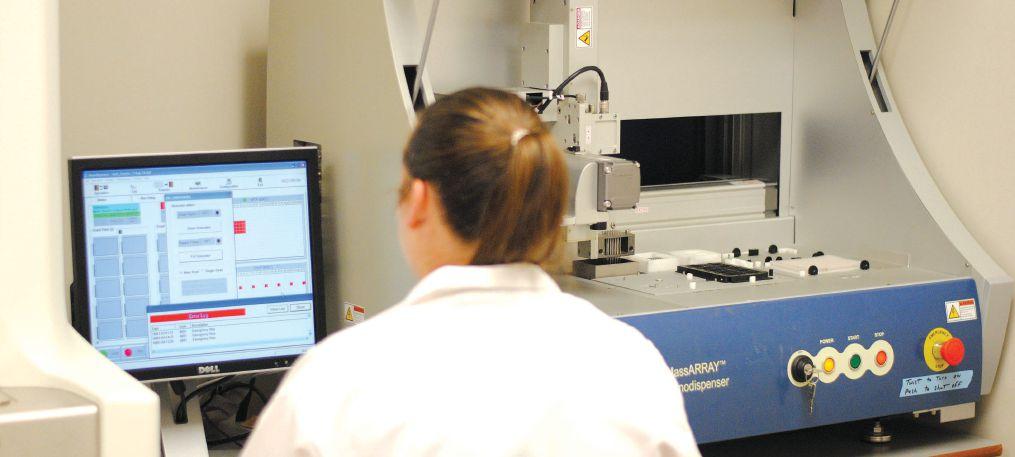
increases the number of selection candidates that can be genotyped. The research team has found that the accuracy of imputation from a ~2,000 SNP panel to a ~50,000 SNP panel is higher than 90 per cent in Atlantic salmon (Hori et al., 2018).
The use of such an approach can reduce the cost of genotyping for a genomic selection program by ~40 per cent when compared to using SNP chips alone to produce HD genotypes.
FUTURE PROSPECTS
The future of genomic selection in aquaculture is bright and the Atlantic salmon industry is leading the way in its adoption. This is not surprising, given that Atlantic salmon is the commercial aquatic species with the most genomic resources and research available. However, to enable a wider application of genomic selection in aquaculture, alternative approaches that further reduce cost such as imputation of lower density panels to GBS HD data (Gorjanc et al., 2015), within-family estimation of GEBVs (Lillihammer et al., 2013), and pooling (Sonesson et al., 2010) must be evaluated. It is unlikely that a single approach will be the best fit for all aquatic species given that the economics of production are not equal for every industry.
The knowledge generated from the application of genomic selection in aquaculture has grown significantly in the last few years; a search for aquaculture and genomic selection in Pubmed returns an average of 40 publications per year since 2014. Still, despite the weight of evidence generated by research, the commercial application of genomic selection in the broader aquaculture industry still lags.
In the field of applied aquaculture researcher, it is our challenge to demonstrate the positive benefit relative to cost such that additional species may benefit from genomic selection and other modern techniques targeting genetic improvement in aquaculture. (Editor’s note: For a list of published literature cited in this article, email the editor at mdeguzman@annexbusinessmedia.com)
Dr. Tiago S. Hori is the director of genomics at the Center for Aquaculture Technologies. Hori holds a B.Sc in Biology, a M.Sc in Genetics and Biochemistry, and a Ph.D in Biology. His work focuses on understanding the architecture of traits relevant to the aquaculture industry. His research has included the use of both functional and structural genomics to investigate the molecular mechanisms driving such traits. Hori has published over 25 scientific articles in high-impact, peer-reviewed journals such as BMC Genomics, Physiological Genomics, Aquaculture and Molecular Immunology.
GLOBAL SOLUTIONS FOR THE FUTURE OF AQUACULTURE
Today’s modern aquaculture farmer needs a partner that is able to help with the scope and variety of challenges they face every day. That is why Pentair has assembled a team of experts with diverse backgrounds in aquaculture, biological and technological engineering that is grounded in decades of research and commercial industry application experience. We help our customers run successful operations by providing the design expertise they need, a responsive service team and the largest selection of equipment and supplies in the industry. Trust in a team that’s here to help you.
GENETICS

Editing the future of aquaculture
Exploring gene editing as a way to smart, sustainable food production

BY ERIC IGNATZ
Recent developments in molecular techniques now allow researchers improved and more precise methods to edit the genome of livestock animals. Gene editing tools, such as CRISPR (Clustered Regularly Interspaced Short Palindromic Repeats) and TALENs (Transcription Activator-Like Effector Nucleases), are gaining attention around the globe for their ability to easily introduce or knock out specific target genes with the aim of enhancing certain animal traits.
Gene editing differs from genetic modification in that it does not introduce any genetic material that could not normally be achieved through traditional breeding practices. The AquAdvantage Salmon produced by AquaBounty Technologies Inc. is an example of genetic modification, as they used recombinant DNA technology to insert a growth hormone-regulating gene from a Chinook salmon (Oncorhynchus tshawytscha) alongside an ocean pout (Zoarces americanus) promoter into an Atlantic salmon (Salmo salar) to enhance growth characteristics.






On the other hand, a company called Recombinetics uses gene editing to modify a variety of livestock species, and is pursuing research into aquaculture. They are most notable for producing a variety of hornless dairy cattle, created by inserting a single gene already found in other bovine breeds.
Dr. Alison Van Eenennaam, a cooperative extension specialist at the University of California, Davis, and a collaborator on the Recombinetics project, says that gene editing in the case of polled cattle is used to address an animal welfare concern. Typically, horns must be burned off to better protect the safety of farmers and other animals.
“TALENs is basically in a similar group to CRISPR; they are both what are called site-directed nucleases, which is just a fancy way of saying they are a pair of molecular scissors that cut exactly where you want them to in the genome,” Van Eenennaam explains. “TALEN uses proteins and CRISPR uses RNA… just scissors with a different pair of coloured handles that do the same job that creates a double-stranded break.”
Van Eenennaam argues that breeding is one of the most important disciplines as it relates to the safe sustainability of agricultural production systems. “This [gene editing] is not going to replace conventional breeding, it will enable us to effectively introduce useful genetic variation… which means you can achieve that objective in a way that doesn’t slow down your rate of progress.”
RESEARCH INITIATIVES
In the aquaculture sector, there are numerous research groups investigating different methods of gene editing. Dr. Anna Wargelius from the Norwegian Marine Institute is leading a project using CRISPR/Cas9 to sterilize Atlantic salmon (Salmo salar) by gene knock out. This research could be used to ensure genetic containment of farmed fish and reduce the fear of interaction with wild populations. Wargelius has also mentioned interest in testing gene editing’s ability to increase omega-3 retention in Atlantic salmon as well as improve disease resistance.
At the Roslin Institute in Scotland, Dr. Ross Houston heads a research collaboration aiming to increase Atlantic salmon’s resistance against infectious salmon anaemia (ISA), using either CRISPR/Cas9 or TALEN. ISA outbreaks cost the salmon farming industry millions of dollars each year as infection can easily cause mass mortality. The first step of this project is to identify the specific genes involved in infection and then make alterations to them to hopefully reduce disease impact.
Additionally, Dr. Rex Dunham, from Auburn University, and his associates are working on the genetic improvement of channel catfish (Ictalurus punctatus) through gene editing. He has successfully induced sterilization by mutating the luteinizing hormone (LH) gene. Also, by modifying the muscle suppressor gene myostatin, research shows they were able to increase the number of muscle cells and increase body weight. Both genetic containment and increased growth performance are advantageous traits that could prove very beneficial to catfish farmers.
Other groups are working on Nile tilapia (Oreochromis niloticus), common carp (Cyprinus carpio) and rainbow trout (Oncorhynchus mykiss). It is important to note, though, that all forms of gene editing in aquaculture are still in the research phase and not a single example listed has been approved by regulatory authorities for commercial use.
REGULATORY ASPECT
The future of regulation around gene editing, particularly in livestock animals, is unclear. Van Eenennaam maintains that, “Regulation should be based on product-risk and not breeding method.”
She goes further to state, “Because it wasn’t recombinant DNA being introduced in the genome, the thought was there is nothing novel here to regulate. And the USDA has taken that approach with plants, where if you’ve edited plants and you haven’t introduced novel DNA then that is not going to trigger additional regulation above the normal food safety requirements.”
Van Eenennaam warns that, “The precautionary concept as a principle doesn’t really allow you to move forward with technology and that is kind of what happened with recombinant DNA technology in animals, and I worry that the same thing is going to happen with editing. If we hadn’t allowed our plants and animal breeders to make the improvements they have using conventional selection, then we would have a much greater environmental footprint for our food production.”
She promotes using genetic solutions such as gene editing in agriculture to enhance and build a more sustainable industry.
2018-03-15 11:46 AM
New shellfish hatchery in Western Australia produces first batch of rock oyster spat
The hatchery is also working toward supplying juvenile seed stocks, known as spat, to aquaculture operations in other states.
Successful commercial-scale farming of shellfish, such as edible oysters, mussels, scallops and Akoya pearl oysters, depend on a reliable supply of very large quantities of spat.
Athair Aquaculture Pty Ltd has been appointed to operate the hatchery for three years, with an option for an additional two years.
The hatchery site was chosen for its access to exceptionally high-quality seawater from Albany’s King George Sound and existing infrastructure in Frenchman Bay, which was redeveloped and upgraded to specifically suit shellfish hatchery operations.
At full production, Albany Shellfish Hatchery is expected to produce about 600 million mussel spat per year and 80 million rock oyster spat annually.
“Albany’s shellfish hatchery is supporting the development of WA’s south coast aquaculture industry, which is estimated to create around 350 direct and indirect jobs over 10 years,” Fisheries Minister Dave Kelly said. “The bigger picture for the shellfish industry around the State suggests that over 900 direct and indirect jobs may be created in the sector.
Western Australia’s aquaculture shellfish sectors are currently worth about $3.5 million annually, and the new hatchery in Albany is estimated to increase the sector’s value by up to $12 million within five years, Kelly added.
Inactivated vaccine, vibriosis and pasteurellosis in sea bass, in injectable emulsion. With AQUAMUN
ICTHIOVAC® VR/PD Inactived vaccine, vibriosis and pasteurelosis in sea bass, in injectable emulsion COMPOSITION PER DOSE: Inactivated Photobacterium damselae subsp. piscicida DI 21 RPS ≥ 60%, Inactivated Listonella anguillarum serotype O1 RPS ≥ 75%, Inactivated Listonella anguillarum serotype O2α RPS ≥ 75%, Inactivated Listonella anguillarum serotype O2β RPS ≥ 75%. RPS: Relative Percentage of Survival in sea bass after intraperitoneal challenge. INDICATIONS: Sea bass: to reduce the mortality caused by infection by Photobacterium damselae, subsp. piscicida (pasteurelosis) and by infection by Listonella anguillarum serotypes O1, O2α and O2β ADMINISTRATION ROUTE: Administration by intraperitoneal injection. Shake before use. DOSAGE: One dose of 0.1 ml/fish, when fish weight is approximately 15 g. Fish must be anaesthetised prior to vaccination. WITHDRAWAL TIME: 0 degrees-day. SPECIAL PRECAUTIONS: Fish shall not be stressed during 48 hours before vaccination and 15 days thereafter. Culture water temperature during vaccination shall be equal to or slightly lower than the optimal culture temperature for sea bass (between 17 ºC and 22 ºC). Do not vaccinate unhealthy animals or carriers of pathogenic microorganisms.
Fish Graders
For every species – even Lumpfish.

All graders can be customized according to your needs. Always equipped with frequency converters. Bandspeed freely variab le. Only 230 Volt needed.
Please contact us in Germany: +49 3594 785 22 23
verkauf@fischtechnik.com www.fischtechnik.com


Homecoming hope for California’s King Salmon
The Winnemem Wintu people’s quest to restore their beloved chinook to its rightful home
BY BEN NORMAND
here’s a Winnemem Wintu legend that goes like this: “When we first bubbled out of our sacred spring on Mt. Shasta at the time of creation, we were helpless and unable to speak. It was Salmon, the Nur, who took pity on us and gave us their voice. In return, we promised to always speak for them.”
TThe Winnemem Wintu people have lived along the McCloud River, a tributary of the Sacramento river in northern California, for thousands of years. During most of that history, they relied on a strong King (Chinook) Salmon run as a resource and a cultural anchor. This changed in 1945 when the Shasta Dam was completed. The dam prevented salmon from returning to the McCloud River, and the Winnemem Wintu people’s sacred and dependable salmon run was lost.
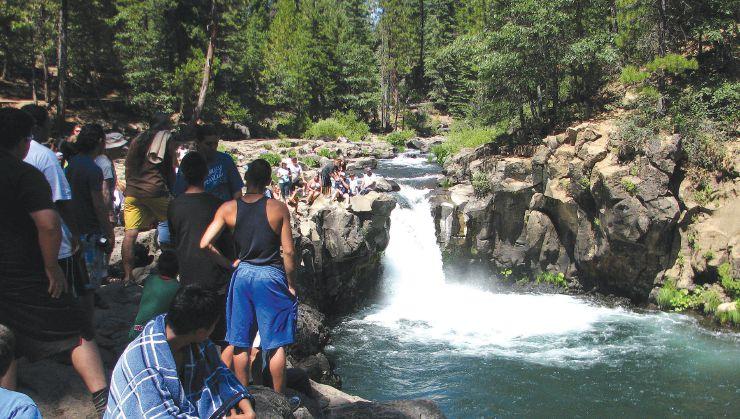
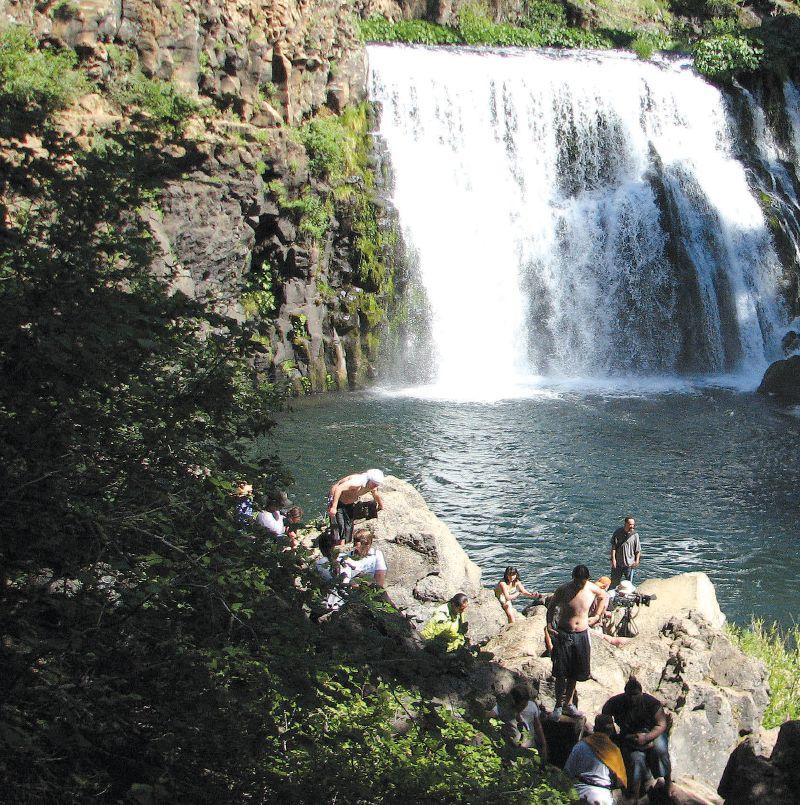
A popular swimming spot on the McCloud River, California, United States, the Winnimem Wintu people hope to repatriate Salmon from New Zealand to seed this river once again.
Since then, American authorities have worked hard to keep the Sacramento River run as healthy as they can, mainly through the extensive use of reared and released smolt. While some of these fish return, the stray factor has been much higher than can be expected from an established, naturally occurring run. Combined with the fact that McCloud river fish were not able to bypass the dam and thus were left with no choice but to spawn with other Sacramento fish, this led the Winnemem Wintu to believe that their fish had been lost forever. With the salmon gone, the Winnemem Wintu worried for the survival of their culture and way of life, with good reason. Before 1900, there were an estimated 14,000 Winnemem Wintu living along the McCloud River. Now there are, “126 Winnemem people who still believe in the Winnemem way of life,” said Caleen Sisk, hereditary chief and spiritual leader of the Winnemem Wintu people. “So we’re trying to build that up.”
GETTING THEM HOME
To ensure the success of the re-establishment effort, the fish used for stocking would have to be naturally occurring winter-run. Barr and his technicians have begun diligently searching across the South Island for suitable, winter-run broods. They have been catching candidates, collecting and drying their fins, and are currently having them analysed to ascertain their status as genuine winter-run, McCloud River descendants.
They have been joined twice now by delegations of the Winnemem Wintu nation, and Barr has visited their territory in California as a guest of the tribe, along with Ngāi Tahu, the Māori Iwi whose territory covers most of the South Island. These visits are motivated by both
a desire to remain directly involved in this ecologically important mission, but also as a means of strengthening the cultural conviction that they once feared may disappear.
The cultural impact has been significant. The Winnimem Wintu believe their sacred Mount Shasta has a sister in Aoraki/Mount Cook. Shasta sent the fish to Aoraki for safekeeping while humans were busy doing what they do, but now humans have realized the error of their ways and it is time to bring those salmon home.
With this sort of passion driving them, the stakeholders of this project are poised for success, and the Winnemem Wintu way of life seems certain to survive.

Hope, however, has been found for the future of the Winnemem Wintu people and their beloved salmon. Through the late 1800s and early 1900s, salmon eggs from the McCloud River population were sent to over a dozen countries. All attempted seedings failed, except for those fish which were introduced into New Zealand’s Waitaki river in 1901. In 2004, Sisk received an email informing her the descendants of their fish are alive and doing well in New Zealand. The reluctance of New Zealand Fish and Game to interfere with and stock primary spawning streams also meant there was a good chance of finding direct descendants of those original McCloud River fish in these primary streams.
The Winnemem Wintu knew they had to try and get their fish back.
While the Winnemem Wintu began working to possibly retrieve their fish, coincidentally the winter Sacramento run sub-population was recently reclassified as critically endangered, which triggered American federal funding and a mandate for re-establishment, says Dirk Barr, hatcheries manager with North Canterbury Fish and Game. The funds are currently earmarked for the genetic tissue sampling for Winter run DNA in NZ. If successful, further funding will be needed to build a stream through Winnemem Wintu territory, bypassing the dam, and other structures to support downstream and upstream migration.

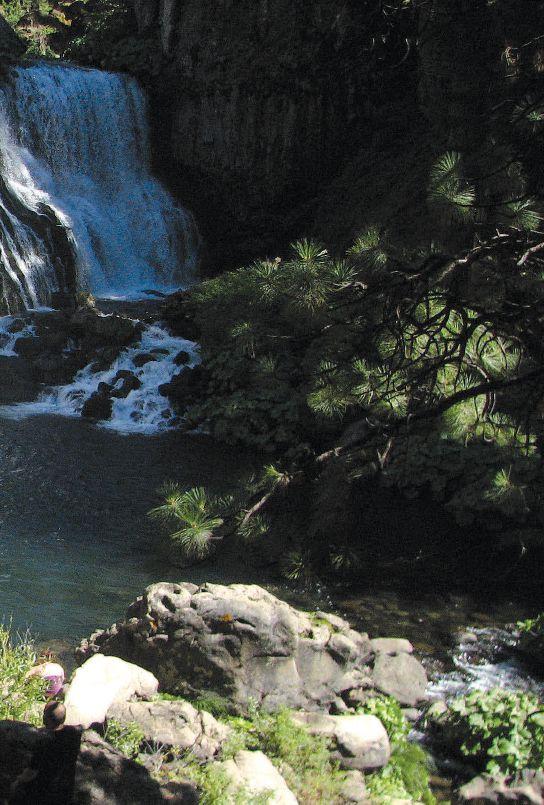
The McCloud River is a tributary of the Sacramento in California, United States. (All photos by Dirk Barr)
Henry Aquaculture Consult Inc. International Advisory and Consulting Services




Russia eyes humpback salmon for state-owned hatcheries

Russian Federal Agency for Fishery Rosrybolovstvo plans to convert several stateowned hatcheries in the far eastern part of the country, so they would breed humpback salmon (Oncorhunchus gorbusha) fry, instead of chum salmon (Oncorhynchus keta) fry, Vasily Sokolov, the deputy director of Rosrybolovstvo, revealed during a pressconference in Vladivostok early June.
In total, the far eastern hatcheries in Russia annually release up to one billion units of chum salmon fry. Some 300 million units of them are being produced every year in accordance with government contracts by the state-owned hatcheries, according to Sokolov.
“We would like the state-owned hatcheries to be focused on salmon species that have more social importance, and in the first place on humpback salmon. The reproduction of chum salmon seems more like a commercial venture for the private hatcheries,” Sokolov explained.
This measure is needed because the population of the humpback salmon has been gradually shrinking in the region over the past few years. In 2017, in Sakhalin Oblast the humpback salmon catches were at the lowest level since records began, reaching only 27,900 tonnes, or 63 per cent from the basic forecast. The situation is similar in the other parts of the far eastern region.
The reasons of this phenomenon remained mostly unknown. Government officials said that the population of the humpback salmon is reducing due to poaching. The local scientific institute Tinro-Center argued that the humpback salmon just moved to the north, closer to the Arctic, as global warming has made the far eastern seas too warm.
In total, Rosrybolovstvo plans to convert at least four hatcheries for the production of humpback salmon, Sokolov said, not providing further details on the project.
– Vladislav Vorotnikov
Chronic exposure to high-temps has ‘few impacts’ on Atlantic salmon stress levels: study
The potential of using eye darkening as a non-invasive indication of stress was shown in a study that examined and developed temporal response profiles of physiological indicators of stress and growth in juvenile Atlantic salmon.
The study conducted in Australia by Tromp, Jared & L. Jones, Paul & S. Brown, Morgan & A. Donald, John & A. Biro, Peter & O.B. Afonso, Luis, and published in Aquaculture, exposed the fish to 12 °C, 16 °C, and 20 °C water temperature for 99 days.
“This study showed a clear physiological stress response (elevated levels of cortisol) and eye darkening in fish maintained at 16 °C but not at 12 °C or 20 °C, suggesting that some aspects of the physiological responses available to deal with chronic stress are affected by temperature. Eye darkening also did not differ between modes, but increased significantly in the groups exposed to 16 °C and 20 °C when compared with 12 °C,” the authors cited.
Cortisol is a steroid hormone that helps the body respond to stress.
Overall, the tests showed there are few impacts on stress physiology and growth responses in juvenile Atlantic salmon exposed long-term to increased water temperature.
There were no significant differences in fish body mass and length among the temperatures after 99 days. The findings were the same with plasma glucose and cholesterol levels. While body mass at 12 °C and 20 °C were similar at the end of the study, fish maintained at the lower temperature were longer.
The authors noted that with previous studies about metabolic effects of high water temperatures in Atlantic salmon conducted for relatively short period of time, “information regarding the effects of chronic exposure to high water temperatures is poorly known in this species.”
– Ruby Gonzalez
Simplicity is the ultimate sophistication
Leonardo da Vinci
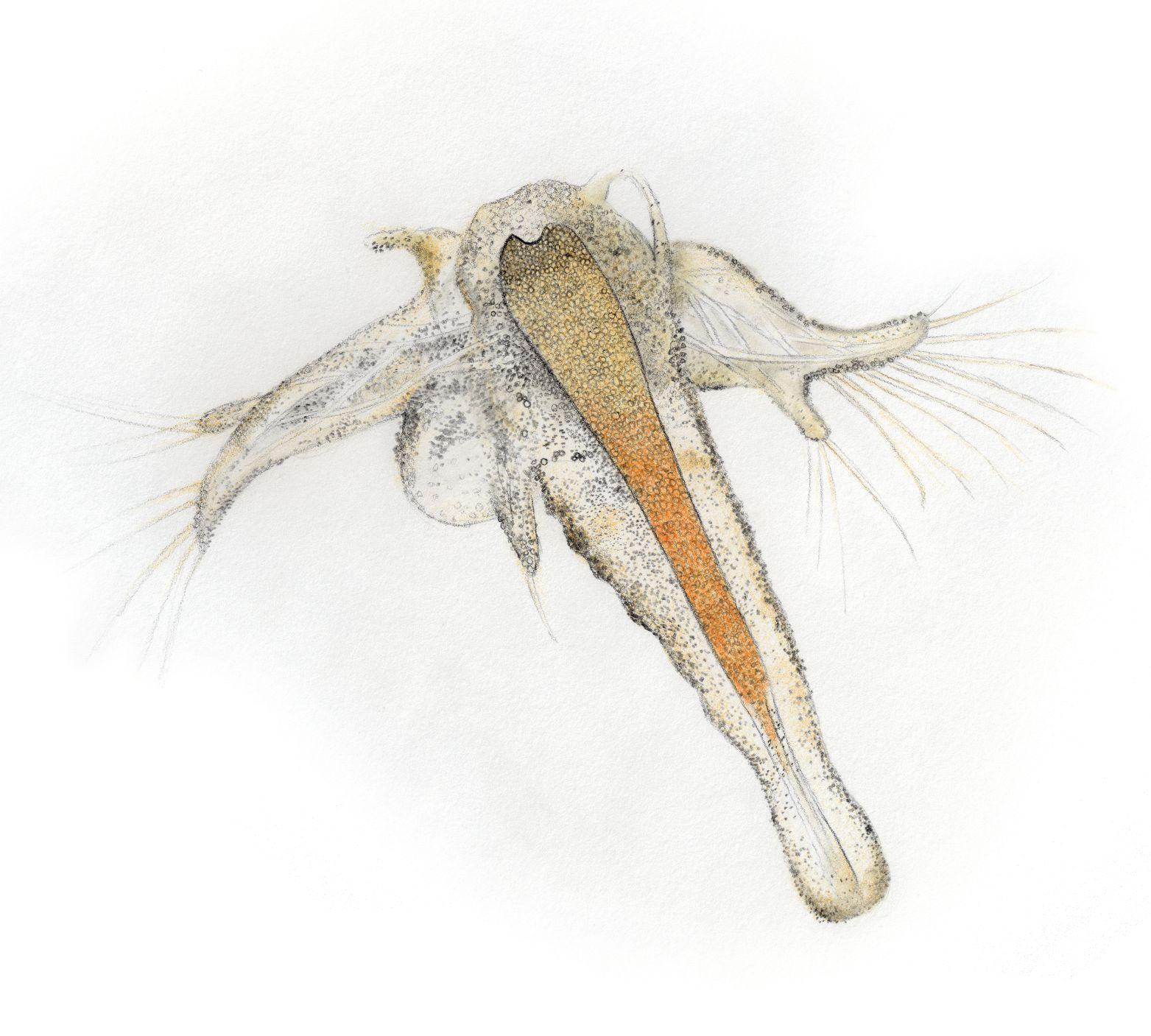
ORI-N3 is an innovative algal based DHA enrichment for Artemia which allows maximal uptake of DHA into the Artemia in a very flexible and convenient manner. ORI-N3 is also free from fish oils resulting in a cleaner, more natural and sustainable enrichment.
For more information, please contact your local feed consultant.
www.skretting.com
MONUMENTAL TASK
Reviving a centuries-old effort to restore Atlantic salmon to Penobscot River in Maine
BY ERIC HENDRICKSON HISTORY
On August 24, 2016, President Barack Obama used the Antiquities Art to declare 87,563 acres of mountains, forest and rivers as Katahdin Woods and Waters National Monument. The monument is located in northern Penobscot County, Maine. This includes a large section of the upper East Branch of the Penobscot River known as a significant piece of this extraordinary natural and cultural landscape.
The extraordinary significance of the Penobscot East Branch River system has long been recognized. A 1977 Department of the Interior study determined that the East Branch of the Penobscot River, including the Wassataquoik stream, qualified for inclusion in the National Wild and Scenic Rivers System based on its “outstandingly remarkable values as a nationally significant resource.”
President Obama’s proclamation discussed how the removal and retrofitting of downstream dams would enhance the integrity of the Penobscot East Branch river system and provide opportunities for scientific study of the effects of the restoration on upstream areas within Katahdin Woods and Waters. It will also allow the federally endangered Atlantic salmon (Salmo salar) to return to the upper reaches of the river known in the Penobscot language as “Wassetegweweck,” or “the place where they spear fish.”
By the 1890s the upper East Branch of the Penobscot River was developing as an area of wilderness salmon sport fishery. In 1903, a report from the Bureau of Fisheries declared the Penobscot River as the most important salmon river in New England with fish being taken primarily by weirs, gill nets and trap nets.
Within the monument, the East Branch of the Penobscot once played an important role in Atlantic Salmon fisheries. A man named Charles Atkins played a pivotal role in the hatchery development on the river. The salmon hatchery’s location was at the mouth of Little Spring Brook across the river from Sufferers Rock, which is a ledge outcrop about 14.05 miles downstream from Grand Lake Dam. You can still find the original aluminum marker with an


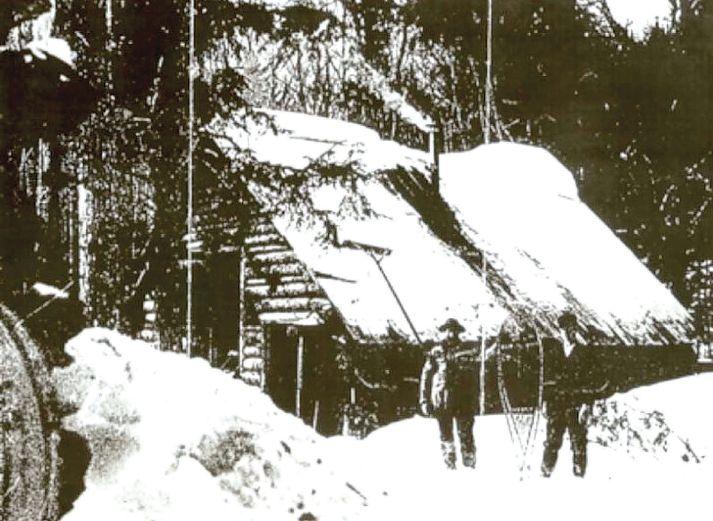
The photo is believed to be that of a hatchery that was built near the river.


elevation of 402 feet, as it was part of a 1908 water survey of the Penobscot watershed done by the USGS looking for possible locations for dams. Atkins was a New Englander, born in New Sharon, Maine, on Jan. 19, 1841, attended Bowdoin College and was considered to be a truly visionary fish biologist of his time.
HATCHERY BIRTHS
Atkins and Nathan Foster were the first Maine Fisheries Commissioners. In their first report on January 1868, they stated that, “the salmon is suffering from neglect and persecution.” The U.S. Congress then followed the states’ lead, creating the U.S. Commission on Fish and Fisheries on February 9, 1871 – a precursor to the U. S. Fish and Wildlife Service. Spencer
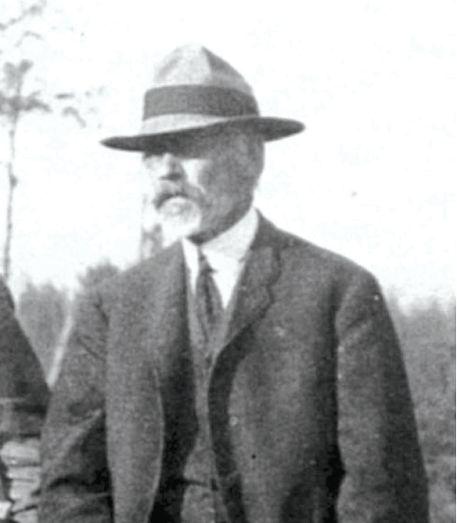
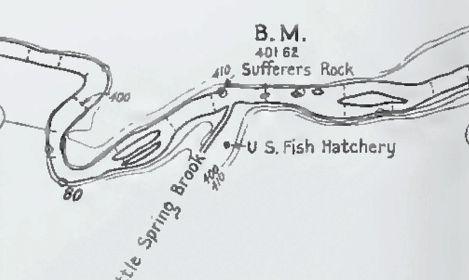
Baird was appointed its first commissioner, and among his first directives were to conduct studies on the decline of coastal and inland food fishes and methods of fish culture. Baird turned to Atkins for his expertise and directed him to locate a suitable site in Maine to raise Atlantic salmon.
In 1871, Atkins opened the Craig Brook Hatchery, which is still in operation today. In the beginning, Atlantic salmon eggs were taken only from the Penobscot River, from 1871 to 1875, and then again in 1879 to 1919. In addition to the hatchery at Craig Brook, the federal government opened Maine hatcheries at Bucksport in 1872, Sebec Lake in 1873, Grand Lake Stream in 1875, Green Lake in Dedham in 1892, Upper Penobscot in 1903, and the Salem Feeding Station in 1941.
SIGNIFICANT ENHANCEMENT
Atkins opened the Upper Penobscot Auxiliary Station (Little Spring Brook Hatchery) in the fall of 1903, and it operated until spring of 1916. Eggs were collected by fishermen in the lower Penobscot River.
At the Craig Brook Hatchery, people used the dry method of fertilization for the eggs. The hatchery operated each year from October or November through May or June. Eyed eggs from Craig Brook were taken by train to Sherman, transferred to another train to Patten, and then by wagon for eight miles to the Charles McDonalds Camps, now called Bowlin Camps on the river. There, the eggs were taken by wagon across the ford and several miles downriver to the Little Spring Brook facility – where they stay until the eggs hatched into fry. In May or June, all of the fry were released into the East Branch – the facility did not have the ability to produce food or feed the fish so they were released as soon as the egg sack was gone. The fry were carried by buckets down river in canoes carried in buckets or by wagon using the East Branch Tote Road. They were generally being released along the way.
HISTORICAL PENOBSCOT RIVER ATLANTIC SALMON STOCKING
Annual Totals – Entire Penobscot River Drainage
East Branch Locations
Annual Totals Year# of fry stocked# of fingerlings stockedtotal stockedfry only from
*This table is the result of the years it was used as a hatchery.
Records show that the vast majority of salmon stocked in the Penobscot drainage each year from 1904 to 1916 were produced at the Little Spring Brook facility. During that period, 25 million fry were released into the river, accounting for 99 per cent of all fry released into the Penobscot River System. The hatchery was closed in 1916 for unknown reasons; it may have been weather, floods, fire or disease that closed the facility, but we will never know for sure.
After 1919, things went downhill quickly for the salmon population in the East Branch of the Penobscot River. In 1919, salmon eggs from Canada began to be used because of “uncooperative” Penobscot River commercial fishermen who were no longer willing to sell eggs. Penobscot salmon runs and the fishery continued to decline in the 1920s and ‘30s after Canadian eggs replaced Penobscot River eggs, until they were almost non-existent.
PLAN OF ACTION
Efforts are currently being renewed, thanks to a multiparty public-private project, to reconnect the Penobscot River
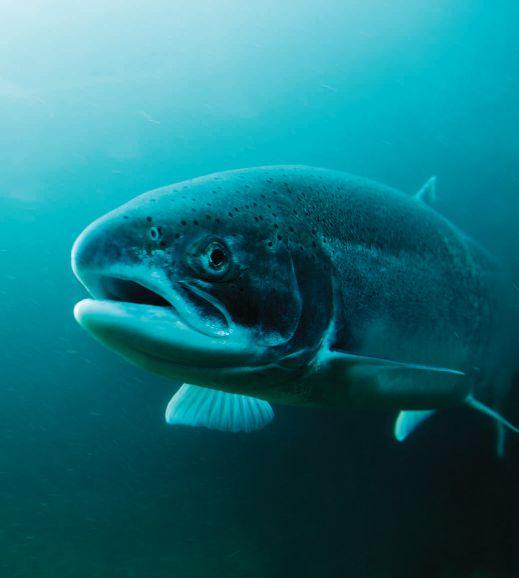
with the sea and continue to work toward restoring a selfsustaining population of sea-run Atlantic salmon to the excellent clear water spawning and nursery habitat of the East Branch and its tributaries. Perhaps, the recent efforts were inspired in part by those early conservation efforts, but we will never know.
Obama’s declaration of the Katahdin Woods and Waters National Monument will protect the watershed while providing an opportunity for scientific research on the effects of the restoration on the upper river area. In time, the return of the federally endangered Atlantic salmon will complement the exceptional cold water native brook trout fishery that already exists within the monument.
Eric Hendrickson is a retired science educator and former Maine Guide/Outfitter from Presque Isle. He has published over 100 articles about natural history in various publications. In 2002, he was awarded with the certificate of merit by the National Speleological Society. He is an avid explorer of the Katahdin Woods and Waters National Monument, where he enjoys discovering the historical, cultural and national history locked up in the land.
Charles Atkins
A section of Penobscot River from a 1908 survey by the USGS where they were looking to build dams.
First hatchery launched in southern Siberia
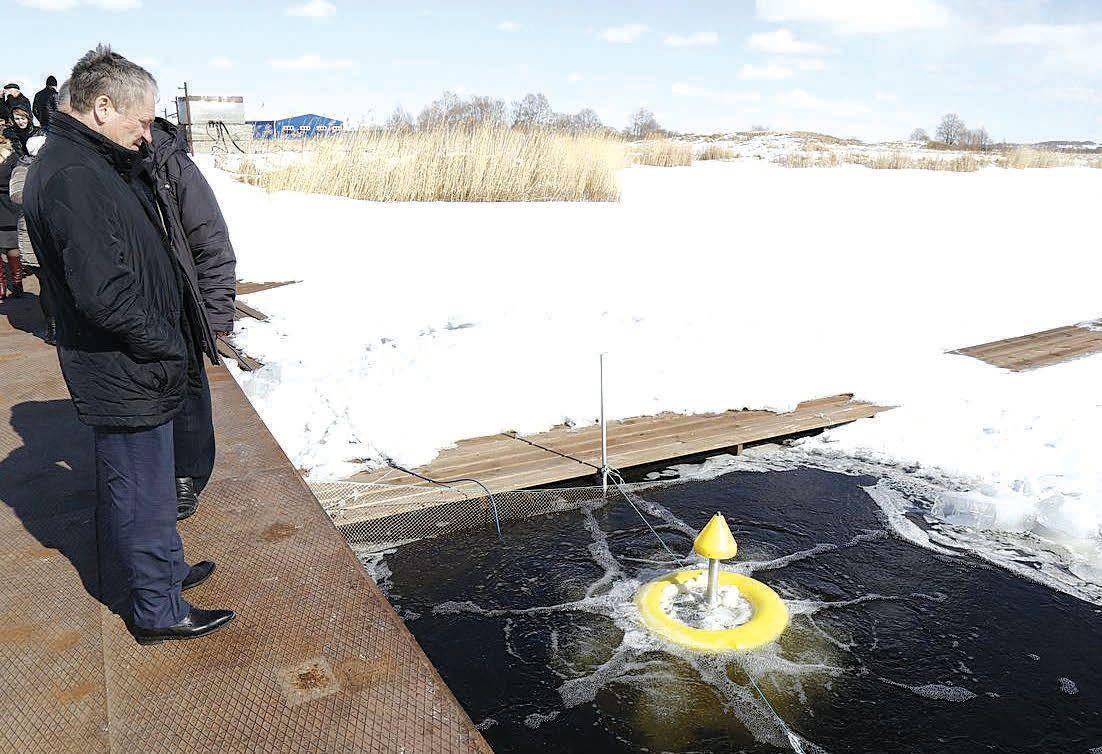
rivate entrepreneur Alexander Petrov is currently completing a hatchery within his fish farm in Kurgan Oblast, Russia. This is the first facility of its kind in this part of the country, and as soon as it is launched it would dramatically reduce the importdependence of the region in stocking material.
According to Petrov, he has been working in the fish business since the1980s. To establish a full-cycled fish farm that would have no need to purchase feed or stocking material “was his lifetime dream.” Now, after many years of work the dream may finally come true, aided to some extent by the state policy imposed by Russia aimed at giving a strong impetus for the development of the domestic aquaculture industry.
SOCIAL
IMPORTANCE
The green light to the project was officially given in 2015, when both the regional and the federal government issued a subsidy to Petrov for a total amount of Rub8.5 million ($150,000), which allowed him to expand his business by building packaging capacities and the hatchery. This was about 10 per cent of the total cost of the project.
The new hatchery would initially release whitefish fry. The project will be expanded to include sturgeon and salmon fry, according to Petrov. The hatchery has a strong social




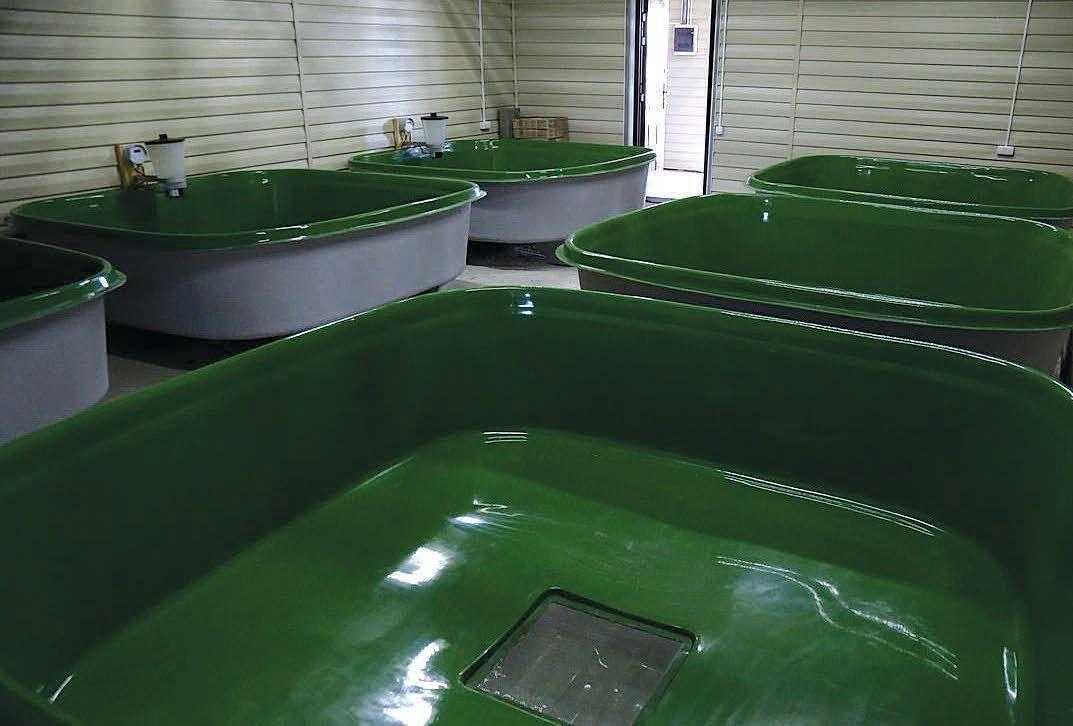
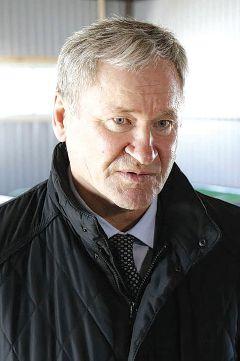
importance for the region, where the aquaculture industry is still in infancy, according to Alexey Kokorin, the governor of the Kurgan Oblast.
“Previously, we had to purchase fry for reproduction purposes in the neighbor regions. Now, by launching this facility we could start breeding our own fry. This, in turn, would allow us to significantly increase the volumes of fish production in Kurgan Oblast,” Kokorin said.
The new business is also expected to help alleviate the unemployment problem in several villages nearby, according to Kokorin.
FIRST STEPS
According to Petrov, he purchased the stocking material for the hatchery in Novosibirsk Oblast in April 2018. This year the company plans to achieve 10 per cent occupancy of its hatchery. The hatchery is expected to be in full production by 2019.
At the moment, the fish farm operates five ponds in the Kurgan Oblast, where it is authorized to commercially breed fish. On average, the company needs 2.5 million units of fish fry in order to stock each of the ponds.
So far, the fish farm was producing from 10 to 12 tonnes of commercial fish per year. This figure is expected to increase, as Petrov plans to keep developing his business. The new hatchery would release “millions units of fish fry,” although the exact numbers are yet to be specified. Speaking about the equipment, Petrov said that, “it is most modern, it meets the best world’s standards, and what is especially important is that it is of the Russian-origin.”
In addition, the fish farm plans to make operational a packaging factory early next year. This would solve “the problem of resellers who used to buy fish and sell it at a four times higher price.” By packaging its own products, Petrov plans to make direct sales to St. Petersburg and several other big cities in Russia.
FUTURE PLANS
The company would initially breed fish fry for its internal needs, with plans to supply other customers in the future, including outside the Kurgan Oblast. The aquaculture industry in Russia is rapidly developing, and according to the federal government’s forecast it would double in size in the coming decade.


Currently, there are very few hatcheries operating in Russia. Previously, the fish farmers in Kurgan Oblast had to purchase stocking material either in Novosibirsk or in St. Petersburg, the cities located 1,300 km and 2,600 km away from the Kurgan Oblast, respectively. That was a big problem because of the high logistical costs, according to Petrov, and since some of the fish could not survive such a long journey.
Alexey Kokorin, the governor of Kurgan Oblast, who fully supports the project
One of the five ponds operated by the fish farm in Kurgan Oblast (Photos courtesy: The government of Kurgan Oblast)
Tanks for fish breeding at the new hatchery in Kurgan Oblast
BY VLADISLAV VOROTNIKOV
An uncommon effort to achieve our common goal of healthy fish.
You take pride in your operations and the health of every fish matters. Infectious Hematopoietic necrosis (IHN) is highly dangerous and unpredictable and now, more than ever, it is imperative that your fish stocks are protected. With one small dose of Apex-IHN you can help protect your fish against this deadly disease by stopping it before it starts.

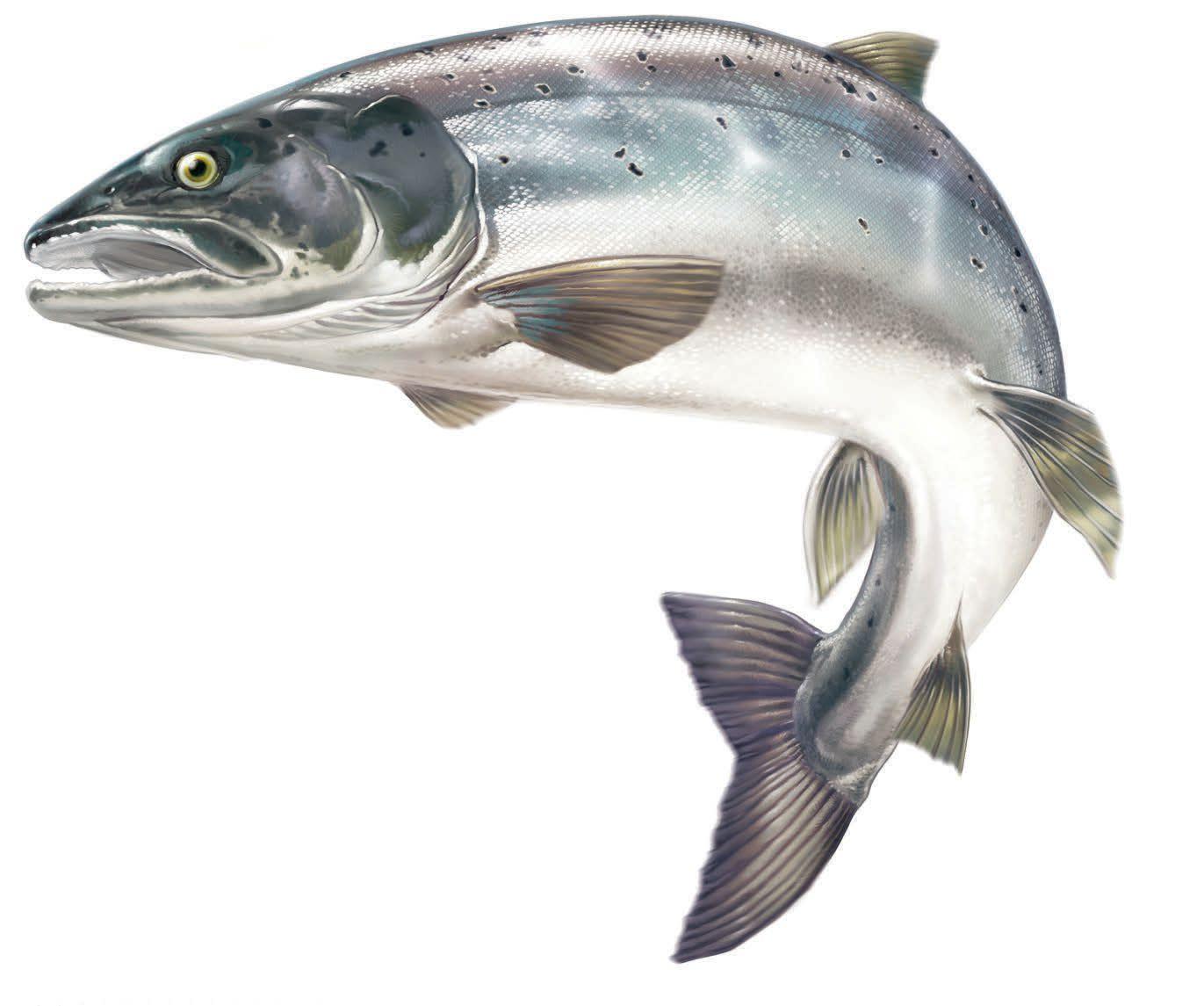

Rectangular tanks limit stress of scallop larvae in FT system
BY RUBY GONZALEZ
Hatchery techniques that work excellently for one bivalve specie larvae may not always have similar results on another.
Dr. Marine Holbach, hatchery manager at Fermes marines du Québec, found this out when she used a flowthrough (FT) system on scallop larvae that was previously tested on oyster larvae.
The system, which included bubbling, was high-density which had up to 300 ind/ml. Water renewal was also very high at one per hour.
It yielded a 90-percent survival rate on oyster larvae but resulted in great scallop (Pecten maximus) larvae mortality of 70 per cent within a week. This led to a study that looked into the effect of bubbling, tank shape and water renewal on the great scallop larvae.
Holbach presented, Limiting the stress of scallop larvae in flow-through system: the key for a commercial production, at the Aquaculture Canada Conference 2018 in May in Quebec City.
One of the key findings is that larval rearing yield was improved in rectangular tanks.
The experiments initially focused on bubbling. After two days, it was observed that scallop larvae stopped eating and energetic metabolism rose as bubbling increased. “We can say that if larvae don’t feed and the metabolism increases, these lead to exhaustion of the larvae. This was registered with the low growth during the experiment,” she said.
All larvae died within 12 days, showing bubbling was “very deadly” to larvae.
Tank shapes used had lower surface-volume ratio to allow the larvae to rest on the bottom, which is known to
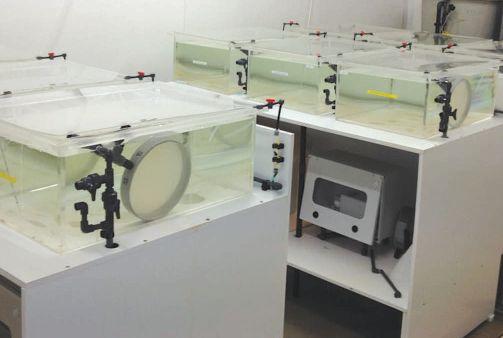
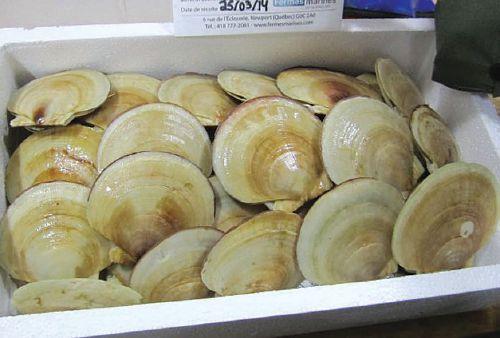
be useful for scallop larvae.
Rectangular tanks, which have “huge” bottom surface, were eventually selected for the later stages of the experiment because the shape produced higher percentages of pediveliger survival rate and metamorphosis yield.
Fifty-litre rectangular tanks were used to study the impact of water flow on larval performances. “When you look at the results,” she said while pointing to charts, “you can see here that the addition of bubbling leads to mortality of our larvae. A lot of performances were very similar whatever the intensity of water renewal was.
“We also had a big mortality with 80 per cent, which is not such a good news but the survival of pediveliger percentage and yield of metamorphosis were quite encouraging,” she said.
With regard to bubbling and water flow, she explained that regardless of the intensity of water flow, the larval level of activity remained constant. “There is no impact on the larvae whatever the frequency of water renewal was.” With this finding, she said they could increase water flow while reducing bubbling to allow better water renewal in the tank.
While bubbling has a negative impact on larvae, the experiments indicated that these are impacted more in a small-scale FT system. This is the main parameter she said that needs more research in their system.
“The flow-through system for pectinid larvae clearly needs more development… We have to work on this because it is very promising and very useful for hatchery,” she said.
Reed Mariculture: The Plankton People™


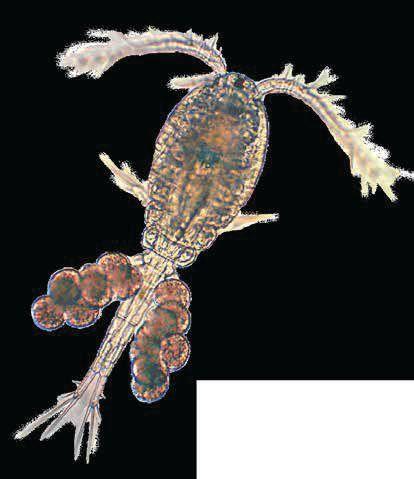

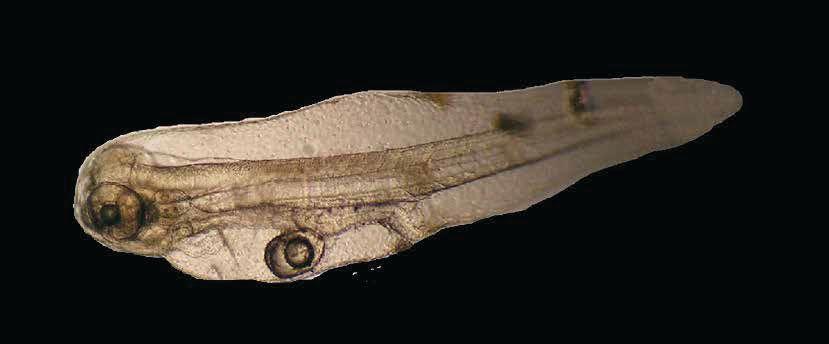
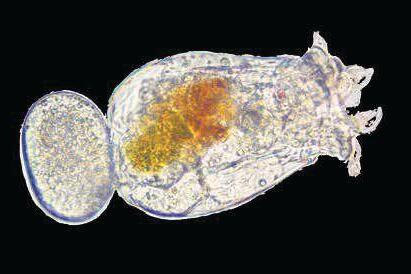
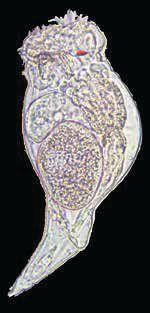
Fifty-liter rectangular tanks were used to study the impact of water flow on larval performances.
The great scallop, Pecten maximus. Molluscs aquaculture needs predictable production of seeds.
Photos: Dr. Marine Holbach
Next-gen probiotic for oysters ready for primetime, but will producers bite?
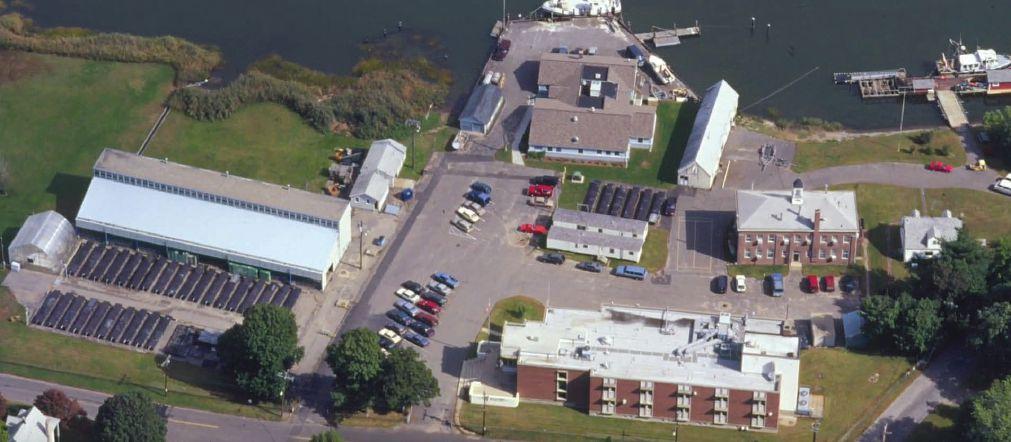
Aprobiotic supplement that boosts the survival of oyster larvae exposed to pathogens is now ready for commercialization.
Probiotic OY15 reached this stage after it was proven it could be cultured effectively and economically in large-scale production and produced in a stable formulation for future marketing.
OY15, a benign strain of Vibrio bacteria found in the oyster gut, was developed by microbiologist Diane Kapareiko and her team at NOAA Fisheries Milford Laboratory in Milford, Connecticut. Their goal was to help oyster hatchery managers boost the survival of Eastern Oyster (Crassostrea virginica) larvae and seed, and improve their defenses against bacteria.
“We, as scientists, have taken the OY15 probiotic as far as we can. What we now need to do is to reach out to companies to do commercialized probiotic products.”
– Diane Kapareiko, microbiologist, NOAA Fisheries
Kapareiko said findings that OY15 is “safe for use with oyster larvae and with the microalgae they are fed with, and that it is safe to be handled by humans in commercial hatcheries,” also helped advance OY15’s development.
Early trials showed it improved oyster larvae survival in their first weeks of life by 20 to 35 per cent. Pathogens that spread through a commercial oyster hatchery can wipe out the entire crop, resulting in financial loss. Reducing this loss benefits industry and increases the supply of sustainable seafood in the U.S.
“We’ve taken the OY15 probiotic to the point where it’s now ready for the industry to turn it into a product,” Kapareiko said. Envera LLC, which produces microorganisms and microbial strain, mostly for the shrimp and finfish farming industry, helped NOAA create a freeze-dried powder form of the OY15 probiotic. Envera, however, opted not to take on the task of further developing the product into commercial form. But Kapareiko is hopeful that others in the industry will be interested.
“We, as scientists, have taken the OY15 probiotic as far as we can. What we now need to do is to reach out to companies to do commercialized probiotic products,” Kapareiko said. She is uncertain as to when the product will reach the market as that will depend on whether companies decide to produce it, she said.
“If it were to go commercial, in a perfect world, if we had a company that said yes and went forward with commercializing it, it could possibly be another couple of years before it reaches the market.”
Tom Hashman, director of business development for Envera, noted there are hurdles for getting the Food and Drug Administration to approve any probiotic, and a Vibrio-based bacteria might present additional hurdles.
While this particular Vibrio strain is confirmed benign and has shown it can be a “good” bacteria boosting the oyster’s immune system and is safe for humans to handle, harmful Vibrio strains known to be human pathogens can cause serious illness and can be fatal to an immunecompromised person.
The next step is to test Envera’s own probiotics for shrimp on actual oyster larvae growing in NOAA’s Milford lab hatchery. This is planned for this summer. “The baby oysters always tell the truth,” Kapareiko said.
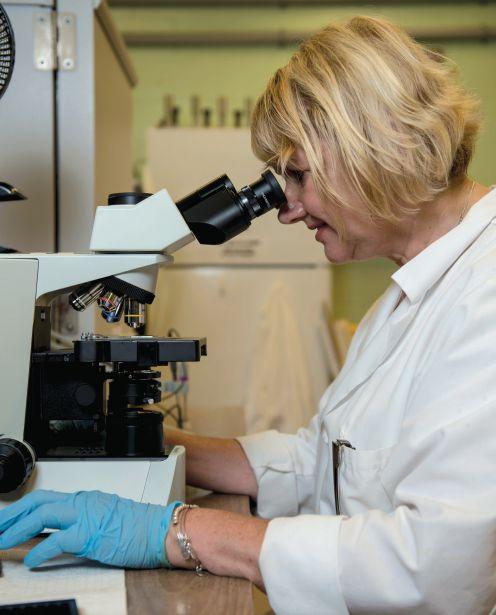
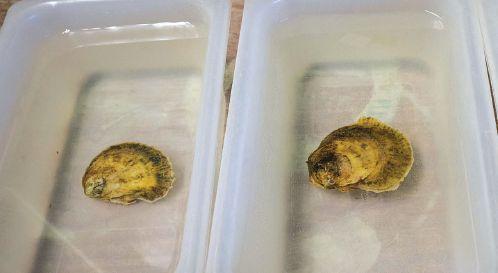
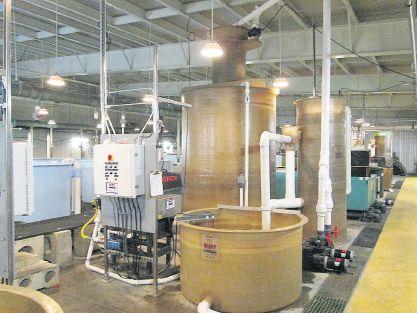
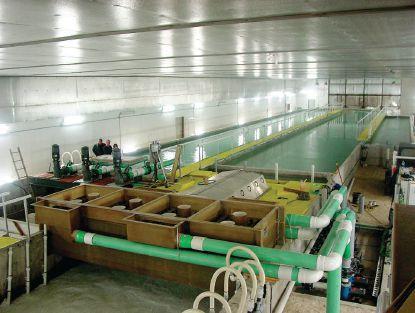
Microbiologist Diane Kapareiko at work at NOAA Fisheries Milford Laboratory in Milford, Connecticut. OY15 probiotic stimulates the white blood cells to improve their ability to fightoff disease-causing bacteria.
NOAA’s laboratory in Milford, CT, helps the aquaculture industry by testing and analyzing various techniques to help farmed shellfish maintain their health and make them grow bigger, better, faster.
Oyster samples at the Milford lab. Reducing losses caused by diseases benefits the aquaculture industry and increases the supply of sustainable seafood in the U.S.
All photos: NOAA
BY LIZA MAYER
Make treatments great again
BY RON HILL
One of the facts of many aquaculture facilities is that your fish are going to need to be treated for gill and external parasites or fungus. Be it chloramine T, Parasite S or Peroxaid, the frequency of treatments depends on many factors specific to each facility. Treatments are one of the aspects of fish culture that farmers like the least, but is a necessary expense. Employees are generally reluctant to deliver treatment to tanks as many of the chemicals are unpleasant to handle and the risk to the fish while the treatment is active is considerable. Any errors in concentration can result in fish losses or ineffective treatment.
Proper deployment and timing of treatments can make a big difference on how often you treat overall. Properly managing how and when you treat can lead to savings in treatment products but also makes your staff more available and your fish healthier.
WHEN TO TREAT
When to treat is one of the toughest things to get across to new workers. Experienced farmers will know the difficulties. The most obvious answer to the question is, “when the morts are on the rise over several days. When I see the fish need treatment because a portion of the population is being affected or distressed.” However, this is not the right time to treat. When you get to this point, you may have already missed the right time to treat. You are still going to treat them right away but you are already into damage control. You are now looking at a three-day treatment with fish losses during and after the treatment as the moribund ones die off. Effective use of treatment at this point is certainly the right move and saves your fish from an outbreak.
An experienced farmer, however, knows treatments are best used as a preventative
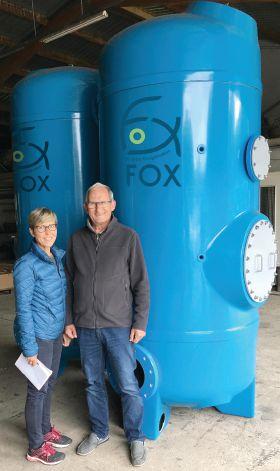
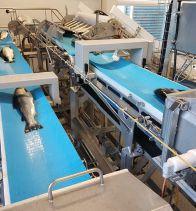
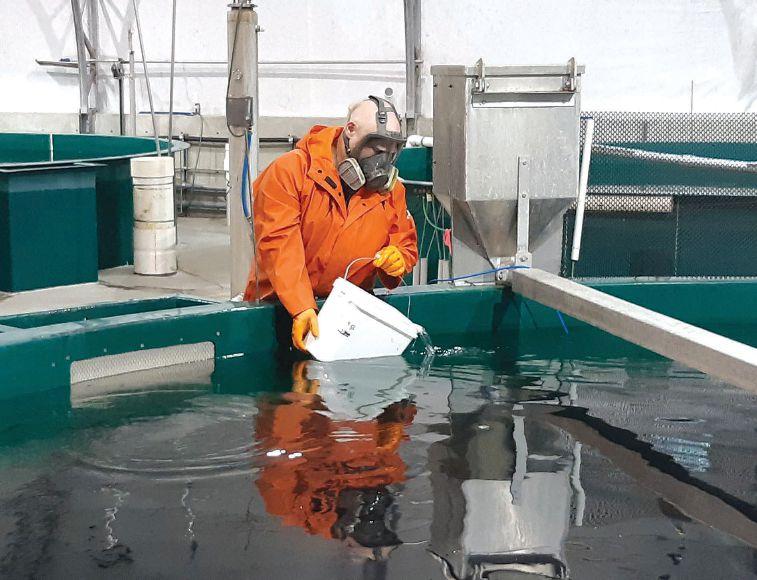
measure or prophylactic. It is always better to treat early than to treat often. If this pattern repeats in other tanks around your system how many fish will it cost you in total?
TREAT BEFORE IT'S NEEDED
Instead of treating when you see the fish are starting to be affected, you need to treat as soon as the first signs appear on your fish and in your morts. When you see the odd fish showing possible symptoms, that is the time to treat.

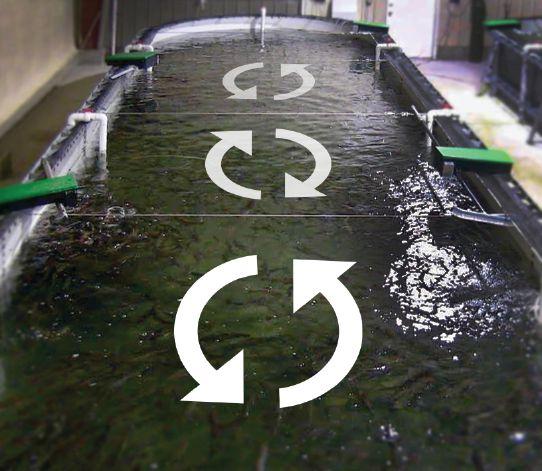
Treat early and you will treat less often. (Photo: Jordan Smith)
The hazardous nature of many chemicals make treatments an unpopular job.
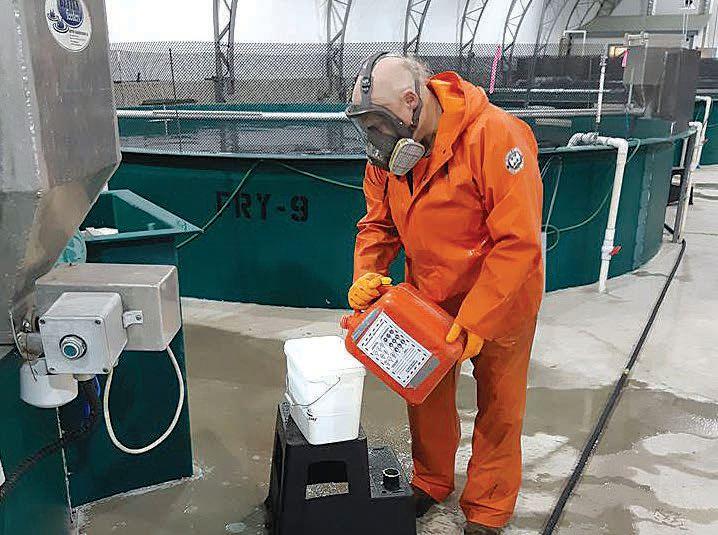
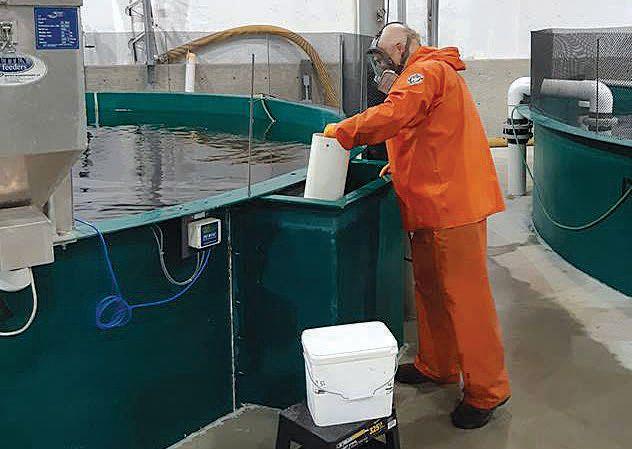
“You need to treat them before they need to be treated,” is how one old farmer described it to a new worker. If you treat early enough you should be able to knock back the infection or parasite with minimal product used and minimal fish lost.
Historical data is critical as well when deciding to treat. Knowledge of what pathogens occur in the water, what life stages are usually affected, the usual symptoms and visual cues that predict an outbreak is also important. Workers on the ground must be trained to recognize these symptoms as soon as they appear and suggest treatment. The people who are on the ground, who feed and pick morts each day are the ones that see each tank each day. Relying on supervisors to observe and decide on treatment can be effective, until things get busy.
TREATMENT SCHEDULE
Some hatcheries circumvent issues with a treatment schedule. A schedule can be an excellent tool for disease prevention if it is managed properly. With knowledge of the facility history and operations, treatments can be scheduled before predicted outbreaks or at prescribed intervals. Because there is a schedule, employees tend to follow it and don’t think outside the schedule.
HANDLING TREATMENTS
If you have a facility with persistent problems, consider post-handling treatments. After any event where the fish are handled they should be scheduled for treatment. Outside of usual preventative treatments or scheduling, fish that have been handled or stressed should get treated after grading, moving/splitting, vaccinating and fish entry. When the slime coat and scales have been affected by handling, the fish is vulnerable to background pathogens in the system. The benefits of the treatment will outweigh the stress except in extreme cases.
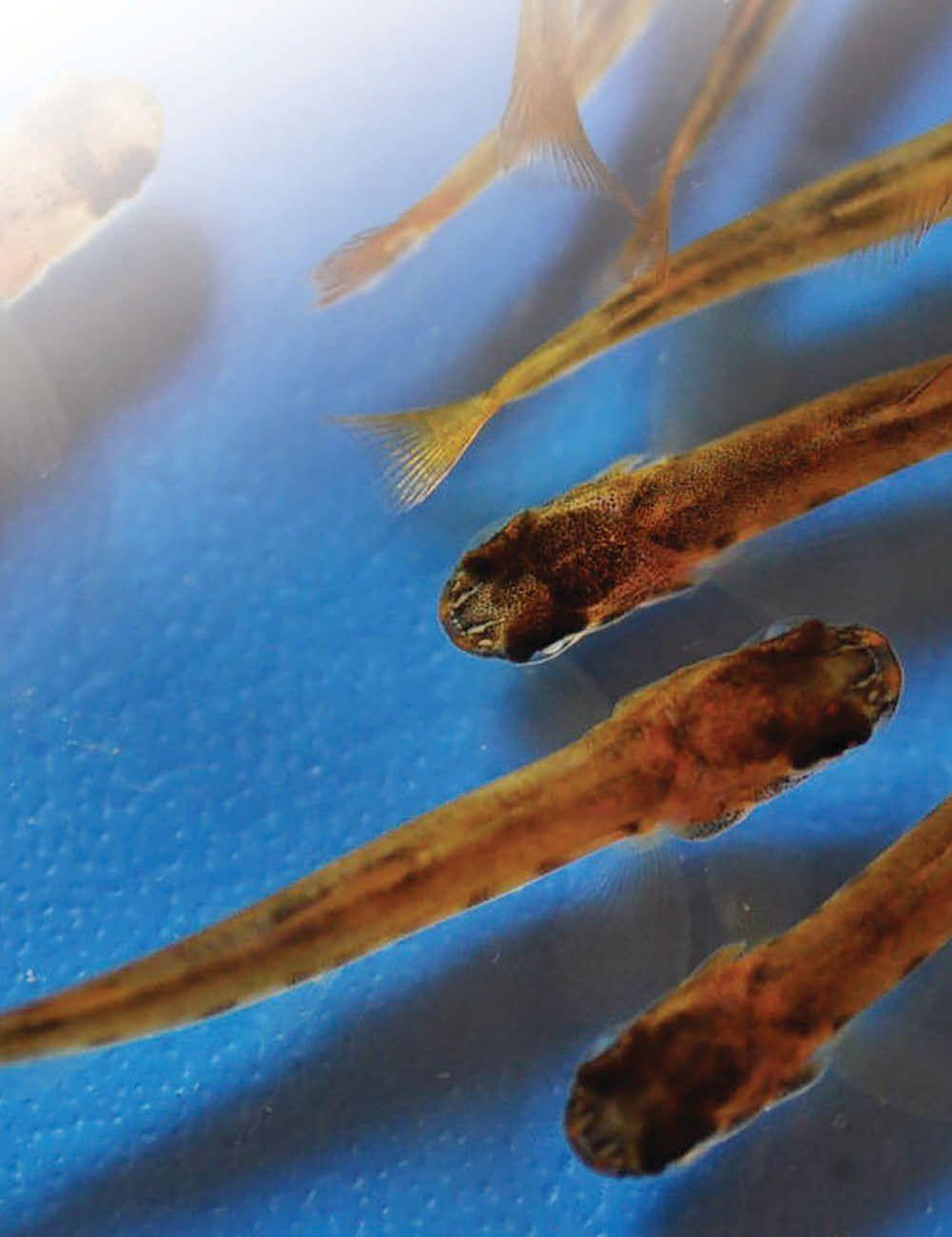
BANG FOR YOUR BUCK
Properly choosing when to treat is the best step to get the most of your treatment dollar but there are some other ways to ensure you are getting the most out of each treatment.
Lower the tank level. When performing a bath or flow through treatment, drop the level in the tank as low as you are comfortable with – usually around half. Half the volume, half the treatment used.
It’s amazing what salt can do. Simple un-iodized salt is a versatile and cost-effective treatment product that can be used in many ways. It can greatly increase the effectiveness of other treatment products. Salt is an effective pre-treatment for fish with gill issues and is often used in conjunction with Peroxaid or Chloramine T. The addition of background salt to your RAS system is a great preventative measure to fight background pathogens and fungus.
Check the concentration. It’s easy to use the prescribed buckets with lines to measure treatment products but once in a while recheck the level of concentration that you are treating at and test the tank during the treatment to see what it is. Make sure you are getting good mixing when you add the product so the concentration is uniform.
Eliminate flow-through treatments. Unless you feel you need the incoming water, switch to a bath style treatment with no or very little incoming water. Some facilities won’t have enough faith in their stand pipes to turn the water entirely off. Bath style treatments save a large amount of treatment product overall and give better quality contact time.
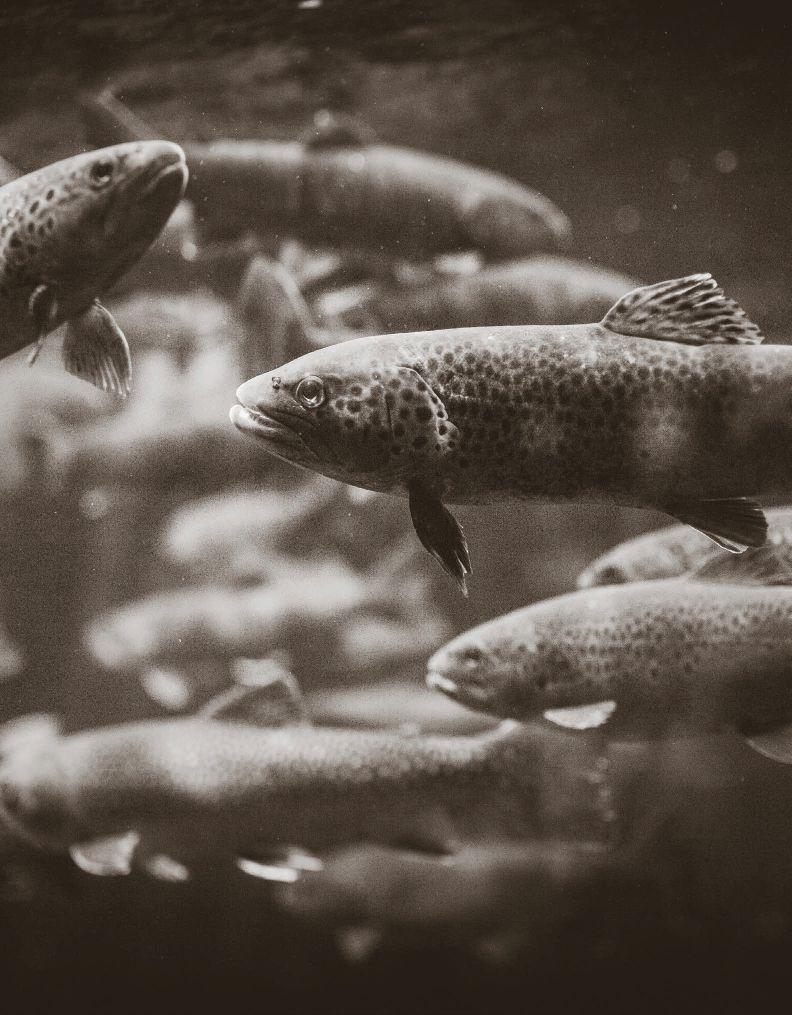
Lower the tank volume to use less treatment product. (Photo: Jordan Smith)
Using buckets with prescribed fill lines is easy for employees- but can lead to complacency. (Photo: Jordan Smith)
Hatching a community response
How non-profit hatcheries keep operations afloat
BY MATT JONES
on-profit hatcheries rely on donation of time and money by the community at large to keep their operations running. How do non-profits attract and maintain volunteers and community support? Hatchery International spoke with representatives from three non-profit hatcheries to find out the best ways to engage volunteers and make connections with their communities.
NPEOPLE POWER
The Mossom Creek Hatchery in Port Moody, BC, Canada, raises three species of salmon in an attempt to restore the Mossom Creek Watershed. It also acts as a center for nature educa-
tion for schools and the public. Director and co-founder Ruth Foster says the hatchery is 100 per cent volunteer-run with occasional exceptions, such as an interpreter to work with school programs. Their volunteers show a great deal of passion regardless of age or circumstances.
“We use a lot of gray power, if you will –retired people,” says Foster. “But we have a range of volunteers of all ages. One of our best volunteers is an 11-year old young woman, a girl who we’re calling the assistant hatchery manager. She has learned so much so rapidly and is so capable with so many things, including things like adipose fin clipping, that we can trust her to do practically anything.”
The Toboggan Creek Hatchery near Smith-
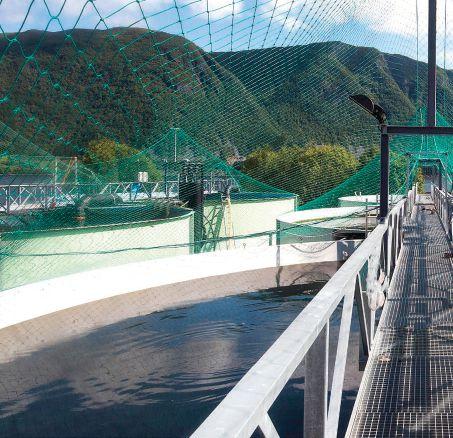
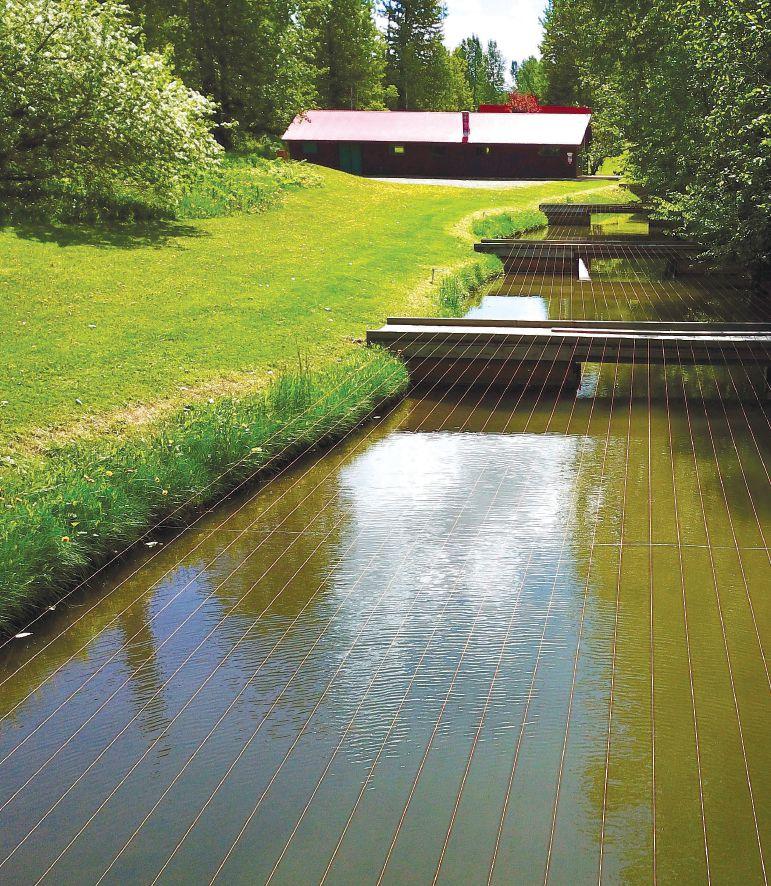
“In general everyone supports it,” says Kris Bulloch, manager of the Toboggan Creek Hatchery, of their community support. “The local fishing stores support fishing, and they support the northern lifestyle and they support fish being in our watershed. And they understand that we’re here to help and we’re not here to make it worse.”
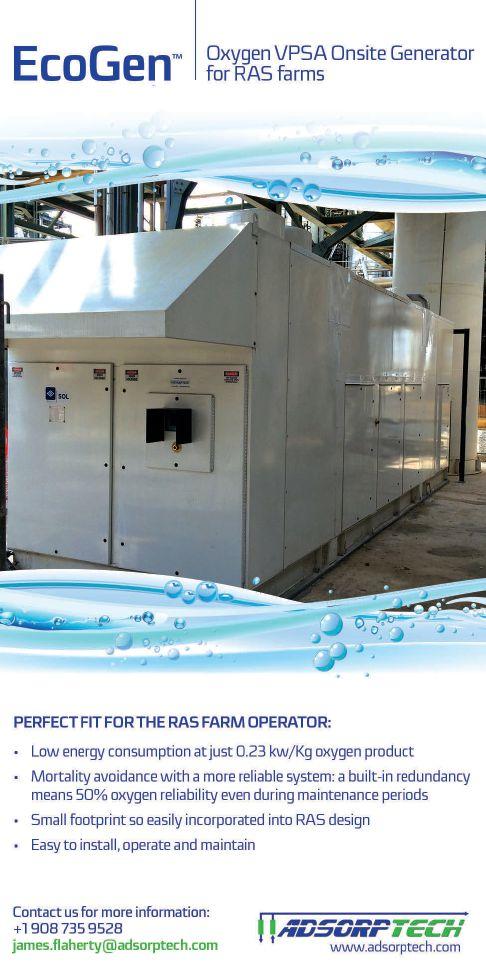

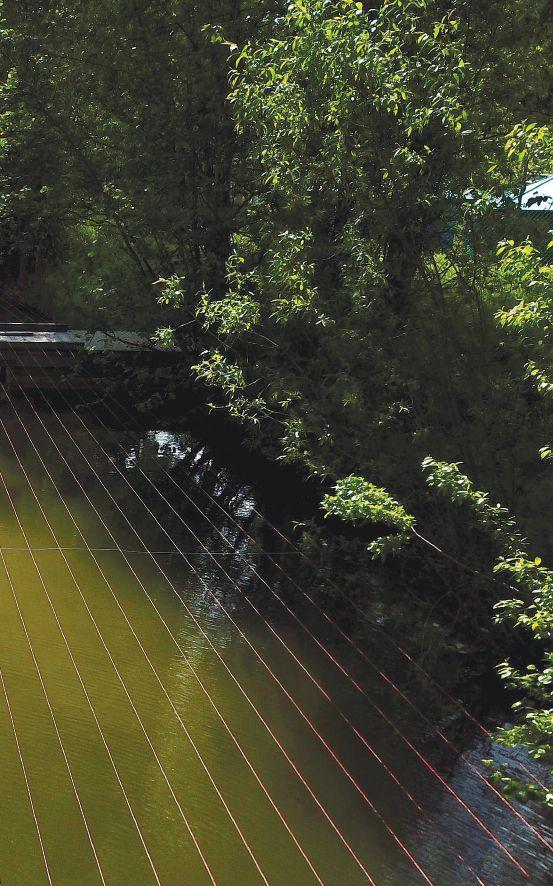
ers, BC, began as a community hatchery pilot project and over time started doing enhancement work. Today, a significant portion of its work involves raising, tagging and releasing Coho (Oncorhynchus kisutch) to take return numbers, which inform Department of Fisheries and Oceans (DFO) management decisions. Hatchery manager Kris Bulloch says a small paid staff performs most of the technical work, with a number of volunteers performing support and labor tasks. This year, they used many volunteers for fish releasing.
“People love doing that kind of stuff,” says Bulloch. “They come in the morning and they help net up the fish and they help make sure that they’re doing good in their transfer tank. They help count, they take pictures. If we didn’t get volunteer help, I don’t know if there would be a future in this hatchery.”
The DC Booth Historic National Fish Hatchery and Achieves in Spearfish, South Dakota, is a different circumstance – while the hatchery stocks fish for a variety of Native American reservations in the region, the volunteers are only used to interact with visitors on the hatchery grounds, museum and other attractions. But other non-profits could potentially learn something from the make-up of their volunteer staff.
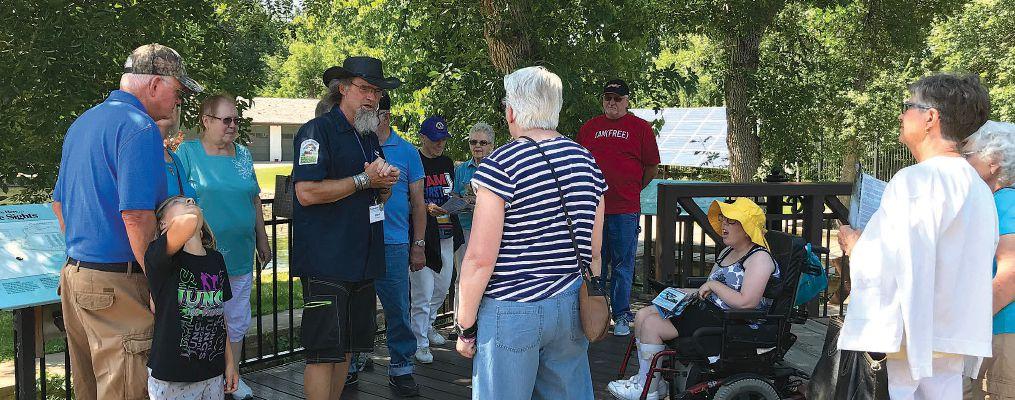
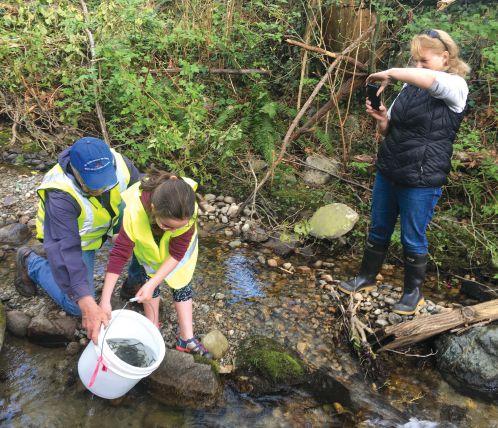
Volunteers, such as Rod, Aniela and Sandie seen here releasing Chum fry into a creek, donated a combined 4,955 hours of their time at the Mossom Creek Hatchery in 2017.
“Most of our volunteers are what we term as travelling RV volunteers,” says Karen Holzer, executive director of the Booth Society non-profit group. “They volunteer at hatcheries, national parks, and camp grounds all over the United States. We’re just one of their stops. Several of our volunteers do not have a residence, they’ve sold their home and they live in their RV. They’re seeing the country and they come for one or two seasons and they’re moving on to see something else.”
RECRUITMENT AND RETENTION
If your hatchery is in a picturesque location where people would enjoy spending their time, you can use that as a way to attract volunteers, such as DC Booth’s RV volunteers. However, another key lies in the very nature of the nonprofit. The operation is being run as a non-profit because someone believes the work is of significant importance –you simply need to communicate that to the public.
“Social media is a good way to go about it,” says Bulloch. “And we have open houses and we try to solicit volunteers at those places, just to let people know, ‘hey, if you want to help, then we are a good conduit for you.’”
Once volunteers are on board, turnover is inevitable, but keeping them engaged and feeling like their work is valuable and they are part of a community is key toward retention.
“We care about them and they care about each other,” says Foster. “We’re celebrating our hatchery manager’s 70th birthday next week with a very big party. Some of them are people who live alone, and it’s socially important to many people to belong. This is one way to belong in your community and feel like you’re doing something that is worthwhile.”
ENGAGING WITH THE COMMUNITY
Another essential step for making non-profit work is to engage with the local community, including businesses, associations and governments. If they are not swayed by the important work the hatchery is doing, perhaps they’re looking to earn goodwill in the community through charitable acts.
Foster says companies such as Lafarge Canada donated significant amount of materials, time and labor into the construction of the hatchery. The International Union of Operating Engineers uses some of the hatchery ground for training and, in exchange, built a new road to the hatchery.
“We’re very fortunate to have the community support that we have,” says Holzer. “One of the major things that make our RV volunteer program work is that we have a partnership with the City of Spearfish and their campground, and they provide ten campground sites for our volunteers. So, while they’re not compensated with money, they have a place to pull in and stay that’s free of charge.”
It is also important to explore what funding sources may be available through different levels of government and organizations. Both Mossom Creek and Toboggan Creek have benefitted from grants by the Pacific Salmon Foundation.
Both Canadian hatcheries also spoke highly of DFO’s community advisors, who can provide a great deal of support for non-profits, from sharing technical knowledge with staff to assisting with community engagement efforts.
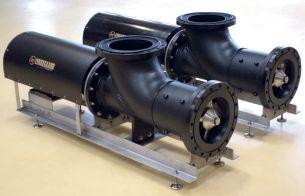
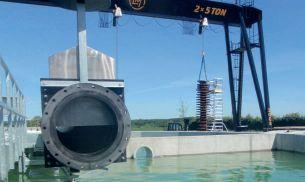
Volunteer Dave Holt from Texas greets visitors at the entrance of the D.C. Booth Fish Hatchery. (Photo courtesy: Booth Society)
Challenges, solutions for Tanzania’s African catfish industry
BY RUBY GONZALEZ
ATanzanian study identified protocols that induce ovulation of African catfish (Clarias gariepinus) broodstock and improve the quantity of egg hatchlings. This is a welcome development in a country where practically all C. gariepinus fry are sourced from the wild.
The unreliability of supply from the wild, because of environmental and climatic factors, has been pulling down its potential as an aquaculture stock.
“About less than one per cent comes from hatcheries and the rest are from wild,” Sebastian S. Mosha, principal investigator at the Africa Research Project Foundation (ARPF)-Tanzania, told Hatchery International. “Due to this, the most cultured species is tilapia which account almost 75 per cent of total aquaculture production in Tanzania.”
The low survival rate from larval to fingerling stage is seen as a disincentive in investing more in African catfish hatchery.

In Effects of different catfish pituitary gland extract dosages on eggs and hatchlings quantity of African catfish, Clarias gariepinus at a constant latency period, Mosha and Frank T Mlingi, assistant lecturer at the Department of Animal, Aquaculture and Range Sciences at Sokoine University of Agriculture in Tanzania, recommended a dosage of 4 mg of pituitary gland extract injected per kg of African catfish. Each dosage extracted from a male (300 g to 305 g) was injected to individual female (350 g to 355 g) at three replications and a total of 12 females were injected.
The study was published in the Journal of Aquaculture Research & Development. “The results indicated that as pituitary gland extract dosages increased, egg and hatchling quantity also increased,” Mosha and Mlingi cited in the study.
Pituitary gland is the main source of the major hormones responsible for reproduction in animals. The rule of thumb is for the pituitary gland extract to come from a fish of equivalent weight to the female spawned.
The study could be very helpful in assisting hatcheries in producing C gariepinus fry. He acknowledged, though, that there are two major challenges.
“First, there is lack of supporting funds for implementing the technology. However, I am planning in the future to write a proposal to request some funds from different provider organizations.
“Second, many hatchery managers might be aware of the technology but still they can’t produce sufficient number of fingerlings at a cheap price due to high mortality of catfish larvae at the early stage. This problem can be overcome by investing more in live feed production industry, which is not available,” he said.
There is only a 20 per cent survival rate from larval to fingerling stage.
In the study, they stressed that while there has been progress in aquaculture and technology on ovulation and spawning induction for some important commercial finfish, the exact catfish pituitary gland extract dosage for ovulation and spawning induction remains the bottleneck in C. garipeninus production.
“The proper use of quantified catfish pituitary gland extract dosage seems to be one of the solutions to improve egg quantity and hatching rate,” they said.
Counting eggs (Photos: Sebastian Mosha)
Egg fertilization
Sebastian Mosha injects pituitary gland extract into a ripe female.

MAY 13-14 – WASHINGTON, DC
(RAStech 2019 is formerly the ICRA Conference hosted by VIRGINIA Tech.)
Hatchery International, in cooperation with Virginia Tech, presents RAStech 2019, a two-day conference and trade show focused on recirculating aquaculture systems (RAS) design, technology and implementation.
The event will feature keynote presentations and concurrent sessions discussing case studies, developments and advances in RAS and its future in the aquaculture industry.
CALL FOR PRESENTATIONS
Interested in presenting at RAStech 2019? Contact David Kuhn at davekuhn@vt.edu
SPONSORSHIP OPPORTUNITIES
For sponsorship and exhibitor inquiries, contact Jeremy Thain at JThain@annexbusinessmedia.com


Dam construction forces relocation of Australian hatchery
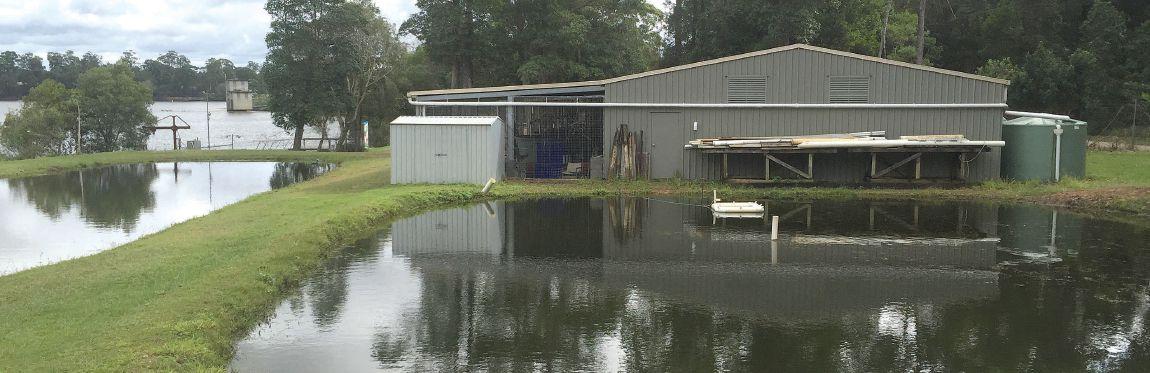
“While we’re facing a little uncertainty as to just how the move will pan out, we’ve been very gratified by Seqwater’s willingness to assist.”
– Ian Mackay, Mary River Catchment Coordinating Committee chairman
The Gerry Cook Hatchery on Lake MacDonald in Australia will be forced to move operations in early 2019 due to major work on the lake’s dam wall and spillway. Dam operator Seqwater, who leased the land to the hatchery, will likely need to utilize the land for storage, including potentially filling in the breeding ponds which are used to support the endangered Mary River cod.
Mary River Catchment Coordinating Committee Chairman (MRCCC) Ian Mackay says the hatchery will have to relocate for up to three years, and moving back could have its own challenges.
“It is not yet clear how much of the hatchery land will be needed for the storage of construction materials,” says Mackay. “If the area isn’t required and the ponds can remain as they are, the reinstatement shouldn’t be too difficult. If some or all of the ponds need to be rebuilt, the moving back in process will be a bit more complicated.”
Aquaculture Without Frontiers (AwF) is a Charitable Incorporated Organisation (CIO) that promotes and supports responsible and sustainable aquaculture and the alleviation of poverty by improving livelihoods in developing countries.
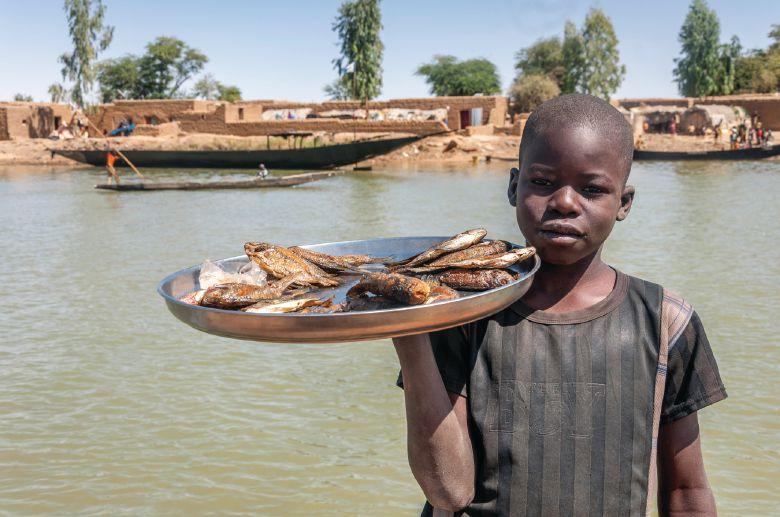
The MRCCC will relocate equipment and operations to a property owned by an associate in nearby Cooroy, where new breeding ponds will be dug. Mackay says that hatchery operations will be somewhat reduced, particularly in the first year as they sort out any problems, but keeping their operations ongoing, even on a reduced scale, will be worth any challenges involved.
“There was consensus among the hatchery steering group that for a number of reasons it was not desirable to release the broodstock and seek to re-commence operations in three years’ time,” says Mackay. “Thankfully, Seqwater have agreed and are prepared to assist financially. Clearly there’s a lot of work involved in the move but the dam upgrade is necessary and we’re buoyed by Seqwater’s approach.
– Matt Jones
Australia’s Gerry Cook Hatchery will move its operations for up to three years as the Lake MacDonald Dam undergoes renovations to its dam wall and spillway. (Photos courtesy: Mary River Catchment Coordination Association)
Ian Mackay, Mary River Catchment Coordinating Committee chairman
Canadian study explores methods to trigger spawning in sea cucumber
Astudy at the Memorial University in St. John’s, Newfoundland, Canada investigated methods used to trigger spawning and artificially induce maturation in sea cucumber (Cucumaria frondosa).
“There are several aspects of the biology and ecology of this species that we need to take into consideration when developing for the aquaculture,” Bruno Gianasi said at the Aquaculture Canada Conference 2018 in Quebec, where he presented, Triggers of spawning and oocyte maturation in the commercial sea cucumber Cucumaria frondosa.
The study is part of Gianasi’s thesis at the Department of Ocean Sciences, Memorial University, where he is a Ph. D student
The study showed that live phytoplankton at 1 x 10⁵ cells ml-1 induced the highest proportion of females to spawn, promoted the greatest oocyte release, best quality of eggs and highest survival of embryos.
Mainland China is the main market for Canada’s east coast’s C. frondosa, commonly known as orange-footed cucumber. “It is harvested here in the East Coast, where it receives minimum processing – they are frozen and then sent to Vancouver, where they are shipped to China. They go to auctions to wholesale buyers,” he said.
The most common techniques in spawning temperate and tropical sea cucumbers include temperature shock, desiccation techniques and algal baths. These techniques, however, don’t always provide the desired results.
“Sometimes, they will be induced and all of them will spawn. Sometimes there is a batch that doesn’t even react to any of these stimuli. So there are lot of inconsistent results when it comes to spawning,” he said.
Artificially spawning sea cucumbers is challenging because the oocytes, which are surrounded by follicle cells, have to be removed by dissecting the sea cucumber. He stressed the C. frondosa’s oocyte is particularly small. The chromosomes of the oocytes are trapped in a germinal vesicle, which has to be broken down to release the oocytes inside. It is only after this that the oocytes can be fertilized.
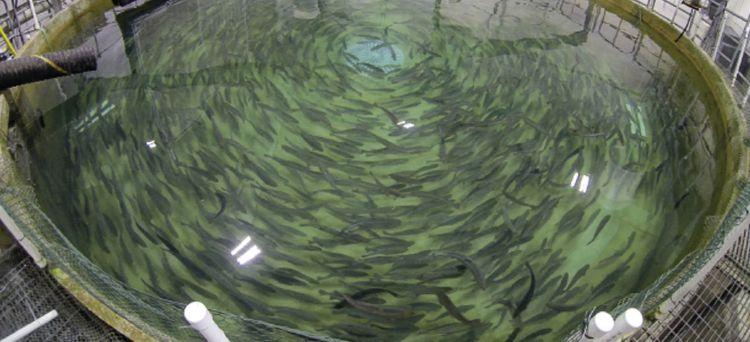
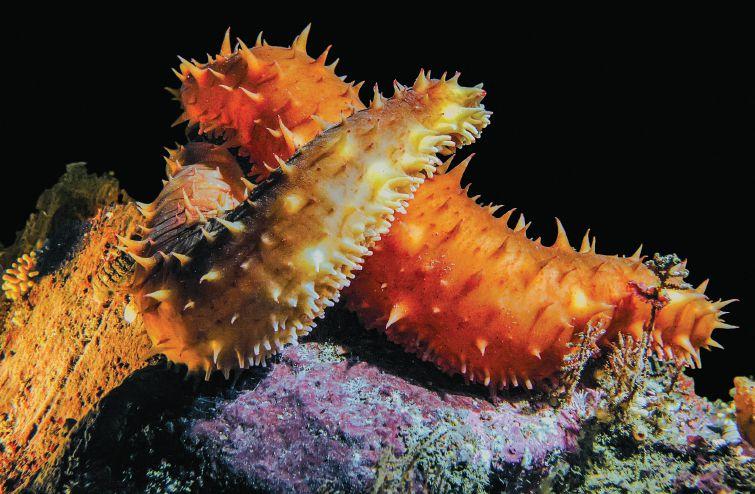
“One objective of my experiment was to investigate potential spawning triggers for Cucumaria frondosa and also potential chemicals that will induce the final maturation of oocytes that were removed from female gametes,” he said.








INSTRUCTORS:

LODGING:
Institute Edward D. Aneshansley, MPS, PE Pentair Aquatic Eco-Systems
COURSE CONTACT: Kata Sharrer ksharrer@conservationfund.org | 304-870-2209

-Ruby Gonzalez
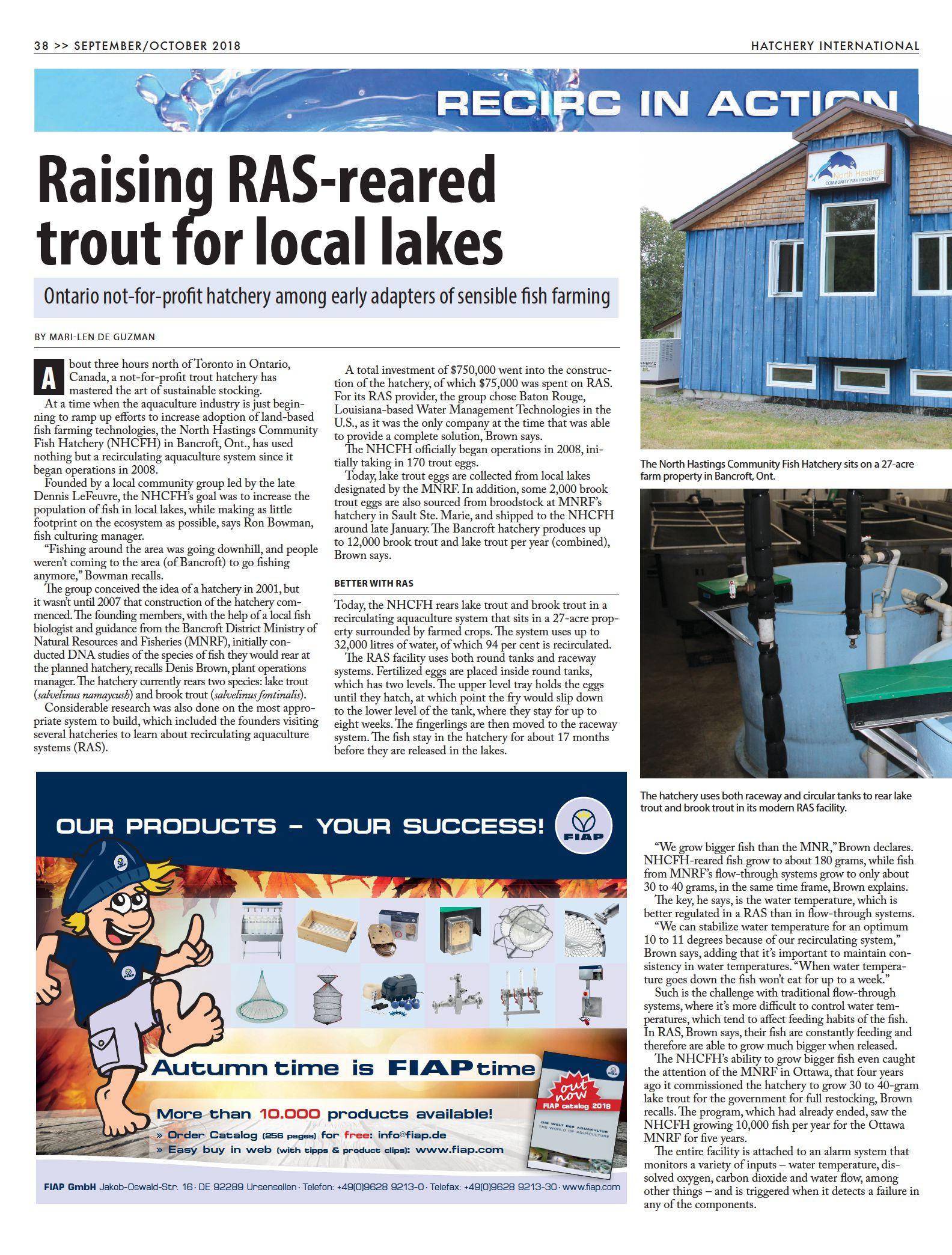
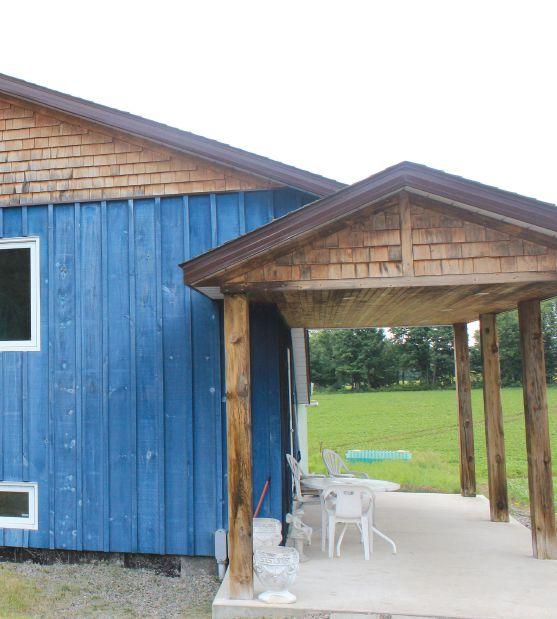
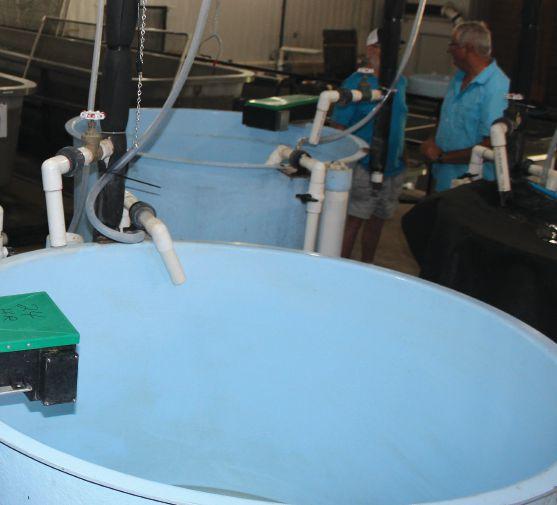
“The system will start phoning people when a problem happens,” Brown says. “In one instance there was a hydro outage that lasted for 14 hours and our generator did not kick in.” Although the alarm system triggered a notification, the hatchery still lost some fish that day.
The hatchery maintains a success rate of 80 to 85 per cent from the time the eggs hatch, Brown says. He can only recall one instance when they had to deal with disease at the hatchery – which resulted from contaminated eggs being brought to the hatchery and infecting the whole system. The problem was resolved with the help of Dr. Veronique LePage, fish pathologist from Guelph University, and one of the volunteer staff at the hatchery who also happens to be a retired veterinarian.
COMMUNITY INVOLVEMENT
The NHCFH has always operated and succeeded on the backs of community volunteers – contributing a combined 8,500 volunteer hours annually to the hatchery. There are 25 to 30 volunteers that perform various functions through the hatchery, including harvesting eggs and sperm from the lake during spawning season.
Funding for operations come from generous donors and an annual fundraising that typically raises $30,000 a year for the hatchery, says fish culturing manager Ron Bowman. This year marks a major milestone for the NHCFH, according to John Vanderpas, a board member. By end of July 2018, the hatchery had completely paid off its mortgage – a major accomplishment made possible by support from donors, particularly Mary LeFeuvre, the widow of Dennis LeFeuvre, Vanderpas points out.
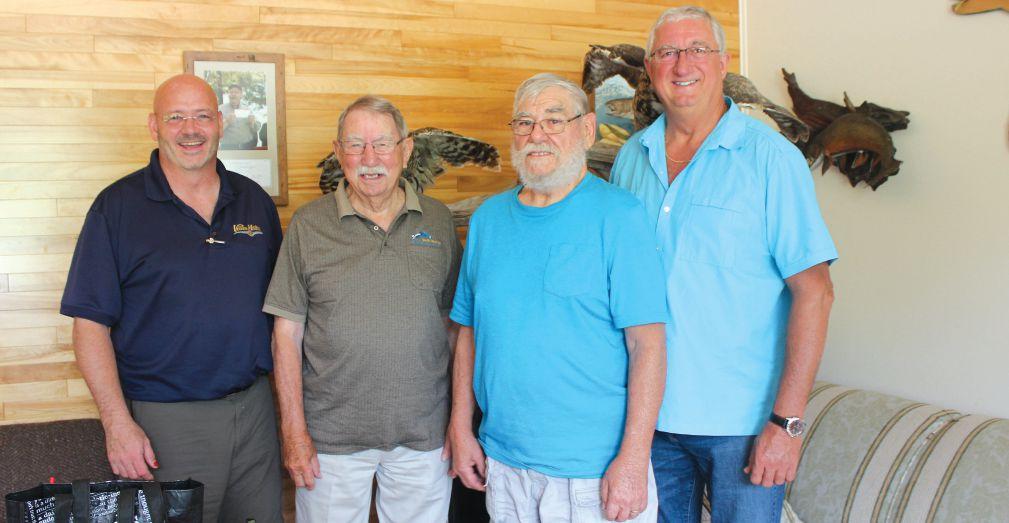
The hatchery is also involved in education initiatives partnering with the North Hastings High School, which the students there have fondly nicknamed the NERDS (Northern Environment Research Development Studies) program.
“Every second year, (the students) come hear once a week to help out at the hatchery,” Bowman says, which counts toward the students’ community service hours requirement for graduation.
One of the tasks they help out with is in fin clipping. The fish are fin-clipped a minimum of six weeks prior to stocking. This process assigns an annual identifier to stocked fish so they can be distinguished from naturally reproduced fish in the same lake.
The NHCFH website explains the process: “The fin that receives the clip is determined by the MNRF’s provincial five-year rotation schedule. Fish are placed in a container and temporarily ‘knocked out’ using a special drug administered by a MNRF technician. The designated fin is then clipped using small surgical scissors, and the fish are placed in a recovery container until active before being returned to the raceways.”
FUTURE PLANS
The leadership of the NHCFH views the involvement of young people in the hatchery operations as vital to the future of the hatchery. The young volunteers learn from veterans like Brown and Bowman about fish rearing and other aspects of fish farming and restocking.
“We have to start building our succession plan for the future,” said Kevin Vance, NHCFH president and founding member.
The hatchery also plans to expand the species it currently grows and would like to be able to rear another Ontario native, the Walleye (Sander vitreus), Vance says.
He adds discussions are currently ongoing with the MNRF to allow the Bancroft hatchery to add a third species to its family. The hatchery managers – led by Bowman and Brown – have been doing their research about this particular. The group is optimistic this will happen. After all, the hatchery has been built to a capacity of up to 20,000 fish per year.
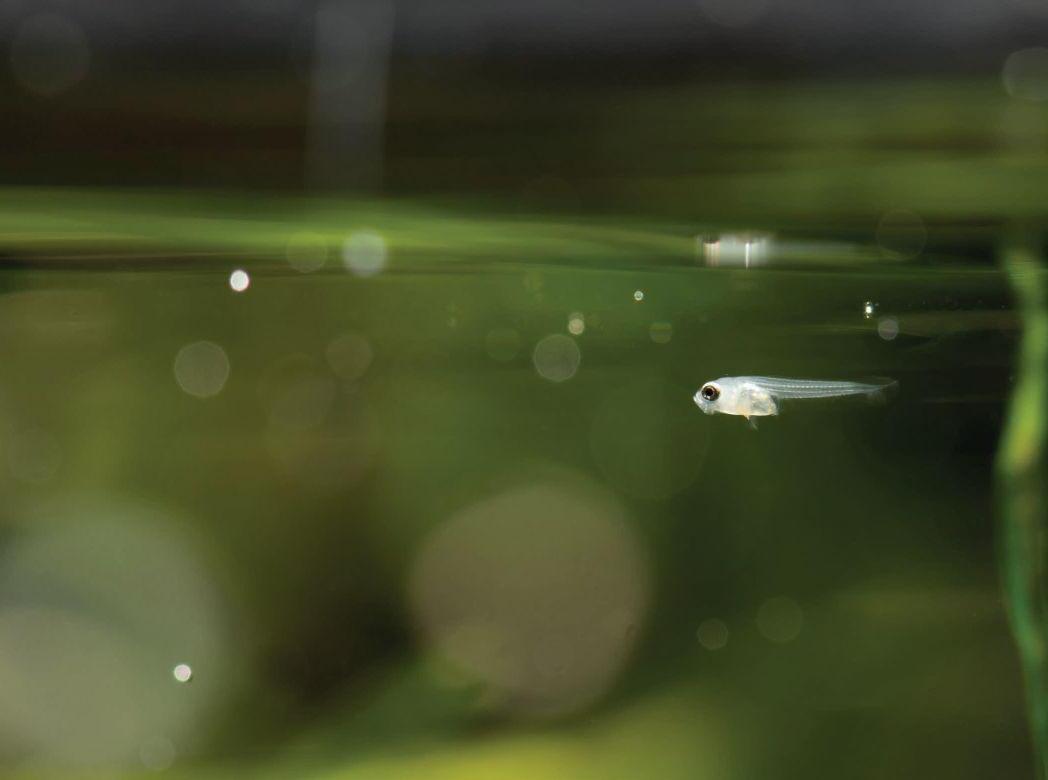
ARE YOU LOOKING FOR A FRY FEED WHICH GIVES FAST GROWTH, HIGH SURVIVAL RATES AND A STRONG IMMUNE SYSTEM?
Our Hatchery Pack products match both the physical and nutritional demands of fry and larvae, ensuring effective ingestion, digestion and absorption in a variety of species.
The formulations for Hatchery Pack are based on a high content of marine raw materials, including krill meal, known to increase feed attractiveness as well as growth, survival and health.
NHCFH management team (L-R): Kevin Vance, Ron Bowman, Denis Brown and John Vanderpas
Inside Marine Harvest’s new Inchmore hatchery
The company’s new Scotland facility is key for its continuing efforts to meet the increasing global demand for Scottish salmon.
BY BONNIE WAYCOTT
Looking back at the opening of Marine Harvest’s new Inchmore hatchery, freshwater manager John Richmond is optimistic.
“It’s going to be fantastic for parr and smolt production,” he said. “We’re looking forward to settling in, refining and developing our operations.”
The new hatchery was established to increase Marine Harvest’s capacity to supply smolts. As the company expands its seawater operations, a number of new offshore sites have recently opened. The Inchmore facility will provide the smolts required for the company to meet the increasing demand for its salmon. It opened in June so the first batch of smolts could be produced by September 2018, in line with the company’s seawater production plans.
The hatchery is similar to another Marine Harvest facility in Lochailort. Both use drum filters for particulate removal, have fixed bed submerged filters and a high amount of ozone injected within the recirculation process loop. But the biofiltration at the new Inchmore hatchery has been separated into two stages. The fixed bed filters are designed to have lower flow velocity and are primarily designed for fine particulate capture. Once the water has flowed through the fixed bed filters, it’s pumped up to a trickling biofilter where the majority of biofiltration occurs. The fixed bed filters at Lochailort need to both capture fine solids and perform the biofiltration, but by separating these processes at Inchmore, Richmond hopes to have provided a more optimal solution.
Covering 13,500m2, the hatchery has been constructed with 9,000m3 of concrete, 730 tonnes of structural steel and 1,500 tonnes of reinforcement steel. With 2,000kW of installed electrical capacity, it holds 4.6 million litres of water in the fish tanks, with 17.7 million litres in total.
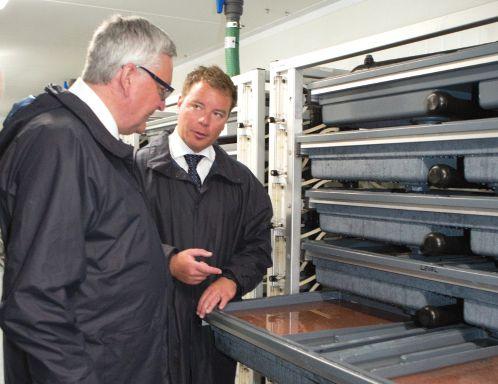
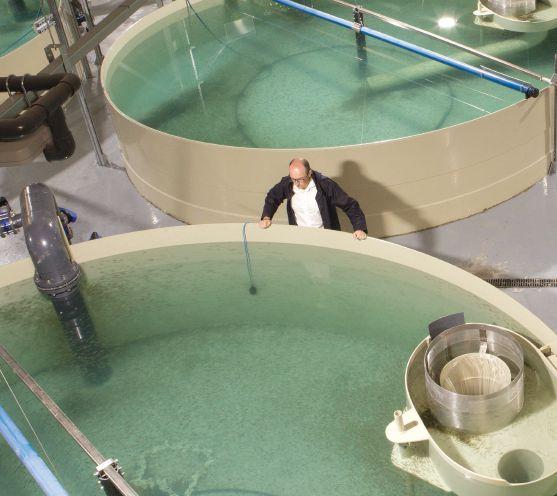
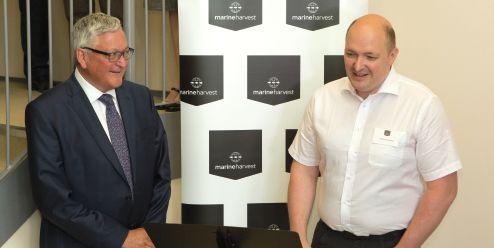
Rigorous measures are in place to ensure biosecurity and sustainability. All water entering the facility is subject to a batch sterilization process using ozone before being transferred to a new water holding tank and into the RAS (four for egg and alevin incubation, and four for the fry and smolt).
All eggs brought into the farm are certified disease-free and disinfected for any surface contaminants. Staff change clothing and footwear when entering the facility, while the egg incubation area and main building are in two distinct biosecure zones. Feed is brought into silos in a separate annex to the main building and distributed by a piped transport system to minimize any contact with feed bags and pallets in the biosecure area.

A vaccination machine is used so vaccination teams don’t need to enter the building, and all other inputs are controlled through disinfection areas, so stock can be secured in a disease-free environment. This is especially important for the early life stages when the stock is more vulnerable. The facility is also as energy efficient as possible, with efficient heating and cooling systems and LED lighting.
COMMUNITY IMPACT
The new hatchery created 12 new jobs and is expected to offer more as additional fish being added will create more employment opportunities further down the value chain in seawater, processing and sales.
Community initiatives have benefitted with the construction project helping to refurbish a community hall in
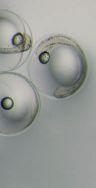
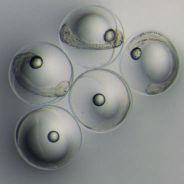
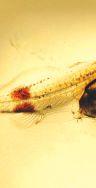
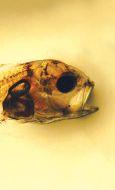
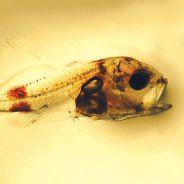







DEVIL IN THE DETAILS
At the launch of Marine Harvest Scotland's new hatchery in Inchmore. (In photo, L-R) MSP Fergus Ewing and John Richmond, Marine Harvest Scotland's freshwater manager
Fergus Ewing (left), Member of Scottish Parliament (MSP), takes a tour of the new Inchmore Hatchery with Marine Harvest Scotland managing director Ben Hadfield (right)
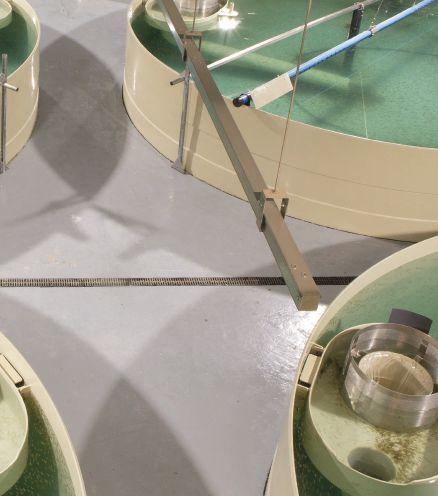
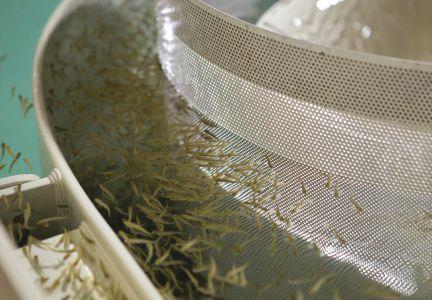
< The new state-of-the-art hatchery ensures a disease-free environment is maintained, which is especially important during the early life stage of the fish when they are more vulnerable.
< Manager Owen Davies oversees the new Inchmore Hatchery operations, which spans more than 13,000 sq. m.
Aquaponic RAS facility opens in Connecticut
I deal
Fish has officially opened its brand new land-based aquaponic facility in Waterbury, Connecticut, in the United States, spanning 63,000-sq-ft of recirculating aquaculture system (RAS).
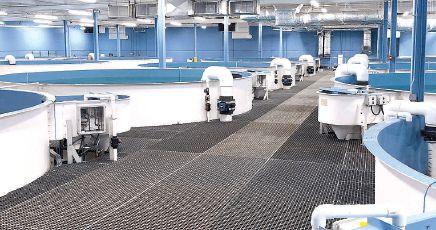
Using aquaculture filtration and aquaponics technology from Pentair, the new facility is expected to raise more than 350,000 lbs. of Mediterranean seabass (Dicentrarchus labrax), also known as branzino, and 50,000 lbs. of leafy greens per year, according to Pentair. Branzino imports have grown in the U.S. in recent years, reaching more than 7,500 metric tons in 2017, up nearly 50 per cent from 2014, according to data from the National Oceanic and Atmospheric Administration. Ideal Fish is to be the first aquaculture facility in the U.S. to raise branzino using RAS technology.
a village neighboring the new facility, and ancillary equipment such as pumps, vaccination machines and hatching equipment have been supplied by the wider aquaculture industry.
In the past year, Marine Harvest reported considerable improvements in the survival and growth rate of salmon at sea, thanks to its investment in methods to tackle sea lice and improve fish health. Richmond is confident that the new hatchery will enable this to continue.
“By producing the smolts in an environment where we can optimize water quality
and provide stable conditions for growth, we hope to produce smolts that perform well at sea,” he explained. “A healthy smolt able to achieve its full growth potential will be ready to withstand the challenges of sea water production and reach a harvest size in good time, thus minimizing the risk of cumulative issues in later parts of the seawater production cycle.”
Hopes are high for the latest stage in Marine Harvest’s expansion, as the Inchmore hatchery becomes part of a bright future for Scottish aquaculture.
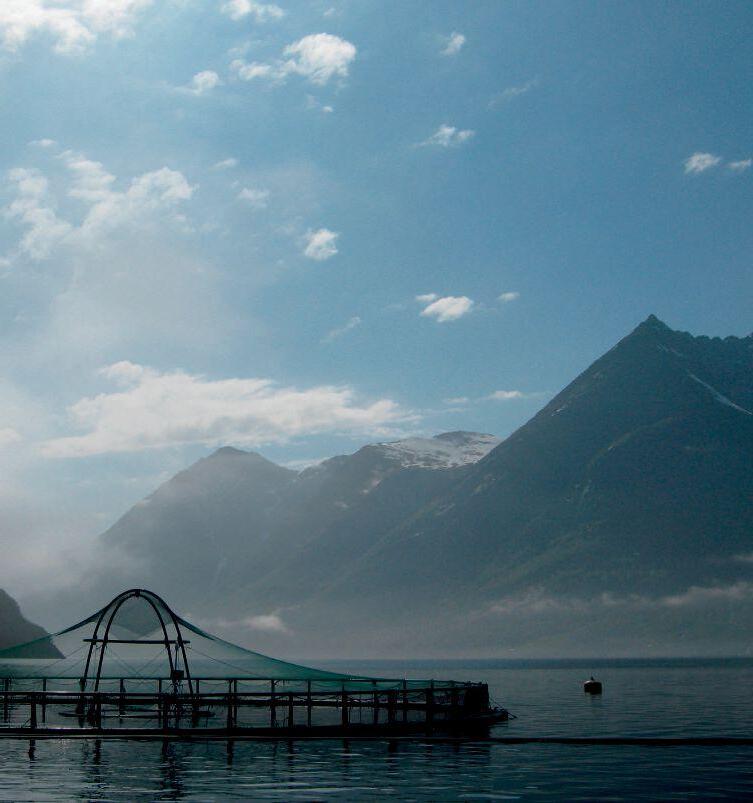
“By utilizing advanced Pentair filtration technology, Ideal will be able to reuse more than 90 percent of the water they use. With land-based RAS, there’s also no chance of fish escaping into the wild – another major concern for ocean-based fish farms,” a statement from Pentair said.
“From the start, I believed that recirculating aquaculture systems and aquaponic systems offered the ideal solution to some of the serious challenges facing consumers in this country when attempting to source fresh, high-quality, traceable and safe seafood and greens. In addition to this, I knew that if we built the correct facility, with the technological expertise and influence from Pentair, we would create a clear solution to many of the long-standing issues that have plagued our existing food chain,” Ideal Fish founder Eric Pedersen said.
Ideal Fish plans to apply for USDA certification as an organic farm.

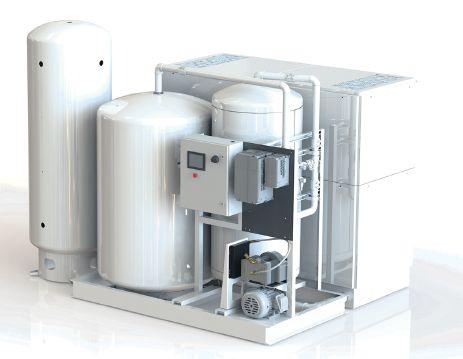

Ideal Fish will produce Mediterranean seabass and vegetables concurrently at its new aquaponic RAS facility in Waterbury, Connecticut. (Photo courtesy: Ideal Fish/Pentair)
SHOWCASE
Thailand fish feed producer gets OK for Ecuador exports
INVE Thailand, a subsidiary of Benchmark Holdings, has become the first company in Asia to be awarded a certificate to export its Artemia cysts, feed and health products into Ecuador. It will now be used as a reference in the region for other companies seeking similar certificates, according to a company press release.
The announcement came after three days of audit by COTERI (Technical Commission for Import Risk, Ecuador) at INVE Aquaculture’s factory in Thailand.
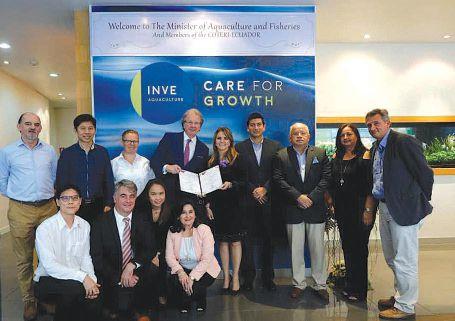
The certificate, valid for four years, was presented by Ecuador’s Minister of Aquaculture and Fisheries, Ana Katuska Drouet, and Daniel Carofilis, sub-secretary of Aquaculture and Fisheries, during a ceremony at INVE’s office in Bangkok.
The minister commented on the high standard of operations at the factory, which will now be used as a benchmark for other companies applying for a similar certificate in the future, the company said.
“We are proud of the dedication of our management team and staff in Thailand. This is not only a milestone achievement for INVE and Benchmark, but also the next step towards a more efficient supply chain and enhanced service for our customers in Ecuador,” Philippe Léger, CEO of Benchmark’s INVE, said.
“Working closely together with ambitious aquaculture entrepreneurs worldwide, INVE is privileged to witness many successes, innovations and breakthroughs. We look forward to working with producers in Ecuador to share and develop concepts, best practices and technologies to drive the growth of their business and the industry as a whole.”
Salmon fingerlings from Scotland touch down in Dubai
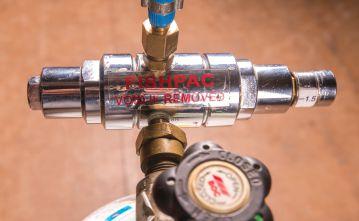
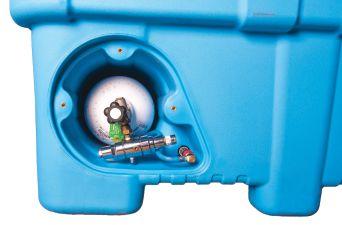
FloatPac, owners of FishPac live seafood transportation systems, have announced the first successful shipments of live salmon parr fingerlings (Salmo salar), from Scotland to Dubai.
“The ability to ship both parr and smolt is significant,” said FloatPac CEO Gavin Hodgins. “As land-based salmon RAS farming becomes more popular, the need for sound transportation of live salmon at all lifecycles is becoming increasingly important."
FloatPac’s air freight oxygen delivery system has allowed for the stocking of a large recirculation aquaculture farm in Dubai – The Fish Farm LLC – with fingerlings, the company said.
“That means that, thanks to FishPac, locally supplied, live and fresh chilled salmon will be available in the UAE market from late 2018,” Hodgins said.
The process, which saw a total of 38,500 fish successfully transported in 42 bin movements over a five-month period, included a five-hour road journey to Glasgow airport, 7.5-hour flight to Dubai and customs clearance – culminating in a transit period of, on average, 20 to 26 hours.
“The key objective of the transport was to deliver fish in the best possible condition, without compromising their future growth potential,” said FloatPac’s marine biologist, Peter Rankin.
“Following successful pre-shipment trials with 40g fish in Scotland, shipments were ultimately undertaken at a density of around 55kg per m³ per bin," he added.

BioMar expands research site
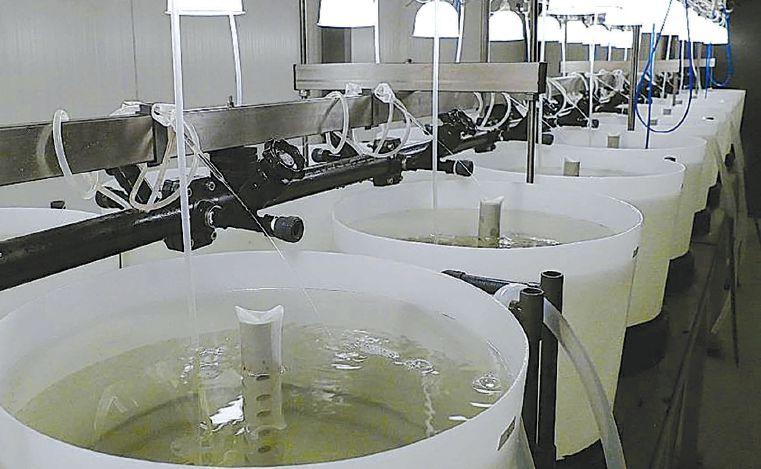
Danish fish feed company BioMar is increasing its research capabilities with the opening of a new state-of-the-art marine fish larval trial unit. This addition expands BioMar’s Aquaculture Technology Centre (ATC) Hirtshals facility in Denmark.
The new research facility will allow both larval rearing and production of live feed, according to BioMar.
The company recently streamlined its product portfolio and adopted new innovations and functional raw materials in their Larviva hatchery range to maximize health and performance. “The new research facilities will enable BioMar to continue to drive breakthrough innovation in the hatchery feed segment,” the company said.
The opening of the new hatchery research and development facility is the second of a three-phased strategic plan for the segment. BioMar announced last year heavy investment in the area including the establishment of a business unit in Nersac, France, headed by Chris Dinneweth, and the expansion of the fry feed production line in Brande, Denmark, expected later in 2019.
“We see significant growth potential in the hatchery feed segment,” said Ole Christensen, vice-president of EMEA at BioMar. “Our new research facilities will help us continue to evolve our larval feed range while allowing us to respond faster to market and customer needs.”
The ATC Hirtshals now houses 24 RAS larval rearing trial units ranging from 50 to 100 litres, all operating under strict controlled conditions. The new system allows for finetuning protocols for larval rearing as well as the production of live feed, including rotifers and artemia. BioMar have complete control within the trial units including temperature, salinity, photoperiod and light-intensity allowing for strongly replicated trials and the ability to work on a range of marine species, the company said.
“The launch of the hatchery trial facility at our ATC Hirtshals is a significant boost to the BioMar hatchery business unit, which will allow us to undertake in-house marine fish larvae feed trials. We look forward to developing and bringing to the market new and exciting innovations in hatchery feeds,” Christensen said.
Zeigler’s new hire
Scott Snyder has joined Zeigler Bros., Inc. as the company’s new nutritional technology manager. In his role, Snyder will provide nutritional and technical support for domestic aquaculture production and customers as well as international licensees.
Snyder obtained his Ph.D. in Animal Physiology from the University of Idaho. His dissertation research was on the molecular and physiological characterization of muscle growth regulation in rainbow trout selectively bred for the utilization of fishmeal alternatives. Snyder has over 20 years of industry experience; prior to earning his graduate degree he spent nearly a decade managing one of the largest channel catfish farms in Arkansas. Snyder spent 11 years as an agricultural scientist for the U.S. federal government. His major accomplishments were the identification of muscle yield differences between the two major cultured strains of Hybrid Striped Bass and the development of temperature-specific feed formulations and seasonal feeding regimens for this aquaculture species. In the last five years, Snyder’s research has focused on the development of sustainable feeds for salmonids and improved nutrient availability for shrimp feeds.
AquaChile, Benchmark pairing up
Aquaculture biotechnology firm Benchmark and salmon producer AquaChile have announced a breeding and genetics joint venture to form a new genetics company that will create a “world-class salmon breeding operation,” according to a statement from Benchmark.
The new Benchmark Genetics Chile will produce eggs at Salmones Chaica’s high-quality, biosecure, land-based production facilities in Chile. Salmones Chaica is owned by AquaChile. Benchmark Genetics Chile will be supported by Benchmark’s land-based breeding operations in Iceland and utilize genetics technology from Benchmark’s Akvaforsk Genetics in Norway.
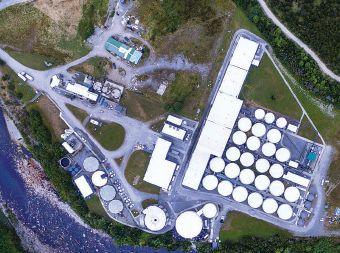
The new joint venture company will supply AquaChile’s Atlantic Salmon egg requirements, and is also expected to market Coho Salmon and Rainbow Trout eggs adapted for Chilean conditions.
Benchmark Genetics Chile will combine leading-edge technology in salmon genetics and genomics from Benchmark and AquaChile to drive progress in improving fish health, including resistance to diseases such as SRS and sea lice.
At the joint venture announcement, Benchmark CEO Malcolm Pye welcomed the partnership that combines AquaChile’s existing land-based production and locally adapted genetics business with Benchmark’s leadership in salmon genetics and research.
“Genetics provide the best starting point for production in terms of disease resistance, production efficiency and processing quality and yield. This agreement establishes a strong platform for Benchmark in Chile and we look forward to working with the industry to support its sustainable development for the long-term future,” Pye said.
AquaChile is the sixth largest salmon producer in the world, with production facilities in Chile, Costa Rica, Panama and the U.S.
“This partnership will allow AquaChile to continue improving the genetics of our fish and, with that, the productivity and overall performance in our core salmon and trout farming business,” said Agustín Ugalde, CEO of AquaChile.
“This transaction also validates our efforts to date in building local capacity for the production of salmon eggs to the highest quality and biosecurity standards.”





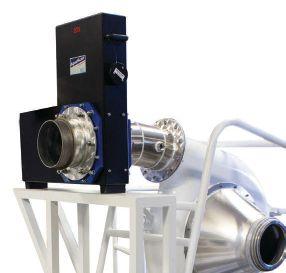








BioMar’s new larval trial unit will allow for both larval rearing and live feed production.
Benchmark Genetics Chile will produce ova at Chaicas' high-quality biosecure land-based facilities in Chile
Scott Snyder
SHOWCASE
Newfoundland to host major aquaculture conference in 2020
St. John’s, Newfoundland in Canada will be the venue for the World Aquaculture Society (WAS) North America 2020 conference and tradeshow, following a historical agreement signed by executives from WAS, the Aquaculture Association of Canada (AAC) and the Newfoundland & Labrador Aquaculture Industry Association (NAIA).
WAS North America 2020 will be held at the St. John’s Convention Centre in Newfoundland on Aug. 30 to Sept. 2, 2020.
“WAS has been trying for many years to have a joint meeting in Canada and we are excited to have the opportunity to help organize a major aquaculture conference and exposition in Canada,” said John Cooksey, WAS executive director. “We look forward to the world aquaculture community focusing on Canadian aquaculture innovation. Mark your calendars now.”
This will be the first collaborative meeting between AAC and WAS in many years, and the first for NAIA to get involved in such an undertaking.
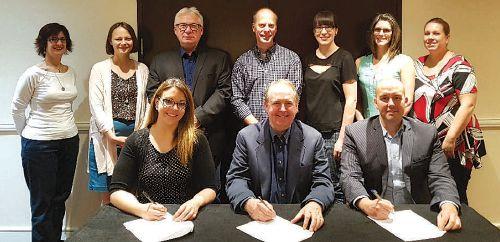
inspiring meeting. We look forward to welcoming the global aquaculture community to our country.”
St. John’s is an ideal location for this meeting because of the fast-growing aquaculture community in the province and as a world-class tourist destination, being the oldest city in North America, a statement from NAIA said.
“We are absolutely thrilled and honoured to be selected as the location for WAS North America 2020. To have Newfoundland and Labrador recognized for its potential as an aquaculture growth area globally is a milestone that we are proud of,” said Mark Lane, executive director at NAIA. “We look forward to sharing our success stories as an industry and our beautiful province as a world-class tourist destination with aquaculture enthusiasts spanning all areas of the globe in 2020.”
Stefanie Colombo, president, Aquaculture Association of Canada welcomed the prospect of Canada hosting WAS North America 2020. “The partnership among WAS, NAIA and AAC will undoubtedly yield a productive and
RAS expert joins aquaponics farm in Wisconsin
Wisconsin-based Superior Fresh will be welcoming Steven Summerfelt to its team, as the former director at The Conservation Fund Freshwater Institute takes on the new role as Superior Fresh’s chief science officer.
Superior Fresh is an aquaponics company operating on a 720-acre property producing Atlantic salmon, Steelhead trout and leafy green vegetables using recirculating aquaculture systems (RAS) technology. As its new chief science officer, Summerfelt will help Superior Fresh expand its production of both fish and vegetables.
“I look forward to continuing to innovate and optimize RAS and aquaponic production while working for industry,” Summerfelt said in a letter to Hatchery International. “This will also allow me to continue providing the very best technology to Superior Fresh and hopefully leave a legacy of success.”
Summerfelt and his team at The Conservation Fund’s Freshwater Institute were instrumental in developing Superior Fresh’s 40,000-sq-ft. RAS facility. The food producer’s chief operating officer Brandon Gottsacker studied under Summerfelt during his internship at the institute, according to Superior Fresh’s Facebook post.
Superior Fresh is touted as the first large-scale farm in the U.S. to commercially produce Atlantic salmon, Steelhead trout and vegetables using land-based RAS technology.
The combined international conference and exposition is expected to draw over 2,000 attendees from more than 100 countries and will feature 150 exhibits – the largest of its kind ever to be held in Canada.
Tru Shrimp, Oceanic Institute ink supply deal
Tru Shrimp Company has signed an agreement with the Oceanic Institute of Hawaii Pacific University to develop a nucleus shrimp breeding program in the U.S. Under the agreement, Oceanic Institute will supply Pacific white shrimp (Litopenaeus vannamei) breeding stock selected and developed exclusively for Tru Shrimp.
The agreement is the beginning of a relationship with the scientists of Oceanic Institute to identify which of their breeding stock best perform in Tru Shrimp’s patented production environment, the company said. Dr. Bruce Paterson, chief technical officer of Tru Shrimp, said it is critical high-performing breeding stock are chosen and certified specific pathogen free since Tru Shrimp does not use antibiotics in its production systems.
“Biosecurity of the supplier’s facilities and the health and growth capability of the breeding stock were high priorities during the selection of a shrimp brood stock supplier,” Paterson said.
“Oceanic Institute was the first company in the
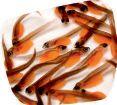
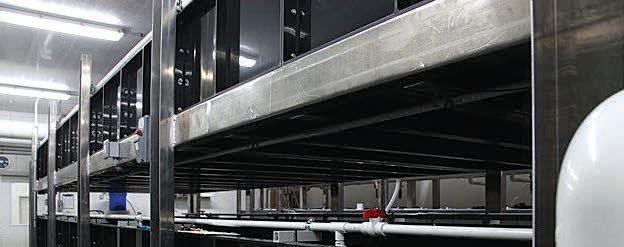
world to receive the designation ‘specific pathogen free’. This means Oceanic Institute shrimp breeding stock are certified to be free of the nine major shrimp diseases recognized by the World Organization of Animal Health. This assures Tru Shrimp that our breeding stock will be disease free and have been raised under the highest of biosecurity standards.”
In addition to supplying brood stock for the hatchery at the Tru Shrimp Innovation Research Center, Oceanic Institute will supply post larvae shrimp for the initial stocking of the Balaton Bay Reef in Minnesota, expected to be the largest shrimp production facility in the Midwest, the company said.
Tru Shrimp’s Balaton Bay Reef will be stocked with shrimp in September. It will also break ground on Luverne Bay Harbor in Luverne, Minnesota, this fall. The nine-acre Luverne Bay Harbor will be capable of producing millions of pounds of shrimp annually, Tru Shrimp said.
(L-R) Back row: Betty House, Joanne Liutkis, Cyr Couturier, Dr, Tillmann Benfey, Debbie Plouffe and Tara Daggett, Joanne Burry. Front row: Dr. Stefanie Colombo, president of AAC; John Cooksey, executive director of WAS; Mark Lane, executive director of NAIA
Steven Summerfelt
Tidal basins at the Tru Shrimp Innovation Centre

FERTILIZED STURGEON EGGS

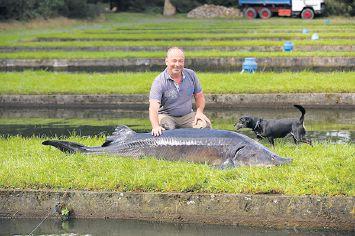
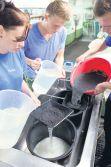
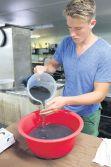
We deliver eggs from Acipenser ruthenus
Acipenser ruthenus albino
Acipenser baerii
Acipenser güldenstädtii
Acipenser stellatus Huso huso
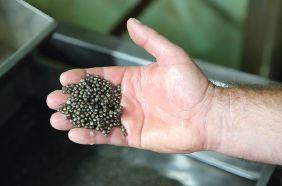
Fischzucht 1, D – 36129 Gersfeld Tel.: +49-6654-919220 Fax: +49-6654-8277 e-mail: info@fisch-gross.de
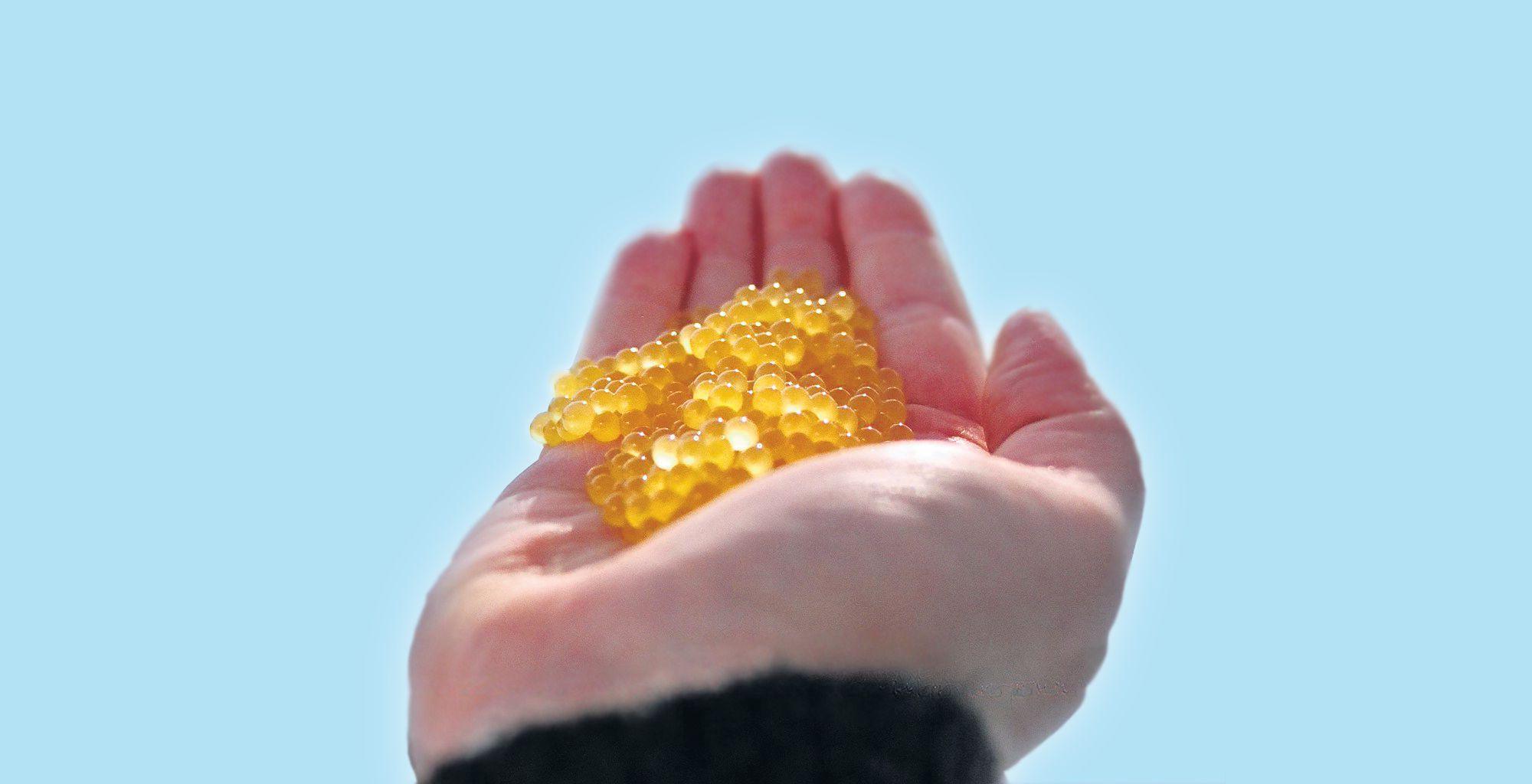
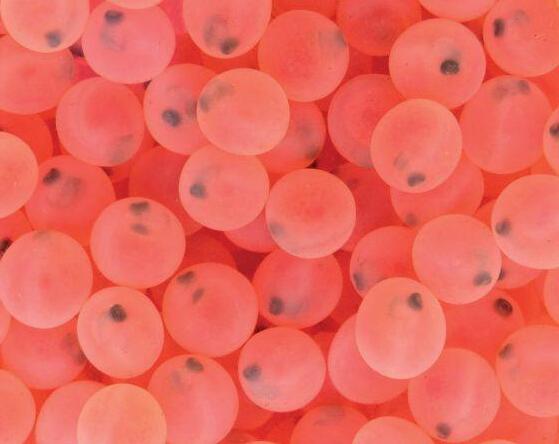
Survival Rate: 85%-90% egg to harvest
High Density rearing: 100kg/m2 on-growing
High Market Value: Amongst the highest in finfish Availability: Spring and Fall shipping
High disease tolerance
Low maturation & good growth FOR TRIAL OFFERS or more information contact: Icy Waters Arctic Charr: dhori@icywaters.com 1.888.720.7969 • www.icywaters.com Follow us on twitter @icywaterscharr
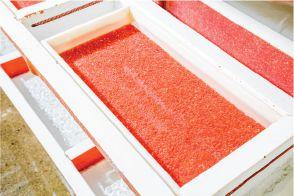

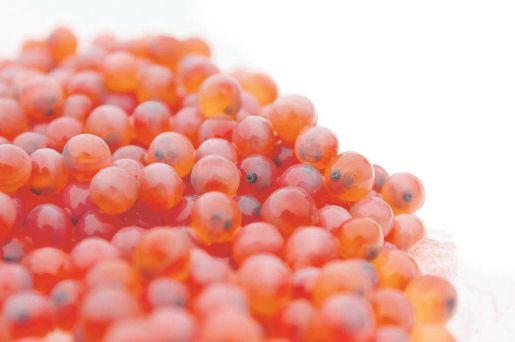
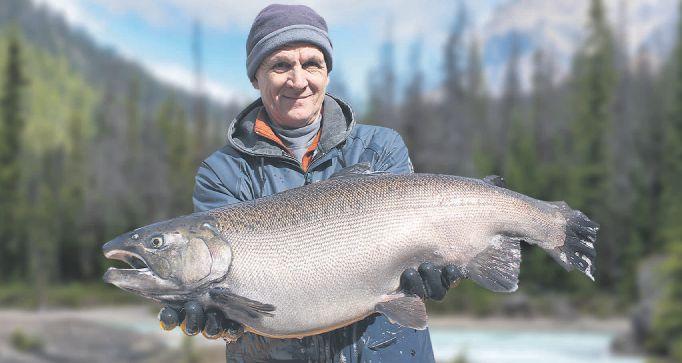
Aquaculture 2019
Aquaculture – The Big Easy Choice!
March 7 - 11, 2019
New Orleans Marriott
New Orleans, Louisiana



For More Information Contact: Conference Manager
P.O. Box 2302 | Valley Center, CA 92082 USA
Tel: +1.760.751.5005 | Fax: +1.760.751.5003

Email: worldaqua@was.org | www.was.org
EVENTS CALENDAR
SEPTEMBER
September 2-6, International Symposium on Aquatic Animal Health. Charlottetown, Prince Edward Island, Canada.
September 4-6, Seafood Expo Asia, Wanchai, Hong Kong, www.seafoodexpo.com
September 11-12, 2nd Annual Aquaculture Innovation Europe, London, UK, www.aquaculture-innovation.com
September 19-20, 19th World Congress on Analytical & Bioanalytical Techniques, Singapore, www.analytika. pharmaceuticalconferences.com
69TH ANNUAL
NWFCC
OCTOBER
October 18-20, Future Fish Eurasia , Izmir, Turkey, www.future-fish.com
October 23-26, Laqua 18, Bogota, Colombia www.marevent.com
DECEMBER
December 4-6, Northwest Fish Culture Concepts, Portland, Oregon
December 4-6, Aquaculture Innovation Workshop 2018, www.conservationfund.org

DECEMBER 4-6, 2018 DOUBLETREE HOTEL, PORTLAND, OR
HATCHERIES IN A CHANGING WORLD
ONLINE REGISTRATION

For info and registration, visit:fishculture.fisheries.org/northwest-fish-culture-concepts/upcoming-nwfcc-workshop/
CONFERENCE INFORMATION: HOSTED BY
The NW Fisheries Science Center (NWFSC)
The Artificial Propagation and Inland Fisheries Branch of NOAA’s National Marine Fisheries Service (NMFS)
The Fish Culture Section of the American Fisheries Society
REGISTRATION
PRESENTATIONS
VENDORS
Ms. Margaret Anderson (208) 378-5299 margaret_m_anderson@fws.gov
Dr. Donald Larsen (206) 860- 3462 don.larsen@noaa.gov
Mr. Brett Farman (503) 231-6222 brett.farman@noaa.gov
HOTEL INFORMATION: (503) 281-6111
HI_NWFCC_ NOAA_Fisheries_SeptOct18_EJS.indd 1
2018 AQUACULTURE INNOVATION WORKSHOP
Dates
DECEMBER 4-6, 2018
Location
MIAMI, FLORIDA

DoubleTree by Hilton Hotel
Miami Airport & Convention Center
Lodging
DOUBLETREE BY HILTON HOTEL
Miami Airport & Convention Center
Reservations can be made under the room block “The Conservation Fund/ AIW” until November 11, or until full.

Agenda
DECEMBER 4 & 5
Full day presentations and discussions
DECEMBER 6 (MORNING)
Participants will have the opportunity to join a first-look tour of Atlantic Sapphire’s Miami BluehouseTM facility. Tour is included in the registration fee.
SPACE IS LIMITED, REGISTER NOW!
www.conservationfund.org/our-work/freshwater-institute/events
Preliminary Program
Day 1
2018-07-25 10:00 AM
FINANCE AND INVESTING IN LAND-BASED RAS PROJECTS
Tone Bjørnstad Hanstad DNB Markets
INDUSTRY UPDATES
Johan Andreassen Atlantic Sapphire
Steven Summerfelt Superior Fresh
Thomas Hofmann Swiss Alpine Fish
Árni Páll Einarsson Matorka
Richard Buchanan AgriAsia
Eric Pederson Ideal Fish
Rögnvaldur Guðmundsson Akvafuture
MARKETING
Jacqueline Claudia Love The Wild
DINNER SPEAKER
Frode Mathisen Grieg Seafood
Day 2
TECHNOLOGICAL AND BIOLOGICAL CHALLENGES
Caird Rexroad USDA ARS
Åsa Maria Espmark CtrlAQUA/Nofima
John Davidson Freshwater Institute
Christopher Good Freshwater Institute
Jelena Kolarevic Nofima
Lill-Heidi Johansen Nofima
MITIGATING BUSINESS RISKS
Rob Piasio
Whole Oceans
Heidi Kyvik Krüger Kaldnes Veolia
Kari Attramadal Nofitech
Bill Keleher
Kennebec River Biosciences
Aud Skrudland Norwegian Food Safety Authority
Sigurd Stefansson University of Bergen
VITALIS
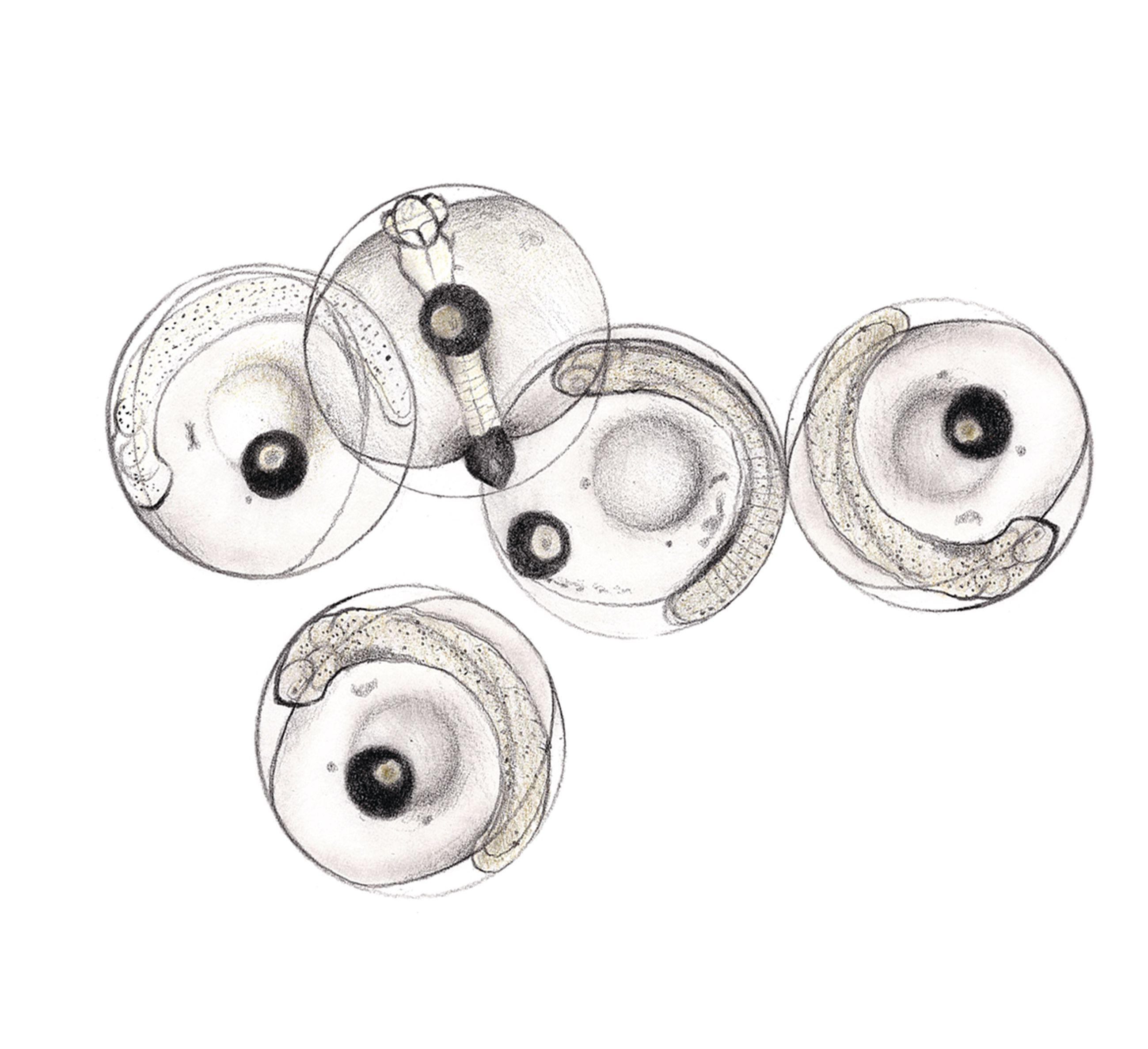
Vitalis PRIMA
Maximum vitality for offspring
Introducing Vitalis PRIMA, the most comprehensive marine fish broodstock diet. Based on international research collaboration and in-depth explorations with hatchery professionals, Skretting has developed a new standard in broodstock nutrition.
A total of 5 highly specific upgrades have been added to the previous market leading Vitalis CAL specification to address modern broodstock management challenges. For more information, please contact your local feed consultant.
www.skretting.com


Full Chain DNA Solutions Since 1996
Leading Genetic & Genomic Solutions For the Agri-Food Industry
IdentiGEN is a leading provider of DNA-based solutions for the animal protein industry, partnering with international retailers, processors, producers and breeders to improve the value, quality and integrity of food supply chains .
Constantly innovating we are a global technology business applying our core expe rtise in genetics to provide a range of cost-effective products and services to our customers. Operating from our wholly owned network of laboratories in multiple international markets.
Advanced Products and Services
Through ongoing internal development and selective adoption of advanced technologies IdentiGEN offers a highly competitive range of genotyping solutions. Accurate and on time, performed to the highest standards, while also offering low total cost of ownership. Our overarching DNA TraceBack system links products throughout the supply chain to identify and trace provenance and origin
Our controlled storage options include ambient temperature, chilled (4°C), frozen (-20°C), ultra-low-temperature (-80°C) controlled storage.
With an expanding base of global aquaculture clients IdentiGEN looks forward to supporting your breeding objectives, whether low density QTL screening, pedigree assignment or genomic selection IdentiGEN has the tools and experience to exceed your expectations.




Innovative Technology
IdentiGEN is committed to innovation and our proprietary technologies help deliver DNA-based solutions at market defining price-points. Our state-of-the-art laboratories and leading edge technology operate at industrial scale. Offering among the highest genotyping capacity available –more than 2 million assays per week.




IdentiGEN
Beef Prawns Poultry FishPork