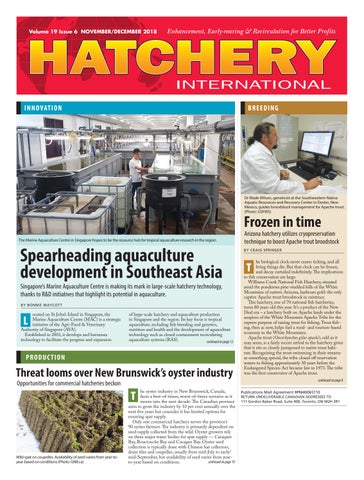
Spearheading aquaculture development in Southeast Asia
Singapore’s Marine Aquaculture Centre is making its mark in large-scale hatchery technology, thanks to R&D initiatives that highlight its potential in aquaculture.
BY BONNIE WAYCOTT
Located on St John’s Island in Singapore, the Marine Aquaculture Centre (MAC) is a strategic initiative of the Agri-Food & Veterinary Authority of Singapore (AVA).
Established in 2003, it develops and harnesses technology to facilitate the progress and expansion
of large-scale hatchery and aquaculture production in Singapore and the region. Its key focus is tropical aquaculture, including fish breeding and genetics, nutrition and health and the development of aquaculture technology such as closed containment recirculating aquaculture systems (RAS).
continued on page 12
Threat looms over New Brunswick’s oyster industry
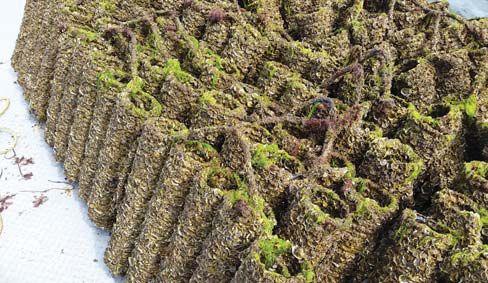
The oyster industry in New Brunswick, Canada, faces a best-of-times, worst-of-times scenario as it moves into the next decade. The Canadian province aims to grow the industry by 10 per cent annually over the next five years but concedes it has limited options for ensuring spat supply.
Only one commercial hatchery serves the province’s 90 oyster farmers. The industry is primarily dependent on seed supply collected from the wild. Oyster growers rely on three major water bodies for spat supply — Caraquet Bay, Bouctouche Bay and Cocagne Bay. Oyster seed collection is typically done with Chinese hat collectors, drain tiles and coupelles, usually from mid‐July to early/ mid-September, but availability of seed varies from yearto-year based on conditions.
Frozen in time
Arizona hatchery utilizes cryopreservation technique to boost Apache trout broodstock
BY CRAIG SPRINGER
he biological clock never ceases ticking, and all living things die. But that clock can be frozen, and decay curtailed indefinitely. The implications to fish conservation are large.
TWilliams Creek National Fish Hatchery, situated amid the ponderosa pine-studded hills of the White Mountains of eastern Arizona, harbours gold: the only captive Apache trout broodstock in existence.
This hatchery, one of 70 national fish hatcheries, turns 80 years old this year. It’s a product of the New Deal era – a hatchery built on Apache lands under the auspices of the White Mountain Apache Tribe for the express purpose of raising trout for fishing. Trout fishing, then as now, helps fuel a rural- and tourism-based economy in the White Mountains.
Apache trout (Oncorhynchus gilae apache), odd as it may seem, is a fairly recent arrival to the hatchery given that it sits so closely juxtaposed to native trout habitats. Recognizing the trout swimming in their streams as something special, the tribe closed off reservation waters to fishing approximately 30 years before the Endangered Species Act became law in 1973. The tribe was the first conservator of Apache trout.
Publications Mail Agreement #PM40065710
RETURN UNDELIVERABLE CANADIAN ADDRESSES TO 111 Gordon Baker Road, Suite 400, Toronto, ON M2H 3R1
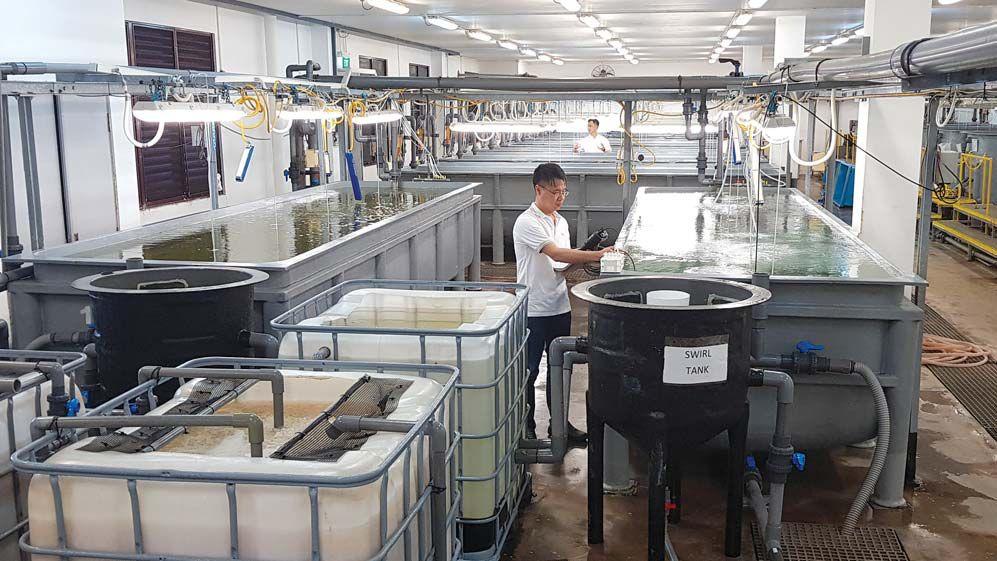
The Marine Aquaculture Centre in Singapore hopes to be the resource hub for tropical aquaculture research in the region.
Dr Wade Wilson, geneticist at the Southwestern Native Aquatic Resources and Recovery Center in Dexter, New Mexico, guides broodstock management for Apache trout. (Photo: USFWS)





Disease and poor health are some of the main constraints for sustainable aquaculture.
MSD Animal Health develops environmentally responsible products to maximize fish survival, growth and production efficiency for the major farmed fish species: salmon, tilapia, trout and other marine species.

Every day, in every corner of the world, progressive fish farmers turn to MSD Animal

Health. They ask about our full range of products for managing the most serious diseases in aquaculture. Even more, they come to us for integrated health solutions to help them become more profitable, competitive and sustainable.
For more details please contact your local MSD Animal Health representative or contact us at aqua@merck.com or visit us at www.aqua.merck-animal-health.com.
Copyright © 2016 Intervet International B.V., also known as MSD Animal Health. All rights reserved. This document contains information on veterinary products based on international registration dossiers and may refer to products that are either not available in your country or are marketed under a different trade name. In addition, the approved indications as well as safety and efficacy data for a specific product may be different depending on local regulations and approvals. For more information, read the product labeling that applies to your country or contact your local MSD Animal Health representative.




VOLUME 19, ISSUE 6 | NOVEMBER/DECEMBER 2018
Editor Mari-Len De Guzman, mdeguzman@annexbusinessmedia.com
Science Editor David Scarratt, scarratt@ns.sympatico.ca
Contributors Matt Jones, Ruby Gonzalez, Liza Mayer, Bonnie Waycott, Tom Walker, Christian Perez Mallea, Eric Ignatz, Vladislav Vorotnikov, Ron Hill, Colin Ley, John Mosig
Advertising Manager Jeremy Thain, jthain@annexbusinessmedia.com
Tel. +1-250-474-3982, Toll-Free (North America) 1-877-936-2266
Circulation Manager Barbara Adelt badelt@annexbusinessmedia.com, Tel: 416-442-5600 ext. 3546
Art Director Svetlana Avrutin, savrutin@annexbusinessmedia.com
Group Publisher Scott Jamieson, sjamieson@annexbusinessmedia.com
President & CEO – Mike Fredericks
PUBLISHED BY ANNEX BUSINESS MEDIA 105 Donly Drive South, Simcoe, ON N3Y 4N5
Hatchery International is published six times a year by Annex Business Media. The authority for statements and claims made in Hatchery International is the responsibility of the contributors. Reference to named products or technologies does not imply endorsement by the publisher.
A subscription to Hatchery International (six issues) is $36.00 within Canada, $36.00US within North America and $46.50US outside North America. To subscribe visit our website at www.hatcheryinternational.com
Subscriptions Angie Potal, apotal@annexbusinessmedia.com
Tel: 416-410-5113 • Fax: 416-510-6875 or 416-442-2191
Printed in Canada. Publications Mail Agreement #PM40065710 RETURN UNDELIVERABLE CANADIAN ADDRESSES TO:
Hatchery International. CIRCULATION DEPT.
111 Gordon Baker Rd., Suite 400, Toronto, ON M2H 3R1
Annex Privacy Officer Privacy@annexbusinessmedia.com Tel: 800-668-2374 ISSN 1922-4117
NEXT AD DEADLINE
The advertising deadline for the Jan/Feb issue is Nov 10th. Don’t miss the opportunity to be part of this exciting aquaculture publication. For more information, or to reserve space in the next issue, call our Advertising Department at +1.250.474.3982 jthain@annexweb.com
NEXT EDITORIAL DEADLINE
The editorial deadline for the Jan/Feb issue is Nov 10th. Contact the Editor, Mari-Len De Guzman at 1-289-259-1408 for details. E-mail story ideas to mdeguzman@annexbusinessmedia.com. Material should be submitted electronically after prior arrangement with the editor.
EDUCATION
Symposium on Aquatic Animal Health draws attendees from around the globe
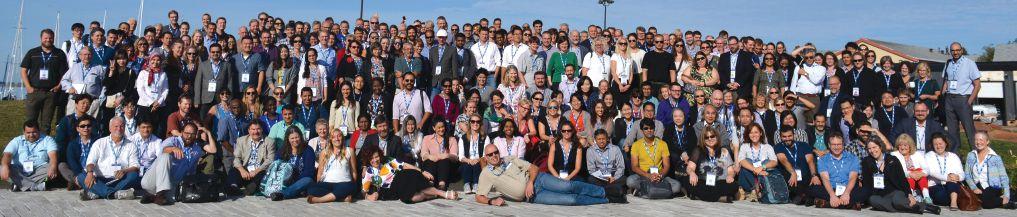
The 8th International Symposium on Aquatic Animal Health (ISAAH) was held in Charlottetown, Prince Edward Island, Canada, from September 2 to 6. This year marked the 30th anniversary of the event, bringing the conference back to Canada for the first time since the inaugural meeting held in Vancouver, British Columbia. Hundreds of aquatic health professionals flew to the island to take part in a week full of presentations, industry sessions and social networking events.
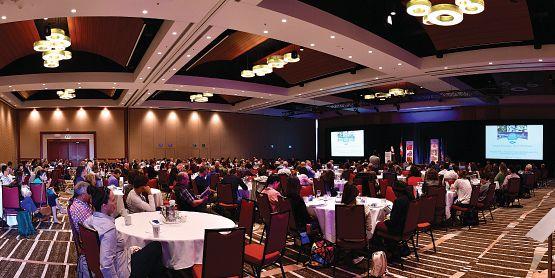
The symposium was co-hosted by University of Prince Edward Island’s Atlantic Veterinary College, the PEI BioAlliance and the Fish Health Section of the American Fisheries Society. The theme of the event was “Integrating Biotechnology in the Advancement of Aquatic Animal Health,” which presenters throughout the week highlighted with discussion of the latest research developments from around the world.
Rose FitzPatrick, manager of marketing and communications for the BioAlliance, explains why she thought Charlottetown made an ideal host-location, “I think PEI has a well-established concentration of aquatic animal health expertise through research at the Atlantic Veterinary College and through the companies who’ve chosen to establish their business in PEI, such as Elanco, Halibut PEI, AquaBounty Canada, and The Centre for Aquaculture Technologies Canada, just to name a few.”
Some new elements that were included in this year’s conference were one-to-one business partnering meetings.
FitzPatrick says, “It has been a very significant piece of our conference programs, connecting industry with researchers and students, thus pushing forward not only innovation and entrepreneurship, but ongoing relationships.”
Also incorporated during the week were targeted industry sessions, including a two-day think tank on the new Ocean Supercluster initiative, encouraging the formation of new cooperative partnerships. Additionally, the American Association of Fish Veterinarians (AAFV) and the World Aquatic Veterinary Medical Association (WAVMA) both hosted meetings and offered opportunities to fill continuing education credits for their members.
The new Quantitative Atlantic Salmon Health (QASH) team hosted one of its first workshops as well. The QASH initiative is a collaborative effort among researchers in Canada, Chile, Norway and Scotland that aims to develop benchmark management and certification tools based on objective measures of health and robustness.
The symposium is generally held every four years and is expected to make a return in 2022. FitzPatrick only has one recommendation for the next conference, “I think that future ISAAH organizers should work to attract more industry to attend this event. ISAAH attracts some of the best and brightest minds in aquatic animal health research together for one week. It is a prime opportunity for both industry and academia from all over the world to meet.”
– Eric Ignatz
The Van Gaalen Fish Egg Sorter uses the most current technology to bring you an egg sorter that offers: variable egg sizes, speed, accuracy, egg counts, safety and versatility.
VMG Industries Inc.
2972 Bellmeade Way Longmont, CO 80503 USA
T: 303.682.8890 F: 303.682.8892 www.vmgindustries.com

Ship Fingerlings and Eggs
Temperature Controlled Cargo Shipping
• Expertise in live haul fish, fingerlings and eggs
• Temperature Controlled/Insulated Containers
• Extra careful handling of your live animals
NEWS BRIEFS
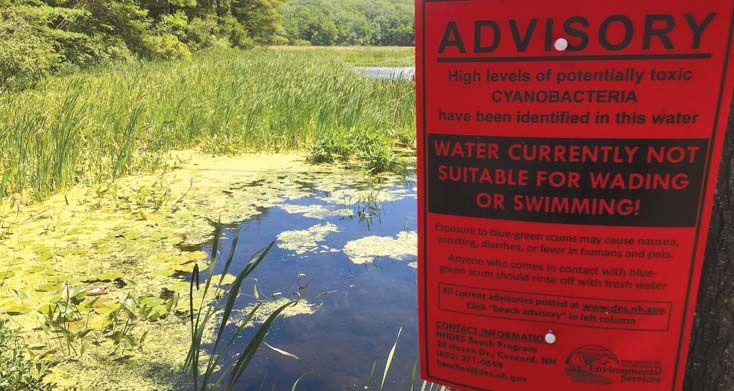
Environmental group to sue New Hampshire hatchery over pollution
An environmental group has announced intention to sue New Hampshire’s largest fish hatchery over pollution concerns. The Conservation Law Foundation (CLF) says that the food and waste from the Powder Mill Fish Hatchery in New Durham have caused water quality violations in the Merrymeeting River and other nearby water bodies. The hatchery is run by the New Hampshire Fish and Game Department. Under the Clean Water Act, CLF must now wait 60 days before officially filing the lawsuit.
“We have very clean water above the hatchery and then below the hatchery, as a result of discharges associated with hatchery operation, including fish waste and food, we’re seeing very significant loads of phosphorus and total suspended solids that are causing eutrophication problems including cyanobacteria outbreaks,” said Tom Irwin, director of CLF New Hampshire.
“Portions of the river have been designated by the state as impaired for recreational uses. In fact, a couple of stretches of the river have been posted with advisories by the New Hampshire Department of Environmental Services, warning people about the presence of cyanobacteria and the need to stay out to avoid contact.”

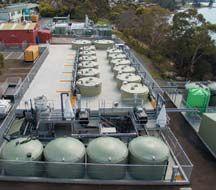
All graders can be customized according to your needs.
Always equipped with frequency converters.
Bandspeed freely variable.
Only 230 Volt needed.
Please contact us in Germany:
verkauf@fischtechnik.com

Irwin said that CLF hopes the legal action will see a change in operations for the hatchery and infrastructure investments to treat waste water. It may also be necessary to remove sediment from portions of the river near the hatchery, which are changing the benthic environment and can over time release phosphorus. Irwin hopes to see a remedy soon, as emerging science has shown a correlation between cyanobacteria blooms and neurological diseases, such as Alzheimer’s, ALS and Parkinson’s.
Representatives for the NH Fish and Game Department were unable to comment due to the pending legal action. However, officials told local media that the hatchery was not in violation of state discharge limits.
Jason Smith, chief of the Inland Fisheries Division for the department was quoted from an e-mail statement as saying, “The Department will continue to do whatever it can do to address and meet any water quality standards that may be imposed in the future.”
Russian scientist builds home-made hatchery



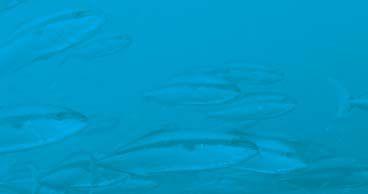



Russia’s scientist and businessman Rasul Bikmukhametov has launched a state-of-theart hatchery in a small hangar using several know-how that are not applied anywhere else in Russia, the regional government informed in a statement on its website August 9, citing earlier reports made by the state-owned news media Vesti.

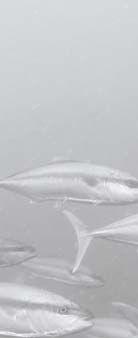
The small facility is designed to grow 20,000 trout (Salmo gen) fingerlings in one production cycle. The hatchery is based in the Republic of Bashkortostan, where fish farming is poorly developed, and is the only hatchery in the region producing trout fingerlings in an industrial scale.
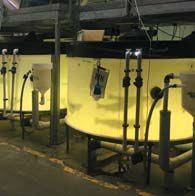

Bikmukhametov designed what he calls “a wave imitation system.” The pools with fish eggs slowly move up and down on a special platform to create waves, and as a result accelerates the hatching process. Several weeks after hatching, the fingerlings are transferred to another pool with water temperatures from 7 to 8°C, which is two times lower than all other Russian hatcheries breeding trout fingerlings.
The main know-how, however, is associated with the water filtration. The water enters the facility from the local spring, passing the filtration by microorganisms on a special porous filter cells. During the filtration process aeration is taking place, resulting in water with extremely high oxygen level. Bikmukhametov believes that these technological solutions allow his fish to grow faster. He, however, declined to provide any additional information about his project.
– By Vladislav Vorotnikov
– Matt Jones
The Conservation Law Foundation claims the Powder Mill Fish Hatchery is the source of contamination in the Merrymeeting River and has announced its intent to file a lawsuit. (Photo: Tom Irwin)
Shedding light on New Zeland green-lipped mussel mortality rate
The high mortality rate of green-lipped mussel (Perna canaliculus) spat shortly after they are seeded onto nursery ropes has been linked to feeding delivery.
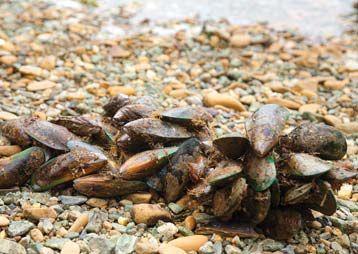
“These losses are thought to be due to the secondary settlement behavior of mussels. The causes of secondary settlement behavior in juvenile mussels are unclear but feed availability and nutritional condition of the juvenile mussels have been identified as major contributing factors,” Darrin Sanjayasari and Andrew Jeffs of the School of Biological Science at the University of Auckland in New Zealand, cited in the paper, “Ability of juvenile green-lipped mussel Perna canaliculus to filter feed on microalgae of different sizes and taxa.”
The study looked into the juvenile mussel's filtering capabilities to improve feeding delivery using flow cytometry methods, which makes measurements of cells in solution as they pass by the instrument’s laser at rates of 10,000 cells per second or more.
The filtering capabilities of juvenile mussels of various sizes when provided with suspensions of microalgae of different sizes and taxa were determined.
“Distinct differences were found in the capability of mussels of different sizes for capturing the particles. Smaller-sized mussels were able to capture larger species of microalgae more efficiently. The larger sizes of mussel were able to capture smaller size of microalgae more efficiently,” the authors said.
It was suggested that providing microalgae of larger particle size with high quality biochemical composition might improve the efficiency of filtering and delivery of nutrition for early juveniles of green-lipped mussels in the hatchery system.
The green-lipped mussel is New Zealand’s top aquaculture product. Of its $335-million annual aquaculture earnings, about $228 million was generated from this species in 2016. – Ruby Gonzalez
Nigerian study looks at photoperiod to improve hybrid catfish performance
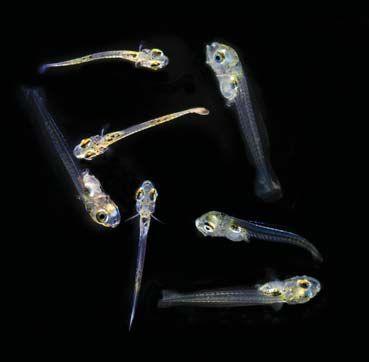
Striking the right balance between darkness and light enhances the viability of hybrid catfish Heterobranchus bidorsalis x Clarias gariepinus in its early life stage, according to a study conducted in Nigeria, where catfish is the leading aquaculture product.
“Exposing fertilized eggs to continuous light worsens hatchability, while longer darkness exposure reduces survivability of fish larvae,” cited Dr. Isreal Adebayo, a senior lecturer at the Department of Fisheries and Aquaculture Management, Ekiti State University, in his research article published in the HSOA Journal of Aquaculture and Fisheries.
Adebayo suggested that two different lengths of light exposure are needed to achieve balanced results in terms of hatchability of eggs, growth and survivability of fish fry.
Incubation and hatching of eggs should be done under complete darkness, while rearing of fry should be done under equal light and darkness exposure, he said.
The highest hatchability of eggs and optimum growth performance of hatchlings were observed under 24-hour darkness, but survivability was reduced due to cannibalism.
The research further showed that larvae of hybrid catfish were photophobic.
While the highest growth performance was recorded at complete darkness, deformed fish larvae were equally highest compared to other photoperiod regimes. He said this could be related to another study which asserted “that fish species exposed to incorrect hour of photoperiod could be severely crippled and may not develop properly.”
The hybrid catfish was produced through hormone-induced spawning.
Artificial insemination of catfish using hormonal induction method appeals to the farmers as a cheap and practical approach producing “highly reliable” fingerlings, the report said.
The establishment of the appropriate photoperiods for the artificial propagation of hybrid catfish is expected to contribute to the growth of aquaculture in Nigeria.
– Ruby Gonzalez





















New Zealand green-lipped mussel
Photo: Adobe Stock
Longer exposure to darkness reduces the survivability of fish larvae, according to Nigerian researcher Adebayo. (Photo: Adobe Stock)
Volunteers give life to century-old Australian hatchery
For nearly 150 years the Ballarat Fish Hatchery continues to provide game fish for anglers.
BY JOHN MOSIG
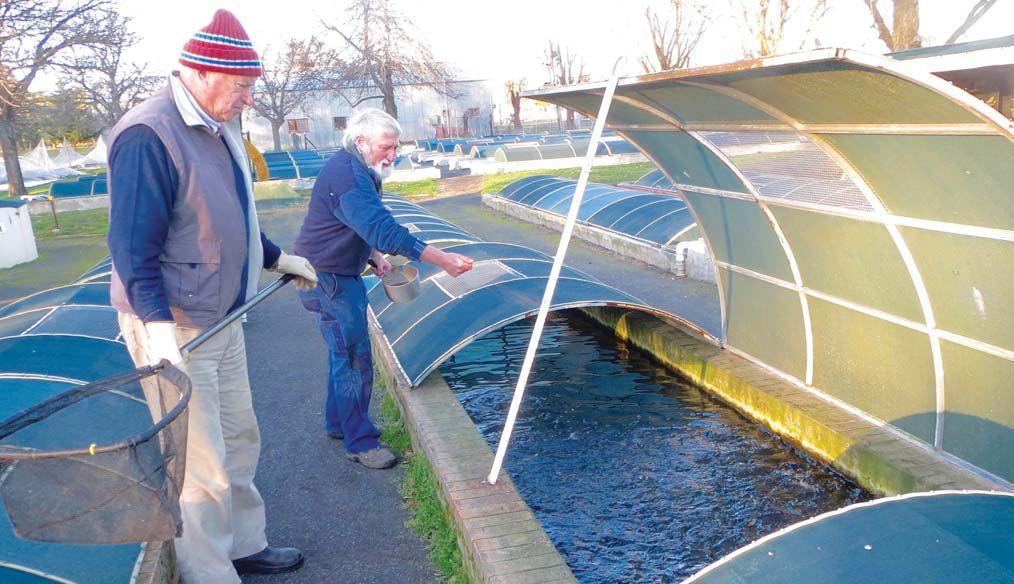
Established on the edge of Lake Wendouree in 1873, the Ballarat Fish Hatchery is the oldest in mainland Australia. Managed by the Ballarat Fish Acclimatisation Society, it was established “to introduce trout, (redfin) perch and other English fish into Ballarat district waters.” The Society, in cooperation with Fisheries Victoria until the establishment of their own Snobs Creek hatchery, pioneered stocking of European game fish in Australian waters until the mid 1950s. It has sent fish and ova to neighbouring states and as far away as South Africa, Sri Lanka, New Guinea and several Pacific Islands.
Ballarat is at the western end of Victoria’s Central Highlands. The hatchery draws its broodstock from a wide range of local waters and is highly respected for the integrity
UV LAMP TECHNOLOGY
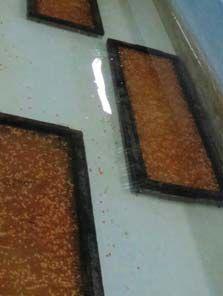
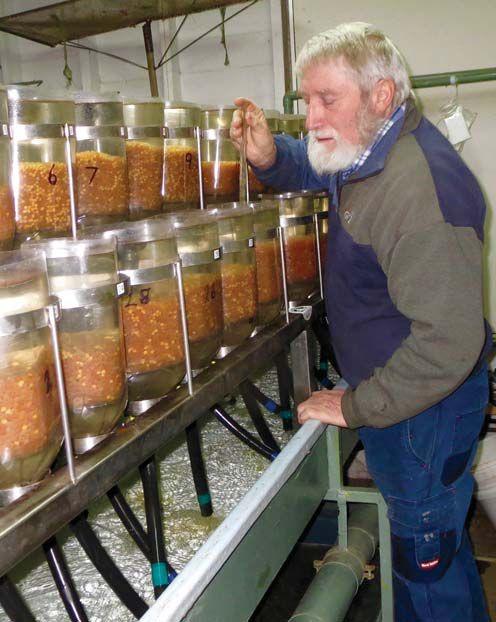
Each hatching tray holds 3,000 eggs. The red/orange eggs are hatching to the alevin stage which drop through the tray and swim around on the bottom of the troughs. Any eggs not hatched in five days are disregarded.
of its genetic base. It supplies fish from fry to yearlings. Once Australia’s only English perch (Perca fluviatilis) supplier, this species has been declared noxious, being a carrier of the so-called redfin disease (epizootic haematopoietic necrosis virusEHNV). The facility now produces 300,000 rainbow trout (Oncorhynchus mykiss) and 200,000 brown trout (Salmo trutta) fry each season, plus growing out 100,000 yearling rainbow trout.
The rainbows are easier to handle and more productive in the hatchery. However, angling purists feel the browns provide more of a challenge. They dwell deeper in the water and have retained their cagey, wild nature. They live longer, but are also more prone to disease. Because of their greater domesticity and their broader range of natural food options in Australian conditions, rainbows can be stocked in greater densities. These attributes have made them more popular with farm dam stockists.



WATER SUPPLY



Water is drawn from two sources: Lake Wendouree and a bore. Not spared from global climate change, the temperature of the lake water ranges from 6ºC to 24ºC. As reported in Hatchery International recently, the Society has just installed a simple but effective cooling tower that reduces the temperature by 2ºC.
The tower also cleans the water. Taking a third of the water from each raceway each day, the water passes through four 1-cu.m. sand filters before being lifted to trickle over a membrane that cools the water evaporatively.
The hatchery pumps water from the lake in the cooler months: March to November. The rest of the time, bore water is used. The lake water is usually neutral but the bore water, at a pH of 8, is hard.
The open, grow-out section of the hatchery consists of: 48 5m x 12m concrete ponds sloping from 1.2m to 1.7m; 24 1.4m x 6m rectangular raceways with an average depth of 1m; plus four cylindrical concrete tanks 2.4m in diameter and 0.7m deep.
The hatchery/nursery complex consists of 72 3-litre aerated hatching jars and 56 60cm x 2.4m fry rearing troughs.
Volunteers Bob Cartledge (L) and Frank Gray feeding yearling brown trout on a frosty Ballarat morning
Frank Gray monitoring incubating brown trout eggs.
BREEDING
continued from cover
Frozen in time
Though this rare trout wasn’t described for science until 1972, hatchery biologists made early attempts at creating an Apache trout broodstock. Getting wild fish accustomed to captivity is difficult. Those attempts fell flat until 1983, by which time commercial fish food had become more refined such that captive wild fish take to it easier. The existing Apache trout broodstock turns 35 years old this year. These captive fish are descended from the original fish brought on station more than three decades ago.
BOOST FROM SCIENCE
To bolster the broodstock, biologists have turned to what sounds like science-fiction: “cryopreservation.” It’s a big word for this: they collected sperm from wild Apache trout and froze them.
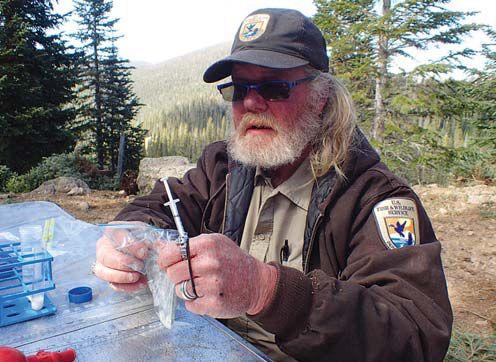
It’s science-fact. Hatchery biologists along with staff from the U.S. Fish and Wildlife Service’s (Service) Arizona Fish and Wildlife Conservation Office and White Mountain Apache Tribe collected sperm from wild Apache trout from the East Fork White River. Under the guidance of Service biologist Dr. William Wayman at the Warm Springs Fish Technology Center in Georgia, the team of biologists collected and froze sperm from several individual Apache trout this past spring.
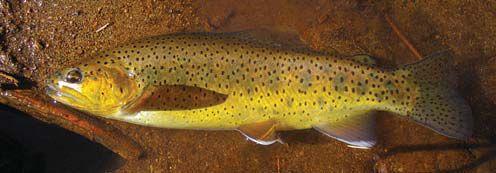
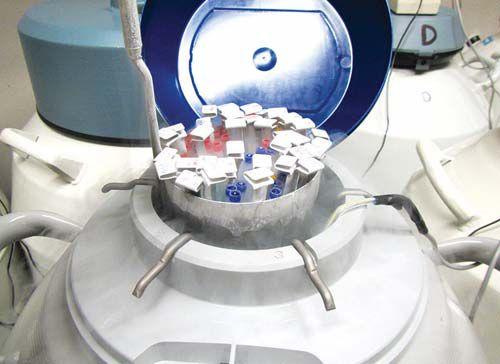
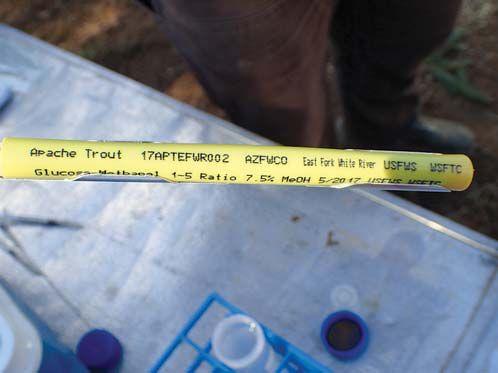
Gathered and stored in clear straws the approximate size of a coffee stirrer, the sperm now reside in vats of liquid nitrogen at -321°F (178.3°C) in a permanent storage in Georgia. And there it will stay until it’s needed for spawning at the hatchery in November.
“We expect cryopreservation to boost our broodstock,” said hatchery manager Bruce Thompson. “Cryopreservation reduces the likelihood of spreading disease that comes with having live fish brought in from the wild, not to mention
The hatchery stock originated from the East Fork White River – it’s a rare lineage of a rare trout, says service geneticist Dr. Wade Wilson. He is stationed at the Southwestern Native Aquatic Resources and Recovery Center in Dexter, New Mexico. Wilson has expert knowledge of trout, having worked with two other species native to the American Southwest, the Rio Grande cutthroat trout (Oncorhynchus clarki virginalis) and Gila trout (Oncorhynchus gilae).

“Cryopreservation at least preserves the genetic diversity of the males, and the main advantage is that we can infuse wild genetics into the captive fish with great ease.”




the savings – a savings in space, in time and in money – by not having to keep wild male trout alive at the hatchery.”
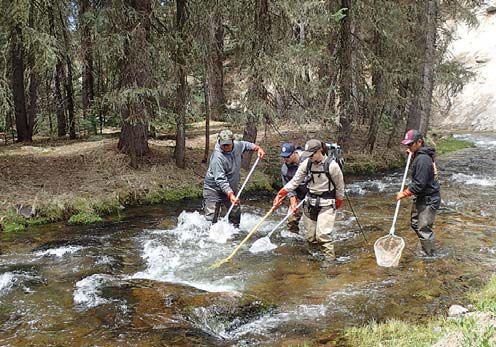
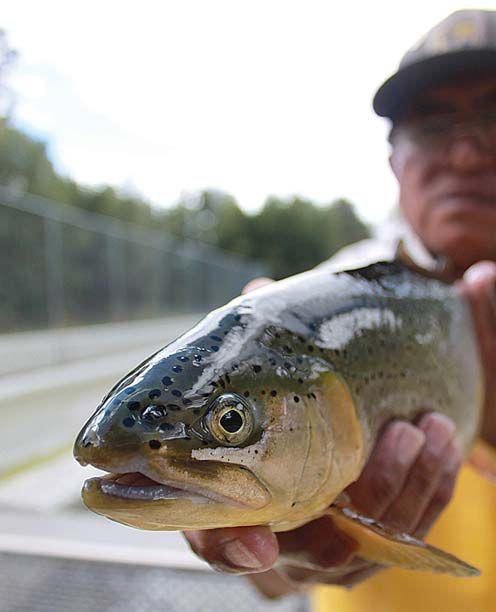
Apache trout (Photo: Jennifer Johnson USFWS)
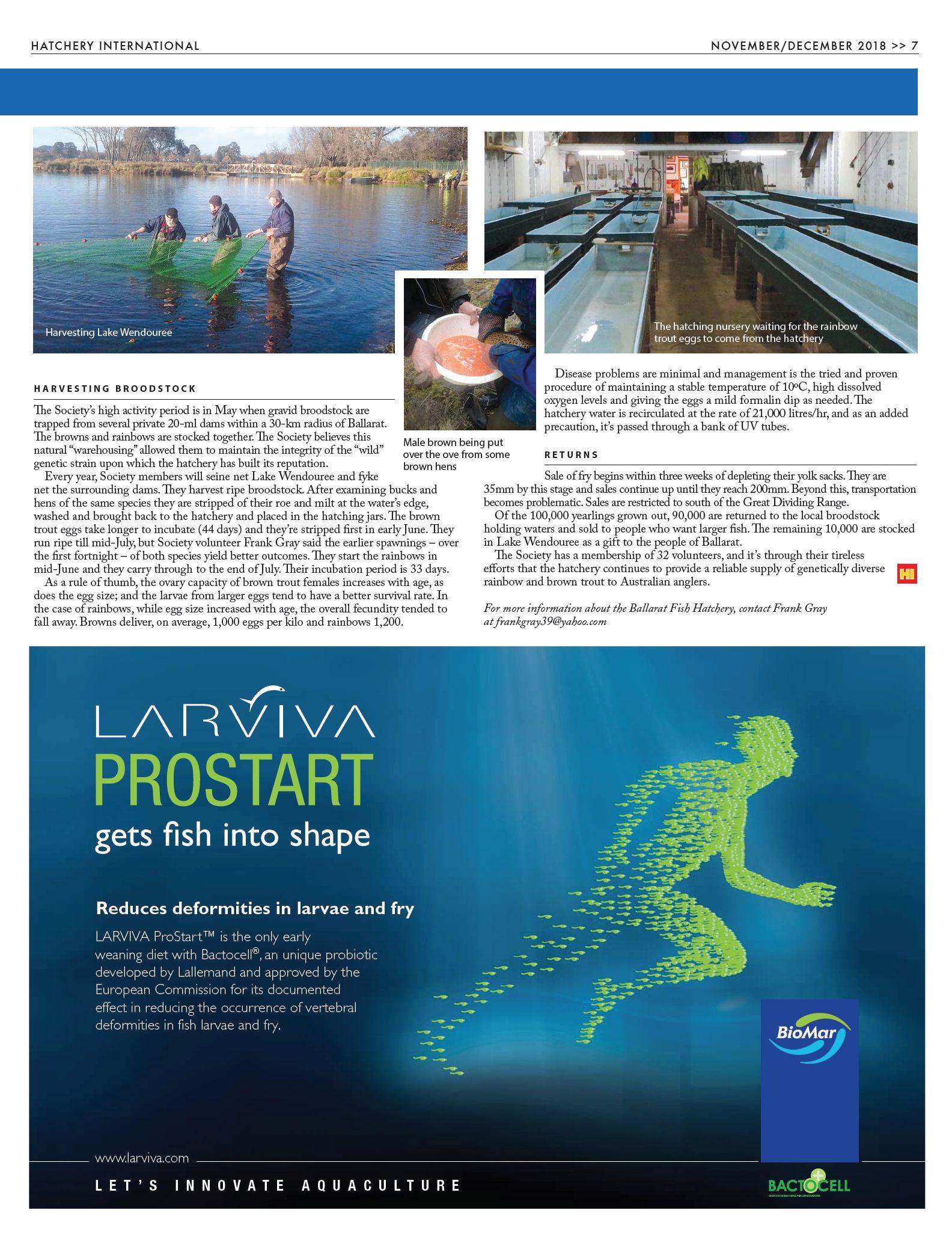
Jennifer Johnson of the Arizona Fish and Wildlife Conservation Office shocks Apache trout while White Mountain Apache Game and Fish staff net the fish. (Photo: Russ Wood USFWS)
Vats of liquid nitrogen hold frozen fish sperm at Warm Springs Fish Technology Center. (Photo-William Wayman, USFWS)
“Cryopreservation at least preserves the genetic diversity of the males, and the main advantage is that we can infuse wild genetics into the captive fish with great ease,” said Wilson. And the approach will be disciplined, as Wilson has developed a plan for the hatchery staff to ensure that each pairing yields genetically robust Apache trout offspring that exemplify the East Fork lineage. Having collected the genes from the wild male fish and the captive female Apache trout, data from Wilson’s shop will steer captive spawning this autumn. Those offspring will be future broodstock.
The whole idea of freezing and thawing a living organism gives flight to the imagination, even if it is a single cell. Cryopreservation has never been used for Apache trout broodstock management, until now, but the concept isn’t new. The method is common in the livestock industry and has been used for decades.
For rare, native trout, “it’s like backing up your data,” says Thompson. “You store off-site what’s precious, and we’re confident that this is good for Apache trout conservation.”
Craig Springer works at U.S. Fish and Wildlife Service, Southwest Region. You may contact him at craig_springer@fws.gov.

Reason #22


Apache Trout sperm label indicates “To be frozen” (Photo: Jennifer Johnson, USFWS)
Williams Creek National Fish Hatchery biologist Russ Wood preps Apache trout milt for freezing. (Photo: Jennifer Johnson, USFWS)
Bradley Clarkson, Alchesay-Williams Creek National Fish Hatchery biologist, handles a large Apache trout. (Photo: Craig Springer, USFWS)
Straws containing Apache trout sperm are frozen in vats of liquid nitrogen at Warm Springs Fish Technology Center in Warm Springs, Georgia. (Photo: William Wayman, USFWS)




PRODUCTION
Threat looms over New Brunswick’s oyster industry
“People are getting nervous about what the wild can provide.
Hatcheries will become more and more popular in serving the industry in the future,” said Marie-Josée Maillet, coordinator at New Brunswick’s Department of Agriculture, Aquaculture and Fisheries.
New Brunswick’s 2017-2021 Shellfish Aquaculture Development Strategy’s industry growth target of 10 per cent annually translates to 30 million oysters, C$12 million in farm gate sales, and C$6.4 million in exports by the end of 2021.
New Brunswick’s oyster industry increased by 57 per cent in the past five years. The province measures the industry’s growth in terms of oyster bags in water, which in 2017 stood at 518,000.
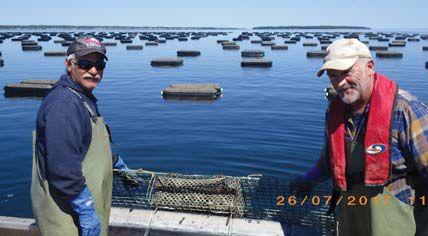
(Photo: GNB.ca)
It acknowledged that “the fact that enterprises are very dependent on spat collection in the natural environment” is a cause for concern among producers. It pledges to support the development of hatcheries or nurseries when business rationale is demonstrated. Support for research and development projects that aim to produce spat that meet producers’ needs, and those that assess the performance of hatchery-produced spat is also at hand.
The wild will likely remain the go-to resource for seed supply in the meantime. The province has outlined strategic actions to help oyster farmers, among them a project with Fisheries and Oceans Canada (DFO), to develop a management framework for spat collection in the natural environment. It also encourages associations to develop an information-sharing website where farmers can post their spat requirements or offer spat for sale.
New Brunswick’s oyster exports totalled C$5.8 million in 2017, up by 18.6 per cent from the previous year. Industry growth was at 57 per cent over the past five years, measured in terms of oyster bags in water (518,000 in 2017).
Still, “demand is greater than what oyster farmers can produce right now,” said Maillet, adding that New Brunwick’s oyster industry is currently operating at only 20-per-cent capacity. “The industry is still growing, there’s still room to grow, all our sites are not at capacity but once they are, that’s going to be our biggest challenge,” she said.
- Liza Mayer
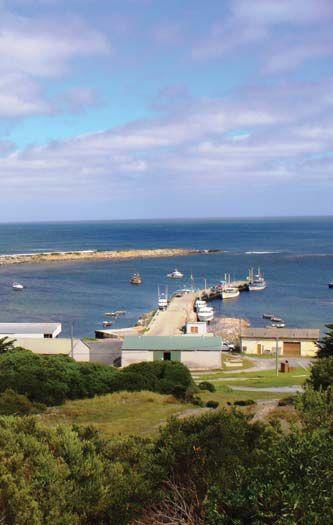
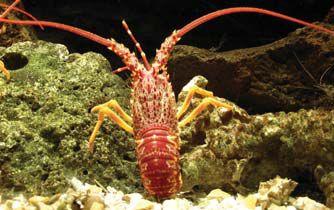
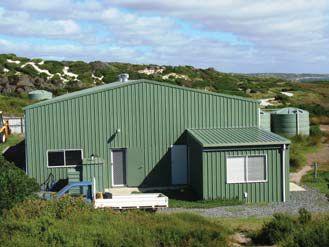
King Island Marine Research (King, Island, Tasmania, Australia) is seeking a full-time Lobster Specialist and Hatchery Assistant, who has extensive experience in lobster breeding. We are involved in the aquaculture, breeding, research & development of the Southern Rock Lobster.
RESPONSIBILITIES INCLUDE:
• Assist the hatchery manager with the lobster breeding facility & technical programs regarding the aquaculture of lobster from egg through to its several moults to juvenile stage, with the aim of reaching commercial quantities of lobsters.
• Record, analyse and interpret data from processes & write reports of results and progress.
• Assist with all aspects of the lobster aquaculture process including nutrients/feeding program, overcoming bacteria and disease, tank & water systems.
The applicant must have formal qualifications plus at least 5 years work experience, including having achieved up to cycle 10 (as a minimum) of the phyllosoma stage.
Salary - Neg. based on experience (includes initial airfare, visa costs, free accommodation, car and motor vehicle expenses). Successful applicant: includes full free visa service (4 year temporary business/work visa)
TO APPLY
Please email your CV & cover letter: admin@kimr.com.au KIMR, King Island, Tasmania, Australia
Wisconsin hatchery promotes history of ancient lake sturgeon
The Wild Rose Fish Hatchery in Wild Rose, Wisconsin, in the U.S., has developed an exhibit dedicated to the long history of the lake sturgeon (Acipenser fulvescens) in the area. Hatchery staff hopes that the interactive display will inspire interest in the welfare of the species and the efforts of the hatchery and other parties to help with population recovery over the years.
The hatchery has been stocking fish for Wisconsin lakes and rivers since 1908. Naturalist Guide Joan Voigt says that on the hatchery’s 100-year anniversary, the facility was renovated and updated into the most state-of-the-art hatchery in the Midwest. The lake sturgeon exhibit draws on the hatchery’s long history and beyond.
“We are celebrating Wisconsin’s largest and longest-lived fish, and the people that have protected it over ancient times,” says Voigt. “The Menominee tribe and Sturgeon for Tomorrow have worked with the Department of Natural Resources (DNR) in gathering information and pulling this exhibit together.”
Voigt says that Wisconsin has been instrumental in continuing the heritage of the species. Lake sturgeon have lived in lakes and rivers for 100 to 200 million years and co-existed with dinosaurs. The fish can grow up to seven feet long and can live up to 150 years.
The display includes a detailed history of the lake sturgeon. Before Wisconsin became a state, Native American tribes in the area had honored and revered the sturgeon. In the 1900’s, European settlers built dams which prevented them from migrating to spawning beds. Between that and pollution, their numbers were reduced to 10 per cent. But in the years since, the state has taken an active role in protecting the species.
“The Sturgeon for Tomorrow group has done a lot to encourage monitoring the harvest and offering a season of hook and line, for growing healthy populations, once the populations have been restored,” says Voigt. “In locations where sturgeon populations were not as strong, the DNR and partners were working to rebuild those populations, and our fish hatchery had a significant role in the restoration project.”
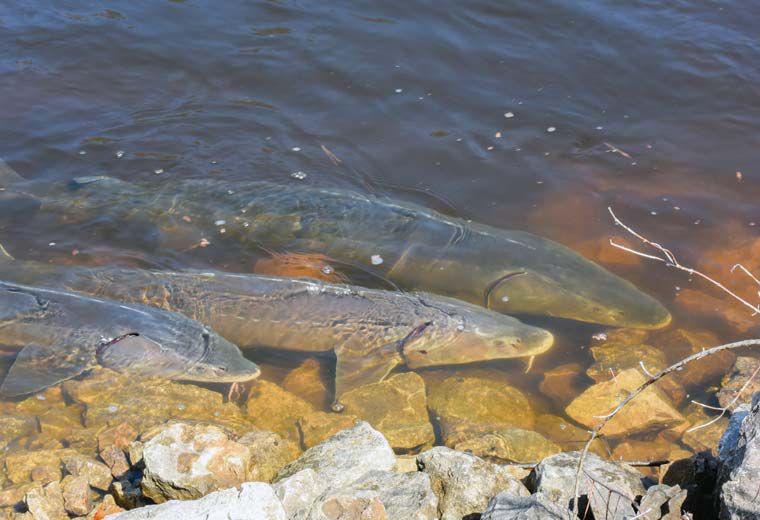
The exhibit also includes a variety of visual components, including touch screen displays and a pen where visitors can interact directly with a sturgeon. Voigt hopes that the display will help visitors better understand the efforts of the hatchery and their partners in raising lake sturgeon.
“Wisconsin has been really the only area that’s been able to have success in reproducing in an artificial setting,” says Voigt. “Some other states actually come to us, where their sturgeon populations have been devastated. We’d like to educate people about the value of these fish, and that they’re some very important species, not to take lightly, that they could be replaced easily – that doesn’t happen easily.”
As part of the promotional effort, the hatchery held a lecture series throughout September and October, including a DNR biologist, representatives for Native American tribes, graduate students from the University of Wisconsin with specialization in sturgeon populations and biology, and a representative for Sturgeon for Tomorrow.
Inactivated vaccine, vibriosis and pasteurellosis in sea bass, in injectable emulsion.
– Matt Jones
Photo: Adobe Stock
INNOVATION
continued from cover
Spearheading aquaculture development in Southeast Asia
ASIAN SEA BASS A FOCUS
As aquaculture continues to flourish in Singapore, one species with particular promise is the Asian sea bass (Lates calcarifer), which has been cultured in Southeast Asia since the 1980s. MAC collaborates with local industry and research institutes in key initiatives for the species, such as genetic improvements through selective breeding for faster growth and disease resistance, and the application of RAS technology with accompanying culture protocols for intensive fry production.
“We are particularly optimistic about Asian sea bass,” says Dr. Jiang Junhui, deputy director at MAC. “We are now near the stage where superior quality fry will be produced for the industry through commercialisation by our research partner, and this will contribute to aquaculture production in Singapore and the region.”
Asian sea bass is an increasingly sought-after item on the menu with its white meat and soft, flaky texture when cooked. Produced at an industrial scale in many Southeast Asian countries, including Indonesia, Vietnam and Thailand, it has good domestic demand in Singapore and is also shipped to the United States, Australia and Europe.
MAC has also developed intensive, indoor hatchery technology for large-scale fry production of several tropical species including Pompano (Trachinotus blochii) and Cobia (Rachycentron canadum), but focusing on Asian sea bass has proven to be the right choice, since a selective breeding program for the species has been established in 2003.
SYSTEM SPECS
Located on a 1.8-hectare site, MAC is designed to carry out research and development across the entire hatchery
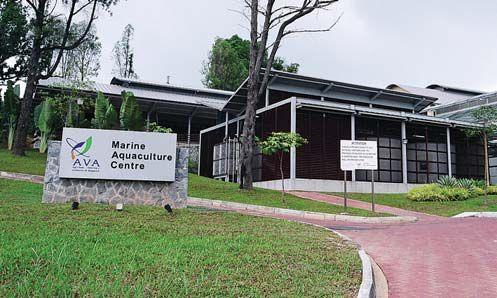
< The Marine Aquaculture Centre in Singapore sits on a 1.8 hectare property in St. John's Island.
< Demand for Asian sea bass continues to increase in Asia and researchers at MAC has established a selective breeding program to ensure continuous quality production for this species.
production process, from fish breeding and live feed production to larval rearing and nursery. There are also facilities for fish nutrition studies, vaccine safety tests and the evaluation of commercial products.
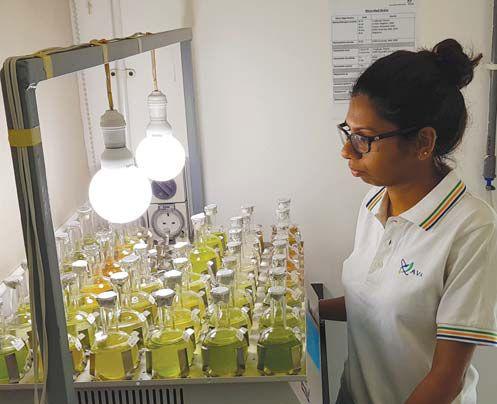
“MAC houses infrastructure for aquaculture research such as replicate tank systems for feed trials while live feeds such as rotifers and microalgae and clean sources of fry are readily available. We welcome companies and research institutes to set up their R&D units within MAC,” Junhui says.
HATCHERY
MAC obtains its Asian sea bass founding stocks from
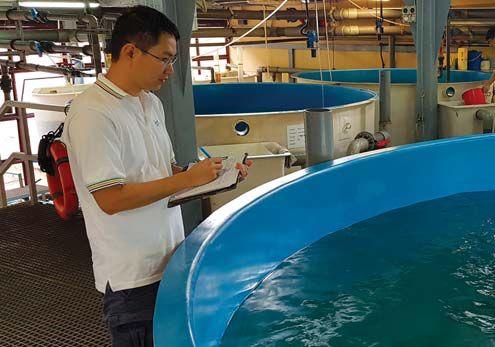
neighboring countries, such as Indonesia, Malaysia and Thailand, to start the selective breeding program with a diverse genetic pool and avoid inbreeding in future generations. Using advanced molecular techniques, broodstock are chosen for their high growth rates and disease resistance. For spawning purposes, stocking density is kept low at around five to 10kg/cubic meter, around 30 to 40 broodstock in a 40-cubic-meter tank (fibreglass tanks from 20 to 60 cubic meters are available at the hatchery). Two separate spawning facilities house 14 spawning tanks.
Newly hatched larvae are reared in a facility with a production capacity of around 500,000 weaned fry (~35-dayold) per month. The facility is home to eight units of 4-cubic-

meter larviculture tanks that are used for the first two weeks of culture (these can stock around 120,000 newly hatched larvae). The larvae are then moved to 12 units of 5-cubicmeter weaning tanks for the subsequent three weeks of culture. Producing fully weaned fry (~0.1g) takes roughly five weeks. Until the larvae are weaned over to artificial diets, their survival rate can reach around 50 per cent, thanks to hatchery protocol developed for intensive indoor fry production. Stocking density is kept at around 30 larvae per liter. Incoming seawater parameters are fairly constant with water temperature at around 29 to 30 Celsius, pH at 8 and salinity at 30ppt. Water parameters can also be adjusted to suit the requirements of different culture stages.
PRE-GROWING
Once fully weaned, the fry are transferred to the nursery and grown for another two months until they reach 15 to 20g. At this stage they are vaccinated and transferred to cages at sea. During the nursery stage, the fingerlings are quite cannibalistic so they are graded weekly and sorted into

respective tanks according to size, using an automatic fish grading system. Feed is dispensed by automatic belt-feeders but hand feeding also occurs at times to observe feeding response and spot abnormal behavior so mitigating measures can be carried out in a timely manner. Stocking density ranges from 10 to 30kg/cubic meter, and providing pure oxygen can increase the density further to 50kg/cubic meter.
RAS POTENTIAL
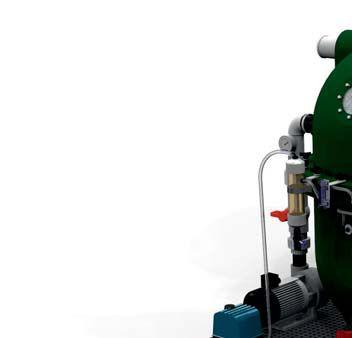
RAS technology can be adopted to increase productivity and improve resilience to adverse external environmental conditions. MAC has initiated research in this field to achieve a high consistency in hatchery production, predictable survival rates and healthy fry. It also plays a key role in the AVA’s efforts to increase productivity in local farms, by setting up RAS and developing customized culture protocols for large-scale fry production.
Amos Koh, senior scientist at MAC, believes that RAS technology for hatchery production is well-established and ready for industry adoption.
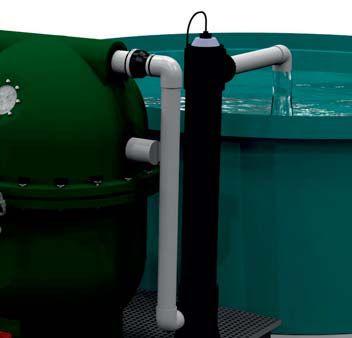

“Hatchery production of marine fish fry in Southeast Asia has progressed over time, from outdoor pond-based to indoor tank production,” he says. “But these are essentially flow-through systems, which makes production susceptible to pathogen incursions and disease outbreaks, adversely impacting supply consistency.
“We initiated our RAS research to overcome these vulnerabilities. RAS has allowed us to develop a low salinity protocol for Asian sea bass fry production to combat diseases such as big-belly syndrome, which causes up to 90 per cent mortality over a week in three-week-old larvae.”
SUSTAINABILITY
Along with RAS, rigorous measures are in place to ensure biosecurity and sustainability. Treated water is re-used to ensure safe, optimum water quality. Samples of larvae and fingerlings at different stages from every production batch are sent to the AVA’s Aquatic Animal Health Lab to be screened for diseases such as viral nervous necrotic (VNN) and iridovirus. All staff members are equipped with the right knowledge and training.
MAC is also aiming to minimize waste from hatchery production to improve environmental sustainability, by incorporating a denitrification system into RAS or integrating hatchery production with aquaponics.
NECESSARY RESEARCH
“Fish and larval nutrition remain key research areas as quality fry is an important starting point of aquaculture,” says Junhui. “Recently, there has been a lot of research looking at feed formulation and nutritional supplements to improve the overall quality and growth of fish. But more applied research is needed to see the actual benefits they bring to the local fish species.”
Furthermore, with space constraints and competing needs in developing and developed cities, land-based aquaculture is likely to become more intensive, with more farms going into multi-tiered farming. According to Koh, future water treatment solutions will not just need to reduce the use of water, but also minimize carbon footprint and enhance treatment performance.
MAC aims to be a regional reference centre for tropical aquaculture research, and is looking at more collaboration with overseas research institutions and experts. Above all, it hopes to increase its local production of food fish to ensure a resilient food supply in Singapore and provide a crucial buffer in times of supply disruptions. It would also like to see the region’s aquaculture production develop sustainably, to contribute to food security.
“We are striving to develop technology and expertise in hatchery production,” Junhui says. “We envision Singapore as a regional aquaculture hub, where farms, research institutes and aquaculture companies come together to solve challenges related to tropical marine aquaculture. We welcome anyone who is interested in collaborating to reach out to us.”
For more information on MAC, please visit:
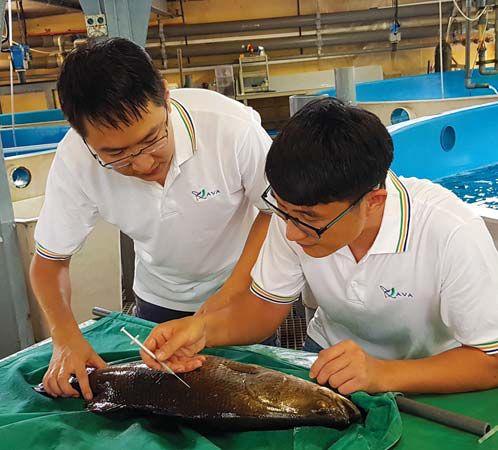
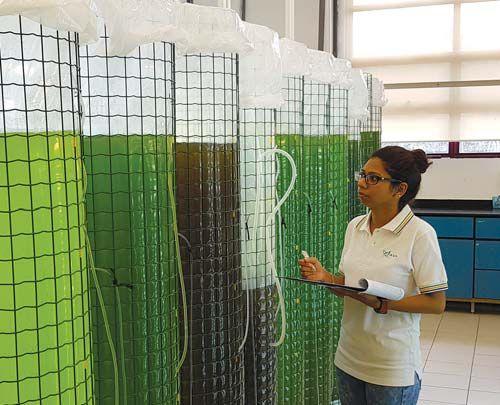
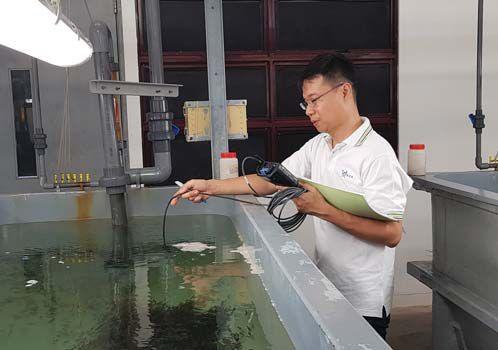
MAC scientists perform research and development on tropical marine aquaculture focused on fish reproduction, large-scale hatchery and fish farming technology development, according to the Agri-Food and Veterinary Authority of Singapore.
RESEARCH
The world is their oyster
New world-class breeding program is part of a unique facility on Canada’s west coast
The shellfish industry in British Columbia has at least two very happy people this fall. Carl Butterworth is the manager of the Vancouver Island University’s (VIU’s) Deep Bay Marine Field Station and Dr. Tim Green is the new Canada Research Chair in Shellfish Health and Genomics at the Deep Bay station.
Butterworth has been part of a drive by VIU to build a Center for Shellfish Research to support the B.C. industry, to provide a teaching environment for aquaculture students and expand the station’s public education programs. “Of course we needed to have a researcher for the Research Center,” quips Butterworth. “Both VIU and the industry are very happy to get final approval to welcome Tim Green to our program.”
“He really has been everywhere they do any kind of oyster aquaculture,” says Butterworth, noting Green’s tenures in France and Australia as well as his work at the University of Washington, Rutgers University and the University of Queensland where he did his PhD.
Green is excited to be at the Deep Bay facility, something he says is unique in the industry. “We really have the ability to do egg to beach to plate here,” he points out. “We have the broodstock, hatchery and nursery facilities at the station. We have our own grow-out area, but we also have major industry players within meters of our beachfront. We attach all that to the university which allows us to work with aquaculture students, and we also have a commercial kitchen that will help us support culinary students learning to prepare shellfish.”
Public education is also important for the Center both as a tourist destination and for





public schools. “Some 300 members of the public come through Deep Bay every day in the summer to learn about shellfish farming,” says Green. “So when you put them all together I don’t think anywhere else in the word has that.”
KEEPING THEM ALIVE



Dr. Tim Green is the recently appointed Canada Research Chair in Shellfish Health and Genomics, at Deep Bay Marine station on Vancouver Island, B.C. Green is known for his work on Pacific Oyster Mortality Syndrome (POMS) or the Ostreid herpes virus that has had a devastating effect on both the French and Australian oyster industries. But that won’t be the focus of his work in British Columbia.
“I don’t think anyone would be very excited if I said that I wanted to bring oyster herpes virus on to campus just to play with it,” says Green, only partially joking. “It’s on the other side of the world and hopefully it will stay there.”
“Herpes was the biggest problem at the time while I was in Australia. If you wanted to do oyster research that was what the industry really needed,” Green says. “In France and then in Australia – I was working to keep the oysters alive.”
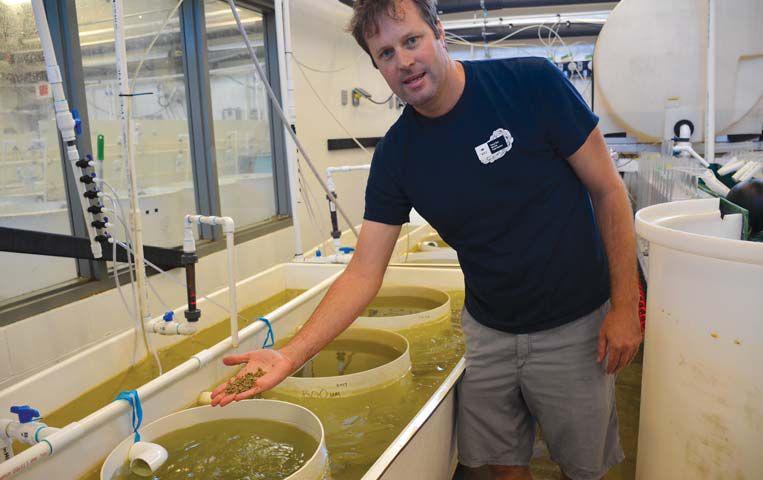
Dr. Tim Green. Seed production is an issue for the west coast of North America.
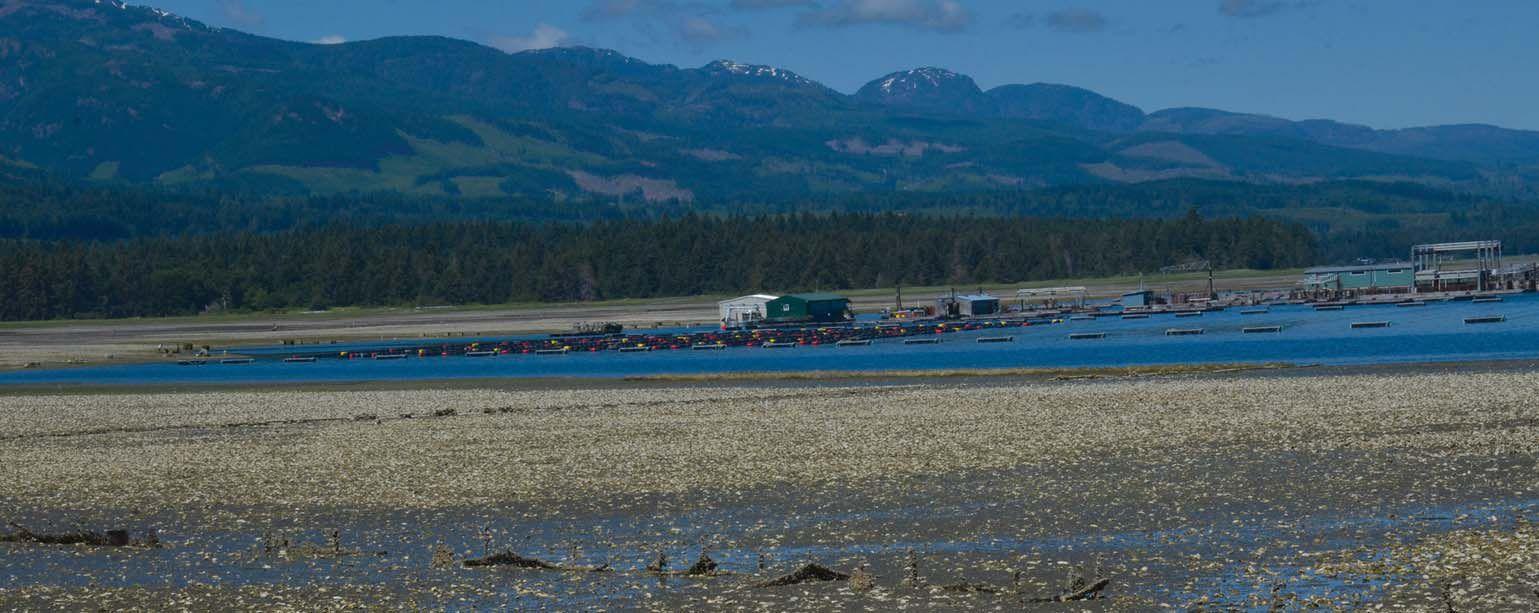
A commercial oyster farm just along the beach from the field station
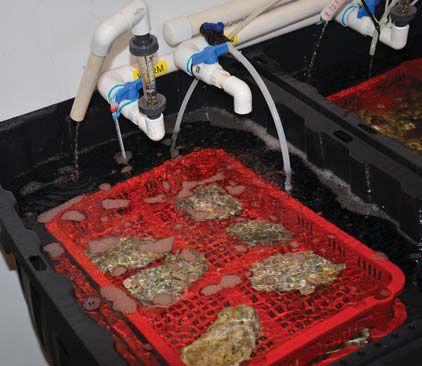
The aim is to support the industry notes Butterworth. “I really see us as being a center of applied research for the aquaculture industry,” he says. “Tim’s focus is on taking his cues directly from the industry in B.C. I see us a being a conduit to take research and make it applicable for industry and really help from an economic development sense to grow the industry.”
“The industry has two priorities right now,” says Green. “We need access to a reliable supply of Canadian seed and secondly, we are really suffering from mortalities in the second summer.”
“We think that a breeding program that looks at domestication and the ability to culture animals in the hatchery, as well as research into mortalities is the direction we will head,” he adds.
Green will take the lead on the broodstock program that has been running at Deep Bay for a couple of years. “We will want to differentiate our breeding program from other west coast areas which may have concentrated more on yield,” says Green. “I would like to have a program based more on half shell characteristics. I see the future as the half shell market.”
Both Canadian and U.S. pacific coast hatcheries have been struggling to simply produce the required numbers of seed explains Green. “But some of these other countries have a fantastic price point,” he points out. “We simply could not pay a Canadian worker to produce seed for that price, so if we want to encourage farmers here in British Columbia to purchase domestically produced seed, then we need to offer something that performs better and that they are willing to pay more for.”
“If we could produce a seed that has twice the level of survivability, farmers are going to be willing to pay more for it,” says Green.
Survivability is a key for the industry right now, Butterworth confirms. “It is crushing us with a 50 to 90 per cent mortality range right when the oysters are ready for market,” Butterworth says. “If we could get that down by 20 per cent that’s millions of dollars. If we could get that down by 50 per cent that’s millions and millions.”
“We hope we will have a broodstock that we can supply to local hatcheries to allow them to produce hardier more resistant seed,” says Butterworth. “And on the farming side we are hoping to have a product that gets through to market with greater percentages.”
As a relatively small industry, shellfish growers in B.C. do not have extra money to fund research. “The gift from the industry to us is that whatever surplus seed we have from any of our research activities, they will allow us to sell that off to their members at above market rates,” says Butterworth.
“Overall we want to work with the industry and develop an oyster that grows well here, to tune everything up,” says Green, while noting that the Baynes Sound area lying along the east coast of Vancouver Island presents some challenges. “We have some fairly harsh water chemistry for oyster farming,” he says. “Baynes Sound has a low natural Ph of 7.4 which is pretty acidic and we also have a fair amount of fresh water in-flow.”
“Priority one for my research grant is evolutionary adaptation in shellfish,” explains Green. “We will look at the ability of oysters to adapt to OA (ocean acidification).”
And that is only part of a complex puzzle that includes water temperature, and the presence of pathogens such as vibrio, he explains. “How do all these factors affect larval development and the physiology of the animals,” Green says, “and how do they contribute to summer mortality?”
“We are planning on using a family-based breeding program combined with experiments looking at whether we can change the epigenome of the oyster,” says Green. “We can expose them to high CO2, or challenge them with vibrio before spawning to see whether or not that improves the next generation’s response to these stresses.”
“We know the plasticity of the Pacific Oyster is huge,” Green adds. “Can you have a combination of genetic selection and these environmental stresses to get your shellfish to adapt?”








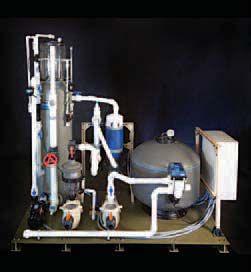
Degas Towers • Sand Filters
• Fractionators • Pumps • Bio


BLOWERS FOR RAS








Rotron Regenerative Blowers offer a reliable solution for moving large amounts of air at low to medium pressures throughout your RAS operation. Made in the USA and distributed globally to the aquaculture market by Sivat Services, these blowers include:
• Options for multiple electrical configurations and for extreme duty special






Bag algae systems and broodstock. Production needs to increase to support more research.
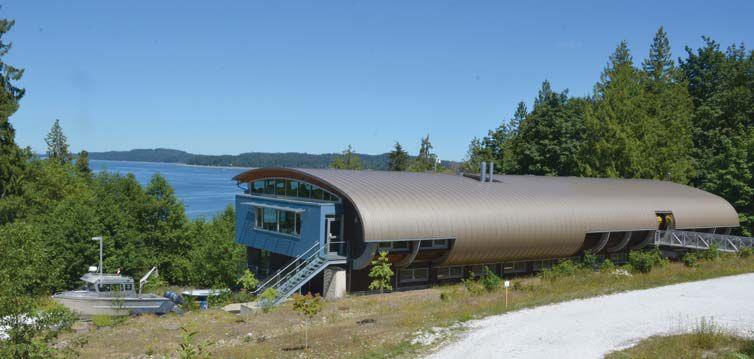
The Deep Bay Marine Field Station (built in the shape of a clam) sits on the shore of Baynes Sound, which lies along the east coast of Vancouver Island.

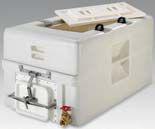
All-New HydroHatch Incubation System

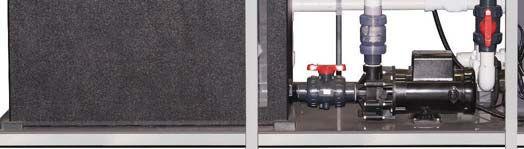

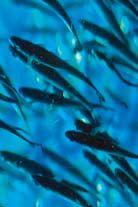
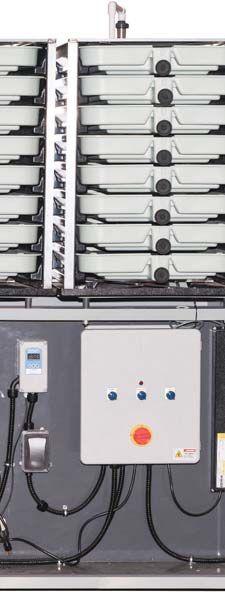
Increased Survival Rate with Significantly Reduced Water Consumption
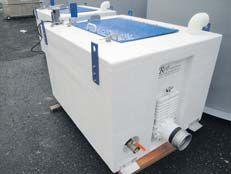
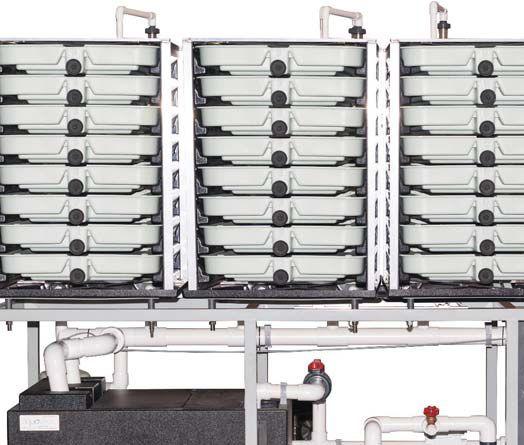
The all-new HydroHatch Incubation System from MariSource gives hatcheries increased efficiency. With recirculation, germicidal UV filter and a titanium heat exchanger, the HydroHatch delivers increased survival rate and significantly reduces water consumption.
Features and Benefits:
65 gallon sediment and recirculation tank
Requires only 150 gallons to completely fill the unit and reservoir
High-quality, long-life quartz germicidal UV filter
Complete isolation of eggs
Easily able to increase the dissolved oxygen content of the water
230 volt 30 amp control panel
Insulated titanium heat exchanger
Precise temperature control
Comes standard with four 8-stack incubators
Additional four 8-stack incubator option available
The new HydroHatch Incubation System is ideal for Salmon, Trout, Steelhead, Perch, Channel Cat Fish, Walleye, Eels, Shrimp and Muscles.
GENOMICS

Examining epigenetics
Cutting edge Canadian studies may provide insight to improving hatchery salmon survival rates
BY MATT JONES
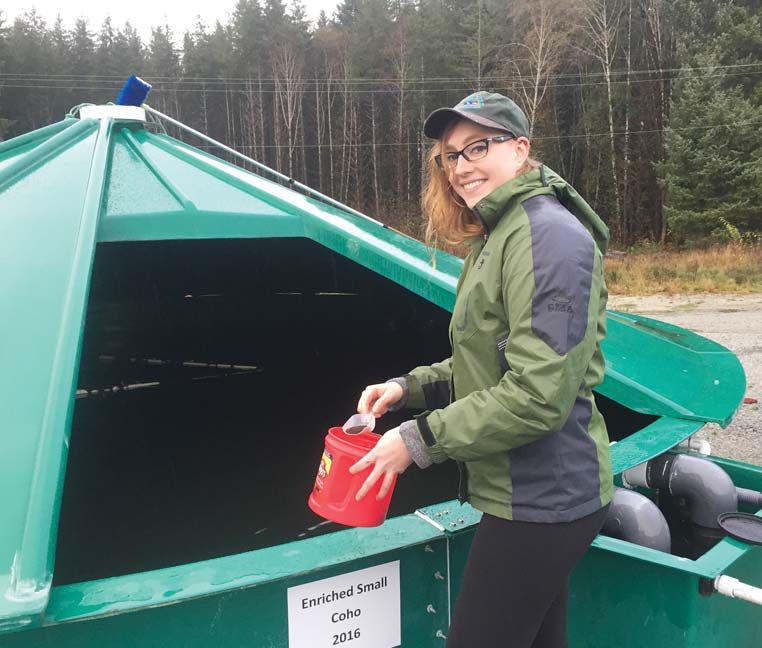
Research efforts are underway in Canada to look at how epigenetics may have the answer to improving salmon survival rates in hatcheries.
Epigenetics is the study of changes in organisms caused by the modification of gene expression – the genetic code itself remains the same but the way it expresses itself changes. The concept has been studied for some time, however in recent years, improvements in genomic tools and reductions in cost have made it possible to examine these issues in earnest.
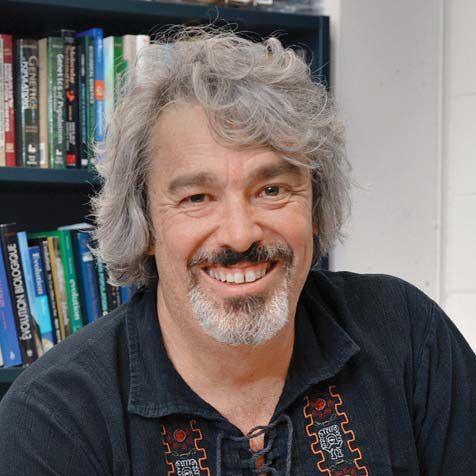
Dr. Louis Bernatchez, a biologist at Laval University in Quebec, Canada, says previous research had documented phenotypic differences in fitness between hatchery and wild fish. They demonstrated difference in reproductive success and other markers, but did not show signs of genetic differences.
“It seemed to us that the missing link was the epigenetic control of the phenotypes,” says Bernatchez.
As part of a project called EPIC4 (Enhancing Production in Coho, Culture, Community and Catch), Bernatchez’s team tested for the occurrence of genetic differences between hatchery and wild salmon. They found methyl groups on hatchery salmon DNA, but not on wild salmon. This methylation affects how the salmon’s bodies adapt to salt water conditions.
“We observed pronounced epigenetic differences associated with genes that are important for some phenotypes,” says Bernatchez. “The key observation of the study was that the same epigenetic change occurred independently in two hatcheries. That was a very strong sign that something similar was happening in the hatchery environment versus the wild environment.”
Bernatchez’s team is currently working on testing to see if these epigenetic changes continue later in life, and if they are passed on to offspring. The experimental phase of EPIC4 is in its final year, but Bernatchez says that crunching the data and writing the final papers may take up to the end of 2020.
On the west coast of Canada, a practical experiment looks to test epigenetic theories. Biologist and University of Calgary master’s student Jessy Bokvist is running a test at
Biologist and University of Calgary masters’ student Jessy Bokvist attends to her experiment looking at the influence of environment on gene expression.
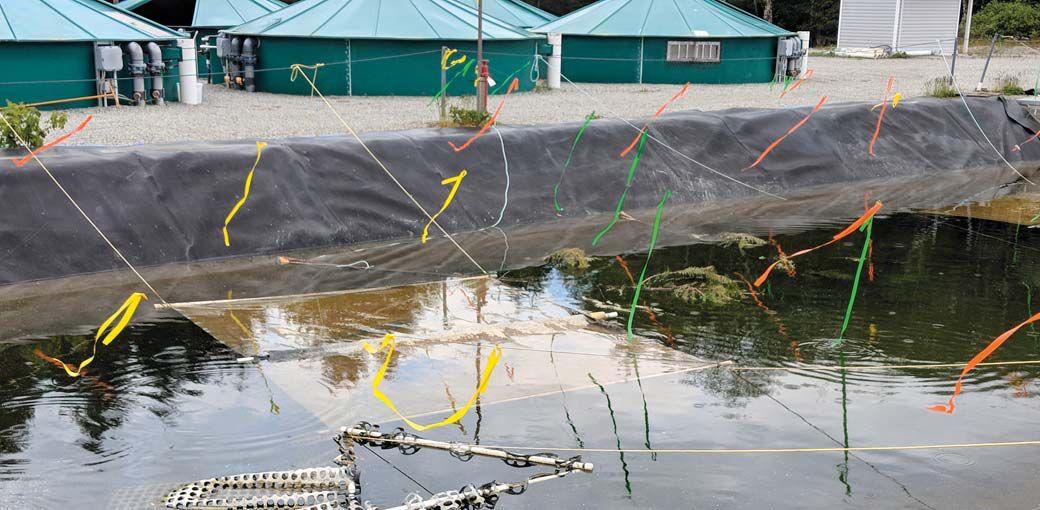
the Nitinat River Hatchery on Vancouver Island in British Columbia, comparing Coho raised in an environment similar to standard hatchery practices to those raised in an ‘enriched’ environment.
“We provide them with extra environmental stimuli,” says Bokvist. “This stimuli is meant to imitate wild conditions that they would experience if they were actually raised in the wild, and this can involve things like lowering the density of fish within tanks, doing predator conditioning trials. We supplement their feed with krill. And we introduce structures, what I like to call toys, into these tanks, so it’s kind of giving them different stimuli and trying to encourage an element of more of a wild-life phenotype.”
Bokvist says that analysis on six brood years has shown that the environmental enrichment generally has a positive effect on salmon survival. While her research is still


ongoing – she is currently focused on the molecular mechanisms behind environmental enrichment – she hopes that hatcheries will look into developing ways to replicate the natural environment.
“They’re living in this captive environment that’s nothing like the wild environment, and developing traits that aren’t a good fit to living in the wild,” says Bokvist. “I think using these kind of methods is relatively simple and cost-effective. Our structures are PVC pipes with black netting and it’s really cheap to make, and we just put it in there, and adding that makes them happier. It gives them stimulus and primes them for release into the wild.”
Bokvist hopes that between her efforts, and those of others such as Dr. Bernatchez, by early 2020 we will have a better understanding of how epigenetics influence survival.
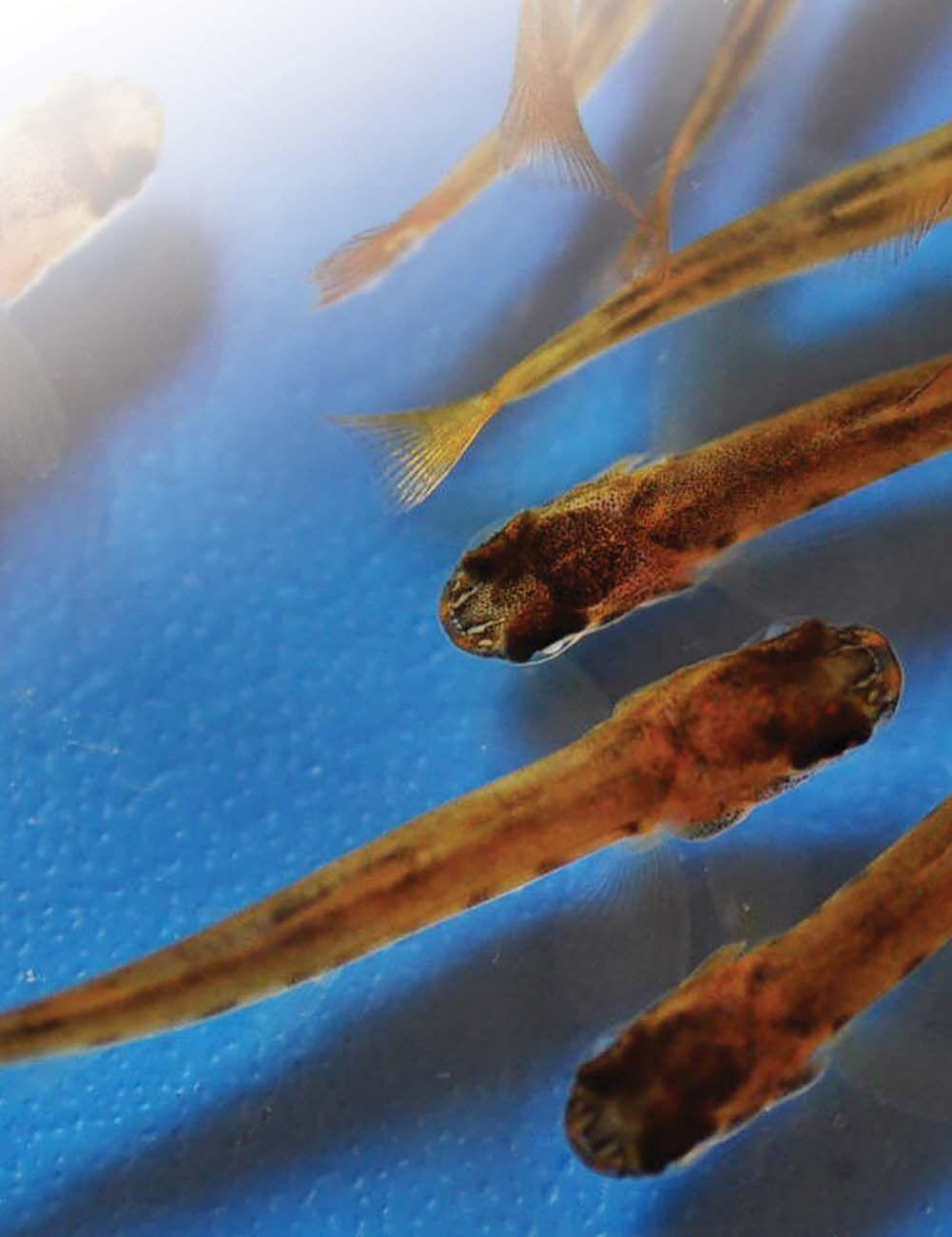
Dr. Louis Bernatchez’s epigenetics research has found that the DNA of hatchery salmon had methylation which would impact how they adapt to salt water. The methylation was absent in wild salmon.
Bokvist’s experiment involves comparing salmon raised in a conventional hatchery environment with those raised in the pond seen here, which is intended to simulate wild circumstances.
Reduced cost makes genomic selection in Atlantic salmon feasible
Genomic selection provides an efficient solution to the perennial issue of early maturation in Atlantic salmon, which could lead to reduced growth, poor flesh quality and mortality.
The technique could lead to accuracies greater than 40 per cent for the selection of late-maturing Atlantic salmon, according to the study of Dr. Tiago Hori and his colleagues, Implementation of modern breeding techniques in Atlantic Salmon.
The cost involved, however, must be reduced to make it feasible.
Hori, director of Genomics at the Center for Aquaculture Technologies Canada (CATC), presented the study, a collaboration with Cermaq Canada, at the Aquaculture Canada Conference 2018 last spring in Quebec.
“Breeding is a balancing game of selective pressures on various traits of interest that lead to an optimal animal that may not have the best performance for a given trait, but enhanced performance for combination of traits.”
“In fish, genomic selection will only be feasible if we can reduce genotyping cost. Imputation has been very effective in doing so for the swine industry, for example. We are optimistic that the same route will make genomic selection a viable approach for fish,” Hori told Hatchery International
The cost could be reduced, he said, by using a combination of highand medium-density single nucleotide polymorphisms (SNP) panels, and that would be at least 40 per cent less compared to using only high-density panels.
There are about 50,000 or more SNPs in high-density panels and 2,000 to 5,000 SNPs in a medium-density panel.
During the presentation, Hori said genomic selection and marker-



assisted selection have the potential to increase accuracy of selection per generation, which, in turn, optimizes genetic gain and can significantly increase profitability.
Early maturation in Atlantic salmon is said to cost the Canadian industry between C$11 and C$24 (US$8.28 to $18.06) million a year.
“Genomic selection and marker-assisted selection are implemented by using information from the whole genome (genomic selection) or from a set of markers (marker-assisted selection) to select broodstock for the next generation that are more likely to produce high-performing progeny. These techniques have greater accuracy of selection than selecting animals just based on their phenotypes (e.g. time of maturation) and therefore lead to improved genetic gain per generation,” he explained.
While factors contributing to early maturation in Atlantic salmon other than genetic traits are not fully known, he said there are evidence that temperature and photoperiod may affect this trait. How many generations would it take to produce Atlantic salmon that are not predisposed to early maturation?
“It would be almost impossible to fully eradicate the phenotype, unless it is not correlated with another phenotype,” he said. “That is, however, unlikely. In many cases, breeding is a balancing game of selective pressures on various traits of interest that lead to an optimal animal that may not have the best performance for a given trait, but enhanced performance for combination of traits.”
-Ruby Gonzalez




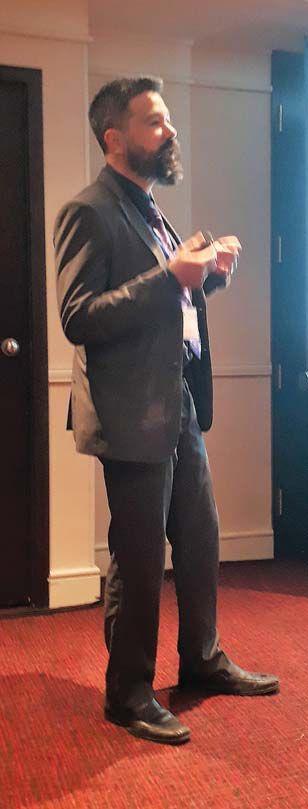
Dr. Tiago Hori, Director of Genomics at the Center for Aquaculture Technologies Canada. Photo: Ruby Gonzalez








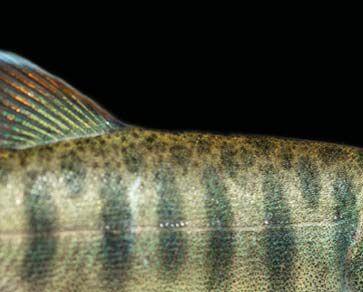
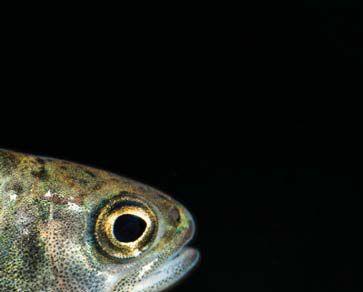
Lifestage Diets for Fish®

Bio-Oregon commits itself to producing top-quality fish feeds backed by extensive research and highly developed logistics.

That’s why our brands continue to be the most trusted in North America by government enhancement hatcheries, aquaculture companies and researchers alike.








WANT HEALTHIER FISH?




Genetics lead the way for aquaculture growth
Speakers at Aquaculture Innovation Europe discuss opportunities and challenges
BY COLIN LEY










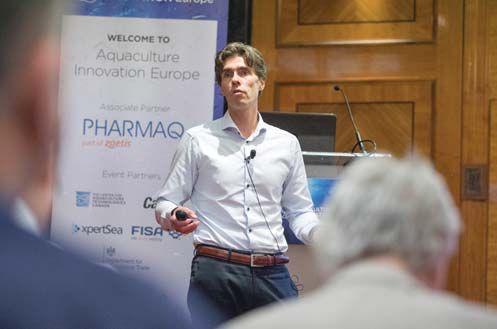
Genetics is the number one driver of aquaculture growth and merit, capable of delivering year-on-year performance gains of 5 to 10 per cent, while other sectors of industry innovation are giving producers a more modest one to two per cent a year extra, and that’s ‘if you’re lucky.’
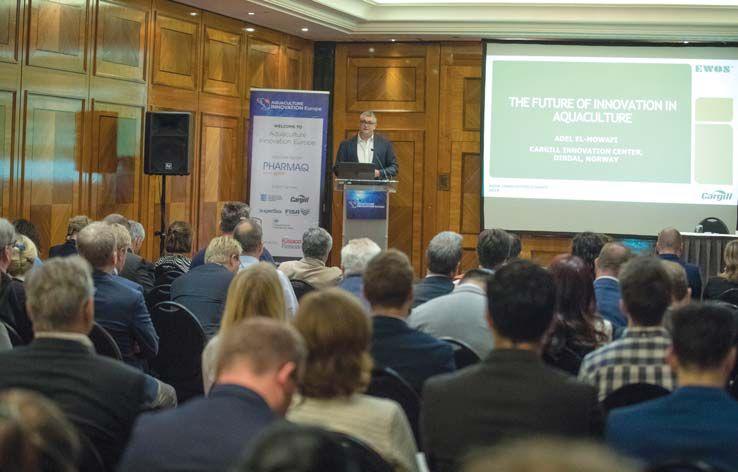
That was the headline message given to delegates at Aquaculture Innovation Europe 2018 in London, by Gorjan Nikolik, associate director of Animal Protein/Seafood for RaboResearch Food and Agribusiness, a division of the giant Rabobank Group.


Addressing a high-profile audience of business leaders and aquaculture innovators, Nikolik said he saw aquaculture as a compelling investment opportunity, not least because of the industry’s huge potential for future growth. He then went on to highlight genetics as the industry’s leading focus area going forward.
“You only have to look at how genetic improvements have advanced the pig and poultry industries in the past to appreciate what now lies ahead for aquaculture,” he said. “We’ve already seen good genetic advances being made with salmon, but there are many other species which are ready and waiting for similar development.”
Aquaculture industry leaders gathered in London, U.K., in September for the Aquaculture Innovation Summit. The event showcased the latest innovation in farm management, nutrition and health.
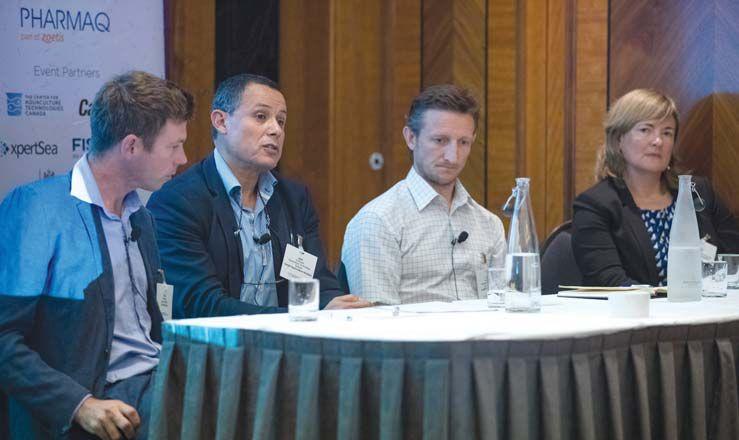
Innovation in aquaculture nutrition panel (L-R): Rob Fletcher, senior editor, The Fish Site; Adel El Mowafi, aquaculture technology director, Cargill Aquaculture Nutrition; Neil Wendover, aquaculture product line director, Cargill Digital Insights; Louise Buttle, technology lead, coldwater, Cargill Aqua Nutrition

ENCOURAGING
Tasked with the job of actually converting such headline optimism into breeding reality, Professor Ross Houston, personal chair of Aquaculture Genetics, The Roslin Institute, University of Edinburgh, welcomed the industry’s growing interest in his speciality before giving delegates a glimpse of the future as he sees it.
“Genetics was barely on the radar of the general aquaculture community 10 years ago,” he said. “Now it’s very much on a par with other areas of innovation, such as nutrition and disease resistance research, and that’s encouraging.
“Certainly, I believe well-managed selective breeding programs have the potential to make a transformative difference to aquaculture production. Especially as compared to other farmed species, we’re still very much at the beginning of our genetic process.”
In some cases, he reminded delegates, fish farmers are still working with what is effectively wild stock, a fact that emphasizes the potential gains, which remain to be realised.
“Selective breeding technologies, for example, have major potential to deliver an improvement of production traits, based largely on technology transfers from farm livestock to aquaculture,” he said.
“Genomic selection, in addition, is offering us improved selection accuracy and genetic gain while genome editing gives us the potential to enhance production. This includes a growing ability to create new disease-resistant alleles.”
Later in his presentation, when looking closer at potential applications for genome editing in aquaculture, Houston raised the tantalising prospect of taking natural sea lice resistance, as found in Coho salmon, and applying it to lice-susceptible Atlantic salmon.
“This is the Holy Grail that’s talked about in relation to sea lice research,” he said. “If we could only find the mechanisms by which a lice-resistant salmonid species, such as Coho, is resistant and then transfer the relevant alleles into lice-susceptible Atlantic.
“The potential for this to be done definitely exists but would require a huge body of research to get to a solution. We would need to know, for example, what mechanisms make Coho resistant to lice and what genes control those mechanisms. In addition, the answer is going to be multifactorial with no single gene identifiable as the key to resistance.
“It’s obviously a complex proposition but it’s still surely worthy of study, especially given the scale of the problem as it exists today.”
REGULATORY HURDLES
Realising such breeding and genetic objectives inevitably require researchers to overcome considerable regulatory hurdles, however, a point highlighted during a session on genetic engineering in aquaculture, led by John Buchanan, CEO of the Center for Aquaculture Technologies, based in both the U.S. and Canada. Reviewing the wide range of global guidance which

exists for the regulation of products derived from genome editing, he pointed out that the EU and India lead the way on maximum regulations by requiring genomederived products to be regulated for both animal and crops/plant usage.
In the Argentine, Canada and Japan, meanwhile, regulation is not required in relation to crops/plant usage but the ‘jury remains out’ in all three countries in terms of animals.
Finally, in the U.S., the situation remains typically confused being split 50/50 with crops/plant usage being allowed to progress without any regulation while animal products are regulated.
NoSpot
Microalgae









Planktonic CEO Rune Husby
Topics discussed at the summit include digital trends, technology and productivity, with more than 120 attendees.
LINN.eu

Commercial Filtration Systems




nimal biotech and genetics company Enzootic and NRGene, provider of genomic big data analysis, have completed the sequencing and assembly of the world’s first highquality genome of freshwater shrimp M. rosenbergii.
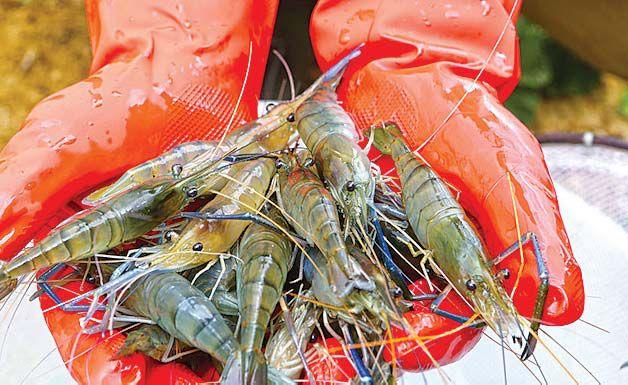
AThe major factor that distinguishes the genome of the female shrimp from that of its male counterpart is the distinctive chromosome (W) carried only by the female. Despite the obvious importance of this chromosome, the sequences and encoding genes unique to this chromosome remained unknown until now.
The incentive to study the genome of female shrimp derived from the dramatic performance advantages of farming all-female populations of shrimp. Enzootic’s position in the commercialization of this novel mono-sex strategy led to the partnership with NRGene in a quest to learn more about the performance superiority of female shrimp and to enhance the breeding of the all-female broodstock.



“The preliminary study of this outstanding high-quality genome has already revealed dozens of new previously unknown putative W-specific genes, with a fascinating array of functional motifs that could shed light on the importance of the W chromosome and its potential impact on the performance of females,” said crustacean endocrinologist professor Amir Sagi of Ben-Gurion University in the Negev in Israel, and co-founder of Enzootic. “Further research will be needed to reveal the role of these novel genes and how they regulate the physiology of females under mono-sex aquaculture conditions.”


NRGene’s DeNovoMagic 3.0 has been used to assemble more than 350 genomes in less than two years, among them, the first-ever genomes of wheat, potato, strawberry, rye, oat rye-grass, and now female shrimp.










“Our collaboration with Enzootic on the assembly of the first high-quality, referencelevel shrimp genome is part of NRGene’s strategy to support and enhance breeding of highly important animal protein agro-industries, such as shrimp and aquaculture, as a vital food source,” said Dr. Gil Ronen, CEO of NRGene. “We work ceaselessly to continually improve our technology to have an ongoing, powerful, positive impact on the world food supply.”
The highly complex shrimp genome delivered by DeNovoMagic resulted in an assembly size of 3.57 Gbp and an N50 scaffold size of 19.84 Mbp with BUSCO scores of 92.7 per cent.
The impact of the female shrimp genome assembly on shrimp production was eloquently expressed by professor Xuxiong Huang, vice dean of the College of Fisheries and Life Science, Shanghai Ocean University. “Farmed shrimp is an imperative protein source for many countries. In 2016, China alone produced around 3.3 million metric tons of marine and freshwater shrimp, representing about 50 per cent of the global production. This newly assembled high-quality freshwater shrimp genome is an important addition to the advanced technological tools that will be used in coming years in the breeding of shrimp toward a more effective and sustainable shrimp farming industry.”
He added that the freshwater shrimp industry today still predominantly relies on traditional, low-tech methodologies, which lag behind those of other more advanced livestock industries.
“With the addition of this genome and the introduction of mono-sex technologies, I believe this can promote this industry towards 21st century practices,” the professor said.















O RI-N 3 is an innovative al g al based DHA enrichment for Art e mi a whi c h a ll o w s m a xim a l uptake o f DHA into the A rtem ia in a very f lexible and convenient manner. O RI-N3 i s a l so f ree f rom f ish oils resultin g in a cleaner, more natural and sustainable enrichment
For more information, p lease contact your local feed consultant.
www.skretting.com
MARINE SPECIES
French connection
Inside Les Poissons du Soleil’s hatchery in Montpellier, France
BY TOM WALKER
When Eric Pederson of Ideal Fish needed European sea bass fry for his indoor RAS installation in Connecticut, U.S., he went to Europe to get them.
“Our main source is Les Poissons du Soleil (LPDS) outside of Montpellier in the south of France,” says Pederson. “They arrive once a month by air freight. We have been extremely pleased with the quality of the fingerlings, top drawer in our book.”
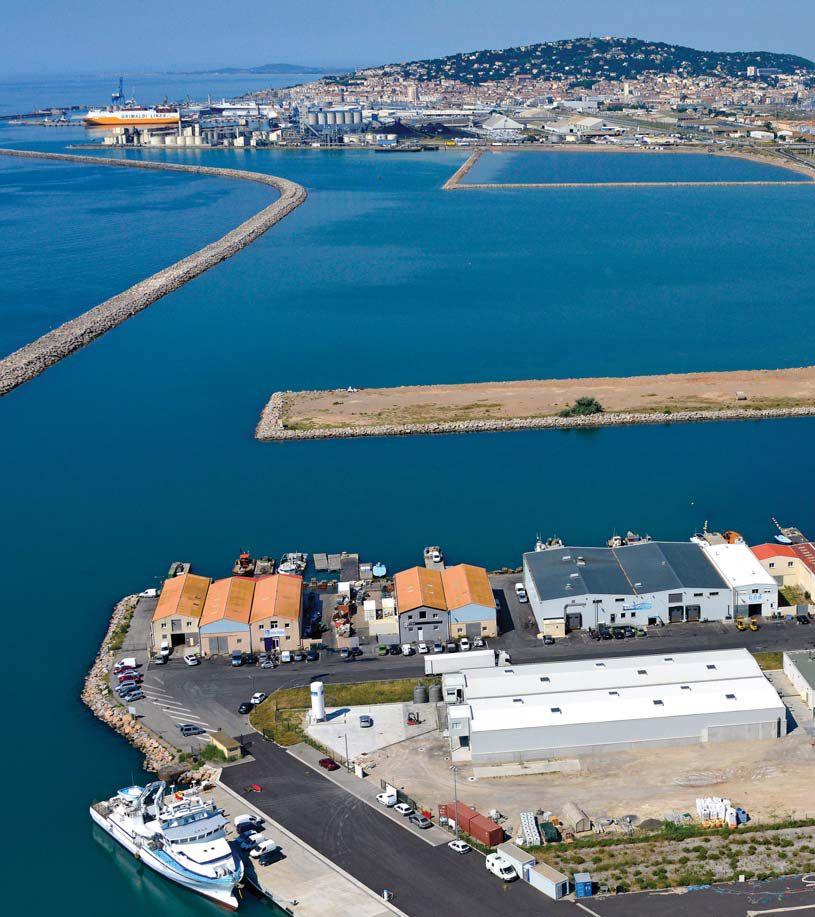
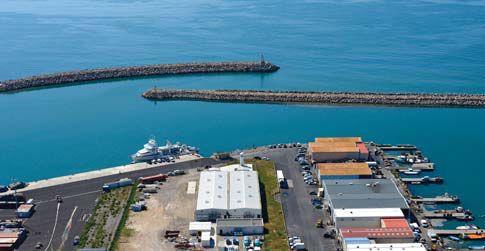
That’s not an unusual order for LPDS, explains its general manager Philippe Balma. “We export to 70 countries including 17 where we are certified SPF,” Balma tells Hatchery International from his offices on the Thau lagoon, a saltwater lagoon about 30 km southwest of Montpellier on the Mediterranean coast.
Balma was conducting a tour of the company facilities for delegates at the European Aquaculture Conference in Montpellier, the end of August. “My father started this marine hatchery in 1976,” explains Balma, who is the present owner. “We produce
between 40 and 45 million fry every year and sell only juveniles up to 20 grams.”
LAGOON LIVING
The company, which has been part of the Aqualande Group since 2003, specializes in sea bream (Sparus aurata), sea bass (Dicentrarchus labrax), and meager (Argyrosomus regius), with a production spread of 50 per cent sea bream, 40 per cent sea bass and 10 per cent meagre.
“We hatch more than 100 million eggs every year,” says Balma. “We aim to have 50 per cent survival.”
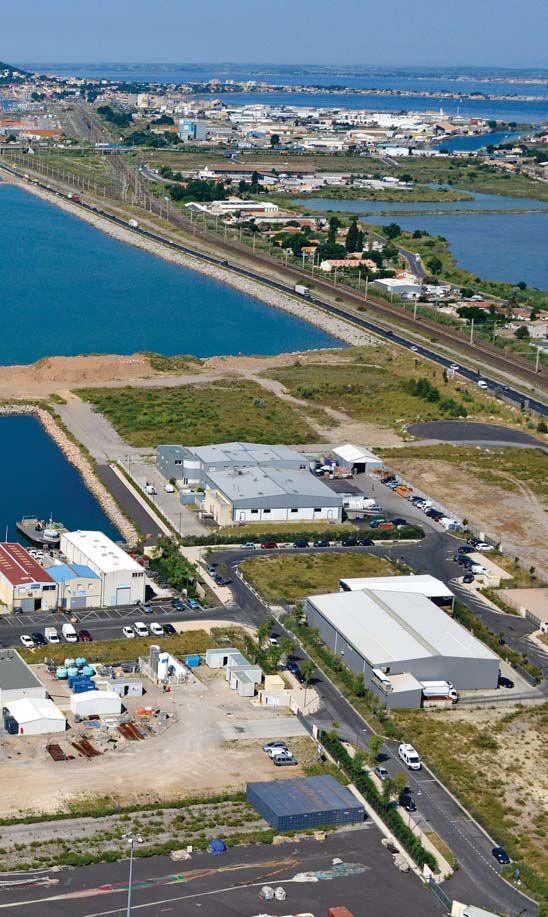
The company operations are situated in a dedicated fisheries industrial park built and permitted by the Occitanie Regional Government in cooperation with the French state. “It’s an ideal site,” says Balma. “We are surrounded by other fisheries and aquaculture companies (the Thau lagoon yields 10 per cent of France’s shellfish production) and there is no other industry close by, so the water is usually in good shape.”


- Non-Corrosive schedule 80 PVC reactor bodies are stronger and handle higher internal pressures compared to HDPE and Polypropylene. Schedule 80 reactor bodies are seawater safe and will not corrode in harsh environments, unlike stainless steel
- Single end glassware access makes for easy maintenance when replacing lamps and quartz sleeves - Thermoplastic or Fiberglass NEMA 12 Power supply enclosures with Standard HMI control package or optional HMI Pro Series control package.
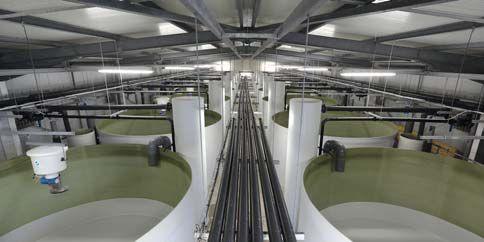
“Marine species are difficult to spawn and raise because the optimum salt water conditions such as temperature and salinity, are constantly changing and can be hard to reach,” says Balma.
LPDS draws their water from the open Mediterranean and it is pumped across the headland to their facility, which is on the inner shore of the lagoon. The water is UV treated and they have ozone available if the water monitoring system tells them it is necessary. The company has three separate installations, one each for broodstock, spawn and hatch, and early grow-out, which is divided between two grow-out buildings.
“This allows us to really spread our risk and supports our bio security,” Balma explains.
Water is kept between 19 degrees Celsius and 23 degrees Celsius. In winter, the Mediterranean water can be as low as 6 degree Celsius.
“We heat with electricity and gas. It is one of biggest costs after feed,” says Balma. “We have received approval to install a solar electric system next year and that should reduce our electric costs by half.”
The RAS system needs only 8 to 10 per cent water replacement per hour. Water circulates through a standard biofilter system. Residual solids are trucked away under contract. “But these are small fish, so it is not a significant cost,” Balma points out.
BREEDING
The company works with wild-caught broodstock that they continually supplement. “We add new broodstock every year given the age of each fish,” says Balma. “We create a new generation with wild fish from several coun-
tries and then we select individual fish for different performance needs to have select broodstock in production.”
“We have our own active breeding program,” Balma explains. “We target growth, disease resistance and shape.”
“We can do both natural and manual spawning,” says Balma. “With careful manipulation we are able to have new fry about 10 months out of 12 a year.”
All stages are fed a commercial diet sourced from Europe. “Meagre like about 45 per cent protein and grow quickly,” says Balma. “The sea bass and bream are a bit slower and thrive on about 40 per cent protein.”
Each early grow-out building has twelve 50-cu.m. tanks. “We can get up to 500,000 fry in each tank for grow-out,”
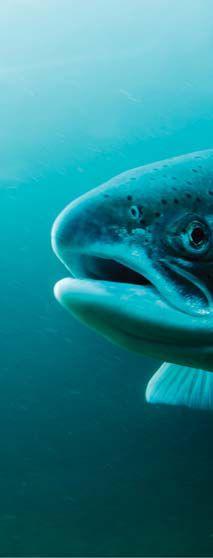

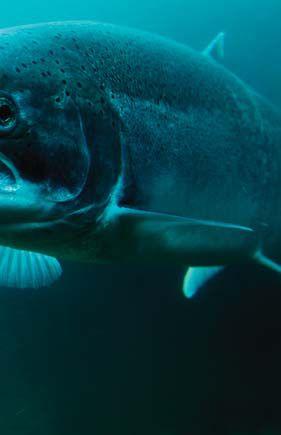
says Balma. He notes that is equivalent to between 30 to 50kg per cubic meter. “The better the water quality we have, the higher stocking density.”
LPDS ships some of its fry by air, but also a lot by boat, says Balma. Part of the company’s philosophy is to not handle fish without water, he explains. “We have a built-in pumping system that allows us to move the fry from our tanks out to a well boat waiting at our docks.”
The company exports more than 90 per cent of their production, mostly for cage grow-out, including to Greece, Croatia, Portugal and the North African countries of Algeria and Tunisia. Ideal Fish is its only North American customer.
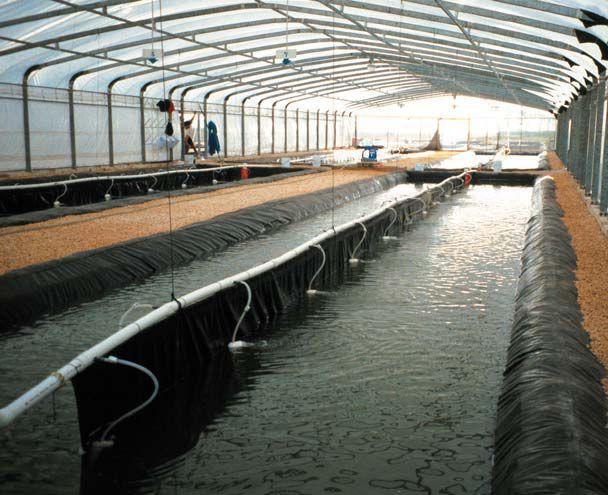
HATCHERY HACKS
The indispensable mort collector
BY RON HILL
Unglamorous as it may be, mortality collection, classification and analysis are an essential job at any hatchery. Often, mort picking is seen as the bottom end of the job spectrum.
New employees always start with morts because it is simple and other employees are eager to pass the job on. The job tends to be mechanical: morts are removed, counted and dumped in the always stinky mort area. It is too easy to become complacent when picking morts and have a “net, pull, dump” mentality, and see the job as mindless.
Mort picking is generally treated as the worst job – because it usually is. However, its vital importance must not be lost when teaching new employees. Quality mort picking can make or break a group of fish and impact your budget.
Mykolas Kamaitis, veterinarian for Marine Harvest Canada explains: “Mort collection and classification is extremely valuable for fish health management. It may be one of many different tasks you have on the list for any given day, but the information gathered can not only help identify potential fish health concerns but can also help improve the overall productivity of a farm.”
Despite a lack of glory for the mort picker, collection and disposal of morts are a keystone biosecurity measure. Mort pickers are the frontline of fish health and biosecurity. Collecting all the morts in a tank is of the utmost importance.
Sometimes, picking all the tanks can take hours. It is here, when the morts are heavy, that the picker can despair and get tired or frustrated. The quality of picking goes down when it is most essential.
The mort picker must be equipped with two things to succeed – equipment and technique. Equipment seems easy but is often sub par. Go inspect the mort nets at
your facility right now and see what kind of shape they are in. Ripped nets and bent poles are often the standard. Does your site have a net for each tank or are too many out of action? Not making it a priority to keep the mort nets in good shape reinforces the perceived inferiority and unimportance of the job by employees.
Mort picking time is also inspection time for the tank. Each employee should go through a quick mental checklist when they pull up to a tank to pick morts (or anytime) and note or correct anything that needs to be addressed.
Supervisors and managers need to reinforce this observation. How were the fish distributed and what condition are they in? Does the tank look clean? Does the flow and spin of the water look correct? Is it clean? This is the chance to make minor corrections and adjustments for optimal water quality or note items to be addressed. The best techniques for removing morts will depend on your system, tank and life stage. Make sure the best methods are passed on to the new mort pickers. Here are some general techniques to follow.
• Wear disposable gloves. When picking, don’t let employees use their bare hands to touch the morts as these are potentially the most infectious thing at the farm.
• Pick the moribund fish first. Capture any easy morts first. Don’t chase the moribund ones around if they aren’t easy to catch and stress the rest of the fish in the tank. A good rule of thumb when deciding if a fish is moribund: when it doubt pick it out.
• Concentrate the morts. If possible, consider pulling the standpipe and allow the morts to be sucked toward the screen before picking.

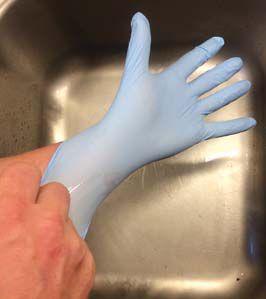
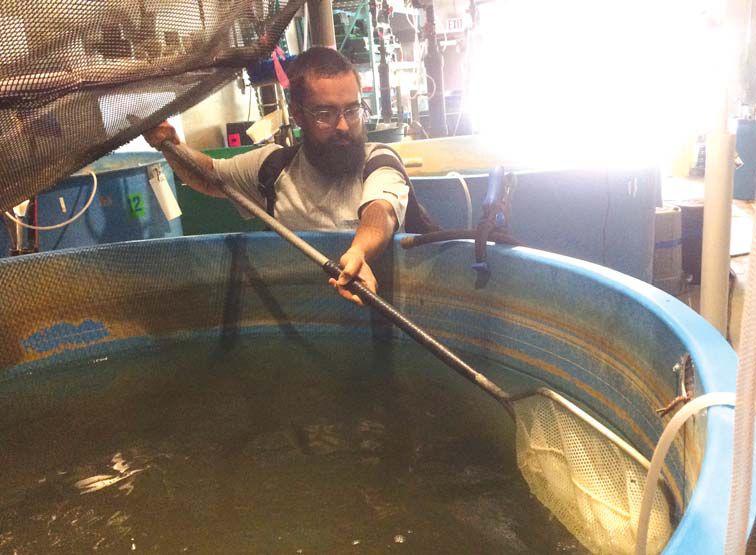
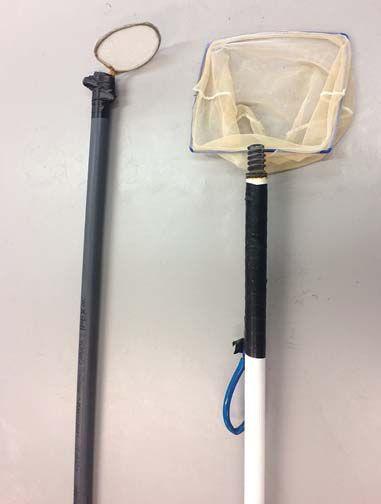
Providing the proper equipment, such as a disposable gloves and mort nets that are in good working condition, is vital to the process.
• Consider the live fish. Use a broom to move the live fish in the tank away from the morts if they don’t fear the net. Often, live fish will not fear the mort net as much, making it difficult to see morts and keep the live ones out of the mort net. The pulse of water created by pushing a broom through the water bristles first will usually clear the fish, without striking and removing slime and scales.
• Don’t neglect your mort pickers. Keep rotating pickers and don’t let the same person get stuck with it everyday. During heavy days, get another person to help.







AQUACULTURE INNOVATION WORKSHOP 2018
December 4-6 • Miami, Florida
An International Summit on Fish Farming in Closed-Containment Systems
EVENT LOCATION:
DOUBLETREE BY HILTON HOTEL
MIAMI AIRPORT & CONVENTION CENTER
711 NW 72nd Ave., Miami, Florida 33126
Room Block: The Conservation Fund/AIW; available until November 11, or until full.
DECEMBER 4TH
FINANCE AND INVESTING IN LAND-BASED RAS PROJECTS
Tone Bjørnstad Hanstad DNB Markets
INDUSTRY UPDATES
Johan Andreassen Atlantic Sapphire
Steven Summerfelt Superior Fresh
Thomas Hofmann Swiss Alpine Fish
Árni Páll Einarsson Matorka
Richard Buchanan AgriAsia
Eric Pedersen Ideal Fish
Rögnvaldur Guðmundsson Akvafuture
MARKETING
Jacqueline Claudia Love The Wild
Carrie Brownstein Whole Foods Market
DINNER SPEAKER
Frode Mathisen Grieg Seafood
DECEMBER 6TH (AM)
SPONSORED BY:


DECEMBER 5TH
TECHNOLOGICAL AND BIOLOGICAL CHALLENGES
Caird Rexroad USDA ARS
Åsa Maria Espmark
John Davidson Freshwater Institute
Christopher Good Freshwater Institute
Alex Obach Skretting Aquaculture Research
Jelena Kolarevic
Lill-Heidi Johansen
MITIGATING BUSINESS RISKS
Rob Piasio Whole Oceans
Heidi Kyvik k Krüger Kaldnes Veolia
Kari Attramadal
Bill Keleher r Kennebec River Biosciences
Aud Skrudland Norwegian Food Safety Authority
Sigurd Stefansson University of Bergen
INNOVATION
Larry Feinberg KnipBio





Philippine researchers eye agricultural waste as fish feed alternative
Researchers in the Philippines are providing fish farmers new options to pull down feed costs without comprising fish performance.
At the College of Fisheries and Ocean Sciences of the University of the Philippines – Visayas, Ritche Declarador and her team enhanced the feed value of copra meal to make it suitable as partial replacement for soybean in the diet of white leg shrimp (Litopenaeus vannamei) and milkfish (Chanos chanos).
Considering that the Philippines is the world’s biggest producer of coconut oil, there is an abundance of copra meal. It has, however, a low feed value due to its low protein content, high fiber, gritty appearance and low texture.
“A breakthrough technology was developed, which involves solid state fermentation and utilizes food grade fungi to enhance the protein of carbohydraterich biomass. This process has enriched copra meal protein from 12 per cent to 45 per cent protein, comparable to that of the soybean meal,” authors cited in the abstract of Protein-enriched copra meal (PECM) as a partial replacement of soybean meal in the diet of white leg shrimp penaeus vannamei and milkfish Chanos chanos.
A laboratory growth trial was conducted using post-lavae P. vannamei and milkfish larvae. The best concentration was tested against commercially avail-


able shrimp feeds and milkfish feeds in a large-scale grow-out system.
Results showed that PECM inclusion did not affect the survival rate of shrimps at all dietary inclusion levels and also showed no significant difference in the final average body weight, feed utilization and production for both species.
These suggested that PECM could replace 50 per cent of soybean meal, which could reduce the “dependency in soybean meal and reduction in feed cost.”
The Southeast Asian Fisheries Development Center (SEAFDEC)/Aquaculture Department, meanwhile, demonstrated that fruit peels can be used as additives for tilapia feed.
“Preliminary results showed that the percentage weight gain of tilapia fingerlings fed diets containing citrus pulp, okra meal, and pineapple peel were comparable to those fed the fishmeal-based control diet,” according to the agency’s newsletter.
Mango peel, in particular, has been cited for its high sugar content, which makes it palatable and considered as energy feed.
Zeroing in on pesticide residue levels, analyses were done on mango and citrus peels. Residue levels were present but were still below the maximum residue limits set by internationally recognized standards.
– Ruby Gonzalez
Salmonids eggs sorters


•1 MILLION EGGS PER HOUR




• REMOVES GLASS EGGS, PIN EYED EGGS SMALL EGGS AND UNFERTILIZED EGGS THE FASTEST SORTER WITH UPDATED DETECTION SYSTEM






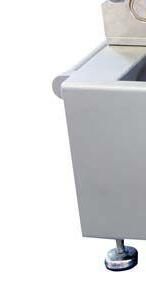













With its high sugar content, the mango peel is palatable and considered an energy feed. Researchers in the Philippines also identified agricultural wastes from pineapple, okra and citrus as effective feed additives. (Photo: Ruby Gonzalez)
Banking on barnacle
Planktonic reveals source of mystery marine live feed
BY COLIN LEY
The previously secret species behind the development of a new live feed for use in marine hatcheries was finally revealed at a major innovation conference in London as none other than the humble barnacle.
That’s the mystery item on which Norway’s Planktonic AS is basing its production of cryopreserved nauplii, creating a live marine hatchery feed alternative to rotifers or artemia.
“We were looking for a marine zooplankton which could be successfully cryopreserved, giving producers a new feed source which they could bring back to full life for use within a hatchery environment,” Rune Husby, CEO of Planktonic, told Hatchery International during the Aquaculture Innovation 2018 conference in London.
“The challenge was to find a species which could survive extremes of temperatures and the barnacle has proved to be perfect, even though it has previously been viewed as essentially a problem species, to be got rid of.
“Actually, its great quality is that it survives temperatures as low as minus 30 degrees Centigrade in the winter in Norway while also being able to cope with up to plus 30 degrees in the summer. They are clearly very tough creatures with their own natural anti-freeze properties and are just right for commercial cryopreservation.”
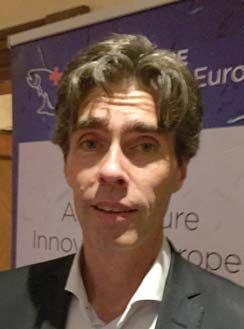
Planktonic has been talking about its live feed product throughout the past year, presenting it as the world’s ‘first’ live marine feed alternative to artemia and carrying out feeding trials on bass and bream farms throughout Europe. In addition to finally revealing its product source as the barnacle, announced during Aquaculture Innovation 2018, Husby said the company is now ready to ‘ramp up production in a cost-effective way.’ This will include building output capacity around the world.
“We already have patents covering the use of cryopreservation techniques in relation to barnacles in 16 European countries, with many others pending,” he said, adding that Planktonic’s production model has the potential to be developed on a global scale.
This will involve setting up growing and harvesting units in many different countries, along similar lines to
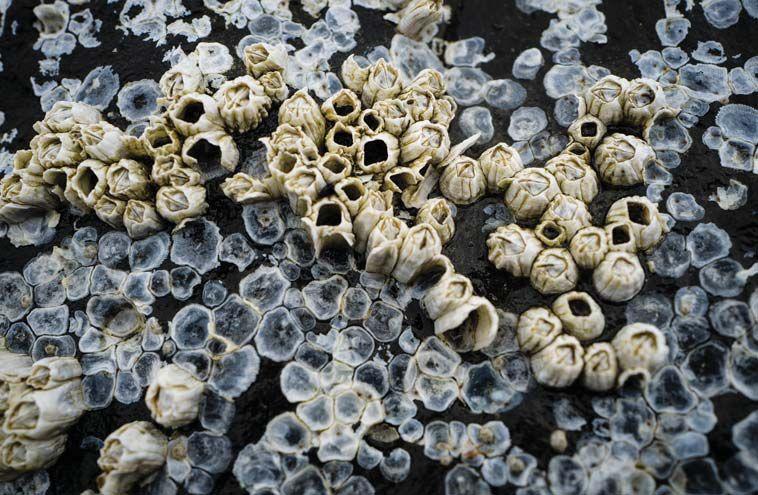
those used by mussel farmers. Barnacle spat will be collected, grown and harvested, with cryopreservation then being used to create a ‘frozen’ live feed for delivery to hatcheries.
According to Planktonic, all the farmer needs to do once the product is delivered to a relevant hatchery, is to allow the cryopreserved feed to thaw until the nauplii resumes normal swimming activity. It’s then ready for use as a live feed.
“Trials with bass and bream on farms in Greece and Portugal have already produced successful results,” said Husby. “Both species produced bigger fish than in the control groups with bream being 50 per cent larger at day 30 and bass being 75 per cent larger at day 43. They both also showed improved resistance against vibrio, while bream had an improved stress tolerance, and bass recorded improved survival rates.
“Feed trials with shrimp in Ecuador showed faster growth with our product, less vibrio again and markedly higher survival rates.”
Although the company’s feed production output to date remains limited, coming in at less than 10 tonnes in 2018, Husby said the business is well funded and ready for expansion. This is based on current backing by Invest in Norway, the EU’s Horizon programme and 20 private investors, totalling more than EUR 5 million, alongside the company’s own 2017 income of EUR 1.5 million.
If You Have Smaller Fry To Fish…
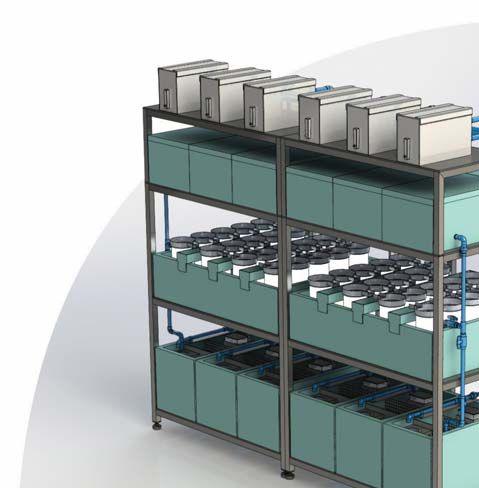


CEO Rune Husby
Crest of success
Over more than two decades, Ontario’s Cedar Crest Trout Hatcheries has nurtured a family business to grow into a dominant player in the province’s fingerling market
BY RON HILL
Cedar Crest Trout Hatcheries lies in Hanover, Ontario, Canada, at the base of the Bruce Peninsula, in the heart of Ontario’s rainbow trout (Oncorhychus mykiss) fingerling production area. This location is perfectly placed to ship fish to Cedar Crest’s primary clients on Lake Huron. In truth, Cedar Crest is four closely placed hatcheries, making Cedar Crest the largest producer of fingerlings in the province. Between the four locations, Cedar Crest produces more than seven million fingerlings each year.
For a company with such large operations (about 80 per cent of the Ontario fingerling market), Cedar Crest is at heart a small family-run business. Jim Taylor founded Cedar Crest in 1986, and after an exhausting permitting and building process, he opened the hatchery in 1995. Jim and his wife Lynette have now retired. Cedar Crest is now run by their daughter Arlen and son RJ.
“The heart of our business is family,” explains Arlen, “and our staff are part of that family. Their family are always welcome to visit the farm and at our table. When things are busy and our staff are working 18 hours a day, we know that it keeps them away from their families, that’s why family of staffers are often found at our table.”
In 2011, Cedar Crest bought two other nearby hatcheries and a year later, the fingerling industry began to ex-
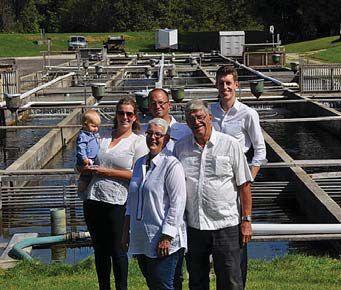
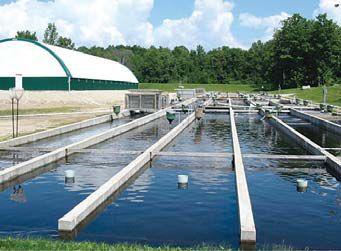
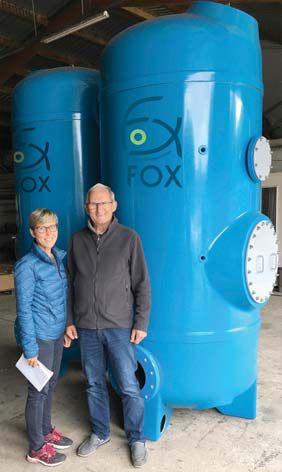
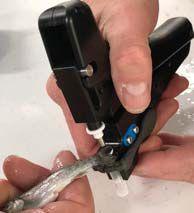
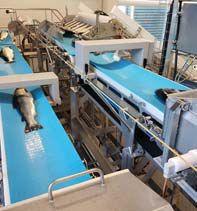
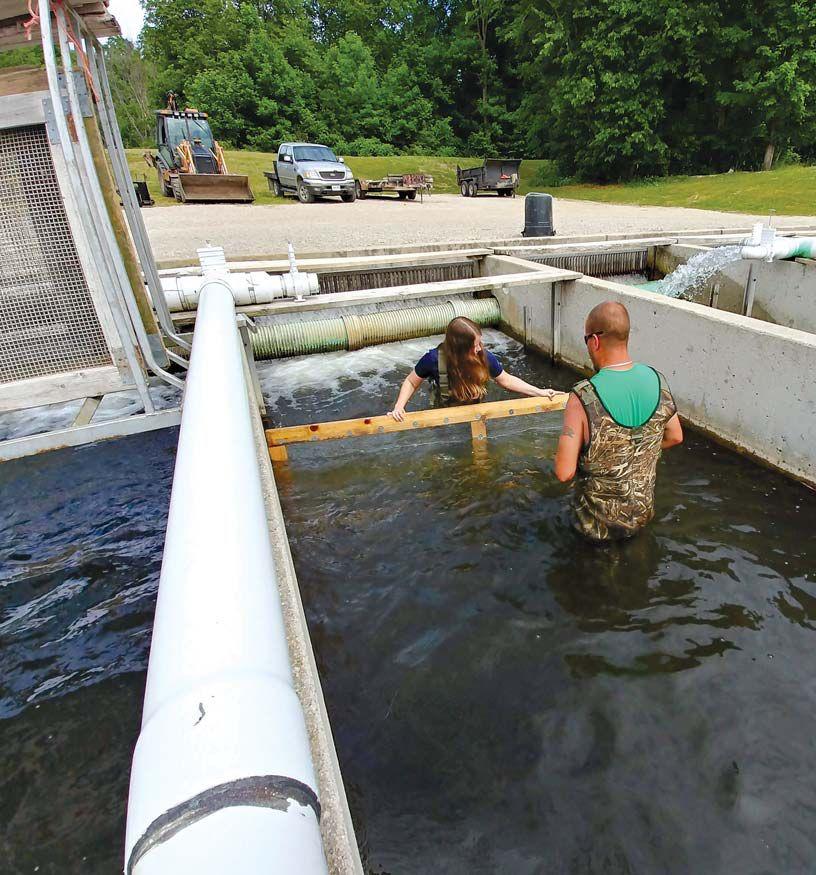
Family is the "heart" of the Cedar Crest business, founded by Jim Taylor. Now run by his son, RJ, and daughter, Arlen, the hatchery has been with the family for more than two decades.
Cedar Crest keeps its brood fish in flow-through raceways fed from the local creek.

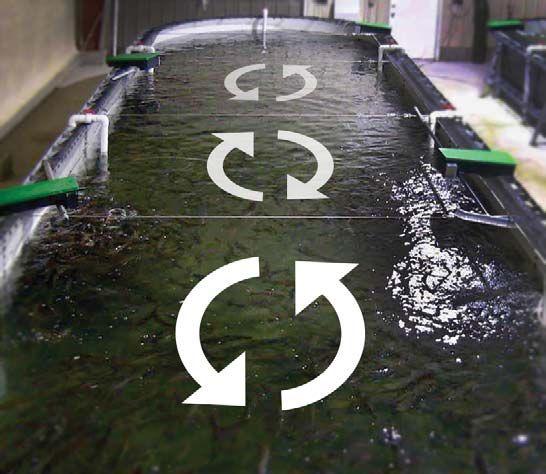


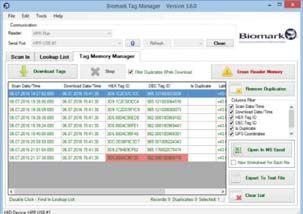
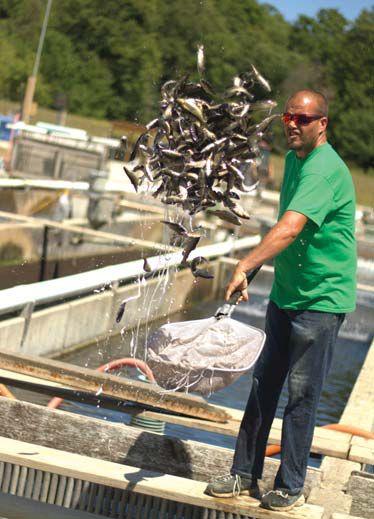
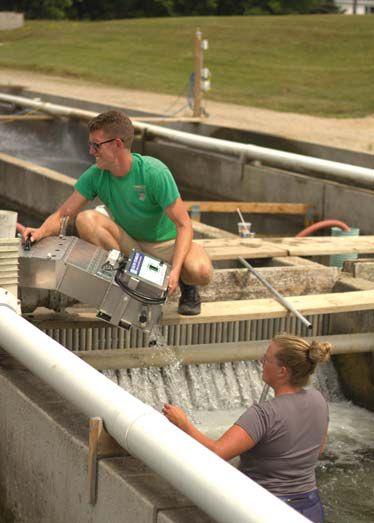
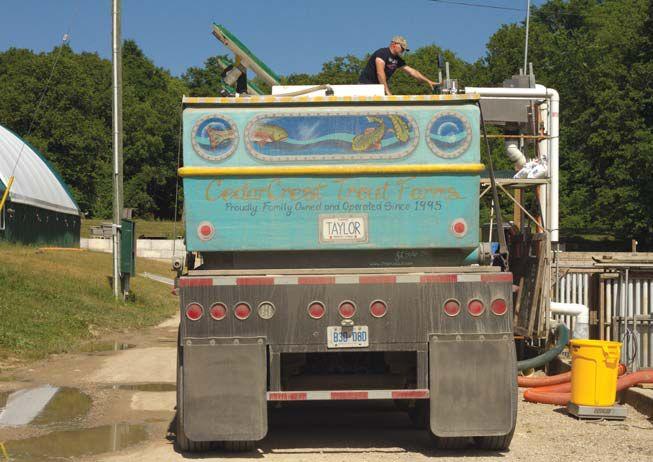
plode in Ontario. In 2014, Cedar Crest purchased the Spring Hills Hatchery. The company’s sales increased 412 per cent in the period between 2012 and 2017, largely due to demand from expansion of aboriginal net sites on Lake Huron.
GROWING PAINS
Although the acquisition of new sites allows Cedar Crest to expand its output, there’s always a catch when you acquire a facility. “Three dinosaurs that needed a heavy dose of evolution,” is how Arlen describes what she purchased, though they all had good bones. Arlen’s partner Mike heads up the building and updating projects designed to ‘evolutionize’ these dinosaurs. Antiquated practices and technology must all be modernized and mechanized to raise efficiency at the hatcheries. Purchasing higher level equipment, like mechanical graders, to drop costs has allowed Cedar Crest to further scale up.
GENETICS
Cedar Crest raises different strains of trout with different characteristics, allowing customers to choose their stock to match their environment. It has six strains of its own brood held at the Cedar Crest facilities, and combining these strains to produce hybrid fingerlings is at the core of its business. Hybrid vigor increases the performance of the fingerlings by crossing the lines of distinct isolated strains, providing robust fingerlings. Each customer gets a specific hybrid that is known to be successful in their area. Based on the years of experience providing fingerlings, Cedar Crest can match the genetics of their fish to the customer’s farm to provide the fingerlings most resilient in that setting. Unlike most broodfish, the brood at Cedar Crest receive no special treatment. They live in the raceways instead of their own climate controlled environment and experience the fluctuations in water temperature and water quality the same as the other fingerlings.
“We want our brood groups to be hardy,” says Arlen. “They need to be accustomed to high temperatures and low temperatures, and they need to experience flow through water from the natural source to promote a strong immune system. We find trout raised entirely in a RAS before lake entry do not perform as well.”
Cedar Crest also sells egg overage for bait, 1200-1800 lbs. per year, for local bait suppliers, and provides fingerlings to small producers who sell fish for pond stocking, smoking and specialty sales.
“We promised our long-time customers that no matter how big we get we will always look after the pond stockers and small, land-based companies, so that’s what we do,” Arlen notes.
FUTURE GROWTH
“Our biggest challenge going forward is to step up as fingerling producers.” Huge growth in native band net sites on Lake Huron since 2012 has greatly increased the demand for rainbow trout fingerlings in Ontario. Continued growth is expected in this sector thus, the fingerling producers must get the most out of their facilities and fish groups.
Cedar Crest looks to further expansion, currently looking for a new site as well as to continually add to their existing farms to keep up with an expanding Ontario industry.




















TOUGH LOVE (top, left). Cedar Crest broodstock reside in the raceways, experiencing fluctuations in water temperature and water quality to promote a strong immune system.
TEAM TAYLOR (top, right). Siblings Arlen and TJ Taylor have been running the hatchery since their dad, Jim, retired.
Trout fingerlings are transported using Cedar Crest trucks.
Tilapia hatchery traces its roots to rice farm
Tilapia is the Philippines’ second top aquaculture product. As demand constantly increases, so does the fish farmers’ need for fingerlings. This situation has created an opportunity for rice farmers to bat for better financial returns.
BY RUBY GONZALEZ
In the town of Calauan in Laguna, located some 80 kilometers from Manila, a husband-and-wife team received a suggestion to convert their rice farm into a tilapia hatchery.
In the Philippines, where people eat rice with their meals as much as three times a day, demand for the grain will always be constant. Production yield though is sometimes at the mercy of nature. While the hatchery would pretty much be in the same boat, the financial returns would be better.
Lucio and Cora Ilagan went for it and established the four-hectare L&C Tilapia Hatchery in 1998.
“Earnings are almost three times more compared to rice farming,” Lucio Ilagan told Hatchery International in Filipino.
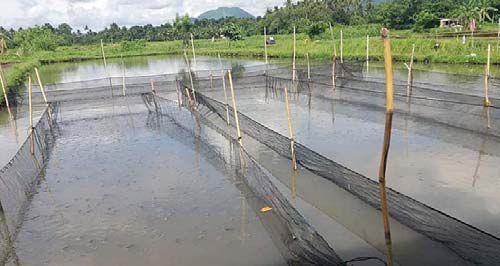
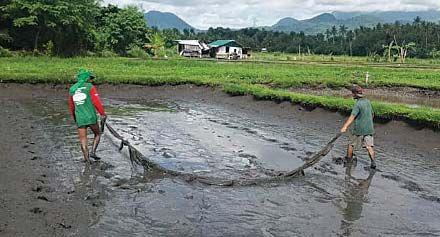
The conversion process was not complicated. The height and width of existing mud dikes that bordered each field were increased by one meter. The pond was plowed to condition it. As before, water was supplied by the same irrigation system.
Except for the addition of fish nets and bamboo poles, the required tools and implements were no different from those they had used in farming: a manual plow, a mower, shovels and sickles.
The man who pitched the business idea to them, his parents’ friend, walked them through the process. “He taught us the know-how. He showed us how to operate a hatchery. We also attended seminars on how to raise tilapia broodstock.”
The tough part came when it was time to get the business off the ground. The challenges of those initial years were all-encompassing: finances, feeds, broodstock and buyers.
Determination saw them through, however. They were able to secure a loan for additional investment requirements. To have a good inventory of quality broodstock, they researched the right protein feeds and consulted the Bureau of Fisheries and Aquatic Resources (BFAR) in how to select appropriate tilapia species. They talked to tilapia farmers in Taal Lake in the neighboring province of Batangas.
L&C currently produces about 80 million tilapia fry annually.
The regular pond size is 15 meters by 20 meters. “The sections of the hatchery are in the pond itself. Once the broodstock lay eggs, the eggs are collected and transferred to a section surrounded by fine nets to condition them,” Lucio said. They have a staff of 15, whose main task is to collect larvae and fry.
Broodstock ratio is three females for every male per cubic meter.
They do cross-breeding to improve the breed of tilapia that comes from BFAR. They also get broodstock from the Central Luzon State University.
Although there are a number of tilapia hatcheries in Calauan, Lucio doesn’t feel the competition. “At present, we don’t have problems with regard to competing for business because we have regular buyers,” he said.
In addition to those from Batangas, he has also developed clients from the provinces of Rizal and Pampanga.
Market for fry is good because consumption of tilapia in the Philippines is high. When it comes to establishing continued patronage of his clients, he said that transparency and being trustworthy, especially when it comes to delivering the volume of fry ordered, are important.

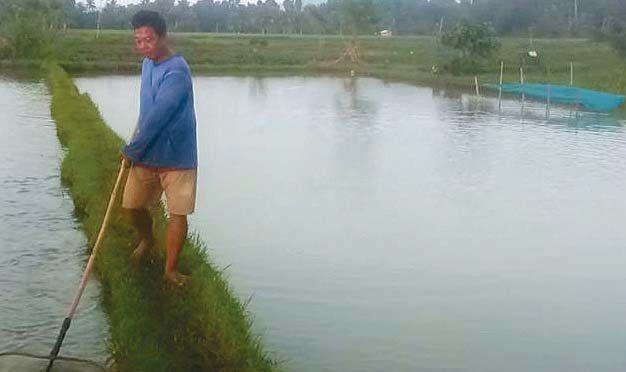
Business may be good, but that is not saying that everything is going smoothly.
Since theirs in an open-pond operation, they are easily impacted by natural elements. Weather conditions put a cap on production. Yield is low from April to June, when it gets too hot, and in December, when it gets too cool. The extreme temperatures put stress on the broodstock, affecting their reproductive capacity.
During these periods, production of fry drops by as much as 80 per cent, according to the couple.
There are occasions when broodstock sustain cuts, typical during transit from the source to the hatchery. The no-frills treatment calls for pouring 7.2 kg of rock salt in the pond where the affected broodstock are observed. The same treatment is administered in ponds where broodstock death is observed due to pollution.
Pond water is changed after each treatment.
During the summer months, pond water level is increased and there is continuous supply of running water to maintain the oxygen level requirements of the fish. They continue to provide nutrient-laden diet.
But he realistically admitted that these wouldn’t achieve much. “We have no solution for extremely hot weather conditions. So we basically just wait it out for the ideal temperature to come,” he said.
While summer is a dreaded period for open-pond hatcheries, it is an ideal time for tilapia farming. Lucios plans to expand into this venture by next year.


L&C Tilapia Hatchery in Laguna was originally a ricefield.
(All Photos: Lucio Ilagan)
Pond is conditioned before stocking.
Staff harvests egg. Climatic factors put a cap on production.
Plastic bags containing fry ready for delivery. L&C Tilapia Hatchery produces about 80 million tilapia fry annually.
Using science to get feed closer to nature
Broodstock will never deliver offspring of a quality better than the feed they are given. At ProChaete we take the process of creating feed very seriously. We measure the nutritional value of our proteins before adding the very best essential nutrients to make sure that
Semi Moist PRO has an exceptionally high nutritional value. Our Semi Moist PRO is the only semi moist feed to use protein from farmed polychaetes, and it is completely biosecure.
Semi Moist PRO uses science to help you get the most out of your broodstock.

SemiMoist PRO
Better growth – naturally
GLOBAL UPDATES
Washington hatchery renovations to expand salmon production
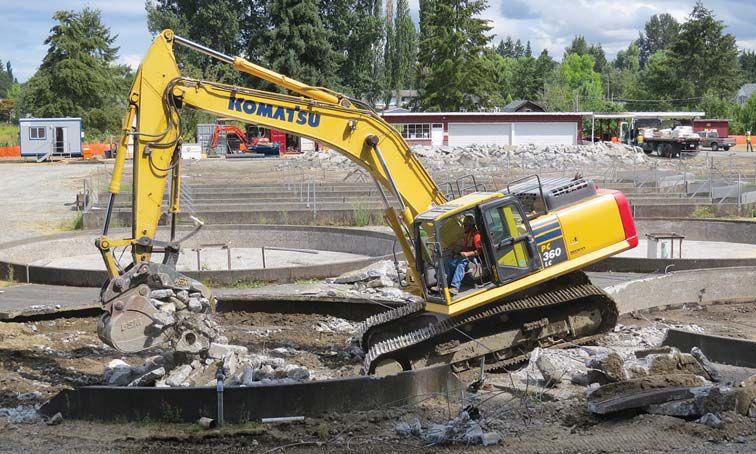
After a long planning process, a US$16.4 million renovation project has begun at the Puyallup Fish Hatchery on the Puget Sound in Washington, U.S. The hatchery dates back to 1948 and operations manager Jim Jenkins said the facility will benefit greatly from an update.
“The update includes a new intake, then the delivery system for the water from the intake to the pond, to their incubation room, your rearing ponds and adding a state-ofthe-art pollution abatement pond and adult holding pond as well,” sad Jenkins.
With a few exceptions over the years, the hatchery has
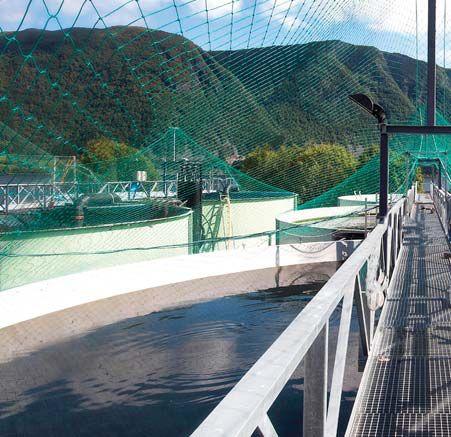
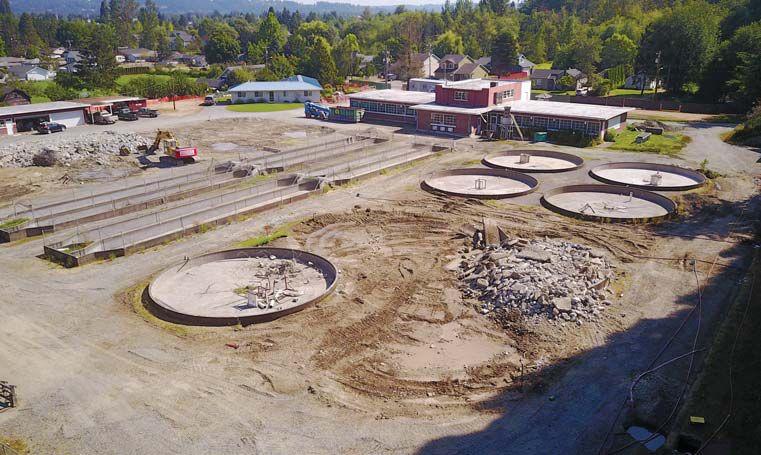
primarily been a rainbow trout facility. The renovations will allow the hatchery to add significant number of Coho and white river spring Chinook salmon.
“This is one of the only spring Chinook stock in South Puget Sound, and this particular piece of the program is a productive contributor to returning fish to the watershed,” Jenkins said.
With the renovation project, hatchery operations are affected for the immediate future. Some of the production has been moved to the Eels Springs Trout Hatchery and the Minter Creek hatchery. Jenkins is quick to point out,

however, that the number of fish raised, programs or planting schedules have not changed – just the rearing location.
In addition to its trout and salmon production, the hatchery also hosts a variety of educational and cultural activities.
“I can’t emphasize enough how many legs are on this stool,” said Jenkins. “Meaning the community, the legislative side of things, the agencies, and most importantly, the Puyallup tribe, all getting together and brainstorming everyone’s specific needs and considerations of others’ needs to develop something that benefits all communities.”
- Matt Jones


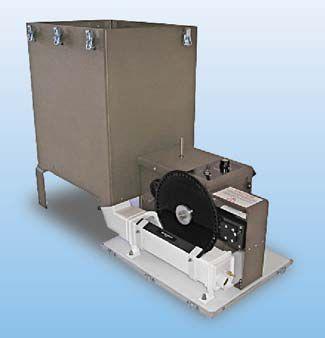
Renovations at the Puyallup Fish Hatchery in Washington are laying the groundwork for enhancing the hatchery’s operations. (Photos: Puyallup Historical Hatchery Foundation)
Vietnam develops first protocol for sperm cryopreservation of tiger grouper
Auniversity and government agency in Vietnam worked together to develop the country’s first protocol for sperm cryopreservation of tiger grouper fuscoguttatus with the goal of providing an all-year-round supply for seed production.
Minh Hoan Le of Nha Trang University and Thuy Thanh Thi Nguyen of the Research Institute for Aquaculture focused on finding the best extender, cryoprotectant, dilution ratio, cryopreserved volume and freezing method for sperm cryopreservation of tiger grouper.
The most effective protocol used 15 per cent dimethyl sulfoxide (DMSO) as cryoprotectant to semen in a two-step freezing method with temperatures set at -80°C and -196°C.
Talking about the results of this protocol they said, “…the fertilization rate and hatching rate of the post-thawed sperm cryopreserved for one week, one month, or one year in liquid nitrogen were similar to that of fresh sperm.”
The authors, in the abstract of “Sperm cryopreservation of tiger grouper
Epinephelus fuscoguttatus,” noted that the source of male tiger grouper broodstock is limited and collecting semen for seed production is not always possible.
Summing up the advantages of the method, they said, “Cryopreservation of tiger grouper semen would reduce the number of males needed, minimize handling stress through less frequent stripping, facilitate artificial propagation when ova are available, promote genetic and breeding studies, and enhance seed production on a commercial scale.”
The high-value species is an important candidate for marine aquaculture of Vietnam but undependable supply of larvae is putting a cap on its potential.
In 2016, Vietnam exported grouper valued at US$42 million. It is ranked 27th in terms of global export market share. During the same period, it imported grouper valued at US$159 million.
Tiger grouper is a perennial favorite in the live fish markets of Southeast and Northeast Asia, where it commands a premium price.
– Ruby Gonzalez
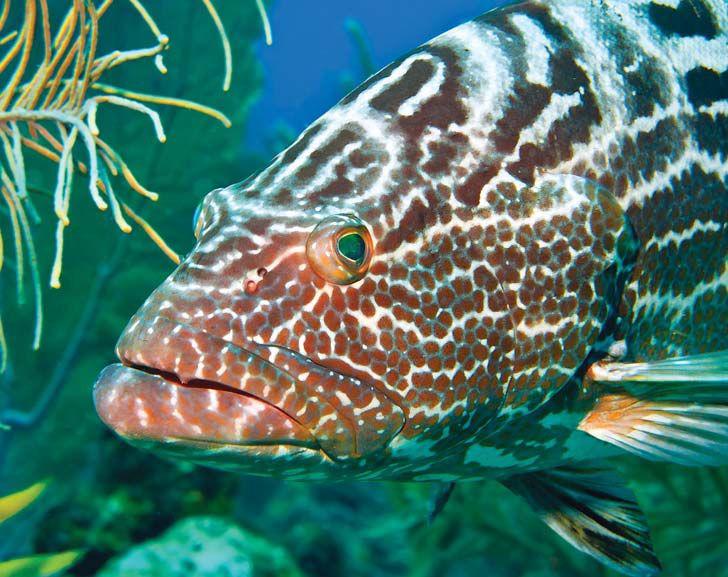
Formulated diets enhance reproductive performance of purple mangrove crab broodstock: study
Formulated diets of astaxanthin and docosahexaenoic acid (DHA) promoted the best reproductive performance of purple mangrove crab Scylla tranquebarica, according to a study conducted in Malaysia.
Broodstock fed with formulated diets had best performance for maturation, egg quality and fertility.
“Adequate nourishment using diets supplemented with ingredients of proven physiological value is vitally important not only in maturation of broodstock, egg quality and hatching rate, but also survival, molting and growth of the juveniles,” Thien Fui Yin and Dr. Annita Yong Seok Kian said in Effect of different maturation diets on reproductive performance of the broodstock of purple mangrove crab, Scylla tranquebarica. They are with the Borneo Marine Research Institute, Universiti Malaysia Sabah.

Synthetic astaxanthin with 10 per cent purity and DHA oil with 80 per cent purity were used in the study.
Astaxanthin is the major carotenoid – organic pigments in shrimp and crab – which they need to obtain from diet.
DHA is an omega-3 fatty acid that is a primary structural component of the brain, cerebral cortex, skin and retina.
Among all the treatments, the broodstock fed the Astaxanthin +DHA (FA+D) diet showed significantly higher maturation percentage, spawning rate, gonadosomatic index, oocytes diameter, ovary color intensity, sperm viability, and molting rate than broodstock fed diet without these substance (Fcon).
Molt death syndrome and mortality was also “significantly lower” in broodstock fed FA+D diet.
“Likewise, results on the larvae showed the FA+D diet
group had higher fecundity, hatching rate, total number of larvae produced and significant higher zoea II survival than Fcon group,” they said.
Formulated diets provide a better alternative over natural food in terms of quality and supply. “The quality of natural food varies seasonally and can influence the process of maturation. Natural food deteriorates fast and requires proper storage, without which its nutritional value is diminished. These items also impair the water quality if left in the tank for extended periods,” they explained.
Experiment results were consistent with those of previously conducted researches on various crustacean broodstock, such as green mangrove crab, mitten crab, Chinese prawn, freshwater prawn and tiger prawn.
– Ruby Gonzalez

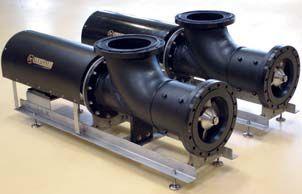
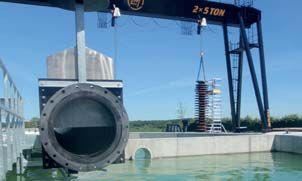
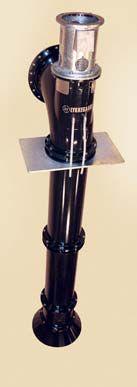

GLOBAL UPDATES
Russia plans large-scale modernization of state-owned hatcheries
Russian government agencies are planning a comprehensive modernization effort for 90 per cent of Russia’s state-owned hatcheries, Dan Belenkiy, chairman of the federal fishing complex operator Glavrybvod has unveiled recently. In total, there are 101 hatcheries under state management in the country and most of them are in poor condition, Belenkiy explained.
The main target of the upcoming modernization is to improve the operational effectiveness of the hatcheries. In 2017, Glavrybvod generated a net profit of Rub1.4 billion (US$25 million) from selling broodstock of hatchlings and fingerlings to private fish farms. This figure was equal to the funds issued to state-owned hatcheries from the federal and regional budgets for recreational purposes, Belenkiy revealed. At the same time, numerous hatcheries lost money last year.
It is expected that while the state aid to the hatcheries will remain unchanged, the cash flow from selling broodstock on the open market will only grow, according to Belenkiy. However, this would require hatcheries to produce marketable products at affordable prices.
Two new hatcheries were launched last year in Russia, and there are also several modern facilities operating primarily in the Far East federal district that do not require modernization. Most of the hatcheries in Siberia and European Russia, however, have to be re-built and re-equipped.
At the moment, Glavrybvod is conducting research on the state of its assets in Russia. Depending on the results, some hatcheries with the poorest financial performance will be closed, Belenkiy said. The investment cost of the modernization campaign is yet to be determined, but the project is expected to be “the biggest one in the industry since the Soviet times,” he stressed.
Under the modernization, some hatcheries may have to change the species they breed, depending on the need for certain types of broodstock in the region where the hatchery is based, Belenkiy explained. Glavrybvod also hopes to attract some private businesses to invest in the project by providing different schemes for return on investments.
- Vladislav Vorotnikov
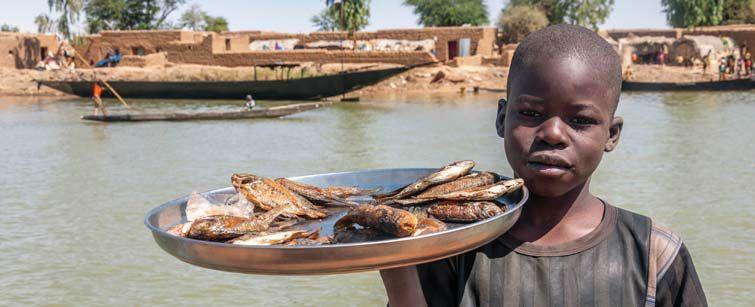

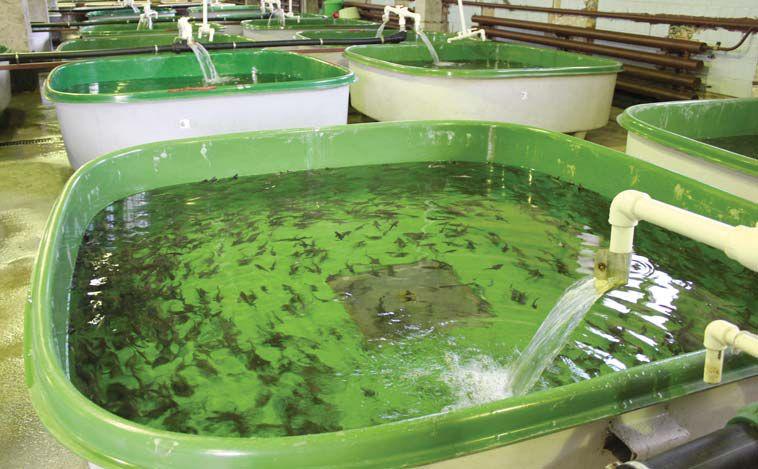
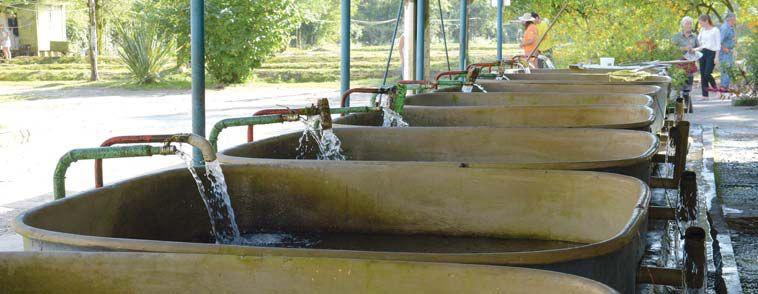
Identifying aquatic animal health challenges in 10
minutes or less
During the 8th International Symposium on Aquatic Animal Health (ISAAH) hosted in Charlottetown, Prince Edward Island, Canada, in September, a special industry session focused on bringing industry and research representatives together to help highlight ongoing concerns both groups are interested in solving.
The event was organized by Synapse, a non-profit organization located on the University of Prince Edward Island (UPEI) campus whose role is to drive the transformation of UPEI research expertise into innovation that creates economic and social value. A panel consisting of members from AquaBounty Canada, Gallant Custom Laboratories Inc., RPS Biologiques and led by Dr. Larry Hammell from UPEI, each started the session off with a brief presentation discussing their company’s current goals of solving a problem related to aquatic animal health.
Vaccine development was a major topic throughout the event, with emphasis on the struggle that manufacturers have in identifying which diseases research should focus on first and how to make those vaccines cost-effective for producers. The need to increase collaboration and communication between government regulatory agencies and producers was also discussed, mentioning that it can be difficult to balance safety versus the needs of industry. AquaBounty presented on using recirculating aquaculture technology as a means of disease prevention, highlighting that a robust biosecurity plan is necessary for any operation to be successful.
An ongoing hurdle seems to be that while industry and academia want to solve the same problems, negotiating the collaboration can become a complex issue when intellectual property is involved. However, the idea of opening those negotiations and balancing the needs of both groups seemed to be an idea that everyone in attendance supported.
Dr. Justin Moore, CEO of Synapse, explains why they wanted to host this type of session, “As an organization that solves problems for researchers and industry through collaborative innovation, we wanted conference delegates to start their week by sharing key ‘pain points’ they might currently have in common, which would naturally flow into the partnering meetings… and we’re very pleased to see a number of researchers and industry representatives connecting for further discussions following the session.”
– Eric Ignatz
Justin Moore. Photo: Synapse
The Beloyarsky hatchery is among the state-owned hatcheries to undergo modernization.
Numerous state-owned hatcheries have poor financial performance.
Countries ramp up efforts to save sturgeon population in the Caspian Sea
Following the Aktau International Summit on August 12, Russian President Vladimir Putin, Iranian President Hassan Rouhani, and leaders of other Caspian states released sturgeon fingerlings to the Caspian Sea. This symbolic gesture was to show the intention of the top officials in the region to enhance efforts to save the sturgeon population from complete extinction.
The number of sturgeons in the Caspian Sea declined nearly tenfold over the past decade due to large-scale poaching and environmental problems, pushing the Caspian states to introduce a 10-year moratorium on industrial sturgeon fishing in 2011. Recent research, however, showed that all measures taken since then were in vain, as the sturgeon population in the sea continues to decline.
Kazakhstan officials recently announced that the fish cluster in the city of Atyrau on the Caspian coast will nearly double sturgeon fingerlings production. Beginning in 2019, several hatcheries located in the area will be releasing 12 million fingerlings per year – nearly doubling the number of fingerlings they were releasing in the past decade, which averaged only about 7 million per year.
Azerbaijan released 8 million sturgeon fingerlings in 2017, according to Mehman Akhundov, director of fish farming institute of the Azerbaijan Ecology Ministry. This figure has been steadily growing over the past years, as the government was encouraging local hatcheries to increase its production.
In Russia, there are six hatcheries located on the coast of the Caspian Sea engaged in sturgeon fingerlings production. The federal agency for fisheries Rosrybolovstvo recently announced that several inland hatcheries have also started breeding sturgeon fingerlings for further release into the Caspian Sea. In 2018, a total of 350,000 fingerlings from the inland hatcheries are expected to be released, with the number gradually growing in the coming years.
- Vladislav Vorotnikov
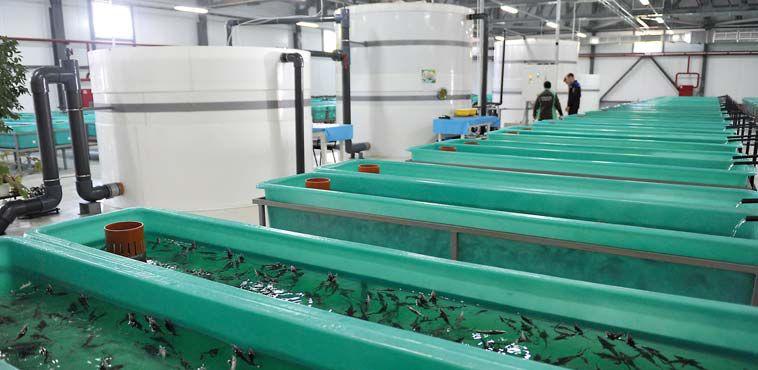
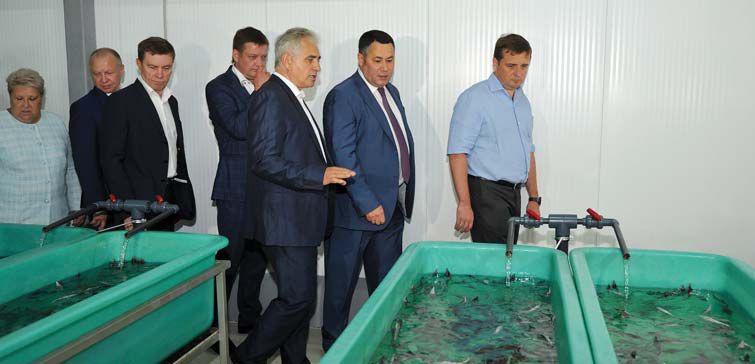
Since 1958, Faivre has been developing and manufacturing high quality equipments for the aquaculture industry
Live stock management

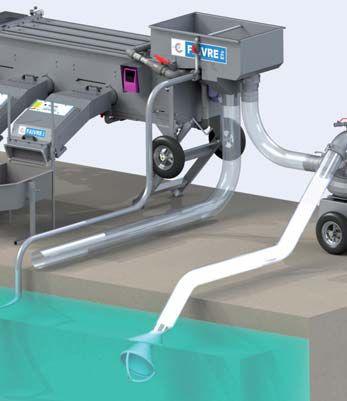







Water management
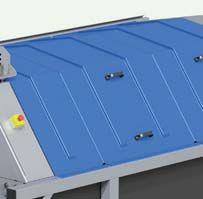



More hatcheries from Russia supply sturgeon fingerlings to the Caspian Sea.
Officials visit the Konakovsky hatchery in Tver Oblast.
From hobby to hatchery
How a Mozambique aquaponics hobby farm transformed into a tilapia hatchery providing livelihood opportunities for the local community and beyond
BY BONNIE WAYCOTT
Aquaculture is relatively new in Mozambique, but the culture of freshwater species such as tilapia has existed for decades. High in protein value and palatability, tilapia are a key focus due to their high growth rate and ability to breed easily and naturally in captivity. In addition to being tough, they eat a variety of food, survive in poor water conditions and tolerate a range of environmental factors. For countries such as Mozambique, tilapia farming can contribute significantly to socio-economic development by providing cheap protein and creating jobs.
Based in Mozambique’s third largest city of Beira, hatchery Moçambique Aquacultura e Agricultura (E.I.), or MAA, has been playing a pivotal role in rearing tilapia for many years. But for Alwyn Kruger, who runs the hatchery, his route into the industry was not exactly conventional.
“I’m the sole owner of MAA and started selling tilapia fingerlings toward the end of 2016,” he says. “But my story goes back much further. I’ve always enjoyed aquaponics, and thought it would be an ideal way to spend more time with my son. One day, we went fishing in the local rice fields with natural ponds that are home to Mozambican tilapia, and we caught 14 small fish. We placed them in an IBC (intermediate bulk container) tank and set up some aquaponics tanks. Within a year, the fish had multiplied and soon aquaponics farming was in full swing in our back garden.”
In 2015, Kruger’s property lease expired, forcing him to vacate his premises and move his aquaponics hobby, which by then had become a huge project. Seeing the move as an ideal chance to expand in bigger premises, he found a new location with a back garden and a borehole.
“By this stage, I was very intrigued by tilapia and did some comprehensive online research,” he said. “As an
experiment, I decided to start breeding my own fingerlings. Friends became interested in what I was doing, and encouraged me to apply for a government licence to breed fish on a residential property.”
After being formally registered with the local government, Moçambique Aquacultura e Agricultura (E.I.) obtained a government contract in 2017 to supply 571,000 tilapia fingerlings within the year. That contract was met, and the hatchery is currently busy with the 2018 contract, which was awarded for an additional 500,000 fingerlings.
RAS A FOCUS
Kruger’s hatchery has a recirculating aquaculture system (RAS) with 1,000-liter IBC tanks. Sixty one are used for breeding, 30 for fry and juveniles, two for incubation and 16 for filtration. Water is supplied through the property’s borehole, but during the dry season from May to August, the borehole can dry up so Kruger obtains extra water from Beira municipality. Locally-produced charcoal and stone filters are used for filtration, while the water pH is usually maintained at 7.0pH. Dissolved oxygen is controlled through venture systems and air pumps that are connected to UPS systems, as Beira experiences a lot of power dips and cuts. When these happen, a diesel generator is switched on within 10 minutes for the pumps to circulate the water.
“Power cuts occur almost once a month, for at least 10 hours, usually on Sundays when there is maintenance work on the power lines,” Kruger says. “Power dips happen often throughout the day and always shut off the water pumps. They may last from a few minutes to a couple of hours and it’s very frustrating. It also means that we need someone on site for 24 hours a day, seven days a week.”
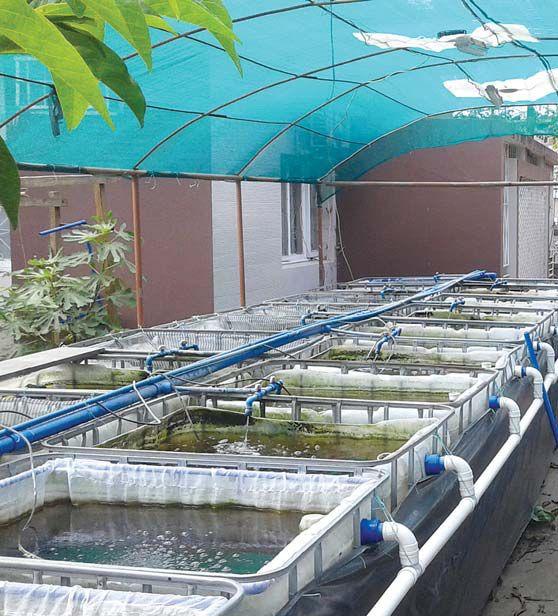







BROODSTOCK AND FINGERLINGS























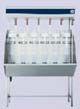

















The hatchery’s broodstock of Mozambique tilapia (Oreochromis mossambicus) comes from local sources but negotiations are underway to import from the Netherlands to improve fingerling quality. The fingerlings are around 0.03g and a mix of males and females.
They are placed in hapas until they are big enough to be put into ponds. Once they reach between 200g and 250g, they are sold to the local government and community.












Kruger is currently aiming to increase the number of fingerlings he produces each month by expanding his hatchery to three times its current size. Plans are also in place to obtain Nile tilapia (Oreochromis niloticus) and establish a separate system for broodstock quarantine. More accessible space will make operations more effective, he says, and prevent the overstocking of tanks.
“This is a critical issue at the moment. I estimate that we are losing around 75 per cent of our fry as we are harvesting approximately 240,000 eggs per month,” Kruger says. Kruger is negotiating with the government to acquire additional land to expand the hatchery and make growout ponds. Similar discussions are also underway with the administration of the Dondo district in Sofala province.
The MAA uses 1,000-liter IBC tanks across the RAS hatchery.
Kruger's children helping out at the aquaponics farm.
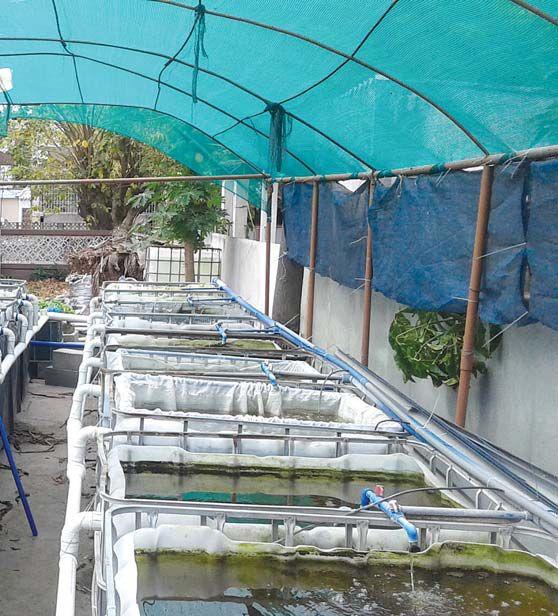
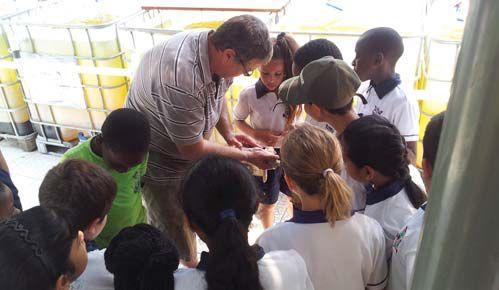
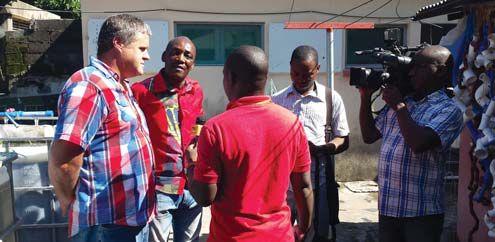
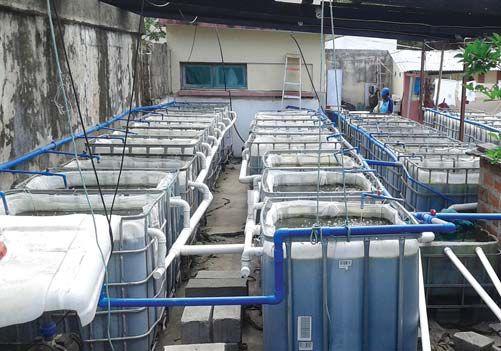
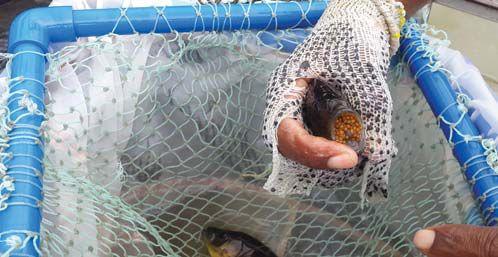
Despite these challenges, however, aquaculture is at a very early stage in Mozambique. Kruger knows there is a lot to do and has various ideas to achieve his vision of the industry. In addition to sustainability certifications, he is planning to breed Mozambique tilapia and Nile tilapia in separate systems given their different growth rates. Nile tilapia will be used as grow-out stock, while natural rivers and dams will be restocked with Mozambique tilapia in cooperation with the government, to re-introduce the species into natural ecosystems.
BLUEPRINT FOR SUCCESS
Although a range of species – both marine and freshwater, fish and invertebrates – are farmed in Africa today, organizations such as WorldFish believe that tilapia offer
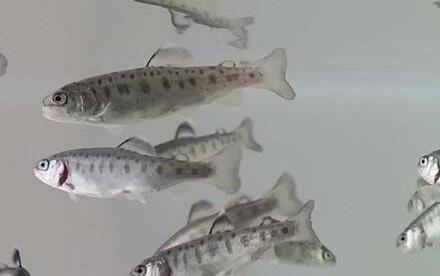
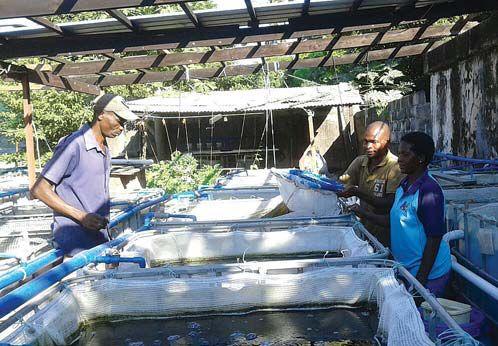
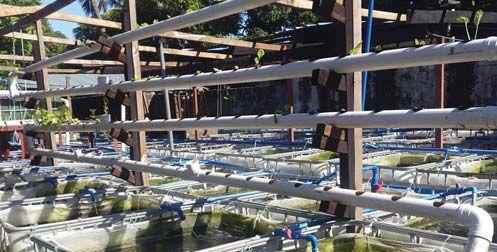
the most widespread options for growth, and that tilapia producers can help countries reach their production goals. To that end, Kruger is confident that his hatchery will play a key role going forward.
“The government of Mozambique is very interested in expanding aquaculture for sustainable development, to improve the quality of living for local farmers and the people and this is extremely encouraging,” he says.
“There is a lot of unutilized land that could be used for aquaculture projects like mine. We are currently the only hatchery in northern Mozambique. There are no other tilapia fingerling suppliers, and fish food is imported, not produced locally. Our aim now is to help the government supply these needs in future. The hatchery is a wonderful example of how a hobby can turn into a major project with the potential to change people’s lives.”
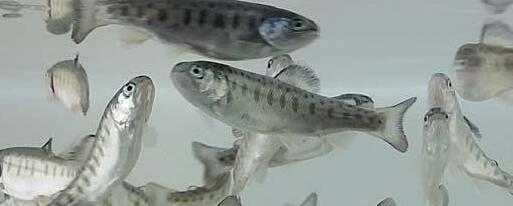
Feed includes imported maize gluten protein, tapioca starch, local rice bran, locally produced coconut oil and imported vitamins and minerals. The fry and juveniles are given 45 per cent protein and the broodstock get 38 per cent. Pellets are grounded using a pelletizer and dried in the sun, after which specific quantities are fed to the fry and juveniles every three hours. Broodstock are given specific quantities twice a day.
A feed production plant that produces feed commercially is also being considered, with an extruder and grinder already ordered from China.
ISSUES AND CHALLENGES
The road ahead is long. Although Kruger works with government officials on farms, transport is unreliable. It’s also been a challenge educating the locals and making them understand that aquaculture can improve their lives. In addition, most people are poor with no means of developing projects so financing is a big drawback.
NEW FRY FEED PROGRAMME
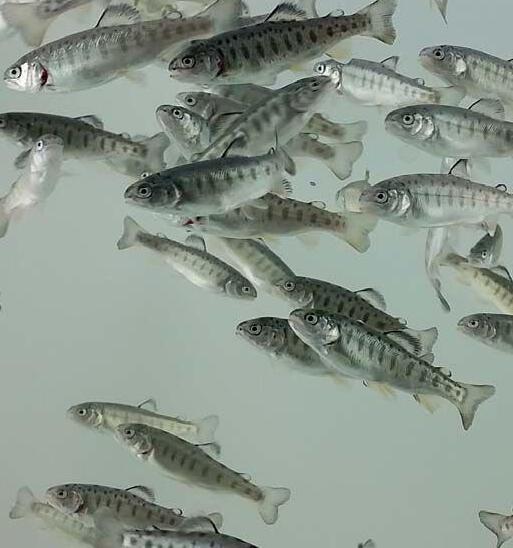
Kruger helps educate the local community on how aquaculture can provide a source of livelihood.
Local students get a lesson on fish farming
Evolving from an aquaponics hobby farm, the MAA hatchery run by Alwyn Kruger is now a supplier of tilapia fingerling for the local government of Beira in Mozambique.
Joint venture forms salmon research hub in Chile
R&D trials at ATC Patagonia expected to contribute knowledge and technological solutions for industry
BY CHRISTIAN PÉREZ MALLEA
ince it was built in 2012, the Aquaculture Technology Centre (ATC) Patagonia held the genetic improvement program of Aquachile – which used to be the largest salmon producing company in Chile. Last year, before Agrosuper purchased Aquachile, Danish feed company
Biomar acquired 30 per cent of this facility and helped turn it into one of the largest experimental stations of its kind.
Part of that transformation process includes a significant change in the layout, dividing the ATC building into 17 modules instead of the original four rearing rooms, for example, as well as creating biosecurity and operational protocols intended to keep all areas separated.
Located 33 kilometers east from Puerto Montt, beside the river Lenca and next to the shoreline, the ATC Patagonia has so far required US$13.5 million in investments in its 2,000-sq.m. constructed area.
“The location of ATC Patagonia, which is close to Puerto Montt, allows us to be close to the city where most of the local aquaculture community is located, but also far
away enough to ensure a quiet operation,” the centre’s general manager, Pablo Ibarra, says. “The place is also nearby the marine coast and adjacent to a freshwater river providing both water sources in enough quantity and quality. In addition, it is in a very satisfactory natural environment.”
This experimental fish farm belongs to Aquachile’s holding, and opened in late 2012. Given the need to speed up research and development processes for the local aquaculture and salmon industry, the centre opened its doors in 2013. The availability of the ATC facility allowed other companies to test their products “in a controlled environment with the most advanced technology available and specialized infrastructure for this purpose,” says Ibarra. Among other services, both nutritional and fish pathogen trials are offered.
As for Biomar Chile’s acquisition of part of this facility, the company’s general manager, Eduardo Hagedorn, comments, “we are proud to secure an initiative of this level and scope in Chile. Biomar is continuously making efforts

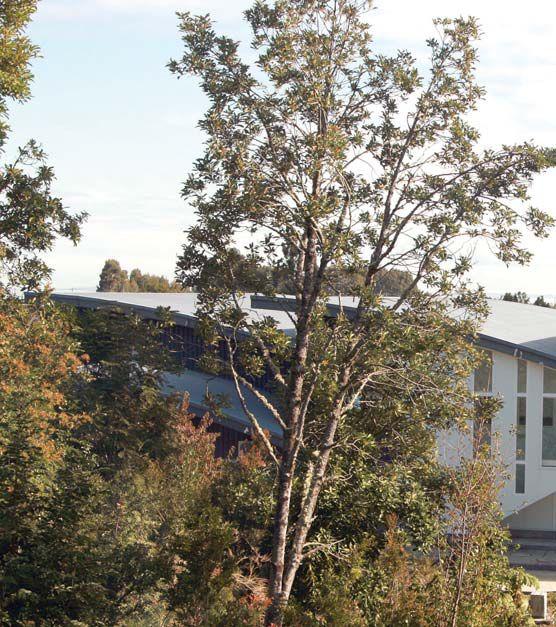
to improve its capacity for innovation. Without a doubt, ATC Patagonia is going to generate a positive impact on the development of food worldwide.”
INSTALLED CAPACITY
ATC Patagonia has 10 production rooms, 17 recirculating aquaculture systems (RAS), 312 tanks of 11 different types, and 11 biosecure access points, among other elements. With a total farming volume of 371 cu. m., the facility features automated systems and controls over several environmental variables.
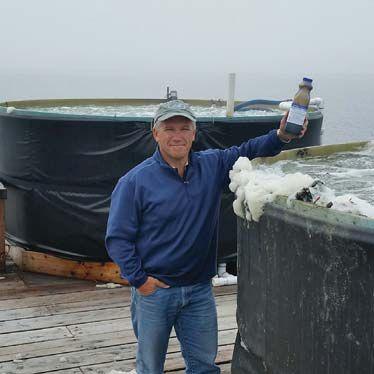
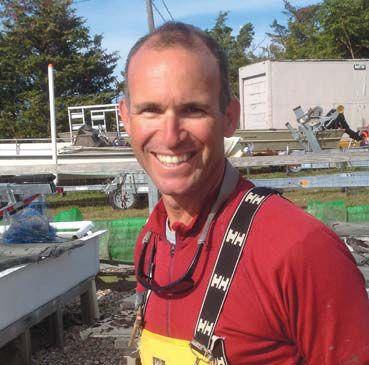





Exterior view of ATC Patagonia
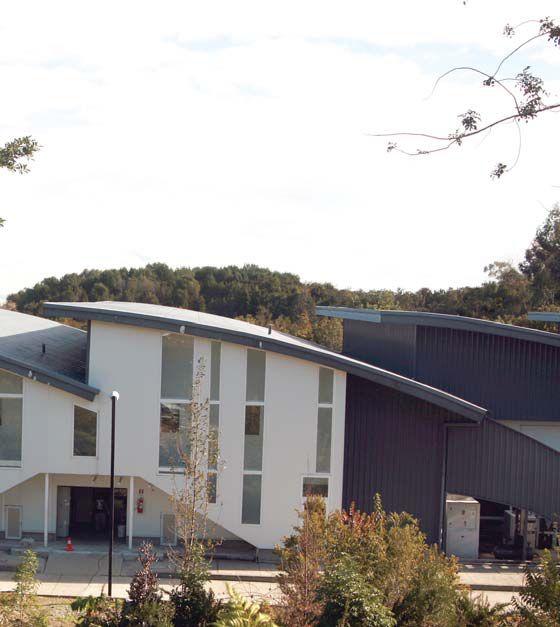
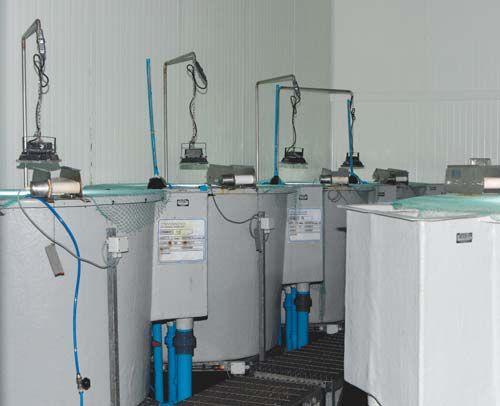
This is one of the smallest rooms, currently being used for nutritional studies.
Basically, this farm consists of independent modules of different sizes, oriented to make experimental designs for all types of products that need to be tested. All modules have an independent biosecure access, dressing rooms, bathrooms for the staff and laboratory, an area for rearing tanks with adequate numbers to enable experimental replicas, and a water treatment system that allows for the RAS operation.
The tanks range from 10 liters to 15 cu. m. in nine different sizes, which allow tests from first feeding to harvest weight. The number of tanks can vary from six to 36 per module. The treatment system allows both freshwater and
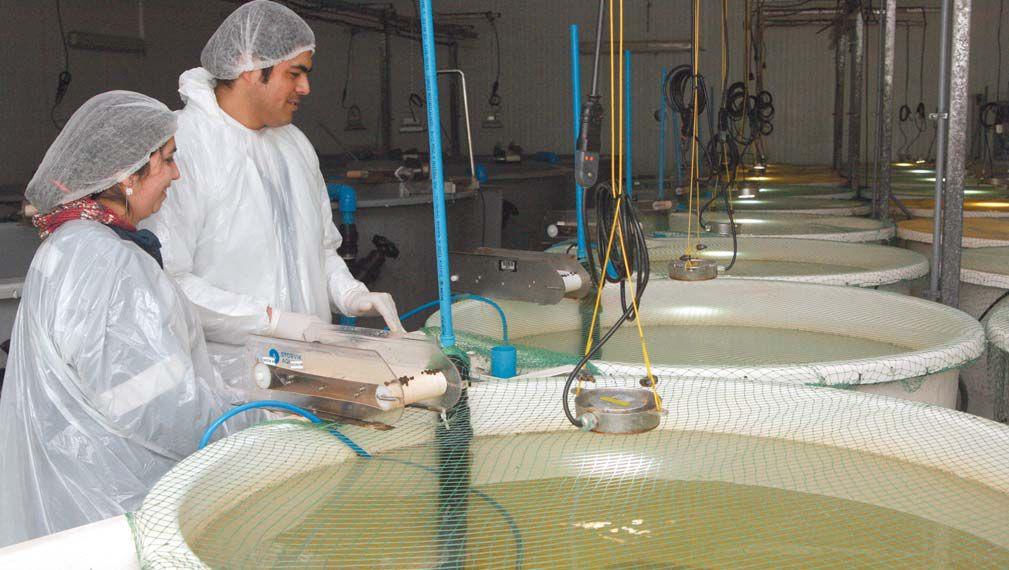
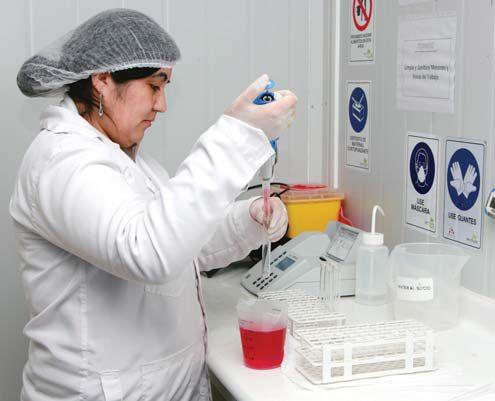
Water quality control is key in this farm, which obtains freshwater from a well and seawater directly from the shore line.
seawater operatios, and its mixing at the desired value. The system also provides temperature control from 6 to 24°C; control of solids by drum filters and skimmers; control of oxygen, gases and carbon dioxide; biofiltration; and disinfection by UV filters in all its units.
Since this is an experimental station, operation parameters for both water exchange in all systems and replacement rate in tanks can be adjusted according to each experimental design. Likewise, all systems can operate through re-use rate replacement (50-70 per cent), as well as in full recirculation. Moreover, the small modules can operate at open flow with temperature control.
VARIETY OF TRIALS
The diverse setting of rooms and equipment is ideal for a variety of trials to be performed, from nutritional tests to challenges with pathogens, tests of vaccines both injectable and via immersion. Security tests, verification of withdrawal period or validation for commercial registration of products are part of the offer too. Additionally, tests with parasites such as infestations with sea lice can also be conducted at the facility. Likewise, short-term trials to determine efficiency of veterinary or nutritional products, as well as performance tests or search for immunological expression in long-term trials, are also among the facility’s capabilities.
ATC Patagonia is prepared to perform trials on RAS for the three salmonid species farmed in Chile (Atlantic salmon, Coho salmon and Rainbow trout), including the fattening stage in all of them. Therefore, all farming conditions can be replicated there.
Among other studies, vaccines have been evaluated, genetic challenges performed, and diets analyzed under the highest standards. “Our goal is to contribute with more and better products for the Chilean salmon industry which seeks, every day, progress in terms of sustainability,” Ibarra says.
The facility is operated by 45 staff members composed of professionals and technicians, the general manager says.
“They allow us to operate the 17 modules available simultaneously, considering we have maintained a constant operation of between 11 to 17 simultaneous trials,” says Ibarra. Most of these professionals working at ATC Patagonia are from the aquaculture, veterinary and maintenance industries. “We have technical personnel specialized in fish handling and at obtaining specific samples required in productive-scientific trials,” he adds.




•
Feed trials in one of the largest rooms of ATC Patagonia
High volume solution for triploid production
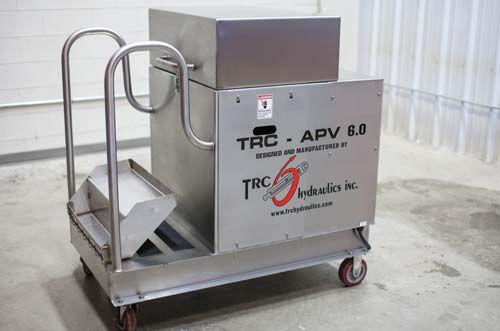
TRC Hydraulics Inc., based in New Brunswick, Canada, has served the forestry, marine, agriculture and aquaculture sectors since 1986. Notably, since the 1990s the company has sold a 2.77 liter triploid production unit called the TRCAPV-M, or Aqua Pressure Vessel. Recently, the company unveiled the TRC-APV-6.0, a six-liter version of the device designed to handle higher volumes of production.
“We’ve been selling the 2.77 liter chamber for 30 years, and we have requests from customers throughout the world for a larger capacity unit for the hatchery environment,” says TRC Hydraulics general manager Jason Levesque. “Our smaller units are mobile, so they can take them to the riverside or to the brookside, depending on what species of fish they’re triploiding. They both have their specific places. Some people want to take them right to the riverside, and some of them want them to stay on the hatchery floors.”
TRC Hydraulics machinist Mike Grey, who has been building the units from the start, says that the larger unit may actually be easier to operate than the smaller version. It has been modified to be more user-friendly and requires very little to no maintenance.
“There’ve been customers that do close to a million eggs in one day with these units,” says TRC Hydraulics machinist Mike Grey. “That’d be a big day, of course, but it’s been known to happen.”


aquatic
The original version of the APV was developed over a long period of trial and error, in collaboration with the University of New Brunswick, to develop the exact formulas required. The new high volume model is largely an upscaled version of the original, so it only took a year for research and development. One significant change is that while the smaller versions had lids that can easily be lifted manually, the larger model has nearly 50 lb. lids, so they come with a hydraulic system to lift the lid.
The APV 6.0 was developed in collaboration with Craig Schaugaard, fish culture coordinator for the Utah Division of Wildlife Resources. Schaugaard says he had previously used heat-shocking methods to triploid their eggs before purchasing two of the smaller units. They worked well, but the volume was off.
“In our hatcheries, we take such a large amount of eggs that we would keep our spawners busy and the pressure chambers going. We would have probably had to have four or five of the smaller chambers going,” says Schaugaard. “That would have also led us to have more people help in the pressure treating process because you’ve got to monitor that timing.”
Schaugaard called TRC and asked if they had a larger model. When they replied that they didn’t, he asked if they’d consider making one for him.
“I guess they had been thinking about it and had been approached before, but I guess I was the magic trigger that they decided it was worth it to go into and engineer for us,” says Schaugaard. “I was very glad they did it, because now we can keep our spawners busy, and they’re not backed up on the pressure chamber, and the pressure chamber is now able to do large enough loads that we can just keep moving forward.”
Schaugaard says they’ve been using the APV-6.0 units for around a year now and he has seen very positive returns. Since their previous APV-M units have been working fine for more than eight years, he anticipates getting many more years out of the 6.0 units they purchased. One hatchery had some low triploid results, but Schaugaard attributes that to not using the proper recipe. Since working that out, another hatchery under his purview has consistently seen 98 to 100 per cent success rates. TRC has also been very good to work with, he adds.
“The relationship has been good,” says Schaugaard. “They’ve been very friendly and very good to work with. I’m very happy with it so far.”



A fresh start for fish diet
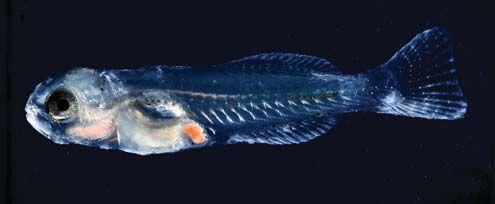
The reliable production of high quality offspring is paramount for successful aquaculture. This is true for both a shift from quantity to quality in established species as well as for closing the lifecycle of new candidate species. High mortality rates can occur in hatcheries if abiotic and biotic conditions are not within tightly framed optima, which is a consequence of the reproductive strategy of many teleost fish species.
The cultivation of many species still relies on the provision of live feed in the early stages. In fact, the discovery and extensive use of rotifers and Artemia may have been the main driving force behind the tremendous growth in aquaculture production so far. Nevertheless, the tremendous efforts in research for manufactured diets in the recent years has substituted live feeds to a large extent.
Aller Aqua has increased its efforts to supply fish in the early life-stages with optimal and tailored feeds. Some fish species benefit from more energyrich feeds such as fry of rainbow trout, whereas other fish species thrive on feeds with less energy. A series of trials at Aller Aqua Research in Buesum, Germany, have shown significantly higher growth, lower FCR and improved nutrient retention in fry of rainbow trout when fed a more energy-rich feed. Consequently, Aller Aqua relaunches its successful Aller Futura EX GR with a higher fat and energy content, fully dedicated to the nutritional requirements of rainbow trout and other salmonids. At the same time, Aller Aqua launches Aller Thalassa EX GR with a balanced protein to fat ratio, more suited to larvae and fry of marine species as well as species with lesser energy requirements.
feeding solutions

• Microdiets • Weaning Diets • Micro Algae • Live Feeds







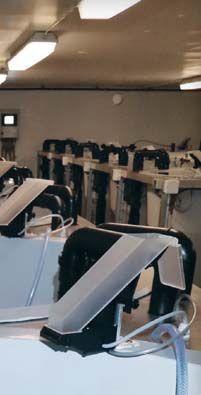

New premium starter diet for fish larvae, early fry
For the most delicate early stages, Aller Aqua introduces its new premium starter diet for fish larvae and early fry, Aller Infa EX GR, assembling only premium ingredients, including high levels of krill meal, and the highest standards in production technology. With particle sizes down to 0.1 mm, Aller Infa acknowledges the immature and delicate stages of fish larvae and early fry in the best possible manner to support healthy development, fast growth and high survival rates.
The new Aller Infa EX GR launched Aug. 27, 2018.
HATCHERY PACK






















The larvae of many fish species are not fully developed at the time they start feeding, some lack a fully developed stomach with the complete range in digestive enzymes, and the digestion of feed particles as well as the nutrient uptake is of highest importance to match the high potential for growth.





To aid the developing fish in their digestive processes and organ development, Aller Futura EX GR and Aller Thalassa EX GR are naturally enhanced to support organ development and health of the liver and the gallbladder. Consecutively, this leads to an enhanced secretion of digestive enzymes, improved nutrient uptake as well as improved growth and health of larvae and fry.
Dr. Robert Tillner is the product manager at Aller Aqua Research. You can contact him at rt@aller-aqua.com
TRC Hydraulics’ Aqua Pressure Vessel pressurizes fish eggs in order to create triploid populations. This new model is larger, designed for high-volume usage.
Feeder for all sizes
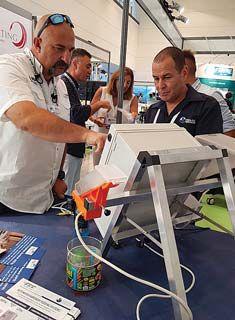
Hatchery Feeding Systems (HFS) manufacturer Nutrakol has nominated Fish Farm Feeder (FFF) as its European distributor. The nomination was announced during the Aqua 2018 trade show in Montpellier, France in August.
The collaboration between Nutrakol (Australia) and FFF (Spain) enables the companies to cover all stages of feeding and all sizes of facilities. The HFS is aimed at small to medium hatcheries, as well as research centers. It provides a solution for all hatchery feeds, liquid and dry. The FFF systems are ideal for larger hatcheries and grow-out facilities, both land-based and offshore.
“Having all the feeding solutions for any aquaculture facility and organism, from the smallest to the largest, under one roof will enable us to optimize the systems to the client needs,” said Miguel Arostegui, managing director of FFF.
HFS systems are also distributed in the USA by Oceans-Design and in Turkey by AKUA MAKS.
Tactical move
AquaTactics Fish Health has a new addition to its team of fish health experts. Dr. Kyle Farmer is the company’s new veterinarian and professional services manager, providing fish health consultation and fish health medicine support to public stock enhancement facilities and private aquaculture clients, both nationally and internationally, the company said. Farmer obtained his Doctor of Veterinary Medicine from North Carolina State University and has Bachelor’s in marine biology from University of North Carolina at Wilmington. Farmer has a passion for ocean conservation and emergency medicine.
Europharma’s patent application gets a boost
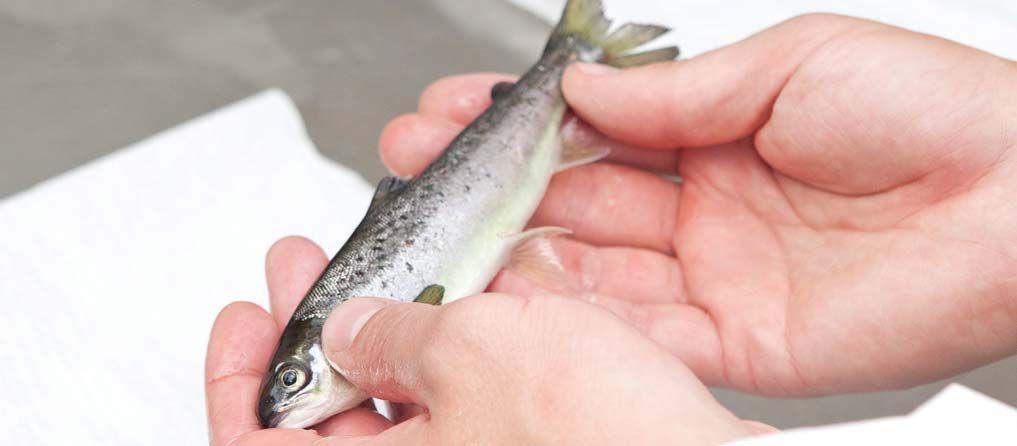
The European Patent Organization has issued an “intention to grant” in relation to Europharma’s patent application for its smoltification feed product, SuperSmolt FeedOnly.
“After a nearly four-year-long process, we are of course very happy about that,” says Paal Christian Krüger of Europharma.
Europharma holds the global rights to the original SuperSmolt patents and has developed SuperSmolt FeedOnly through extensive R&D efforts, the company said. The product was launched globally in 2014, quickly gaining a strong market position, it added.
SuperSmolt FeedOnly offers feed-based smoltification of salmon, eliminating the need for the growth-inhibiting winter photoperiod associated with traditional hatchery smoltification. The Europharma innovation makes smoltification faster and more predictable, at the same time preventing the problem of desmoltification, according to the company. These qualities make it easy to produce homogenous fish groups where every fish has good seawater tolerance at the time of transfer, which contributes to reduced mortality and faster growth.
“The decision will not change much in terms of our daily work and focus but it means that we no longer need to
spend any energy arguing that this is indeed an innovation, and that it is our innovation,” Krüger says. “We have worked on smoltification over many years and put significant resources into developing SuperSmolt FeedOnly. The EPO has reached its conclusion after an extremely thorough assessment process and its decision is an acknowledgment of the innovative qualities of this product.”
The use of SuperSmolt FeedOnly has increased significantly every year since the 2014 launch. More than 100 million smolts across all markets were produced using SuperSmolt FeedOnly in 2017.
“Going forward, our focus will continue to be to offer a better way of smoltification to salmon producers around the world. Compared to traditional smoltification methods, SuperSmolt FeedOnly is undoubtedly a giant leap in the right direction regarding both fish health and welfare, production efficiency and predictability as well as increased earnings for the salmon producers themselves. In a time where fish farmers increasingly demand bigger smolt, and the significance of low mortality and growth performance is ever more important, SuperSmolt FeedOnly has a big role to play. For us, this is one of the products we are most proud of having developed,” says Krüger.
“I am thrilled to enter this field with such an exceptionally talented group of professionals at AquaTactics Fish Health,” Farmer said. “This company has been providing unparalleled service to the aquaculture and fish culture community for nearly a decade through health consultation, products and research. I could not ask for better individuals to work with. AquaTactics has an intimate understanding of the profession and the growth that is projected. I am excited to offer my services to the community as we work together to solve the problems that face our growing stock enhancement sector and private industry.”
To connect with Farmer, please call: 425-629-8099 or email him at: kylef@aquatactics.com.

Dr. Kyle Farmer
Nutrakol research director Sagiv Kolkovski (right) demonstrates the HFS device to Serdar Yildirim, owner of AKUA MAKS, at Aqua 2018.
A win for knowledge transfer SHOWCASE
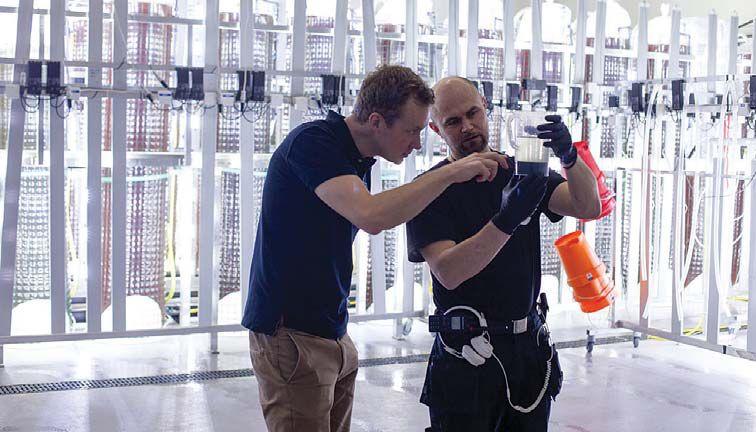
Norwegian commercial copepod producer C-FEED is proving success in transitioning research knowledge to industrial application. This year, C-FEED has signed its first commercial scale copepod supply contracts and is aiming for a turnover in the region of 30 million NOK (roughly US$4 million) in 2019. C-FEED is a spin-off company of Norwegian research firm SINTEF.
With the persistent need for high quality live feed for early larval stages of marine species, C-FEED aim is to enable the production of new aquaculture species that has previously proven difficult to rear by introducing copepods as a full or partial replacement for traditional live feed organisms.
In 2016, C-FEED completed the construction of the world´s first industrial copepod production plant in Trondheim, Norway. Since then, the company, has provided both national and international clients with copepods to help them improve larval production of marine fish.
The copepod, a marine micro-crustacean, is produced in a closed-cycled and biocontrolled system. The new production plant produces over 20 billion copepod eggs every month and 20,000 liters of live marine microalgae every day.
“The interest for copepods as feed for marine larvae has been around for decades, but this is the first time that someone manages to produce it in industrial quantities,” says Björn Ronge, chief marketing officer at C-FEED.
Since C-FEED started large scale production of copepods, a lot of focus has been given to the development of new, improved feeding strategies for marine larvae in cooperation with its clients.
“When feeding with copepods, multiple production parameters can change, such as increased speed of growth, higher survival of larvae and increased activity of the fry. All those things are positive and sought-after features when rearing fish larvae and need to be addressed in advance as the robust larvae can show different behavior and significantly lower mortality rates.
“Also, we need to adapt the protocols and make them as easy as possible for the hatchery personnel to implement, as they are usually on the limit of their capacity already and don´t want any extra workload,” Ronge says.
Today, C-FEED is working with clients in more than 15 countries on 20 different marine species of fish and shrimp. New requests for trials with copepods are coming in on a daily basis, the company said.
For example, Japan’s largest and most prominent bluefin tuna producer, KINDAI, has started using copepods for its larvae this year and the demand from tuna production will most likely increase drastically in the near future, the company said.
“The demand for copepods is accelerating as the knowledge of the benefits from feeding them to marine larvae is spreading. We steadily collaborate with new clients around the world, show them our system and set up trials. It feels like no one wants to miss out on this new development,” Ronge notes.
“The bottleneck for C-FEED right now is to find the perfect feeding strategies for different larval species, and such experimental trials can last more than a year for each run. This means the time frame for feedback is slow and therefore a quick market penetration is demanding.”
C-FEED is continuously working on improving both biological and technical aspects of its production and process automation of labor intensive tasks, to further increase the supply capacity and reduce production costs. Several of these improvements have been realized through the ongoing research and development project, “Copepods in Aquaculture,” financed by the Research Council of Norway and currently being spearheaded by SINTEF Ocean.
The project manager, SINTEF researcher Andreas Hagemann, says, “After more than a decade of research on both intensive copepod production and the effects of using copepods as live feed for early life stages of marine fish and crustaceans, we’re glad to see that the transfer of knowledge from research to industry can be so successful. We will continue working closely with the industry to further assist in all aspects of industrial copepod production.”
Research team takes on gill disease
A new multistakeholder collaboration in Europe is aiming to improve the health of farmed salmon by finding ways to better understand the risk factors associated with gill disease.
Benchmark’s Fish Vet Group (FVG), Marine Harvest Norway and the Norwegian University of Life Sciences will work together on a three-year project that hopes to gain better insights into this disease that is proving to be a significant factor for farmed Norwegian salmon, a blog post from Benchmark’s website said.
The Norwegian Seafood Research Fund (FHF) is funding the research collaboration, with contributions from Marine Harvest and FVG.
“Compromised gill health has emerged to be a major factor in the farming of salmonids in Norway, leading to economic losses and reduced animal welfare in both the marine and freshwater phases of production,” according to the online article by Amy Firth on the Benchmark website.
The project consists of three work packages and is aimed at identifying risk factors for gill disease, with a focus on the effect of net management strategies on gill health.
The potential effects of phyto- and zooplankton, different net types and net maintenance, as well as thermal and mechanical sea lice treatments will be evaluated in order to identify management strategies that can prevent, reduce and minimise impact of gill disease.
The researchers will also identify useful indicators of gill health to help decisionmaking at farm level.
The project is underway and completion is expected by the summer of 2021.
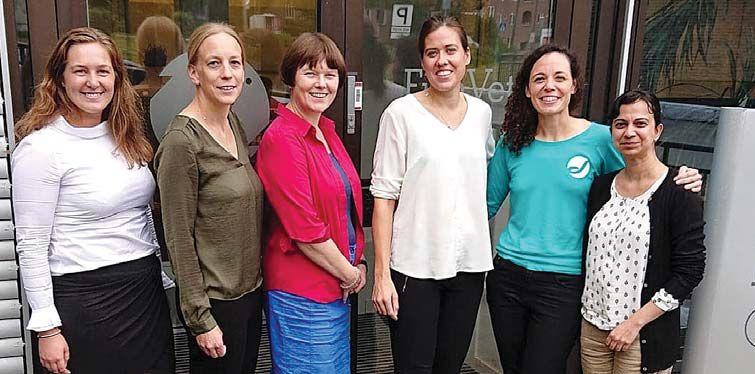
New oxygen generator for RAS facilities
Adsorptech will be launching a new oxygen generator design dedicated to recirculating aquaculture system (RAS) fish farms at RAStech in May 2019.
Adsorptech’s X series of the EcoGen oxygen VPSA is the company’s solution for RAS facilities increasing requirement for larger, power-efficient and LHO-compatible onsite oxygen generators.

Adsorptech commissioned its first RAS EcoGen in 2016 serving a Middle East 2,200 tpy RAS fish farm. The EcoGen technology is the most power efficient source of oxygen in the world, the company claims. With the introduction of the new X series, a single oxygen VPSA now meets the demands of more than 7,000 tpy RAS facilities.
“To facilitate the economic success of future RAS farms, all of us suppliers to the RAS industry must align our products to achieve the most economic and reliable RAS business case,” says Jim Flaherty, Adsorptech’s president and CEO.
Recognizing the reduced water pumping energy demand of LHO compatible RAS farm designs, Adsorptech specifically focused on improving the cost of lower pressure systems up to 1 and 3 barg oxygen demands. The X Series EcoGen has the global unique features of highest power efficiency (0.23 kw/kg) and built-in 50 per cent redundancy that not only reduce costs but maximize oxygen reliability – critical to RAS farm and fish survival.
For more information contact Jim Flaherty at +1 908 735 9528 or james.flaherty@adsorptech.com
Dream team (L-R): Benedicte Simensen (Marine Harvest), Marianne Kraugerud, Hege Hellberg, Liv Østevik, Marta Alarcón (all FVG, Norway) and Farah Manji (Marine Harvest).


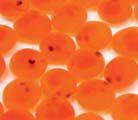



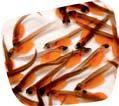
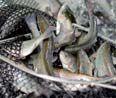
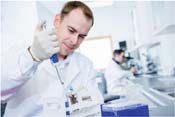
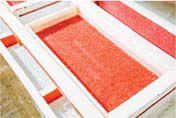




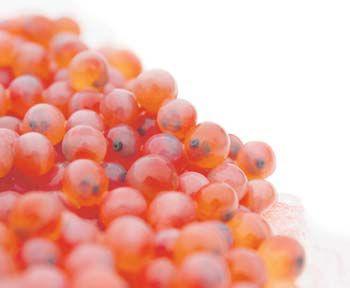
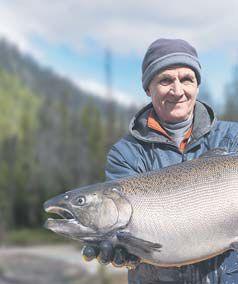

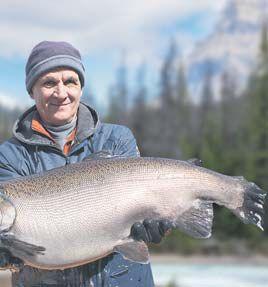




EVENTS CALENDAR
NOVEMBER
DECEMBER






November 4-8, The 12th International Sea Lice Conference. Punta Arenas, Chile. November 8-12, 2018 World Aquatic Veterinary Medical Association Conference. St. Kitts Marriott Resort & Conference Center, Frigate Bay/Basseterre, St. Kitts (West Indies)
November 14-16, Sustainable Ocean Summit. Hong Kong, China
December 4-6, Northwest Fish Culture Concepts, Portland, Oregon
December 4-6, Aquaculture Innovation Workshop 2018, www.conservationfund.org
JANUARY
January 23-25, International Conference on Brackishwater Aquaculture. Chennai, India


























Ms. Margaret Anderson (208) 378-5299 margaret_m_anderson@fws.gov
Dr. Donald Larsen (206)

@ The Capitol Hilton
(RAStech 2019 is formerly the ICRA Conference hosted by VIRGINIA Tech.)
Hatchery International, in cooperation with Virginia Tech, presents RAStech 2019, a two-day conference and trade show focused on recirculating aquaculture systems (RAS) design, technology and implementation.
CALL FOR PRESENTATIONS
Interested in presenting at RAStech 2019? Contact David Kuhn at davekuhn@vt.edu
SPONSORSHIP OPPORTUNITIES
For sponsorship and exhibitor inquiries, contact Jeremy Thain at JThain@annexbusinessmedia.com

SPONSORS
SPONSORS Find more information at


FOUNDING SPONSOR
PLATINUM SPONSORS
GOLD
SILVER