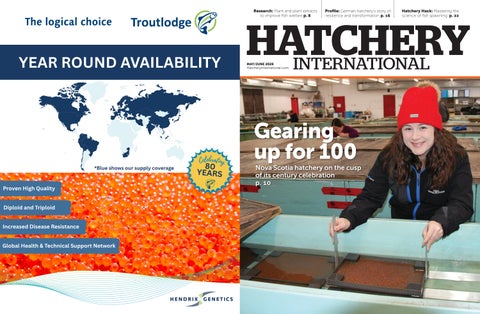
HI - May June 2026

Page 1


� Smarter: combination of two proven technologies: high hydraulic flow capacity (HDF) and large filtration area (HSF)

� Lighter: individual panel removal using only two bolts (Alphadisc™ patent)

� Cleaner: particle filtration sizes down to 10 μm and patented high-pressure cleaner

From the Editor

Feeling the heat

With this May/June 2026 edition of the magazine, I’m now looking ahead to the warmer seasons, at least for the Northern hemisphere.

The Southern hemisphere is probably looking at cooler weather and the tropical regions near the equator don’t really see a wide range of temperature differences. This geographical footnote aside, warmer weather makes me think about warmer water temperatures.

No matter where you are in the world, the global climate is experiencing warmer and warmer water temperatures in general. While I’ll spare you a lesson on climate change and global warming trends, I’d like to reflect on the challenges that warmer water brings to the aquatic species you culture and care for.

And this is something that the industry should be more hopeful about. Governments, research institutions, technology providers, and even individual farms are investing heavily in more climate-smart aquaculture strategies. We’ve also seen more international collaboration to collect data, coordinate treatment strategies, and research.

Even though warming waters bring real challenges, the pace of innovation in aquatic culture has also never been faster.

Warmer water is a common complaint among fish and shellfish farmers. While rising temperatures can impair metabolism, growth, and immunity among the animals, the rising temperatures also become an optimal environment for harmful bacteria and disease to thrive.

The impacts of sea lice, algal blooms, and accelerated pathogen spreads are a highly studied field. The aquaculture industry has invested heavily in making sure farms are mitigating all these environmental risks and nurturing the best health for their stock.

Indirectly, I think the restocking and enhancement sectors have also benefitted from this progress. Although growth performance is not necessarily this sector’s objective, it has certainly learned lessons from aquaculture through things like health research, precision genetics advancements, and recirculating aquaculture systems (RAS) technology solutions. We’ve discussed many of these developments in this publication.

Better understanding means better management. More knowledge can help farms predict high-risk periods, adjust stocking and treatment strategies, and design more resilient farm systems.

Even though warming waters bring real challenges, the pace of innovation in aquatic culture has also never been faster. What once seemed like insurmountable biological hurdles now look solvable with better science. Fish culture is adapting, innovating, and becoming more sustainable each year.

As we look into the next half of 2026, I would like to invite our readers to continue to engage with us and support our efforts in encouraging more international collaboration.

Through Hatchery International, we have a unique platform in which we can play a role in disseminating research activities and other innovative developments that are happening around the world. We try our best to tackle a wide range of topics, from genetics, nutrition, water quality, handling, environmental studies, operational efficiency, new systems technologies, and so much more. We want to share new ideas and lessons learned, so that more fisheries and aquaculture experts can work together.

But, if you have a topic, an expert, a region, or an idea that we haven’t thought about yet, this is a friendly reminder that we are all ears! Send me an email at jkodin@ annexbusinessmedia.com. | HI

Hatchery International’s Editorial Advisory Board: Laura Bailey | Ryan Couture | Maria Smedley

Reader Service

Print and digital subscription inquiries or changes, please contact customer service

Angelita Potal

Tel: (416) 510-5113

Fax: (416) 510-6875

Email: apotal@annexbusinessmedia.com

Mail: 111 Gordon Baker Rd., Suite 400, Toronto, ON M2H 3R1

Editor Jean Ko Din jkodin@annexbusinessmedia.com

Associate Editor Seyitan Moritiwon smoritiwon@annexbusinessmedia.com

Contributors Maria Church, John Davidson, Ruby Gonzalez, Nicole Kirchhoff, Magida TabarraCorby, Vladislav Vorotnikov

Associate Publisher Jeremy Thain jthain@annexbusinessmedia.com +1-250-474-3982

Sales Manager Patrick Villanueva pvillanueva@annexbusinessmedia.com +1-416-606-6964

Account Coordinator Barb Vowles bvowles@annexbusinessmedia.com

Media Designer Brooke Shaw bshaw@annexbusinessmedia.com

Audience Development Manager Urszula Grzyb ugrzyb@annexbusinessmedia.com +1-416-510-5180

Group Publisher Anne Beswick abeswick@annexbusinessmedia.com +1-416-410-5248

CEO Scott Jamieson sjamieson@annexbusinessmedia.com

PUBLISHED BY ANNEX BUSINESS MEDIA 105 Donly Drive South, Simcoe, ON N3Y 4N5

Subscription rates (five issues) Canada: 1 year $39.25+Tax; 2 years $67.36+Tax US: $50.92 CAD Foreign: $65.77 CAD

To subscribe visit our website at hatcheryinternational.com

Printed in Canada ISSN 1922-4117

Publications Mail Agreement #PM40065710

RETURN UNDELIVERABLE CANADIAN ADDRESSES TO 111 Gordon Baker Rd., Suite 400, Toronto, ON M2H 3R1

Annex Privacy Officer

Privacy@annexbusinessmedia.com Tel: 1-800-668-2374

The contents of Hatchery International are copyright ©2026 by Annex Business Media and may not be reproduced in whole or part without written consent. Annex Business Media disclaims any warranty as to the accuracy, completeness, or currency of the contents of this publication and disclaims all liability in respect of the results of any action taken or not taken in reliance upon information in this publication.

Next Ad Deadline

The advertising deadline for the July/August issue is May 29. Don’t miss the opportunity to be part of this exciting aquaculture publication. For more information, or to reserve space in the next issue, call our advertising department at +1.250.474.3982 jthain@ annexbusinessmedia.com.

Next Editorial Deadline

The editorial deadline for the July/August issue is June 2. Contact Jean Ko Din at jkodin@annexbusinessmedia.com for details. Material should be submitted electronically with prior arrangement with the editor.

Nofima study finds new method improves zinc uptake in salmon

Research from The Norwegian Food Research Institute (Nofima) has shown that changing when zinc is added during salmon feed production could significantly improve mineral uptake in fish while reducing environmental emissions.

Typically, zinc is added in a premix — a blend of micronutrients — to the feed before it goes through an extruder and is turned into pellets. The pellets are then coated under vacuum with oils.

The oil is drawn into the pellet, allowing additives that cannot tolerate high temperatures to be included in the coating. Minerals are usually not added at this stage because they tolerate heat well. However, they can still become trapped in rigid protein structures formed during heat treatment.

“We should change the way we add the mineral zinc to salmon feed,” said Antony Philip, Nofima researcher. “The gains are better uptake and health in the salmon, lower emissions to the environment, and more circular use of sludge.”

According to Philip, the EU wants to reduce

zinc emissions to the environment and the salmon farming industry across the continent is struggling with stricter limits on how much zinc is permitted in the feed. The current limit is 180 mg zinc per kilo of feed for salmonids and 150 mg/kg for other fish species. However, the European Food Safety Authority (EFSA) has proposed lowering the level to 150 mg/kg also for salmon feed.

“The solution is to increase the digestibility of zinc in the feed, so the salmon still gets enough zinc, even if the content in the feed is reduced,” said Philip.

Philip’s research focused on the effects of the new supplementation on post-smolt kept in land-based tanks with seawater. He found that zinc digestibility increased by up to 15 per cent and reduced zinc levels in fish faeces by up to 25 per cent.

If the method is adopted, it will deliver the following:

• Better zinc uptake in the fish

• Less zinc loss to the environment due to more absorption

• Lower zinc concentrations in aquaculture sludge, improving its potential use and value.

The new regulation has not yet been introduced, and researchers say more documentation is still needed. However, Philip believes feed companies and farmers could already benefit from testing the method in smolt facilities.

Philip and his colleagues are continuing the work through the TOP-zinc project, which aims to identify strategies that provide the best zinc uptake and assess impacts on fish health in long-term sea-cage trials. The project is being carried out in collaboration with the Institute of Marine Research, Akvaplan-niva, Mowi Feed AS, Huvepharma NV and NIVA and is funded by the Norwegian Seafood Research Fund.

NASA joins marine science cooperative for advanced fisheries research

Researchers from NASA’s Earth Science Division have joined The Science Center for Marine Fisheries (SCEMFIS) as members of its Industry Advisory Board (IAB).

This partnership will foster collaborations between the two organizations, creating opportunities to integrate NASA’s Earth observations into future SCEMFIS research.

NASA satellites measure the biological and physical characteristics of the global ocean, providing information that supports scientific research including fisheries. For example, the temperature of the surface ocean can influ-

A feed pellet has pores (left) that can be filled with oils through the coating process (right). Nofima is now researching a method where the mineral zinc is added in the coating.

ence the distribution and health of commercially important species such as menhaden and Illex squid.

Because different particles and organisms in the water absorb and reflect different frequencies of light, the color of the ocean indicates the locations and abundance of microscopic phytoplankton. As the tiny plants of the sea, phytoplankton directly or indirectly feed nearly all ocean life and provide up to half of the oxygen living organisms breathe.

“NASA Earth Science is a perfect fit for SCEMFIS’ mission, which is identifying and supporting the latest breakthroughs in marine science,” said Eric Powell, director of SCEMFIS. “The broad portfolio of ocean observations from NASA, and the advanced data from PACE in particular, will be an integral part of future SCEMFIS research.”

In 2024, NASA launched the Plankton, Aerosol, Cloud, ocean Ecosystem (PACE) mission, to observe the ocean in a finer range of ultraviolet, infrared, and visible light wavelengths compared to previous missions.

Seeing the ocean with hundreds of colours instead of 20 or 30 allows PACE to identify different types of phytoplankton across the globe each day. These measurements can help fisheries respond more effectively to changing ocean conditions and improve detection of phytoplankton that may be harmful to fish populations or seafood consumers.

As a result of this partnership, NASA researchers will collaborate to apply this information to a new range of fisheries research projects.

“Collaborating with NASA researchers to integrate these data into our future research will give us new insights into our oceans and the marine species that are important to us, and will benefit finfish and shellfish fisheries and our industry partners,” said Joe Myers, senior director of innovation and sustainability at Sea Watch International, and the current chair of the SCEMFIS IAB.

Scientists investigate disease and reproductive health in U.S. quahogs

Researchers at Roger Williams University’s (RWU) Center for Economic and

Environmental Development (CEED) are supporting an initiative to strengthen Rhode Island’s quahog fisheries by studying disease and reproductive health in wild clam populations.

Commercial and recreational harvesters in Narragansett Bay have reported declining clam populations. To address this threat to Rhode Island’s fisheries, the project focuses on how disease and reproductive health affect quahog populations.

Using aquaculture, disease testing, and hands-on student training, the project supports wild shellfish populations and the state’s seafood economy. It is funded through a Partnership for Research Excellence in Sustainable Seafood grant and supported by the National Oceanic and Atmospheric Administration (NOAA).

Researchers are sampling quahogs from four diverse, high-value locations in and around Narragansett Bay. During the winter, shellfish are collected and divided into two groups. Half are brought to CEED’s Luther H. Blount Shellfish Hatchery to be conditioned as broodstock for seed production, while the other half are sent to CEED’s Aquatic Diagnostic Laboratory for testing of two major shellfish diseases: Quahog Parasite Unknown (QPX) and hemocytic neoplasia, a contagious clam disease similar to leukemia.

“The work supported by this collaboration will significantly benefit the state,” said Robert J. Holmberg, a shellfish aquaculture and hatchery specialist. “Quahogs are one of Rhode Island’s most valuable commercial fisheries, generating millions of dollars annually.”

Although these diseases are not harmful to humans, they can weaken or kill clams and are the focus of diagnostic testing for safely moving quahogs between biosecurity zones in Rhode Island and safeguarding quahog populations in the region.

In the late spring, researchers will return to each site to assess reproductive health. After spawning, young quahogs are transferred to the floating upweller nursery system operated by the Rhode Island Shellfisherman’s Association in Warwick. In the fall, once they reach an appropriate size, they will be planted in state waters for harvest and public benefit.

RWU plans to produce at least 100,000 young quahogs from each population to support restoration. By selecting genetically diverse, disease-screened broodstock, the team aims to improve long-term reseeding success.

“By strengthening wild populations, the

project supports local fishermen, protects working waterfronts, and helps stabilize a seafood industry that is vital to Rhode Island’s identity and economy,” said hatchery technician Kimberly Soule.

Soule also said that the work is done together with undergraduates who are involved in every stage of the process. “Through this hands-on experience, students gain practical skills while contributing to research that directly benefits the state,” Soule added.

Auburn University studies how coinfections worsen disease in farmed fish

Fish scientists at Auburn University and the U.S. Department of Agriculture (USDA) are studying how multiple pathogens infecting fish at the same time can worsen disease outbreaks in aquaculture.

Understanding these coinfections could help farmers reduce losses in species such as catfish and tilapia, where disease remains one of the industry’s biggest issues.

Coinfection occurs when more than one pathogen infects a fish simultaneously. Scientists say interactions between pathogens can sometimes make disease outbreaks more severe than infections caused by a single agent.

“Coinfections are bad,” said Benjamin LaFrentz, a molecular biologist with the USDA’s Agricultural Research Service. “Most studies are conducted on a single pathogen, which isn’t reality. In the real world, it’s never just one thing.”

“When we add low doses of two pathogens, oftentimes we will see higher mortality than a higher dose of a single pathogen,” said Tim Bruce, assistant professor at the School of Fisheries, Aquaculture & Aquatic Sciences. “So there are some weird synergies going on here.”

Those synergies explain why disease outbreaks in aquaculture ponds can be severe, unpredictable and difficult to manage. Farmers need answers on what to treat first and whether current strategies still work when multiple pathogens are present.

PHOTOS:

According to Auburn Agriculture, historically, coinfection research in aquaculture has been limited in scope. Much of the existing body of knowledge in catfish has focused on interactions between parasites and bacteria, leaving a knowledge gap in how bacteria interact with other bacteria or with viruses.

To better understand the interaction between fish and multiple diseases, the team is studying the gene expression of immune tissue from infected fish. The scientists extract messenger RNA, which tells the fish’s immune system how to respond to disease, and measure which genes are “turned on” or “turned off.” This method allows researchers to see how the immune system is responding and whether coinfections trigger a different response than a single pathogen.

The team has focused extensively on Flavobacterium covae, one of the primary killers of channel catfish. The bacterium costs the Alabama catfish industry about US$30 million annually. The study, which started in 2021, is now expanding to examine how vaccines,

antibiotics, probiotics and feed-based interventions perform with coinfections.

Bruce said using combinations of vaccines and probiotics with antibiotics is important, as there are only three FDA-approved antibiotics for aquaculture. Since antibiotic resistance is always a concern, much of their work aims to vary and make more strategic use of existing antibiotics.

B.C. trout hatchery undergoes largest renovation in 75 years

Summerland Trout Hatchery in British Columbia, Canada, will begin its largest renovation in 75 years this summer, which will result in a smaller, more efficient hatchery operation.

The hatchery in the Okanagan region of British Columbia is run by the not-for-profit Freshwater Fisheries Society of B.C., which operates six major fish hatcheries and stocks six million trout, char, and Kokanee in 800 lakes across the province.

In a news release, the society said the

renovation at Summerland Trout Hatchery will result in a smaller footprint, which includes removing the current visitor centre.

“The Freshwater Fisheries Society of BC is revamping production within our five trout hatcheries, ensuring efficient delivery of the recreational stocking program while continuing to operate within our operating budget,” Andrew Wilson, president of Freshwater Fisheries Society of B.C., said in the release.

“We appreciate and value the support we have in Summerland. We want to assure anglers and residents that updates to this facility will ensure that we continue to have a presence within the community while supporting the region’s recreational fisheries into the future,” Wilson said.

The Summerland Trout Hatchery first opened in 1928. Its current building was constructed in 1948.

The society said the hatchery renovations, the largest in 75 years, will help them achieve efficiencies in process and cost, while allowing staff to continue stocking activities.

Naturally enhanced

Plants and plant extracts as key drivers in improving fish welfare

As aquaculture seeks to balance high yields with environmental stewardship, a wave of research is swapping synthetic fixes for nature’s own toolkit.

The studies summarized in this article demonstrate that natural additives are proving they can punch well above their weight. These studies reveal a common thread: dietary interventions do more than just fatten up the stock. They fortify immune systems, optimize metabolism, and offer a sustainable shield against zoonotic pathogens and pesticide toxicity.

While some treatments, like rosemary oil, work best as part of an integrated strategy rather than a standalone cure, the collective evidence suggests a shift toward plant-based “superfoods” as the gold standard for resilient, high-quality aquatic farming.

Sharp-leaf galangal

A medicinal plant was found to improve overall performance indicators in red claw crayfish (Cherax quadricarinatus). Using fruit extract of sharp-leaf galangal, Alpinia oxyphylla (AOE) fruit extract improved weight gain rate (WGR) and specific growth rate (SGR) in the animal.

“In this study, dietary supplementation with 1-3 g/kg AOE improved the WGR and SGR of crayfish attributed to the high content of bioactive ingredients, such as flavonoids and phenolic acids, in the extracts, which enhances nutritional absorption and metabolism

in C. quadricarinatus,” authors Chi Xu et al. said in the research article, “Effects of dietary sharp-leaf galangal (Alpinia oxyphylla) fruit extract on growth, muscle composition, immune responses, gut flora, and disease resistance in juvenile red claw crayfish (Cherax quadricarinatus)”, published on Aquaculture Reports.

Sharp-leaf galangal is recognized in China for its numerous health benefits and potential application.

Other diet treatments were formulated and supplemented at AOE zero, five and seven g/kg.

Anti-bacterial experiments demonstrated that AOE could inhibit growth of A. hydrophila. At supplementation of two and three g/kg, survival rates of cohorts infected A. hydrophila were significantly higher than those in the control group, which had zero supplementation.

A. hydrophila is a zoonotic pathogen that can cause massive mortality in fish.

“This research provides the foundation for the development of healthy feed additives for aquatic animals and offers a reference for the application of plant feed additives in aquaculture,” they cited.

Chaste tree

A “pioneer work” on the impact of Chaste tree, Vitex agnus-castus (VAC) extract identified the most effective supplementation ratio on the diet of Nile Tilapia, Oreochromis niloticus

“In the current study, O. niloticus fed 5 g VAC kg-1 diet showed a substantial enhancement in growth performance and feed efficiency

metrics,” said authors Ahmed Ismail Mehrim et al. in, “Vitex agnus-castus extract supplementation enhanced growth performance, hemato-biochemical parameters, intestinal histomorphometry, flesh composition, and quality of Nile tilapia, oreochromis niloticus.” The research article was published on Aquaculture Nutrition

There were five groups of fingerlings, including the control group. Supplemented diets were at five, 10, 15 and 20 g of VAC extract kg-1 VAC, which has immunostimulant, antimicrobial and antioxidant characteristic, has been used for ages to treat an array of ailments in humans, including inflammatory bowel disease and menopause. It grows all over the world.

The control group lagged behind the VAC-supplement groups in terms of final weight, average daily gain, bodyweight index and SGR. Cohorts in the supplementation of five grams of VAC posted the best growth performance.

Among all the groups, that with VAC extract 5 g/kg demonstrated significant improved feed conversion ratio and PER. The five-gram group, along with the 10-gram, posted highest flesh quality parameters.

Rosemary oil

Dietary inclusion of rosemary oil helps manae monogenean parasite (Zeuxapta seriolae) in yellowtail but this is not a stand-alone defense, according to an Australian study investigating its efficacy.

Rosemary, chaste tree and galangal are examples of plant extracts that are being used in trials to improve fish health.

Animals infected with Z. seriolae in were given treatments in the form of high-dose regular rosemary oil diet, nanoemulsion diet and low-dose regular rosemary oil. The mean abundance of parasites in the animal decreased.

“Overall, these findings demonstrate that dietary rosemary oil effectively transfers cineole into the blood of (yellowtail) and reduces Z. seriolae infection and that application of the rosemary oil in a nanoemulsion further increases cineole uptake,” cited authors Md Reaz Chaklader et al. in the research article, “Anthelmintic efficacy of rosemary oil and its nanoemulsion against themonogenean parasite, Zeuxapta seriolae, in yellowtail kingfish (Seriola lalandi)”, published on Aquaculture Reports, they said.

It was, however, likewise observed that the number of parasites continued to grow. This was attributed to the egg load in the surrounding environment, which attached itself to the nets and cages. Eggs are hardy against chemical treatments.

“Reducing environmental egg burden in seacage systems remains a major challenge that dietary interventions alone cannot resolve. Accordingly, unless rosemary oil dosing or delivery methods can be further optimised to achieve complete parasite removal or prevent recruitment entirely, rosemary oil is unlikely to serve as an effective stand-alone treatment. Instead, it should be considered a valuable component within a broader integrated pest management strategy,” they said.

Synbiotics

With welfare concerns in fish, the usual go-to are antibiotics, prebiotics, and probiotics. And with good results. But what would happen if probiotics, which are beneficial microorganisms, and prebiotics, which are non-digestible food ingredients that promote the growth of

beneficial bacteria, are combined to produce synbiotics?

A study conducted in Bangladesh showed this led to enhanced results in stinging catfish.

“This study conclusively demonstrates that synbiotics significantly enhance growth performance, intestinal health, hepatic cell regeneration, and immune response in stinging catfish. The synbiotic diet consistently outperformed antibiotics and other treatments, presenting a robust, sustainable alternative for aquaculture,” said authors Md Nazmul Islam Nayan et al. in the research article, published on Aquaculture Nutrition, “Enhanced efficacy of synbiotics compared to antibiotics in promoting growth, intestinal health, and immune response in stinging catfish.”

With the results, they stressed synbiotics “offer a promising strategy to bolster fish health and productivity, mitigating the environmental and antimicrobial resistance concerns associated with conventional antibiotic use.”

During the experiment spanning 45 days, fingerlings were fed diets supplemented with antibiotics, probiotics, prebiotics or a symbiotic combination.

The cohort on synbiotics produced best results on all parameters. Weight gain, for instance, was about 15.75 g compared to the control group’s about 4 g. Feed conversion ratio was 0.98 compared to 1.35 in the control group.

Application of synbiotics diet for aquaculture is considered accessible because of use of onion powder as natural source of prebiotic combined with a multistrain probiotic. Authors referred to this as “a practical and scalable symbiotic formulation.”

“By demonstrating that synbiotics not only replace but also consistently outperform antibiotics across all measured parameters, this study advances current knowledge and provides novel, species-specific evidence

supporting synbiotics as a superior and sustainable alternative for stinging catfish culture,” they said.

Vitamin C

Vitamin C was shown to fortify silver carp immunity against exposure to pesticide run-off.

“Vit C can be an effective remedial agent against pesticide toxicity; however, complete restoration of structural and physiological alterations warrants further experimentation,” authors Sumaira Hassa et al. said in the research article, published on Aquaculture Research, “Vitamin C alleviates oxidative stress in silver carp (hypophthalmichthys molitrix) fingerlings exposed to toxicity.”

Fingerlings were exposed to single applications of pesticides, Temephos (TEM) and buprofesin (BPFN). No deaths and behavioral inconsistencies were observed in the Vit C supplementation groups.

Visual indicators of toxicity were observed in cohorts on low and high doses of TEM alone and in combination of BPFN. Among others, there were hyperventilation of gills, hemorrhages in the eyes and darkened skin. Behavioral changes were likewise observed, like isolation swimming, erratic swimming, air gulping, sluggishness.

High mortality was observed at 6.4 ppm TEM dose and in the combined TEM+BPFN high doses.

Animal in the BPFN-alone treatment groups fared better with no mortality. Excessive air gulping, however, was observed.

Impact on total protein content was analyzed. In comparison to control, total protein content decreased at about 25 and 65 per cent at 4.0 and 6.4 ppm TEM doses. “High dose (1,500 mg/kg) Vit C supplementation, in contrast, restored the protein content to near control values,” they said. | HI

Feed for Thought

Better parents, better fish

Better nutrition for today’s broodstock means more robust hatches tomorrow

Broodstock nutrition is an overlooked topic in aquaculture. It has always been an under-researched or neglected aspect of aquaculture, as the focus is mostly on growout diets for juveniles and adults.

Reality is, broodstock nutrition is a fundamental aspect of proper hatchery management. Healthy and well-nourished broodstock breed healthy offspring, which is the most sought-after aspect of any hatchery.

As with any breeding organisms, the nutritional requirements of the broodstock differ slightly in order to accommodate the physiological changes necessary for reproduction. Those changes include gonadal development, hormonal shifts, changes in coloration, among others. Accordingly, we need to account for those needs and provide the fish with proper nutrition for that critical period. Proper nutrition guarantees the best quality gametes that will sustain embryonic development and ensure healthy offspring are obtained after hatch.

Reproduction and energy

Reproduction is a very complex process that can be very energy demanding for fish. Adequate nutrition here becomes crucial for the success of a number of reproductive processes.

Spawning or mating is triggered by environmental factors, with the abundance of feed being an important factor. After all, development and growth of the offspring necessitates optimal environmental conditions and good nutrition.

During the maturation phase of breeding, female fish invest a lot of their energy in the development of nutritional reserves of the eggs (mainly yolk and vitellogenin). Providing those females with energy dense diets helps them secure proper energy allocations to the offspring without sacrificing their own needs. It’s important to

know well what kind of fish you’re raising here.

Some species necessitate that energy prior to preparing for breeding, as they store them for later use during reproduction. Other species are able to feed during the spawning season and require that energy-dense feed then to endure their extended spawning season. Others also completely cease feeding during egg incubation (such as tilapia females that incubate their eggs in their mouths). Those species also require storing up energy in advance to be able to use it up later on until their eggs hatch.

But the need for energy during breeding does not apply to females only. After all, males necessitate a lot of energy to be able to perform their courting rituals.

Feed quality and fish reproduction

Nutritional requirements vary based on species, age, feeding habits, and life cycle stage. Lipids, proteins, and vitamins (especially Vitamins A, E, and C) are some of the most important nutrients to account for in broodstock diets.

Lipids are an important source of energy for broodstock. Triglycerides

and essential fatty acids are crucial for cellular structure and function. Once obtained from the diets, essential fatty acids among other lipids are stored in fish muscle and liver.

Depending on what species it is and how it utilizes those lipids during breeding, the reserves get mobilized from storage cells to the ovaries during gametogenesis, to be incorporated into the structure of the gametes as well as in the nutrient reserves of the embryos (i.e. yolk sac). One key concept to bear in mind here is that lipids need to be at adequate levels in broodstock diets. Low lipid levels negatively impact fish breeding and larval development, whilst high levels of them hinders protein intake, which is another huge issue.

Despite the importance of lipids as energy source for broodstock, dietary proteins provide the fish with essential amino acids which are key for development. Without essential amino acids, there wouldn’t be a formation of reproductive cells, nor proper development of sexual organs, muscle tissue, or proper enzymatic function.

Offering broodstock diets with well-balanced amino acids and good quality proteins in appropriate amounts increases the total number

Magida Tabbara-Corby is a PhD in Aquaculture at Auburn University with an emphasis on aquatic animal nutrition. She has over five years of experience in aquatic nutrition, feed formulations, and feed manufacture, in addition to experience in scientific writing, technical
Healthy and well-nourished broodstock breed healthy offspring, which is the most sought-after aspect of any hatchery. PHOTO:

of eggs produced by the female, as well as the total weight of those eggs. That is an indicator of a healthy reproductive female that is likely to produce healthy offspring. An imbalance in protein levels disrupts breeding.

On one hand, low dietary protein levels delay maturation time, decrease reproductive performance, and negatively impacts the number and the quality of eggs produced through disrupting hormonal balances. On the other hand, excessive dietary proteins increases the levels of nitrogenous waste in the water, significantly impacting water quality. Bad water quality parameters negatively impact the wellbeing of the fish, thus indirectly negatively affecting reproduction.

Essential vitamins

Vitamins are also essential nutrients for broodstock. Despite them being micronutrients, the inability to synthesize them by the fish makes them essential components of healthy and balanced diets.

Vitamin A (as is or in the form of carotenoids as precursor molecules) is associated

with improved gonadal development and fertility in its various aspects. The vitamin is also important for the offspring, as it plays a crucial role in bone, retina, and immune cells development. Despite the increased need for Vitamin A during gametogenesis, excessive levels of it induce embryonic mortality.

Vitamin E has been proven to be important for gonadal development, egg quality, and improves hatch success and survival of fry posthatch. Whilst the increased levels of dietary Vitamin E improves gonad size, maturation, and embryonic development and survival, deficiencies in this vitamin lead to a sharp swing in the opposite direction for both the broodstock and the offspring.

Last but not least, Vitamin C plays an important role in the development of the ovaries, the production of steroid hormones which are essential for reproduction and improves vitellogenesis and embryogenesis. Accordingly, the Vitamin C content of the eggs reflects the dietary content of Vitamin C obtained by the female broodstock. If female broodstock do not obtain adequate dietary

Vitamin C levels, their larval offspring will suffer from deformities and reduced survival.

Feed for thought

Broodstock nutrition is a crucial aspect of aquaculture that unfortunately, remains overlooked. Without adequate nutrition, the broodstock themselves will not be able to exhibit proper reproductive behavior, and the offspring will suffer drastically.

Lipids, proteins, and vitamins constitute important nutrients that without them, healthy broodstock and offspring won’t be obtained. However, it’s also important to remember the other nutrients (macro and micro) that together balance a nutritious diet for the fish.

Those requirements are important scientific gaps that research needs to document for us to be able to provide the fish with their needs in their various aspects of life. But always remember, moderation is a fundamental aspect of nutrition. | HI

Suggested readings

Volkoff, H., & London, S. (2018). Nutrition and reproduction in fish. Encyclopedia of reproduction, 9, 743-748.

INNOVATION BEYOND MEASURE

Gearing up for 100

Nova Scotia hatchery on the cusp of its century celebration By

Fraser’s Mills Hatchery in northeastern Nova Scotia, Canada, operates as more than just a place to rear fish. The hatchery has been entwined in the community since its construction.

One of three hatcheries operated by the Maritime province to support recreational angling, Fraser’s Mills is the second oldest and the largest by production, spawning around five million trout and Atlantic salmon eggs each year.

Fraser’s Mills works in tandem with the two other provincially-run hatcheries – McGowan Lake and Margaree. The facilities support enhancement programming across Nova Scotia, stocking primarily trout in the spring, fall, and winter as well as the Atlantic Salmon Enhancement Program.

Built in 1928 by the federal government for its hatchery system, the province assumed operations and rebuilt the facility in the 1980s. The gravity-fed flow-through facility is

built alongside and draws water from the South River.

Throughout much of its history, Fraser’s Mills has acted as both an operational hatchery and an educational and tourism site, welcoming students and visitors every year to learn about trout, salmon, Nova Scotia angling opportunities, enhancement programing, and the history and role of the provincial hatcheries.

In 2028, the hatchery will be celebrating its centennial.

Stephen Thibodeau is the manager of fisheries enhancement with the Nova Scotia Department of Fisheries & Aquaculture, Inland Fisheries Division, which puts him in charge of all three hatcheries. He also happens to neighbour Fraser’s Mills hatchery and has worked there for nearly 25 years.

For Thibodeau, the centennial should be a celebration for both the hatchery and the wider community.

“We’d love to do something open to the public to help celebrate with us. That’s a huge milestone,” he says.

Hatchery International spent a morning with the team at Fraser’s Mills to learn how they optimize their operations during each season, and overcome regional challenges such as cold winter snaps and, recently, a record summer drought.

Spring

From an enhancement perspective, the hatchery’s annual cycle begins with the spring trout stocking program.

“It’s our most visible program,” Thibodeau says. “In the spring we stock 200 sites province-wide, primarily with speckled trout, but also rainbow trout, and we do some Atlantic salmon enhancement as well with smolts.”

The spring is when most Nova Scotia’s 50 or so fishing derbies happen, as well as many of the province’s 65 Learn to Fish programs. The province’s enhancement programs provide trout angling opportunities while reducing pressure on vulnerable wild fish populations.

Fraser’s Mills Hatchery supervisor Jessika Macaskill holds a tray of speckled trout eggs in the facility’s hatchery building.
PHOTOS: MARIA CHURCH

“Our spring stocking is a put-andtake fishery,” Thibodeau says. “We put in harvestable fish for anglers to take.”

In the spring – typically on the May long weekend which is Victoria Day in Nova Scotia – Fraser’s Mills opens its visitor interpretive centre.

Hatchery supervisor Jessika Macaskill explains that, unlike a commercial hatchery, Fraser’s Mills is a quintessential community, educational site. “It almost has a homey feel,” she explains.

The visitor interpretive centre is full of educational exhibits, from timelines with historical images, to a show tank displaying the fish on site. Staff tour visitors around the site daily to explain their operations as well as Nova Scotia angling opportunities.

Summer

Come summer, the water becomes too warm to transport fish so hatchery staff focus on keeping the resident fish, including broodstock, comfortable. It is essentially a grow-out period,

Thibodeau says.

Outdoors, Fraser’s Mills has 27 long ponds or raceways and 10 circle ponds where approximately 430,000 trout and Atlantic salmon are reared.

Fish in the summer are eating and growing, which requires more oxygen, Macaskill explains. Oxygen systems are turned on to increase dissolved oxygen of the flowthrough water. “It’s temperature-dependent, but I would say we have it set up by mid to late June,” she says.

Pond water levels are also lowered in the summer to increase water flow and dissolved oxygen levels. A recent project added shade covers over the raceways as another measure to provide cover from the sun and partial cover from predators such as eagles and osprey, reducing stress on the fish and improving their overall health.

Summer 2025 is one the hatchery staff won’t forget anytime soon. Between mid-July and late September, the province saw some of the worst

drought conditions in decades. The hatchery has a water reserve for the dryer months, but the severity of the drought meant that reserve was quickly depleted.

“It was extremely challenging,” Thibodeau says. “We were forced to stock earlier than we intended to conserve water. Fish we hoped to keep for 2026 also had to be stocked. Our broodstock were relocated to the Margaree and MacGowan Lake hatcheries.”

The drought also prohibited hatchery staff from collecting wild Atlantic salmon for the Atlantic Salmon Enhancement Program. The rivers were simply too low for salmon to migrate from the estuaries to their spawning sites.

“For 2026, there will certainly be less than typical stocking numbers,” Thibodeau says. The three hatcheries combined typically stock 1.5 to two million fish – fry, juvenile, yearling, and adult. This spring they will likely stock one million fish.

Hatchery technician Josh Klum uses a syphon to carefully remove unfertilized trout eggs that have turned white, a daily routine for Fraser’s Mills staff during the winter months.
Nova Scotia’s provincial hatcheries will stock around 200 lakes in the spring, another 150 or so in the fall, and a growing number of sites in the winter for ice fishing.
“Our spring stocking is a put-and-take fishery. We put in harvestable fish for anglers to take.”

Looking back on how the hatchery handled the drought, Thibodeau says he’s proud of the staff’s adaptability.

“There’s always lessons to learn,” Thibodeau says. “We documented every decision made during the drought and, in late fall, staff from the three facilities participated in a debrief session to discuss what was effective and what can we do differently in another severe drought scenario. If there are opportunities to modernize the facility fully or partially, we’ll definitely explore that option.”

Fall

As daily temperatures begin to lower in the fall, trout will eat even more and grow rapidly.

A typical early fall is spent primarily with enhancement activities. Staff will stock around 150 additional lakes, mainly with speckled trout, but also some brown trout and Atlantic salmon. Fall stocking prepares the hatchery for overwinter by lowering pond densities. The overwintered fingerlings will be stocked the following spring as catchable-sized trout

The Atlantic Salmon Enhancement program was developed in 2006 with the objective to increase opportunities to angle Atlantic salmon. Candidate rivers have relatively stable populations but could benefit from additional enhancement. The department relies heavily on volunteers, river associations, and watershed stewardship organizations to assist with

wild broodstock collection, stocking of juvenile salmon and local river knowledge.

Fraser’s Mills’ interpretive centre closes in late fall to coincide with the beginning of their spawning activities. It’s all hands on deck in the hatchery building, Macaskill says.

The hatchery building has 30 troughs and nine circle ponds. About 3,600 broodstock are used to produce three million plus eggs over four weeks.

Male and female broodstock between 2 and 3 years old are brought into the hatchery building and stripped of eggs and milt. The milt is introduced to the eggs, which are then laid out in trays and monitored daily to keep them clean and healthy – a process that continues throughout the winter.

Winter

Fraser’s Mills staff spend winter mainly in the hatchery building cleaning egg trays and removing any unfertilized eggs.

“Once the eggs are eyed, we put them through a shocking process,” Macaskill explains. Shocking involves putting the eggs in a large tub and running their hands through them. “Any eggs that are unfertilized will flip to that white colour and then we can pick those out,” she says.

While staff are accustomed to operating with cold temperatures and snow,

Fraser’s Mills Hatchery spawns around five million trout and Atlantic salmon eggs each year. These rainbow trout fry will be stocked in Nova Scotia lakes as part of the spring enhancement programs.
Eyed speckled trout eggs are among the four species reared at Fraser’s Mills, one of three hatcheries operated by Nova Scotia’s provincial government.
PHOTOS: MARIA CHURCH

unchanged from how it was developed as a flow-through setup in 1928. Climate change has forced certain modernizations, particularly to conserve water, but the overall facility is authentic to its heritage.

maintaining water flow in the winter can be a challenge for the flow-through hatchery. One notable hazard is anchor ice on the intake screens.

“A dramatic drop in temperature creates ice crystals at the bottom of the river. And then turbulence of the river stirs the crystals up and they attach to rocks or the river banks, or, in our case, they attach to the intake screen,” Thibodeau explains. “These crystals create this mass of sponge or slush that restricts the flow to the hatchery.”

To combat this, the hatchery installed what they call a bubbler system at the intake. Several air compressors are hooked up to five perforated lines that stretch out in front of the intake screen. The system creates bubbles that agitate the water in front of the screen which prevents the crystals from adhering to the screen.

If the bubbler system fails, alarm systems throughout the hatchery alert staff to a drop in water flow, giving them time to manually remove the anchor ice.

While winter requires vigilance, it’s generally the slowest months for the hatchery, which is a good time for maintenance projects, staff training, and, everyone’s least favourite job, paperwork.

The hatchery’s winter enhancement activities have increased over the past several years. Rainbow trout and speckled trout are stocked in lakes prior to ice up. Winter angling (ice fishing) is gaining popularity across the province. The department is constantly getting requests to open up more lakes for winter fishing, Thibodeau says.

Other winter programs involve egg deliveries. The province’s hatcheries supply eggs to schools where the fish are hatched and raised by classrooms before being released in local rivers. Eggs are also delivered to several community streamside incubation boxes.

Planning for 100

As the centennial draws near, Thibodeau and Macaskill are looking forward to celebrating the history and future of the hatchery.

“This is the big one – it’s the 100th. It’s an achievement and it’s worthwhile to celebrate,” Thibodeau says.

In many ways, it’s impressive to see that the site itself is largely

“The techniques that we use, the flow-through system itself, it’s pretty much still the way it was designed to be,” Thibodeau says. “As we look ahead, our focus will be on adapting not only Fraser’s Mills but our three provincial hatcheries to thrive for the next hundred years, respecting their heritage while embracing innovation.” | HI

Fraser’s Mills Hatchery is one of three operated by the Nova Scotia government to rear and stock trout and Atlantic salmon for recreational angling.

Farm resilience

From German ponds to global aquaculture transformation

In the green valley of Grüner Tal near Dortmund, a fish farm established nearly a century ago has gradually evolved into one of Germany’s most technically advanced aquaculture operations. Founded in 1926 under the name Fischgut Bräke, the site originally operated as a classic salmonid farm, raising trout in traditional ponds fed by fresh spring water from the Sauerland region.

Like many agricultural enterprises in post-war Europe, the farm went through several changes of ownership. By the 1960s, it had gradually lost strategic importance. Production declined, infrastructure aged, and parts of the facility were eventually shut down. What had once been a vibrant rural enterprise became, over time, a largely dormant property.

That could have been the end of the story. Instead, it became the beginning of a new one.

In 1987, a 21-year-old fish enthusiast Lothar Primus acquired the neglected site. Raised in the region and fascinated by aquaculture since childhood, Primus saw potential where others saw decay. His initial objective was pragmatic: reactivate the infrastructure, restore the ponds, and reintroduce trout production.

“When we took over the site in 1986/1987, it was largely shut down. The infrastructure was outdated, and production had almost come to a standstill”, Primus said.

In 1987, Fischgut Bräke changed its name to Fischgut Primus. The first years were about reactivation. Trout production for direct marketing helped restore cash flow. But the turning point came in the early 1990s, when Primus began focusing more on reproduction than on grow-out.

“We made a conscious decision to move into controlled breeding,” he said. “Salmon, sturgeon, ornamental fish – especially Japanese koi – became part of our portfolio. But we quickly realized that ponds limit you. If you want precision, hygiene, and year-round spawning, you need closed systems.”

That realization led to a fundamental transformation. In 1997, Fischgut Primus began converting the old pond-based operation into a recirculating aquaculture system. By 2002, a large-scale warmwater RAS hatchery for sturgeon and koi was fully operational.

“That was the decisive step,” Primus explains. “We moved from seasonal breeding to continuous, controlled reproduction.”

Diversification is the key

Today, the Iserlohn facility functions primarily as a reproduction center. Multiple halls operate as closed hatchery and juvenile rearing systems, designed and built by the company’s own engineering arm, Fischgut Primus Anlagenbau.

“We operate several independent full-recirculation circuits,” Primus said. “That allows us to reproduce different species simultaneously – even species with completely different temperature requirements.”

The hatchery portfolio includes sturgeon, grass carp, common carp, pikeperch, European catfish, tench, crucian carp, and gibel

carp, alongside selected ornamental lines.

“The species are selected based on three criteria,” he explained. “Technical feasibility, market demand, and the ability to produce them year-round.”

RAS technology is central to that capability. Generously dimensioned trickling filters break down ammonium, nitrite, and nitrate, ensuring stable water chemistry. Sensors continuously monitor oxygen levels, temperature, and CO2. Primus stressed that stability is everything. “Even small fluctuations in water parameters can affect survival rates. That’s why we focus on oversized filtration and precise monitoring.”

Among all species, sturgeon remain the backbone of the hatchery. Primus emphasizes that, while sturgeon is robust as juveniles, their early life stages require meticulous care. Controlled RAS conditions significantly improve survival rates compared to traditional pond systems.

“With closed systems, we reduce pathogen exposure and control every variable,” he says. “That’s the difference between hoping for success and engineering it.”

Koi breeding follows a different philosophy. “In koi production, hygiene is the top priority,” Primus says. “Immediately after spawning, we separate the eggs from the female and fertilize them outside the water. That prevents infection from the broodstock.”

Selective breeding plays an equally important role. Desired color morphs and body shapes require strict broodstock management.

Nearly four decades after reviving a declining pond farm, Lothar Primus has built a reproduction-focused enterprise defined by technical rigor and biological expertise.

“You don’t get stable color lines by accident,” Primus noted. “It’s genetics, documentation, and disciplined selection.”

Although koi now represent a niche within the company’s overall production, the hatchery protocols developed for ornamental fish have strengthened biosecurity standards across all species.

Standardization as philosophy

Beyond producing fish, Fischgut Primus exports hatchery expertise worldwide.

“Our systems are standardized,” Primus said. “Whether we build a facility in Germany, Switzerland, or Asia, the operational logic is identical. That makes training easier and results reproducible.”

Projects have included carp hatcheries capable of producing up to one million larvae per batch. The emphasis is not only on delivering hardware but on ensuring partners understand biological and technical processes.

“A hatchery is not just tanks and pipes,” Primus stressed. “It’s biology, monitoring, and discipline.”

Energy autonomy and biosecurity

Energy is one of the largest cost factors in RAS hatcheries. In 2024, Fischgut Primus completed the installation of large photovoltaic systems combined with energy storage units.

“We are now largely energy self-sufficient and CO₂-neutral,” Primus said. “For a hatchery, energy security equals biological security. If the power fails, the fish suffer.”

Water use is equally controlled. The hatchery operates with minimal freshwater input from on-site wells. Excess water infiltrates the company’s own property, reducing environmental discharge.

“Our full recirculation systems – from hatchery to juvenile rearing – are designed to conserve water,” Primus noted. “Sustainability is not a marketing tool for us. It’s an operational necessity.”

Expansion and succession

As the company prepares for a generational transition, hatchery expansion remains a priority.

“We plan to expand into additional warm-water species,” Primus said. “Especially in commercial fish production, there is strong demand for a reliable year-round supply.”

International markets are also under review. “We are evaluating overseas locations,” he confirms. “The goal is to strengthen our global presence while maintaining our standards.”

For Primus, the future remains rooted in precision.

“In hatchery work, you must control what you can control,” he said. “Temperature, water quality, hygiene, genetics. The rest is experience.”

Nearly four decades after reviving a declining pond farm, Lothar Primus has built a reproduction-focused enterprise defined by technical rigor and biological expertise. For the hatchery sector, his message is clear:

“Closed recirculating systems are not the future,” he concludes. “For professional hatcheries, they are the present.” | HI

Recirc in Action

Microbial maturity’s impact on off-flavour

Over the last decade, Freshwater Institute research has supported the development of a widely used method for remediating off-flavour in RAS-produced fish, a process known as depuration.1

This approach is effective under the right conditions, including transferring fish to clean systems where off-flavour-free water is exchanged at a rate that allows fish to purge the earthy, musty compounds, geosmin and 2-methylisoborneol (MIB). Despite depuration’s efficacy, this procedure has several drawbacks, including the need for separate tanks and infrastructure, a requirement for substantial water volumes, and minor weight loss in harvest-size fish.2

Considering these challenges, we recently shifted our focus towards evaluating off-flavour dynamics within the primary recirculating aquaculture system (RAS) where microbial production and fish uptake occur. The goal is to identify factors that inhibit off-flavour production, with the expectation that commercial RAS facilities can replicate those conditions.

Novel research

Our first published study evaluated the influence of microbial maturity on off-flavour while growing Atlantic salmon in replicated RAS.3 This research was motivated by anecdotal observations of a geosmin increase shortly after disinfecting partial reuse systems and stocking fish, followed by a gradual decline.

These data prompted us to consider whether the same response occurs in recently disinfected RAS (Fig. 1) and if it is related to the developing microbiome. As a follow-up, we designed a study that compared off-flavour levels in three “immature” pre-disinfected RAS with re-established nitrification vs. three “mature” RAS that had been continuously operated for 2.5 years.

After ammonia and nitrite levels stabilized, rainbow trout kept in the mature RAS were removed, and 2.6 kg all-female triploid Atlantic salmon were stocked in all six RAS. Thereafter, each RAS was operated identically, with the same number of fish, daily feed amounts, and dilution rates. Water samples from each RAS were collected weekly, and fillets from a representative number of salmon were gathered monthly for off-flavour analysis. Biofilm samples were collected from fluidized sand biofilters, fish tanks, and drum filters, and evaluated

using full-length 16S sequencing to characterize the microbiomes.

Off-flavour trends

The off-flavour trends observed in the immature RAS mirrored those of the previous study. Soon after stocking salmon, geosmin levels began to increase, separating from the lower, more stable levels in the mature RAS (Fig. 2). Over the study duration, average geosmin concentrations were four times higher in water and fish from the immature RAS. Similar effects were observed for MIB, albeit with much wider variation.3 Many significant differences in water quality were identified, including total ammonia nitrogen, nitrite-nitrogen, total suspended solids, heterotrophic bacteria count, and true colour, all of which were higher in the immature RAS.

Differences in water quality were unexpected, given that each RAS was operated identically. Also unexpected was that the relative abundance of off-flavour-producing (OFP) microorganisms did not align with the observed off-flavour trends. In fact, OFP abundance was higher in the mature RAS during most biofilm sampling events, suggesting other factors influenced off-flavour production.3

Interestingly, time-based correlations between daily feed amounts, water chemistry, and off-flavour were identified. Eight plots overlaying

John Davidson is the senior research scientist at The Conservation Fund’s Freshwater Institute in Shepherdstown, W. Va., USA. (jdavidson@ conservationfund.org)
Figure 1. Three RAS were disinfected with chlorine to establish an immature microbiome.
Figure 3. Waterborne geosmin (GSM) and MIB levels in the immature RAS with corresponding daily feed amounts. Data represent the weekly average from triplicate RAS. Error bars are excluded for improved visualization.3
Figure 2. Geosmin levels in the tank water of immature and mature RAS (n=3), and the makeup water over time.3

geosmin and MIB levels with feed amounts or water chemistry data are provided in the peer-reviewed article.3 For purposes of this summary, daily feed and corresponding off-flavour levels are highlighted since feeding strongly influences water quality.

When these data are plotted together, a notable trend emerges where the inflection points for the peak and decline in off-flavour align with a change to stabilized feeding (Fig. 3). Water quality plots either matched this trend or declined alongside the diminishing geosmin and MIB levels, suggesting relationships among these variables.3

What’s next?

Despite these important results, this research does not fully explain why a long-operated, commercial-scale RAS might experience off-flavour issues. The answer might lie in the coinciding water chemistry and microbial data. Consider, for example, that nitrification products were lower in the mature RAS and that the mapped nitrifying bacteria were tightly clustered throughout the study.3 Given that nitrification is the dominant microbial process in RAS, it is worth considering whether maintaining stable and efficient nitrification is a prerequisite for sustaining low off-flavour levels. This hypothesis requires further investigation, as do the potential connections between off-flavour levels and other water quality parameters.

Cumulatively, the results point to a complex relationship in which microbial competition for space and nutrients shapes the behaviour of off-flavour producers as these bacteria seek to establish a niche within the developing microbiome.

Practical outcomes

Ultimately, the mature RAS provided a culture environment that was less conducive to off-flavour production. Assuming optimal fish health is maintained, these findings suggest continuous RAS operation without frequent disinfection is beneficial for maintaining lower geosmin and MIB.

Another important outcome was the development of a repeatable method for creating microbially derived off-flavour for future research projects. We have already employed a similar disinfection approach to enhance microbial off-flavour production and impart relevant geosmin levels in salmon flesh for a taste panel.

Additionally, we recently disinfected the same replicated RAS and observed an analogous increase in geosmin and MIB across all systems. This consistent response allows us to evaluate the effects of advanced oxidation applications and other potential off-flavour solutions while operating triplicate RAS as non-treatment controls. One insightful research project leads to another. We’re one step closer to developing practical solutions for this critical industry challenge. | HI

References

1. Davidson, J., Grimm, C., Summerfelt, S., Fischer, G., & Good, C. (2020). Depuration system flushing rate affects geosmin removal from market-size Atlantic salmon Salmo salar. Aquacultural Engineering 90, 102104.

2. Davidson, J., Schrader, K., May, T., Knight, A., & Harries, M. (2023). Evaluating the feasibility of feeding RAS-produced Atlantic salmon (Salmo salar) during the depuration process: effects on fish weight loss and off-flavour remediation. Journal of Applied Aquaculture 36(2), 436–456.

3. Davidson, J., Crouse, C., Lepine, C., Ranjan, R., Stangroom, J., Poley, J., & Good, C. (2025). Comparing off-flavour trends in freshwater recirculating aquaculture systems with microbially mature or immature biofilters while growing Atlantic salmon. Journal of the World Aquaculture Society 56, e70067.

SEA BASS AND SEA BREAM: A PRACTICAL APPROACH TO DISEASE CONTROL AND HEALTH MANAGEMENT

The aim of this book is to provide practical advice and awareness of health management and disease control in sea bass and sea bream, the most widely-farmed fish in the Mediterranean region.

This important book gives particular emphasis to rapid diagnosis and response to the most dangerous pathologies, which can cause severe economic losses in affected fish farms.

Showcase

BioMar gets full ownership of BioMar Ecuador, to expand Aquaculture feed producer BioMar has taken on full ownership of BioMar Ecuador, acquiring the outstanding 30 per cent shares of the Ecuadorian aquafeed company.

The full acquisition follows a partnership between BioMar and then-owners Lanec from 2019 to 2024, during which feed volumes quadrupled, BioMar said in a news release.

“It has been an incredible journey together with Lanec. We were new to the Ecuadorian world of shrimp when entering the joint venture, and Lanec has been instrumental contributing to designing future product solutions while adapting our research to accelerate growth in Ecuador,” Carlos Diaz, CEO of BioMar Group, said in the release.

BioMar plans to expand the Ecuador company’s production capacity this year to 410,000 tonnes from 300,000 tonnes.

The expansion will include a new line for pelletized feed, and is expected to be complete in the third quarter this year.

“We see a great potential for shrimp farming in Ecuador, and we are well-positioned to benefit from the growth in the market,” Diaz said.

SPAROS launches Atlantic cod larvae microdiet

Aquaculture nutrition company SPAROS has developed a next-generation microdiet for Atlantic cod larvae.

WINCod is designed for early co-feeding protocols and tackles hatchery challenges such as high mortality, skeletal deformities and inconsistent juvenile quality, SPAROS said in a news release.

The aquafeed solution emerged from the EarlyCOD project and is the result of years of targeted R&D along with industrial-scale validation, the company said.

WINCod strengthens larvae early on

to result in high-quality juveniles, which reduces dependence on traditional live feeds. SPAROS said early adopters in Norway report measurable improvements in hatchery performance.

WINCod is available in 150, 300, and 500 µm pellet sizes to match larval development stages, and is ready for immediate deployment in commercial hatcheries.

Global Feed LCA Institute validates Innovafeed

France-based insect-based ingredient producer Innovafeed says the Global Feed LCA Institute (GFLI) has validated the life cycle assessment (LCA) data of its products.

GFLI is an independent organization aiming to develop a global database of environmental footprint assessments of animal feed ingredients and products.

Innovafeed said in a news release the validation is a major step forward for the insect protein industry, positioning insect-based ingredients as a viable and innovative solution to diversify protein sources and reduce pressure on natural resources.

Among Innovafeed’s products are black soldier fly-based ingredients for aquafeed.

Maye Walraven, chief business officer and chief impact officer for Innovafeed, said in a news release the validation is a major milestone that tangibly proves Innovafeed’s model, “a model designed to transform agri-food value chains and accelerate their transition toward more resilient and responsible systems.”

Innovafeed’s validated data will be integrated into GFLI’s database in June.

“We are extremely proud to join this global database after nearly 18 months of a rigorous validation and review process,” Enzo Ballestra, chief of staff and impact manager, said in the release.

UK marine training courses integrate environmental robotics

Two new courses at the Scottish Association

for Marine Science (SAMS) this spring will teach researchers and other marine professionals how to use environmental robotics.

The courses from SAMS’ Scientifics Robotics Academy are a beginner- to intermediatelevel “Environmental monitoring using autonomous platforms” and an intermediateto advanced-level “Applied photogrammetry for environmental monitoring.”

“By the end of this decade we will have seen a huge change in how we collect data. The affordability and reliability of autonomous systems means that recording data in this way is very much the current direction of travel,” Phil Anderson, head of the Scientific Robotics Academy, said in a news release.

The courses are designed to give researchers, engineers, planners and environmental managers practical experience with autonomous systems and the supporting data processing skills.

The new courses are backed by Argyll and Bute Council, with renewable energy developer Nadara part-sponsoring places on the courses for the first 10 applicants.

Ocean Networks Canada subsea observatories monitor Antarctic Ocean

The University of Victoria’s Ocean Networks Canada (ONC) initiative has deployed two new subsea observatories to increase data capture capacity in the Antarctic Ocean. The observatories were deployed in February offshore of the Spanish Antarctic Base Juan Carlos I, in partnership with the Spanish National Research Council (CSIC).

The two new observatories replaced a single existing observatory, doubling the monitoring coverage, ONC said in a news release.

Near real-time data including water

Experts from the Scottish Association for Marine Science (SAMS) in Oban will lead courses on environmental monitoring using robotics to upskill researchers, engineers, planners and land managers. Photo courtesy SAMS.

temperature, oxygen concentration, salinity and conductivity, is publicly available on a dashboard at data.oceannetworks.ca.

ONC marine equipment specialist Ruchie Custan said in the release the new subsea observatories have upgrades that improve durability against moving ice, as well as data delivery reliability.

“Data are now also backed up through a radio-frequency link to the Spanish station, in addition to transmission via the existing Iridium satellite connection,” Custan said.

Benchmark Genetics taps new commercial director

Benchmark Genetics has appointed Bruno Decock as global commercial director, genetics services.

Decock has more than 25 years of experience in aquaculture, including shrimp breeding, hatchery systems, and international business development across Asia and Africa. He joined Benchmark Genetics in 2017 and has held several positions with the company’s shrimp genetics business.

While continuing in his position as head of Benchmark Genetics Shrimp, Decock will support advanced breeding, genomics, and analytical services for aquaculture producers.

Although based in Asia, he will collaborate with clients and partners globally to provide solutions for production and performance improvement.

“Bruno brings deep industry knowledge and a strong international network. His experience working at the interface between breeding programs, production systems, and commercial partnerships will be highly valuable as we continue to expand Benchmark Genetics’ genetics services activities globally,” said Morten Rye, director of genetics services and global strategy at Benchmark Genetics.

Mastering the science of fish spawning Hatchery Hack

Without the ability to reliably reproduce fish in captivity, there is no aquaculture industry.

As both a hatchery operator and aquaculture scientist, I have seen how central this challenge is to the success of any farm. No matter how promising a species may appear – how fast it grows, how efficient the feed conversion is, or how strong the market demand may be, none of it matters if the fish cannot reliably reproduce in captivity.

For many species, reproduction remains the single largest barrier to commercial production. Hatcheries depend on predictable spawning to supply eggs and larvae, and without that control farms are forced to rely on wild capture, something that is neither scalable nor sustainable.

For this reason, advances in reproductive control have historically defined the expansion of aquaculture. Once hatcheries learn how to reliably produce eggs and larvae, an experimental species can quickly become a viable aquaculture industry.

Over the past several decades, hatcheries have developed a toolkit of approaches to control spawning.

Environmental control

Fish evolved to spawn in response to seasonal environmental signals. Temperature shifts, changing day length, rainfall, currents, and population density all act as cues that coordinate reproductive cycles in the wild. Successful hatcheries replicate these signals in controlled systems to guide broodstock through maturation and spawning.

Temperature is one of the strongest drivers of reproductive timing in fish. Many species initiate gonadal development only within a specific thermal range. Hatcheries can manipulate temperature to accelerate or delay reproductive cycles and synchronize broodstock maturation.

Photoperiod, the duration of daily light exposure is another powerful regulator of fish reproduction. Seasonal changes in day length influence endocrine pathways that control gonadal development. By adjusting artificial lighting schedules, hatcheries can shift spawning seasons, synchronize broodstock populations, and extend production cycles.

Water flow and environmental dynamics can also influence reproductive behaviour. In many species, spawning is triggered by environmental disturbances such as rainfall events, tidal shifts, or seasonal currents. Hatcheries often replicate these signals through changes in water exchange rates, tank circulation, or current patterns.

Broodstock social structure is another important factor. Many species require specific sex ratios or population densities for successful spawning. Proper broodstock composition helps stimulate courtship behaviour and improve fertilization rates.

These environmental tools form the foundation of most hatchery reproduction programs. However, environmental manipulation alone is not always enough.

Hormonal spawning aids

In many marine finfish species, broodstock will develop mature gonads in captivity but fail to complete final ovulation or spermiation without hormonal stimulation. This reproductive bottleneck has historically limited the commercialization of numerous species.

Hormonal spawning aids work by stimulating the endocrine cascade responsible for final maturation and spawning.

One of the most widely used approaches involves gonadotropin-releasing hormone analogues (GnRHa), which trigger the release of luteinizing hormone and induce ovulation in females and spermiation in males.

Historically, hatcheries administered these hormones through injections. While effective, injection-based protocols require repeated handling of broodstock and precise timing, which can increase labour demands and stress on fish.

Slow-release hormone implants have become an increasingly valuable alternative. These implants deliver controlled doses of reproductive hormones over an extended period, reducing the need for repeated handling while maintaining the hormonal stimulation needed for successful spawning.

Bridging science and commercial hatcheries

For the past eight years, I have worked on

optimizing, commercializing, and pursuing FDA approval for a slow-release spawning implant designed specifically for commercial aquaculture production. This effort grew directly from the needs of our hatchery operations.

When reproduction is the foundation of your business, the reliability of spawning tools becomes critical. A predictable spawning cycle determines whether a hatchery can consistently supply larvae and maintain production schedules.

Developing spawning aids requires more than understanding fish physiology. It involves solving formulation challenges, optimizing hormone release rates, scaling manufacturing, and navigating regulatory approval pathways.

In the United States, veterinary drugs used in aquaculture must go through rigorous regulatory review. While these processes can be time-consuming and expensive, they are essential for ensuring safety and providing farmers with reliable tools that support the long-term stability of the industry.

Reproduction unlocks new aquaculture industries

The future growth of aquaculture will depend heavily on advances in reproductive control.

Many promising species remain limited not by growth performance or market demand, but by the ability to reliably reproduce them in captivity. Every breakthrough in broodstock management and spawning technology expands the range of species that can be farmed. Once hatcheries gain the ability to consistently produce eggs and larvae, entirely new aquaculture industries can emerge.

In this sense, hatcheries serve as the engine of aquaculture expansion. Their ability to control reproduction determines which species can be farmed, how efficiently they can be produced, and how resilient the industry will be in the future.

Controlling reproduction is not simply one component of aquaculture technology. It is the foundation upon which the entire industry is built. | HI

FROM SPEAKERS SUCH AS

STA R T ST R ONG. STAY

ST R ONG.

LARVIVA is a complete range of hatchery feeds. It is specially developed to maximize the success of the hatchery operations by giving your larvae a strong start ensuring high quality, robust and performing fry ready for the grow out stages. www.larviva.com

Turn static files into dynamic content formats.

Create a flipbook
HI - May June 2026 by annexbusinessmedia - Issuu