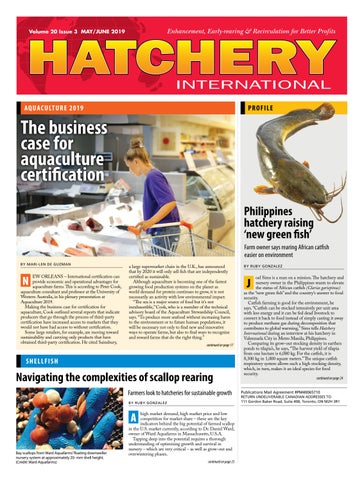
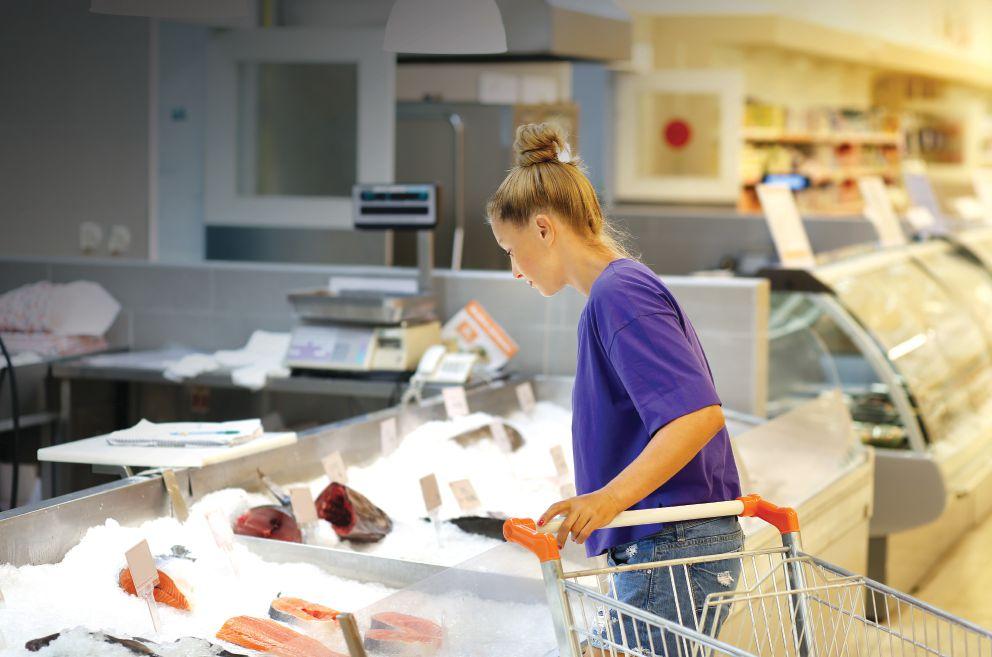
NEW ORLEANS – International certification can provide economic and operational advantages for aquaculture farms. This is according to Peter Cook, aquaculture consultant and professor at the University of Western Australia, in his plenary presentation at Aquaculture 2019.
Making the business case for certification for aquaculture, Cook outlined several reports that indicate producers that go through the process of third-party certification have increased access to markets that they would not have had access to without certification.
Some large retailers, for example, are moving toward sustainability and carrying only products that have obtained third-party certification. He cited Sainsbury,
a large supermarket chain in the U.K., has announced that by 2020 it will only sell fish that are independently certified as sustainable.
Although aquaculture is becoming one of the fastest growing food production systems on the planet as world demand for protein continues to grow, it is not necessarily an activity with low environmental impact.
“The sea is a major source of food but it’s not inexhaustible,” Cook, who is a member of the technical advisory board of the Aquaculture Stewardship Council, says. “To produce more seafood without increasing harm to the environment or to future human populations, it will be necessary not only to find new and innovative ways to operate farms, but also to find ways to recognize and reward farms that do the right thing.”
continued on page 17
Philippines hatchery raising ‘new green fish’
Farm owner says rearing African catfish easier on environment
BY RUBY GONZALEZ
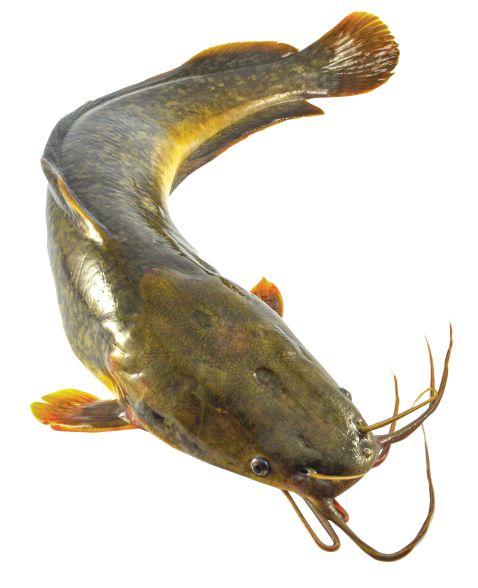
Joel Sims is a man on a mission. The hatchery and nursery owner in the Philippines wants to elevate the status of African catfish (Clarias gariepinus) as the “new green fish” and the country’s answer to food security.
Catfish farming is good for the environment, he says. “Catfish can be stocked intensively per unit area with less energy and it can be fed dead livestock to convert it back to food instead of simply casting it away to produce methane gas during decomposition that contributes to global warming,” Sims tells Hatchery International during an interview at his hatchery in Valenzuela City in Metro Manila, Philippines.
Comparing its grow-out stocking density in earthen ponds to tilapia’s, he says, “The harvest yield of tilapia from one hectare is 6,000 kg. For the catfish, it is 8,300 kg in 1,000 square meters.” The unique catfish respiratory system allows such a high stocking density, which, in turn, makes it an ideal species for food security.
continued on page 24
BY RUBY GONZALEZ
Ahigh market demand, high market price and low competition for market share – these are the key indicators behind the big potential of farmed scallop in the U.S. market currently, according to Dr. Daniel Ward, owner of Ward Aquafarms in Massachusetts, U.S.A.
Tapping deep into the potential requires a thorough understanding of optimizing growth and survival in nursery – which are very critical – as well as grow-out and overwintering phases. Farmers
continued on page 25
Publications Mail Agreement #PM40065710
RETURN UNDELIVERABLE CANADIAN ADDRESSES TO 111 Gordon Baker Road, Suite 400, Toronto, ON M2H 3R1
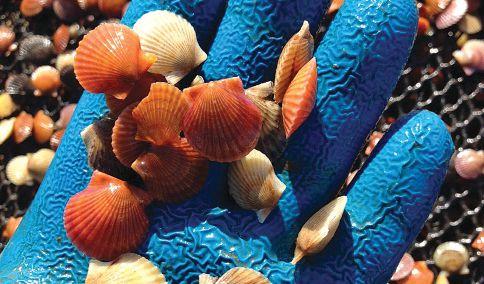
Bay scallops from Ward Aquafarms’ floating downweller nursery system at approximately 20- mm shell height. (Credit: Ward Aquafarms)
VOLUME 20, ISSUE 3 | MAY/JUNE 2019
Editor Mari-Len De Guzman, mdeguzman@annexbusinessmedia.com
Regular Contributors Matt Jones, Ruby Gonzalez, Colin Ley, Liza Mayer, Vladislav Vorotnikov, Ron Hill
Advertising Manager Jeremy Thain, jthain@annexbusinessmedia.com
Tel. +1-250-474-3982, Toll-Free (North America) 1-877-936-2266
Circulation Manager Barbara Adelt, badelt@annexbusinessmedia.com
Tel: 416-442-5600 ext. 3546
Production Svetlana Avrutin, savrutin@annexbusinessmedia.com
Group Publisher Scott Jamieson, sjamieson@annexbusinessmedia.com
President & CEO Mike Fredericks
PUBLISHED BY ANNEX BUSINESS MEDIA 105 Donly Drive South, Simcoe, ON N3Y 4N5
Hatchery International is published six times a year by Annex Business Media The authority for statements and claims made in Hatchery International is the responsibility of the contributors. Reference to named products or technologies does not imply endorsement by the publisher.
A subscription to Hatchery International (six issues) is $37.00 within Canada, $37.00 US within North America and $47.50 US outside North America. To subscribe visit our website at www.hatcheryinternational.com
Tel: 416-410-5113 • Fax: 416-510-6875 or 416-442-2191
Printed in Canada. Publications Mail Agreement #PM40065710 RETURN UNDELIVERABLE CANADIAN ADDRESSES TO: Hatchery International. CIRCULATION DEPT. 111 Gordon Baker Rd., Suite 400, Toronto, ON M2H 3R1
The advertising deadline for the July/August issue is May 10th. Don’t miss the opportunity to be part of this exciting aquaculture publication. For more information, or to reserve space in the next issue, call our Advertising Department at +1.250.474.3982 jthain@annexbusinessmedia.com
Next Editorial Deadline
The editorial deadline for the July/August issue is May 10th. Contact the editor, Mari-Len De Guzman at mdeguzman@annexbusinessmedia. com for details. Material should be submitted electronically with prior arrangement with the editor.
FROM THE EDITOR
Beyond the farm
The potential of aquaculture as a sustainable food production system is very promising. This is a statement I often hear at aquaculture conferences and events.
What does it really mean to claim sustainability?
Reducing wild catch and increasing production of farmed fish and shellfish species - yes. Aquaculture production on land using recirculating aquaculture systems – for sure. Efficient consumption of precious resource such as water and energy – absolutely.
Sustainability is all of the above – and so much more. The concept transcends beyond the aquaculture operations and involves the entire supply chain, from eggs to harvest to transportation to packaging to store shelves to dining table. “Farm to table” is not just a marketing strategy; it is sustainable production. As consumers become increasingly aware of how their food is made, they will use their buying power to hold producers more accountable.
More than 80 percent of consumers across the globe feel strongly that companies should do their part in helping to improve the environment, according to the 2017 Conference Board Global Consumer Survey.
“Corporate responsibility and sustainability strategies may take different shapes around the world, but one thing is clear: Consumers are using their spending power to effect the change they want to see,” Nielsen stated in an article published in November 2018.
I recently attended Aquaculture 2019 in New Orleans, and the atmosphere throughout the entire conference is one of optimism. It is optimism for the industry and for the role it will play in solving the world’s food security challenges and the increasing demand for seafood, while helping save the environment. At the tradeshow, there are no shortage of products, equipment and technology that help shape aquaculture into more sustainable and ecologically friendly operations. The conference was filled with education sessions that have sustainability – in one form or another – on the agenda. From RAS and aquaponics presentations to alternative proteins and genetic engineering – these sessions were mostly standing room only, indicating an industry hungry for information and receptive to the idea of sustainable production.
As the aquaculture industry continues to be touted as a sustainable option, traceability of supply chains will become more evident and necessary. From the selection of egg suppliers all the way to the retailer’s labour practices, the entire supply chain needs to be traceable and accounted for. One only has to go back a few months to see numerous news reports of E. coli-contaminated vegetable products making it to department store shelves and putting consumers at risk. And these were products associated with familiar brands.
At his plenary presentation during Aquaculture 2019,
BY MARI-LEN DE GUZMAN
Peter Cook, a professor at the University of Western Australia and a member of the Aquaculture Stewardship Council’s supervisory board, made a compelling case for international certification. He said companies often seek certification for the wrong reason: to command a premium price for their products. Except in rare cases, however, certified products are not necessarily able to get a better price on the market. But certification can do a lot more for a producer that can positively impact the bottom-line (read story on page 17).
International certification programs for aquaculture must include traceability of the supply chain, ensuring that the product’s journey from the farm to the store, and each company that handles it along the way, are part of a chain of custody system.
New technologies such as blockchain are enabling improvements in supply chain traceability. I suspect more of these types of technology and innovation will make their way to future aquaculture tradeshows.
It is not enough to claim the production facility uses recycled water or consumes less energy. Aquaculture farmers need to demonstrate that their responsibility for their products goes beyond the farm. It’s their company name that gets put on the labels, their brands that consumers recognize. It just makes business sense to ensure that what goes out of your tanks are produced, transported, packaged an sold in a sustainable, traceable manner.
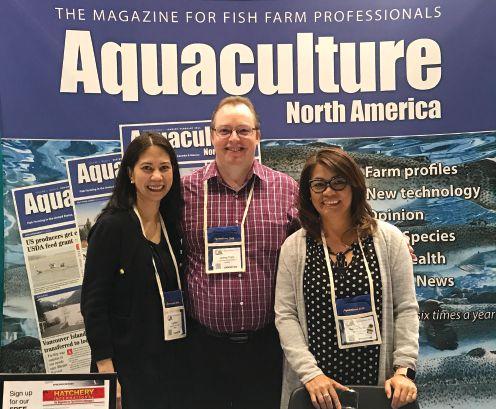
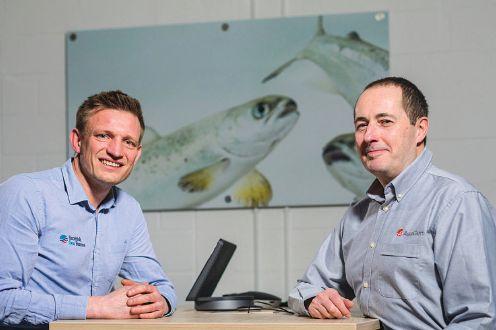
The team of Hatchery International (HI) and Aquaculture North America (ANA) was at Aquaculture 2019. (L-R): Liza Mayer, editor, ANA; Jeremy Thain, advertising manager; Mari-Len De Guzman, editor, HI and RAStech
NEWS BRIEFS
USFWS Supervisor of the Year
The U.S. Fish and Wildlife Service (USFWS) has named Kerry Graves the USFWS’s 2018 Supervisor of the Year in the Southwest Region. Graves manages Tishomingo National Fish Hatchery in Tishomingo, Okla.
Graves received the accolades at a formal ceremony in Albuquerque, N.M, for his steady leadership in fisheries conservation. For 23 years, Graves has led conservation endeavors at the federal fisheries facility. He guides daily operations, led large construction projects, managed personnel, and spawned and raised fish species important to anglers and to conservation, the USFWS said in a release.
Graves has steered culture of some of the largest species found in North America: paddlefish, alligator gar, alligator snapping turtle, as well as federally threatened or endangered fishes such as leopard darter and Arkansas River shiner.
“Receiving this award is a great honor,” Graves stated. “Knowing that I was nominated for the award by the people I supervise makes it even more special.”
“Kerry is most deserving of this honor,” said Stewart Jacks, assistant regional director of Fish and Aquatic Conservation. “He’s a mentor to many, and has a sphere of influence in public administration and conservation beyond the boundaries of hatchery.”
Tishomingo National Fish Hatchery is one of 70 such facilities found across the United States.
The USFWS says its mission is working with others to conserve, protect and enhance fish, wildlife, plants and their habitats for the country.
Washington tribes help hatchery recover from Chinook loss
BY MATT JONES
After suffering a power outage in December where roughly 6.2 million Chinook salmon (Oncorhynchus tshawytscha) were lost, the Minter Creek Hatchery in Gig Harbor, Washington, U.S.A., is on the path to recovery.
Hatchery operations manager Jim Jenkins said they still aren’t sure exactly what caused a generator to fail, as it occurred during a time when workers weren’t present.
“There’s a root cause analysis that has since been done, but that report has not yet come back,” Jenkins said.
In the aftermath of the incident, however, the local community responded. In particular, the Nisqually Indian Tribe donated 500,000 Chinook to the hatchery. The Suquamish Tribe also donated 250,000, and a variety of state Fish and Wildlife facilities donated a combined two million.
“Everybody is interested in the resource and supporting it,” Jenkins said. “That’s an underlying thing that’s going on. Hatchery folks all around are interested in supporting one another. There were several facilities that had some fish on the outside margins of their production needs and were able to contribute them back.”
With the assistance of the various partners, they have been able to get production back up to around 70 to 75 percent of production, Jenkins said.
“The more fish that are out there, it benefits everybody,” said Bill St. Jean, hatchery operations manager for the Nisqually Tribe. “We’re all in the same industry, we just work for different people. But we’re all doing the same thing. There’s lot of going back and forth between facilities, we’re not that far away. We certainly know each other. It was the right thing to do. We had a pretty good year, we could reduce our program a little bit.”
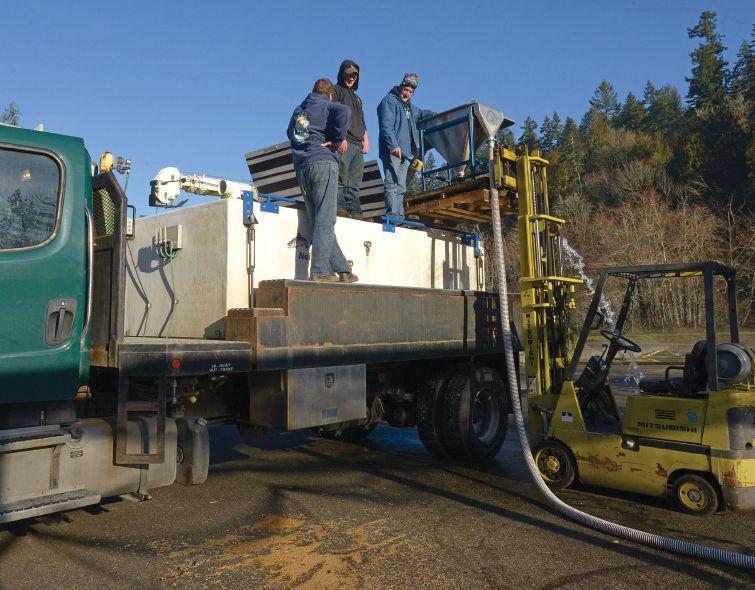
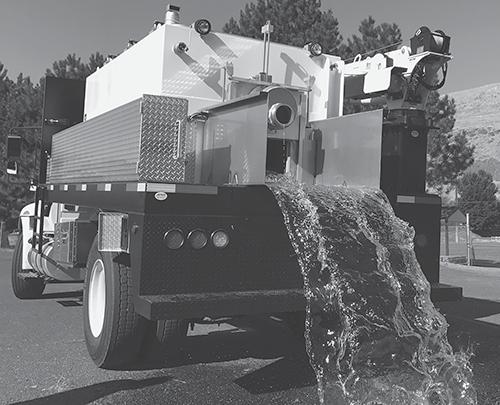
(From left) Lee Pilon, Washington Department of Fish and Wildlife, Bill St. Jean, hatchery operations manager for the Nisqually Tribe and Tom Friedrich, salmon biologist for the Nisqually Tribe, operate a pump truck to deliver Chinook fry to the Minter Creek Hatchery.
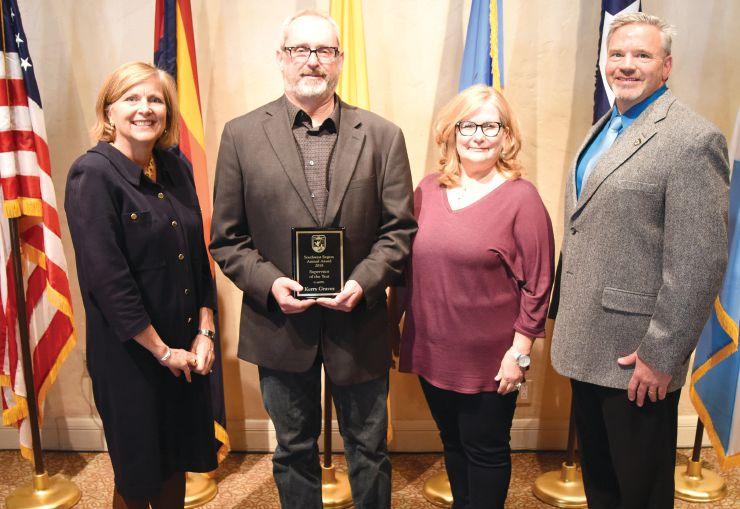
Kerry Graves of Tishomingo National Fish Hatchery was named Supervisor of the Year by the U.S. Fish and Wildlife Service. L-R: Amy Lueders, regional director; Kerry Graves; Donna Graves; and Stewart Jacks, assistant regional director.
Norwegian breeding company acquires Scotland hatchery
AquaGen has signed a deal to buy Scottish Sea Farms’ freshwater hatchery at Holywood near Dumfries in Scotland. This is a long-term strategic investment that will further improve fish welfare in Scotland, according to a statement from AquaGen.
The acquisition follows a successful trial production of eggs under licence in the fall of 2018 and will enable the company to offer Scotland’s salmon farmers a reliable supply of eggs from locally farmed AquaGen broodstock, increasing food security.
It will also facilitate a targeted breeding programme to identify the genetic and biological traits most suited to performing well in Scottish farming conditions, resulting in robust fish stocks and a high-quality product for market.
Cabinet Secretary for the Rural Economy Fergus Ewing welcomed the new business deal, saying it signifies the aquaculture community’s confidence in “doing business in Scotland.”
“AquaGen’s investment speaks volumes of the confidence from the sector of doing business in Scotland and supports the aims of Scotland’s 10 Year Farmed Fish Health Framework, helping to improve the security of Scotland’s ova supply.”
In a statement, AquaGen AS chief executive officer Nina Santi stressed her company’s commitment to providing customers in Scotland a secure supply of eggs. “This latest investment opens up the possibility of us supplying these eggs from locally-grown broodstock.
“We’re planning a series of upgrades to the existing facilities at Holywood, using Scottish suppliers as much as possible, then we will go into full production later this year.
Deliveries will be from November to June initially; longerterm we hope to extend to year-round production of up to 50 million eggs annually,” Santi said.
Overseeing production and research will be AquaGen Scotland, which was established in the fall of 2017, headquartered at the Stirling University Innovation Park. The team is composed of eight staff – four of whom are based full-time at Holywood – with a further two new roles expected to be created at the hatchery as production develops, the company said.
Unlike coastal hatcheries, the four-acre inland hatchery at Holywood uses groundwater drawn from a series of bore holes; a system that is known for its biosecurity, quality and constant temperatures, and is therefore well-suited to egg production.
Scottish Sea Farms’ head of fish health Ralph Bickerdike said, “This is a hugely promising development for Scotland’s salmon farmers, bringing world-leading breeding expertise and technologies to bear on home-grown broodstock so that their offspring can be adapted to specifically suit the Scottish marine environment. This, in turn, will bring a whole host of further improvements in terms of fish welfare and product quality.”
According to AquaGen, in the four decades since the first commercial-scale salmon farms were established, genetic advances in AquaGen strain has included: reducing time that farmed salmon spend at sea, thereby minimising exposure to the natural challenges of the marine environment; more efficient use of feed per kilo of meat produced; greater resistance to common fish diseases; increased survival rates; higher quality of product for market.
Since 1958, Faivre has been developing and manufacturing high quality equipments for the aquaculture industry
Russian farmers urged to shift to hybrid carp broodstock
Russian Fish Farmers Association (Rosrybhoz) has advised all fish farms in the country to abandon pure-breed carp (Cyprinus carpio) in favor of new hybrid species.
This would allow the Russian aquaculture industry to boost carp production, Rosrybhoz said in a statement. There are 14 carp breeds registered in the country, and they’re a popular species among Russian farmers. Carp and other phytovorous fish species account for 64 percent of overall aquaculture production in Russia, Rosrybhoz estimated.
Replacing these pure-breed species with the new, highly-efficient F1 hybrid, fish farmers could improve their business profitability, Rosrybhoz stressed.
The F1 hybrid was developed through a program launched by Rosrybhoz in Russia in 2016. It is a product of heterosis obtained through crossbreeding. In 2018, nine hatcheries across Russia participated in this program, producing a total of 436,500 units of the F1 carp fingerlings, Rosrybhoz said.
The agency hopes to boost production for 2019 to 800,000 units and establish a sustainable supply of the F1 carp fingerlings for farms across the country. More hatcheries are being explored for inclusion in the program.
Rosrybhoz has urged the Russian Agricultural Ministry to recommend replacing pure-breed carp to the F1 breed. Technically, advises from the ministry are not compulsory for fish farmers, but compliance may mean easier access to state aid. Fish farms in Russia are subjected to state subsidies, including in the form of soft loans. It still unknown whether the Ministry will recommend using the F1 breed.
- Vladislav Vorotnikov
Declining trends in hatchery shrimp supply forcing US producers to go it alone
TABLE 1
Source: Texas Parks and Wildlife Department. Compiled by Treece & Associates
The decline in post-larval (PL) shrimp survival rate and closure last year of the biggest shrimp hatchery in the U.S. have led some growers to put up their own hatcheries for self-sufficiency.
“Producers have been forced to build their own hatcheries to survive. This is a very expensive process,” Granvil Treece, founder at Treece & Associates, told Hatchery International. He cited two of the largest producers in the U.S. Bowers Shrimp Farm, the largest producer of farm-raised shrimp in America, is building its own hatchery in the Port of Palacios in Texas and plans to haul water from offshore. Owner Reed Bower told Hatchery International they have started putting up the hatchery and received their broodstock in mid-January. Their nursery was built in 2013.
As part of its 2019 program, Trans American Aquaculture in Texas is building its own hatchery and broodstock facility on site.
“The PL situation in the U.S. came to boil and exploded in 2018,” he said.
TABLE 2
Source: Texas Parks and Wildlife Department. Compiled by Treece & Associates
The major triggers he cited were the decline in the quality of PLs of what used to be the largest supplier of PLs, and a hatchery damaged by a Hurricane Harvey in 2017.
The trend was likewise observed in the other farmed shrimp-producing states, Alabama and Florida.
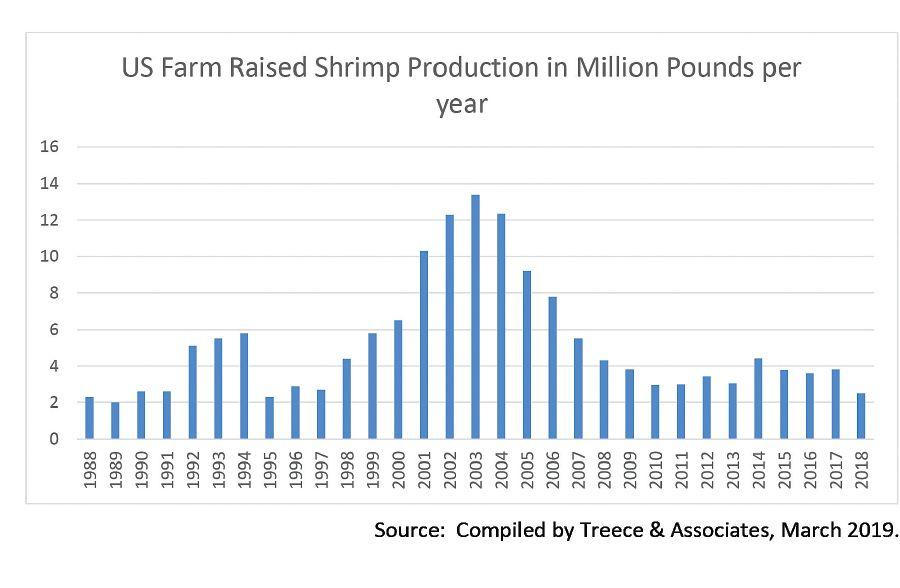
U.S. production of almost 4 million lbs. in 2017 was down to less than 2.5 million in 2018. Shrimp production in the U.S. peaked in 2003 with over 13 million lbs. (See Table 1)
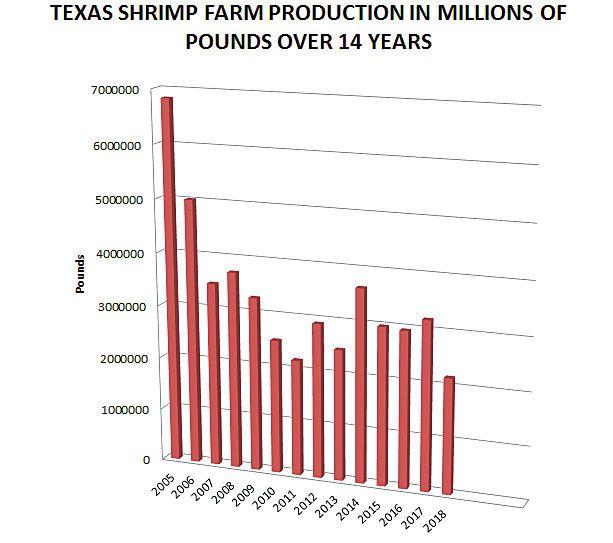
In the past 14 years, production of farm-raised shrimp in Texas, the country’s biggest producer, was also at its lowest in 2018 at 2.17 million lbs. This is less than a third of 2005’s 6.8 million lbs. (See Table 2).
Some hatcheries have expanded to meet the U.S. demand. “Robin Pearl’s American Mariculture in Florida expanded and supplied some farms,” Treece said.
- Ruby Gonzalez
NEWS GLOBAL
Chilean salmon farmers vow to cut antibiotic use by half
Landmark initiative backed by industry heavyweights
BOSTON – Multiple stakeholder groups in Chile’s salmon farming industry are vowing to reduce antibiotic use for their farmed salmon by 50 percent over the next six years.
The new landmark initiative dubbed, Chilean Salmon Antibiotic Reduction Program (CSARP), was announced at the annual Seafood Expo North America (SENA), held in Boston last March.
CSARP is an industry collaboration involving SalmonChile, the national association for the salmon industry in Chile, the Chilean Salmon Marketing Council (CSMC), and the Monterey Bay Aquarium. The program is viewed as a step toward achieving a Seafood Watch Good Alternative recommendation by 2025.
“A 50 percent reduction in antibiotic use, in concert with other improvements to the industry, could lead to a Good Alternative recommendation. Improvement on that scale is excellent news for Patagonia, and for everyone around the world who enjoys Chilean salmon. We’re proud to support this work and are hopeful to see real change along the way to our 2025 goal,” said Jennifer Kemmerly, director of Global Fisheries and Aquaculture at the Monterey Bay Aquarium.
Commenting on the initiative, the CEO of SalmonChile said the industry in Chile has never before made such a "bold commitment."
“We are excited to work together as an industry and with the Monterey Bay Aquarium to fulfill this extremely important goal,” said Arturo Clement, CEO of SalmonChile. “We have made significant advances in salmon farming over the past four years and always work to minimize the use of antibiotics. Collaborating to further this work is a major step we can take toward continuous and quantifiable improvement.”
A Seafood Watch recommendation will be a significant development for Chile, and some Chilean companies already enjoy positive Seafood Watch ratings, according to James Griffin, CSMC director. The CSMC is a U.S.-based entity dedicated to strengthening the reputation of Chilean salmon.
“In the coming years, this will be our focus, and U.S. consumers and the people of the Chilean Patagonia will benefit, but the ultimate beneficiary will be the ocean and ecology
of such a pristine part of the world,” Griffin said.
CSMC members include AgroSuper (which owns Aquachile, Los Fiordos and Verlasso), Cermaq Chile, MultiExport Foods, Australis, Salmones Camachaca, Bluemar, Ventisqueros, Salmones Austral, Marine Farm, and Salmones Magallanes.
During Seafood Expo North America, CSMC also announced a new creative campaign, “The Promise of Patagonia.” This campaign is focused on forging the connection for American consumers between the cold, clear waters of Chilean Patagonia, and the salmon they put on their table, according to the CSMC.
“The mystique of Patagonia is well-known,” said Ricardo Garcia, CEO of Camanchaca, vice-chairman of Salmones Camanchaca and chairman of CSMC.
“We are emphasizing the pristine Patagonian region of Chile, where salmon is raised in the pure coastal Antarctic waters. As stewards of this remarkable ecology, CSMC’s members proudly produce high-quality salmon using environmentally responsible and sustainable aquaculture,” said Garcia.
“The Promise of Patagonia” will also signify CSMC members’ commitment to the welfare of the region’s salmon and to the environment in bringing a high-quality, reliable and nutritious fish to market year-round, the council said.
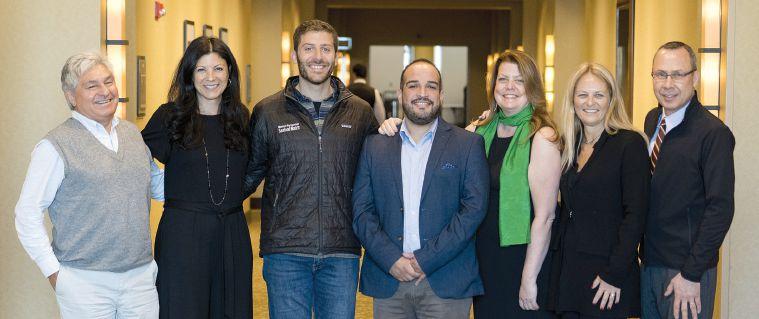
From left to right: Arturo Clement, president and CEO, SalmonChile; Jennifer Dianto Kemmerly, director of Global Fisheries and Aquaculture, Monterey Bay Aquarium; Tyler Isaac, senior aquaculture scientist, Monterey Bay Aquarium; Rolando Ibarra Olmedo, fish health & food safety manager, SalmonChile; Wendy Norden, science director, Monterey Bay Aquarium; Melanie Whatmore, marketing director, SalmonChile; James Griffin, executive director, Chilean Salmon Marketing Council.
New fish farm in Kazakhstan to breed Sudanium catfish
Astate-of-the-art fish farm was recently launched near the city of Aktobe, Kazakhstan, by a local company, Murager 22. The new farm includes a hatchery, where the company plans to breed unique fish species.
Initially, the new farm will focus on growing Sudanium catfish (Silurus glanis). Although the taste fish completely unknown to the local population, it has many advantages, including a small-sized head, which means smaller volume of post-processing waste. In addition, breeding this species requires no additional water enrichment with oxygen.
Sudanium catfish breathes with atmosphere air. In Africa, where this fish dwells, when one body of water dries up, the fish can make it to another one by land, Gaik Tertenyan, chairman of Murager 22 said. They are fast growing species – growing from 1 kg to 1.2 kg in only 4 to 5 months. This means higher profitability for the farm, he added.
The company has purchased 2,000 units of Sudanium catfish fingerlings from Russia to start up the farm. In future, Murager 22 will use the hatchery to breed fish for its own commercial needs, and to participate in government restocking programs to help restore fish population in the Caspian Sea, according to Tertenyan.
Murager 22 became the first company in Kazakhstan to use natural filtration with water hyacinth on its fish farm. In warmer countries, this plant is a problem for farmers. It is kind of weed with the ability to double its weight almost every week, but it also purifies water, Tertenyan explained. The company plans to harvest the water hyacinth on a regular basis and sell them on the domestic market, primarily as a natural fertilizer.
The company plans to use black soldier fly and bananas for fish feed. According to Tertenyan, the company has already built a facility to breed black soldier fly. Murager 22 plans to expand its production in the future to sturgeon (Acipenser gueldenstaedti), potentially prawns (Palaemon serratus), and other exotic fish species.
The company expects commercial production by November 2019. In addition to selling its fish in Kazakhstan, Murager 22 is exploring plans to export to China.
– Vladislav Vorotnikov
Joint venture to build shrimp hatchery in Ecuador
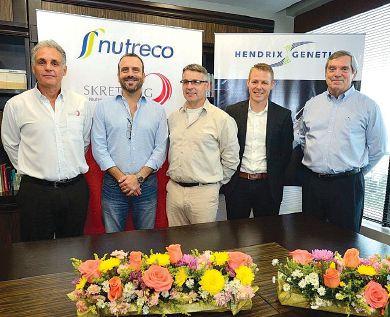
Hendrix Genetics, in partnership with Nutreco and Ecuacultivos, will invest in Ecuador to establish a state-of-the-art shrimp hatchery. The hatchery will deliver high quality, high-health Pacific whiteleg shrimp (Litopenaeus vannamei) post larvae to Ecuadorian farmers.
The new joint venture will take over the existing Macrobio hatchery, located in the western region of Ecuador and employ around 50 people. It will focus on providing local shrimp production with the most advanced genetics and breeding technologies, nutritional solutions from aquaculture feed supplier Skretting, combined with the best farming practices, according to Hendrix Genetics.
Hendrix Genetics, Nutreco (with aquaculture division Skretting), and Ecuacultivos will invest capital to upgrade the Macrobio hatchery to a state-of-the-art production facility and develop a world-class shrimp breeding program locally. Backed by global innovation and R&D, and expertise in nutrition and genetics, the joint venture aims to increase the competitiveness of the Ecuadorian shrimp industry in a sustainable manner, the company said.
“After our entry into shrimp breeding in 2017, we have put most effort into developing the Kona Bay shrimp breeding program. This is an important development to gain access to one of the main markets,” Antoon van den Berg, CEO of Hendrix Genetics, stated.
Carlos Miranda Illingworth - Skretting Ecuador general manager; Carlos Rosales of Ecuacultivos SA; Neil Manchester, Hendrix Genetics managing director for Aquaculture; Bram Geurts, Hendrix Genetics director of finance aquaculture; and George Chamberlain, Hendrix Genetics managing director for Kona Bay.
The strategy is to invest in innovative projects that support sustainable market growth, said Nutreco CEO Rob Koremans. “We’re delighted that this partnership will promote the sustainable growth of shrimp farming in Ecuador, a key market for our aquaculture division Skretting.”
This partnership represents a milestone in the shrimp industry, noted Neil Manchester, managing director of aquaculture at Hendrix Genetics, “We believe that bringing together global leaders in genetics and nutritional technology with first class local production operations is the combination best placed to deliver value and efficiency to the Ecuadorian industry.”
The Pacific whiteleg shrimp is the most important aquatic species produced in Ecuador’s aquaculture market. Production volumes of the species skyrocketed in recent years, placing Ecuador currently as the third largest producer after China and Indonesia. The market for Ecuadorian shrimp has also changed drastically. In the past, the European Union and the United States were, by far, the largest markets. However, China is now importing about 50 percent of Ecuador’s total shrimp output.
According to Skretting Ecuador general manager Carlos Miranda Illingworth, “The combination of our nutritional knowledge combined with genetic know-how and best farm practices make this joint venture a very exciting one for the shrimp business in Ecuador. Through this partnership, we plan to produce a disease-resistant animal to keep the Ecuadorian shrimp industry antibiotic free and with improved growth so farmers can optimize land use and produce more with less.”
Not RecircReady
Get it together.
As the primary external input into recirculating aquaculture systems, feed is essential to get right because we’re not only feeding the fish, but also feeding the system. It is well-known that RAS need high performance feeds in terms of physical and nutritional quality, to help the fish grow faster and healthier and to maintain the water quality in the system. The use of ingredients with high digestibility maximise nutrient utilisation for fish growth and minimise nutrient loss, while the use of patented ingredients in Skretting RAS feed ensure that the output is just as good as the input.
Read more at www.skretting.com and contact your local sales representative for more information.
Leap of faith pays off
An ill-suited
BY LIZA MAYER
Debates and good-natured arguments are a normal part of family dinners at the Mallet home in New Brunswick, Canada. Even as a child, Martin Mallet recalls family dinners as affairs where conversations were greatly encouraged. His father, André, has a PhD in Marine Biology so it is not surprising that Martin would end up as a scientist as well.
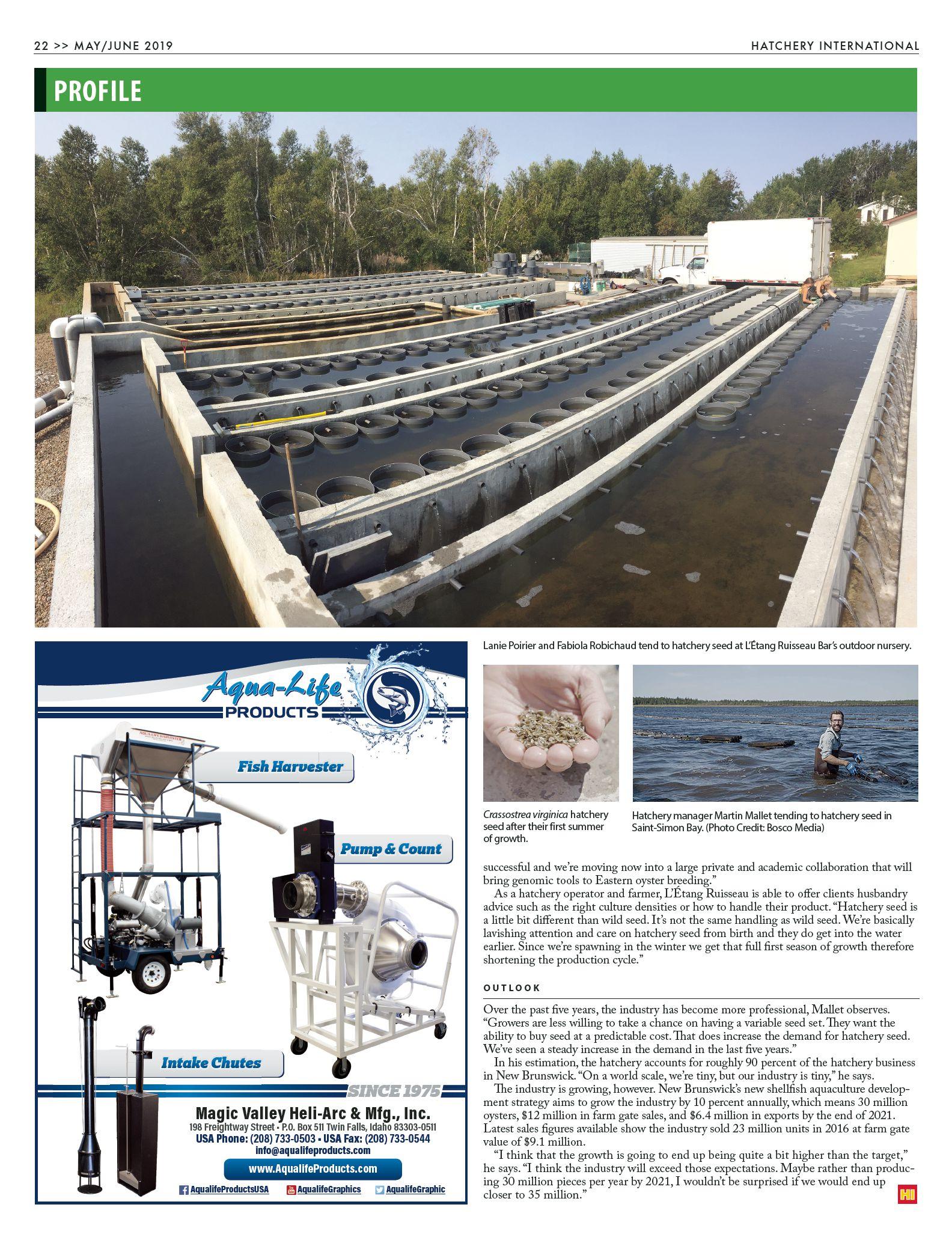
The Mallet family is behind L’Étang Ruisseau Bar, an oyster hatchery and farmer of oysters and bay scallops. “Science and arguments were always a big part of our family culture. So I knew I wanted to be in science and biology but it was never my plan to go into the oyster business,” Mallet tells Hatchery International.
While he ended up as an evolutionary biologist (his PhD thesis examined sexual selection in fruit flies), Mallet eventually made his way back to the family business. He assumed the role of hatchery manager in 2016.
“With the hatchery, there were really interesting opportunities research-wise. It is an interesting experimental system and provides a way to do research outside of academia. Having those two aspects and the ability to be hands-on, independent and do science really appealed to me.”
BIO - INCUBAT
HUMBLE BEGINNINGS
The family’s journey into oyster aquaculture arose out of their love for the juicy, meaty bivalve. Mallet’s father André and his grandfather Livain began oyster farming in the early 70s. To describe the farm’s beginnings as rudimentary is an understatement: they collected oyster seed from wild on scallop shells and transferred them to their leases where they would mature. The limitations of collecting seed commercially on scallop shells prompted Livain to travel to France to purchase the Chinese Hat seed collector, earning them a place in New Brunswick aquaculture history for introducing what was then considered a cutting-edge tool in oyster farming.
André took the helm at L’Étang Ruisseau in 1996, after he and his siblings bought the farm from their father. “Then they really decided to go into it more seriously,” says the younger Mallet. They started producing their own seed from the hatchery in 2009.
The hatchery and farm are near the town of Shippagan, located at the northeastern point of New Brunswick. “We are located in Saint Simon Bay which, if you make a list of things where you don’t want to put a hatchery, that’s the place!” Mallet says, laughing.
“Normally you want stable ocean water, but the coastal bay where we operate has a lot of inputs causing an unstable water column. There’s also a risk of ice movement due to the fact that much of the bay is extremely shallow. We deal with water that can have a really high turbidity at times under high winds, with large daily pH fluctuations, and where the salinity can fluctuate quite a bit, especially at spring thaw.”
This winter when much of Canada experienced unusually heavy snow, the hatchery got snowed in. “We were lucky we actually didn’t lose power. It was a matter of me having to shovel the snow to get in and out of the hatchery. I actually live on the same street as the hatchery so I’ve had days where I had to snowshoe to go to work,” Mallet says.
He adds: “We’re also lucky we’re working with the Eastern oyster (Crassostrea virginica) instead of fish for example, because oysters are capable of slowing down their metabolism and the juveniles appear to be more resistant to anoxia and other stressors. But for both the oysters and for us, it is an extreme environment.”
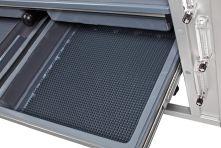
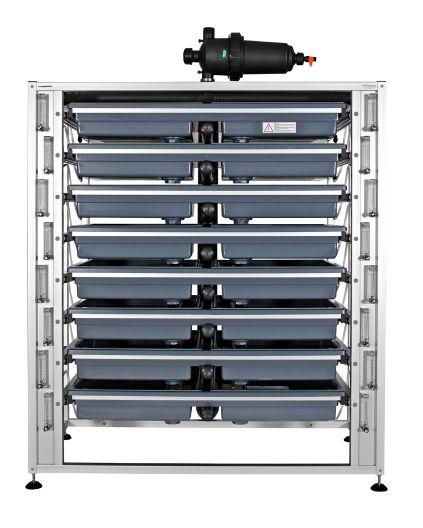
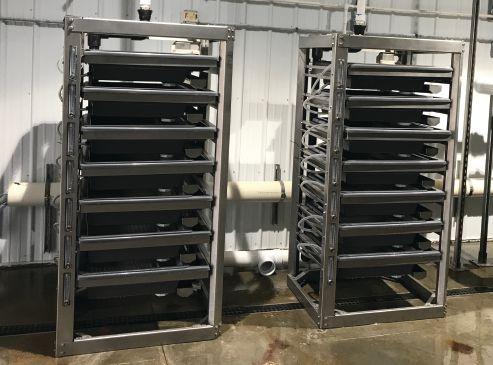
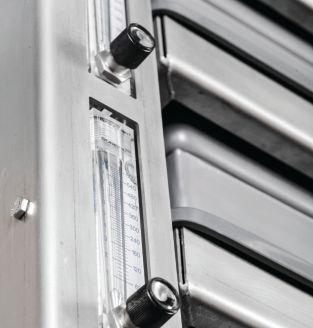
Unit of 5 trays with individual trays of 500mm x 500mm
Total capacity per unit: 112.000 eggs
Maximum water requirement per unit: 40 LPM
Unit of 7 trays with individual trays of 500 mm x 500 mm
Total capacity per unit: 157.500 eggs
Maximum water requirement per unit:
That kind of environment impacts the way things are done at the hatchery. Commercial hatchery season begins in the middle of winter, when the water temperature is around -1°C. “It has to be heated up to summer temperatures, so our energy costs are high. It can also take more than four years for oysters to reach market size and that’s easily double the time that it takes in the States. That’s another thing about operating in this general climate never mind the specific site,” Mallet explains.
One then wonders why that site was chosen. It was a leap of faith, says Mallet. “There was a government hatchery operating in Shippagan, close to the commercial port and they’ve had a number of production problems over the years. We weren’t sure whether it was a water-quality issue so using the same water source was quite a gamble.
“When the hatchery was first built, we didn’t know whether it was going to work or not. It was about building something that was functional but at the lowest cost possible in terms of the building. However, food supply being a recurring issue in all hatcheries, we
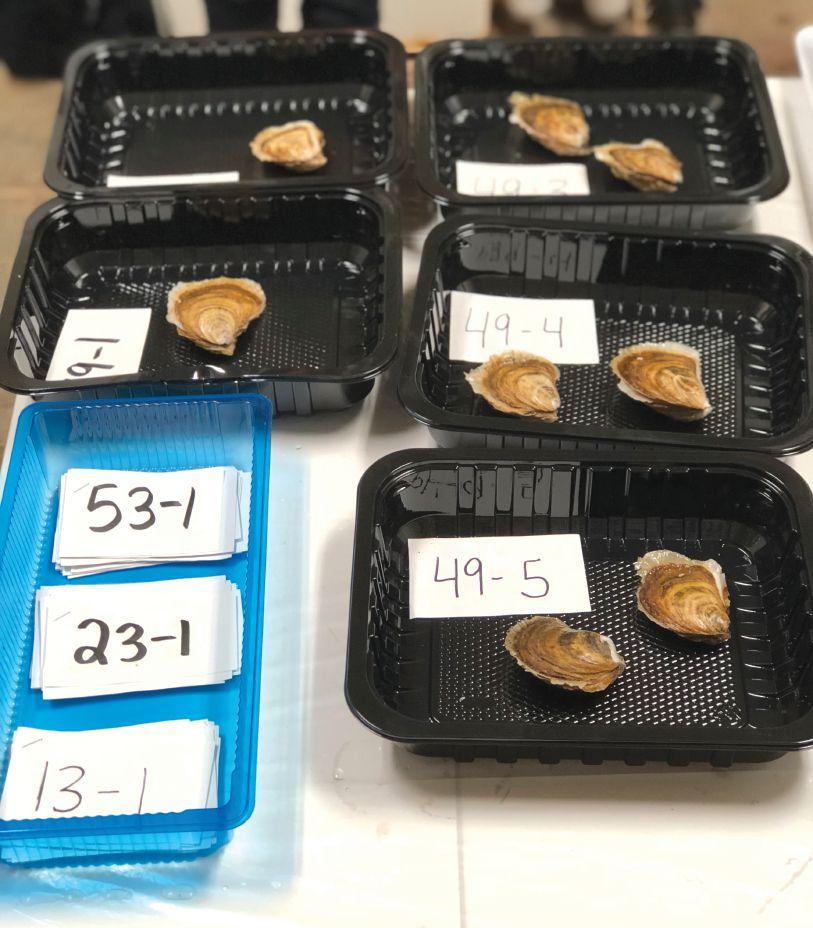
Oyster broodstock being sorted for breeding.
Credit: All photos courtesy of L’Étang Ruisseau Bar
did install eight photobioreactors to produce quality algae for the operation.”
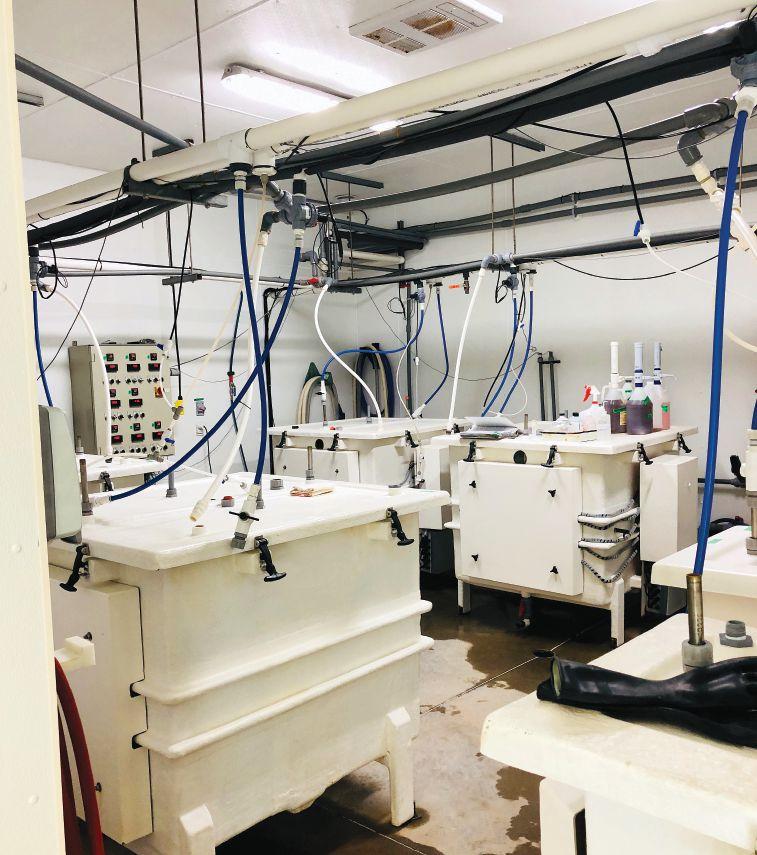
“It’s hard to overstate the importance of that for us,” he continues. “We use the photobioreactors to produce algae that nourish the oyster seed. And especially where we operate, we can’t rely on algae available in the water. There’s essentially none in the wild at this time of the year. We have to grow our seeds to a larger size on algae that we grow. Other hatcheries in warmer water temperatures can move the hatchery seed to a field nursery much earlier in the season.”
It isn’t all bad news though. “Folks say the further north you go, the colder the water and the better the oysters are. And we’re as far north as you can go for the Eastern oyster. But we let our customers decide about the quality of our oysters. We can produce a small oyster that still has a very thick shell and that is very full and good. It still takes us a few years to get them to the two-and-a-half inch cocktail size.”
When asked what might account for the hatchery’s success, Mallet says there’s no magic bullet. “A successful hatchery has to be successful on a consistent basis. It’s really a thousand little things rather than one big thing: if you can work around almost any situation, and you pay attention to detail and make sure that your protocols are followed so that you’re able to replicate your success. I think it is really a kind of a mindset more than anything else and just this determination to figure out what’s wrong and correct it.”
FROM STRENGTH TO STRENGTH
In 2016, the company had the opportunity to embark on a significant expansion, thanks to funding from the federal and provincial governments. “We expanded our land-based field nursery system in order to increase seed production capacity. Going back to the origin of the company, back in 1973, a coastal pond was fitted with a gate allowing control of the water exchange and volume being retained in the pond. High food levels and warmer waters sooner in the year provided the ideal spot to build the land-based nursery system and transition the small hatchery seed sooner to the field and provide more space in the hatchery.”
Another expansion will begin this summer to boost the hatchery’s capacity to 100 million seeds from the current 50 million. “We’ll have the space for next season and will probably be gradually moving up to that 100-million mark over the next three years or so. It partly depends on market demand,” he says.
Design: A | Version: 1 DANIEL COOK DESIGN 260mm x 165mm (10.2” X 6.5”)
Introducing LP B
More economical, convenient, longer shelf life
Grow more and larger bivalves, shrimp, and sea cucumbers.
An excellent nutritional supplement and live algae replacement for all life stages, day 7+. (For first-feeding larvae days 1-7 use Reed Mariculture Shellfish Diet 1800®.)
OYSTER LIFE
More advanced heat-recovery systems will also be installed as part of the project “now that we know that it’s a worthwhile investment,” he says.
Another development in the works is a breeding program, which is partly funded by the company and a Genome Canada grant. “As an evolutionary biologist I’ve been laying the groundwork since 2013 to lead into a full-fledged breeding program. That’s been quite
Photobioreactors in L’Étang Ruisseau Bar’s algal production facility.
RESEARCH
European fish breeding gets a boost
BY REIDUN LILLEHOLT KRAUGERUD
The European Union project Fishboost, which started in 2014 with the goal of improving European aquaculture through technological advances in breeding for six species of farmed fish, has concluded its work.
With a funding of NOK 75 million (US$.8 million) the Nofima-led project involved scientists from 14 research institutions, 11 companies and a non-government organization, studying a wide range of traits and developed tools and technologies to contribute to a more balanced, sustainable and long-term profitable breeding programmes.
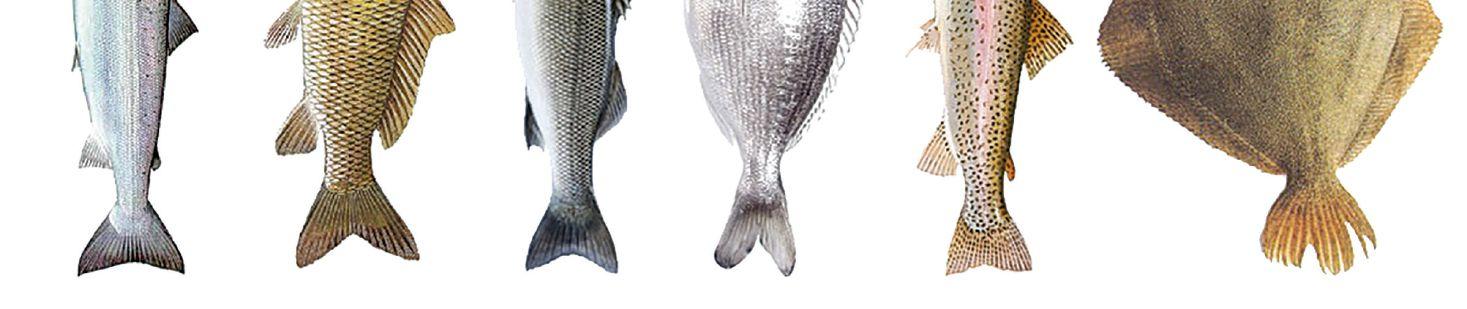
The six species included in the project are: Atlantic salmon (Salmo salar), common carp (Cyprinus carpio), European seabass (Dicentrarchus labrax), gilthead seabream (Sparus aurata), rainbow trout (Oncorhynchus mykiss) and turbot (Scophthalmus maximus)
“Fishboost has contributed to increased awareness in Europe that breeding is an important part of fish farming,” says Anna Sonesson, project coordinator for the EU project.
For example, Fishboost’s industry forum at the Aquaculture Europe conference in 2018 was packed out, and Fishboost has held several highly attended workshops, she added.
KNOWLEDGE SHARING
Fishboost is one of the last projects granted funding under EU’s seventh framework program. High requirements were set for dissemination of findings and large geographical spread in the project. The partners in the project have agreed that only the parties that generated a result or innovation own it, but that knowledge about the result must be shared.
“This means that no one else in the consortium is allowed to exploit your findings,” explains Sonesson.
EXAMPLES OF IMPACTS AND RESULTS
The goal of Fishboost is to increase the efficiency and profitability of European aquaculture by enhancing all six species through advanced breeding methods.
Many breeding programmes in Europe have only selected for growth and other traits related to production efficiency. Fishboost has demonstrated the potential of also selecting for better disease resistance. For example, the partners have estimated the heritability of the main diseases for the species and mapped the genes behind them.
Fishboost has developed important tools, such as gene maps and thousands of genomic markers, which identify areas in the DNA where there is variation between animals. For example, genomic markers are used in genomic selection, which is more accurate than traditional breeding. In the Fishboost populations, accuracy using genomic selection was up to 22 percent higher.
“Fishboost has contributed to increased awareness in Europe that breeding is an important part of fish farming.”
However, this method is expensive. The partners in Fishboost have developed ways to reduce the cost of using this method with the aim to increase the use of genomic selection in European breeding programs.
Fishboost has also developed better selection and phenotyping methods to increase production efficiency. The Norwegian industrial partner Salmobreed sees a potential for knowledge transfer between species.
“Much has been done to develop indirect methods for measuring feed utilization and production efficiency on several of the species in Fishboost. The research done on rainbow trout has a particularly high transfer value to salmon,” says Haavard Bakke, project manager at Salmobreed.
Partners in Fishboost have worked to optimize the design and profitability of the breeding program when new traits are included in the breeding objective, taking into account different technological levels, reproduction and biology in the species.
The way forward in breeding
“I hope and believe that the industry will make use of this knowledge and that it will contribute to higher quality in existing breeding programs and stimulate the creation of new ones,” says Sonesson.
Nofima and other research partners have written new applications to continue their work. Nofima has already been awarded two new EU projects in this field.
Reidun Lilleholt Kraugerud is communication leader for Aquaculture at Nofima.
Building technologies for the future
Innovation for land-based, sustainable aquaculture projects
More than 30 years leading innovative water recirculation technologies worldwide.
The research has involved six species of farmed fish: European seabass, gilthead seabream, common carp, turbot, rainbow trout and Atlantic salmon. (Illustration: EFFAB)
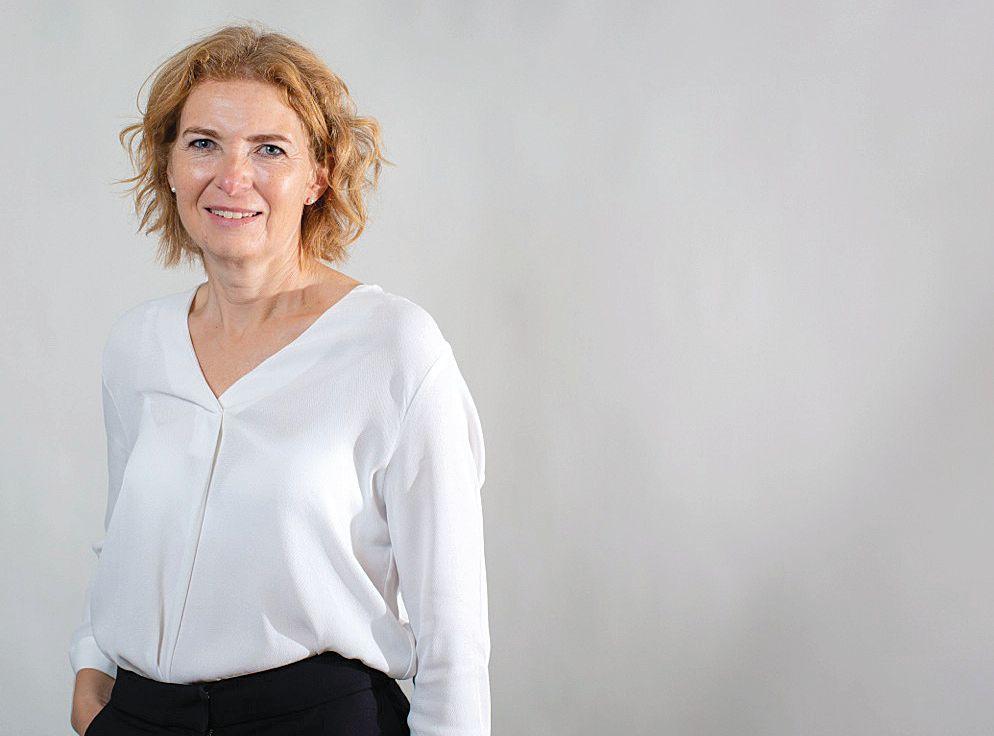
Anna Sonesson, project coordinator, Fishboost. (Photo credit: Joe Urrutia, Nofima)
Philippines hatchery raising ‘new green fish’
GREEN LIGHT
Sims used to be in grow-out production but one particularly bad season made him decide to go to hatchery and nursery, where turn-around period is so much faster and risks less hard to manage.
It takes only 30 days for larva to reach the fingerling market size of 1inch to 1.5 inches. Grow-out harvest size, meanwhile, is achieved in four months at the size of three fish per kg.
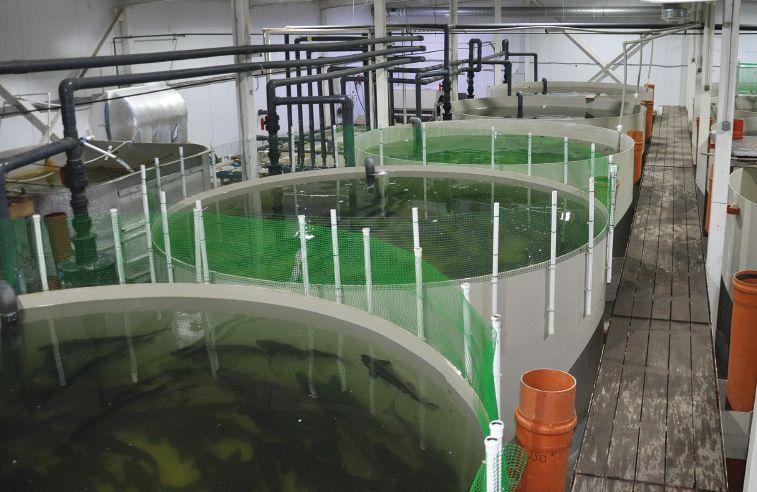
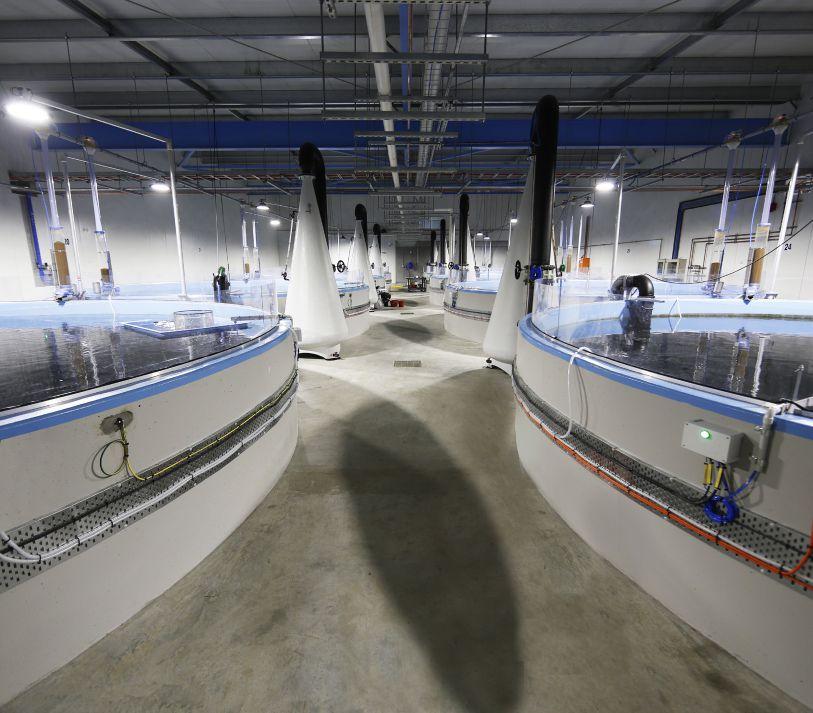
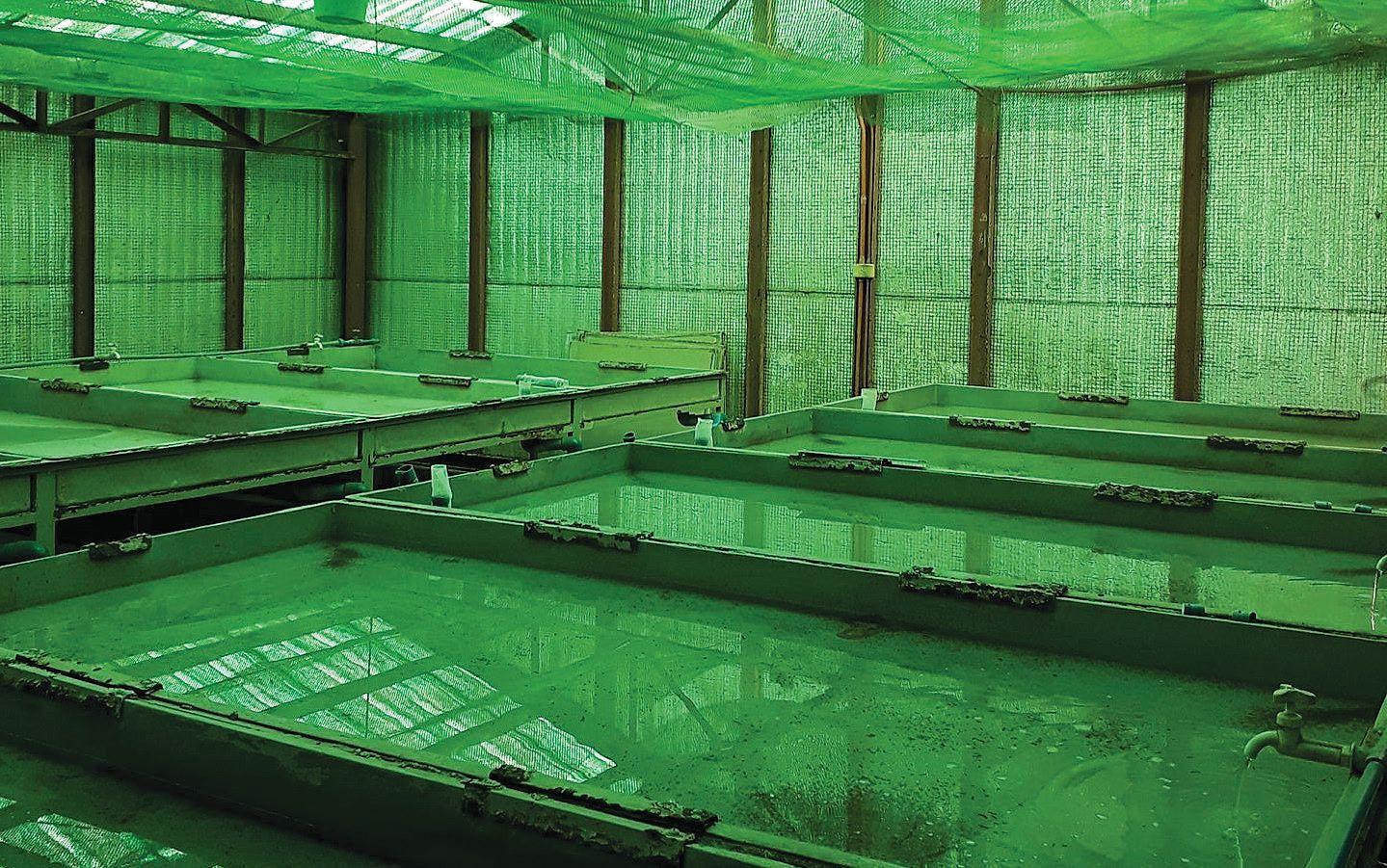
The all-weather hatchery has 20 tanks, each with a capacity to hold 500,000 fry. In lieu of an aerator, he improvised by using a faucet, which is always on. Water flows out of tank using natural gravity. Water is sourced from a deep well.
The facility containing the tanks has green polycarbonate roofing. He said green light relaxes the larva. With his new-green-fish proposition, he is focused on producing quality fingerling. For larval feed, he cultures
moina. “This is feed for seven days before they are weaned to supplemental feed,” he says.
Tubitex is a popular larval feed which has demonstrated “remarkable” growth rate in just six days. As it breeds best in sewer-like environment, it is a carrier of pathogens that lead to a high risk of mortality. Sims tried culturing tubitex in a sanitary environment but without success. So he opted for the earth-reared moina.
Sim’s nursery is in another site, located 80 kilometers away in Lubao, Pampanga. There, the earth-reared fishpond produces algae and other natural food for the fingerlings. “Aquaculture, like agriculture, is in the soil dynamics,” he says.
ART VS. SCIENCE
Survival rate for the fingerling used to range between five to 80 percent. Since his operations manager, Jimmy Roxas, came on board, Sims says the survival rate has gone up to 70 percent. They are aiming for a consistent 80s.
He says previous erratic fluctuations were caused by his former staff’s attitude of “art versus science.” At first,
Sims was puzzled why he couldn’t replicate in his nursery the performance levels in those that consulted with him. It turned out his instructions and protocols were not stringently followed by staff at his own hatchery.
Roxas had them fired, and the new set of staff now follow protocols.
There is a good number of catfish hatcheries in the Philippines, but demand still outweighs supply. Sims says he could produce more but he is satisfied with two million fingerlings every month. His clients come from all over the country.
Before he went into catfish production, Sims was in the forefront of advocating for laws that benefit the Philippines white shrimp (Vannamei). He recalled that in one industry event, he bumped into a colleague who had since made it big in the shrimp business.
Sims told him, “The rich no longer has a problem with their food.” Shrimp commands a high price in the country. So it is usually only affordable among those with superfluous income. “I will take care of food for the poor.”
He is currently working on the details of a multilayered program to see this through.
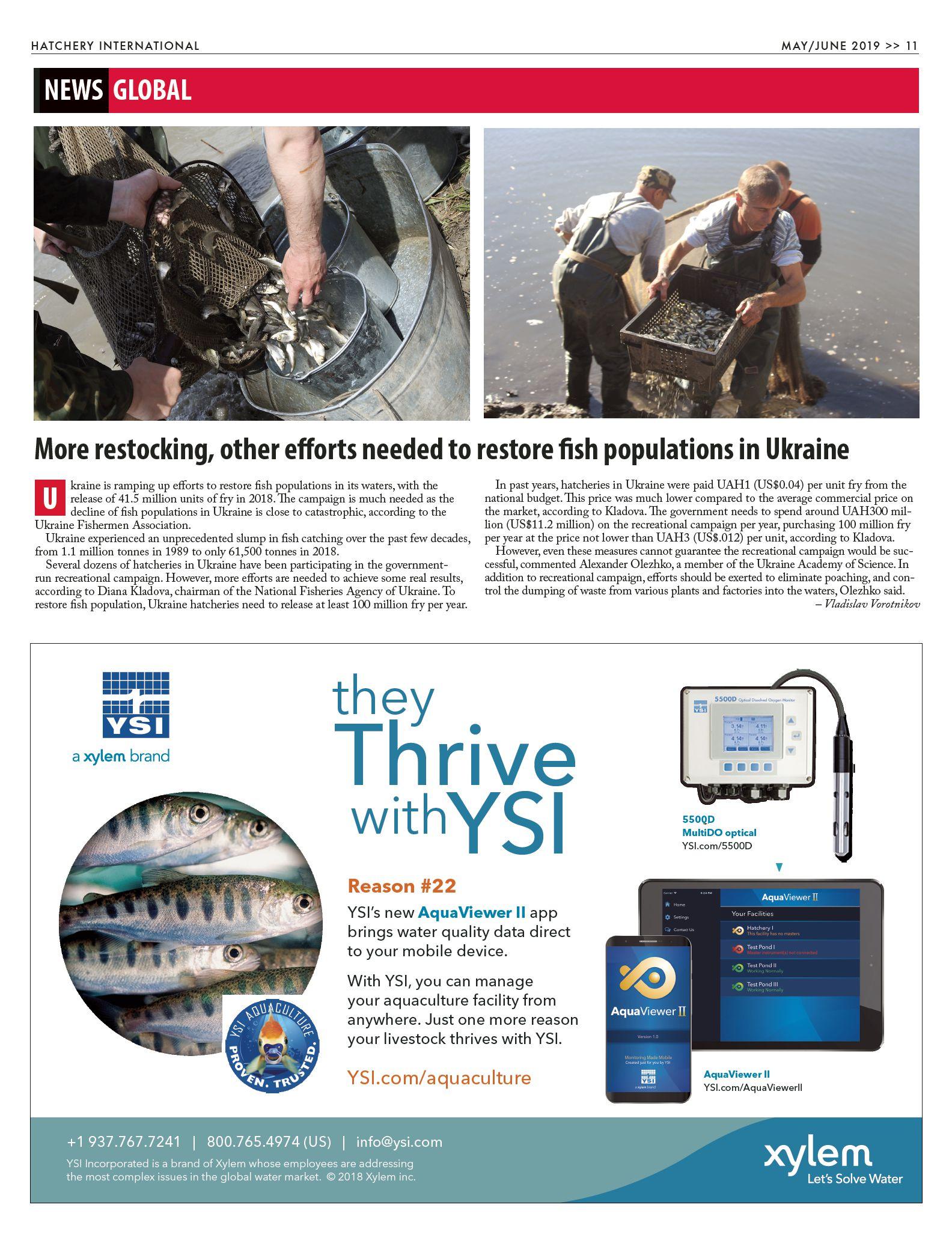
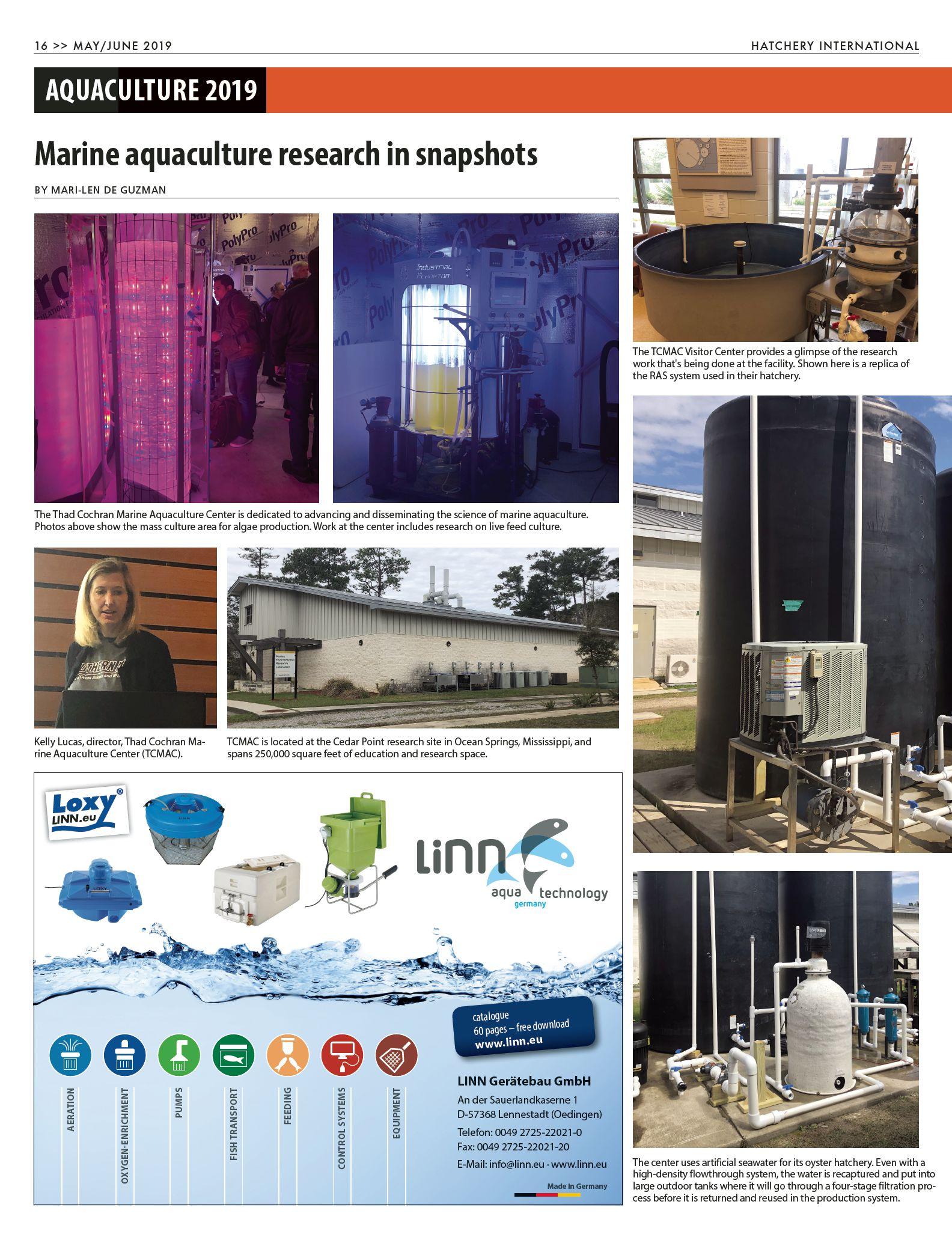
The all-weather hatchery has 20 tanks, each with a capacity for 500,000 fry. The green polycarbonate roof and net cast on the facility a color that relaxes the larva. (Credit: Ruby Gonzalez)
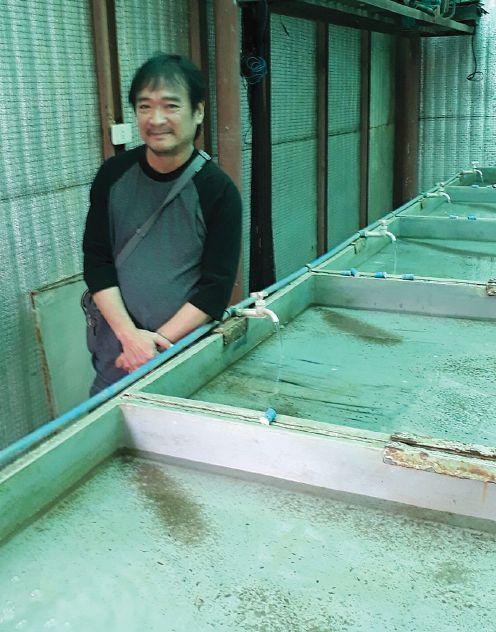
Joel Sims, owner of African catfish hatchery and nursery in the Philippines, has big plans for the fish.
(Credit: Ruby Gonzalez)
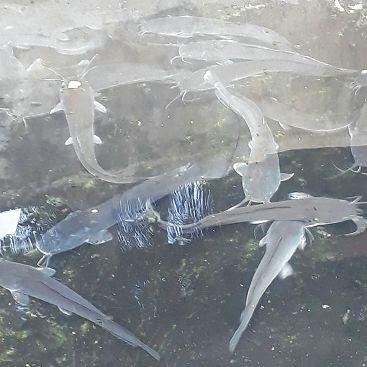
African catfish broodstock
FEEDING & NUTRITION
Moringa leaf powder offers higher protein content in tilapia fry: study
African researchers are pushing for inclusion of moringa leaf powder in fishmeal for the Nile tilapia (Oreochromis niloticus), following the results of their study. The flesh of fry fed solely with the leaf powder showed higher protein content compared to those fed with fishmeal.
The protein profile obtained contained all the essential amino acids in appreciable quantity said Mahamat seid Ali Malloum et al in Evaluation of the nutritional performance of the flesh of tilapia fry (Oreochromis niloticus L.) fed leaves of Moringa oleifera.
“The fatty acid profiles show a clear predominance of unsaturated fatty acids on total fatty acids,” they cited. The concentration of minerals such as phosphorus, potassium, calcium, magnesium, sodium and copper are higher compared to the control group.
- Non-Corrosive schedule 80 PVC reactor bodies are stronger and handle higher internal pressures compared to HDPE and Polypropylene. Schedule 80 reactor bodies are seawater safe and will not corrode in harsh environments, unlike stainless steel
- Single end glassware access makes for easy maintenance when replacing lamps and quartz sleeves
- Thermoplastic or Fiberglass NEMA 12 Power supply enclosures with Standard HMI control package or optional HMI Pro Series control package.
- Electronic ballasts matched to the performance of the specific lamp for optimal UV-C output and longest useful lamp life
- Standard Over Temperature Safety Cutoff Switch thermally protects reactor when water temperature reaches 120 Degrees F
- American made low pressure amalgam (ALH/AUH models) and high output (HLH/HUH models) lamps are rated 80% efficient at the end of 12,000 hours
The treatment, however, tested lower in growth rate. “These results show that for tilapia, a diet containing only plant-derived proteins does not lead to good growth performance during pre-fertilization,” they said.
Thus, the incorporation of animal protein is recommended because it “greatly increases the digestibility of the food and consequently the growth performance.”
The authors used moringa leaf powder in their search for a plant alternative source of protein in fishmeal in tilapia diet. Fishmeal, which accounts for as much as 60 percent of protein in standard tilapia feed is expensive and its market availability fluctuates.
Moringa leaves were used to highlight its impact on the nutritional qualities of the Nile tilapia.
The study was published in the Asian Journal of Science and Technology.
Considered a superfood, moringa is a good source of vitamins, minerals and essential acids. Its profile fits the diet range of tilapia, which can feed on the lowest levels of the food chain
-Ruby Gonzalez
No vitamin B needed
Vitamin B supplementation in feeds has no benefits to the growth of Senegalese sole (Solea senegalensis) larvae, according to a study from the Abel Salazar Biomedical Sciences Instiute at the University of Porto in Portugal.
Regarded as an emerging aquaculture species, Senegalese sole commands a high market value, and has the potential to diversity the European aquaculture industry, the authors said. The need to produce a high quality and healthy larvae and juvenile fish is essential.
“Optimization of the nutrient content of larval feeds is critical as the diet plays an essential role in growth and skeletal development,” the authors stated.
The experiment involved a feeding trial to assess the effect of supplementing isonitrogenous and isolipidic feeds with three B-complex vitamins (180, 120 and 0.8 mg/kg of B1, B6 and B12, respectively), individually and in combination, on the growth performance and vertebral growth of Senegalese sole post-larvae.
“Results show that supplementing larval feeds with the tested vitamins and levels brings no additional benefits to growth and vertebral development,” the authors Michael Viegas, Maria Antónia Salgado, Carla Aguiar and Jorge Dias concluded in their study.
– Mari-Len De Guzman
Integrating membrane biological reactors
Preliminary research at the Conservation Fund’s Freshwater Institute
BY JOHN DAVIDSON, STEVEN SUMMERFELT, BRIAN VINCI, KEVIN SCHRADER AND CHRISTOPHER GOOD
Membrane biological reactors (MBRs) are used for municipal, industrial and agricultural wastewater treatment to remove nutrients, organics and solids from concentrated effluents. MBRs utilize fine-pore membranes (typically < 0.1 µm) that create a clean, lowsolids filtrate, while associated aerobic and anoxic processes functioning within an activated sludge facilitate nitrification and denitrification, respectively.
Past research at the Freshwater Institute (FI) demonstrated that MBRs are a promising and scalable wastewater treatment technology for aquaculture effluents. FI researchers found that a MBR removed nearly all biochemical oxygen demand, nitrogen, phosphorus, suspended solids, and heavy metals from aquaculture wastewater. MBR effluent treatment was so effective that we theorized that the permeate created by MBRs could potentially be returned to recirculation aquaculture systems (RAS), thereby creating a system that recycles 100 percent of its process water.
BENEFITS
Incorporating MBRs within RAS could result in a range of advantages including: reduced waste discharge, improved effluent quality to meet increasingly stringent discharge limits, optimization of the fish culture environment, water conservation, and increased flexibility for siting facilities where water resources are scarce.
Traditional RAS already reduce water use significantly; however, the need for additional water savings has recently been amplified by the increasing scale of new and planned commercial RAS facilities (from 5,000 up to 30,000 mt/yr).2
We formerly estimated that a 1,000 mt/yr RAS salmon farm might require > 3,000 m3 makeup water/day; however, commercial farms with expanded production goals could require at least 5 to 30 times more water. Nevertheless, water savings provided by MBR integration within RAS could offset the amplified water requirement dictated by increasing farm scale.
For example, successful integration of MBRs within the water recycle loop of RAS could result in a 10-fold reduction in water use compared to traditional RAS that rely on low-level dilution for nitrate control.
In addition, organic-rich conditions similar to those found within MBRs have been associated with uptake and remediation of common off-flavor compounds, geosmin and 2-methylisoborneol (MIB)3 which can cause negative consumer perception of aquaculture products. Thus, MBRs could provide a treatment mechanism that eliminates or reduces the problem of off-flavor in RAS.
Lastly, MBRs digest and aerobically stabilize system waste into non-malodorous biosolids that could be suitable for composting or land application as a nutrient-rich soil amendment.
FEASIBILITY STUDY
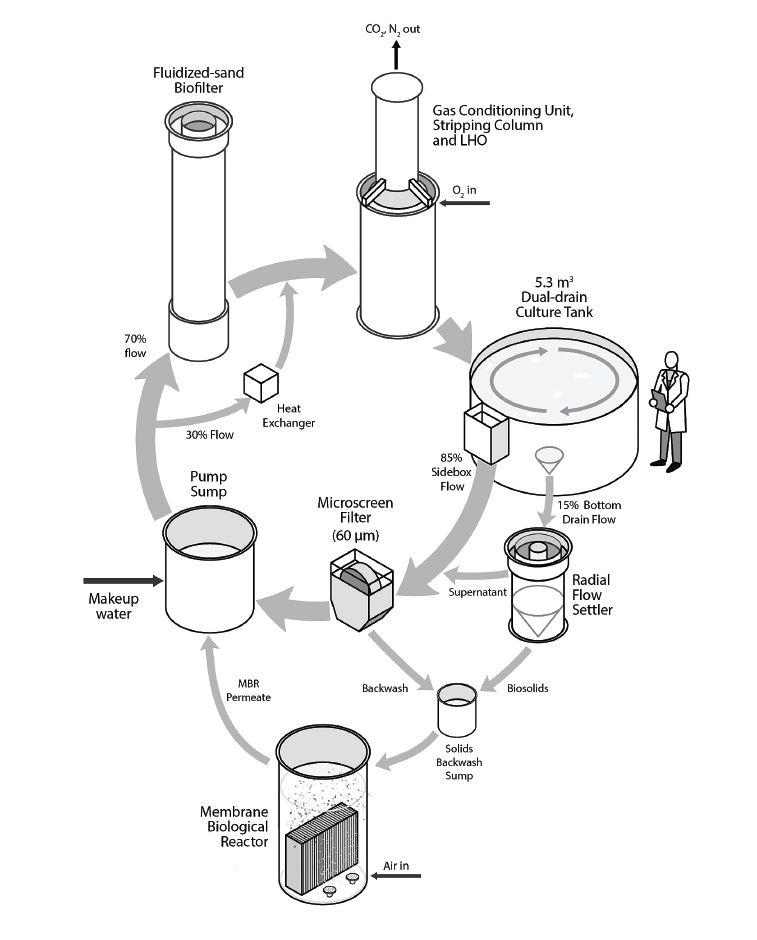
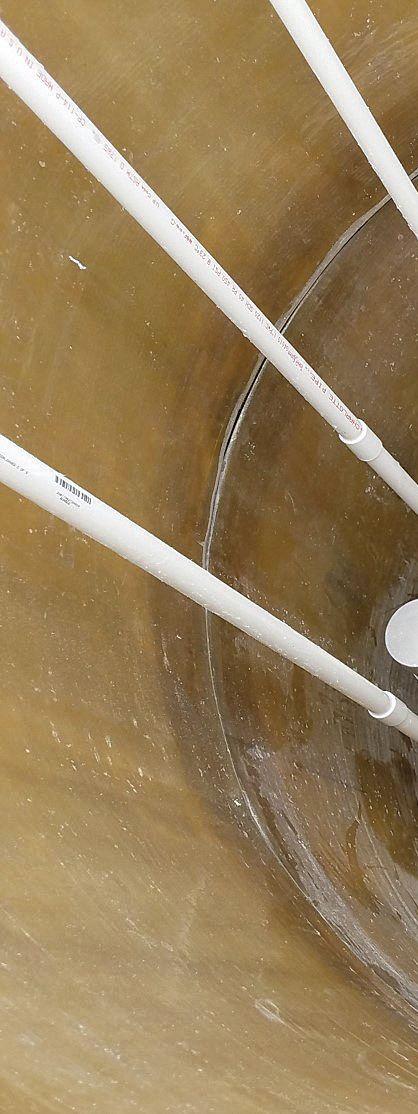
With these potential advantages in mind, a four-month study was carried out to evaluate the feasibility of incorporating MBRs (Alfa Laval, Sweden) within RAS. Six replicate RAS (9.5 m3) were used for this research. Three RAS included MBRs in the water recycle loop (Fig. 1) and only received new water to replace evaporative loss, splashing, and minor system overflows. MBRs received biosolids-rich backwash created by microscreen filters and radial flow settler flushing, which otherwise would be removed and processed by separate wastewater treatment systems. A clean, gravity pressure-driven permeate was forced through fine-pore membranes (Fig. 2) and returned to the pump sumps of respective RAS. The other three RAS,
which served as controls, were operated without MBRs and utilized flushing rates that provide conditions for acceptable rainbow trout health and performance. Replicate RAS were stocked with equal numbers of rainbow trout (103 ± 1 g) prior to the study.
Integrating MBRs within RAS resulted in substantial water savings and appeared to be biologically feasible for rainbow trout production. RAS with MBRs used six and a half times less water than RAS without MBRs. Mean system hydraulic retention time for RAS with and without MBRs was 104 ± 31 and 13 ± 1 days, respectively.
As the study progressed, we discovered that backwashed biosolids alone did not provide enough carbon to completely drive denitrification or to create optimal alkalinity recovery; therefore, a small amount of sugar (~ 1% of fish feed mass provided during the study) was periodically added to MBRs during the second half of the trial. After sugar was added, denitrification efficiency increased dramatically and nitratenitrogen (NO3-N) and alkalinity levels stabilized in the fish culture water.
Over the duration of the study, a range of water quality parameters, including NO3-N, were affected by MBR inclusion within RAS. Total ammonia-nitrogen, total phosphorus, true color and dissolved calcium, copper, magnesium, and sulfur levels were greater in RAS with MBRs, while alkalinity and ultraviolet transmittance were statistically lower (P< 0.05). Nevertheless, rainbow trout performance was generally unaffected by the different culture environment (Fig. 3).
FINDINGS
At the end of the trial, mean rainbow trout weight in RAS with and without MBRs was 595 ± 14 and 623 ± 6 g, respectively (P > 0.05). Although literature suggests that off-flavor compounds can be adsorbed by solids in anoxic environments, reduction of geosmin and MIB levels was not achieved (P > 0.05) in fish flesh or the culture water of MBR-integrated RAS under the conditions of this study. Off-flavor removal may have been inhibited by higher than anticipated oxygen levels (> 2 mg/L) within MBRs during the first month of the trial. The PLC-based aeration sequence used to mix activated sludge within the MBR vessel was eventually fine-tuned to maintain consistent oxygen levels of 0-2 mg/L which provided a balance for nitrifying and denitrifying microbial populations.
The results from this preliminary research trial are promising for MBR integration within RAS; however, further optimization is still required. MBR permeate was produced at a slower than specified flow rate, resulting in periodic system overflows. The cause of the diminished permeate flows is still under investigation; however, it seems logical that an improved membrane cleaning protocol will need to be applied to maintain effective permeate flow rates. If acceptable MBR permeate flows can be maintained, a range of improvements could result including increased water savings and enhanced treatment capacity to reduce concentrations of nitrate and other accumulating compounds in the culture water while recovering alkalinity. Ozone could also be utilized to
FIGURE 2. Internal view of MBR vessel showing aeration piping and flat plate membrane module supplied by Alfal Laval.
FIGURE 1. Water flow and unit process design for a replicate RAS with integrated MBR.
HATCHERY HACK
The air they breathe
Practical oxygen management and use, part I
BY RON HILL
L2018-05-23 11:12 AM
ack of oxygen caused by improper use of oxygen and oxygen systems is one of the highest causes of human error mortalities in aquaculture, even despite the use of sensors and automation.
Proper management and maintenance of oxygen systems is often lax, and workers’ use of oxygen is often poor and inefficient. Proper management of oxygen systems at the ground level will make the oxygen system reliable and efficient, saving the farm money.
OXYGEN AND FLOW
How a farm chooses to supply oxygen will depend on the farm itself and the requirements of the fish reared. Whatever the method may be, some basic management principles apply. For the technician, oxygen system management starts at the tanks. Proper water flow in the tank is the first consideration, even before oxygen is added. The flow must be adequate to provide appropriate water turnover to the fish, and give proper waste flushing, but also to properly distribute the dissolved oxygen in the tanks. Setting a proper spin (in circular tanks) and avoiding dead/low oxygen zones will distribute oxygen throughout the tank. Some water should also be injected low in the tank for this same reason. Maintaining proper flow rate and water direction is essential and often overlooked day to day.
IN-TANK OXYGEN MANAGEMENT
Regardless of delivery, the oxygen needs of the fish will determine the amount of oxygen provided.
Oxygen is expensive to produce and purchase. It is essential to strike a balance between providing enough oxygen for fish, plus a safe amount of cushion, and the need to not waste oxygen.
Rather than managing the oxygen flow meter and the litres per minute, the technician sets the oxygen flow by monitoring the level of oxygen in the tank through a sensor, keeping oxygen to a desired saturation level. Once the fish are in tank, adjusting the oxygen requires finesse and patience.
Adjustments to the oxygen require time to show their full effect, such that, once the oxygen has been adjusted to a tank, the new level will not be completely apparent until there has been a full water exchange.
This delay in reading the new levels after an adjustment is often problematic, especially for novice technicians who often find themselves overcorrecting. Overcorrecting when turning down the oxygen can lead to oxygen deprivation if the tank isn’t continuously monitored. Continually overcorrecting and failing to wait for the oxygen to rebalance means time and oxygen wasted, and the oxygen level in the tank swinging from too high to too low, causing stress to the fish. Manual adjustments to oxygen (aside from emergency situations) should be made slowly, in small increments. When lowering the oxygen, it is most important to make small adjustments. It is better that the oxygen is too high than too low.
IN-TANK MAINTENANCE
Regular maintenance of the oxygen system is the best way to ensure it works when it is most needed. Probes are the essential oxygen monitoring tool and must be kept and maintained with diligence – but beware of putting complete trust in them. Without regular cleaning, calibration and inspection, probes cannot be trusted to give accurate readings. Even with proper care, probes must be inspected and
recalibrated periodically. Regularly test probe readings for automated systems against handheld probes, test handheld probes against each other. There is nothing worse than not having faith in the reading a probe is giving especially when most needed.
TIPS AND TRICKS
Make oxygen and flow changes in the morning so that problem tanks can be addressed throughout the day. Do not adjust down in the afternoon.
Scrub and test air stones regularly. Stones that sit idle in a tank will foul, blocking the pours and thereby blocking the oxygen flow.
Change the membranes and electrolyte regularly in probes. Crystals and creases seen in the membrane indicate the probe needs renovation.
Automated oxygen systems and sensors still require humans to maintain them. Inspect the controls and set points and alarm points at the end of every shift.
Healthy fish is our shared commitment. With one small dose of FORTE VII®, you can help protect your fish against six naturally occurring bacterial, and one viral salmon pathogen. Sharing your vision of
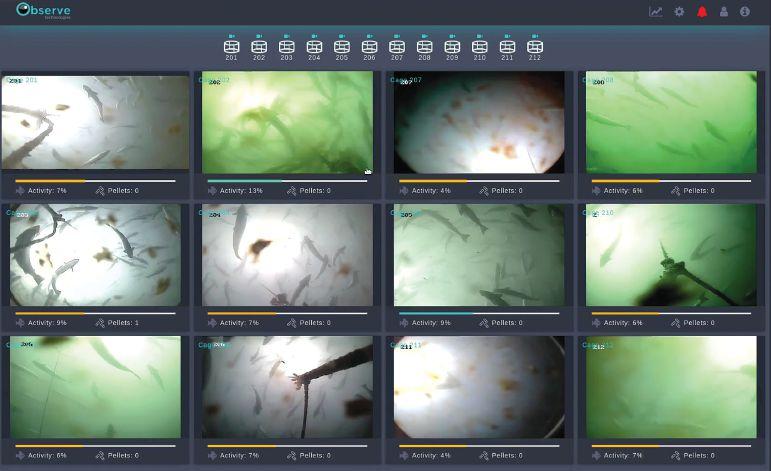
Global aquaculture supplier AKVA group and artificial intelligence (AI) software developer Observe technologies have teamed up to bring a new, intelligent feeding assistant with pellet recognition to the market.
The intelligent feeding assistant uses AI to analyze data and video streams on site. It not only counts visible pellets, but also completes a detailed analysis of the fish behavior, that when used together, identify risk situations and assist the operator in the optimization of the feeding.
The system is integrated with existing hardware at the site and is built to learn over time, to better understand the site-specific issues and to continuously optimize the realtime assistance for each pen.
The solution was first installed on farms during 2017 and is currently in full commercial operation on farms in Scotland and Chile. During the course of 2019, AKVA group is also planning on introducing the solution to the Nordic market. www.akvagroup.com
New ASA board
In-Situ water monitoring systems offer flexibility and ease
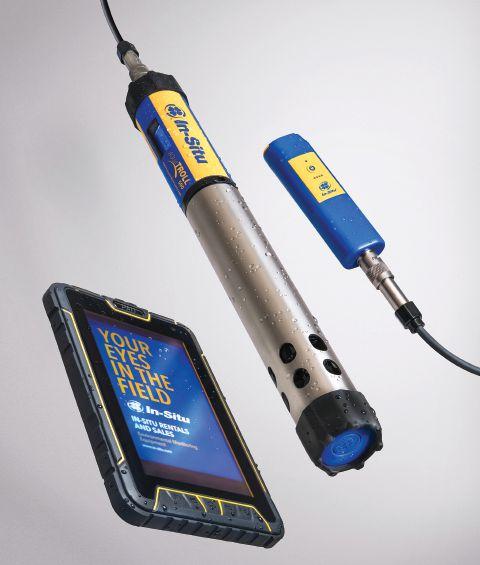
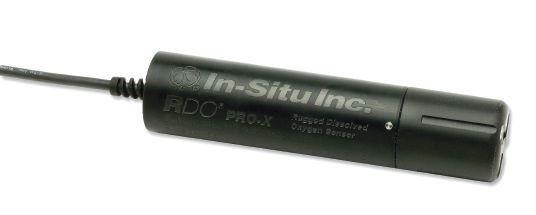
Fort Collins, Colo.-based water monitoring equipment company In-Situ is re-introducing its water monitoring line-up including the EPA-approved RDO sensor, Aqua TROLL 500 Multiparameter Sonde, and Aquaculture Pond Buoy.
The EPA-approved RDO probe is built for challenging environments and designed for optimal accuracy and reliability. The sensor features a unique three-layer system that provides chemical and abrasion resistance; hydrophobic formulation to eliminate the need for hydration conditioning; calibration coefficients stored in the smart sensor cap; and easyto-configure Modbus protocol.
The Aqua TROLL 500, with interchangeable sensors, including, pH/ORP, Dissolved Oxygen (DO) and conductivity, makes it easy to monitor multiple parameters with one reliable multiprobe. In-Situ also offers ammonium, nitrate, and chloride freshwater sensors. Rugged design and titanium construction ensure long-term performance in harsh environments, and the antifouling wiper cleans flat-faced sensors for higher-quality data. The Aqua TROLL 500 enables wireless data collection when used as a handheld and easily integrates with PLC/SCADA control systems and telemetry for long-term installation.
The solar-powered Aquaculture Pond Buoy allows easy remote monitoring of dissolved oxygen levels and temperatures oxygen levels and temperature in aquaculture pond raceways. The system reduces spot-checking rounds, automates aerator control, and eliminates calibration for an entire season. www.in-situ.com
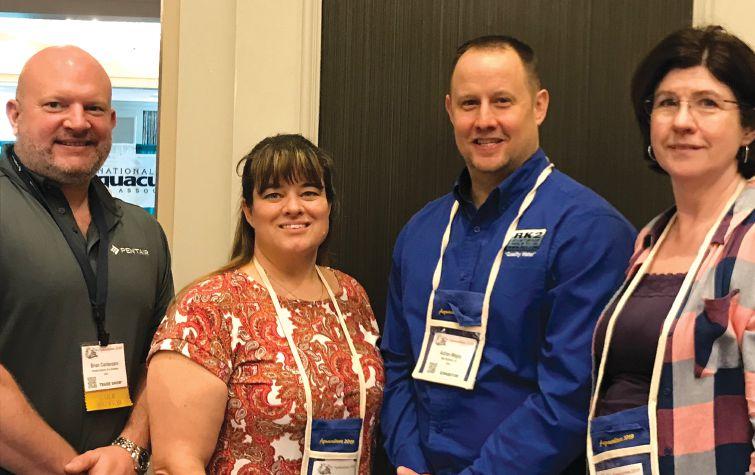
The Aquaculture Suppliers Association (ASA) has elected a new set of board members, including the executive board during the Aquaculture 2019 conference and tradeshow in New Orleans. The association expanded its board to include 12 members and elected a new president and vice-president.
The ASA works with the World Aquaculture Society on concerns and ideas pertaining to the tradeshow that runs concurrently with Aquaculture America and World Aquaculture Society’s Conferences. The ASA enjoys a discounted rate for these tradeshows, which actually pays for the membership, according to the new president Amy Stone.
The new members of the ASA board include: Amy Stone from Aquatic Equipment and Design; Brian Catanzaro from Pentair Aquatic Eco-Systems; Roci Brawner from R & B Aquatics; Adrian Megay from RK2 Systems; Stan Crisp from AquaCal; Mark Francis from Aquaneering; Jeff Jones from Hayward Flow Control; Jim Keeton from Keeton Industries; Rick Martin from Fish Farming News; Tony Robertson from Poly Dome/Poly Tank; Bob Robinson from Kasco Marine; and Candace Smith from Red Ewald. Stone, Catanzaro, Brawner and Megay form the executive board as president, vicepresident, treasurer and secretary, respectively.
The ASA holds three board seats on the National Aquaculture Association’s (NAA) board of directors, which allows them to collaborate on important issues affecting aquaculture producers. “The work that the NAA is doing is critical to expanding production and opening the market for the United States,” Stone said.
The ASA is supporting the Mike Clark Aquaculture Farmer Leadership Program, which is focused on mentoring young producers in the aquafarming community. Applicants self-identify an issue to work on and the NAA provides mentoring, travel support and guidance to resolve that issue. At the same time, they receive hands-on experience in the federal regulatory or policy arenas to better serve national, state or local aquaculture representation.
The ASA website offers producers a one-stop-shop for finding potential suppliers for their operations. “This website is searchable and has pertinent contact information to help our producers continue to be successful,” Stone said in a statement, adding the website is will undergo an update within the next year as part of a rebranding plan for the association. www.aquaculturesuppliers.com
The new executive board of the ASA (L-R): Brian Catanzaro, vice-president; Amy Stone, president; Adrian Megay, secretary; and Roci Brawner, treasurer.
Cargill introduces early rearing aquafeeds
Cargill Aqua Nutrition (CQN) now offers starter products for both freshwater and marine species, finfish and crustaceans, and in various forms to allow maximum flexibility to support early rearing needs.
EWOS Canada Ltd., a subsidiary of Cargill Ltd., has long offered three variants of crumble starter diets: EWOS Micro, EWOS Natura and EWOS Nature. While EWOS Micro is a premium diet for customers seeking the best all-around performance, EWOS Natura provides an alternative for customers who wish to balance performance goals with economic constraints. EWOS Natura is also documented to be the preferred nutritional solution for some Pacific salmonid species, including Coho, Chum and Pink. EWOS Natura can also be used for non-salmonid species, such as Bass, Sturgeon and Tilapia. The EWOS Nature range of micro crumbles follows a nutritional profile similar to that of EWOS Micro but is formulated to be free of terrestrial animal proteins and oils.
CQN North America is introducing the launch of EWOS Micro Xcel and EWOS Natura Xcel in 2019.
EWOS Micro Xcel is a premium micropellet starter diet that is designed to deliver nutritional excellence and high performance, while maintaining culture system hygiene. EWOS Micro Xcel offers supreme growth and low feed conversion efficiency for salmonid species, as well as Sturgeon, Seriola, Bass, Walleye and Barramundi.
EWOS Natura Xcel is a micropellet starter diet that supports optimized growth and efficiency. Formulated to meet nutritional requirements, EWOS Natura Xcel offers growth and performance potential and culture system hygiene.
Both micropellet ranges include EWOS Optifin; an exclusive feed additive that delivers a supplemental source of nucleotides to support fish health and growth in the early life stages of production.
EWOS Micro Xcel and EWOS Natura Xcel provide a consistent sink rate and are available in 0.3mm, 0.6mm, 0.8mm and 1.2mm micropellets. www.cargill.com
Titanium evaporators
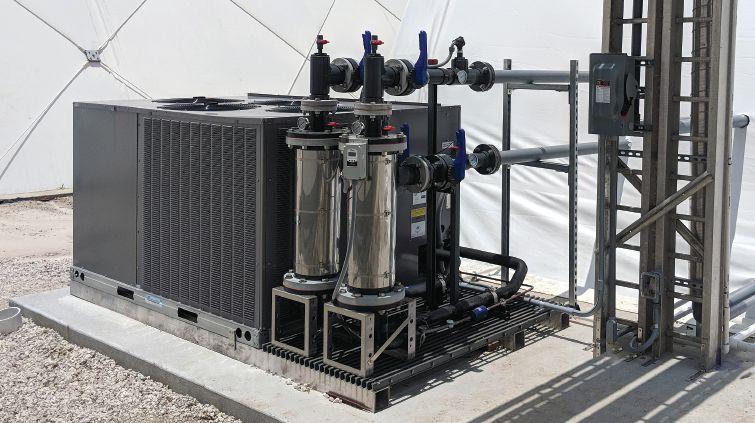
Delta Hydronics LLC has officially entered the small ton titanium chiller and heat pump markets with its new HydroMarine offering with models from 1.5 to 20.0 tons.
At the heart of HydroMarine design is a commercial grade titanium tube evaporator. The evaporator is a two-pass counter flow design using a tightly rolled Gr-2, 0.035’’ wall titanium coil housed in a SC 80 PVC shell. This innovative evaporator shell design offers a tangential water inlet which accelerates water around the outside of coil on the down flow opposite to the refrigerant up-flow; water reverses direction in lower shell spiraling upward inside coil to complete the second pass. At higher water velocities this coil design provides a uniform flow distribution with continuous self-cleaning of coil.
HydroMarine integrates Carrier condensing R-410a units for temperature control applications down to 48°F and commercial Husseman-Krack R-407a refrigeration units for aquatic chilling temperatures to 35°F applications.
The HydroMarine 6” & 8” diameter evaporators accommodate flows at 120 and 200 gpm respectively with pressure drops less than 10 fthd.
On the service side of the equation, HydroMarine’s dual flanged evaporator allows for simple inspection of coil by loosening the union connections and unbolting top flange without the need of pulling the shell off. Cleaning is simplified using a hose, pressure washer or tube brush and flushing of bottom drain with coil inside shell.
The HydroMarine’s base construction utilizes non-corrosive FRP grating, 316SS evaporator mounting brackets and 316SS HW providing a durable and stable platform and easy rigging using a pallet jack. The finishing touch on this equipment package is the 0.50” closed cell insulation jacketed with a shiny 24-gauge 316SS wrap protecting insulation from normal wear. www.deltahydro.com