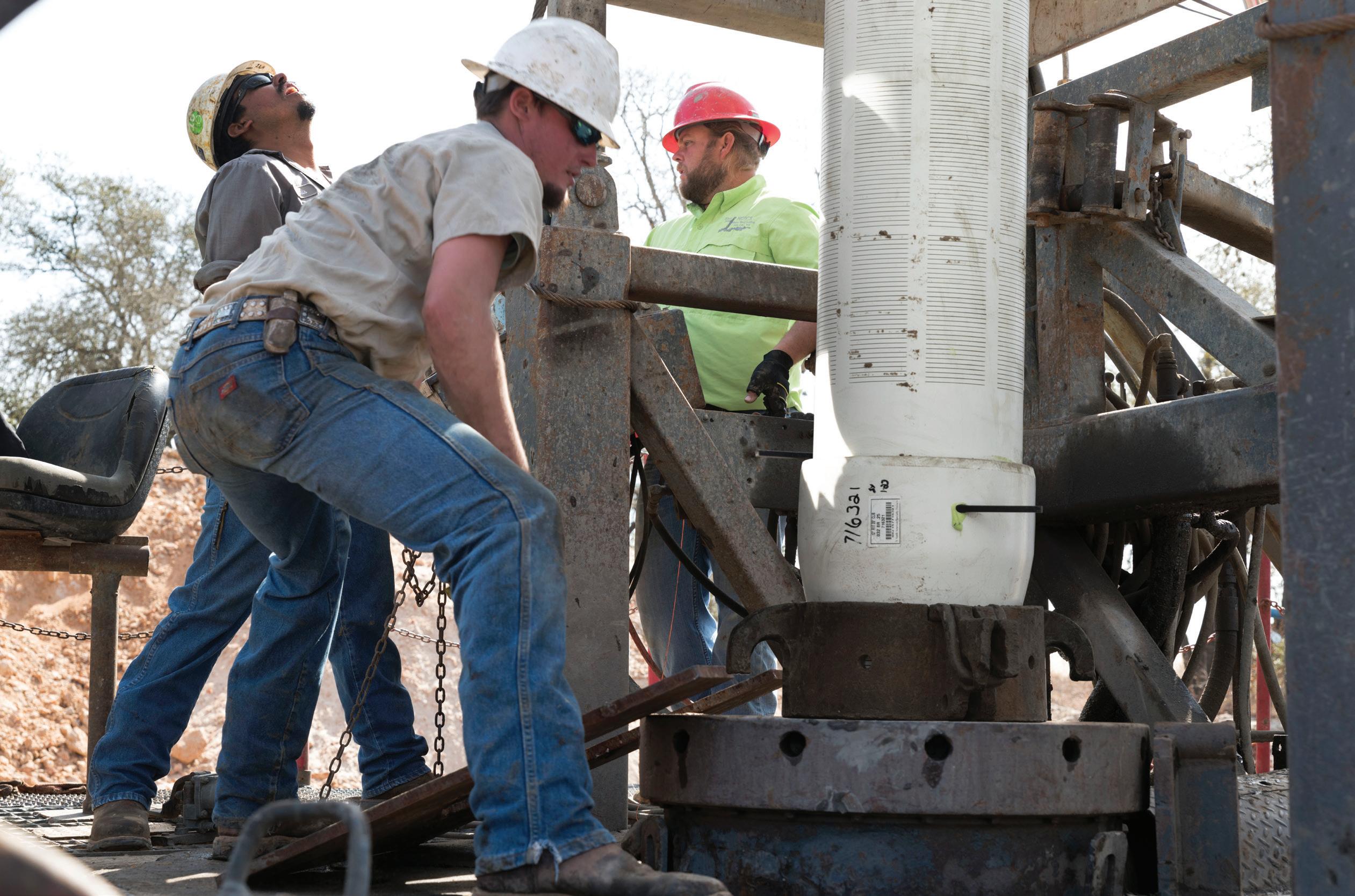
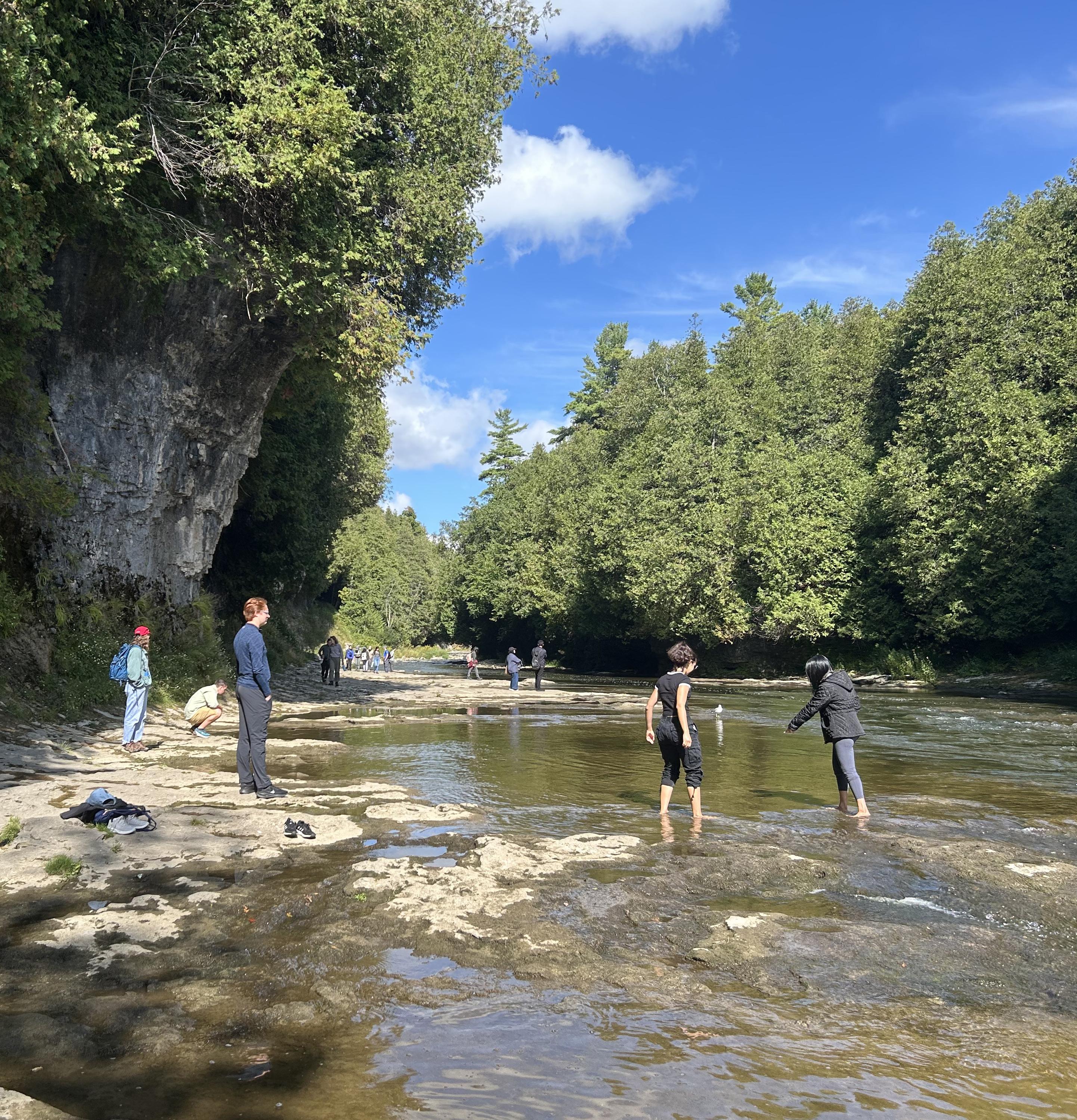
Making the connection between groundwater and what happens at the surface


Annex Business Media
P.O. Box 530, Simcoe, Ontario N3Y 4N5 (800) 265-2827 or (519) 429-3966
Fax: (519) 429-3094
Reader Service
Print and digital subscription inquiries or changes, please contact Customer Service Administrator | Angelita Potal
Tel: (416) 510-5113 | Fax: (416) 510-6875 apotal@annexbusinessmedia.com
Mail: 111 Gordon Baker Rd., Suite 400, Toronto, ON M2H 3R1
Editor | Mike Jiggens mjiggens@annexbusinessmedia.com (519) 429-5184
Advertising Manager | Sharon Kauk skauk@annexbusinessmedia.com (519) 429-5189
Account Coordinator | Melissa Gates mgates@annexbusinessmedia.com (416) 510-5217
Audience Development Manager | Shawn Arul sarul@annexbusinessmedia.com (416) 510-5181
Media Designer | Jaime Ratcliffe jratcliffe@annexbusinessmedia.com
Group Publisher | Michelle Bertholet mbertholet@annexbusinessmedia.com
CEO | Scott Jamieson sjamieson@annexbusinessmedia.com
Publication Mail Agreement #40065710.
Printed in Canada, All rights reserved. ISSN 0383-7920
Subscription Rates
Canada - 1 Year $22.28
U.S.A. - 1 Year $63.65 CAD
Annex Privacy Officer: Privacy@annexbusinessmedia.com Tel: 800-668-2374
Occasionally, Ground Water Canada will mail information on behalf of industry-related groups whose products and services we believe may be of interest to you. If you prefer not to receive this information, please contact our circulation department in any of the four ways listed above.
No part of the editorial content of this publication may be reprinted without the publisher’s written permission (c) 2026 Annex Business Media. All rights reserved. Opinions expressed in this magazine are not necessarily those of the editor or the publisher. No liability is assumed for errors or omissions.
All advertising is subject to the publisher’s approval. Such approval does not imply any endorsement of the products or services advertised. Publisher reserves the right to refuse advertising that does not meet the standards of the publication.
Serving the Canadian Ground Water industry for more than 50 years.

An interview with Dr. Andrea Brook field, director of the Water Institute’s Collaborative Water Program at the University of Waterloo
and views from the OGWA
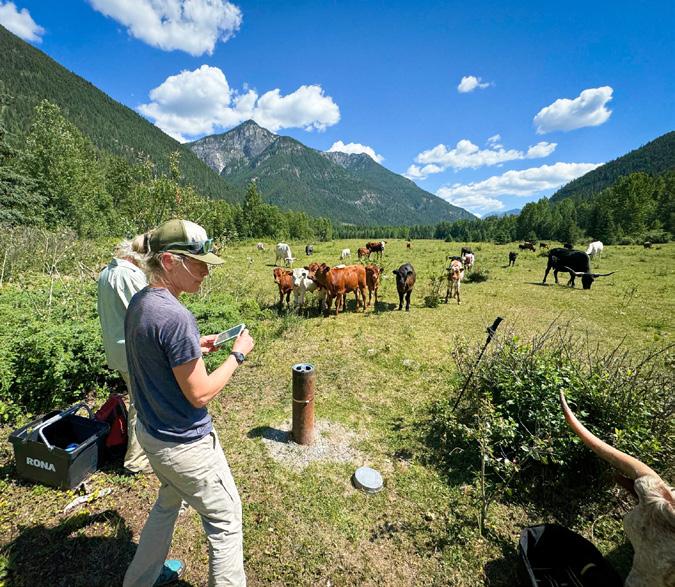
Groundwater report flags at-risk aquifers, monitoring gaps in the Columbia Basin
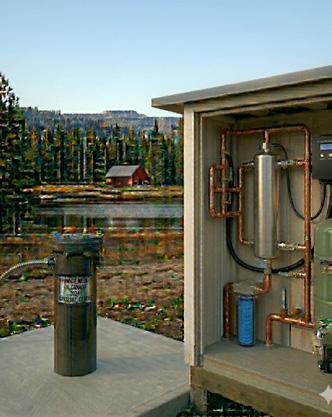
Ultraviolet disinfection is a standard treatment method for both surface and groundwater sources
Environmental report calls for greater protection of county’s groundwater
A local company that provides engineering and geoscience services centred around groundwater resources has noted that increased watertaking in the Wellington County area is contributing to dewatering and the movement of contaminants within local aquifers. Guelph Today report Newer groundwater sources linked to increased risk of developing Parkinson’s disease
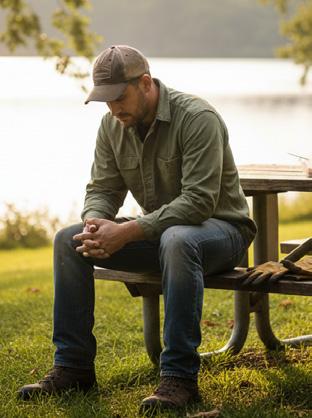
It’s belived older groundwater has fewer contaminants due to it being drawn from greater depths where it is shielded from such pollutants as pesticides and heavy metals. MSN News report.
Road salt may keep roads safer, but poses a threat to groundwater

by Mike Jiggens
An alarming trend has been occurring over the years which is putting groundwater, lakes and rivers at risk. It’s a trend that has been happening for much longer than we may realize. It seems only recently, however, that we’ve really acknowledged it.
We’re talking about the vast amounts of road salt that is getting into these water sources, putting them on par with seawater in some cases.
Lake Simcoe in Ontario has been making headlines for the year-over-year increases in salt levels it has been experiencing. This is all attributed to the ice-melting salt products that are being spread on roads and other paved surfaces during the winter months.
The big problem with salt is that it doesn’t disappear
Is salt really necessary to keep roads safer? There are other products capable of melting ice that are eco-friendlier, but cost and reliability are always important considerations. Salt isn’t as readily available as one might think, and there has been a shortage of it the past couple of years. This would seem to be the impetus for departments of transportation, municipalities and private snow removal companies to wean themselves off salt and turn to other products that can be more reliably sourced.
The big problem with salt is that it doesn’t disappear. Instead, it gets washed away with rain and the flow of melting snow, making its way into groundwater and other water sources that feed our drinking water.
Lake Simcoe has been a case study for the impact of vast amounts of salt entering ground and freshwater bodies. The Lake Simcoe Region Conservation Authority has expressed “great concern” over salt getting into the watershed because of its difficulty for removal. The lake is the source of drinking water for hundreds of
thousands of residents and even more who rely on the watershed’s groundwater aquifers.
A particularly alarming statement from only a year ago was that a small freshwater stream in nearby Newmarket had become saltier than the ocean – all due to washed-in salt.
Aside from concerns related to salt’s impact on drinking water, it also poses an ecological threat to aquatic species. Lower species in the food chain are generally stationary and dwell in riverbeds. Fish, on the other hand, are mobile and can move away from areas of high salt levels but depend on the immobile lesser species trapped in saltier water for food.
It was reported by the conservation authority more than 10 years ago that aquatic species were impacted by salt concentrations in almost twothirds of the Lake Simcoe watershed.
Who knows what that number might be today?
Discussions about road salt use come down to weighing what’s best for the environment and what’s best for vehicle and pedestrian safety. Insurance premiums have become ridiculously expensive, prompting commercial enterprises to want their parking lots to be well salted to prevent slip-and-fall lawsuits. Such thinking has its obvious consequences.
Anti-salt advocates would like to see the Ontario government adopt a measure initiated in New Hampshire. By limiting liability protection to certified commercial salt applicators, the state has realized upwards of a 45 per cent reduction in its salt pollution.
Our next issue will take a closer look at the salt situation in the Lake Simcoe watersh ed.
@GroundWaterMag groundwatercanada company/groundwatercanada
NEXT ISSUE: The Summer issue of Ground Water Canada will take a closer look at how road salt is affecting the Lake Simcoe watershed.

“Water and Gender” was the theme for 2026’s World Water Day, observed March 22.
The annual celebration aims to raise awareness of freshwater and sanitation challenges worldwide.
Launched by the United Nations, World Water Day has been observed every year since 1993. The occasion brings awareness to the fact that 2.1 billion people throughout the world have no access to safe water.
UN-Water, the United Nations’ co-ordination arm on water and sanitation, presents a different theme for each year of the globally observed day. Water and Gender was chosen for this year’s theme, noting that women and girls are disproportionately tasked with water and sanitation responsibilities yet are underrepresented in water governance and leadership.
The United Nations says its 2026 campaign seeks “a transformative, rights-based approach where women have equal voice, leadership, and opportunities in water decisionmaking.
UNESCO and the World Water Assessment Program (WWAP) marked the occasion with the launch of the UN World Water Development Report (WWDR) on March

23 in Venice, Italy. In addition to the report’s launch, key stakeholders fostered dialogue, partnerships and action aimed at making water systems more inclusive and resilient. The day’s goals included:
• Presenting key findings and policy recommendations of the WWDR on water and gender
• Placing gender equality as a central pillar of water security, climate resilience and sustainable development
• Expand the leadership and voices of women in water governance, services and decision-making
• Foster cross-sectoral dialogue and partnerships to hasten the progress toward sustainable development goals 6 and 5 at the global, regional and national levels.
Canada’s observation of World Water Day traditionally includes prioritizing freshwater protection, Indigenous water rights and climate resilience.

Residents in the Greenville community near Hamilton fear their wells will run dry if a proposed large commercial development is to proceed.
Residents living near the proposed site are concerned that a well needed to be drilled to service the commercial development will negatively impact their drinking water wells.
Among the businesses considered for the proposed site include a car dealership, a convenience store and a kennel.
The province’s water quality guidelines are now in keeping with national standards set by Health Canada.
New Brunswick’s chief medical officer of health said drinking water guidelines must be updated to reflect the evolution of science and ensure the population’s health is protected.
The water quality guideline changes were made to keep water protection current as community needs shift.
A groundwater monitoring well in Burford, Ont. reports the lowest levels observed since 2002.
About 7,900 homes on private wells in Brant county are experiencing the same issue.
A county councillor said it’s still unclear why groundwater levels are so low although it’s been reported that water flows and precipitation amounts have been much lower than average.



by CAROLYN CAMILLERI
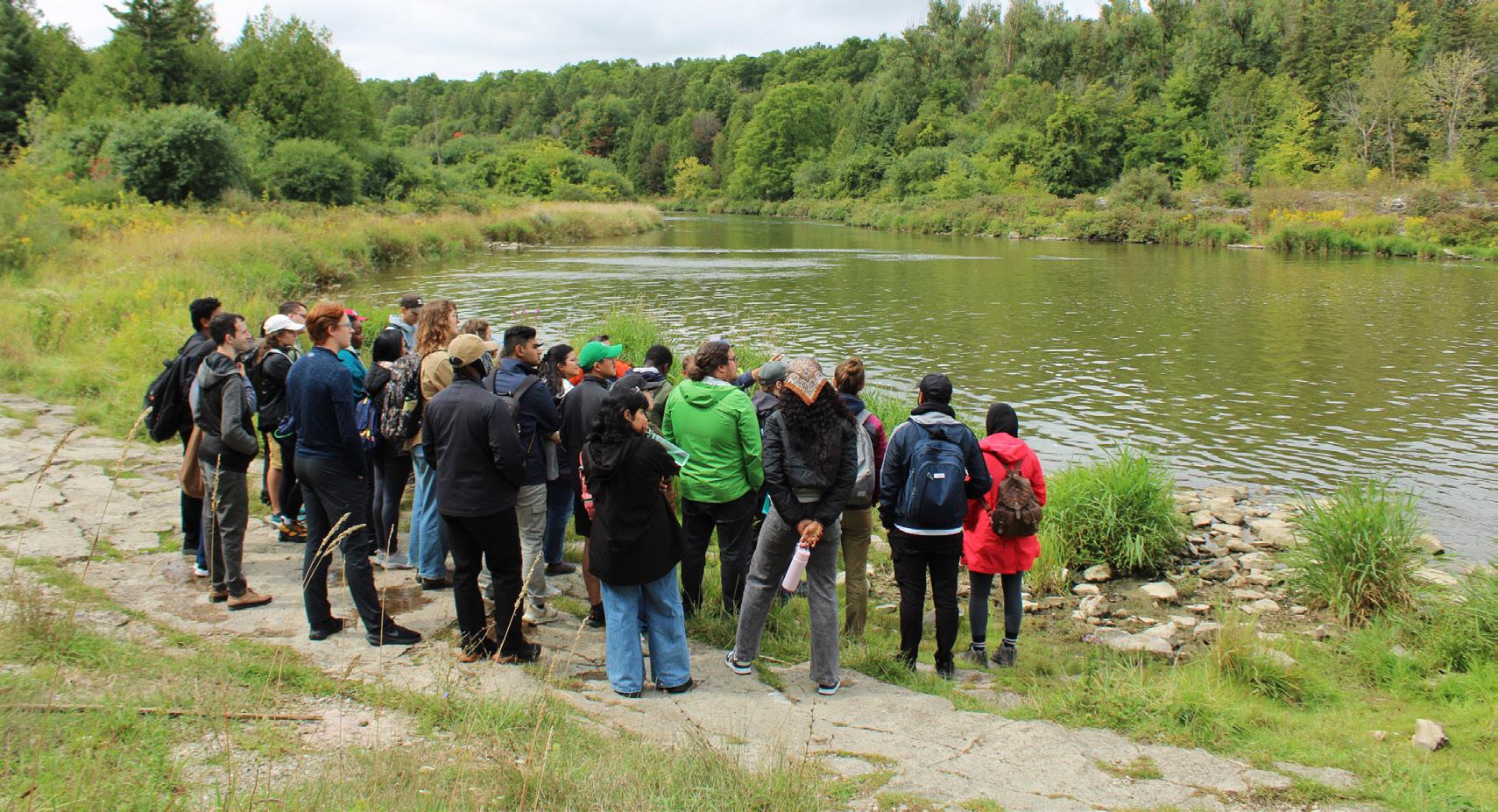
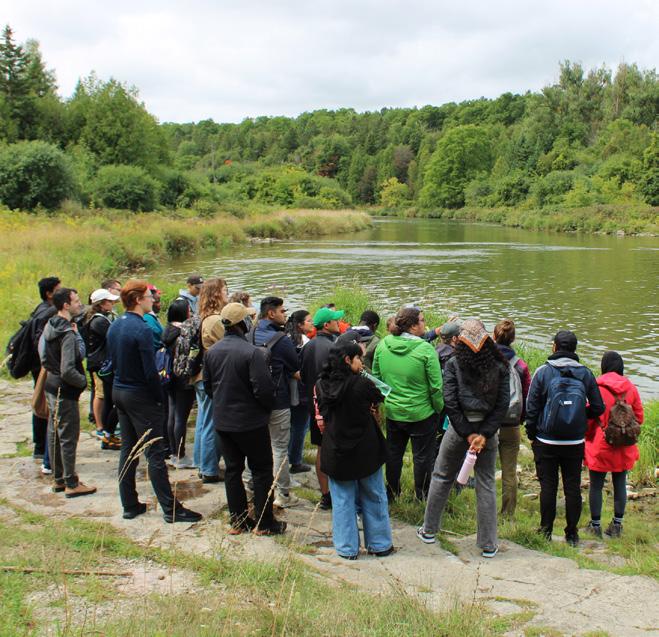
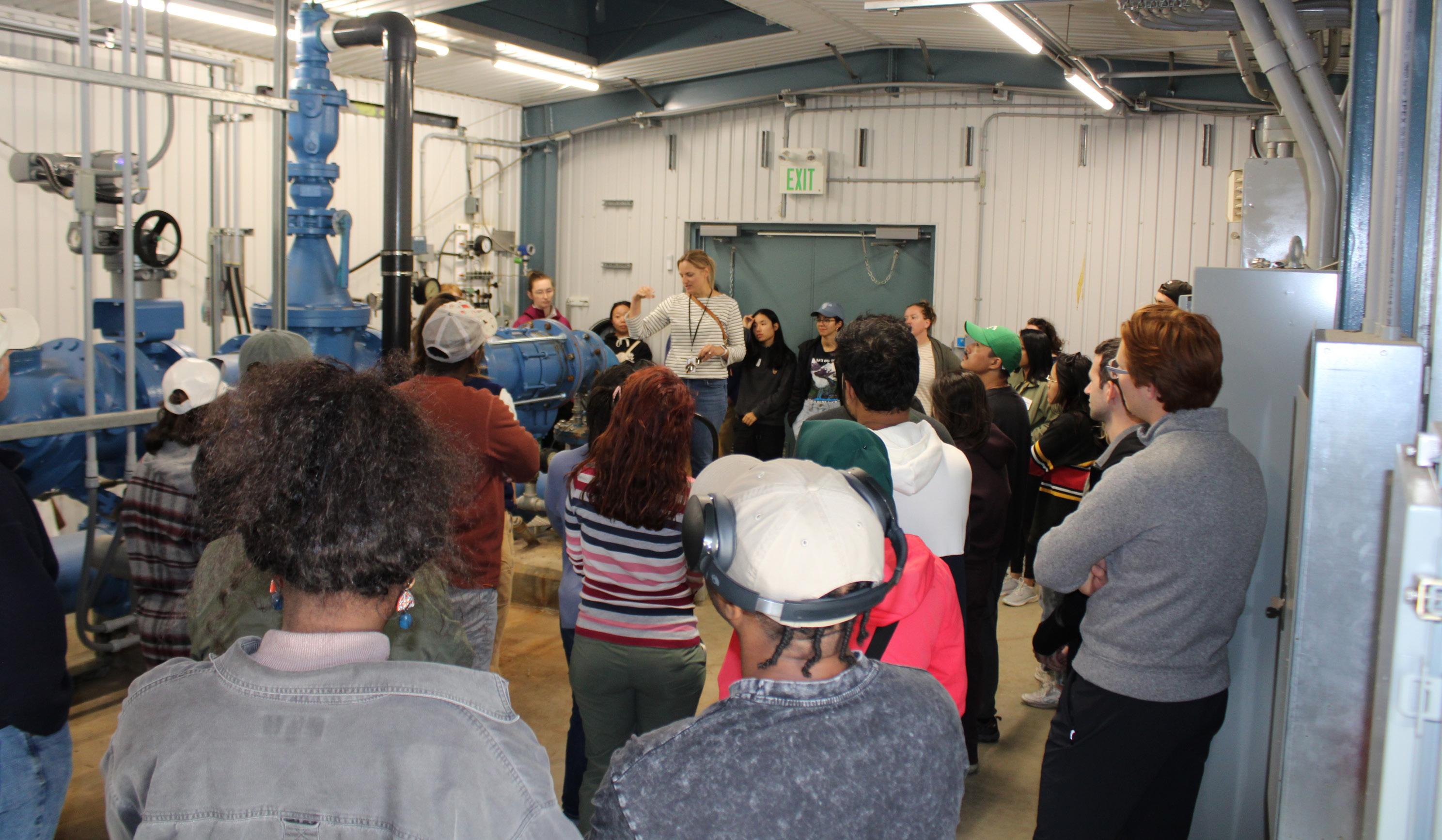
DStudents on a field trip learn of the connection between what happens at the surface and groundwater.
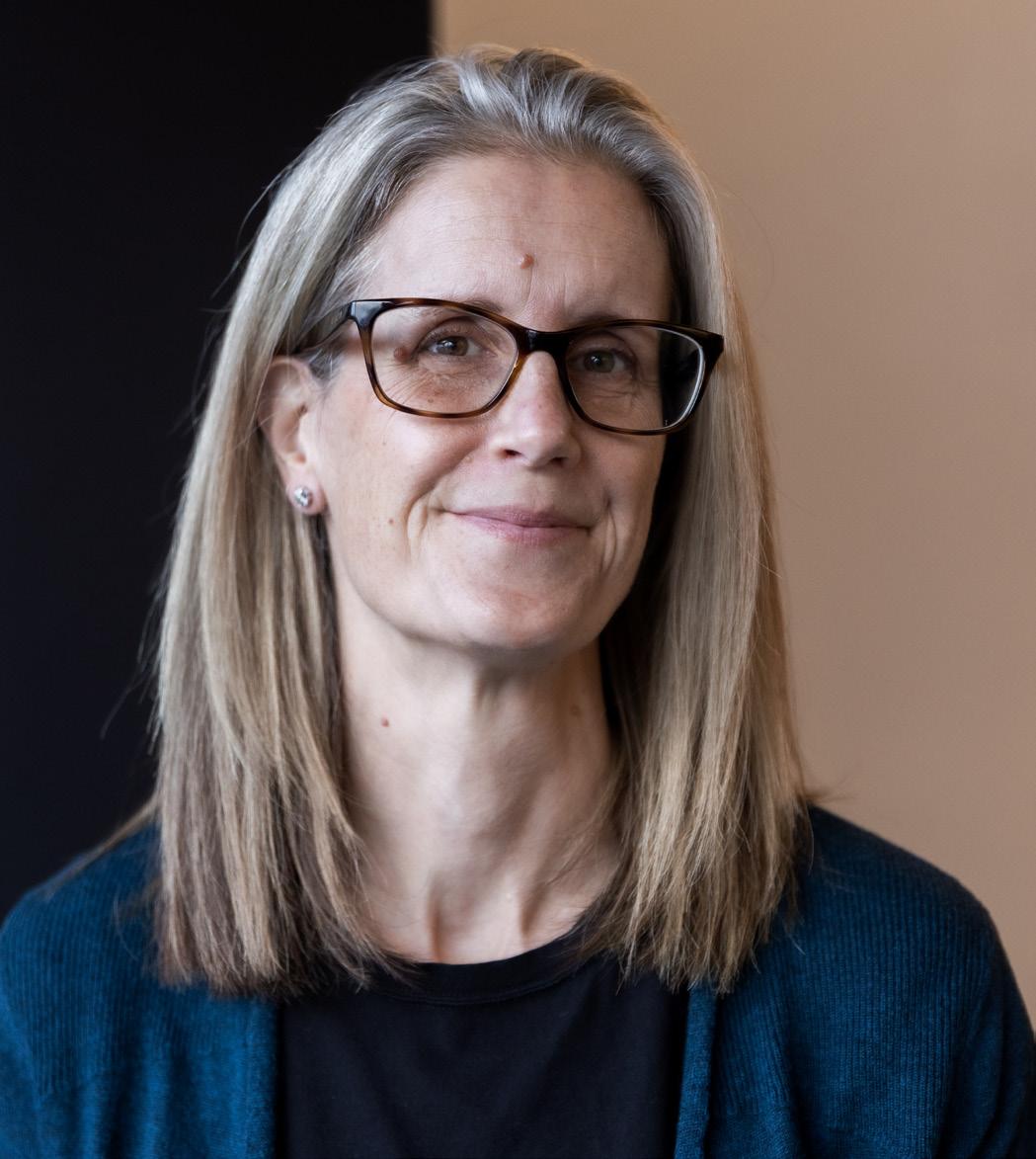
r. Andrea Brookfield is a professor in the Department of Earth and Environmental Sciences at the University of Waterloo and a researcher with the Water Institute, one of the world’s leading water research and education institutes. Her area of expertise is water resource management – developing and using models to study how water and contaminants move through ground and surface water, and how to balance competing water demands such as agriculture and industry. It’s work that finds patterns and connections, not just with water but also people, professions, and industries to inspire understanding and collaboration.
Dr. Brookfield’s career choice is no surprise given her background. She grew up in northeastern Ontario, in the Temiskaming Shores area between North Bay and Timmins, an area renowned for mining and forestry, as well as recreational fishing, snowmobiling, and boating.
“I grew up surrounded by water, surrounded by
industries reliant on water and the environment,” she says. “I also spent a lot of summers on the water. My family were big boaters.”
Proficiency in maths and sciences led her to study environmental engineering at the University of Waterloo, homebase for the Water Institute, where her instructors and professors encouraged her to
Core components stocked for Canadian wholesalers
Trusted by installing contractors
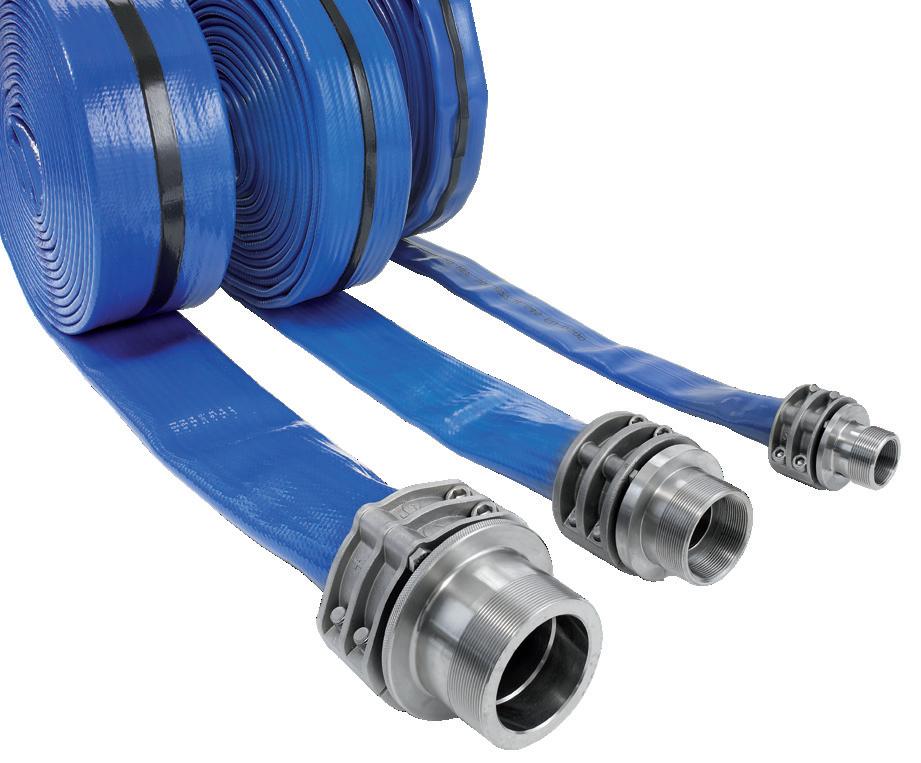
CB Supplies is your single source for everything needed to install, operate, and service pump and well systems. From pressure switches and control components to fittings, valves, and accessories, we provide solutions that keep water moving, backed by trusted products and industry expertise.
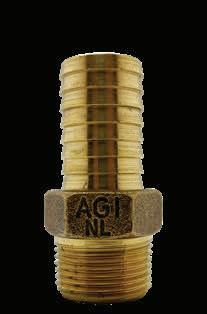
Bronze & Stainless Steel
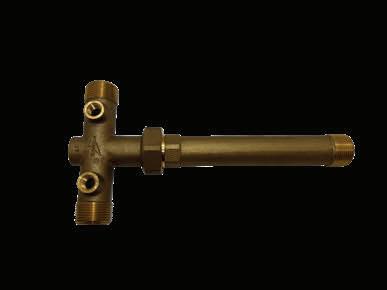
Insert Fittings
Cat. A04
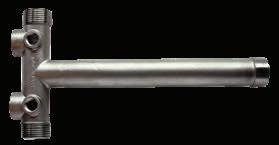
Brass & Stainless Steel Tank Crosses
Cat. A08
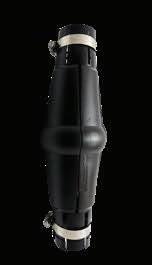
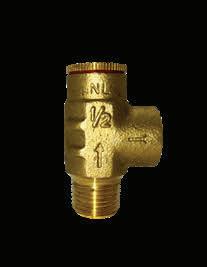
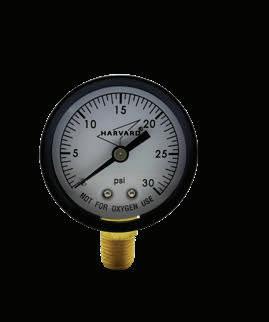
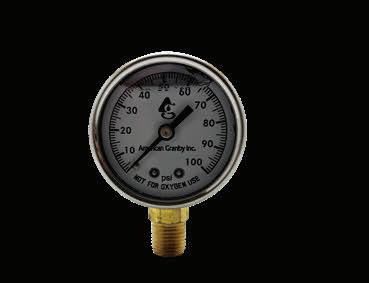
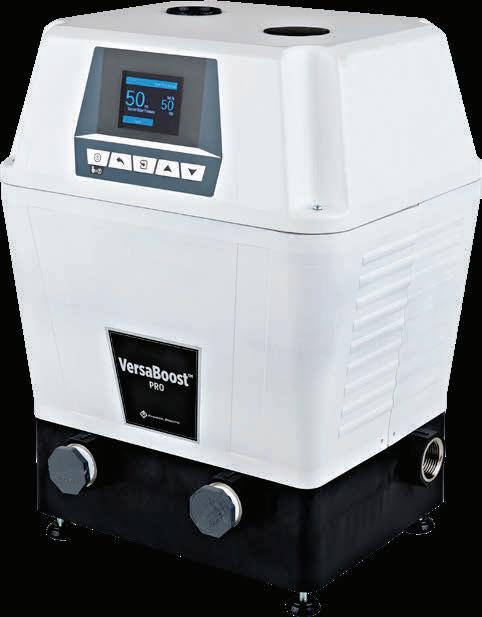
Pressure Gauges & Relays
Cat. A06

Pressure Relief Valves & Tank Installation Accessories
Cat. A07
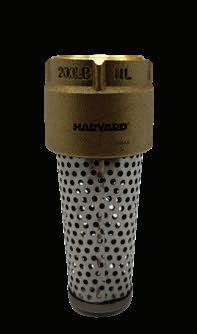
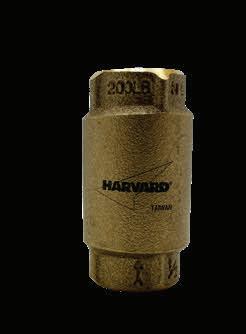
Check Valves & Foot Valves
Cat. A10

Telemecanique Sensors – Pressure Switches, Floats, Transducers & Accessories
Cat. A066

Submersible Pump Wire
Cat. A01
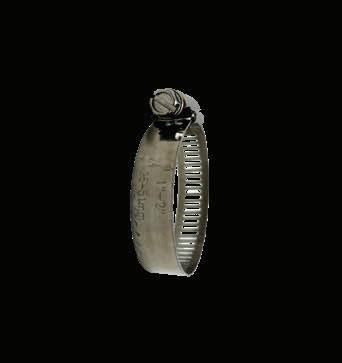
Stainless Steel Clamps
Cat. A20
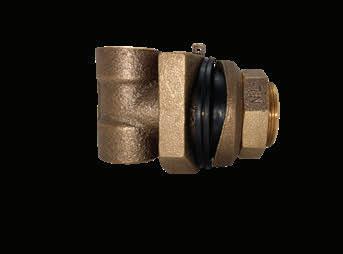
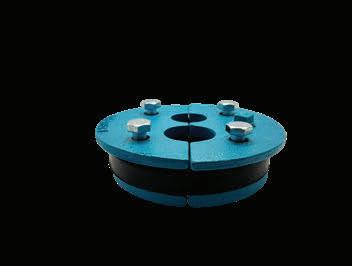
Pitless Adapters & Well Caps & Seals
Cat. A11
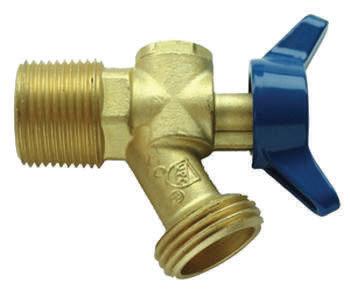
Drain Valves
Cat. A02

continue with water studies. Her co-op terms included work with mining, forestry, and consulting firms.
“Through those co-op terms, I realized that water was part of everything,” she says. “You can work in pretty much any field if your interest is in water.”
Her groundwater focus evolved from her work experience in mining, which typically involves dewatering mines and treating water that passes through tailings, the waste byproduct of mining.
“I really almost stumbled into groundwater,” she laughs.
In the past, a common concern in the water industry has been the lack of public awareness of the hydrologic cycle and the connection between surface water and groundwater. Dr. Brookfield has noted an improvement that she attributes to education, starting at the elementary school level and certainly at the university level.
“We make students very aware that water is water is water, regardless of where it is, and that it’s all connected,” she says about students in undergraduate classes. “There’s sometimes a disconnect between looking at a river or looking at a lake and connecting it with something happening below ground. But we’re seeing much less of that now. There’s much more awareness of the connection between what happens at the surface and groundwater.”
Dr. Brookfield has done extensive research in Kansas, in a droughtprone state with no natural lakes – only reservoirs – but there used to be rivers. She has spoken with landowners who, when they were children, used to swim in local rivers and creeks all the time, rivers and creeks that haven’t flowed for decades. While there are obvious
differences between Kansas and Ontario with its many lakes, look west to Canada’s prairies, where there are some similarities in the overall environment and land use, and water stresses. The current focus of Dr. Brookfield’s research is monitoring both surface and groundwater to ensure that events like those in Kansas do not occur in Canada.
“We look at the water use and the land use with agriculture, there are similarities between (the Canadian prairies and Kansas),” she says. “(In Kansas), they have an accelerated timeframe on what happened because of their environment – they have been using groundwater resources for irrigation extensively, and for much longer than what we see in the Canadian Prairies. We can look at them and say, ‘OK, how could they have prevented these issues? Let’s try to do that. Let’s not have that be our path.’”
Dr. Brookfield has been working with the Province of Alberta, because it is concerned.
“They’ve had years of drought,” she says. “They do support significant agriculture, particularly in the south. They have a lot of other industry, oil and gas, etc.
“Drought makes you realize that we need to pay attention to these things. The work from Kansas is that canary in the coal mine saying, ‘Look, this does happen, and it doesn’t just happen in faraway places like Australia and Africa. This happens in places that are similar to us and close to us, and we need to pay attention.’”
While drought is an issue in several areas of Canada, it isn’t the only concern. Other regions have different concerns. For example, in Kitchener-Waterloo, road salt is getting into the groundwater systems.
“We’re reliant (in KW) on groundwater for our drinking water, so that is a major concern,” she says. “We also have issues with the algal blooms in many regional lakes, notably Lake Erie. Is it exacerbated by climate change? Likely.”
The combination of a regional problem, road salt, and algal blooms likely caused in part by climate change demonstrates an important point that Dr. Brookfield has heard several times from prominent researchers – that water is a global concern, and even when the problems are similar, the solutions are local and need local context.
In overarching terms, the changing climate is affecting our water resources across Canada, but how the changing climate affects water resources regionally may differ across the country. The primary crisis in Alberta is different from the primary crisis in Ontario or the Yukon and so on.
“We have to pay attention to all of the stressors, and we have to know the region,” she says. “That’s why it’s important that we have researchers who focus on areas, and local experts – whether they’re technicians or well drillers – who know the area well, who understand the situation, understand the region, and know what the primary concerns are.”
The water well drilling industry has an important role in all of this.
“I can’t speak for every hydrogeologist and hydrologist and water manager out there, but for my work, the fundamental basis of what


I do is reliant on what (well drillers) do,” Dr. Brookfield says. “My only glimpse into the groundwater system is through a well. Sometimes I’ll have geophysics – that’s another group of people I rely on – but those wells are the glimpses into what is down there, what that subsurface environment is like, giving me an idea of what the material is and what the water levels are. Their role has always been there and has always been a strength. The value of a really good well log, seeing those details, seeing the water level observations from a properly developed well, reflecting what’s happening in our aquifer – all of those things are so invaluable. That’s the foundation of a lot of what we do.”
Bridging from that, especially if she’s working in a new area, is the knowledge from local drillers and well owners who know the issues and what to look out for.
“They understand the overall groundwater flow system, and so can help me figure out how to design this monitoring network,” she says. “Otherwise, we’re kind of running blind.”
Her message to the well industry: stay aware and up to date on what is happening in your area and what the concerns are and be willing to speak up, because being part of the discussion is important.
“In hydrogeology and hydrology, there is a lot an emphasis on collaboration,” she says. “We don’t just look at groundwater now. We’re concerned about surface water. We’re talking to ecologists, we’re talking to economists, we’re talking to the landowners and the folks in agriculture or the industries nearby.”
Understanding the goals, making sure everyone has a voice, and collaborating on solutions is also the focus of the University of Waterloo’s Collaborative Water Program, an interdisciplinary water graduate program co-delivered across all six faculties. In January 2026, Dr. Brookfield was appointed to a two-year term as director of the program.
The program aims to train students to understand and be able to address complex water issues so they can carry that knowledge into their future careers in a variety of fields, from mathematics, economics, and engineering to architecture and public health. While some students learn about hydrogeology from the classes and field work, they also learn from each other.
“They’re learning to be aware of the concerns of students who are coming from economics, who are coming from engineering, who are coming from the social sciences, whether it’s social justice, environmental justice, law,” Dr. Brookfield says. “When they go out into the world, they’re aware of these lenses and they’re also aware of how to collaborate.”
Knowing how to communicate and collaborate with different groups of people and knowing what you bring to the table is an important skill in any profession.
And sooner or later, in so many professions, the subject being discussed is going be water because, as Dr. Brookfield says, “Water is a universal concern whether people are aware of it or not.”
Carolyn Camilleri is a freelance writer based in Toronto.
The power of a truck mounted drill on a carrier that goes where trucks can’t
Spindle torque rating up to 10,410 ft/lbs and 28,275 pounds of retract force for those deep auger borings.
Detent feed with adjustable pulldown pressure and rate controls for efficient core drilling operation.
Available optional equipment includes angle drilling, automatic SPT hammer, up to 6-5/8” capacity hydraulic rod holder and break-out wrench, cathead, water tank, a variety of hydraulic hoists, water pumps and much more.
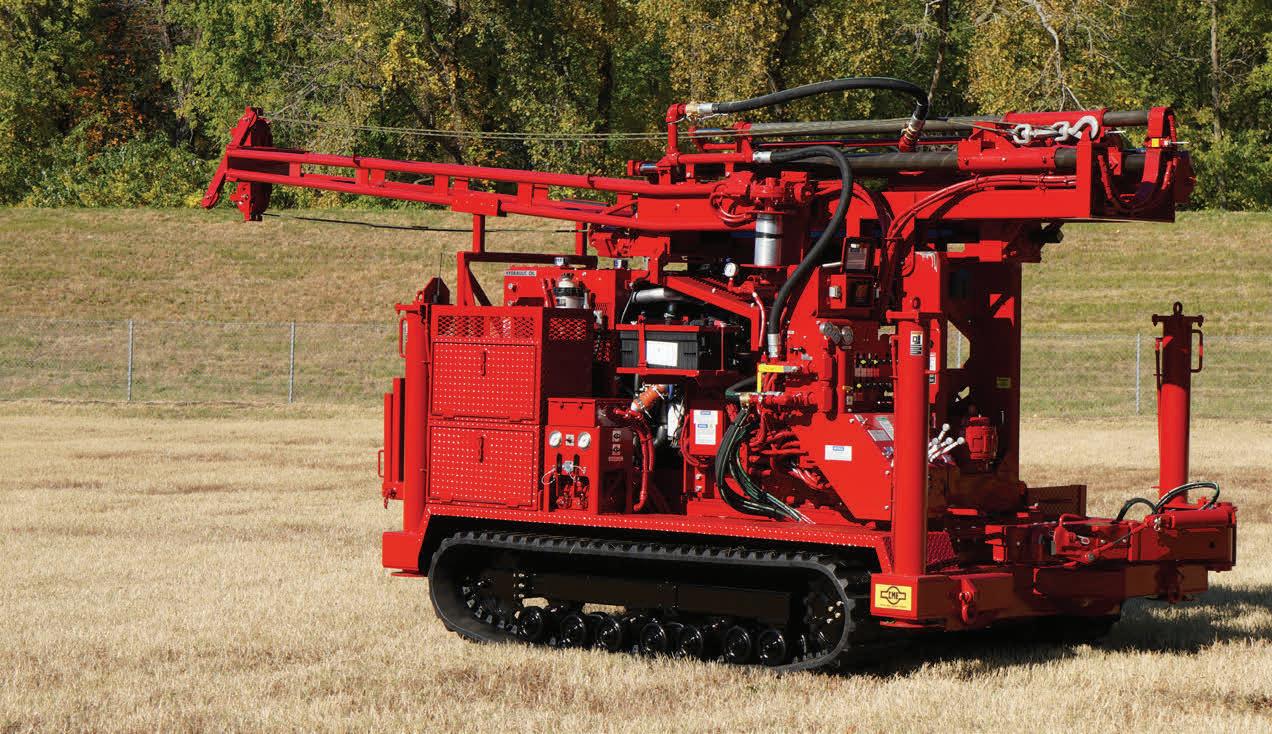
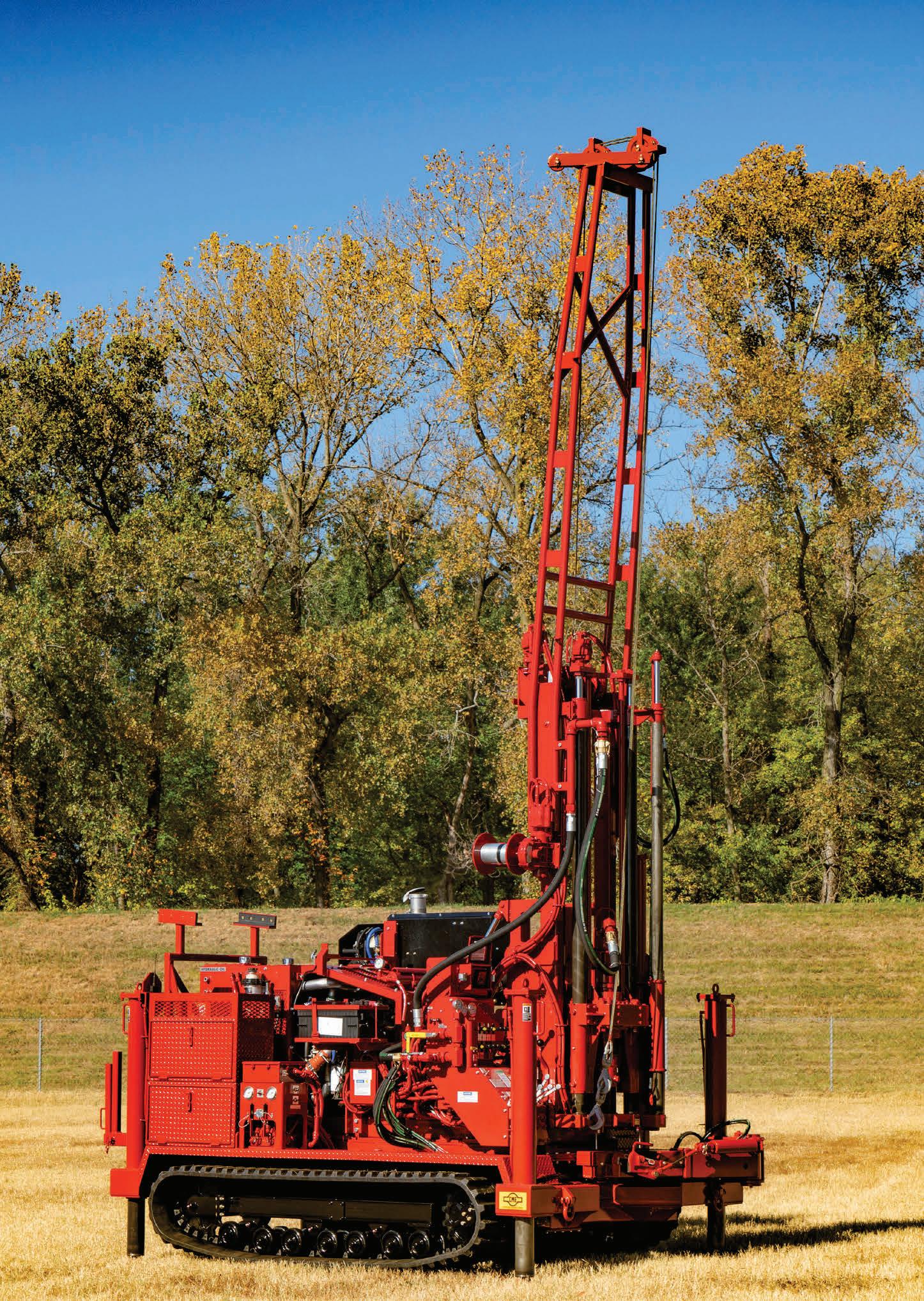
The CME-300 remote control driven, rubber track carrier is specifically designed and built by CME in our St. Louis factory. The walking beam suspension provides excellent stability when negotiating uneven terrain, whether it’s curbs in the city or logs in the forest. Couple that with a compact, low ground bearing pressure, zero turn carrier and now you’re getting to sites where your trucks can’t go.
Give us a call or visit our website to learn more about the advantages of the one-source CME-55/300 multipurpose rubber track drill.

As I move into my second year as President of the Ontario Ground Water Association, I’ve had the opportunity to reflect on the past year and consider where our industry is heading. Serving in this role is an honour and a responsibility that I take seriously.
The groundwater industry in Ontario is built on hard work, practical knowledge, and people who take pride in doing things right. Whether you are drilling wells, installing pumps, conducting hydrogeological studies, supplying equipment, or supporting projects behind the scenes, the work we do is fundamental to communities across the province. It may not always be flashy, but it is essential.
And lately, it has also been busy.
For many of us who typically rely on a slower winter season, this past winter felt a little different. The usual slowdown that allows crews to catch their breath never quite arrived. Rigs kept turning, projects kept moving, and many of us found ourselves working through months that traditionally offer a bit of downtime.
While that may have kept us away from a few snowmobiles, ice huts, and winter weekends we might otherwise have enjoyed, it also reflects something important: the continued demand for the expertise and services our industry provides.
At the association level, the past year has also been productive. One of the most significant developments was the successful rescinding of a Director’s Order from the Ministry of the Environment, Conservation and Parks (MECP). This was not a small matter and had real implications for members and the broader groundwater sector.
What made this outcome particularly meaningful was the process behind it. OGWA engaged constructively, brought forward the expertise of our members, and worked with regulators to ensure that decisions reflected
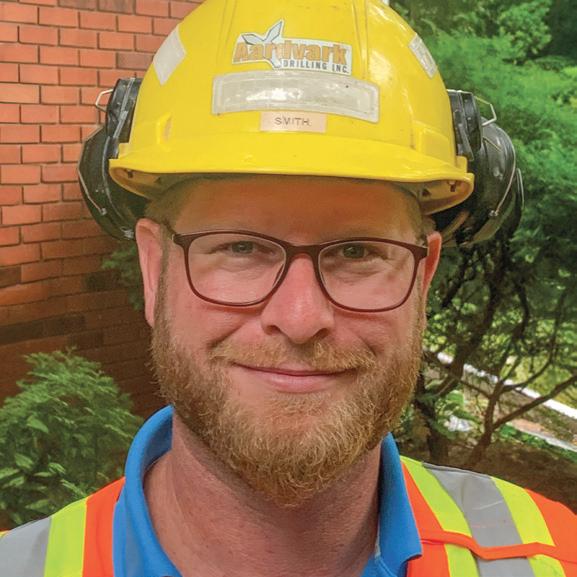
KYLE SMITH, President
sound science and the practical realities of the field. It was a clear example of how effective collaboration and a unified industry voice can lead to positive outcomes.
Education continues to be another major focus for OGWA.
Continuing education is one of the core pillars of the association. Our industry is constantly evolving, with new technologies, equipment, regulations, and best practices shaping the way work is done. Providing members with access to practical, relevant training is essential to keeping the industry strong.
Continuing education is not just about meeting regulatory requirements. It is about supporting professionals who want to stay sharp, improve their skills, and operate safely and effectively.
I am proud to once again be involved in delivering some of our continuing education courses this year. Sharing field experience and practical knowledge with fellow industry professionals is something I genuinely enjoy. One of the strengths of our industry is the willingness of experienced professionals to pass along what they have learned to the next generation.
Over the coming year, OGWA will devote significant time and resources to strengthening and expanding our education programs. This includes developing new course materials, updating existing training, and ensuring that the information we deliver reflects the realities of work being done across Ontario.
Education will also remain a key part of our annual Convention. The event continues to serve as an important opportunity for members to reconnect, share ideas, and discuss the issues shaping the future of groundwater in Ontario. Alongside networking and industry discussions, the educational component of the Convention continues to grow, offering valuable learning opportunities for members at all stages of their careers.
Beyond education and advocacy, what gives me confidence about the future of OGWA is the strength of the people behind the organization.
Our staff work tirelessly to support the day-to-day operations of the association and ensure that our initiatives move forward. Their professionalism and dedication to members play a major role in keeping OGWA running
HEALTH AND SAFETY REPORT
Updates for OGWA members
FIVE GENERATIONS OF GROUNDWATER
The story of Air Rock Drilling
OGWA’S LUNCH & LEARN
Sharing the industry with students
GROUND BENEATH THE TRACKS
High-speed rail’s effect on water
At the same time, we are supported by a strong and engaged Board of Directors representing a wide range of perspectives across the groundwater industry. Contractors, suppliers, scientists, engineers, and business owners all contribute valuable insights that help ensure the association reflects the needs of the industry as a whole.
Together, that combination of committed staff and an engaged board allows OGWA to stay focused on what matters most: supporting and representing our members.
There is no question that we are operating in shifting times. Development pressures are increasing, infrastructure demands continue to grow, and water resources are receiving more public attention than ever before. Our industry must also navigate regulatory changes, workforce challenges, and evolving expectations around environmental stewardship.
These challenges are real, but they also reinforce the importance of the work we do. Groundwater professionals play a critical role in ensuring safe, reliable water for communities across Ontario. The expertise within our industry, from field crews to consultants and suppliers, is something that should never be underestimated.
Our role is clear: to support the professionals doing the work, advocate for the industry when it counts, and help ensure that the knowledge and experience built over decades continues to be shared and strengthened.
As President, I see my role as helping to steer the ship, but the strength of OGWA ultimately comes from the people who make up this association. With engaged members, a strong board, and a dedicated staff team behind us, I believe the Ontario Ground Water Association is well positioned to meet the challenges ahead.
Sincerely,
KYLE SMITH, President, Ontario Ground Water Association
Hello, OGWA members!
Trusting that all of you are well, I do have a couple of updates for you. I know! How exciting!
1. If you haven’t done your WHMIS training lately, you might want to do it again. Why? Because there are a couple of changes to WHMIS.
2. First of all, Flammable Aerosols are now just “Aerosols” and there is a new category called “Chemicals under Pressure.” Now, some of those old flammable aerosols may be under the new “Chemicals under Pressure” but the only way to find this out is to review your Safety Data Sheets. There are also some changes to the Safety Data Sheets in the hopes to simplify them.
3. Do yourself a favour and get new Safety Data Sheets and, when you do, don’t forget to review them with your employees!
4. For those with a JHSC, please make sure that your training program is reviewed annually and reflected in your JHSC Minutes.
5. The Government of Ontario has now launched “The Occupational Exposure Registry” for workers to report exposures to designated substances in the workplace.
6. And , while I’m on government reporting, the Government of Canada has just announced a new Worker Retention Grant for employers participating in the “Employment Insurance Work-Sharing Program.”
7. The WSIB Excellence program is still here, offering Rebates to members who participate. If you are interested in getting, a) up to double your annual premiums back OR, b) $2,000 per topic, up to five topics (yes, that’s $10,000) then please contact me! Each business will now receive $1,000 to offset provider fees in addition to the Rebates! If you have any questions on any of this, please just give me a call at 905-741-5001 or email me at info@safetyworksconsulting.com. I wish you all a fabulous and productive Spring!
ELLALINE (ELLA) DAVIES President, Safety Works Consulting Inc
PUBLISHED FOR THE ONTARIO GROUND WATER ASSOCIATION Ph: 519-245-7194
TRISH LUTY, General Manager Ext. 1 / trish@ogwa.ca
KARINA PAKALNIS, Administrative Assistant Ext. 3 / Karina@ogwa.ca
DEBBIE STOJKOVIC, Accounts Ext. 2 / accounts@ogwa.ca
EXECUTIVE
KYLE SMITH President
STEPHEN BLEIZEFFER Vice President
BOYD BENDLETON Treasurer
MATT WILSON Secretary
DWAYNE GRAFF Past President
DIRECTORS
STEPHEN BLEIZEFFER BrokerLink Inc. 519-579-3330
RACHEL BOURNE Elements Geo Corp. 289-927-4078
DWAYNE GRAFF Well Initiatives Ltd. 519-846-8289
JAMES DENNIS CanPipe 613-930-5595
BRUCE HIETKAMP Geo Kamp Limited 905-825-8007
SHAWN HOPPER SD Hopper Drilling 519-272-5490 (cell)
MIKE MINOR Franklin Electric 437-240-3179
HARRY OUSSOREN Institu Contractors 519-763-0770
BOYD PENDLETON Lotowater Technical Services Inc. 519-442-2086
RICK PETTIT Rideau Supply 800-463-7648
KYLE SMITH Aardvark Drilling Inc. 613-296-8779
MIKE STEFFEN Steffen Well Drilling 519-357-1960 / 519-531-0355
BRYAN WATSON G. Hart & Sons Well Drilling Ltd. 705-887-3331
MATTHEW D. WILSON J.B. Wilson & Son Well Drilling ltd. 519-269-3364
IAN GAWEL Desjardins Financial Security Independent Network 647-285-1390 416-695-1713 (fax)
By Trish Luty, General Manager, OGWA. With contributions from the OGWA Board of Directors
From time to time, public conversations around water supply begin to use the phrase “water shortage.” For people working in Ontario’s groundwater industry, those headlines can feel familiar, and often a little misleading.
Recent discussions around water supply challenges in parts of Ontario, including the Region of Waterloo, have once again raised questions about groundwater availability. While the public narrative may frame these situations as evidence of declining water resources, the reality is often more complex.
Ontario’s municipal groundwater systems are among the most studied and carefully monitored in Canada. In regions such as southwestern Ontario, decades of hydrogeologic investigation, monitoring wells, pumping tests, and aquifer modelling have built a strong scientific understanding of available groundwater resources. These studies consistently show that many municipal aquifers can support sustainable long-term water supplies when supported by appropriate infrastructure, sound operational management, and balanced wellfield use.
In practice, the reliability of municipal water systems depends on more than just the aquifer beneath the ground.
Water service reliability is influenced by the entire system: the wells that produce the water, the treatment facilities that ensure its quality, and the distribution infrastructure that delivers it to homes and businesses. Constraints within any of these components can create service limitations that may appear to be water shortages but are often related to infrastructure capacity, maintenance requirements, or operational management.
Municipalities must also balance pumping rates across multiple wells to protect aquifers and avoid localized impacts such as well interference or environmental effects. Treatment plants must be able to process the water wells produce, and distribution systems must have the capacity to deliver it across growing communities.
When any part of that system reaches its operational limits, the result may be water restrictions or delays in servicing development. While these challenges are real, they do not necessarily indicate that the groundwater resource itself is depleted.
In many cases, additional groundwater resources exist but have not yet been fully developed or connected to municipal systems. Rapid population growth has significantly increased demand in a relatively short period of time. Canada added approximately four million people between 2021 and 2024, and while housing and healthcare impacts are often discussed, the immediate pressure placed on water infrastructure receives far less attention. The average Canadian uses approximately 223 litres of water per day, meaning that population growth translates directly into increased water demand for municipalities. In some cases, this level of growth was simply not anticipated in long-term infrastructure planning, creating a gap between available groundwater resources and the infrastructure needed to deliver them.
Anyone working in Ontario’s groundwater industry already understands this distinction well. Groundwater systems are governed by recharge rates, aquifer characteristics, wellfield design, and long-term monitoring, not simply short-term demand.
For those designing, drilling, testing, and maintaining wells across the province, the difference between resource availability and system capacity is a familiar one.
Members of the Ontario Ground Water Association work in communities across the province every day, developing wells, supporting municipal systems, conducting hydrogeologic investigations, and helping ensure groundwater resources are used responsibly and sustainably. Their hands-on understanding of aquifers provides valuable perspective when discussions around “water shortages” arise.
As communities grow and infrastructure ages, thoughtful planning and investment become increasingly important.
The Ontario Ground Water Association is proud to recognize Rideau Supply and Canpipe (Canadian Pump and Supply) as Core Sponsors of the Association.
Year after year, companies like these demonstrate what true industry partnership looks like. Their support of OGWA goes far beyond sponsorship; they consistently show up for the Association and the groundwater community in meaningful ways.
Rideau Supply has long been a steady presence within OGWA, contributing not only through sponsorship but through active participation on the Board and thoughtful engagement in the work of the Association. Their insight, experience and respectful approach to collaboration have helped shape important conversations within the industry. Alongside them, Canpipe has also been a strong and valued supporter of OGWA and the
groundwater community. As a company deeply connected to the day-to-day work of the industry, Canpipe understands the importance of supporting the organizations that bring professionals together, advance knowledge and strengthen the sector as a whole.
For a small trade association like OGWA, partnerships like these matter. The work of advancing education, supporting members, and advocating for the groundwater industry is only possible through collaboration among contractors, suppliers, scientists, engineers, and manufacturers who share a common goal.
Rideau Supply has also been there behind the scenes – supporting OGWA staff and leadership during demanding and stressful times, offering encouragement and perspective when it was needed most. That kind of support is not always visible, but it makes a real difference.
At a time when Ontario’s groundwater professionals are being asked to do more than ever – support growing communities, protect water resources, and train the next generation of skilled workers – the role of committed industry partners has never been more important. Companies like Rideau Supply and Canpipe are not simply suppliers to the industry; they are active participants in its future. Their willingness to invest in the Association, support their peers, and contribute to the broader groundwater community helps ensure that this essential industry remains strong, resilient, and ready for the work ahead.
OGWA is deeply grateful for their partnership and proud to have them standing alongside the Association as we continue to support and advance Ontario’s groundwater industry.

Well drilling has been part of my family for more than a century. Today I’m proud to represent the fifth generation involved in the trade, but the story really begins long before Air Rock Drilling was ever a company name.
Our family’s connection to groundwater started in the early 1900s with my great-great-grandfather, William Morrison. He was a farmer, blacksmith, and woodcutter who began digging wells and repairing pumps and windmills for people in his community. In 1905 he built his first drilling machine and drilled his first well. Back then the drill was powered by horses walking in circles, providing the “horsepower” needed to operate the equipment.
Over time what started as a side job grew into a full-time trade. In 1946, his son – my great-grandfather, C.V. Morrison, who everyone called Clemie – left his job on the railroad to drill wells full time.
The next generation joined the rig in 1955 when my grandfather, Wally Desaulniers, began helping Clemie. My grandfather drilled his first well in 1957 and by 1959 he was a full-time driller. Like many people in this industry, once he got into drilling it became more than just a job – it became a lifelong passion.
In 1968, my grandfather bought his own cable tool drill, which was a big step forward for him. Then in 1970 he partnered with Clemie and they purchased their first rotary drill, a 1958 CP650. That moment marked the beginning of Air Rock Drilling.
The name Air Rock came from the drilling method itself. Air was used to drill through rock formations, and the name stuck.
My Uncle Ken grew up around the rigs just like many of us did in family businesses. Eventually he joined the company and took over operations from my grandfather.
Under his leadership, the company continued to grow. In 2002 he made a major move and relocated the business to the Ottawa area, setting up our current location in Richmond, Ontario. The move allowed us to better serve the fast-growing communities
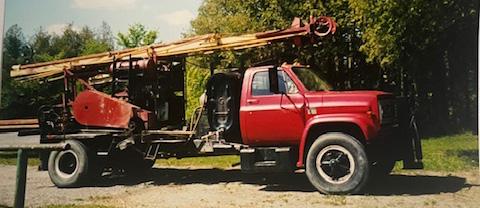
around Ottawa and eastern Ontario.
I grew up around the industry myself and started working alongside my family in my early teens. Drilling was always part of life for me, so when the opportunity came up in 2018 to purchase the company from my uncle, I was proud to step in and continue what my family had built.
Today, Air Rock is a full-service operation. We handle everything from drilling the water well itself to the final pump installation, and we continue to serve both residential and commercial customers across the region.
Changes in the Industry
The groundwater industry has changed a lot over the decades.
One of the biggest shifts we’ve seen has been the advancement of drilling technology. The rigs we operate today are far more efficient and capable than the equipment used when my grandfather first started drilling.
Another major development came in the early 2000s with the growth of closed-loop geothermal systems. While open-loop geothermal had existed for many years, closed-loop geothermal drilling expanded rapidly and opened up a new part of the industry.
Air Rock moved into geothermal drilling during that period, and today we work on everything from residential installations to large commercial projects. Some of the projects we’ve been involved with include work for institutions like the University of Toronto and Kingston’s Queen’s University, as well as geothermal installations for large buildings and developments in downtown Ottawa.
Regulation has also played an important role in shaping the industry. Standards like Ontario’s O.Reg. 903 have helped ensure that wells are constructed properly and that groundwater resources are protected. Like many drillers in
the province, we meet and aim to exceed those standards on every job.
One of the challenges we see today is the shortage of new drillers entering the trade. Well drilling is a very specialized industry, and it takes time and commitment to learn the craft. Encouraging younger people to get into the field is something the industry will continue to work on.
Our company has been a member of the Ontario Ground Water Association for more than 50 years.
My grandfather spent many years serving on the association’s Board of Directors representing water well drillers. His work helped build communication between drillers and the Ministry, ensuring that regulations and industry standards were practical while still protecting groundwater resources.
The association continues to play an important role in education, collaboration, and maintaining professional standards across the industry.
One thing that hasn’t changed over the generations is the values that guide how we operate.
My grandfather, who many people knew as “Waterman Wally,” built the company around honesty, integrity, and pride in the work we do. Those values have carried through every generation of the business.
When your family name is tied to the work, reputation matters. Every well we drill represents the standards that have been built over decades, and we take that responsibility seriously.
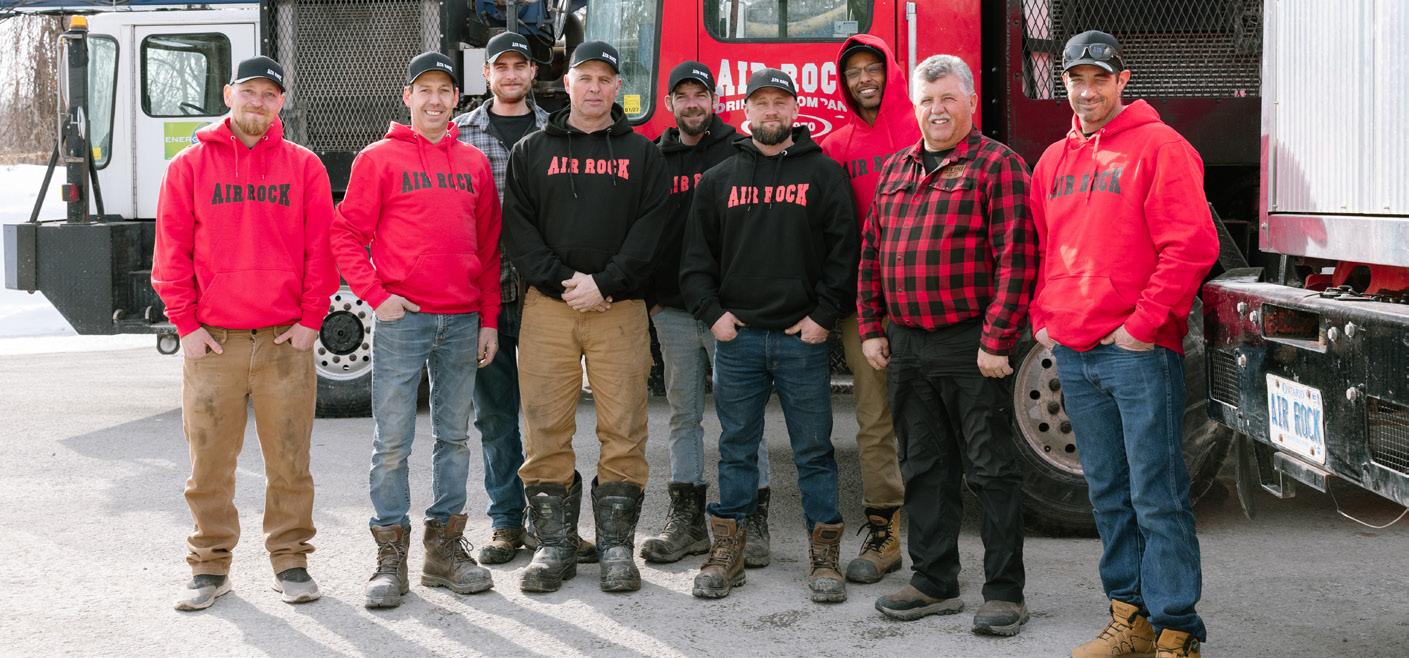
Over the years, we have added to the “family” with our long-time drillers and our hardworking and dedicated team. Employees are the steadfast backbone of our anniversary story. Their skill, safety-first mindset, and unwavering camaraderie have helped drive every successful milestone we celebrate today. As we mark this anniversary, we honour their legacy, their daily grind, and their tireless pursuit of excellence that continues to propel us forward.
Today, I’m proud to lead Air Rock Drilling as the fifth generation involved in this trade.
My wife and I now have two young sons – Jet, who is two years old, and Jimmi, who is only a few weeks old. Like any family business, I hope that one day they may want to be part of what has been built over the last century.
Water will always be one of our most important resources, and people will always need reliable access to it. As the industry continues to evolve, Air Rock Drilling will continue doing what it has always done – providing quality work, standing behind our values, and building on the foundation laid by the generations before us.
For anyone looking to enter the groundwater industry, my advice is simple: understand the industry and understand the true cost of doing the work properly before getting started. Success in this trade takes knowledge, commitment, and respect for the craft.
After more than a hundred years of family involvement in well drilling, I’m proud to carry the tradition forward – and hopeful that the next generation will one day take it even further.
Employees working within the Ontario Groundwater Association carry out physically demanding work that is essential to environmental protection and infrastructure across the province. From drilling wells and installing pumping systems to conducting soil assessments and managing heavy machinery, this work involves consistent physical effort—not just skill. Because of these risks, disability insurance beyond WSIB coverage is not just beneficial, it is critical.
Many workers mistakenly believe WSIB provides full protection if they get hurt. While WSIB is valuable, it only applies when the disability is directly connected to workplace activity. Injuries or illnesses that occur outside of working hours are not covered. This gap means a worker could be unable to earn income and receive little to no financial support while trying to recover.
This is why independent disability insurance becomes essential.
WSIB offers support if someone is injured on-site, experiences an equipment malfunction, or develops an occupational illness. However, most disabling events in life do not take place during work hours.
These include:
• A vehicle accident on personal time
• A fall at home
• A sports injury
• Cancer, stroke, or heart-related illness
• None of these situations qualify for WSIB.
For manual labourers, any disability affects their ability to work immediately. When that ability is compromised, income stops instantly.
Groundwater industry workers often face:
• Repetitive movement
Heavy lifting
Outdoor exposure
Machinery vibration
Because of this, common injuries include: Back and joint damage
Fractures
Hearing issues
Degenerative physical conditions
Even injuries that seem small, like a strained back or a wrist injury, could take weeks or months to heal—time during which a worker may be unable to perform their job.
A disability affects more than the worker—it affects their household.
Expenses continue, such as:
• Mortgage or rent
• Car payments
• Food and utilities
• Child-related costs
At the same time, new costs arise, including medication, therapy, and medical equipment. Without disability insurance, this financial combination can be overwhelming.
Coverage ensures income continues so families do not face sudden instability or long-term financial damage.
Many labourers postpone applying for disability insurance, believing they can “get it later.” The challenge is that once a health decline begins, qualifying can become difficult or expensive. The time to obtain coverage is while health is strong and no limitations exist.
Ian Gawel
Life and Health Insurance Advisor, Desjardins Financial Security Independent Network
Cell: 647-285-1390 Email: Ian.gawel@ dfsin.ca
Vince Vivona
Group Insurance Specialist
Desjardins Financial Security Independent Network
Cell: 416-571-6568 Email: vince.vivona@ dfsin.ca
Across Ontario’s groundwater industry, a significant generational shift is underway. Many experienced professionals who have built and sustained the sector for decades are approaching retirement, while at the same time demand for groundwater services continues to grow. From housing development and infrastructure expansion to environmental monitoring and water supply planning, the number of projects tied to groundwater is steadily increasing.
For the Ontario Ground Water Association (OGWA), the message is clear: the industry urgently needs the next generation of skilled professionals. The need for trained, capable “boots on the ground” has never been greater.
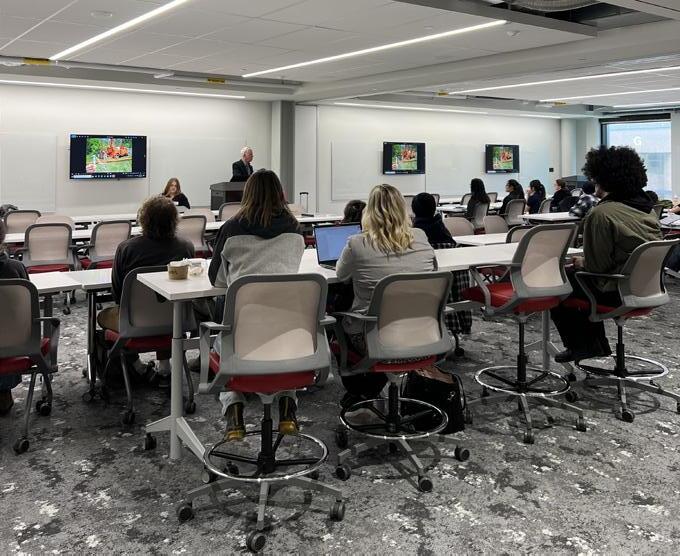
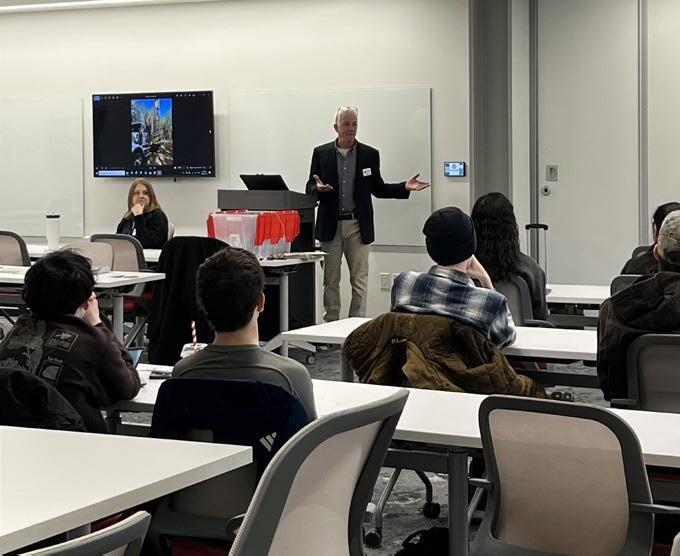
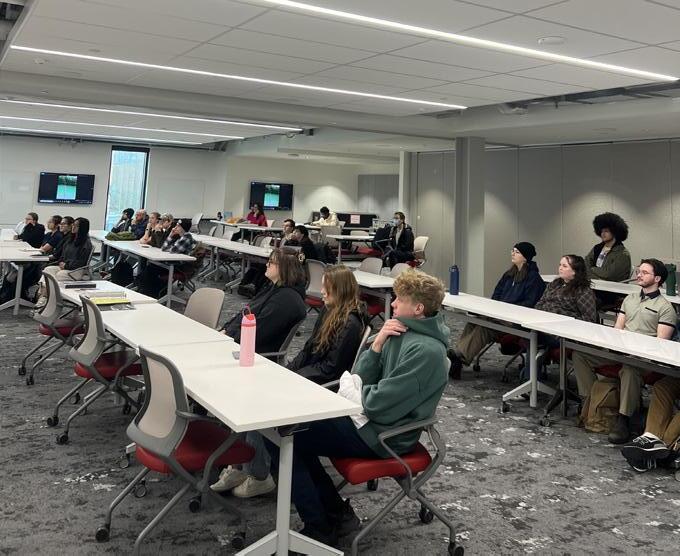
In response, OGWA has launched a new outreach initiative aimed at connecting directly with students across Ontario: <b>the Groundwater Insights: OGWA Lunch & Learn Series</b>. The goal of the series is simple but important – introduce students to the groundwater industry, highlight the wide range of career paths available, and build stronger connections between educational institutions and the professionals working in the field.
The first session of the series took place on March 6, 2026, when OGWA partnered with the Environmental Technology Department at Fanshawe College. What began as a simple idea – bringing industry knowledge directly into the classroom – resulted in an engaging afternoon of discussion, insight, and meaningful connections.
The session welcomed students primarily from the Environmental Technology (ENT) program, with those from Biology (BIO), Biotechnology (BIT), and Chemical Laboratory Technology (CLT) also invited to attend. These
programs represent some of the key educational pathways that feed into Ontario’s environmental and water sectors.
The event opened with remarks from OGWA General Manager Trish Luty, who welcomed students and provided an overview of the Association. Her introduction explained who OGWA is, what it does, and how it supports Ontario’s groundwater professionals. A key message shared with students was that groundwater is a vital industry that often operates quietly behind the scenes yet plays a critical role in protecting and supplying Ontario’s water resources. Increasing awareness of these careers is essential as the industry works to attract new talent.
Following the introduction, OGWA Board Member <b>Bruce Hietkamp, P.Geo., Senior Hydrogeologist at Geo Kamp Limited</b>, delivered a dynamic presentation on hydrogeology. Bruce provided students with a behind-the-scenes look at what a hydrogeologist does on a day-to-day basis, sharing insights from field investigations, aquifer testing, environmental site assessments, and remediation projects. Through photos and real-world project examples, he illustrated the diversity of work within the groundwater field and the tangible impact it has on communities and the environment.
One of the key takeaways for many students was the breadth of opportunity available within the sector. From consulting and drilling to monitoring, policy development, and water supply planning, the groundwater industry offers meaningful and practical career pathways for graduates in environmental programs.
The Q&A portion of the session sparked thoughtful discussion, with students asking
about career progression, how current political and regulatory landscapes affect groundwater work, what fieldwork is really like, and how to transition from the classroom into the profession.
The success of the Fanshawe Lunch & Learn reinforced the value of direct collaboration between industry and educational institutions. These sessions provide more than just information — they create space for mentorship, storytelling, and encouragement at a pivotal stage in students’ careers.
Building on this momentum, OGWA is excited to bring the Lunch & Learn initiative to Fleming College next. We look forward to continuing to engage students and colleges across Ontario and expanding awareness of the groundwater industry. By introducing the groundwater industry early in their academic journey, OGWA hopes to help students better understand the opportunities within the sector and consider groundwater-focused pathways as they shape their studies.
The Lunch & Learn Series represents an important step in addressing one of the industry’s biggest challenges: workforce renewal. As experienced professionals retire and project demands continue to grow, attracting and inspiring the next generation of groundwater professionals will be essential to ensuring Ontario’s water resources remain well managed and protected.
OGWA members who are interested in partnering with us, whether by sharing their career journeys, speaking at future sessions, mentoring students, or sponsoring these initiatives, we encourage you to reach out. Together, we can continue to grow the groundwater industry and support the professionals who will carry it forward.
By Trish Luty, General Manager, OGWA. With contributions from
Across Ontario this winter, a new phrase has started appearing in municipal council meetings, coffee shops, and farm kitchens:
The proposed Alto high-speed rail network, connecting Toronto, Ottawa, Montréal, and Québec City, promises faster travel, economic connectivity, and modern infrastructure across eastern Canada. For many urban residents, the idea is exciting. The prospect of travelling between major cities in a matter of hours could reshape transportation in the region. But along parts of the proposed Highway 7 corridor, the conversation sounds very different.
For rural landowners, farmers, and well owners, the discussion isn’t about train speeds or transit convenience. It’s about water
Many of the communities potentially affected by the northern route rely almost entirely on private wells and local aquifers for drinking water and agricultural supply.
However, private wells are only part of the picture. A number of municipal drinking water systems along the proposed corridor also rely on groundwater, supplying subdivisions, hamlets, towns, and small cities.
Communities such as Blackstock, Pontypool, Norwood, Havelock, Madoc, and portions of the Ottawa region rely on groundwater-based municipal systems. In these areas, the same aquifers that supply rural homes may also supply municipal well fields serving thousands of residents.
When news of possible blasting, tunnelling, embankment construction, and new rail corridors began circulating, concerns followed quickly. Residents are asking whether heavy construction could disrupt groundwater flow or affect the wells that homes and farms depend on.
From a groundwater perspective, these concerns are understandable.
Large infrastructure projects often involve activities that interact directly with the subsurface – excavation, dewatering, blasting, and soil compaction. Each of these processes has the potential to alter groundwater conditions if not properly understood and
OGWA Board of Directors
managed.
For people who rely on private wells, even the possibility of disruption can feel alarming.
Water supply is not simply another utility in rural Ontario – it is the foundation of daily life.
One challenge often overlooked in public discussions is that groundwater conditions vary dramatically across eastern Ontario.
Between Toronto and Ottawa, the geology changes significantly. Some areas contain Precambrian bedrock formations associated with the Canadian Shield, where wells are drilled into fractured rock systems. Other regions contain limestone and sandstone formations, which can store and transmit groundwater through both fractures and porous layers.
In many locations, these bedrock formations are covered by thick glacial deposits, sometimes exceeding 100 metres in depth. These sediments – made up of sands, gravels, silts, and clays – create additional aquifers that behave very differently from fractured bedrock systems.
The result is a patchwork of groundwater conditions across the corridor.
Well depths, water quality, and groundwater availability can vary significantly from one community to the next. Because of this variability, potential construction impacts cannot be evaluated with a single regional model or assumption.
Each section of the route may require different hydrogeological considerations, monitoring programs, and mitigation strategies depending on local geology.
Those working in the groundwater industry recognize a pattern that often emerges with major infrastructure proposals.
At the early planning stage, engineering designs rely heavily on modelling and regional data. But as experienced drillers and hydrogeologists know, the subsurface rarely behaves exactly as expected.
Aquifers are complex systems shaped by thousands of years of geological history. Fractures, buried channels, and variations in soil and rock layers can create groundwater
pathways that are difficult to predict until field investigations begin.
Anyone who has logged a borehole or monitored a well during construction understands this reality.
Even well-designed projects can encounter unexpected conditions underground.
That uncertainty is one of the reasons groundwater professionals emphasize the importance of site-specific investigations and ongoing monitoring when large-scale projects are planned.
While concerns are valid, it is equally important to recognize that infrastructure projects do not automatically lead to long-term groundwater problems.
Hydrogeological consultants involved in pipelines, tunnelling projects, and urban infrastructure across Ontario have documented many cases where groundwater systems were carefully monitored before, during, and after construction.
In most of these situations, the data show little to no lasting impact on nearby wells. Where temporary changes occur, they can often be mitigated through engineering controls, monitoring programs, or adjustments to construction methods.
This reality is important to acknowledge.
Infrastructure development and groundwater protection are not inherently incompatible – but success depends heavily on how projects are planned and implemented.
High-speed rail is not a new concept globally. Across Europe and parts of Asia, rail networks travel thousands of kilometres through farmland, forests, and rural communities. These systems often include extensive measures designed to reduce environmental impacts, including:
• Detailed hydrogeological investigations before construction
• Agricultural overpasses and underpasses to maintain land access
• Monitoring programs for nearby wells and groundwater levels
• Engineering mitigation where groundwater impacts are detected
In many cases, these systems coexist successfully with the landscapes they pass through.
But the key factor is not simply engineering – it is planning grounded in local environmental knowledge
Groundwater conditions in Ontario can differ significantly from those in other regions, particularly in areas with fractured bedrock aquifers or complex glacial deposits. That is why projects must be evaluated based on site-specific hydrogeology, not just general design standards.
For people living along proposed infrastructure routes, groundwater concerns are not abstract scientific questions.
They are practical realities
A private well represents security for a household or farm. If something affects that water supply, the consequences are immediate and personal.
Even if the probability of impact is low, uncertainty alone can create stress for communities that rely on groundwater every day.
Acknowledging those concerns – rather
than dismissing them – is essential for building trust.
Transparent monitoring programs, baseline well testing, and open communication with landowners can go a long way toward reducing uncertainty.
In many cases, simply demonstrating that groundwater conditions are being carefully tracked provides reassurance to well owners.
This is where the groundwater industry has an important role to play.
Organizations like the Ontario Ground Water Association represent professionals who work directly with groundwater systems across the province. These include well drillers, pump installers, hydrogeologists, engineers, manufacturers, and suppliers.
Collectively, these professionals bring practical, field-based knowledge that is often missing from high-level planning discussions. Their perspective can help ensure that groundwater considerations are included early in project development – when design decisions can still be adjusted.
By advocating for proper hydrogeological investigations, baseline well surveys, and
OGWA’s 2026 Annual General Meeting and Conference took place March 19–22 at Deerhurst Resort in Huntsville. Each year, this event brings together groundwater professionals from across Ontario and beyond for several days of learning, industry discussion, and meaningful networking. The continued success of the AGM & Conference is made possible through the generous support of our sponsors and exhibitors, whose contributions helped create an engaging and welcoming experience for all attendees.
OGWA was proud to recognize the organizations that stepped forward to support the 2026 conference through sponsorship. A special thank you goes to Rideau Supply for sponsoring the President’s Banquet and conference lanyards. The banquet was once again a highlight of the AGM, offering members an opportunity to celebrate the achievements of the groundwater community while reconnecting with colleagues from across the industry. Rideau Supply also partnered with KB International LLC as a door prize sponsor, adding an extra element of excitement and appreciation for attendees.
Saturday’s lunch was generously sponsored by Wellmaster, while Marshall Well Drilling sponsored the Saturday breakfast, helping
ongoing monitoring, the groundwater industry can contribute constructively to how large projects are planned.
Major infrastructure projects will continue to shape Ontario’s future. Population growth, transportation demands, and economic development will inevitably drive new construction across the province.
The challenge is not whether development will occur.
The real question is how it occurs
Can large-scale infrastructure be designed in a way that protects groundwater resources and respects the communities that depend on them?
The answer will depend on the quality of the science guiding those decisions.
Groundwater may be invisible to most people, but its importance cannot be overstated. For millions of Ontarians, it remains the primary source of drinking water and an essential resource for agriculture and industry.
As discussions around high-speed rail continue, one principle should remain clear: Good infrastructure decisions begin with good groundwater science
attendees start the day energized and ready for a full schedule of sessions and networking. Throughout the conference, refreshment breaks were made possible by Splash Well Drilling, providing valuable moments for informal conversations and connection between sessions.
OGWA also recognized this year’s Spotlight Sponsors, SMD Drilling Equipment and AME Drill Supply & Service Inc. Their support highlighted the important role that equipment manufacturers and suppliers play in advancing the groundwater industry and supporting professionals working in the field.
In addition to our sponsors, the AGM trade show floor once again featured an impressive group of exhibitors representing many facets of the groundwater and water systems industry. Attendees had the opportunity to connect with companies including North East Equipments, CETCO, Canadian Pipe & Pump Supply Ltd., Hole Products Corporation, Desjardins Financial Security - Toronto West, VIQUA, Ground Water Canada, Grundfos Canada Inc., Flexcon Industries, Groupe Puitbec, Franklin Electric, Baroid IDP, Wellmaster, Rideau Supply, SMD Drilling Equipment, Lifewater, Pentair Canada Inc., Foremost Industries LP, CB Supplies, and AME Drill Supply & Service Inc.
The benefits of sourcing Canadian products go well beyond the surge of national pride and patriotism
Adelayed pump part might seem like a small problem, but its effects ripple quickly – from the supplier, to the installer, to the farm, home, or business without running water. For everyone in that chain, quick, and reliable availability of the right part isn’t just a preference – it’s everything.
Brad Hallam, owner of The Pump House in Richmond Hill, Ont., certainly agrees with this notion. Hallam is a wholesale supplier of parts and equipment to a customer base of plumbers and pump installers who work on both domestic and commercial water systems.
“Say a plumber has a customer with a one-and-a-half-horsepower pump down. They want to know if I have one, and if I don’t have one, how long it’s going to take to get one, because they have customers without water,” he says. “If I say two weeks, then they’re going to look somewhere else.”
Shane Lubiniecki, owner of M&M Water Supplies in Yorkton, Sask., faces the same pressure. His customers – farms, villages and towns, cabins, and smaller operations –have been loyal to his business for decades, and he doesn’t want to disappoint them.
Lubiniecki has seen what happens when water systems fail because of a delayed part, and the consequences vary. Sometimes the result is inconvenient at best, like a pump issue for a recreation centre’s swimming pool. But in other situations, a delayed part could mean changing or shutting down a system altogether, resulting in finding a new solution quickly – and at additional expenses.
In the Yorkton area, the largest demand for water is from cattle operations, some
with several thousand animals.
“One customer not too long ago was telling me he had 2,000 cattle when his well went down,” Lubiniecki says. “Cattle can survive with snow, but they spend more energy converting snow to water and they don’t gain weight . . . the objective of their business is for the cattle to gain weight.”
The alternative solution – hiring people to haul water – is an expensive and exhausting prospect.
The stakes are high, and the supply chain challenges facing these businesses have only grown worse since the COVID-19 pandemic. Sourcing parts has become more difficult and time consuming, particularly for larger items.
“Ten years ago, when you needed something, it seemed like it was either on somebody’s shelf or it was in the warehouse or the distributor’s warehouse,” Lubiniecki says.
Now, it’s a matter of tracking down where a part is and how long it will take to arrive – with added costs, including the burden of carrying extra inventory just in case.
“Before, I would just bring in [parts] as needed,” he says. “I can still usually get what I need, but I’ve seen delivery times as
much as 60 business days for certain items. Now, if it takes so long to get it, I’ll bring in an extra one so I have it. I can sell it and then wait for a replacement to come in. It’s putting more of my money on the shelf to be able to supply my customer.”
Part of the problem, he suspects, is the way supplies are inventoried in Canada. “Maybe they don’t stock their Canadian warehouse, so it has to come from overseas,” Lubiniecki says, noting some companies used to direct ship but now bring in large orders sold to retailers through a distributor.
Dealing with international conglomerates compounds the problem. When Lubiniecki recently tried to expedite an order, the response was blunt. “They’re such a large company, they don’t look at the Canadian market as a priority,” he says. “I had asked if we could expedite an order, and my supplier out of Saskatchewan contacted [the manufacturer] who just flat out said, ‘no.’ Basically, we were put in the queue, and when the pump I ordered came up, it would be assembled and shipped, and that’s as quick as it could be done.”
Hallam had his own painful experience years ago, when he was preparing to ship a
container load of equipment to a customer working several thousand kilometres north, three hours off grid.
“It was all hinging on this one pump, and we had weeks to get it together. [The supplier] was going to get it to us and they didn’t,” Hallam says. “We had to scramble around to get something, and because we had to ship it all at once in a container, it was quite an issue. A $15,000 to $20,000 order that we couldn’t ship because I had to wait for this one piece. It was a bit of a nightmare.”
The issue was solved after some time, but the lack of communication made an already challenging situation worse. Hallam didn’t know he wasn’t going to get the pump until it was already late.
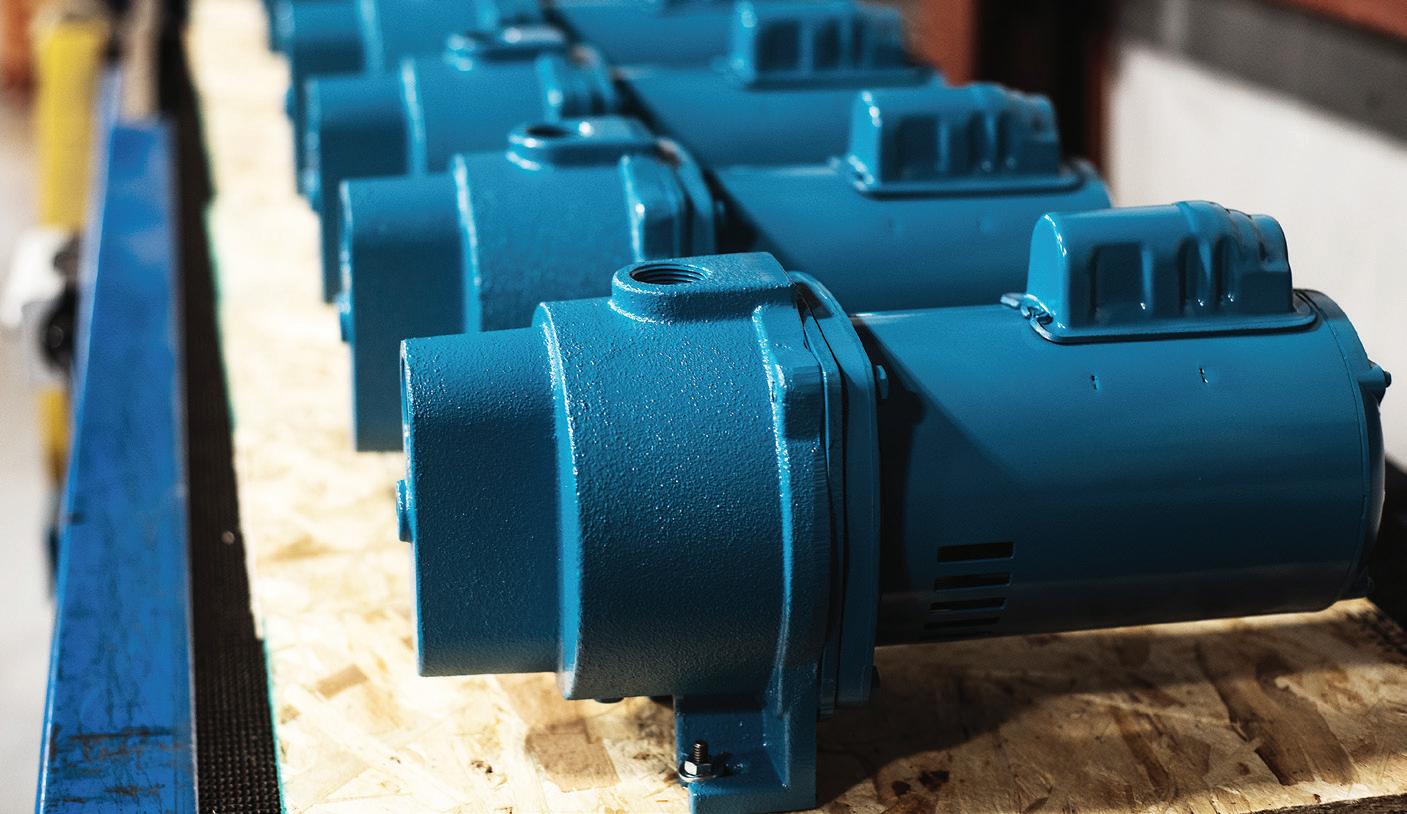
These are the kinds of experiences, combined with pandemic-driven supply chain challenges, that led both Hallam and Lubiniecki to prioritize Canadian-made products. Both businesses point to Pompco, a third-generation, family-owned business that has been designing and manufacturing water pumps in Quebec since 1977. Pompco’s manufacturing in Canada focuses on reliable pump products and fast availability of replacement parts, providing customers with two main differentiators: stock and service.
“None of the U.S. manufacturers had anything in stock, and they were really struggling to get anything,” Hallam says of the pandemic period. “I have always dealt with Pompco, but after COVID, they were the only ones that could supply me.
In addition, the company’s knowledgeable technical support means customers can speak directly with someone who understands the product.
“The other difference is that I’m talking to somebody that knows about the product. By comparison, if I talk to a U.S.-based conglomerate, I’m talking to a person at an order desk,” he adds. “People without water don’t want to wait 48 hours. They want to know when they’re going to get it.”
Hallam values Pompco’s personalized approach, and highlights the fact that the conversation doesn’t end if something isn’t available.
“[Pompco] can look at their build list and see if they have all the parts,” Hallam says. “If I need something right away, they can fit me into the build pattern and get it out quickly, rather than saying it’s in the schedule to be built in two weeks.”
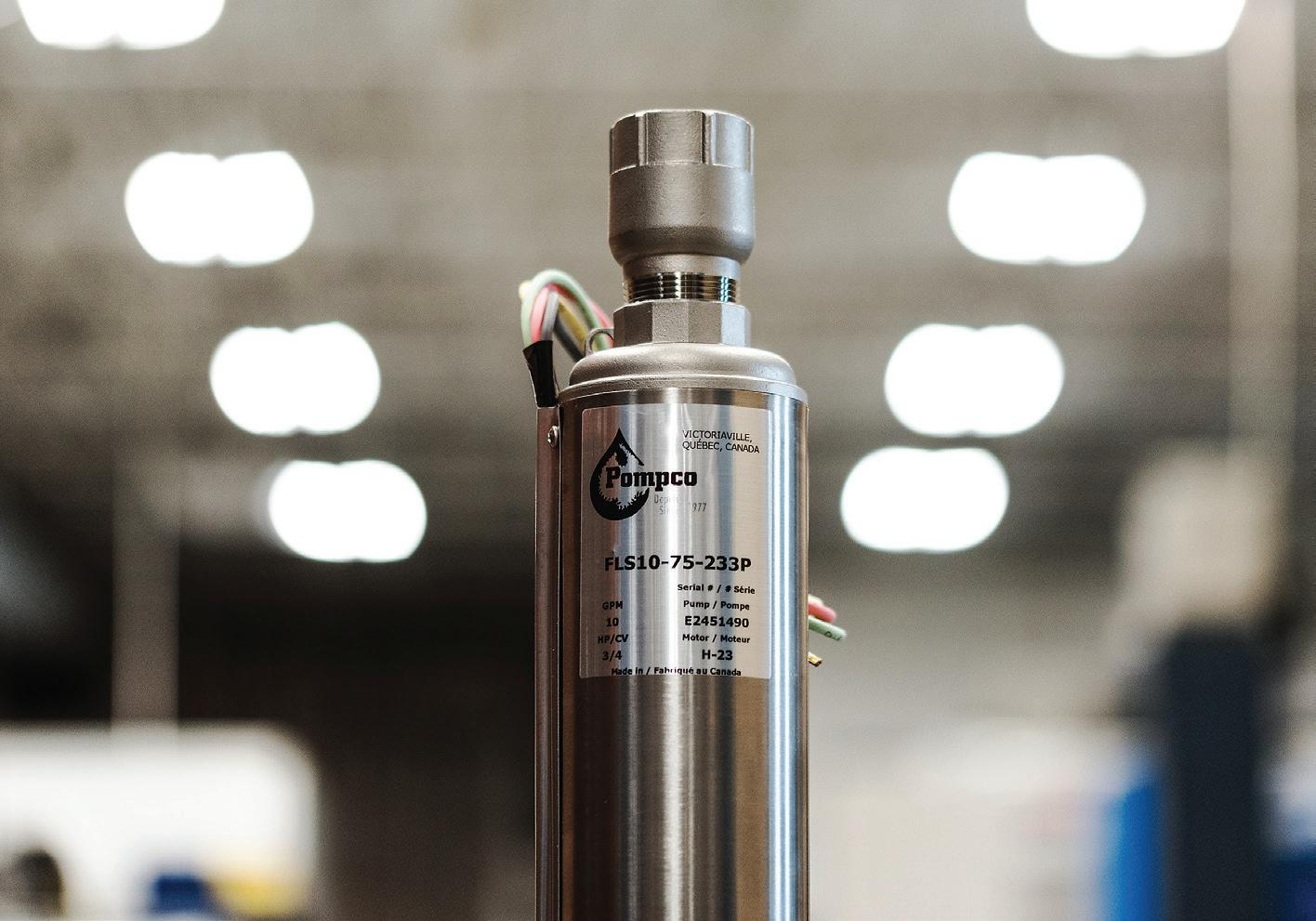
Lubiniecki echoes that experience. For regular stock orders, he uses the portal on the Pompco website, but for questions about availability on a particular item, he texts or calls his contact at Pompco directly. “By the next day, they’ll have it assembled and shipped, and then shipping maybe takes four to five days [to Saskatchewan],” he says. “That cuts down wait time significantly compared to some of the other companies.”
There’s another advantage that makes a real difference for Lubiniecki. “With Pompco, there’s no border to cross, so there’s no customs to clear. That makes a big difference.”
The direct relationship matters too, he adds.
“The distributor has the market,” Lubiniecki says, adding that in Saskatchewan, ordering certain products is only possible through a distributor. “If [the distributor] doesn’t have it, I can’t get it. I’m not allowed to go to Manitoba and order through another business. I’m dependent on my distributor to maintain their inventory. Pompco is the manufacturer, so if it’s not on their shelf ready to ship, they will assemble it and ship it.”
And the benefits are mutual, Lubiniecki says, with Pompco referring customers back to him. In one instance, a customer in Alberta needed a part faster than shipping could accommodate, so Pompco directed that customer to Lubiniecki, who had the part on hand and could ship it overnight.
For Hallam, sourcing Canadian also
simplifies the price equation. “With some places, I have to quote a blanket goods order and hold the price for a year,” he says. “If all of a sudden there’s going to be a 30 per cent tariff on that, and I don’t know about it, I’ve got to kind of roll the dice and take my chances or put 30 per cent on it.” With a Canadian manufacturer, it costs what it costs – nothing is hidden.
Over the past year, trade tensions and threats to Canadian sovereignty have inspired an unprecedented surge of Canadian patriotism – and it’s showing up at the counter.
“People like Canadian-made pumps and I get lots of comments on that,” Hallam says.
Lubiniecki has noticed it too, with a few customers commenting on the importance of using Canadian-made products. “I think the last one I shipped to was in Winnipeg,” he says. “They contacted me and said they wanted to buy a pump for their cabin, and they were specifically looking for a Canadian-made product. I made the sale over the phone, lined up shipping, and shipped it.”
Lubiniecki adds that he has always favoured Canadian products wherever possible, both at home and in his business. And when “Made in Canada” is a selling feature, we can all feel proud.
For more information, visit pompco.com.
Most of the Columbia Basin’s high-risk aquifers are unmonitored, claims a Living Lakes Canada-commissioned new scientific assessment. The data gap limits the information available for long-term water security planning.
by LIVING LAKES CANADA
Groundwater lies beneath the communities, farms and ecosystems of the British Columbia basin.
The assessment was summarized in Living Lakes’ Watershed Bulletin which provides one of the most comprehensive looks at aquifers to date in the basin.
Aquifers – underground layers of rock, gravel or sand which stores groundwater –are a primary water source for many rural households, farms and businesses in the region.
The report’s findings show that 15 per cent of mapped aquifers were flagged as high priority for monitoring based on factors such
as water demand, proximity to communities, and agricultural use. About 80 per cent of these high-priority aquifers are not currently monitored at all despite their importance for local communities.
Several at-risk aquifer “hot spots” critical to agricultural and community water supplies were identified, including the Baynes Lake area, the Sparwood and Fernie areas, and southwest of Golden. Another critical spot near Creston is already being monitored by Living Lakes and the Province of British Columbia while the remaining hot spot areas currently have no groundwater monitoring in place.
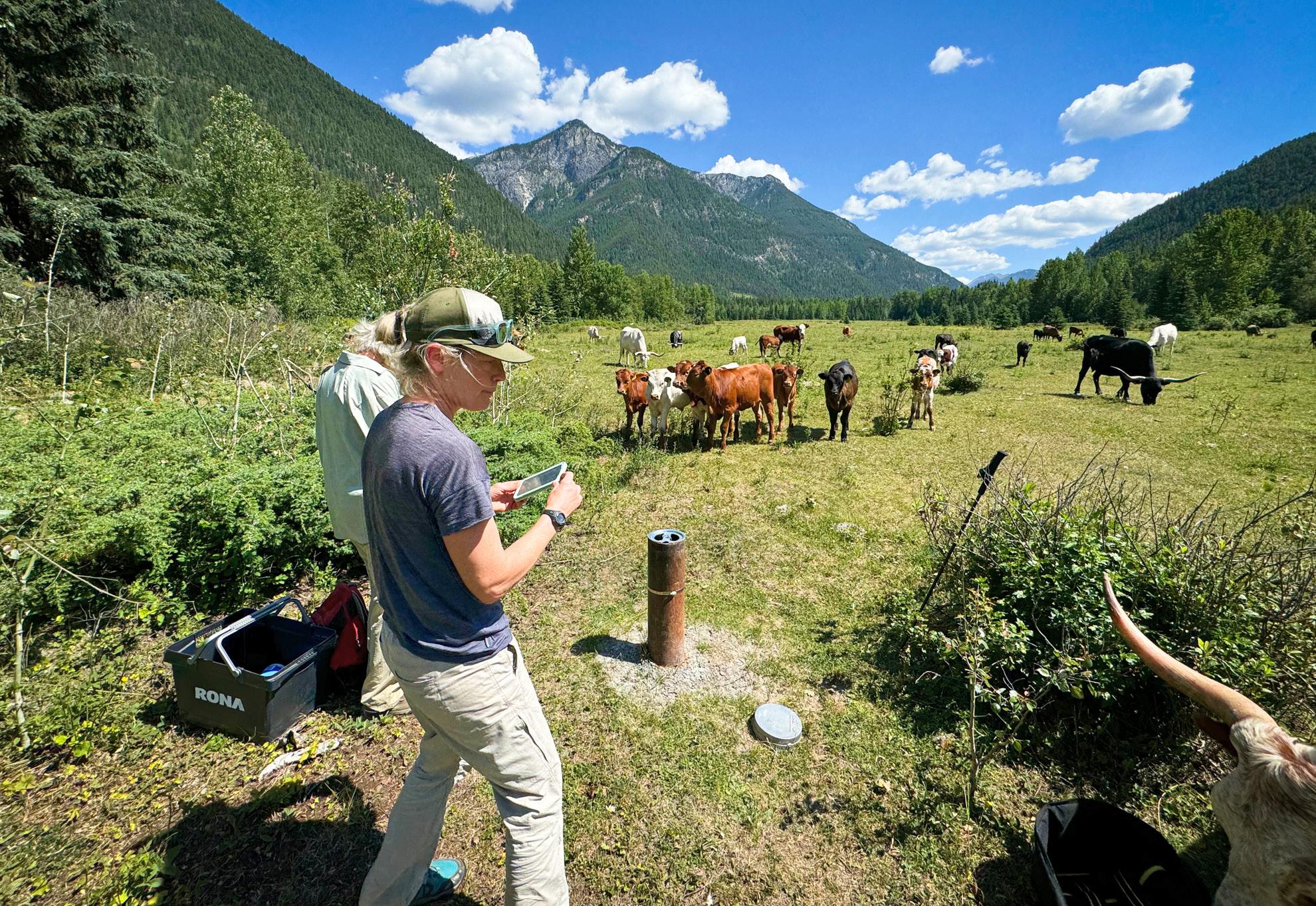
“For years, we’ve voiced concerns about groundwater uncertainty in our community,” Stan Doehle, Area B director of the Regional District of East Kootenay and resident of the Baynes Lake area, said. “To have that validated by a formal scientific assessment is incredibly powerful. This report shows the desperate need for the sustained monitoring we’ve been advocating for, and a path toward protecting our water for future generations.”
Groundwater monitoring helps predict whether a well’s water supply is declining and at risk of going dry – information which is critical for informed water-use decisions, especially during drought.
Through the Columbia Basin Groundwater Monitoring Program, Living Lakes partners with 32 well owners to track seasonal and annual changes in groundwater levels.
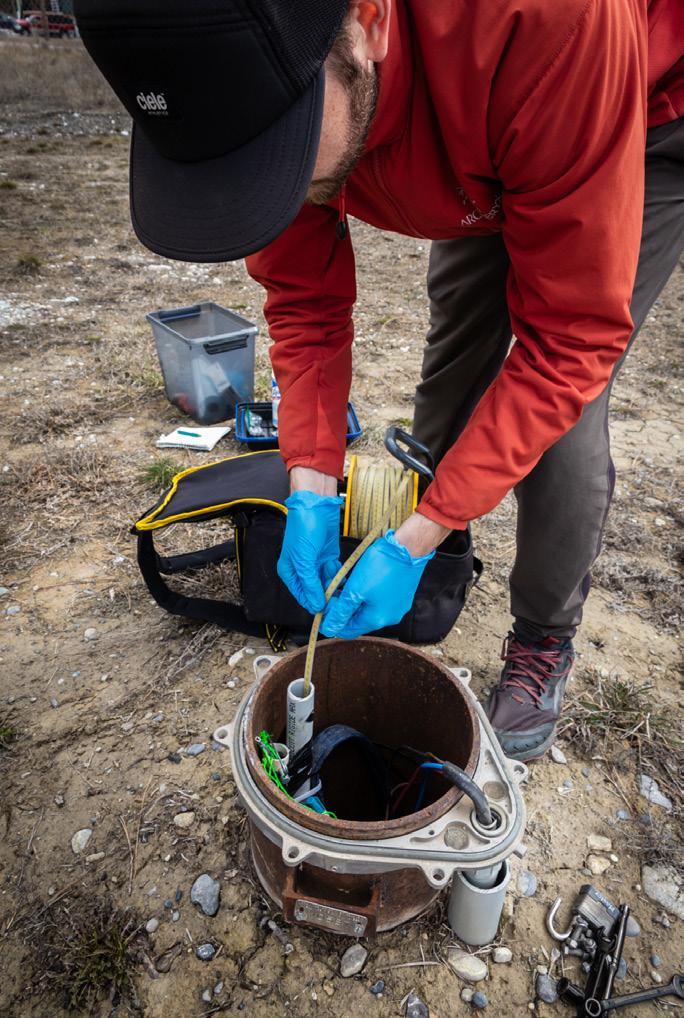
The monitoring program has been designed to complement the eight wells monitored by the Provincial Groundwater Observation Well Network across the region.
The Watershed Bulletin highlights the value of existing groundwater monitoring and summarizes findings from the assessment that will inform future decisions about where to focus new monitoring to address key data gaps.
“By strategically expanding monitoring in those hot spot areas, we can support more informed, datadriven decisions that ensure safe and equitable access to freshwater,” Arlo Bryn-Thorn, program manager with Living Lakes Canada, said.
To read the Watershed Bulletin report, visit https://livinglakescanada. ca/wp-content/uploads/2026/01/ watershed-bulletin-no.5.pdf
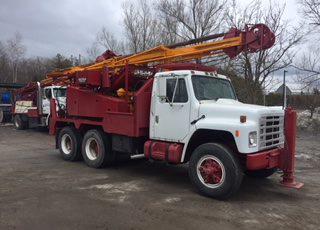

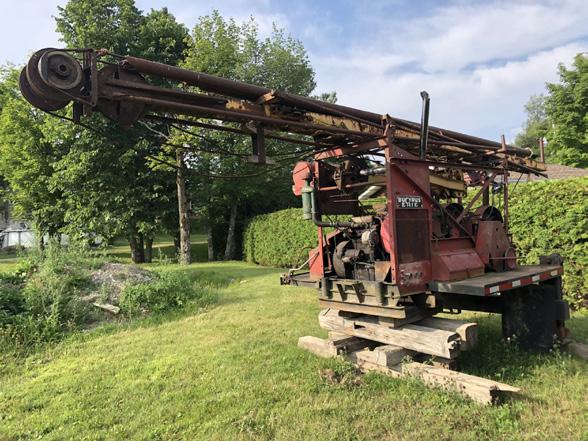

Water well drilling challenges happen. Here are a few tips to keep your operation up and running while in the field with mud rotary water well drilling rigs.
by JOE HAYNES
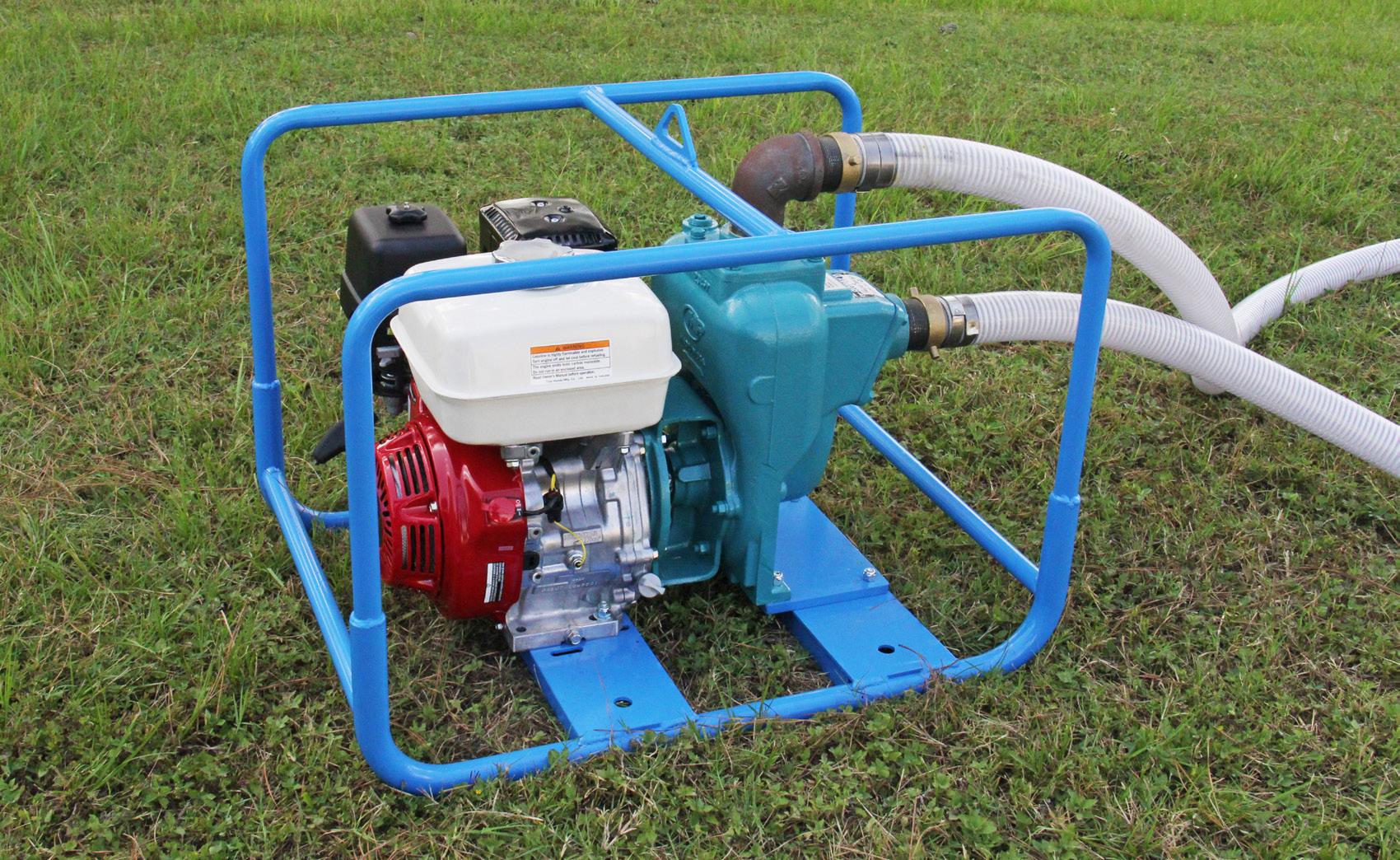
The drill and mud have stopped circulating. The first thing to check is the mud pump suction strainer. It may be clogged, or the hose may be crimped.
The mud has slowed or stopped coming out of the borehole. What’s wrong?
The drill and mud have stopped circulating. There are a few items that could be contributing to this. The first thing to check is the mud pump suction strainer. It may be clogged, or the hose may be crimped.
The operator may have to idle or shut down the mud pump engine to clear the strainer. Another possibility is a plugged bit. When drilling through clay, it is important to go slowly and make sure the drilling team is always seeing a return of cuttings from the borehole. Frequently, the only solution for a blocked
bit is to remove the drill pipe and bit and manually clean it.
The drill bit keeps getting stuck after I add drill pipe. I have to raise it up a few feet before it will start to turn. What is happening?
Most likely, the cuttings are building up in the borehole and settling around the bit when circulation stops to add the next section of pipe. In this situation, run the rig without drilling down for about 10 minutes to flush the borehole of cuttings. The drilling mud might also need to be thickened to remove the cuttings more efficiently while drilling.
What do I do when the drill is leaking from the water swivel?
For some mechanical water well drills, this indicates that the seals need to be tightened and greased. If that doesn’t stop the leak, then the seals should be removed and cleaned of any sand that has accumulated. For some hydraulic rigs, use the grease gun to add grease to the swivel. If the leak continues, replace the packing. When replacing the packing, carefully inspect the seals, bearings and swivel shaft for damage. If it is damaged, contact the manufacturer for a replacement part.
The drilling mud won’t thicken even though I put a whole bag of bentonite in a 55-gallon barrel of water. Why?
Check the pH level of the water. It should be nine or above to ensure proper bentonite hydration. If the pH is too low, add calcium carbonate (soda ash), which is often available at swimming pool supply stores. Remember to give the bentonite about 30 minutes to fully hydrate to create the drilling mud.
The best way to mix it is to use the mud pump. Put the suction and discharge hoses into a barrel of water and run the pump while slowly pouring in the bentonite powder. Work the suction around the bottom to pull up any lumps. It usually takes 10 to 20 minutes to mix thoroughly.
The hydraulic oil is leaking out of my drill. What do I do?
Use a piece of cardboard or wood to search for the leak by passing this piece under the area where the leak may be occurring. If the piece comes away with a stain, there’s likely a leak. Don’t search with hands or fingers as the pressurized fluid might cut or injure skin. If a leak is found, tighten or replace the leaking fitting. The torque charts in the drill’s owner’s manual should list the proper values and various sizes of fittings and fasteners.
For more information on troubleshooting a mud rotary water well drill, check the owner’s manual for the drill or reach out to the manufacturer for more in-depth maintenance information.
Joe Haynes is president of Lone Star Drills, a manufacturer of drills for water well drilling, soil sampling and geotechnical testing.
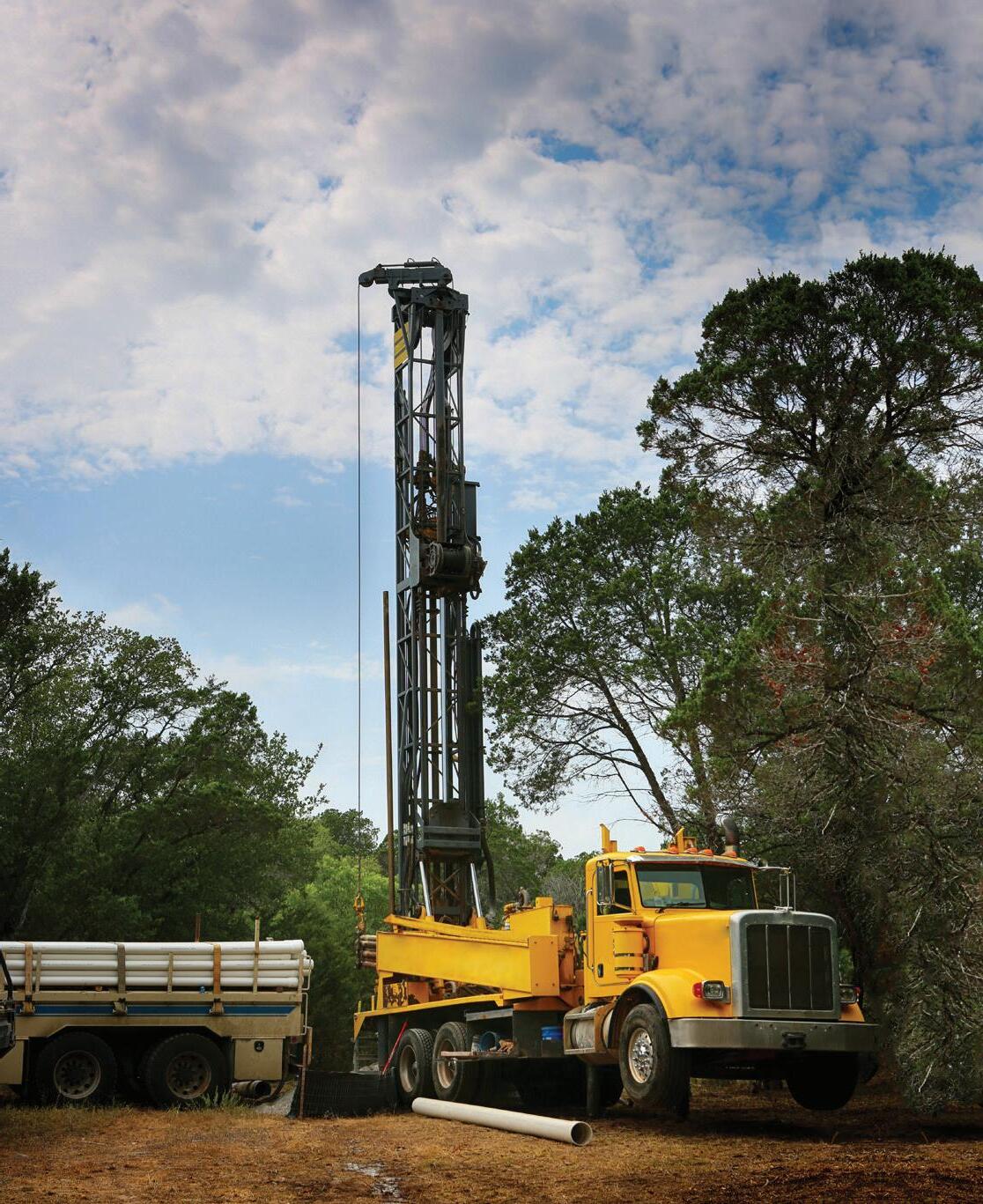
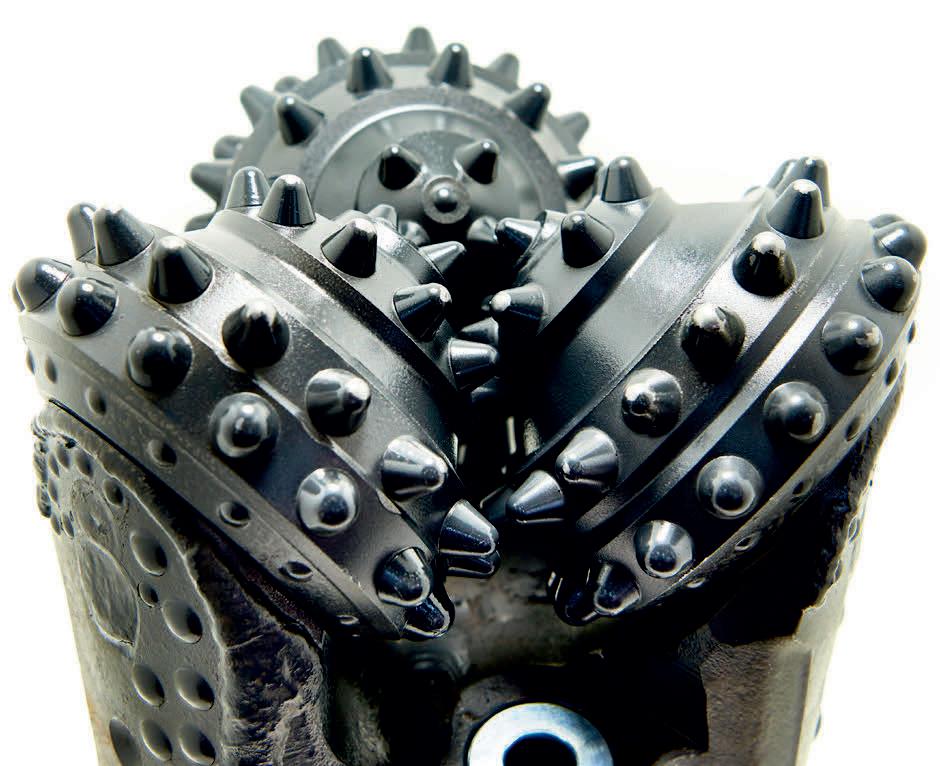
In rural regions, ultraviolet (UV) disinfection is a standard treatment method for both surface and groundwater sources. These systems are readily accessible through major hardware retailers, licensed plumbing professionals, and specialized water treatment providers. The technology effectively inactivates pathogenic bacteria, viruses, and parasitic protozoa such as cryptosporidium and giardia, thereby significantly mitigating the risk of waterborne illness.
by JEFF WAHL
Jeff Wahl is principal owner and water educator at Wahl Water in Mindemoya, Ont. stratification and benthic hypoxia are locked
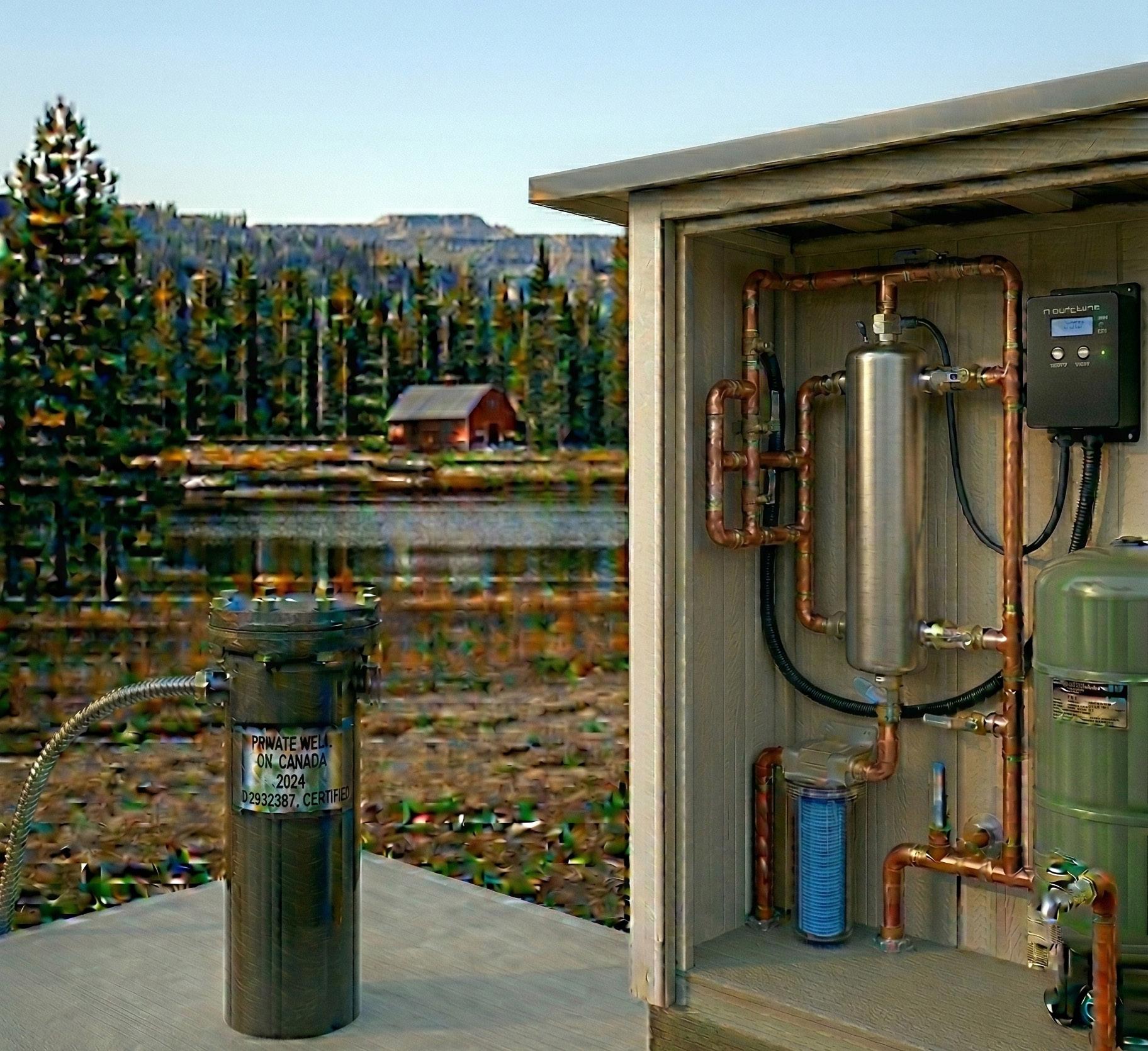
Ultraviolet disinfection systems have transitioned from a specialized technology to a standard fixture for properties, utilizing private groundwater sources in rural Canada. Homeowners have increasingly adopted UV systems as a primary water quality safeguard; this shift is driven by the technology’s ability to provide a “chemical-free” barrier against common Canadian waterborne threats.
Rural water sources are vulnerable to agricultural runoff, septic system seepage, and seasonal flooding, which can introduce high levels of E. coli, viruses, and parasites like cryptosporidium. Because these “biologicals” are often invisible and odourless, the UV system acts as a final, fail-safe barrier. By damaging the DNA of these pathogens, the system ensures that even if the source water becomes contaminated, the water reaching the tap is microbiologically safe for consumption.
Disinfection is achieved within a stainless-steel chamber where water is exposed to ultraviolet radiation. The UV lamp, housed in a protective quartz sleeve to prevent direct water contact, provides 360-degree radial distribution. This process ensures the immediate neutralization of microorganisms without the introduction of chemical byproducts. Residential UV disinfection systems consist of a stainless-steel chamber, which serves as the reactor vessel where water is exposed to UV light, and an ultraviolet lamp (bulb) that acts as the light source generating germicidal UV-C energy. This lamp is housed within a quartz sleeve – a transparent tube that protects the lamp from water contact while allowing maximum light transmittance. The system is managed by a power controller (ballast) – the electrical component responsible for regulating power and monitoring system alarms. Finally, O-rings(s)
serve as high-quality seals to prevent water from leaking into the electrical housing or the quartz sleeve.
Proper prefiltration to achieve fivemicron particle removal is generally recommended by many ultraviolet disinfection system manufacturers, as this prerequisite is vital for maximizing the efficiency of the UV system. When particles of sediment are larger than five microns, they create shadowing effects or “shields” that block the UV-C rays, preventing the necessary microbicidal dose from reaching target pathogens, such as bacteria and viruses, flowing through the UV stainless steel chamber.
Particulate matter, colour, iron, manganese, and organic compounds absorb or scatter UV light. This dramatically reduces the ultraviolet transmittance (UVT) of the water. A lower UVT means less germicidal energy reaches the target organisms, effectively reducing the overall
UV dose below the required level for inactivation. By mechanically removing these larger particulates, the water achieves the clarity required (i.e., low turbidity), ensuring a clear optical path. Once this physical interference is eliminated, the UV-C energy can properly penetrate and disrupt the microbes’ DNA or RNA, achieving effective disinfection.
Additionally, many rural wells experience high water hardness due to the presence of dissolved minerals such as calcium and magnesium. Hard water can lead to scaling in pipes and water treatment systems, potentially reducing the effectiveness of UV disinfection by creating a layer of mineral deposits on the UV quartz sleeve, which blocks the transmission of ultraviolet light.
Maintenance is critical to ensuring the ongoing microbiological safety


of a water supply. Every ultraviolet disinfection system requires a maintenance service schedule, including lamp replacements, quartz sleeve cleaning, O-ring replacements,
Life and Health Insurance Advisor
Mutual Fund Representative*
647-285-1390
ian.gawel@dfsin.ca
Insurance Advisor Group Insurance Advisor 416-571-6568 vince.vivona@dfsin.ca
as your new member benefit partners, approved by Ontario Groundwater Association, for the following financial services:
• Group Benefits Plans
Group Pension Plans
• Business Owner Financial Services
• Individual Employee Financial Services
WE LOOK FORWARD TO MEETING WITH YOU AND DISCUSSING EACH OF YOUR SPECIFIC NEEDS.

and the periodic disinfection of downstream plumbing.
To maintain the system’s germicidal effectiveness, UV lamps typically require replacement on an annual or bi-annual basis; most modern controllers include an integrated alarm or reminder feature to signal when this service is due. Furthermore, the installation of a fivemicron sediment filter upstream is essential; this pretreatment ensures that the UV radiation can achieve direct contact with bacteria by preventing “shadowing,” where suspended particles shield pathogens as they pass through the reactor chamber. Finally, the integrity of the quartz sleeve is imperative to the disinfection process. It must be cleaned frequently and replaced immediately if it exhibits signs of calcification, etching, pitting, or permanent discolouration, as these surface imperfections significantly reduce UV transmittance.
While the annual replacement of the ultraviolet lamp is a standard practice for maintaining the required germicidal dosage, additional essential maintenance requirements such as quartz sleeve cleaning and O-ring replacement are frequently overlooked or neglected in rural water UV installations.
In rural areas served by groundwater sources, the installation of an ultraviolet (UV) disinfection system is frequently prompted by laboratory results confirming the presence of E. coli or total coliform bacteria. The detection of these specific microbial indicators serves as the primary catalyst for implementing UV technology as a critical corrective measure to ensure potable water safety.
To ensure the proper disinfection rates of an ultraviolet disinfection system, a water analysis of the groundwater source is required prior to installation. It is professionally recommended to test for hardness, iron, sulfur, tannins, manganese, turbidity, and total dissolved solids (TDS). Failure to conduct a comprehensive water analysis prior to installation can severely compromise the effectiveness of a UV disinfection system. Without addressing these specific parameters, the system may operate inefficiently, leading to “breakthrough” where microbiological pathogens bypass the germicidal barrier and enter the household water supply entirely undetected.
During the closing process for a rural property on Manitoulin Island, a mandatory water potability test was conducted to satisfy the conditions of the purchase agreement. While the results confirmed the absence of E. coli, the total coliform count was recorded at 72. These findings were unexpected, as the property’s drilled well is equipped with a filtration system, including a five-micron sediment filter and a UV sterilization unit.
The property’s water supply is serviced by a deep drilled
well. A recent water quality analysis revealed a hardness level of 34.5 grains per gallon (GPG). This value
significantly exceeds the maximum threshold of seven GPG established by UV system manufacturers as a prerequisite for effective operation. Consequently, the ultraviolet quartz sleeve had developed significant calcium scaling. This accumulation obstructed the UV output, preventing the system from achieving the necessary disinfection levels required for microbiologically free water. Due to the lack of preliminary
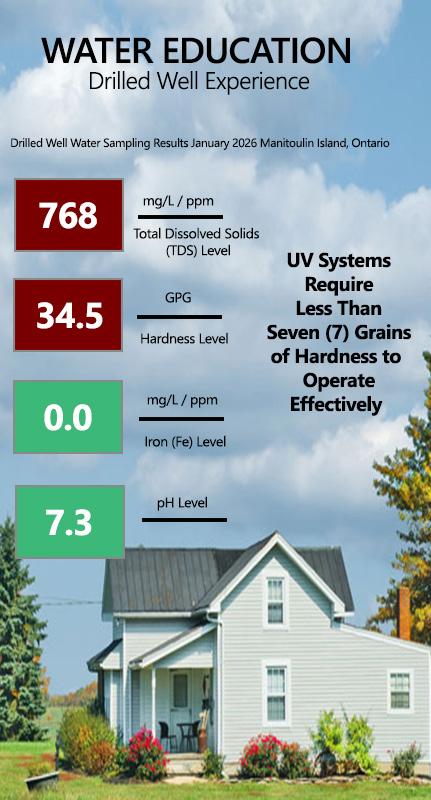
water testing prior to installation, the filtration and UV systems were unable to effectively neutralize the bacteria present. Furthermore, the absence of a failure alarm or indicator meant the system failure went undetected during regular operation.
Effective UV disinfection of groundwater sources is not a “set and forget” solution; it requires a proactive approach to water quality. To ensure a system operates within manufacturer specifications, requirements for source water characteristics, flow demands, and the critical need for five-micron pre-filtration should be met. Selecting a system with an integrated performance alarm is a vital final step, providing the necessary failsafety to guarantee that water remains disinfected and microbiologically free from contamination.
Jeff Wahl is principal owner and water educator at Wahl Water in Mindemoya, Ont.
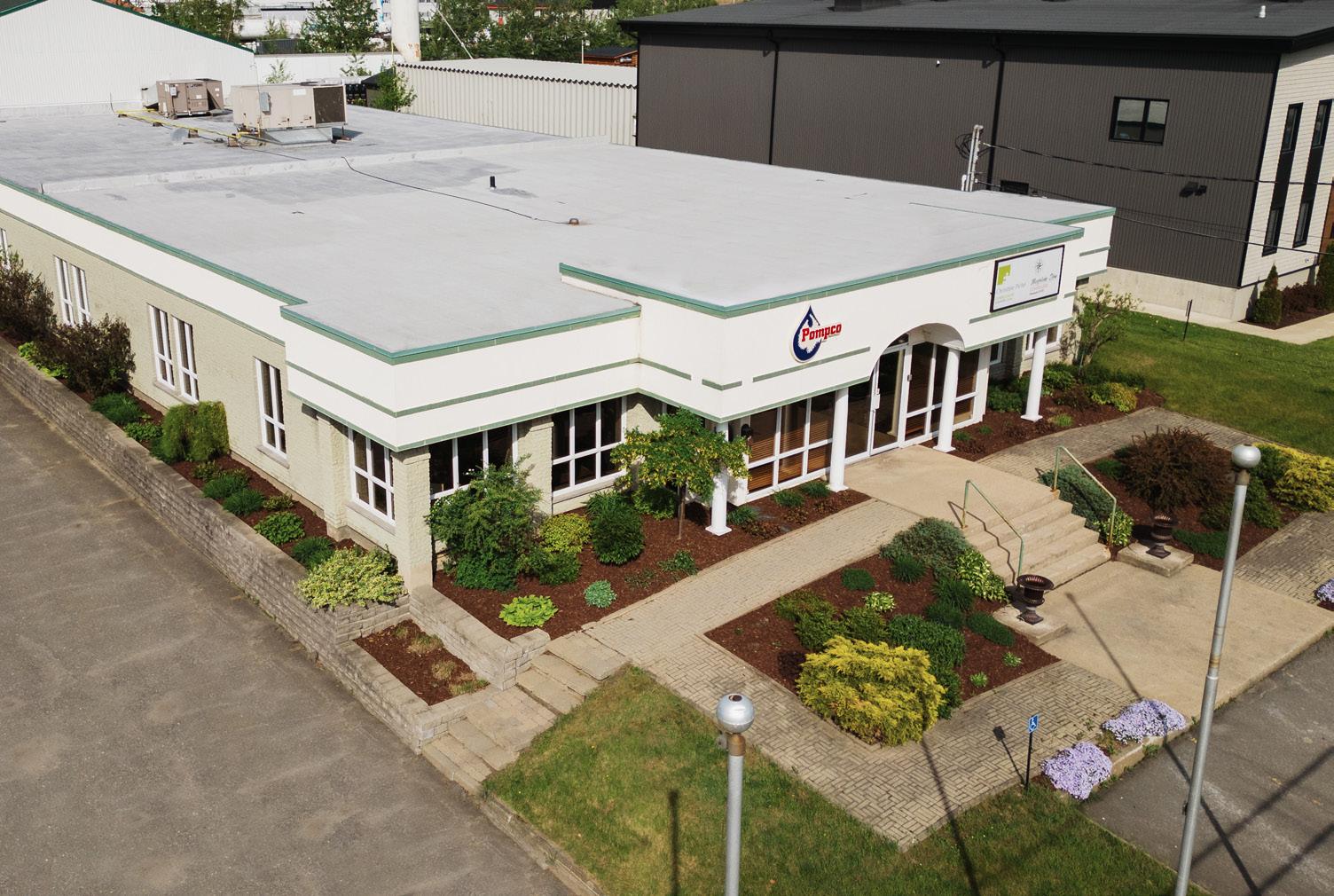
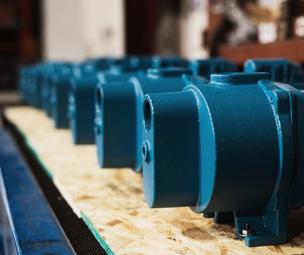
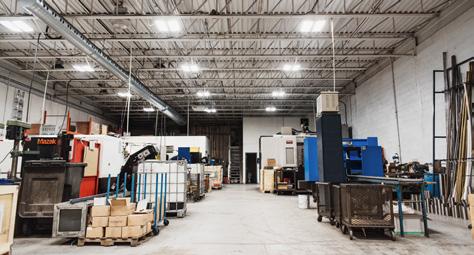
Bringing new blood into the industry will take some effort to accomplish
by JAMES SPANKIE
I’d like to thank the publisher and staff at Ground Water Canadafor the opportunity to once again provide some thoughts and information regarding everything groundwater in British Columbia.
I have the privilege to work for the BC Groundwater association (BCGWA) - based in British Columbia. We provide professional and technical leadership in the advancement of the groundwater industry and in the protection, promotion, and responsible development of groundwater resources. Our membership includes water well drillers, well pump installers, equipment suppliers and manufacturers, as well as geoscientists and engineers.
A topic that has been using a significant amount of my mental bandwidth lately is how do we ensure that the development of skills and the required trades labour force is available?
As drillers and pump installers transition into retirement, will there be enough new trained people coming into the industry?
As it currently stands in Canada, while there are some provincial associations that are actively working on this issue, the current transition practices are very organic in nature and rely heavily on current practitioners to develop their future replacements.
As with any other type of recruitment and training process, the level of investment of time, effort, and dollars can be substantial, and there is no guarantee that the new folks will stick it out for the duration of the transition. This can be even more challenging if we are talking about a small family business.
This is further complicated by the absence of water well drilling and pump installation from traditional trade schools due to the (relatively) small number of practitioners in com -
James Spankie, general manager of the BCGWA
parison to trades like welding, mechanics, pipefitting and others.
So that said, just how small are we? Well, if you look at the statistics presented on the Work BC website, there are 55 water well drillers in the province of B.C.<ss>1</ss> – clearly not accurate, but that is what is being publicly presented. Even worse, information on well pump installers is not even available from WorkBC as a discrete trade!
The good news is that water well drillers and pump installers are a regulated trade in British Columbia and there is a public facing list of everyone that is registered in B.C.! According to the Provincial Well Driller and Water Well
Pump Installer Registry there are 310 water well drillers and 340 well pump installers registered in the province of B.C. 2 While this number is an order of magnitude higher and much more realistic than what WorkBC suggests, it is still a small employment number when compared to some of the other trades in B.C. For example; welders (8,790) 1 , plumbers (9,525) 1 electricians (15,320) 1 and carpenters (27,210) 1 .
But there are also trades with a similar number of practitioners that require apprenticeships and with programs available in trade schools – such as gasfitters (990) 1 and industrial instrument technicians and mechanics (835) 1 . The logical conclusion is that if we can justify trades training programs for gasfitters and instrument techs, I would like to suggest that there should be a market to do something similar for water well drillers and well pump installers.
Further complicating the analysis, attrition in water well drilling and pump installation is not tracked, so we are going to need to infer that data somehow. There is clearly a need for new blood, but this is something that will take some effort to accomplish.
In the meantime, there are some training options available. Registered tradespeople are permitted to supervise nonregistered practitioners – with the intent to ensure proper on-the-job training. This does require the supervisor to take on a significant amount of effort and responsibility and heavily relies on supervisors’ instructional skills in order for this to be successful.
There are also “one off” events such as the BCGWA Annual Conference, (which will be held in Kamloops at the Coast Hotel and Convention Center from April 9-10, 2026). At this conference, BCGWA provides two multi-day trades courses –water well drilling (with a breakout for geo-tech), and water well pump installer training. Details are available at www. bcgwa.org.
Also, during the conference (on April 10) we will be opening up the trade show to local students in Kamloops in an effort to expose youth to the possibility of careers in the groundwater industry.
There are also resources available on the internet. The BCGWA maintains a web page full of links to information for contractors: https://www.bcgwa.org/resources/contractorcertification/ and includes a number of resources specific to preparation for the B.C. certification exams.
The U.S. National Groundwater Association (NGWA.org) has a substantial number of resources available on its webpage, including webinars, technical journals and an on-demand learning platform: https://www.pathlms.com/ngwa.
While these resources are valuable, classroom and in-person training are even more so – particularly with trades like ours!
1 https://www.workbc.ca/career-profiles
2 https://apps.nrs.gov.bc.ca/gwells/registries/
James Spankie is general manager of the British Columbia Ground Water Association.



By the Canadian Centre for Occupational Health & Safety
When a colleague who is usually dependable starts missing work, seems distracted, or pulls away from co-workers, it can be easy to chalk it up to a busy season of life or a family matter. But these behaviour changes may also signal a mental health concern that requires attention. For managers and supervisors, knowing how to respond and offer support early can protect workers, reduce risk, and strengthen overall workplace safety.
Mental health concerns affect every type of workplace. In fact, in a survey conducted by the Mental Health Commission of Canada, more than half of the workers said they faced mental health challenges that affected their work, but only one in three workers disclosed this to their employer. Long hours, seasonal pressure, weather exposure, and public-facing work can increase stress and fatigue. When mental health issues go unnoticed or unsupported, they can lead to higher incident risk, absenteeism, turnover, and disability claims.
Like physical first aid, mental health is not about diagnosis or treatment but rather providing support to someone experiencing a mental health issue or crisis until appropriate professional help is available or the situation is resolved. Mental health first aid responders are instructed on how to listen and communicate without judgment. This support can help connect workers to the help they need.
Mental health challenges often are not spoken about, but you may notice changes in behaviour or physical well-being. A worker may have more unplanned absences, struggle to focus, or withdraw from others. They may appear unusually tired, irritable, or run

down. These signs do not confirm a mental health issue is present, but they can signal that a person may need help. Recognizing these changes is an important responsibility.
Before starting a conversation, leaders should think about how to approach the situation with care. The goal is to express concern for the worker’s well-being, not to criticize their performance. Non-judgmental language helps keep the conversation supportive. Statements such as, “I’ve noticed you don’t seem like yourself lately, and I wanted to check in,” can open the door without placing blame.
The setting matters. Conversations about mental health should take place in a private, quiet location, free from interruptions. Start with an open question to allow the worker to share at their own pace. Some workers may be ready to talk right away, while others may not. Both responses should be respected.
Trust is essential for mental health first aid to work. Explain upfront that the conversation will remain confidential, unless there is a concern about the worker’s safety or the safety of others. If additional guidance from human resources, health and safety staff, or union representatives may be
needed, seek the worker’s consent whenever possible before involving others.
Listening is just as important as speaking. Asking open-ended questions and giving the worker time to respond shows respect. As a supervisor, your role isn’t to solve the problem, but to understand what the worker is experiencing, offer appropriate workplace supports, and provide information on available community resources.
Workplace conditions can play a significant role in mental health. During the conversation, ask whether aspects of the job are adding stress. Unmanageable workloads, long shifts, or difficulty disconnecting after work are common challenges. Understanding these pressures makes it easier to identify changes that could help. Temporary workplace accommodations may support a worker’s ability to work safely. Adjustments such as modified duties, flexible scheduling, or access to a quieter space (if applicable) can reduce strain while the worker addresses their mental health needs. Any accommodations should be discussed collaboratively, documented clearly, and reviewed regularly. Mental health first aid also includes helping workers access appropriate support and prepares participants to recognize when someone may be experiencing a crisis, such as a panic attack or acute stress reaction.
Mental health first aid training is valuable for more than just supervisors. Anyone who regularly works with others can benefit from learning how to recognize signs of distress and respond appropriately.
Consider offering this training to crew leads, managers, health and safety representatives, and workers.