
March/April 2026 Vol. 46, Issue 2

Exploring the strategic path perennial varieties take before they arrive in the greenhouse.
18
quality, and plant resilience all start below the surface. By Vikrant Dhawan and Mohyuddin Mirza

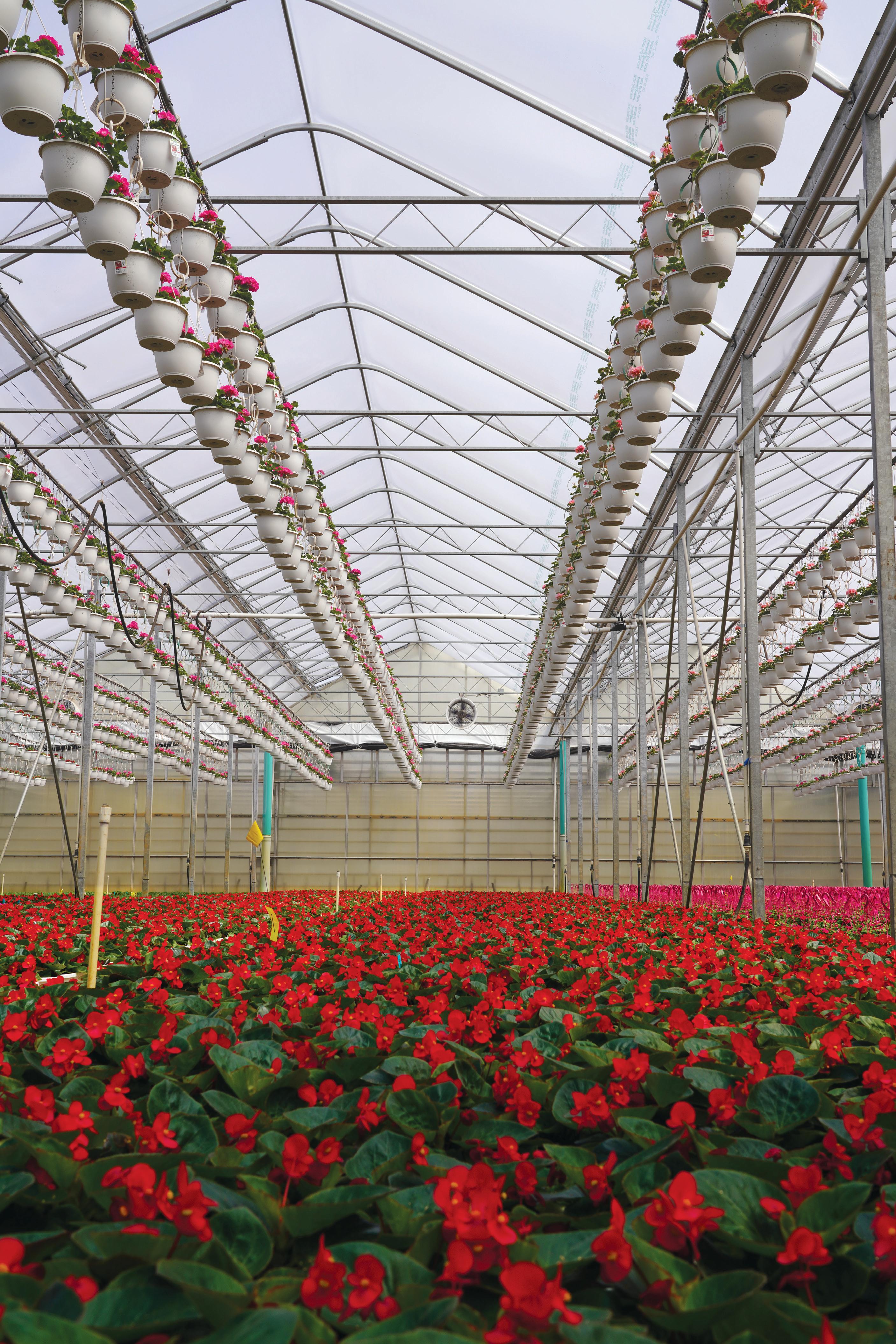
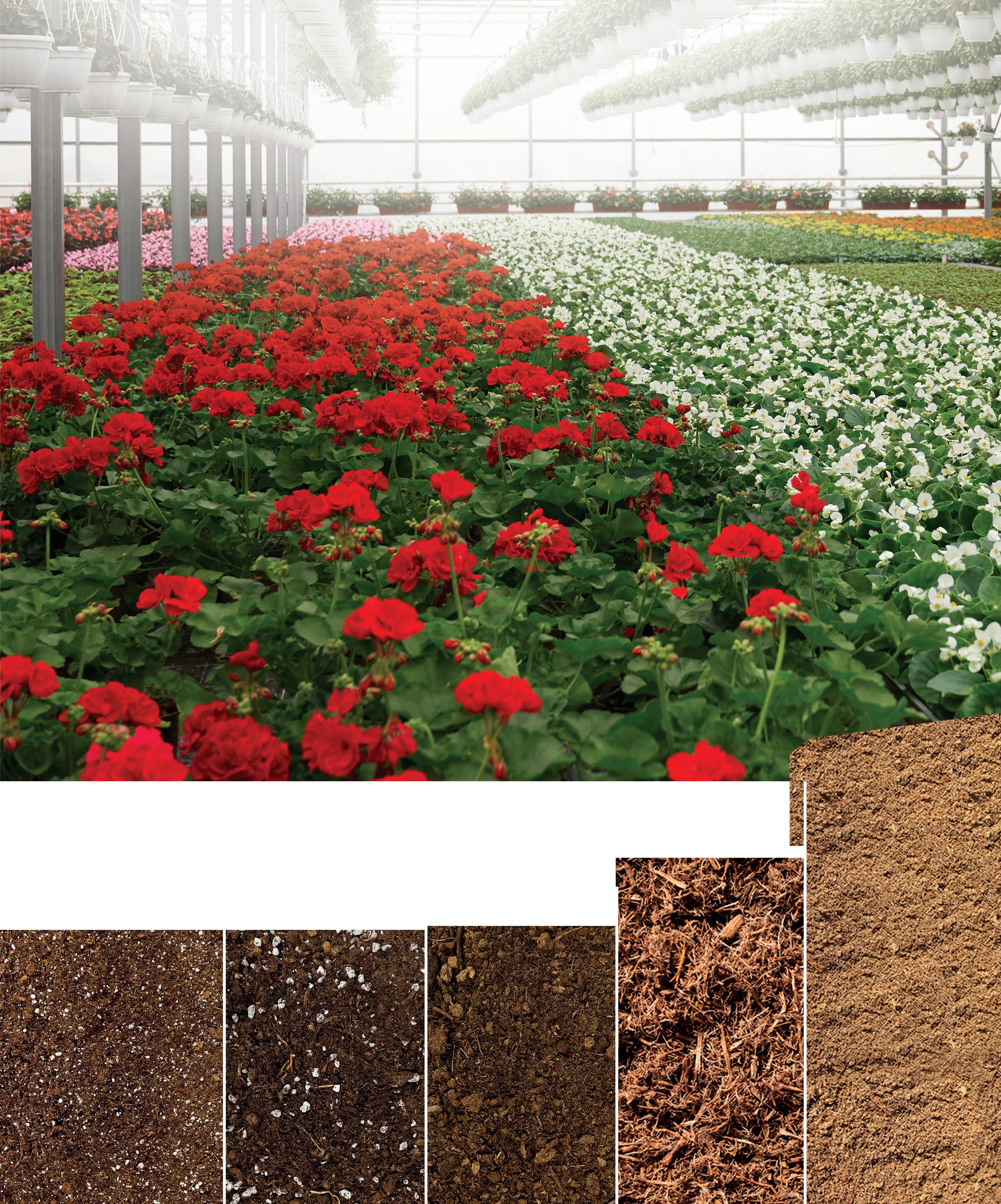
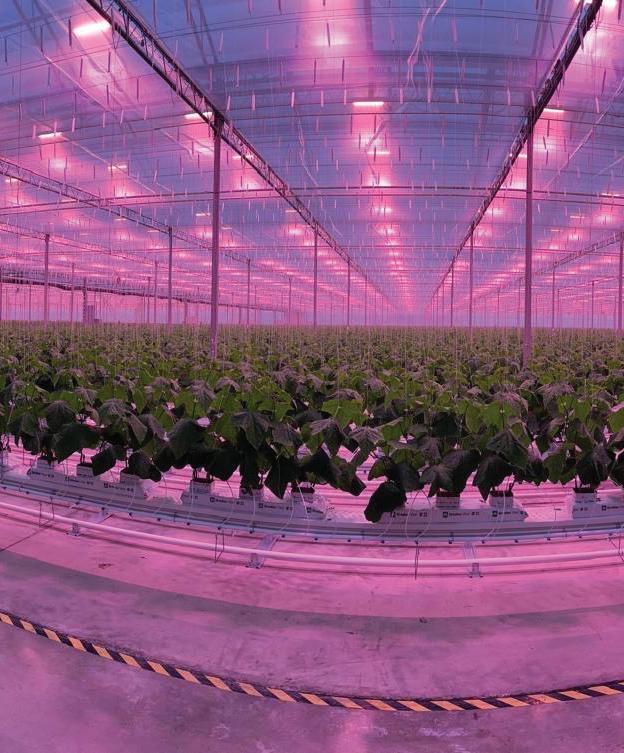
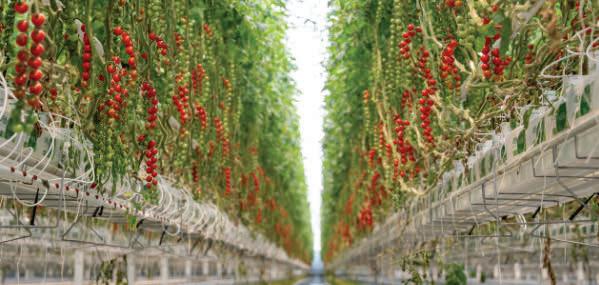
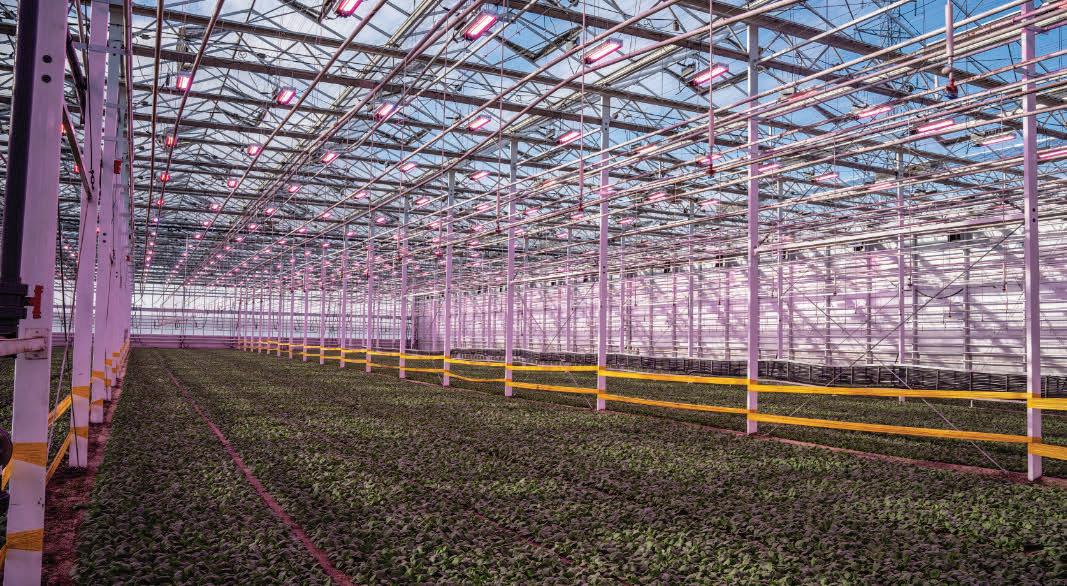
When irrigation and lighting strategies align, they support a harmonious crop, like this one pictured at CosMic Plants in Lincoln, ON. Photo courtesy Signify. Read more on Page 8.
BY J LYNN FRASER
Second life
Innovative study shows potential of spent greenhouse growing media.
BY JASON HENRY AND ALEXANDRA GRYGORCZYK
Road to retail
A closer look at the journey perennial plant genetics make from breeder to bench. BY
ANIK GRAVES

The news Agriculture and Agri-Food Canada (AAFC) would be shuttering several research stations across the country and eliminating hundreds of positions in the face of budget cuts is a blow to Canada’s agricultural sector.
Our country’s producers rely on timely, research-validated processes and innovations to run and grow their operations; these stations and the individuals operating them are a valuable resource for growers navigating an increasingly complex business and policy environment.
At a time when our federal government is announcing hundreds of millions of dollars in funding initiatives to support agri-food producers in their search for alternative markets and in the spirit of bolstering the Canada’s food supply chain, these cuts send a mixed message about where our priorities lie.
There is a lot of work underway to mitigate the impact these closures and dismissals will have, but the writing is on the wall: the cuts are coming and they will hurt producers.
To that end, the March/April 2026 edition is brimming with insight on greenhouse crop management: from our feature on the interplay of modern lighting and irrigation techniques (on Page 8) to our refresher on ruling the root zone from Dr. Mirza (on Page 18) there’s plenty brain food for thought and practical guidance.
This issue also features the second instalment in our series on waste management for greenhouses. This piece is a fascinating look at research being carried out through the Vineland Research and Innovation Centre on repurposing greenhouse growing media. Dive in on Page 14 and learn how some of these materials, typically destined for the landfill, hold potential for a second life and, ultimately, increased profit.
Additionally, we feature a close examination of the plant supply chain from breeder to bench, thanks to our guest contributor, ThinkPlants’ Anik Graves. Starting on page 26, Graves shares a unique perspective of
“These cuts send a mixed message about where our priorities lie.”
There are still a number of institutions and organizations across Canada supporting the sector through extensive applied research and study but whether they will be able to fill this impending knowledge gap remains to be seen. For now, all producers can do is keep informed on the issue and voice concerns to federal representatives and connect with professional associations.
For our part, Greenhouse Canada will strive to keep as up to date as possible on this matter and continue to provide relevant information and supports to keep producers doing what they do best: growing.
the lengthy, intricate and sometimes complicated process at the heart of an industry devoted to getting healthy and resilient plants into the hands of consumers.
Inside View columnist, Gary Jones, caps off the March/April edition with his take on the recent announcement from AAFC and takes a moment to highlight the important work and innovations these research institutions facilitate and illustrate what’s really at stake when research capacity is compromised.
Please feel free to reach out with questions or comments to me at akouniakis@annexbusinessmedia.com.



Fieldless Farms, Cornwall, ON-based vertical producer of leafy greens, has been acquired by Canadian ag tech firm, Elevate Farms Inc.
The deal, announced in a recent press release, makes Fieldless a “100% wholly owned subsidiary of Elevate.”
Elevate’s CEO, Amin Jadavji, called the new union “one of Canada’s most ambitious food corporations. Together, Elevate and Fieldless are building a homegrown success story championing Canadian food sovereignty and security while unlocking
opportunities for accelerated global expansion.”
In a LinkedIn post celebrating the news, Fieldless CEO, Jon Lomow, thanked investors who supported the company’s ambitions from its founding in 2018.
“We were pioneers in those earlier years, back when pushing for stronger Canadian food autonomy was a much harder sell,” he writes.
“This transaction brings two Canadian companies together around that shared objective. Elevate provides the scale and platform for Fieldless to carry its mission forward.” (Source: LinkedIn, Elevate Farms Inc.)

Farm Credit Canada (FCC) has convened a coalition of more than 20 investment organizations prepared to deploy up to $5 billion into Canadian agriculture and food innovation by 2030, marking what the organization calls a “generational investment opportunity” for the sector.
In a recent news release, the FCC says this pledge builds on a previous $2 billion
by 2030 commitment made in May 2025 to drive innovation across the agri-food industry. The firm notes that it is already on track to deploy $325 million in new capital by the end of March. Combined, the release notes, the two commitments represent $7 billion in new investment into Canadian agriculture and food by the end of the decade.
The funding is
The B.C. government has announced funding to support the development of a new smart-farming system at Delta’s Windset Farms as part of a broader investment in agritech initiatives in the province aimed at enhancing local food security.
In a recent press release, the province announced that, in addition to the Windset project, hundreds of thousands of dollars would also be allocated to new educational programs at Kwantlen Polytechnic University (KPU) and the University of the Fraser Valley (UFV) to provide hands-on training in drought-resistant cultivation and robotic weeding technology.(Source: Government of British Columbia)
expected to support Canadian businesses, construction and project finance opportunities and early-stage ag-tech companies, with the goal of accelerating commercialization and productivity across the value chain, the release notes.
Federal Agriculture and Agri-Food Minister Heath MacDonald called the initiative a “landmark investment” that “will strengthen
Canada’s leadership in agriculture and agri-food innovation, while charting a course for long-term growth, competitiveness, and resiliency for generations to come.”
Investment organizations in the coalition include firms such as Royal Bank of Canada, InvestEco Capital, SVG Ventures and Yaletown Partners, among others. (Source: FCC)
Source: Canada’s Red Tape Report; Canadian Federation of Independent Business. Jan. 2026
9 in 10 Canadian agri-businesses worry about their future due to regulatory burden
Canadian businesses face approximately $51.5 billion in compliance costs annually


Understanding the how a subtle note change can induce robust results
BY J LYNN FRASER
When it comes to LED lighting in greenhouses, it is noted they increase plant growth and that they use between 35 per cent and 55 per cent less energy than HPS lights (Save ON Energy [SOE], 2026). Benefits also include reduced: water transpiration; thermal stress; water usage; heat output; disease and fungal growth; and carbon footprint, notes Colin Grant, Technical Sales VP, Aelius LED Responses.
A subtle, exciting effect of LEDs is that their light spectra can evoke specific responses in plants — like music does in people.
“LEDs can impact the flowering of plants, the growth (height and width), the taste of the fruits or plants, and the nutritional or medicinal content,” says University of Guelph professor, Mike Dixon.
“Different light spectra and environment
ABOVE
control recipes can manipulate each of these plant responses.”
Some research has found, for example, that yields of leafy plants can be increased. One study concluded that applying 50 per cent blue light for an hour at day’s end improved lettuce’s weight at harvest by 18 per cent. When a red-blue light was used, “fresh weight” increased 11 per cent (SOE, 2026).
Research has shown that specific light combinations encourage fruit in tomato and pepper plants and flowering in marigolds and geraniums (SOE). Success with LEDs involves finding the right melody.
“Growers need to determine what they want to achieve with lighting — is it improved quality, shorter production cycles, or control of plant habits?” says James Dyck, an Ontario Ministry of Agriculture,
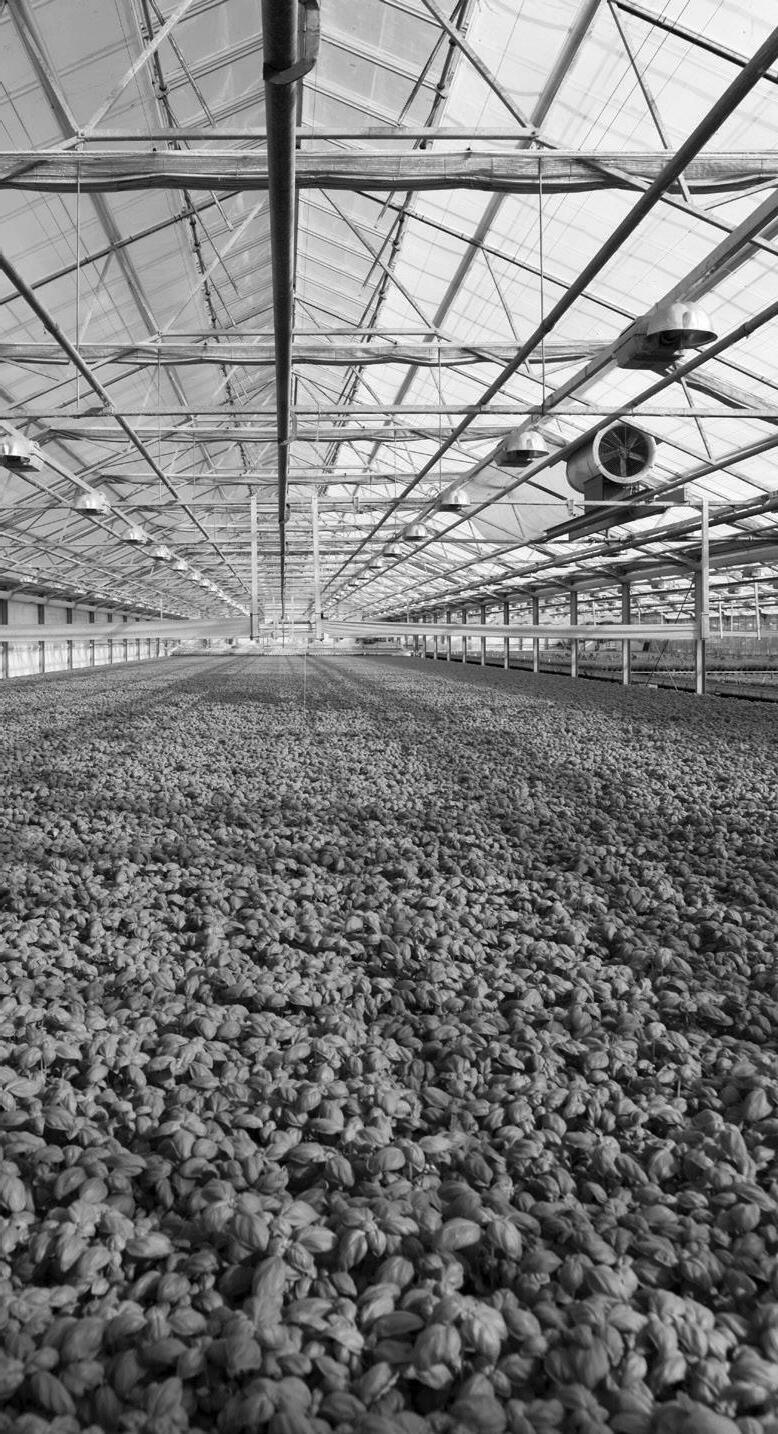
Conducting cultivation: A properly integrated irrigation, lighting and climate/screening strategy gives plants their best start and can help growers save on energy and production costs.
Experts note some of the benefits of integrating irrigation with smart technology include improved uniformity, optimized year-round yield and resource conservation.
Food and Rural Affairs researcher.
“Buyers are looking for quality, consistency and commitment and hence growers should use supplemental lighting to ensure the same,” adds Abhay Thosar Ph.D., P.Ag., chief horticulture specialist with Sollum Technologies.
Choosing an irrigation system should not be affected by the choice to use LED lighting, Grant comments. “The most important factor,” he adds, “is understanding how each system works and choosing based on the goals of the operation, the grower’s preference, and what has historically worked best for the crop.”
When the capabilities of LEDs and irrigation are strategized together, they can RIGHT

address the specific crop needs.
“Light and water are often optimized independently, when physiologically they are tightly coupled through plant energy balance, transpiration, and nutrient transport,” explains Amos Bassi, MSc, MBA, plant specialist with Signify.
“LEDs change crop water use dynamics. The real performance gains emerge only when irrigation strategies are recalibrated based on measured plant responses.”
There are, Thosar observes, blue, green, red, and far-red wavelengths emitted from
LED lights that can be “fine-tuned” for: crop type, crop stage, time of day.
“The intensity, spectrum and other plant growth factors in the greenhouse will affect water uptake by the plants,” Thosar says. “You need to provide all elements in the correct amount otherwise plants show deficiency symptoms and stress.”
Aelius’ Grant adds: “This is the current state of irrigation, not the future. Systems with sensors can often identify issues before a grower would notice them, providing an added layer of protection.”
A healthy irrigation system is one that is optimized. This includes sediment removal, filtration of organics and chemicals, reusing and recycling water, and solutions specific to each grower (Everfilt Inc. 2025). The benefits of irrigation combined with smart technology is crop health and uniformity; year-round yield optimization; resource conservation; and equipment longevity (Everfilt).
Intelligent Electronic Devices (IEDs), i.e., automatic controllers or programmable logic controllers, are being used with irrigation systems. IEDs act like an orchestra’s conductor to manage scheduling, water distribution, fertigation, and environmental monitoring. A conducted irrigation system is guided by crop generated data. IEDs working with irrigation can monitor on site or from a distance.


“Light and water are often optimized independently, when physiologically they are tightly coupled through plant energy balance, transpiration, and nutrient transport.”
IEDs associated with irrigation includes smart controllers, soil moisture sensors, remote monitoring, and variable frequency drives to control pumping. Benefits to LEDs and irrigation include water and energy conservation, increased yields, remote management, and data-based decisions.
Cost is always a concern for growers when considering new technology.
“LED pricing has come down significantly over the past two years,” Grant says. “When rebates and energy savings are factored in, the payback period is often much shorter — in some cases, less than a year.”
“During installation, the main challenges relate to system integration, aligning lighting layouts, irrigation zoning, and
climate control so that spatial variability in light, water, and temperature is minimized,” advises Bassi.
“After one year, growers often need to recalibrate fertigation recipes and irrigation timing as plants acclimate to new light spectra and intensities. After five years, ongoing monitoring and periodic recalibration of both LED output and irrigation uniformity are critical to preserve performance and avoid gradual system drift.”
Smaller greenhouse operators may be cautious about adopting LEDs. “There isn’t necessarily an advantage to waiting for better technology or innovation,” says Grant.
“Growers also need to consider that standard operating procedures will change. To maintain consistency across a facility and to save time and money, it is often best to switch all at once, possibly after a small trial.”
Thosar suggests growers “should look at a wholistic solution when selecting the LED supplier and not just focus on fixture pricing.” It is important, Thosar comments that “the growers’ objectives, greenhouse infrastructure along with the plant growth factors temperature, humidity, VPD, airflow, CO2, energy curtains, fertigation and vent settings” are considered to “ensure optimum plant response to LEDs.” Finally, it is important the company that installs LEDs in a greenhouse “validate the performance of the LEDs every year.”
“LEDs can be installed in a phased approach, but the sooner a grower makes the switch, the sooner they begin realizing the savings,” Grant advises. “Another important consideration is some utilities have a limit to the number of rebate applications that can be submitted for a single address, so check with your utility or rebate expert before committing to a phased retrofit.”
“It is important to understand how different spectra affect the crop, or [to] work with a lighting provider that can make appropriate recommendations. Once the lighting is in place, growers should expect a learning curve. It often takes a few crops to fully optimize all inputs, including irrigation and nutrient delivery,” notes Grant.
“After one year, ROI is typically visible
A healthy irrigation system is one that is optimized and LED systems can be ‘fine-tuned’ to a crop’s specific needs. Factors like intensity and spectrum will affect water uptake by the crop so growers should expect a learning curve.
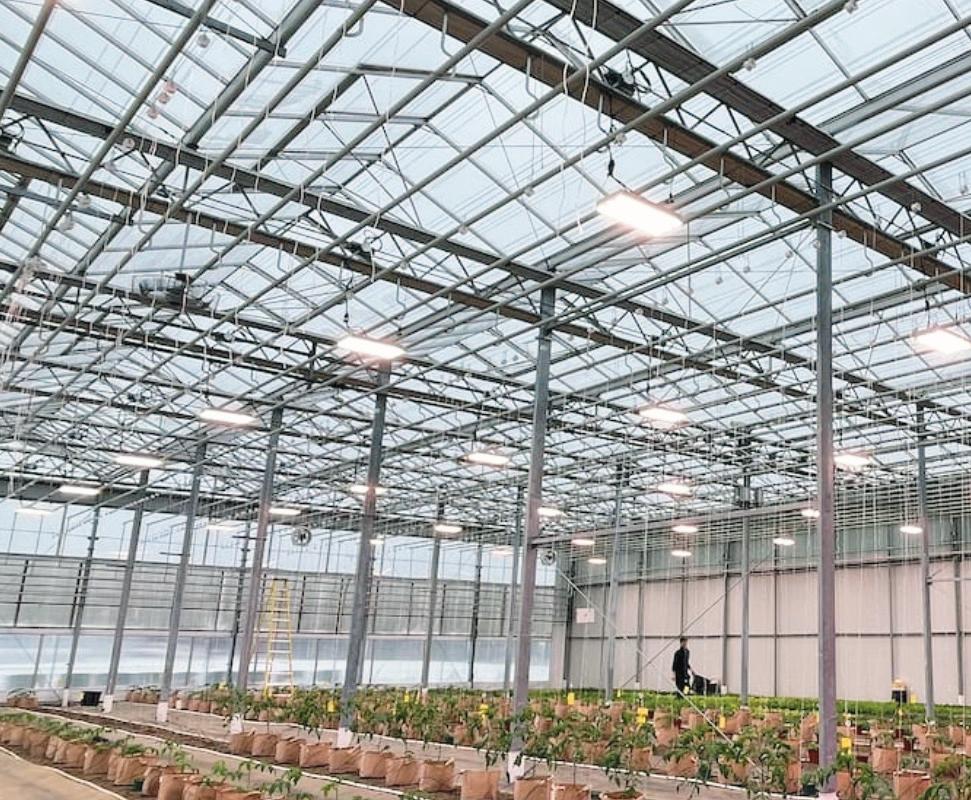




Specialists see the future of greenhouse production as bringing irrigation, lighting and artificial intellegence into even greater harmony to improve crop health and yield.
in measurable performance indicator for irrigation and LEDs: improved crop uniformity, reduced variability, better wateruse efficiency, and lower energy intensity per kilogram of produce, which collectively reduce production risk. After five years, ROI becomes both economic and systemic: lower lifetime operating costs, more stable yields across seasons, and greater production resilience to external volatility,” notes Bassi.
ROI on results should fit each grower, Bassi advises, and their “specific greenhouse design, climate strategy, crop portfolio, energy costs, and irrigation regime to quantify returns.”
“Our lab and some other labs have been

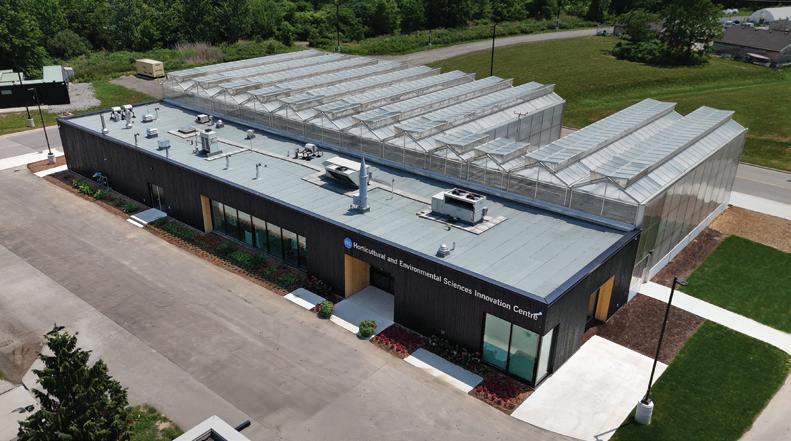
working on using AI to control fertigation and LED lighting. I do see that AI can be used to manage greenhouse fertigation system and LED lighting to use resources such as water, fertilizer and energy more efficiently, and to reduce waste discharge from greenhouse to the environment, and ultimately produce more affordable fresh produce to supply to locate markets,” notes Dr. Youbin Zheng, University of Guelph.
The future will involve more specialized types of technology integrated to work together to tend to crops’ needs. “AI can be integrated with drones and robots to conduct many tasks, such as pest scouting and spraying, fertigation and harvesting, etc.,” notes Zheng, editor-inchief Canadian Journal of Plant Science.
The future will bring greater integration of LEDs, irrigation, climate systems, and artificial intelligence.
“The greatest progress in CEA will come from data-driven integration, using measured crop responses to continuously refine how lighting, irrigation, and climate interact rather than treating them as static, standalone technologies,” observes Bassi.

» Huwa-San TR-50: Advanced irrigation water treatment
Advanced water hygiene
Biofilm removal
No harmful residuals
No-rinse surface disinfection
» Sili-Fert P: Resilience powered by silicon
Biostimulant

100% bio-available silicon Improves crop quality
Enriched with micronutrients: B, Cu, Zn, Mn & Mo

Our hygiene & biosecurity experts are available to provide guidance. Contact our Agro Solutions Team today for more information & tailor-made advice based on your specific needs.
» Tel: +1 (519) 791-6597 (Andrew) or agrosolutions@roamtechnology.com
The promise and challenge of greenhouse substrate reuse in Canada
BY JASON HENRY AND ALEXANDRA GRYGORCZYK
BELOW
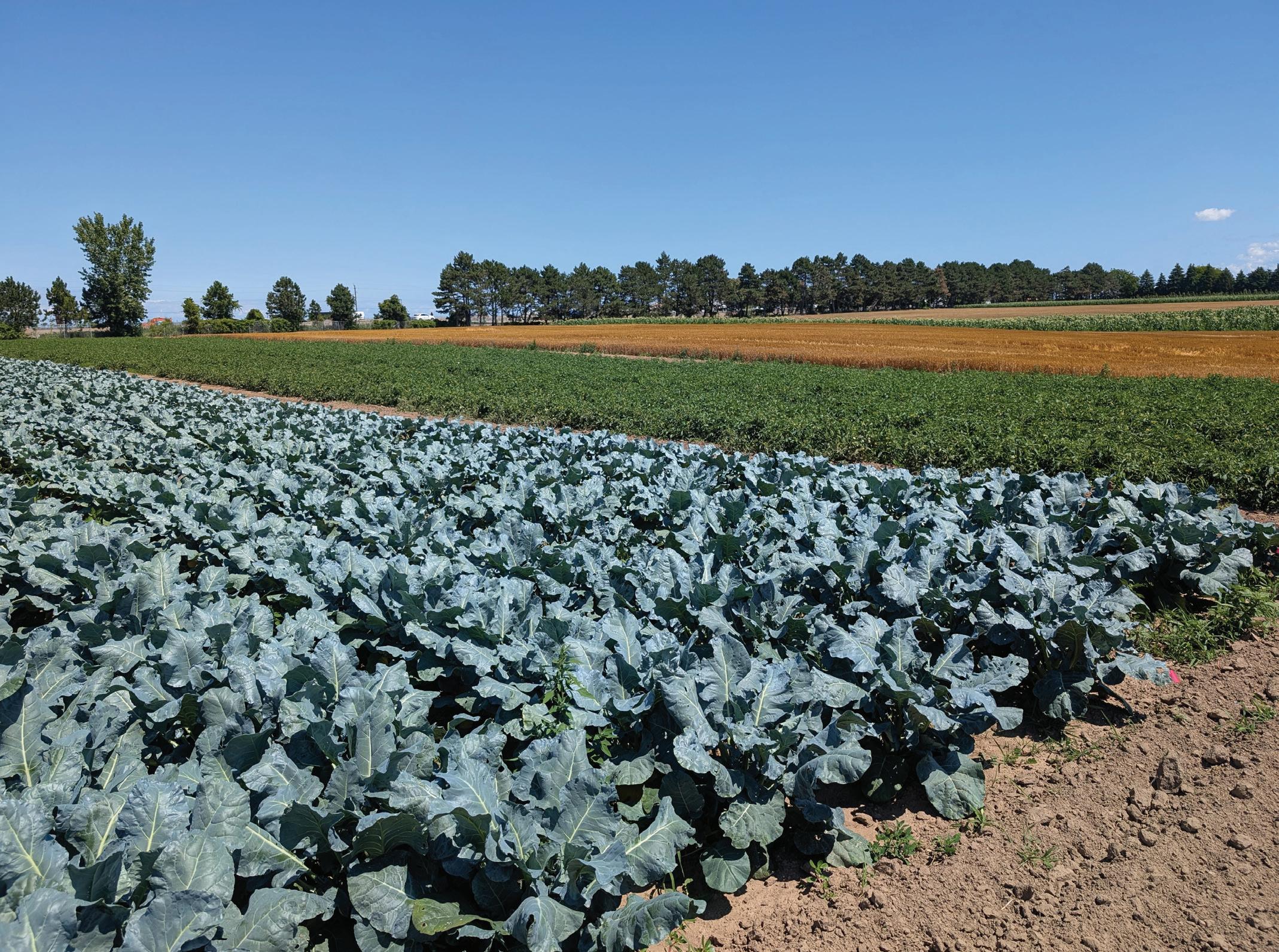
Broccoli at Vineland’s research farm, where the team conducts research to improve soil health.
Canada’s greenhouse vegetable sector is one of the country’s most productive and technologically advanced agricultural industries, supplying high quality, locally grown produce year-round. Yet alongside this success, the sector generates substantial waste streams including vines, gradedout fruit and used substrates, making landfill diversion both a critical objective and a persistent operational challenge. As part of an Agriculture and Agri-Food Canada (AAFC) Clean Technology funded project, Vineland Research and Innovation Centre (Vineland) is undertaking research with industry partners to develop valuable repurposing pathways for greenhouse waste streams, including stone wool.
Greenhouse vegetable production has long relied on engineered substrates such as stone wool, coco coir, and peat-based blends. Modern growing media provide a uniform, controllable root-zone environment with optimal air space, water retention, and nutrient availability, conditions essential for high-wire crops such as cucumbers, peppers, and tomatoes. Their physical stability and compatibility with precision fertigation systems support intensive, long-season greenhouse production nationwide.
Vineland Research and Innovation Centre technician, Matt Coker, takes a saturated hydraulic conductivity reading for a soil sample.
However, these agronomic benefits come with an environmental trade-off. At the end of each crop cycle much of this substrate material is landfilled along with the crop vines, a practice that is costly and environmentally problematic due to both volume and limited biodegradability.
Of the 150,000 tonnes of greenhouse waste landfilled annually in the Leamington region, an estimated 10-15 per cent consists of stone wool. Other greenhouse-intensive regions, including Chatham, London and Niagara, each contribute roughly 10 per cent of Essex county’s total, further increasing the provincial burden. These figures reflect stone wool from vegetable production only and exclude other substrates and sectors such as ornamentals, leafy greens, and cannabis. Consequently, the true volume of substrate waste across all medias is considerably higher,



underscoring the urgent need for alternative, scalable solutions.
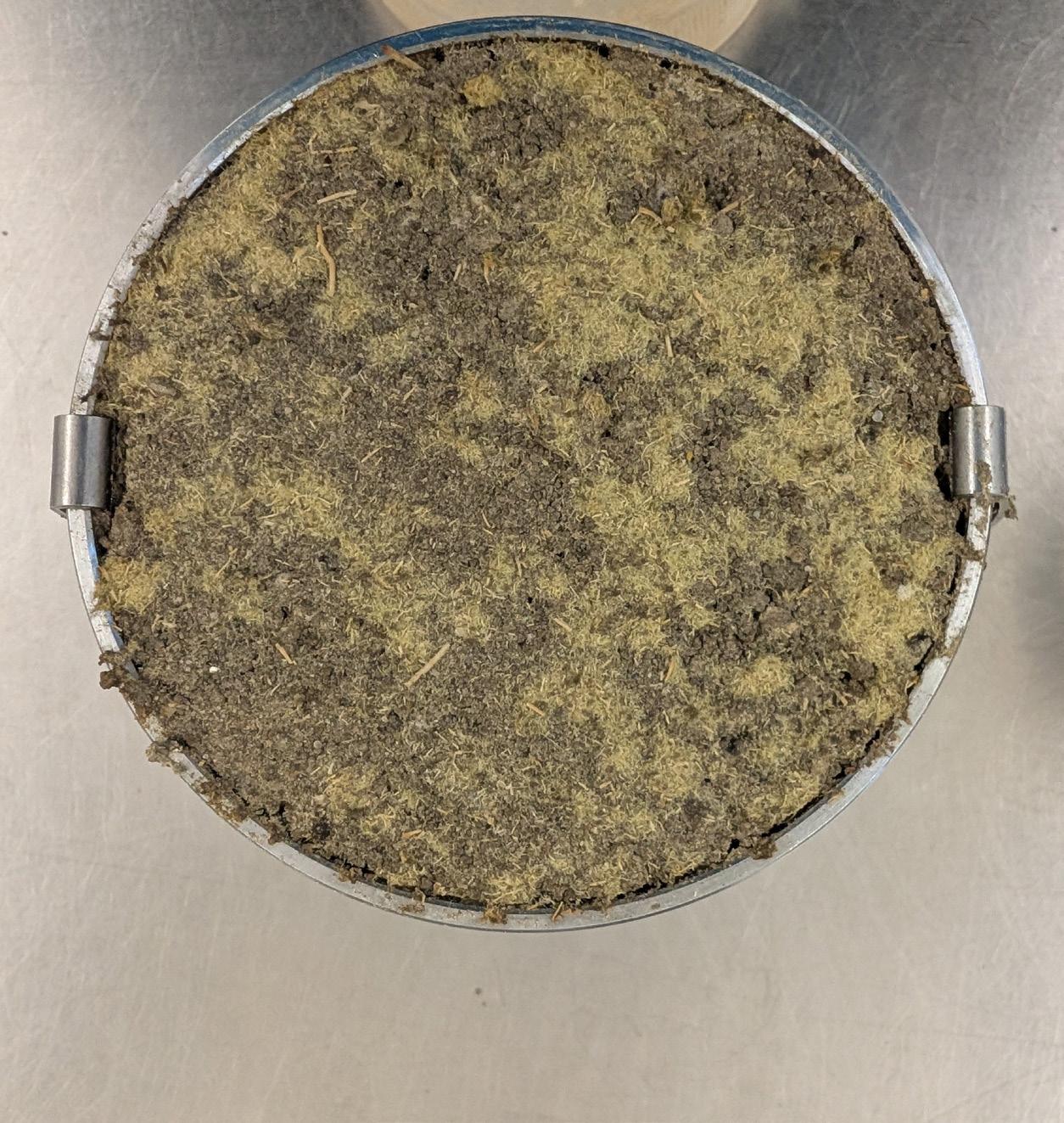
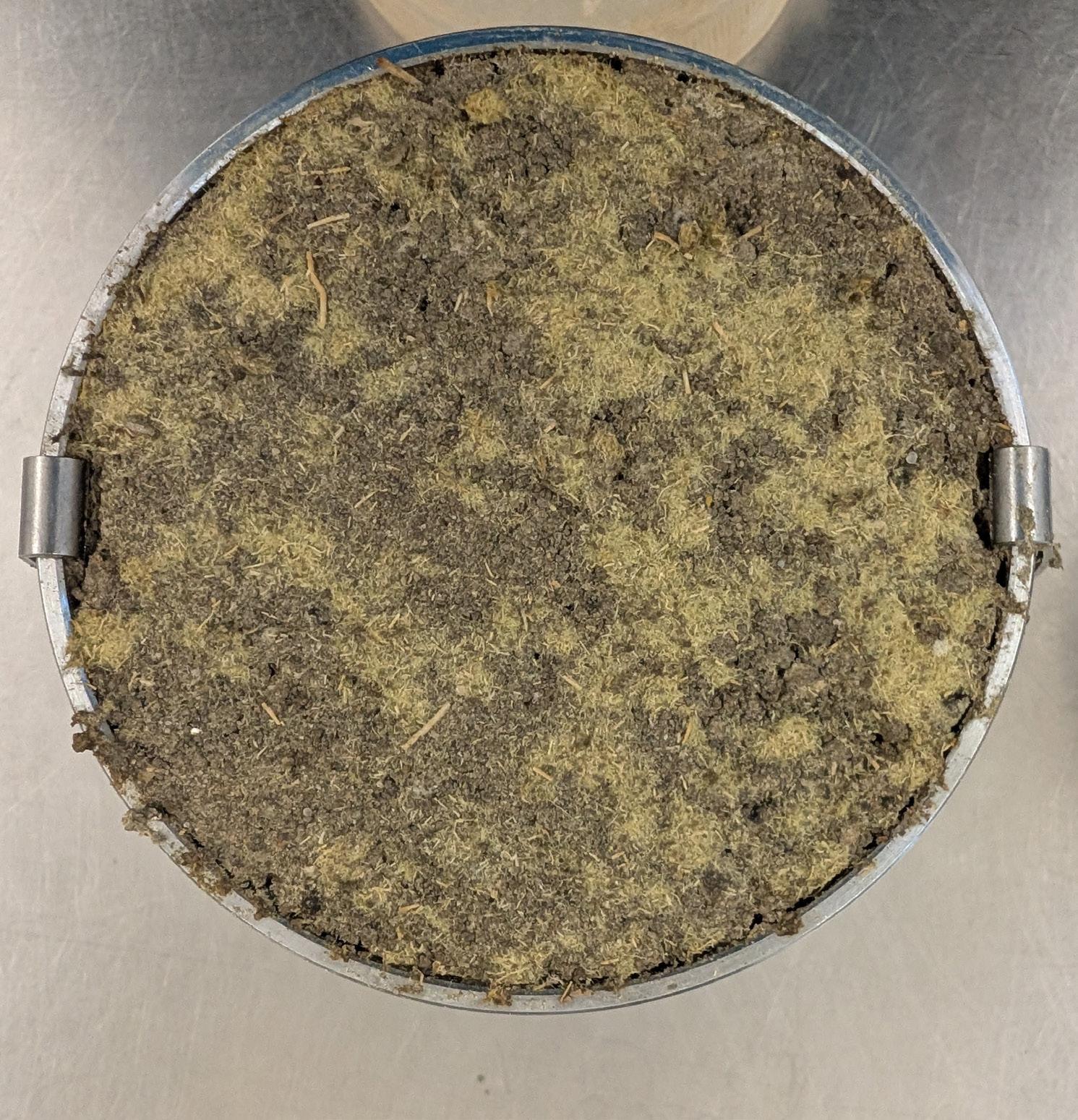
A blend of soil and ground stone wool powder. Researchers see potential for spent substrates to improve field soils.
made, challenges related to logistics, material handling, processing capacity, and cost remain.
The work being conducted by Vineland will play a critical role in addressing these barriers by identifying new end-use applications and establishing scalable pathways that make end-of-life management more accessible, operationally simple, and cost-effective for greenhouse growers.”
More circular approaches are possible... These early successes signal a shift toward more environmentally responsible and economically viable waste management options.
While landfilling remains common, several initiatives are demonstrating that more circular approaches are possible. Grodan’s recycling and repurposing programs and Walker Industries’ composting efforts offer models for diverting used growing media from landfill. These early successes signal a shift toward more environmentally responsible and economically viable waste management options.
However, there is broad recognition that scalable, growerfriendly solutions are still needed. As project partner Grodan explains: “At Grodan, we work with commercial partners such as Walker Industries in Ontario and others globally to provide practical, cost-effective end-of-life management options for used stone wool from greenhouse operations. While progress has been
Repurposing spent substrates as soil amendments is emerging as a promising alternative to landfilling. Research underway at Vineland is examining how materials such as stone wool, coco coir, and peatbased mixes can improve field soils. Originally engineered to retain moisture and nutrients in greenhouse systems, these substrates have shown potential to enhance soil structure, increase water-holding capacity, and support nutrient cycling when incorporated into agricultural lands at carefully managed rates. Early studies indicate improvements in aggregate stability, reduced soil erosion, and enhanced water infiltration; benefits particularly relevant for sandy loam soils common in Essex County, where moisture retention is often a challenge. With large volumes of spent stone wool generated locally, there is strong potential for a circular solution that supports both agricultural soil health for field producers and landfill diversion goals of the greenhouse sector.
Laboratory findings are encouraging. Vineland’s research has demonstrated that adding spent substrates can double or even triple the available water holding capacity of agricultural soils. Current work is identifying which soil textures benefit
Continued on page
Optimizing the unseen driver of greenhouse success
BY VIKRANT DHAWAN AND MOHYUDDIN MIRZA
Root zone health is a very complex area for study and management. In early 1980 the vegetables were grown in “virgin” prairie soil in Alberta and many other parts of Canada. Early history of root zone improvements and engineering is very impressive in Canada. Some may recall, in soil in the early 1980s, where the root zone was just top four- to six-inches of soil amended with some peat moss or manure. The root knot nematode and many fungal diseases, like pythium, forced researchers and growers to experiment with growing media like peat moss, saw dust and some other soilless growing media.
Back then, many saw a switch to strawbale culture, but there too, the nematodes found a way to get to the roots. So back to the drawing board to find a better growing medium. Eventually, different products were developed like rockwool, coir came to Alberta in late 1990s and Nutrient Film Techniques (NFT) were studied.
ABOVE
RETHINKING THE ROOT ZONE
The move to soilless cultivation redefined root zone health; placing greater emphasis on air porosity, water- and air-holding capacity, and cation exchange capacity. This also paved the way for the development and promotion of improved growing media.
In commercial cultivation, the root zone is the unseen driver of plant performance. While lighting, genetics, and canopy management often dominate attention, the roots dictate nutrient uptake efficiency, stress tolerance, disease susceptibility, and the quality of final product.
Problems in the root zone rarely appear suddenly, unless there is no water; they develop gradually through oxygen limitation, improper irrigation, salinity buildup, pH drift, temperature imbalance, or suboptimal media structure. By the time above-ground symptoms such as leaf
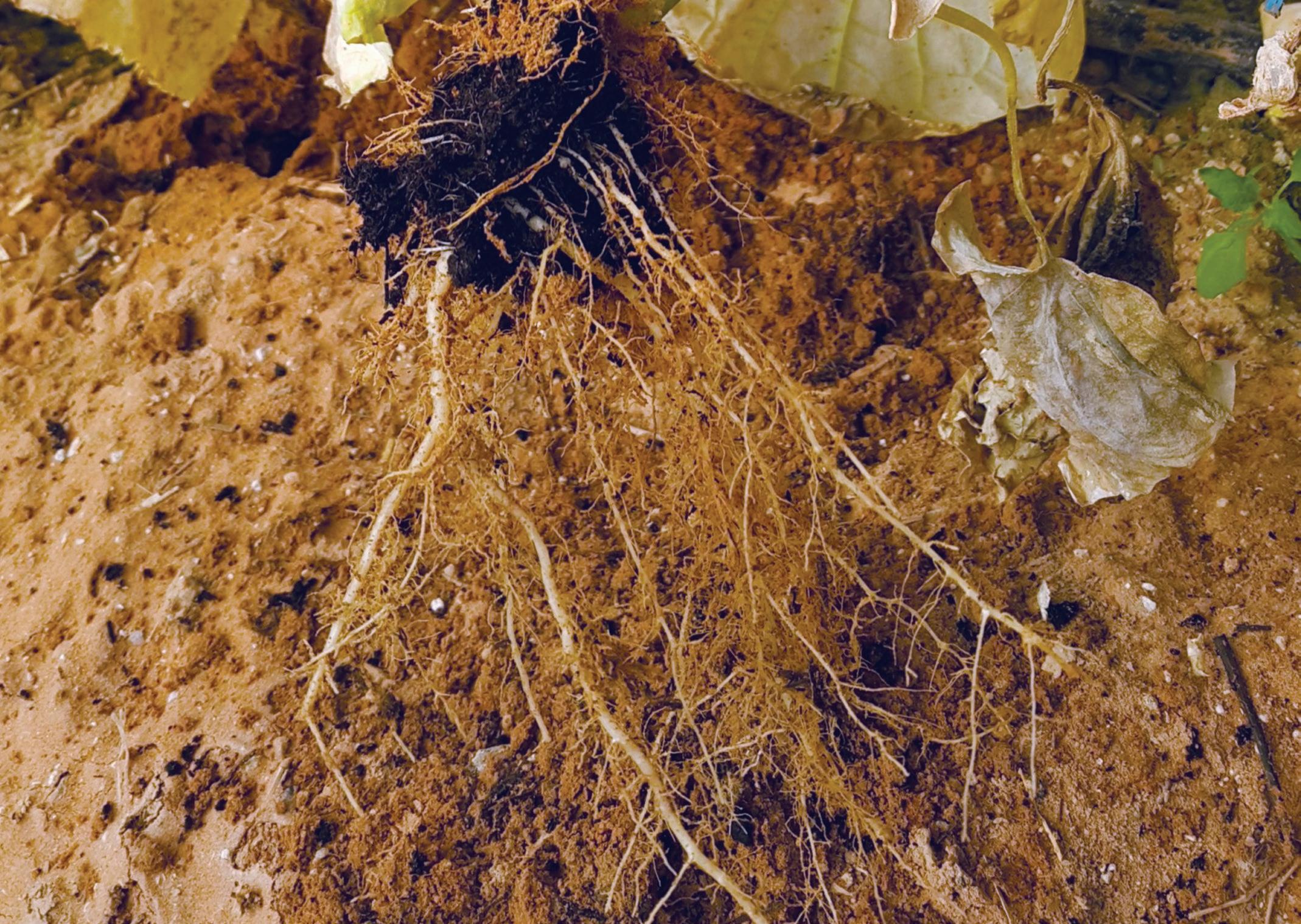
Roots of a cucumber plant grown in sand in a hot climate and high sodium water. All the top leaves were yellow and senescing and the fruit was malformed and colourless.



ABOVE
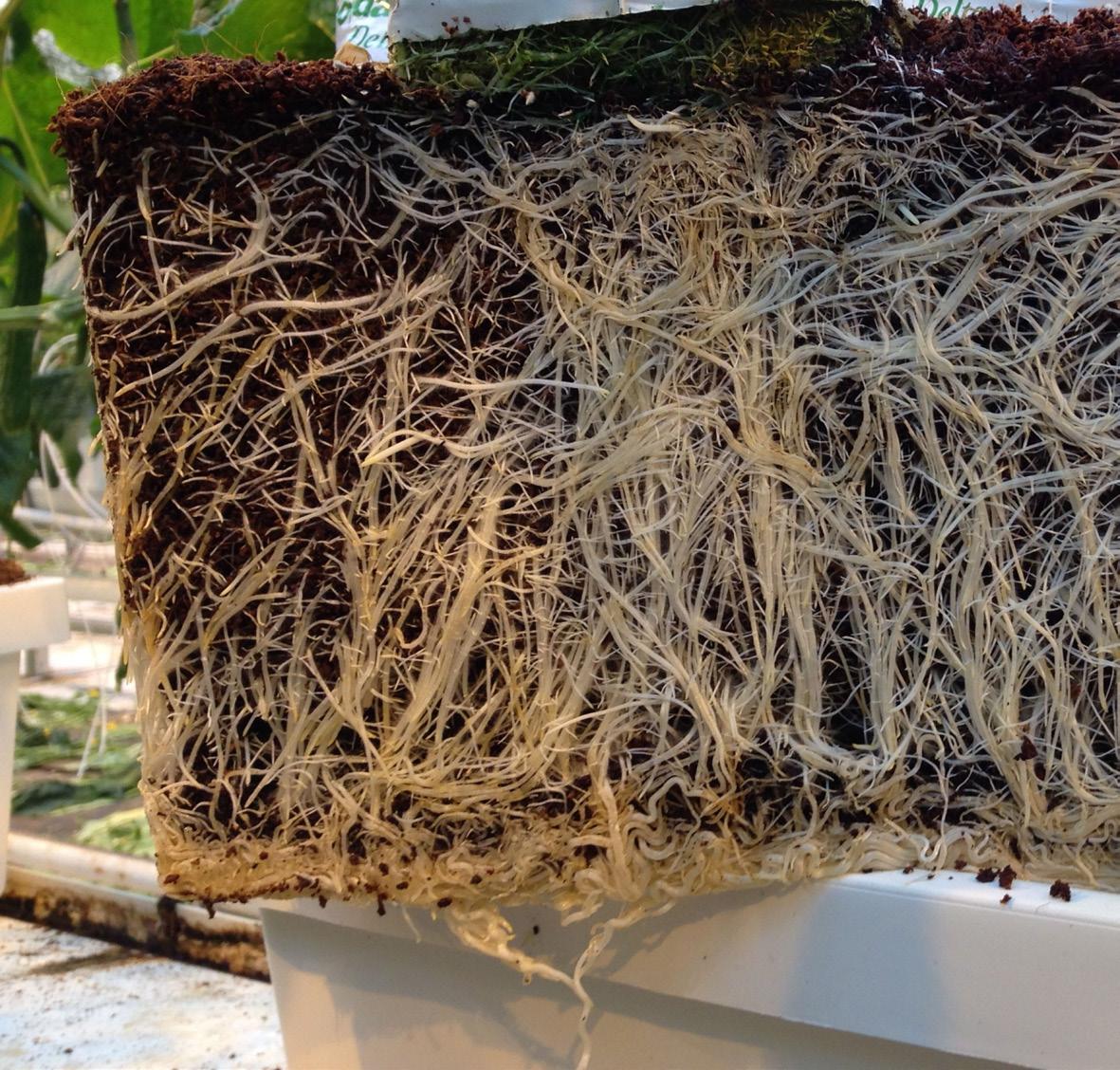
Roots from a cucumber crop grown in coir with good quality water. Plants were about 14 weeks old whenthis picture was taken.
yellowing or reduced vigour become visible, yield and quality losses are already locked in.
Oxygen is vital for energy production, nutrient transport, and root growth. It reaches roots through dissolved oxygen in irrigation water and air-filled porosity in the growth medium. Research and field data from Canadian greenhouses demonstrate critical performance thresholds for dissolved oxygen in the root zone:
• Optimal: 7–9 mg/L
• Functional but reduced efficiency: 4–6 mg/L
• Disease-prone conditions: <4 mg/L
• Near anaerobic stress: 1–2 mg/L
Even when irrigation water enters the system with sufficient oxygen, dissolved oxygen levels often decline before reaching the roots due to elevated water temperature, high electrical conductivity (EC), long distribution lines, or overly frequent irrigation. Low-oxygen environments favour pathogens such as Pythium, Fusarium, and Phytophthora. Maintaining oxygen availability is therefore both a growth and disease-management strategy.
Irrigation water temperature plays a central role: oxygen solubility decreases as water temperature rises. Maintaining water between 18–20°C reduces hypoxic stress.
Drainage design also affects oxygen retention. Containers or slabs that allow standing water at the base reduce effective root volume, creating chronic low-oxygen zones.
Roots that escape containers or cluster along edges often

ABOVE
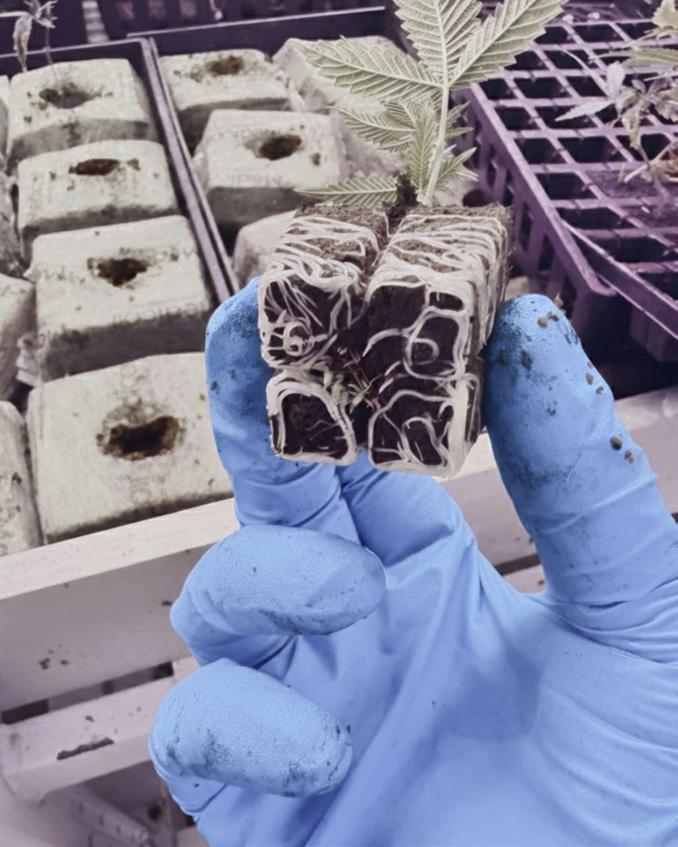
weeks. Good white, water and nutrient absorbing roots.
indicate insufficient aeration in the main root mass.
Irrigation timing is more influential than total volume. Aligning irrigation with plant transpiration and vapour pressure deficit, rather than rigid schedules, restores oxygen to the root zone and promotes uniform root distribution.
Partial dry back between irrigations enhances root zone health and thus root proliferation.




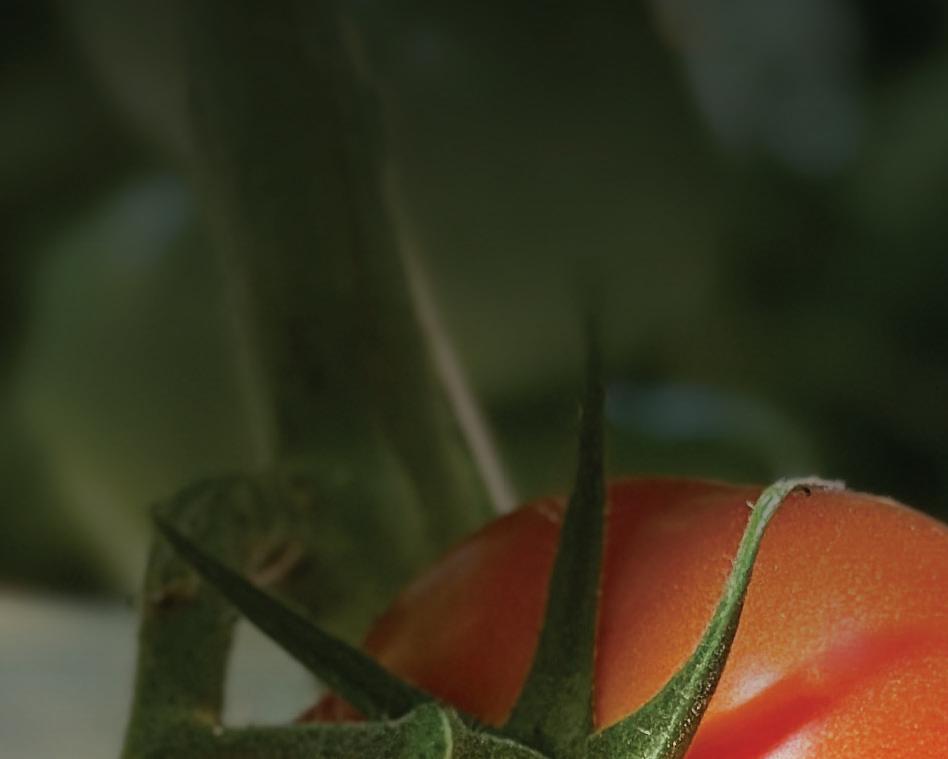
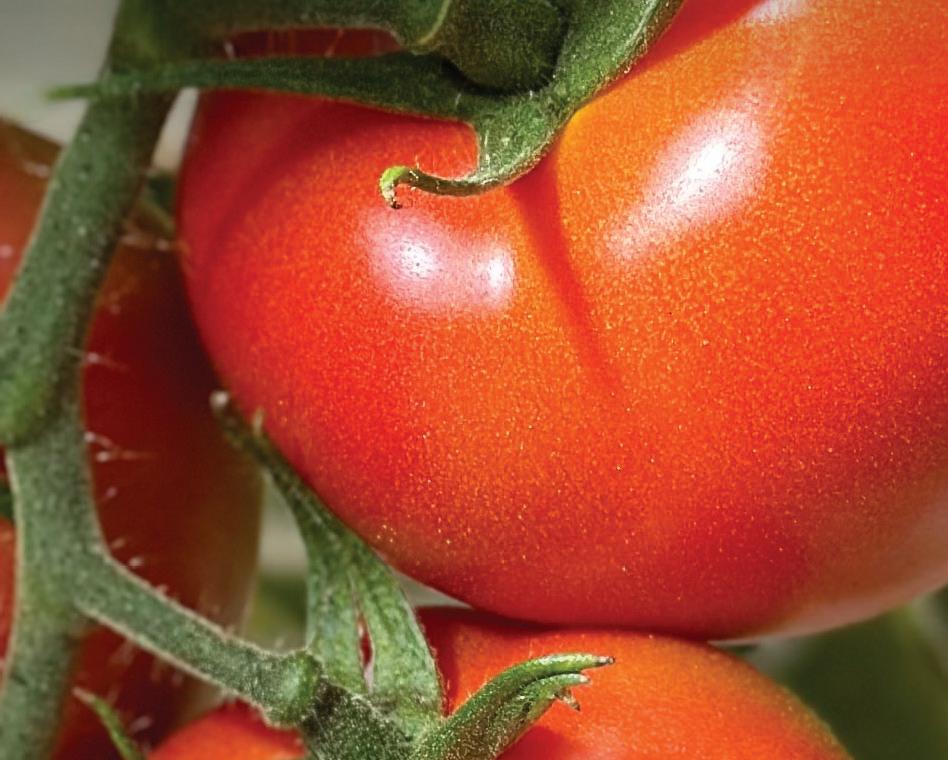


An extra large cluster variety with a high production potential and great quality fruit.


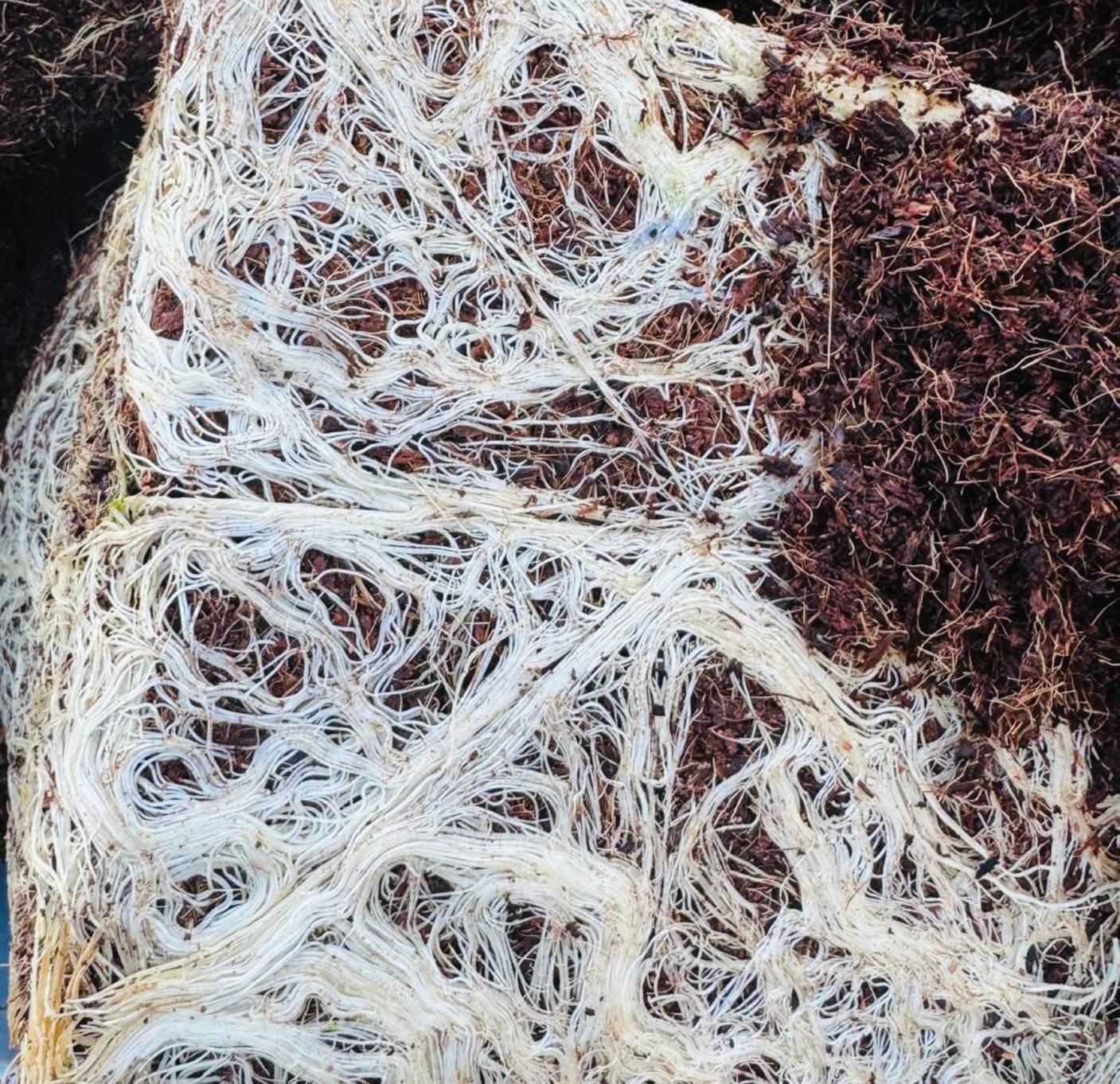


Roots from a mature cannabis plant. Very good root development and showing good integrity reflective of light triggered irrigation, proper balanced nutrients and good climate management. PHOTO: GMTN
Electrical Conductivity in the root zone governs water movement into the plant. Under high-light greenhouse conditions, elevated EC reduces water uptake even when moisture is abundant, slowing leaf expansion and increasing stress. Conversely, excessively low EC weakens root structure and reduces tolerance to environmental fluctuations. The goal is stable EC aligned with transpiration demand.
Sodium accumulation is a slow but significant risk. Sodium competes with calcium and potassium, damages root membranes, and degrades media structure by reducing drainage. Sodiuminduced stress develops gradually and is often misdiagnosed. Routine leachate monitoring allows early detection of EC drift and sodium buildup. Corrective flushing, adjusted for crop stage, prevents irreversible root damage. In coco media, controlled “starving”— allowing the medium to approach a lower EC threshold before feeding — promotes maximum nutrient absorption efficiency and encourages roots to explore the entire pot volume.
Root zone pH directly controls micronutrient solubility. Plants themselves change the root zone environment by influencing pH in the growing medium. For example, during rapid vegetative growth the roots secrete more hydroxyl (OH-) ions which pulls the pH towards alkaline side and if not monitored and corrected iron and manganese deficiency can occur. On the other hand, during generative growth when flowers and fruit are set, the pH can move into the acidic side which results in toxicity of microelements. This also happens when fruit load is high in crops like cucumbers and tomatoes, when the flow of nutrients to the roots slows down. Growers should be aware of strategies to manage these



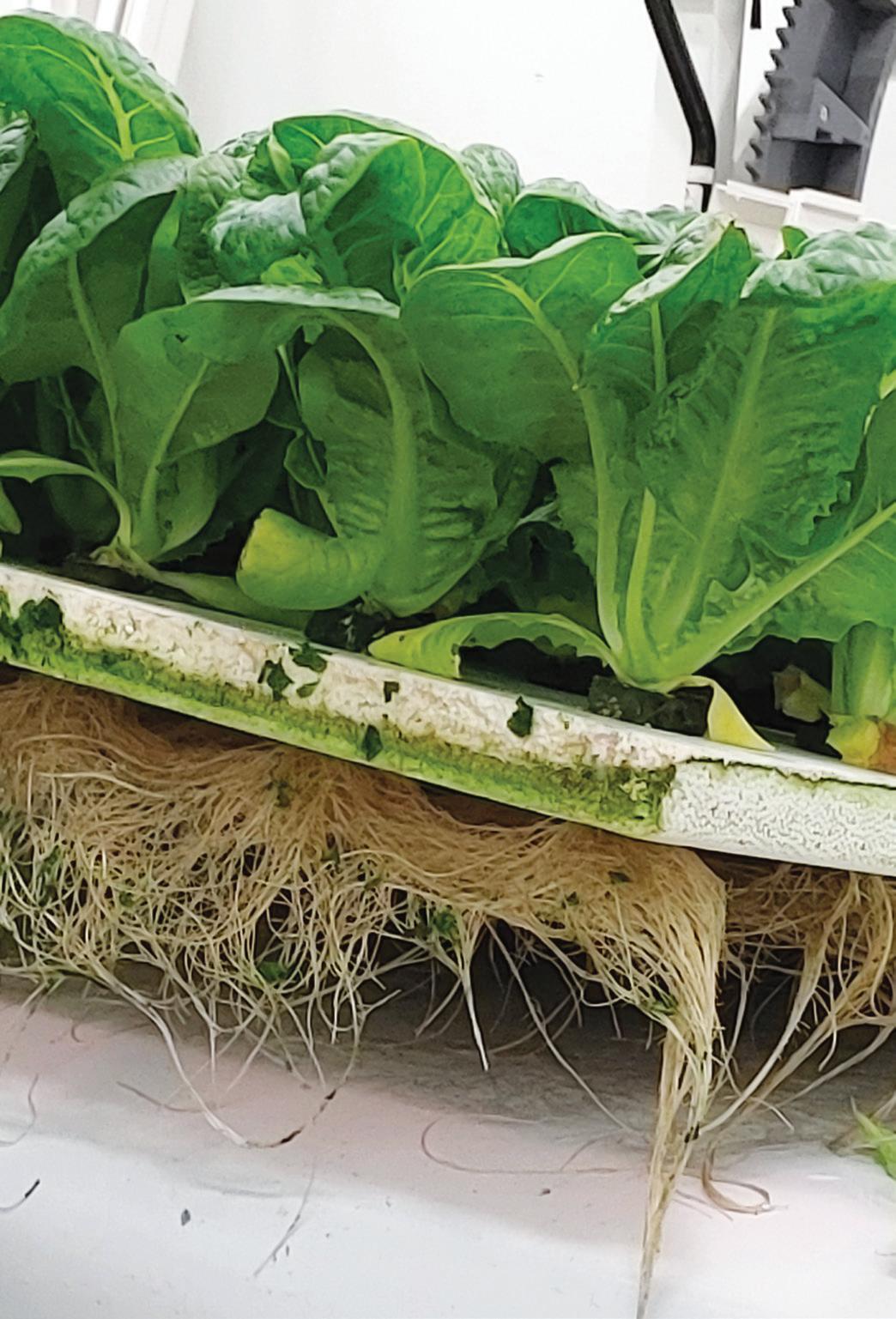

Lettuce in a floating hydroponics system with proper and balanced nutrients and dissolved oxygen at 8 to 9 ppm.
aspects, but a best course of action would be to regularly monitor pH and adjust early rather than later.
TEMPERATURE, MEDIA SELECTION, AND ROOT GROWTH
Root zone temperature regulates enzymatic activity, nutrient transport, and disease susceptibility. Temperatures below 18°C slow metabolism and increase vulnerability to pathogens, while 18–22°C supports consistent uptake through vegetative and flowering stages.
Media selection must balance air-filled porosity with waterholding capacity. Coir remains a widely used medium but varies in quality. Washed, buffered coir with known EC and sodium levels ensures predictable performance.
Root health is strongly linked to pathogen pressure. Key diseases include:
• Pythium spp. – causes root rot under low-oxygen conditions.
• Fusarium spp. – chronic vascular wilt and stunted growth.
• Phytophthora spp. – aggressive root and stem decay in overly wet media.
• Rhizoctonia spp. – root tip necrosis and brown lesions. Preventive strategies include maintaining oxygenation, appropriate irrigation, humidity level, pH and EC control,



We believe it is important to really listen to our customers. We like to create the right long-term growth for both the customer and its crops. We like to do together.
Want to know more about our substrates or other sustainable solutions? Feel free to contact me or one of my colleagues.
legrogroup.com
Pablo Segovia
Sales manager Americas +1 (215) 372-2733
sales@legrogroup.com

Multifan Greenhouse Fan
• Extremely efficient
• Low-noise level
• Easy installation
Multifan V-FloFan
• Corrosion-resistant materials
• IP-55 rated
• 3-year warranty

www.exaconinc.ca sales@exacon.ca
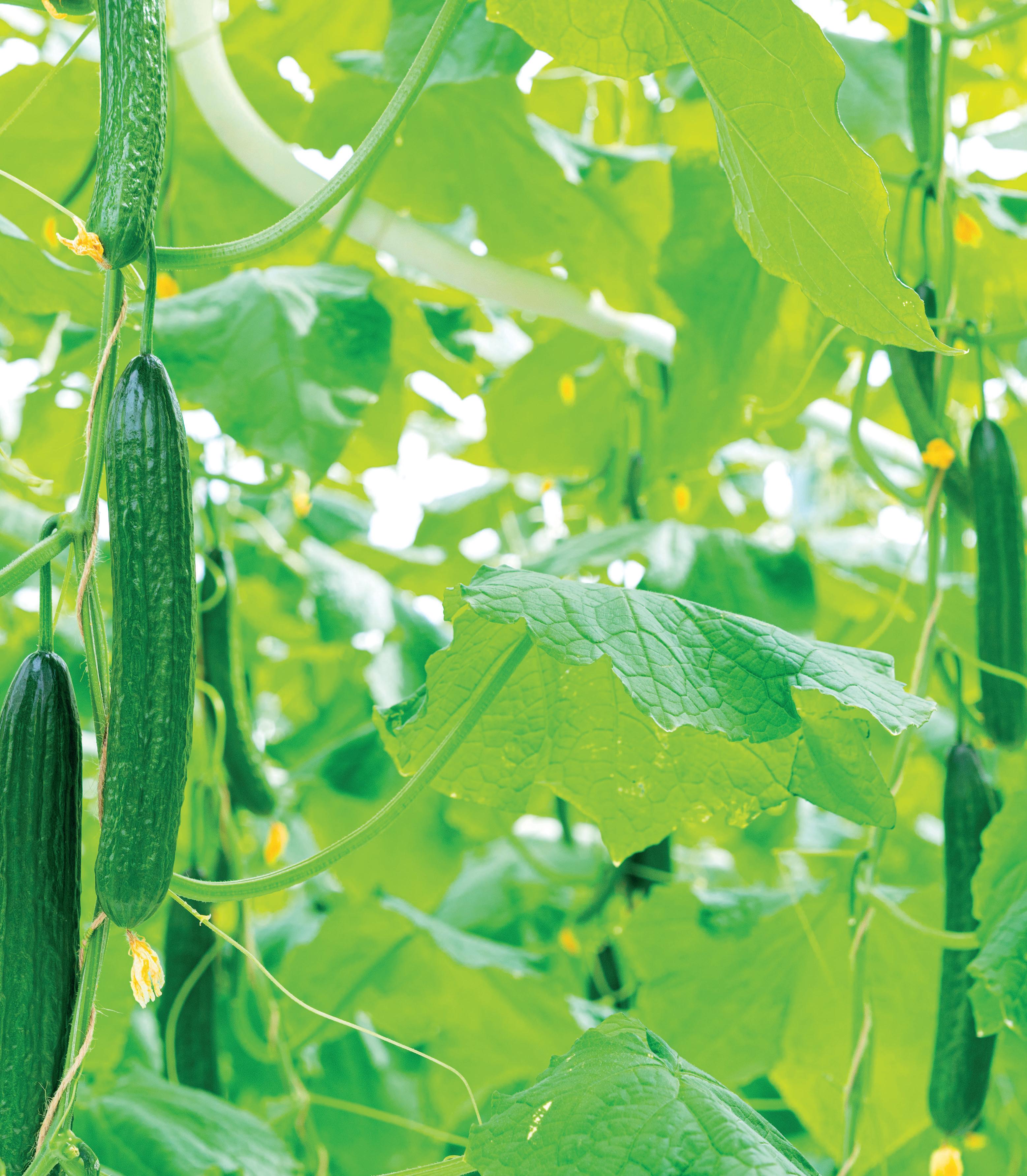
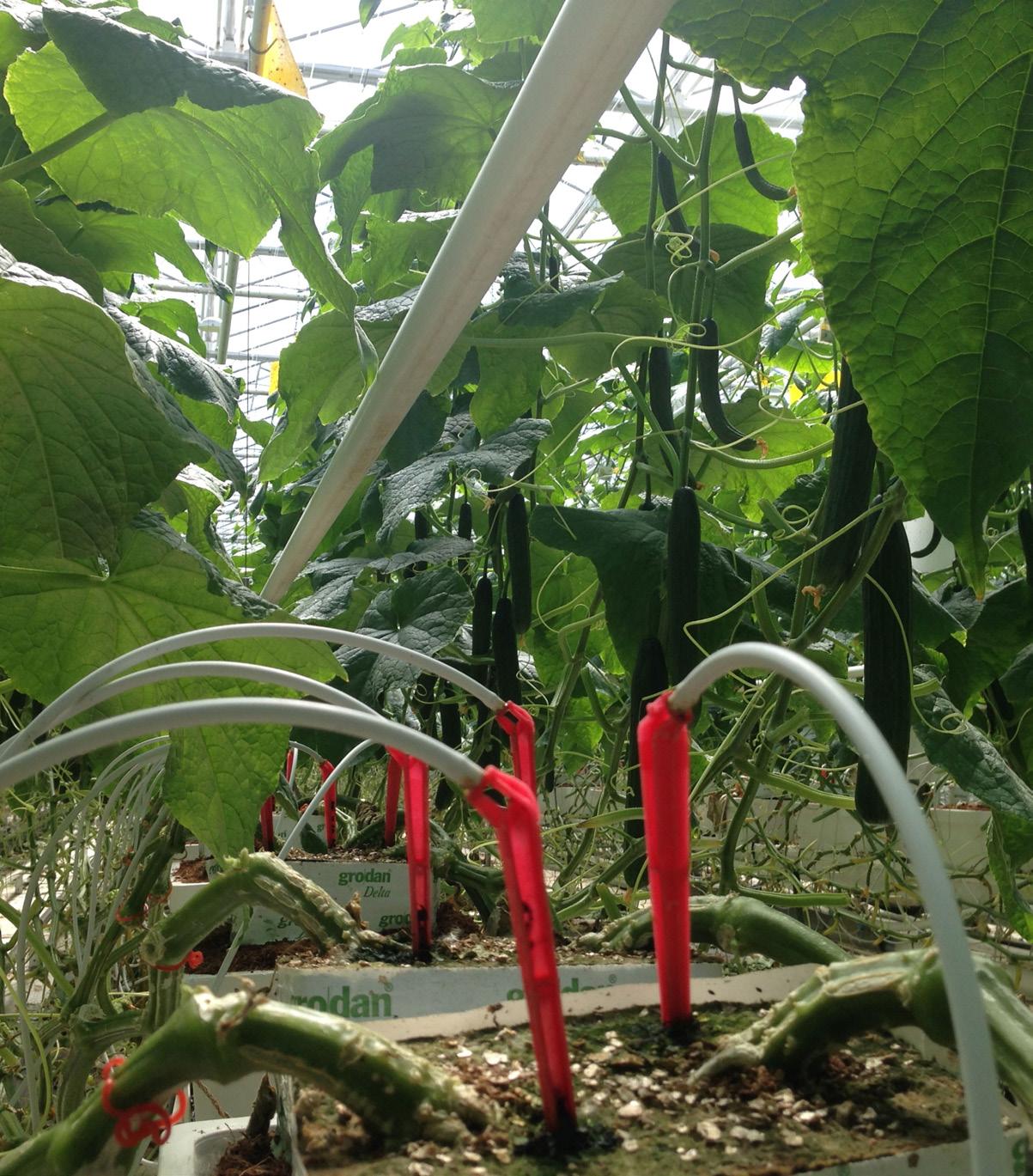
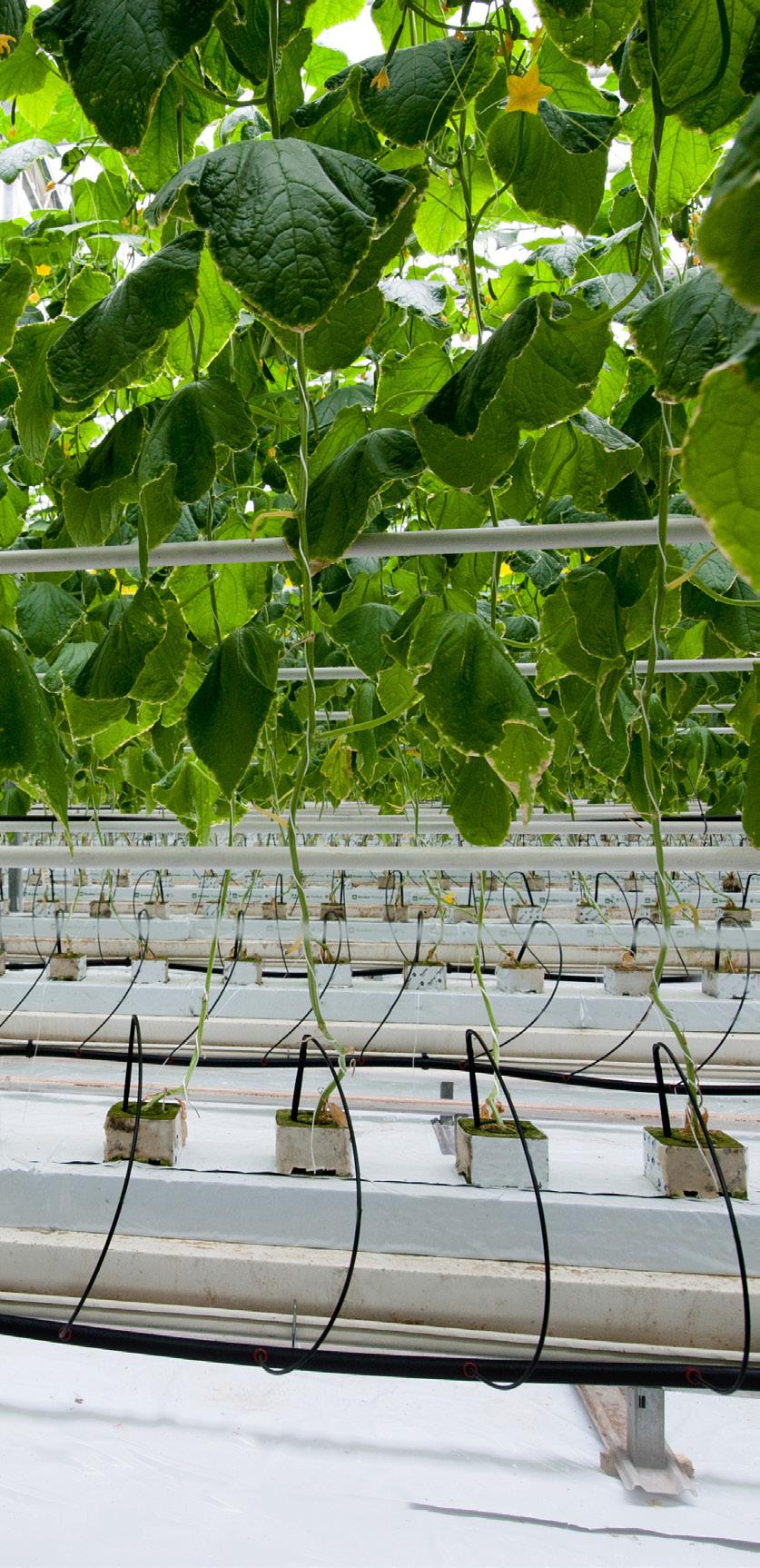
Cucumber crop showing four irrigation drippers showing that proper watering and nutrition is essential for a good root zone environment.
and media hygiene. Many biologicals are available and used by growers to manage these root diseases.
Tips for success:
• Monitor dissolved oxygen in irrigation water daily; keep water below 20°C.
• Use partial dry back in potted coco pots to encourage maximum root spread.
• Regularly flush media to prevent sodium and EC buildup, particularly in long-cycle flowering.
• Track pH trends rather than reacting to spikes; maintain 5.8–6.2 in coco.
• Develop the practice of checking the root health. When tops of plants show any problem, then check the roots first. Root health is not invisible; it is often overlooked. Treating it as a measurable, manageable system transforms it into one of the most powerful drivers of long-term production success and profitability. By investing in root-zone health, growers are investing directly in the quality, consistency, and wealth generated by their crops.
Vikrant Dhawan is a plant scientist and master grower at Green Mountain Health Alliance greenhouse facility in Kaleden, BC and can be reached at vdhawan@gmtn.ca. Dr. Mohyuddin Mirza is an industry consultant in Alberta and is reached at drmirzaconsultants@gmail.com.


Understanding the breeding, propagation and logistics that shape today’s perennial inputs
BY ANIK GRAVES
Whether you work in a garden centre or wholesale greenhouse, in sales or marketing, represent a breeder or are a product representative, we are in a remarkable industry that helps get plants into the hands of the public.
While we take pride in our roles in this industry, it isn’t always easy to explain our jobs and it can be difficult to explain the intricate supply chain behind each plant sold.
Plants don’t just materialize at the garden centre: Our entire industry is dedicated to putting the best plants possible into the hands of the consumer and there is an intricate and fascinating process and supply chain that gets them there.
In essence, this story is the same for any
ABOVE
garden plant you have purchased whether it be an Echinacea at your local independent greenhouse or a Shasta Daisy from a mass merchant retailer. Each of these plants began with a breeder trying to improve upon what is already available on the market.
This could be an improvement in the appearance of the plant such as selecting for larger flowers, brighter colour, variegated foliage, or a unique attribute such as double blooms or bicolour petals.
Breeders can also focus on selecting traits with the growers in mind. This could be focused on
Plant breeders have to balance the needs of growers and consumers when selecting plant genetics: from appearance to production performance, varieties are constantly under evaluation.
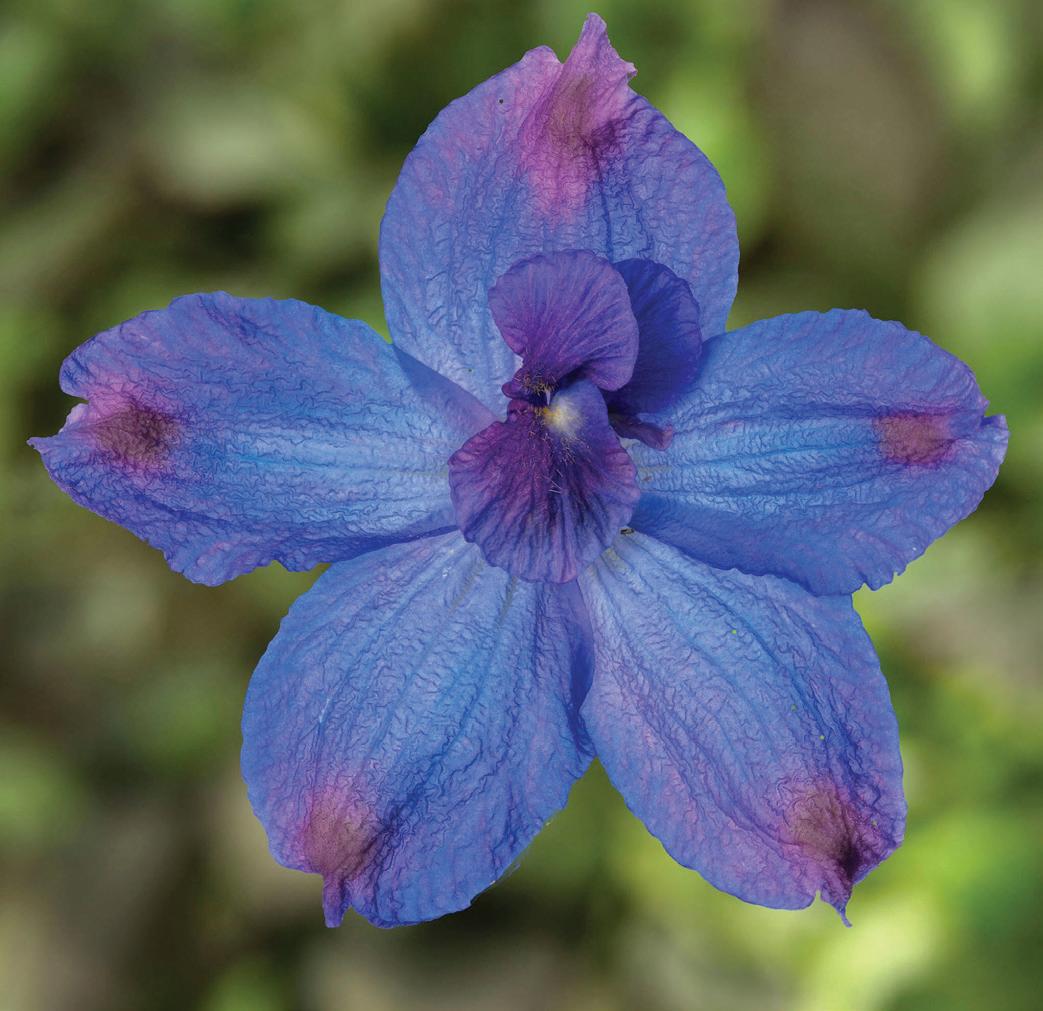
This 2024 Delphinium from Syngenta Flowers, selected, the author notes for its ‘brilliant blue’ colour, is produced at farms in Kenya and Turkey, then shipped to Guatemala before being sent to North America.
performance in propagation by selecting for faster rooting and disease tolerance, or on reducing residency time by selecting for vigour and earlier flowering. Israel’s Danziger, for example, their entire perennial program is selected for propagation performance and first-year flowering traits, for easier production planning.
Often, breeders look to fill a gap in the market. In one of their programs, Syngenta Flowers selects for alpine perennials that bloom later in the spring to extend the season for Genus such as Aubretia and Iberis. This category helps bridge the gap between early spring programs and peak season in May and June.
Once a breeder decides to move forward with a new variety


selection and bring it to market, they have to produce inputs to be sold to growers. These inputs are in the form of seeds, unrooted cuttings (URC), tissue culture (TC), or bareroot.
From input to sales floor, there is still quite a journey in store for these varieties.
An unrooted cutting (URC), like the coreopsis variety from 2023, pictured above, for example, was selected by the for its semi-double blooms and well-
Tracing the journey of a plant like this 2023 Danziger Coreopsis sees it travel tens of thousands of kilometres to its final destination: the consumer.
behaved habit. It was bred by Danziger in Israel and then the URC was produced at the breeder’s stock farm in Guatemala. The URC are then shipped to rooting stations to be propagated and sold as a liner, which are then transplanted into pots by growers.
If this Coreopsis is bought from a garden centre in Alberta and the liner was produced at a greenhouse in Ontario, and the URC was shipped from a stock farm in Guatemala, and the original plant was bred in Israel, then that Coreopsis has travelled more than 18,000 kilometres to get to a consumer.
A seed perennial, like the Delphinium pictured on the previous page, from Syngenta Flowers takes an even more fascinating journey. At the time, this 2024 new variety that is zone 4 hardy, was
selected for its bright colours, compact habit, and brilliant blue colour.
Seeds and cuttings from are produced at farms across the globe, with key locations in Kenya, Ethiopia, Turkey, Guatemala, and the United States. These diverse locations allow the breeder to produce inputs in the best climate for each specific genus.
Seed for the 2024 Delphinium is produced at farms in Kenya and Turkey. That seed then ships to a seed farm in Guatemala to be cleaned, sorted, and packaged at a seed processing facility before being sent to North America. Often, this is stored at a broker’s facility, which are located throughout the continent, in a specialized seed room to preserve the seed quality until purchased by a grower.
So, if this dephinium was purchased in Ontario and grown at a local greenhouse from seed, then that seed would have travelled more than 16,000 kilometres before reaching your local Ontario grower.
Bareroot perennials have a more straightforward story. These types can be grown in fields by bareroot farmers. The

The journey from genetic development to commercial production underscores the essential role growers play in realizing its full potential.
roots are collected from the field, cleaned, and exported by to North American greenhouses to be potted and grown up for retail sales.
The last input type is Tissue Culture (TC). TC is a process where you clone a plant in a sterile laboratory setting. If you order 1,000 TC Heuchera then you are getting 1,000 genetically identical plants.
Producing TC is a complex process, but in essence a lab tech would collect a growing tip of the parent plant, sterilize it, and place it in a test tube environment with all the nutrients it needs to grow.
Once it is large enough, it would be cut up into many small pieces and each would be put into growth media until big enough to cut up again. This process repeats itself allowing one plant to be exponentially cloned, so we can go from one parent plant to thousands of identical baby plants.


Once there are enough clones they allow the TC clones to grow roots, which is then called “Stage 3 TC” and can be sold and shipped to propagators to grow into liners.
Whether a greenhouse is purchasing TC, bareroot, seed, URC, or liners, the end result is the same; growers do their best to grow them into a retail-worthy finished plant that will look good on the shelf of the garden centre.
Understanding the fascinating and

sometimes complicated process of getting plant genetics to that point not only builds appreciation for the work behind the scenes, but also highlights just how critical the grower’s role is in translating potential into performance.
Anik Graves is a ThinkPlants Program Manager, who promotes perennial genetics across North America. Anik earned her Honors BSc in Biology at Algoma University and has since worked as a grower at Linwell Gardens before joining ThinkPlants. She welcomes comments at agraves@thinkplants.com.

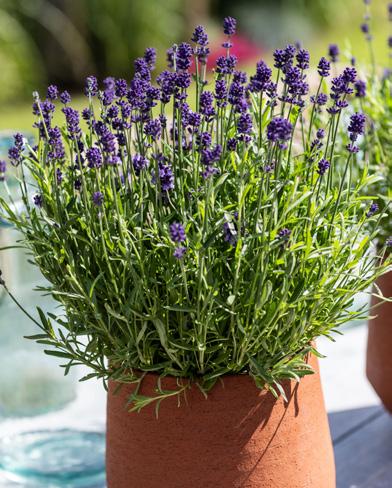
Scent series lavender is easy to program and reliably meets spring sale dates—now with the mini variety, extending sales options in smaller formats. Silvery-green mounded plants are vigorously branched and topped with deep purple and white blooms. Mini Blue matches the original blue for fill and flower timing, but finishes 33 per cent more compact, offering a great option for packs and smaller pots and optimization of retail appeal and shelflife. Syngenta.ca
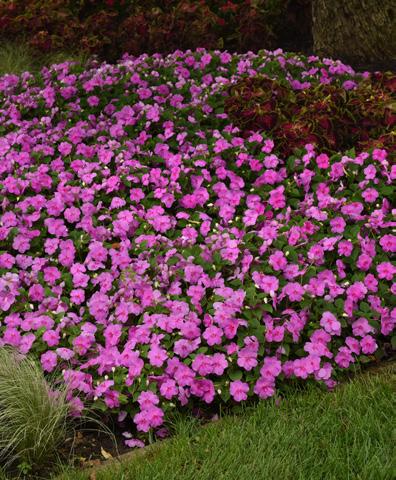
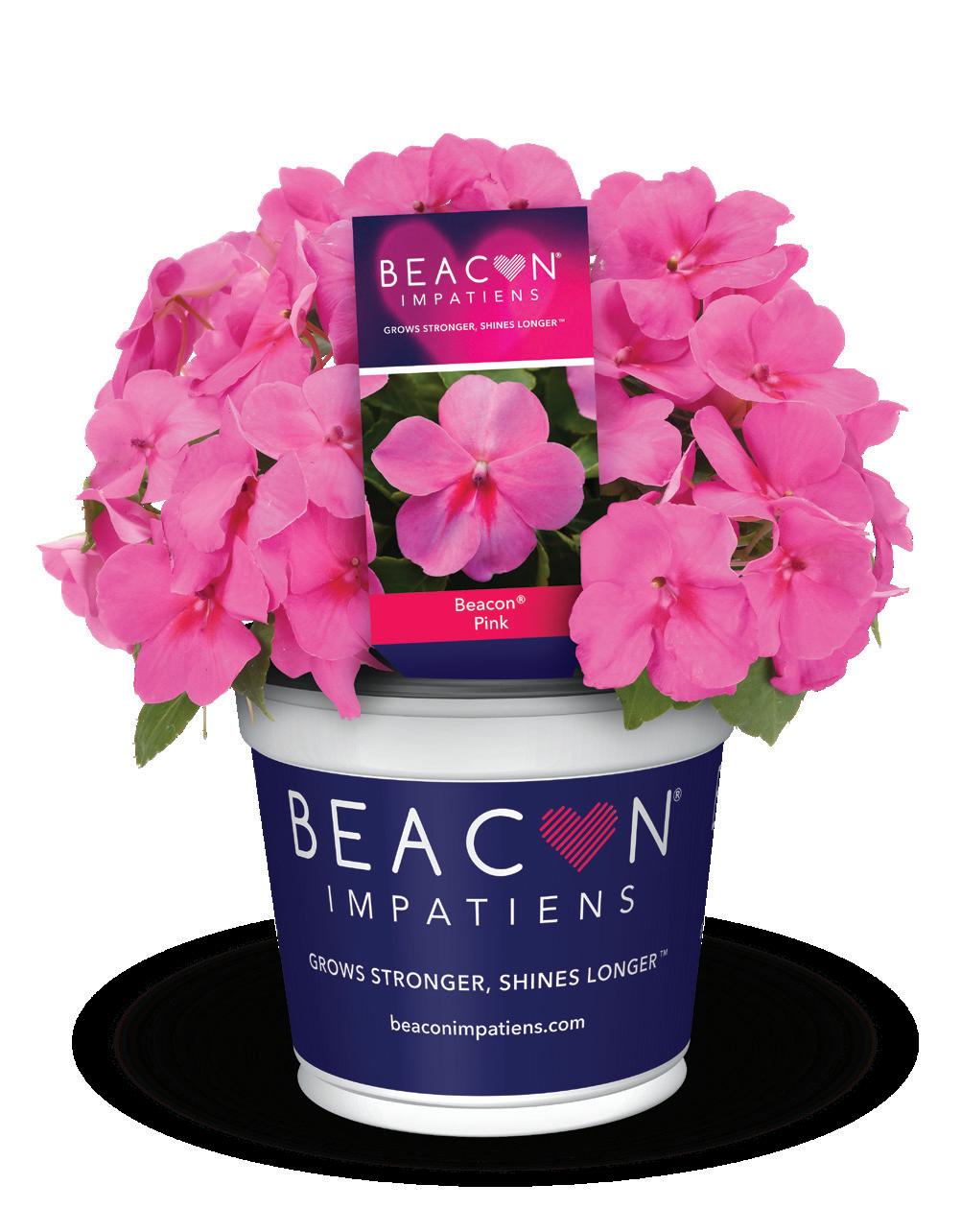
The Beacon series of garden impatiens continues to show its strength by standing up to Impatiens downy mildew. This newest color has been trialed and approved to grow well and look vibrant in shade gardens. Perfect for landscape customers, as they can be planted in masses in-ground or grow them for hanging shade baskets. Beacon also makes a great complement to other shade-loving plants for grand mixed combos. Each year the Beacon brand supports a worthy charity with sales proceeds and collaborative fundraising. In 2026, Beacon will support “Roots for Youth,” a Canadian scholarship organization rooted in the horticulture industry. Panamseed.com

Looking for plants that thrive in Canada’s increasingly hot, sunny summers? Scaevola Blue Bird and Pink Bird are unbeatable choices. These tough, heatloving plants flourish when temperatures climb and the sun is at its strongest— making them perfect for today’s warmer growing seasons. With their fanshaped blooms and naturally trailing habit, they
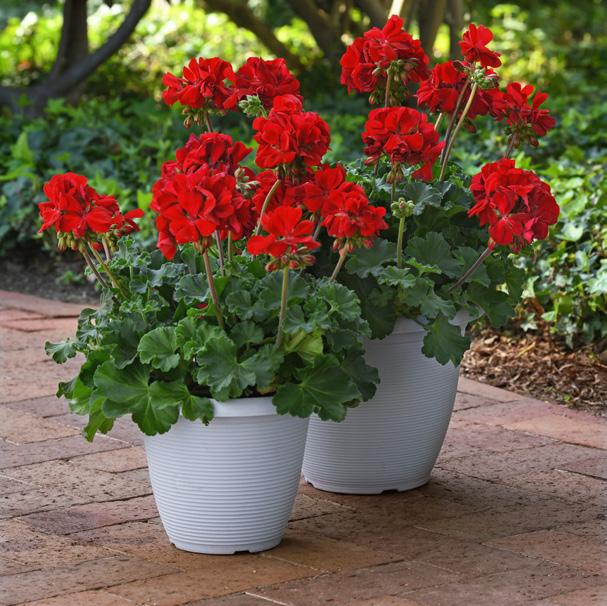
A proper Dark Red variety joins the Solera series for 2026. Solera offers excellent garden performance in an easy-to-control, medium greenhouse habit, with greater heat tolerance and longevity in the garden for the end user. The plants have dark-green foliage and stay in color all season long due to the advancements in interspecific breeding. Ballfloraplant. com
bring effortless colour to window baskets, patio pots, and garden beds. Even better, they’re incredibly low-maintenance: minimal watering, no deadheading, and reliable flowering all season long. If you want beauty that stands up to the heat without demanding constant care, Scaevola Blue Bird and Pink Bird are your summer superstars. dummenorange.com

Superbells continue to thrill with breakthrough new varieties like Superbells Double Mardi Gras Calibrachoa. Satisfying consumer demand for bicolor/multicolor blooms, this double-flowered cultivar bears a never-before-seen pattern. This early, facultative long day variety is a true workhorse — incredibly floriferous and long-blooming, flowering non-stop from spring to frost with no deadheading. Its early bloom time makes it perfect for spring promotions. Its mounded habit makes an attractive Grande for individual branded container sales and is airy enough to mix well with other medium vigor plants in recipes. As with all Superbells, it has been screened specifically for resistance to Thielaviopsis. provenwinners.com
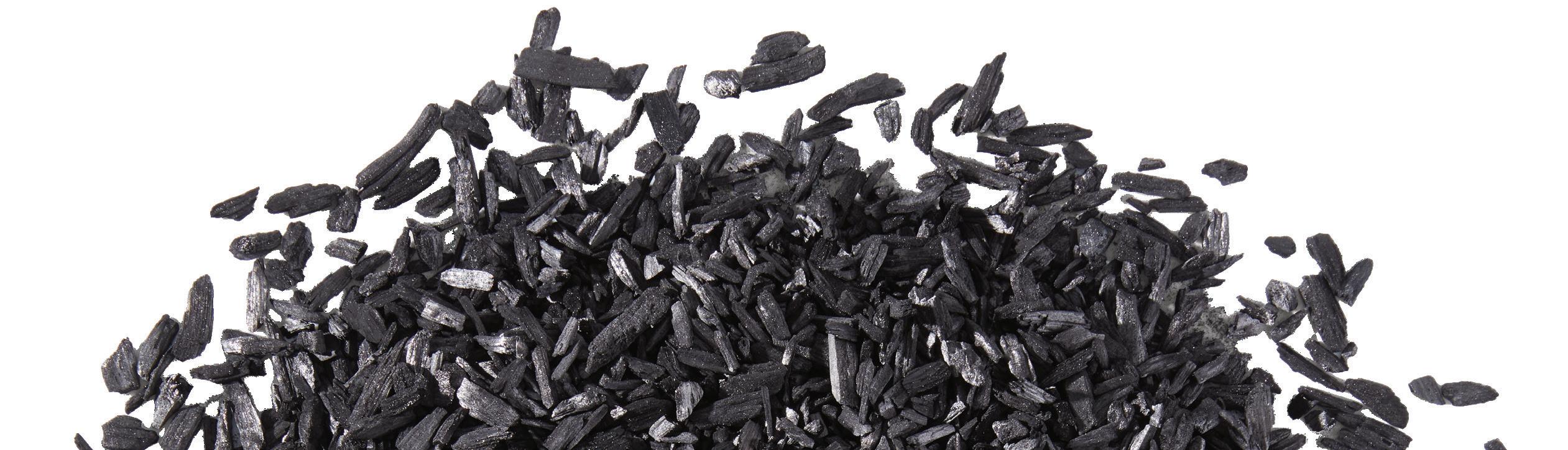


Black Bear® professional mixes with biochar are built for growers who expect more. Biochar delivers the aeration and consistency you count on, without the dust and handling hassle of perlite. Easy to integrate, priced right and ready to ship—with a carbon-capture story you’ll be proud to share.


Ready to see the difference? Scan to learn more.

Continued from page 16
most while assessing impacts on erosion control and hydrology.
Vineland aims to continue this work through field evaluations in their specialized facility the ‘TreeCulture Park’ which is designed to safely test innovative products in a semi-controlled outdoor environment. This facility enables close monitoring of crop growth, soil hydrology, and leachate, helping ensure that new practices
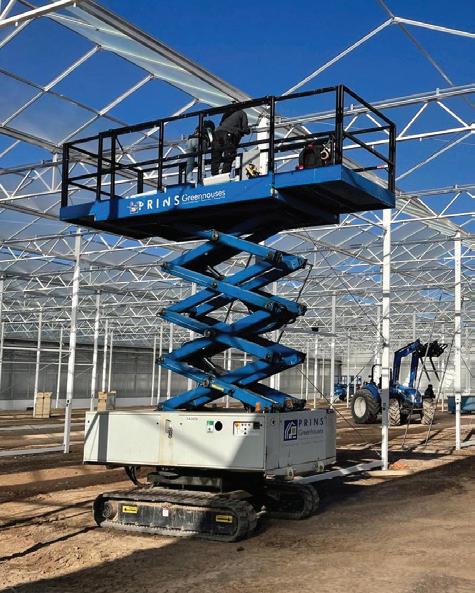

are both agronomically sound and environmentally responsible.
Planned trials with crops such as corn, soybeans, and brassicas will help determine optimal application methods, impacts on yield and soil health, and potential challenges related to nutrient cycling or material behavior in the field.
Ultimately, such realworld assessments are essential for developing best practices that enable growers to confidently adopt substrate reuse as part of sustainable production systems.
Healthy soils depend on a balanced pore structure, with air and waterfilled spaces supporting root respiration, microbial activity, and water movement. In agricultural fields, compaction from equipment traffic, rainfall, and natural settling, reduces porosity and disrupts this balance, leading to poorer drainage, lower aeration, and increased crop stress.
Incorporating amendments such as spent substrates can help counteract compaction by increasing aggregation and creating more stable pore networks. By introducing additional macro and mesopores, these materials improve
Of the 150,000 tonnes of greenhouse waste landfilled annually in the Leamington area, an estimated 10-15 per cent consists of stone wool.


aeration, infiltration, and moisture storage. The result is deeper root growth, improved access to oxygen, water and nutrients, greater drought resilience, and more consistent yields under variable conditions.
Despite their potential, using greenhouse substrates as soil amendments presents several practical challenges. Ontario’s land application regulations restrict where and how these materials can be used, especially when they contain elevated nutrients like nitrogen, phosphorus, or salts. Some substrates may require pre-processing or restricted application rates to meet environmental standards. Biosecurity is also a concern, as pests or pathogens may survive in spent substrates, potentially requiring treatment and verification before use. In addition, mineral-based substrates like stone wool, perlite and vermiculite
do not decompose but rather break down slowly into fragments similar to soil minerals, which can be a benefit, but also raise questions about long-term soil compatibility and behaviour.
Scaling substrate reuse across Canada will require further research to determine optimal application rates, storage practices, and quality control measures. A deeper understanding of these factors will support responsible implementation and help growers navigate regulatory requirements and practical considerations.
Agriculture offers numerous examples of waste materials successfully repurposed as soil amendments.
Mushroom compost, food-processing residues, and livestock manures now play crucial roles in building soil organic matter and fertility. More recently, paper mill biosolids, wood-fiber residuals, and anaerobic digestate have become accepted soil improvers following appropriate treatment and regulatory oversight.
Drive your greenhouse forward with the most advanced dynamic LED grow light.




Even industrial by-products such as construction-derived gypsum and elemental sulphur have found agronomic applications.
These examples demonstrate that,
with research, regulation, and industry collaboration, waste materials can become beneficial inputs that advance sustainable soil management and offer a roadmap for greenhouse substrate reuse.

Substrate reuse shows potential as an opportunity to divert greenhouse waste from the landfill and improve agricultural soils for field producers.
For Canada’s greenhouse and field crop sectors, substrate reuse represents an important opportunity to advance circular agriculture. Research into how spent substrates interact with field soils is generating new insights into soil health, sustainability, and integrated waste management. As substrate volumes continue to rise, innovation and collaboration across industries will be essential. By turning waste into value, the greenhouse industry can reduce its environmental footprint while contributing to healthier, more resilient agricultural soils.
The research was generously funded by Agriculture and Agri-Food Canada and the Sustainable Canadian Agricultural Partnership through the Agricultural Clean Technology program.






March 9 to 12
Ottawa, ON
OTTAWA VALLEY FARM SHOW
March 10 to 12
Ottawa, ON
CALIFORNIA SPRING TRIALS
March 24 to 27
California, USA
April
SAWAYA GARDENS HYDRANGEA WORKSHOP & TRIALS
April 9
Waterford, ON
CPMA CONVENTION & TRADE SHOW
April 28 to 30 Toronto, ON
May
HORTEX 2026
May 20 to 22 Bangkok, TH
FLORIEXPO
May 27-29
Ft. Lauderdale, FL
June
GROWER DAY WEST
June 2 Langley, BC
GREENTECH AMSTERDAM
June 9 to 11
Amsterdam, NL GROWER
June 16
St. Catharines, ON
June 23
Sturgeon County,
June

GARY JONES | greenhousewolf@gmail.com
Managing crop nutrition in a greenhouse can be a pretty complex topic, and in my experience it’s not one that all growers relish. For many, it just feels like too much chemistry, and with a few exceptions, I suspect that chemistry wasn’t everyone’s favourite subject at school. I know it wasn’t mine, but that’s a story for another day. So, I was intrigued to read about an innovation that combines nutrition management with plant breeding, genetic engineering, and hardware technology that could possibly one day take much of the mystery out of this task…
“An invention developed by two Cornell doctoral students that turns engineered tomato plants a vivid red when soil nitrogen levels are low has been named a finalist in the national Collegiate Inventors Competition.” It’s called the “RedAlert Living Sensors,” and was “created by Jacob Belding and Ava Forystek”. 1
Essentially, Belding and Forystek (and their supervisors) developed these plants to be used as a small number of indicator plants within a larger crop situation, allowing in-situ real-time monitoring and visual demonstration of plant nutrition status.
sentinel plants in a canopy of green foliage could be challenging (please don’t ask me to point out poppies in a grassy field, for example). But other areas of agri-tech may already have the answer to this. Back in the field situation, the same report notes that “In large field systems, tractors already equipped with cameras that read infrared and visible wavelengths could survey crop fields for interspersed sentinel plants, to inform farmers of nitrogen needs. The team is exploring the development of a smartphone app that would directly correlate sensor plant leaf colors to root zone nitrogen levels. In this way, small farmers could monitor their fields with their phones.” 1
Whether you’re a fan of genetic engineering or not or finding high-tech solutions to historically well-managed crop management situations, let’s take a step back for a moment. I really appreciate ‘out-of-the-box’ thinking, applied research, and the linking together of several domains working towards a common application. This is but one example of the breaking down of the traditional ‘science silos’ and the cross-discipline work that has so much potential for end-users. It’s a great case of ‘the team being more than the sum of the parts.’
“It’s a great case of ‘the team being more than the sum of the parts.’”
“When the sentinel plants turn red, growers may then target where and when to fertilize. Farmers currently apply up to 50% more nitrogen than needed, which has led to run-off that pollutes groundwater and lakes, where it promotes harmful algae blooms.”1
Clearly this has been developed with outdoor field agriculture in mind, since greenhouse producers have been reducing run-off and potential groundwater contamination for many, many years. Nonetheless, the principle remains valid for greenhouse crops. So how does it work?
“The RedAlert Living Sensors take advantage of a native pathway where the plant detects nitrogen around its roots and translates those signals to the rest of the plant. The tomato plants used in the project were genetically modified to express a red pigment when root zone nitrogen is low. Shades of redness also reflect varying gradients of available soil nitrogen.” 1
This all sounds great, but what about those of us who are colour-vision challenged? Up to 10 per cent of males (genetically, it’s a sex-linked issue) experience this, and the majority of us struggle with the red and green wavelengths of the visible spectrum. So, spotting individual red
It’s my personal experience that government researchers in our industry have always been highly skilled, enthusiastic, and passionate individuals. News that there are significant cuts coming to our Federal AAFC agriculture research capacity is, at best, alarming, and of course devastating to the individual professionals and collective institutions concerned. I know that much of the work has been more collaborative in recent years, and while this can be very beneficial, by the same token cuts to individual specific disciplines likely now impact a wider range of collective research. All this at a time when B.C. Provincial government is calling for increased food security and trying to better support agriculture sector research. So, I wonder, which is the real message we’re hearing?
SOURCE
1. Sourced from Cornell Chronicle, published in HortiDaily.com, 1 Oct 2025
Gary Jones has worked in many aspects of the horticulture industry in BC, the UK, and elsewhere, and welcomes comments at greenhousewolf@gmail.com.