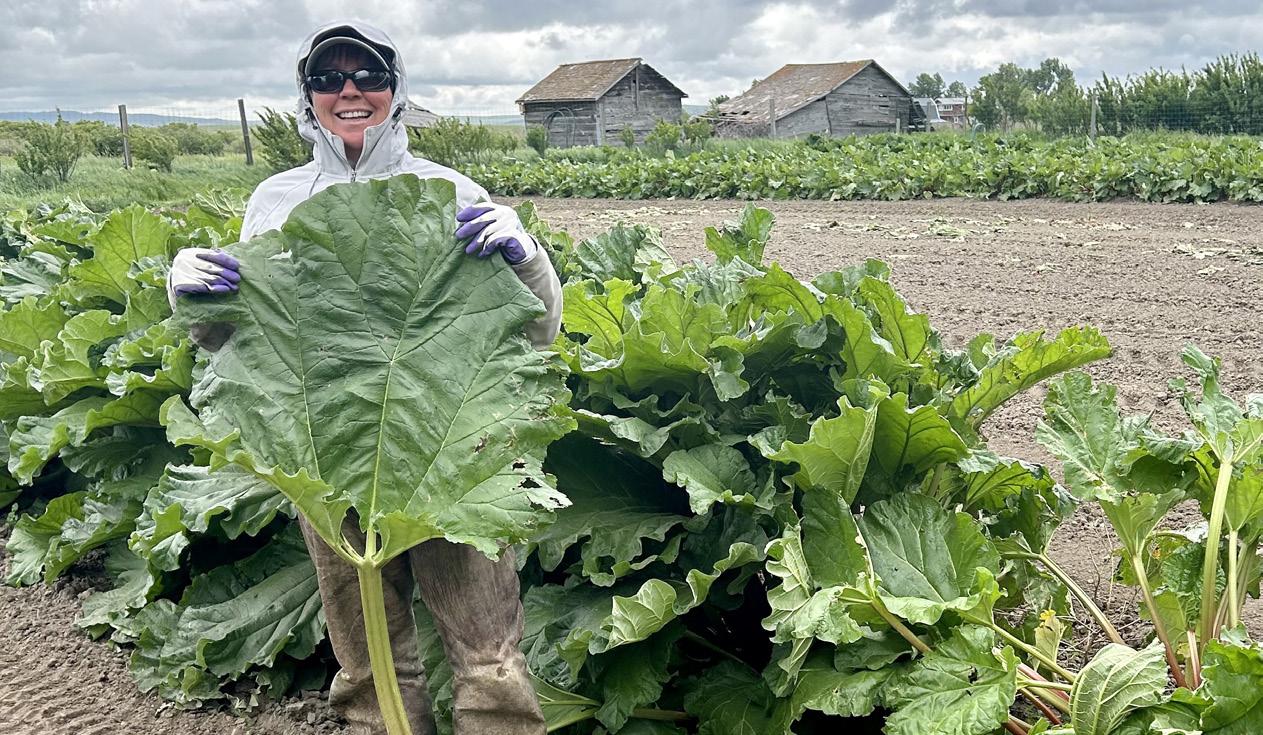
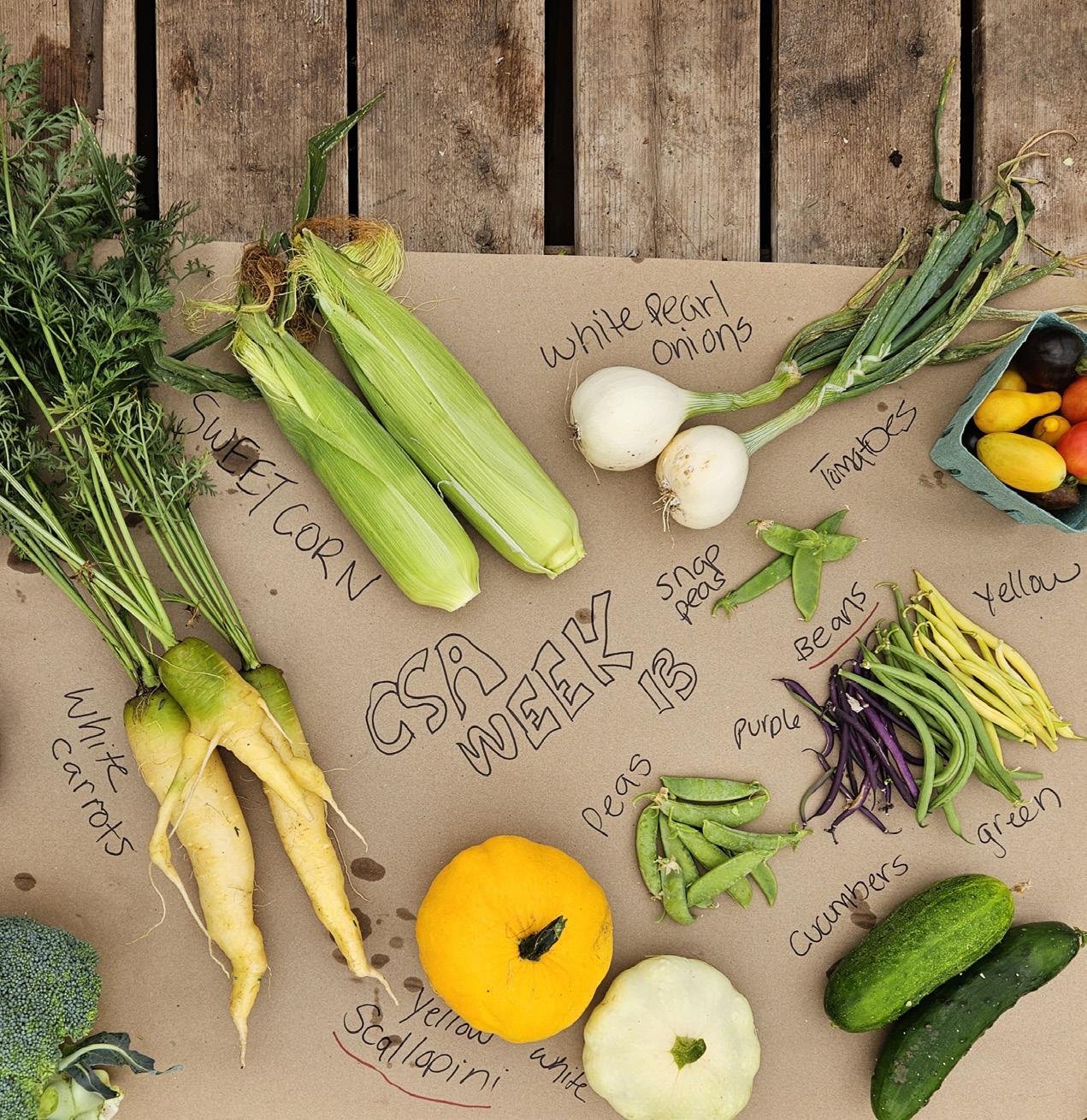
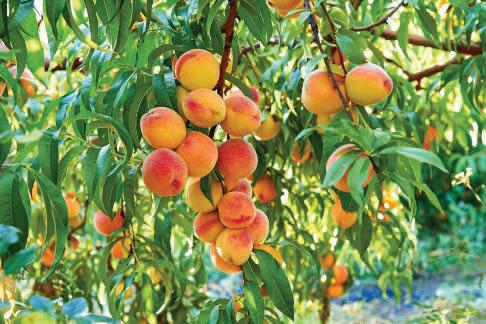
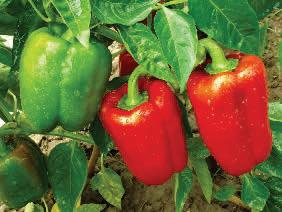
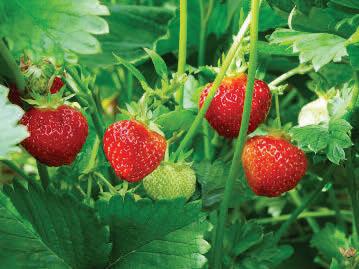
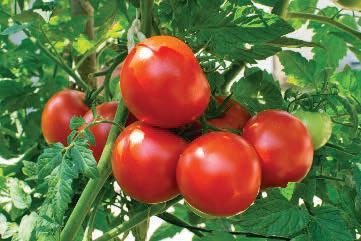
Neudorff North America is an innovative leader in ecologically responsible pest solutions for farmers, turf professionals, nursery and greenhouse growers.
Our effective and affordable solutions for disease, insect pests, pest slugs and snails have limited impact on applicators, beneficial insects and the environment. They are an important part of integrated pest management programs.
CUEVA
Strong control. Top to bottom. KOPA
Neudorff has you covered from the ground up.
®
Powerful disease protection for your fruit and vegetable crops with a fraction of the copper found in other copper fungicides.
The soft-bodied insect specialist. Kills aphids, mites and whiteflies on contact in a wide range of crops. A great tank mix partner.
A summer and dormant oil. Controls all life stages of insects and mites, and supresses powdery mildew.
A durable iron phosphate bait that offers excellent crop protection from slugs and snails.
A durable, fast acting spinosad bait, active against a variety of ants, cutworms, spotted wing drosophila and wireworms in a wide range of crops.
April/May 2026 Vol.82, Issue 2
8
What’s the latest in produce packaging?
ON THE COVER
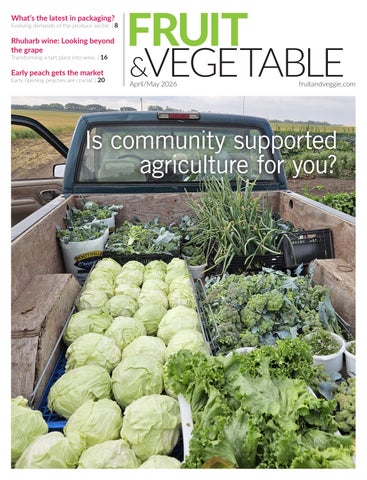
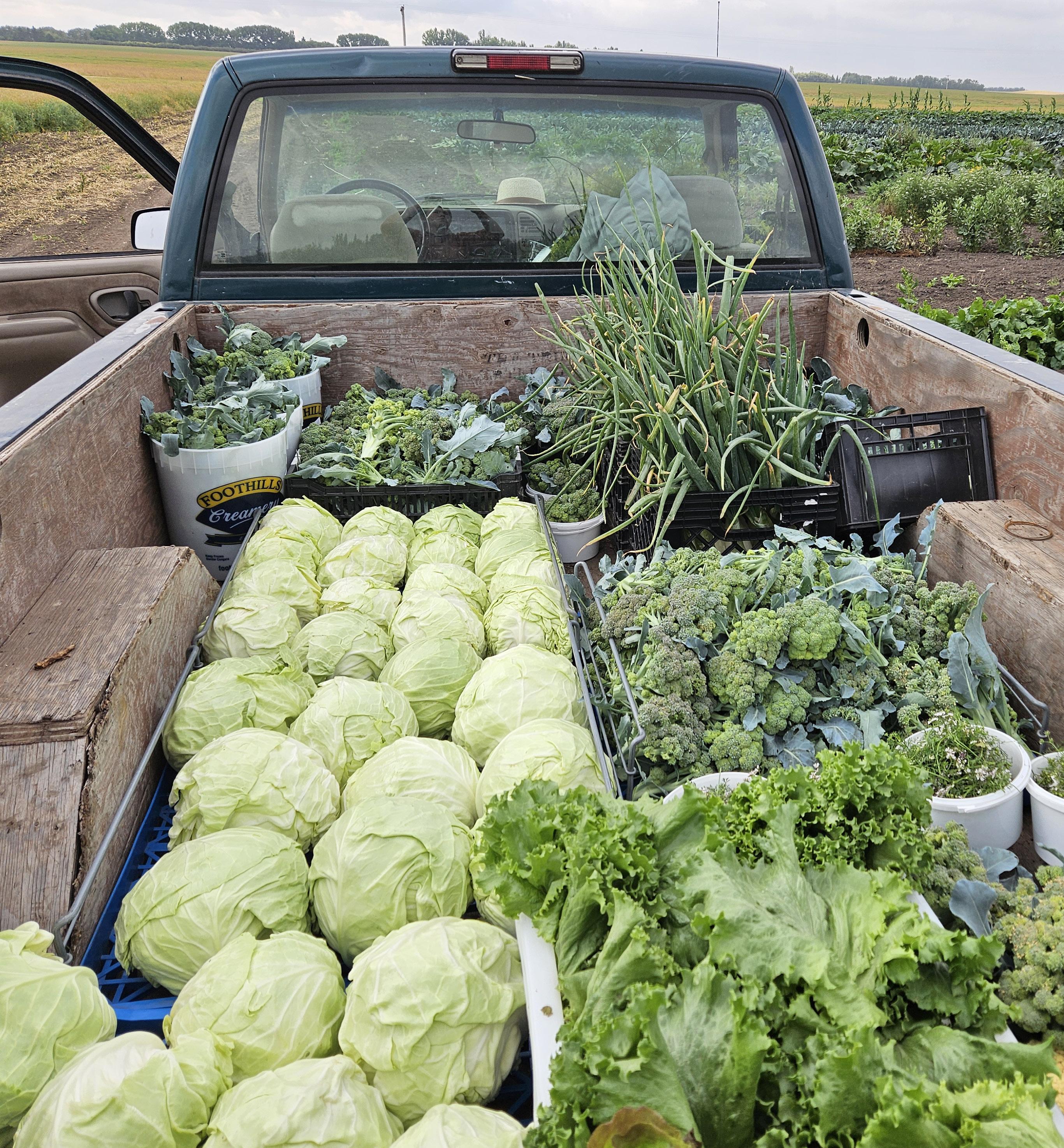
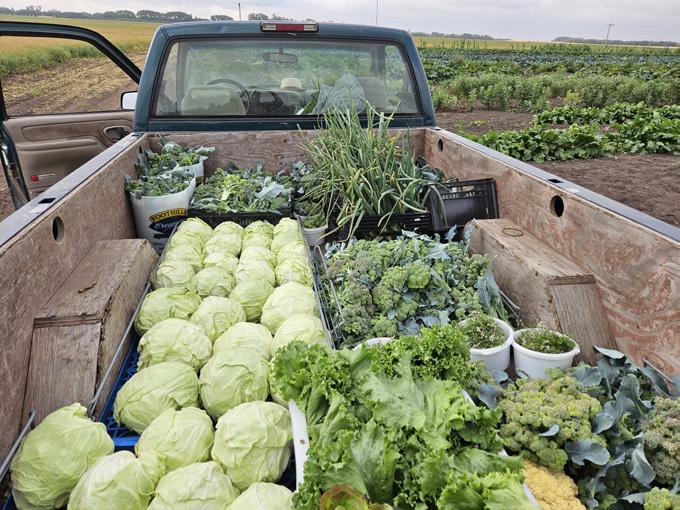
A truckload of greens for a fully subscribed community supported agriculture program. See page 12. Photo courtesy of Prairie Gardens and Adventure Farm.
Family-owned manufacturer meets evolving demands of the Ontario fresh produce industry.
BY JILL FILMER
Is community supported agriculture for you?
C.S.A. is climate smart and food shed savvy.
Editorial 4
Industry News 6
From field to fork 10
Food safety considerations during processing, packaging and storage of fruits and vegetables.
Rhubarb wine: Looking beyond the grape
Transforming a hardy, tart plant into wine.
BY ADELINE PANAMAROFF
Early peach gets the market
Early ripening peaches crucial for Canadian growers to remain competitive.
BY STEPHANIE GORDON
FROM THE EDITOR
Let’s celebrate the women of agri-food
As I write this, it’s been a week of all seasons mixed into one. One day I’m sweating after a 40-minute walk with the puppy – in early March, nonetheless. The very next day, I am wearing my raincoat over my winter coat to face the elements. Hopefully Mother Nature has made up her mind about which season it’ll be with when you read this (fingers crossed it’s spring!).
In case you’re not aware, 2026 was declared the International Year of the Woman Farmer (IYWF 2026) by the Food and Agriculture Organization of the United Nations. IYWF 2026 is a call to close gender gaps by recognizing the contributions of women, advancing gender equality and creating opportunity for women to thrive in agri-food systems across the globe.
industry publication, I’ve enjoyed digging into the integral role of packaging within the produce supply chain. In conversation with Adam Hincks of Wellington Produce Packaging, an Ontario company that’s been in the packaging industry for 91 years, he shared how the produce packaging industry is evolving with customer expectations and the growing interest in sustainability. Check this one out on page 8.
This issue also explores how a farm in Alberta is mitigating the risks, reaping the rewards and everything in between to run a community supported agriculture platform for selling their produce (page 12).
University of Guelph tender fruit
“IYWF 2026 is a call to close gender gaps…”
To celebrate IYWF 2026, we’ve joined forces with sister publication Greenhouse Canada for a new program called She Grows, a platform to spotlight the stories and achievements of women growers in Canadian horticulture. While nominations have since closed, I’m looking forward to reading the nominations and learning more about the women helping to shape the horticultural sector. Stay tuned for their stories coming your way.
In this issue, let’s take a step into the world of produce packaging. As an editor of a fruit and vegetable
breeder Jayasankar Subramanian has helped to extend the growing season with the development of early ripening peaches – which are successfully being grown by growers today. See page 20 for the full story. Plus, discover how a few wineries in Alberta and Saskatchewan, provinces not traditionally known for growing wine grapes, are making use of the tart plant rhubarb to make delicious wine (page 16).
Keep up with us throughout the growing season by visiting our website, reading our eNewsletter and following us on social media. Happy spring and all the best for the growing season ahead!•
Publication Mail Agreement #40065710
in Canada ISSN 1488-7959 Fruit & Vegetable Magazine is published three times a year November, Jan/Feb, Apr/May by Annex Business Media SUBSCRIPTION RATES Canada - 1 Year $24.40 (plus applicable taxes) U.S.A. - 1 Year $56.75
- #867172652RT0001
Occasionally, Fruit & Vegetable Magazine will mail information on behalf of industry-related groups whose products and services we believe may be of interest to you. If you prefer not to receive this information, please contact our circulation department in any of the four ways listed above.
New study estimates the impact of plastic packaging reduction on fresh produce sector
A study, Estimating the Cost Implications of Reducing Plastic Packaging for Fresh Produce, conducted by Environment and Climate Change Canada (ECCC) and Agriculture and Agri-Food Canada (AAFC) highlights the impact of reducing plastic packaging within the fresh produce sector.
This new study focuses on how reducing plastic packaging has economic and cost implications. It reviewed the options of eliminating primary plastic packaging for hardy produce, using alternative packaging and transitioning from using cardboard cartons to reusable plastic crates.
The key findings included significant price increases to the retail price (due to increased packaging costs); high costs for loose produce; and
consumer resistance to non-transparent packaging. According to the Canadian Produce Marketing Association (CPMA), the fresh produce industry already navigates various demands from retails, while meeting regulatory protocols. Packaging is essential to reducing food waste, and this primary use is typically overlooked. These new findings show that fragmented, material-specific bans lead to inefficiencies and place economic strain on growers and consumers.
The findings from this study will be used to further develop the joint Sustainable Produce Packaging Alignment (SPPA) initiative from CPMA and Western Growers, based in the U.S. The SPPA aims to approach fresh produce packaging with a science-based lens to help stakeholders along the supply chain.
MEXICO OPENS MARKET FOR
CANADIAN
FRESH POTATOES AND APPLES
Shipments of Canadian fresh potatoes are now able to be exported to Mexico for consumption and processing purposes.
The Canadian Food Inspection Agency (CFIA) reached an agreement with Mexico’s Servicio Nacional de Sanidad, Inocuidad y Calidad
BY THE NUMBERS
Agroalimentaria (SENASICA) to help open market opportunities for the Canadian potato sector. Over the coming months, the CFIA will work with potato sector stakeholders on next steps for shipping to Mexico. Mexico has also updated import
– Vegetable production in 2025
TOTAL TOMATO PRODUCTION by volume increased by 18.4 per cent in Canada
requirements for eligible apples from Eastern Canadian provinces. These new updates allow the CFIA to inspect and register cold treatment facilities – removing the need for Mexican officials to inspect apple exports in-person. Registered facilities will be
maintained in Ontario, Quebec, Nova Scotia and New Brunswick, where apples grown in these provinces will need to undergo cold treatment. Exporters must use one of these approved facilities when sending apples grown in these provinces to Mexico.
TOTAL VEGETABLE PRODUCTION IN CANADA rose 8.0 per cent compared to 2024
TOTAL CARROT PRODUCTION by volume increased by 15.5 per cent in Canada
VEGETABLE PRODUCTION fell 12.6 per cent in Atlantic Canada due to dry growing conditions CANADIAN VEGETABLE SALES were up 7.1 per cent, hitting $1.8 billion
Source: Statistics Canada
Canadian agriculture and food needs more talented people.
Each year, CABEF helps students to pursue rewarding agri-food careers through seven $2,500 scholarships. We’re looking for the future leaders who will help this industry meet tomorrow’s challenges.
Do you know someone who needs to fund their future in agri-food? Tell a student today.
Scholarship application deadline is April 30, 2026
Want to help support the next generation of agri-food leaders?
Become a “Champion of CABEF.” This program allows your organization to directly sponsor a deserving student. Contact CABEF at info@cabef.org.
What’s the LATEST IN PACKAGING for produce?
Family-owned manufacturer meets evolving demands of the Ontario fresh produce industry.
BY JILL FILMER
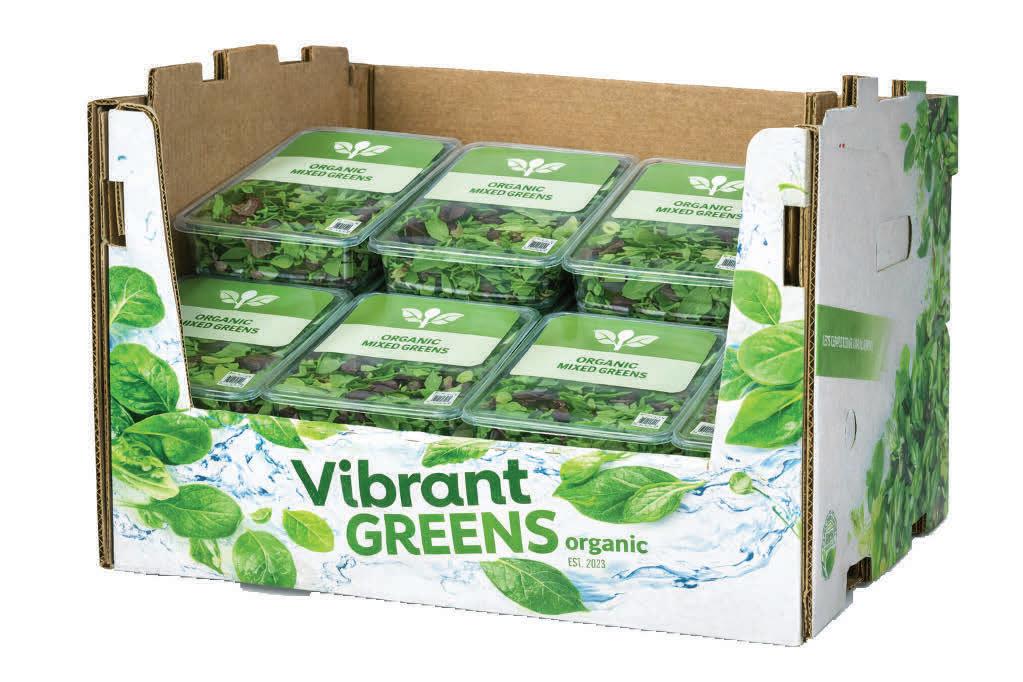
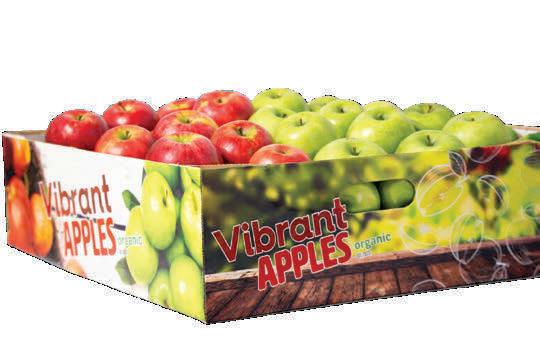
More farms are focusing on marketing their brands through their packaging.
Packaging is an essential part of the fresh fruit and vegetable sector – taking fresh produce through transportation, into storage and out onto the floor (or market) for display. With changing consumer expectations, sustainability movements and building farm brands, packaging extends past being a simple, protective container. The industry is continuing to transform to meet the evolving needs of the fresh produce sector in Canada.
BUILT ON 91 YEARS OF EXPERIENCE
Based in Mount Forest, Ont., Wellington Produce Packaging has been manufacturing packaging for fresh produce for over 90 years. Primarily serving the Ontario industry, their packaging products also make it across the country – selling directly to growers.
Adam Hincks has been director of sales at Wellington Produce Packaging for nine years now. His family has owned the operation since 1972, and he will slowly be transitioning into taking over the company.
With almost a decade in the industry and working directly with customers to connect them with the packaging solutions to best meet their operational needs, Hincks shared his insights into the latest and greatest in the produce packaging world.
BRANDING AND CONSUMER EXPECTATIONS
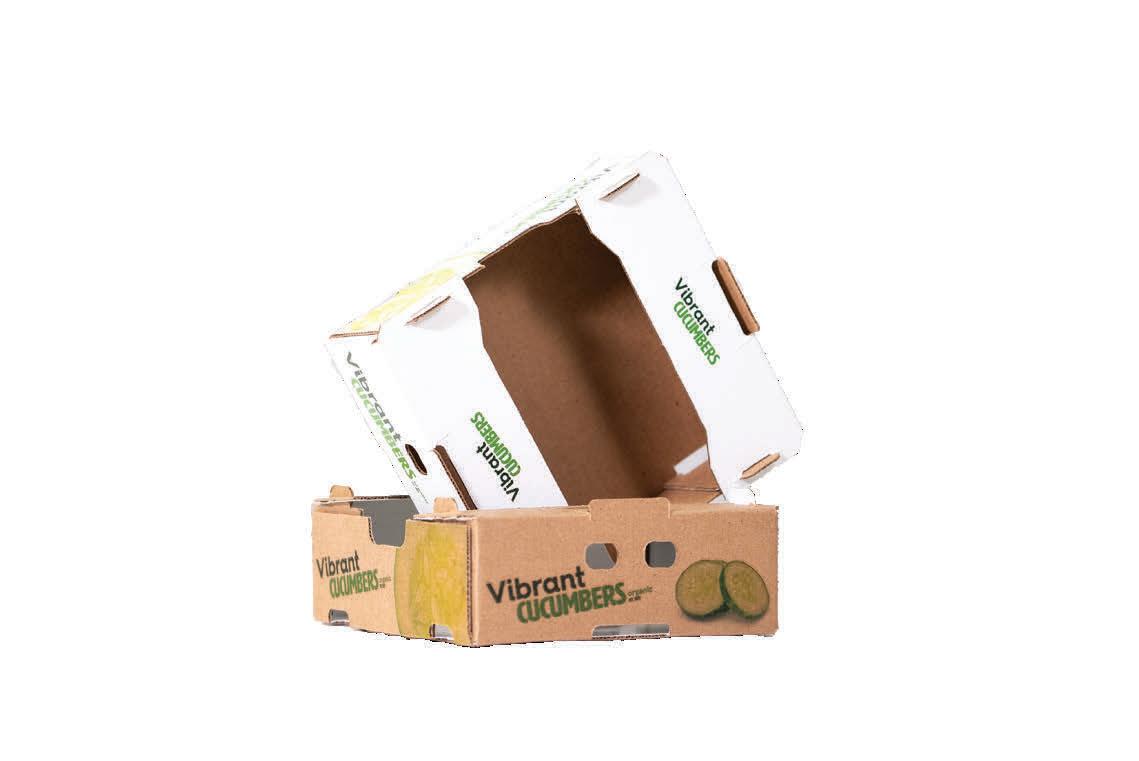
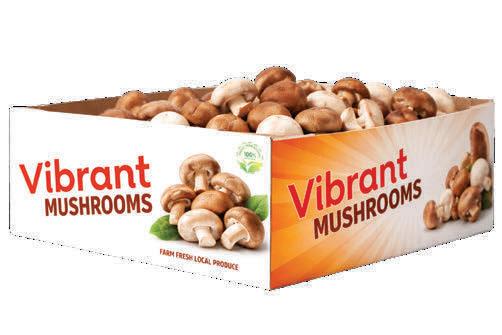
The most notable packaging trend among Ontario fruit and vegetable growers currently, according to Hincks, is the transition from clamshells and other plastic options to corrugated cardboard. During
the COVID-19 pandemic, packaging was pushed into the direction of plastic. But customers have progressively been opting to use less plastic in their packaging choices and have slowly returned to corrugate.
“The big driver is it’s a non-plastic alternative that can you get a tonne of branding and print and information on,” says Hincks. “Everything’s in a clamshell… but we’ve seen some new initiatives where a chain wants something to stand out and look different that they go to corrugate.”
Another notable trend is more farms and agri-businesses are focusing on building and marketing their brands, along with utilizing social media on a regular basis. Having the company name and logo displayed on the packaging drives brand recognition from point of purchase until it’s sitting on the kitchen counter or in the fridge.
“It seems like people are very focused on their brand… tomatoes, strawberries and all these things are essentially commodities. So how do you separate yourself from anyone else’s tomatoes in store? Putting your name on it or having a story to that tomato helps you stand out,” explains Hincks. “The packaging is really your billboard, that’s your spot to call out your story, your brand and separate you from other commodities.”
Hincks has also seen a rise in demand for convenience in the form of graband-go containers or smaller packaging options. Produce consumers are busy and want something to grab on the go while heading to work or to send in the kid’s lunch, such as fruit in small cups or trays. From another perspective, the farmers’ market has turned into an experience for some – and having the option to purchase smaller packages is ideal for shoppers to carry while exploring the market.
TRANSITIONS FOR SUSTAINABILITY
A go-to choice for packaging, plastic is easy to manufacture, it’s light, it’s breathable, and the list goes on. But its downfall? Plastics lasts forever and takes many years to break down.
Wellington Produce Packaging offers packaging solutions made with Eco-One technology, a plastic with an organic additive. It degrades quicker than conventional plastic in the event it ends up in a landfill. “Otherwise, if it gets recycled and reused, it doesn’t affect the durability of the product,” adds Hincks. “We’re trying to push for reusability… if it does end up in
a landfill, the plastic is an attractive food for microbes.”
“An issue with plastic clamshells is once you put a label on there, then now you have multi-material and often that goes to a landfill. People think it’s recyclable but it’s not really happening in practice,” says Hincks. Labels and the adhesive used to attach them to the plastic clamshell make it difficult to recycle the packaging since each material used has a different recycling process – which can’t happen when they’re all attached as one unit.
But the Eco-One technology has its drawbacks – like cost. “It’s probably 15 to 20 per cent more than our standard plastic version is,” says Hincks. “But we’re trying to have different ideas, and if we can get them out there, at least maybe it pushes the market forward and [companies] are thinking about these new products. And if there’s demand, better products come out because there’s a market for it too.”
Sustainability has pushed some grower packaging choices, but it’s not a main driver in Hincks’ experience. Growers who supply to premium grocery stores, where produce is charged at a premium price, can invest in more eco-friendly packaging. Grocery store chains and other retailers usually dictate packaging decisions regardless due to safety standards, labelling requirements and logistics.
Alternatively, Wellington Produce Packaging is working on a corrugated cardboard clamshell, with no plastic, so it can stand as a single material cardboard and be marked as compostable. There’s room for farm branding and other information as well.
“It has tons of venting, and it’s been tested and it works…it preserves strawberries,” says Hincks. “We’ve invested in corrugate because we think that’s where the market is going to go.”
With the numerous benefits that plastic provides, Wellington Produce Packaging is aiming to find alternative ways to amplify the benefits of corrugate, such as breathability and standability, without sacrificing recyclability.
COST PRESSURES AND THE SUPPLY CHAIN
Following the COVID-19 pandemic, the prices for paper and plastic increased. Though Hincks hasn’t seen a paper price increase in the last year, and plastic prices had slowly been dropping down – until as of lately. Oil is a critical component in
plastic production and transport costs. As of March 2026, oil prices have spiked – and remain highly volatile – due to geopolitical conflict in Iran and supply chain disruptions. This has led to price increases for raw plastic.
“As a manufacturer, we all know where the minimum wage has gone up, which pushes all wages up… so generally packaging is just more and more expensive,” says Hincks. “The main thing is just uncertainty in the market… and where the market is going.”
Like every other industry, there is trade and tariff uncertainty with the United States. Wellington Produce Packaging receives most of their plastic from Texas, which isn’t cheap – with no thanks to the American dollar. Thankfully, 90 per cent of their cardboard is sourced in Canada.
CROP PRIORITY
At this point in time, tomatoes and strawberries are two of the main Ontario crops driving packaging innovation. Especially with the amount of greenhouse tomatoes grown in Leamington, Ont.
There are many strawberry and tomatoes growers in the province – and each farm wants to stand out from the pack.
“Tomatoes are very versatile or adaptable. They don’t need a lot of pampering,” says Hincks. “Probably the number one converted item that’s coming from plastic to corrugate we’ve seen is tomatoes.”
THE PACKAGING FUTURE IS BRIGHT
As with every industry, technology advancements and automation are making their way into the packaging world.
“We’re competing globally against a lot of Chinese imports… so right now we’re putting in a new robotic arm [to] stack and count products for us,” says Hincks. “Our goal is not to get rid of anybody. It’s just so we can move them to other machines and invest and grow that way…I think we’re just trying to find ways to do things faster.”
The company is looking at other ways to automate their manufacturing process, such as improving the die cutting process for cardboard to be formed into baskets and trays.
“Most manufacturers are struggling with hiring,” says Hincks. And he thinks automating the autonomous tasks will hopefully bring in more workers and keep them engaged.
From field to fork
Food safety considerations during processing, packaging and storage of fruits and vegetables.
BY PERENNIA’S PRODUCT DEVELOPMENT TEAM
Fresh fruits and vegetables are essential to a healthy diet, but they carry unique food safety challenges. Many are consumed raw or minimally processed, meaning no final step eliminates harmful bacteria known as pathogens before consumption. Effective preventive controls across harvesting, processing, packaging, storage and distribution are required to minimize risk.
ON-FARM PREVENTIVE MEASURES
Food safety begins in the field. Contamination can occur through various routes including irrigation water, improperly composted manure, wildlife activities, equipment or poor worker hygiene. Implementing Good Agriculture Practices (GAPs), such as those detailed by the Codex Alimentarius or CanadaGAP, reduces these risks. Such practices include routinely testing irrigation water for pathogens such as Salmonella and E. coli, ensuring proper compost usage, restricting animal access to fields and implementing worker hygiene training, like handwashing facilities.
HARVEST AND POST-HARVEST HANDLING
During harvest, produce may be exposed to con-
tamination from tools, containers and handlers. To help control these risks, harvest bins, knives and transport equipment should be cleaned and sanitized after every use. Workers should follow strict hygiene protocols and not handle food when ill. Another consideration at this stage is the post-harvest cooling stage as lower temperatures slow microbial growth and reduce pathogen proliferation. Maintaining proper temperatures immediately after harvest and during transport is vital not only for food safety but also for maximizing the shelf life of fresh produce.
WASHING AND SANITATION CONTROLS
Washing reduces soil and surface contamination, but poorly managed wash water can spread pathogens. Water must be potable and contain antimicrobial agents where allowed, monitored for proper concentration and pH. Continuous water monitoring, filtration and scheduled replacement minimize risk. Additionally, the sanitation programs should cover all types of food contact surfaces, including conveyors, grading lines and packaging equipment. Documented cleaning schedules and verification procedures are necessary.
PHOTO COURTESY OF JACKSON LORE.
FRESH-CUT PROCESSING RISKS
Minimal processing such as cutting, slicing or shredding increases the associated safety risks. This is due to damaged tissues releasing nutrients that can promote microbial growth, while larger surface areas allow faster pathogen multiplication. Due to fresh-cut produce typically being readyto-eat, environmental controls are critical. To combat cross-contamination, facilities should use zoning to physically separate raw and finished products. Environmental monitoring programs, particularly for Listeria species, are common and potentially mandatory in ready-to-eat processing areas to monitor cross contamination. Time and temperature controls must be maintained from processing through to distribution as this is the main control against pathogen growth.
PACKAGING AS A SAFETY BARRIER
Packaging protects produce from contamination and reduces handling. A packaging technology called Modified Atmosphere Packaging (MAP) can add a layer of protection and extend shelf life by adjusting oxygen and carbon dioxide levels. When using this packaging method, it should be validated to ensure effectiveness. Improper use may allow pathogens to survive if the gas levels are not correct and/or temperature abuse occurs. MAP products require strict refrigeration and validated shelf-life studies. When discussing packaging, it is important to note that Health Canada and the Canadian Food Inspection Agency (CFIA) have regulations on clear labelling, lot coding and tamper-evident features, all which helps strengthen traceability and consumer protection.
STORAGE AND DISTRIBUTION CONTROLS
As previously mentioned, temperature management is critical. Most produce should be stored between 0°C and 4°C unless chilling injury is a concern. Continuous temperature monitoring during storage and transportation maintains product safety. Humidity must also be carefully controlled as excess moisture may promote mold, while insufficient humidity can damage produce and increase susceptibility to contamination. Other considerations during storage and distribution are ethylene-producing fruits, such as apples, which should be stored separately from sensitive vegetables, like cauliflower. This can prevent premature spoilage that can
create conditions favourable for pathogen growth.
TRACEABILITY AND RECALL READINESS
Even with strong preventive controls, incidents may still occur. Robust traceability allows for rapid identification of affected lots. Food businesses should conduct mock recalls to ensure products can be traced forward to consumers and backwards to suppliers efficiently. Documentation of sanitation logs, temperature
records, supplier approvals and corrective actions is essential for compliance and accountability.
CONSUMER-LEVEL RESPONSIBILITIES
Food safety extends beyond the supply chain. Consumers should wash produce under running water, separate raw meats from fruits and vegetables, refrigerate cut items within a timely manner, and follow storage instructions. Clear labelling helps consumers handle produce safety at home.
FROST PROTECTION
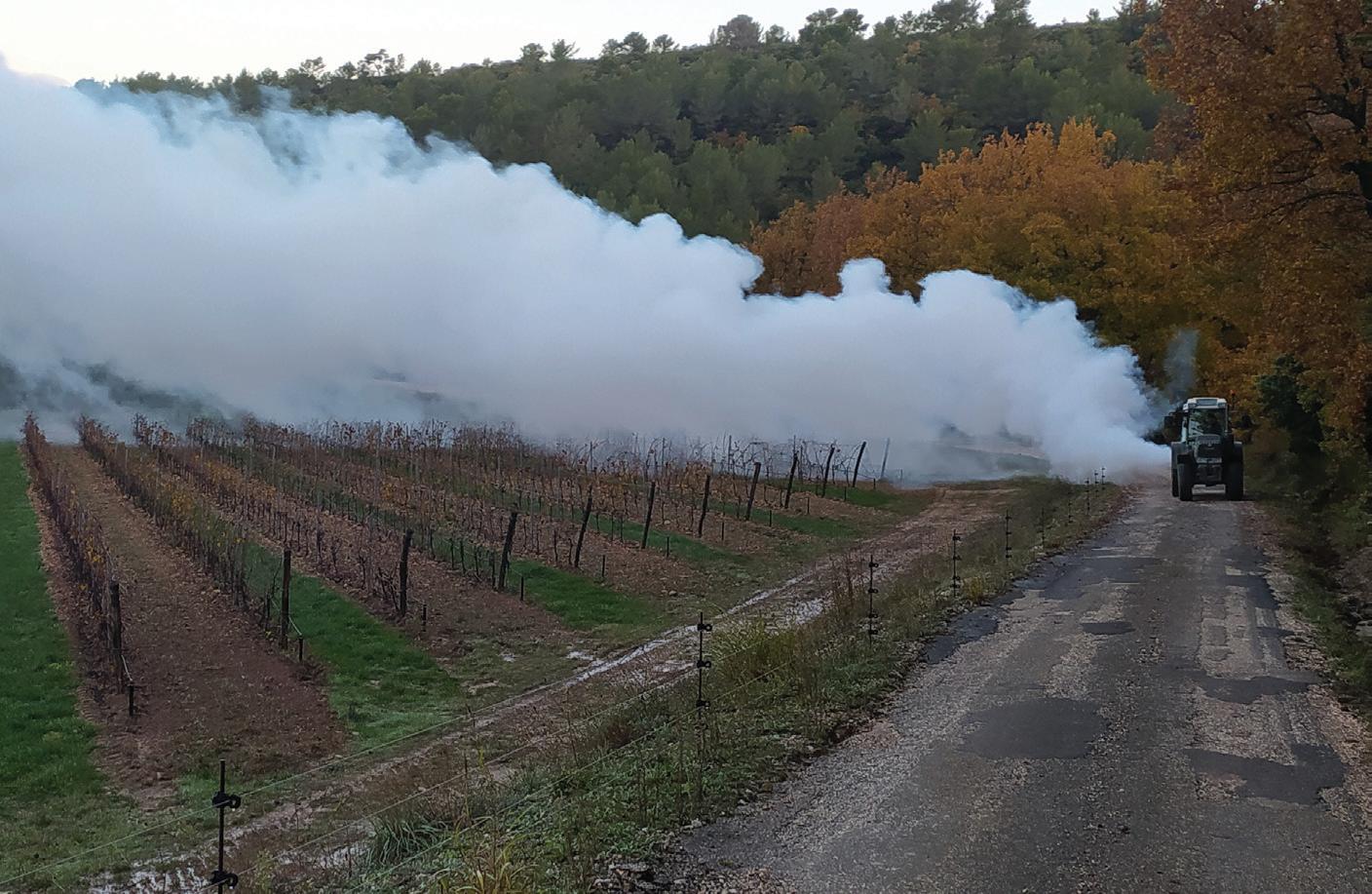
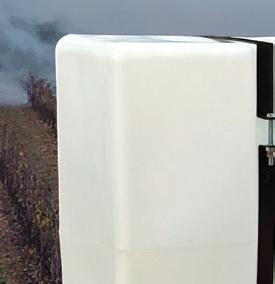
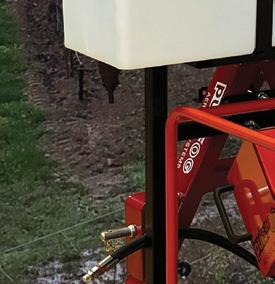
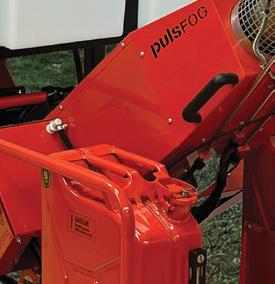
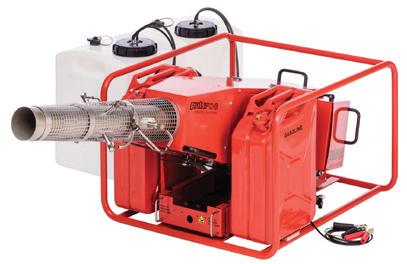
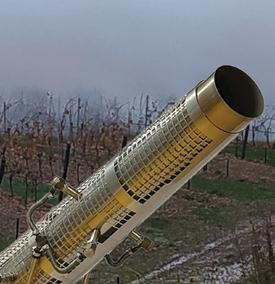
Rapid fog application with Dramm pulsFOG ® or TracFOG ®, quickly drapes the field in a blanket of fog, protecting plants from frost in temperatures as low as 25°F (-6°C). Call Dramm to learn how the pulsFOG can save you time and money. Scan Code for video & more information
LEFT
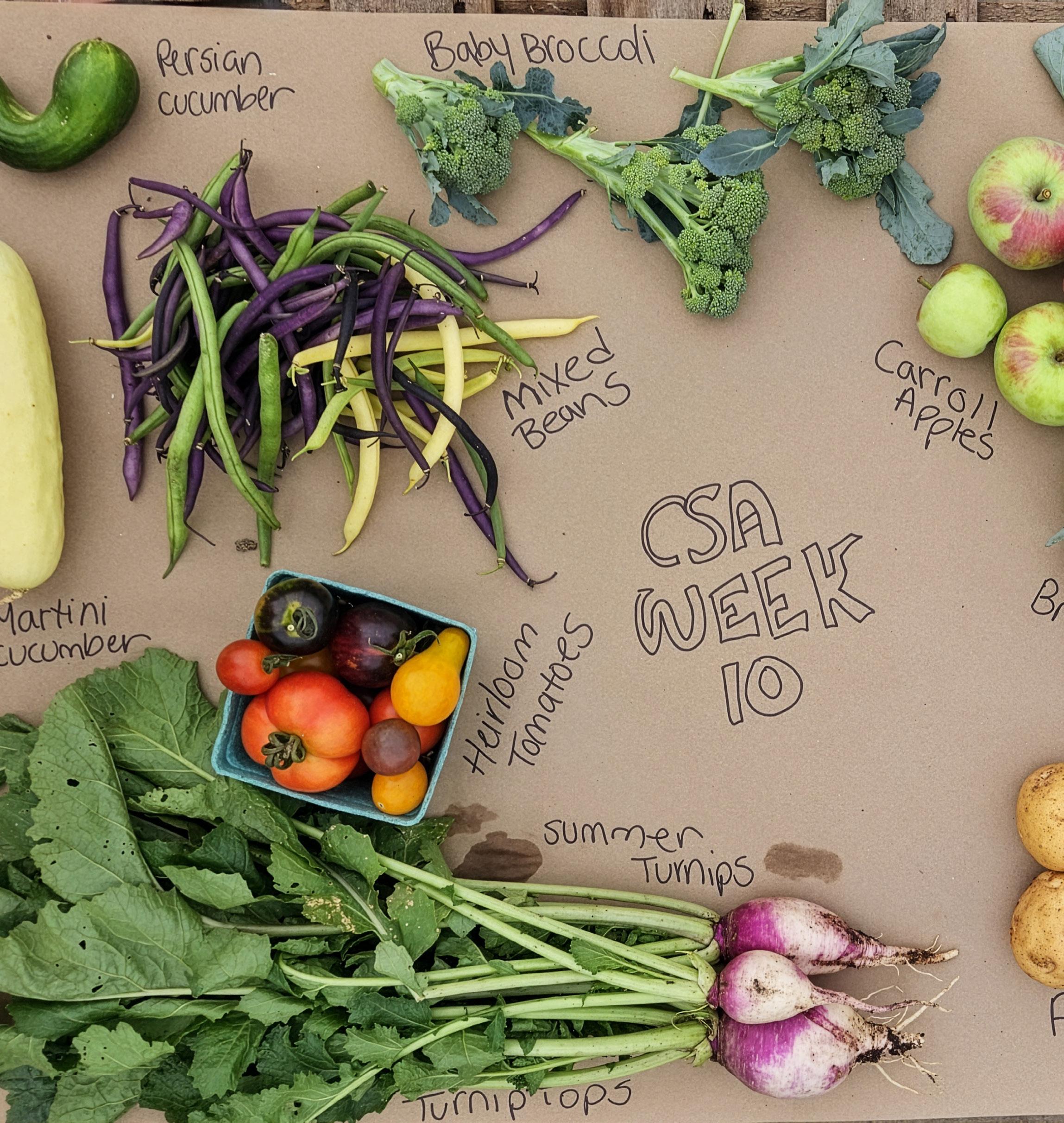
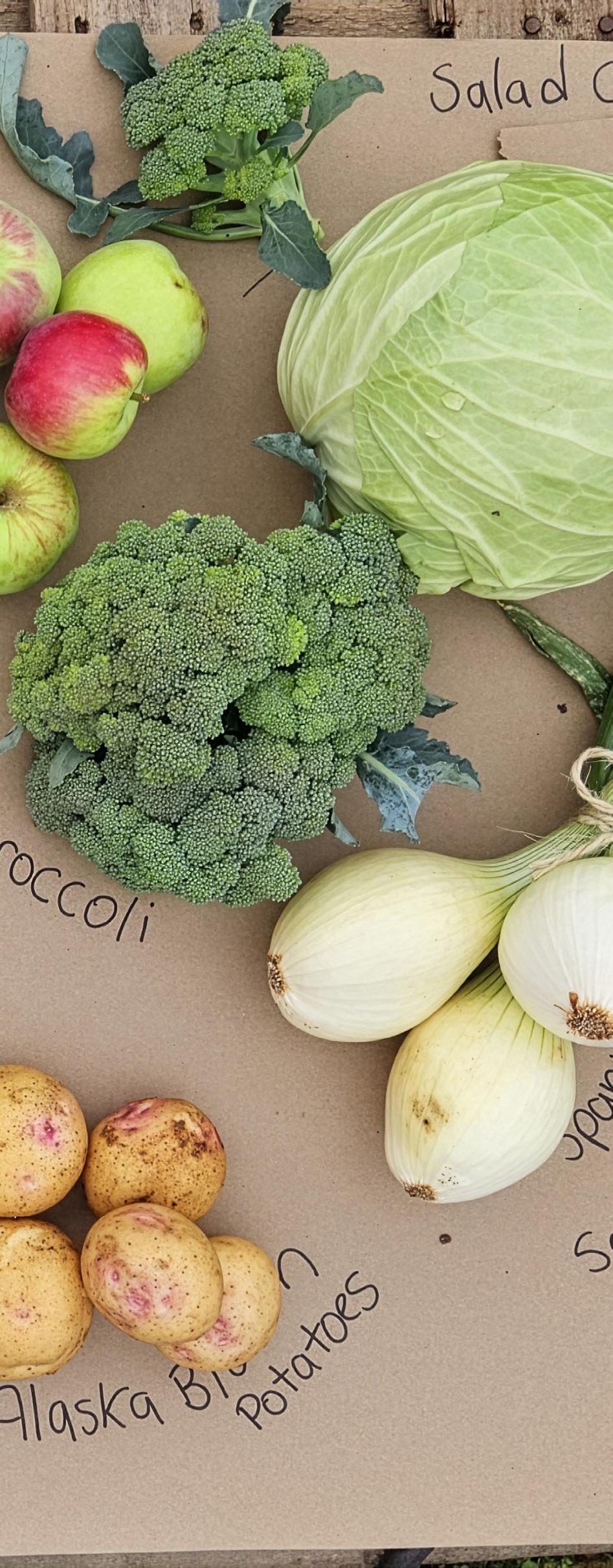
Part of the pleasure for C.S.A. subscribers is to plan a weekly menu around what’s in the basket.
One of the pleasures of participating in a C.S.A. (community supported agriculture) as a customer-subscriber is picking up the weekly basket of assorted veggies, herbs, greens and fruit. On the day of pick-up, Prairie Gardens and Adventure Farm sends out an email containing a photo of the week’s basket contents, the names of each of the items included and a few suggested recipes – perfect for those looking to try out new ingredients.
C.S.A. DEFINED
“C.S.A. is a beautiful system where both farmer and consumer engage in the act of creating a local food system and a food shed. The consumer takes part, helping the farmer by purchasing their share upfront in advance of the season,” says Tam Andersen, owner of Prairie Gardens in Bon Accord, Alta. “They take part in the joy of farming and accept some of both the risk and the reward. This gives the farmer a wonderful scenario where she knows exactly what she’s going to grow, for how many and can plan her seed orders accordingly. C.S.A. helps with cash flow, especially in winter and gives farmers the ability to purchase supplies and hire staff if required.”
The shared risk and reward come to light in the fact that you never know what you’re going to get in terms of a season. Some years are
amazing, and there’s an abundance in all quarters. Every growing season is different. Clients who buy the C.S.A. program realize very soon that Mother Nature is very much a partner in the program. Wet years will produce tremendous carrots and lettuce; hot and dry years will deliver prodigious squash, tomatoes and peppers. Customers participate equally in the risk. Worst case, like a hailstorm, could mean crop failure.
But farmers that engage in C.S.A. are passionate about serving the people that they feed well. They know what to do to address the risk, and they manage those risks to deliver great value to customers.
“We heard about C.S.A. when I first got going with Prairie Gardens and we were growing broccoli in large volumes—seven acres of it. Every morning at four, we would go put our hip waders on and head out to the field to cut broccoli. It was about that time we were at a conference and heard about the C.S.A. concept. I thought, ‘but I don’t have the confidence as a new grower to even attempt this. How could I possibly be master of 20 crops?” says Andersen. Andersen later revisited the C.S.A. concept, but she wanted to start slow, keeping it small and manageable at first, involving the folks (volunteers) that participate in some way. Initially, people had a volunteer time
Community supported agriculture is climate smart and food shed savvy.
COMMUNITY AGRICULTURE FOR YOU?
BY TIMOTHY FOWLER
ABOVE
requirement as part of their share. But this requirement has since been dropped because of outside commitments, and they’ll volunteer where and when they want.
Prairie Gardens focuses on weekly distribution to a local restaurant. While some customers come to the farm and pick up their weekly produce, the restaurant drop works for many customers. This also takes pressure off the municipal development permit, which limits how
much traffic is allowed on the farm. Over time Prairie Gardens expanded from 50 summer month subscribers to include fall and winter seasons. Increasing cold storage capacity on the farm now allows for around 25 subscribers for the fall program and about 15 for the winter program. These numbers are manageable and aligned with storage capacity constraints.
BUILDING LOCAL FOOD SUPPLY CAPACITY
“C.S.A. has the potential to encourage young growers to get involved, because the model helps reduce the barrier of high upfront costs of getting started,” says Andersen.
The C.S.A. concept can help build capacity for both young farmers just getting started and for established ones. Begin with a 12-week C.S.A. summer program. It is relatively easy to grow produce for August, when everything wants to be ready and is in abundance. But having a basket of assorted produce for the first week of July can be a challenge. This challenge encourages farmers to expand and experiment with non-traditional crops.
“C.S.A. is a beautiful system where both farmer and consumer engage in the act of creating a local food system and a food shed.”
Andersen has learned to grow perennial vegetables, and Asian greens because they’re ready in 35 days. The fall program and the winter programs require seeding some crops in August because September and October baskets will require fresh greens. At the same time, farmers are planning for the spring harvest, planting crops that will overwinter, like spinach – perfect for the first weeks of June. Anderson plants onions, leaving them in the ground over winter as a perennial onion, for digging the first week of July.
Andersen points out there are costs to consider when farms operate as a direct-to-consumer business. For instance, this means staffing the hours the farm is open. It’s also about establishing partnerships with other customers, like the restaurant that hosts weekly veggie drops for consumers.
C.S.A. IS NOT FOR EVERYONE
The other half of this C.S.A. equation is the consumer perspective. We live in a world of opulence as far as food supply goes and have access to dining options
Tam Andersen is the owner of Prairie Gardens and Adventure Farm.
from around the globe. Over time we have come to expect pineapples, bananas, watermelon and zucchinis out of season. C.S.A. has some constraints. You might dream of fresh carrots in May, but they take 90 days to grow and won’t show up in a basket until they’re ready later in the season. Even hitting the consistent weekly pick up at a certain time and place is a huge commitment for people.
The C.S.A. model shifts fast food to an economy of slower food. It requires the willingness to take on that piece of the food ecosystem; customers become the transportation to get the basket of produce from the farm to your pantry. It requires consumers to be flexible, to understand hyper-seasonality, and to be prepared to tackle the challenge of figuring out how to put all the pieces of your basket together for the table in a way that makes sense.
As a C.S.A. farmer planning your basket, she needs to consider what customers might cook, and ensure customers have onions and garlic, a bit of starch, a bit of green, a bit of something interesting, and something new every week. This should be fun for consumers, too. In a world of anonymously produced grocery store purchases, C.S.A. puts consumers and producers into an integrated relationship. The farmer wants to know the consumer’s likes and dislikes and can alter the weekly offerings to suit the consumer. The farmer needs to know what consumers need help with, and can provide recipes and ideas on how to maximize each week’s offering.
C.S.A. IS CLIMATE SMART
Prairie Gardens is climate smart in their gardening. If it hasn’t rained, Andersen will pre-germinate beets in little cell packs – in the greenhouse – where there is water, and transplant these out on the next rainfall. She will hold off planting beans and peas because it is too dry. But the moment it rains, there is a full day of seeding. The crop might be a month late, but it still has just as much volume as if it was planted a month earlier. This might mean picking beans the first week of September before the frost, instead of the first week of August.
“It’s a dance. It is one step forward and two steps back sometimes. The seasonality is kind of fun, and for people who haven’t experienced seasonality on the plate, it’s kind of a surprise, because they’re absolutely amazed at how good the food tastes because it doesn’t have food miles on it,
it doesn’t taste like that storage facility in whatever box store it came out of, “ says Andersen.
WHAT CAN GO WRONG?
“Sometimes the failure is in the perception and expectation of the consumer...It is such a different way to think about how you’re getting food on the table that we have learned over time that we are a part of that responsibility to make it work for people... If we give the right volumes of the right amounts of the different things, it is much easier for people to use,” says Andersen. “I think people’s biggest fear is food waste, and if they don’t know how to cook something, it languishes in the fridge until they pitch it out into the compost. This means a big part of a C.S.A. for us is the educational piece—the recipes that go along with a particular week’s offering.”
ADVICE FOR FARMERS WANTING TO TACKLE THE C.S.A MODEL
Tam Andersen has this advice for aspiring market gardeners: “Do consider the C.S.A.
LEFT When farmers have a fully subscribed C.S.A., this truckload of greens is paid for before it is planted.
model as a viable approach to being a regenerative agriculture farm. Learn as much as you can...Depending on what stage the farms is at [in] succession planning for the next generation and what they want to do to stay profitable enough to stay on the farm, and doing what they enjoy, that’s a little different than what maybe Mom and Dad did, and exploring all these new options of value adding on the farm as a part of the strategy.”
She also advises investing in infrastructure as you can – this includes regenerative agriculture, such as protecting soil health.
“Even though we’re not an organic certified farm, we use as much organic method as we can, just get in sync with the cycles of Mother Nature, not only climate, but also pests,” adds Andersen.
Community supported agriculture requires a bit of additional effort on both the producer and the consumer, but the reward for the consumer is a delightful weekly collection of produce at the peak of flavour and freshness. The farmer gets some market predictability and levelled out cash flow, while the community gets increased participation in a tighter food shed.
ABOVE Laurel is gearing up to be the next generation managing operations at Prairie Gardens.
RHUBARB WINE: Looking beyond the grape
Wineries on the Canadian Prairies are transforming a hardy, tart plant into wine.
BY ADELINE PANAMAROFF
Grape wines get all the attention. How about fruit wines? Out here on the Canadian Prairies the only grapes grown are a very sour, mouth puckering variety, much like many of the other fruits that grow there. This includes rhubarb, a tart vegetable, not a fruit – though commonly used as a fruit – alongside those other sour prairie edibles, commonly grown in many backyard gardens in Western Canada.
A few enterprising wineries, such as DNA Gardens near Elnora, Alta., Bee and Thistle Winery near Debden, Sask., and Cypress Hills Winery in the Maple Creek area of Sask., have taken up the challenge and produced very nice wines from this hardy,
ABOVE
tart plant. Along with their line of wines, these wineries also offer other rhubarb products like non-alcoholic options and pies, as well as seasonal u-picks.
DNA Gardens, owned by Arden and Dave Delidais, has been in the business of growing fruit for over 50 years. While Dave’s grandfather may not have been the direct inspiration for them to expand the fruit production on the farm, as an early bootlegger in the early 20th century, he did establish the first apple trees on the homestead. “He had apples and saskatoons and certainly rhubarb …,” Arden Delidais said.
While they offer seasonal u-picks with raspberries, apples, cherries,
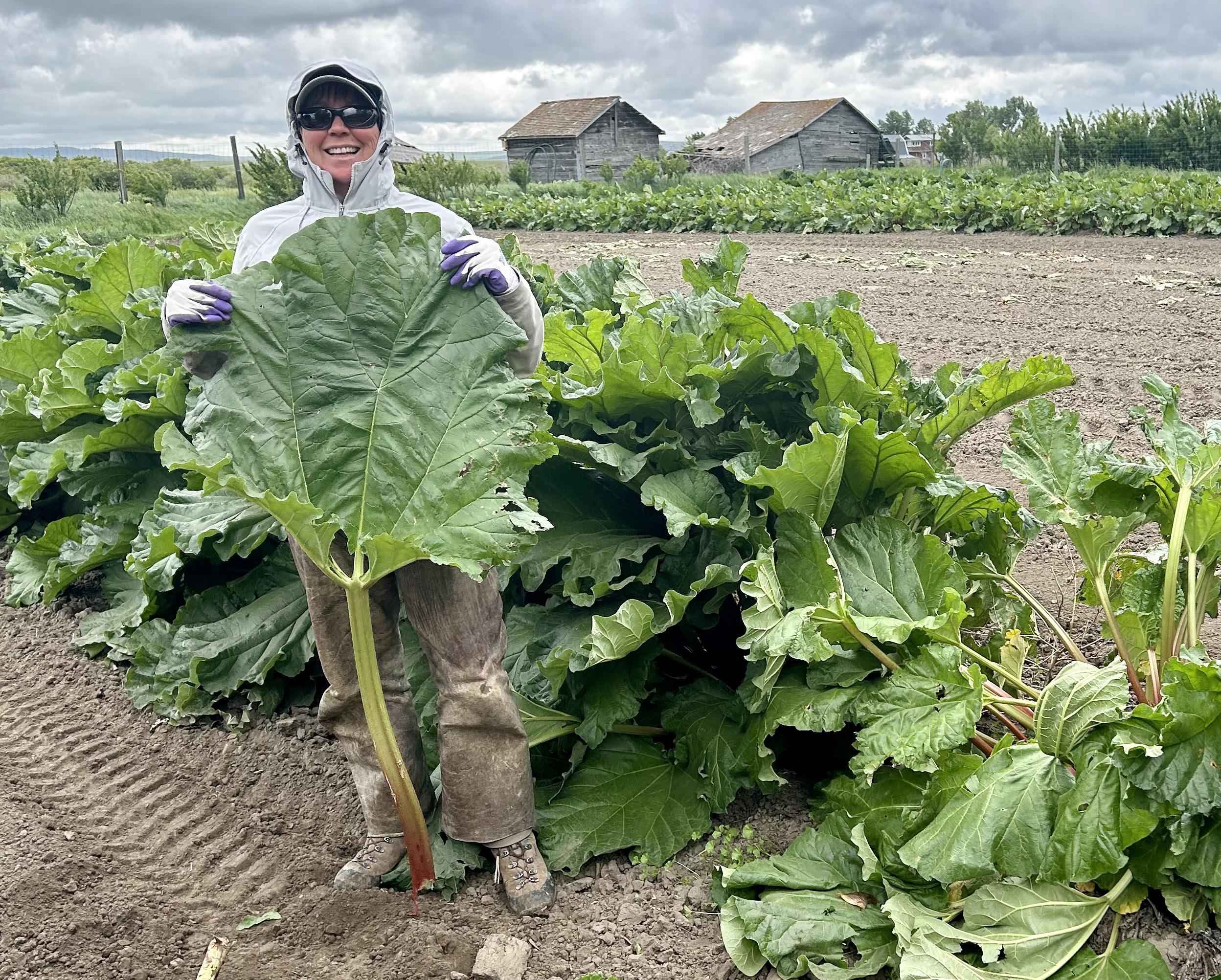
Marie Bohnet of Cypress Hill Winery taking part in rhubarb harvest.
PHOTO COURTESY OF MARIE BOHNET.
haskaps, plums, and black currents, some of which makes its way into their line of wines, it has been the rhubarb that has seen major expansion since 2020. Three thousand plants are dedicated to wine making, all of which must be hand harvested. The rhubarb products coming out of DNA Gardens have been building interest through their Calgary and Red Deer farmers’ market stalls.
The blended wine, Head Over Heals, a rhubarb/strawberry blend, seemed like a natural choice for Delidais, “... because strawberries and rhubarb go so well together in a pie, we thought, let’s give that a go,” she said. Just like the pie that was its inspiration, this blend combines the tartness of rhubarb, with the summer sweetness of strawberries.
A straight rhubarb wine, Sodbuster, is also produced. The name was inspired from the original homesteader of their property. This dry wine reflects the hard work that went into turning the original sod of the land and now to hand harvest the rhubarb that grows there.
A rhubarb wine spritzer has been added to the product line. With Sodbuster as the base, it is sweetened with more
rhubarb juice and canned for convenient drinking.
Newer to their line of distilled spirits is Survivor. “We call it survivor, because what’s left on an abandoned homestead, often [is], a lilac, a caragana, but certainly a rhubarb,” Delidais said. Made with rhubarb and ginger, this hard liquor expresses the tartness of hardship, yet the refreshing joy of resilience.
For those wanting to enjoy rhubarb without the alcohol, there is sparkling rhubarb punch. Made from Dave’s mother’s recipe, this canned punch has a balance of tart and sweet.
All batches of rhubarb beverages made at DNA Gardens are small craft products. While the majority of rhubarb used is of the German Wine variety, Delidais utilizes any variety that is healthy and adapted to the local environment. The small craft designation gives them the freedom to not be locked into having to produce a consistent, specific taste profile. Each batch is slightly different in colour, sweetness and tartness levels.
Bee & Thistle Winery, in the Debden, Sask. area, owned by Peter and Margie MacInnis, have created their own unique
spin on rhubarb wine. Their journey into wine started in 2013 when they expanded their u-pick orchard with 10,000 haskap plants. Wondering what to do with the excess fruit that they now had, the MacInnis decided to combine their love of wine making with their love of fruit.
After Margie took an oenology course and Peter took a course in distilling, they set up shop on their farm. Their line of fruit wines includes sweet, dry, fortified and rose varieties of haskap, strawberry, black current, cherry and rhubarb wines. There is also a line of popular wine slushies.
Five thousand six hundred plants of the German Wine variety of rhubarb are dedicated to their wine production. The Canadian Red variety can be used for wine production, “... but you have to neutralize the acidic acid in it and then add all the correct acids in,” says Peter MacInnis.
The sweet Loch Aline rhubarb with haskap blend, makes a good dessert wine. In a 1000-litre tank of rhubarb wine, there will be around 10 litres of haskap mixed in. This gives the finished product a redder tinge. It won Canada Fruit Winery of the Year in the New York International
Stop repeat offenders in their tracks.
Crop criminals don’t change–but your strategy can. Corteva Agriscience™ offers a range of high performing products to stop even the most notorious insects in their tracks. Trust Corteva insecticides. Talk to your local retailer to learn more.
Spirits Competition in 2021 and 2022, bronze in the New York International Spirits Competition in 2022, and bronze in the Finger Lakes International Wine & Spirits Competition in 2023.
Rhubarb Dry is also mixed with haskap. Meant for drinking alongside meat centric meals, this wine won Canada Fruit Winery of the Year at the New York International Spirits Competition in 2021 and 2022.
The Caisteal Rosé is a semi-sweet wine that is a blend of rhubarb, haskap, raspberry, crabapple and black currant. It too won Canada Fruit Winery of the Year at the New York International Spirits Competition in 2021 and 2022.
MacInnis have been marketing their products through wine tastings, competitions, festivals, taking part in charity events and having their product at hosted family events. This has gained the attention of independent and Co-op liquor stories across Saskatchewan, who now actively stock their shelves with Bee & Thistle products. To get their product out into the world, “... it’s just down to pavement. Knock on doors, see if you can get your wine into their store. Do tastings, do events. We support a lot of the local charities. When they have events or fundraisers, we’ll do whatever we can to help them out and raise money for them,” he said.
Cypress Hills Winery, in the Maple Creek area of Saskatchewan, was established in 2007 by Marie and Marty Bohnet. Originally cattle ranchers, when Bovine spongiform encephalopathy hit their operation in 2004, they knew a change of focus in what they produce was needed.
Already growing grapes and making wine for their own consumption it only seemed natural to expand into commercial wine making. More grapevines were planted, with a few years needed
to establish and flourish, the Bohnet’s looked to fruit wines to fill the time gap till their grapes took root. “We always thought we’ll phase out the fruit wines as the grapes came into production, but they were so popular,” Marie Bohnet said.
Growing all of their rhubarb on two acres of their land, utilizing the German Wine variety, the Bohnets produced an off-dry white wine. Ten thousand pounds of that rhubarb was hand harvested and processed each year for the next ten years. The rhubarb wine has been part of a flight of other fruit wines – saskatoon, sour cherry, and chokecherry – with all the fruit purchased from commercial growers.
Now with the winery under new ownership, Kathryn Reesor has expanded on the success of the Bohnets. She has developed a rhubarb/saskatoon blend, Prairie Fusion. A slightly sweet wine, it takes on the hue of the regionally popular berries.
Adding to the offering is a haskap, black current/honey blend, cherry/honey blend and mead. One hundred percent of the fruit and honey are now purchased by the winery from local producers.
The white rhubarb wine was an award winner in the days when Bohnet made it, winning double gold at the Canadian Wine Awards one year.
It still is a prize winner. “Since I have been making it, I have won a bronze medal at the Calgary Stampede Cellar showdown in 2025,” Reesor said.
The fact that professionals have succeeded in making pleasant wine from this tart vegetable seems like a feat of monumental proportions. They deserve applause and appreciation for what they have achieved, and the diversification of products based on humble rhubarb is always a good thing.
Early peach gets the market
Early ripening peaches crucial for Canadian growers to remain competitive.
BY STEPHANIE GORDON
Kai Wiens stopped growing strawberries and cherries. Instead, he bet everything on peaches and it’s paying off.
His farm sits in Ontario’s “fruit belt,” where Niagara-on-the-Lake’s unique microclimate produces 90 per cent of the province’s tender fruit crop. Walk through Wiens’ orchards today and you’ll find 140 acres of peach trees and just five acres of plums.
Why all in on peaches? The breeding of earlier ripening peach varieties transformed the economics of his growing season. They extend the growing season, boost employee retention and improve the utilization of his packaging equipment.
“We have a whole pack house with hundreds of thousands of dollars of equipment, cold storage, the whole line, and now it’s being fulfilled for another two weeks at the beginning of the season,” Wiens says.
Down the street at the University of Guelph’s Vineland Campus, tender fruit breeder Jayasankar Subramanian remarks that it was a grower’s feedback that spurred the development of earlier rip-
ening peaches. “I asked, ‘what do you think of this one?’ and when I showed them the tree, their jaws dropped,” Subramanian says. “He said, ‘Well Jay, you must push this through. This is like a dream come true for us.’”
So Vee Blush, a peach that ripens around July 25 – 5 days earlier than other varieties – was discovered.
“The first crop attracts a better price and attention from consumers,” Subramanian says. By late July, peaches compete with a flood of seasonal fruits. Earlier in the season before Canadian peaches ripen, Canadians buy peaches from Georgia and the Carolinas, but Subramanian says those peaches lose their flavour by the time they arrive. “Our fresh peaches are left behind.”
In response, Subramanian and a larger tender fruit evaluation committee made up of growers, nurseries, packers, extension and grocery store representatives began investigating earlier ripening peaches so Canadian growers could hit the market sooner and have a fair shot at competing. “Advancing [ripening] by half a month within 20 to 30
Peach variety Approx. ripening date (Vineland Campus)
Early Blush
Rising Sun
Vee Blush
Released 2022, ripens
July 15
Released 2024, ripens July 17
Released 2020, ripens July 25
Harrow Diamond Released 1984, ripens
July 29
years, I thought that’s just impossible, but here we are,” Subramanian says.
MEET THE VARIETIES
During the past decade, the team released Early Blush (July 15), Rising Sun (July 17) and Vee Blush (July 25) which all ripen weeks earlier than the well-known Harrow Diamond (July 29) peach variety.
Wiens was one of the growers who got to experiment with the varieties when they were simply known by their numbers and feedback information to Vineland about how fast a tree grows, how easy it
Characteristics
Fantastic flavour, good size, 10 per cent split pit susceptibility, better for local markets because it doesn’t ship well
Great colour, excellent flavour, less than 10 per cent split pits
High volume, early variety, can stay on tree longer, one per cent split pit susceptibility
Dominated early market share, labour intensive harvests because it doesn’t like heat and needs frequent picking, susceptible to split pit
is to prune and what year you can expect production.
“It took Vee Blush longer to get into production,” Wiens says. “It was driving me crazy. There was no canker, no disease, and I’m not getting any crop. But in the eighth year, every time we went in to pick, there was more fruit. It was such a heavy producer.”
Vee Blush was worth the wait and the word spread. “It is a hot potato and if someone wants to plant Vee Blush, they need to reserve for planting in 2028 now,” Subramanian says.
High yields matter, but so does taste. Fast growing varieties can balloon to full size before flavour forms. “With Early Blush, it had fantastic flavour,” Wiens raves. Being first and tasting good commands its own premium too. “You can get a couple dollars extra out of the market for it because everybody wants them.”
LABOUR AND HARVEST EFFICIENCY
Wiens brings in workers from Jamaica and instead of starting them in mid-July, they’re able to start at the beginning of July and gain an extra two weeks of work with the earlier varieties. “It makes it a little bit more worth their time, leaving their families to come to Canada.” Wiens says, adding that most choose to come back every year. “That helps with employee retention, [and] it benefits us that we get really good employees.”
The earlier varieties are also hardier. In July’s sweltering heat, peaches like Harrow Diamond “cook” in the sun making staff rush to harvest them. “With Rising Sun, I’m not as concerned if I don’t pick today, I’ll pick them tomorrow. For Vee Blush, certainly I can wait three days to pick to get a bigger pick,” Wiens explains. The re-
sult is a more fruitful, less labour-intensive harvest instead of many smaller harvests. “I can go from picking 10 to 15 baskets an hour [with Harrow Diamond] to picking 30 baskets an hour per man [with Vee Blush],” Wiens says.
GOING FURTHER WITH EARLIER VARIETIES
The hardiness continues beyond the orchard for varieties like Rising Sun and Vee Blush which can handle long distances. “It’s perfect for the market, it can easily ship and that’s what we’re looking for. Can you put it in a truck and how far can you take it?” Wiens says. However, Early Blush is more tender and is better suited for local markets.
Wiens shares that his friend with a fruit market always has customers asking, “What’s next?” and adding early peaches to the rotation has been good for business. “Peaches are summer. Once you start talking about apples and pears, you know fall is here. School is starting. When you talk about peaches, we’re in the heart of cottage time,” Wiens says. “And if we can get peaches in earlier, you’re going to think summer earlier, you’re going to come out
earlier, you’re going to grab our fruit.”
While growers rave about early varieties, consumers remain blissfully unaware - and that’s intentional. “The apple and pear industry has done a wonderful job of marketing varieties. That Ambrosia apple, that Happi pear...the peach industry – we’ve never done that,” Wiens says. Unlike apples and pears, peaches are tender fruits and have a shorter shelf life.
“Advancing [ripening] by half a month within 20 to 30 years, I thought that’s just impossible, but here we are.”
If customers asked for “Rising Sun” when it wasn’t available, grocers would struggle. “It becomes problematic for the grocery chain. We just want you to come in and buy our peaches. Because a variety is only there for four or five days before we get on to the next variety,” Wiens notes.
THE NEAT PEACH
There are a few more early ripening varieties in the works to plug the gap between Early Blush and Harrow Diamond.
Subramanian also has eyes on a “neat peach” that is meant to target a younger demographic - one that is glued to their phones. Peaches are a messy fruit, so the “neat peach” will be firmer and less juicy - akin to a pear - but still packed with flavour you can enjoy while on your phone. Plus, its firmer texture means it will stay on the tree longer after ripening, streamlining harvest.
But breeding remains collaborative with the entire value chain. “I don’t like the top-down approach, because I can do it, but it is ultimately the growers who are going to grow it so they should have a stronger opinion in the process,” Subramanian says. “Although I am a breeder, I am also a consumer at the end of the day, so everybody forms that consumer umbrella.”
Growers like Wiens embrace the research because it sharpens their skills. “I better pay attention to how I grow my fruit, so it makes me a better farmer, and I pay attention to my pruning,” Wiens says.
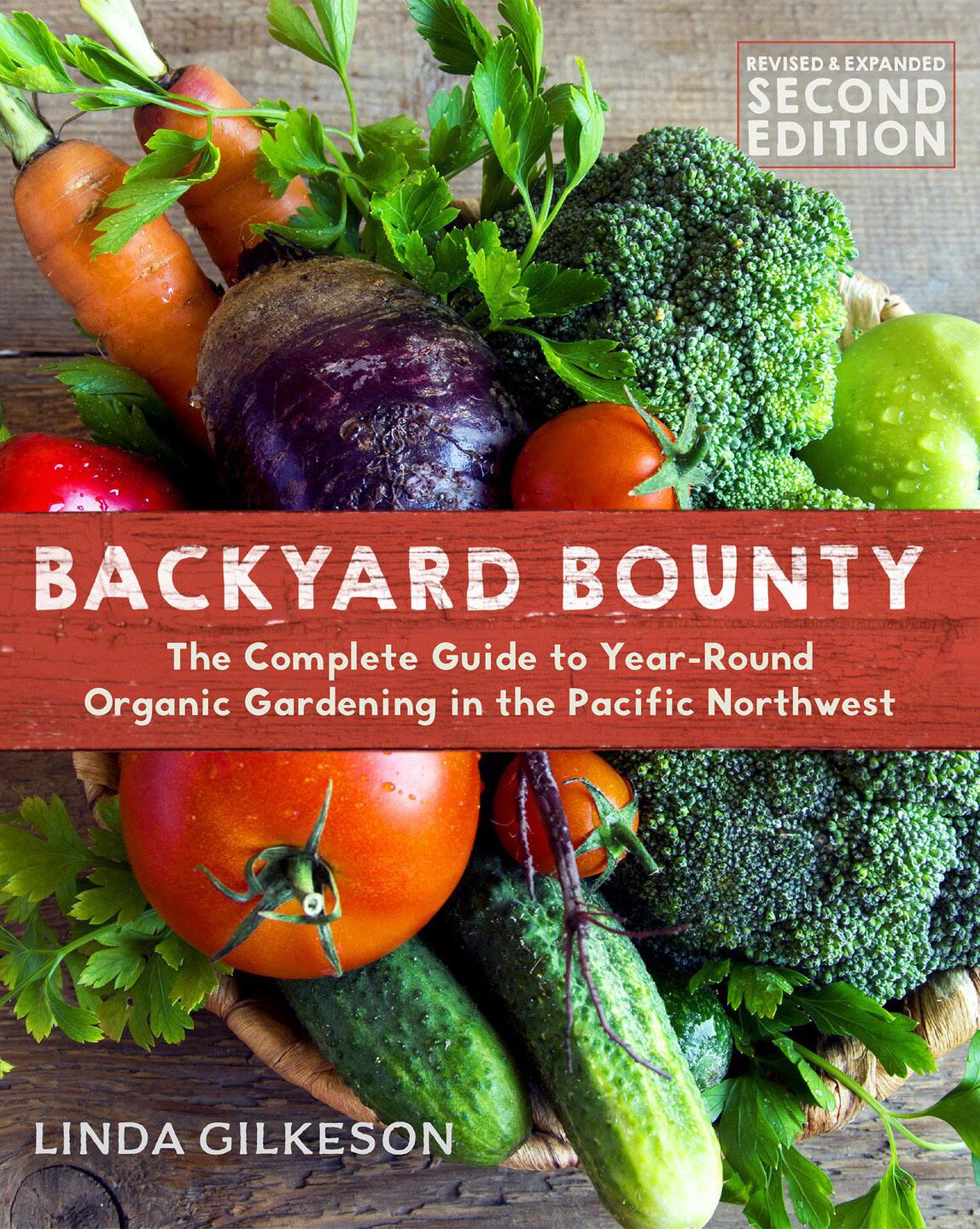
BACKYARD BOUNTY
Scan code to buy this book
Grow more food, with less work, in any yard – now completely revised and expanded!
Are you itching to start your own garden or grow more in the one you have, but feel that gardening is too challenging or timeconsuming for your busy schedule? Now completely updated and expanded, Backyard Bounty will demystify gardening, bringing it back to the down-to-earth, environmentally practical activity that anyone can enjoy.