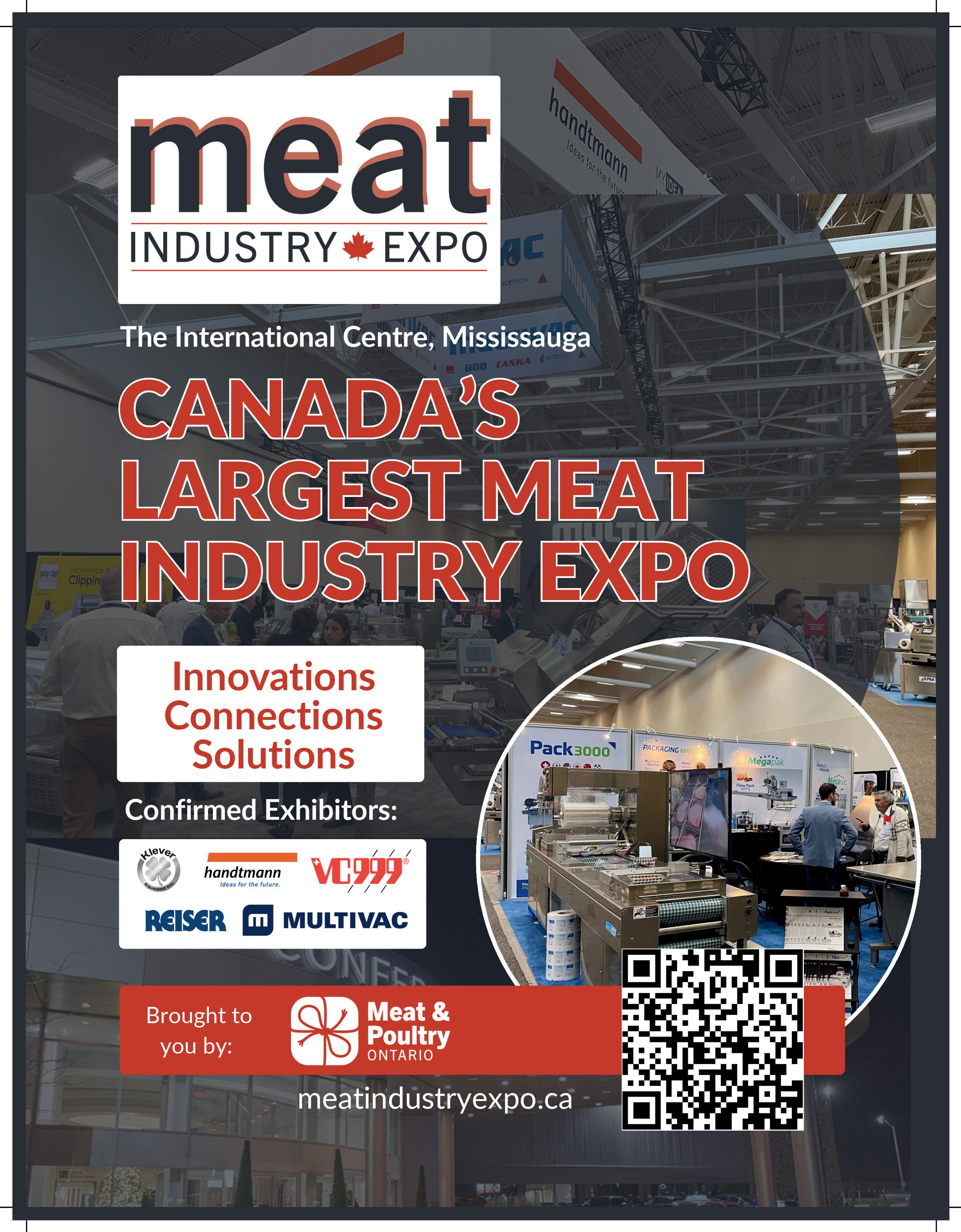
Dempster’s new hi-protein line
Formulating challenges and opportunities with plant-based protein

Canadian chocolatiers tempt customers with new options
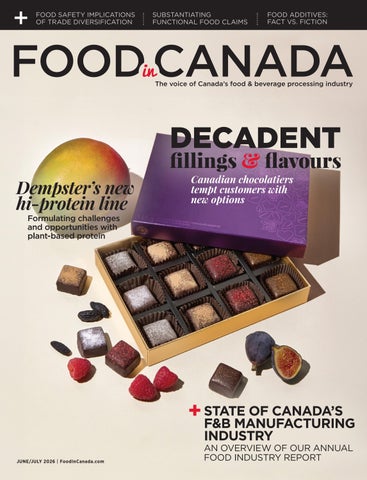
Formulating challenges and opportunities with plant-based protein
Canadian chocolatiers tempt customers with new options
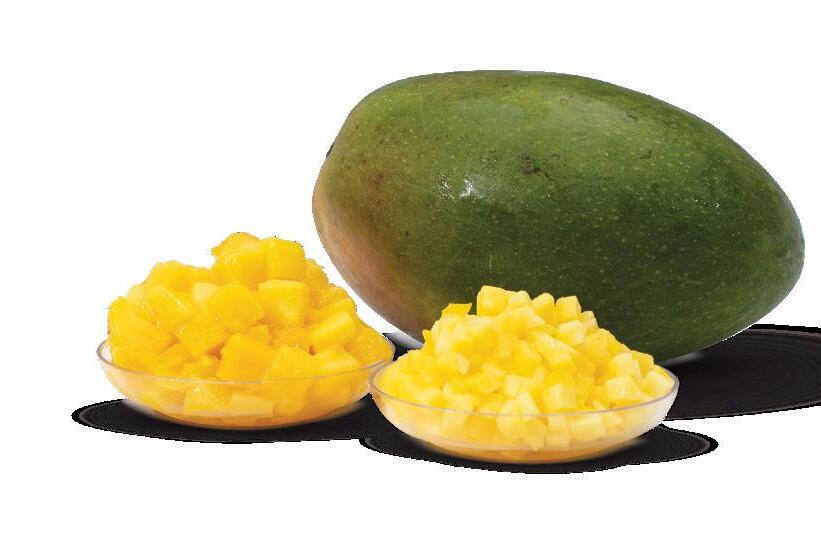
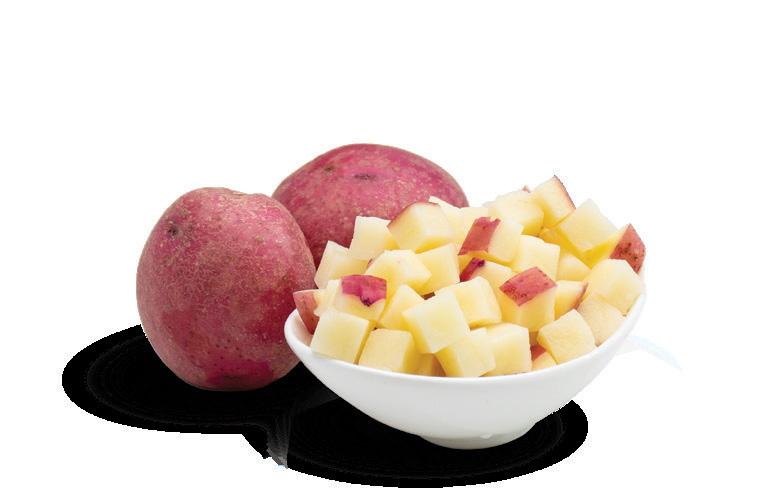
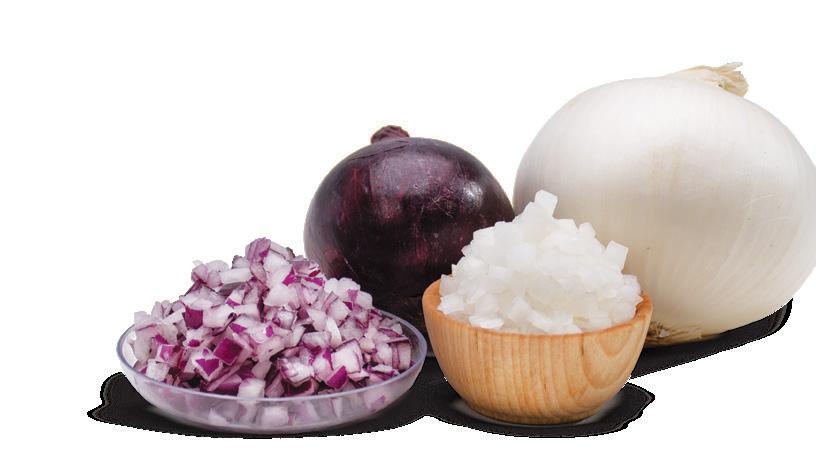
Successful food processors around the world partner with Urschel for optimal cutting solutions. Urschel introduces a new cutting concept to assist processors.
Engineered for a low total cost of ownership — from initial investment to ongoing operation — the Little Gem Aspire™ Dicer offers ease of use, compact design, and high overall performance.
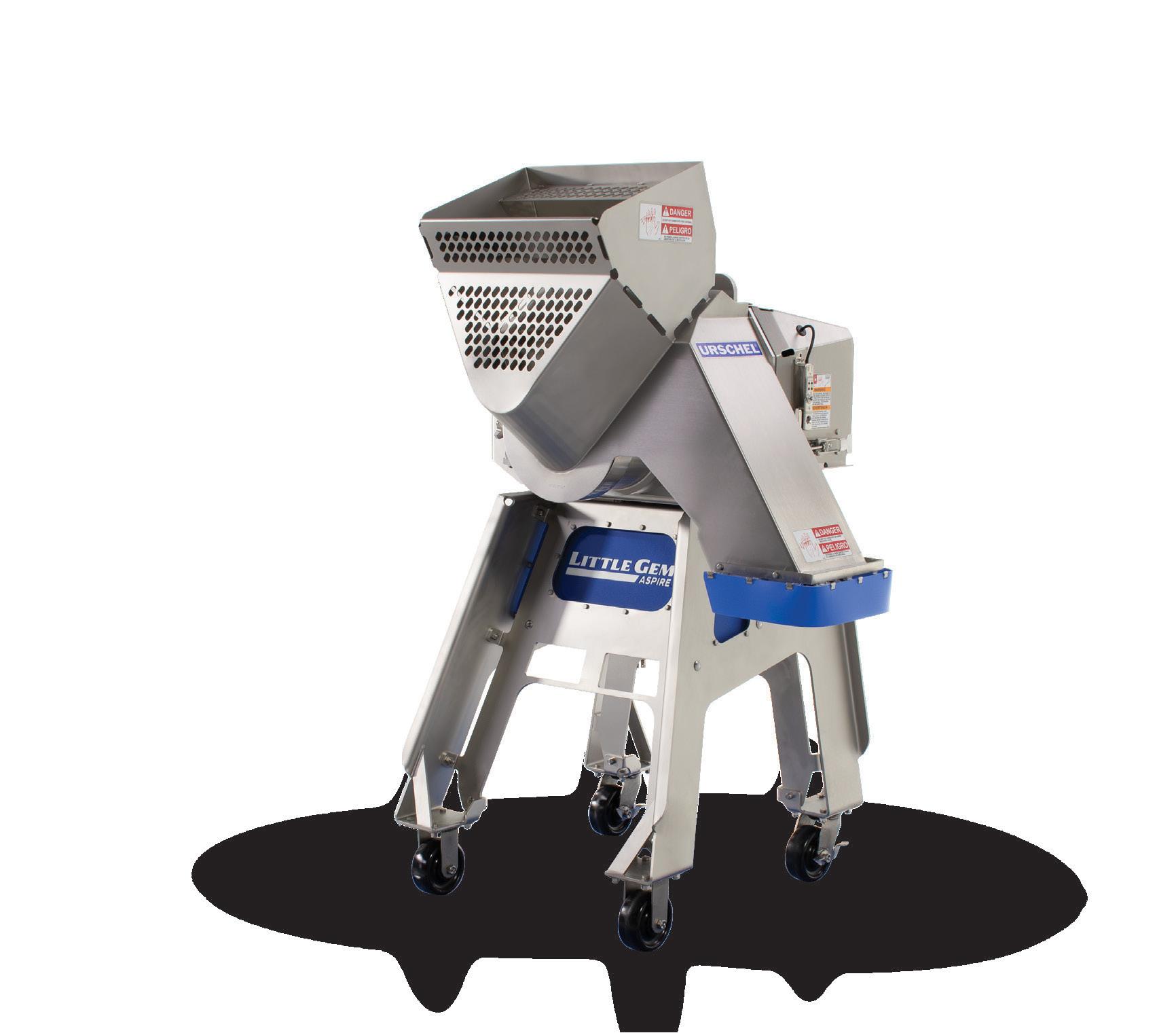
The machine offers a small footprint and is ready to run to produce ideal cuts including a full range of slices from 2 mm up to 20 mm, a variety of strip cuts, and dices up to 20 mm.
Contact Urschel Canada to learn more: 647-910-5017 | canada@urschel.com








JUNE/JULY 2026 • VOL. 86, ISSUE 3
Reader Service
Print and digital subscription inquiries or changes, please contact Angelita Potal, Customer Service
Tel: 416-510-5113 Fax: 416-510-6875
Email: apotal@annexbusinessmedia.com
Mail: 111 Gordon Baker Rd., Suite 400, Toronto, ON M2H 3R1
ED ITOR | Nithya nnithya@annexbusinessmedia.com 437-220-3039
ASSOCIATE EDITOR | Steven McGoey smcg oey@annexbusinessmedia.com 416-510-5206
ASSOCIATE PUBLISHER | Kim Barton kbarton@annexbusinessmedia.com 416-510-5246
MEDIA DESIGNER | Alison Keba akeba@annexbusinessmedia.com
ACCOUNT COORDINATOR | Cheryl Fisher cfisher @annexbusinessmedia.com 416-510-5194
AUDIENCE DEVELOPMENT MANAGER | Anita Madden amadden @annexbusinessmedia.com 416-510-5183
GROUP PUBLISHER/DIRECTOR OF PRODUCTION | Paul Grossinger pgrossinger@annexbusinessmedia.com
CEO | Scott Jamieson sjamieson@annexbusinessmedia.com
Publication Mail Agreement No. 40065710
Subscription rates
Canada 1-year – $90.12 per year
Canada 2-year – $132.55
Single Issue – $15.00
United States/Foreign – $169.68 All prices in CAD funds
Food in Canada is published 5 times per year by Annex Business Media. Occasionally, Food in Canada will mail information on behalf of industry related groups whose products and services we believe could be of interest to you. If you prefer not to receive this information, please contact our Audience Development in any of the four ways listed above.
Annex Privacy Officer
Privacy@annexbusinessmedia.com 800-668-2384
No part of the editorial content of this publication can be reprinted without the publisher’s written permission @2026 Annex Business Media. All rights reserved. Opinions expressed in this magazine are not necessarily those of the editor or the publisher. No liability is assumed for errors or omissions.
Mailing address
Annex Business Media
111 Gordon Baker Rd., Suite 400, Toronto, ON M2H 3R1 Tel: 416-442-5600 Fax: 416-442-2230
ISSN 1188-9187 (Print) ISSN 1929-6444 (Online)








New consumer demands, technological advancements, and global trends are reshaping the Canadian food and beverage manufacturing industry. Our annual Food Industry Report provides a comprehensive overview of the F&B processing industry, offering detailed sector-by-sector analyses, ensuring you have the knowledge to make informed decisions. You’ll find an overview of the report on pg 29. Below are key findings. The Report is a yearlong endeavour. Writer & researcher Doug Burn starts working on it in the fall with support from the Food in Canada team. For more detailed analyses and to get a copy of the Food Industry Report, visit https://www.annexbookstore.com/foodservices/cat/food-in-canada-reports.
Canadian F&B manufacturers are dealing with supply chain issues, high input costs, trade tensions and an affordability crisis. However, there is evidence that Canadian consumers are no longer basing their decisions solely on price. Nutrition value, convenience and country of origin are major considerations. This evolution is creating opportunities for F&B manufacturers to differentiate through product reformulation, premium offerings, and clearer value messaging. On the trade front, there’s a heightened emphasis on diversification. While no one disputes U.S.’s role as Canada’s largest trading partner, there’s a push to find new markets in Latin America, Europe and Indo-Pacific in order to weather President Trump’s isolationistic policies.
Consumers are cutting back on nonessentials while demanding more from products they consider essential. They are looking for products with multiple nutrient claims. For instance, low sugar & hi-protein bars or hi-protein & hi-fibre baked goods.
In 2025, the Canadian F&B industry’s value of shipments declined by 3 per cent largely due to a drop in exports to the U.S. Similarly, Canadian consumers made a concerted effort to buy more locally produced food and beverages and fewer U.S. products. Canadians purchased 5 per cent less American canned and frozen fruits, vegetables, and prepared meals, 5 per cent less meat and poultry, and 28 per cent fewer beverages.
Private investment in Canada’s F&B industry declined by 8 per cent in 2025. Labour productivity was also down by 3 per cent, underscoring the need for Canadian F&B processors to automate operations as much as possible.
Detailed sector-by-sector insights are available in the Report. I’ll summarize a few of them here. The seafood sector can expect modest growth in 2026. The hi-protein trend has given new life to canned seafood.
The Buy Canadian movement heavily influenced purchasing decisions in the pet food sector. Also, cat food became the fastest-growing category this year,

as pet parents preferred felines to dogs. Canada’s bakery sector is transitioning from traditional loaves to baked goods with clean labels and hi-protein as well as hi-fibre credentials. The hi-protein trend helped Canada’s dairy sector to post solid volume gains so much so manufacturers like Danone and Agropur are rapidly increasing capacity. Chronic labour shortages significantly impacted Canada’s meat and poultry sector. Elevated meat prices are also forcing consumers to trade down.
Volatile cocoa and sugar prices continue to pressure margins, while mandatory FOP nutrition labels are impacting consumer choices in Canada’s sugar and confectionery sector. Frozen and canned fruits and vegetables are having a moment due to perceived health benefits & longer shelf lives in this age of high food prices.
Canada’s beverage market is increasingly shaped by functional wellness and mindful moderation. Beer and wine sales volumes continued to decline. Sugary and carbonated drinks also faced headwinds as consumers preferred functional drinks.
While Farm Credit Canada forecasts a modest rise of 0.8 per cent for overall F&B manufacturing sales, the conflict in the Middle East can derail all gains. It’s important to be as lean and agile as possible and have 24 months of capital to weather uncertainties.
Nithya nnithya@annexbusinessmedia.com
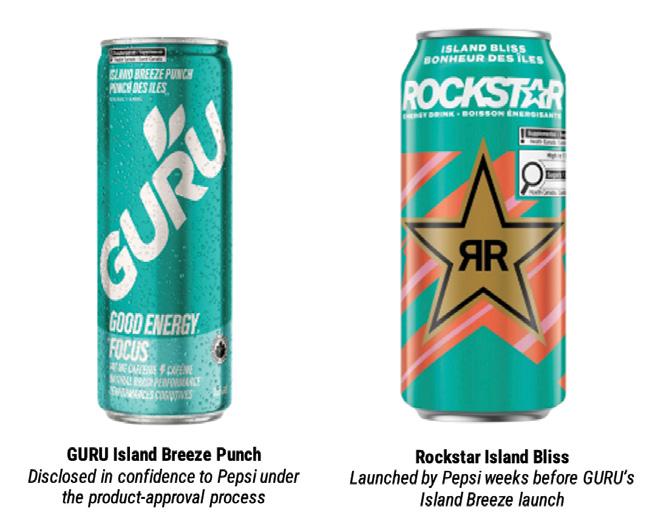
Guru Organic Energy files a lawsuit against the Pepsi Bottling Group (Canada) in the Ontario Superior Court of Justice seeking damages of $15 million. Guru alleges Pepsi violated a distribution agreement the two signed in 2021 and sent a without-cause notice of termination of the distribution agreement. Per the agreement, Per the agreement, Pepsi was to be Guru’s sole distributor in Canada for 10 years. Additionally, Guru alleges that the Island Bliss beverage by Pepsi-owned Rockstar brand is similar to Guru’s Island Breeze beverage and was released without warning Guru.
Yves Veggie Cuisine
Maple Leaf Foods acquires Yves Veggie Cuisine brand from Hain Celestial Group and plans to relaunch it later this year. Last year, Hain Celestial discontinued manufacturing Yves Veggie Cuisine products after 40 years in business. In a statement, Maple Leaf Foods said, “The relaunch will begin with five products this summer, including a selection of well-known Yves products that have been staples in kitchens from coast to coast.” Maple Leaf Foods also owns the LightLife and Field Roast brands.
Mining
ordered to pay $100M for violating Fisheries Act
The Court of Quebec sentenced ArcelorMittal Mining Canada (AMMC) on 100 counts under the Fisheries Act after it pled guilty for releasing harmful substances into fish-bearing waters between 2014 and 2022 at the MontWright and Fire Lake mining complexes. This is the harshest penalty ever imposed in Canada under the Fisheries Act. The Court ordered AMMC to pay $100 million, representing $1 million for each count. AMMC was also ordered to pay $249,903.61 to Environment and Climate Change Canada as a reimbursement for investigation costs.

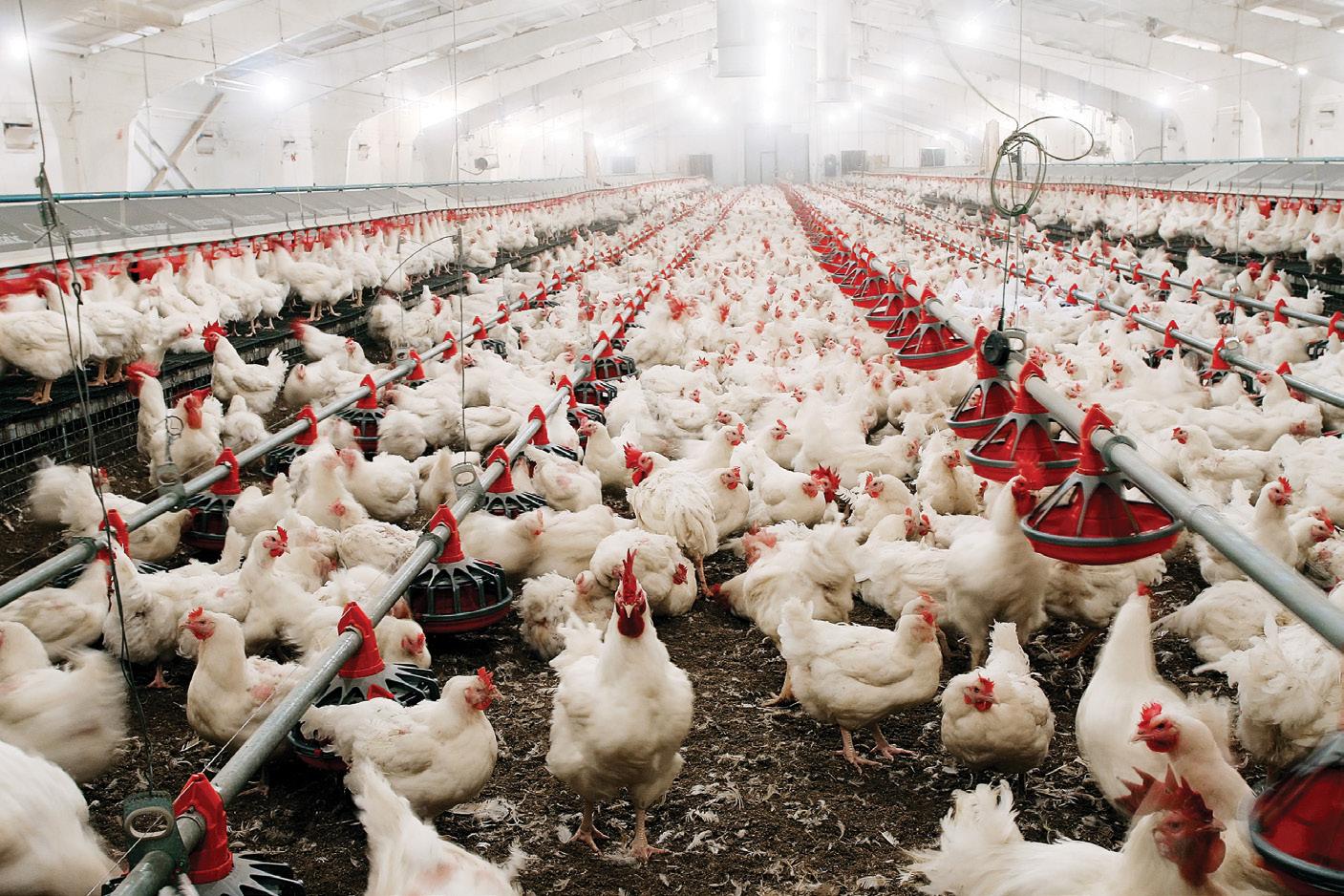
Sunrise Farms is investing $100.5 million to construct a new 155,000-sf poultry processing facility in Woodstock, Ont. Invest Ontario is supporting the expansion with a grant of up to $4 million from the Invest Ontario Fund. They have also provided strategic support by helping the company navigate workforce planning and training programs, as well as by co-ordinating across municipal, provincial and federal governments. The investment is expected to create 100 new jobs in the region.
Lovo, formerly Nutri Group, launches phase 2 of the expansion project at its Saint-Lambert-de-Lauzon egg grading facility in Eastern Quebec. The first phase focused on modernizing egg handling and preparation equipment. The second includes an investment of nearly $10 million aimed at supporting business
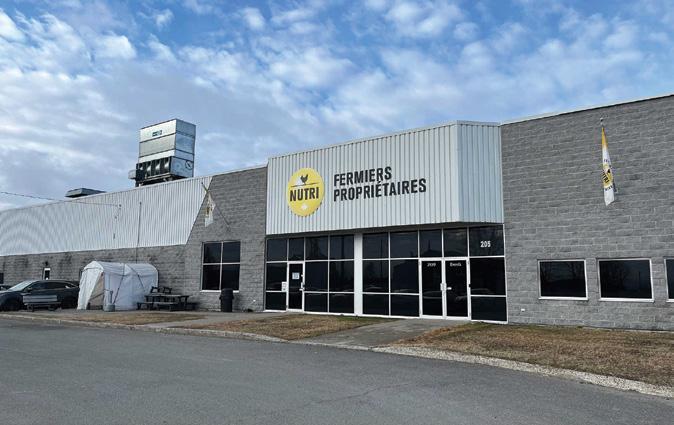
growth and modernizing operations. It includes an 18,000-sf expansion to enhance storage and production areas. The expansion is scheduled for completion by November 2026 and is expected have an economic impact of more than $85 million over the next five years.
Lassonde is cutting positions and moving some operations at its Kelowna, BC., facility where SunRype beverages are processed to its plants in Calgary, Alta., Toronto, and Rougemont, Que. The transition is largely in beverage packaging operations and will occur in phases through December 2026. Approx.

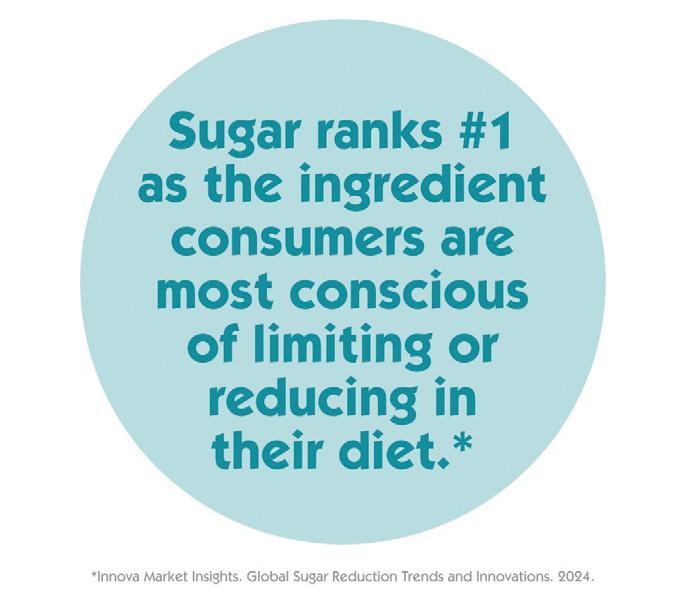
Satiety and lower sugar intake in smaller portion sizes…GLP-1s have transformed how consumers approach their plates. Whether they are currently using a GLP-1 medication, transitioning into a post-GLP-1 maintenance phase, or are GLP-1 curious and adopting the eating lifestyle, their goal is the same: achieve and maintain weight loss without the battle against hunger.
For food and beverage manufacturers, this creates a unique opportunity: creating products that provide satiety, but without the calories from sugar and with the same quality consumers expect.
Fibersol® prebiotic dietary fibre helps meet these GLP-1 needs and provides formulators an ingredient with the functionality to reduce sugar while still maintaining taste, texture and performance.
Not all fibres are the same, and not all fibres provide satiety. Because Fibersol® is a digestionresistant soluble dietary fibre, it is advantageous for GLP-1 friendly foods for several reasons:
• Supports satiety
• May help increase naturally occurring GLP-1
• Provides a source of prebiotic dietary fibre
• Is well tolerated (up to 68g per day) and delivers benefits with less digestive discomfort
Fibersol®’s satiety and GLP-1 benefits are clinically backed and claim ready, giving consumers a fibre they can trust and formulators can use to get to market faster.
At 10g with a meal, Fibersol®:
• May delay hunger and stimulate appetiteregulating hormones
• May increase GLP-1 as part of a normal physiological response in healthy individuals
At 3.25g per serving, Fibersol®:
• Enables “Prebiotic Fibre” claim on products (2.8g fibre from Fibersol® corresponding to 10% DV for fibre)

At 3.75g per serving (4x per day), Fibersol®:
• May help nourish the intestinal flora and maintain a healthy intestinal tract environment (for a total of 15g per day over 3 weeks)
• Is a clinically studied, well-tolerated prebiotic
GLP-1 consumers need lower-sugar foods and beverages to reduce caloric intake, support weight loss, manage blood sugar spikes and mitigate gastrointestinal side effects. But when reducing sugar in any formulation, more than calories and sweetness are lost. Bulk, humectancy and shelf stability are all affected, impacting taste, texture and overall quality.
Because it contains very few simple sugars, Fibersol® can help support label claims of low sugar and no sugar added. Depending on the application, Fibersol® has the ability to reduce sugar up to 30%. In certain applications, Fibersol® may help facilitate close to 100% sugar reduction in conjunction with highintensity sweeteners.
Fibersol® disperses and dissolves easily, providing no taste or aroma in lower-sugar formulations. It can support sugar reduction by helping to build back structural integrity, improve mouthfeel and mask off notes from high-intensity sweeteners.
Fibersol® can be used in many applications thanks to its versatility and functional benefits:
• Adds minimal viscosity
• Heat and pH stable
• Excellent binding properties
• Minimal formulation adjustments needed
Backed by 30+ years of clinical research, Fibersol® supports satiety and sugar reduction, making it easier to formulate GLP-1 friendly foods and beverages.
Find out how you can create fibre-full, reduced sugar foods and beverages that provide the satiety and dietary fibre benefits today’s GLP-1 consumers need. www.fibersol.com/wellness-benefits/ glp1-and-satiety
80 employees will be impacted. The facility will continue to process apples and produce snack products. In a statement, Lassonde said 135 employees will remain at the site working on production, warehousing and business support functions.
Canadian food that went to space with Artemis II
The historic Artemis II mission had 189 unique food and beverage items on board to nourish the four-member crew. The mission menu included five Canadian food products, more than 10 types of beverages, five different hot sauces, tortillas, vegetables, fruits and cookies. This was reportedly the first time commercially produced Canadian food has travelled beyond low Earth orbit. After significant testing the five products that made the trip were Turkey Hill Sugarbush’s Maple Crème Cookies, 100 per cent pure Maple Syrup from Citadelle Maple Syrup Producers’ Cooperative, Natural Wild Keta Salmon Bites from SeaChange Seafoods, Strawberry Lavendar Superseed Cereal from Goldy’s and Happy Yak’s Shrimp Curry with Rice.



The Little Potato Company expands foodservice operations
Alberta-based The Little Potato Company launches a division dedicated to foodservice. The company’s foodservice solution’s portfolio includes little potatoes in large pack sizes (4 x 10 lb bags, 25 lb cases and 50 lb cases) and sous-vide products. The Little Potato Company currently distributes its foodservice products through Sysco, Gordon Food Service, and Restaurant Depot.
Jelena Vrbaski is appointed president of Puratos Canada while Michael Simone assumes a newly created strategic role focusing on the broader North American region. During Simone’s tenure in Canada, Puratos opened innovation centres in Fraser Valley, B.C., and Montreal as well as launched a bakery program at a Canadian high school. Vrbaski has served in various roles in her 15 years with the company, most recently as vice president of sales.
The Maple Treat unveils its new corporate identity, Lantic Maple, to reflect the company’s association with the Canadian maple syrup production sector. Lantic Maple was formed in 2017 through the merger of four family-owned maple syrup bottling companies: LB Maple Treat in Granby, Decacer in Dégelis, Les Produits de l’érable du Grand Nord in St-Honoré-de-Shenley, and Highland Sugarworks in Vermont. It became one of the world’s largest maple syrup bottlers, shipping more than 53 million lb to approximately 50 countries over the past fiscal year.
Mondelez International produces nearly a dozen chocolate bars using cell cultured cocoa butter manufactured by Celleste Bio. Launched in 2022, Celleste Bio is a food technology company developing cocoa ingredients through proprietary cell suspension culture technology. The company claims its patented platform produces chocolate-grade cocoa butter that is bio-identical to conventionally sourced cocoa butter. To date, Celleste Bio has raised US$5.6 million from Supply Change Capital, Trendlines, Barrel Ventures, non-dilutive grants, etc. Mondelez is also a strategic and design partner.

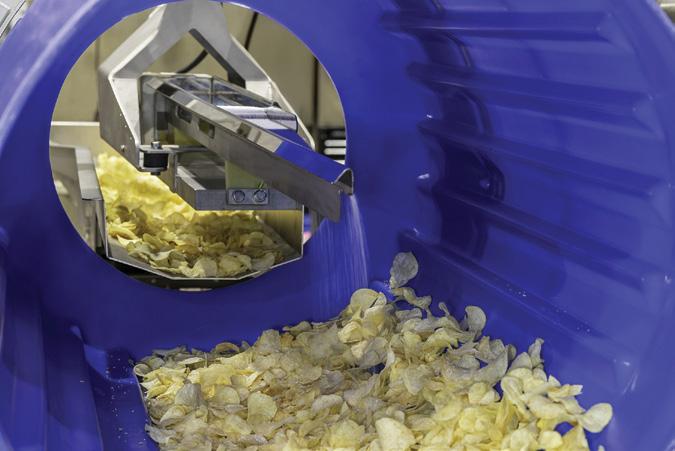
PPM Technologies and Key Technology introduce a new fully integrated potato chip processing line, which is specifically designed for processors managing raw material variability, labour shortages and the demands of high-volume chip production. PPM’s frying technology anchors the line. Processors producing kettle-style chips utilize the BatchWright batch fryer, while those producing conventional potato chips utilize the CookWright continuous fryer. The system features a slice feeder at the front of the line and is equipped with a dual auger feed conveyor to meter whole potatoes into the slicer and PPM conveyors which then connects each stage. www.ppmtech.com, www.key.net
Sidel releases a new EvoFill PET speed filler for carbonated, functional and flavoured water packaging. Using a redesigned filling valve, the filler reportedly boosts filling speed by up to 20 per cent, allowing outputs of up to 90,000 bottles per hour. The filling valve features volumetric flowmeter control and a no contact filling principle, thereby eliminating the need for components to be replaced when changing fill levels. The EvoFill PET is available in flexible layouts, including stand alone, Combi and Super Combi solutions. www.sidel.com



Endress+Hauser introduces the Micropilot FMR43, a compact free space radar for continuous monitoring. The FMR43 comes with 80 GHz radar technology, reportedly offering 16 readings per minute. It also contains a 180 GHz sensor variant for use in particularly small process tanks and containers. Endress+Hauser says the Micropilot FMR43 is suitable for a wide range of applications up to 15 m including mixing and filling applications of viscous and low conductive media and storage of low conductive fluids and level measurement. Utilizing Heartbeat Technology, the radar’s accuracy can be verified on demand. The technology can reportedly detect process anomalies such as foam formation or build-up at an early stage. Using the traceable in-situ verification function of Heartbeat Technology, calibration intervals can be optimized using the Radar Accuracy Index (RAI). All analyses can be performed remotely using Bluetooth and the SmartBlue app. www.endress.com
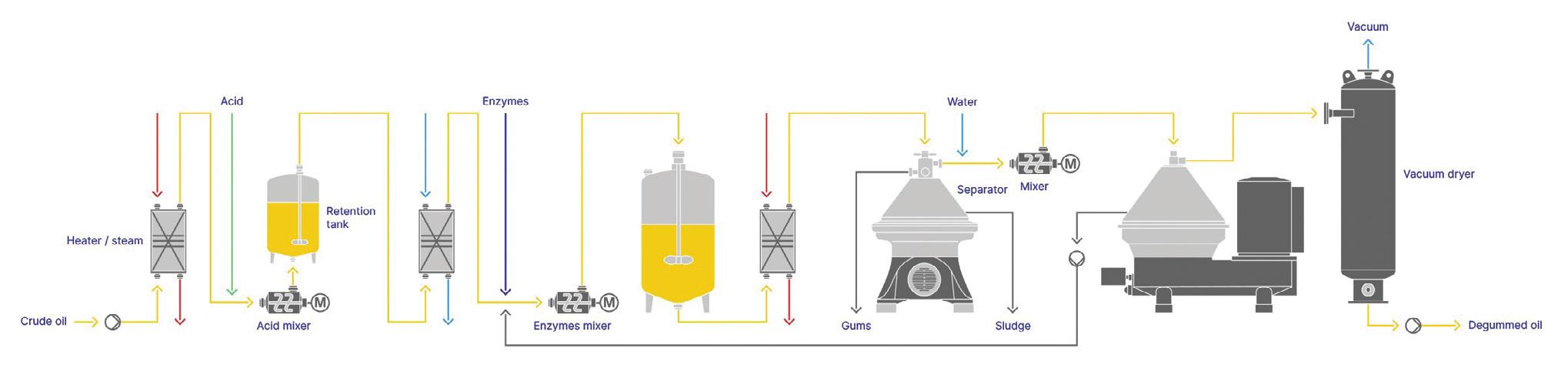
GEA introduces GEA eTOP Degumming, an enzymatically supported enhancement of its TOP degumming process for edible oil refining. The solution aims to deliver higher oil yield, reduced chemical and water consumption, and stable low phosphorus levels. The two stage centrifugal separation concept is expected to absorb upstream fluctuations and safeguards downstream processing. www.gea.com

Dr. Amy Proulx
n the current geopolitical environment, trade diversification has moved from a talking point to an important resilience strategy. While the United States will remain Canada’s dominant trading partner for the foreseeable future, interest in alternative markets is changing how Canadian food and beverage manufacturers perceive growth and stability. Small and medium-sized enterprises (SMEs) can capitalize on this opportunity, but they may not appreciate the complexity of entering new jurisdictions. It’s not as simple as making a purchase order with a foreign distributor and shipping products.
When you sell a product in Canada, there are reasonably clear pathways for sale. After getting a Safe Food for Canadians licence and passing commodity-specific inspections, you’re usually ready to sell. We make assumptions about the nature of services being naturally compliant, from packaging suppliers, transportation, distribution and labelling because the services are done by Canadians for Canadian products. The moment you enter another country, expectations will change. Each export destination has its own regulatory framework, documentation expectations, and trade barriers. Priority allergen standards will differ. Food additives and technical ingredients may be restricted, while some ingredients that Canada bans may be permitted. Labelling must comply with local language, formatting, and content requirements. HACCP and food safety requirements may require evaluation of equivalencies. Higher risk products such as meat, dairy, fruits or vegetables may have additional zoonotic disease or phytosanitary requirements, while microbiological criteria may be completely different. Other products may have issues
with antibiotic or pesticide residues. There are lots of issues to navigate.
There’s a risk for non-compliance if one assumes that if it’s good enough in Canada it’s good enough anywhere. In reality, each country has its own government agencies providing oversight. It is important to map out the jurisdictional requirements whether at customs and border control levels, food safety and inspection, or within the trading structures. Understanding how these agencies operate and how they intersect in the import value chain is essential to reduce and prevent delays, rejected shipments and reputational damage.
Infrastructure and food safety systems can vary globally. While most countries maintain excellent systems, the level of attention, enforcement, and consistency can differ. Exporters need to prepare for potential unpredictability. Cold chain integrity, sanitation practices, and documentation standards will vary highly. Do not be surprised if you encounter systemic corruption and bribery.
If your company is planning to enter new markets, consider the following checklist.
Create a critical path mapping the sequence of steps and time requirements as some activities, such as facility registration, documentation reviews, and HACCP equivalencies, will take time.
Confirm market access requirements. Each country will have unique requirements. Some countries may require certification of manufacturing sites while others may require import applications. Evaluate formulation and ingredient compliance. Check for restrictions on ingredients, additive limitations, and allergen declarations. Confirm whether your
product needs to comply with any standards of identity and compositional requirements.
Review all labelling and packaging standards. Make sure nutrition facts panels are compliant with local formatting. Evaluate health or nutrition claims that may or may not be permitted with the product. Ensure country of origin statements align with local regulations. Make sure date coding, lot coding and ‘best before’ labelling complies with the country standards. Ensure GTIN and traceability formatting is compliant with local recall requirements.
Since your product will be in another country, you may require a local distributor capable of executing a food recall. Ensure documentation can be produced in a timely manner, and that roles and responsibilities with distributors are clearly defined in case of an emergency.
Make sure all logistics partners meet your temperature, sanitation, and certification requirements as exporting can introduce long transit times, delays, and additional handling steps.
Work with your importer to define responsibilities. Identify who holds responsibility for documentation, border clearance, and product oversight. Identify insurance requirements.
The AgriMarketing Funding Program for SMEs can offset the cost of market research, trade show participation, and export readiness activities. Trade diversification offers enormous potential for Canadian food and beverage manufacturers, but only when food safety and regulatory readiness keeps pace with ambitions.
Dr. Amy Proulx is professor and academic program co-ordinator for the Culinary Innovation and Food Technology programs at Niagara College, Ont.



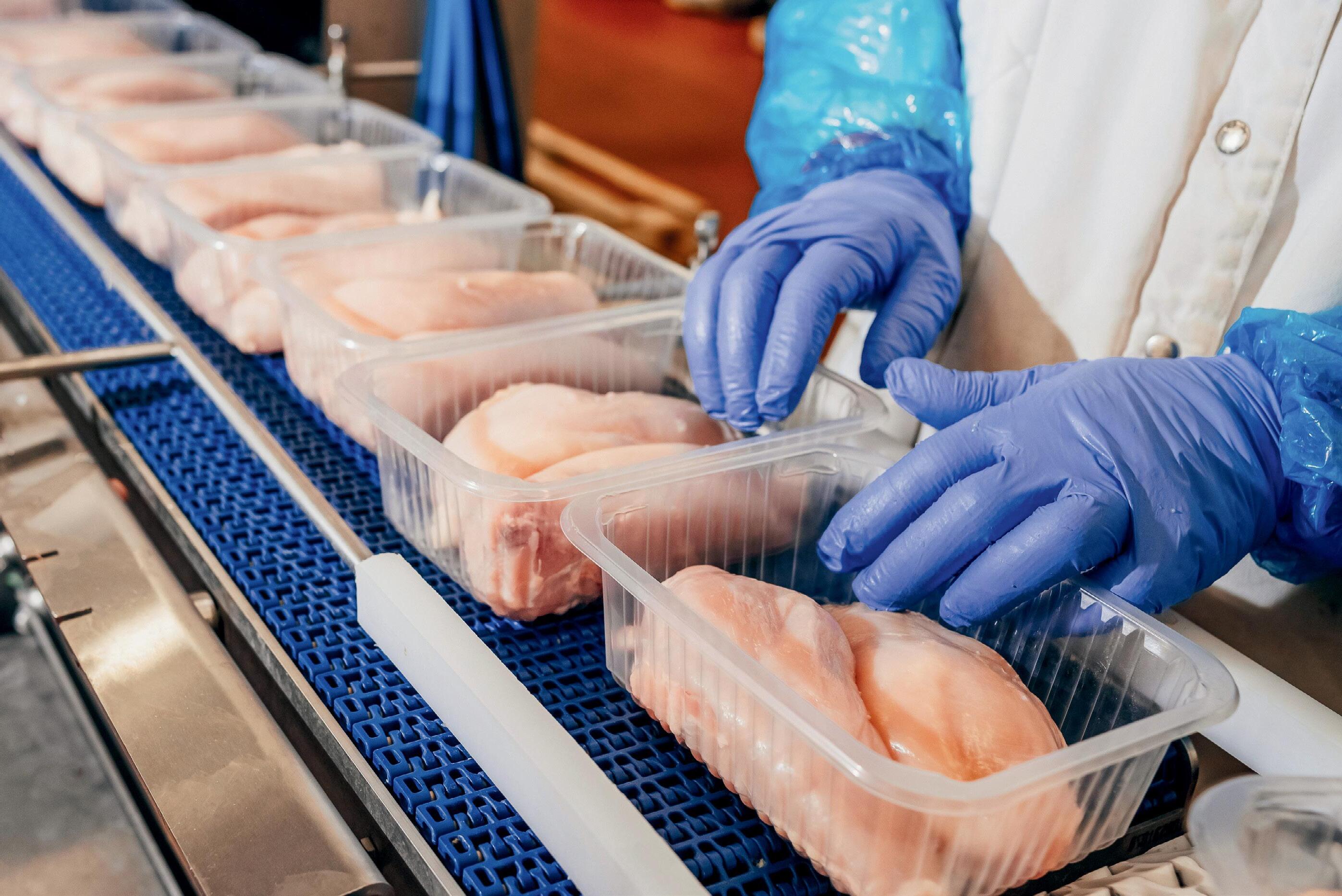
The Food Safety Excellence (FSE) Program helps meat processors strengthen food safety practices, navigate compliance requirements, and demonstrate operational excellence through practical tools, resources and industry support.
SURVEY
www.cmit.ca/food-safety-
An anonymous self-assessment that provides directional insight into your current food safety system and provides a recommendation for improvement.
TRAINING Access to free, expert-delivered food safety training opportunities designed to build confidence, strengthen food safety systems and support continuous improvement.
RESOURCES Self-paced training modules and practical materials built for real operations.




William Bjornsson
unctional foods are everywhere, and claims about their health benefits enter the public conversation at unprecedented speed, often from unreliable or unproven sources. As consumers are inundated with health benefits that may be unsupported or misleading, the gap between perception and proof creates regulatory and reputational risk for food companies making, or associated with, health claims or functional ingredients.
Food and beverage companies must navigate this evolving environment and ensure claims are grounded in evidence. Canada’s food regulatory framework is reasonably well suited to manage this risk. It provides safeguards to ensure claims are truthful, while offering the flexibility needed for companies to market substantiated functional or health benefits of food. But it is not as agile as current market conditions demand.
Canadian food law governs health claims by prohibiting the sale or advertisement of any food in a manner that is false, misleading or deceptive. But not all health claims are treated equally; some require pre-market approval (for example, certain disease reduction claims), while others do not. That said, in cases where pre-market approval is not required, Health Canada will review voluntary submissions from companies seeking to substantiate new health claims for foods. Obtaining this pre-approval can reduce enforcement risk, support more defensible marketing claims, build retailer confidence, and offer greater predictability for companies by ensuring the claims are not misleading in the eyes of the regulator.
Whether formal approval is obtained or not, substantiating health claims takes
Canadian food law governs health claims by prohibiting the sale or advertisement of any food in a manner that is false, misleading or deceptive. But not all health claims are treated equally.
time. Health Canada’s approval process involves reviewing petitioner-submitted data that may include laboratory specifications, characterization of biomarkers, literature reviews, and clinical data, among other things. Assembling such a dossier is time-consuming and resource intensive. This contributes to the risk that market expectations may evolve faster than new claims can be substantiated, making it challenging for companies attempting to balance risk versus expediency.
However, functional food claims do not have to be novel to be effective. The increased public interest in functional foods has renewed demand for certain established functional foods and ingredients, and what’s old is new again. Protein has become ubiquitous, and dietary staples, such as fibre, have seen a resurgence. From a substantiation perspective, this backto-basics approach presents a strategic advantage: these functional ingredients are well understood, often with regulatorapproved benefits. As a result, reliance on well-established ingredients can reduce challenges associated with substantiating new health claims on foods, but it limits differentiation and innovation.
Building on the use of well-known ingredients, Health Canada introduced the supplemented food regulations, which provide food companies with an additional pathway to market well-recognized functional foods. Supplemented foods are a category of prepackaged foods with recognized functional benefits, containing added vitamins, minerals, amino acids, and other substances. Health Canada recently announced the transition of sports electrolyte products from natural health products (a subset of drugs) to supplemented foods. As a result, electrolyte products with claims related to sports performance, hydration, or electrolyte replenishment can now be sold without pre-market approval, within the food regulatory framework. According to an April 2026 report from Health Canada, the change reflects the way the products are marketed and used. This announcement demonstrates that Canadian regulatory pathways can evolve to accommodate functional ingredients and respond to market realities. While this is a welcome approach, supplemented food claims are still subject to the same evidentiary standards as conventional foods, meaning that claims remain limited.
As the public interest in functional foods grows, claims can circulate faster than facts. Canada’s food framework provides companies with multiple pathways to make substantiated health claims on foods. However, these pathways can be slow, difficult to navigate, and are not always business friendly. Regulators have taken identifiable steps that demonstrate they can be responsive to market conditions, but whether the system can respond at the pace the market now demands is an open question. As a result, the gap between proof and perception may widen, not in the claims themselves, but in the framework meant to govern them.
William Bjornsson is a partner in the Ottawa office of Gowling WLG, specializing in food and drug regulatory law. Contact him at william. bjornsson@gowlingwlg.com.

Gary Gnirss
ood additives is a trending topic on social media. Unfortunately, a large share of this commentary is inaccurate. While it’s difficult to quantify exactly how much is wrong, many widely shared claims—especially those framed as ‘eat this, not that,’ or those driven by political narratives—tend to oversimplify or misrepresent the science.
To have a more informed discussion, it’s important to understand what food additives are and how they differ from other ingredients. It can also be misleading to directly compare how different countries define and regulate them, as the scope varies significantly. For example, in Canada, food additives are defined under the Food and Drug Regulations (FDR). The definition is broad but excludes certain categories such as nutritive ingredients like vegetables and starches. In contrast, the United States, under the Federal Food, Drug, and Cosmetic Act and Title 21 CFR, uses a broader framework. It includes directly added substances and indirect ones, such as materials from packaging (e.g. polymers or adhesives), that may migrate into food. As a result, comparing the number of approved food additives between Canada and the U.S. can be misleading and does not reflect actual differences in safety or oversight.
In Canada, any substance classified as a food additive must be approved by Health Canada. This involves detailed premarket submissions demonstrating safety and effectiveness for specific uses, in certain foods, and
Social media often portrays food manufacturers as adding ingredients indiscriminately. In reality, GRAS determinations are based on rigorous scientific reviews conducted by independent expert panels.
maximum levels. Health Canada acts as a strict gatekeeper in this process. Other substances may fall outside the food additive definition but are still regulated. For example, novel foods require premarket safety assessments, and supplemental ingredients must also be approved before use.
In the United States, substances are generally categorized as:
• food additives (requiring FDA approval);
• colour additives (also requiring FDA approval);
• GRAS (Generally Recognized as Safe) substances; and
• prior-sanctioned substances (effectively GRAS).
Most substances fall under GRAS rules. They don’t require FDA approval, and manufacturers are not obligated to notify FDA, though some do voluntarily. This lack of mandatory reporting has raised concerns, as FDA may not have full visibility into all substances used in the food supply. Strengthening GRAS reporting requirements could improve transparency.
Social media often portrays food manufacturers as adding ingredients indiscriminately. In reality, GRAS determinations are based on rigorous scientific reviews conducted by independent expert panels. These assessments are detailed and frequently used to support regulatory submissions in other jurisdictions, including Canada. A GRAS determination does not automatically mean a substance is suitable in Canada. While the scientific basis of making a safety and efficacy determination is generally universal, Health Canada’s requirements vary and may require additional scope of depth.
In Canada, approved food additives are listed in 15 tables incorporated by reference under FDR, organized primarily by function. Each additive is approved for specific uses, in specific foods, and within defined maximum levels. Additional factors, such as the source of the additive and total dietary exposure, are also carefully considered.
This means safety is evaluated not only based on how much of an additive is used in a single product, but also on how much a person might consume across their entire diet.
Health Canada also conducts ongoing reviews of approved additives as new scientific evidence emerges. This reflects a precautionary and proactive regulatory approach a good gatekeeper would be expected to do.
Social media is an unreliable source of information on food additives. Health Canada prioritizes consumer safety through rigorous scientific assessment and ongoing oversight. Therefore, it is essential to maintain the independence, scientific integrity and adequate resourcing of regulatory bodies.
Gary Gnirss is president of Legal Suites. His email ID is president@legalsuites.com.

Dr. Abigail Van Riesen
he pressures weighing on food manufacturers in 2026 are tangible and often urgent. They show up in cost sheets, reformulation briefs, and increasingly difficult conversations between procurement and product development.
What I’ve been watching with interest this year is how directly some of the most commercially serious ingredient innovation in Canada is now speaking to those pressures, and how much of it is happening in Ontario. Four companies recently funded through the Canadian Food Innovation Network’s Ontario Food Technology Pilot are developing a suite of novel ingredients.
Chocovate Labs is advancing its cocoa-free chocolate formulation from pilot-validated toward commercial readiness, optimizing fat and emulsifier systems for snap and temper and running it through sensory and shelf-life validation on industrial equipment. The fat-system work is where the real engineering sits in this category. Cocoa butter crystallizes in six polymorphic forms, and only one delivers the gloss, snap, and mouthfeel that define quality chocolate. Any cocoa-free system must either replicate or simulate that polymorphic behaviour, which is why tempering profile and line compatibility matter more in this work than the headline ingredient swap. Chocovate’s formulation doesn’t use cocoa or palm oil, and the company is designing it to run on existing chocolate processing equipment.
Toronto-based Biofect Innovations is developing brazzein, a natural sweet protein first isolated from a West African fruit in the early 1990s. It is reported to be roughly
500x sweeter than sucrose, stable through heating to near boiling, and holds up across the pH range relevant to most processed food applications—a useful set of properties for any formulator working on sugar reduction.
What has kept brazzein from commercial shelves for three decades is the difficulty of producing it affordably and at scale. Biofect’s precision fermentation approach is a credible route past that bottleneck, and the current project focuses on refining the ingredient into commercially viable formats and getting samples directly into manufacturers’ hands for in-house formulation work.
AuX Labs is working on one of the harder problems in dairy reformulation. The company is scaling precision-fermented casein, with an extension to 100 tonnes planned to support a commercial partnership with a major Canadian CPG brand. Replicating casein through fermentation is meaningfully harder than replicating whey proteins, which is why earlier precision fermentation efforts in dairy focused on whey.
AuX’s approach combines precision fermented yeast with plant proteins, initiating a complex process to cause these proteins to self-assemble, crosslink, and organize into structures that have the signature properties of dairy. The fact that a major brand is already building toward a product based around their platform is the signal worth paying attention to.
Myo Palate, working with B.C.-based Maia Farms, is developing a hybrid ingredient that pairs cultivated pork fat with mushroom-based protein. This approach

reflects how this category is maturing. Pure cultivated meat has a cost problem that hasn’t been solved. Pure plant-based also has a sensory problem that hasn’t been solved. Every commercially available cultivated meat product today uses a hybrid formulation. Pairing cultivated pork fat with mushroom mycelium—which brings fibrous structure, natural umami, and binding properties that plant isolates need additives to achieve—is a pragmatic answer to both sides of the alt protein commercialization problem.
Myo Palate runs a 14,000-sf facility in downtown Toronto with bioreactors up to 100L, and Maia Farms has been building a B2B mushroom ingredient business with products already incorporated into more than 20 products across North America.
The point worth finishing on is about Ontario itself. Each of these four companies needs food manufacturers as collaborators and early customers, and the density of that manufacturing base is a large part of why an ecosystem of ingredient innovators is maturing here. What is taking shape is not just a concentration of novel ingredient companies, but also a newer wave of innovators whose technical ambition is being paired earlier with commercial logic, pragmatic problem-solving, and a clear view of where these ingredients would need to earn their place. This balance of innovation and practicality is the perfect recipe for fuelling a more productive food economy, both in Ontario and across Canada.
Abigail Van Riesen, PhD, is the regional innovation director (Ontario) for the Canadian Food Innovation Network.

Versatile, delicious, and packed with nutrients, sunflower kernels are a great addition to a wide range of food innovations.
Ideal for a variety of foods, including bakery products, granola, snack bars, salad toppings, and plant-based foods
Mild in flavour and add a pleasant crunch to food
A good source of fibre, Vitamin E, zinc and folate
Available raw or roasted
Excellent alternative to nuts
From nostalgic fillings to global flavours, chocolate manufacturers find new ways to entice consumers —
BY REBECCA HARRIS —
Sweet, decadent and comforting, chocolate has long been seen as a recession-proof treat. Even when budgets tighten, few consumers are willing to completely give up on desserts or sweets. But the past few years have put that theory to the test. Record-high cocoa prices and persistent economic uncertainty led many consumers to cut back on chocolate.
Data from NIQ shows that in the past year, the total chocolate category in Canada generated $2.79 billion in retail sales, up 7 per cent versus a year earlier. However, the growth was driven by higher prices, not increased consumption.
“We’re seeing a lot of economic pressure right now as it relates to consumer spending power within chocolate,” says Carman Allison, vice president of industry insights at NIQ Canada. “The category is performing well on a dollar basis. However, that’s been inflationary driven. This year, volume is down 4 per cent compared to last year. So, it’s a category that’s struggling right now as it relates to how many times it’s going through the checkout counter.”


“The Dubai-style phenomenon was a clear signal that consumers are drawn to high-impact, multi-sensory experiences that go beyond traditional flavour profiles,” says Danica Llaneta, marketing manager at Vancouver-based Purdys Chocolatier.
That insight led to the creation of Purdys Chocolatier Dubai Bark, inspired by the rich, layered flavours of the Middle East. The bark features a pistachio and kataifi pastry centre between layers of premium milk chocolate—a combination that Llaneta says brings together creaminess, crunch and a deep, nutty richness. Purdys also developed Pistachio Crunch, featuring a filling of smooth pistachio, creamy white chocolate and crispy kataifi pastry, coated in milk or dark chocolate in a bitesized format.
“It’s a strong example of how we take global flavour inspiration and translate it through a more local, Canadian-made lens—creating products that deliver complex, textural experiences while maintaining the premium quality Purdys Chocolatier is known for,” says Llaneta.
Despite these challenges, chocolate manufacturers continue to innovate, ensuring the category maintains its appeal. By introducing new fillings and flavour combinations, manufacturers are meeting evolving consumer preferences while reinforcing chocolate’s relevance in the market. Here’s a look at a few trends shaping product development in the category.
Innovation in chocolate fillings is increasingly focused on texture, not just taste.
When consumers do indulge, they’re increasingly reaching for premium options. Data from NIQ shows that in Canada, premium is the strongest performing tier, while in the U.S., the super-premium tier is seeing the most growth in both dollars (16.7 per cent) and volume (2.5 per cent). Chris Costagli, NIQ’s vice president, thought leadership, F&B insights lead, says innovation is a main driver in the super-premium segment.
“Dubai chocolate is 144 per cent more expensive than an average super-premium chocolate bar,” he notes. “But whether it’s Dubai chocolate or otherwise, I think it shows the power of innovation in getting people interested in a segment.”

While many consumers save premium chocolate for special occasions, Ferrero Rocher identified an opportunity to bridge the gap between formal celebrations and everyday indulgence.
“Our research identified what we call the ‘indulgent reward’ need state—consumers wanted something satisfying and to reward themselves with premium chocolate, but existing options either felt too formal (save it for special occasions) or lacked the quality they expected,” says Joanne Farber, vice president of premium chocolate at Ferrero Canada. “More than one-third of people were driven by emotional need, looking for ‘an indulgent experience’ or ‘something to look forward to,’ and an even higher percentage were looking for functional characteristics—smooth, creamy texture, great taste and high-quality ingredients. In essence, people aren’t willing to compromise on quality just because it’s an everyday moment.”
The insights led to the development of Ferrero Rocher’s new chocolate squares lineup with three varieties: milk chocolate, white chocolate and dark chocolate, featuring Ferrero Rocher’s filling of chocolate, hazelnuts, and crispies in a chocolate shell.
“The taste experience is unmistakably Ferrero Rocher,” says Farber, adding that the new bag format and individually wrapped squares signal “this is for everyday” rather than larger events, celebrations or holidays.
To keep excitement in the category, chocolate makers are experimenting with unique flavour combinations and new takes on familiar tastes. Purdys Chocolatier, for example, is drawing inspiration from unexpected flavour trends emerging across other food categories.
“This includes exploring flavour combinations that haven’t traditionally been paired in chocolate—for example, our Salt and Pepper Crunch piece, a unique dark chocolate creation where coarsely ground salt and peppercorns are carefully balanced to deliver a refined dark chocolate experience with subtle peppery warmth,” says Llaneta.
Limited-edition runs can be another way effective way to bring new flavour combinations to the market—something NIQ’s Allison sees more chocolate brands doing.
“That’s been very successful, and I think we’re going to see more limited editions. There’s a FOMO [fear of missing out] component that happens in a lot of categories now, including chocolate,” he says. “It

could be seasonally driven, and it’s relatively easy because you can just tweak the master brand that many people already have an affinity for.”
This approach is evident in Reese’s latest limited-edition Big Cup launches, which build on familiar flavour pairings with a nostalgic twist. The new Reese’s Big Cup with Strawberry combines the brand’s classic milk chocolate and peanut butter combination with a strawberry-flavoured filling. The Reese’s Big Cup with Marshmallow combines milk chocolate and peanut butter with a layer of marshmallow-flavoured filling, bringing together flavours inspired by summer s’mores and fluffernutter sandwiches.
“By reintroducing these well-loved flavours in a new, limited-edition format, the products deliver both comfort and familiarity while also offering something new and exciting,” says Sana Goguen, marketing director at Hershey Canada. “By providing iconic flavours that people grew up loving, these flavours tap into a strong sense of nostalgia—a theme we know resonates with our audience.”
Chocolate makers are also responding to expectations around the ingredients they use.
“People are focusing more on functional benefits, organic and ethical products, and paying attention to ingredient panels,” says NIQ’s Costagli.
“We’re seeing continued organic growth in our no sugar added [NSA] range, reflecting a sustained shift in consumer preferences toward reduced-sugar options,” adds Llaneta.
Purdys also tries to use all-natural flavours and colours wherever possible. “Variety matters more than ever,” says Llaneta. “Offering products across milk and dark chocolate allows us to meet different taste preferences, while continued innovation in texture and fillings helps keep the experience fresh and engaging.”
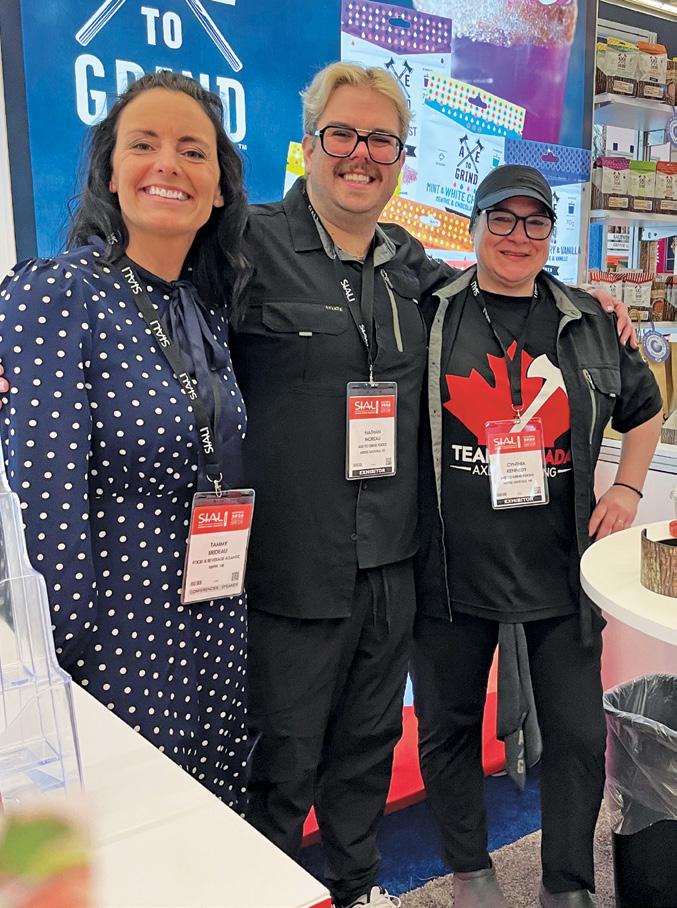
The 23rd edition of the Salon international de l’alimentation Canada was held this spring in Montreal
— BY NITHYA —
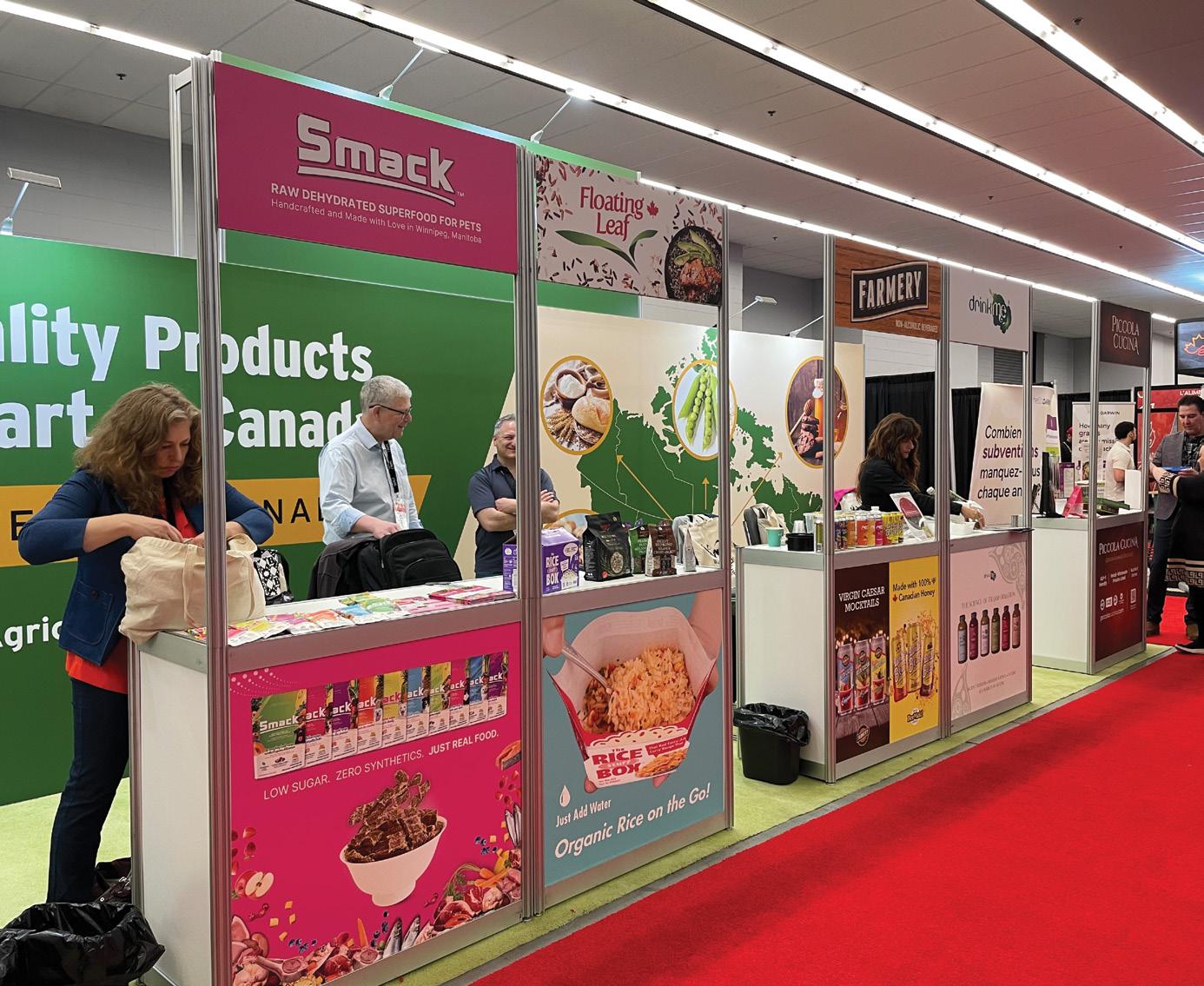
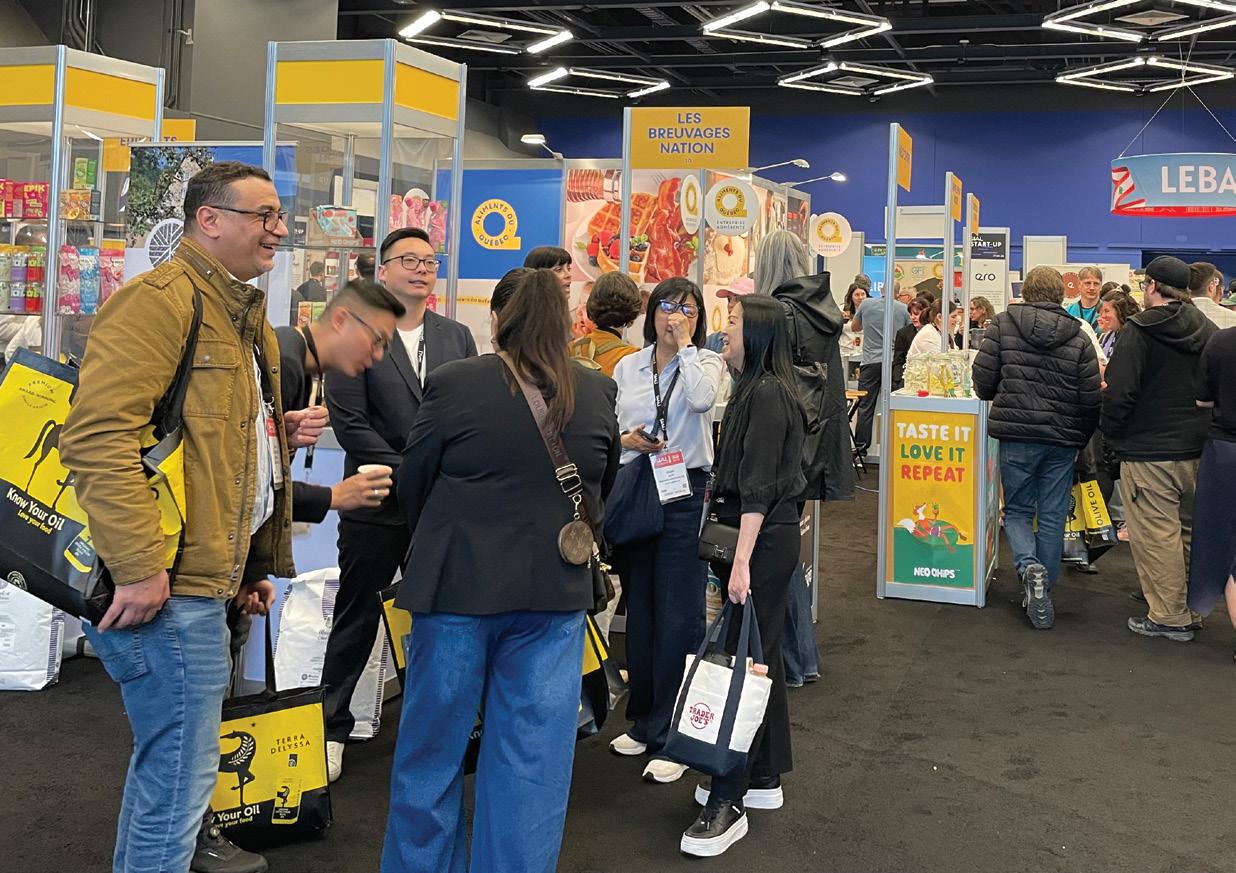
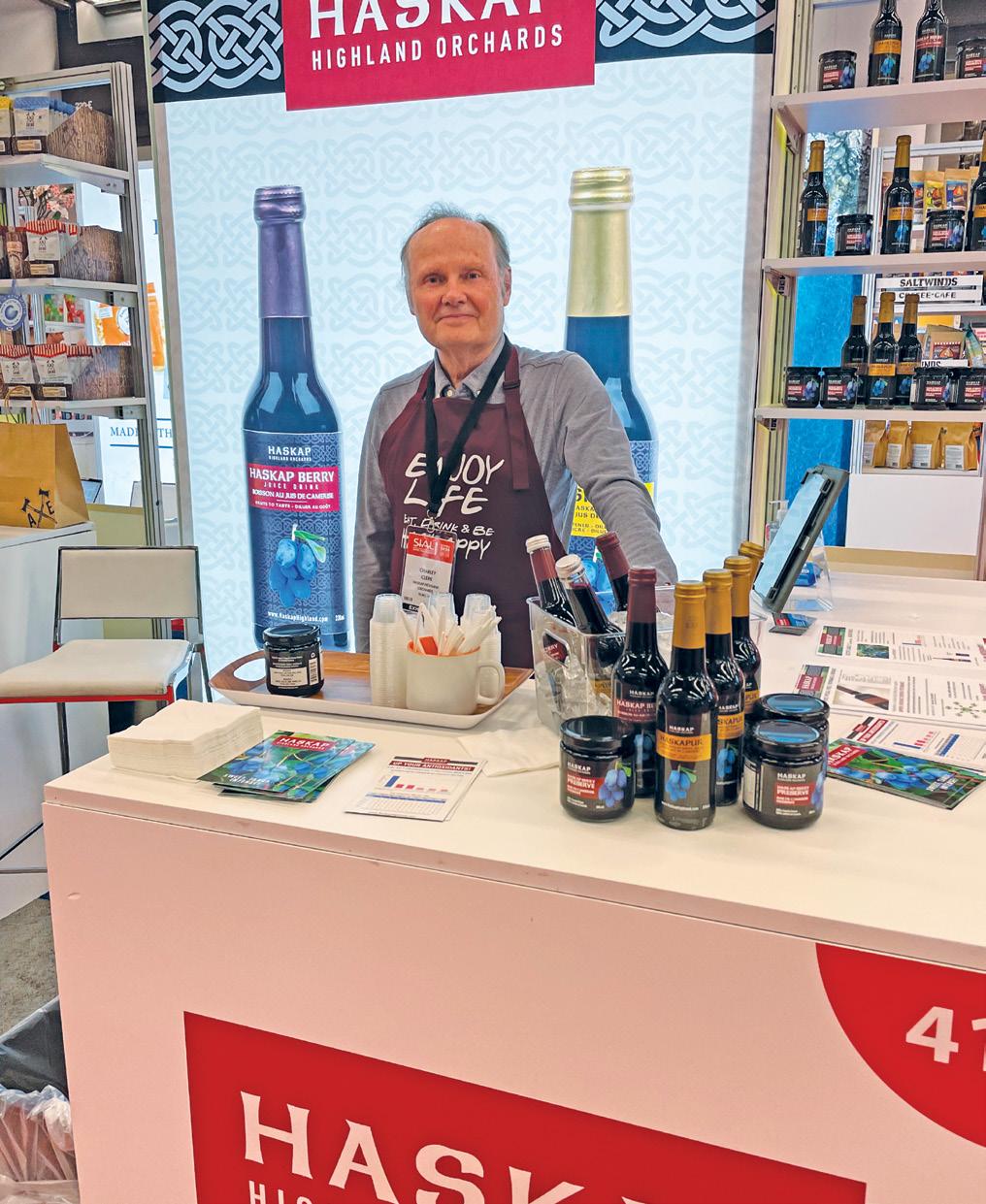
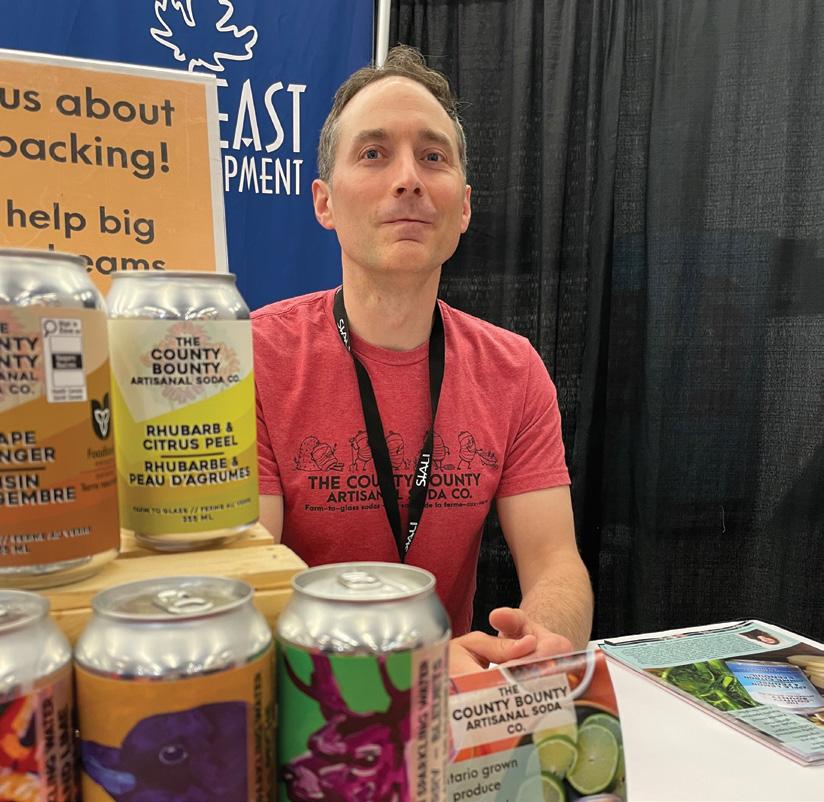
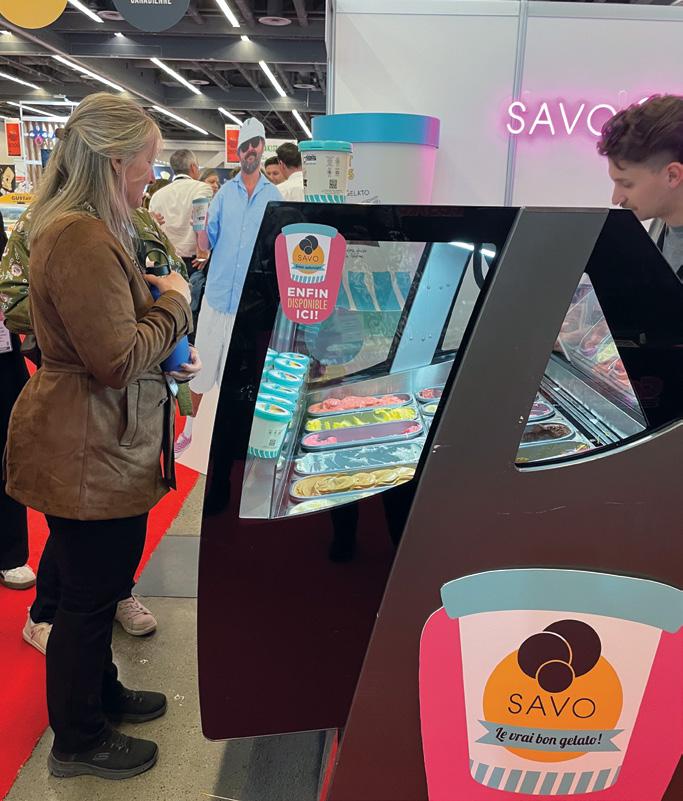
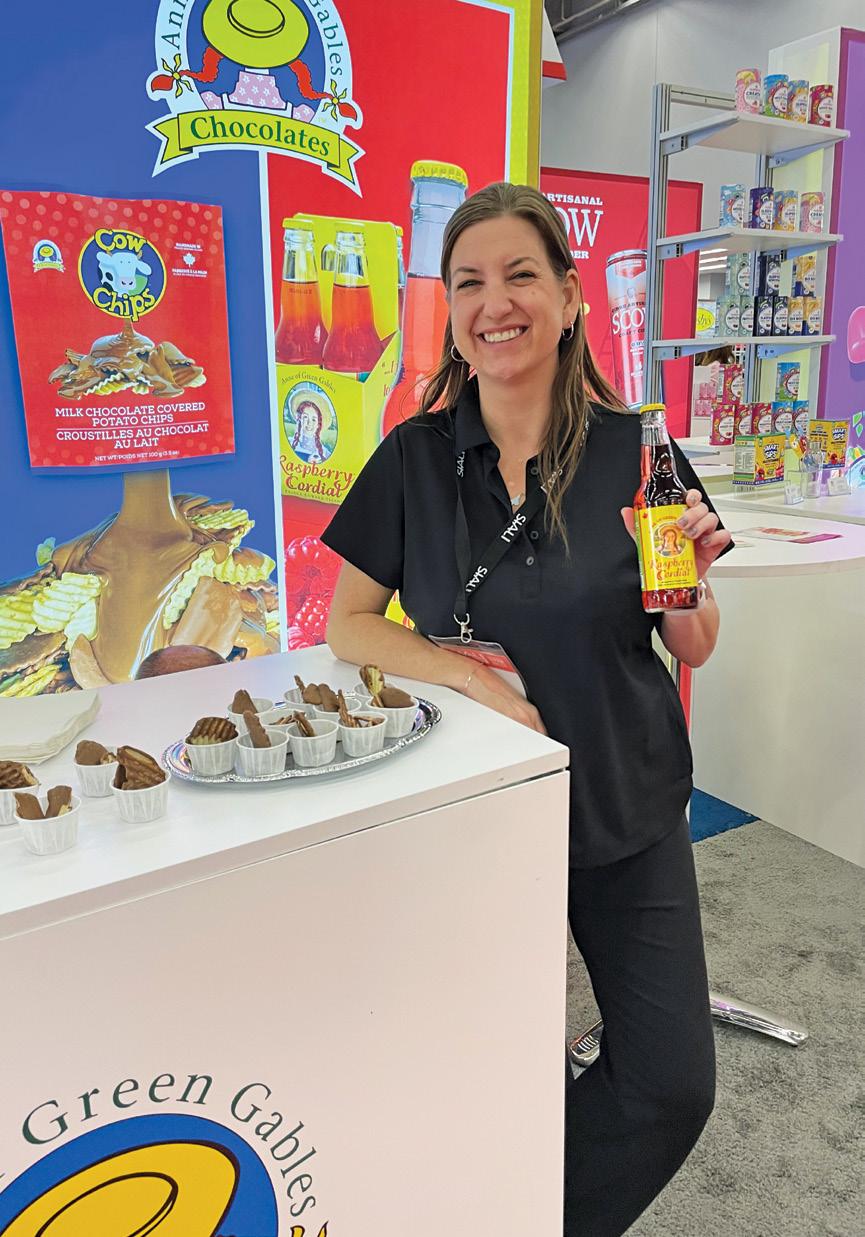
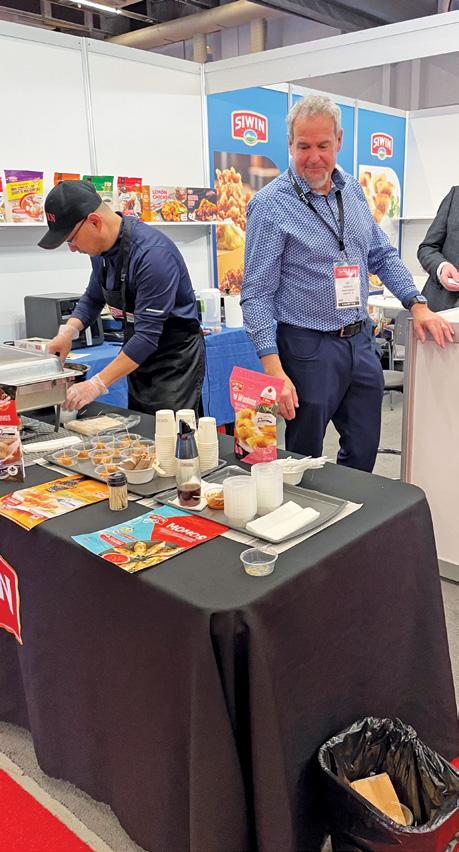
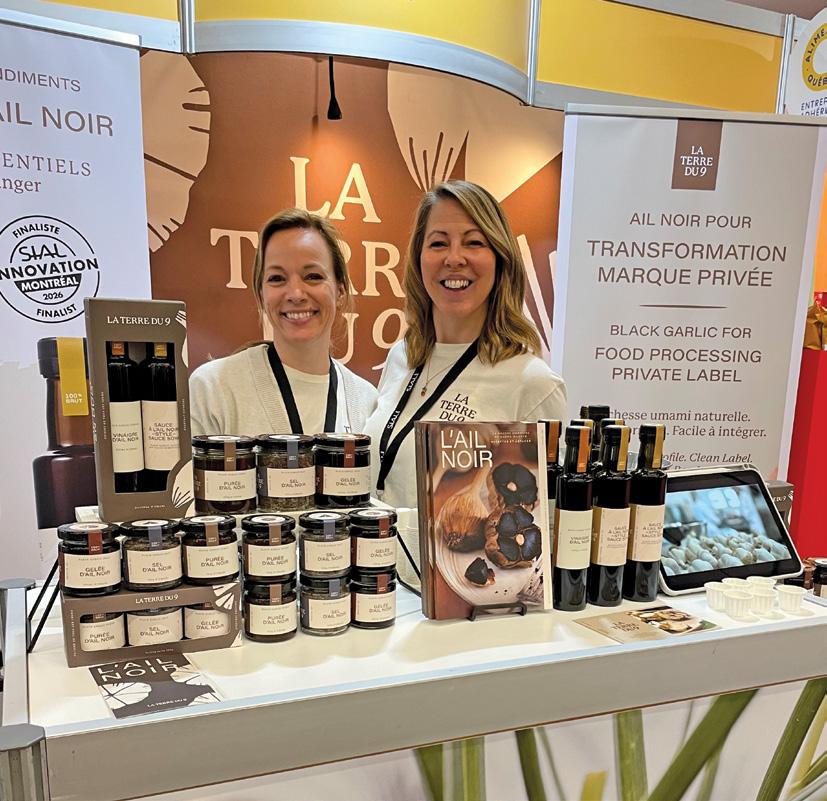
The 23rd edition of the Salon international de l’alimentation (SIAL) Canada was held recently in Montreal. According to Stéphane Thuillier, CEO of SIAL Canada, this show had 15 per cent more exhibition space than last year’s event. From sweet and savoury goods, dairy products, baked goods, beverages, fruits and vegetables, meat and seafood to ingredients, packaging and point-of-sale solutions, the show was spread across 100,000 sf. More than 50 countries were represented on the show floor, including the United States, Greece, Spain, Türkiye, Japan, Thailand, India, Ireland, South Korea, Pakistan, Spain, etc. Italy had a huge presence at the show with 55 stands and 56 participating companies.
Carlo Bocchi, Italian Trade Commissioner in Canada, said, “2026 is a very important year for Italy in Canada: the best year ever for our imports of authentic made-in-Italy products with $13.6 billion, plus 40 per cent post-COVID and the food sector also contributes to this success with $2.6 billion and plus 40 per cent, also post-COVID.”
In terms of products, there was:
• red wine from Lebanon;
• seafood paella kit by Carmencita (Alicante, Spain);
• shelf-stable Le Gruyère AOP Swiss cheese;
• grass-fed Australian beef;
• range of artisanal cheeses from Canadian producers;
• spreads with wild blueberries from Toundra;
• new stuffed-crust pizza options from Rustica;
• Porkshop’s Saverio dry-cured sausage;
• VIČI’s hot smoked salmon roll;
• New School Foods’ plant-based salmon fillet;
• Salumificio La Torre’s Per Gli Amici Parma ham, a boneless cut cured for at least 24 months;
• Beskidzkie flavoured pretzels;
• Nata Pura Canada’s chocolate flavoured Portuguese custard tart;
• Brets’ French potato chips;
• Canned lattes by Trema Café;
• San-Ô Brewery’s Nigori range of non-alcoholic sake; as well as
• Ékorce’s Strawberry Basil Kombucha.
The above list is just a snapshot of the products that were on display at SIAL Canada, as it would be impossible to list them all. One food manufacturer described SIAL as “summer camp” because of the diverse range of products at the show, which seems apt.
Besides sampling the products on display, attendees got to sit on several thought leadership sessions at SIAL Canada.
Brian Choi, CEO, The Food Institute, spoke about how F&B manufacturers need to be nimble in these unprecedented times. “Adaptability” is the name of the
game, he stressed, as things are changing rapidly.
Choi warned that globally GDP growth is going to slow down. This combined with high input costs, we’re entering a period of stagnancy, he said. Canada’s GDP growth is expected to remain below 2 per cent and the next three years will be a period of depressed growth, he added. As we transition from a unipolar to a multipolar world, big food companies are realizing they’re not nimble and have high cost structures as related to inputs, regulatory needs, staffing, etc. This isn’t a surprise given the spin offs by Unilever and Kellogg, historic acquisitions by Mars, McCormick, etc., and layoffs in big food companies.
His biggest message was, “Companies need to be nimble, extremely adaptable, hi-tech, know how to use data and be ready to pivot in short time.”
He advised companies to keep 24-36 months’ worth of capital, reduce costs, acquire new markets by way of brand extensions or acquisitions, and to build in financial flexibility.
Jo-Ann McArthur, president of Nourish Food
More than 50 countries were represented on the show floor, including the United States, Greece, Spain, Türkiye, Japan, Thailand, India, Ireland, South Korea, Pakistan, Spain.

Marketing, explored how F&B companies can win consumers in this age of AI bots. In her candid presentation, McArthur highlighted the marketing challenges facing companies today –they not only need to be loveable to consumers, but also legible to machines because consumers are increasingly offloading search recommendations to artificial intelligence. Further, retailers are using AI assistants to help consumers with their shopping needs. She urged companies to be demonstrably authentic by sharing their successes as well as flaws with consumers. Consumers will love this more than AI-created perfection, she added.
At SIAL, it was impossible to ignore the trade uncertainties and tariffs. Several speakers spoke of Canada’s need to diversify. In a panel discussion on “Beyond CUSMA: Where Should Canada’s

Food Industry Grow Next,” Steve Tipman of TFO Canada, Sylvain Charlebois of Agri-food Analytics Lab, Ashley Kanary from Export Development Canada (EDC), and Patrick Khouzam of MNP stressed that while U.S. will continue to be Canada’s largest trading partner due to geographical advantages, it’s imperative for us to seek new markets to better weather changes. Kanary said Europe, Latin America and Asia-Pacific are three important markets for Canadian businesses. The panelists stressed the Canadian brand is very powerful globally because of our high food safety standards and urged businesses to explore new markets. Kanary suggested it’ll be easier for companies to enter new countries by offering white label products than selling branded products to consumers who don’t know them.
In her forward-looking presentation on Food 4.0, Dana McCauley, CEO of Canadian Food Innovation Network, highlighted
From agriculture to gourmet foods, and livestock to legumes, the world craves what we have to offer.
From cars to campers, from brakes and batteries, the world wants what we have to export.
Since 1944, we’ve helped Canadian manufacturers thrive confidently on the global stage – even in the most unpredictable times.
And since 1944, we’ve helped Canadian businesses thrive confidently on the global stage – even in the most unpredictable times.
Whether you’re navigating revenue fluctuations, need additional working capital or mitigating supply chain risks, we’ve got your back.
Whether you’re navigating currency fluctuations, need additional working capital or mitigating supply chain risks, we’ve got your back.
Market uncertainty may seem inevitable, but we’re here to ensure you can continue to grow beyond our borders.
Market uncertainty may seem inevitable, but we’re here to ensure you can continue to grow beyond our borders.
The world needs more Canada. Together, let’s give it to them.
The world needs more Canadian-grown excellence. Together, let’s give it to them.
edc.ca/food





why SMEs matter to Canada’s economy and the barriers they face.
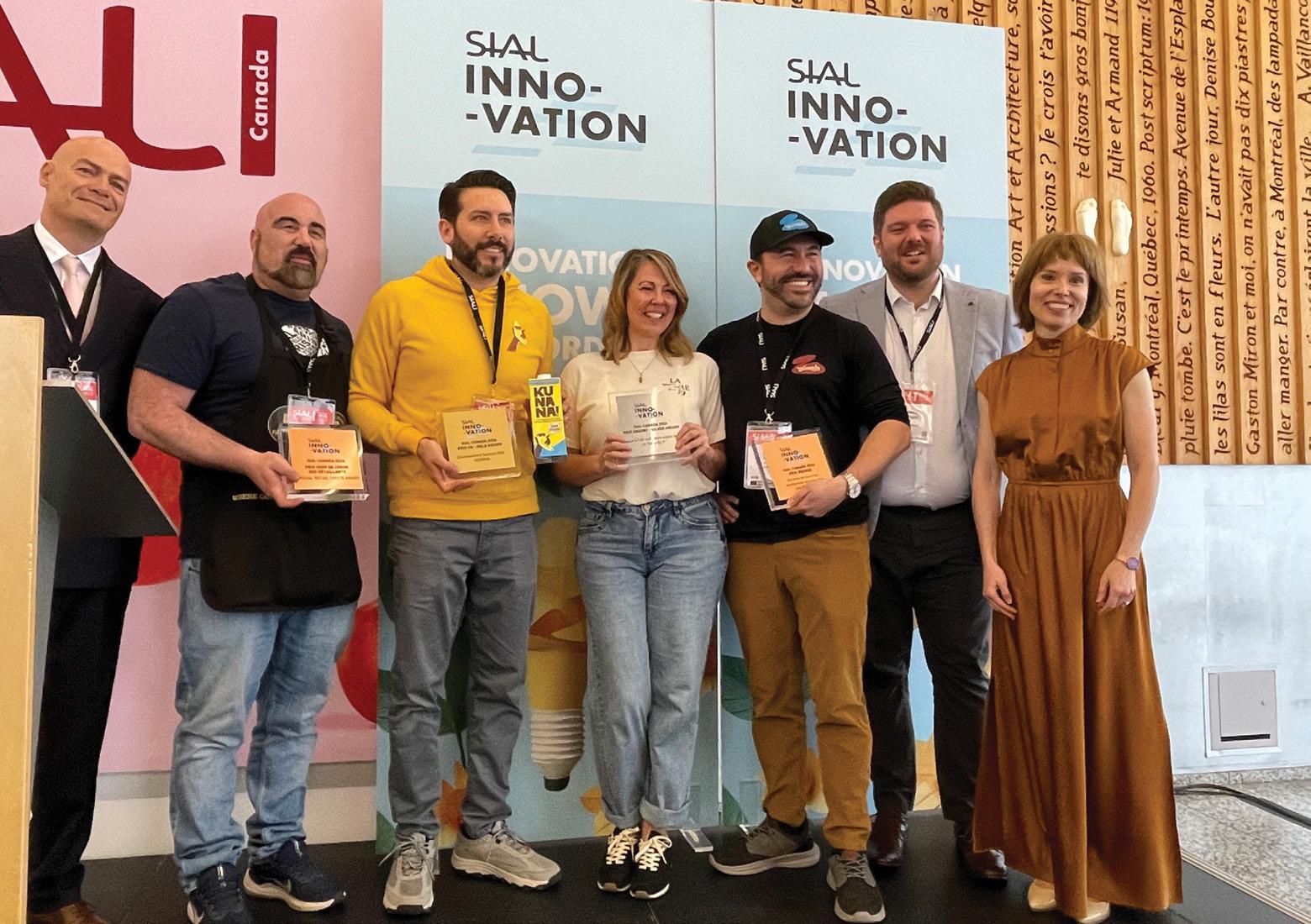
A host of competitions are held at SIAL Canada including the Innovation Awards, which highlights the most innovative consumer and foodservice products launched since January 2025. The Gold Award was presented to Kunana’s Unsweetened Banana Milk, the Silver Award to La Terre du 9’s Black Garlic Sauce (soy sauce style), and the Bronze Award to Les Beurrés’ range of flavored butters in aluminum capsules. New this year was the Retailers’ Favourite Award, which was won by Lion’s Mane Mushroom Company for its Lion’s Mane Mushroom Steak.
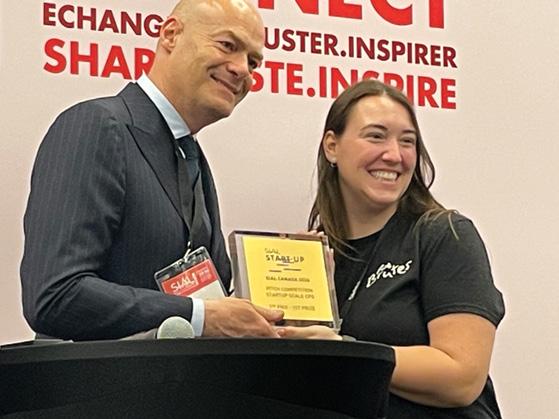
On Thursday, April 30, 2026, the seventh edition of the Startup Pitch Competition spotlighted 15 entrepreneurs from the Startup Village (a pavilion within SIAL Canada showcasing emerging companies in the Canadian F&B space).
Focused on innovation, sustainability and food safety, the competition is designed to identify and reward products and technologies with strong potential for scalable growth and market expansion across North America.
Three companies were recognized this year. This included Maia Farms, which won the Start-up Tech award.
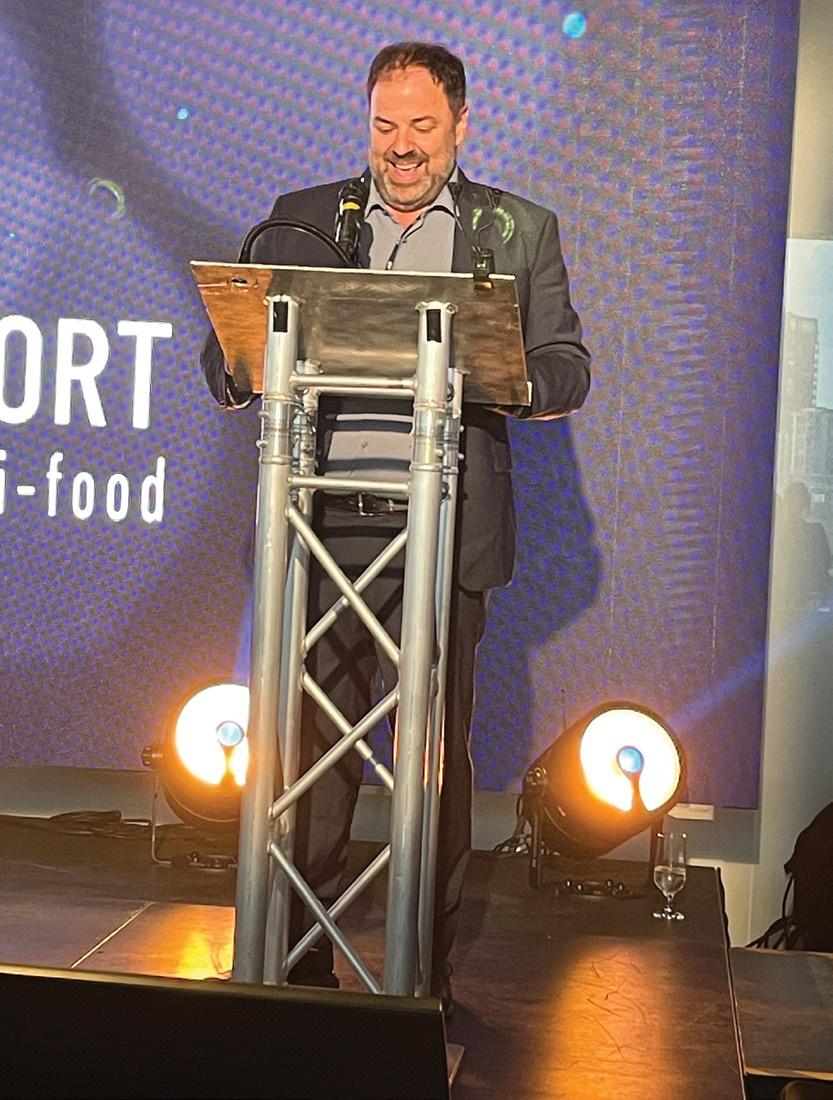
On the sidelines of SIAl Canada, the Group Export Agri-Food presented the 2026 Alizés Awards. Held at the iconic Belvédère du Vieux-Port de Montréal, the evening brought together nearly 340 participants from Canada’s agri-food sector.
The jury selected the following four winners for the 2026 Alizés Awards:
• SME Fonds de solidarité FTQ: A Spice Affair
• Large Company FCC: Lantic Maple
• Canadian Market National Bank: Les Fromages Latino
• Innovative Export Strategy Inno-centre: NOA – Monsieur Cocktail
“Once again, this annual event was a great success, driven by the exceptional quality of the finalists and the diversity of industry stakeholders in attendance. Notably, the four award-winning companies share a common strength: a strong and well-adapted approach to risk management, which contributed to their success,” said Martin Lavoie, president and CEO of the Group Export AgriFood. SIAL Canada returns to Toronto next spring.
Offering one of the most extensive product ranges in the country including:
• Fluid & Evaporated
• Functional Proteins
• Milk Powders
• Milk Replacers
• Whey Powders
• Whey Replacers
Lactalis Canada Ingredients is backed by a team of experts with deep industry expertise, partnering with customers to deliver innovative, tailored ingredient solutions.

The challenges and opportunities of using plant-based protein blends in baked goods —
Once confined to sports nutrition and fitness-focused products, protein is now the top ingredient in a majority of F&B products. According to Innova Market Insights, three in five Gen Z consumers want hi-protein snacks in convenient on-the-go formats like protein bars, smoothies, shakes, and fortified drinks. Protein also tops the list of functional ingredients for Millennials. Consumers are more likely to pick an indulgent snack like cookies and other types of baked goods if they are high in protein. It’s clear protein’s role in modern diets is growing.
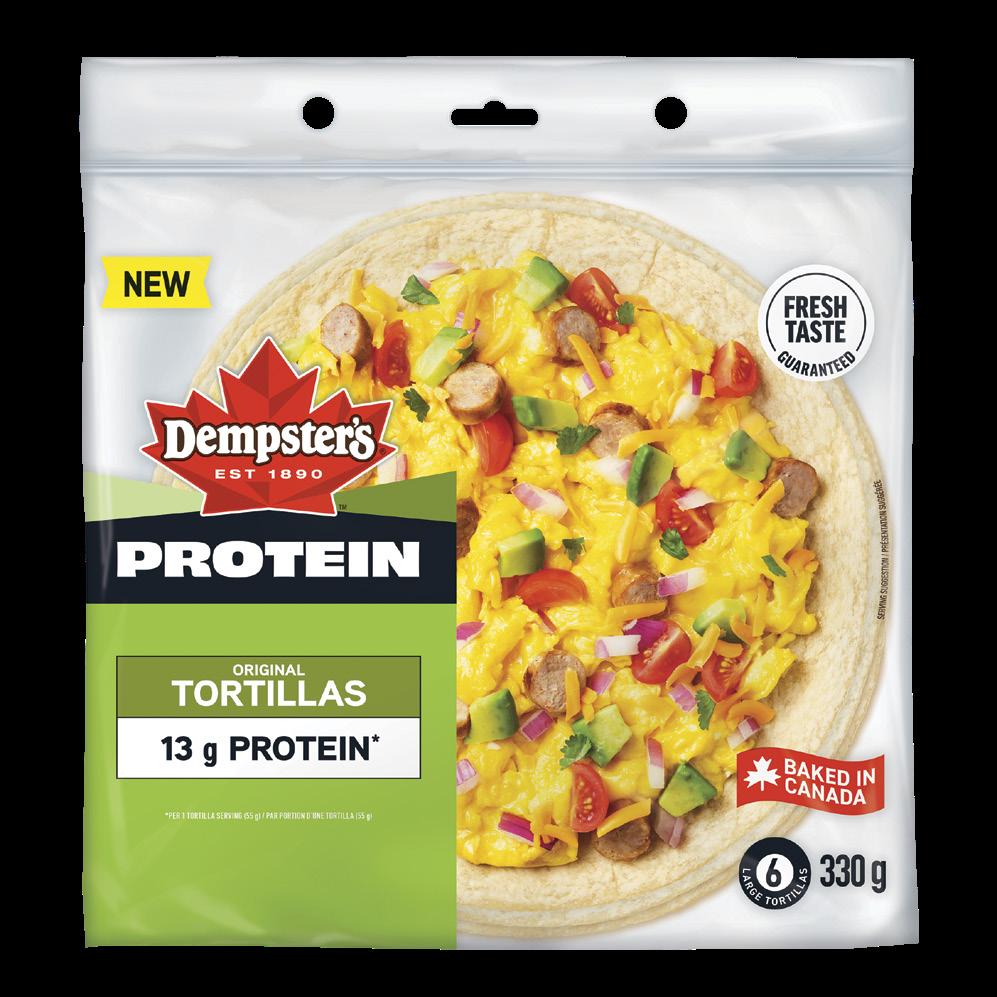
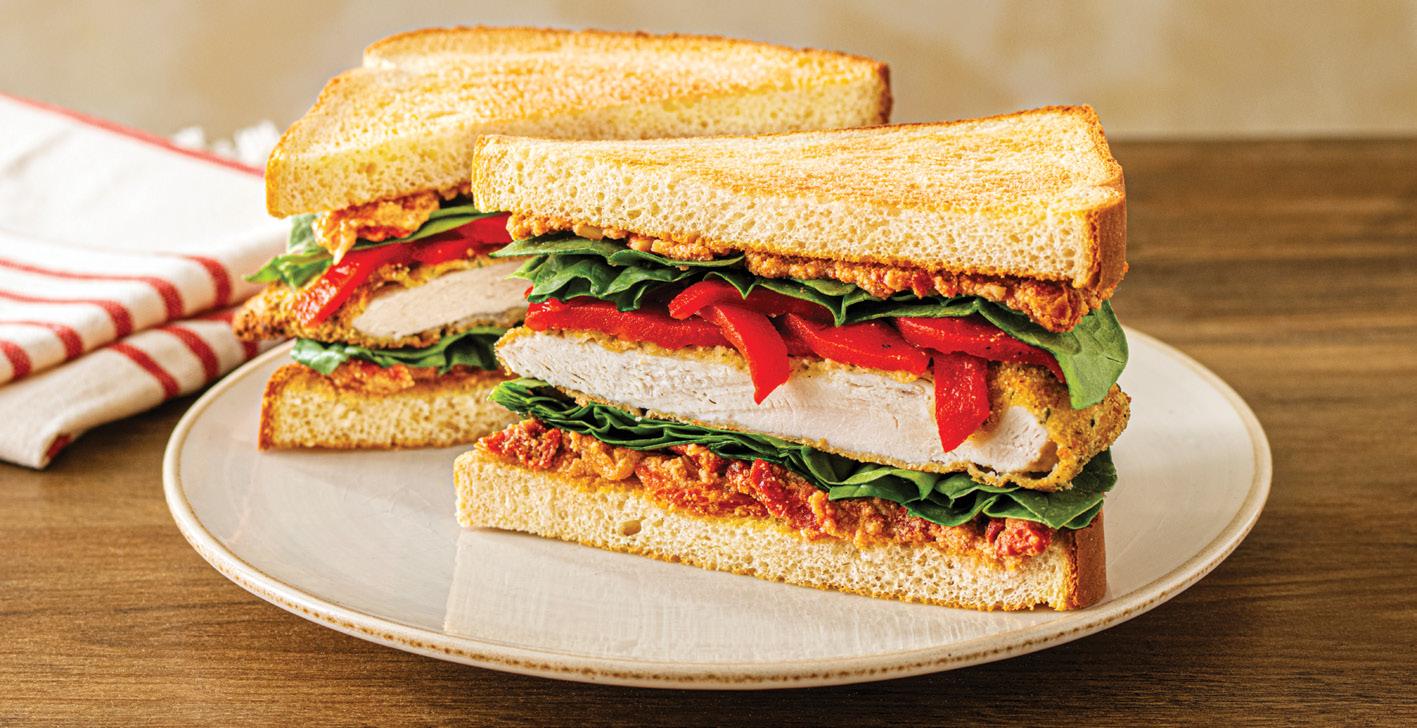
In response to the high demand for protein, Bimbo-owned Dempster’s launched a new line of breads, bagels, and tortillas made with plant-based protein and whole grains earlier this year. This launch was supported by a market study by Dempster’s that found 60 to 70 per cent of Canadian bread users were willing to buy bread with added protein.
“More and more people, especially young people, are looking for, let’s say, ‘nutrition hacks’. They want added functional benefits like protein, but with convenience—so, without having to give up their lifestyle; without having to spend extra time or extra effort on it. This launch is our response to that,” explained M. Carolina Gollo, sr. mar-
In a recent webinar by Food in Canada, Dr. Alejandra Regand, PhD, senior director, R&D and baking technology, Bimbo Canada, said, “We’re seeing a shift from protein as an ingredient in sports nutrition drinks, which is very targeted and niche, to becoming a mainstream ingredient for products that are staples in our diets.”
The science behind protein blends
Gollo shared they decided to level up the protein content of some of the most common bakery staples like white bread, bagel, and tortilla as they fit into “everyday mealtimes”. The Protein Bread offers 7g of protein per slice. The bagel contains 18g, and the tortilla has 13g. The hi-protein content
comes from a mix of ingredients like pea protein, rice protein, soy protein, and fava bean protein. It took Dempster’s more than a year to finalize the formulations.
Given the shortage in dairy protein like whey, it would make sense for Dempster’s to use a plant-based protein blend (which are potentially more readily available in Canada) for this new product line.
“We wanted to deliver this added functional benefit, the protein, in a way that felt approachable and convenient to consumers without compromising on the taste. So, it was quite a development,” shared Gollo. “We identified that a combination of different plant-based protein sources was the best way to [not only] meet the nutritional standards that we wanted, but also the sensory standards that we wanted.”

Bimbo-owned Dempster’s hi-protein line comprises breads, bagels, and tortillas made with plant-based protein and whole grains.
Dr. Regand added, “It’s not just the grams of protein, but the delivery that is super important. The product has to still maintain the same characteristics, the same sensory [requirements of] taste and texture as your regular products in the market. So, bagels need to have the same chewiness. We had to go back to very basic science, research in product development to really understand what are the best protein sources to complement the gluten in this case, so wheat protein, and how can we balance them together.”
Gollo admitted it was challenging to incorporate plant-based protein into baked products especially if one wanted to maintain the product’s structure, texture, taste and overall eating experience. This was a big focus for Dempster’s as they developed the Protein line. They wanted to ensure the final product still tasted like a typical Dempster’s product.
Dr. Regand explained, “Plant-based products interfere with the gluten network that we have in bakery products. So, it’s very important to have the least amount of interference. These plant-based proteins absorb a lot of water, and it could become challenging when it comes to shelf-life control,
absorption, baking profiles, and texture. So all of these have to be controlled in different ways.”
She added that it’s critical to manage the amount of water one is adding to the product. Food scientists may also need to add acidulants to improve pH levels so that the products don’t spoil fast.
Bimbo was determined to avoid front-of-pack (FOP) labels for this line, so the product development team didn’t have too many levers to pull.

ity protein that is more elastic and has the pliability that gives us that rollability. For bread, we’re looking for more strength & tolerance under processing conditions, and not so much of absorption. Bagels require even stronger dough as it has to withstand boiling and baking. Each item and each category have its own challenges and its own opportunities as well, so the source of the ingredient is different,” shared Dr. Regand.

“We work with low sugar, low sodium, low fat, and, of course, use natural colours and flavours. We’re really working with a very clean recipe and don’t have a lot of levers to pull. So the levers we pull are very basic ones in managing the pH level, moisture content, water activity and process to make sure that the dough is as tolerant as possible. And it still has that great texture and flavour. We don’t use flavour maskers. It’s just basic chemistry,” highlighted Dr. Regand.
Since plant-based proteins work differently in bagels vs. breads vs. tortillas, Bimbo had to use protein blends that worked for the specific application.
“For tortillas, we’re looking for low-viscos-
Plant-based proteins absorb a lot of water, and it could become challenging when it comes to shelf-life control, absorption, baking profiles, and texture. So all of these have to be controlled in different ways.
- Dr. Alejandra Regand, Bimbo
“That’s why we selected this combination of a couple of plantbased sources to really meet these standards that we were looking for,” stressed Gollo, who highlighted that younger consumers, particularly Gen Z and Millennials, are driving the demand for plantbased proteins due to sustainability concerns, health-conscious choices (like improved digestion), animal welfare, and the influence of social media.
These products are manufactured at their plants in Calgary, Rivermede, Trillium, and Langley. Since they’re positioned as a premium offering, they’re also sold at several retail stores for a dollar or more than the regular white bread, bagel, or tortilla.
“We actually see this launch as offering Canadians more choices to nourish themselves. We know that there’s no one-sizefits-all approach to nutrition,” said Gollo. “Some people are looking for options that fit into their individual lifestyle. This is another option for those people who are looking to increase their protein intake in a very convenient way.”
According to Gollo, the Protein lineup is overdelivering on sales, and they’ve received positive feedback from consumers. She expects the hi-protein trend to continue to shape the baked goods category for the next couple of years. Gollo believes there’s a real opportunity now to reframe bakery products not only as staples, but as functional foods that can support more balanced lifestyles.
— BY NITHYA —
Earlier this year, the Canadian Meat Council (CMC) welcomed a new CEO. With more than a decade of experience in public affairs, government relations, and association management, Kyle Larkin was the executive director of Grain Growers of Canada before joining CMC. In a free-ranging interview, we spoke about CMC’s priorities, the challenges facing Canada’s meat processing sector as well as the Canada-United States-Mexico Agreement (CUSMA), which expired in June 2026.
Larkin is no stranger to Canadian agriculture. He was at Grain Growers of Canada for three years where Larkin gained an appreciation for the agri-food sector and its importance to the country’s growth. Prior to that, Larkin was with an Ottawa-based lobbying firm for 7.5 years and had clients in diverse sectors like construction, chemical and chiropractor. This is where Larkin honed his government relations and association management skills.
“I enjoy being able to work with a diverse board of directors and diverse voices from across Canada, and really just advocating for a sector at large. Because the wins we get in

Kyle Larkin, CMC CEO
Ottawa doesn’t just benefit one company; it benefits the sector at large,” shared Larkin.
At CMC, Larkin’s number one personal priority is to learn as much as possible about the meat processing sector, its challenges and opportunities as well as the public policy issues that need to be addressed now or in the foreseeable future. The second area of focus is membership engagement. CMC has approx. 65 regular members and 120 associate members. He has been touring member plants across the country. These trips have given Larkin a fair sense of the challenges facing Canadian meat processors. Labour shortage, as we all know, is a major issue facing meat processors. Larkin highlighted that many meat processors aren’t running at full capacity due to labour issues.
“It’s a question not only of labour, but also of corporate and economic growth. If we’re only operating at 70 per cent capacity, imagine how much more we could do and how much more we could build Canada’s economy if we operate at 100 per cent capacity. Imagine how much more we could grow our exports. So, it’s a massive issue we’re dealing with right now,” he said.
Larkin stressed the need for a sector-specific immigration program like the AgriFood Pilot project, which allowed experienced, non-seasonal workers in specific industries to immigrate permanently to Canada. The program, which closed in Spring 2025, allowed meat processors to find talent internationally and hire them on a permanent basis.
“When individuals come in as permanent residents, not only do they stay in the community, but they also stick with the job. [They] stay there for years and even decades, supporting the meat processing facility that brought them in,” he explained.
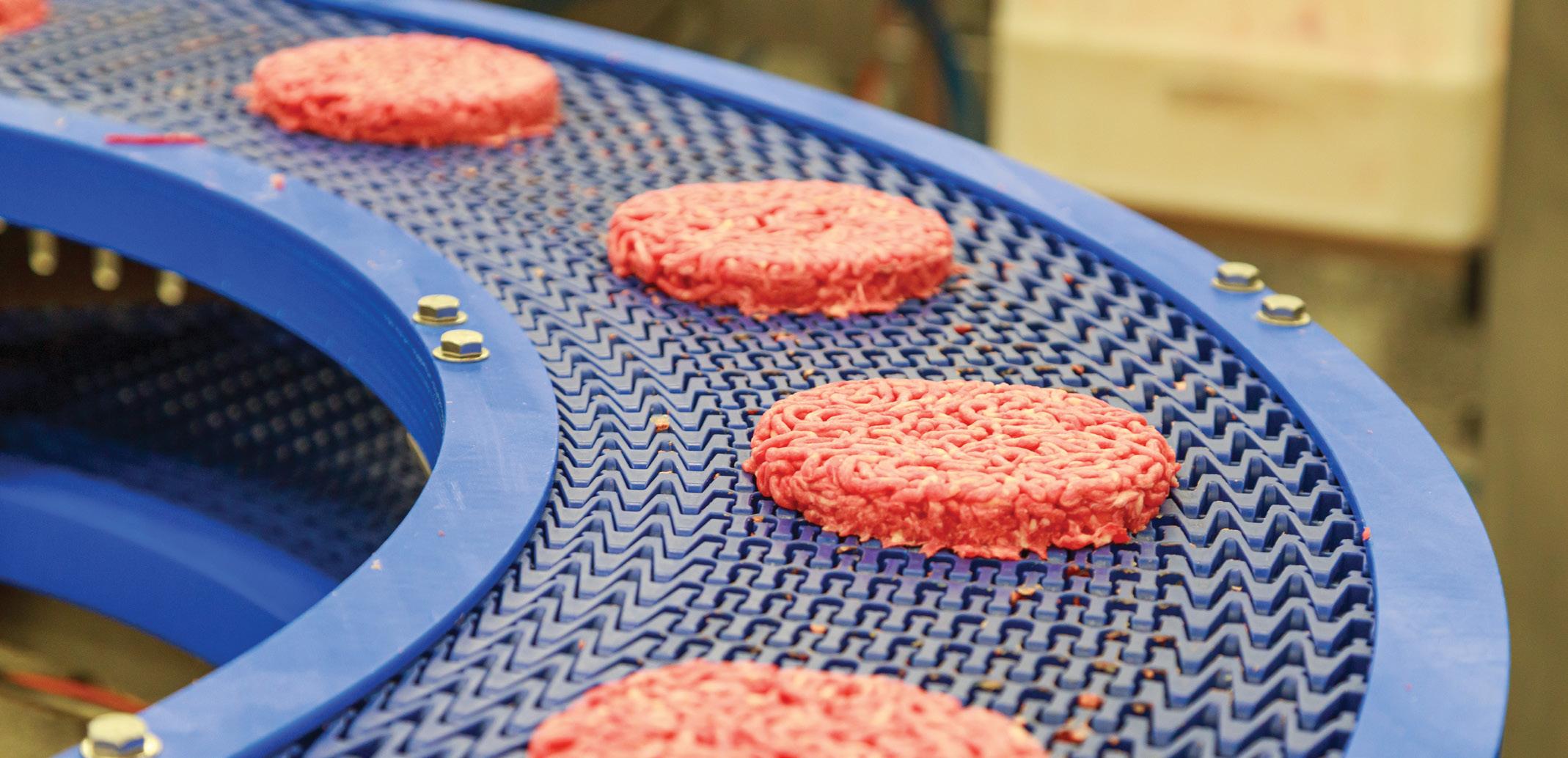
In terms of commodities, Larkin mentioned regulatory harmonisation issues with the U.S. for beef. American processors spend a lot less than Canadian processors on specified risk material (SRM) and the way the carcass is cut. Additionally, U.S. and Canadian regulations differ when it comes to defatted meat and ground beef. CMC wants the regulations to align.
“In the U.S., they can use a lot more of the cow for ground beef than we
Two-thirds of Canadians say high oleic sunflower oil is a healthy oil 1
Whether you’re making better-for-you snacks, baked–goods or fried foods, high oleic sunflower oil delivers on health, taste and consumer demand.
Light, clean, neutral taste Extended shelf life
Longer fry life than other oils
Kosher & Halal Certified

Superior stability
Non-GMO
mission. Really, the science needs to speak for itself,” emphasised Larkin.
can here in Canada. So, it’s a question of food affordability; it’s a question of regulatory harmonization; and it’s a question of international trade competitiveness,” he explained.
On the pork side, one of the biggest issues Canada is facing internationally is the 25 per cent tariffs imposed by China. The increase in African swine fever (ASF) cases globally is also a cause for concern. To clarify, Canada doesn’t have a single case at this point. CMC is working with the federal government to implement a funding program if there’s a case of ASF in Canada. The second priority is to sign zoning agreements with Canada’s major trading partners like Japan, South Korea, Mexico, Taiwan, and China.
I raised the issue of gene-edited pork with Larkin. Earlier this year, Health Canada approved the sale of gene-edited pork as food. The pigs are resistant to Porcine Reproductive and Respiratory Syndrome Virus (PRRSV). Earlier this month, an advocacy group of farmers and environ-
mental organizations urged Health Canada to implement mandatory labelling on pork from gene-edited pigs.
However, Health Canada’s assessment found “the use of PRRSV-R pigs does not raise concerns related to food safety.” It is of the opinion that foods derived from PRRSV-R pigs are as safe and nutritious as foods from currently available pigs. Since there are no health or safety concerns, Health Canada has deemed the food products don’t need special labelling.
“We stand on the science. We have always believed in science-based decision making and the CFIA obviously is made up of hundreds of brilliant scientists who look at different proposals on a daily basis. They reject some and approve some, but it’s always based on science. Our main message to the government of Canada, but also Canadians, is we want our regulatory agencies to continue operating on a science-based mission. We don’t want them operating on a mediabased mission or on an opposition-based
Larkin also highlighted CMC’s position around interprovincial trade barriers.
“We need to ensure that our federally regulated system remains at the high level that it is right now. It is internationally recognized. Interprovincial trade of meat is important, but we need to bring up facilities to the federal level. We can’t dilute our federal standard. We can’t risk our international reputation, especially right now as we’re looking to grow our exports,” he said. While trade diversification is a federal priority and there are opportunities in the Indo-Pacific region, Mexico and the E.U., CMC members would also like to prioritize Canada’s trading relations with the U.S., which is the largest customer for Canadian beef and pork.
In the U.S., they can use a lot more of the cow for ground beef than we can here in Canada. So, it’s a question of food affordability; it’s a question of regulatory harmonization; and it’s a question of international trade competitiveness
- Kyle Larkin, CMC
“I have met with a number of Republican members of Congress and senators in Washington, D.C., over the past few years, and all of them sing the praises of CUSMA. They all believe that it has brought economic and financial benefits to Americans and Canadians,” stressed Larkin. “For a lot of those rural-based Republican members of Congress and senators, they realise their local communities have benefited from CUSMA. They just want to see a clean renewal of CUSMA.”
Larkin is optimistic that we’ll have a free trade deal with the U.S. and Mexico. Let’s hope Larkin’s optimism isn’t misplaced.

Here’s an excerpt from our annual Food Industry Report — BY DOUG
BURN
—
The Canadian food and beverage industry is undergoing a dynamic shift. New consumer demands, technological advancements, and global trends are reshaping the landscape. Our annual Food Industry Report provides a comprehensive overview of the F&B processing industry, offering detailed sector-by-sector analyses, ensuring you have the knowledge to make informed decisions. This report is your gateway to understanding and thriving in the food and beverage processing industry. Below is an overview of how the industry performed in 2025. For more detailed analyses and to get a copy of Food in Canada’s Food Industry Report, visit https://www. annexbookstore.com/food-services/cat/food-in-canada-reports.
The Canadian food and beverage industry lost ground in 2025 with the real, inflation adjusted, value of shipments down 3 per cent. While domestic demand was weak, the main cause for the decline was international trade. The (nominal) value of imports rose by 6 per cent, roughly in line with the five-year average. The value of exports, which had been rising by 4 per cent annually since 2022 dropped by 5 per cent in 2025 causing the trade surplus to drop by 40 per cent to a five-year low of $11 billion. The U.S. contributed to the decline but accounted for only $900 million of the $3.6 billion drop in exports. Real value added had its sharpest drop in five years, falling by 3 per cent to levels not seen since 2020.
Looking back at the disruptions of 2025 and early 2026 that were caused by U.S. protectionism and affected Canada’s domestic and export markets for food and beverages, clear parallels emerge with the COVID-19 crises of 2020 and 2022. One of the central lessons of COVID was that lean supply chains, while efficient, are inherently brittle. Reliance on single suppliers, long global supply chains, and minimal inventories delivers the lowest-cost sourcing under normal conditions. But it also concentrates risk and leaves the system vulnerable to shocks.
The experience of the past 18 months underscores a related but broader insight: concentration of risk matters as much in markets as it does in supply chains. Trade agreements do not guarantee trade certainty. Exposure that once appeared benign has proven to be a liability when political or policy conditions shift abruptly.
A growing consensus has emerged that interprovincial trade barriers must be dismantled to create a genuinely integrated domestic market of 40 million consumers for Canadian manufacturers. At the same time, Canada must reduce its reliance on the United States as a default ‘safe’ market. Conditions that once underpinned stability have gradually become growth constraints.
In 2025, Canadian consumers made a concerted effort to buy more locally produced food and beverages and fewer U.S. products, while manufacturers were urged to diversify
exports to reduce reliance on the U.S. market. In aggregate, however, the U.S. share of both imports and exports remained largely unchanged from 2024, with important variation across categories. Canadians purchased 5 per cent less American canned and frozen fruits, vegetables, and prepared meals, 5 per cent less meat and poultry, and 28 per cent fewer beverages, driven largely by the removal of U.S. beverage alcohol from most provincial liquor shelves.
Export diversification also showed limited progress overall, with the U.S. still accounting for 91 per cent of F&B exports. That said, exports of grain and oilseed milling products and canned and frozen meals shifted modestly toward overseas markets, reducing the U.S. share from 53 to 50 per cent and from 51 to 47 per cent, respectively.
These gains were partially offset by rising seafood exports to the United States, where reliance remains high for several key product categories. Ashley Kanary, director of global agri-food at Export Development Canada (EDC), nevertheless identified packaged and value-added seafood as a promising diversification opportunity, citing growing traction in European markets, where Canada’s strength in private label manufacturing offers a competitive advantage. He highlighted Mexico, Europe, and Asia-Pacific—particularly South Korea—where EDC supports large-scale
buying through financial syndication for Lotte Shopping. Mexico is especially attractive due to its logistics model and stronger economic outlook, with GDP forecast to expand by 1.3 per cent in 2026.
Capital spending in Canada’s F&B industry has become increasingly volatile. Investment peaked at $4.9 billion in 2024, before declining by 8 per cent in 2025. Statistics Canada’s February intentions survey suggests manufacturers expect to invest $4.1 billion in 2026, the lowest level in eight years. This pullback marks a break from much of the past decade, during which steady reinvestment, especially by foreign-owned firms, supported incremental productivity gains despite chronic labour shortages. The recent slowdown coincides with a 12 per cent decline in consumer confidence and a 3 per cent drop in productivity, raising concerns that delayed investment in automation and modernization could further constrain productivity growth as competitive pressures intensify.
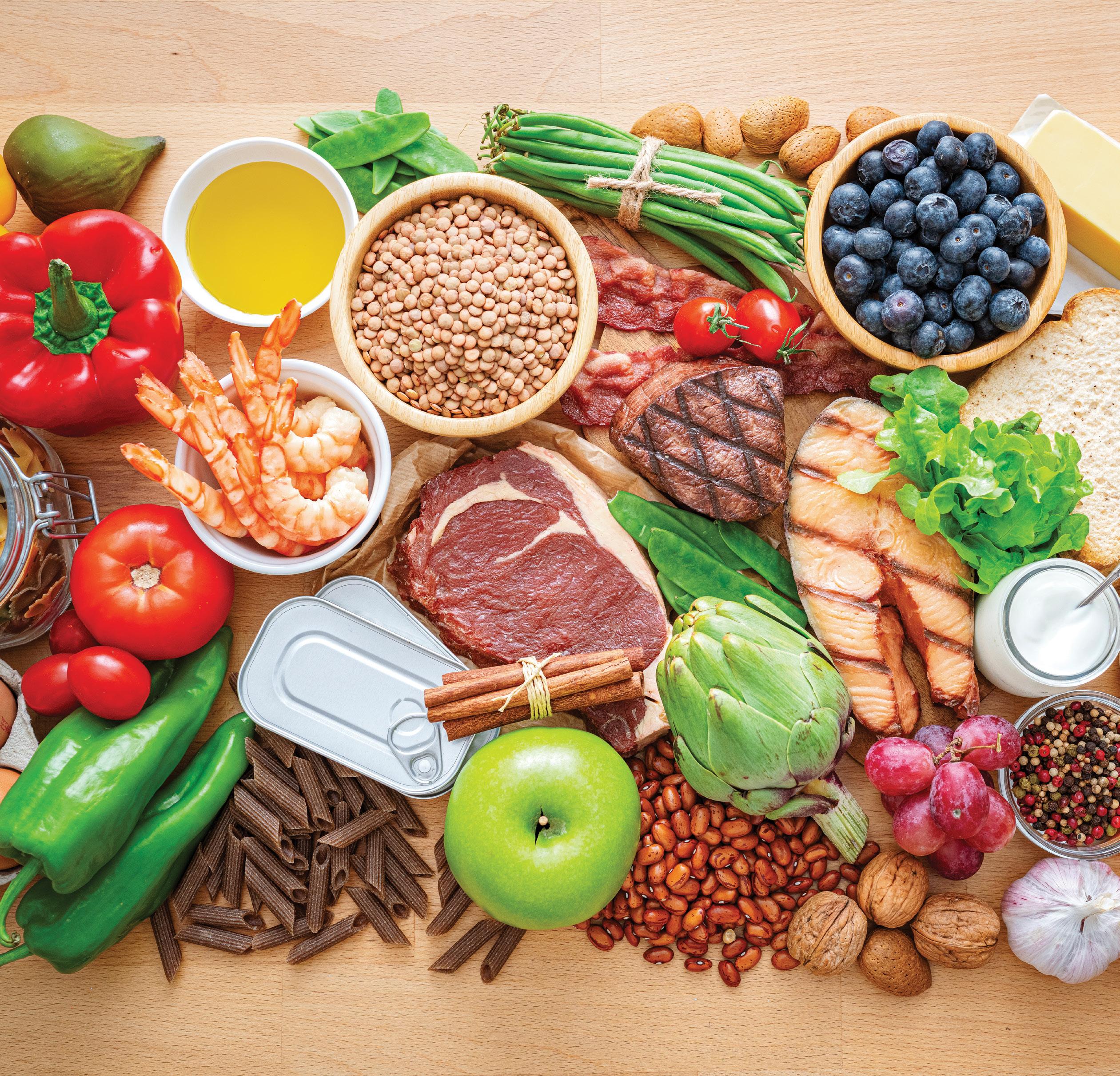
In 2025, F&B retail sales totalled $159.3 billion, while foodservice receipts reached $102.1 billion. Adjusted for inflation, retail volumes were flat, while foodservice sales grew 4 per cent.

Within retail, specialty food retailers outperformed, with real sales up 5 per cent, while convenience stores declined 6 per cent. Discount grocery banners continued to gain share from conventional grocers, a trend that extended into early 2026 and reflects growing consumer price sensitivity.
Foodservice resilience—particularly among full-service restau-
rants—was notable given broader economic stress. Trade tensions with the United States appear to have supported domestic travel: Restaurants Canada reported 1 million fewer Canadians crossed the border in July 2025 than a year earlier, and “for the first time since 2006, the number of Americans travelling to Canada exceeded the number of Canadians travelling to the United States.”
at basic prices, by industry - divided by number of salaried and hourly paid employees 5. Statistics Canada, Table 16-10-0109-01 Industrial capacity utilization rates, by industry 6. Statistics Canada, Table 34-10-0107-01 Household final consumption expenditure 7. Statistics Canada, Table 18-10-0004-01 Consumer Price Index, monthly, not seasonally adjusted 8. Statistics Canada, Table Household final consumption expenditure, quarterly, Canada 9. Statistics Canada, Table 36-10-0104-01 Gross domestic product, expenditure based, Canada, quarterly 10. Statistics Canada, Table 36-10-0112-01 Current and capital accounts – Households, Canada, quarterly 11. Statistics Canada, Table 38-10-0235-01 Financial indicators of households, national balance sheet accounts 12. Statistics Canada, Table 14-10-0287-01 Labour force statistics, monthly, seasonally adjusted 13. The World Bank: Commodity Markets: Monthly Prices, Crude oil, West Texas Intermediate (WTI) 14. Statistics Canada, Table 33-10-0163-01 Monthly average foreign exchange rates in Canadian dollars, Bank of Canada 15. Statistics Canada, Table 17-10-0009-01 Population estimates, quarterly
At the same time, profitability pressures are intensifying. Rising labour, food, and financing costs are driving an increase in restaurant closures, with industry forecasts pointing to further exits in 2026, especially among independent operators. Bars and pubs remain the most exposed to weaker discretionary spending, with real sales down by low single digits. More recently, Restaurants Canada reported real growth slowing to 4.6 per cent in January, while quick-service restaurant sales declined 2 per cent, suggesting higher menu prices are weighing most heavily on value-oriented dining. As price differentials narrow, some consumers appear to be shifting back toward full-service experiences, even as overall volumes soften and competitive pressure across channels intensifies.
The seafood sector is navigating geopolitical volatility and a strategic push for market diversification. Domestic consumption trends are shifting toward convenient, high-protein seafood formats, with snackification encouraging growth in readyto-eat and shelf-stable products such as canned tuna and seafood snacks. Younger consumers are reframing canned seafood as a premium, yet accessible option. Innovation is concentrated in clean label, sustainable, and value-added products. The 2026 outlook projects modest growth despite significant consumer budget constraints.
Canada’s pet food industry is undergoing a structural shift toward export diversification and domestic loyalty, with the Buy Canadian movement challenging U.S. market dominance. A demographic milestone in 2024 saw the cat population surpass dogs, making cat food the fastest-growing category. Sales are rapidly migrating to e-commerce and subscription models. Innovation prioritizes ‘human-grade’ nutrition, gut health, and minimal processing. The 2026 outlook is sluggish but stable, supported by functional, health-driven demand.
Canada’s bakery sector is transitioning from traditional loaves toward buns, rolls, and tortillas. Shoppers are increasingly prioritizing portion control and ‘value-plus’
functional products like protein-enriched bread and sourdough. The industry is adapting to clean label preferences as GLP-1 medication users significantly cut sweet bakery consumption. A chronic DREAM. GROW. THRIVE.

Uncertainty is here. So is opportunity. Get insights and analysis to sharpen your strategy and stay competitive.
labour shortage and high operational costs remain significant hurdles. The 2026 outlook anticipates margin recovery supported by lower grain and flour price.
The dairy sector is evolving in response to growing interest in protein-rich products, as high-protein milk and yogurt continue to post solid volume gains. Budget pressures, however, have softened cheese demand, while butter showed a clear recovery, with consumption up 8 per cent in 2025. Cottage cheese also gained momentum, expanding 25 per cent in volume. Product development centres on functional wellness, including muscle-support options for GLP-1 users.
Canada’s meat and poultry sector faces chronic labour shortages following the cancellation of key immigration pathways. Elevated meat prices have led many households to scale back

Canada’s bakery sector is transitioning from traditional loaves to better-for-you buns, rolls, and tortillas.

purchases, yet animal protein remains a central component of Canadian diets. This affordability–availability squeeze is driving protein switching toward lower cost options, particularly poultry and value-oriented formats. In response, innovation is focusing on portable, functional snacks and restaurant-quality fro- zen products that help households replicate takeout experiences at home. The 2026 outlook continues to be shaped by a persistent protein focus, even as budget pressures remain significant.
Canada’s sugar and confectionery sector is navigating inflation-led growth, with higher prices supporting sales despite a single-digit decline in chocolate volumes. Consumers are embracing mindful indulgence, favouring premium brands, smaller portions, and experiential value. Innovation is focused on sensory novelty, including sweet and spicy flavour profiles and experiential formats such as glow-in-the-dark gummies. Volatile cocoa and sugar prices continue to pressure margins, while mandatory FOP nutrition labels are accelerating sugar-reduction reformulation. Premium and functional segments are expected to support single-digit growth through 2028.
Canada’s fruit and vegetable processing sector is seeing renewed demand for frozen and canned formats as consumers seek affordable, waste-reducing alternatives to volatile fresh produce prices. Shoppers are prioritizing value and functional staples, supporting growth in multi-use products such as broths used as cooking bases rather than ready-to-eat soups. The frozen meal category continues to benefit from repositioning around high-quality, flash frozen offerings with global flavours, cleaner labels, and higher protein. Despite ongoing innovation, the 2026 outlook remains cautious as price sensitivity continues to constrain volume growth.
Canada’s beverage market is increasingly shaped by functional wellness and mindful moderation. Non-alcoholic innovation emphasizes “beverages with purpose,” including prebiotic sodas,
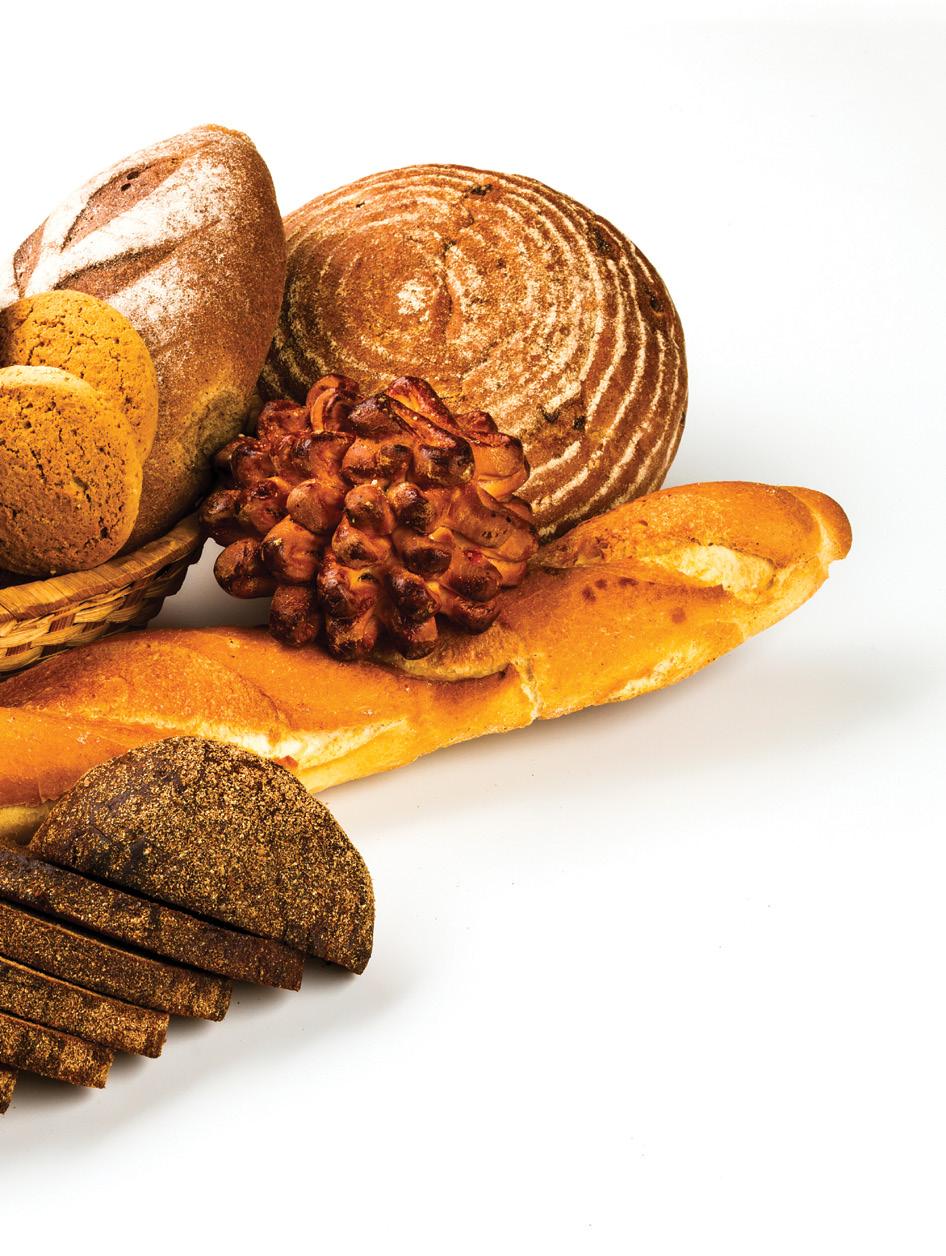
neurofunctional energy drinks, and protein-fortified coffee. Sugary and carbonated drinks face headwinds as health-focused consumption rises. In alcohol, beer and wine volumes have declined to multi-year lows alongside the sober-curious trend. By contrast, RTD cocktails and domestic spirits remain resilient, aided by convenience and a temporary shelf-share boost after U.S. wines and spirits were removed.
Canada’s record 107-million tonne harvest of field crops is lowering input costs for flour, and other milled grains and oilseeds. Shoppers are replacing ultra-processed snacks with whole-grain options and fibre-rich granola, a segment now see-
ing double-digit growth in the U.S market. Pulses are moving beyond raw commodities into organic soups and clean-label protein powders. Meanwhile, high-protein CWRS wheat and premium CWAD durum are driving innovation in protein-enriched bread and artisanal pasta.
The Other Food Products sector is increasingly shaped by functional health, global flavour exploration, and economic pragmatism. Consumers are gravitating toward better-for-you products that are higher in protein and fibre.
Overall F&B manufacturing sales is expected to rise by 0.8 per cent. This growth is expected to be supported primarily by higher pricing, as sales volumes are projected to struggle for a fourth consecutive year, falling by 0.7 per cent. Key risks to this outlook include heightened uncertainty regarding cost pressures from the Middle East conflict and potential commodity price shocks.
The refinery is set to become the largest sugar refinery in Canada — BY STEVEN
Sucro Can Canada and the Hamilton-Oshawa Port Authority (HOPA Ports) recently celebrated the opening of Sucro Can’s new sugar refinery at Pier 15, Port of Hamilton.
Construction of the $135-million refinery began in April 2024 and wrapped up in April 2026, on time and reportedly on budget.
The refinery is set to become the largest sugar refinery in Canada and one of the largest in North America. It is expected to reach an annual capacity of 1 million metric tons.
“For Hamilton this is about much more than production; it is about strengthening our position as a leader in the agri-food sector, one of the industries that continues to drive economic growth and stability in our city,” said Hamilton mayor Andrea Horwath.
A 2025 report from HOPA found the agri-food industry is now 44 per cent of the port’s commercial value, placing food production and processing as the second largest industry in Hamilton and emphasizing the importance and growth of the sector in Ontario.
Alongside a partnership with the Port of Hamilton, Sucro Can originally established operations at Pier 10 in 2014 with
—

an initial building lease.
“This is a clear example of how public private partnerships in trade-enabling infrastructure can unlock significant private sector capital,” Ian Hamilton, president and CEO of HOPA Ports said in a press release.
Sucro Can’s Hamilton plant that opened in 2019 has been decommissioned and employees will transition to the new facility. Equipment from the old facility has been dismantled and shipped to Guyana where it will help create what will reportedly be the largest sugar refinery in the Caribbean.
The plant intends to fill an essential role in the supply chain for Ontario and Canada’s food sector.
“The modern and energy-efficient refinery is perfectly situated to service the growing demand of Canadian food manufacturers and makes Canada attractive for food manufacturers looking to re-locate here. Reliable, cost-effective sugar is critical for them
and this facility delivers exactly that,” said Sucro Can Canada CEO Jonathan Taylor. “Today isn’t about the new refinery; it’s about partnership, ownership and building something that will serve Canada and the world for decades to come.”
Sucro Can emphasized the value of the location with access to Lake Ontario, rail services and proximity to the U.S. border that will allow them to maximize their export capabilities.
The refinery is expected to receive 10 vessels during operations in 2026, rising to 14 in 2027.
A portion of Sucro Can’s port operations are located at Randle Reef, a part of Hamilton Harbour that is currently undergoing remediations. With completion set for later this year, Sucro Can’s import capacity will significantly increase.
The refinery will produce both dry and liquid sugar. Sucro Can says about 30 per cent of their current production is liquid sugar and 70 per cent is bulk.
Eli Cohen, vice president, sales & operations, Canada, told Food in Canada that much of Sucro Can’s initial business was liquid sugar, with newer customers looking for dry sugar.
The raw sugar will primarily be imported from Brazil, but shipments will also come from Mexico, Argentina and other countries in Central and South America.
“People look at sugar for sweetness but it’s a very functional ingredient. Sugar is in everything.” Cohen said when asked about sugar’s growth in Canada. “Even at the worst economic times people are looking for comfort food. You’ll see some sugar consumption drop sometimes but generally people always come back to products they’ve been having for years.”
The sugar will primarily be exported to Ontario, Quebec, and the U.S. Midwest.
According to the company, 85 per cent of sugar sales in Canada is used by food manufacturers. Some of Sucro Can’s clients include chocolate and ice cream man-

ufacturers and bakeries.
“In Canada we may not see the growth domestically but what you’re seeing is a significant amount of export growth for finished goods to the U.S., so bakeries making products here that go to the U.S.; cookies, chocolate bars that are being made here going to the U.S; that’s where you’re seeing the growth of the sugar industry in Canada,” explained Cohen. “Sugar, despite the perception, is still viewed as superior to corn sweetener, which is a less expensive way to sweeten products.”
The facility currently employs 65 people, with the number set to climb as systems continue to come online.



Andreas Duess
his article is a follow up to something I highlighted last year: The importance of Canadian food businesses moving away from being commodity-based enterprises. In January, Prime Minister Mark Carney launched a National Food Security Strategy and set aside $500 million in supply chain funding. The framing for these high-profile events tends to be national. But the reality is often provincial, and it’s important for food businesses to be aware of the difference in opportunity.
When you trace the dollars, the facilities, and the people building the next generation of Canadian food businesses, you don’t end up in Ottawa. In 2026, you end up in four specific places, each of which is placing a different bet.
The Prairies have made the most concentrated value-add bet in the country. In Regina, Protein Industries Canada, one of Ottawa’s five global innovation clusters with federal funding running through March 2028, is the anchor.
CEO Tyler Groeneveld announced in March a $3.9-million project pairing AGT Foods with Saskatoon-based Sweet Nutrition to develop pulse ingredients for cereals, snacks, and baking. A $5-million fermentation call closed at the end of May.
Across the federal cluster program, 676 projects have been approved, and co-investment has passed $3.39 billion.
Two hours east, Roquette’s $600-million pea protein facility in Portage la Prairie, Man., the largest in the world, is processing 125,000 metric tonnes of yellow peas a year and has been continuously investing in equipment upgrades. Manitoba’s claim
to be “the Silicon Valley of plant-based protein,” may have started as clever marketing but is rapidly becoming a fact.
Ontario has not built a single mega facility; instead it has built infrastructure for hundreds of small ones.
Bioenterprise, led by CEO Dave Smardon since 2005, runs the Grow Ontario Accelerator Hub, with 20 food and agri-tech companies in its 2025 cohort, and the Sustainable Growth and Adoption Program, offering $100,000 cleantech adoption grants in Southern Ontario.
Smardon’s framing is based on market realities: tariffs are forcing food and ag businesses to find efficiency and competitiveness, and accelerator-scale capital is helping close that gap. If even 10 per cent of Ontario’s accelerator portfolio compounds, the province has built something of incredible value—distributed, robust and flexible capacity.
Quebec, Nova Scotia are placing bets on value-added dairy
In April, Agropur, Canada’s largest dairy cooperative, announced nearly $1 billion to expand operations in Beauceville, Que., and Bedford, N.S.
CEO Émile Cordeau plans to double milk processing capacity at Beauceville, install new technology, and add about 60 jobs at the Quebec plant. Both provincial governments contributed to these projects. The bet here is very specific: value-added protein from dairy.
This moves dairy from commodity milk and commodity cheese into high value products. The same play I argued for in this column a year ago. It is happening here, and at scale.
Cape Breton’s Verschuren Centre hosts one of only three bioreactors in Canada and runs aquaculture programs targeting the Bras d’Or Lake oyster industry, including MSX disease mitigation.
Cape Breton and Nova Scotia exported $2.4 billion in fish and seafood products to 80 countries in 2021. Atlantic Canada has not yet built a Roquette-scale anchor, but the institutional pieces are in place: a bioreactor, federal and provincial alignment, and a $2-billion export base to build on.
The relevant cluster is provincial, not federal. Protein Industries Canada, Bioenterprise, Quebec’s MAPAQ, and Atlantic provincial agencies have different application windows, different decisionmakers, and different priorities. Knowing which one fits your business is more useful than tracking Ottawa.
The bet you choose determines the partners you need. Protein-corridor companies live or die on pulse and grain supply contracts. Ontario accelerator companies live or die on early stage capital. Quebec dairy companies live or die on co-operative governance. Atlantic Ocean food companies live or die on regulatory pathways. Different clusters demand different muscles.
Federal trade pivots and national programs are real, but they will not build a value-added business for you. The provinces and the cluster organizations will. Canadian food innovation is not a single story. It is many stories, in many local places, with many different clocks.
The companies that thrive in the next decade will be the ones who understand the clock they are running on.
Andreas Duess is an expert in marketing for consumer packaged goods. As co-founder of 6 Seeds Consulting, he helps CPG brands succeed in market.
The most comprehensive food and beverage manufacturer, supplier, and service directory in Canada. Join now to stand out and connect with your target audience.
Don’t miss out on this opportunity.