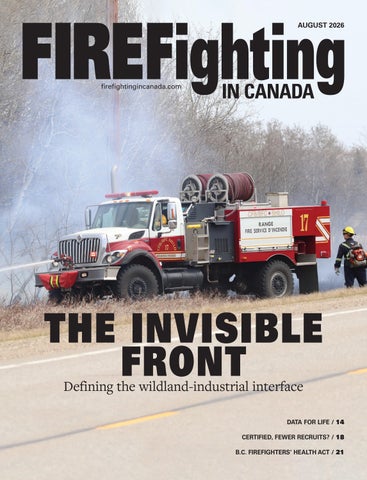
ESTABLISHED 1957
AUGUST 2026
VOL. 70 NO. 5
READER SERVICE
Print and digital subscription inquiries or changes, please contact: Angelita Potal, Customer Service
Tel: (416) 510-5113
Fax: (416) 510-6875 apotal@annexbusinessmedia.com
Mail: 111 Gordon Baker Rd., Suite 400, Toronto, ON M2H 3R1
EDITOR LAURA AIKEN laiken@annexbusinessmedia.com
ASSOCIATE EDITOR JACOB MUNRO jmunro@annexbusinessmedia.com
DIGITAL EDITOR BRITTANI SCHROEDER bschroeder@ annexbusinessmedia.com GROUP
ADAM SZPAKOWSKI aszpakowski@ annexbusinessmedia.com
Occasionally, Fire Fighting in Canada will mail information on behalf of industry-related groups whose products and services we believe may be of interest to you. If you prefer not to receive this information, please contact our circulation department in any of the four ways listed above.
No part of the editorial content of this publication may be reprinted without the publisher’s written permission ©2026 Annex Business Media. All rights reserved. Opinions expressed in this magazine are not necessarily those of the editor or the publisher. No liability is assumed for errors or omissions.
All advertising is subject to the publisher’s approval. Such approval does not imply any endorsement of the products or services advertised. Publisher reserves the right to refuse advertising that does not meet the standards of the publication.
firefightingincanada.com


One of Shel Silverstein’s most controversial works was a children’s story called The Giving Tree. The parable recounts the life story of a boy’s relationship with an apple tree that didn’t stop giving no matter the boy’s request or the cost to the tree. Proponents of the tale most often interpret it as symbolic of a parent’s unconditional love or on the power of generosity, whereas critics have called it a warped tale of codependency. Several parodies have been made to this effect, including The Tree Who Set Healthy Boundaries. I have read the book many times to my three children; it was a bedtime staple alongside Dr. Seuss’ Oh The Places You’ll Go, which conversely is a powerful story about life under the efficacy and power of your own two feet. In retrospect, both are perhaps a lot to think about before bed!
These two tales create a cross-point that both this edition’s Leadership Forum columnist, Fire Chief Rob Grimwood, and our new Volunteer Vision co-author Fire Chief Darrell Graham, write about in different ways: giving is the heart of the fire service, but it’s by the
inspiration of individual will that it beats as strongly as it does. Grimwood talks about reaping the rewards of giving in his role, and Graham talks about being the recipient of generosity in tragedy. Fire chiefs are often both the ever-giving apple tree in Silverstein’s book and the self-determined agent of Dr. Seuss’ famed quote: “You have brains in your head. You have feet in your shoes. You can steer yourself any direction you choose. You’re on your own. And you know what you know. And YOU are the guy who’ll decide where to go.”
Therein lies the real story; the beautiful complexity of the fire service: it requires volunteers and career members who have the nature of The Giving Tree but also inherent self-directed ambition and tenacity. Firefighters must be incredible team players but also the type to do the right thing when no one is watching. All organizations need people like this, but the fire service has made an art form of attracting the particularly helpful sort. The fire service is also the type of structure where one bad apple can cause a
whole lot of rot. Take a high-conflict personality who cares more about being right and winning than about outcomes and impacts. That type of individual belongs nowhere near a fire hall, but undoubtedly, they and their overblown egos make their way in. Volunteers can be hard to come by, and high-conflict individuals hard to spot without psychological testing. Thankfully, I’ve witnessed for many years that the individuals in the fire service and the industry that serves it are so often just beauties as people.
The stories told in these two columns made me reflect on the roughly eight years I’ve spent entrenched in the stories of the fire service. What a privilege it’s been, what an honour! I hope you read these articles and take a moment to reflect for yourself what your journey has meant to you.
LAURA AIKEN Editor laiken@annexbusinessmedia.com
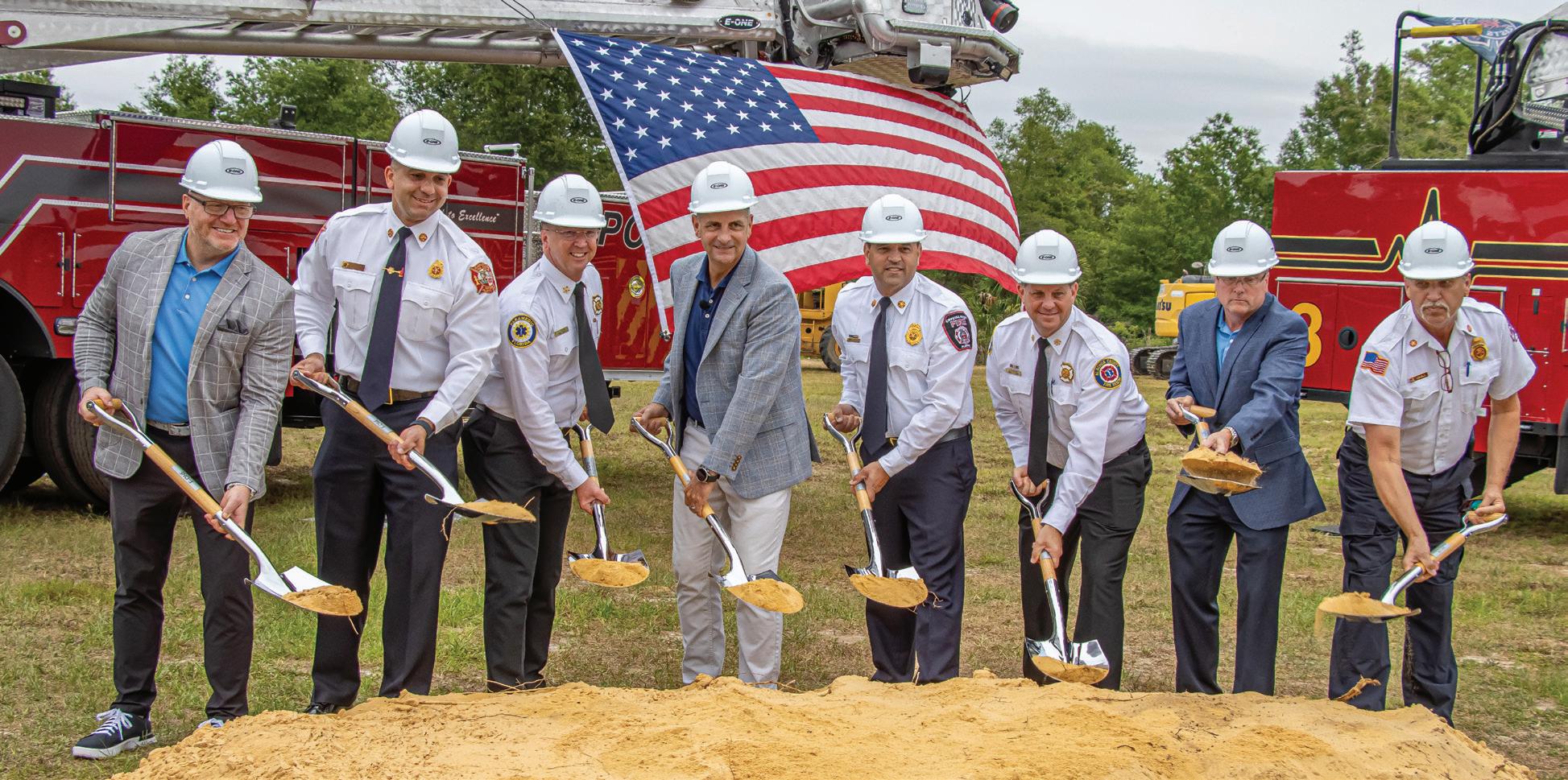

KEY BENEFITS
• Increases Aerial Production Capacity:
- Increases aerial output
- Helps reduce delivery timelines
• Expands Manufacturing Facilities: Includes assembly, fabrication and paint facilities, as well as new construction to support ladder manufacturing and assembly operations
• New Construction:
- Dedicated ladder manufacturing and assembly operations
- Focused aerial body assembly and completion for increased assembly capability, flexibility and line rate output within the aerial complex
- Construction of a second test pit to reduce testing bottlenecks and improve product flow across all E-ONE product lines






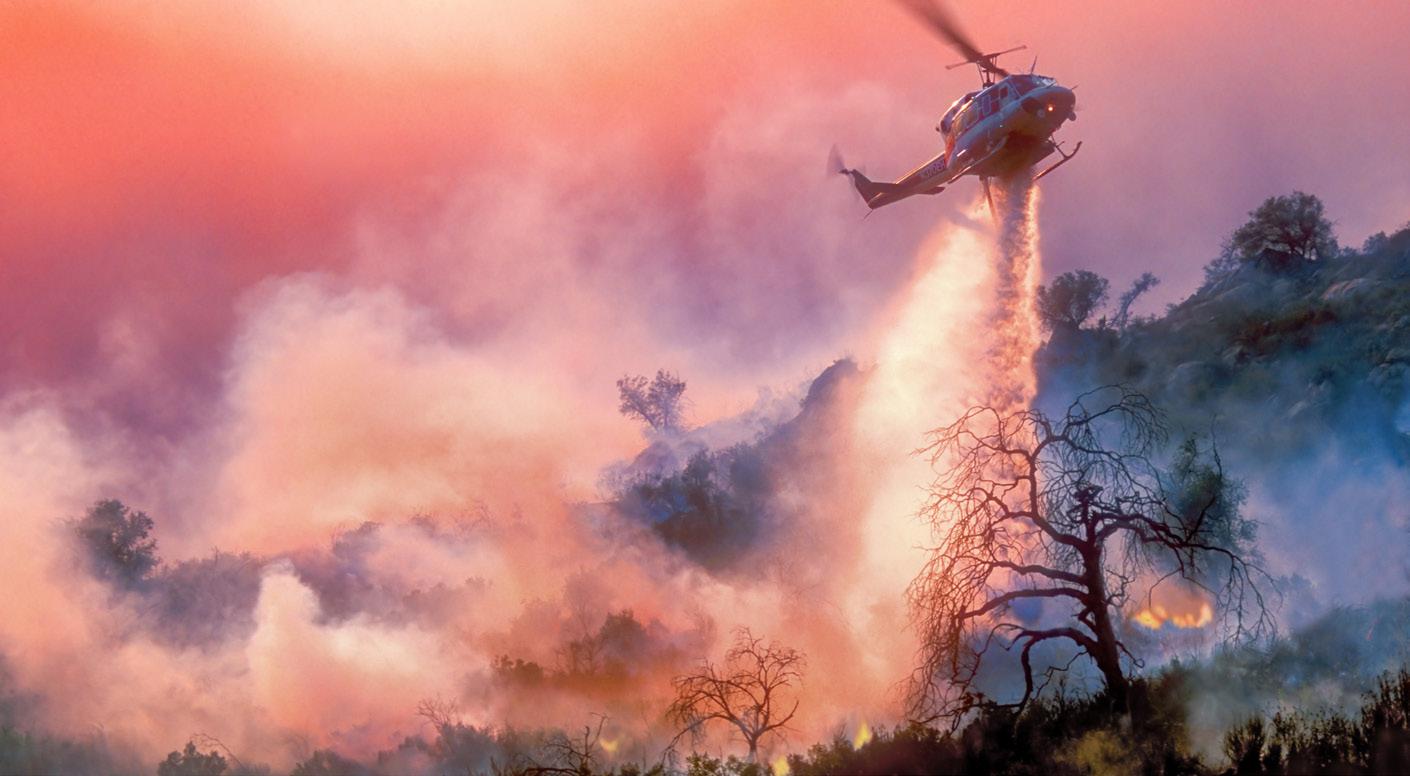
After speaking with stakeholders across the country, the Senate’s new report “Canada on Fire” arrived at a conclusion many in the fire service are already familiar with: wildfires are complex crises that are now touching every sector of Canadian society, and the time to act was yesterday.
Released on June 10, the report from the Standing Senate Committee on Agriculture and Forestry details a harrowing crisis that is outgrowing current response systems.
To combat and co-exist with wildfires, the committee came to believe that a “whole-ofsociety” approach is needed and provided a list of 15 recommendations it believes will help turn the tide. Significantly, more investment and more collaboration is the message that rings throughout the report.
The report’s second recommendation reflects what Canada’s fire service leaders have been asking for, as it calls for the creation of a federal coordinating office for wildfires and emergency response modelled after those already created in the United States, Japan, and Australia among others.
“That’s really as far as we could go with that, because we are not the experts and we’re encouraging the government to partner with the experts to develop this federal coordinating office,” said Senator Mary Robinson, who chaired the committee.
“The idea of the coordinating office is to
have that overarching umbrella view of all the resources we have within Canada. But, the whole idea being that we have a big, big country and we cannot possibly have enough resources positioned at the edge of every potential wildfire site. So, we have to be able to dispatch those with a national lens,” Robinson said.
The other recommendations from the committee’s report include developing coordinated approaches to mitigate and respond to the human and health costs of wildfire, enhancing the volunteer firefighter tax credit, removing barriers and ensuring evacuees receive equitable access to housing when fleeing wildfires, establishing a national wildfire hazard mapping program, enhancing Indigenous-led fire management capacity, and more. It’s an exhaustive list.
And the final recommendation acknowledges that not only must action be taken, but it must also be urgent.
“As the committee heard, we must move at the speed of the crisis...Over and over what we heard is this true sense of urgency,” said Robinson. “With wildfires, we are seeing the intensity, severity and frequency increasing so much that we’re trying our best to convey that sense of urgency so that these 15 recommendations are actioned with that sense of urgency.”
After Robinson formally moved to adopt the report on June 11, the Senate voted and successfully adopted the motion on that same day. The federal government has 150 days to respond from then.
The full report can be read on the Senate of Canada’s website.
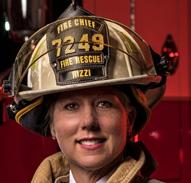
After conducting a Canada-wide search, Halifax Regional Fire and Emergency has hired DERYN RIZZI to become the department’s newest chief. Rizzi will arrive in Halifax as an already highly decorated fire service leader, having previously served as fire chief for Toronto Pearson Fire and Emergency Services, the City of Vaughan, and fire chief and director of emergency management for the City of Mississauga. She begins her new role on Aug. 17.
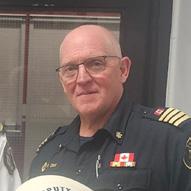
After serving as interim fire chief since March, MICHAEL CHANT has been appointed as the Puslinch Fire Department’s new fire chief. Chant has served Puslinch Fire since 2025 when he was hired as deputy chief of operations and previously worked for Brampton Fire and Emergency Services from 2012 to 2023, where he served as the department’s platoon chief for two years.
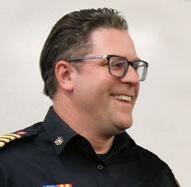
June 1 marked former Millet Fire Chief Steve Moen’s last day in charge of the Alberta town’s fire department, and it also marked the first day of new Fire Chief TREVOR PALMER’S stint in charge. Palmer has served the Millet Fire Department for over 27 years in a variety of roles and became the service’s deputy fire chief in December 2020.
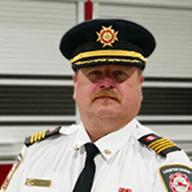
After serving as deputy fire chief of training since 2023, Lambton Shores announced that SEAN SMITH has been promoted to fire chief, effective May 23. Smith originally joined Lambton Shores Fire and Emergency Services in 2010 as an on-call firefighter and has climbed its ranks over the years.
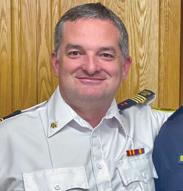
Deputy Fire Chief BEN PATTERSON was tapped to serve as Otter Point’s next chief, and his role officially began on July 3, the day of former chief John McCrea’s retirement. Patterson started fire fighting when he was 16 as a volunteer with Sooke Fire Rescue and will bring 29 years of fire service experience to his new role.
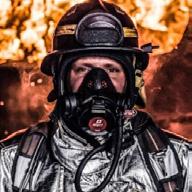
The town of Cochrane, Alta., announced DALLAS D’AOUST as the municipality’s newest fire chief. D’Aoust is a veteran firefighter who most recently served as Yorkton, Sask.’s deputy fire chief and was a fire captain with Edmonton Fire Rescue Services prior to that. His background includes incident command, training development, strategic planning and interagency coordination.
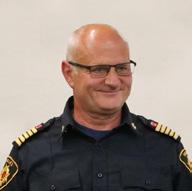
Millet Fire Chief STEVE MOEN officially retired on June 1. Moen served as Millet’s fire chief since 2017 and has been with the volunteer fire department for over two decades. He will continue to aid his community by staying on as a firefighter with the department.
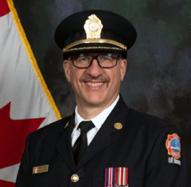
Toronto Fire Services Deputy Fire Chief LARRY COCCO has decided to call it a career, announcing on LinkedIn that July 10 would be his last day on the job. After starting his career as an insurance adjuster, Cocco served as an investigator in the Ontario Fire Marshal’s office for 12 years before taking a role at Toronto Fire Services, where he has worked for nine years. He has served as Toronto’s deputy fire chief of community risk reduction for the past seven years.
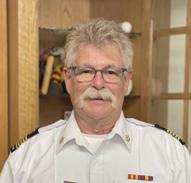
After 31 years of service, Otter Point Volunteer Fire Department Fire Chief JOHN MCCREA retired on July 3. McCrea started his career in the fire service as a volunteer before rising through the ranks of Otter Point’s department and ultimately served two terms as fire chief.

STEVE HEMSWORTH has been Prince Township’s fire chief for over eight years and he is ready for retirement, just not in the classic sense. Hemsworth announced that as part of his retirement, he will take a step back from structural firefighting but will remain with Prince’s volunteer fire department as a medical first responder and as a pump operator for wildland fire fighting.
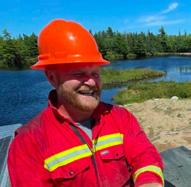
Firefighter ALEXANDRU UICHITA passed away on May 21 while responding to a wildfire in Moschelle, N.S. While battling the blaze, Uichita suffered a sudden medical
episode and could not be revived despite every effort by the service members on scene. Uichita was 40-years old and is survived by his wife and three young children. The Bridgetown fire department is organizing a donation drive to aid them in the wake of this tragic loss.

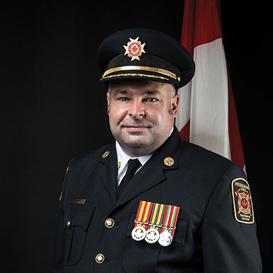
By Rob Grimwood, Fire Chief, Sudbury, Ontario
Rob Grimwood is the fire chief for the City of Greater Sudbury.He also serves on the board of the Ontario Association of Fire Chiefs. Rob can be reached at Robert.Grimwood@greatersudbury.ca.
At this point in my career, I could probably start winding down a little, but instead my alarm is set for 4am each day and I spring out of bed with the energy of a 20-year-old. Well that might be an exaggeration…but I spring out of bed with more energy than I thought I would still have when I started 30 years ago!
I show up at work around 5:00 or 5:30 each morning, two coffees in hand, ready to start what are often 12 to 15 hour days. Why? Because when you love what you do, you never work a day in your life. For some, that is cliché. But for those with a deep-rooted love of the game, they know exactly what I mean.
Some people exchange labour for money; it is as simple as that. Which is fine, and common. Historically, that was what work was. Let’s explore when it becomes more than that.
My life has been incredibly rewarding. It has been challenging and I would be lying if I said there weren’t days where I felt like I couldn’t do it anymore…but when I look back at the friends I have made, the challenges I have faced, and the growth I have experienced. I wouldn’t trade it for anything.
To get something, you usually must give something. Specific to the fire service, ask yourself, what do you truly give, and what do you truly get?
Many, but not all of us receive tangible benefits of some sort
(pay, benefits etc.), but what intrinsic or intangible benefits do you get also?
If all you receive are tangible benefits, then you probably will not fully commit to a job, let alone be inspired by it.
Most firefighters can remember exactly why they joined the fire service. Whatever the reason, most quickly discover that the fire service becomes much more than a job or a volunteer commitment. It becomes part of who they are.
As time progresses, it is worth reflecting on two simple but powerful questions: What do you get from the fire service? And just as importantly, what do you give to it?
The answers often define not only individuals but the long-term health and culture of an organization. The fire service gives us opportunities that few professions can match. It provides purpose.
Every member, regardless of rank or length of service, plays a role in protecting lives, property, and communities. Whether responding to a structure fire or simply checking equipment, firefighters know their work matters.
The fire service also provides growth. Members develop technical skills, leadership abilities, communication techniques, and decision-making capabilities that often extend well beyond the fire hall.
Perhaps most importantly, the fire service provides belonging. The bonds formed between firefighters are unique. Firefighters often
describe their crews as a second family because they rely on one another in situations where failure is not an option.
While it is easy to recognize what we get, effective leaders understand that membership in the fire service also comes with responsibilities. Every firefighter has an obligation to leave the organization better than they found it.
That contribution begins with professionalism. Showing up prepared, maintaining competency, taking training seriously, and performing duties with integrity are among the most important contributions any member can make.
Knowledge sharing is another critical responsibility. Many firefighters spend years developing specialized expertise and refining operational practices. Those lessons have little value if they remain with one individual. The fire service does not advance because knowledge is protected; it advances because knowledge is shared.
We also give through our attitudes. Every firefighter influences organizational culture, whether they realize it or not. Positivity, professionalism, accountability, and respect are contagious. Unfortunately, negativity can be just as contagious.
One experienced firefighter who encourages others, embraces change, and supports organizational goals can elevate an entire crew. Conversely, a member who constantly criticizes, resists
improvement, or undermines decisions can damage morale far beyond their immediate circle. The culture that future firefighters inherit is shaped by the behaviours we demonstrate today.
When firefighters focus on what they can contribute rather than what they can receive, they often discover greater satisfaction. Service to others has always been at the heart of the fire service, and that principle applies internally as much as it does externally.
The fire service gives us purpose, friendships, opportunities, growth, and the privilege of serving our communities. Those gifts are substantial and should never be overlooked.
In return, we owe the profession our best effort, our professionalism, our knowledge, and our leadership. If every firefighter regularly asks, “What am I giving back to this organization?”, the answer will shape stronger departments, stronger teams, and stronger communities.
At the end of a career, the measure of success is whether the fire service is better because we were part of it.
I reach 30 years in the fire service in August this year, plus a concurrent 20 years as a paramedic. I frequently take stock of not just what I have received, but what I have given, and hope that the next generation thrives on the work done by my generation, the way my generation thrived on the work of the generation before me.
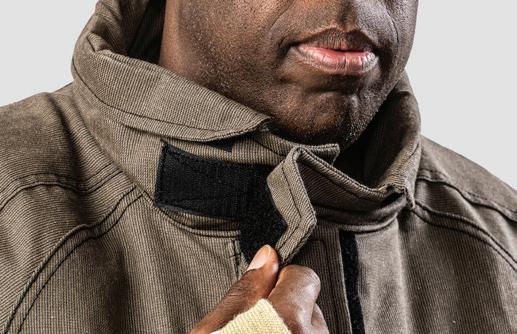
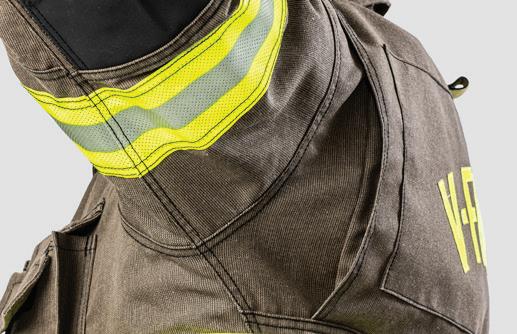
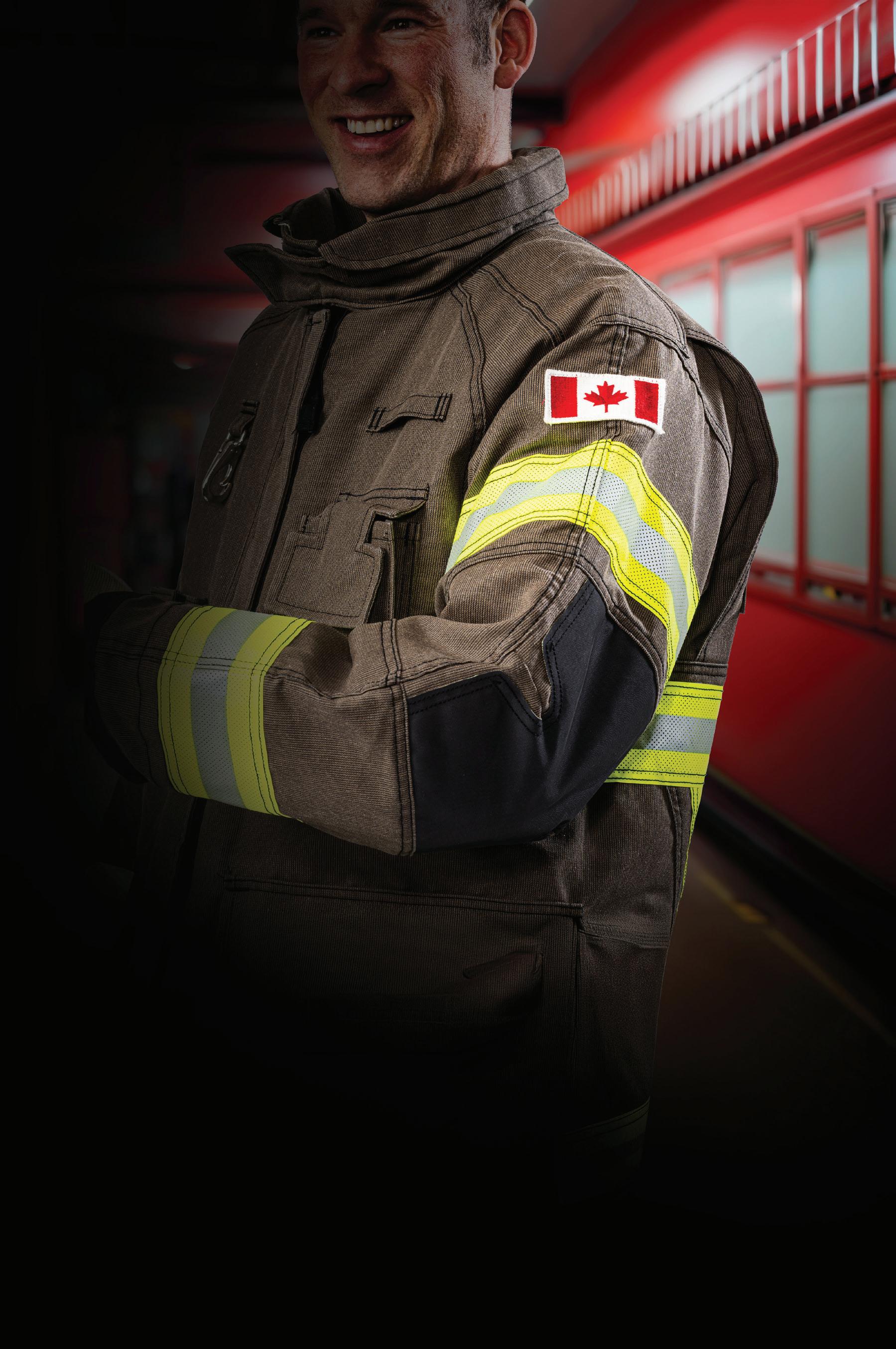
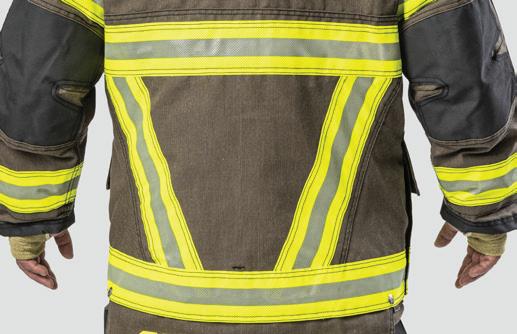
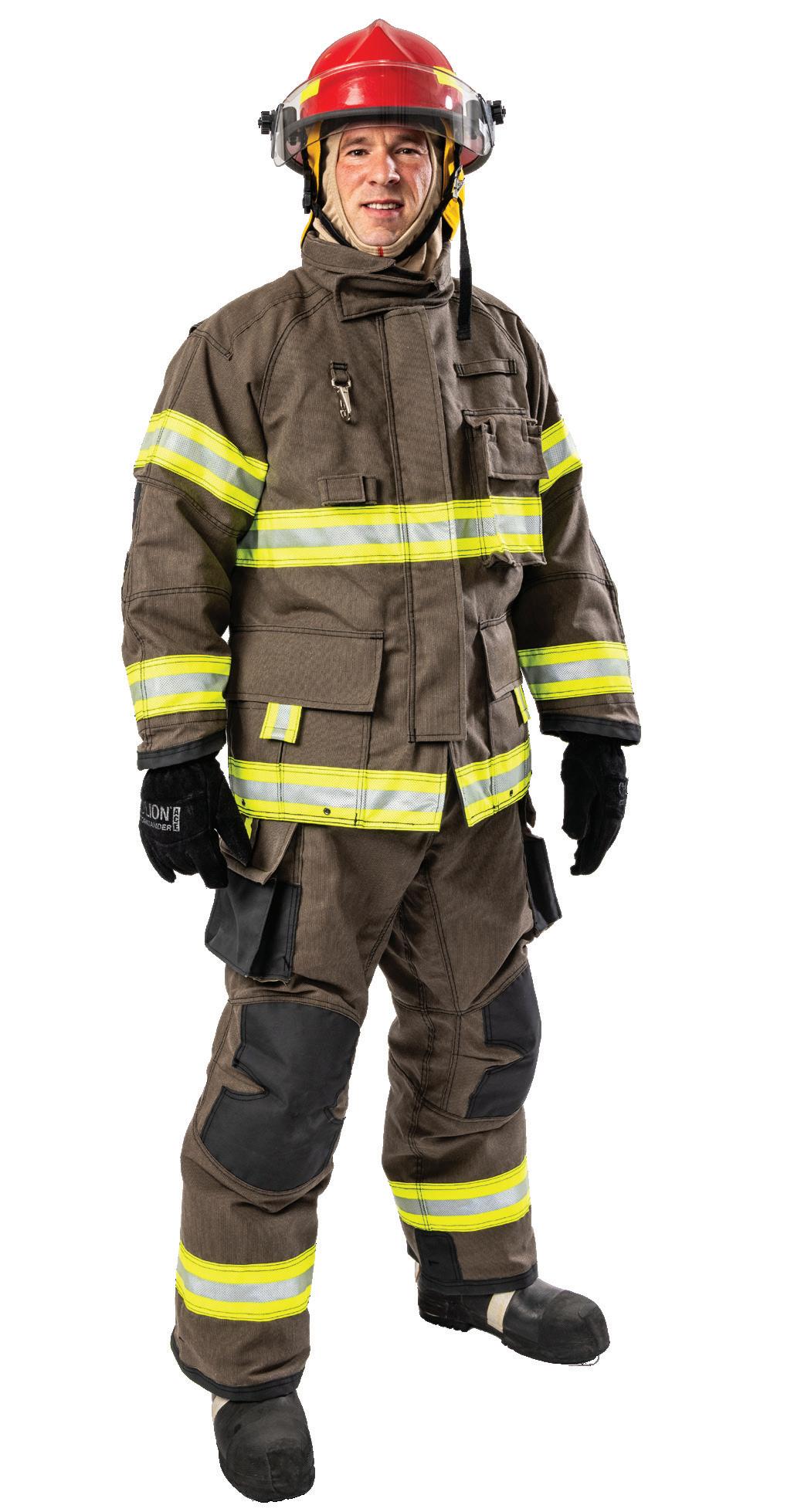
LION Starfield V-Force custom bunker gear is built around our patented V-Fit® cut-in-motion design – drawing on professional sports and military technology to create a turnout that moves with your body, not against it. From the bi-swing back to the contoured knees, every detail is engineered for the demands of the fireground. Proudly made in Canada. Built for Canadian firefighters.



By Greg Bartlett
“There’s something happening here…”
When Buffalo Springfield released For What It’s Worth in 1967, it captured a moment of uncertainty when change was underway, but not yet fully understood.
That same feeling now exists in Canada’s wildfire environment.
The scale we now see is incredible, with smoke stretching across provinces and borders. We are having longer wildfire seasons and battling more aggressive fire behaviour.
But Canada’s wildfire problem is no longer defined by what burns. It is defined by what happens when fire reaches the systems we depend on and when those systems begin to fracture.
Across the country, wildfire is increasingly intersecting with Canada’s rural critical infrastructure in remote environments, where response capacity is limited and consequences extend far beyond the fireline. Railway corridors, energy systems, transmission networks, and remote industrial operations are all exposed.
This is the invisible front, and we are only beginning to understand its hazards.
For the last couple of decades, wildfire risk has been framed through the wildland–urban interface (WUI), where communities meet the forest. That focus has driven important gains in public safety and structure protection. But it is no longer enough.
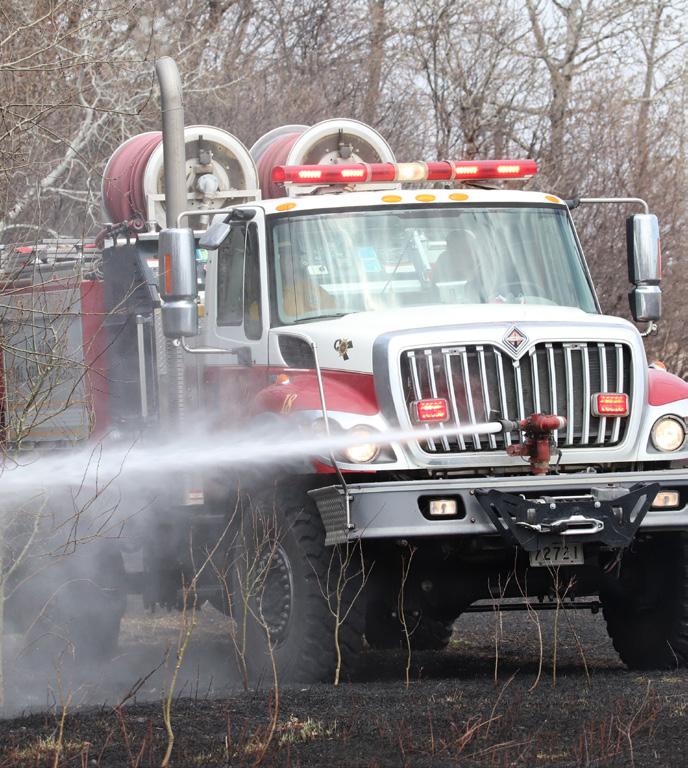
BELOW The Wildland-Industrial Interface, where wildfire intersects with infrastructure embedded deep in wildfire prone regions.
A second interface has expanded across Canada’s landscape: the wildland–industrial interface (WII). This is where wildfire intersects with infrastructure embedded deep in wildfire prone regions. Examples include railway lines, electrical transmission systems, pipelines, and resource extraction sites. This distinction matters!
At the WUI, the concern is structure loss and life safety within communities. At the WII, the concern shifts to system failure. When rural critical infrastructure is compromised, the consequences extend far beyond the fire itself, disrupting supply chains, regional economies, and environmental systems.
In this environment, wildfire is no longer just a suppression problem. It is a systems problem.
The defining operational challenge of the wildland–industrial interface is what can be understood as the First-Hour Problem.
In rural and remote Canada, response is shaped by distance. Travel times are long, resources are limited. Specialized capabilities are rarely

immediately available. Even in strong mutual aid systems, time remains the limiting factor.
When wildfire impacts an industrial site, the first hour is not a staging period; it is the incident. By the time additional resources arrive, they are no longer responding to the problem. They are managing its consequences.
Fire may already be into critical infrastructure. Hazardous materials may be compromised. Access routes may be cut off. Communications may be degraded or lost. For first-arriving crews, there is no option to wait. They act with incomplete information, limited equipment, and no guarantee of reinforcement. The outcome is often decided before specialized support arrives.
systems can adapt to.
Then in 1998, I joined the fire service at Canadian Forces Base Petawawa, where we trained for complex scenarios involving natural hazards interacting with technical risks. This was my introduction to the world of hazmat and Na-tech events, natural hazard induced technological emergencies. It’s a phenomenon where an environmental hazard, like a wildfire, initiates a secondary industrial or technical accident, like ammunition and burning unexploded ordinance.
While serving as Saskatchewan’s provincial wildfire prevention officer in 2007, I was recalled during the summer to support a rapidly evolving wildfire. Within hours, I was en route to a remote mine site accessible only by plane and an ice road. The request was simple: assist with values protection.
From the float plane, it was clear this was not a routine sprinkler job.

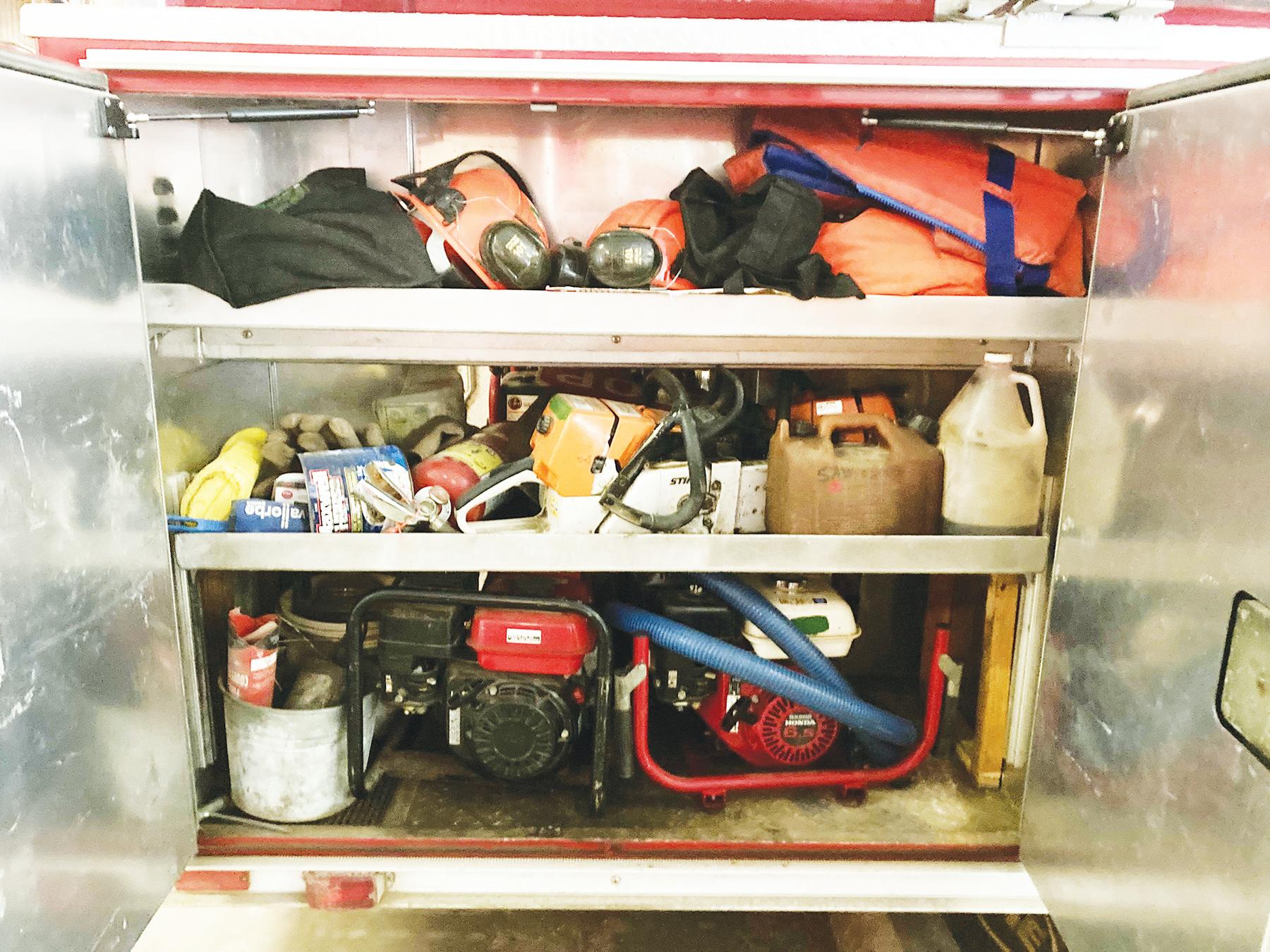


resources, at that moment I felt like the proverbial canary in the coal mine. What we did in the next hour was going to decide how severe this would become. On the ground, the limitations were immediate. There was no specialized hazmat team available. Equipment compatibility issues surfaced quickly. There was no established mitigation system yet.
So, we built one! We assembled a T-Card board using what was available – sticky notes and an old wooden desk. Millwrights fabricated fittings to connect incompatible firehoses. Planning evolved in real time as conditions changed.
As the risk picture sharpened, so did the reality that conventional surface protection would not be enough. If ignition occurred in key areas, the site would become untenable.
The plan shifted. We incorporated the use of underground refuge areas, where environmental conditions could be controlled if evacuation became necessary for up to 90 days. It was not a textbook solution. It was a decision made under pressure, based on what was available.
It worked, but what defined that incident was not the resources we had. It was the decisions made early before the situation had fully developed.
This risk is not unique to Canada.
In Libby, Mont., wildfire interacts with legacy asbestos contamination from historic mining operations. When fire moves through that environment, it can release hazardous fibres into the air, transforming a wildfire into a long-term public health event.
This is not theoretical, it is already happening. The implication is clear: industrial risk does not disappear when operations end. It remains embedded in the landscape, waiting for a trigger.
Increasingly, wildfire is becoming that trigger.
These realities demand a shift in how wildfire is understood. It can no longer be treated as a single hazard event. It must be approached as a multi-system emergency, where fire behaviour interacts with infrastructure, environment, and response limitations.
The objective is no longer just to control
the fire. It is to prevent the fire from triggering broader system failures. Following the 2007 Saskatchewan mine incident, regulatory changes required industrial operators to develop wildfire preparedness plans in advance of each season. This marked a shift toward integrating wildfire risk into operational planning.
Broader alignment is still needed. Fire services, industry, and government must share a common understanding of the risk, particularly in the early stages of an incident, when coordination is most difficult and most critical.
There are signs that this shift is beginning in 2026.
The integration of the Ontario Mine Rescue program into the new Ontario Corps represents a move toward the kind of capability the wildland–industrial interface demands. With specialized equipment, trained personnel and established stations located across remote regions of the province, mine rescue teams bring a level of technical expertise that traditional first responders alone cannot provide.
More importantly, Ontario Corps reflects a broader shift toward coordinated, multi-agency response, designed to mobilize quickly across large geographic areas and operate in the very environments where the First-Hour Problem is most acute. This suggests that emergency management is beginning to move towards the kind of integrated, systems-based approach that complex Na-tech events now require.
For fire service officers, particularly those operating in rural and remote environments, the rise of the WII changes expectations.
Incidents must be approached with the understanding that fire may only be the starting point. Pre-incident planning must extend beyond structures to include industrial hazards within wildfire-prone areas. Equipment, access, and interoperability issues must be addressed before an incident occurs. Command must be prepared to operate under degraded conditions.
Most importantly, early decisions must account not just for fire spread, but for how quickly an incident can escalate into a broader systems failure. This is not simply wildfire suppression; it is complex incident management under constraint.
The question is no longer whether wildfire will intersect with industry. It already is. The question is whether we are prepared for what happens in that first hour when there is no backup coming.
In modern emergency planning, we have historically focused on big, top-down institutional frameworks. Today, we have the exciting opportunity to look deeper at Community Risk Reduction (CRR), especially within the WII. Remote factories, mills, and energy sites are no longer just commercial properties; they are evolving into vibrant communities of their own. While institutional complacency and reliance on distant dispatch centres can leave a system vulnerable to simple sparks, this reality invites us to build something much stronger. We can actively choose to step away from a sterile, corporate environment where everyone assumes someone else is handling the danger, and return to an organic, tight-knit network of care where neighbours instinctively look out for one another.
The Senate of Canada’s June 2026 report, “Canada on Fire,” provides the empirical validation and visionary momentum we need for this shift. While the report notes that a fractured system often “mobilizes only once disaster is already underway,” it also powerfully highlights a wealthy toolkit of forward-looking solutions. From proactive fuel management and advanced predictive modelling to expanding cultural burning and cutting-edge drone technologies, we are standing on the edge of a revolutionary leap in disaster resilience.
Fire service leaders are ready to transcend cold spreadsheets tracking municipal response times and dry hydrants. True resilience means mapping genuine human connections, breaking through old institutional silos, and recognizing that our rural industrial sites are living, breathing spaces that thrive on shared vigilance.
Reference: https://sencanada.ca/en/info-page/parl-45-1/ agfo-canada-on-fire/#collapse-report
Greg Bartlett is an emergency management professional with over 20 years of experience in comprehensive emergency management and critical infrastructure resilience across Canada. His experience bridges rural and urban Canada, grounded in frontline service as a firefighter and wildfire prevention officer, and he has held roles with Emergency Management Ontario and the Manitoba Emergency Measures Organization.

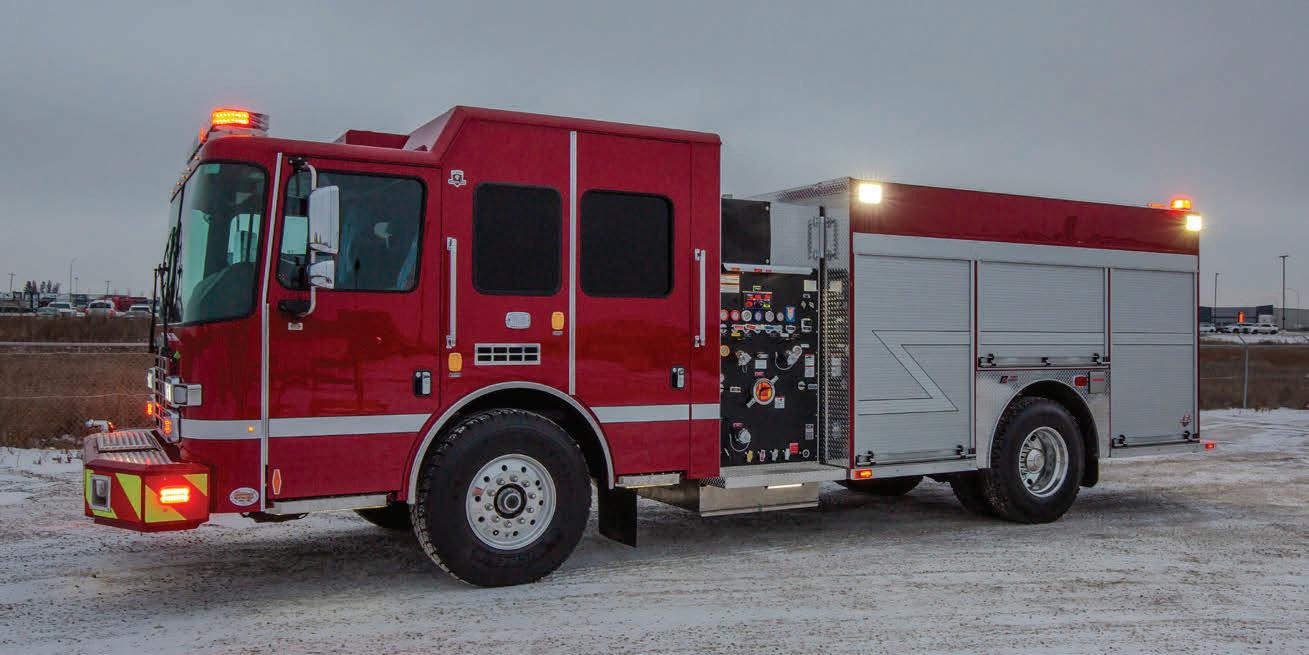
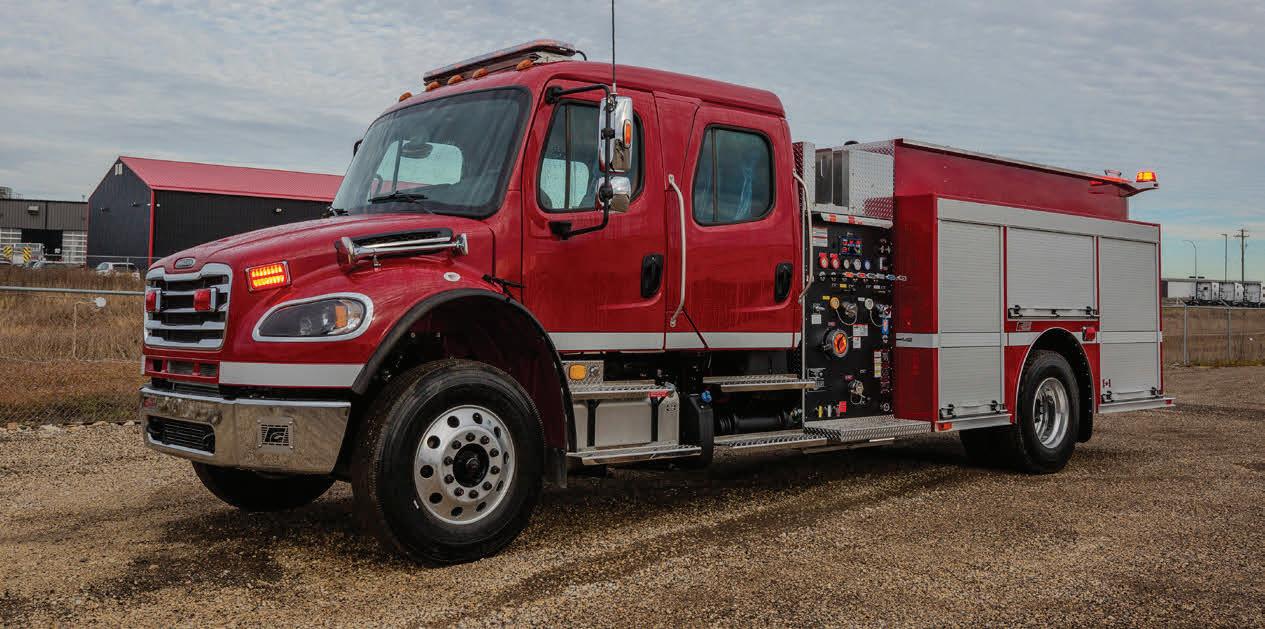
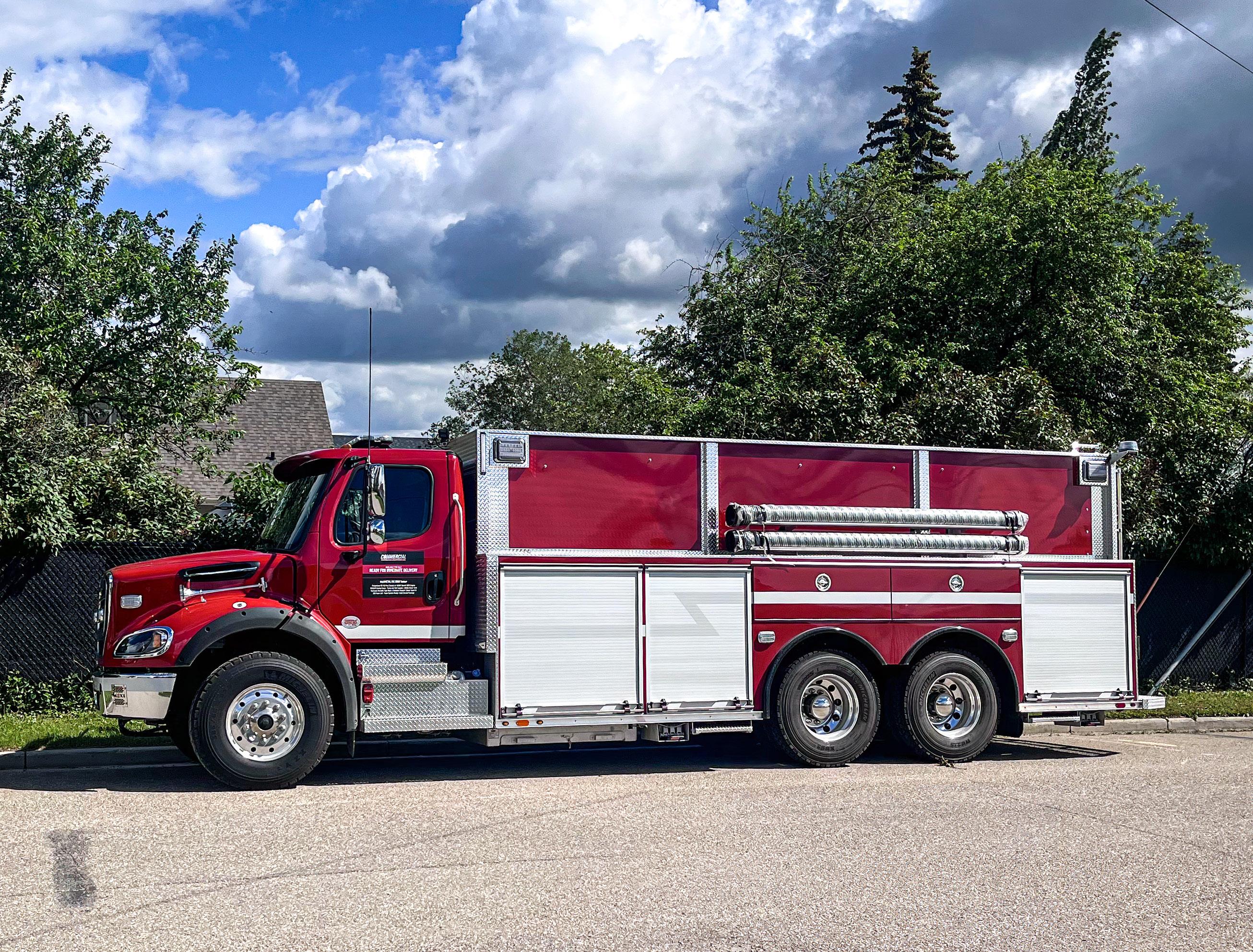
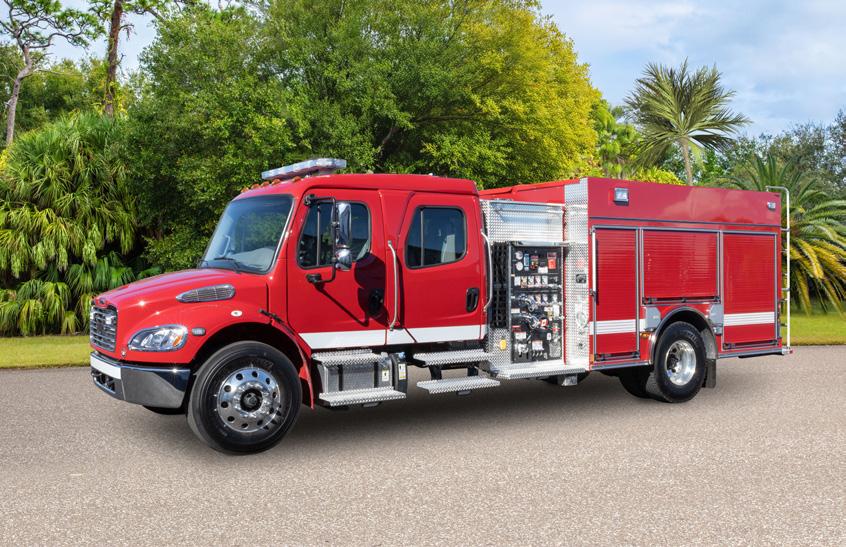
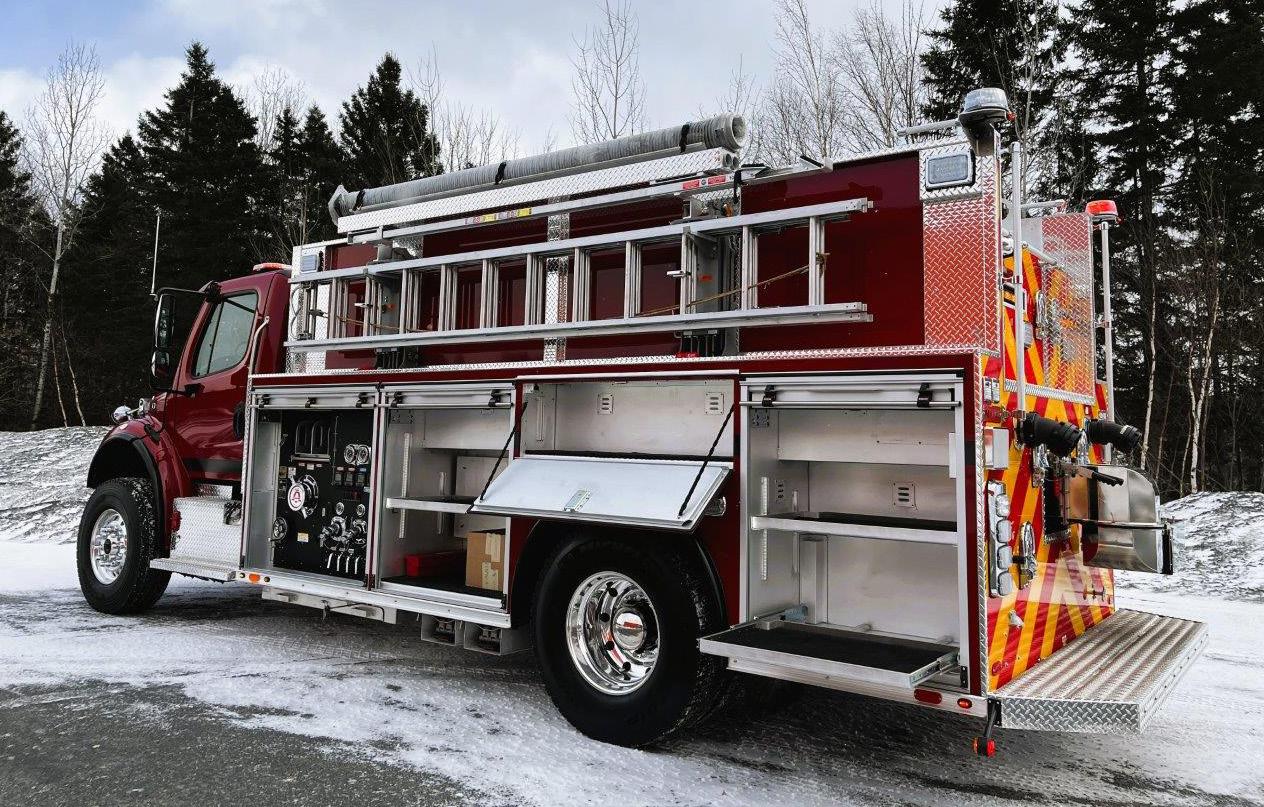
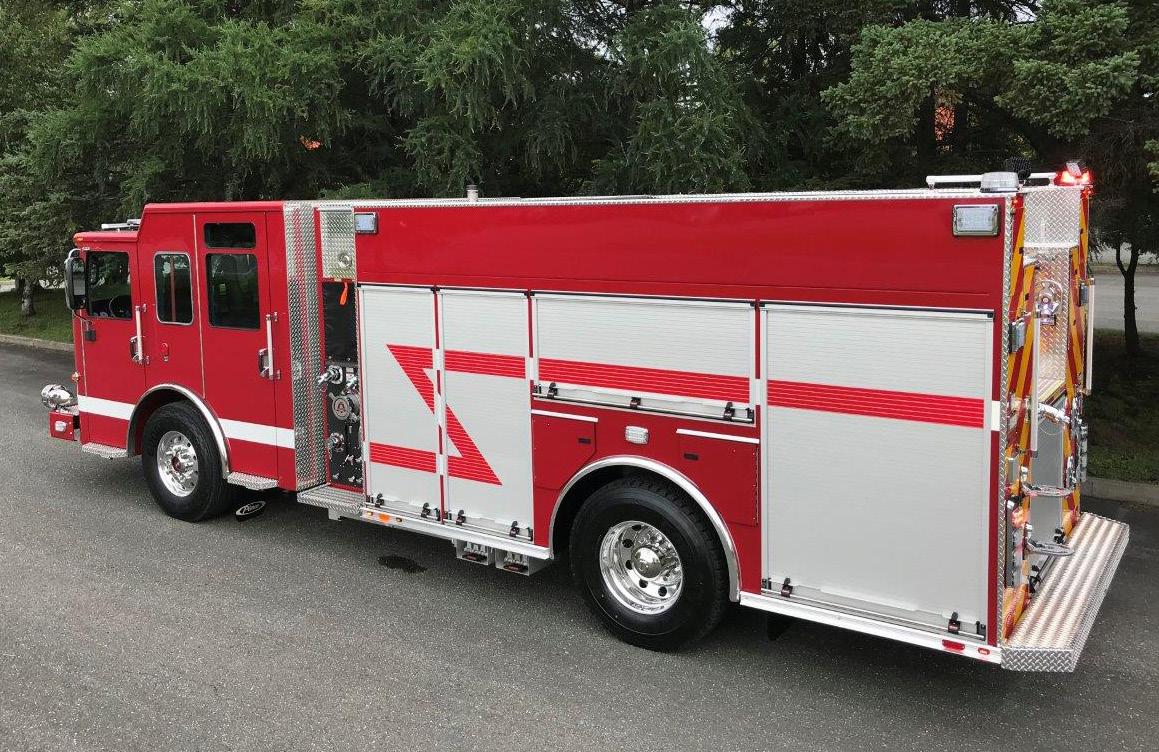
When timing matters and a ready solution is required, Fort Garry Fire Trucks currently has a selection of brand-new fire apparatus that are fully built, inspected, and available for immediate purchase and delivery. These units are complete and ready to be placed into service, offering departments a rare opportunity to secure new apparatus without extended production timelines.
This available lineup includes proven Fort Garry Fire Trucks configurations designed to support municipal, combination, and volunteer departments facing fleet transitions, operational gaps, or immediate replacement needs. Current availability includes custom-built Emergency Rescue pumpers on HME cab-over chassis with both enclosed and open pump house layouts, a
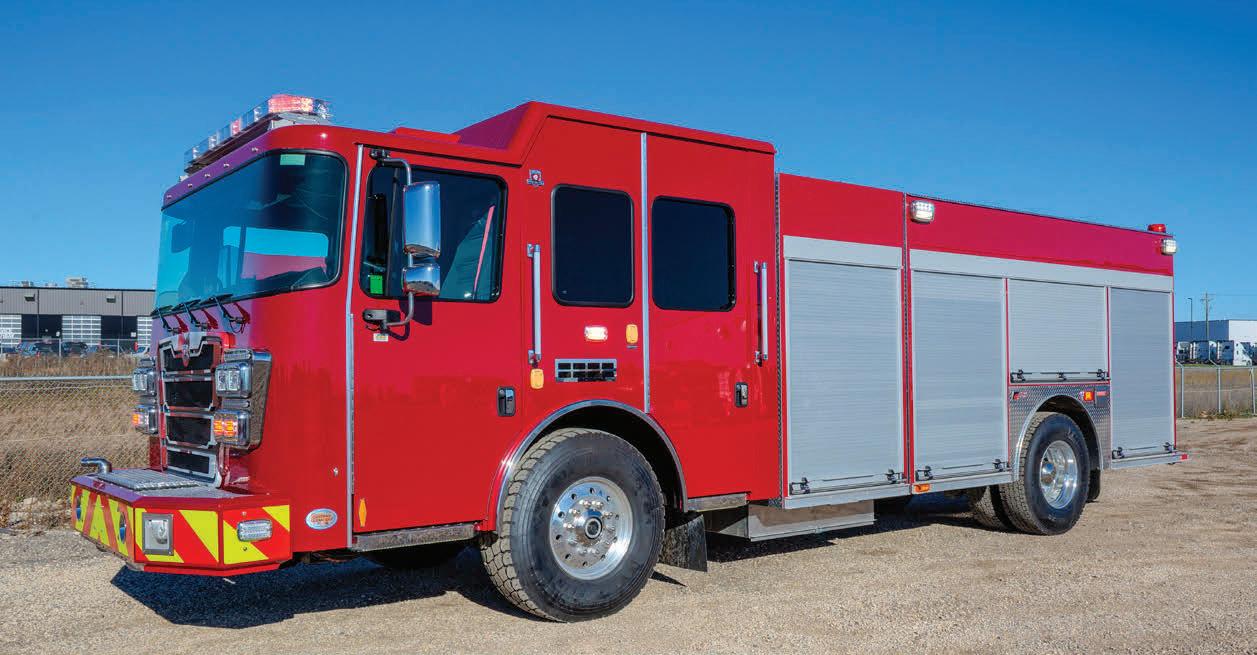
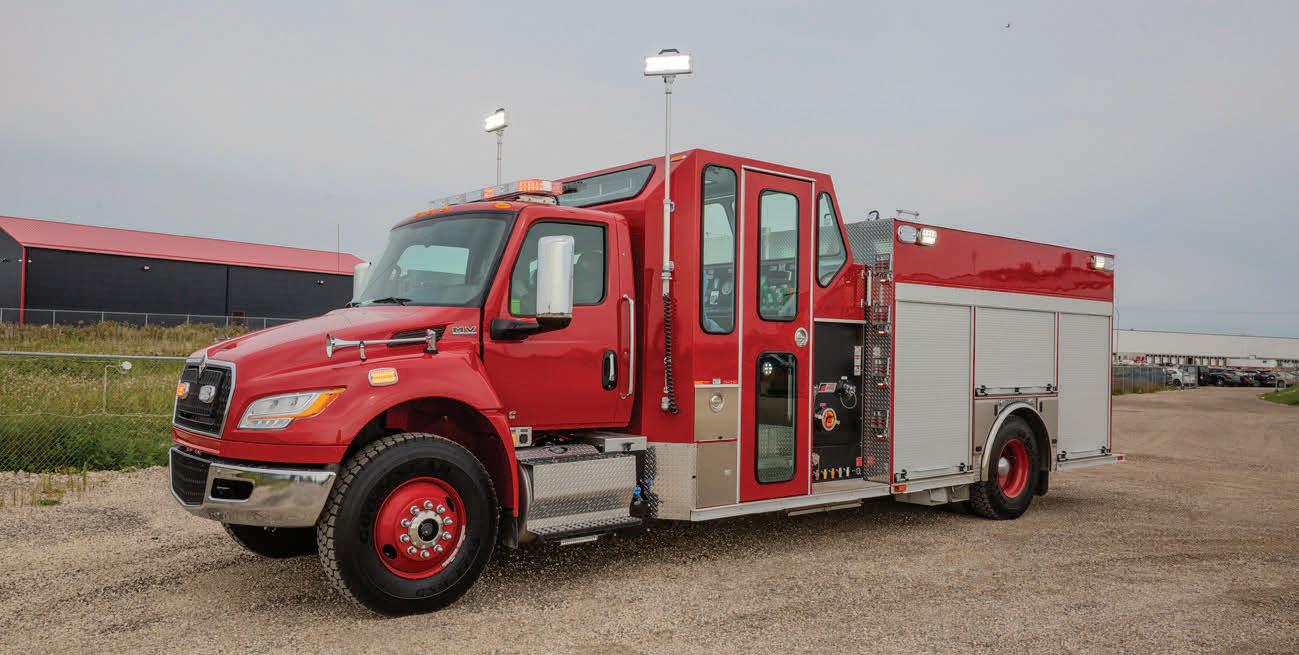

commercial Emergency Rescue pumper featuring a top-mount enclosed 4-man crown pump configuration, and a Crusader pumper built with formed aluminum body construction. Each apparatus is engineered and built with the same standards, craftsmanship, and attention to detail found in every Fort Garry Fire Trucks build.
From structural response and rescue operations to demanding frontline service, these trucks reflect practical, field-driven design using trusted chassis, pumps, and components relied on by departments across North America. Every unit is configured to balance capability, reliability, and ease of operation, allowing crews to focus on the task at hand when it matters most.

If your department requires a dependable fire truck that can be delivered now, these available units provide a practical and efficient solution. Scan the QR code to view detailed specifications, photos, and configuration information for each apparatus currently available.
For availability, pricing, or delivery details, call 1-800-565-3473 or visit the Contact Us page at www.fgft.com to connect with a Fort Garry Fire Trucks sales representative.
FORT GARRY FIRE TRUCKS — ONE TOUGH TRUCK. BUILT TO SERVE.
By Anthony De Benedictis, Firefighter Rescues Ontario
In 2025, Ontario firefighters faced a record-breaking year for fireground operations, documenting 137 incidents that involved either a rescue or a fatality. This data, captured through the second official year of the FFRO project, highlights the massive impact of the third line of defense; 183 people were rescued from burning structures. While 91 lives were lost, the actions of firefighters ensured that 137 individuals survived hazardous environments, resulting in an impressive 60 per cent survival rate for those directly impacted. These findings serve as a critical benchmark for frontline members and chief officers to evaluate their training, staffing and operational effectiveness.
Across the province in 2025, firefighters averaged 3.5 rescues and 1.8 fatalities per week. The frequency of these events remained high year-round, though a significant spike was observed during winter months, with January recording the highest number of rescues at 30. Winter surge numbers are affected by several factors including: additional heat sources within homes and longer response times by fire crews due to weather that can cause delay in fire and rescue operations. Rescues happen at all hours of the day. While a high number of incidents occurred in the late afternoon, the peak window for successful rescues was between 9:00 am and 12:00 pm, accounting for 27 per cent of all rescues. This disproves the myth that fireground life safety is only a nighttime priority; vigilance is required 24/7.
The data remains clear: 56 per cent of rescues and fatalities occur in detached residential homes. For many departments, these are “bread and butter” operations that must be mastered through standardized playbooks. Leveraging tools like the
Underwriters Laboratory Fire Safety Research Institute’s (UL FSRI) research can help firefighters standardize and enhance operations in these common occupancies. However, multi-unit dwellings accounted for 32 per cent of all incidents, presenting unique challenges for staffing and resource allocation. In 45 per cent of these apartment or townhouse fires, multiple victims were found during a single incident. Many victims in these occupancies are overcome by smoke in hallways and stairwells while attempting to self-rescue. This highlights the need for training/ implementation of aggressive search and clear public education regarding “shelterin-place” versus evacuation.
While large and medium sized urban municipalities see the highest number of incidents involving rescues and fatalities from fire, several smaller and rural towns, villages, first nations and remote communities saw incidents throughout 2025. With 3.5 rescues a week in Ontario, your community is likely to show up in the near future. It is no longer a guessing game of if, but when.
One of the most tactical takeaways for frontline members involves the path of removal. In nearly half of all rescues having information on removal methods, half the victims were removed through a door, while the remaining half were rescued via windows, balconies, or roofs. This strongly suggests that a large percentage of rescues require the use of ground or aerial ladders.
For chief officers and training divisions, this data poses a vital question: how often are crews practicing victim removal from a ladder with realistic weights and heights? Proficiency in these elevated removals is not just a basic skill for new recruits; it is a critical, frequently used survival tactic on the Ontario fireground.
Now is the time to ensure that your firefighters are up-todate on these evolving trends to maintain operational readiness.
For the second year in a row, Ontario firefighters rescued 1.67 people per incident on average. Crucially, 41 per cent of incidents where a rescue was made involved more than one victim. This multi-victim reality requires that responding officers ensure sufficient resources are on scene to not only perform searches, but also to provide immediate medical care and transport. Even if one victim is found, crews must never assume the building is clear until a thorough search is completed.
The fire service has historically struggled to quantify its wins. By framing fireground actions as “at-bats” — similar to out-of-hospital cardiac arrest data — we see a powerful story. While cardiac arrest survival rates in Canada average less than 10 per cent, the survival rate for civilians removed by firefighters from hazardous environments was found to be 60 per cent.
This high success rate is a testament to professional fire fighting, but it also demands a shift in mindset. No occupant should be assumed absent or deceased until proven otherwise. We must commit the same level of staffing, education, and response resources to fireground survival that we do to high-performance CPR.
Residential Playbooks: Does your department have a standardized approach to search and fire attack operations for detached homes and
multi-unit residences?
Ladder Proficiency: Are crews trained for elevated conscious and unconscious removals from windows and balconies?
Resource Allocation: Do your SOGs account for the high probability of multiple victims?
Vigilance: Are you maintaining the same rescue mindset at 10:00 AM as you do at 2:00 AM? Is your department waiting for a report of victims before committing to search operations?
Training and Education: Does your department facilitate realistic, data-driven or evidence informed training? Professionals are expected to go beyond minimum standards.
Now is the time to ensure that your firefighters are up to date on these evolving trends to maintain operational readiness.
The 2025 data proves that the actions of Ontario firefighters are making a measurable difference. By using this “Data for Life,” we can continue to refine our tactics and ensure that every Ontarian has the best possible chance of survival when the unthinkable happens.
Firefighter Rescues Ontario is a volunteer research collective of 15 members throughout the province who aim to understand and ultimately improve civilian rescues from fires. With members spanning throughout the fire service and beyond, the organization aims to capture data and examine trends to ultimately work towards evidence informed best practices. To learn more about this research project or to submit a rescue case study, go to firefighterrescuesontario.ca or follow along on social media! @ffrescuesontario. To contact, email info@firefighterrescuesontario.ca

By Corey Brooks, Captain, Comox Fire Rescue
Long before the sirens cut through the air, an emergency has already begun. And in those first unseen moments, training can mean the difference between chaos and survival.
It might start with a smoke alarm in the dark or a family trapped in a crushed vehicle on what should have been an ordinary drive home. By the time help arrives, every second matters and only realistic training can prepare crews to act without hesitation. Within minutes, ordinary human beings are expected to move directly into danger with calm precision.
That expectation does not come from bravery alone. It comes from years of realistic, continuity-based training.
I still remember being a new firefighter and feeling genuinely excited for realistic, hands-on training. That excitement though, often gave way to disappointment. The training was good, current, and well intended, but too often it did not feel real. It was missing the pressure, urgency, and unpredictability of the moments we were actually preparing for.
Modern firefighter training has progressed well beyond traditional classroom instruction and procedural manuals. Contemporary programs now incorporate live-fire training environments that replicate dynamic heat conditions, as well as search-andrescue evolutions that use controlled smoke, simulated fire conditions, and multiple victim mannequins to reflect the operational complexity firefighters encounter on real calls.
The intent of these exercises is not just theatrical realism, but the deliber-
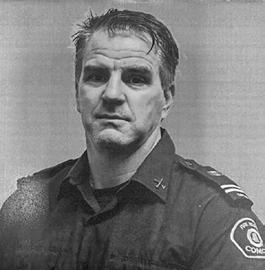
Modern firefighter training has progressed well beyond traditional classroom instruction and procedural manuals.
ate development of decision-making, coordination, and performance under operational stress while reinforcing effective team dynamics.
Repeated exposure to training environments that closely mirror real-world emergencies enables critical skills to become automatic rather than deliberative. Core competencies are executed instinctively — even under elevated stress levels.
One of the most important yet often overlooked aspects of emergency response is cognitive overload.
Over the years, training and operational experience have improved my ability to process heat, noise, structural instability, radio traffic, and human distress in high-pressure environments. This kind of training conditions the body and mind to recognize stress, respond effectively, and continue operating with discipline rather than panic.
There is something fundamentally human in that process — not the absence of fear, but the ability to work through it with discipline, judgment, and control.
Advanced training tools are making instruction both safer and more effective. Technologies such as digital fire, artificial smoke, and virtual reality allow instructors to create realistic scenarios while maintaining greater control over risk. These tools help capture valuable teachable moments during training evolutions and give firefighters exposure to high-risk, low-frequency incidents, such as hazardous materials leaks, without sub-
jecting them to unnecessary danger.
Even with these innovations, the most valuable lessons still come from physically demanding, hands-on repetition. Dragging hose, climbing stairs in full PPE, throwing ladders, and working through fatigue teaches firefighters how physical stress affects performance and judgment. Fire fighting remains an intensely physical profession, and realistic training must continue to reflect that reality.
When firefighters train in conditions that closely reflect real scenarios, they are better prepared to make sound decisions and protect lives and property. This level of preparedness improves response outcomes, strengthens community resilience, and reinforces public confidence in those entrusted to respond when critical incidents occur. For the public, these benefits extend beyond faster tactical execution. They include more orderly incident management, more efficient rescue operations, stronger coordination with mutual-aid partners, a stronger prevention culture, and an enhanced ability to protect homes, businesses, and critical infrastructure during rapidly evolving events. Realistic training is not solely an investment in firefighter capability; it is an investment in the safety, preparedness, and long-term well-being of the community.
In the end, this article comes down to a simple truth: the more real our training is, the more prepared we are to face the realities of the emergency scene. Until next time, that’s my two cents.



CANADIAN SAFETY
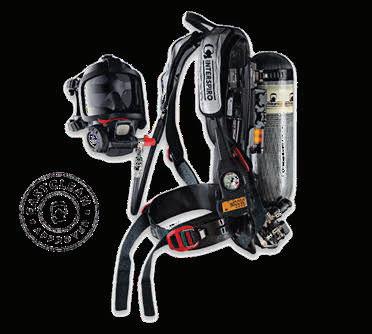



EQUIPMENT IS PROUD TO BE A DISTRIBUTOR FOR THE INTERSPIRO RESPIRATORY PROTECTION LINE. THEIR STATE OF THE ART S9 INCURVE IS ONE OF THE MOST COMFORTABLE SCBAs YOU WILL EVER WEAR.
GIVE US A CALL AT 0182 OR EMAIL US AT INFO@CDNSAFETY.
No company has a richer history in respiratory protection than . Their innovations have become industry standards, time and

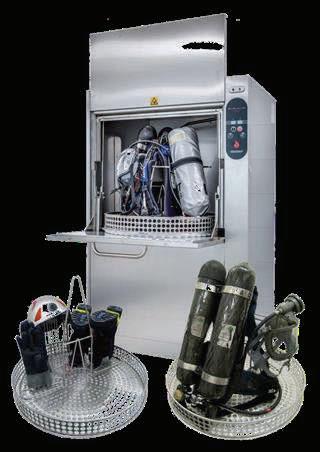
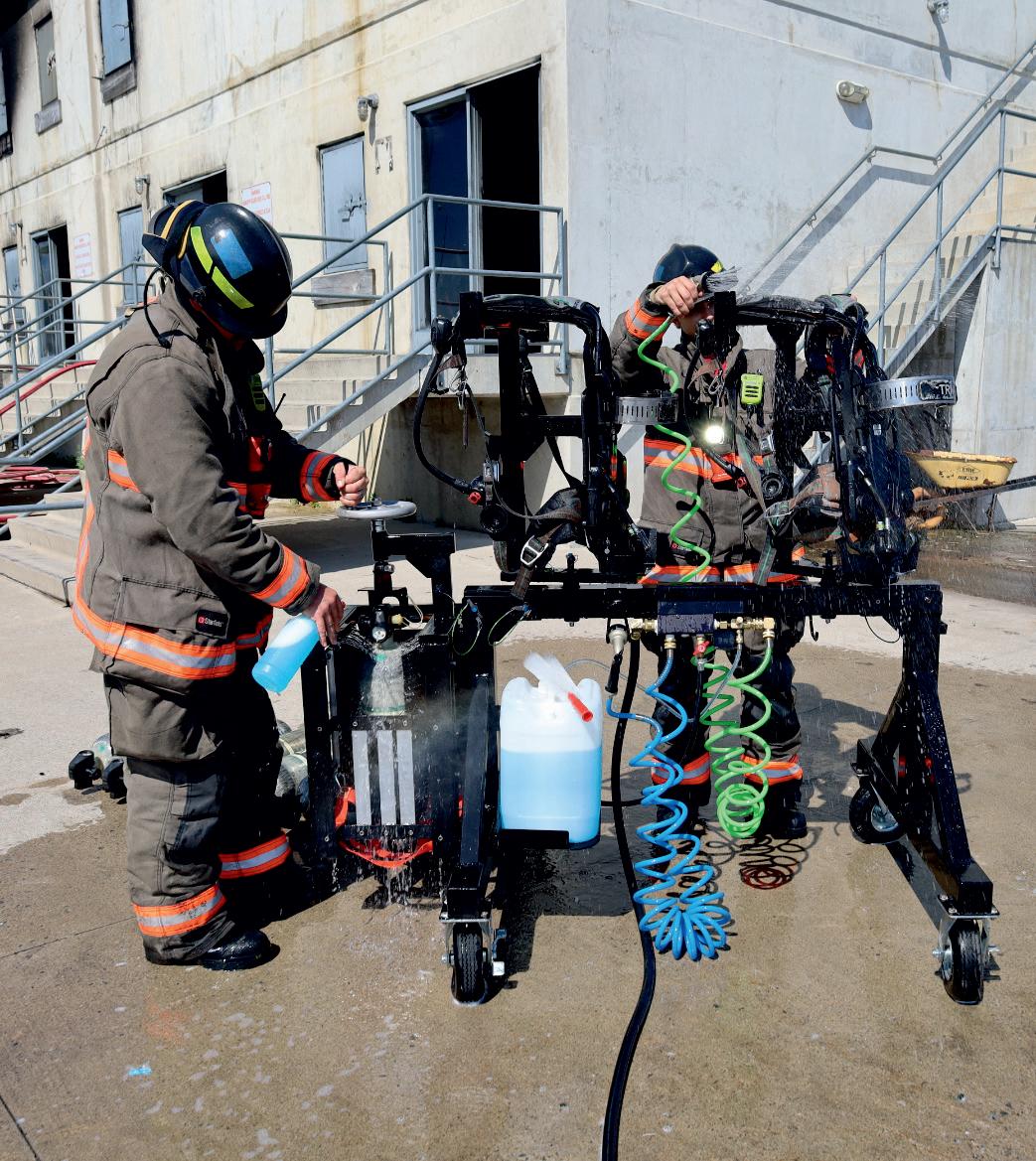
The Solo SCBA Decon/Washing machine was designed and built for one purpose only…to protect Fire Fighters from Cancer causing agents found in the Smoke and residue left on their SCBAs. As an added bonus it can clean Gloves, Boots and Helmets. As an additional benefit, it substantially lowers the time spent cleaning and decontaminating firefighter equipment.


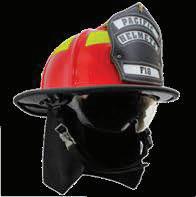
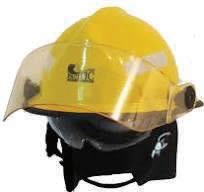
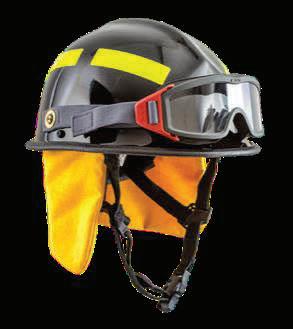
THE SAFEST, MOST COMFORTABLE STRUCTURAL FIRE FIGHTING HELMETS YOU WILL EVER WEAR.



NFPA APPROVED STRUCTURAL FIRE HELMETS




Qualified by MSA and Scott for cleaning SCBAs.


IN ONE HOUR YOU CAN CLEAN/DECON:
-14 SCBAs W/MASKS and CYLINDERS
✓ REDUCED HEALTH RISK
WASH/DECON TWO SCBAs IN minutes


✓ SAVES TIME 2/PKS IN 8 MIN ✓ EASY TO USE
Power


IN ONE HOUR YOU CAN CLEAN/DECON:
• 30 HELMETS
• 60 PAIRS OF GLOVES
• 20 PAIRS OF BOOTS
• Double the above numbers with a second rack

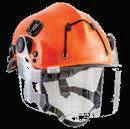
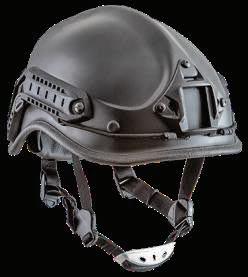
LIGHTWEIGHT KEVLAR REINFORCEDRESCUE HELMETS FOR HIGH ANGLE,


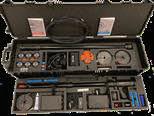
Disaster Deployment Kit
The All in One Search and Rescue Toolbox


The kit has been specifically configured for easy procurement, deployment and storage in mind. Its a perfect choice for urban search and rescue teams, enhanced rescue squads, regional task forces, FEMA and SUSAR teams who are seeking the highest quality, easy to use, cost effective, all-in-one technical search system for their standard equipment cache. The Disaster Deployment Kit comes complete in a single storage case and is designed to be both easily transportable and rapidly deployable anywhere disaster strikes.
The kit includes the full six -sensor Delsar® LifeDetector® System that provides seismic detection of victims, and the high -end SearchCam 3000. SearchCam comes with the long tube set and the extension tube that allow for reach of up to 223 inch (566 cm). Alternatively the camera can be used without the tube set, and lowered to a cavity using the supplied rope accessory kit. The camera head is water tight up to 75 feet (23 m) depth. Delsar Victim Simulator is included for efficient training of the LifeDetector®
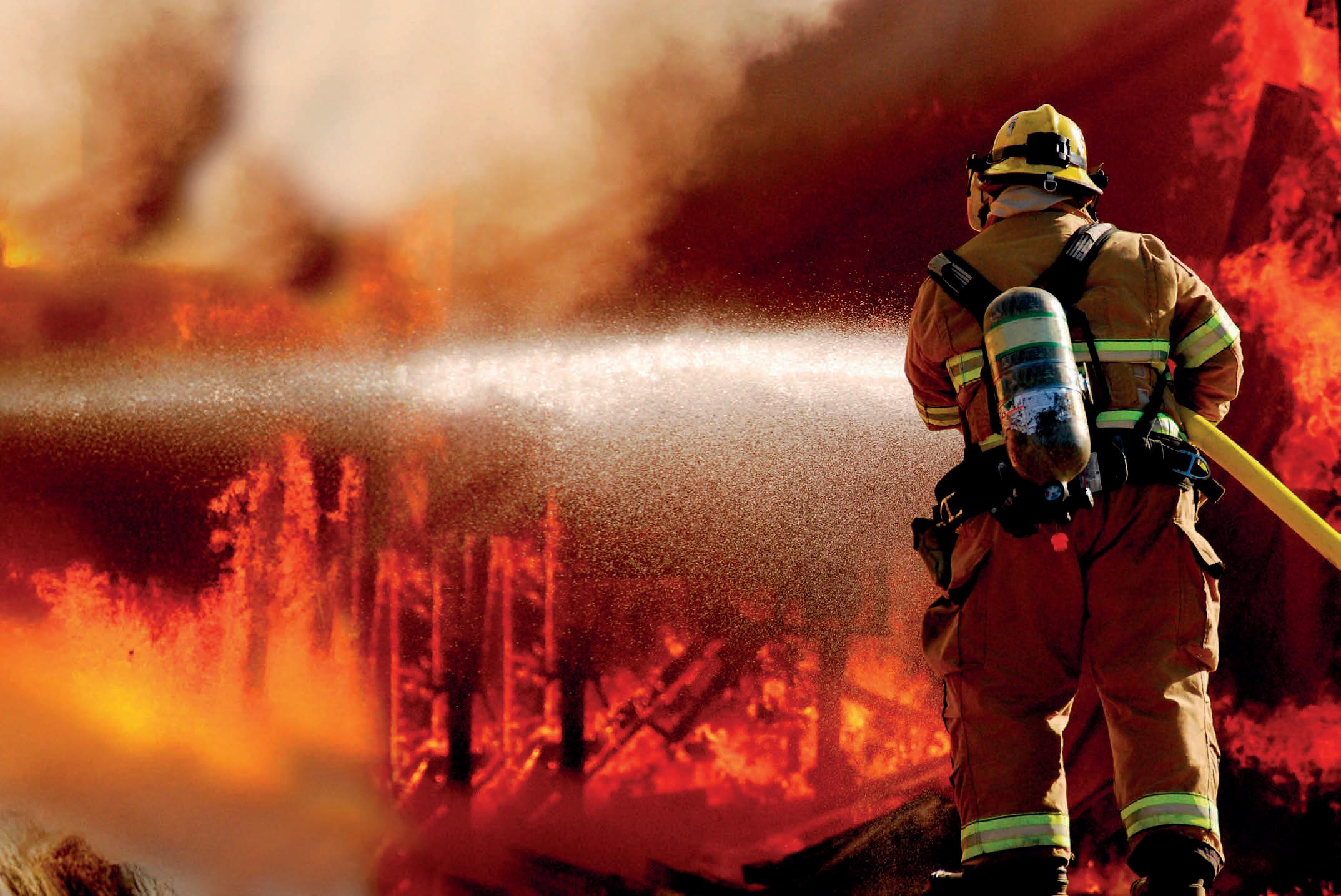
Ontario’s July 1 certification deadline for firefighters has raised the bar on safety. But some rural volunteer departments who are already struggling to fill their recruitment pipeline say the new requirements could make a dire situation even worse.
“It’s killing the volunteer fire service. I know this for a fact because I’ve talked to my counterparts about this,” said Iroquois Falls Fire Chief Dan Boucher, who said even though about 75 per cent of his department was certified prior to the province’s certification deadline, he is worried about his department’s future.
Located about four hours north of North Bay by car, Boucher described Iroquois Falls as a bedroom community where many residents often spend weeks away from home working in northern mines and other remote worksites.
“You try to explain to your spouse that, after you’ve been gone for two weeks on a mining job, you’re going to come home and spend 50-60 hours in a firehall training. That’s where the difficulties lie,” Boucher said.
By July 1 of this year, all Ontario firefighters were mandated to have received provincial certification or recognized accreditation under Ontario Regulation 343/22, trained up to safely provide the levels of service that their fire department provides the local community.
The Ontario Association of Fire Chiefs (OAFC) said approximately 95 per cent of the province’s firefighters have achieved certification. Out of the 437 fire departments in the
province, about 25 departments were struggling to meet certification when this writer spoke to the OAFC in May.
“We’re still working with them, but honestly such a small number [not certified yet] is a positive thing. It’s sort of pushed out like a ‘Oh no! All hope is lost.’ It’s not lost, they’ve come forward and said that they’re having issues, and everyone stepped forward and said, ‘How can we help?’” said Jeremy Parkin, Rama fire chief and OAFC president.
However, there are clearly holes in the service’s northern departments. Holes that the departments would like to fill themselves.
Boucher said this is a two-pronged issue. He believes that one, departments should be able to certify members internally, and two, that rural departments don’t need to be certified to the same degree as large urban centres. He contends that the province’s legislation painted too broad of a picture and has burdened rural volunteer departments.
“I’m asking, along with my mayor and council, to have a look at the certification program and don’t make it a blanket statement where a Town of Iroquois firefighter has to have the same certification as a City of Toronto firefighter,” said Boucher.
Boucher has gone public with this request to the fire marshal’s office and has found an ally in his local MPP, John Vanthof.
“There’s no volunteer firefighter that is opposed to the training,” said Vanthof, who represents the riding of Timiskaming—Cochrane for the NDP provincially.
“The problem is the way the certification is set up. For some volunteer firefighters, it’s quite frankly not humanly possible to get certified,” he continued, saying that firefighters would have to interrupt their work schedules to achieve certification. “So, they just say, ‘Look, we’re employed full-time already, we’ll just find something better to do.’”
“Over half my department still has over 15 years of experience. Right now, we’re in good shape, it’s the future that concerns me,” said Boucher.
Both Boucher and Vanthof stressed that the volunteer pipeline was their main worry about mandatory certification.
On the internal certification front, the Iroquois Falls Fire Department has five trainer facilitators who were certified through the OFM office. So, as Boucher posited, why couldn’t they administer the testing?
Deputy Fire Marshal John McBeth said it’s not that simple.
“There’s a difference between training and certification. You have to train your members to protect them, but what some municipalities are looking for is the ability to sign off on their members,” said McBeth. “But when it comes to the authority, having jurisdiction in the province of Ontario to administer firefighter certification, that does rest with the Office of the Fire Marshal. We are accredited by both IFSAC (International Fire Services Accreditation Congress) and ProBoard to provide that certification testing. The province needs that provincial oversight just to check that box to make sure the training is done. We’re always confident it is, but we need that oversight at the end of the day.”
McBeth did say that he understands the scheduling issues that bedroom communities have been dealing with, and that the OFM has evolved its certification approach to smooth the process for them. He pointed to the OFM moving some of its programming online and allowing firefighters to move through the courses at their own pace.
Plus, the OFM often sends its own staff to certify a department after said department completes its own training.
“We know that some people are in the mines or they have full-time employment elsewhere, family commitments, et cetera. We have learning contracts for instance, where we will hand over our entire program to a department and let them train in-house at their own pace,” McBeth said.
“To certify, you just tell us when you want us to come in and test your members.”
It should also be pointed out that not all rural communities are struggling with certifying their firefighters. Loyalist Township Fire Chief Kent Readman said that he hasn’t faced the same certification struggles, though his town is not known as a bedroom community.
“There are always a few challenges where the training schedule doesn’t necessarily line up with some of our volunteers and their schedules, so it’s a juggling act. But once we figured out those schedules, we built it out over the last two years to give them more than one opportunity to get the training and certification testing.”
Whether the OFM cedes ground on certification authority or not, Boucher still views the mandatory certification as an unnecessary strain on his service’s volunteer pipeline.
“This department has been fortunate that we’ve had 30, 40, 45-year veterans here forever. Over half my department still has over 15 years of experience. Right now, we’re in good shape, it’s the future that concerns me,” said Boucher.
“When they first started talking about [certification], for years before that the hot topic was recruitment and retention. And then they threw in mandatory certification. Okay, well what happened to recruitment and retention?”
According to the Canadian Association of Fire Chief’s 2025 Great

Canadian Fire Census, 12 per cent of firefighter positions in the country’s volunteer departments remained vacant in 2025, higher than the reported 9 per cent and 11 per cent vacancy rates in career and composite departments respectively.
On May 7, Vanthof made a Member’s Statement to Ontario’s legislative assembly, asking for the solicitor general to work with volunteer departments across the province and make the certification process “more attainable.”
“I was surprised by how much interest I got from that statement, but I had many, many MPPs from rural areas nodding their heads as if they dealt with this too,” said Vanthof. “They’re concerned about what happens if these departments aren’t certified.”
Uncertified firefighters are not allowed to work outside of their verified certification levels. If a significant portion of a fire department’s crew does not achieve certification, the entire department may be required to
downgrade its service level. Failure to comply with Ontario’s fire regulations can also lead to significant penalties with corporate fines potentially reaching up to $1.5 million for repeat offences.
When asked whether the provincial certifications could potentially depress Ontario volunteer fire departments’ recruiting efforts, the OFM had the following to say:
“Under the Fire Protection and Prevention Act, 1997 (FPPA), municipalities are responsible for setting the level of fire protection service provided in their community based on local needs and circumstances and their community risk assessment,” said Sean Driscoll, OFM senior strategic communications officer, in a written statement.
“The firefighter certification regulation (Ontario Regulation 343/22) filed under the FPPA does not require fire departments to certify to every level of recognized fire protection service. This allows flexibility for municipalities to ensure that their fire department per-
sonnel are only certifying to the level of service they provide,” Driscoll continued, while also adding that the OFM will continue to offer certification testing at no cost to fire departments across the province upon request.
From the OAFC’s perspective, certifying Ontario’s firefighters is well worth the challenge even with the added hurdles that municipalities need to overcome.
“We know there are challenges, especially for the smaller departments getting those last few people certified to get us up to speed,” said Jeremy Inglis, OAFC vice president and deputy chief of the Oakville Fire Department.
“But overall, this is the right direction. It’s where we need to go as a fire service to ensure we’re providing that proper level of training and the verification that the training is meeting the needs of our communities.”
With the 2028 certification deadline for technical rescue only two-years away now, this discussion doesn’t seem like it will die down anytime soon.






By Len Garis and Todd Schierling
British Columbia is undergoing a pivotal shift in how it protects the health of its firefighters. For decades, the fire service has operated in a reactive posture — responding to occupational disease, cancer, and mental-health impacts only after they emerged. The B.C. Firefighters’ Health Act is a decisive break from that past. It establishes a proactive, evidence-driven framework that aligns B.C. with leading international jurisdictions and sets a new national benchmark for firefighter health protection. This coincides with the work of the fire service advocacy, particularly the B.C. Professional Fire Fighters’ Association (BCPFFA), and their work with the Ministry of Labour on exposure monitoring and data-driven discussions.
This article outlines the historical context, the data that demanded action, and the policy innovations that now position B.C. as a leader in firefighter health and safety.
THE PROBLEM: A REACTIVE PAST
Firefighters face some of the highest occupational-disease risks in Canada. Long-term exposure to carcinogens, toxic combustion products, and cumulative trauma has produced a persistent pattern of elevated cancer rates, cardiac events, and mental-health injuries. Despite this, the system traditionally responded after illness appeared.
For many years, firefighter health protection in B.C. was characterized by incremental expansion of presumptive cancer coverage, inconsistent medical screening across departments, uneven exposure tracking, often dependent on local resources, and variable mental-health supports, with limited early-intervention capacity
This reactive model left firefighters vulnerable. It also placed municipalities and provincial systems in a cycle of responding to preventable illnesses rather than preventing them.
THE EVIDENCE: A CLEAR AND URGENT SIGNAL
26_003890_Firefighting_In_Canada_AUG_CN Mod: May 19, 2026 4:59 PM Print: 05/28/26 page 1 v2.5
Independent surveillance datasets — including national occupational-disease statistics, provincial cancer registries, and international

BY 6 PM FOR
cohort studies — have consistently shown that firefighters experience significantly elevated cancer incidence compared to the general population. These findings are not isolated; they are persistent, replicable, and aligned with global research. International studies show similar patterns across the U.S., Australia, and Europe.
The conclusion was unavoidable: B.C. needed a systemic, proactive approach grounded in prevention and early detection.
The Firefighters’ Health Act, which became law on April 16, represents a structural shift in how firefighter health is protected. Instead of waiting for illness to emerge, the act embeds prevention, monitoring, and early detection into the core of the fire service.
1. Mandatory health screening: The Act introduces regular, standardized medical screening for all firefighters. This ensures early detection of cancers and other occupational diseases — a strategy proven
internationally to improve outcomes and reduce long-term health impacts.
2. Province-wide exposure tracking: For the first time, B.C. will have consistent, province-wide exposure tracking. This is essential for identifying risk patterns, supporting prevention strategies, and strengthening claims processes.
3. Strengthened mental-health supports: The act expands access to mental-health services, recognizing the cumulative psychological impacts of emergency response work. This includes improved pathways for early intervention and support for post-traumatic stress injuries.
4. Alignment with international best practices: B.C.’s approach mirrors the most advanced global models, including NFPA-aligned health monitoring, comprehensive exposure documentation, early-intervention cancer screening, and integrated mental-health supports. This positions B.C. not only as a national leader, but as a jurisdiction operating at
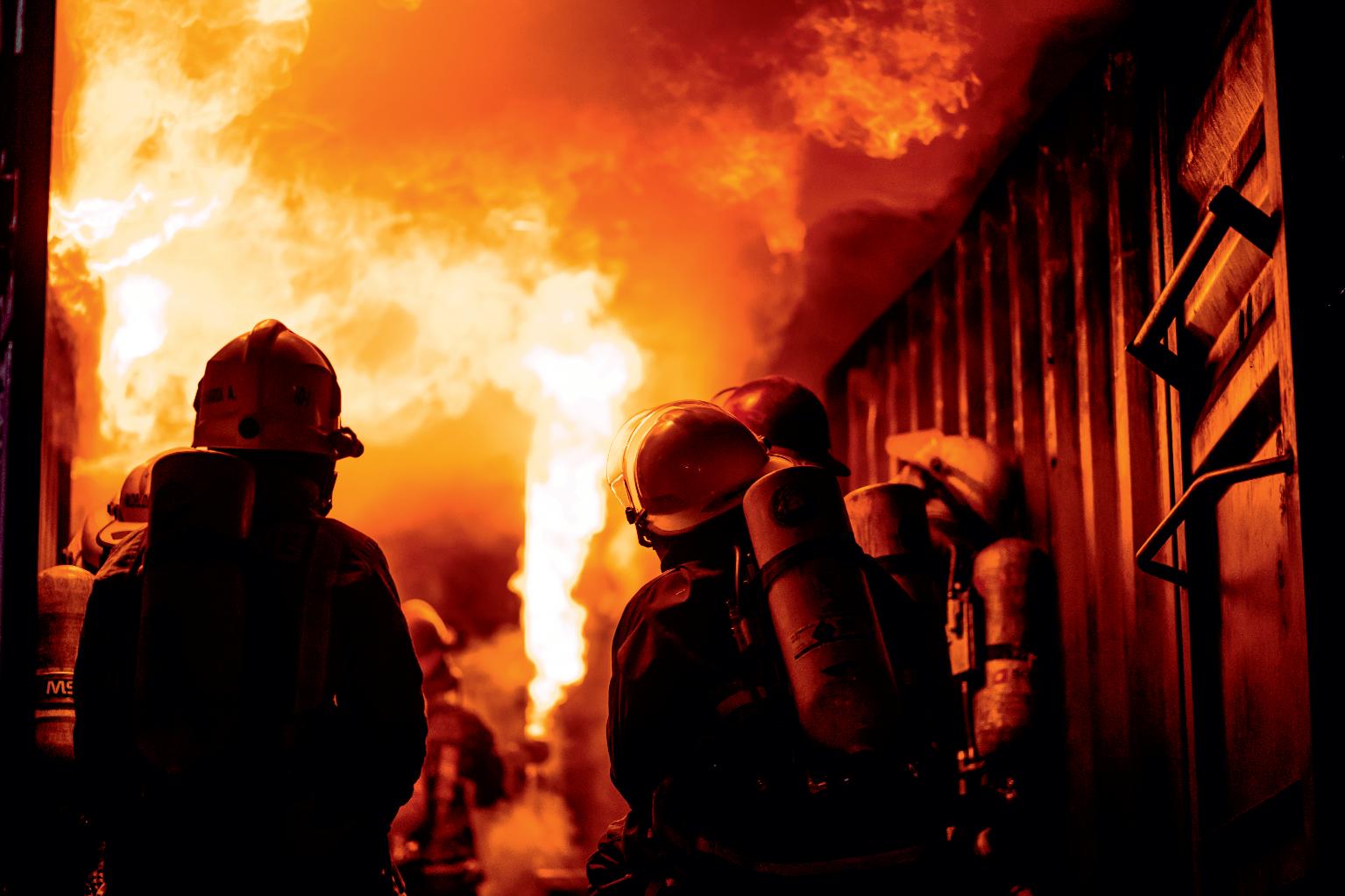


With a Touch Screen and rotating mounting feet, installation is hassle-free



the forefront of firefighter health policy worldwide.
The Firefighters’ Health Act is more than legislation, it is a systemic correction. It shifts B.C. from a fragmented, reactive model to a proactive, standardized, prevention-driven system.
This shift delivers benefits across the board: For firefighters, it delivers earlier detection of occupational diseases, better long-term health outcomes, consistent access to mental-health support, and a safer, more sustainable career. For municipalities, they will benefit from reduced long-term health-related costs, improved workforce sustainability, and stronger alignment with national and international standards
Finally, the public can expect a healthier, more resilient fire service, improved emergency-response capacity, and greater confidence in the systems that protect communities.
B.C.’s approach is already drawing attention from other provinces and international partners. The act’s integration of mandatory screening, exposure tracking, and mental-health supports reflects a level of system design that few jurisdictions have achieved.
This positions B.C. as an international leader in firefighter health policy, a model for integrated prevention systems, and a jurisdiction aligned with global best practices. The act also creates opportunities for future research, data integration, and continuous improvement — ensuring that B.C.’s fire service remains at the forefront of occupational-health innovation.
By embedding prevention, monitoring, and early detection into the fabric of the fire service, B.C. is not only changing outcomes — it is changing the trajectory of firefighter health for generations to come.
Len Garis is the Director of Research for the National Indigenous Fire Safety Council and a Research Associate at the University of the Fraser Valley. Garis is recognized nationally for his work in firefighter health, occupational-risk research, and evidence-based public-safety policy. lwgaris@outlook. com
Todd Schierling is the President of the B.C.Professional Fire Fighters’ Association and a leading provincial advocate for firefighter health, safety, and occupational-disease prevention. He has played a central role in advancing cancer presumptions, exposure-reduction strategies, and modern health-monitoring standards across British Columbia’s fire service. todd@bcpffa.org

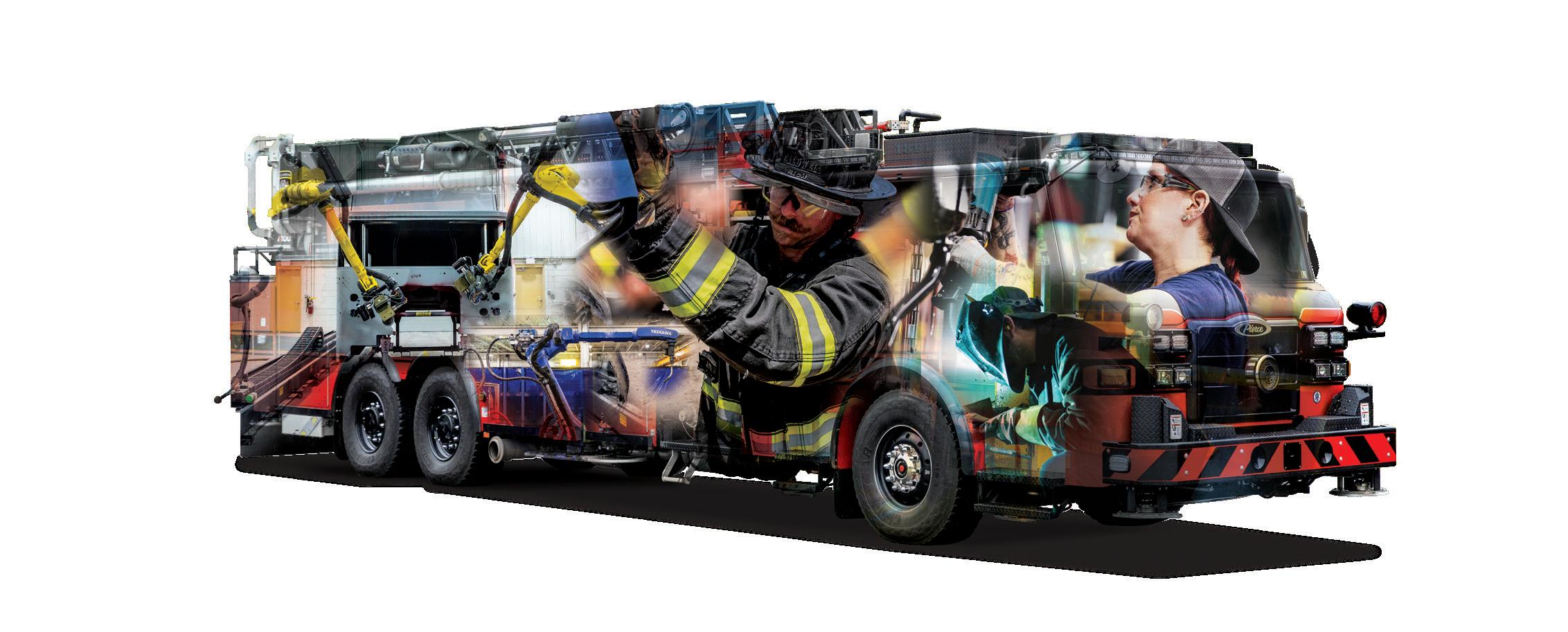


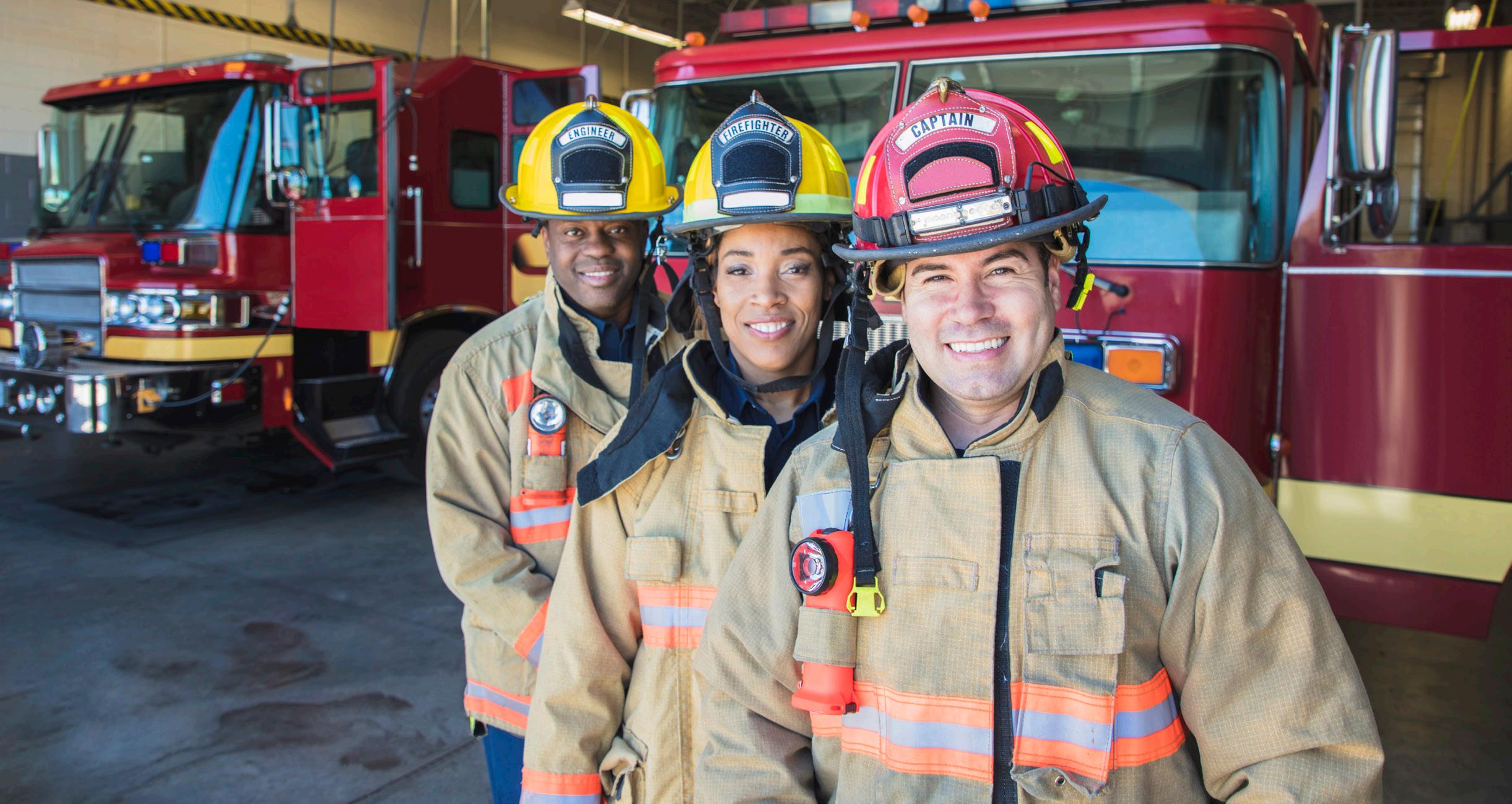
Diverse fire service teams strengthen safety, effectiveness, and community trust while remaining essential to fulfilling the mission of protecting life, property, and the public.
By Luigi Davoli
For generations, the fire service has taken great pride in its traditions; brotherhood, courage, service before self. Yet tradition alone does not guarantee continued relevance. As the communities that are protected change, the fire service faces a fundamental leadership challenge: will it evolve to meet those communities’ needs, or will it cling to familiar structures that no longer fully serve them?
Diversity is often discussed as a moral obligation or a compliance issue. In reality, it is neither. Diversity is a strategic necessity. For today’s fire service, diversity strengthens operational effectiveness, improves firefighter safety, enhances community trust, and ensures long-term organi-
zational resilience. For chief fire officers, advancing diversity is not optional; it is core to the mandate of protecting life, property, the environment, and advancing public confidence.
Canada, like many nations, is defined by diversity. Immigration, urbanization, and demographic shifts have reshaped cities and towns across the country. Yet the composition of many fire services has not kept pace with this change. Operational ranks remain overwhelmingly male and disproportionately homogeneous when compared to the population they protect. When a service does not resemble its community, subtle but significant consequences follow. Communication barriers emerge. Trust erodes. Residents are reluctant to engage with emergency services until a crisis compels them to do so. These gaps weaken public safety.
By contrast, a diverse fire service sends a powerful message: “We belong to this community because we are part of it.”
The most visible benefit of diversity is improved community connection. Firefighters are often the most human face of bureaucracy – entering homes, schools, places of worship, and moments of personal crisis. When residents see themselves reflected in the fire service, barriers dissolve.
Fire prevention and public education efforts become more effective when they are culturally informed. Understanding how different communities perceive risk, authority, and emergency services allows departments to tailor messaging that truly resonates and connects. August 2026
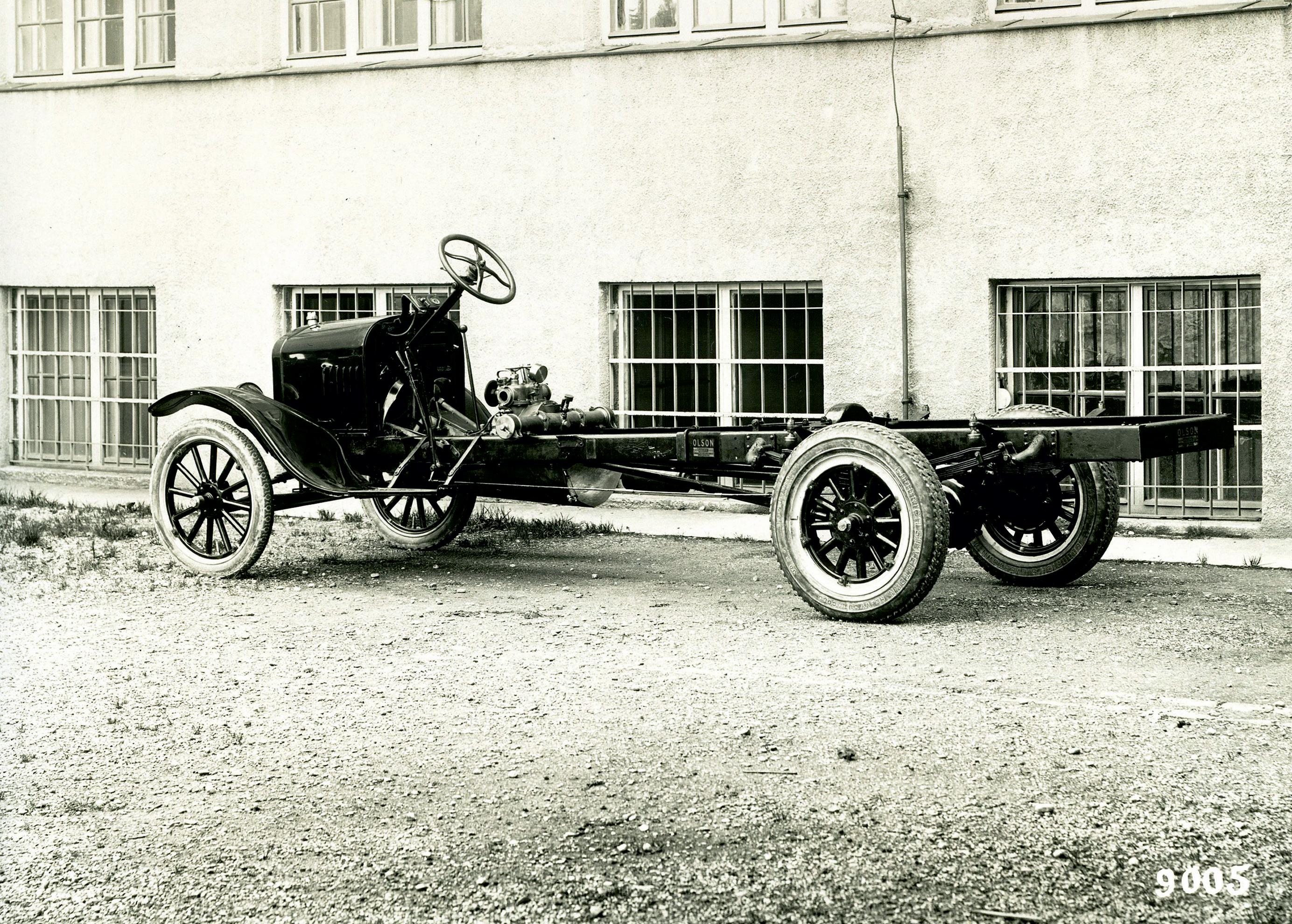
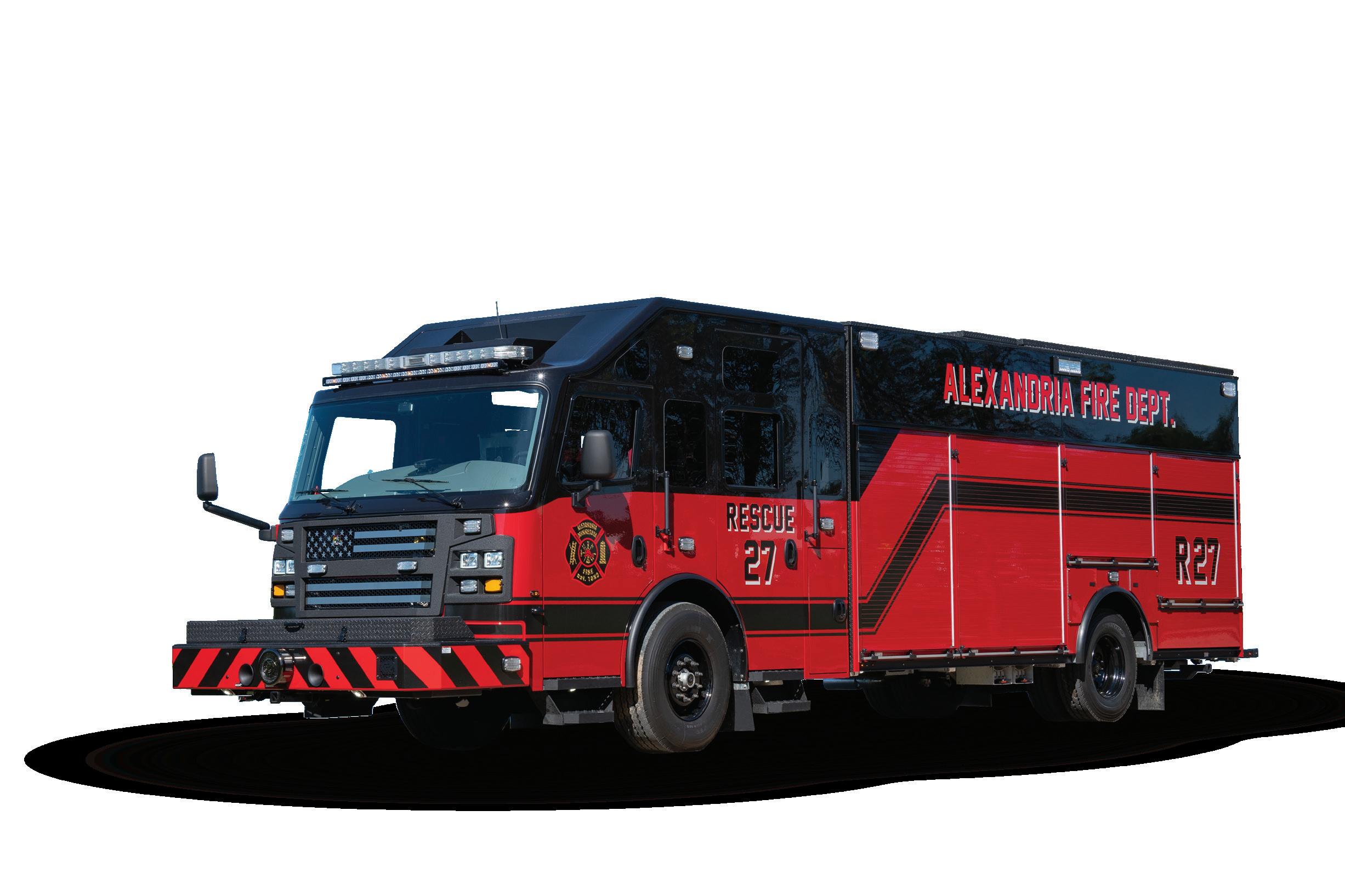
NFPA, SAE, and ECE standards, delivering strength, stability, and unparalleled safety. Heavy duty extrusions and 3/16’” aluminum plate create extreme structural integrity. Effortlessly control apparatus-wide functions with the intuitive Logic Control System (LCS).
Contact your local Rosenbauer dealer.





This connection translates into real outcomes: faster compliance with safety directives, better cooperation during emergencies, and increased willingness to report hazards before they escalate. Over time, these factors reduce property loss, injuries, and preventable fatalities.
While the community benefits are compelling, the internal advantages of diversity may be even more powerful. Emergency services operate in a complex, high-risk environment where decisions must be made quickly with incomplete information. In such settings, homogenous thinking is a liability. Diverse teams bring varied perspectives, problem-solving approaches, and risk assessments.
Diversity also enhances learning. Firefighters who work alongside colleagues from different backgrounds gain insight not from classroom lectures, but from shared experiences.
For chief fire officers, this matters. A service that thinks broadly, challenges itself, and learns continuously is better positioned to adapt to emerging risks, new technologies, and evolving expectations.
One of the most persistent myths in the fire service is that diversity compromises operational capability or safety. This concern often surfaces around physical performance, particularly regarding women in operational roles.
Research and lived experience have repeatedly dismantled this narrative. Modern firefighting is not about brute strength alone. It is about

technique, teamwork, situational awareness, and decision-making. Diverse crews often demonstrate heightened attention to risk assessment, improved communication, and injury prevention.
Women and members from non-traditional backgrounds frequently bring approaches that emphasize biomechanics, strategic positioning, and asking for assistance when needed – behaviours that enhance, rather than diminish, safety.
Chief fire officers must be clear: diversity does not lower standards. It challenges us to define standards that reflect the realities of modern firefighting and reward competence, not conformity.
Advancing diversity is not without challenges. Fire service culture is deeply rooted and change can provoke discomfort. Concerns about workplace relationships, privacy, and station life are often raised.
These concerns are real, but they are manageable. Clear policies, respectful leadership, and professional standards provide the framework needed to navigate these issues without undermining cohesion. Many departments already manage similar challenges successfully across all ranks, divisions, and shifts.
The greatest risk lies not in addressing these challenges, but in avoiding them. Chief fire officers must confront the reality honestly and decisively.
Cultural transformation does not occur through policy alone. It requires leadership to be visible, consistent, and credible. Fire service members take their cues from what leaders tolerate, reward, and model.

Changes must be guided, not imposed. Fire service members are more likely to embrace diversity when they understand “why” it matters and “how” it strengthens the fire service they care about. Leadership’s role is to create that understanding and sustain it over time.
Importantly, cultural change is incremental. It unfolds across years, not months. Fire chiefs who approach diversity as a long-term investment are far more likely to succeed.
One of the greatest barriers to diversity in the fire service lies upstream in recruitment. Word-of-mouth, family connections, and limited outreach reinforce homogeneity.
To change outcomes, chief fire officers must change strategies. Recruitment must become intentional, community-based, and sustained. Engaging schools, community organizations, cultural groups, and youth programs creates awareness long before applications are submitted.
Representation matters. When potential applicants see fire service members who look like them and share their experiences, barriers fall. Trust grows. The profession becomes imaginable.


A diverse fire service is not weaker. It is stronger, safer, and more capable. It understands the community because it belongs to it. For chief fire officers, embracing diversity is not about changing who we are, it is about ensuring we remain worthy of the trust placed in us.
The future of the fire service depends on it!
2023-03-01 11:56 AM
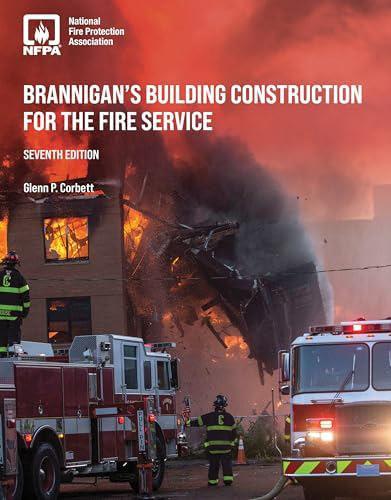
Item 1284316957 | $139.95
In 1971, Francis L. Brannigan created Building Construction for the Fire Service, a groundbreaking resource offering a comprehensive description of building construction available to firefighters. Brannigan’s is a vital resource for fire officers, instructors, active and aspiring firefighters, those studying for promotion, individuals taking civil service examinations, and fire science students.
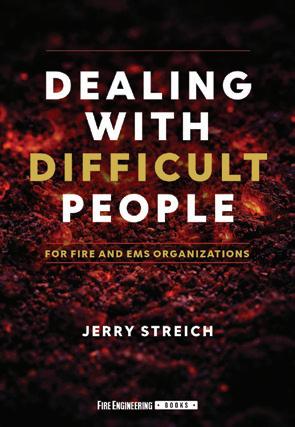
Item 1593706128 |$54.60
Written by fire chief and former Army combat medic Jerry Streich, this book draws on real-world experience in high-pressure environments where leadership decisions carry serious consequences. Streich provides actionable strategies to help leaders protect their teams, maintain professionalism, and build a healthier, more accountable firehouse culture.
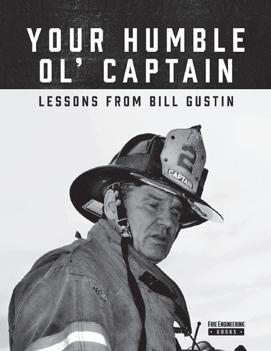
Item 1593705220 | $68.60
This collection from Fire Engineering Books is the complete archive of Captain Bill Gustin’s legendary fire service articles, published between 1992 and 2024. This definitive volume preserves more than 30 years of tactical insight from one of the fire service’s most trusted technical editors.
















































































By Darrell Graham , Fire Chief, Alberton, Prince Edward Island
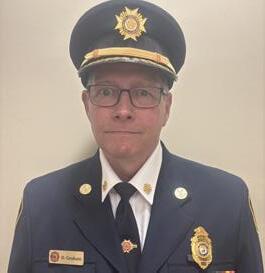
Graham is the fire chief of the Alberton Volunteer Fire Department in P.E.I. He joined AVFD in 1992, is a dual seal level 3 instructor at the P.E.I Fire School and serves on the board of directors for the PEI Firefighters Association. darrellgraham@hotmail.com
On Sept. 18, 2024, I lived every fire chief’s worst nightmare.
While responding to a motor vehicle accident, I was contacted on the radio and informed that one of my members, an engineer with 45 years in the fire service, had collapsed in the fire hall and CPR was in progress. I contacted our dispatch to send an ambulance and instructed my deputy chief to continue with the call while rerouting the Rescue unit to return to the hall. I cannot describe the range of emotions that I was experiencing. The original call still had to be answered and the level of professionalism that the members of the department showed that day will forever be etched in my mind. Even though one of their own was in dire need, they still responded to the call and stabilized the situation before returning to the hall. The rescue unit arrived at the fire hall within three minutes of turning around, followed shortly by an ambulance. Despite our best efforts, our dear brother Bill Gillis passed away. As you can imagine, we were all devastated. But his family had to be notified as well as the relevant authorities and town council. Making that notification with an RCMP member will forever be the hardest thing I have ever done.
The outpouring of support from across Canada from both full-time and volunteer departments was astonishing, to say the least. Our mutual aid partners instantly took over our coverage area and staffed our station. This was the first line of duty death in our department’s history. Honour
guards were offered and accepted, and we were guided through the process of a departmental funeral. I struggled with my role as the fire chief in this situation. Nothing can prepare you for this. I wanted to be there for each and every one of my members and for the family of the deceased as well. I lived at the fire hall for two days, not wanting to leave in case someone needed to talk. It took a stern statement from my senior engineer to set me straight. He came into my office, closed the door and said, “You have to look after yourself Chief, so that you can look after us.” That simple statement hit hard but rang true. I got some sleep and we honoured our brother and his family.
As a line of duty death, our brother was entitled to be remembered on the Canadian Fighters Memorial wall in Ottawa. In September 2025, myself, my deputy chief, one of my captains and senior engineer along with the family attended the ceremony. To say that this event evoked strong emotions would be an understatement. To march in with the sound of the bagpipes echoing off the granite walls was breathtaking. To be part of the fraternity of the fire service can be summed up in that ceremony. Firefighters from across Canada attended — municipal, volunteer, wildland and Indigenous — with the sole purpose of honouring the fallen. Now let’s go forward one month to October 2025. The captain that had attended the ceremony in Ottawa was informed that she had cancer. Captain Kelly Williams was a paramedic and
I struggled with my role as the fire chief in this situation. Nothing can prepare you for this.
a volunteer firefighter. After a courageous fight she passed away on November 25, 2025, leaving behind her husband, who happens to be our department’s safety officer, and their 13-year-old son. In the space of 14 months, we had lost two members. We were all in a daze. How could this be happening so soon after Bill’s death? Once again, the outpouring of support from our brothers and sisters in the fire service was amazing. The support that was offered to the members and myself will never be forgotten. How do you get back to normal around the fire hall? The simple answer is you don’t. You walk by their stall where their gear hung and you remember. Slowly things returned to what passes for normal around a fire hall. We continue to check in on the family of our fallen. In September we will return to Ottawa and add Captain Kelly Williams’ name to the wall. I cannot express how grateful our members are for the continued support that we are still receiving. It is said that the fire service is a family, and I and my members can personally attest to the truth of that statement. As we approach September, let us not forget the fallen and their families. The reason I relate this story is to highlight the respect that is so prevalent throughout the fire service regardless of full-time or volunteer status. We all joined the fire service out of a sense of duty to help others, a passion we all share. We can be sure that when the worst happens, we will be there to support each other.
Stay safe.
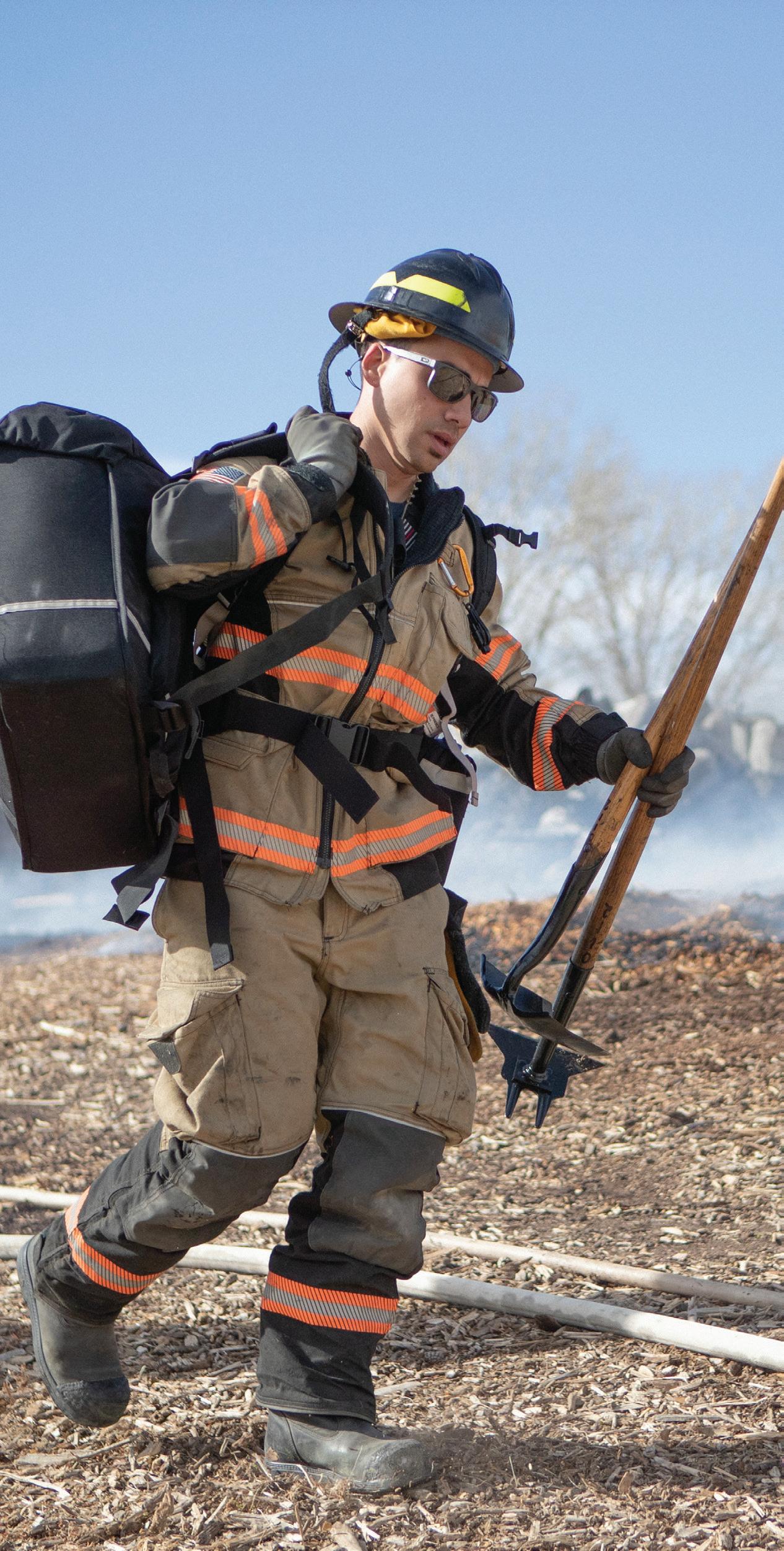
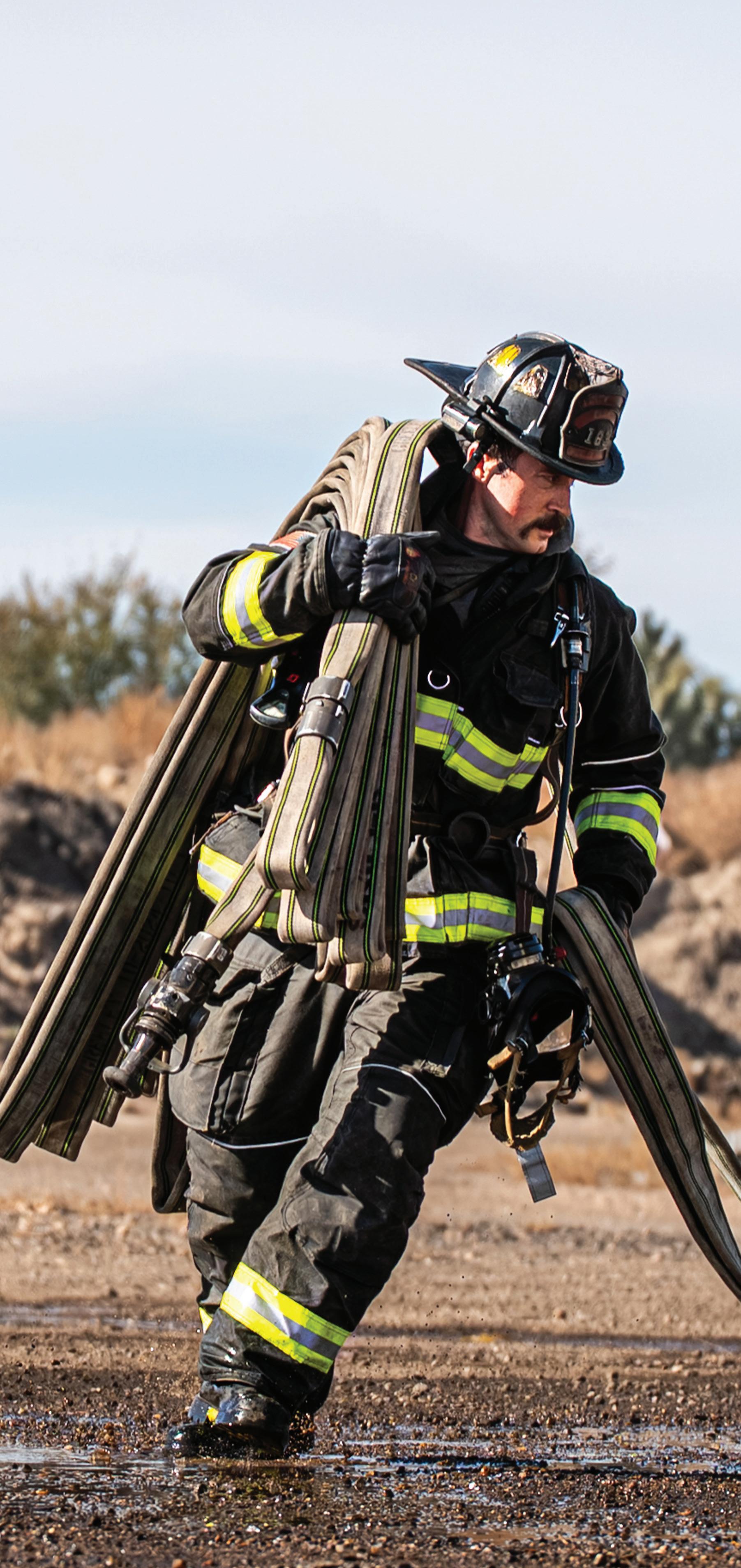
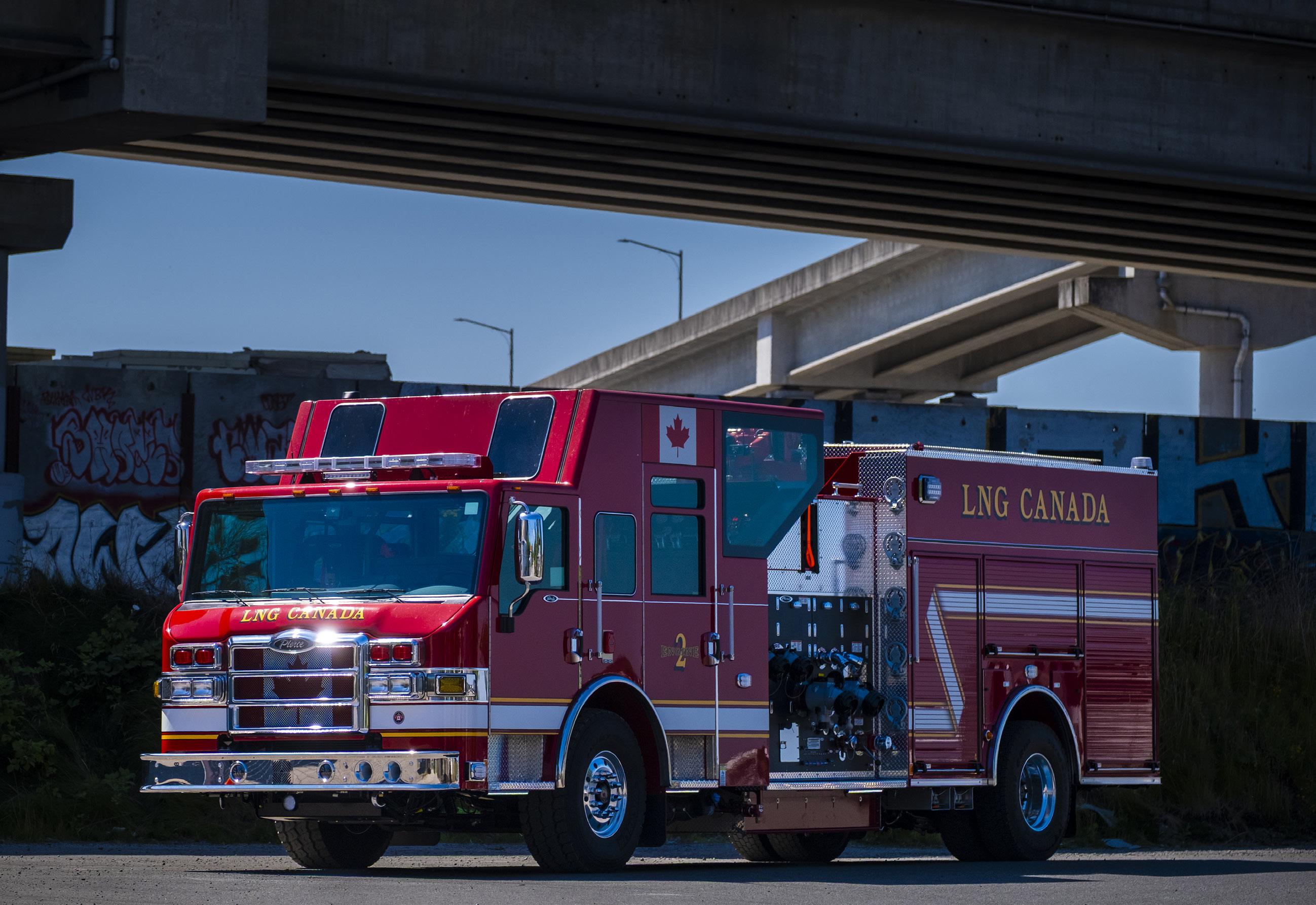
With best-in-class product knowledge, customer support, and technical expertise, the Commercial Emergency Equipment team is trusted by companies throughout the industrial and mining sectors to provide 24-Hour emergency service, OEM parts and equipment for their apparatus, and testing & inspections.