Print and digital subscription inquiries or changes, please contact: Angelita Potal, Customer Service
Tel: (416) 510-5113
Fax: (416) 510-6875 apotal@annexbusinessmedia.com
ASSOCIATE
JACOB MUNRO jmunro@annexbusinessmedia.com
DIGITAL
Mail: 111 Gordon Baker Rd., Suite 400, Toronto, ON M2H 3R1 EDITOR LAURA AIKEN laiken@annexbusinessmedia.com
BRITTANI SCHROEDER bschroeder@ annexbusinessmedia.com GROUP PUBLISHER ADAM SZPAKOWSKI aszpakowski@
Occasionally, Fire Fighting in Canada will mail information on behalf of industry-related groups whose products and services we believe may be of interest to you. If you prefer not to receive this information, please contact our circulation department in any of the four ways listed above.
All advertising is subject to the publisher’s approval. Such approval does not imply any endorsement of the products or services advertised. Publisher reserves the right to refuse advertising that does not meet the standards of the publication.
firefightingincanada.com
This, we can surely predict
Humans have been working the prediction angle as a strategy to gain better control over the future at least as far back as recorded texts in 1950 BC during the first dynasty of Mesopotamia. Astrology was the primitive diviner du jour. AI seems to be ours, although I have no doubt clairvoyants still cash a cheque. Today, we prefer data over celestial cycles. Modern society generates information faster than it can organize, extrapolate, mine, or spreadsheet it so we came up with a tool to do it that much faster for us and called it artificial intelligence (because the real intelligence was coming up with the nifty tech in the first place). Data helps fire departments plan all sorts of things by forecasting needs through the predicted changes in their communities. Importantly, it helps not only plan but prove the need to fund the agenda. Data is also helping train AI models to foretell wildfire spread, though predictive technologies such as the fire area simulator FARSITE have been in use since the 1990s. A recent University of Buffalo study found that FARSITE offered better prediction performance, but AI was more adept at being flexible and working with real-time
information. Seems like a hybrid model with high potential.
Theoretically, all of this marrying of tech and the data dating bonanza will make it easier to make sound decisions, on the fire ground and financially. And it often does. But there are a few catches with being predictive that will likely never be solved.
One, making predictions doesn’t always lead to action. In fact, at a small and large scale, likelihoods are often ignored. Look no further than the COVID-19 pandemic, an event of this nature that was predicted for years by many, including the World Health Organization. Were healthcare systems bolstered in response? Nope. Were countries ready? Nope.
Let’s hope wildfire and the prediction that worse is the only direction it’s likely to go faces a different fate in terms of country readiness. I believe the fire service is doing an outstanding job jangling the bell out of it through gathering its own data on readiness (through avenues like the CAFC’s Great Canadian Fire Census), focusing on FireSmarting, and discussing challenges countrywide. Technologies
In 2025, Canada spent 89 consecutive days at CIFFC’s National Preparedness LEVEL 5
“In 2023, approximately 232,000 Canadians, comparable with the population of Kitchener, Ontario, evacuated their communities in the wake of 282 wildfires.” — Statistics Canada
FIRE DATA IN CANADA
started being collected via satellite in 1975, a big boon to seeing the whole picture — Canadian Geographic
Manitoba and Saskatchewan wildfires caused almost $300 million in insured damages last year Insurance Bureau of Canada
like AI early detection could be a boon for destruction mitigation and the effective mobilization of resources. All this being said, adequate support at every level of government will be required to execute appropriate preparedness and these entities have poor track records in this domain.
But, the other caveat of prediction will occur, and that is the problem of the things you just don’t see coming. Just when gas prices got as cushy as could be, bam! A war in the Middle East and possible regret over just purchasing a gas guzzling SUV that takes premium gas (yes, I did). In fact, it’s as if the more concrete data we collectively collect, the more chaos seems to abound around us. It’s an interesting world we are in.
When it comes to our own clairvoyance, this we can surely predict: expect the unexpected.
LAURA AIKEN Editor laiken@annexbusinessmedia.com
6,000
There is a greater than wildfires and over 8.3 million hectares burned in 2025 Canada saw more than
THE PESHTIGO FIRE OF 1871
in the U.S. is widely considered history’s deadliest with 1,152 fatalities and 17 towns lost
99 %
chance that 2026 will be hotter than every year on record prior to 2023 — Government of Canada
MODELS NOW AVAILABLE!
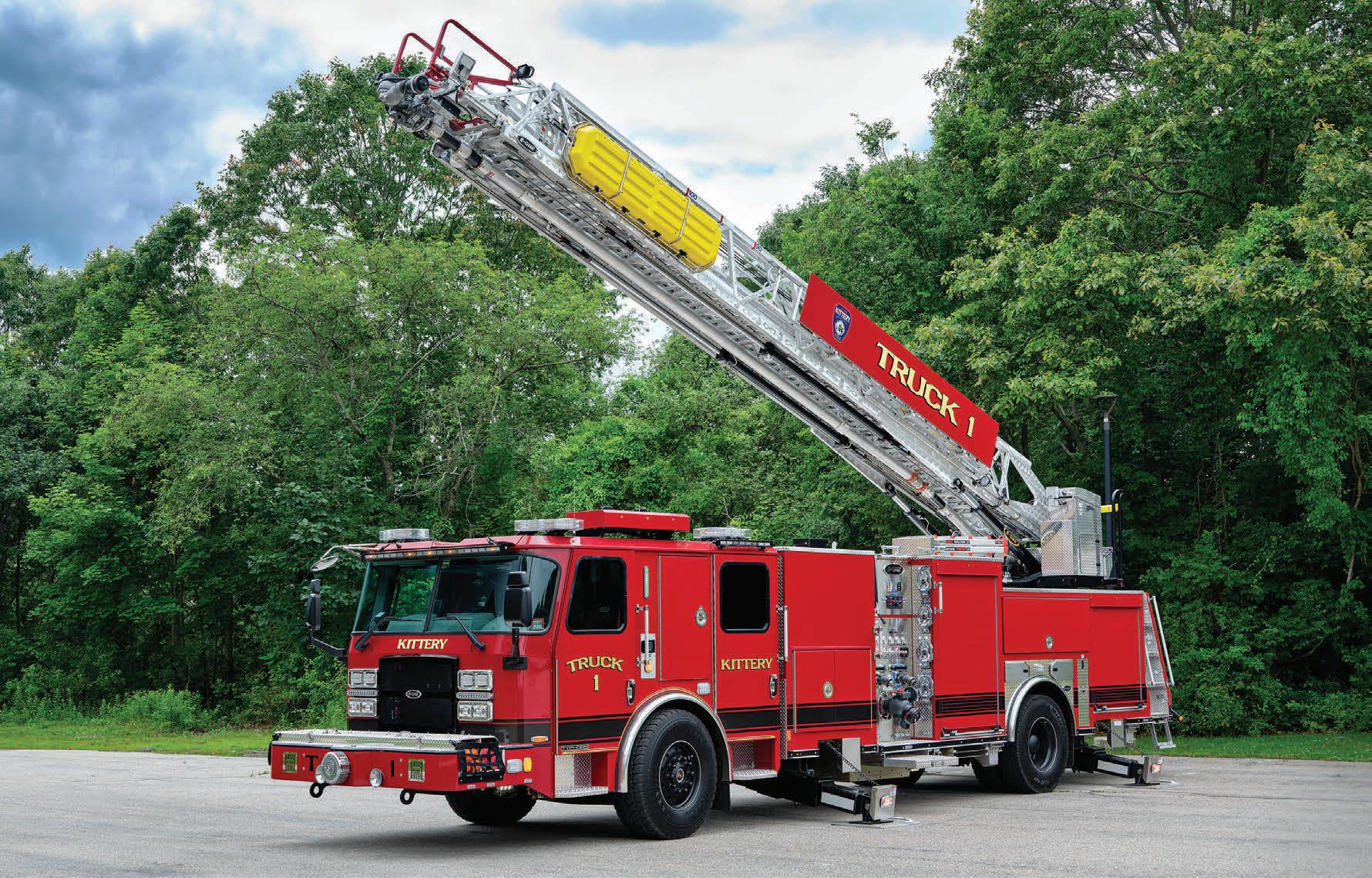
INTRODUCING E-ONE SELECT SERIES™
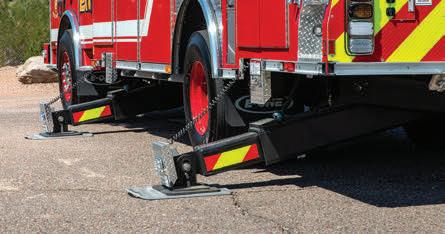
When you’re in the emergency response business, time is always of the essence. E-ONE is saving departments time with our new Select Series fire apparatus. We streamlined the order-to-delivery process by preselecting the most popular options while allowing customization to meet your specific needs. Available now with our 75', 78' and 100' aerials in single- or tandem-axle configurations.
Provides a jack spread as narrow as 11' for
EXCEEDS THE NFPA STANDARDS
Extruded
Ordering fire apparatus just got faster and easier, with the new E-ONE Select Series. Scan for more information, contact your E-ONE dealer or visit e-one.com/select-series-aerials today.
STATION TO STATION
Sault Ste. Marie study shows 75 per cent reduction in high-risk cancer group
A new report on Sault Ste. Marie Fire Services shows that a targeted wellness program has seen a 75 per cent reduction in the number of firefighters classified as a high-risk for cancer.
The report uses Rep Health’s Overall Risk Score (ORS), a combined indicator that tracks multiple health and workload factors, to show how operational choices and recovery patterns influence long-term health risk.
Developed in partnership between Sault Ste Marie Professional Firefighters Association (SSMPFFA), the City of Sault Ste. Marie, and Rep Health, the report analyzes real world data from firefighter shift patterns, recovery and readiness, body composition, mood, nutrition, and self-reported symptoms.
“This is more than just a wellness program; it is a risk management investment in our staff,” said Peter Johnson, fire chief for Sault Ste. Marie. “Moving firefighters out of the highrisk category represents a healthier workforce, delivering measurable cost savings for our city and, most importantly, protecting lives in our fire halls.”
At an average estimated cost of
about $192,000 per presumptive cancer claim, including historical costs, even modest reductions in risk exposure represent significant potential savings for municipalities, alongside improved health outcomes for firefighters.
“This data gives us a clearer picture of what firefighters are carrying, both physically and mentally,” said Aidan Wright, firefighter with SSMPFFA and head of the union’s wellness team.
“Rep Health has changed how our members think about daily readiness. By consistently tracking injuries, nutrition, and body composition, the program has brought a level of awareness that is already driving meaningful change.”
In addition to cancer risk, the program also targets non-occupational absence reduction. Over a four-year average, Sault Ste. Marie Fire Services recorded approximately 4,492 hours of non-occupational absence per year at an average annual cost of $243,415.
Data from the municipality shows:
• Between 18 and 25 presumptive cancer claims within Sault Ste. Marie Fire Services
• Total cancer-related costs, which include historical and legacy claims, are estimated at $5 million to date
• An average presumptive claim cost of approximately $192,000
• Clear links between shift patterns, recovery, readiness scores, and longterm risk
• Measurable opportunities to reduce both health risk and absenteeism related costs
Early results show fewer highrisk members and more low risk members within the department.
St. Catharines Fire
Chief
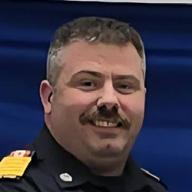
Dave Upper wins OAFC Fire Chief of the Year
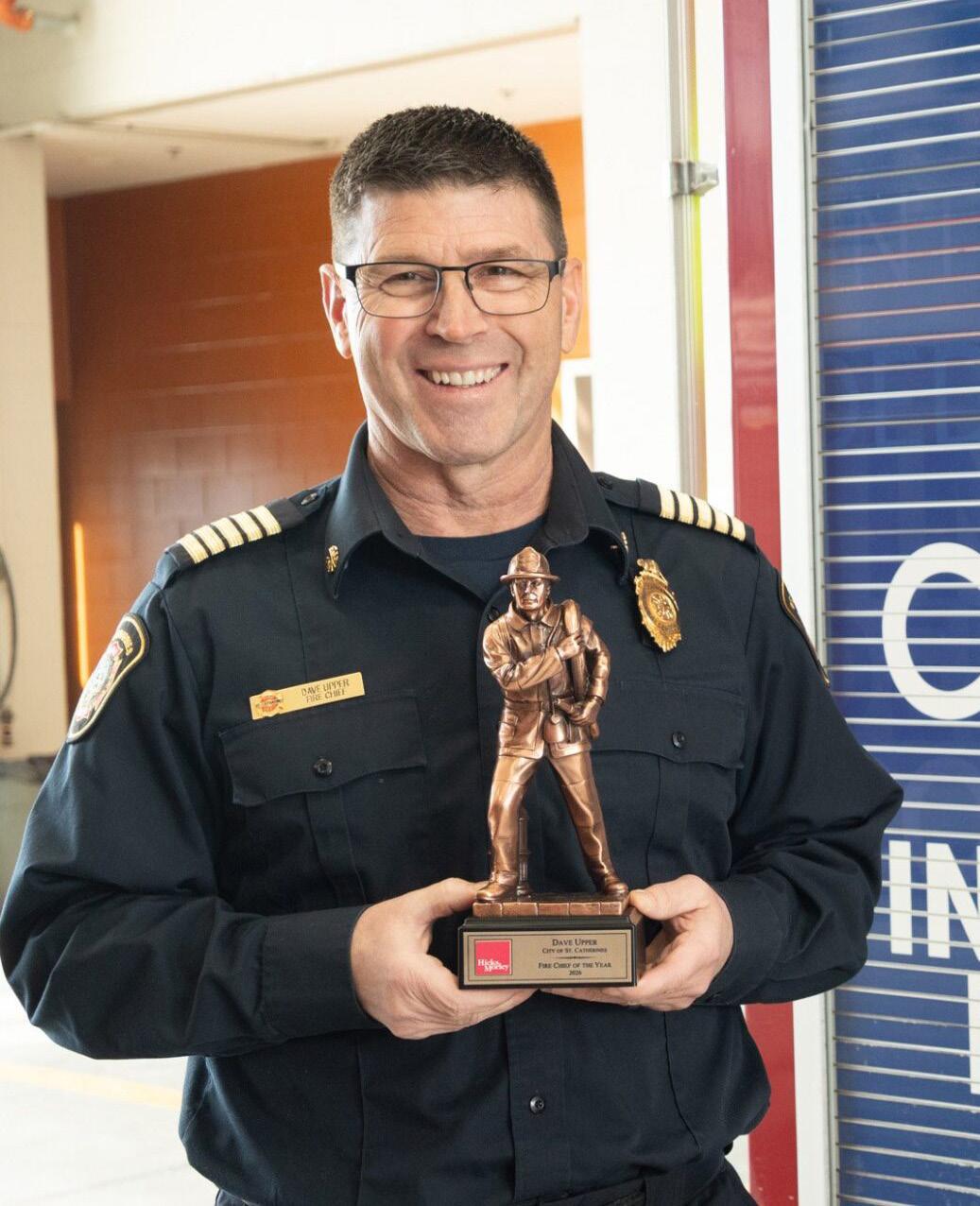
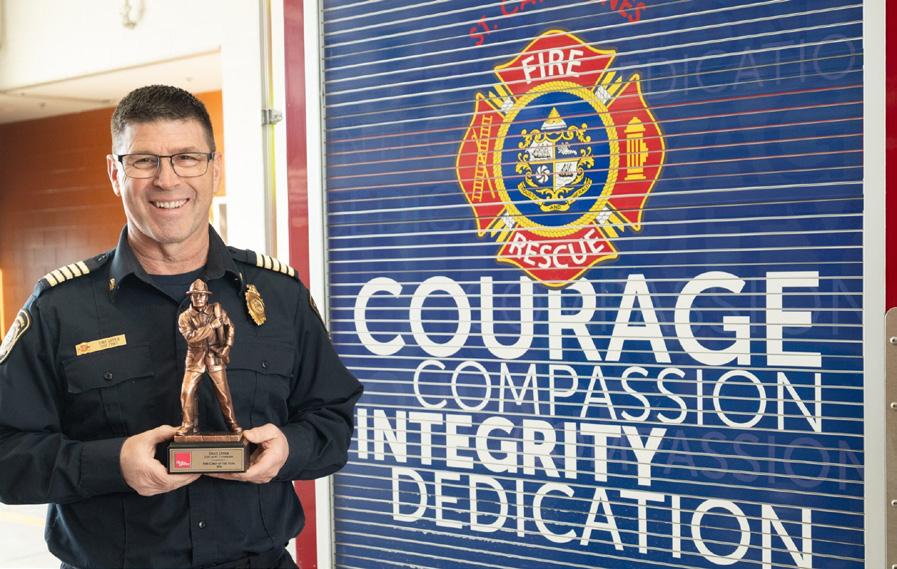
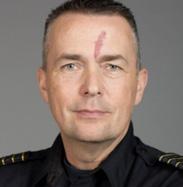
St. Catharines Fire Chief Dave Upper has been named Ontario’s Fire Chief of the Year, presented by Hicks Morley law firm, earning provincial recognition for his leadership and contributions to the fire service.
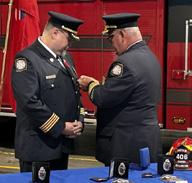
He was presented with the Ontario Association of Fire Chiefs (OAFC) award at the association’s Hicks Morley Labour Relations Seminar in Toronto that ran Jan. 20 to 22.
“It is very humbling,” Upper said. “I’ve been very blessed to be part of a great team at St. Catharines Fire Services. While this individual recognition is appreciated, none of the great work we do would be done without the exceptional teamwork of the fire services and the corporation.”
St. Catharines Fire Chief Dave Upper has been named Ontario’s Fire Chief of the Year.
Upper first joined the fire service in 1991 as a firefighter before making deputy chief in 2017, then fire chief in St. Catharines in 2021.
David Oakes, St. Catharines’ chief administrative officer, said Upper’s recognition was well deserved.
Weston Family Foundation commits $8M for prescribed fire program
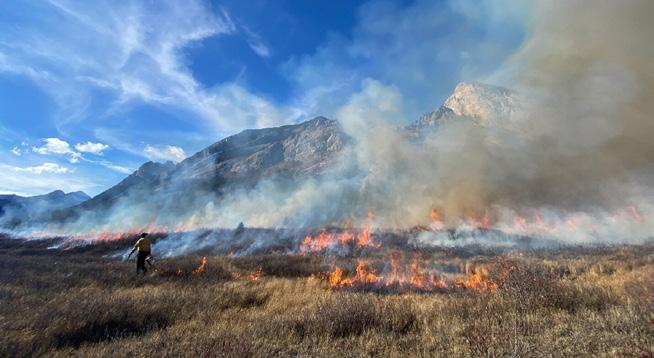
The Weston Family Foundation and the University of British Columbia’s Okanagan Campus have launched the Canadian Prescribed Fire Training Program, a novel venture with $8 million in funding. Designed to strengthen national capacity for the safe and effective use of prescribed fire, the program’s goal is to enhance biodiversity in Canada and strengthen ecological and community resilience in the face of more hostile wildfire seasons.
Prescribed fire is the planned and controlled land management practice that some experts say is essential to maintaining healthy ecosystems. However, its use in Canada remains limited due to a lack of training, mentorship, and opportunities for firsthand operational experience.
“Canada’s ability to expand the use of prescribed fire has been constrained by a lack of coordinated training and clear pathways to operational experience,” said Dr. Mathieu Bourbonnais, assistant professor at the Irving K. Barber Faculty of Science at UBC Okanagan and director of the Canadian Prescribed Fire Training Program.
“This program provides the leadership and structure needed to establish national standards, deliver regionally grounded training, and build the capacity required to apply prescribed fire safely, responsibly, and at scale.”
The Canadian Prescribed Fire Training Program seeks to address this gap by training practitioners across Canada, ensuring that prescribed fire practices reflect local ecosystems, governance structures, and operational realities.
THE FIRE HALL BULLETIN
PROMOTIONS & APPOINTMENTS
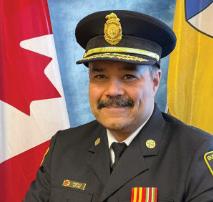
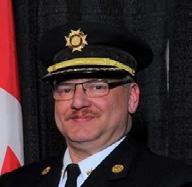
Osoyoos Fire Rescue, B.C., has brought in EVERETT COOKE to lead their crew. A veteran with more than 25 years of experience as a fire chief in northern Alberta, Cooke will be the municipality’s first fire chief since August 2024.
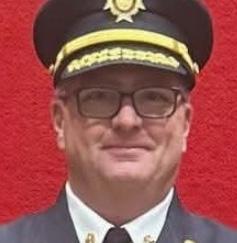
The City of Burlington elevated 20-year fire services veteran Deputy Fire Chief DREW BOYS to the top job following the upcoming retirement of fire chief Karen Roche on April 30. He previously held senior leadership roles with Brampton, Oakville, and, most recently, Burlington.
The town of Penetanguishene, Ont., tapped veteran firefighter JAMES MACNEIL to be the municipality’s new director of emergency services and fire chief. MacNeil has over 23 years of leadership experience in the fire service.
The Eckville Fire Department in Alberta has veteran firefighter JOHN PHILLIPS as its new district fire chief. Phillips, who has over a decade of fire service experience, originally began his career in the fire service after moving to Eckville with his family.
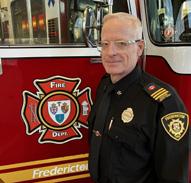
BRENT BROOKS has been named the Fredericton Fire Department’s new assistant deputy chief of hazmat, training, and logistics. It’s a return to the Maritimes for Brooks, who grew up on the East coast before embarking on a 30-year stint at Toronto Fire Services.
The Armstrong Spallumcheen Fire Department has hired SCOTT LYPCHUK to be the department’s new deputy fire chief. Lypchuk, a 12-year veteran in the firefighting service, most recently served as the deputy chief of training with the BX Swan Lake Fire Department.
Metchosin, B.C., appointed fire service DAN VERDUN as its new fire chief. Verdun comes equipped with over 30 years of municipal fire and emergency services experience, including over 20 years in senior leadership positions.
JASON BENN, deputy chief of Centre Wellington Fire Rescue for the last four years, has stepped up to become the department’s acting fire chief, effective March 6.
North Dumfries has officially appointed JEFFREY SMITH to be the township’s new fire chief following former Fire Chief Robert Shantz’ retirement. Smith arrives on the job with 25-years of experience in fire services and has served in a variety of leadership positions throughout his career.
RETIREMENTS
DAVE PAXTON, the recently retired Thunder Bay fire chief, has embarked on a new fire fighting-adjacent career by joining Fort Garry Fire Trucks as the company’s new Northern Ontario sales manager.
Ottawa Fire Services Deputy Chief LOUISE HINE-SCHMIDT officially called it a career on Jan. 30. Hine-Schmidt was one of the first three women hired by Ottawa Fire Services in 1999 before becoming the first woman to serve as deputy chief. She was a founding member of Fire Service Women Ontario.
Brockton, Ont., Deputy Fire Chief GLEN WILHELM is set to retire July 1 after a 50-year long career, but he’s not leaving the fire service for good. Following his retirement, Wilhelm will transition into the role of deputy chief emeritus through which he will continue to support Brockton Fire and Emergency Services.
LEADERSHIP FORUM
By Rob Grimwood, Fire Chief, Toronto
is the fire chief for the City of Greater Sudbury. He also serves on the board of the Ontario Association of Fire Chiefs. Rob can be reached at Robert.Grimwood@greatersudbury.ca.
LEADING THROUGH THE NOISE
The most effective leaders in today’s fire service understand a simple truth: a positive attitude is contagious.
Negativity rarely appears out of nowhere. In many fire departments it is often rooted in fatigue, frustration, lost trust or a sense of lost control. Firefighters are proud people who value competence, fairness, and trust. When they feel unheard, overmanaged, or disconnected from decision making, skepticism will often replace engagement.
Change is another major driver. New SOPs, revised response models, updated equipment, new training demands, or organizational restructuring can feel imposed rather than explained. Even positive change can trigger resistance if firefighters believe it threatens tradition, safety, or autonomy.
Good leaders don’t dismiss negativity as “complaining,” they see it as information. Behind most negative attitudes is a concern that needs to be understood, even if it cannot always be fixed.
Whether you are a fire chief, deputy chief, platoon chief, captain, or leader of any rank (because rank and leadership are independent of each other), your attitude shapes the emotional climate of your crew more than any policy document ever could.
Firefighters take their cues from leaders, especially under stress. If an officer approaches challenges with sarcasm, bitterness, or negativity, that tone will echo throughout the department. Leading with a positive attitude does not mean ignoring problems or pretending everything is fine. In fact, forced positivity can be just as damaging as chronic negativity. Authentic positivity is grounded in accountability and
Positive leadership does not deny hardship; it helps people carry it.
purpose. It sounds like: “This is tough, but we’ll deal with it together,” rather than “This place is falling apart.”
Fire service leaders who excel in this area consistently demonstrate three behaviours; modelling professionalism, communicating openly, and reinforcing meaning in the work.
Professionalism is the antidote to cynicism. When leaders show up prepared, fair, and consistent, it creates stability. This includes enforcing standards evenly, addressing poor behaviour early, and holding themselves to the same expectations as everyone else. Nothing fuels negativity faster than perceived favouritism or hypocrisy.
Leaders who own their mistakes, admit when they don’t have all the answers, and follow through on commitments build trust, which is key when decisions are unpopular.
Silence creates space for negativity to grow. When information is withheld or slow to arrive, firefighters will fill the gap themselves, and most often with worst case assumptions or unfounded rumours.
Effective leaders communicate early, often, and honestly. They explain the why behind decisions, not just the what. They acknowledge uncertainty when it exists and provide timelines for updates.
This does not mean every concern results in change, but being heard matters. A firefighter who understands the constraints facing leadership such as budget pressures, legislative requirements, or staffing realities is more likely to engage constructively, even in disagreement.
Some of the strongest fire service leaders make a habit of informal check-
ins like walking the floor, attending training, responding to calls, or sitting at the kitchen table asking questions. These moments build credibility long before a crisis hits.
Leaders who consistently reconnect their people to the purpose of the job, which is serving the community, protecting one another and going home safe, helps to create resilience against negativity. Recognize good work, celebrate small wins, and tell stories that remind firefighters why they joined in the first place. Support mental health, acknowledge cumulative stress, and normalize conversations about burnout and fatigue. Positive leadership does not deny hardship; it helps people carry it.
Healthy organizations encourage respectful dissent, innovation, and debate. The key difference is how concerns are expressed and addressed.
Strong leaders challenge toxic behaviours, constant complaining, sarcasm, and the undermining of authority, all while still welcoming constructive feedback. They set clear expectations. They redirect conversations from “This will never work” to “What would make this work better?” Over time, crews learn that negativity without purpose goes nowhere, while thoughtful input earns respect.
In the fire service, where the challenges are real and the stakes are high, positivity is not naive, it is strategic. It keeps teams focused, adaptable, and mission driven.
Negativity will always exist. The difference is whether leaders allow it to define their fire hall’s culture or use it as a signal to lead better.
Rob Grimwood
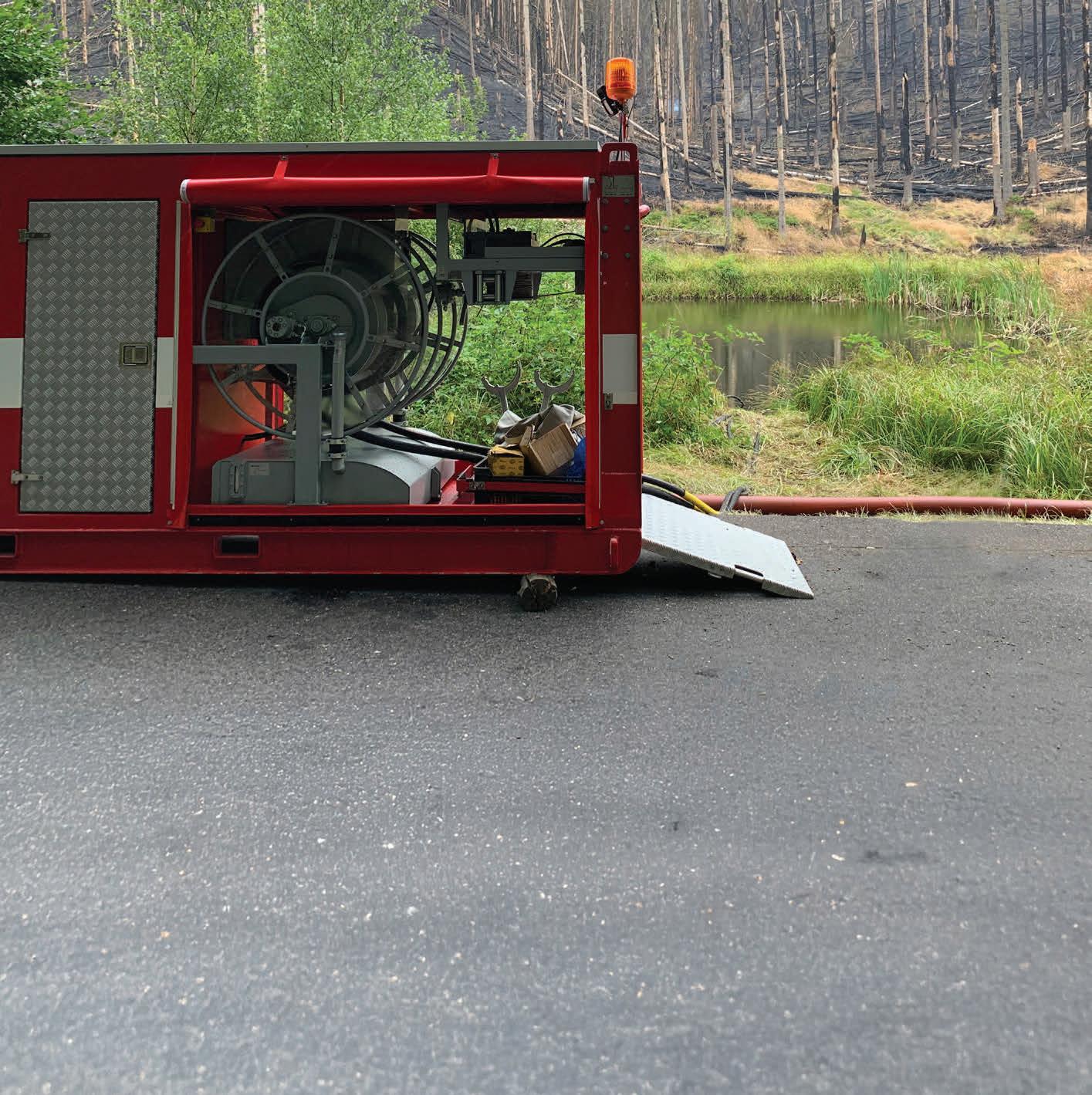
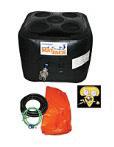
When a “last resort” water source is your only option
How new drafting technology is helping rural and wildland crews access critical water from shallow, sandy sources, during extreme wildfire and weather events and without impacting aquatic life.
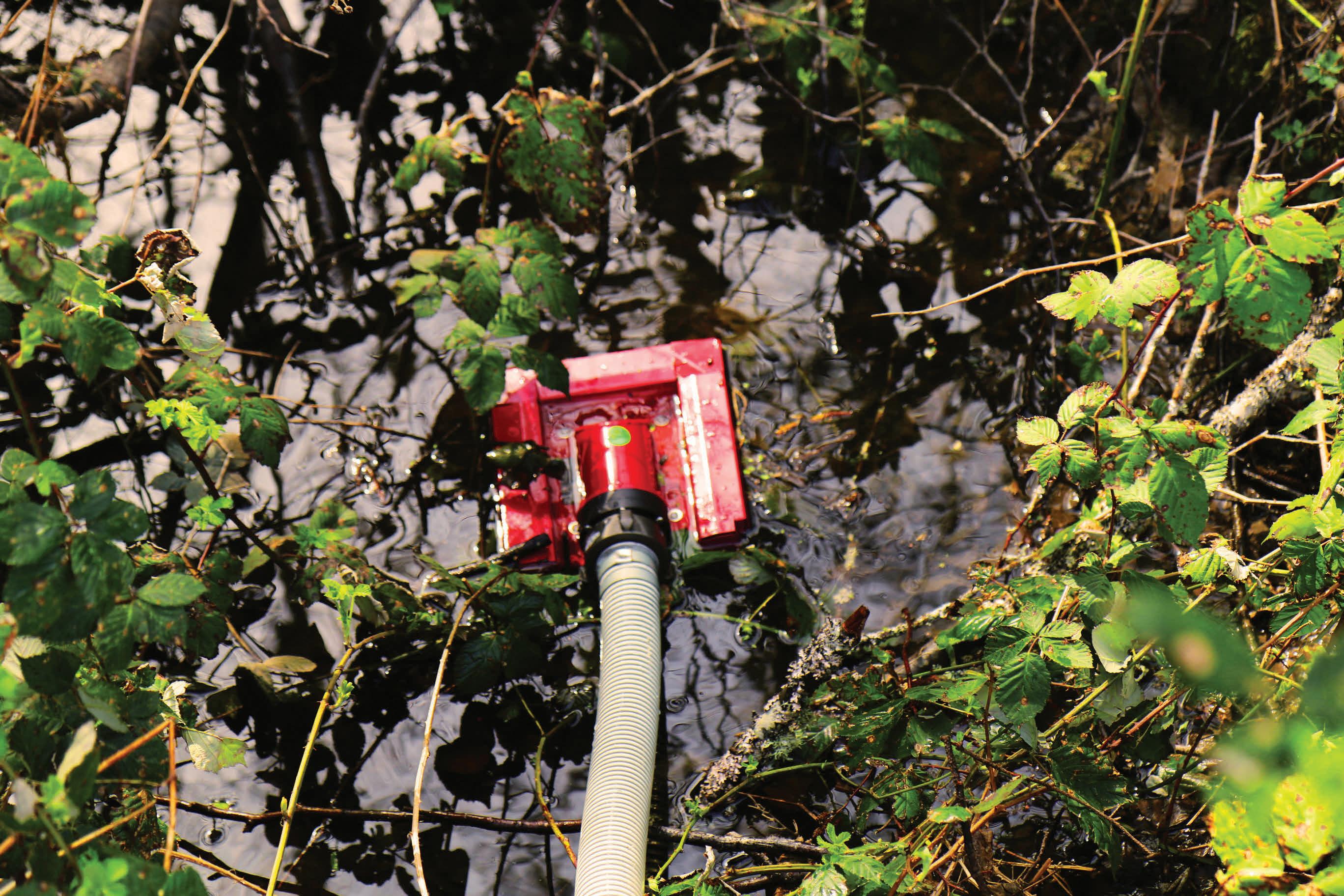
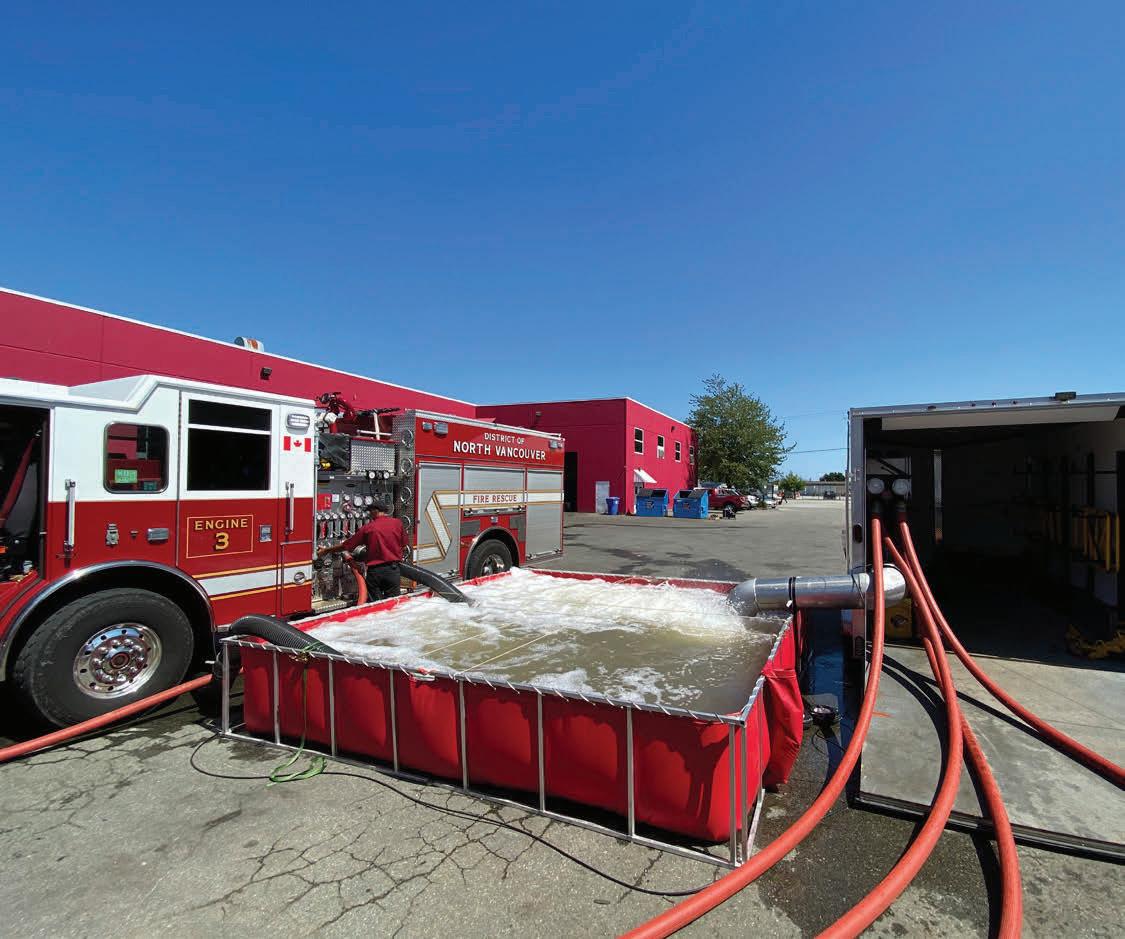
When a heat dome settles in or a lightning storm lights up the tree line, nobody gets to choose where the nearest water will be. Rural and wildland crews are often forced to look at creeks, ditches and beaver ponds that are shallow, sandy, and far from ideal—especially as drought and record heat deplete traditional sources. Strainers require depth and cleaner water; push them hard and you can end up with vortex, lost prime, and grit heading
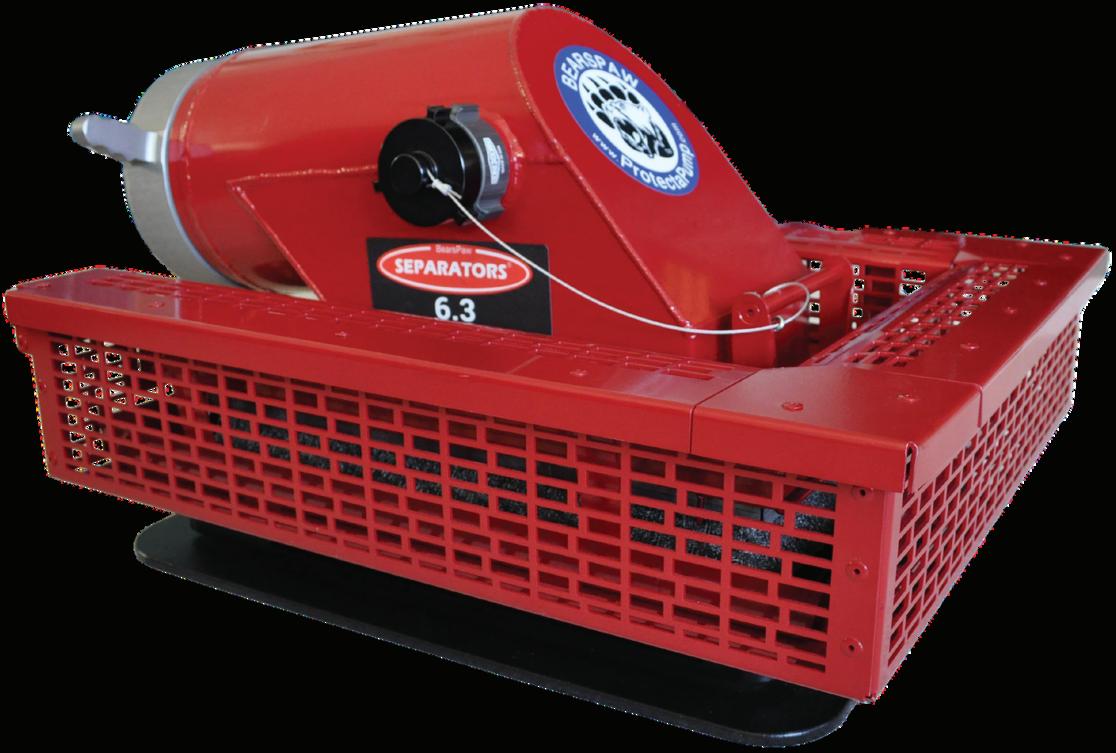
departments draft from around six inches of water while actively ejecting sand, silt, and debris—before they ever reach the pump. More of the water on your map becomes a practical, repeatable fill site, especially when extreme weather and wildfire activity limit your choices. For shuttle operations, that means shorter hauls, faster turnarounds, and no more watching the tank drop while the supply engine fights cavitation. For wildland and interface incidents, the ability to treat shallow creeks and ponds as true options supports the “mobile dry hydrant” mindset: moving water access closer to the fire line as conditions evolve.
Less than 6 inches creek depth—sand, weeds & debris not a problem.
Technology to Control the Water Supply
Separators
Every chief knows pumps are a major investment and critical to community protection. Drafting from marginal sources with strainer technology quietly accelerates wear —showing up later as reduced performance or costly repairs. By eliminating vortexes and separating out contaminants at the source, Separators help deliver both reliable water and apparatus performance in an era of destructive fires, unpredictable weather, and receding water tables, all without impact to aquatic life.
How patented separation technology removes pumpdamaging sediment before they reach the intake hose:
Clean water to pump
&
By Jacob Munro
AI AND EARLY DETECTION
Where does the tech stand with wildfire management?
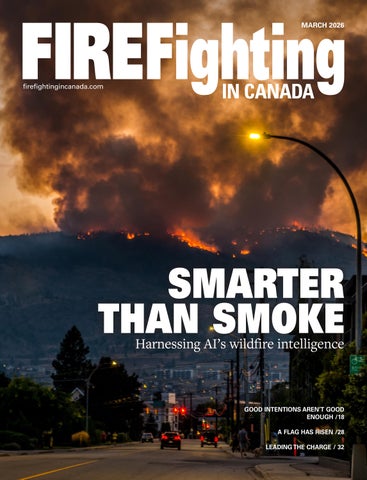
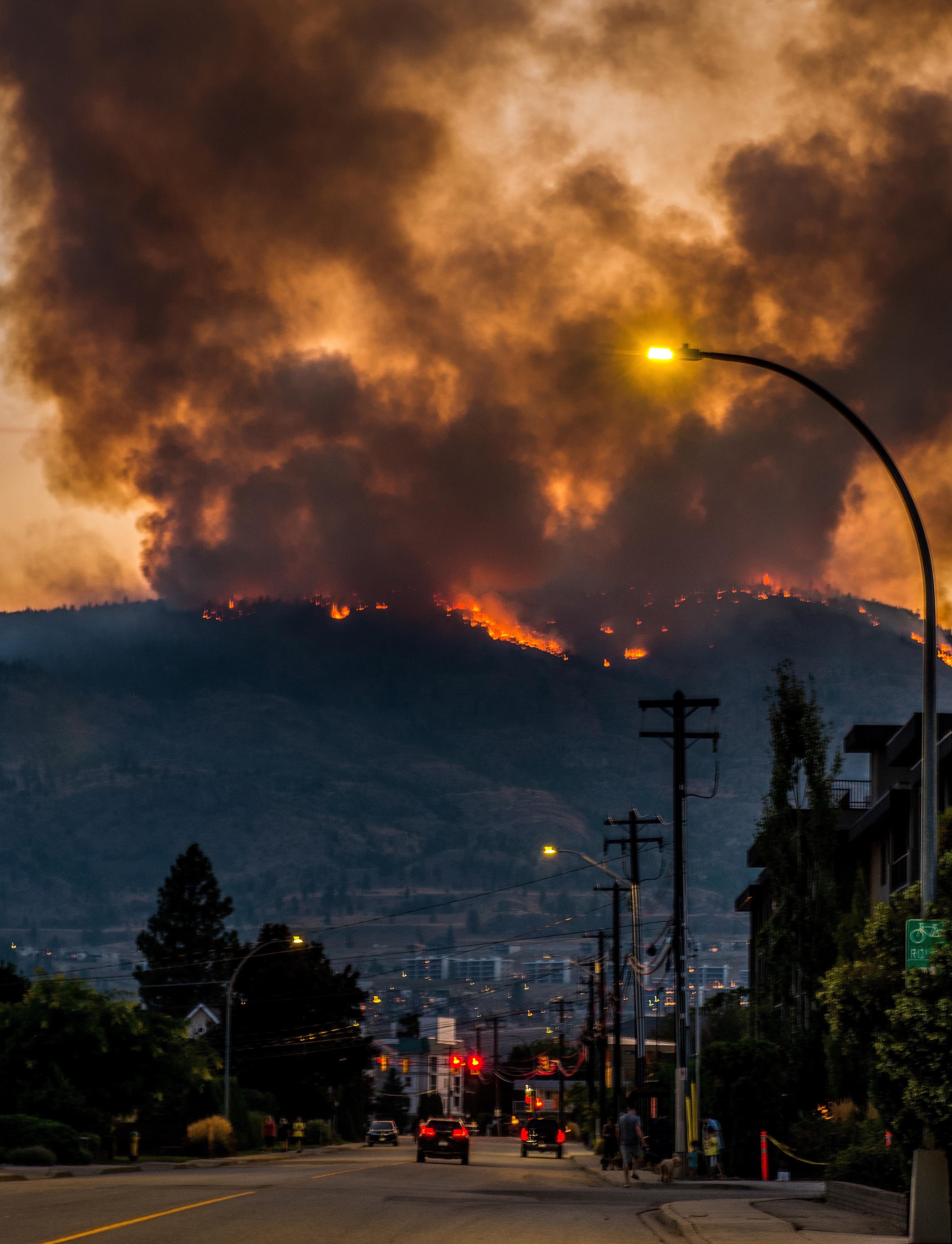
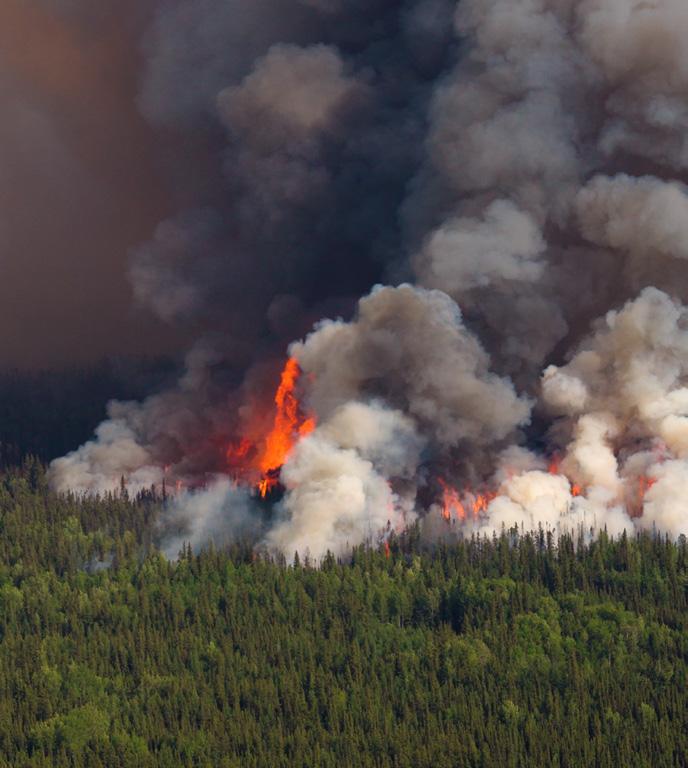
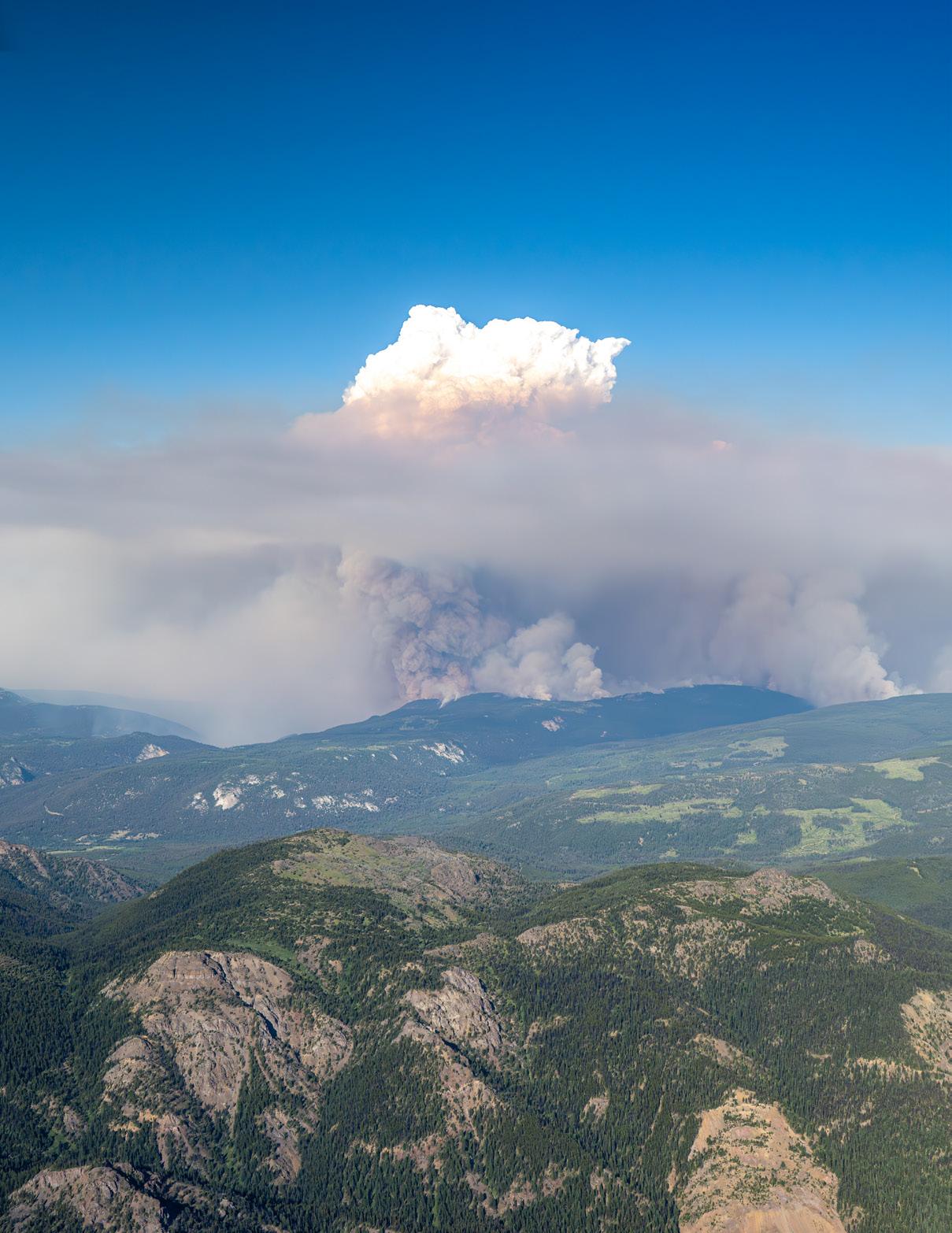
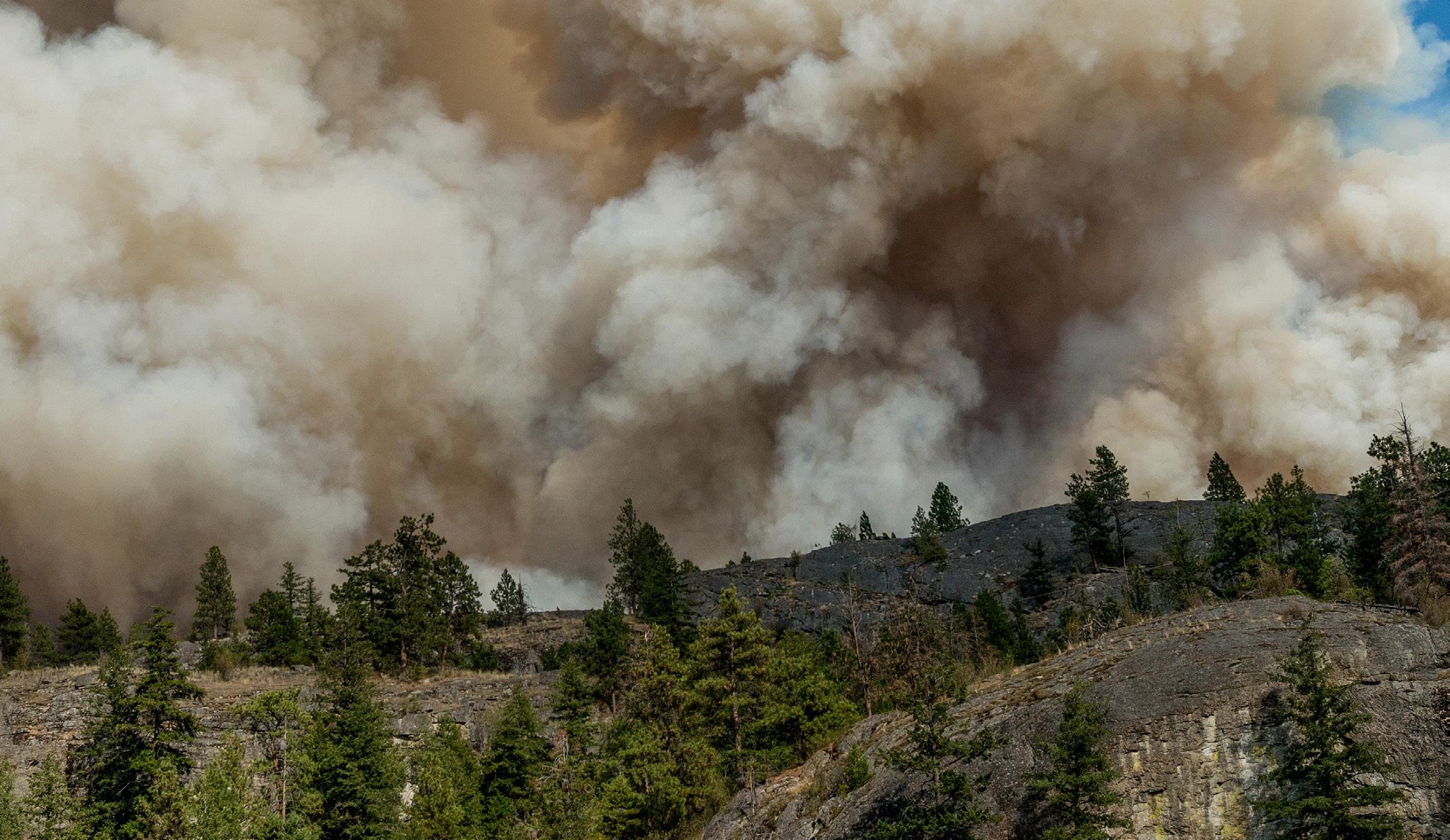
Wildfire. Just the word will fill many Canadian fire departments with anticipation as warmer weather approaches. Recent wildfire seasons have been longer and more hostile, forcing fire departments and wildfire agencies across the country to pony up evermore resources in their annual task to control these blazes and direct them away from the wildland urban interface.
This fact remains top of mind for departments and officials as Canada comes off its second worst wildfire season in history. In 2025, over 6,000 wildfires burned from coast to coast to coast, forcing the evacuation of more than 85,000 people, reported the federal government. Over 8.3 million hectares burned.
But what if fire departments had access to an artificial intelligence model that could not only detect how a wildfire will spread, but also alert local departments and agencies to suppress embers before they even manifest into real flames?
Depending on who you ask, it may or may not already be possible. Departments and agencies are displaying a willingness to embrace the new AI technologies that are entering the market, and there have been many positive steps made as AI appears to improve every day. In this fast-changing world, the fire industry is doing their best to learn how to leverage and train AI models fit for the fire service.
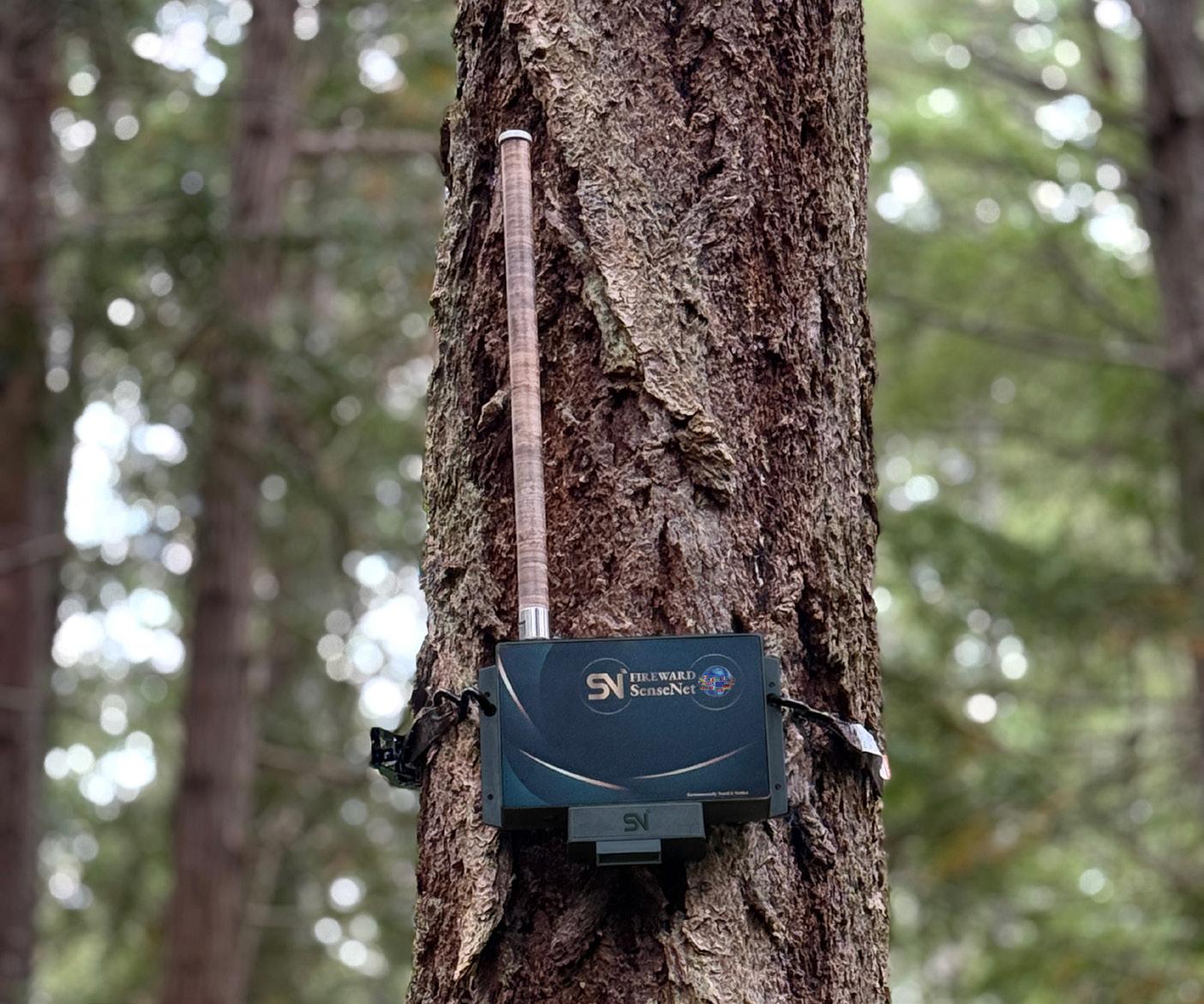
SenseNet is one of these burgeoning AI companies. Since installing their pilot project in Vernon, B.C., in 2023, the Vancouver company’s early detection system has been soaking up data
BELOW This SenseNet gas sensor installed in Vernon, B.C., is designed to catch ignition signals before smoke or flames are visible.
and learning how to differentiate real smoke from non-threatening occurrences such as dust clouds and industrial smoke.
Using their eight-tiered system, which features a complement of gas sensors, smoke detection cameras, drones and micro weather stations for detection, SenseNet said their system can detect fires in the smouldering stage, around three minutes after they begin, and that their cameras have a 50-kilometre detection radius.
Vernon Fire Chief David Lind and his crew have been involved since the beginning of the pilot project to help train the multi-layered detection system. They’ve seen SenseNet’s model in action when it spotted a lightning strike outside of town on the urban-wildland interface that caused a fire.
“We got an early notification in that area before there was a detectable fire that you would see with your eye from the road or any place else,” said Lind. “We went and suppressed the fire, and one of the really neat things was we were more confident in walking away after it was out, because you’re always worried about a rekindle. But I had a better sense of comfort
when I walked away from that fire knowing that there were sensors in place that would alert me if it rekindled.”
Lind has also seen SenseNet’s evolution over the years. Like the motley crew of popular AI models we see all around us now, SenseNet has been busy putting its model through rigorous training and learning how to incorporate the use of its cameras, gas sensors and other equipment.
“Tons of change, tons of progress. I’ve been really impressed with how quickly it’s evolving,” said Lind. “And I don’t mean just the AI itself, but the technology that we’re using and how we’re using it. So, it’s very much been a learning experience, especially from 2022 to 2024.”
Co-founders Shahab Bahrami and Hamed Noori started the North Vancouver company in 2019 when they were grad students. Their pilot project in Vernon was one of the first wildfire-AI experiments of its kind in Canada, and the company used it as a launchpad. They are now operating in 13 Canadian municipalities and 12 cities outside our borders.
The company’s growth is an illustration of the roadmap that other wildfire-AI companies appear to be taking. Start small, collect data, pour resources into training the AI model, then prove yourself on the marketplace.
“We use millions of wildfire images and videos that we collected during the past few years,” said Bahrami. “Our AI model is quite advanced because it not only considers the images from the wildfires, it also considers other factors like weather conditions, data from weather stations, data from satellite images that give us information about the topography, the vegetation, the location of the campsites, the roads, the high risk industrial sectors and so on. All this information is collected to train our model and make sure that we don’t give false alerts.”
“We believe prevention is always better than any kind of reaction,” said Bahrami.
THE PREDICTION SIDE.
Stimulus, a B.C.-based wildfire prediction company, shares similar goals and was conceived in a similar manner.
The founders started as a group of undergraduate engineering students at the University of British Columbia Okanagan campus tasked with putting together a capstone project in their senior year. This was in 2019, fresh off a couple of bad wildfire seasons that these young engineers saw up close.
The group finished top of their class section and, following a brief COVID hiatus, regrouped with a new focus – turning from thermal imaging using drones to building a predictive model that can forecast where wildfires are going to start by flagging high-risk areas based on fuel build up, historical mapping of lightning strikes, and weather parameters.
Those predictions can then be used by the wildfire departments and agencies tasked with protecting the interior’s vast forests.
“You know, we can’t cover all of the land. We want to know, ‘how do we effectively employ these scarce [fire fighting] resources.’ Whether it’s planes, whether it’s crews that are looking for fires, whatever it might be,” explained co-founder Ziad Abdelsamad. “How do we efficiently deploy these resources to the locations which need them the most? We’re not going to chase every lightning strike.”
Companies working on these new AI models are bullish, but some clients need to see more proof in the pudding before using public funds to forge ahead.
And when it comes to training these models, well it’s easier said than done. Especially when it comes to predicting how a fire will spread – a notoriously difficult task.
According to Neal McLoughlin, superintendent of predictive services at BC Wildfire Service, departments simply can’t train AI models well enough yet in this regard.
Stop wildfires before they spread
In wildfire response, every second counts. That’s why you need to rely on equipment that’s fast to deploy and built to adapt.
Hytrans’ mobile water transport systems deliver up to 45,000 lpm, ensuring rapid response and maximum impact.
Act fast, minimize damage and protect communities.
“For AI to work, it’s like any other model or any other statistical approach. You have to train it. It has to be informed by data. And if you inform it on flimsy or small data sets, you can expect that the predictions won’t be that great,” said McLoughlin.
“The reality is there isn’t sufficient data in many cases to adequately train these AI models to predict how a fire is going to grow or spread. I think in time that will improve as we get better satellite technology and as we start to store a lot of our data in a digital way, it becomes accessible to training AI.”
Data appears to be the crux of the problem.
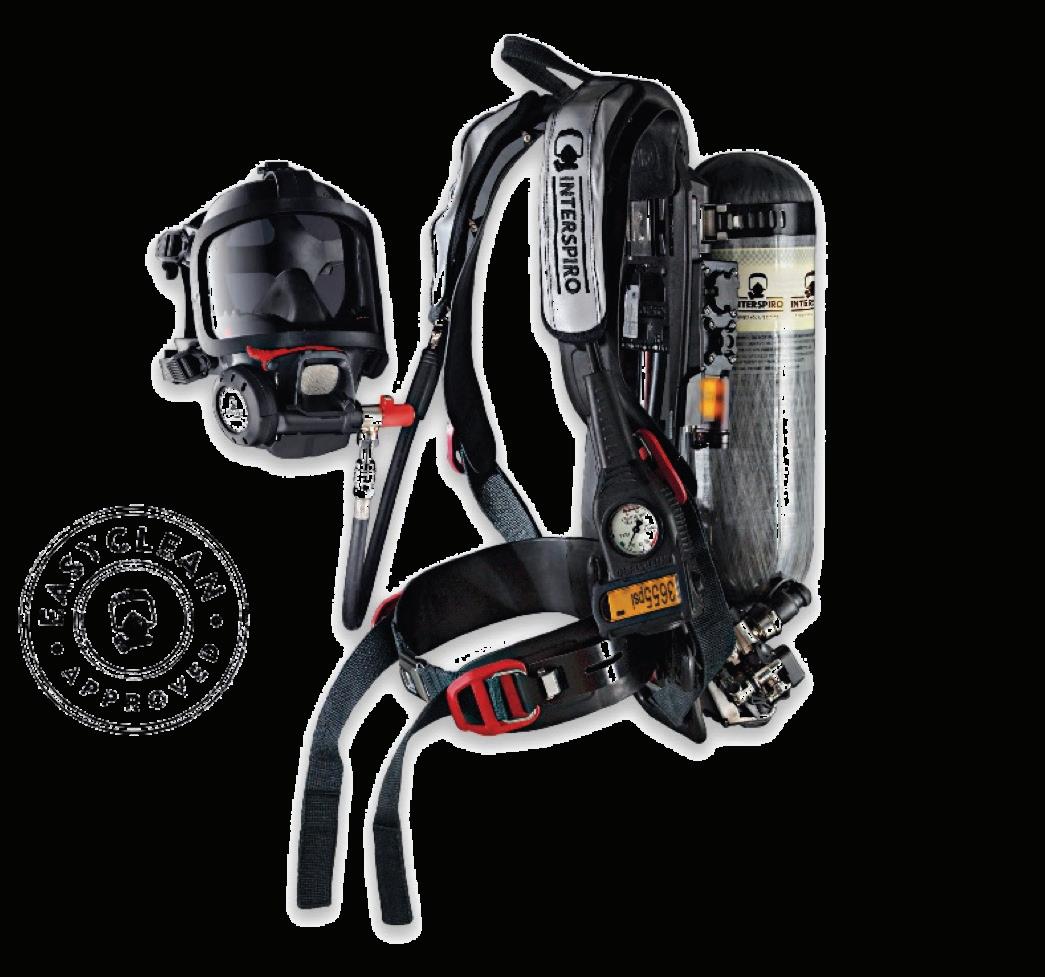
CANADIAN SAFETY EQUIPMENT IS PROUD TO BE A DISTRIBUTOR FOR THE INTERSPIRO RESPIRATORY PROTECTION LINE. THEIR STATE OF THE ART S9 INCURVE IS ONE OF THE MOST COMFORTABLE SCBAs YOU WILL EVER WEAR.
GIVE US A CALL AT 0182 OR EMAIL US AT INFO@CDNSAFETY.
No company has a richer history in respiratory protection than Interspiro. Their innovations have become industry standards, time and time again.
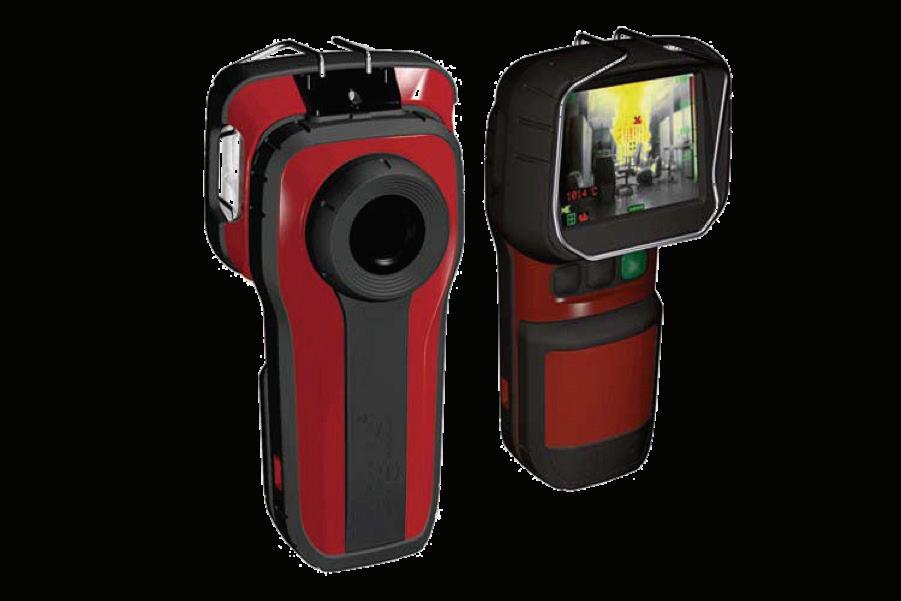
The most advanced imager for firefighting
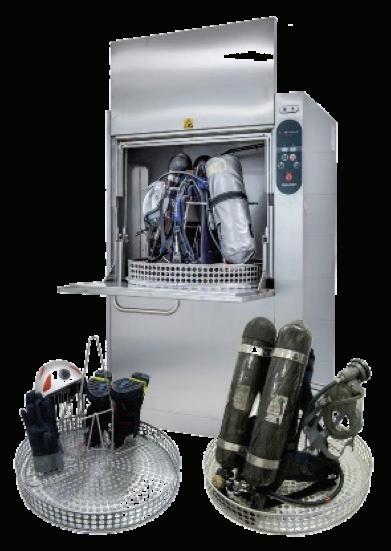
The Solo SCBA Decon/Washing machine was designed and built for one purpose only…to protect Fire Fighters from Cancer causing agents found in the Smoke and residue left on their SCBAs. As an added bonus it can clean Gloves, Boots and Helmets. In addition, it substantially lowers the time spent decontaminating firefighter equipment. The SOLO is the only SCBA decon machine that meets both NFPA and CSA standards (both Existing and Upcoming.
Larger 3 5″ display for view of the fire scene lightweight at just 830g Extended dynamic temperature range to 1100˚C (2000 greater scene detail hotter fire scenarios Enhanced feature set laser pointer to aid communication, electronic compass for greater scene awareness and heat/cold seeker technology NFPA approved
ü REDUCED HEALTH RISK
ü SAVES TIME 2/PKS IN 8 MIN ü EASY TO USE
Qualified by MSA, SCOTT, DRAEGER & INTERSPIRO for cleaning their SCBAs.
Five year standard Warranty
Ten Year limited Warranty
WASH/DECON TWO SCBAs
In 8 minutes. Also cleans, boots, gloves and helmets.
NOW AVAILABLE IN SINGLE OR THREE PHASE
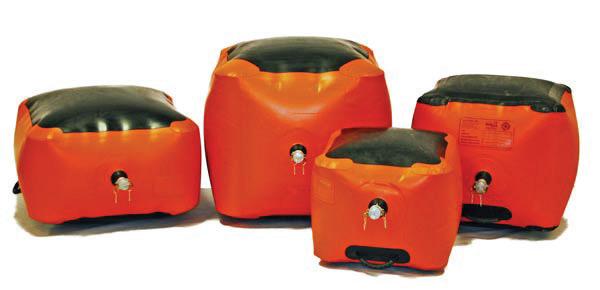
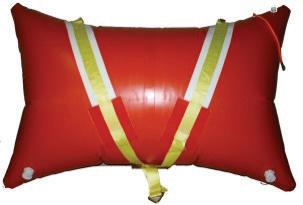
LOW
– MEDIUM – HIGH PRESSURE AIR BAGS
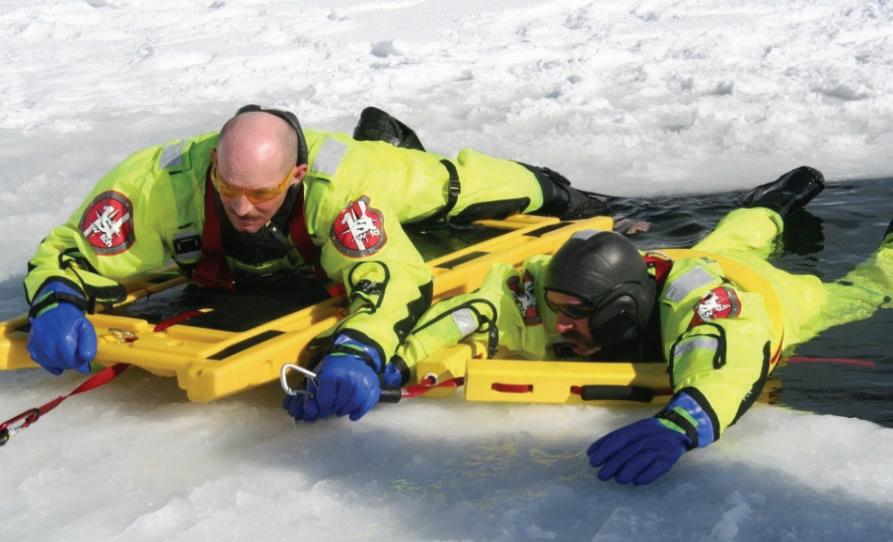
SLED WITH ICE RUNNERS RESCUE POLE TETHER LINE WITH REEL and more….
CALL CANADIAN SAFETY EQUIPMENT FOR ALL YOUR WATER/ICE RESCUE NEEDS
IN HAUL / OUT HAUL RAPID TRANSIT SLED KITS
Fire departments have needed to educate themselves on how to supress and contain fires for the history of their existence. The issue is the bevy of knowledge within the incident command reports that crews return from the scene with are often handwritten. These reports are then scanned and uploaded onto the fire department’s or agency’s server, which stores them in a manner that effectively locks them out of being analyzed by AI.
This AI training roadblock is a puzzle that McLoughlin actually wants to use AI to overcome.
“I would say when the public thinks about AI and fire, we often think about modeling,” McLoughlin said as he explained that he wants to train an AI model to be able to read and collate all of the data from those scanned reports into a table that fire modeling AI programs could then train with.
“That’s not fire modeling, but what it enables us to do is evaluate the performance of the organization. It allows us to gain more insights in terms of various aspects of fire behaviour of the history of fire spread, and to do that at a large scale because these documents exist for many of our fires over the years.”
A CAUTIOUS APPROACH.
As the man leading BC Wildfire’s foray into predictive services, McLoughlin is a little more cautious about jumping in and locking down contracts with third parties, especially as they work to develop their own internal AI services. He explained that while BC Wildfire has been exploring remote detection AI systems and dialoguing with third party companies, they haven’t yet reached the point where they are ready to make a decision and investment.
“I would say right now it’s very, very much an innovative path we’re on and evaluating whether those technologies are useful or not,” said McLoughlin.
Those at SenseNet think differently. Since installing their pilot project in Vernon, B.C. in 2022, the company’s early detection system has been soaking up all the data they can get their hands on, from all the sources at their disposal. This has allowed them to build a model that they say can be applied in a wide variety of geographical areas.
“We have a base AI that is perfectly good for many, many, many environments,” said Bahrami. “When pairing a [gas] sensor with a camera, it fine tunes itself by considering the new data coming from the snapshots gathered from the environment with the camera and also the data collected from the sensors. Then we fine tune the AI so that it can be optimized with high accuracy for that environment.”
Another factor to consider is whether the multitude of companies are thinking broadly enough.
The fire chiefs interviewed for this piece expressed their concern that companies working in the wildfire industry can be too myopic. Too singled in on the specific fire problem that their product or solution addresses. On the other hand,
departments and agencies need to take a holistic view of the wildfire situations in their areas.
Fortunately, many of those in the industry have been willing to share what they’ve learned with each other, helping clear the air and figure out exactly what fire departments can actually gain from advances in AI-wildfire models. Conferences, panels and even competitions such as XPRIZE Wildfire have allowed different parties to partner together.
Point in case, Abdelsamad touts Stimulus’ relationship with BC Wildfire as pivotal to the startup’s development.
ABOVE
AI technology needs to be fine tuned to be accurate for the environment its assessing.
“Neal [McLoughlin] has been instrumental in helping guide our development process. And what that’s meant is that now we’re converging towards a spot where we’re developing something that is relevant to [BC Wildfire], that is applicable,” said Abdelsamad.
Similarly, SenseNet’s pilot project in Vernon allowed them to train the AI model, but it also allowed the Vernon Fire Department to train SenseNet and vice versa.
“We’ve been very, very fortunate to be on the front end of this,” said Lind. “So often municipalities can’t really afford to be on the front end of emerging technologies and stuff.”
As departments, wildfire agencies and companies continue to collect data at a rapid pace, further AI developments are likely to come, allowing companies to continue climbing out of their cribs. Moving forward, we may see a growing number of municipalities and agencies sign up as the significant players settle into their roles.
And hey, it must be nice when you can walk away from a fire knowing full well that you’ll be alerted if it reignites.
PHOTO: BC WILDFIRE
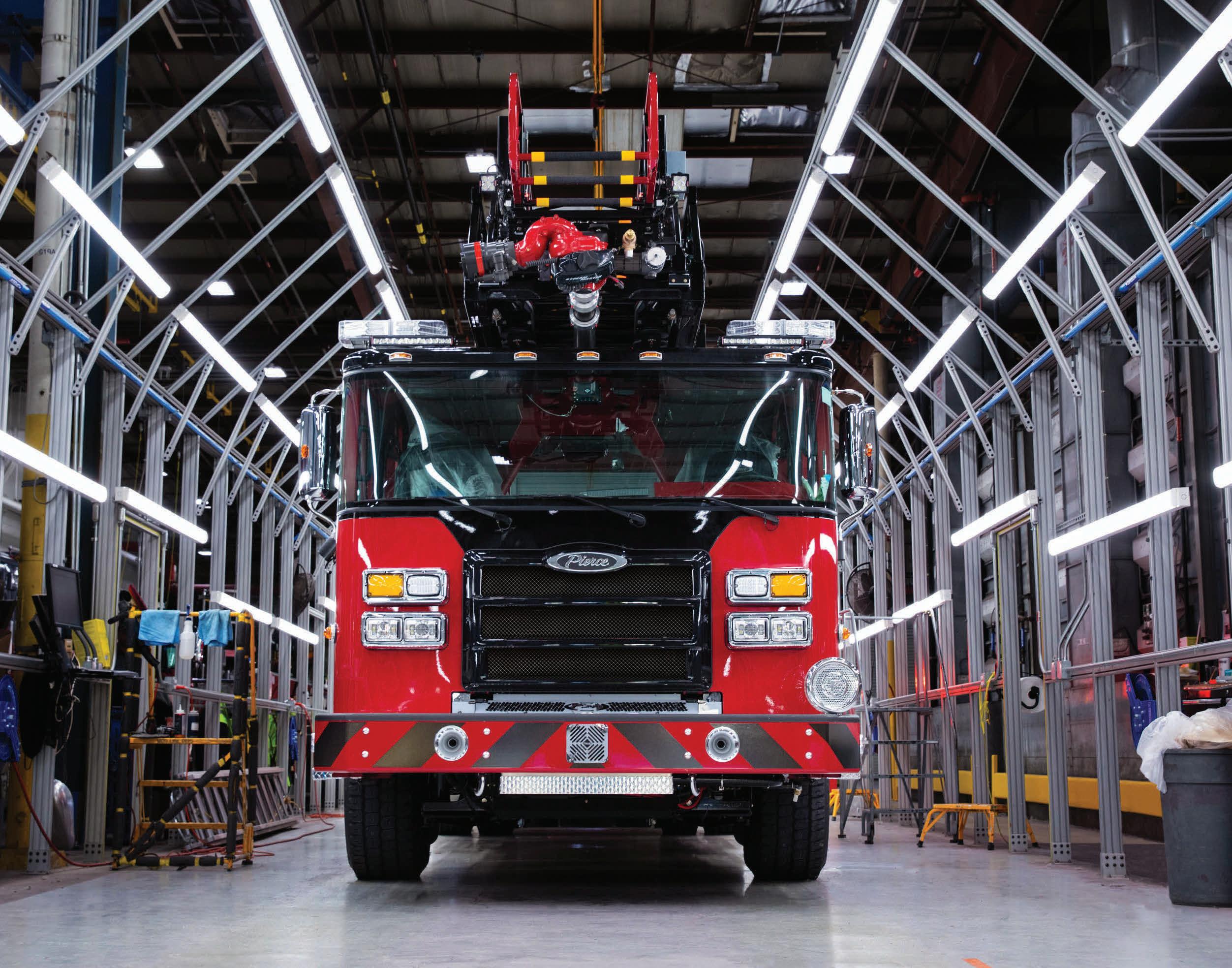
We’ve been making historic investments in our people, facilities, and future to expand capacity and capabilities so your trucks arrive sooner.
Industry-leading investments include:
• $150M for expanding production - with $60M already deployed.
• Integrated advanced manufacturing and precision automation equipment.
• 800 new jobs created in last 3 years, and we’re still hiring.
• Adding 500,000 sq. ft. to our facilities.
STOPBAD
By Corey Brooks , Lead Instructor, Comox Fire Training Centre
Why firefighters need trainingregular
If you ask the average person what firefighters do, they’ll tell you: “They put out fires.” Simple, right? Like we just wake up, slide down a pole, or drive to the fire hall, and immediately know how to heroically solve any problem that dare cross our path.
Most times, the risks adapt faster than the firefighters can keep up with.
But here’s the uncomfortable truth we firefighters quietly keep to ourselves: fire doesn’t read the manual or follow our strategic or tactical plans. It pops up in homes, vehicles, industrial sites, forests, and—on some very special days—in places so strange you start examining the life choices that brought you to this exact moment in your turnout gear.
The situations change. The science changes. The gear changes. But do we change? Most times, the risks adapt faster than firefighters can keep up with. Consider the introduction of electric vehicles. Was the fire service ready?
Which brings us to training and the need to do it regularly.
Firefighter training isn’t a “nice-to-have.” It should not be optional. It’s not something we bring out of the crawl space twice a year like holiday decorations. It’s the thing that keeps us from turning a bad day into a tragedy. Regular training lets us:
Build muscle memory that kicks in when the brain checks out: When
the house bells or pager starts screaming and someone yells, “STRUCTURE FIRE,” your brain suddenly behaves like a student trying to take a test they forgot to study for. That’s where training saves the day. You don’t think — you do, thanks to good old auto response — and you do correctly because you practiced the right way, repeatedly, until you can’t get it wrong, which is a philosophy that emphasizes mastery, consistency, and precision over just competency.
Stay sharp with equipment that has more buttons than a fighter jet: Modern fire fighting gear is astonishing…and complicated. Apparatus, thermal imagers, battery-powered tools, air monitoring devices, SCBA—it’s basically the world’s most intense toy collection.
The manufacturers and product representatives say it’s supposed to make our lives easier? Easier, only if you train. If you don’t train with it often, you’ll forget which button makes it go and which one sends you into an accidental helmet fire.
Keep the team functioning like a well-oiled machine: The fireground works on trust. When things go sideways, you need to know your crew will do exactly what they should, exactly when they should. Review those SOGs and SOPs. Have continuity built into your training so everyone speaks the
same language and walks the same walk. This leads to increased collaboration, stronger communication, and safer outcomes.
Training together builds that trust and if we trust we will get the job done. It turns individuals into a unified force that moves with purpose—even if everyone only got three hours of sleep and a cold cup of station coffee.
Adapt to new threats that didn’t exist 10 years ago: Lithium battery fires, new building materials, recognizing flow paths, evolving wildfire behaviour, mental wellness calls — today’s emergencies don’t care about tradition. If we trained the same way today as we did in the 80s and the 90s, we’d be in real trouble.
Be a master of the modern fire fighting craft, don’t be afraid to speak up and challenge your training officers and work together to provide solutions.
(We’ve already given mullets a second chance; we don’t need to revive outdated strategies and tactics too.)
Training has saved me more times than I can count. There have been moments when visibility dropped to zero, the heat climbed fast, and the world shrank to the sound of my own breathing inside my mask. And in those moments, I didn’t feel brave; I didn’t feel heroic; I felt prepared.
Prepared because I had practiced, I listened and I was given time to practice the skills.
Training gave me the confidence to act when fear wanted me to freeze. Fight not flight.
That’s why regular training is vital. It isn’t about checking boxes or filling schedules. It’s about going home after the call. It’s about keeping each other safe.
It’s about ensuring that when someone dials 911 on the worst day of their life, we show up ready.
I will close with my favourite motto used by the U.S Navy SEALs: “The only easy day was yesterday.”
That’s my two cents. Until next time.
Corey Brooks has 30 years in the fire service. He is currently working for Comox Fire Rescue as a platoon captain and is the lead instructor for the Comox Fire Training Centre.
By Nick Halmasy, Registered Psychotherapist
GOOD INTENTIONS aren’t good enough
The case for evidence-based firefighter wellness
Imagine for a moment: You walk into your doctor’s office with some ailment. The doctor suggests you engage with their program aimed at making you better, stronger, and less susceptible to that ailment in the future. The doctor says, “you can trust it, it’s based on the best evidence we have.” You think, “sign me up.” Who wouldn’t? Here’s the sticky part, though. The doctor never used any attempt at identifying whether this actually helps or not. You may feel better. In fact, you may be better. The program could be a major success. Instead of trying to determine that though, they suggest that they know it works because it’s based on the best evidence they have to date. Plus, the patients that came before you all gave them positive feedback. Would you be skeptical about the outcomes?
I think we should take them with a large helping of skep-
ticism. For instance, while not scientific, think about the last time you attended a training with a feedback survey at the end. I’d imagine that most of us give a pretty glowing review…even if half the presentation barely kept us awake. Even if a presenter asks for that honest feedback, we often give positive feedback.
So, if I design a program for firefighter mental health and implement it, it is likely that those that participate will give positively biased feedback. Also, those that participate are likely to have already bought into the idea of mental wellness programs. These individuals are going to be invested in the programming. They just sat through a program that plays into their beliefs and wants. Therefore, their feedback is going to be biased in that sense.
This isn’t a downfall of mental health programming, but, overall, self-report is biased and difficult to accept in isolation. It requires evaluative research to support it. The combination of someone’s experience along with carefully designed research studies that will help accurately gather the impact of the programs that they participated in.
Unfortunately, to date, this part has not been done well for any of the major programs on offer, at least in Canada. In fact, there is a paucity of research on any of these programs. Most, instead, have focused less on “does this work” and more on implementation modalities, such as will this work virtually versus in person. This is a shame. Our mental health rates continue on at their same abysmal rates, and it would seem from outside that there is little concern placed in whether
New Brunswick, Newfoundland and Labrador, Quebec
British Columbia, Manitoba, Northwest Territories, Nova Scotia, Nunavut, Prince Edward Island, Saskatchewan, Yukon
these programs work. I certainly hope that changes moving forward.
“EAP” programs have their place and their scope, but trauma work in first responders is not where they shine. I’ve said elsewhere and will say again here. If you can afford to buy and participate in these programs, go for it. While there is no research to suggest that they work it must then also be true there is no research to suggest that they don’t. Absence of evidence is not evidence of absence. So, what’s my beef? It’s that we are sold these programs as if there is evidence. To me, that’s the biggest problem.
Ok, Nick, so these programs can’t prove to us that they are effective. What do I do, then, if I feel a duty to support my firefighters in their mental wellness?
Call me old school, but let’s not fix what isn’t broken. We create partnerships with professionals whose job it is to measure and manage mental health — registered clinicians. The embedded model is likely the way forward and there are so many different ways that a clinician can support and help.
But, most importantly, the clinician needs to be outside the organization. They work with the organization towards the wellness of its members, not for the organization. It’s a big difference and one that builds trust and confidence in the program.
An embedded clinician can be as simple as an infrequent but consistent face that shows up to the department and its functions. They can also be someone who is a much more frequent face, providing check-ins and screening, flagging potential issues, and reaching out proactively to ensure safety and stability.
Where possible, the therapist’s time is paid for through the department (often to a point). An organization has shown their interest in ensuring the psychological safety of their members by investing in these processes. For the clinicians, it’s a simple process to de-individualize reports and other reporting requirements that you might arrange with the organization.
I’m confident in this process because I’ve done it. You might think I’m biased. Then enter stage right, my friend Amanda Harry. She has been doing this work with a group of departments and successfully implemented an embedded model. She’s given me permission to throw her contact in here, so that you can reach her if you have questions (info@amandaharry.com).
When we bring the therapist in house the beauty is that people can have an opportunity to engage with a therapist prior to ever sitting in front of one needing psychological support. This makes the “first meet” far less stressful and awkward. It’s often just coffee and chatting. It’s also a beautiful opportunity for the firefighters to show the clinician the culturally relevant ways that they work with each other and the public. But, more importantly, these interactions also build trust between the clinician and the firefighters. As the clinician becomes more comfortable and settles in with the group, so too do the firefighters.
Here is, perhaps, the best part of all of this. There is no need for a special program, or thousands (sometimes tens of thousands) of dollars for a mental health preventative program. In fact, this program is likely to cost a fraction of those investments. This is, of course, to say nothing of the cost savings to career departments when a worker is able to prevent going off because they were able to connect and get support proactively, built into their organization, with a trusted individual. They did not need to languish for extended periods of time hiding the impact.
I harp on evidence and the need for it. Well, it probably won’t shock you to say that the evidence base for the effectiveness of therapy is solid, significant, and clear. Therapy works. The nuances exist when us therapists get into the weeds about what modality is better (e.g. Cognitive Processing Therapy versus Eye Movement Desensitization and Reprocessing). The relationship between the firefighter and the therapist is, and continues to be, such a vital and important component to the success of the therapy. This is, often, above the modality in question in much of the literature.
Bring therapists into the fire halls and let them do what they are trained to do; let your firefighters show the therapists what they do and what they are trained to do. And, let them help each other in ensuring that the therapist is culturally aware and, likewise, the firefighters are aware of their mental health and invested in ensuring that it’s as healthy as possible.
Nick Halmasy is a registered psychotherapist who spent a decade in the fire service. He is the founder of After the Call, an organization that provides first responders with mental health information. Contact him at nhalmasy@ afterthecall.org.
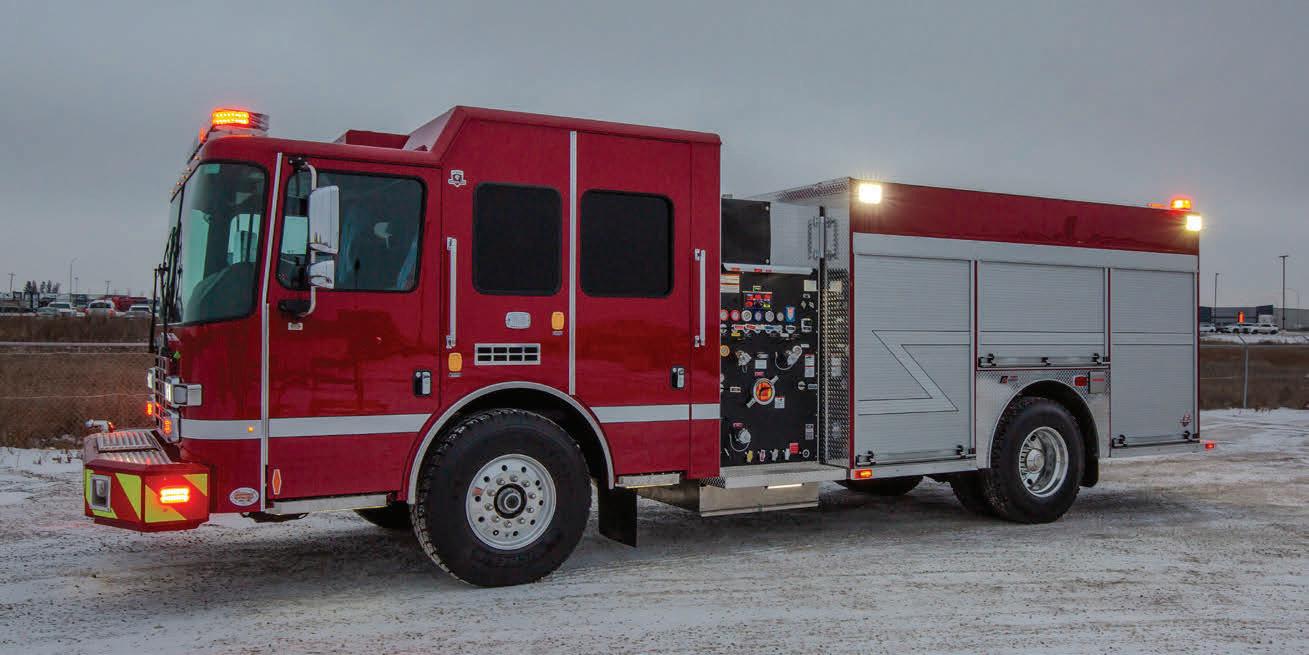
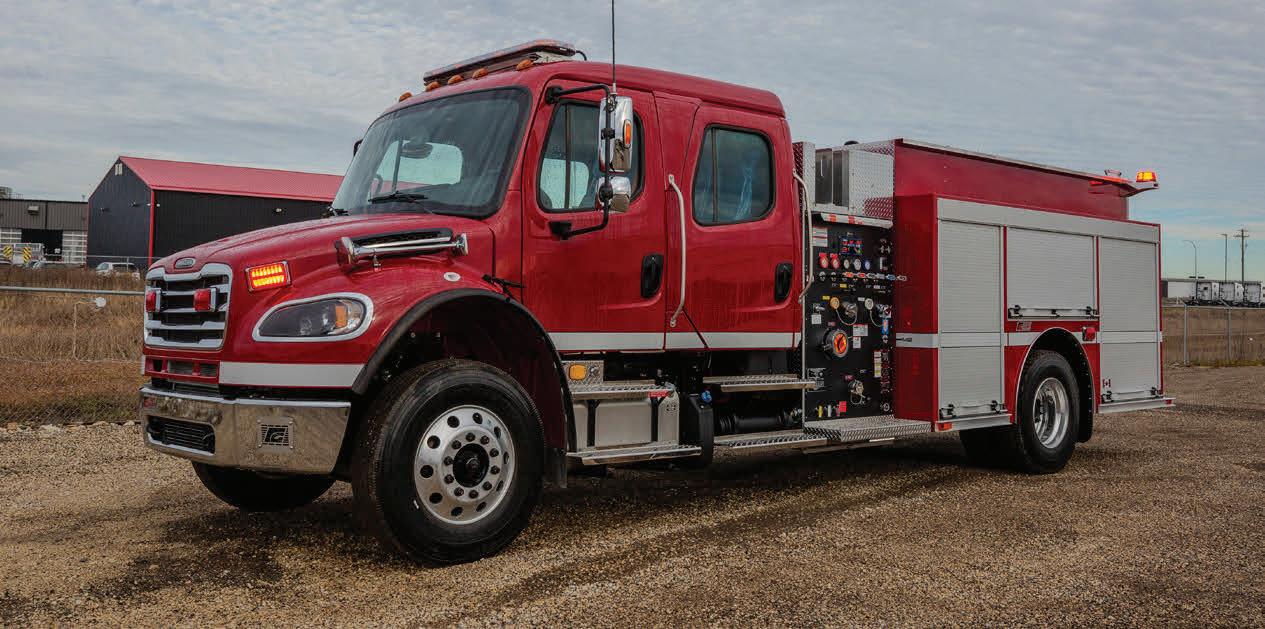
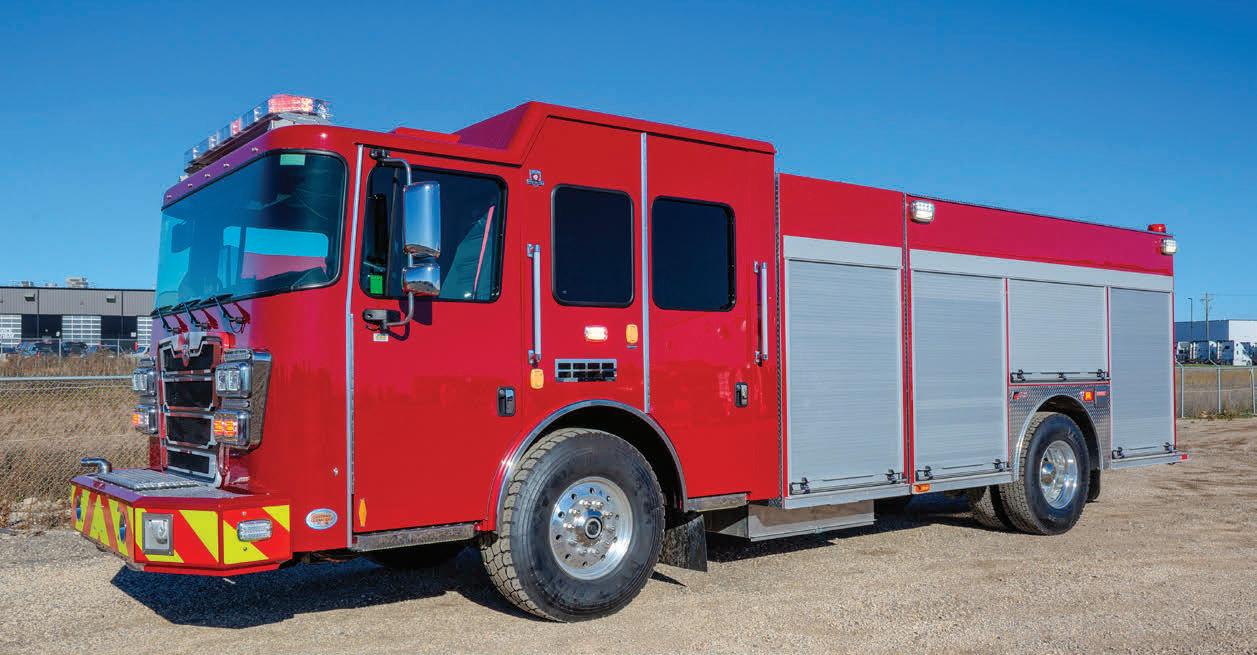
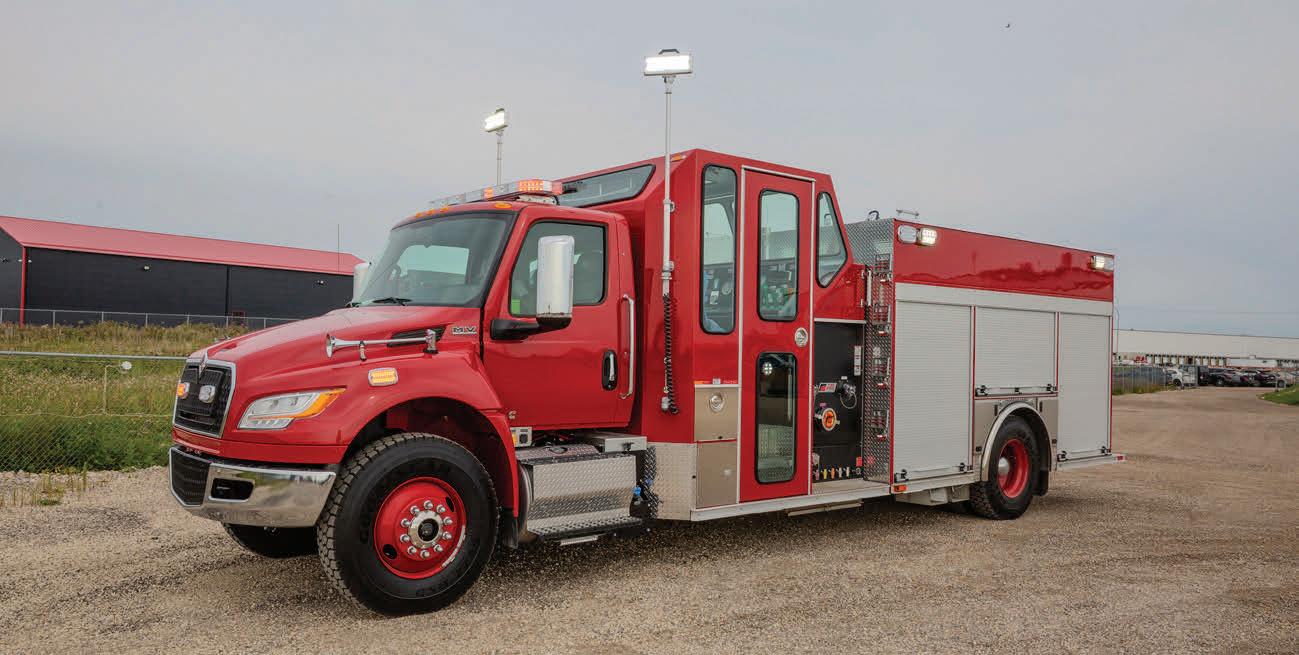
When timing matters and a ready solution is required, Fort Garry Fire Trucks currently has a selection of brand-new fire apparatus that are fully built, inspected, and available for immediate purchase and delivery. These units are complete and ready to be placed into service, offering departments a rare opportunity to secure new apparatus without extended production timelines.
This available lineup includes proven Fort Garry Fire Trucks configurations designed to support municipal, combination, and volunteer departments facing fleet transitions, operational gaps, or immediate replacement needs. Current availability includes custom-built Emergency Rescue pumpers on HME cab-over chassis with both enclosed and open pump house layouts, a
commercial Emergency Rescue pumper featuring a top-mount enclosed 4-man crown pump configuration, and a Crusader pumper built with formed aluminum body construction. Each apparatus is engineered and built with the same standards, craftsmanship, and attention to detail found in every Fort Garry Fire Trucks build.
From structural response and rescue operations to demanding frontline service, these trucks reflect practical, field-driven design using trusted chassis, pumps, and components relied on by departments across North America. Every unit is configured to balance capability, reliability, and ease of operation, allowing crews to focus on the task at hand when it matters most.
If your department requires a dependable fire truck that can be delivered now, these available units provide a practical and efficient solution. Scan the QR code to view detailed specifications, photos, and configuration information for each apparatus currently available.
For availability, pricing, or delivery details, call 1-800-565-3473 or visit the Contact Us page at www.fgft.com to connect with a Fort Garry Fire Trucks sales representative.
FORT GARRY FIRE TRUCKS — ONE TOUGH TRUCK. BUILT TO SERVE.
Emergency Rescue Pumper Top Mount Enclosed International Chassis, 450 HP
Emergency Rescue Pumper Side Control HME SPECTR II Chassis, 450 HP
Emergency Rescue Pumper Side Control HME 1871 Chassis, 450 HP
Crusader Pumper Side Control Freightliner Chassis, 350 HP
TRAINER’S CORNER
By Ed Brouwer
Ed Brouwer is the chief instructor for Canwest Fire, a retired deputy chief training officer, fire warden, wildland urban interface fire-suppression instructor and ordained disaster-response chaplain. Contact aka-opa@hotmail.com.
What a Fire May Do
The following quote I read has always stuck with me: “Our knowledge of fire behaviour is based on scientific research. Years of experiments and analysis have given us guidelines to what a fire will and won’t do.”
But I have discovered that every situation is different. Fire is dynamic and perhaps never more so than in a wildland fire event. Winds can gust and shift direction suddenly causing flames to flare up, increase their rate of spread and change direction without warning.
Perhaps the words, “what a fire will and won’t do” should be changed to “what a fire may and may not do.”
When operating on a wildland fire, firefighters must constantly have their heads on a swivel. The incident commander’s situation awareness must be operating at 100 per cent.
If we want our members to move beyond being “forgetful hearers” and become effective doers, we must engage them in the learning process.
The following training session has worked well for me.
Divide your members into four
groups. Give each group a workstation (table and chairs). Provide lots of paper and pens and any wildland suppression manuals available in the hall. If internet access is available, allow groups to use it for additional research.
Prepare four question sheets in advance using the outlines below. Each group is assigned one sheet. Their task is to research the answers and then build a 10-minute presentation to deliver to the rest of the members.
Group 1
1. What are the three elements of the Wildland Fire Triangle?
2. List three weather factors that influence fire behavior.
3. What is candling?
4. What is the 30/30 cross concept?
5. What are the six rankings of fire intensity?
6. What does the acronym LCES stand for?
7. Describe Lookouts in the LCES system of safe work procedures.
8. How can a wildfire create its own weather system?
Fire is dynamic and perhaps never more so than in a wildland fire event.
Group 2
1. List the three methods of attack used in wildland fire suppression.
2. Write a short description of each method.
3. List the three types of fuel.
4. What are ladder fuels, and why are they dangerous?
5. How do the four fuel levels affect fire behavior?
6. What does the acronym LCES stand for?
7. Describe Communications in the LCES system of safe work procedures (include calling a Mayday).
8. When troubleshooting a water pump what does the acronym GAS stand for?
Group 3
1. What are the three elements of the Wildland Fire Triangle?
2. List three topographical factors that influence fire behavior.
3. Give examples of dangerous topography.
4. List six items that should be covered in a crew briefing.
PHOTO: MIKE BIDEN
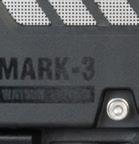
The MARK-3® Watson Edition honors the time-tested reliability of the original MARK-3® high-pressure pump while incorporating advanced technology to meet today’s demands. Lightweight, powerful, and dependable, it’s the pump that firefighters trust to perform when it matters most. The legacy continues with innovation that sets new standards in wildland firefighting. Learn more on waterax.com
TRAINER’S CORNER
By Ed Brouwer
5. What are five basic fireline hazards?
6. What does the acronym LCES stand for?
7. Describe Escape Routes in the LCES system of safe work procedures.
8. What are the two primary ways wildland fires spread?
Group 4
1. What are the three elements of the Wildland Fire Triangle?
2. List three fuel related factors that influence fire behavior.
3. What is a crown fire?
4. What is a hot spot?
5. What action should you take when you discover a hot spot?
6. List several unsafe personal behaviors.
7. What does the acronym LCES stand for?
8. Describe Safety Zones in the LCES system of safe work procedures.
These eight questions are enough to keep the groups engaged without overwhelming them. Once each group has presented its findings, most of the operational basics will have been covered.
As the training officer, you may need to refresh your own understanding of the material so you can keep the members on track.
I would suggest you review your Safe Work Directives on dangerous trees, fire behaviour advisories and Red Flag warnings, heavy equipment, and aerial support.
Lookouts: Lookouts should be experienced firefighters capable of continually sizing up the fire. More than one lookout may be required, and they must be positioned at effective vantage points. They need up-to-date knowledge of crew locations, escape routes, and safety zones. It is also critical that they understand trigger points… when to call for a tactical retreat or the evacuation of crews.
Communications: Radio frequencies must be confirmed. Check in times should be established at the crew safety briefing. Firefighters must maintain constant communication with the entire fireline organization, ensuring that all information is understood and passed on.
They are responsible for warning others of identified hazards. No firefighter should be working alone or out of earshot of their crew
Escape Routes: Escape routes must be scouted out, tested and timed (escape time versus rate of spread). They should be clearly flagged for both day and night operations. On our fires we flagged on the left side going in so that “right” indicate the direction of escape (right for flight). Apparatus must be parked for a rapid departure. The effectiveness of escape routes changes continuously, due to fire behaviour. The most common escape route is the fireline itself, which is why more than one escape route must always be identified. A single route can be cut off.
All escape routes must lead to an effective safety zone.
25_015615_Firefighting_In_Canada_MAR_CN Mod: January 27, 2026 10:10 AM Print: 01/28/26 1:58:39 PM page 1 v7
Safety Zones: Safety zones are predetermined locations where firefighters can find adequate refuge from fire hazards. Their effectiveness depends on their ability to protect crews from:
TRAINER’S CORNER
By Ed Brouwer
• radiant heat
• smoke
• rolling debris
• falling timber and snags
The burned area (the black) is often the best and simplest option. Also consider water sources, clear-cuts, and roads.
Avoid:
• upslope locations
• heavy smoke
• heavy fuel loads
Caves must never be used — fire can draw the oxygen out of them.
LACES<
A number of years ago the letter ‘A’ was added, making it LACES. The “A” stands for Anchor Points.
Anchor points are used to minimize the chance of being outflanked while the line is being constructed. They are barriers such as roads, rivers, or areas without fuel from which fireline construction can safely begin.
We addressed this operationally by putting a second crew on the line in the opposite direction — starting from the rear and working the flanks toward the head.
LCES/LACES only works when it is established early, communicated clearly, and continually reevaluated as conditions change.
MEMORIES FROM THE FIRELINE<
I thought it might help if I shared a few personal fireline memories.
At 1100 hours on Aug. 16, we were dispatched to a lightning strike. An MOF initial-attack crew, two helicopters, and three C-415 air tankers had already been working the fire since early morning, but it was gaining momentum.
In a typical season a single lightning strike is not a major event. There was nothing typical about this season. After three years of unusually dry conditions, B.C. was ready to explode.
There are three key factors that influence fire behaviour: weather, fuel, and topography. Any one of these at the extreme can produce erratic fire behaviour. When all three are at the extreme as they were that day, you get unpredictable, fast-moving conflagrations and fire behaviour that no one on the line will ever forget.
There had been no significant rainfall for months. Winds were in excess of 60 km/h. The temperature was above 30°C and the relative humidity was below 30 per cent (the 30/30 cross). When those conditions occur on the fireline, extreme fire behaviour should be expected.
Initial spread was wind driven. The rate of spread exceeded 50 metres per minute. By 1230 hours the wind increased again, pushing spot fires well ahead of the main front. By the next day the fire had grown to more than 1,000 hectares.
Fuel moisture in all three forest fuel layers, fine surface fuels, duff (5 to 10 cm), and deep duff (10 to 20 cm) was at extreme lows. All indicators pointed to rapid spread, high intensity, and deep fuel involvement.
In places the duff layer was two to three feet deep. The fire burned underneath the retardant drops.
As we know, for every 25-degree increase in slope the rate of spread doubles. The fuel is preheated and ignition occurs more rapidly.
Slope aspect also played a major role. The south-facing slopes in the park produced lower fuel moisture, finer fuels, and higher spread rates.
Topography added another level of complexity. We were dealing with miles of canyons, valleys, and rock bluffs. Squally Point became a wind split, one flow moving toward Kelowna and the other toward Naramata. At times this drove the fire in two directions simultaneously.
Wild Horse Canyon, which cuts across Okanagan Mountain Park, is open on both sides of Squally Point. The result was erratic, gusting winds with constant changes in direction and intensity. Circular wind patterns produced dust devils that rose more than 100 metres into the air.
Spotting was recorded at up to 3.2 kilometres ahead of the head fire.
These winds pushed the fire across our guards with such intensity that bladders, hose lines, and medivac kits were destroyed. Over the next several days we learned just how aggressive this fire was. In a single operational period, it grew from 2,000 hectares to more than 11,000.
Conditions were described by fire officials as the worst they had ever seen.
On Aug. 21, the fire made its major run toward Kelowna. Apparatus from across B.C. and Alberta converged on the city in an effort to stop it. Despite unprecedented and valiant efforts on the fireground, more than 250 homes were lost.
By Sept. 20, more than 30 days after we were first dispatched to what began as a single-tree lightning strike, the totals were staggering:
• 25,600 hectares burned
• 238 homes lost or destroyed
• 12 wooden trestles in Myra Canyon vaporized
• decks on two steel trestles burned
• 27,050 people evacuated, with 4,050 re-evacuated
At peak deployment there were:
• 700 personnel
• 250 pieces of heavy equipment
• 20 helicopters
For those of us in BC, this isn’t just fire history, it’s a lived memory. All of the textbook indicators were there… but seeing them aligned on one fire is something you never forget, and it reinforces why LCES/LACES and constant size-up are non-negotiable.
Back to present day…a note regarding personal comfort and readiness: have a Go Bag Go to every fire expecting a long operational period. A backpack with overnight provisions is highly recommended, a warm jacket, extra socks, personal medications, toilet paper, a few power bars, and electrolyte drinks.
You may never need these items, but I can’t tell you how many times our volunteer department responded to a wildfire in the middle of the day and did not return until well into the next. With wildland fires there is always the potential for extended operations that turn into multiple days or even weeks. Be prepared.
I thank you in advance on behalf of the future Canadian firefighters who will have a better chance of going home safely after every call. Until next issue, remember to train like lives depend on it … because they do.
4-9-4, brothers and sisters, 4-9-4
Author’s note: My sign-off, 4-9-4, is a century-old battlefield benediction referring to the Hymn “God be with you till we meet again.” It seems fitting for our profession.
By Amber Knutt,
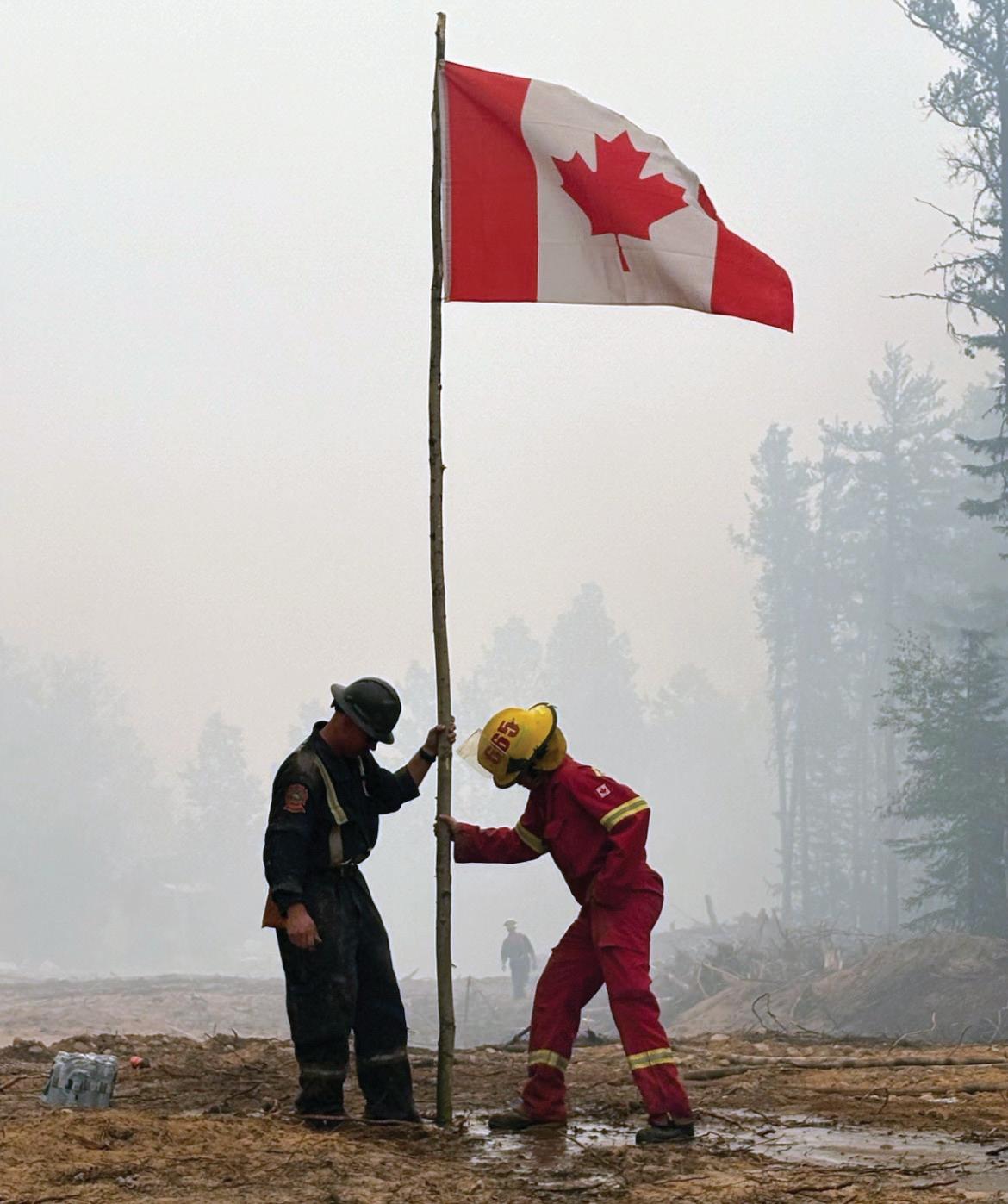
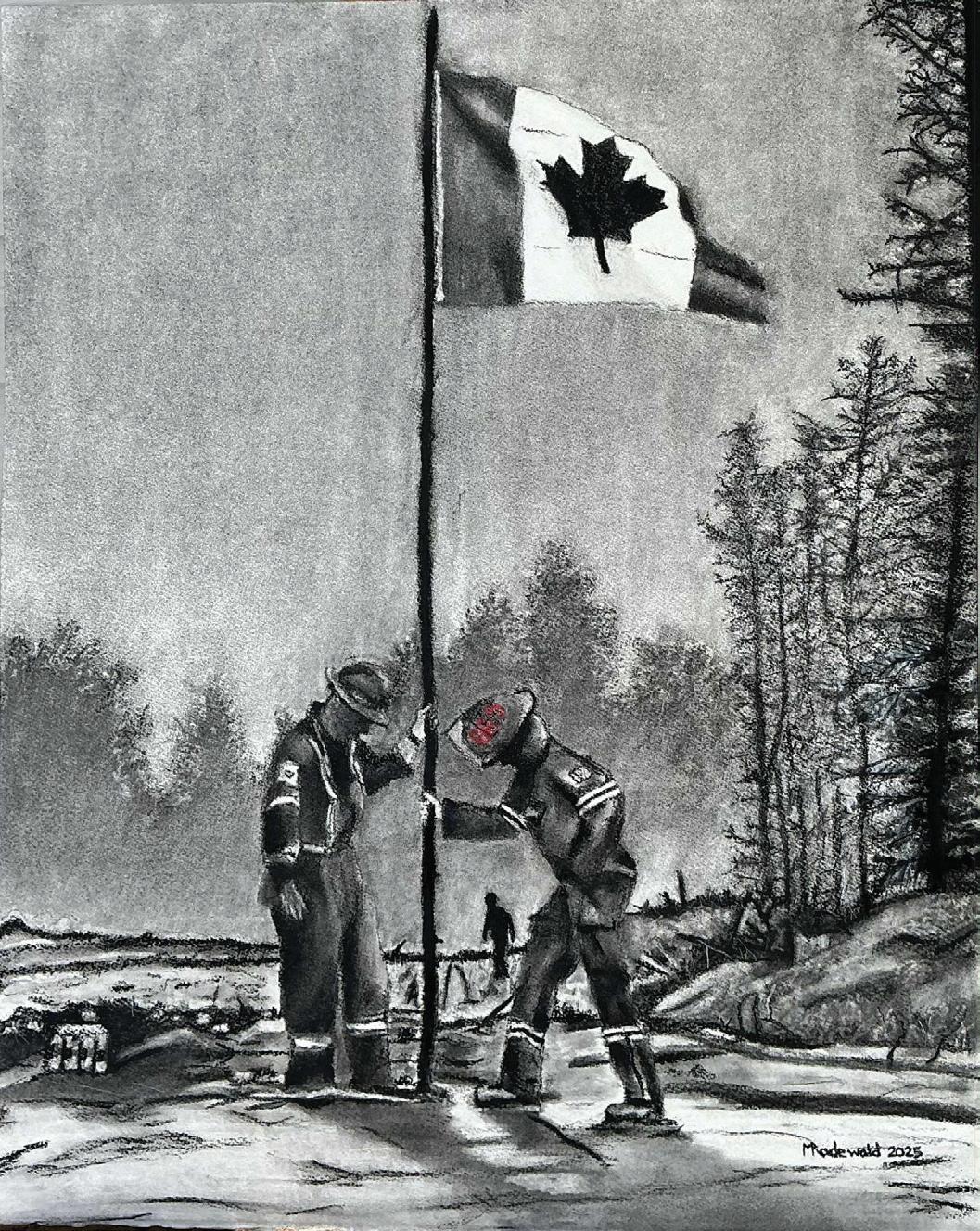
A FLAG HAS RISEN
The meaning of symbolism in healing
On Aug. 3, 2025, at 5:30 p.m. in Leaf Rapids, Man., something unforgettable took place. And it didn’t begin with a plan, a meeting, or a command. It began with one quiet thought.
Someone looked at a fallen tree from the fire break and said, almost to himself, “We should put a flag up.”
Just an idea. Simple. Small. But sometimes the smallest ideas are the ones that pull people together.
That single thought started gathering people like a heartbeat gathering rhythm.
One person wandered over to help.
Then another.
Then another.
Before long, it wasn’t one person’s idea anymore, it was everyone’s.
People came from every direction; tired, smoky, sweaty, but willing. Someone brought tools, someone steadied the log, someone tied knots, someone lifted the flag… and someone offered emotional support by standing there saying, “Yep, looks good from here.”
But under the humour of the moment was something deeper.
Because we were all waiting—waiting for the wind to shift, waiting for the BC Wildfire firefighters to start the back burn, waiting for whatever came next. And in that heavy pause, people did what humans do best: we reached for meaning.
We reached for each other.
And together, we raised that flag.
Not as a symbol of perfection, but as a symbol of perseverance.
Not because conditions were easy, but because they weren’t.
Not because we were fearless, but because even with fear and fatigue, we still stood together.
When I look at the picture taken in that
moment, I see far more than a flagpole made from a fallen tree.
I see tired hands doing something hopeful.
I see strangers becoming teammates.
I see hearts trying to lift something higher than themselves.
This image speaks louder than any words I could ever say.
It captures the determination that kept us going.
The kindness that held us together.
The passion that made us show up day after
day, even when our bodies argued otherwise. And the will—the deep, quiet will—to help others no matter how heavy the world felt.
And others will follow.
That moment stayed with me.
But the story didn’t end there.
After the fires, I traveled to Flin Flon to help rebuild a boat launch that had been lost in the fire. As we worked, my body was covered in black soot from the burned logs—ashes clinging to skin and clothing, the smell of smoke still heavy in the air. And standing there, blackened
by what had been destroyed, something clicked.
I said out loud, almost without thinking: “It would be really cool if someone took burned wood from these wildfires and turned it into charcoal for artwork to represent this summer.”
So I started gathering pieces of burned wood, charred fragments of what once stood strong, and brought them back with me. Pieces of loss. Pieces of survival.
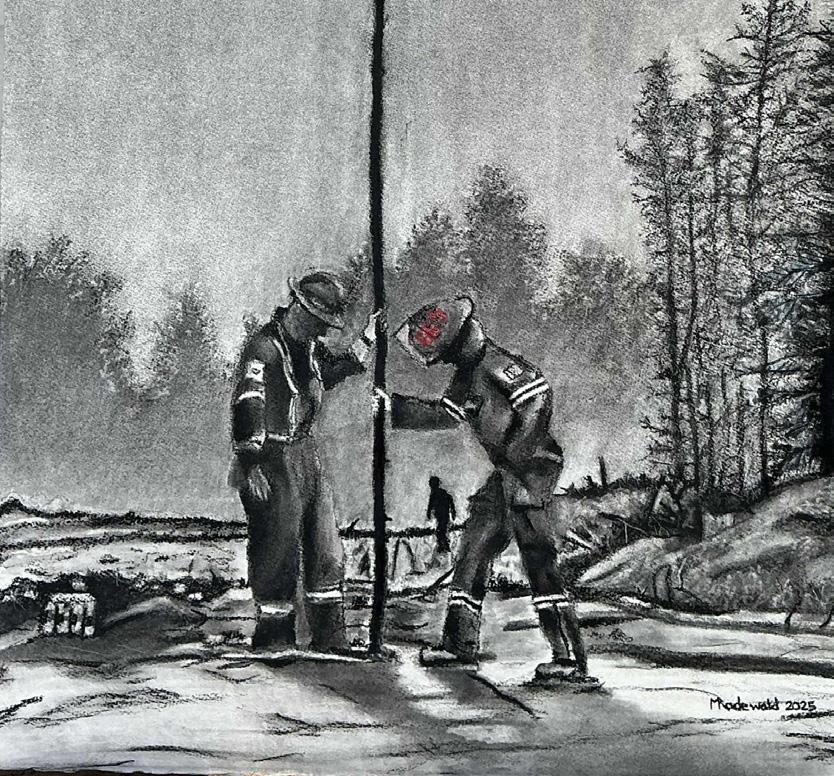
I reached out to a local artist, Mark Rodewald, and asked if he would recreate the photograph taken in Leaf Rapids—the moment we raised the flag—using charcoal made from wildfire-burned wood.
Mark didn’t hesitate. He loved the idea.
When he finished the piece, he shared something that made it all come full circle. He said that while creating the artwork, he could smell the smoke from the charcoal itself. The fire wasn’t just represented—it was present. The memory, the weight, the reality of that summer lived in the art.
And suddenly, it wasn’t just a picture anymore.
It became a bridge from destruction to creation.
From exhaustion to meaning.
From fire to hope.
This artwork is the outcome of many people connecting through determination, kindness, passion, and the deep human will to help others. It carries the smoke, the effort, the moment, and the meaning all in one frame.
This image speaks louder than any words I could ever say.
Because it doesn’t just show what we went through.
It shows what we made out of it.
Editor’s Notes: Amber Knutt has been a firefighter for two years with the Emerson fire department in Manitoba. She made prints of the artwork created and sold them as a fundraiser for the fire department. You can email Amber for prints at Amber.lynn.90@outlook.com.
2026-03-02 1:45 PM
By Brian Godlonton and Len Garis
LEADING THE CHARGE
The Council of Canadian Fire Marshals and Fire Commissioners as the Catalyst for Canada’s New Fire Data Standard
Canadian fire safety relies fundamentally on strong, dependable data, whether guiding smoke alarm awareness campaigns or support in shaping national building codes. Yet for decades, Canada’s decentralized fire service, spread across municipal, provincial, and territorial authorities, has produced a fragmented approach to data collection. This lack of uniformity has been the central barrier to building a complete and consistent national picture, limiting the effectiveness of the National Fire Information Database (NFID) and challenging its long-term sustainability.
In response to this critical national need, and with a shared vision for modernizing Canada’s fire safety ecosystem, a pivotal piece of foundational work was recently completed. The “Review of select fire information data standards from a Canadian context,” prepared by Statistics Canada’s Centre for Statistical and Data Standards (CSDS) and the National Research Council of Canada (NRC), provides the essential reference document. This report is not an endpoint; it is the comprehensive, evidence-based tool delivered to the Council of Canadian Fire Marshals and Fire Commissioners (CCFMFC), positioning the Council as the legislated authority responsible for fire incident data collection and charting the course to national data harmonization.
BELOW Canada’s fire service is decentralized and would benefit from universal standardized data collection.
CCFMFC: THE MANDATE FOR NATIONAL CONSENSUS;
The CCFMFC is comprised of fire marshals and fire commissioners which are the senior-most fire officials from every province and territory. This composition makes it the sole national body with the legislated authority, mandate, and on-the-ground operational connection to drive consensus and adoption of a new standardized framework. The task before the CCFMFC is twofold: to ratify the proposed standards and to champion their implementation across a varied landscape of 13 provincial and territorial regulatory environments and thousands of local fire departments.
The Statistics Canada/NRC report serves as the technical blueprint for this process. It summarizes current Canadian practices and, crucially, provides an extensive environmental scan of international data standards, most notably the transition to the National Emergency Response Information System (NERIS) in the U.S. and the harmonization efforts of the EU FireStat Project. These international efforts offer valuable models for Canada, saving the CCFMFC and its working groups countless hours of research and design.
The Council’s leadership is critical because achieving standardization is primarily a process of consultation and collaboration. It requires provincial Fire Marshals and Commissioners to agree on a common language and set of definitions that will govern all future reporting, sacrificing some local flexibility for the immense benefits of national comparability. By leveraging the technical authority of the Statistics Canada and NRC
PROUDLY MADE IN CANADA
LONG HAUL
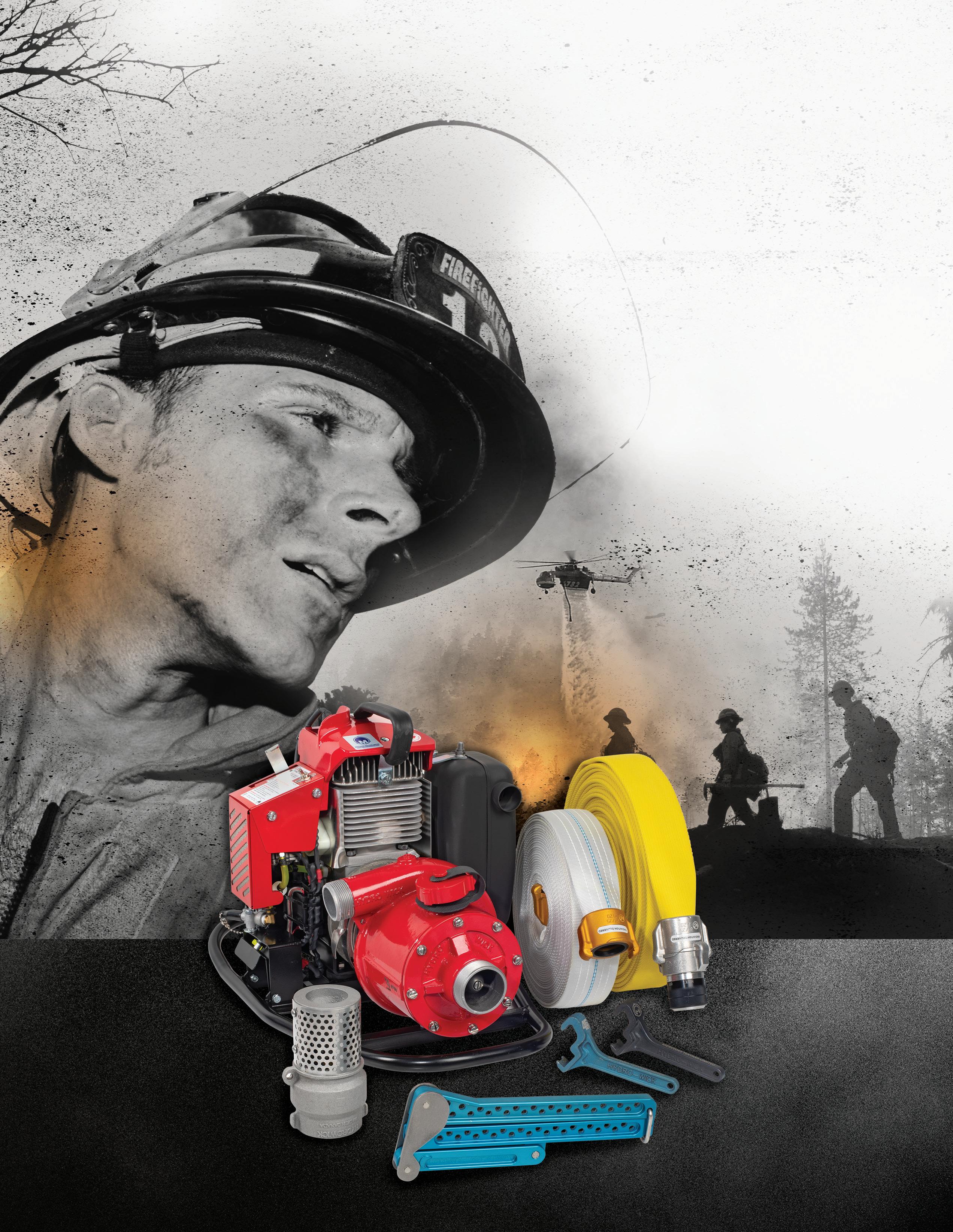
Over 45 years on the job—and still going strong. Rugged, reliable portable pumps & forestry hose. Engineered to deliver. Proven in the wild.
analysis, the CCFMFC can expedite the process, focusing discussions on the pragmatic application of the proposed framework.
THE TIERED APPROACH: CONSISTENCY MEETS. CAPACITY
The most significant recommendation presented for the CCFMFC’s consideration is the adoption of a tiered approach to data standards, a model heavily informed by the EU FireStat Project. This framework is designed to balance national consistency with jurisdictional flexibility and capacity, addressing the inherent challenge of Canada’s decentralized fire service.
The tiered system is the necessary sophisticated approach to ensure data collection is both consistent for national comparison and practical for local departments, many of which are reliant on volunteer commitments and operate with highly varied resources and technological capacity.
The tiered model empowers the CCFMFC to build consensus incrementally and addresses the challenge of volunteer commitments directly.
Tier 1: Foundational Consensus Data (mandatory minimum): This tier is the CCFMFC’s core commitment. It encompasses the absolute minimum set of high-priority variables that every reporting jurisdiction must collect using the standardized definitions. These variables are selected with consideration for the range of collection systems in the jurisdictions, ensuring the integrity of the national picture for the most
critical metrics—fatalities, property classification, incident location, and total loss.
By limiting mandatory requirements to core, high-priority data points, this tier reduces the administrative burden on smaller, volunteer-driven departments, thereby improving the likelihood of complete and accurate reporting for foundational data.
Tier 2 and beyond: Optional and emerging issues (sophisticated approach to data quality): These subsequent tiers house the remainder of existing NFID variables and, more importantly, incorporate emerging topics such as fires involving lithium-ion batteries or specialized data on vulnerable populations.
Jurisdictions can choose to implement these higher tiers based on their specific risk profile, local needs, and operational capacity. The key is that any jurisdiction assigned to a higher tier must still use the CCFMFCratified standardized definitions. This allows jurisdictions with the necessary resources and training to pursue a more detailed and sophisticated level of observation, knowing that the data they collect will be comparable with other like-minded agencies internationally. This approach supports the goal of achieving greater data accuracy and reliability by not overloading departments that lack the necessary personnel or technology.
By establishing well-defined terminologies and prioritizing only the most essential metrics in the mandatory tier, the CCFMFC will ensure that the most crucial data is collected consistently and completely across the country, while providing a structured path for others to adopt more complex reporting.
Beyond the structural framework, the report identifies several key operational areas where CCFMFC leadership is immediately required to close critical data gaps and enhance integrity.
Mandating accurate incident location data: Current reporting often suffers from poor location data, severely limiting its utility for geospatial analysis, resource deployment modeling, and fire risk mapping. The CCFMFC must champion the standardization of location reporting through structured address parsing (requiring the capture of address information in discrete, individual fields (e.g., street number separate from street name) to minimize data entry errors and enhance accuracy); geospatial integration (placing a strong emphasis on the mandatory capture of latitude and longitude coordinates alongside address information, making every incident GIS-ready and locationally precise); and non-addressable locations (standardizing descriptive fields for locations that lack a typical street address, such as trails, open spaces, or industrial complexes, which are often sources of outdoor or wildland-urban interface incidents).
Ensuring complete fatality and injury reporting: A troubling finding confirmed by the report is the under-reporting of fire fatalities and injuries when relying solely on fire service incident reports. Studies indicate that relying on a single source may underestimate the true human cost by as much as 20 per cent.
The CCFMFC will leverage its government relationships to establish formal protocols for cross-referencing fire incident data with administrative data. This includes working with provincial and territorial Coroner/ Medical Examiner systems and healthcare reporting agencies. Data linkage is the only reliable method to create an accurate accounting of the human toll, providing the CCFMFC with the evidence needed to justify resource allocation for public education and prevention campaigns.
Establishing a national terminology and “evergreening” process: The foundation of any standard is its language. The CCFMFC must take ownership of the well-defined terminologies derived from the Statistics Canada/NRC review. This involves defining the scope of key concepts and classifications, such as ‘Property Use,’ ‘Ignition Source,’ and ‘Area of Origin,’ to ensure that an incident reported in Vancouver is categorized identically to one reported in St. John’s.
Furthermore, once the initial standards are ratified, the CCFMFC must establish a formal, cyclical process—an “evergreening” mechanism—for regular review and update. The fire environment is constantly evolving with new technologies (e.g., mass timber construction), new hazards (e.g., energy storage systems), and changes to the built environment. CCFMFC oversight will ensure the data standards remain relevant and future-proof.
CONCLUSION: A UNIFIED FUTURE FOR FIRE SAFETY.
The “Review of select fire information data standards from a Canadian context” represents the necessary technical groundwork, but the success of the NFID modernization rests entirely on the leadership and action of the Council of Canadian Fire Marshals and Fire Commissioners.
This is the moment for the Council to leverage its unique position as the convergence point for Canadian fire safety policy and operational reality. By formally adopting and championing the proposed tiered data framework, which offers a sophisticated and pragmatic solution to balancing national needs with volunteer fire service capacity, and by
committing to the operational recommendations on location and fatality data, the CCFMFC will deliver on the long-sought goal of national data harmonization.
The result will be a cohesive, robust, and evidence-based national fire safety system that finally allows the Canadian fire services to speak with one voice. This unified standard will not only improve administrative efficiency but, most importantly, will equip every Fire Chief, policy maker, fire service associations and researchers with the clear, high-quality data necessary to inform life-saving public policy, target prevention efforts effectively, and ultimately, build a safer Canada. The CCFMFC’s consensus-driven adoption of these standards is the essential next step in securing the future of fire safety across the nation.
Authors: Brian Godlonton is the Executive Director for the Council of Canadian Fire Marshals and Fire Commissioners, formally the Fire Commissioner for the Province of British Columbia, Deputy Fire Chief for the City of Langley and Deputy Fire Chief City of Vancouver. Contract him at ccfmfc.edir@outlook.com
Len Garis, Ret. Fire Chief for the city of Surrey, B.C., associate scientist emeritus with the B.C. Injury Research and Prevention Unit, research associate – Community Health and Social Innovations Hub, University of the Fraser Valley. Contact him at lwgaris@outlook.com.
To view the full report: https://publications.gc.ca/site/fra/9.953761/publication.html.
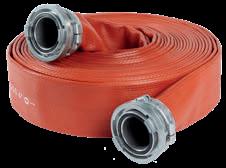
Viper Bore Viper Attack
Armtex HP
Armtex Jafrib
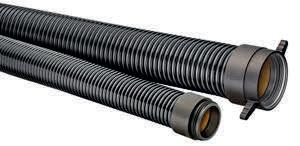
Suction Hose
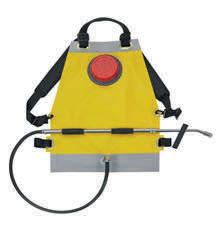
Genfo Backpack
Armored Reel
SCAN ME
YOUR HEADQUARTERS FOR TRAINING & PUBLIC EDUCATION MATERIALS
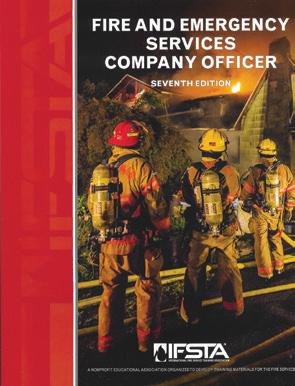
Fire and Emergency Services Company Officer, 7th Edition
Item 36973 | $136.80
Designed for firefighters transitioning into supervisory roles, this new edition provides a comprehensive overview of emergency services leadership practices and incorporates timely, relevant topics such as behavioral and mental health, cancer prevention, human resources management, and conflict resolution. This manual aligns with Chapters 9 and 10 of NFPA 1020.
Fire and Emergency Services Instructor, Fourth Edition
Item 1284301250 | $159.80
Revised and updated to meet and exceed the requirements of NFPA 1020, 2025 Edition, this edition gives fire instructors evidence-based insights on teaching and learning, thought-provoking content to improve students’ critical thinking skills, instructor tips to ensure success, realistic instructor scenarios, engaging visual content, and much more.
Ontario Fire Code 2015 (amended to O.Reg. 87/25)
Item 1774624555 | $82.50
O.Reg. 87/25 is an expansive new amendment with many changes. It updates the existing Ontario Fire Code (O. Reg. 213/07), moving away from the 2015 code to align with the 2020 National Fire Code, bringing significant new rules for carbon monoxide (CO) alarms, especially in existing homes, and modernizing fire alarm inspection standards, with key changes effective January 1, 2026, enhancing fire safety for homes, multi-residential buildings, and boarding/rooming houses.
VOLUNTEER VISION
By Vince MacKenzie , Fire Chief, Grand Falls-Windsor, Newfoundland and Labrador
PUTTING DOWN THE PEN
I’ve had the privilege of co-writing this column since 2010 alongside my good friend Tom DeSorcy. The experience has been one of tremendous personal growth and a meaningful way to contribute to the culture of the Canadian fire service for the past 15 years. It has shaped my career in ways I never expected, and I truly believe I am a better fire chief because of it.
The time has now come — reluctantly — to sign off and set my pen down. I won’t miss the deadlines or the occasional bouts of writer’s block, but stepping back is bittersweet. Life is always busy for small town fire chiefs, and the demands of work, family, and a desire for a little more freedom have led me to ease off the accelerator. I want to make more time for my new grandson and allow life to slow down just a little before I someday consider retirement.
This will be my final regular contribution to Volunteer Vision. What an honour it has been to share my thoughts and insights with you over the years. I’ve been fortunate to engage in meaningful conversations with readers about the challenges facing volunteer fire services across Canada.
I still remember when then editor Laura King asked me to write a column for our national fire fighting magazine. Even now, 15 years later, I remain humbled by that invitation. At the time, I questioned how a relatively new smalltown fire chief from Newfoundland could meaningfully contribute to the national fire fighting culture. But joining the Fire Fighting in Canada team broadened my perspective in ways I could never have anticipated. Before
We met countless chiefs with unique local perspectives yet fire itself is the great equalizer.
writing, my advocacy and teaching were focused on my provincial association and on local issues. Writing pushed me to think nationally.
Meeting my co-columnist, Chief Desorcy from Hope, B.C., was a turning point. We were both career fire chiefs of volunteer fire departments. Here was another small town chief with a shared passion but a different vantage point. His west coast perspective and my east coast experience quickly revealed that our local challenges were part of a larger national pattern. That realization helped shape the identity of this column. We never knew what the other was writing each month. We often read each other’s pieces at the same time as everyone else, which made our perspectives all the more authentic. Not to mention his wit and sense of humor also jived with mine (there will be stories left untold there).
Looking back on these 15 years, I’m grateful for the opportunity to explore so many issues affecting our profession. During that time, I was deeply involved in advocacy through three fire chiefs’ associations, including many terms as provincial president and service on the board of the Canadian Association of Fire Chiefs. This column allowed me to bring those experiences into a broader conversation.
DeSorcy and I learned that while volunteer fire departments across Canada face different circumstances, the core challenges are remarkably similar. We met countless chiefs with unique local perspectives yet fire itself is the great equalizer. It does not discriminate based on department size,
training level, or geography. A house fire in small town Canada is no less dangerous than one in a major city, and both demand the same professional response, be it career or volunteer. The real test is how departments with limited resources rise to meet those demands, and I can say with confidence that many volunteer departments do it exceptionally well.
Volunteer Vision allowed us to bring fresh perspective to national issues, whether it was Bill C45, the volunteer firefighter tax credit, mental health, government support, training standards, generational challenges, or recruitment and retention, we tackled every “flavour of the month” topic with honesty and respect for the people doing the work.
It was always humbling to receive feedback, whether at conferences, training events, or through emails and phone calls. Not everyone agreed with our views, and that was never the goal. What mattered was contributing to the conversation, especially around the realities of volunteer and composite departments. That was the mission of Volunteer Vision from the start.
Most of all, it has been deeply fulfilling to channel my lifelong passion for fire fighting and my respect for all firefighters into this column. Thank you for contributing to my growth as a leader. It wasn’t always easy to put my thoughts out there, but you consistently responded with respect and openness. For that, I am truly grateful.
Editor’s note: Thank you, Vince, for fostering the national dialouge for 15 years with such great intention!
MULTI-FUNCTION
RESCUE GEAR
NOT MADE WITH PFAS
Our most versatile rescue gear to date: ENERGY™ PRIME. A multi-function gear that easily adapts to take on wildfires, technical rescues, and medical emergencies, thanks to a removable moisture barrier. Designed and certified to meet the demands of modern firefighting, INNOTEX® ENERGY™ PRIME is the primary gear firefighters can count on every day.
INNOTEX protects firefighters with high-performance turnout gear for structural fires and rescue gear to respond to every other call. We’ve got their backs in every situation.
CANADA’S PUMP TEST SPECIALISTS.
MOBILE PUMP TESTING CONDUCTED AT YOUR LOCATION BY CERTIFIED EMERGENCY VEHICLE TECHNICIANS TO NFPA 1910 AVAILABLE ACROSS CANADA. CALL