
AI IMPACT
How will artificial intelligence effect design software p.10
SPEED & DENSITY
Connectivity transformations enter design circles via AI p.14
D-FENCE
Small-form-factor connectors serve modern defence systems p.18









How will artificial intelligence effect design software p.10
Connectivity transformations enter design circles via AI p.14
D-FENCE
Small-form-factor connectors serve modern defence systems p.18
Columns
4 EDITORIAL
AI formulates a new digital frontier
7 WEST TECH REPORT
HydroGraph detonates with graphene material
In every issue
6 NEWSWATCH
20 SUPPLY SIDE
21 AD INDEX
22 DEV BOARDS
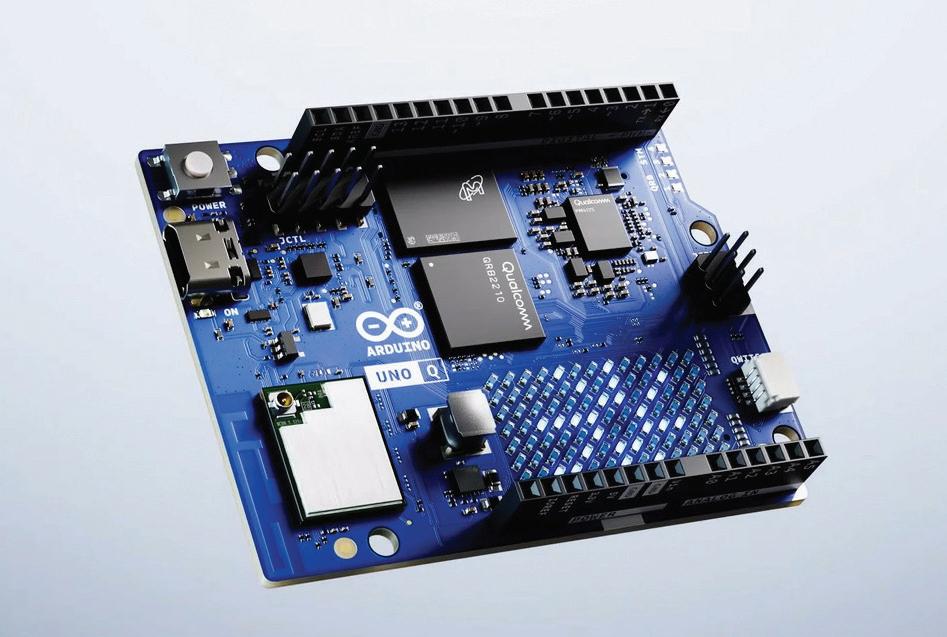
T2G Arduino UNO Q platform
8 LOW POWER BACKBONE
MARCH/APRIL 2026
Creators of IoT infrastructure pursue better, faster and more capable systems.
10 DESIGNING WITH AI
Technical challenges and opportunities emerge as AI-driven workflows move from concept to deployment.
14 NEW ERA OF CONNECTIVITY
AI imparts its unprecedented demands on compute power, data movement and system-level integration.
18 MILITARY MIGHT
Miniaturization meets mission, as tiny interconnects enter battlefield.


14

18
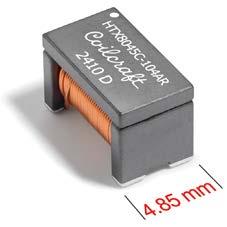
• Low interwinding capacitance (as low as 0.55 pF) to minimize EMI and achieve high CMTI (Common Mode Transient Immunity)
• Optimized for isolated bias supplies for SiC and GaN gate drivers, such as the UCC25800-Q1 from Texas Instruments and the MPQ18913 from Monolithic Power Systems
• Ideal for automotive OBC and traction inverters in EV/HEV

Artificial intelligence (AI) is no longer a future capability for electronics engineers — it is a present design constraint, a development accelerator, and increasingly, a defining architectural layer. Across Canada, AI is reshaping how systems are conceived, optimized, manufactured and deployed. From edge inference silicon to autonomous robotics and space systems, the impact on the electronics industry is both imposing and practical.
For engineers, the shift is not simply about integrating machine learning models into products. It is about rethinking the entire design stack — from hardware architectures and embedded processing to data pipelines and system validation. Increasingly, performance is measured not just in throughput, power efficiency, or cost, but in model adaptability, data efficiency and inference latency.
Global reputation in AI Canada is uniquely positioned to lead in this transformation. The country has spent decades building a global reputation in artificial intelligence research and commercialization.
The country’s AI strategy has formalized three major research centres that act as the backbone of the national ecosystem, including the Vector Institute in Toronto, which focuses on machine learning and industry adoption; Mila in Montréal, representing one of the world’s largest deep learning academic research centres; Alber ta Machine Intelligence Institute in Edmonton, a global leader in reinforcement learning and applied AI.
But, today’s story is increasingly
about hardware — and the engineers who design it.
Consider the growing momentum around edge AI silicon. Canuck-based semiconductor innovators are designing processors specifically optimized for inference workloads rather than model training, reflecting a shift toward distributed intelligence.
Toronto-based startups have developed energy-efficient AI chips capable of r unning machine learning models directly in vehicles and industrial equipment, reducing dependence on centralized data centres while enabling real-time decision-making. These architectures are reshaping embedded system design, forcing engineers to balance memory bandwidth, model compression, and deterministic performance in ways that traditional digital signal processing never required.
While quantum computing remains emerging, the integration of quantum-inspired algorithms and photonic processing concepts is already influencing how engineers think about scaling AI workloads.
At the application level, Canadian design teams are embedding AI into environments once considered beyond automation. Ottawa-based Mission Control Space Services has deployed deep-learning systems for autonomous robotic operations in space, which include some of the first uses of AI in lunar orbit.
These are not abstract demonstrations. They are operational systems that must function in harsh, remote environments where reliability, fault tolerance, and system autonomy are mission-critical design parameters. Perhaps most importantly, the infrastructure supporting
Canada’s information leader for electronic engineers and designers
MARCH/APRIL 2026
Volume 48, Number 2
READER SERVICE
Canadian AI engineering is rapidly evolving. The launch of sovereign, high-performance AI computing facilities within Canada is addressing one of the biggest barriers to domestic innovation: access to large-scale computational resources. New Canadian-controlled supercomputing environments are enabling star tups and engineering teams to train and deploy advanced models without exporting sensitive data or intellectual property abroad. This shift strengthens national technology autonomy while giving design teams the computational headroom needed to experiment with increasingly complex architectures.
The implications for electronic engineers is significant. AI is no longer just another subsystem — it is becoming an organizing principle for product architecture. Hardware must now be designed with model lifecycles in mind. Firmware must accommodate adaptive behaviour. Validation must consider the probable outcomes rather than deterministic logic alone.
The convergence of AI expertise, hardware innovation, and sovereign infrastructure creates a rare alignment of capability and opportunity. The challenge ahead is not simply adopting artificial intelligence — it is shaping how intelligence itself becomes engineered.
If the trajectory of innovation continues, the next generation may not just run algorithms. They will learn, adapt and evolve - by design.
STEPHEN LAW Editor slaw@ept.ca
Print and digital subscription inquiries or changes, please contact Angelita Potal Tel: (416) 510-5113 Fax: (416) 510-6875 Email: apotal@annexbusinessmedia.com Mail: 111 Gordon Baker Rd., Suite 400 Toronto, ON M2H 3R1
EDITOR Stephen Law slaw@ept.ca · (416) 510-5208
WEST COAST CORRESPONDENT Mike Straus · mike@brandgesture.ca
BRAND MANAGER Joanna Malivoire jmalivoire@ept.ca · (416) 881-0731
ACCOUNT COORDINATOR Shannon Drumm sdrumm@annexbusinessmedia.com
MEDIA DESIGNER Lisa Zambri lzambri@annexbusinessmedia.com
AUDIENCE DEVELOPMENT MANAGER Anita Madden amadden@annexbusinessmedia.com (416) 510-5183
GROUP PUBLISHER Paul Grossinger pgrossinger@annexbusinessmedia.com
CEO Scott Jamieson sjamieson@annesbusinessmedia.com
EP&T is published eight times per year by ANNEX BUSINESS MEDIA 111 Gordon Baker Road, Suite 400 Toronto, ON M2H 3R1 Tel (416) 442-5600 Fax (416) 510-5134 annexbusinessmedia.com
SUBSCRIPTION RATES
Canada – $62.06 one year; $99.72 two years USA – $142.15 (CAD) per year
– $194.66 (CAD) per year
copy – Canada $15.00
ISSN 0708-4366 (print) ISSN 1923-3701 (digital)
PUB. MAIL AGREEMENT NO. 40065710 Return undeliverable Canadian addresses to:
EP&T Circulation Department, 111 Gordon Baker Rd. Suite 400, Toronto, ON M2H 3R1

© 2026 EP&T. All rights reserved. Opinions expressed in this magazine are not necessarily those of the editor or the publisher. No liability is assumed for errors or omissions or validity of the claims in items reported. All advertising is subject to the publisher’s approval. Such approval does not imply any endorsement of the products or services advertised. Publisher reserves the right to refuse advertising that does not meet the standards of the publication. Occasionally, EP&T will mail information on behalf of industry-related groups whose products and services we believe may be of interest to you. If you prefer not to receive this information, please contact our circulation department.
PRINTED IN CANADA

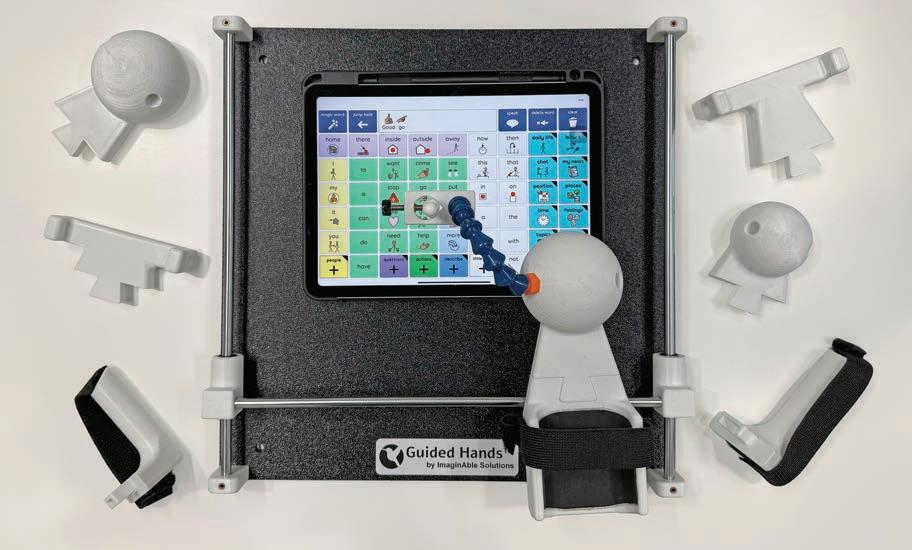
Guided Hands, the flagship innovation by Hamilton ON-based ImaginAble Solutions, has been recognized by Apple as an approved, third-party assistive technology for people with limited mobility. Now featured on the Apple’s website, this tech development comes after a year of major g rowth for the firm, which has its devices in schools, healthcare and homes around the world.
Guided Hands is an assistive device that enables children and adults with limited hand mobility to write, paint, draw, and access technology using the motor skills in the shoulder versus the fine motor skills in the hand.
“Even with so many exciting achievements in 2025, we know our best days are yet to come, as we expand globally and get Guided Hands to more people around the world,” says CEO and founder, Lianna Genovese, “This recognition by Apple will help us do that.”
Betterfrost Technologies, based in Oakville ON, has developed a power-electronics-driven windshield defrost technology designed to significantly reduce energy consumption in both internal combustion and electr ic vehicles.
The system combines proprietary control algorithms with high-density power-conversion modules to deliver precisely timed pulsed power to the glass surface. Rather than heating the entire windshield, the approach targets the interfacial layer between ice and glass. By generating short, controlled energy pulses, the system forms a thin quasi-liquid layer that
weakens adhesion, allowing ice to release rapidly from the surface.
Betterfrost’s method enables full windshield defrosting in approximately 60 seconds while using up to 20 times less energy than conventional HVAC-based defrost systems. Because heating is distributed unifor mly across the glass, thermal stress is reduced, lowering the risk of cracking.
The Automotive Parts Manufacturers’ Association (APMA) has unveiled its next phase of its Project Arrow vehicle prototypes. The fully Canadian designed, engineered and built zero emissions concept vehicles include:

fully autonomous Level 5 functionality, Smart cities connected vehicle systems, AIdesigned, 3Dprinted metalalloy chassis and powertrain, Zeroemissions propulsion with projected 1,500 kilometre range.
Betterfrost uses pulsed energy to melt a very thin interfacial ice layer in less than a minute, compared to 25 minutes for traditional systems.
Project Arrow Vector - a near term innovation platform engineered to include an AIformed, 3Dprinted lightweight polymer and aluminum chassis, a 650 horsepower all-electric powertrain, an estimated 550 km range and Level 3 autonomous functionality.
Project Arrow Borealis serves as an R&D platform exploring the longrange future of Canadian mobility and infrastructure integration. Key vision technologies include

Orthogone Technologies Inc., and Convergence Design Services have formed a non-exclusive partnership to support defence and automotive programs that require dependable engineering, long service lifecycles and coordinated work across embedded systems, mechanical and r ugged electronic assemblies. The collaboration brings together teams that have worked on defence and advanced mobility platforms and that understand how to maintain stable and predictable operation under demanding conditions
“This partnership brings together deep expertise in embedded system design, FPGA development, electric vehicle system behaviour, rugged electronics, and system-level integration,” said Luc Leblanc, CEO of Or thogone.
BY MIKE STRAUS, WEST COAST CORRESPONDENT
Traditional graphene production is plagued by a variety of problems. According to HydroGraph Inc. president & CEO Kjirstin Breure, the most critical issues in the graphene industry include a lack of high-quality graphene, a lack of consistent processing conditions, and a lack of low-cost graphene. These challenges, she says, have held the industry back from commercialization. For Breure, who was HydroGraph’s first employee in 2020, the potential of graphene across various industries was obvious – but unlocking it would require innovation of an explosive nature.
“HydroGraph was formed in 2017 to commercialize a patent that came out of Kansas State University,” Breure says. “It was all about the detonation synthesis process of exploding hydrocarbon gases to produce g raphene.”
Breure explains that traditional graphene production is plagued by challenges due to carbon’s sticky nature – the compound itself likes to stick together, making it difficult to work with. HydroGraph’s technology, dubbed the Hyperion system, uses elemental synthesis to produce high-purity graphene in high yields.
The Hyperion method involves filling a chamber with hydrocarbon and oxygen and then igniting the mixture with a small spark. The detonation system produces consistent, high-pur ity graphene in a modular and scalable process. HydroGraph’s Hyperion system also provides atom-by-atom customizability with near-perfect consistenc y across batches, while producing no waste and requiring effectively no energy to initiate the reaction.
“It’s quite simple, at least in theory,” Breure explains. “We pump in hydrocarbon gases – our favourite is acetylene plus oxygen – into a closed chamber. That’s important because if it were an open chamber, it would

form soot. We effectively force an explosion inside the chamber, which destabilizes the acetylene molecules. If you could imagine a puff of smoke crystallizing, that’s how our technology works. We’re converting a gas into a solid.”
Creating this system, though, was fraught with challenges. Breure notes that it takes a great deal of time and testing to commercialize a new material. Getting to a meaningful revenue level, she says, takes seven to nine years from discovery. There’s also a lack of understanding in the industry; graphene is a technically dense product. Finally, HydroGraph is publicly listed as a resource company when they’re actually a technology company, which Breure says is a difficult hurdle for the company to overcome.
The Hyperion system has a variety of applications, but its primary usefulness is in the defense industry. Breure notes that the technology
“We have an extremely high purity with a perfect lattice,” Kjirstin Breure explains. “We’re also very precise, very nanoscale. Our graphene works the same way as normal graphene would, except that it reacts better because there are no defects in the lattice except on the edge.”
enables the company to create lighter carbon fiber, nylon to be used in ballistic materials, and other materials that are essential in defense. For Breure, though, the most promising application for the technology is in energy storage and electronics.
MedTech is leveraging these technologies
“We have an extremely high purity with a perfect lattice,” she explains. “We’re also very precise, very nanoscale. Our graphene works the same way as normal graphene would, except that it reacts better because there are no defects in the lattice except on the edge.”
The company is also seeing medical companies use its technology for diagnostic devices. Recently, HydroGraph worked with Hawkeye Medical to create a device that can detect lung cancer.
No other form of graphene on the market would work for this application due to issues with impurity and electron mobility. HydroGraph’s graphene performs better than other kinds of graphene due to its high electron mobility, while using 10 to 100 times less mater ial.
HydroGraph specializes in reactive graphene, a family of graphenes that is functionalized. Breure says the company can add chemical groups to graphene, including amino groups. This enables the company to increase the surface area of the graphene, making it more reactive.
The company is currently in the process of opening a new office in Austin TX, which was expected to be completed in February 2026. HydroGraph will also be opening its first large-scale production facility in Texas by the end of 2026, as the firm is working closely with the United States Armed Forces on military applications for its graphene technology.
https://hydrograph.com
Mike Straus is EP&T’s West Coast correspondent. mike@brandgesture.ca
BY DR. HOSSAM FATTAH, ORAN STACK LEAD, LATTICE SEMICONDUCTOR
As those in charge of today’s critical infrastructure, cities, and industrial f acilities continue to pursue better, faster, and more capable systems, demand for Internet of Things (IoT) sensors is exploding. This, in turn, is driving the increased production and deployment of these IoT devices.
However, simply adding more sensors and developing more integrated workflows is not enough to successfully deploy IoT architecture at scale. Manag ing networks of interconnected devices, ensuring consistent security, and ensuring an adequate power supply present significant challenges that these organizations must overcome.
As systems g row more complex, each of these areas only becomes more difficult, and the consequences of falling short intensify.
Taking a balanced approach to supporting growing distributed systems will require adjustments at every level. Developers will need to reconsider how they approach IoT devices, working quickly to adopt and integrate tailored yet flexible components into the foundation of modern builds.
The challenges today’s developers face aren’t new. As in past moments of technological progress, they must find ways to balance:
Power Devices need power to run, and the amount required increases in tandem with the tasks for which they are responsible. Most of these sensors IoT are battery-powered and thus keeping their power consumption is of utmost necessity.
Compute The more that the system asks of each individual device,
the more resources must be available to accommodate processing.
Space Devices must fall within recognized parameters to remain viable for specific applications. Consider the evolution of mobile phones: it was only when engineers scaled them down to a size that was compatible with consumer expectations that adoption accelerated.
This is an engineering paradox that has shaped decades of technological advancement. However, the barrier to success at this moment is undoubtedly steeper than it’s ever been. This is due in large par t to the progress we’ve already made—the closer we get to true “optimization” (of space, power, and processing), the harder it is to take the next step toward it.
With AI now commonplace, this gets even more difficult. These sensors are deployed in many household devices and appliances—such as utility meters and smart home hubs—as well as in public settings, like buses and trains, office buildings, streets, shopping malls, and weather stations.
All these sensors are typically equipped with wireless connectivity and emit data to the cloud, fueling AI workloads and insights. Whether that AI processing is done close to the user, known as edge AI, or remotely in the cloud has significant impact on the demands for the competing resources described above.
The other key challenge is the critical nature of many IoT ecosystems. There can be severe consequences if these systems malfunction, with smart city systems, industrial safety guardrails, and production monitoring all carrying an underlying risk of physical harm should any component fall short.
If, for any reason, a sensor within that system loses power or fails to perform, the result could be a loss of life.

Low-power programmability enables scalable IoT architectures while preventing unnecessary energy strain across expanding connected systems.
Addressing any of these challenges can be difficult in a distributed environment, and solving all of them will require a multipronged approach that addresses each area.When considering where to begin, bolstering compute power may seem like a natural starting point. However, the foundation of next-generation IoT ecosystems is more likely to be about power and processing to support AI-based sensors, such as edge or cloud AI
Power spend, waste, and availability are among the biggest barriers to entr y as decision-makers consider scaling their systems. Right-sizing consumption is an issue at both the individual device and enterprise levels. And as more sensors are deployed in increasingly remote locations, optimizing power use becomes even more pressing.
Amid these pressures, low power programmable platforms—like Field Prog rammable Gate Arrays (FPGAs) and other, similarly specialized chips—are emerging as a powerful support solution. These

compact, flexible components are purpose-built to excel in low power environments while providing edge AI capability, whether due to availability constraints (as in battery-powered devices) or organizational efforts to cut spending and waste.
Low power programmable platforms offer key capabilities that enhance their power-saving performance, including:
Dynamic scaling. Low power programmable platforms offer dynamic voltage and frequency scaling (DVFS), enabling devices to adjust electrical parameters based on their role in the system and real-time environmental factors.
Partitioning. The hardware within can be partitioned into various domains, each with its own parameters, enabling multi-functional operations without wasted power.
Module and transistor gating. The system disconnects modules completely during inactive periods, preventing power leakage, unnecessary switches, and other drivers of energy waste.
These features, along with software
strategies, help developers power and maintain IoT architecture at scale. FPGAs can pair with software-supported techniques for further preservation: adaptive sampling, sleep modes, and low-power-optimized communication protocols can all minimize energy needs associated with transmission. Edge AI deployments can further mitigate transmission-related power needs by reducing the need to share complete records with central servers.
While there are plenty of other areas in which developers could begin when building scalable IoT architectures, the secondary benefits of focusing on low power components make it a compelling first step:
Longevity : Building with low power principles can extend the life of systems, regardless of whether they are wired or run on batteries. For the former, features like sleep modes and adaptive management reduce strain on components, reducing maintenance needs; for the latter, these principles preserve battery life,
enabling devices to operate longer without replacement.
Cost: IoT systems come with both upfront and overhead costs. Low power programmable builds reduce maintenance and power spend over time through increased longevity. Due to their parallel-processing capabilities and deterministic performance, FPGAs can also reduce ongoing costs related to data storage, management, and transmission.
Flexibility : In addition to the variable voltage features already noted, low power FPGAs are reprogrammable, even after deployment. This helps organizations future-proof investments, enabling them to adjust system operations as systems grow and needs change without replacing hardware outright. They also offer high I/O capacity to support seamless integration of new elements throughout scaling efforts.
Processing speeds: FPGAs are equipped with SERDES and can achieve the high data rate and deterministic low latency needs of vast connected systems. Furthermore, their parallel processing capabilities allow FPGAs to collect, process, and prioritize large volumes of data quickly and reliably, to support real-time applications without disruptions.
IoT sensors are exploding, which, in turn, is driving the increased production and deployment of these very same IoT devices.
Security: Bringing industrial and public infrastructure online presents a significant security risk for which legacy equipment was not built. Low power programmable platforms like FPGAs can help protect data by reducing the need for continuous transmission and enabling robust security controls even when devices are in low-power or inactive modes. They also often offer built-in security controls, enabling FPGAs to serve as the hardware root of trust (HRoT) for devices’ secure operations.
The ultimate promise of low power programmability lies in its capacity to support scalable IoT architectures without causing unnecessary power strain. By optimizing power consumption and improving device adaptability, IoT networks can evolve to meet the increasing demands of their industries without incurring prohibitive costs.
Lattice Semiconductor is a global supplier of small FPGAs based in Hillsboro, OR. https://www.latticesemi.com/
BY NIELS FACHÉ, SENIOR VICE PRESIDENT, DESIGN ENGINEERING SOFTWARE, KEYSIGHT TECHNOLOGIES
While AI has experienced explosive growth in many areas its impact in the semiconductor industry has been more incremental, given the sector’s complex nature. 2026 will be a pivotal year, however, as AI-driven workflows move from concept to deployment.
This will introduce technical challenges and opportunities and also highlight the human requirements essential for the next phase of intelligent design automation.
With that in mind, below are some trends to be cognizant of as the year unfolds:
Rise of the prompt engineer 2026 will see the rise of the “prompt engineer” who interacts with EDA tools through natural language rather than traditional GUI-based workflows. This will see a shift to driving tools via conversational interfaces. Organizations will need to support two parallel workflows: traditional GUI-driven design and AI-enabled prompt-based interaction. This dual system will persist as the industry undergoes a gradual transition.
Small language models take centre stage
Security concerns and IP protection requirements will continue driving companies away from public cloud solutions. This will result in a proliferation of on-premises small language models. More vendors will announce specialized, domain-specific AI tools that can run securely. These models will focus on niche use cases where sufficient data exists or can be synthetically generated, rather than attempting to solve every design challenge.
Synthetic data generation becomes critical
As the industry grapples with data

AIDisconnect between C-suite expectations for rapid AI-driven cost savings and engineering realtiy will create organizational tensions.
scarcity, synthetic data generation will become much sought after. Companies that can run simulators efficiently to generate training data will gain a competitive advantage in developing AI-enhanced tools. However, the high computational costs of synthetic data generation will limit how quickly capabilities can scale.
The analog/mixed-signal domain will see increased pressure to standardize design practices, rules, and languages. This is a prerequisite for AI automation and will determine which domains successfully implement AI enhancements. Digital design will integrate AI faster than analog due to its standardization advantage.
C-Suite AI pressure creates friction
The disconnect between C-suite expectations for rapid AI-driven cost savings and engineering reality will create organizational tensions. Engineering teams will need to:
• Educate leader ship about AI’s capabilities and limitations
• Demonstrate the difference between AI as a universal tool versus carefully integ rated workflow enhancements
• Manage expectations about deployment timelines and ROI Successful companies will bridge this gap by focusing on specific, measurable use cases rather than broad AI adoption mandates
Specialized skills become critical
The need for specialists with niche skill sets will intensify across photonics, AI/ML, multi-physics simulation, and chiplet design. Traditional talent acquisition approaches won’t sufficecompanies will need to:
• Develop internal training programs to build specialized skills
• Build teams with complementary rather than identical expertise
Internal training becomes primary strategy
The talent acquisition model will fundamentally shift in 2026.The combination of AI embedding into workflows, coupled with increasing design complexity, will prompt companies to pivot to internal training to develop deep domain-specific expertise
Schools are producing graduates; however, they require years of experience to build the skills to handle complex design problems. Meanwhile, hiring experienced talent is challenging unless recruiting from competitors in the same specialized domain.
As AI becomes more pervasive, it will reshape roles. Rather than spending time on simulation setup and execution, engineers will focus on requirement management and design decisions.
Companies will respond by:
• Pr ioritizing retention over recruitment, with being a good employer becoming the first line of defense against turnover
• Focus on building deep domain expertise internally through training prog rams
• Implementing structured knowledge transfer programs
Identifying which critical IP and expertise must remain in-house versus where partnerships can fill gaps
As AI becomes more pervasive, it will reshape roles. For example, rather than spending time on simulation setup and execution, engineers will focus on requirements management and design decisions. This allows them to apply their specialized knowledge
more effectively; however, junior engineers face a steeper learning curve as AI handles routine tasks that used to help them build foundational skills. In 2026 and beyond, the ability to develop and retain talent will determine competitive advantage more than the ability to recruit it.
Future innovation in the industry will be as much about people and process as it is about technology. The latter is certainly critical, with conversational design tools, secure small models, and investments in standardization essential to success. But the importance of talent cannot be overstated, and enterprises will increasingly invest in employees to realize the future of engineering smarter, faster and more resilient systems.
Keysight Technologies Inc., Santa Rosa CA, manufactures electronics test and measurement equipment and software. https://www.keysight.com/us/en/home.html
26_000596_EPT_MAR_APR_CN Mod: January 20, 2026 4:11 PM Print: 02/03/26 page 1 v2.5

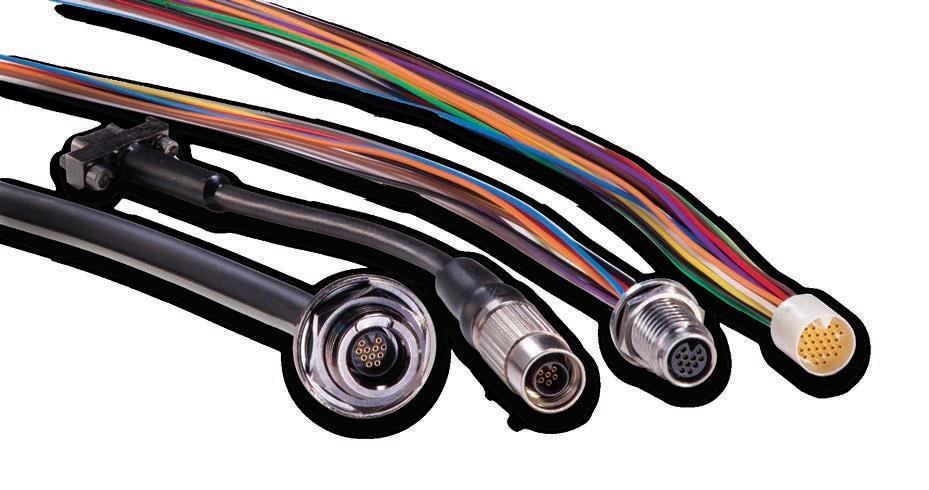
With a strong legacy of excellence and innovation, the LEMO Group is a global leader in providing high performance custom interconnect solutions. From the depth of the oceans to the far reaches of outer space, no matter how harsh the environment may be, our connectors and cable solutions are chosen, wherever connections are too critical, precious, or vital to fail. Offering over 90,000 product combinations that continue to grow through custom specific designs, our subsidiaries and distributors have built
a global network of strong, dedicated local resources with unmatched technical expertise and understanding of customer requirements. Thanks to our global network, we serve more than 150,000 customers in over 80 countries worldwide. All our staff of 2,000 people are united to accomplish the same mission: to guarantee to our customers interconnect solutions that exceed their expectations by designing and delivering products that combine innovation, reliability, and exceptional service.

One-to-One local engineering expertise and technical support for system integration
Strong supply chain and global distribution network
Custom interconnect solutions for specific project requirements including rapid prototyping Certified interconnect solutions in compliance with industry standards
Vertical integration ensuring reliable, highquality interconnect solutions and sustained availability
Many standard features include:
• Solder, crimp or print contacts (straight or elbow)
• Multipole types from 2 to 114 contacts
• Temperature range: -55 C to 250 C
• Mating Cycles: >5000
• High packing density for space savings
• Multiple key options to avoid cross mating of similar connectors
• 360° screening for full EMC shielding
• High Speed: up to 10 Gb/s
• Watertight connections IP68 rated
• Pressure rated from 30 Bars to 120 Bar (special assembly needed).
For over 80 years, we have been there for you to provide solutions wherever your connections are too precious to fail. We look forward to keeping innovation alive for you, with you.



products are designed and manufactured according to rigorous and controlled processes. Inspection and traceability of products are systematically ensured in compliance with our standards. LEMO’s commitment to quality excellence of interconnect solutions has been recognized within the industry.










BY MOLEX
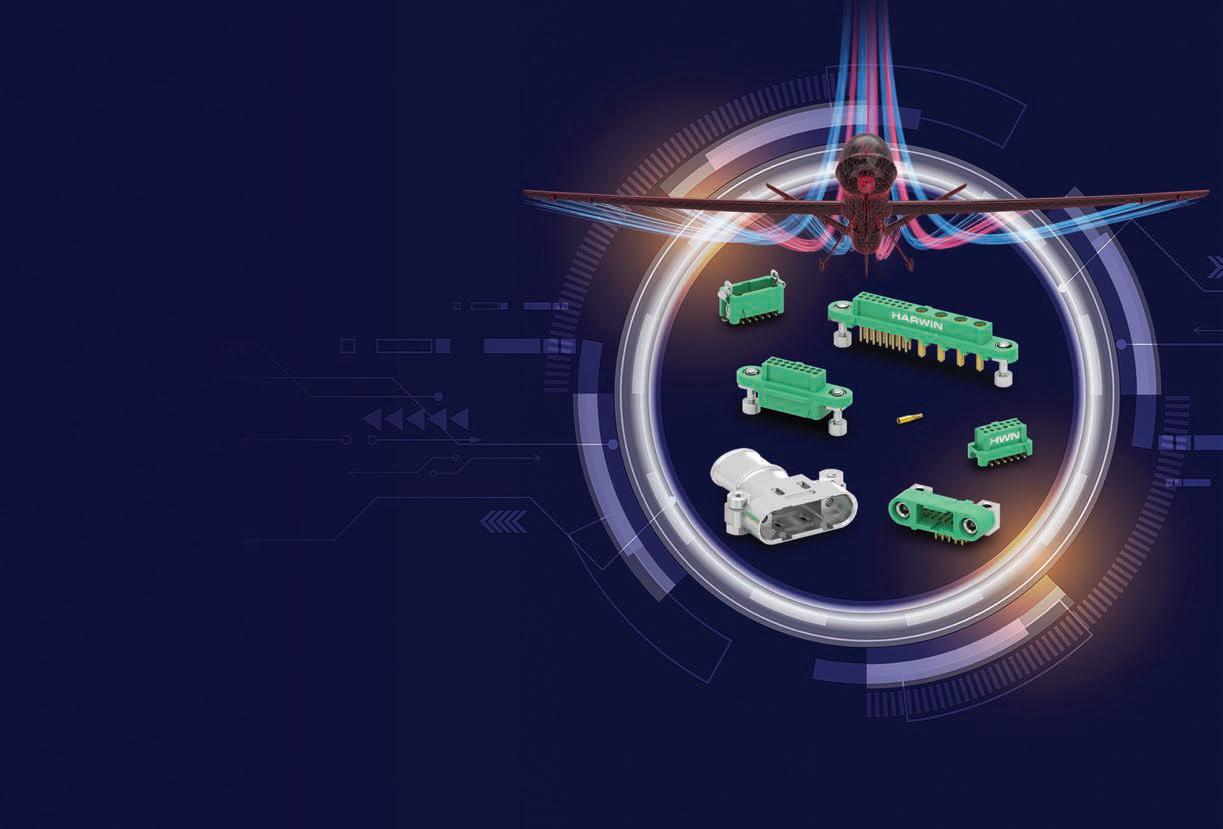
Artificial intelligence is accelerating a new era of connectivityone that is placing unprecedented demands on compute power, data movement and system-level integration. Over the next 10 to 12 months, exponential growth in AI workloads is expected to strain existing interconnect architectures, exposing bottlenecks in bandwidth, power delivery and thermal performance. For electronics design engineers, these pressures are reshaping design priorities across fast-growing sectors such as automotive, aerospace and
defence, consumer electronics, data centres, industrial automation and medtech.
From autonomous vehicle sensors and high-resolution medical imaging to defence platforms and real-time factory control systems, AI-enabled applications generate massive volumes of data while requiring ever-higher-speed connectivity and more efficient power and thermal solutions. Addressing these challenges in 2026 will hinge on closer collaboration across the supply chain and the development of future-ready interconnect technologies
capable of supporting increasingly AI-driven infrastructures.
High-speed interconnects
High-speed interconnects remain essential to delivering the speed and density to enable AI/ machine learning workloads in modern hyperscale data centres. Communication between major compute elements necessitates a mix of high-speed backplane and board-to-board solutions designed for 224Gbps PAM-4 speed, along with high-speed pluggable I/O connectors that support aggregate speeds up to 400/800Gbps while providing a path to 1.6T.

Energy consumption
Energy consumption hampers data-centre scaling, propelling advancements in thermal management. The heat generated by high-perfor mance servers and systems needed to scale generative AI applications while supporting the transition to 224Gbps PAM-4 has exceeded traditional solutions relying on air-cooling technology. Developments in liquid cooling,

including direct-to-chip cooling, immersion cooling and passive components that enhance active cooling, will continue to gain traction and exploration.
Co-packaged optics
Demand escalates for Co-Packaged Optics (CPO) to support ‘scale-up’ architectures. Considered essential for handling GPU-to-GPU interconnectivity in AI-driven architecture, CPOs are designed to deliver ultra-high bandwidth density directly at the chip edge. CPOs enable much higher interconnect density while reducing power consumption and electrical signal loss.
Specialty fiber optics
Specialty fiber optics accelerate medtech and aerospace and defense innovations, delivering high-precision links with immunity to Electromagnetic Interference (EMI). No wider than human hair, optical fiber increasingly powers high-resolution imaging equipment, like MRI and CT scanners, while d elivering concentrated laser energy for non-invasive therapeutic treatments. Fiber optics also address engineering challenges in satellite and space systems to transmit vast volumes of data over long distances with minimal signal degradation.
Miniaturized solutions
Rugged, reliable and miniaturized solutions are anticipated to gain momentum across every major sector this year. The use of compact, durable connectors that thrive in harsh environments has long dominated automotive, as well as aerospace and defense applications. Pushing boundaries for greater reliability in very small form factors has now permeated consumer electronics; industrial automation; as well as medical devices.
Electrification
Electrification continues to accelerate, driving demand for high-speed, high-power connectivity. Electrification trends in military land systems are gaining ground, with g rowth in Electric Vertical Take-off and Landing (eVTOL) systems, which need lightweight, miniaturized and rugged MILSPEC connectors and cables.
Mandates for modular solutions and open standards are growing across most industry sectors today. An active participant in the Open Compute Project (OCP), has interconnect vendors developing next-generation data centre cooling technologies and modular hardware specifications to enhance hyperscale system performance, efficiency and modular ity. Close alignment with industry standards groups in aerospace and defense also empowers vendors to focus on reducing size, weight, power and cost (SWaP-C).
48V Technologies
48V architectures are rapidly emerging as a universal standard for improving power efficiency in AI-driven data centres and next-generation vehicles. Across the industry, power-architecture vendors are advancing 48V technologies to address rising thermal density, reduce cabling weight in automotive platforms, and manage the power spikes associated with generative AI workloads in data centres—particularly in support of open infrastructure initiatives such as the ORV3 standard.
Personalization continues to shift, thanks to emergence of agentic AI, which adapts readily to changing conditions, aiding real-time decision making and personalization. In automotive, this translates to advances in autonomous driving and in-cabin exper iences. In consumer electronics and medtech wearables, greater personalization optimizes product usage while real-time diagnostics improve wellbeing. On factory floors, real-time access to data and adaptive human-machine interfaces improve productivity and operational efficiency.
Supply optionality
Demands for supply optionality and regional manufacturing are growing amid global trade volatility. Investments in AI-driven data ecosystems will propel digital supply chain intelligence to support demands for new, regional supply networks and localized manufacturing amid shifting trade policies.
Molex is a global provider of connectors & interconnect devices. www.molex.com
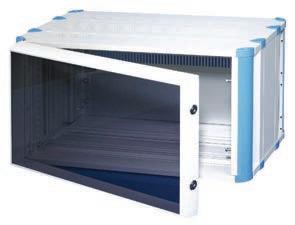
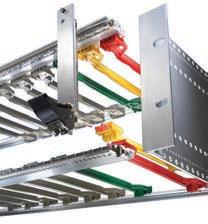
The Pixus modular enclosure cases and 19” subracks let you configure a solution in virtually limitless options. The result is a tailored solution to your specific application that is faster, more reliable, and cost-effective.
Contact Pixus today!



BY ANDY MILNER, PRODUCT MANAGER AT PEI-GENESIS
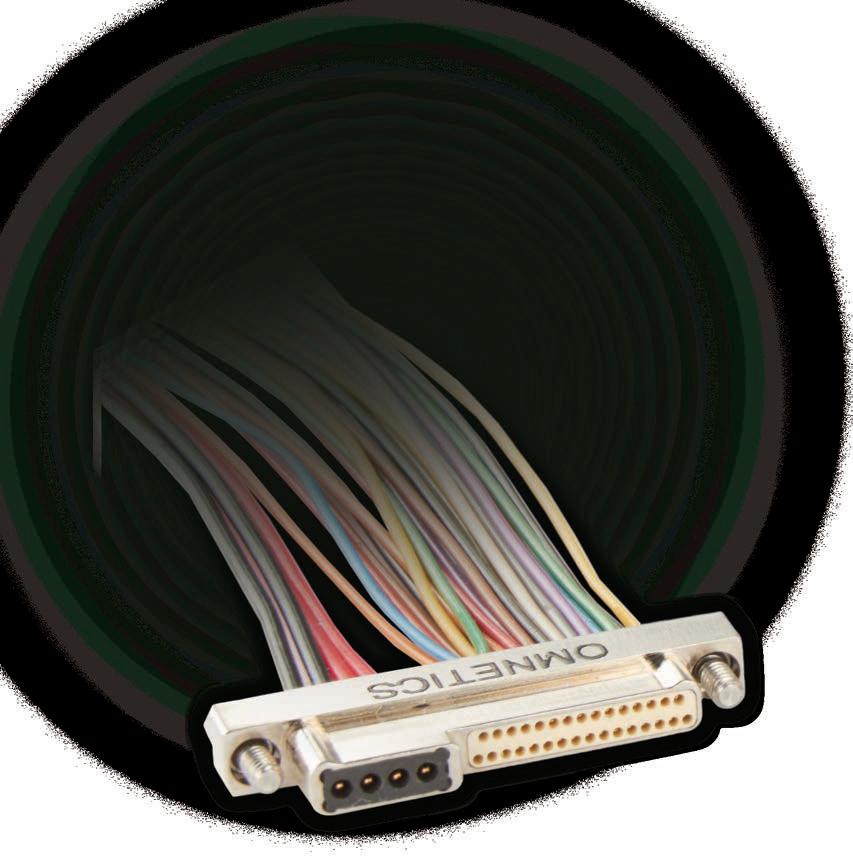
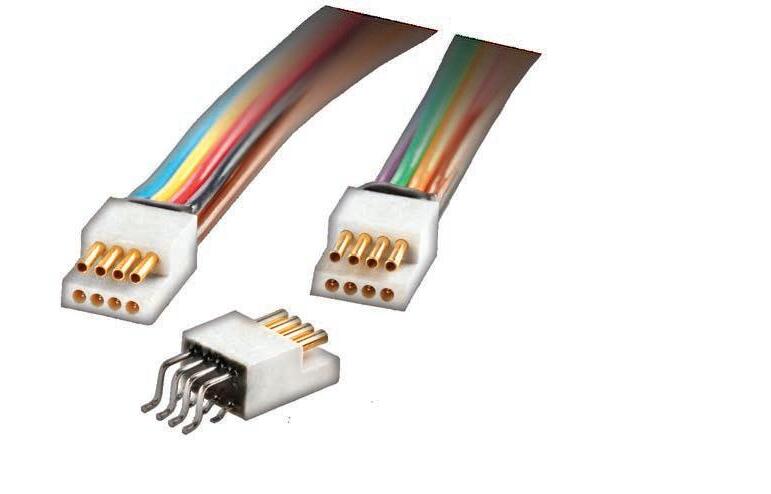
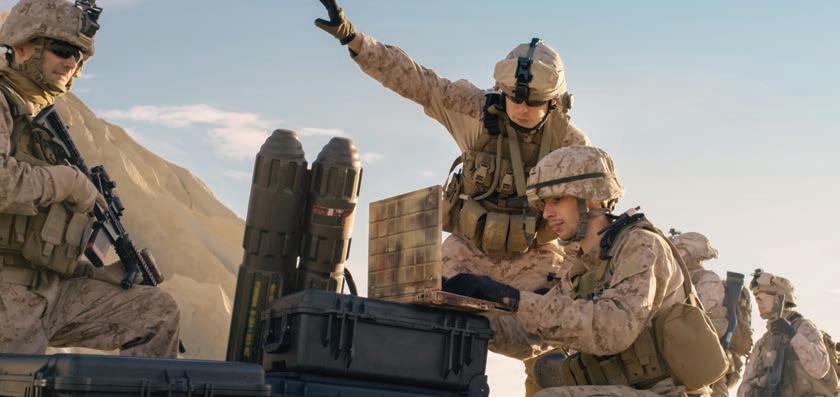
Behind every tactical radio, wearable sensor or autonomous platform lies a compact interconnect system essential to delivering power and data under extreme conditions. Connectors in defence applications must endure vibration, temperature shifts and environmental exposure, all while meeting growing demands for speed and miniaturisation. Small-form-factor (SFF) connectors address these challenges by offering rugged, high-performance solutions in minimal space. This article explores the role of SFF connector s in modern military systems and the engineering requirements that shape their design.
Modern battlefield communications and electronic systems need uninterrupted data exchange and decentralised power distribution. Devices such as GPS units, environmental sensors, tactical radios and night vision systems rely on small interfaces that can manage both digital and analog signals in real time.
This trend is mirrored in power systems, where the proliferation of portable and wearable subsystems has increased the need for decentralised recharging and distributed power architectures.These applications require connector s that are compact yet capable of maintaining signal integrity, power efficiency and EMI shielding, all within a single, space-saving design.
To meet these demands, small form factor connectors use high-density pin layouts, hybrid contact configurations and materials chosen for their thermal stability and mechanical strength.
Reduced-profile coupling mechanisms, such as bayonet and snap-lock interfaces are designed for quick deployment without sacrificing sealing
or vibration resistance. Additionally, their physical designs are optimised for integration into low-clearance or embedded housings, which aligns with the demands of modular and wearable platforms.
The move to smaller interconnects brings new engineering challenges. As sizes continue to shrink, connectors must keep mechanical stability while handling greater electrical complexity. Higher current densities can cause localised heating, which requires effective thermal dissipation critical in increasingly tight spaces.
ITT Cannon’s HDx Series of highdensity circular connectors offers a small form factor (SFF) solution for applications where space and weight savings are essential.

Maintaining signal integrity across high-speed digital lines becomes more difficult as contact spacing decreases. This demands precise impedance control, effective shielding and well-engineered grounding, often within housings just a few millimetres tall.
Choosing the right materials and adhering to tight manufacturing tolerances is essential at this size. Lightweight, high-performance plastics and composite materials provide good chemical resistance, low weight and thermal stability, while precision-machined metal shells enhance mechanical reliability
Coupling mechanisms must endure hundreds of mating cycles without
losing performance, even in environments exposed to dust, moisture and cor rosive substances. The small size of these connectors leaves little room for error. Mechanical misalignment, inadequate retention force or poor sealing can compromise the entire system.
As applications expand, so do the mounting and integration requirements for connectors. Many smallform-factor connectors now support a range of configurations, board-toboard, panel-to-cable and even low- or zero-profile designs, giving engineers more flexibility when space is limited.
Modular systems often use plug-in designs with floating mounts that absorb misalignment while maintaining a secure mechanical connection. In systems worn by soldiers or mounted on vehicles, low-profile connectors reduce snag risk and overall height, enhancing operational safety and stealth.
Where extra security is necessary, integrated locking mechanisms offer tactile and audible confirmation of connection. This feature is essential for field operatives working in lowlight or high-stress situations.
Although SFF connectors offer
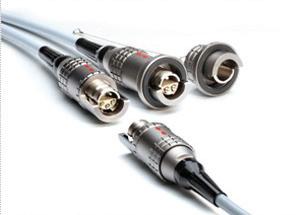
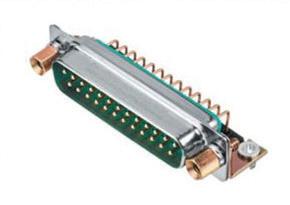
LEMO H-Series combines an easy to use push-pull hermaphroditic connector with high durability.
Positronic MILDTL-M24308 connector series (formerly known as MIL-C-24308 and MIL-PRF-24308) deliver a compact option for when you need to save on space and weight.
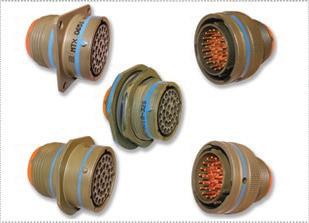
Amphenol’s MB MILDTL-26482 series II (Matrix) miniature cylindrical connectors have a quick-mating, three-point bayonet coupling system.
substantial performance benefits in modern designs, they are not positioned to replace traditional Mil-Spec connectors across all applications. Legacy standards like MILDTL-38999 remain vital in aerospace and defence infrastructure due to their proven reliability and load-bearing capacity. However, in situations where size, weight, and modularity matter, such as in unmanned aerial systems or soldier-worn communications, small-form-factor interconnects offer clear benefits.
As a result, contemporary systems often adopt a hybrid approach, using both legacy and miniaturised interfaces as needed to fit the operational profile. This allows designers to balance innovation with existing systems, leveraging the efficiency of SFF connectors while still utilising the proven strength of larger Mil-Spec options. This transition mirrors a broader move toward flexible, standards-compliant systems that permit gradual upgrades and technology integration.
As system complexity increases, small-formfactor connectors are expected to evolve beyond passive hardware. Future developments may include integrated diagnostics, condition monitoring features or embedded sensors capable of detecting wear, moisture ingress or connector misalignment. These advancements would support predictive maintenance
strategies and help extend system lifecycles in high-demand environments. In parallel, there is growing interest in standardising form factors across multiple platforms to support modularity, ease of replacement and rapid field reconfiguration.
Connector manufacturers have advanced SFF technology to meet mounting demands from soldier-worn kits and tactical platforms. As military and aerospace platforms become more mobile, modular and data-driven,
small-form-factor connectors have moved from supporting roles to core components. These miniature interconnects are enabling entirely new architectures for soldier-worn electronics, unmanned systems and real-time battlefield communication. With the integration of signal, power and high-speed data into rugged, compact formats, SFF connectors are directly supporting the operational ag ility and reliability demanded by today’s mission-critical environments.


Design 1st, the Ottawa-based product development firm behind more than 1,200 commercialized physical electronic hardware products, enters its 30th year, while marking its most successful year in the company’s history. In 2025, Design 1st worked on 103 projects across 16 industries, added 41 new
clients, and grew its team to keep pace with surging demand from a global client base spanning North America, Europe, the UK, Saudi Arabia, Mongolia and Australia.
Kevin Bailey founded Design 1st in 1996 as a design engineering consultancy. Today, the firm has evolved into a full-service product development firm offering industrial design, mechanical engineering, electrical design, embedded firmware, prototyping and manufacturing set-up under one roof.
Siemens has acquired Aster Technologies, a market leader in printed circuit board assembly (pcba) test verification and engineering software. The deal integrates Aster’s advanced ‘shift-left’ design for test (DFT) functionality directly into Siemens’ Xpedition software and Valor software, establishing a comprehensive portfolio for electronic systems design.
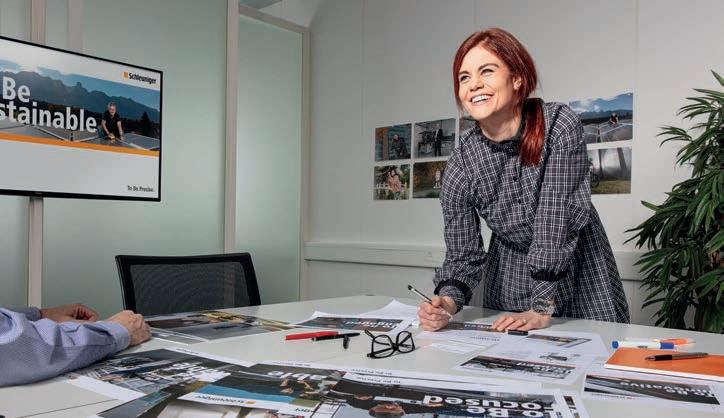
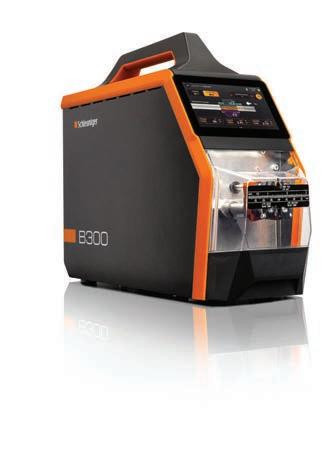
Schleuniger’s portable Strip Series B300 delivers fast and reliable stripping of wires with crosssections from 32 to 8 AWG. The machine‘s ergonomic design and intuitive user interface offer unrivaled ease of use, while repeat accuracy, mechanical precision, and short process cycles ensure maximum productivity.
Compact modular design
High-resolution 5” color touch screen
LED lighting for clear view of work area
Highly sensitive trigger mechanism
High process reliability
Wire Solutions for a Connected World
The acquisition comes at a critical time, as the accelerating demand for automotive electronics and the increased integration of 5G technology in electronics systems necessitate robust testing solutions to help to ensure safety, reliability and compliance with stringent standards. A comprehensive test engineering strategy is paramount to intercepting defects, avoiding costly design re-spins, preventing product returns, and reducing field failures. Organizations are increasingly seeking DFT functionality embedded within their pcb design solutions and an integrated workflow for pcb design.
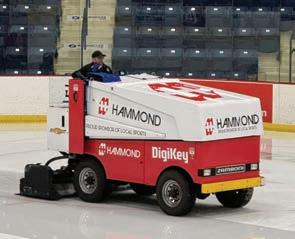
Not every big marketing idea is born in a boardroom—just ask Ross Hammond, global business development manager at Hammond Manufacturing. Some ideas are born rink-side, watching kids play hockey while a Zamboni circles the ice.
Case in point: the ‘Hamboni’—a fully vinyl-wrapped Zamboni now cruising the Ralph Engelstad Arena in Thief River Falls, Minnesota, the hometown of DigiKey. The ice re-surfacing unit now sports the Hammond manufacturing’s logo, showcasing the collaborative partnership with DigiKey. For the past few years Hammond has sponsored advertisements on the rink boards inside the local rink.
“Some marketing ideas are hatched over a beer when someone says “Wouldn’t it be fun if…” said Hammond. “That’s how the ‘Hamboni’ came to life. “Almost the entire town of Thief River Falls passes through the arena with their kids, and this is our way of saying hello to the employees of DigiKey that are so important to our success.”



VENDOR: ARDUINO
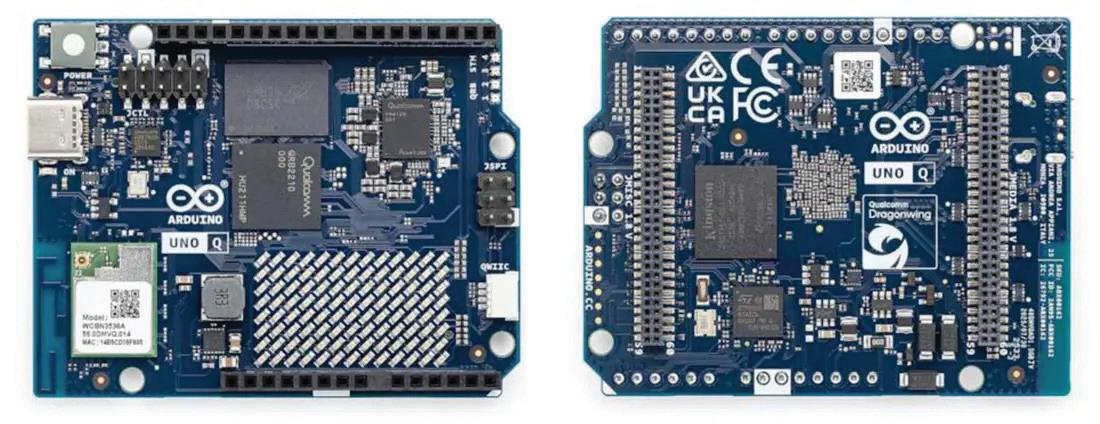
Arduino UNO Q Platform is an all-in-one compact, cost-effective development board solution that combines high-performance computing with real-time control. Dev board implements its hybrid design, making it a suitable dual-brain platform for users’ next innovation. The platform provides a Linux Debian-capable Qualcomm Dragonwing QRB2210 microprocessor paired with a real-time STM32U585 microcontroller (MCU). The platform supports advanced characteristics, including machine vision utilizing the integrated AI and GPU acceleration, quad-core 2.0GHz CPU, Adreno GPU, 2x ISP, and support for camera, display, and audio supplied by the Dragonwing QRB2210.
The Arduino UNO Q Platform is suitable for advanced applications such as object recognition, voice commands, and motion detection. Offering power and ease of use, all wrapped up into UNO.
Object recognition
• Voice commands
• Motion detection
Specs
Qualcomm Dragonwing QRB2210 microprocessor
• Real-time, low-power STM32U585 microcontroller
• 2GB LPDDR4 RAM or 4GB LPDDR4 RAM
• 16GB eMMC built-in (no SD card required)
• Dual-band Wi-Fi® 5 ( 2.4GHz/5GHz), BLUETOOTH® 5.1
• Power advanced peripherals – vision, audio, display, high-speed headers
• Classic UNO headers mount shields to add capabilities
• 8 x 13 LED matrix for visual creation and feedback
• USB-C connector - power delivery, video output, or connect keyboard, mouse, USB microphones, or USB cameras via dongle Qwiic connector - easily expand with Modulino nodes with no soldering required
Scan here to view and download the full data sheet in pdf format.








Hammond has over $30 million of in-stock inventory and over 16,000 unique product skus to choose from.


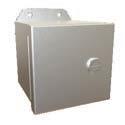
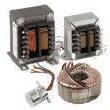
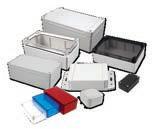
At Hammond, we are proud of our Canadian roots. We manufacture in Canada, we warehouse in Canada, and we employee over 900 Canadians. We are Canada’s Enclosure Company.