
COBOTS VS. HACKERS
As
collaborative robots become more prevalent
on
assembly lines,
engineers will need to keep cybersecurity top of mind.
BY MARK STEPHEN
The rise of the Industrial Internet of Things (IIoT) network of connected sensors, instruments, and intelligent devices used in industries like manufacturing, energy, and logistics is a huge net plus, optimizing processes, boosting productivity, and preventing costly equipment failures. But it has also led to a corresponding rise in concerns, among design engineers and everyone else in the manufacturing space, about the vulnerability of these systems to cyberattacks, which disrupt critical infrastructure and manufacturing operations by compromising network gateways, exploiting unpatched firmware, or hijacking devices to disrupt enterprise productivity.
And it’s no idle threat: According to the IBM X-Force Threat Intelligence Index, which tracks global cyberattack trends, incident response engagements, and threat actor behaviour, manufacturing has been the most attacked industry globally for five consecutive years. This is in large part because IIoT systems and devices present unique opportunities for attack because they connect vulnerable operational technology (OT) sensors and legacy industrial control systems (ICS) directly to corporate IT networks.
Collaborative robots, or cobots, are at the leading edge of the smart factory wave, revolutionizing industrial automation by communicating with and operating alongside humans in a shared
workplace. And they’re also IIoT-class devices, and are as vulnerable to cyberattacks as PLCs, HMIs, vision systems, CNC controllers, and MES gateways if the security is weak. In fact, traditional industrial robots are often integrated even more deeply into the network, controlled by PLCs or industrial PCs as part of larger automation lines connected to MES systems. By exploiting vulnerabilities to gain unauthorized access to a cobot – and traditional robots – criminal hackers can launch attacks that range from data theft to reconfiguring the robot to perform the wrong motions, causing product damage or product recalls.
Which is why most users are concerned. “Customer questions about cybersecurity typically come from three directions at once,” said Martin Olesen, head of software product management with Universal Robots (UR), based in Odense, Denmark. “First, industry regulations governing cobots; second, the operational risk, including ransomware downtime, IP theft, and the quality control implications of compromised motion control; and third, supply chain accountability, as their auditors and end customers increasingly request evidence of secure suppliers.” Fortunately, concerns about hackers exploiting software flaws to order cobots to actually strike workers aren’t warranted today, Olesen noted. “Cobots are built with independent, safety-rated functions designed to keep protective stops and speed and force limits in place even if the main application controller is compromised,” he said.
Outlining the risks
One way to reduce the risk of a cobot being hacked, of course, is to limit how it connects to outside networks; a controller kept on an isolated, well-secured company network is a much harder target. But complete isolation isn’t feasible for cobot designers and end users who want to use connected IIoT software, which relies on network connectivity. Potential privacy weaknesses in cobots in factory processes, even when commands are encrypted, were outlined in a recent study from the University of Waterloo’s Cybersecurity and Privacy Institute, in Waterloo, Ont. The study, “On the Feasibility of Fingerprinting
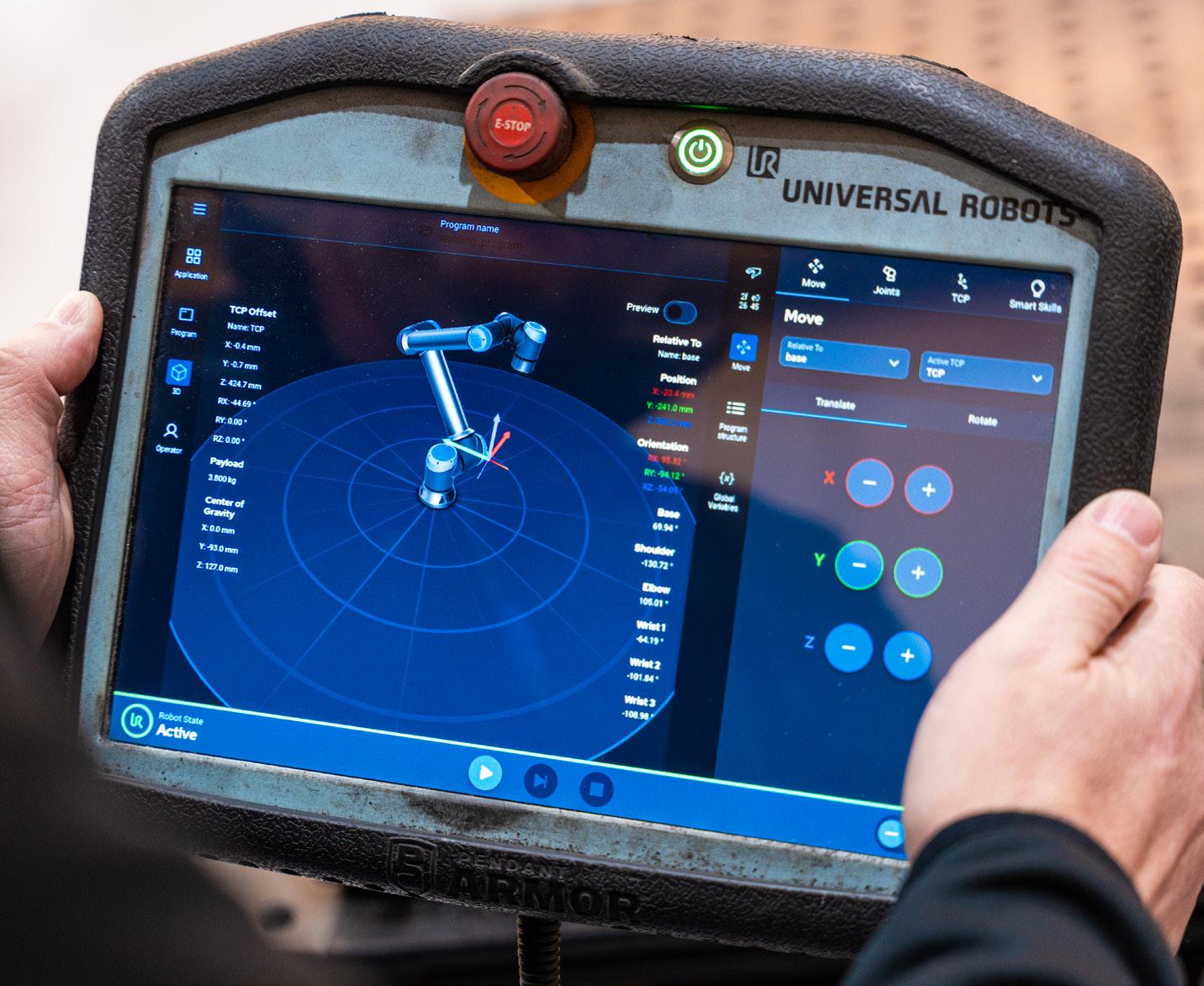
PolyScope X separates the operating system from the application so that security patches can be delivered continuously without disturbing cobot programs.
Collaborative Robot Network Traffic,” focused on script-based robots, where robots perform pre-programmed commands, which is a unique interface that allows robots to complete tasks with minimal human intervention. Using signal-processing techniques, the Waterloo team identified the actions of a Kinova Gen3 robotic arm, a model widely used in research settings, with 97 per cent accuracy based solely on encrypted data flow. “Picture a robot talking to its controller – you can’t understand the conversation, but you can notice when the robot is talking or not,” said Cheng Tang, the paper’s lead author and an engineering undergraduate student.
According to the researchers, their results suggest that cobots could easily leak private information, from industry secrets to patient confidentiality. “The robot could be anywhere, like a hospital, factory, or another country,” said Dr. Yue Hu, a professor of mechanical and mechatronics engineering and a co-author of the study. “Many don’t realize that once these robots are hooked into the network, they’re exposed to security risks.”
Commenting on the Waterloo paper, Olesen admitted that it raises some valid concerns. “Encrypted traffic fingerprinting is a known research area, and the Waterloo paper is a useful contribution to it, but it’s worth being precise about what a Waterloo-style traffic analysis attack would and wouldn’t reveal,” he said. “At best, it could distinguish among a small set of pre-known motion archetypes, but it doesn’t extract program code, waypoints, recipes, payload data, or part geometries. The data categories that matter most for protecting customer IP are addressed by access control, authentication, and network segmentation, not by traffic pattern obfuscation. So in the context of UR cobots deployed on a typical factory floor, we view it as a low-probability, low-impact concern relative to the more established threats that drive industrial cybersecurity work today.”
Analyzing the analysis
In principle, Olesen said, any networked device on a flat OT network can be misused for lateral movement, so the security of the network as a
whole matters more than any single cobot; with segmentation, restricted data flow, and disabled-by-default services in place, a cobot is a poor pivot point. There are three main reasons, he added, why a Waterloo-style traffic analysis attack shouldn’t be a big concern for users of factory cobots. “First, industrial cobots aren’t exposed to the open internet,” he said. “A cobot sits inside a plant network, normally behind firewalls and
segmentation. The Waterloo threat model assumes an attacker who can already passively wiretap the link between the robot and a remote controller. Reaching that vantage point inside a properly configured factory network is itself a significant intrusion, and once an attacker is in that position there are easier and higher value things to do than fingerprint motion patterns.”
Second, Olesen continued, theWaterloo
Your Application. Our Sensor.
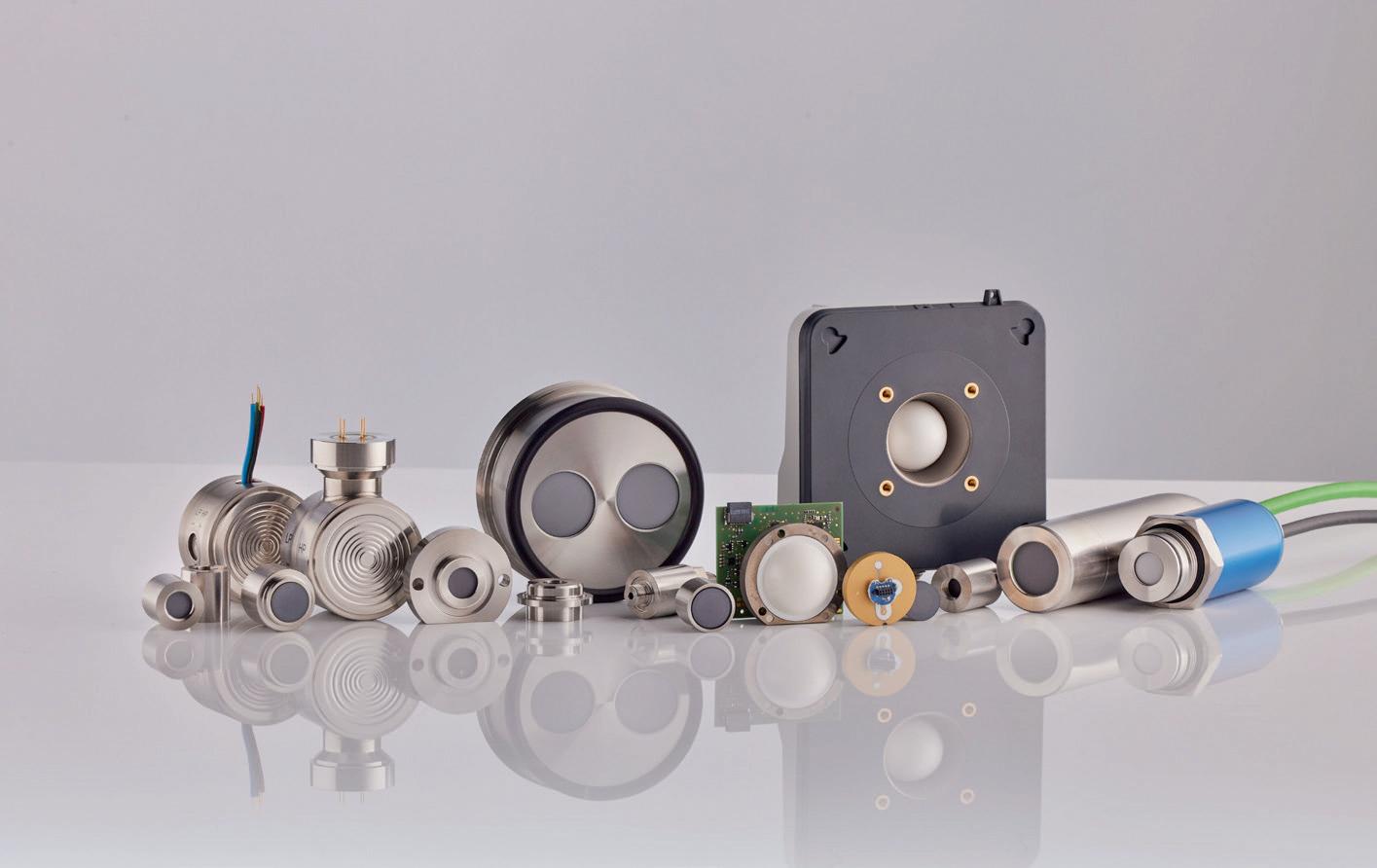
Endress+Hauser Sensors & Components is your reliable partner for customized pressure and level sensors. With many years of experience across diverse applications, innovative technologies, and close collaboration with our customers, we develop precise sensor solutions tailored exactly to any kind of individual requirements.
Looking for the right sensor for your application? We’re happy to advise you and collaborate to develop the ideal solution for your measurement task.
Want to learn more about our portfolio? www.sensors-components.endress.com
study is a closed-world lab result. “It shows that, given a known short list of candidate motions and an identical robot used to build a training set, those motions can be told apart,” he said. “A real production cell runs many overlapping program steps with varying payloads, parts, and parallel processes, and an attacker wouldn’t have a labelled training set of what a specific factory does.”
And third, Olesen said, public ICS
incident reporting doesn’t show this attack pattern. “The dominant reported attack patterns in manufacturing are credential abuse, exploitation of known unpatched vulnerabilities, ransomware on IT/OT bridges, and phishing,” he said. “We’re not aware of any documented incident where encrypted traffic fingerprinting was used to extract proprietary process information from a cobot deployment.”
The Waterloo researchers suggest that
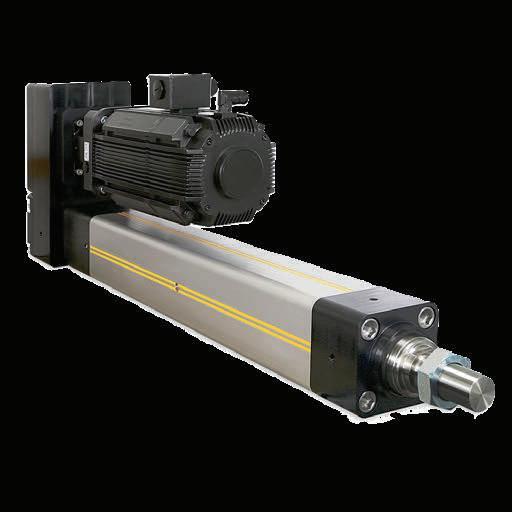
Rolling Ring LINEAR DRIVES
certain design choices could prevent leakage and make a system’s network steadier, including adjusting the timing of its application programming interface (API) or applying a smart traffic-shaping algorithm at run-time. Olesen doesn’t disagree with this suggestion, but notes that it has documented trade-offs around latency, bandwidth, and real-time determinism. “Determinism matters for safety functions and for cycle time, so any such mechanism would need to be designed without compromising those properties,” he said. “Traffic-shaping or padding as proposed in the Waterloo paper can be considered as one element among many.”
Defense strategies
Instead, Olesen identified other cobot design choices that have a higher value-to-cost ratio than API timing manipulation. “These include network segmentation and zoning as defined in IEC 62443 FR5, the single most effective control; modular, updatable platform architecture, such as PolyScope X – UR’s next-generation software platform – which separates the OS [operating system] from the application so that security patches can be delivered continuously without disturbing robot programs; encryption with authentication for remote access, including SSH with key-based authentication and TLS for cloud connectivity; minimal API surface and disabled-by-default services, which reduces both the attack surface and the signal an external observer can fingerprint; and authentication, RBAC, and audit logging, which are all part of UR’s IEC 62443-4-2 SL1 work for PolyScope X by 2027,” he said.

The current cybersecurity framework shaping the cobot industry, which new cobots should satisfy, includes IEC 62443-4-1 and IEC 62443-4-2; the EU Cyber Resilience Act, which applies from Dec. 11, 2027; the EU Machinery Regulation 2023/1230, which applies from Jan. 20, 2027; NIS2; and ISO 10218-1:2025, clause 5.1.16. “Globally, modern cobot platforms are being designed and certified against this framework ahead of its deadlines, while much of the broader installed IIoT base predates these
The practical security of any cobot deployment is determined far more by the network it sits on than by the protocol-level details of its communication.
requirements,” Olesen said. As one example, UR’s parent company, Teradyne Robotics, is certified to IEC 62443-4-1 ML2 and has been an authorized CVE Numbering Authority under CISA ICS since June 2025.
Older cobots, particularly those built before the current rise of IIoT, are often less secure and harder to protect than newer models. But there are ways to make even old, exposed systems safer. “For any earlier-generation fleet, UR’s recommendation is the standard defense-in-depth approach that applies to industrial equipment of that generation: place the robot on a dedicated, segmented subnet, deploy a hardware firewall between the robot and other networks,
allow only the ports needed for the specific integration, restrict physical access to the teach pendant and USB ports, and monitor traffic to and from the robot subnet,” Olesen said.
With both newer and older cobots, it’s important for the user to update the robot firmware as soon as an update is released. As noted in a recent article from the Robotics Business Review, IIoT devices can suffer from security flaws for much longer than consumer devices due to their longer lifespans. Updating the firmware regularly is an essential part of counteracting these flaws.
A good offense
In the end, Olesen said, customer
concerns about cyberattacks in a manufacturing setting are real, valid, and even healthy, given that the clean-up costs after a bad cyberattack can be enough to put a small company out of business. The good news is that customers are becoming more sophisticated about the risks and how to lessen them. “The conversation has shifted from, ‘Is your robot safe?’ to specific requests for an SBOM [software bill of materials], coordinated vulnerability disclosure policies, and IEC 62443 certification evidence,” he said.
But the big point to remember, Olesen continued, is that the practical security of any cobot deployment is determined far more by the network it sits on than by the protocol-level details of its communication. And while it sounds obvious, taking one fundamental, common-sense precaution at the outset is key. “Keeping unauthorized devices and people off the OT network in the first place is the highest leverage control, and it’s the foundation that the platform’s built-in security features are designed to reinforce,” he said. |DE
AI surrogates in CFD and FEA
What’s
working,
BY MARK BURHOP
what’s failing, and where we’re likely to be by 2027.
Suppose you are redesigning a heat exchanger. Channel geometry, fin spacing, inlet conditions, and material choices can produce hundreds of combinations, while a good computational fluid dynamics (CFD) run may take hours. The team evaluates a fraction of the possibilities and hopes the best design was not among the cases it never ran.
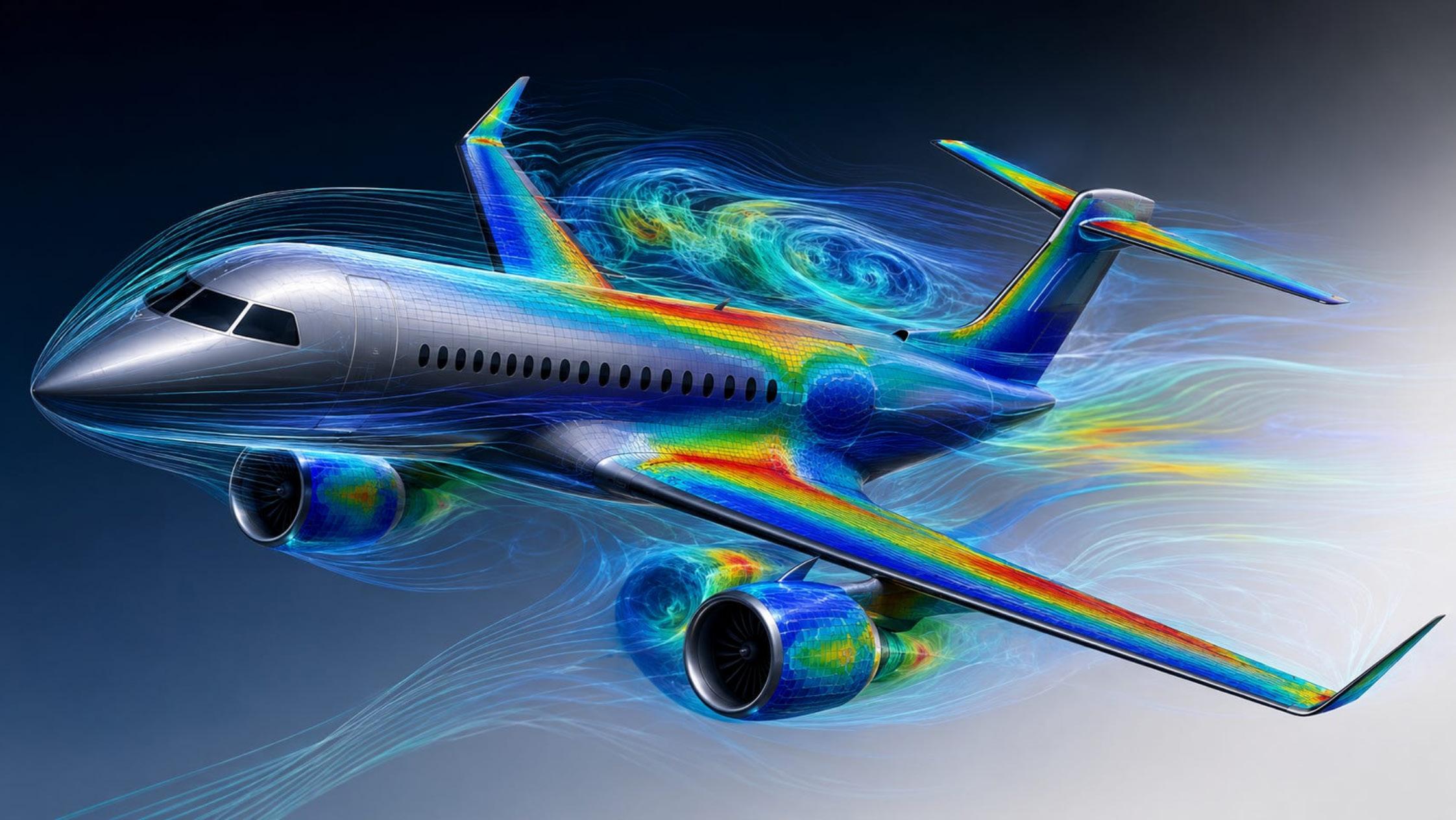
This is where artificial intelligence (AI) surrogate models are starting to earn a place in engineering. Train one on a carefully chosen set of CFD results and it may estimate pressure drop and heat transfer for a new design in seconds. The team can explore hundreds or thousands of candidates, then send the most promising few back through the full solver.
That last step matters. A surrogate doesn’t replace CFD or finite element analysis (FEA), but it changes how often – and at what point – we need to pay the full computational cost. In plain language, a surrogate is a fast approximation trained from previous simulations or test data. Give it a new but related design and it predicts selected results without rerunning the complete numerical model. Those results might be drag, peak stress, temperature or efficiency. Some systems also predict full pressure, velocity or stress fields.
Products including Ansys SimAI, Siemens Simcenter PhysicsAI, and Neural Concept now bring these techniques into familiar CAE workflows.Vendors report speed increases ranging from tens to hundreds, and sometimes thousands, over high-fidelity workflows. Impressive numbers, certainly, but
engineers need to ask a different question: When is the fast answer good enough to act on?
Where the approach works
The most defensible success story for AI surrogates in CFD and FEA is their ability to accelerate design exploration once a reasonably rich simulation dataset exists. The best applications are narrow, repetitive, and valuable. That may sound less exciting than a universal AI solver, but narrow problems are where engineering software usually proves itself.
Consider an automotive team with several hundred CFD runs for related vehicle shapes, or an electronics company that repeatedly analyzes variants of the same cooling assembly. A machine builder may have an entire product family whose dimensions change while its topology, material, and loading remain broadly consistent. In each case, the surrogate is working inside a recognizable neighbourhood. It doesn’t need to understand every vehicle, enclosure or machine frame ever designed.
Going forward, simulation groups will likely maintain internal libraries of surrogates organized by product line, operating envelope, and physics domain.
Neural Concept reported a 97.5 per cent reduction in the CFD runs required for one automotive design study. Using transfer learning, the company adapted a model to related vehicle categories with only five to ten additional simulations. Within the tested design envelope, it reported an R-squared value of about 0.96 for drag and mean relative errors below one per cent.That’s a strong result, and it’s not evidence that the model can predict the aerodynamics of an unrelated vehicle, much less a different class of flow problem. The design envelope isn’t a footnote to the result; it’s part of the result. Surrogates are also a natural partner for optimization. A conventional design of experiments selects a manageable set of expensive solver runs. A model trained on those cases can screen a much larger population, reveal tradeoffs, and identify candidates worth investigating properly. In other words, the surrogate helps decide where to spend simulation time –it doesn’t turn a rough estimate into a certified result. The requested output also
Photo: Mark Burhop
deserves restraint. Predicting a drag coefficient or maximum temperature is easier than reconstructing a transient field. A single number may rank concepts, but it can conceal the hot spot or stress concentration that controls the design. More colourful contours aren’t automatically more useful.
It’s also worth separating AI surrogates from another class of fast simulation. Creo Simulation Live, for example, uses graphics processing unit (GPU)-accelerated numerical methods to provide immediate feedback inside CAD. It still solves equations; it does not infer the answer from a learned set of previous results. Autodesk Forma explicitly separates rapid wind analysis from more detailed CFD. Both approaches can support early design, but they have different error sources. The software should tell the engineer which one produced the picture on the screen.
The unglamorous data problem
Most presentations about engineering AI begin with a clean training dataset. Most engineering departments begin with a file server. Old analyses are spread across projects and personal directories. Boundary conditions may be buried in solver files. Naming conventions change. Mesh settings, contacts, convergence criteria, and even units aren’t always recorded consistently. Two jobs labelled “maximum stress” may not describe the same calculation at all.
A surrogate learns from this material without knowing which shortcuts were sensible and which were mistakes. If one analyst removed fasteners and another modelled contact in detail, the model simply sees two examples. If a pressure load was applied to different surfaces in two otherwise similar studies, more training data will not necessarily help. The result may be a larger and more confidently confused model.
Coverage is the other half of the problem. Five geometric variables, several operating conditions, and a few material choices quickly create a large input space. NAFEMS work on machine learning surrogate FEA raises exactly the questions engineering teams need to answer: How much data are enough? How should the design space be sampled? How can the system
recognize a region where its predictions are no longer supported?
Graph- and mesh-based neural networks are improving the treatment of irregular engineering geometry and partial differential equations. That is useful progress, but no architecture repeals the problem of extrapolation. A model trained on one family of shapes and loads has little evidence for a new topology, a different material response or a change
from laminar to turbulent flow. AI can interpolate remarkably well. Outside the training envelope, it can also be remarkably wrong.
Trust needs an instrument panel
Engineers don’t require every model to be exact. We routinely work with assumptions, approximations, and safety factors. What we do require is some idea of where the approximation is valid and

From battery cell to acceleration.
Festo products and solutions are setting the stage for flexible, intelligent and efficient automated manufacturing processes of nearly everything that move us — cars, planes, trains, e-scooters. I festo.ca/e-mobility
how badly it might fail. Today, too many surrogate demonstrations emphasize average error while giving less attention to the worst case, local error or distance from the training data. A production system should show its performance on held-back validation cases, identify whether a proposed design lies within the supported region, and provide an uncertainty or applicability measure. If the new case is too far outside that region, the correct response is not a very precise-looking prediction – it is another solver run.
Traceability matters as well. A result should carry the surrogate version, the dataset used to train it, the solver assumptions behind that dataset, and the range of approved inputs. Change the geometry family, material model or solver method and the surrogate may need to be retrained and revalidated. Surrogates can still support screening and trade studies in safety-critical industries. But a fast prediction is not equivalent to verified CFD or FEA, and neither is equivalent to a physical test. Each has a place in the evidence chain. There’s a more basic reason some deployments disappoint: solving is often not the worst part of simulation. Analysts still spend days cleaning CAD, removing irrelevant detail, creating contacts, building meshes, choosing boundary conditions, and chasing convergence problems. Most surrogates accelerate what happens after those decisions have been encoded in the data. They don’t reliably decide whether a small fillet matters or whether the flow domain is too short.
A claim of 100-times-faster inference may therefore produce nothing close to a 100-times-faster engineering process. Measure the whole workflow. Otherwise, we are timing the straightaway and ignoring the pit stops.
What 2027 is likely to bring
By 2027, I don’t expect a universal AI solver. I do expect engineering organizations to begin treating surrogates as managed assets instead of interesting experiments. Simulation groups will likely maintain internal libraries of surrogates organized by product line, operating envelope, and physics domain.
A group might keep separate models for a pump family, an electronics enclosure, and a vehicle aerodynamics program. Each would have an owner, version, documented training dataset, approved input range, error metrics, and intended use. The useful unit will not be, “Our company has AI.” It will be, “We have a validated pressure-drop model for this family of valves.”
The workflow around these models will also become more important. This is where the Model Context Protocol (MCP) could matter. MCP is an open standard for connecting AI applications to external tools and data. In a CAE environment, an MCP server could expose approved functions for retrieving simulation history, evaluating a surrogate, launching a solver or recording a result. An engineering assistant could then call the actual tools under defined permissions.
MCP doesn’t make the underlying engineering trustworthy, but it can reduce the custom plumbing between AI systems, CAE tools, and engineering data. It may also make hybrid workflows easier to enforce: try the surrogate, check its applicability score, and fall back to the full solver when necessary.
Simulation engineers will be central to this. They understand which inputs matter, which quantities should be predicted, and which errors are acceptable. A data scientist can improve a neural network, but can’t decide whether a boundary condition represents the real load path. The emerging role isn’t AI replacing the analyst, it’s the analyst building, testing, and governing a new class of engineering model.
What engineers should do now
CFD and FEA practitioners don’t need to wait for a universal standard or a perfect commercial platform. They can begin with a few disciplined steps:
• Start with a well-scoped problem and clear quantities of interest. Choose a product family or subsystem where faster prediction would improve a real design decision.
• Invest in data hygiene. Record geometry, materials, loads, boundary conditions, mesh settings, solver versions, and convergence information. A surrogate is unforgiving of inconsistent simulation history.
• Define acceptable error and the permitted operating envelope before training. Hold back representative cases for validation and use physical test data where it’s available.
• Treat the first surrogate as an experiment. Log where it disagrees with the solver and add targeted data in weak regions instead of adding cases indiscriminately.
• Require a solver fallback. Unsupported geometries, operating conditions or low-confidence predictions should return automatically to CFD or FEA.
• Give every production surrogate an owner, version, and documented training dataset. Push vendors for visible uncertainty, applicability checks, and traceability.
Above all, label the result honestly. A surrogate prediction should never masquerade as an authoritative analysis. |DE
Mark Burhop is an award-winning research engineer based in NewYork City.Visit www. linkedin.com/in/burhop.
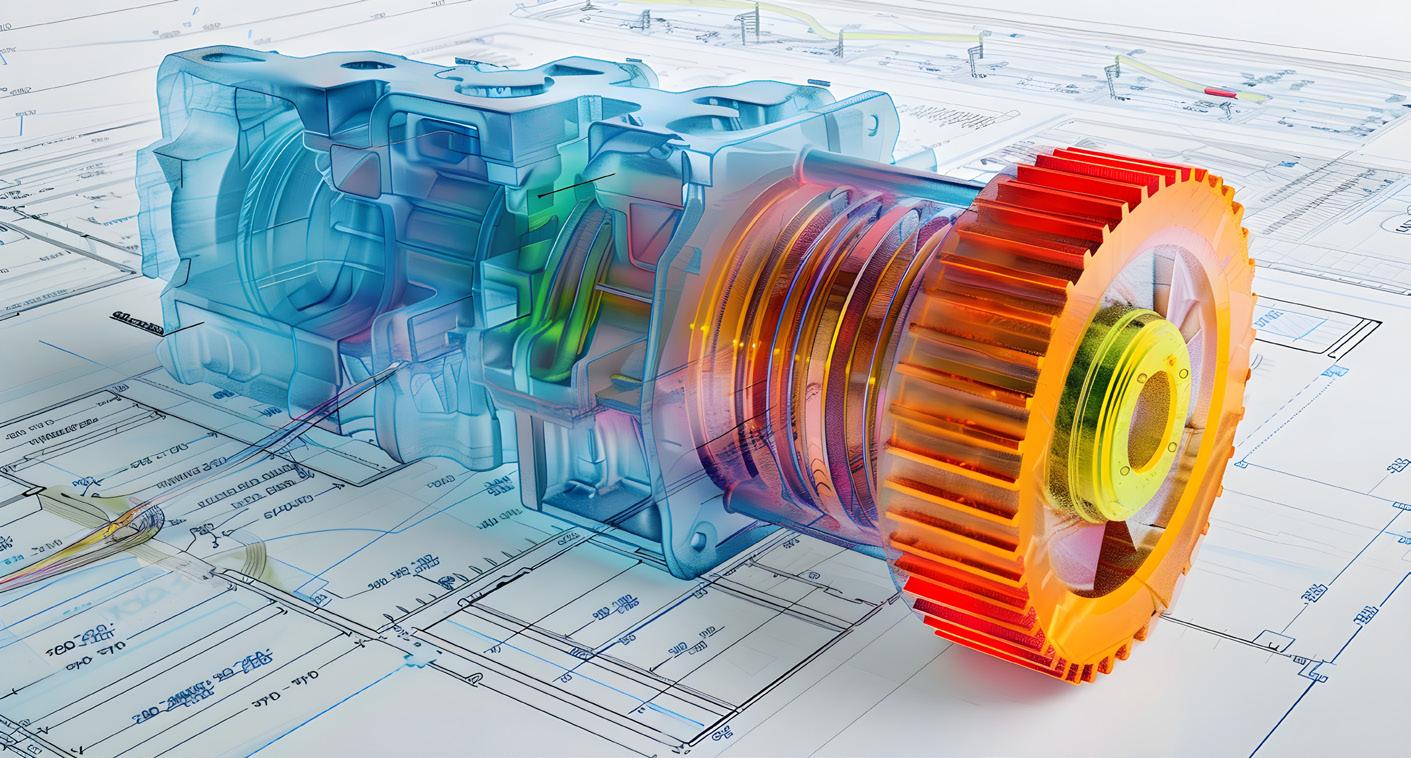
An AI surrogate model doesn’t replace FEA (pictured), but it changes how often – and at what point – designers need to pay the full computational cost.

Design engineers should be clear about which AI capabilities are needed for each problem. Right: Mike Hagedorn.
STRAIGHT TALK ABOUT AI


Used correctly, artificial intelligence can transform design engineering by accelerating the design process, opening new creative possibilities. Industry expert Mike Hagedorn discusses the pitfalls and how to integrate it the right way.
BY MARK STEPHEN
French author Victor Hugo famously wrote that nothing in the world is more powerful than an idea whose time has come. That idiom definitely applies to artificial intelligence (AI), which is now an unstoppable force. For manufacturers, AI is rapidly becoming part of the operating environment, and is already embedded in product design, production monitoring, quality inspection, demand forecasting,
predictive maintenance, worker safety, and sustainability analytics. For design engineers in specific, AI has the power to completely transform the field, accelerating development by automating repetitive CAD/CAE tasks, generating topology-optimized geometries, and predicting physical simulation results instantly.
But there are right and wrong ways for these firms to use it, especially for firsttime integrators – while AI
Littleton, Colo.-based Hagedorn is a recognized leader in AI, digital transformation, and enterprise technology innovation.
Design Engineering: How does a manufacturing firm prepare for using AI?
Mike Hagedorn: AI is an enabling technology, but you have to get beyond the hype – many AI vendors stress that you need it, but they don’t tell you what to do with it. So you need to understand how to fundamentally and realistically use AI, and the answer will vary with each shop. But all users need to satisfy the same two criteria. First, they have to identify where in the business AI can create the most measurable value. This involves understanding which AI capabilities are needed for each business problem. Generative AI can create text, code, concepts, summaries, and design alternatives; predictive AI can forecast outcomes, risks, demand, failures, and performance; and agentic AI can execute defined tasks with less human intervention, provided the organization has strong rules, governance, and monitoring in place.
is incredibly powerful at accelerating ideation, industry experts caution against trusting it blindly without human verification, and stress that human oversight remains essential to ensure designs are manufacturable. Design Engineering recently spoke with Mike Hagedorn, vice president of professional services at IMAGINiT Technologies, to dig deeper into AI integration. With more than 25 years of experience in consulting, software, and data science,
Second, make sure you have the data quality, standards, integration, and governance required for reliable AI outputs – in other words, are your people ready for it, and are you mature enough as a business to handle the changes that AI is going to create? Using AI to simulate line switches and manage raw material inventory and scrap is very different from using it to create a 3D model of an entire manufacturing plant, and you have to understand that from the outset. As I tell my customers, your data and process readiness have to be
at the level of at least a “4” on a scale of 1 to 5 for AI to be effective. If you have those things, and your people are ready, your chances of success are good.
Many organizations began their AI journey with copilots, chatbots, and content generation tools like Claude that assist individual productivity. Those tools are valuable, but they’re only the first step. The larger opportunity is to use AI to improve business performance: forecasting outcomes, recommending actions, triggering workflows, and supporting autonomous execution within defined guardrails. AI isn’t a silver bullet, but it is a trigger event that forces users to make better people decisions around process and better data decisions around the data they have, because the tech won’t work without that. It’s triggering the mindset that we call digital transformation. Digital transformation involves your process, your business, and your data, and preparing yourself for using this enabling tech properly.
DE: What are the big challenges to a successful AI integration?
MH: AI initiatives often stall when organizations underestimate the operational foundation required to scale. A manufacturer may have promising tools and strong executive interest, but value can be limited by fragmented data, inconsistent standards, unclear process ownership, weak integration across systems, or employee resistance.
AI can accelerate work, but it can’t compensate for a foundation that lacks trust, so – first – you have to

be careful where the data’s coming from and understand how the language model works. AI can learn, but you need to make sure that what you’re producing aligns with what you expect. If you take blind faith in an AI answer, you’ll fall off track quickly. It’s about combining human experience with AI assistance and making sure your data foundation is solid.
Second, there’s the “employee resistance” problem that I mentioned earlier –some people are blocking the adoption of AI because of what we call “FOBO”: fear of becoming obsolete. So employees have to be trained, supported, and reassured as AI changes how the work gets done. If you tell your employees – both design engineers and others – how they’re going to be a part of this new paradigm, you’ll break down this resistance. Don’t be afraid of losing your job to AI; be afraid of losing your job to someone else who knows how to use AI.
DE: What’s the biggest mistake that first-time AI users make?
MH: Trying to do too much too soon. I highly recommend following the “KISS”
DE: Are concerns about AI security vulnerabilities valid?
principle of keeping it simple. You don’t need to pursue every AI possibility at once. For a manufacturing firm, at the macrolevel, this means that the right starting point is the intersection of business value, data readiness, process clarity, and organizational sponsorship.
For individual part designers who are new to AI, start small: don’t give it the hardest, most complicated job that you have, such as designing a high-rise building. Instead, ask it to validate something, or do some research – for example, ask it to show the difference between “X” and “Y” or determine why one production line on the shop floor is more efficient than another similar line. Let it sift through all the critical knowledge that’s trapped in spreadsheets, local files, and disconnected systems; and then start teaching it, so that it learns how you talk and how you want to ask questions and understands the rules that go along with the results you get. Once the tool understands how you want to use it, and what information you want it to pull, then you can expand the tasks that you assign.
MH: Absolutely! Using public AI tools without understanding their privacy settings can expose proprietary information or allow it to be used to improve public models, which is every user’s worst nightmare. That’s why there have to be clear policies that define acceptable use, privacy, intellectual property, data access, and risk controls. Specifically, governance should define how AI can be used, what data is permitted, where human review is required, how outputs are validated, and how performance is monitored. This is particularly important when AI touches intellectual property, customer data, supplier information, regulated processes, or safety-critical decisions.
Part of protecting yourself involves using common sense: Read the “Terms of use” small print before clicking on anything, for example, and be careful when getting data from websites – a government site, a conference site, or an industry site – that you don’t accidentally punch a hole in your firewall and allow someone to query your results. And we encourage people to be careful when introducing AI technologies such as Claude, Copilot, and Gemini. You don’t want to inadvertently train a public domain language model and share confidential data, because once that information is out there you can’t get it back. These privacy protections should already be in place from using connected Industry 4.0 technologies to internal policies to standard IT data protection like SOC, but people don’t always remember that when a new technology like AI comes into play. Photo:
Users of chatbots such as Claude and Gemini may run the risk of inadvertently sharing confidential data.
DE: How does a firm choose the right AI solution for its needs?
MH: With some of the bigger vendors – such as Autodesk, SAP, Oracle, Infor, and Microsoft – the AI is embedded into their solutions, so when you buy their products, the AI is already there, working behind the scenes. Sometimes this is beneficial, because you get AI specifically tied to what you want to accomplish; and sometimes it’s not, because you’re getting that vendor’s interpretation of how AI should work. It’s a decision that varies from company to company. If you buy AI independently, you can use your own language model and rules and integrate it yourself. IMAGINiT Technologies can help
assess current-state maturity, identify practical AI opportunities, define a roadmap, prepare data and processes, support pilot execution, and build the change management foundation needed for adoption at scale.
DE: What are the benefits of AI for design engineers?
MH: Currently, they can use AI to help them find standards, summarize requirements, generate documentation, identify design inconsistencies, and support repetitive CAD or product data tasks. This is especially valuable when expertise is concentrated among senior staff or when onboarding new engineers is slow. When properly implemented, AI

can identify issues with noncompliance, or differences between as-built versus as-designed parts, or engineering change management. AI can start interpreting those things and making those changes for you, predict certain outcomes, and automate updates. An example that I use is light fixtures: they can have a hundred different components, and if one component changes, you have to find every drawing where that sits; AI can do that for you, instead of a human engineer opening up hundreds of engineering documents manually.
In future, the value will be in creating autonomous design-to-manufacture pipelines, with the ultimate goal being faster release cycles,
reduced rework, and improved design quality.
That said, keep a human hand on the steering wheel. As a rule of thumb, I suggest letting AI take the work to roughly 85 per cent, with human quality control checks along the way.
The promise of AI is off the charts provided you’re ready for it and don’t get distracted by the bright, shiny objects. Some of the biggest productivity gains come simply by standardizing workflows and cleaning up how information flows between teams. The design engineers who create value from AI will be the ones that focus less on experimentation for its own sake and more on readiness, prioritization, and measurable results. |DE


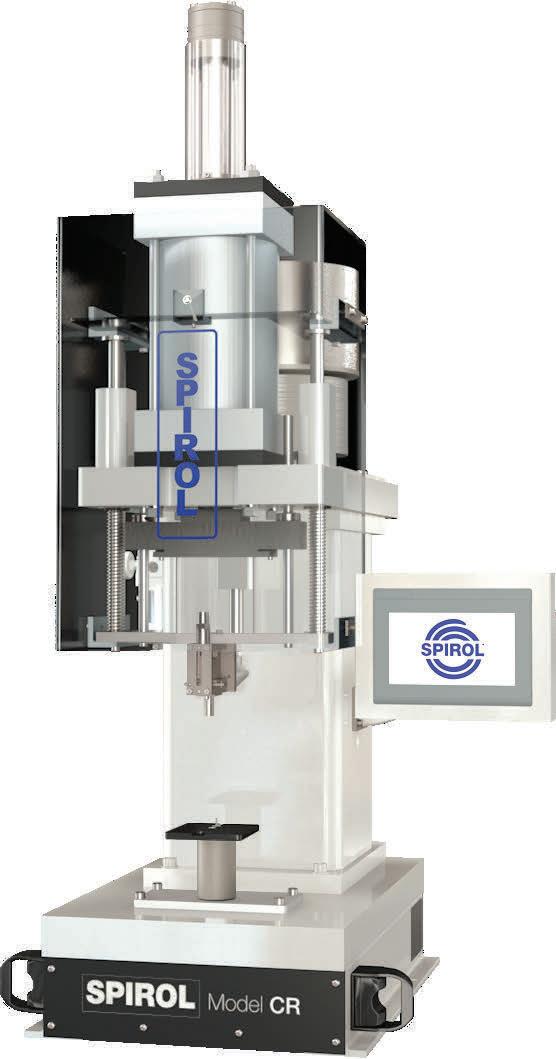
ALIGNMENT DOWELS
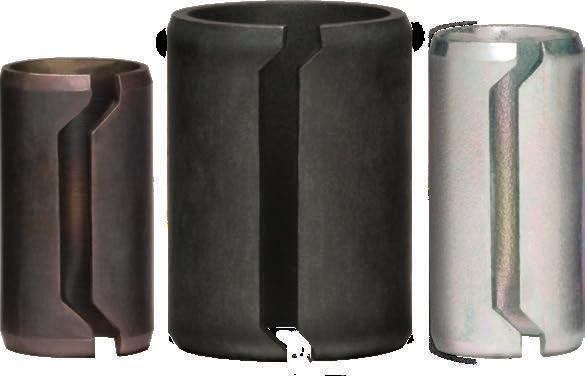
• Maintain precision alignment
• Protect bolts from shear
• Simplify assembly process
• Reduce weight of assembly
• Lower assembly cost
COMPLETE THERMOMETER LINEUP NOW AVAILABLE IN CANADA
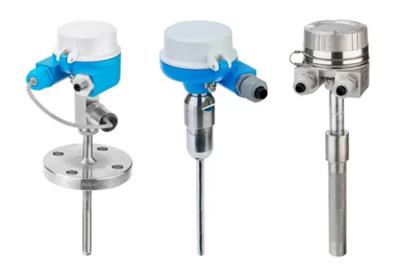
Endress+Hauser’s complete lineup of iTHERM ModuLine, the latest generation of modular thermometers for industrial applications, is now available in Canada. Comprised of seven models, ModuLine is designed to replace over 50 legacy models offered for industries such as chemical, oil and gas, power and energy, and water or wastewater. Innovations like iTHERM QuickNeck, the quick disconnection technology previously available only as an option for iTHERM hygienic thermometers, are available with all ModuLine models. The ModuLine lineup offers advanced safety feature possibilities, whether for basic functionality or high-end performance requirements; and includes thermometers with or without transmitters and displays, and a variety of process connections such as threaded, compression fitted, socket weld, and flanged. www.ca.endress.com
STREAMLINED ADJUSTMENT OF BACKLASH IN WORM GEAR ASSEMBLIES
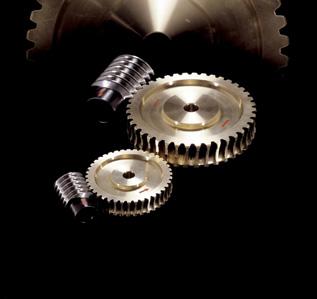
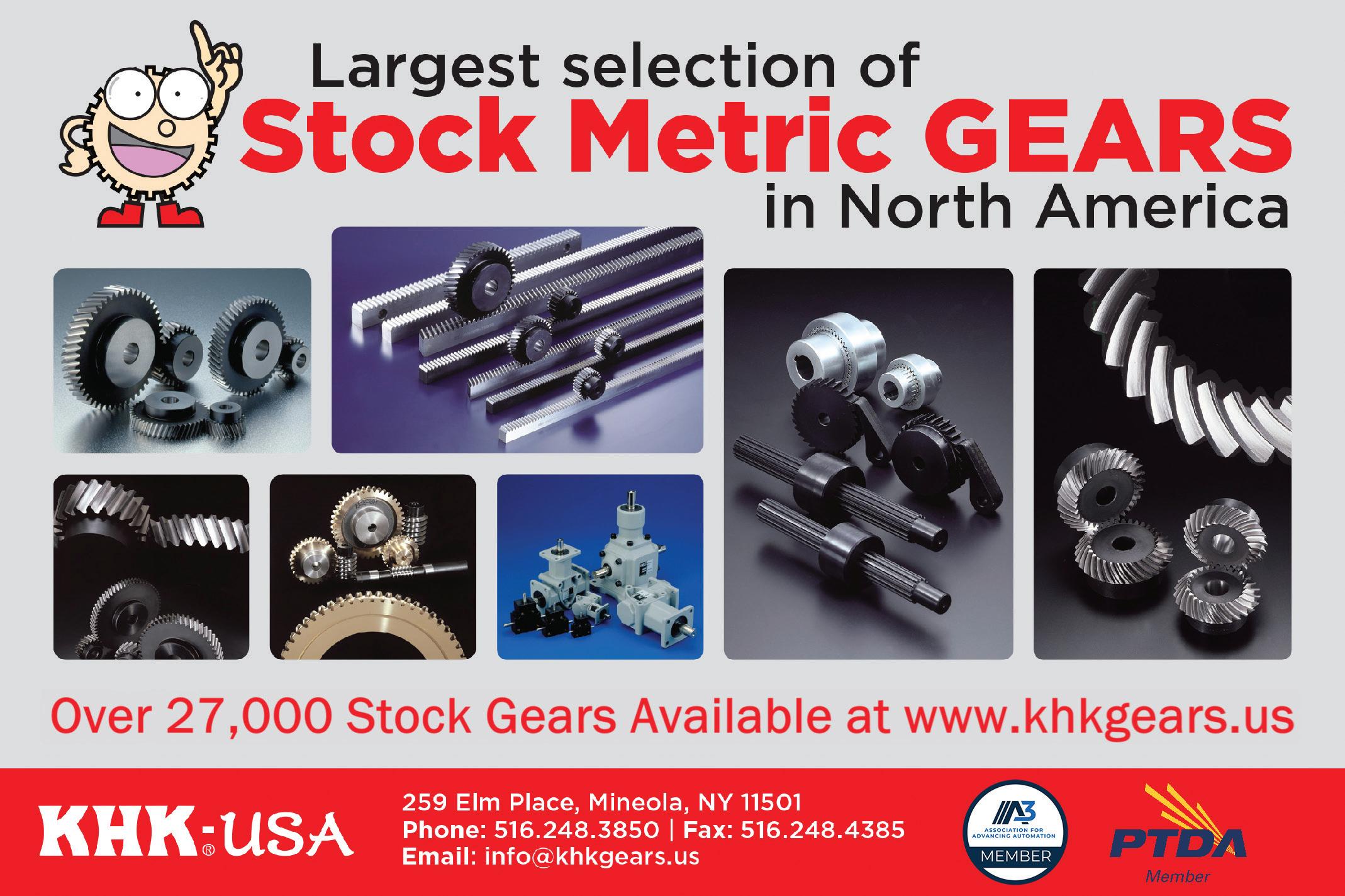
Available from KHK USA Inc., Duplex Worm Gears are engineered to streamline the adjustment of backlash in worm gear assemblies. They incorporate a unique dual-lead tooth profile, and by forming a difference between the right and left tooth surfaces, the tooth thickness varies continuously along the worm, allowing fine backlash adjustment as the worm moves axially. This precise movement ensures optimal gear engagement without the need for labour-intensive rework. Designed for easy integration in multiple assembly styles – including screw- and shim-based adjustment layouts – the gears achieve near-zero backlash (±0.045 millimeter tolerance) when properly aligned with the designated reference marks and set to the specified centre distance. www.khkgears.us
TWO-FINGER PNEUMATIC GRIPPER FOR COBOTS
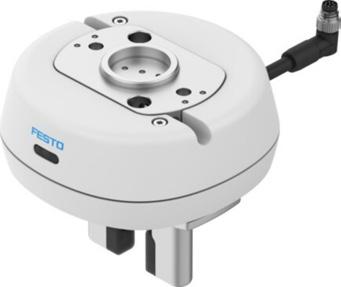
Festo’s new HPPH two-finger pneumatic parallel gripper for collaborative robots is a compact, lightweight design that integrates control, sensing, and collaborative safety functions directly into the gripper body. By reducing external components, the HPPH preserves payload capacity and simplifies mounting and wiring on cobot platforms. Suitable for handling objects weighing up to 2.2 pounds or one kilogram, typical applications include machine loading and unloading, CNC part handling, part insertion and removal, sorting, and tray-to-tray transfer. The HPPH was developed in accordance with ISO/TS 15066 for collaborative robot safety and meets TÜV Süd certification when used with HAFH-B30-1645-N gripper fingers. An IO-Link version is available for enhanced diagnostics and remote configuration.
www.festo.ca
UPDATE IMPROVES ROBOT PROGRAMMING
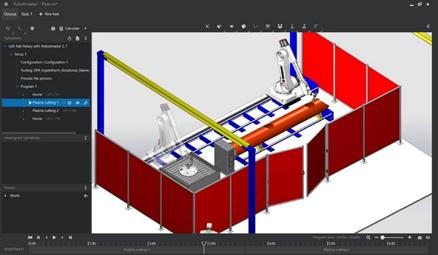
Hypertherm Associates has released an updated version of its Robotmaster offline
programming software for robotic plasma cutting, welding, and contouring, to help users move from CAD to production more efficiently. The update delivers up to two times faster performance, particularly when working with large CAD models and complex toolpaths, allowing for faster iteration and validation. To simplify deployment, the software now supports a standardized approach to robotic plasma cutting cells. Additional updates include expanded plasma module capabilities with support for Hypertherm’s latest XPR plasma cutting system, automatic thickness detection for optimized cut settings, improved tool limit controls for welding and contouring, and updated CAD translators for compatibility with current design software. www.hyperthermassociates.com
STAINLESS STEEL FILTER FOR HARSH INDUSTRIAL USE
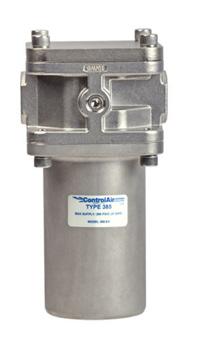
ControlAir LLC’s new Type 385 stainless steel filter is designed to provide efficient filtration and high flow capacity for demanding industrial and process control applications. Featuring corrosion-resistant 316L stainless steel construction throughout the body, housing, trim, and filter assemblies, the Type 385 is well-suited for offshore, chemical processing, food and beverage, pharmaceutical, and other harsh operating environments. Large internal porting and oversized flow paths deliver high flow capacity with minimal pressure drop, helping maintain stable downstream performance in high-demand pneumatic systems. Standard filtration is 40 microns, with an optional five-micron element available for enhanced air cleanliness. Available with either manual or automatic drain configurations. www.controlair.com
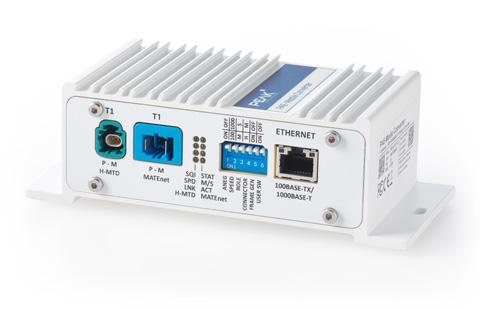
ROBUST AUTOMOTIVE ETHERNET SOLUTION
New from HMS Networks, the PAE-Media Converter is a robust and compact device designed to connect Automotive Ethernet (100BASE-T1 or 1000BASE-T1) with standard Ethernet (100BASE-TX or 1000BASE-T) networks. As a media converter, it enables automotive engineers to simplify development,
testing, and validation workflows within the 100 Mbit/s and 1,000 Mbit/s domains. For intuitive on-device diagnostics, LED indicators provide direct feedback on link status, signal quality, and errors – this enables fast diagnostics without additional tools and supports efficient troubleshooting during development and testing. The PAE-Media Converter comes with a robust aluminum housing, and an extended operating temperature range from -40°C to +85°C that ensures reliable performance in testing environments. www.hms-networks.com
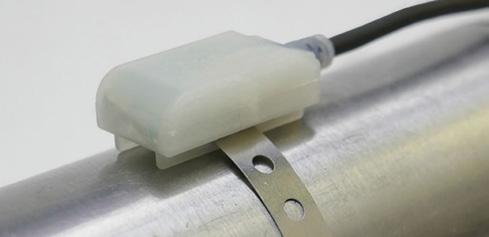
RELIABLE, EFFICIENT CYLINDER SENSORS
Canfield Connector’s new 8A series reed and electronic sensors are engineered to deliver reliable cylinder sensing performance while improving durability and reducing overall cost for OEMs and system designers. The 8A series introduces a fully molded, encapsulated housing that enhances protection in demanding environments while maintaining consistent sensing results – an updated design that provides a cost-effective solution without sacrificing the performance engineers rely on in pneumatic sensing applications. The 8A series also features an improved mounting design that reduces physical stress on the sensor during installation. Integrated mounting elements help ensure a secure fit across a range of round and tie-rod cylinder applications while supporting long-term reliability. www.canfieldconnector.com


Hear today, hear tomorrow
The ALLEars project is reshaping children’s hearing care with
AI-driven, 3D-printed
earmolds.
BY MARK STEPHEN
custom
In the same way that children quickly outgrow their clothes, those who require hearing aids also outgrow their earmolds. But those earmolds are a lot more complex and expensive than clothes: each one must be tailored to a child’s ear, yet rapid early childhood growth means they quickly become too small. This leads to times when children can’t hear as clearly as they should, which hampers their access to signed or spoken language and – ultimately – can interfere with their social development.
Nor is this just a niche problem: The World Health Organization estimates that 34 million children worldwide are deaf or hard of hearing.
Remedying this tragic domino effect is the goal of the new ALLEars project, a cutting-edge, large-scale collaboration between the University of Western Ontario, in London, Ont., and Boys Town National Research Hospital in the U.S. state of Nebraska in which predictive artificial intelligence (AI) and 3D printing are being used to reimagine how pediatric earmolds are made. “In the first few years of life, children are going through a really rapid period of growth,” said Susan Scollie, professor in the Faculty of Health Sciences at Western, an audiologist and lead investigator on the ALLEars project. “That growth can repeatedly interrupt their hearing aid use during the critical language development years.”
Made possible by a US$4.4-million grant over four years from the Philadelphia, Pa.-based Oberkotter Foundation – which funds programs improving listening, spoken language, and literacy outcomes for children who are deaf or hard of hearing – the ALLEars project will allow researchers to digitally scan an impression of a child’s ear and then use AI to predict how it will change, since the AI can learn features of the ear by examining a large ear impression dataset and translate this to predict the future
shape of the ear.
Once the AI generates a predicted earmold, the file is sent to researchers at Western’s Faculty of Engineering department. Translating a child’s earmold from a digital file into a physical object requires suitable materials and advanced 3D printing strategies to ensure accuracy, comfort, and reproducibility. The Western engineering researchers aim to map out methods for producing earmolds at a much faster rate than usual, with the potential for more accessible and lowcost production. Instead of reacting to growth, then, audiologists can stay ahead of it, reducing wait times, appointments, and costs.
The team is designing the workflow to develop AI-informed software, which will be openly shared with the hearing healthcare community worldwide. The goal is to enable as many people as possible to adopt the technology, especially in low- and middle-income countries where access to earmold manufacturers is limited or nonexistent.
The Western team is also developing a technique known as mirroring, where AI uses the shape of one ear to predict
the shape of the other, an approach that could reduce the number of impressions young children must undergo.
In addition to this work, researchers at Boys Town National Research Hospital are contributing their expertise in acoustic prediction to the project. Led by vice president of research Ryan McCreery, the team is using machine learning to determine how sound changes within the ear canal as children grow bigger. This work will be added to the ALLEars project to ensure children receive the correct level of sound from their hearing aids.
For Scollie and her colleagues, the potential of the ALLEars project – the first of its kind to use AI technology for predictive earmold modelling – is enormous. “If we can reduce appointments, expand global access to earmold manufacturing, and solve a daily clinical challenge for audiologists, it will be game-changing,” she said. “We’re bringing a fresh and new high-tech approach to the old problem of children outgrowing their earmolds faster than we can make them. This is a once-in-a-lifetime opportunity.” |DE
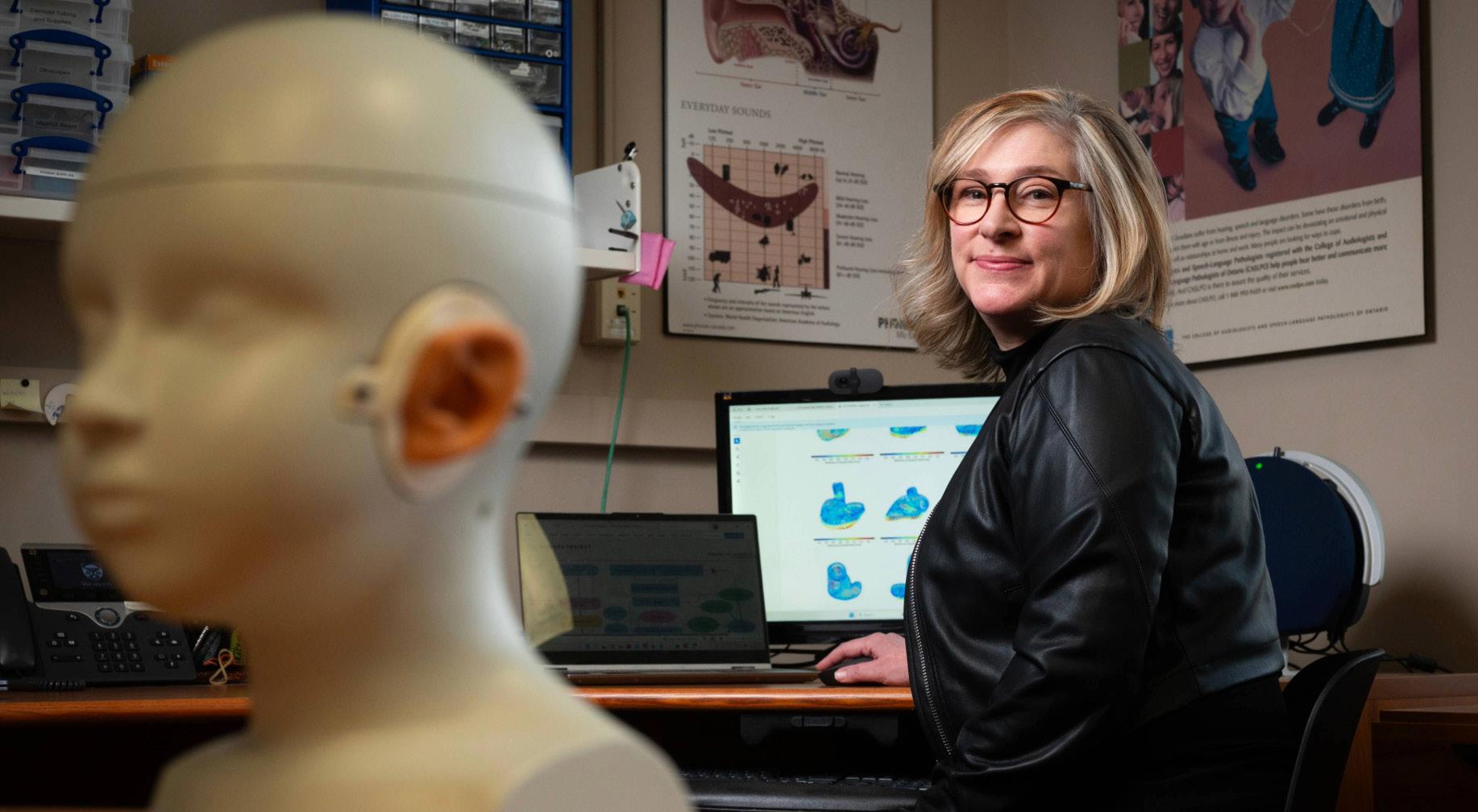
Susan Scollie, audiologist, professor in the Faculty of Health Sciences and lead investigator on the ALLEars Project, in her Innovations in Hearing Technologies Lab at the University of Western Ontario.
Photo:

Engineered for long-term financial confidence
Engineers know the importance of a solid foundation. That’s why the Engineers Canada-sponsored Group Savings and Retirement Program offers tailored financial solutions to help you build and grow your savings. Whether you’re saving for that next trip or planning for a confident retirement, build on what you’ve earned with a financial approach as intentional and forward-thinking as you are.
Why join the plan?
• Lower-than-retail fees* mean you pay less and keep more, helping your savings go further
• Access to a variety of plan options including a registered retirement savings plan (RRSP), tax-free savings account (TFSA), non-registered savings plan (NRSP), registered retirement income fund (RRIF) and life income fund (LIF)
• Free personalized guidance from licensed advisors who understand your goals and help you stay on track
• Retirement support from a dedicated licensed consultant offering expert, non-commissioned advice to help you understand your options and retire with confidence
• Easy plan management from anywhere through My Canada Life at WorkTM, Canada Life’s intuitive member site and mobile app
A plan built just for you.
The Engineers Canada-sponsored Group Savings and Retirement Program is exclusive to engineers, geoscientists, students and their families across Canada.
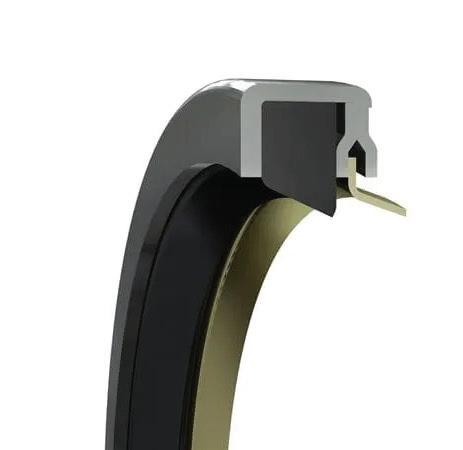
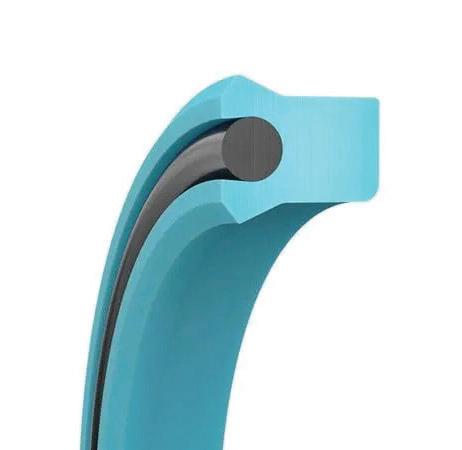
Engineered to seal with confidence. DMR offers Trelleborg Sealing Solutions, from versatile O-Rings to advanced PTFE and polyurethane seals. Built for demanding applications, they deliver reliable performance, long service life, and custom solutions when needed.
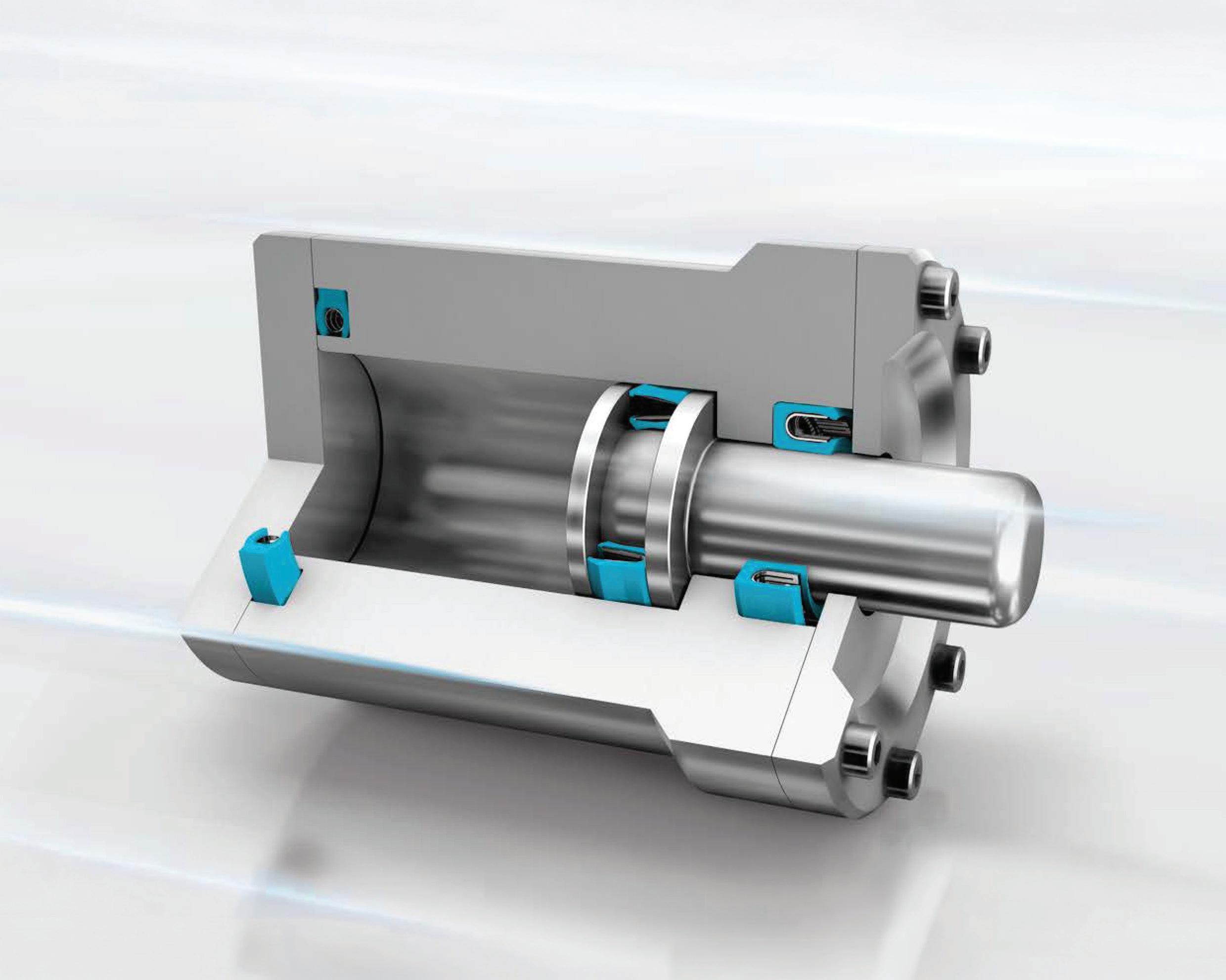

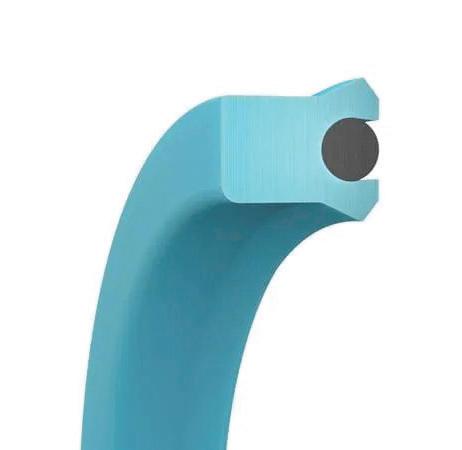
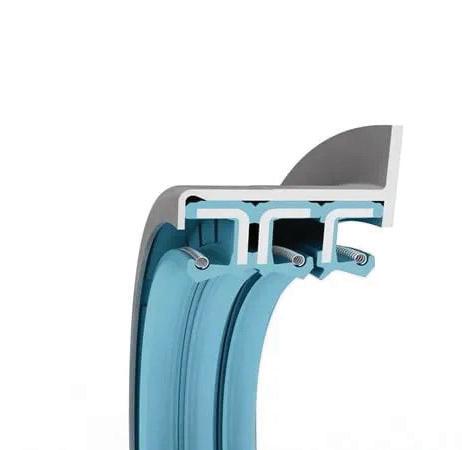
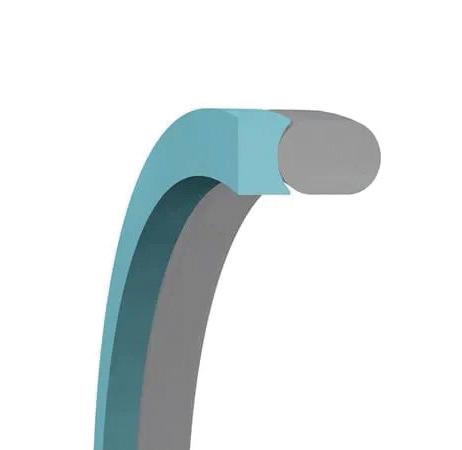
Rotary & Shaft Seals
Hydraulic Piston Seals
Static Seals
Hydraulic Rod Seals
Hydraulic Scrapers / Wipers
Hydraulic Wear Rings