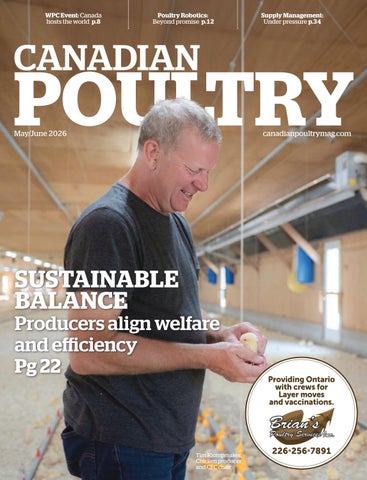

SUSTAINABLE BALANCE
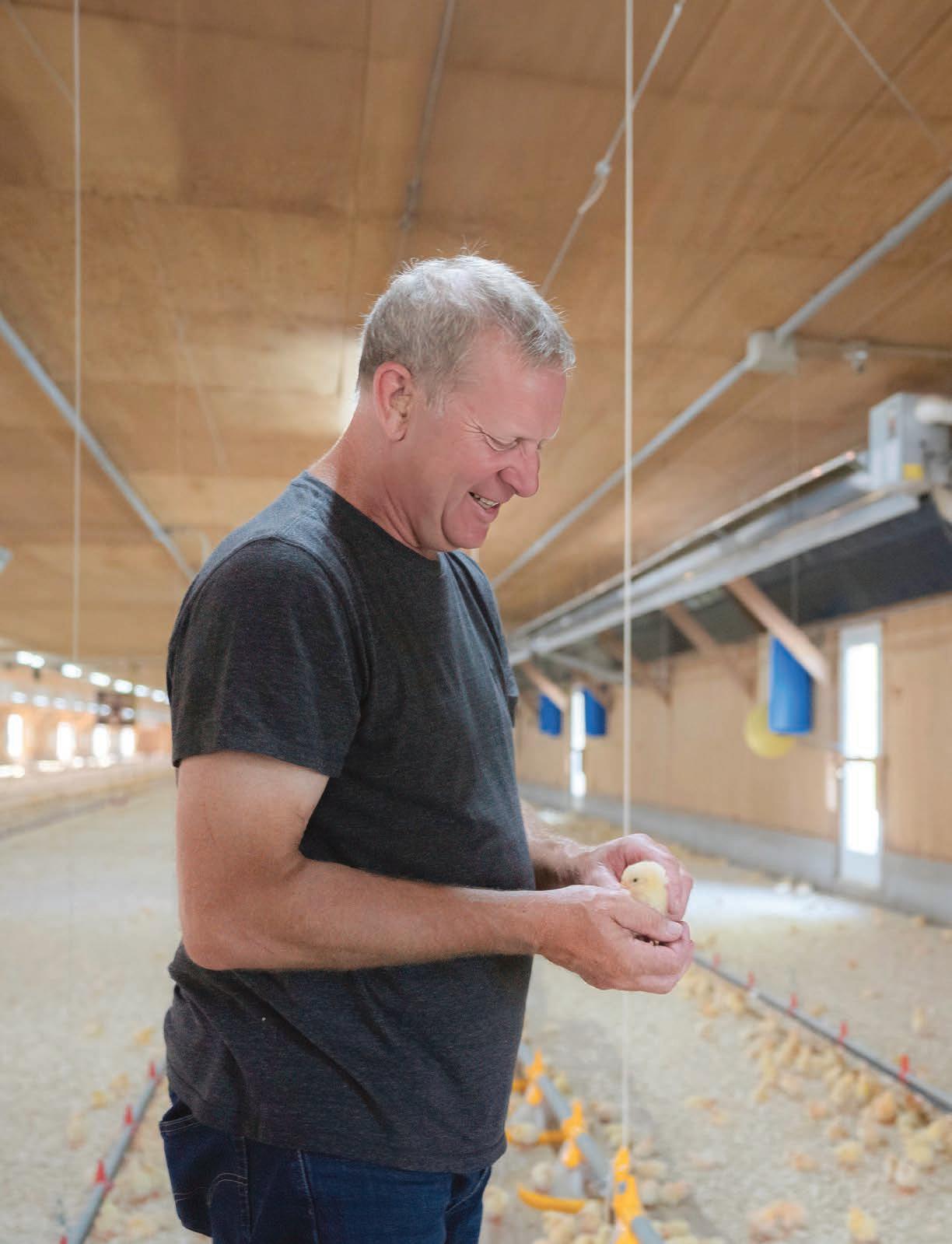

Tim Klompmaker, Chicken producer and CFC chair







Smarter broiler production
New tech boosts efficiency, cuts costs, improves welfare.
Phage mix controls salmonella in laying hens.
Survey reveals low public awareness as political and trade risks grow.

From the Editor
by Brett Ruffell
Innovation with purpose
RResearch and innovation are often discussed as future-facing forces.
But in poultry, they are already shaping decisions in barns, boardrooms, laboratories and classrooms across the countr y.
This issue of Canadian Poultry highlights that momentum. It shows an industry looking closely at where it has been, where it needs to go and what tools will help it get there.
That work is not happening in isolation. Researchers, producers, veterinarians, equipment suppliers
“The best innovations support the instincts, experience
and judgment producers already bring to their barns every day.”
and industry organizations are increasingly focused on practical questions with real on-farm implications. How can housing systems better balance welfare and environmental outcomes? How can producers detect problems earlier? How can technology reduce labour pressure, improve bird care and support biosecurity?
The answers are not simple. But the work being done across the sector is exciting because it reflects both ambition and practicality.
In our cover story, research from UBC’s Food Systems PRISM Lab explores the complex relationship between laying hen welfare and environmental sustainability. The findings show how data can help
producers navigate difficult tradeoffs as housing systems continue to evolve.
Chicken Farmers of Canada’s updated lifecycle assessment offers another encouraging sign, showing measurable gains in broiler sustainability. Improvements in feed efficiency, barn systems and energy use all point to an industr y that continues to improve.
Elsewhere in this issue, we look at artificial intelligence, multimodal flock monitoring, robotics, precision feeding, energy audits and other emerging tools moving from concept to commercial relevance. These technologies are not meant to replace good stockmanship. They are designed to strengthen it.
The best innovations support the instincts, experience and judgment producers already bring to their barns every day.
Research infrastructure is also moving forward. The proposed new laying hen research facility at the University of Saskatchewan, backed by major funding, is just the latest promising sign of Canada’s growing investment in poultry innovation and science-based answers for the egg sector.
And this summer, Toronto will host the World’s Poultry Congress, bringing global poultry science to Canadian soil. If you’re attending, I’ll see you there.
Taken together, these stories point to a sector that is not standing still. It is asking better questions, building better tools and preparing for a more sustainable future.
canadianpoultrymag.com
Reader Service
Print and digital subscription inquiries or changes, please contact Angelita Potal, Customer Service Rep.
Tel: (416) 510-5113
Email: apotal@annexbusinessmedia.com
Mail: 111 Gordon Baker Rd., Suite 400, Toronto, ON M2H 3R1
Editor Brett Ruffell bruffell@annexbusinessmedia.com 226-971-2133
Brand Sales Manager
Ross Anderson randerson@annexbusinessmedia.com Cell: 289-925-7565
Account Coordinator
Julie Montgomery jmontgomery@annexbusinessmedia.com 416-510-5163
Media Designer
Curtis Martin
Group Publisher
Michelle Bertholet mbertholet@annexbusinessmedia.com
Audience Development Manager
Anita Madden amadden@annexbusinessmedia.com 416-510-5183
CEO Scott Jamieson sjamieson@annexbusinessmedia.com
PUBLICATION MAIL AGREEMENT #40065710
Printed in Canada ISSN 1703-2911
Subscription Rates
Canada - Single-copy $10.00
Canada – 1 Year $34.48
Canada – 2 years $58.87 (plus applicable taxes)
USA – 1 Year $97.06 CDN
Foreign – 1 Year $109.79 CDN
GST - #867172652RT0001
Occasionally, Canadian Poultry Magazine will mail information on behalf of industry-related groups whose products and services we believe may be of interest to you. If you prefer not to receive this information, please contact our circulation department in any of the four ways listed above.
Annex Privacy Officer privacy@annexbusinessmedia.com Tel: 800-668-2374
No part of the editorial content of this publication may be reprinted without the publisher’s written permission. ©2026 Annex Business Media. All rights reserved. Opinions expressed in this magazine are not necessarily those of the editor or the publisher. No liability is assumed for errors or omissions. All advertising is subject to the publisher’s approval. Such approval does not imply any endorsement of the products or services advertised. Publisher reserves the right to refuse advertising that does not meet the standards of the publication.


MOVE TO SOMETHING MORE MANAGEABLE LOOK FAMILIAR?
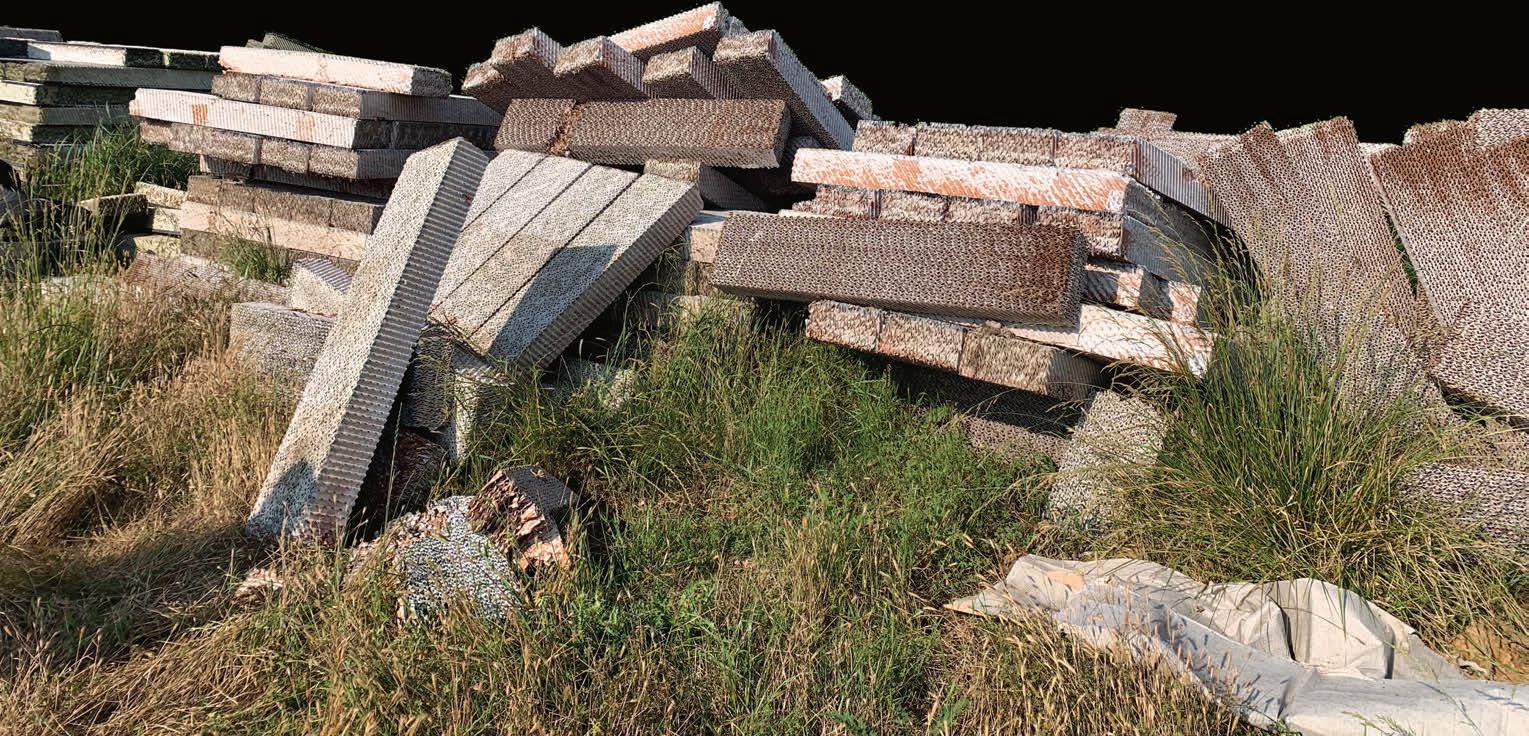

Buildup is a reality for every cooling system—but it shouldn't be a death sentence for your pads. While paper absorbs minerals, sags, and eventually ends up in a field, OptiCOOL Plastic Pads are a "one-and-done" investment for the life of your building.
• Pressure-Washable: Don't replace—restore. Blast away buildup to maintain 100% airflow.
• Lightweight Efficiency: Protects your framing from the massive weight of mineral-soaked paper.
• Peak Cooling: Engineered to slow water transit for maximum evaporation. Invest in a cooling solution that stays on your wall, not in your field.
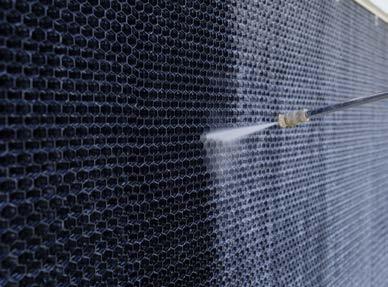
SIMPLY PRESSURE WASH INSTEAD OF REPLACING YOUR PADS
Glass-Pac Canada
St. Jacobs, Ontario
Tel: (519) 664-3811
Fax: (519) 664-3003
Carstairs, Alberta
Tel: (403) 337-3767
Fax: (403) 337-3590
Les Equipments Avipor Cowansville, Quebec
Tel: (450) 263-6222
Fax: (450) 263-9021
Specht-Canada Inc.
Stony Plain, Alberta
Tel: (780) 963-4795
Fax: (780) 963-5034 WATCH THIS VIDEO TO LEARN

What’s Hatching
CFC names 2026 executive
Chicken Farmers of Canada announced its 2026 executive committee following its March 24 annual general meeting. Tim Klompmaker of Ontario continues as chair, joined by first vice-chair Luce Bélanger of Québec and second vice-chair Ray Nickel of British Columbia. Tim Ansems of Nova Scotia was named member-at-large. The committee brings together experienced leadership from across the country to help guide priorities and support a strong, sustainable Canadian chicken sector.
CBHEPA launches new research grant
The Canadian Broiler Hatching Egg Producers Association launched a new program to support university students conducting short-term research projects in Canada. Open to senior undergraduate and graduate students, the Broiler Breeder Research Grant provides funding for project work and eligible travel costs to present findings at an international congress. The first submission deadline was June 1, 2026, and applicants were required to submit a proposal outlining their research objectives.
Think Turkey partners with AJ Lawson
Think Turkey has partnered with Canadian basketball player AJ Lawson on a new “You Turkey” campaign highlighting the role turkey can play in athletic performance. The 15-second ad debuted during the U.S. college basketball championships and runs through the pro finals. Backed by TV, digital and social content, the campaign shows how Lawson uses lean turkey protein to support training, recovery and everyday nutrition.

$6.2M is the amount of CFI funding awarded to the USask poultry research facility.
USask poultry research facility receives big boost
A proposed poultry laying research facility at the University of Saskatchewan (USask) has received more than $6.2 million from the Canada Foundation for Innovation (CFI) Innovation Fund, advancing plans for a new centre focused on laying hen research.
The project will also receive $3 million from Saskatchewan Egg Producers and $1 million from USask’s College of Agriculture and Bioresources.
Led by Dr. Karen Schwean-Lardner and Dr. Deborah Adewole, the facility is designed to support research on housing systems, nutrition and environmental management for laying hens. The nearly 24,000-square-foot facility will include enriched housing, free-run and free-range systems, allowing researchers to study multiple production models under controlled conditions.
“This will move us so far forward in poultry research,” Schwean-Lardner says. “This is so exciting.”
The facility will feature ten controlled housing rooms equipped to test variables such as lighting, temperature and feed. Researchers say this will enable long-term data collection and more precise insights to support producers.
“This unit is going to allow us to manage that data and collect it over a long period of time,” Adewole says.
The project comes as Canada’s egg industry works toward phasing out conventional cages by 2036, increasing the need for research across alternative housing systems.
Researchers say the facility will help ensure Canadian producers have access to practical, science-based information as the sector evolves
Dr. Karen Schwean-Lardner will lead research in USask’s proposed new laying hen facility.
PHOTO: DR. KAREN
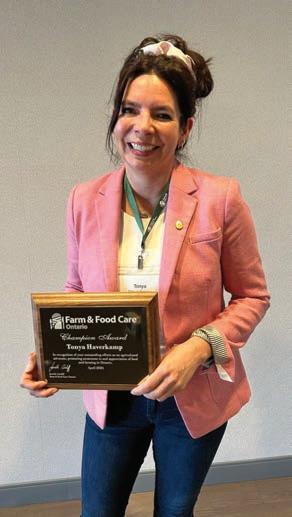
Tonya Haverkamp named 2026 Food & Farming Champion
Egg and pullet farmer Tonya Haverkamp has been named the 2026 Food & Farming Champion by Farm & Food Care Ontario, recognizing her leadership in agricultural advocacy and public engagement.
Haverkamp, who farms near Listowel, has built a reputation for connecting with non-farming audiences and sharing the story of egg production in an approachable, transparent way. The award, presented annually since 1999, honours individuals who demonstrate excellence in building public tr ust by opening their farms and engaging directly with consumers.
Her outreach spans classrooms, farm tours and major agricultural events, including the Royal Agricultural Winter Fair, the Canadian National Exhibition and the International Plowing Match. She has also contributed to international development projects in Nepal and mentors fellow farmers in telling their stories effectively and confidently.
“Tonya Haverkamp embodies the values of a true public trust champion,” said Donna Lange of Egg Farmers of Ontario. “She connects with audiences of all ages in a warm, conversational way.”
The award was presented during Farm & Food Care Ontario’s annual conference in Elora,
Since 1999
the Food & Farming Champion award has recognized leaders in agricultural advocacy.
Coming Events
JUNE 17, 2026
PIC’s Poultry Health Day, Stratford, Ont. poultryindustrycouncil.ca
JULY
JULY 10-13, 2026
2026 PSA Annual Meeting, Toronto poultryscience.org
JULY 13-17, 2026
World’s Poultry Congress, Toronto wpc2026toronto.com
JULY 21-23, 2026
Ag in Motion, Saskatoon, Sask. aginmotion.ca
JULY 28-30, 2026
North American Manure Expo, Wayne, Neb. manureexpo.org
SEPTEMBER
SEPT. 1, 2026
Broiler School Kickoff canadianpoultrymag.com
SEPT. 1-3, 2026
Shell Egg Academy, Purdue University, West Lafayette, Ia. shelleggacademy.org
SEP. 9, 2026
PIC’s Annual Golf Tournament, Baden Ont. poultryindustrycouncil.ca
where the organization also announced new board members and more than $518,000 in federal funding to support national agricultural communication initiatives aimed at expanding public outreach.
Haverkamp’s recognition highlights the growing role poultry farmers play in strengthening public trust and improving understanding of modern production practices across Canada’s evolving agri-food sector
SEPT. 15-17, 2026
Canada’s Outdoor Farm Show, Woodstock, Ont. outdoorfarmshow.com
SEPT. 15-17, 2026
SPACE 2021, Renees, France uk.space.fr
SEPT. 21, 2026
PIC’s Science in the Pub, Guelph, Ont. poultryindustrycouncil.ca
OCTOBER
OCT. 9, 2026
World Egg Day, Worldwide internationalegg.com
OCT. 21, 2026
PIC’s Annual General Meeting, Virtual & Elora, Ont. poultryindustrycouncil.ca
Tonya Haverkamp holds the 2026 Food & Farming Champion award, recognizing her leadership in agricultural advocacy and public trust. Photo Credit: Farm & Food Care Ontario.
Poultry Spaces
Springdale Farms Poultry
The business
Springdale Farms Poultry, owned by Tim and Stephanie Webster near Little Britain, Ont., builds on a sixth-generation grain farming operation. After transitioning out of cattle following BSE, the family focused on cash crops and custom work. Looking to diversify and create future opportunities for their four children, the Websters successfully entered the broiler sector in 2025 through the new entrant program, adding poultry to complement their existing farm.
The need
The move into broilers was driven by a desire to stabilize income and better integrate the farm’s grain production. Webster saw poultry as a natural fit, with strong demand and efficient feed conversion, as well as the ability to utilize manure and market grain through feed channels. Building on a separate property with natural gas access also allowed flexibility for future expansion or succession planning.
The
barn
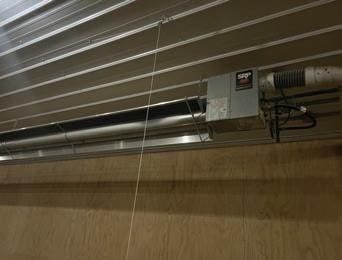
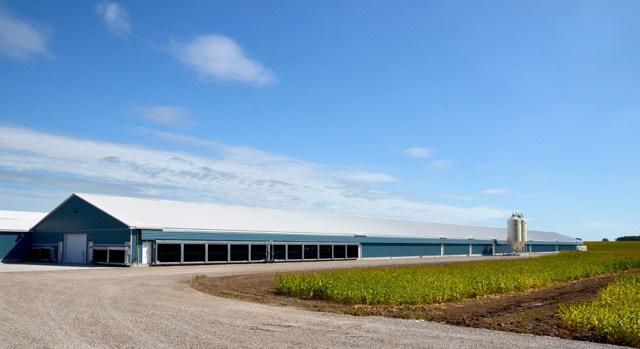
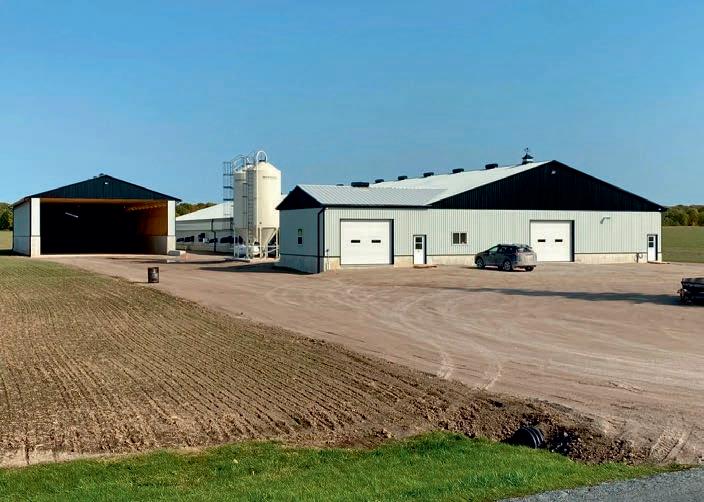
The new 66- by 318-foot broiler barn offers just under 20,000 square feet of growing space, with capacity for up to 25,000 birds. Built with support from CountyLine, the barn features tunnel ventilation with cooling pads, attic inlets and circulation fans to maintain air quality, while evenGROW radiant heaters provide consistent heat. A dimmable lighting program supports bird growth throughout the cycle.
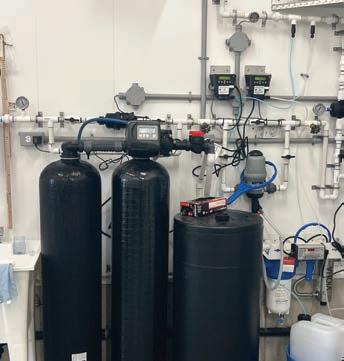
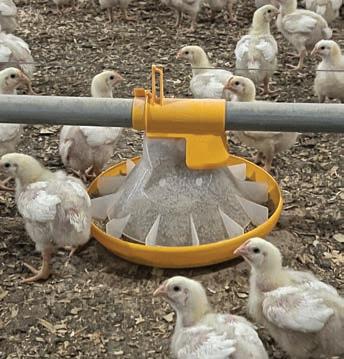
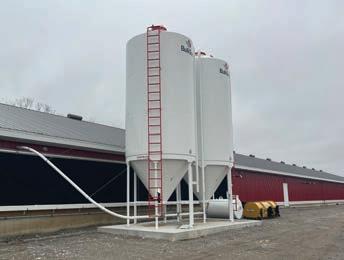
Feed is delivered from BulkTech bins through a flex auger system to Lameco feeders, paired with Lubing-style nipple drinkers equipped with water monitoring. A comprehensive water treatment system, designed with CountyLine, includes medicators and pH control to support flock health. The barn is managed through a Maximus touchscreen controller with remote access, and a 100-kilowatt backup generator ensures continuous operation. The site was also designed with the capacity to add a second barn in the future.
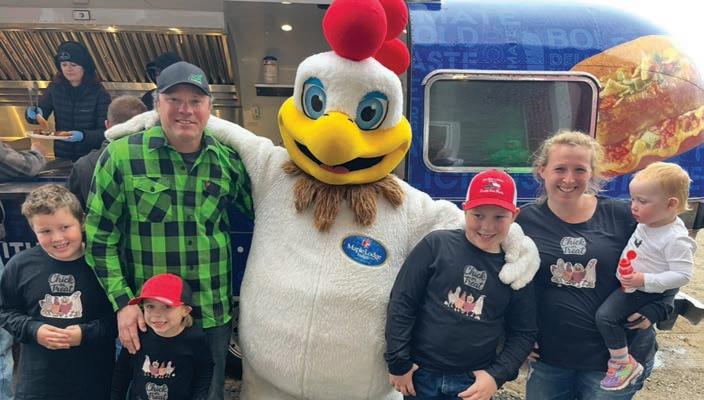
Tim and Stephanie Webster, with their children, at the open house for Springdale Farms Poultry’s new barn.
Pictured above, cooling pads, and tunnel ventilation help maintain consistent barn conditions year-round.
BulkTech smooth-wall feed bins supply the barn with a steady flow of feed through an automated auger system for efficient bird growth.
A water treatment system with medicators and pH control helps maintain water quality and supports flock health.
LANDMECO feeders are designed with a low lip for easy chick starts and efficient feed delivery throughout the barn.

World stage in Toronto
Global poultry leaders gather in Toronto for landmark congress shaping the future of poultry science.
By Brett Ruffell
Every four years, the global poultry science community comes together for a single event. This summer, that event is coming to Canada.
The 27th World’s Poultry Congress will take over the Metro Toronto Convention Centre from July 13-17, bringing together thousands of researchers, industry leaders, students and producers from around the world. For Canada’s poultry sector, it is more than another conference. It is a rare moment on the global stage.
“It’s a bit like the Olympics of poultry science,” says organizing committee chair Bruce Rathgeber of Dalhousie University.
Held under the umbrella of the World’s Poultry Science Association, the congress has been running for more than a century. It rotates between host countries and continents, drawing global participation and showcasing the latest thinking across poultry science.
A global effort
Bringing WPC 2026 to Toronto was itself an international collaboration. Canada partnered with the United States and Mexico to submit a joint bid, marking the first time multiple national branches worked together to host the congress.
Toronto was chosen for practical and strategic reasons. The city offered international access, downtown infrastructure and a convention centre large enough to handle an event of this scale.
“Toronto was our location to host it, being the most convenient to get in and out of any of our major cities,” Rathgeber says. “It’s also got a large enough convention centre to host the size this meeting is.”
Attendance is expected to land between 3,000 and 3,500 delegates. Abstract submissions have already come in from more than 70 countries. For Rathgeber, those numbers matter, but the real value lies in what happens when people meet face to face.
“This meeting brings like-minded people together to share ideas and build on collaborations, or start collaborations that may not necessarily happen unless people are given that face-to-face time,” he says.
Science at scale
Behind the scenes, shaping that global exchange is a large and highly structured scientific program. Sami Dridi, chair of the scientific committee and a poultry scientist at the University of Arkansas, leads a team of 24 international experts tasked with building the program.
The program spans 17 major topic areas, from physiology and genetics to microbiology, nutrition, gut health and animal welfare. Even within those, sub-disciplines run deep, including amino acids, minerals, vitamins and feed additives.
The goal is to represent the full scope of poultry science, from fundamental research to applied disciplines that support production.
Toronto will welcome thousands of international delegates for the World’s Poultry Congress 2026, showcasing Canada as a global leader in poultry science and innovation.
“We didn’t exclude anything,” Dridi says. “Poultry science is not only nutrition, not only raising chicken for meat or for eggs. There are different disciplines that help shape poultry science and poultry production.”
The response has been strong. Nearly 800 abstracts were submitted from across academia, government and industry. Each abstract was reviewed by international reviewers before being accepted into the program.
From July 14 to 16, those abstracts will come to life through parallel sessions running throughout the day. Students will present alongside established researchers, while industry findings will sit alongside fundamental science.
including heat stress and water scarcity.
There are also production challenges closer to the carcass, including muscle myopathies such as wooden breast and white striping. These issues affect product quality and economics, and they require deeper scientific understanding before effective solutions can be developed.
An emerging theme
If there is a unifying thread through this year’s program, it is sustainability. Not in a narrow sense, but in a broad, evolving one that touches environmental impact, animal welfare, economics, production efficiency and long-term food security.
Rathgeber says the opening plenary will
“Success would be to have people come and feel as though they left with new knowledge that they hadn’t anticipated gaining.”
From lab to barn
For all its scientific depth, the congress is not meant to stay in the lab. There is a deliberate effort to connect research with real-world application, including science that can eventually support decisions made in barns, hatcheries, processing plants and feed mills.
Poultry production is, at its core, a biological system. Understanding that system at the cellular, genetic and environmental level is what allows practical solutions to emerge on farm.
“You need to understand that disease,” Dridi says. “Once you understand the etiology of that disease from the basic science, then you can develop a strategy, and that strategy could be applied at the farm.”
That approach applies across the industry’s biggest challenges. Disease pressure remains top of mind, particularly with ongoing concerns around avian influenza. Sessions will feature virology research and disease mitigation strategies, but the program also reaches into climate-related production pressures,
help set that tone.
“We’re having a plenary session that’s focused on sustainability,” he says. “If anything, I would say that’s probably the underlying theme.”
The plenary will look at sustainability through several lenses, including the environment, animal welfare and economics. Dridi says the theme also connects closely with One Health and the responsibility to feed future populations in a sustainable way.
“We need to feed the future, but also in a friendly, environmental way,” Dridi says.
Innovation in focus
Technology will also take centre stage. A dedicated innovation and technology session will explore advances in artificial intelligence, robotics and machine learning.
“These are tools already making their way into barns,” Dridi says.
The session will feature invited speakers discussing current advances before related presentations continue the discussion.
While WPC is rooted in science, industry participation is expected to be strong, with technical symposia and an exhibition area highlighting new equipment and production technologies.
Rathgeber says those technical sessions should appeal to commercial producers and industry members.
“They are geared to customers of the industry, more so than to scientists and academics,” he says.
Industry connection
The congress will not look like a traditional trade show, but it will create opportunities for industry engagement through exhibits and company-supported sessions focused on emerging technologies.
That includes developments in incubation, nutrition, medications and other production tools. For producers and processors, the event offers access to science and innovation before it becomes standard practice.
“It’s a bit more of an emphasis on formal sessions of delivering the latest in science, but also in technology,” Rathgeber says.
The Poultry Science Association will also hold its annual meeting immediately before the congress, from July 10-13, creating what Rathgeber describes as a “marathon in poultry science.”
A moment for Canada
For the Canadian poultry sector, hosting WPC 2026 is both recognition and opportunity. Bringing the world to Toronto places Canadian researchers, companies and producers at the centre of the conversation.
It also creates access for students, early-career professionals and producers who may not otherwise attend an international event of this scale.
“Success would be to have people come and feel as though they left with new knowledge that they hadn’t anticipated gaining,” Rathgeber says.
Dridi hopes delegates leave Toronto having learned new science, met new colleagues and started collaborations that continue long after the congress closes.
For one week in July, Toronto becomes the centre of the poultry world.


Barn bots Technology
Poultry robotics moves from promise to practical on-farm tools improving labour efficiency, welfare monitoring and biosecurity.
By Melanie Epp
Poultry producers have been hearing about the arrival of barn robots for years. While uptake has taken longer than expected, robots are making their way into barns. At the Poultry Industry Council’s Innovations Conference in Niagara Falls last November, Cargill Canada veterinarian Chanelle Taylor offered a detailed look at where poultry robotics stands today, including what’s working, what’s still being figured out and what Canadian producers should be paying attention to. The picture she painted was one of an industry in transition. There are more tools available than ever before, and even more reason to use them.
The case for change
Pressure and challenges drive change, and the most immediate driver on Canadian farms is labour. Every segment of agriculture is dealing with shortages, Taylor told conference participants, but poultry producers are particularly exposed. The work is physically demanding, the hours are long, and the conditions – dust, ammonia and disease risk – are hard on workers. Turnover is high; the bigger the operation, the bigger the problem.
Mortality removal tops the list of tasks poultry workers don’t want to do. Walking barns daily to collect dead birds is time-consuming and ergonomically challenging, particularly as birds approach
catch weight in larger programs. Leave a bird too long, and the consequences go beyond labour. Decomposing birds introduce pathogens, degrade air quality and attract pests. Arguably, mortality removal is the kind of task robots are made for.
Biosecurity adds another layer of urgency, as people moving in and out of barns are among the primary vectors for disease transmission. With avian influenza now endemic in many parts of the world, reducing unnecessary barn entries has taken on new significance. A robot that can monitor a flock through the day without anyone setting foot inside is no longer
just a labour-saving device. It’s another tool in the biosecurity toolbox.
What robots can do
As Taylor outlined the range of applications robots can perform at the conference, it revealed just how much the field has grown. Robotic systems are now being developed for environmental monitoring, mortality detection, gait scoring, floor egg collection, litter management, barn sanitation, automated catching and processing plant operations.
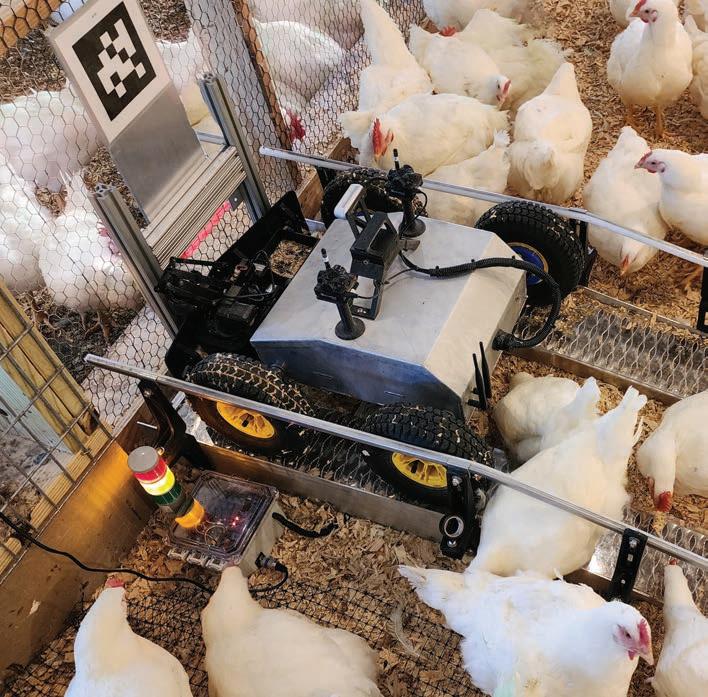
Some robots move on the barn floor with the birds. They’re large enough to
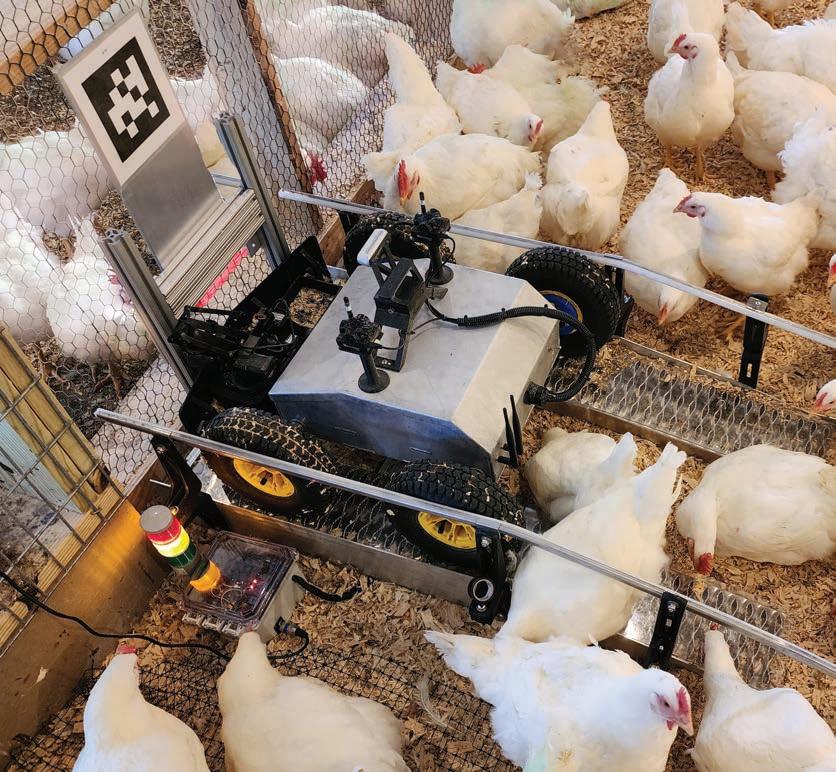
Robotic systems are increasingly being used in poultry barns to monitor flocks, improve welfare outcomes and reduce labour demands.
encourage flocks to get up and move as they pass through. Others are mounted on ceiling rails, travelling a fixed route while scanning the barn from above. Many come equipped with a combination of cameras and audio sensors, as well as environmental sensors that measure ammonia, temperature, humidity and carbon dioxide. Many feed data into AI software that tracks trends over time in order to alert producers when something is off.
T he monitoring capability is where Taylor sees some of the most immediate value. A robot moving through a barn can detect respiratory sounds, identify birds with foot pad issues, flag unusual flock behaviour and spot mortality. That kind of continuous surveillance, she said, has the potential to improve animal welfare outcomes by 10 to 20 per cent.
“Being able to have something monitoring the barn and the flock 24/7 is incredibly

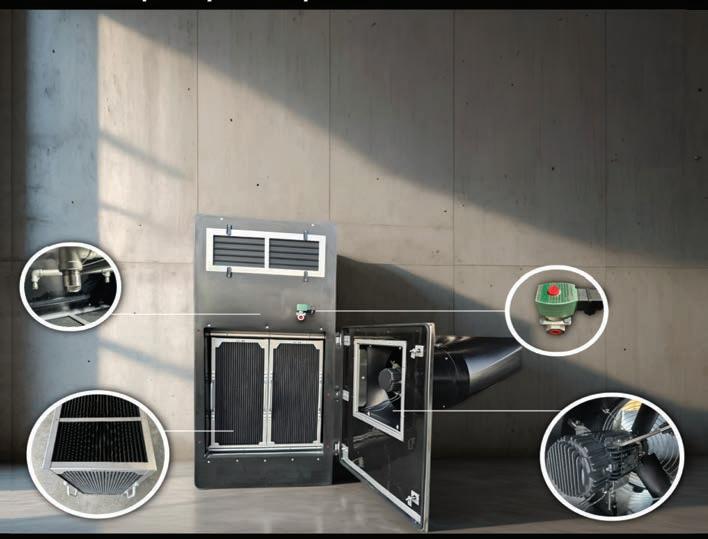
TheMagnum 58" Exhaust Fan uses a maintenance-free, direct drive, permanent magnet motor. It eliminates the need for greasing bearings and changing belts.
The housing is made of strong poly, while the frame is all stainless-steel preventing rust and corrosion in any environment. The complete fan includes durable poly damper doors that seal out air and light when closed.
sales@county-line.ca 519-291-5012 www.county-line.ca
valuable in detecting those diseases and animal welfare issues,” Taylor said. “It allows us to be proactive, to prevent, instead of reactive, and needing to treat.”


The Magnum 58" Exhaust Fan is designed to operate in the full range from minimum ventilation, to maximum power using basic 0-10 volt control signal which eliminates the need for smaller fans. Because of the high-performance of the Magnum 58", you’ll use 25% fewer fans on your next project, making it your most economical choice.
Listowel
8582 Hwy 23 N., Listowel ON (800) 463-7622
Early disease detection could also help lower antibiotic use. Getting ahead of an illness by identifying clinical signs before disease spreads through a flock makes intervention possible before it becomes entrenched.
The floor egg problem
Nowhere is the robotic opportunity more tangible than in floor egg collection, especially as the egg industry continues to move from caged to cage-free production. Driven by commitments from major retailers and fast-food chains, cage-free egg production has expanded widely in recent years. While cage-free eggs represented less than 24.5 per cent of the market in 2020, Taylor said that share had risen to 72 per cent by 2025.
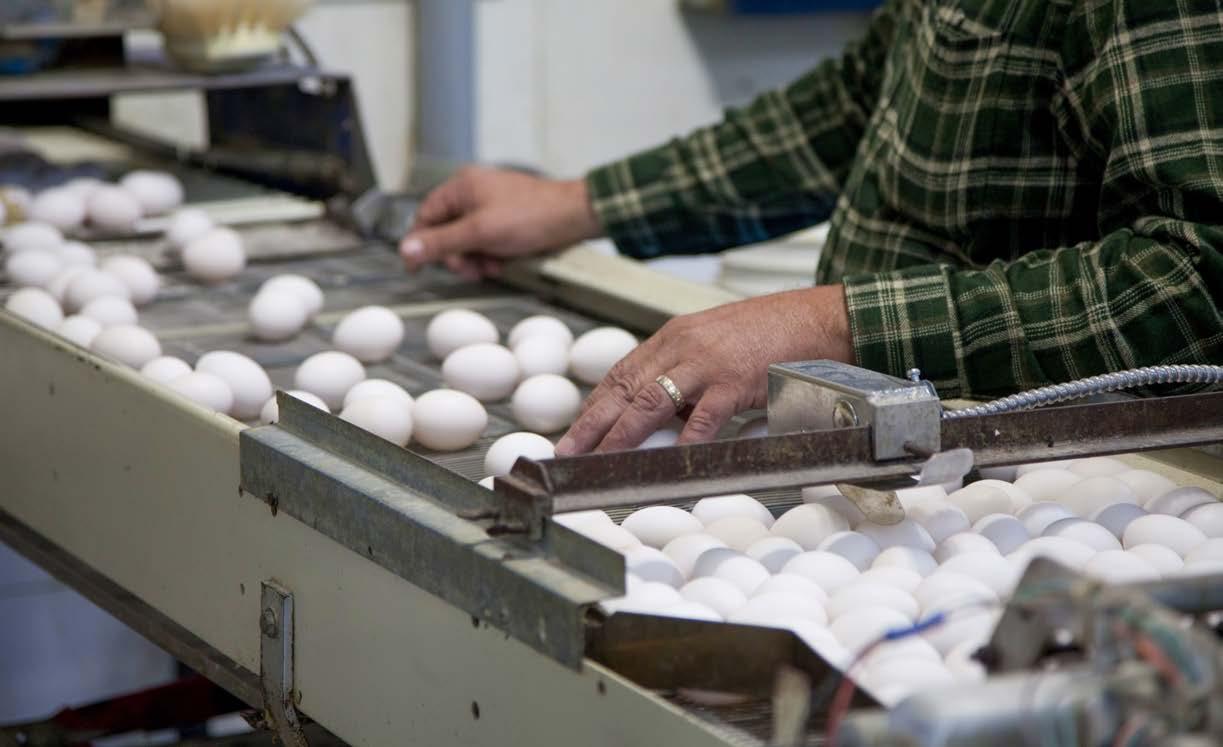
While the welfare benefits of cage-free systems are real, the system also presents operational challenges. Floor eggs – eggs laid outside nesting boxes – can account


JD-Drive Motor


• PM Direct Drive, efficient 2.2kW motor
• Internal motor drive
- no VFD needed
> Provides soft starts
> Enables variable speed
> Allows for precise and uniform speed control
• Surge protection


• Locked rotor protection
• Overload protection
• Thermal protection
• IP66-Rated
• 3 Year Warranty
596202 Highway 59, Woodstock, ON (800) 463-7622 ext 4


• Industrial aluminum housing
• Will not interfere with RFID
• 41,470 CFM @ 0.10" SP


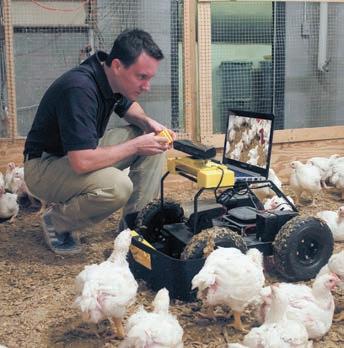
Research led by Colin Usher is advancing robotic egg collection systems with improved detection, navigation and autonomous operation in commercial poultry barns.
Technology
for 10 to 15 per cent of production in cagefree barns. Collecting them is a daily, labour-intensive task that also carries food safety risks, as floor eggs come in direct contact with litter and manure, raising the risk of contamination.
Robotic floor egg collection is not new, but it has improved significantly. Researchers at Mississippi State University recently developed vision software that, when integrated with an existing robotic platform, lifted the system’s egg detection and collection success rate. University of Georgia poultry science researchers found that integrating AI technology increased the robot’s capability from 46 per cent to 80 per cent in laboratory testing on 300 eggs. The improvement matters for more than efficiency. A robot that cannot reliably see an egg will run over it.
“ Those are eggs that won’t be profitable, won’t be collected,” Taylor said.

Colin Usher, senior research scientist at the Georgia Tech Research Institute, has been working on robotic egg collection since 2013. His team’s most recent field testing in commercial houses puts their
system’s detection-to-picking success rate at 91 per cent. In cases where the robot misses an egg on a first pass, it typically returns from a different direction and retrieves it. The system can now self-dock and recharge, work on a set schedule, and recognize when its egg crate is full, navigating autonomously to a drop-off point before resuming its search.
“I still firmly believe they will become indispensable assets for farmers, as more of these systems are deployed and farmers are able to quantify payback and benefit,” Usher said.
Barriers and the road ahead
Some Canadian producers aren’t waiting. In a follow-up interview, Taylor confirmed that a handful of broiler operations are already trialling floor robots that circulate through barns and get birds up and moving. On the layer side, she said several
A robotic mortality arm shows how automation could reduce labour-intensive tasks.
Wherever your farm is, we’re not far.
Find your local Hellmann Poultry partner right here on the map.
Quebec / Eastern Ontario
Stéphane Chouinard
616 rue Bell, Cowansville, ON J2K 3W9 +1 450 266 9604 · schouinard@hellmannpoultry.de
Middle / Western Ontario
Pullets Plus Inc. (Clarence Martin)
6880 Line 86, Elmira, ON N3B 2Z3 +1 519 669 2225 · clarence@pulletsplus.com
Middle / Western Ontario
Andrew Stokman
67-1919 Trafalgar Street, London, ON N5V 1A1 +1 519 777 1495 · astokman@hellmannpoultry.de
Ontario – Service
Jeff Earl
5922 Frank St., Mitchell, ON N0K 1N0 +1 519 348 8483 · jrearl@hogslat.com
Atlantic Canada (New Brunswick, Newfoundland, Nova Scotia, Prince Edward Island)
Johann Benner
Alter Flugplatz 50, 49377 Vechta, Germany +49 170 562 0738 · jbenner@hellmannpoultry.de
Atlantic Canada – Service (New Brunswick, Newfoundland, Nova Scotia, Prince Edward Island)
Agritech Farm Equipment Ltd.
2 Tantramar Court, Amherst, NS B4H 4H8 +1 902 667 5550 · support@agritechequipment.ca
Manitoba Caldora Poultry Equipment Inc. (Calvin Hiebert) 3090A Wallace Road, Ste Agathe East, MB R0G 1Y2 +1 204 346 3584 · cal@caldorapoultryequip.ca
Saskatchewan Star Egg Company Ltd. (Shawn Harman) 1302 Quebec Ave., Saskatoon, SK S7J 1V5 +1 306 244 4041 · info@staregg.sk.ca
Saskatchewan Greg Olson 76 Eldorado Lane, Casa Rio, SK S7T 1B6 +1 306 260 8081 · gaolson@sasktel.net
Alberta Star Egg Company Ltd. (Shawn Harman) 1302 Quebec Ave., Saskatoon, SK S7J 1V5 +1 306 244 4041 · info@staregg.sk.ca
British Columbia New Leaf Equipment (Dave Coburn) 109 - 30600 Progressive Way, Abbotsford, BC V2T 6Z2 +1 778 752 9279 davecoburn@newleafequipment.com


Technology

producers are testing ‘Roomba-style’ robots that run beneath aviary systems to disc ourage floor-laying behaviour. Early results, she said, are promising.
Overall, however, adoption has been slow. The technology takes time to develop, test and refine, Taylor said, and not every robot is the right fit. Before committing, producers also need to see a clear return on investment. For smaller family operations with one or two barns, Taylor said a barn robot is likely still a luxury. For larger operations running three or more barns with minimal staff, however, the math might pencil out. The labour-sharing alone justifies the investment, she said, before factoring in the early-detection advantage.
User-friendliness may be the biggest barrier to uptake. For robotics to gain real traction on-farm, the technology must be approachable and easy to use. Producers should not need a technician to run a robot or an analyst to decode its data. Taylor said plug-and-play was the way to go.
Ease of use has been a consideration in robotic design since the early stages of development. Usher was already building his platform around the principle that a farmer should never need a specialist to operate it. That goal hasn’t changed, and Taylor echoed it at the conference as one of the main conditions for broader adoption. Systems need to be robust, self-maintaining and as close to plug-and-play as possible.
Generational renewal will likely be a driver of change too. Taylor noted that succession is already reshaping how farms approach technology. As younger producers take over farm operations, she believes they are more likely to seek tools that give them better flock oversight and will be more open to welcoming robots onto their labour force.
Cargill Canada is already putting that to the test. Taylor confirmed the company has several technologies running in barns right now.
“We are learning that a lot of these systems take time,” Taylor said. “But I have learned that a vast majority of our growers are excited to learn and utilize tech where they can.”
All eyes and ears on deck
Picking up stronger signals on what impacts early layer development.
By Jane Robinson
What young layers experience in the first 19 w eeks shapes every aspect of their longterm health, performance and behaviour. But it’s tough to keep tabs on all the factors at play. Researchers are working on ways to simultaneously monitor how birds are acting, sounding and moving through brooding and rearing stages as an early detection system that could alert producers to potential problems before they develop.
“Early life is where everything is set for laying hens,” says Dalhousie University researcher Dr. Suresh Neethirajan. “It’s where they develop the ability to quickly recover from challenges. You may not see obvious issues, but it shows up in how uniform the flock is, how they handle stress and how they perform.”
Basic bird development hasn’t changed, but Neethirajan is looking for new ways to integrate the different signals birds may be sending that, when taken together, could indicate what the bird is experiencing and what adjustments may be needed in the barn. Those signals include the sounds birds make, the way they move and react, their body temperature and the environmental conditions of the barn.
Neethirajan is monitoring all these signals and with the help of artificial intelligence (AI) hopes to ultimately give pr oducers earlier awareness about any potential issues in a flock. It’s an area of
research called digital livestock farming and Neethirajan leads AI-driven precision livestock systems as a Dalhousie University Research Chair.
“D igital farming is about being able to read the barn – the environment and the birds – to help see patterns and support what producers instinctively know about their flocks,” says Neethirajan. “It remembers patterns from last week or the last flock and can give you a nudge when something starts to drift off course.”
Creating more consistency
Researchers know that if early experiences for young layers are unstable, laying hens
are often more aggressive and can take longer to recover if they are sick. That’s why Neethirajan is interested in studying the behaviour, social interactions and physical environment of young layers to better understand how birds respond to stressors – and how to catch problems earlier. He’s seen firsthand how producers can walk into a barn and just know when something is off. And it’s never one thing – how quickly birds settle, the feel of the air or how birds sound. He wanted to apply digital farming principles to support a farmer’s innate instinct about their own birds with a new tool to gather and interpret all the aspects of bird development
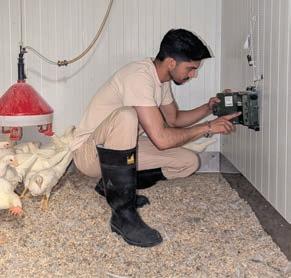
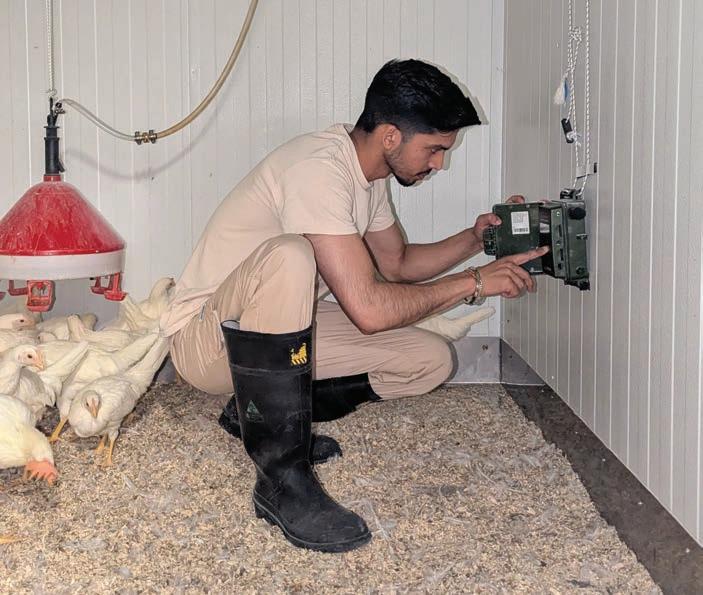
Yashan Dhaliwal is part of the research team that installed a multimodal sensing system to monitor young layers from hatch to 20 weeks – recording their behaviour using audio, video and thermal imaging.
and behaviour in a more consistent way.
“Producers already do this so well,” he says. “They listen, watch and adjust. The work we’re doing is intended to support their instincts, make it continuous and reduce the chances of missing subtle changes in bird development.”
Studying the senses
Neethirajan’s latest research followed 150 Lohmann LSL-Lite chicks from hatch to 20 weeks, recording thermal imaging of birds, acoustic recordings of their sounds, video monitoring for bird behaviour and environmental monitoring.
The goal was to look for patterns as birds developed that might show the feasibility of using multimodal monitoring to support precision poultry farming in the future. In other words, would this approach translate into measurable improvements in the longterm health and performance of layers.
Early
Each of the areas monitored provides useful information on its own – but when AI can help pull it all together, a much clearer, fuller picture emerges.
“We are trying to develop a tool that would help farmers catch issues earlier

– a small change in sound or behaviour – before it becomes visible and costly,” says Neethirajan. “By the time something looks clearly wrong in a flock, the biological signal has already been present for da ys. Our goal is to detect that signal early and shift decision making from reactive to predictive.”
Early weeks are critical
Neethirajan and his team found a clear pattern as the young hens developed. Perhaps not surprisingly, birds are noisy and reactive at a young age, and settle as they age to become less jumpy, more predictable and their thermal patterns stabilize as they are better able to regulate themselves.
“What stood out for me is that these changes don’t happen in an organized pattern,” he says. “The sound, movement and thermal signals of the birds evolve on different timelines.”
The encouraging news is that the AI element of the research helped make sense out of that chaos. The research demonstrated that it’s possible to capture all these aspects of laying hen development at the same time – and that a multimodal approach could be a viable, commercial system to monitor the health and welfare in poultry operations.
“The biggest, immediate takeaway for producers is to pay close attention in the early weeks to young layer flocks,” says Neethirajan. “Not just visually but how the barn sounds, how the birds move and how quickly they return to normal after a disturbance. Small inconsistencies that happen early tend to grow into bigger issues later in their life.”
While the path to full commercial integration is still evolving, early applications of this sensing approach are already demonstrating value in research and pilot farm settings. Being able to alert producers earlier on issues in the barn could help spot uneven flocks, support less experienced staff and lead to flock management decisions being made more consistently.
Beyond layers, Neethirajan says the same monitoring approach could apply to breeders, turkeys or broilers – any sector where early development matters.
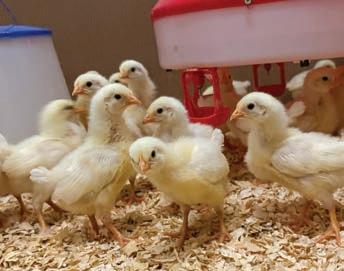
development shapes life-time performance and behaviour in laying hens, and researcher Suresh Neethirajan is developing an AI-driven multimodal early detection system that would give producers a new way to monitor young flocks.


Advancing sustainability
Research reveals balance in welfare and sustainability in layer housing options while updated LCAs show broiler industry advancement.
In the quest for improved sustainability outcomes in the poultry sector, researchers, industry and producers continue to work together to address challenges and opportunities from new angles. New thinking brings new ideas and research that can be built on to drive ongoing advancement.
This forward-thinking approach is reflected in a University of British Columbia (UBC) study that examines the often-competing tradeoffs laying hen farmers face when considering housing options: animal welfare and environmental impact. Similarly, Chicken Farmers of Canada (CFC) has updated its lifecycle assessment (LCA), showing the broiler sector is making measurable sustainability gains, largely driven by improvements in feed.
A bold question of balance
Post-doctoral researcher Ian Turner from the Food Systems PRISM Lab at UBC Okanagan set out to determine which housing
By Ronda Payne
systems best support laying hens when different welfare and environmental priorities are considered.
His model included five non-organic housing systems: conventional cages, enriched colonies, single-level aviaries, multilevel aviaries and free-range systems.
Turner incorporated eight factors, evenly split between environmental and welfare considerations.
“There’s really no right answer about how you should prioritize things,” Turner says. “It’s completely up to each individual person. This was an attempt to cover as many different viewpoints as possible.”
Environmental factors included global warming potential, cumulative energy demand, acidification potential and eutrophication potential. Welfare factors included mor tality rate, bone health, feather cover and the ability to express natural behaviours.
As part of his master’s research, Turner spent the summer of 2019 travelling across
Canada interviewing producers. This work produced a dataset of about 110 participants. Combined with an online survey conducted that fall, which drew roughly 100 responses, it formed the foundation of his model.
The model is designed to evolve as more data and variables become available.
“The animal welfare modelling that I did, I’m very happy with,” Turner says. “But at the end of the day, it is very, very rudimentary.”
He hopes future researchers will build on it. “It was very much a first step in the way that I hope sustainability research will go,” he says.
Enriched colony systems consistently perform
Turner expected the model’s recommendation to shift depending on how the eight factors were weighted. Instead, one result remained consistent.
“Basically, no matter how I turned those
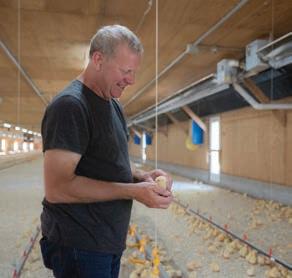
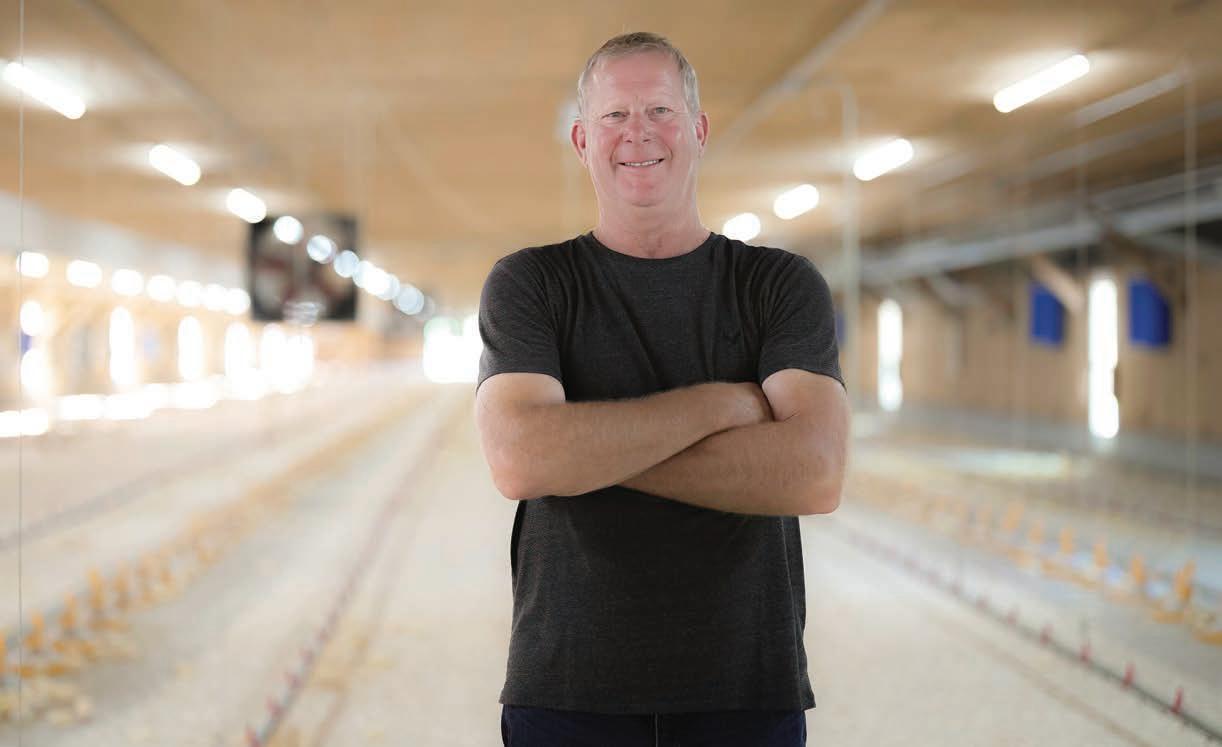
Tim Klompmaker says updated lifecycle assessment data shows measurable gains in broiler sustainability, driven largely by improvements in feed efficiency.
dials and no matter what parameters I fed into this, 100 per cent of the time it told me that laying hens should be in enriched colony systems,” he says.
Initially, he thought there was an error. After re-running the model multiple times, the result held.
Nathan Pelletier, Egg Farmers of Canada research chair in sustainability and associate professor in biology at UBC Okanagan, says the outcome is logical.
“The free-range and conventional cage systems sit at opposite ends of the spectrum,” Pelletier says. “Enriched colonies represent a middle ground where hens perform well, stay healthy and can express some highly motivated natural behaviours.”
The only exception occurred when space allowance was weighted at 90 per cent, with all other factors making up the remaining 10 per cent. In that case, free-range systems were recommended.
“What this work has done is improve the basis upon which Canadian egg farmers can make decisions, taking into account competing objectives,” Pelletier says. “Measuring animal welfare is not straightforward.”
Big data for future decision-making
Decision-making in poultry production often comes down to balancing tradeoffs. Turner’s model provides a structured way to evaluate those tradeoffs.
With conventional cages set to be phased out in Canada by 2036, the research offers useful insights for farmers transitioning to new housing systems or building new barns.
“For the most part, Canadian egg farms are already very efficient,” Turner says. “Now we’re looking at what specific practices lead to even greater environmental gains.”
He believes “big data” and machine learning will play a key role in identifying those opportunities.
Fly Problem?
“Every benchmark provides a basis for comparison to the past,” Pelletier says.
Updates to CFC’s lifecycle assessment
While Turner’s work focuses on layers, the broiler sector is also advancing sustainability through updated LCA data from Chicken Farmers of Canada.
Tim Klompmaker, chair of CFC and a poultry farmer with Hanor Poultry in Norwood, Ont., says the results are encouraging.
“We measured from 2015 to 2023, and in that time frame our overall carbon footprint decreased by six per cent,” he says.
Feed conversion and system advancements
Improved feed conversion ratios, which also increased by six per cent, are a major contributor to that reduction.
The LCA also found a 10 per cent decrease


in the carbon footprint of feed, significant given feed accounts for 45 per cent of total production emissions. Water use remained stable on a per-kilogram basis.
“It’s very significant on the feed side,” Klompmaker says. “But it’s a combination of factors, including genetics and farmers having more tools available.”
Those tools include more efficient heating, lighting and ventilation systems. The LCA indicates many farmers plan upgrades within the next five years.
With 64 per cent of greenhouse gas emissions tied to barn heating, these improvements offer strong potential for further gains.
“When farmers adopt these measures and share results, others follow,” Klompmaker says.
The future of farming
Ongoing improvements are being driven by
new technologies and better data.
“The amount of information we can now pull from our systems allows for fine-tuning like never before,” Klompmaker says.
New facilities are incorporating improved insulation, advanced ventilation, precision
feeding and water monitoring systems, all aligned with sustainability goals.
Heat exchangers are one example gaining traction.
“In the last 10 years, we’ve seen a big increase in interest,” he says.
Many of these improvements are driven by a focus on bird performance, which often aligns with environmental and economic benefits.
On his own farms, Klompmaker has implemented several upgrades, including solar power.
“Two of our farms now produce all the power they need,” he says. “We’re essentially net-zero with Ontario Power Generation. It’s a long-term investment.”
As tools like Turner’s model and updated LCAs continue to evolve, they are helping guide the poultry sector toward a future where sustainability and productivity go hand in hand.

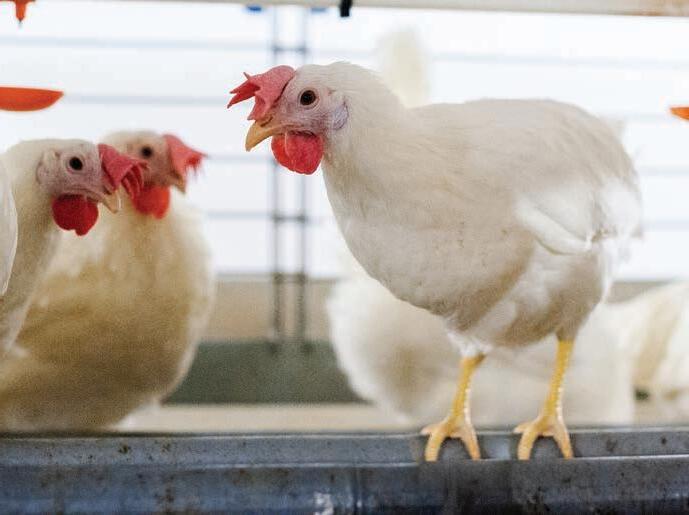
Research from UBC’s Food Systems PRISM Lab highlights how housing systems, such as enriched colonies, can support both welfare and environmental outcomes for laying hens.
Drive your farm’s sustainability forward with NESTT
Egg farmers are improving efficiency and sustainability with the National Environmental Sustainability and Technology Tool (NESTT). Use NESTT today to help achieve your environmental goals!

The latest enhancements to NESTT: Mobile-friendly Guidance for new users
Simplified questionnaire that saves you time
Improved accuracy for key indicators
Enhanced score explanations
Sign up using your Farm Registration ID. Visit eggsustainability.ca or scan the QR code below to get started.
Barn Management
Smarter broiler production
New technologies in automation, feeding and energy management are helping producers boost efficiency, cut costs and improve bird welfare.
By Scott Black
The broiler industry is fastpaced, full of challenges and always evolving. Over the years, the industry has integrated automation, data-driven management and sustainability-focused equipment to improve efficiency and reduce costs.
Modern poultry houses are reshaping how they operate. New tools such as advanced environmental controllers, precision feeding systems and energy-efficient equipment are improving productivity, overcoming labour shortages and enhancing bird health. The industry is changing in several ways, with five trends that stand out in recent years.
Environmental controllers
Environmental controllers have advanced rapidly. Controllers are integrating new features and improving current functions. New technology such as streaming local weather conditions, integrating thermal cameras and tracking bird activity are just a few features that have expanded controller capabilities. Companies are actively exploring ar tificial intelligence, which is exciting because AI could make data-driven decisions and eliminate guesswork.
Modern environmental controllers can incorporate networks of high-precision
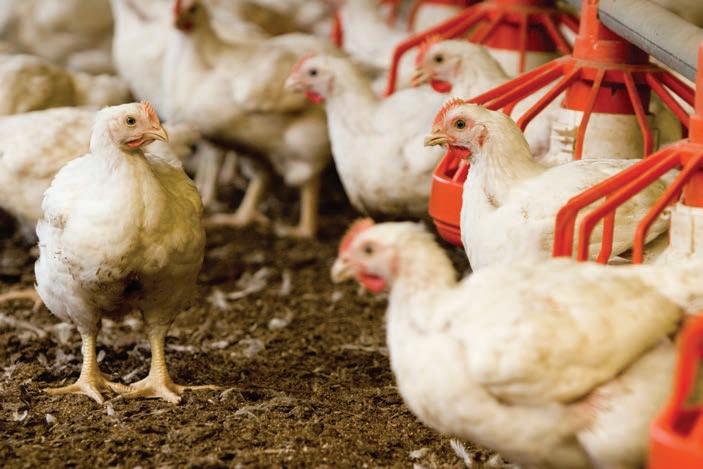
sensors that regulate temperature, humidity, air speed and air quality in real time. Automated systems proactively deter heat stress, maintain oxygen levels and manage humidity. High-efficiency motors and ventilation systems reduce energy consumption while maintaining consistent environmental conditions. Through innovation and advancement, controllers can strengthen bird health, welfare and performance to deliver greater profitability for both the producer and the company.
Advances in precision feeding
Smart feeding systems dispense feed based on broiler weight, age and real-time consumption. Optics and lasers provide precise measurements and predictions. These sy stems use hardware and integrated software to send information to a central system that signals when feed bins are
empty and can calculate the weight of the flock at any time during growout.
Sensor-driven monitoring also alerts producers to blockages or shortages in the feed lines, preventing costly interruptions. Given that feed comprises approximately 70 per cent of broiler production costs, optimizing feed delivery represents a key opportunity to improve profitability.
Energy cost management
Energy costs represent a major operational expense in broiler production. Recent innovations in energy-efficient equipment are helping producers reduce costs and environmental impacts. Technologies such as LED lighting, solar-powered systems and high-efficiency fans are becoming more common.
Construction costs for poultry housing have increased steadily and represent a
As demand for protein continues to increase, growers can integrate technology to overcome challenges and improve production efficiency.
Scott Black is a broiler specialist with North America Technical Services at Cobb-Vantress, LLC.
substantial capital investment. To offset these upfront costs, the integration of high-efficiency equipment that reduces operating expenses is essential. Invest ments in energy-efficient motors, ad vanced environmental controllers, high-ef ficiency heating systems and variable-speed stir fans can significantly r consumption while maintaining optimal environmental conditions and supporting bird welfare. With effective financial and operational management, these technolo gies can generate measurable returns over the 30- to 40-year lifespan of the house.
Energy audits
Energy, particularly electricity for ventila tion and heating fuel for brooding, repre sents one of the highest expenses in broiler operations, second only to feed. Documenting and analyzing actual energy usage allows producers to pinpoint ineffi ciencies, benchmark performance and plan targeted upgrades.
Independent firms and government agencies can support producers in reducing energy costs, improving sustainability and increasing operational efficiency. These organizations can conduct energy audits that integrate data with facility assessments, helping producers better understand where to target investments that can increase barn value, reduce energy consumption and potentially lower tax liability. Energy audits aim to answer three key questions: Where is the energy being used? Where is energy being wasted? What improvements will deliver the best return on investment?
The outcome of an energy audit tends to vary depending on climate. For example, in a warm region, an 11-month audit of a modern broiler house revealed that venti lation fans were the largest contributor to electricity use, with peak demand charges driving total power costs higher.
By understanding when and how elec trical loads occur, the producer was able to narrow energy-saving options to optimiz ing ventilation strategies or upgrading fan systems to reduce demand spikes. More over, comparing costs of energy with up grades to the fan system allowed the pro




Barn Management
ducer to make the best economic decision. In cool regions, audits often rely on thermal imaging, which exposes air leaks and insulation gaps that allow cold air into the house and increase heating demands. Addressing these deficiencies through improved insulation reduces heat loss in winter and limits heat gain in summer, lowering both heating and cooling costs.
Waste management
Composting waste, such as mortality, offers several advantages over disposal methods like incineration, rendering or burial, particularly in terms of environ-
mental sustainability and cost. On-farm
composting uses natural microbial processes to break down carcasses, avoiding high energy use, air emissions and fuel costs associated with incineration. Unlike burial, composting minimizes the risk of groundwater contamination and odour issues and can be done year-round with relatively simple infrastructure.
Composting is also more economical for growers because it reduces transportation and service fees. The end product from composting is a stabilized, nutrient-rich material that can be land-applied in accordance with regulations, recycling nutrients
Intelligent insights for smarter egg production
See the full picture – Track and benchmark flock performance.



Turn data into action – Make informed decisions with real-time insights.
Stay proactive – Catch issues early and optimize egg production.


back into the soil rather than treating mortality as a waste stream. Some growers even sell their compost for small garden or yard applications, partially offsetting input costs and the losses of mortality.
This ancient practice has become more practical as risks and issues with composting are being overcome by applying new innovative tools. Digital probes and wireless sensors allow real-time monitoring of compost pile temperature and moisture, improving management efficiency. Automated aeration systems can be integrated to optimize oxygen levels, which reduces odours, speeds the composting process and reduces the need for turning the pile.
Adopting innovation
Daily management is a critical factor influencing broiler performance and cannot be r eplaced by technology. Technology strengthens good management and allows growers to overcome challenges such as cost pressures and labour constraints and do more with fewer resources. Although innovation has the potential to transform live broiler production, essential skills and hands-on experience are indispensable. With the average age of growers in the United States close to 55 years, technology adoption is most successful when it builds on experience and supports hands-on learning.



















































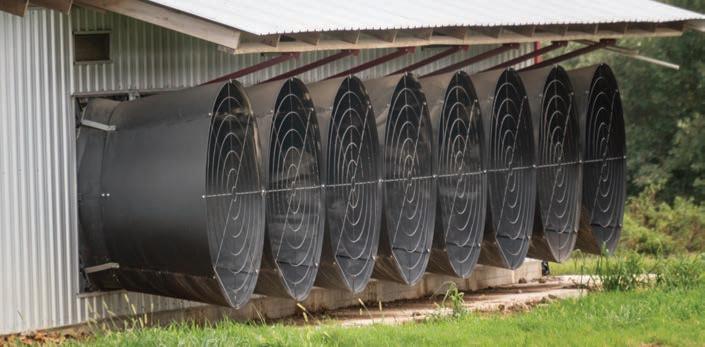
High-efficiency motors and ventilation systems can reduce energy consumption while maintaining consistent environmental conditions.
*Protection against GA08, GA13 and DMV/1639/11 IBV types.
A live monovalent bronchitis vaccine. Every droplet of Cevac IBron™ carries a tidal wave of protection against the DMV isolates of the avian infectious bronchitis virus. This live, monovalent bronchitis vaccine can be administered using coarse spray application or the gel spray route for rapid uptake.
Cevac IBron™ is the latest example of Ceva’s continual commitment to research and innovation, both today and in the future.
Contact your Ceva representative today to turn the tide on avian infectious bronchitis, with IBron™.
Tel: 800.510.8864 • service.canada@ceva.com • ceva-canada.ca


This research is funded by the Canadian Poultry Research Council as part of the Poultry Science Cluster, which is supported by Agriculture and Agri-Food Canada through the Sustainable Canadian Agricultural Partnership, a federal-provincial-territorial initiative.
Killer cocktail
Researchers mix an effective phage combination to control salmonella in laying hens.
By Jane Robinson
As new, more challenging salmonella strains emerge in Canada’s poultry industry, researchers are working with innovative “natural” options to reduce risks to bird health and food safety.
Dr. Hany Anany has been focusing on naturally occurring bacterial viruses called bacteriophages, or phages, for more than 15 years for their ability to effectively target salmonella and other troublesome bacteria found throughout the poultry production and processing chain. He has successfully incorporated these beneficial antimicrobials into packaging materials to create anti-salmonella, phage-based bioactive packaging for raw poultry. Now, he is applying that knowledge to control salmonella in laying hens and is about midway through a five-year research project.
“Phages are highly precise, natural tools that target harmful bacteria like salmonella without impacting beneficial microbes,” Anany says. “With rising antibiotic resistance and strict regulations on antibiotic use in layer flocks, bacteriophages are a promising alternative that could complement other management practices like biosecurity, vaccines and probiotics.”
Anany and his team set out to develop and optimize a phage “cocktail” – made up of four phages – that could effectively control salmonella in laying hens over a wide temperature range. An additional challenge with salmonella in layers is that hens can be
carriers without showing symptoms, and the bacteria can colonize the ovaries, creating a risk of egg contamination.
“Using phages to control salmonella in laying hens could help reduce the contamination risk before eggs ever reach the market,” Anany says.
Harnessing viruses for good
Commonly called bacteria eaters, phages are “good” viruses that exist throughout the natural world. They are environmentally friendly, highly specific to the bacteria they control and able to multiply as needed when faced with high levels of their target bacteria.
Phages are found wherever bacteria exist, and those that target salmonella are commonly found where the bacteria circulate in poultry barns.
Anany and his team began this research by collecting and identifying phages that occur naturally in live birds and poultry barns to find ones effective against Salmonella enteritidis , Salmonella Kentucky and other strains with a growing impact on poultry production. They are particularly
interested in the broader effects of adding a phage cocktail to layer diets to ensure it targets salmonella without disrupting the natural gut microflora, which is critical for overall bird health and performance.
“We were able to narrow down a large pool of possible phages to a four-phage cocktail that is highly effective against the salmonella strains we are targeting in laying hens,” Anany says. “Phages are specific to the bacteria they attack, so we were able to select the right combination to target the strains that matter most to poultry production.”
The makings of a good cocktail
The phage cocktail must meet key criteria to move successfully from the lab bench to real-world application. First was developing an effective process to encapsulate the cocktail to protect it and extend its shelf life inside the bird – a dry powder spray that coats the phages before being added to feed.
Working in collaboration with AAFC researcher Dr. Qi Wang, the team also needed to show that the mixture could control salmonella at two key temperatures – 41°C
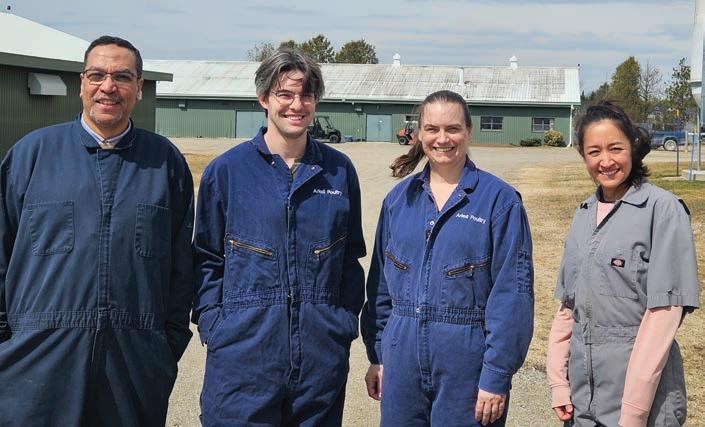
Hany Anany and his research team will feed their phage cocktail to laying hens at the University of Guelph starting this fall. The team includes (left to right) Hany Anany, PhD student Grandon Spoja, University of Guelph collaborator Nicole Ricker and postdoctoral fellow Alba Park De La Torriente.
YOUR TURKEY FARMERS OF CANADA BOARD

Executive Committee 2026/2027








Matt







Steele Vice-Chair








Darren
Board of Directors
Darren Ference - Alberta
Cameron Lavallée - Québec
Matt Steele - Ontario
Debbie Etsell - British Columbia
Jelmer Wiersma - Saskatchewan
Larry Kleinsasser - Manitoba







Ference Chair









Jelmer










Wiersma Executive Member
Hugo Therrien - New Brunswick
Michael de Graaf - Nova Scotia
Craig Valiquette - CPEP
Jean-Luc Hamelin - CPEP
Happy Vistarla - FPPAC
inside the bird and 25°C in the barn environment. In addition, it needed to reduce salmonella levels in the bird’s gut without disrupting the natural microflora, while also decreasing the amount excreted onto eggshells and into litter.
The mixture also had to remain effective against resistant strains that may mutate, be hardy enough to survive passage through the bird’s gut and reach colonization sites in sufficient numbers to exert control, and be easy to administer in either feed or water.
Moving to real-world testing
When selecting phages for the cocktail, Anany and his team identified two important traits. There is a clear temperature effect, as not all phages functioned effectively at both temperatures – inside the bird and in the barn – making this a key criterion for practical on-farm use.
They also found that including phages
that attach to target bacteria through different receptors is an important resistance m anagement strategy. This approach could reduce the chances that mutating salmonella strains escape control.
“Phages are working well in the lab,” Anany says. “We now want to test whether they can reduce salmonella colonization and shedding in the bird gut, limit egg contamination and be applied in the barn environment to further reduce salmonella levels and risk.”
Anany is collaborating with Dr. Nicole Ricker in the Department of Pathobiology at the Ontario Veterinary College, University of Guelph, to feed the phage cocktail to laying hens this fall. After trials are repeated next year, he says the team will be i n a strong position to engage industry partners for scale-up, manufacturing and regulatory planning.
“I want producers to know that we are
moving the project toward real-world application so we can fine-tune efficacy, dosing strategies and product stability,” Anany says.
While phage-based products are already commercially available in some countries for food safety and agricultural use, Canada is not yet among them.
A nany says phages offer a targeted, environmentally friendly approach to support bird health and food safety. He envisions a time when a commercial phage cocktail could be available as a dry powder added to layer feed or water during high-risk periods such as flock placement, stress events or other known risk windows.
“A similar approach could also be applied to broilers and turkeys,” he says. “The key is matching the phage cocktail to the bacterial strains most common in each production system.”


PHYSICAL BARRIERS BECOMING MANDATORY ON CANADIAN CHICKEN FARMS
Based on scientific literature and epidemiological reports on avian influenza infections, physical barriers will soon be required in the Raised by a Canadian Farmer On-Farm Food Safety Program (OFFSP).
» Flush to the floor
» Wall-to-wall
» Enough room for footwear and clothing change
» An appropriate height to be:
• a visual reminder
• a step-over, and
• prevent organic matter movement from one side to the other
» Can’t be located inside the grow out area


More information on the new requirement and timelines can be found at chickenfarmers.ca/portal/physical-barriers-photo-library/
Supply management under pressure
Survey reveals low public awareness as political and trade risks grow. By Treena Hein
It seems that supply management, which spans chicken, turkey, eggs and milk production in Canada, may face unprecedented threats this year.
Renewal of the CUSMA trade agreement is fast approaching, and U.S. President Donald Trump made remarks last year about the unfairness of Canadian tariffs on U.S. chicken, eggs and dairy products.
In response, the Government of Canada has tried to take supply management (SM) off the table by unanimously passing Bill C-202, which removes SM from all future international trade negotiations. However, Trump’s unpredictability on tariffs, NATO and other issues leaves lingering concerns about what hardline stance he may take on SM in future.
Meanwhile, it’s important to understand what Canadians think about SM, and how much they actually know about it. Analysis of a new national survey on this topic, published in the Canadian Journal of Agricultural Economics, has been released by
Dr. Maurice Doyon and Stéphane Bergeron of the Department of Agricultural Economics at Université Laval in Quebec, and Dr. Bruce Muirhead of the Department of History at the University of Waterloo in Ontario.
This team surveyed more than 1,200 Canadians and found that, in general, Canadians have little knowledge of the scope of SM or how it works.
“This low literacy mirrors public literacy issues documented on topics such as agriculture, food, nutrition, health, finance and associated public policies,” the team notes in the study summary. “A low level of literacy should be concerning if one believes that educated decisions are better than less-educated ones. This is especially true for SM, given that its existence relies on a social contract with Canadians and the fact that Canada is the last country in the world to maintain this policy.”
After answering what they knew about SM, respondents were then provided with
positive and negative information on SM themes frequently discussed in the media and asked for their perceptions regarding the effects of SM in six areas.
One was a comparison of the price of SM products in the U.S. versus Canada. The others included how SM affects farming innovation, retail product diversity, young farmers’ access to the sector and international trade.
After analyzing this data, Doyon, Bergeron and Muirhead concluded that views toward SM policy are mostly negative, with the most negative perceptions held by respondents with ideologies loosely classified as economic conservatism. However, they also found a positive association between economic conservatism and SM literacy.
It’s always important to note limitations of a study, and its authors point to one in how the impact of knowledge on perceptions of SM was considered in the analysis. They also point to the survey being con-
Supply management supports domestic production, but public understanding of how it works is limited.
ducted in 2023. Much has transpired since.
For example, in response to U.S. tariffs on Canadian goods and other political tensions, many Canadians in early 2025 stopped buying American products and travelling to the U.S. Doyon also notes that in light of extreme price spikes for U.S. eggs in 2024 and 2025 – and concerns stemming from repeated comments about Canada becoming the 51st state – Canadians may now better appreciate the sta bility offered by SM.
“I bet that to have a safe and stable do mestic supply by SM of these important foods is appreciated by most,” he says. He believes Canadians likely now have a more positive overall feeling about SM, although that was not directly measured in the study.
Changing perceptions?
But it’s important to keep in mind that things change. We have no way to know how events in Canada and around the world will unfold in the coming months and years, and these developments may
affect Canadians’ perceptions of SM.
It is possible, for example, that an economic downturn could worsen and that the U.S. could threaten broad tariffs on Canadian exports if protections for supply-managed products are not removed.
If Canadians begin to see SM as a liability, political support could erode.
Doyon says he partially agrees and adds that perceptions play a critical role in
policymaking. “Current and future federal and provincial employees and politicians arrive in their position of authority with their perceptions,” he explains.
“If their perception is not aligned with the facts, then we have a big problem in terms of the type of decisions that will be made. I believe that their perceptions will, to some extent, reflect the perceptions of the general population. So, if only farmers perceive that SM is a good thing, that can be a problem for its future.”
When asked whether supply-managed poultry and egg production will continue in Canada, Doyon is optimistic. He notes that demand for these products is growing and likely to accelerate.
“More people will be using GLP-1 medications (Ozempic, etc.), which necessitate a higher protein intake, and eggs and poultry are a great source of high-quality and relatively cheap protein,” he says.
Doyon adds that he does not see trade negotiations with the U.S. as a major threat over the next five years for SM in eggs and poultry. “Moreover, these sectors have some margin to manoeuvre in terms of price and in terms of volume,” he notes, “if things get more complicated with the U.S.”
Industry response
Egg Farmers of Canada and Chicken Farmers of Canada were asked about plans to improve public understanding and support for SM.
CFC communications officer Chris

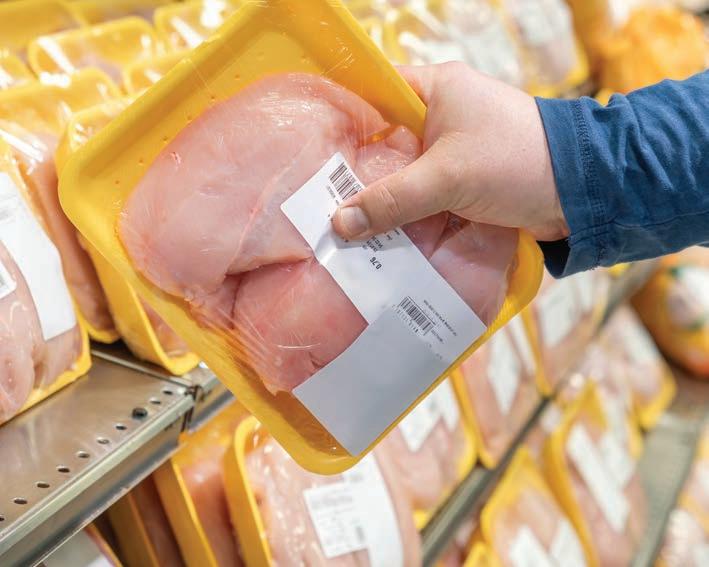
Price and supply stability are emerging as key factors shaping how Canadians perceive supply-managed products like eggs and chicken
“Facts and statistics alone do not create an emotion, narratives do.”
Hofley says the organization has long focused on promoting and defending Canada’s SM system through advocacy, education and engagement with government, stakeholders and media.
“More recently, we have strengthened this work through collaborative initiatives like the Canadian Food Guardians campaign, developed alongside EFC, Turkey Farmers of Canada, Dairy Farmers of Canada and the Canadian Hatching Egg Producers,” he says.
“This campaign highlights a unified, consumer-facing approach – underscoring how SM supports food security, strong
rural economies and high biosecurity standards.”
At the same time, Hofley reports that CFC’s Raised by a Canadian Farmer brand continues to connect with Canadians through social media and digital platforms.
“This approach is particularly effective with younger audiences – 27 per cent of Canadians aged 16-29 recall the brand from social media, making it a key awareness driver for this priority group,” he says.
“Overall, our efforts are both ongoing and evolving – combining traditional advocacy with more coordinated campaigns
and modern digital outreach to ensure Canadians understand how SM works and why it matters.”
Doyon’s advice for industry groups is to focus on the issues that resonate most with Canadians today: food prices and supply stability.
“Educate the population on price,” he says, noting that factors such as climate and population density influence why Canadian-made products can sometimes be cheaper in the U.S.
He also recommends highlighting how SM supports local, decentralized poultry and egg production and processing across Canada.
Overall, to address the survey finding that Canadians know little about SM, Doyon urges industry groups to tell a compelling story.
“Facts and statistics alone do not create an emotion, narratives do.”

The Illustrated Egg Handbook is a colourful guide that gives you a wide range of information on the structure and quality of eggs, as well as what can go wrong.
Full of detailed illustrations and tables, this handbook is a perfect guide for people who want to gain knowledge in egg production and quality or even someone that just wants to know more about the inside of an egg.







Building Bridges
By Crystal Mackay
Building stronger communities
What does community mean to you? At a time when many forces are trying to divide, it is time to extend our definition of community with purpose beyond our local town to the many circles we live and work in.
My early communities included 4-H, the local fair and every sports team I loved to compete on. It then expanded to “Aggies” at the University of Guelph, many of whom remain good friends today. I quickly learned “Aggies” is a community that can be found at work and industry events all over the world. People with a passion for agriculture and feeding our world share common purpose and values that instantly unite them.
My agriculture community grew quickly with my first job out of university at the Ontario Farm Animal Council (OFAC, now Farm & Food Care). The concept was built in 1988 for animal agriculture to come together to combat misinformation and share real farm stories. It was novel and met with many skeptics’ questions: “How can supply-managed groups work with non-supply-managed?” “What does dairy have in common with turkey?”
The late Jim Johnstone, an egg farmer, and the late Gord Coukell, a dairy farmer, shared the vision that the two per cent of our country that feeds the rest needed to form a community and work together. That spirit still runs strong in Farm & Food Care efforts like The Real Dirt on Farming across Canada today. It’s a table where all aspects of the food chain – and many competitors –come together and pool resources for a shared vision.

Once I entered the workforce, my teams became my community. Well beyond the tasks, they became the people I ate lunch with, travelled with and shared the ups and downs of daily life with. With hybrid work environments and budget cuts on travel or celebrations, this aspect of work community is suffering and could use a shot in the arm.
The 2025 Gallup State of the Global Workforce study shows approximately 20 per cent of employees feel lonely at work. This number is highest among younger employees and those who work from home.
So what? There is a direct correlation between feeling disconnected and engagement, with a startling 50 per cent of the workforce feeling disengaged. Active disengagement includes looking for other work, going against goals and the newer term “quiet quitting.”
The well-known Maslow’s hierarchy of needs, “A Theory of Human Motivation,” is a theory in psychol-
Community is the people living in one particular area, or people considered as a unit because of common interests, social group or nationality.
~ Cambridge Dictionary
ogy that organizes human needs into five levels. The middle of this hierarchy is love and belonging, including friendship and feeling connected. This core principle must be met before people are motivated to improve productivity or skills.
Take a minute to think about who your people are. Where do you feel you most belong? What do you do to fuel yourself and your community connections?
Think about the new person on your team or in the industry. What if they aren’t from a farm or don’t have a background in poultry? How do we welcome them and make sure they feel like they belong?
The strength of Canada’s poultry community lies in its people – and it is worth investing in them to keep it that way. In an industry grounded in connection, success is never achieved alone. From our farms to the restaurants that serve our food, these connections will drive us forward.
Crystal Mackay is CEO of LOFT32 and co-founder of the online training resource UTENSIL.CA. She helped create both with the goal of elevating people, businesses and conversations on food and farming through training, speaking and projects.

STR EN GTH EN Y OU R
BR OILE R FL OC K
Reduce mortality
Reduce E. coli associated lesions
Potential to reduce antibiotic use